
The Buyer Playbook: 1-Bed Apartment in Historic Centre, Cádiz, Spain, €195,000
Buyer Playbook
Pre-Viewing Intelligence Report
This independent buyer guidance report relates to this specific property located in Spain. It is provided for informational purposes only and does not constitute legal, tax, structural or survey advice. Planning status, habitability, title, community rules, tourist-rental use, energy performance, heritage controls, and any shared-building responsibilities must always be verified with qualified Spanish professionals such as an abogado, arquitecto técnico, arquitecto, administrador de fincas, surveyor or licensed property consultant, and with the relevant municipal and registry authorities. This report is designed to help a buyer evaluate the property before arranging a viewing or making an offer. It highlights due diligence areas and targeted questions to ask the agent. The analysis is based on the listing details provided for this Cádiz apartment and on publicly available Spanish and Andalusian regulatory context current as of March 2026.
Playbook Contents
Property Snapshot
Location
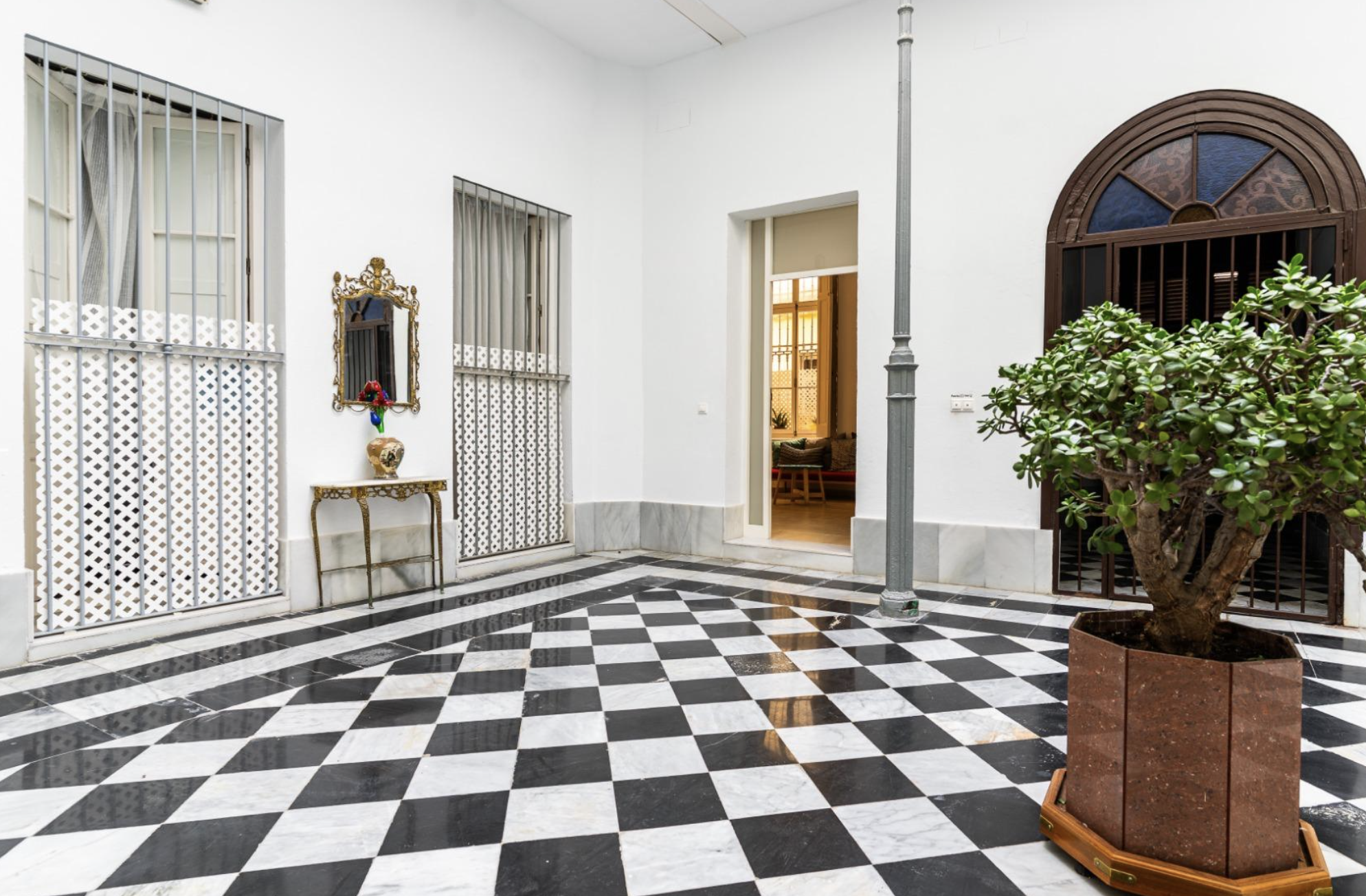
Historic Centre, Cádiz, Andalusia, Spain
Property type
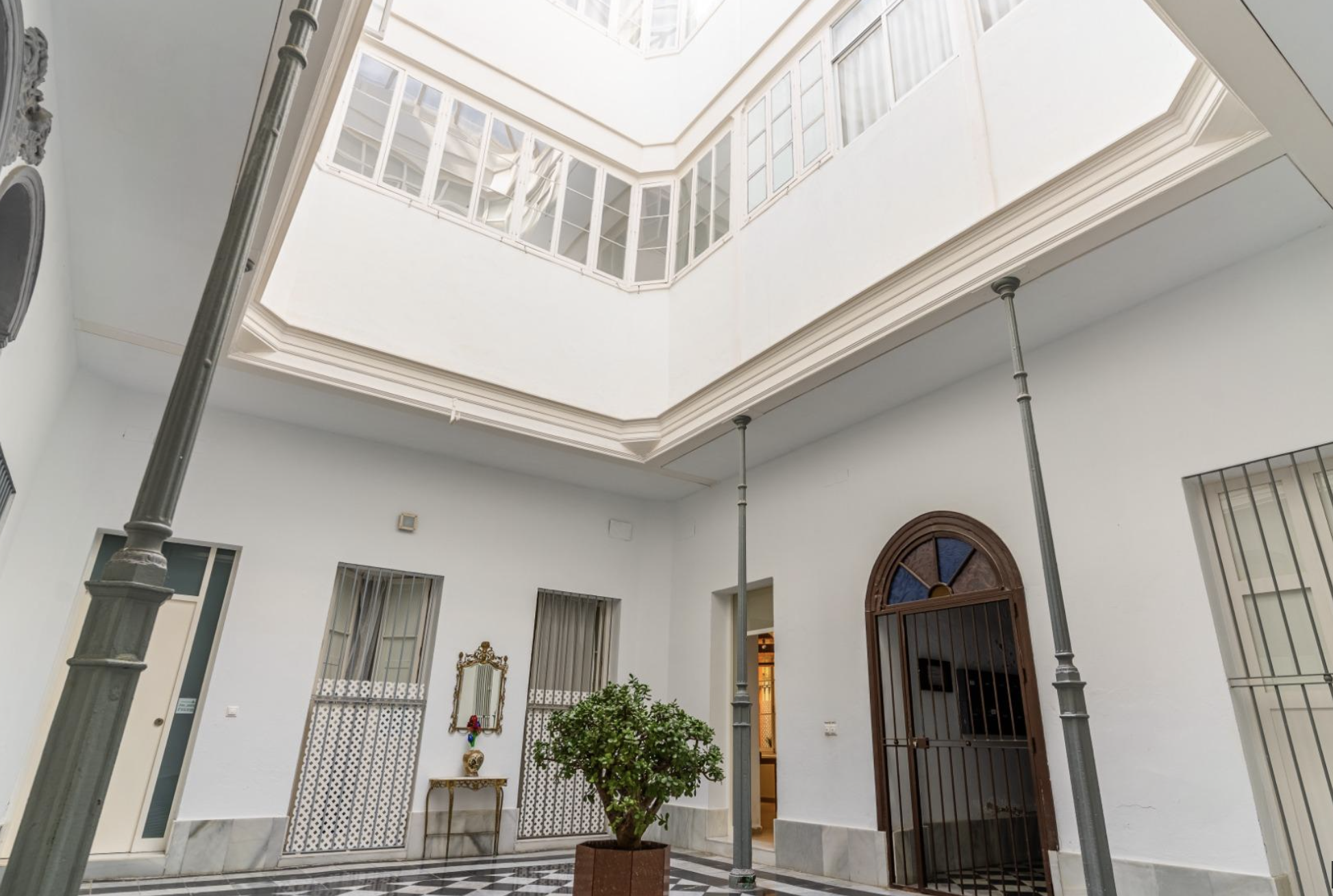
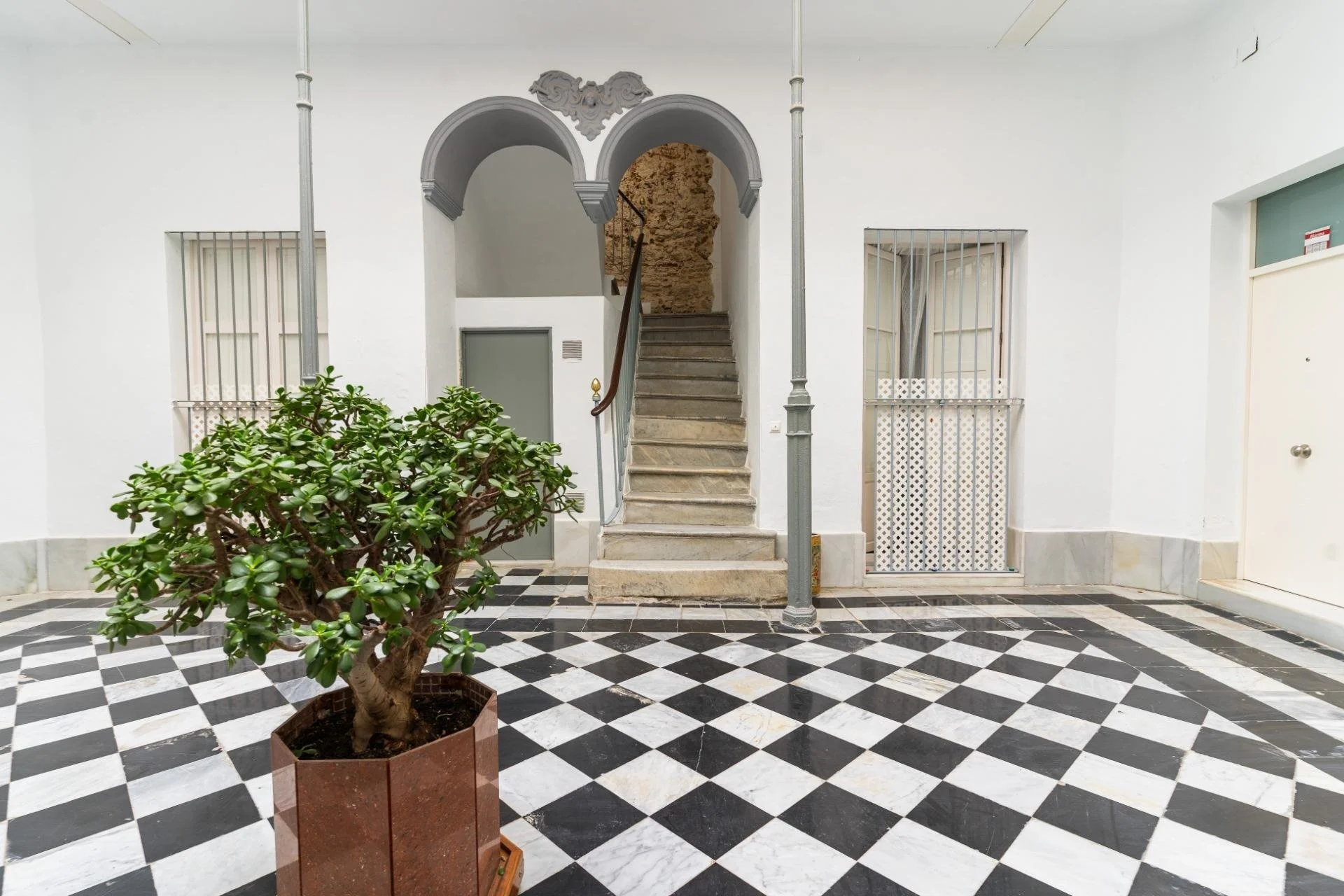
City apartment in a period building
Bedrooms
1
Bathrooms
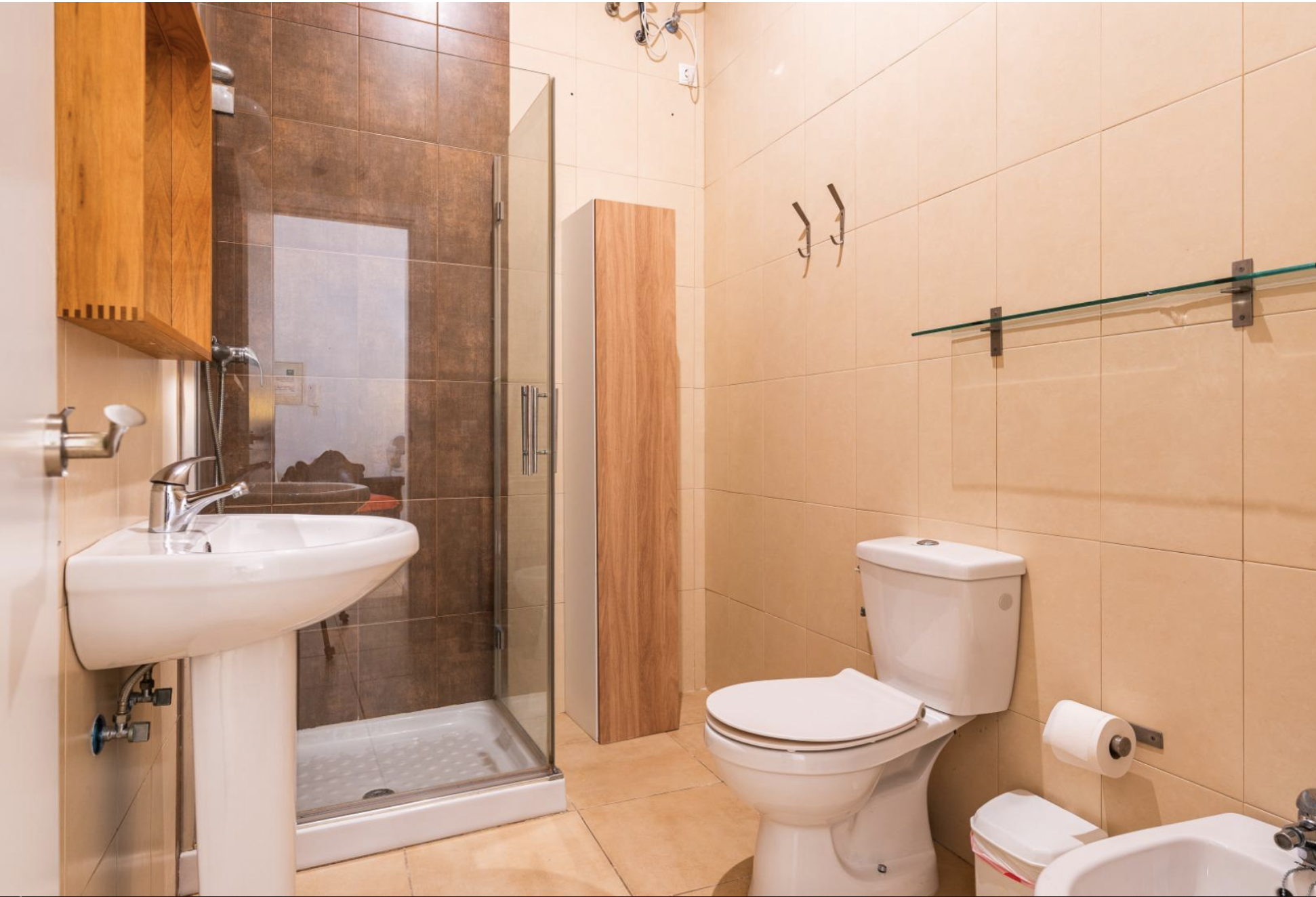
1
Living area
Not stated in the listing, shown as N/A m² living
Energy rating
Class F
Layout cues from listing tags
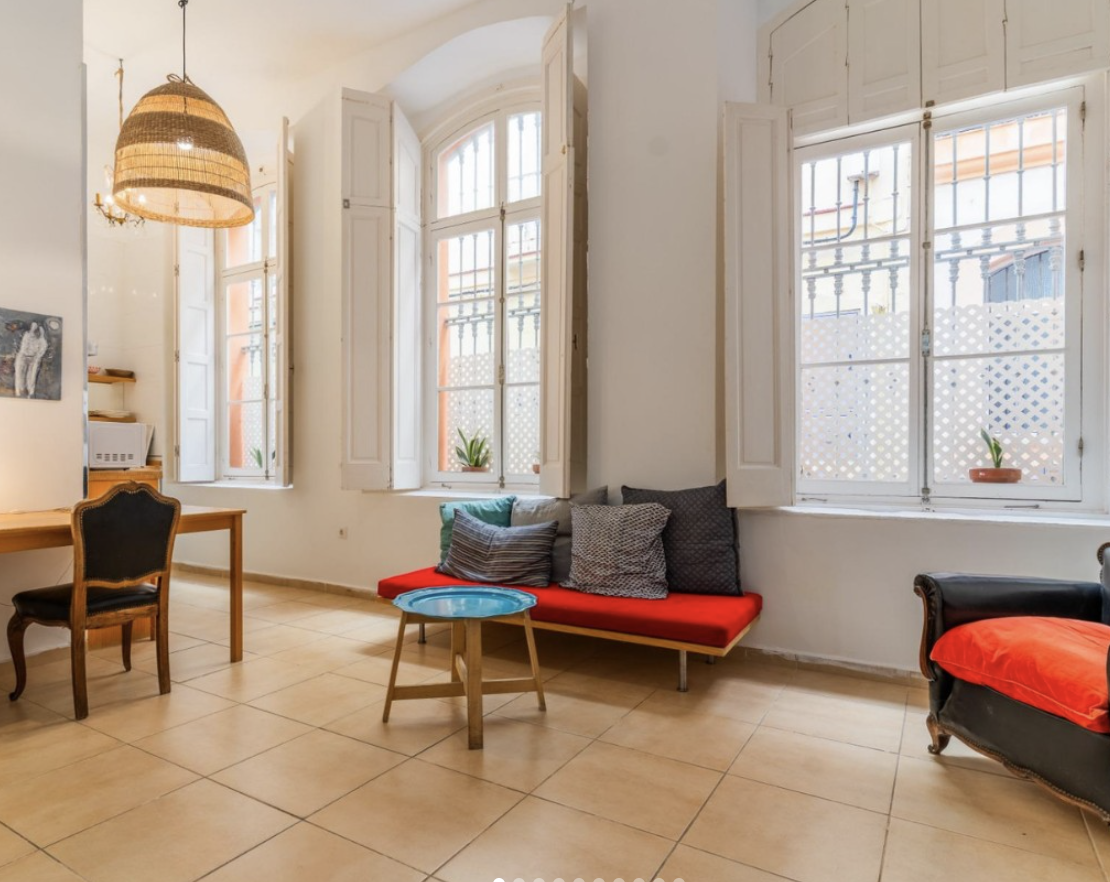
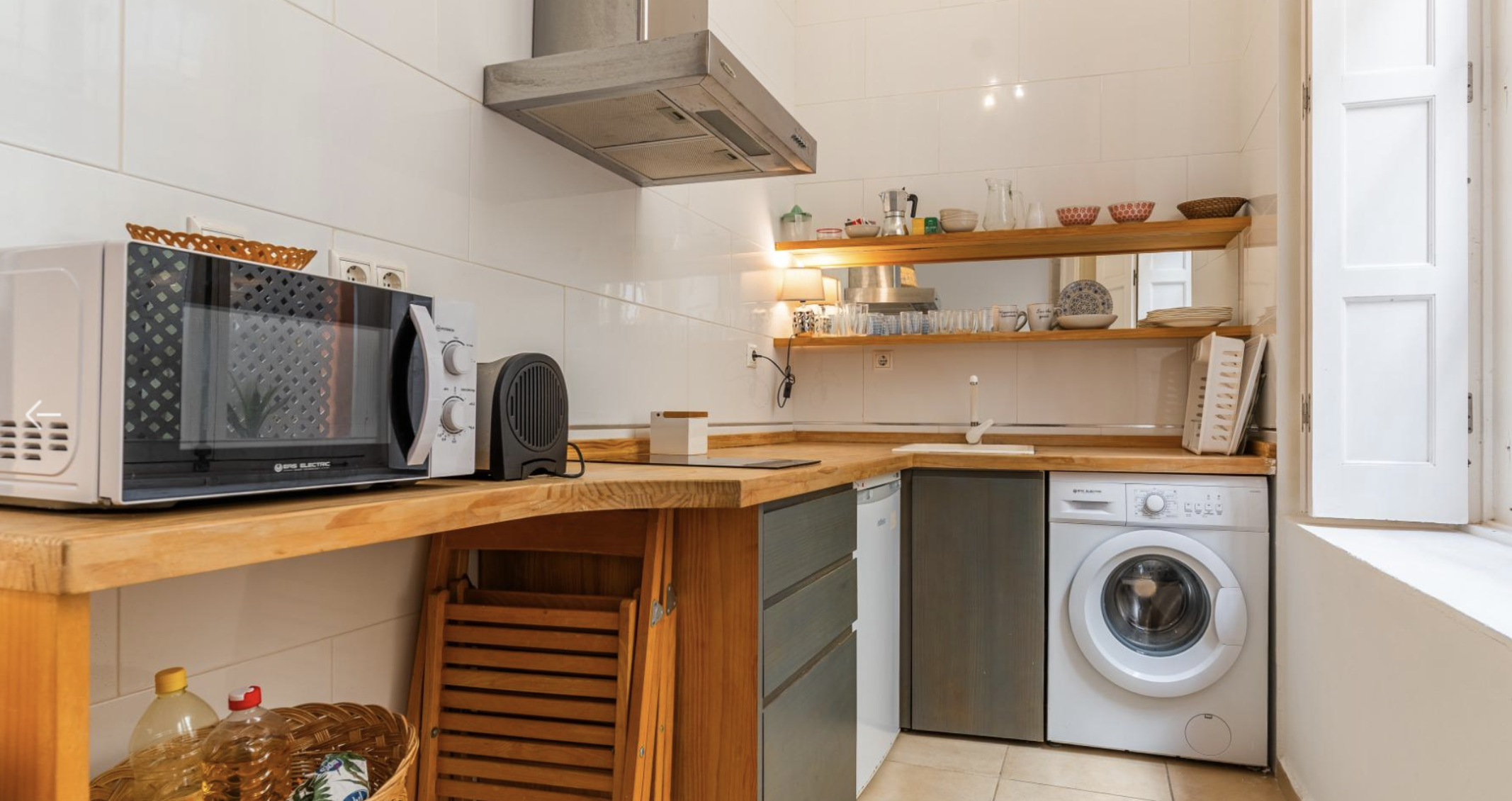
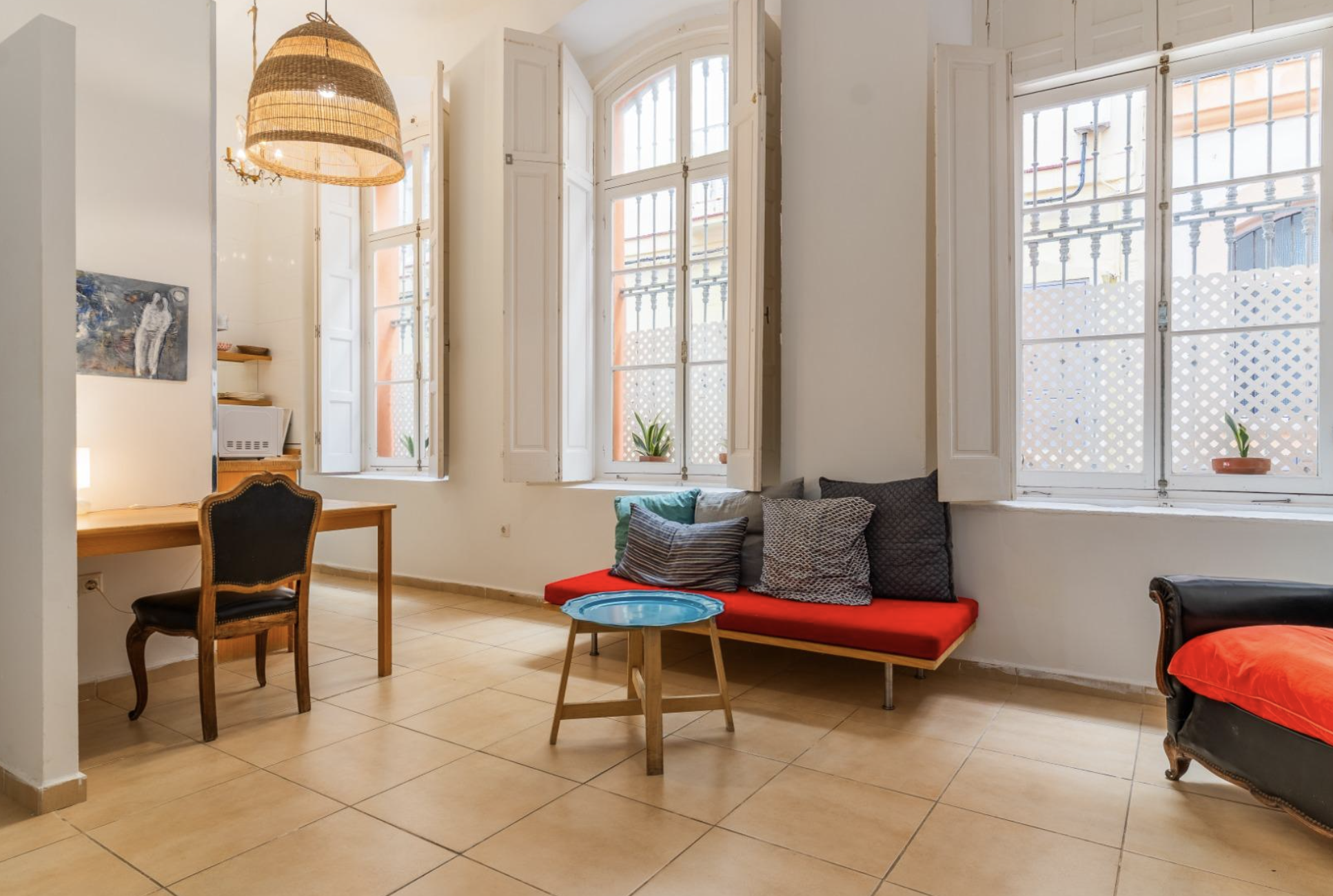
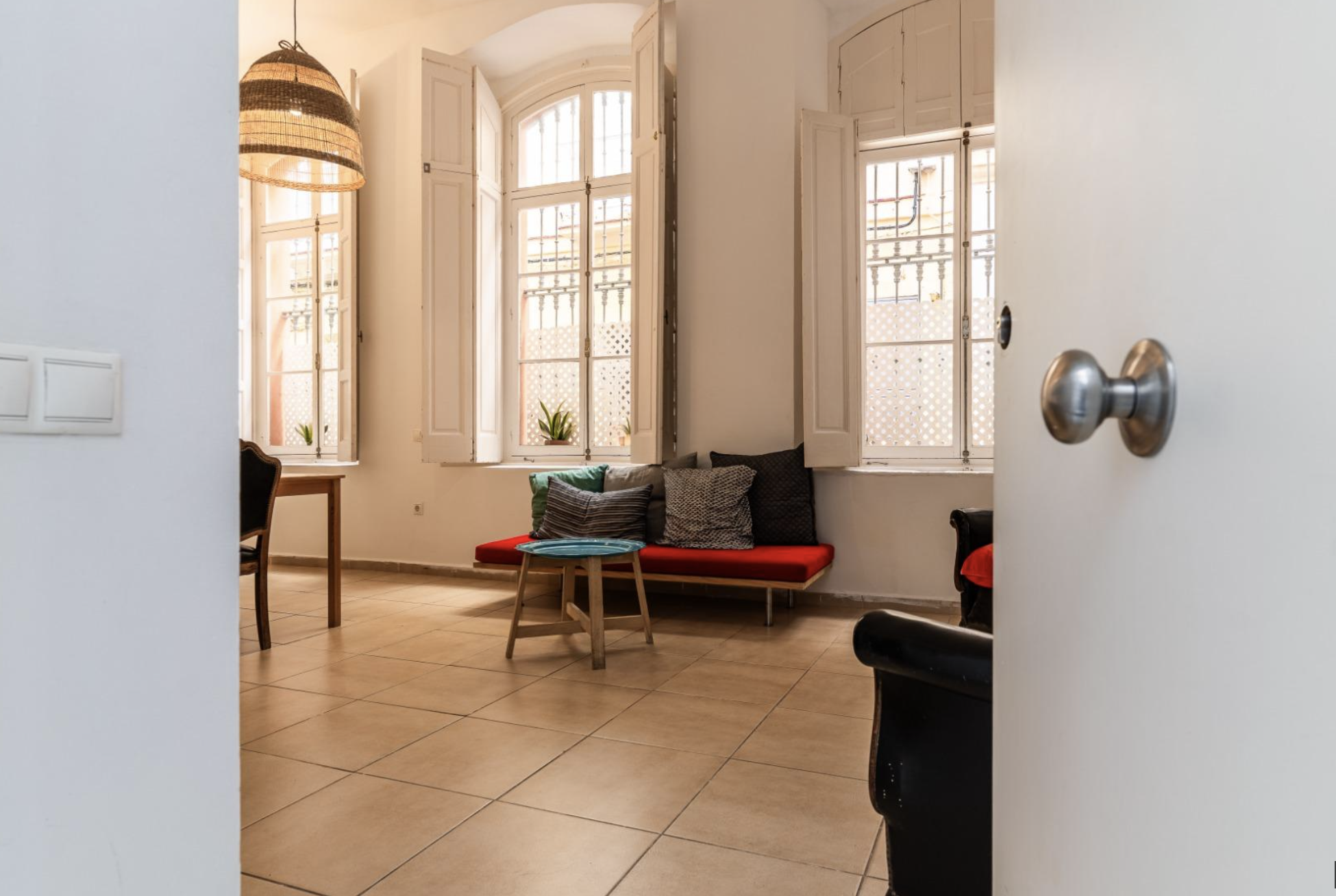
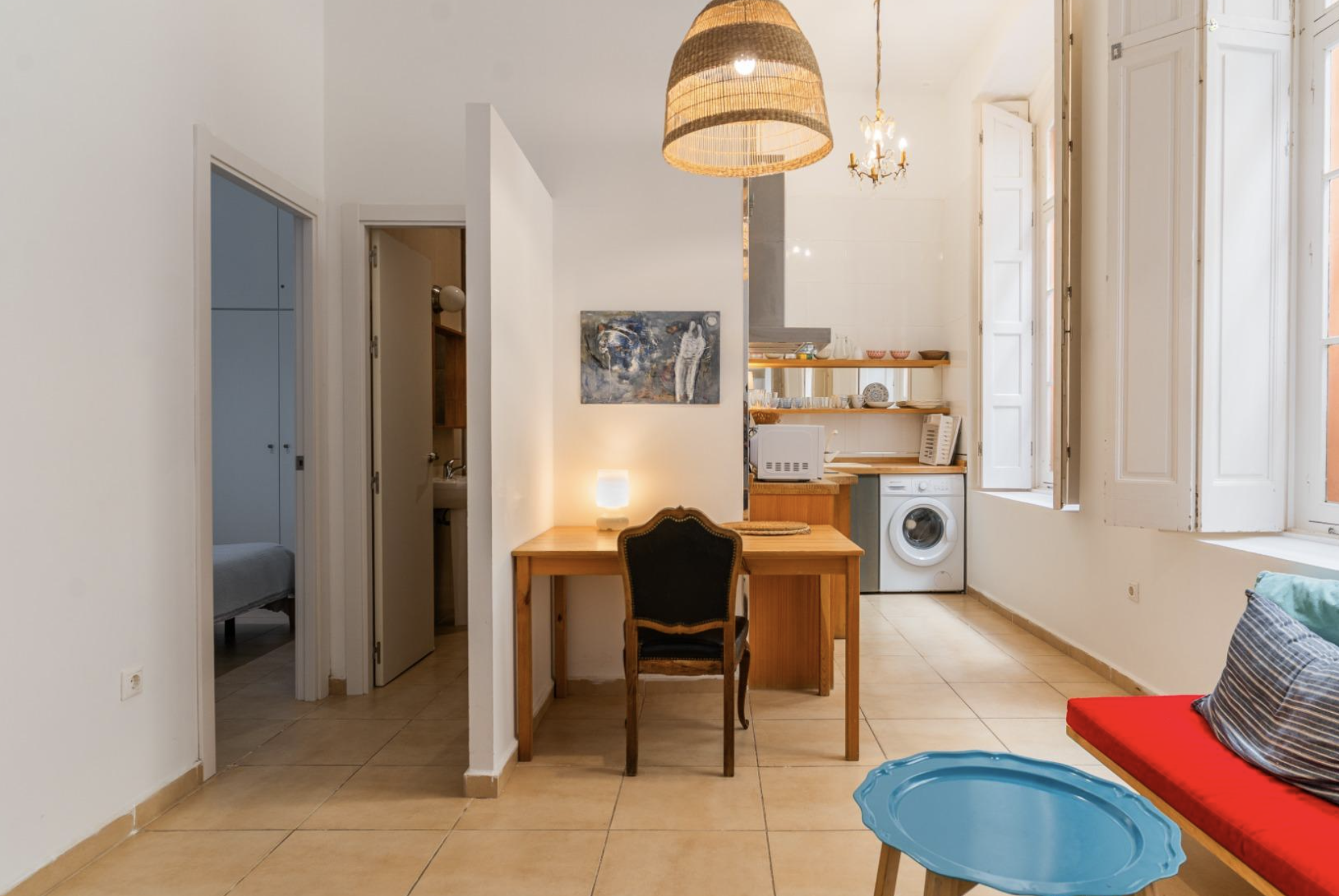
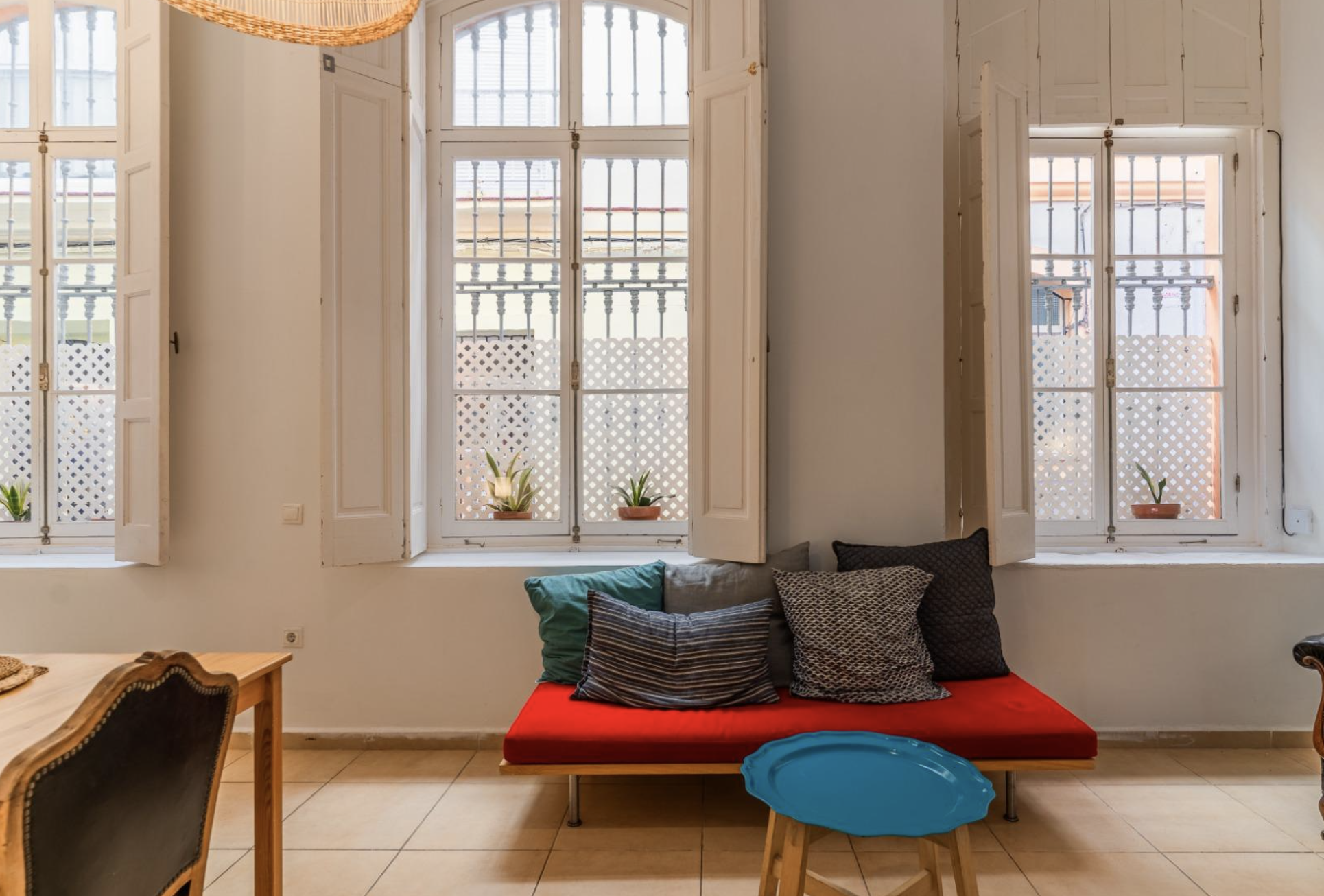
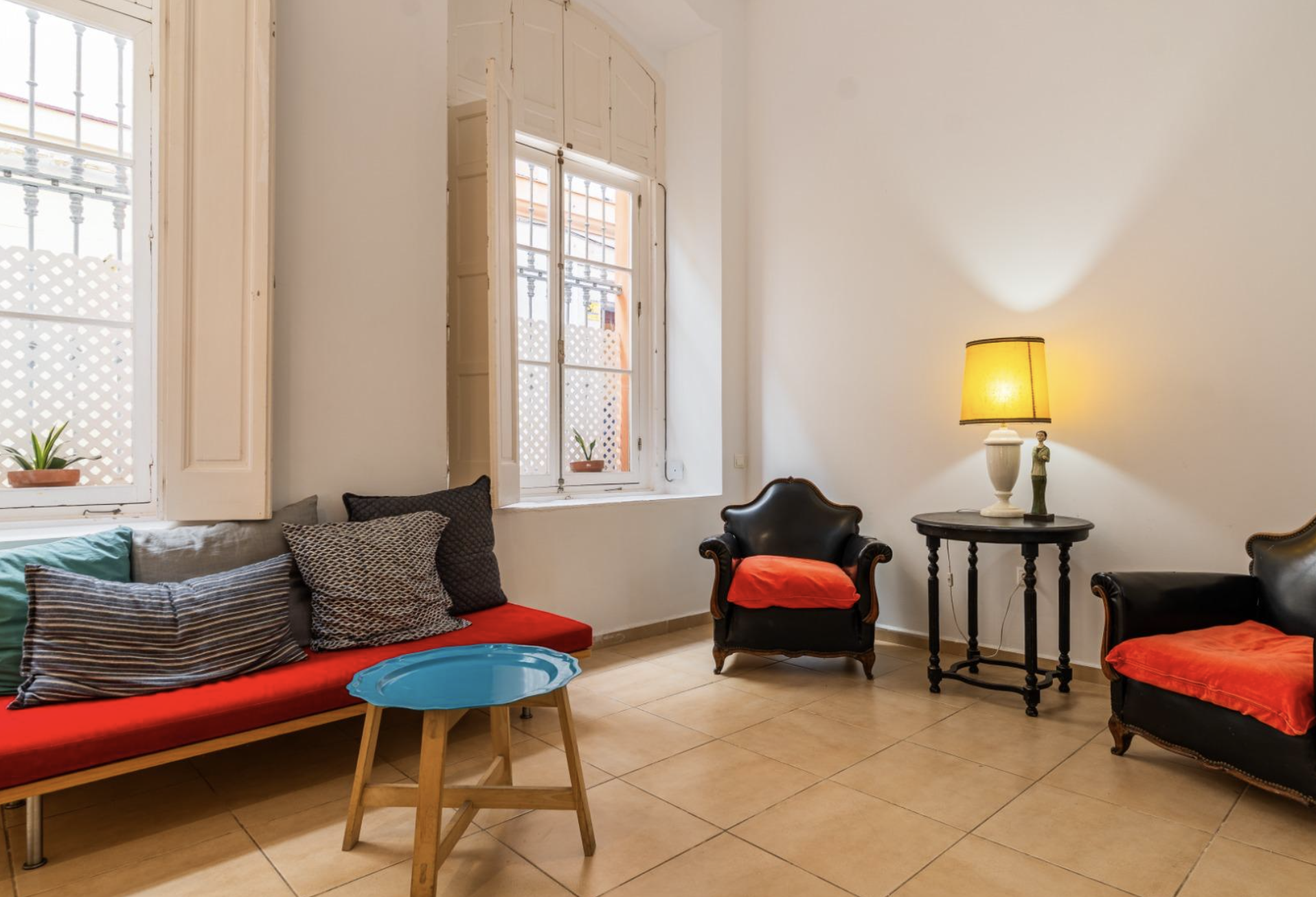
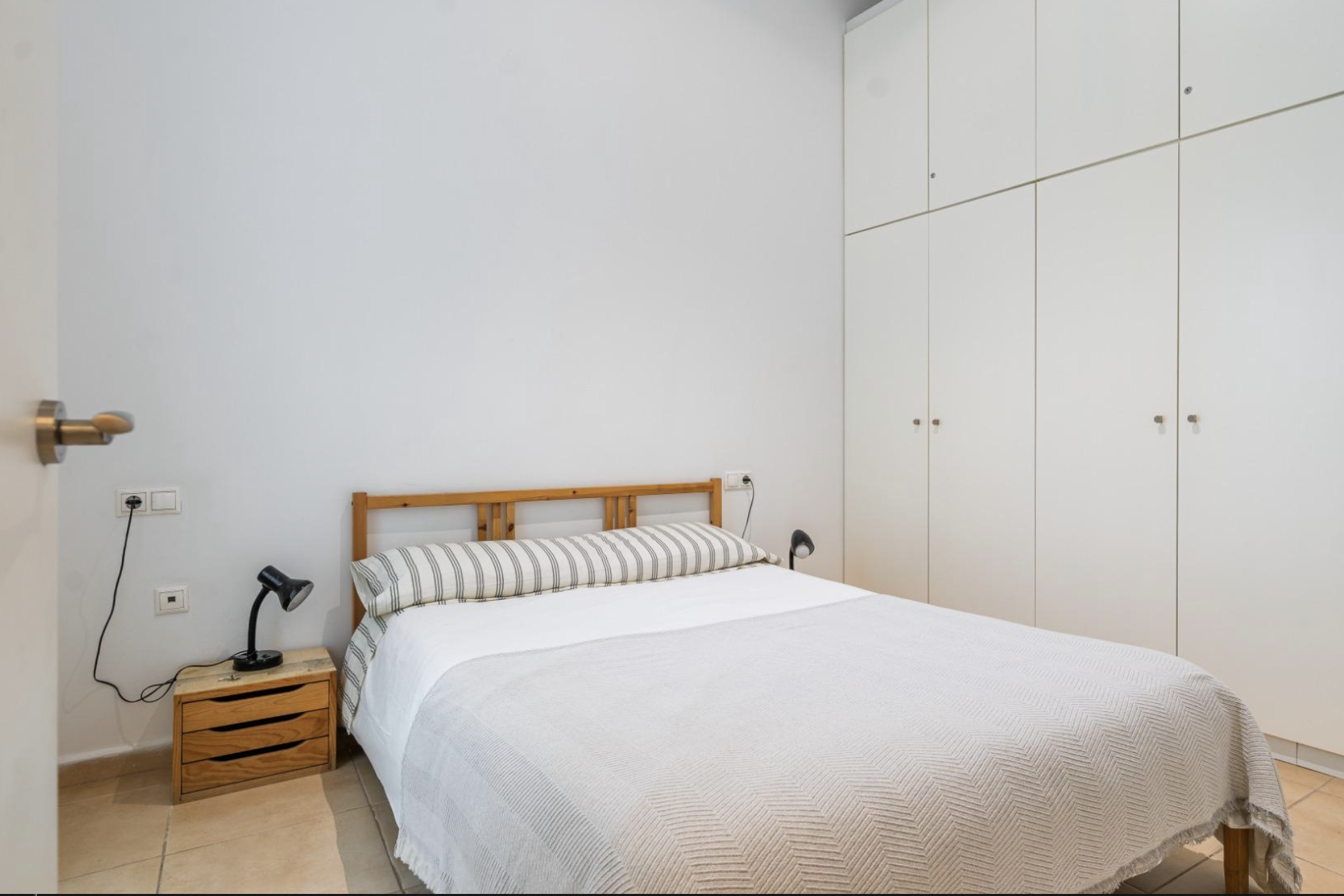
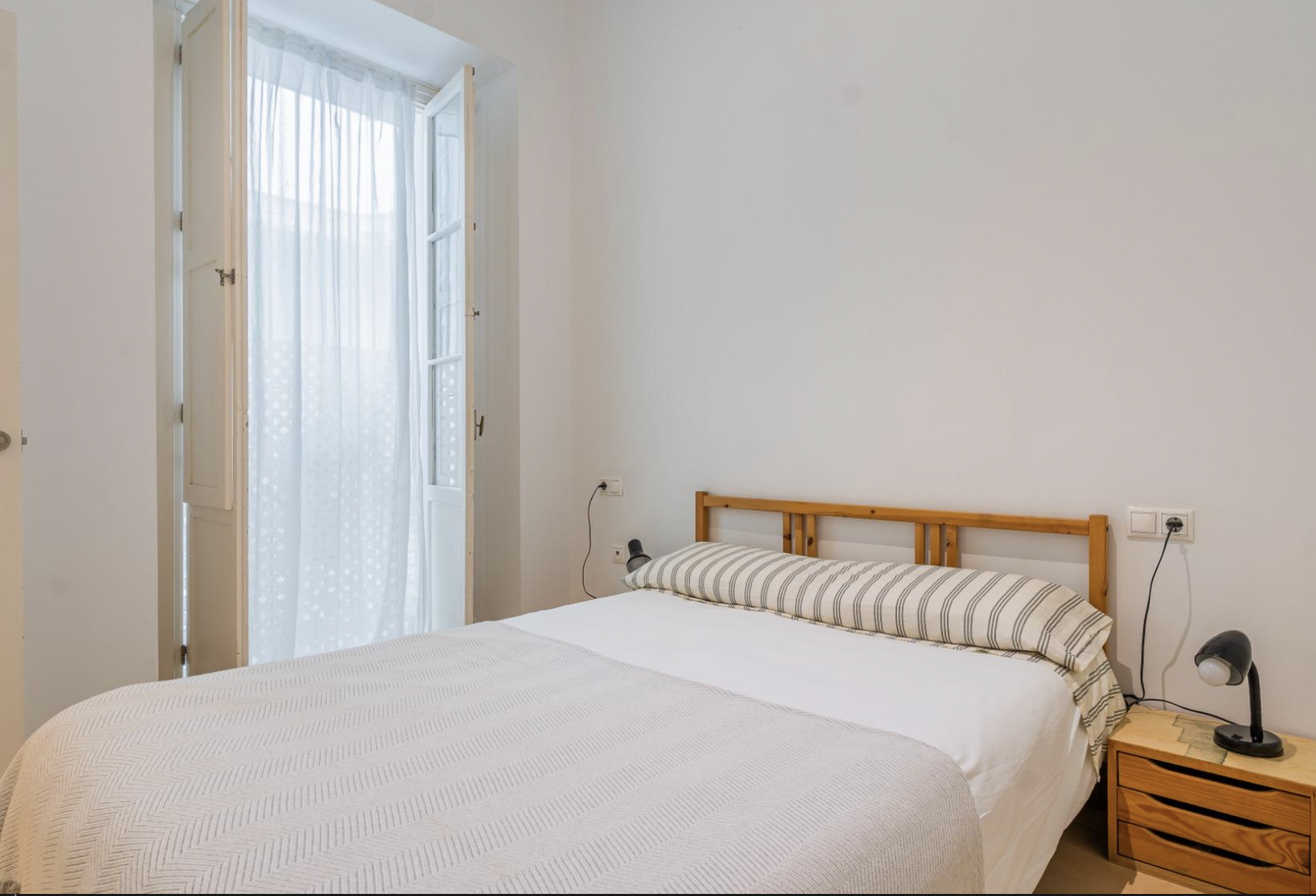
Open-plan living room with American kitchen and built-in wardrobe
Setting
Residential street, steps from Cádiz Central Market, in the old town and within walking distance of beaches, bars and public transport
Asking Price
€195,000
Seller angle
Marketed as a compact, characterful base suitable for full-time use, holiday use or potential short-let use
Risk Radar
Overview
This is a small one-bedroom apartment in the historic centre of Cádiz, marketed more on location, atmosphere and lifestyle than on technical detail. The listing gives you the headline attractions: old-town setting, proximity to the Central Market and beaches, a period-building feel, and a price point that looks like an accessible entry into a highly distinctive Andalusian city. What it does not give you is equally important: no stated floor area, no floor plan, no clear renovation history, no explanation of the building's communal condition, and no practical detail on access, noise, parking or services.
That makes this the sort of property where the apartment itself cannot be assessed properly without understanding the wider building. In historic Cádiz, a modestly priced flat can still carry meaningful exposure to façade repairs, roof works, drainage defects, rising damp, ageing communal electrics, staircase issues, and future special assessments by the comunidad. The apartment may be perfectly viable, but the real decision sits at the intersection of private flat condition, communal financial health, heritage constraints, and whether the one-bedroom layout works for your intended use.
There is also a sharp distinction between buying this as a personal city base and buying it for income. Those are not the same proposition. As a home or pied-à-terre, the key questions are liveability, noise, summer comfort, winter damp, building management and ease of access. As a rental play, you also need hard confirmation on tourist-rental viability, community rules, local registration requirements, and whether the property's layout, energy rating and building setup are likely to hold back yields or guest satisfaction. Andalusia still regulates viviendas de uso turístico under its tourism regime, but community and registry issues have become more important, not less.
Targeted Questions
Building and Community Structure
A low purchase price can be undermined by high recurring building costs or thinly funded common maintenance.
Minutes and budgets often reveal planned works, neighbour disputes, arrears and hidden pressure points long before they appear in sales talk.
Special assessments are one of the fastest ways for a "good value" old-town flat to become a more expensive purchase.
Occupancy mix affects wear and tear, community culture, financing appeal and tourist-use sensitivity.
Professional management often improves record-keeping and maintenance, but it can also highlight existing building issues if management changed recently.
Persistent arrears can weaken the building's ability to fund repairs and may signal wider disorder within the comunidad.
Roof defects in older coastal buildings can lead to water ingress, ceiling damage and communal disputes over responsibility.
Façade works in historic centres can be costly, slow and sometimes subject to heritage-sensitive methods.
Old-town infrastructure problems can be unpleasant, expensive and difficult to solve permanently.
These are often the most honest indicators of whether a building has been consistently maintained.
Lack of lift affects resale audience, guest suitability, older buyers and future community capital expenditure.
Even where no formal issue is visible, older city-centre stock can hide structural movement, corrosion or timber decay.
Legal Identity and Documentation
You need the exact registered description, ownership details, charges, embargoes and whether the legal configuration matches the sales narrative.
Size discrepancies are common in older properties and can affect value, mortgageability and later resale.
This helps confirm tax identity, area data and whether municipal records align with the property being marketed.
In practice, buyers need clarity on lawful residential occupation, not vague reassurance that "everyone lives like this".
Unauthorised layout changes can cause problems when financing, insuring or reselling the property.
You want to know whether you are buying a clean title or inheriting unresolved problems.
Historic properties sometimes come with assumptions about use that do not appear in the legal paperwork.
Small apartments rely heavily on layout efficiency, so undocumented internal changes matter more than they might in a larger flat.
Apartment Condition and Layout
Without a plan, it is difficult to judge liveability, furniture fit, circulation and rental practicality.
"Characterful" can mean lovingly updated or simply cosmetically freshened over older infrastructure.
Paper trails help separate substantive renovation from surface-only presentation.
Older flats may still have outdated wiring, limited circuits or insufficient capacity for modern heating and cooling.
Internal plumbing issues in older city buildings can be disruptive, especially where vertical stacks or neighbouring units are also ageing.
Coastal location and old masonry can create persistent moisture issues that are expensive to resolve properly.
One prior leak can indicate an isolated incident, or it can be a clue to an ongoing building-wide weakness.
In central Cádiz, glazing quality affects noise, thermal comfort and the real meaning of an F energy rating.
Shading, security and heritage sensitivity can all affect replacement costs and comfort.
Small historic apartments can be surprisingly uncomfortable if cooling is poor and winter heating is improvised.
Running costs help you test whether the F rating translates into manageable bills or a comfort penalty.
Poor ventilation can worsen condensation and odour issues, especially in compact open-plan properties.
Hot-water setup affects maintenance, efficiency and replacement timing.
Minor cosmetic cracking is common, but uneven floors and recurring cracks can point to deeper issues.
For a small apartment, fitted storage and furniture fit have a real impact on usability and setup cost.
Heritage, Planning and Works Risk
There is a major difference between being in a sensitive old-town area and being a specifically protected building with tighter intervention rules.
Prior approval history gives you a practical sense of how restrictive future works may be.
Some improvement ideas are easy in theory and bureaucratically awkward in practice.
In protected centres, unresolved compliance issues can delay future works or complicate sales.
Historic-centre properties can carry legacy issues that are not obvious from marketing material.
Practical Living and Access
Access matters for daily life, deliveries, older visitors and eventual resale.
Cádiz old-town streets can be charming on foot and awkward with luggage, shopping or furniture.
Parking stress is not theoretical in central Cádiz. It materially affects quality of life and some buyers' willingness to proceed.
Remote working claims are only useful if the connection is genuinely dependable.
Thick historic walls can reduce signal quality even in central locations.
Cádiz charm can come bundled with nightlife, deliveries, voices and festival-related noise.
Micro-location matters far more than a generic "historic centre" label.
Compact flats can feel much smaller, damper and less rentable when natural light is weak.
Old-town apartments often trade centrality for compromised outlook and air movement.
Rental Potential and Exit Strategy
Past use can reveal both demand and practical issues that were never mentioned in the listing.
You want evidence, not generic yield optimism.
Community documents can be decisive for whether holiday letting is realistic.
A property with a proven registration history is different from a property merely described as having short-let potential.
Current feasibility depends on more than location. It turns on community position, regulatory timing and paperwork.
If tourist use proves awkward, the long-term rental case must stand on its own.
Your exit route affects how much weight to place on charm, energy rating, stairs, parking and rental flexibility.
Negotiation Intelligence
Buyer Leverage
Medium-High
Key Drivers
Typical Negotiation Range
5-15% below asking
Neutral Phrasing Examples
Country Layer
Spain (Regulatory Context March 2026)
Key Spanish and Andalusian requirements for buyers:
Viewing Strategy
When you view, spend as much time reading the building as reading the flat.
Next Step
Verify from the listing:
Exact legal size and residential status
Request the nota simple, cadastral reference, latest IBI receipt, and the occupancy documentation relied on for the current one-bedroom layout so you can confirm that the legal description matches what is being sold.
Community finances and future works exposure
Ask for the comunidad budget, the latest minutes, and confirmation of any current or proposed derramas so you can judge whether the building’s historic-centre charm comes with near-term capital expenditure.
Full energy and comfort picture
Obtain the complete energy certificate behind the advertised F rating and ask what upgrades have been made to windows, hot water, cooling and ventilation before assuming the apartment will be comfortable or inexpensive to run.
Heritage and alteration constraints
Clarify whether the building is individually protected or simply within the protected historic centre, and whether future works such as window replacement, air-conditioning installation or internal refurbishment would need heritage or municipal approval.
Tourist-rental feasibility in this exact building
Do not rely on generic short-let language. Verify the community statutes, any prior building resolutions, and the current practical registration route for tourist use in this specific Cádiz apartment block.
A prepared buyer should approach the agent calmly and frame questions as due diligence. For example: “To help me assess the flat properly and prepare a serious offer, could you send the nota simple, floor plan, energy certificate, comunidad minutes and budget, and confirmation of the building’s position on tourist use and any pending works?”
Because this is a compact historic-centre apartment where legal clarity, building exposure and use-case flexibility all materially affect value, run it through the Property Risk Assessment to test building and legal red flags, or use the Rental Yield Calculator once the community and tourist-rental position has been verified.
Disclaimer: The Property Drop is buyer-focused intelligence, zero sales agenda. We curate exceptional properties, in southern Europe, from third-party agents and arm you with decision tools. No commission, no transactions, no agent partnerships, no skin in the game beyond helping you choose wisely. Information stays accurate until it doesn't (properties sell, prices shift, markets move). Everything here is shared for informational purposes only and should not be treated as legal, financial, or investment advice. Images belong to original agents. Read our Terms of Service to learn more.
IMPORTANT REMINDER: When contacting property agents featured on The Property Drop, you are entering into direct communication with third parties. It's recommended that you verify all property details independently, conduct thorough due diligence, engage qualified professionals (solicitors, surveyors, financial advisors), understand your rights and obligations under local property laws, and never send money or make commitments without proper legal protection.
