
The Buyer Playbook: 1-Bed Renovated Warehouse in Nature Reserve, Custonaci, Sicily, Italy, €320,000













Buyer Playbook
Pre-Viewing Intelligence Report
This Buyer Playbook provides independent buyer guidance based on publicly available information and common due diligence practices for property purchases in Italy. This is not a substitute for professional legal advice, architectural surveys or tax advice. Always verify zoning, environmental restrictions, cadastral registration, planning approvals and habitability certificates with a qualified Italian notary, geometra or architect before proceeding.
Playbook Contents
Property Snapshot
Location
Custonaci, Trapani province, Sicily, Italy
Setting
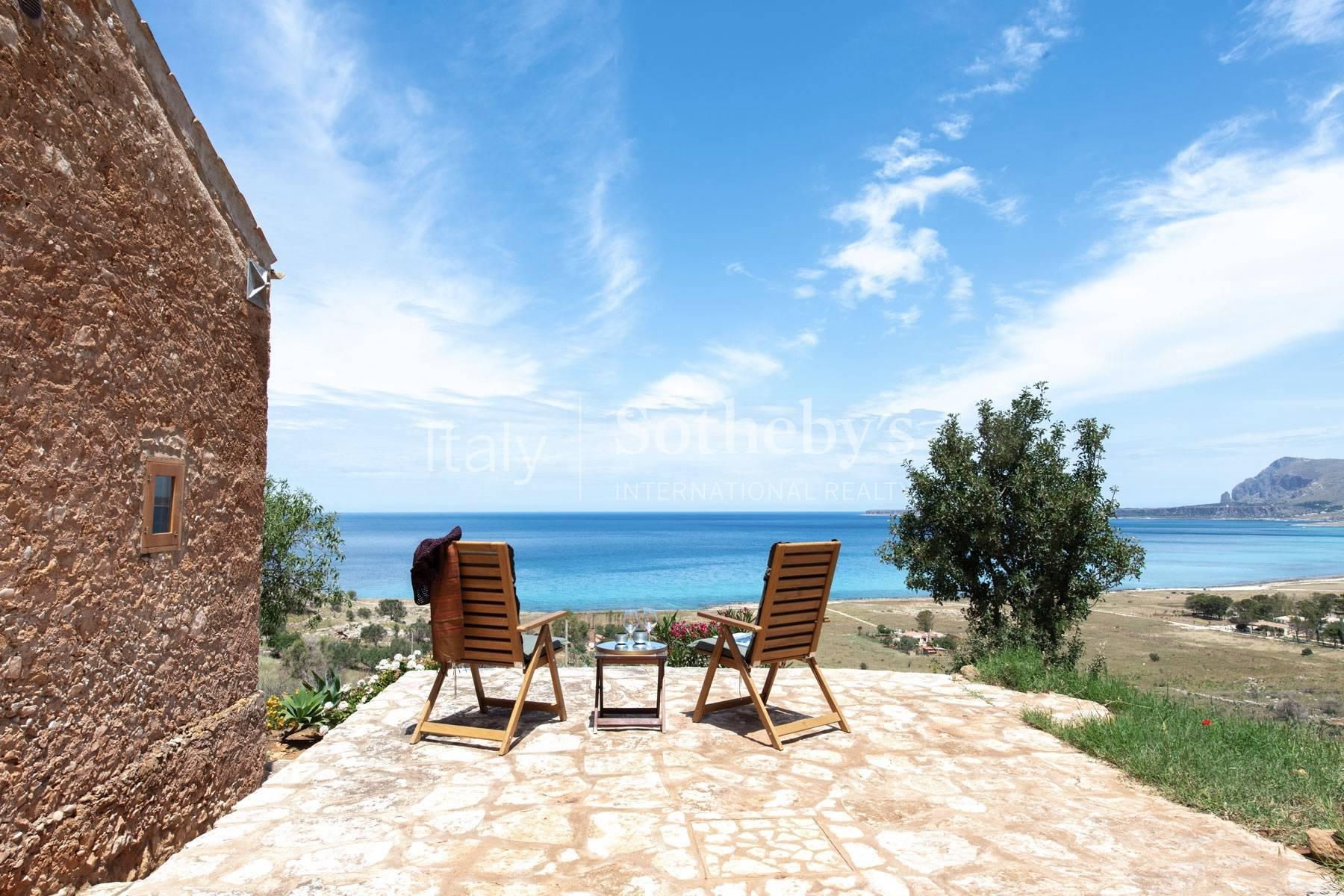
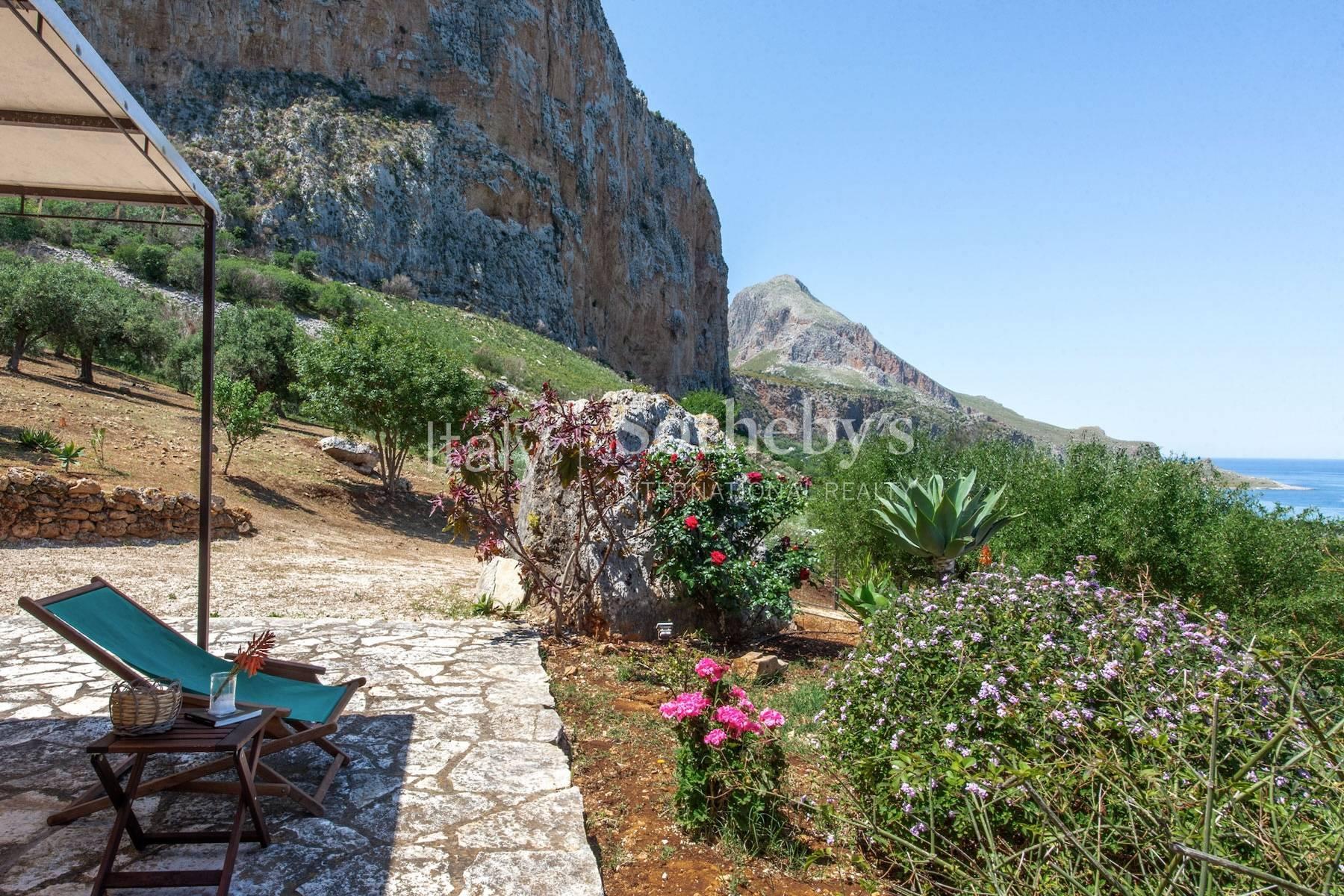
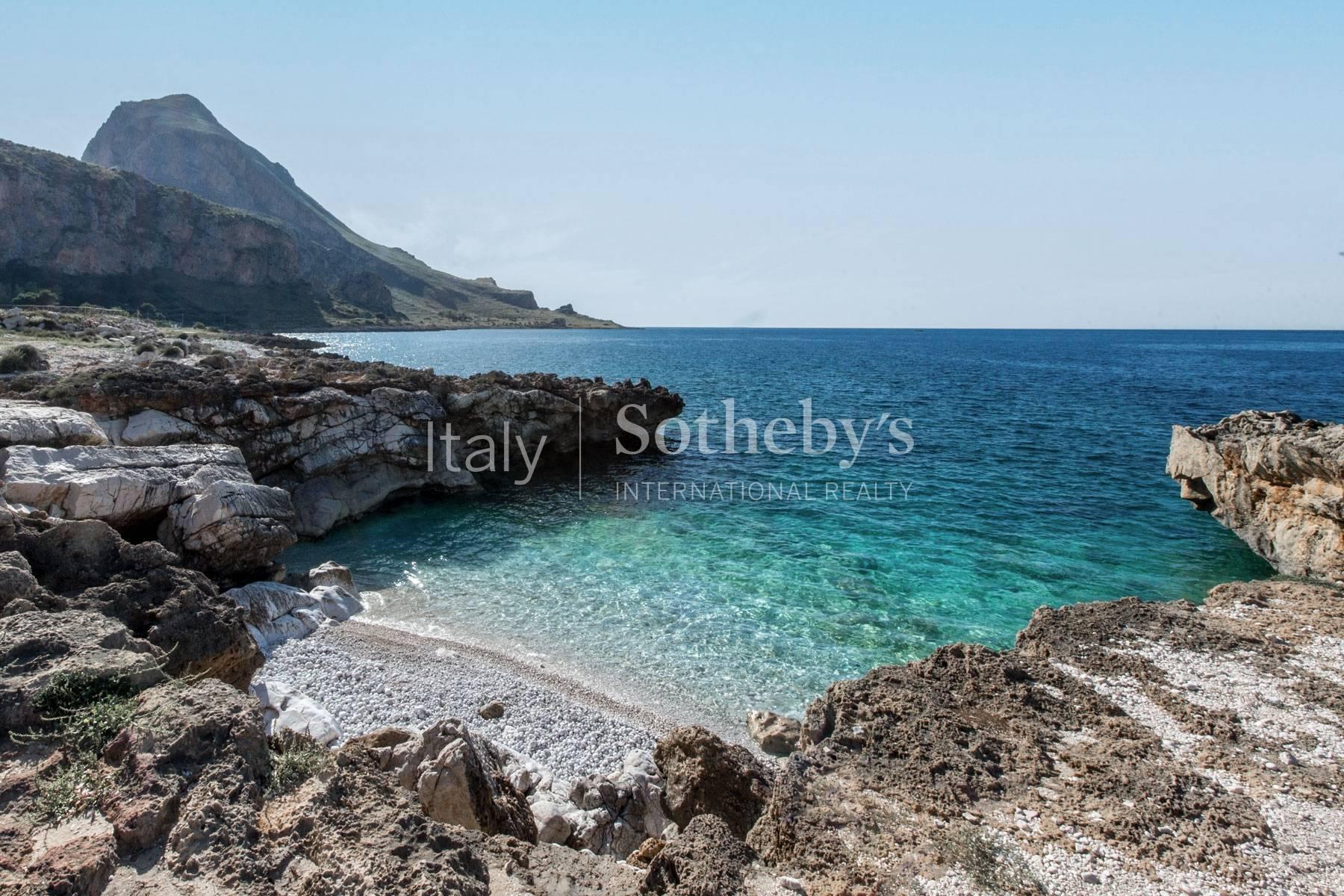
Inside the Monte Cofano Oriented Nature Reserve, approximately 500 metres from the sea
Property type
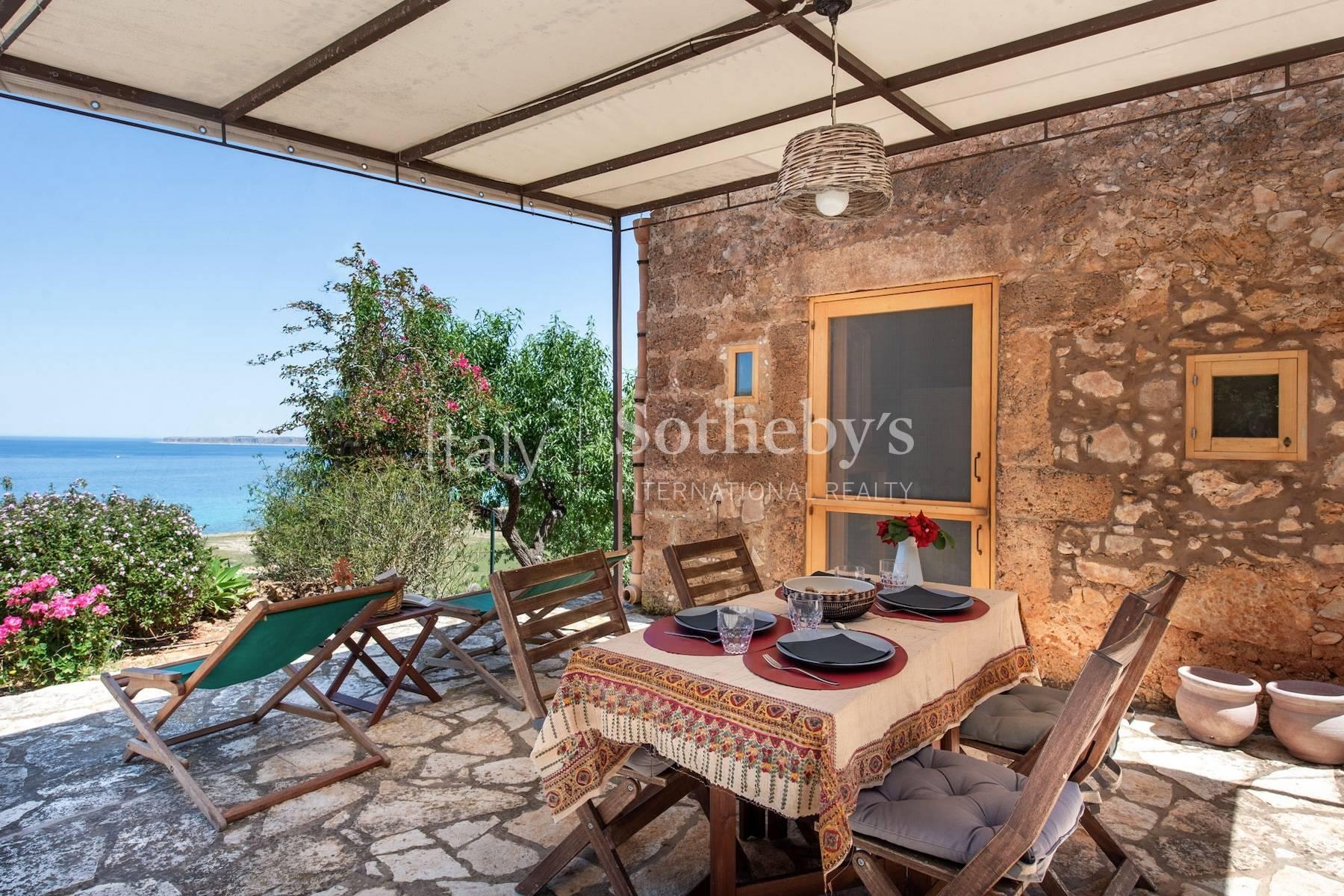
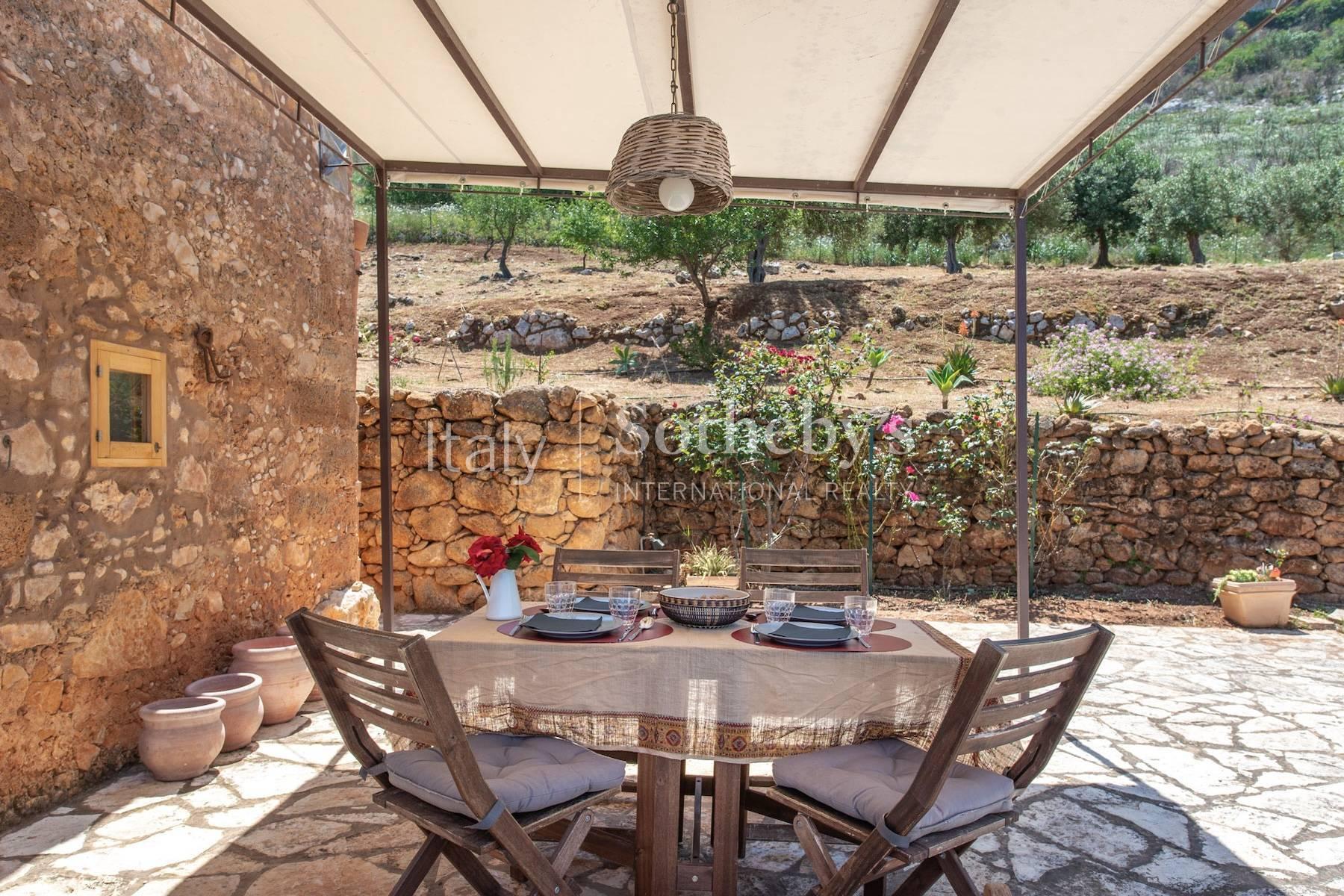
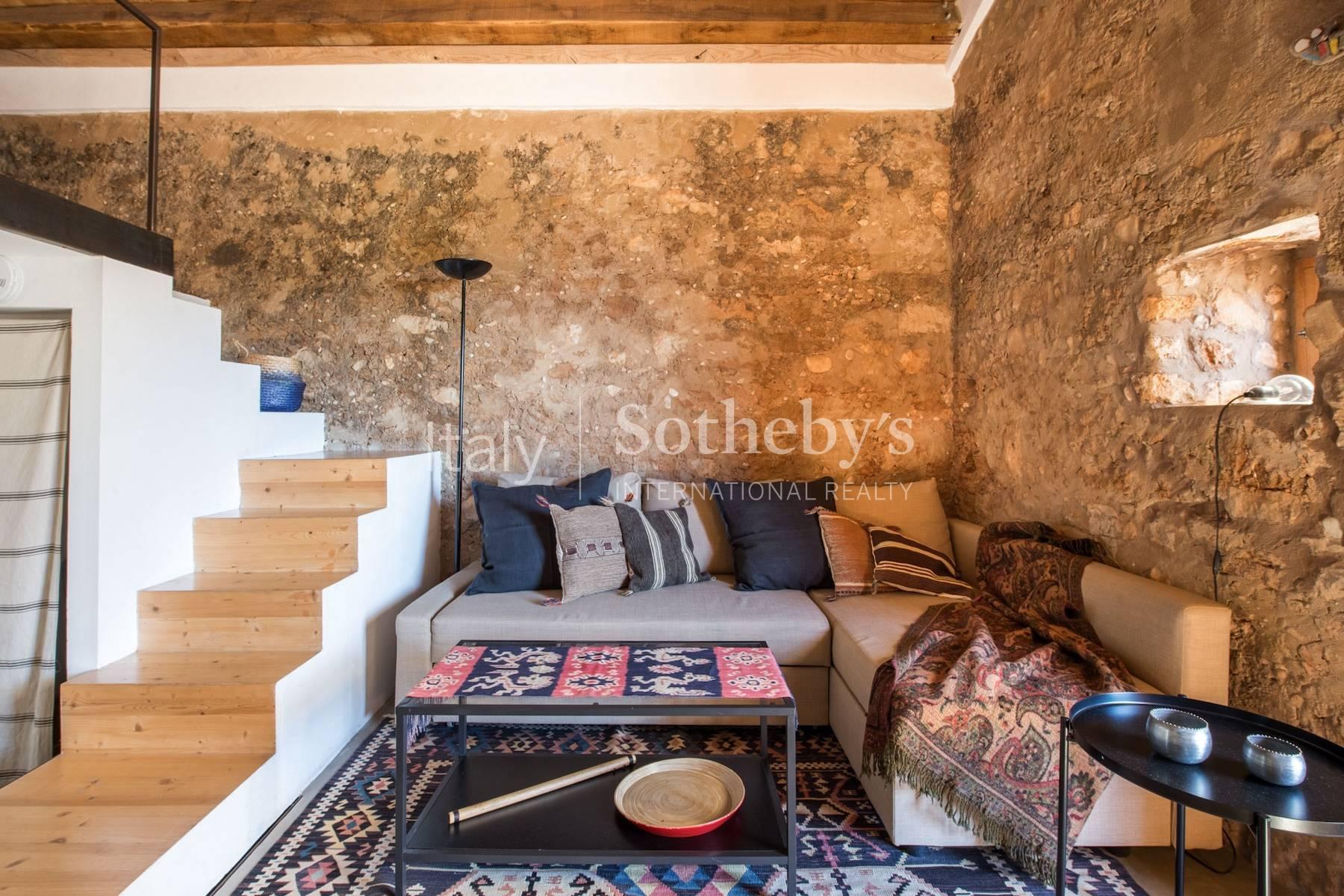
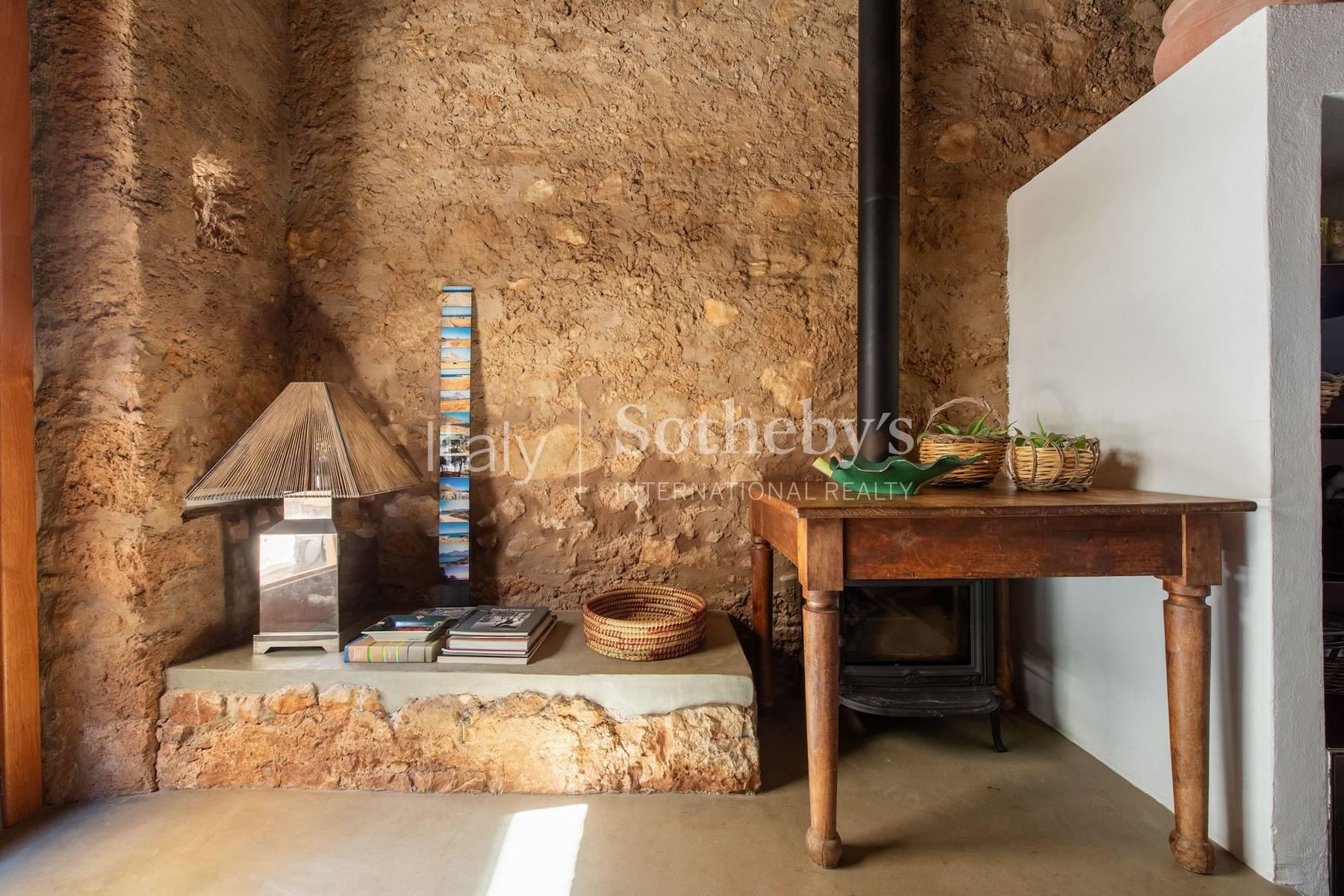
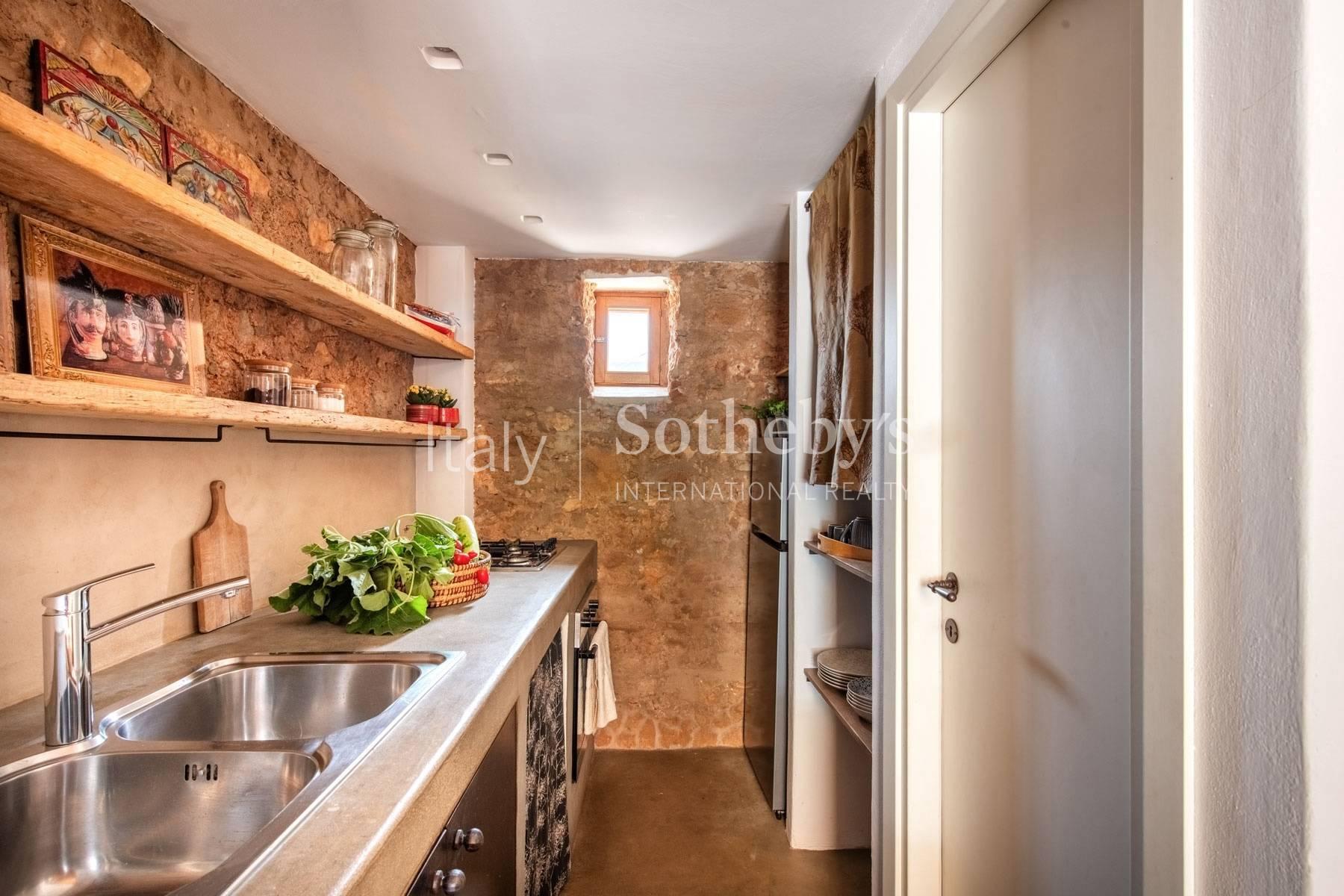
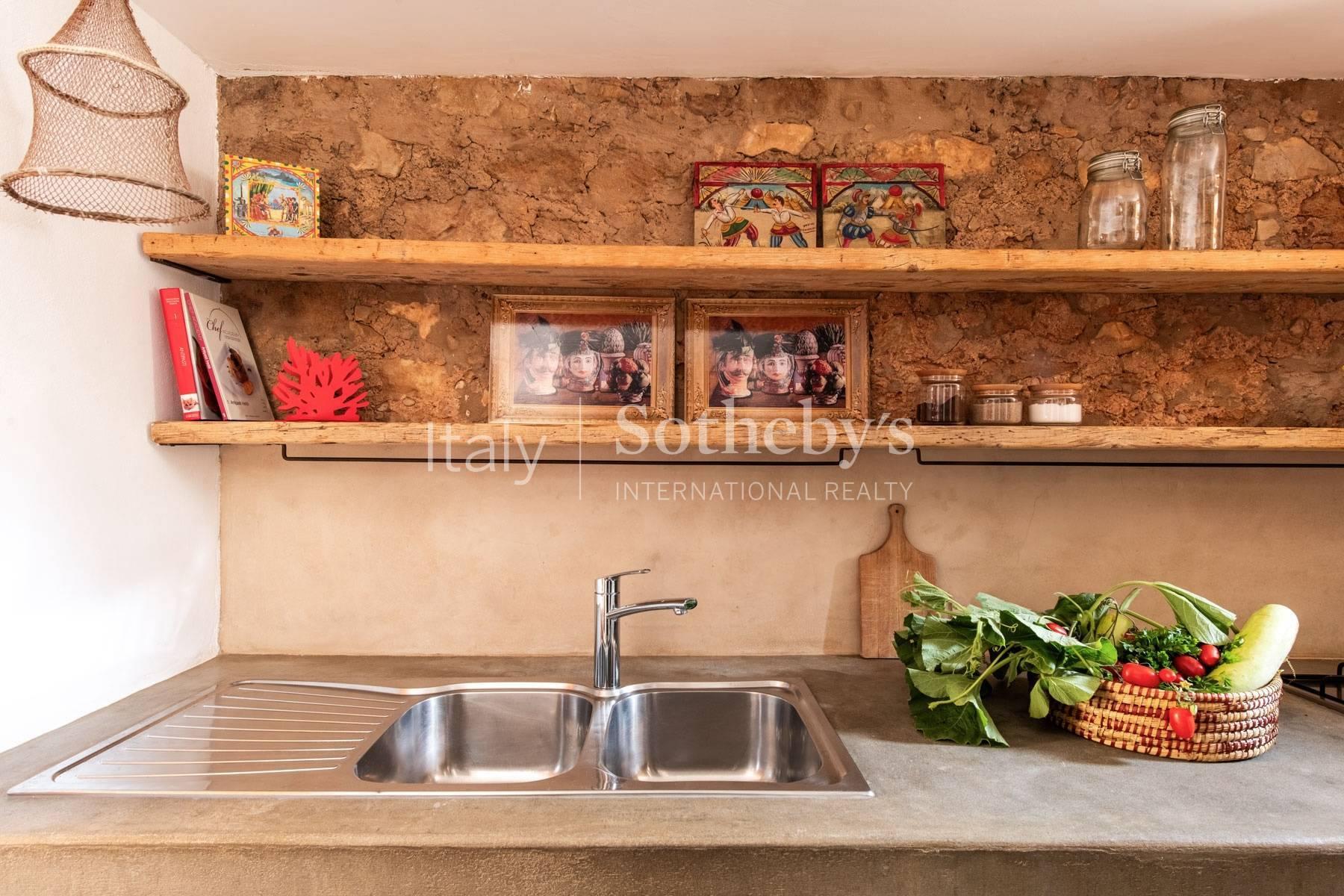
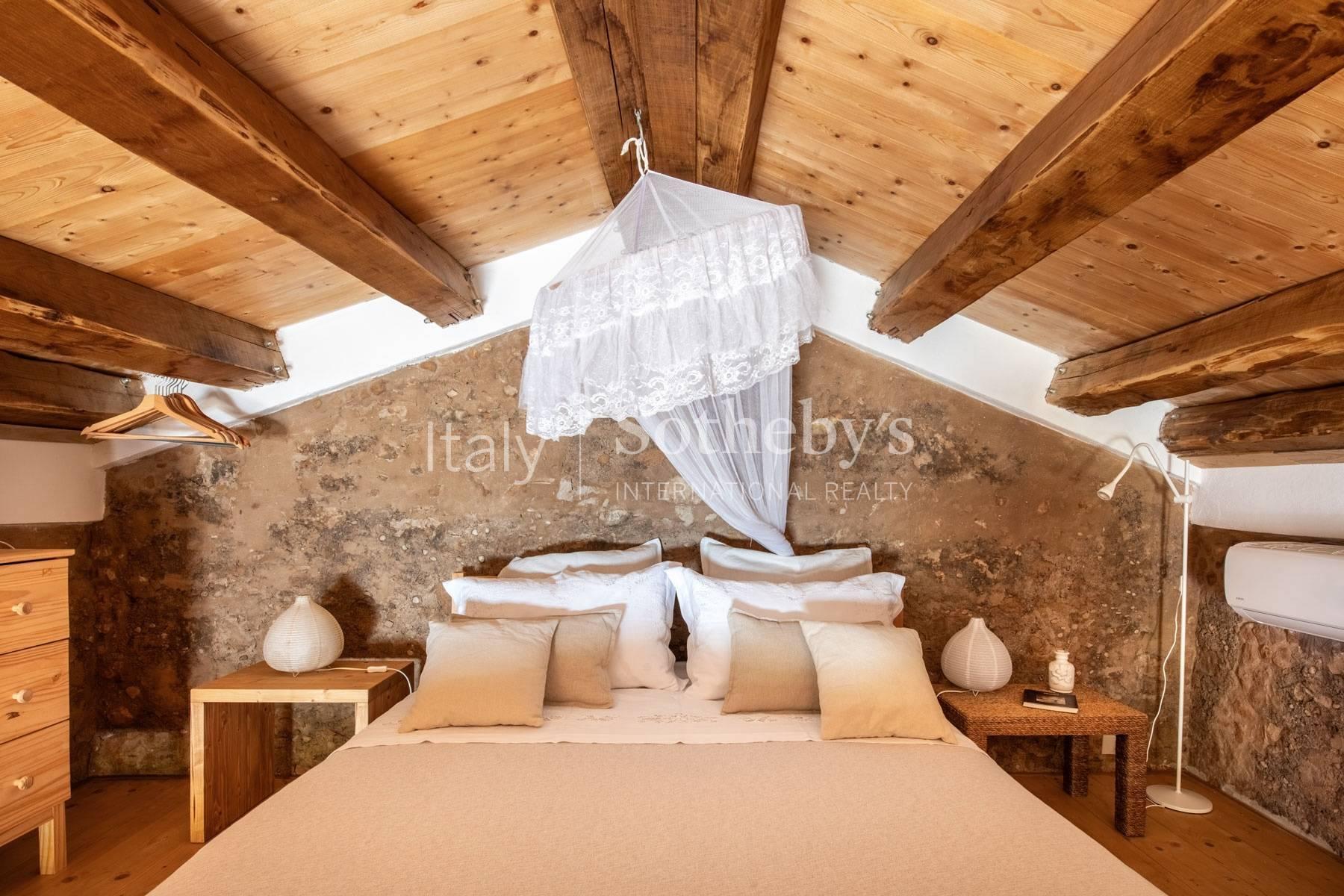
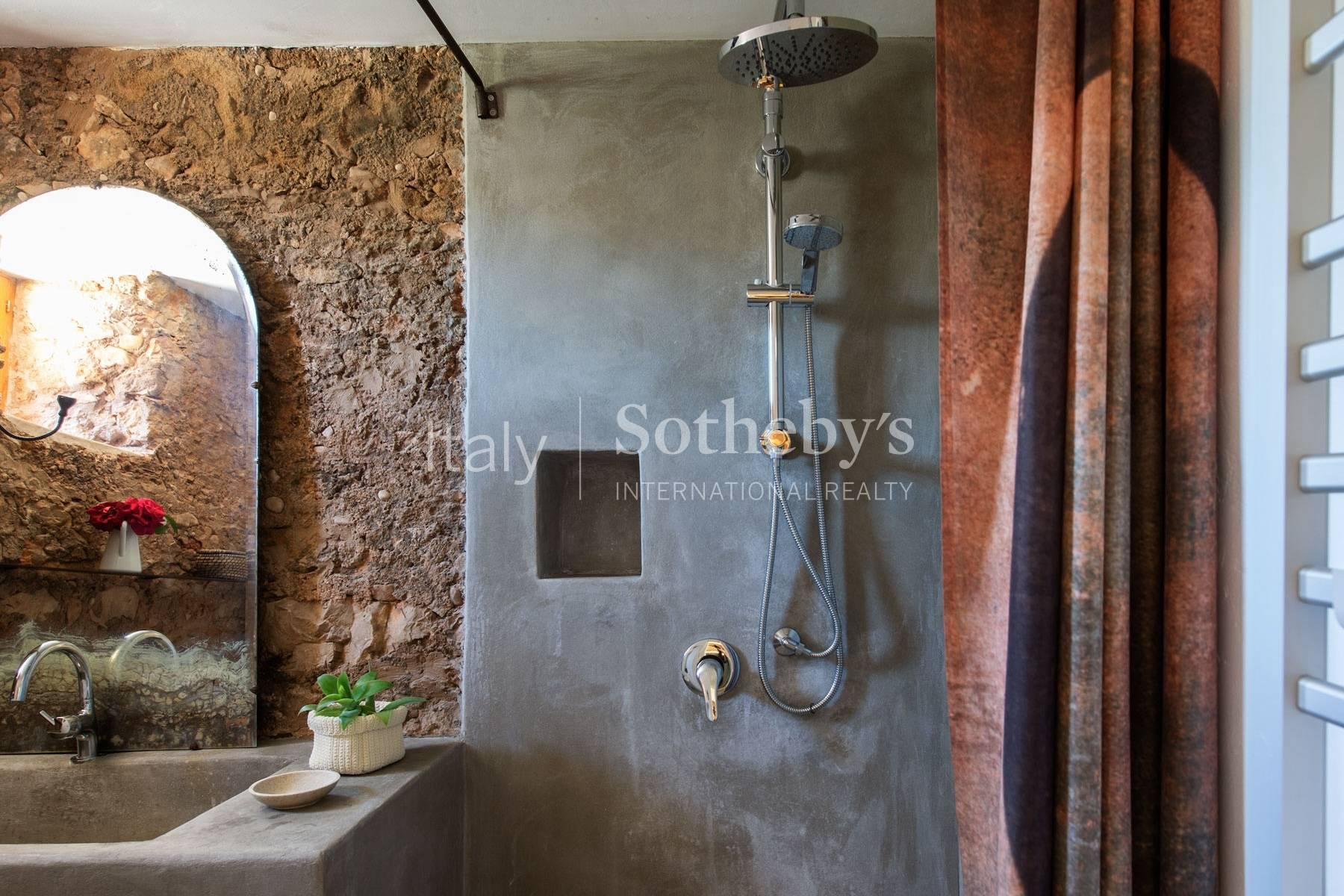
Restored 150-year-old rural warehouse converted into a residence
Bedrooms
1 bedroom with mezzanine sleeping area
Living area
Approx. 60 m² (as stated in listing)
Land
Approximately 2 hectares with olive and almond trees
Key features stated
Stone restoration, mezzanine bedroom, coastal views, natural reserve setting, renovated structure, rural privacy
Energy rating
"Energy Class N" stated in listing
Guide price
€320,000
Lifestyle positioning
Ultra-rare nature reserve retreat close to the sea
Risk Radar
Overview
At first glance this property is the definition of a dream coastal retreat. A restored stone warehouse on two hectares of land inside one of Sicily's most dramatic protected landscapes, within walking distance of the sea.
However, properties inside protected natural reserves operate under a very different legal framework from normal rural houses. Environmental zoning plans govern what owners can do with land, buildings and even agricultural activity.
The Monte Cofano reserve was formally established by decree of the Sicilian regional government in 1997 and covers more than 537 hectares of protected coastal landscape, including areas designated as strictly protected zones and buffer zones.
That means the value of the property is inseparable from the legal framework that protects it. Before thinking about lifestyle or rental potential, a buyer must verify three things: 1. The exact reserve zoning classification of the land. 2. The legality of the change of use from warehouse to residence. 3. The full set of planning and environmental permits for the restoration.
If these are clean and documented, the property may be extraordinary. If they are unclear or incomplete, the buyer could inherit regulatory limitations that dramatically affect value and future use.
Targeted Questions
Nature Reserve Zoning and Environmental Restrictions
Protected reserves often contain different zones with different restrictions. Building or landscape changes may be completely prohibited in some zones.
Without the map you cannot verify whether the land lies in a strict protection zone or a less restricted buffer zone.
Depending on the reserve structure, approvals may involve the regional environment department, forestry authority or local municipality.
Some protected landscapes allow traditional agriculture but prohibit structural changes or landscaping.
In many protected landscapes these are prohibited.
Even minor landscaping may require environmental approval.
Protected landscapes often regulate light pollution and access.
Coastal Mediterranean reserves sometimes impose seasonal access or maintenance restrictions.
Change of Use and Legal Status
Without this formal change of use the building may still be legally classified as agricultural storage rather than a dwelling.
The notary must confirm the legal residential classification before completion.
The cadastral classification determines how the property is taxed and legally used.
This confirms ownership, classification and cadastral details.
The cadastral plan must match the current internal configuration.
Building Permits and Renovation Legality
This confirms the restoration was approved by the municipality.
Properties in protected landscapes often require additional approvals.
This certificate confirms the property is legally habitable.
This confirms the works were completed according to approved plans.
Buildings abandoned for long periods may require structural stabilisation.
Structural Condition
Stone buildings that were abandoned for decades may require foundation or wall reinforcement.
A report helps verify the stability of the building.
Roof replacement is often the most expensive element of restoration.
Structural integrity affects long-term maintenance.
Utilities and Infrastructure
Utility independence affects reliability and cost.
Rural water systems require maintenance.
Septic systems require periodic servicing.
Off-grid or rural infrastructure can increase running costs.
Land and Access
Land boundaries must be verified before purchase.
Private roads often involve maintenance responsibilities.
Without a formal easement the access may not be legally guaranteed.
Maintenance responsibilities affect long-term ownership costs.
Coastal and Environmental Risk
Coastal planning rules may restrict future development.
Natural hazard zones affect insurance and future building works.
Mediterranean landscapes face periodic wildfire risk.
Energy Certificate
In Italy the Attestato di Prestazione Energetica (APE) is required when a property is sold or rented.
Renovated buildings usually require a new energy certificate.
Energy systems strongly influence the APE rating.
Mezzanine Compliance
Italian building codes regulate habitable room heights.
Unregistered mezzanines can create legal complications.
Connectivity and Practical Living
Rural coastal areas may rely on satellite or mobile networks.
Connectivity affects usability for remote work.
Negotiation Intelligence
Buyer Leverage
Medium
Key Drivers
Typical Negotiation Range
5-15% below asking
Neutral Phrasing Examples
Country Layer
Italy (Regulatory Context March 2026)
Key Italian requirements for buyers:
Viewing Strategy
When visiting the property, approach the viewing as both a lifestyle inspection and a regulatory assessment.
Next Step
Verify from the listing:
Nature reserve zoning classification
The property sits inside the Monte Cofano Oriented Nature Reserve. Confirm the exact zoning classification and obtain the official reserve regulations to understand what activities and changes are permitted on the land.
Legal change of use to residential
The building was originally a rural warehouse. Confirm that a formal cambio di destinazione d'uso was approved and that the building is legally registered as a residential property.
Renovation permits and habitability certificate
Ask for the permesso di costruire, environmental approvals and the final certificato di agibilità to confirm the restoration was legally authorised and the building is approved for residential occupation.
Land boundaries and access rights
The property includes two hectares of land within a protected landscape. Request a survey showing boundaries and verify whether the access road is public or subject to a registered easement.
Energy certificate status
The listing shows Energy Class N. Confirm whether the final APE certificate has been issued following the renovation.
A prepared buyer should approach the agent calmly and frame questions as due diligence. For example: “To help me assess the property properly and prepare a serious offer, could you share the zoning map, the renovation permits, the change of use approval and the cadastral documents?”
Because this property sits inside a protected landscape, run it through the Property Risk Assessment to evaluate environmental and legal risks, or use the Total Property Cost Calculator to understand the full purchase and ownership costs before contacting the agent.
Disclaimer: The Property Drop is buyer-focused intelligence, zero sales agenda. We curate exceptional properties, in southern Europe, from third-party agents and arm you with decision tools. No commission, no transactions, no agent partnerships, no skin in the game beyond helping you choose wisely. Information stays accurate until it doesn't (properties sell, prices shift, markets move). Everything here is shared for informational purposes only and should not be treated as legal, financial, or investment advice. Images belong to original agents. Read our Terms of Service to learn more.
IMPORTANT REMINDER: When contacting property agents featured on The Property Drop, you are entering into direct communication with third parties. It's recommended that you verify all property details independently, conduct thorough due diligence, engage qualified professionals (solicitors, surveyors, financial advisors), understand your rights and obligations under local property laws, and never send money or make commitments without proper legal protection.
