
The Buyer Playbook: 19th-Century Character House with Pigeonnier Guest Suite and 15m Pool, Aubeterre-sur-Dronne, France €498,750
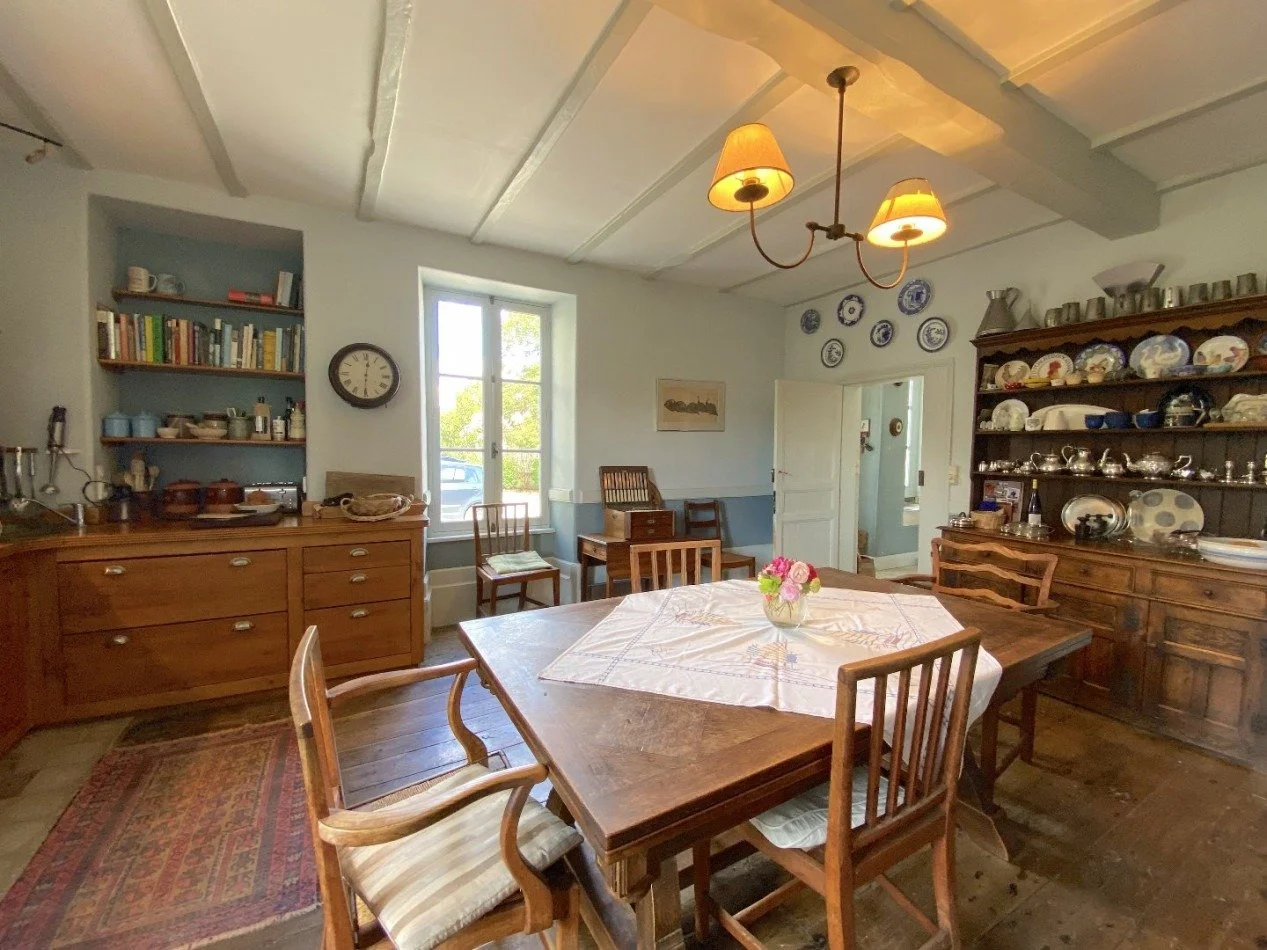
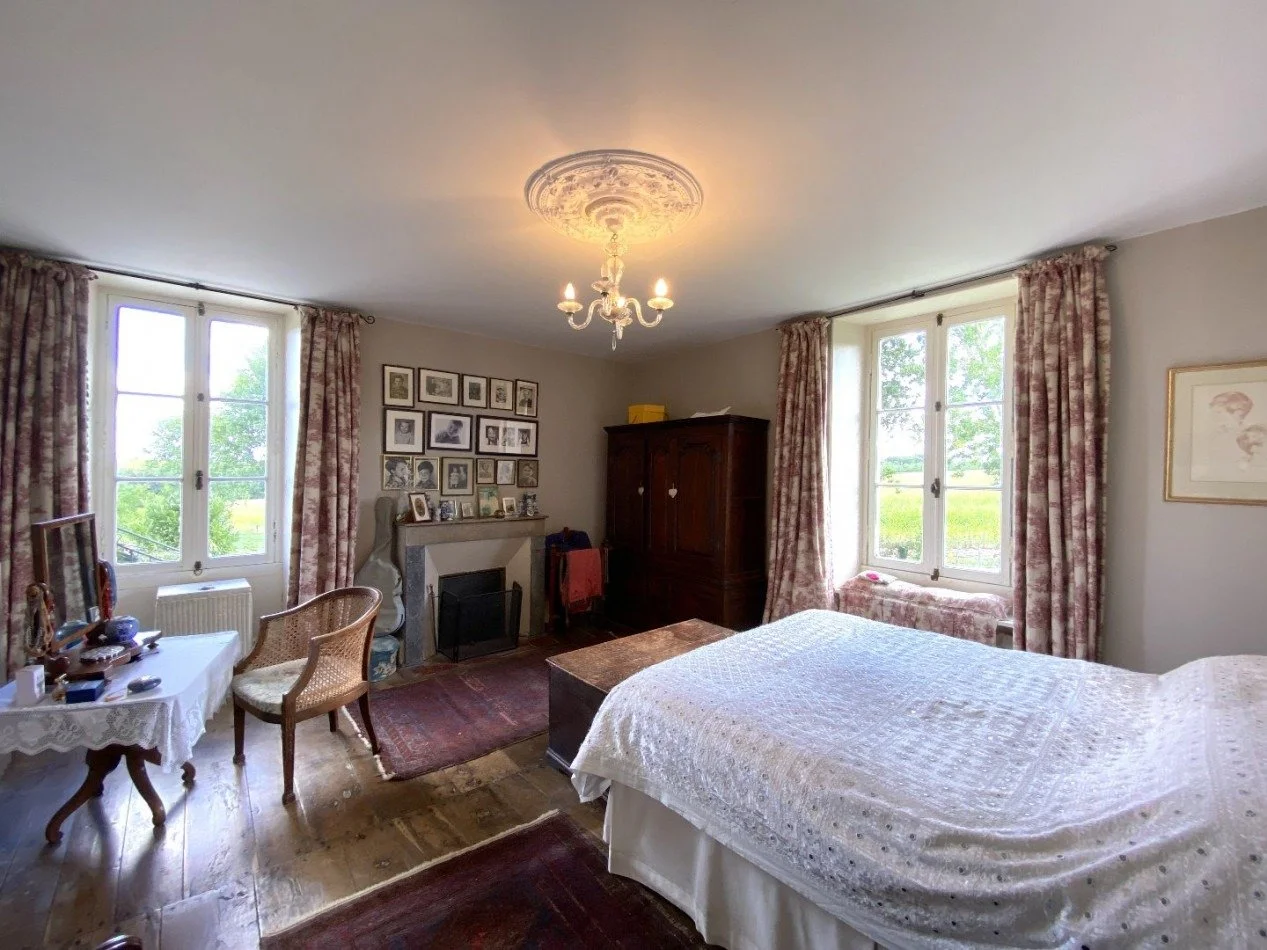
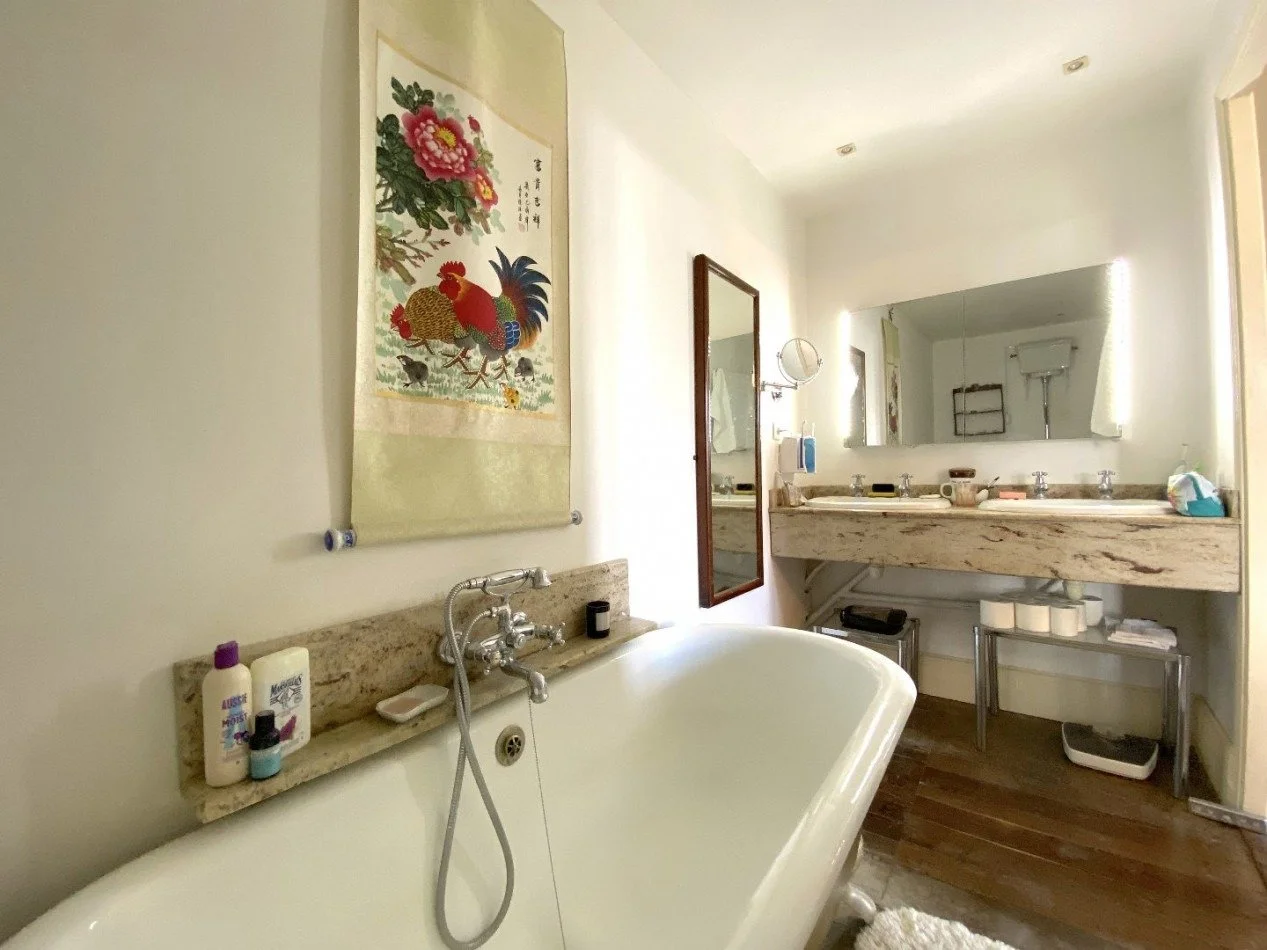
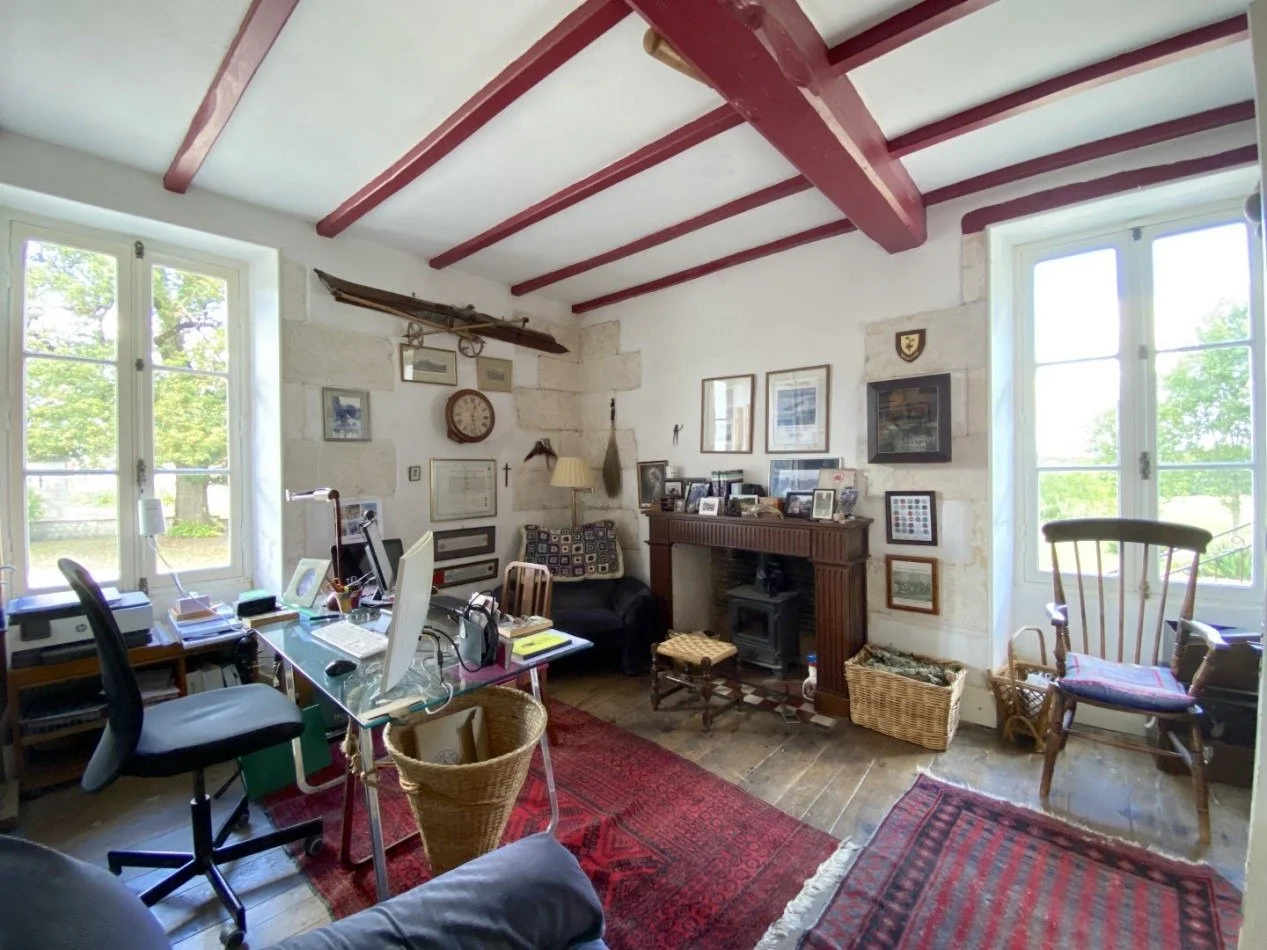
Buyer Playbook
Pre-Viewing Intelligence Report
This independent buyer guidance report relates to this specific property located in France. It is provided for informational purposes only and does not constitute legal, tax, structural, planning, licensing or survey advice. The legal status of the pigeonnier, the pool and terrace permissions, the drainage position, the hamlet access arrangements, the energy-improvement pathway, and any rental use must always be verified with qualified French professionals such as a notaire, avocat, architecte, diagnostiqueur, surveyor, engineer, and with the relevant mairie and SPANC where applicable. In France, sellers must provide a DDT diagnostic pack for a sale, and where a property is on non-collective drainage the sanitation control position is also a core due-diligence item. This report is designed to help buyers evaluate the property before arranging a viewing or making an offer. It highlights the main due-diligence questions to raise with the agent. The analysis is based on the listing details and current French rules around DPE, planning formalities, pool safety, tourist-rental declaration, chambres d'hôtes declaration, and acquisition costs. A declared meublé de tourisme is handled differently from chambres d'hôtes, and from 20 May 2026 all mairies must have a registration procedure that issues a registration number for declared meublés de tourisme.
Playbook Contents
Property Snapshot
Location
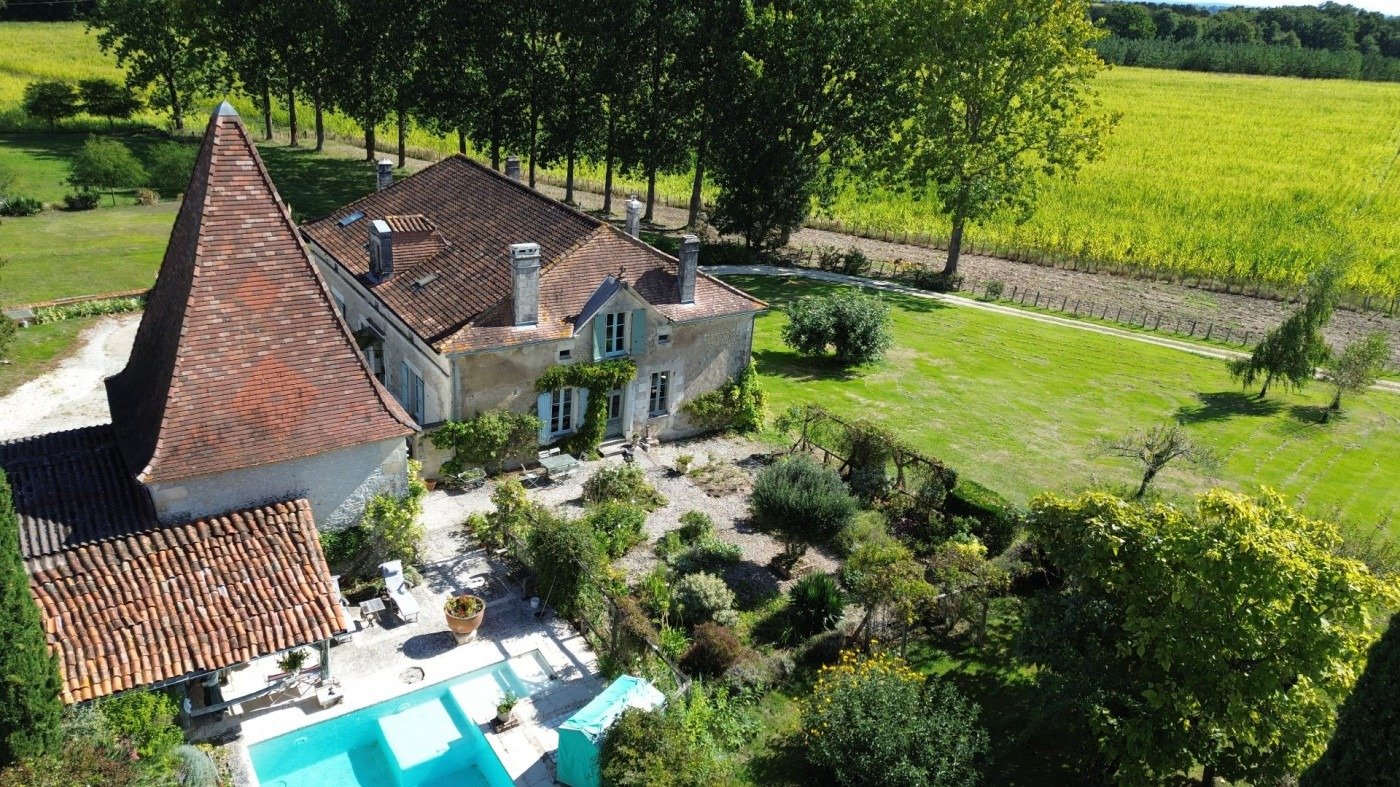
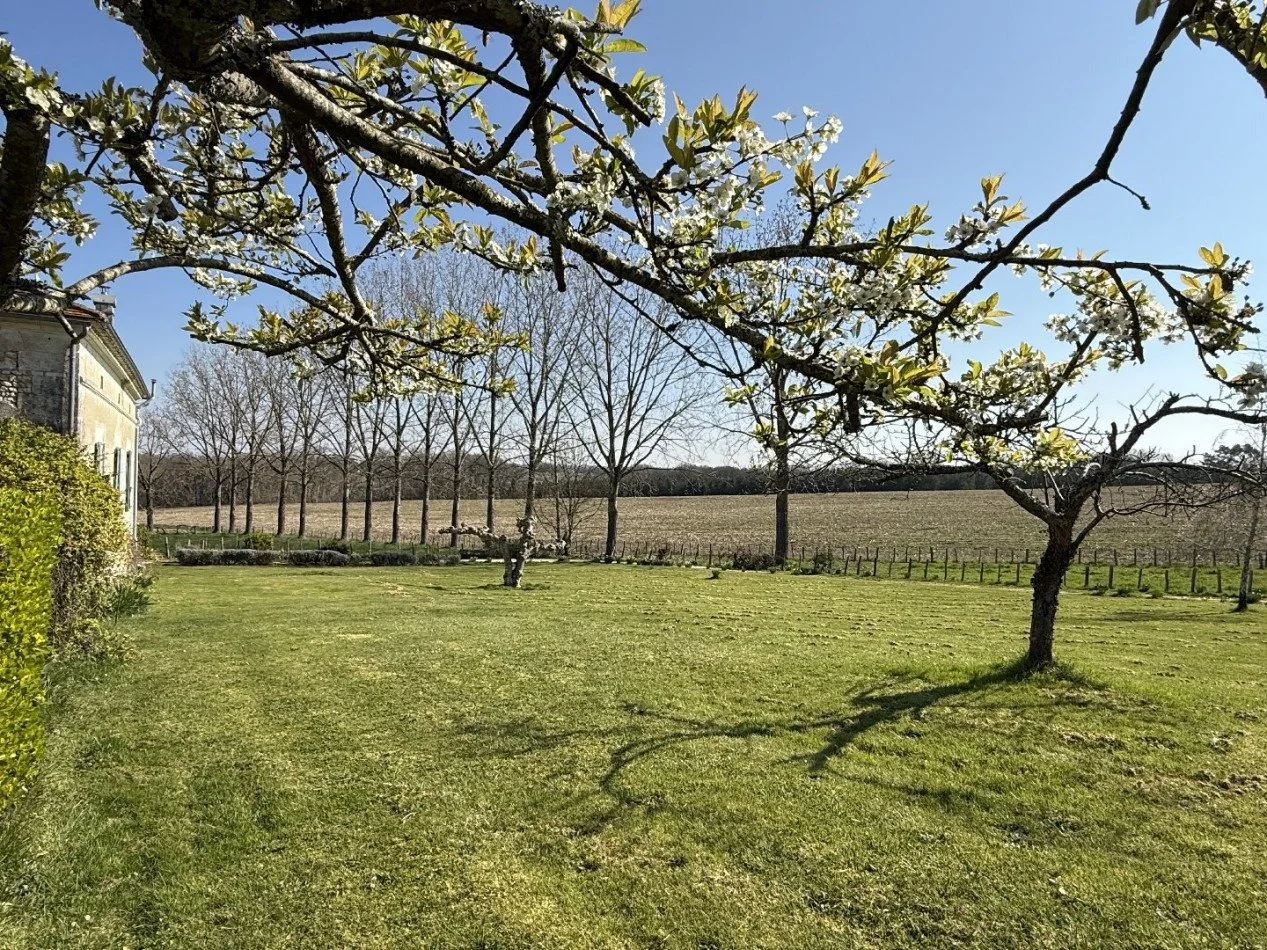
Near Aubeterre-sur-Dronne, Charente, France
Property type
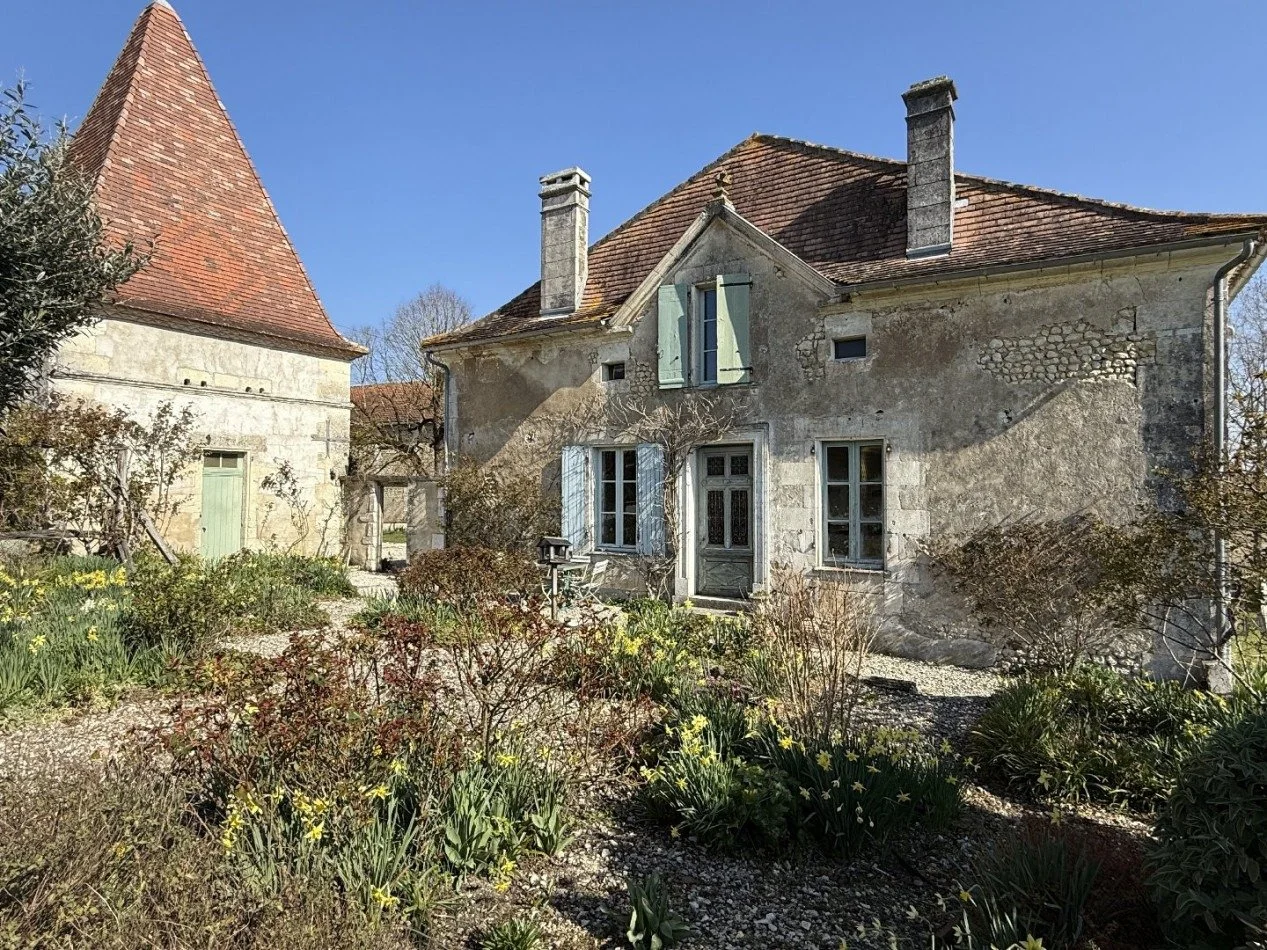
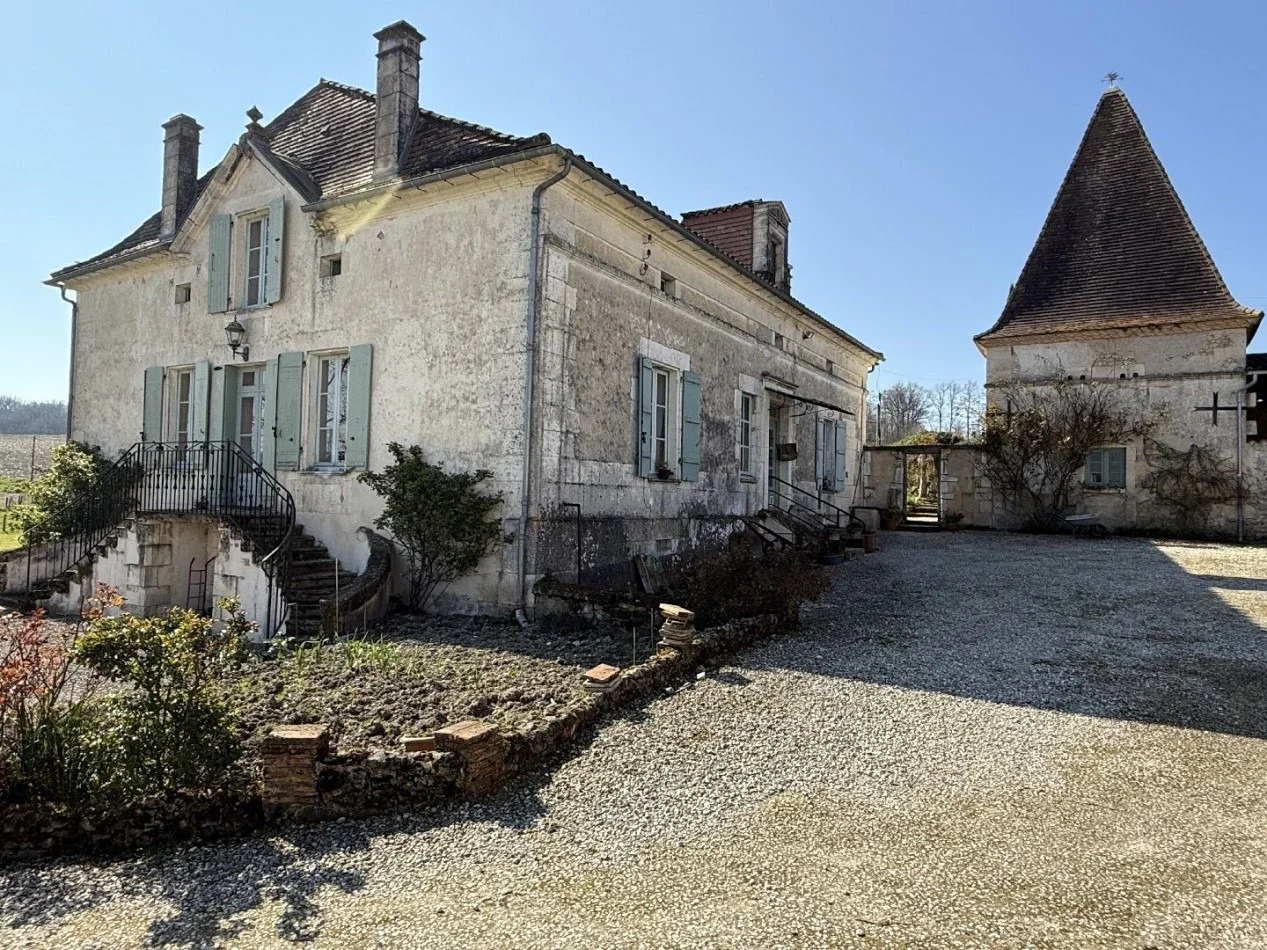
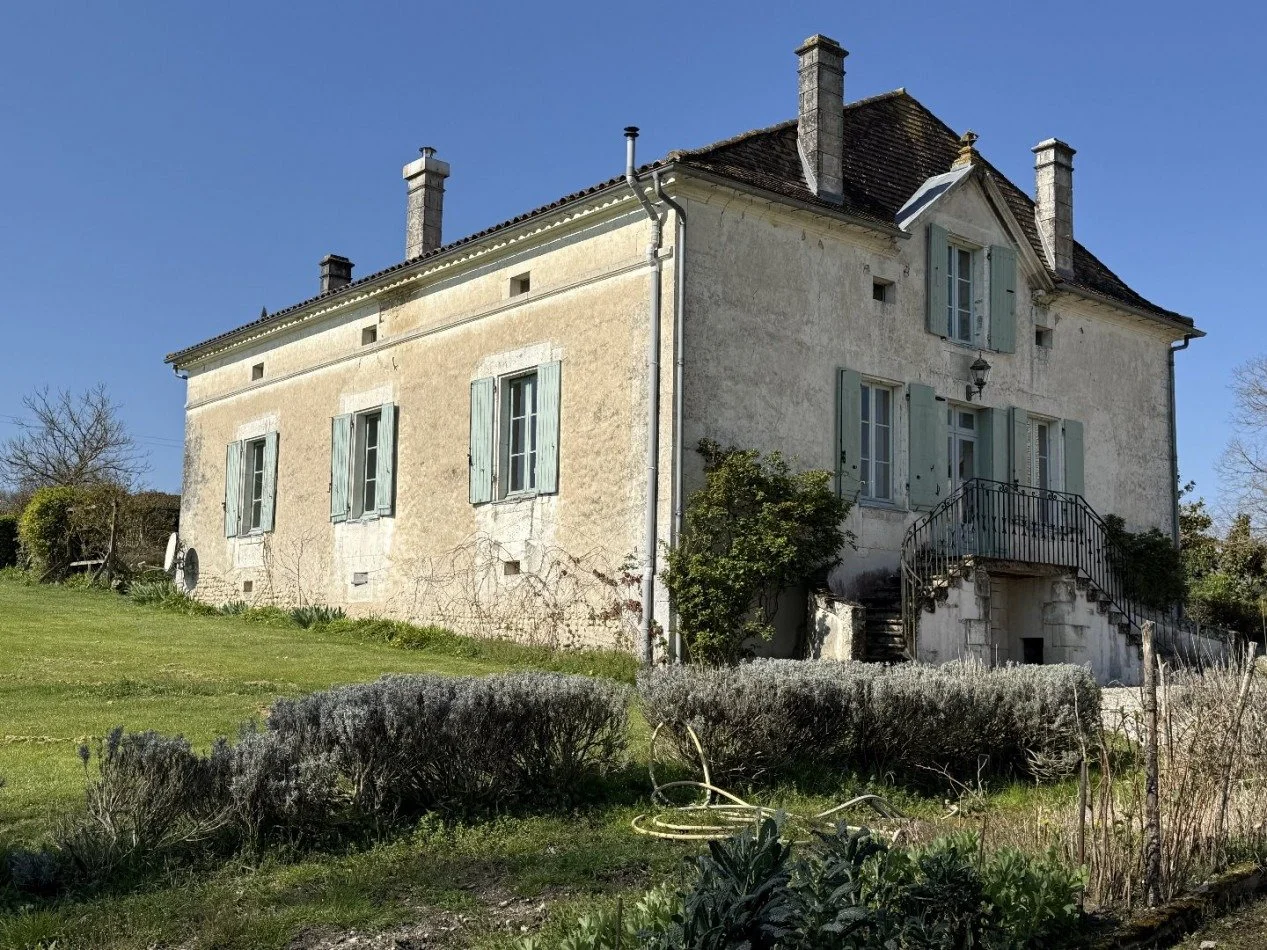
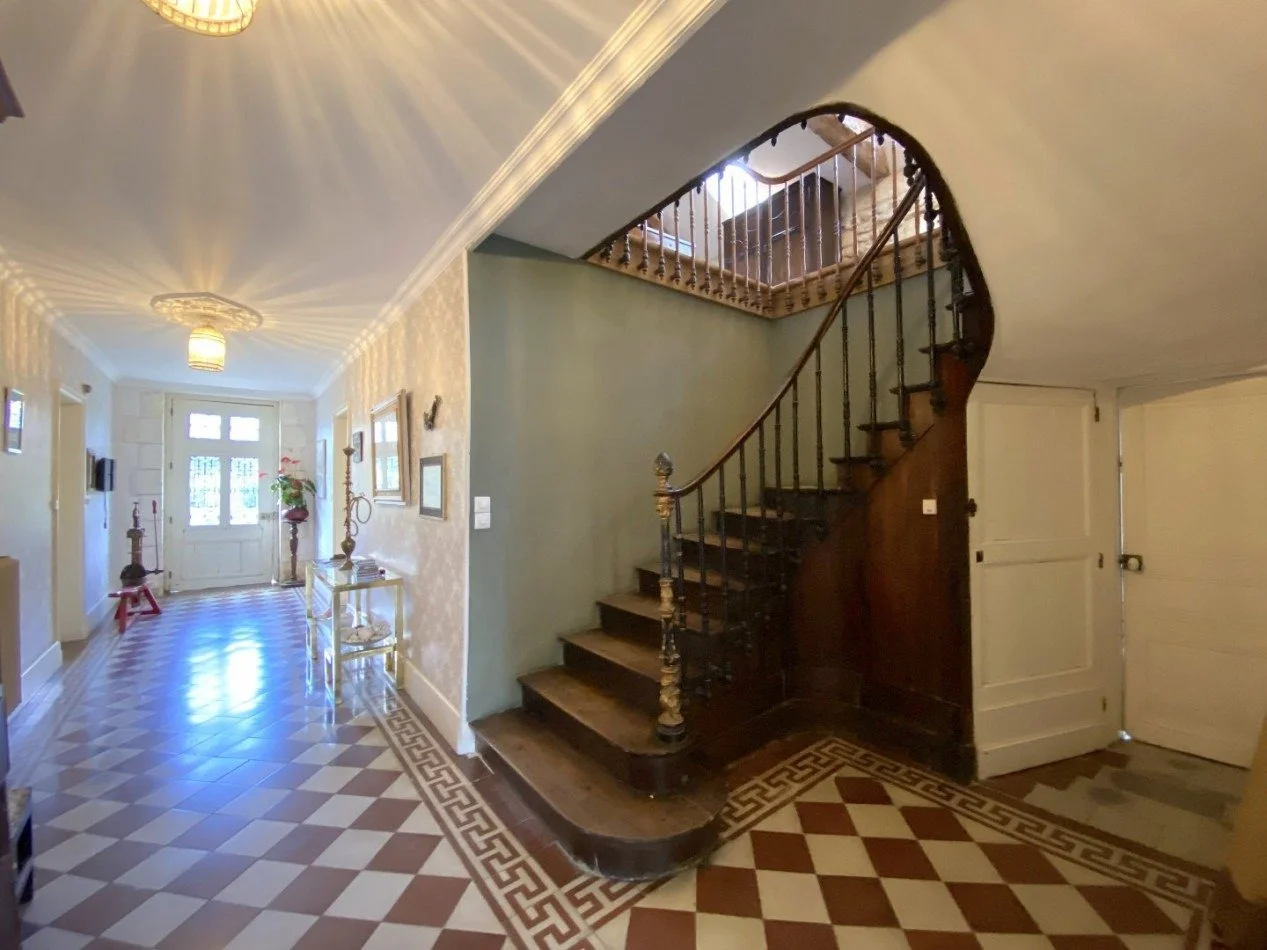
19th-century character house in a private hamlet of two houses
Main house size
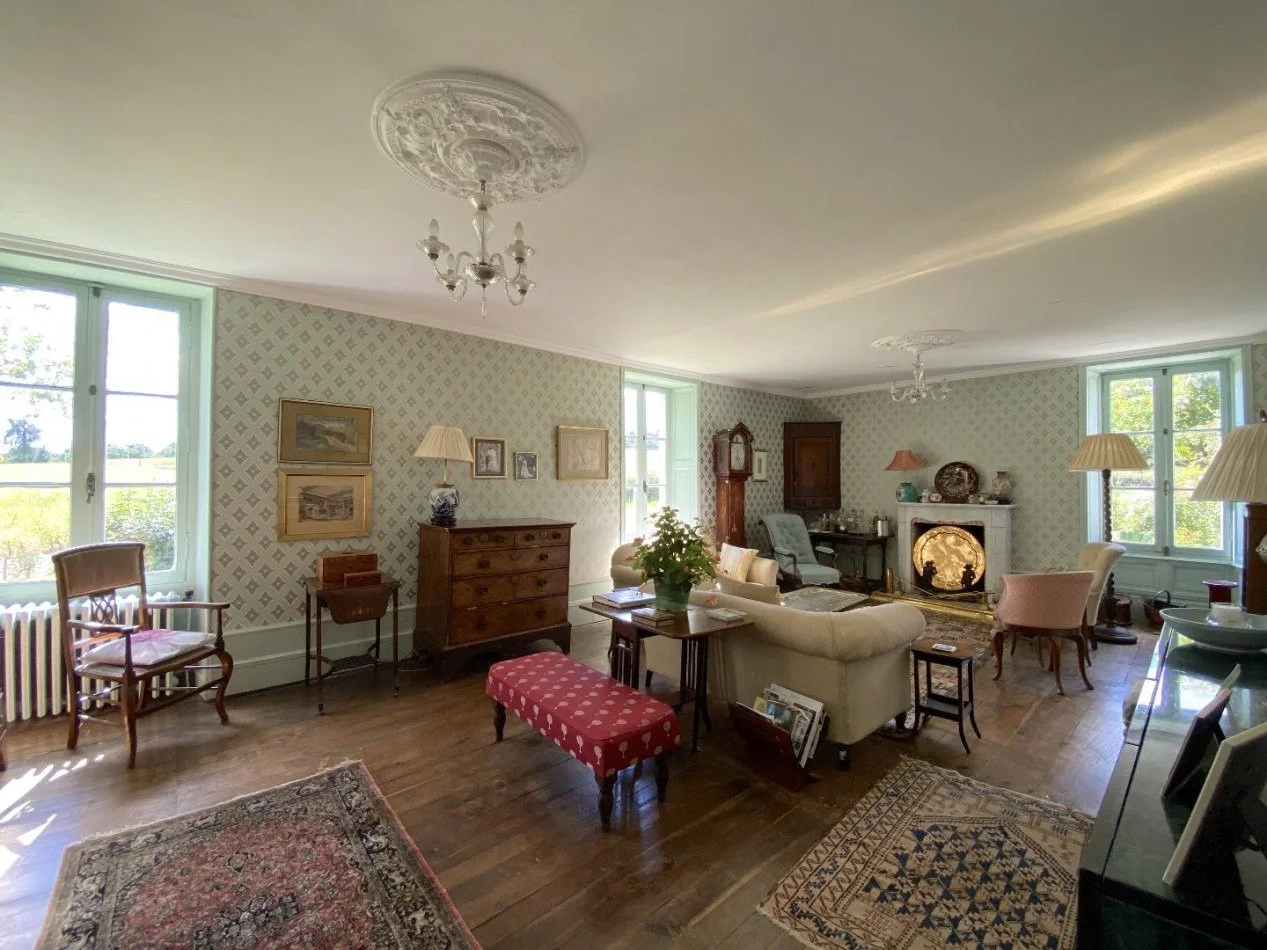
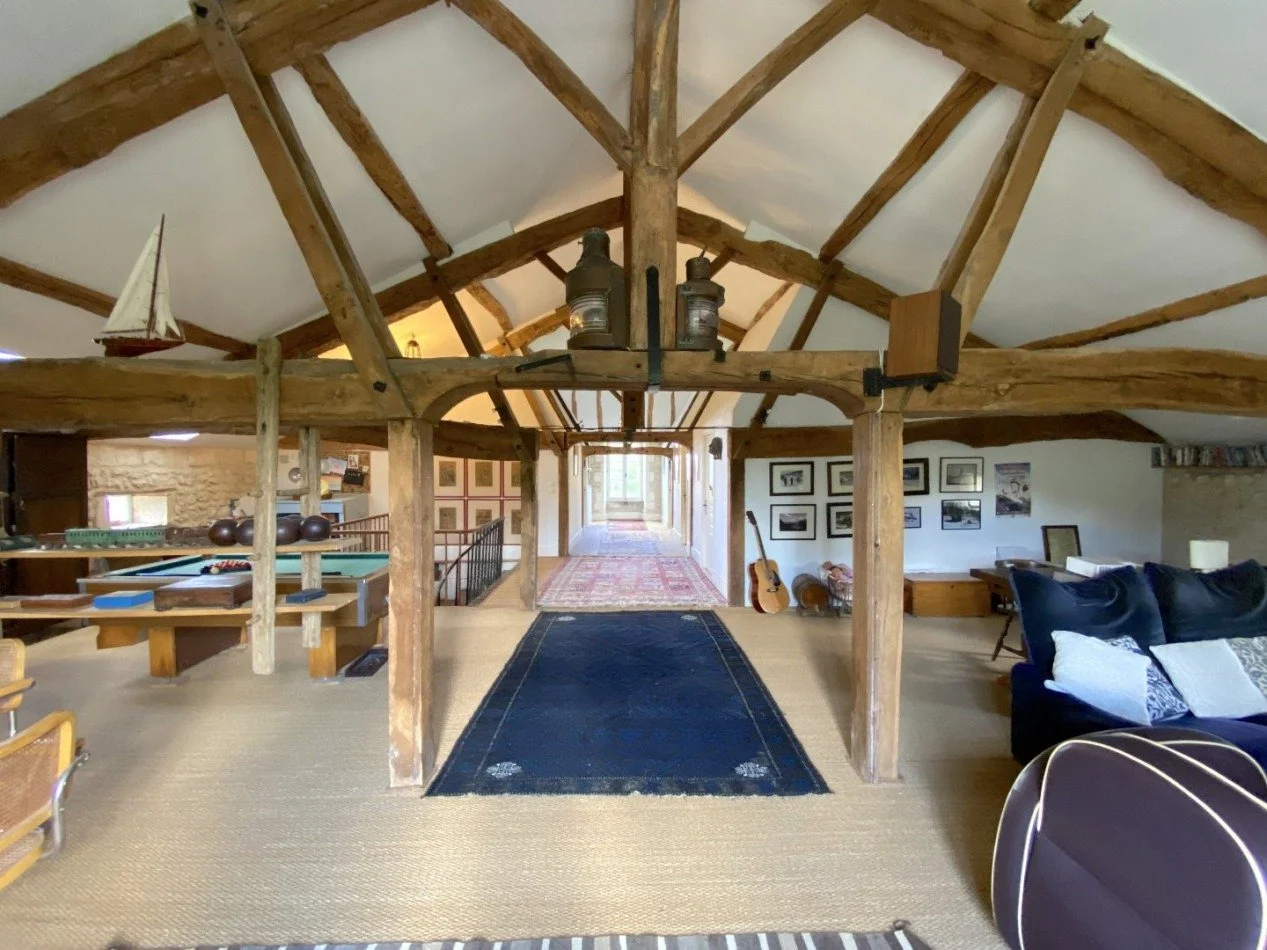
Approx. 288 m²
Guest accommodation
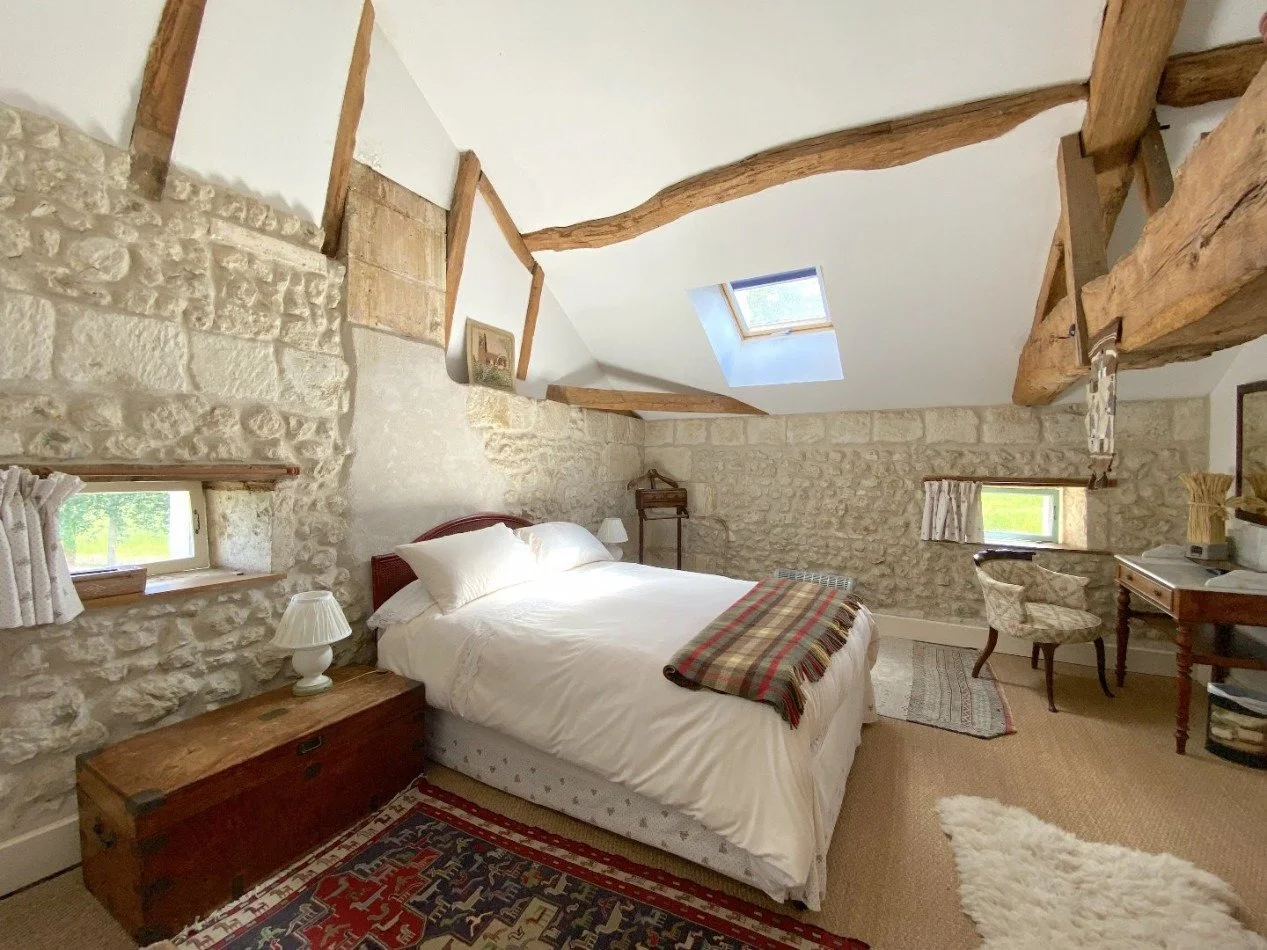
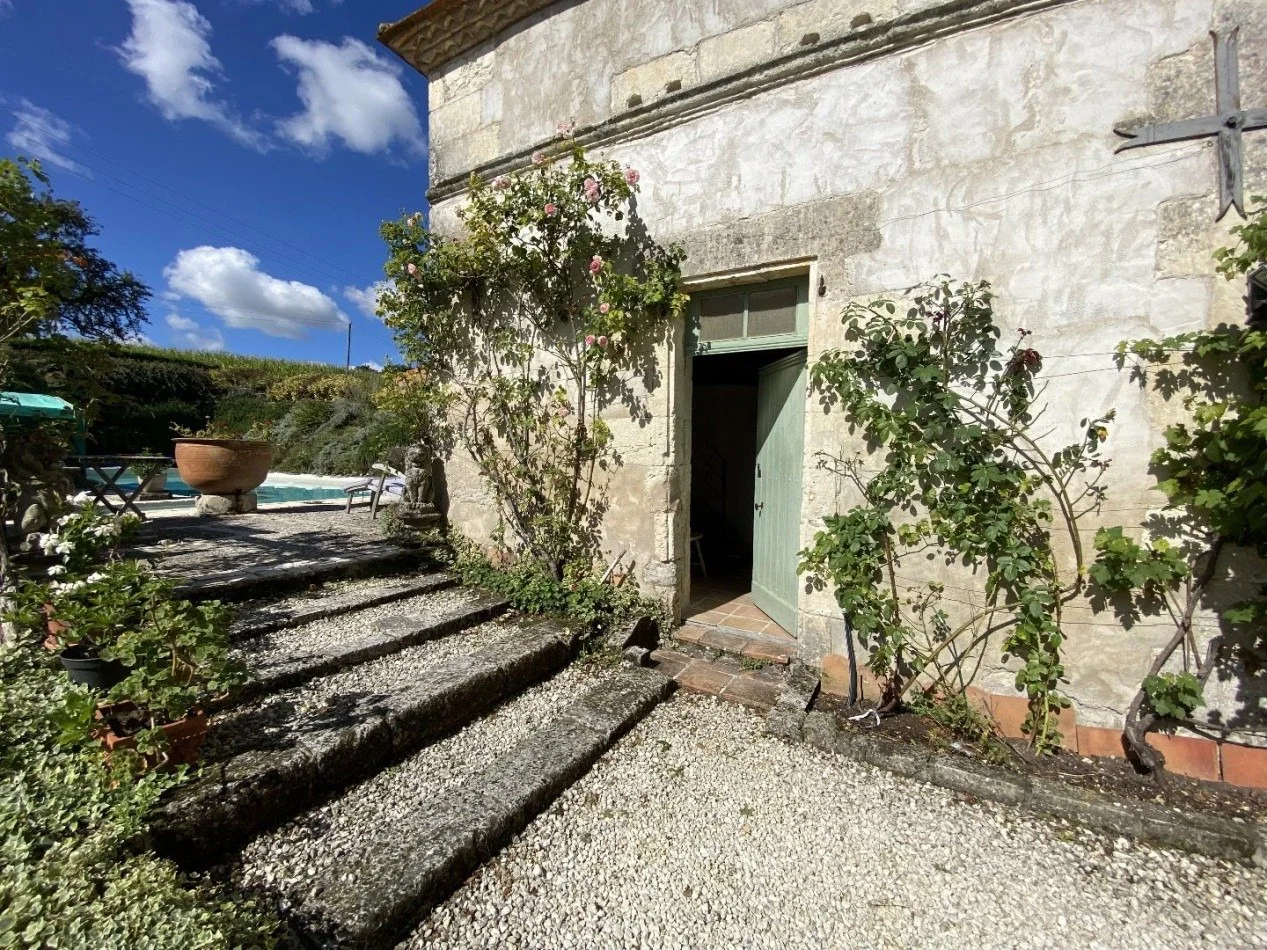
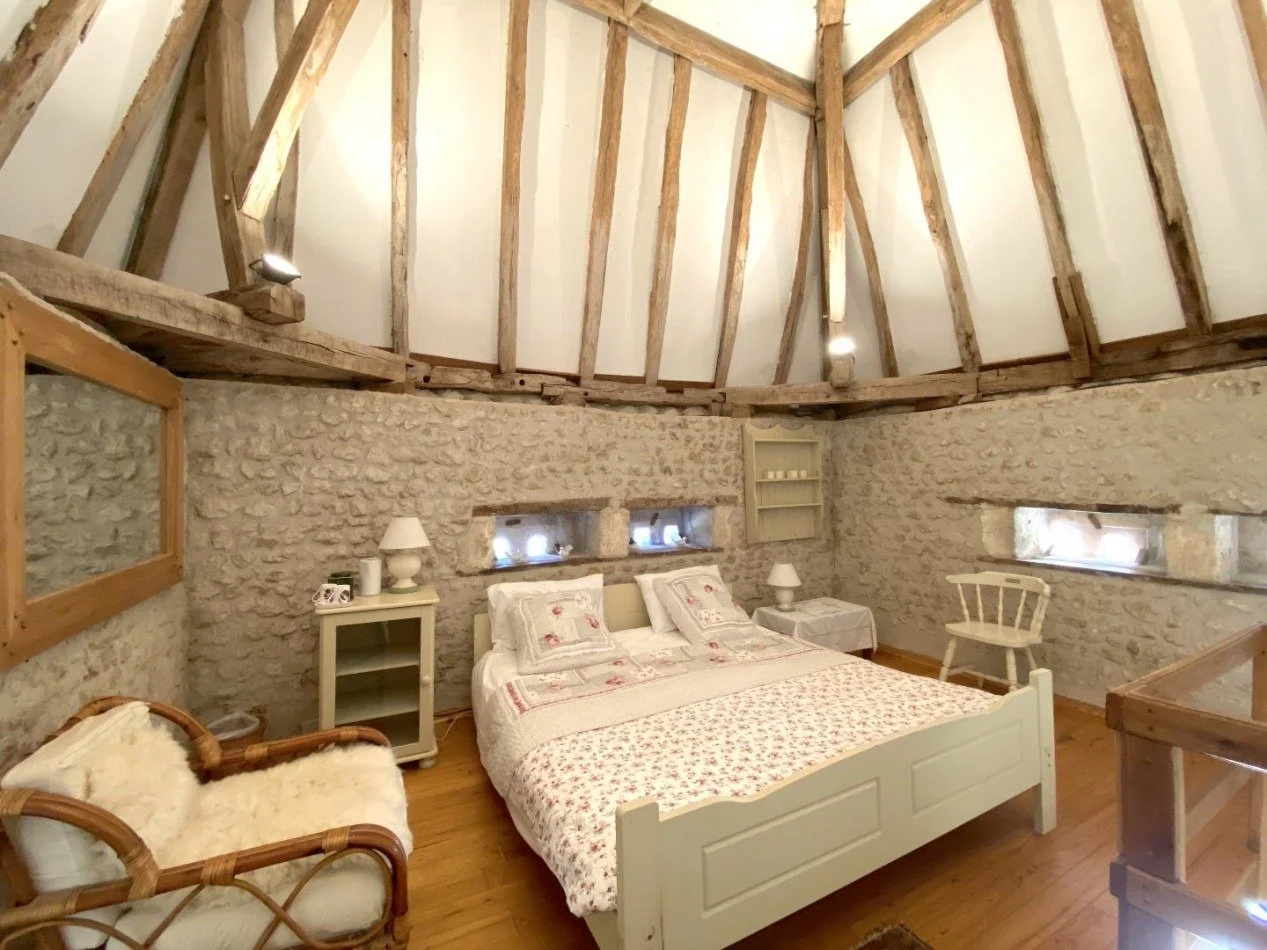
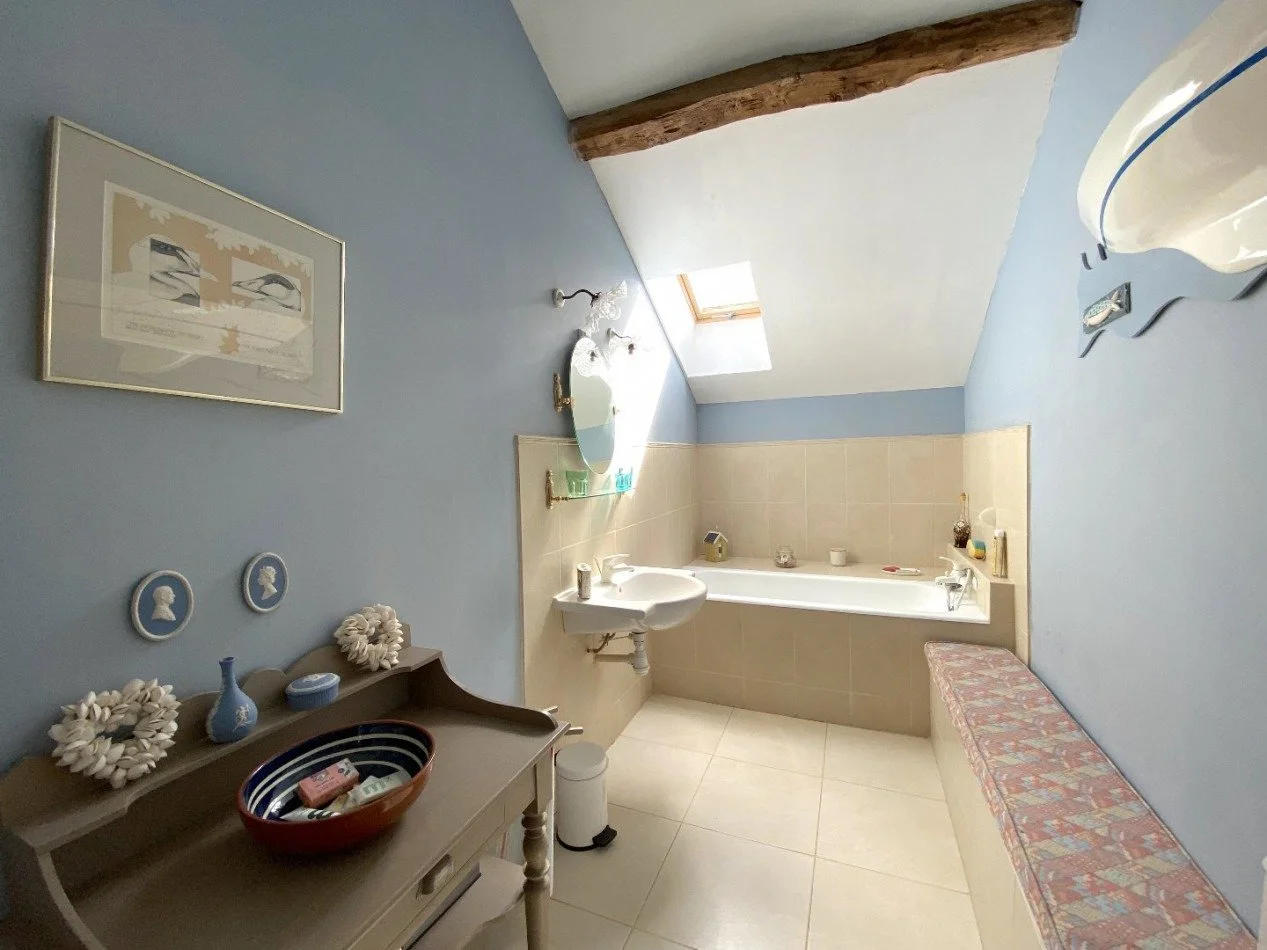
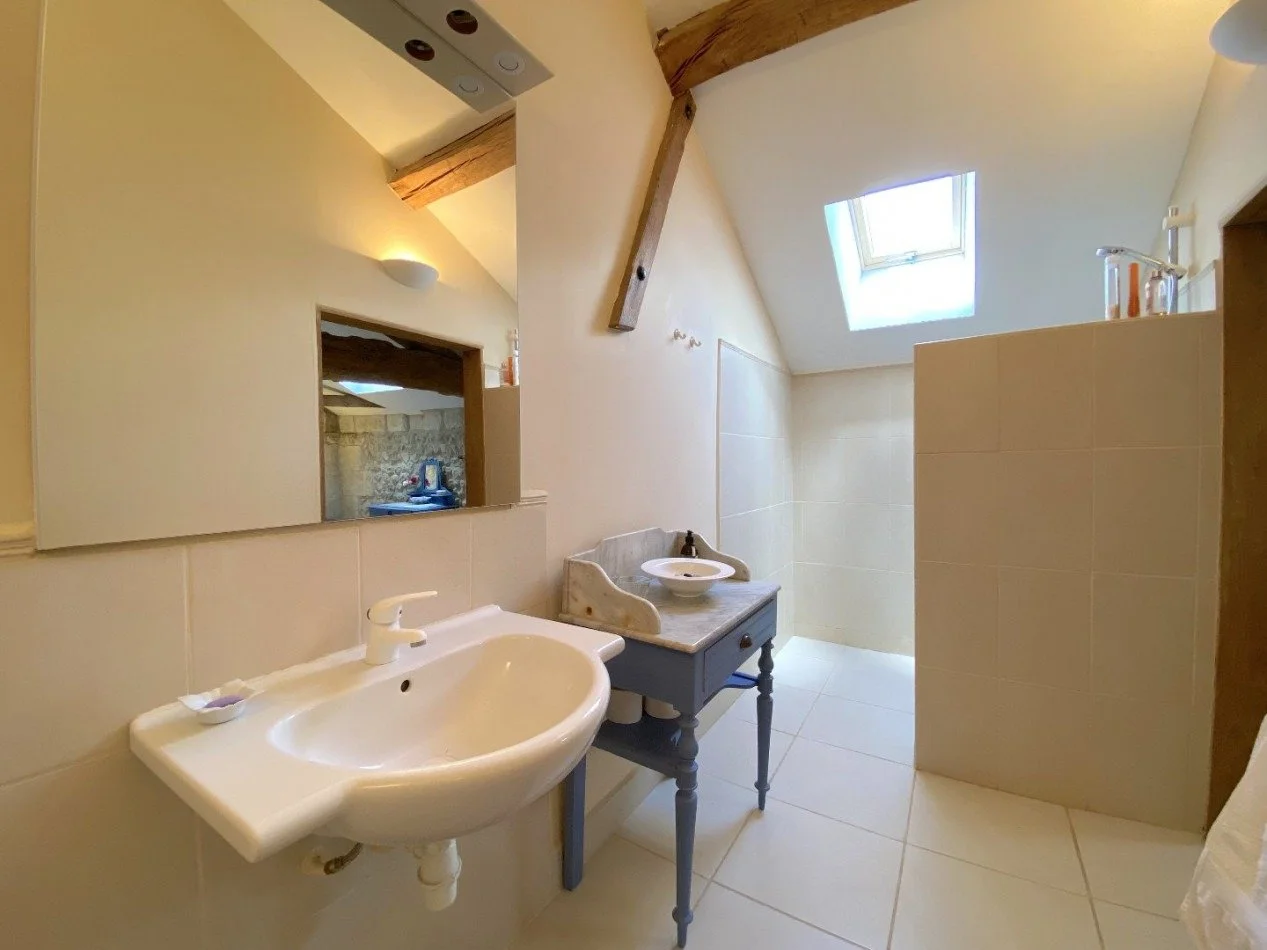
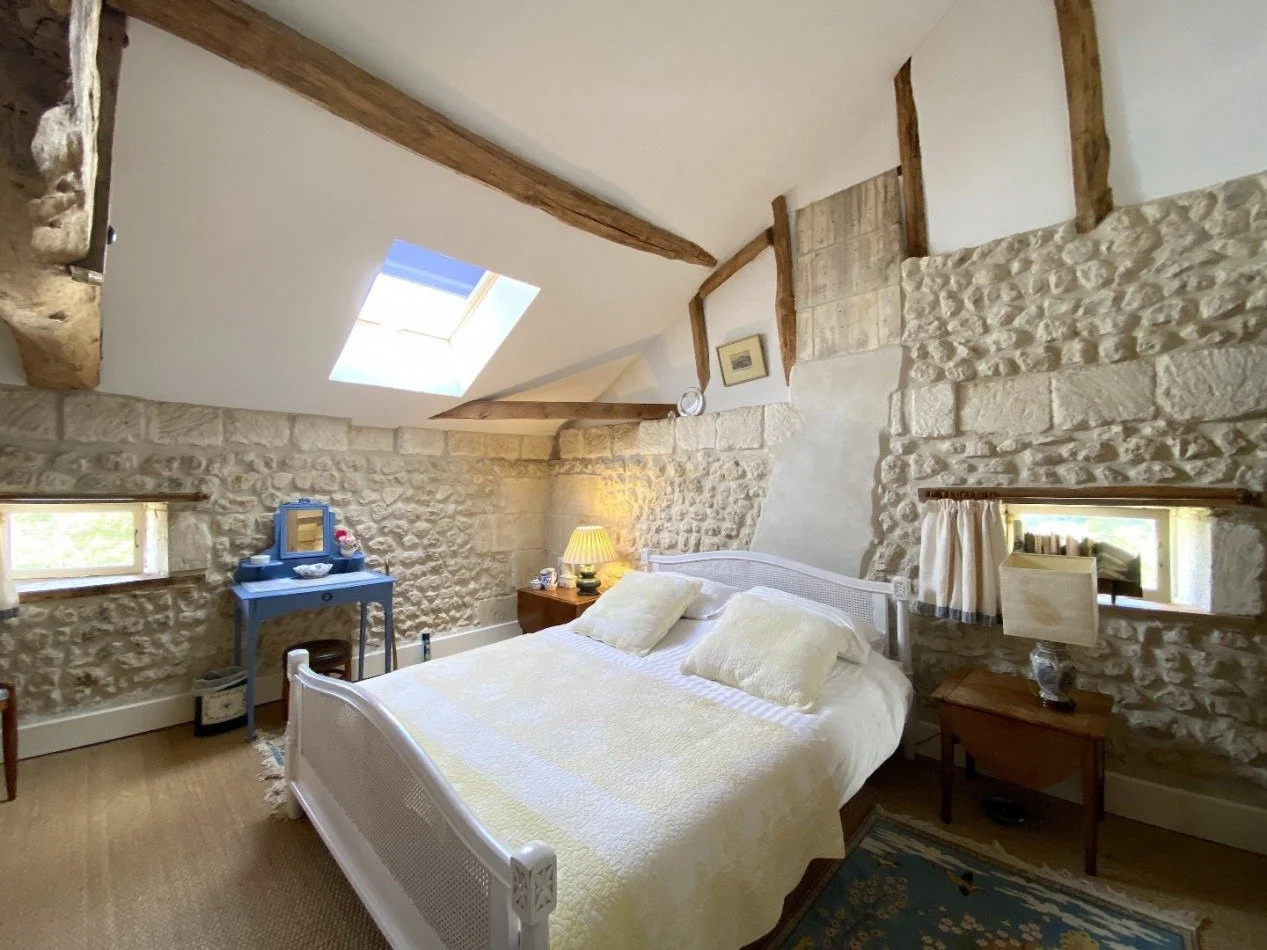
Renovated pigeonnier guest suite
Land size
Approx. 3,498 m²
Price
€498,750
Energy rating
E, with listing reference to 229 kWh/m²/year
Outdoor features
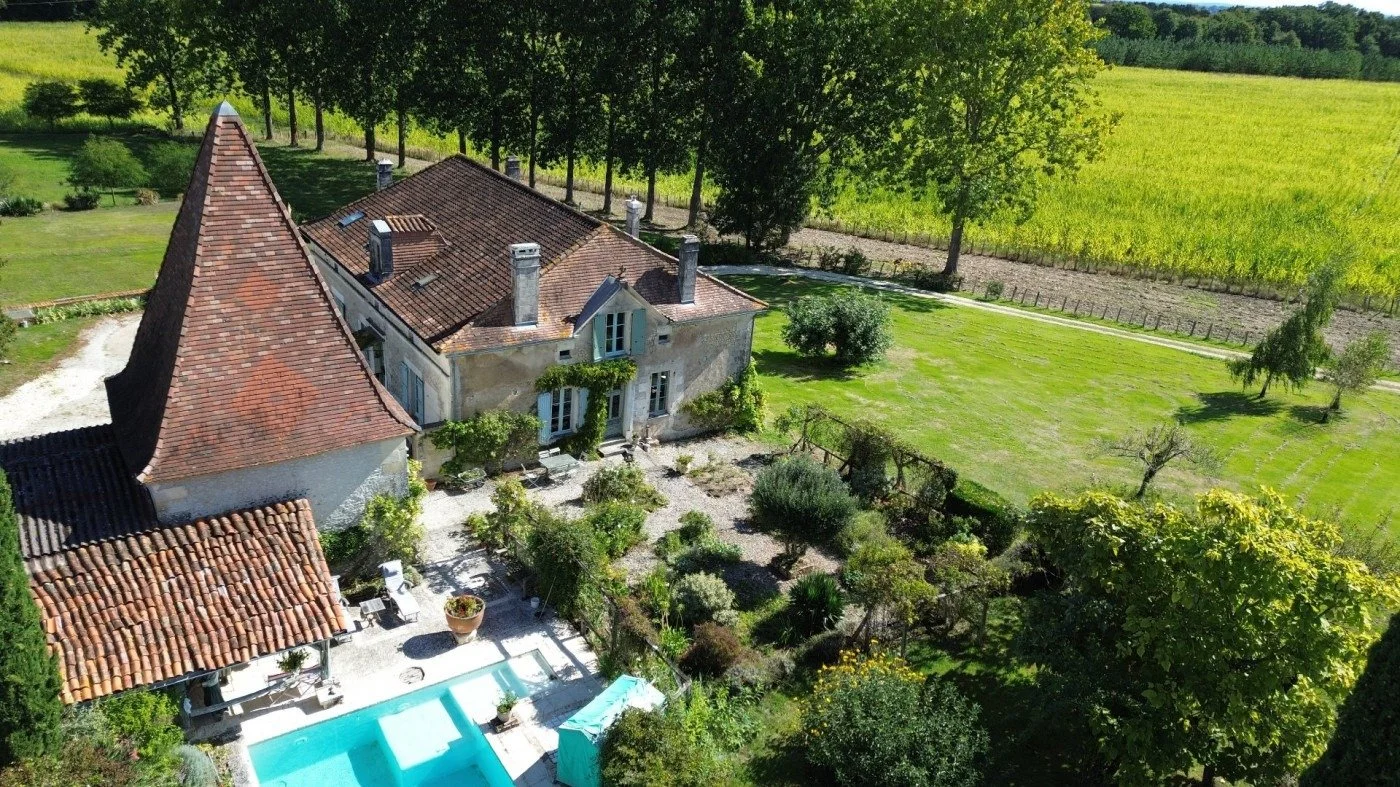
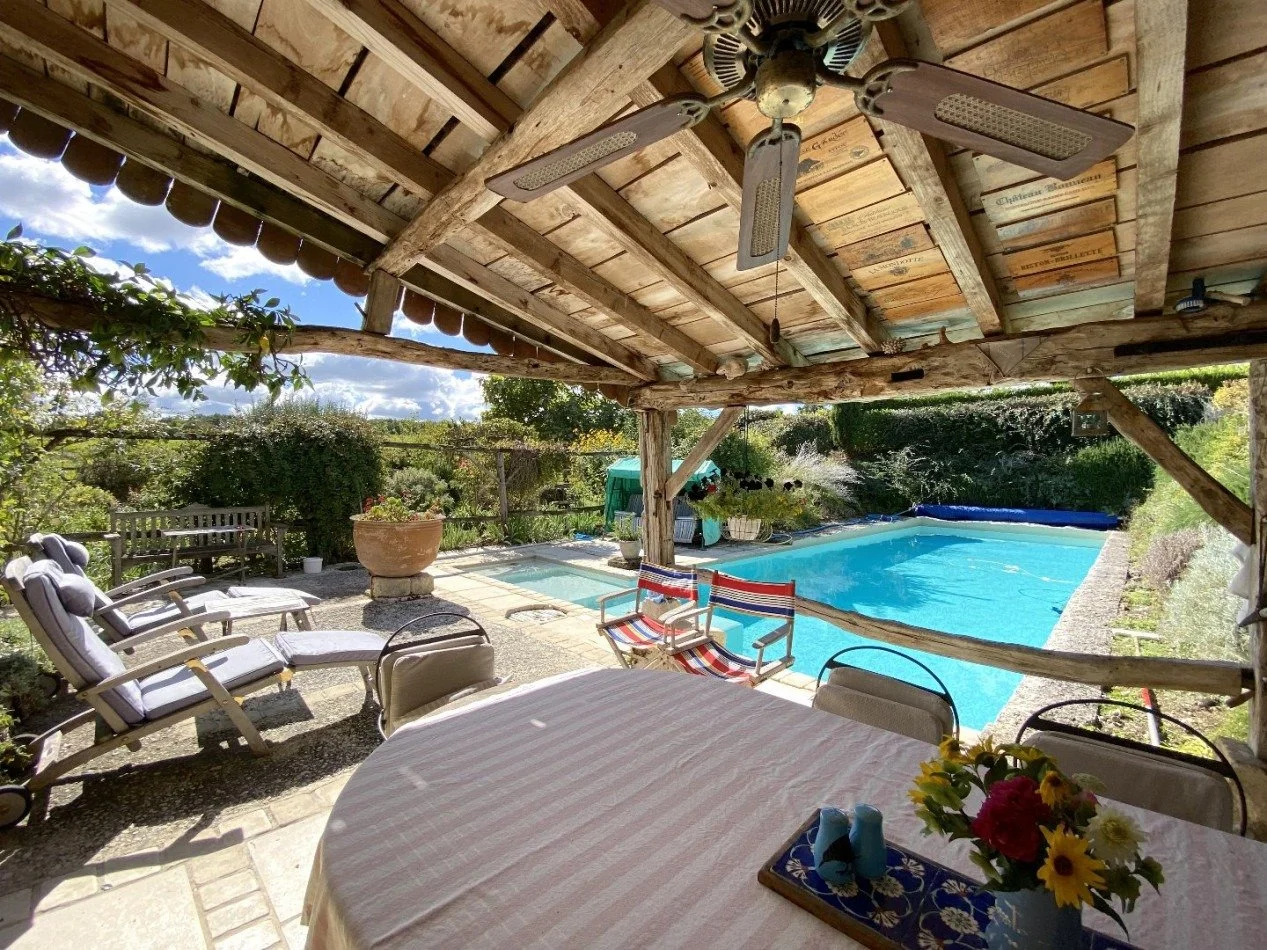
4 x 15 m pool, covered terrace, BBQ area
Other features
Sauna, parking shed, private setting
Lifestyle angle
Main residence, holiday home, family compound, or hospitality-led property with guest accommodation
Headline appeal
Rare combination of character architecture, separate guest space, large pool and tucked-away hamlet setting
Core tension
The property is attractive because of its layout and charm, but the buyer needs clarity on the pigeonnier's legal status, the shared hamlet arrangements, the true cost of the E rating, and whether the drainage and rental setup support the marketing story
Risk Radar
Overview
This is the sort of French character property that can justify its price emotionally very quickly. The pigeonnier guest suite gives the house a genuine point of difference, the long pool strengthens the lifestyle offer, and the "private hamlet of just two houses" language makes the whole setup feel unusually intimate and self-contained.
The first due-diligence question is whether the pigeonnier is merely charming overflow accommodation or a legally robust guest unit. That distinction matters for resale, insurance, taxation, any separate-rental strategy, and even for how the property should be valued. A beautifully renovated outbuilding is not automatically the same thing as a fully regularised and independently usable dwelling.
The second issue is the E rating. An E-classified house is not automatically a bad buy, especially in a large period property where buyers are often prioritising volume, character and land. But it does mean the buyer should shift from vague concern to costed strategy. The full DPE should show the building's energy and climate performance, estimated charges, and recommended works, which helps turn the rating into a concrete plan rather than a loose worry.
The third issue is the hamlet setting. "Private hamlet of two houses" sounds idyllic, but this is exactly where practical shared arrangements can sit quietly in the background: access-road maintenance, water and drainage lines, boundary treatment, servitudes, and privacy expectations. These are not reasons to walk away. They are reasons to get the paperwork and the neighbour reality clear before falling in love with the atmosphere.
The fourth issue is the rental story. The pigeonnier may be attractive as a guest suite, a chambres d'hôtes-style offer, or a meublé de tourisme. Those are not interchangeable. In France, chambres d'hôtes must be declared in mairie, while meublés de tourisme follow a different declaration framework and, from 20 May 2026, every mairie must have a registration process issuing a number for declared meublés.
Targeted Questions
Pigeonnier, Guest Suite and Legal Status
You need to know whether it is treated as a true separate building with residential use, or simply as an annexe to the main house.
Marketing language can be looser than the legal record.
Any value attributed to the guest suite depends on authorised works rather than informal conversion. Planning works in France typically fall under either déclaration préalable or permis de construire depending on scope.
This helps confirm the approved works were properly completed and declared.
Attractive guest accommodation needs more than visual charm to be genuinely usable.
This affects both guest use and future rental flexibility.
Past use often reveals the realistic compliance route.
These are distinct operating models with different obligations. Chambres d'hôtes must be declared in mairie, and meublés also have declaration/registration requirements.
Real usage evidence is much more helpful than generic rental optimism.
The sauna is a selling feature, but it is also another technical element to maintain and insure.
Energy Class E and Running Costs
The full DPE is the document that shows energy performance, climate impact, estimated charges and recommended works.
Large period houses can look manageable on paper and feel expensive in practice depending on the heating system.
Real bills are often more useful than assumptions based on the DPE letter alone.
Buyers should distinguish between a rating that reflects an unimproved house and one that remains weak despite recent spending.
It helps turn the E rating into a practical capital plan.
These are often the most important variables in a period property's running costs.
Period charm and thermal comfort do not always arrive together.
Those problems can sit behind an energy rating without being obvious from the listing.
Pool, Terrace, BBQ and Ancillary Structures
Pools can require urban-planning formalities, and buyers should verify the file rather than assume everything is regularised.
A long pool is a major asset, but also a major future-cost line if tired.
In France, private in-ground pools must have a compliant safety device.
Outdoor entertaining space is carrying part of the value here, so its status should be clean.
Small exterior works can still matter if a buyer wants a clean planning trail.
In France, items such as a garage, pool or veranda can affect local taxation and should be declared after completion.
Long pools look wonderful and cost real money.
Hamlet Setting, Access and Shared Arrangements
The lived reality of the neighbouring house affects privacy more than the listing wording does.
This determines maintenance responsibility and long-term control.
"Understood between neighbours" is weaker than documented rights.
Tiny hamlet settings can produce tiny recurring obligations that still matter.
Shared infrastructure complicates independence and sometimes future resale.
Privacy and control depend on more than fencing.
The best time to find out about a "small local understanding" is before you own it.
The quiet hamlet feel is part of the price.
Land, Boundaries and Drainage
Clear land mapping is essential where several built elements create the value.
Character properties often rely on old assumptions until someone finally checks.
This affects both risk and future cost.
For a sale, the non-collective sanitation position is a core due-diligence issue and the commune/SPANC controls these systems.
A guest unit changes the capacity question.
Septic surprises are rarely cheap.
Full-time use and guest use both rely on dependable water.
Full Diagnostic Dossier
The DDT is a basic decision-making document, not just a signing-stage formality.
This is standard due diligence for period property stock.
This is especially relevant for older houses and renovation planning.
Those reports help identify deferred safety and upgrade costs.
The termite report is mandatory where the property sits in a declared risk or infestation zone, and it is part of the DDT when required.
A buyer needs the environmental and risk context, not just the house itself.
Buyers should know whether quoted size is habitable space, total developed area or a broader marketing figure.
Practicalities and Year-Round Living
Guest accommodation is less useful if arrival logistics are awkward.
Rural charm and modern work do not always coexist neatly.
Coverage can vary sharply on country properties.
"Near" is one of the most elastic words in property marketing.
A private hamlet setting can be magical until the access becomes a practical nuisance.
Rental Potential
The historical model often reveals the easiest compliant route.
Declaring chambres d'hôtes to the mairie is a formal requirement.
From 20 May 2026 all mairies must run a registration process issuing a number for declared meublés de tourisme.
A large character house with pool can command attractive rates, but only with realistic market evidence.
Real trade history is the most persuasive rental evidence.
These are different products serving different markets.
Net return depends on operational friction as much as headline rates.
A charming rental setup can still be financially thin once all real costs are counted.
Offer Preparation
Official notarial guidance makes clear that acquisition costs vary by geography and property type, and should be calculated specifically rather than guessed.
This is a direct ownership-cost input and may reflect the declared built elements.
The ownership profile can affect the annual carrying cost.
For a lifestyle property, included operational kit can materially affect immediate usability.
Negotiation Intelligence
Buyer Leverage
Medium-High
Key Drivers
Typical Negotiation Range
5-15% below asking
Neutral Phrasing Examples
Country Layer
France (Regulatory Context March 2026)
Key French requirements for buyers:
Viewing Strategy
During the viewing:
Next Step
Verify from the listing:
The pigeonnier’s true legal status
Request the cadastral plan, title description, and any planning and completion paperwork for its renovation so you can confirm whether it is a properly regularised guest unit or simply an attractive annexe.
The real cost behind the E rating
Ask for the full DPE and recent utility bills so you can move from a headline energy letter to an actual upgrade and running-cost plan.
The hamlet arrangements with the neighbouring house
Clarify access rights, road maintenance, any servitudes, shared infrastructure and privacy implications. A two-house hamlet can be idyllic, but it should also be documented.
The pool, terrace and outdoor paperwork
Because the pool and outdoor entertaining space are major value drivers here, ask for planning records, maintenance history and confirmation that the safety setup is compliant.
Whether the guest accommodation can really support rental use
Confirm whether the pigeonnier has been used or can be used as a meublé de tourisme or chambres d’hôtes, and ask for evidence of actual income or achievable rates rather than broad optimism.
A prepared buyer should approach the agent calmly and frame questions as due diligence. For example: “To assess the property properly, could you send the DDT, the cadastral plan, the planning and completion documents for the pigeonnier and pool, and any written information covering access or shared arrangements within the hamlet?”
Because this is a property where guest-accommodation status, energy cost, drainage and shared hamlet arrangements all materially affect value, run it through the Property Risk Assessment before contacting the agent, and use the Rental Yield Calculator once the pigeonnier’s legal and rental position has been verified.
Disclaimer: The Property Drop is buyer-focused intelligence, zero sales agenda. We curate exceptional properties, in southern Europe, from third-party agents and arm you with decision tools. No commission, no transactions, no agent partnerships, no skin in the game beyond helping you choose wisely. Information stays accurate until it doesn't (properties sell, prices shift, markets move). Everything here is shared for informational purposes only and should not be treated as legal, financial, or investment advice. Images belong to original agents. Read our Terms of Service to learn more.
IMPORTANT REMINDER: When contacting property agents featured on The Property Drop, you are entering into direct communication with third parties. It's recommended that you verify all property details independently, conduct thorough due diligence, engage qualified professionals (solicitors, surveyors, financial advisors), understand your rights and obligations under local property laws, and never send money or make commitments without proper legal protection.
