
The Buyer Playbook: 4-Bed Rustic House with 17th-Century Tower and Olive Grove, Amelia, Italy, €525,000
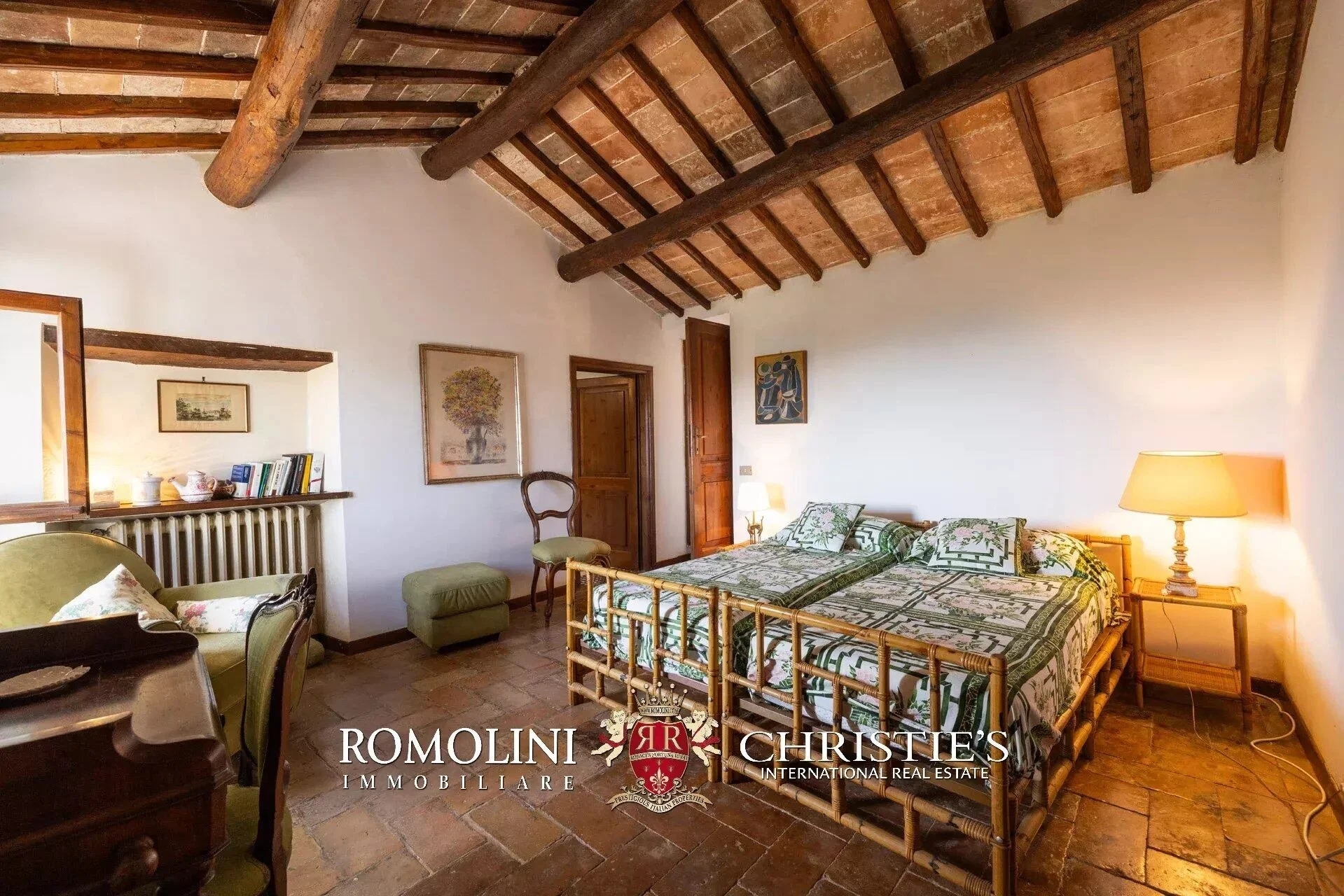
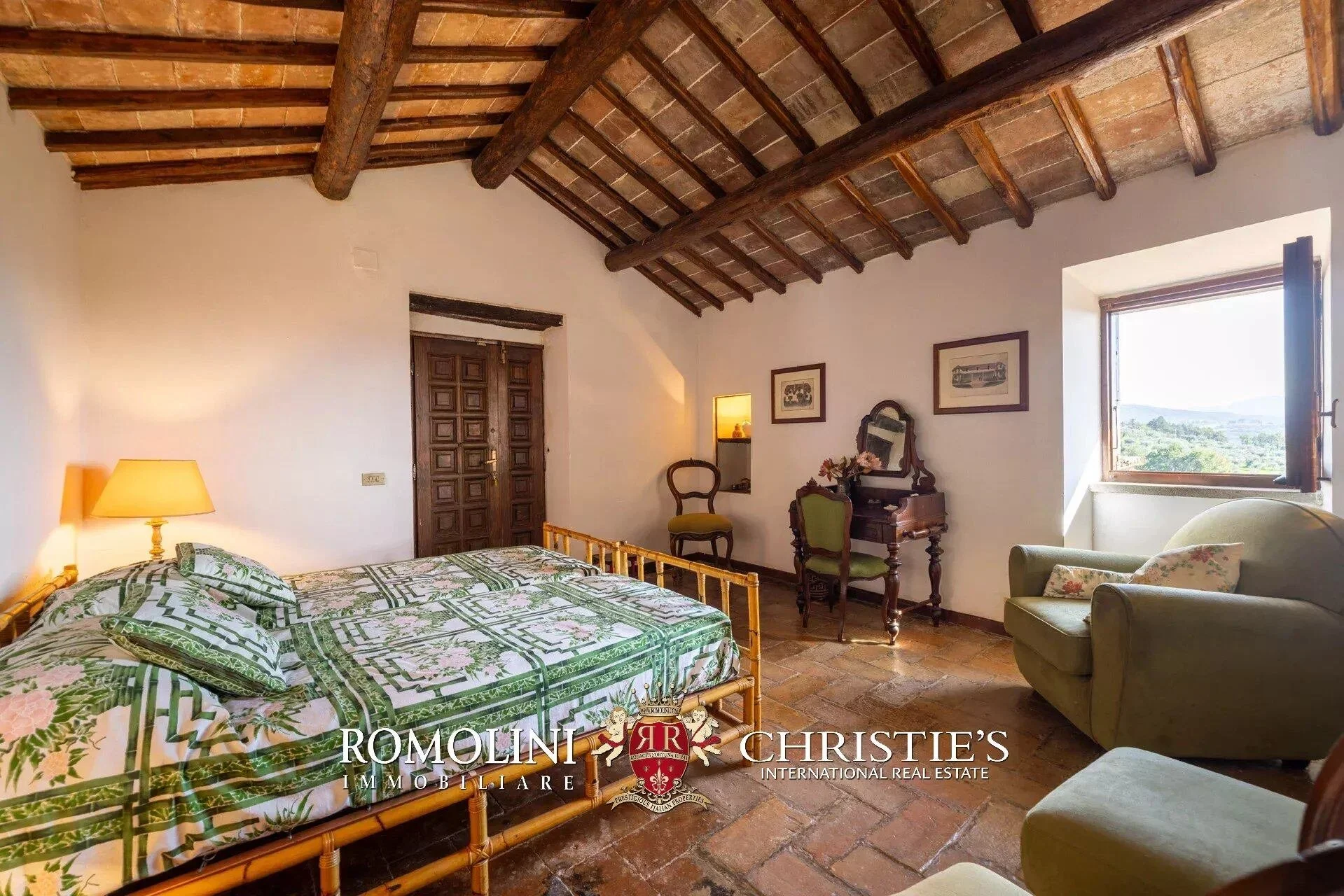
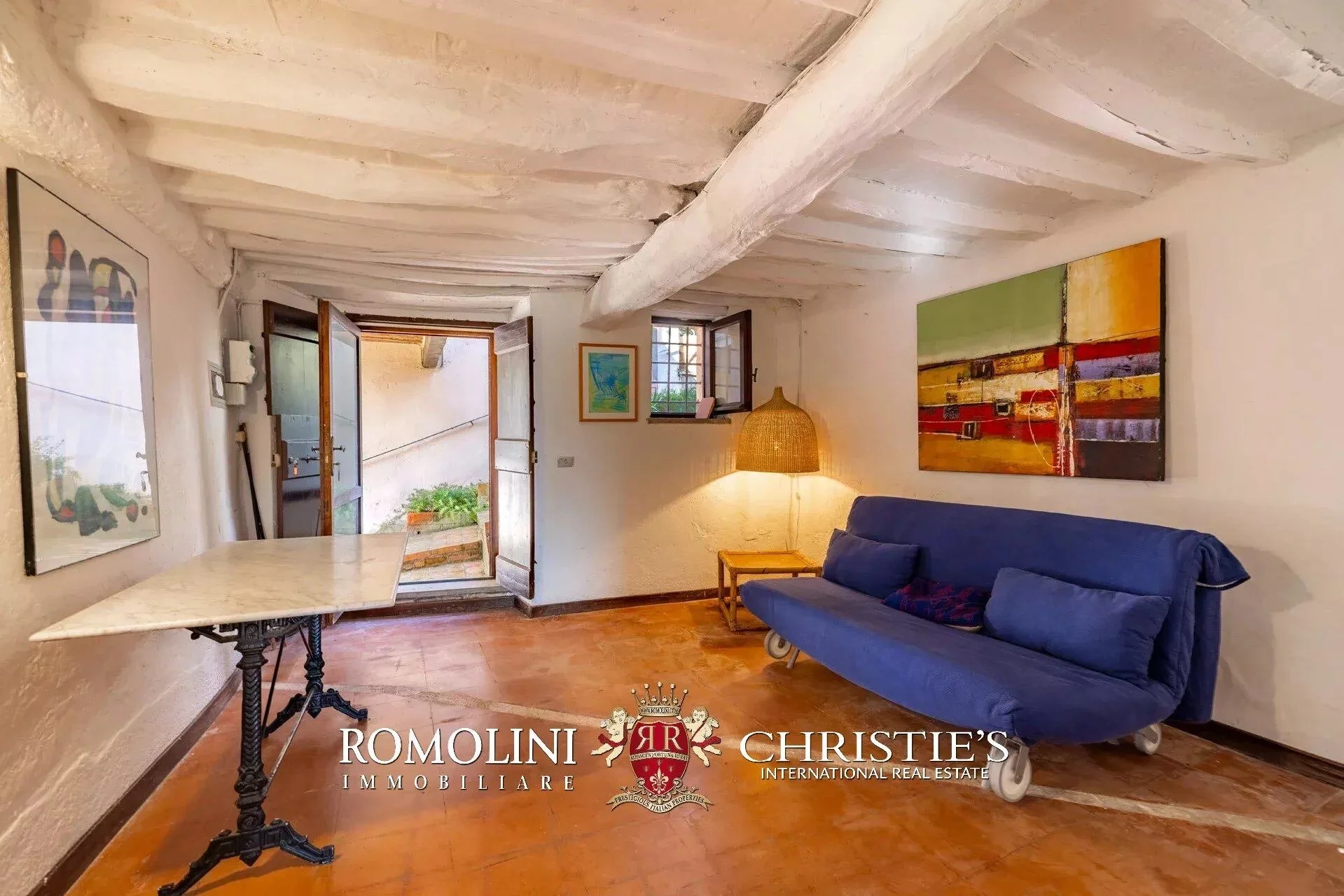
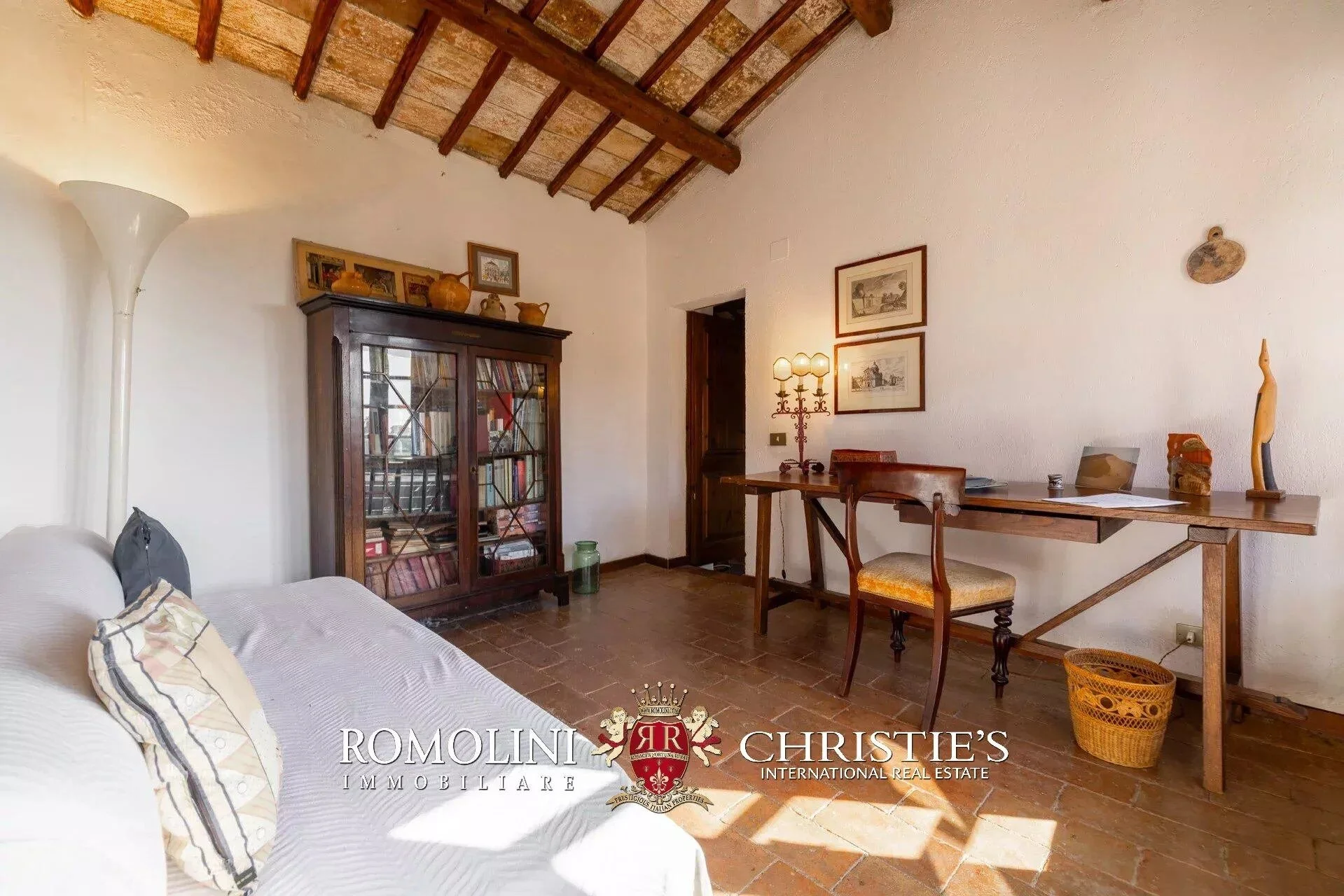
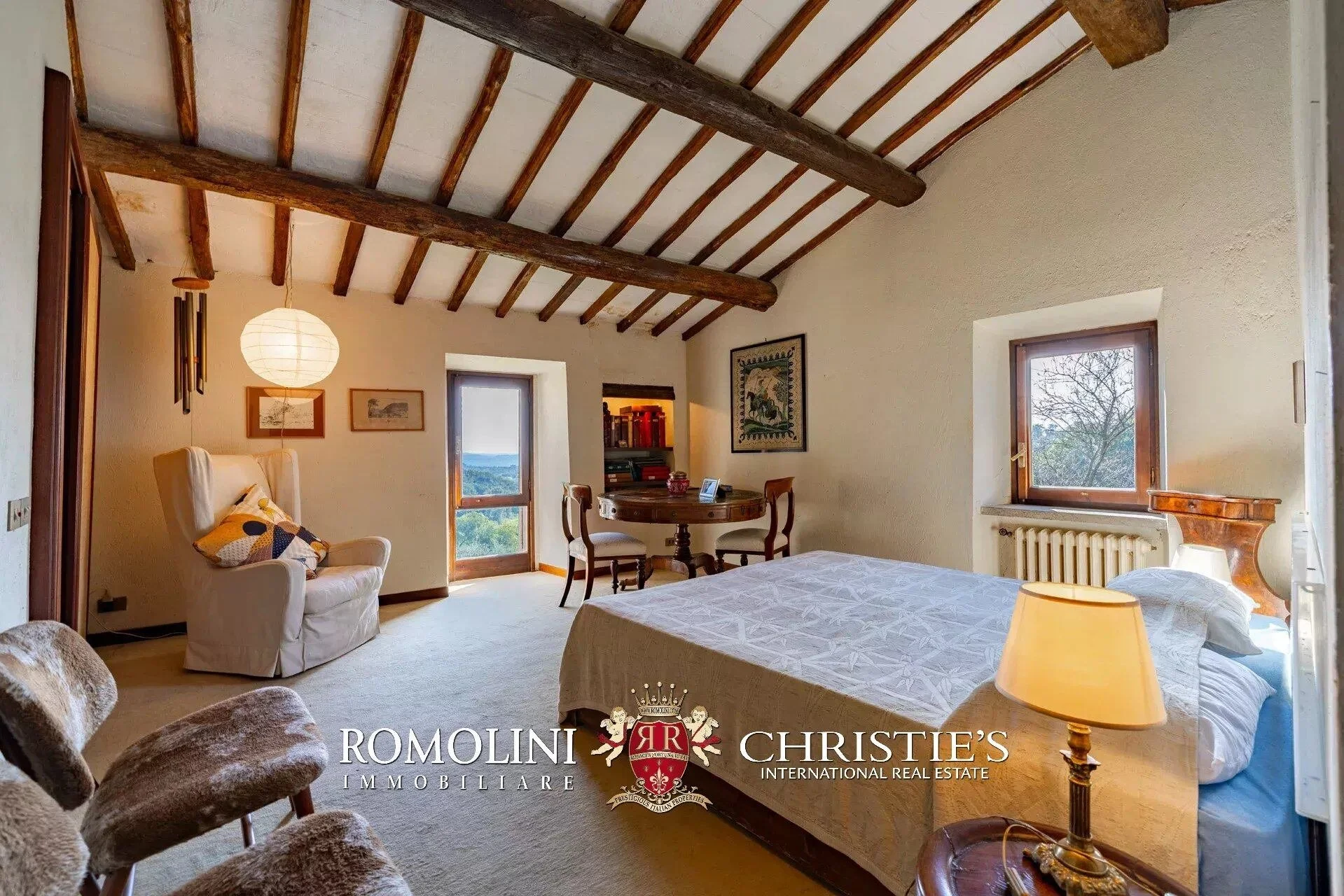
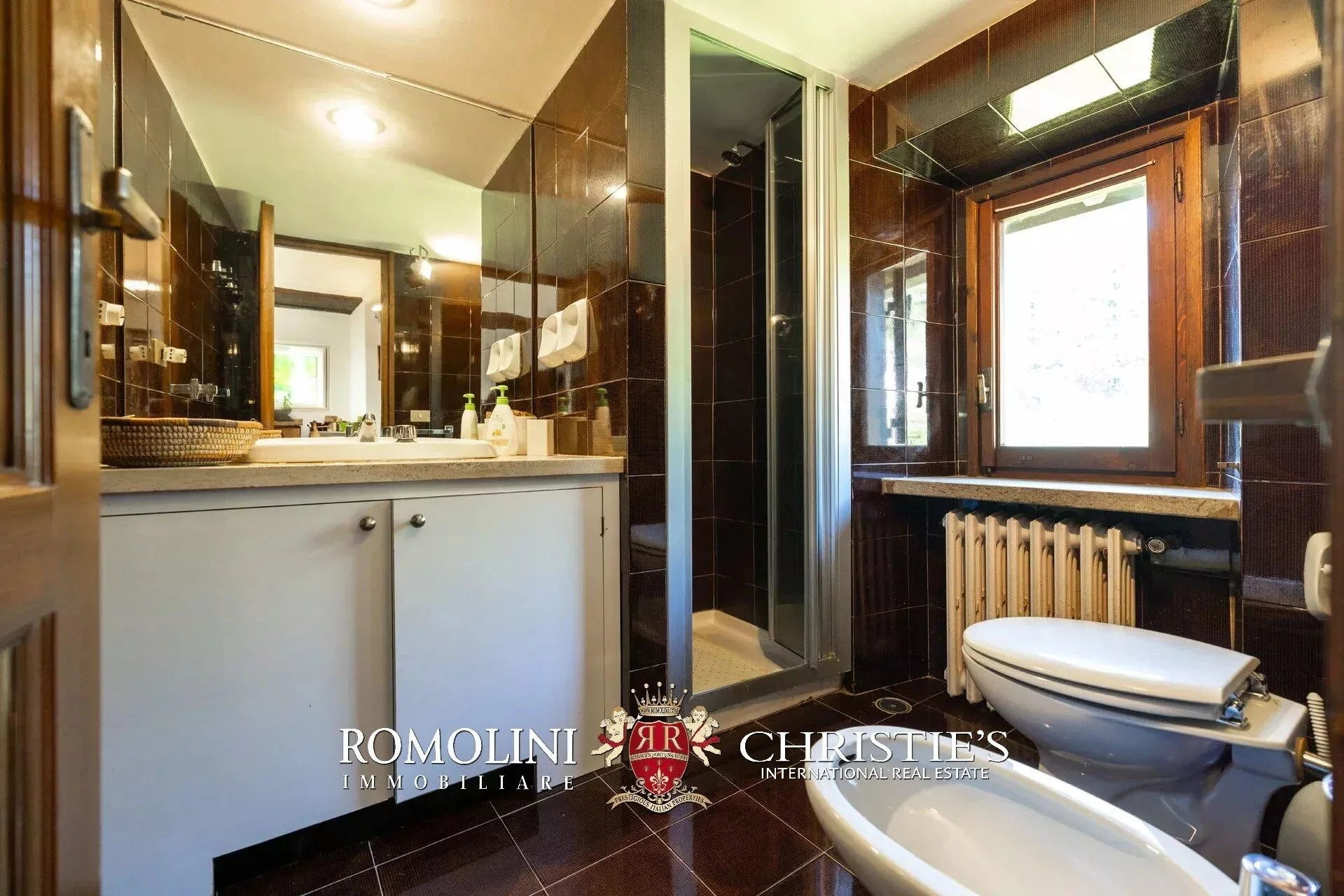
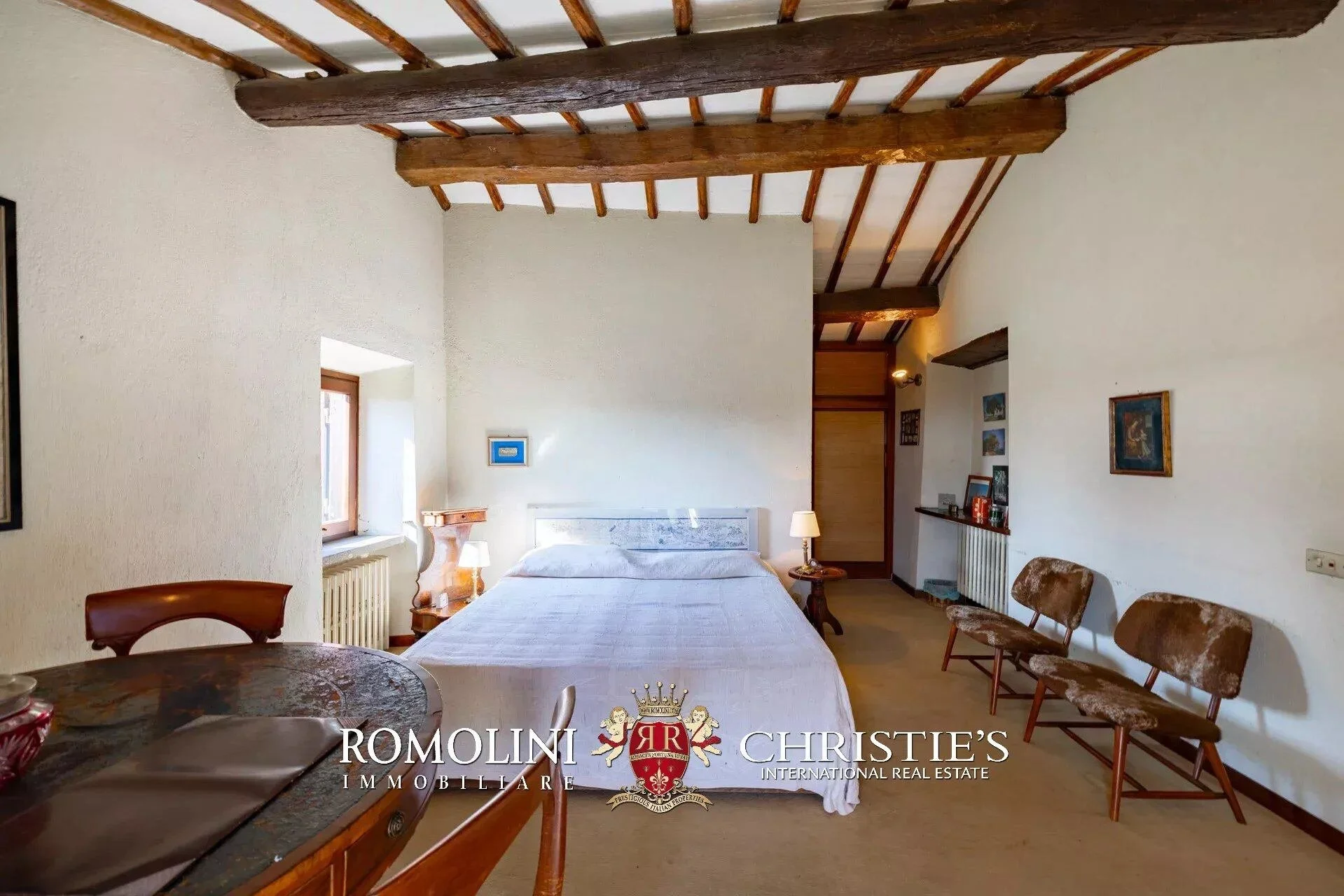
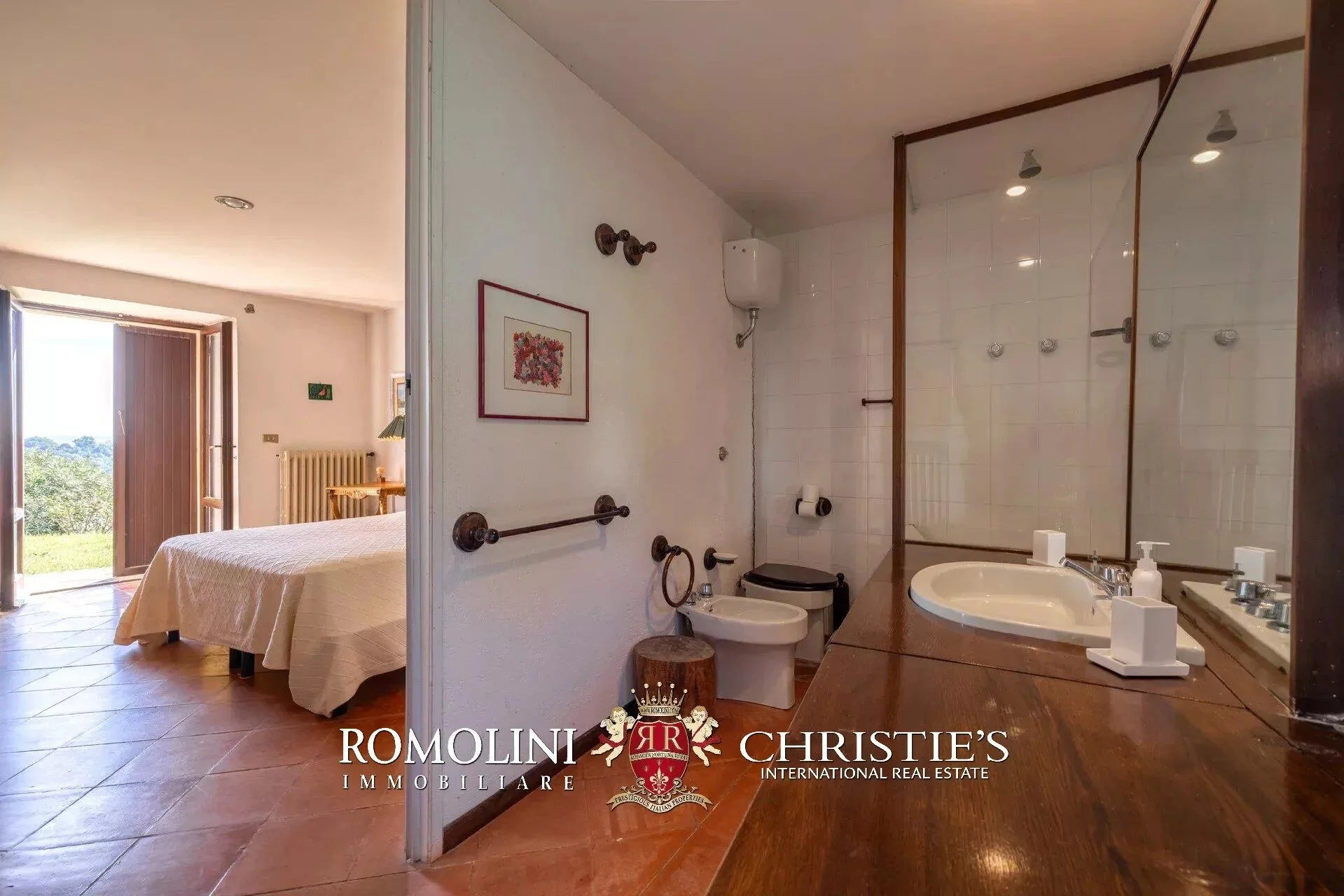
Buyer Playbook
Pre-Viewing Intelligence Report
This independent buyer guidance report relates to this specific property located in Italy. It is provided for informational purposes only and does not constitute legal, tax, structural or survey advice. Planning, heritage protections, structural integrity, water rights, agricultural use, rental permissions, drainage, land classification and access must always be verified with qualified Italian professionals such as a geometra, architetto, ingegnere, notaio, agronomo and with the relevant municipal and regional authorities. This report is designed to help buyers evaluate the property before arranging a viewing or making an offer. It highlights due diligence areas and targeted questions to ask the estate agent. The analysis is based on the listing details, the user's research notes and publicly available regulatory context at the time of writing.
Playbook Contents
Property Snapshot
Location
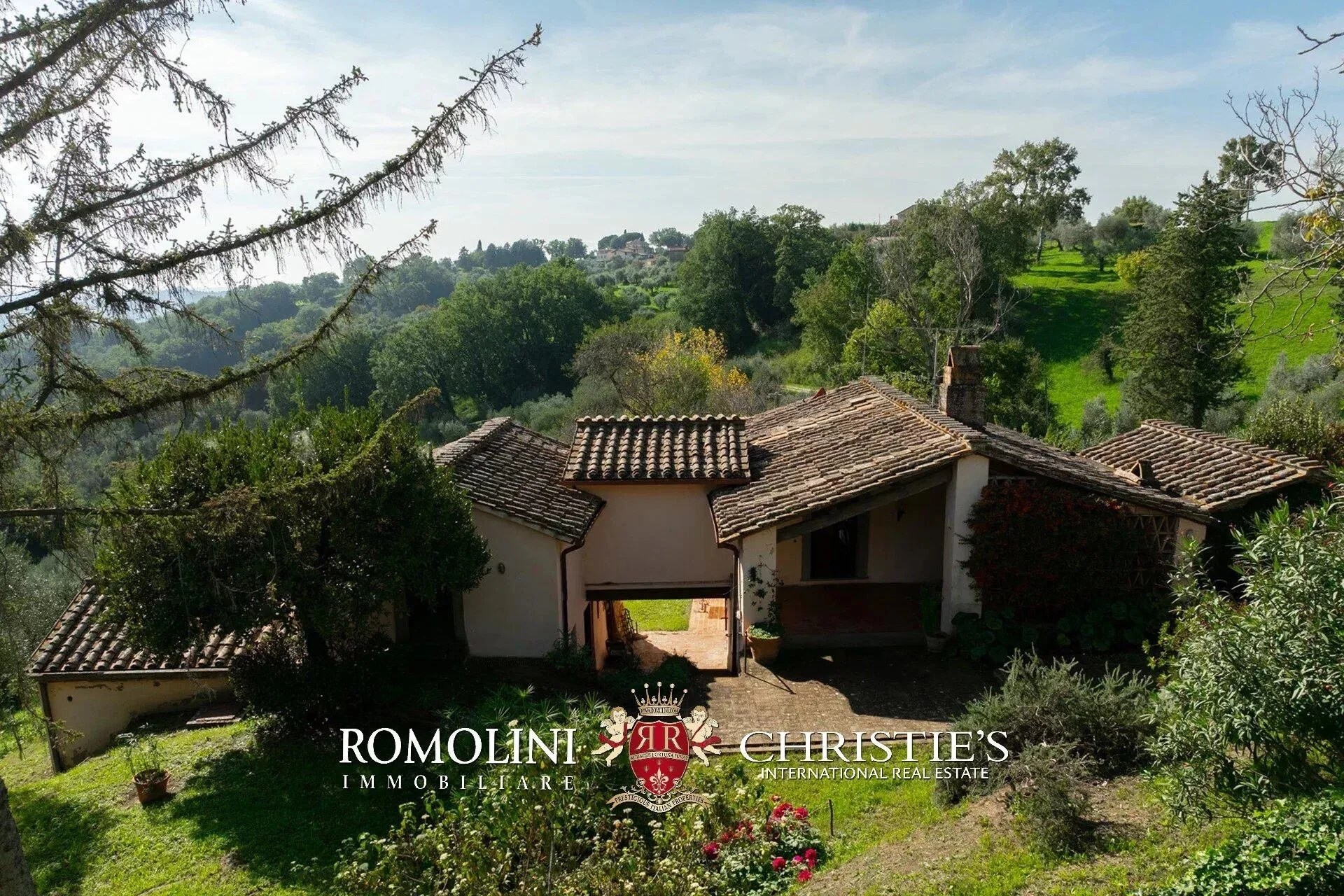
Near Amelia, Umbria, Italy
Property type
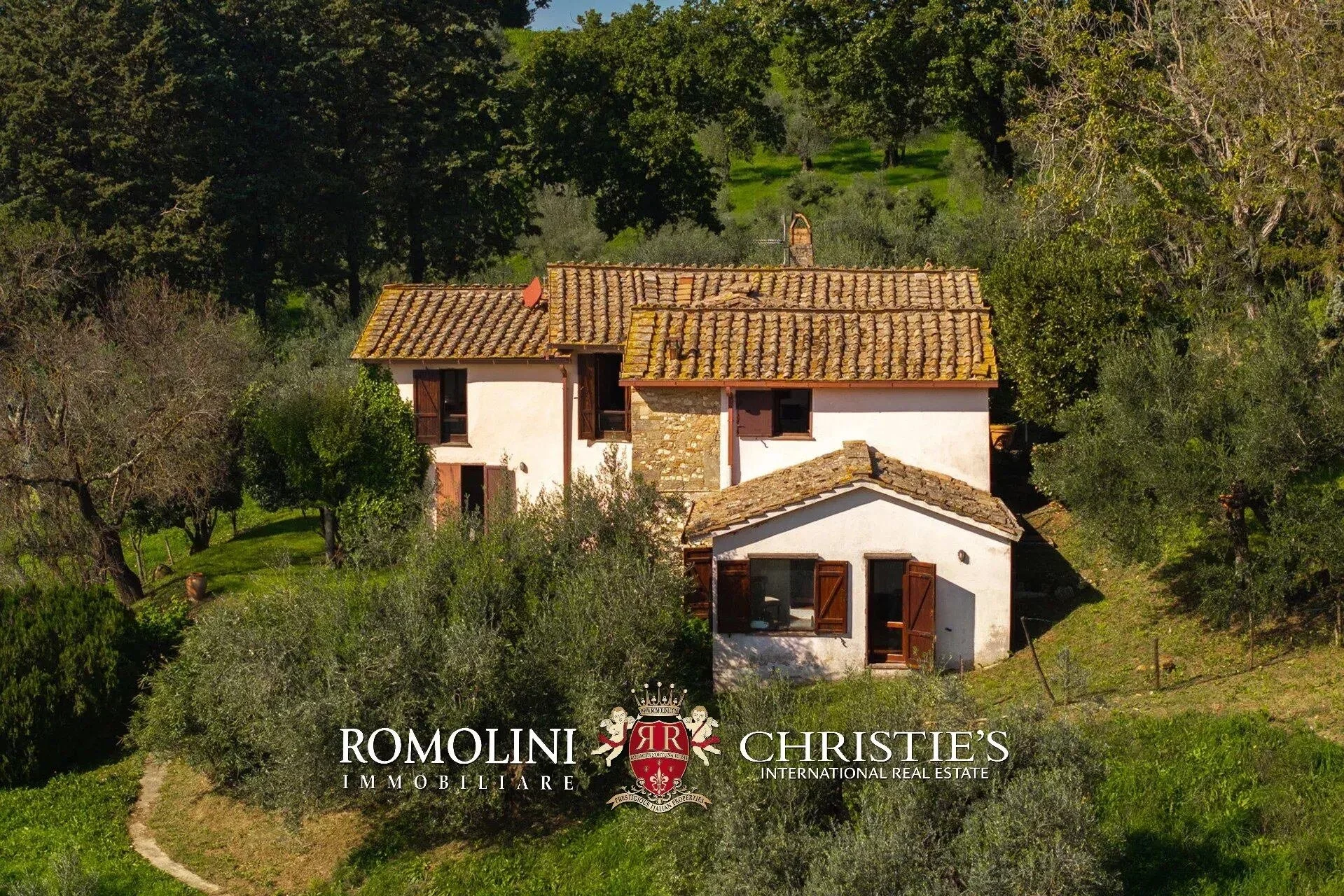
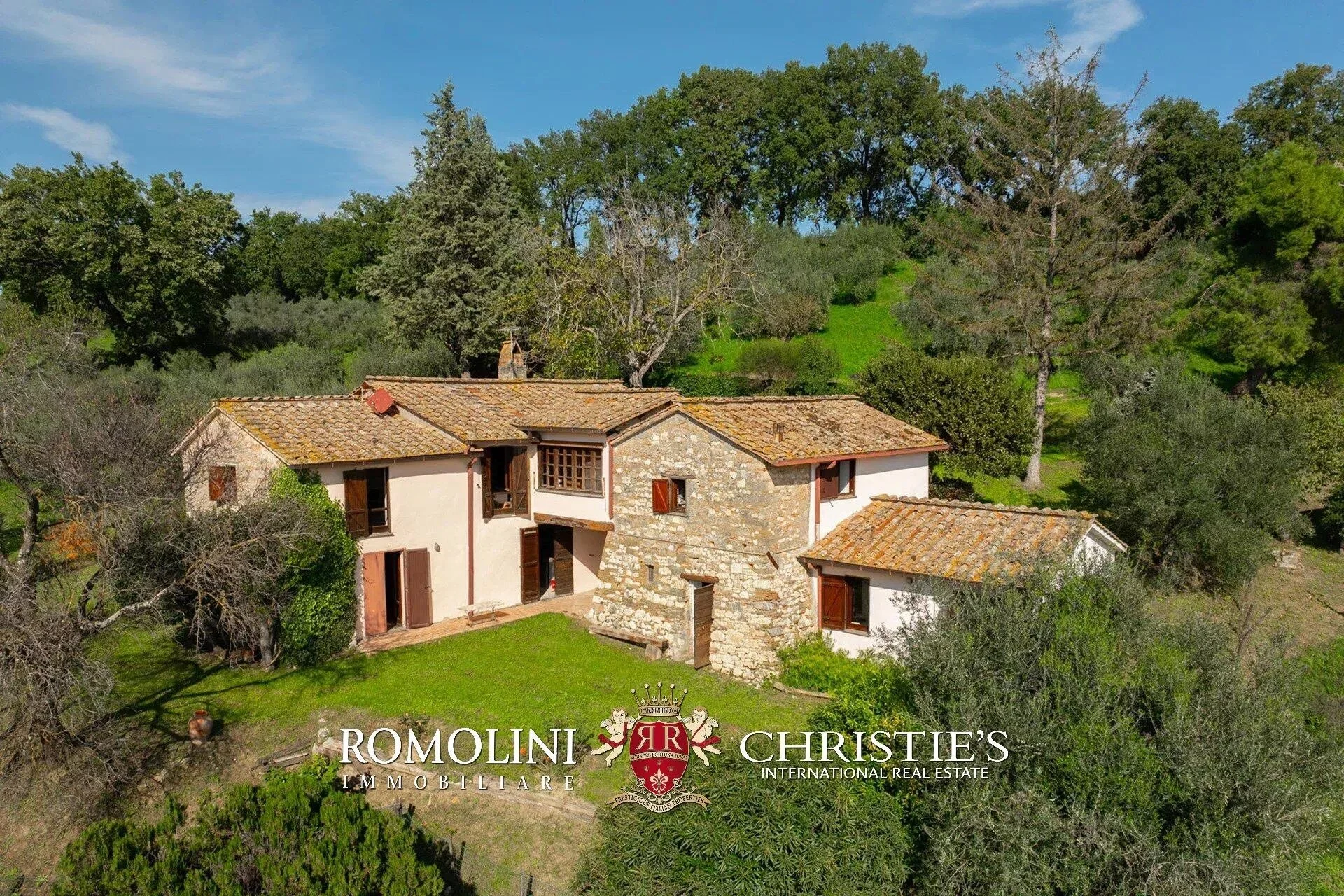
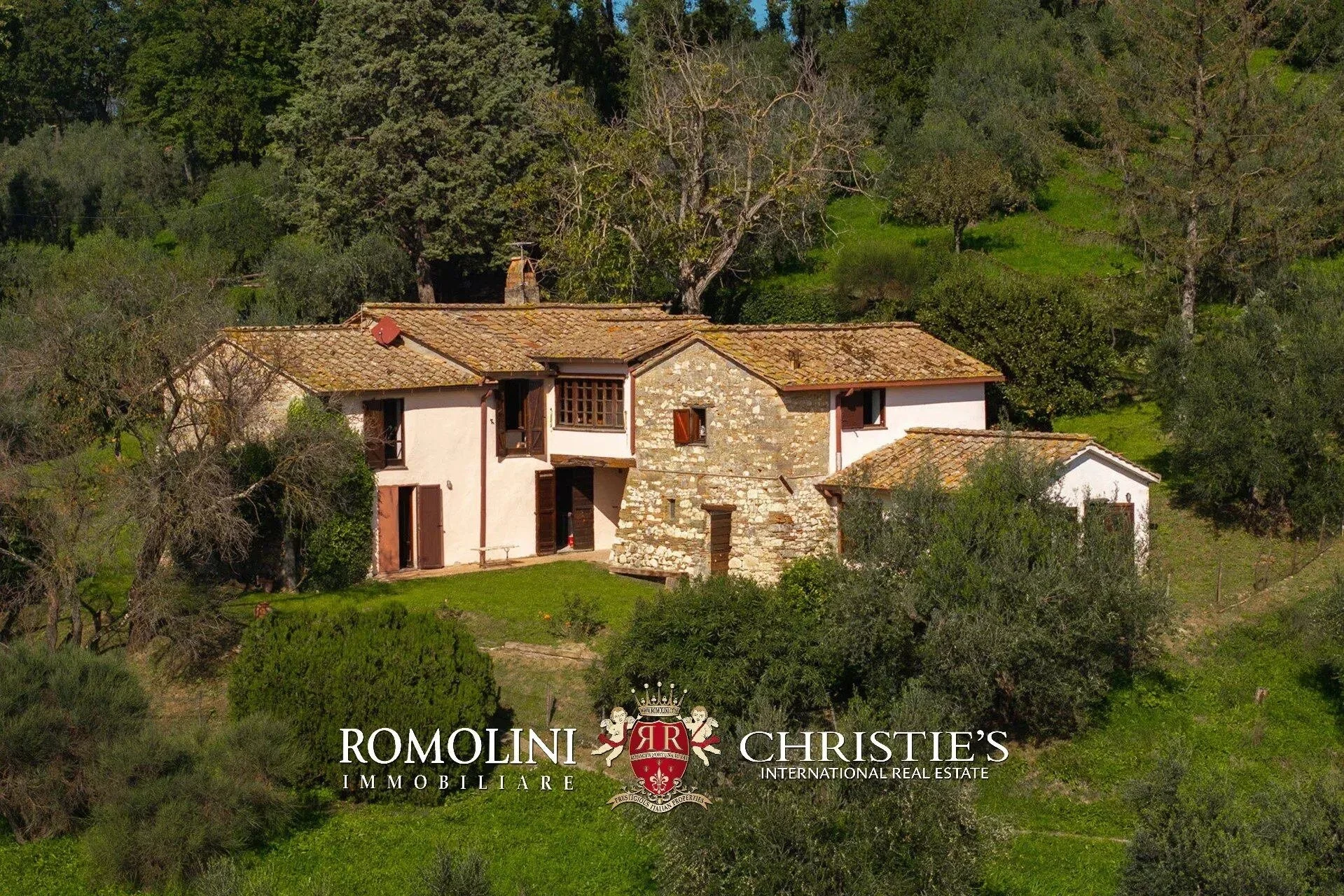
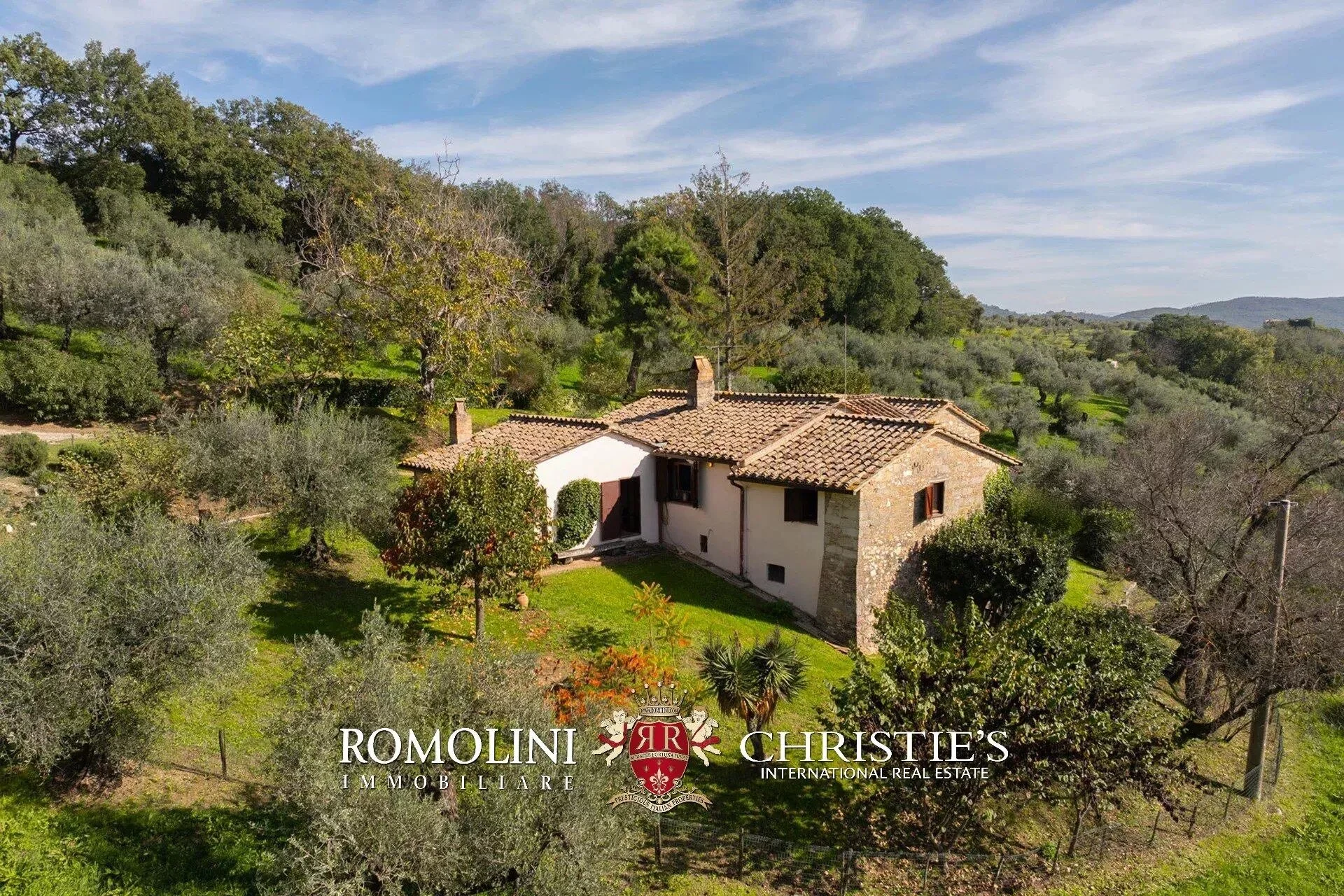
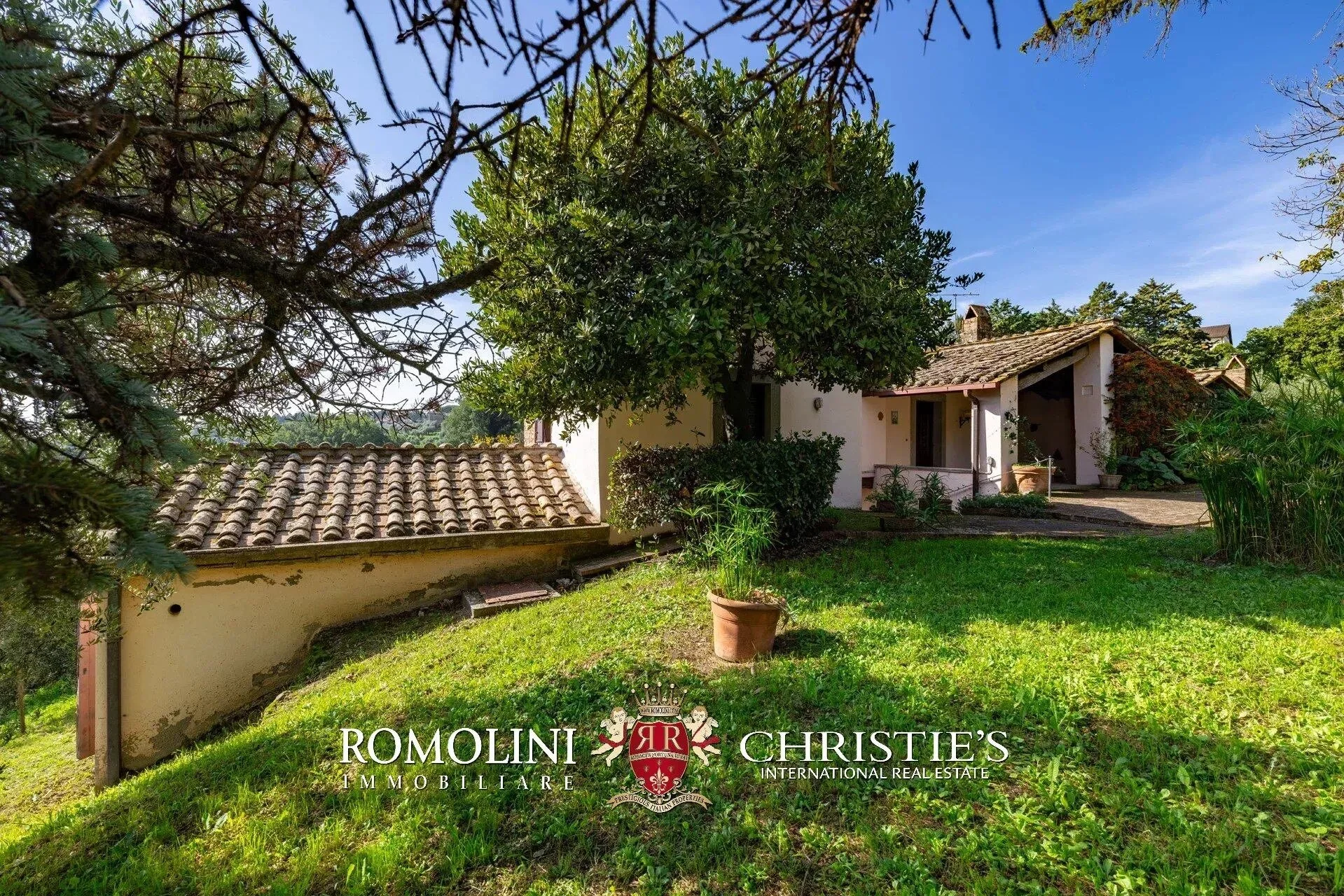
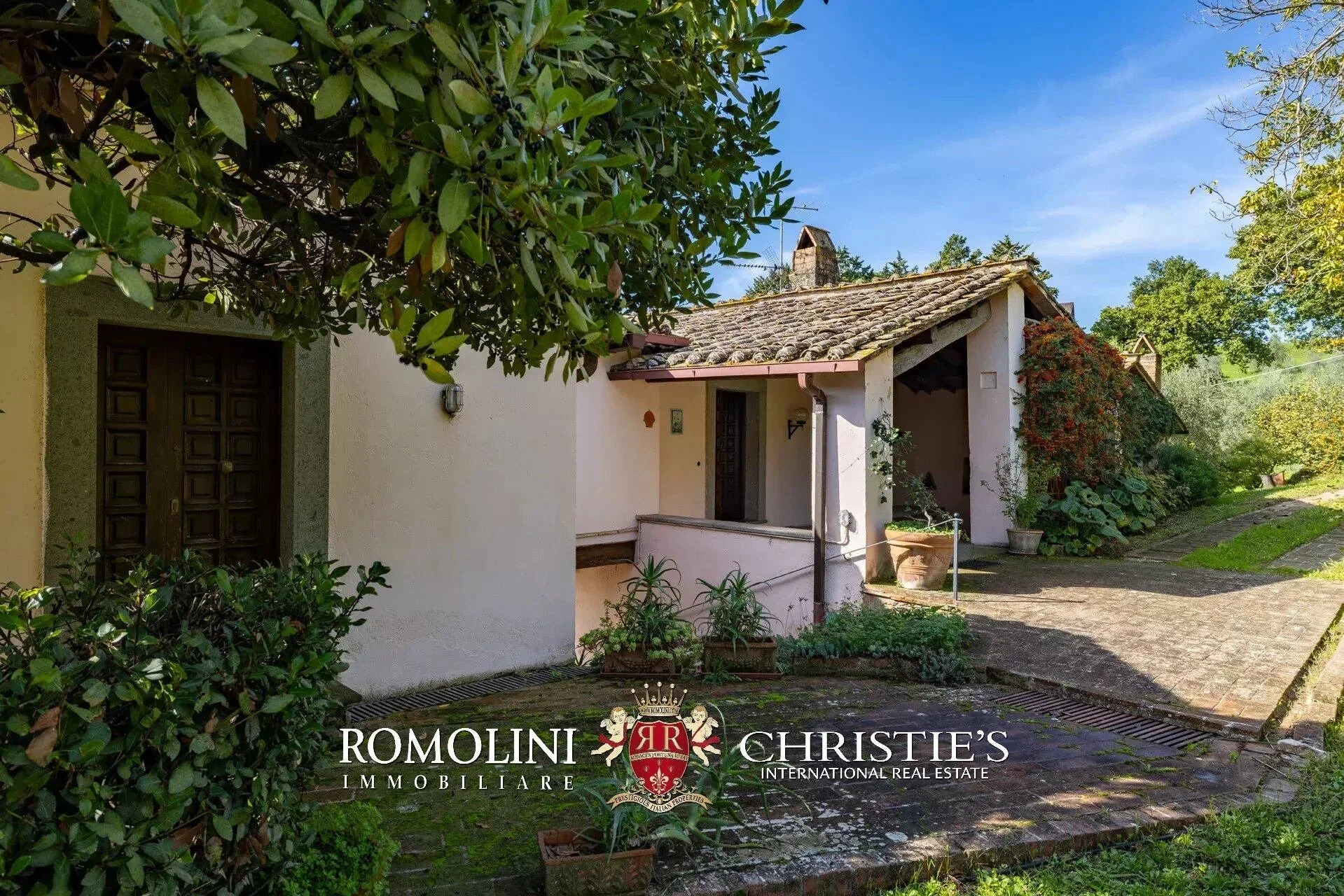
Rustic country house with historic tower
Asking Price
€525,000
Bedrooms
4
Land
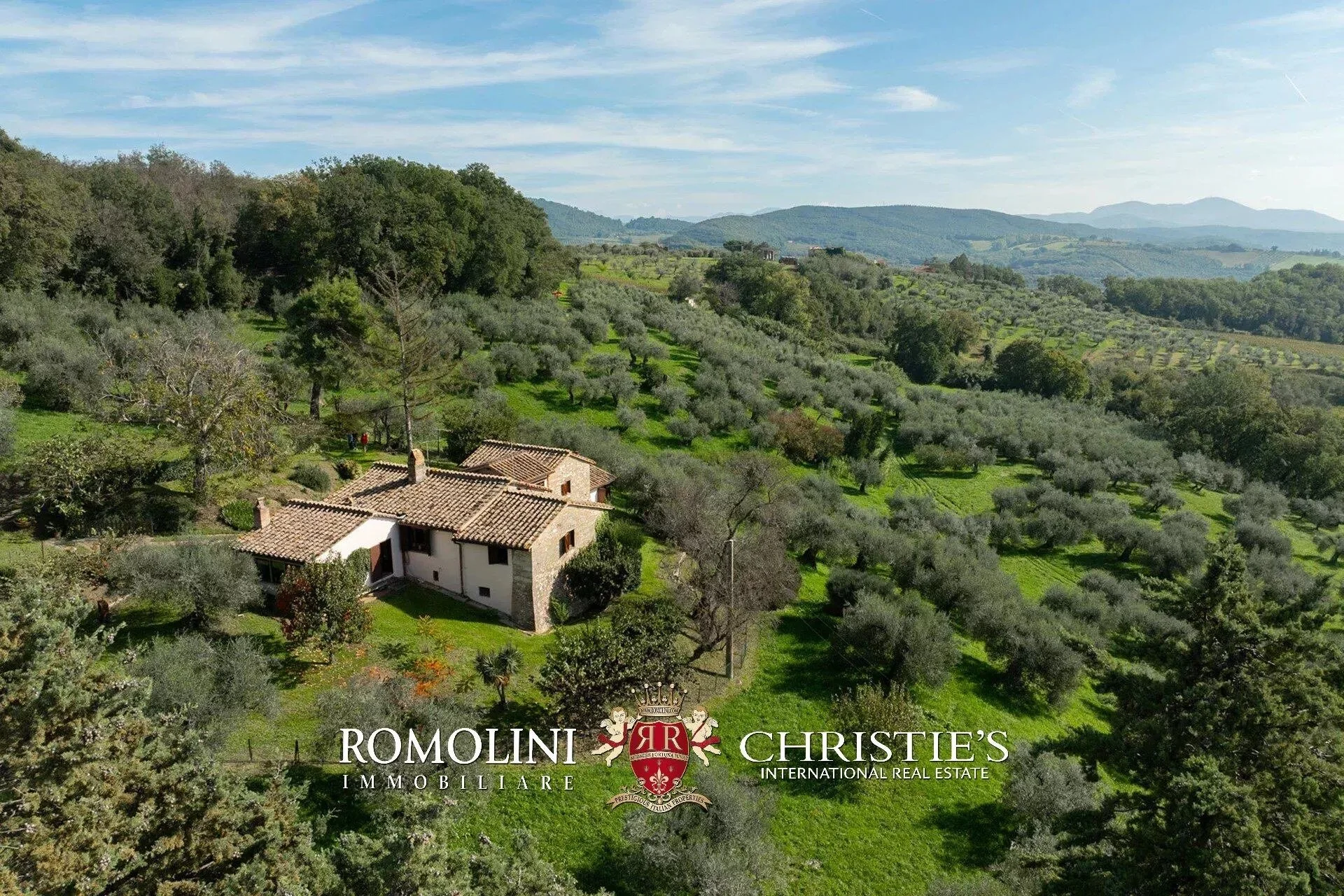
Approx. 4.2 hectares
Agricultural feature
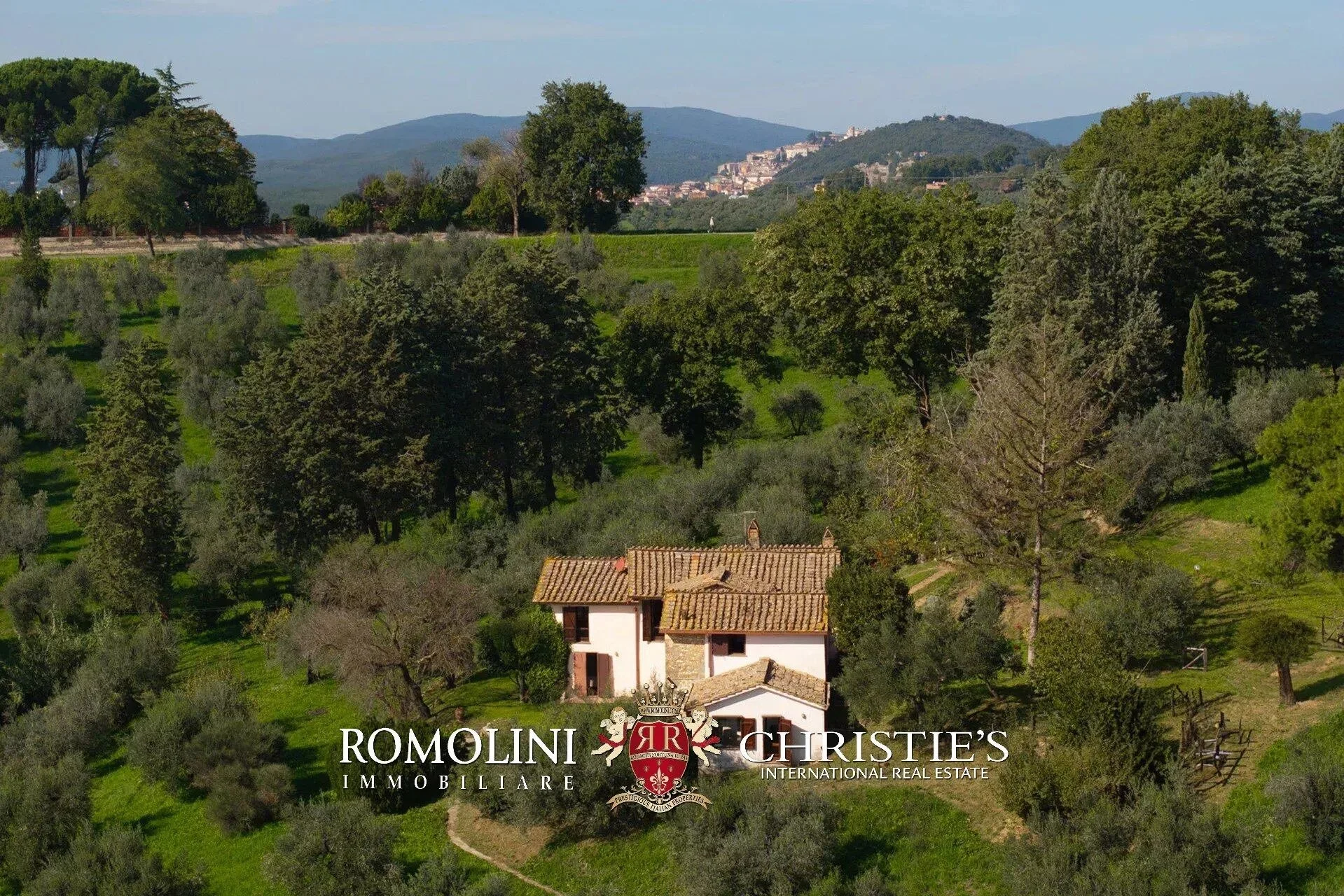
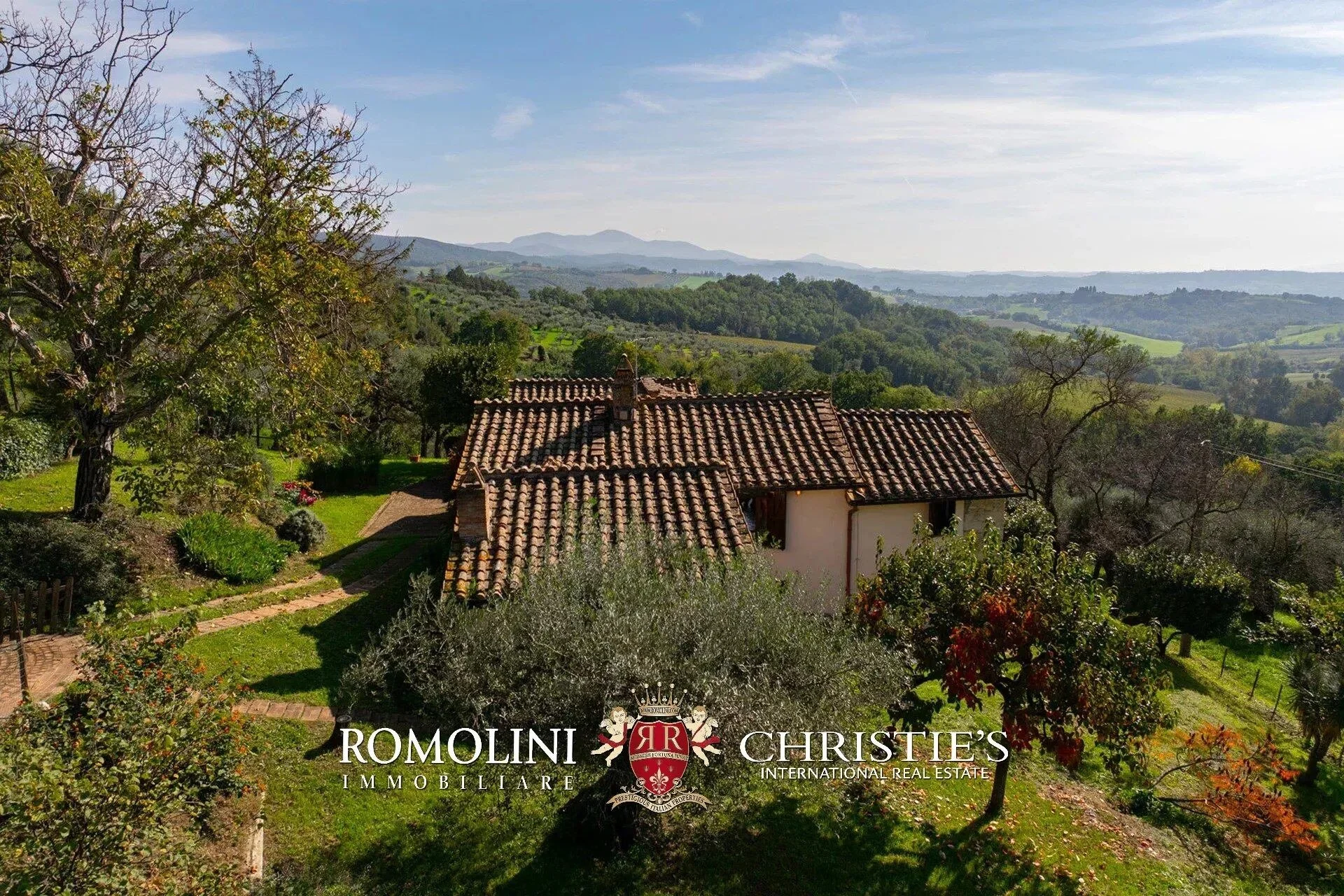
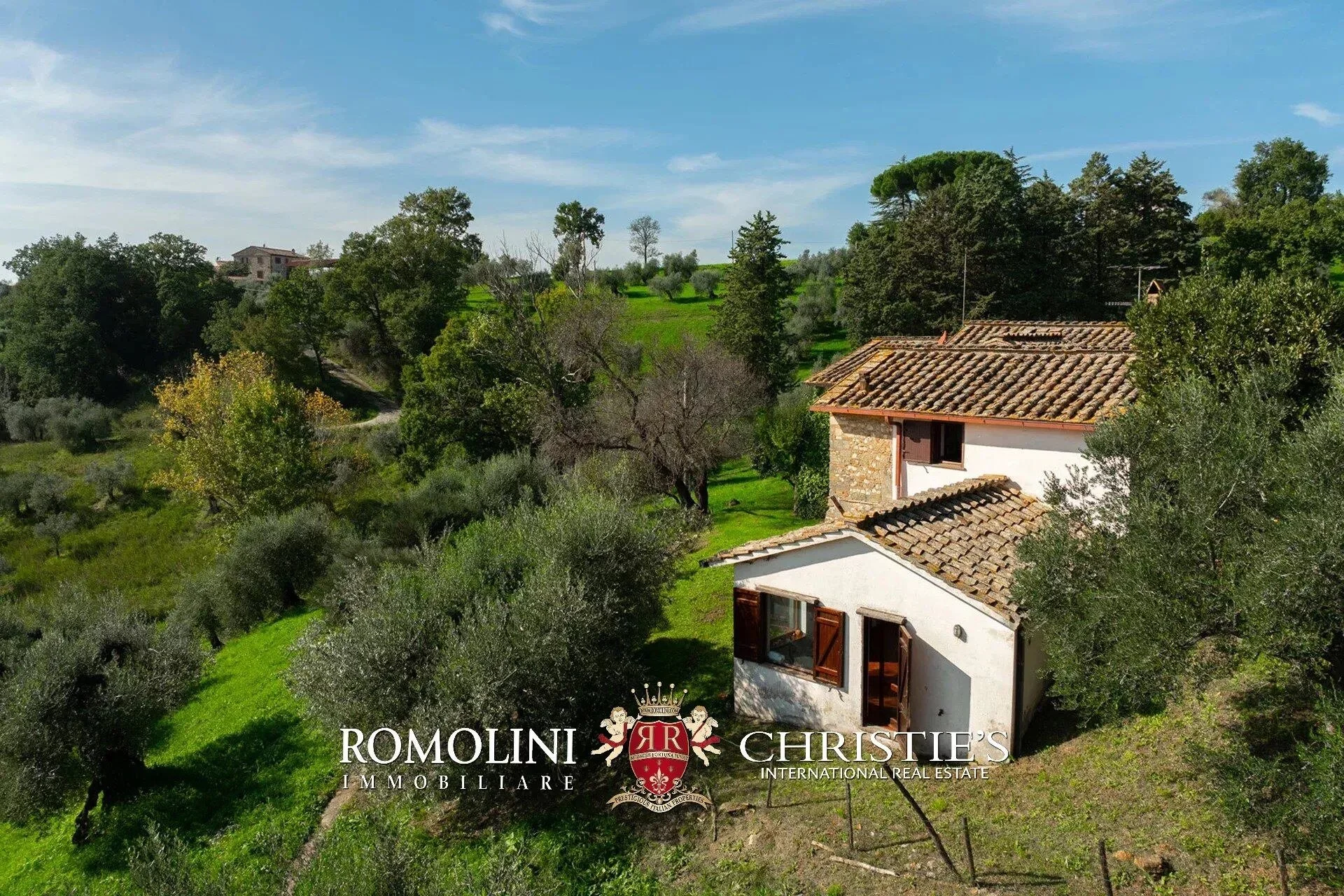
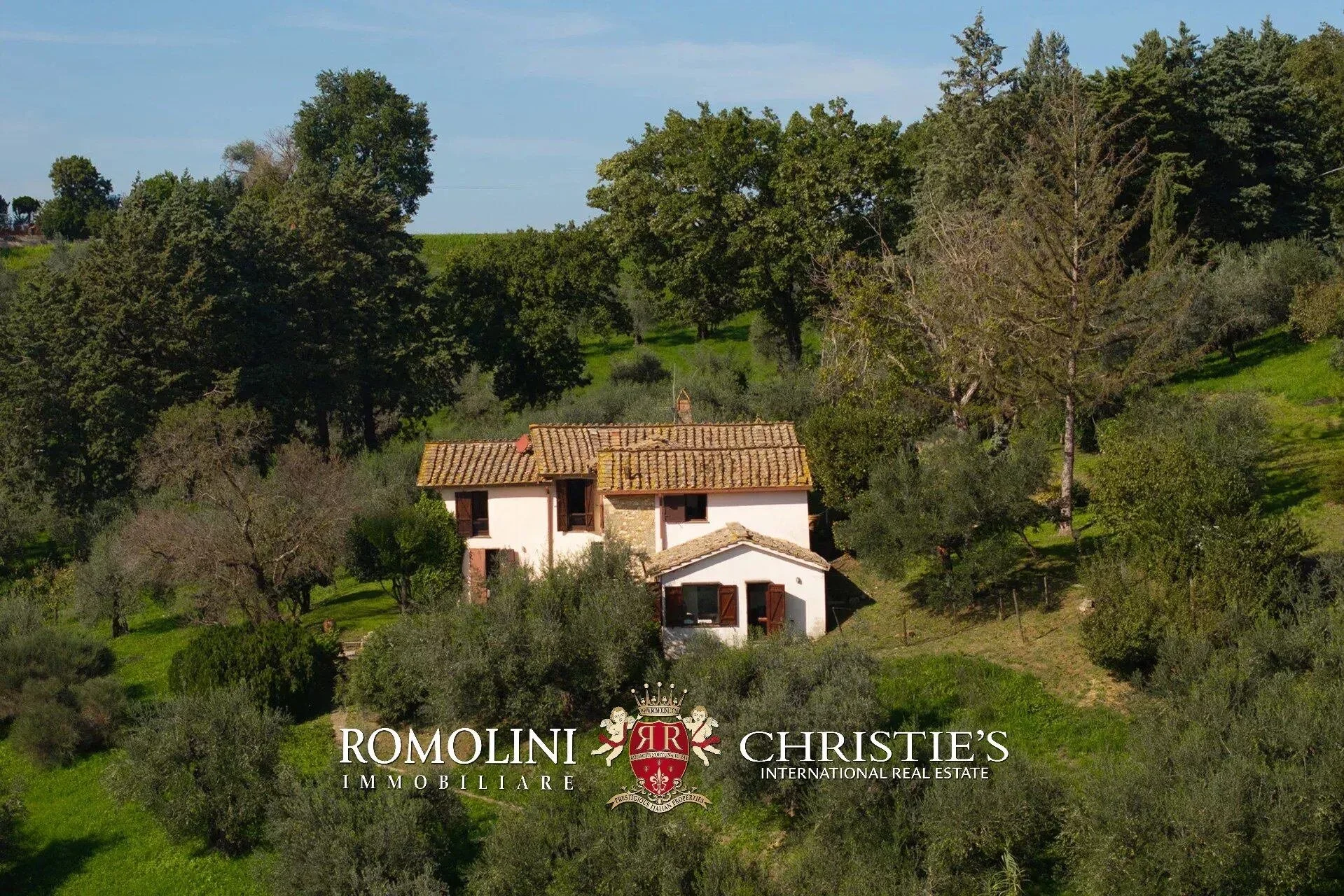
550 ancient olive trees
Architectural feature
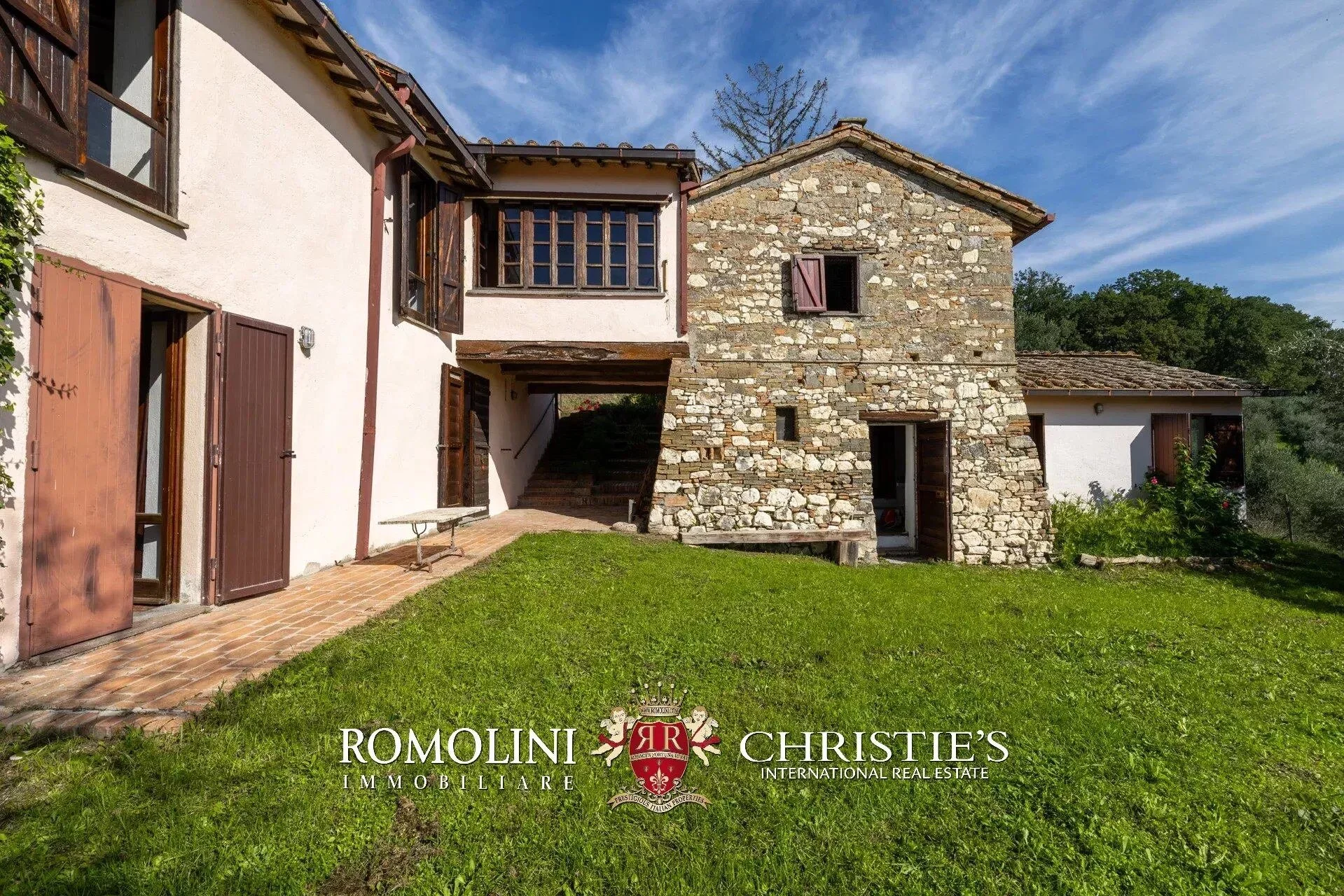
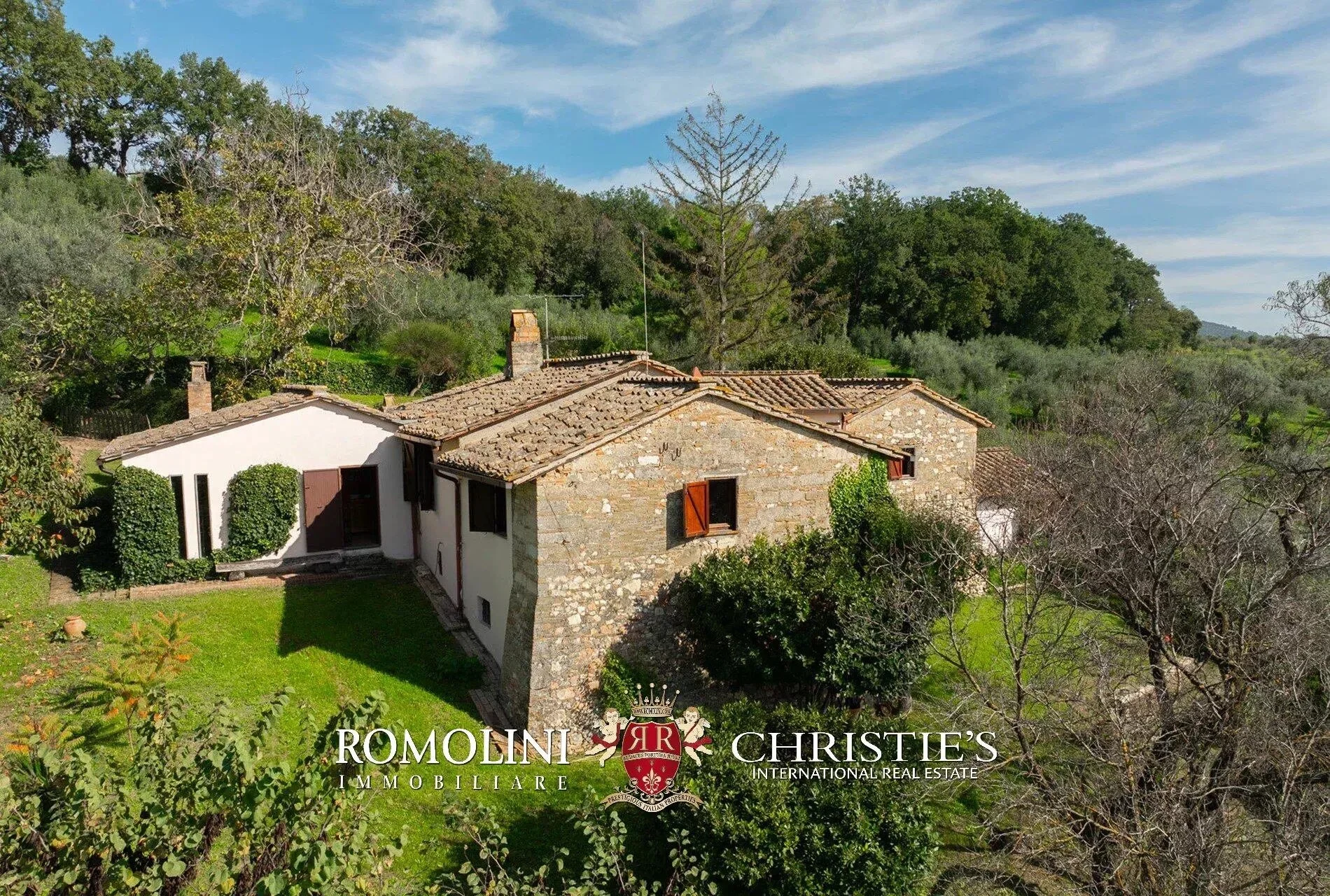
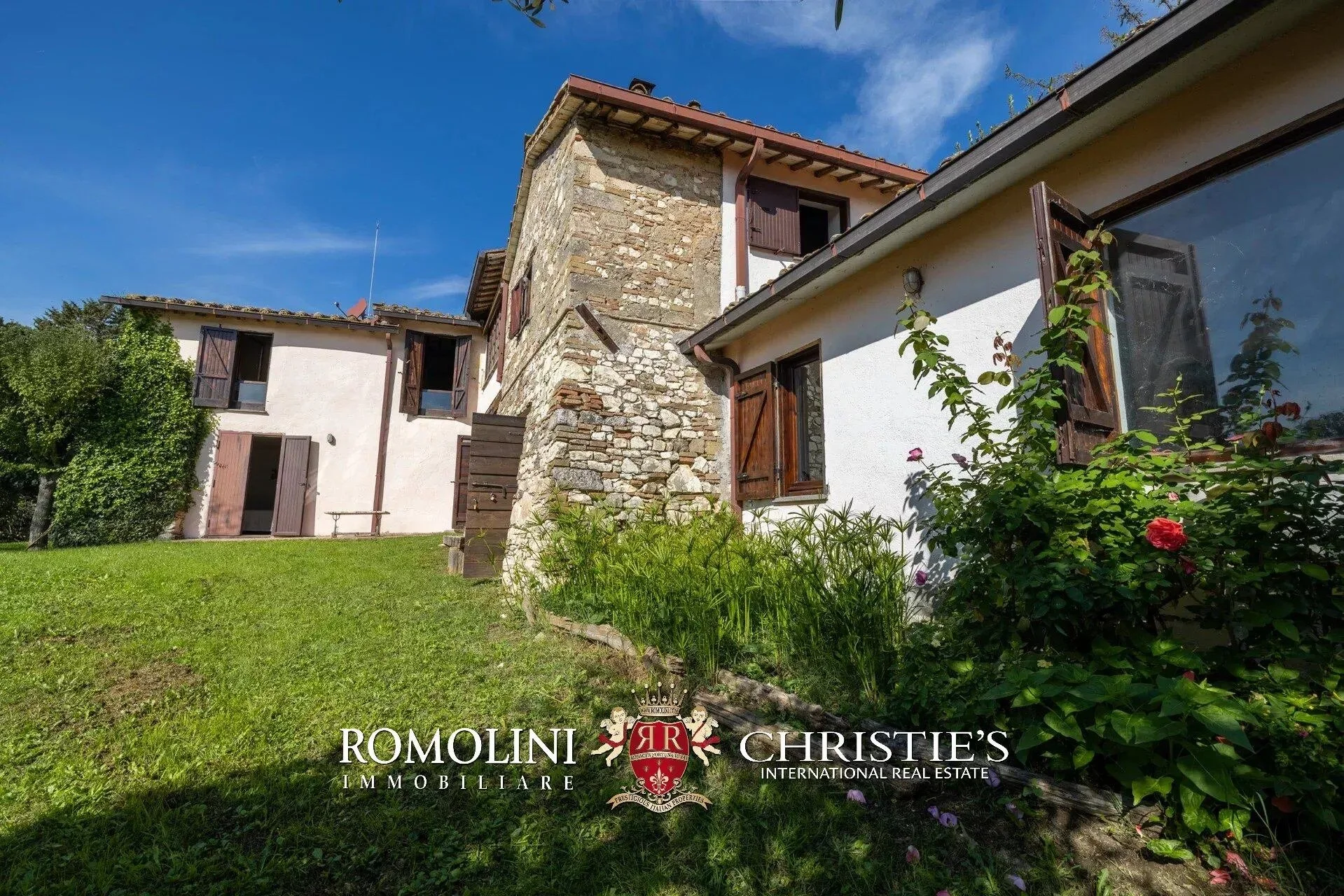
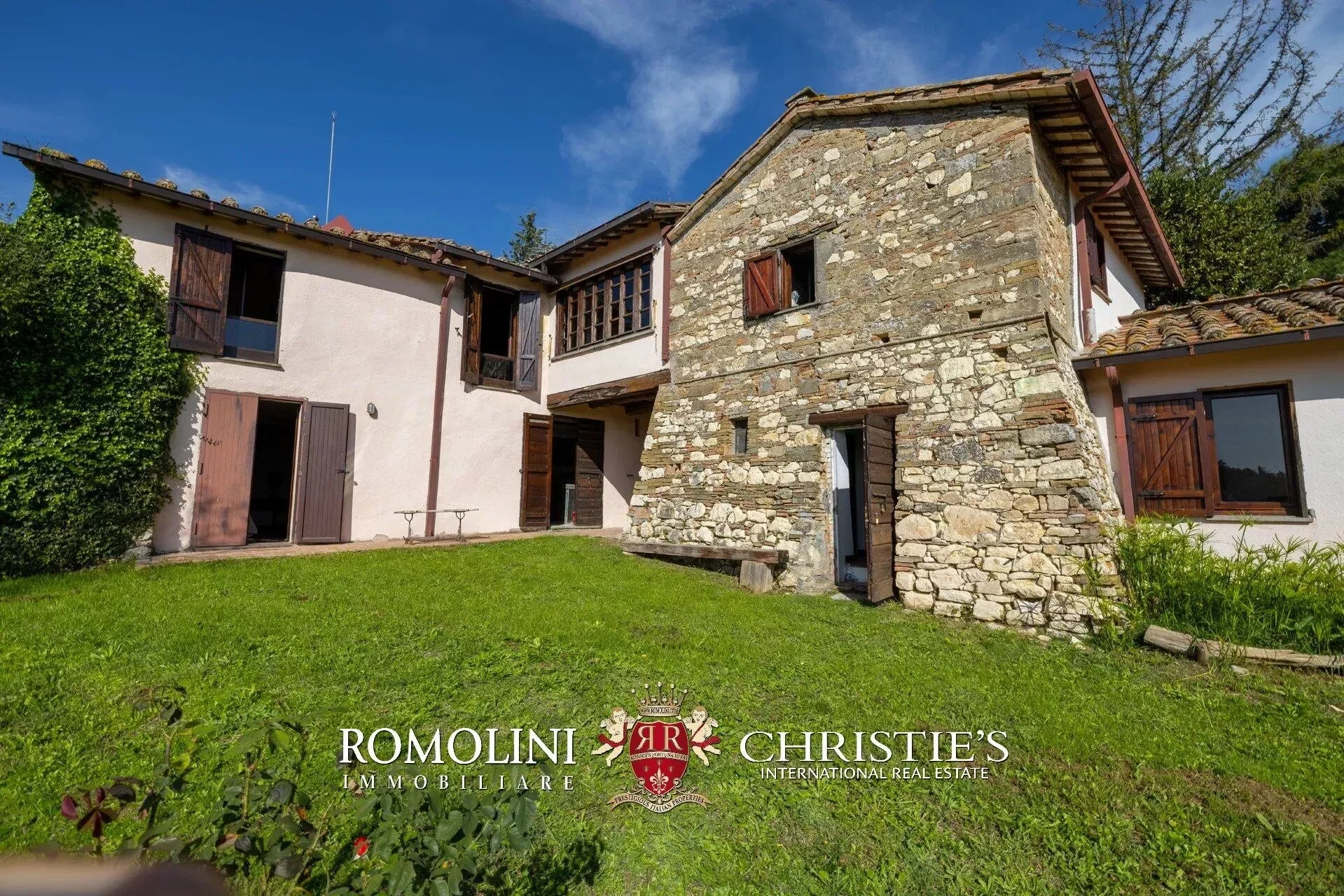
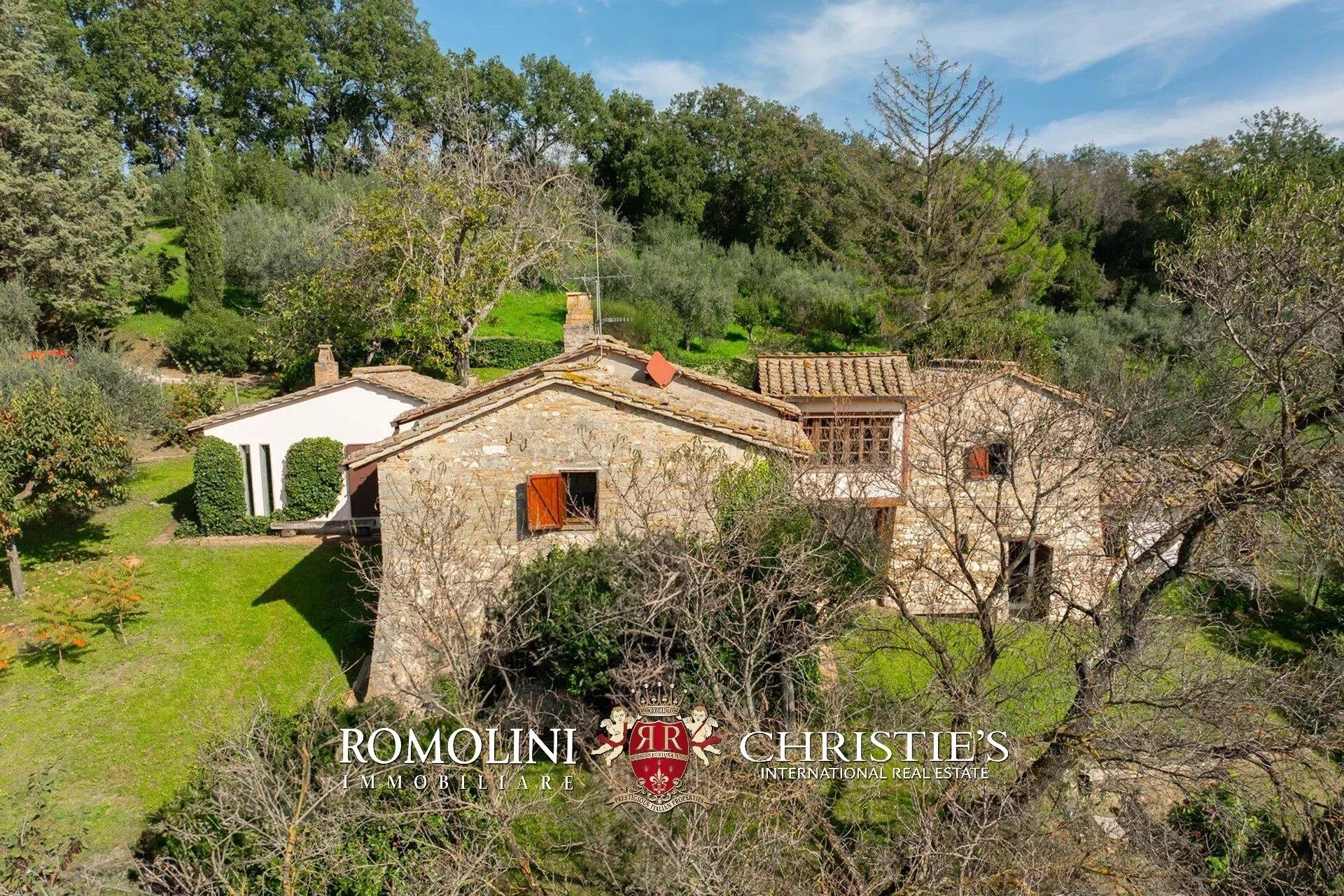
17th-century watchtower
Condition
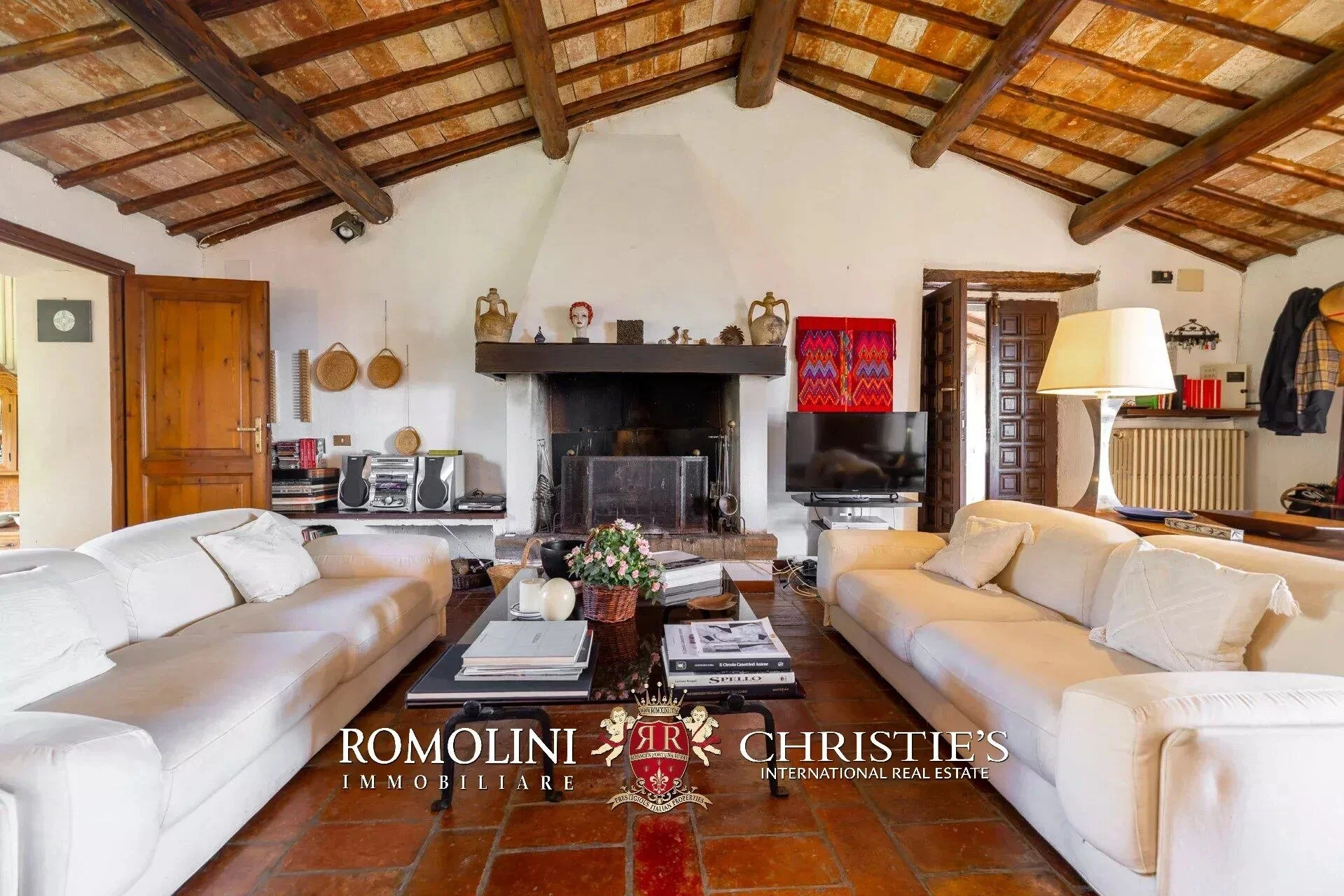
Restored in the 1990s, overall good condition
Noted issue
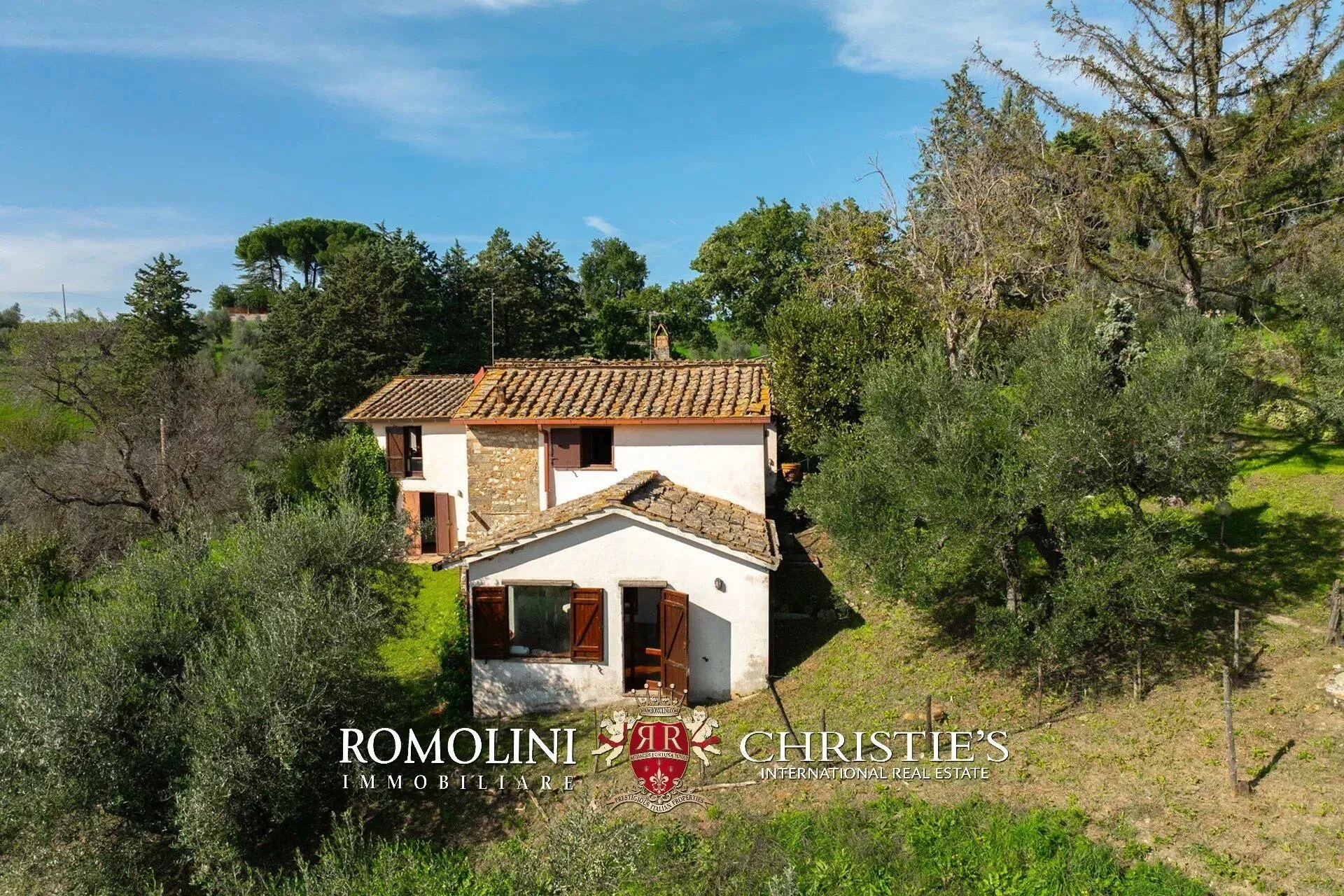
Roof requires modernisation and improved insulation
Energy status
Listed as "Energy Class N"
Outdoor features
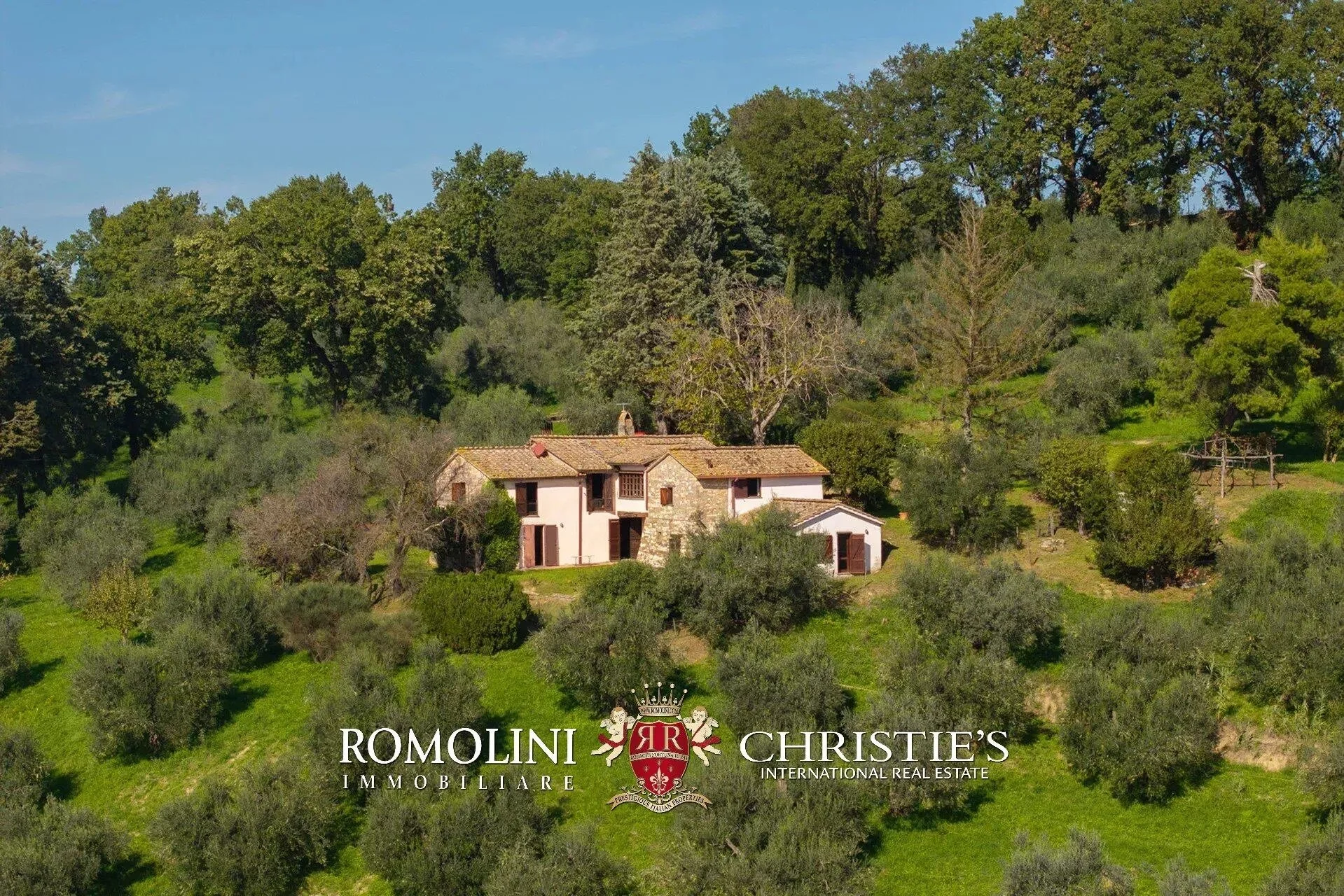
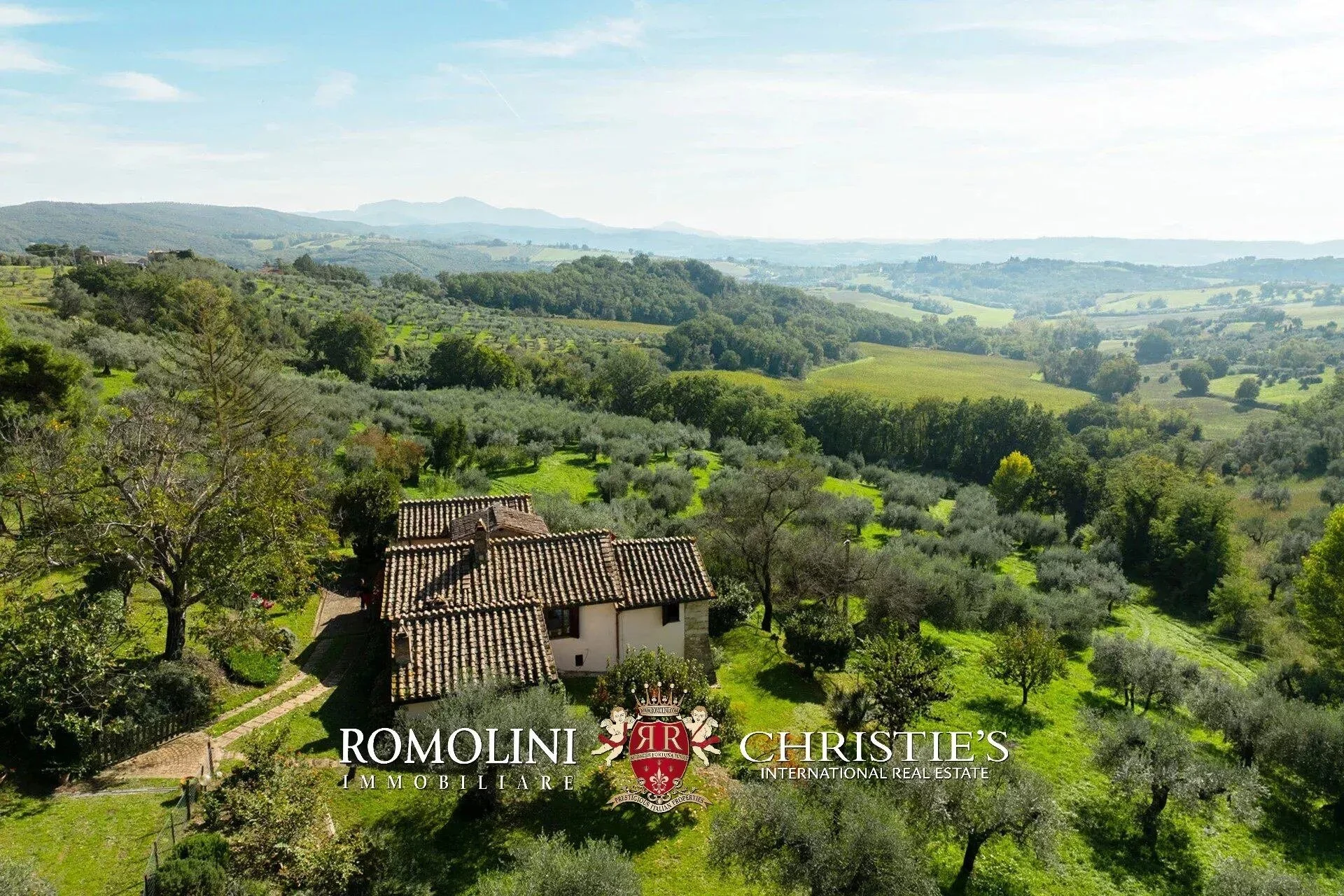
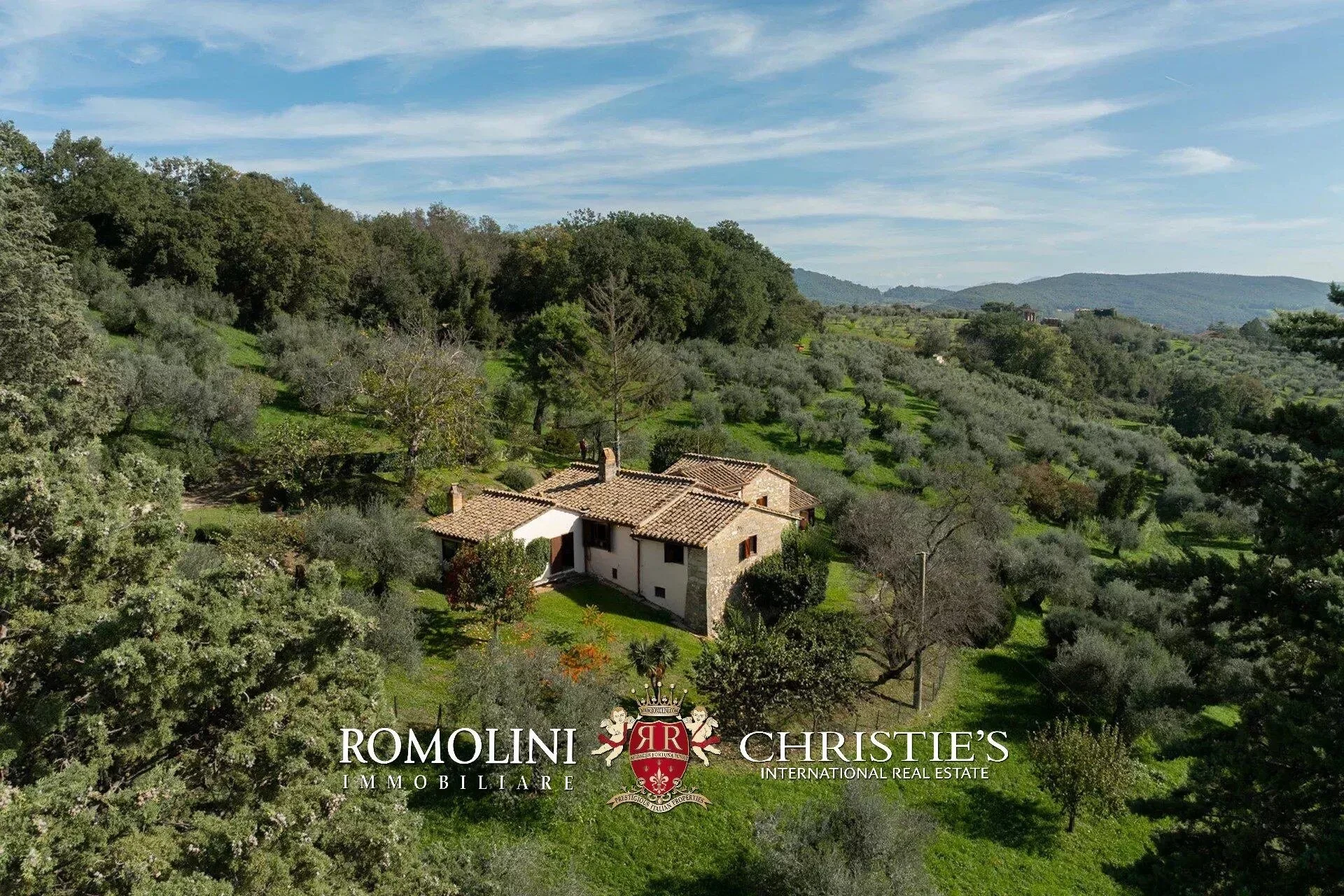
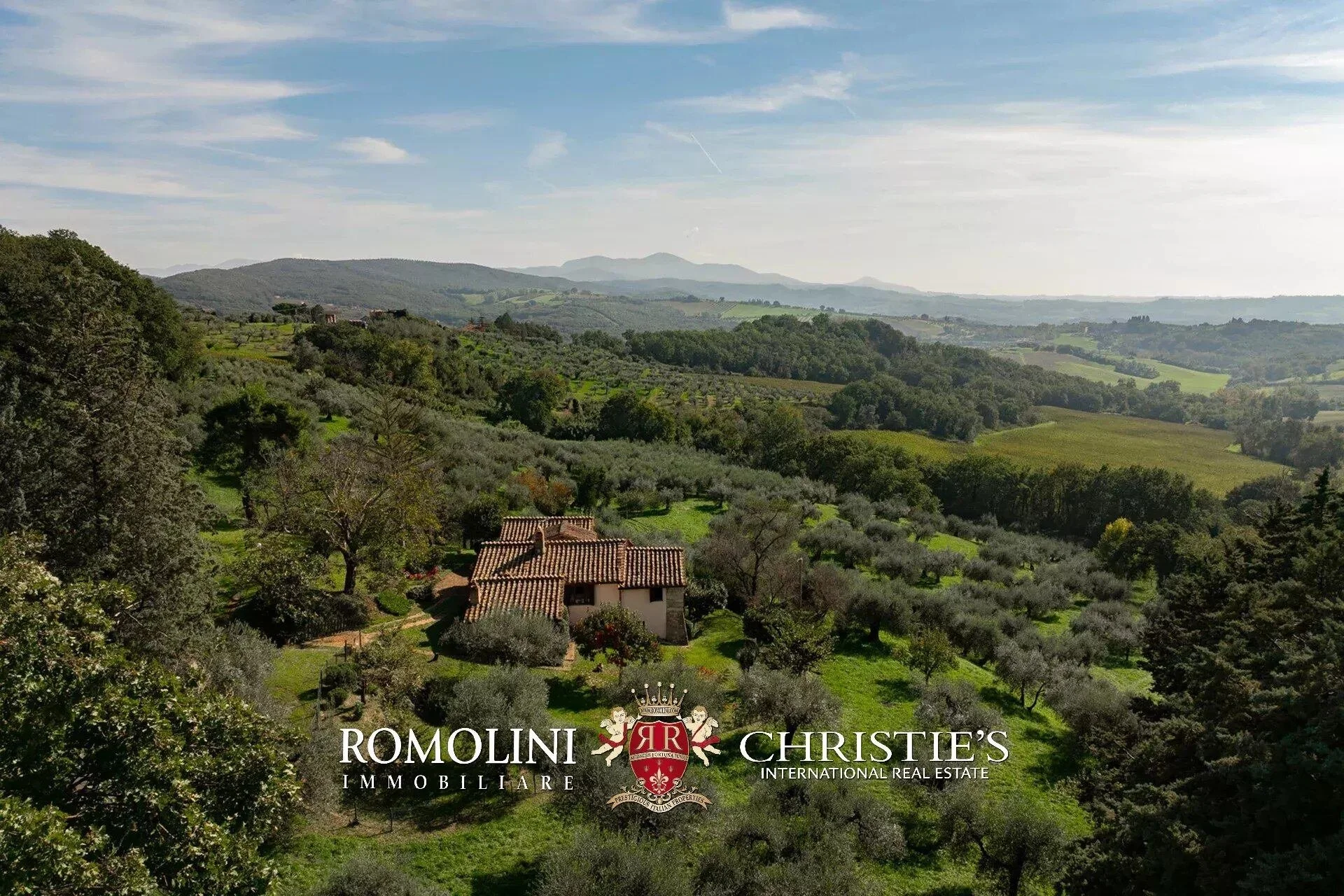
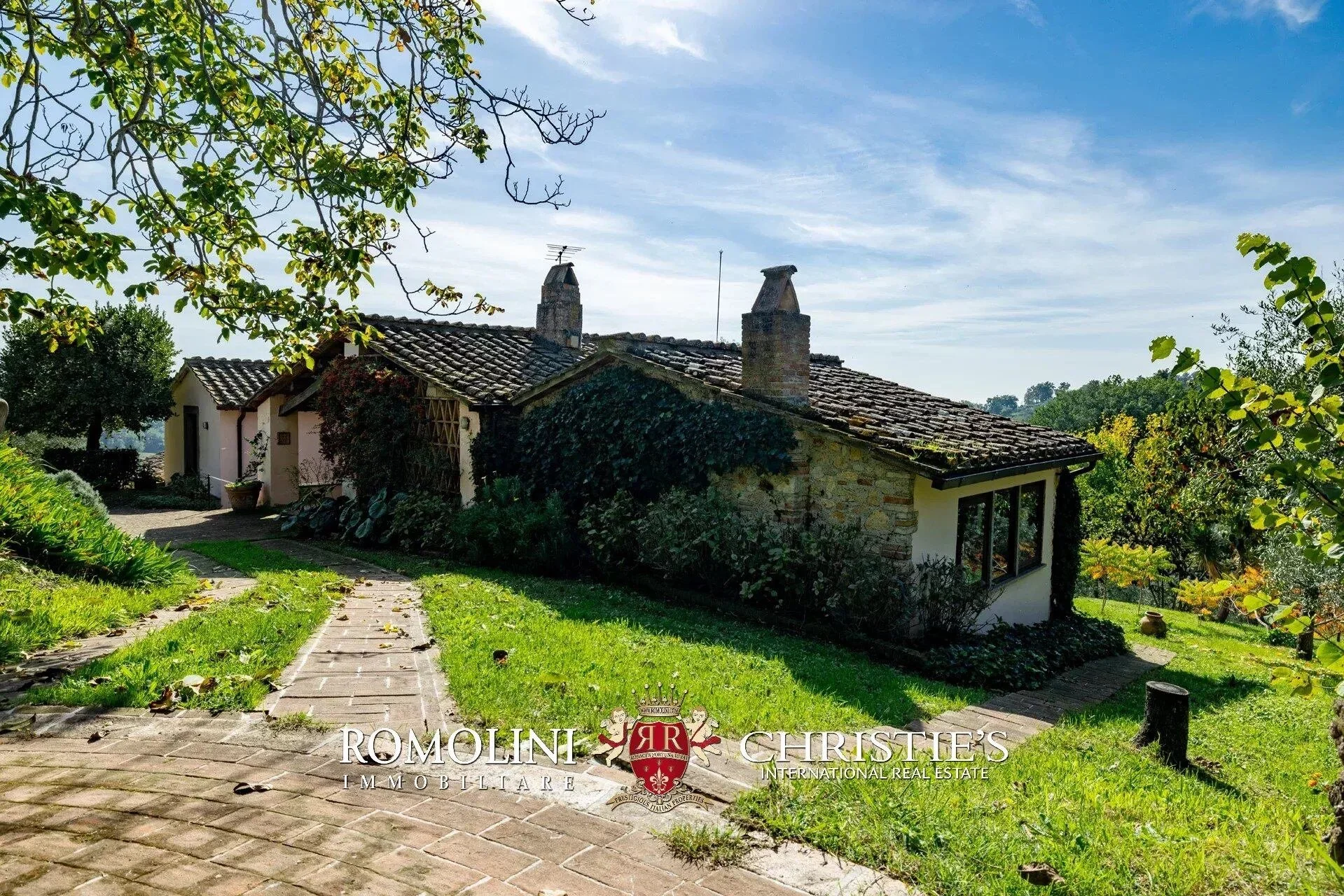
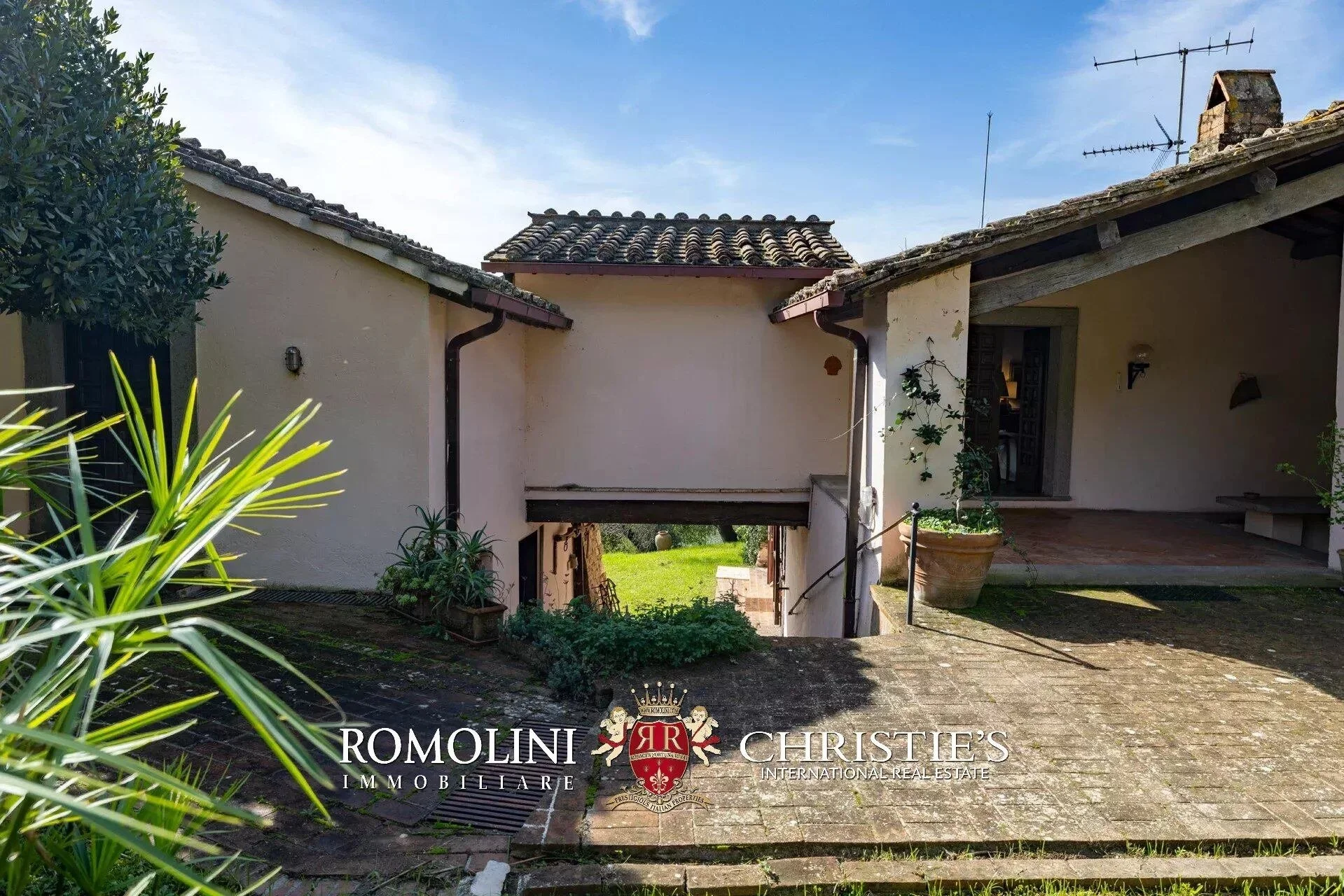
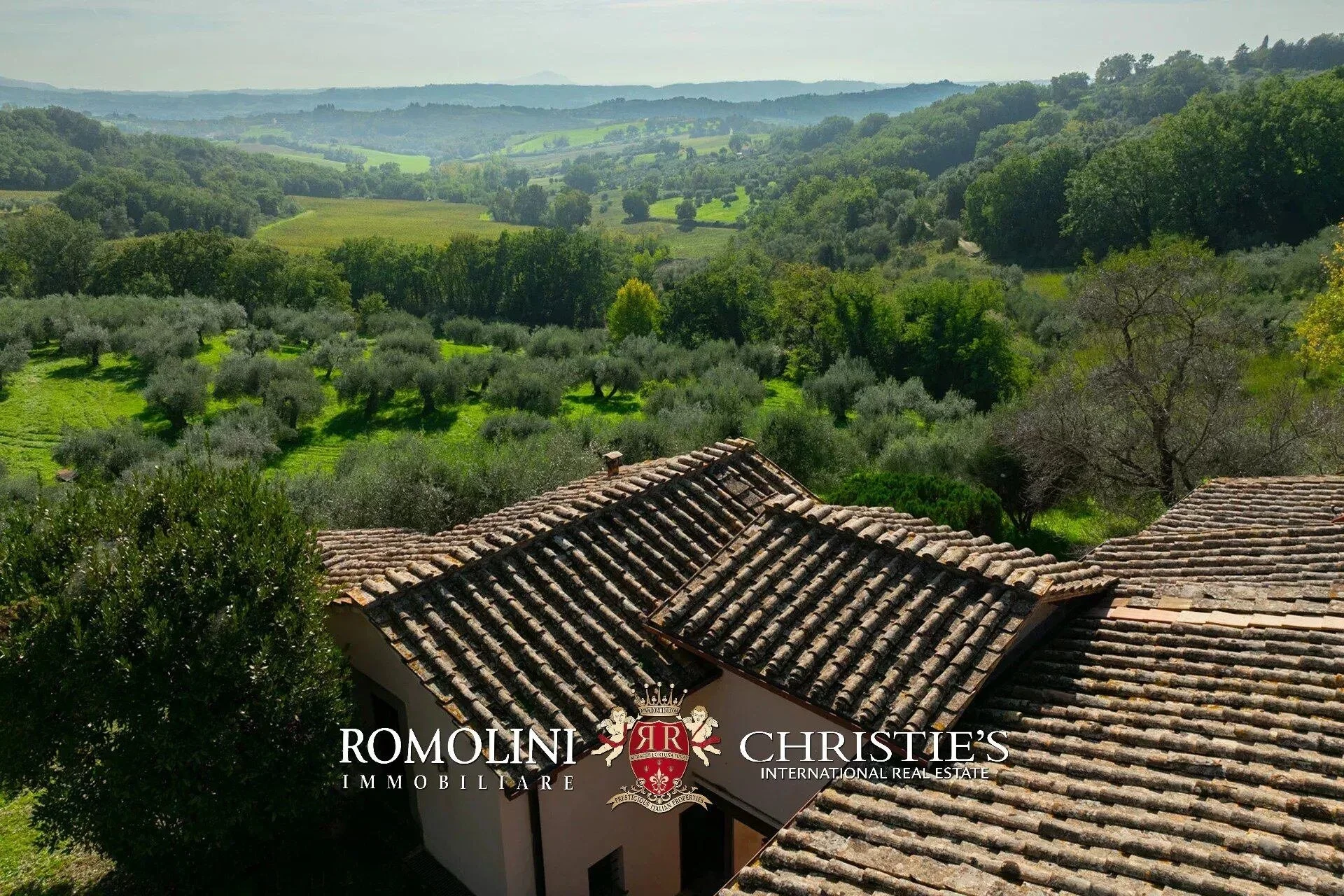
Terraced garden, panoramic views towards Monte Soratte, space for a pool
Utilities
Not fully specified
Lifestyle angle
Rural Umbrian estate with heritage character and agritourism potential
Main due diligence themes
Heritage constraints, 1990s restoration legality, roof upgrade scope, olive grove productivity, water access, pool feasibility and rental potential
Risk Radar
Overview
This Umbrian property stands out immediately because of its architectural anchor. A 17th-century watchtower is not simply a design feature. It introduces a layer of potential heritage protection, structural complexity and regulatory oversight that affects everything from roof upgrades to pool construction.
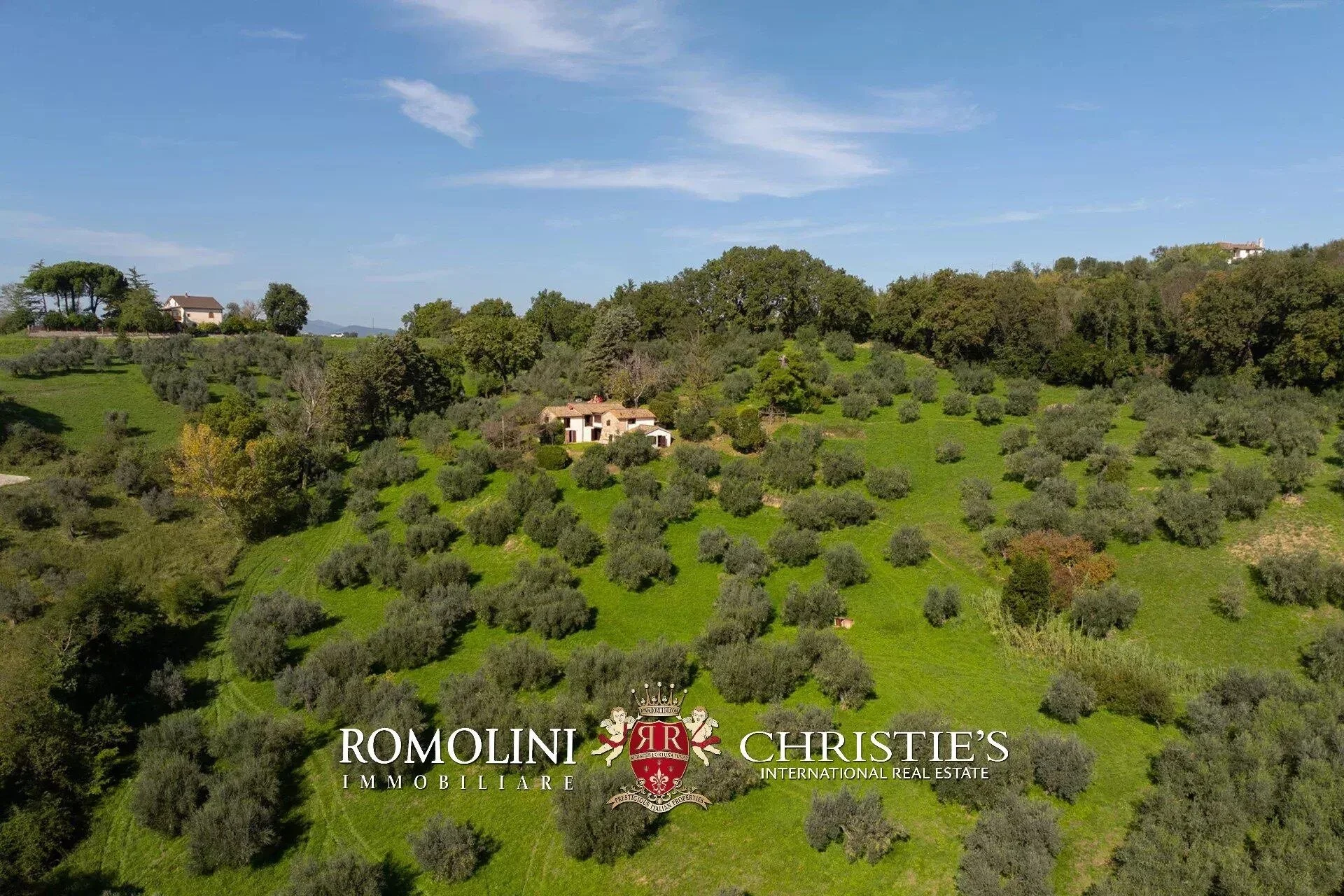
The wider estate strengthens the appeal. With 4.2 hectares of land and 550 ancient olive trees, the property has both aesthetic and potential agricultural value. It could function as a private rural retreat, a lifestyle property with small-scale production, or a tourist-oriented residence if the regulatory framework allows it.
The key due diligence themes cluster around four areas. First, heritage status. If the tower or any part of the property is subject to a vincolo under Italian cultural heritage law, any works including roof insulation, structural reinforcement or pool construction may require approval from the Soprintendenza.
Second, the roof. The listing signals that modernisation and insulation are needed. This is both a cost question and a regulatory one, particularly if traditional materials or techniques must be used.
Third, the land and olive grove. The presence of 550 trees suggests either a historically productive grove or an under-managed asset. The buyer needs to understand yield, maintenance, irrigation, access to water and whether the land is classified in a way that supports agricultural or agriturismo use.
Fourth, the legal and technical integrity of the 1990s restoration. A well-executed and properly documented restoration is a strong foundation. An undocumented or partially compliant one can create complications at resale or when applying for further works.
This is a property with real character and potential. It is also a property where the underlying documentation and regulatory context will determine whether that potential can be realised smoothly.
Targeted Questions
Heritage Status and Watchtower
A vincolo can significantly restrict alterations, materials, colours and structural changes.
Broader protection can affect landscaping, olive grove management and pool construction.
Even technical improvements may require formal authorisation.
Pools often trigger scrutiny in protected rural landscapes.
Historic masonry structures can have hidden movement or stress.
Integration affects structural load, access and renovation complexity.
Habitable classification affects taxation, use and rental potential.
Functional infrastructure determines usability.
Restoration quality and documentation should cover all key structures.
Historic elements often require ongoing monitoring and maintenance.
1990s Restoration and Legal Compliance
Unauthorised works can create legal complications.
Professional oversight helps validate compliance.
The agibilità confirms that the property is legally habitable and compliant.
Layout discrepancies can delay or complicate a sale.
Evidence of work helps assess quality and scope.
Later works must also be compliant and documented.
Differences between reality and records can require regularisation.
Roof Modernisation and Insulation
The buyer needs clarity on whether this is preventative or urgent work.
Cost differences can be substantial.
Inspection reports provide objective evidence of condition.
A costed scope allows accurate budgeting and negotiation.
Tower roofs can involve different materials and approvals.
Poor insulation affects comfort and running costs.
Traditional buildings may limit modern insulation approaches.
This helps assess return on investment.
Energy Performance
It is not a standard A–G classification and requires clarification.
The APE is required for property sales in Italy and provides energy data.
Real costs are more useful than theoretical ratings.
Heating type affects cost and comfort.
Summer comfort can be important for rental use.
Older glazing can significantly impact energy efficiency.
Land, Olive Grove and Water
This confirms boundaries, classification and ownership.
Access rights can affect privacy and land use.
Land classification determines permitted uses.
Productivity and maintenance vary significantly by variety and age.
This indicates whether the grove is productive or purely ornamental.
Neglected groves can require significant rehabilitation.
Equipment affects usability and cost.
Subsidies can offset maintenance costs.
Water access is critical for agricultural productivity.
Italian water extraction is regulated and must be authorised.
Water availability can drop significantly in dry months.
Irrigation affects yield and tree health.
Pool Feasibility and Systems
Soil, slope and access can affect feasibility.
Permits can be more complex with heritage constraints.
Heritage oversight can delay or restrict development.
Costs vary widely depending on terrain and access.
Infrastructure availability affects feasibility.
Access, Neighbourhood and Practicalities
Rural access can affect usability year-round.
Responsibility for maintenance may fall on the owner.
Important for guests or rental use.
Connectivity is essential for modern living.
Septic systems require maintenance and compliance.
Daily convenience impacts long-term usability.
Views are a key value driver.
Rental and Agriturismo Potential
Legal rental status is essential for income generation.
Agriturismo status can enhance income potential but has requirements.
Compliance involves regional regulations and agricultural activity.
Demand affects occupancy and pricing.
Management availability affects feasibility.
Helps assess return on investment.
Seasonality impacts income stability.
Negotiation Intelligence
Buyer Leverage
Medium-High
Key Drivers
Typical Negotiation Range
5-15% below asking
Neutral Phrasing Examples
Country Layer
Italy (Regulatory Context April 2026)
Italian property transactions rely heavily on cadastral and legal alignment.
These layers make it essential to treat documentation as central to valuation, not as a secondary step.
Viewing Strategy
Walk the entire property, not just the house.
Next Step
Verify from the listing:
Heritage status of the 17th-century tower
Confirm whether the tower or property is subject to a vincolo and what restrictions apply to future works including roof upgrades and pool construction.
Roof condition and modernisation scope
Request detailed quotes or a computo metrico to understand whether the roof requires repair or full replacement and the cost implications.
Olive grove productivity and water access
Clarify yield, maintenance requirements, irrigation systems and legal water sources supporting the 550 trees.
1990s restoration compliance
Verify that all works were permitted and that the agibilità certificate reflects the current property layout.
Energy performance and insulation
Request the APE certificate and assess how roof insulation upgrades could improve efficiency and reduce running costs.
A prepared buyer should approach the agent calmly and frame questions as due diligence.
Because this is a heritage rural property where structural, agricultural and regulatory factors all materially affect value, run it through the Renovation Budget Planner or the Property Risk Assessment before contacting the agent.
Disclaimer: The Property Drop is buyer-focused intelligence, zero sales agenda. We curate exceptional properties, in southern Europe, from third-party agents and arm you with decision tools. No commission, no transactions, no agent partnerships, no skin in the game beyond helping you choose wisely. Information stays accurate until it doesn't (properties sell, prices shift, markets move). Everything here is shared for informational purposes only and should not be treated as legal, financial, or investment advice. Images belong to original agents. Read our Terms of Service to learn more.
Buyer Intelligence:
This assessment provides general guidance based on common risk factors and publicly available regulatory information. Risk scores and checklist items are indicative only and must not be considered legal, financial, structural, or surveying advice. Actual property conditions, costs, and regulatory requirements vary significantly by location, property age, and specific circumstances. Regulations are subject to change; always verify current requirements with qualified local professionals before making any purchasing decision.
The Property Drop provides buyer intelligence and educational research analysis only. The Property Drop does not act as an estate agent, intermediary, or advisor in any transaction and does not facilitate introductions, negotiations, or transactions. Always engage qualified independent professionals including local lawyers, surveyors, architects, and tax advisors for comprehensive due diligence specific to your property.
IMPORTANT REMINDER: When contacting property agents featured on The Property Drop, you are entering into direct communication with third parties. It's recommended that you verify all property details independently, conduct thorough due diligence, engage qualified professionals (solicitors, surveyors, financial advisors), understand your rights and obligations under local property laws, and never send money or make commitments without proper legal protection.

The Buyer Playbook: 2-Bed Renovated Ground Floor Apartment with Private Patio, Mahón, Menorca, Spain, €300,000
The Buyer Playbook: 2-Bed Architect-Designed Surf House with Heated Saltwater Pool, Peniche, Portugal, €539,000
Questions ready for the agent?
The agent represents the seller.
What you ask shapes the answers you get.