
The Buyer Playbook: 6-Bed Maison de Maître with Gîte and Pool, Boussan, France, €560,000
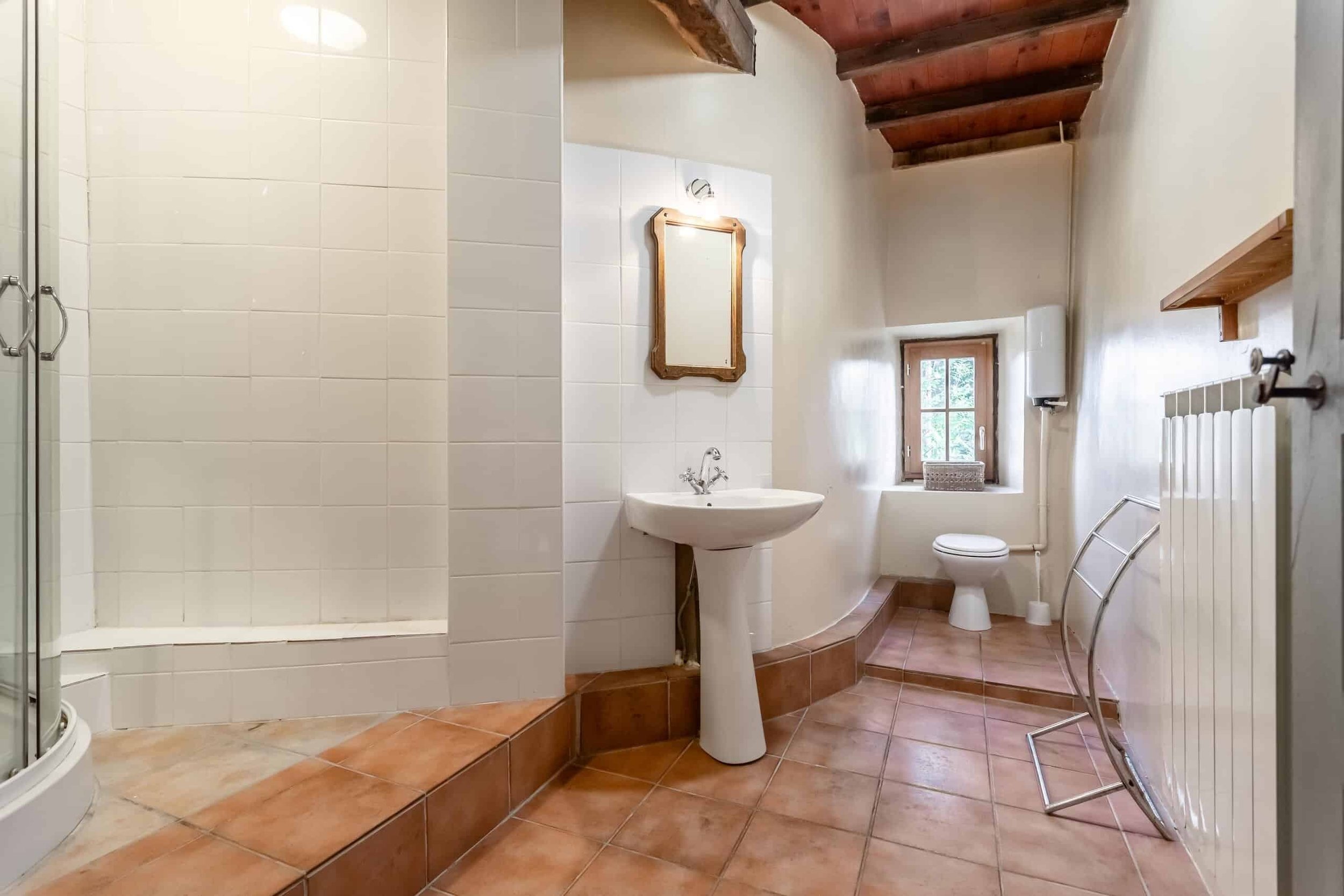
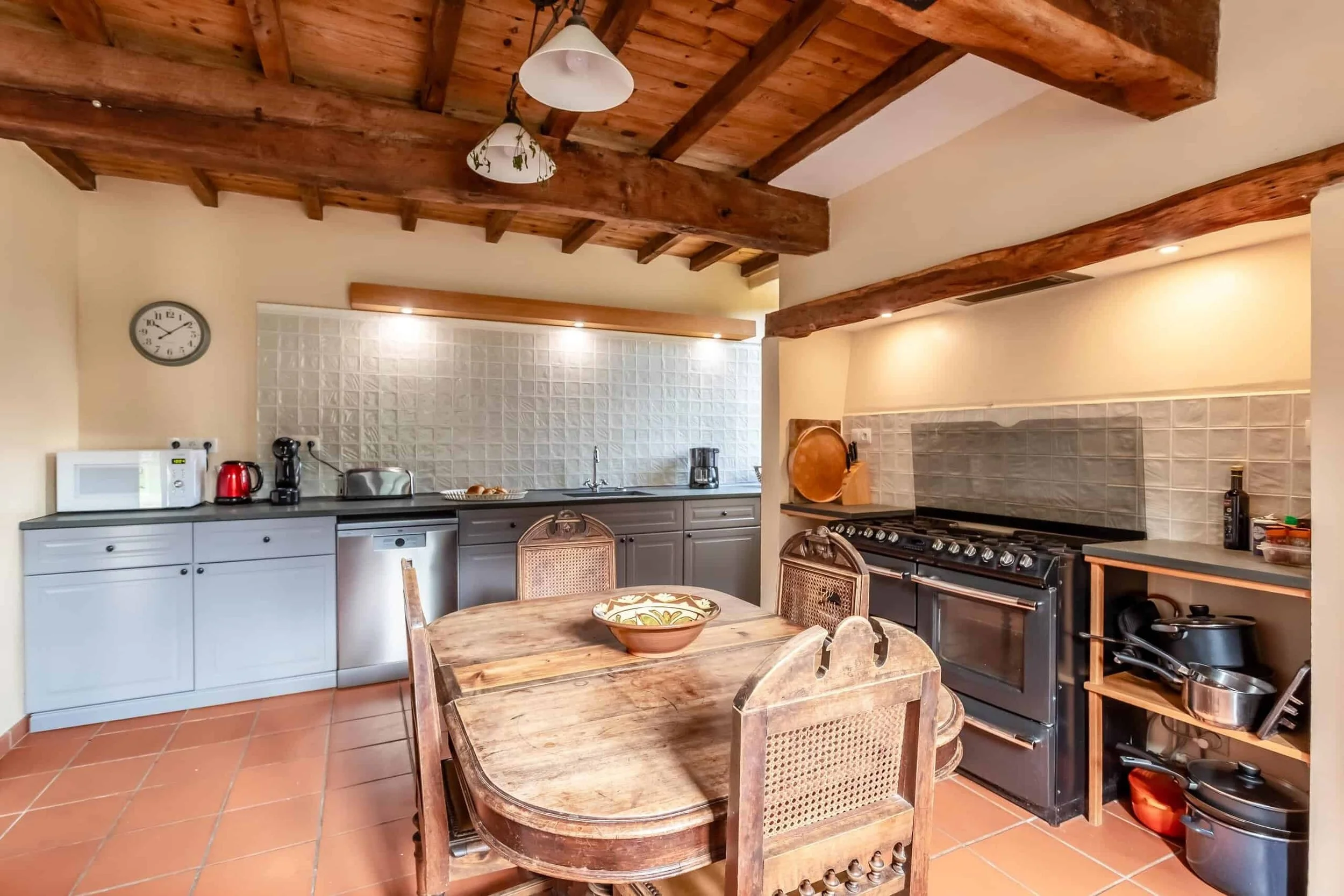
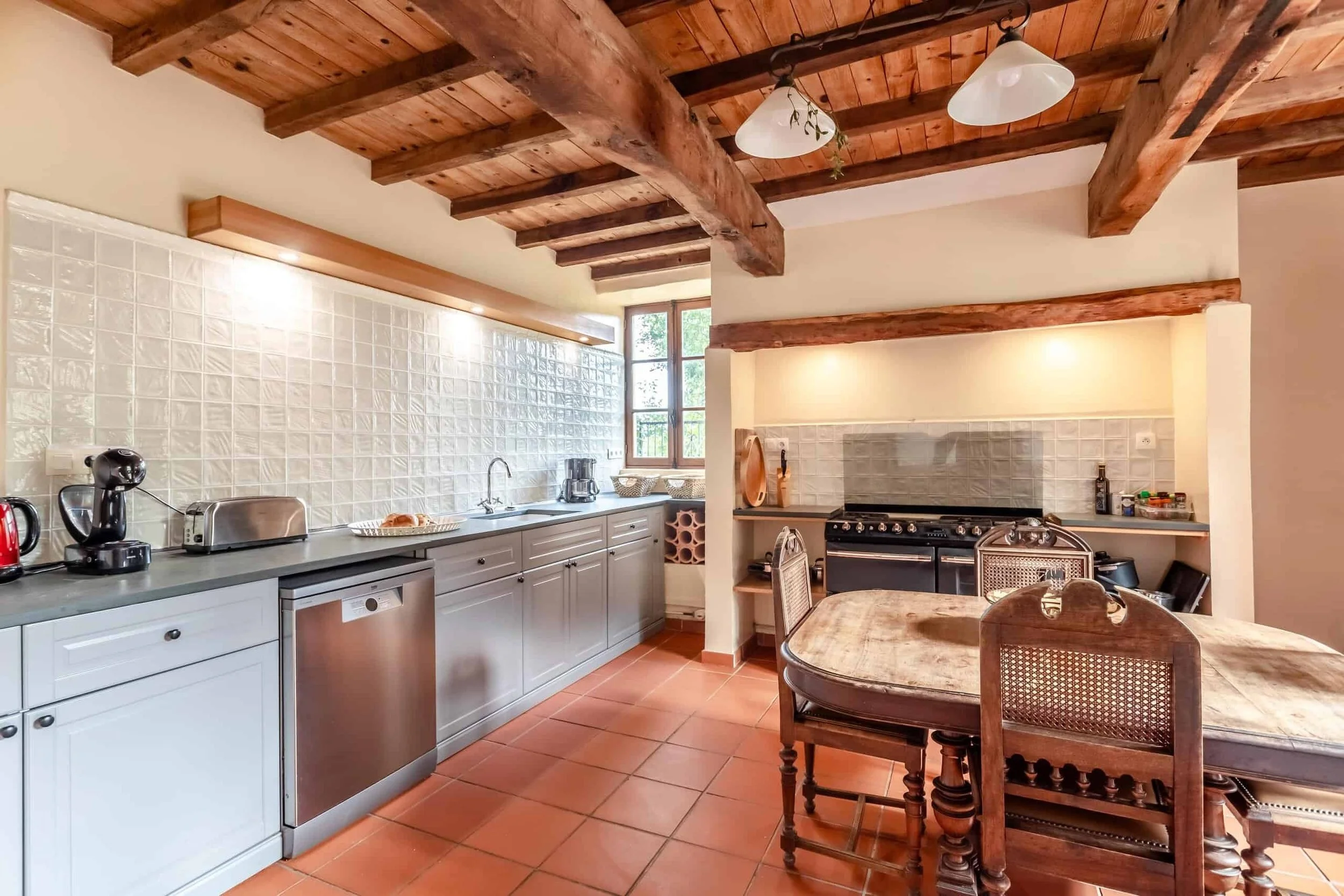
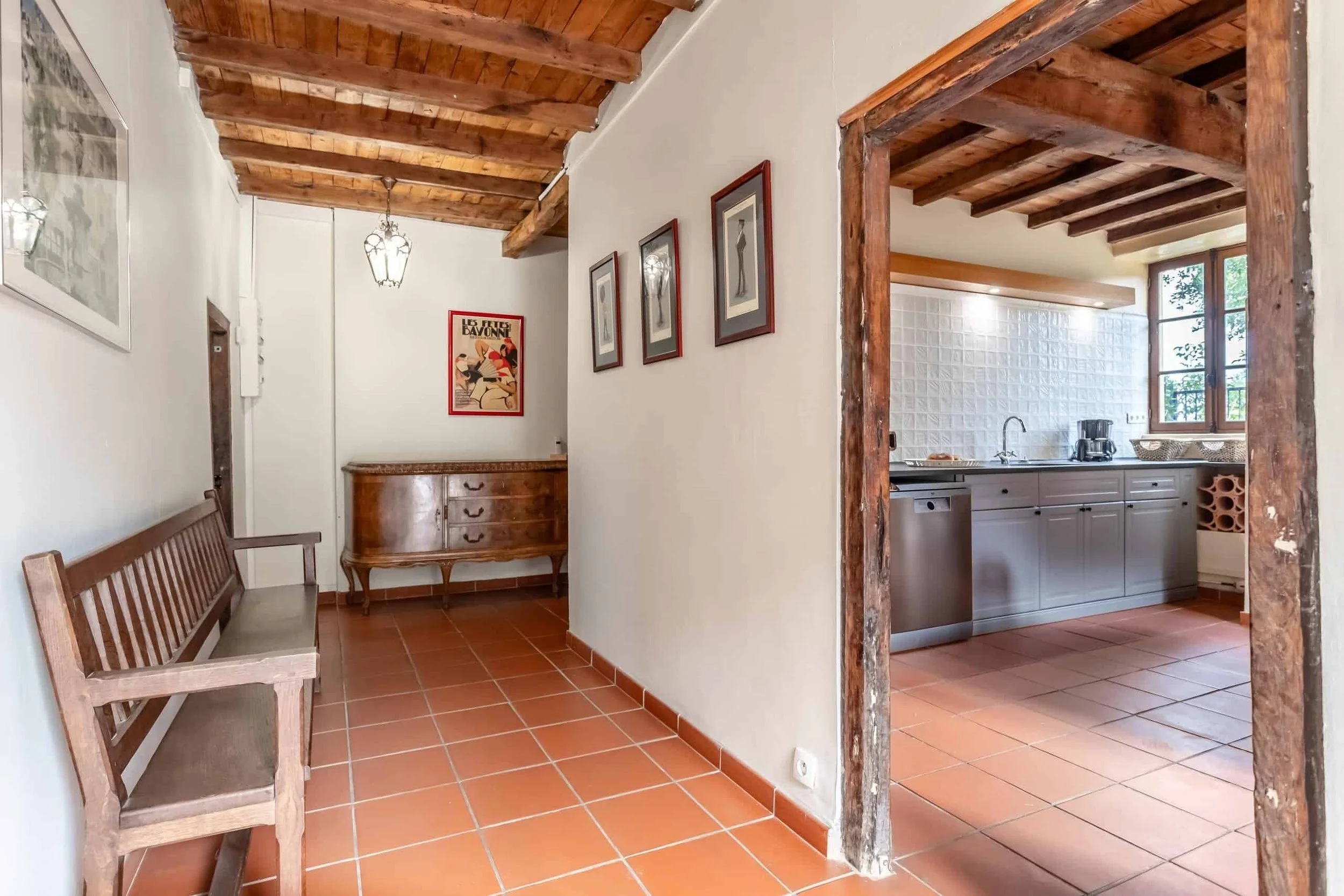
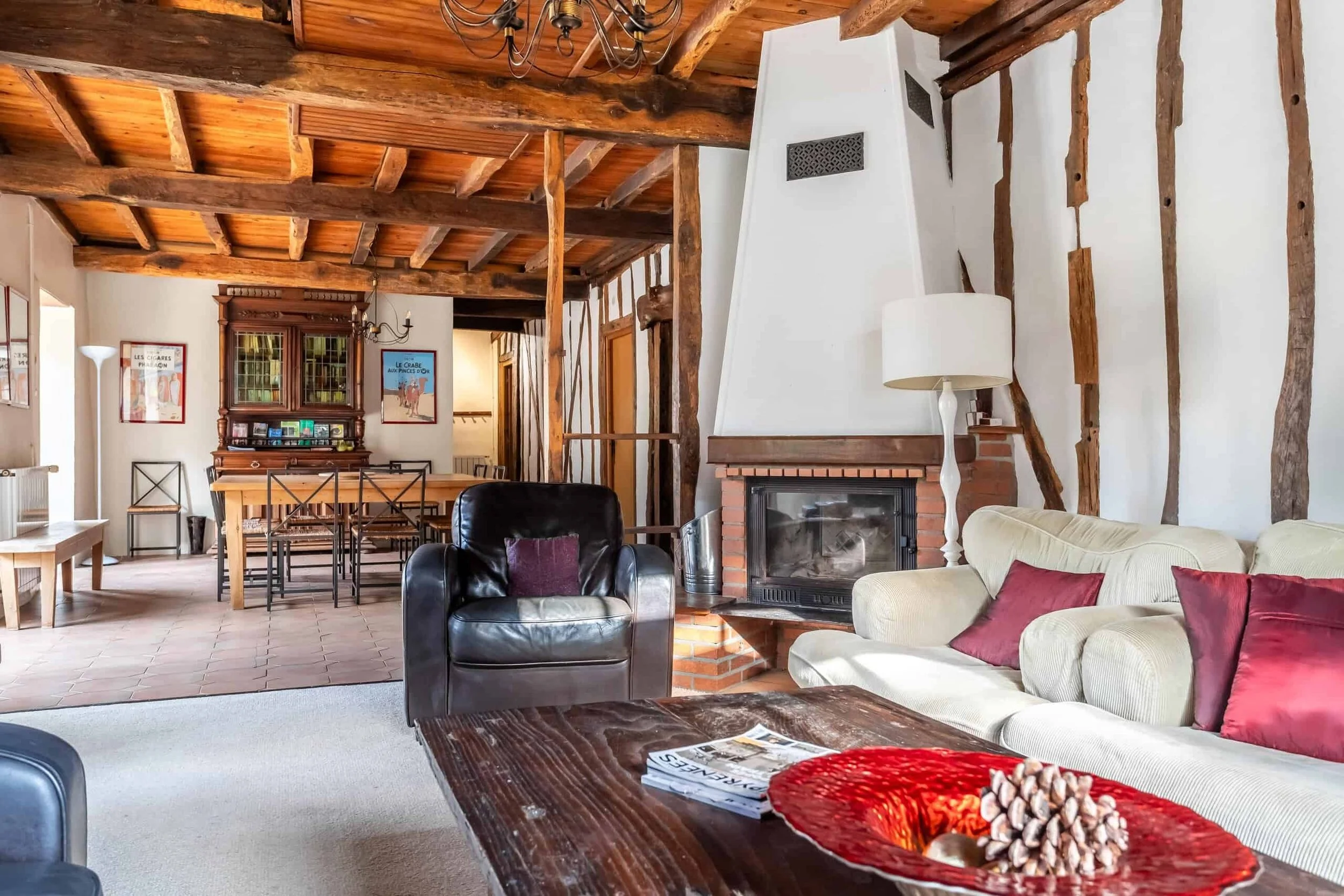
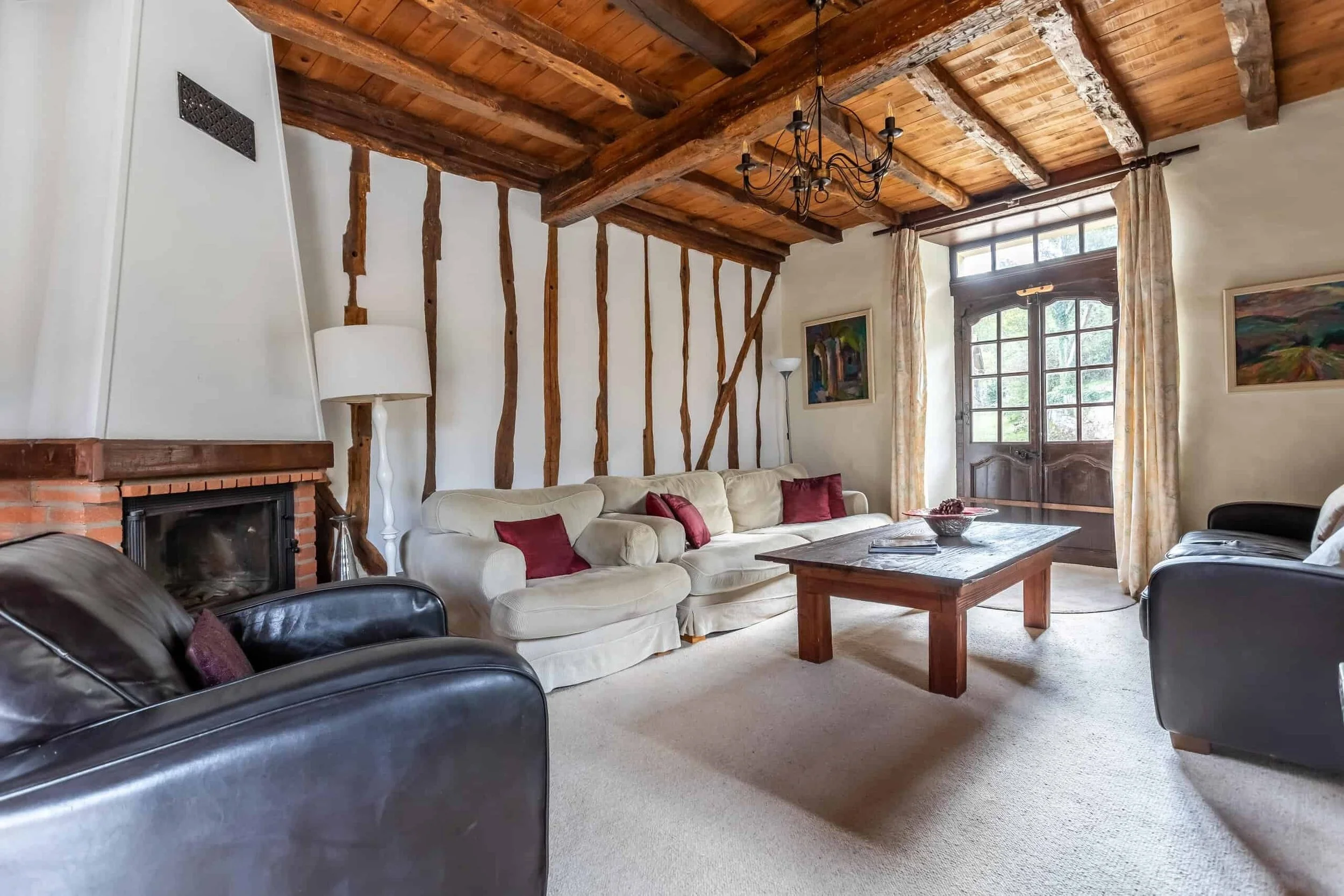
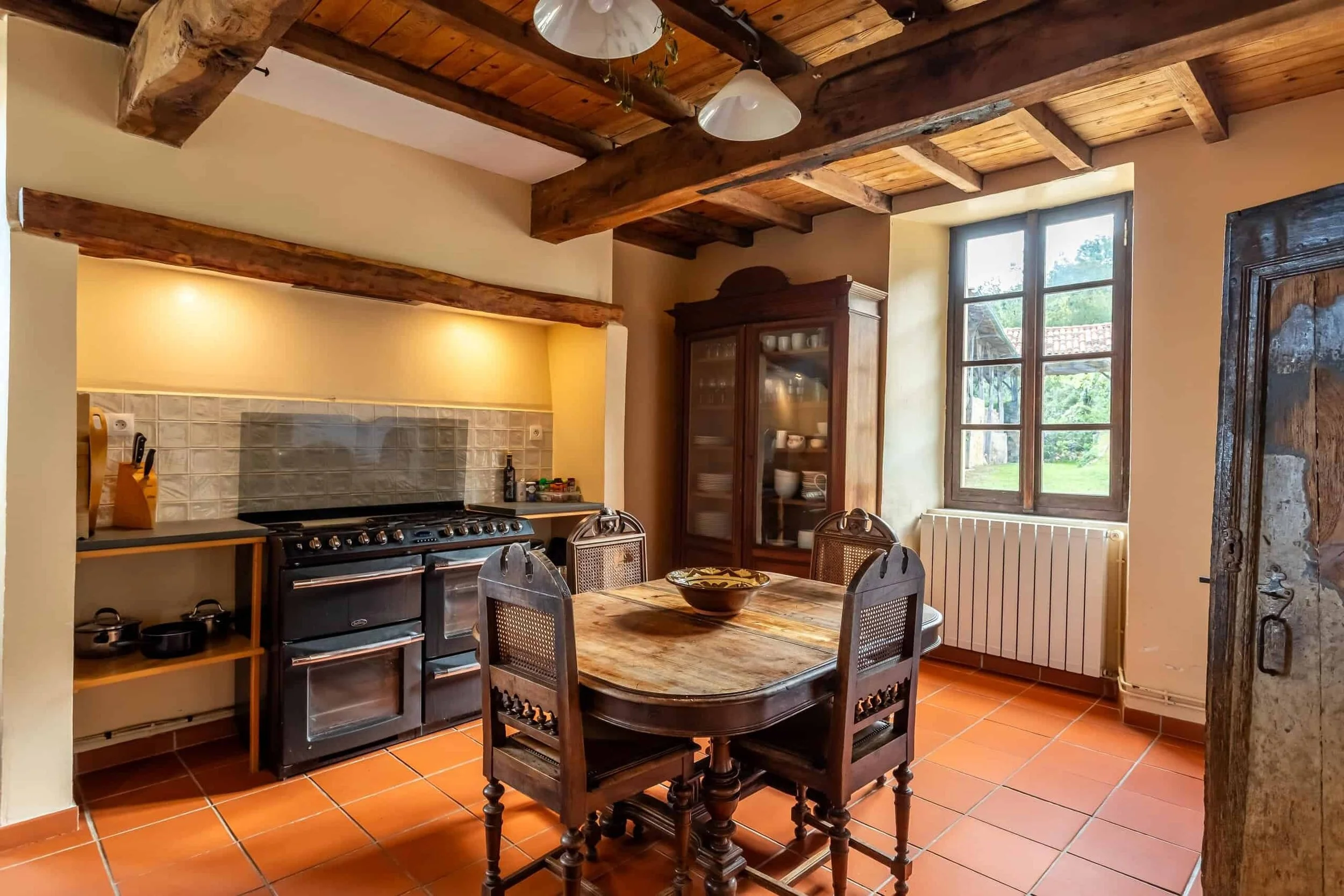
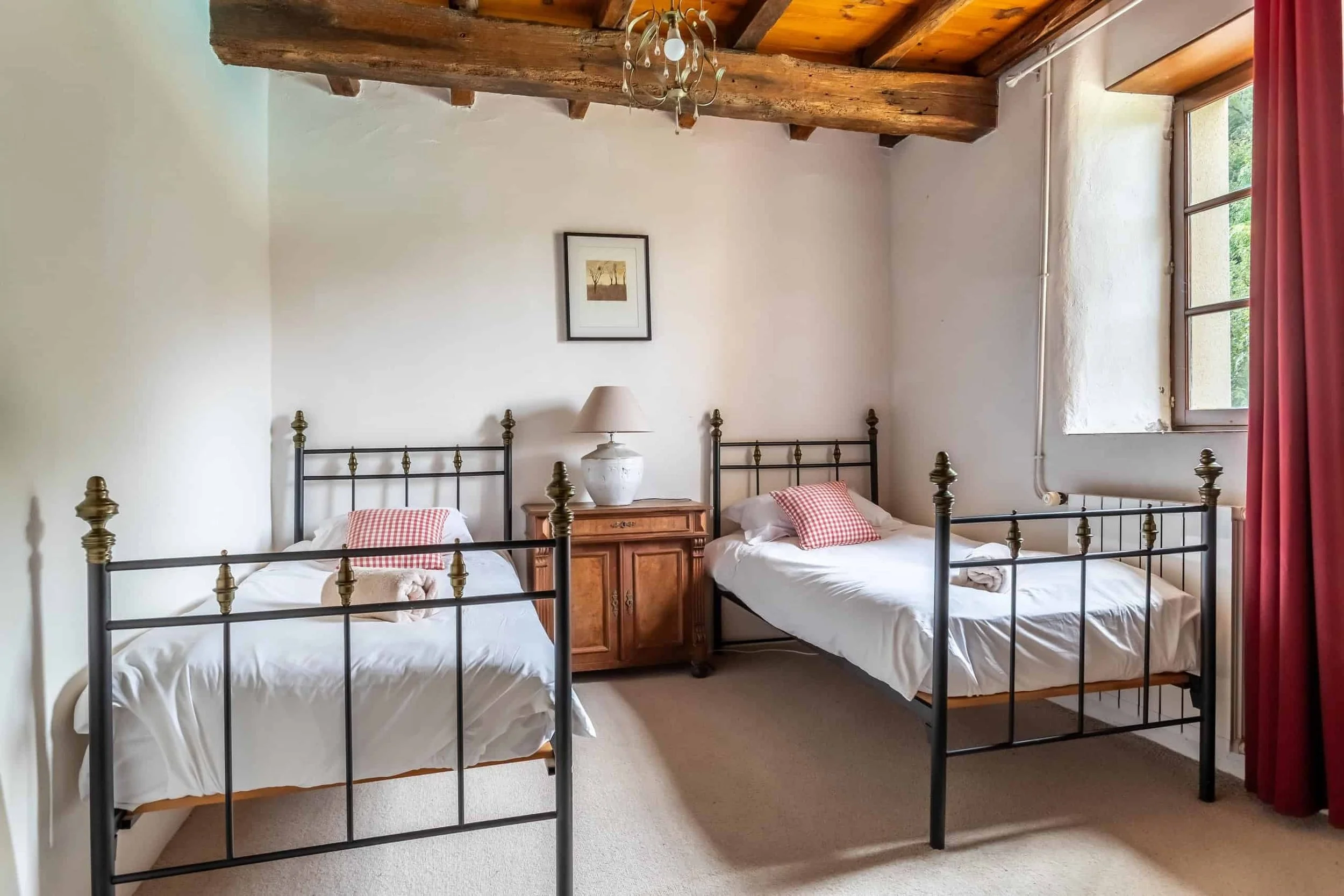
Buyer Playbook
Pre-Viewing Intelligence Report
This Buyer Playbook provides independent buyer guidance based on publicly available information and common due diligence practices for property purchases in France. This is not a substitute for professional surveys, tax advice or legal advice. Always verify legal, planning, diagnostics, drainage, land-use and rental matters with a qualified notaire, architect, diagnostiqueur or maître d'œuvre before proceeding.
Playbook Contents
Property Snapshot
Location
Boussan, Haute-Garonne, southwest France
Property type
Pre-1850 Maison de Maître estate
Main house
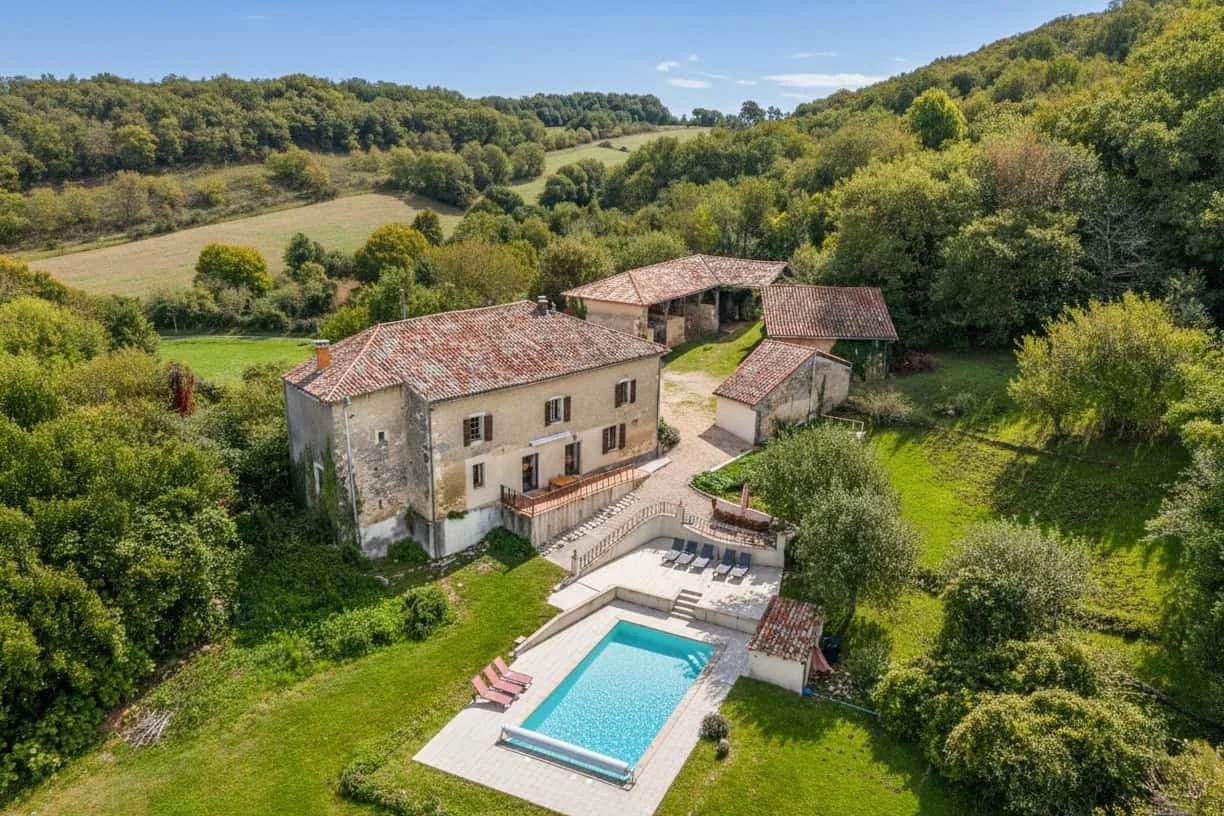
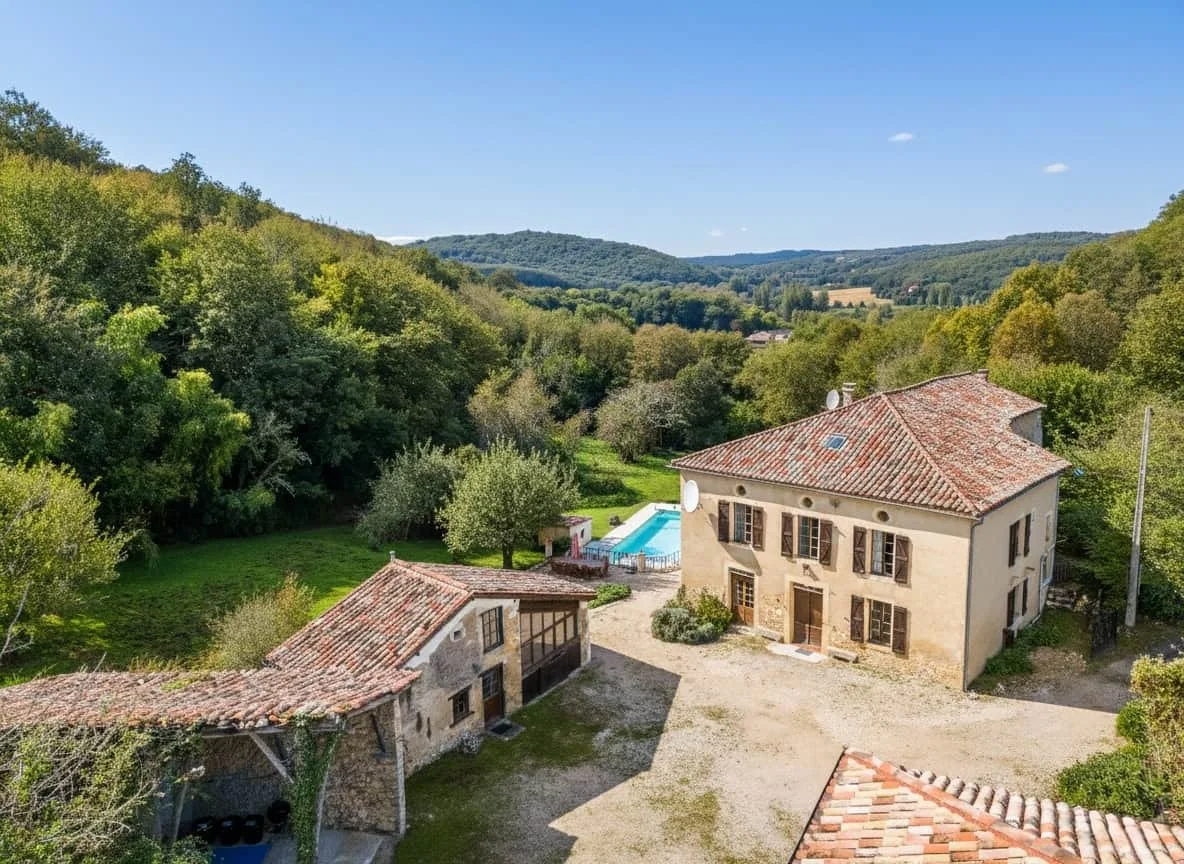
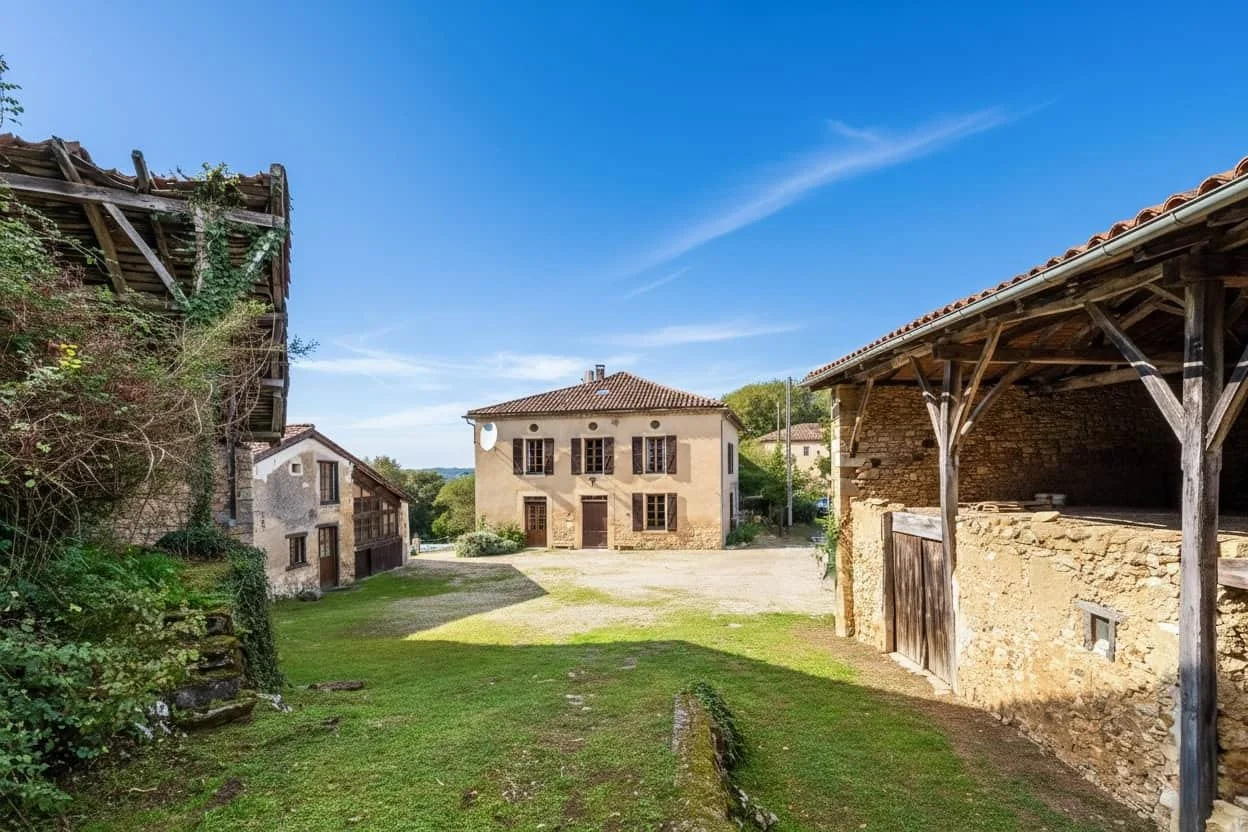
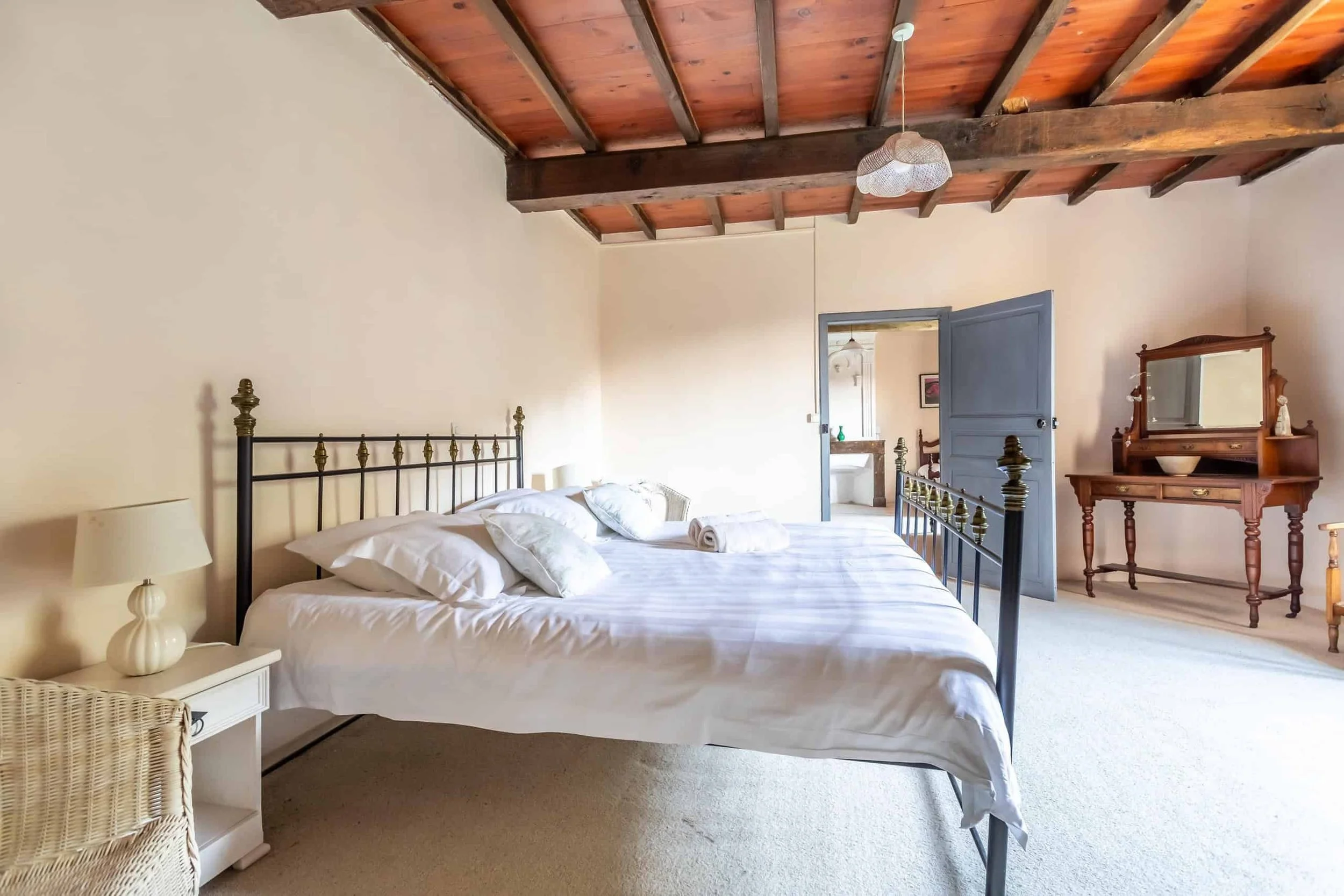
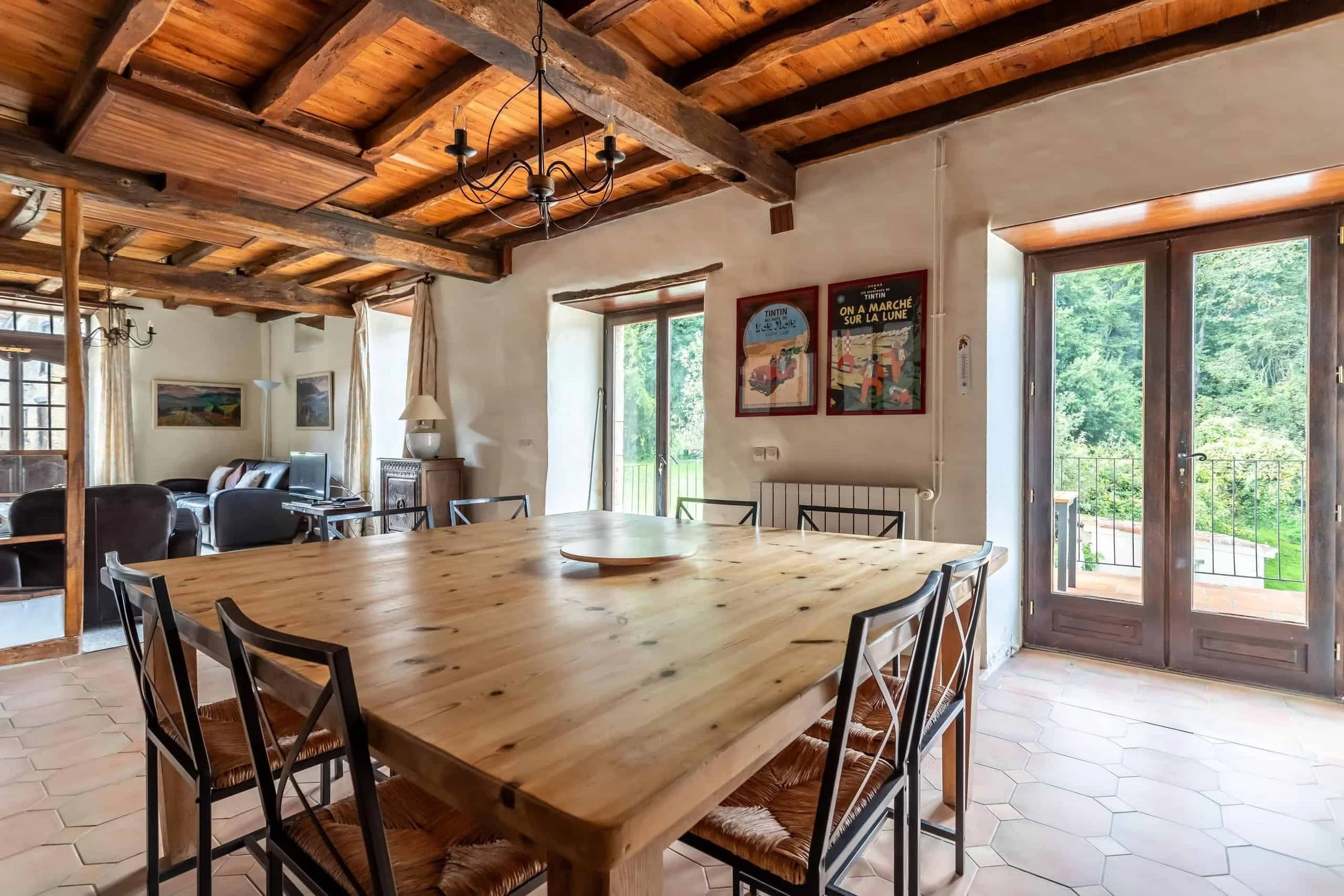
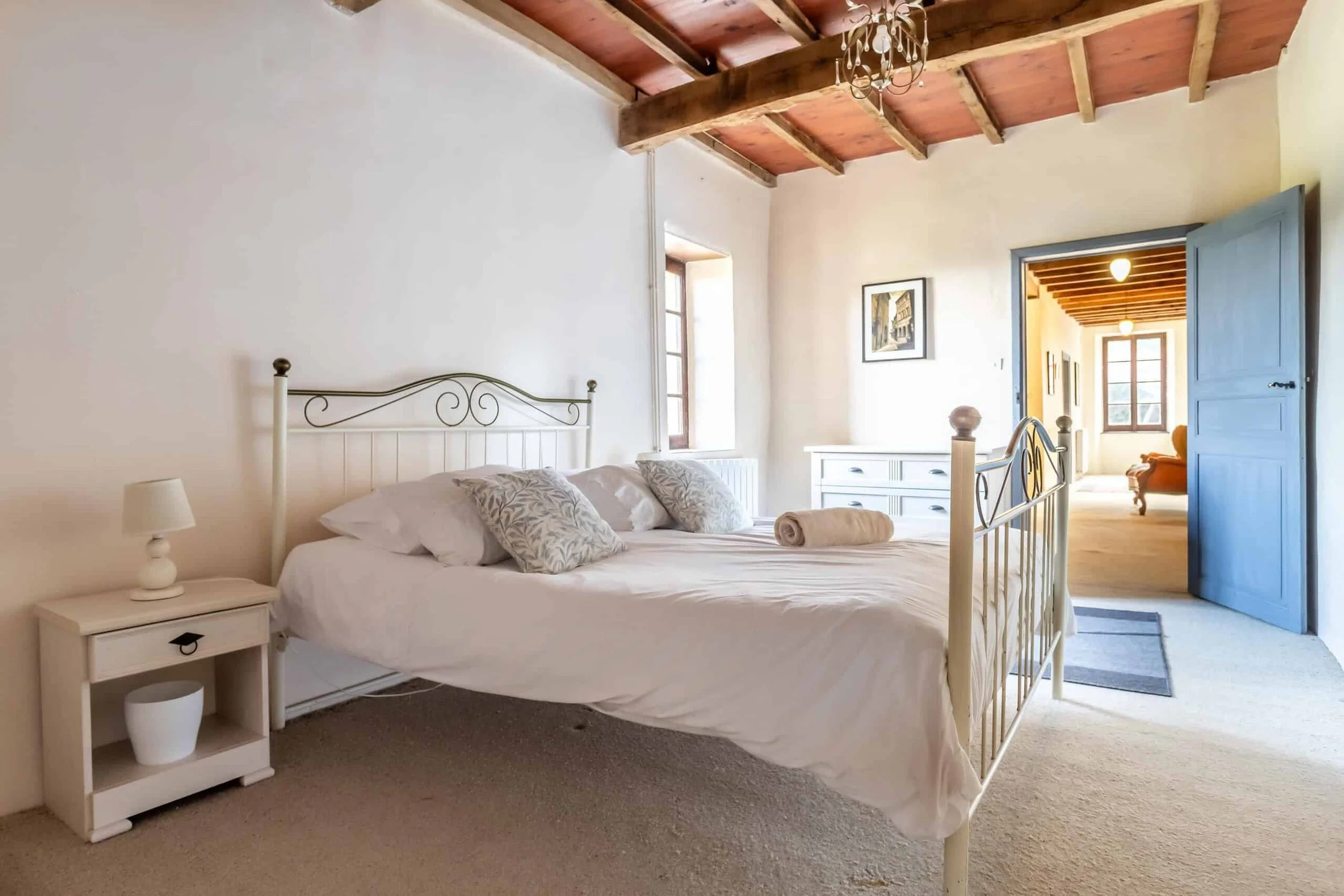
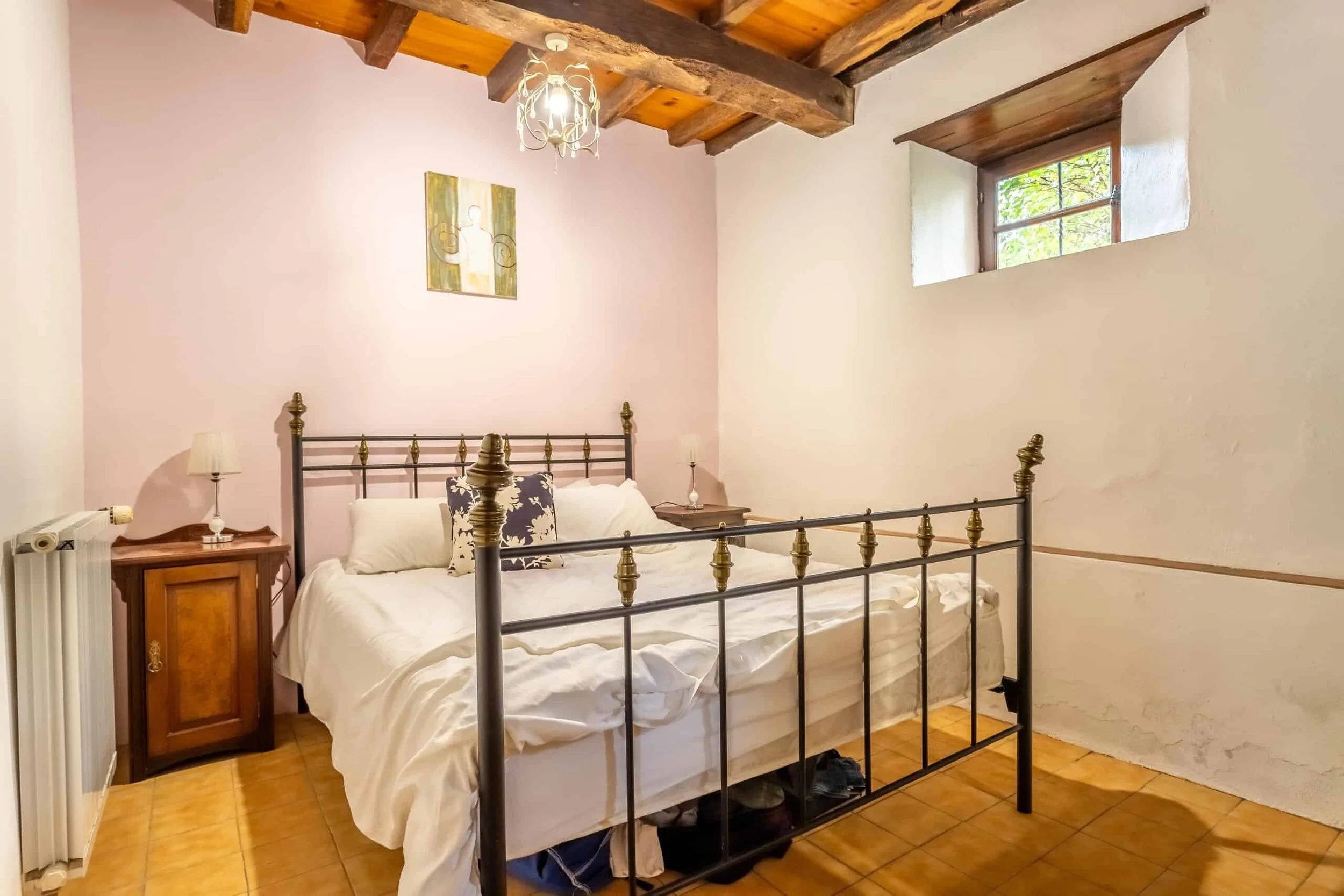
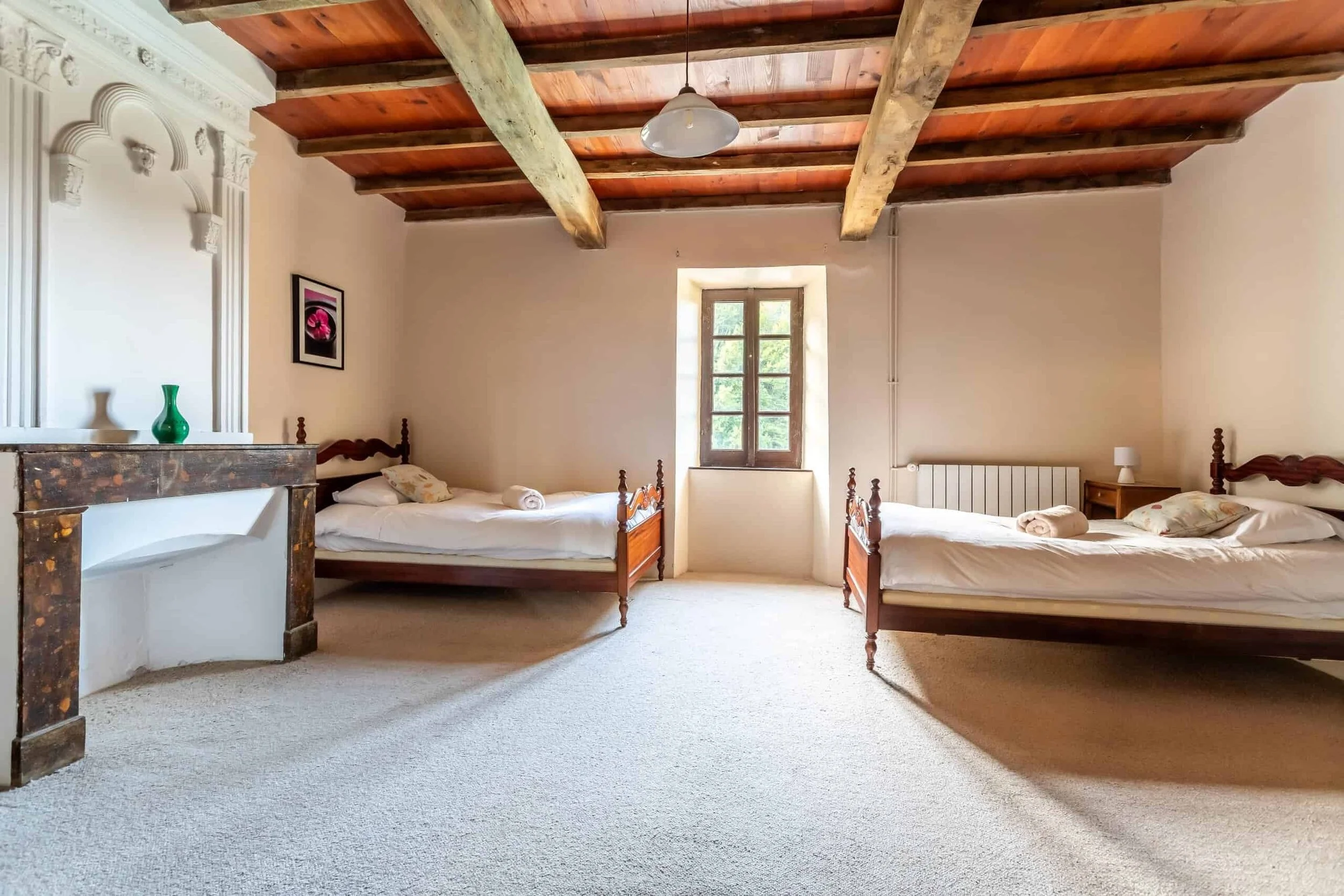
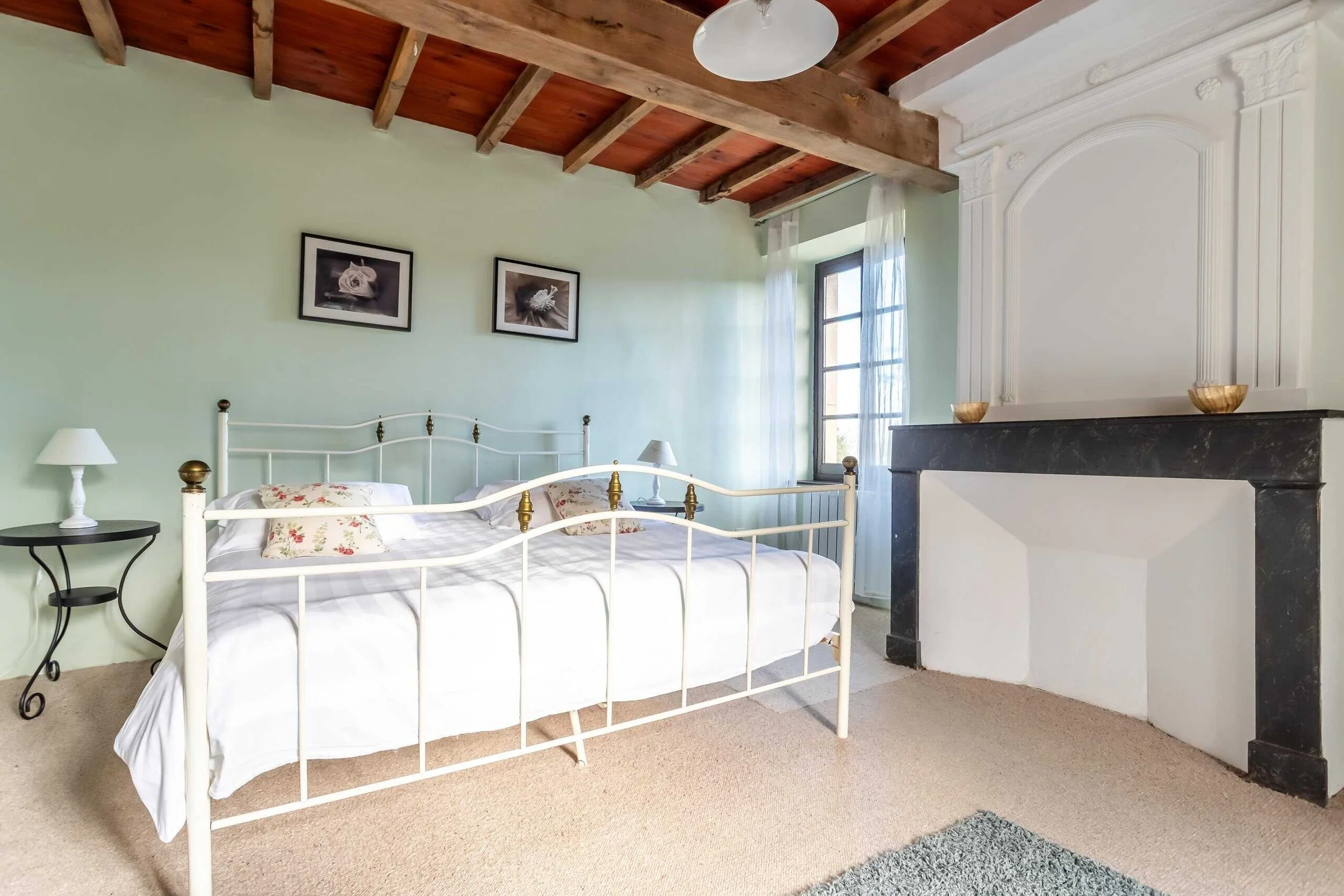
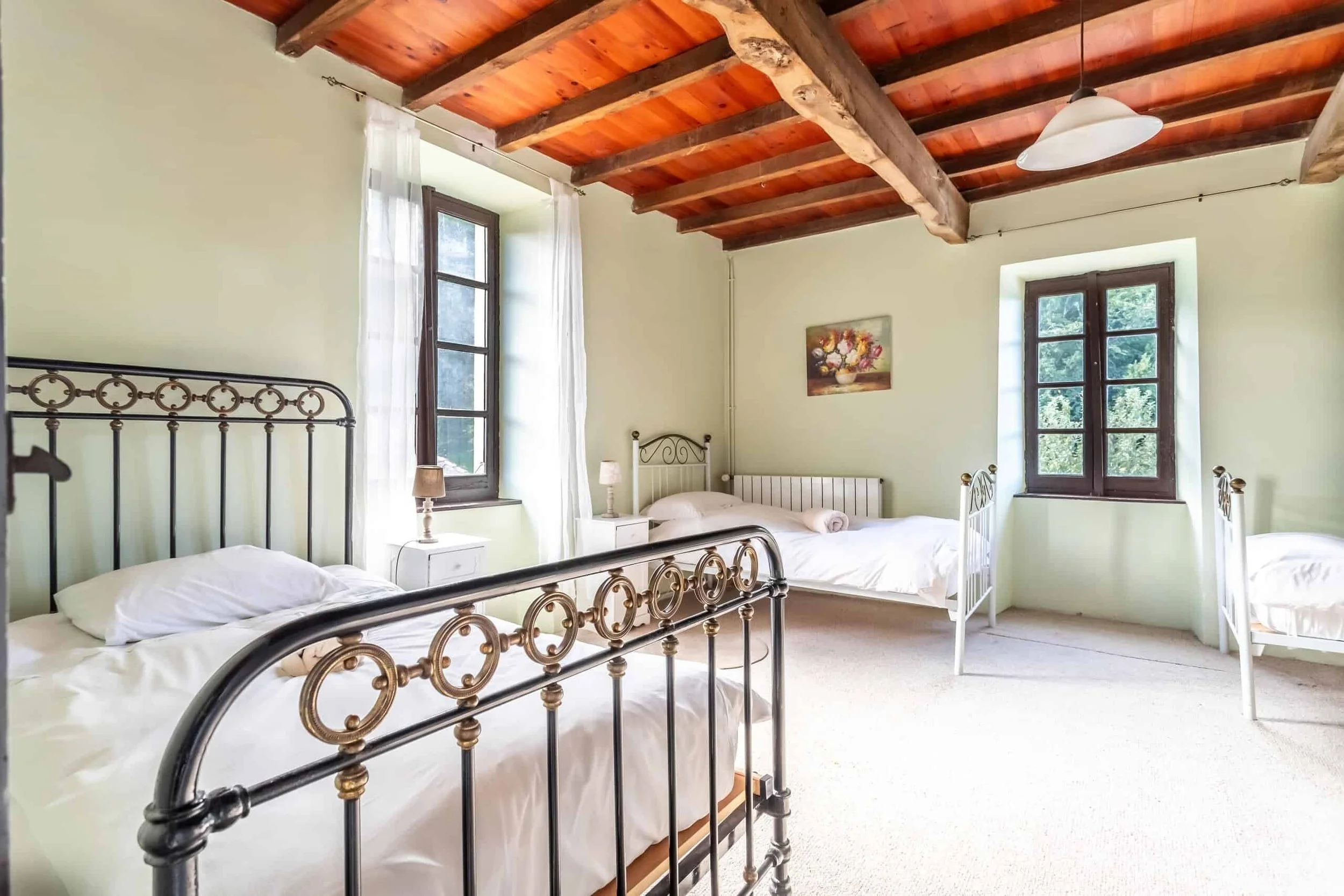
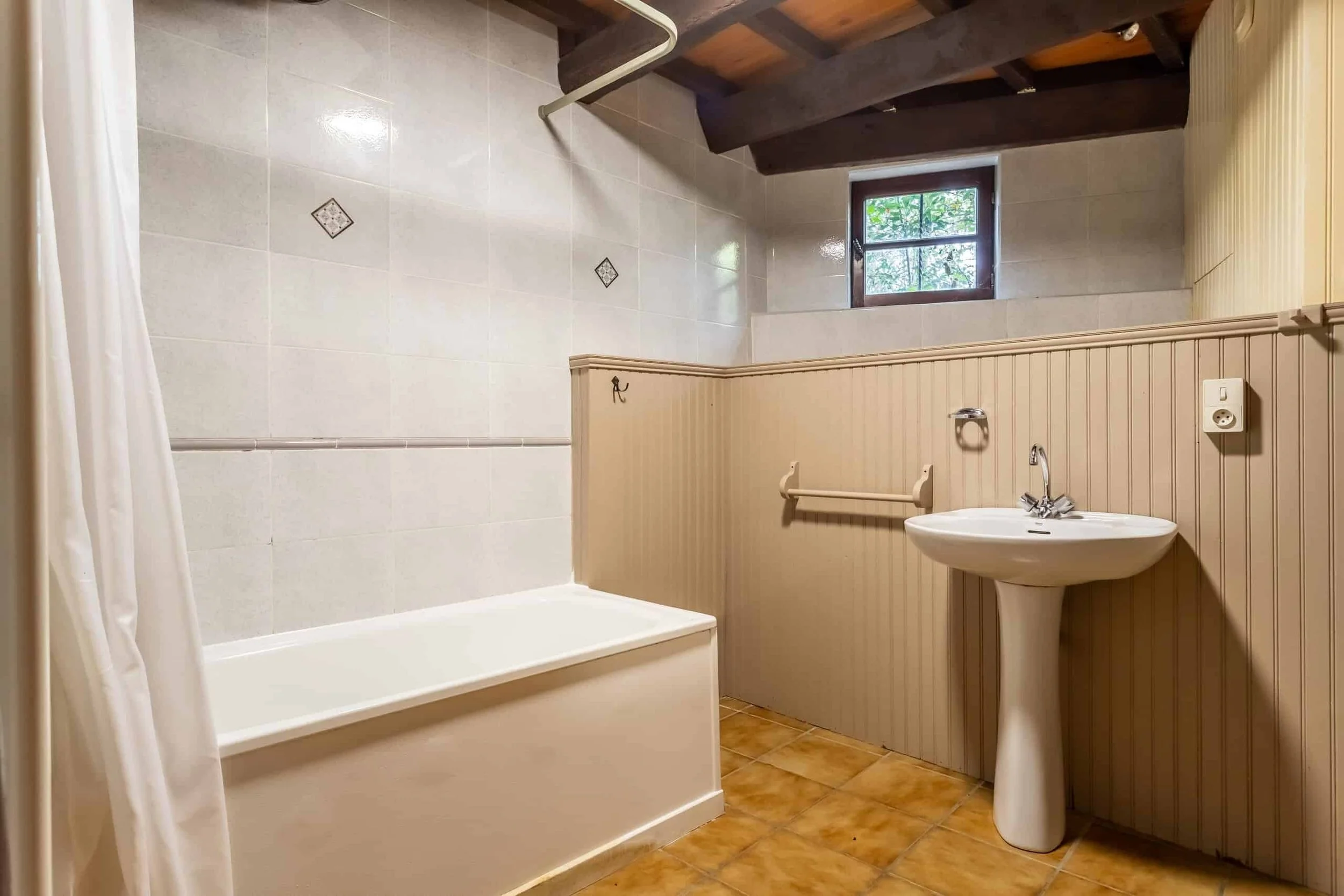
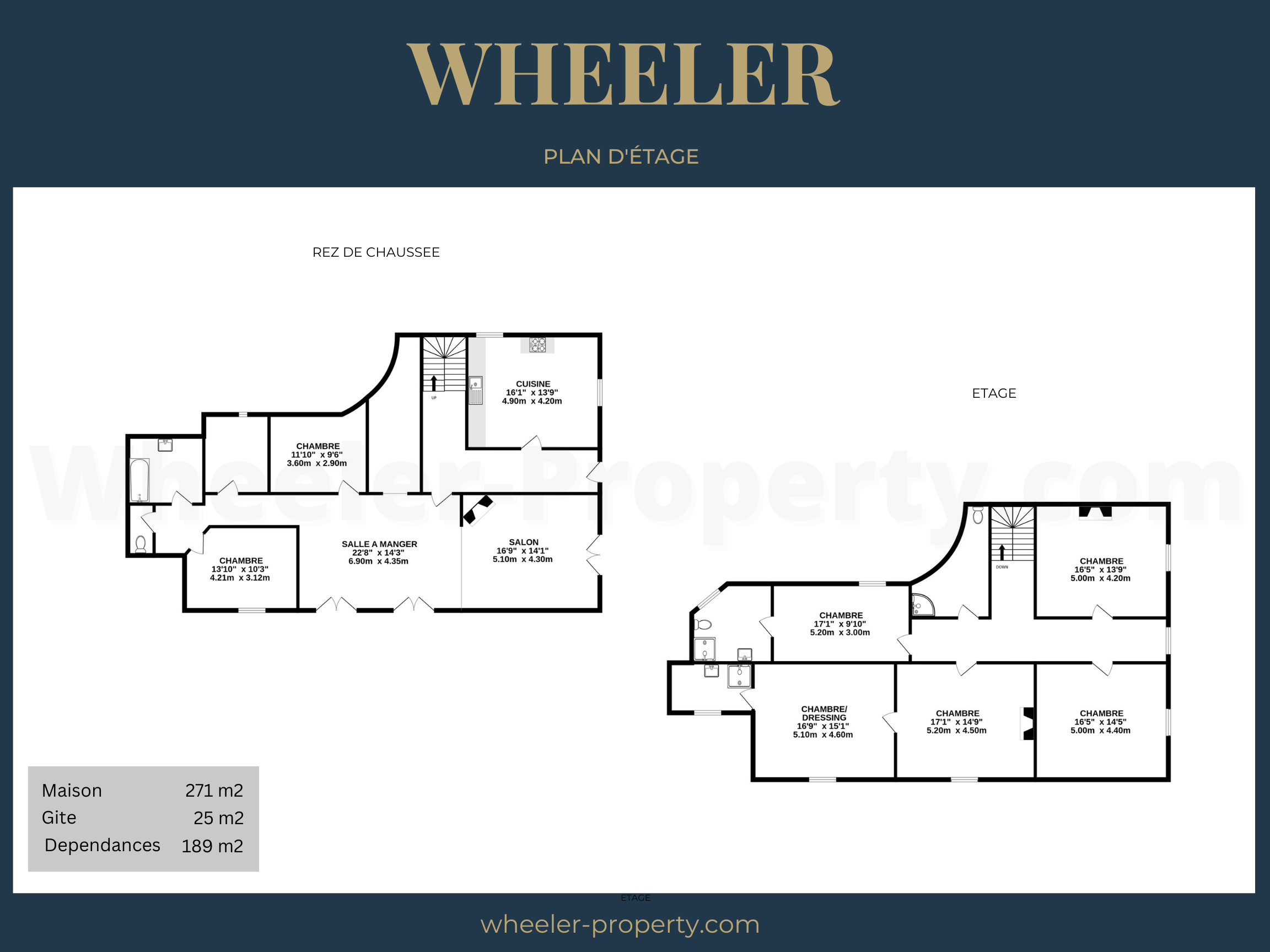
6-bedroom maison de maître
Secondary accommodation
Separate 1-bedroom gîte
Living area stated
271 m²
Land stated
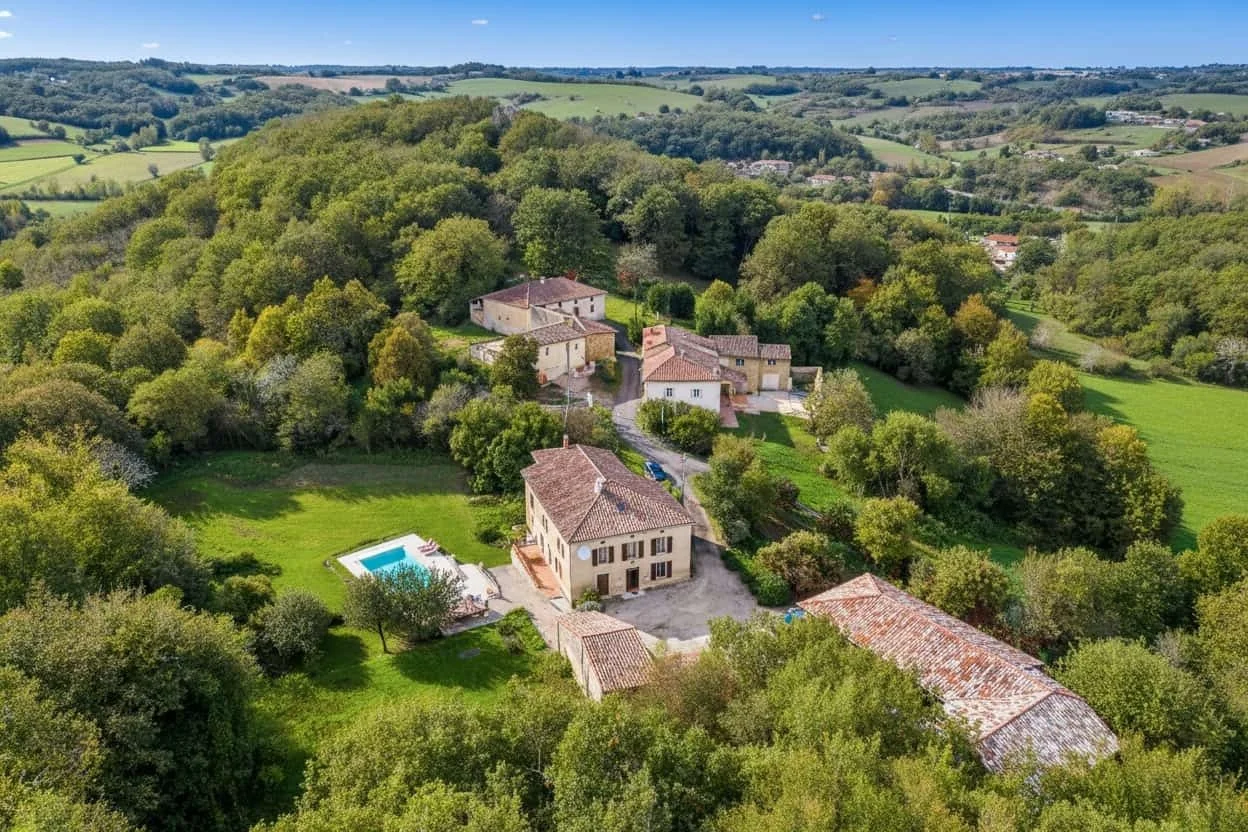
17 hectares of woodland and pasture
Additional buildings
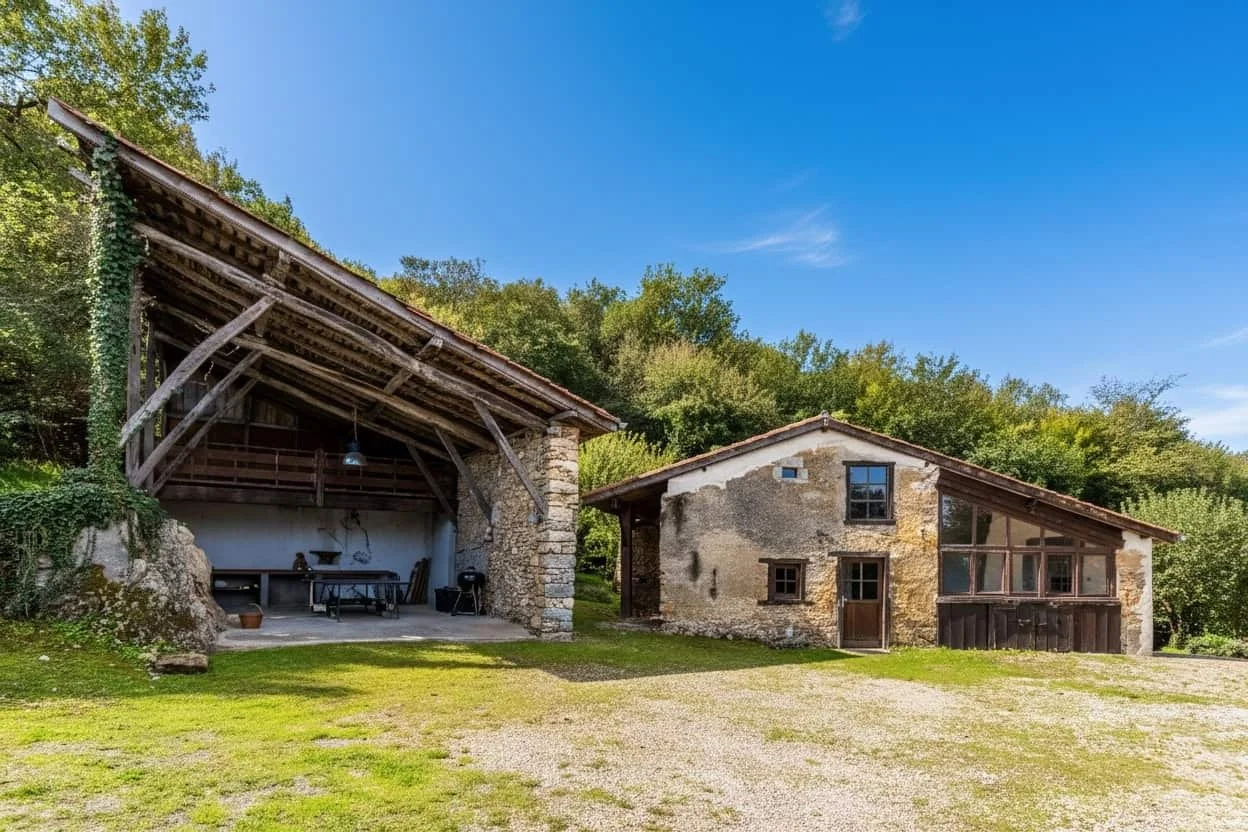
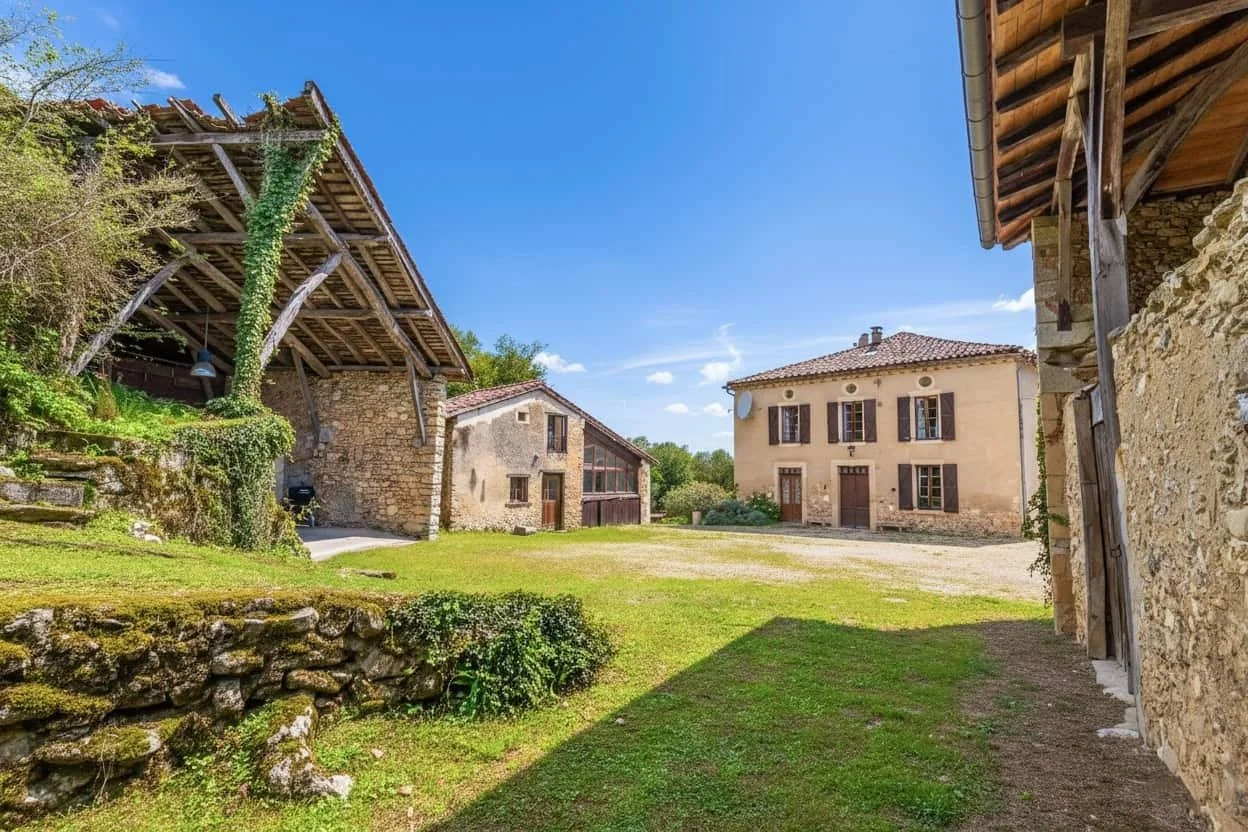
Two barns
Pool
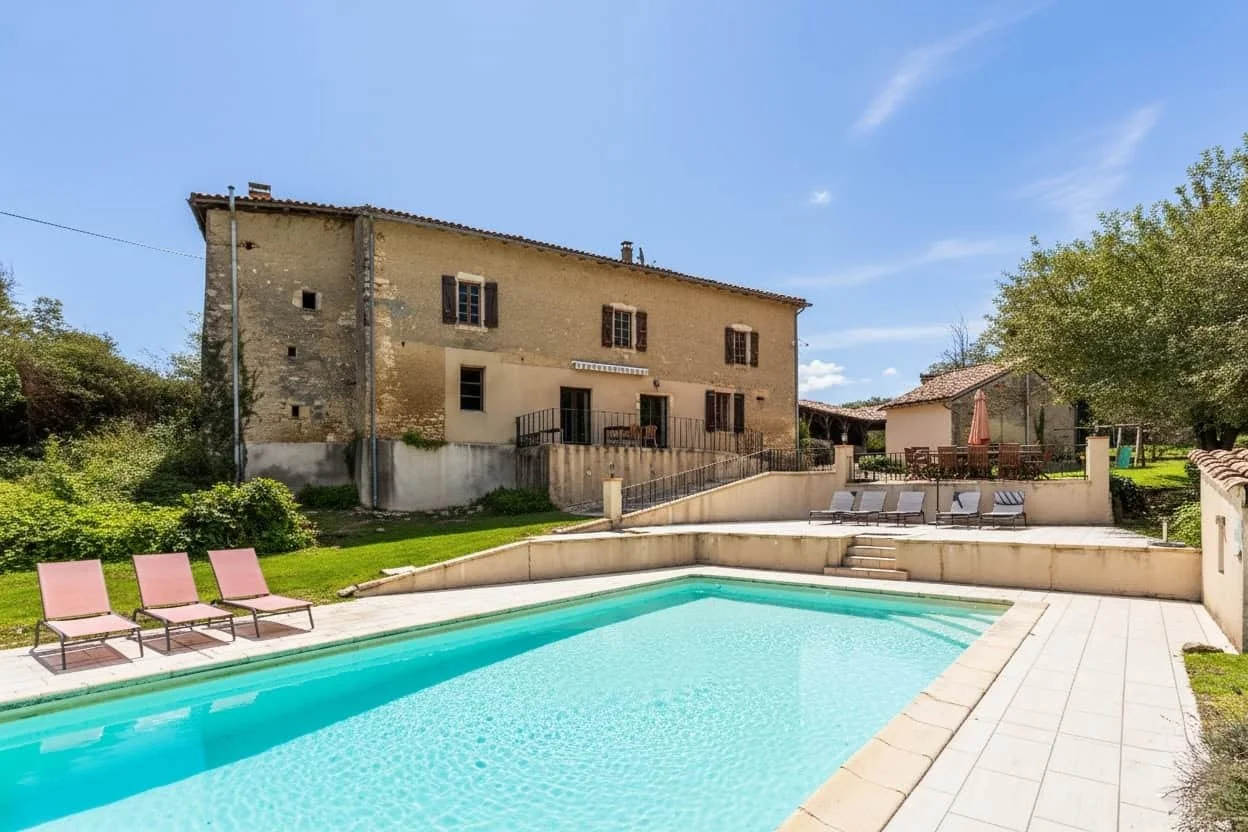
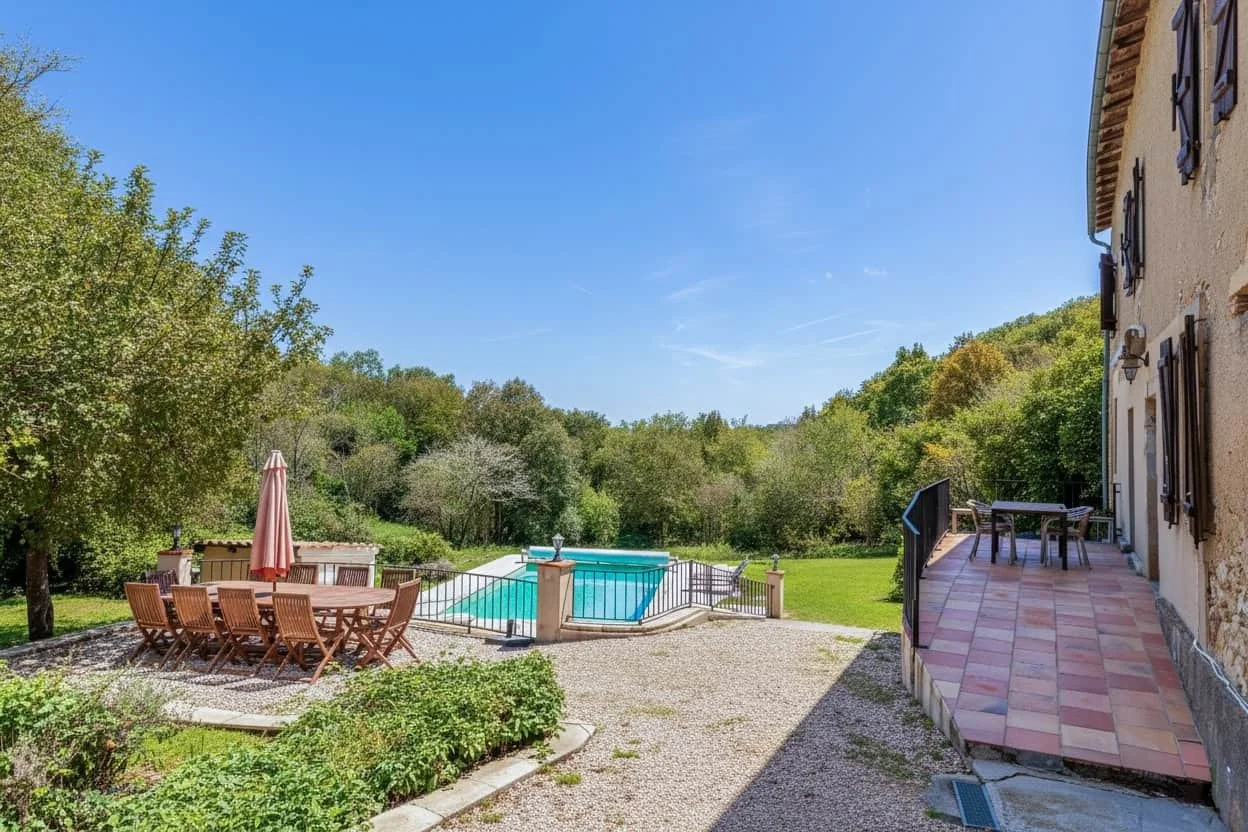
10 × 5 m swimming pool
Heating stated
Gas central heating plus wood-burning stove
Recent works stated
New roof, new kitchen, new pool liner
Energy rating
D
Lifestyle positioning
Family estate, equestrian potential, gîte income, boutique retreat or B&B potential
Risk Radar
Overview
The listing presents this as the kind of estate that combines romance with practicality: a substantial maison de maître, a one-bedroom gîte, two barns, a 10 × 5 metre pool, and seventeen hectares of woodland and pasture, all five minutes from Aurignac. It also states that the heavy lifting has already been done, naming a new roof, kitchen and pool liner as recent investments.
That is a strong value story. The diligence challenge is that estates like this are rarely simple operationally. You need to know whether the gîte is legally established as separate habitable accommodation, whether the barns have realistic conversion potential, whether the drainage system can support the full occupancy implied by the listing, and whether any part of the land is constrained by planning, agricultural use, forestry considerations or easements. In France, the seller should also be able to provide a diagnostics pack, and if the property is on non-collective drainage, the sanitation control becomes a major financial and negotiation point.
Targeted Questions
Renovation Legality and Scope
The listing's strongest reassurance is recent investment, so the first job is to pin down exactly when those works happened and how recent "recent" really is.
Roof works on older French properties can require prior formalities depending on scope, visibility and location.
Cosmetic updates are one thing. Structural work raises a different level of legal and technical scrutiny.
If the restoration really was carried out at considerable expense, there should usually be a paper trail and possibly professional guarantees to support that claim.
The visible upgrades may not tell the full story of how technically updated the estate really is.
Professional involvement often gives you a clearer view of quality and future maintenance expectations.
Pre-1850 properties in older hamlets can sometimes sit in protected settings that change the works process even if the property itself is not listed.
Diagnostics Pack and Compliance Documents
In France, the seller must provide technical diagnostics in the sale process, and this is one of the fastest ways to verify hidden risks. The DPE must be provided in sales, except in limited exceptions.
A D rating is strong for a pre-1850 estate, but the detailed report will show how that rating was achieved and what improvements are still recommended. The DPE is mandatory in sales in mainland France.
This is a large, older estate with multiple structures. You want clarity across the whole ensemble, not just the main house.
Older buildings in France often require lead-risk assessment in the transaction context.
Timber-rich older properties and barns justify a specific check on infestation risk.
These reports often reveal the difference between an attractive presentation and actual system condition.
Multi-building estates sometimes have uneven documentation, and you do not want to discover later that the secondary accommodation was only partially covered.
Gîte Legal Status and Income Reality
The listing sells "gîte income from day one", so its legal status needs to be more than informal usage.
Practical separateness matters almost as much as legal separateness for guest use and privacy.
"Letting potential" is very different from proven income.
You want to separate realistic earning power from aspirational marketing.
Service-Public states that declaring a meublé de tourisme in mairie is required, and from 20 May 2026 all mairies must have a registration process in place.
Shared systems can become the bottleneck for legal occupancy and future upgrades.
Land, Classification and Use of the 17 Hectares
On a holding of this size, you need to see the operational geography, not just the headline hectare count.
The listing describes woodland and pasture, but your future options depend on what planning and land-use rules say those areas actually are.
The future value of large rural properties often hinges on whether any lawful development or extension is possible.
Land can look "yours" in a listing while still carrying legal or practical third-party rights.
Productive woodland can be an asset, but it may also come with management obligations or regulated use.
The listing mentions equestrian potential, but actual horse-ready infrastructure is a different matter.
"Potential" only becomes real if the planning and practical conditions support it.
Barns and Outbuilding Potential
Physical presence alone does not guarantee administrative clarity.
Barn-conversion potential is first and foremost a structural question.
Existing professional views can save time and reduce speculation.
Conversion upside is only meaningful if there is a realistic planning path.
Water, Drainage and Utility Capacity
A house, gîte, pool and 17 hectares can create significant water demand.
Non-collective drainage remains one of the biggest hidden-cost risks in rural France.
Service-Public confirms that the inspection of non-collective sanitation installations is a key part of the sale context and can reveal compliance problems.
A system that works for a family house may not be adequate for dual occupancy or guest use.
Running cost is a major part of the financial reality of a large period home.
Large rural holdings often have variable coverage and performance across different parts of the property.
Pool, Grounds and Maintenance Burden
The pool liner is said to be new, but the broader plant and structure still matter.
A new liner does not tell you the condition of the pump, filter, safety equipment or surrounding terrace.
Pool ownership cost can be meaningful even when the pool itself looks immaculate.
Large rural estates often carry far more annual maintenance cost than buyers initially assume.
Hamlet Life, Neighbours and Risk Context
The listing emphasises privacy and the tiny scale of the hamlet, so neighbour dynamics matter a great deal.
Small hamlets often function on a mix of formal and informal agreements.
The listing says Aurignac is five minutes away, but buyers need practical detail.
Forest and pasture holdings can have specific insurance and risk implications.
Sale Structure and Cost Clarity
Large estates sometimes carry extra process complexity, and you want a clean view of acquisition cost.
The sustainability of ownership depends on more than the headline price.
Negotiation Intelligence
Buyer Leverage
Medium
Key Drivers
Typical Negotiation Range
5-15% below asking
Neutral Phrasing Examples
Country Layer
France (Regulatory Context March 2026)
Key French requirements for buyers:
Viewing Strategy
Visit this estate as both a residential buyer and an operator.
Next Step
Verify from the listing:
Recent restoration paperwork and guarantees
The listing’s confidence rests heavily on a “loving restoration at considerable expense” plus a new roof, kitchen and pool liner. Ask for invoices, dates, any mairie permissions and any transferable guarantees so the restoration story is supported by evidence rather than description.
Gîte legal status and day-one income reality
The one-bedroom gîte is central to the property’s income appeal. Confirm that it is legally recognised as habitable accommodation and ask whether there is actual rental history or simply letting potential.
Drainage capacity for house and gîte
For a rural French estate with two habitable units, the sanitation system is one of the biggest hidden-cost risks. Ask for the latest SPANC report and confirm the installation is suitable for the combined occupancy level.
Land classification across the 17 hectares
Woodland and pasture can be a huge asset, but only if you understand how the land is classified, whether there are easements or leases, and what this means for horses, barns and any future projects.
True annual cost of ownership
This is a dream property, but dream properties still need budgets. Ask for real numbers for heating, pool maintenance, land upkeep, taxe foncière and insurance before deciding what the estate is truly worth to you.
A prepared buyer should approach the agent calmly and frame questions as due diligence. For example: “To help us assess the estate properly and prepare a serious offer, could you share the diagnostics pack, the recent-works paperwork, the latest drainage information and the gîte’s legal and rental position?”
Because this is a multi-building rural estate where the main risks sit in restoration evidence, land use and operating cost, run it through the Property Risk Assessment to pressure-test the wider legal and systems risk, or use the Renovation Budget Planner to model any likely future work before contacting the agent.
Disclaimer: The Property Drop is buyer-focused intelligence, zero sales agenda. We curate exceptional properties, in southern Europe, from third-party agents and arm you with decision tools. No commission, no transactions, no agent partnerships, no skin in the game beyond helping you choose wisely. Information stays accurate until it doesn't (properties sell, prices shift, markets move). Everything here is shared for informational purposes only and should not be treated as legal, financial, or investment advice. Images belong to original agents. Read our Terms of Service to learn more.
IMPORTANT REMINDER: When contacting property agents featured on The Property Drop, you are entering into direct communication with third parties. It's recommended that you verify all property details independently, conduct thorough due diligence, engage qualified professionals (solicitors, surveyors, financial advisors), understand your rights and obligations under local property laws, and never send money or make commitments without proper legal protection.
