
The Buyer Playbook: Countryside Villa with Trullo & Annex Ostuni, Italy, €450,000
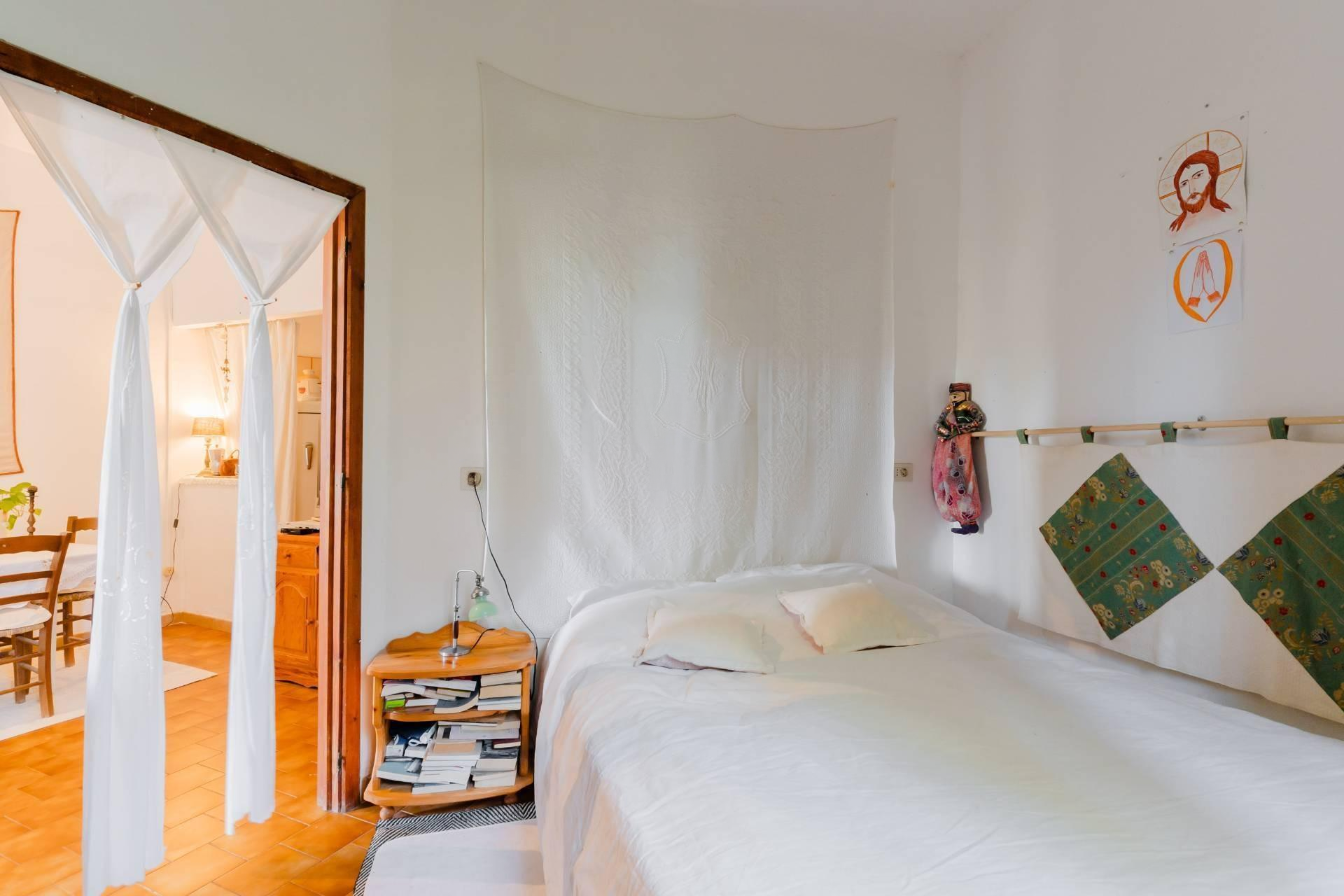
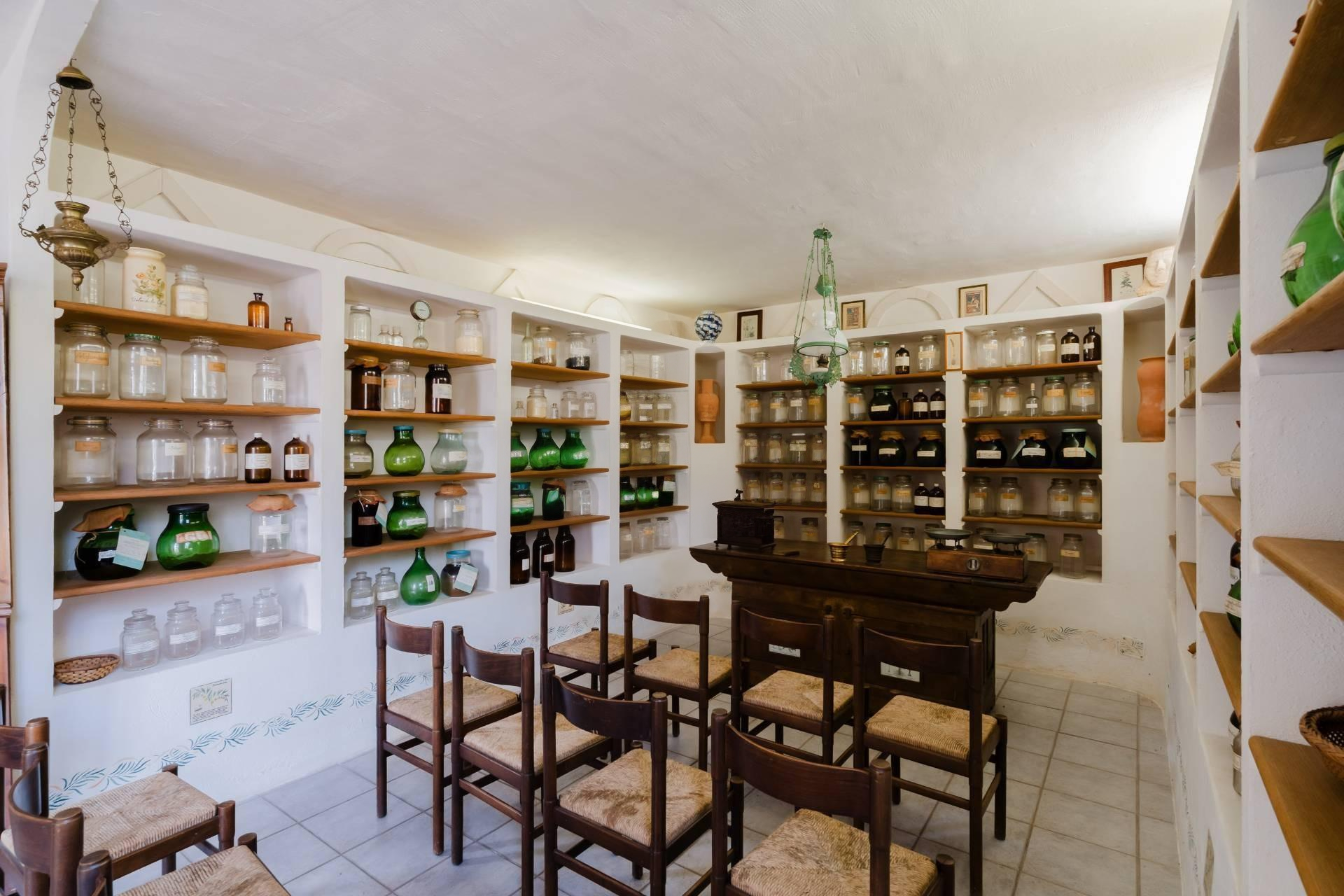
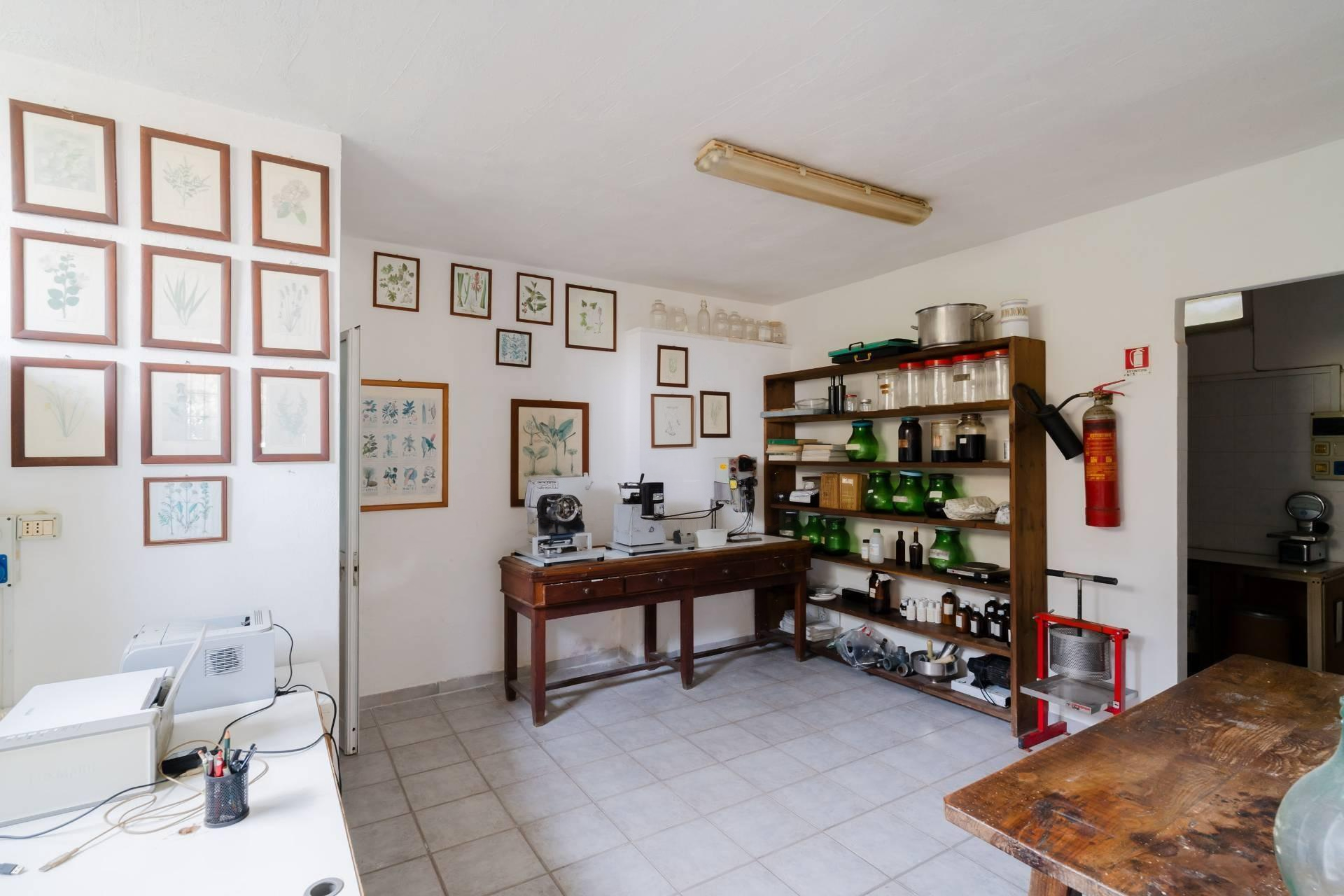
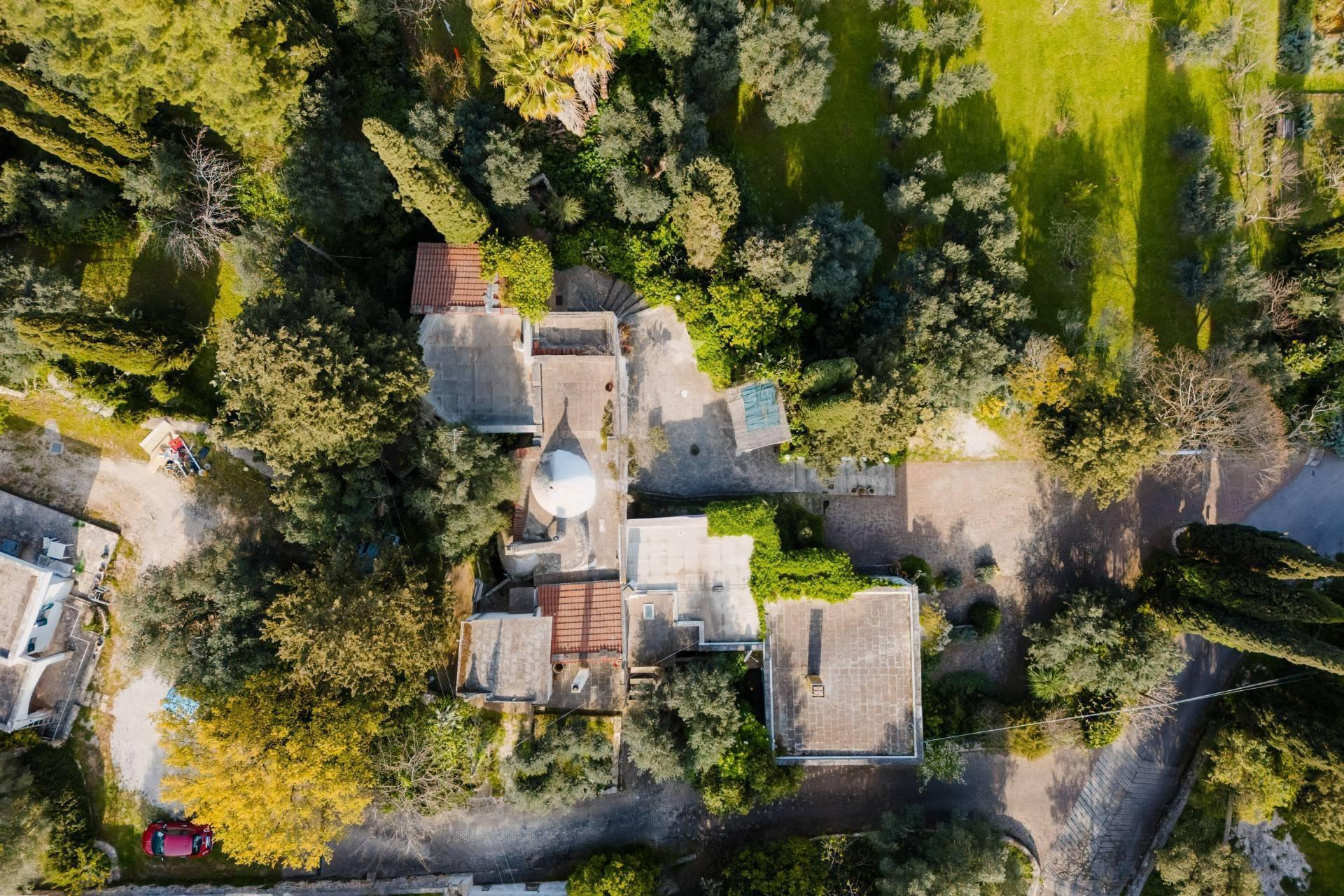
Buyer Playbook
Pre-Viewing Intelligence Report
This independent buyer guidance report relates to this specific property located in Italy. It is provided for informational purposes only and does not constitute legal, tax, structural or survey advice. Cadastral conformity, agibilità, heritage controls, tourist-rental compliance, land status, water features, and any planning or building matters must always be verified with qualified Italian professionals such as a geometra, architetto, ingegnere, notaio or surveyor, and with the relevant municipal and heritage authorities where required. This report is designed to help buyers evaluate the property before arranging a viewing or making an offer. It highlights due diligence areas and targeted questions to ask the estate agent. The analysis is based on the listing details and publicly available regulatory context at the time of writing.
Playbook Contents
Property Snapshot
Location
Countryside near Ostuni, Puglia, Italy
Property type
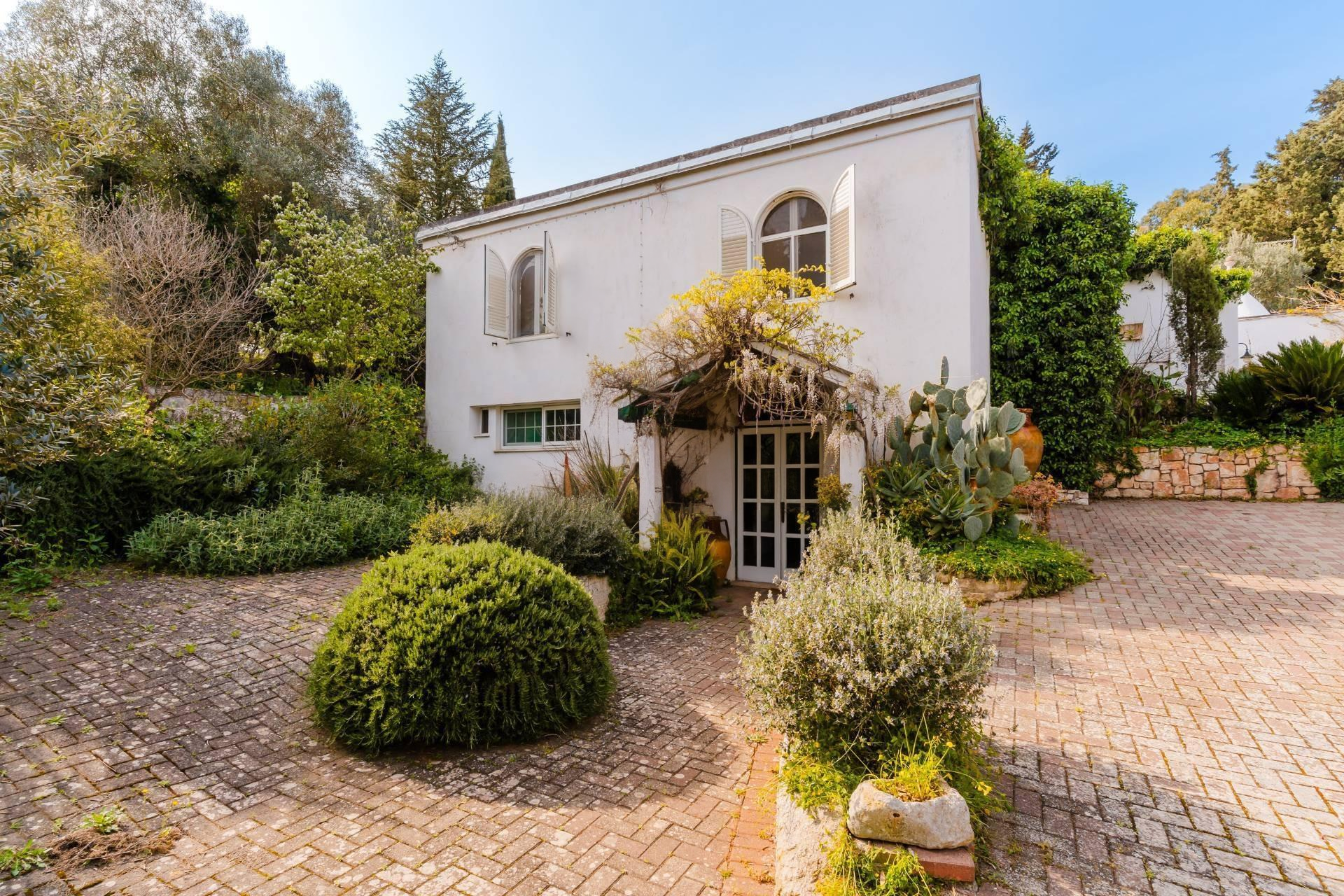
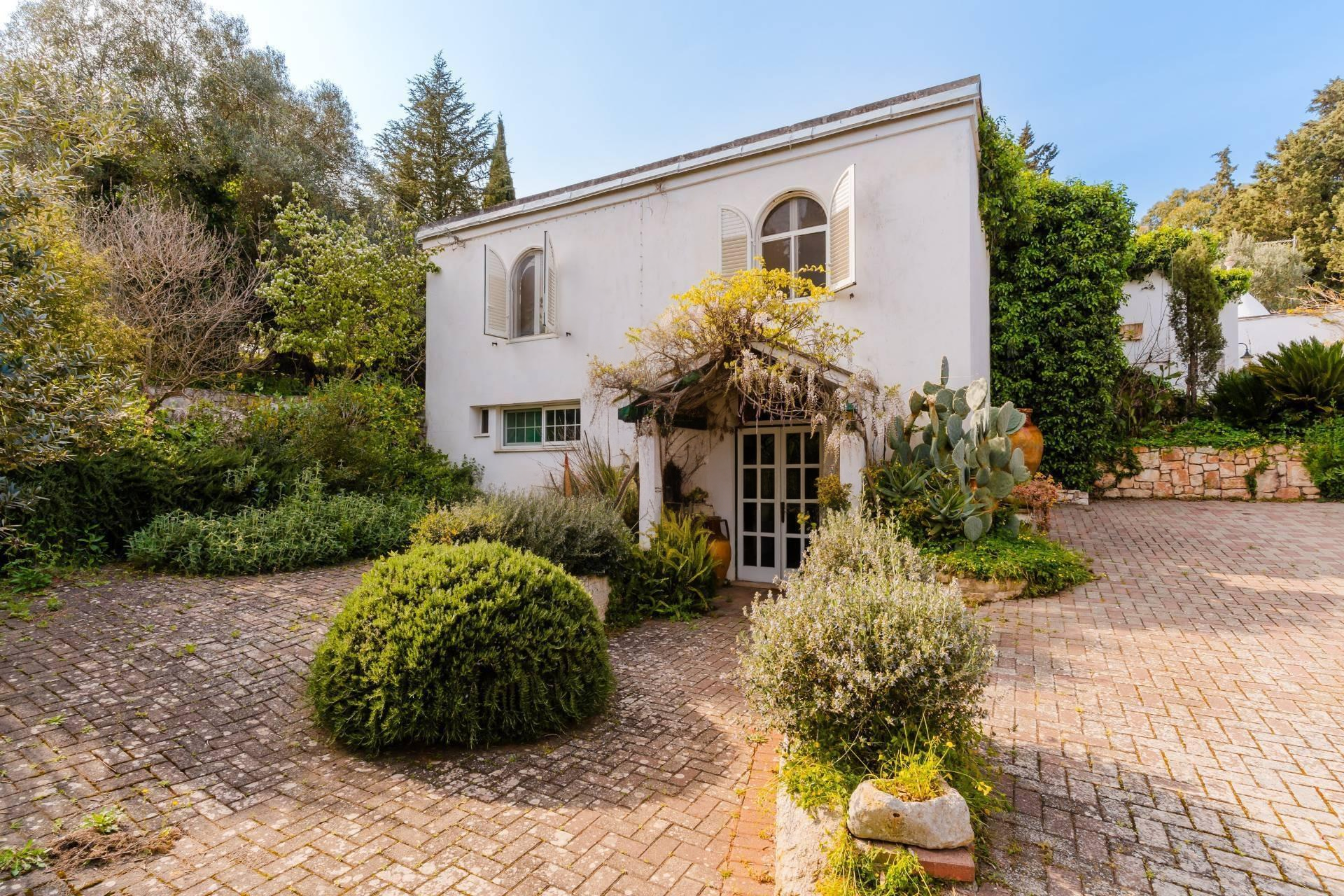
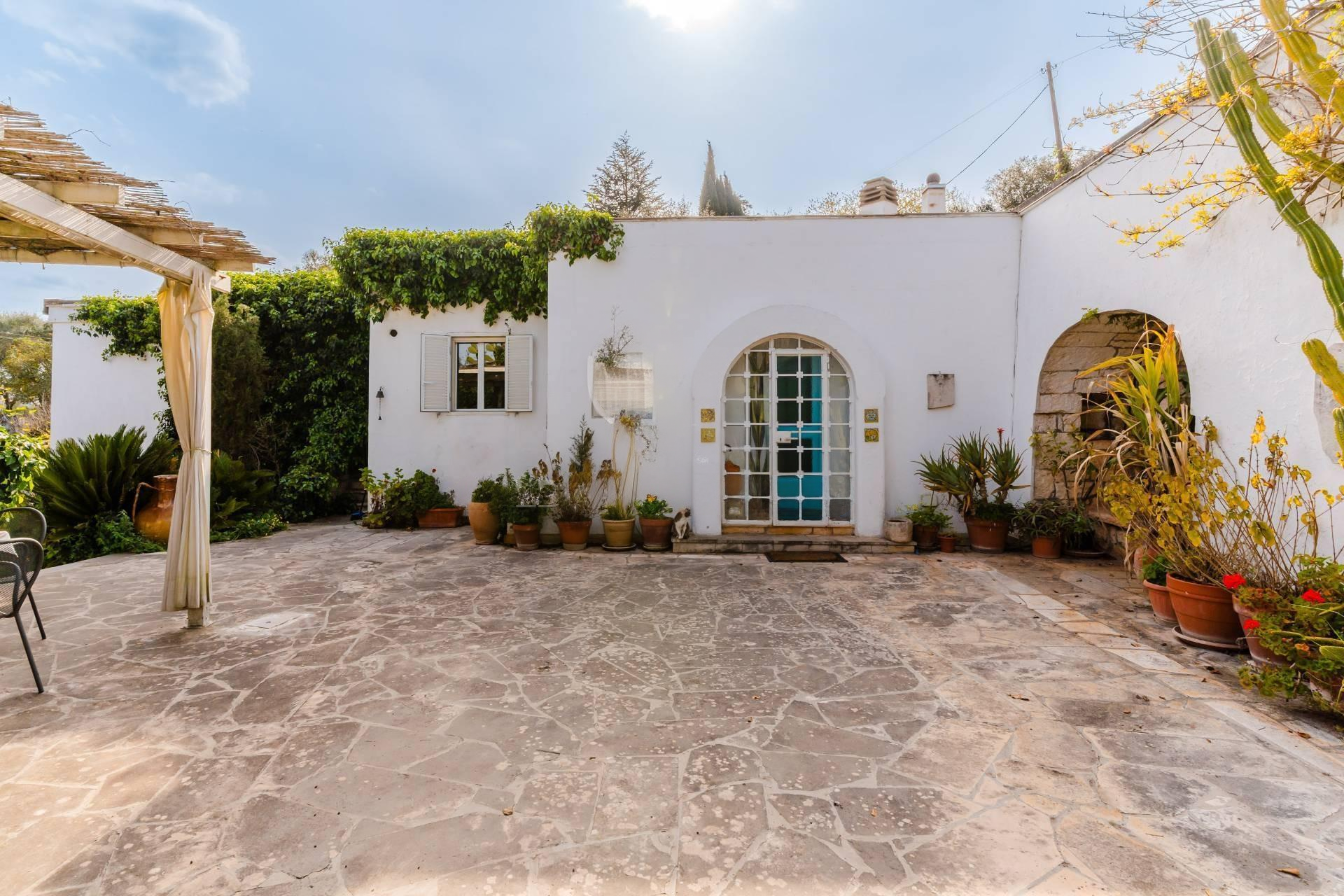
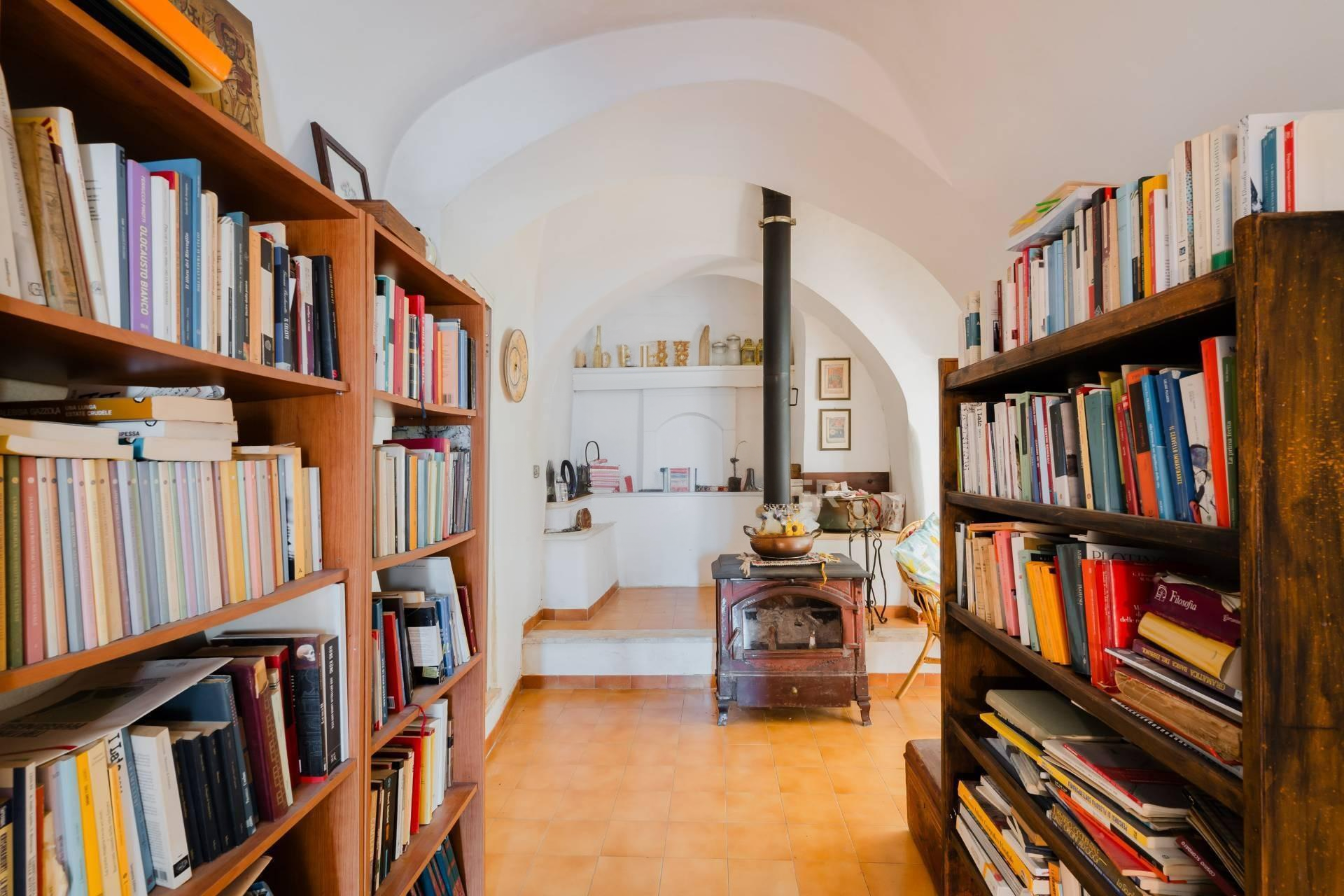
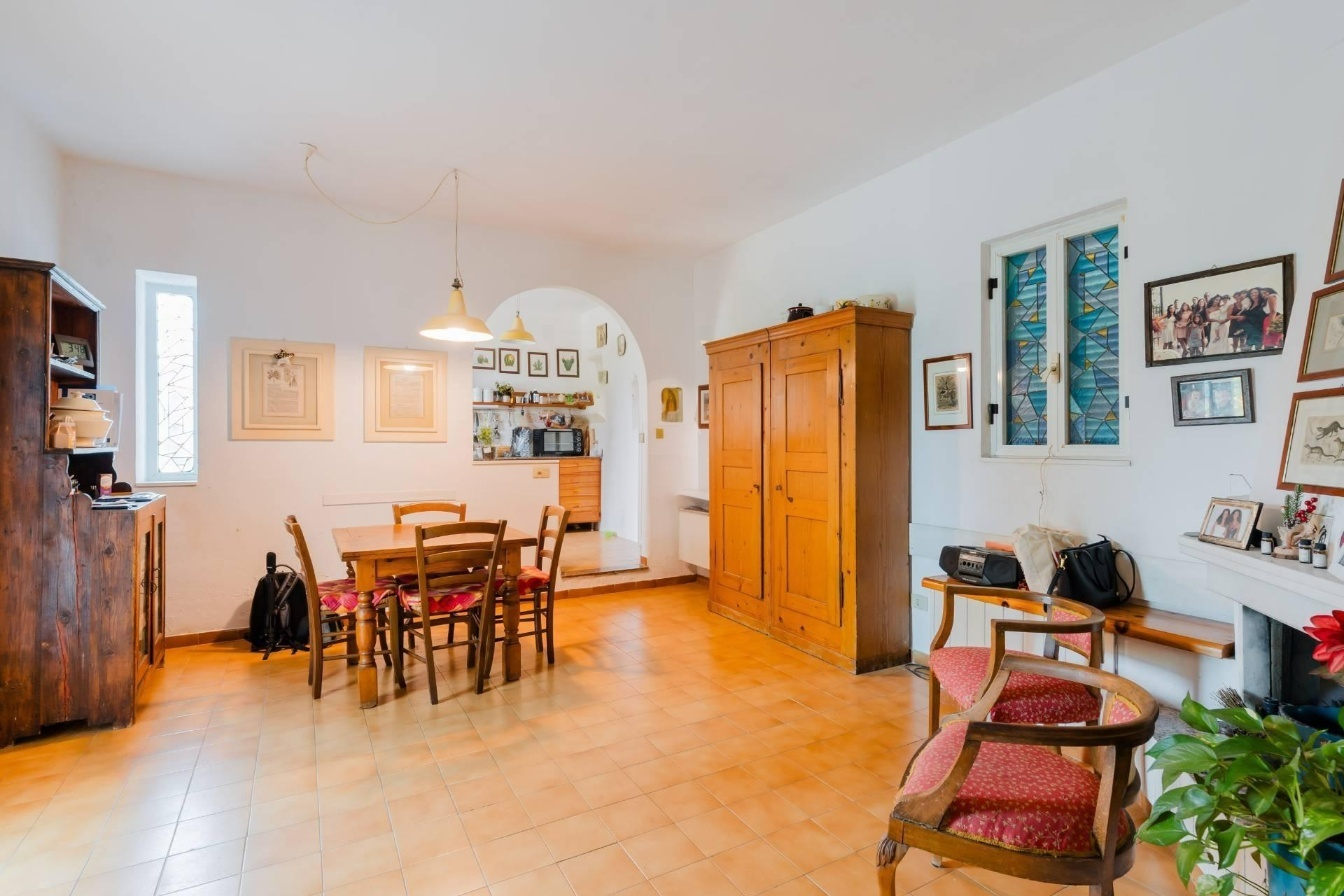
Rural estate with main villa, historic trullo, and self-contained annex
Asking Price
€450,000
Land area
Approx. 11,906 m²
Building setup
Three distinct built elements requiring separate legal and practical verification
Historic feature
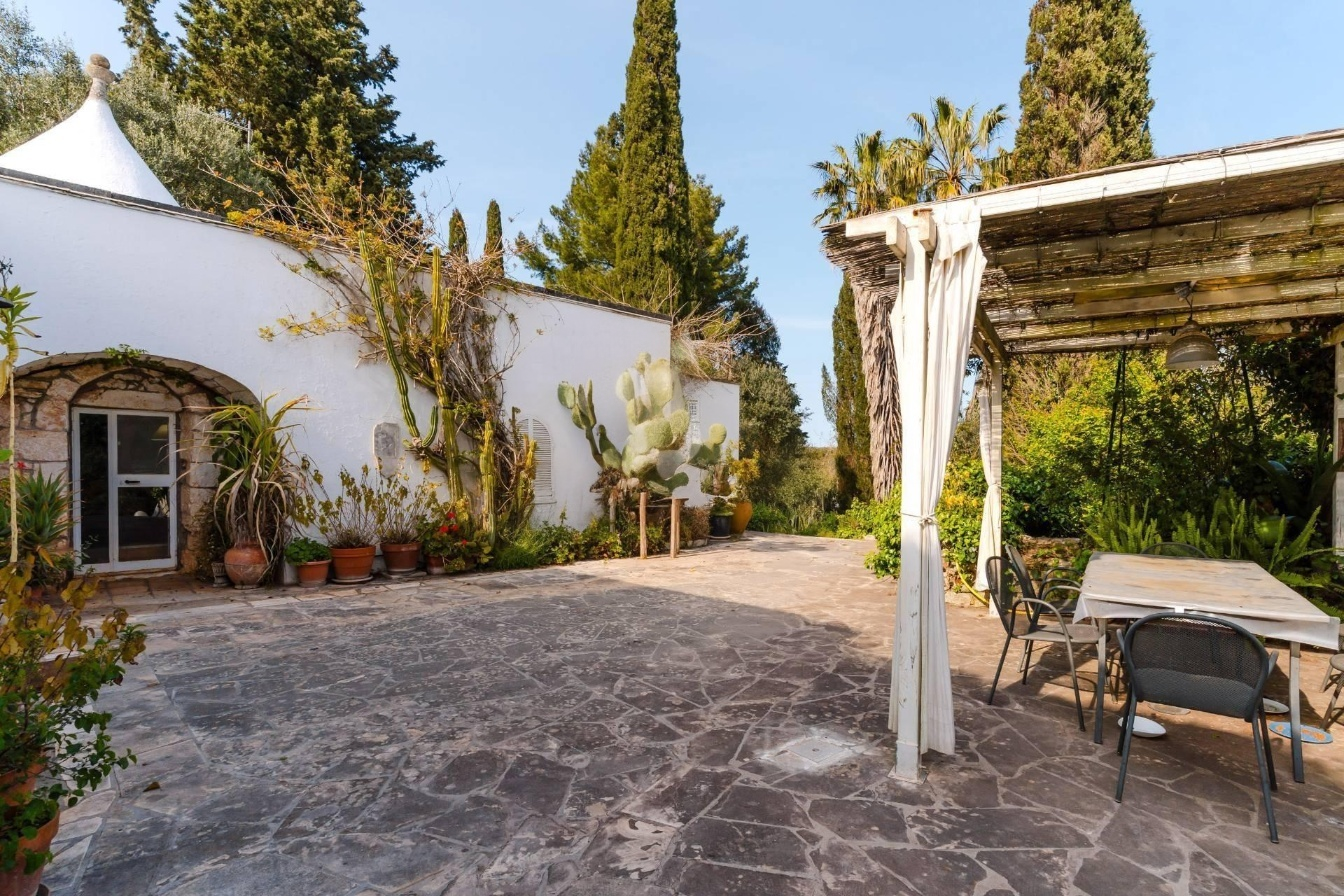
Traditional trullo with stone vaulted form and character finishes
Additional flexibility
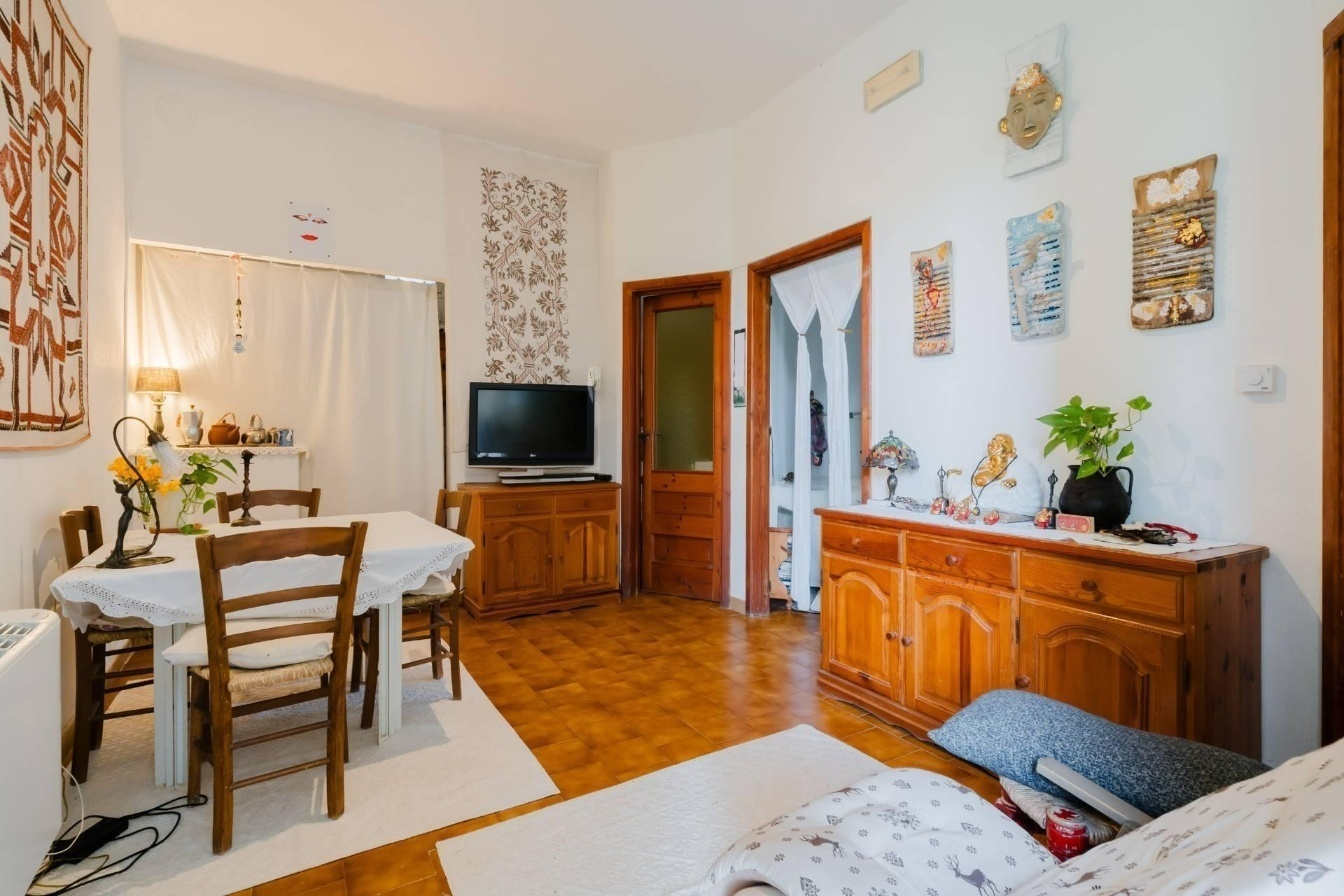
Self-contained annex and artisan studio / garage space
Landscape features
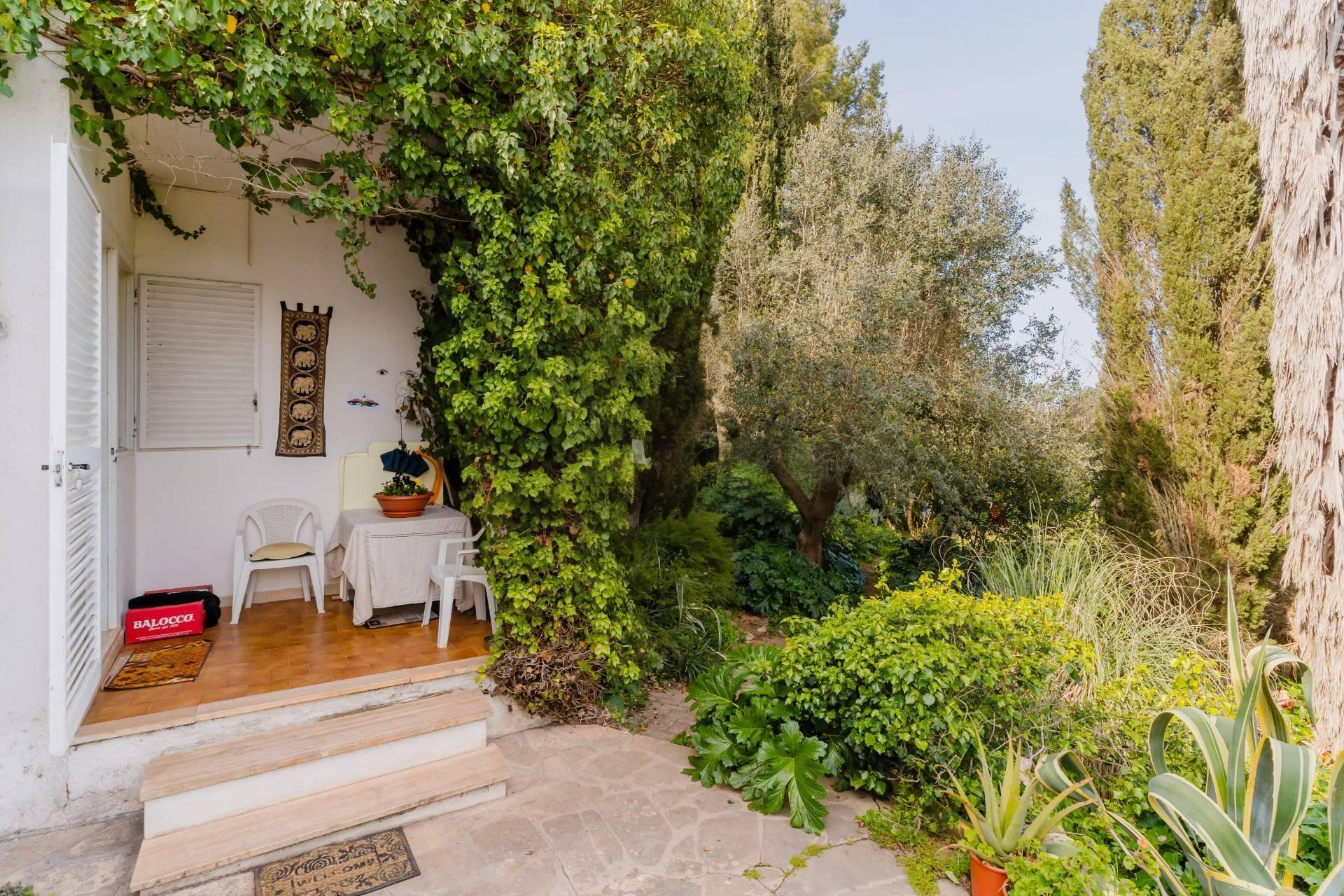
Organically cultivated land, olive groves, fruit trees, and natural pond
Energy rating
Class C stated in the listing
Lifestyle angle
Multi-generational compound, creative retreat, or mixed personal-use plus rental property
Main due diligence themes
Legal status of all three buildings, trullo heritage restrictions, pond and land status, and rental licensing structure
Risk Radar
Overview
This is one of those Puglian properties where the appeal comes from flexibility, but the risk also comes from flexibility. A main villa, trullo and annex on the same holding can be commercially and lifestyle-wise far more valuable than a single rural house, but only if the file supports that structure cleanly. The first thing a buyer needs to understand is whether these are legally distinct units, ancillary spaces tied to one principal dwelling, or a hybrid arrangement that works in practice but is more restrictive on paper.
That matters because cadastral records and planimetrie are central in Italy when assessing a multi-building estate. The Agenzia delle Entrate confirms that owners and authorised parties can consult visure and planimetrie through the cadastral and mortgage databases, which is exactly why they should be requested early here.
The trullo itself introduces a second layer of complexity. In Puglia, a trullo may or may not be individually protected, but if a vincolo applies under the Codice dei beni culturali e del paesaggio, works can require prior authorisation and specialist handling. The legal framework for protected cultural assets sits in Legislative Decree 42/2004, so a buyer should assume nothing and verify the exact status of this structure.
The third major theme is rental and operational structure. If the buyer is hoping to let the villa, annex and trullo separately, the key question is not demand first, but lawful configuration first. In Puglia, the CIR is assigned through the regional DMS Puglia registration process and is described by the region as a step that is preparatory to obtaining the national CIN. Puglia also states that tourist lets already in DMS Puglia must comply with SCIA or CIA obligations depending on the activity model, and there are insurance requirements in the current framework.
The fourth theme is the land. Over a hectare of organically cultivated land with a pond, olives and fruit sounds highly attractive, but buyers need to separate romance from documentation. "Organic" can mean anything from genuinely certified agricultural production to simply no-chemicals private cultivation. The pond could be a genuine natural feature, a man-made basin, or a former agricultural water body with its own restrictions. Those distinctions matter for maintenance, insurance, usability and future works.
Finally, the stated Energy Class C is positive on its face, but with three buildings the buyer needs to know exactly what that rating covers. It is entirely possible that the certificate relates only to part of the property rather than every structure being marketed. That needs clarifying before any buyer assumes year-round comfort or smooth rental performance.
Targeted Questions
Legal Status - All Three Buildings
It is the first step in understanding how the estate is legally recorded and whether the three built elements are recognised clearly.
A buyer needs the actual registered layouts, not just listing descriptions.
This directly affects financing, resale flexibility and rental structuring.
Ancillary classification can materially limit lawful independent use.
Cadastral non-conformity can delay or complicate a sale.
A recent technical review is especially useful on multi-building rural estates.
Separate lawful usability is a key issue if the estate is intended for flexible occupation or letting. Article 24 of DPR 380/2001 governs the agibilità framework in Italy.
Buyers should not assume the whole estate enjoys the same legal status.
Practical use can differ from legal permission.
Historic rural properties often evolve over time, and the paperwork trail matters.
Buyers need the documentary chain, not just a verbal reassurance.
Past irregularities can affect both present value and future risk.
Ancillary spaces can sometimes be used more broadly than they are legally authorised for.
Early notarial confidence is useful on a property of this complexity.
Trullo - Heritage Status and Building Fabric
Protected status may affect restoration methods, timing and cost. The broader legal framework for protected cultural assets is set by Legislative Decree 42/2004.
Buyers should ask for evidence, not rely on assumptions.
Even modest changes can become more complex on a protected historic structure.
Heritage controls can change both renovation budget and design freedom.
Traditional structures require specialist maintenance and should be treated differently from a standard annex.
Trullo roof and wall condition are central to long-term cost.
Roof and floor repairs in trulli require skilled work and can be expensive.
Historic thick-walled buildings can conceal moisture issues under fresh finishes.
Correct materials matter for breathability and long-term health of the structure.
Independence affects both rental practicality and maintenance complexity.
Shared systems can complicate separate use or future division.
Main Villa, Annex and Systems
The headline letter is not enough to understand what is actually being certified.
A strong rating for the main villa does not automatically describe the trullo or annex.
Real operating cost is especially important on mixed-age multi-building properties.
Buyers need to know whether the fireplace is aesthetic, supplementary or genuinely primary.
A self-contained unit only works well if it is independently comfortable.
Comfort and future replacement budgeting depend on system age and distribution.
Thermal performance and noise control can vary sharply across old and new parts of the estate.
The Energy Class C rating needs to be matched against actual build-up and comfort.
Roof maintenance risk is multiplied where several structures are involved.
Standard villa roof issues can still generate large capex.
Annexes are often the first place maintenance gets deferred.
Mixed building types can mask different weaknesses.
Older rural estates often contain a blend of systems that look fine but need budgeting.
Supporting paperwork helps distinguish a deep renovation from a cosmetic refresh.
Land, Pond and Agricultural Status
Buyers need a map-based understanding of what is actually included.
Rural privacy and control depend heavily on easements.
A pond can be a simple landscape feature or a regulated water body with restrictions.
Origin affects both legal treatment and maintenance expectations.
Reliability and legal usage questions depend on the source.
Buyers should understand whether it is decorative only or operationally useful.
Water features can look idyllic while hiding significant upkeep.
Productive olive land has different value from simply scenic land.
Existing operational activity can add real utility and value.
Orchard value depends on condition and actual output.
"Organic" can have legal and commercial significance only if properly certified.
Organic status should be evidenced if it is part of the property's value story.
Equipment affects immediate usability and budgeting.
Rural land status can affect ownership costs and future plans.
Ancillary Spaces and Conversion Potential
A studio may be useful creatively without being lawful habitable space.
Buyers should understand what they are paying for in legal terms.
Future flexibility should not be assumed without planning evidence.
Garages on rural estates can sometimes carry informal uses not reflected in the file.
Ancillary structures often create the most avoidable legal surprises.
Rental Potential
Actual operating history is more useful than theoretical yield.
Separate unit performance matters more than a bundled figure.
Multi-unit income depends on lawful separation, not just physical separation.
In Puglia, the CIR is assigned through DMS Puglia and is described by the region as preparatory to obtaining the national CIN.
Puglia's current framework distinguishes CIA and SCIA obligations depending on how the activity is operated.
Existing registration can materially simplify or clarify the rental pathway.
Puglia currently requires insurance obligations in its tourist-letting framework.
Seasonality affects the strength of any income case.
Different buildings may appeal to different guest profiles and pricing.
Negotiation Intelligence
Buyer Leverage
Medium-High
Key Drivers
Typical Negotiation Range
5-15% below asking
Neutral Phrasing Examples
Country Layer
Italy (Regulatory Context March 2026)
For a property like this, cadastral clarity comes first. The Agenzia delle Entrate confirms that owners and authorised intermediaries can access visure catastali and planimetrie through the official cadastral services, which is why those documents should be requested immediately for all three built elements.
Viewing Strategy
Approach this property as three separate inspections plus one land inspection.
Next Step
Verify from the listing:
Legal independence of the villa, trullo and annex
Request the visura catastale, registered planimetrie and agibilità documentation for all three buildings so you can confirm whether they are lawful separate units or a single property with ancillary structures.
Trullo heritage status and restoration constraints
Clarify whether the trullo is subject to any vincolo or Soprintendenza oversight, because that could materially affect future maintenance methods, materials and approval requirements.
Rental-registration pathway for multiple units
Ask whether any part of the estate is already registered in DMS Puglia and whether the villa, trullo and annex could each lawfully obtain the identifiers needed for tourist letting under the current Puglia and national framework.
Pond, land and ancillary-space status
Obtain a cadastral map showing the pond, olive groves, studio and garage, and verify whether the pond is natural or altered and whether the studio has any lawful conversion potential.
What the Energy Class C rating actually covers
Request the full APE and confirm whether it applies to the entire estate or only one building, so you can judge comfort and running costs across the villa, trullo and annex rather than relying on a single headline rating.
A prepared buyer should approach the agent calmly and frame questions as due diligence.
Because this is a multi-building countryside estate where legal structure and rental flexibility materially affect value, run it through the Property Risk Assessment and the Rental Yield Calculator before contacting the agent.
Disclaimer: The Property Drop is buyer-focused intelligence, zero sales agenda. We curate exceptional properties, in southern Europe, from third-party agents and arm you with decision tools. No commission, no transactions, no agent partnerships, no skin in the game beyond helping you choose wisely. Information stays accurate until it doesn't (properties sell, prices shift, markets move). Everything here is shared for informational purposes only and should not be treated as legal, financial, or investment advice. Images belong to original agents. Read our Terms of Service to learn more.
IMPORTANT REMINDER: When contacting property agents featured on The Property Drop, you are entering into direct communication with third parties. It's recommended that you verify all property details independently, conduct thorough due diligence, engage qualified professionals (solicitors, surveyors, financial advisors), understand your rights and obligations under local property laws, and never send money or make commitments without proper legal protection.
