
The Buyer Playbook: Historic 19th-Century Country House with Terrace, Garden & Woodland, Tuscany, Italy, €450,000
Buyer Playbook
Pre-Viewing Intelligence Report
This independent buyer guidance report relates to this specific property located in Italy. It is provided for informational purposes only and does not constitute legal, tax, structural or survey advice. Cadastral conformity, agibilità, outbuilding status, pool permissions, tourist-rental compliance, woodland and land-use restrictions, and any future conversion works must always be verified with qualified Italian professionals such as a geometra, architetto, ingegnere, avvocato or notaio, and with the relevant Comune, Catasto and, where applicable, any landscape authority. This report is designed to help buyers evaluate the property before arranging a viewing or making an offer. It highlights due-diligence issues and targeted questions to ask the estate agent. The analysis is based on the listing details and publicly available regulatory context at the time of writing, including current Tuscany rules on tourist lettings, agriturismo, and municipal planning documentation in Semproniano.
Playbook Contents
Property Snapshot
Location
Semproniano, Maremma, Tuscany, Italy
Property type
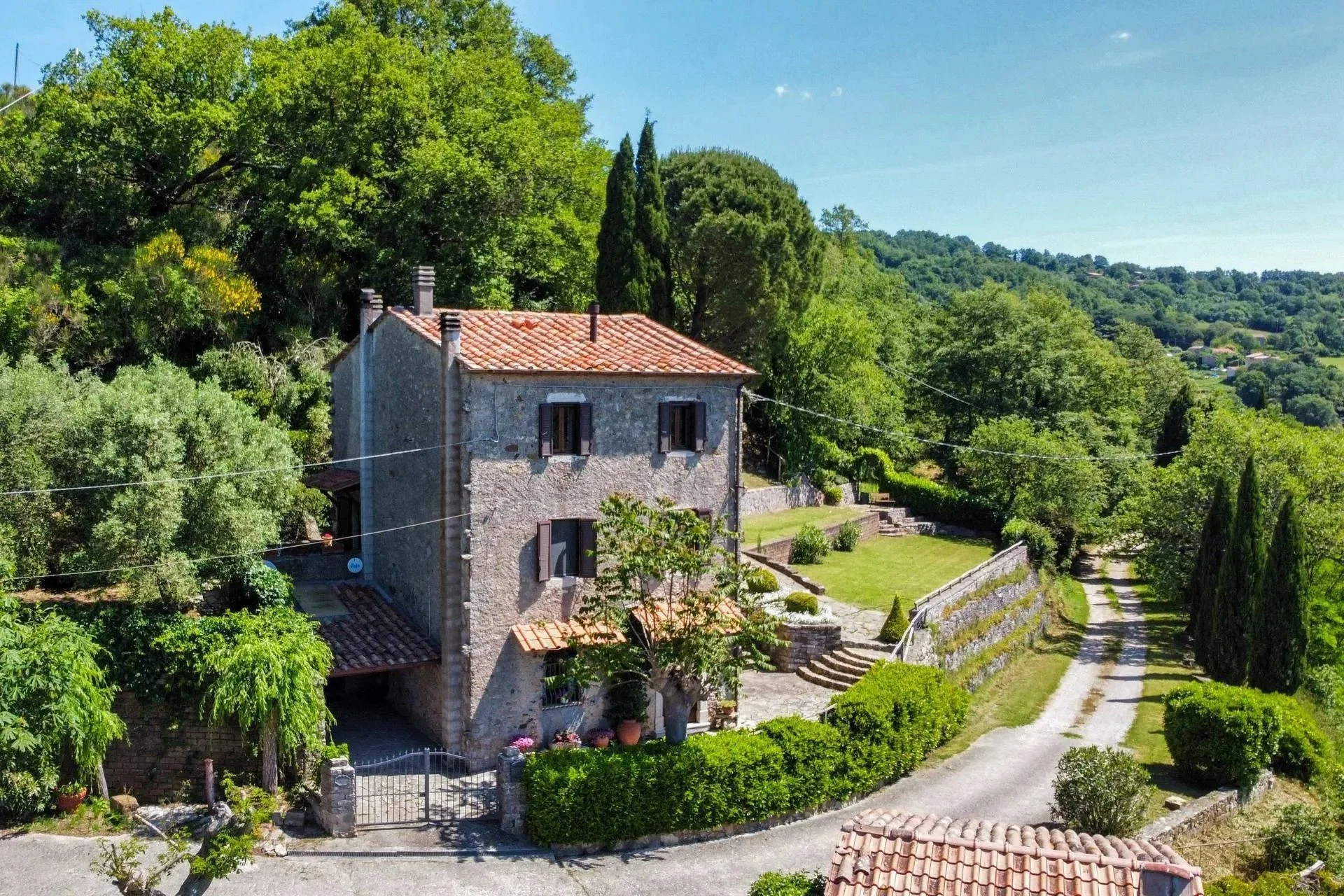
19th-century stone farmhouse
Asking Price
€450,000
Bedrooms
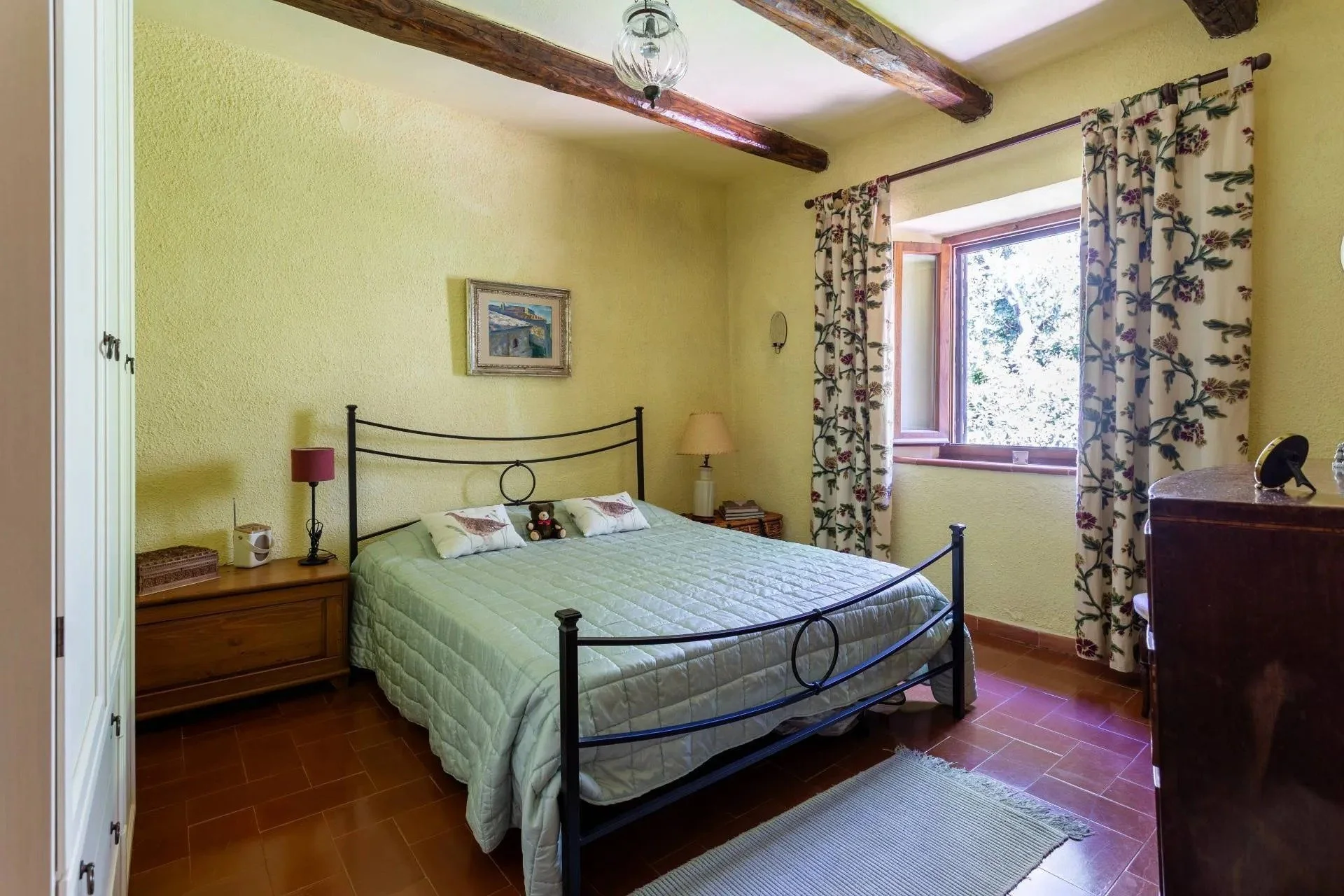
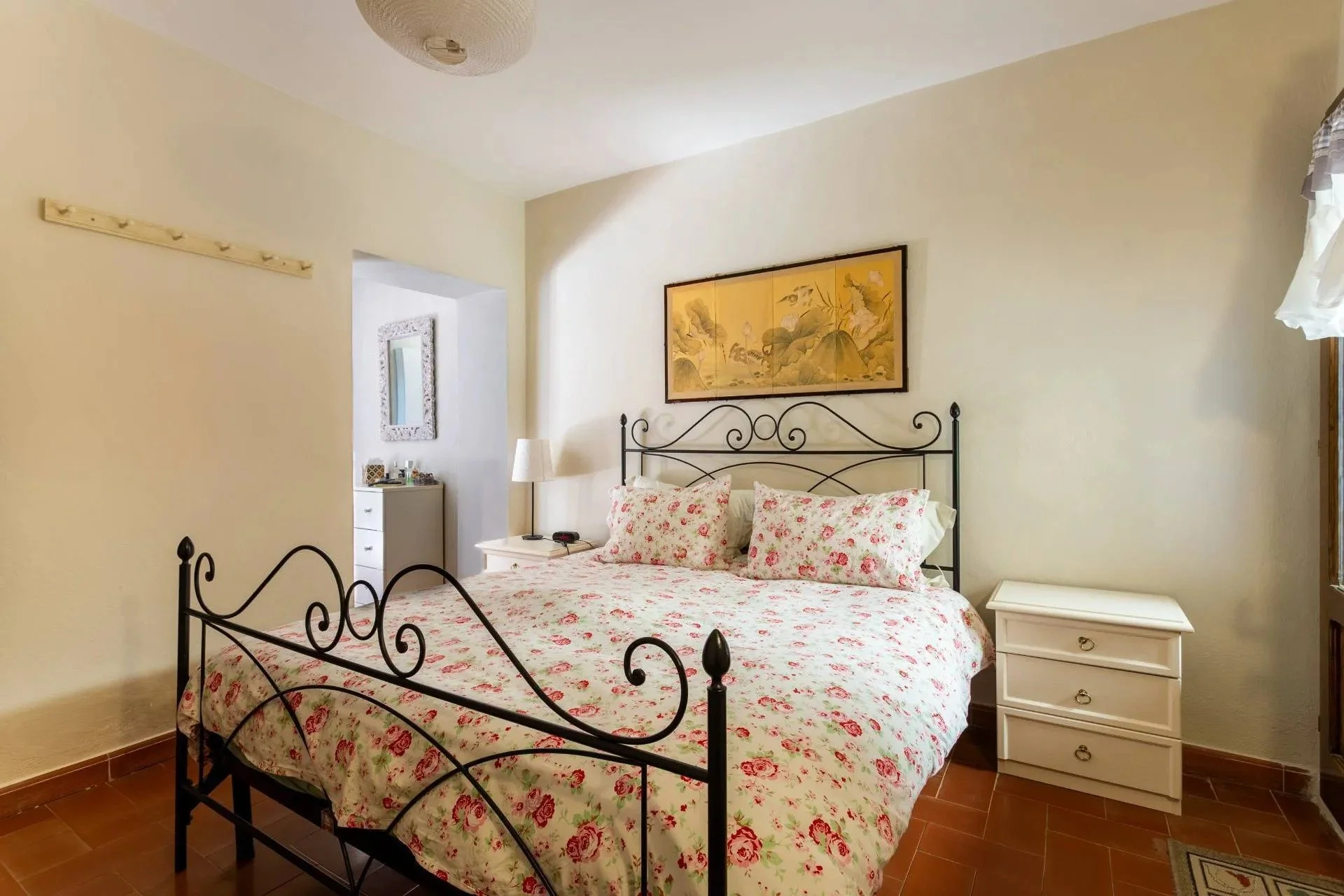
3
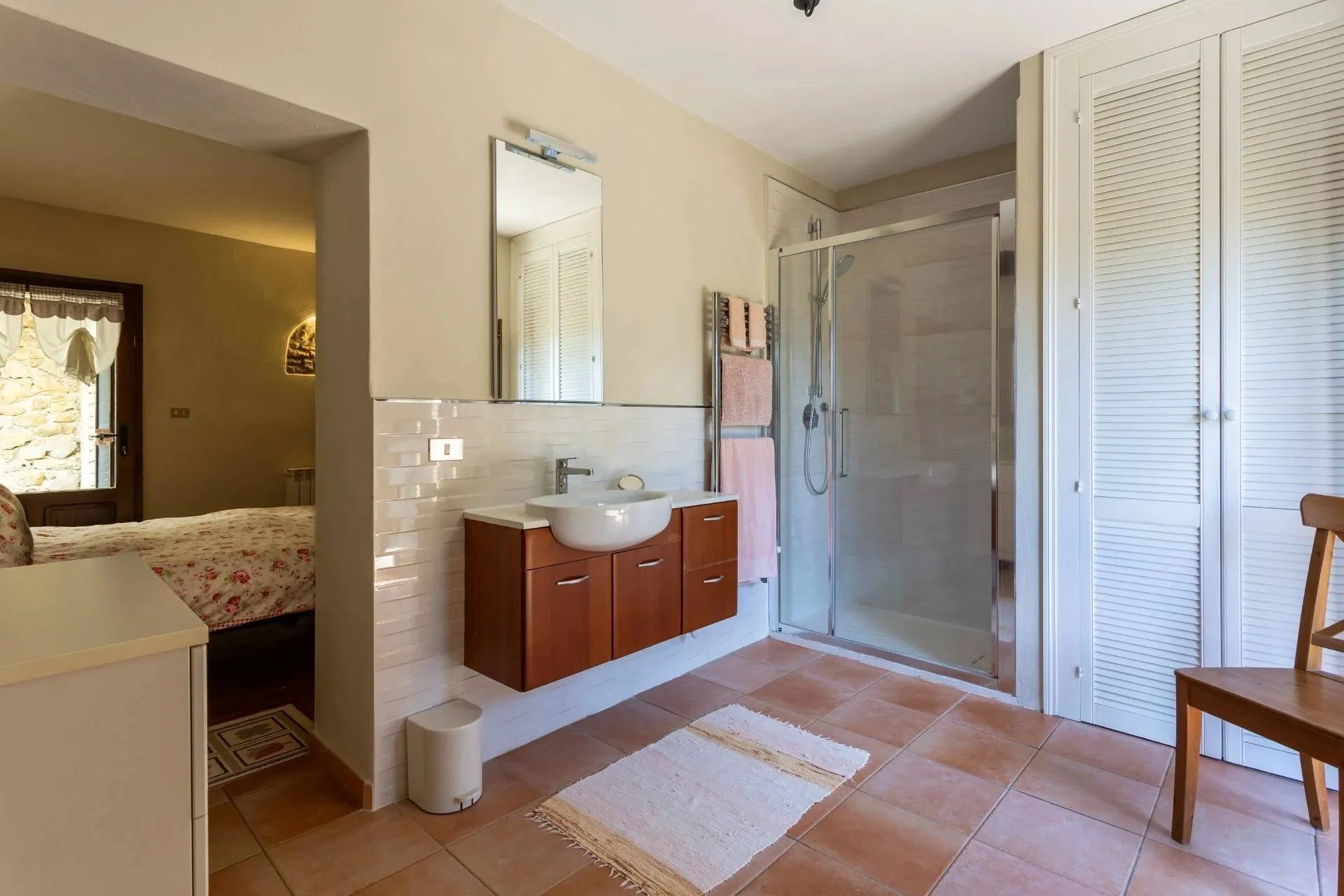
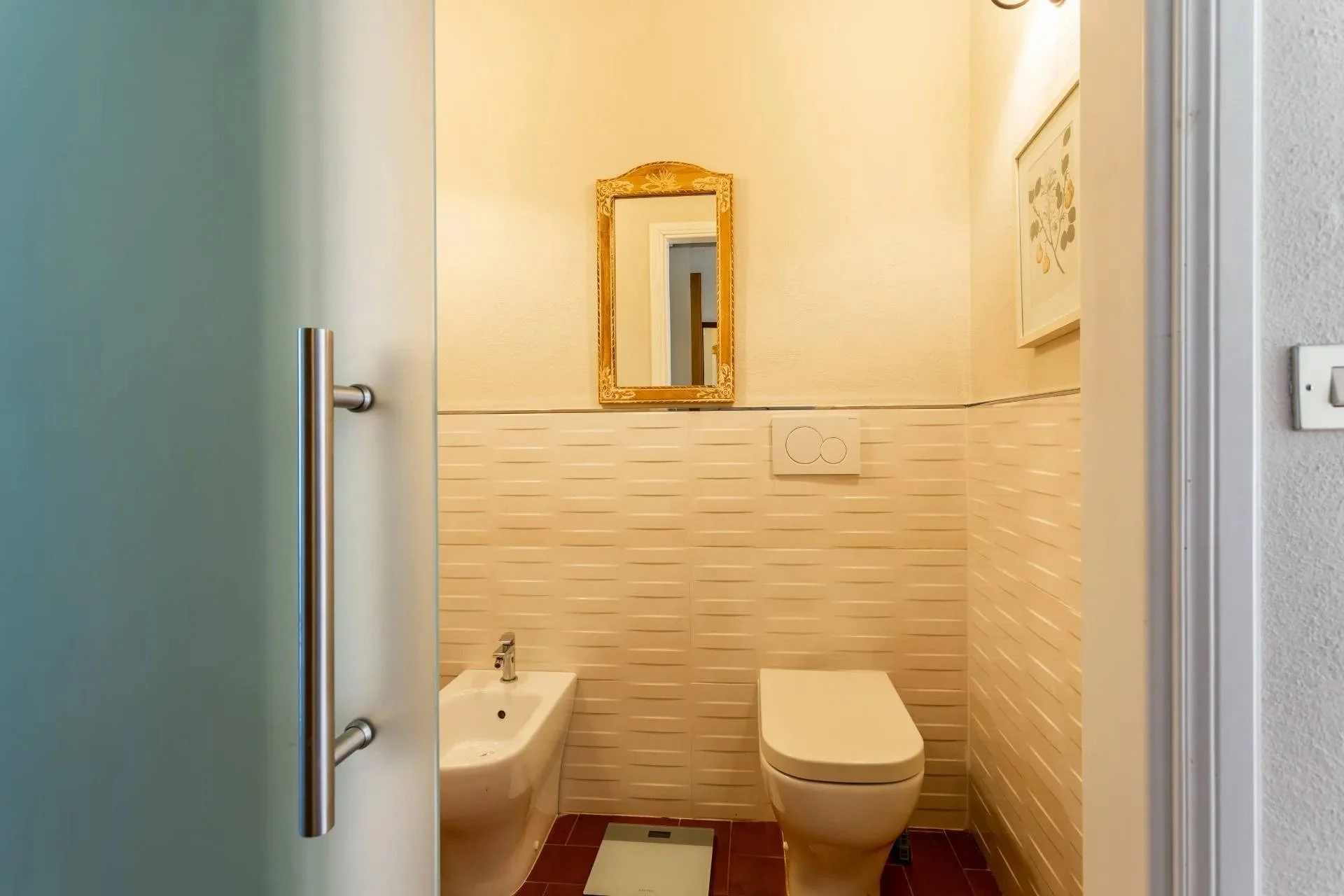
Bathrooms
2
Internal area
190 m²
Land
8,500 m²
Layout
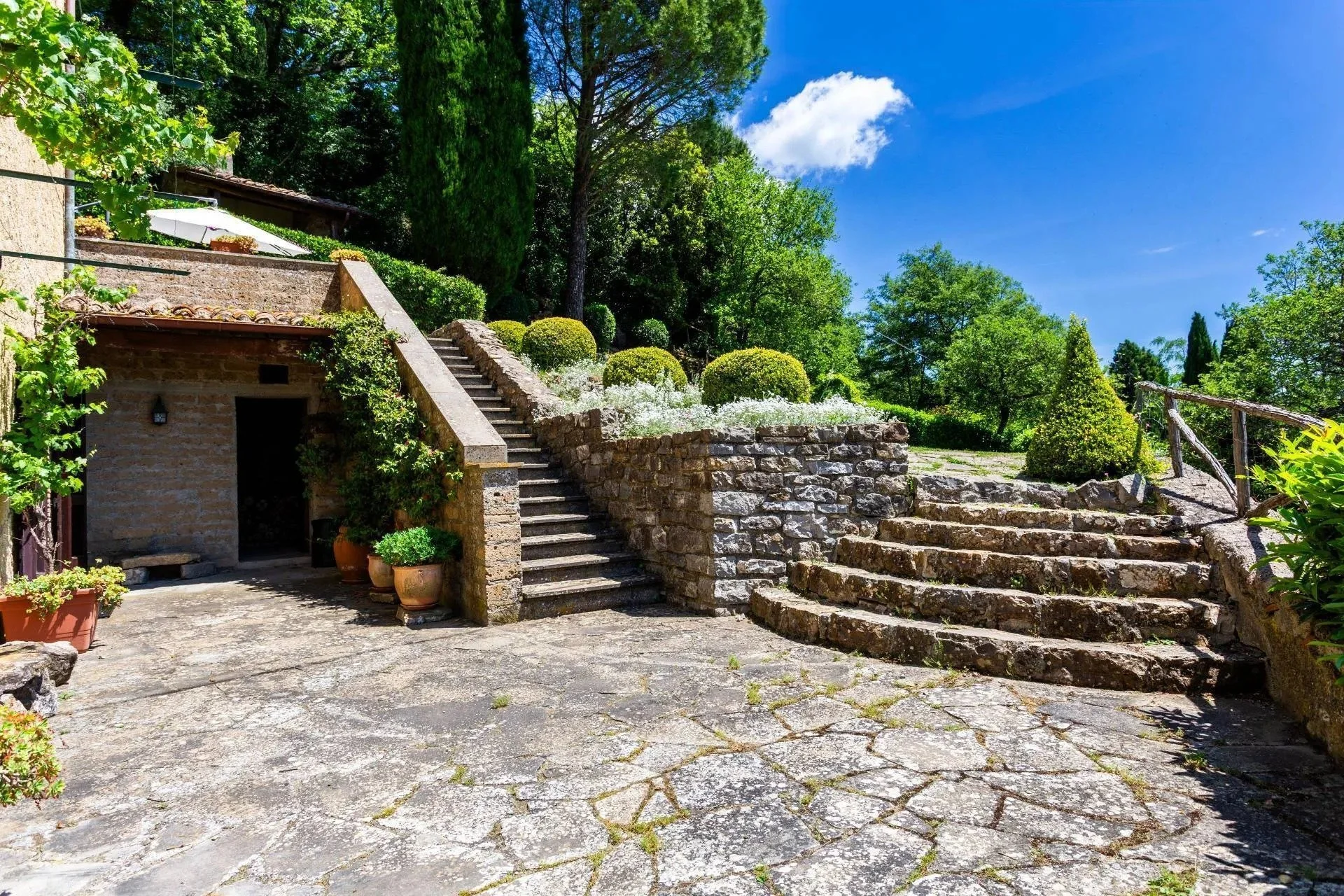
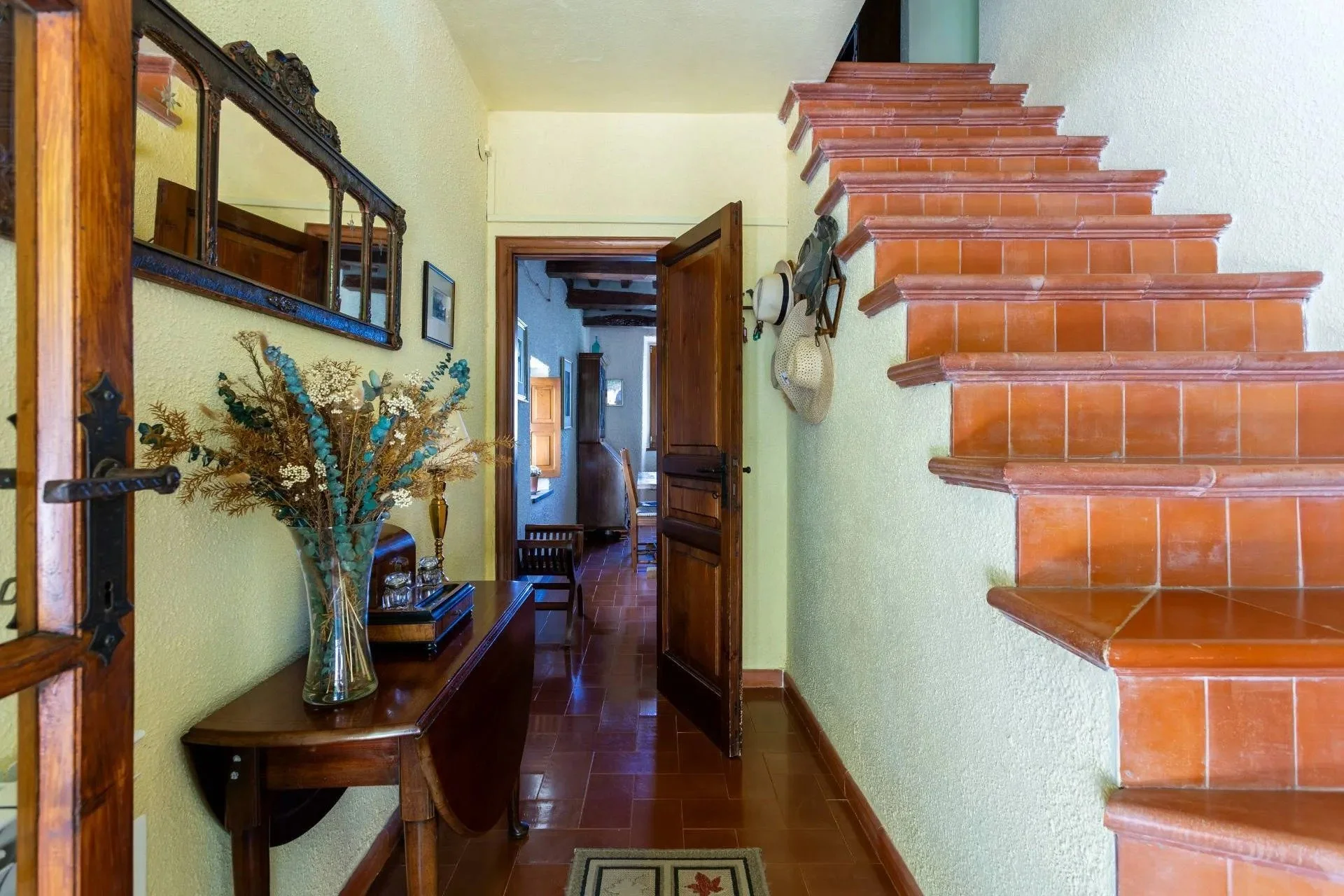
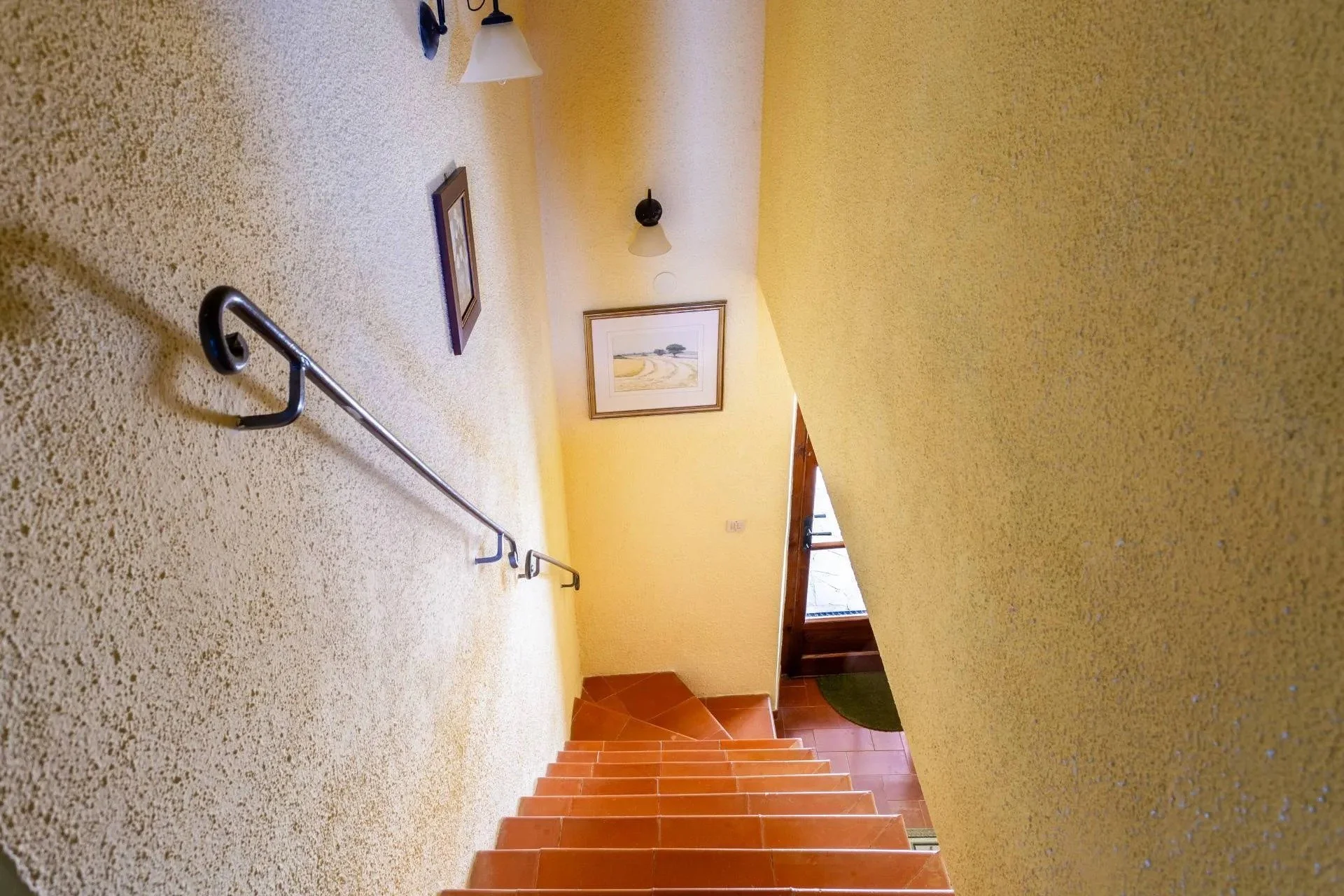
Three-storey farmhouse with entrances on two levels
Key internal features
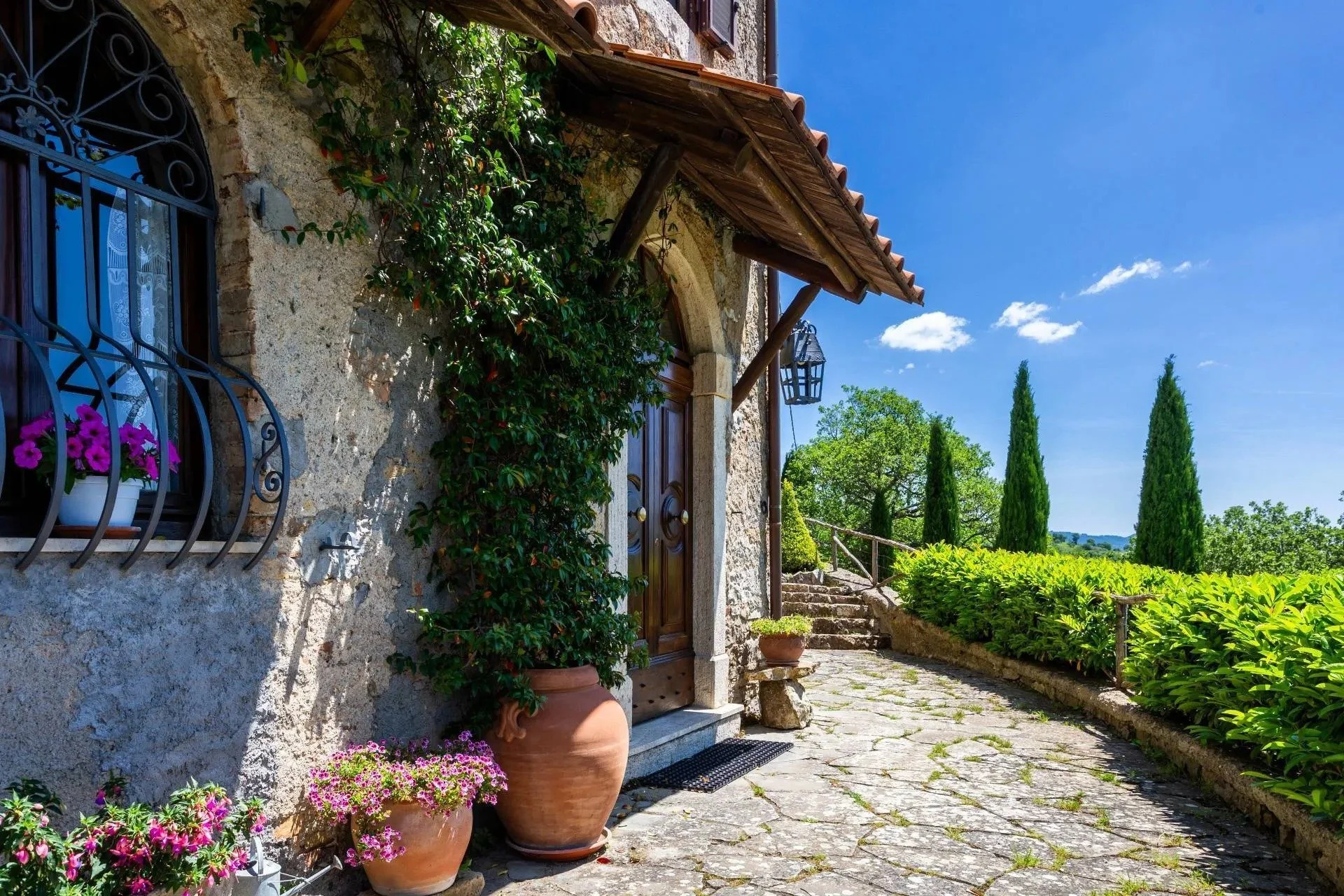
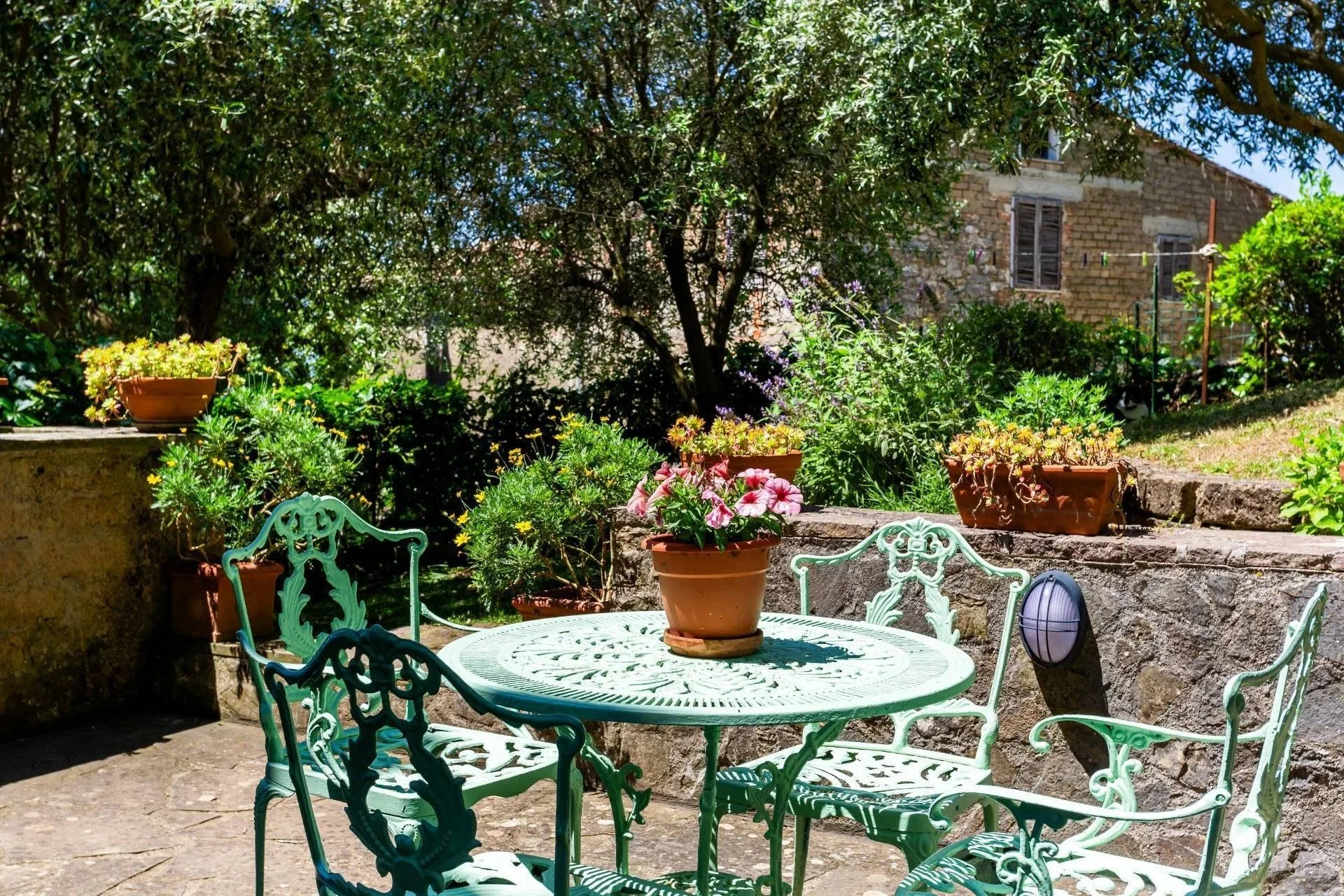
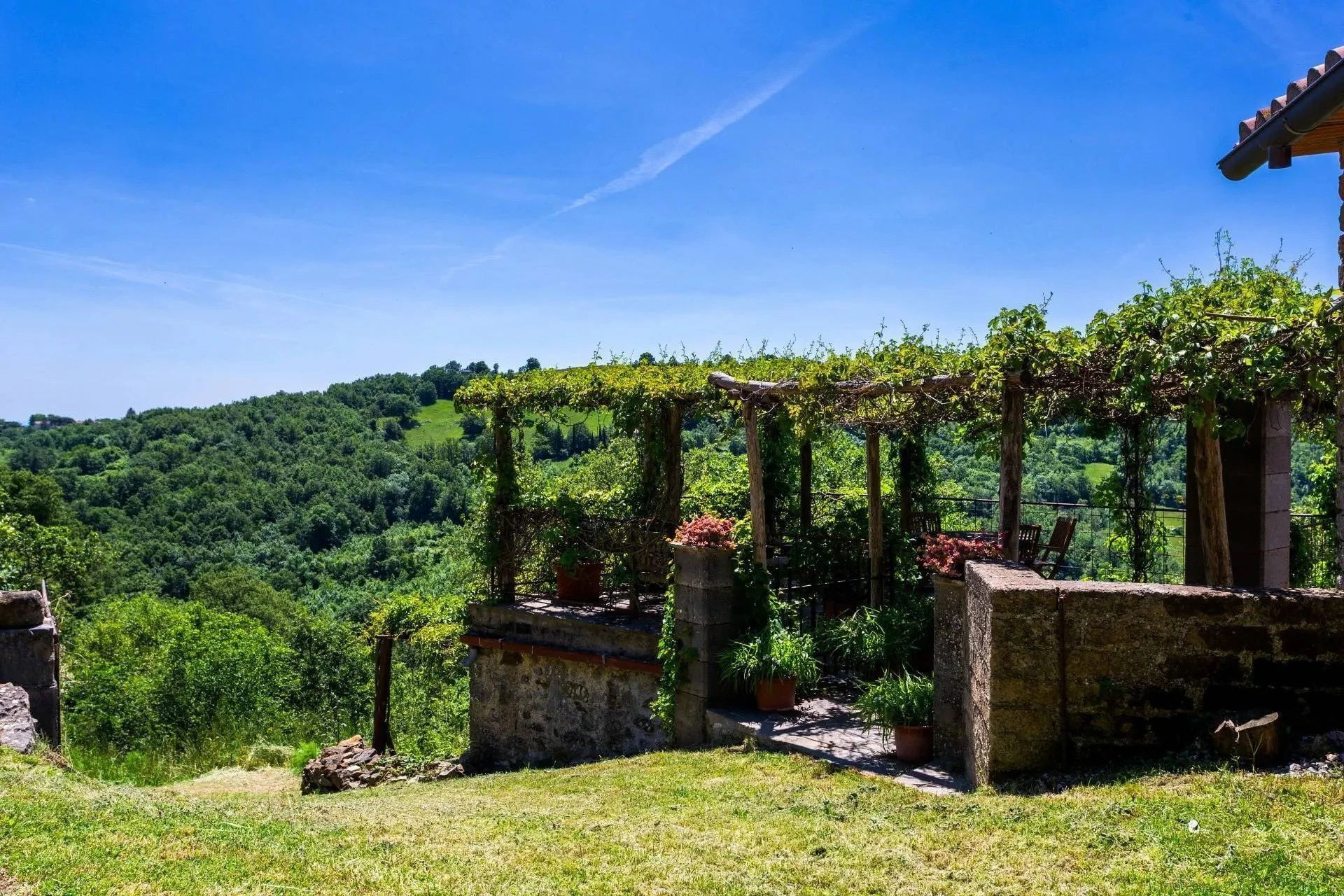
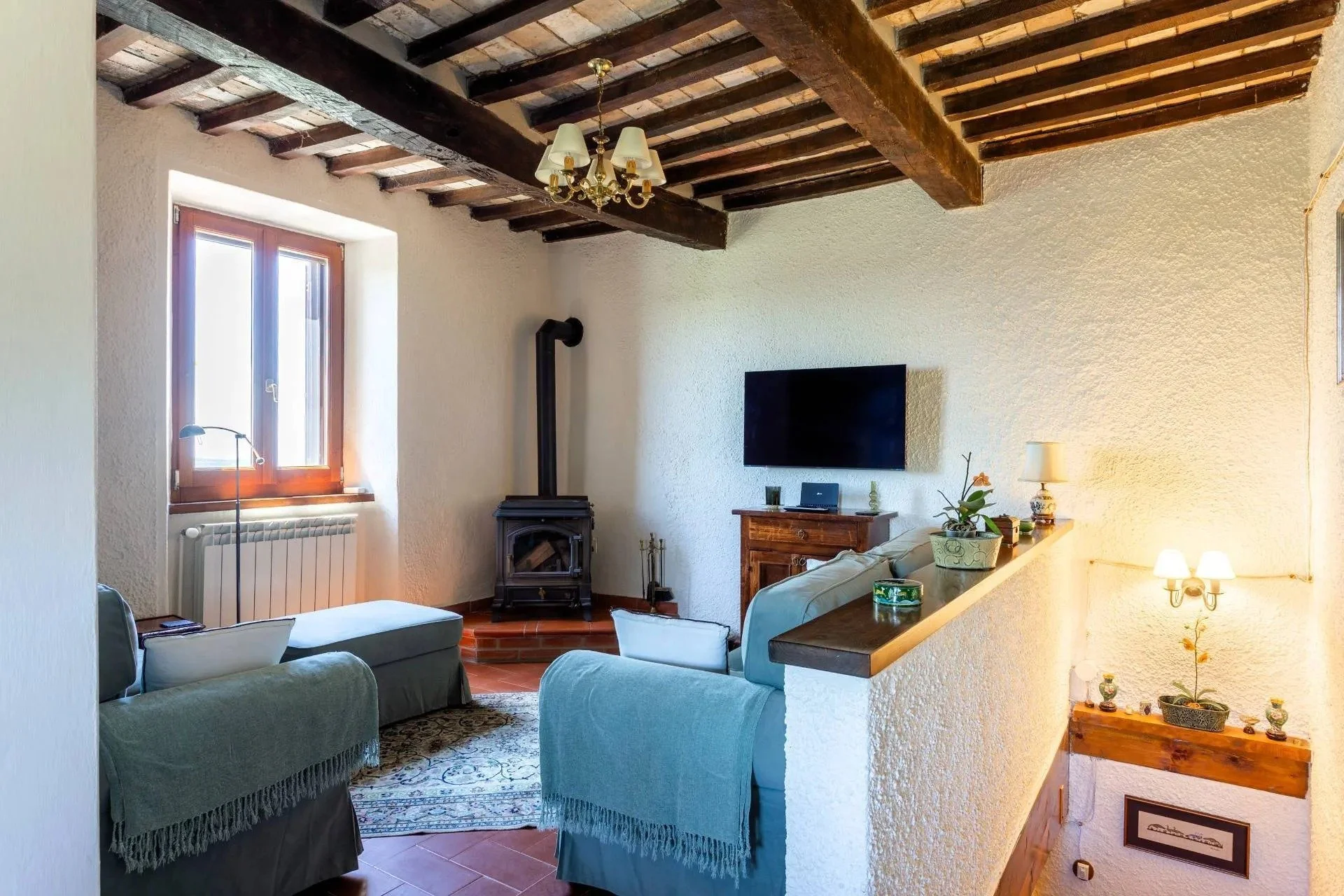
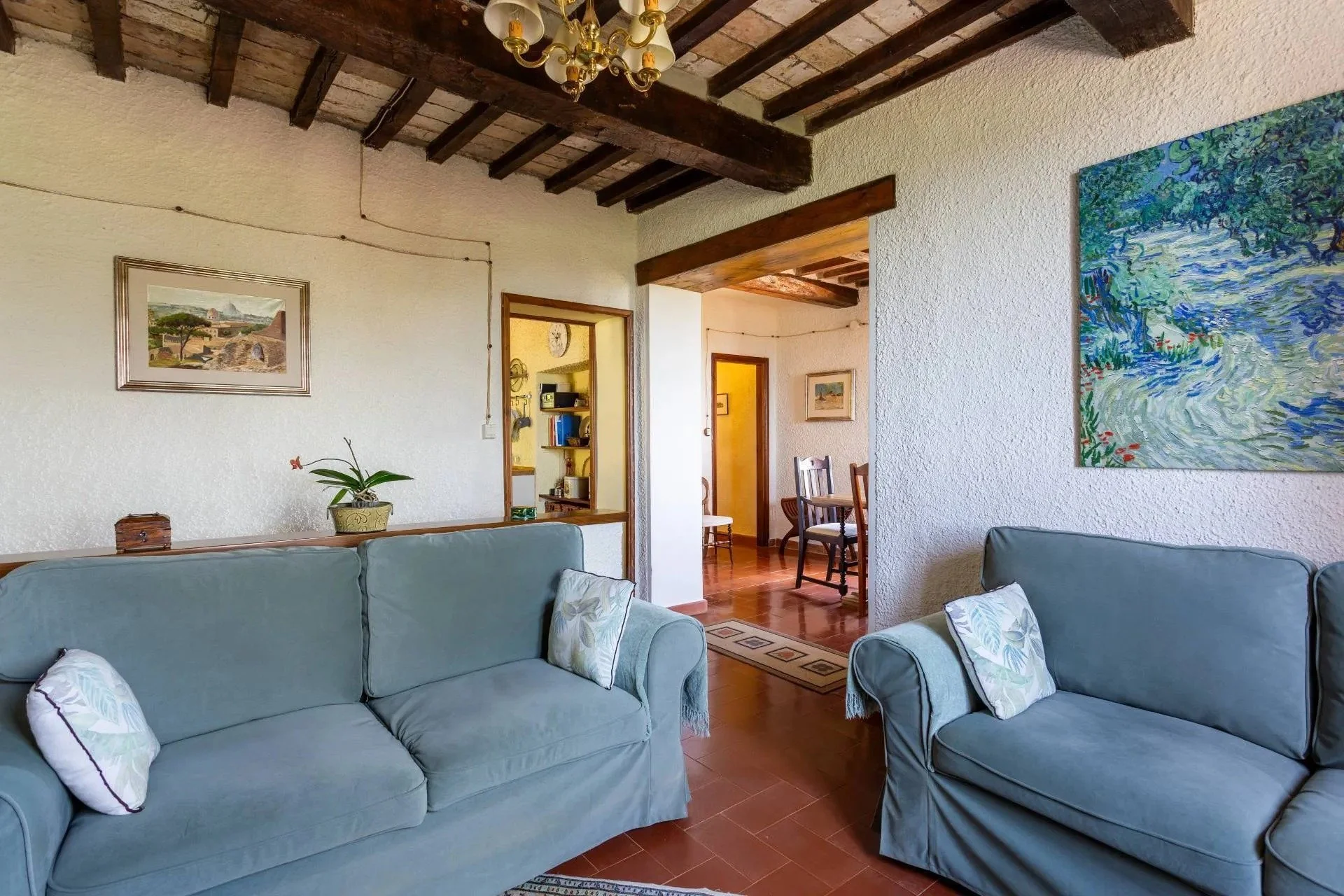
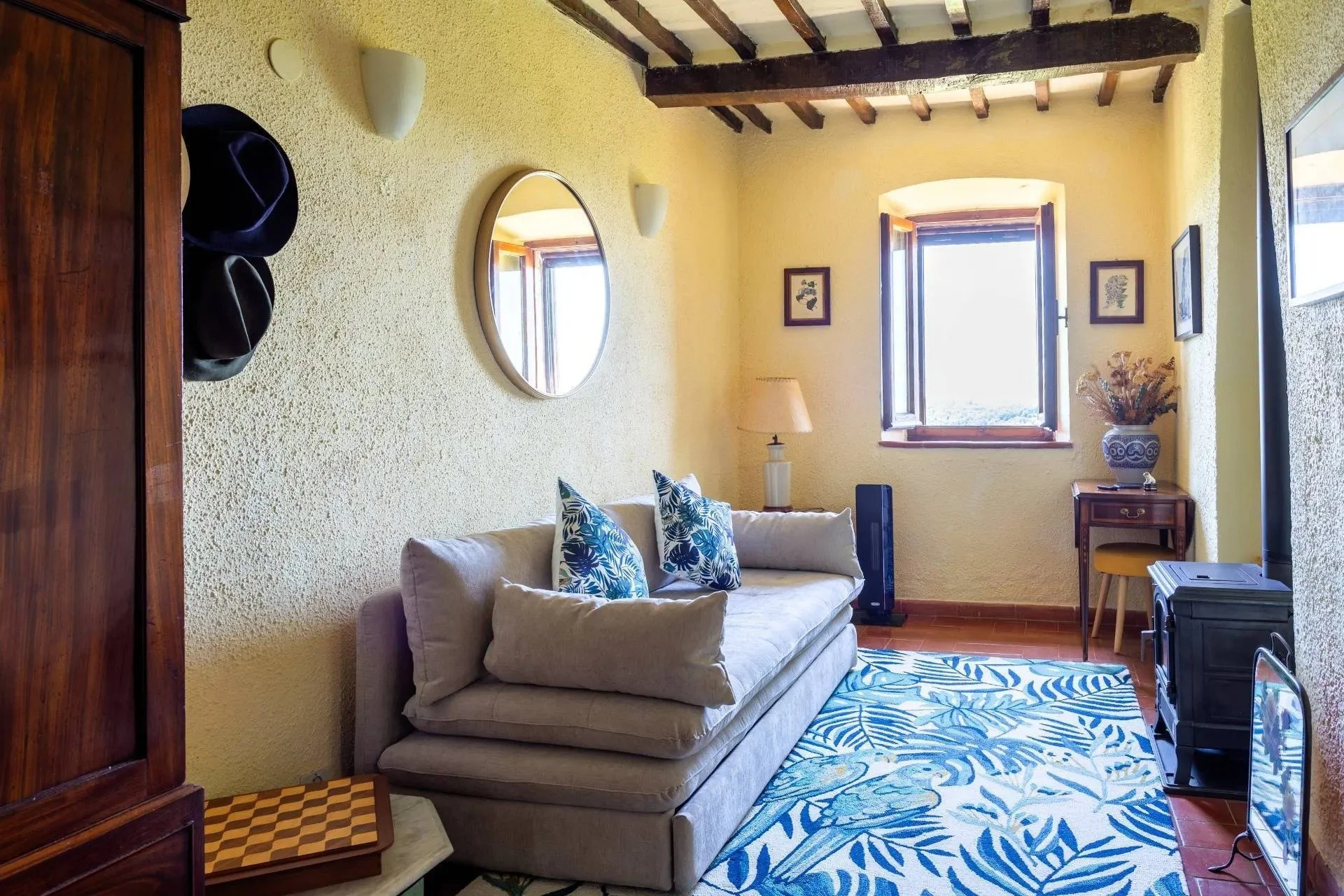
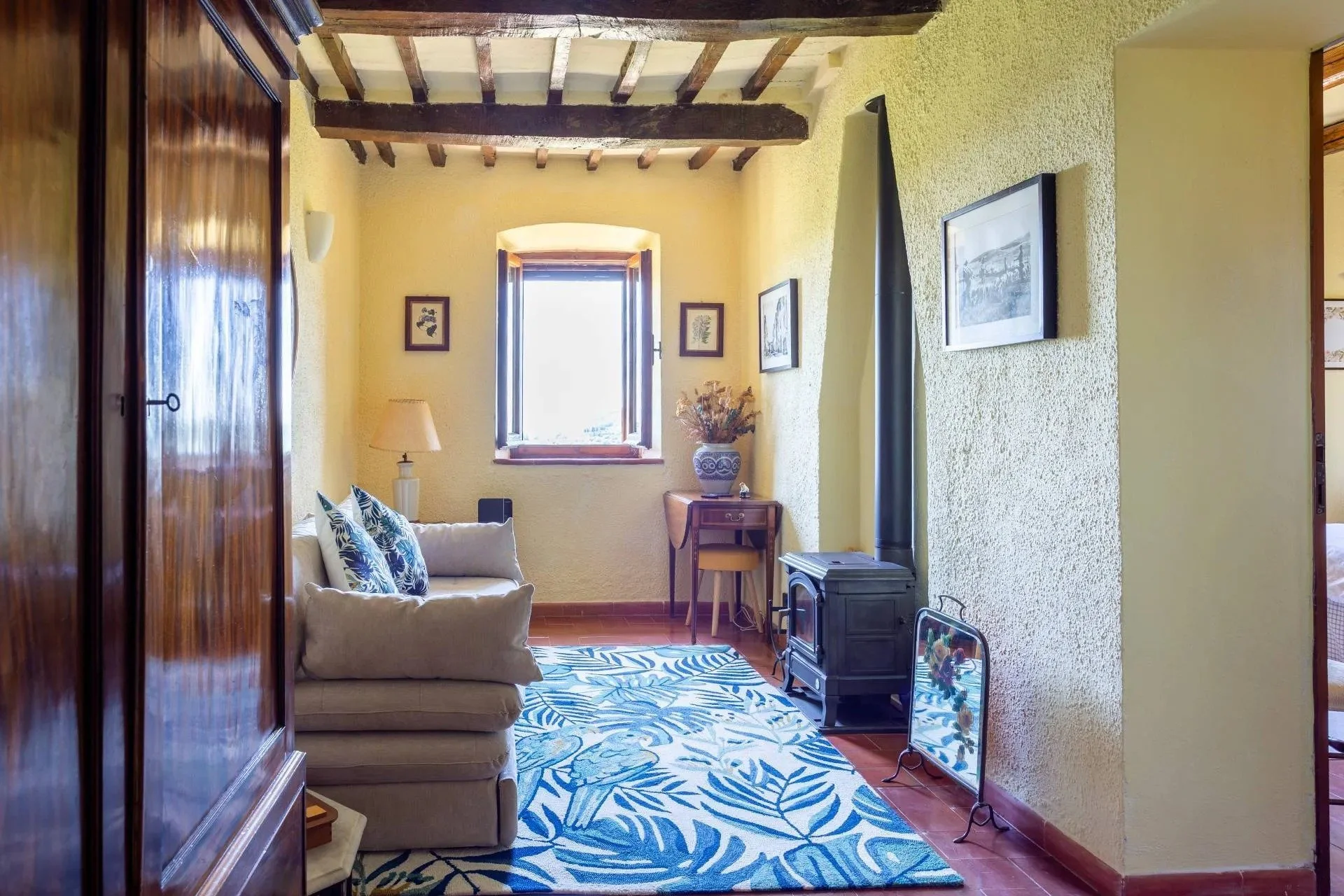
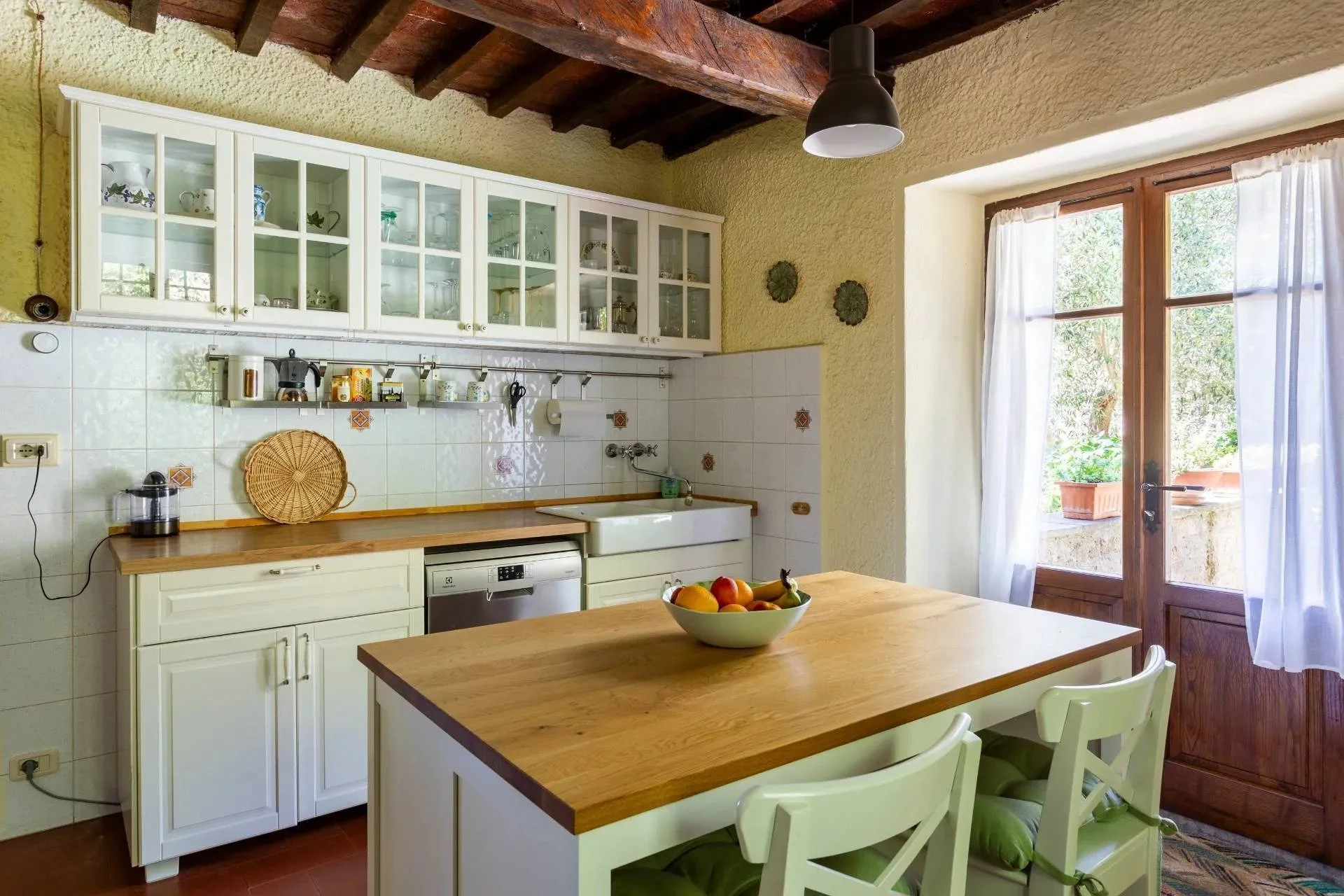
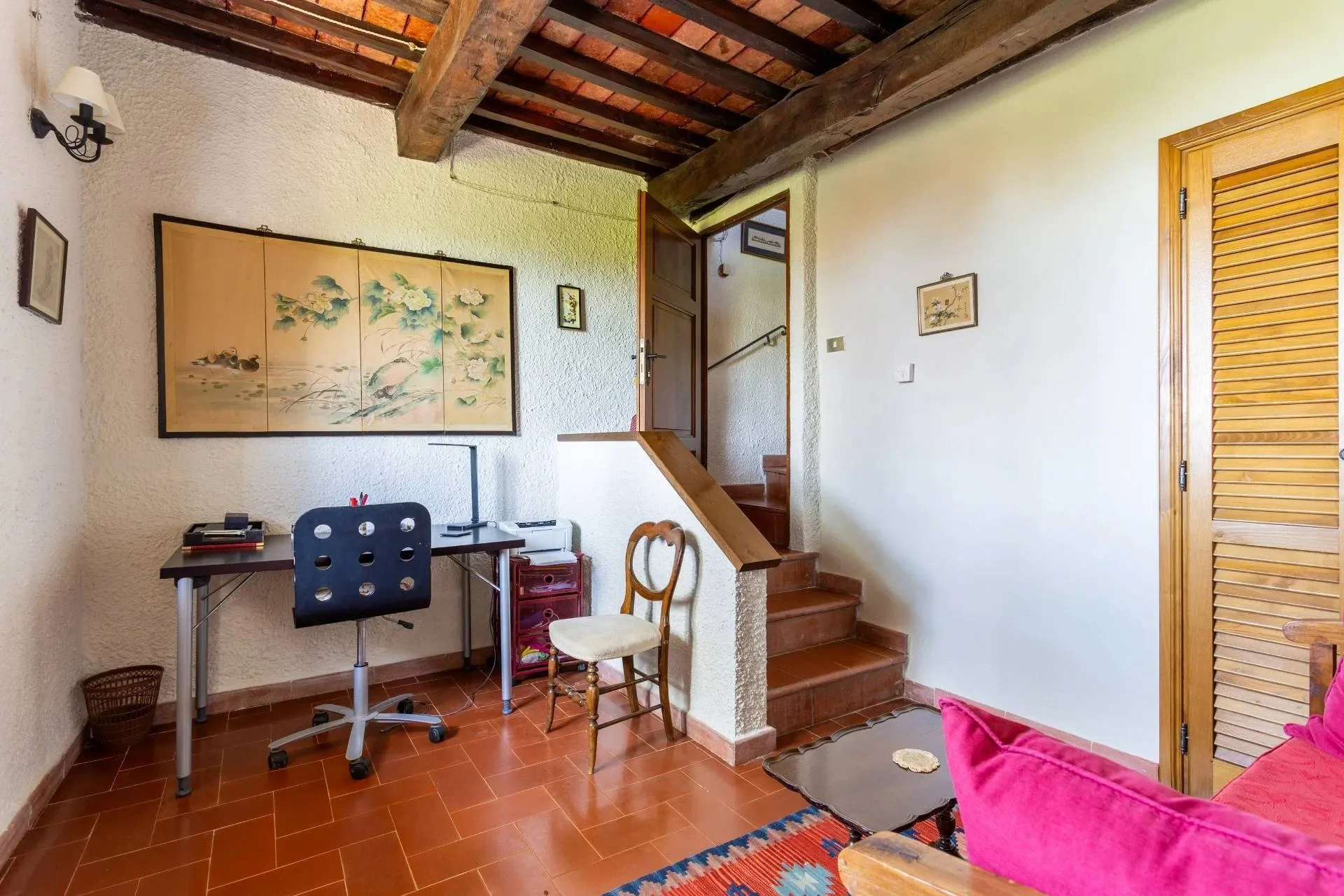
Private study, dining room, lounge, Tuscan-style kitchen, stone fireplace, panoramic terrace
Additional structures
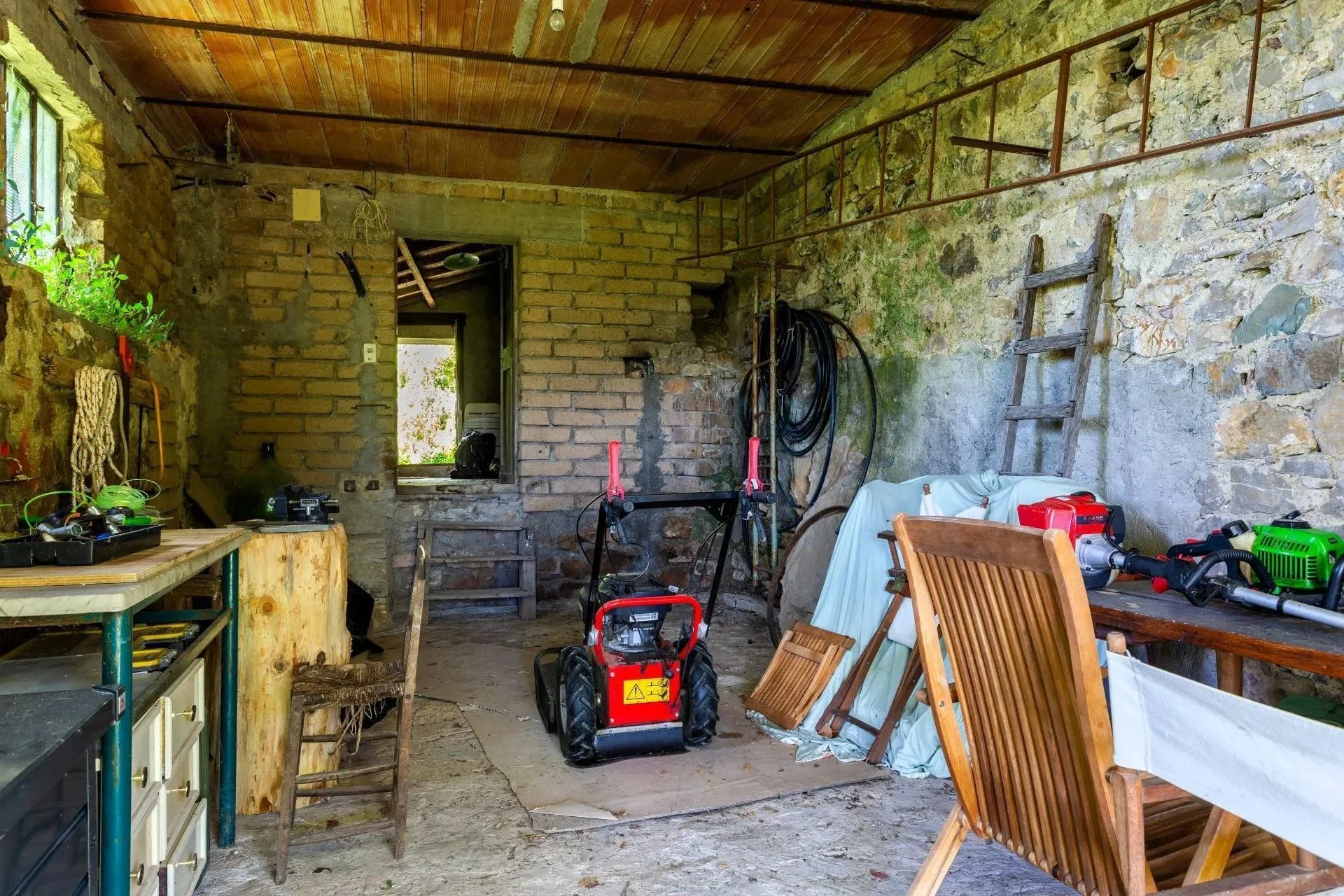
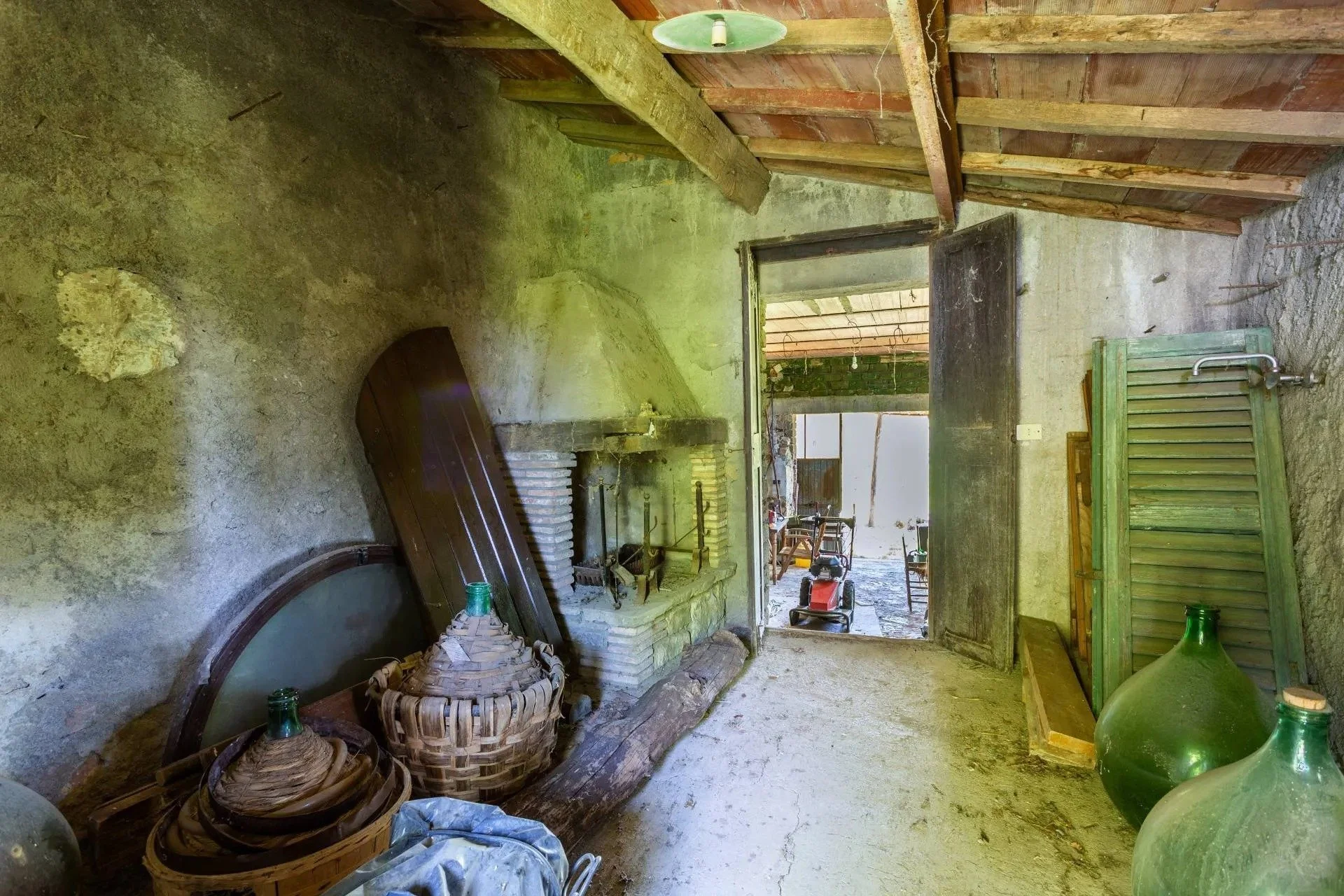
Two cantinas and multiple storage buildings
Land composition
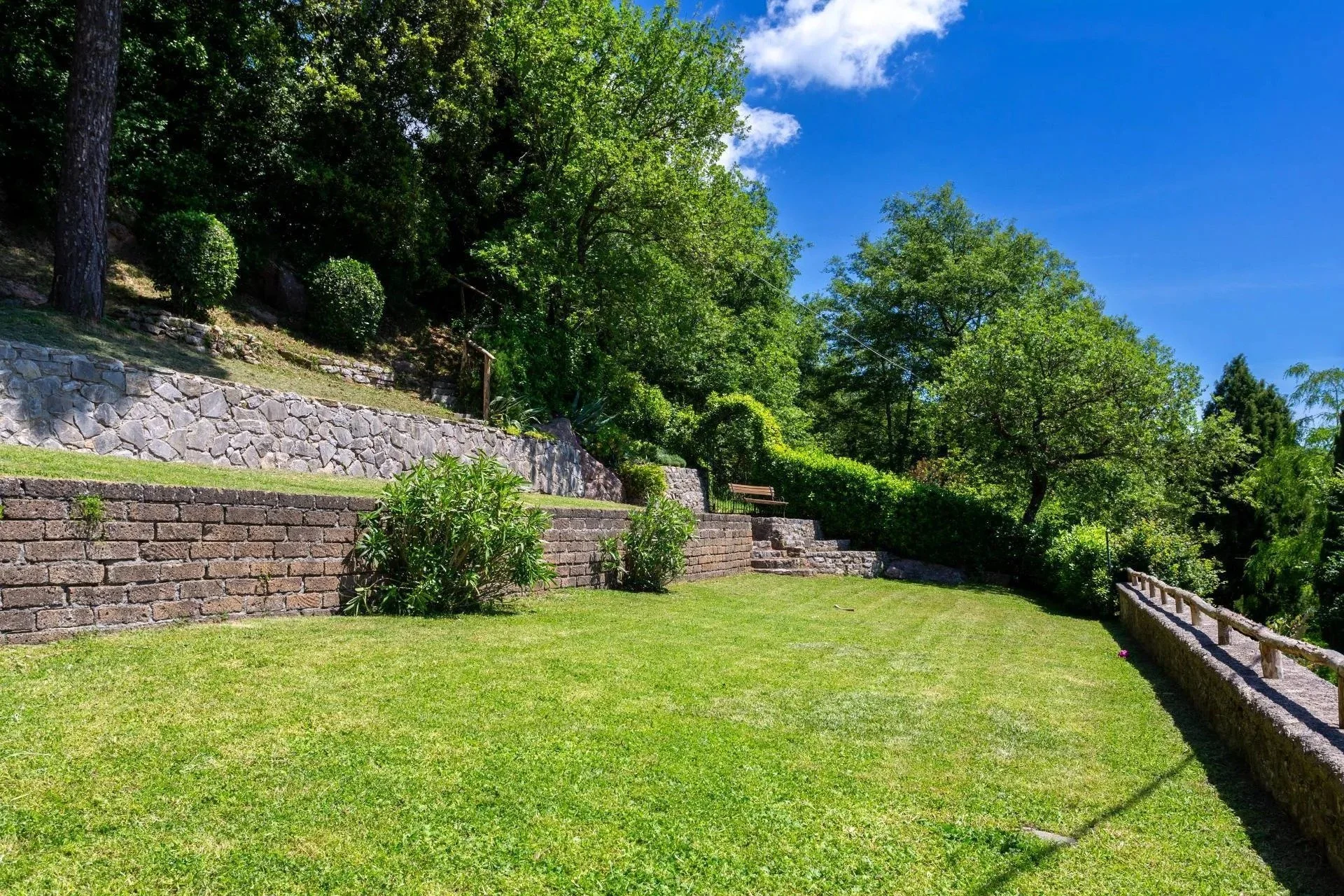
Garden, meadow and woodland
Energy rating
Class E
Upside angle
Pool potential, outbuilding conversion potential, possible division into two units, rental or agriturismo-style positioning suggested in the listing
Risk Radar
Overview
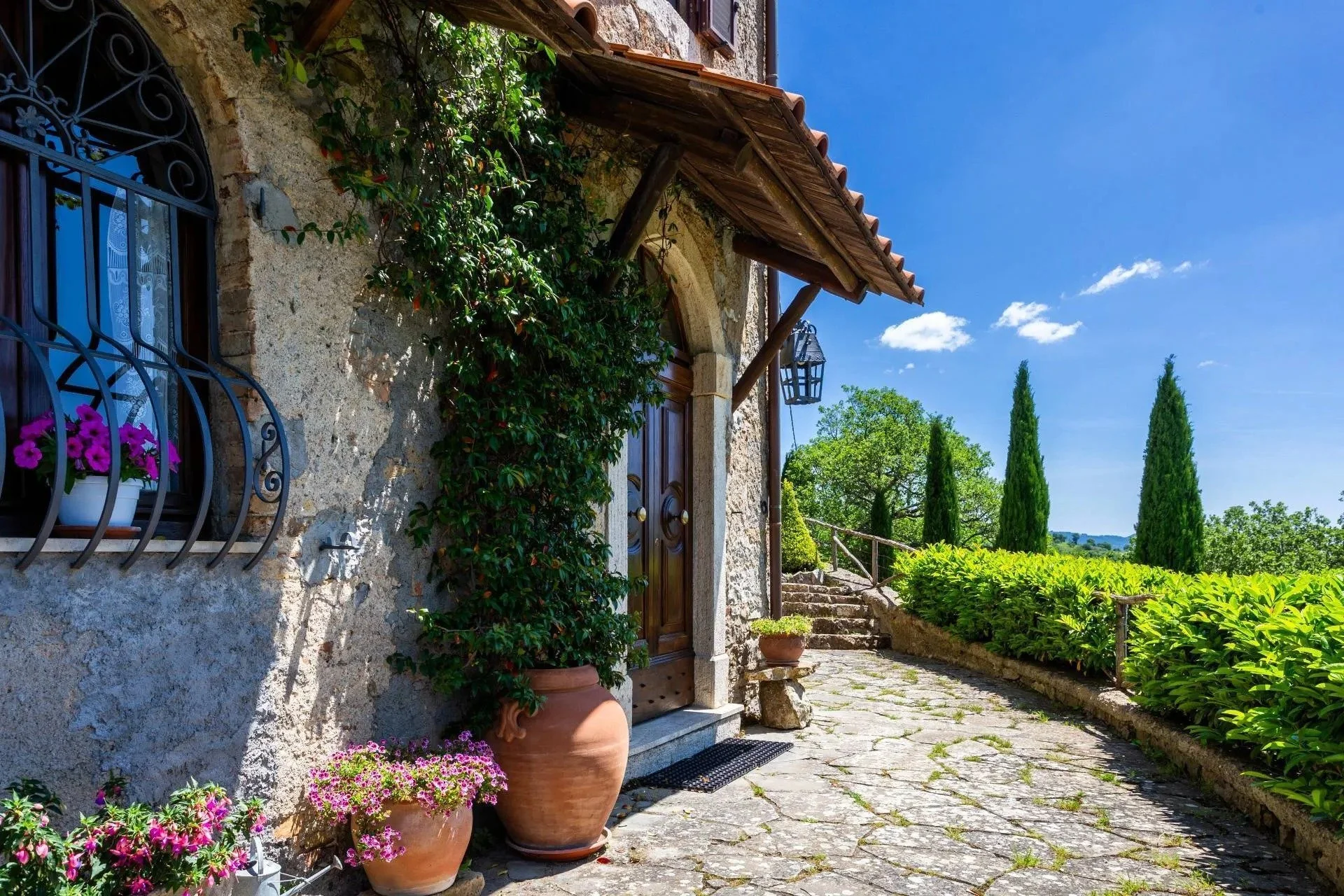
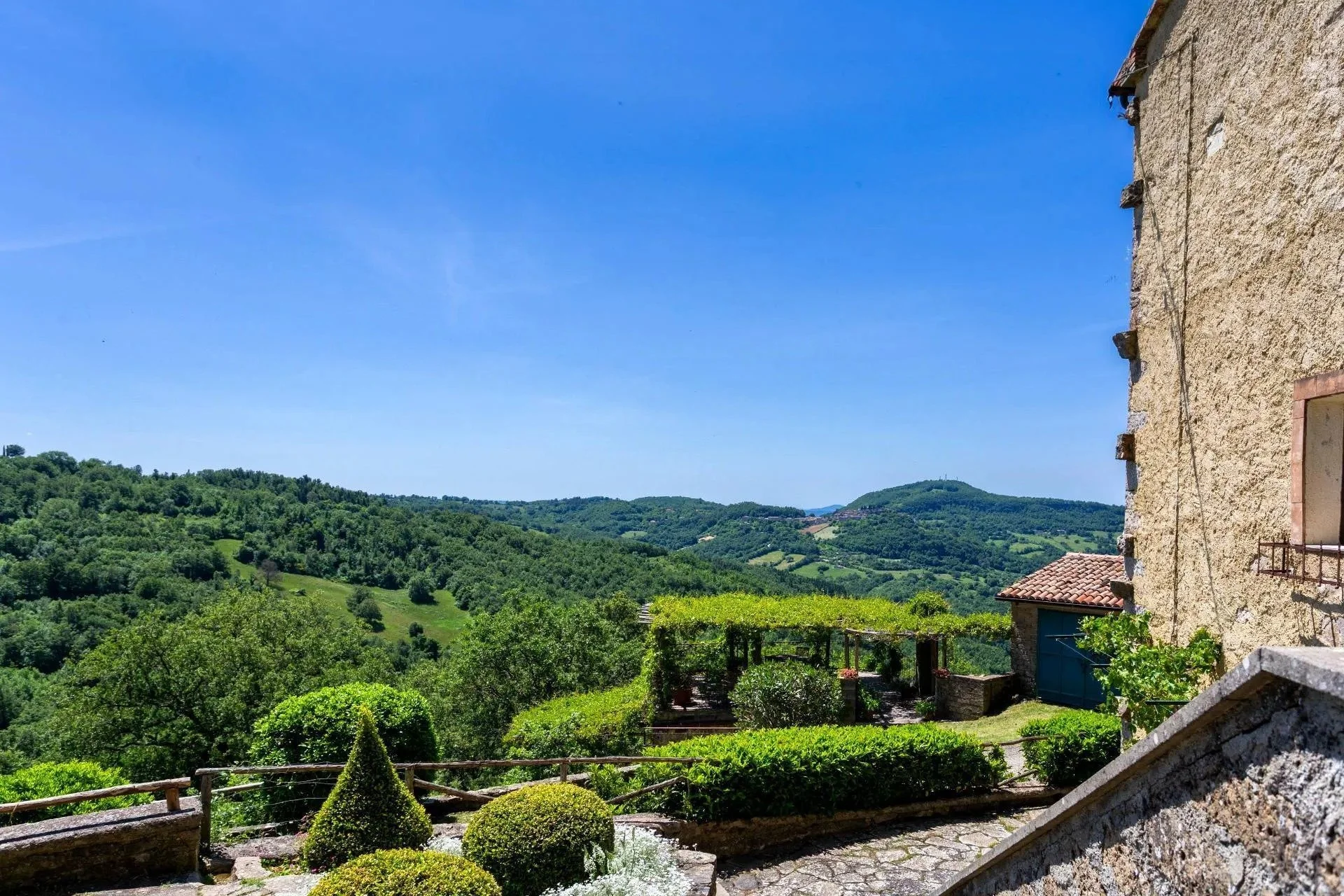
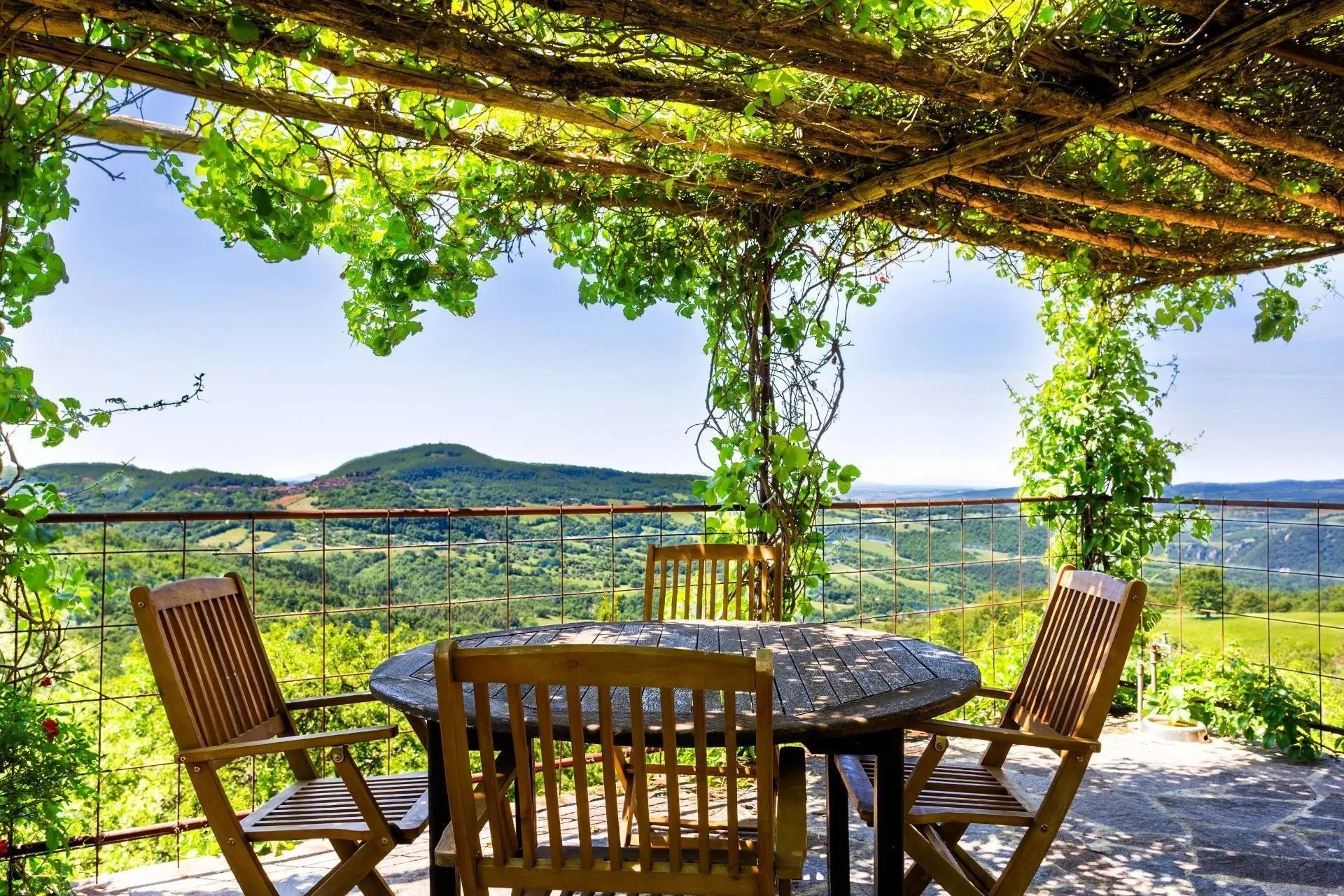
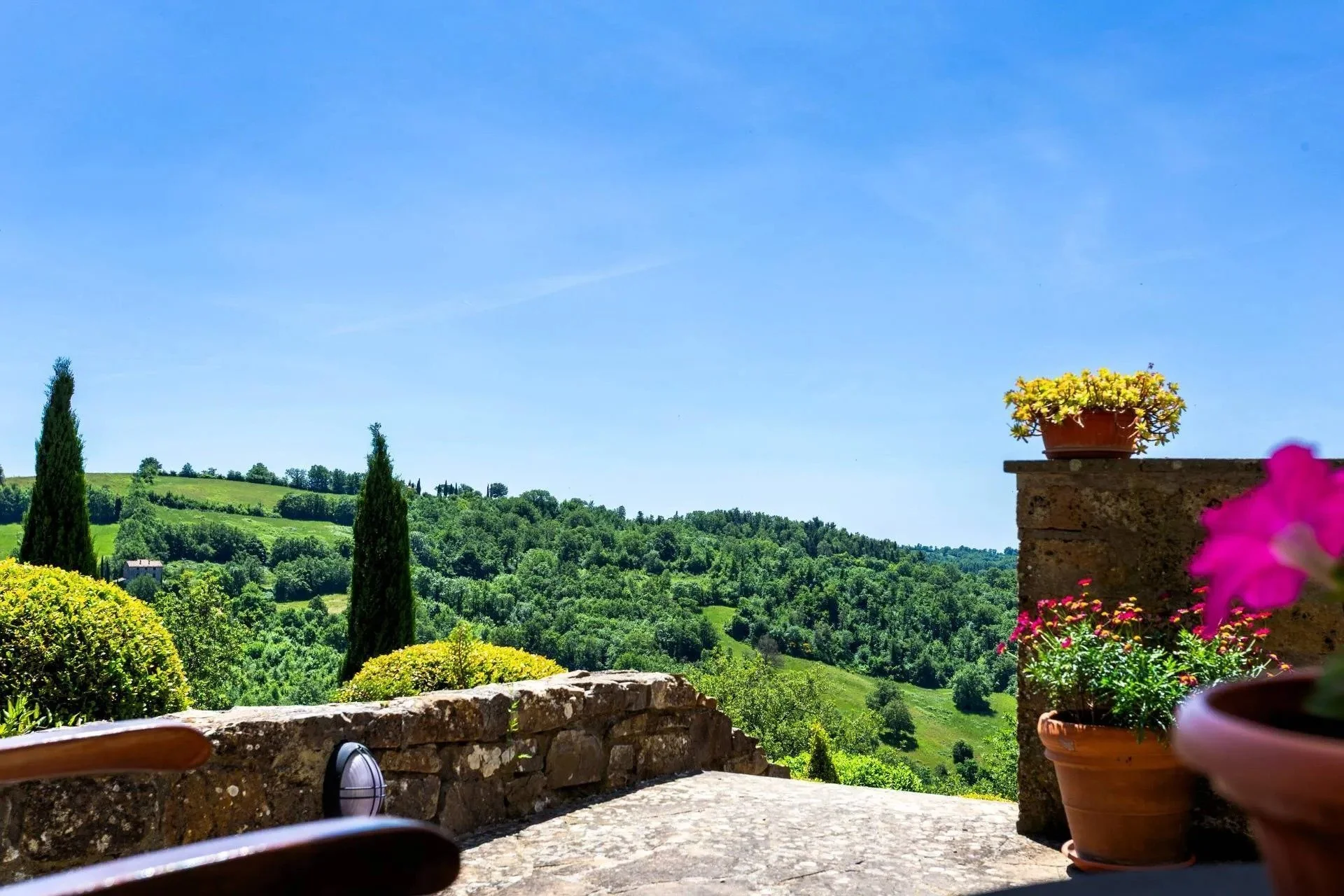
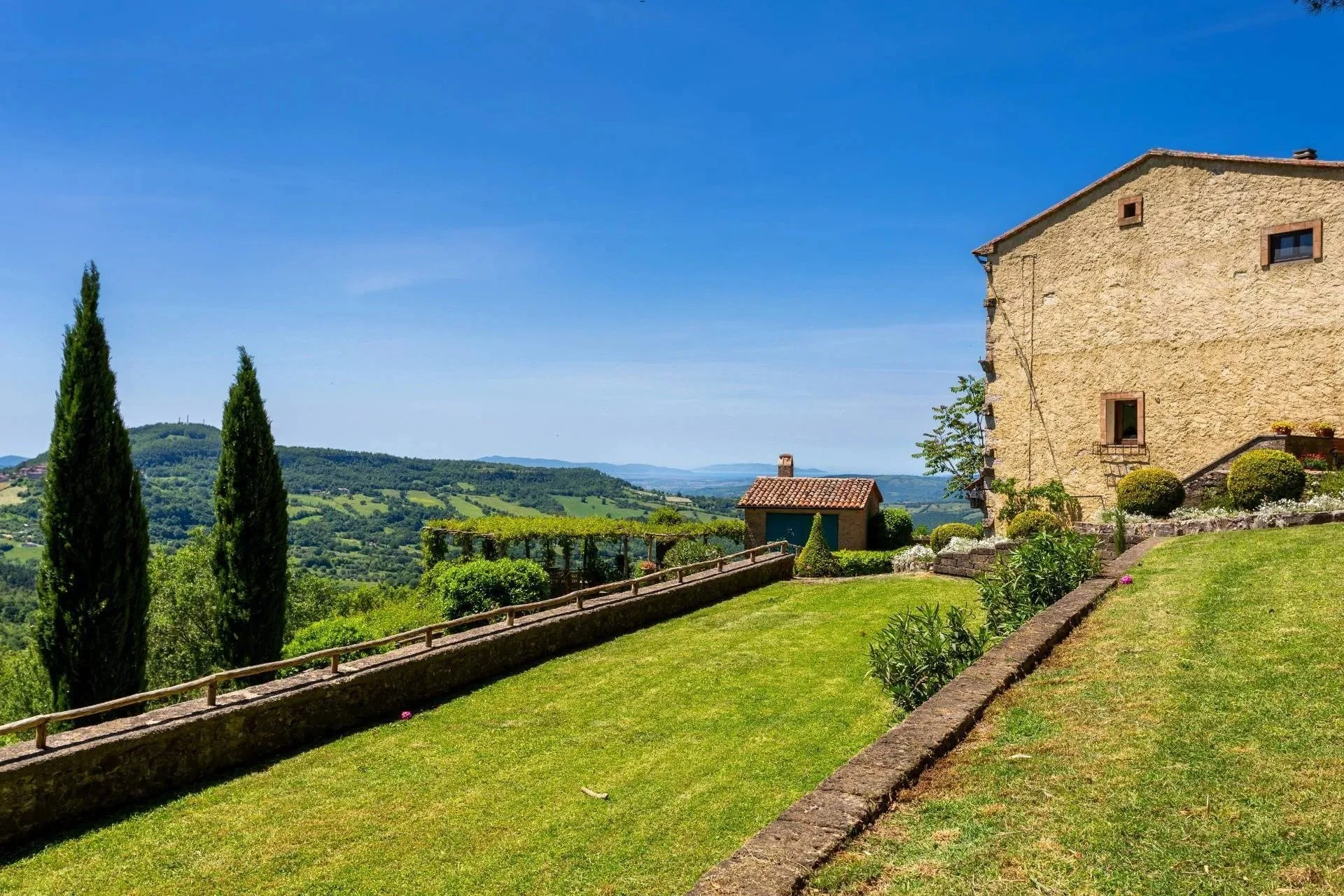
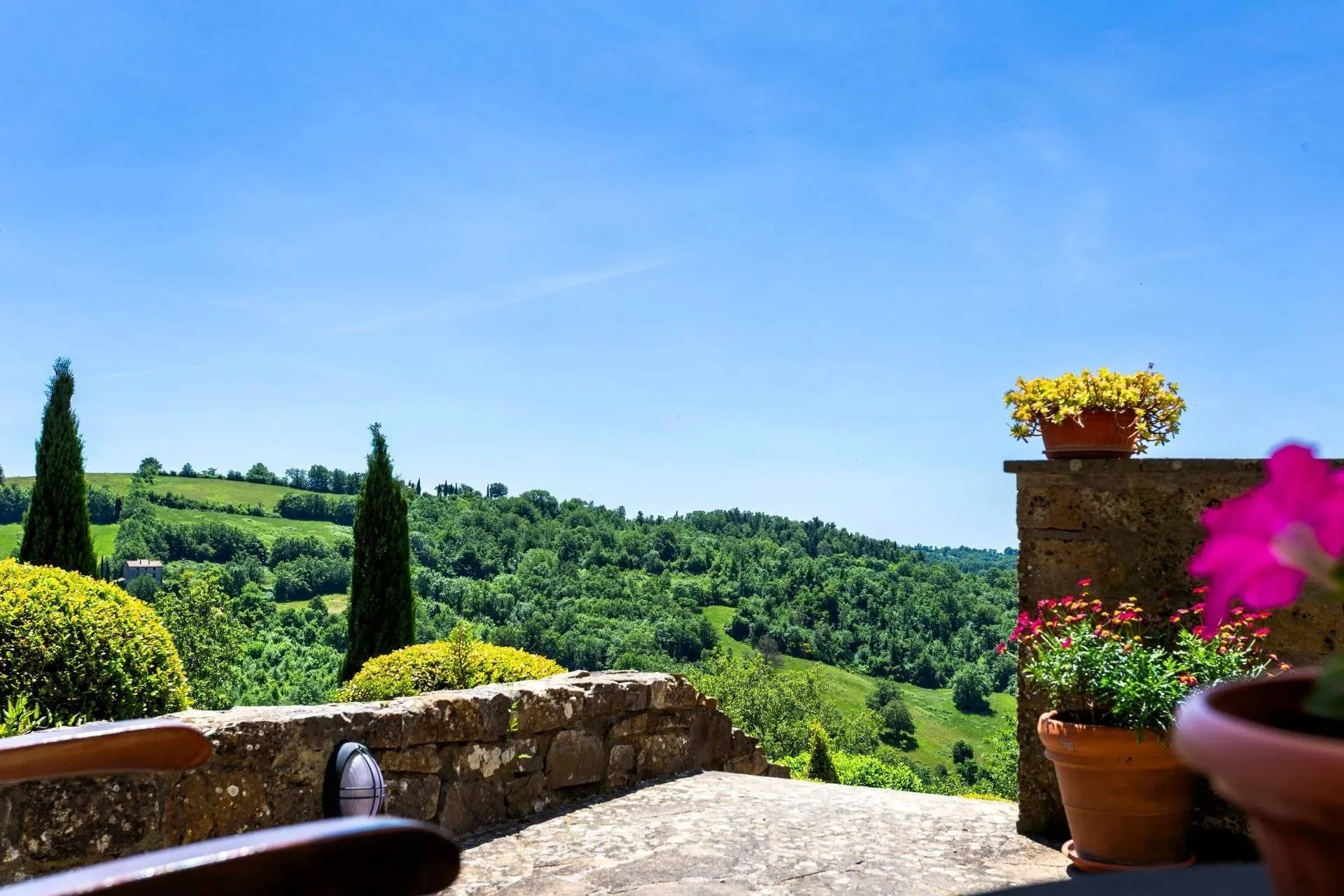
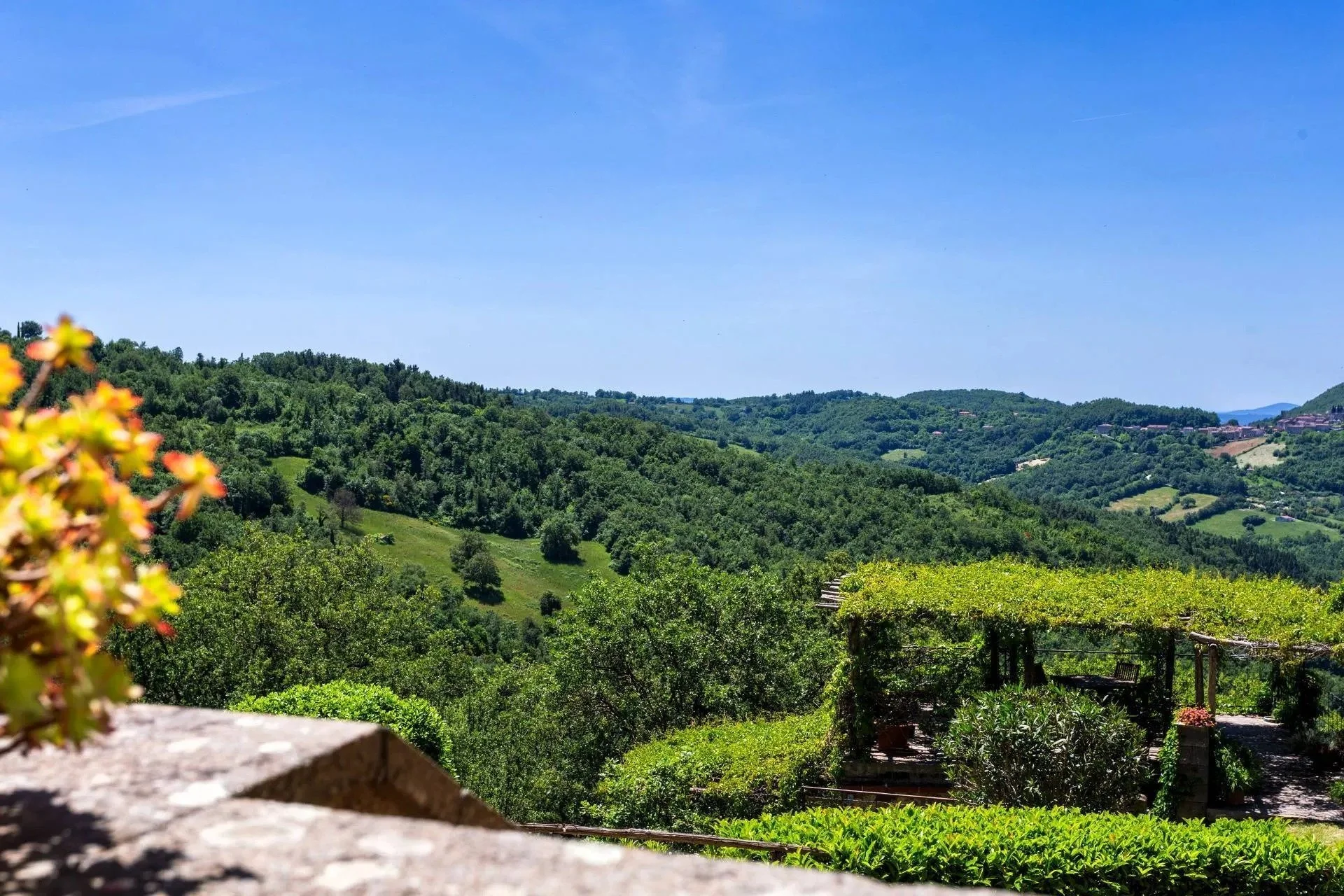
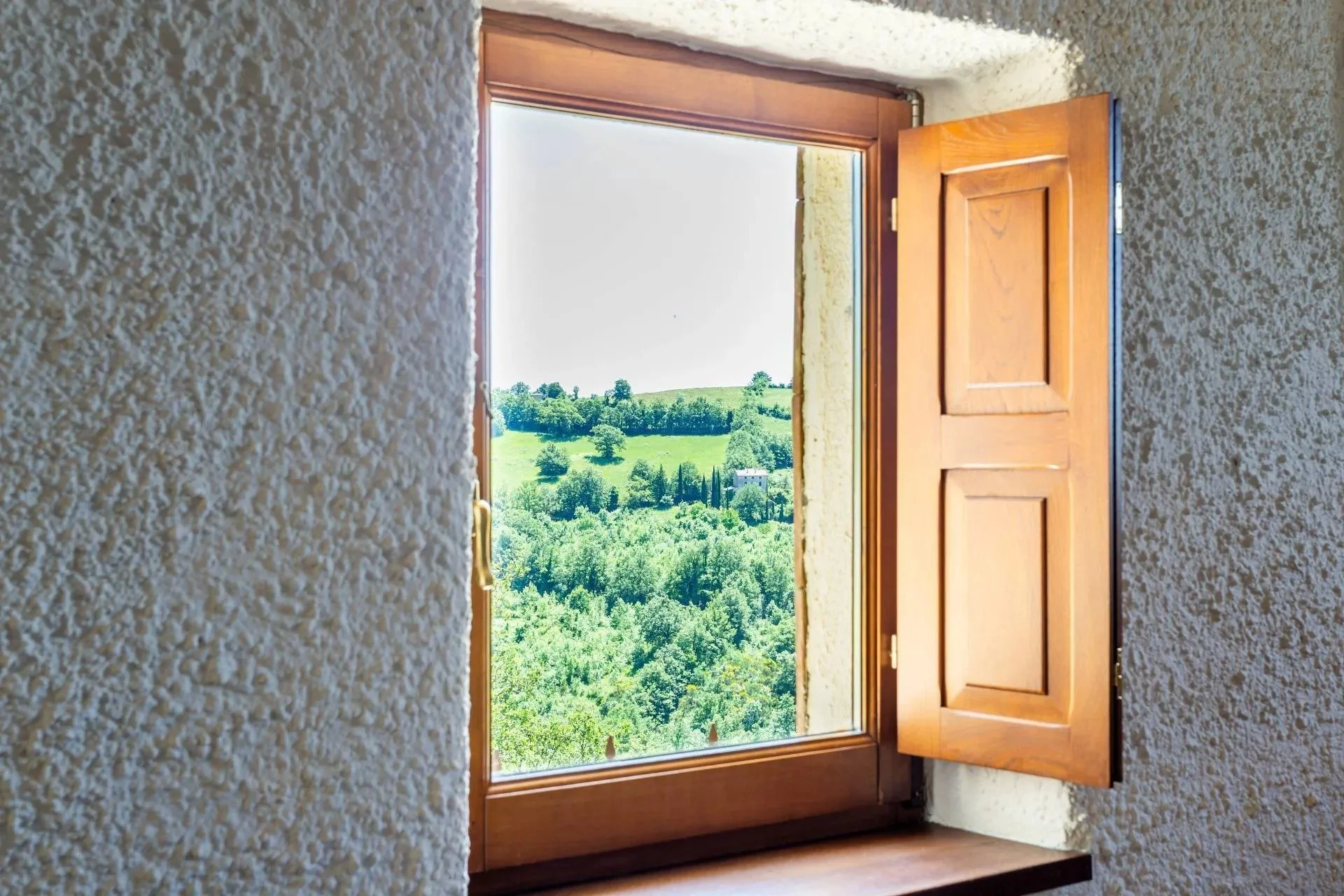
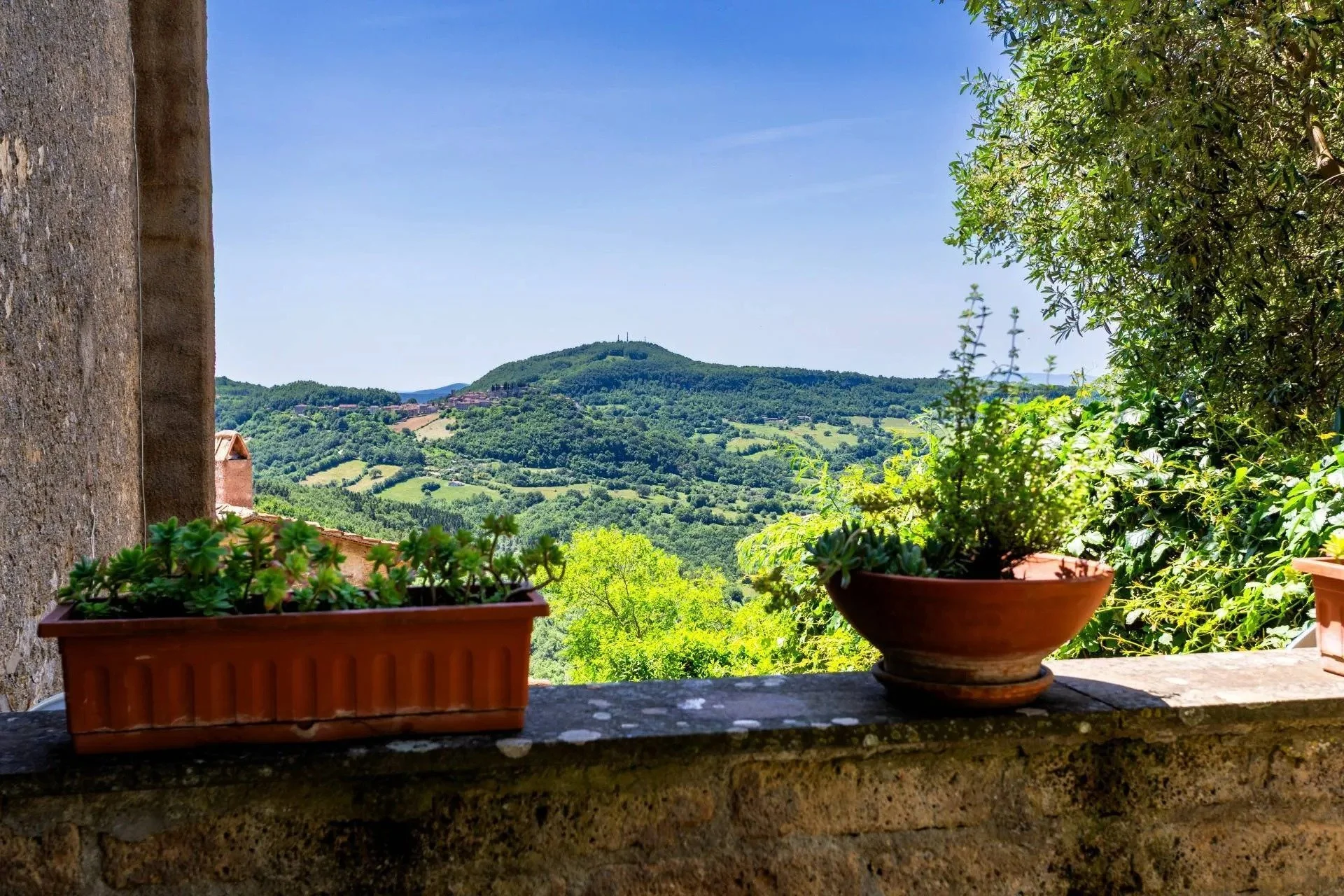
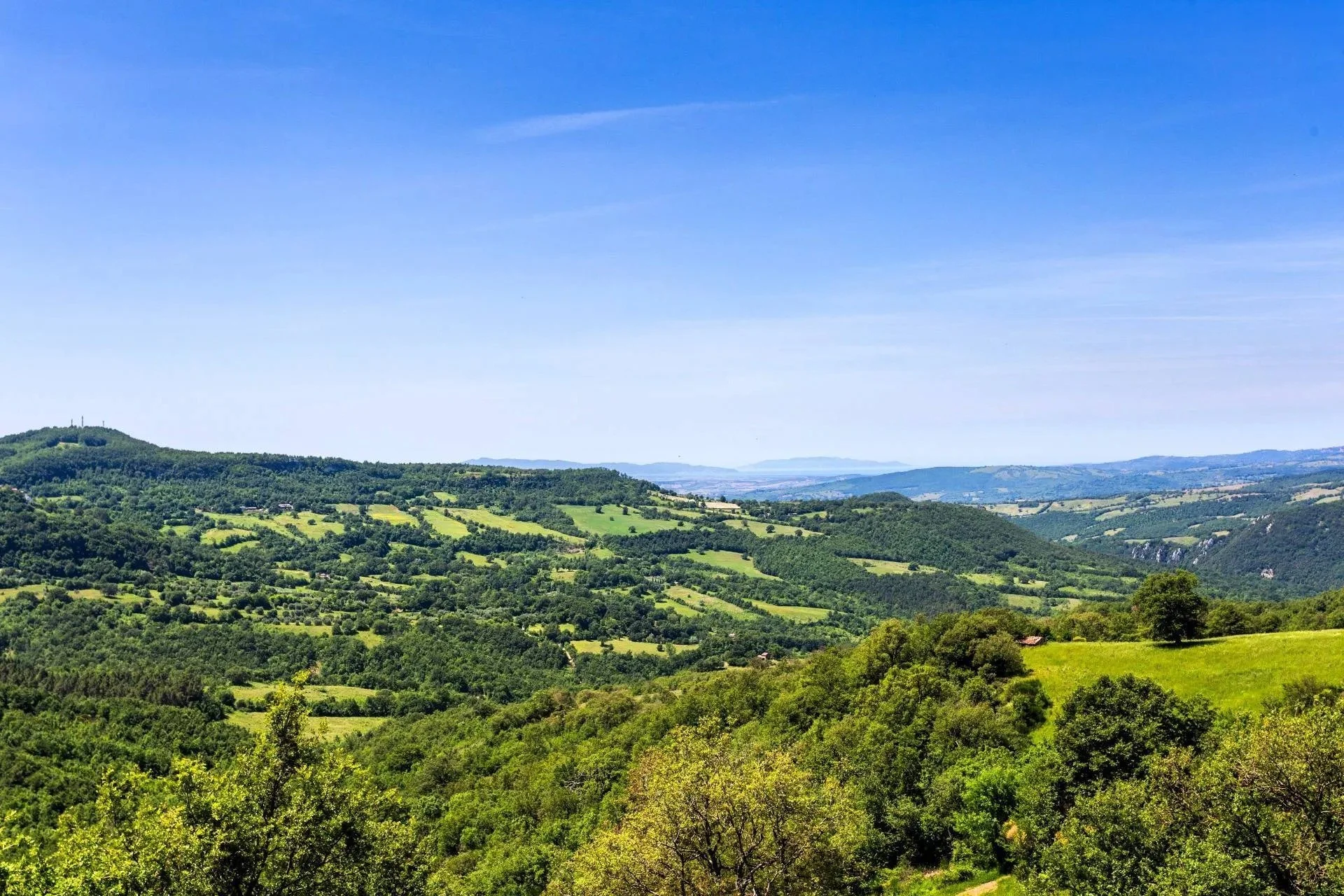
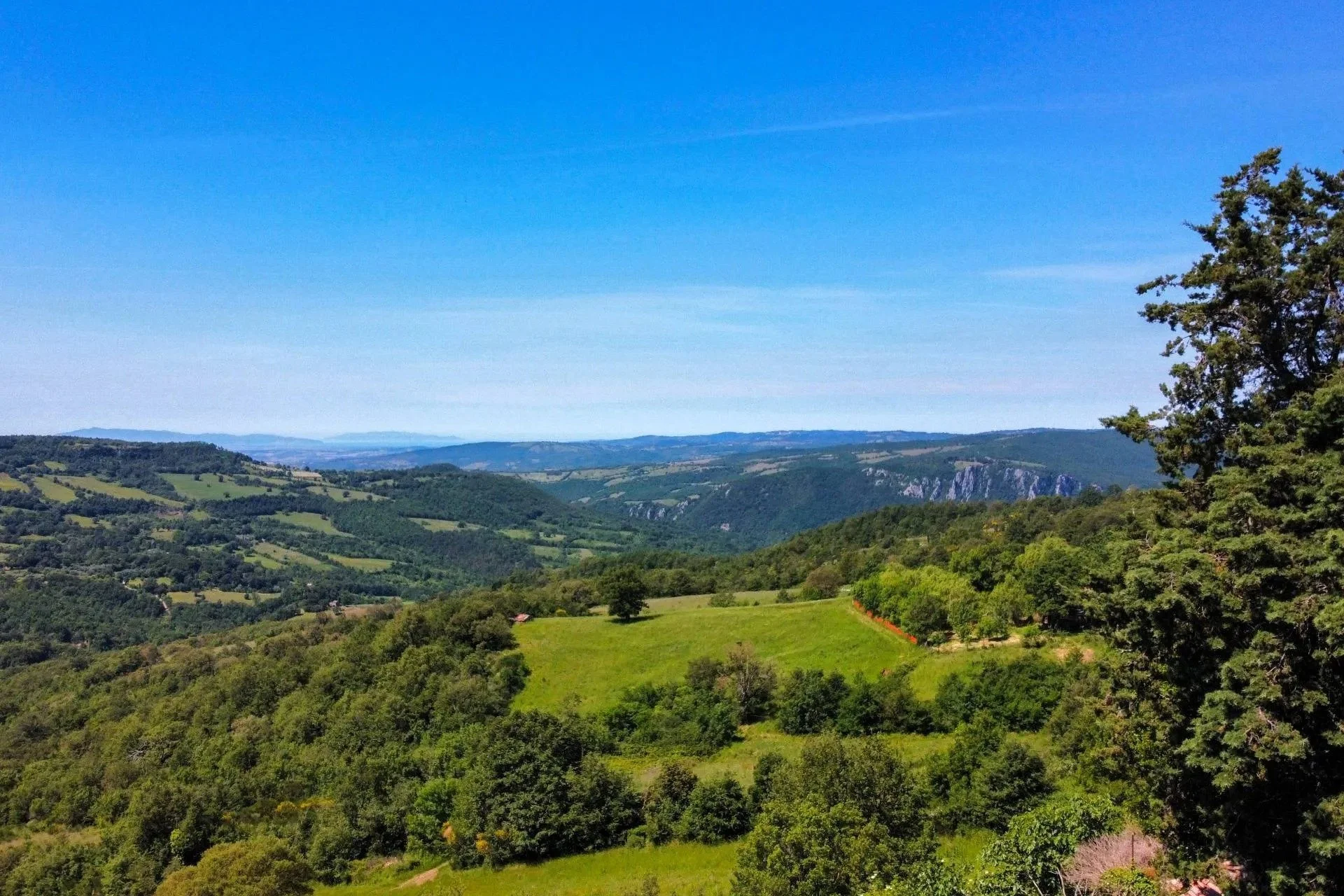
This is a very strong countryside proposition because it combines three things buyers often struggle to find together in Tuscany: privacy, a real view, and proximity to a village. The panoramic terrace is the emotional anchor, but the practical value sits in the broader package: 190 m² of internal space, 8,500 m² of mixed land, multiple ancillary structures, and a layout that the listing says could support division into two units.
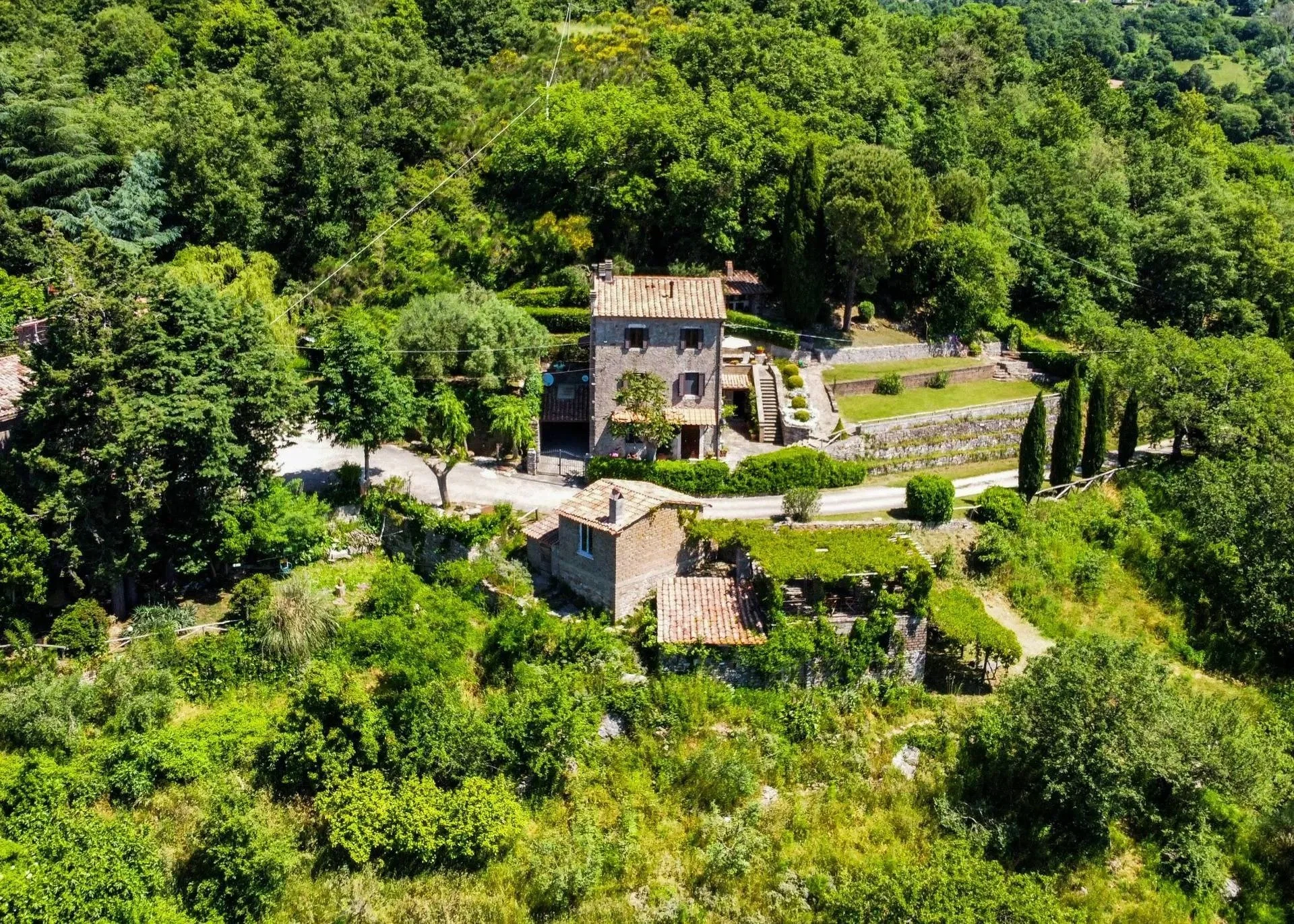
The main due-diligence story here is not glamour, but legal clarity. The listing gives you a farmhouse, two cantinas, multiple storage buildings, meadow, woodland, terrace, and pool potential. That is exactly the kind of setup where buyers need to confirm not only what exists physically, but what exists lawfully on the cadastral and planning record, what benefits from agibilità, and what can actually be converted or added without planning resistance.
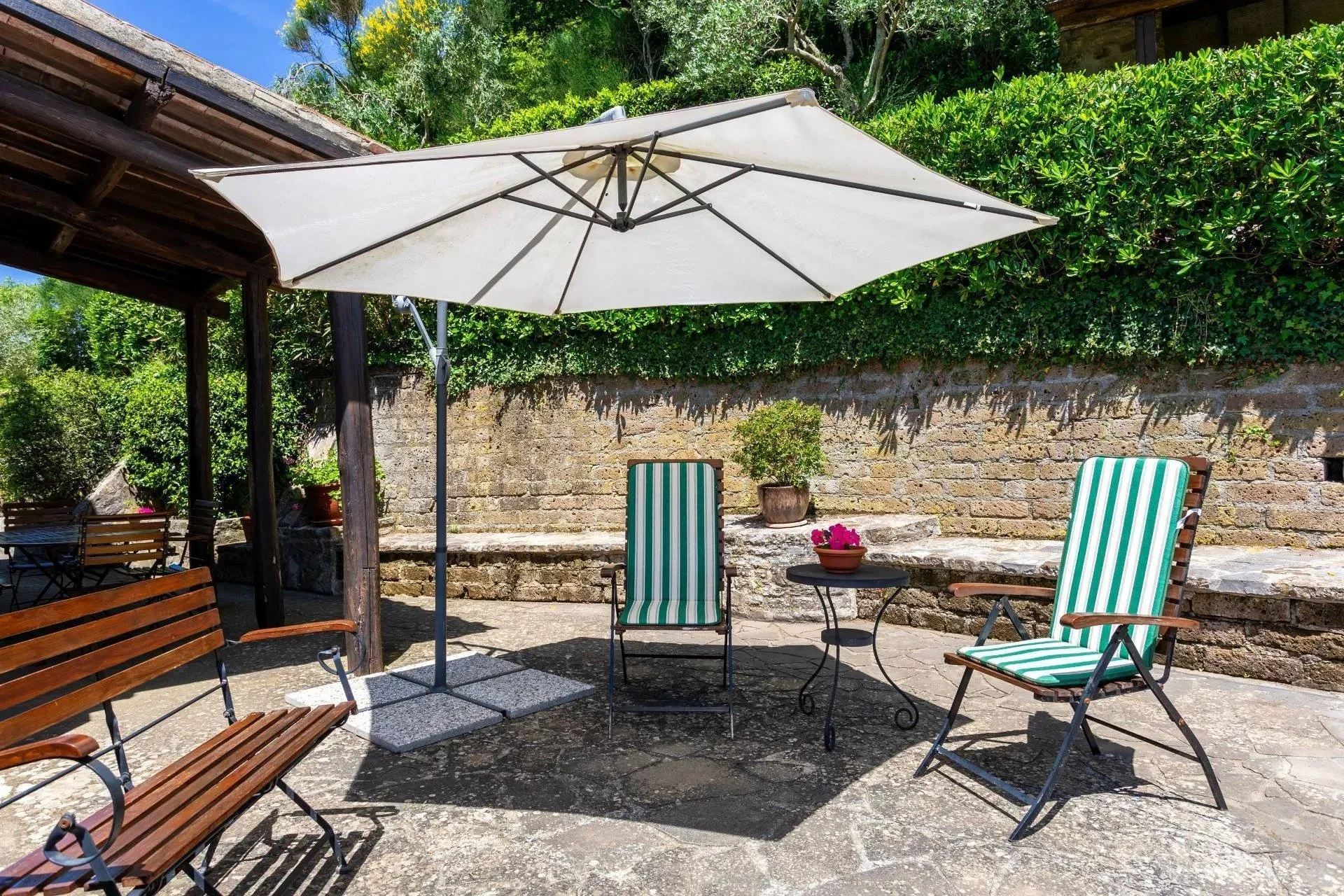
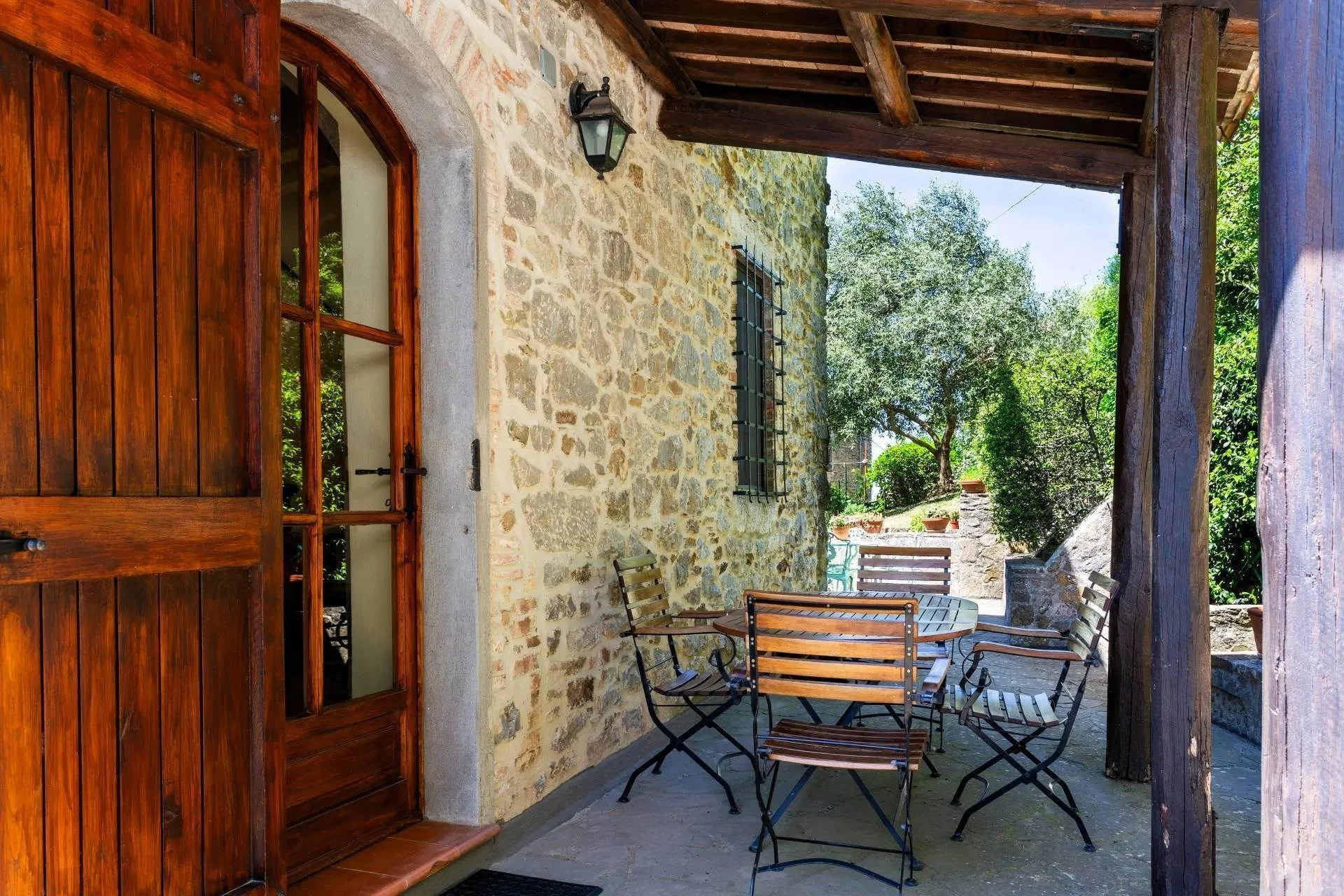
The outbuildings are likely to be the biggest value lever after the terrace and setting. If they are properly registered and convertible, they could materially improve family-use flexibility, guest accommodation potential, or a studio-style setup. If they are only ancillary agricultural or storage volumes with limited planning scope, then part of the implied upside becomes much more speculative.
The pool angle also matters more than the listing phrasing suggests. "Scope to add a pool" is useful as a possibility, but not as a fact. In a rural Tuscan setting, pool feasibility can be shaped by local planning documents, land classification, access, drainage, and any landscape sensitivities. Semproniano's municipal site confirms that urban-planning documents and regulations are part of the local governance framework, so the right approach is verification, not assumption.
Targeted Questions
Legal Status, Title and Documentation
You need to confirm that the legal and cadastral record matches the marketed property package.
The floor plans help verify whether the built layout is formally recorded.
Any mismatch may require regularisation and can affect resale or financing.
Conversion potential depends heavily on how these spaces are currently classified.
Agibilità is a central checkpoint for lawful use and sale readiness.
Partial coverage can signal legal or technical limitations on some spaces.
This directly affects annex or studio potential.
Buyers need to verify that all visible and marketed features sit within the legal title.
Privacy and control over a countryside site depend on more than first impressions.
Past regularisations can be perfectly legitimate, but should be understood before purchase.
Renovation History, Condition and Systems
Buyers need to separate ongoing maintenance from meaningful capital works.
Invoices help test both quality and recency of improvements.
Transferable guarantees reduce near-term ownership risk.
Rural stone houses can be very atmospheric and very costly if the heating setup is weak.
Summer comfort matters for both owner use and rental demand.
Real operating costs are more useful than assumptions based on charm.
The full certificate gives the buyer a clearer sense of performance, recommendations and likely running-cost profile.
This helps you judge whether the energy position is stable or due for another round of spending.
Comfort in a stone farmhouse depends heavily on envelope performance, not just nominal energy class.
Roof work remains one of the biggest hidden-cost items in period rural houses.
Terrace views are lovely, but structural stability pays the bills.
Older stone buildings and ancillary spaces often hide moisture-related costs.
Mixed-upgrade properties can create staggered capital costs after purchase.
Outbuildings, Cantinas and Conversion Potential
Size determines whether conversion economics are realistic.
Legal conversion potential means little if the structural shell is poor.
Existing classification shapes the difficulty of any future change of use.
Pre-work can materially reduce uncertainty.
The administrative route affects timeline, cost and risk.
Service extension can turn an attractive idea into an expensive one.
Separate lawful use is critical for guest or rental strategy.
Income strategy depends on legal structure, not just physical possibility.
The listing mentions divisibility, so that claim needs real grounding.
Technical constraints often block projects before planning does.
Land, Terrace, Pool and Setting
You need to confirm what is being sold, not just what is being photographed.
The terrace is a core value driver and needs absolute legal clarity.
A premium terrace can become a premium repair bill if neglected.
A view premium only holds if the view is durable.
Rural calm is worth verifying, not just admiring.
"Pool potential" is only commercially useful if there is some basis for it.
Pool feasibility depends on the municipal planning framework and local regulations.
External works in sensitive countryside locations can face extra scrutiny.
Woodland can carry management and use limitations that reduce flexibility.
Land can create ongoing responsibilities as well as enjoyment.
Water logistics matter more in countryside properties than many buyers expect.
Access, Practicalities and Village Use
Access rights and maintenance responsibility affect both convenience and risk.
Year-round access is part of real liveability.
Lifestyle value depends on actual daily usability.
This affects both family use and any hospitality ambition.
Covered storage matters for rural ownership.
Remote work and modern guest expectations now make connectivity a core issue.
Privacy can vary sharply even when a listing feels secluded.
Rural charm sometimes comes with rural realities.
Rental and Business Potential
Tuscany requires a communication to the Comune at the start of non-business tourist-letting activity.
Tuscany states that imprenditoriale short and tourist lettings require SCIA from 2 November 2024.
The CIN now sits within the national BDSR framework for tourist accommodation.
Real performance data is much more persuasive than generic rental optimism.
Location-specific yield assumptions are safer than broad Tuscany averages.
The business model depends on how the spaces are structured legally.
Tuscany regulates agriturismo under a specific regional framework tied to agricultural enterprise, not just rural aesthetics.
Agriturismo can sound like a natural fit but still fail on regulatory detail.
Negotiation Intelligence
Buyer Leverage
Medium-High
Key Drivers
Typical Negotiation Range
5-15% below asking
Neutral Phrasing Examples
Country Layer
Italy (Regulatory Context March 2026)
For Italian purchase due diligence, the visura catastale and planimetria remain basic but highly important documents.
Viewing Strategy
On the viewing, start with the approach and the setting before you let the terrace do all the talking.
Next Step
Verify from the listing:
Cadastral and agibilità position
Request the visura catastale, planimetrie and agibilità documentation for the farmhouse and every ancillary structure so you can confirm that the three-floor layout, terrace, cantinas and storage buildings are lawfully recorded and usable as marketed.
Outbuildings conversion realism
Clarify how the cantinas and storage buildings are currently classified, what services they have, and whether any technician has already tested the feasibility of converting them into guest accommodation, a studio or an annexe.
Terrace and pool potential
Confirm that the Terrazza sull'Infinito is for the exclusive use of the farmhouse, ask for any structural or waterproofing history, and establish whether a pool has any genuine planning basis rather than just lifestyle appeal.
Land boundaries and woodland restrictions
Obtain a site or cadastral plan showing the full 8,500 m² boundary, including meadow and woodland, and ask whether any servitù, access rights or land-use limitations affect privacy, maintenance or future works.
Rental and agriturismo pathway
Verify whether the house could be used for tourist lettings under the current Tuscany framework, whether any converted outbuildings could be part of that model, and whether the landholding is genuinely suitable for agriturismo rather than just being marketed that way.
A prepared buyer should approach the agent calmly and frame questions as due diligence.
Because this is a countryside property where value depends heavily on ancillary-building potential and the credibility of the future-use story, run it through the Property Risk Assessment to map the legal and land-related exposure, and the Rental Yield Calculator to test whether the rental case still works once the outbuilding and compliance position is properly verified.
Disclaimer: The Property Drop is buyer-focused intelligence, zero sales agenda. We curate exceptional properties, in southern Europe, from third-party agents and arm you with decision tools. No commission, no transactions, no agent partnerships, no skin in the game beyond helping you choose wisely. Information stays accurate until it doesn't (properties sell, prices shift, markets move). Everything here is shared for informational purposes only and should not be treated as legal, financial, or investment advice. Images belong to original agents. Read our Terms of Service to learn more.
IMPORTANT REMINDER: When contacting property agents featured on The Property Drop, you are entering into direct communication with third parties. It's recommended that you verify all property details independently, conduct thorough due diligence, engage qualified professionals (solicitors, surveyors, financial advisors), understand your rights and obligations under local property laws, and never send money or make commitments without proper legal protection.
