
The Buyer Playbook: Third Floor Apartment with Unobstructed Sea Views, Mallorca, Spain, €480,000






Buyer Playbook
Pre-Viewing Intelligence Report
This independent buyer guidance report relates to this specific property located in Spain. It is provided for informational purposes only and does not constitute legal, tax, structural or survey advice. Comunidad matters, title position, balcony and storage rights, coastal-access issues, energy-certification status, tourist-rental eligibility, planning permissions, and any shared-building responsibilities must always be verified with qualified Spanish professionals such as an abogado, arquitecto, arquitecto técnico, surveyor or licensed property consultant, and with the relevant municipal and regional authorities. This report is designed to help buyers evaluate the property before arranging a viewing or making an offer. It highlights due diligence issues and targeted questions to ask the estate agent. The analysis is based on the listing details and publicly available regulatory context at the time of writing. It follows the fixed Buyer Playbook structure used for The Property Drop.
Playbook Contents
Property Snapshot
Location
Portocolom, Felanitx municipality, Mallorca, Balearic Islands, Spain
Property type
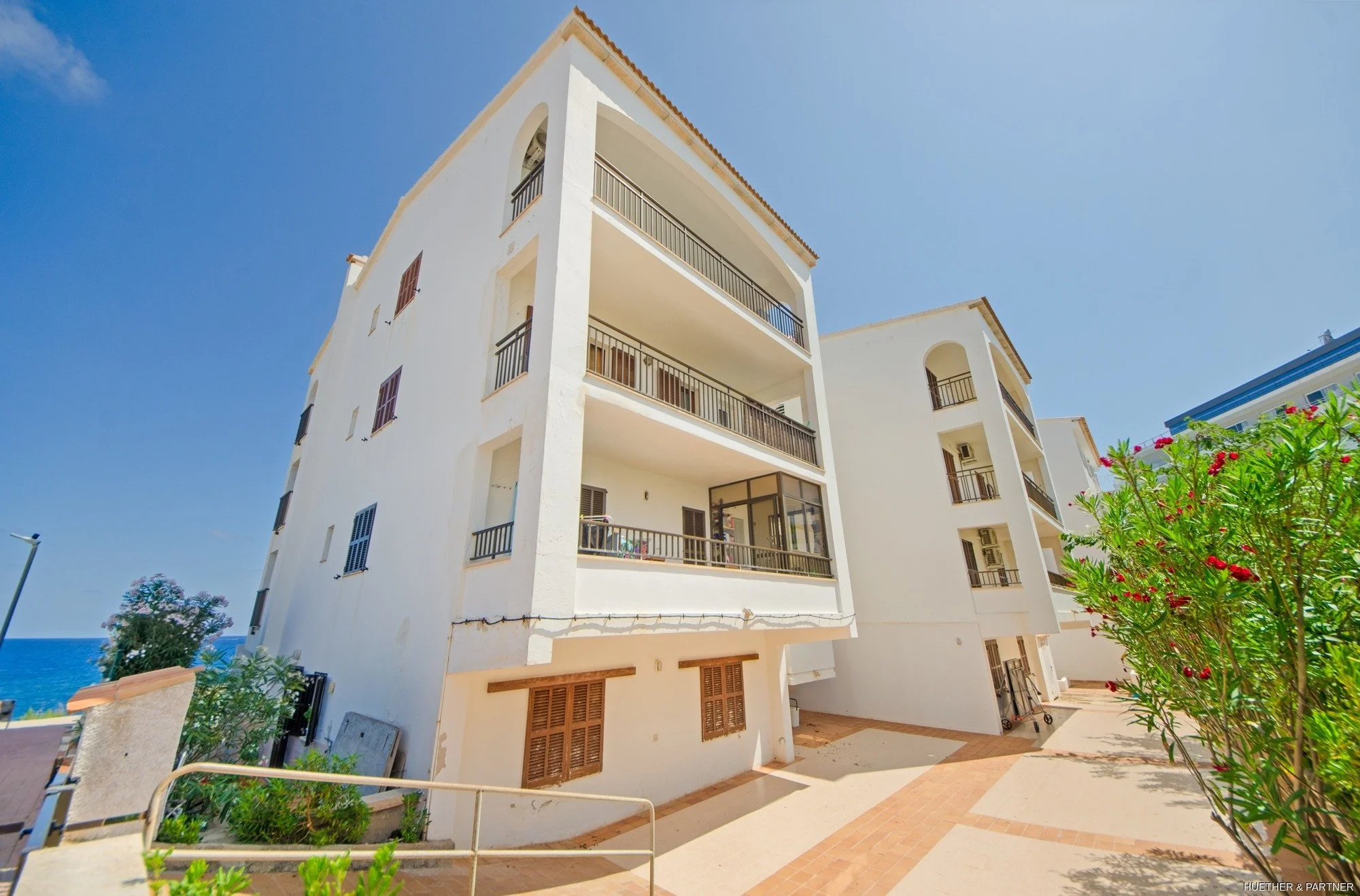
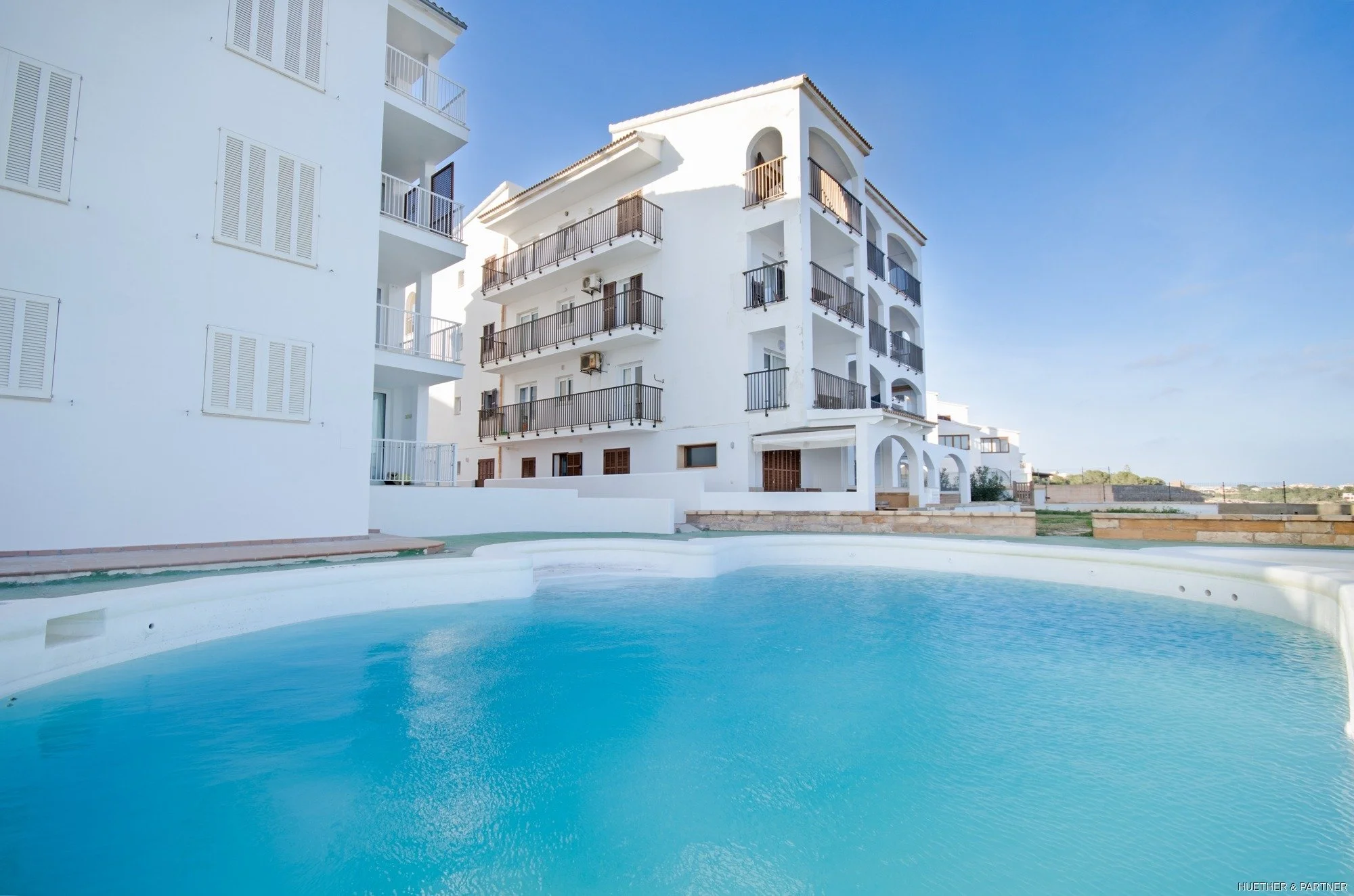
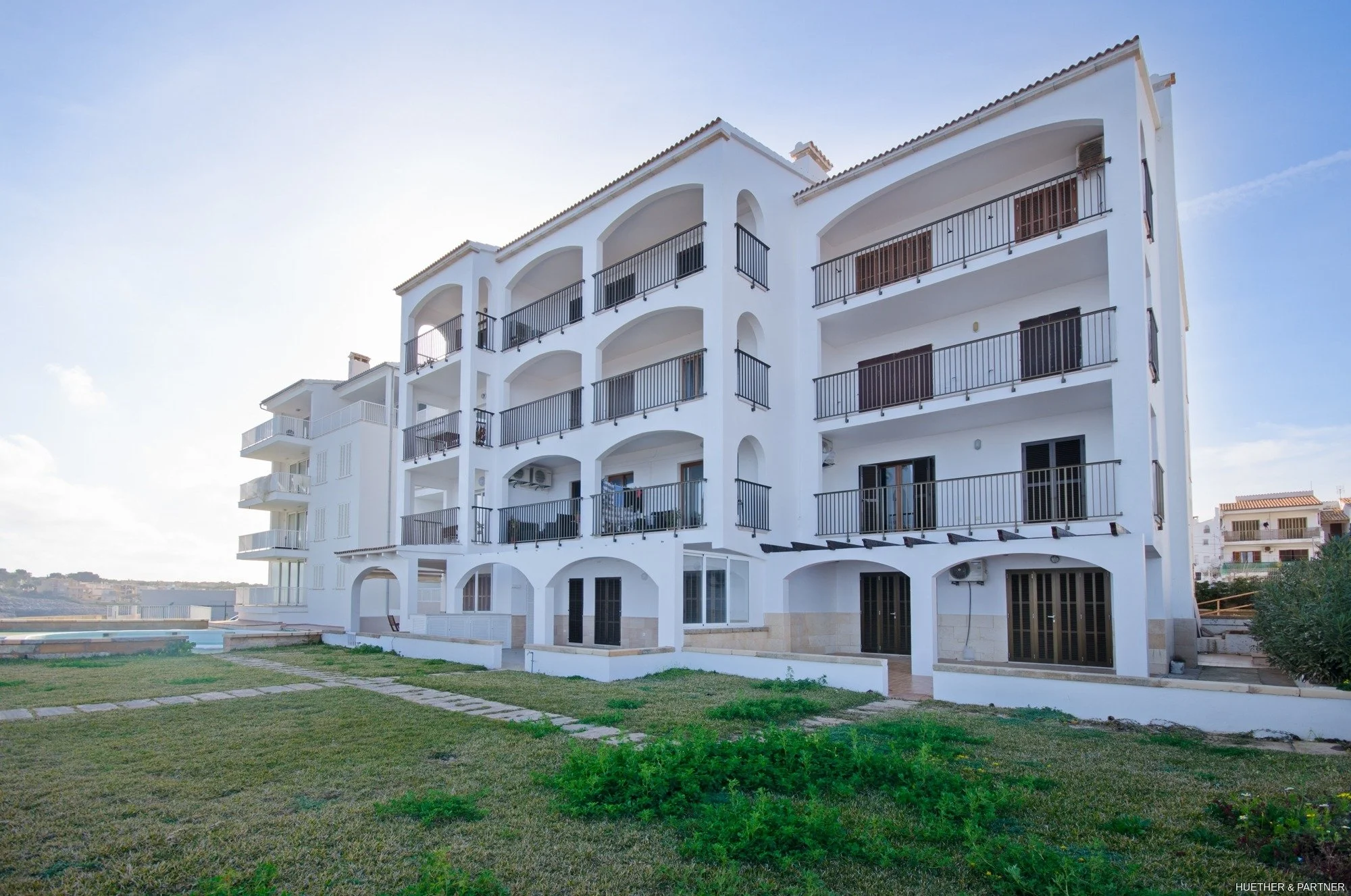
Third-floor first-line sea apartment
Asking price
€480,000
Positioning
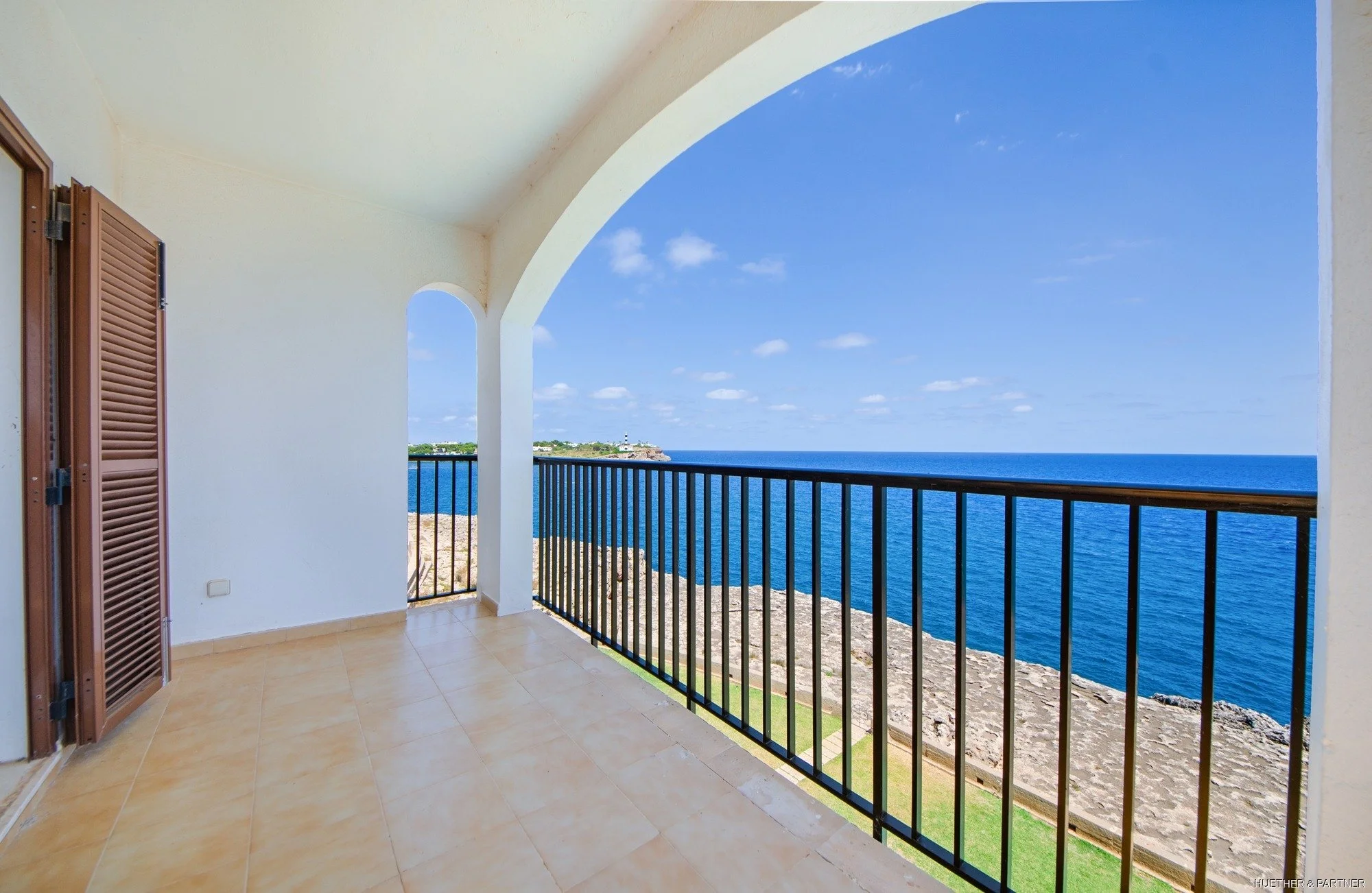
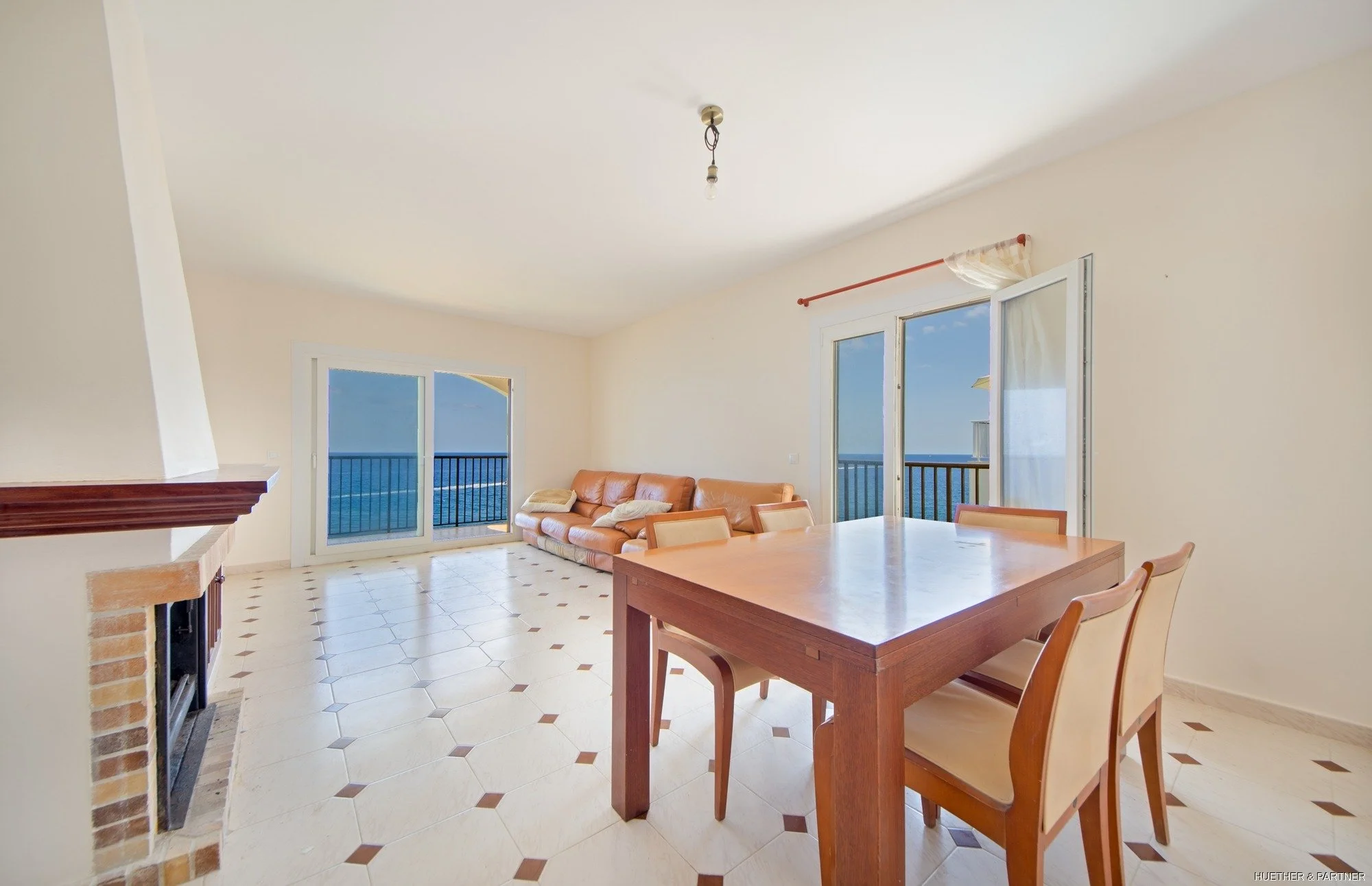
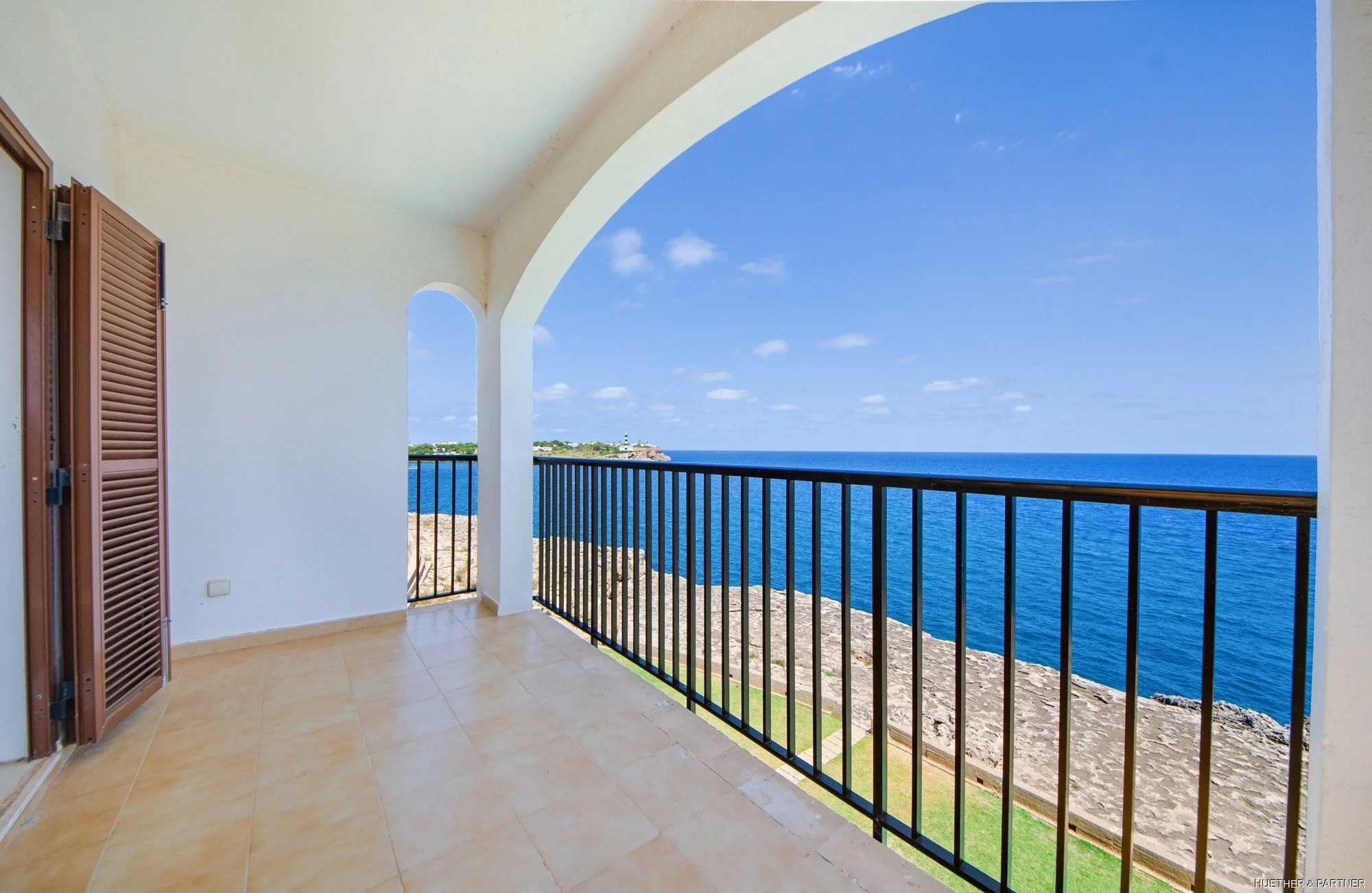
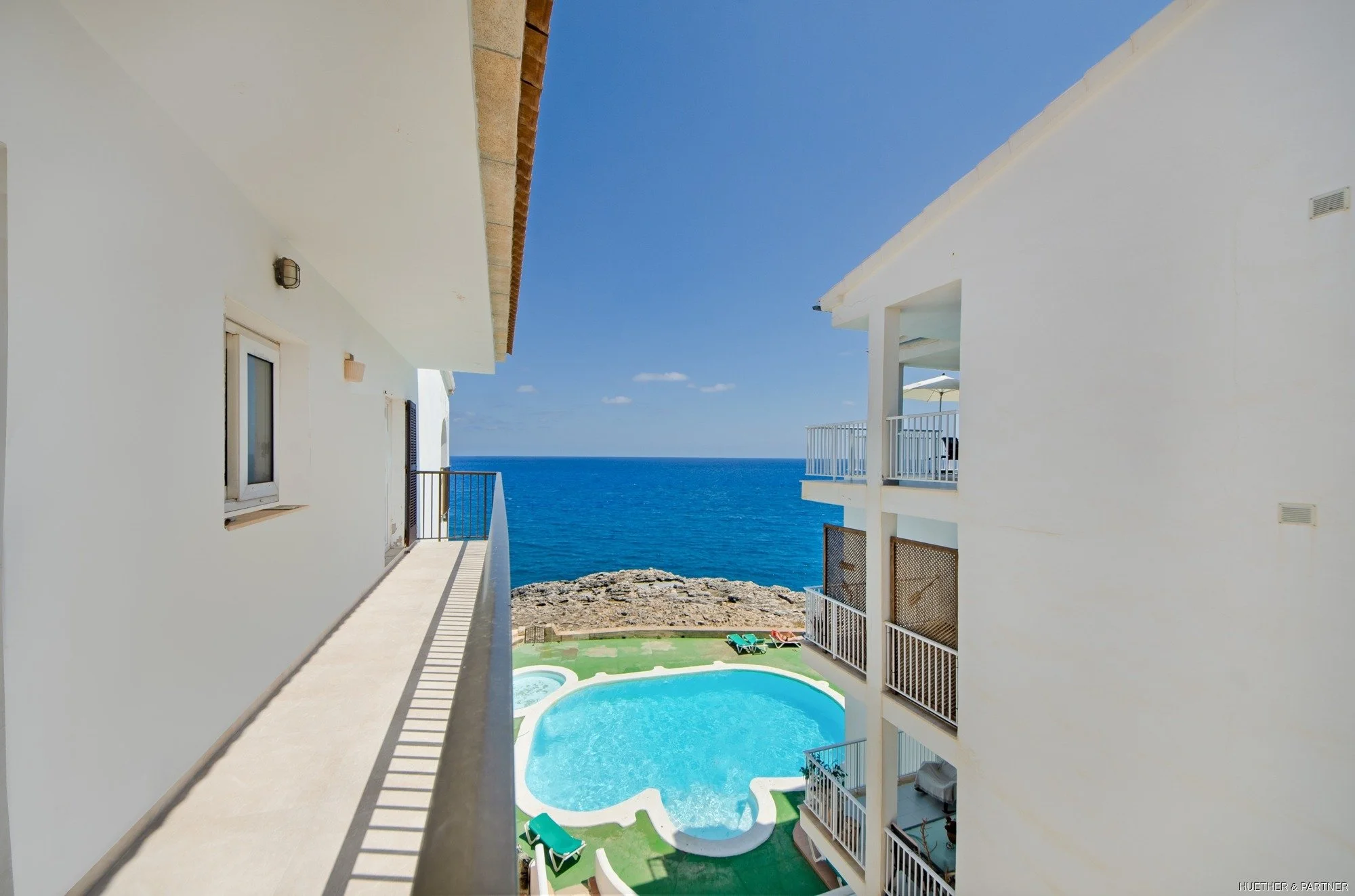
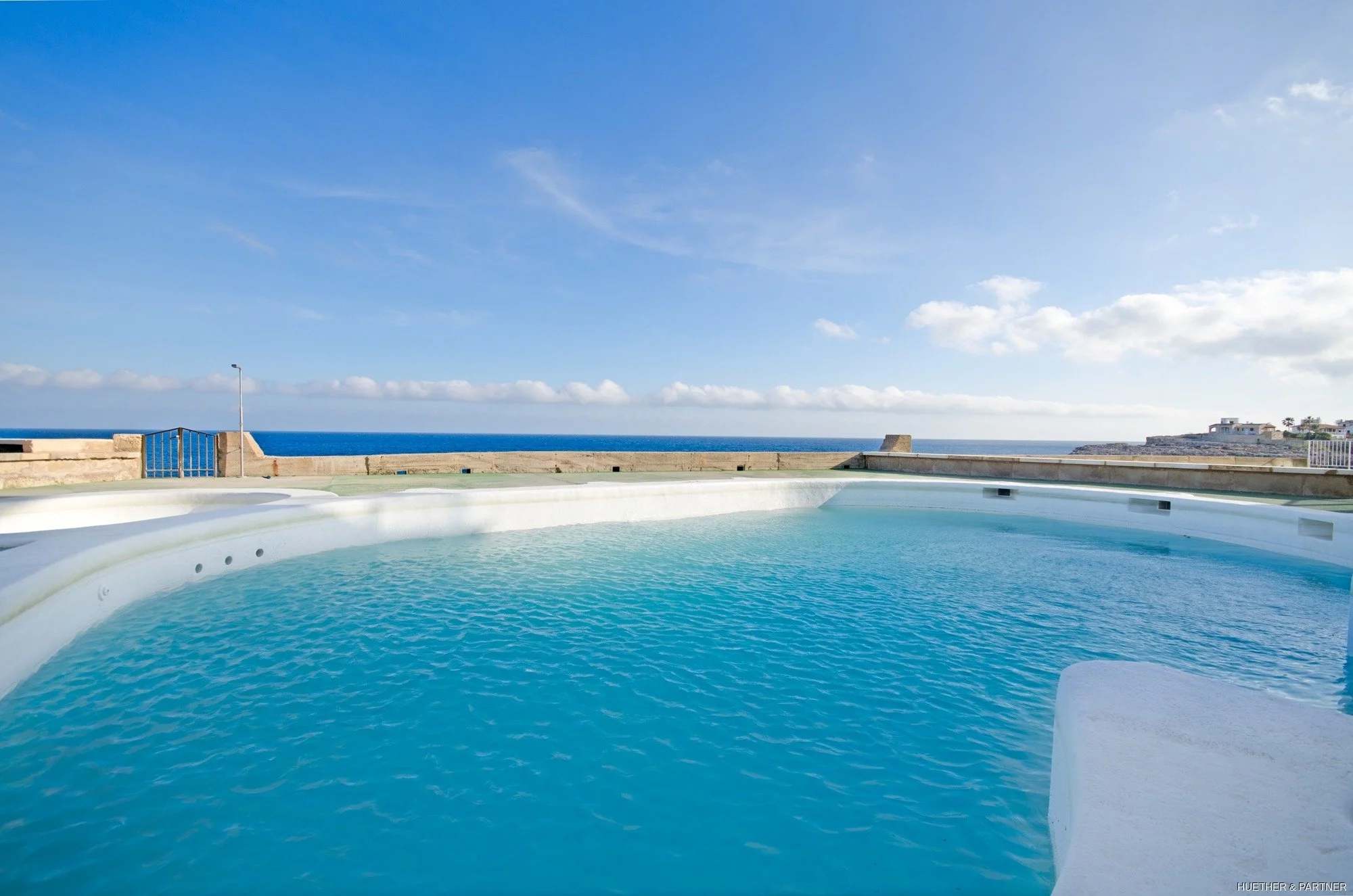
Unobstructed sea and lighthouse views with direct coastal access below
Building date
1992
Condition
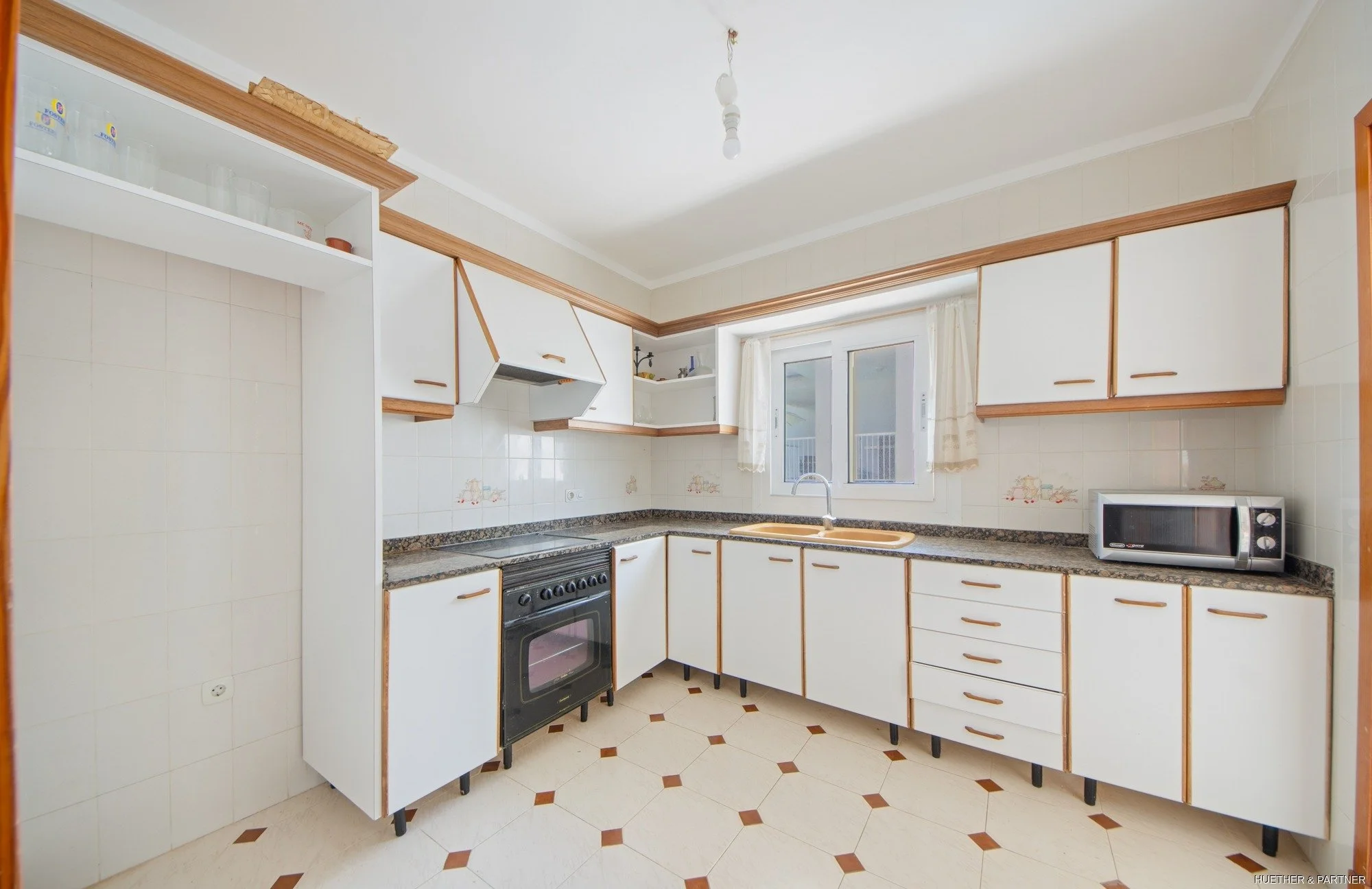
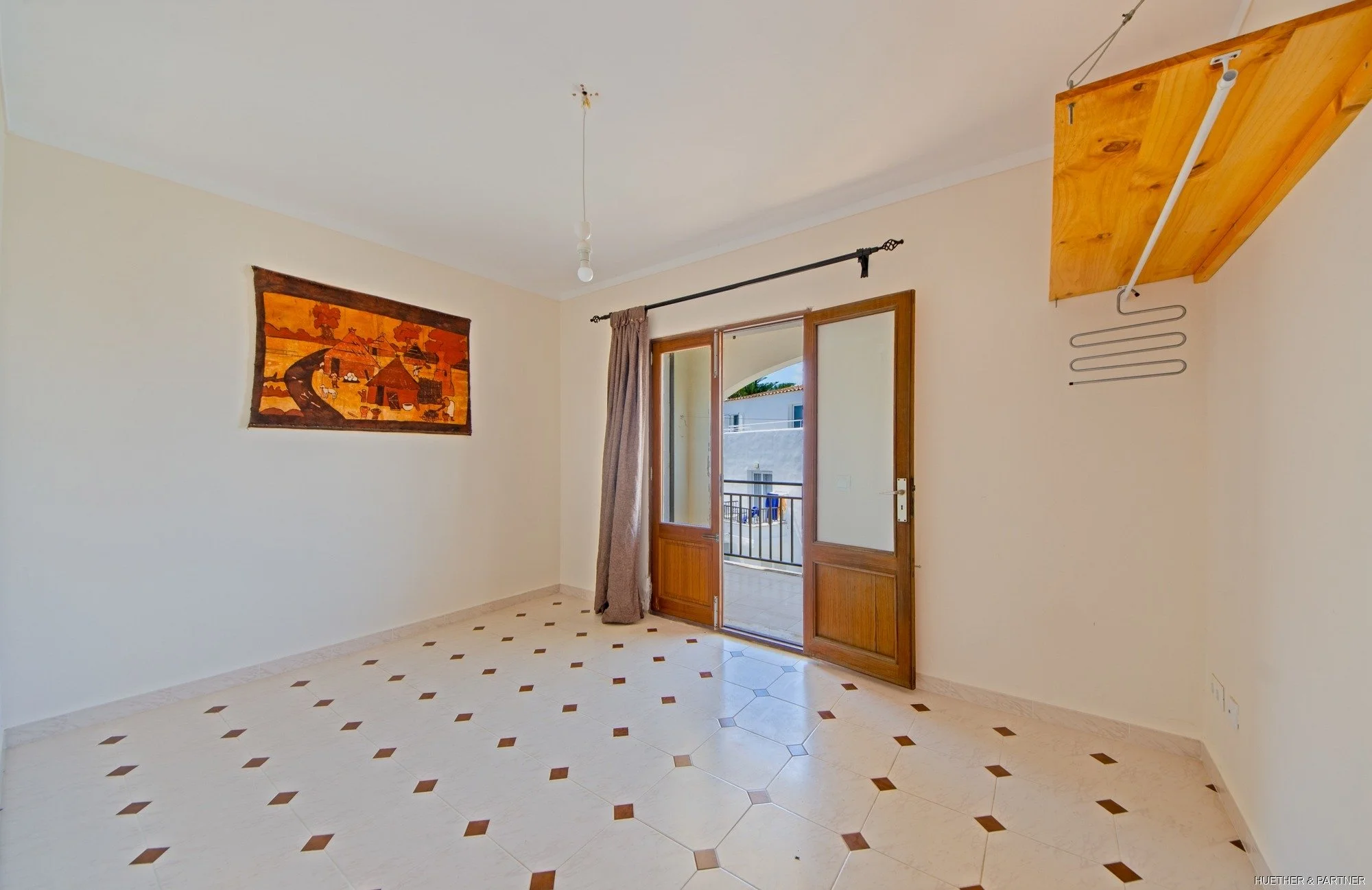
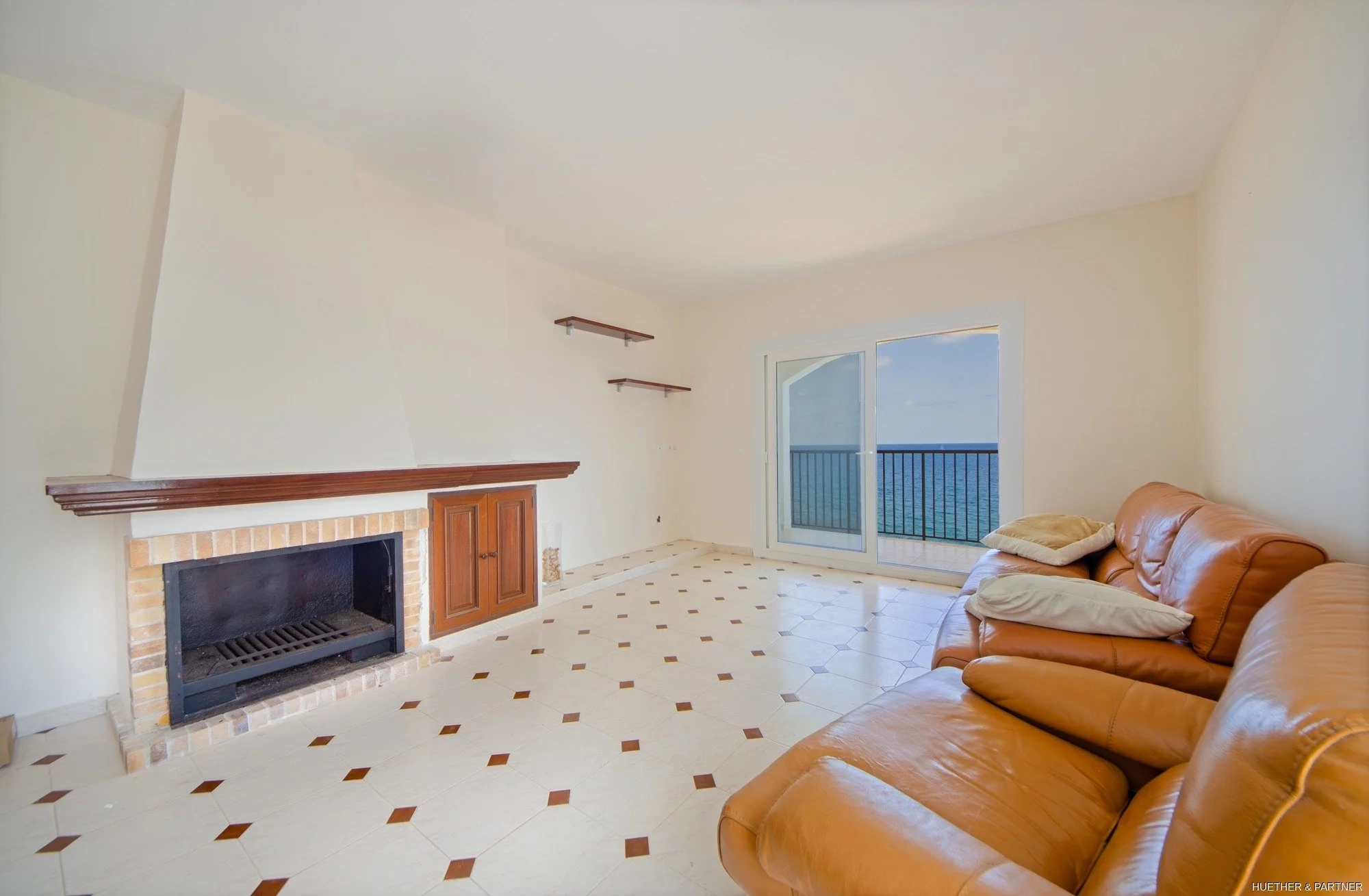
Marketed as needing modernisation
Outdoor areas
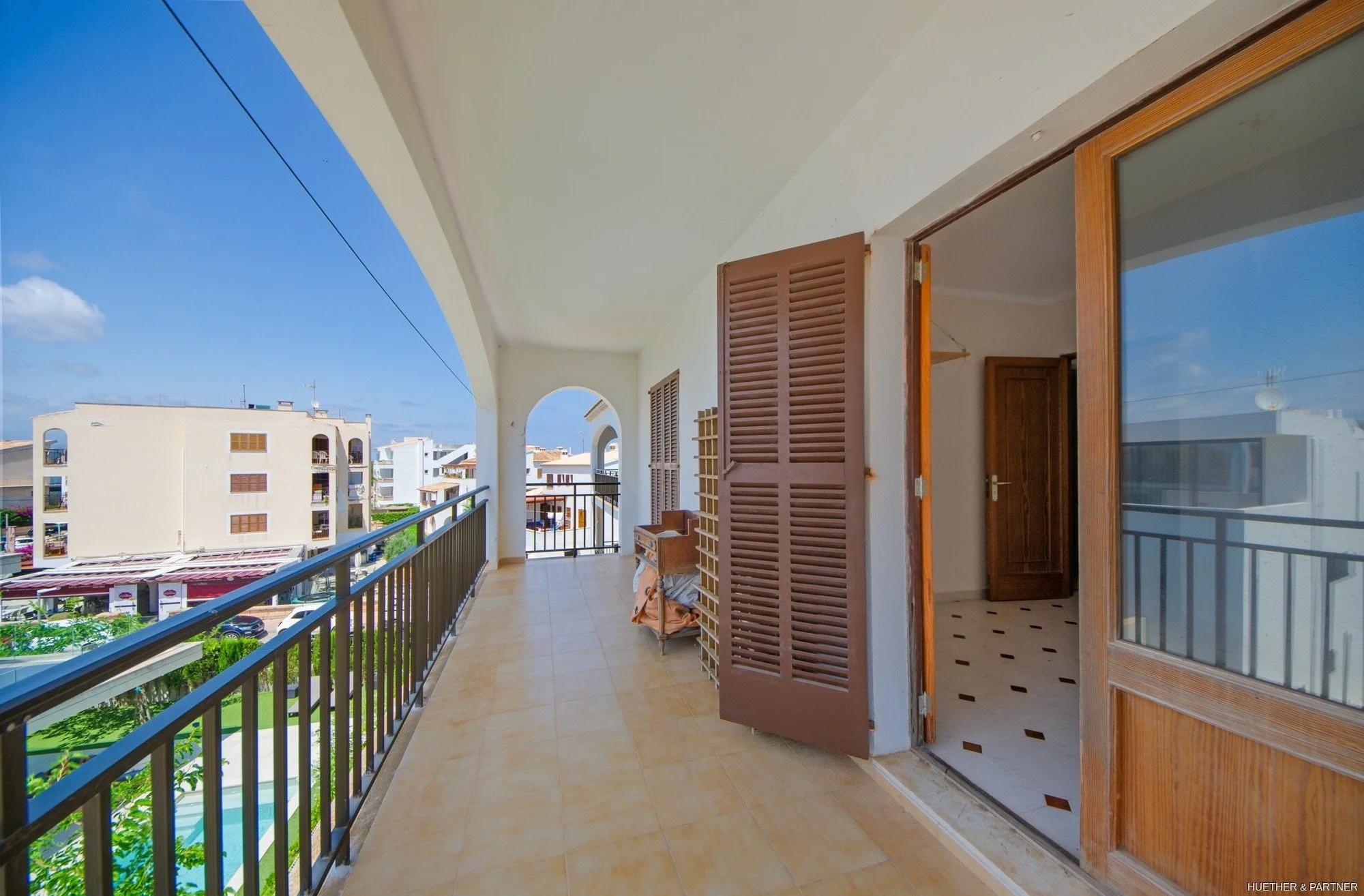
Two sea-facing balconies plus a rear balcony
Additional feature
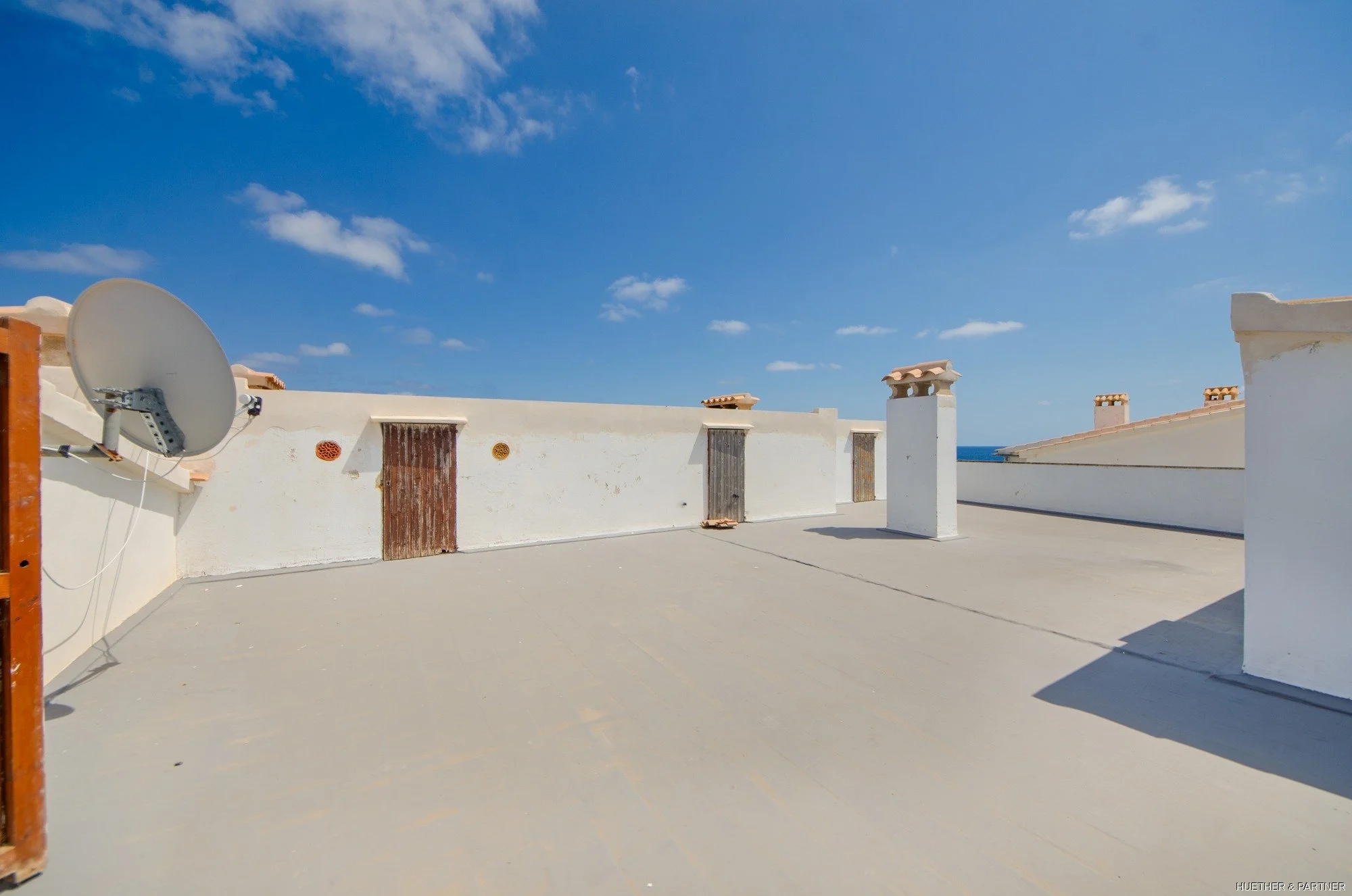
Private storage room on the communal roof terrace
Main value drivers
First-line position, open sea views, Portocolom setting, outdoor space
Main due diligence themes
Comunidad health, modernisation cost, "Energy Class N" clarification, balcony and storage rights, and Mallorca rental feasibility
Risk Radar
Overview
This is exactly the sort of apartment where the location can tempt a buyer into underweighting building risk. A third-floor first-line sea apartment in Portocolom with lighthouse views and direct coastal outlook has obvious emotional appeal, and that is before factoring in the multiple balconies. The listing is also refreshingly candid in saying that the flat needs modernisation, which is useful because it means the buyer can approach the opportunity as a pricing exercise rather than as a disappointing surprise.
The first major due-diligence theme is the comunidad. In an apartment purchase, the unit itself is only half the story. Roof condition, façade exposure, lift status, common plumbing, pool equipment, reserve levels, unpaid fees and pending derramas can radically change the true purchase cost. A 1992 building is not especially old, but it is old enough for lifts, façades, waterproofing, terrace membranes, common pipes and external joinery issues to start surfacing. A beautiful view does not protect a buyer from a badly managed building.
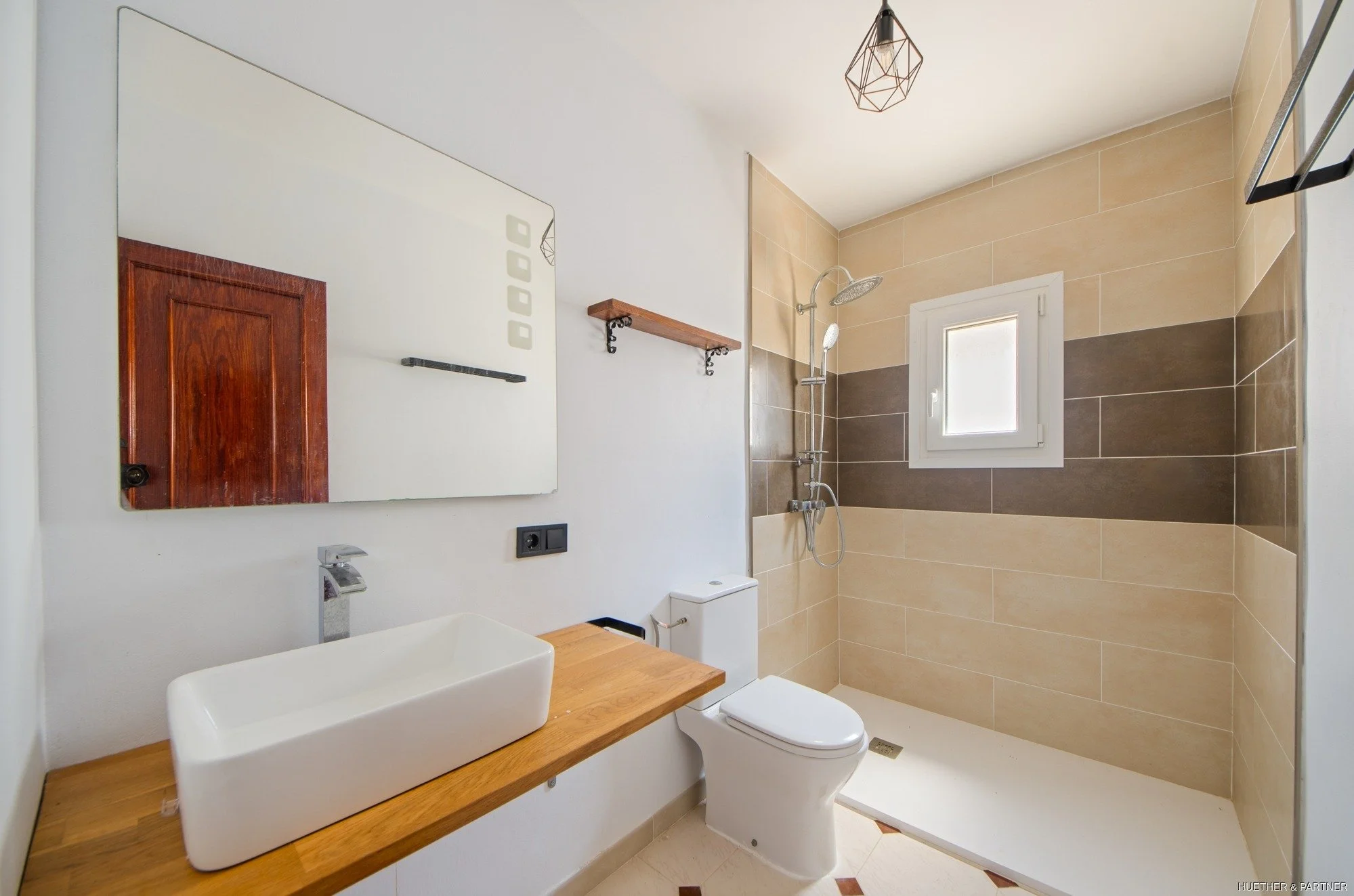
The second issue is modernisation scope. Because the apartment is not being sold as turnkey, the buyer needs to establish whether the work is mainly cosmetic or whether it extends to windows, electrics, plumbing, bathroom waterproofing, heating and cooling, and possible balcony works. The listing's honesty about single glazing and dated condition is actually an advantage if the buyer can convert that into a realistic budget and a negotiation strategy.
The third issue is tourist-rental feasibility. Mallorca's regime is stricter than many mainland buyers assume. The Balearic authorities state that new tourist places in multi-family buildings are prohibited across the islands, and their tourist-commercialisation guidance also states that where a dwelling is in a horizontal-property setting, the community must permit tourist commercialisation. That means a seafront apartment in a block should not be priced on assumed short-term rental upside unless the legal position is already crystal clear.
The fourth issue is the "Energy Class N" label. Spain's energy-certification framework requires the certificate to be made available to buyers or users when buildings or building units are sold or let, so "N" should be treated as a documentation flag rather than a normal rating. The buyer should insist on either the actual certificate or a precise explanation of why it is not being produced.
Targeted Questions
Comunidad Health and Building-Level Risk
The buyer needs the real annual carrying cost, not a rough estimate.
Fees only become meaningful when the buyer knows whether they include pool care, insurance, cleaning, water, lift servicing or reserve contributions.
The budget shows whether the current fee level is realistically covering building needs.
Minutes often reveal disputes, planned works, unpaid quotas and emerging technical problems.
Special assessments can materially change the real purchase cost.
A building with little reserve is more exposed to sudden cash calls.
Persistent arrears can signal financial stress within the building.
The scale of the block affects per-unit costs, governance and atmosphere.
Occupancy profile affects noise, wear, management style and future resale appeal.
Management quality often correlates strongly with building upkeep.
Third-floor and roof-level issues can have a direct impact on this apartment and its private storage.
First-line coastal exposure accelerates wear and future expenditure.
Lift upgrades can produce significant derramas in older apartment blocks.
Shared services problems can be disruptive and expensive.
Pool-related costs often sit outside a buyer's first assumptions.
Modernisation Scope and Technical Condition
The buyer needs to distinguish decorative updating from essential technical work.
Existing quotes can anchor the buyer's budget and negotiations.
Immediate usability affects both budget and post-completion disruption.
A 1992 apartment may need more than cosmetic work if the electrical installation is dated.
Plumbing replacement can materially change the renovation budget.
Cosmetic modernisation is very different from repairing hidden building pathology.
Even apartment-level works can require notice or approval where shared services or exterior elements are affected.
Other owners' works can reveal building-specific patterns or restrictions.
Windows, Energy Class and Services
Spain's framework requires the certificate to be available to buyers or users, so the buyer should see the actual document.
"N" is not a normal efficiency label and needs a precise explanation.
The reason may indicate an administrative gap or incomplete sale preparation.
Real utility costs are often more useful than the headline label.
Original joinery in a coastal building often drives both comfort issues and refurbishment cost.
Sea exposure can accelerate wear, corrosion and sealing failure.
Apartment exterior uniformity rules can affect renovation options.
The buyer needs to know the real winter-comfort setup.
Mallorca summer comfort matters for both owner use and rental positioning.
Coastal apartments often reveal performance issues in day-to-day use.
Balconies, Views and Storage Rights
Exclusive-use rights should be clear in the deed and community documents.
The legal classification affects maintenance and repair liability.
Usability and value depend on size, not just number.
Balcony liability in apartment buildings can be technically and legally complex.
Past work can signal future risk.
View durability is part of the asset's premium.
"Direct coastal access" can mean different things legally and practically.
A private storage room only adds clean value if its legal attachment is clear.
The practical usefulness of the storage depends on both legality and condition.
Roof-level annexes can create hidden shared-rights or repair-cost issues.
Roof-adjacent storage can reveal the building's upper-envelope condition.
Practicalities, Access and Location
Lift access materially affects usability, deliveries and long-term marketability.
A lift that exists but is unreliable still creates risk.
Third-floor practicality matters more than it first appears.
Parking strongly affects liveability and rental appeal in Portocolom.
Seasonal congestion can materially affect the apartment's day-to-day value.
The exact parking regime matters more than broad reassurance.
Remote-work suitability depends on real connectivity.
Coastal buildings can have uneven reception despite good outdoor signal.
Sea-facing calm is valuable, but traffic, neighbours and seasonal activity still matter.
Occupancy profile affects both enjoyment and rental strategy.
Rental Potential
Existing compliance is very different from starting afresh.
The Balearic government states that new tourist places in multi-family buildings are prohibited across the islands.
The Balearic tourism guidance states that in plurifamilial or horizontal-property cases, the community of owners must permit tourist commercialisation.
Zoning remains central to tourist-letting feasibility on Mallorca.
Long-term rental is the conservative underwriting case.
Post-renovation rent helps test whether the modernisation makes economic sense.
Real operating evidence is stronger than agent estimates.
Market fit matters as much as absolute rent level.
Negotiation Intelligence
Buyer Leverage
Medium-High
Key Drivers
Typical Negotiation Range
5-15% below asking
Neutral Phrasing Example
Country Layer
Spain (Regulatory Context March 2026)
Key Spanish requirements and Balearic-specific rules for buyers:
For this specific apartment, the practical takeaway is simple. Verify the comunidad finances and future works exposure, verify the legal status of the balconies and roof storage, obtain the actual energy certificate, and treat tourist-rental potential as unproven unless the typology, zoning and community position all line up clearly.
Viewing Strategy
During the viewing:
Next Step
Verify from the listing:
Comunidad finances and future works
Ask for the latest budget, meeting minutes and any information on pending derramas so you can judge whether the building’s sea-front position is matched by sound maintenance and realistic reserves.
Modernisation budget and scope
Request a clear renovation breakdown for kitchens, bathrooms, windows, flooring and services so you can price the apartment on its true post-works cost rather than on the romance of the view alone.
Energy Class “N” explanation
Obtain the actual energy certificate or a document-backed explanation for why it is not being shown, because this directly affects compliance clarity and your ability to assess likely running costs.
Balcony and roof-storage rights
Confirm that the three balconies and the storage room on the communal roof are legally and exclusively attached to the apartment, and clarify who pays for waterproofing and structural maintenance.
Mallorca rental-rule fit
Check whether the apartment’s building typology, zoning and community rules actually allow any tourist-rental strategy before treating holiday-let potential as part of the property’s value.
A prepared buyer should approach the agent calmly and frame questions as due diligence.
Because this is a first-line Mallorca apartment where building health and rental feasibility both materially affect value, run it through the Rental Yield Calculator to compare long-term and any legally realistic short-term scenarios, or use the Property Risk Assessment to pressure-test comunidad, balcony and renovation risks before contacting the agent.
Disclaimer: The Property Drop is buyer-focused intelligence, zero sales agenda. We curate exceptional properties, in southern Europe, from third-party agents and arm you with decision tools. No commission, no transactions, no agent partnerships, no skin in the game beyond helping you choose wisely. Information stays accurate until it doesn't (properties sell, prices shift, markets move). Everything here is shared for informational purposes only and should not be treated as legal, financial, or investment advice. Images belong to original agents. Read our Terms of Service to learn more.
IMPORTANT REMINDER: When contacting property agents featured on The Property Drop, you are entering into direct communication with third parties. It's recommended that you verify all property details independently, conduct thorough due diligence, engage qualified professionals (solicitors, surveyors, financial advisors), understand your rights and obligations under local property laws, and never send money or make commitments without proper legal protection.
