The Buyer Playbook: 1-Bed Renovated Apartment with South-Facing Terrace, Bordeaux, France, €270,000
France Pre-Viewing Intelligence

Buyer Playbook

Pre-Viewing Intelligence Report

This independent buyer guidance report relates to this specific property located in Bordeaux, France. It is provided for informational purposes only and does not constitute legal, tax, structural or survey advice. Copropriété matters, planning permissions, habitability, terrace rights, title position, rental use and alterations to protected buildings must always be verified with qualified French professionals such as a notaire, avocat, architecte, géomètre-expert, building surveyor or property consultant, and with Bordeaux Métropole or the relevant municipal authorities. This report is designed to help buyers evaluate the property before arranging a viewing or making an offer. It highlights due diligence areas and targeted questions to ask the estate agent. The analysis is based on the listing information, the supplied property research and publicly available regulatory context at the time of writing.

Property Snapshot

Location

Near Rue Costedoat, Bordeaux, Gironde, France

Asking Price

€270,000

Property type

Renovated one-bedroom apartment

Building type

Traditional stone building

Floor

First floor

Bedrooms

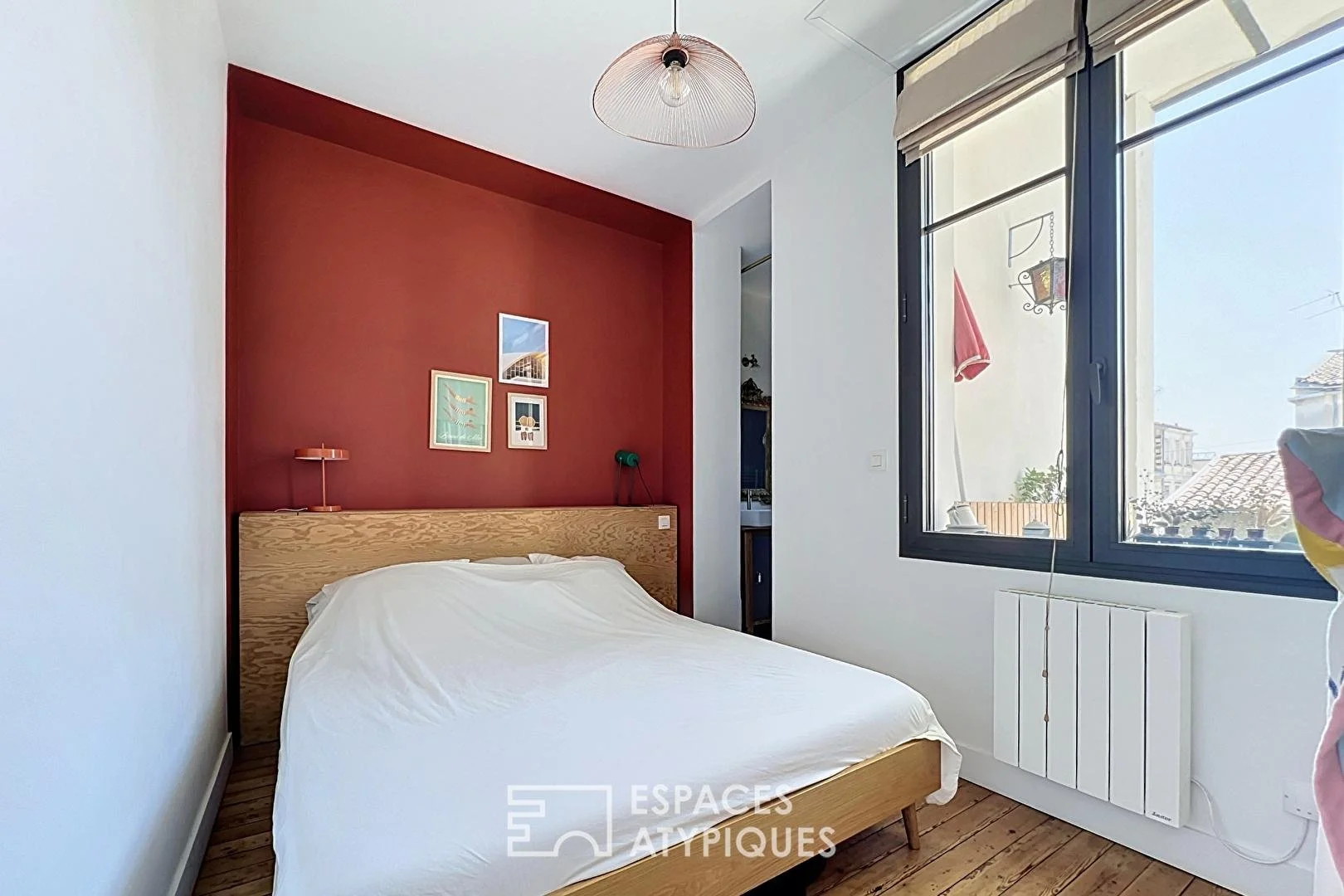
1

Bathrooms

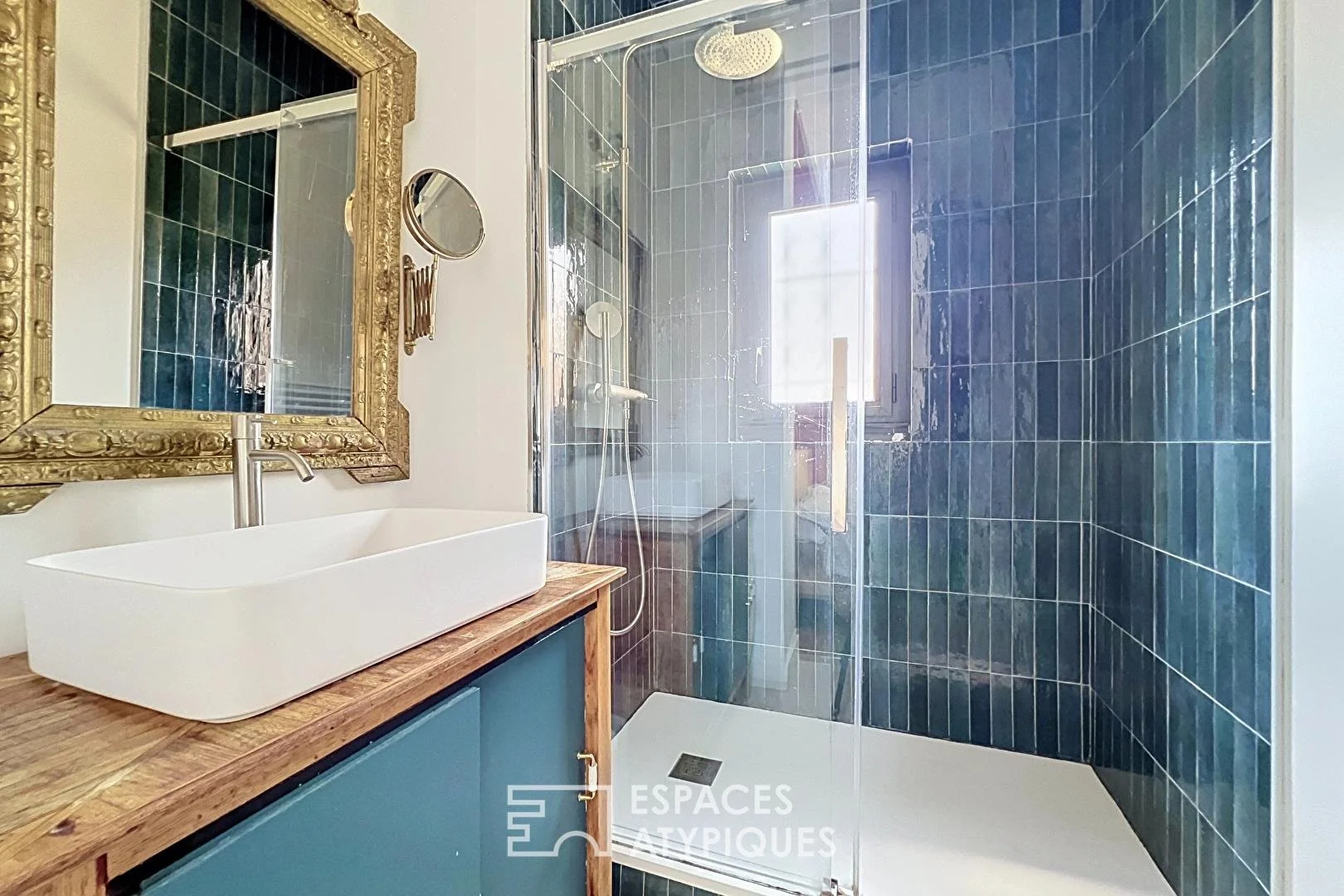
En-suite shower room with walk-in shower

Additional WC

Separate toilet

Internal area

Not stated in the listing

Renovation

Architect-led redesign completed in 2025

Energy rating

D

Living space

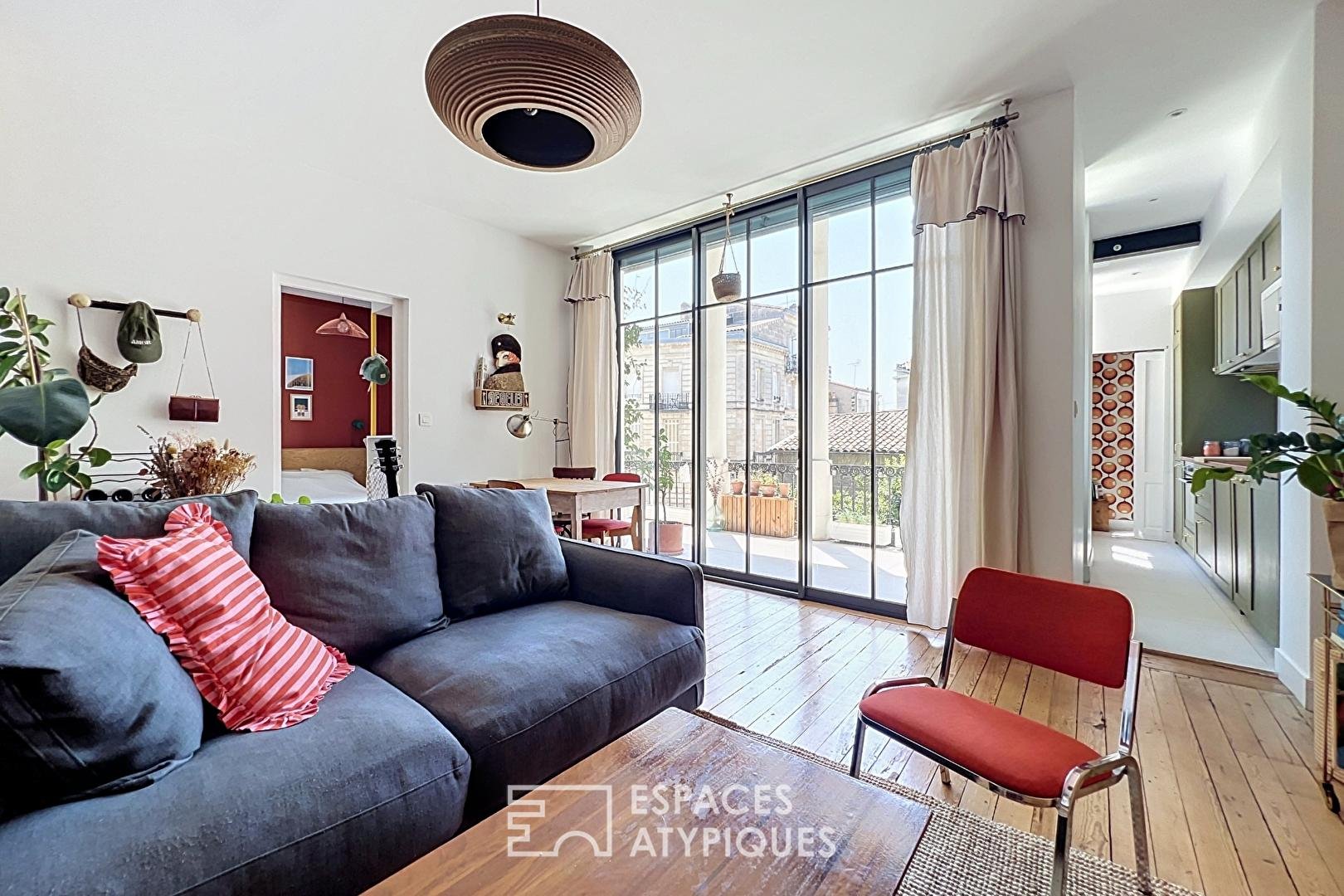
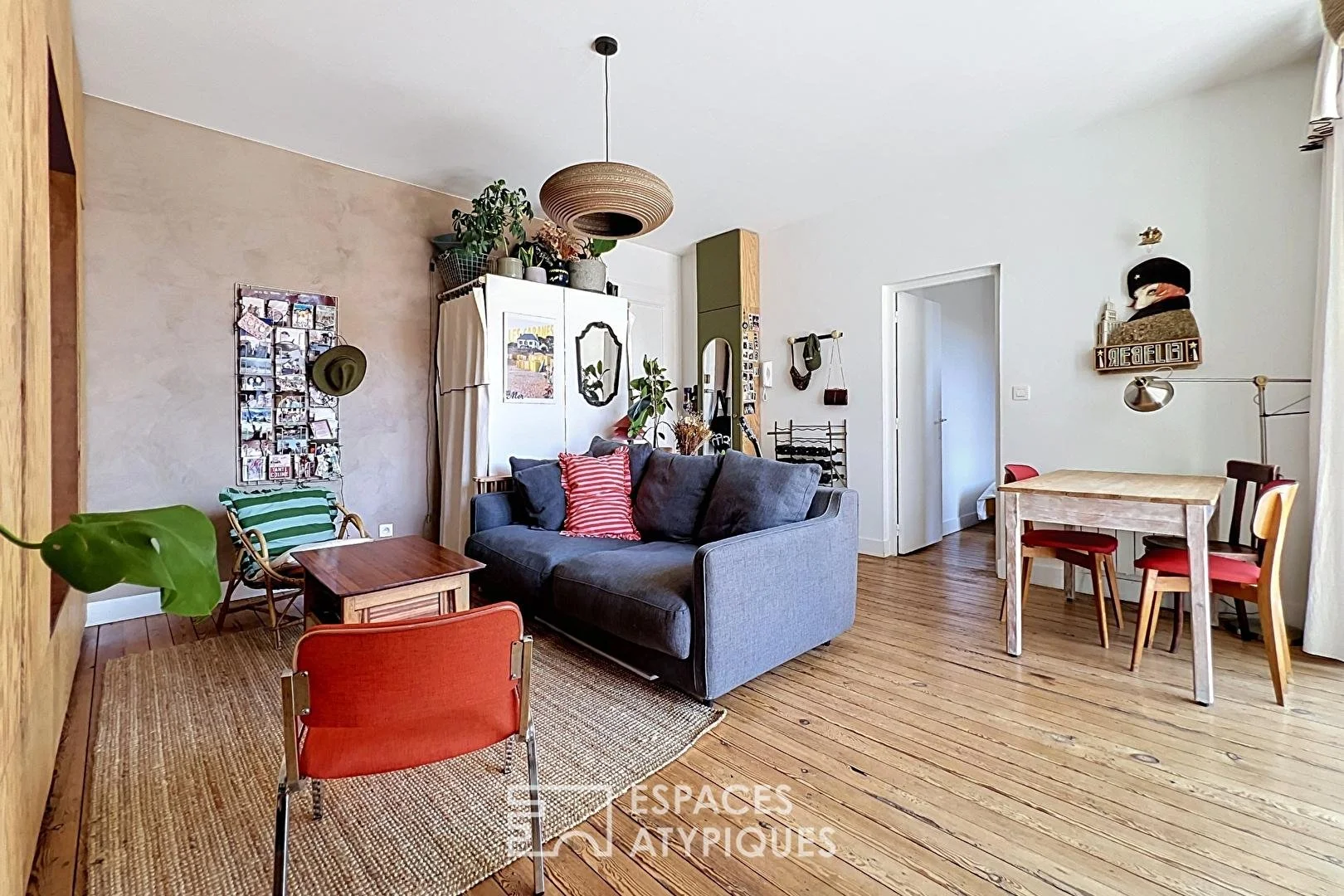
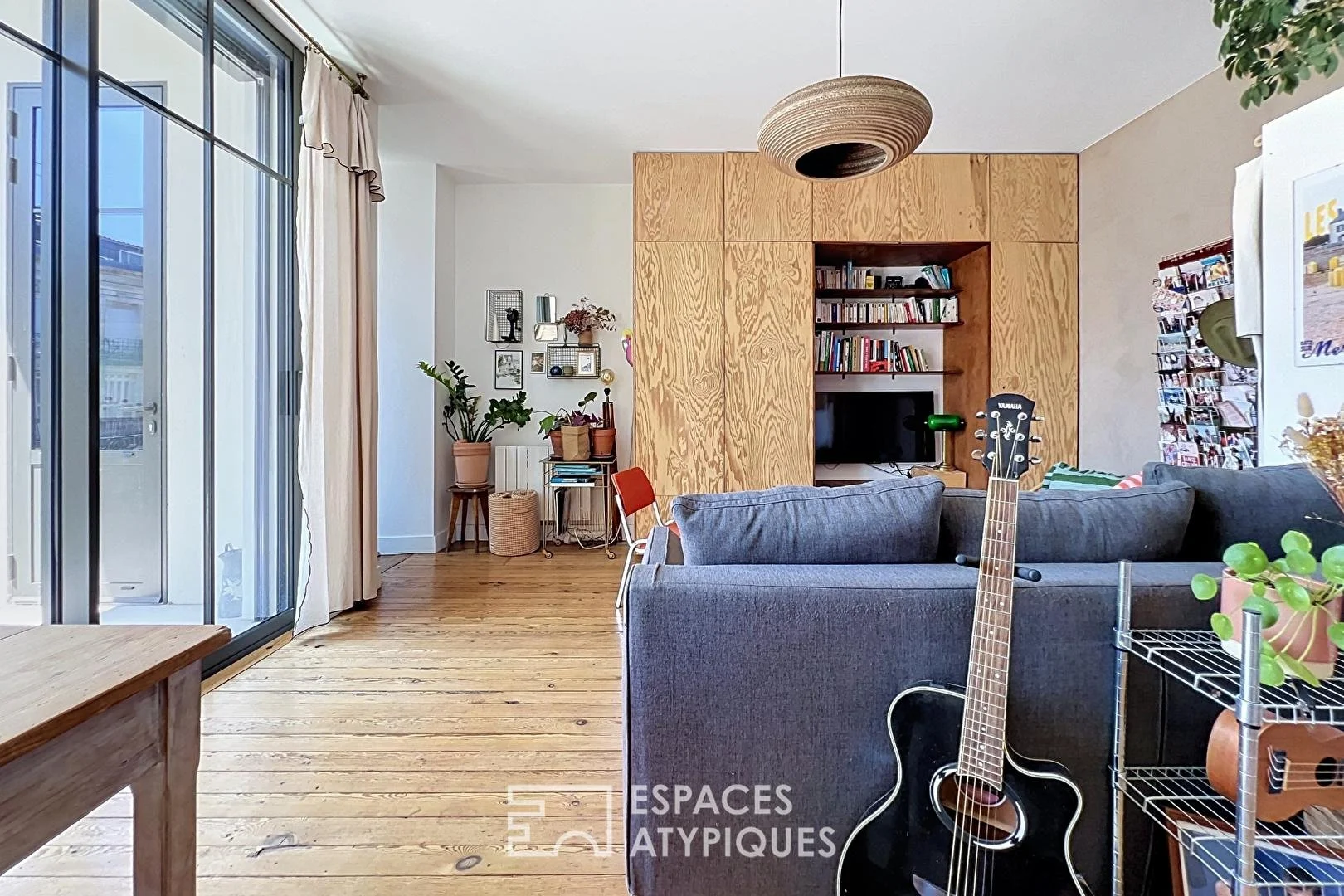
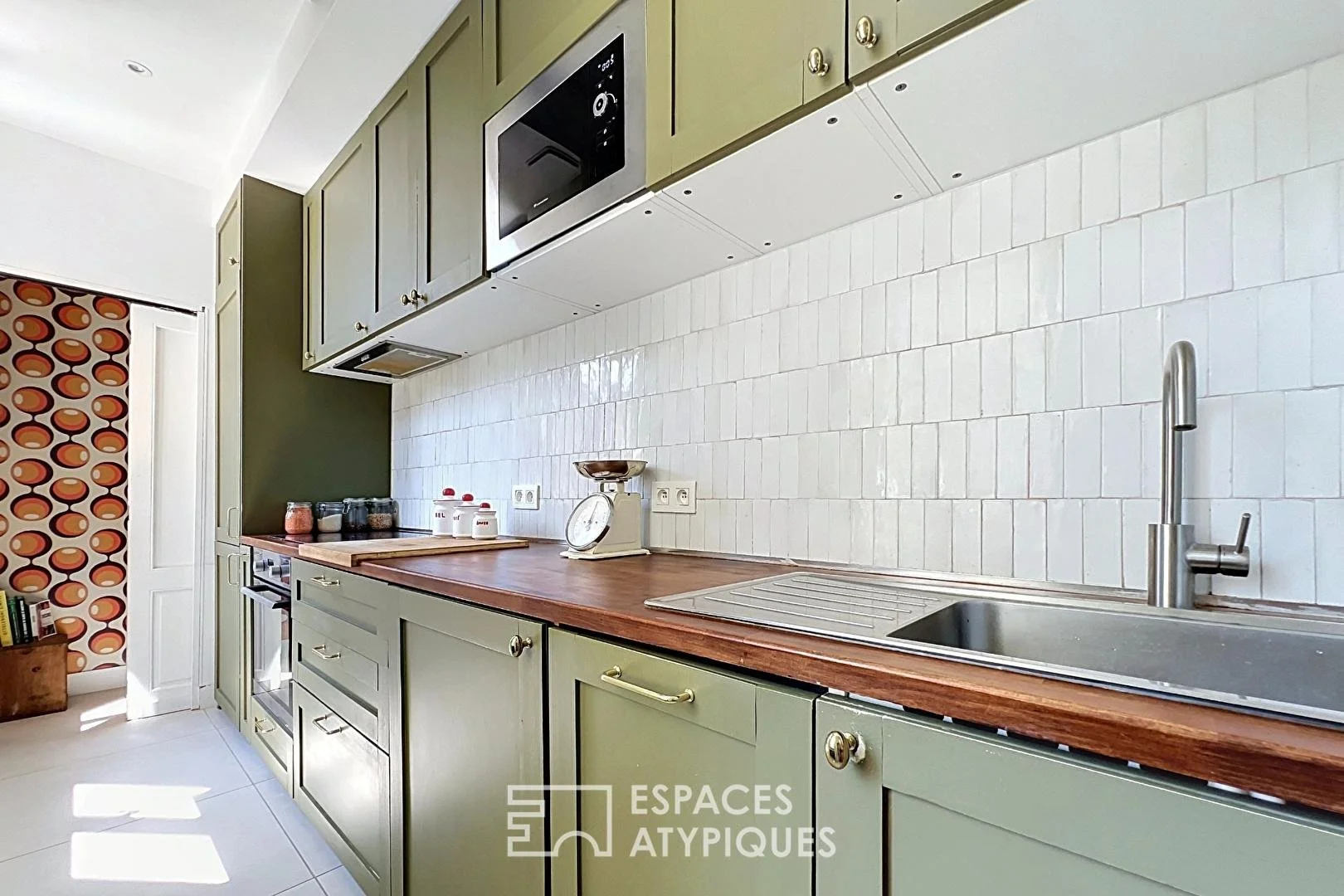
Open living and kitchen area with direct terrace access

Outdoor space

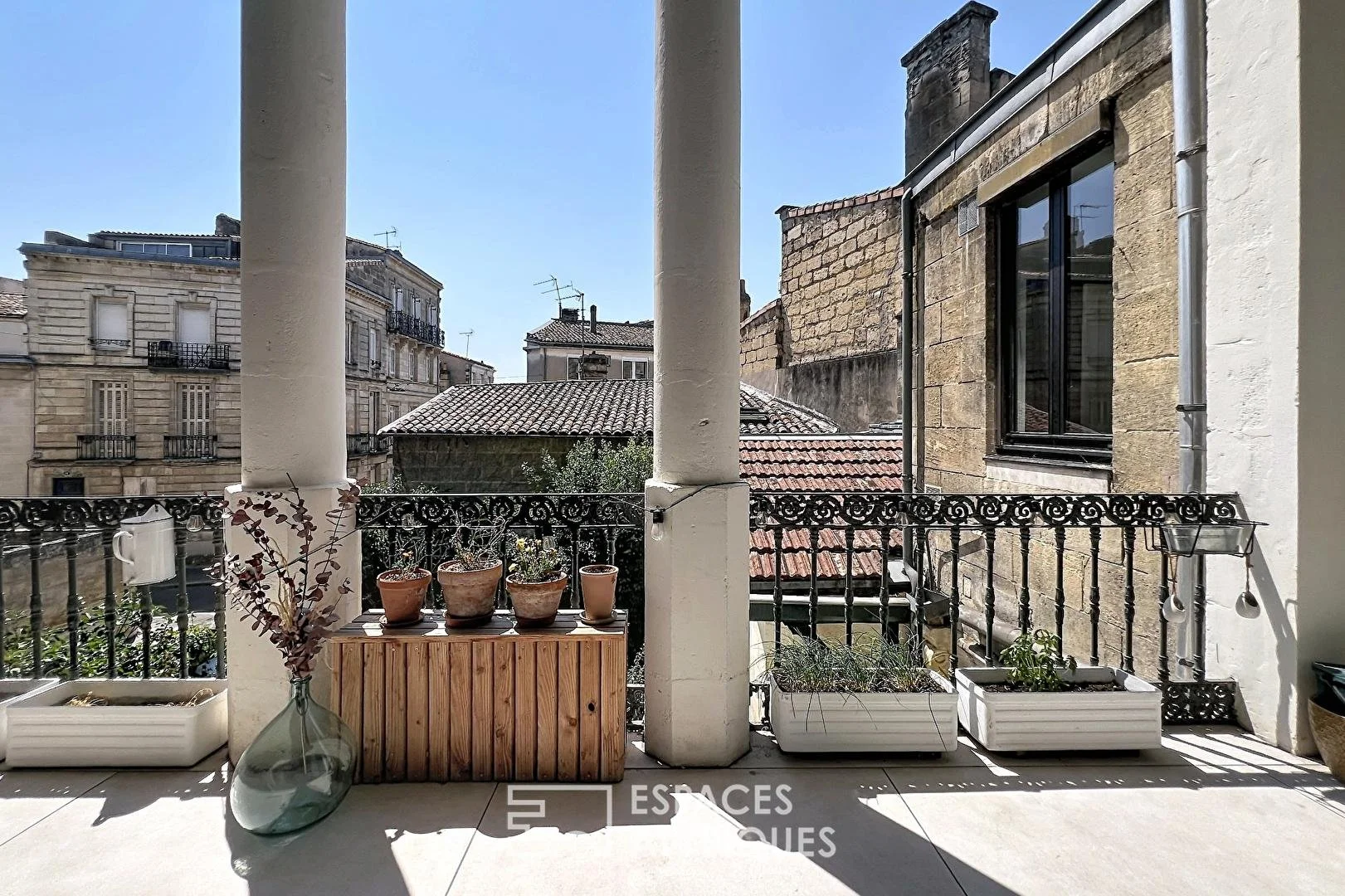
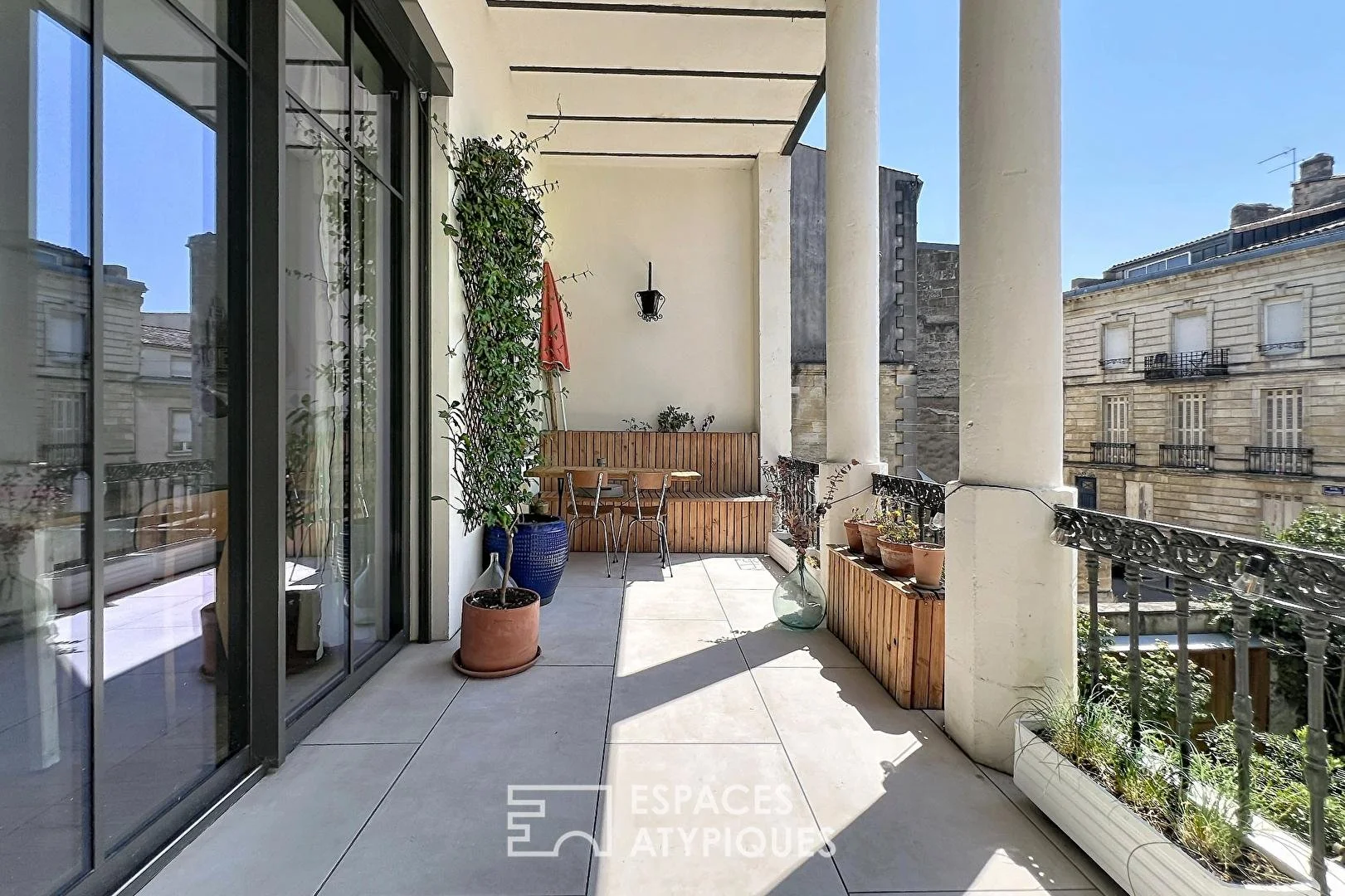
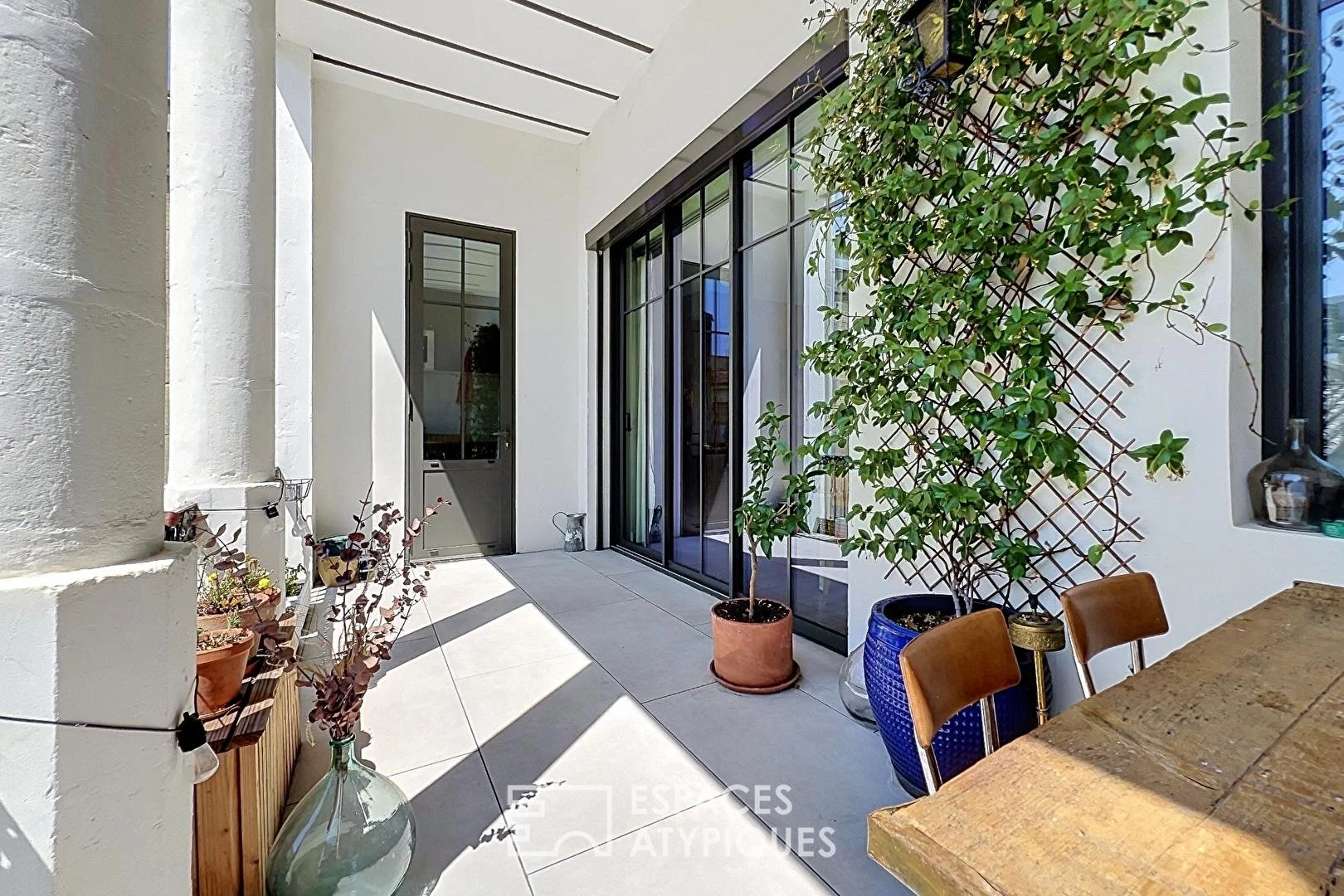
South-facing terrace

Architectural details

High ceilings, restored antique parquet flooring and industrial-style bay window

Fitted elements

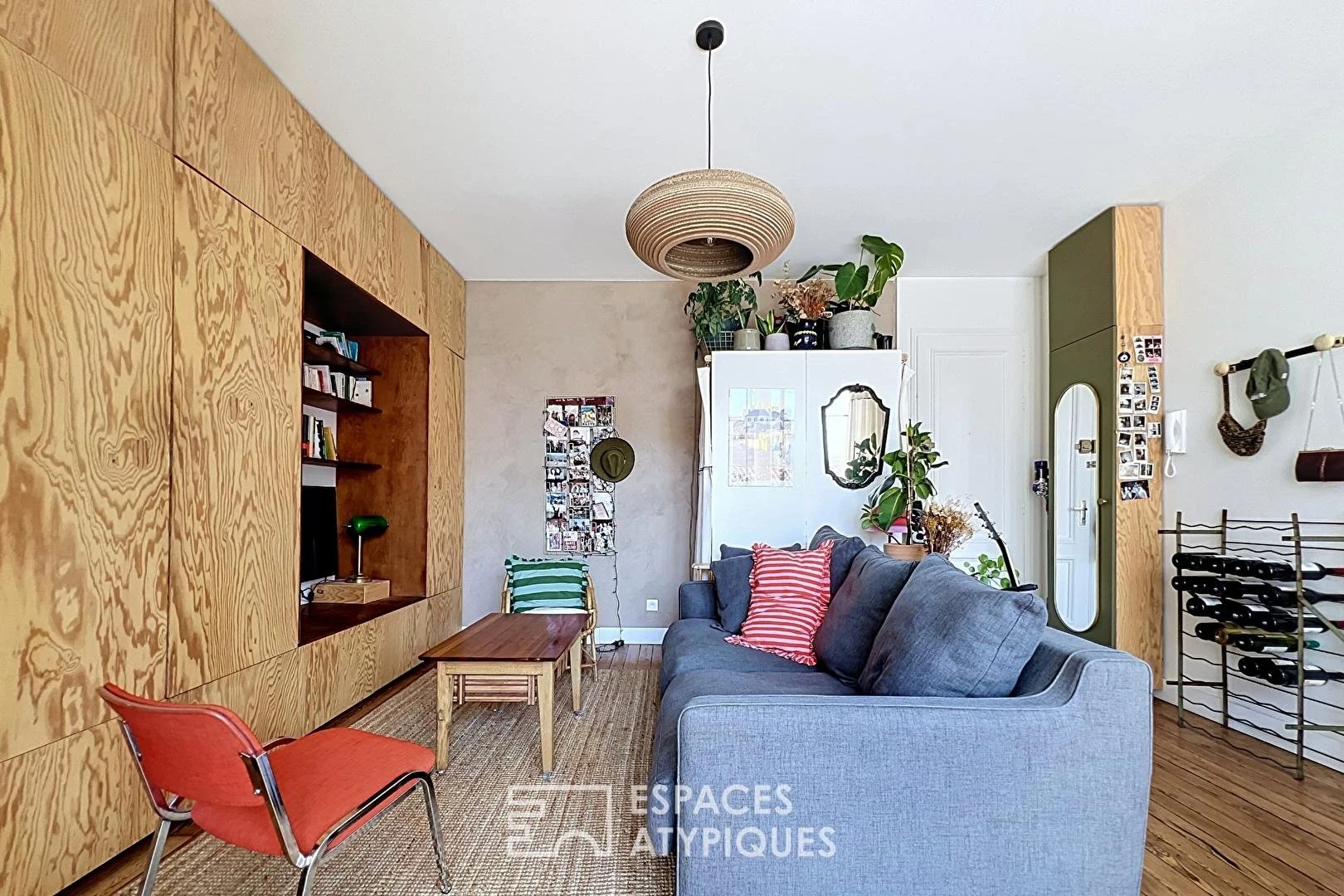
Custom plywood furniture

Storage

Cellar

Parking

Not stated

Lift

Not stated

Location practicality

Approximately 200 metres from Rue Costedoat, with shops and public transport nearby

Potential uses

Main home, Bordeaux pied-à-terre, long-term rental or potentially regulated short-term accommodation

Condition

Marketed as renovated and ready to occupy

Risk Radar

Potential risk or due-diligence focus. More investigation needed. Unknown or information not yet confirmed.
2025 renovation permissions, warranties and workmanship
High
Copropriété finances and future building works
High
Terrace title, waterproofing and maintenance liability
High
Energy Class D despite recent renovation
Medium–High
Bordeaux rental restrictions and achievable income
Medium–High

Overview

This apartment combines features that are difficult to reproduce cheaply, including a south-facing terrace, high ceilings, antique parquet flooring and a carefully designed interior. The renovation was reportedly completed in 2025 by architect owners, making the quality, documentation and legal approval of that work central to the purchase decision.

The buyer should not assume that an architect-led renovation automatically means every alteration was formally approved. The industrial-style bay window, terrace openings, plumbing changes, en-suite shower room, electrical installation and any alterations affecting structural walls, external appearance or common parts should be checked against the copropriété approvals, municipal permissions and final plans.

The lack of a stated internal area is another important omission. The official Loi Carrez measurement should be obtained and compared with the current layout, title documents and marketing description. The cellar and terrace must also be traced through the règlement de copropriété and état descriptif de division to determine whether they are private lots, common areas allocated for exclusive use, or spaces governed by another legal arrangement.

Energy Class D is not necessarily poor for an older Bordeaux stone building, but it requires explanation after a 2025 renovation. The buyer should establish whether the renovation concentrated mainly on design rather than insulation, heating and thermal performance. The full DPE should reveal the apartment's energy consumption, emissions, estimated running costs and recommended improvements.

The wider stone building may matter as much as the apartment itself. Roof repairs, façade restoration, common drainage, structural cracking, electrical upgrades or major energy works can create substantial future charges. Recent copropriété minutes, accounts and the building's maintenance plans should therefore be reviewed before treating the apartment as move-in ready.

For rental use, long-term demand may be more straightforward than short-term tourism use. Bordeaux regulates meublés de tourisme, and the treatment differs depending on whether the apartment is a principal residence or a secondary residence. Any investment calculation should be based on the legally permitted rental model rather than headline nightly rates.

Targeted Questions and Why this Matters

2025 Renovation, Permissions and Documentation

1.Can you provide the architect's final plans showing the apartment before and after the 2025 renovation?

Comparing the previous and current layouts can reveal relocated rooms, removed partitions and changes affecting plumbing, ventilation or structure.

2.Which works were completed during the 2025 renovation, including electrical, plumbing, heating, windows, insulation, kitchen and bathroom works?

A detailed scope distinguishes a comprehensive technical renovation from a mainly decorative redesign.

3.Was a déclaration préalable de travaux, permis de construire or other municipal authorisation required for any part of the renovation?

Changes to external appearance, windows, openings or protected buildings may require formal planning approval.

4.Can you provide copies of every planning application, approval and déclaration attestant l'achèvement et la conformité des travaux associated with the renovation?

Completion documentation helps establish that approved work was finished in accordance with the authorisation granted.

5.Did the industrial-style bay window replace an earlier window or involve enlarging or altering an external opening?

Altering an opening may affect the façade, structure and common parts, requiring both planning and copropriété consent.

6.Did the renovation alter any load-bearing walls, floor structures, chimney breasts or other structural elements?

Structural changes should be supported by engineering calculations, contractor records and appropriate approvals.

7.Were any common pipes, ventilation ducts, external walls or other copropriété elements altered during the work?

Work affecting common parts generally requires authorisation from the copropriété.

8.Can you provide the copropriété meeting resolution or written authorisation approving the renovation where required?

Municipal permission does not replace the need for copropriété approval when common parts or the building's appearance are affected.

9.Can you provide the architect's appointment documents, specifications and practical completion records?

These documents help identify who designed, supervised and accepted the works.

10.Can you provide itemised invoices for the 2025 renovation and contact details for the principal contractors?

Invoices help verify the age, specification and professional execution of the installations.

11.Which contractors carried assurance décennale, and can you provide their insurance certificates valid on the dates the work was completed?

Certain qualifying construction works may benefit from ten-year liability protection, but only where properly insured contractors performed them.

12.Are there any outstanding defects, snagging items, contractor disputes or insurance claims connected with the renovation?

Recent renovation can conceal unresolved workmanship problems that may become the buyer's responsibility.

13.Was a carnet d'information du logement created or updated following the 2025 renovation?

French rules can require a CIL where qualifying renovation work has been undertaken since 2023, providing useful information about energy performance and completed work.

Title, Area and Legal Configuration

14.What is the apartment's certified Loi Carrez area, and can you provide the current measurement report?

The listing does not state the internal area, yet the private area of a copropriété lot must be identified in the sale documentation.

15.Does the Loi Carrez plan match the apartment's present one-bedroom layout and en-suite shower room?

A discrepancy may indicate unrecorded alterations or areas that cannot be counted in the legal floor area.

16.Can you provide the title deed, règlement de copropriété and état descriptif de division identifying the apartment, cellar and terrace rights?

These documents establish what is legally included in the sale and how each space is classified.

17.Is the cellar a separate private lot with its own lot number and tantièmes?

A cellar described in marketing material is not necessarily included as a legally transferable private lot.

18.Is the south-facing terrace privately owned, attached to the apartment as a lot, or a common area granted for exclusive use?

The legal structure affects use rights, repair obligations, insurance and future resale value.

19.Does the current arrangement comply with the permitted residential use and destination of the lot under the règlement de copropriété?

The title and copropriété rules should support the apartment's current residential configuration.

Terrace and External Elements

20.What is the exact size of the south-facing terrace?

Its size materially affects usability, valuation and comparison with competing apartments.

21.Was the terrace created, extended or materially altered during the 2025 renovation?

Recent alteration could require municipal consent, copropriété approval and evidence of compliant waterproofing.

22.Who is legally responsible for the terrace structure, surface covering, waterproofing, drainage and balustrade?

Maintenance liability can be divided between the owner and copropriété depending on the legal status of the terrace.

23.When was the terrace waterproofing last renewed, and is there an invoice or guarantee for the work?

Failed waterproofing can damage the apartment or premises below and create disputes over responsibility.

24.Have there been any leaks, blocked drains, damp marks or complaints from the property beneath the terrace?

Previous incidents may indicate an unresolved defect even where the terrace currently appears dry.

25.Does the règlement de copropriété restrict awnings, planters, barbecues, screening, furniture or noise on the terrace?

Usage restrictions may limit the lifestyle benefit that supports the asking price.

26.What degree of privacy does the terrace have from neighbouring windows and adjoining outdoor areas?

A south-facing terrace may be less valuable if it is heavily overlooked or affected by neighbouring noise.

Energy Performance and Comfort

27.Can you provide the complete current DPE, including its date, reference number, estimated annual costs and recommended improvements?

The DPE is part of the required diagnostic documentation and provides more useful information than the headline D rating alone.

28.Was the DPE completed after the 2025 renovation and based on the apartment's present installations?

A certificate issued before the works would not accurately reflect the renovated property.

29.Why did the apartment achieve Energy Class D after a recent architect-led renovation?

The answer may show whether insulation, glazing and heating were excluded from the renovation.

30.What heating system serves the apartment, and is it individually controlled or communal?

Heating type affects running costs, maintenance responsibility and the owner's control over consumption.

31.What are the recorded annual electricity, gas and heating costs for the last 12 months of normal occupation?

Actual bills provide a practical comparison with the DPE's modelled estimates.

32.What insulation exists in the external walls, ceiling, floors and areas adjoining unheated common spaces?

Older stone buildings can retain character while remaining thermally inefficient if the renovation did not address the building envelope.

33.Is the industrial bay window double-glazed, thermally broken and professionally sealed?

Large glazed openings can become a source of heat loss, condensation and summer overheating.

34.Does the south-facing orientation cause excessive heat in summer, and is there shading, ventilation or air conditioning?

Solar gain can improve winter light while creating summer comfort problems.

35.Has the copropriété completed or commissioned a collective DPE, diagnostic technique global or projet de plan pluriannuel de travaux?

Building-level assessments may identify future façade, roof or energy works that could affect the buyer's costs.

Copropriété Finances and Building Condition

36.What are the current annual charges de copropriété, and what services do they include?

The buyer needs to distinguish routine charges from separately billed heating, water, insurance or exceptional works.

37.Can you provide the copropriété's last three years of procès-verbaux d'assemblée générale?

These minutes can reveal planned works, neighbour disputes, unpaid charges and recurring building problems. They form part of the key information normally supplied to buyers of copropriété lots.

38.Can you provide the current budget, latest accounts, fiche synthétique and details of the fonds de travaux?

These documents help assess financial resilience and whether reserves are sufficient for upcoming maintenance.

39.Are there any unpaid charges, supplier debts, legal proceedings or owners in persistent arrears?

Financial weakness within the copropriété may lead to delayed maintenance or increased contributions from paying owners.

40.Have any special works been voted, proposed or discussed for the roof, façade, stonework, stairwell, drainage, wiring or shared plumbing?

Major building works can create substantial additional charges soon after completion.

41.What would this apartment's estimated share be of each planned or likely programme of works?

The apartment's tantièmes determine its contribution, which may materially alter the effective purchase cost.

42.When were the roof, façade, rainwater systems and common plumbing last professionally inspected or renewed?

The condition of an older stone building can affect damp risk, insurance and future copropriété expenditure.

43.Has the building experienced structural movement, cracking, rising damp, timber decay, termites or water ingress?

Historic stone buildings can develop defects that are not visible within a newly decorated apartment.

44.How many residential and commercial units are in the building, and what proportion are owner-occupied?

The ownership mix can influence building management, noise, maintenance decisions and rental restrictions.

45.Who is the syndic, and have there been recent complaints about management quality, contractor performance or rising fees?

A well-managed copropriété is important where the apartment depends on shared maintenance and collective decisions.

Interior Condition and Practical Use

46.Were the electrical and plumbing installations fully replaced in 2025, and are compliance certificates available?

New finishes do not confirm that concealed systems were renewed or correctly installed.

47.How is the en-suite shower ventilated, and does the ventilation discharge through an approved route?

Inadequate bathroom ventilation can cause condensation, mould and damage to fitted finishes.

48.Is the restored antique parquet stable throughout, with no movement, moisture damage, woodworm or concealed repairs?

Restored flooring is attractive, but repairs can be costly where boards are rare or the subfloor is defective.

49.Which custom plywood units, appliances, light fittings and other fitted items are included in the agreed sale price?

Design-led built-ins contribute to the apartment's appeal, so inclusions should be recorded in the sale documentation.

50.What is the condition of the cellar, and has it experienced damp, flooding, mould or pest activity?

Bordeaux cellars can be vulnerable to moisture, making them unsuitable for valuable or moisture-sensitive storage.

51.Is there a lift, secure bicycle storage or practical access for moving furniture to the first floor?

First-floor access may be manageable day to day but inconvenient for mobility needs, removals or future tenants.

52.What noise is audible from the street, neighbouring apartments, common stairwell and terrace during evenings and weekends?

A daytime viewing may not reveal the acoustic conditions of a central apartment.

53.Is fibre broadband already connected to the apartment, and where is the telecommunications point located?

Confirmed connectivity is important for remote working and rental demand.

Rental and Investment Potential

54.What long-term monthly rent has the agent evidenced for comparable renovated one-bedroom apartments with terraces in this immediate area?

A rental assessment should be based on local completed lettings rather than optimistic asking rents.

55.Does the règlement de copropriété permit furnished rental and meublé de tourisme activity?

Building rules may restrict commercial-style or short-term accommodation even where municipal requirements can otherwise be met.

56.Has this apartment ever been rented, and can the seller provide historic rents, occupancy records and operating costs?

Actual performance is more reliable than projected income.

57.Is the apartment currently the seller's principal residence, secondary residence or an investment property?

The applicable Bordeaux short-term rental pathway depends partly on how the property is occupied and classified.

58.Does the apartment already have a Bordeaux meublé de tourisme registration number or change-of-use authorisation?

Existing permission should be verified rather than assumed to transfer automatically with the property.

59.If it would be used as a secondary residence for tourist accommodation, what change-of-use and compensation requirements would apply at this address?

Bordeaux states that tourist letting of a secondary residence requires change-of-use authorisation, with local rules governing the process.

60.Has the agent's rental projection accounted for Bordeaux's limit of 90 days per calendar year for letting an entire principal residence as tourist accommodation from 1 January 2026?

Revenue models based on unrestricted year-round short-term letting may not be legally achievable.

Negotiation Intelligence

Buyer Leverage

Medium-High

Key Drivers

The 2025 renovation supports the asking price only if the seller can demonstrate that the work was properly designed, authorised, insured and completed.
The absence of a stated Loi Carrez area is an immediate point to clarify. Without the certified internal area, the buyer cannot calculate the price per square metre accurately or compare the apartment with other Bordeaux properties.
Energy Class D creates a measured negotiation lever. It is not an extreme rating, but it suggests that a recent renovation may not have fully addressed glazing, heating, ventilation or insulation. Obtain costed recommendations before accepting a premium based on the apartment being fully renovated.
The terrace is another value driver that should be tested legally and technically. If it is a common area with exclusive-use rights rather than a privately owned lot, or if the owner carries significant waterproofing liability, that should be reflected in the offer.
Copropriété exposure may provide the largest financial lever. Planned roof, façade, drainage or energy works can add substantially to the effective purchase price. The buyer should calculate the apartment's share before negotiating.
Rental potential should be treated conservatively. A price based on tourist-rental income is difficult to justify unless the exact use is permitted by the building rules and Bordeaux regulations.

Typical Negotiation Range

5-15% below asking

Neutral Phrasing Examples

"Because the apartment's value is closely connected to the 2025 renovation, terrace and condition of the copropriété, I would like to review the architect's plans, works approvals, contractor warranties, Loi Carrez measurement, terrace title position and the last three years of copropriété documents before deciding how to structure an offer."

Country Layer

France (Regulatory Context July 2026)

Key French requirements for buyers:

Sale Diagnostics: For the sale of a French apartment, the seller must provide a dossier de diagnostic technique containing the diagnostics applicable to the property. Depending on the age, installations and location, this can include the DPE, lead, asbestos, electricity, gas, termites, risk information and other location-specific reports. The DDT must be attached to the preliminary sale contract or final deed. For this Bordeaux apartment, the buyer should request the entire DDT rather than the DPE alone. The traditional stone construction may mean lead and asbestos reports are relevant depending on the building's age, while electrical and gas reports may be required where installations are more than 15 years old. Termite documentation may also apply where the property lies within a designated risk zone.
DPE and Energy Position: The DPE records the property's energy and emissions ratings, estimated annual energy expenditure and recommended improvements. It must be included in the relevant sale and rental documentation. The buyer should verify that the Class D certificate was produced after the 2025 renovation and uses the apartment's current heating, windows and layout. A collective DPE or building-level technical plan may also be relevant to future copropriété energy expenditure.
Copropriété Documentation: A buyer of a French copropriété lot should receive key documents concerning the building's legal organisation and finances. These normally include the fiche synthétique, règlement de copropriété, état descriptif de division, relevant amendments, recent general meeting minutes and information about charges, debts and the financial position of the syndicat des copropriétaires. For this property, the règlement de copropriété and état descriptif de division should be checked specifically for the terrace, cellar, apartment lot, permitted use and responsibility for exterior features. The buyer should also ask whether the building has completed or discussed a diagnostic technique global, collective DPE or long-term works plan. These documents may identify future structural, maintenance and energy projects.
Loi Carrez Measurement: The sale documentation for an apartment must identify the private Loi Carrez area of the copropriété lot. Because the listing does not provide an internal area, the certified measurement should be obtained before assessing the asking price or making an offer.
Renovation and Planning: Internal decorative work does not always require planning permission. However, works affecting façades, windows, external openings, structural elements or protected surroundings may require a déclaration préalable, another authorisation and approval from the copropriété. Bordeaux contains extensive protected architectural areas. If the building is protected, within a protected perimeter or subject to heritage controls, external alterations may require consultation with the Architecte des Bâtiments de France. The buyer should ask the mairie to confirm the exact planning and heritage status of the address rather than relying on the building's appearance.
Bordeaux Tourist Rental Rules: Bordeaux requires tourist accommodation to comply with its local registration and change-of-use framework. The city's current guidance distinguishes between a principal residence and a secondary residence. A secondary residence used as a meublé de tourisme generally requires change-of-use authorisation, while the applicable compensation rules and procedural requirements should be confirmed for the exact address and proposed use. From 1 January 2026, Bordeaux limits the letting of an entire principal residence as short-term tourist accommodation to 90 days per calendar year. Buyers should therefore avoid relying on annual income projections based on longer unrestricted occupation. Municipal registration does not remove the need to check the règlement de copropriété. The building rules may restrict furnished tourist use or activities that create nuisance for other occupants.

Viewing Strategy

Begin outside the building rather than inside the apartment.

Examine the stone façade, roofline, rainwater goods, window surrounds and terrace elevation. Look for open joints, cracking, staining, repaired stonework, vegetation, detached render and signs of water running down the façade.
Inspect the entrance, stairwell, letterboxes, cellar access and common electrical equipment. The condition of these areas can indicate whether the copropriété maintains the building consistently or concentrates spending only when problems become urgent.
Compare the physical apartment with the architect's plan and Loi Carrez plan. Check the position of every partition, doorway, bathroom fitting, bay window and terrace opening. Ask the agent to identify which features were introduced during the 2025 works.
Examine the industrial-style bay window carefully. Open and close each section, check seals, glazing, condensation, draughts and external finishing. Stand beside it for several minutes to assess traffic and neighbourhood noise.
Walk slowly across the antique parquet flooring. Listen for excessive movement or hollow areas and look for cupping, gaps, replacement boards, staining or recent local repairs. Pay particular attention near the terrace doors, kitchen and shower room.
Inspect the en-suite shower while the water is running. Check drainage speed, water pressure, sealant, grout, extraction and any movement around the shower tray. Look at the adjoining walls and floor for moisture marks.
Open all custom plywood cupboards and inspect edges near sinks, appliances and wet areas. Plywood can perform well, but exposed edges may swell if detailing or sealing is poor.
Spend time on the south-facing terrace. Check privacy, sun exposure, drainage falls, outlets, balustrade stability and the condition of the surface. Look below the terrace where possible for staining or repaired ceilings.
Visit the cellar and take a moisture meter if permitted. Note smell, ventilation, flaking surfaces, water marks and the height of stored items above the floor.
Ask for the heating to be demonstrated and test hot water delivery. Confirm where the boiler, meters, consumer unit, stopcock and ventilation controls are located.
Open windows and then close them while listening to the street, adjoining apartments and communal staircase. Where possible, arrange a second visit during the evening or weekend.
Finally, walk the immediate area and test the practical route to shops, tram or bus connections, bicycle parking and public car parks. Attractive interiors should be assessed alongside everyday access, noise and neighbourhood activity.

Next Step

Verify from the listing:

2025 renovation approvals and warranties
Request the architect's plans, municipal permissions, copropriété approvals, contractor invoices and valid assurance décennale certificates so the recent redesign can be verified technically and legally.

Terrace ownership and waterproofing liability
Confirm whether the south-facing terrace is privately owned or a common area for exclusive use, and establish who pays for its structure, drainage, balustrade and waterproofing.

Copropriété financial health
Review the last three years of meeting minutes, current accounts, works fund and planned projects to identify possible roof, façade, drainage or energy-related contributions.

Energy Class D after renovation
Obtain the full post-renovation DPE and clarify which insulation, glazing and heating improvements were omitted or remain recommended.

Rental use in Bordeaux
Verify the règlement de copropriété, municipal registration position, change-of-use requirements and the 90-day principal-residence limit before relying on short-term rental income.

A prepared buyer should approach the agent calmly and frame questions as due diligence. For example: “To help me assess the apartment properly and prepare a serious offer, could you share the architect's plans and renovation documents, the full DPE, the Loi Carrez measurement, the legal title position for the terrace and cellar, and the latest copropriété minutes and accounts?”

Because this is a recently renovated Bordeaux apartment where renovation compliance, terrace liability and copropriété exposure materially affect value, run it through the Property Risk Assessment to test the legal and building-level risks, or use the European Property Energy Risk Assessor to examine the implications of the Class D rating and potential future improvements.

Disclaimer: The Property Drop is buyer-focused intelligence, zero sales agenda. We curate exceptional properties, in southern Europe, from third-party agents and arm you with decision tools. No commission, no transactions, no agent partnerships, no skin in the game beyond helping you choose wisely. Information stays accurate until it doesn't (properties sell, prices shift, markets move). Everything here is shared for informational purposes only and should not be treated as legal, financial, or investment advice. Images belong to original agents. Read our Terms of Service to learn more.

Buyer Intelligence: This assessment provides general guidance based on common risk factors and publicly available regulatory information. Risk scores and checklist items are indicative only and must not be considered legal, financial, structural, or surveying advice. Actual property conditions, costs, and regulatory requirements vary significantly by location, property age, and specific circumstances. Regulations are subject to change; always verify current requirements with qualified local professionals before making any purchasing decision.
The Property Drop provides buyer intelligence and educational research analysis only. The Property Drop does not act as an estate agent, intermediary, or advisor in any transaction and does not facilitate introductions, negotiations, or transactions. Always engage qualified independent professionals including local lawyers, surveyors, architects, and tax advisors for comprehensive due diligence specific to your property.

IMPORTANT REMINDER: When contacting property agents featured on The Property Drop, you are entering into direct communication with third parties. It's recommended that you verify all property details independently, conduct thorough due diligence, engage qualified professionals (solicitors, surveyors, financial advisors), understand your rights and obligations under local property laws, and never send money or make commitments without proper legal protection.

Previous
Previous

The Buyer Playbook: 2-Bed Renovated Apartment in Medieval Village, Magliano in Toscana, Italy, €225,000

Next
Next

The Buyer Playbook: 6-Bed Architect-Designed House with Pool and Landscaped Garden, Haguenau, France, €650,000