The Buyer Playbook: 2-Bed Renovated Apartment in Medieval Village, Magliano in Toscana, Italy, €225,000
Italy Pre-Viewing Intelligence

Buyer Playbook

Pre-Viewing Intelligence Report

This independent buyer guidance report relates to this specific property located in Italy. It is provided for informational purposes only and does not constitute legal, tax, structural or survey advice. Heritage protection, planning compliance, habitability, condominium matters, tourist rental registration, energy certification, access rights and land-use matters must always be verified with qualified Italian professionals, such as a notaio, avvocato, geometra, architetto, ingegnere or commercialista, and with the relevant Comune, Soprintendenza and regional authorities. This report is designed to help buyers evaluate the property before arranging a viewing or making an offer. It highlights due diligence areas and targeted questions to ask the estate agent. The analysis is based on the listing information and publicly available regulatory context at the time of writing.

Property Snapshot

Location

Magliano in Toscana, Province of Grosseto, Tuscany, Italy

Property type

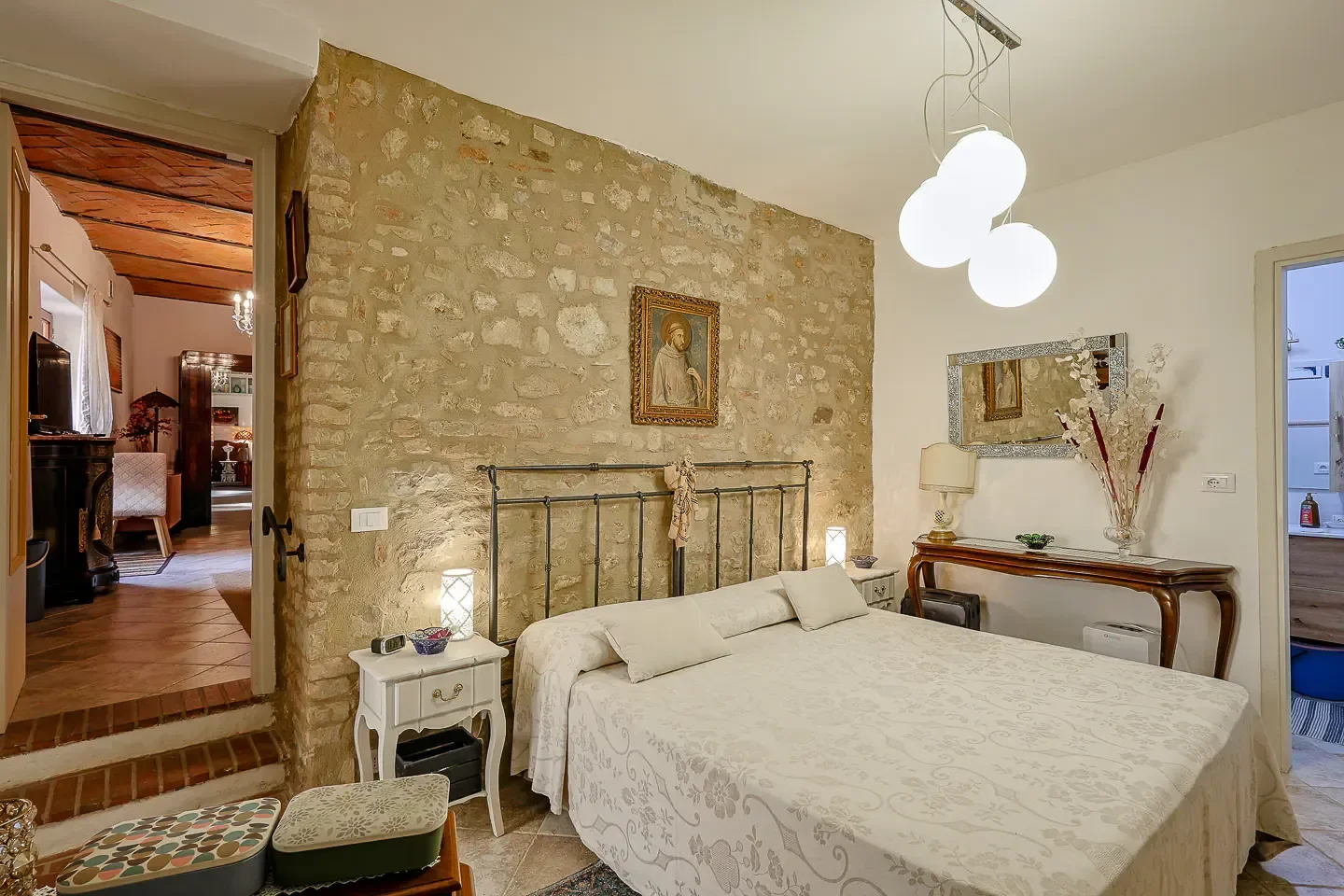
Ground-floor apartment within a medieval walled village

Asking Price

€225,000

Bedrooms

2

Bathrooms

1

Internal area

Approximately 92 m²

Floor

Ground floor

Layout

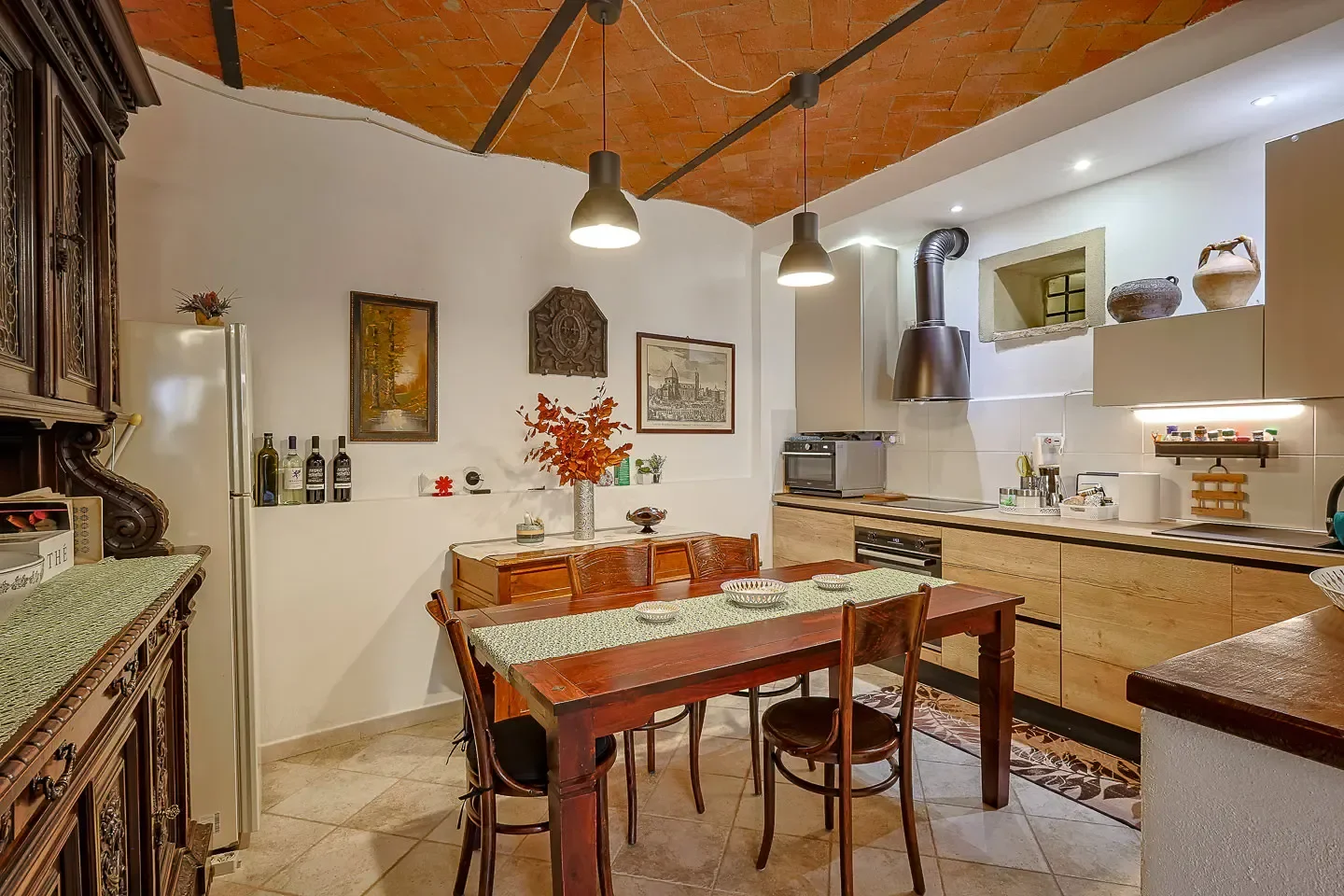
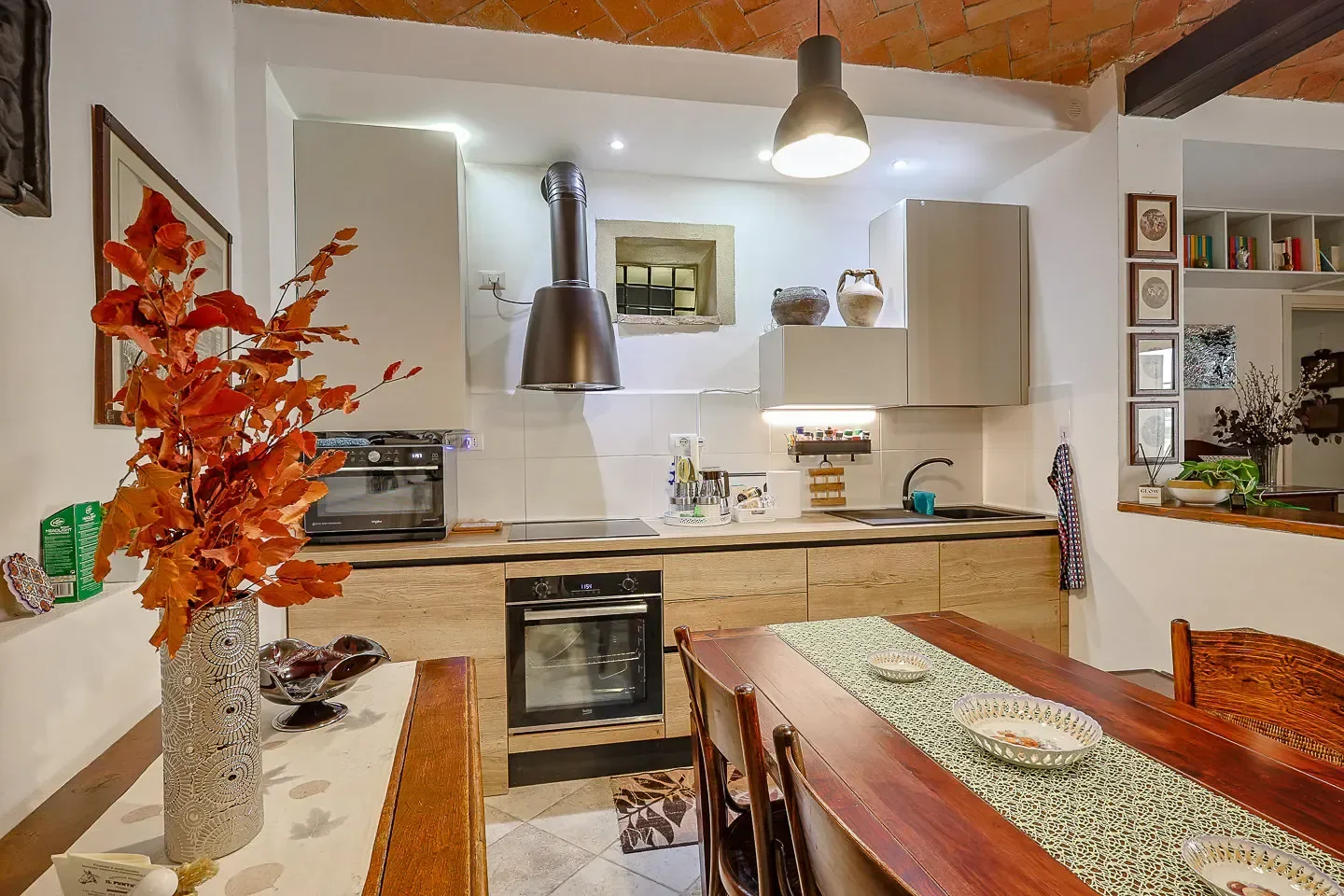
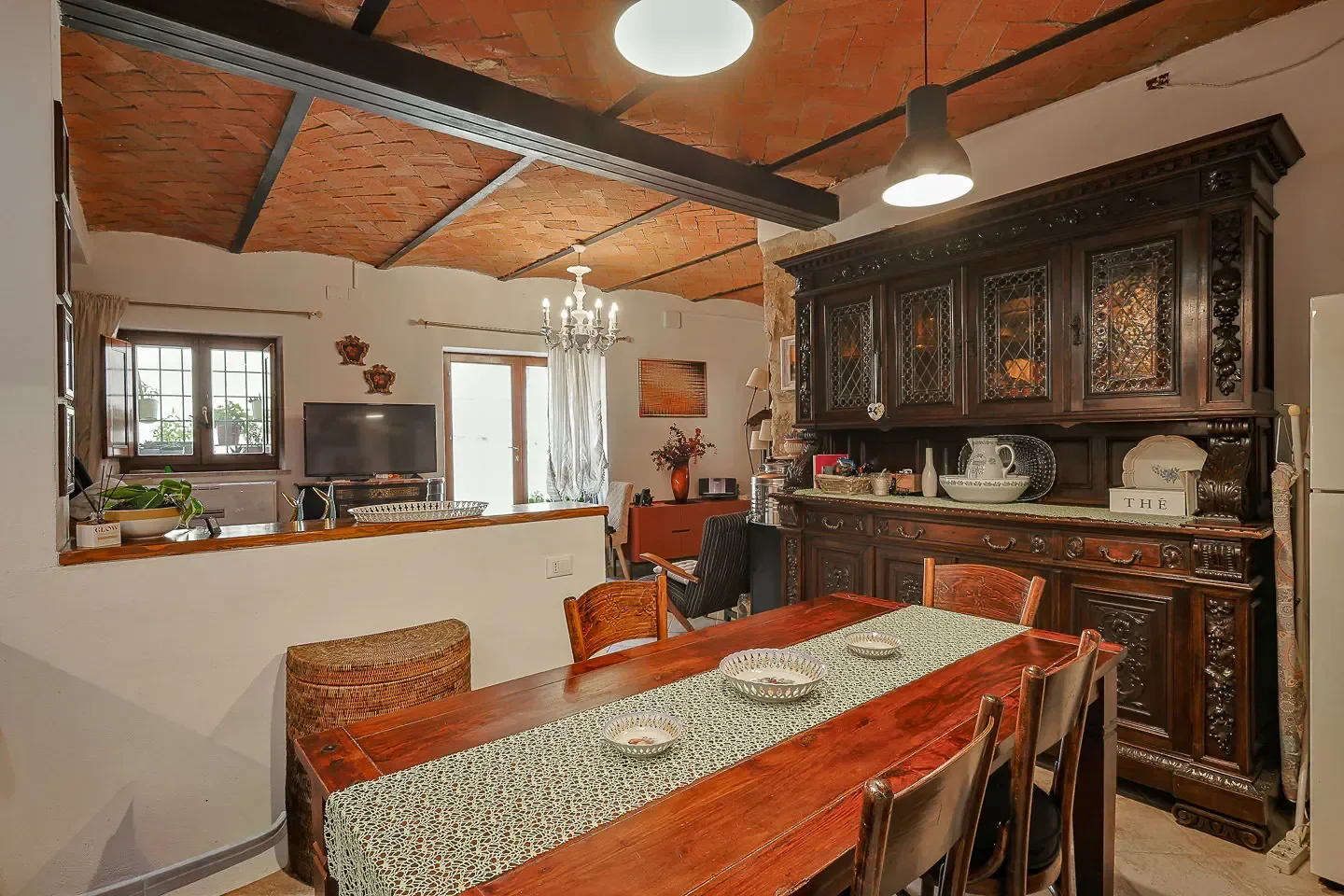
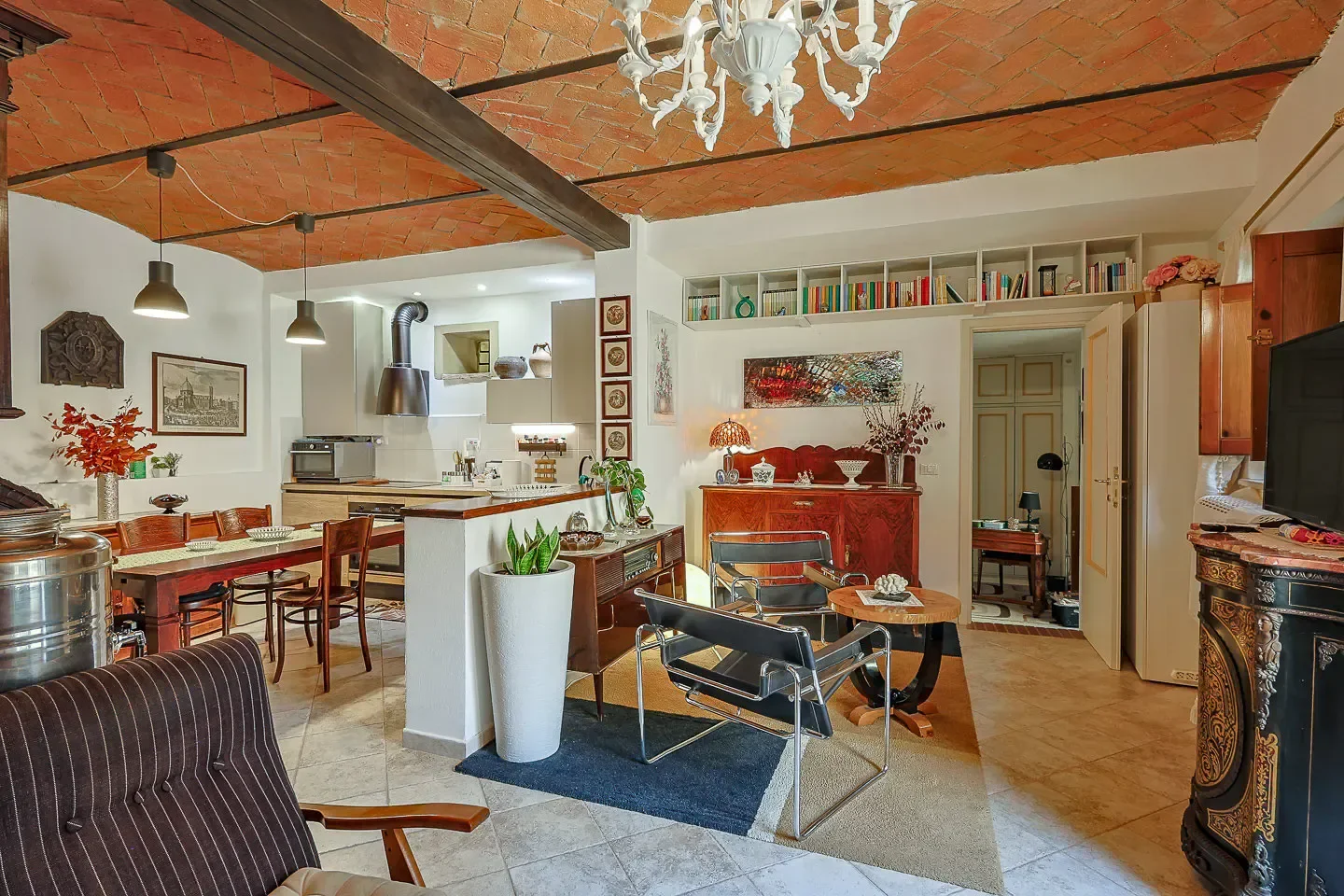
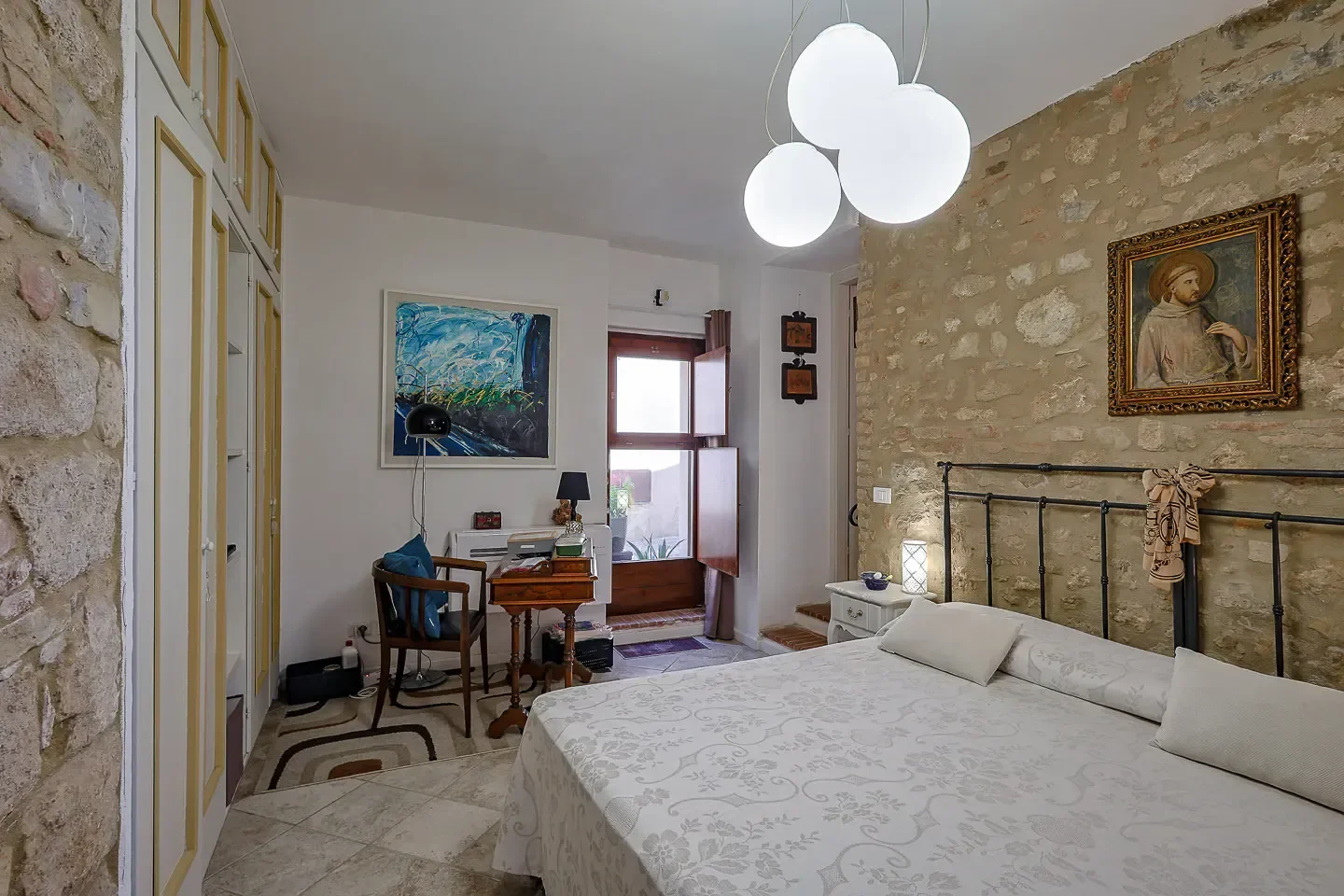
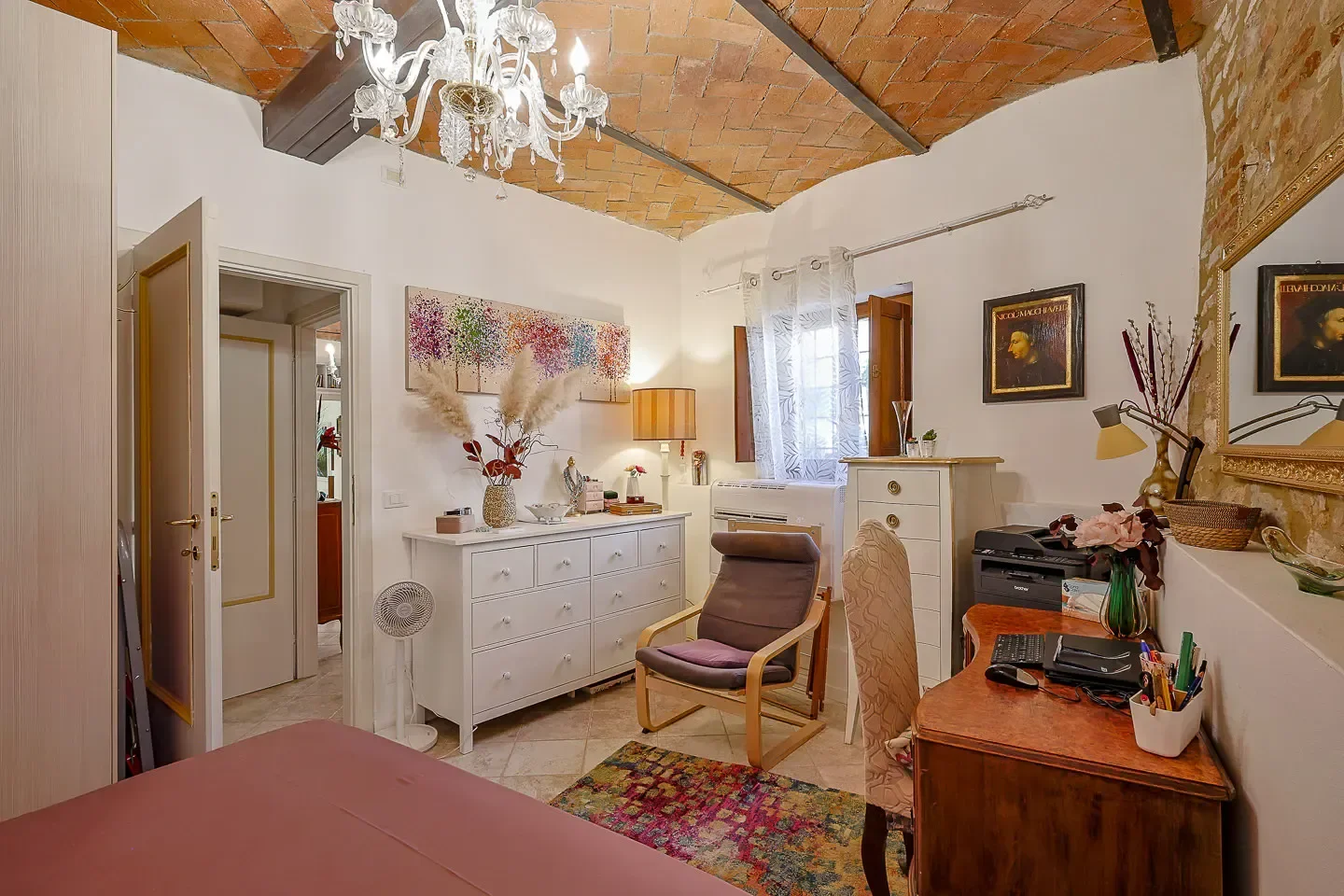
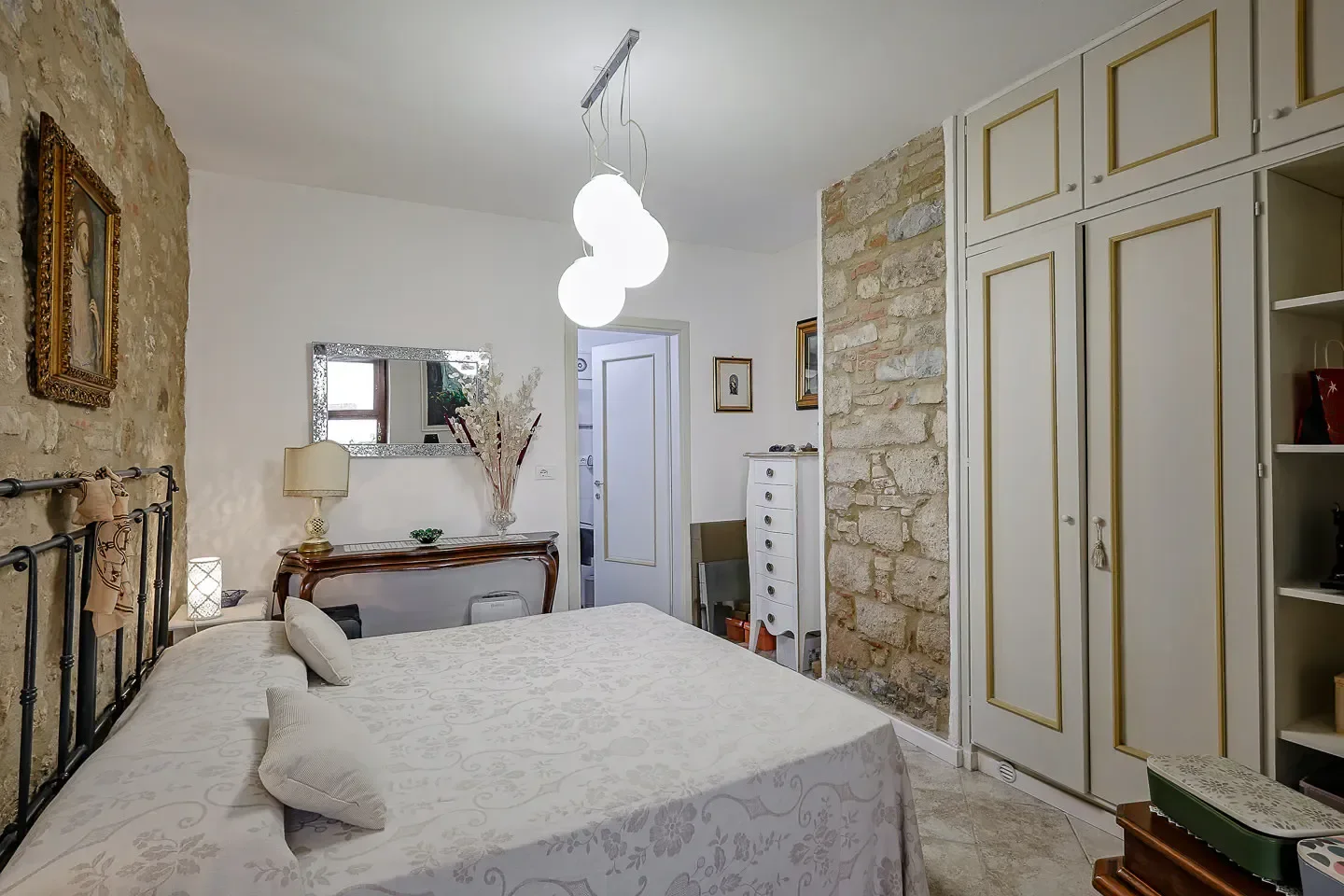
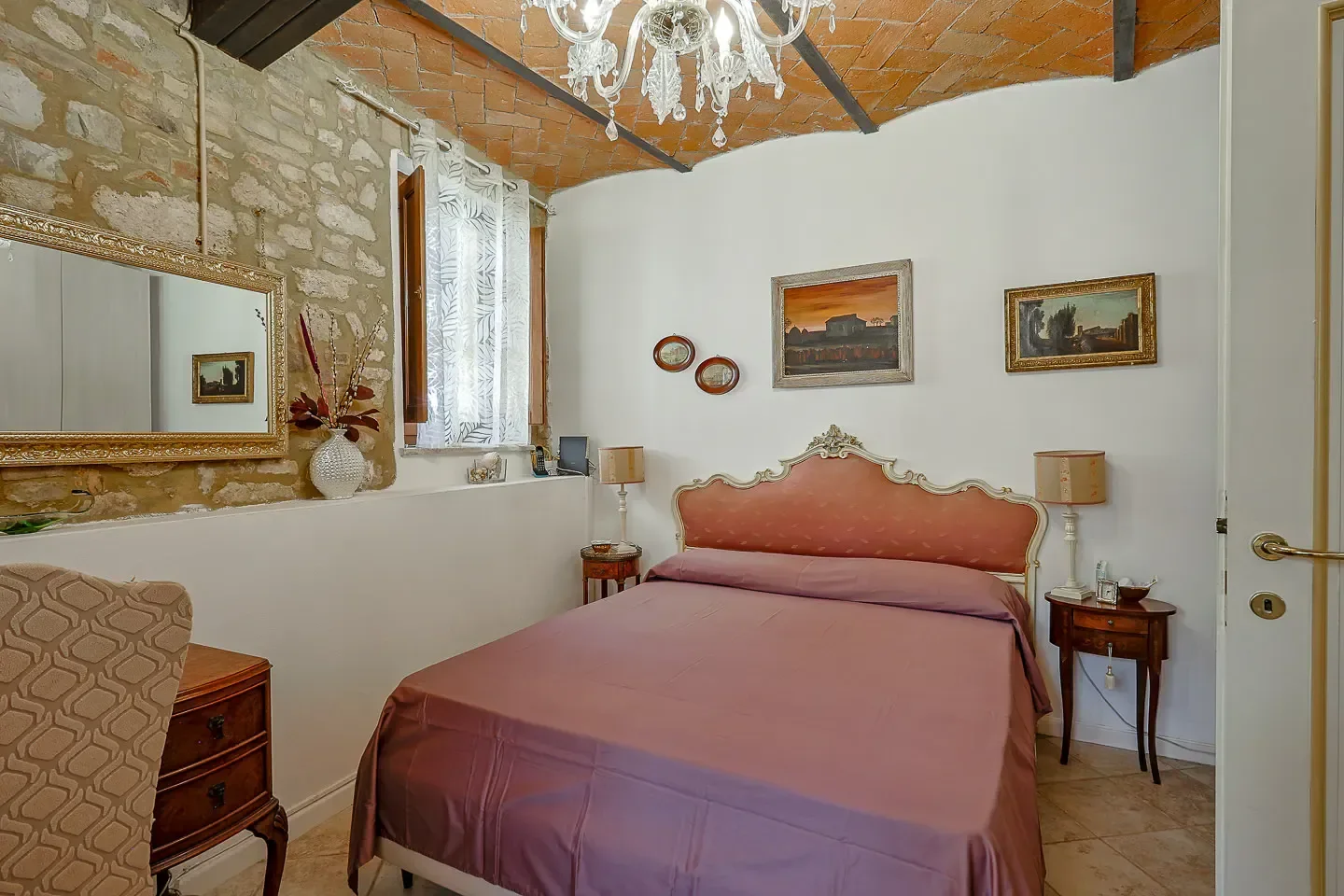
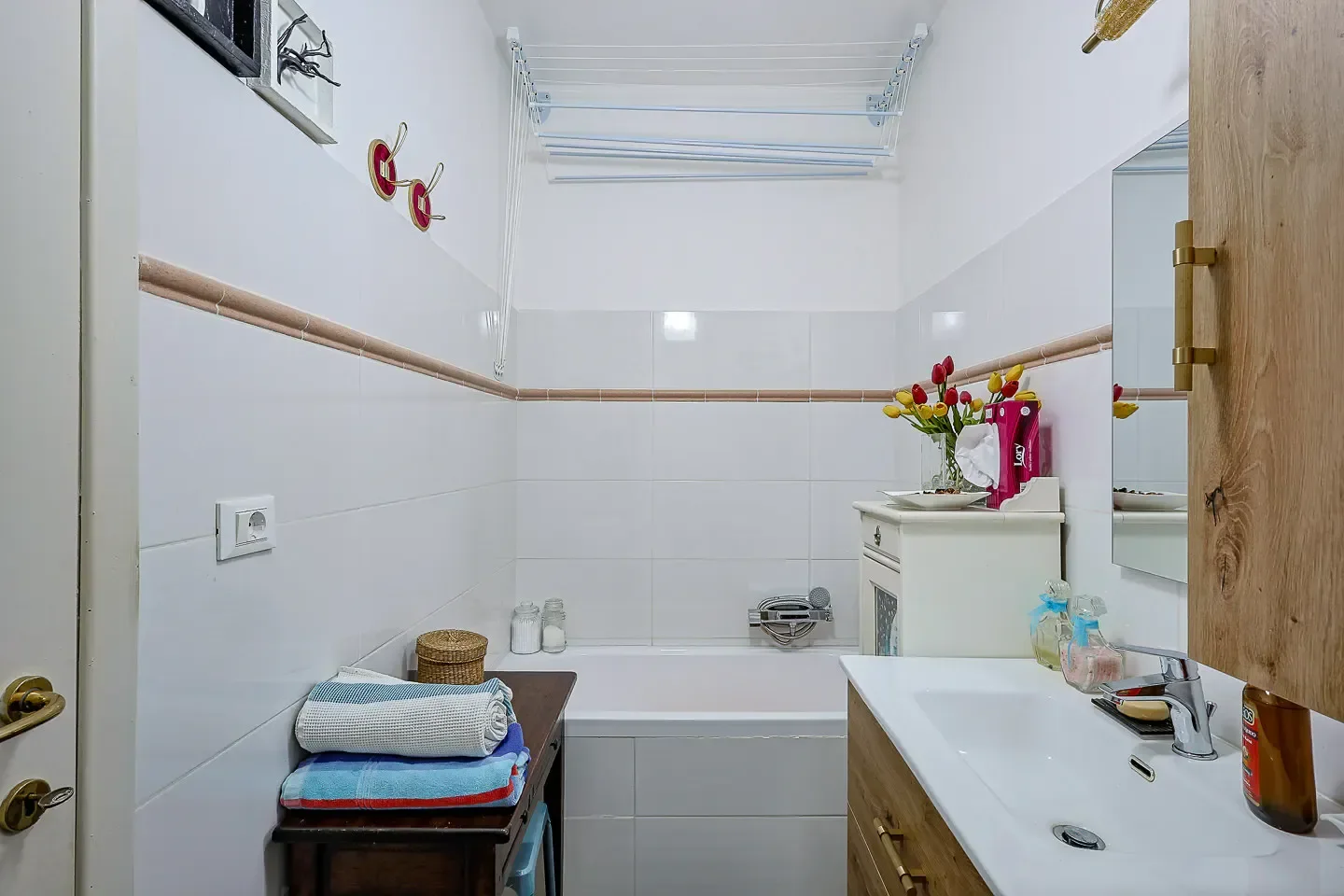
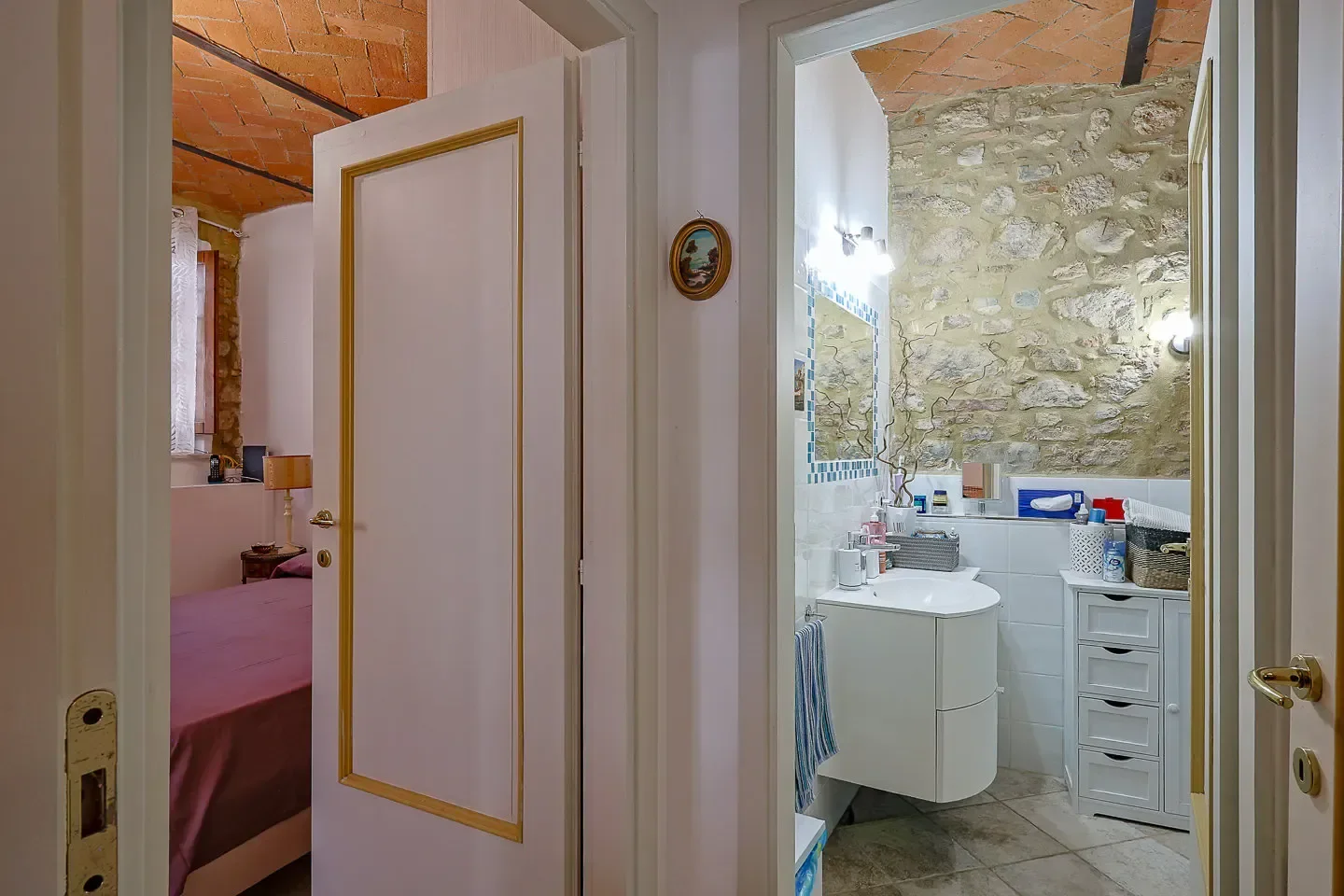
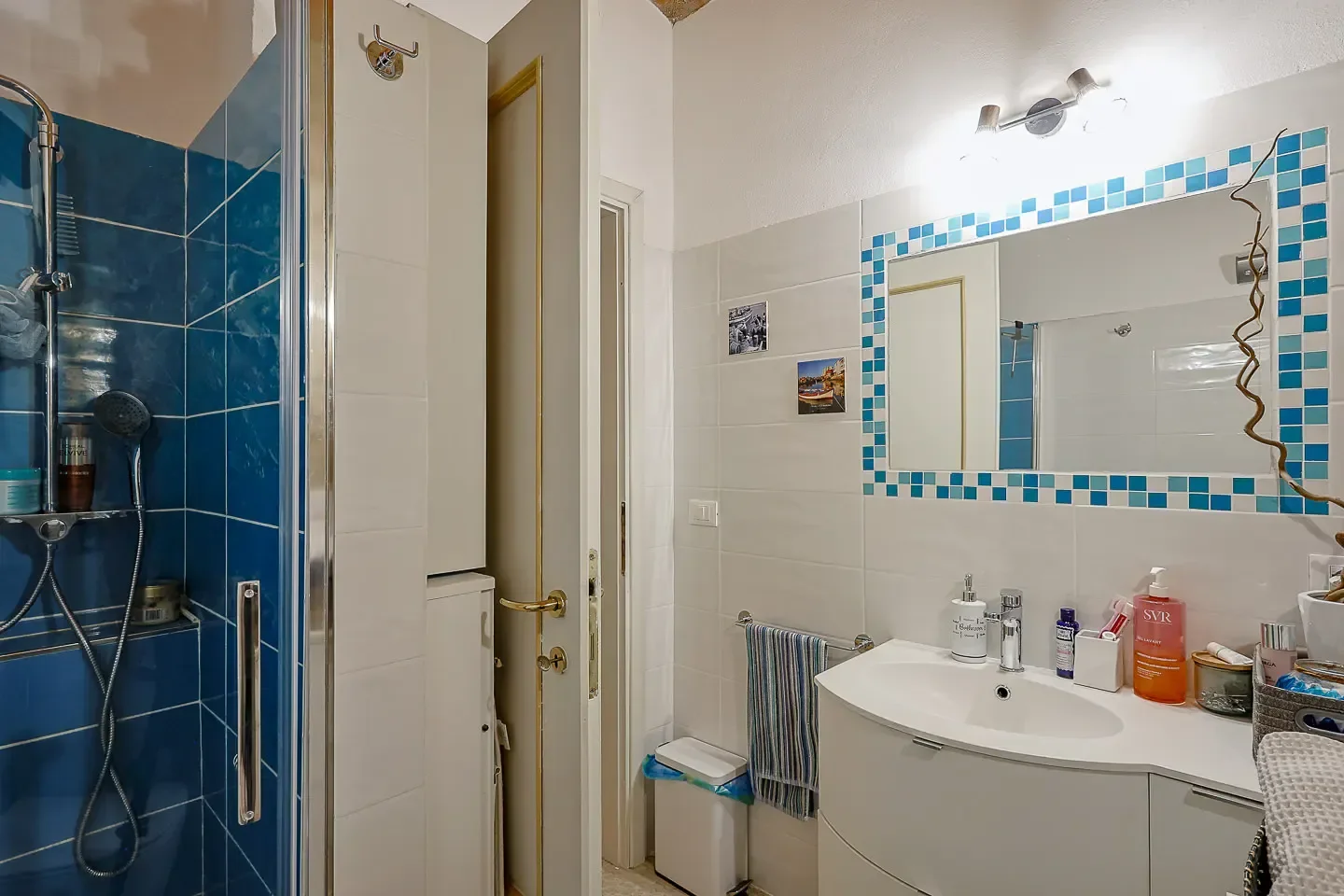
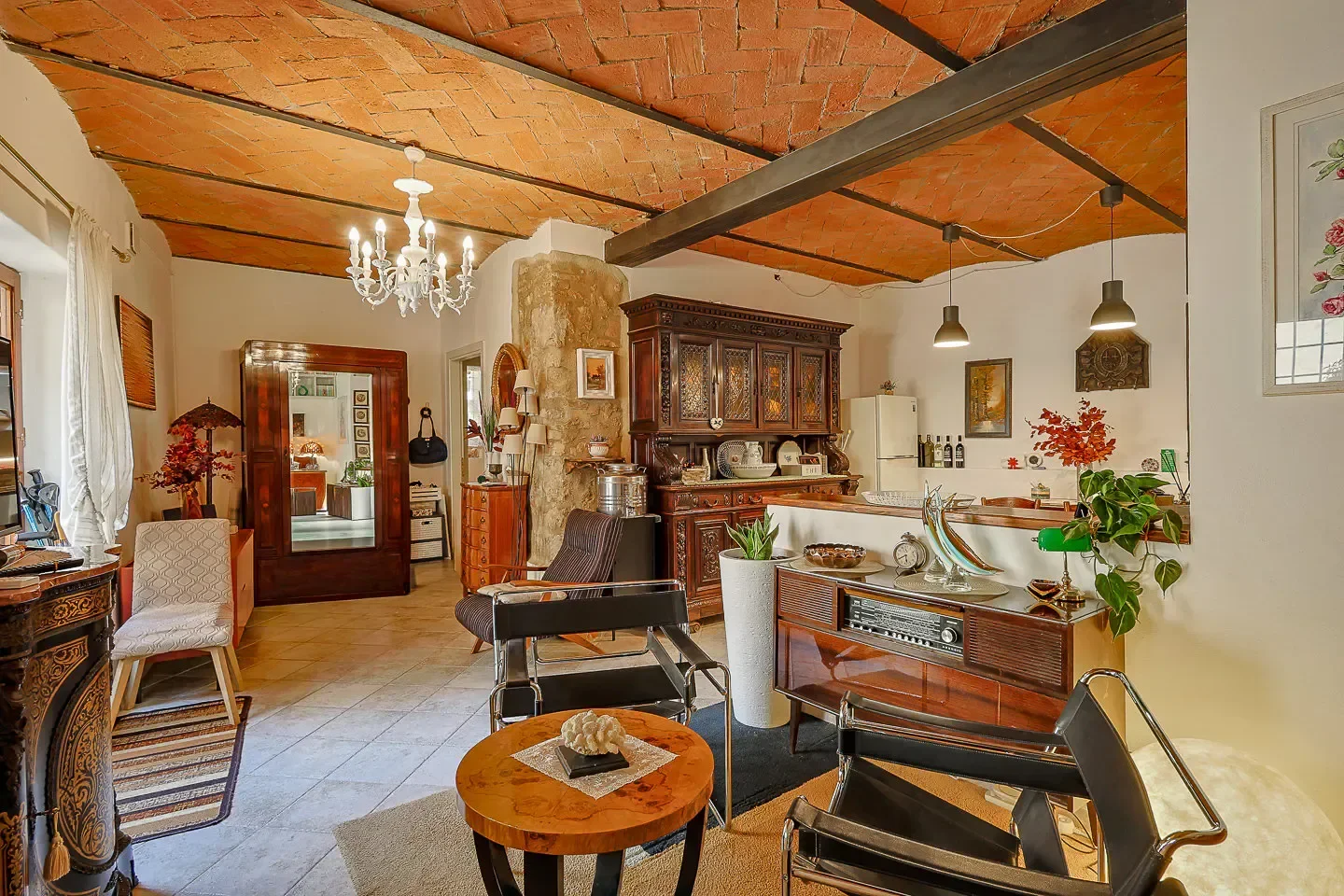
Entrance, open-plan living area with open kitchen, two bedrooms and bathroom

Condition

Marketed as completely renovated

Character features

Original exposed stone walls and tiled flooring

Heating and cooling

Hot and cold air-conditioning system

Energy rating

Energy Class N, with no energy rating supplied

Outdoor space

None specified in the listing

Parking

No private parking specified

Setting

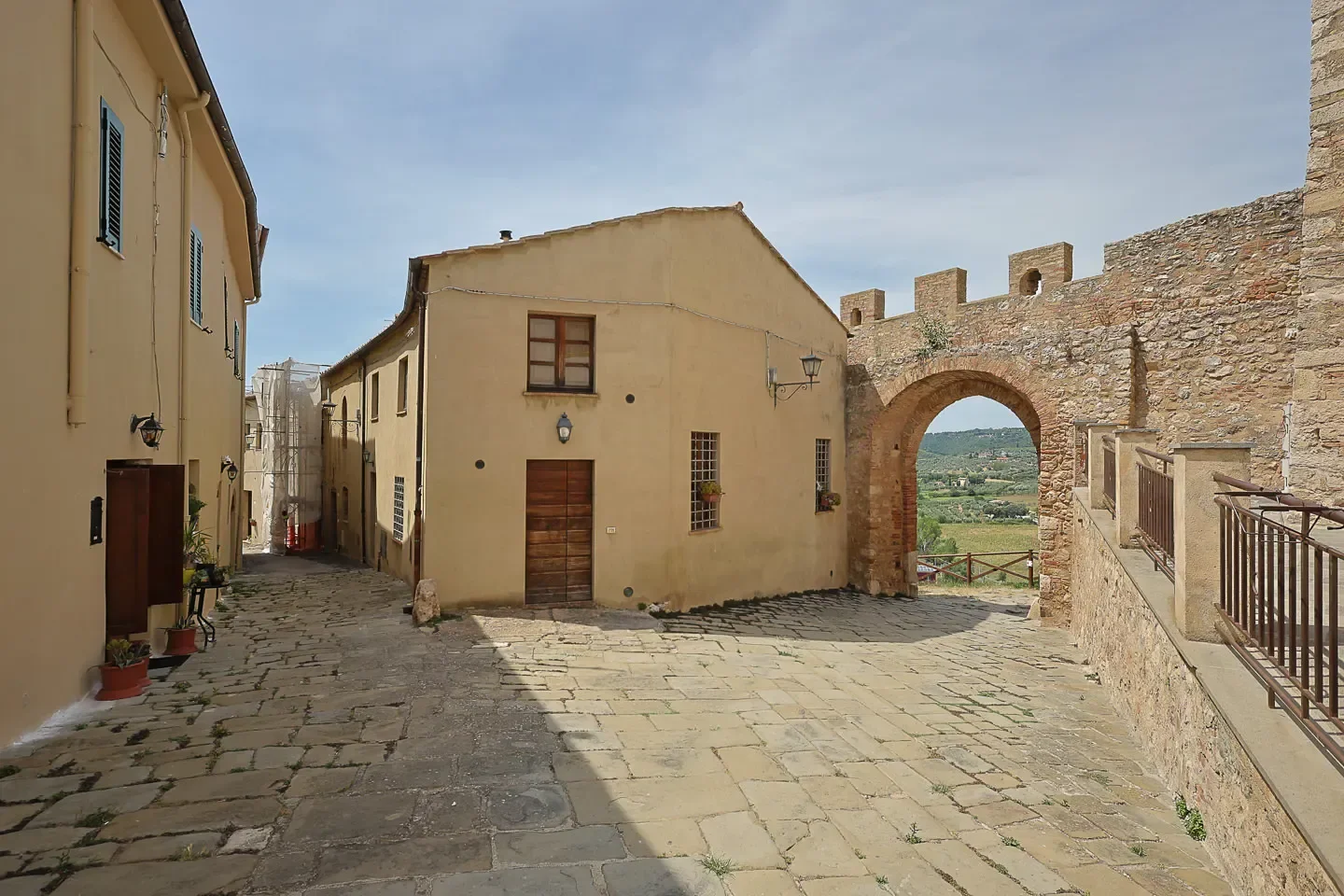
Inside the historic walls of Magliano in Toscana

Lifestyle angle

Renovated village home within reach of the Maremma countryside, protected natural areas and the Argentario coast

Potential use

Permanent home, second home, medium-term rental or tourist accommodation, subject to legal and regulatory checks

Risk Radar

Potential risk or due-diligence focus. More investigation needed. Unknown or information not yet confirmed.
Renovation permissions and conformity of the current layout
High
Missing APE and unexplained Energy Class N designation
High
Heritage restrictions within the medieval village
High
Ground-floor damp, ventilation and water-ingress exposure
Medium–High
Condominium liabilities and future historic-building works
Medium–High

Overview

This apartment combines several attractive features: a ground-floor position, two-bedroom layout, exposed historic masonry and a renovation that appears to have introduced modern systems without removing the building's original character. Its location inside Magliano in Toscana's medieval walls may appeal to buyers looking for a distinctive Tuscan home close to the Maremma landscape and the coast.

The main due diligence issue is not whether the apartment looks renovated, but whether the renovation is fully documented and corresponds with the authorised planning and cadastral position. The buyer should obtain the relevant building applications, completion documents, system declarations and updated cadastral floor plan. Any difference between the approved layout, the plan registered with the Catasto and the apartment as physically presented should be resolved before completion.

The medieval setting also requires careful investigation. Being inside a historic centre does not automatically prove that the individual apartment is subject to a formal cultural heritage restriction, or vincolo. However, restrictions may apply to the building, façade, shared structure, streetscape or surrounding protected area. This could affect future changes to windows, external equipment, ventilation outlets, air-conditioning units, wiring, stonework and other visible features.

The listing's "Energy Class N" designation is a significant information gap. In Italy, a valid Attestato di Prestazione Energetica, or APE, is generally required in connection with property sales, subject to limited statutory exemptions. An "N" entry may simply indicate that the listing platform has not been supplied with the certificate. It should not be treated as a recognised energy performance class or as evidence that the apartment is exempt.

The ground-floor position is convenient, but original stone walls and tiled floors require a disciplined inspection for rising damp, condensation, salt deposits, mould, inadequate ventilation and cold bridging. Recently painted or refinished walls should be examined carefully to establish whether the renovation treated the underlying cause of moisture or merely improved the visible surface.

The condominium position also needs clarification. Even a small historic building may have shared ownership responsibilities for the roof, façade, external walls, foundations, drainage, utility risers and entrance. Historic-centre repairs can be expensive because permitted materials and conservation methods may be more specialised than standard construction work.

Finally, the apartment may have rental appeal, but the buyer should not rely on general demand for Tuscany. Tourist letting must be assessed at property, condominium, municipal and regional levels. Registration, safety, reporting, identification-code and tax obligations should be investigated before rental income is included in the purchase case.

Targeted Questions and Why this Matters

Heritage Status, Planning and Renovation

1.Is the individual apartment, the building or any part of the surrounding medieval walls subject to a formal heritage restriction or vincolo?

A formal restriction may limit future alterations and may require approval from the relevant Soprintendenza.

2.Can you provide a copy of any dichiarazione di interesse culturale, listing decree or heritage documentation affecting the property?

The buyer needs documentary confirmation rather than relying on the general description of the area as medieval.

3.Does the building fall within a protected historic-centre, archaeological or landscape-planning zone even if it has no individual vincolo?

Area-based protection can still control windows, façades, equipment, signage, materials and visible alterations.

4.Which authority approved the recent renovation, and did the works require consultation with the Soprintendenza?

Historic-location works may require permissions beyond an ordinary municipal building filing.

5.When was the renovation started and when was it completed?

The dates help identify which planning, building, energy and safety rules applied.

6.What formal building procedure was used for the renovation, such as CILA, SCIA or permesso di costruire?

The correct authorisation depends on the nature and extent of the work undertaken.

7.Can you provide the complete renovation file, including applications, approved drawings, technical reports and completion notices?

A complete file allows the buyer's geometra or architect to compare the authorised works with the finished apartment.

8.Were any internal walls removed, added or repositioned to create the current two-bedroom layout and open-plan living area?

Layout alterations must be reflected in the planning and cadastral documentation.

9.Was any structural work carried out on the original stone walls, openings, floors or ceilings?

Structural alterations may require engineering calculations, seismic filings and specialist approval.

10.Were new doorways, ventilation outlets, flues or external air-conditioning components added during the renovation?

Openings and externally visible equipment can be particularly sensitive in a historic setting.

11.Has a formal fine lavori declaration been filed for the completed renovation?

This helps confirm that the authorised works were formally recorded as completed.

12.Can the seller provide the current certificato or segnalazione certificata di agibilità, and does it cover the apartment's present layout?

Agibilità concerns the legally declared conditions for safety, hygiene, health, energy performance and use.

13.If no current agibilità document exists, what is the legal explanation and what would be required to obtain or update it?

Missing or outdated documentation can complicate financing, resale, insurance and rental use.

14.Can the seller's technician provide a written relazione di conformità urbanistica confirming that the apartment matches the municipal records?

A technical conformity report can expose unauthorised changes before the buyer becomes responsible for resolving them.

15.Can you provide the renovation invoices, contractor details and any transferable warranties or guarantees?

These documents help establish the quality, age and accountability of the work.

Title, Cadastral Records and Legal Description

16.Can you provide the current visura catastale and cadastral floor plan for the apartment?

These should identify the registered category, size, rooms, ownership details and official layout.

17.Does the cadastral plan correspond exactly with the apartment as it exists today?

Differences in walls, room use, openings or access arrangements should be corrected before completion.

18.Is the property registered as a residential unit, and what is its categoria catastale?

The registered category affects permitted use, taxation and potentially mortgageability.

19.Is the apartment legally recorded as a two-bedroom dwelling, or is one of the rooms registered for another use?

Marketing terminology does not by itself establish that both rooms meet legal residential requirements.

20.Are any cellar, storage, courtyard, passageway or other ancillary rights included in the title?

Buyers should establish whether any useful spaces or access rights exist beyond the apartment itself.

21.Are there any easements, rights of passage or shared access arrangements affecting the entrance?

Historic buildings frequently have access arrangements that are not obvious during a viewing.

22.Are there any mortgages, liens, inheritance matters, legal disputes or other encumbrances registered against the property?

The buyer's notaio must ensure that the title can be transferred free of unacceptable burdens.

Energy Performance and Building Systems

23.Why does the listing show Energy Class N rather than a recognised APE class from A4 to G?

"N" may indicate missing information rather than a lawful energy classification.

24.Can the seller provide the complete, currently valid Attestato di Prestazione Energetica before any offer is made?

The APE identifies the certified energy class, estimated consumption and recommended improvements.

25.Has an APE assessor already inspected the apartment, and is a certificate currently being prepared?

This distinguishes an administrative delay from a property for which certification has not been addressed.

26.Is the seller claiming that the apartment is exempt from APE requirements because of its historic status, and can the legal basis be provided in writing?

A historic location alone does not automatically establish an exemption.

27.What exactly is meant by "new systems", and which electrical, plumbing, drainage, heating and cooling components were replaced?

The phrase may refer to complete replacement or only partial upgrading.

28.Can you provide the dichiarazioni di conformità for the electrical, plumbing and climate-control installations?

These declarations help confirm that the systems were installed by qualified contractors in accordance with applicable rules.

29.What type, brand, age and output are the hot and cold air-conditioning units?

Capacity, efficiency and maintenance requirements will affect winter comfort and running costs.

30.Is air conditioning the apartment's only fixed heating source?

A heat-pump system may perform differently in cold or humid conditions, particularly in rooms with thick stone walls.

31.Does every bedroom and living area have an appropriately sized heating and cooling unit?

A single unit in the main room may not heat the entire apartment evenly.

32.Can the seller provide electricity bills covering both winter and summer occupation?

Actual bills offer a more useful indication of running costs than general estimates.

33.What glazing, window seals and insulation improvements were included in the renovation?

Windows can materially affect heat loss, condensation, street noise and comfort.

34.Were replacement windows approved for use in the historic centre, and are their materials and appearance compliant with local rules?

Unauthorised window replacements may require modification or retrospective resolution.

Ground-Floor Condition, Damp and Ventilation

35.Has the apartment ever experienced rising damp, penetrating damp, condensation or mould?

Ground-floor historic properties can retain moisture even after cosmetic renovation.

36.Were any damp-proofing, drainage, tanking, breathable plaster or wall-treatment works included in the renovation?

The buyer should understand whether moisture was properly diagnosed and treated.

37.Can the seller provide reports, photographs or invoices for any damp-remediation work?

Documentary evidence helps distinguish structural treatment from repainting or surface repair.

38.Are there signs of salt efflorescence, crumbling plaster, staining or blistering paint on the original stone walls?

These can indicate continuing moisture movement through the masonry.

39.Are the exposed stone walls internally insulated, and were breathable materials used around them?

Inappropriate impermeable finishes can trap moisture and damage traditional masonry.

40.Is there mechanical extraction in the bathroom and kitchen, and where do the outlets discharge?

Effective ventilation is important in a ground-floor property with thick walls and limited air movement.

41.Has the apartment or street entrance ever been affected by heavy-rain runoff, sewer backflow or local flooding?

Historic streets and older drainage networks may behave differently during intense rainfall.

42.Is there a ventilated void, cellar or occupied unit beneath any part of the apartment?

The construction beneath the floor influences damp exposure, heat loss and maintenance responsibility.

Condominium and Shared Building Responsibilities

43.Is the apartment part of a formally constituted condominio?

The answer determines how common expenses, insurance, decisions and repairs are administered.

44.How many separately owned units are in the building, and how many are permanently occupied?

A building dominated by second homes may have different maintenance and decision-making patterns.

45.Is there a professional amministratore di condominio, or is the building managed directly by the owners?

Informal management may work in a small building, but records and cost allocation should still be clear.

46.What are the annual spese condominiali, and precisely what do they cover?

The buyer needs to budget for shared insurance, cleaning, lighting, maintenance and administration.

47.Can you provide the regolamento di condominio, current budget, accounts and recent assembly minutes?

These documents may reveal disputes, arrears, rental restrictions or planned works.

48.Are any owners behind with condominium payments, and could unpaid contributions affect the building's finances?

Persistent arrears can delay repairs or increase pressure on compliant owners.

49.Are any lavori straordinari planned or under discussion for the roof, façade, foundations, drainage or shared stone walls?

Historic-building works may create substantial additional contributions.

50.What millesimal share is allocated to this apartment, and what would its estimated contribution be to planned works?

The asking price should be assessed alongside any foreseeable extraordinary costs.

51.Who is responsible for maintaining the external medieval-facing walls, entrance, roof and visible air-conditioning equipment?

Responsibility may be divided among the apartment owner, condominium, municipality or another entity.

52.Does the building carry a current condominium insurance policy, and what risks does it cover?

The buyer needs to understand the distinction between shared-building insurance and private contents or liability cover.

Access, Parking and Everyday Practicality

53.Is the entrance genuinely step-free from the street, or are there thresholds, slopes or internal level changes?

"Ground floor" does not necessarily mean accessible for reduced-mobility occupants.

54.Is there any private parking space, garage or transferable resident parking right included in the sale?

Parking availability can materially affect convenience and rental appeal inside a medieval village.

55.Is the apartment located within a Zona a Traffico Limitato, and can owners obtain permits for regular access?

ZTL restrictions can affect daily driving, guests, deliveries, tradespeople and luggage unloading.

56.Where is the nearest practical year-round parking, and how does availability change during weekends and peak tourist periods?

A short walk in quiet months may become difficult during events or summer demand.

57.Can vehicles reach the entrance temporarily for removals, maintenance work and deliveries?

Restricted access can increase the cost and complexity of furnishing or repairing the apartment.

58.What broadband services and mobile-network coverage are available at the property?

Thick masonry and narrow historic streets can affect mobile reception and internet installation.

59.Are there nearby restaurants, bars, public spaces, bells or seasonal events that can be heard inside the bedrooms?

Noise patterns may differ substantially between daytime, evenings and summer periods.

60.Which shops and services remain open throughout the year rather than operating mainly during the tourist season?

Year-round practicality is particularly important for permanent or extended occupation.

Rental and Investment Potential

61.Has the apartment previously been used for short-term, tourist or long-term rental?

Existing rental records may provide evidence of demand, operating costs and regulatory history.

62.Does the apartment currently have a regional CIR and national CIN, and are they transferable or must a new owner make fresh applications?

Existing codes should not be assumed to transfer automatically with ownership or management.

63.Has the required tourist-rental communication been made to the competent Comune or tourism authority?

Regional registration is separate from simply advertising the property online.

64.Does the condominium regulation contain any restriction affecting tourist rentals, guest access, key boxes or commercial-style use?

Operational restrictions can affect whether the apartment is practical as short-term accommodation.

65.Has the Comune di Magliano in Toscana introduced, proposed or discussed any local criteria or limits for short-term tourist rentals?

Tuscany's current tourism framework gives certain municipalities scope to regulate short-term letting more closely.

66.What safety equipment or system upgrades would be required before the apartment could be legally offered for tourist rental?

National and regional letting requirements may create costs beyond ordinary residential occupation.

67.What nightly rate and occupancy assumptions support the agent's view of the apartment's rental potential?

General references to Tuscany or the coast are not a substitute for evidence from comparable properties in Magliano.

68.Can the agent provide comparable rental evidence separating summer demand from winter and shoulder-season performance?

A seasonal market can produce attractive peak rates but weak annual occupancy.

69.What are the expected annual operating costs for utilities, condominium charges, cleaning, management, insurance and local taxes?

Gross rental income can materially overstate the property's actual return.

70.What monthly rent could realistically be achieved through a standard long-term residential tenancy?

Long-term rental may provide a useful alternative if tourist demand or regulation becomes less favourable.

Negotiation Intelligence

Buyer Leverage

Medium–High

Key Drivers

Missing energy performance certificate: the listing shows Energy Class N rather than a valid APE or documented exemption, meaning the buyer cannot properly estimate energy consumption or compare the apartment with alternatives.
Renovation conformity uncertainty: a visually successful refurbishment does not establish legal conformity. The value attributed to "completely renovated" depends on the seller producing the planning file, completion declaration, updated cadastral plan, system conformity declarations, invoices and evidence that historic-building approvals were obtained.
Ground-floor moisture risk: without an independent moisture assessment, evidence of breathable renovation materials or documentation for damp treatment, the buyer may need to budget for further investigation and corrective work.
Condominium documents: planned roof, façade, drainage or stonework repairs should be quantified and allocated before the buyer agrees a final price. The preliminary contract should state who will pay for works approved before completion.
Parking and restricted vehicle access: while these may not justify a price reduction by themselves, they should be reflected when comparing the apartment with other two-bedroom properties offering easier access or private parking.

Typical Negotiation Range

5-15% below asking

Neutral Phrasing Examples

"To assess the renovated condition properly and prepare a credible offer, I would first need the APE, the complete renovation and cadastral file, confirmation of any heritage restrictions, and the condominium accounts and minutes. Once those documents clarify the outstanding risks and any future costs, I can evaluate the asking price on a fully informed basis."

Country Layer

Italy (Regulatory Context July 2026)

Key Italian requirements for buyers:

Renovation and Urban-Planning Conformity: Italian buyers should distinguish between cadastral conformity and urban-planning conformity. The visura catastale and floor plan describe the property's cadastral position, but cadastral registration does not by itself prove that alterations were authorised under municipal planning rules. A locally appointed geometra, architect or engineer should inspect the apartment and compare its physical layout with both the cadastral plan and the Comune's building file. For a recently renovated property, the buyer should request the original building authorisations, any subsequent CILA, SCIA or permesso di costruire, approved drawings, completion filings and updated cadastral documentation. The preliminary contract should allow the buyer to withdraw or require the seller to remedy material discrepancies if the apartment, including its two-bedroom layout and open-plan kitchen, does not correspond with the authorised documentation.
Agibilità: The buyer should request the current agibilità documentation and establish whether it covers the apartment in its present configuration. Depending on the building's age and subsequent works, the relevant document may be an older certificato di agibilità or a later segnalazione certificata di agibilità. The absence of a recent document does not automatically establish that the property cannot be sold, but it should be investigated before commitment. The buyer's technician and notaio should determine what exists, whether it remains applicable and whether the renovation created an obligation to update or submit new documentation.
Heritage Protection: Italy's Cultural Heritage and Landscape Code, Legislative Decree 42/2004, requires Soprintendenza authorisation for works of any kind on formally protected cultural property. The official guidance also explains that works on protected buildings may require prior heritage authorisation even where the municipal building procedure itself is simplified. For this apartment, the buyer should establish whether protection applies to: the individual apartment, the building containing it, the façade or roof, the surrounding medieval walls, archaeological deposits beneath or near the building, the wider historic-centre or landscape setting, and windows, shutters, doors and visible equipment. The buyer should not assume that the completed renovation was compliant merely because it is recent. Any relevant Soprintendenza authorisations, municipal approvals and approved material specifications should be included in the document review.
Energy Performance Certificate: The Attestato di Prestazione Energetica is generally required for Italian property sales and has been mandatory for sales nationally since 2009, subject to defined exemptions. The certificate must be prepared by an appropriately qualified professional and records the property's recognised energy class and performance indicators. "Energy Class N" is not one of the standard APE classifications from A4 to G. In this context, it appears more likely to mean that the listing has no rating available. The seller should therefore provide either a valid APE for the apartment, or written professional confirmation of a specific legal exemption. Historic status should not be accepted as a blanket explanation without evidence. The buyer should also check whether the air-conditioning and heating installations shown in the certificate correspond with the systems currently installed.
System Compliance: For recently installed electrical, plumbing, gas, heating and air-conditioning systems, the buyer should request the relevant dichiarazioni di conformità under Italian installation-safety rules. Where original declarations are unavailable, the buyer's technician should advise whether a dichiarazione di rispondenza may be possible and sufficient. The declarations should identify the contractor, scope of installation, applicable standards and supporting technical documents. They should also correspond with the equipment actually present in the apartment.
Condominium Documentation: Before the preliminary contract, the buyer should obtain: the regolamento di condominio, recent assembly minutes, current annual budget, latest accounts, details of ordinary and extraordinary charges, evidence of the seller's payment position, the apartment's millesimal allocation, building insurance details, and information about approved or proposed works. The sale documentation should address responsibility for extraordinary works. A buyer should not rely only on the anticipated completion date or informal assurances from the agent.
Tourist Rentals in Tuscany: Tuscany's current tourism framework is based on Regional Law 61/2024, which entered into force on 9 January 2025, as subsequently amended, together with its implementing regulation, DPGR 47/R/2025, in force from 29 August 2025. The framework includes revised rules for accommodation activity, tourist databases and the ability of certain high-tourism-density municipalities to introduce local criteria and limits for short-term tourist letting. For non-business tourist letting in Tuscany, the owner must make the required communication for the individual accommodation unit when letting begins. The regional guidance states that each unit receives a CIR, which is a prerequisite for obtaining the national CIN. It also distinguishes non-business short lets of up to 30 days by an individual offering no more than two apartments from arrangements involving three or more units, for which a SCIA may be required. The national CIN identifies each property used for short-term or tourist letting. It must be displayed outside the building and included in advertisements and promotional communications. The CIN is obtained through the Ministry of Tourism's BDSR platform, but it does not replace the underlying municipal or regional communication or operating authorisation. Before relying on tourist income, the buyer should verify: whether the apartment already has a CIR and CIN, whether a fresh owner application will be required, whether Magliano in Toscana has introduced local restrictions, whether the condominium rules affect rental operation, whether the property meets applicable safety requirements, guest identity reporting obligations, regional arrivals and overnight-stay reporting, tourist-tax registration and collection, income-tax treatment, and whether the activity will be treated as private or business operation.

Viewing Strategy

Begin outside the apartment rather than inside it.

Walk the immediate street and surrounding lanes before the appointment. Identify the nearest vehicle access point, parking areas, loading possibilities, gradients, steps and any ZTL signage. Repeat this assessment at a busier time if the apartment is being considered for regular occupation or holiday letting.
Examine the building façade, roofline, gutters, downpipes, stonework and entrance. Look for cracks, staining, vegetation growth, patched mortar, detached render, failed seals and signs of water running towards the apartment. Note whether air-conditioning units, vents and cables have been installed discreetly and consistently with the historic setting.
At the threshold, check whether the apartment is genuinely level-access. Look for raised steps, narrow doorways, drainage channels and evidence that rainwater could enter from the street. Confirm how furniture, appliances and building materials would be brought inside.
Inside, do not let the exposed stonework distract from moisture checks. Inspect the base of every external and party wall. Look for salt deposits, musty smells, soft plaster, flaking finishes, fresh localised paint, swollen skirting and differences in wall colour. Use a moisture meter if permitted, but have any concerning readings interpreted by a qualified surveyor familiar with traditional masonry.
Pay particular attention to corners, spaces behind furniture, the bathroom, kitchen units and any wall adjoining the street. Ask whether furniture can be moved so concealed surfaces can be seen.
Compare the physical layout with the cadastral and authorised plans during the viewing. Confirm that both bedrooms have appropriate windows, ventilation, ceiling height and usable proportions. Note any unusually thick walls, blocked openings or changes in floor level that may indicate alterations.
Test all windows and shutters. Assess draughts, glazing, street noise and privacy at ground-floor level. Stand outside each window to understand how visible the interior is from the street.
Run the air-conditioning system in both heating and cooling modes where seasonally possible. Check how quickly each room responds, whether airflow reaches both bedrooms and whether the equipment creates vibration or noise. Photograph model numbers for later efficiency and maintenance research.
Inspect the consumer unit, sockets, plumbing connections, water pressure, hot-water production and extraction fans. Ask the agent to identify the location of utility meters, isolation valves, external units and shared service routes.
Walk through the building's common areas and, where access is available, inspect the roof space, cellars or voids beneath the apartment. Ask where shared drains run and whether owners have experienced blockages or sewer odours.
Return to the location in the evening. Listen for restaurants, pedestrian traffic, church bells, deliveries and neighbouring units. Check mobile reception inside each room rather than relying on signal strength outdoors.
Finally, walk from the apartment to the most realistic parking area carrying the equivalent of luggage or shopping. This practical test may reveal more about everyday suitability than the advertised distance alone.

Next Step

Verify from the listing:

Renovation legality and present layout
Request the complete municipal renovation file, final drawings, completion declaration, updated cadastral plan and written confirmation that the apartment’s current two-bedroom configuration is fully compliant.

Missing APE and Energy Class N
Obtain the complete, valid Attestato di Prestazione Energetica or a professionally supported explanation of any legal exemption before relying on the renovated systems or estimating annual running costs.

Heritage restrictions
Confirm whether the apartment, building, façade, medieval walls or surrounding historic-centre area is subject to formal protection, and request copies of any Soprintendenza approvals connected with the renovation.

Ground-floor damp and ventilation
Inspect the original stone walls, floors and concealed corners for moisture, salt deposits and mould, and ask for evidence of any damp treatment, drainage work or breathable renovation system.

Condominium costs and historic-building works
Review the condominium rules, accounts, meeting minutes, millesimal allocation and any planned roof, façade, drainage or masonry works before assessing the apartment’s true cost.

A prepared buyer should approach the agent calmly and frame questions as due diligence. For example: “To assess the renovation and asking price properly, could you provide the APE, approved renovation file, updated cadastral plan, heritage documentation and the latest condominium accounts and meeting minutes?”

Because this is a renovated ground-floor apartment in a historic setting where planning conformity, energy performance, moisture exposure and shared-building liabilities all affect value, run it through the Property Risk Assessment to organise the legal and physical risks, or use the European Property Energy Risk Assessor once the APE and system details have been supplied.

Disclaimer: The Property Drop is buyer-focused intelligence, zero sales agenda. We curate exceptional properties, in southern Europe, from third-party agents and arm you with decision tools. No commission, no transactions, no agent partnerships, no skin in the game beyond helping you choose wisely. Information stays accurate until it doesn't (properties sell, prices shift, markets move). Everything here is shared for informational purposes only and should not be treated as legal, financial, or investment advice. Images belong to original agents. Read our Terms of Service to learn more.

Buyer Intelligence: This assessment provides general guidance based on common risk factors and publicly available regulatory information. Risk scores and checklist items are indicative only and must not be considered legal, financial, structural, or surveying advice. Actual property conditions, costs, and regulatory requirements vary significantly by location, property age, and specific circumstances. Regulations are subject to change; always verify current requirements with qualified local professionals before making any purchasing decision.
The Property Drop provides buyer intelligence and educational research analysis only. The Property Drop does not act as an estate agent, intermediary, or advisor in any transaction and does not facilitate introductions, negotiations, or transactions. Always engage qualified independent professionals including local lawyers, surveyors, architects, and tax advisors for comprehensive due diligence specific to your property.

IMPORTANT REMINDER: When contacting property agents featured on The Property Drop, you are entering into direct communication with third parties. It's recommended that you verify all property details independently, conduct thorough due diligence, engage qualified professionals (solicitors, surveyors, financial advisors), understand your rights and obligations under local property laws, and never send money or make commitments without proper legal protection.

Previous
Previous

The Buyer Playbook: 3-Bed Period Village House with Garden and Annexe, Saint-Cirq-Lapopie, France, €395,000

Next
Next

The Buyer Playbook: 1-Bed Renovated Apartment with South-Facing Terrace, Bordeaux, France, €270,000