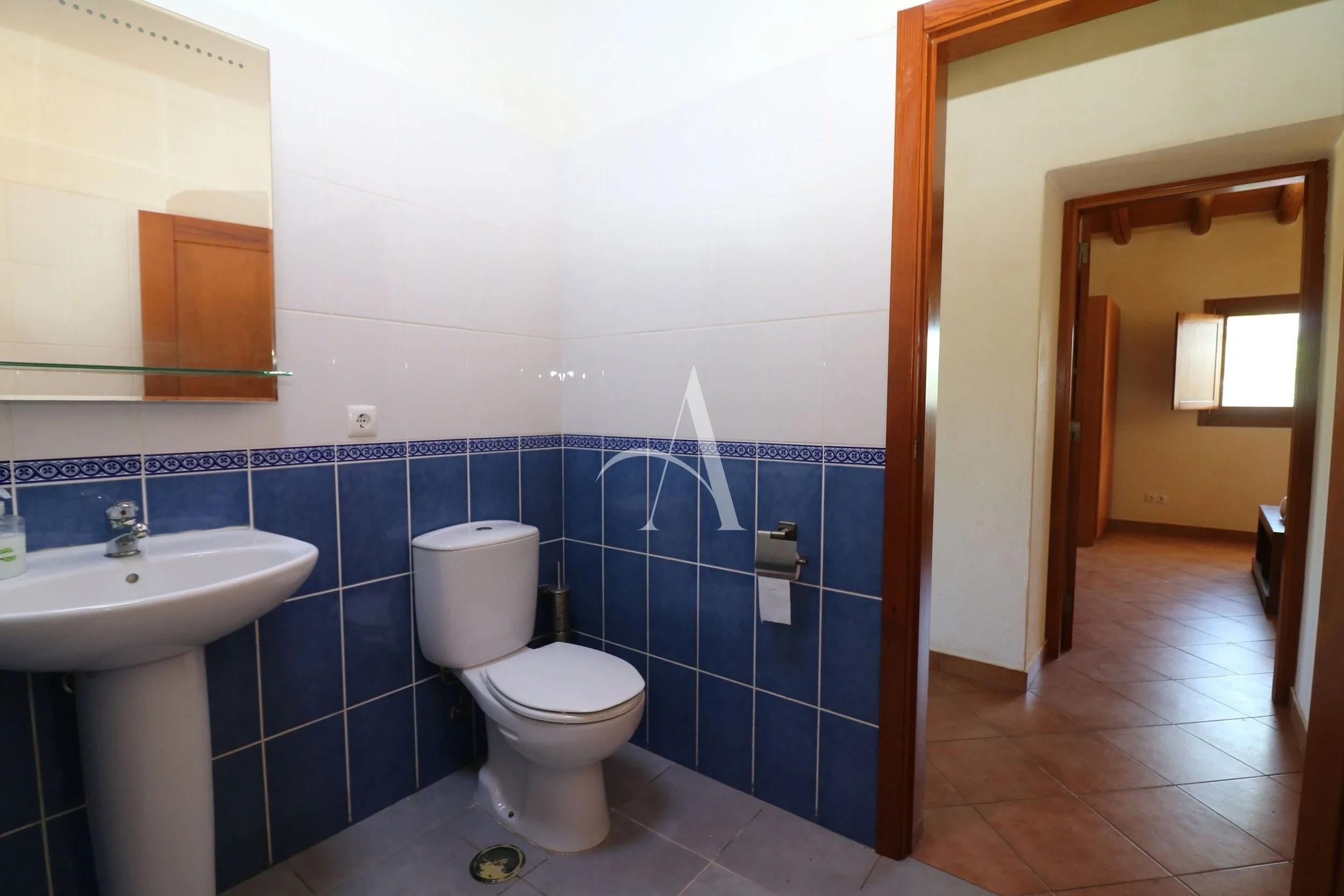
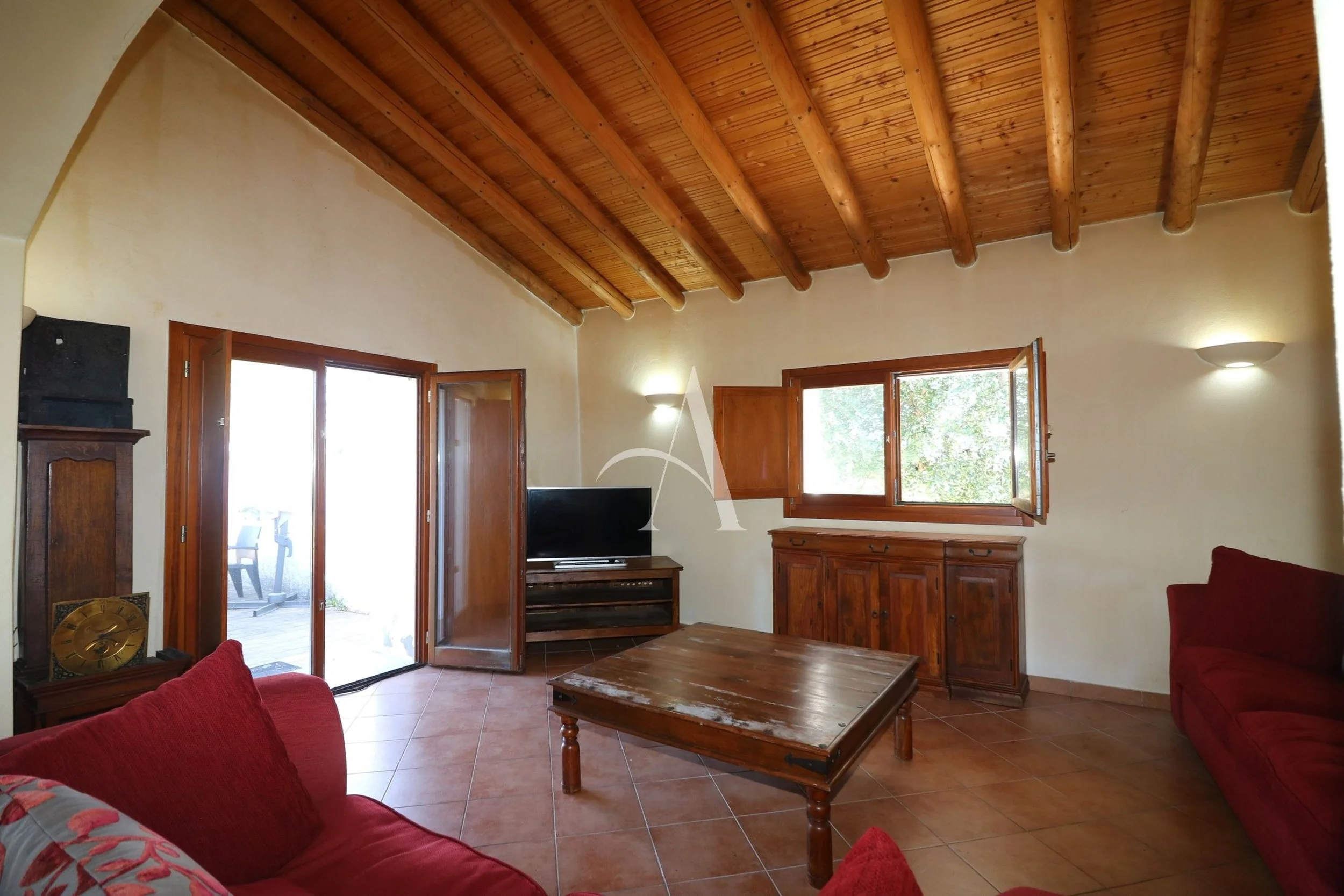
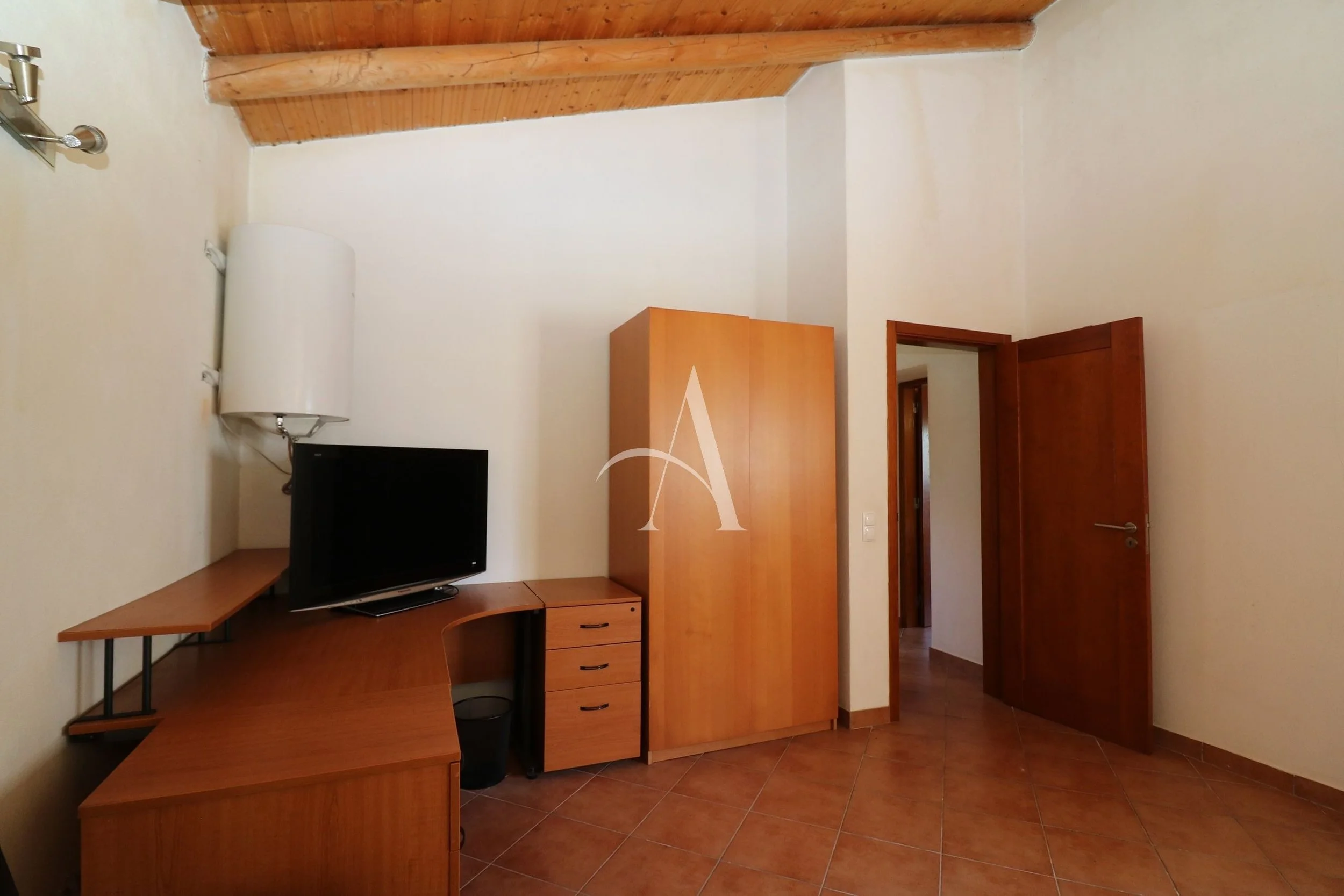
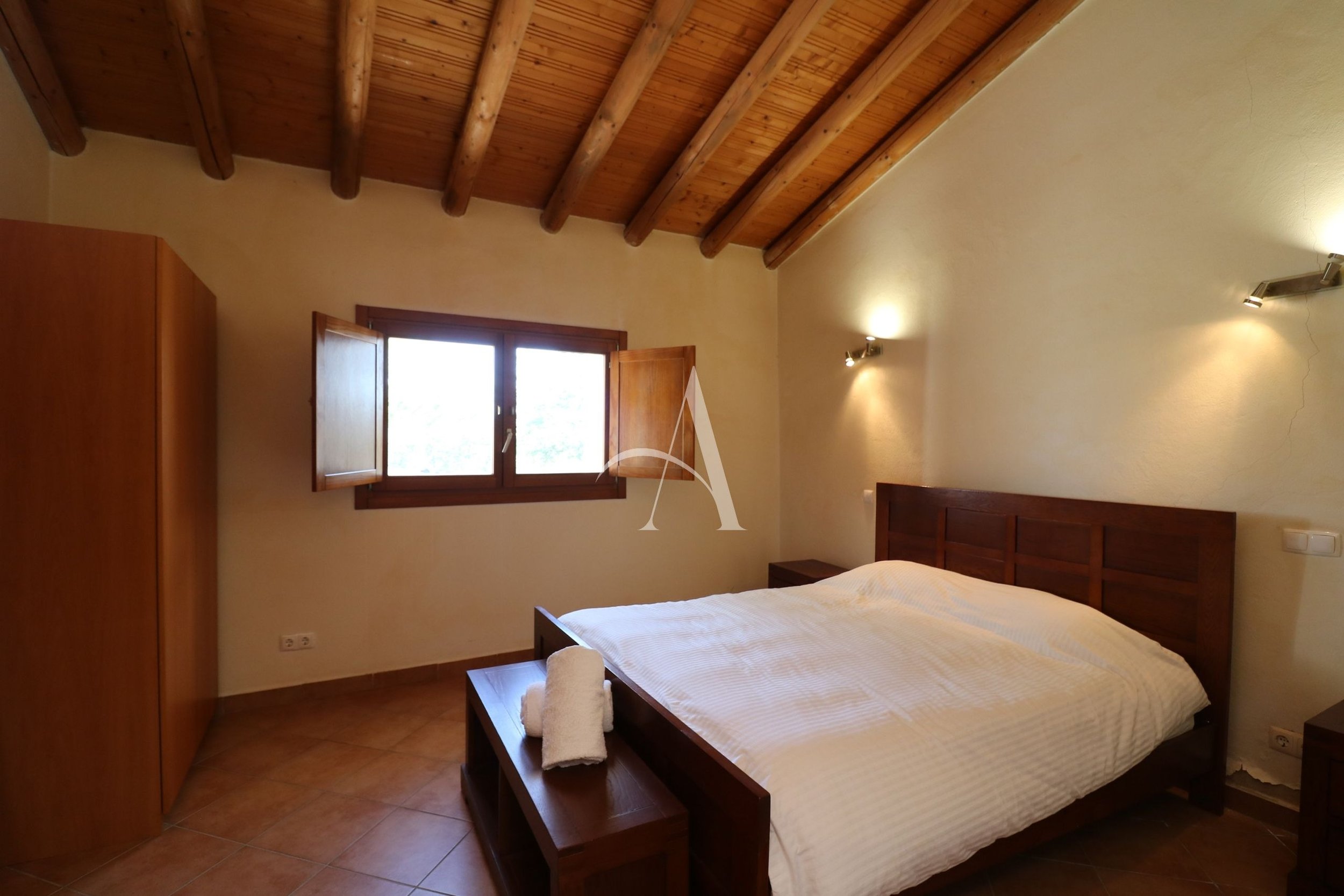
The Buyer Playbook: 2-Bed Detached Rustic Cottage with Pool, Mealhas, São Brás de Alportel, Portugal, €460,000
Portugal Pre-Viewing Intelligence

Buyer Playbook

Pre-Viewing Intelligence Report

This independent buyer guidance report relates to this specific property located in Portugal. It is provided for informational purposes only and does not constitute legal, tax, structural or survey advice. Planning status, habitability, pool authorisation, septic arrangements, water supply, renovation permissions, land boundaries, rental use and any shared-access matters must always be verified with qualified Portuguese professionals such as an advogado, solicitador, arquiteto, engenheiro, surveyor or licensed property consultant, and with the relevant municipal authorities. This report is designed to help buyers evaluate the property before arranging a viewing or making an offer. It highlights due diligence areas and targeted questions to ask the estate agent. The analysis is based on the listing information, the supplied property research and publicly available regulatory context at the time of writing.

Property Snapshot

Location

Mealhas, São Brás de Alportel, Algarve, Portugal

Property type

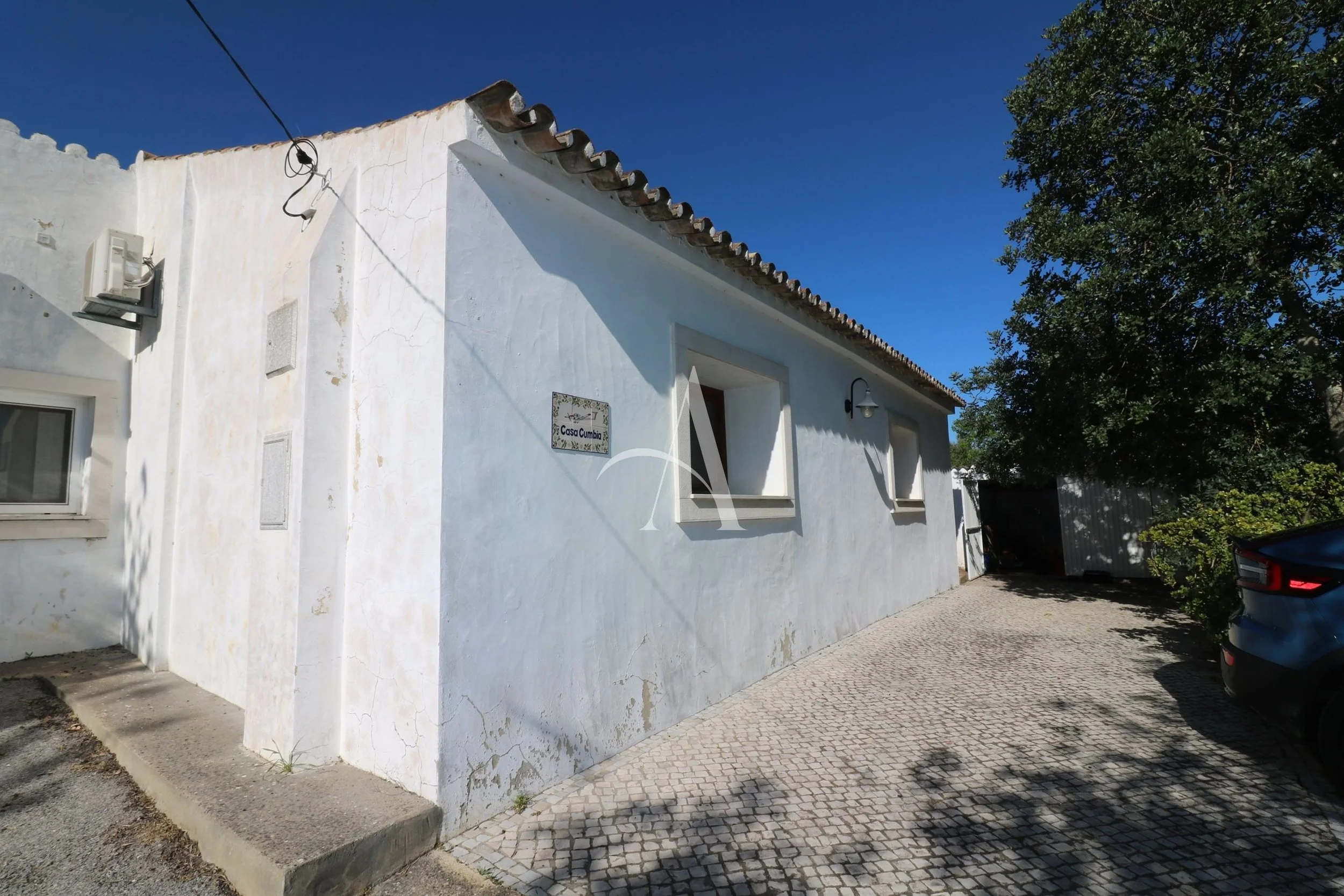
Detached rustic cottage

Configuration

Single-storey accommodation

Asking Price

€460,000

Bedrooms

2

Internal area

Not specified

Plot size

Not specified

Bathrooms

Not confirmed

Energy rating

Class F

Heating

Log burner stated

Cooling

Air conditioning stated

Outdoor spaces

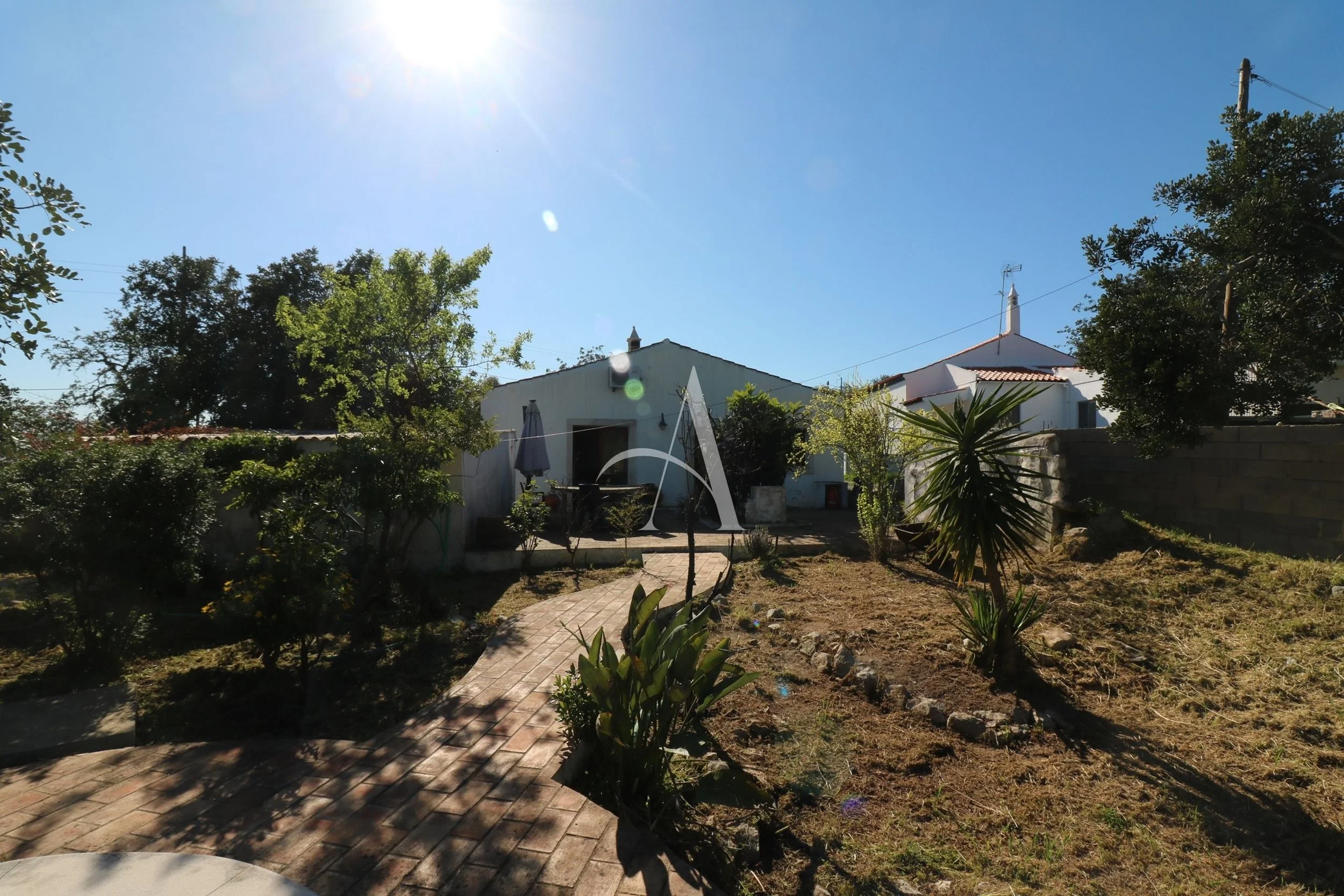
Partly walled private garden

Pool

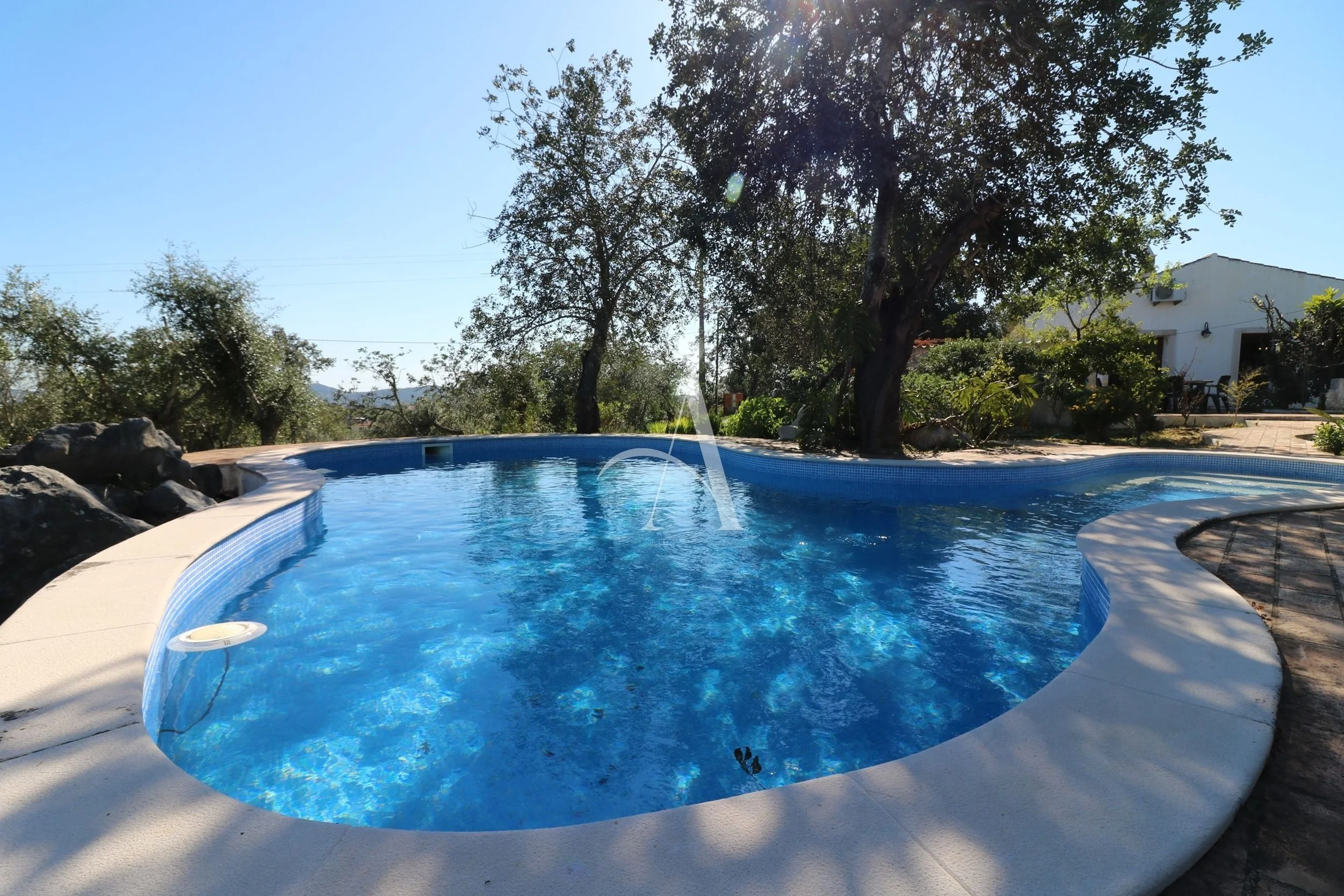
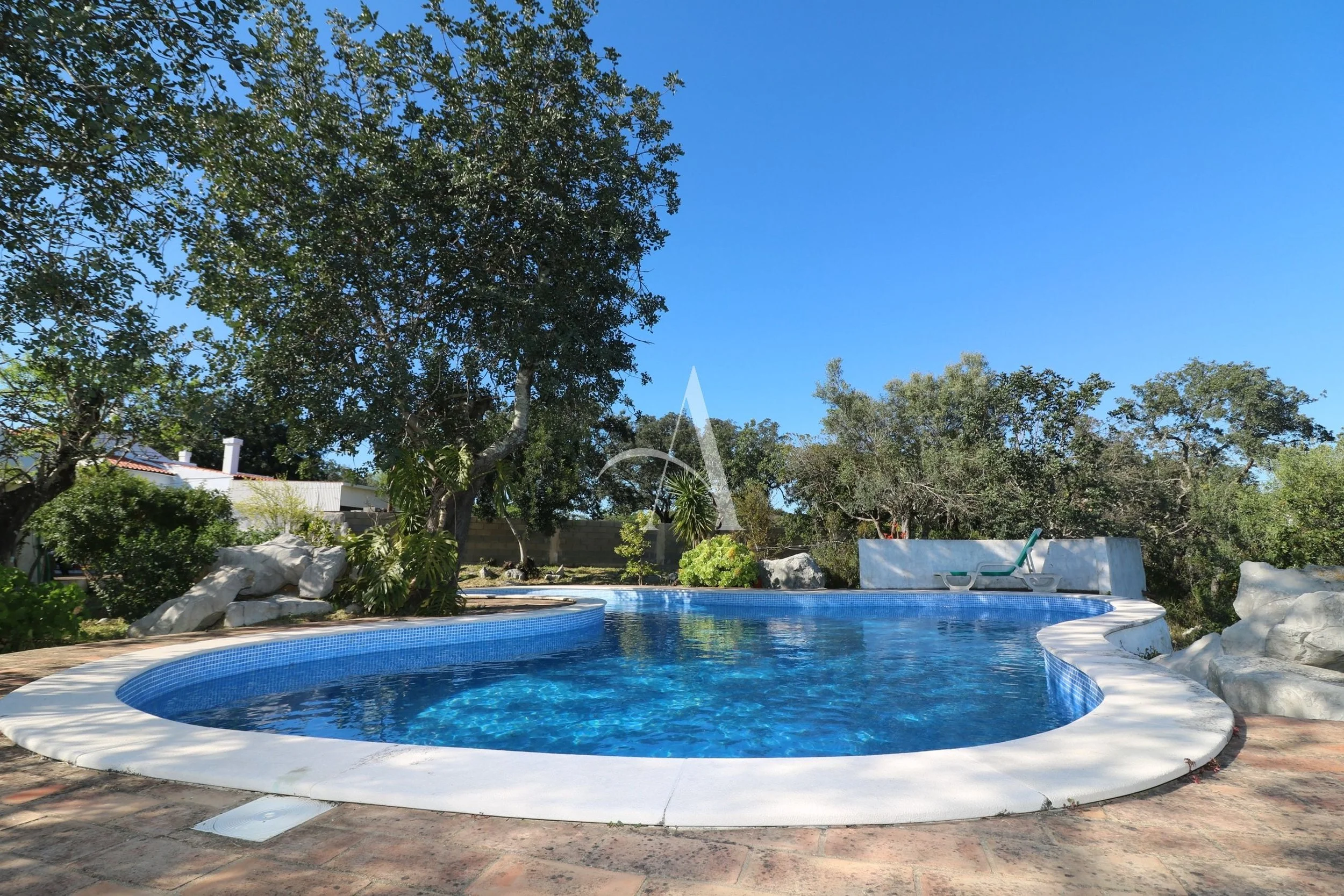
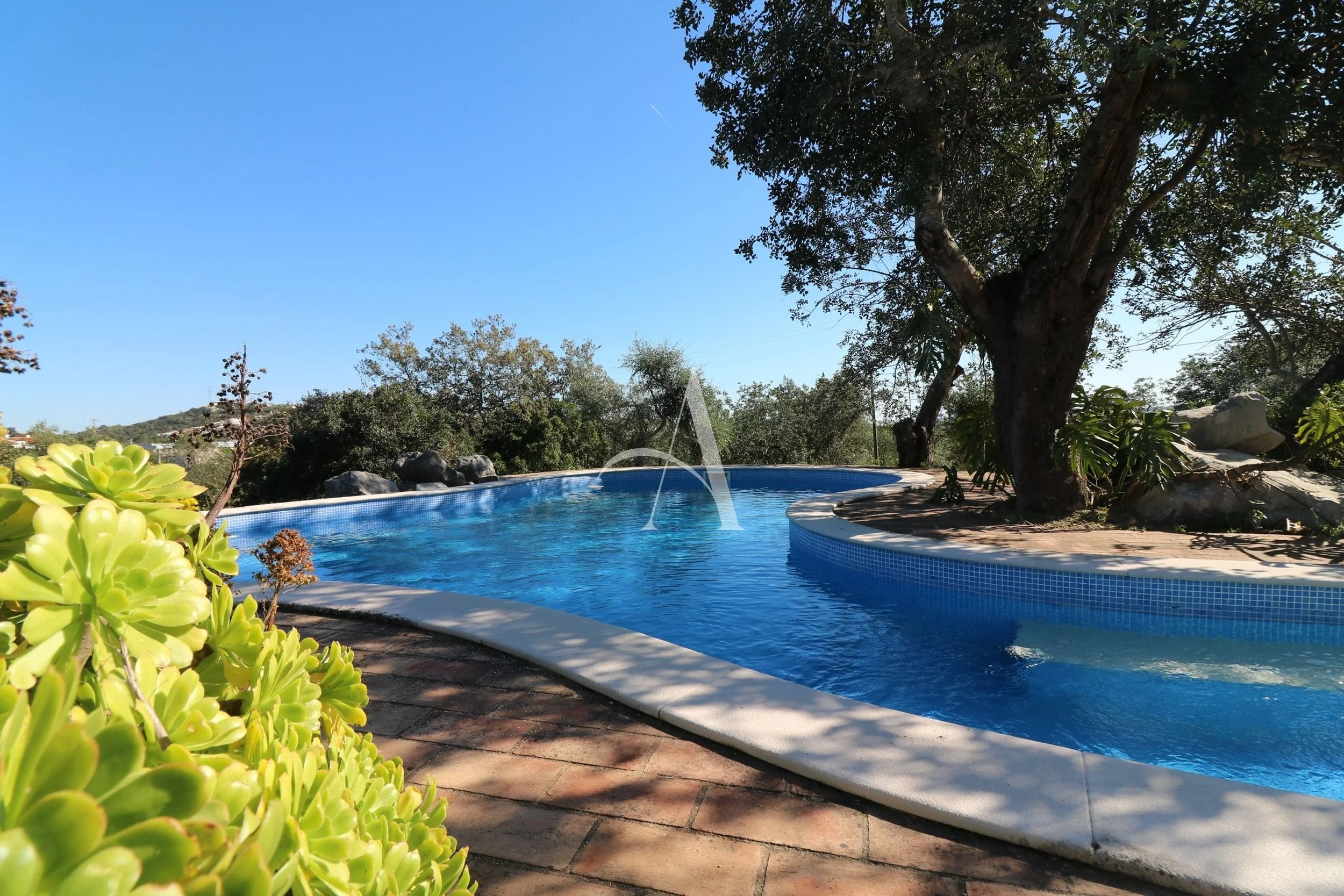
Private swimming pool

Parking

Private parking stated

Additional buildings

Garage and store room

Drainage

Septic system indicated, requiring confirmation and inspection

Water supply

Not confirmed

Condition

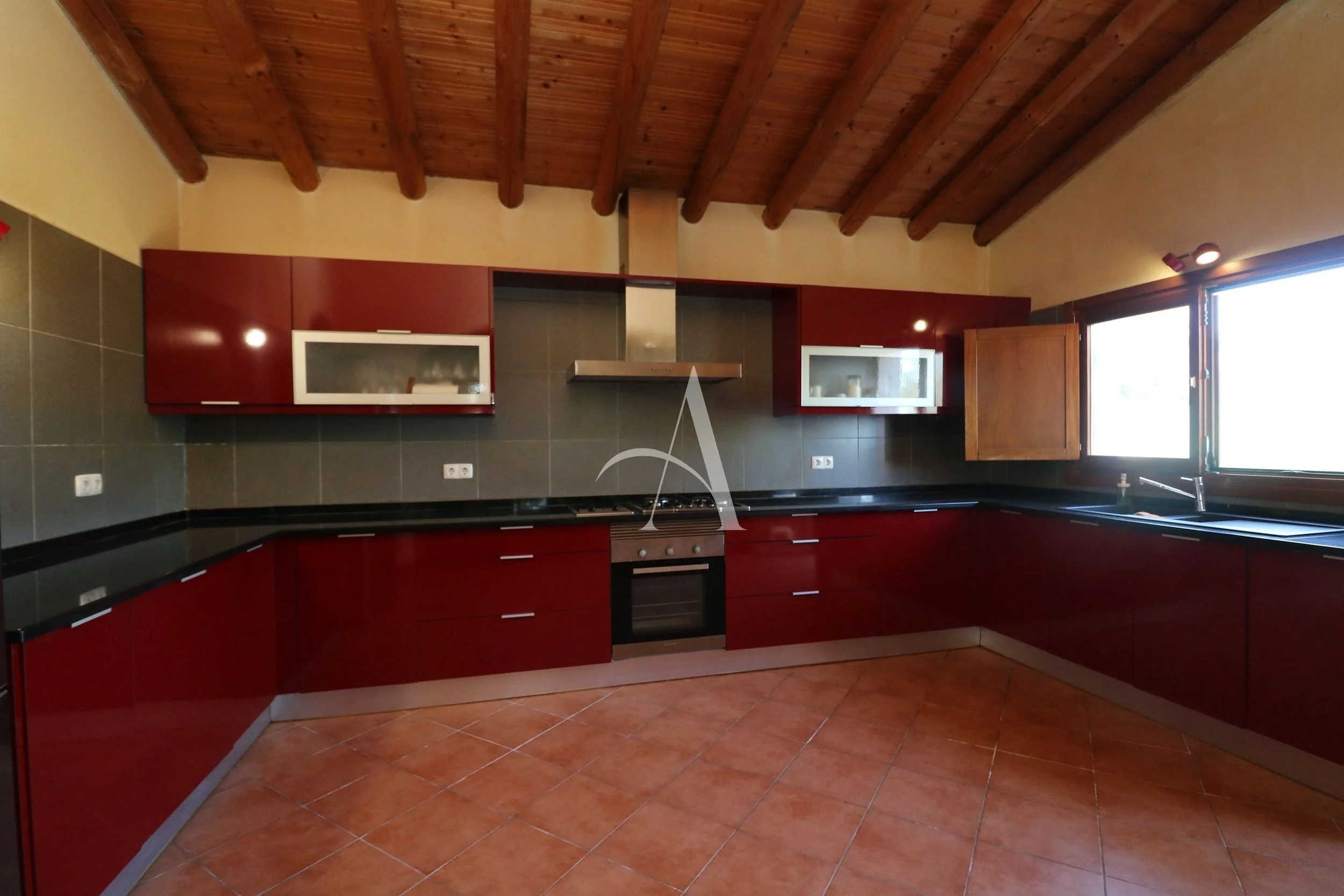
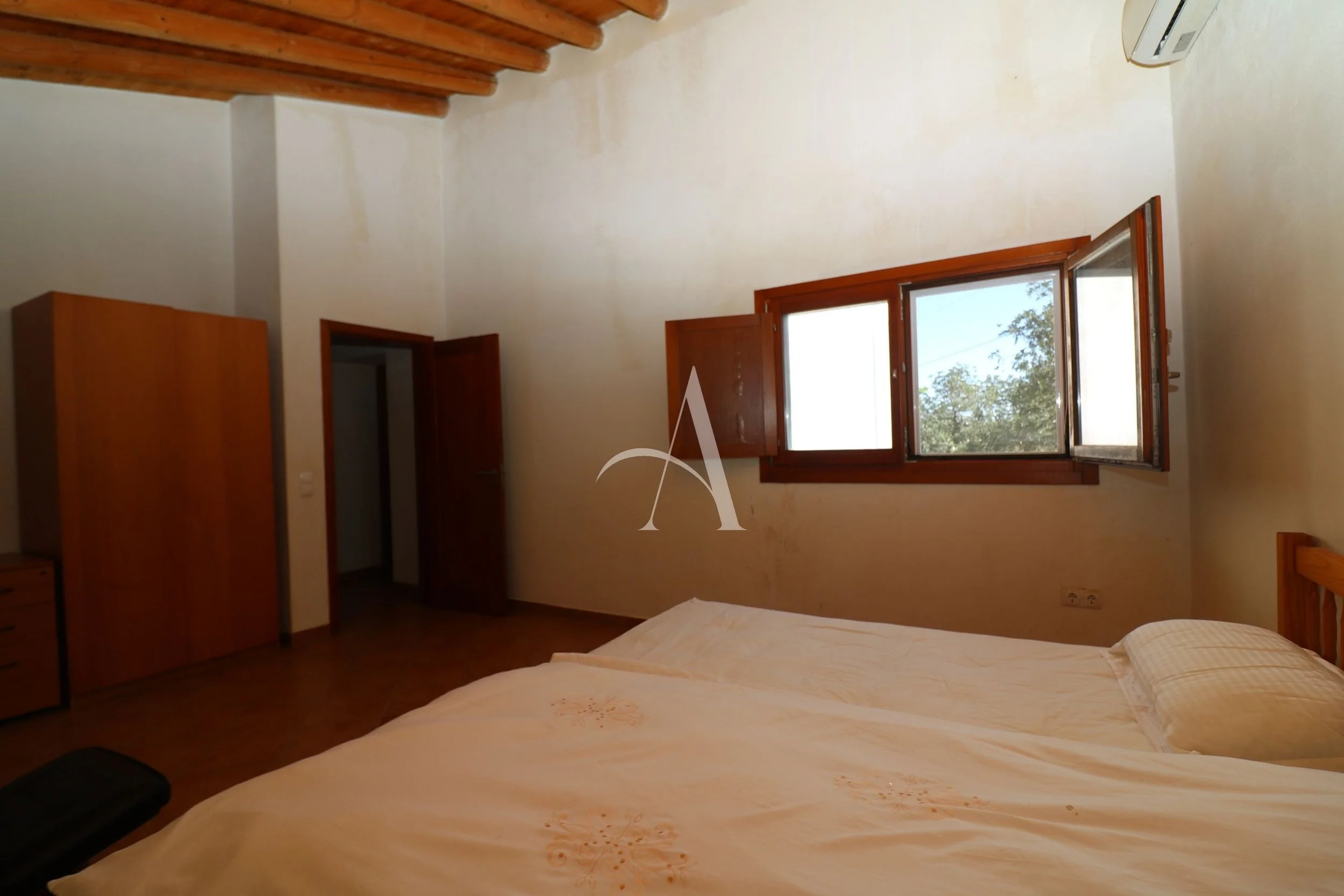
Described as genuinely rustic and in need of updating and modernisation

Setting

Inland Algarve hills near São Brás de Alportel

Lifestyle angle

Characterful detached home with private outdoor space and pool

Investment angle

Potential renovation, resale, long-term letting or tourist-rental opportunity, subject to legal, technical and licensing checks

Risk Radar

Potential risk or due-diligence focus. More investigation needed. Unknown or information not yet confirmed.
Renovation scope, structural condition and total upgrade cost
High
Energy Class F, insulation and winter comfort
High
Septic system condition, capacity and compliance
High
Pool, garage and current layout authorisation
High
Plot boundaries, water supply and rural access rights
Medium–High

Overview

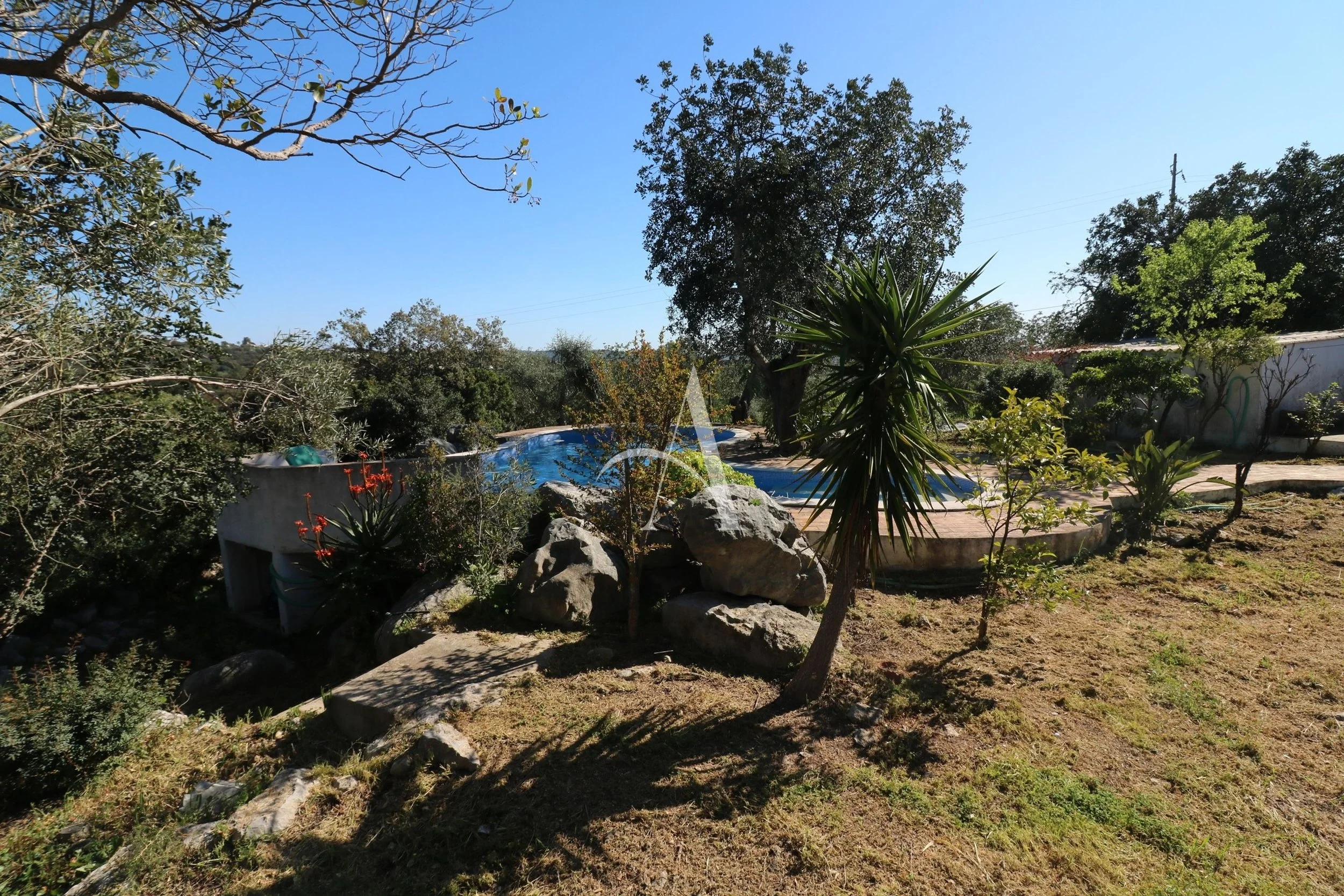
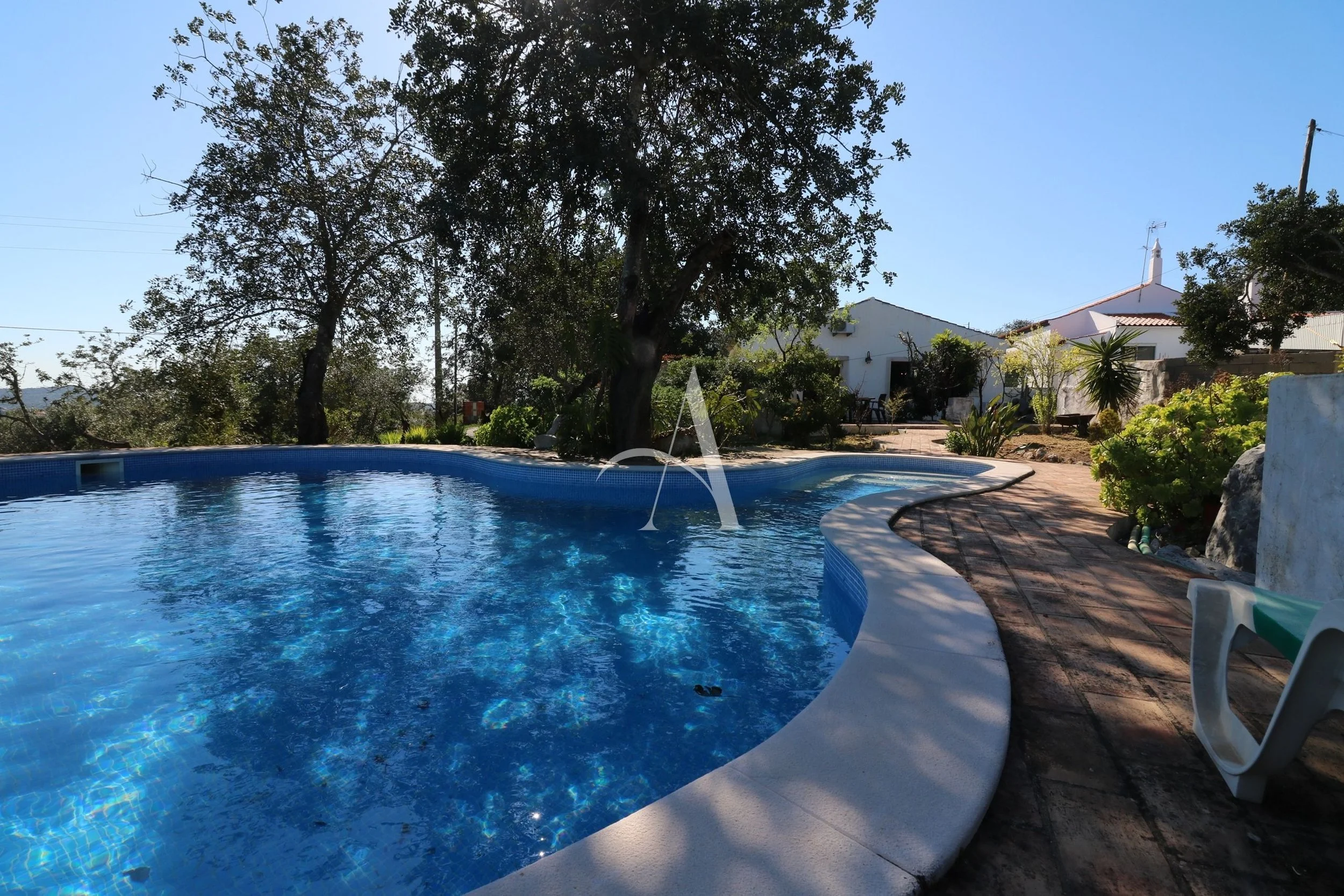
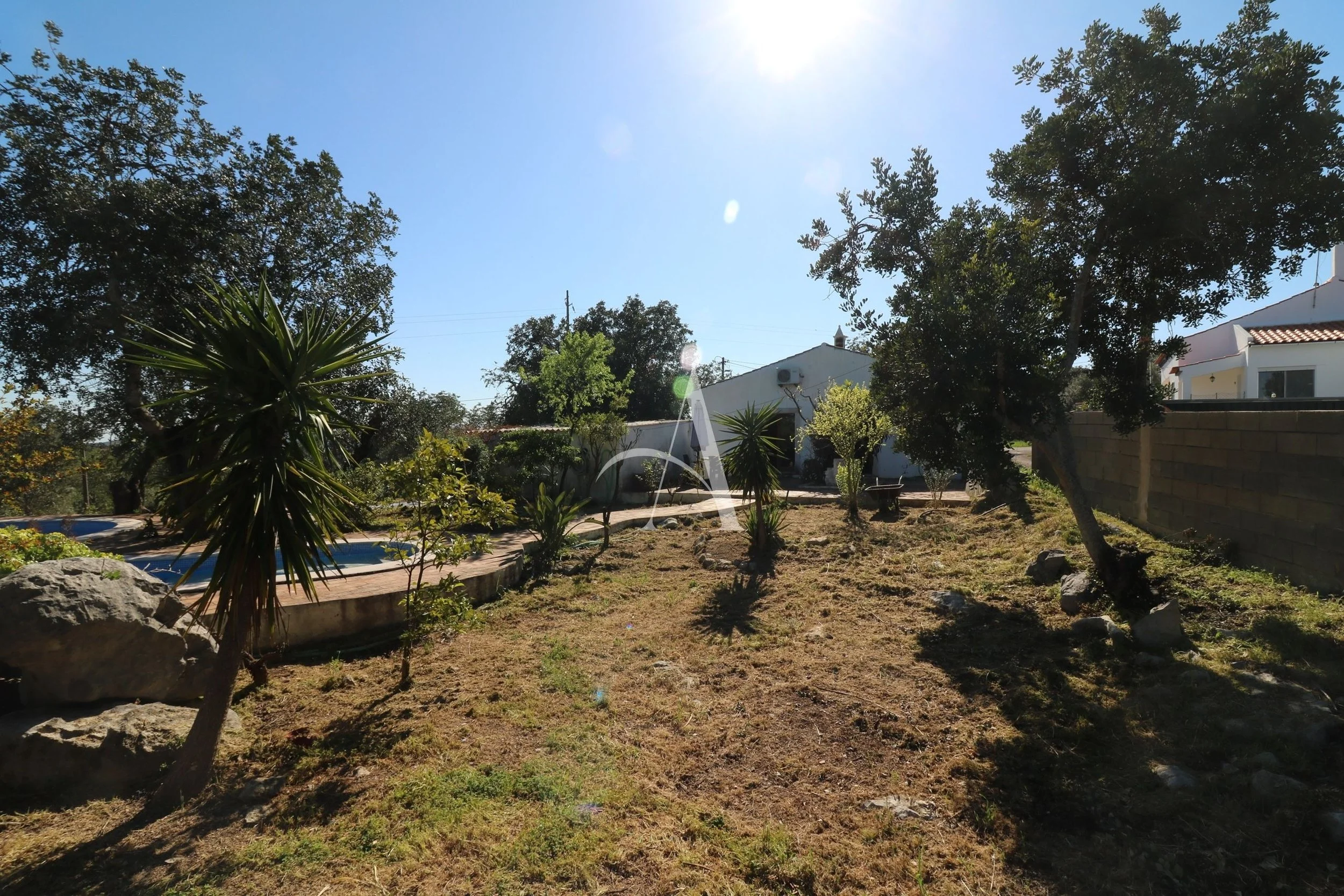
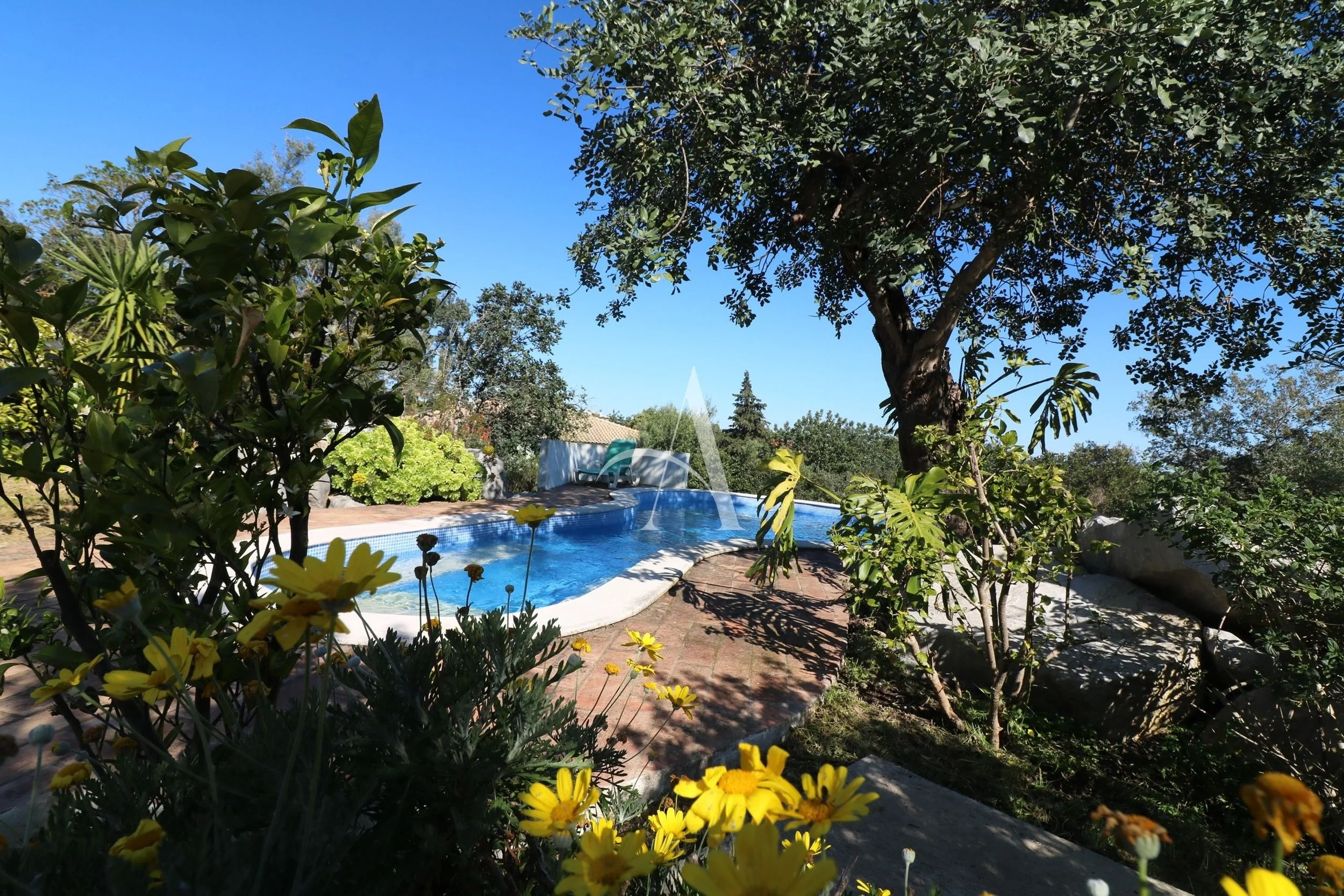
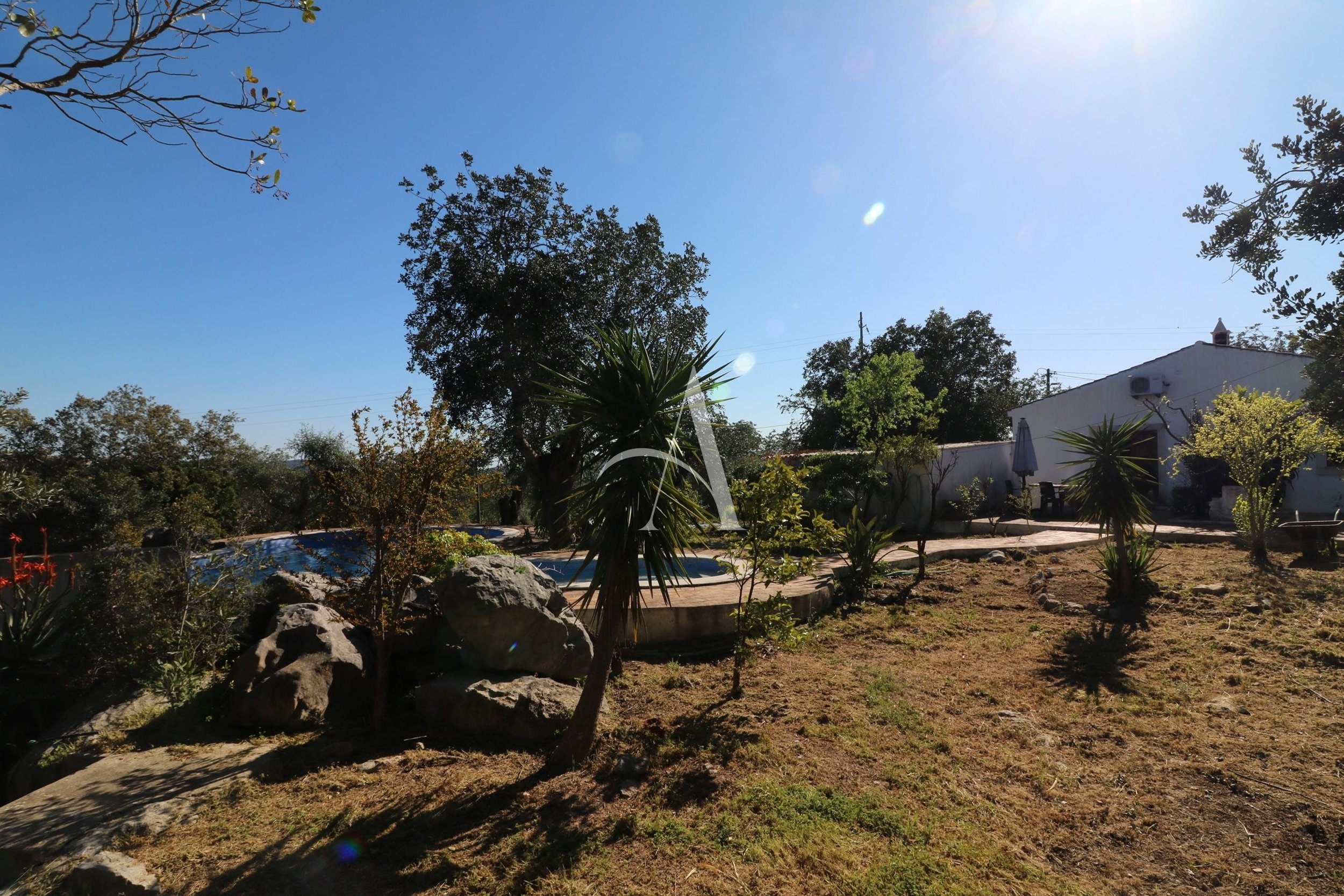
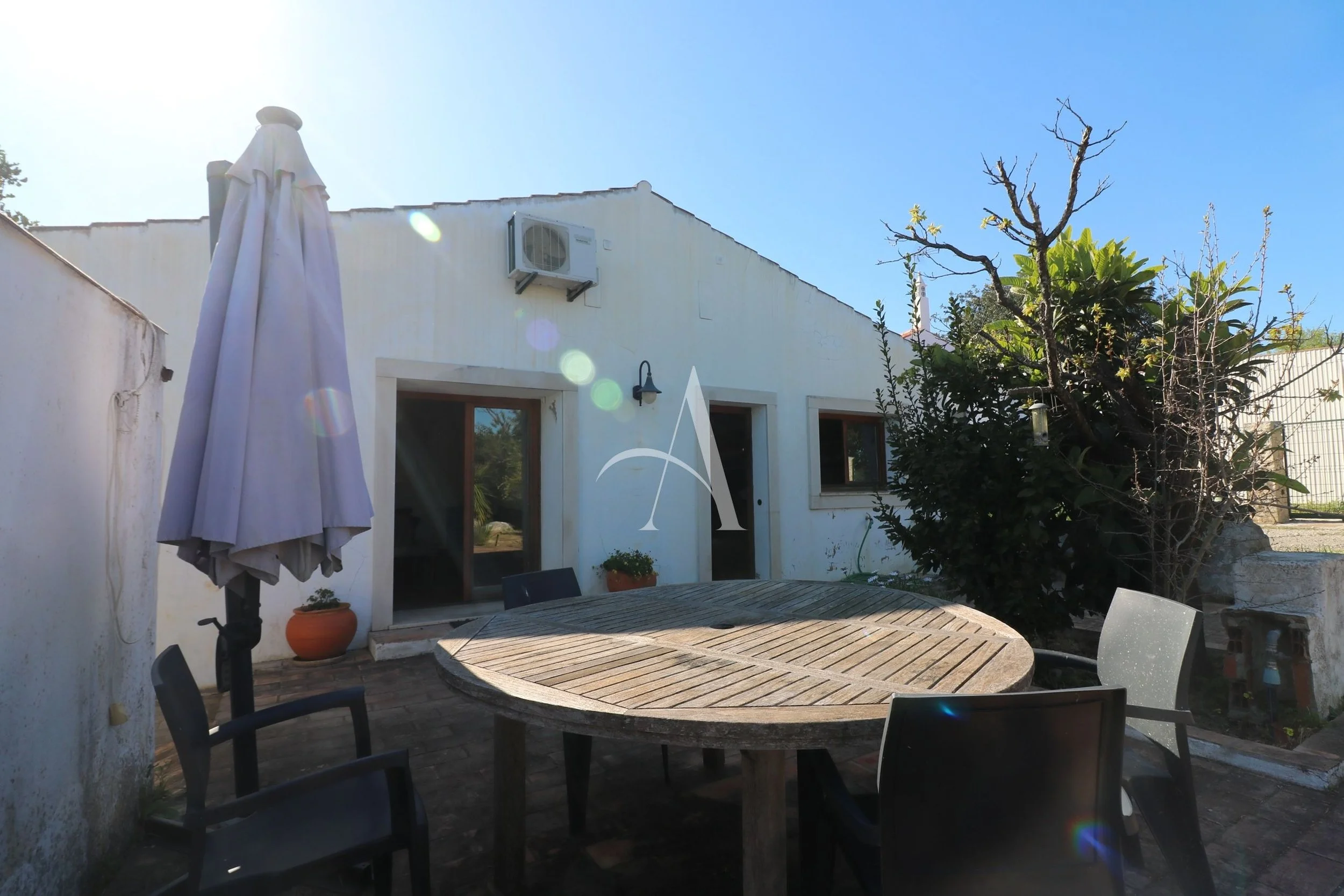
This detached two-bedroom cottage offers a combination that is increasingly difficult to find in the Algarve: a single-storey home with rustic character, a private pool, a garage, storage and its own partly walled garden. Its position in Mealhas, in the hills around São Brás de Alportel, may appeal to buyers seeking greater tranquillity and land than is normally available in coastal resort areas.

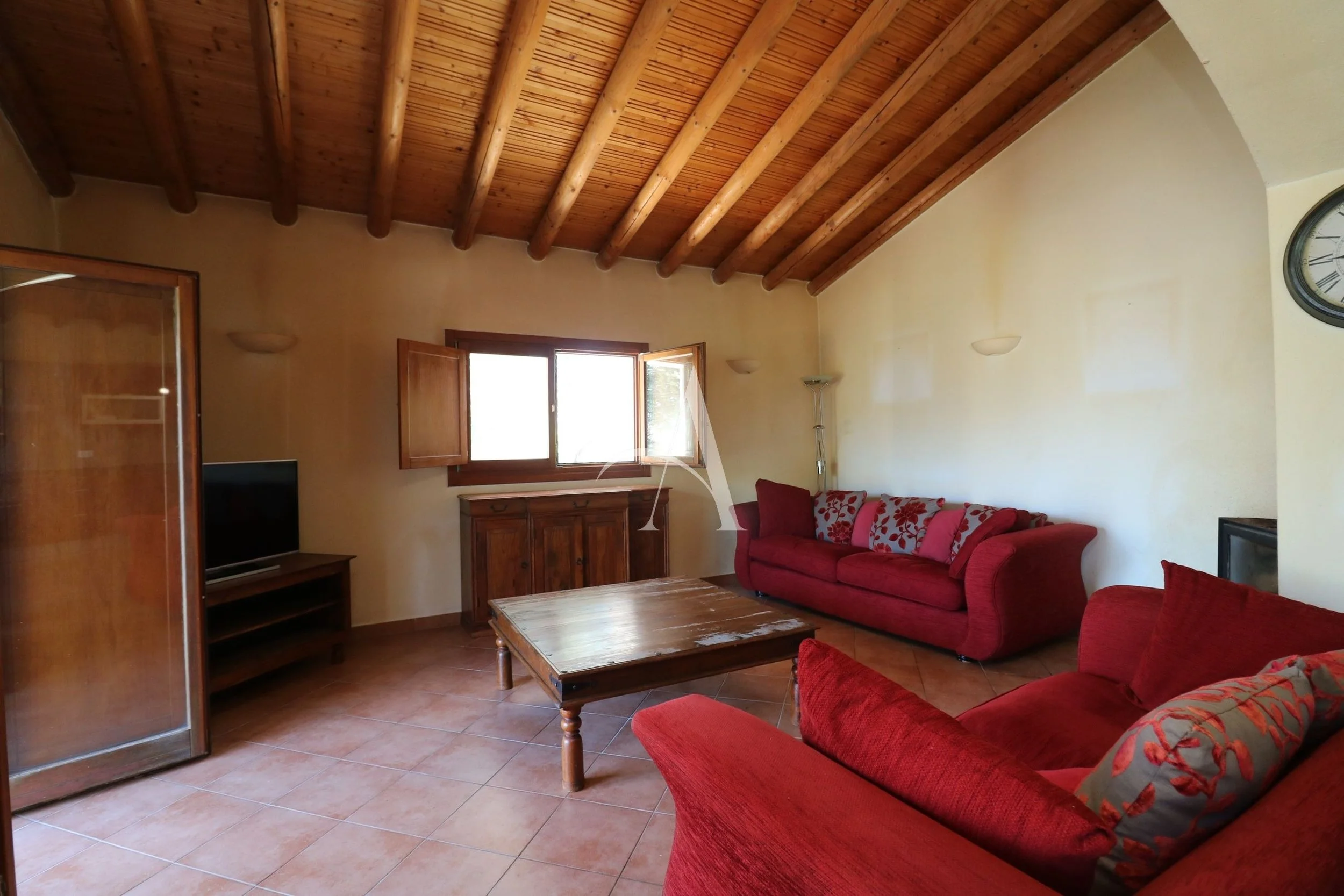
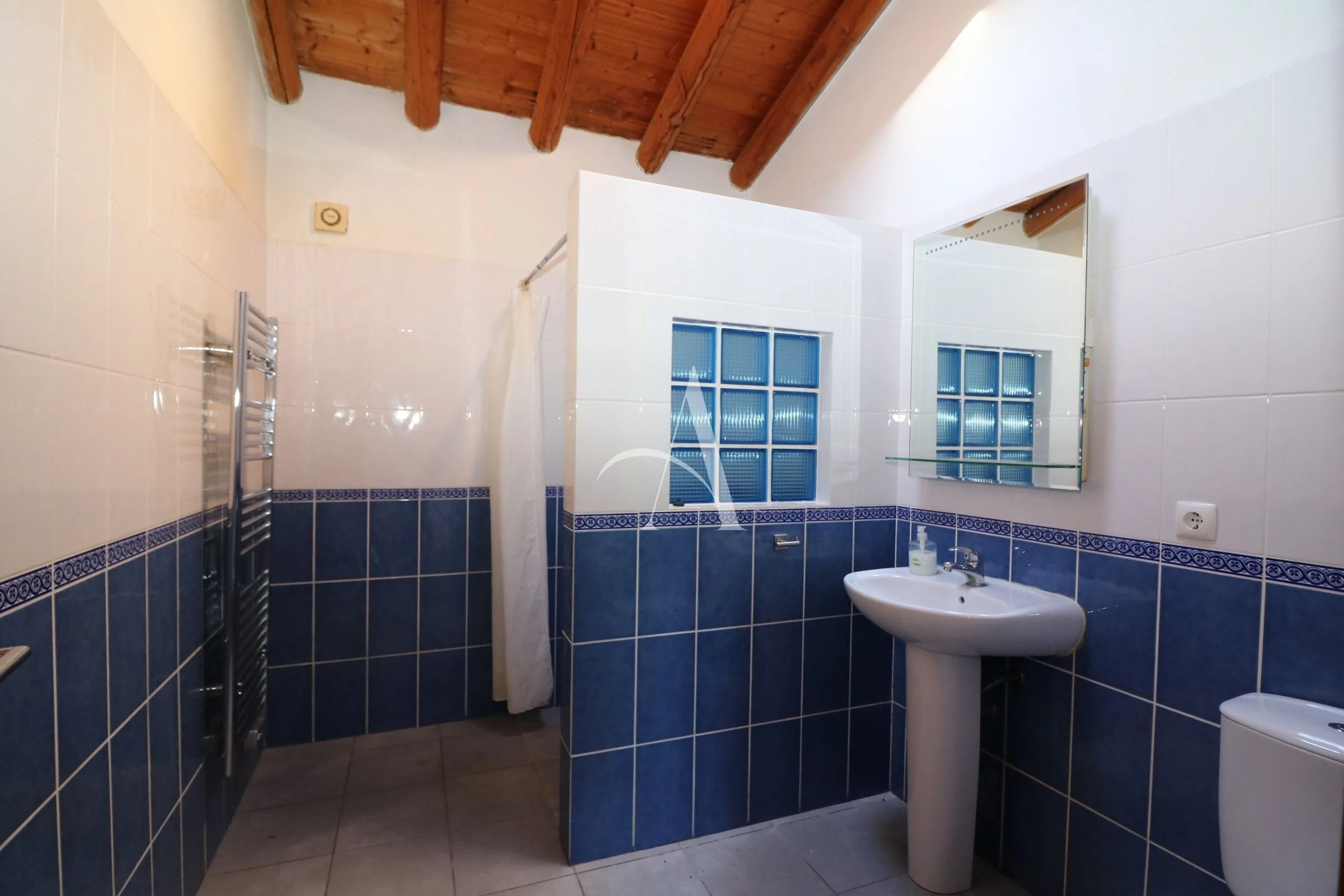
The property should not, however, be evaluated as a straightforward move-in-ready home. The listing's description that it would benefit from updating and modernisation, combined with an Energy Class F certificate and references to systems that may need attention, suggests that the buyer should assess it as a renovation project with uncertain final costs.

The legal file is the first priority. The cottage, garage, store room, pool and current internal layout should all be checked against the land-registry description, tax record, municipal plans and any available utilisation documentation. A physical structure appearing within the property boundaries does not by itself prove that it is authorised, registered or legally available for residential use.

The Class F energy rating is a material concern for both owner occupation and rental. It may reflect limited insulation, single glazing, an inefficient hot-water system, dependence on localised heating or shortcomings in the roof and building envelope. The full certificate should be reviewed alongside actual energy bills and an independent renovation plan.

The septic system may become one of the largest hidden costs if it is undersized, leaking, inaccessible or poorly located in relation to the house, pool, boundaries or water sources. Its type, age, condition, discharge arrangement and maintenance history should be established before an offer is made.

The private pool, garage and partly walled garden increase the property's appeal, but each also introduces due diligence questions. The pool should be authorised and structurally sound, the garage should appear in the legal documentation, and the plot boundaries should be professionally reconciled with the title and physical walls.

This could become an appealing full-time home or character rental after careful renovation. Its value depends on whether the asking price leaves sufficient room for energy improvements, system upgrades, pool work, landscaping and unforeseen repairs.

Targeted Questions

Ownership, Registry and Legal Description

1.Can you provide the current caderneta predial for the property?

The tax record should identify the registered areas, property classification, taxable value and any separately recorded structures.

2.Can you provide a recent certidão permanente do registo predial?

The land-registry extract should confirm ownership, registered charges, mortgages, easements and the legal description of the property.

3.What total land area and building area are recorded in the legal documents?

Neither the internal area nor plot size appears clearly stated in the listing, making value comparison difficult.

4.Does the registered building area include the garage, store room, pool and any covered terraces?

Structures visible on site may not necessarily be included in the registered area.

5.Are the cottage, garage and store room recorded as separate urban articles or within one property article?

Separate registrations can affect title checks, taxes, financing and future conversion proposals.

6.Is any part of the property registered as rustic land rather than urban land?

A mixed rustic and urban classification may affect boundaries, building rights, taxation and permitted land use.

7.Are there any rights of way, utility easements or access rights crossing the land?

Rural properties may depend on shared tracks or contain routes used by neighbours, utility companies or agricultural owners.

8.Are there any unresolved mortgages, attachments, inheritance issues or ownership disputes?

These matters can delay or prevent completion and should be identified before a reservation deposit is paid.

Utilisation Licence and Planning Status

9.Can the seller provide the licença de utilização or documentary evidence of any lawful exemption?

The buyer should establish the property's authorised residential use and whether the current accommodation is legally recognised.

10.What date was the original cottage constructed?

The age affects the planning records likely to exist and whether certain historical exemptions may be relevant.

11.Does the utilisation documentation cover the cottage's current two-bedroom layout?

Internal changes may have altered room use, access or habitable accommodation without formal approval.

12.Can you provide the approved municipal plans held by the Câmara Municipal de São Brás de Alportel?

An independent technician should compare the authorised plans with the building as it stands.

13.Have any extensions, enclosed terraces, altered openings or internal reconfigurations been carried out?

Apparently minor alterations may require municipal approval and can create problems during resale or renovation.

14.Is the private pool shown on the approved plans and municipal property file?

A pool normally represents a permanent construction and should be checked for proper authorisation.

15.Are the garage and store room authorised for their current uses?

An outbuilding may be recorded only as agricultural storage, parking or an unclassified structure.

16.Has the seller received any municipal notices, enforcement correspondence or requests to regularise works?

Outstanding planning matters could transfer practical and financial risk to the buyer.

17.Has an architect or engineer recently reviewed the property's planning conformity?

A professional comparison of the legal file and physical property is more reliable than an agent's general assurance.

Building Condition and Renovation Scope

18.When was the cottage originally built, and when was it last comprehensively renovated?

The age and renovation history help indicate the likely condition of the structure and systems.

19.What specific work does the agent mean by "updating and modernisation"?

The phrase may describe cosmetic work or conceal substantial roof, wiring, plumbing, drainage and insulation expenditure.

20.Has the seller prepared a written schedule of recommended repairs and improvements?

A detailed scope helps prevent the buyer from underestimating the project.

21.Have any contractor quotations or an orçamento been obtained?

Existing estimates can provide an early benchmark, although the buyer should still obtain independent quotations.

22.Are there any known structural cracks, movement or settlement issues?

Structural defects may materially change the renovation budget and require engineering advice.

23.Has the property ever experienced subsidence, slope movement or damage following heavy rain?

Inland hill locations may be affected by drainage, retaining-wall or ground-stability issues.

24.Are there any retaining walls on or adjoining the property, and who is responsible for them?

Retaining walls can be expensive to repair and may affect neighbouring land or access.

25.Are the floors level and structurally sound throughout the cottage?

Uneven or hollow floors may indicate settlement, damp or deterioration beneath the finish.

26.Is there any evidence of woodworm, termites or decay in structural timber?

Rustic buildings may contain older timber roof elements, beams, doors and window frames requiring specialist treatment.

27.Has an independent structural survey or building inspection been carried out recently?

The buyer should not rely solely on the seller's understanding of the condition.

Roof, Rainwater and Damp

28.What type of roof construction does the cottage have?

The buyer needs to understand whether the roof uses timber, concrete, traditional tiles or another system.

29.When was the roof last inspected, repaired or replaced?

Roof renewal may become one of the most significant renovation expenses.

30.Are there invoices, photographs or guarantees for previous roof works?

Documentary evidence helps establish what work was completed and whether any guarantee remains valid.

31.Are there any active leaks, repaired ceiling stains or damp patches following heavy rainfall?

Algarve weather can expose weaknesses that remain less visible during dry summer viewings.

32.Are the gutters, downpipes and surface-water drains complete and functioning?

Poor rainwater management can contribute to damp, erosion and pool-area damage.

33.Is there any rising damp or salt staining at the base of internal or external walls?

Traditional cottages may lack an effective damp-proof course.

34.Has any damp-proofing, tanking or chemical treatment been carried out?

The buyer should understand whether previous treatment addressed the cause or only covered visible symptoms.

35.Has the property ever flooded or suffered water entering from the garden, road or hillside?

Surface-water ingress can be costly to correct and may recur seasonally.

Energy Class F and Building Performance

36.Can you provide the complete and current Certificado Energético?

The certificate should explain the Class F rating, estimated performance and recommended improvement measures.

37.When was the energy certificate prepared, and does it reflect the cottage's current condition and systems?

Older certificates may not include later alterations or replacements.

38.Which specific factors caused the property to receive an F rating?

The buyer needs to distinguish between poor glazing, insufficient insulation, inefficient hot water and other deficiencies.

39.What improvement measures does the certificate recommend, and what indicative savings are stated?

The official recommendations can help prioritise renovation expenditure.

40.Can the seller provide electricity, gas and fuel bills for the previous two years?

Actual consumption provides a practical check against theoretical energy estimates.

41.Is the cottage currently occupied year-round or used only seasonally?

Low historic bills may reflect limited use rather than good efficiency.

42.What insulation is present in the roof, walls and floors?

Insulation affects winter comfort, summer overheating, condensation and running costs.

43.Are the windows single glazed, double glazed or a mixture?

Old glazing can be a major source of heat loss, draughts and noise.

44.What is the condition of the external doors, shutters and window seals?

Air leakage may materially reduce comfort even after heating or cooling upgrades.

45.Has anyone obtained an estimate to improve the property from Class F to at least Class C or D?

The cost of meaningful energy improvement should be included in the total acquisition budget.

Heating, Cooling and Hot Water

46.Is the log burner the cottage's principal winter heating source?

A single local heat source may leave bedrooms and bathrooms uncomfortable during colder periods.

47.Is the log burner professionally installed, maintained and supported by a safe chimney or flue?

Older installations may present fire, smoke or carbon-monoxide risks.

48.When was the chimney last swept and inspected?

Regular maintenance is essential for safe operation.

49.Which rooms have air-conditioning units, and do they provide heating as well as cooling?

The listing may refer to only one unit rather than a whole-house system.

50.What are the ages, brands and service histories of the air-conditioning units?

Older systems may be inefficient, noisy or approaching replacement.

51.Is there any additional heating, such as electric radiators, panel heaters or underfloor heating?

The buyer should understand the true winter heating arrangement.

52.How is domestic hot water produced?

An old electric cylinder, gas heater or solar system may require replacement or maintenance.

53.Is there a solar thermal or photovoltaic system, and is it owned outright?

Renewable systems can reduce operating costs but require records, maintenance and ownership confirmation.

Electrical and Plumbing Systems

54.When was the electrical installation last rewired or professionally inspected?

Older wiring may not support modern appliances, air conditioning, pool equipment and electric heating safely.

55.Can the seller provide electrical inspection records or certificates for recent work?

Documentation helps establish whether upgrades were completed by qualified contractors.

56.What is the contracted electrical capacity, and is it sufficient for the cottage and pool?

Renovation may require a larger supply or replacement consumer board.

57.Is the property properly earthed and protected by modern circuit breakers and residual-current devices?

Electrical safety is especially important around the pool and external areas.

58.What materials are used in the water pipes, and when was the plumbing last replaced?

Old pipework may suffer from leaks, corrosion, restricted flow or contamination.

59.Are there any known leaks, low-pressure issues or recurring blockages?

Hidden plumbing defects may damage walls and floors or indicate drainage problems.

60.Have the kitchen and bathroom drainage systems been inspected?

Slow drainage may be linked to internal pipework or the wider septic system.

Septic System and Wastewater

61.Is the property connected to mains sewerage or entirely dependent on a fossa séptica?

The listing notes suggest a septic system, but the exact arrangement should be confirmed.

62.What type of septic system is installed?

A sealed tank, traditional septic tank, treatment unit or soakaway system will have different maintenance and compliance implications.

63.Where is the septic tank located in relation to the cottage, pool, boundaries and access road?

Location affects safety, odour, future repairs and access for emptying vehicles.

64.What is the tank's capacity, age and construction material?

An old or undersized system may need replacement.

65.When was the septic tank last emptied, cleaned and inspected?

Maintenance records may reveal recurring problems or neglect.

66.Can the seller provide receipts or reports from the company that services the tank?

Written records are more reliable than verbal estimates.

67.Has the system ever overflowed, backed up or produced odours?

These symptoms may indicate failure, insufficient capacity or drainage-field problems.

68.Is the system considered adequate for a two-bedroom home and potential guest occupation?

Rental or more intensive use may place greater demand on an already marginal system.

69.Does the wastewater system discharge to a soakaway, drainage field or another outlet?

The buyer should verify that disposal occurs legally and within the property boundaries.

70.Has a specialist estimated the cost of repair, upgrade or replacement?

Septic replacement can materially affect the renovation budget.

Water Supply and Irrigation

71.Is the cottage connected to mains water?

A reliable potable supply is essential for full-time occupation and rental use.

72.Is there a borehole, well, cistern or other private water source?

Private water sources require legal, quality, capacity and maintenance checks.

73.If there is a private source, is it registered and licensed where required?

Physical access to groundwater does not automatically establish lawful use.

74.Has the water been tested for potability and mineral content?

Poor-quality water may require filtration and may damage appliances or pool equipment.

75.Is water pressure reliable throughout the year?

Rural and elevated locations may experience pressure or seasonal supply issues.

76.Is there a storage tank and pressure pump, and what is their condition?

These systems may be essential to normal water use and can require replacement.

77.How is the garden irrigated, and what is the approximate annual water cost?

Landscaping and pool use can significantly increase summer water demand.

Pool Condition, Legality and Running Costs

78.What are the pool's dimensions, depth and approximate volume?

Pool size affects maintenance, energy use and suitability for guests.

79.When was the pool constructed?

Age helps indicate the likely condition of waterproofing, pipework, filtration and finishes.

80.Can you provide the planning permission and approved plans for the pool?

The buyer should confirm that this key feature is legally authorised.

81.Has the pool ever leaked, cracked or required structural repair?

Hidden pool leaks can cause high water bills, ground erosion and substantial repair costs.

82.When was the liner, tiling or waterproof finish last renewed?

These surfaces have finite service lives and may be expensive to replace.

83.What filtration, pump and sanitation system is installed?

Equipment type and age determine maintenance complexity and running costs.

84.When were the pump, filter and pipework last serviced or replaced?

Ageing equipment may fail soon after purchase.

85.Is the pool heated, or is there infrastructure to add heating?

Heating could extend the rental season but may require significant investment.

86.What are the average annual pool-maintenance, water and electricity costs?

These expenses should be included in ownership and rental calculations.

87.Does the pool have a compliant cover, enclosure, alarm or other safety measures?

Safety provisions are particularly important where children or paying guests may use the property.

88.Is the pool plant room dry, ventilated and safely wired?

Poor plant-room conditions can damage equipment and create electrical hazards.

Garden, Boundaries and Land

89.What is the exact plot size?

The listing does not specify the land area, although the garden is central to the property's appeal.

90.Can the agent provide a survey or topographical plan showing the legal boundaries?

Walls and fences do not always follow registered boundaries.

91.Which sections of the garden are walled, fenced or open?

The listing describes the garden as only partly walled, which may affect privacy, pets and security.

92.Who owns and maintains each boundary wall or fence?

Boundary repair responsibilities can be shared or disputed.

93.Are there any encroachments, informal access routes or neighbouring uses within the apparent plot?

Rural land can contain long-standing arrangements not obvious from the listing.

94.What established trees and plants are included, and are any protected?

Mature trees may add value but can require specialist maintenance or restrict alterations.

95.Is there an automatic irrigation system, and is it operational?

A non-functioning system could increase landscaping costs.

96.Has the property experienced wildfire exposure, and is there a vegetation-management plan?

Inland Algarve properties require careful assessment of surrounding vegetation, access and defensible space.

Garage, Storage and Conversion Potential

97.Is the garage large enough for a modern vehicle, and can it be accessed comfortably from the road?

A structure described as a garage may be more suitable only for storage.

98.Does the garage have electricity, water, drainage and ventilation?

Services affect its usefulness as a workshop or potential conversion.

99.Is the store room dry, secure and included in the legal documentation?

Damp or unregistered storage may have limited value.

100.Has any professional assessed whether the garage or store room could be converted into accommodation?

Conversion would require planning, habitability, energy and possibly septic-capacity approval.

101.Would conversion affect parking requirements or the authorised use of the main property?

Removing a garage may create a planning or practical parking issue.

Access, Parking and Services

102.Is the access road public, private or shared?

Ownership determines maintenance responsibility and legal access.

103.Is there a registered right of access from the public road to the property?

Informal historic use should not be assumed to provide secure legal access.

104.Is the road paved and usable throughout the year by ordinary vehicles?

Heavy rain, erosion or steep gradients may affect access.

105.Can emergency vehicles, delivery vans and septic-service vehicles reach the property?

Restricted access can affect safety, renovation logistics and maintenance costs.

106.How many vehicles can park within the property boundaries without blocking access?

Adequate parking is important for guests, tradespeople and potential rental use.

107.Are there any shared gates, tracks, lighting or maintenance costs?

Rural access arrangements may create recurring obligations.

Neighbours, Privacy and Surroundings

108.What properties immediately adjoin the cottage?

Nearby residential, agricultural or tourism uses may affect privacy and noise.

109.Are neighbouring properties permanently occupied or mainly holiday homes?

Occupancy patterns influence security, tranquillity and seasonal activity.

110.Are there dogs, livestock, agricultural machinery or commercial activities nearby?

Rural tranquillity can coexist with barking, machinery, smoke or early-morning activity.

111.Are any developments, new roads or building projects proposed nearby?

Future construction may affect views, access and privacy.

112.Are the countryside or hill views protected from development?

An attractive outlook may not remain unchanged without planning restrictions.

113.What are the noise levels during evenings, weekends and local events?

A brief daytime viewing may not represent normal conditions.

Internet and Practical Living

114.What fixed broadband services are available at the exact address?

General area coverage does not guarantee a reliable connection at a rural property.

115.Is fibre available directly to the cottage, or would service rely on ADSL, fixed wireless or satellite?

Connection type affects speed, reliability and remote-working suitability.

116.Can the seller provide a recent speed test from inside the property?

Actual performance is more useful than an advertised maximum.

117.Which mobile networks provide reliable reception inside the cottage and garden?

Mobile coverage may be inconsistent in hill locations.

118.How far is the property from supermarkets, pharmacies, healthcare, schools and restaurants in São Brás de Alportel?

Practical travel times influence daily convenience and rental appeal.

119.What are the realistic driving times to Faro, Faro Airport and the nearest beaches during summer traffic?

Peak-season journey times may differ materially from listing estimates.

Alojamento Local and Rental Potential

120.Does the property currently have an Alojamento Local registration?

An existing registration should be verified in the national register and checked for validity and transfer implications.

121.If there is no existing registration, has the seller or agent checked whether a new AL registration is currently available at this address?

Municipalities now have greater authority to regulate local accommodation, so eligibility should not be assumed.

122.Has the Câmara Municipal de São Brás de Alportel confirmed whether Mealhas is subject to any containment, sustainable-growth or local AL restrictions?

The national framework permits municipalities to adopt area-specific controls, and the current local position should be confirmed directly.

123.Would the property satisfy the required fire-safety, hygiene, insurance and guest-accommodation standards after renovation?

AL registration requires more than ownership of a furnished property, and compliance costs should be included in the project budget. The municipality's guidance confirms that local accommodation must meet minimum safety and hygiene requirements.

124.Would the septic system be considered adequate for the proposed maximum guest capacity?

Higher guest turnover can overload an older private drainage system.

125.What nightly rates are achieved by comparable two-bedroom cottages with pools in inland São Brás de Alportel?

Inland performance should not be estimated using beachfront Algarve comparables.

126.What occupancy levels are realistic in winter, shoulder season and summer?

Strong summer rates may conceal a long low season.

127.What annual costs should be allowed for cleaning, linen, pool care, gardening, utilities, insurance, booking commissions and management?

Net income may be significantly lower than headline rental revenue.

128.What long-term monthly rent could the cottage achieve after renovation?

Long-term letting may provide a useful comparison with tourist-rental income and workload.

129.Has the agent prepared a written post-renovation rental appraisal using genuinely comparable properties?

A documented appraisal helps the buyer test assumptions rather than relying on general optimism about Algarve demand.

Renovation Value and Exit Strategy

130.What recent sales support the €460,000 asking price in the property's current condition?

The buyer should compare the cottage with other unrenovated properties rather than completed villas.

131.What sale prices have renovated two-bedroom cottages with pools achieved nearby?

Post-renovation comparables help establish whether the project has sufficient financial margin.

132.What renovation budget has the agent assumed when describing the property as an opportunity?

The agent's implied budget may reveal whether the asking price reflects the true scope of work.

133.Has the seller considered obtaining planning approval or quotations before sale?

The absence of preparatory work may increase uncertainty for the buyer.

134.Are there any improvements that would be restricted by the municipal planning designation or rural land status?

The buyer may not be able to add extensions, enclose terraces or build additional accommodation as freely as expected.

135.What would make the property difficult to mortgage, insure or resell in its present condition?

Legal discrepancies, poor energy performance, septic concerns or unregistered structures may affect future marketability.

Negotiation Intelligence

Buyer Leverage

Medium-High

Key Drivers

Combined uncertainty around renovation scope, Energy Class F, the septic system and the legal status of the pool and outbuildings
Absence of clearly stated internal and plot areas: the buyer cannot properly calculate the price per square metre or establish how much of the built area is legally residential until the caderneta predial, land-registry record and floor plans are supplied
Class F rating as a valuation issue: the official energy certificate can identify the measures responsible for the poor performance and recommended improvements
Septic system not inspected: a conditional offer or provisional replacement sum may be incorporated into the negotiation
Pool legality and condition unresolved: an unlicensed or leaking pool may be a liability rather than an added-value feature
Garage and store room should not be valued as conversion opportunities unless a Portuguese architect confirms that conversion is legally and technically viable

Typical Negotiation Range

Subject to structural survey, septic report, pool inspection, energy-upgrade assessment and initial contractor quotations

(subject to diagnostics)

Neutral Phrasing Examples

"Because the property requires modernisation and there are still important questions around the septic system, Energy Class F, pool authorisation and registered areas, I would like to base any offer on the legal documents and independent inspection results. Could you please provide the caderneta predial, land-registry extract, utilisation documentation, approved plans, full energy certificate and any records for the pool, septic system, roof and previous works?"

Country Layer

Portugal (Regulatory Context July 2026)

Key Portuguese requirements for buyers:

Portuguese buyers should distinguish between the land-registry record and the tax record. The certidão do registo predial confirms registered ownership, charges and property description, while the caderneta predial records fiscal information held by the tax authority.
For this cottage, the documents should be reconciled with: the physical boundaries, the stated land area, the main cottage, the garage, the store room, the pool, any covered terraces or additions, rustic and urban property articles, and access rights and easements.
A buyer should not assume that every visible structure is registered merely because it has existed for many years.
The buyer should still investigate the property's lawful use, approved plans and municipal history even though Portuguese conveyancing rules introduced in 2024 reduced the obligation to present certain urban-planning documents at the deed stage.
The practical consequence is not that planning conformity has become unimportant. Rather, buyers need stronger independent legal and technical due diligence because completion of a conveyance may not itself prove that the present building and use are fully authorised.
The buyer's advogado and architect should establish: whether a licença de utilização exists; whether an exemption applies because of the building's age; whether the current two-bedroom layout matches approved records; whether the garage, store and pool are authorised; whether any additions require regularisation; whether current use is residential; whether proposed renovation needs prior approval.
Current buyer guidance continues to recommend checking the caderneta predial and land-registry record, confirming the utilisation status and ensuring extensions or renovations were properly licensed.
Portugal's Sistema de Certificação Energética applies to buildings placed on the sale or rental market, subject to defined exemptions. The seller should provide the valid certificate, and the Class F result should be reviewed in full rather than treated as a simple marketing label.
The official SCE platform explains that the certificate identifies measures that can improve comfort, reduce energy costs and guide renovation decisions.
For this cottage, the buyer should review: the certificate's validity and property identification; the calculated energy demand; the condition of the building envelope; roof and wall insulation; window type; heating and cooling systems; domestic hot-water production; renewable-energy recommendations; indicative costs and savings for proposed measures.
An independent energy assessor or engineer should then convert the recommendations into a realistic phased budget.
Cosmetic works such as decoration or replacement of finishes may require limited formal intervention, but structural alterations, extensions, façade changes, new openings, roof changes, conversions and additions may require municipal approval.
Before buying, the buyer should discuss the proposed renovation with the Câmara Municipal de São Brás de Alportel and a local architect. Particular attention should be paid to: rural or protected land designations; building footprint and permitted area; conversion of the garage or store room; pool alterations; new terraces or covered areas; replacement septic systems; boundary walls; tree removal; solar panels and external equipment; access-road modifications.
A rural property not connected to mains sewerage requires specific technical due diligence. The buyer should identify the legal wastewater arrangement, inspect the tank and confirm that discharge occurs safely and within the property.
A specialist should assess: tank construction and capacity; structural condition; inlet and outlet condition; soakaway or drainage field; separation from water sources and boundaries; access for emptying; suitability for full-time or rental occupancy; odour or overflow history; upgrade or replacement cost.
Private wells or boreholes should also be checked for registration, legal use, capacity and water quality. A water test should be obtained if the supply is used for drinking.
The private pool should be matched against municipal plans and property records. The buyer's technician should verify its authorisation, dimensions, setbacks and associated plant room.
A specialist pool inspection should cover: shell and structural cracking; waterproofing; coping and surrounding paving; filtration and sanitation; pump and pipework; electrical safety; leakage; drainage; safety equipment; annual maintenance cost.
Portugal's AL regime was amended by Decree-Law No. 76/2024, restoring greater municipal authority to regulate local accommodation and allowing councils to establish containment and sustainable-growth areas.
The buyer should therefore not rely on a general statement that rural Algarve homes can obtain AL registration. The exact position should be confirmed with the Câmara Municipal de São Brás de Alportel for the Mealhas address.
The municipality's AL information states that local-accommodation establishments must comply with minimum safety and hygiene requirements.
Before relying on short-term rental income, the buyer should verify: whether a valid AL registration already exists; whether it remains active; whether a new registration is currently accepted; whether the property is within any specially regulated zone; the permitted guest capacity; fire-safety equipment; liability insurance; complaints-book requirements; guest-reporting obligations; tax registration; municipal tourist-tax obligations, if applicable; whether septic and water systems are adequate for guest use.
The buyer should ask an independent Portuguese lawyer or tax adviser to prepare a full acquisition-cost schedule covering: IMT; stamp duty; notarial and registration costs; legal fees; survey and technical-inspection fees; mortgage costs; agency commission where applicable; immediate repairs; energy improvements; septic works; pool repairs; furnishing and landscaping; insurance; contingency allowance.
A renovation contingency is particularly important for a rustic building where finishes may conceal defects and the condition of the original systems is unclear.

Viewing Strategy

During the viewing:

Begin at the access road rather than at the cottage door. Assess the road surface, gradient, drainage and turning space. Confirm whether an ordinary car, emergency vehicle, contractor van and septic-emptying vehicle can reach the property comfortably.
Walk the full boundary with the cadastral or topographical plan. Identify which walls belong to the property, where the garden remains open and whether any tracks, gates or services cross the land. Photograph unclear boundary points.
Inspect the surrounding terrain before concentrating on the house. Look for slopes directing water towards the building, eroded ground, retaining walls, blocked channels and evidence of water movement after rain.
Examine the roof from several angles. Look for slipped tiles, sagging lines, patched areas, deteriorated timber, blocked gutters and staining beneath eaves. Ask to inspect the loft or roof void where accessible.
Inside, use smell and touch as well as sight. Check lower walls, corners, cupboards and areas behind furniture for mustiness, bubbling paint, salt deposits or fresh redecoration that may conceal damp.
Inspect floors for unevenness, hollow tiles and movement. Open every door and window to identify distortion, poor seals or frame decay.
Test the log burner and inspect the flue route. Look for smoke staining, cracking around the hearth and evidence of recent sweeping.
Operate each air-conditioning unit and record its make, age and model. Confirm whether it heats as well as cools.
Run taps and showers simultaneously. Check pressure, hot-water recovery and drainage speed. Flush toilets repeatedly and ask whether heavy use has ever caused septic back-up.
Locate the septic tank, access covers and drainage area. Note smells, saturated ground, vegetation changes and whether a service vehicle can reach it. Do not open or enter the tank. Arrange a specialist inspection.
Inspect the pool before being distracted by its appearance. Check water level, cracks, loose tiles, stained grout, coping movement and the condition of the equipment. Ask for the pump to operate and inspect the plant room for leaks, corrosion and unsafe wiring.
Walk the garage and store room carefully. Look for damp, roof leaks, cracking, electrical supply and evidence that the spaces are used differently from their authorised purpose.
Test the external electrical points, lighting, gates and irrigation. Confirm where mains water, private water and electricity enter the property.
Visit during both daytime and evening where possible. Listen for dogs, road noise, agricultural machinery and nearby tourism activity. Test mobile signal and internet from inside each bedroom and the garden.
Before leaving, divide all findings into immediate repairs, essential legal checks, energy upgrades, optional improvements and long-term maintenance. Use these categories to build the renovation budget before discussing price.

Next Step

Verify from the listing:

Registered areas and legal building status
Obtain the caderneta predial, land-registry extract, utilisation documentation and approved plans to confirm the cottage, pool, garage, store room, current layout and land boundaries are correctly recorded.

Full renovation scope and structural condition
Commission an independent inspection of the roof, walls, damp, floors, wiring, plumbing and outbuildings, then obtain written contractor estimates rather than treating “modernisation” as a cosmetic project.

Energy Class F upgrade cost
Review the complete Certificado Energético, actual utility bills and recommended improvements so the cost of insulation, glazing, heating, cooling and hot-water upgrades can be included in the purchase decision.

Septic system and water supply
Confirm the type, location, capacity, maintenance history and legal discharge arrangement of the septic system, together with the source, quality and reliability of the property’s water supply.

Pool, garden and garage condition
Verify the pool’s authorisation and physical condition, establish the exact plot boundaries and confirm whether the garage and store room are legally registered and suitable for their intended use.

A prepared buyer should approach the agent calmly and frame questions as due diligence. For example: “To help me assess the renovation properly and prepare a realistic offer, could you share the property and planning documents, full energy certificate, septic maintenance records, pool approvals and any surveys, invoices or quotations for the roof and building systems?”

Because this is a rustic cottage where renovation costs, poor energy performance and system condition will materially affect the true purchase cost, run it through the Renovation Budget Planner to build a phased works allowance, or use the European Property Energy Risk Assessor to evaluate the implications of the Class F certificate.

Disclaimer: The Property Drop is buyer-focused intelligence, zero sales agenda. We curate exceptional properties, in southern Europe, from third-party agents and arm you with decision tools. No commission, no transactions, no agent partnerships, no skin in the game beyond helping you choose wisely. Information stays accurate until it doesn't (properties sell, prices shift, markets move). Everything here is shared for informational purposes only and should not be treated as legal, financial, or investment advice. Images belong to original agents. Read our Terms of Service to learn more.

Buyer Intelligence: This assessment provides general guidance based on common risk factors and publicly available regulatory information. Risk scores and checklist items are indicative only and must not be considered legal, financial, structural, or surveying advice. Actual property conditions, costs, and regulatory requirements vary significantly by location, property age, and specific circumstances. Regulations are subject to change; always verify current requirements with qualified local professionals before making any purchasing decision.
The Property Drop provides buyer intelligence and educational research analysis only. The Property Drop does not act as an estate agent, intermediary, or advisor in any transaction and does not facilitate introductions, negotiations, or transactions. Always engage qualified independent professionals including local lawyers, surveyors, architects, and tax advisors for comprehensive due diligence specific to your property.

IMPORTANT REMINDER: When contacting property agents featured on The Property Drop, you are entering into direct communication with third parties. It's recommended that you verify all property details independently, conduct thorough due diligence, engage qualified professionals (solicitors, surveyors, financial advisors), understand your rights and obligations under local property laws, and never send money or make commitments without proper legal protection.

Next
Next

The Buyer Playbook: 4-Bed Character Farmhouse with Rooftop Jacuzzi and Panoramic Views, São Brás de Alportel, Portugal, €595,000