
The Buyer Playbook: 4-Bed Character Farmhouse with Rooftop Jacuzzi and Panoramic Views, São Brás de Alportel, Portugal, €595,000
Buyer Playbook
Pre-Viewing Intelligence Report
This independent buyer guidance report relates to this specific property located in Portugal. It is provided for informational purposes only and does not constitute legal, tax, structural or survey advice. Planning, habitability, private water abstraction, drainage, land use, outbuilding legality, rooftop loading, rental registration and boundary matters must always be verified with qualified Portuguese professionals such as an advogado, solicitador, arquiteto, engenheiro, surveyor or licensed property consultant, and with the relevant municipal and national authorities. This report is designed to help buyers evaluate the property before arranging a viewing or making an offer. It highlights due diligence areas and targeted questions to ask the estate agent. The analysis is based on the listing information and publicly available regulatory context at the time of writing.
Playbook Contents
Property Snapshot
Location
São Brás de Alportel, inland Algarve, Portugal
Asking Price
€595,000
Property type
Detached character farmhouse
Bedrooms
4
Bathrooms
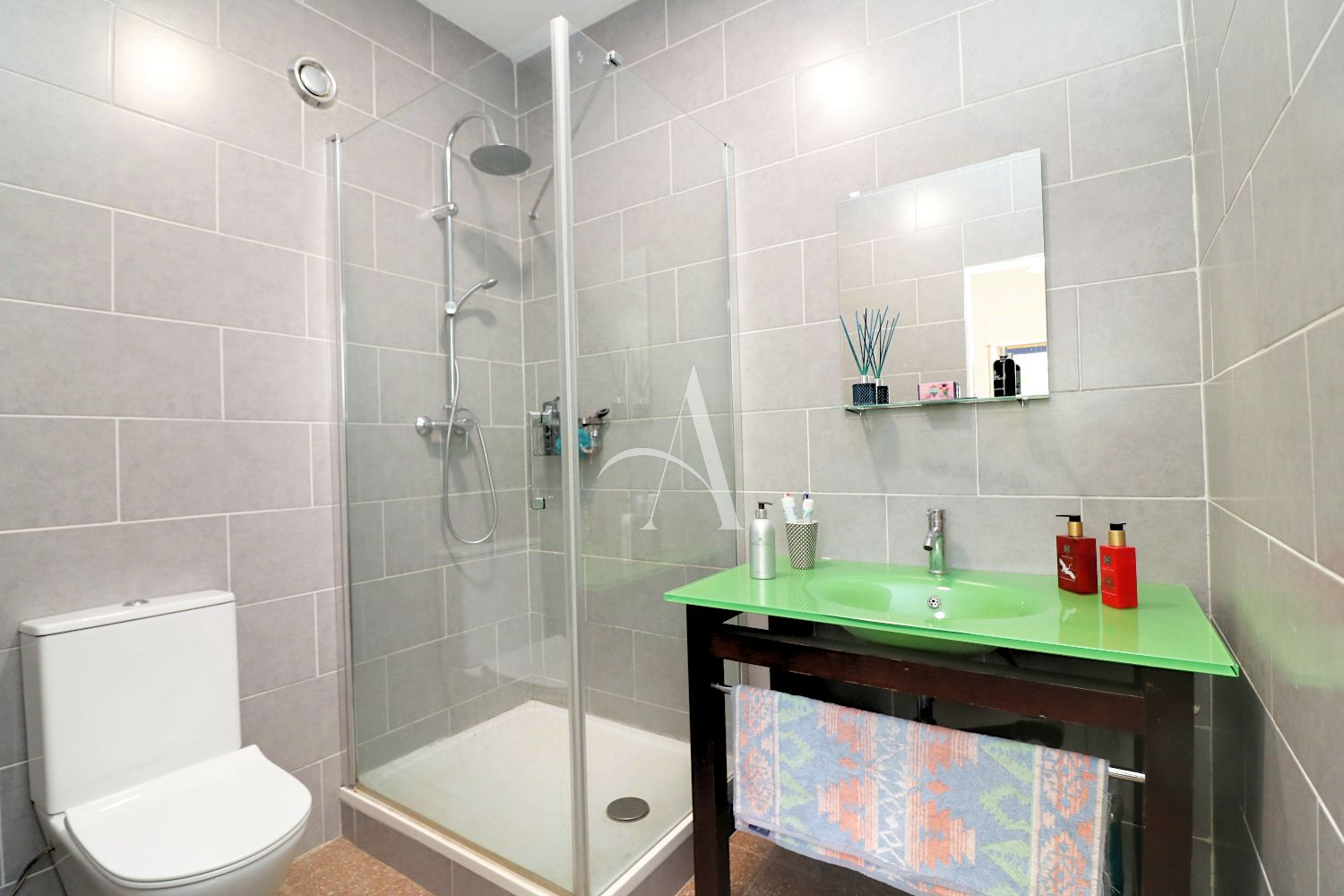
2
Internal area
Not stated in the listing
Plot size
Not stated in the listing
Layout
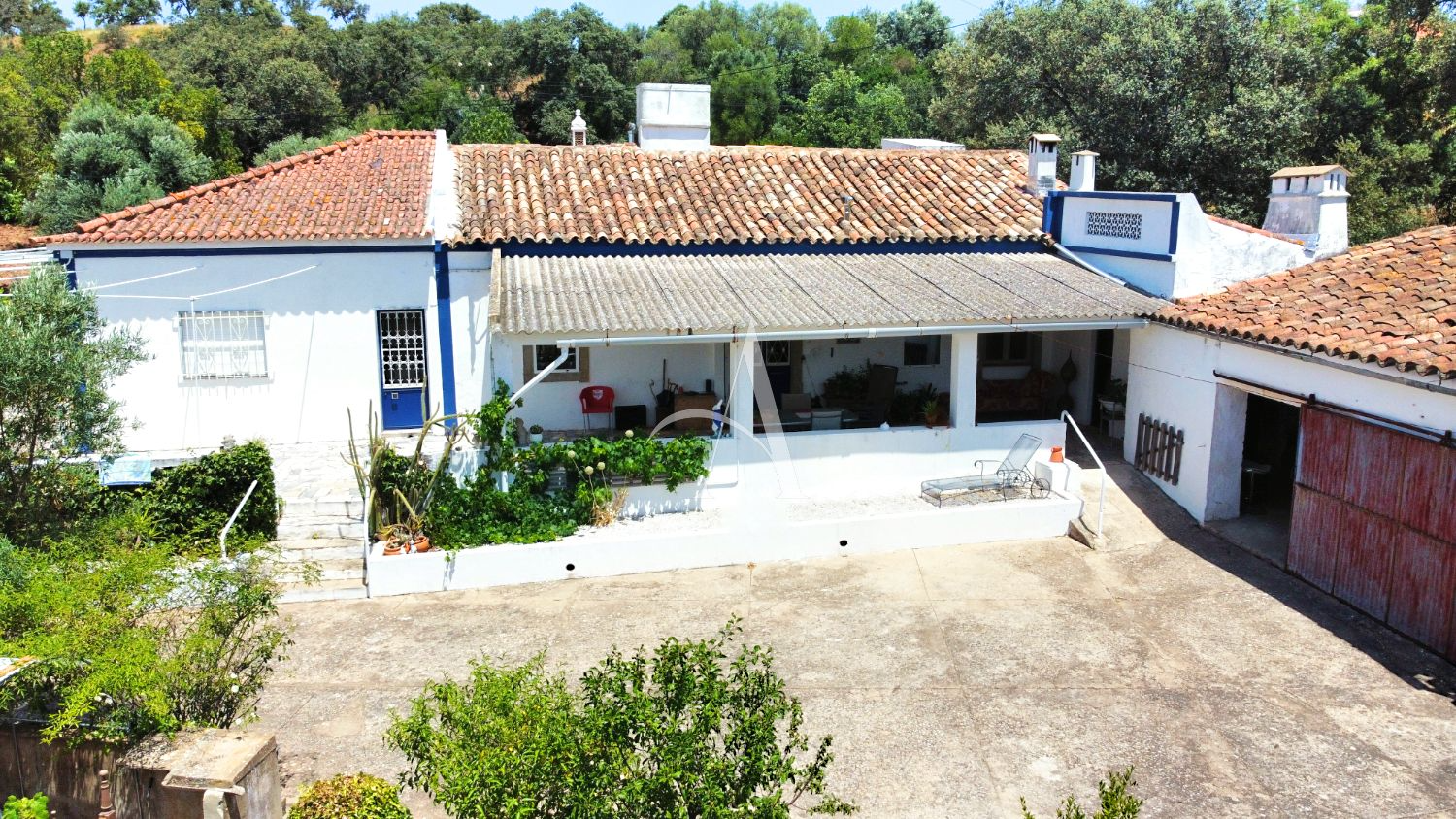
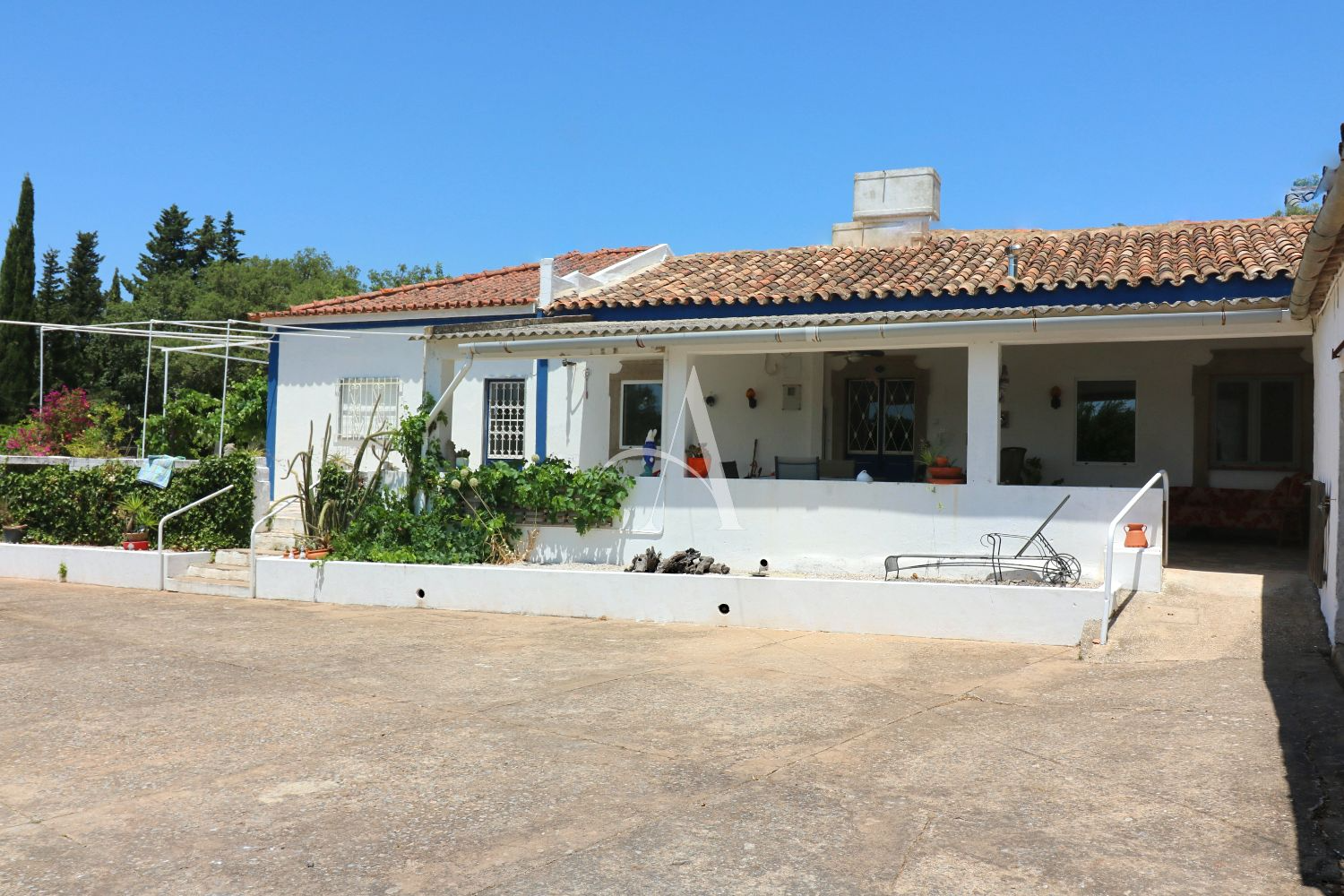
Primarily single-storey accommodation with access to a rooftop terrace
Living spaces
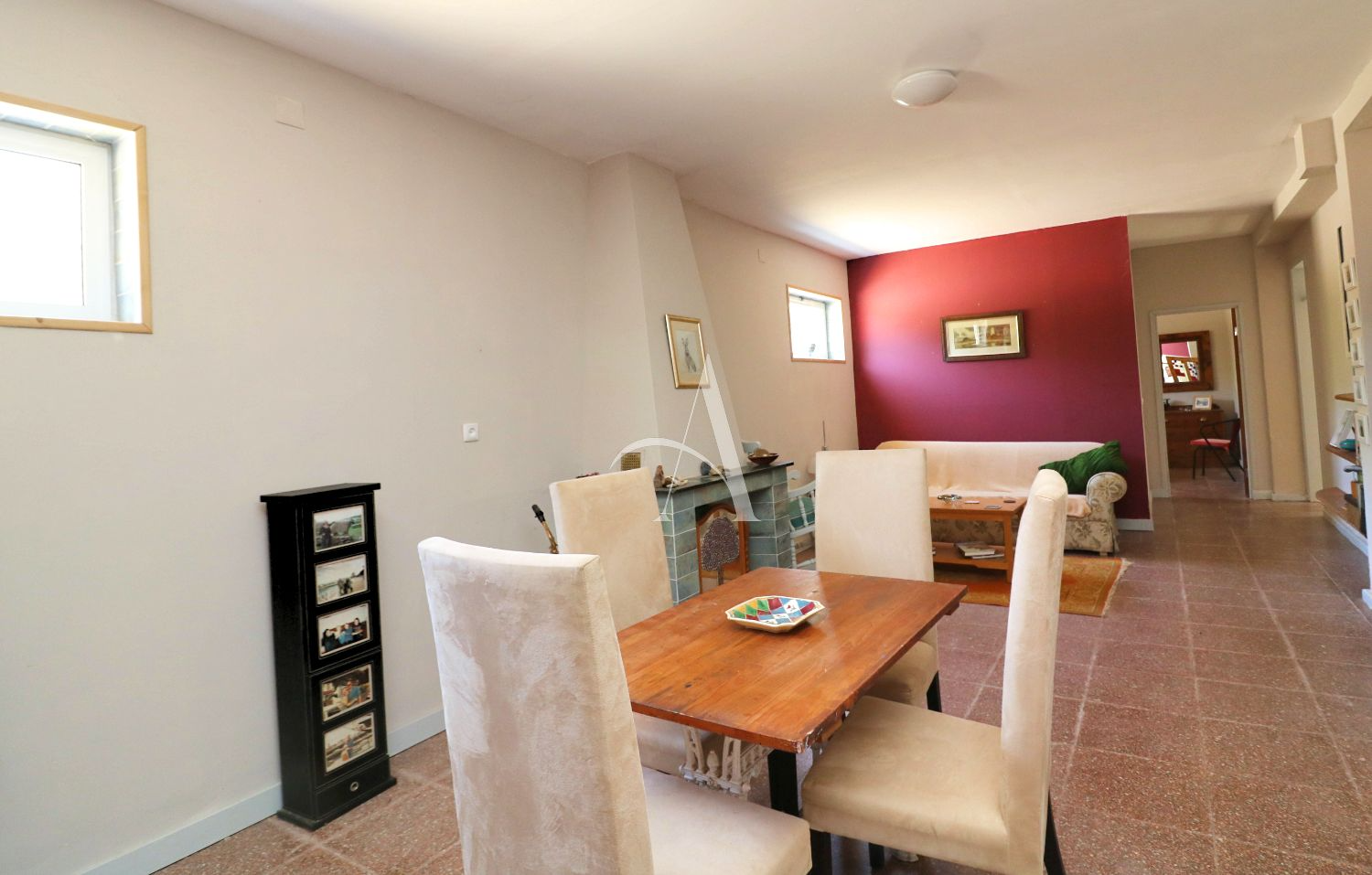
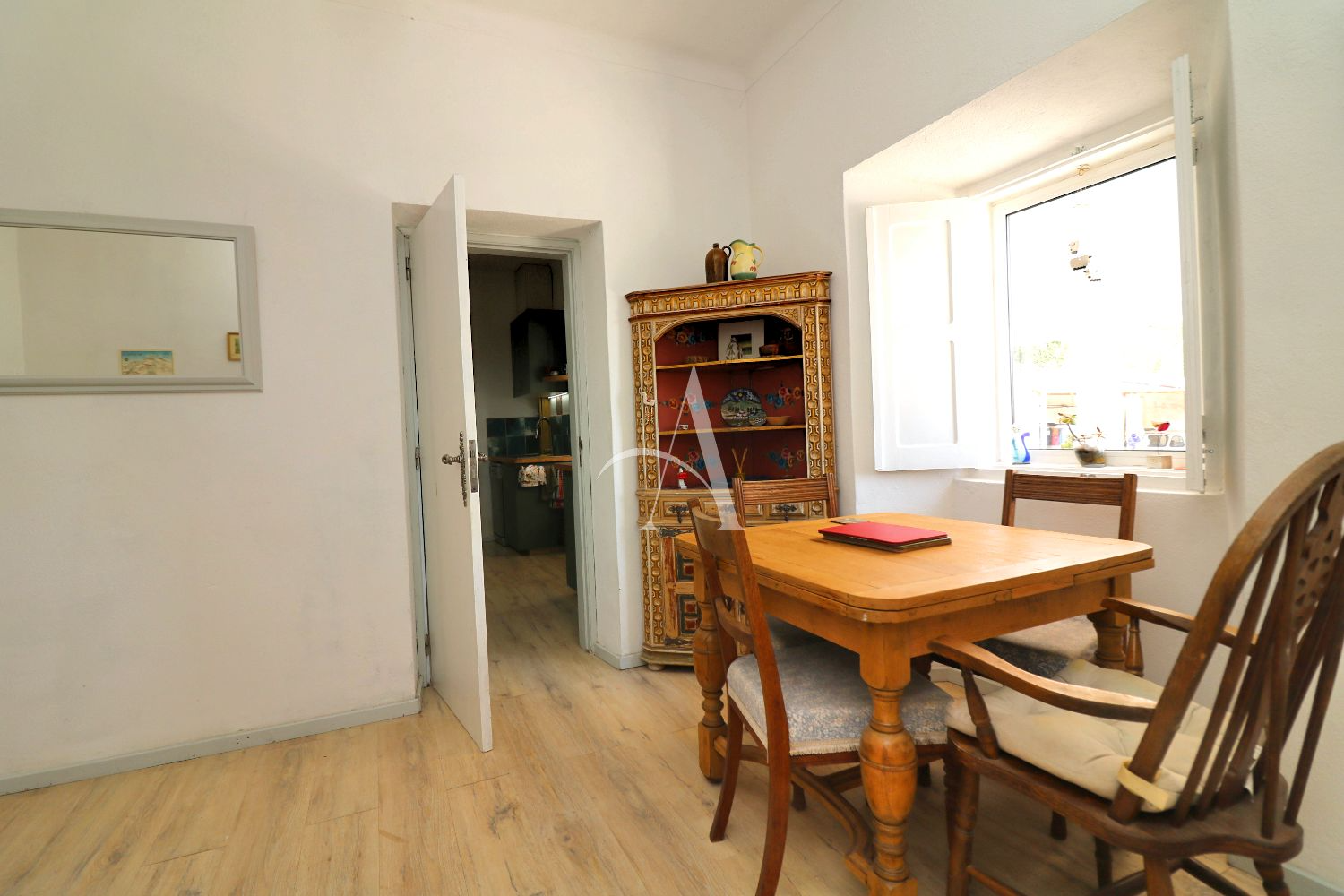
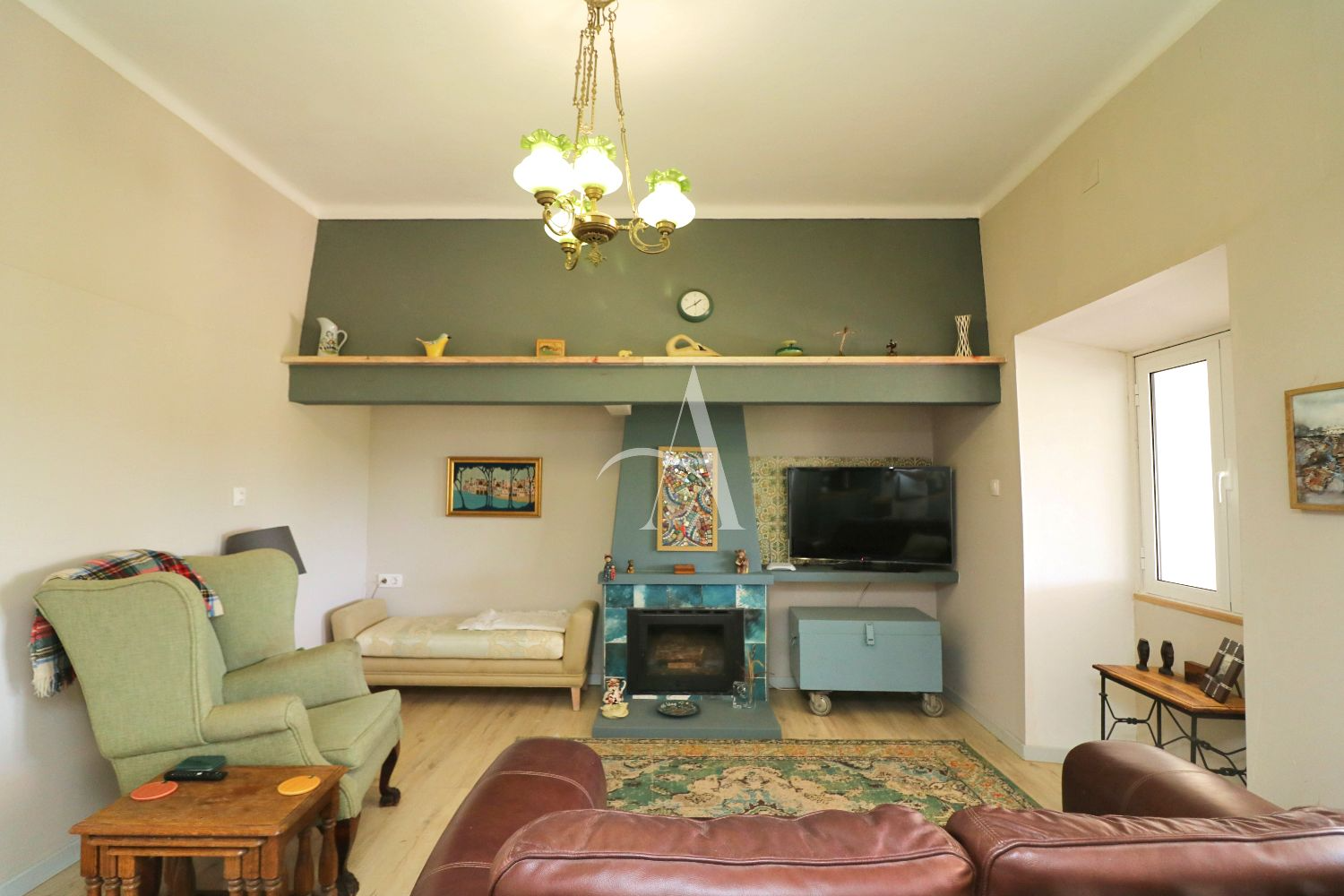
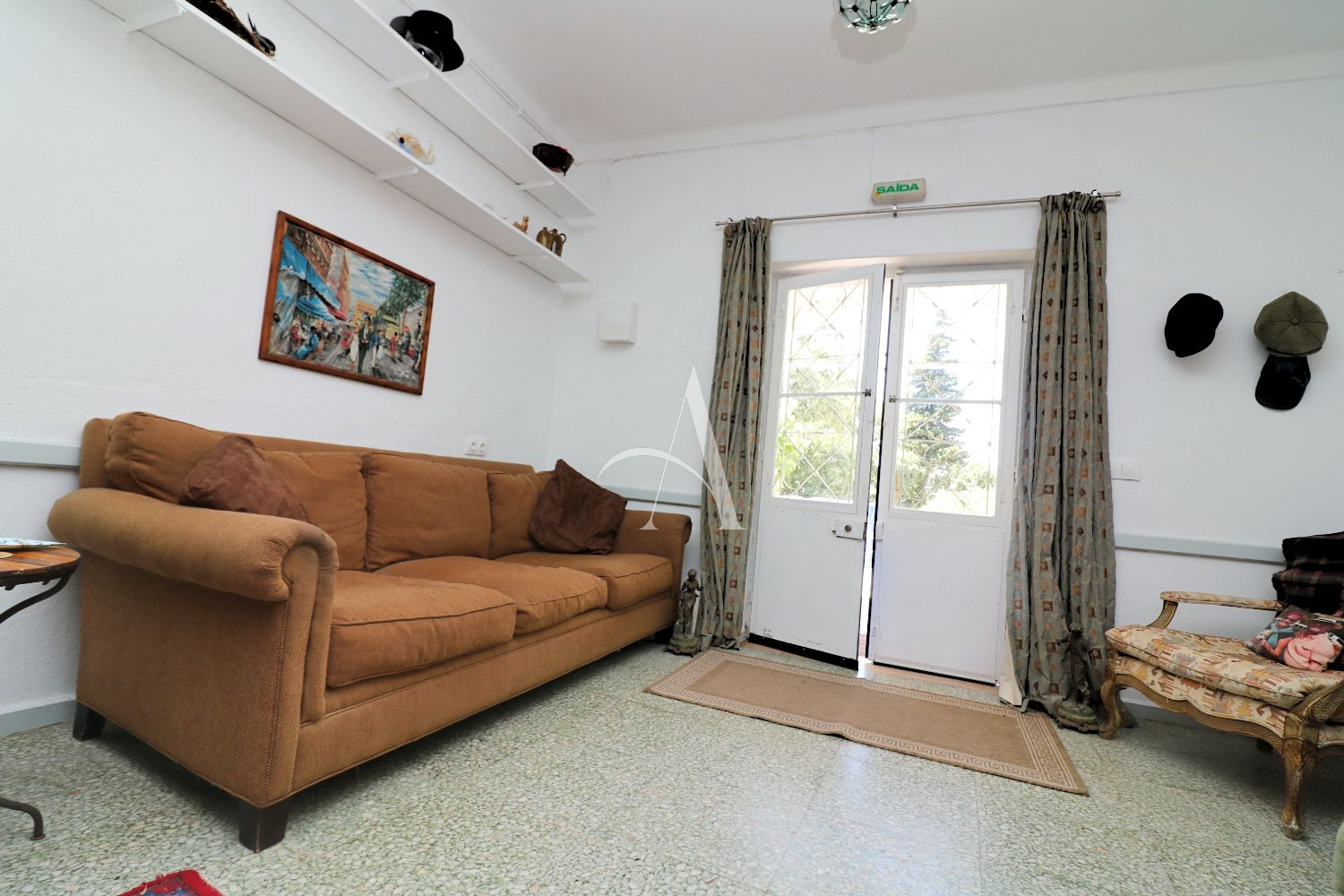
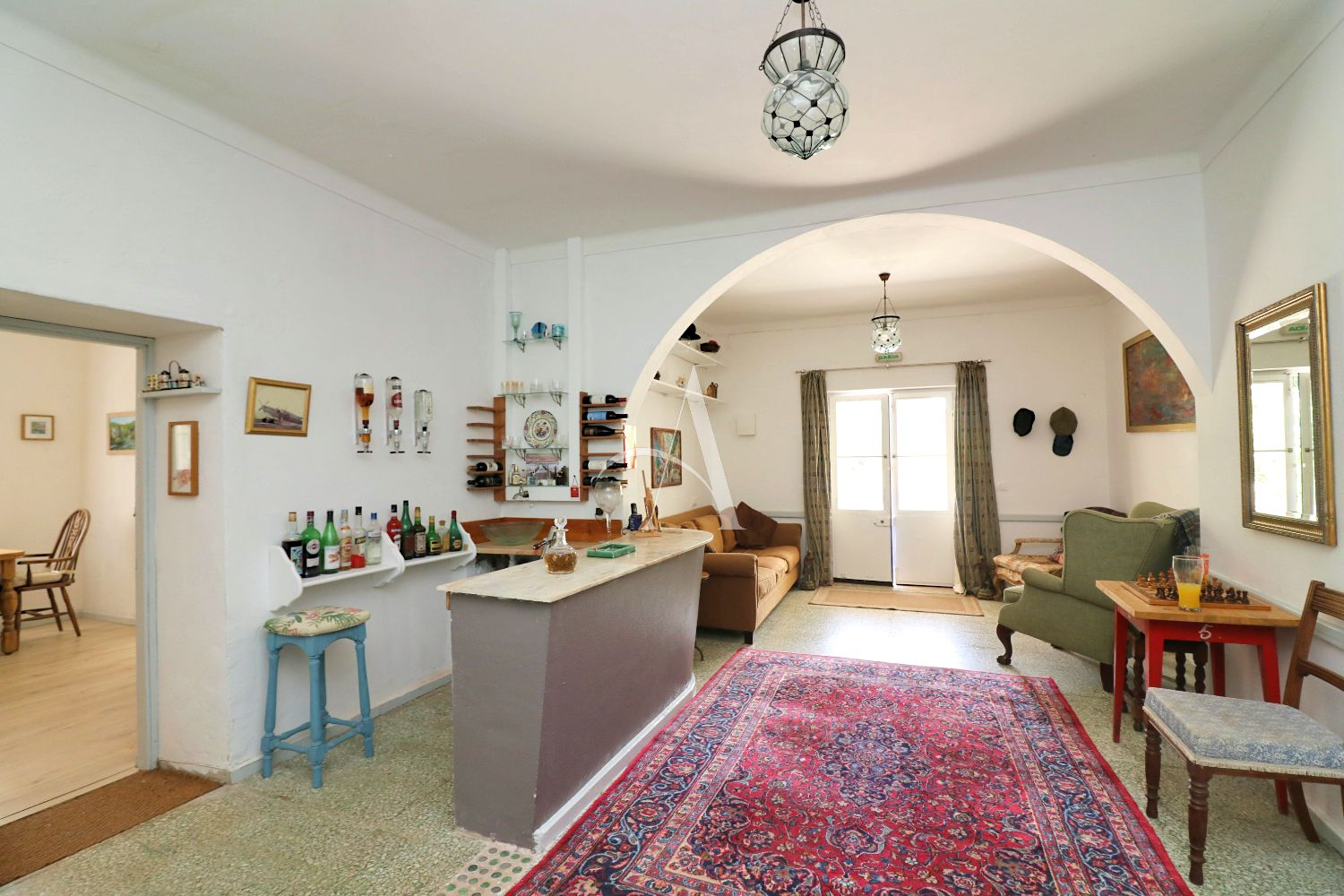
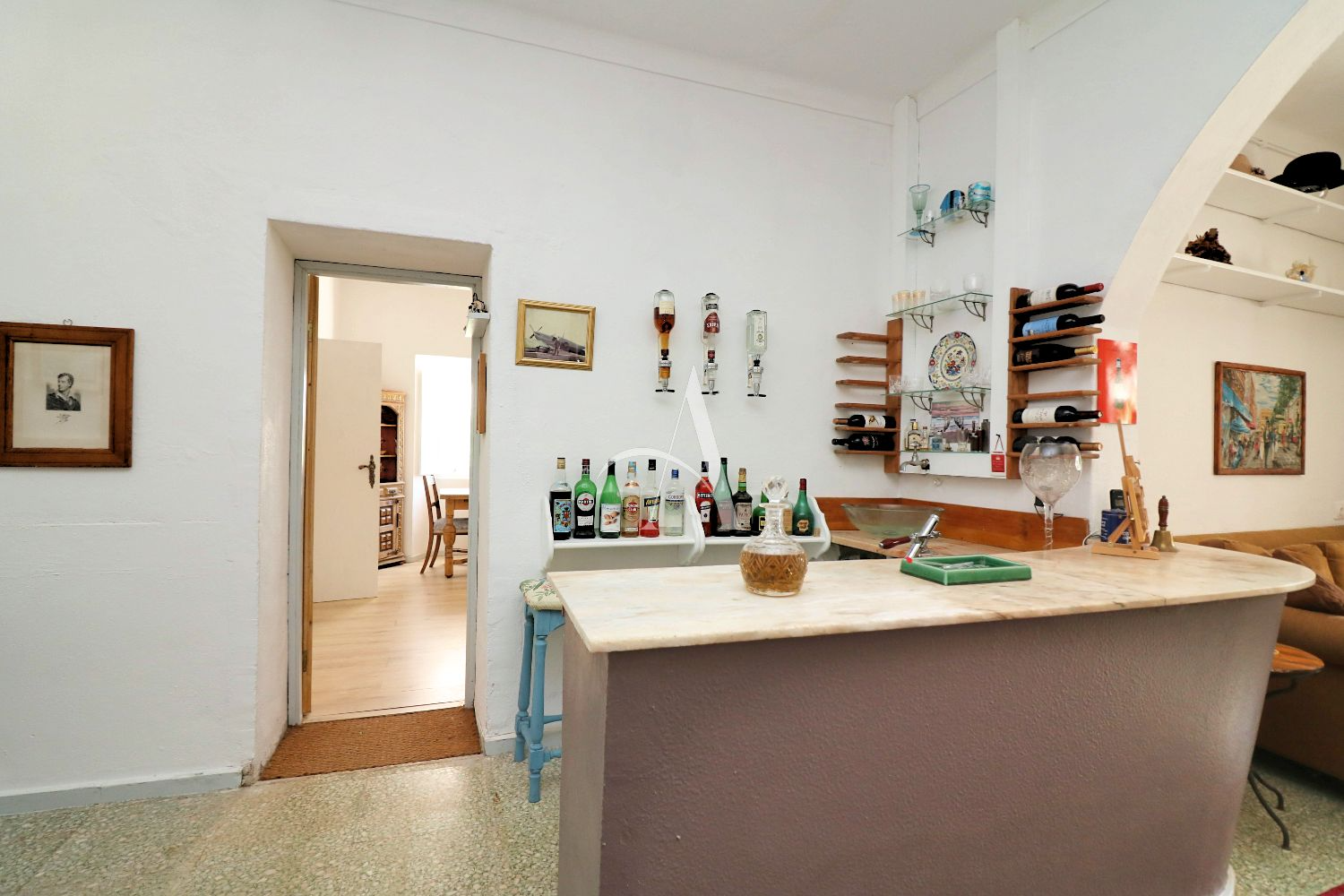
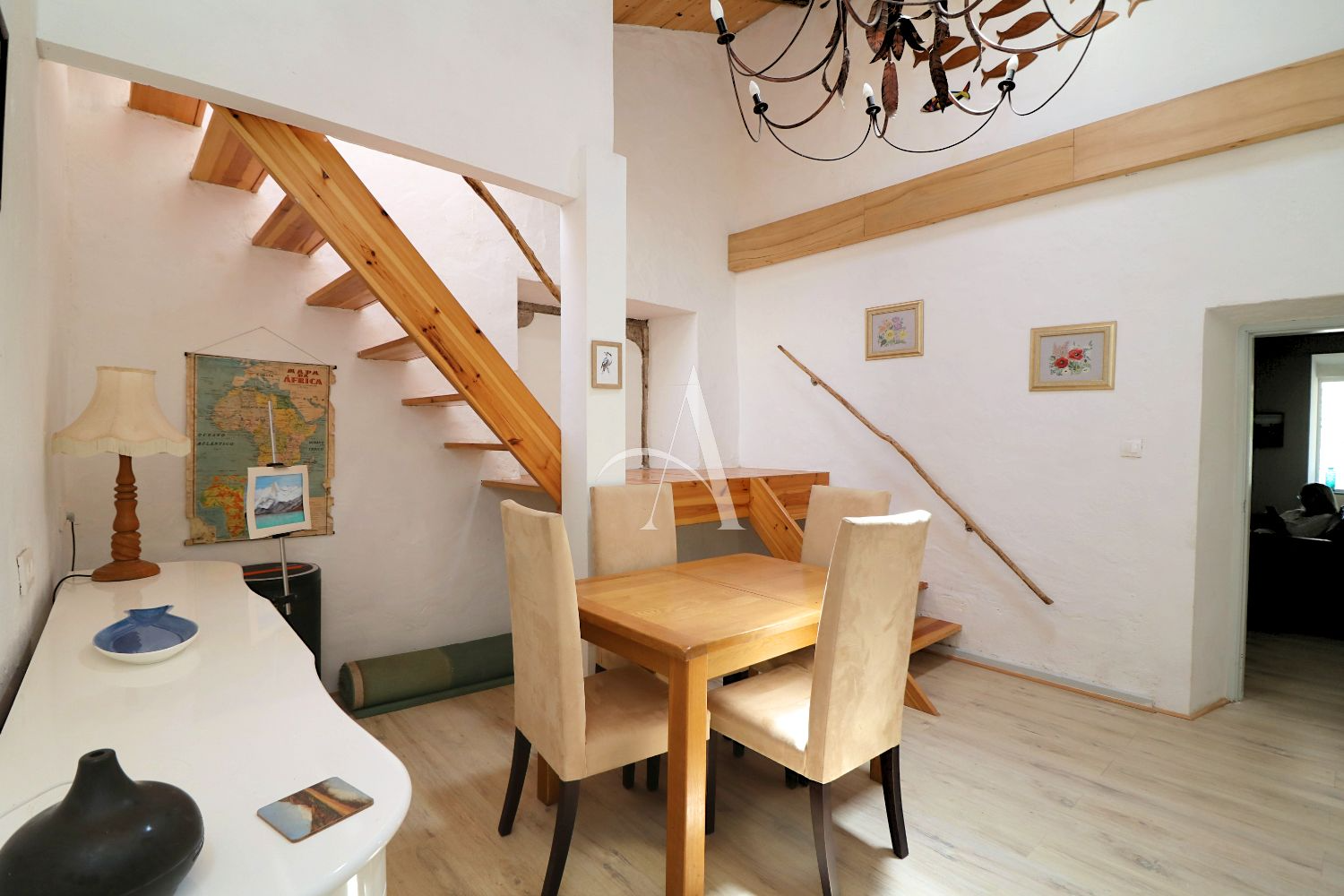
Multiple reception rooms, bar area, two dining areas and dedicated office
Kitchen
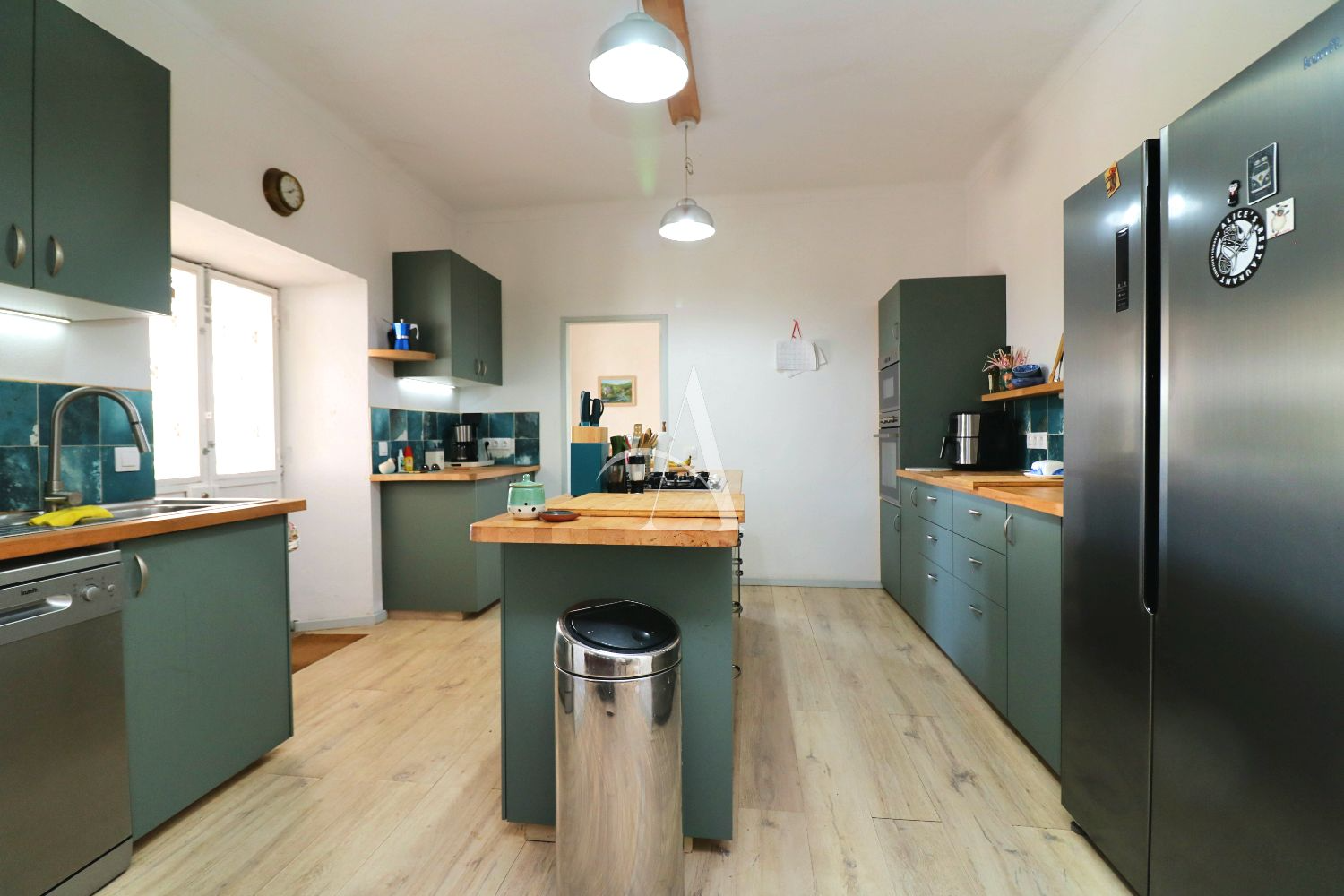
Central island, olive-green cabinetry and decorative tiles
Character features
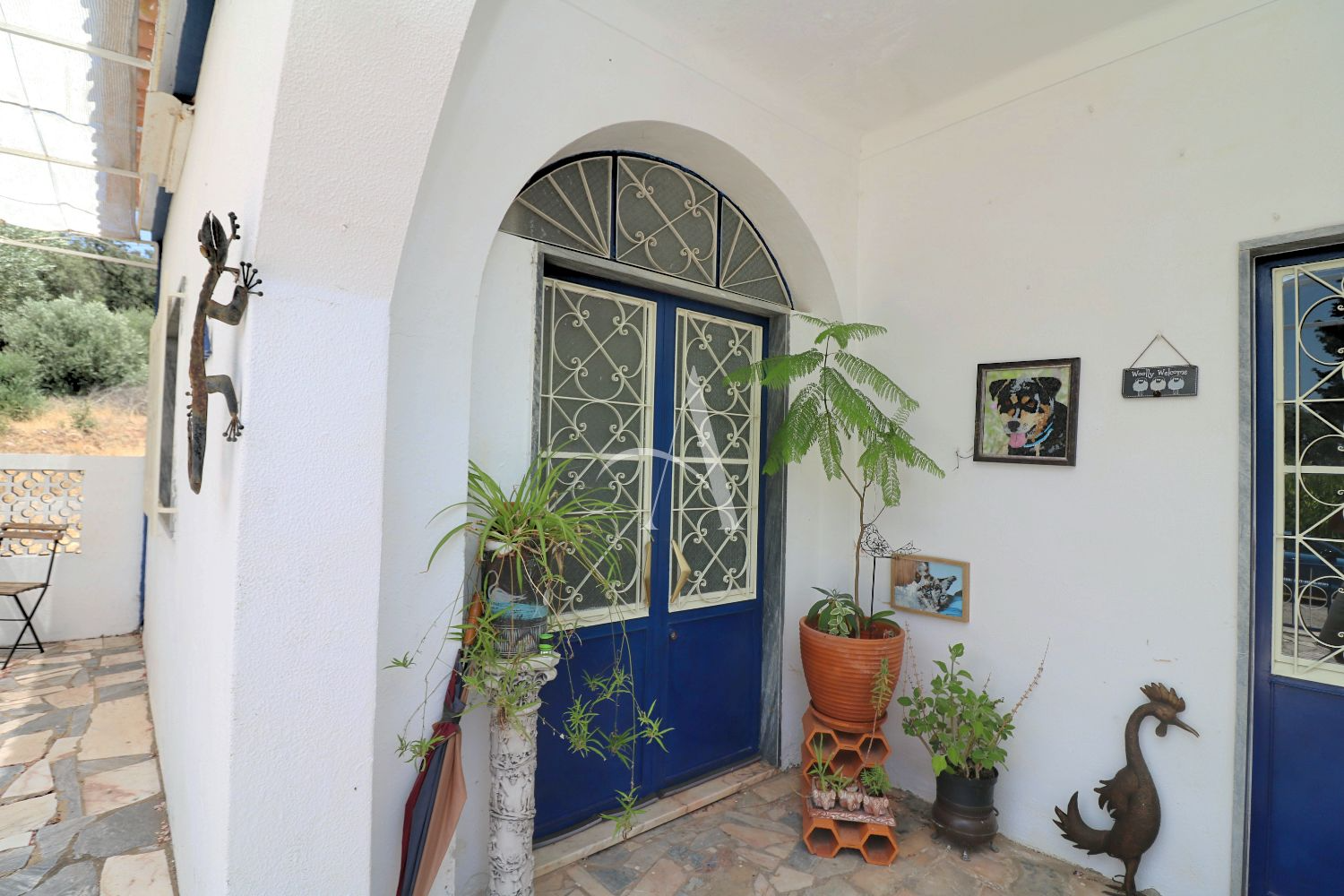
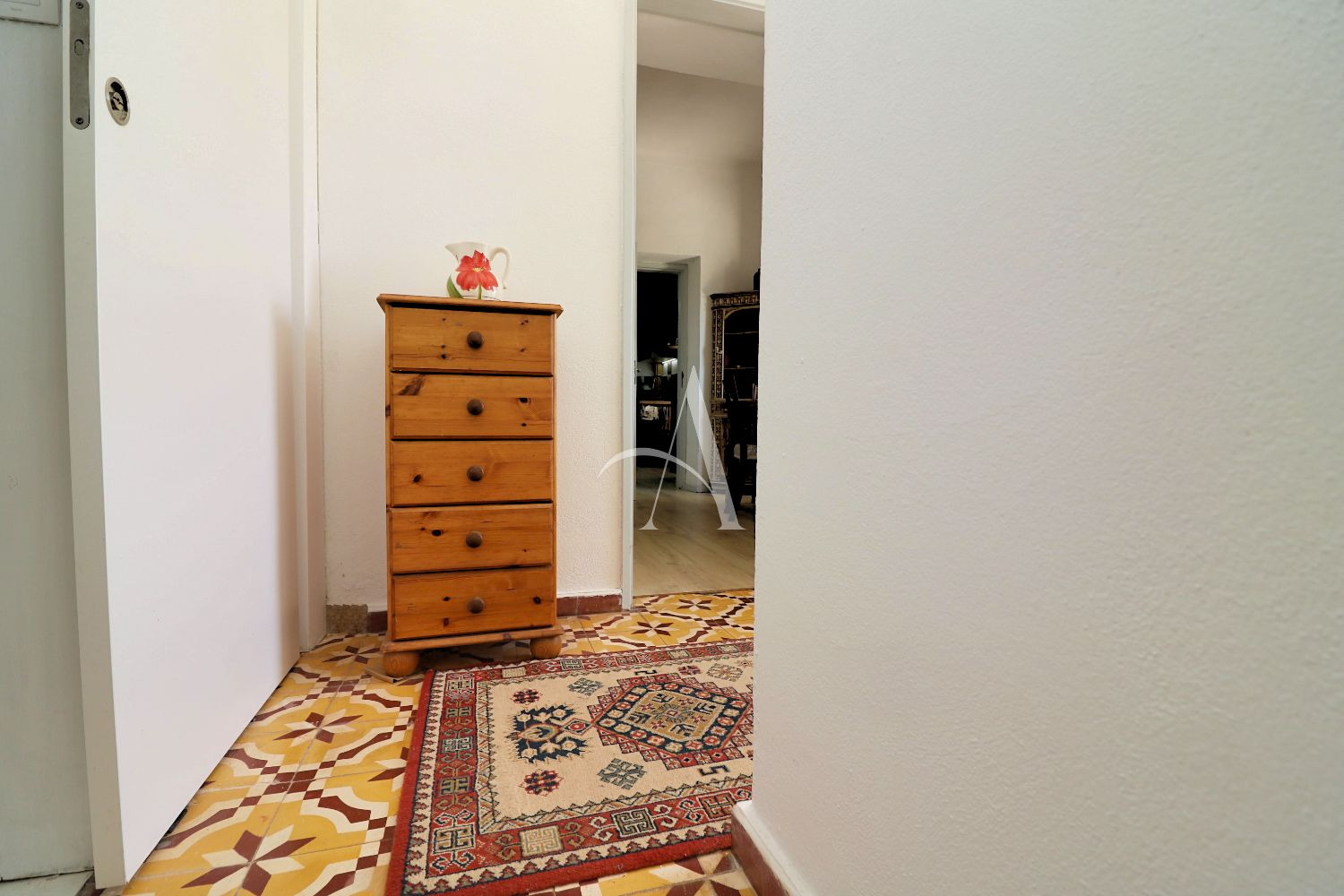
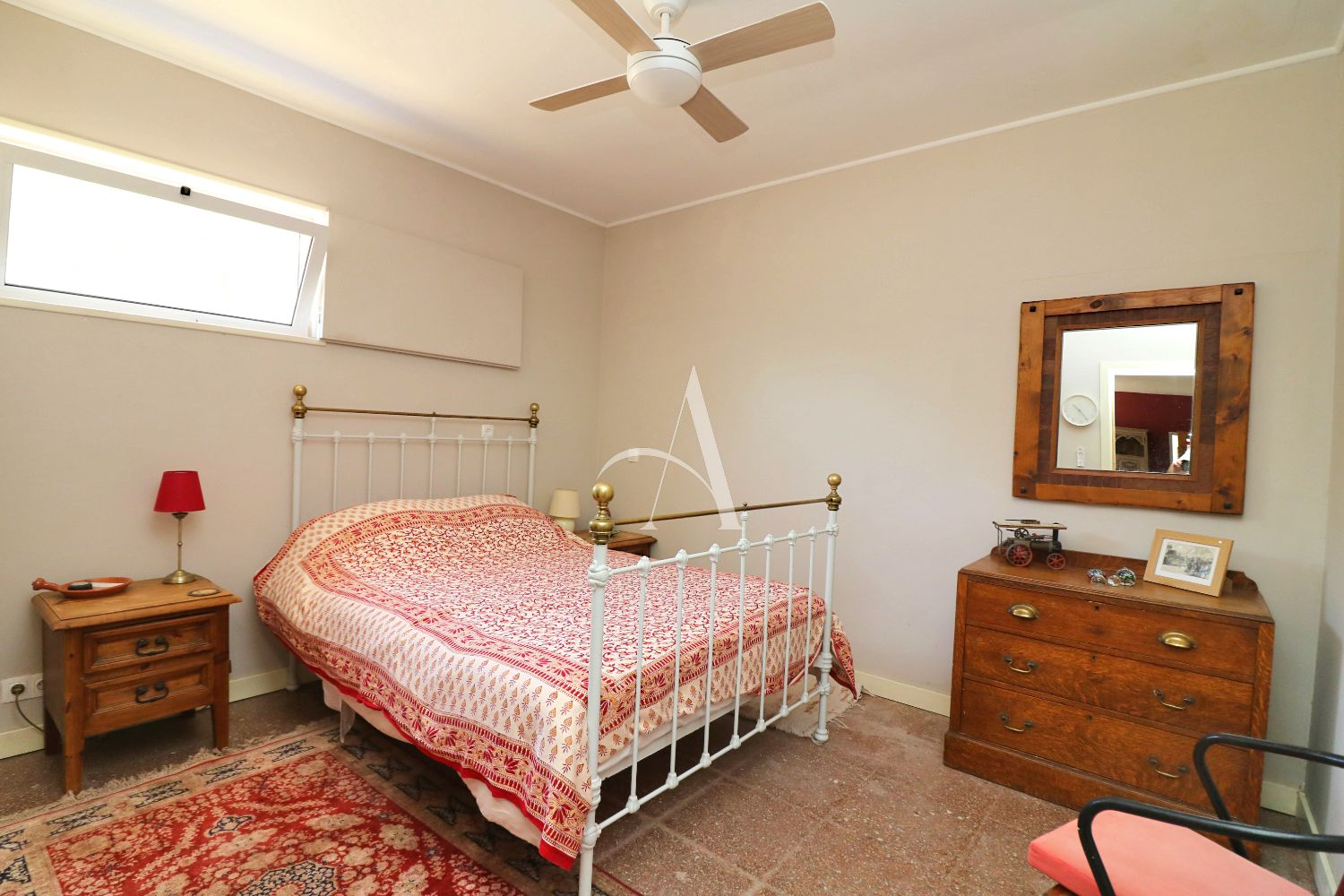
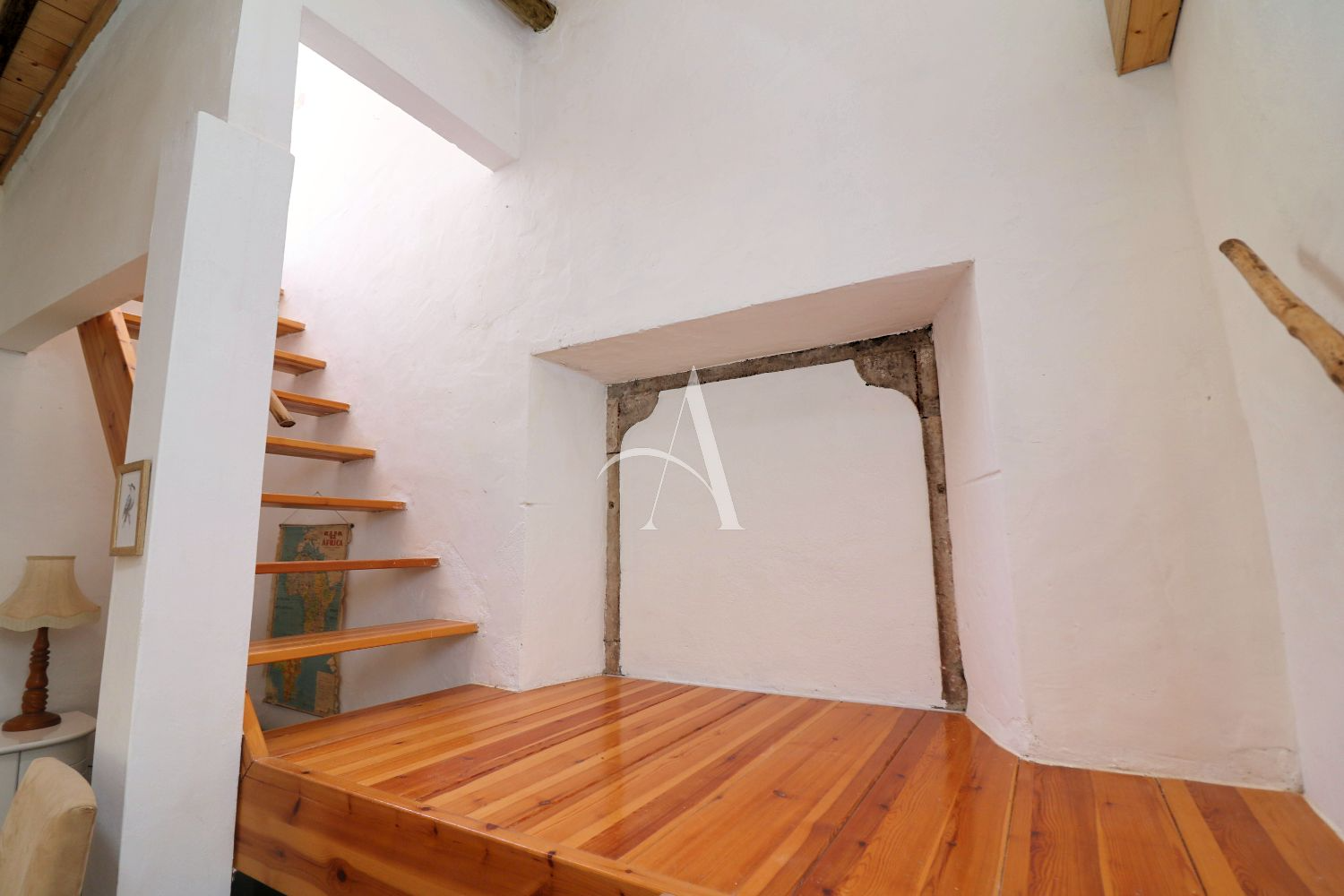
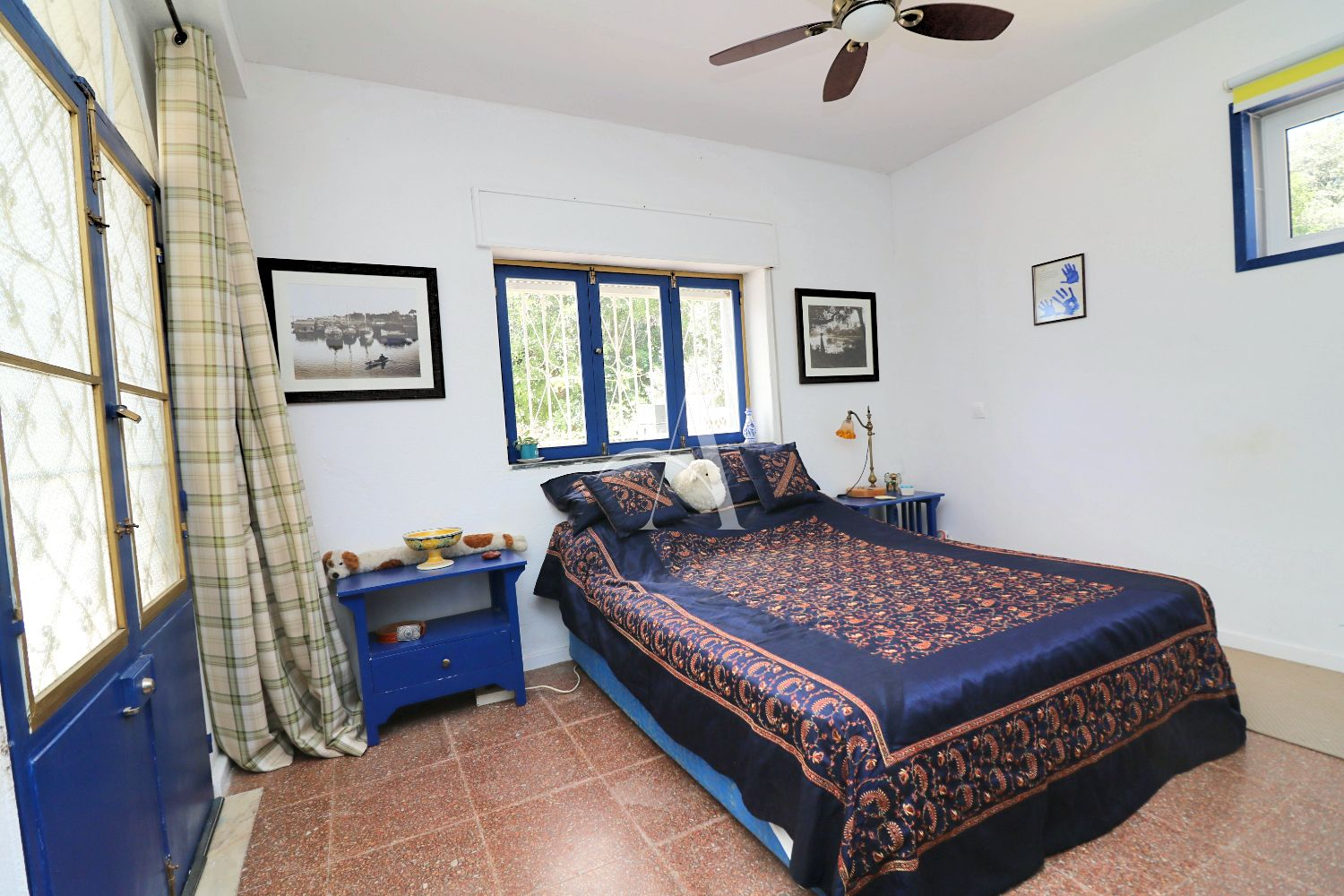
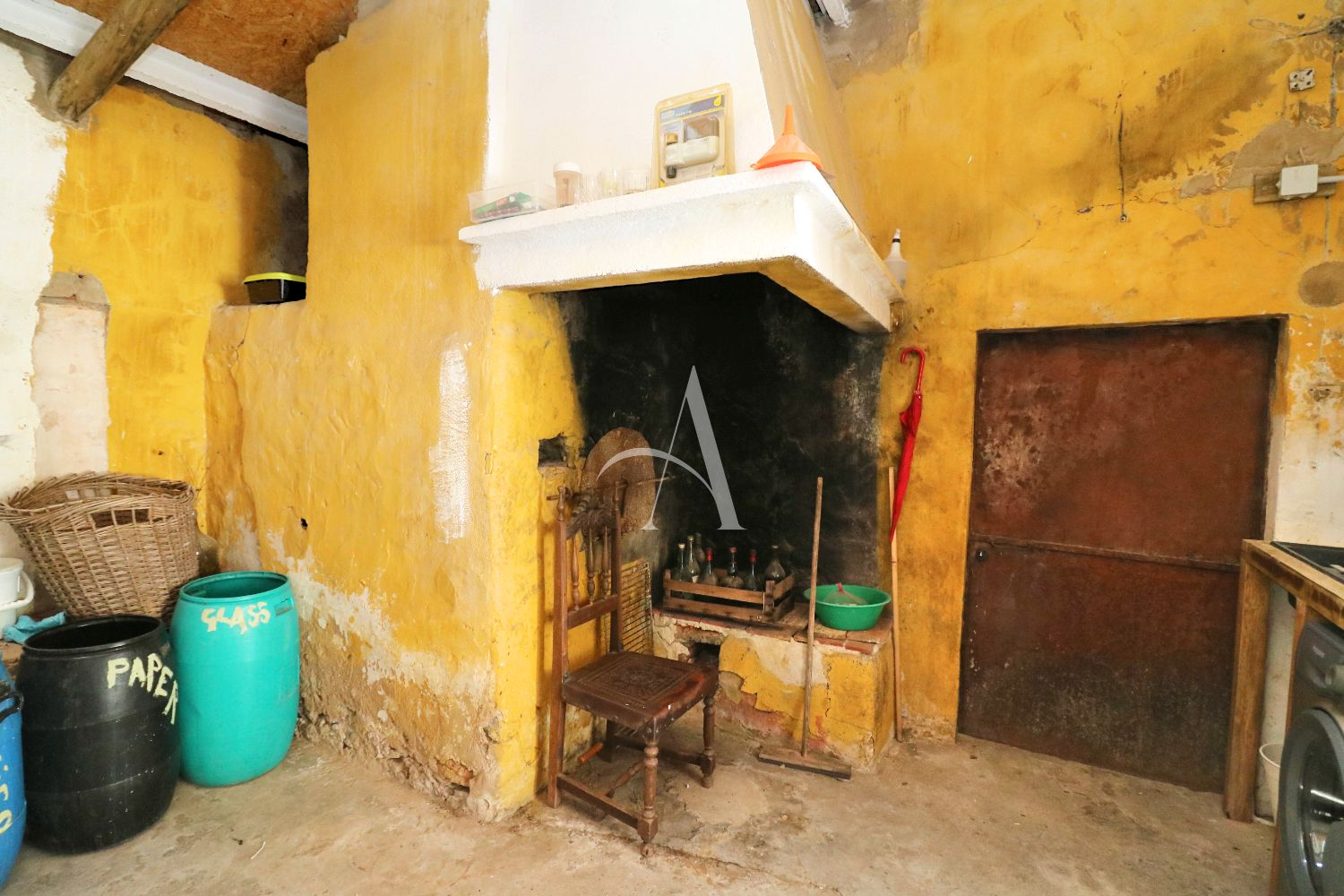
Traditional Portuguese floor tiles, timber ceilings, stained glass, shuttered windows and two fireplaces
Outdoor spaces
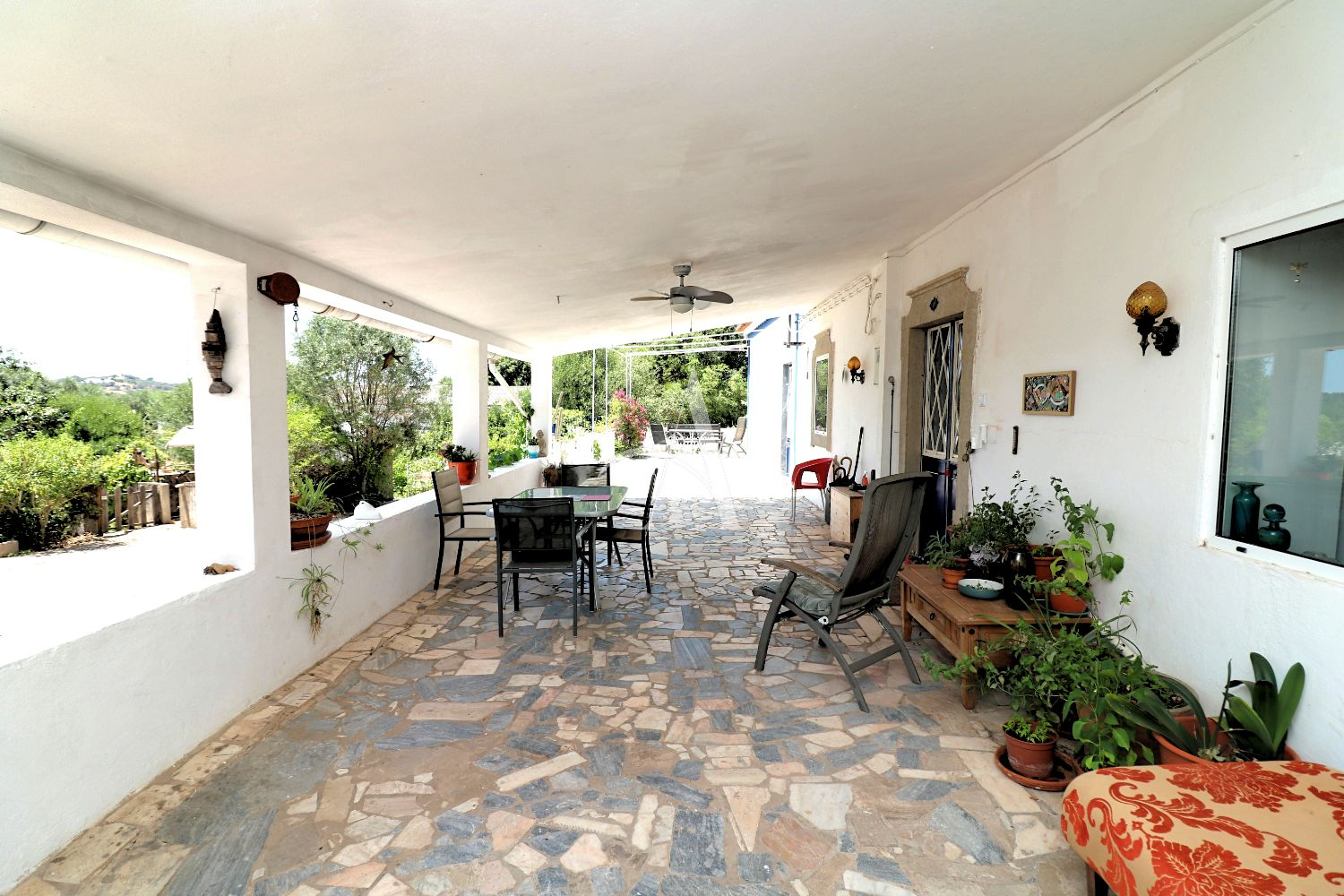
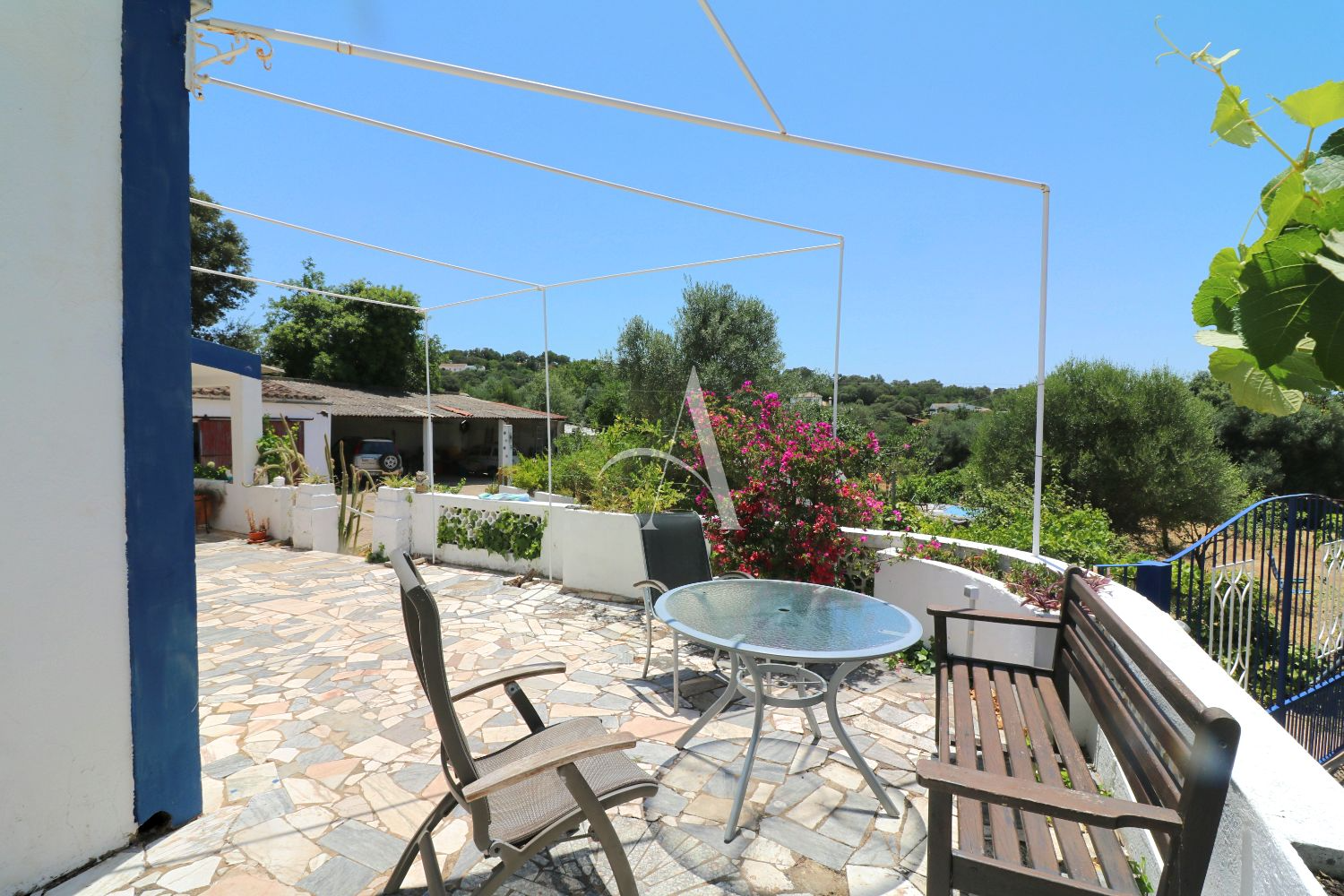
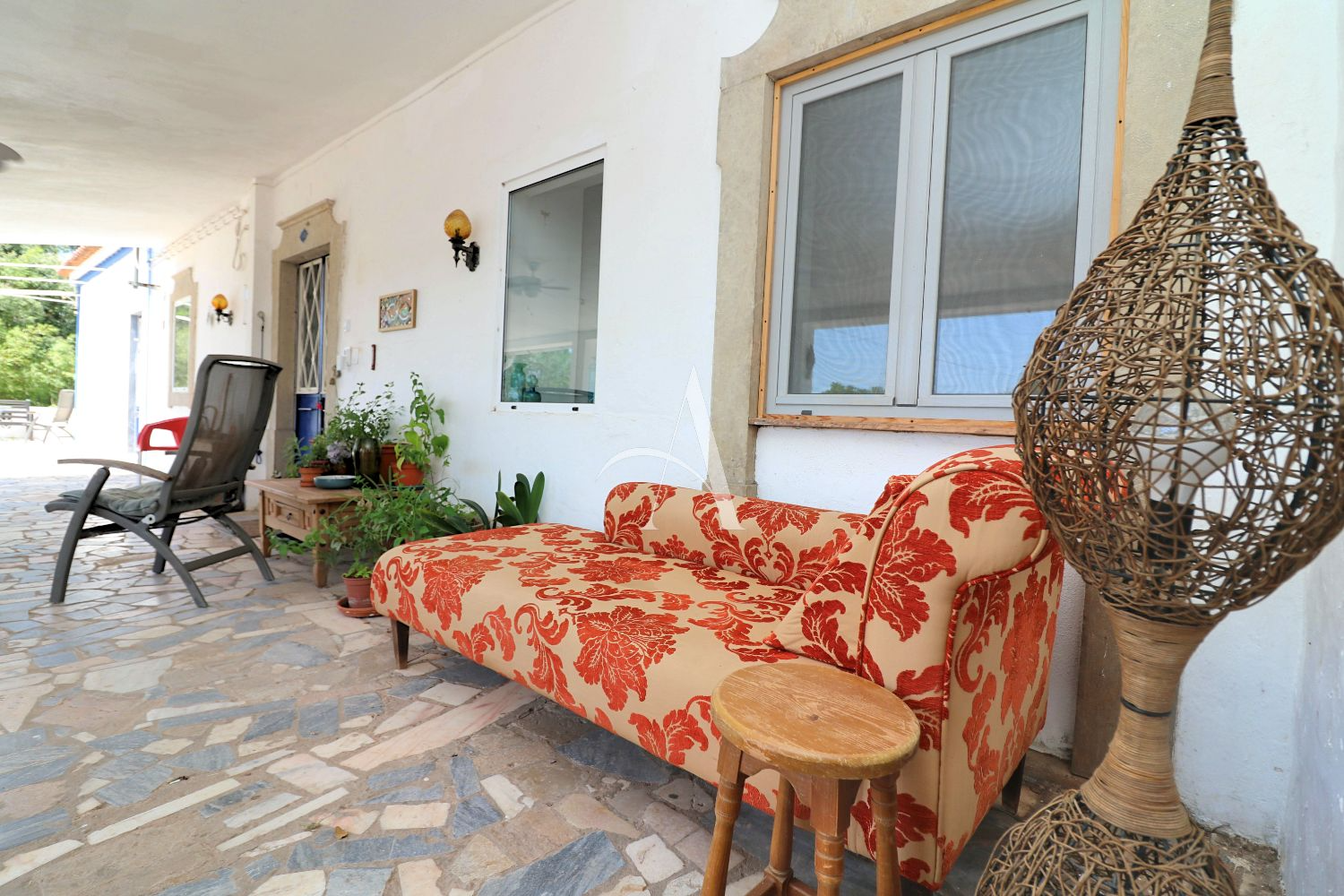
South-facing dining terrace, additional terraces and rooftop terrace
Rooftop feature
Private jacuzzi with panoramic countryside views
Outbuildings
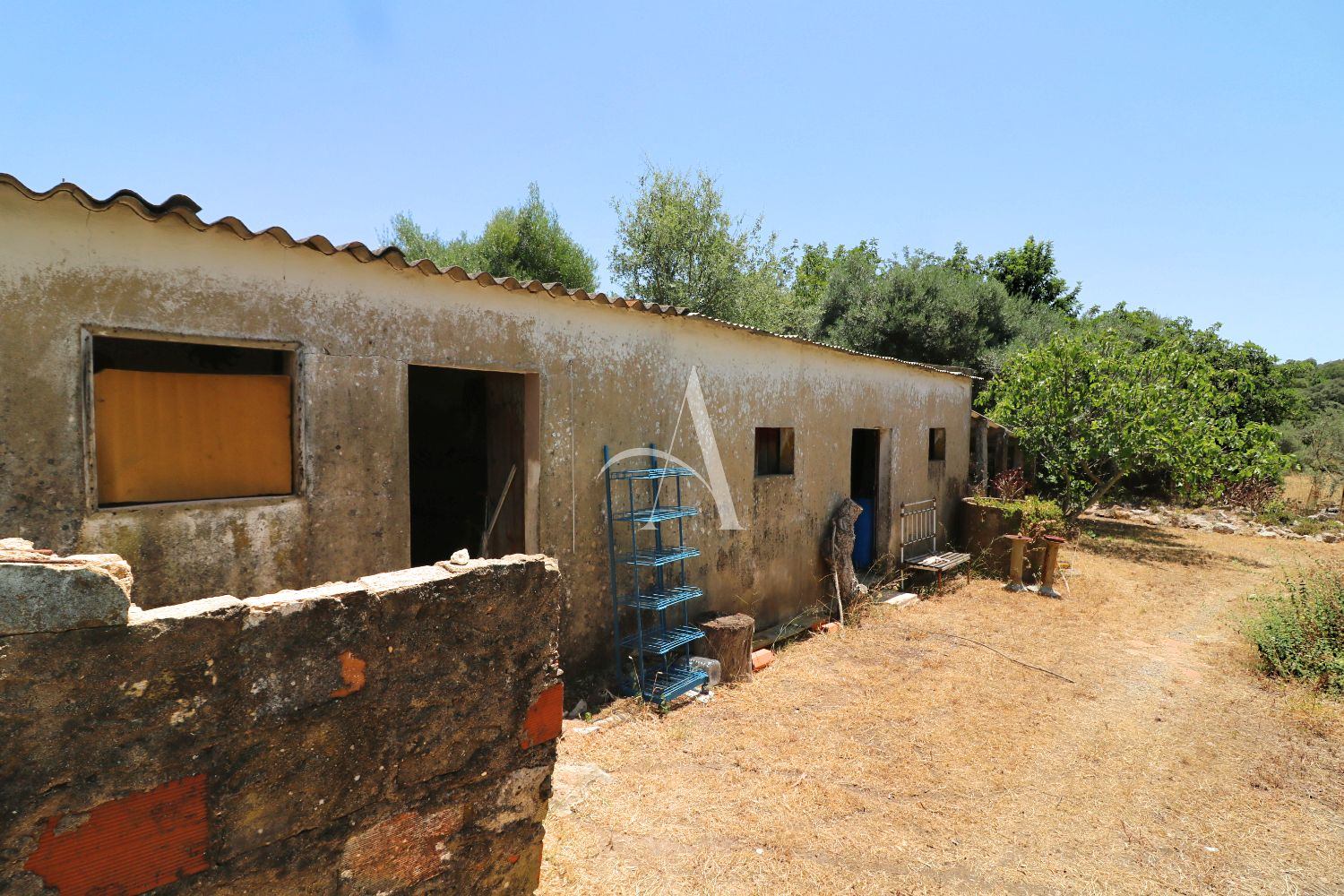
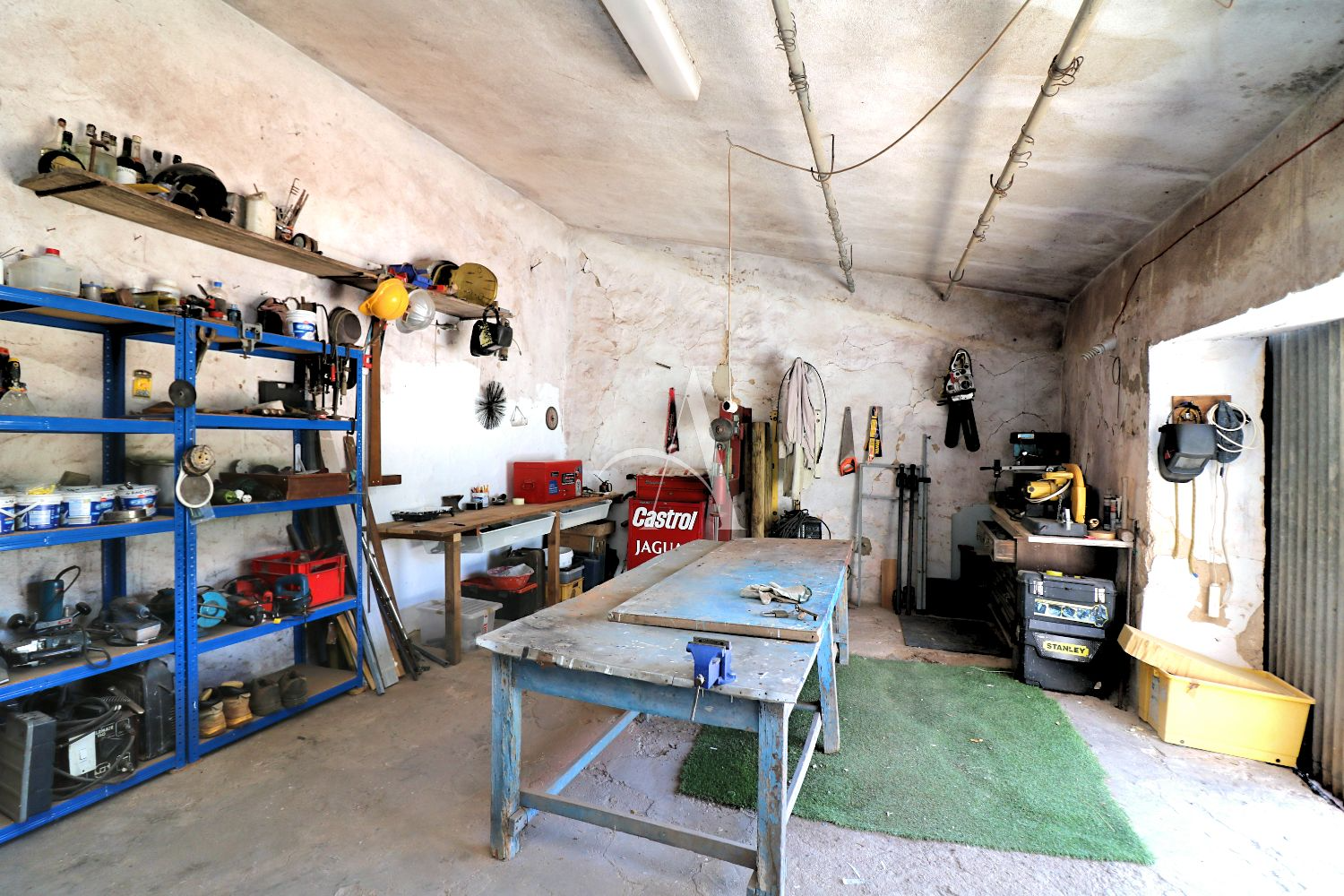
Workshop, traditional outbuildings, stone oven and greenhouse
Water sources
Well and borehole
Parking
Garage with road access, carport, additional parking and automatic entrance gates
Grounds
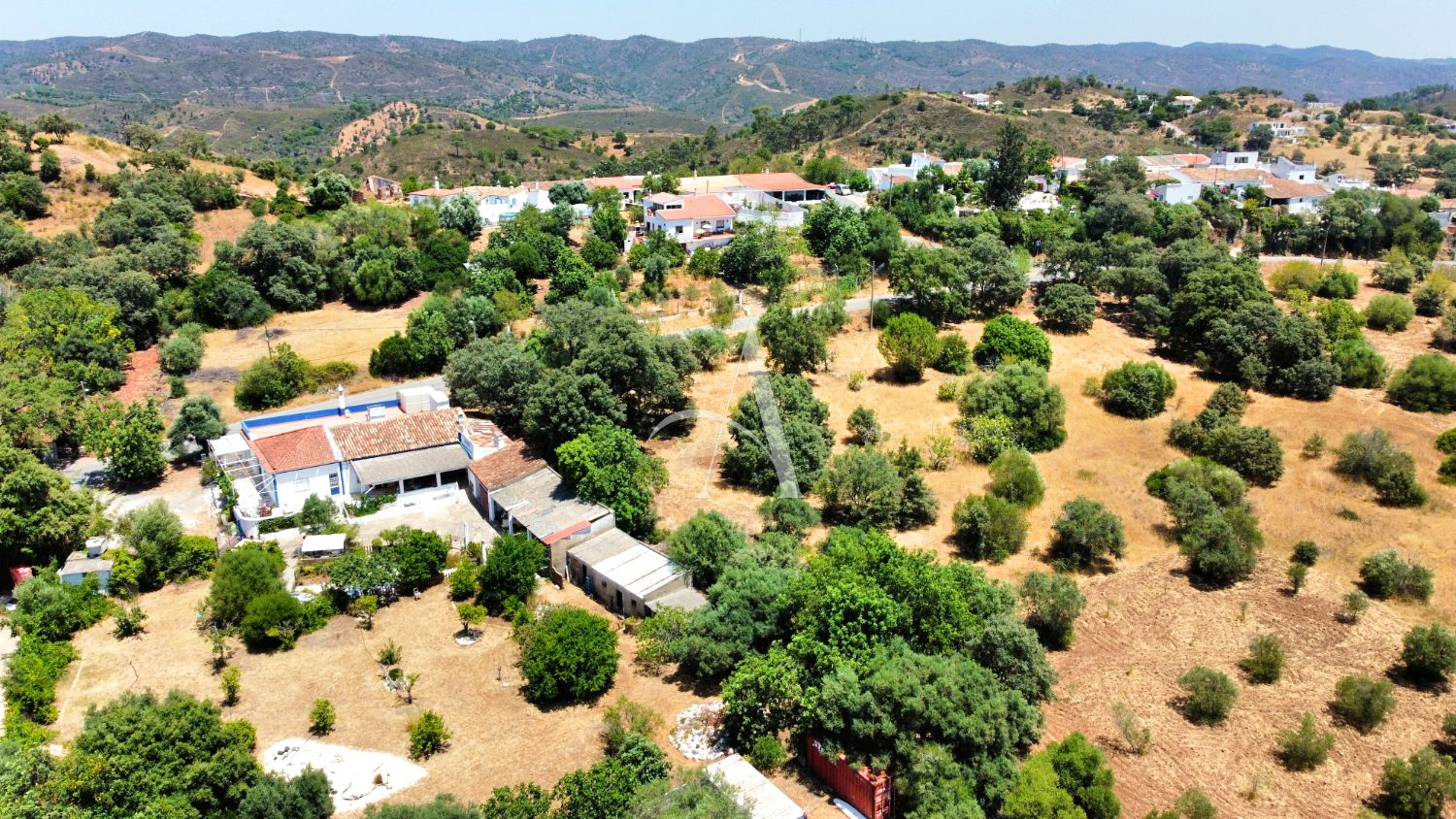
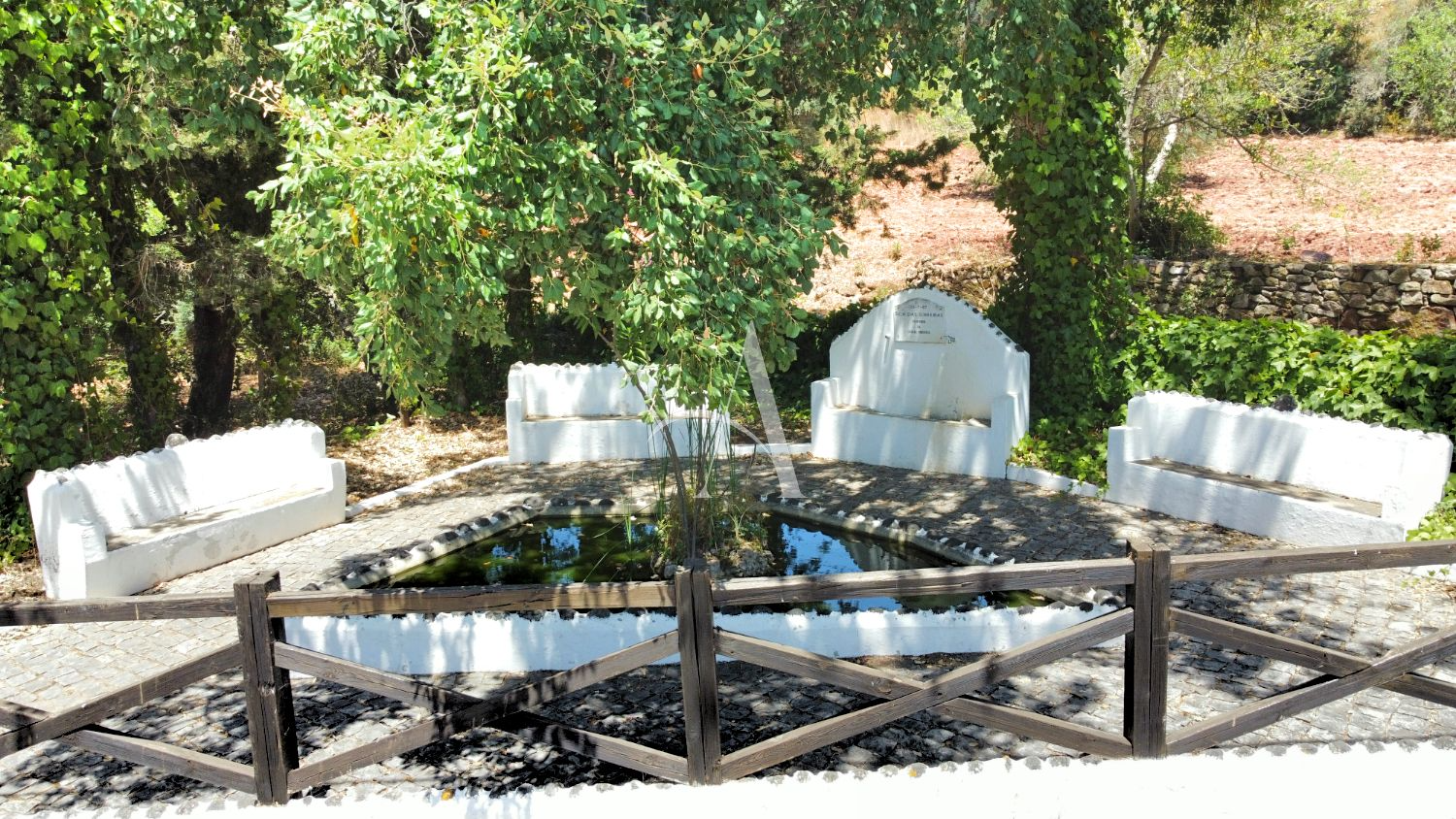
Mature, fully fenced gardens with carob and fruit trees
Utilities and systems
Air conditioning, solar hot water, double glazing and Wi-Fi
Energy rating
Class E
Potential uses
Permanent home, rural retreat, remote-working base or holiday rental
Lifestyle angle
Character-rich inland Algarve living with substantial outdoor and ancillary space
Risk Radar
Overview
This farmhouse offers considerably more complexity than a conventional four-bedroom house. Its appeal rests not only on the main accommodation, but also on the mature grounds, private water sources, outbuildings, rooftop jacuzzi, workshop, greenhouse, terraces and potential for flexible residential or rental use. Each of those features can add value, but only where its legal status, technical condition and permitted use are properly documented.
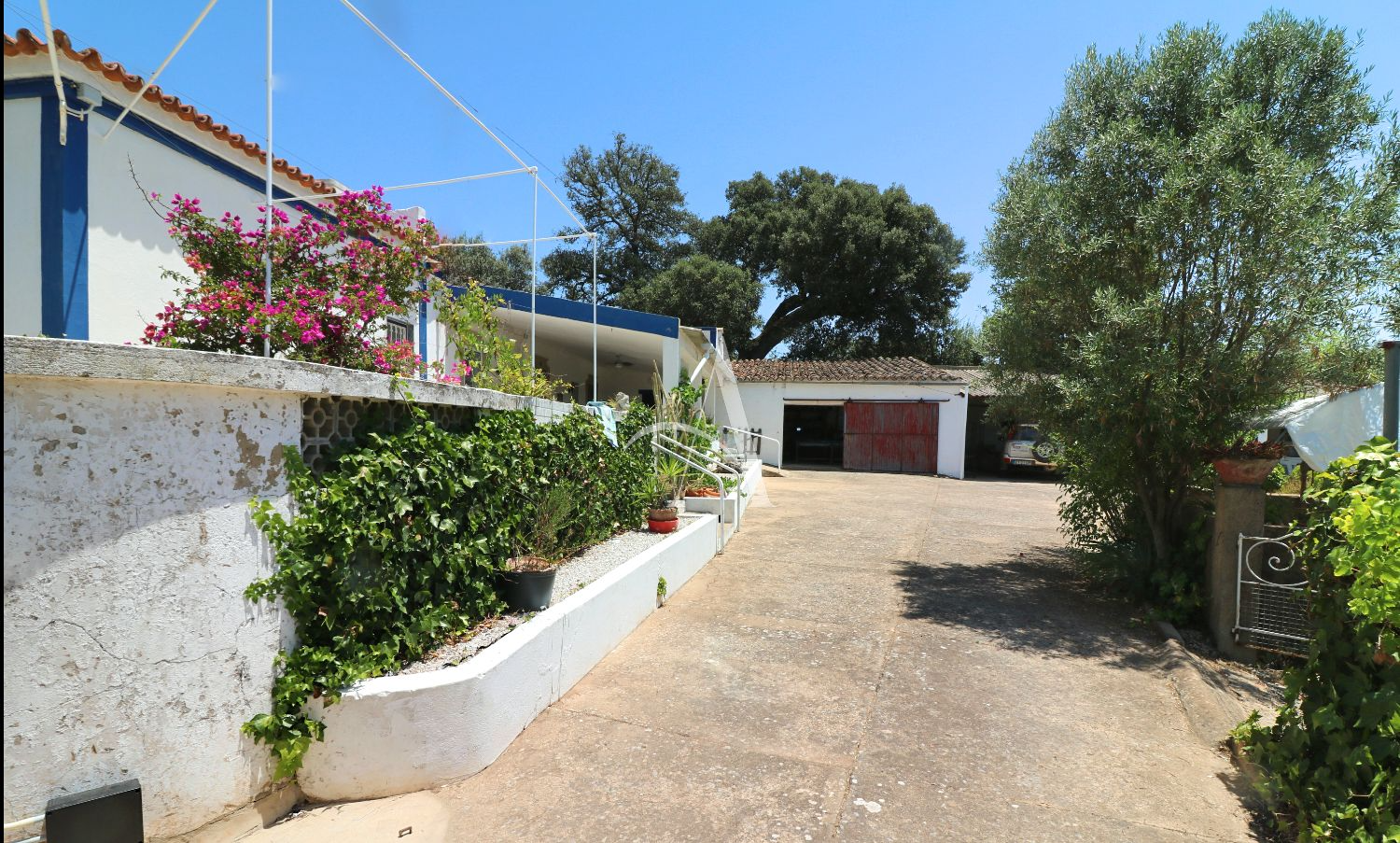
The most important early-stage checks concern whether the registered description matches what physically exists. The buyer should obtain the current land registry extract, tax record, authorised plans and use authorisation, then compare the registered areas and uses with the main house, workshop, garage, carport, greenhouse, stone oven, rooftop terrace and any other structures visible on site. Attractive ancillary buildings should not be valued as habitable or convertible space unless their lawful status and development potential are confirmed by São Brás de Alportel municipality.
The well and borehole require similarly careful investigation. A functioning borehole can materially reduce irrigation costs and improve resilience during dry weather, but the buyer should not assume unrestricted use, potable quality or dependable summer output. Registration, the applicable water-use title, permitted purpose, extraction limits, pumping equipment, storage, testing history and drought performance all matter.
The rooftop jacuzzi creates a separate group of structural and maintenance questions. A filled jacuzzi may impose a substantial concentrated load, and its installation should be supported by structural calculations, waterproofing details and drainage arrangements. The buyer should establish whether it was included in approved plans, whether the roof was reinforced and whether there is any history of leakage into the rooms below.
Finally, Energy Class E may translate into higher heating and cooling costs in a large rural property. The presence of air conditioning, fireplaces, solar hot water and double glazing is positive, but the full energy certificate should be reviewed to identify the assumptions behind the rating and the cost of recommended upgrades.
Targeted Questions
Title, Registration and Authorised Use
These documents establish the registered ownership, legal description, areas, tax classification, charges and composition of the property.
The listing does not state the internal or plot size, making it difficult to assess value or compare the property accurately with alternatives.
Algarve farmhouses can include separate urban and rustic registrations, which may have different boundaries, tax records and planning implications.
The buyer needs evidence that the building is authorised for residential occupation in its current form.
Internal alterations may have changed the house since the original approval, creating discrepancies that should be resolved before purchase.
The plans should be compared with the physical property to identify enclosed terraces, extensions, relocated rooms or other unapproved changes.
Informal additions can affect legality, financing, insurance, valuation and future resale.
A buyer should understand whether any existing structure or use is already under municipal review.
Outbuildings and Ancillary Structures
Physical existence does not establish lawful construction or inclusion in the registered sale.
Agricultural storage, workshop, garage and residential accommodation are legally distinct uses and cannot necessarily be interchanged.
Missing permits may restrict use, renovation, insurance or future sale.
Residential use may be unlawful where a building is authorised only for storage, agricultural or workshop purposes.
Conversion potential should not be included in the buyer's valuation without a planning assessment.
A proposed guest suite may require significant planning, fire-safety, drainage and energy-compliance work.
A practical garage is less valuable if access depends on an informal arrangement or unapproved opening.
Ancillary utility connections can create electrical, leakage and compliance risks.
Repairs to old masonry ovens can be specialised, and buyers should distinguish a working feature from a decorative structure.
Well, Borehole and Water Security
Groundwater abstraction and the legalisation of wells and boreholes fall within the Portuguese water-resource licensing framework. APA directs applicants to its licensing system for groundwater and surface-water abstraction.
The buyer needs to know that the water source may legally continue to be used after completion.
Authorisation for irrigation does not automatically establish approval for drinking water, guest use or filling a jacuzzi.
Extraction restrictions could affect irrigation plans, water storage and rental operation.
Depth, age, geological information and installer records help assess reliability and future maintenance.
A strong winter flow does not prove that the system will support the house and gardens during peak Algarve demand.
Historical performance is a better guide to resilience than a single viewing-day test.
Clear-looking water may still contain microbiological, chemical or mineral contamination.
The buyer must understand whether potable household supply depends on mains water, treatment equipment or unverified private water.
A dependable mains connection offers important backup if the borehole pump fails or groundwater levels fall.
Storage capacity determines how well the property can manage pump failure, peak demand and irrigation cycles.
These components require servicing and replacement and may materially affect operating costs.
Separation can reduce contamination risk and prevent irrigation or jacuzzi demand from disrupting household pressure.
Drainage and Wastewater
Rural drainage arrangements can require regular emptying, inspection and upgrades.
The system must be accessible and appropriately sized for four bedrooms, visitors and any proposed rental occupancy.
Maintenance records can reveal recurring blockages, groundwater ingress or insufficient capacity.
Additional bedrooms or bathrooms may exceed the current system's design capacity and trigger costly works.
Rooftop Terrace and Jacuzzi
The installation may affect the approved roof use, external appearance, structural loading and drainage.
A filled jacuzzi imposes a substantial load that should not be assumed safe without technical evidence.
Retrofitted support may be essential where the roof was originally designed only as a terrace.
This allows the buyer to assess replacement value, energy demand, spare-part availability and loaded weight.
A prominent listing feature should be contractually included and demonstrably functioning.
The operating system affects electricity consumption, water use, chemical management and drainage.
Rooftop exposure can increase heat loss and make year-round operation expensive.
Poor discharge arrangements can damage waterproofing, walls, foundations or neighbouring land.
Terrace leakage can remain concealed until ceilings and timber finishes below are already affected.
Past water ingress may indicate unresolved membrane, drainage or plumbing defects.
Elevated recreational areas need secure guarding and weatherproof electrical installations, particularly if used by guests.
Structure, Roof and Building Fabric
The age and alteration history inform the scope of survey work and likely maintenance needs.
Rural hillside properties may experience ground movement, drainage pressure or settlement.
Roof maintenance is particularly important where a terrace and jacuzzi sit above occupied rooms.
Traditional construction, limited winter heating and terrace leakage can all contribute to moisture problems.
Exposed timber may conceal water damage, wood-boring insects or structural deterioration.
Energy, Heating and Cooling
Portuguese energy certification is required when buildings are sold or rented, and the complete certificate identifies assessed systems and recommended improvement measures.
The headline rating alone does not show whether the main weakness is insulation, glazing, hot water, heating or cooling.
Independent verification confirms that the certificate is genuine, current and linked to the correct property.
Actual bills provide a more realistic picture than estimates, particularly for a large house with air conditioning and a jacuzzi.
Partial coverage may leave bedrooms or reception rooms uncomfortable during winter or extreme summer heat.
Older units may be expensive to run and nearing replacement.
Fireplaces may be decorative, inefficient or unsafe without proper flues and maintenance.
Fuel availability, storage and ventilation affect winter practicality.
Solar thermal tanks, pumps and collectors have finite service lives and require maintenance.
A four-bedroom household or rental property needs dependable hot water throughout the year.
Mixed glazing could help explain the Class E rating and uneven thermal comfort.
Traditional character does not guarantee thermal performance, and insulation upgrades can be disruptive.
Land, Boundaries and Rural Setting
Fencing and landscaping may not coincide with the registered cadastral boundary.
Reliable boundary identification reduces the risk of disputes and future registration difficulties.
A fenced property may still be subject to legal rights benefiting neighbours or service providers.
Informal use of roadside or neighbouring land can become contentious after ownership changes.
Rural, agricultural, ecological or protected classifications may limit extensions, conversions and new construction.
These overlays can materially affect land use, building works, vegetation management and future development.
The rooftop outlook is a significant value driver but may not be legally protected.
Mature productive trees can be valuable, but they also require pruning, irrigation and disease management.
The scale and condition of irrigation infrastructure will affect garden maintenance costs and water demand.
Mature rural grounds can require substantial recurring expenditure.
Rural Algarve ownership may involve mandatory clearance and seasonal fire-prevention work.
Access, Neighbours and Practical Use
Rural access costs and repair obligations can be significant.
Steep, narrow or damaged access may affect daily living, deliveries, rental appeal and emergency access.
Emergency and service access should be verified rather than assumed from photographs.
Four-bedroom occupancy, guests and rental use may require more parking than the garage and carport provide.
Agricultural activity, dogs, machinery, holiday rentals or vacant properties can affect noise, privacy and security.
Rural surroundings are not necessarily silent, especially at different times of day or season.
The dedicated office adds value only if connectivity supports reliable remote working.
Advertised Wi-Fi does not establish speed, stability or data limits.
Weak signal can affect remote work, security systems and emergency communication.
Running Costs, Rental and Future Use
Rural properties with extensive systems often cost more to operate than their purchase price comparison suggests.
Existing registration may be valuable, but its status, operator and transfer implications must be checked.
Municipal controls and property-specific compliance may affect short-term rental feasibility.
The national AL regime requires a valid use authorisation or use title as part of the registration information.
AL properties must have an adequately controlled water source and either public drainage or a septic system sized for maximum occupancy.
Legal capacity, drainage design and fire-safety obligations determine achievable rental income.
Ancillary buildings cannot automatically be marketed as separate guest units.
Coastal Algarve performance should not be applied uncritically to an inland rural location.
Specialist features may attract exclusions, higher premiums or inspection requirements.
Holiday-home and rental use may require different cover from permanent occupation.
Negotiation Intelligence
Buyer Leverage
Medium-High
Key Drivers
Typical Negotiation Range
10-20% below asking
Neutral Phrasing Examples
Country Layer
Portugal (Regulatory Context July 2026)
Key Portuguese requirements for buyers:
Viewing Strategy
Begin at the access road rather than inside the house.
Next Step
Verify from the listing:
Well and borehole legality
Request the APA registration and applicable water-use title for both sources, together with the authorised uses, extraction conditions, laboratory water tests and evidence of reliable summer flow.
Outbuilding and registered-area compliance
Compare the caderneta predial, land registry extract, municipal plans and use authorisation with the main house, workshop, garage, carport, greenhouse, stone oven and every other structure on the land.
Rooftop jacuzzi and roof loading
Obtain structural calculations, installation records, waterproofing history and drainage details confirming that the roof can safely support the filled jacuzzi and that no leakage is affecting the rooms below.
Energy Class E and system condition
Review the full energy certificate, actual utility bills, air-conditioning coverage, solar hot-water system, fireplaces, glazing and insulation before estimating year-round running costs.
Rental and guest-use feasibility
Confirm the current AL position with São Brás de Alportel municipality and verify that the authorised house layout, private water supply, drainage capacity and fire-safety arrangements can support the intended occupancy.
A prepared buyer should approach the agent calmly and frame questions as due diligence. For example: “To help me assess the property properly and prepare a serious offer, could you share the land registry and tax documents, approved plans, use authorisation, APA records for the well and borehole, the full energy certificate, and the structural and maintenance records for the rooftop jacuzzi?”
Because this is a rural Algarve farmhouse where private water, outbuildings, rooftop loading and energy performance materially affect value, run it through the Property Risk Assessment to organise the legal and technical issues, or use the European Property Energy Risk Assessor to estimate the implications of the Class E rating and potential upgrades.
Disclaimer: The Property Drop is buyer-focused intelligence, zero sales agenda. We curate exceptional properties, in southern Europe, from third-party agents and arm you with decision tools. No commission, no transactions, no agent partnerships, no skin in the game beyond helping you choose wisely. Information stays accurate until it doesn't (properties sell, prices shift, markets move). Everything here is shared for informational purposes only and should not be treated as legal, financial, or investment advice. Images belong to original agents. Read our Terms of Service to learn more.
Buyer Intelligence:
This assessment provides general guidance based on common risk factors and publicly available regulatory information. Risk scores and checklist items are indicative only and must not be considered legal, financial, structural, or surveying advice. Actual property conditions, costs, and regulatory requirements vary significantly by location, property age, and specific circumstances. Regulations are subject to change; always verify current requirements with qualified local professionals before making any purchasing decision.
The Property Drop provides buyer intelligence and educational research analysis only. The Property Drop does not act as an estate agent, intermediary, or advisor in any transaction and does not facilitate introductions, negotiations, or transactions. Always engage qualified independent professionals including local lawyers, surveyors, architects, and tax advisors for comprehensive due diligence specific to your property.
IMPORTANT REMINDER: When contacting property agents featured on The Property Drop, you are entering into direct communication with third parties. It's recommended that you verify all property details independently, conduct thorough due diligence, engage qualified professionals (solicitors, surveyors, financial advisors), understand your rights and obligations under local property laws, and never send money or make commitments without proper legal protection.

The Buyer Playbook: 2-Bed Detached Rustic Cottage with Pool, Mealhas, São Brás de Alportel, Portugal, €460,000
The Buyer Playbook: 3-Bed New-Build Tuscan Villa over Three Levels, Camaiore, Italy, €550,000
Questions ready for the agent?
The agent represents the seller.
What you ask shapes the answers you get.