
The Buyer Playbook: 2-Bed Penthouse Atelier with 75 m² Terrace, Eixample Left, Barcelona, Spain, €620,000
Buyer Playbook
Pre-Viewing Intelligence Report
This independent buyer guidance report relates to this specific penthouse apartment in Eixample Esquerra, Barcelona, Catalonia, Spain. It is provided for informational purposes only and does not constitute legal, tax, structural, architectural or survey advice. Title, terrace rights, habitability, planning compliance, community liabilities, rental use, energy performance, heritage restrictions and building condition must always be verified with qualified Spanish and Catalan professionals, including an abogado, arquitecto, arquitecto técnico, administrador de fincas, tax adviser and the relevant Land Registry and municipal authorities. This report is designed to help buyers evaluate the property before arranging a viewing or making an offer. It highlights due diligence issues and targeted questions to ask the estate agent and seller. The analysis is based on the listing information, the supplied property research and publicly available regulatory context at the time of writing.
Playbook Contents
Property Snapshot
Location
Eixample Esquerra, Barcelona, Catalonia, Spain
Property type
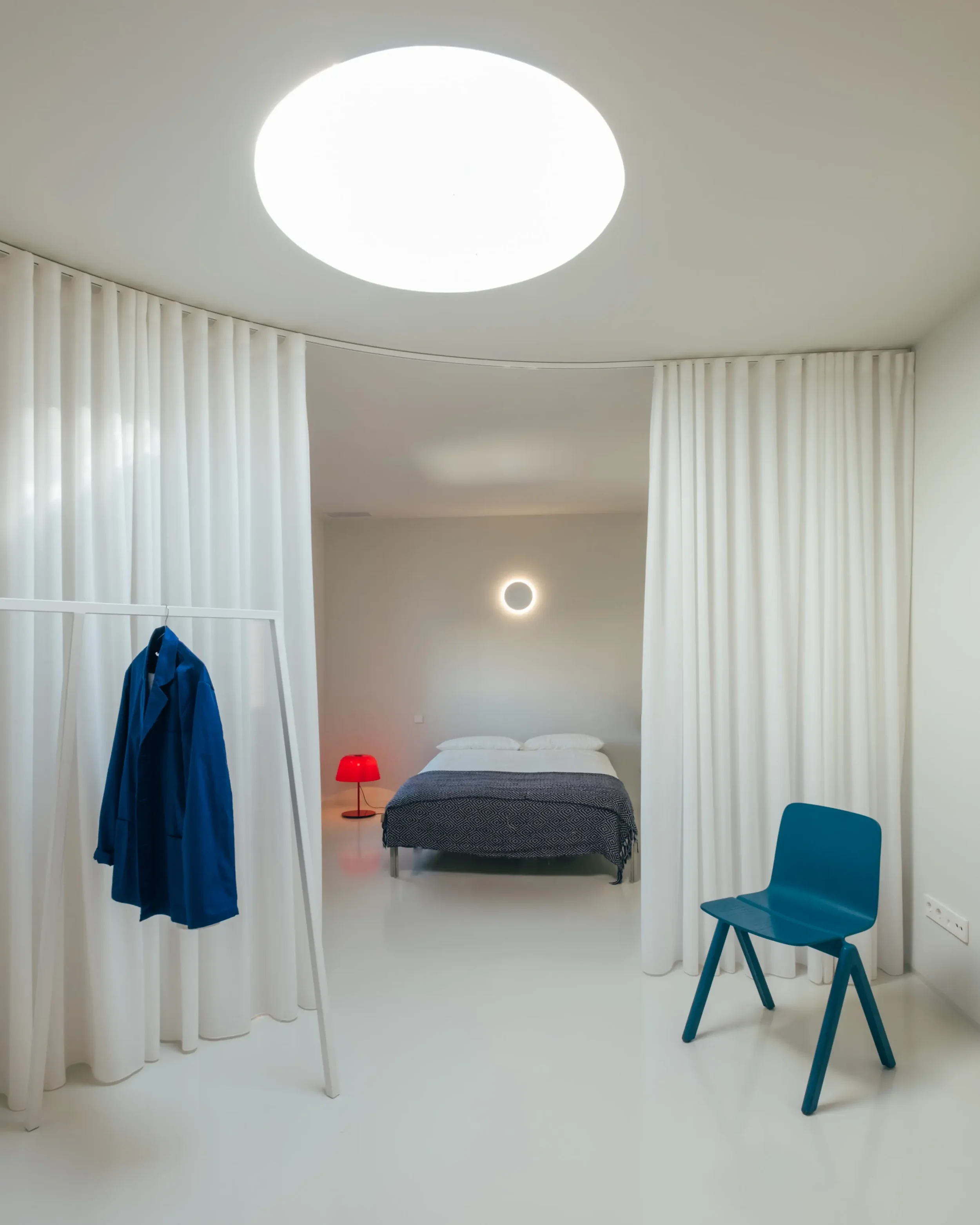
Penthouse atelier apartment
Asking Price
€620,000
Bedrooms
2
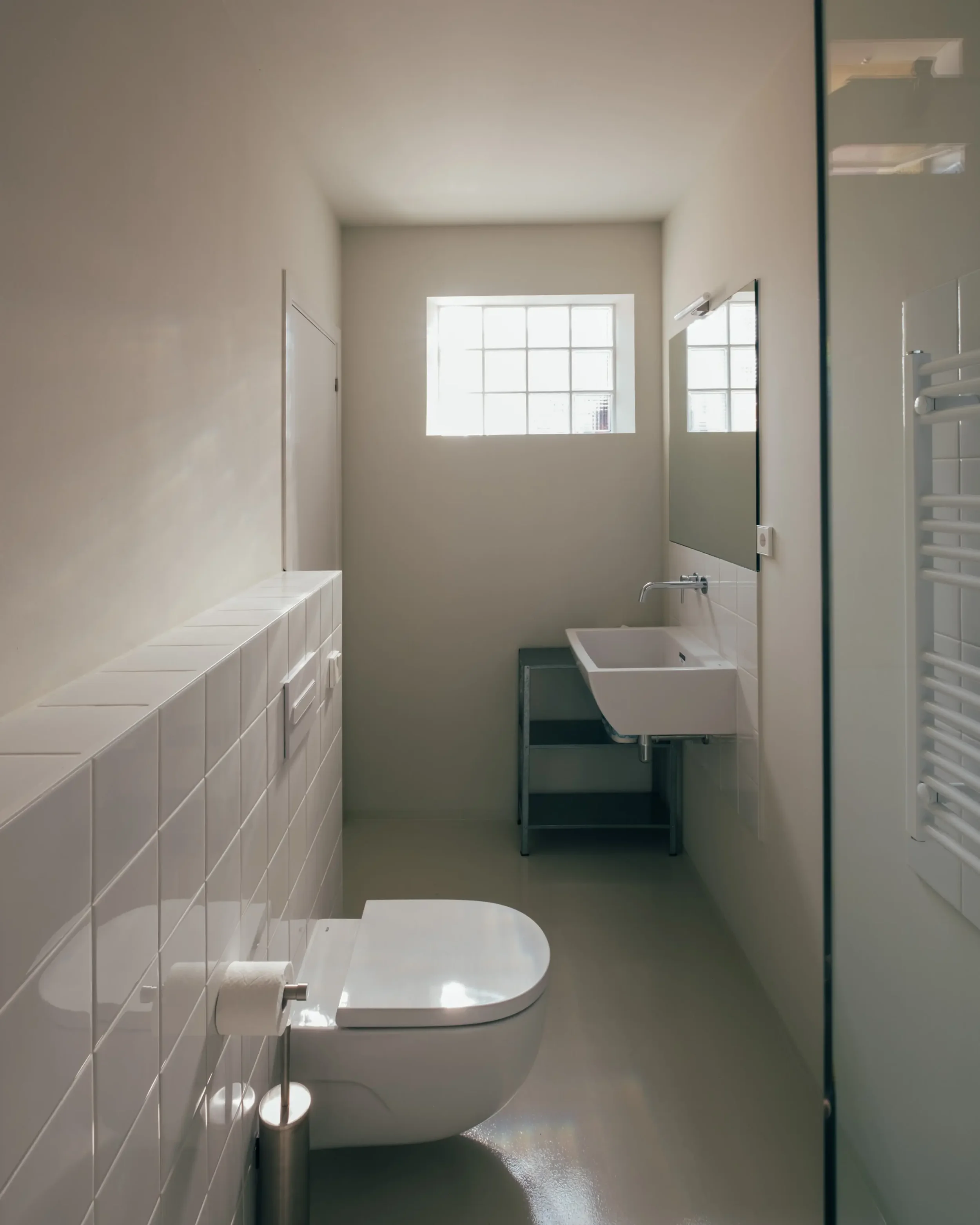
Bathrooms
Not confirmed
Internal living area
Not stated
Terrace
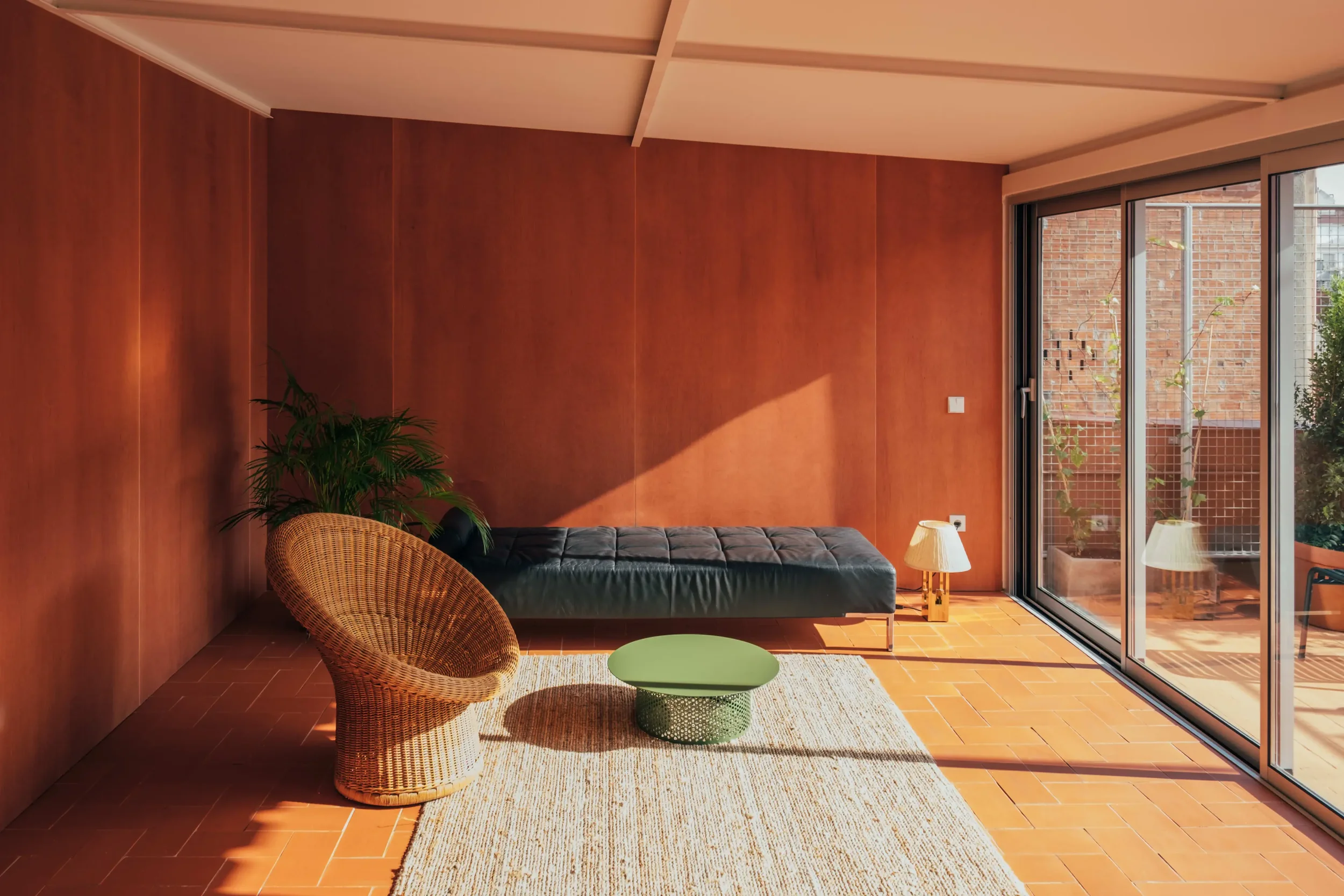
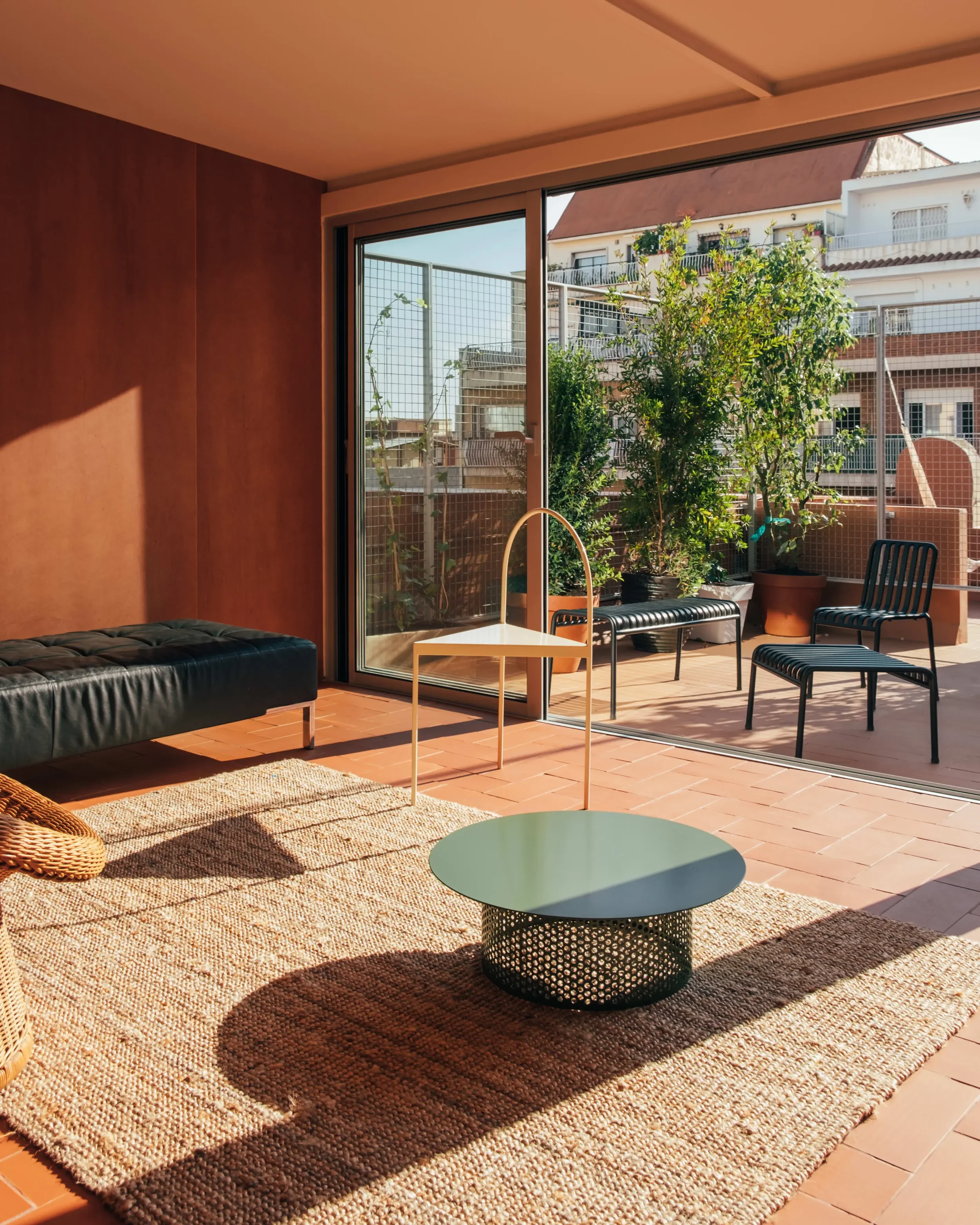
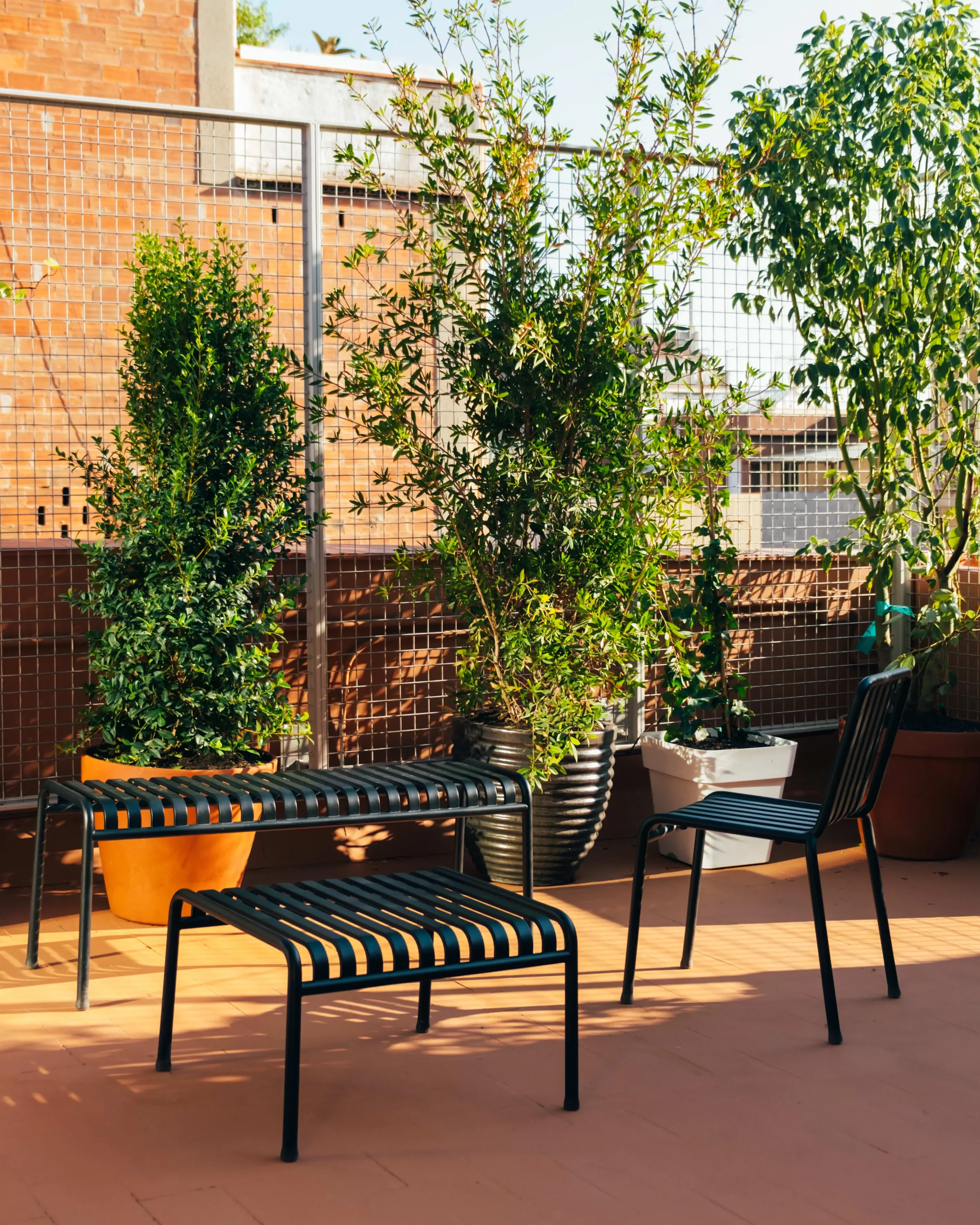
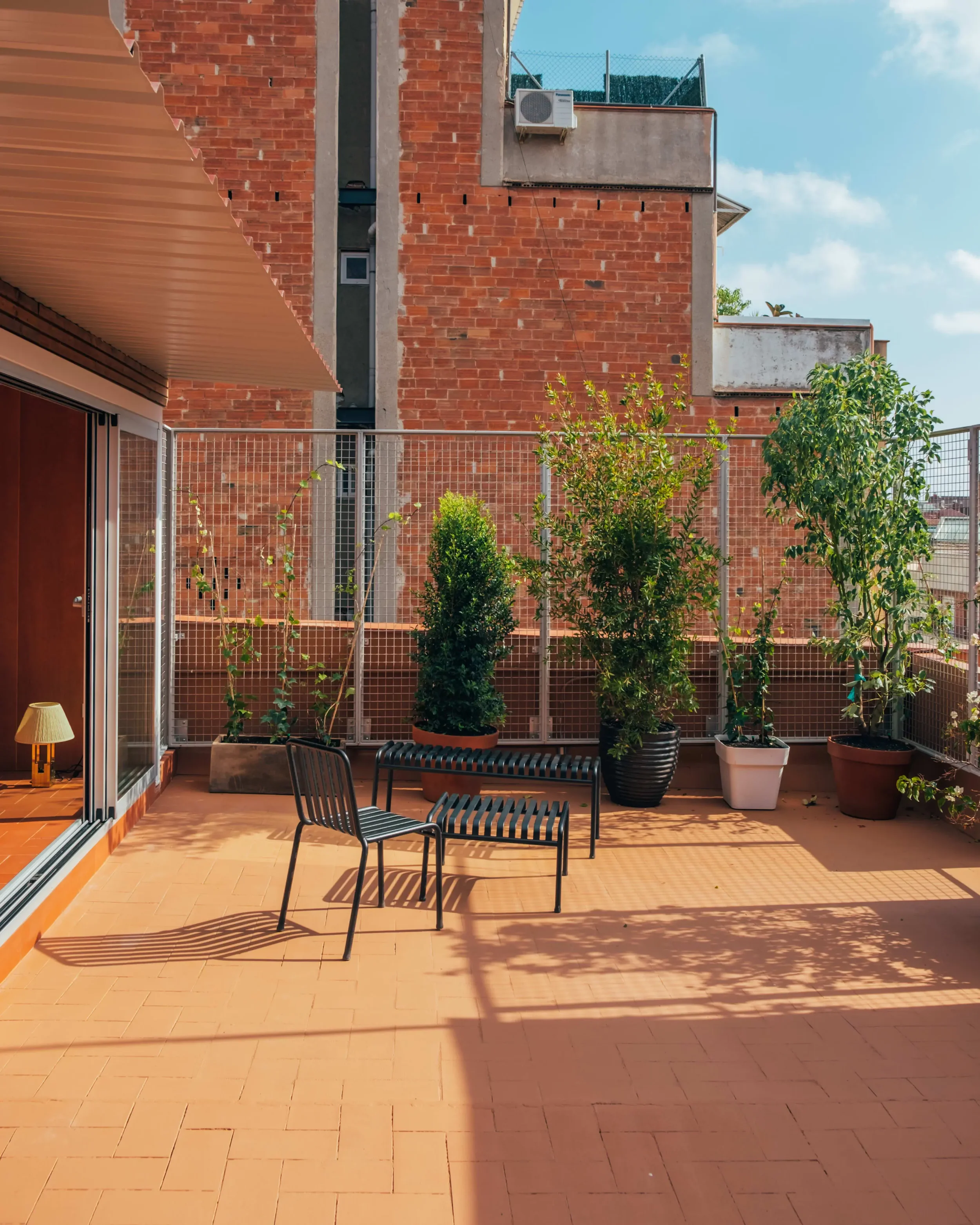
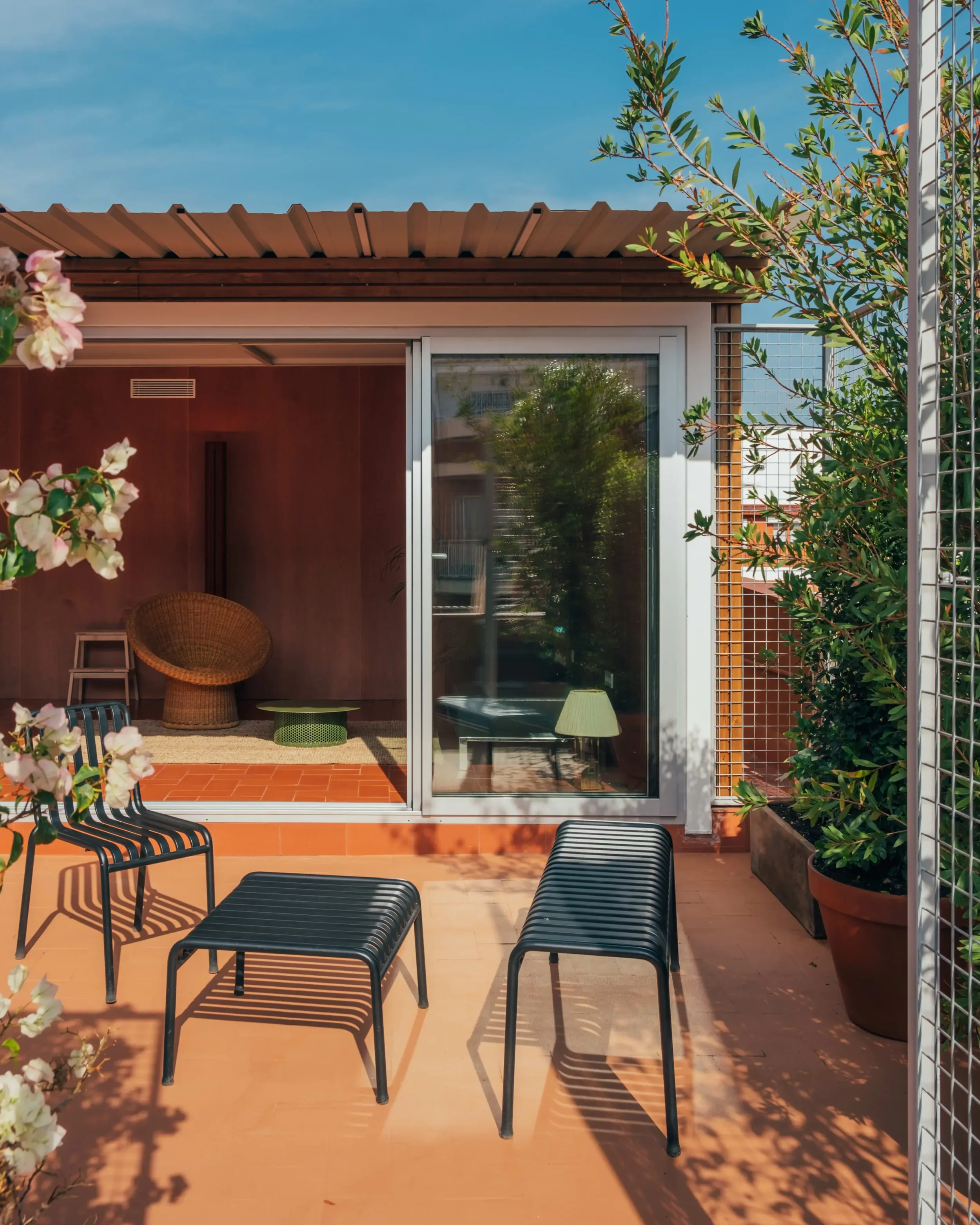
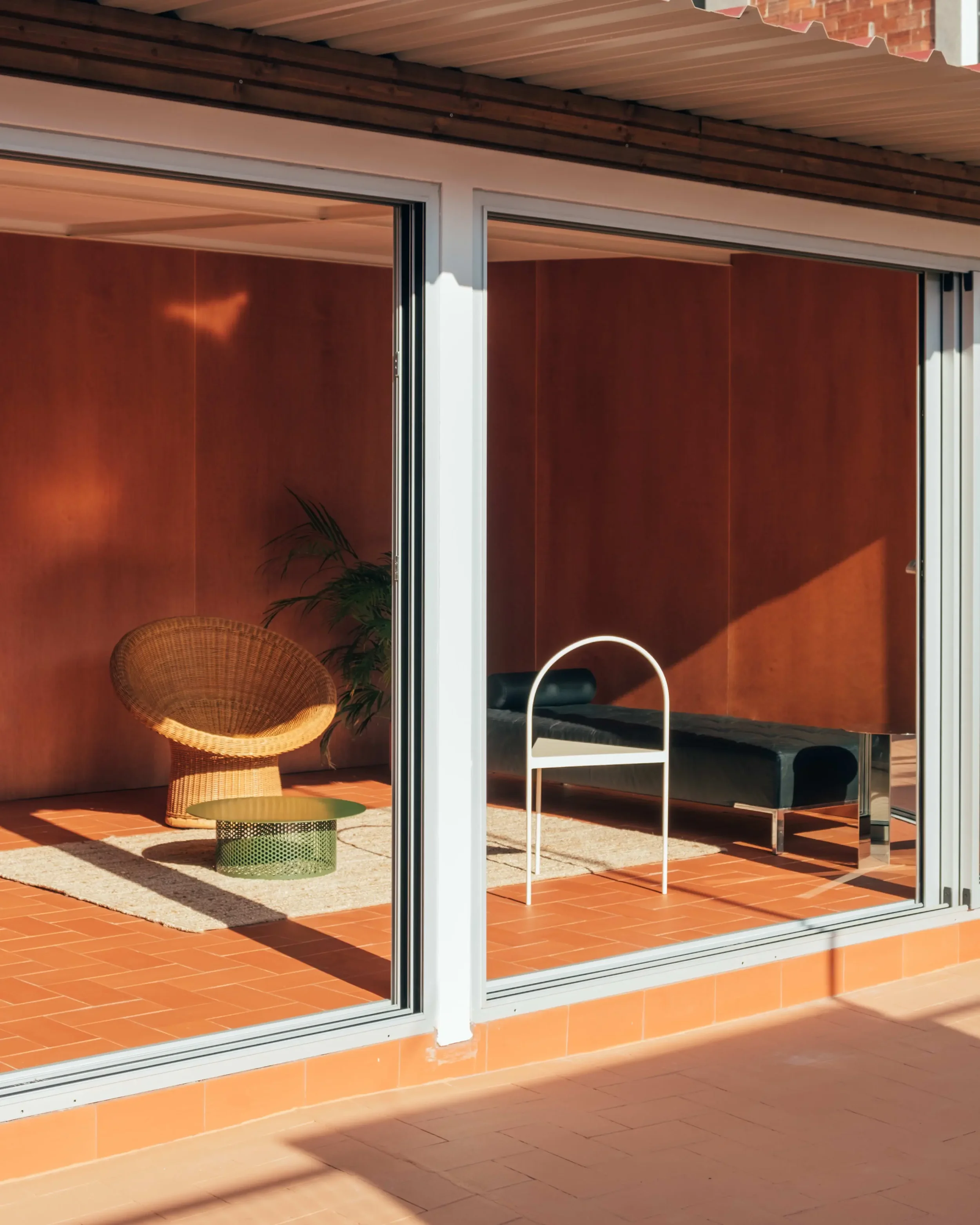
Approximately 75 m² wraparound terrace
Ceiling height
Approximately 3.1 metres
Orientation
South-west
Layout
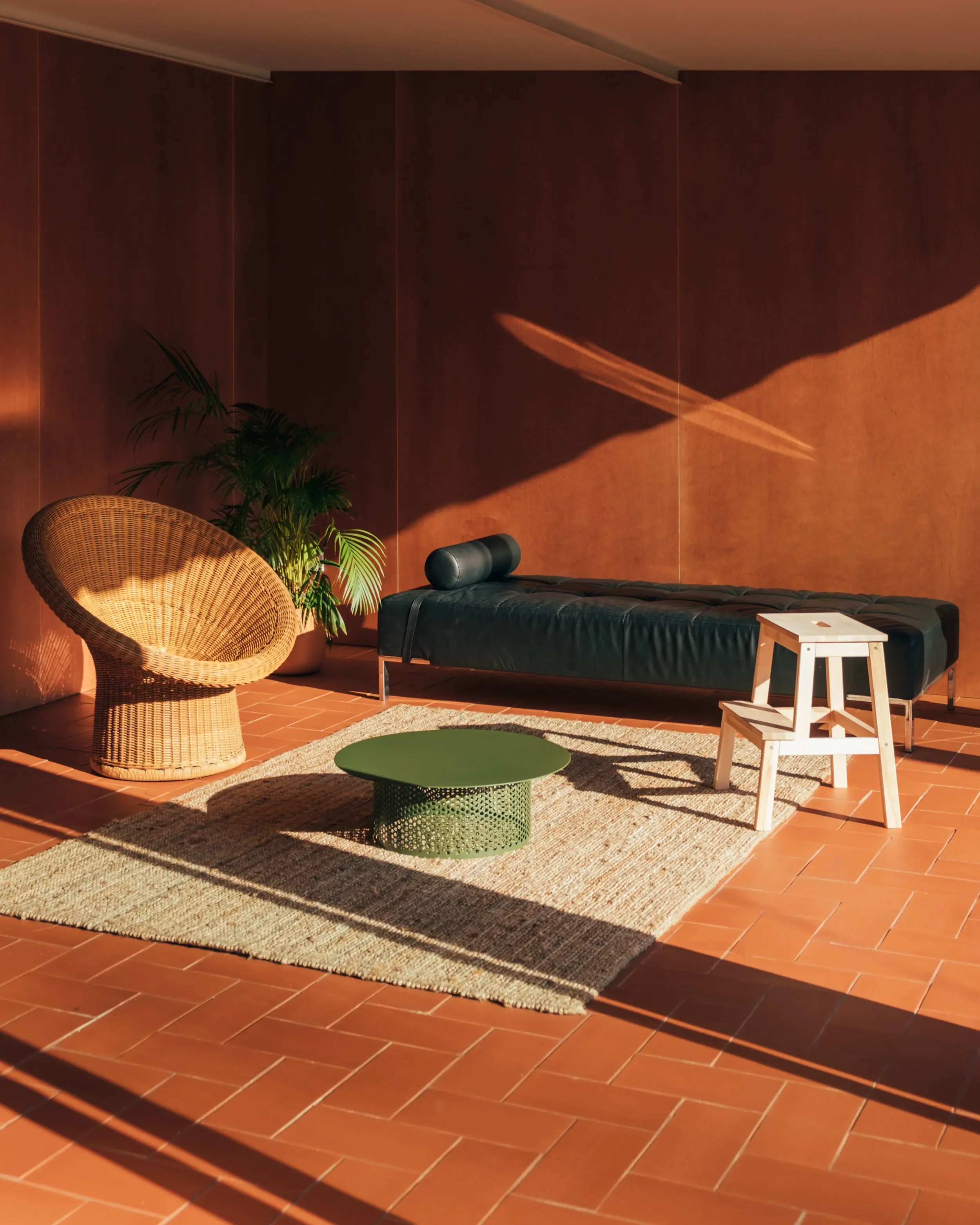
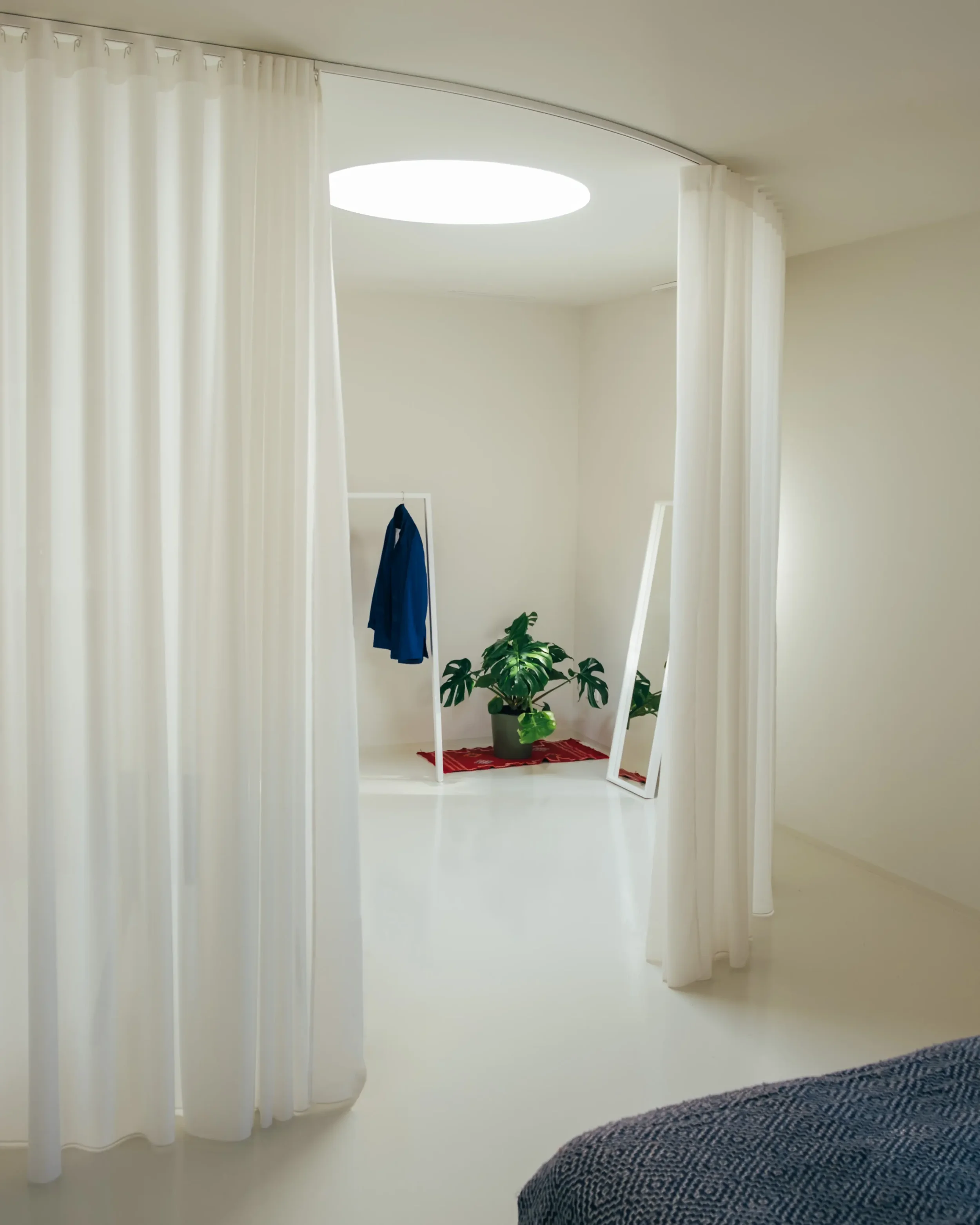
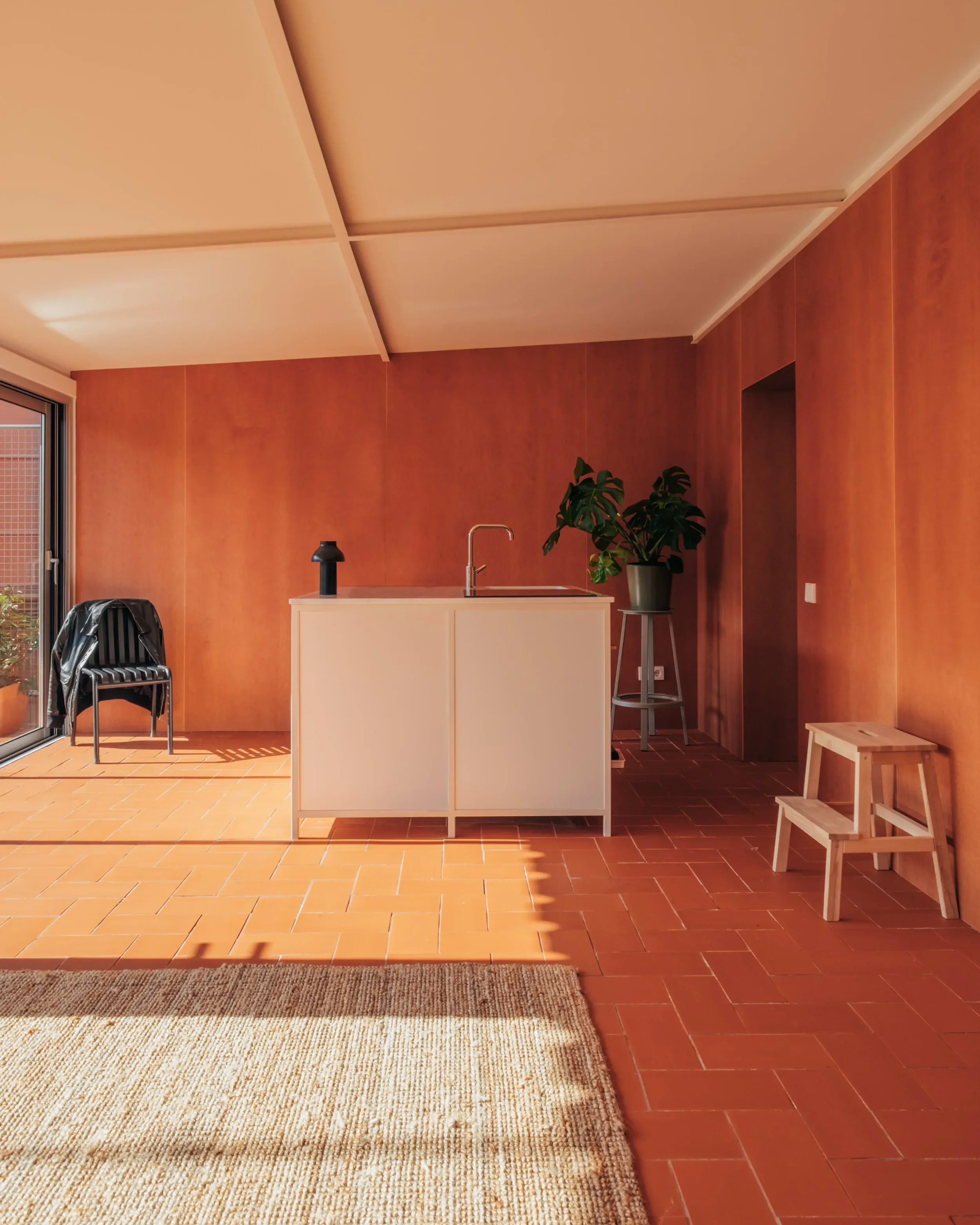
Open-plan atelier-style interior
Kitchen
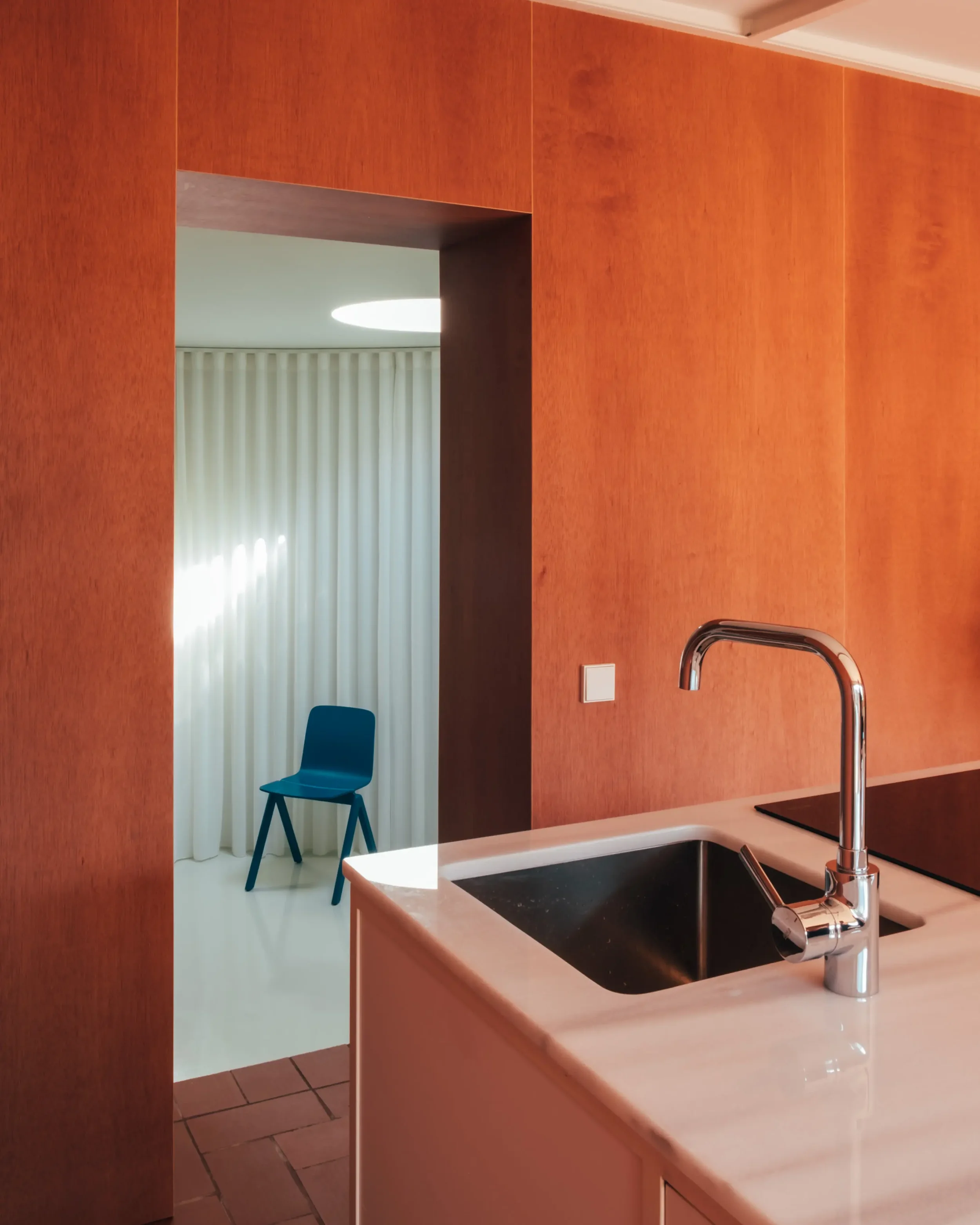
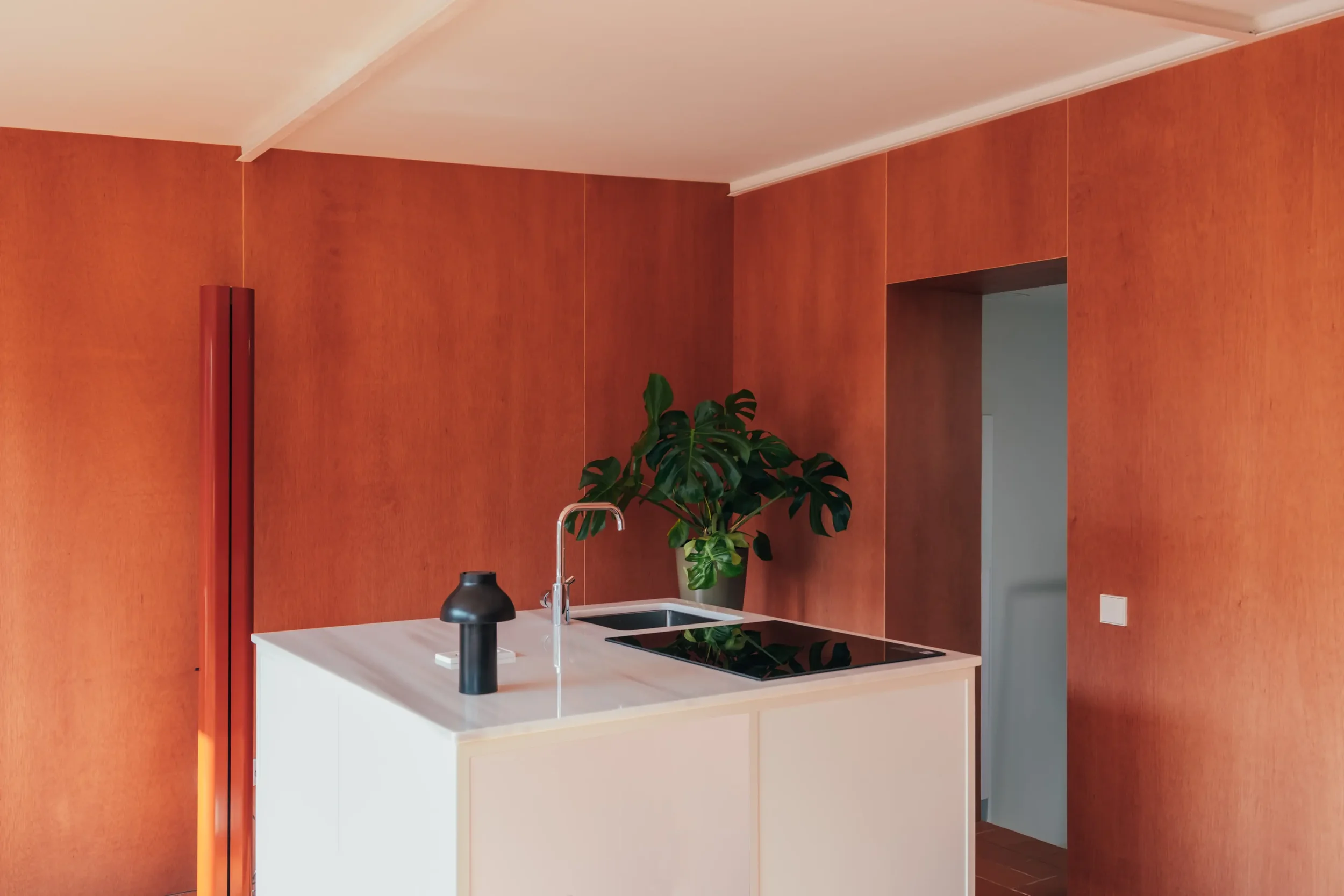
Industrial-style kitchen
Original features
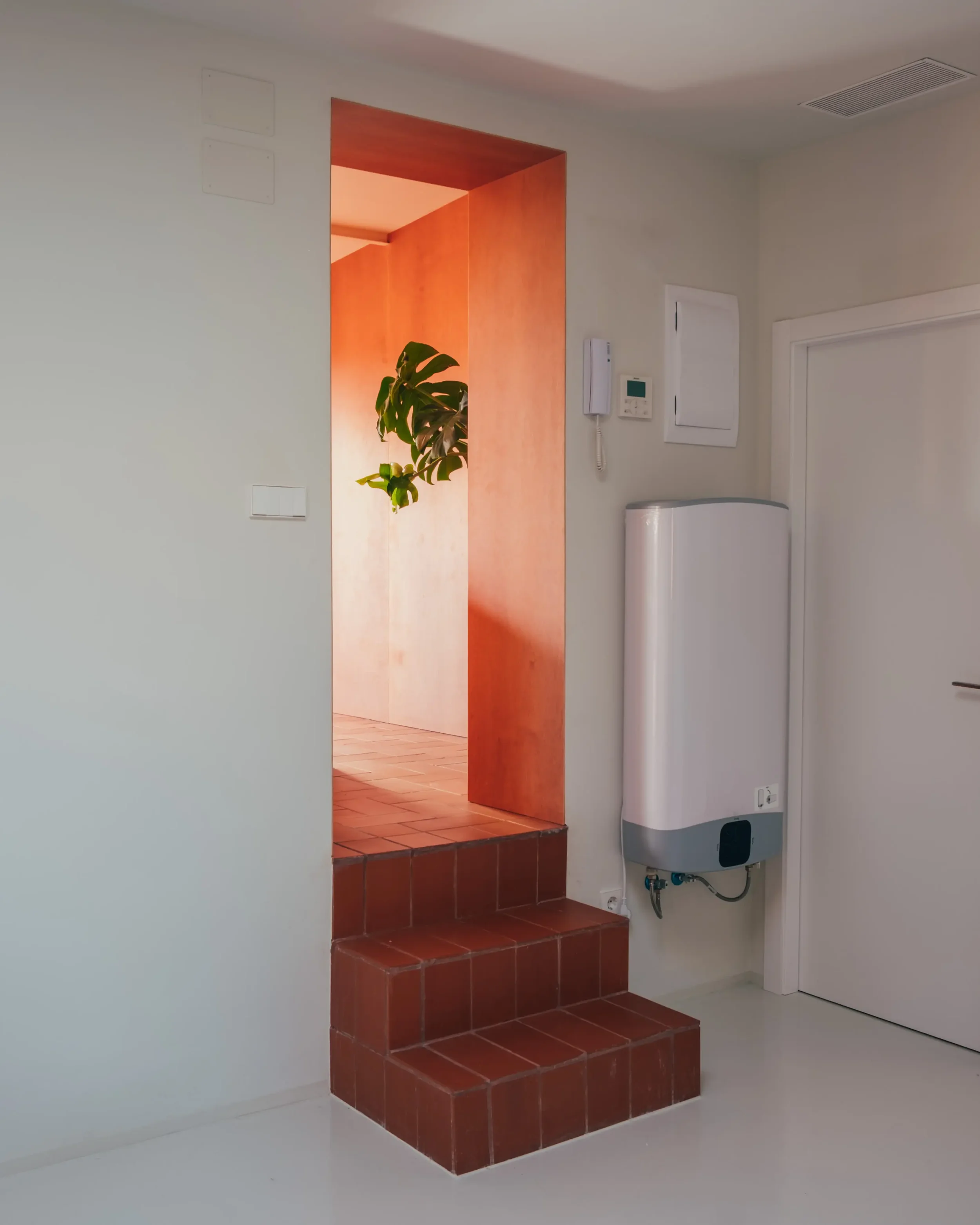
Mosaic hydraulic floor tiles
Heating
Not confirmed
Cooling
Not confirmed
Glazing
Not confirmed
Energy rating
Class E
Lift
Yes, although its condition and precise access level are not confirmed
Parking
Not mentioned
Building age
Not stated, but located within Barcelona's historic Eixample
Community fees
Not stated
Rental status
No tourist licence confirmed
Potential uses
Principal home, city pied-à-terre, medium-term rental or conventional residential rental
Primary due diligence themes
Legal ownership and use of the terrace, roof and waterproofing liability, community finances, building inspection history, Energy Class E, authorised layout and Barcelona rental restrictions
Risk Radar
Overview
The 75 m² wraparound terrace is the defining feature of this property and is likely to account for a substantial part of its asking price. It must therefore be treated as a legal, structural and maintenance issue rather than simply an attractive outdoor amenity.
The first question is whether the terrace forms part of the apartment's private registered ownership or is a communal roof element assigned for the penthouse owner's exclusive use. Both arrangements can provide practical enjoyment, but they create different rights and responsibilities. An exclusive-use communal terrace may still be subject to community control, access rights and shared responsibility for structural or waterproofing repairs.
The buyer should compare the Nota Simple, title deed, horizontal division deed, cadastral record and community statutes. A terrace shown in estate-agent photographs does not by itself establish its legal area, ownership or permitted use.
As the property is in a historic Eixample building, the health of the wider building may be more financially significant than the visible condition of the apartment. Façade restoration, roof waterproofing, lift replacement, structural repairs, old communal pipework and electrical upgrades can result in substantial derramas. The latest community minutes, budget, reserve balance and technical inspection records are therefore essential.
The Energy Class E rating is not unusual for an older Barcelona apartment, but the large south-west-facing terrace and glazing may create a specific combination of winter heat loss and summer overheating. The full certificate should be reviewed alongside actual utility bills, window specifications, cooling systems and the building's ability to accommodate energy improvements.
The original hydraulic mosaic floor tiles and high ceilings add character, but buyers should establish whether the current open-plan atelier layout is authorised and compatible with the cédula de habitabilidad. A visually impressive renovation can still contain unregistered room changes, altered kitchens, moved bathrooms or enclosed service areas.
Tourist rental income should not be included in the purchase case unless the apartment already holds a valid, transferable tourist-use authorisation and the current legal position has been independently verified. Barcelona City Council states that it intends to withdraw all holiday-let licences in the city by 2028. This makes conventional long-term or legally structured medium-term residential use a more realistic basis for investment analysis.
Targeted Questions
Community Finances and Building Health
The listing omits a major recurring ownership expense.
Lift servicing, building insurance, cleaning, management, communal water and maintenance may be charged differently.
The budget shows whether regular income is sufficient to maintain the building properly.
A weak reserve increases the likelihood of special assessments.
Minutes may disclose leaks, façade concerns, lift failures, owner disputes and planned works.
The buyer may inherit a significant payment obligation shortly after completion.
The financial impact depends on the apartment's participation quota.
High arrears can delay repairs and shift costs towards paying owners.
Ground-floor businesses and commercial premises may affect costs, noise and voting arrangements.
Occupancy patterns affect building management, security and community priorities.
Professional management can improve record-keeping and maintenance planning.
This should be obtained before completion.
Building Inspection and Major Works
Age informs the likely condition of the structure, services and façade.
Older Catalan apartment buildings may be subject to inspection and remedial obligations.
A summary statement that the building has "passed" is less useful than the report and its conditions.
Even non-urgent defects can lead to significant future expenditure.
Outstanding works may become the buyer's financial responsibility.
Eixample façades can require specialist maintenance and expensive access systems.
Façade safety works can trigger urgent derramas.
The top-floor apartment is particularly exposed to roof failure.
Repeated repairs may indicate an unresolved design or drainage problem.
Old pipework can cause leaks, low pressure and expensive communal works.
Older installations may require safety and capacity upgrades.
Old gas systems may create inspection or replacement exposure.
Removal can add cost and complexity to renovations.
Lift and Accessibility
Lift replacement is one of the most expensive common-area projects.
Modernisation may result in a substantial special assessment.
"Lift access" may still involve one final flight of stairs.
Practical accessibility affects daily use and resale.
Repeated failures may signal end-of-life equipment.
Service arrangements affect future costs and reliability.
Title, Registration and Authorised Layout
This confirms ownership, registered use, mortgages, charges and the legal description.
The listing does not disclose the apartment's internal size.
Material discrepancies require explanation before purchase.
The buyer needs to compare legal and physical layouts.
The word "atelier" may be stylistic, but the legal residential use must be confirmed.
Removed walls, relocated rooms and altered circulation may require approval.
Structural alterations require professional design and permission.
Relocated wet areas may involve planning, drainage and community implications.
Unauthorised incorporation of roof or service areas can create title disputes.
Renovated appearance does not prove that works were authorised.
Outstanding issues may delay financing, resale or future works.
Cédula de Habitabilidad
In Catalonia, the certificate confirms minimum habitability and is important for residential occupation and utility arrangements.
Catalan habitation certificates have limited validity and may require renewal.
These figures should support the advertised two-bedroom use.
A historic certificate may predate substantial alterations.
Renewal difficulties may expose non-compliant room sizes, ventilation or layout.
The cédula is important for establishing or changing residential services in Catalonia.
Legal Status of the 75 m² Terrace
The terrace accounts for a significant part of the property's value.
Marketing descriptions should be supported by title documentation.
Exclusive use does not necessarily mean private ownership.
This document may define ownership, use and maintenance responsibility more precisely than the sales particulars.
Roof, aerial, chimney and plant maintenance may require access.
These may limit privacy, use and future alterations.
The penthouse owner may be responsible for tiles and ordinary upkeep.
These may remain community responsibilities even where use is exclusive.
Historic practice may help reveal how future claims are likely to be handled.
Historic water ingress is a major top-floor risk.
Waterproofing has a finite life and replacement can be disruptive and expensive.
Documentation helps distinguish full renewal from local patch repairs.
Blocked outlets can cause ponding, leaks and internal flooding.
Surface appearance alone cannot confirm water tightness.
Terrace Use and Alterations
Large terraces may still be subject to strict rules.
South-west exposure may make shading essential.
Façade appearance is usually controlled collectively.
Weight, roots and irrigation can damage the terrace structure.
Large planters, water features and heavy furniture can add substantial loads.
These can exceed structural loading and create leakage risks.
Fire, smoke and nuisance rules may restrict them.
A large entertaining terrace may generate neighbour complaints.
Exterior installations must be weather-safe.
Planting and cleaning require practical water management.
Automatic irrigation can create unnoticed water damage.
Buyers should not assume that a large terrace creates expansion rights.
Apartment Condition and Renovation History
The age of systems may differ substantially from the visual style.
Professional involvement supports documentation and accountability.
These establish the age and specification of hidden installations.
Older wiring may remain behind renovated finishes.
This helps verify capacity and safety.
Original plumbing can create leak and pressure problems.
Top-floor apartments can suffer from roof leaks and temperature extremes.
Internal finishes may conceal structural or thermal movement.
Marketing may quote the highest point rather than a uniform ceiling height.
Reduced sections may hide pipework, structural alterations or previous leaks.
Hydraulic Mosaic Floors and Original Features
The extent and authenticity affect character and value.
Visible sections may not represent the whole floor.
Repairs may affect visual continuity and restoration costs.
Incorrect treatment can permanently stain or damage hydraulic tiles.
Problems may indicate substrate failure rather than surface wear.
Protection may restrict removal or alteration.
Heritage controls may affect windows, terrace elements, façades and internal features.
Energy Class E and Comfort
The buyer needs the underlying consumption and emissions data, not just the E rating.
The assessment should reflect the present layout and systems.
A certificate issued before renovation may be inaccurate.
These allow comparison with other apartments.
Recommendations help establish realistic upgrade priorities.
Actual usage helps test the theoretical rating.
Low bills may reflect limited use rather than efficiency.
Heating type is central to winter comfort and operating costs.
A south-west-facing penthouse may require substantial summer cooling.
Replacement costs should be included in the purchase budget.
Glazing affects energy use, condensation and street noise.
Heritage or façade rules may restrict replacement.
South-west orientation can cause severe summer overheating.
Penthouse heat gain may not be apparent during a cooler viewing.
Community and heritage rules may limit effective cooling improvements.
Noise, Privacy and Urban Environment
Street-facing and internal courtyard rooms can have very different noise and light conditions.
Commercial activity can affect evening and early-morning noise.
Top-floor homes may be exposed to building equipment noise.
A large terrace may be less private than the photographs suggest.
Non-residential uses may generate different noise and access patterns.
Prior disputes may indicate practical limitations.
Parking, Access and Services
Parking is scarce and valuable in central Barcelona.
An existing arrangement may not transfer automatically.
Regular parking costs should be included in the ownership budget.
Eligibility and practical availability should be confirmed locally.
Restricted access can complicate removals and renovation.
Building-level fibre availability does not guarantee an active connection inside the unit.
Thick walls and an open layout may require additional networking equipment.
Transport access supports both lifestyle value and long-term rental demand.
Tourist Rental Use
No short-term rental assumption should be made without an existing verified authorisation.
A platform listing or historic rental use is not sufficient evidence.
The licence must correspond with the correct property and authorised use.
Historic compliance problems could affect continued operation.
Community rules may create an additional barrier even where public registration exists.
Current and proposed restrictions should be reviewed by the buyer's lawyer.
Barcelona City Council says it intends to withdraw all holiday-let licences in the city by 2028, making future tourist income highly uncertain.
The buyer should not capitalise temporary income as though it were permanent.
A premium based on an expiring or unavailable use would be difficult to justify.
Long-Term and Medium-Term Rental
Historic rent and tenant demand provide a better basis for valuation.
Documented performance is more reliable than agent projections.
Possession and termination arrangements must be confirmed before purchase.
Barcelona residential rent regulation is complex and should be modelled using the property's legal position rather than headline market advertisements.
Previous tenancy information may affect lawful rent-setting.
Owner status can affect certain rental calculations and obligations.
Outdoor space adds appeal, but its cost and legal status must be included.
Temporary contracts require a legitimate temporary purpose and should not be used merely to avoid residential protections.
Net return may be materially lower than the advertised rent.
Outdoor entertaining, plants and water ingress increase risk.
Regulatory compliance is more important than simply securing the highest quoted rent.
Negotiation Intelligence
Buyer Leverage
Medium-High
Key Drivers
Typical Negotiation Range
5-15% below asking
Neutral Phrasing Examples
Country Layer
Spain (Regulatory Context July 2026)
Key Spanish and Catalan requirements for buyers:
Viewing Strategy
Begin outside the building rather than inside the apartment. Examine the façade, balconies, roofline, entrance, stairwell and lift.
Look for protective netting, scaffolding marks, cracks, detached render, damp staining and notices of upcoming works.
Ask to see the technical building inspection report and community minutes before being distracted by the terrace and interior styling. Use the lift and stairs. Confirm whether the lift reaches the penthouse level directly. Note noise, vibration, door alignment and accessibility.
At the apartment entrance, compare the physical layout with the registered floor plan. Pay particular attention to removed partitions, relocated bathrooms, the industrial kitchen and any spaces incorporated from the roof or landing.
Inspect the ceiling and upper wall junctions throughout the apartment. Look for staining, blistering paint, repaired cracks, fresh localised decoration and musty odours. Walk the full terrace slowly, then check every drainage outlet and ask where the water discharges.
Photograph any communal equipment or access routes crossing the terrace. Stand near neighbouring windows and terraces to assess privacy. Listen for restaurant extraction, traffic, rooftop plant, lift machinery and courtyard noise. Assess afternoon heat exposure. Full sun can be an asset in winter but a major cooling burden in summer. Ask to view the apartment later in the day where possible. Open and close every window and door.
Check whether glazing reduces street noise and whether frames show condensation, warping or poor seals. Inspect the mosaic hydraulic tiles in natural light. Look beneath furniture and rugs where possible.
Tap gently for hollow areas and identify replacement patches. Run taps and showers simultaneously. Check pressure, drainage speed, water temperature and visible pipework. Operate heating and cooling systems.
Record model numbers, age, noise and zone control. Test mobile signal and broadband inside the apartment and on the terrace. Here's the summary:
Next Step
Verify from the listing:
The legal status of the 75 m² terrace
Request the Nota Simple, title deed and horizontal division documents to confirm the exact area, whether the terrace is privately owned or a communal roof assigned for exclusive use, and whether other parties retain access rights.
Roof and waterproofing liability
Obtain the terrace repair history, waterproofing invoices, guarantees and community records showing who is responsible for the surface, membrane, structure and drainage.
Building finances and future derramas
Review the community fees, annual accounts, reserve fund, owner arrears, technical inspection report and meeting minutes for planned façade, roof, lift, plumbing or electrical works.
Energy Class E and summer comfort
Request the full registered energy certificate, actual utility bills, glazing specification and heating and cooling details. Pay particular attention to overheating from the south-west orientation and large exposed terrace.
Rental use in Barcelona
Do not assume that a new tourist licence can be obtained. Verify any existing licence independently and assess the property primarily using lawful long-term or genuine medium-term residential rental scenarios.
A prepared buyer should approach the agent calmly and frame questions as due diligence. For example: “To help me assess the penthouse properly and prepare a serious offer, could you share the title and community documents confirming the terrace rights, the current cédula and energy certificate, the latest meeting minutes and accounts, and the roof and waterproofing records?”
Because this property’s value depends heavily on the terrace, building liabilities and lawful rental strategy, run it through the Property Risk Assessment to organise the legal, structural and community issues, or use the Rental Yield Calculator to model a conservative long-term rental case after current Barcelona restrictions and annual ownership costs have been verified.
Disclaimer: The Property Drop is buyer-focused intelligence, zero sales agenda. We curate exceptional properties, in southern Europe, from third-party agents and arm you with decision tools. No commission, no transactions, no agent partnerships, no skin in the game beyond helping you choose wisely. Information stays accurate until it doesn't (properties sell, prices shift, markets move). Everything here is shared for informational purposes only and should not be treated as legal, financial, or investment advice. Images belong to original agents. Read our Terms of Service to learn more.
Buyer Intelligence:
This assessment provides general guidance based on common risk factors and publicly available regulatory information. Risk scores and checklist items are indicative only and must not be considered legal, financial, structural, or surveying advice. Actual property conditions, costs, and regulatory requirements vary significantly by location, property age, and specific circumstances. Regulations are subject to change; always verify current requirements with qualified local professionals before making any purchasing decision.
The Property Drop provides buyer intelligence and educational research analysis only. The Property Drop does not act as an estate agent, intermediary, or advisor in any transaction and does not facilitate introductions, negotiations, or transactions. Always engage qualified independent professionals including local lawyers, surveyors, architects, and tax advisors for comprehensive due diligence specific to your property.
IMPORTANT REMINDER: When contacting property agents featured on The Property Drop, you are entering into direct communication with third parties. It's recommended that you verify all property details independently, conduct thorough due diligence, engage qualified professionals (solicitors, surveyors, financial advisors), understand your rights and obligations under local property laws, and never send money or make commitments without proper legal protection.

The Buyer Playbook: 4-Bed Renovated Townhouse with Pool and Landscaped Garden, Lons-le-Saunier, France, €550,000
The Buyer Playbook: 3-Bed Frontline Golf Apartment with Sea Views, Sotogrande, San Roque, Spain, €649,000
Questions ready for the agent?
The agent represents the seller.
What you ask shapes the answers you get.