
The Buyer Playbook: 3-Bed Country House with Stream, Waterfalls, and Chestnut Woodland, Castanheira de Pera, Portugal, €227,000
Buyer Playbook
Pre-Viewing Intelligence Report
This independent buyer guidance report relates to this specific property located in Portugal. It is provided for informational purposes only and does not constitute legal, tax, structural or survey advice. Planning, habitability, water rights, water quality, drainage, land classification, forestry, rental, access, boundary and land-use matters must always be verified with qualified Portuguese professionals such as an advogado, arquiteto, engenheiro, surveyor, licensed property consultant, forestry specialist, water specialist and the relevant municipal authorities. This report is designed to help buyers evaluate the property before arranging a viewing or making an offer. It highlights due diligence areas and targeted questions to ask the estate agent. The analysis is based on the listing details, the user's research notes and publicly available regulatory context at the time of writing.
Playbook Contents
Property Snapshot
Location
Castanheira de Pera, Central Portugal
Property type
3-bedroom country house
Asking Price
€227,000
Setting
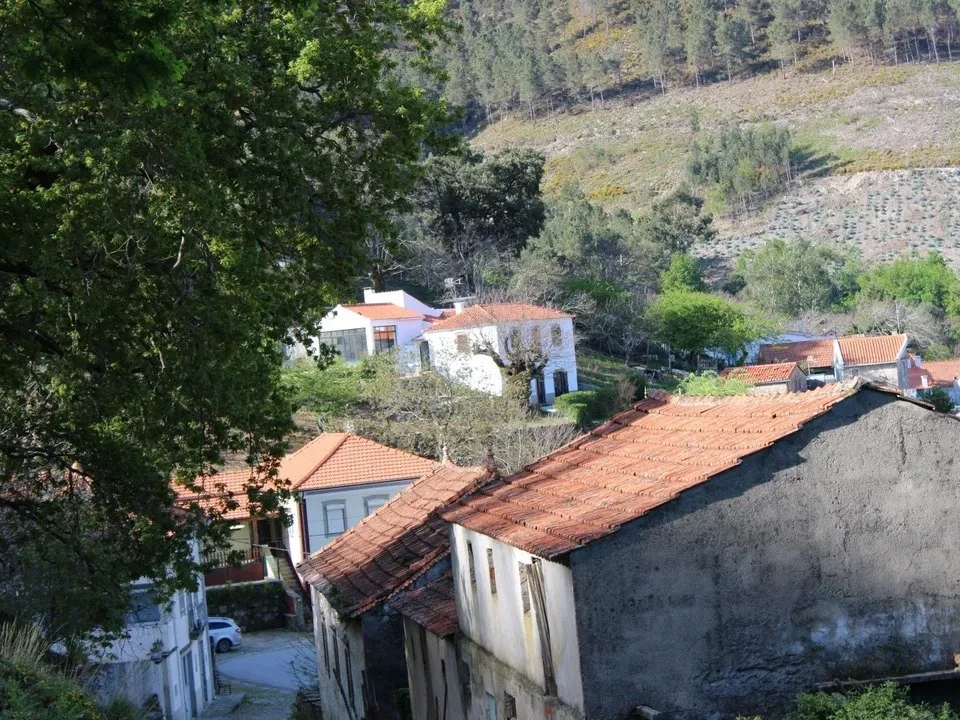
Rural village location with a handful of neighbours
Bedrooms
3
Condition
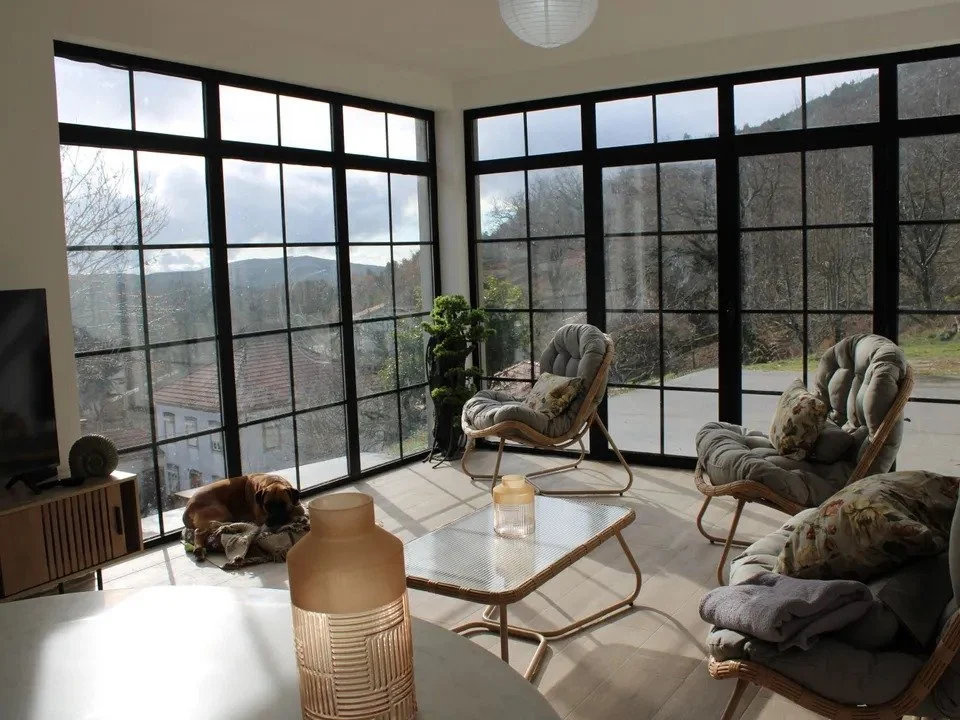
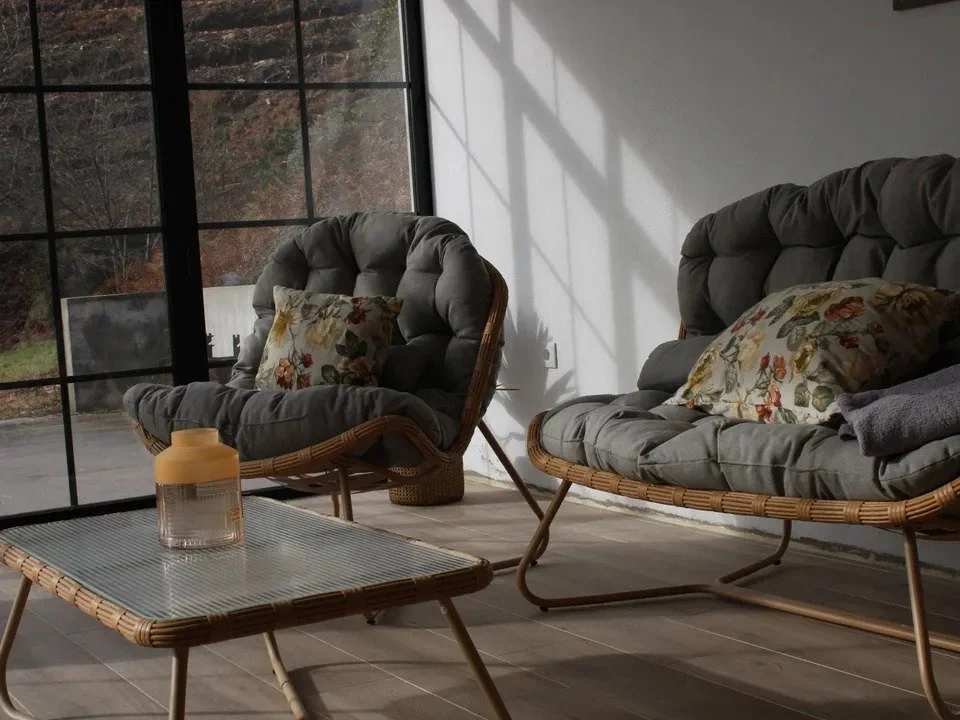
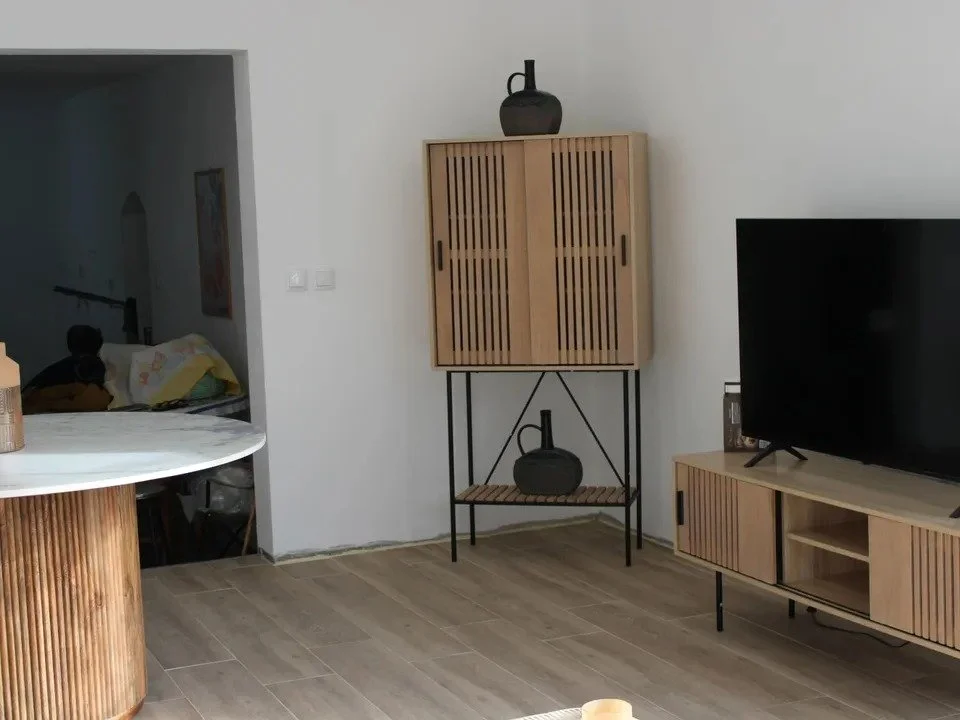
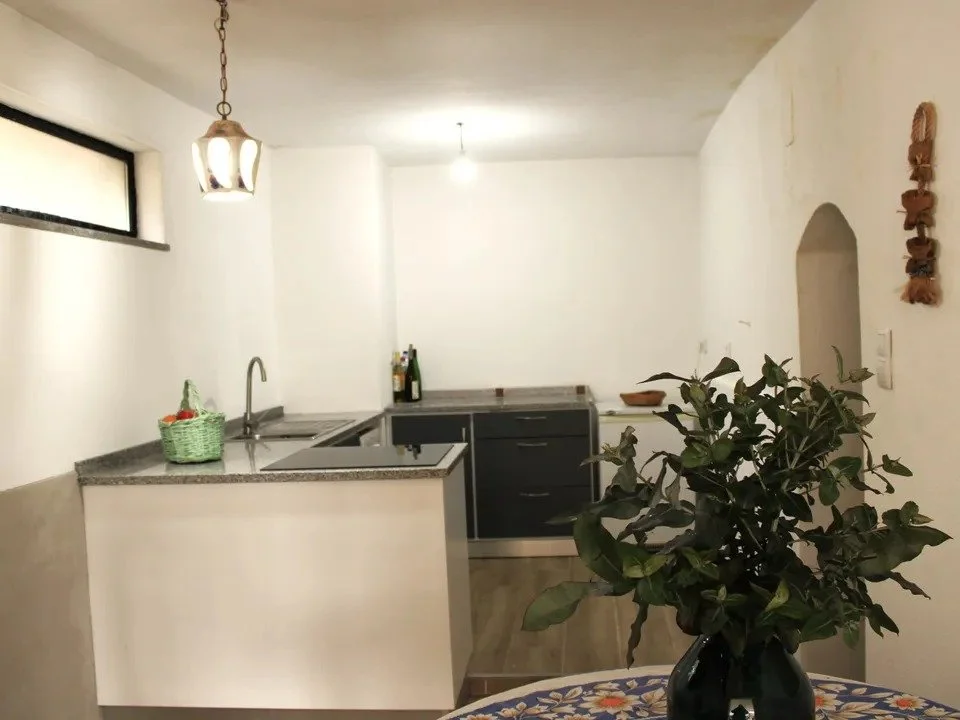
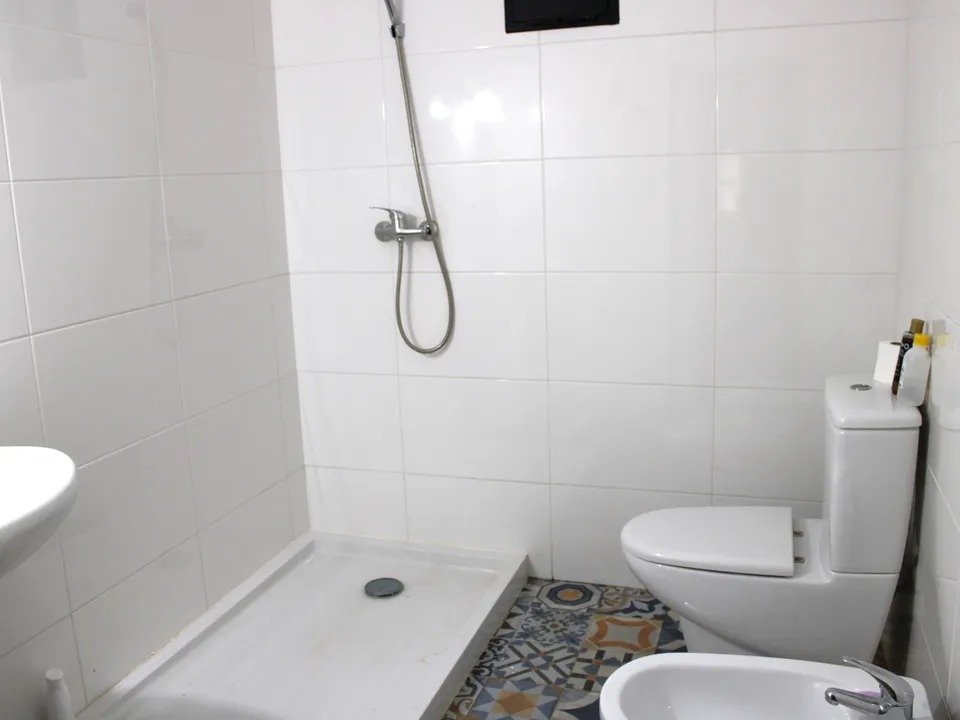
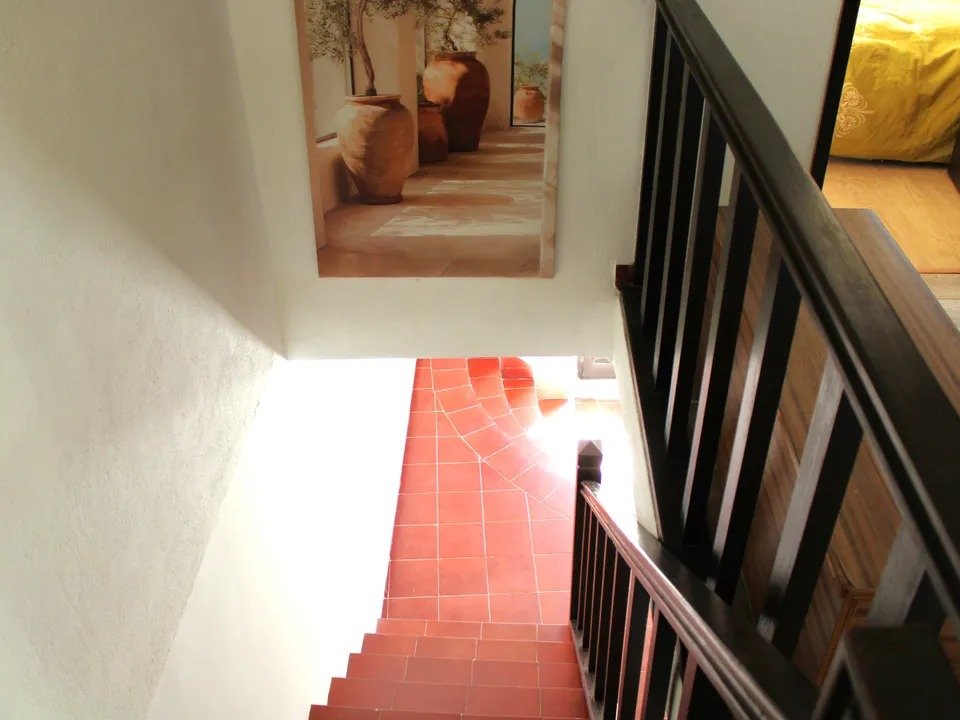
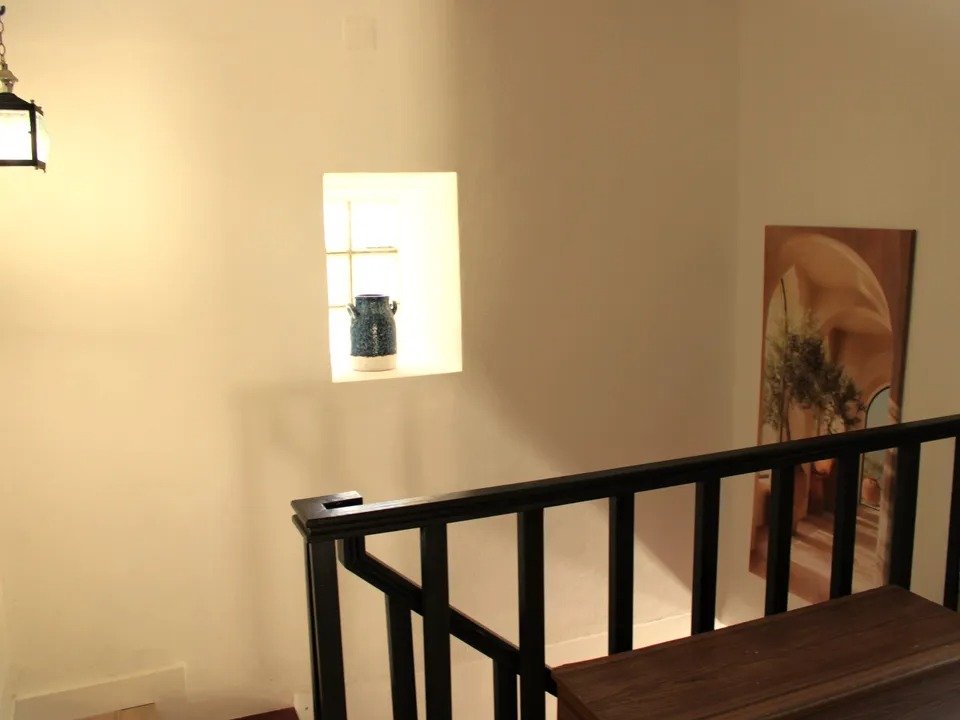
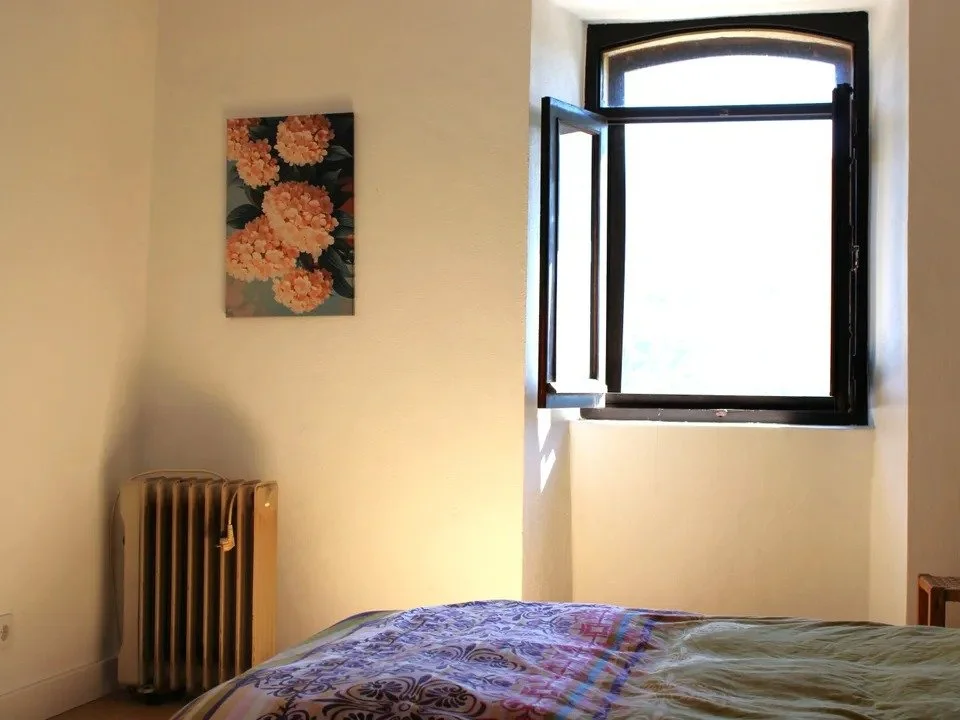
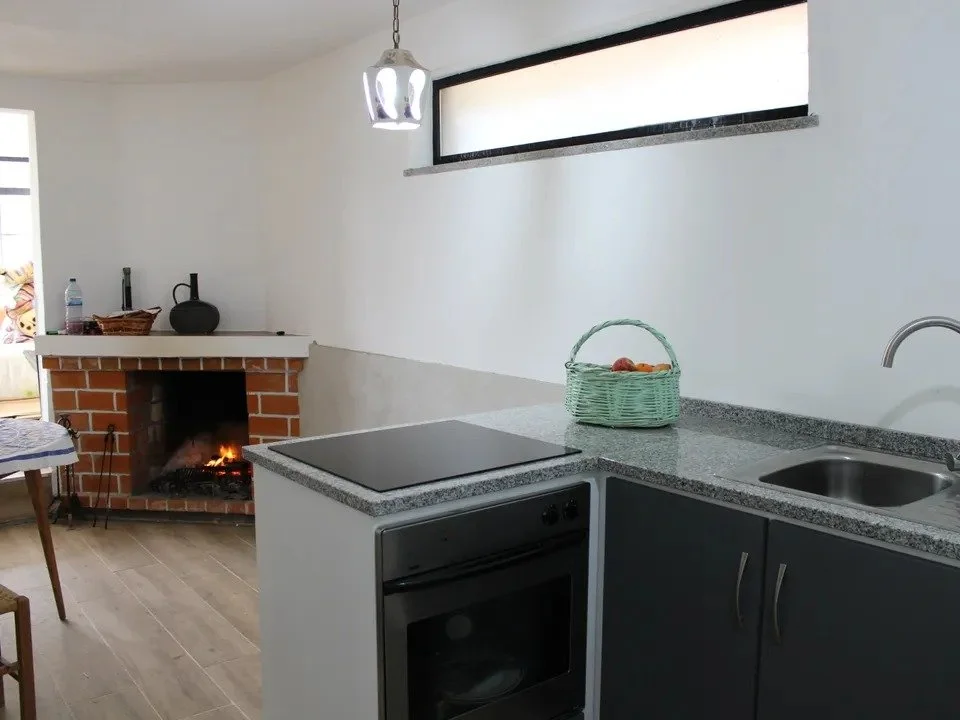
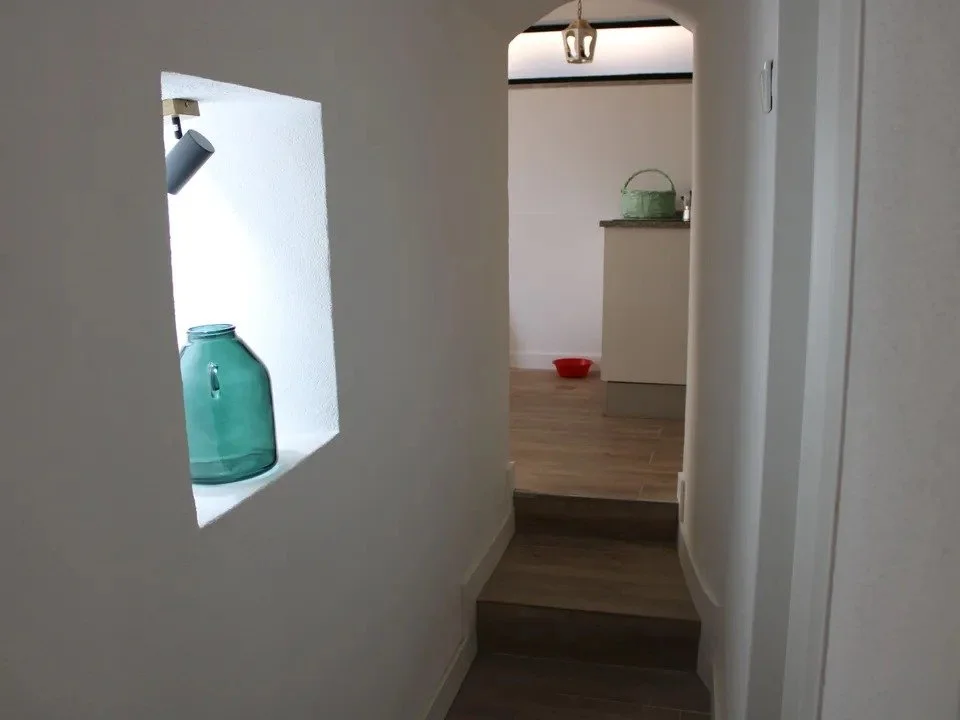
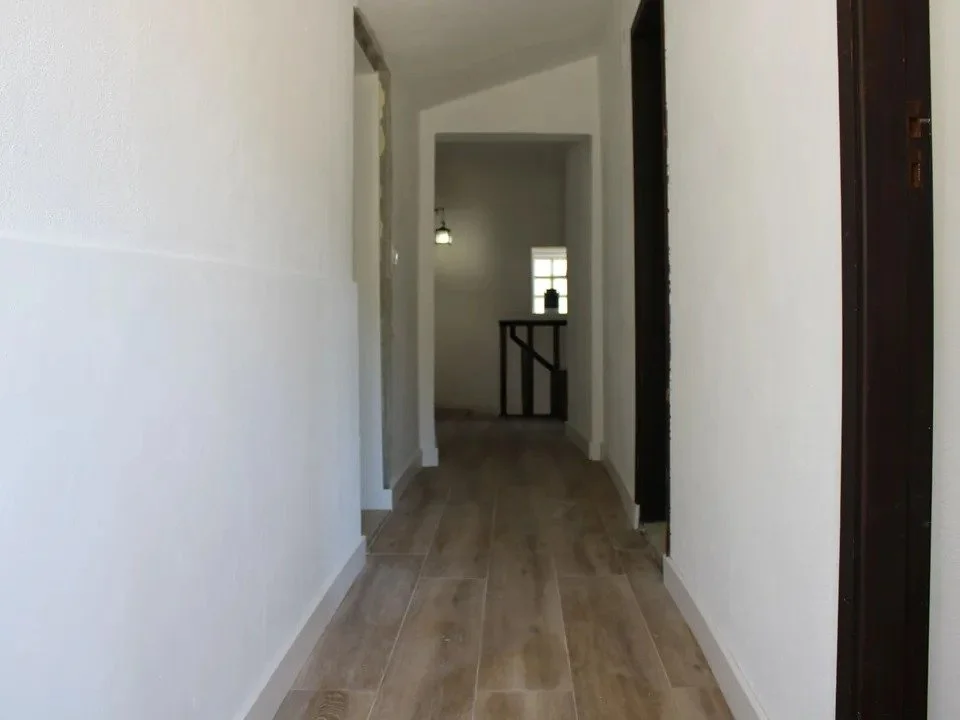
Refurbished and sold furnished, with some cosmetic finishing work remaining
Energy rating
Class E
Key natural features
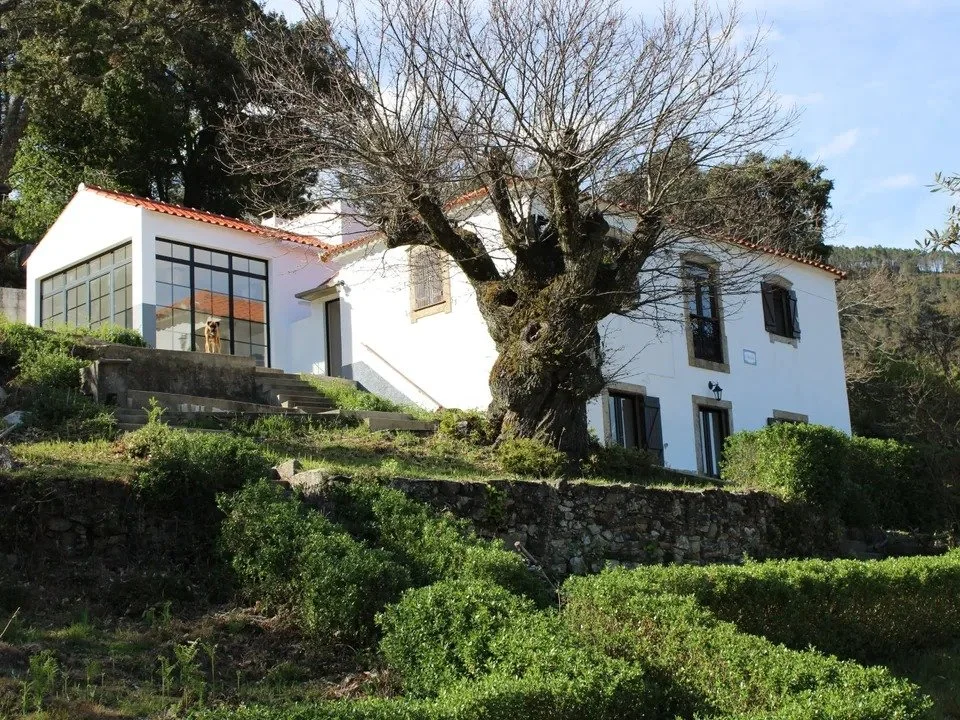
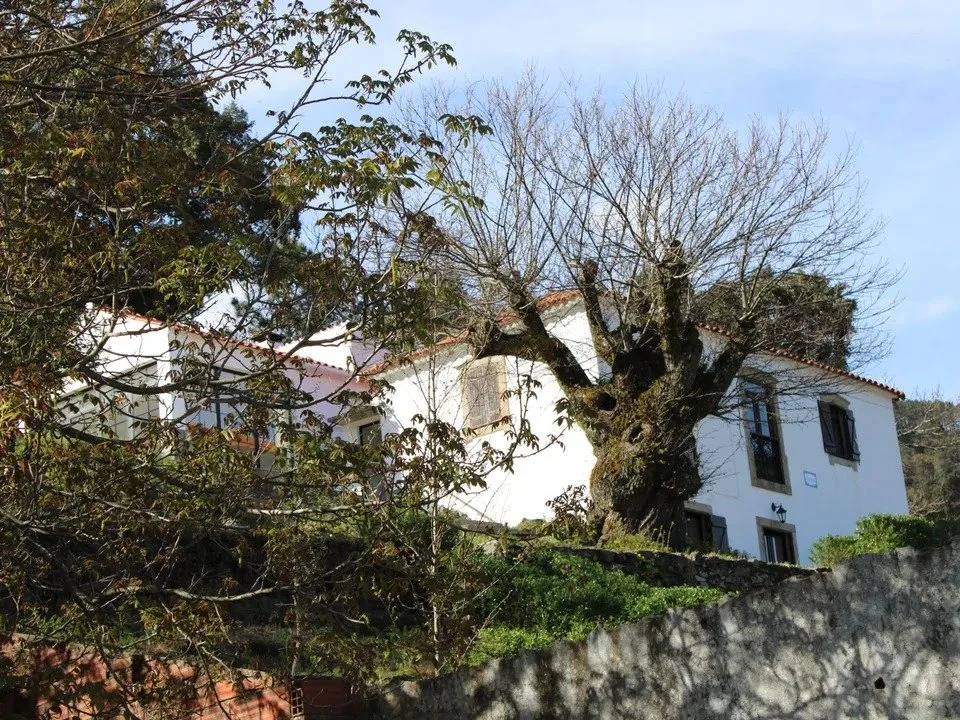
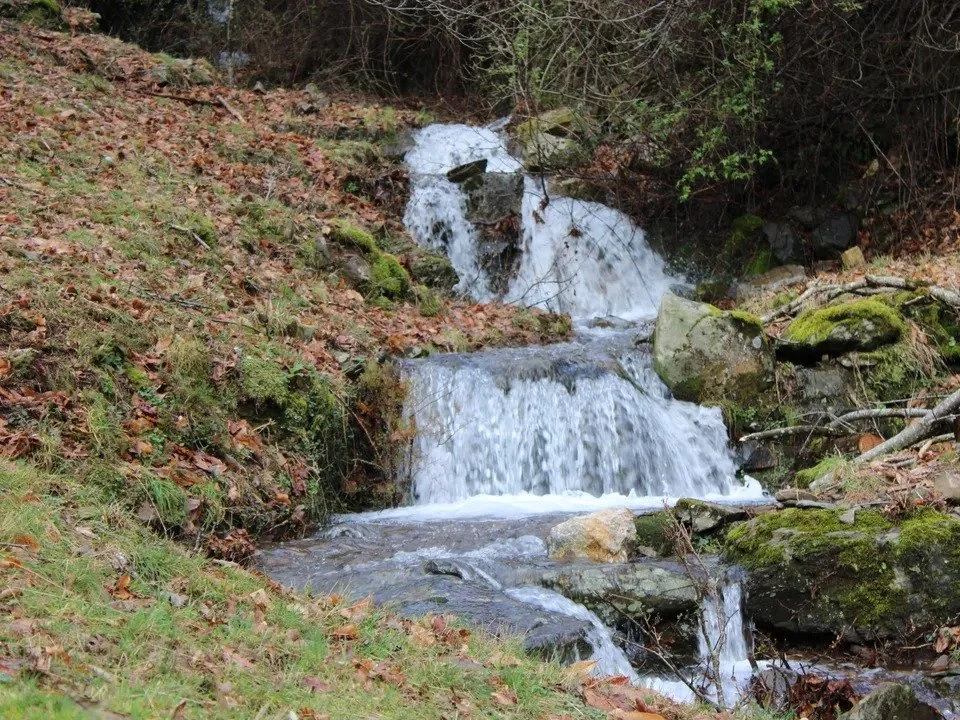
Stream, waterfalls, spring water source and chestnut woodland
Outdoor space
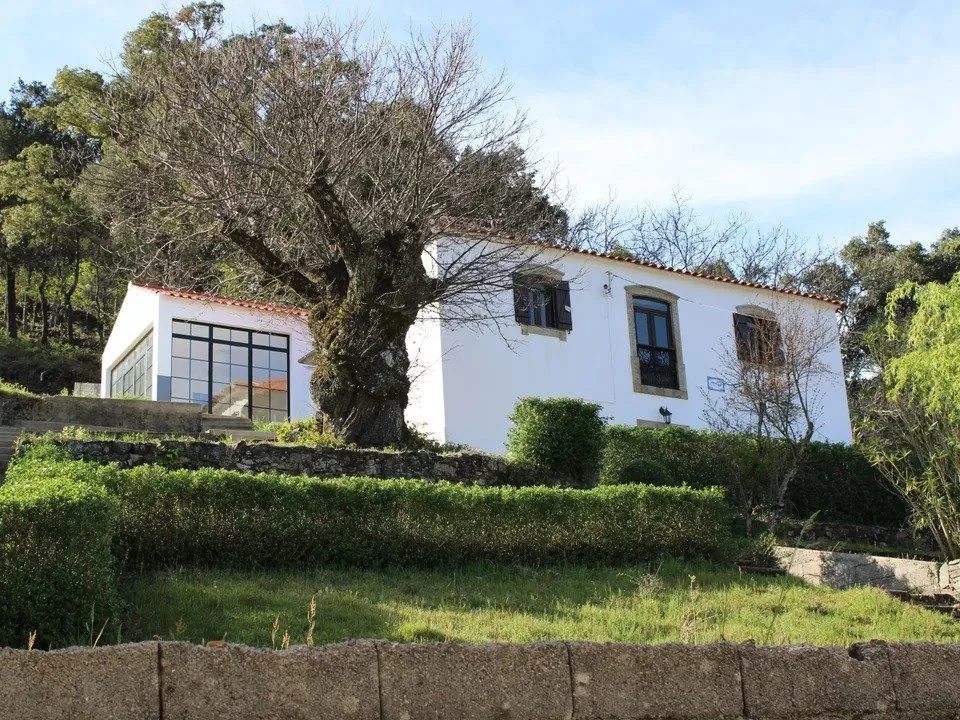
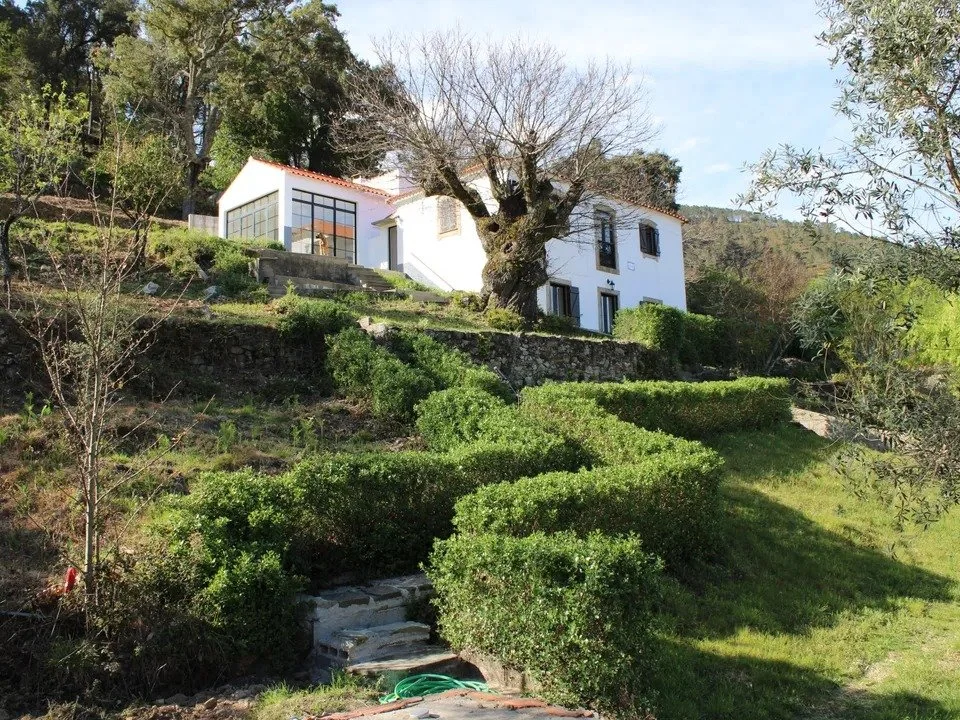
Walled terraced garden, woodland and recently acquired adjacent land parcel
Heating features
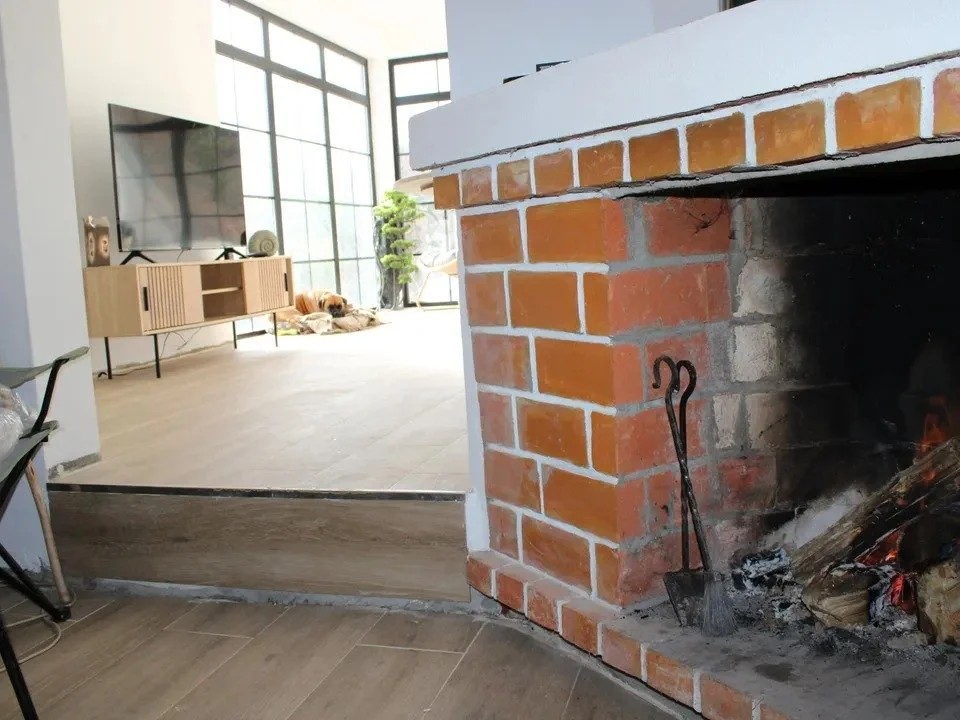
Two fireplaces
Additional spaces
Garage and winter garden
Lifestyle angle
Rural retreat, nature-led second home, remote-work base or potential nature-based rental property
Main due diligence themes
Water rights, spring-water legality and quality, stream ownership, flood risk, land boundaries, woodland status, remaining works, energy performance and rental feasibility
Risk Radar
Overview
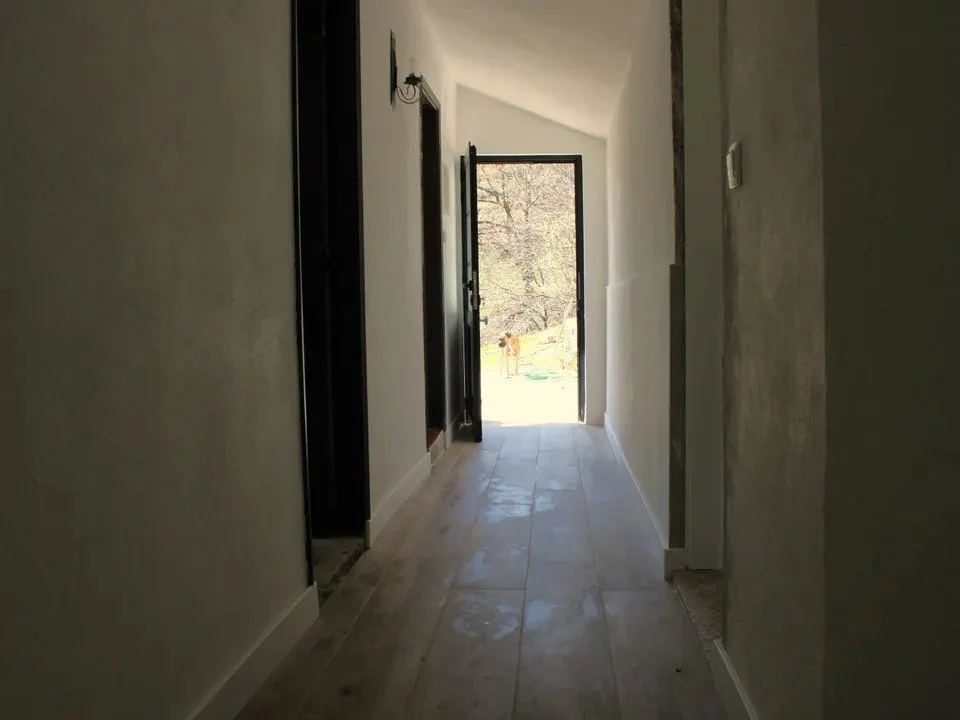
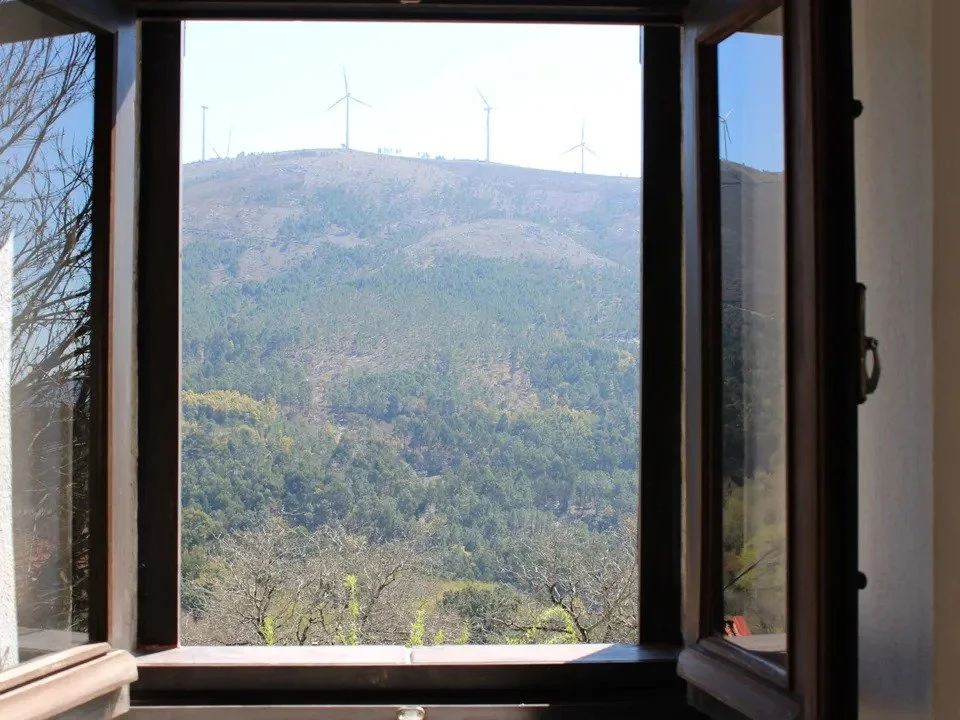
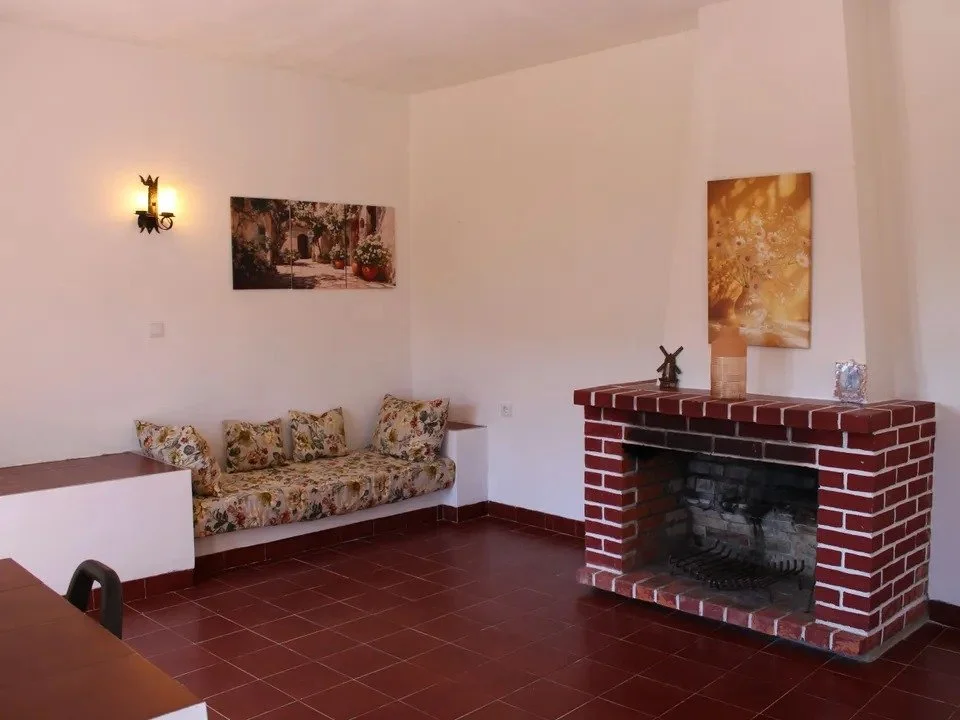
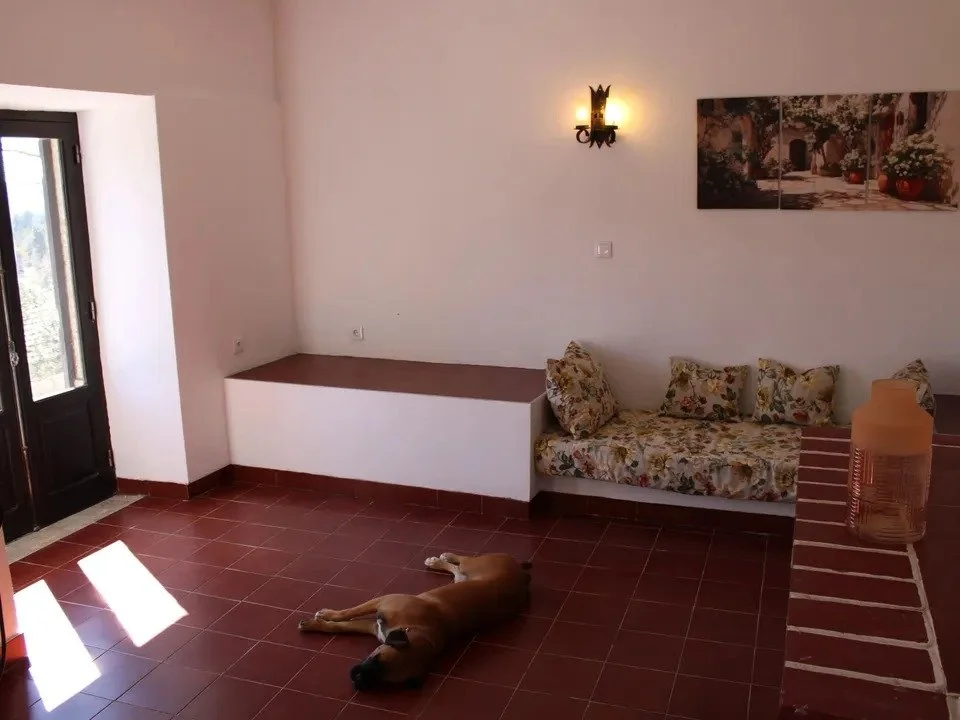
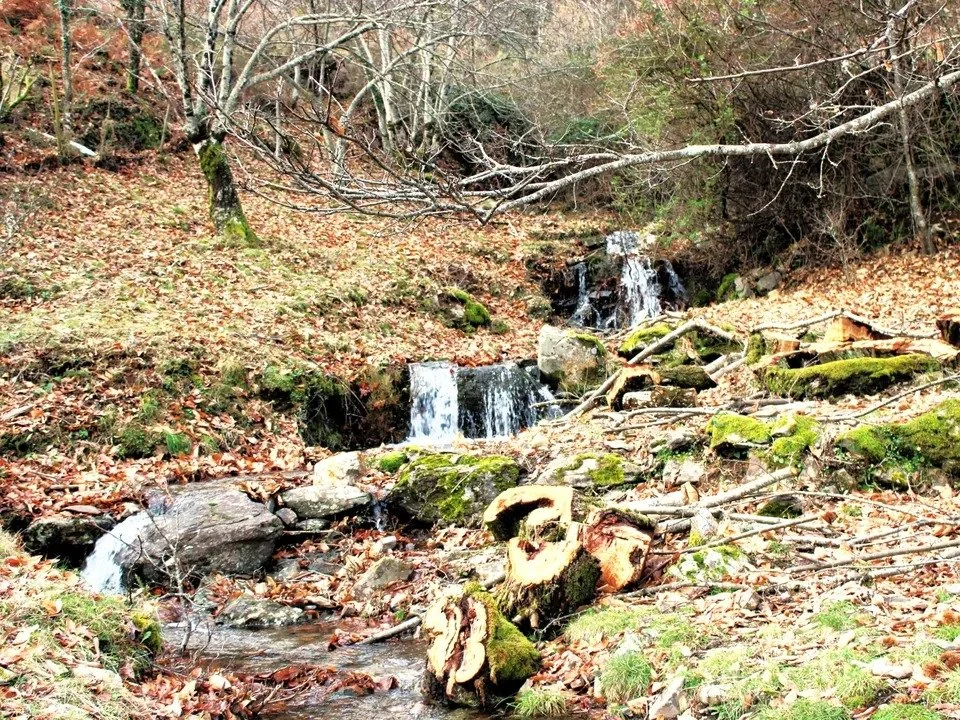
This Castanheira de Pera country house has the kind of rural Portuguese charm that can make a buyer fall in love before the due diligence file has even been opened. A stream, waterfalls, spring water from the mountain, chestnut woodland, a walled terraced garden and two fireplaces create a strong emotional and lifestyle pull. At €227,000, the headline proposition is attractive: a refurbished, furnished, three-bedroom rural house with land, water features and retreat-style appeal.
The key point is that the very features that make the property special are also the features that require the most verification. Water is not just scenery here. The stream, waterfalls and spring raise questions about ownership, public watercourse status, extraction rights, water quality, flood risk, APA permissions and maintenance responsibilities. The chestnut woodland and recently acquired adjacent parcel also need proper documentary confirmation, because rural Portuguese properties can have layered cadastral, registry, access and land-classification issues.
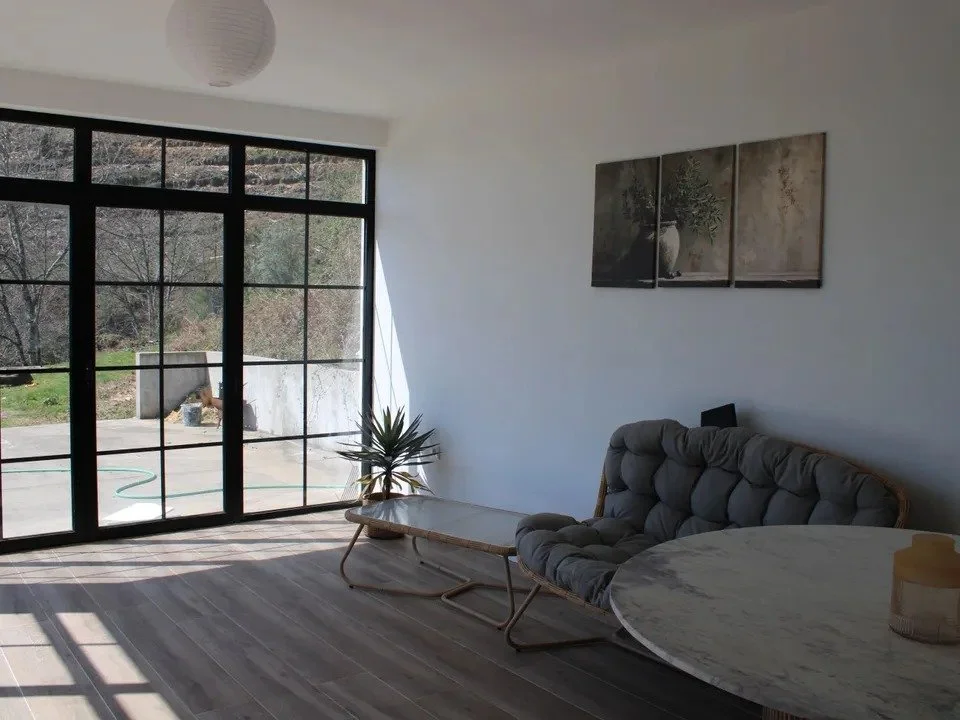
The house itself appears more straightforward but still needs careful review. "Refurbished" and "furnished" are useful marketing terms, but a buyer needs to know what was actually updated, whether works were licensed where required, whether invoices and guarantees exist, and whether the remaining cosmetic works are genuinely minor. Energy Class E also matters in this type of rural property, especially if the fireplaces are the main winter heat source and if windows, insulation and roof performance remain basic.
This is not a property to dismiss because of risk. It is a property to approach with discipline. If the water rights, land records, access, septic arrangements, energy position and refurbishment history are clean, it could be a distinctive rural retreat with strong lifestyle appeal. If those documents are weak, the buyer should price that uncertainty properly before making an offer.
Targeted Questions
Water Rights, Stream, Waterfalls and Spring
A stream can appear private in practice while still being subject to public-domain water rules, restrictions and maintenance obligations.
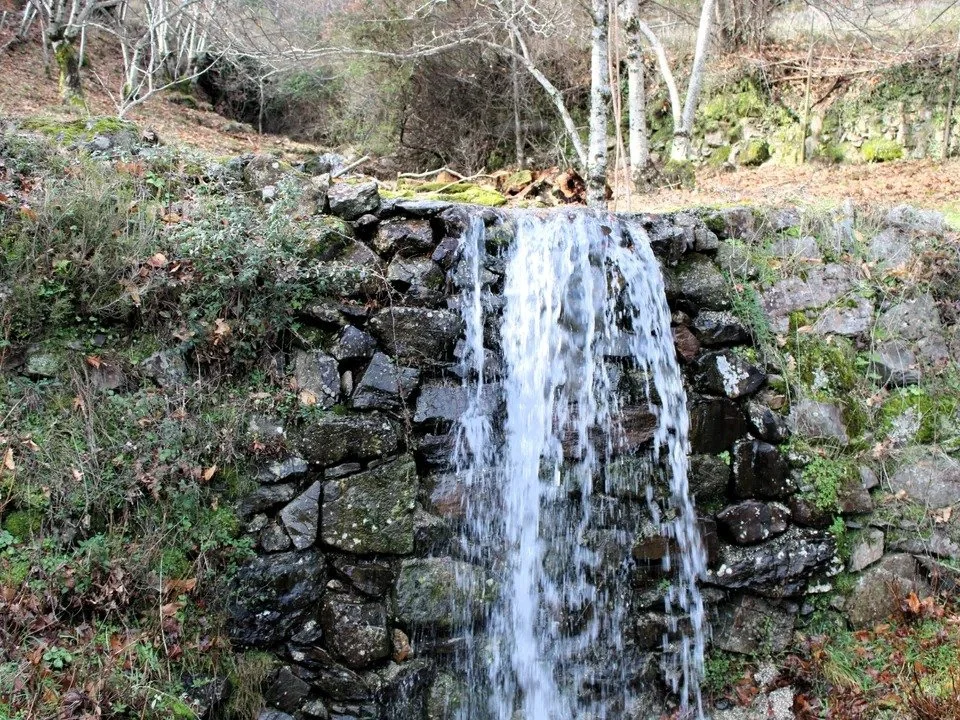
The waterfalls are a major value driver, so their legal and physical relationship to the property must be confirmed.
A spring that "arrives from the mountain source" may not automatically give the owner unrestricted use rights.
Portugal's Agência Portuguesa do Ambiente states that certain uses of public and private water resources require a valid use title, and APA's SILiAmb system is used for licensing and managing water-resource applications.
Water for visual amenity is different from water used for consumption, agriculture or domestic systems.
"Spring water" sounds wholesome, but buyers need evidence that it is safe for drinking, cooking and washing.
Mountain sources can behave very differently in dry months, when water demand and fire risk may be higher.
Rural water resilience often depends on storage, filtration and pump reliability, not just the existence of a source.
A mains connection gives fallback security if the spring becomes seasonal, contaminated or restricted.
The buyer needs to understand the cost and maintenance burden of making water usable inside the home.
Shared water sources can create disputes over flow, access, maintenance and permitted use.
Watercourse alteration can trigger environmental, hydrological and municipal controls.
A stream with waterfalls is beautiful, but storm events can turn a lifestyle feature into a practical liability.
Flood mapping can affect insurability, resale, future works and renovation planning.
Maintenance duties may sit with the owner even when the watercourse itself is subject to public regulation.
Land Boundaries, Woodland and Adjacent Parcel
This is the core document needed to match the listing description against the legal reality.
The listing's wording could imply added value, but the buyer must confirm it forms part of the sale.
Rural land may sit under separate tax and registry articles, which affects ownership, taxes and future use.
A separate or non-contiguous parcel may have less practical value than a connected extension of the property.
Access rights can materially affect privacy, use, fencing, maintenance and resale value.
The tax and planning classification can affect what can be built, renovated, cultivated or used commercially.
The PDM determines permitted land uses, rural restrictions, building limits and possible expansion constraints.
Tree clearance and riparian vegetation management can be controlled by forestry, environmental and municipal rules.
"Chestnut woodland" may be mainly atmospheric, commercially productive, or in need of management.
Managed woodland may create small-income potential, but it may also carry maintenance and fire-prevention obligations.
Woodland can be an asset, but neglected rural land can become expensive to maintain.
Rural boundaries can be unclear on the ground, especially where terraces, woodland and watercourses overlap.
Legal Documents, Registry and Habitation
The caderneta predial confirms the tax description, owner, areas, matrix article and fiscal characteristics of the property.
The land registry certificate shows the ownership history and whether there are pending charges or encumbrances.
Any mismatch should be resolved before offer, because it can delay completion or weaken title clarity.
The use licence confirms the legal use of the property and is a key sale document in Portugal.
A charming interior is not enough if the built layout differs from approved municipal records.
Extra spaces can create legalisation risk if they were built or converted without permission.
These issues can delay completion, increase costs or make financing harder.
Refurbishment, Structure and Remaining Works
"Refurbished" needs to be translated into actual scope: roof, electrics, plumbing, windows, kitchen, bathrooms and finishes.
Documentation helps separate proper upgrades from cosmetic presentation.
Rural homes can contain older wiring, and safe electrical systems matter for insurance, rental use and future works.
Water pressure, pipe condition and drainage reliability are central to comfort and maintenance costs.
A buyer needs a written list, not a vague reassurance, to price the remaining work accurately.
"Cosmetic" can sometimes hide medium-sized costs.
Costed quotes give the buyer a rational basis for negotiation.
Roof repairs can be one of the largest rural-house costs, especially in older country properties.
Fireplaces, timber elements, rural humidity and older stone construction require careful inspection.
If fireplaces are part of the heating strategy, safety and draw performance are essential.
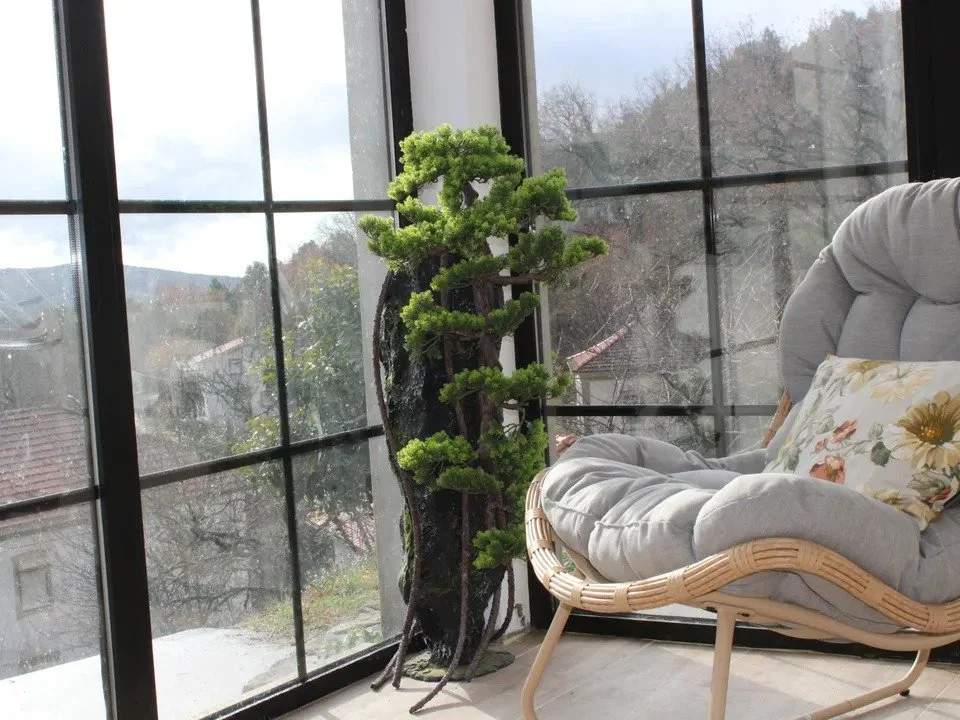
A winter garden may be a valuable living space or a lightly enclosed add-on requiring maintenance.
Energy, Heating and Comfort
Portuguese properties advertised for sale or rent generally require an energy certificate, which includes the energy class and improvement recommendations.
The recommendations help estimate future insulation, window, heating or hot-water upgrades.
Fireplaces may be atmospheric but inefficient for whole-house heating.
Winter comfort in Central Portugal can be a major practical factor, especially in stone or rural houses.
Window performance affects heat loss, condensation, sound, comfort and running costs.
A visually refurbished property can still perform poorly if roof, wall and floor insulation were not addressed.
Running costs help convert the energy certificate into real household budgeting.
Utilities, Drainage, Access and Neighbours
Septic compliance is especially important near streams, springs and watercourses.
A failing septic system near water features can create environmental, legal and health problems.
Water contamination risk must be treated seriously where private water sources are involved.
Rural-retreat appeal is stronger if the property can support remote work and modern living.
Connectivity matters for safety, guests, remote work and daily practicality.
Rural access may look fine in photographs but behave differently across seasons.
Road ownership affects maintenance responsibility and dispute risk.
Guest parking matters for rentals, family visits and rural practicality.
The character of the hamlet affects privacy, security and year-round atmosphere.
Even where there is no condominium, rural homes can still involve shared maintenance arrangements.
Rental Potential and Rural-Retreat Use
Existing registration can materially affect rental readiness, but it still needs to be checked for validity and transferability.
Since Decree-Law No. 76/2024, Portuguese municipalities have greater powers to regulate local accommodation, including restrictions in containment areas and registration conditions.
The correct rental category affects requirements, capacity, safety obligations and marketing.
AL registration requires more than tourist demand, including operational compliance and insurance.
Actual performance is stronger than generic yield claims.
The property may be strongest in spring, summer and autumn rather than fully year-round.
A rural rental only works if guest turnover and emergency support can be managed reliably.
Water features and wooded land are attractive, but rental use may require signage, safety measures and insurance review.
Negotiation Intelligence
Buyer Leverage
Medium-High
Key Drivers
Typical Negotiation Range
5-15% below asking
Neutral Phrasing Examples
Country Layer
Portugal (Regulatory Context April 2026)
Portugal property due diligence is document-led. For this Castanheira de Pera house, the buyer should request the certidão do registo predial, caderneta predial, licença de utilização, approved plans where available and the full Certificado Energético.
Viewing Strategy
Arrive prepared to walk the property slowly, not just tour the house.
Next Step
Verify from the listing:
Water rights, stream status and spring use
Confirm whether the stream, waterfalls and spring are legally included in the property title, whether the watercourse is public or private, and whether any APA licence or authorisation is required for water use.
Adjacent parcel, woodland and boundaries
Request the cadastral plan, caderneta predial and registo predial showing the house, garage, garden, chestnut woodland, stream, waterfalls and recently acquired adjacent land parcel.
Flood risk and drainage resilience
Ask whether the house, garage, access road or terraces have ever flooded, and check municipal or APA flood-risk information before treating the stream and waterfalls purely as lifestyle features.
Energy Class E and winter comfort
Request the full Certificado Energético, heating-cost history and details of windows, insulation, fireplaces and any additional heating systems so the Class E rating can be understood properly.
Remaining works and refurbishment evidence
Ask for a written list of the cosmetic finishing work still required, estimated costs, renovation invoices and any transferable guarantees for roof, electrical, plumbing, windows, kitchen and fireplace works.
A prepared buyer should approach the agent calmly and frame questions as due diligence. For example: “To help me assess the property properly and prepare a serious offer, could you share the water-use documentation, cadastral plan, registry documents, energy certificate and a written list of the remaining finishing works?”
Because this is a rural Castanheira de Pera property where water rights, land boundaries, energy performance and finishing costs all materially affect value, run it through the Property Risk Assessment to test the legal and site-specific risk profile, or use the European Property Energy Risk Assessor to assess the implications of the Class E rating before contacting the agent.
Disclaimer: The Property Drop is buyer-focused intelligence, zero sales agenda. We curate exceptional properties, in southern Europe, from third-party agents and arm you with decision tools. No commission, no transactions, no agent partnerships, no skin in the game beyond helping you choose wisely. Information stays accurate until it doesn't (properties sell, prices shift, markets move). Everything here is shared for informational purposes only and should not be treated as legal, financial, or investment advice. Images belong to original agents. Read our Terms of Service to learn more.
Buyer Intelligence:
This assessment provides general guidance based on common risk factors and publicly available regulatory information. Risk scores and checklist items are indicative only and must not be considered legal, financial, structural, or surveying advice. Actual property conditions, costs, and regulatory requirements vary significantly by location, property age, and specific circumstances. Regulations are subject to change; always verify current requirements with qualified local professionals before making any purchasing decision.
The Property Drop provides buyer intelligence and educational research analysis only. The Property Drop does not act as an estate agent, intermediary, or advisor in any transaction and does not facilitate introductions, negotiations, or transactions. Always engage qualified independent professionals including local lawyers, surveyors, architects, and tax advisors for comprehensive due diligence specific to your property.
IMPORTANT REMINDER: When contacting property agents featured on The Property Drop, you are entering into direct communication with third parties. It's recommended that you verify all property details independently, conduct thorough due diligence, engage qualified professionals (solicitors, surveyors, financial advisors), understand your rights and obligations under local property laws, and never send money or make commitments without proper legal protection.

The Buyer Playbook: 1-Bed Renovated Alentejo House with Patio and Plunge Pool, São Marcos do Campo, Portugal, €159,000
The Buyer Playbook: 7-Bed Character Château with Outbuildings and Wooded Garden, Noailles, France, €535,000
Questions ready for the agent?
The agent represents the seller.
What you ask shapes the answers you get.