
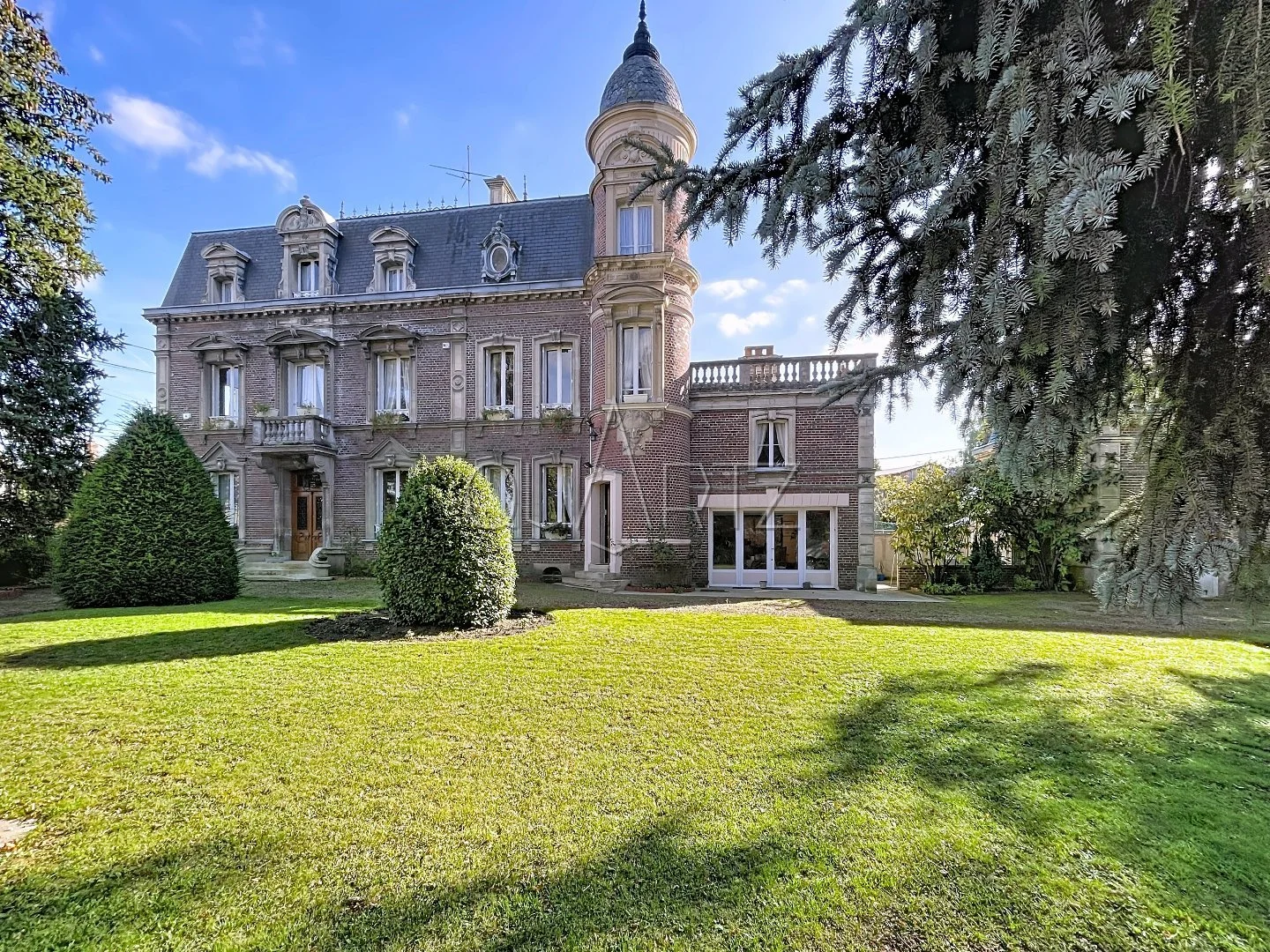
The Buyer Playbook: 7-Bed Character Château with Outbuildings and Wooded Garden, Noailles, France, €535,000
Buyer Playbook
Pre-Viewing Intelligence Report
This independent buyer guidance report relates to this specific property located in France. It is provided for informational purposes only and does not constitute legal, tax, structural or survey advice. Planning, habitability, water, rental, commercial use, outbuilding conversion, heritage, woodland and land-use matters must always be verified with qualified French professionals such as a notaire, avocat, architecte, géomètre-expert, diagnostiqueur, surveyor, planning consultant, and with the mairie de Noailles and relevant local authorities. This report is designed to help buyers evaluate the property before arranging a viewing or making an offer. It highlights due diligence areas and targeted questions to ask the estate agent. The analysis is based on the listing details supplied, the Buyer Playbook structure provided for The Property Drop, and publicly available regulatory context at the time of writing.
Playbook Contents
Property Snapshot
Location
Noailles area, Oise, Hauts-de-France, France
Property type
Character château / large country residence
Bedrooms
7
Asking Price
€535,000
Energy rating
Class E
Key features
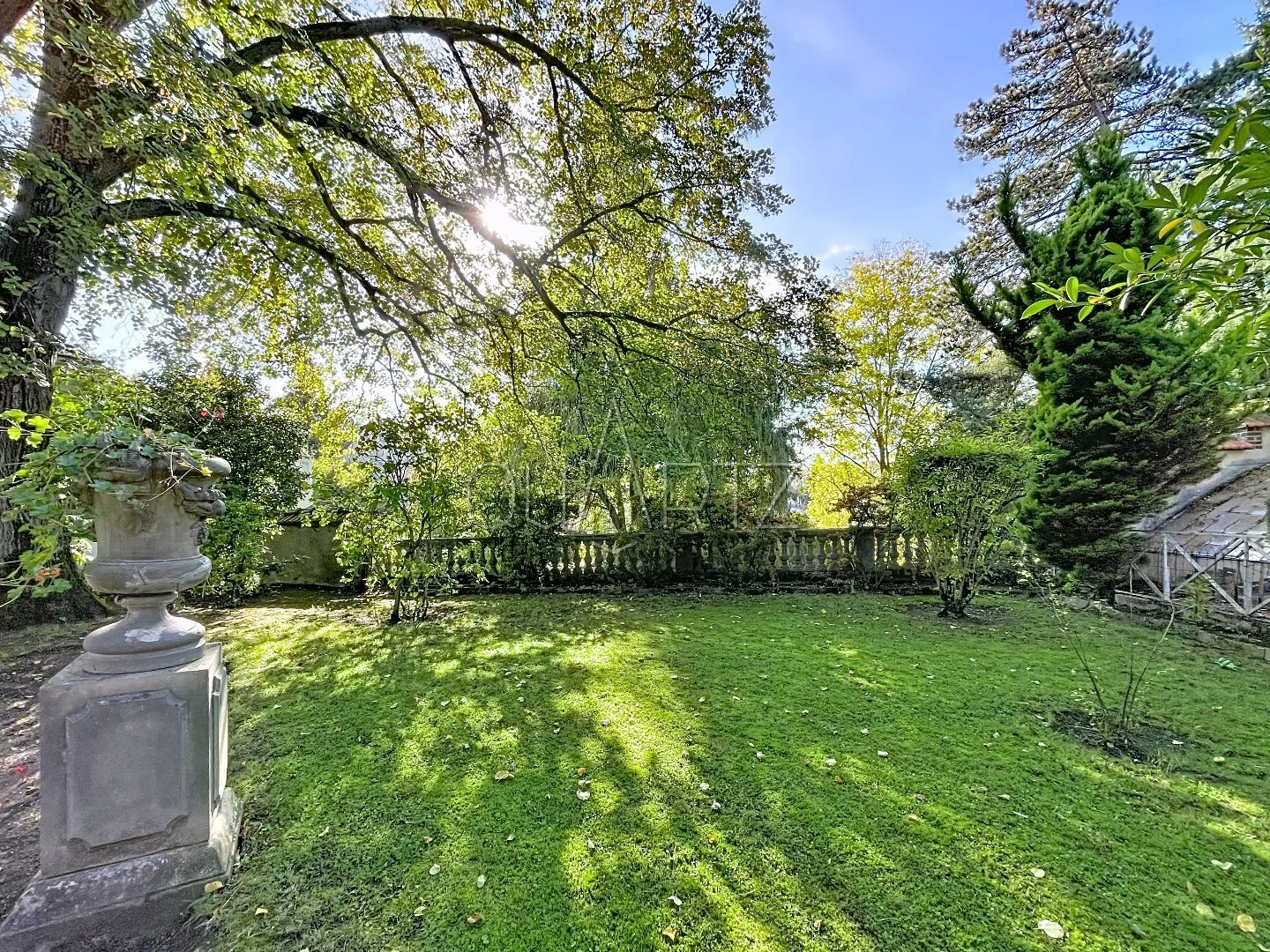
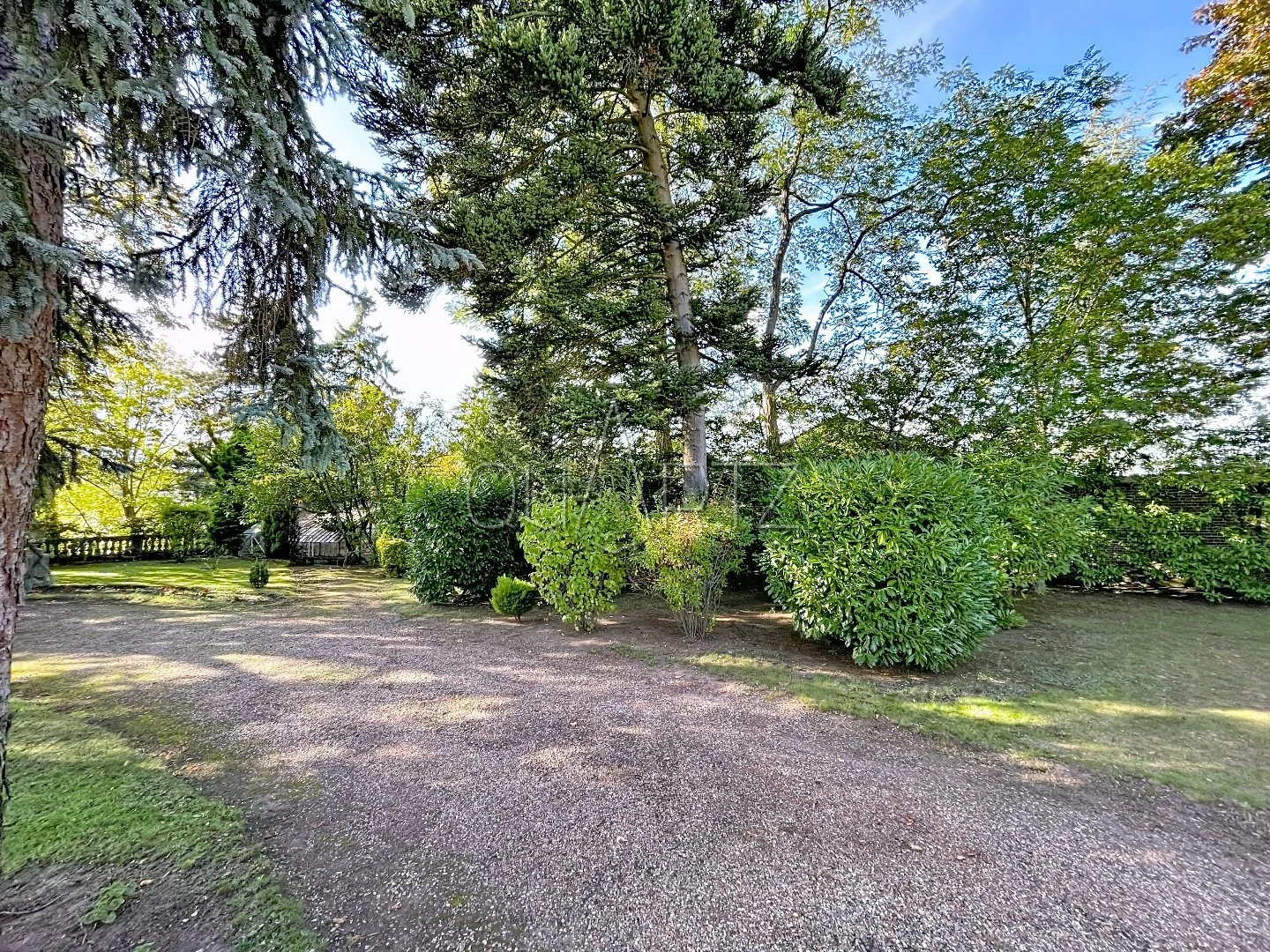
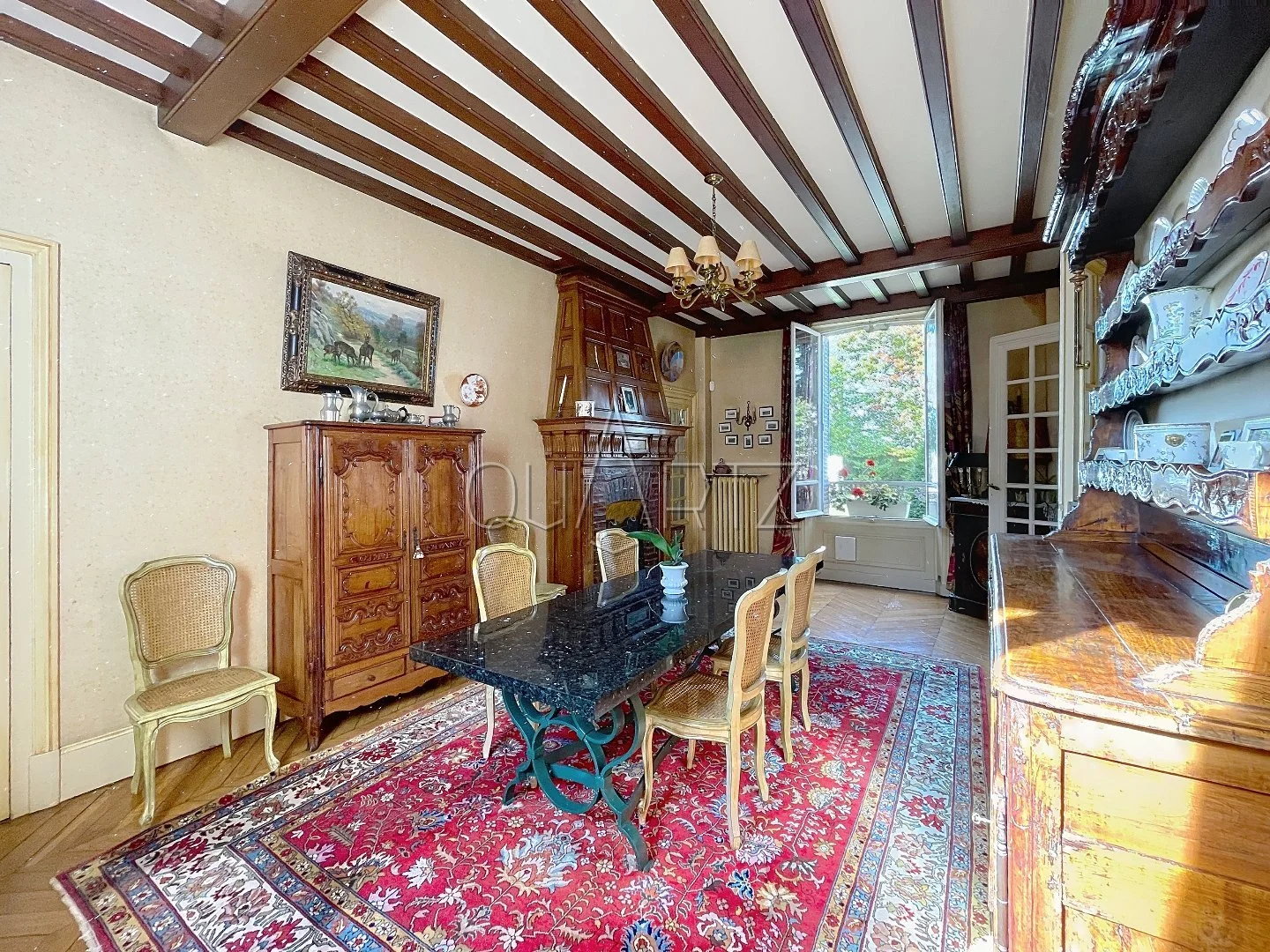
Multiple fireplaces, vaulted cellar, wooded garden
Outbuildings
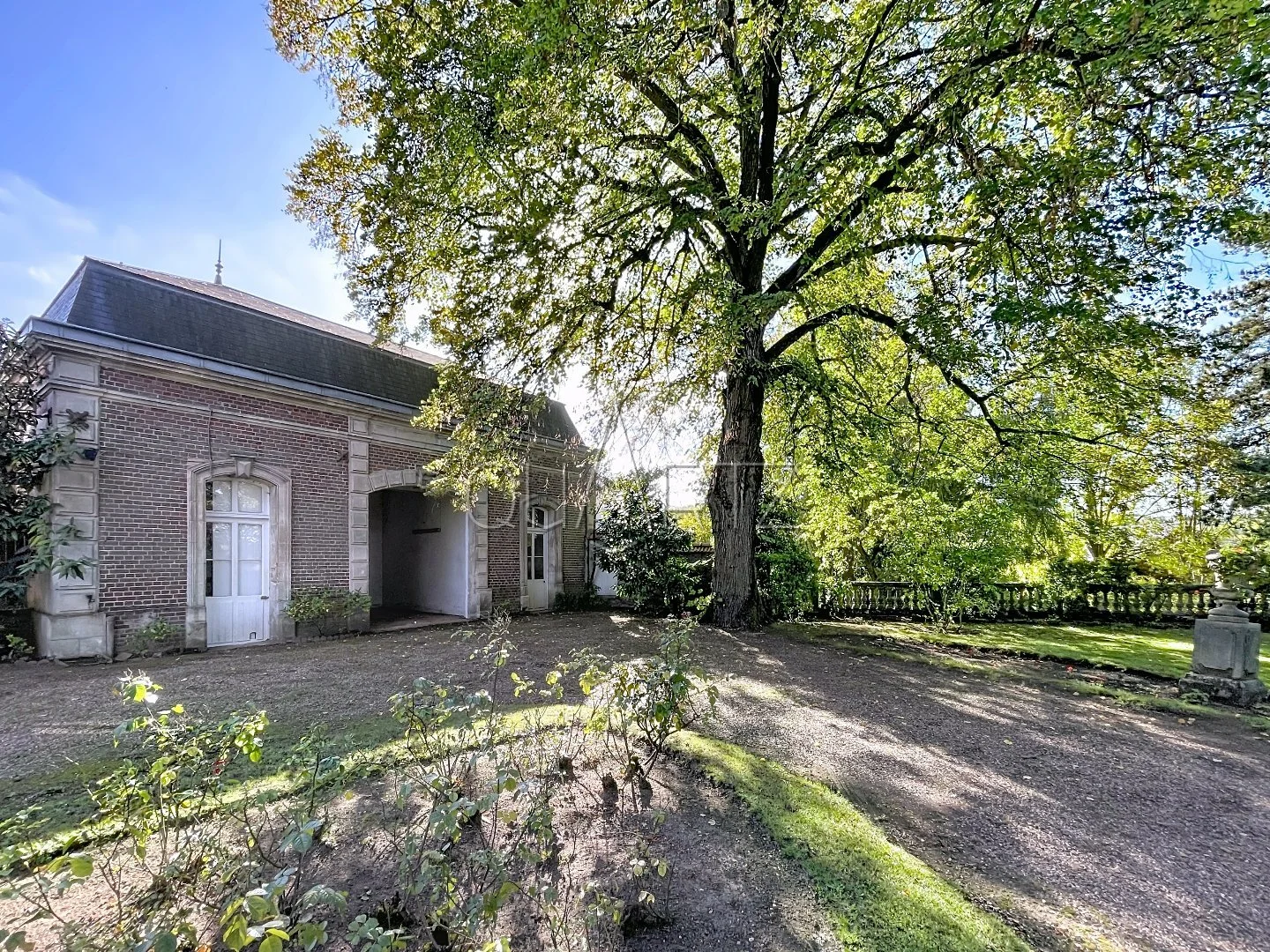
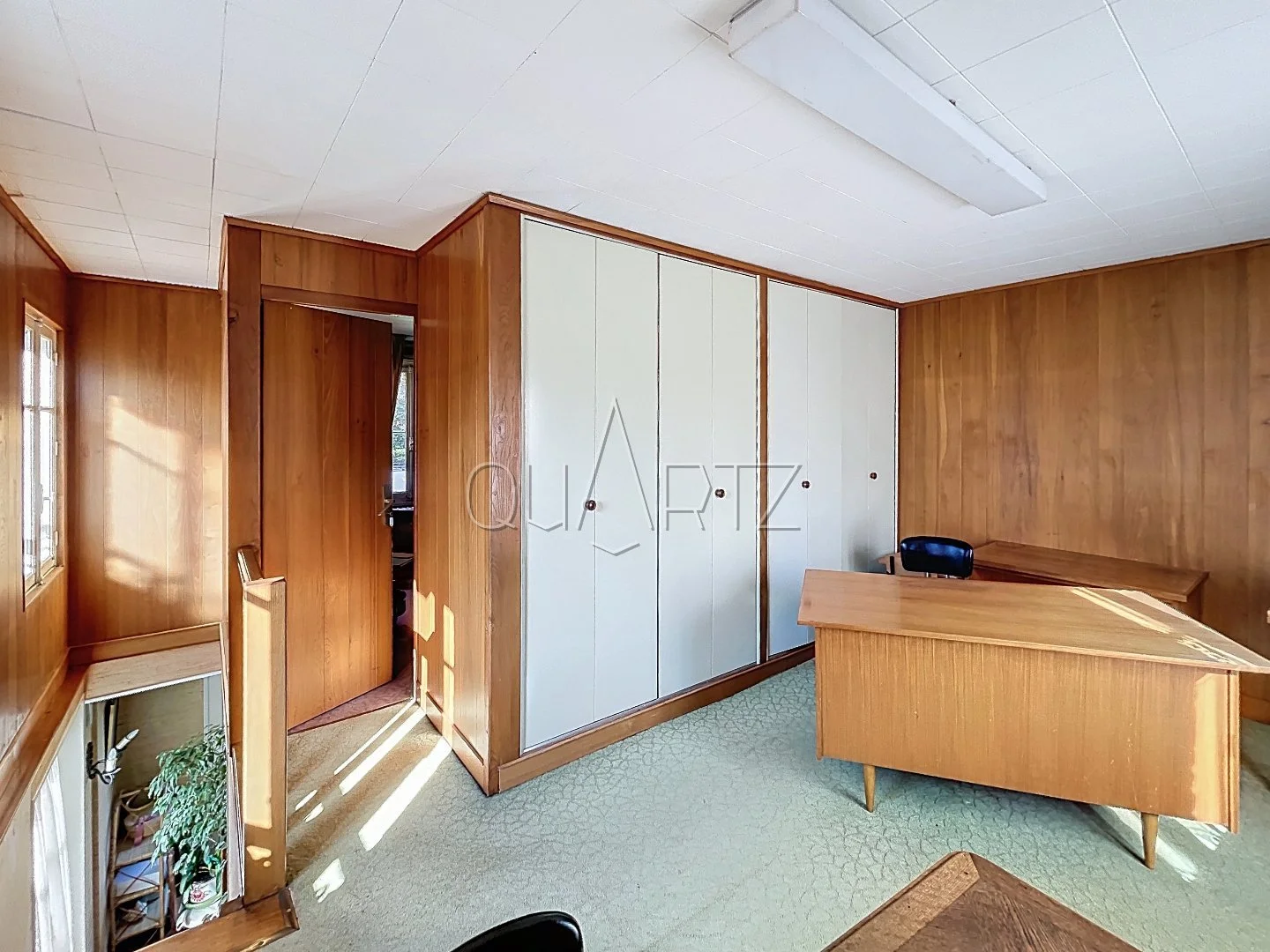
62 m² outbuilding configured as reception area and offices
Additional buildings
Convertible annexe, garages, workshop and greenhouse
Lifestyle angle
Large family home, semi-rural retreat, business premises, hospitality venture or guest accommodation project
Main due diligence theme
Legal status and authorised use of the outbuildings, condition of the château and annexes, energy performance, drainage, planning, land boundaries and commercial/rental potential
Risk Radar
Overview
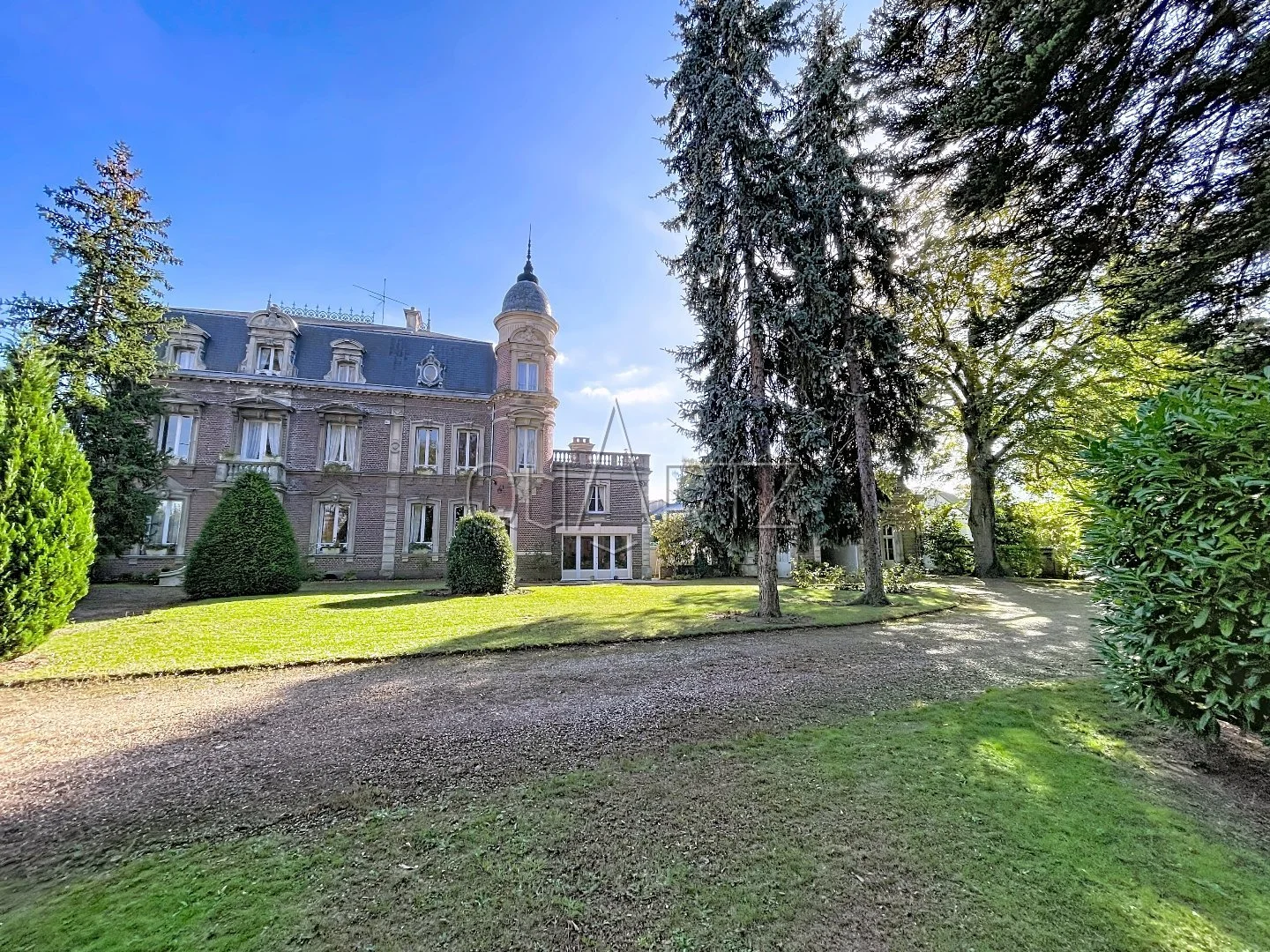
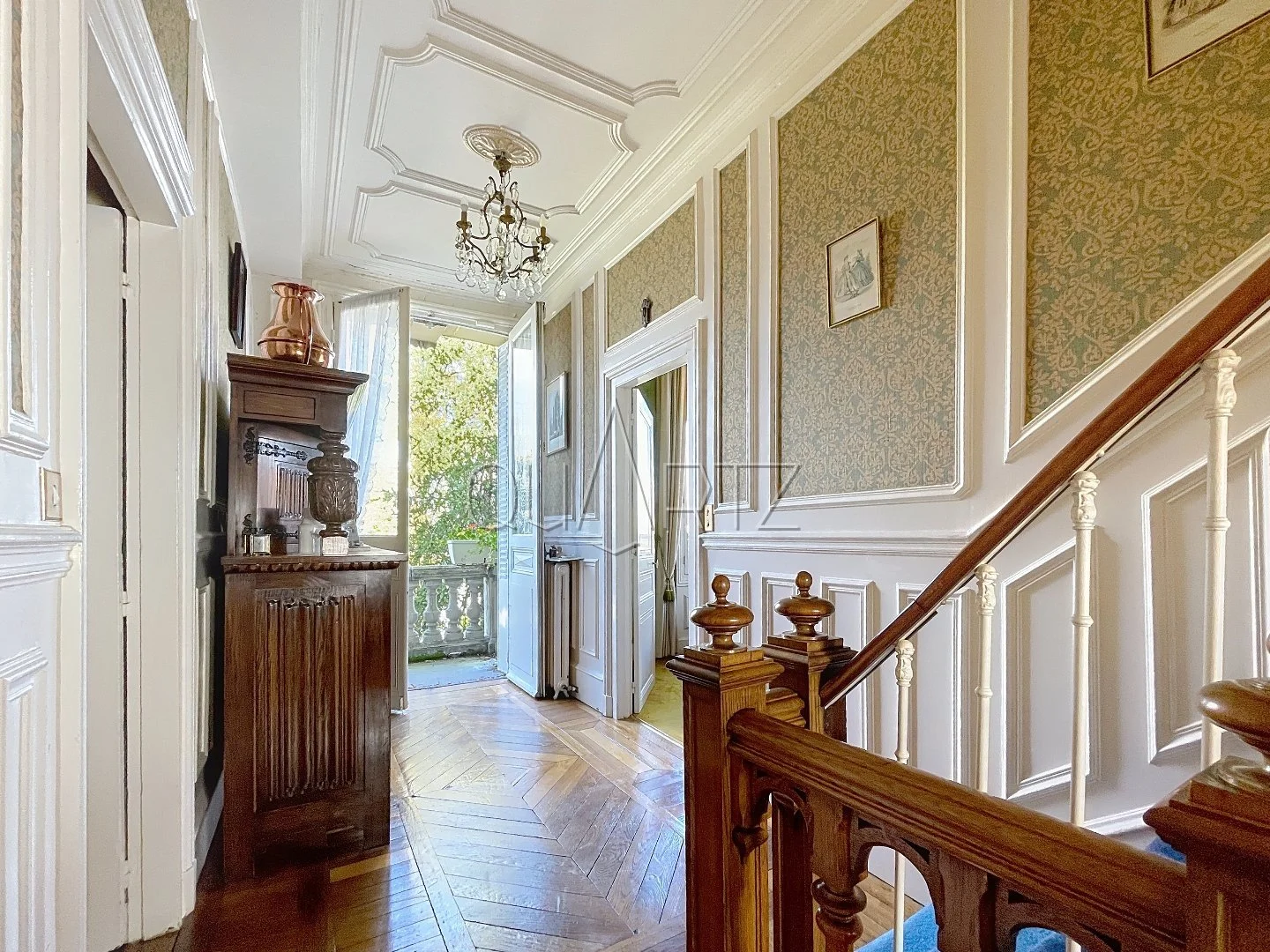
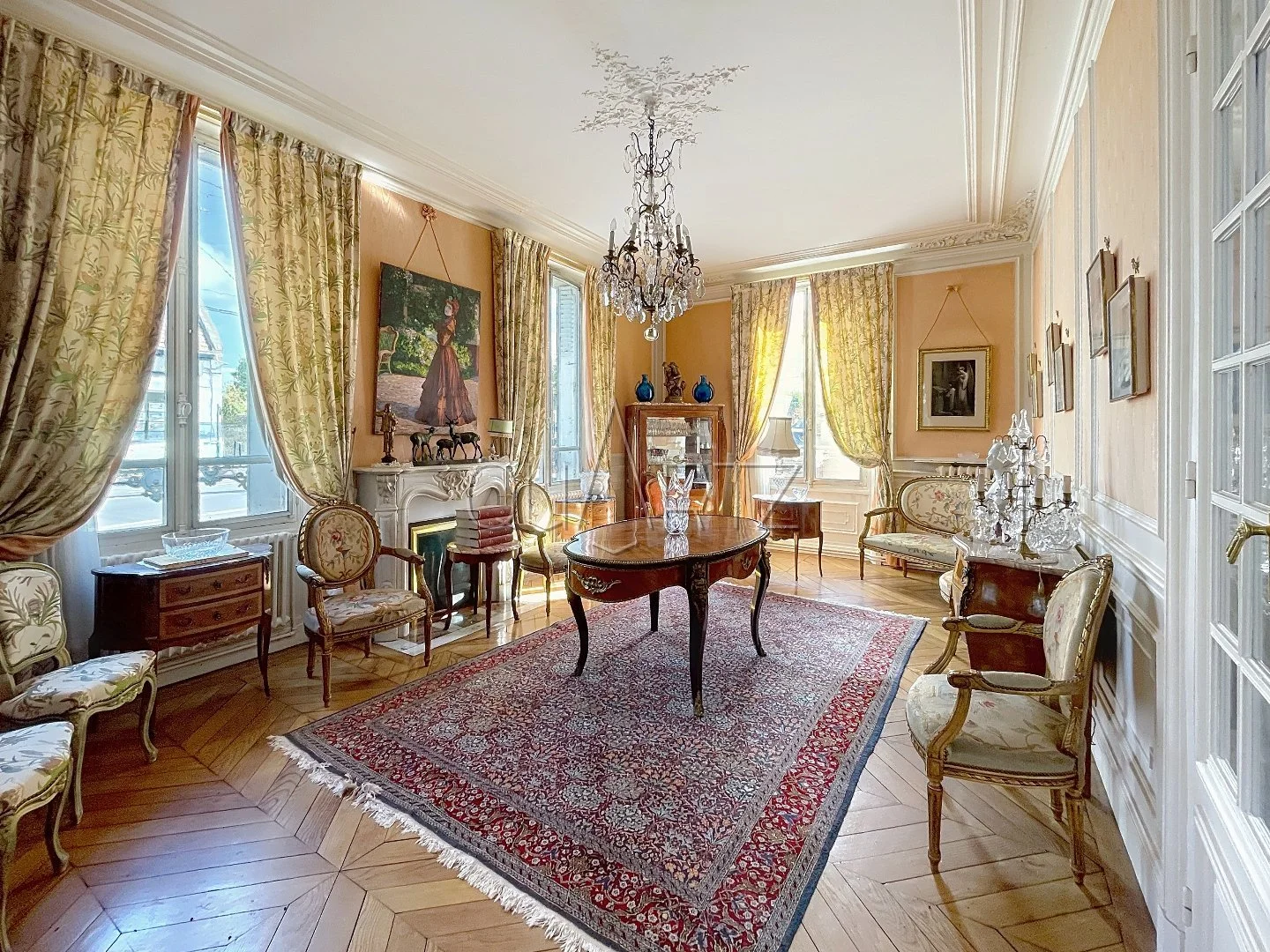
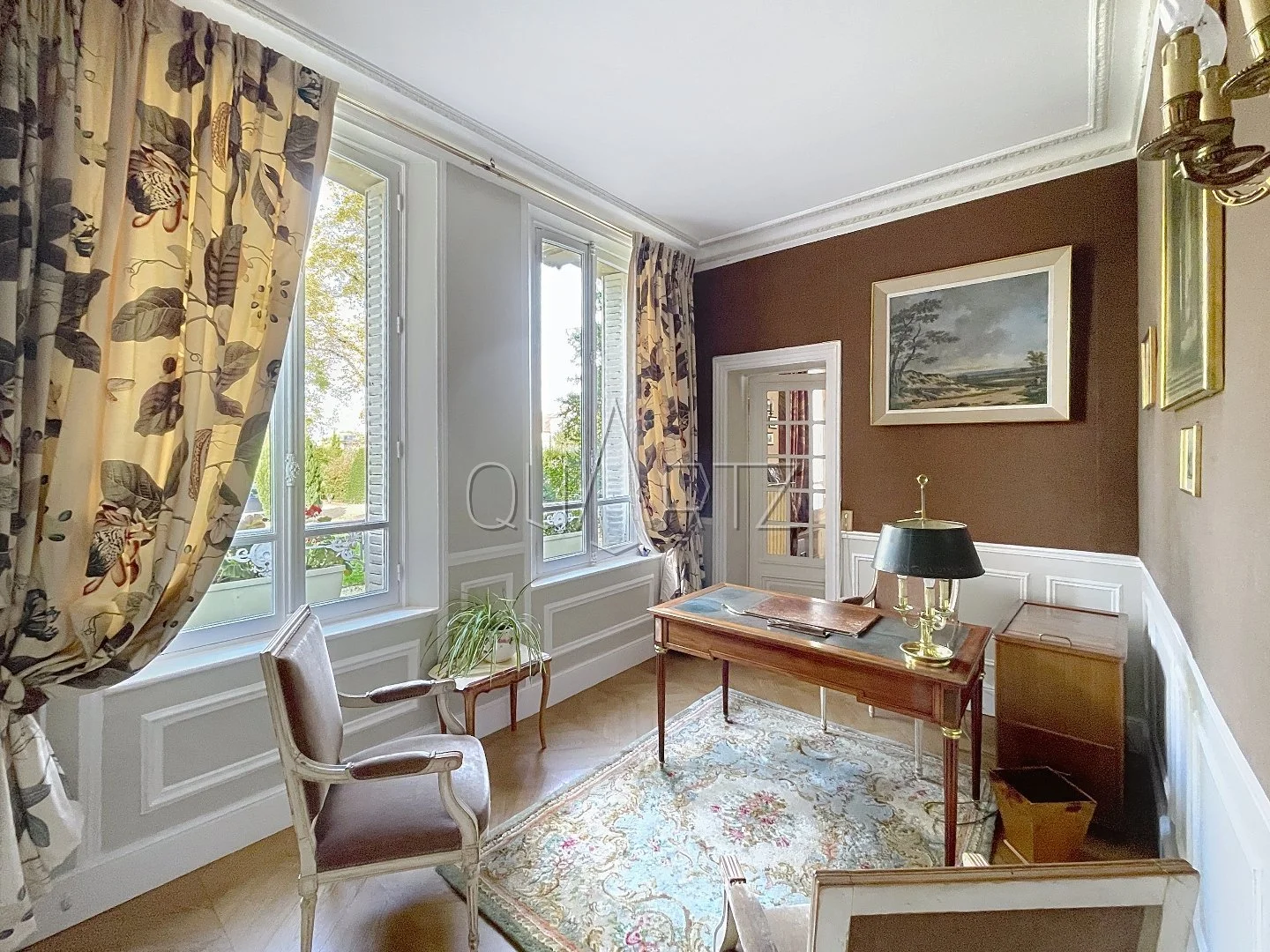
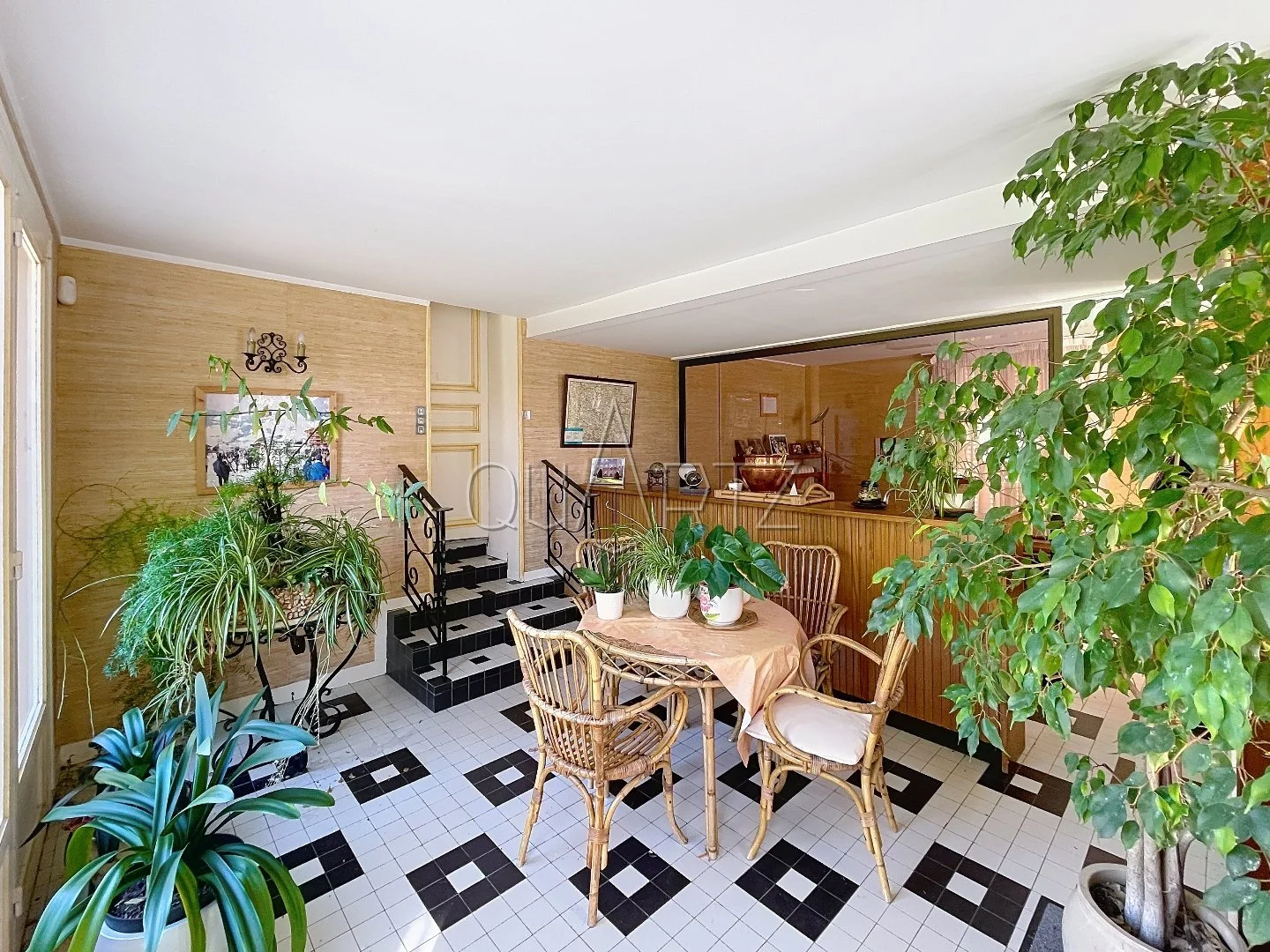
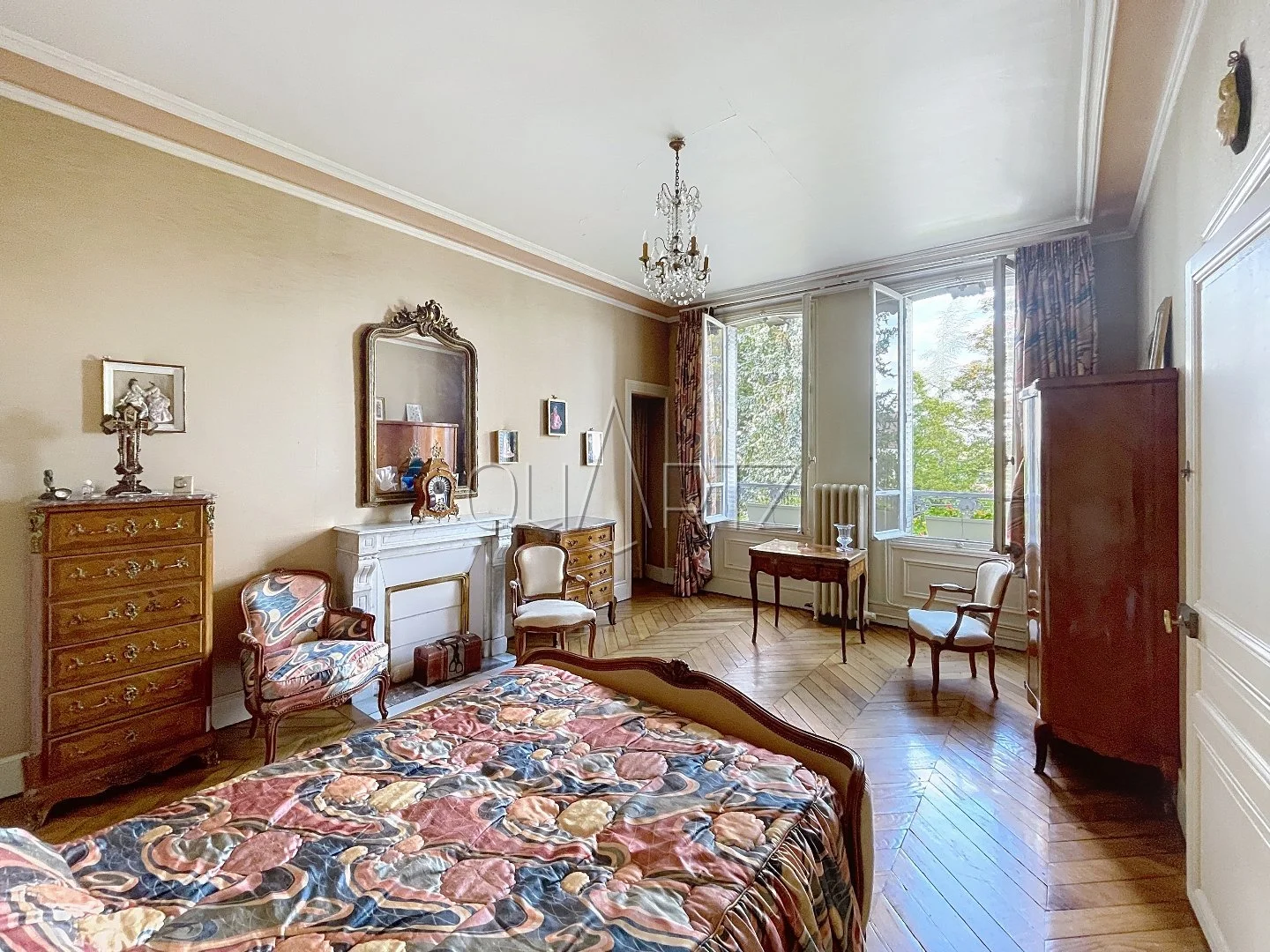
This Noailles château has the kind of ingredients that make buyers pause scrolling: seven bedrooms, character features, grand fireplaces, vaulted cellars, wooded grounds and a suite of outbuildings that could support far more than standard family use. The 62 m² reception and office building is especially important because it suggests existing business functionality, but it also raises the most important legal question: is that use fully authorised, documented and transferable?
The value of this property does not sit only in the main château. It sits in the total package: main residence, annexe, garages, workshop, greenhouse, cellar, garden and potential future uses. That means the buyer needs to verify title, cadastre, planning history, permitted uses, drainage capacity, building condition, energy performance, and whether the property can realistically support a family compound, workspace, gîte, chambres d'hôtes, retreat venue or event-led business.
The Energy Class E rating is not automatically fatal, but on a large older property it needs serious modelling. Heating a château with fireplaces alone is rarely practical for modern year-round use. The buyer should request the full DPE, actual annual bills, heating system details and any recommendations for insulation, glazing or heating upgrades. In France, the DDT is a core sale document and the DPE sits within that wider diagnostics pack. Notaires de France explains that mandatory technical diagnostics are grouped in the Dossier de Diagnostic Technique and annexed to sale agreements.
Targeted Questions
Legal Status, Title and Cadastre
The listing references several buildings and a wooded garden, so the buyer needs confirmation that every structure and all land are included in the sale.
The listing mentions a wooded garden but does not specify the land size, which affects value, maintenance, privacy and future use.
The listing gives bedroom count and outbuilding size, but the buyer needs the legally recognised living area to compare value accurately.
Buildings not properly recorded can create planning, insurance, resale and conversion problems.
A rural château with multiple buildings may have historic access arrangements that are not obvious during a viewing.
Split parcels can affect taxation, future resale, boundary management and development potential.
It appears to be standalone, but confirmation is important because copropriété rules can affect maintenance, charges, business use and alterations.
Outbuildings, Annexes and Authorised Use
The buyer needs to know whether this is legally authorised as office, commercial, ancillary residential or another use.
In France, changing the destination of a building may require a déclaration préalable or permis de construire depending on the works and whether the façade or structure is altered.
Documentary proof is stronger than verbal reassurance and is essential before valuing the business-use potential.
A usable office or reception area has a very different value from an attractive but minimally serviced outbuilding.
"Convertible" is not the same as "legally habitable", and conversion costs depend heavily on current classification.
The buyer should not price future income potential into the offer unless conversion feasibility is verified.
Garage conversion can be attractive, but insulation, floor levels, openings, drainage and planning status may complicate it.
A workshop can be valuable for maintenance, craft use or business operations, but may need safety checks, power upgrades or planning review.
Even smaller structures can matter if they sit within protected or restricted land.
Planning, Heritage and Local Permissions
Heritage or protected-area status can affect roof works, window replacement, façade changes, extensions, signage and outbuilding conversion.
For works near monuments historiques or in protected settings, ABF involvement can shape permissions and design requirements.
A certificat d'urbanisme helps clarify planning rules, services, constraints and potential future uses before a buyer commits.
Existing irregularities can transfer practical risk to the buyer, especially where multiple buildings have been adapted.
Exterior changes can require prior approval, especially on older character properties.
The property's business potential depends on the local plan, not only on the seller's current use.
Building Condition and Structural Integrity
Roof repairs on large historic properties can be expensive and may affect negotiation.
Buyers often focus on the main house, but outbuilding roofs can carry major deferred-maintenance costs.
Older château buildings can be robust, but movement should be assessed before any offer is finalised.
Fireplaces, thick walls, cellars and older construction can hide moisture problems.
The character features and older timbers may require specialist inspection.
Recent structural, roofing, electrical or renovation work may be covered by French ten-year building insurance if properly carried out.
This encourages the agent to reveal practical weaknesses without requiring an adversarial tone.
Energy, Heating and Running Costs
The full report should show estimated energy costs, emissions, heating assumptions and recommended upgrades.
A large château with Class E performance may have very different real costs depending on occupancy and heating habits.
Fireplaces may add charm, but the buyer needs to know how the building is practically heated in winter.
Decorative fireplaces and working fireplaces have different maintenance, safety and insurance implications.
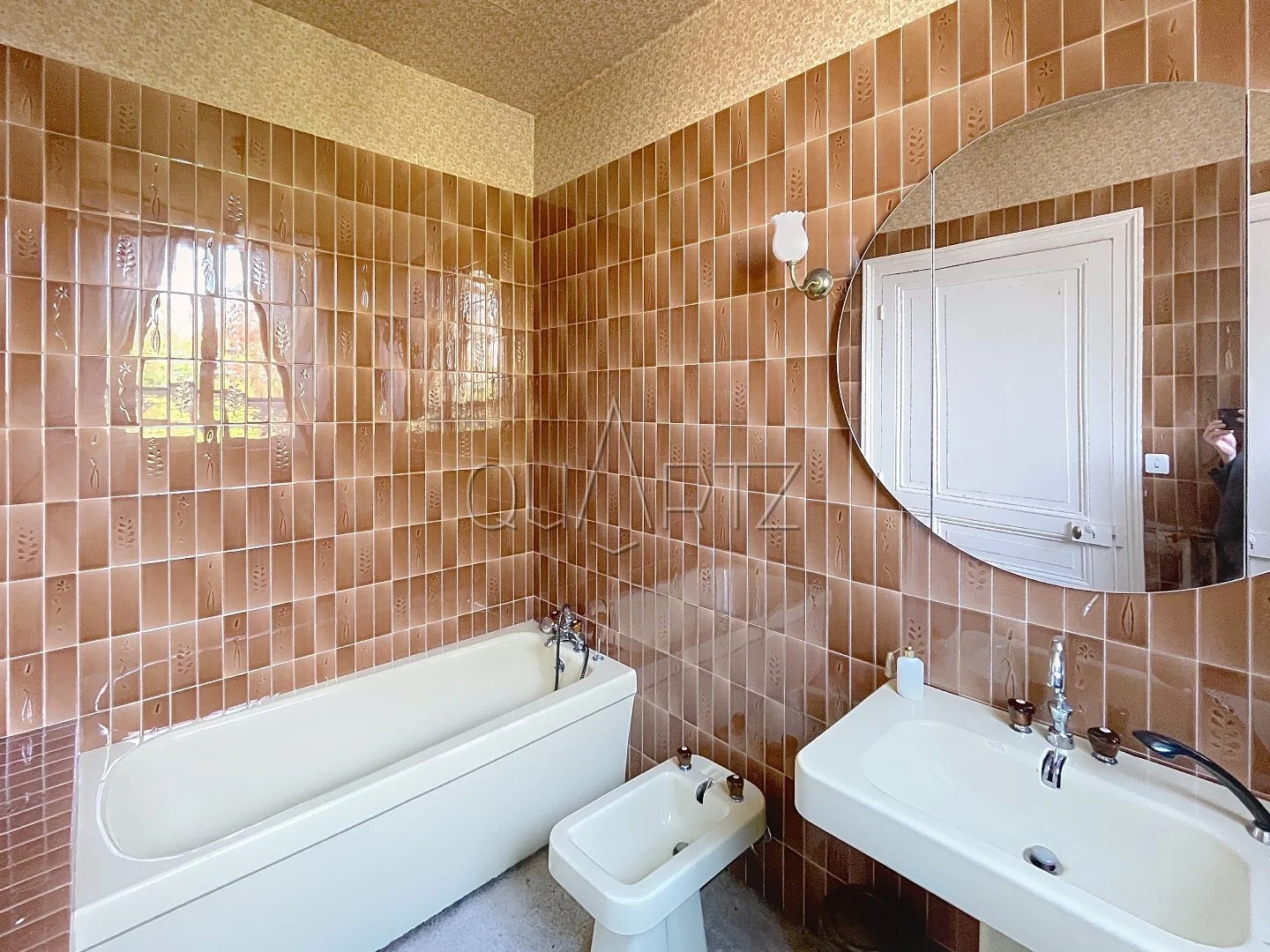
Window condition has a major impact on comfort, heat loss and future renovation cost.
Energy upgrades on historic properties can be complex, particularly where character features must be preserved.
France has phased restrictions on energy-inefficient rental housing, with G-rated homes already affected from 2025, F from 2028 and E from 2034.
Cellars, Drainage and Water
A vaulted cellar can be a useful asset, but damp, ventilation and water ingress must be checked carefully.
Cellar moisture can indicate broader drainage or groundwater issues.
Rural and semi-rural properties may rely on non-collective sanitation, which must be checked carefully.
Where a dwelling is not connected to the public wastewater system, the seller must provide the sanitation diagnosis to the buyer.
A system that is adequate for current use may not be adequate for expanded hospitality use.
Water features can create rights, maintenance and safety obligations.
Land, Wooded Garden and Boundaries
The buyer needs to understand exactly what is being bought and where responsibilities begin and end.
A wooded garden can be beautiful, but tree management may be regulated or expensive.
Mature trees near old buildings can affect roofs, gutters, walls and drainage.
Woodland and large gardens can require more time and budget than buyers expect.
Noise, odour, traffic or future development could affect lifestyle and resale value.
Access, Garages and Practical Use
Private access can create maintenance costs and disputes if responsibilities are unclear.
Rural access can look simple in good weather but become difficult in winter.
A seven-bedroom property with business or guest potential needs more than nominal parking.
Older garages can be narrow or unsuitable for modern use.
Commercial and hospitality use depends on practical access as much as building appeal.
Rental, Hospitality and Commercial Potential
Existing use history can support valuation, but the buyer should request proof, not anecdotes.
In France, furnished tourist accommodation generally requires mairie declaration, and local rules can vary.
Rural areas may be less restrictive than major cities, but mairie confirmation is essential.
Its current layout may not equal full permission for public-facing business use.
Event use can trigger stricter safety, accessibility, fire and neighbourhood considerations.
The buyer should separate romantic château potential from evidence-based income modelling.
Local demand near Paris, Beauvais and Chantilly may be attractive, but pricing should be market-tested.
Included assets can reduce start-up costs if the buyer plans immediate use.
Location, Connectivity and Daily Life
Remote work, guest accommodation and business use all require reliable connectivity.
Thick walls and rural settings can weaken signal, affecting daily life and guest experience.
The property may feel close to Paris on paper, but daily convenience depends on local services.
A 70 km distance is only useful if the route works for the buyer's lifestyle.
A large older property needs both everyday services and reliable maintenance support.
Negotiation Intelligence
Buyer Leverage
Medium-High
Key Drivers
Typical Negotiation Range
5-15% below asking
Neutral Phrasing Examples
Country Layer
France (Regulatory Context April 2026)
For a French property purchase, the buyer should expect the seller to provide the Dossier de Diagnostic Technique, commonly called the DDT.
Viewing Strategy
View this property as a main château plus a cluster of separate assets.
Next Step
Verify from the listing:
Legal status of the outbuildings
Request the cadastral plan, title deed and any planning documents confirming that the 62 m² reception and office building, convertible annexe, garages, workshop and greenhouse are included in the sale and legally authorised for their current or intended uses.
Energy Class E and heating reality
Ask for the full DPE, actual annual energy bills and a breakdown of the heating system so you can assess the true running costs of a large older château before relying on the headline energy rating.
Roof, structure, damp and cellar condition
Confirm the condition of the main roof, outbuilding roofs, vaulted cellar, timber elements, walls and foundations, and request invoices or warranties for any major works carried out in the last ten years.
Drainage and future capacity
Verify whether the property is connected to mains drainage or has a fosse septique, and if applicable request the latest SPANC report to confirm whether the system is compliant and suitable for seven bedrooms plus any future guest accommodation.
Commercial, hospitality and rental feasibility
Check with the mairie whether office use, gîte conversion, chambres d’hôtes, retreats or event hosting would require declaration, registration, planning consent, safety compliance or additional authorisation.
A prepared buyer should approach the agent calmly and frame questions as due diligence. For example: “To help me assess the property properly and prepare a serious offer, could you share the cadastral plan, full DDT including DPE and sanitation report, any planning documents for the outbuildings and annexe, and evidence confirming the current authorised use of the reception and office building?”
Because this is a character château where outbuilding legality, energy performance, drainage and business-use potential all materially affect value, run it through the Property Risk Assessment to test the main legal and practical risks, or use the Renovation Budget Planner to model the cost of heating upgrades, roof works, annexe conversion and outbuilding repairs before contacting the agent.
Disclaimer: The Property Drop is buyer-focused intelligence, zero sales agenda. We curate exceptional properties, in southern Europe, from third-party agents and arm you with decision tools. No commission, no transactions, no agent partnerships, no skin in the game beyond helping you choose wisely. Information stays accurate until it doesn't (properties sell, prices shift, markets move). Everything here is shared for informational purposes only and should not be treated as legal, financial, or investment advice. Images belong to original agents. Read our Terms of Service to learn more.
Buyer Intelligence:
This assessment provides general guidance based on common risk factors and publicly available regulatory information. Risk scores and checklist items are indicative only and must not be considered legal, financial, structural, or surveying advice. Actual property conditions, costs, and regulatory requirements vary significantly by location, property age, and specific circumstances. Regulations are subject to change; always verify current requirements with qualified local professionals before making any purchasing decision.
The Property Drop provides buyer intelligence and educational research analysis only. The Property Drop does not act as an estate agent, intermediary, or advisor in any transaction and does not facilitate introductions, negotiations, or transactions. Always engage qualified independent professionals including local lawyers, surveyors, architects, and tax advisors for comprehensive due diligence specific to your property.
IMPORTANT REMINDER: When contacting property agents featured on The Property Drop, you are entering into direct communication with third parties. It's recommended that you verify all property details independently, conduct thorough due diligence, engage qualified professionals (solicitors, surveyors, financial advisors), understand your rights and obligations under local property laws, and never send money or make commitments without proper legal protection.

The Buyer Playbook: 3-Bed Country House with Stream, Waterfalls, and Chestnut Woodland, Castanheira de Pera, Portugal, €227,000
The Buyer Playbook: 4-Bed Rustic Chalet with Pool, Outdoor Kitchen, and Countryside Views, Mula, Spain, €430,000
Questions ready for the agent?
The agent represents the seller.
What you ask shapes the answers you get.