The Buyer Playbook: 3-Bed Never-Lived-In Alentejo Villa with Annex, Grândola, Portugal, €390,000
Portugal Pre-Viewing Intelligence

Buyer Playbook

Pre-Viewing Intelligence Report

This independent buyer guidance report relates to this specific property located in Grândola, Alentejo, Portugal. It is provided for informational purposes only and does not constitute legal, tax, structural or survey advice. Planning, habitability, accessibility, water, drainage, rental, land-use, annex, title and building-compliance matters must always be verified with qualified Portuguese professionals, including an advogado, solicitador, arquiteto, engenheiro, surveyor or licensed property consultant, together with the Conservatória do Registo Predial and Câmara Municipal de Grândola. This report is designed to help buyers evaluate the property before arranging a viewing or making an offer. It highlights due diligence issues and targeted questions to ask the estate agent, particularly concerning the condition of a villa that has reportedly remained unoccupied since 1984, the legal status of the annex, the outstanding energy certificate and the extent of its claimed wheelchair accessibility. The analysis is based on the listing information and publicly available regulatory context at the time of writing.

Property Snapshot

Location

Main avenue, Grândola, Setúbal District, Alentejo, Portugal

Property type

Traditional detached or semi-detached villa, exact legal classification to be confirmed

Asking Price

€390,000

Construction date

Reportedly built in 1984

Occupancy history

Reportedly never lived in

Bedrooms

3

Internal area

Not confirmed in the supplied listing information

Bathrooms

Not confirmed

Additional space

Generously sized annex

Outdoor space

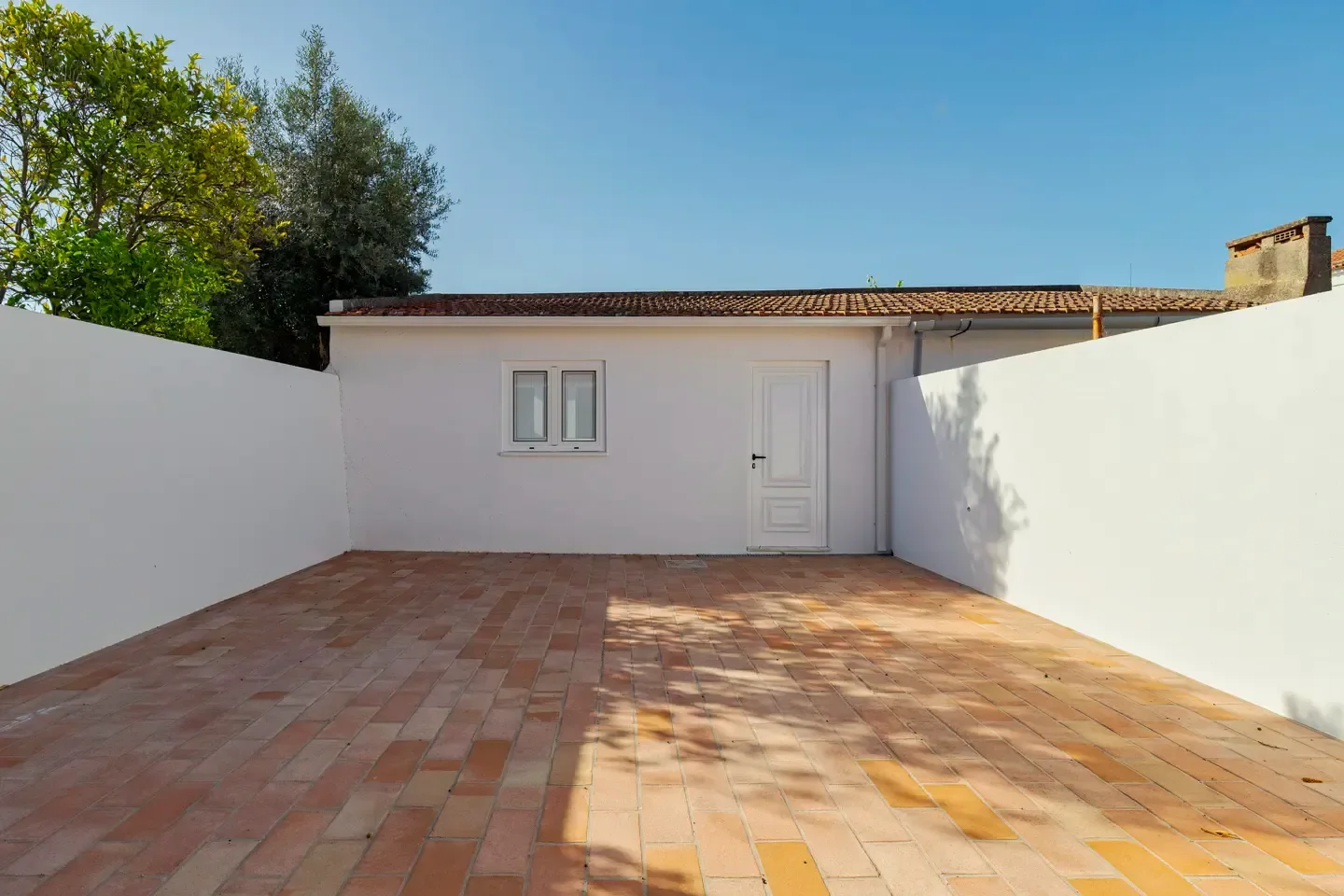
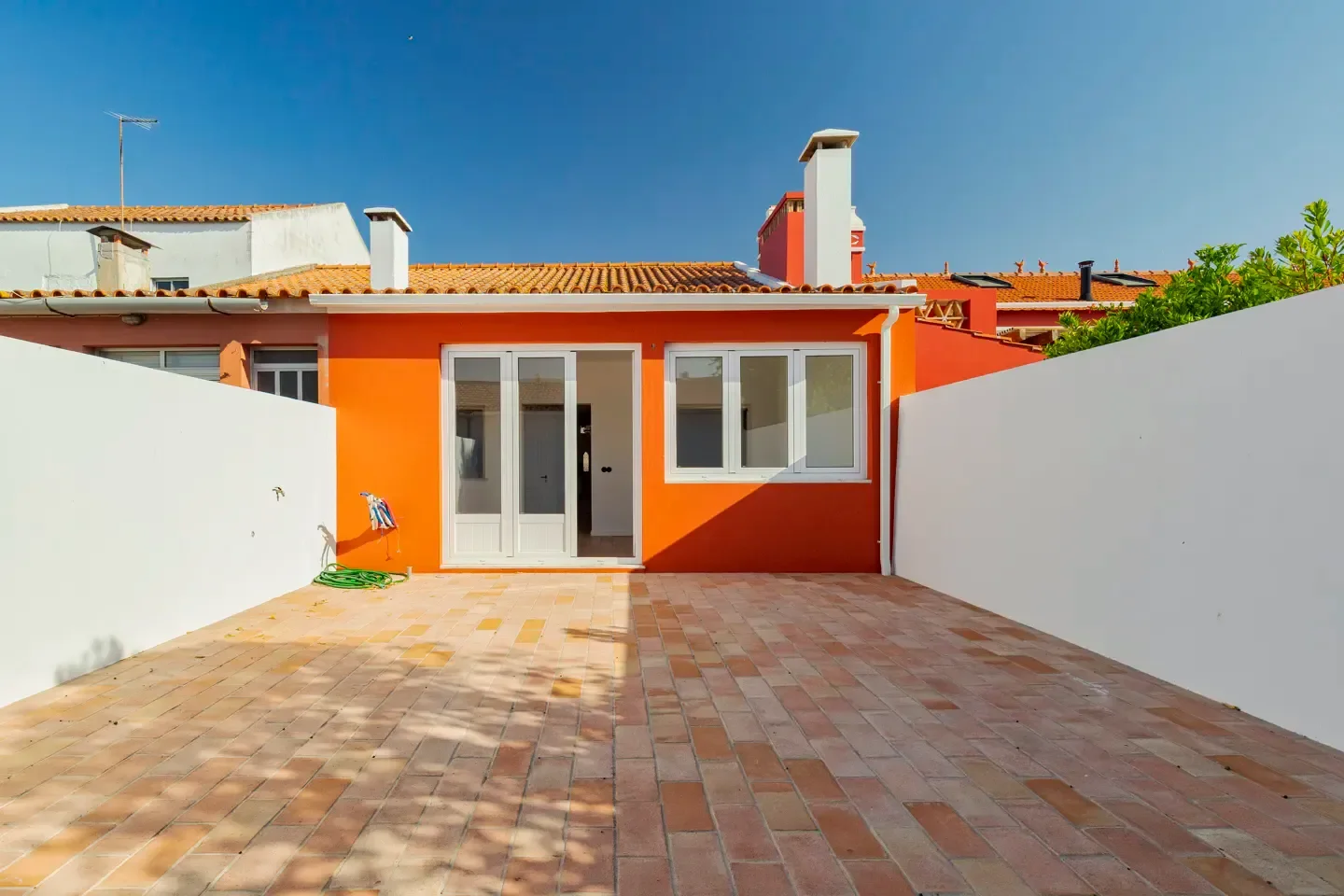
Private secluded patio and terrace

Original features

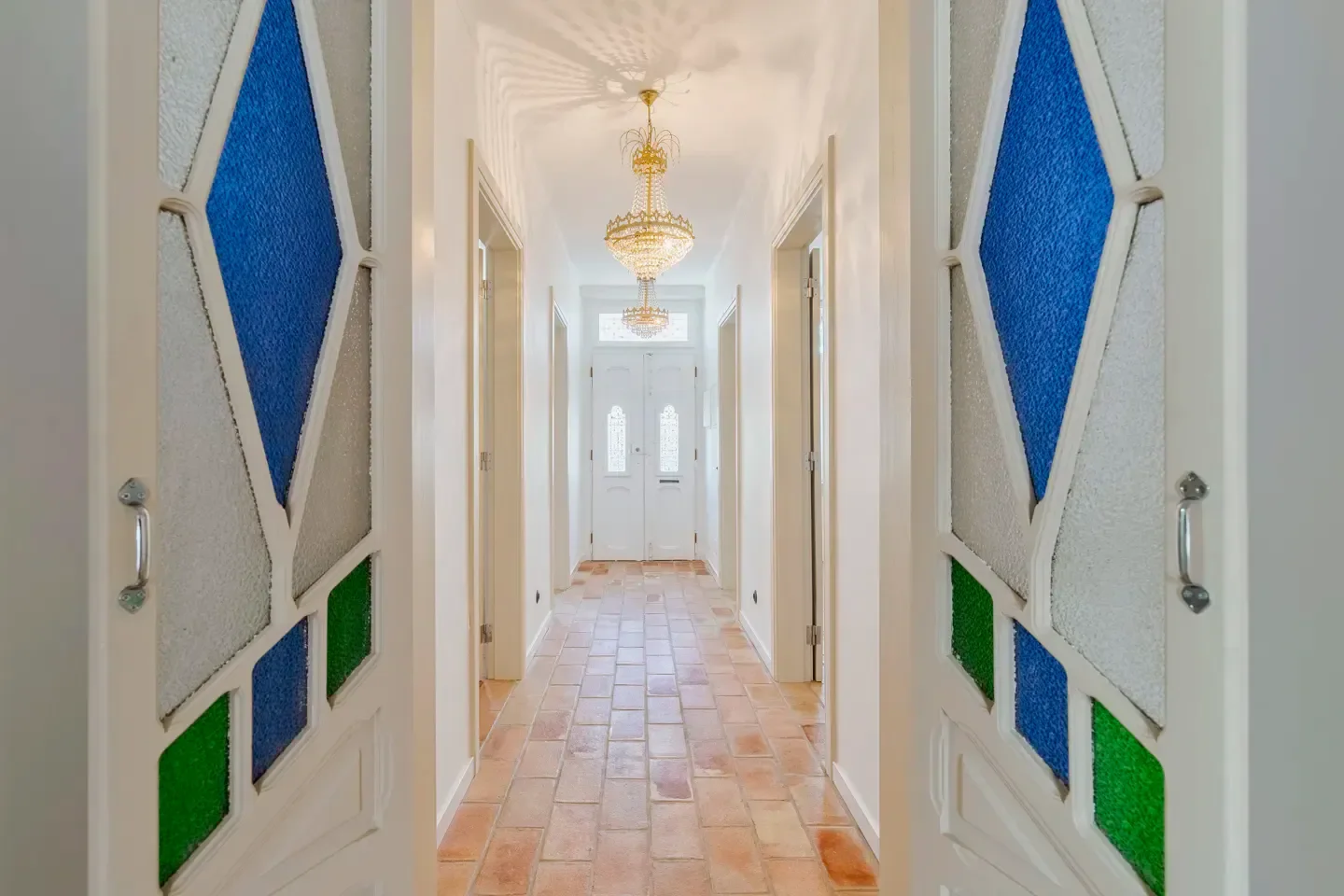
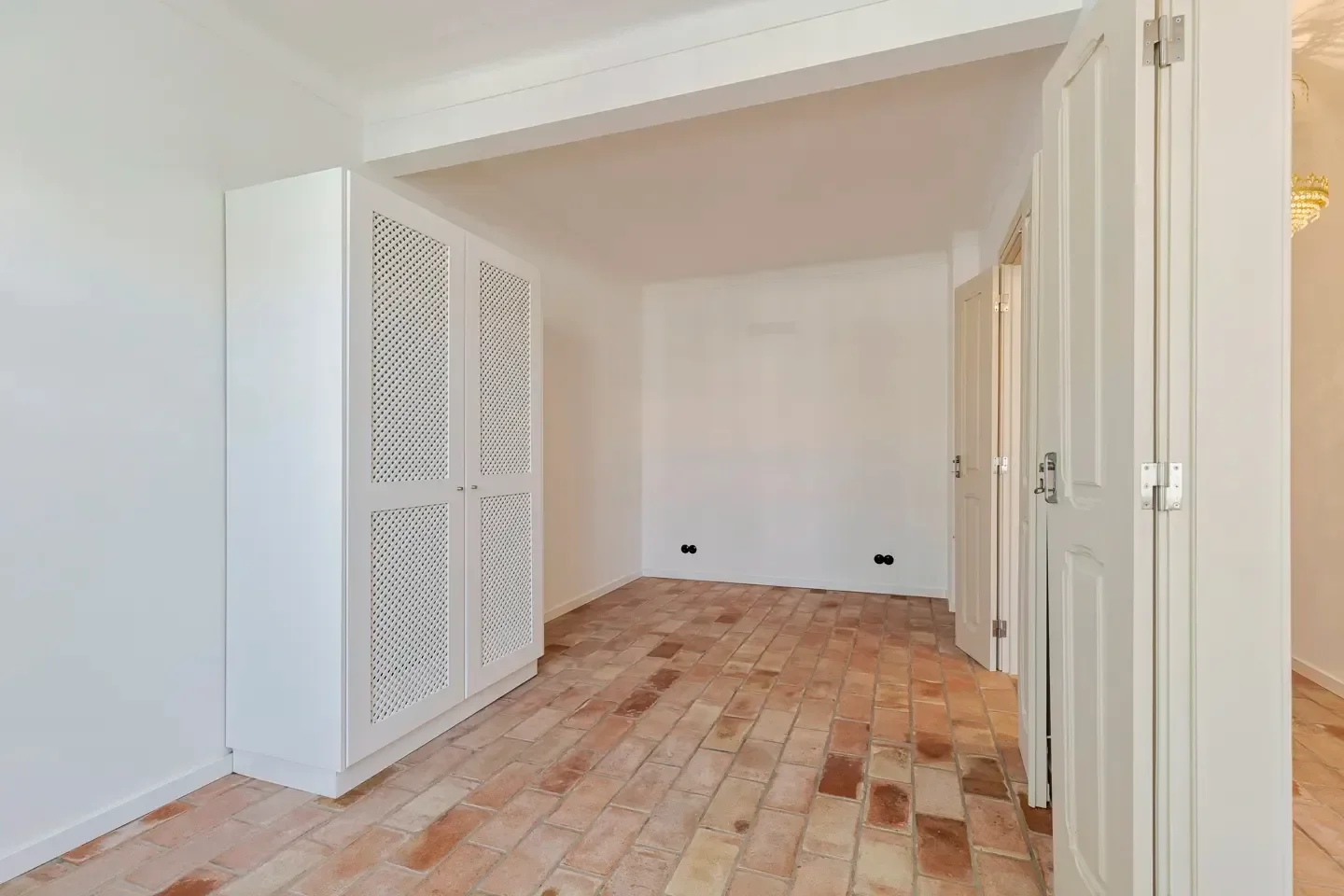
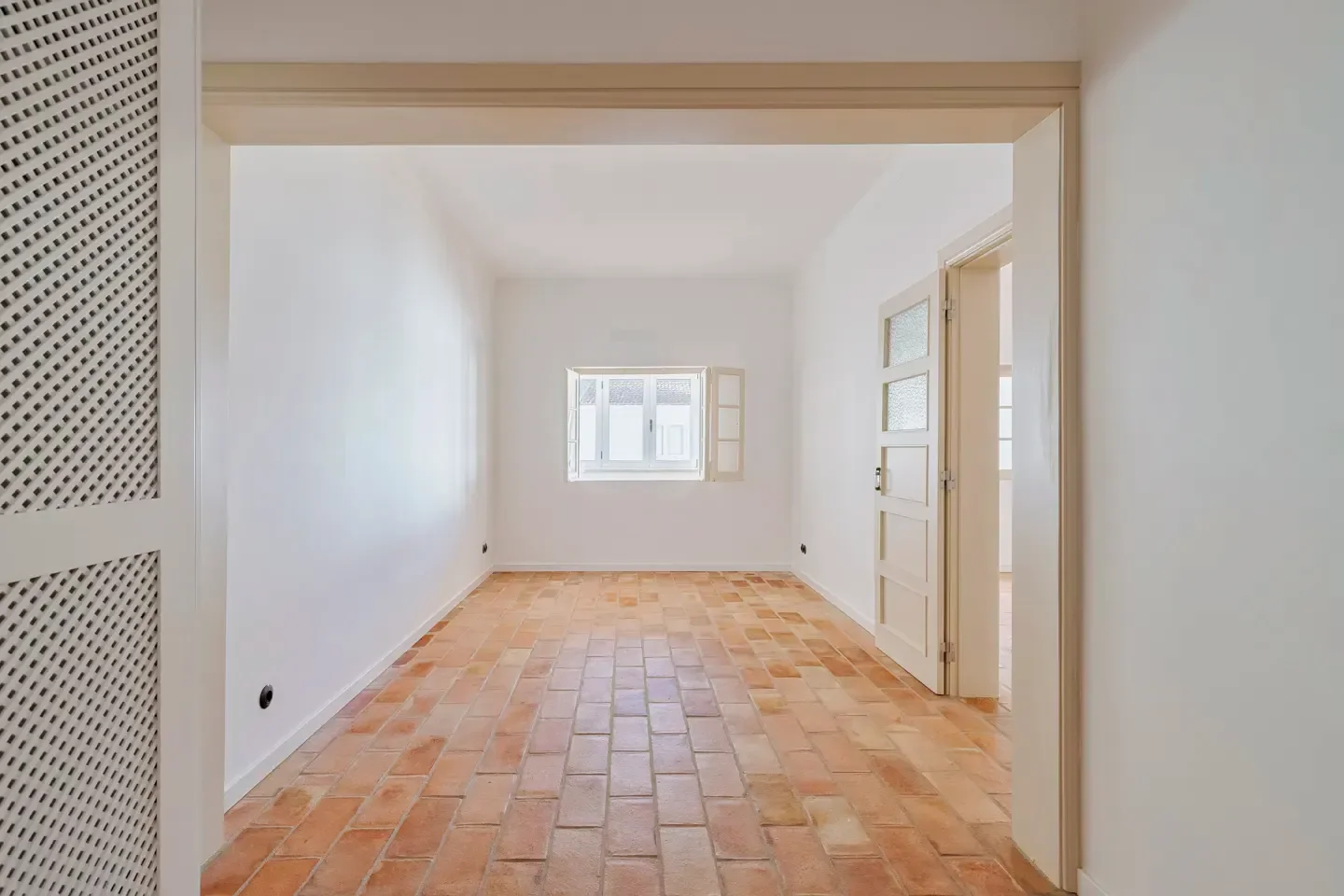
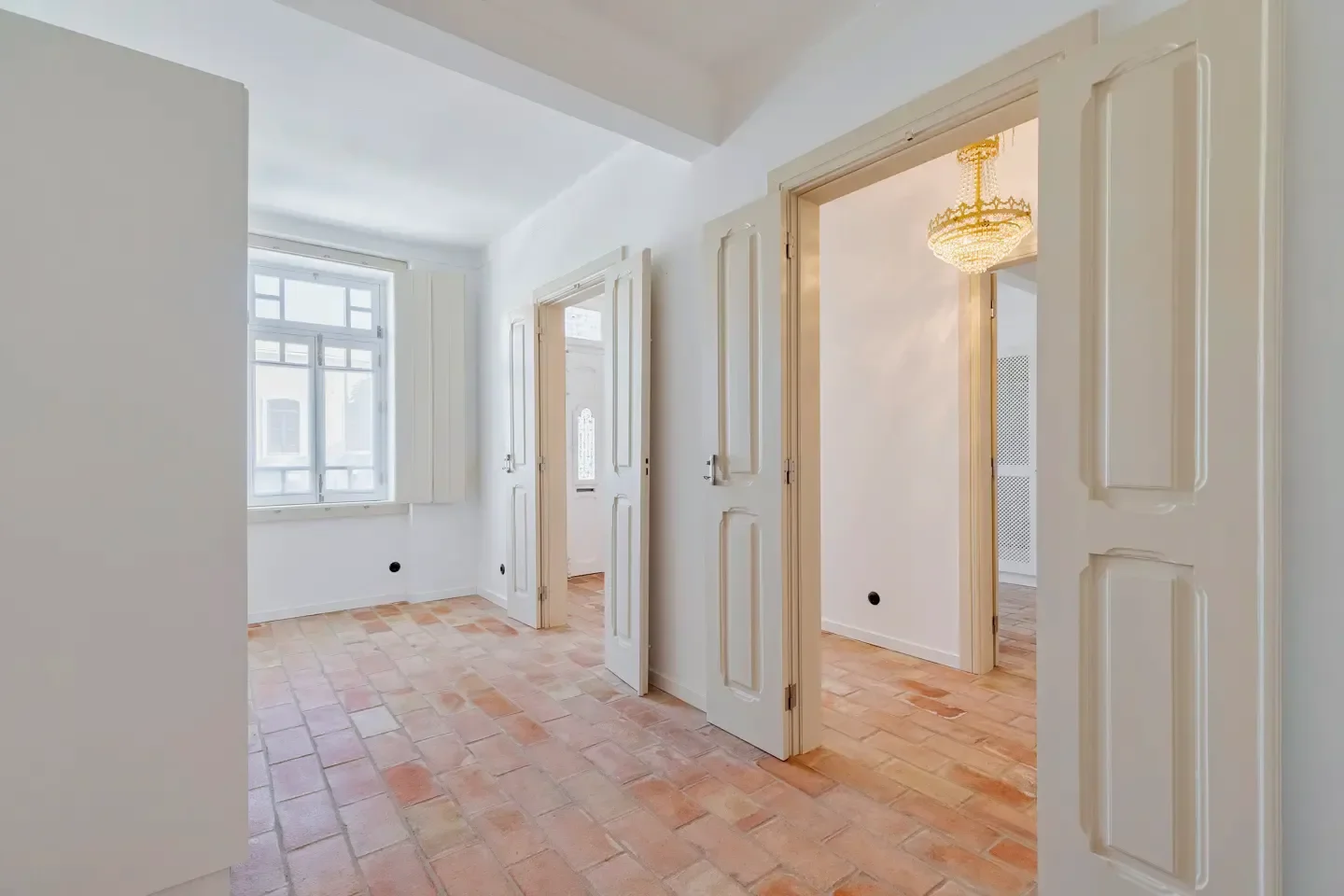
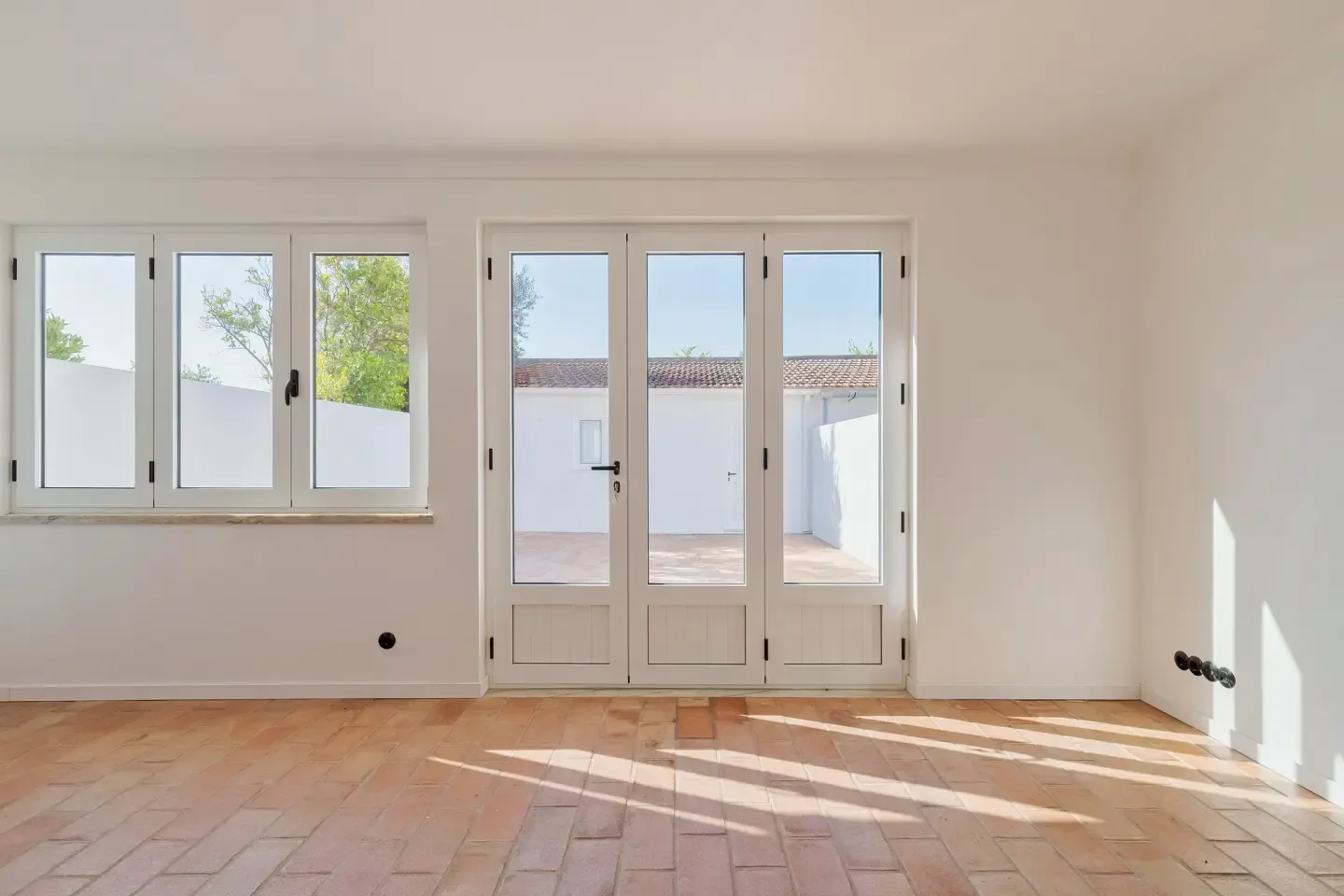
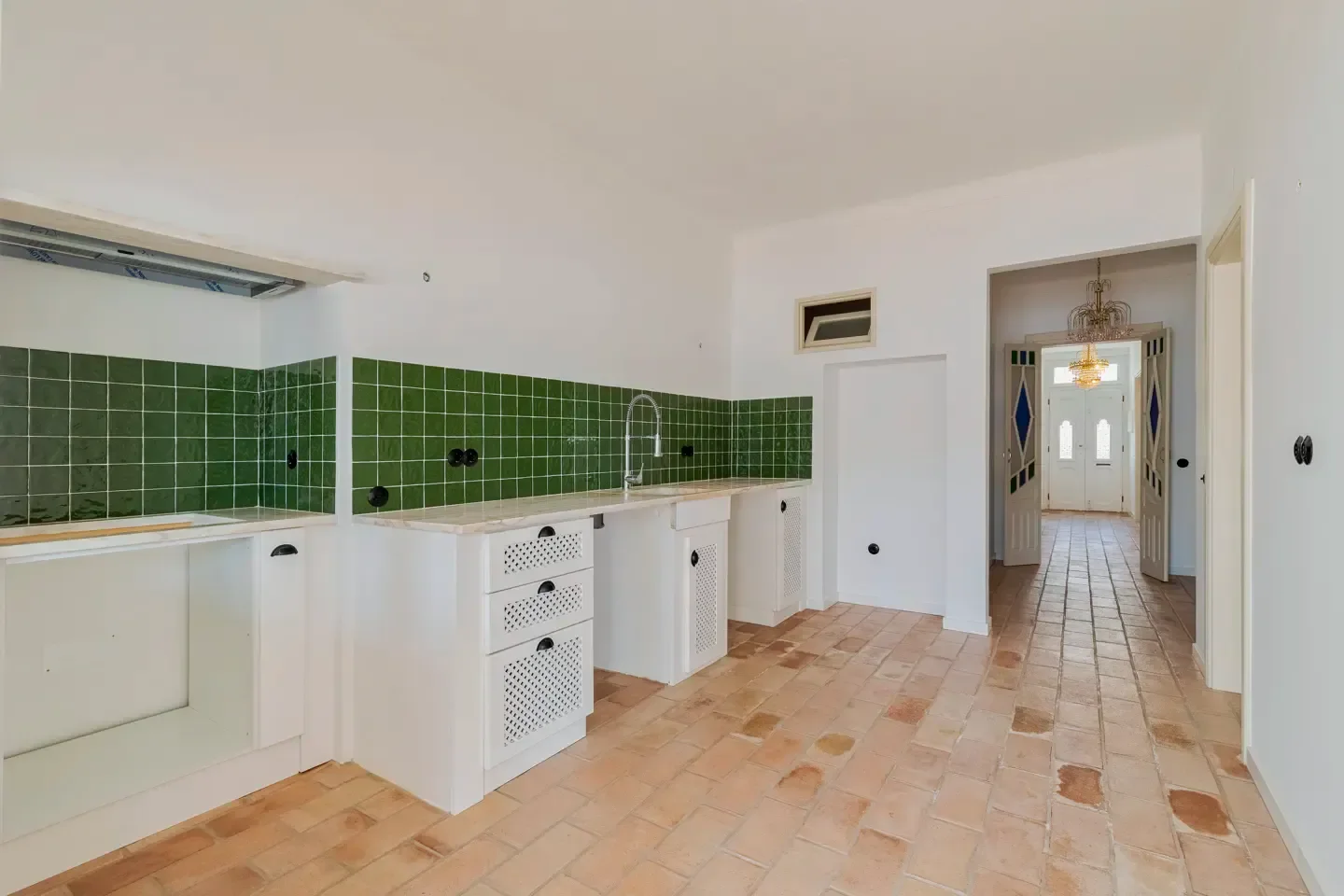
Traditional stone flooring

Heating feature

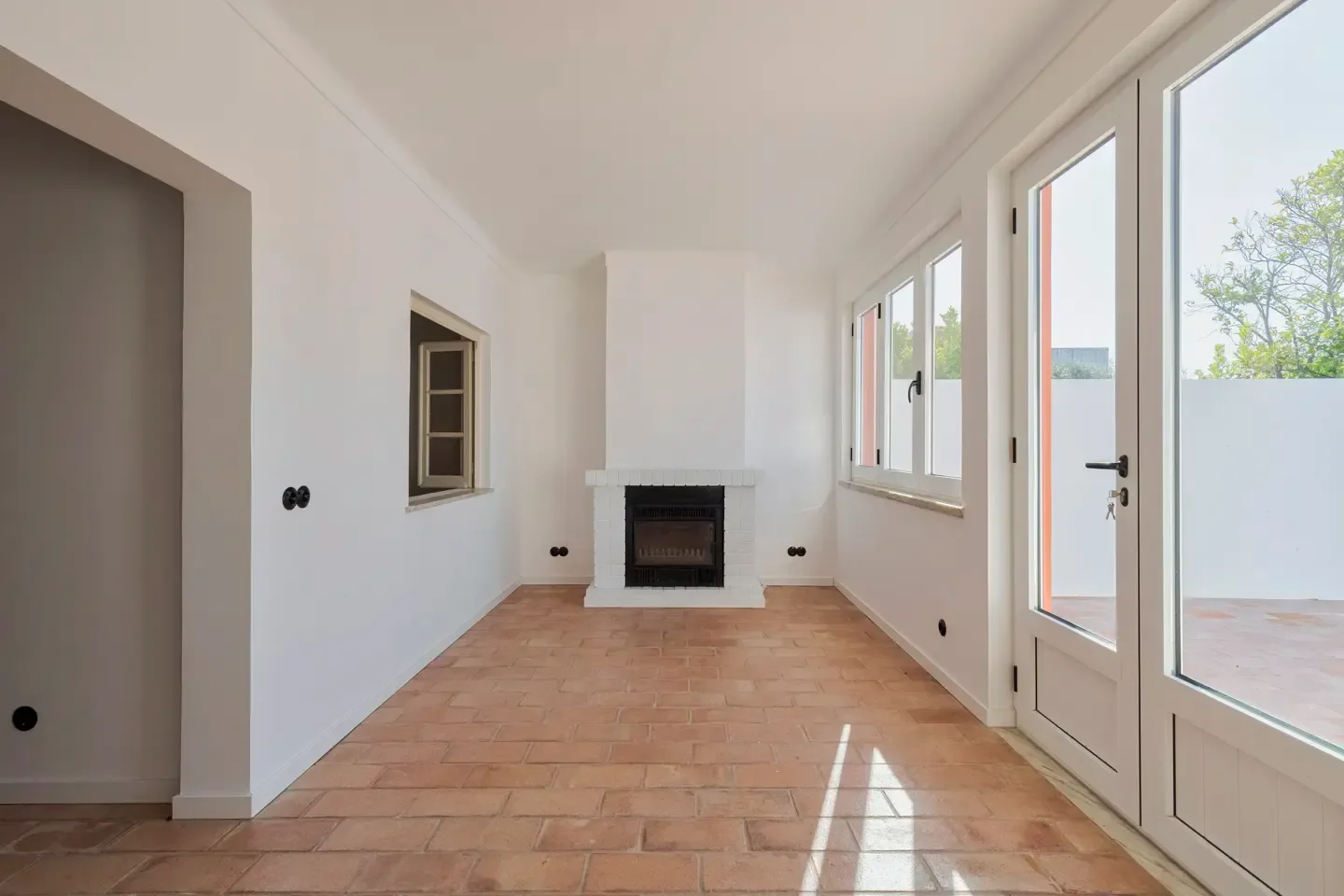
Fireplace

Accessibility

Marketed as fully wheelchair accessible

Energy certificate

In progress and not yet issued

Condition

Untouched and likely to require technical inspection, recommissioning and modernisation

Utilities

Water, electricity, drainage and telecommunications status not confirmed

Parking

Not confirmed

Setting

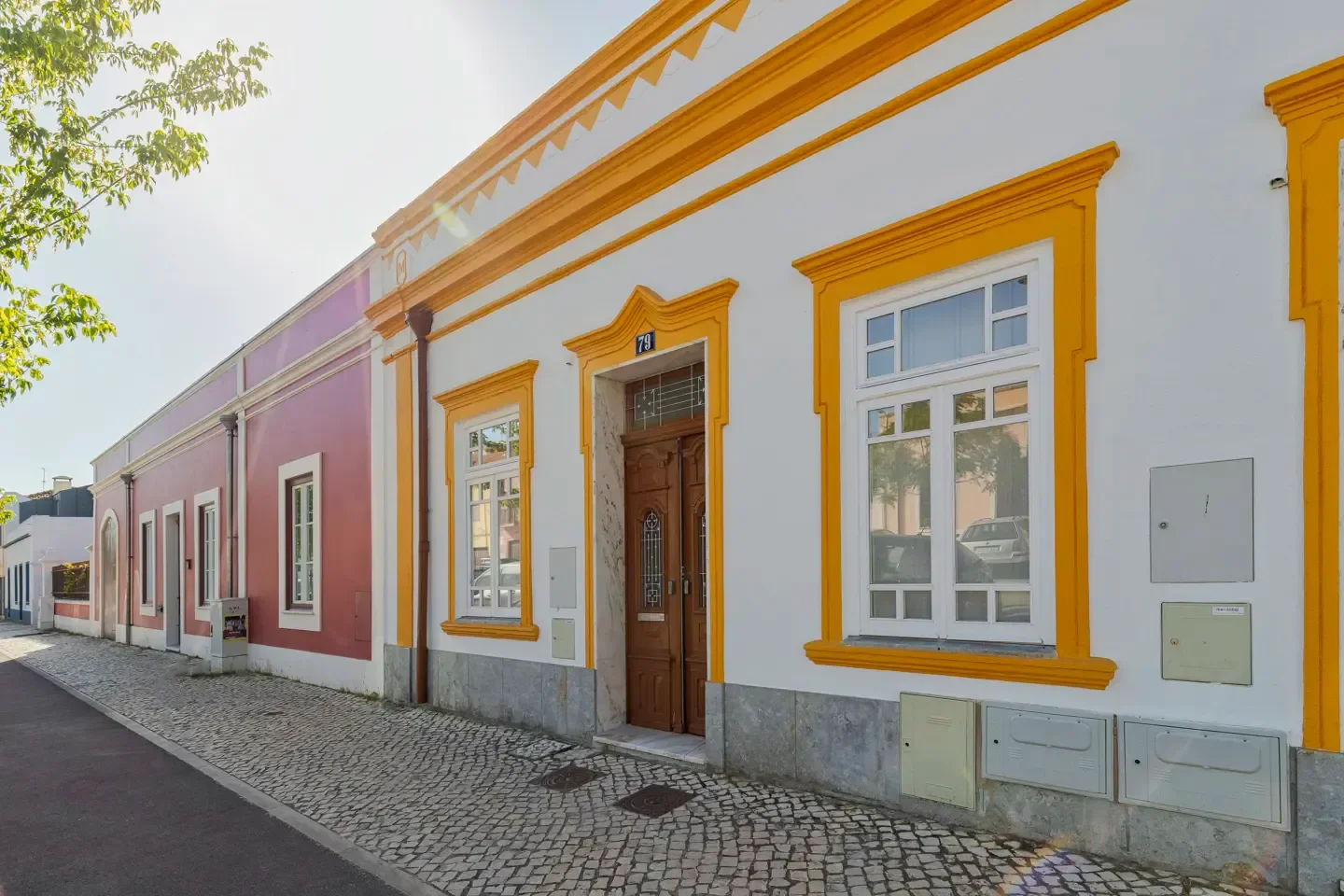
Central Grândola position on or near the town's main avenue

Lifestyle angle

Single-level or accessible Alentejo home with character, annex flexibility and access to town amenities and the Alentejo coast

Primary due diligence issue

Determining whether four decades without occupation have preserved the house or allowed hidden deterioration in its structure, services and finishes

Risk Radar

Potential risk or due-diligence focus. More investigation needed. Unknown or information not yet confirmed.
Forty-year disuse and condition of original building systems
High
Legal status, approved use and services of the annex
High
Outstanding energy certificate and likely upgrade exposure
High
Licença de utilização and correspondence with approved plans
Medium–High
Accessibility claims, road noise and practical occupation
Medium–High

Overview

A villa built in 1984 and reportedly never occupied is unusual, but "never lived in" should not be interpreted as equivalent to new, preserved or immediately habitable. A building can avoid ordinary domestic wear while still experiencing forty years of temperature changes, moisture movement, corrosion, ultraviolet exposure, insect activity, failed seals, obsolete installations and gradual deterioration.

The key distinction is between lack of use and active maintenance. The buyer should establish whether the property has been periodically aired, cleaned, heated, inspected and maintained, or whether it has remained closed for long periods. A dry, ventilated and monitored building may have survived well. A sealed and unheated house may conceal condensation, mould, seized valves, dry plumbing traps, degraded wiring, cracked seals and water penetration that only becomes apparent when systems are recommissioned.

The age of the services is particularly important. Electrical wiring, consumer boards, sockets, plumbing, water heaters, sanitary fittings and any heating equipment may be original to 1984. Even if they have seen little operational use, their materials and components have continued to age. The buyer should not rely on a demonstration that a light switches on or a tap briefly runs. Proper pressure testing, electrical inspection, drainage testing and commissioning by qualified trades are required.

The energy certificate remains outstanding. Portuguese official guidance states that a valid energy certificate is required when a building is sold or rented and that property advertisements should display the energy classification from the relevant certificate or pre-certificate. The certificate should therefore be obtained and reviewed before the buyer makes assumptions about insulation, heating costs or upgrade requirements.

The annex could materially improve the property's usefulness, but only if it is legally recorded and suitable for the proposed use. A structure described as a studio, workspace or guest room may be registered merely as storage, an agricultural dependency, garage or ancillary building. The caderneta predial, land-registry certificate, approved municipal drawings and licença de utilização should be compared with the physical property.

The accessibility claim also needs precise testing. "Wheelchair accessible" may mean that the villa has few steps and broad circulation, but it does not necessarily establish compliance with modern technical accessibility standards. Entrance gradients, thresholds, turning circles, door widths, bathroom layout, shower access, kitchen height and access to the annex and patio should all be examined.

The main-avenue position brings convenience but may create traffic noise, parking pressure and reduced privacy. The property should be visited at more than one time of day so the buyer can assess how the central location functions in practice.

This could be a rare, characterful and highly adaptable home. Its value, however, depends on whether the original structure has remained dry, the services can be safely recommissioned, the annex is lawful and useful, the energy-upgrade requirement is manageable and the accessibility claim matches the buyer's actual needs.

Targeted Questions

Occupancy History and Forty Years of Disuse

1.Can the seller explain why the villa has never been occupied since it was completed in 1984?

The reason may reveal unresolved ownership, licensing, construction, utility or family-estate issues rather than a simple decision not to use the property.

2.Has the property genuinely remained unoccupied continuously, or has it been used occasionally for storage, visits or other purposes?

The accuracy of the headline claim affects how the buyer interprets wear, maintenance history and possible undocumented use.

3.Who has been responsible for the property during the last forty years?

A named caretaker or family member may be able to provide important information about inspections, leaks, repairs and ventilation.

4.How frequently has the villa been opened, aired, cleaned and checked?

Regular ventilation and inspection can significantly reduce the risks associated with long-term closure.

5.Has the property ever been heated or dehumidified during winter?

Long periods without heating can allow condensation and moisture accumulation even where there is no obvious external leak.

6.Have water and electricity remained connected throughout the period of non-occupation?

Permanently disconnected systems may require formal reconnection, testing and upgrading before occupation.

7.Are there written maintenance records, invoices, photographs or inspection reports covering the period since construction?

Documentary evidence is more reliable than a general statement that the house has been kept in good condition.

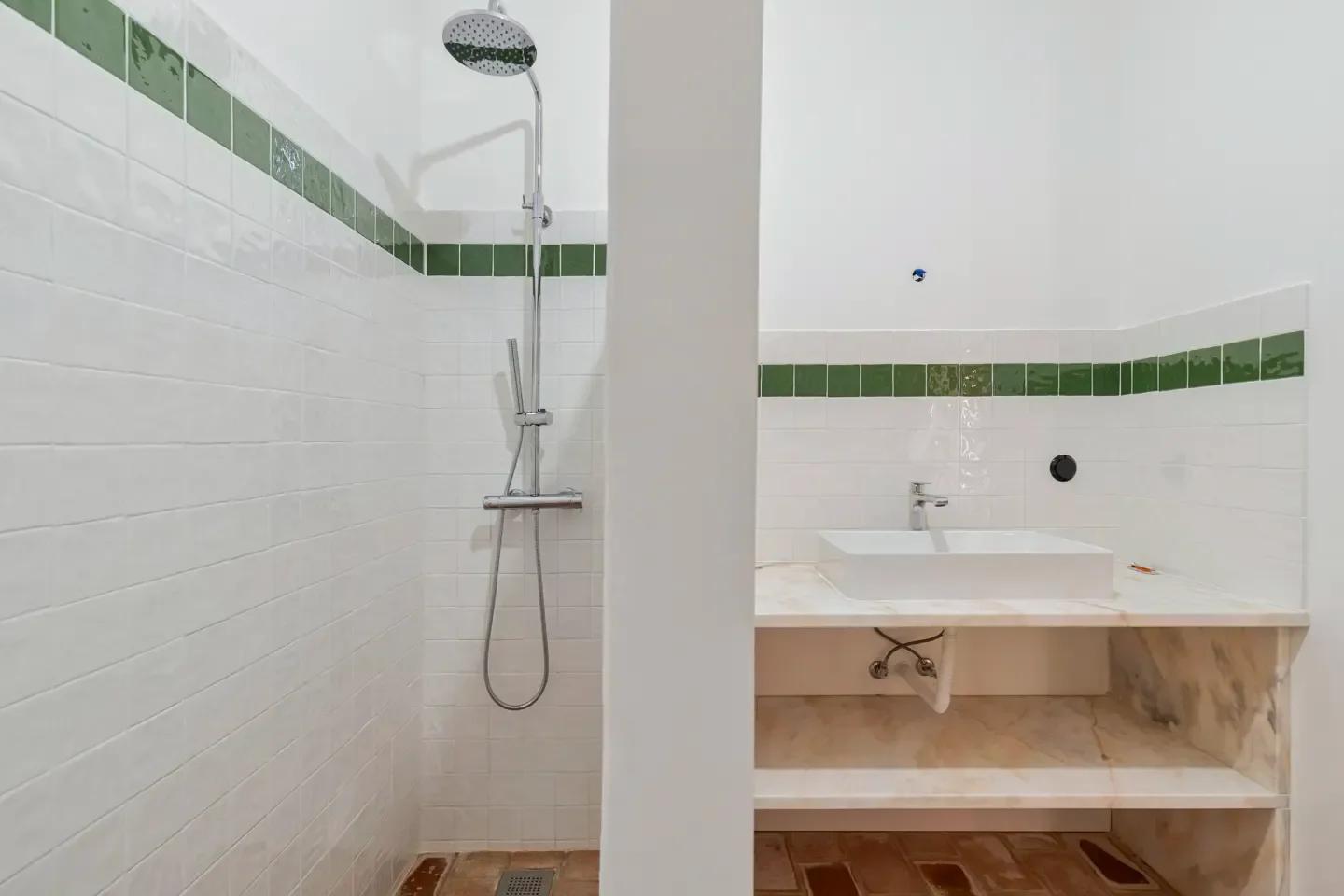
8.Has any insurer covered the building while it was vacant, and have any claims been made?

Insurance history may reveal storm damage, water ingress, theft, fire or other incidents not mentioned in the listing.

Structural Condition and Building Fabric

9.Has a structural engineer or architect recently inspected the villa?

A property can experience movement and material degradation even when it has never been occupied.

10.What is the condition of the foundations, load-bearing walls and floor slabs?

Cracking, settlement or reinforcement corrosion could require specialist repair.

11.Are there any visible cracks inside or outside the property, and have they been monitored?

The position, width and progression of cracking can help distinguish cosmetic shrinkage from structural movement.

12.Are there any signs of corrosion or spalling in reinforced-concrete elements?

Concrete balconies, lintels, beams and slabs from this period may deteriorate where water reaches embedded reinforcement.

13.Have any walls, ceilings or floors been repaired, repainted or concealed recently?

Fresh finishes can make it difficult to identify historic damp, cracks or staining during a viewing.

14.Are the traditional stone floors original, and are they level, firmly fixed and free from moisture staining?

Loose, cracked or damp flooring may indicate substrate movement, failed membranes or moisture rising from below.

15.Has the property been inspected for termites, wood-boring insects, rodents or nesting animals?

Long-empty buildings can provide undisturbed access for pests, particularly in roof voids, cupboards and service spaces.

Roof, Rainwater and Exterior Condition

16.What is the age and current condition of the roof covering and supporting structure?

Even an unused roof has been exposed to approximately four decades of weather and may now be approaching renewal.

17.Has the roof ever leaked, and have any tiles, flashing or structural elements been replaced?

Historic water ingress may have damaged ceilings, insulation, wiring or concealed timbers.

18.When were the gutters, downpipes and roof drainage last cleaned and inspected?

Blocked or disconnected rainwater systems can cause façade staining, penetrating damp and foundation problems.

19.Are there signs of water penetration around chimneys, roof junctions, terraces or external doors?

These are common weak points in an older property that has not been regularly occupied.

20.Are the external walls rendered or painted, and is the finish cracked, hollow or detaching?

Deteriorating exterior finishes can allow moisture into the building fabric and require significant repair.

21.Are the patio and terrace surfaces correctly drained away from the house?

Poor falls and blocked drainage can direct stormwater towards door thresholds and lower walls.

Damp, Ventilation and Indoor Air Quality

22.Are there any known areas of rising damp, penetrating damp, condensation or mould?

Moisture may be the most significant hidden consequence of prolonged non-occupation.

23.Have professional moisture readings been taken in the walls, floors and roof structure?

A dry-looking surface during summer does not prove that the building remains dry throughout winter.

24.Does the property have permanent ventilation in the kitchen, bathrooms and internal rooms?

Older ventilation arrangements may be inadequate for modern occupation, particularly after windows are upgraded.

25.Are there musty odours, salt deposits, peeling paint or staining behind furniture and cupboards?

These can indicate chronic moisture even where visible mould has been cleaned.

26.Have any damp-proofing or mould treatments been carried out?

The buyer should understand whether the cause was corrected or merely covered with a surface treatment.

27.Are there vents, air bricks or underfloor voids, and are they clear and functioning?

Blocked ventilation beneath floors can contribute to moisture, odours and decay.

Electrical Installation

28.Is the electrical system entirely original to 1984?

Lack of use does not prevent insulation, connections, switches and protective equipment from ageing.

29.Has a qualified electrician recently tested the wiring, earthing, consumer board and circuit protection?

A visual inspection or brief power demonstration cannot establish electrical safety.

30.Is there a current electrical inspection report or termo de responsabilidade?

Written technical findings help the buyer budget for immediate repair or complete replacement.

31.Does the installation include modern residual-current protection and appropriate circuit separation?

Original protective equipment may not meet modern expectations for occupant and appliance safety.

32.Is the incoming electrical capacity sufficient for air conditioning, induction cooking, water heating and possible annex use?

Modernising the property may require an upgraded supply as well as internal rewiring.

33.Have sockets, cables or distribution boards been affected by damp, corrosion, insects or rodents?

Vacant buildings can suffer hidden damage within service routes and cupboards.

Water, Plumbing and Drainage

34.Is the villa connected to mains water, and is the account currently active?

Reconnection, meter installation or supply testing may be required before occupation.

35.What material is used for the incoming supply and internal pipework?

Older metal, plastic or mixed systems may have corrosion, brittleness, deposits or failed joints.

36.Has the plumbing recently been pressure-tested by a qualified professional?

Seals, valves and joints can fail when a dormant system is brought back into regular use.

37.Have all taps, toilets, showers and waste pipes been tested under normal flow conditions?

A brief viewing test may not reveal blocked waste pipes, leaking traps or inadequate drainage falls.

38.Has water remained standing in tanks, cylinders or pipework during the long period of disuse?

Stagnant systems may require cleaning, disinfection, replacement or specialist assessment.

39.What domestic hot-water system is installed, and is it original?

An unused forty-year-old cylinder, boiler or heater may be unsafe or uneconomic to recommission.

40.Is the property connected to the public sewer network?

The buyer needs to know whether there is a normal municipal connection or a private sanitation responsibility.

41.If there is a septic tank or other private system, where is it and when was it last inspected or emptied?

A system that has remained unused for decades may be damaged, undersized, undocumented or unsuitable for occupation.

42.Are there any wells, cisterns, boreholes or irrigation tanks on the property?

Private water infrastructure can add value but requires legal, safety and maintenance checks.

Heating, Cooling and Fireplace

43.What fixed heating system was installed when the villa was built?

The property may rely mainly on the fireplace or contain obsolete equipment that no longer functions.

44.Is there air conditioning or provision for installing it?

Summer cooling and winter heating are both relevant in inland Alentejo, particularly in a house with older glazing and insulation.

45.Is the fireplace operational, and has the chimney recently been inspected and swept?

A fireplace unused for forty years may contain blockages, damaged flue components or structural defects.

46.Is the fireplace intended as the main heat source or only as a supplementary feature?

A three-bedroom home requires a practical whole-house heating strategy.

47.Are there any old fuel tanks, gas cylinders, boilers or redundant heating components on the property?

Removal, replacement and environmental checks may add to the recommissioning cost.

48.Has a heating and cooling specialist proposed a modern system for the property and annex?

A coordinated design is more reliable than adding individual appliances room by room.

Energy Certificate and Upgrade Requirements

49.When will the energy certificate be completed and issued?

The certificate is a core sale document and should be available before the buyer relies on any energy-performance claims.

50.Why was the property advertised before the final energy classification was available?

Portuguese official guidance states that sale advertisements should display the classification from the applicable certificate or pre-certificate.

51.Can the seller provide any pre-certificate, draft assessment or information supplied to the energy assessor?

Preliminary data may already identify major deficiencies or recommended improvements.

52.Does the assessment cover both the main villa and the annex?

The annex may have a different legal or thermal classification and may require separate consideration.

53.What insulation exists in the roof, external walls and floors?

A 1984 property may perform poorly by current expectations despite having remained unused.

54.Are the windows single-glazed, and what condition are the frames, seals and shutters in?

Glazing and air leakage will materially affect comfort, energy use and street-noise transmission.

55.What improvements are likely to provide the greatest gain in energy efficiency?

The buyer needs to prioritise roof insulation, glazing, ventilation, water heating and climate-control investment.

56.Are there planning or façade restrictions affecting window replacement, solar panels or external equipment?

The central setting or planning designation may influence what can be installed visibly from the street.

Licença de Utilização and Municipal Compliance

57.Can the seller provide the original building licence and licença de utilização issued for the villa?

The buyer needs evidence that the completed building was authorised for residential occupation.

58.Does the licença de utilização cover the entire property as it stands today?

The villa, annex, patio enclosure or internal arrangement may differ from the approved position.

59.Was a final municipal inspection completed after construction in 1984?

The property's non-occupation may have resulted from an incomplete licensing or completion process.

60.Are there any outstanding municipal conditions, unfinished works or unresolved compliance matters?

Unresolved conditions could prevent normal occupation, renovation approval or rental registration.

61.Do the current floor plan, external openings and covered areas match the approved municipal drawings?

Physical differences may require planning regularisation before completion or future alterations.

62.Has an architect or engineer carried out an inspection and municipal file review?

A technical review can distinguish minor documentation issues from potentially expensive irregularities.

Portuguese government guidance identifies the licença de utilização as a municipal document confirming the property's authorised use and compliance position, alongside the land-registry certificate, tax record and energy certificate as central transaction documents.

Registry, Title and Property Description

63.Can the seller provide an up-to-date certidão permanente do registo predial?

The land-registry certificate identifies ownership, registered description, mortgages, charges and other recorded interests.

64.Can the seller provide the current caderneta predial urbana?

This allows the buyer to compare the tax record with the land registry, listing and physical property.

65.What total private, dependent and covered areas are recorded in the documents?

The listing does not confirm the internal area, making documentary verification particularly important.

66.Are the villa, annex, patio and terrace all included in the registered property description?

Every significant physical element should be checked against both tax and planning records.

67.Are there any mortgages, attachments, usufruct rights, leases or other charges affecting the property?

The buyer's lawyer must ensure that any registered burdens are understood and properly discharged where required.

68.Are there any rights of way, access rights, drainage rights or other servidões?

Servitudes can affect privacy, parking, future works and control of the land.

Annex Status and Potential Use

69.What is the annex's exact internal and covered area?

Its value depends partly on usable size and how that size is recorded legally.

70.How is the annex described in the caderneta predial, land registry and approved municipal plans?

A building marketed as guest accommodation or a studio may legally be classified only as storage or ancillary space.

71.Was the annex constructed at the same time as the villa?

A later addition may have a separate planning history or may not have been fully authorised.

72.Does the annex have its own licença de utilização or is it covered by the villa's licence?

The answer affects lawful occupation and any plan to use it independently.

73.Does the annex contain a bathroom, kitchen, drainage or sleeping accommodation?

Existing facilities may indicate prior intended use, but they must also correspond with approved plans.

74.Are water, electricity, drainage and telecommunications connected to the annex?

Extending modern services may require excavation, capacity upgrades and municipal approval.

75.Can the annex legally be used as a guest bedroom, studio or permanent workspace?

Physical suitability does not automatically establish permitted use.

76.Could the annex be converted into an independent dwelling?

This may require a use change, new licensing, parking, sanitation, accessibility and planning approval.

77.Could the annex legally be rented separately on a long-term basis?

Independent rental requires more than a separate door and may depend on its lawful residential status.

78.Has the Câmara Municipal de Grândola given any written guidance on proposed annex use?

Written municipal confirmation is more reliable than assumptions based on neighbouring properties.

Wheelchair Accessibility

79.What specific features support the claim that the property is fully wheelchair accessible?

The term may be used informally and should be translated into measurable features.

80.Is there step-free access from the pavement or parking area to the main entrance?

An accessible interior is of limited use if the approach includes steps, steep slopes or loose surfaces.

81.What are the widths of the entrance, internal doors and circulation corridors?

Door and corridor dimensions determine whether a wheelchair can pass comfortably.

82.Is there sufficient turning space in the bedrooms, living areas, kitchen and bathroom?

Straight-line access alone does not establish that rooms are practically usable.

83.Does at least one bathroom include a level-access shower, appropriate clearances and reinforcement for grab rails?

Bathroom configuration is often the most important accessibility constraint.

84.Are the kitchen counters, appliances and storage arranged at accessible heights?

A standard kitchen may be reachable by wheelchair but not independently usable.

85.Are thresholds between rooms and at patio doors level or suitably ramped?

Even small level changes can prevent safe and independent movement.

86.Is the annex also step-free and wheelchair accessible?

The listing's accessibility claim may refer only to the main villa.

87.Has the property been assessed against applicable Portuguese accessibility requirements?

An independent assessment can distinguish genuine compliance from general ease of movement.

88.Could future bathroom, kitchen or insulation work reduce the available circulation width?

Renovation plans should preserve or improve accessibility rather than unintentionally compromise it.

Patio, Terrace, Boundaries and Outdoor Space

89.What are the legal and physical boundaries of the property?

The buyer should establish precisely which patios, access areas and external spaces are privately owned.

90.Can the seller provide an official plan showing the villa, annex, terrace, patio and any garden?

The registered and approved layouts should match the marketed arrangement.

91.Is the secluded patio legally private, or is any access shared with neighbours?

Historic town properties can contain shared passageways and access arrangements not obvious from photographs.

92.What is the construction and condition of the patio and terrace surfaces?

Cracking, poor drainage or slippery finishes may require repair and affect accessibility.

93.Are there any boundary walls, gates or fences requiring repair?

External masonry and privacy works can add meaningful cost.

94.Is there a garden, and what ongoing maintenance does it require?

The description should be clarified so the buyer understands the true extent of outdoor responsibility.

95.Are there mature trees, protected planting or roots close to the building and drains?

Trees can affect structures, drainage, maintenance and future alteration plans.

96.Is there an irrigation system, and has it been tested?

A dormant system may have leaks, blocked emitters or degraded underground pipework.

Access, Parking and Main-Avenue Position

97.Is there private off-road parking within the property?

Parking is especially important for accessibility, guests and possible annex use.

98.How many vehicles can be parked without blocking access to the house or patio?

The practical capacity may be lower than the visible external space suggests.

99.Is there a legally registered garage, carport or vehicle entrance?

An informal parking area may not have authorised road access or a recognised vehicle crossing.

100.Is there unrestricted street parking for visitors?

Central-town parking can vary according to time of day, local events and commercial activity.

101.Can delivery vehicles and builders access the property easily?

Restricted access can increase the cost of kitchens, bathrooms, glazing and building works.

102.What is the traffic level on the main avenue during morning, evening and weekend periods?

A quiet viewing time may not reflect ordinary traffic conditions.

103.Are bedrooms or the patio directly exposed to road noise?

Noise exposure affects comfort and may increase the need for upgraded glazing.

104.Are there shops, cafés, late-opening businesses or service areas immediately beside the property?

Central convenience may come with delivery noise, evening activity or reduced privacy.

105.Are there planned road, public-realm or nearby development works?

Future changes could improve access or materially affect noise, parking and privacy.

Communications and Everyday Practicality

106.Is fibre broadband connected at the property or only available in the street?

Availability at neighbourhood level does not prove that the building can be connected immediately.

107.Are there functioning telephone and telecommunications ducts into both the villa and annex?

New cabling may need to be incorporated into renovation works.

108.What mobile reception is available inside the property and patio?

Thick masonry and internal location can reduce signal despite strong outdoor coverage.

109.What shops, pharmacy, healthcare, schools and public transport are available within step-free walking distance?

Accessibility and central location should be tested in relation to real everyday journeys.

110.How practical is the route to the railway station and regional transport connections?

Transport accessibility may materially strengthen the property's suitability for permanent living or rental.

Renovation and Recommissioning Costs

111.Has the seller obtained any written quotations for recommissioning or modernising the villa?

Existing quotations can provide an initial indication of the scale of work, although they should be independently checked.

112.Has a detailed inspection identified which original systems can be retained?

The buyer should not budget for partial repair until qualified trades have confirmed that retained components are safe and serviceable.

113.What work is required before the property can be safely occupied?

Immediate safety and habitability work should be separated from optional cosmetic improvements.

114.Does the likely budget include rewiring, replumbing, drainage testing, hot water, heating and cooling?

These systems may represent the largest hidden expenditure.

115.Does the property require a new kitchen or bathrooms despite never having been used?

Original fixtures can be unused but still obsolete, deteriorated or unsuitable for modern occupation.

116.Are there any asbestos-containing materials or other hazardous materials requiring specialist assessment?

Some construction products used in the 1980s may require controlled handling during renovation.

117.Have the windows, door seals, waterproofing membranes and sanitary seals deteriorated through age?

Rubber, sealants and membranes can fail over time even without regular use.

118.What contingency has the seller or agent allowed for hidden defects?

Recommissioning a long-empty property can reveal leaks, blockages and electrical faults only after work begins.

119.Has an architect or quantity surveyor prepared an estimated total cost to modernise both the villa and annex?

A professional estimate can prevent the purchase price from obscuring the true all-in investment.

120.What is the estimated completed value after the proposed improvements?

The renovation budget should be tested against comparable updated properties in Grândola rather than coastal Alentejo asking prices.

Alojamento Local and Rental Potential

121.Has the property or annex ever been registered as Alojamento Local?

An existing registration could provide useful history, but its validity and transfer position would still need to be checked.

122.Is the villa's current planning and licensing status compatible with an AL application?

Tourist-rental registration does not correct planning, habitability or annex irregularities.

123.Could the annex be included as part of one villa registration, or would separate operation require independent residential status?

The intended rental model should be designed around the annex's lawful use.

124.Has the Câmara Municipal de Grândola identified any containment or sustainable-growth restrictions affecting this exact address?

Municipalities now have broader powers to regulate AL locally, so the current position must be checked at address level.

125.What registration procedure and inspection requirements currently apply in Grândola?

National registration is made through a prior communication procedure, but the municipality can oppose applications within the statutory period and may apply local rules.

126.Would the intended use be classified as a moradia, quartos or another accommodation type?

Classification affects operational requirements, capacity and how the annex may be used.

127.What fire-safety equipment, insurance and guest-reporting requirements would apply?

These requirements should be included in the refurbishment specification and operating budget.

128.What evidence supports the projected nightly rate and occupancy for a central Grândola villa rather than a coastal property?

Demand and pricing in Grândola town should not be assumed to match Comporta, Melides or Tróia.

129.What would be the realistic long-term rent for the main villa?

Long-term rental provides an alternative benchmark against seasonal holiday-income projections.

130.Would retaining full accessibility materially strengthen the property's rental appeal?

Genuine accessible accommodation may be commercially distinctive, but it must be accurately described and properly equipped.

Negotiation Intelligence

Buyer Leverage

Medium-High

Key Drivers

The headline that the villa has never been occupied should be treated as a due diligence question rather than an automatic premium. The absence of ordinary wear may preserve floors, walls and original finishes, but it does not prevent ageing of the roof, wiring, plumbing, seals, windows, drains and sanitary systems.
The buyer's strongest leverage will come from documented recommissioning costs. If qualified inspections show that the electrical installation, plumbing, hot-water system, drainage, windows or roof require substantial replacement, those are not discretionary decorative upgrades. They are necessary costs of making the property safely and comfortably habitable.
The outstanding energy certificate is another important point. The buyer cannot responsibly calculate energy-upgrade costs, rental readiness or year-round comfort until the certificate has been issued and reviewed. The seller should provide it before expecting the buyer to make a firm, unconditional commitment.
The annex should be valued according to its lawful registered use, not the variety of attractive possibilities suggested in the listing. If it is legally an ancillary store rather than guest accommodation, the cost and uncertainty of conversion should be reflected in the buyer's offer.
The accessibility claim could add genuine value, but only if step-free access, circulation widths, bathroom usability and access to the outdoor spaces are suitable in practice. If significant adaptation is still required, the marketing claim should not justify a price premium.
The central main-avenue position is both an advantage and a possible negotiating factor. Traffic noise, limited parking, exposure to neighbouring businesses or a lack of private vehicle access may affect permanent-living and rental value.

Typical Negotiation Range

Subject to documented inspections and recommissioning costs

(subject to diagnostics)

Neutral Phrasing Examples

"The fact that the property has never been occupied is clearly unusual and appealing, but I need to understand how the structure and original systems have aged during that period. Could you please provide the licença de utilização, registry and tax documents, approved plans including the annex, the completed energy certificate and any recent reports on the roof, damp, electrical installation, plumbing and drainage? Once those points are clear, I can assess a serious offer based on the true cost of making the property ready for use."

Country Layer

Portugal (Regulatory Context July 2026)

Key Portuguese requirements for buyers:

Portuguese government guidance identifies several documents that should be examined during a property transaction, including the land-registry certificate, caderneta predial, licença de utilização and energy certificate. The land-registry document records the property's description, ownership and registered burdens, while the licença de utilização is issued by the relevant municipality and confirms the authorised use of the building.
For this villa, the buyer's lawyer should compare: the certidão permanente do registo predial; the caderneta predial urbana; the licença de utilização; the energy certificate; the approved architectural plans; and the physical villa and annex. Any discrepancy in area, use, building footprint or annex description should be investigated before the promissory contract is signed.
Certidão Permanente do Registo Predial: The certidão permanente provides access to the property's land-registry information. The buyer should verify the registered owner, full property description, mortgages, attachments, usufructs, easements and pending registration requests. Portugal's Casa Pronta service can be used for several procedures connected with the acquisition and registration of a property. The buyer should still appoint an independent lawyer or solicitador to review the title and protect the buyer's interests throughout the transaction.
Caderneta Predial: The caderneta predial is a tax record rather than proof of planning compliance. It should show the property's fiscal identification, registered areas, use, taxable value and relevant building description. For this villa, particular attention should be paid to: the recorded construction date; total land area; implantation area; gross private area; dependent area; number of floors; villa use; and whether the annex appears in the description. A structure's presence in the tax record does not, by itself, prove that it was lawfully constructed or approved for residential use.
Licença de Utilização: Government guidance describes the licença de utilização as the municipal document indicating the property's authorised use and compliance position. Because this villa was reportedly completed in 1984 but never occupied, the buyer should establish: whether the licence was issued after completion; whether it remains available in the municipal file; whether it covers the villa and annex; whether the physical layout matches the approved plans; and whether any later works changed the authorised position. The buyer should not rely on the absence of occupation as evidence that the property is legally pristine. An unused property can still contain departures from approved plans or incomplete municipal procedures.
Municipal File Review: A Portuguese architect or engineer should obtain and review the Câmara Municipal de Grândola's complete planning file. The review should include: original building approval; architectural and specialist plans; construction licence; final inspection documents; licença de utilização; alterations or additions; annex approvals; boundary and implantation plans; and any unresolved notices or conditions. The current building should then be measured and compared with the approved documentation.
Energy Certification: The Portuguese energy-certification regime requires a valid energy certificate for the sale or rental of a building. Official energy guidance states that the certificate must be presented when the sale or rental contract is completed and that advertisements should include the applicable energy classification. The buyer should therefore request the completed certificate before making a binding decision. The certificate should identify: the energy rating; useful energy requirements; heating and cooling systems; domestic hot-water arrangements; renewable-energy contribution; estimated performance; and recommended improvements. Because the villa has never been occupied, there may be no meaningful historic energy bills. The certificate and an independent building-services assessment will therefore be particularly important.
Annex Compliance: The annex should be checked against four separate sources: land-registry description; caderneta predial; municipal planning file; and licença de utilização. The buyer should establish whether the annex is authorised as: arrumos or storage; garagem; anexo or dependency; atelier or workspace; guest accommodation; or an autonomous residential unit. Using an authorised ancillary structure as independent accommodation may require planning approval, updated property records, appropriate sanitation and an amended or new use licence.
Accessibility: A marketing description that a property is 'fully wheelchair accessible' is not a substitute for a professional accessibility assessment. The buyer should test: the route from pavement or parking; gradients and ramp design; thresholds; door widths; corridors; turning spaces; bathroom clearances; shower access; kitchen usability; patio access; and access to the annex. Where accessibility is essential to the buyer, an architect or occupational therapist experienced in inclusive design should inspect the villa before any offer becomes unconditional.
Electrical and Gas Installations: The buyer should request available installation certificates and commission current inspections of electrical and gas systems. A forty-year-old installation may require: new consumer boards; improved earthing; residual-current protection; rewiring; increased supply capacity; replacement sockets and switches; and new certification after work. Where bottled or mains gas is present, the buyer should identify every appliance, pipe route, ventilation provision and shut-off point.
Water and Drainage: The buyer should confirm with the municipality or local utility whether the property is connected to public water and sewer networks. If a private sanitation system exists, the investigation should identify: its exact position; construction and capacity; whether it was authorised; whether it has been maintained; whether access is possible for emptying; and whether it remains suitable for the villa and any annex use. Dormant internal plumbing should be pressure-tested and, where appropriate, disinfected before normal occupation.
Damp and Long-Term Vacancy: No national certificate will replace a detailed damp and building-condition survey. A technical inspection should examine: roof and terrace leaks; blocked rainwater goods; rising damp; internal condensation; hidden mould; failed waterproofing; leaking dormant pipes; pest entry; and deterioration behind fixed cabinetry. The inspection should ideally take place after rain or include appropriate moisture testing.
Alojamento Local Framework: Portugal's Alojamento Local regime was materially amended by Decree-Law 76/2024. The revised framework restored and expanded municipal powers to manage local accommodation through mechanisms such as containment areas and sustainable-growth areas. Registration is completed through a prior communication procedure in the electronic one-stop system. The municipality may oppose the request within the applicable statutory period, which is generally 60 days and can be 90 days in a containment area. Before relying on AL use, the buyer should obtain current written confirmation from Câmara Municipal de Grândola concerning: whether this exact address lies in any regulated area; whether a new moradia registration is currently available; the permitted capacity; whether the annex can be included; the required property documentation; fire-safety obligations; insurance; signage; guest reporting; and tourist-tax procedures. The municipality promotes a range of registered local and tourist accommodation within the concelho, but the existence of local tourism demand does not prove that this specific villa or annex will qualify for registration.
Rental Market Position: The wider Grândola concelho includes very different submarkets, ranging from Grândola town to the more expensive coastal areas around Comporta, Melides and Tróia. The buyer should not use coastal villa rates as the primary benchmark for a main-avenue property in Grândola town. A rental appraisal should use comparable properties with similar: town location; number of bedrooms; outdoor space; parking; accessibility; annex arrangement; energy performance; and distance from the coast. The Câmara's published tourism information demonstrates that accommodation and tourism are economically significant within the wider municipality, but a property-specific appraisal is still necessary.
Promissory Contract Protections: The contrato-promessa de compra e venda should be reviewed and negotiated by the buyer's independent Portuguese lawyer. Depending on the findings, the buyer may require conditions or seller obligations concerning: delivery of the completed energy certificate; clean title; confirmation of the licence position; annex legality; cadastral and registry correspondence; resolution of unauthorised works; utility connection; and satisfactory technical inspections. A reservation payment or promissory deposit should not be made solely on the basis of the agent's verbal description where key legal and technical documents remain outstanding.

Viewing Strategy

During the viewing:

Begin outside and inspect the complete building before entering. Walk around the roofline, façades, chimney, gutters and patio walls. Look for cracked render, staining beneath gutters, vegetation growth, displaced roof tiles and evidence of recent patching.
Pay close attention to the main-avenue setting. Stand outside during normal traffic, then close the windows and compare internal noise levels. Check whether bedrooms and the patio remain quiet enough for the intended use.
Test the wheelchair route from the street or parking area to the front door. Measure or estimate gradients, thresholds, door widths and turning spaces. Continue through every main room, the bathroom, kitchen, patio and annex rather than assuming that step-free access in one area makes the whole property accessible.
Open every accessible window and shutter. Check whether frames are stiff, corroded, warped or poorly sealed. Look for condensation marks and deterioration around glazing.
Inspect the stone floors in side light. Look for cracks, loose sections, staining and level changes that could affect mobility.
Smell every room before windows are opened. A musty smell can indicate long-term damp or poor ventilation. Look inside cupboards, behind doors and along skirting on external walls.
Use a torch to inspect ceilings and roof-access areas. Look for staining, mould, daylight, insects and damage around the chimney.
Ask for the electricity and water to be active during the viewing. Test lights, sockets, taps, toilets, drainage and hot water, but treat the results only as preliminary. Formal testing should still be commissioned.
Run multiple taps at once to assess pressure. Leave water running long enough to identify slow drainage or leaks rather than performing only a brief test.
Ask the agent to demonstrate every heating, cooling and hot-water appliance. Record make, model and age where possible.
Inspect the fireplace internally and externally. Check for debris, bird entry, cracking, staining and evidence of recent sweeping or use.
Spend substantial time in the annex. Compare its actual layout and services with the marketing description and available plans. Identify whether it has insulation, windows, ventilation, drainage and a separate entrance.
Walk the patio and terrace after inspecting the interior. Check whether external ground levels sit above internal floors and whether water is directed towards or away from the house.
Inspect all utility meters and connection points. Confirm whether accounts are active and whether the annex has separate or shared services.
Check parking and vehicle access with the needs of the intended occupants in mind. For wheelchair use, the buyer should assess door-opening space, surface condition and the distance from the vehicle to the entrance.
Finally, return at a different time of day. A second visit should test traffic, parking, commercial activity, sunlight, privacy and internal temperature under different conditions.

Next Step

Verify from the listing:

Condition after forty years without occupation
Commission structural, damp, roof, electrical, plumbing and drainage inspections to establish whether long-term disuse has preserved the villa or allowed hidden deterioration to develop.

Outstanding energy certificate
Obtain the completed certificate before making a binding decision so you can understand the likely rating, required improvements and realistic cost of heating and cooling the property.

Legal status of the annex
Compare the annex with the caderneta predial, land-registry description, municipal plans and licença de utilização before valuing it as guest accommodation, a studio or an independent rental unit.

Licence and approved building position
Confirm that the villa received its licença de utilização after construction and that the existing layout, patio, terrace, openings and covered areas correspond with the approved municipal plans.

Real wheelchair accessibility
Test the route from parking or pavement through the villa, bathroom, kitchen, patio and annex, including gradients, thresholds, doorway widths and turning space, rather than relying on the listing description alone.

A prepared buyer should approach the agent calmly and frame questions as due diligence.

Because this is an unusual never-occupied villa where ageing systems, the annex’s legal status and the cost of modernisation materially affect its true value, run it through the Renovation Budget Planner to model recommissioning and upgrade costs, or use the European Property Energy Risk Assessor once the certificate is available to understand the likely energy-improvement exposure before contacting the agent.

Disclaimer: The Property Drop is buyer-focused intelligence, zero sales agenda. We curate exceptional properties, in southern Europe, from third-party agents and arm you with decision tools. No commission, no transactions, no agent partnerships, no skin in the game beyond helping you choose wisely. Information stays accurate until it doesn't (properties sell, prices shift, markets move). Everything here is shared for informational purposes only and should not be treated as legal, financial, or investment advice. Images belong to original agents. Read our Terms of Service to learn more.

Buyer Intelligence: This assessment provides general guidance based on common risk factors and publicly available regulatory information. Risk scores and checklist items are indicative only and must not be considered legal, financial, structural, or surveying advice. Actual property conditions, costs, and regulatory requirements vary significantly by location, property age, and specific circumstances. Regulations are subject to change; always verify current requirements with qualified local professionals before making any purchasing decision.
The Property Drop provides buyer intelligence and educational research analysis only. The Property Drop does not act as an estate agent, intermediary, or advisor in any transaction and does not facilitate introductions, negotiations, or transactions. Always engage qualified independent professionals including local lawyers, surveyors, architects, and tax advisors for comprehensive due diligence specific to your property.

IMPORTANT REMINDER: When contacting property agents featured on The Property Drop, you are entering into direct communication with third parties. It's recommended that you verify all property details independently, conduct thorough due diligence, engage qualified professionals (solicitors, surveyors, financial advisors), understand your rights and obligations under local property laws, and never send money or make commitments without proper legal protection.

Previous
Previous

The Buyer Playbook: 7-Bed Manor House with Outbuilding and Independent Apartment, Bacqueville-en-Caux, France, €595,000

Next
Next

The Buyer Playbook: 1-Bed Alentejo Estate Villa with Pool and Vineyard Views, Ourique, Portugal, €610,000