
The Buyer Playbook: 3-Bed Renovated Country House with Pool, Large Plot, and Sea Views, Salobreña, Spain, €495,000
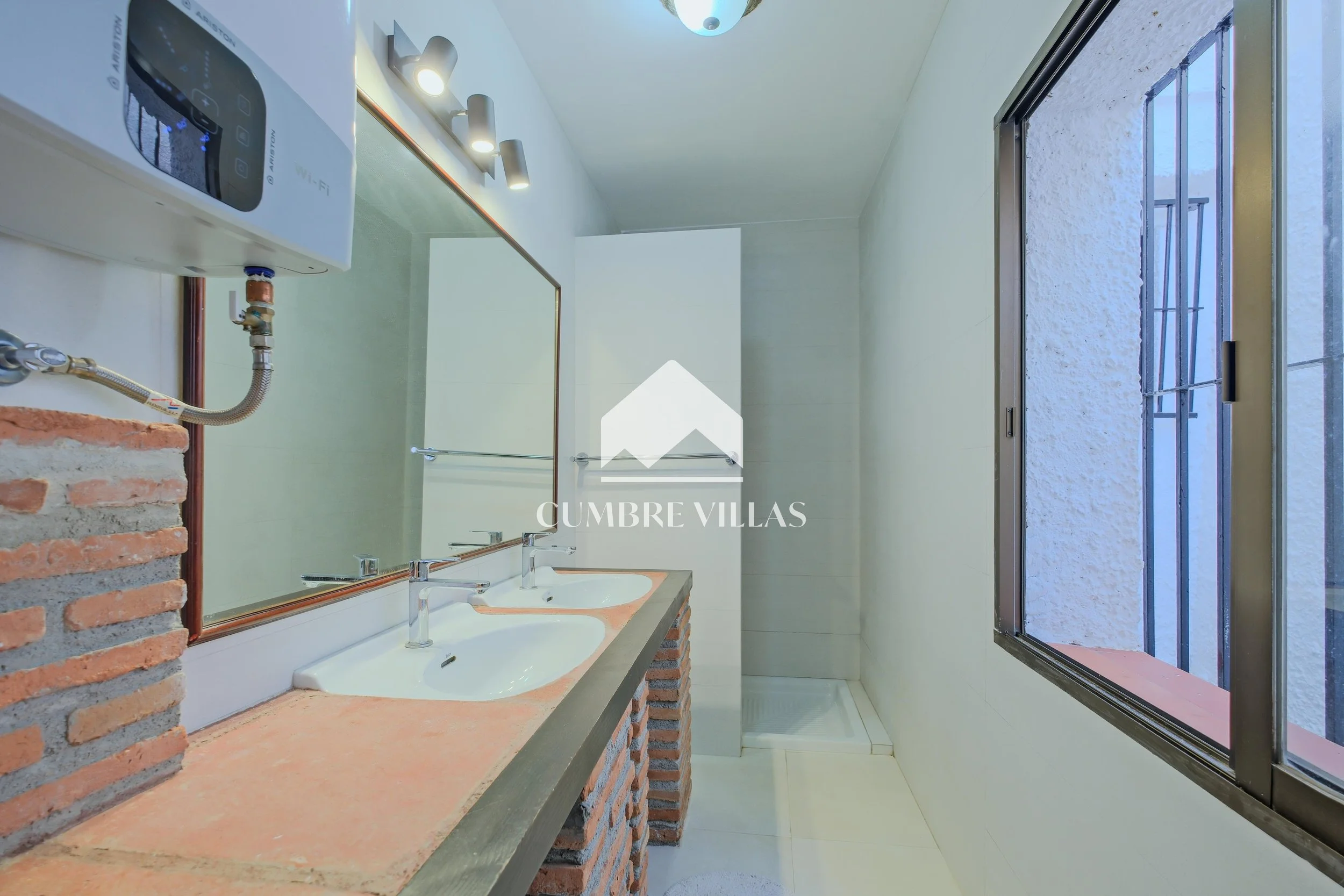
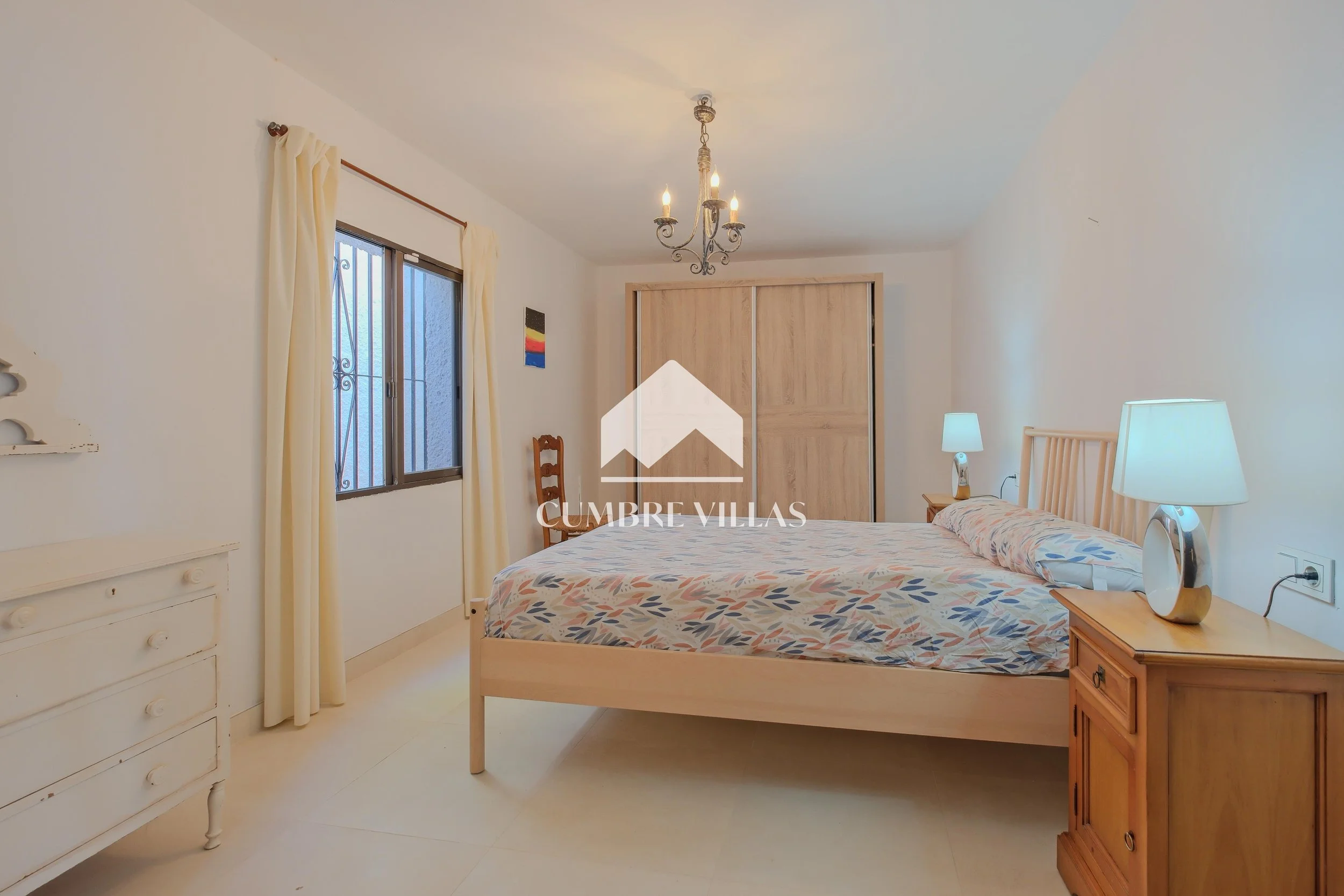
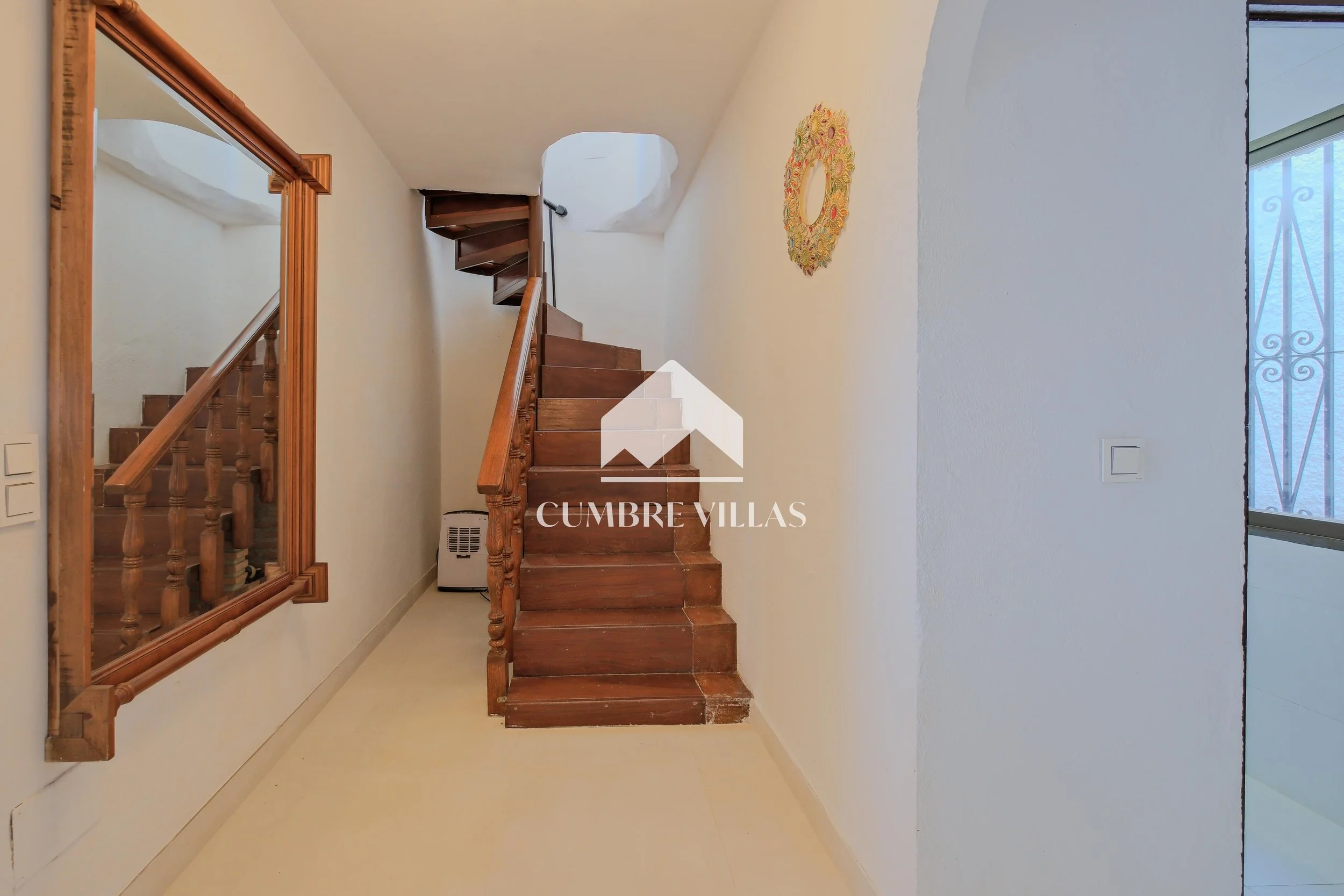
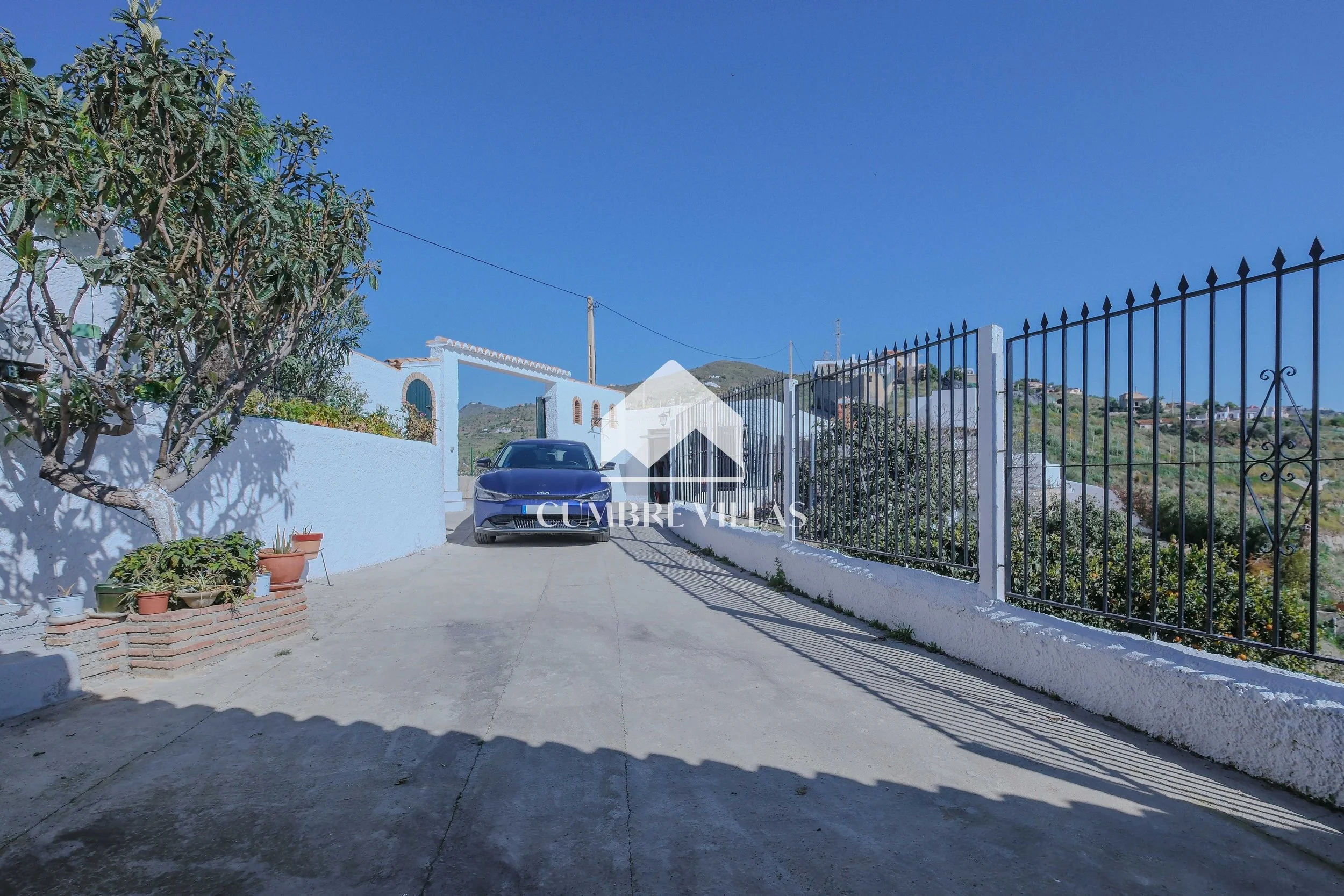
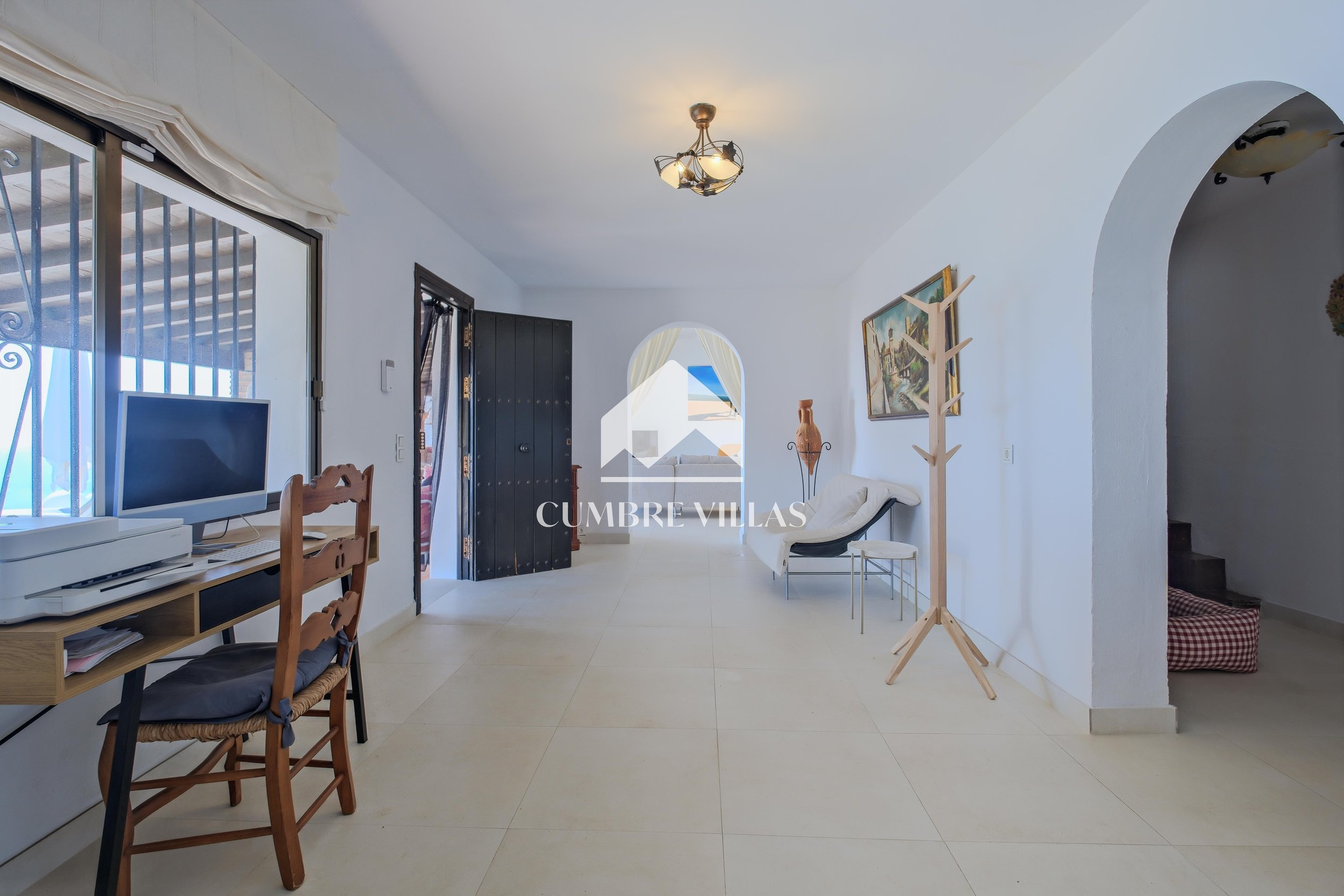
Buyer Playbook
Pre-Viewing Intelligence Report
This independent buyer guidance report relates to this specific property located in Spain. It is provided for informational purposes only and does not constitute legal, tax, structural or survey advice. Planning status, renovation permissions, pool legality, land classification, water rights, agricultural use, drainage, tourist rental registration, urbanisation rules, habitability, boundaries and any rural land-use matters must always be verified with qualified Spanish professionals such as an abogado, arquitecto técnico, arquitecto, surveyor, gestor or licensed property consultant, and with the relevant Ayuntamiento and regional authorities. This report is designed to help buyers evaluate the property before arranging a viewing or making an offer. It highlights due diligence areas and targeted questions to ask the estate agent. The analysis is based on the listing details and publicly available regulatory context at the time of writing. For Andalucía, that especially includes checking municipal planning compatibility, the nota simple and Catastro position, renovation and pool permissions, energy certificate documentation, and whether any future tourist rental use can comply with the current vivienda de uso turístico rules.
Playbook Contents
Property Snapshot
Location
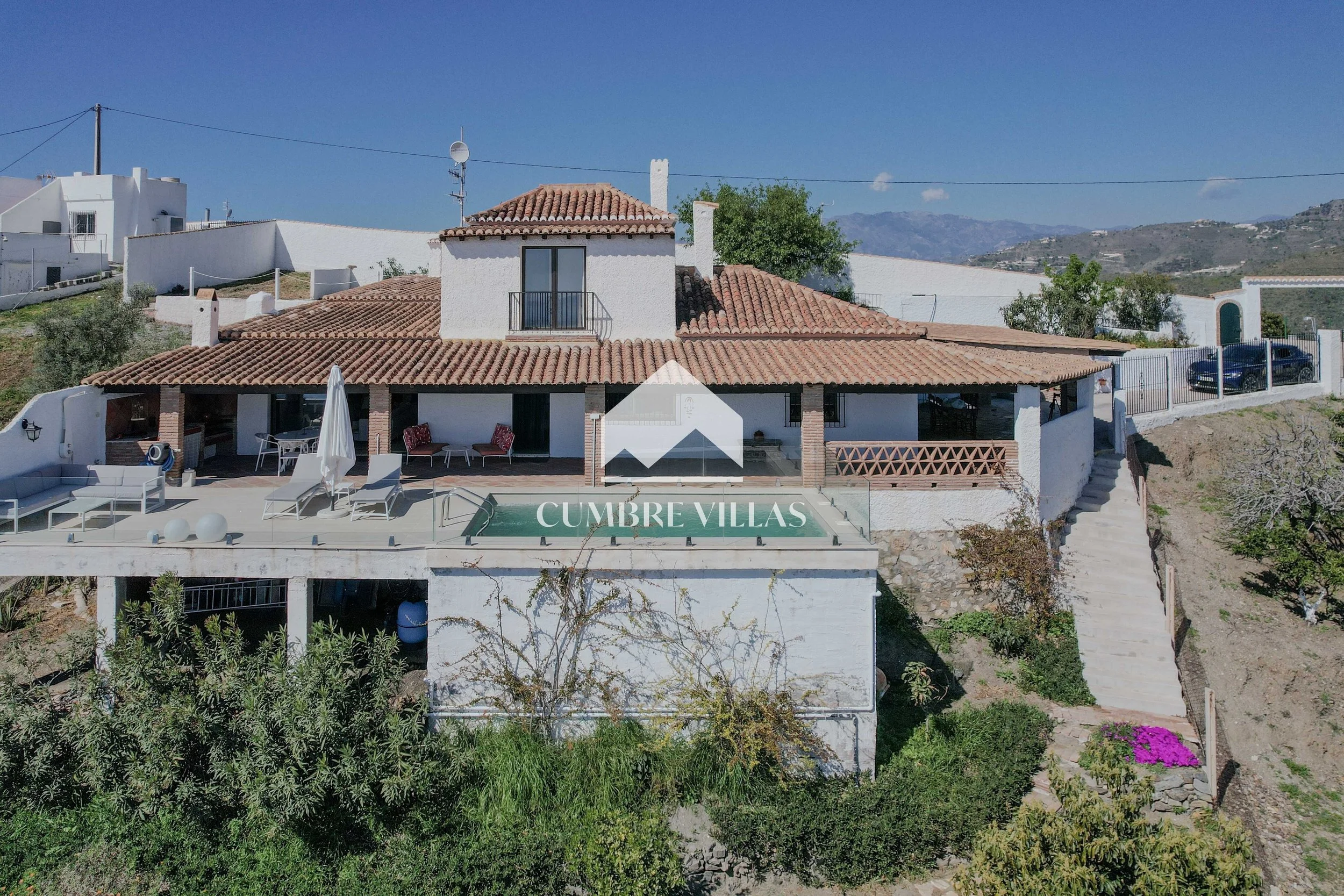
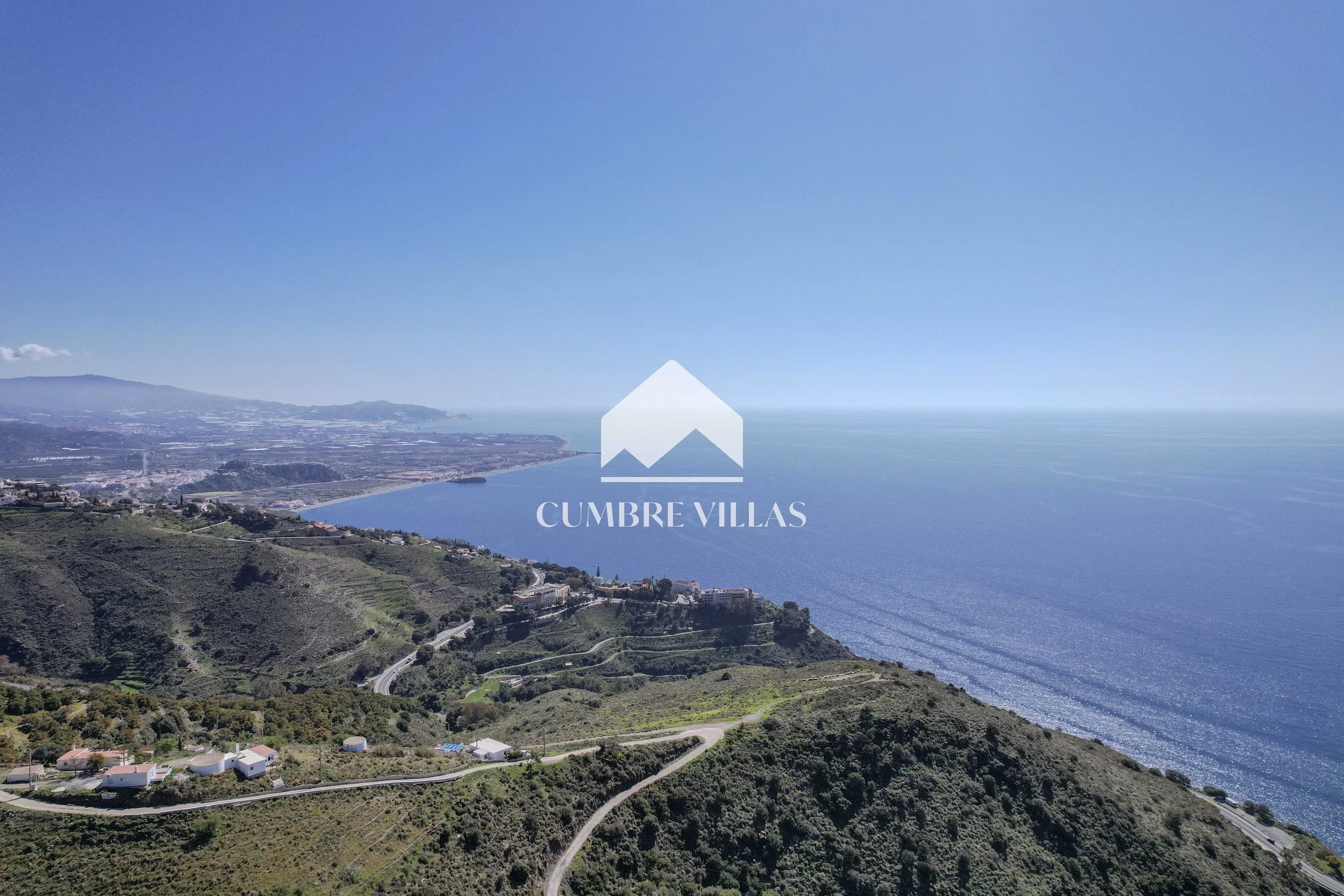
Alfa Mar urbanisation, above Salobreña, Granada province, Andalucía, Spain.
Property type
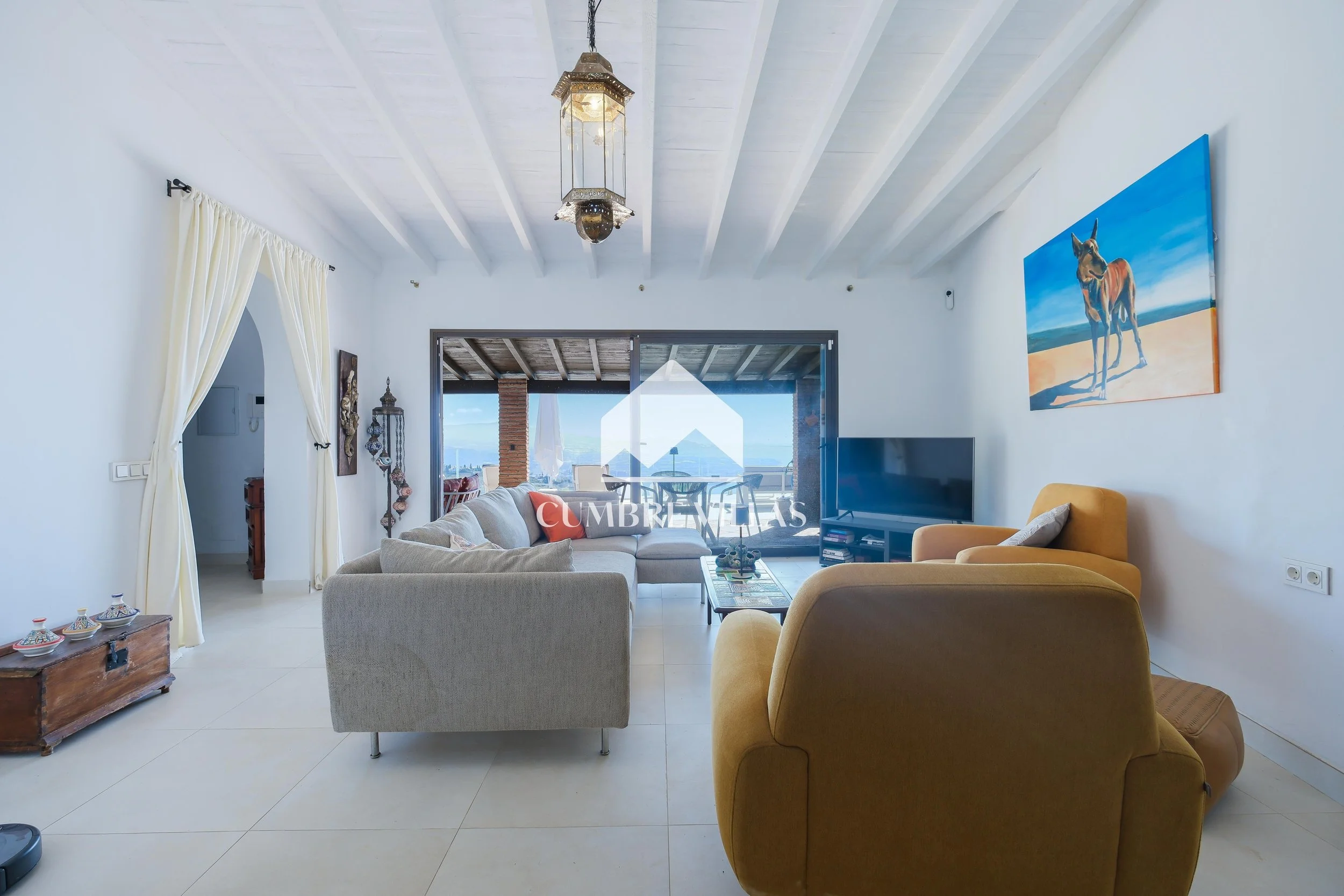
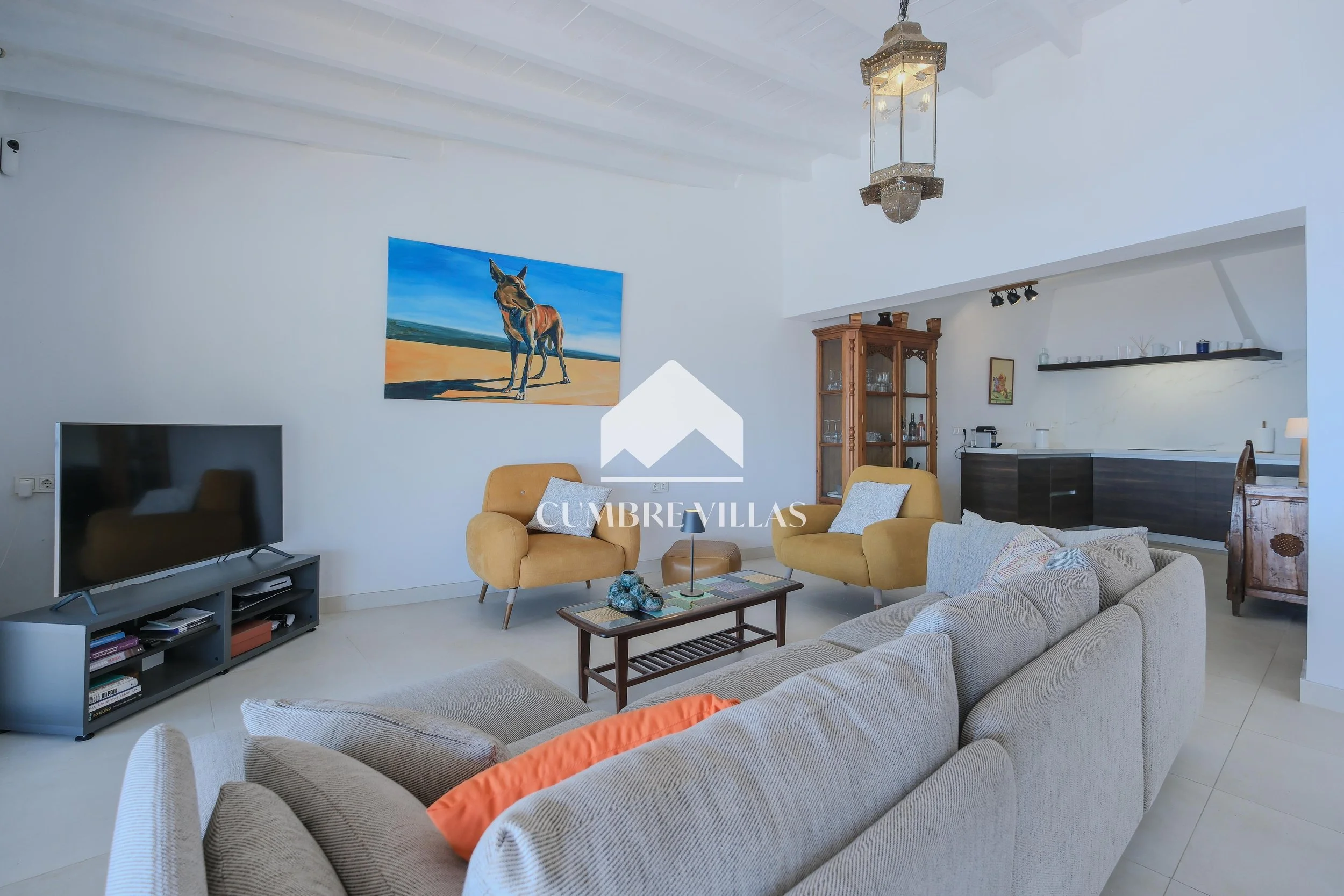
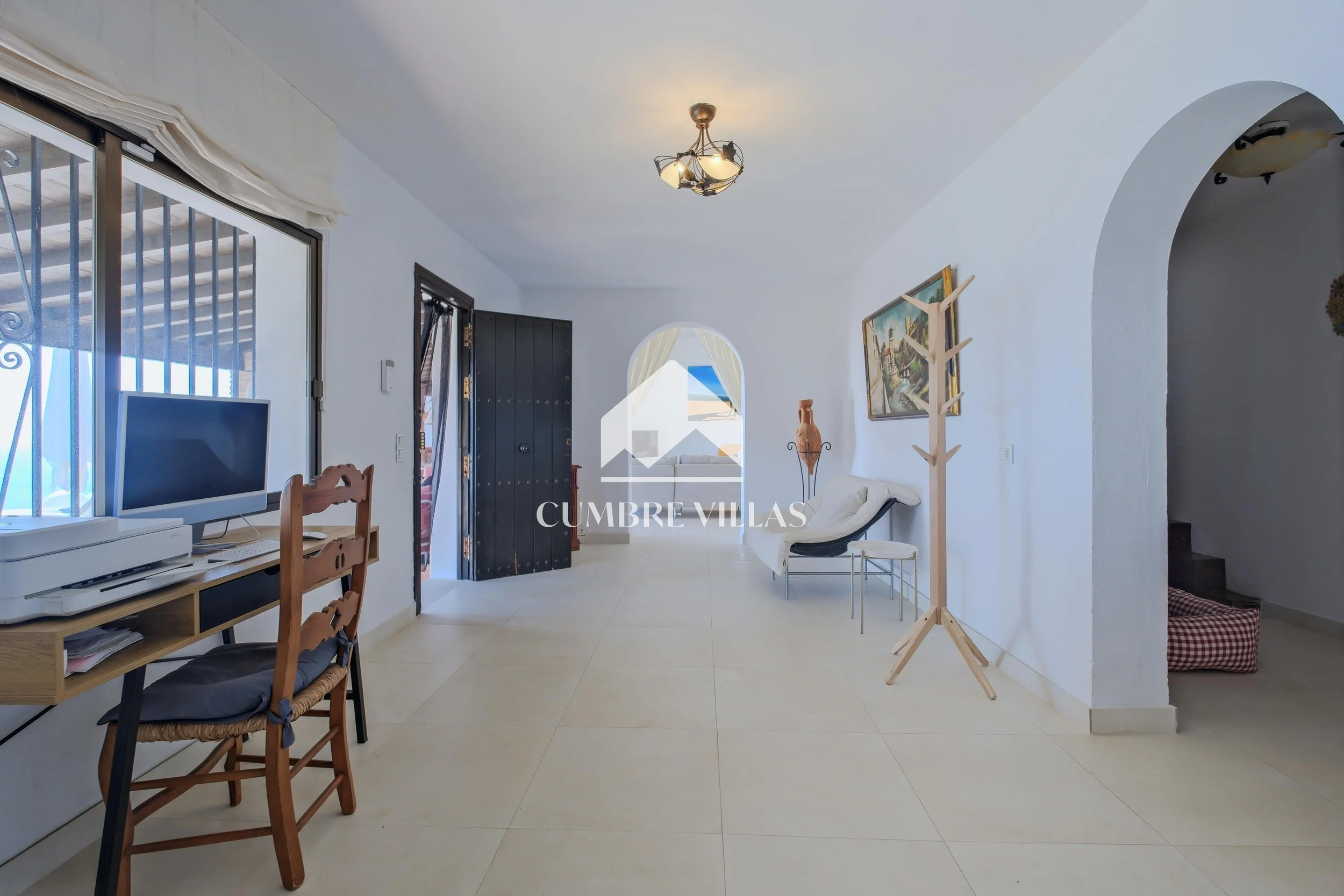
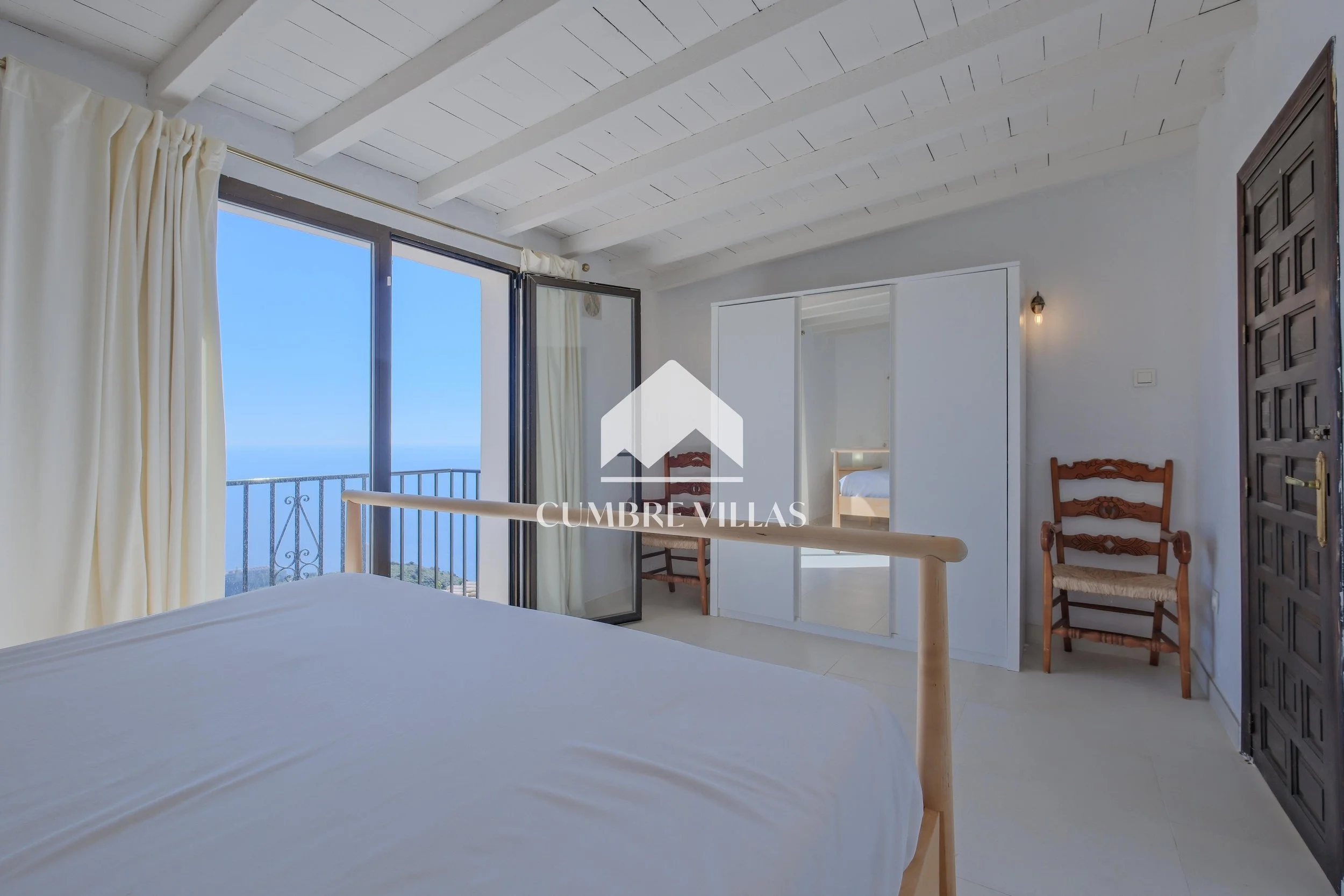
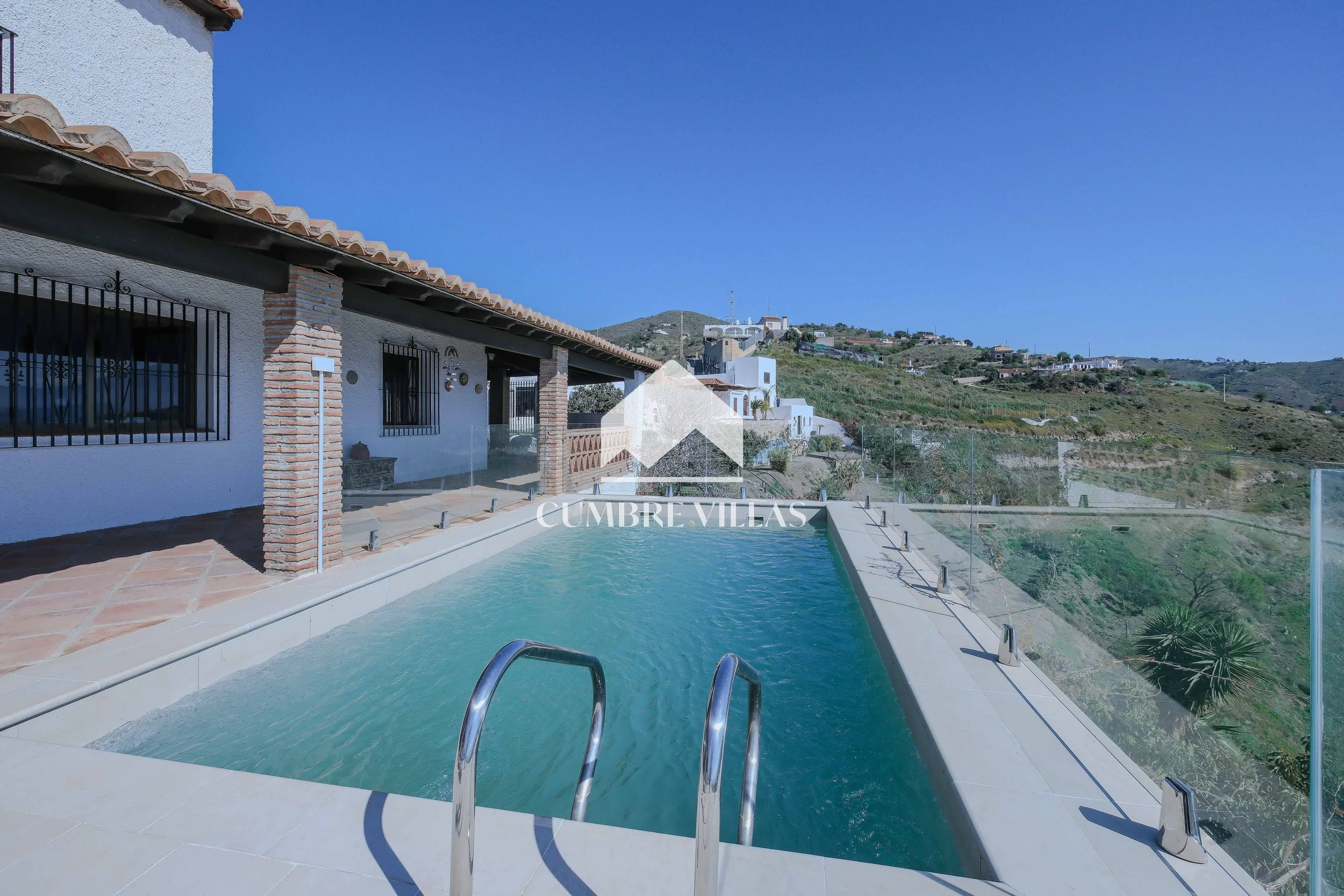
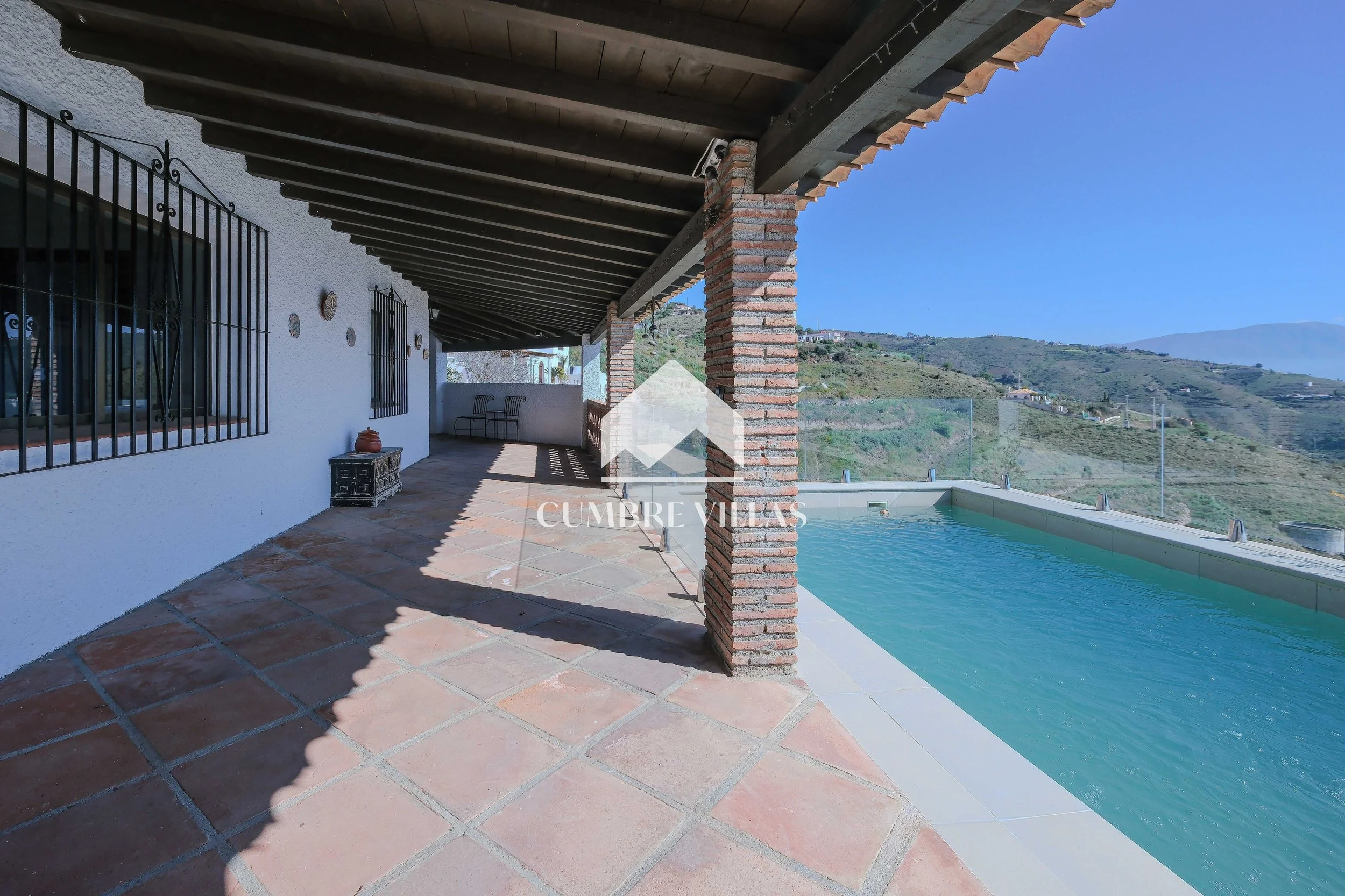
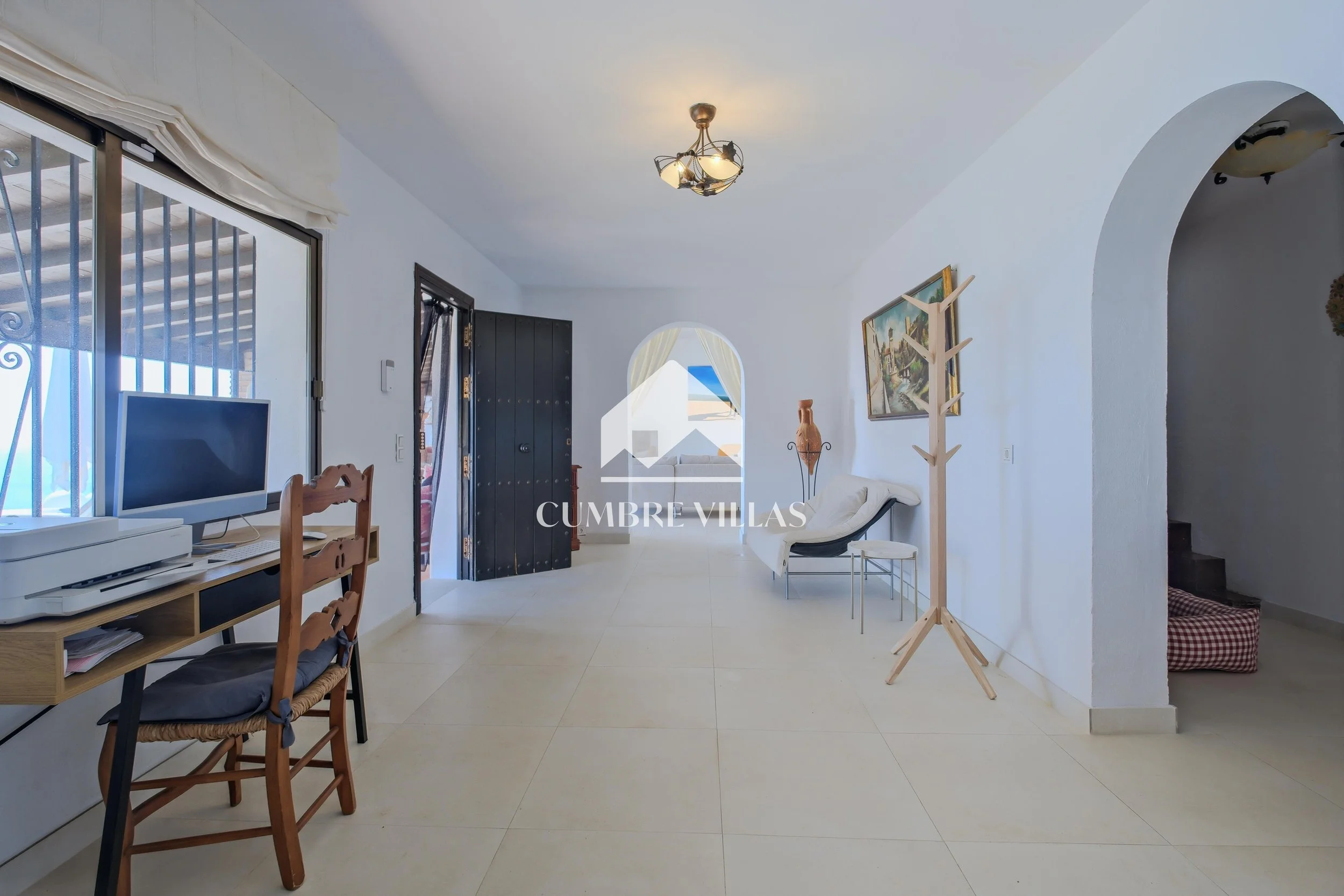
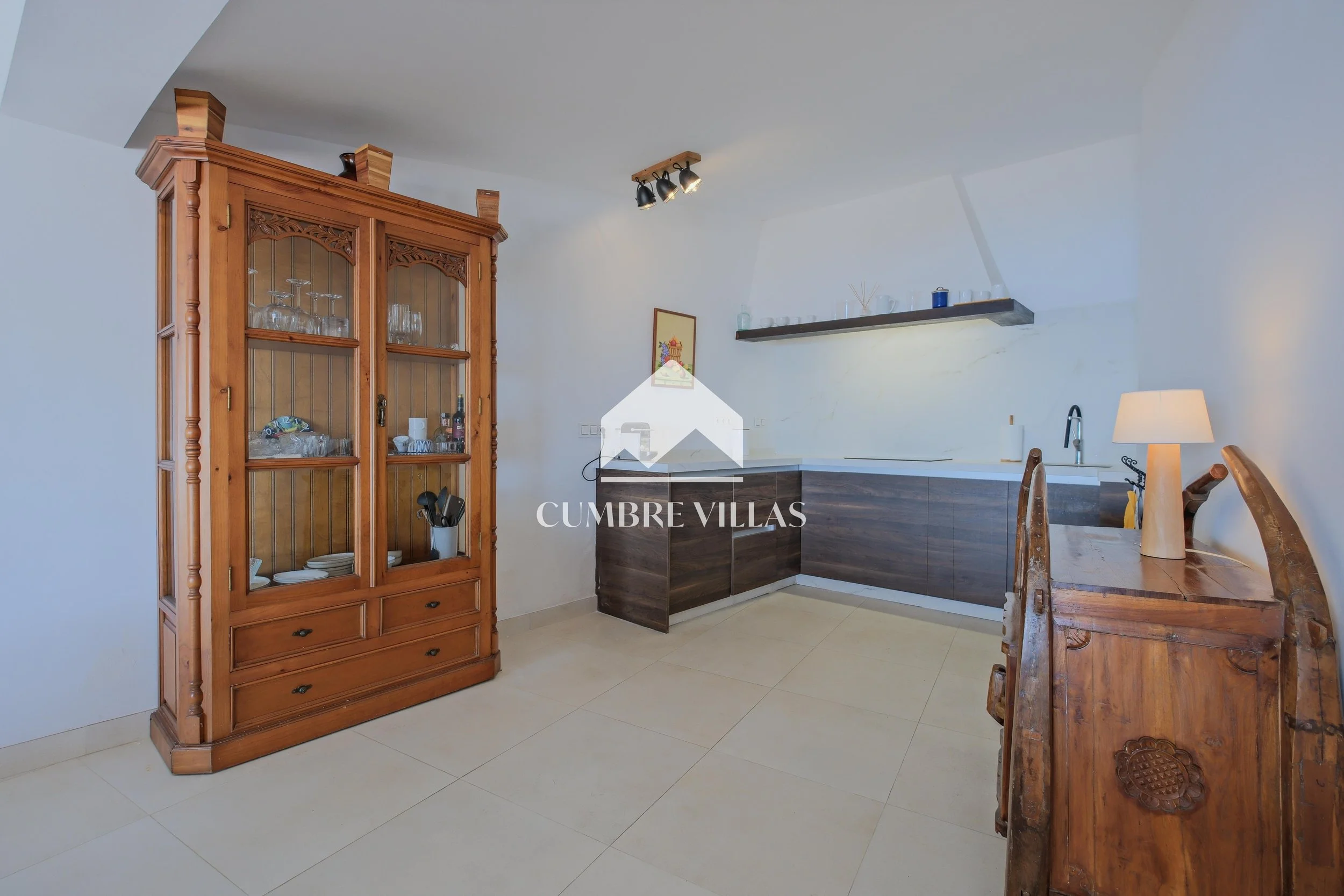
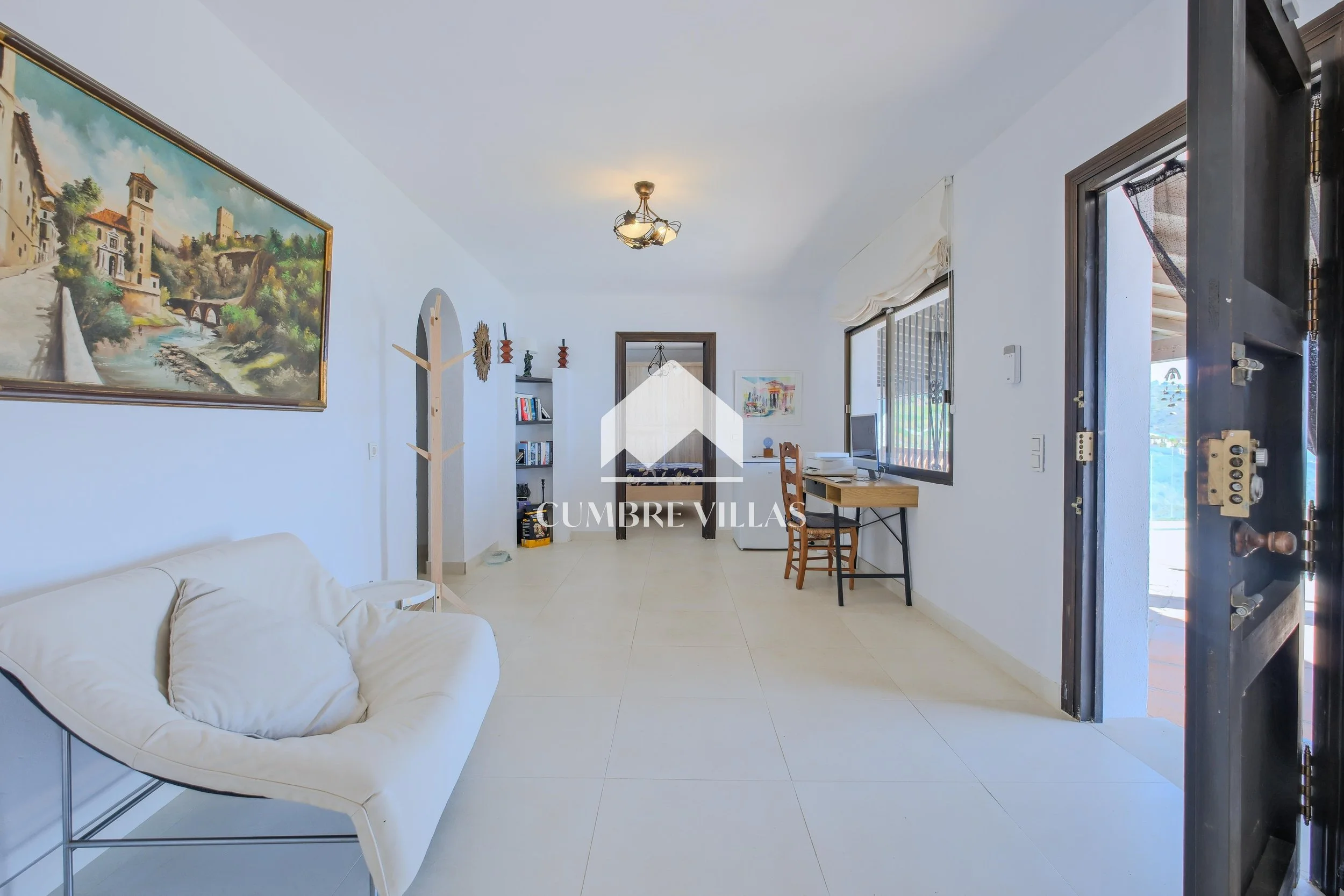
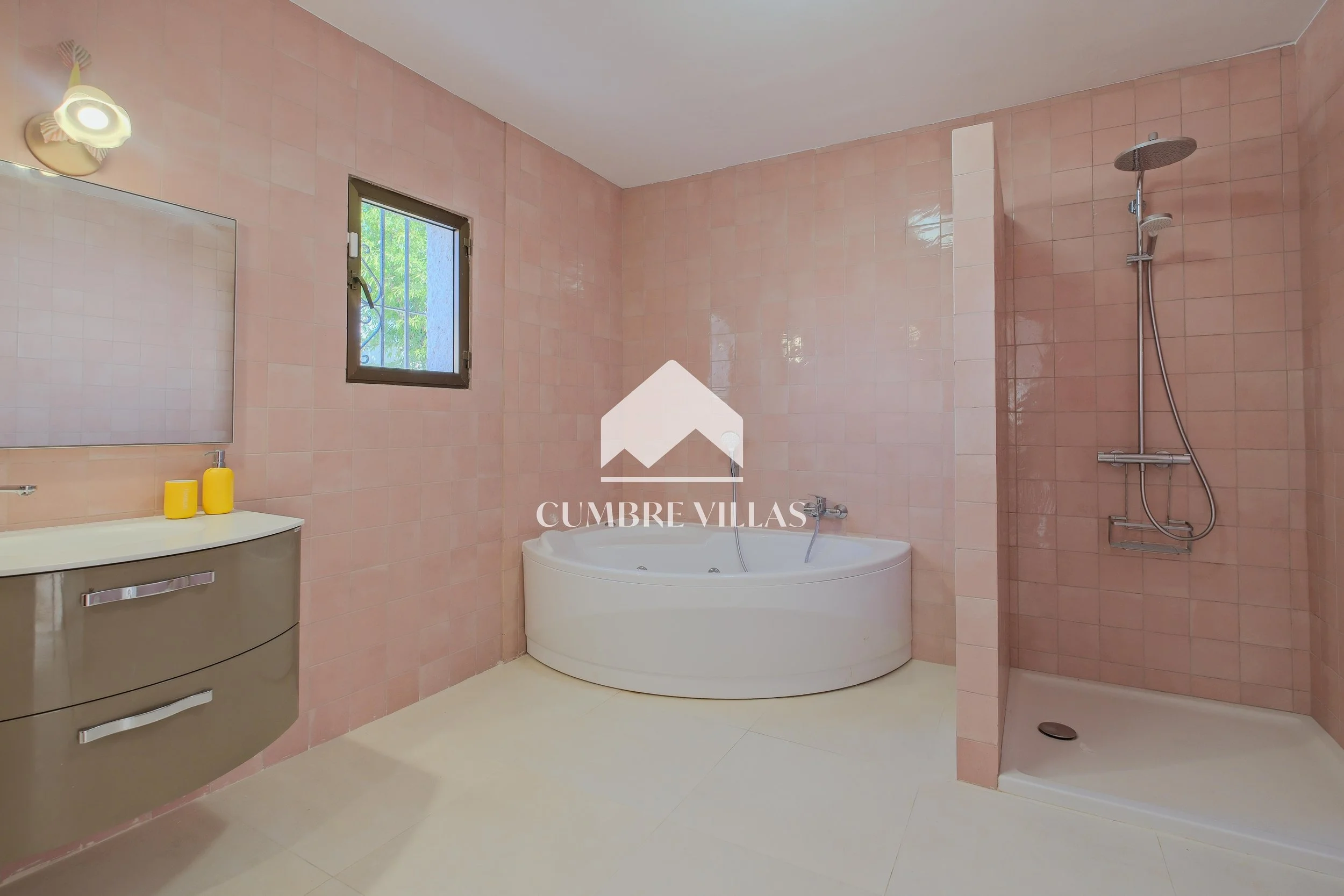
Recently renovated country house with private pool and land.
Asking Price
€495,000.
Bedrooms / bathrooms
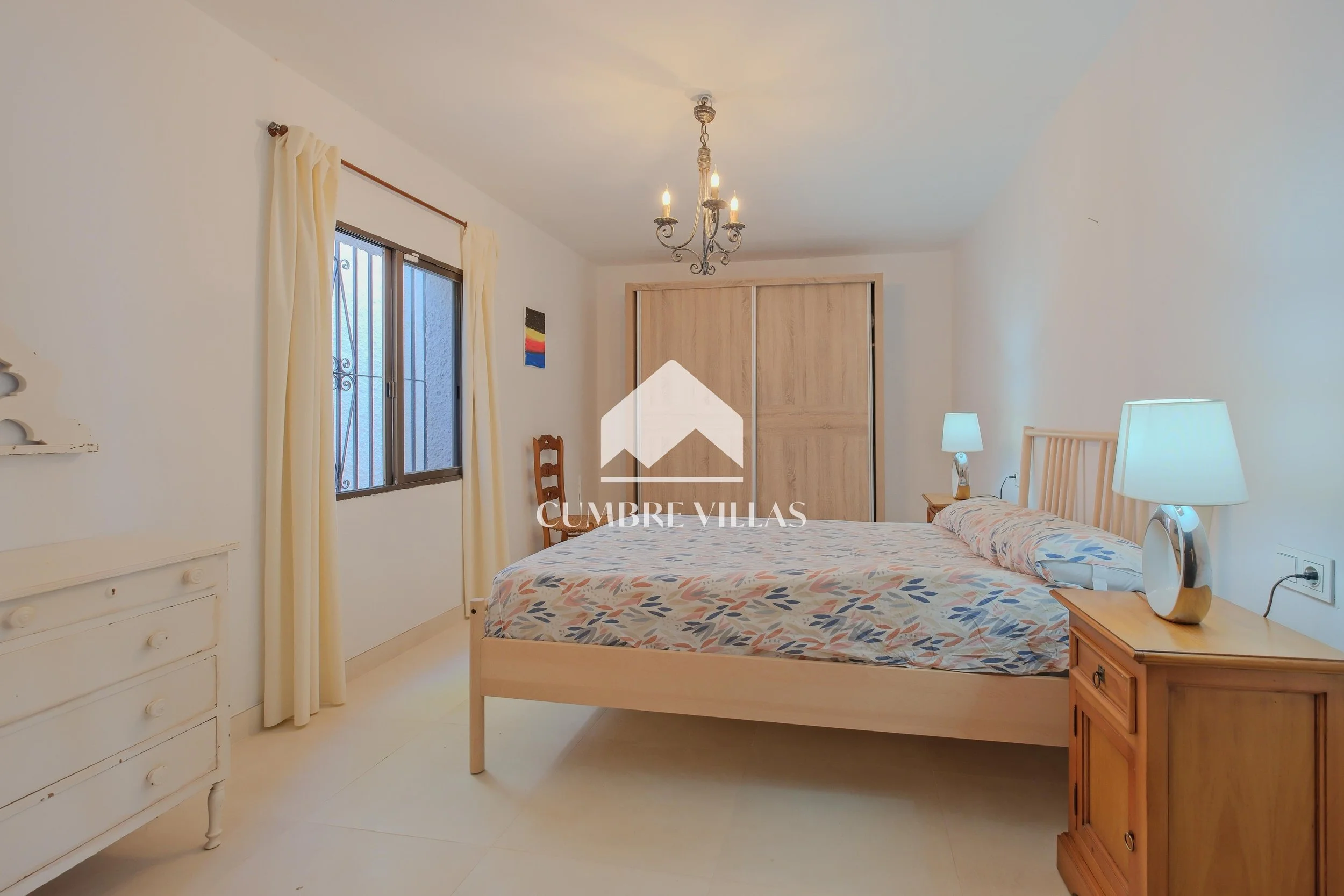
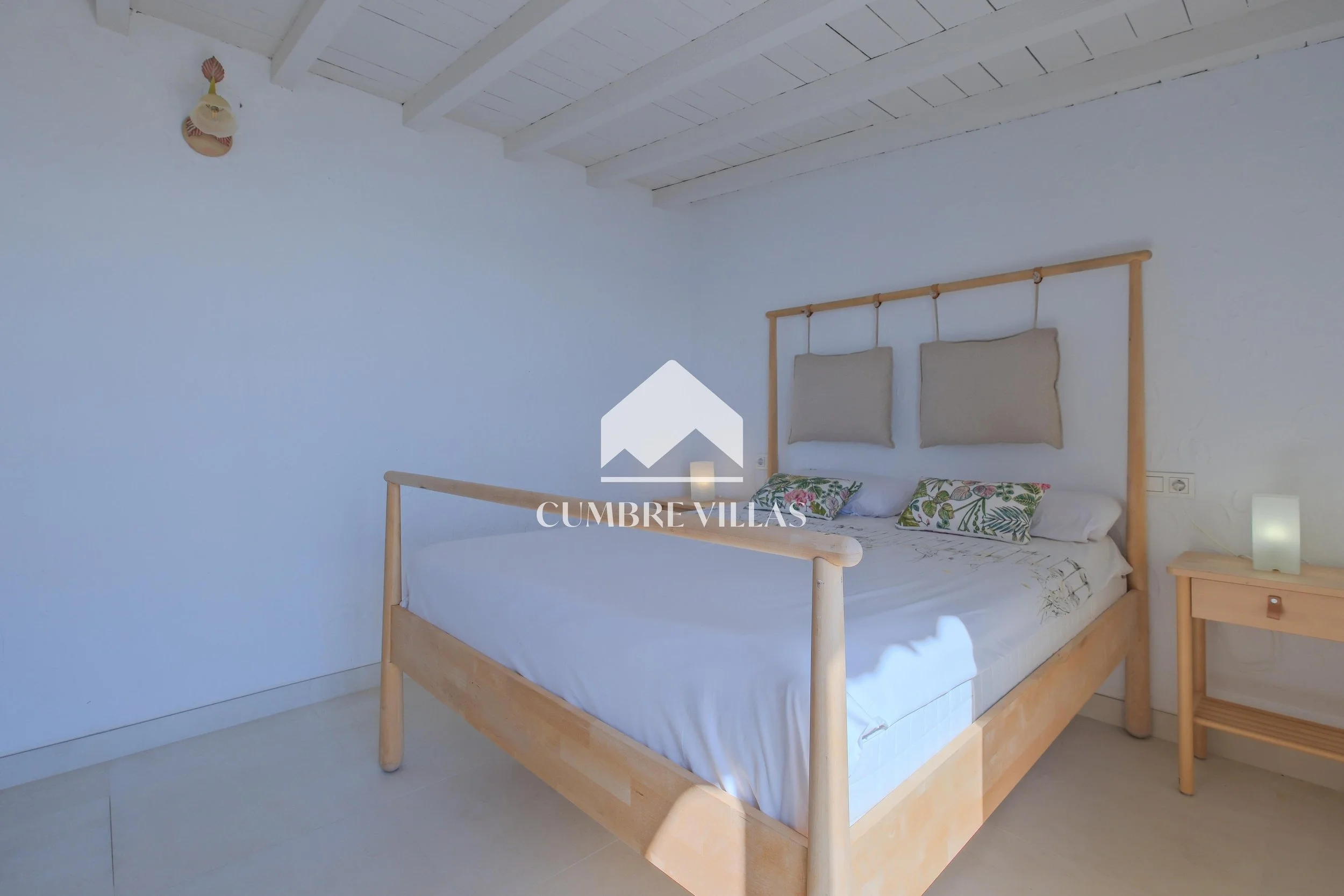
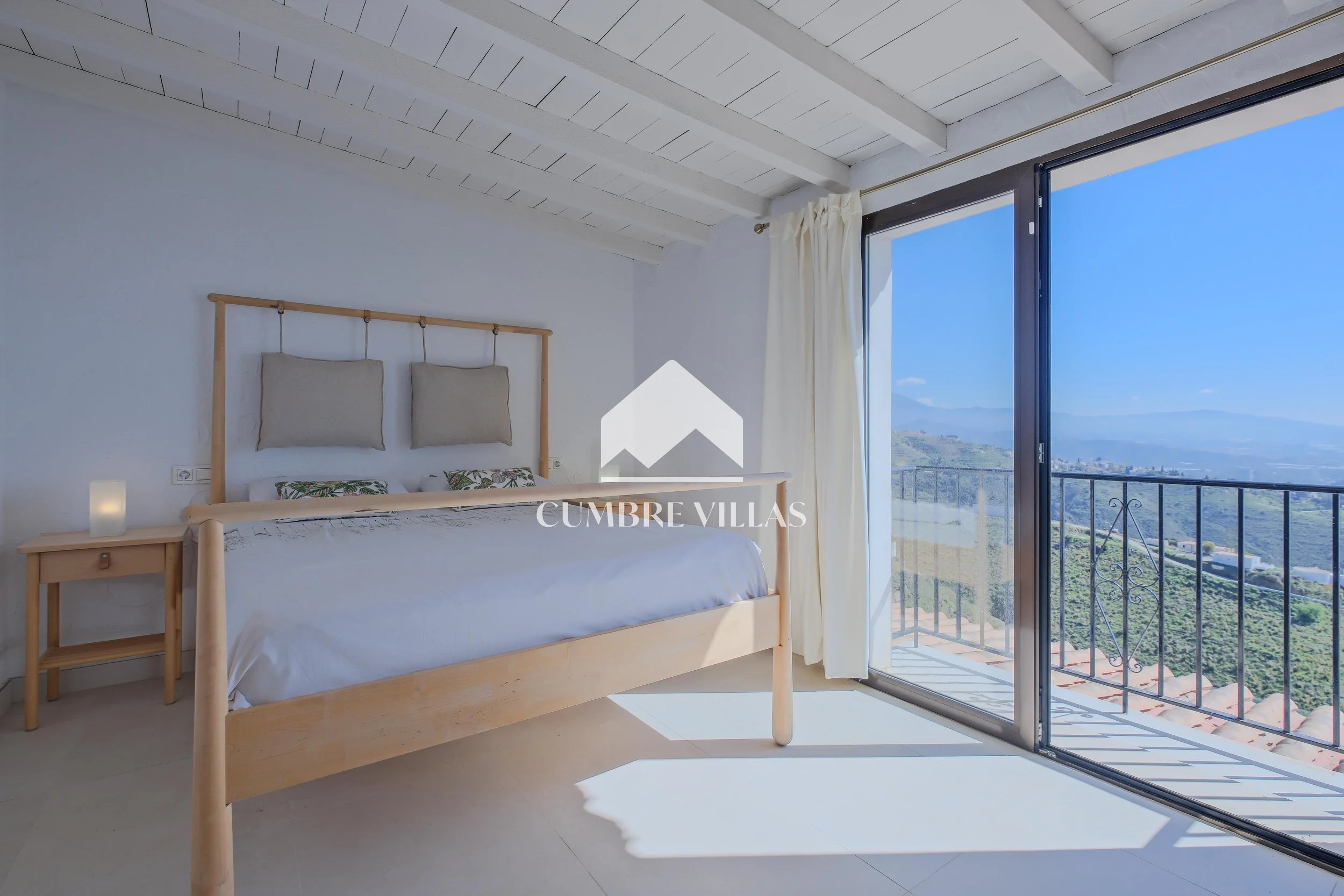
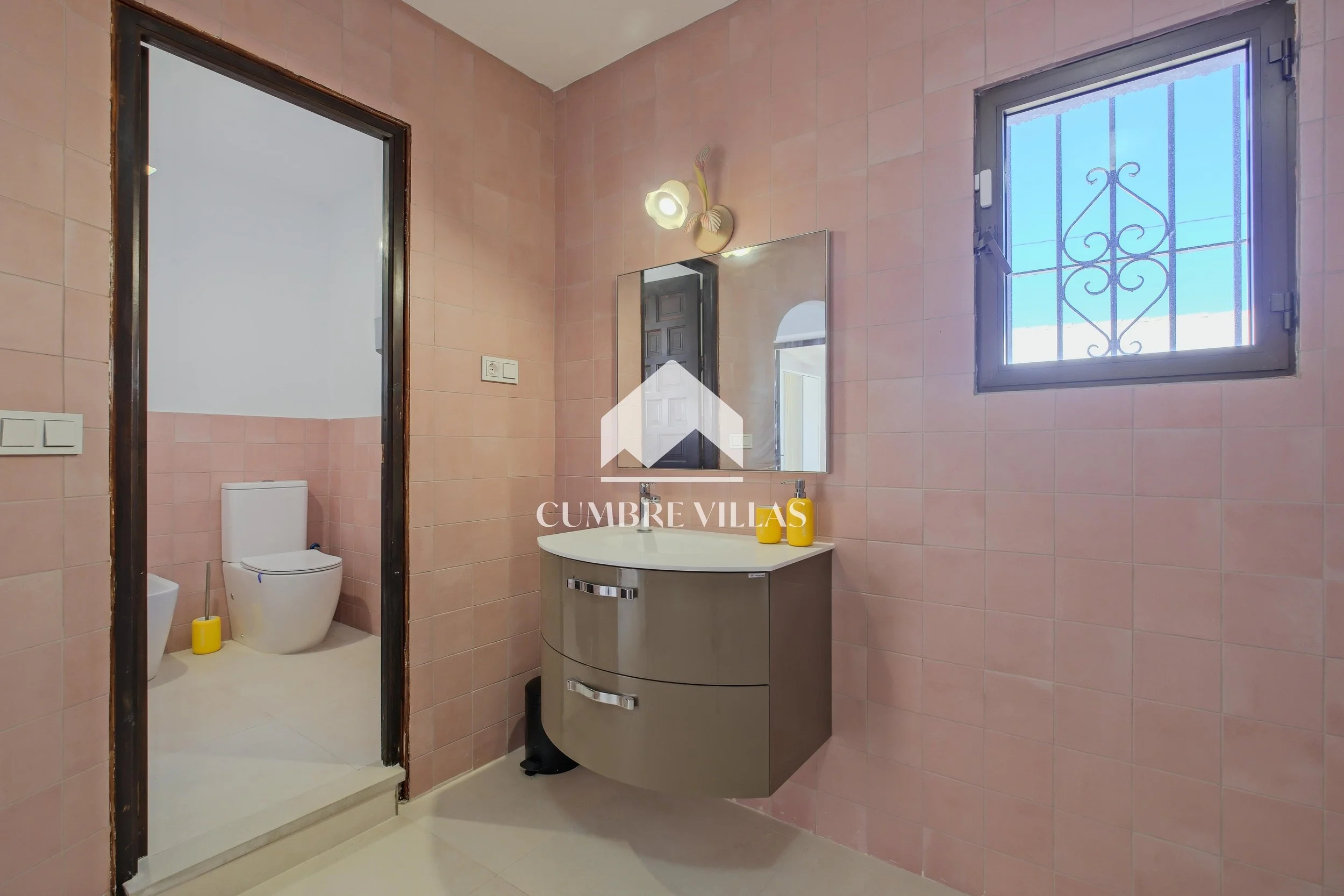
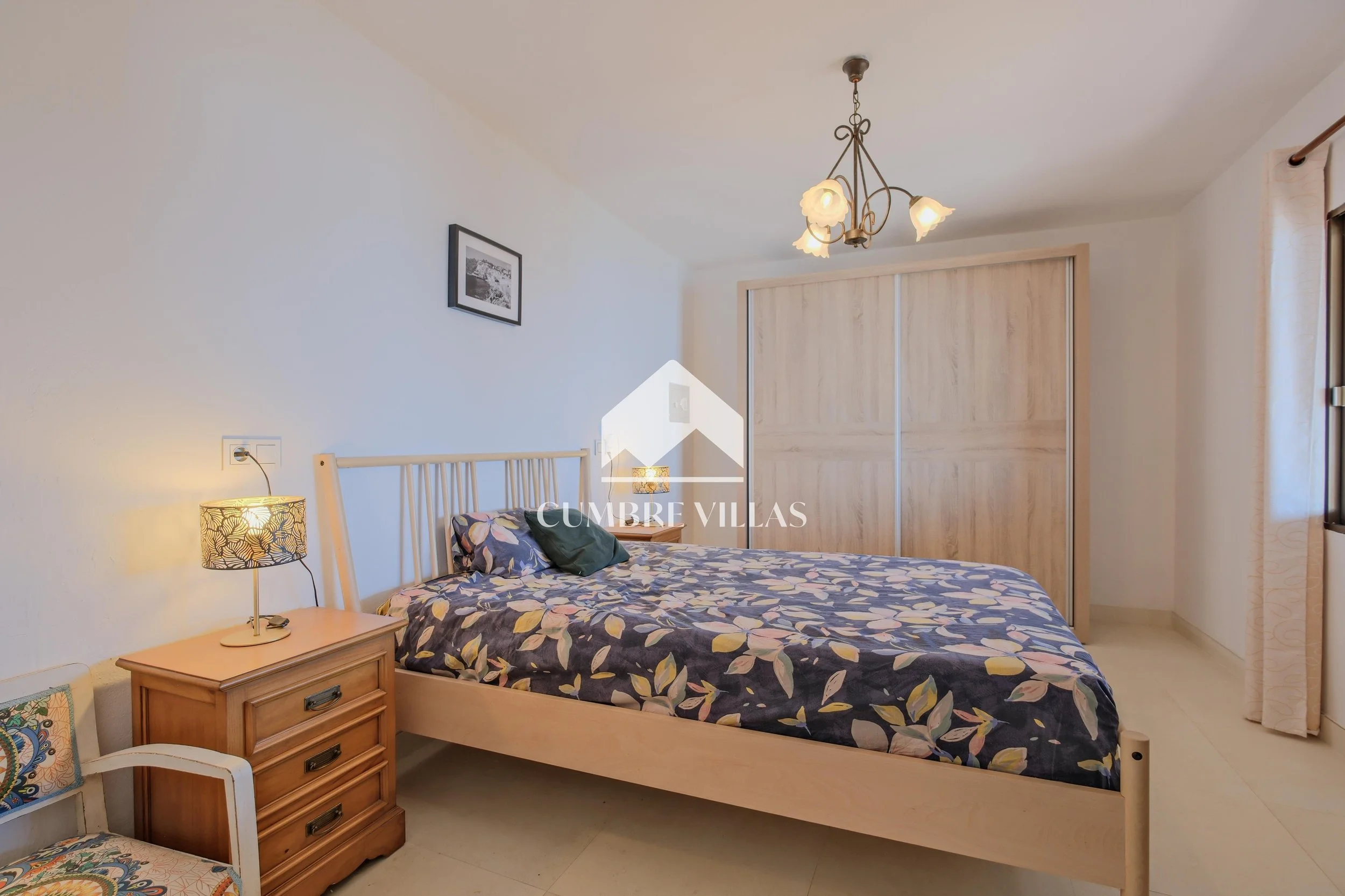
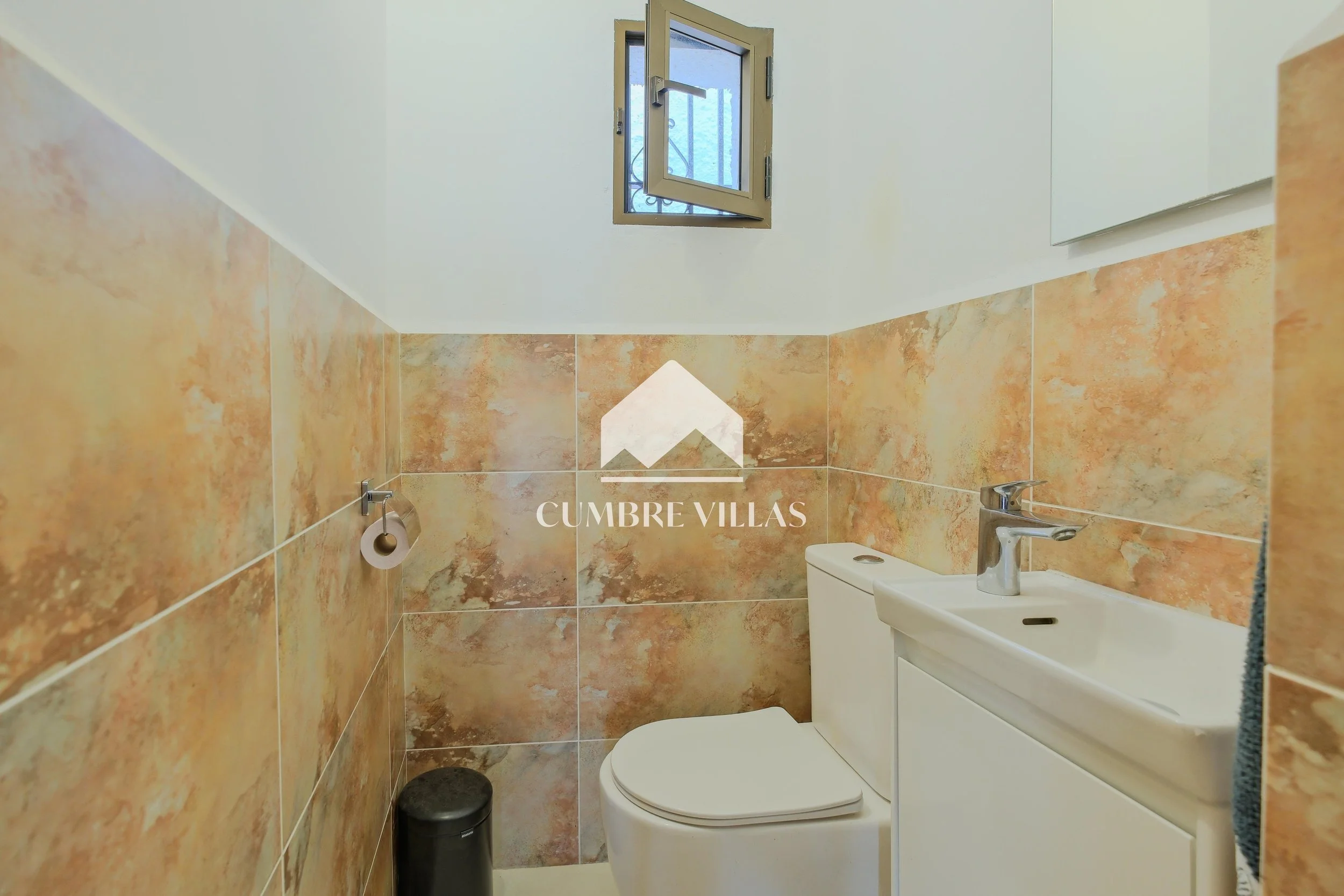
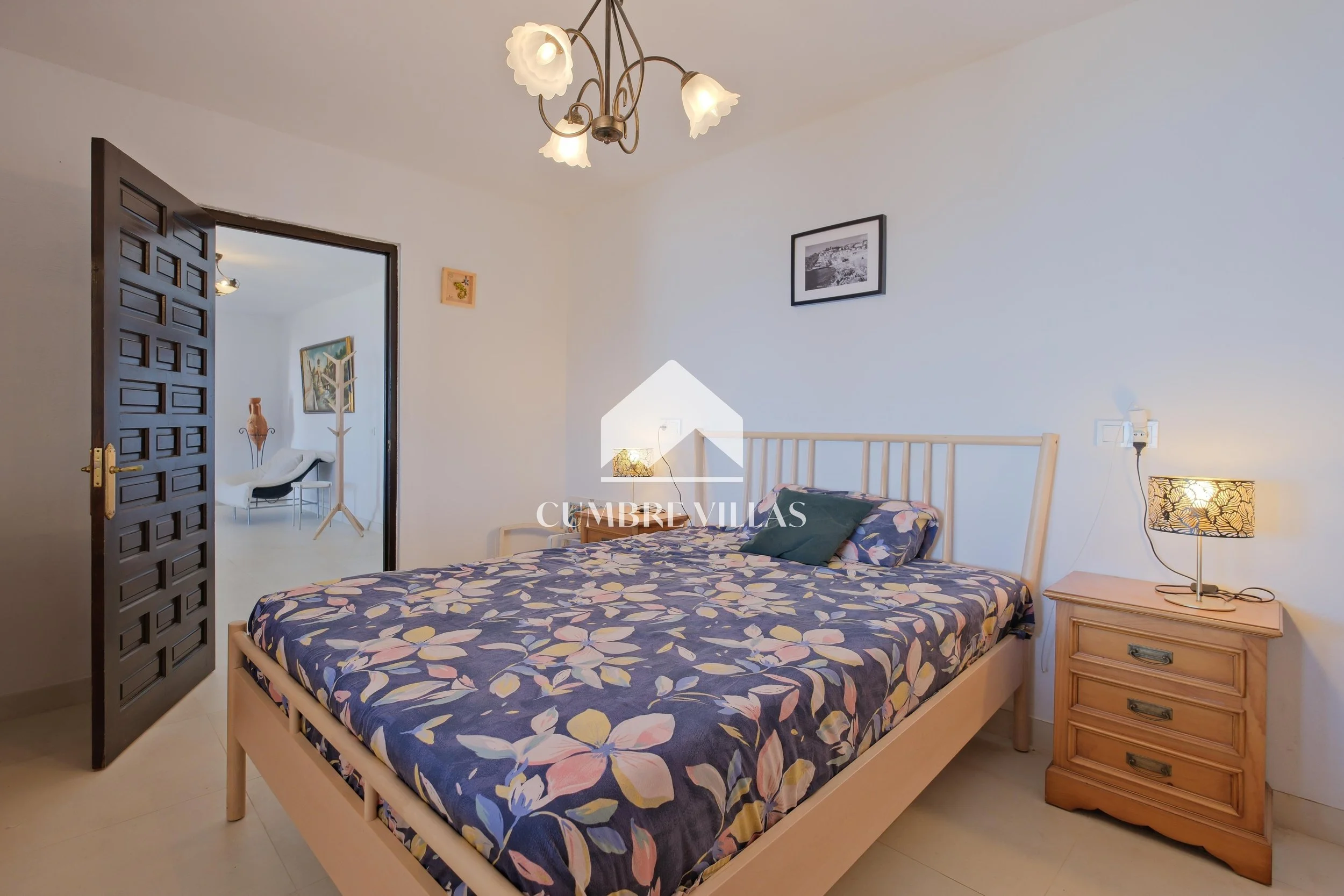
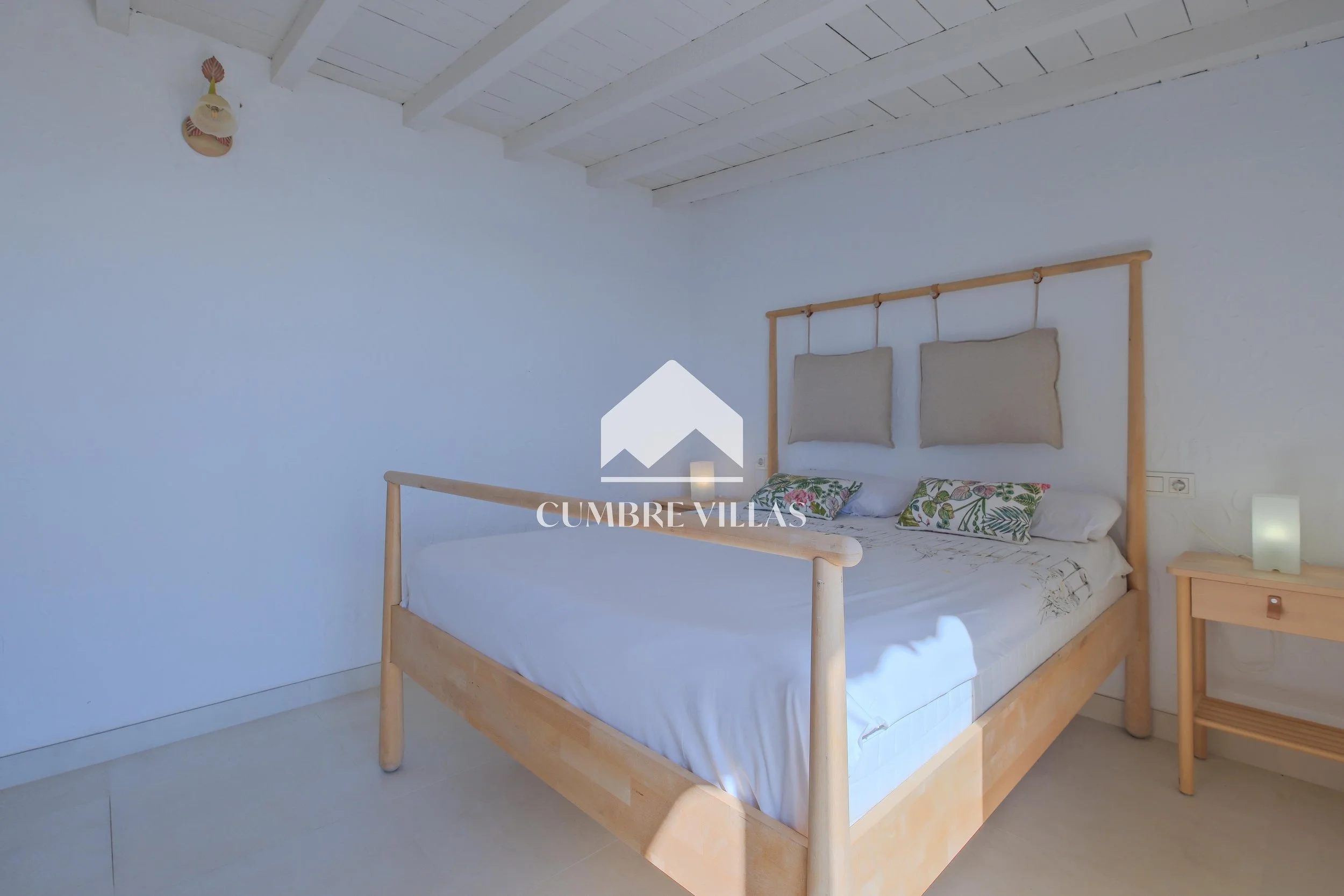
3 bedrooms, 2 bathrooms.
Land
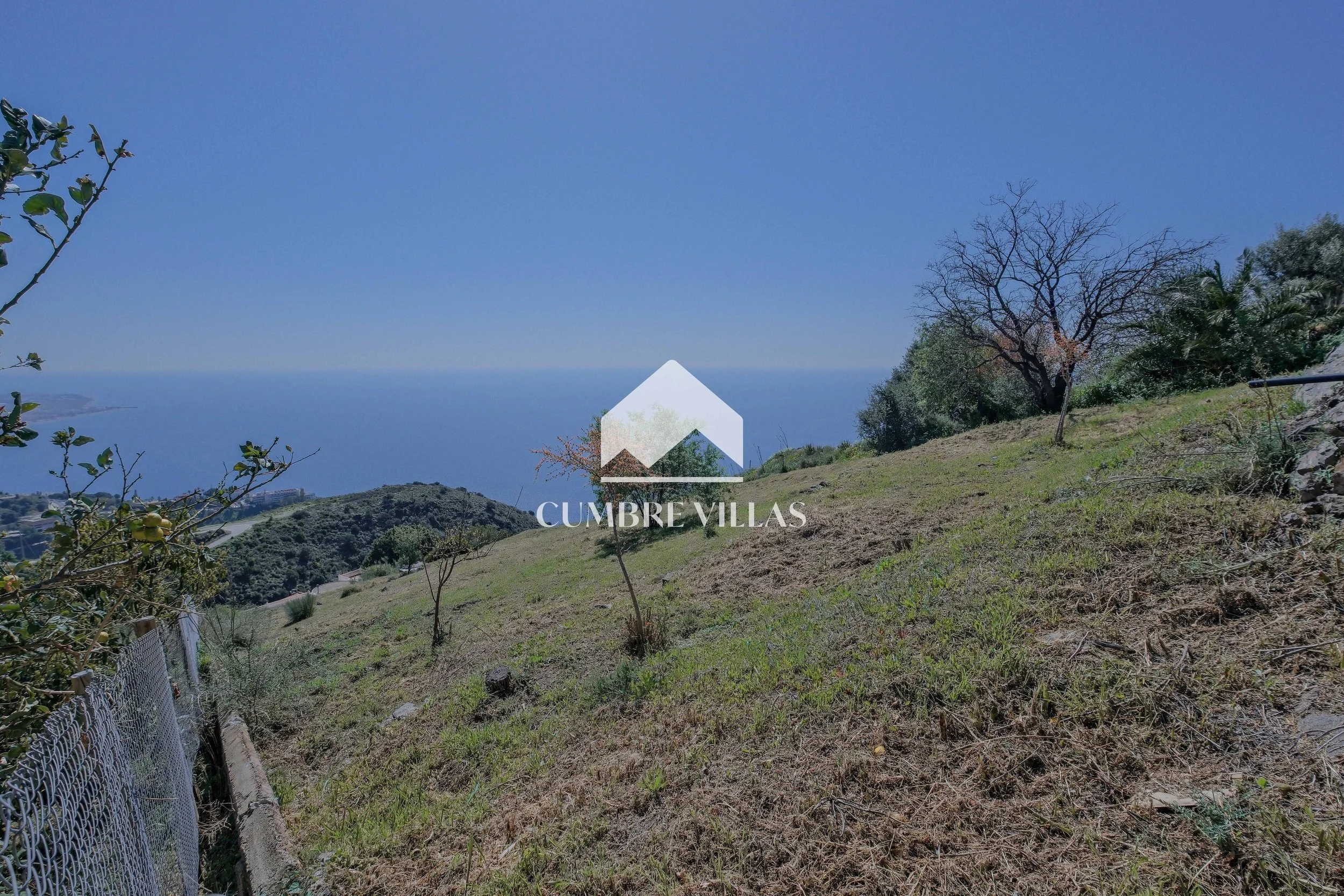
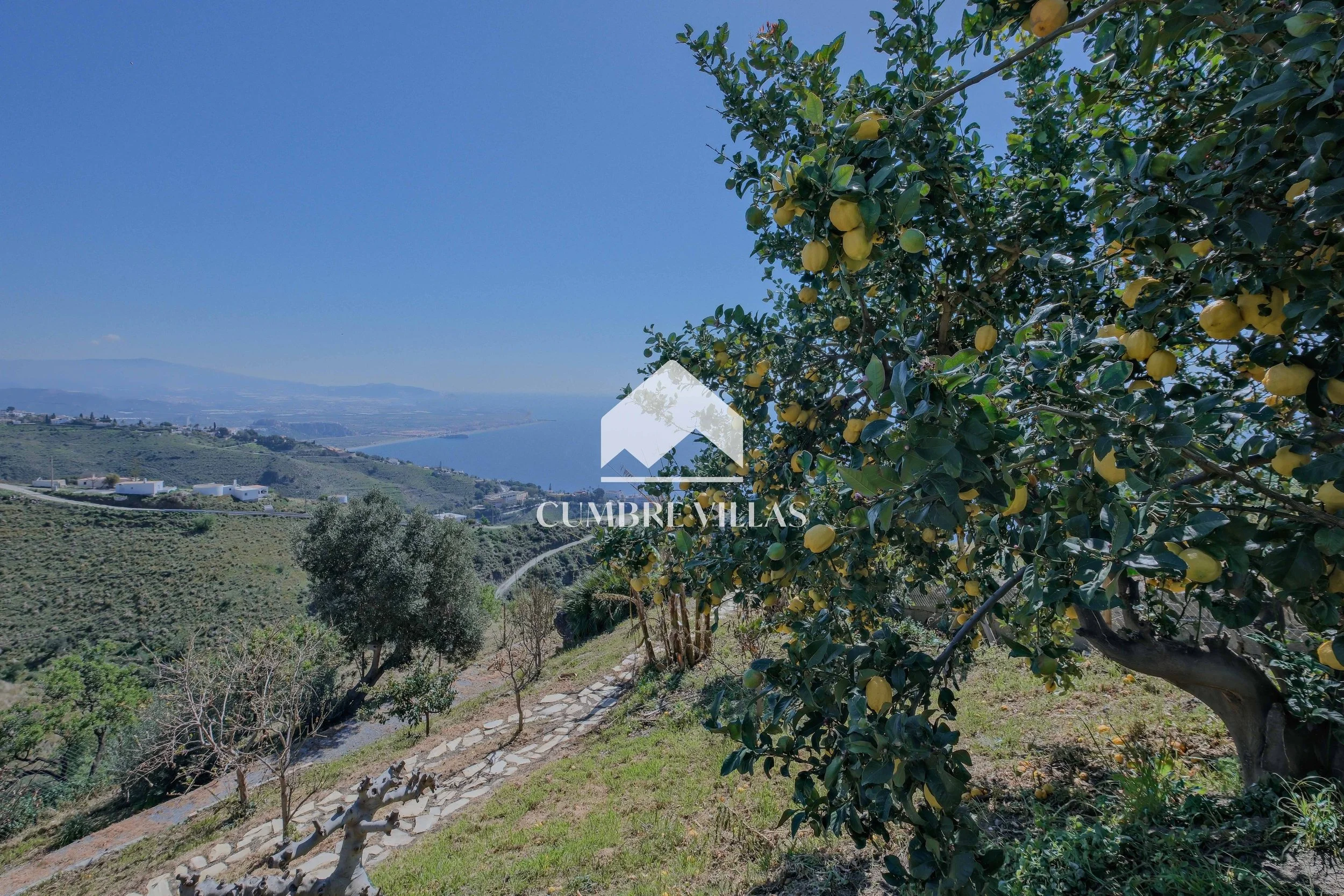
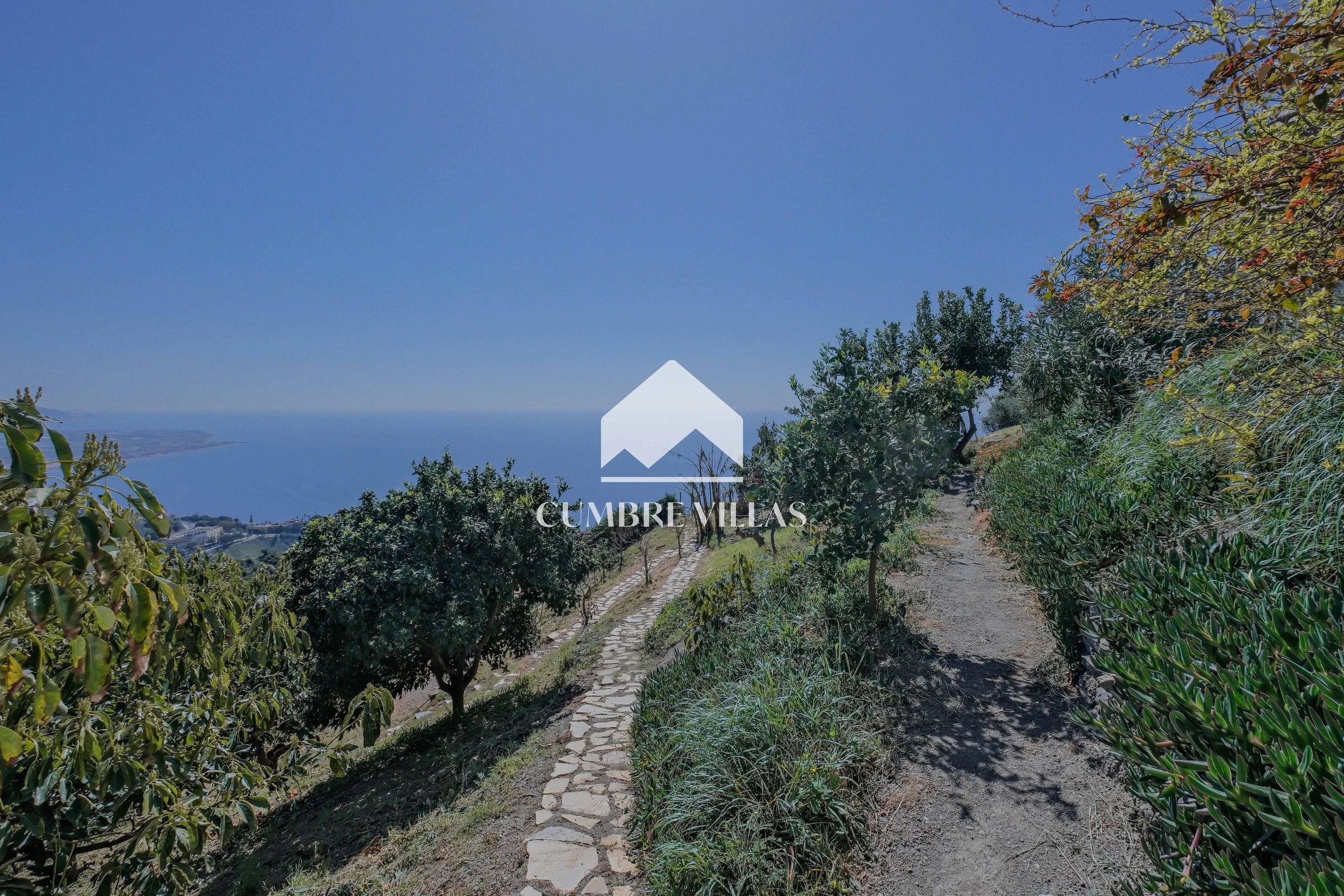
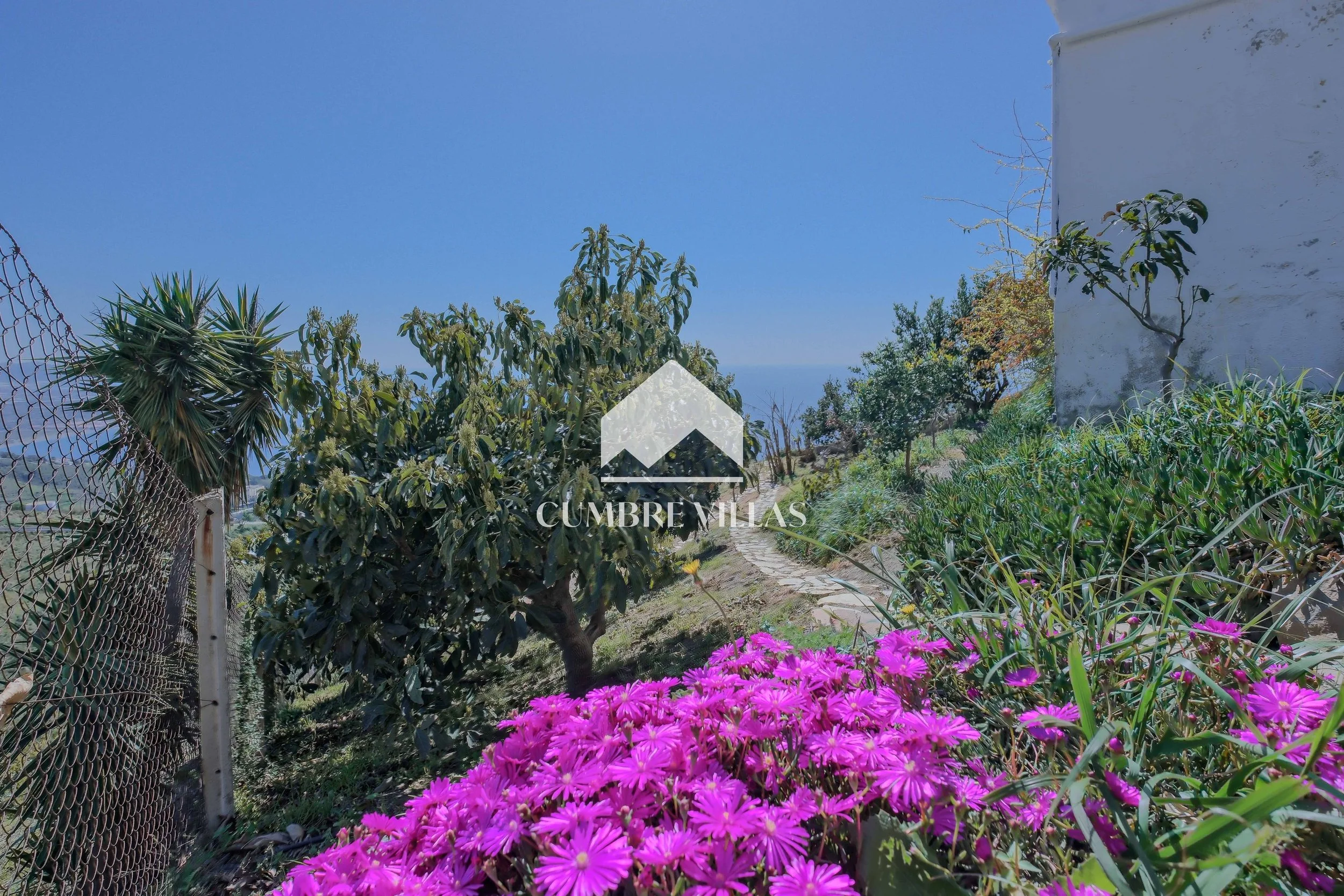
Over 7,000 m² plot with tropical fruit trees, vegetable plot and olive grove potential.
Outdoor features
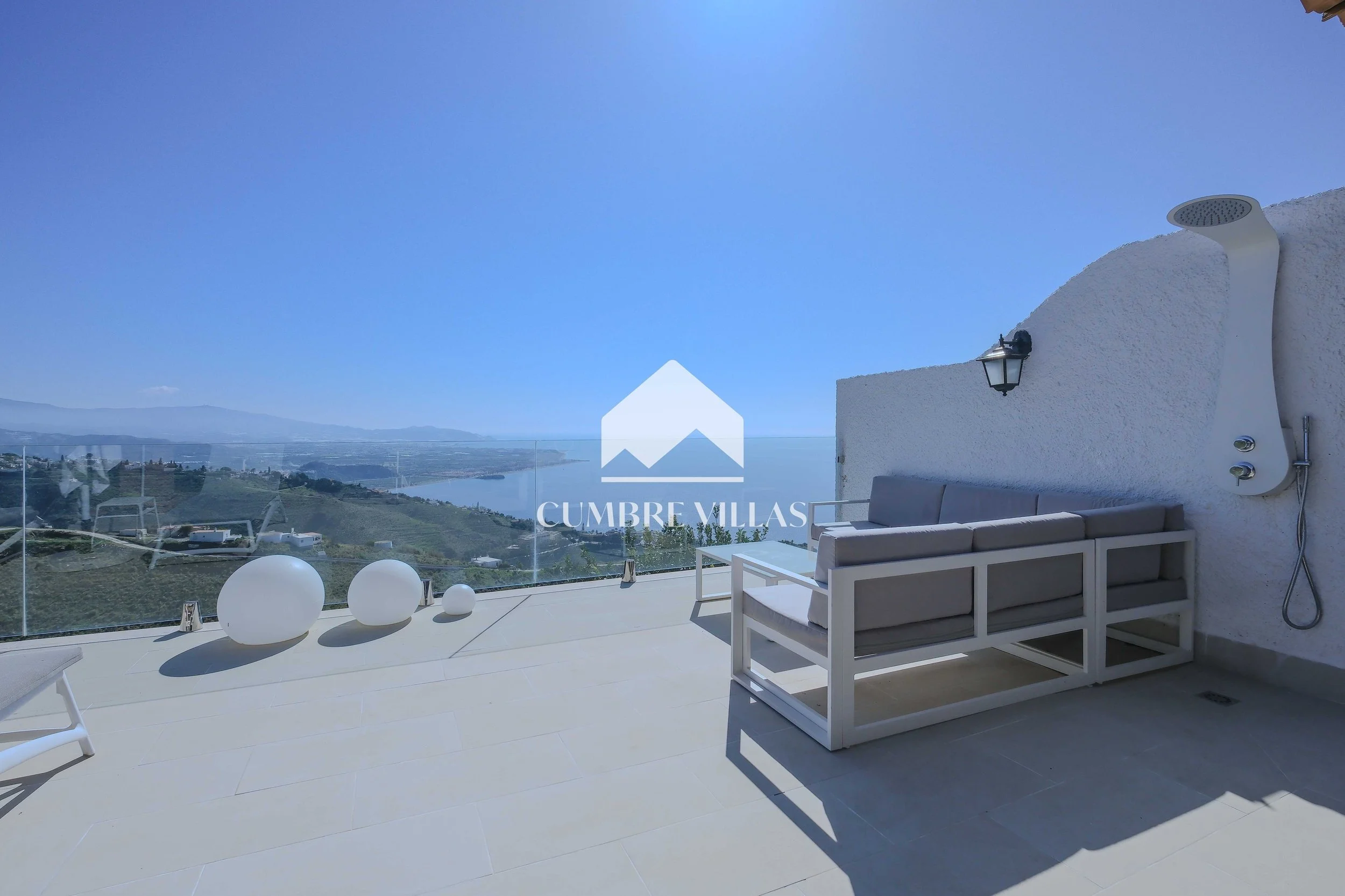
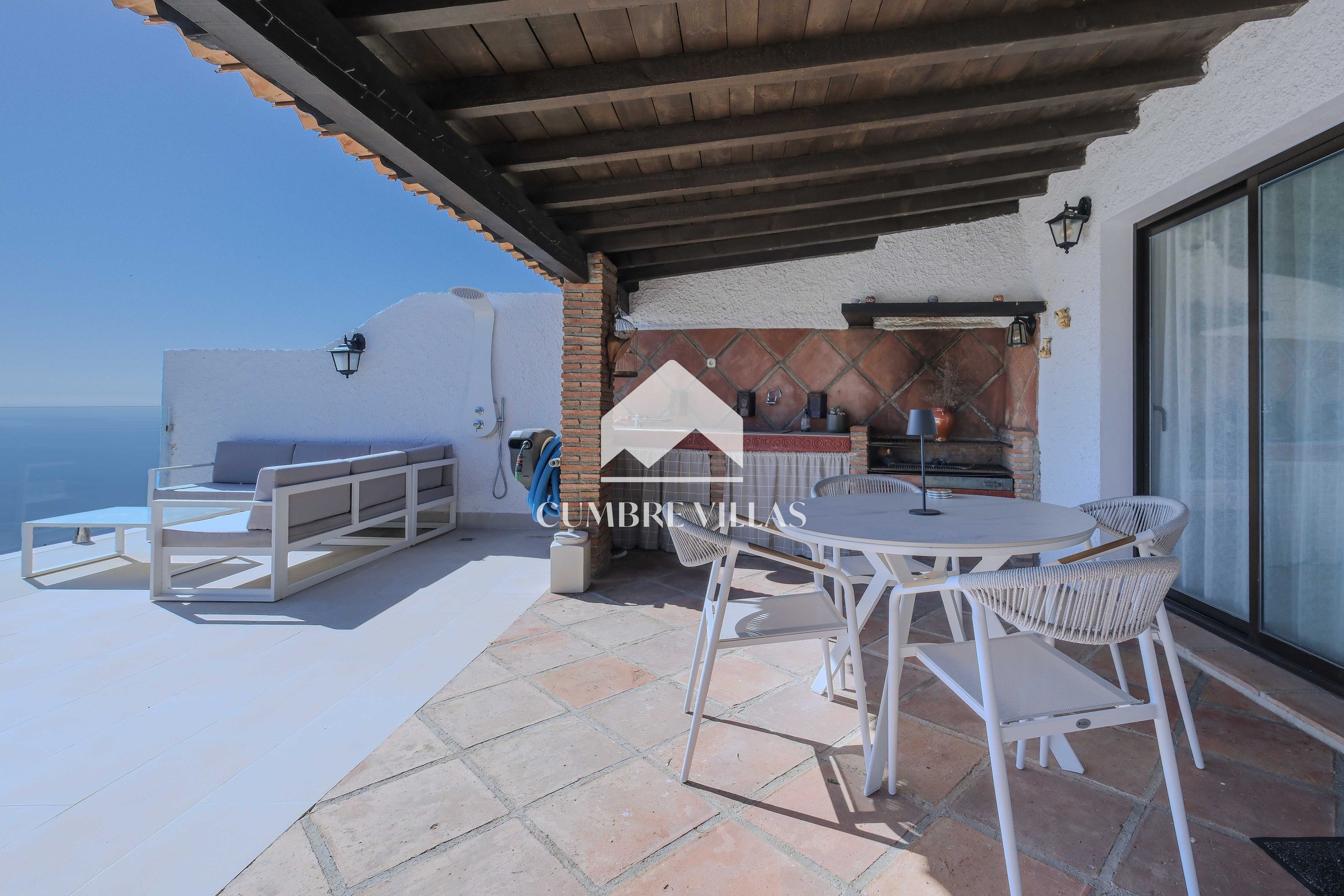
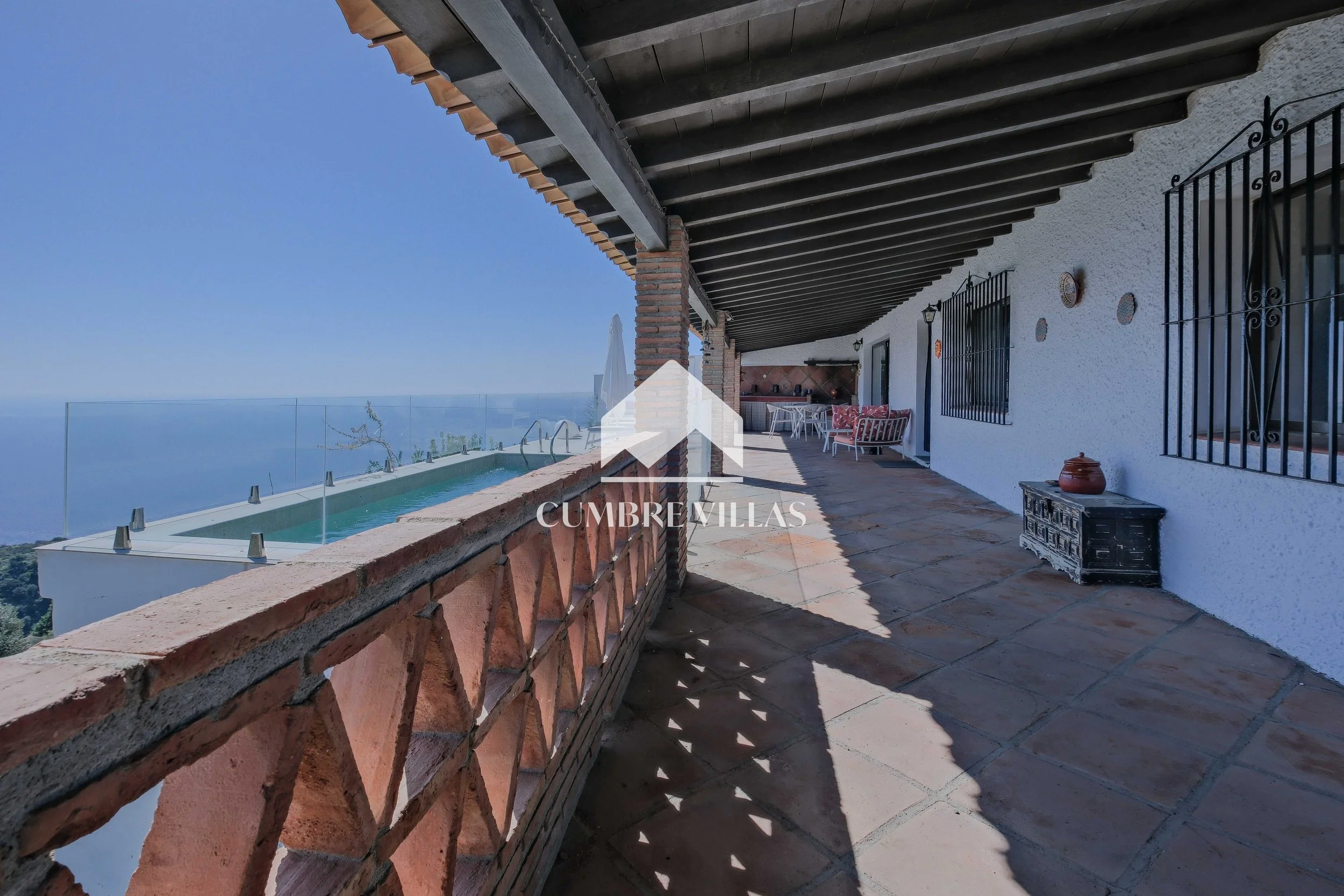
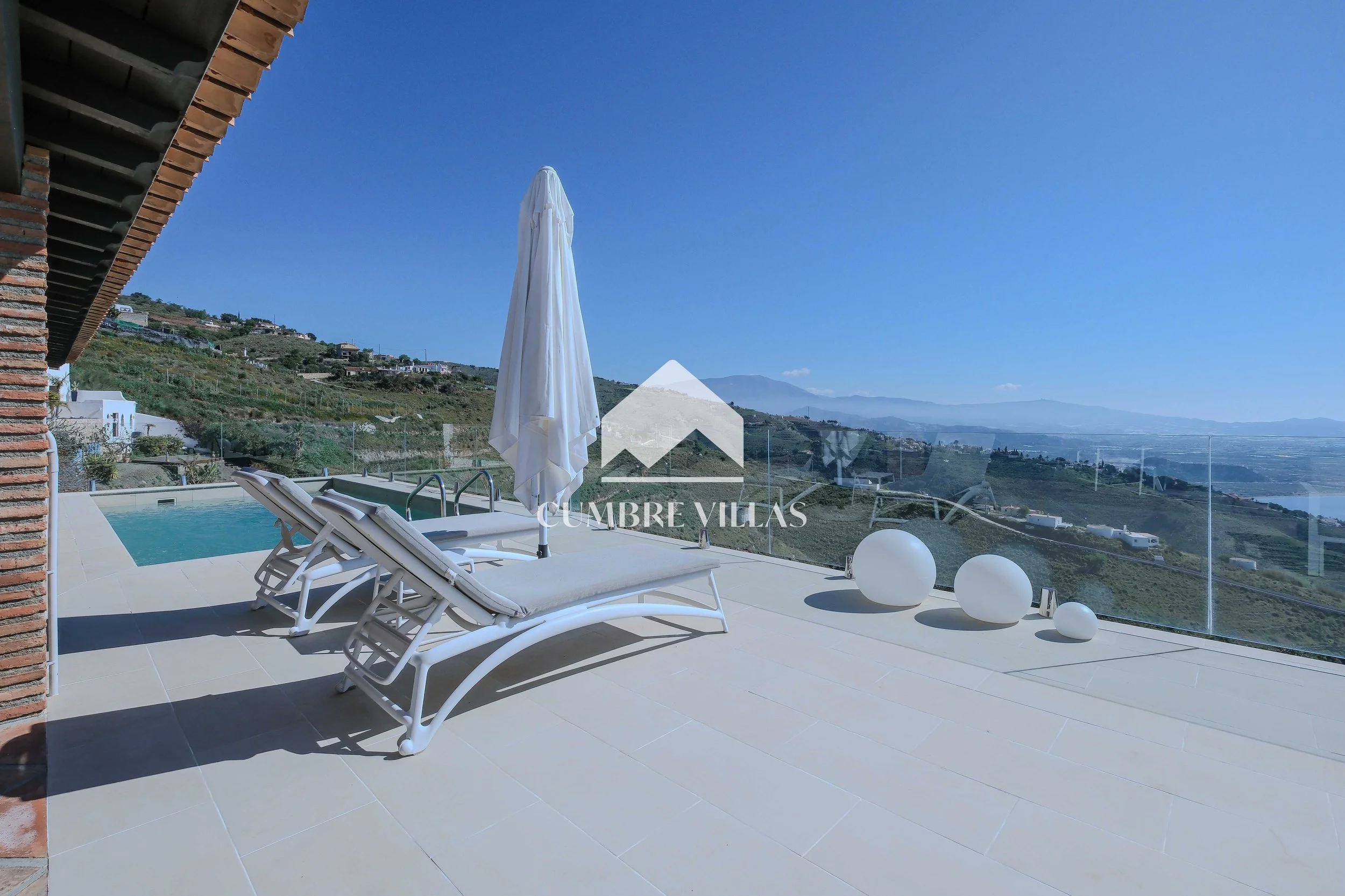
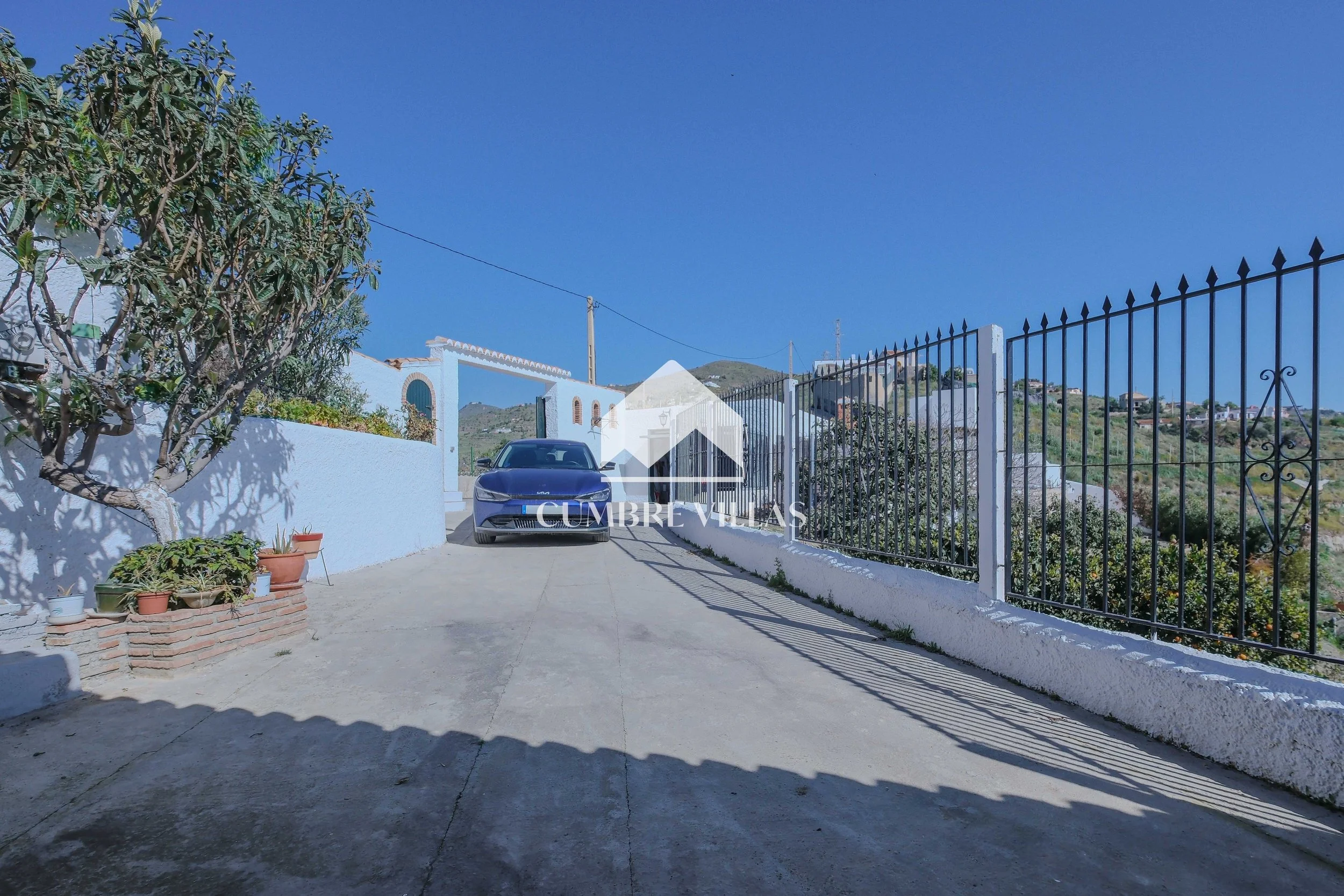
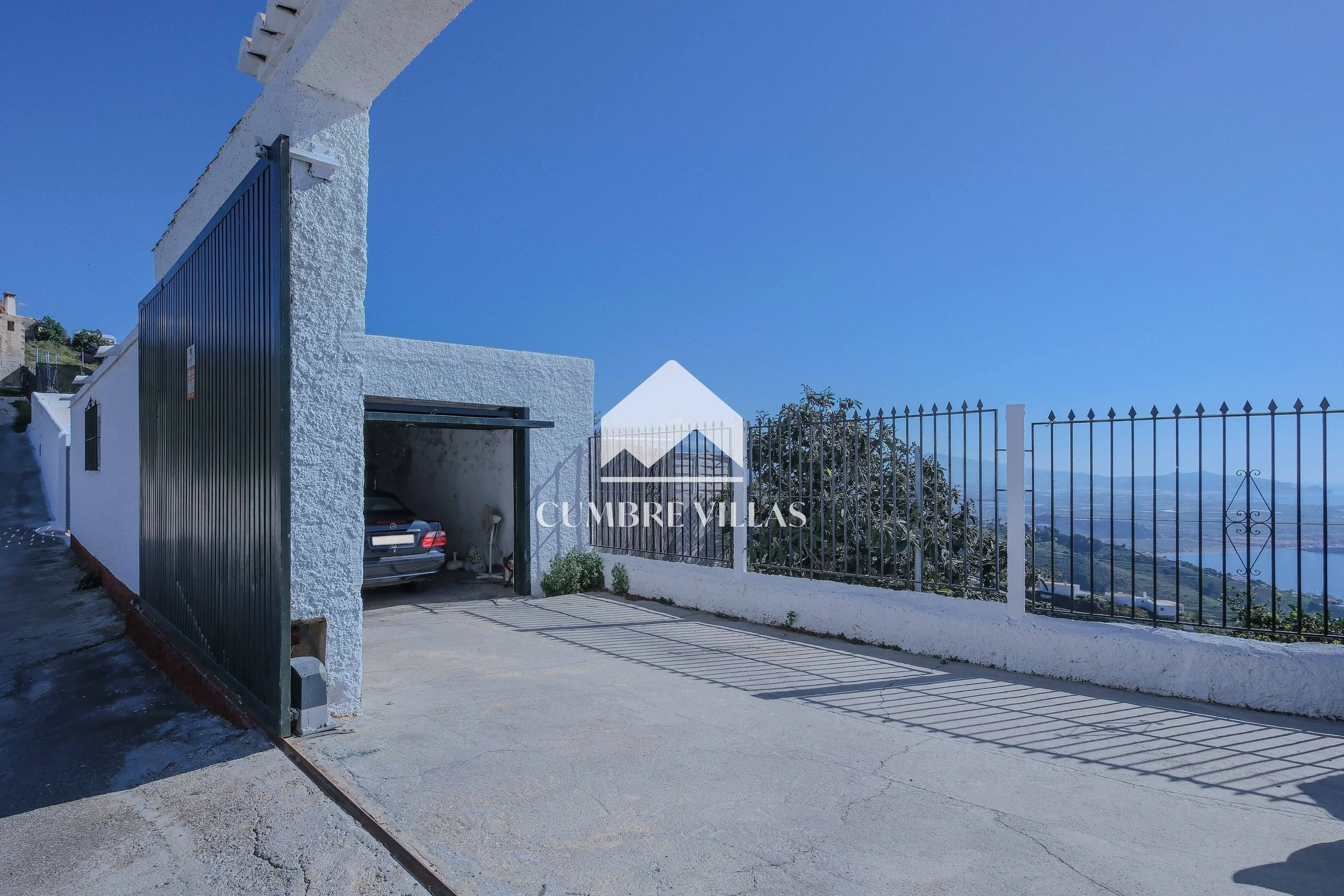
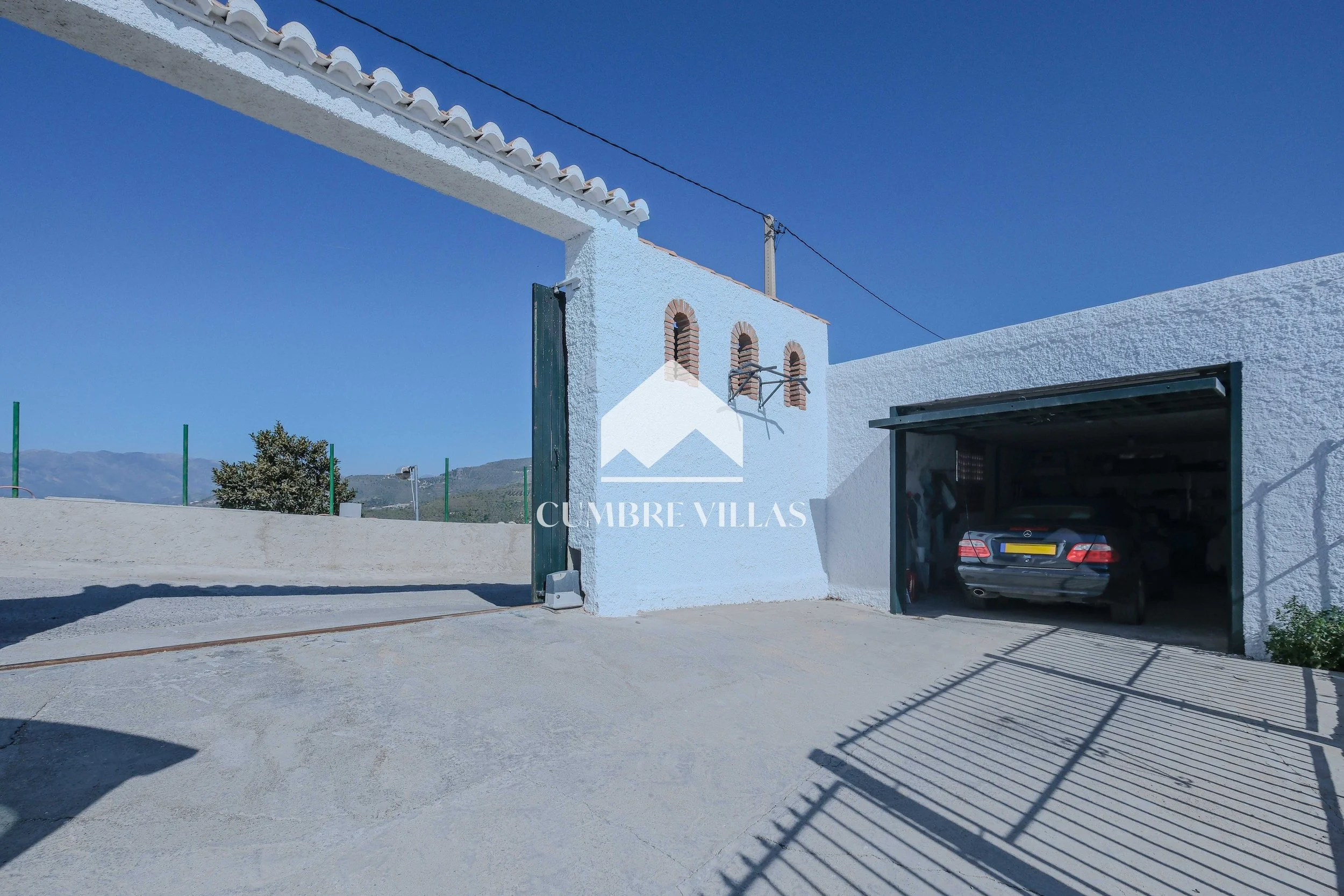
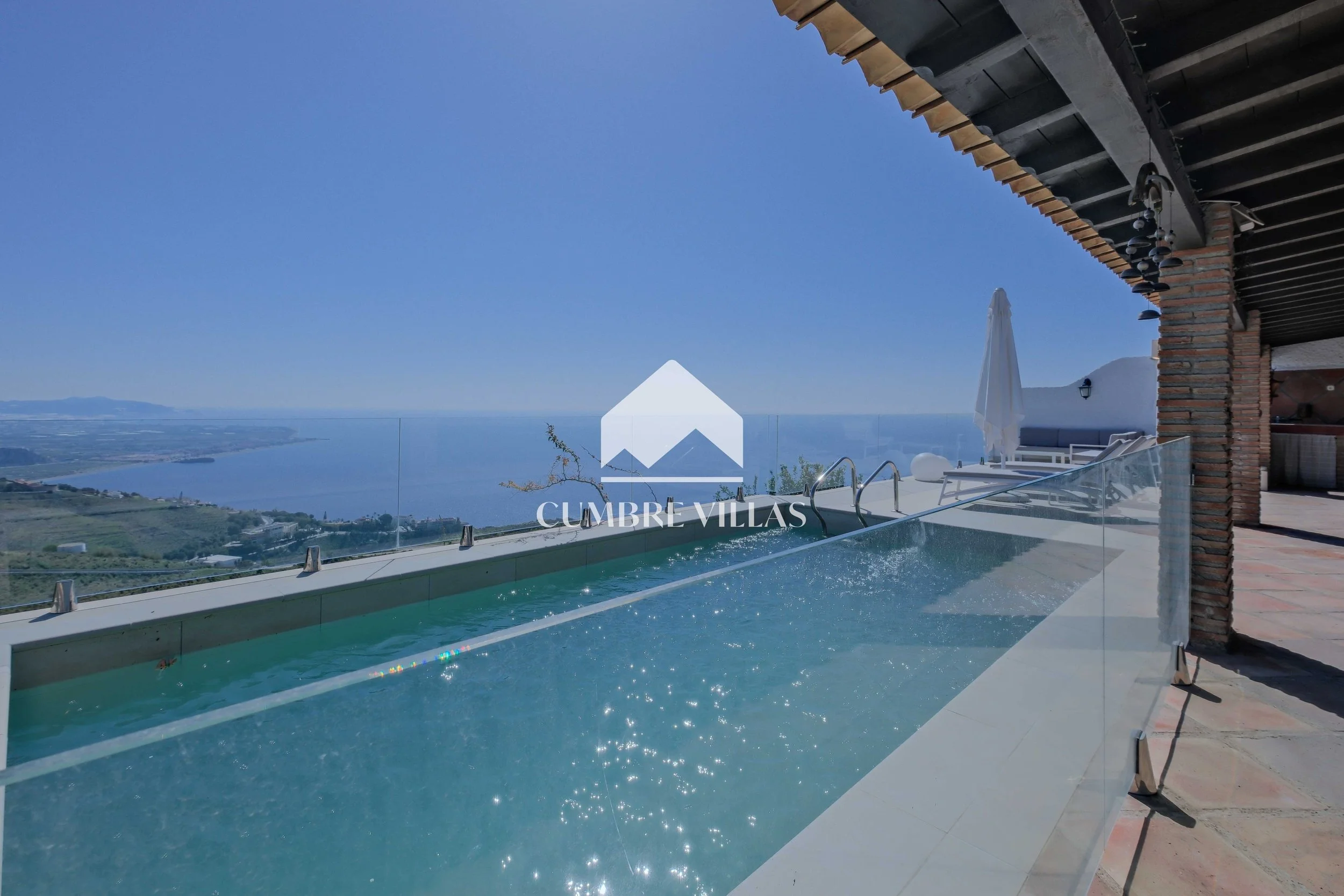
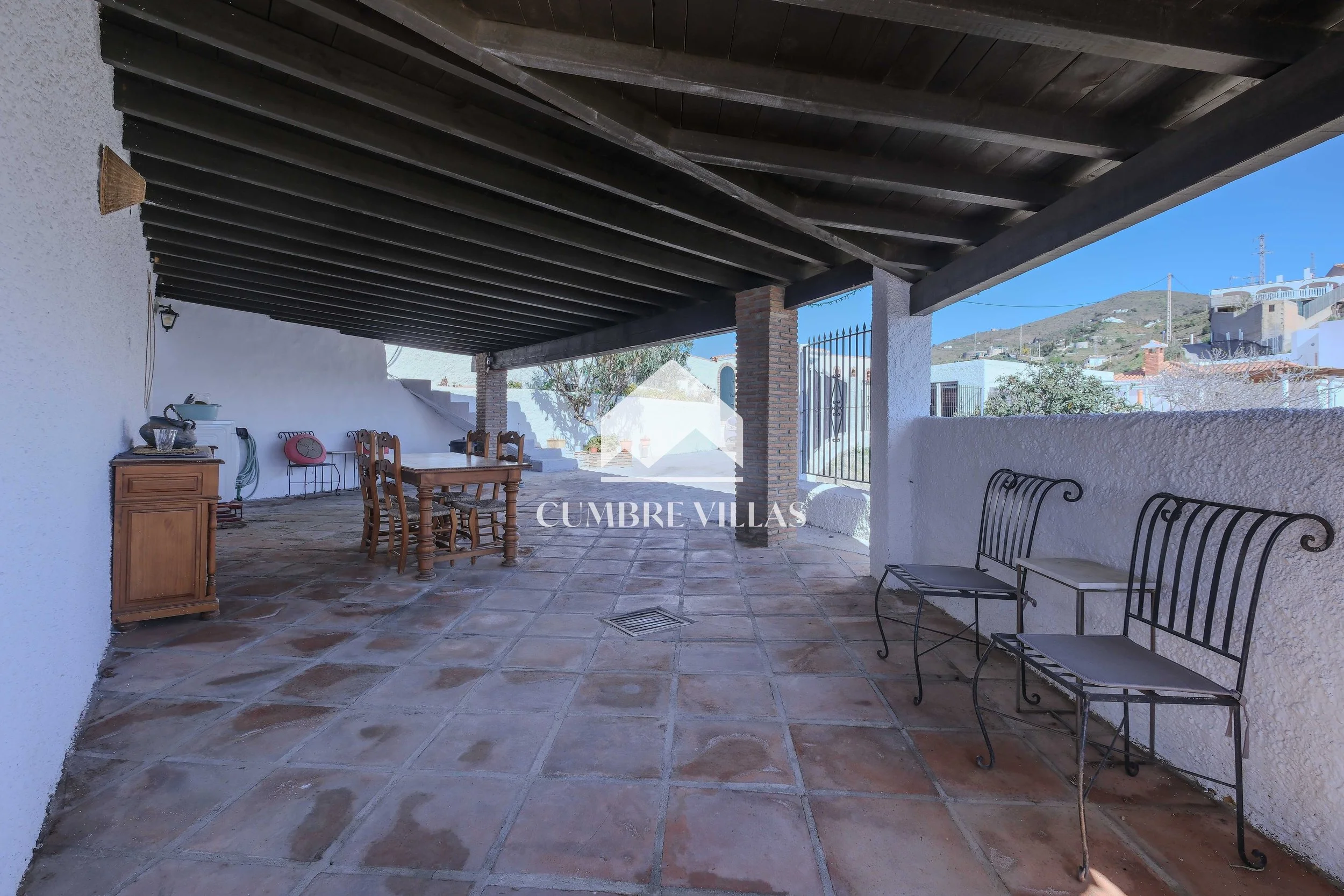
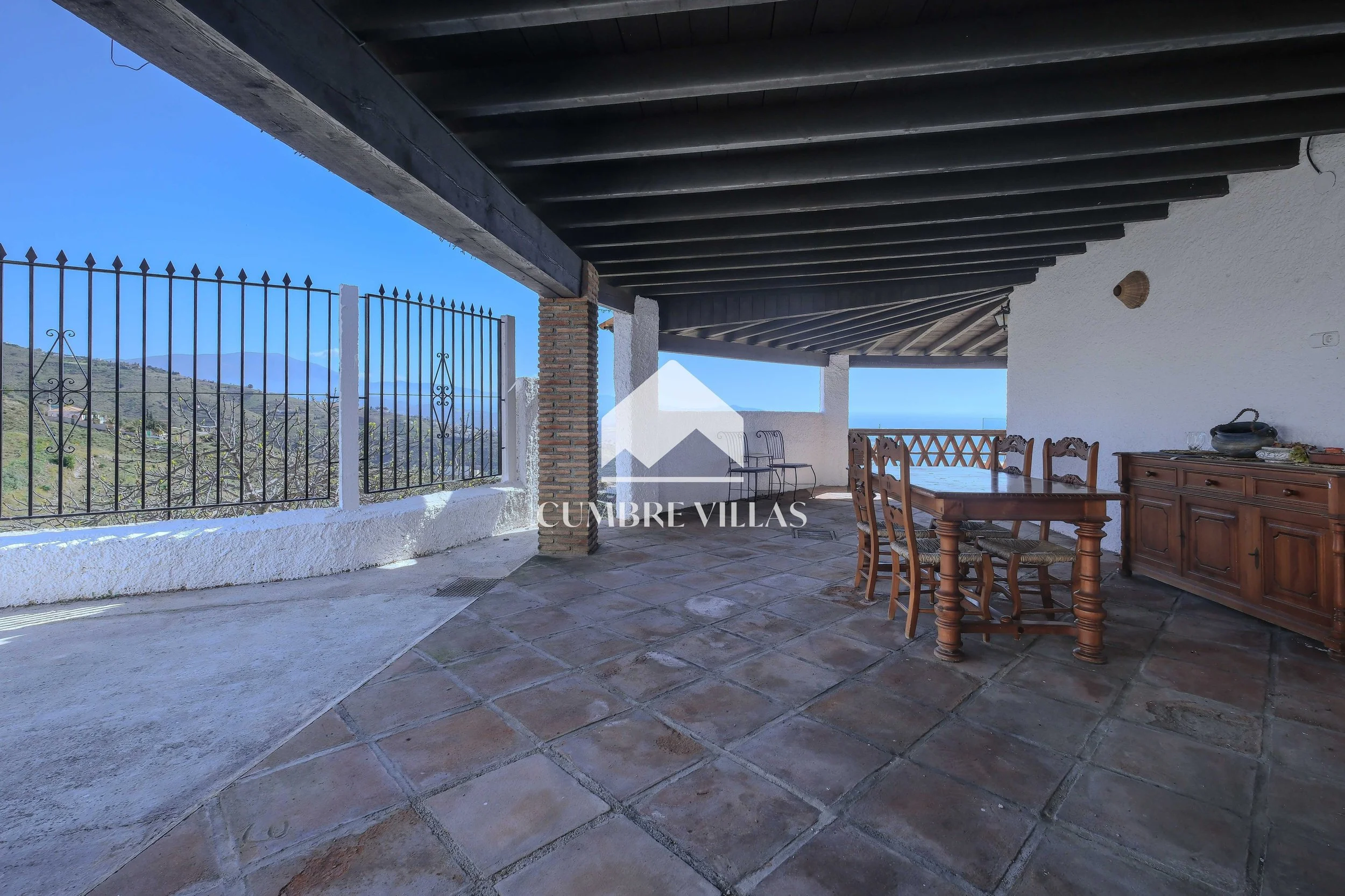
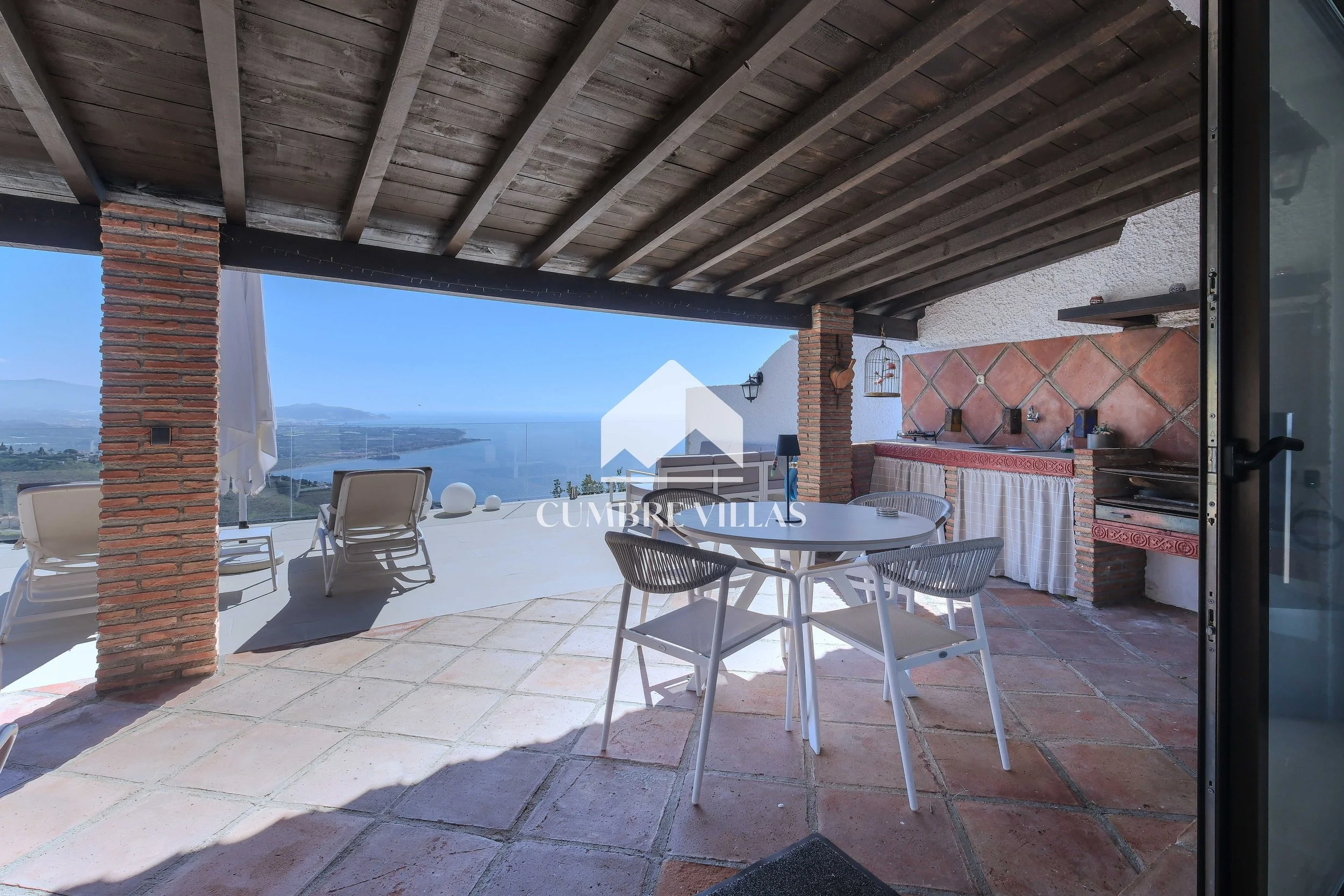
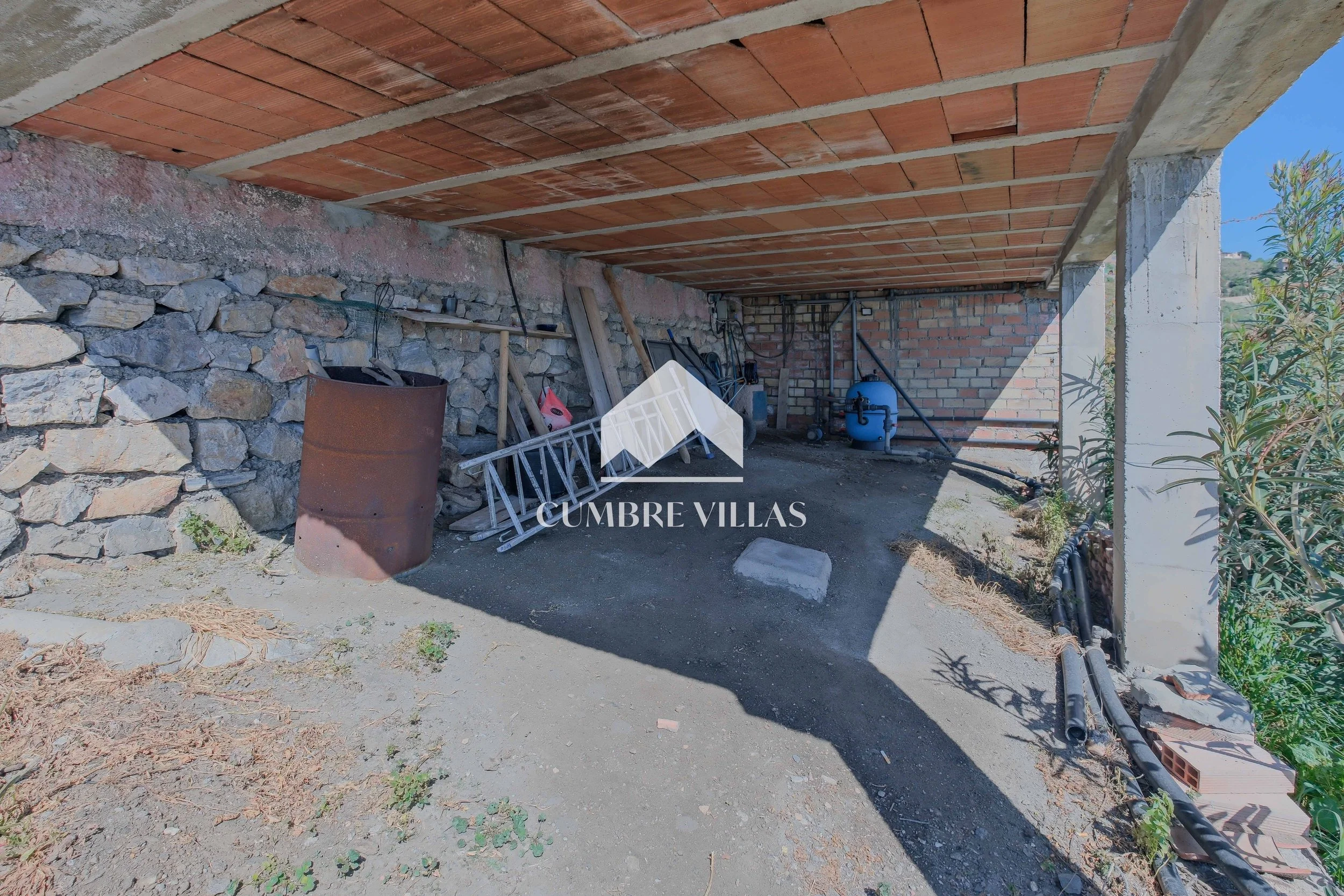
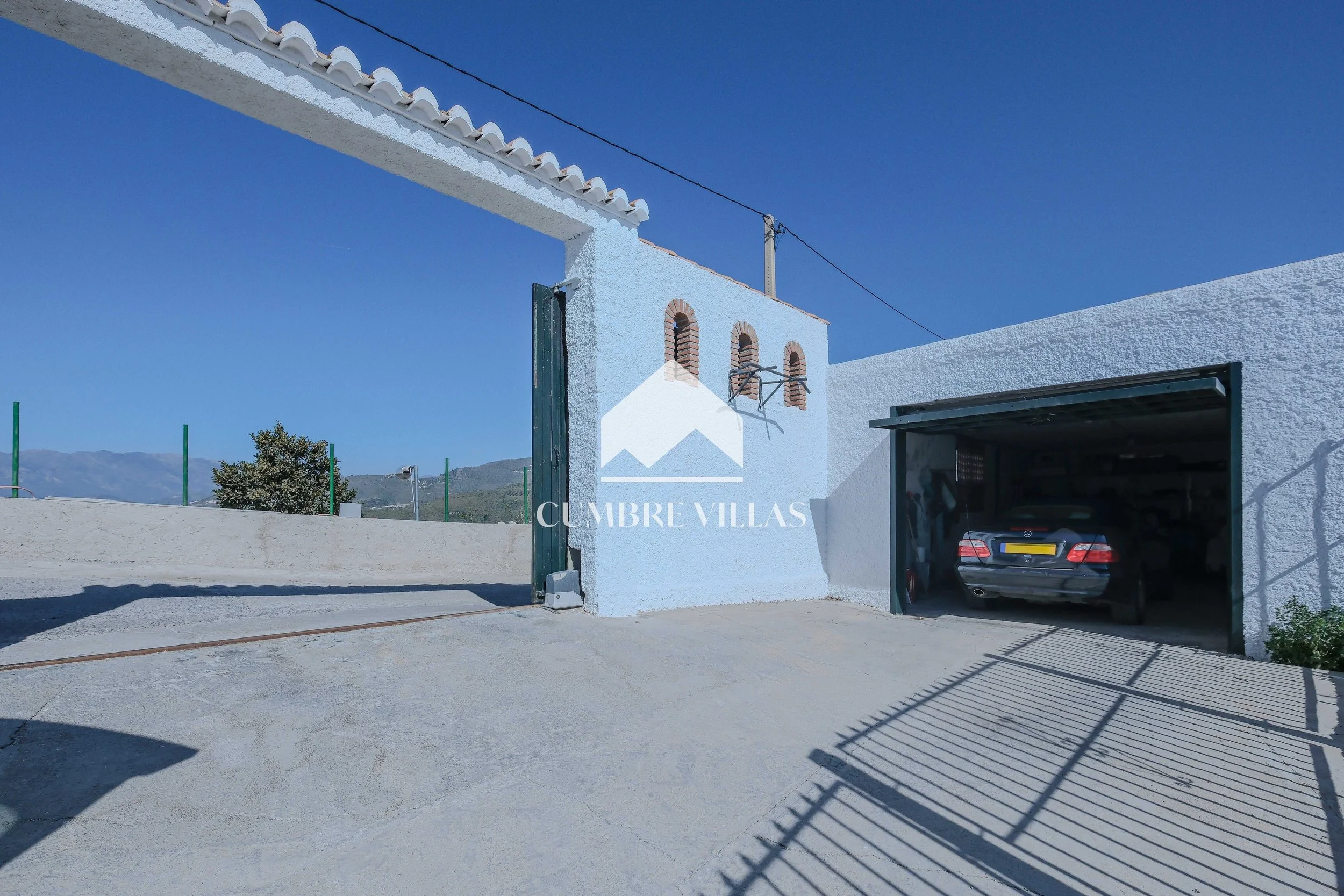
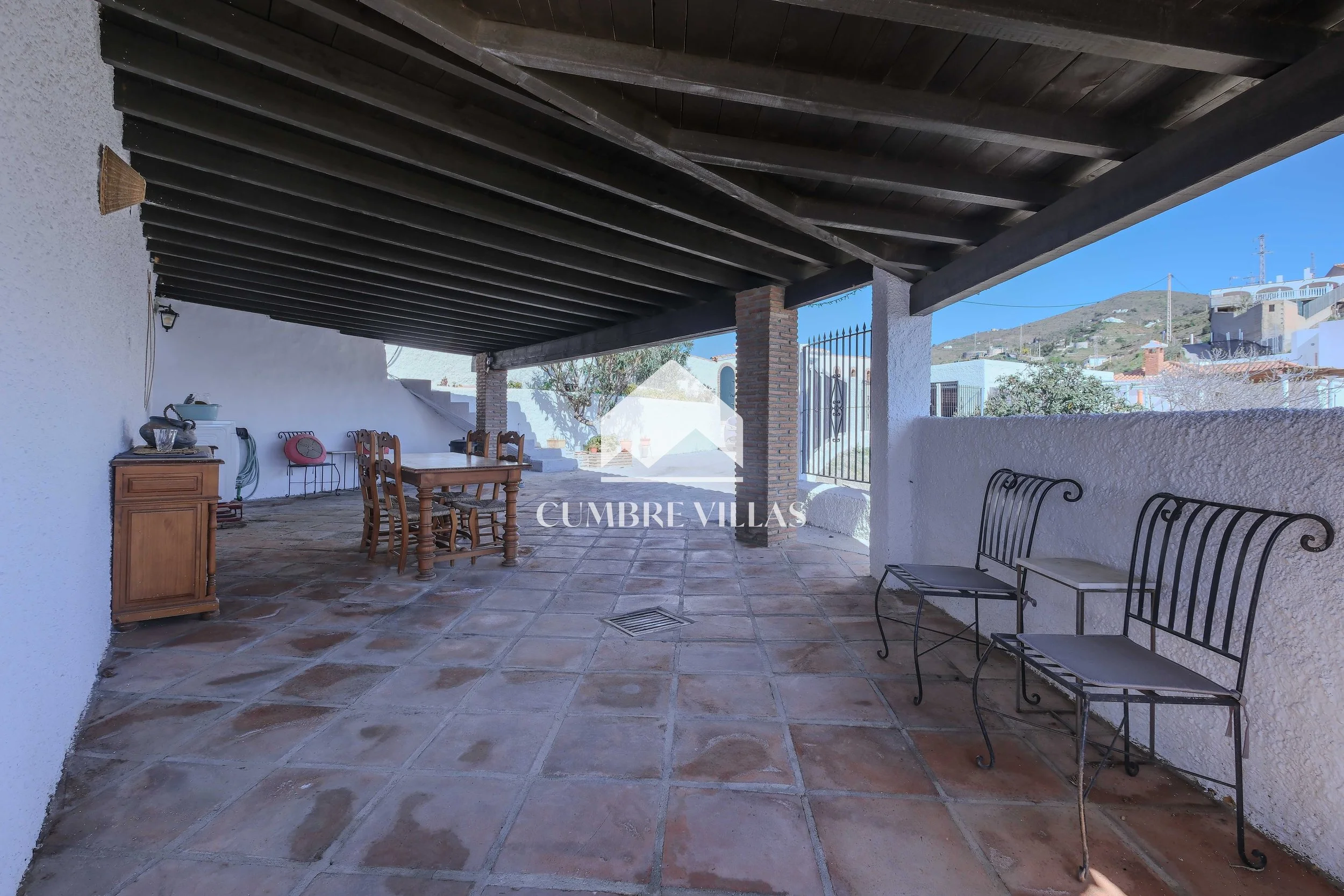
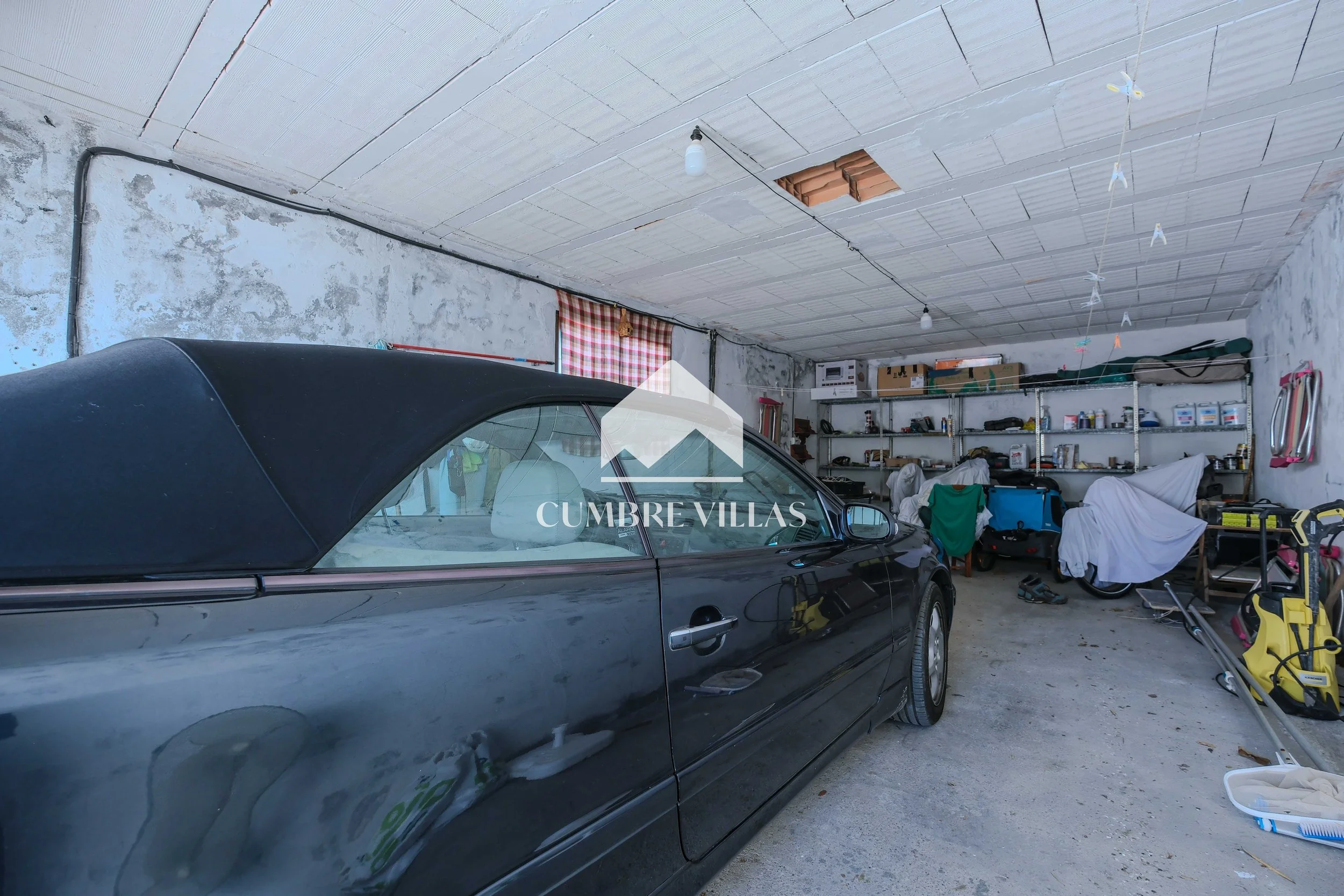
Private pool, sun terraces, large garage and multi-vehicle driveway.
Views
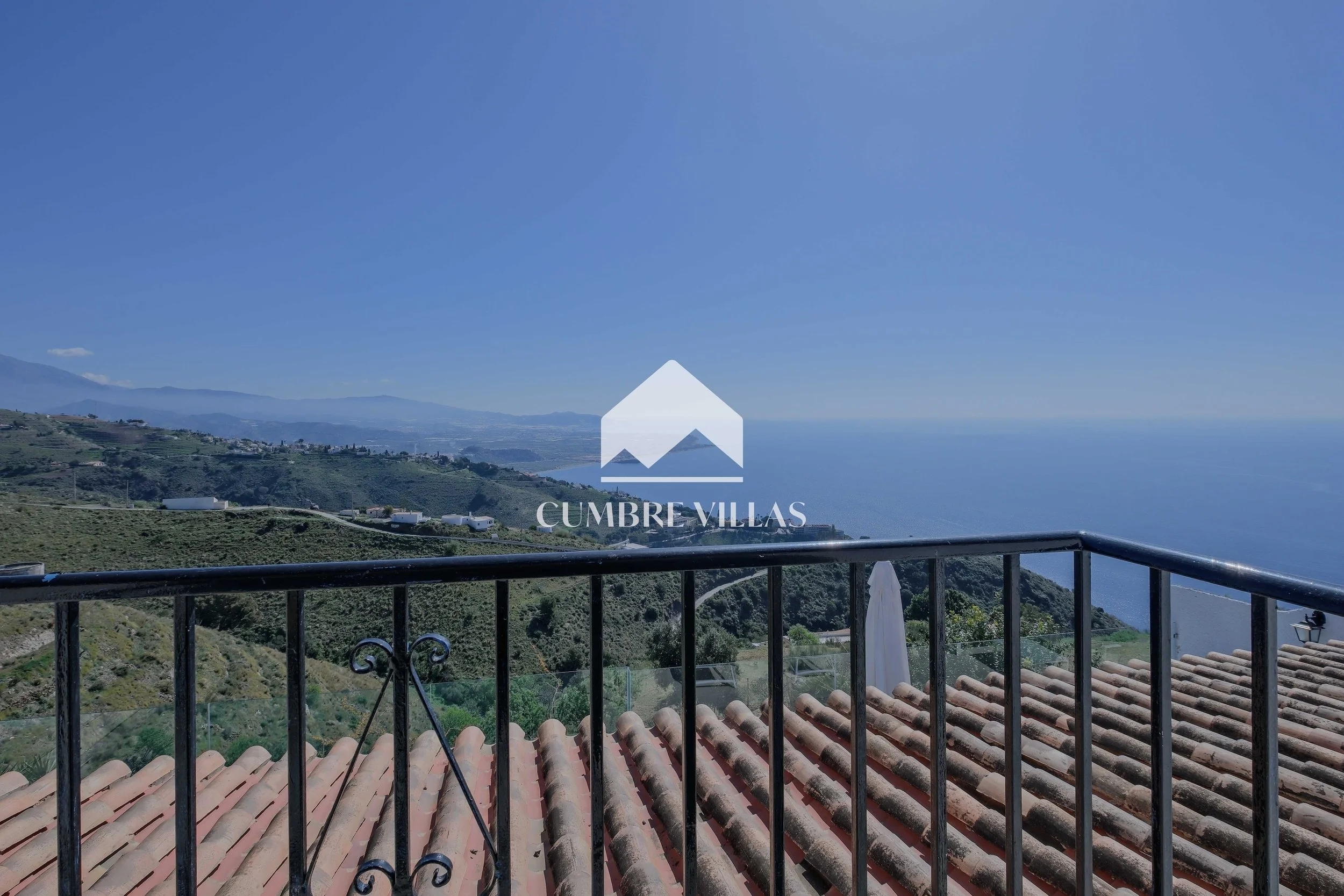
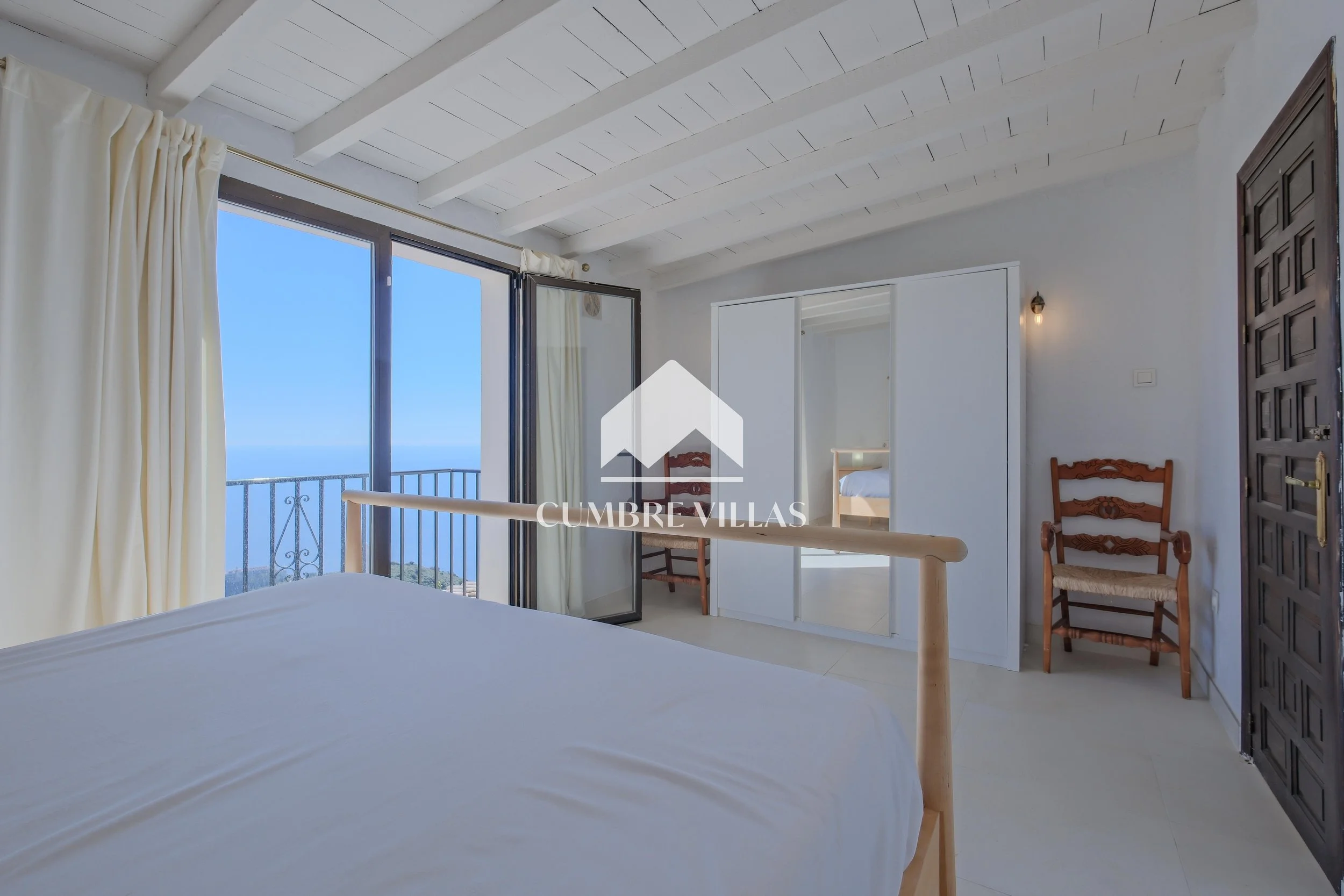
Panoramic sea and mountain views.
Condition
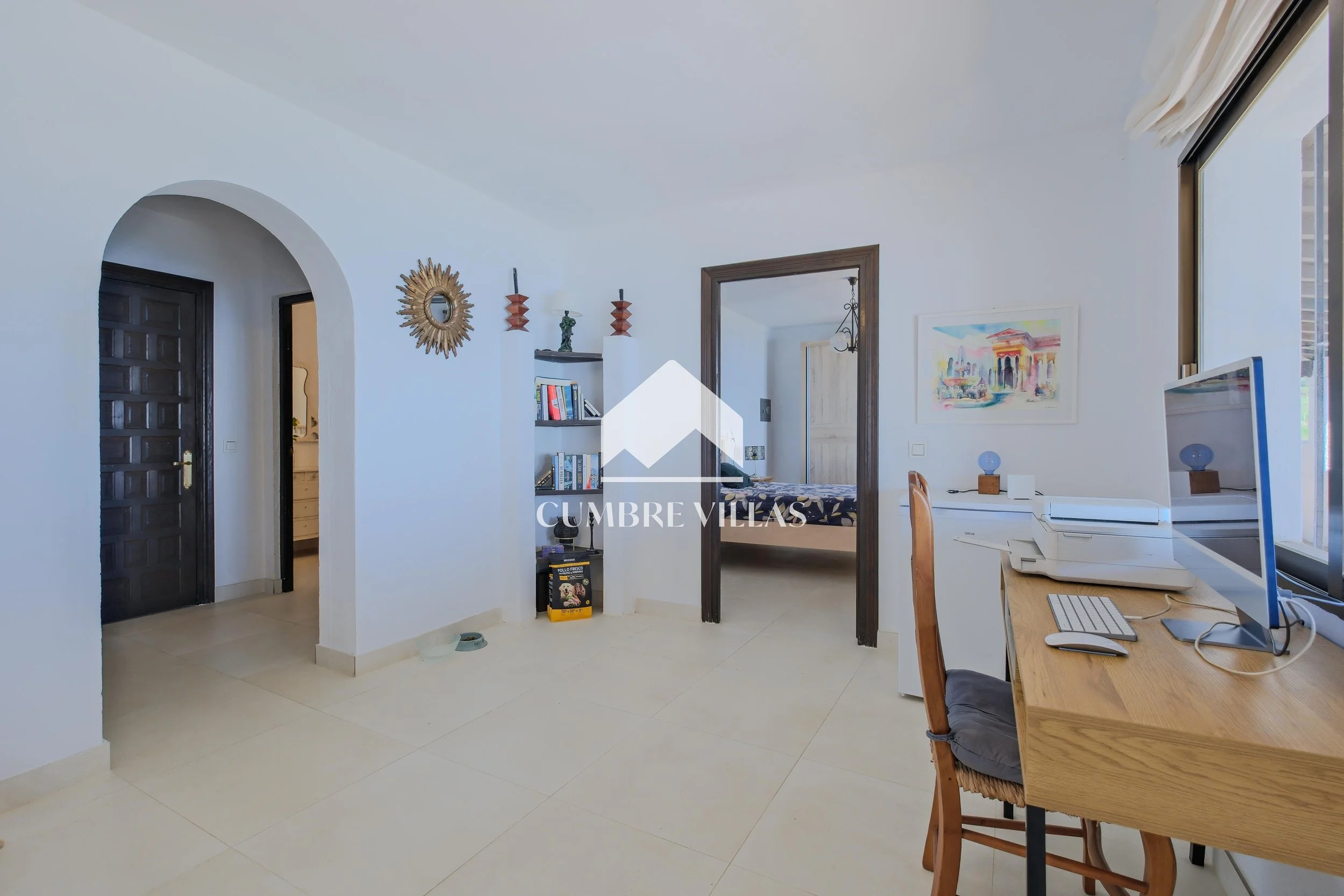
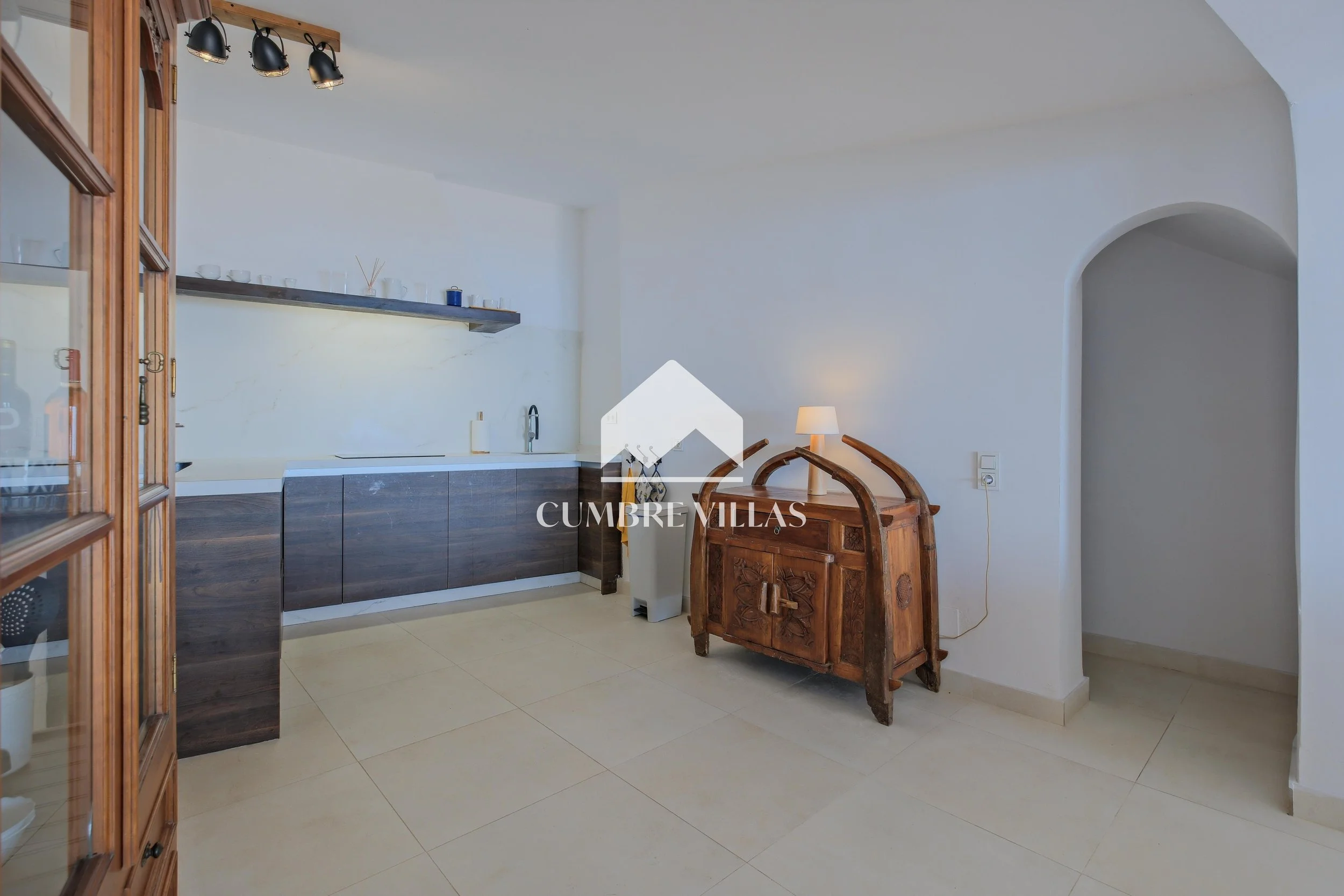
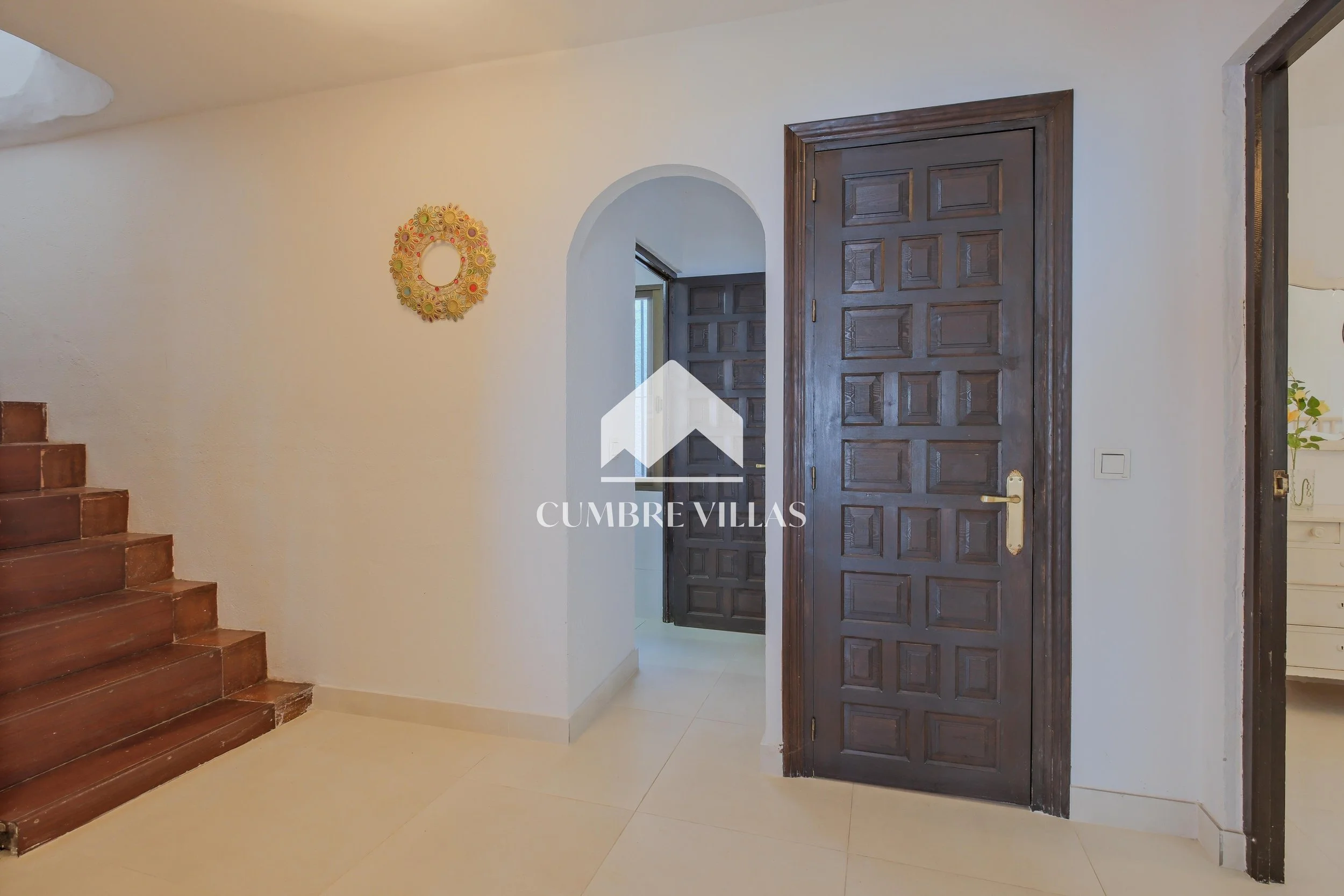
Marketed as recently renovated and in excellent condition.
Energy rating
Energy Class F.
Lifestyle angle
Rural privacy with coastal convenience, close to Salobreña and Almuñécar, with possible rental or small-scale agricultural appeal.
Risk Radar
Overview
This property has an attractive formula: a renovated three-bedroom country house, private pool, large plot, sea and mountain views, fruit trees, vegetable-growing potential and proximity to the coast. It offers the kind of lifestyle many buyers imagine when they think of the Costa Tropical: rural quiet without fully giving up beach access, restaurants, airports and coastal towns. The due diligence, however, should not focus only on the house. It should focus on whether the house, pool, garage, driveway, land use and urbanisation setting all line up legally and practically.
The first major issue is the renovation. "Recently renovated" is only reassuring if the works were permitted where required, properly completed and supported by invoices, guarantees and technical sign-off. Buyers should verify the licencia de obras position, whether any changes affected layout, structure, roof, pool, garage, electrical systems or plumbing, and whether the current built reality matches both the Land Registry and Catastro. A nota simple confirms key registered details such as ownership, charges and easements, while the Catastro should be checked against the physical plot, structures and boundaries.
The second issue is the land. Over 7,000 m² is a genuine value driver if the boundaries, classification, water arrangements and permitted use are clear. If part or all of the plot is suelo rústico, the buyer needs to understand what can be done agriculturally, what cannot be built, whether existing structures are regular, and whether olive-grove plans are realistic. Andalucía's LISTA framework regulates land-use and building activity across urban and rustic land, so rural charm should be read alongside municipal planning, not instead of it.
The third issue is rental potential. Andalucía's current tourist-home rules require vivienda de uso turístico properties to comply with municipal urban-planning rules, and registration is communicated to the local Ayuntamiento. The Junta de Andalucía's 2024 changes strengthened the link between tourism registration, municipal planning compatibility and community restrictions. That matters here because the property is in the Alfa Mar urbanisation, so the buyer needs to verify both the municipal position and any community rules before valuing short-let income.
Targeted Questions
Legal Status, Registry and Renovation Paperwork
The nota simple is the starting point for confirming legal ownership, charges, encumbrances and whether the property description broadly matches the sale.
The buyer needs to compare the legal, tax and physical realities before relying on the land size or structures.
Mismatches can create financing, valuation, tax and regularisation problems.
Price per square metre, mortgage valuation and legal conformity all depend on the real built area.
Historic title descriptions can reveal whether later structures or land changes were added cleanly.
The buyer needs to know that the house is lawful and habitable in its current form.
Older documentation may not reflect the current renovated property.
"Recently renovated" needs a precise scope and date before it can be valued.
Unpermitted works can become the buyer's regularisation problem after completion.
These categories often require technical paperwork and may affect safety and insurability.
Guarantees and invoices help prove both quality and timeline.
A proper technical file is particularly important for rural and semi-rural renovated homes.
Municipal confirmation reduces the risk of discovering enforcement or regularisation issues later.
Energy Rating and Building Systems
In Spain, an energy certificate is required for properties offered for sale or rent, and the full certificate gives estimated consumption and improvement recommendations.
A poor energy rating after renovation may indicate limited insulation, inefficient heating/cooling or older glazing.
Glazing strongly affects comfort and running costs, especially in exposed hillside locations.
Cosmetic renovation without insulation can leave buyers with high energy bills.
Coastal Andalucía has summer cooling needs, but hillside homes can also need winter heating.
This affects both comfort and rental suitability.
Rural homes often depend on mixed heating systems that need proper maintenance.
Real bills are more useful than theoretical efficiency figures.
Roof issues can be expensive and are especially important where timber ceilings are advertised as a feature.
Attractive timber can also be a maintenance liability if not treated and structurally sound.
Hillside and rural-style properties can have moisture issues that are not visible in listing photos.
Land Classification, Boundaries and Agricultural Potential
Land classification determines what can be built, planted, subdivided or changed.
Large land size does not automatically create development potential.
Restrictions can reduce usable land or future flexibility.
Rural boundaries are often less obvious on the ground than in marketing copy.
Boundary creep and informal rural arrangements can cause disputes.
Easements can affect privacy, land use and resale.
The buyer needs to separate realistic agricultural potential from lifestyle wording.
Existing productive trees are different from land that might one day be planted.
Not all scenic land is economically or practically suitable for planting.
Mature productive planting can add value, but only if water and maintenance are realistic.
A working vegetable plot has different value from a staged or dormant garden area.
Agricultural land can carry administrative implications that non-local buyers may not expect.
Water, Irrigation and Drainage
Large plots, pools and gardens depend heavily on reliable water.
A working well is not the same as a lawfully documented water source.
Summer performance matters most when the pool, garden and possible guests place maximum demand on the system.
Manual watering over 7,000+ m² can quickly become impractical.
Water infrastructure has real maintenance costs.
Drainage is a major rural due-diligence issue.
Guest use can overload systems designed for occasional private occupancy.
Poor siting can create health and environmental concerns.
Pool, Garage, Access and Urbanisation
Pools are often a key mismatch between physical reality and paperwork.
Pool running and repair costs can be significant.
Safety and seasonality affect family use and rental potential.
Buyers should model real ownership cost, not just purchase price.
Garage structures are valuable only if legally included and usable.
Utility connections may create opportunities or raise compliance questions.
Multi-vehicle parking is useful only if it works easily in practice.
Access-road quality affects daily convenience, emergency access and maintenance costs.
Road maintenance can become a hidden community cost.
Urbanisation governance can affect fees, rules, road maintenance, rental use and external changes.
Fees need to be assessed against services and future works.
These documents may reveal rental restrictions, disputes, road works or planned assessments.
Urbanisation restrictions may matter as much as municipal rules.
The character of the urbanisation affects privacy, noise and security.
Location and Rental Potential
Coastal convenience is part of the value, so travel times should be tested rather than assumed.
Remote-work suitability is now central to many rural coastal buyers.
Actual history is far more useful than projected yields.
Existing registration changes the risk profile, provided it is valid and transferable or can be updated correctly.
Andalucía's rules require tourist homes to comply with municipal urban-planning regulations, and registration is communicated to the Ayuntamiento.
Community rules can materially affect the rental business case.
Different guest profiles require different pricing and operational assumptions.
Seasonal income can look strong in summer but thin outside peak months.
Negotiation Intelligence
Buyer Leverage
Medium-High
Key Drivers
Typical Negotiation Range
5-15% below asking
Neutral Phrasing Examples
Country Layer
Spain (Regulatory Context April 2026)
For this property, the key Spanish legal and regulatory layers are:
Viewing Strategy
Start the viewing at the boundary, not the front door.
Next Step
Verify from the listing:
Renovation and pool permissions
Request the licencia de obras, completion paperwork, invoices and guarantees for the recent renovation, and check that the pool, garage and any external works are fully reflected in the legal and cadastral records.
Land classification and boundaries
Confirm the exact 7,000+ m² boundary, whether the land is urbano or rústico, and what the Salobreña planning framework allows for agriculture, olive planting, structures, access and future changes.
Water, irrigation and drainage
Verify the water source, irrigation setup, dry-season capacity and septic or mains drainage position before assuming the land, pool and planting can be managed comfortably.
Urbanisation rules and shared obligations
Obtain the Alfa Mar community rules, fees and meeting minutes to check access-road maintenance, external-change rules, neighbour profile and any restrictions on tourist rental use.
Energy Class F and upgrade exposure
Request the full energy certificate and use it to understand why the property remains Class F after renovation, what improvements are recommended and what that may mean for comfort, bills and resale.
A prepared buyer should approach the agent calmly and frame questions as due diligence.
Because this is a renovated rural-coastal property where land status, permissions and future use materially affect value, run it through the Property Risk Assessment before contacting the agent, and use the Renovation Budget Planner to model likely energy, compliance or improvement costs once the document pack has been reviewed.
Disclaimer: The Property Drop is buyer-focused intelligence, zero sales agenda. We curate exceptional properties, in southern Europe, from third-party agents and arm you with decision tools. No commission, no transactions, no agent partnerships, no skin in the game beyond helping you choose wisely. Information stays accurate until it doesn't (properties sell, prices shift, markets move). Everything here is shared for informational purposes only and should not be treated as legal, financial, or investment advice. Images belong to original agents. Read our Terms of Service to learn more.
Buyer Intelligence:
This assessment provides general guidance based on common risk factors and publicly available regulatory information. Risk scores and checklist items are indicative only and must not be considered legal, financial, structural, or surveying advice. Actual property conditions, costs, and regulatory requirements vary significantly by location, property age, and specific circumstances. Regulations are subject to change; always verify current requirements with qualified local professionals before making any purchasing decision.
The Property Drop provides buyer intelligence and educational research analysis only. The Property Drop does not act as an estate agent, intermediary, or advisor in any transaction and does not facilitate introductions, negotiations, or transactions. Always engage qualified independent professionals including local lawyers, surveyors, architects, and tax advisors for comprehensive due diligence specific to your property.
IMPORTANT REMINDER: When contacting property agents featured on The Property Drop, you are entering into direct communication with third parties. It's recommended that you verify all property details independently, conduct thorough due diligence, engage qualified professionals (solicitors, surveyors, financial advisors), understand your rights and obligations under local property laws, and never send money or make commitments without proper legal protection.

The Buyer Playbook: 4-Bed Rustic Chalet with Pool, Outdoor Kitchen, and Countryside Views, Mula, Spain, €430,000
The Buyer Playbook: 4-Bed Andalusian Villa with Heated Pool, Tropical Garden, and Sea Views, Salobreña, Spain, €639,000
Questions ready for the agent?
The agent represents the seller.
What you ask shapes the answers you get.