
The Buyer Playbook: 4-Bed Rustic Chalet with Pool, Outdoor Kitchen, and Countryside Views, Mula, Spain, €430,000
Buyer Playbook
Pre-Viewing Intelligence Report
This independent buyer guidance report relates to this specific property located in Spain. It is provided for informational purposes only and does not constitute legal, tax, structural or survey advice. Planning status, habitability, land classification, pool legality, water rights, tourist-rental registration, outbuilding use, unfinished works, septic or drainage position, and any future conversion matters must always be verified with qualified Spanish professionals such as an abogado, arquitecto, arquitecto técnico, surveyor or licensed property consultant, and with the relevant Ayuntamiento and regional authorities in Murcia. This report is designed to help buyers evaluate the property before arranging a viewing or making an offer. It highlights due diligence issues and targeted questions to ask the estate agent. The analysis is based on the listing details and publicly available regulatory context at the time of writing, including current Spanish and Murcia-region rules on first occupation, habitability, tourist-rental registration, energy certificates and rural planning controls.
Playbook Contents
Property Snapshot
Location
Mula, Region of Murcia, Spain
Property type
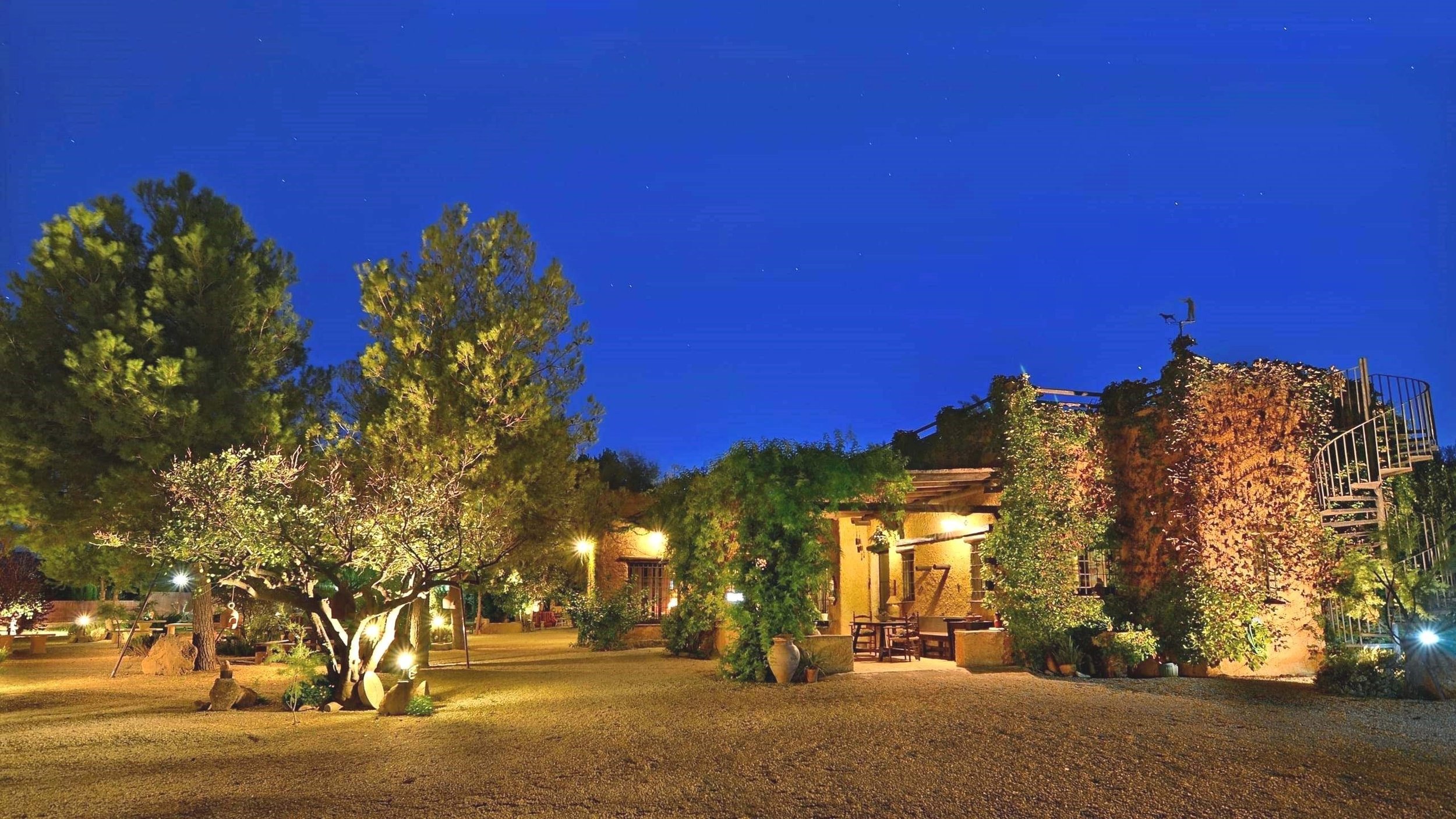
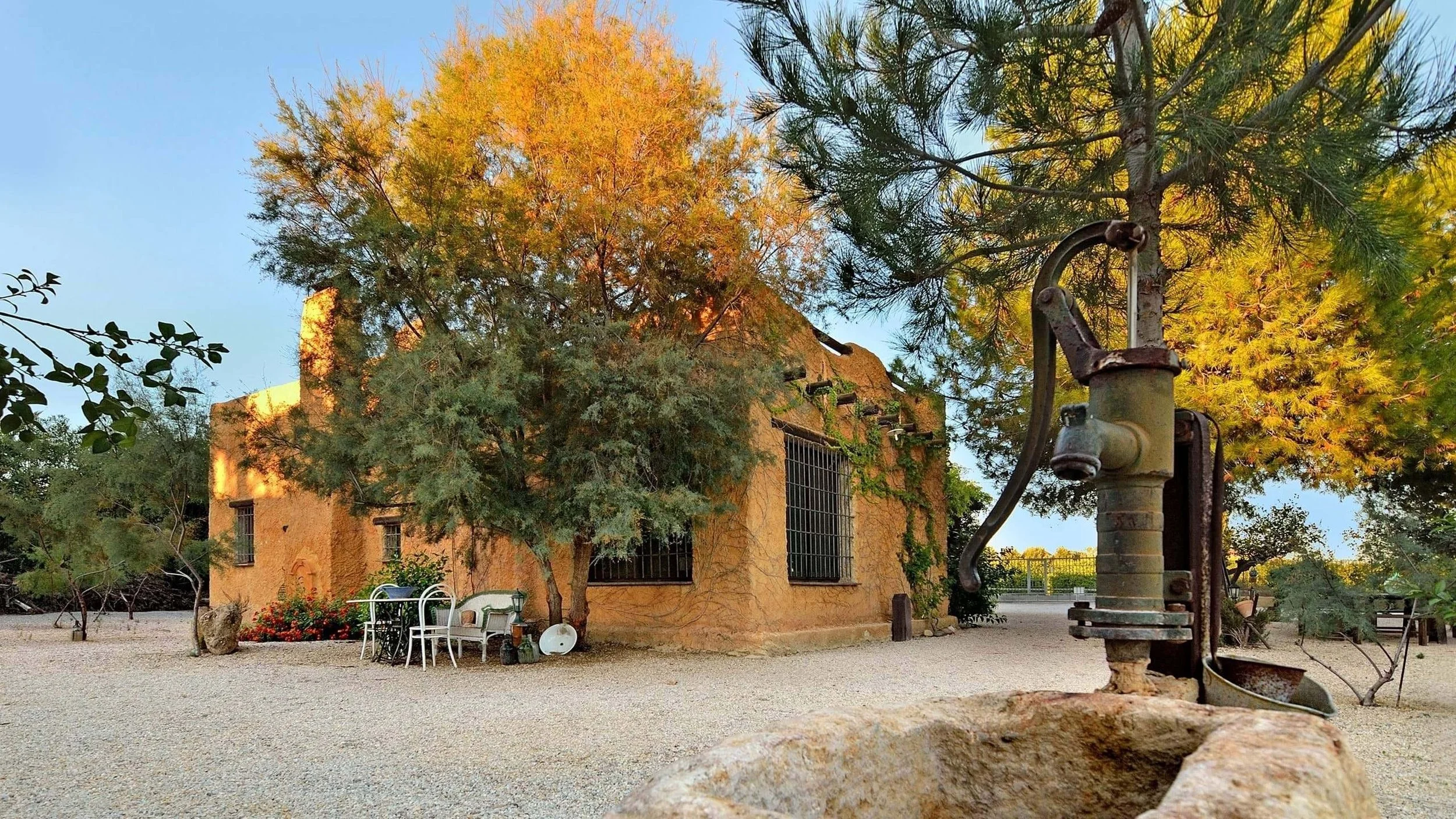
Rustic country chalet with landscaped grounds
Asking Price
€430,000
Bedrooms
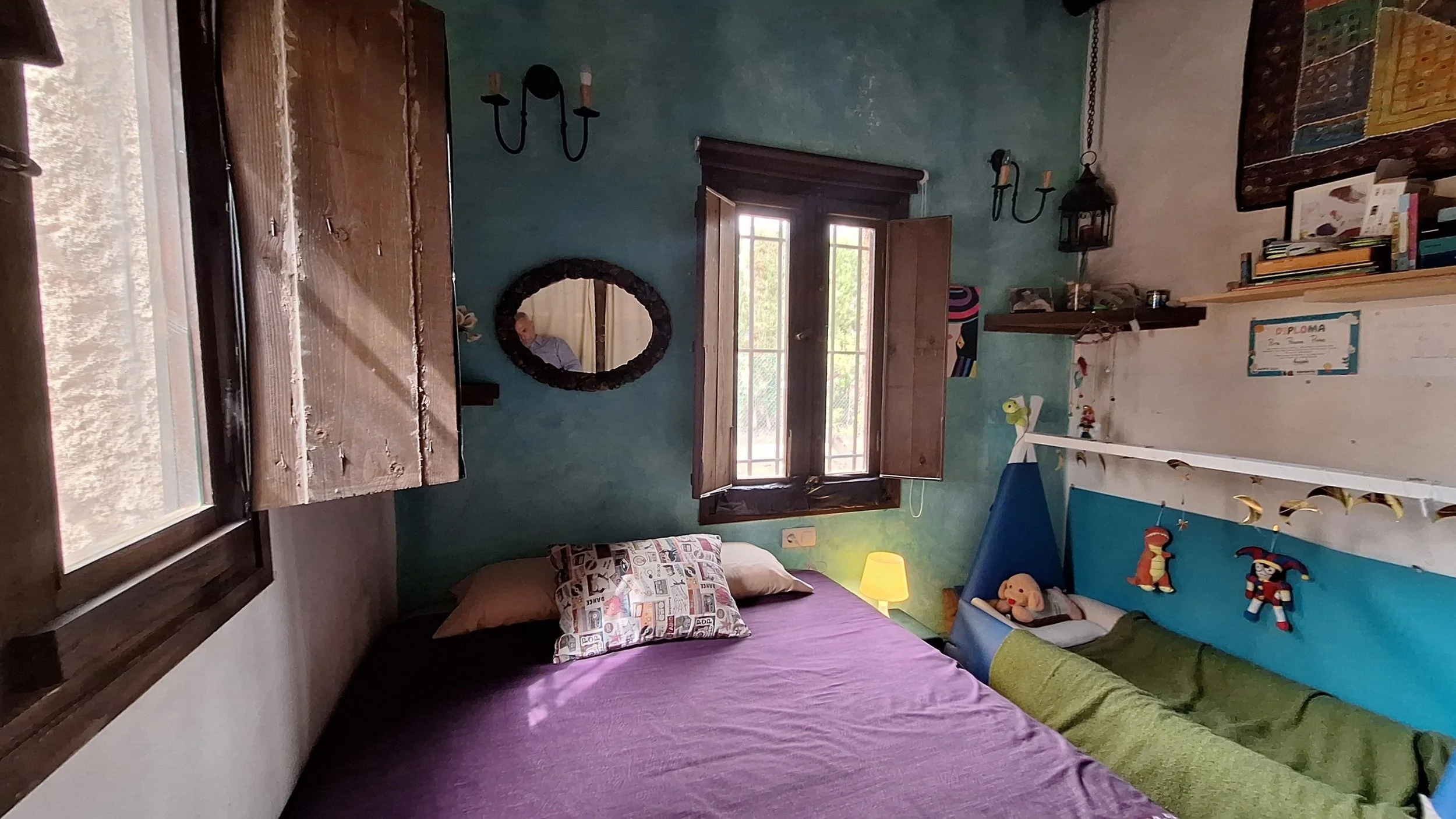
4
Main house
Approx. 200 m²
Outbuildings
Approx. 100 m²
Plot size
Approx. 2,990 m²
Key outdoor features
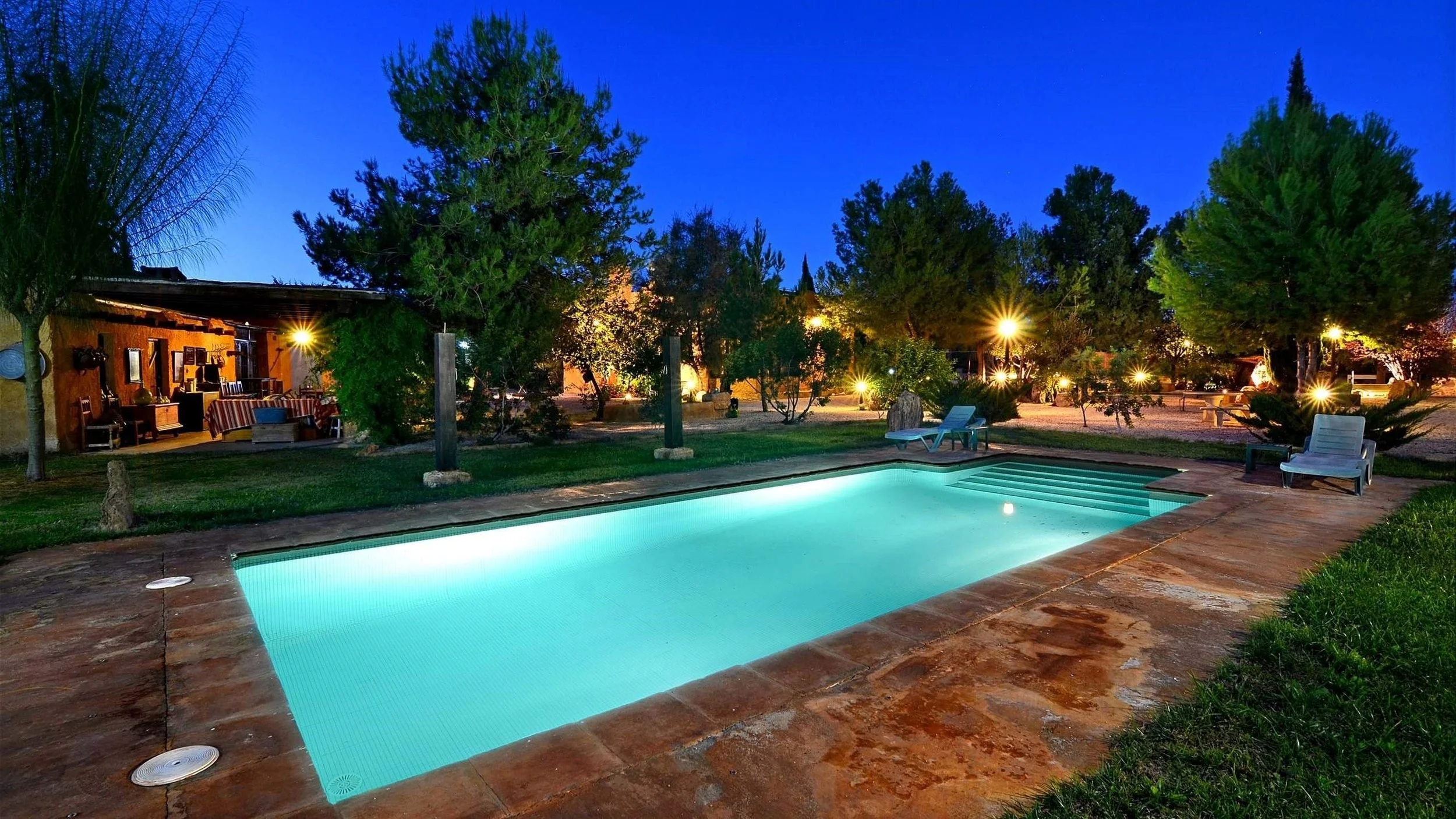
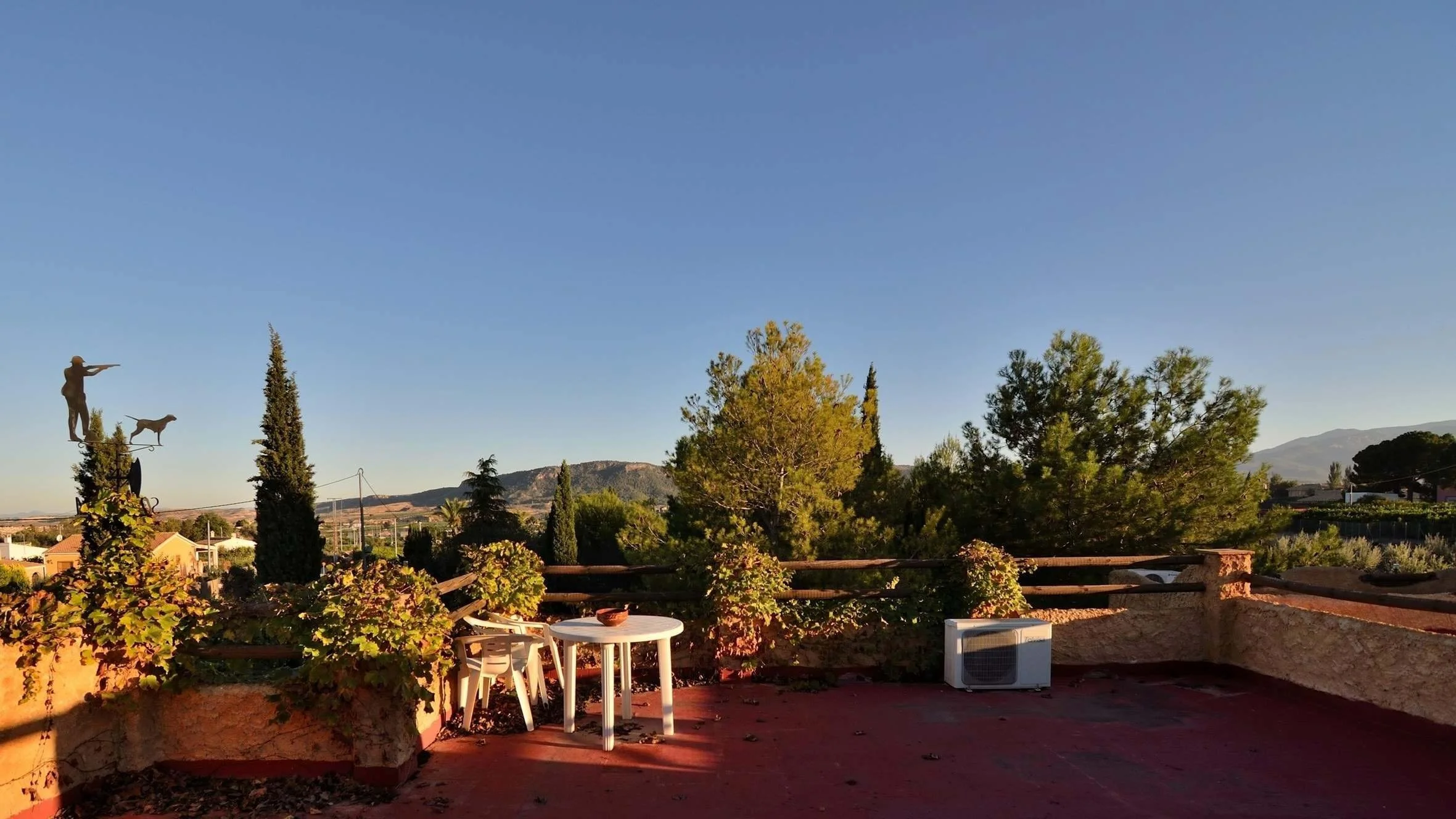
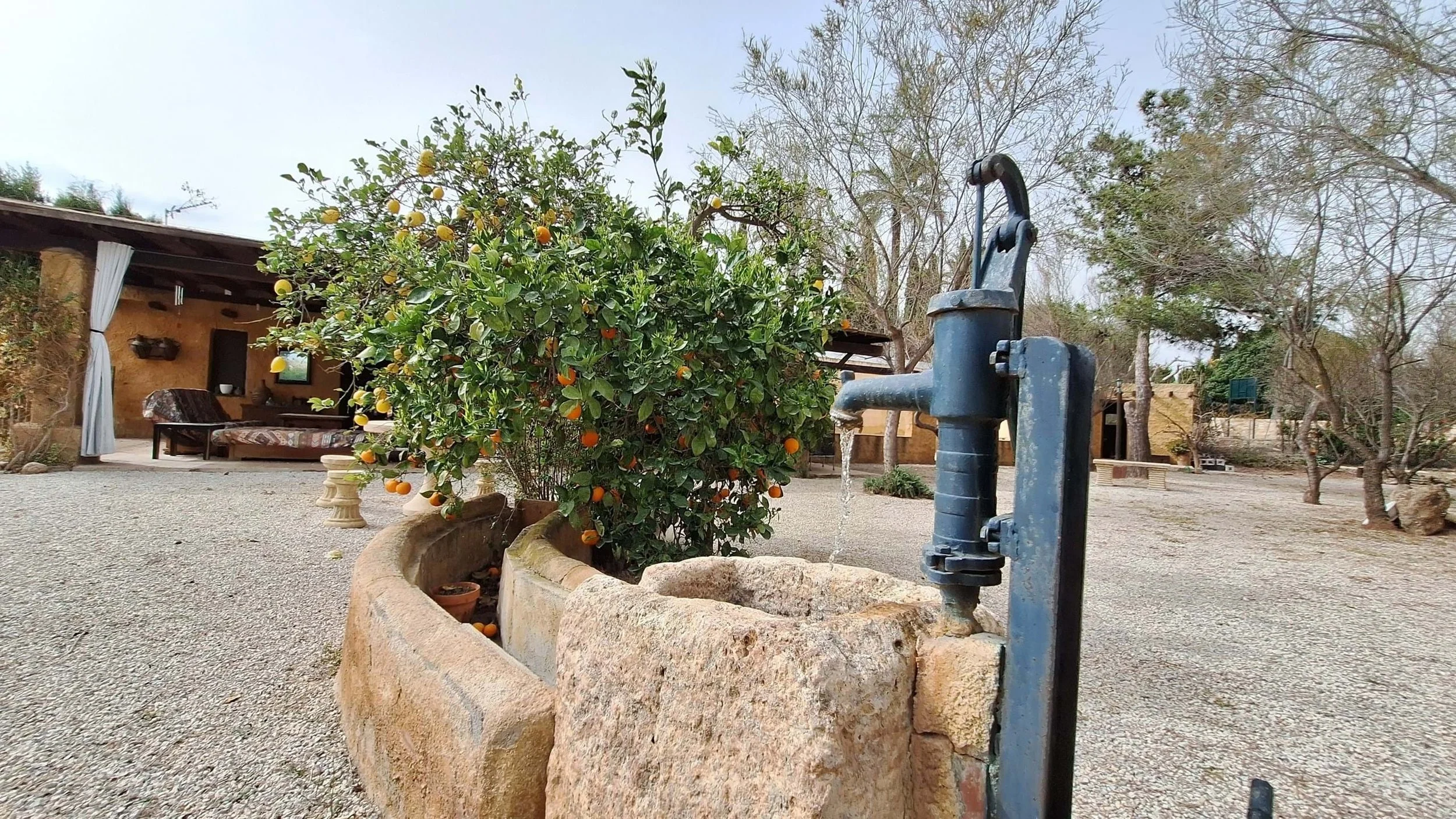
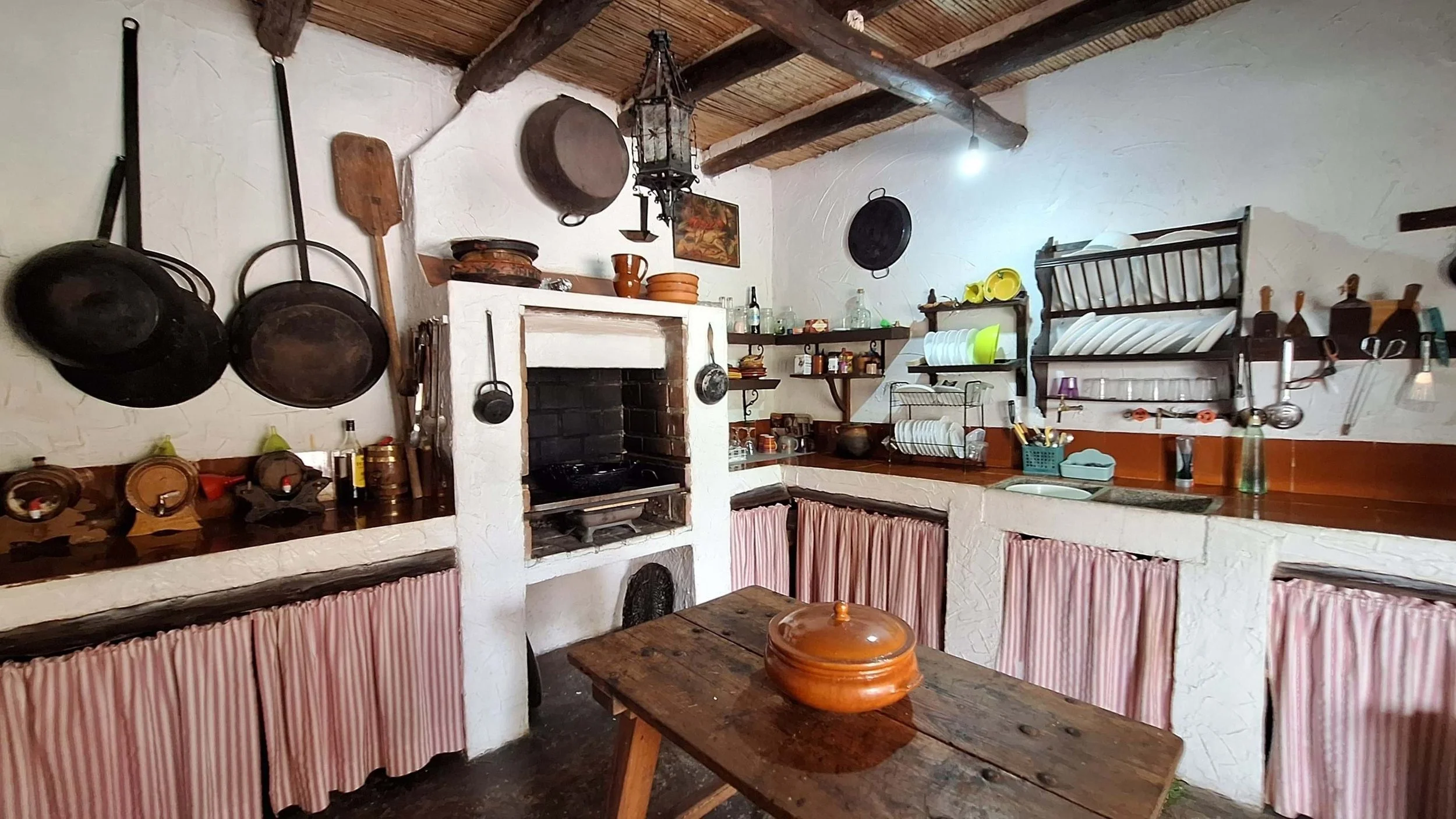
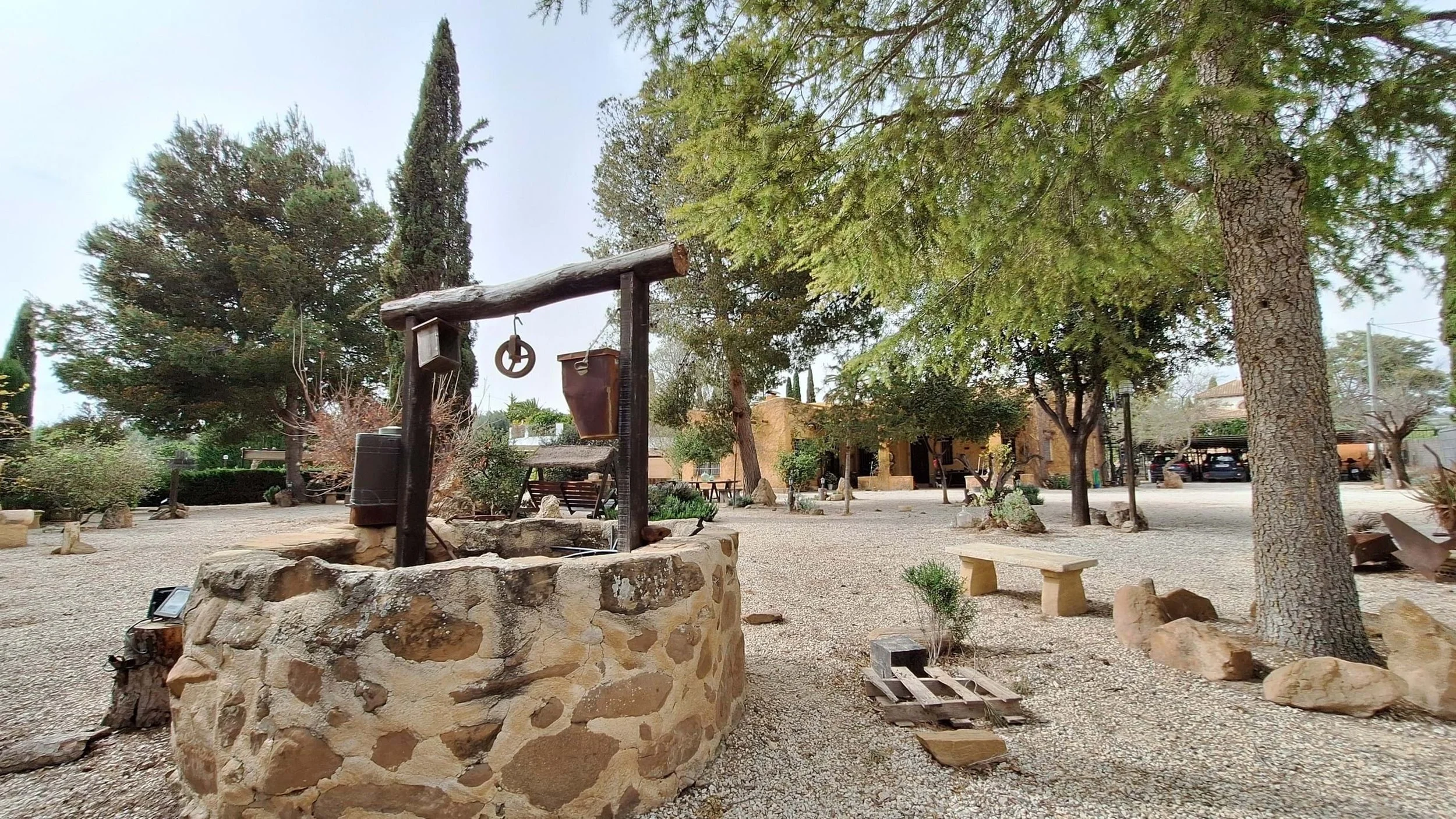
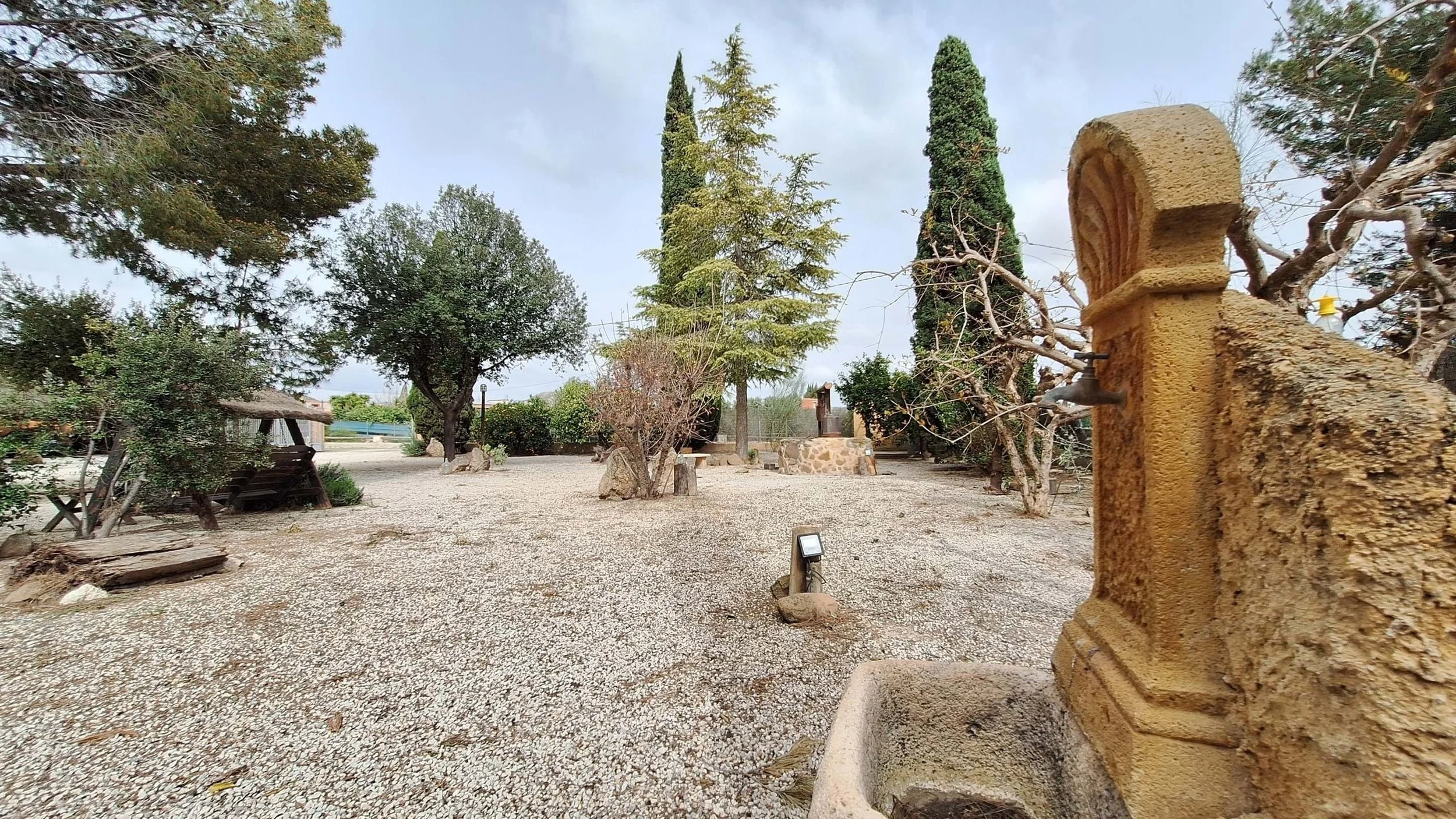
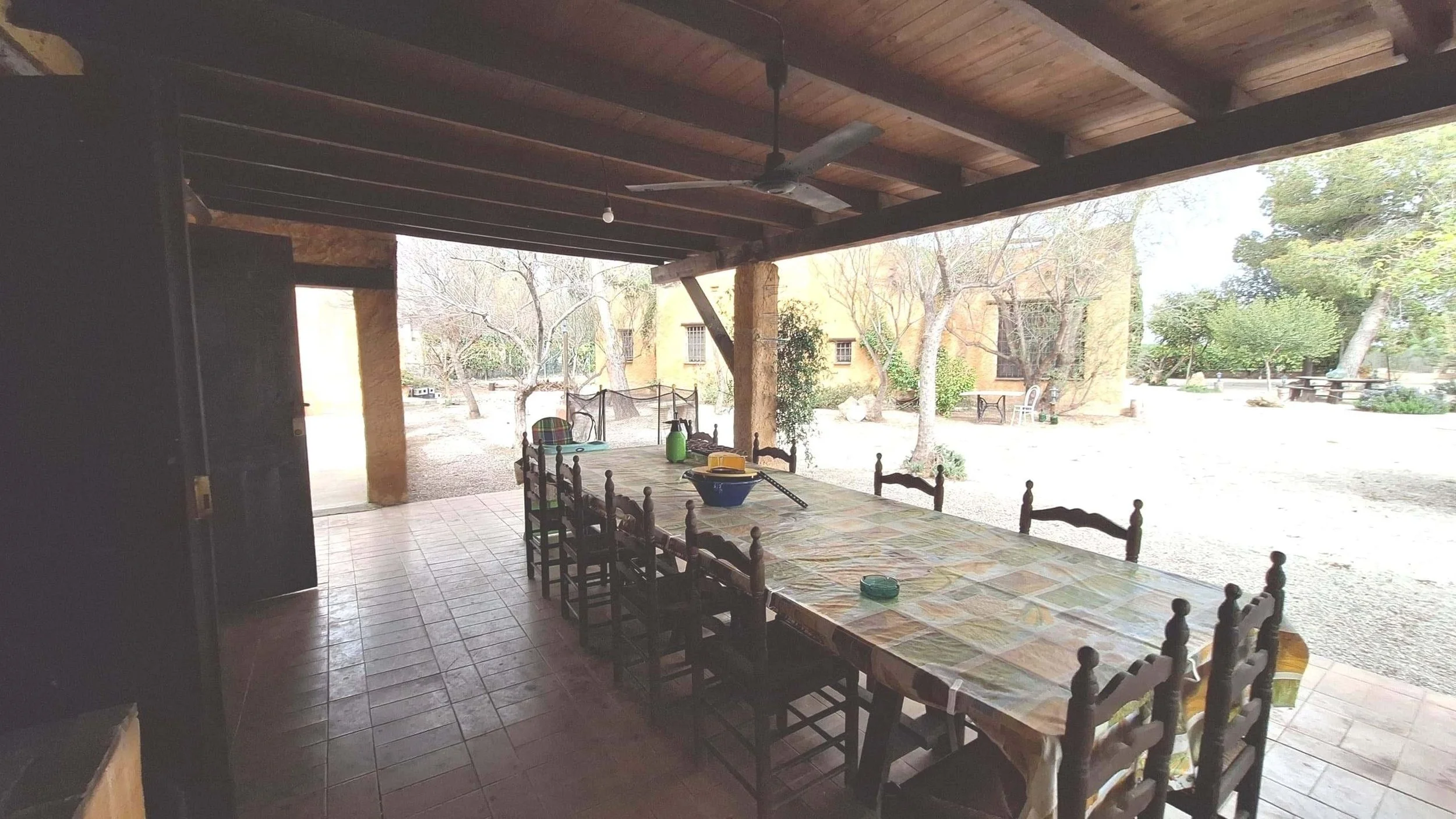
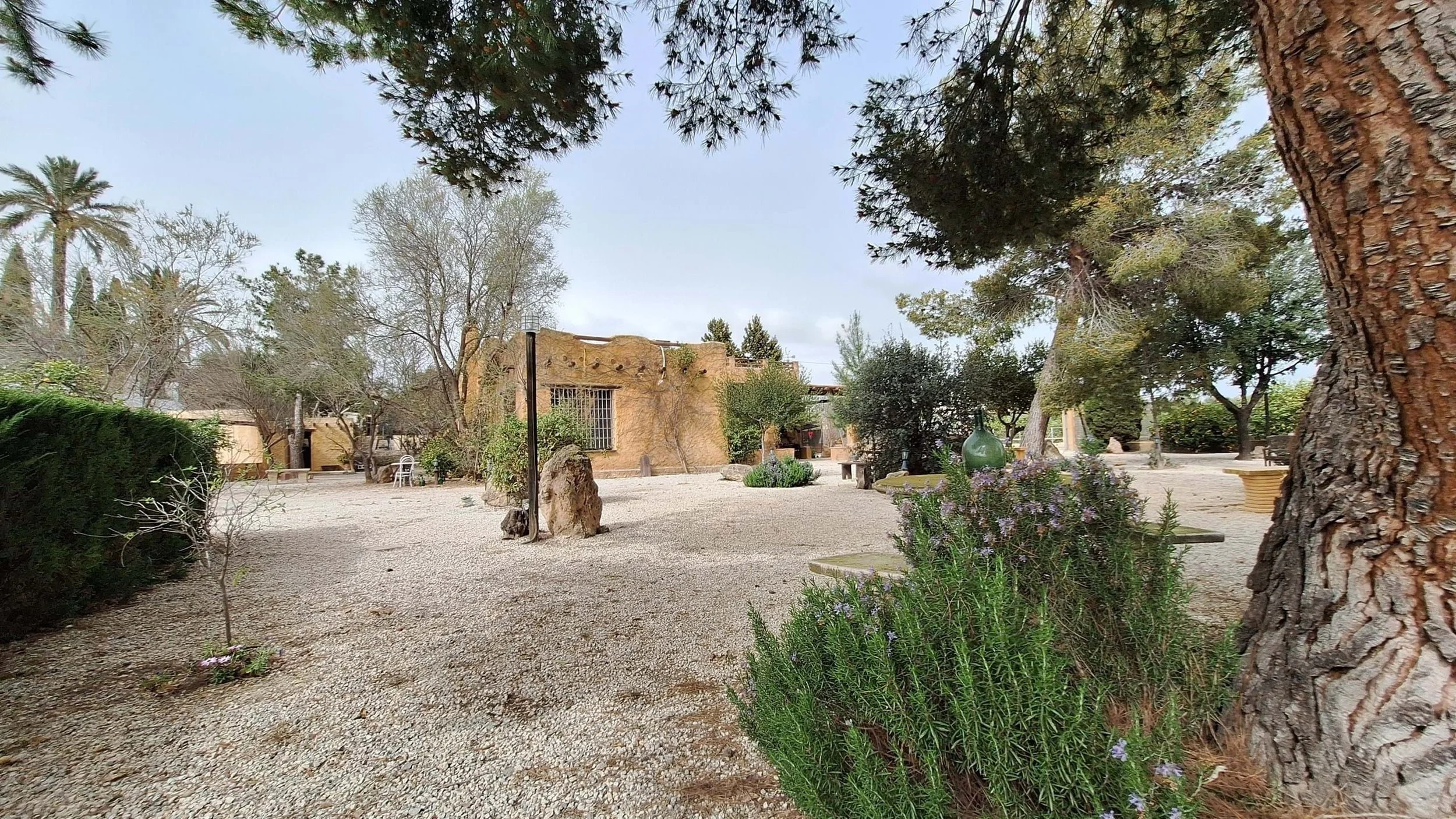
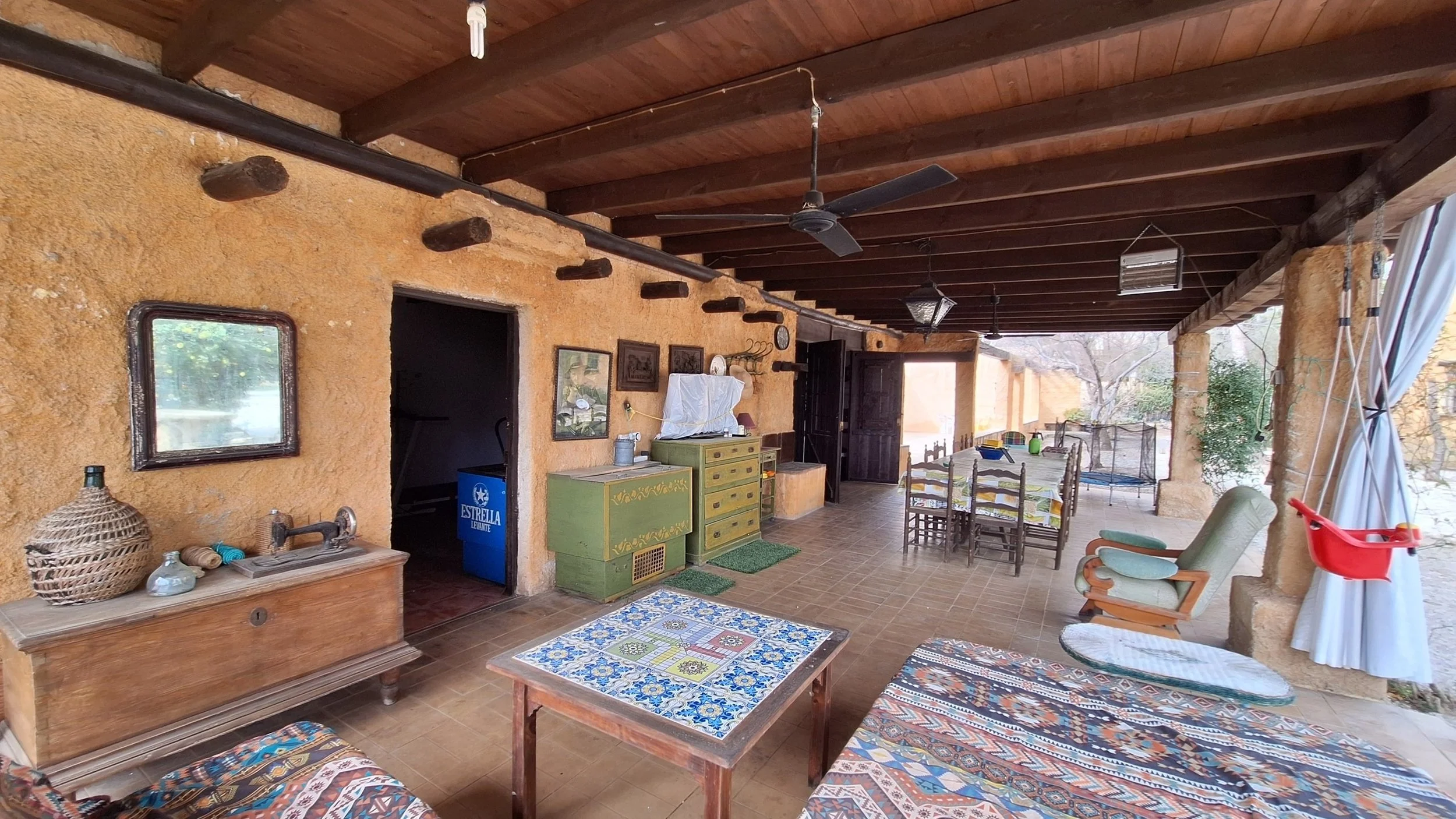
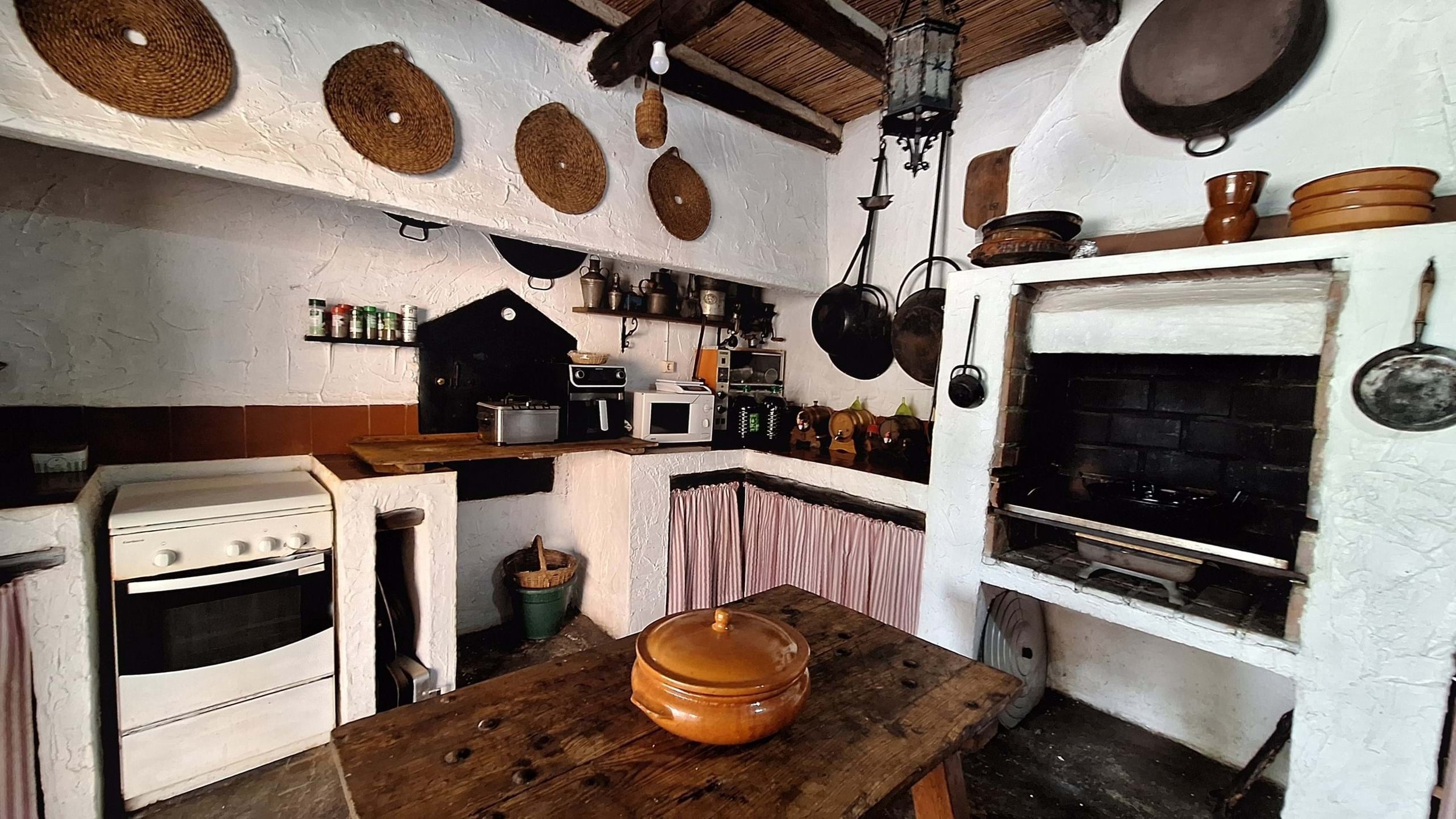
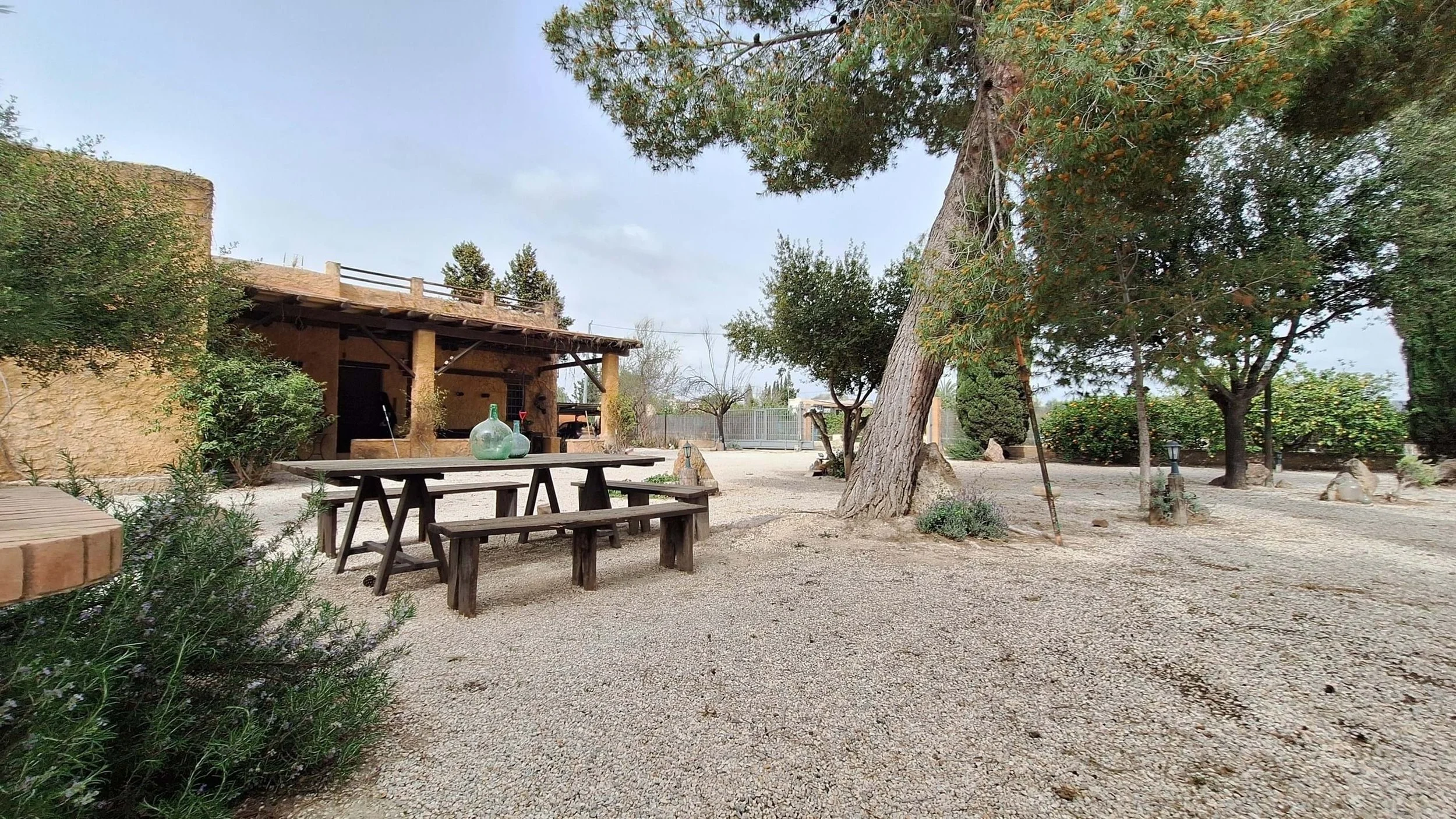
Private 4 x 9 metre pool, rooftop solarium, outdoor barbecue area, mature landscaped gardens and automated lighting
Additional features
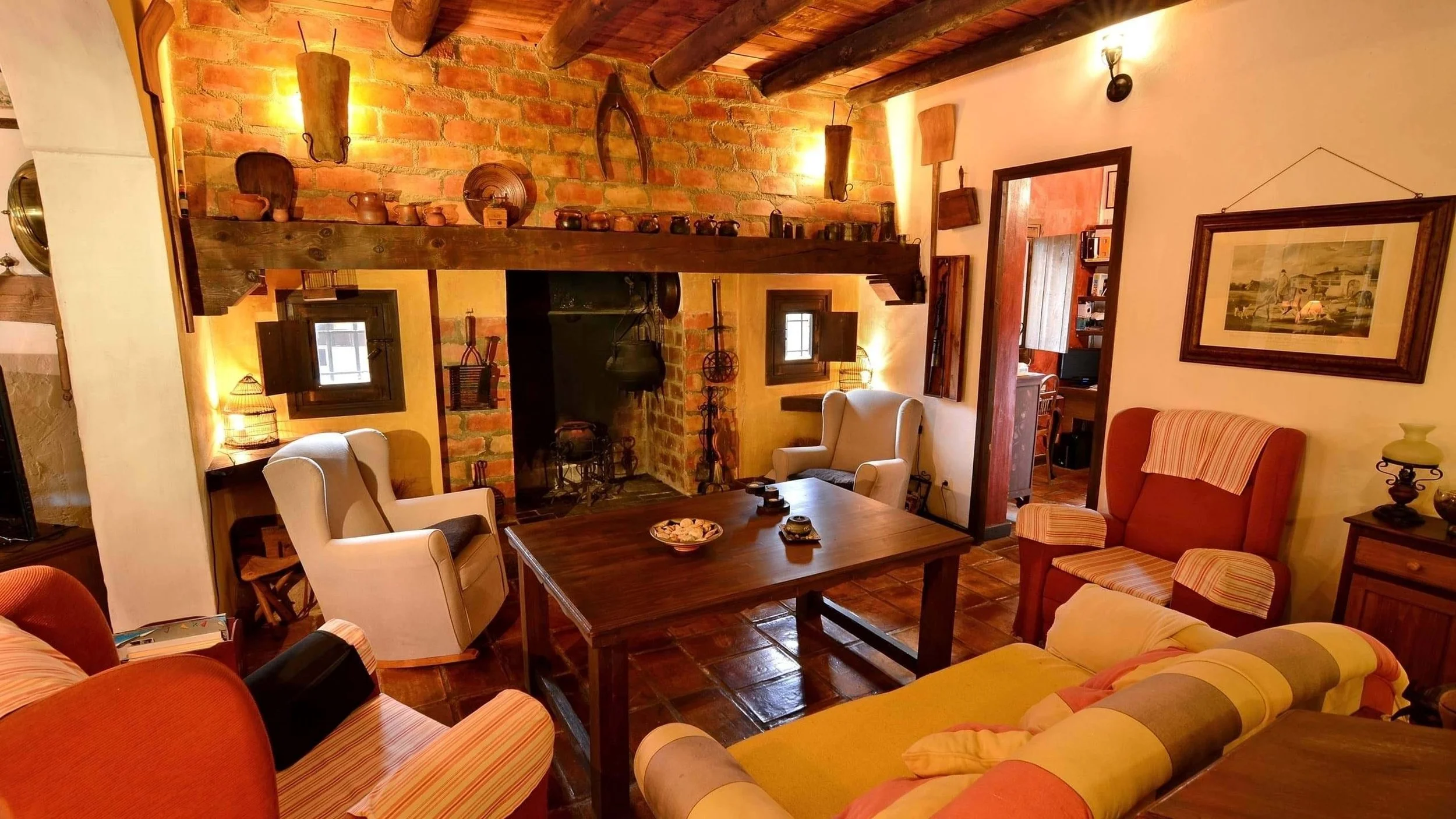
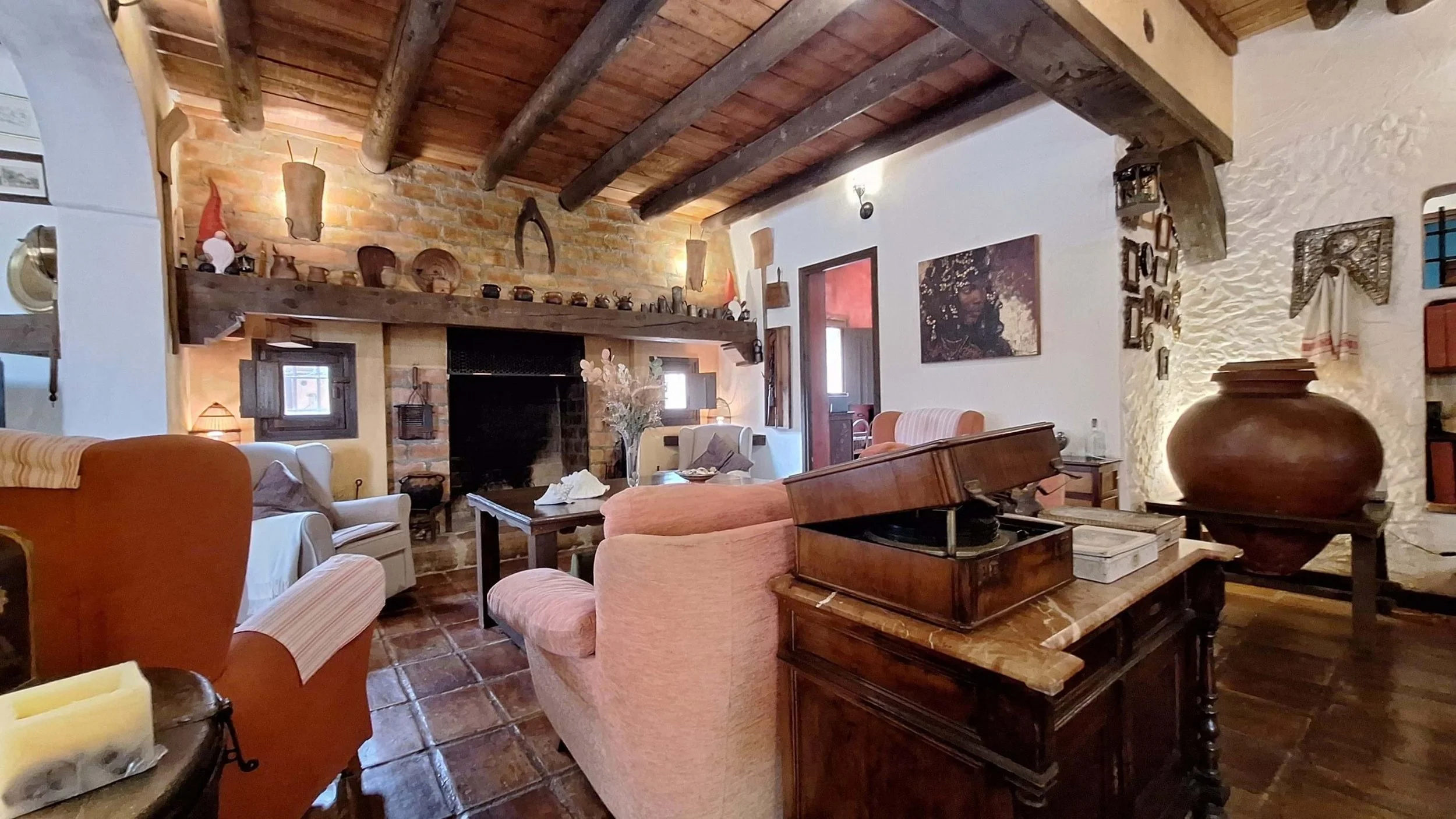
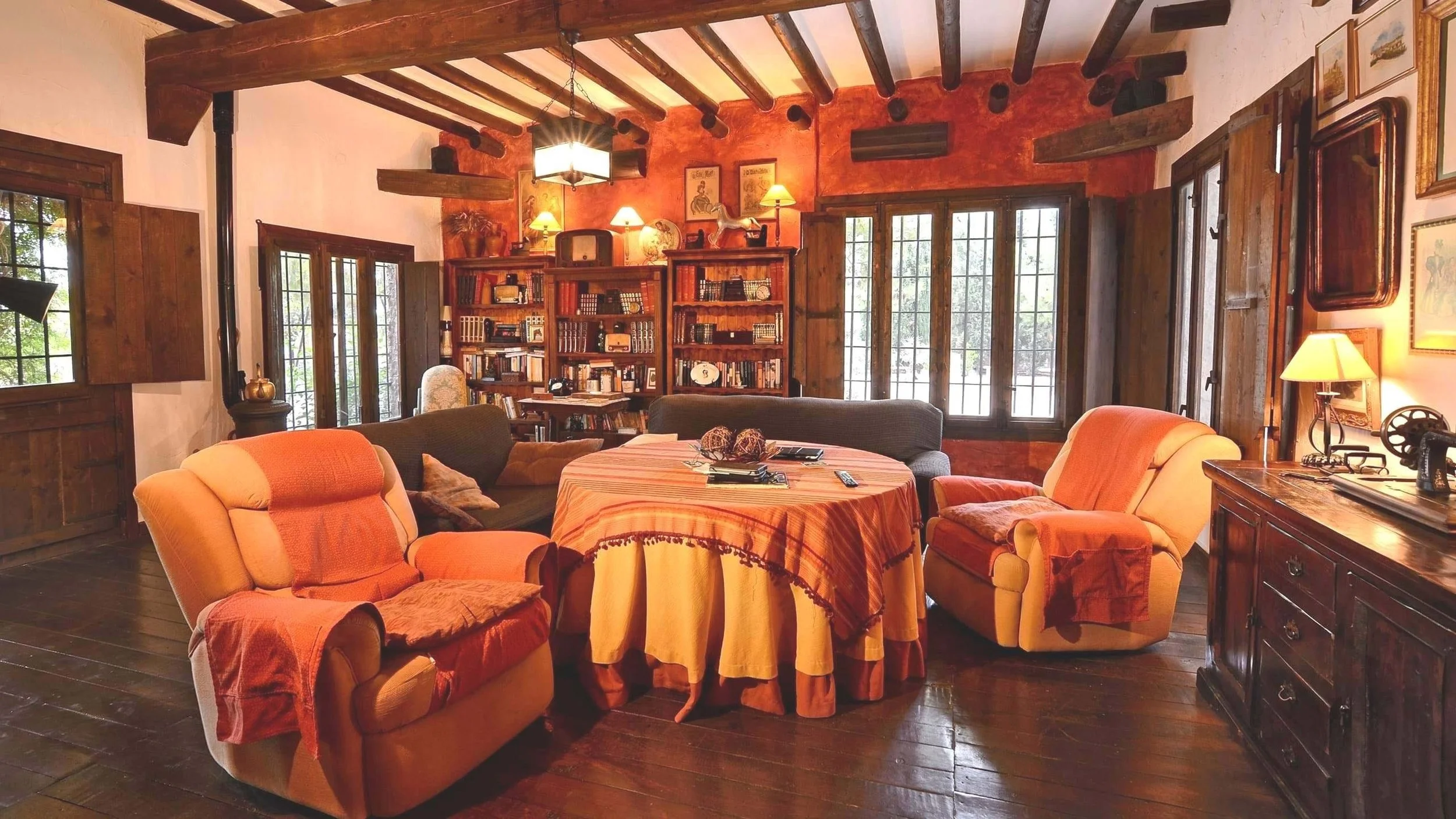
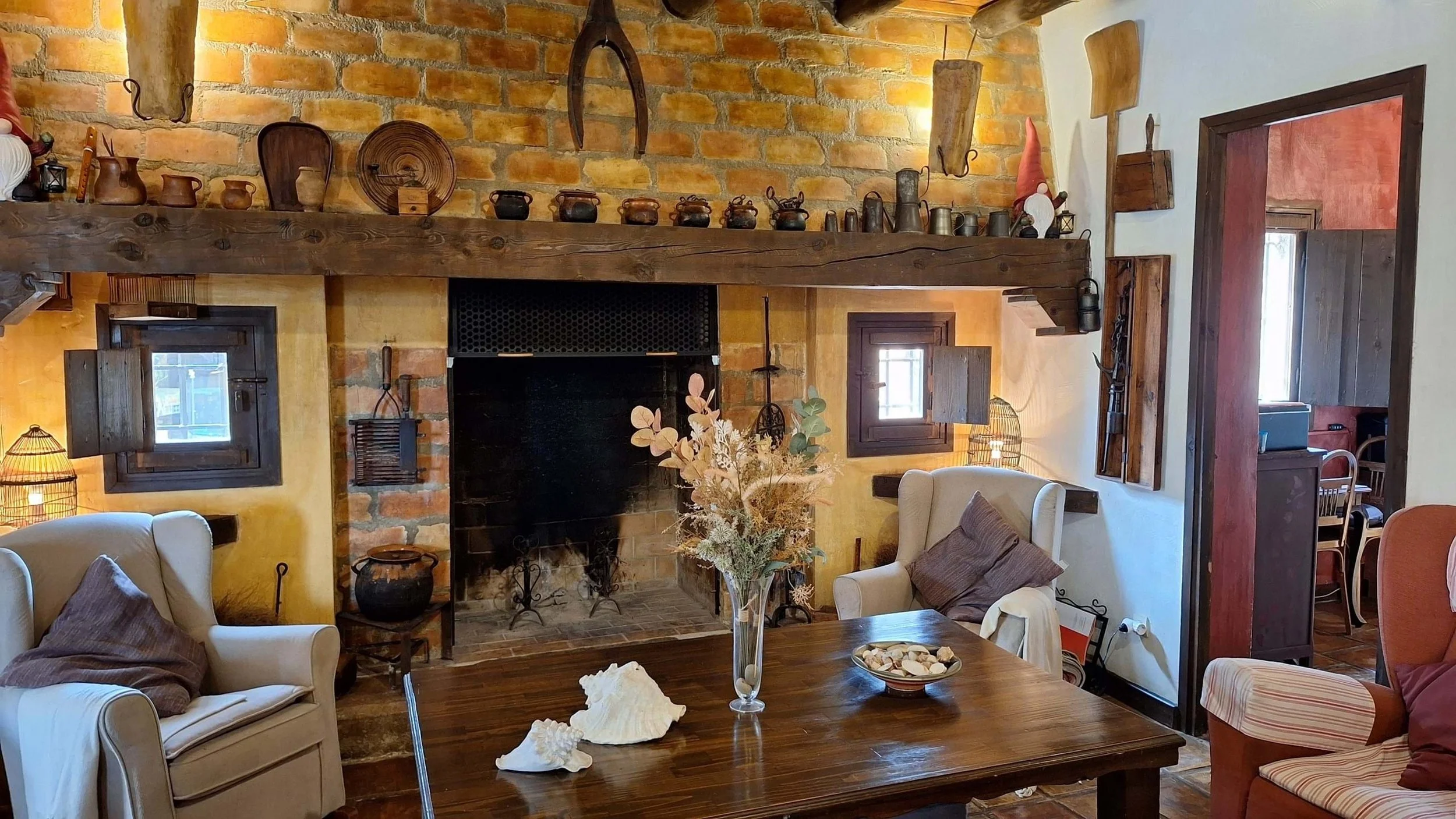
Sauna, wine cellar, wood burner, fireplace and outbuildings
Unfinished space
Approx. 50 m² dining room left for completion by the next owner
Water and garden systems
Mains water and automated irrigation stated in the listing
Energy rating shown
Energy Class N
Primary due-diligence theme
Whether the unfinished dining room, pool, outbuildings, solarium and rural plot all match the legal, planning and habitability position
Risk Radar
Overview
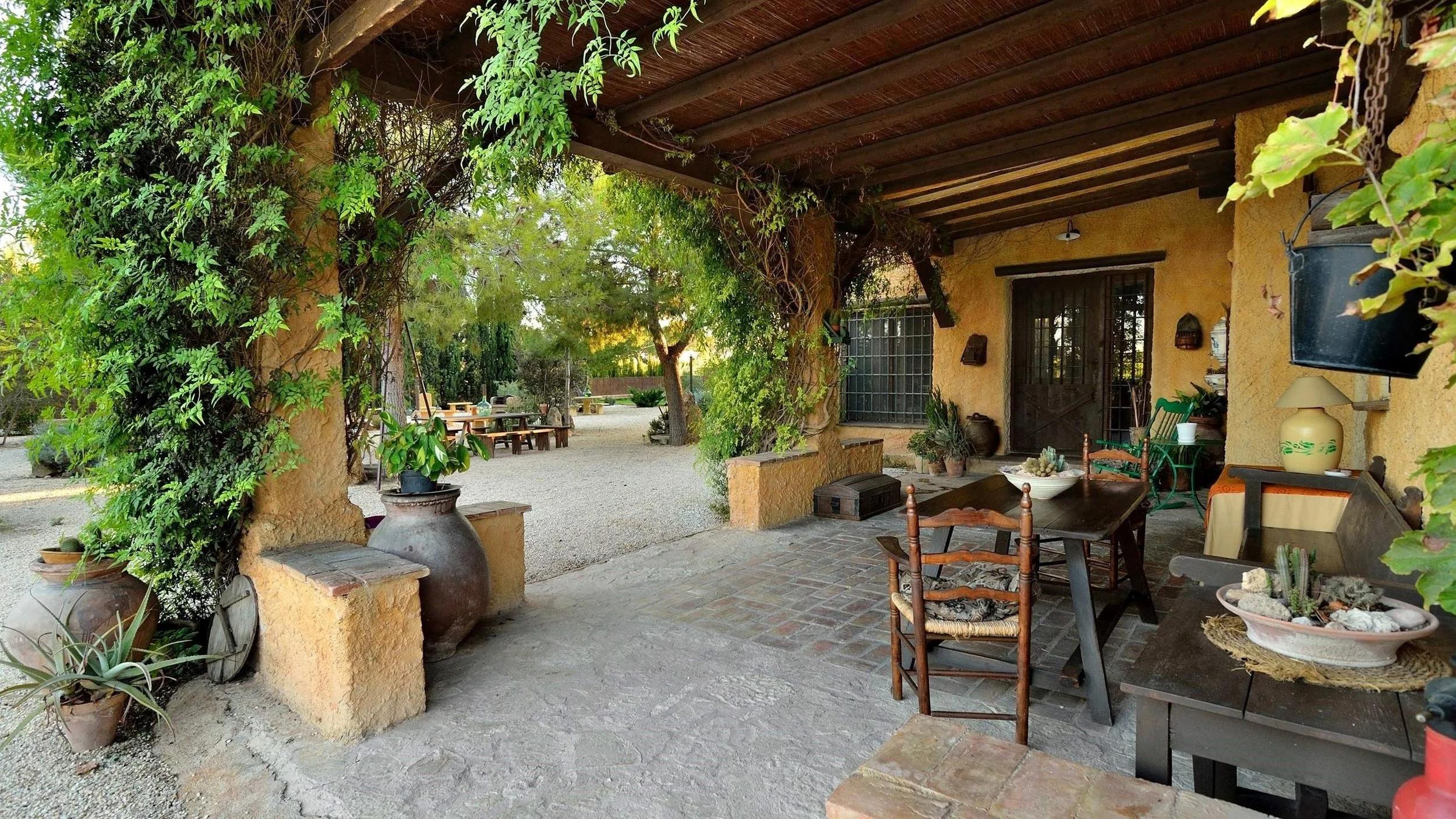
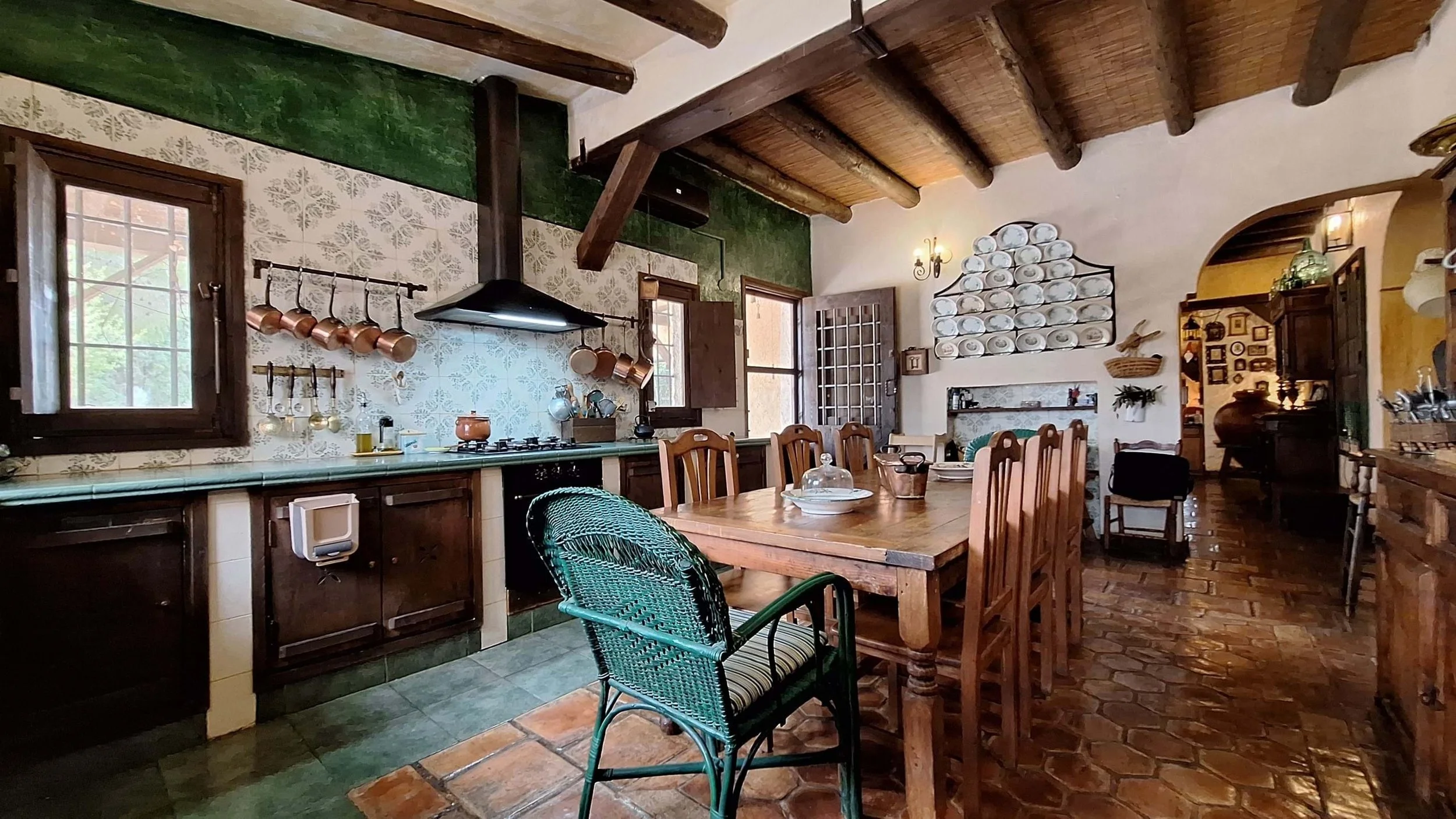
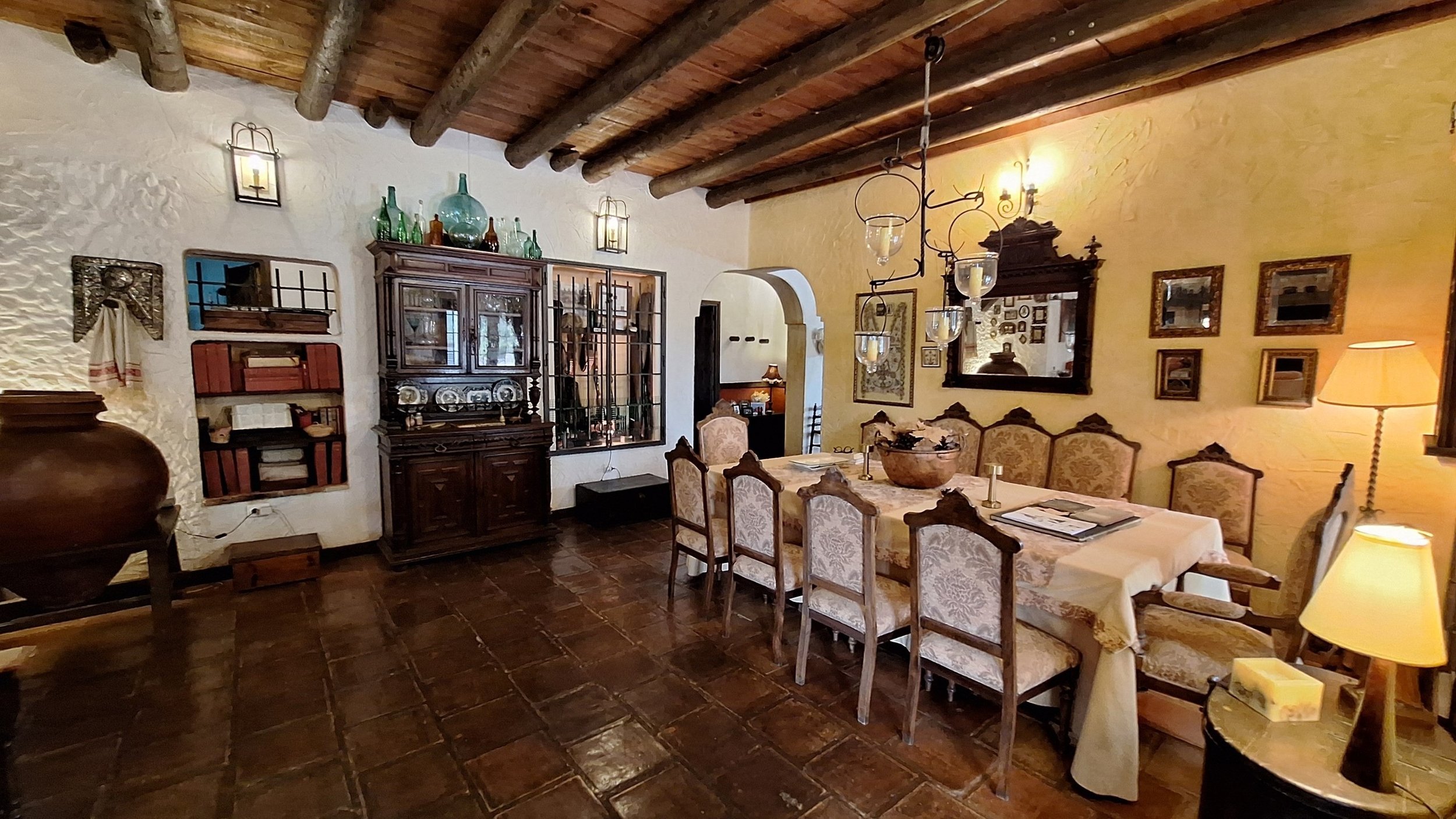
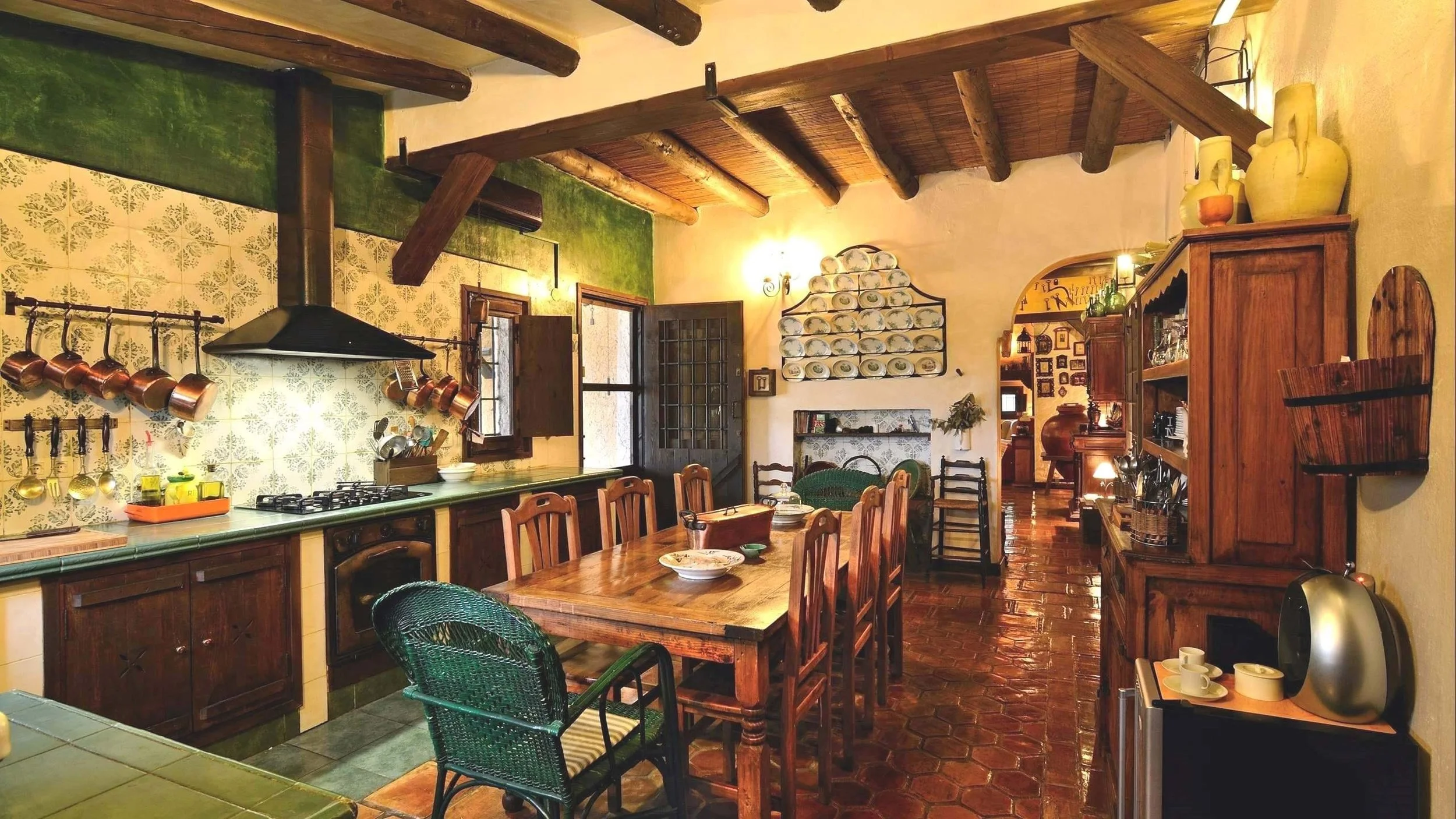
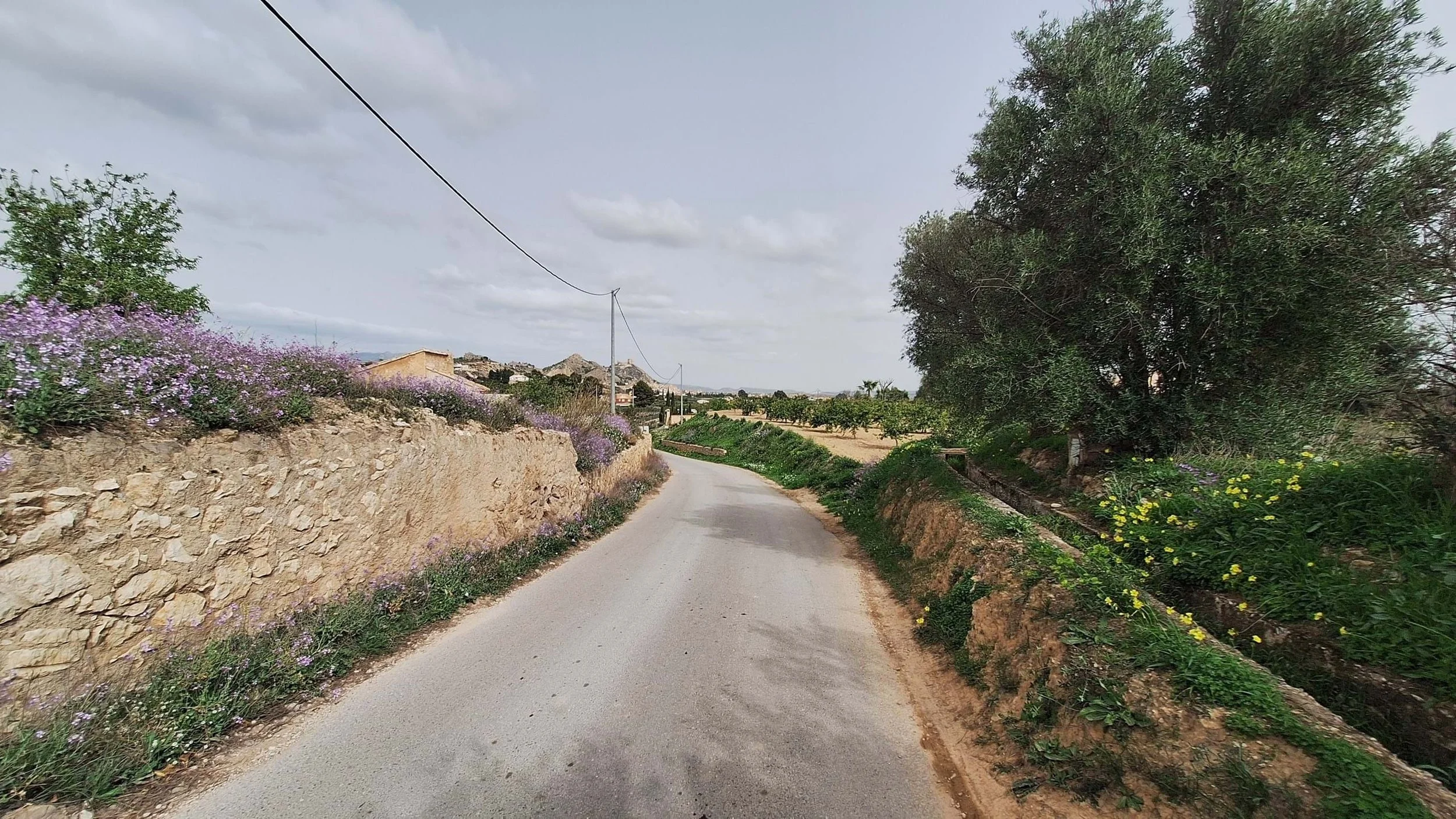
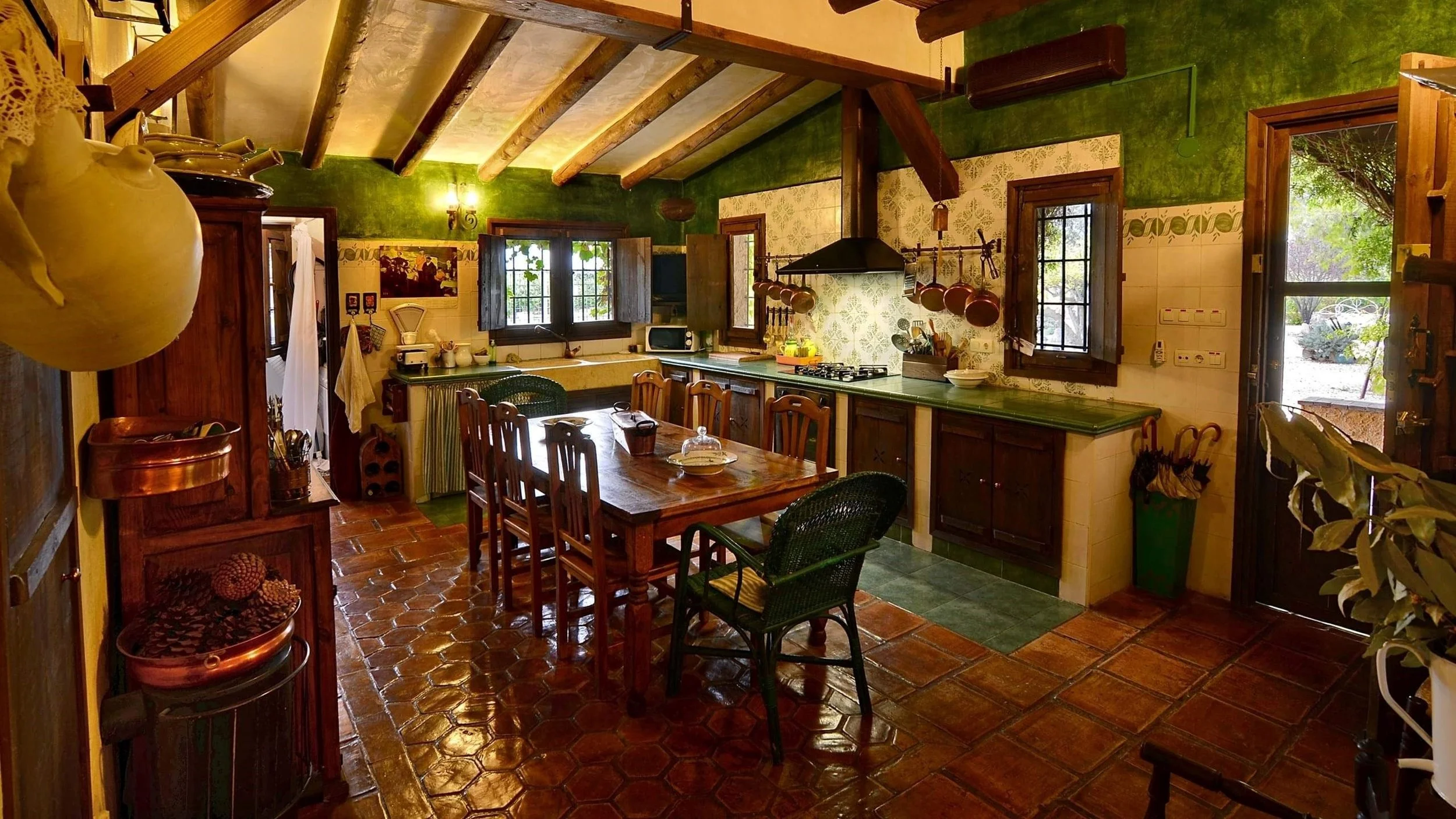
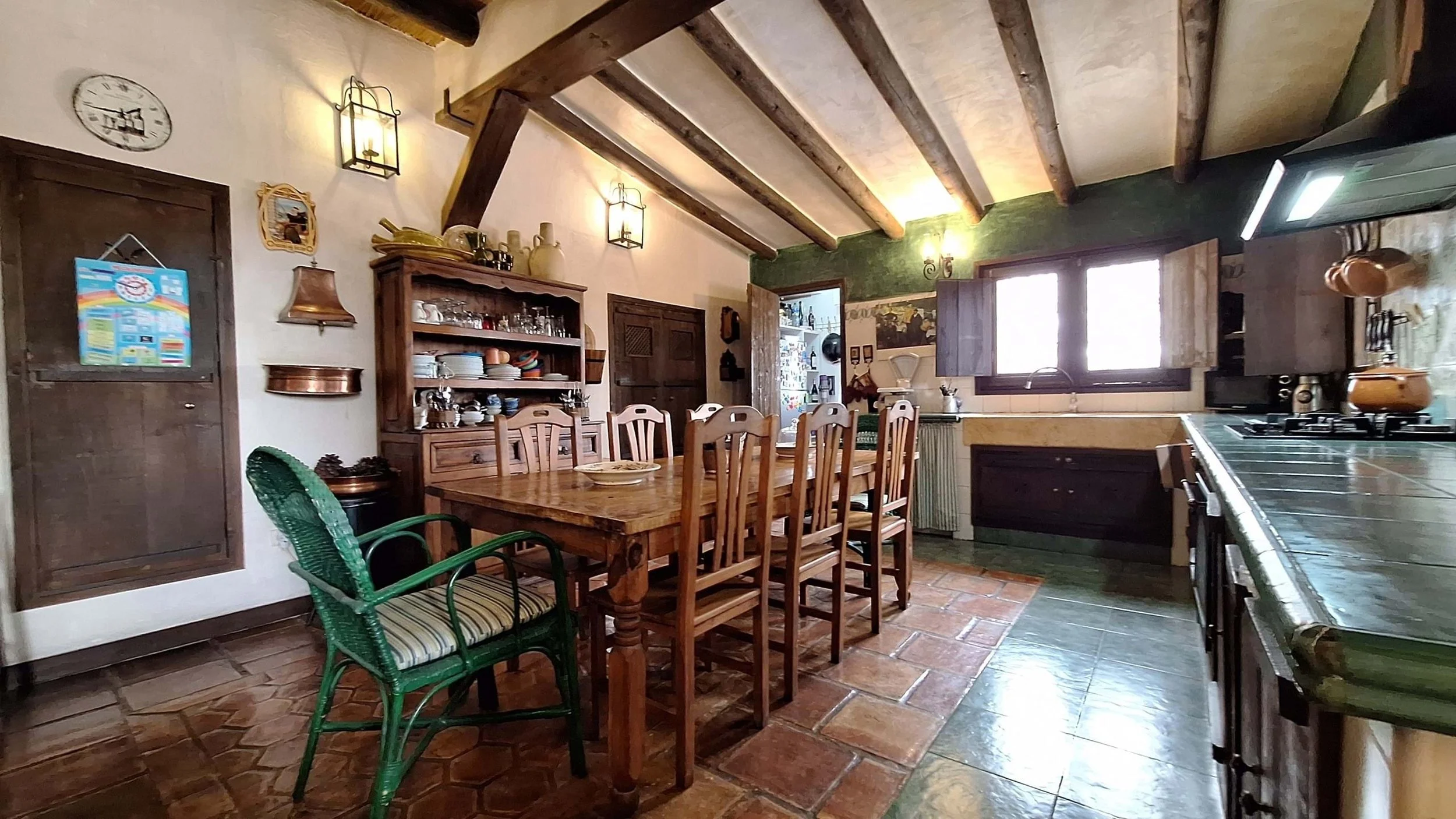
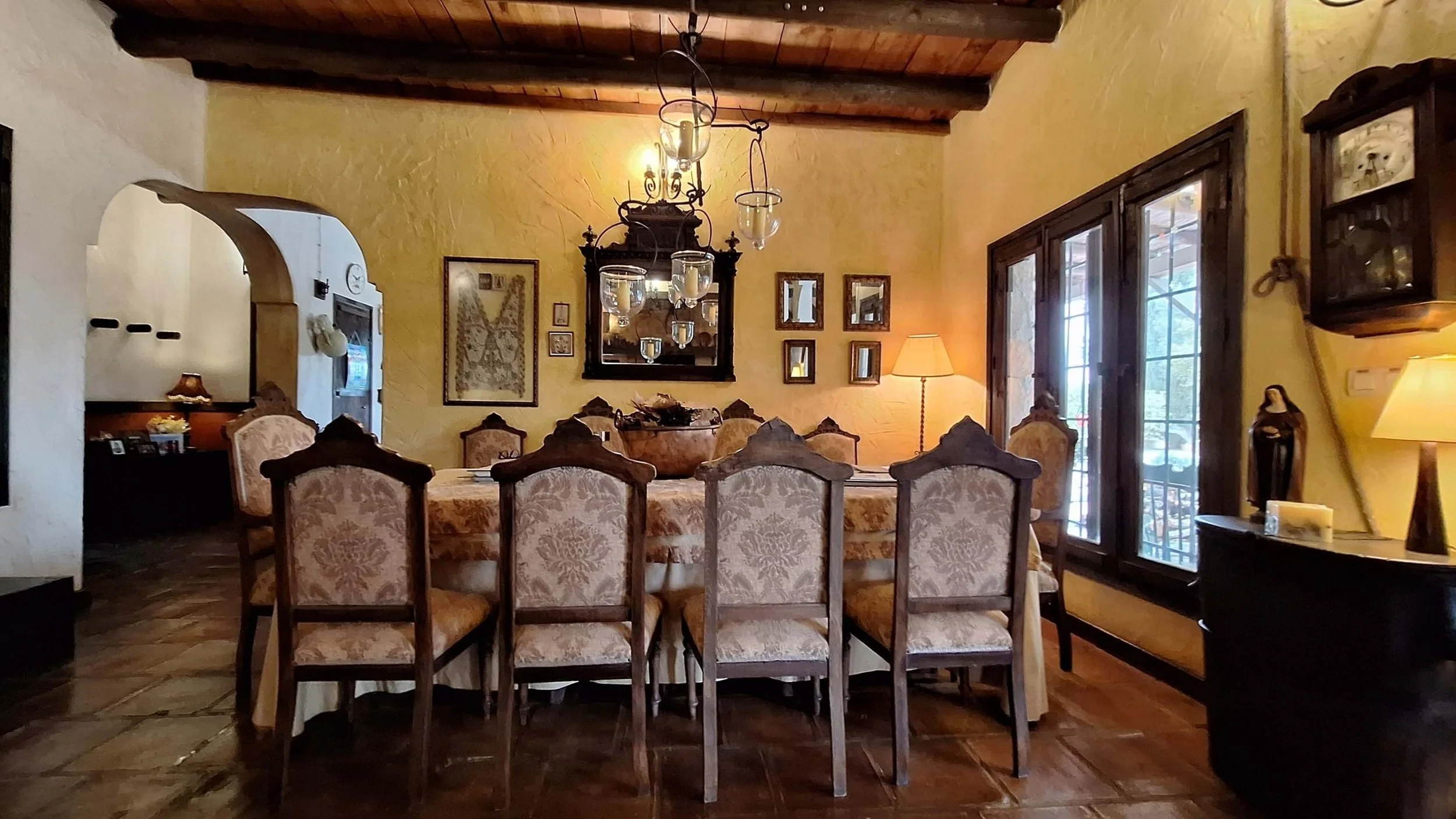
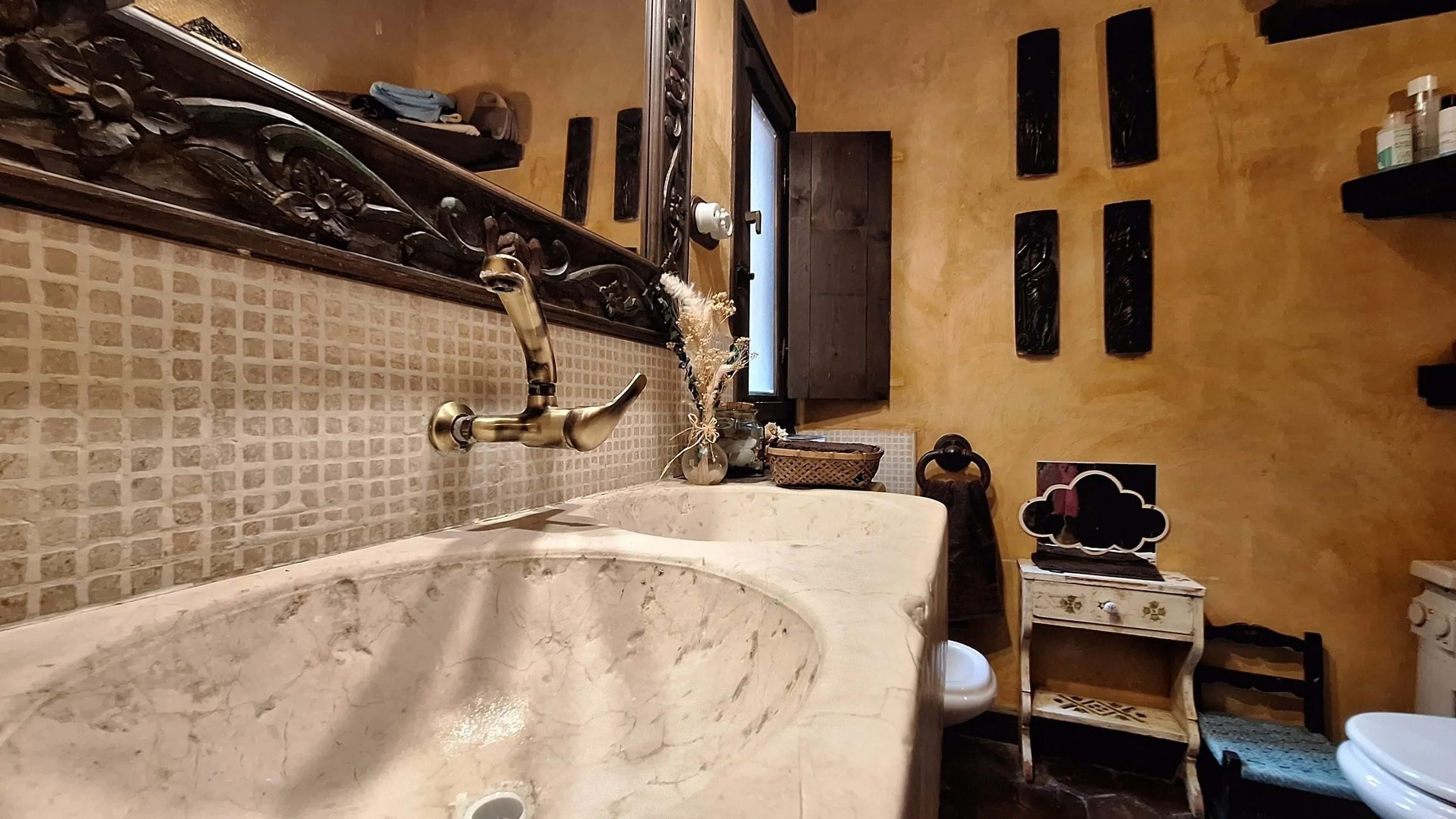
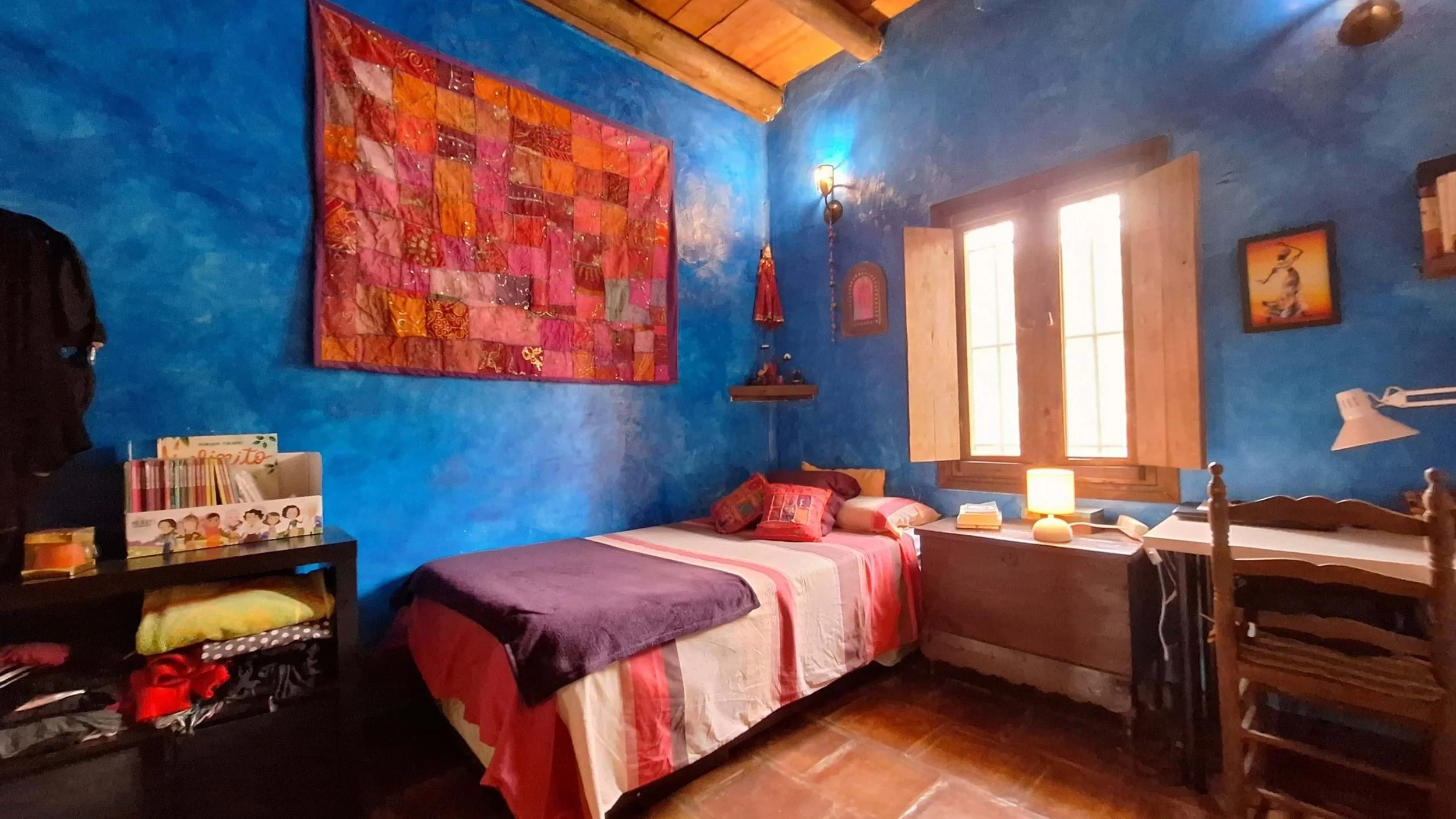
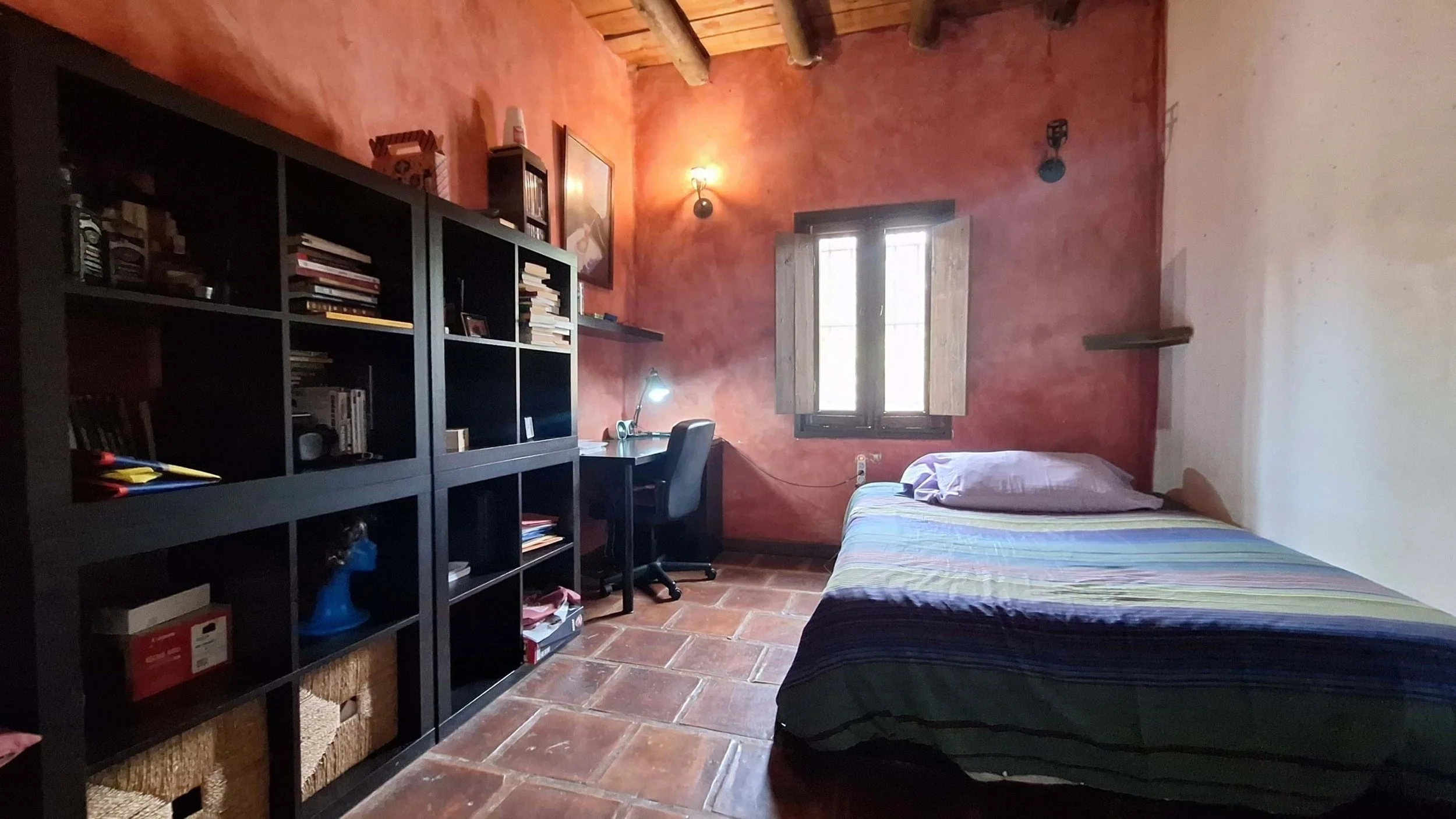
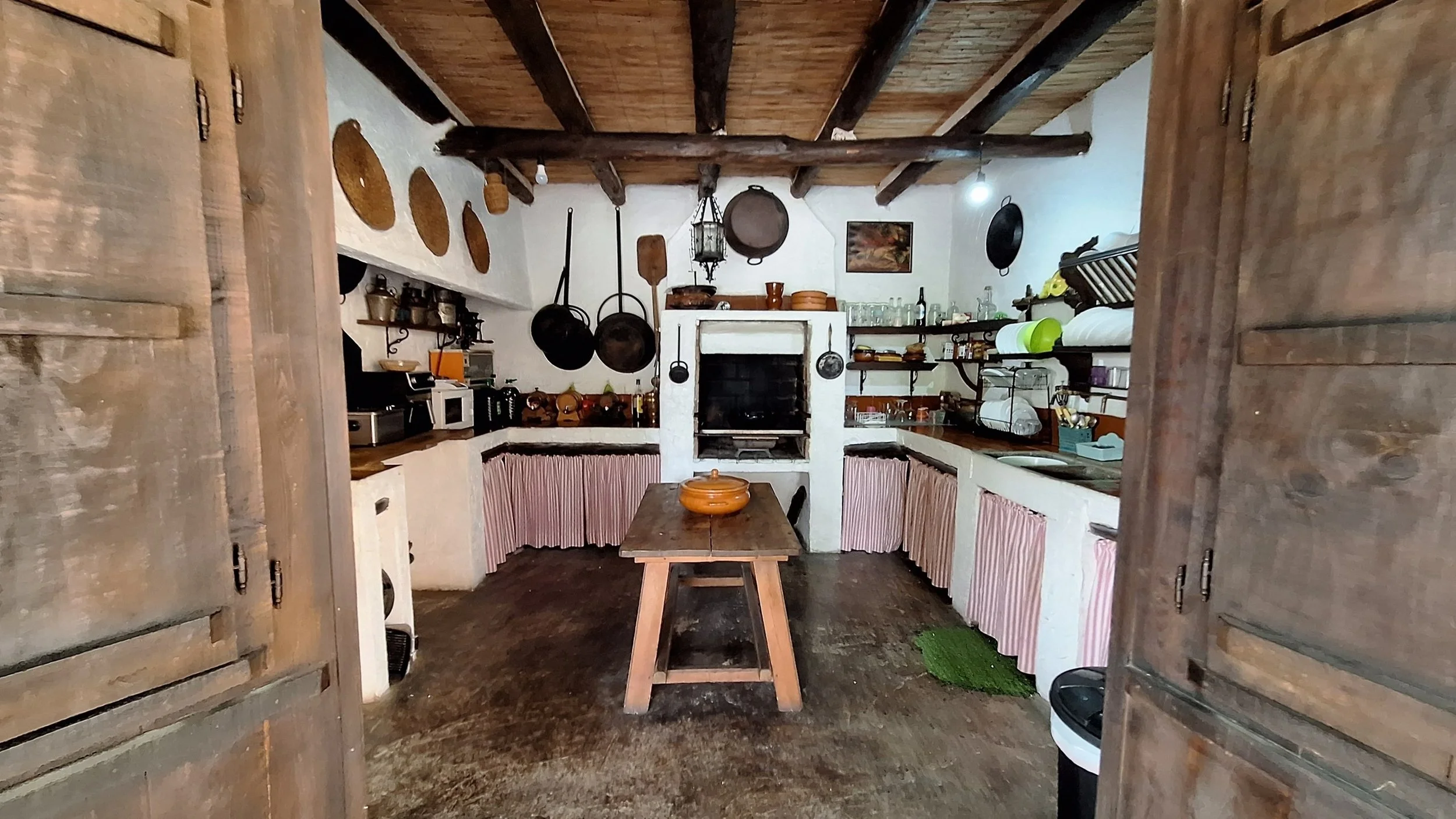
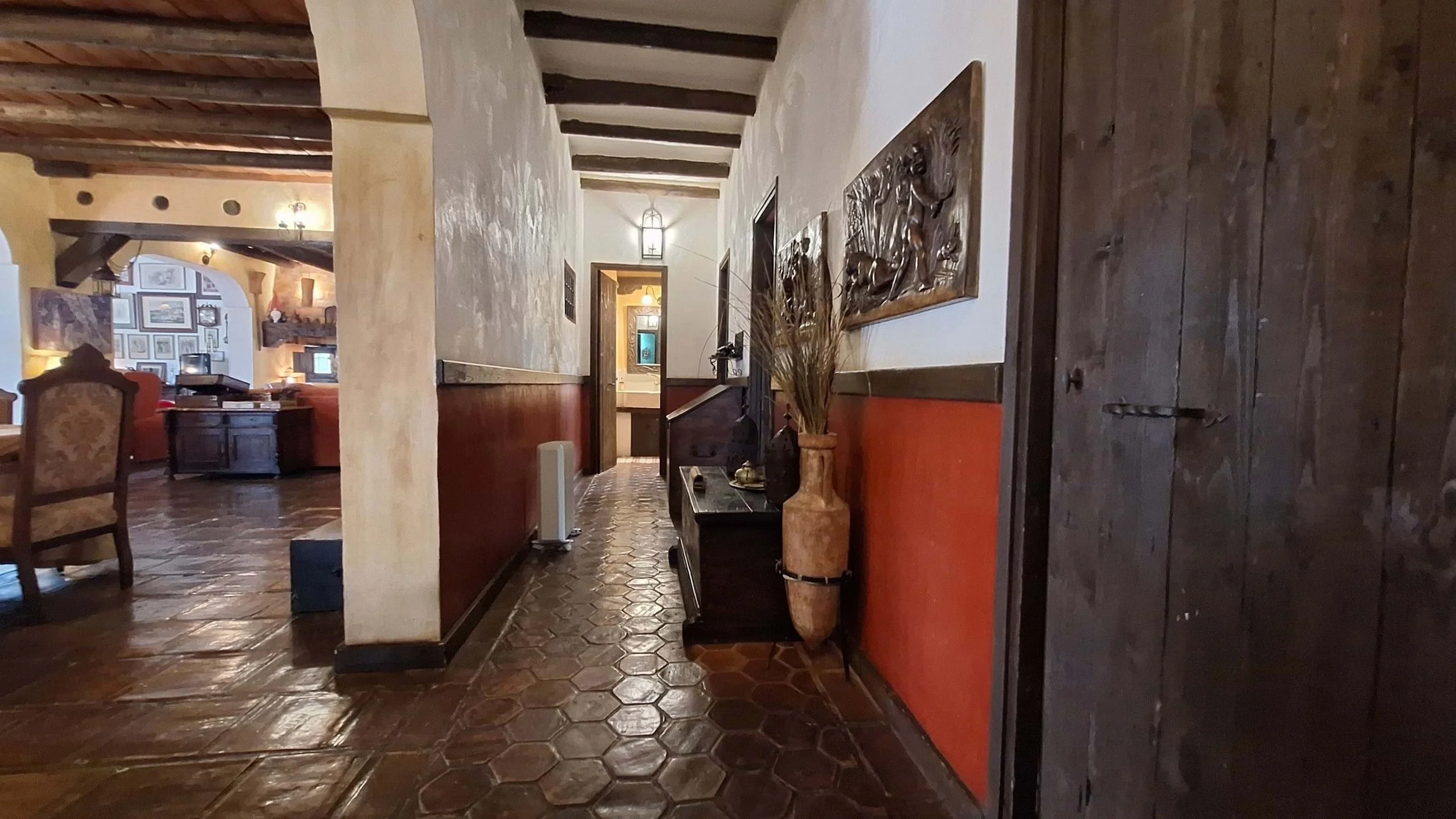
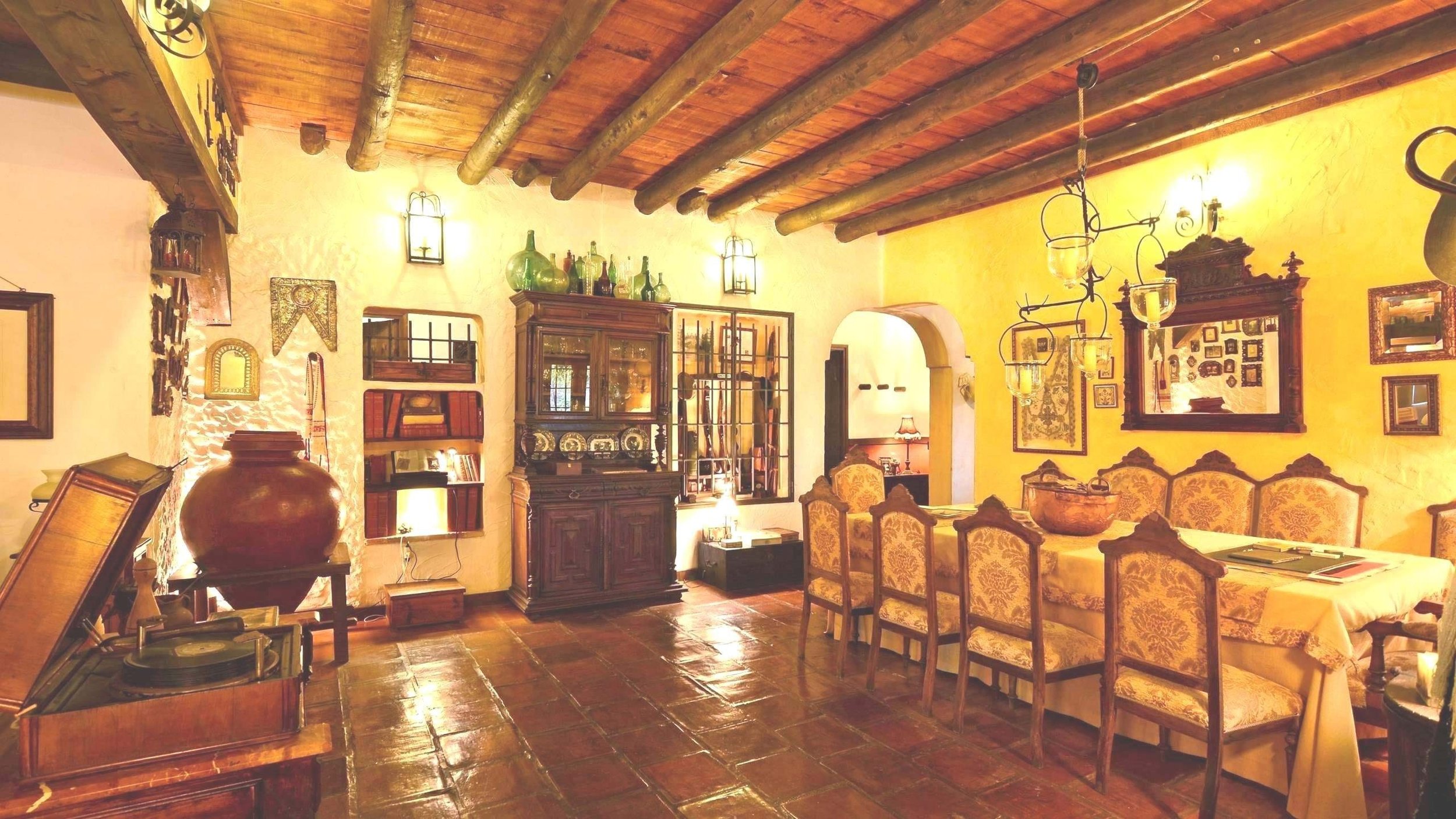
This Mula chalet has the ingredients buyers often want in rural Murcia: space, privacy, a pool, gardens, outbuildings, a solarium, countryside views and enough extra features to make it feel like more than a simple country house. The sauna, wine cellar, outdoor kitchen, mature landscaping and automated lighting give it a lifestyle angle, while the 50 m² unfinished dining room creates a clear value-add story.
The central due-diligence issue is whether every part of that story is legal, registered and practically usable. Rural Spanish properties can be excellent purchases, but the buyer needs to verify that the house, pool, outbuildings, rooftop solarium, barbecue structure and unfinished dining room all appear correctly in the nota simple, cadastre and local planning file. The unfinished dining room is especially important because it could be genuine expansion potential, or it could be an incomplete space that requires new permissions, technical sign-off, cost and possible regularisation.
The second theme is operating cost and comfort. "Energy Class N" needs clarification, particularly because the property appears to rely partly on a wood burner and fireplace. In Murcia, cooling, insulation, water use, pool maintenance and irrigation costs may matter as much as winter heating. The third theme is rental feasibility. A pool, rural setting and proximity to nature can support holiday appeal, but any short-term rental strategy should be checked against Murcia's tourism register requirements, the national short-stay registration framework and local planning status before being priced into the purchase.
Targeted Questions
Unfinished 50 m² Dining Room
It may be habitable space, unfinished permitted space, or an unregularised structure needing legalisation.
If it is absent from the property record, it may affect valuation, mortgageability and future resale.
Cadastre and registry mismatches should be identified before offer stage.
If it was built without permission, completion could be more complicated than simply finishing the interior.
The closer it is to a proper shell, the easier and cheaper completion may be.
An unfinished space exposed to weather may hide damp, movement or material deterioration.
It should not be valued as full living accommodation unless the paperwork supports that status.
The legal route determines cost, time and risk.
Existing professional costings are far more useful than informal estimates.
This can affect taxation, valuation, sale documents and future rental presentation.
Expansion works often require follow-up paperwork, not just construction spend.
Buyers should avoid inheriting avoidable legal uncertainty.
Legal Status and Core Documentation
This confirms ownership, charges, liens, registered description and any limitations on the title.
The marketed property should match the legal description.
This helps verify the physical reality against the official mapping.
Legal burdens can affect use, financing and resale.
In Murcia, first or subsequent occupation documentation helps confirm that the dwelling meets occupation and service-connection requirements.
Partial recognition can undermine the value of some spaces.
Ancillary features may not have the same legal status as the main dwelling.
A property built in 2003 should have a traceable planning and construction history.
In Murcia, first-occupation documentation confirms the completed building matched the licensed project and was suitable for its authorised use.
Rural properties can carry historic discrepancies that only surface during sale or future works.
Land classification heavily affects extensions, rentals, outbuildings and future development.
Rural legality is one of the most important checks in Spanish countryside purchases.
Pool, Solarium and Outdoor Structures
Pools are often omitted or irregular in rural property records.
A pool that appears in marketing but not in records can create regularisation issues.
Pool shells, tiles, pumps and filtration systems all have maintenance cycles.
Pool equipment condition affects immediate running costs.
Heating affects seasonal use, rental appeal and energy costs.
Safety is important for family use and guest rentals.
Roof terraces can create structural, planning and waterproofing questions.
Exclusive use and safe access should be clear.
Terrace waterproofing failure can cause hidden damage below.
Permanent outdoor structures can need planning recognition.
Services affect usability, safety and legal treatment.
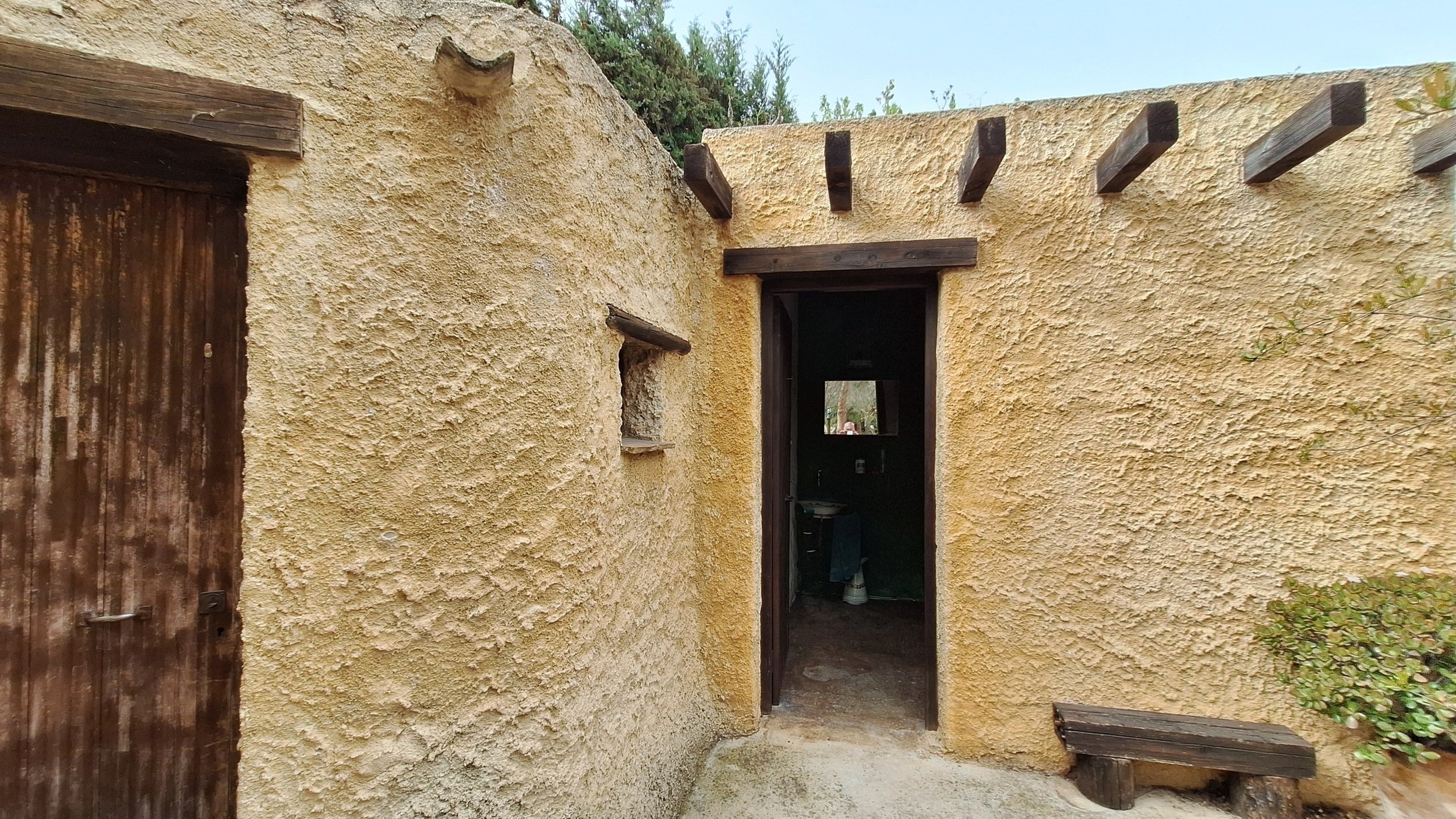
Outbuildings, Sauna and Wine Cellar
They may be storage, agricultural use, workshop space or something else.
Buyers need to confirm that all built elements are registered.
Later additions may require separate permits.
Services influence whether conversion or workshop use is realistic.
Conversion potential depends on land classification and planning rules, not just physical size.
Buyers should not assume they can create extra accommodation after purchase.
A sauna is attractive, but it should be safe, functional and properly installed.
Safety, energy use and insurance can depend on the system.
High-load electrical equipment should be checked carefully.
Wine cellars can be useful, but damp or poor ventilation can reduce their value.
Underground or ancillary spaces can be missed in official descriptions.
Structure, Roof and Building Fabric
Roof repairs can be a significant cost and can affect interior finishes.
Timber problems can be hidden and expensive.
Rural detached properties need careful structural review before purchase.
Damp can be linked to roof, terrace, drainage or irrigation problems.
Glazing affects energy efficiency, summer heat gain, winter comfort and noise.
Rustic style does not guarantee thermal comfort.
Occupation pattern affects wear, systems use and maintenance quality.
Documentation helps verify condition and reduces reliance on verbal assurances.
Energy, Heating and Cooling
Spain normally requires a valid energy certificate for sale or rental, so unclear wording needs explanation.
The Spanish energy certificate is the formal document showing energy performance and recommendations.
A valid certificate should not simply be an informal estimate.
A wood burner and fireplace may not be enough for whole-house comfort.
Cooling is a major comfort and rental factor in Murcia.
Operating cost matters alongside purchase price.
Lifestyle features can add meaningful ongoing expense.
Solar may reduce running costs, but installation should be checked against planning and electrical capacity.
Land, Boundaries, Water and Irrigation
Rural plots should be checked carefully against fences, walls and cultivated areas.
Gardens can drift beyond legal boundaries over time.
Access rights can affect privacy and control.
Mains water is important, but cost and reliability still need checking.
Additional water sources can add value, but they must be legal and documented.
Mature gardens in Murcia require reliable water management.
Landscaped rural properties can have higher water costs than buyers expect.
Murcia's climate makes water resilience a practical issue.
Outdoor electrical systems should be safe, efficient and maintainable.
Smart or automated features can be expensive to replace if excluded.
Access, Neighbours and Practicality
Maintenance responsibility affects cost and year-round usability.
Rural access can vary dramatically by season.
Private road obligations should be known before purchase.
Parking matters for a 4-bedroom home, guests and rentals.
Vehicle protection and storage affect daily use.
Neighbour context shapes privacy, noise and security.
Even detached rural homes can sometimes carry shared-road or community obligations.
Rural lifestyle and remote work depend on reliable connectivity.
Practical convenience affects full-time living and guest appeal.
Rental and Investment Potential
Historic income data is more reliable than projected yields.
Murcia requires accommodation offered as tourist accommodation to be registered with the regional Tourism Register.
Tourism registration depends on more than attractive amenities.
Spain's national tourist-rental registry framework now affects properties advertised on digital platforms.
Regional compliance may still need local checks.
Demand should be tested by micro-location, not just regional appeal.
Rural Murcia may perform differently in summer, hiking seasons and off-season months.
Completion should be assessed as a return-on-investment decision.
Ancillary uses may support income, but only if legal and insurable.
Negotiation Intelligence
Buyer Leverage
Medium-High
Key Drivers
Typical Negotiation Range
5-15% below asking
Example line to use with the agent
Country Layer
Spain (Regulatory Context April 2026)
In Spain, a buyer should request the nota simple from the Land Registry early in the process. This confirms the registered owner, property description, charges, mortgages, liens and any limitations affecting the property. For a rural chalet with outbuildings, pool and unfinished space, the key is whether the registered description matches what is being sold.
Viewing Strategy
View this chalet in three layers: legal footprint, systems condition and lifestyle usability.
Next Step
Verify from the listing:
Unfinished dining room legality
Request permits, plans and confirmation that the 50 m² unfinished dining room is included in the legal and habitability documentation, because it may be genuine value-add space or a regularisation and completion liability.
Registered status of all built features
Check the nota simple, cadastre and municipal planning file to confirm that the main house, outbuildings, pool, rooftop solarium, barbecue area, sauna and wine cellar are properly recorded and free from unresolved planning issues.
Water, irrigation and rural land position
Clarify the plot classification, water supply, irrigation system, water costs and any easements, because mature gardens, a pool and rural land in Murcia all depend on reliable and lawful water arrangements.
Energy certificate and comfort systems
Ask for the registered Certificado de Eficiencia Energética and details of heating, cooling, glazing, insulation and actual running costs, because “Energy Class N” is unclear and comfort in Murcia depends heavily on both summer cooling and winter heating.
Rental registration feasibility
Before pricing in holiday-let income, verify whether the property can be registered with the Murcia Tourism Register and Spain’s national short-term rental framework, especially if any part of the built footprint is unfinished or irregular.
A prepared buyer should approach the agent calmly and frame questions as due diligence. For example: “To assess the property properly, could you share the nota simple, occupation documentation, energy certificate, and any permits for the unfinished dining room, pool, solarium, outbuildings and outdoor structures?”
Because this is a rural chalet where unfinished space, land legality, water arrangements and rental potential all materially affect value, run it through the Property Risk Assessment to test the legal and planning risks, or use the Renovation Budget Planner to model the real cost of completing the dining room and updating the property for your intended use.
Disclaimer: The Property Drop is buyer-focused intelligence, zero sales agenda. We curate exceptional properties, in southern Europe, from third-party agents and arm you with decision tools. No commission, no transactions, no agent partnerships, no skin in the game beyond helping you choose wisely. Information stays accurate until it doesn't (properties sell, prices shift, markets move). Everything here is shared for informational purposes only and should not be treated as legal, financial, or investment advice. Images belong to original agents. Read our Terms of Service to learn more.
Buyer Intelligence:
This assessment provides general guidance based on common risk factors and publicly available regulatory information. Risk scores and checklist items are indicative only and must not be considered legal, financial, structural, or surveying advice. Actual property conditions, costs, and regulatory requirements vary significantly by location, property age, and specific circumstances. Regulations are subject to change; always verify current requirements with qualified local professionals before making any purchasing decision.
The Property Drop provides buyer intelligence and educational research analysis only. The Property Drop does not act as an estate agent, intermediary, or advisor in any transaction and does not facilitate introductions, negotiations, or transactions. Always engage qualified independent professionals including local lawyers, surveyors, architects, and tax advisors for comprehensive due diligence specific to your property.
IMPORTANT REMINDER: When contacting property agents featured on The Property Drop, you are entering into direct communication with third parties. It's recommended that you verify all property details independently, conduct thorough due diligence, engage qualified professionals (solicitors, surveyors, financial advisors), understand your rights and obligations under local property laws, and never send money or make commitments without proper legal protection.

The Buyer Playbook: 7-Bed Character Château with Outbuildings and Wooded Garden, Noailles, France, €535,000
The Buyer Playbook: 3-Bed Renovated Country House with Pool, Large Plot, and Sea Views, Salobreña, Spain, €495,000
Questions ready for the agent?
The agent represents the seller.
What you ask shapes the answers you get.