
The Buyer Playbook: 3-Bed Restored Stone Village House with Garden and Garage, Bourg-de-Visa, France €159,000
Buyer Playbook
Pre-Viewing Intelligence Report
This independent buyer guidance report relates to a property located in France. It is provided for informational purposes only and does not constitute legal, tax, structural or survey advice. Change of use, planning permissions, diagnostics, habitability, drainage, boundary issues, garage title, and any land-use or rental matters must always be verified with qualified French professionals such as a notaire, architecte, géomètre-expert, diagnostiqueur or building surveyor, and with the relevant mairie and local authorities. This report is designed to help buyers evaluate the property before arranging a viewing or making an offer. It highlights due diligence areas and targeted questions to ask the estate agent. The analysis is based on the listing details and publicly available regulatory context at the time of writing.
Playbook Contents
Property Snapshot
Location
Bourg-de-Visa, Tarn-et-Garonne, France
Property type
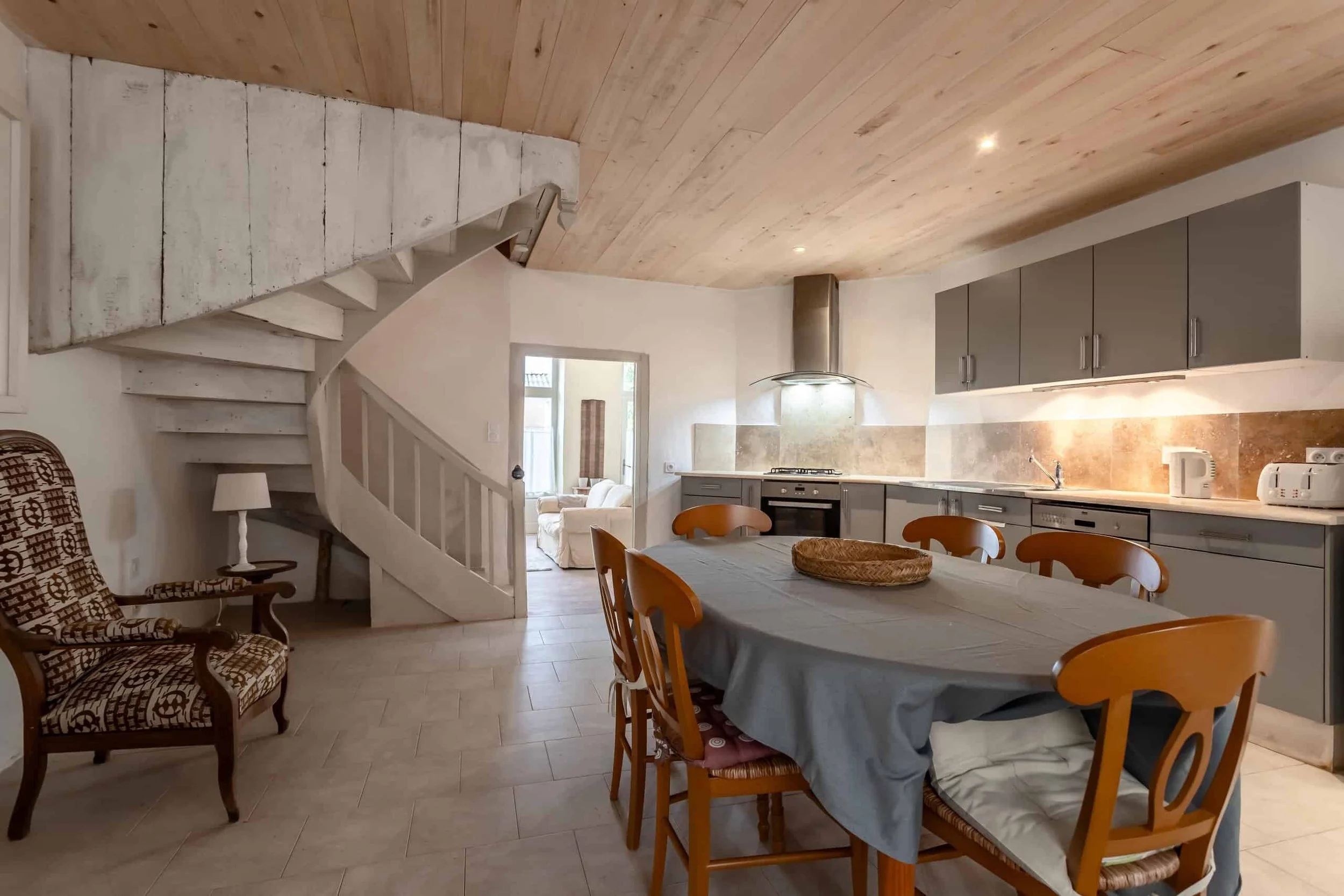
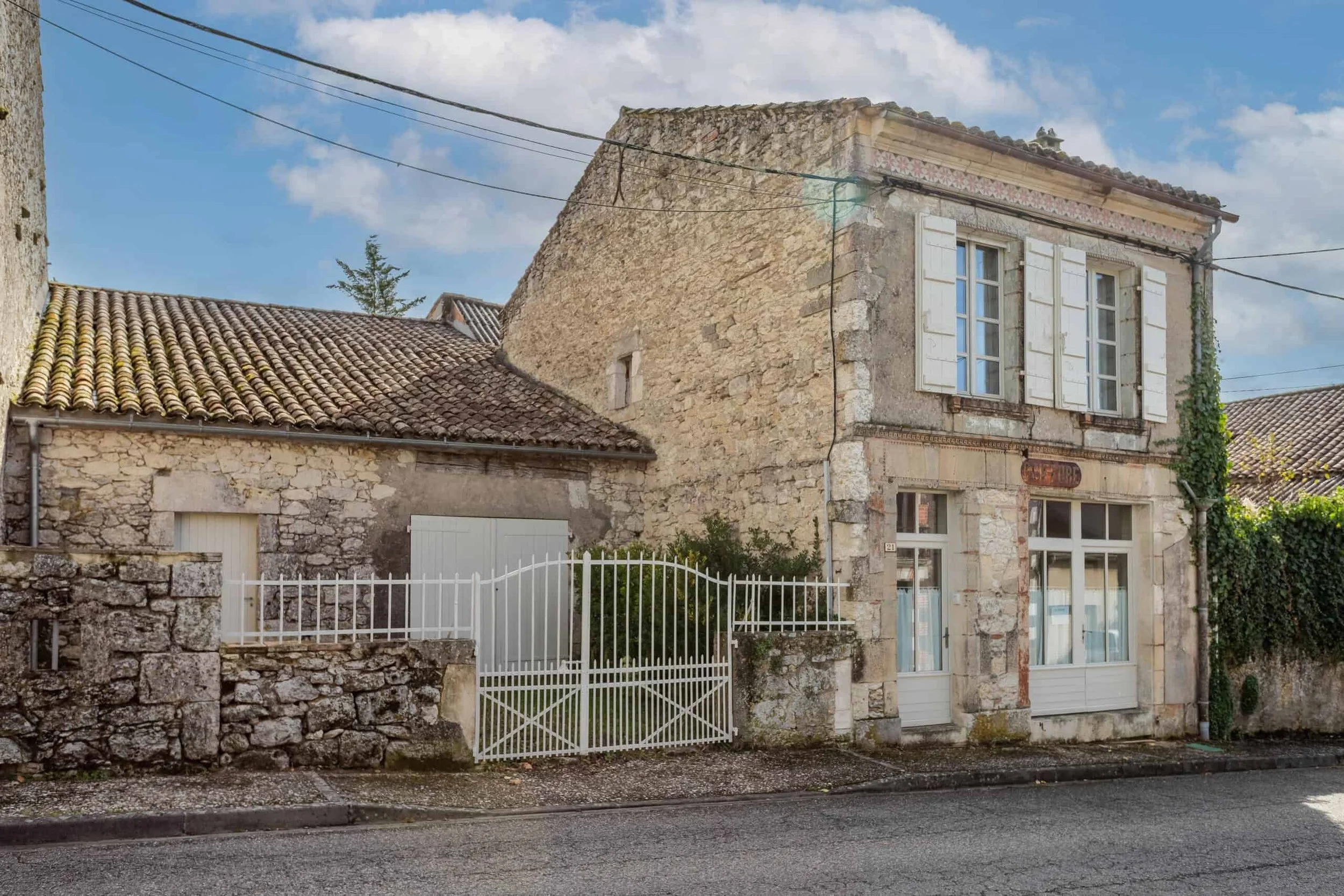
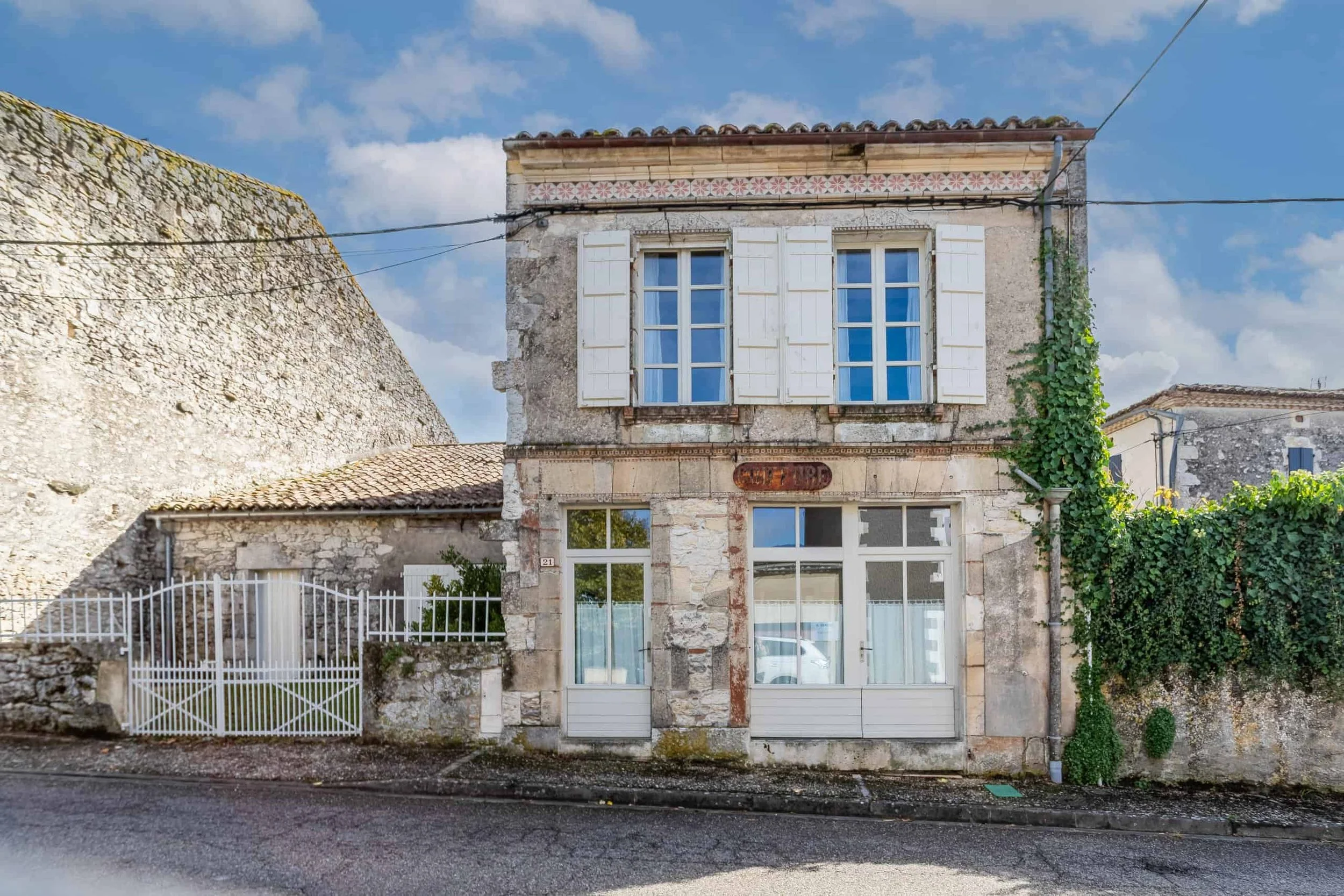
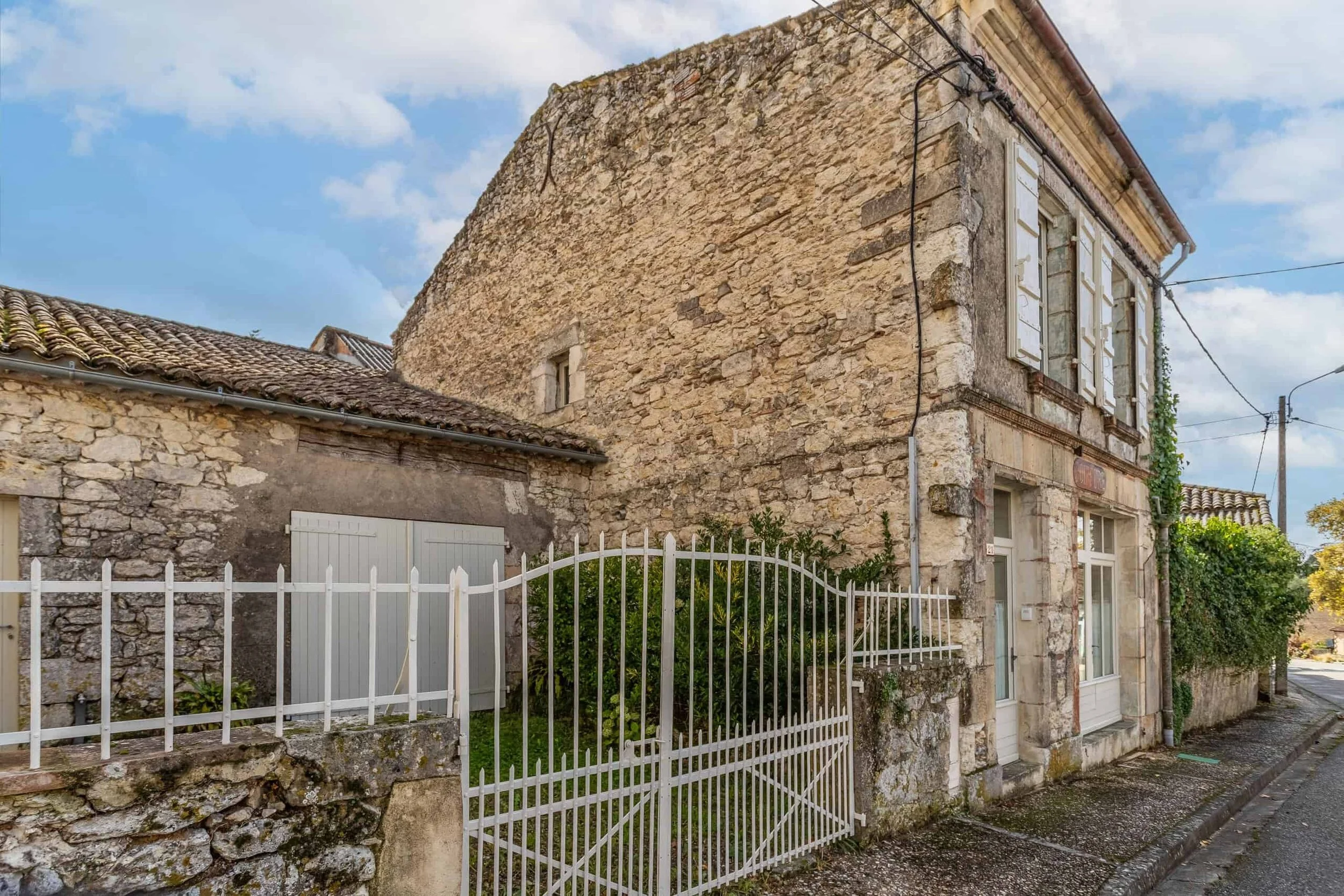
Restored stone village house
Bedrooms
3
Approximate internal area
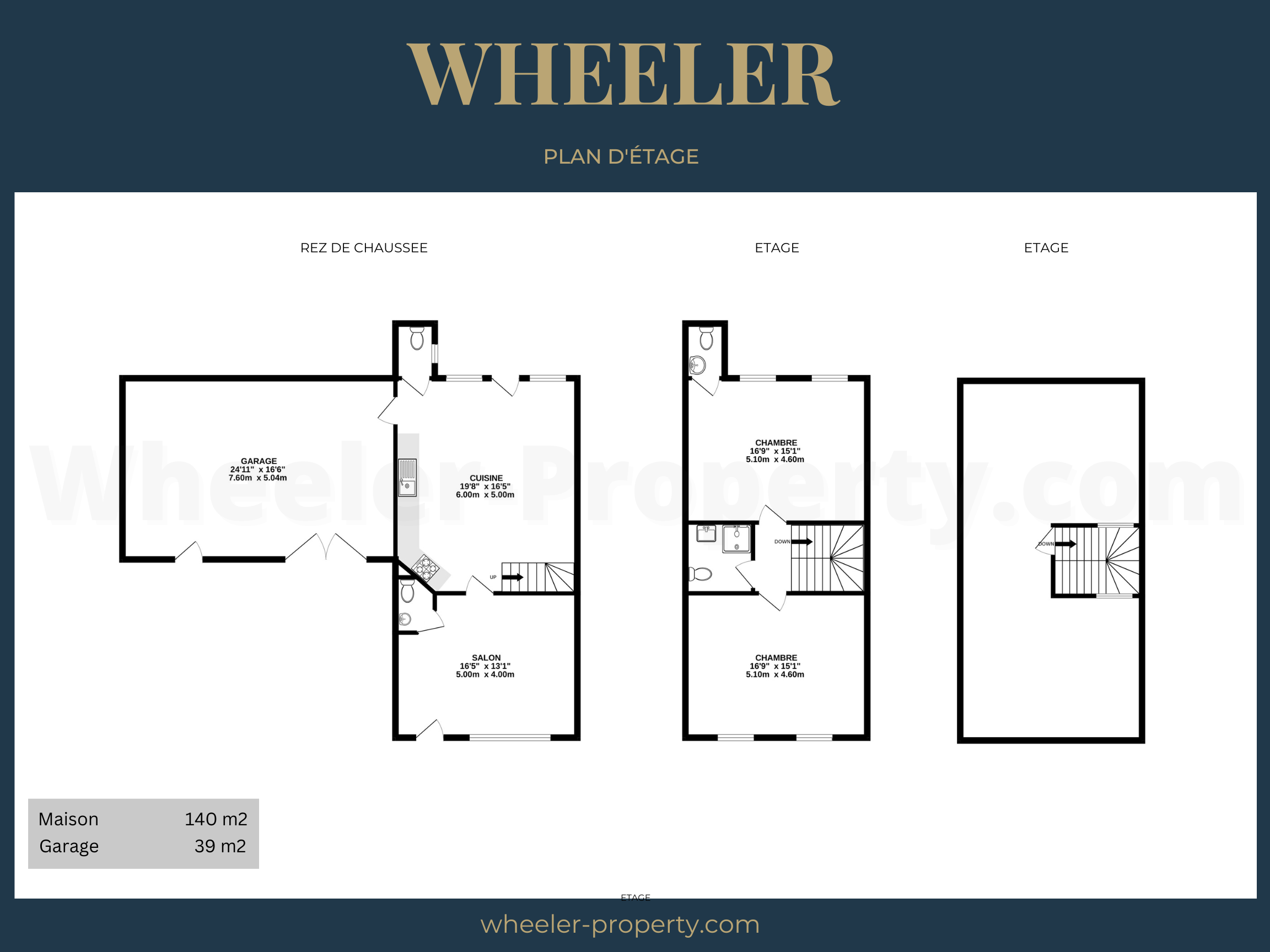
140 m²
Outdoor space
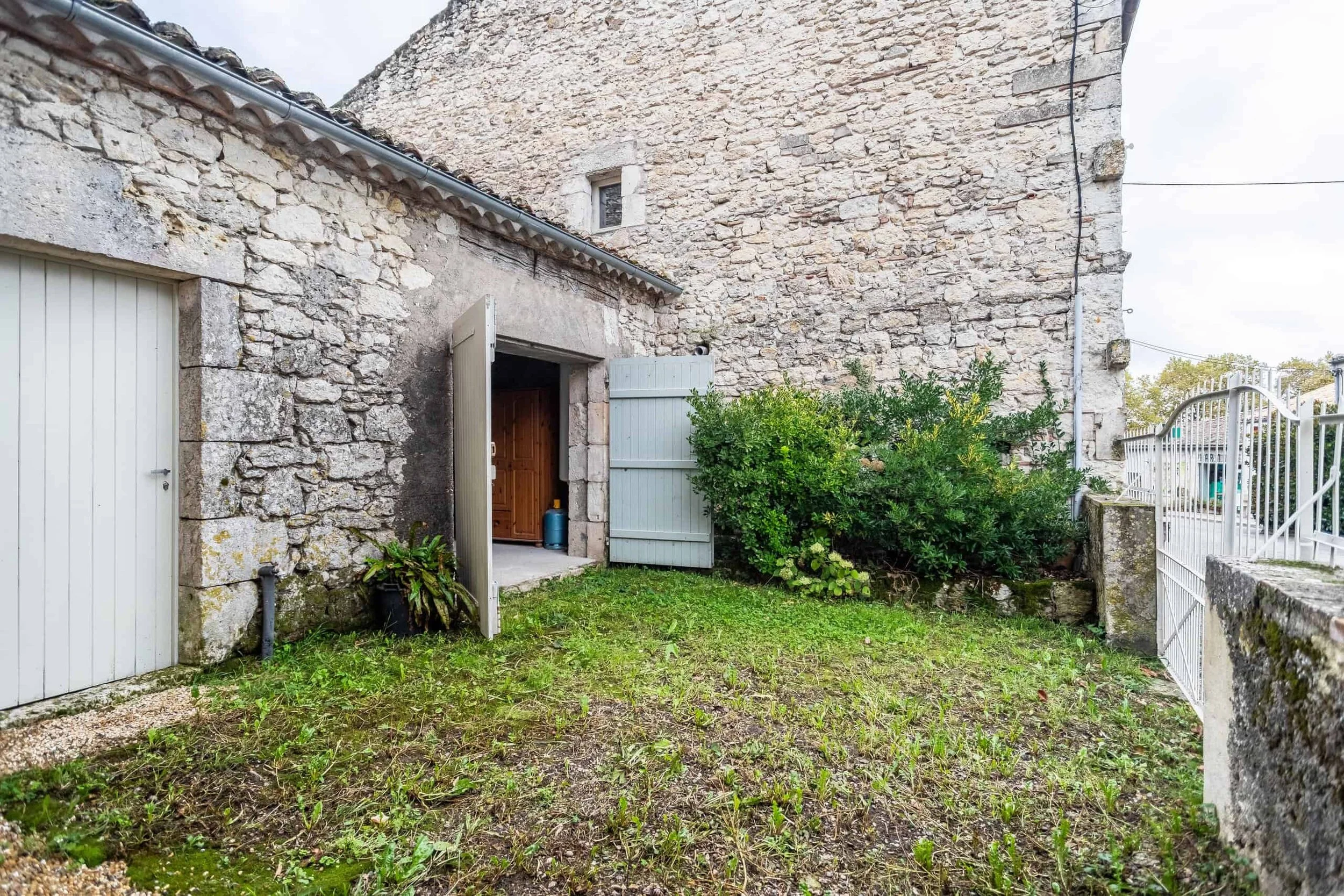
Internal courtyard and lawned garden
Additional asset
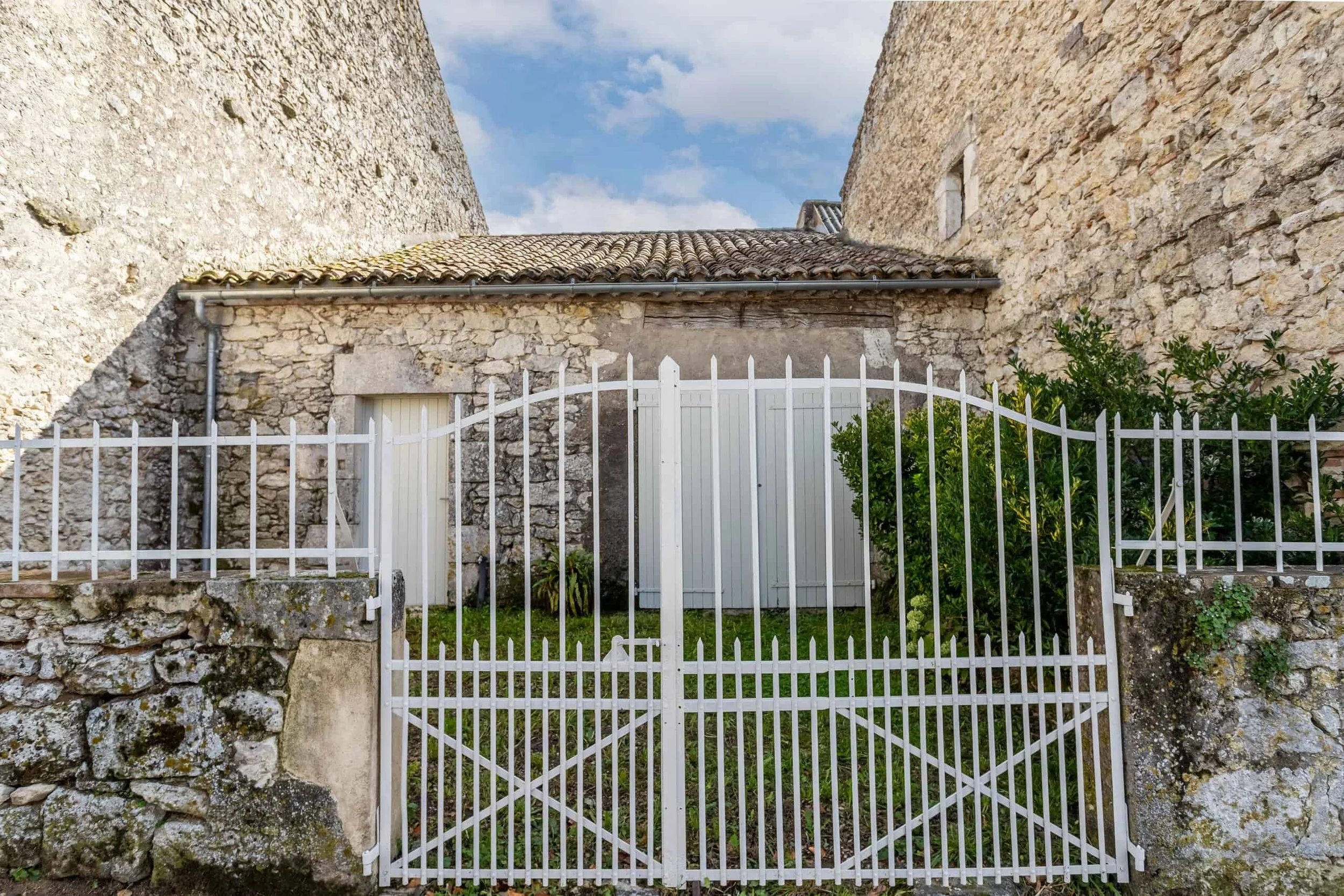
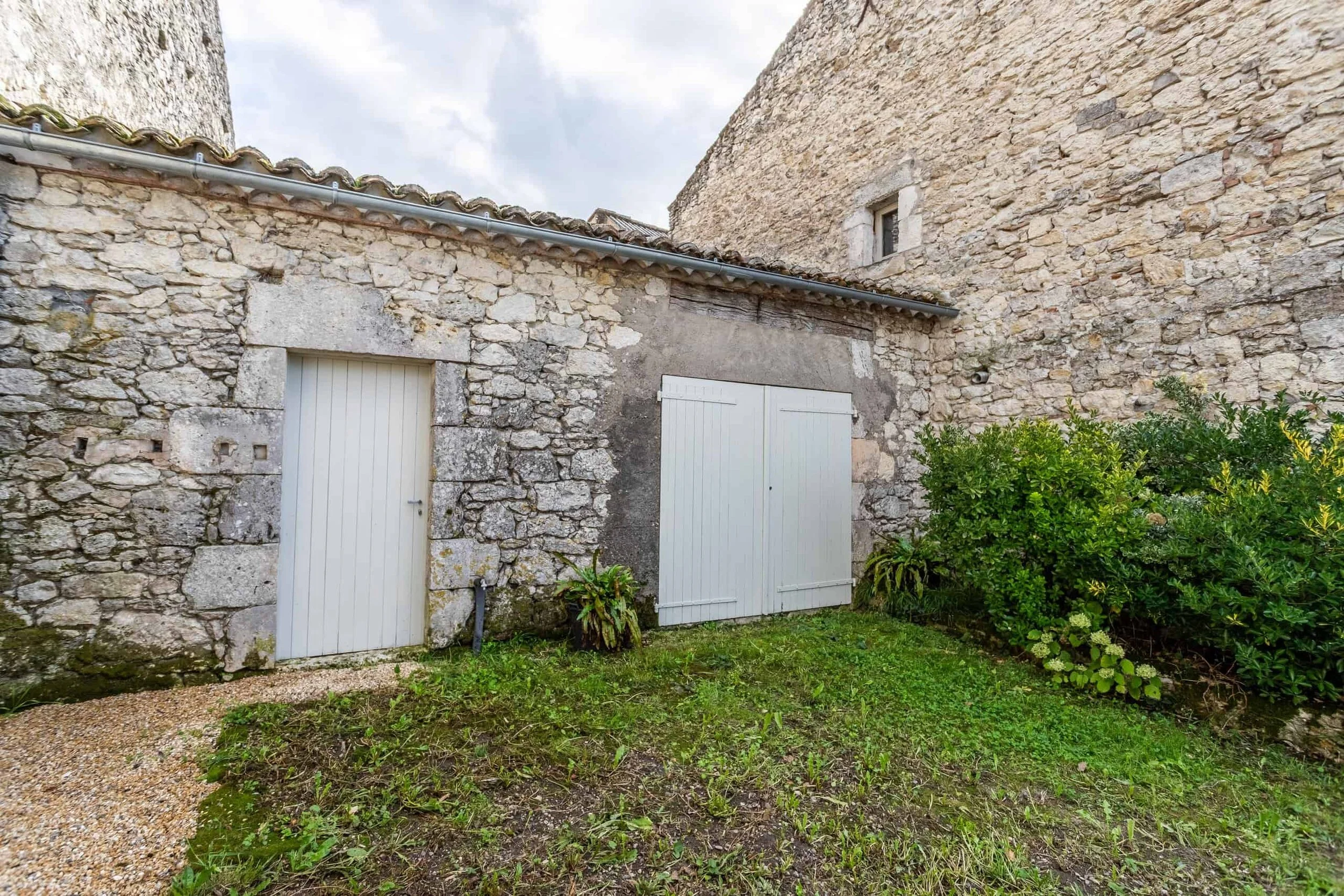
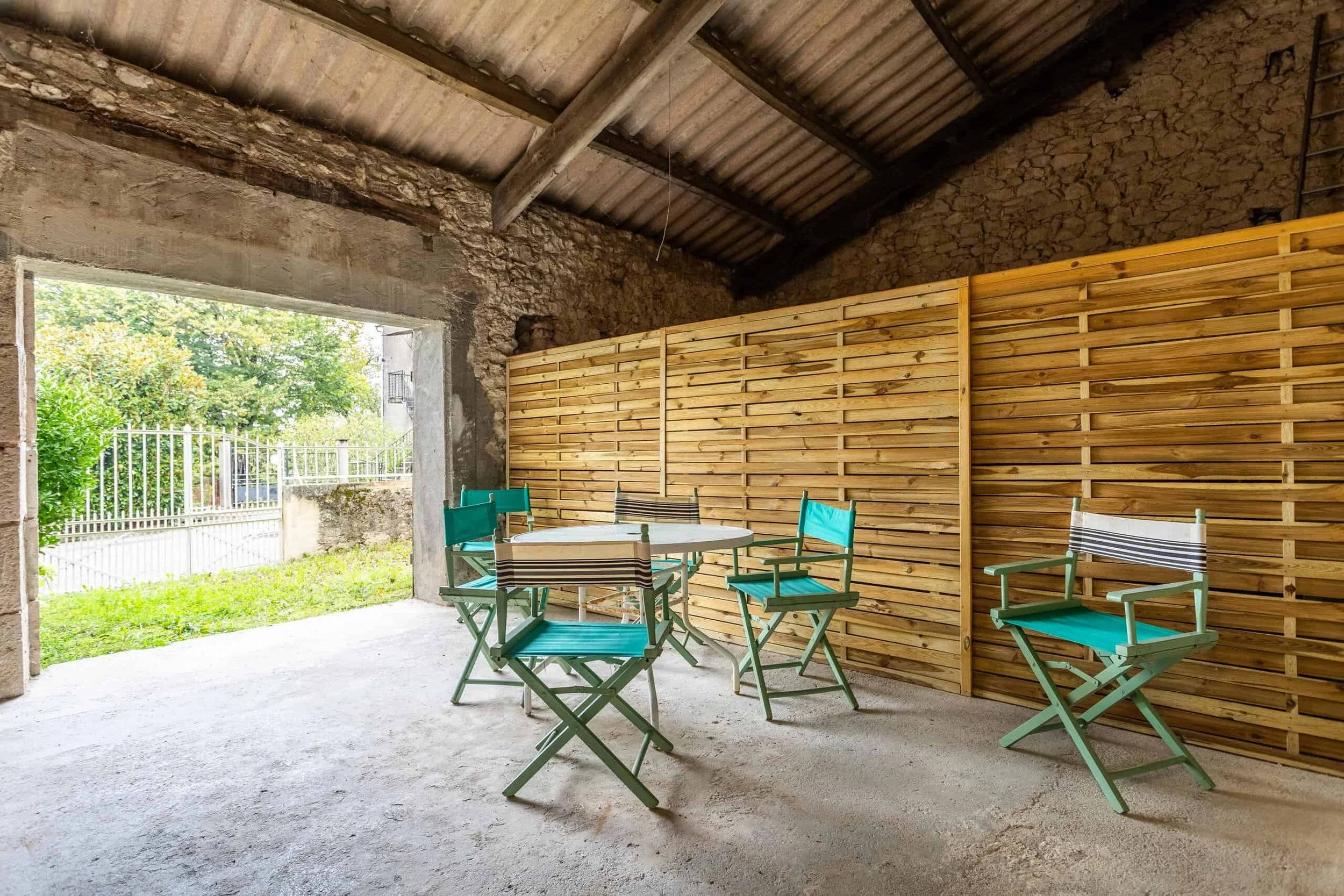
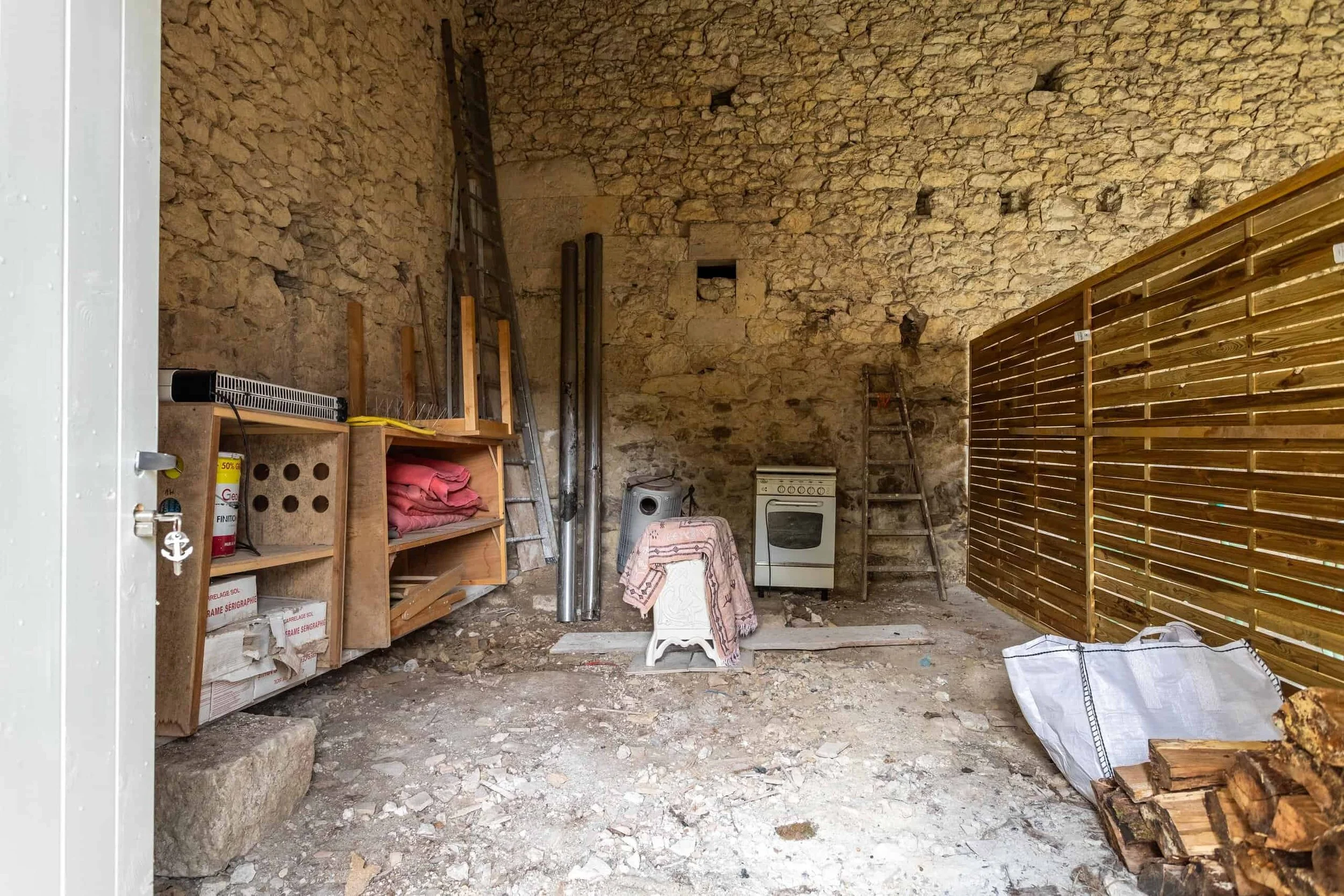
Private garage
Former use
Previously a village hairdresser's / former commercial use
Character features
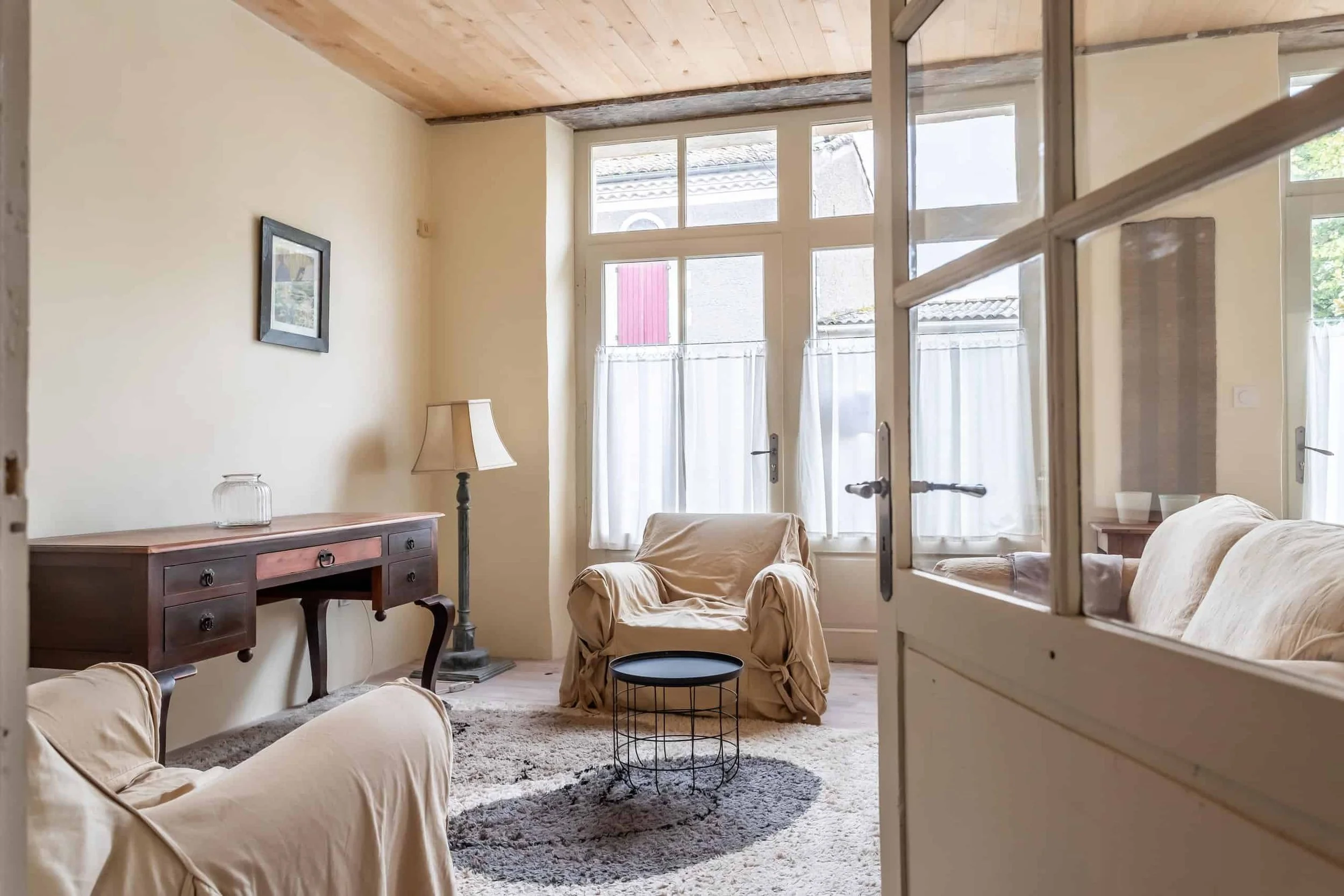
Stone construction, original shop sign, restored original elements
Heating
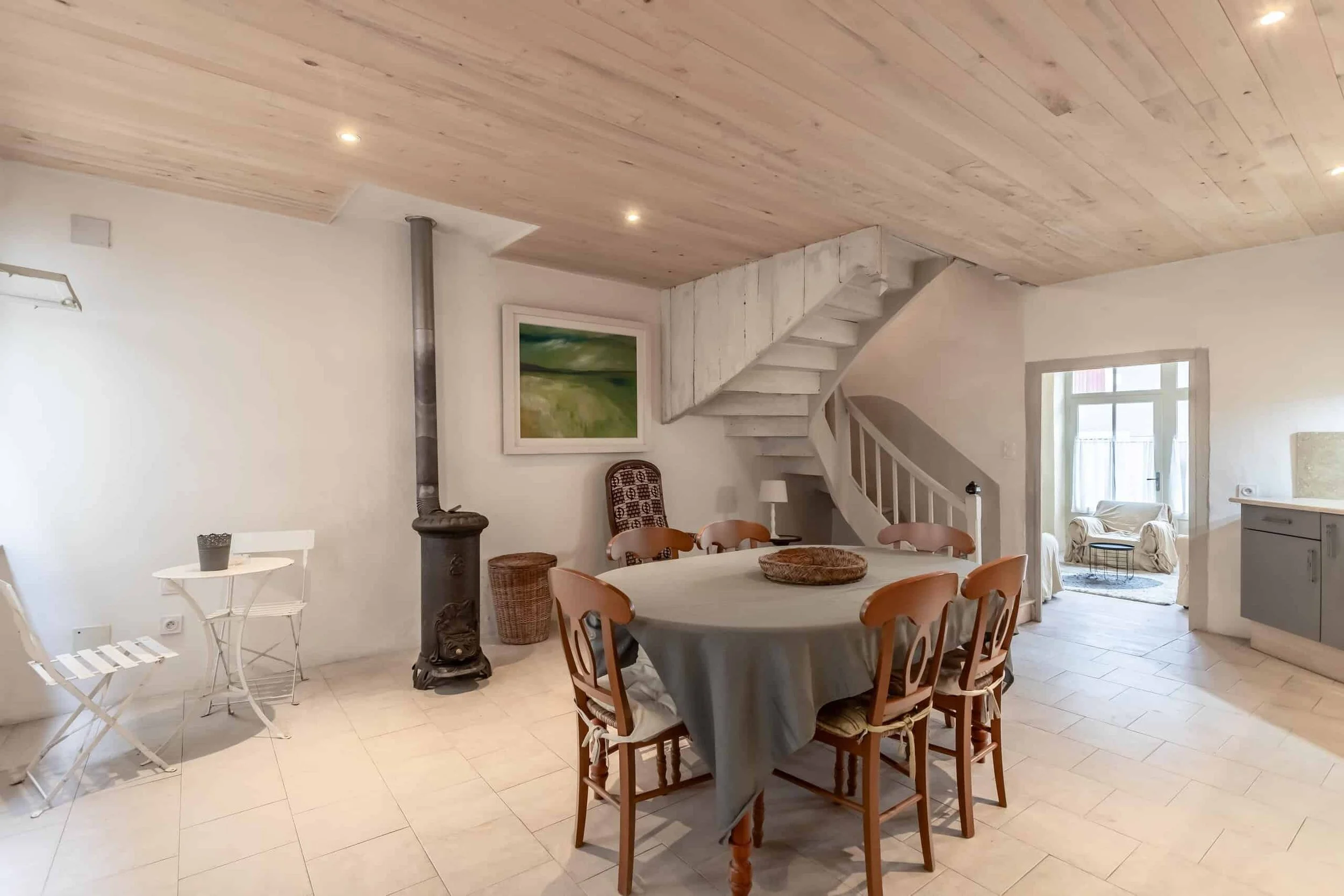
Log-burning stove mentioned in the listing
Condition
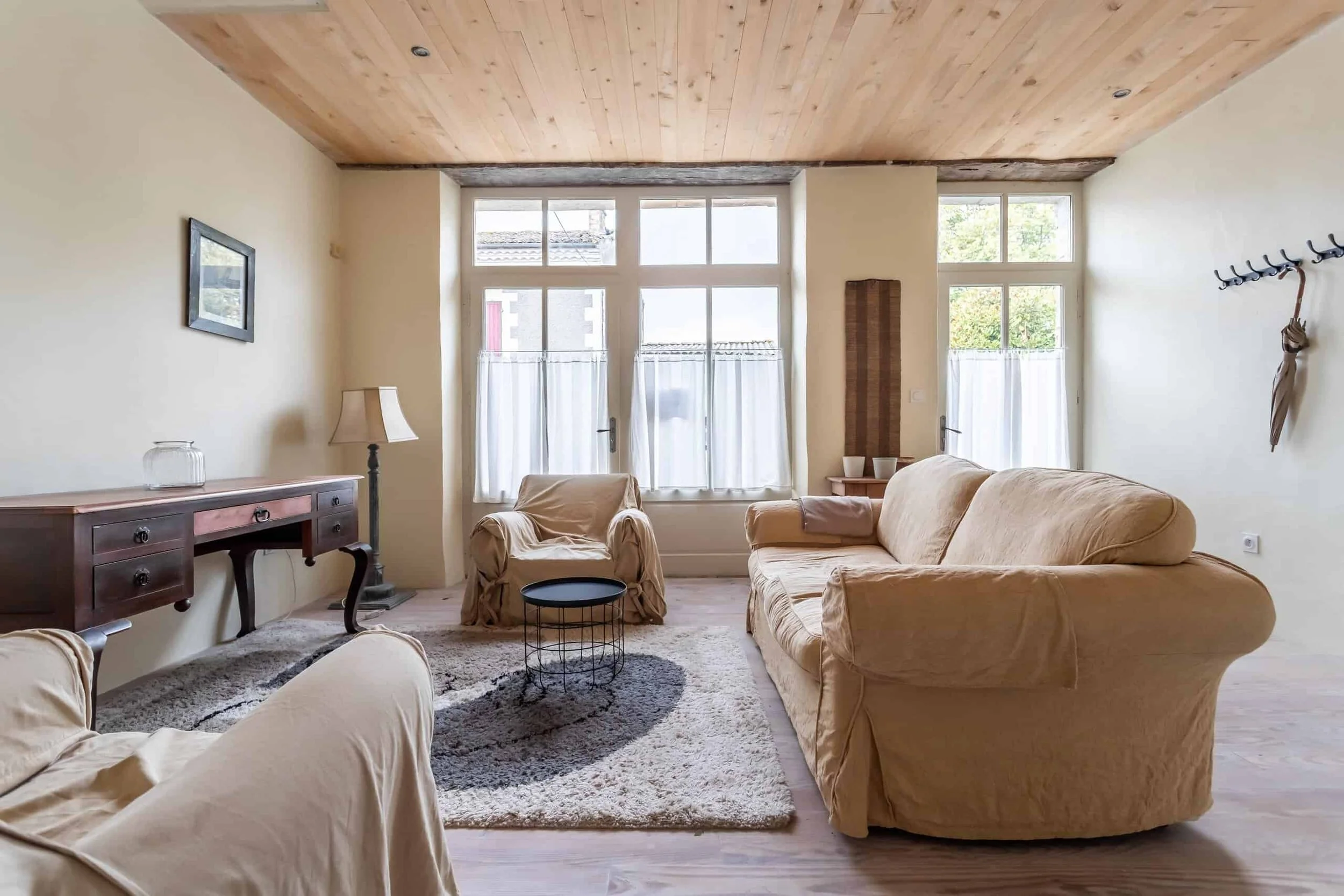
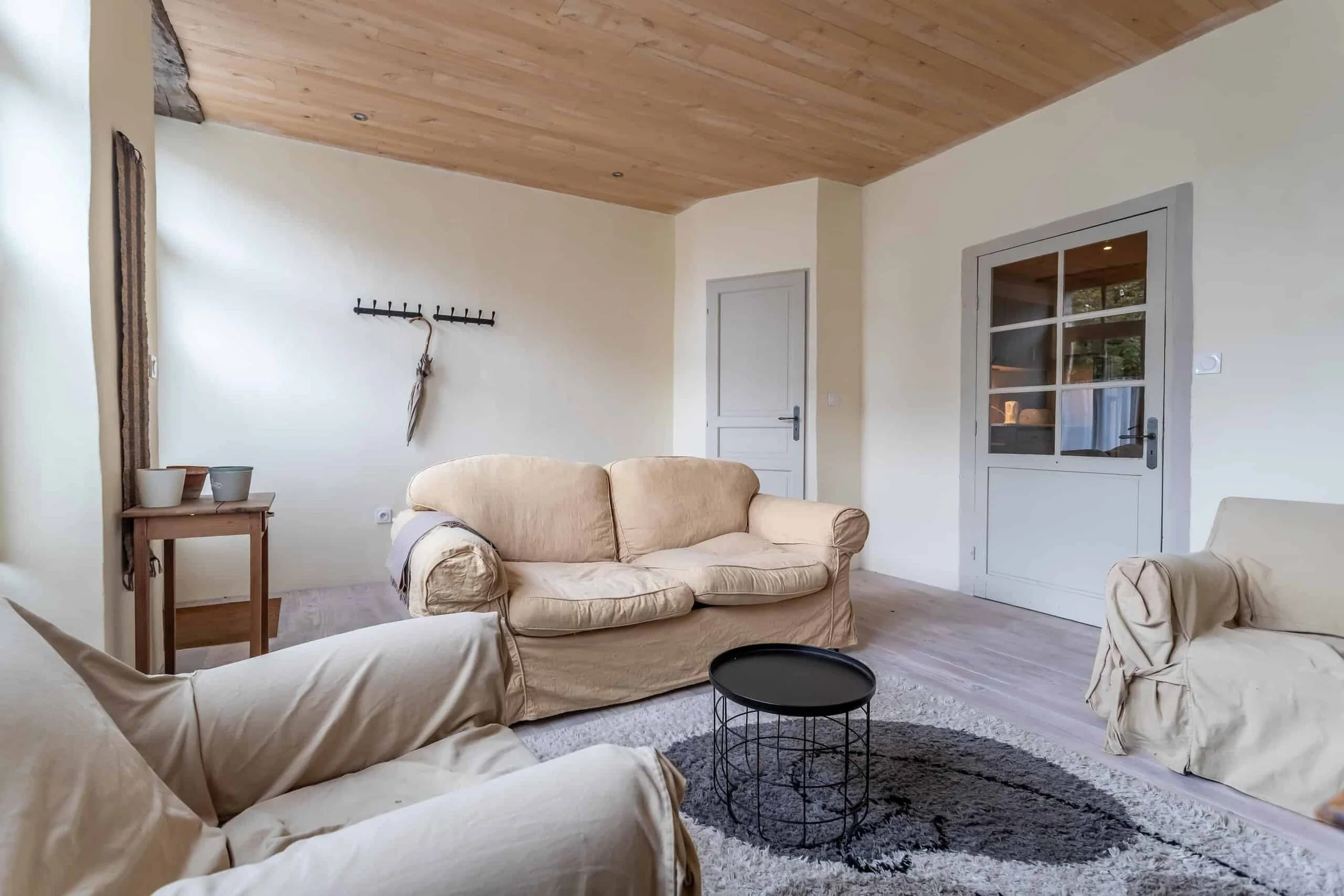
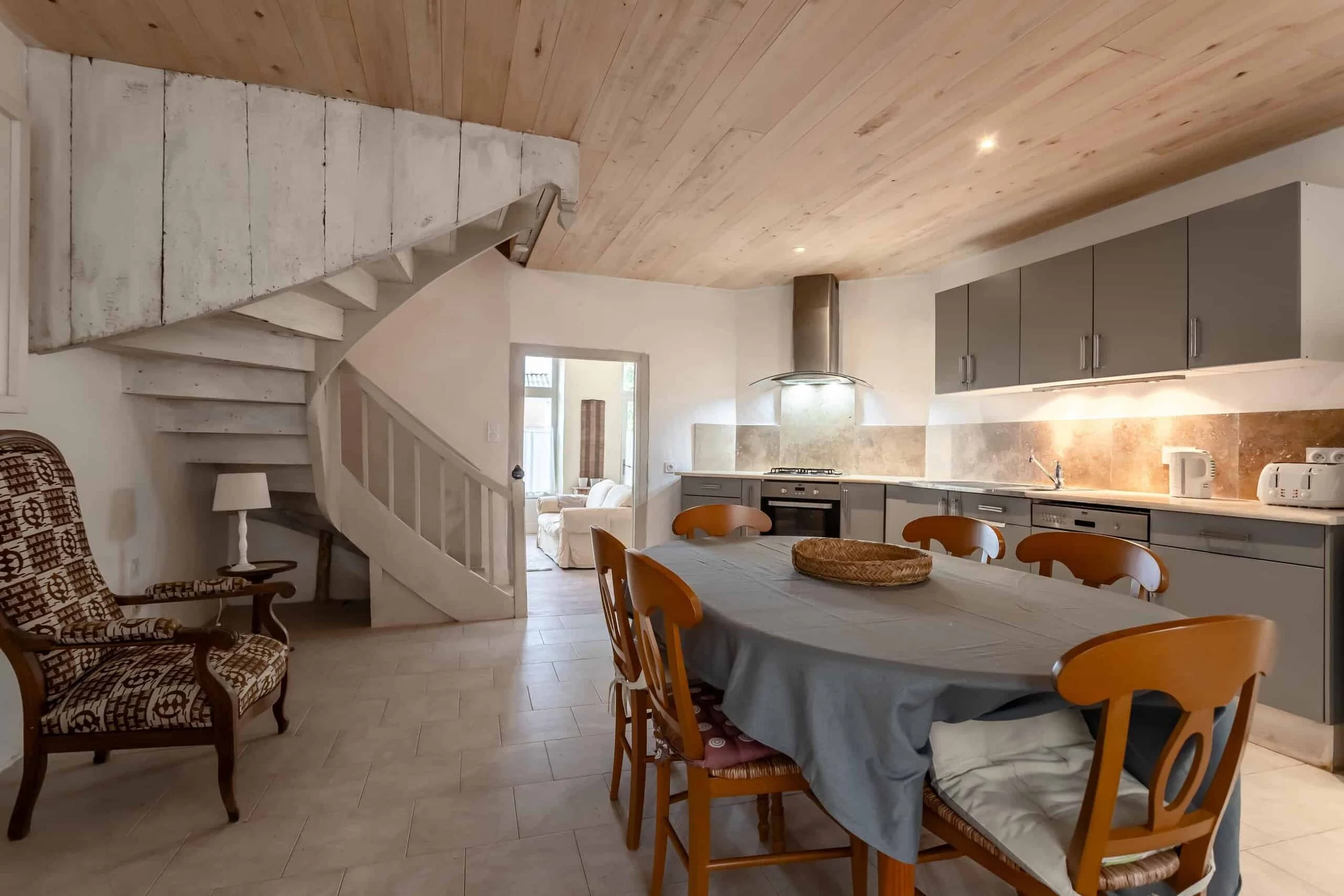
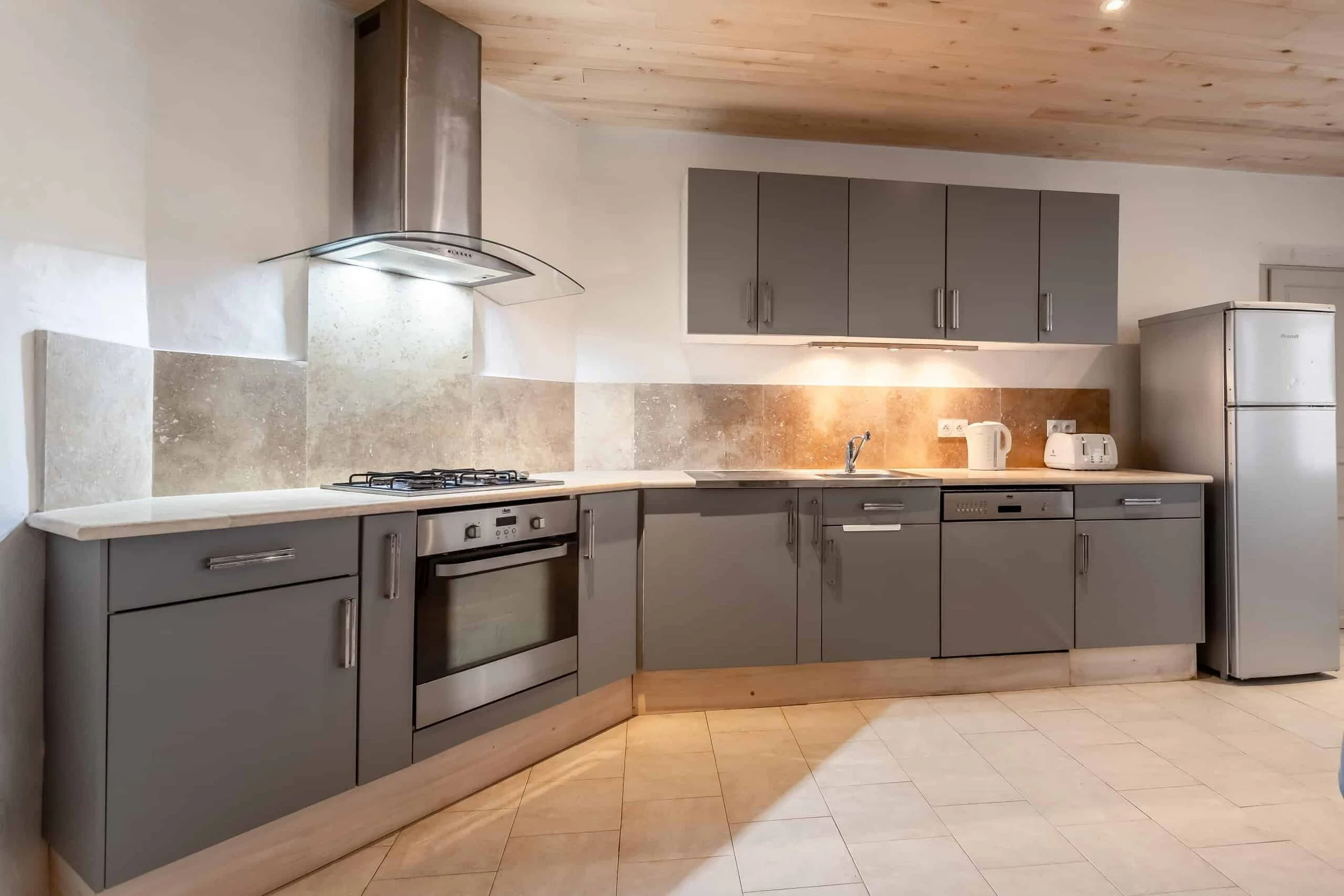
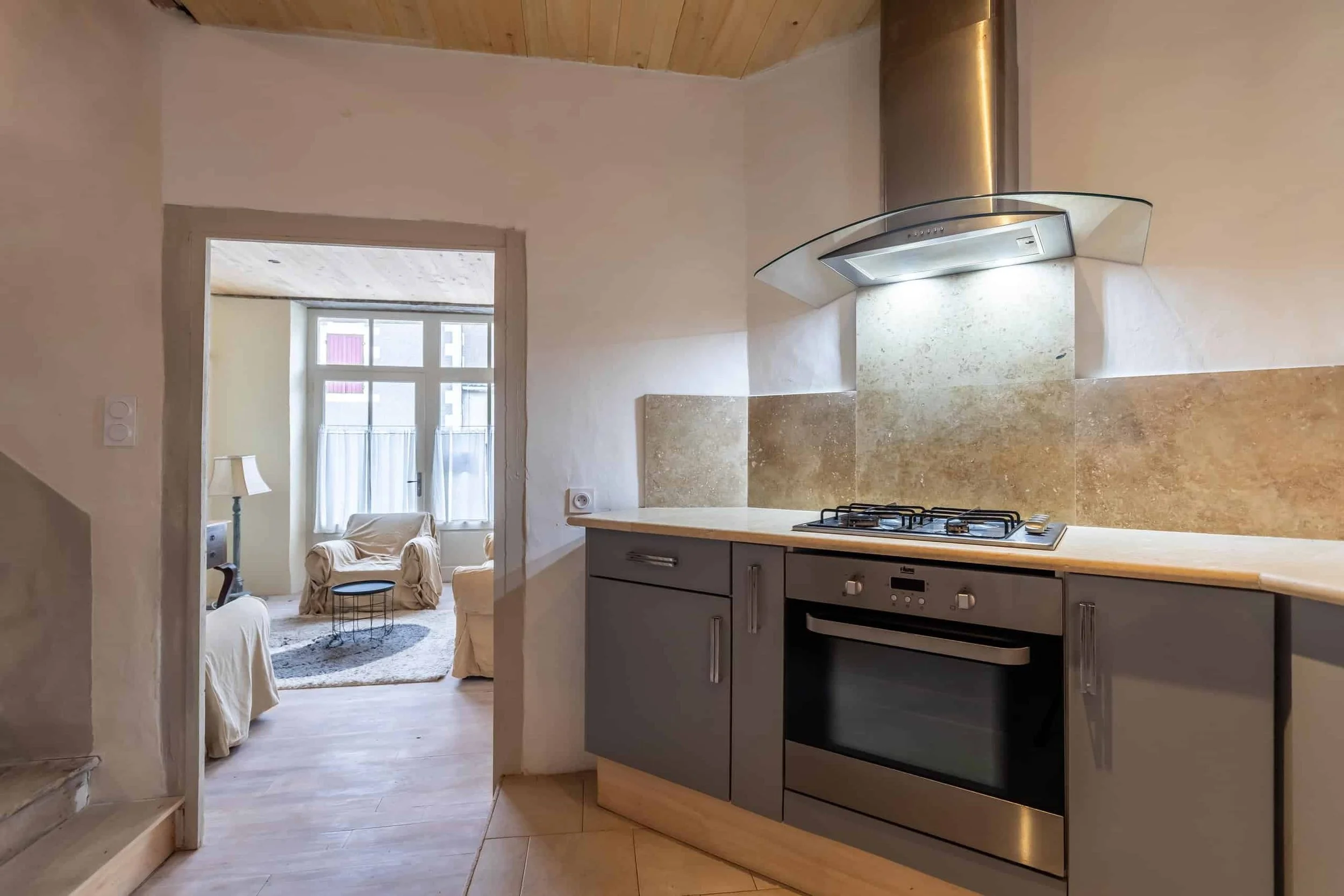
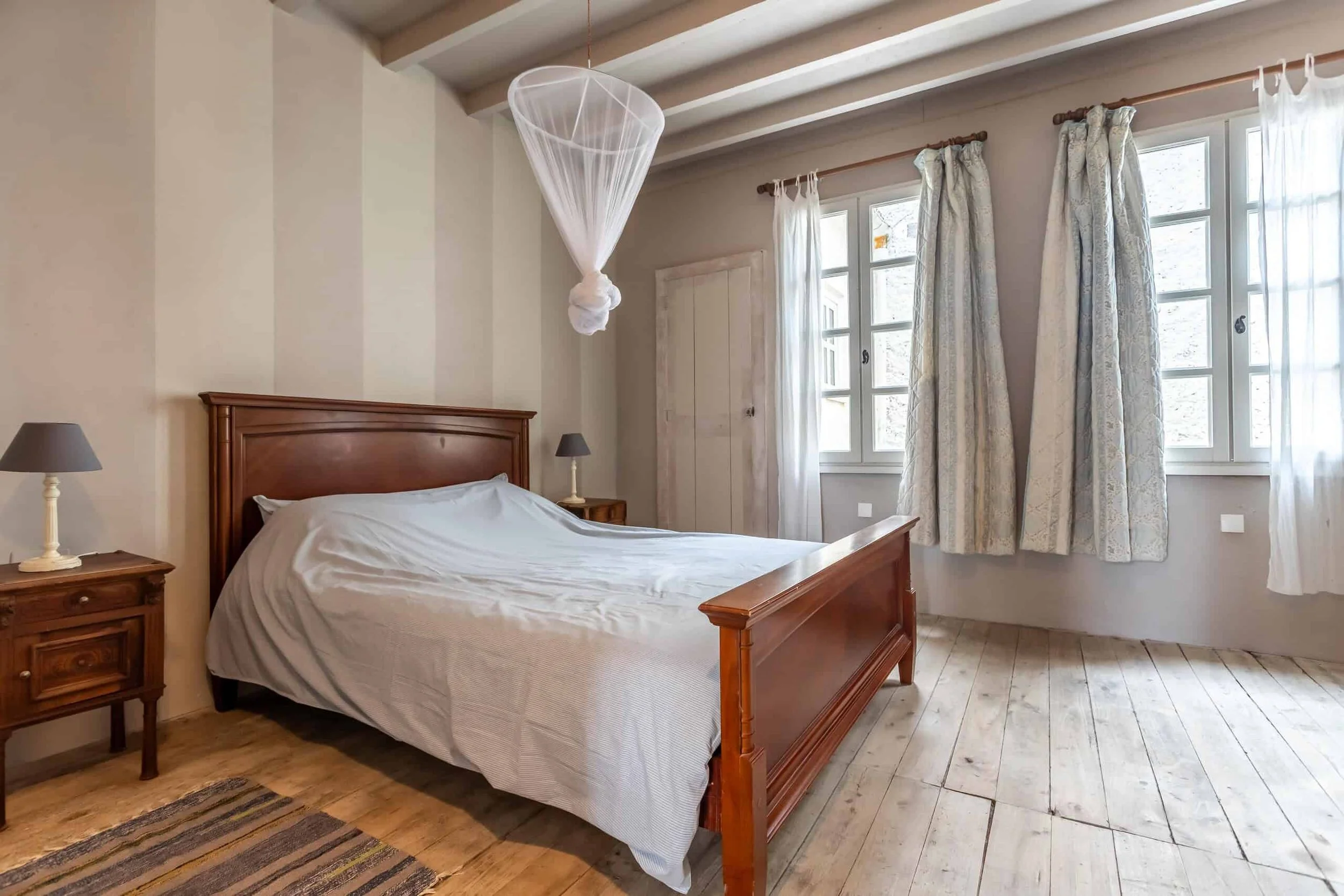
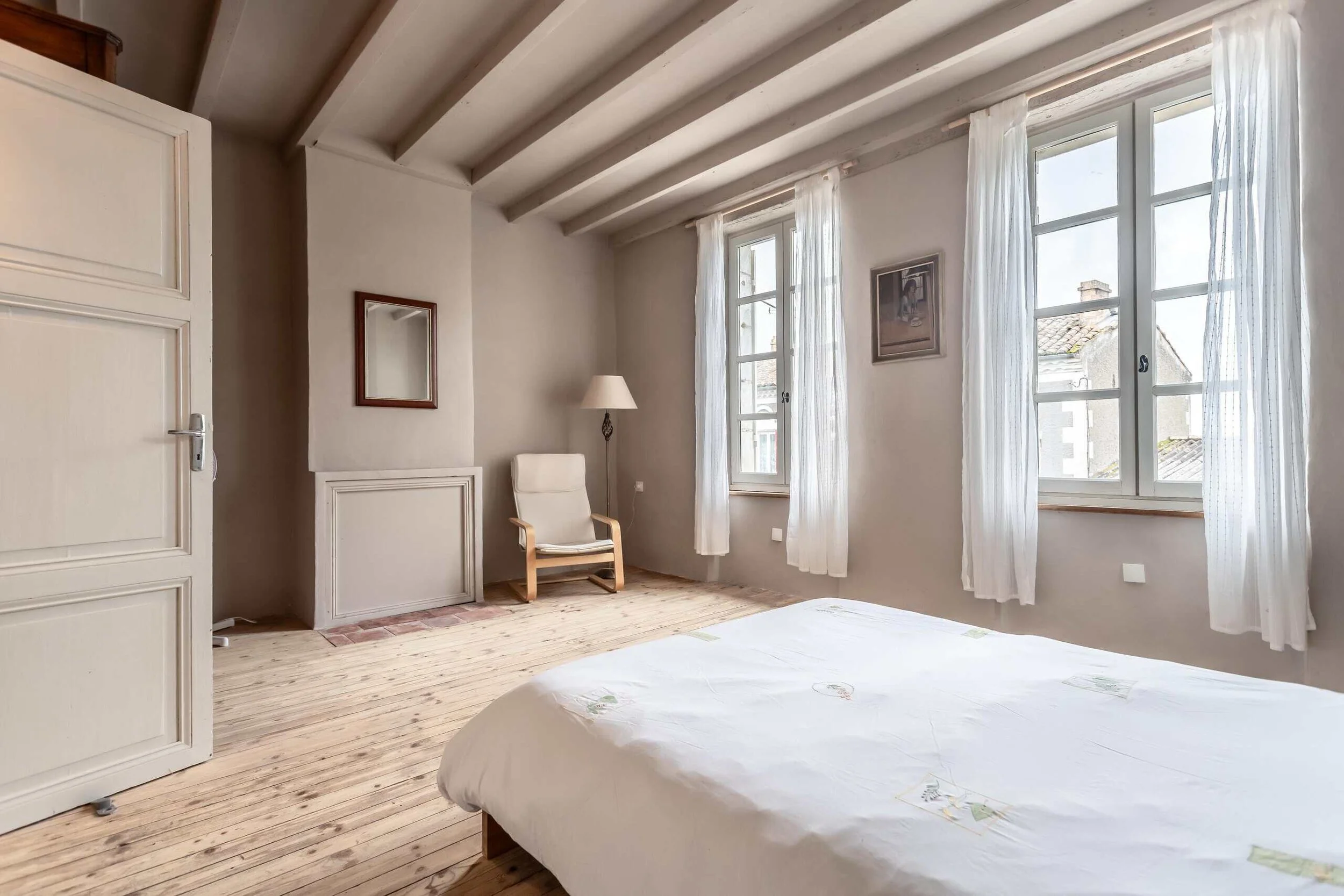
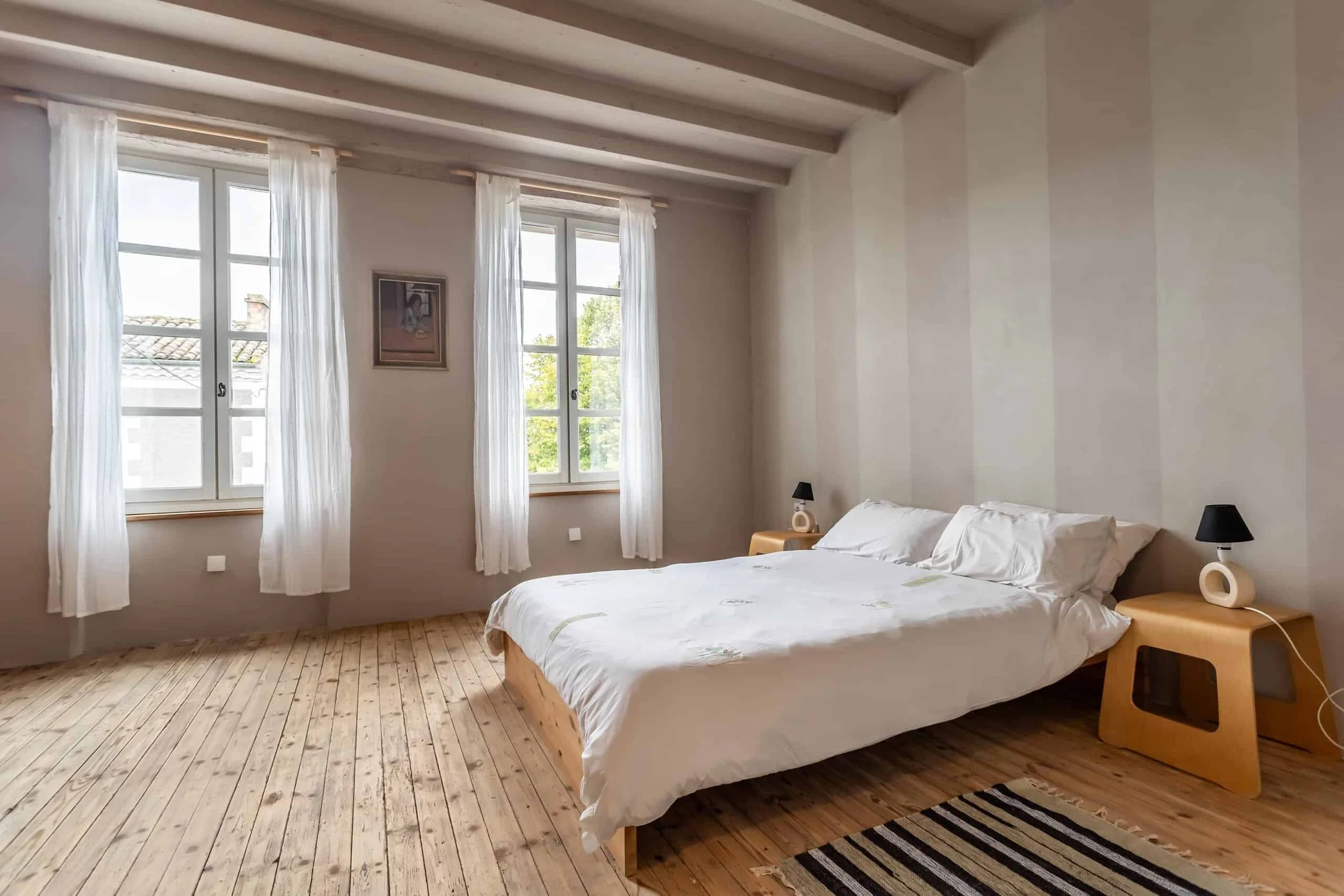
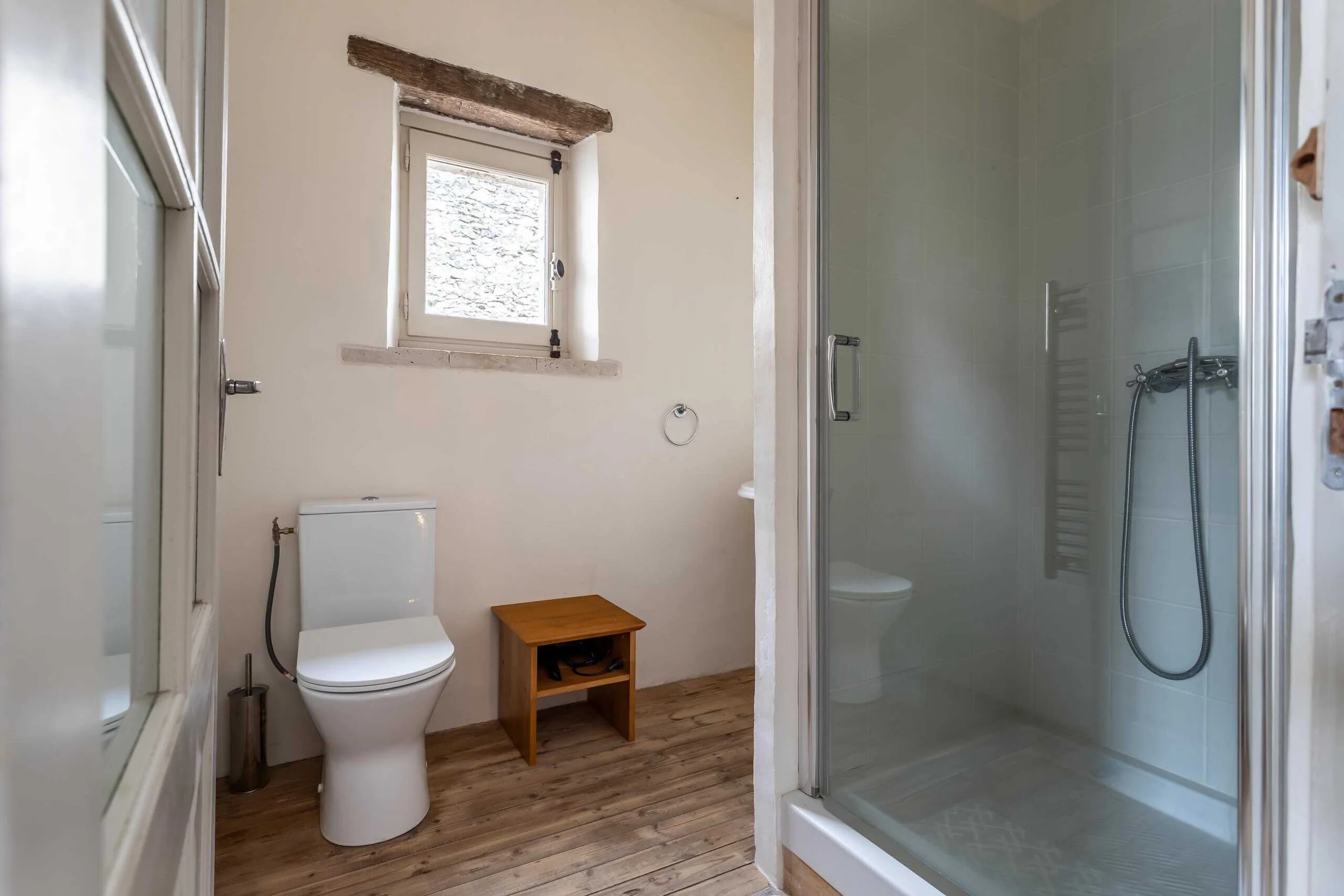
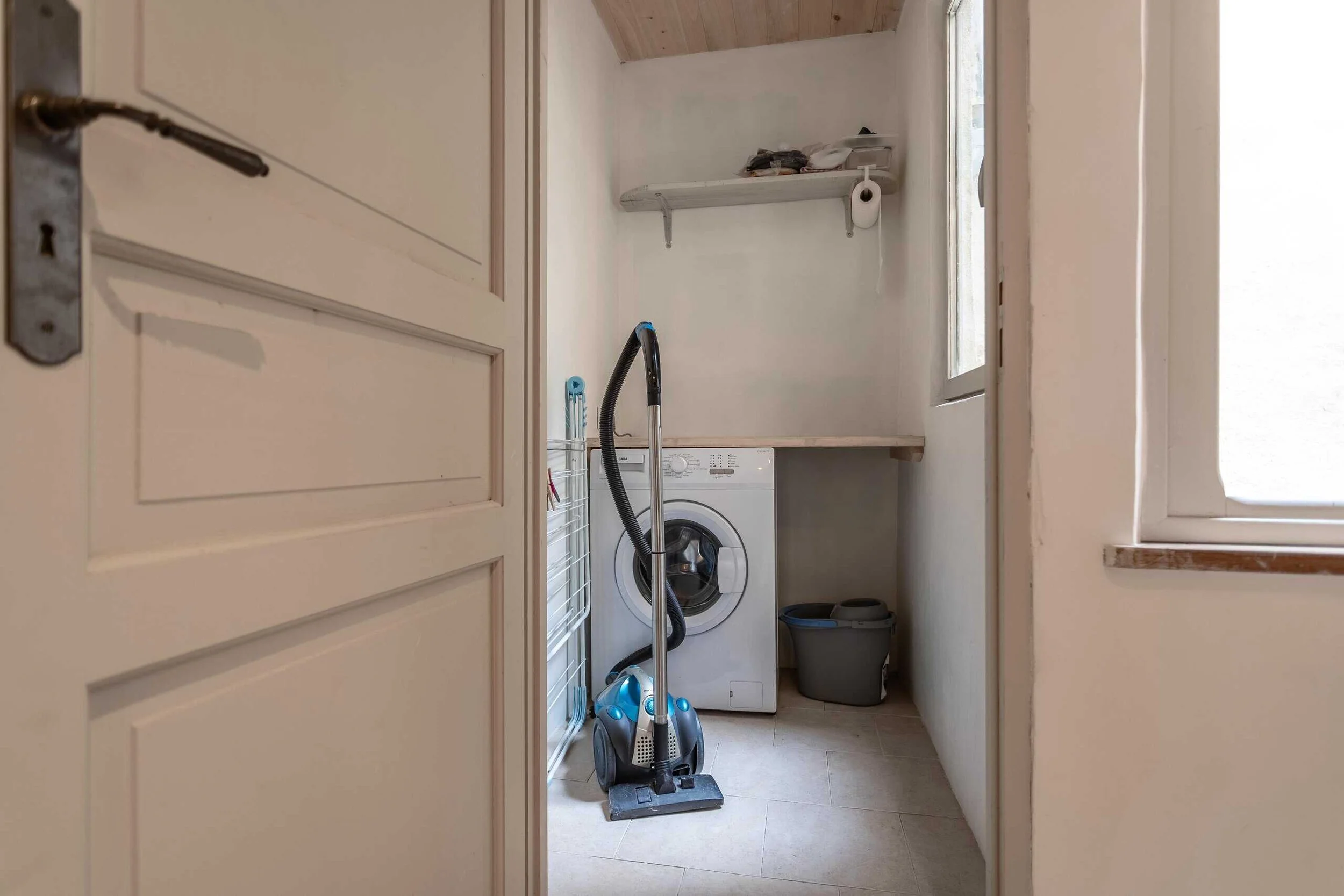
Thoughtfully restored with modern kitchen and updated finishes
Energy status
Listed as "Energy Class N"
Asking price
€159,000 including fees
Risk Radar
Overview
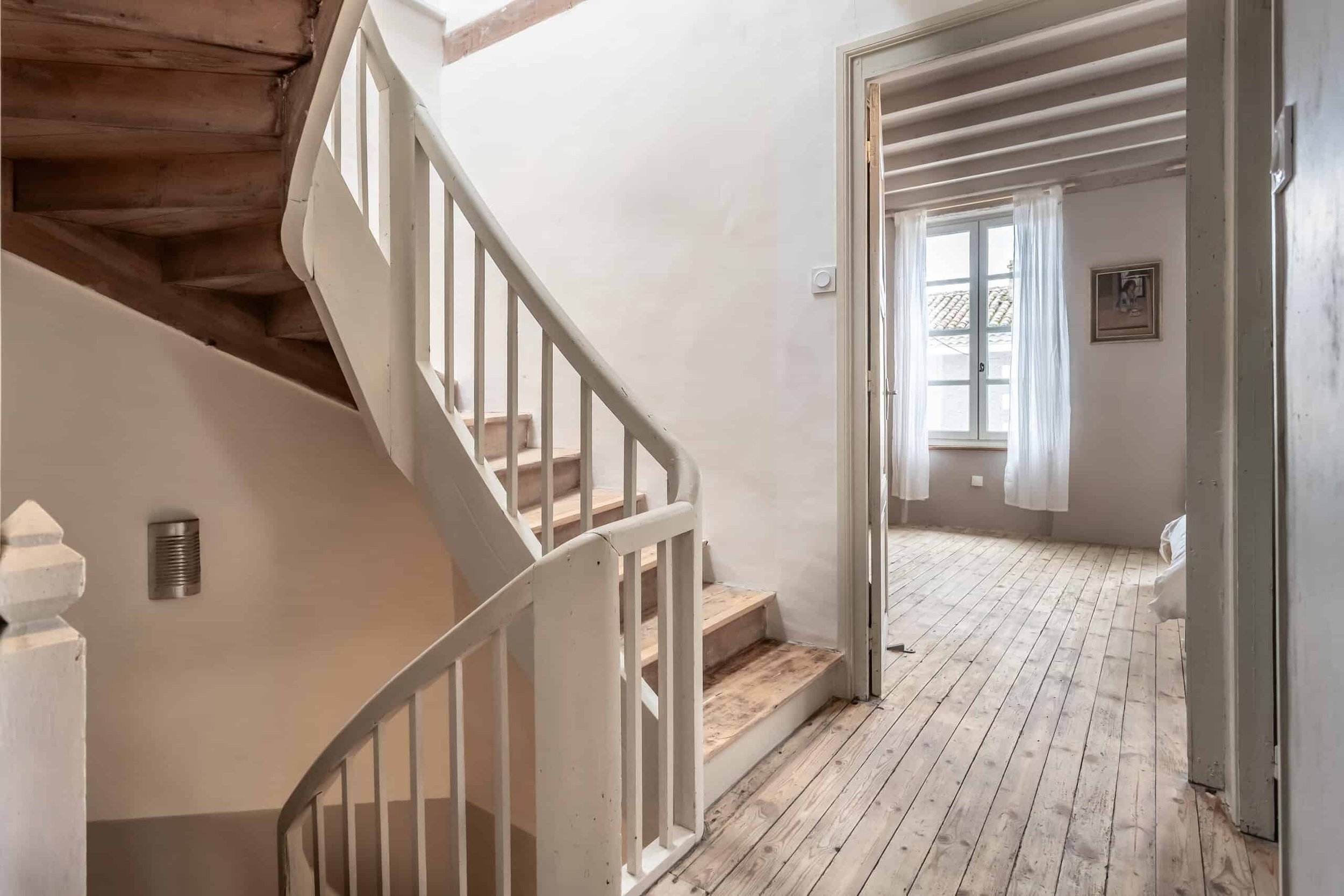
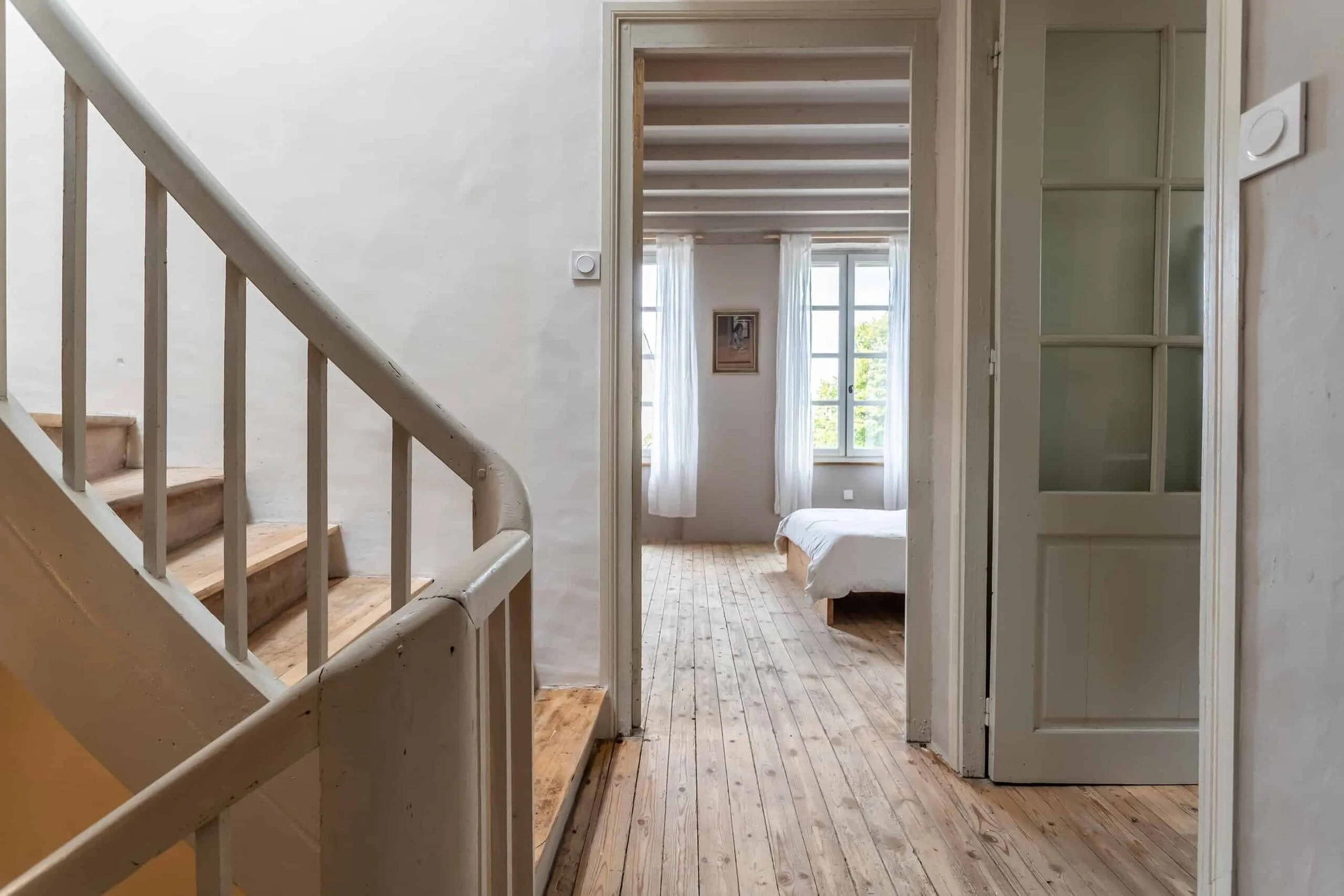
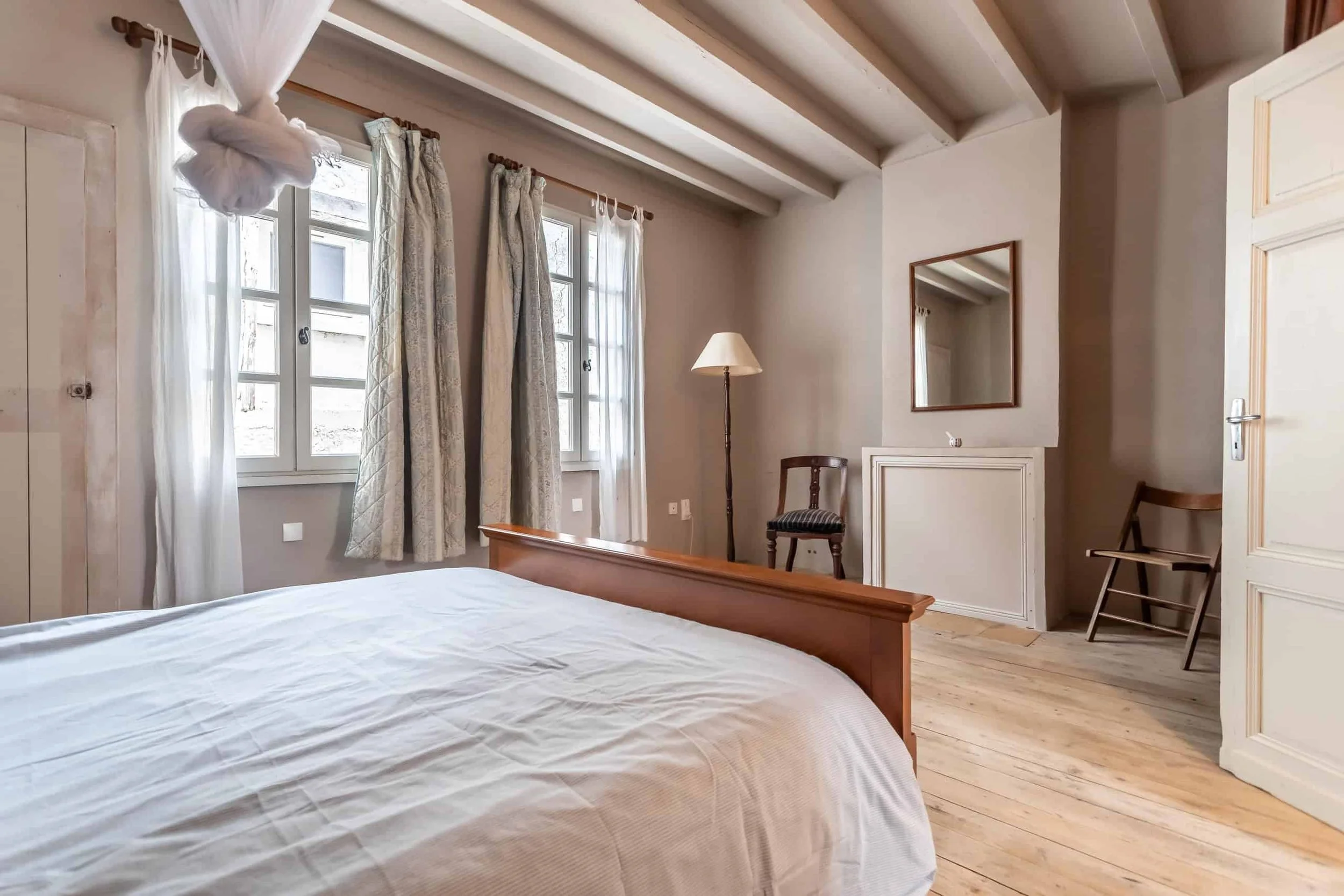
This house has the sort of listing that encourages emotional buying. It offers stone walls, visible history, restored interiors, a garden, and the rare bonus of a garage in a village setting. That combination is compelling, especially at this price point. The legal and technical paperwork now needs to be just as convincing as the styling.
The first due diligence theme is use and legal status. Because the house was formerly a hairdresser's, the buyer should confirm that any relevant change of destination or residential regularisation was properly completed. In France, a change of destination can require a prior declaration or a building permit depending on whether works affected the structure or façade.
The second theme is diagnostics and energy clarity. "Energy Class N" is not a normal consumer-facing performance grade like A to G, so the buyer should not treat it as a rating at all until the official DPE position is clarified. France requires a DPE for most residential sales, and the DDT may also need to include lead, asbestos, termites, gas and electricity diagnostics depending on the age and condition of the property.
The third theme is village practicality. The garage, garden and courtyard are real value drivers, but buyers should confirm exactly how they are titled, whether the garden is fully private, whether there are shared rights or wall responsibilities, and whether drainage is mains or non-collective. In a village-centre house, these practical questions often matter more than decorative finish.
Targeted Questions
Restoration Legality and Work History
Buyers need to distinguish decorative updates from structural, electrical or planning-sensitive works.
In France, certain works on existing buildings require prior authorisation.
External works are often more tightly regulated than interior decoration.
Structural interventions raise a higher due-diligence threshold than cosmetic restoration.
Invoices help verify the scope, timing and quality level of the restoration.
Professional work is easier to verify and may reduce risk.
Guarantees can protect the buyer against immediate defects.
Roof condition is a major cost driver in older stone houses.
Stone properties can look sound while still carrying hidden moisture issues.
Before-and-after evidence helps a buyer judge the quality beneath the paintwork.
Former Commercial Use and Change of Use
Buyers need to know the property is legally residential, not simply being used that way in practice.
This point can affect resale, insurance and mortgageability.
In France, change of destination may require formal approval.
The legal status should align across title, tax and use.
Partial conversion can create awkward legal and practical issues.
Early notarial review can reduce transaction surprises.
DPE, "Energy Class N" and Running Costs
Buyers should not assume "N" is an accepted performance grade without supporting documentation.
In France, the DPE is a standard sale document for most residential properties.
The reason for the absence matters more than the absence itself.
Each explanation leads to a different risk profile.
Running costs and comfort in a stone house depend heavily on actual upgrades, not listing language.
Window specification strongly affects comfort and heating demand.
Buyers need to know the primary system, not just the attractive secondary feature.
A restored house can still be expensive to run.
Stove installation quality affects safety and insurance.
DDT and Mandatory Diagnostics
The DDT is a core due-diligence pack in French residential transactions.
Lead diagnostics are important for older properties, particularly pre-1949 buildings.
Asbestos risk needs to be understood before any further works.
In a risk zone, a termites diagnostic must be provided to the buyer and is only valid for 6 months.
Older electrical systems may be functional but not modern-standard.
Gas-system age and compliance affect safety and insurance.
Buyers should confirm the marketed size and usable layout.
Structure, Roof and Stone Fabric
Stone walls are durable, but poor repairs can cause long-term issues.
Cosmetic restoration can sometimes hide underlying movement.
Roof condition materially affects near-term capital needs.
Timber problems can be expensive and hard to spot from photographs.
Moisture issues are common in older village houses.
Garage, Courtyard and Garden
A village garage adds meaningful value and should be clearly titled.
Buyers need to know whether it fits a modern car or is more useful for storage.
Access arrangements affect convenience and security.
Shared access can reduce privacy and flexibility.
Courtyard privacy can materially affect value and livability.
Buyers should confirm whether the garden is truly private or visually exposed.
Boundary masonry can become a significant maintenance cost.
Shared walls can create cost-sharing or consent issues.
Water, Drainage and Utilities
Drainage type affects cost, compliance and future works.
Non-compliant systems can trigger upgrade costs after purchase.
Older hidden pipework can remain even in visually updated homes.
Village infrastructure can vary, especially in older properties.
Village-Centre Practicalities and Neighbour Context
Neighbour mix affects atmosphere, noise and long-term stability.
Village properties sometimes carry unwritten habits that matter in practice.
Village charm can bring seasonal noise or parking pressure.
Even with a garage, guest or second-car parking may matter.
Small communes can still introduce local changes that affect access or ambience.
Price, Fees and Sale Mechanics
Buyers should understand the real sale basis before budgeting notary costs.
Total acquisition cost matters, especially at this price point.
A charming inherited feature can also carry visual or planning implications.
Negotiation Intelligence
Buyer Leverage
Medium-High
Key Drivers
Typical Negotiation Range
5-15% below asking
Neutral Phrasing Example
Country Layer
France (Regulatory Context March 2026)
Key French requirements for buyers:
Viewing Strategy
When viewing this house, separate atmosphere from evidence.
Next Step
Verify from the listing:
Residential status after former commercial use
Confirm that the old hairdresser’s premises have been properly regularised as residential accommodation and that the current legal status matches how the house is being marketed and sold.
Meaning of “Energy Class N” and the DDT pack
Request the full diagnostics file, especially the DPE position, plus any lead, asbestos, termites, gas and electricity reports required for the sale.
Garage, courtyard and garden title clarity
Check that the garage, courtyard and lawned garden are all included in the title, for the exclusive use of the house, and not affected by hidden access or boundary issues.
Roof, stone fabric and drainage condition
Verify the condition of the roof, walls, damp management and drainage arrangements so the restoration can be assessed as a technical project, not just a decorative one.
Village-centre practicalities
Clarify neighbour relationships, event-related noise and parking pressure so the house works as well in everyday village life as it does in the listing photos.
A prepared buyer should approach the agent calmly and frame questions as due diligence. For example: “To help me assess the property properly and prepare a serious offer, could you share the DDT, any documents confirming the former commercial space is now fully residential, and the title details for the garage, courtyard and garden?”
Because this is a restored character property where legal status and technical condition matter as much as charm, run it through the Property Risk Assessment to assess change-of-use, diagnostics and boundary risks, or use the Total Property Cost Calculator to budget the full acquisition cost before contacting the agent.
Disclaimer: The Property Drop is buyer-focused intelligence, zero sales agenda. We curate exceptional properties, in southern Europe, from third-party agents and arm you with decision tools. No commission, no transactions, no agent partnerships, no skin in the game beyond helping you choose wisely. Information stays accurate until it doesn't (properties sell, prices shift, markets move). Everything here is shared for informational purposes only and should not be treated as legal, financial, or investment advice. Images belong to original agents. Read our Terms of Service to learn more.
IMPORTANT REMINDER: When contacting property agents featured on The Property Drop, you are entering into direct communication with third parties. It's recommended that you verify all property details independently, conduct thorough due diligence, engage qualified professionals (solicitors, surveyors, financial advisors), understand your rights and obligations under local property laws, and never send money or make commitments without proper legal protection.
