
The Buyer Playbook: Renovated Townhouse Behind Vintage Façade, Tavira Old Town, Portugal €499,000
Buyer Playbook
Pre-Viewing Intelligence Report
This independent buyer guidance report relates to a property located in Portugal. It is provided for informational purposes only and does not constitute legal, tax, structural or survey advice. Renovation approvals, façade protections, habitability, AL registration, rooftop and patio rights, parking, drainage, and any shared-building responsibilities must always be verified with qualified Portuguese professionals such as an advogado, arquiteto, engenheiro, surveyor or licensed property consultant, and with the relevant municipal authorities. This report is designed to help buyers evaluate the property before arranging a viewing or making an offer. It highlights due diligence areas and targeted questions to ask the estate agent. The analysis is based on the listing details and publicly available regulatory context at the time of writing.
Playbook Contents
Property Snapshot
Location
Tavira Old Town, Algarve, Portugal
Property type
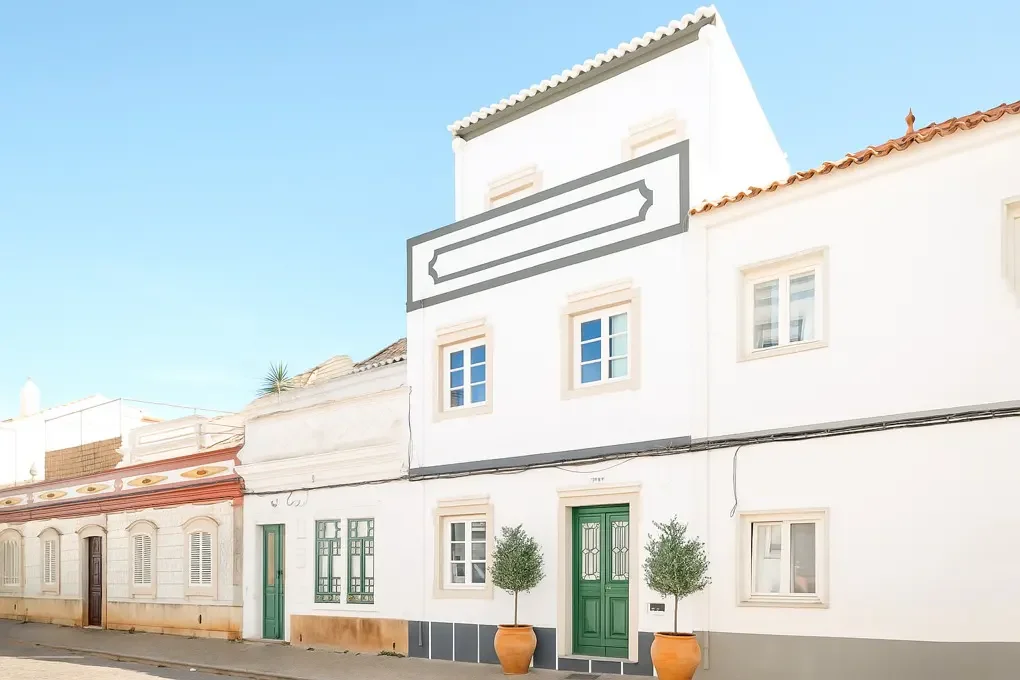
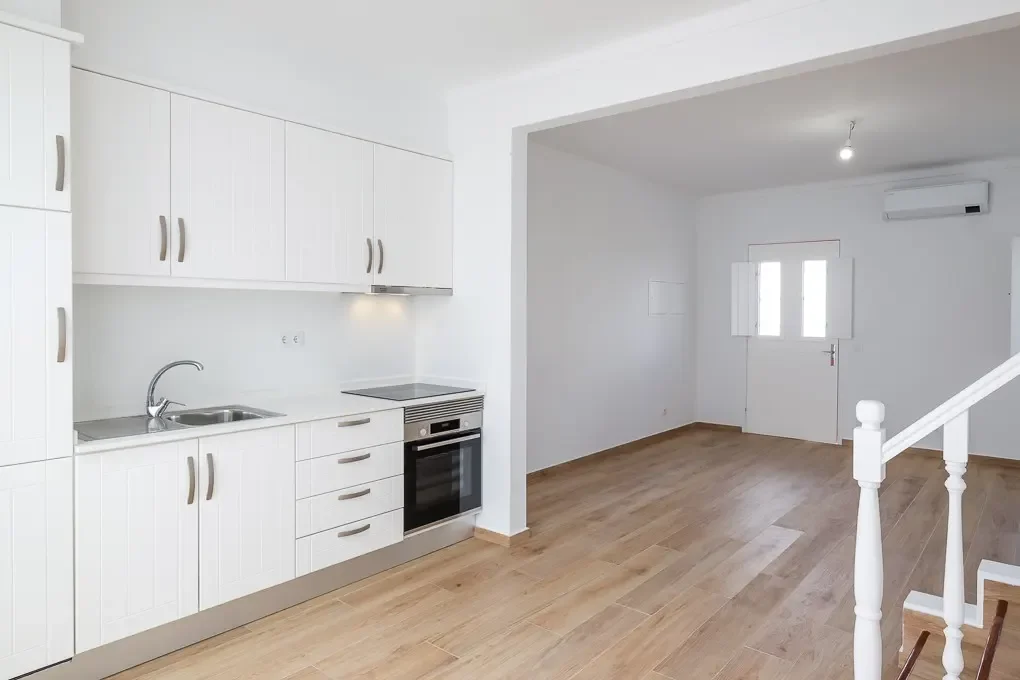
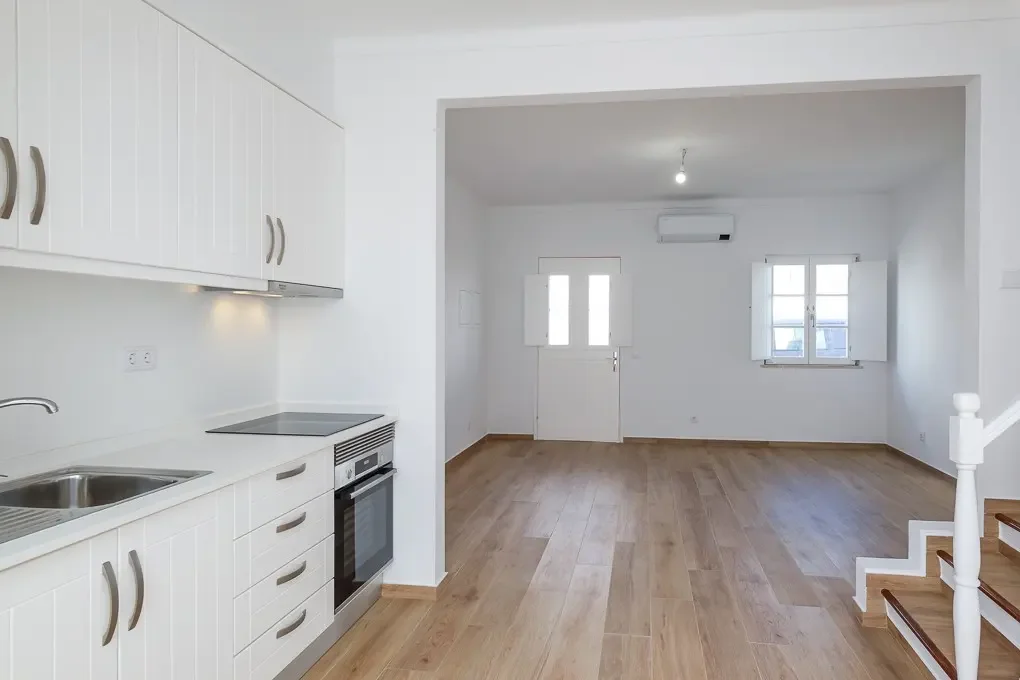
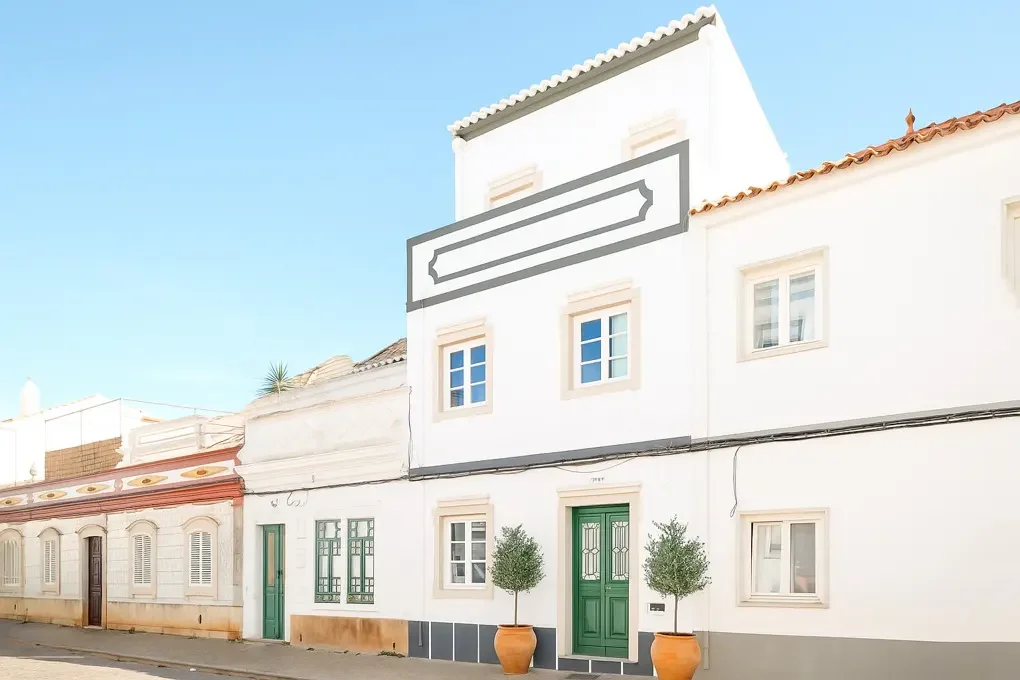
Renovated townhouse in the historic centre
Bedrooms
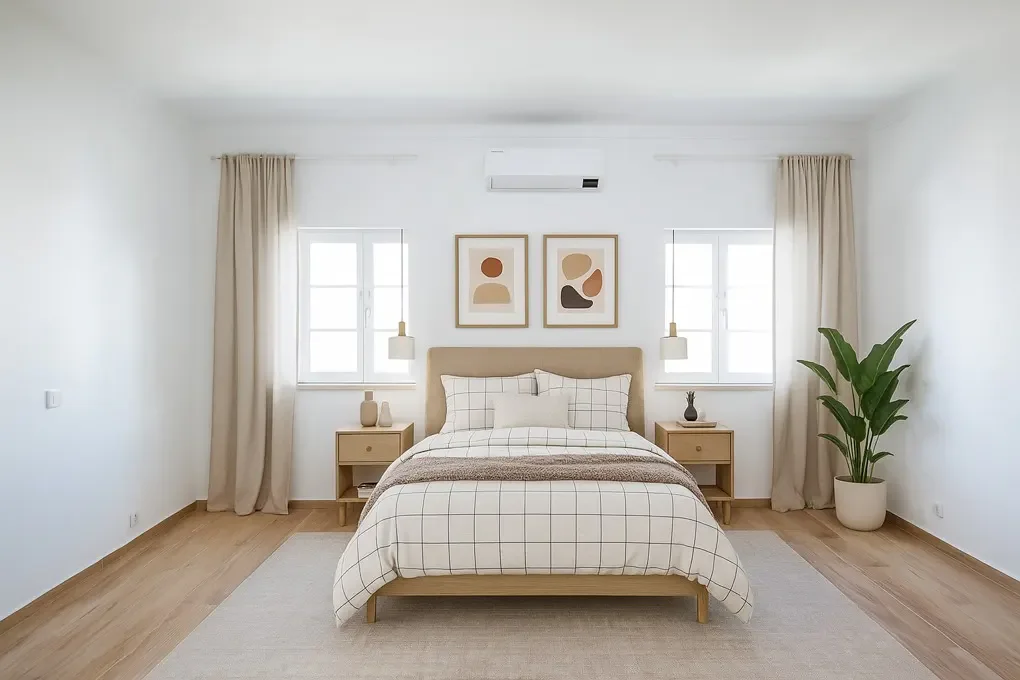
2
Layout
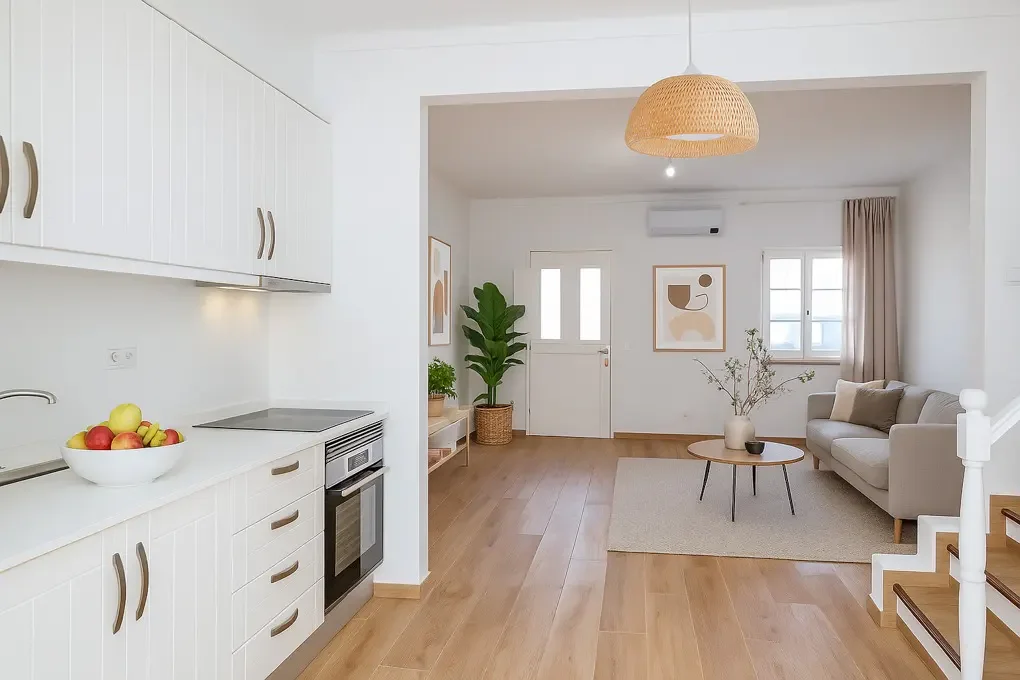
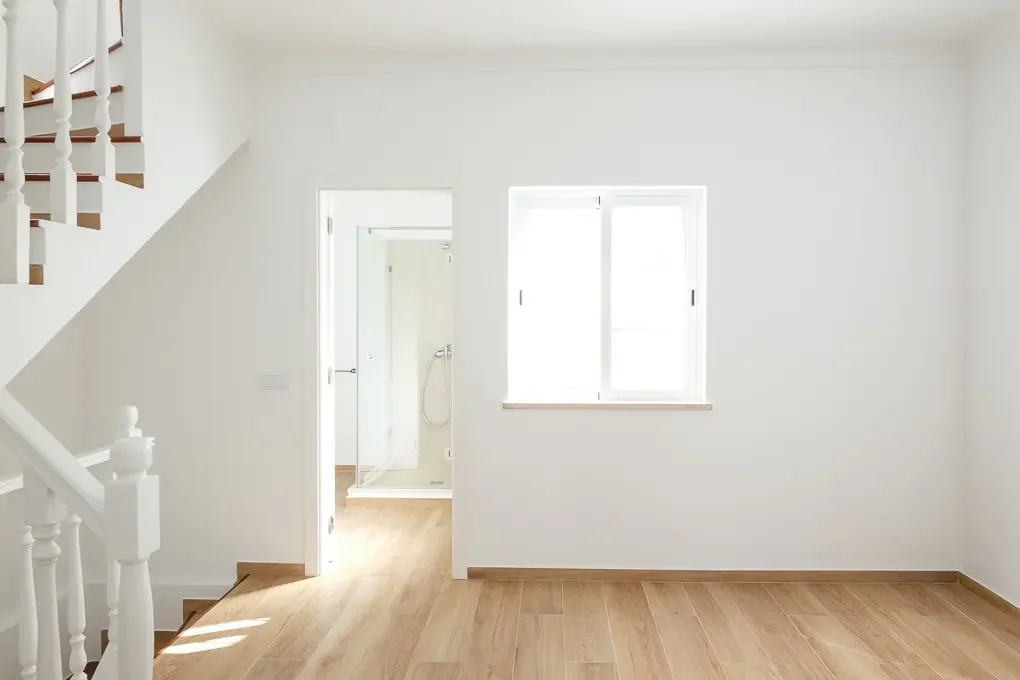
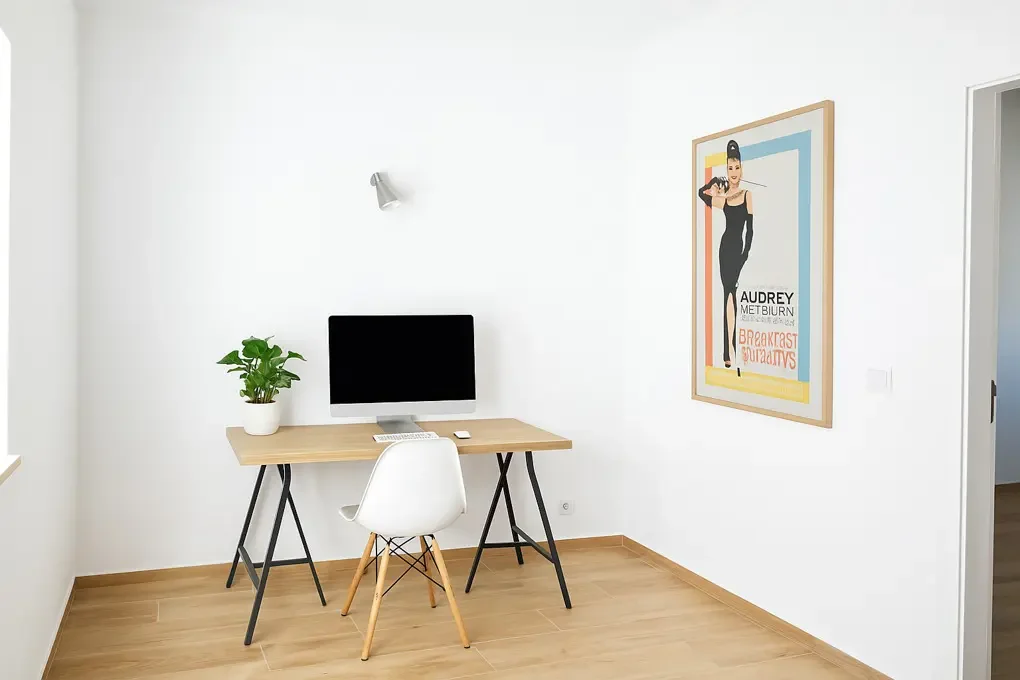
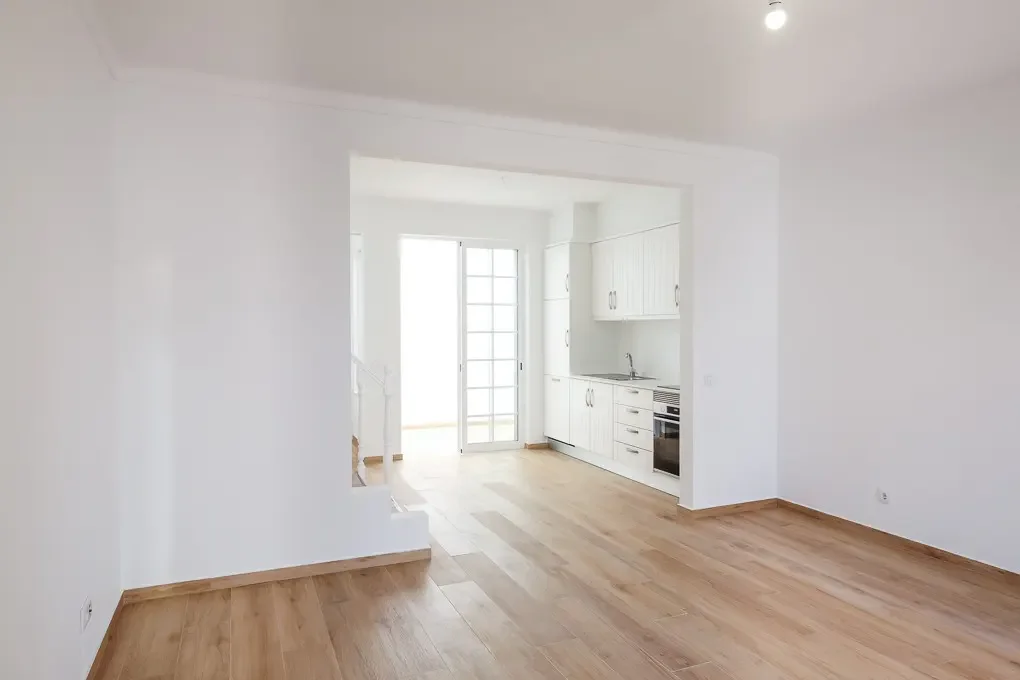
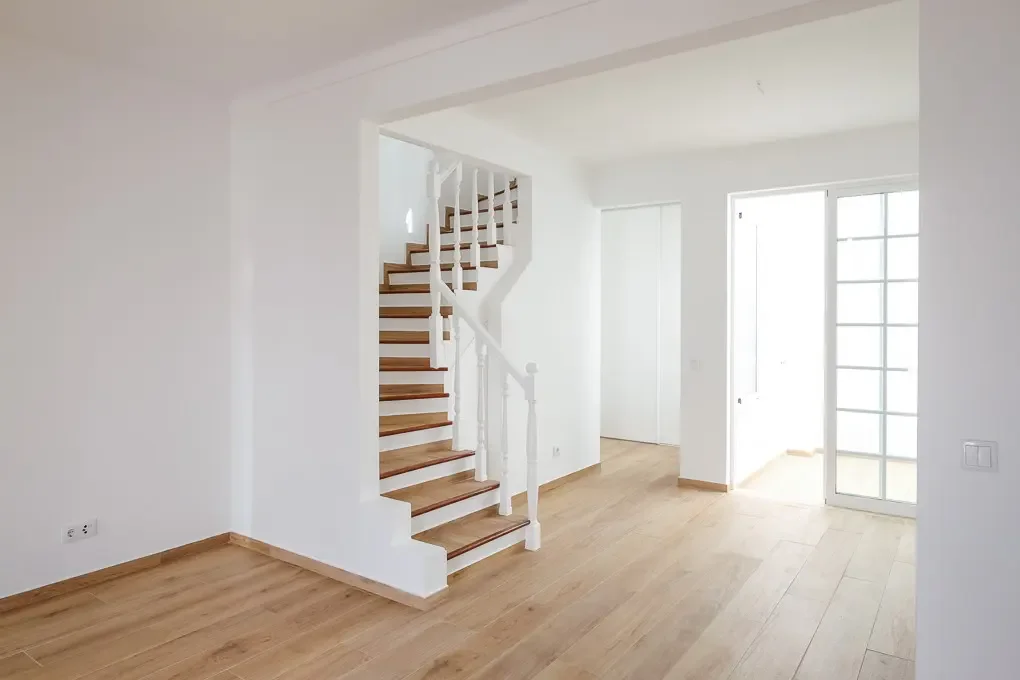
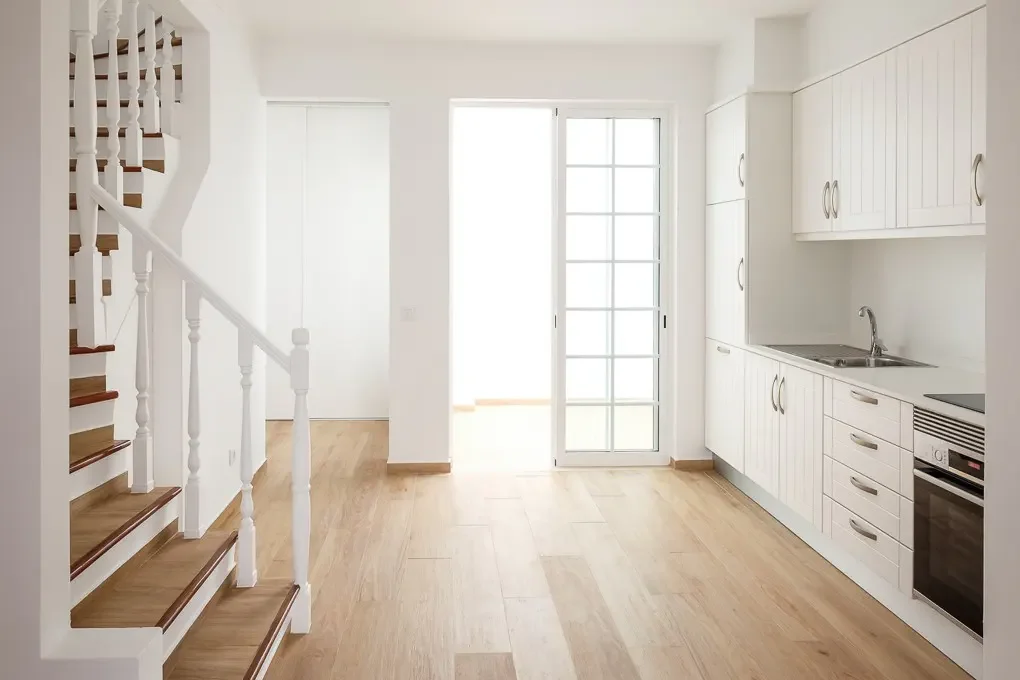
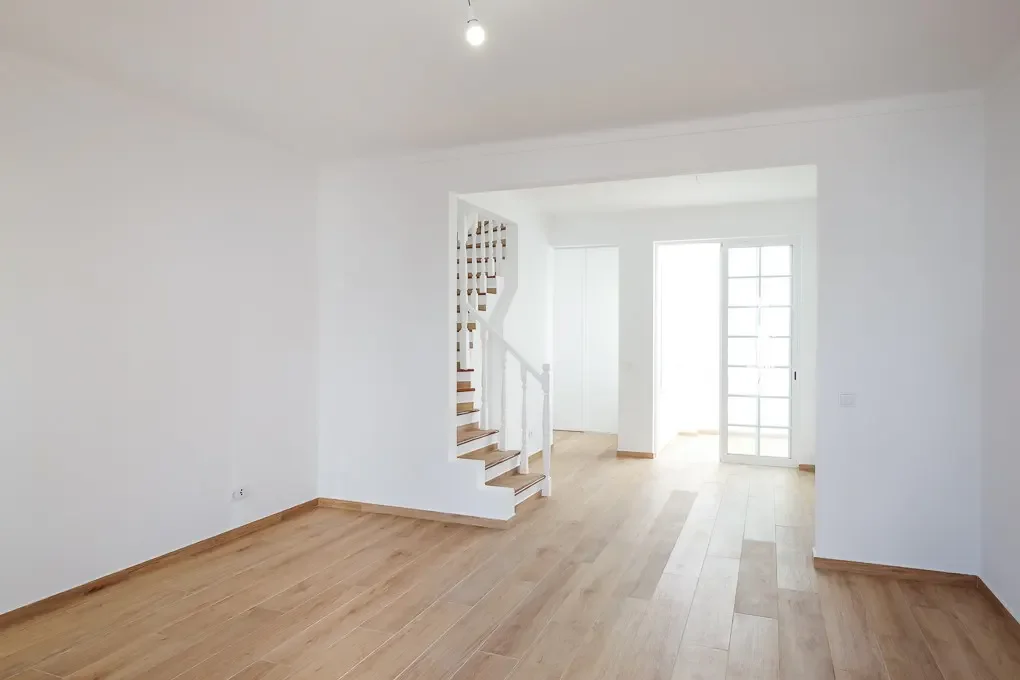
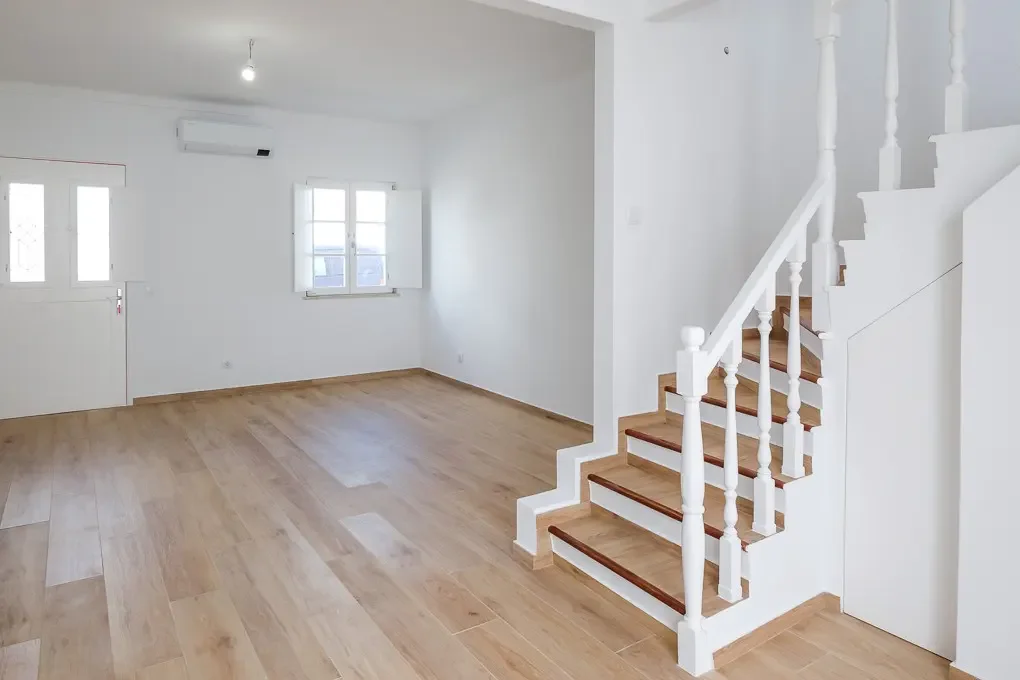
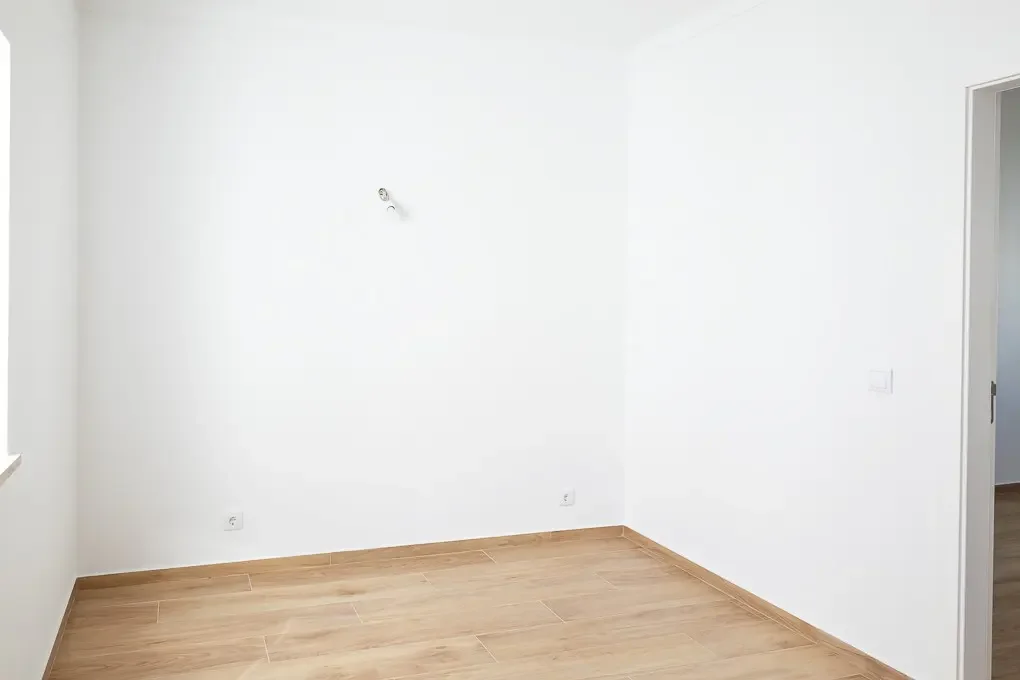
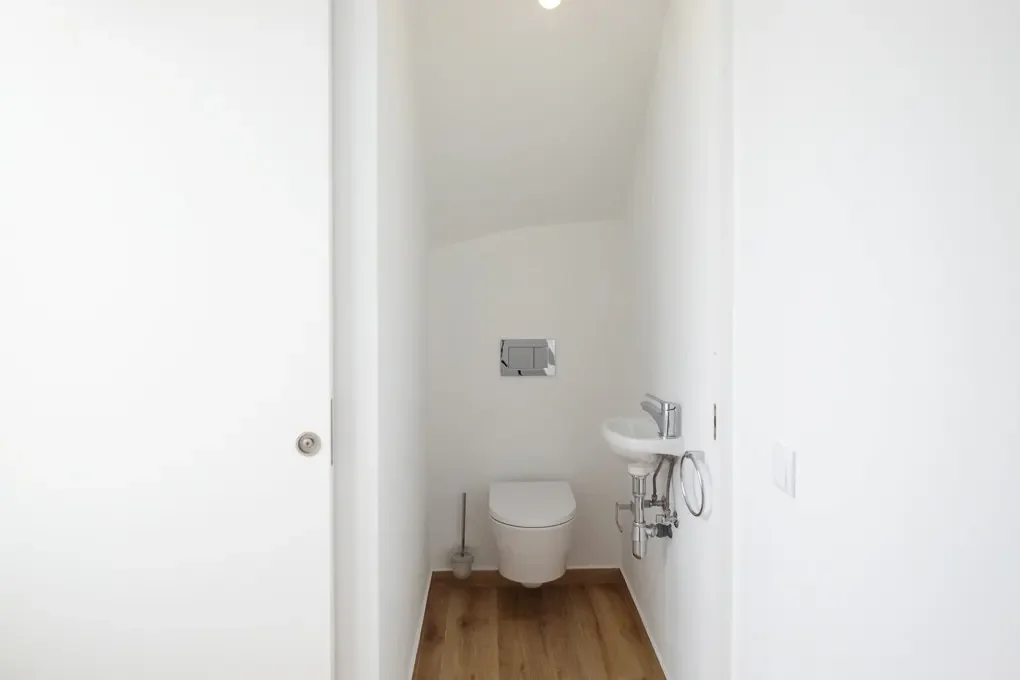
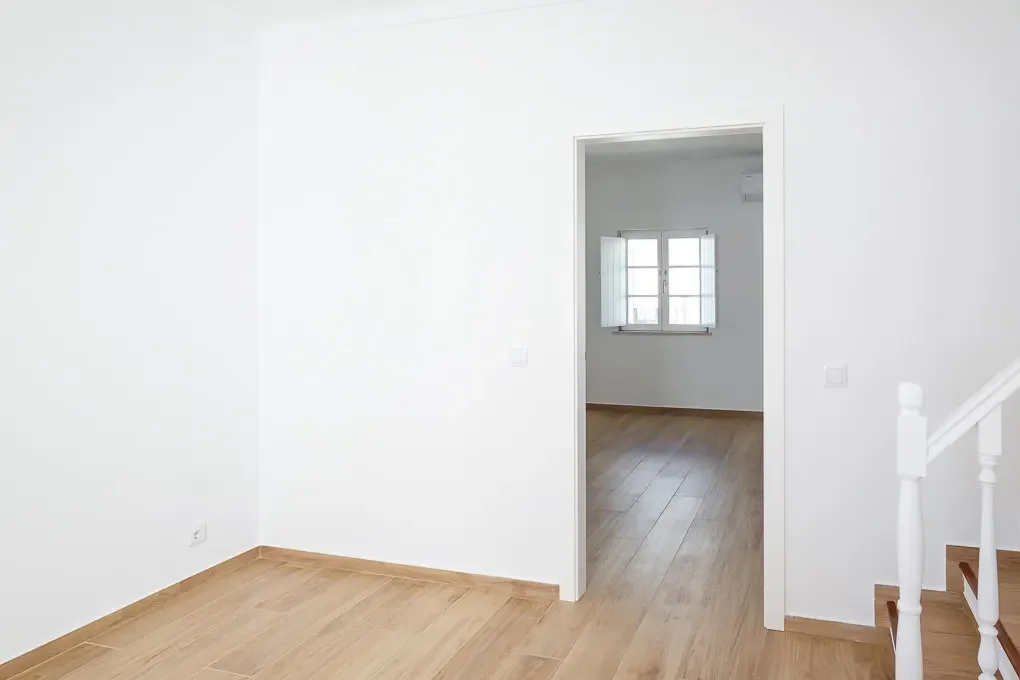
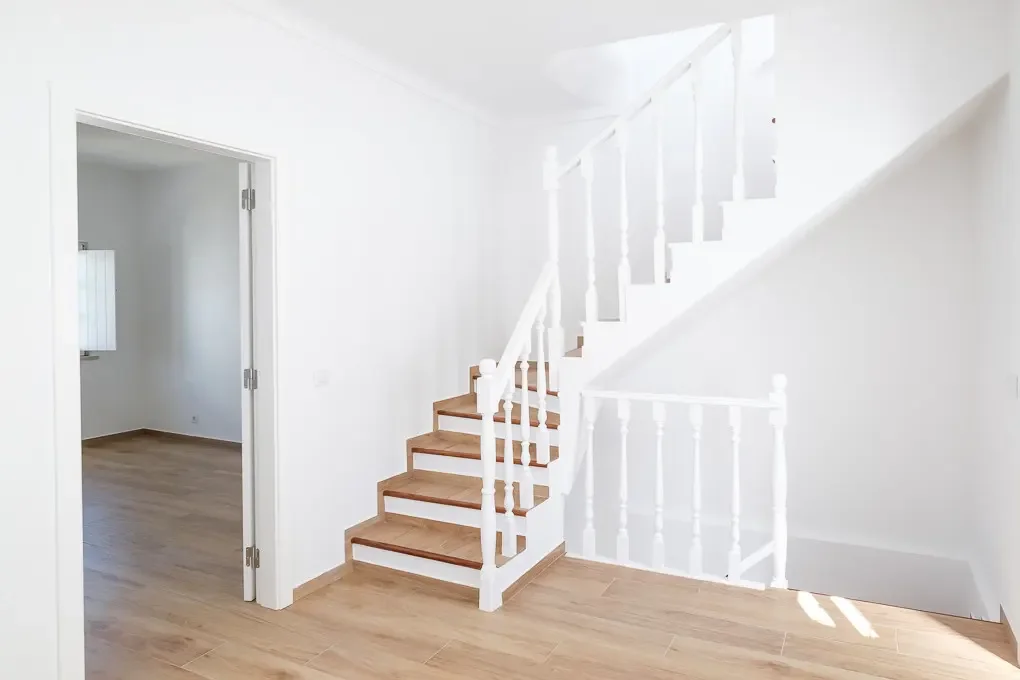
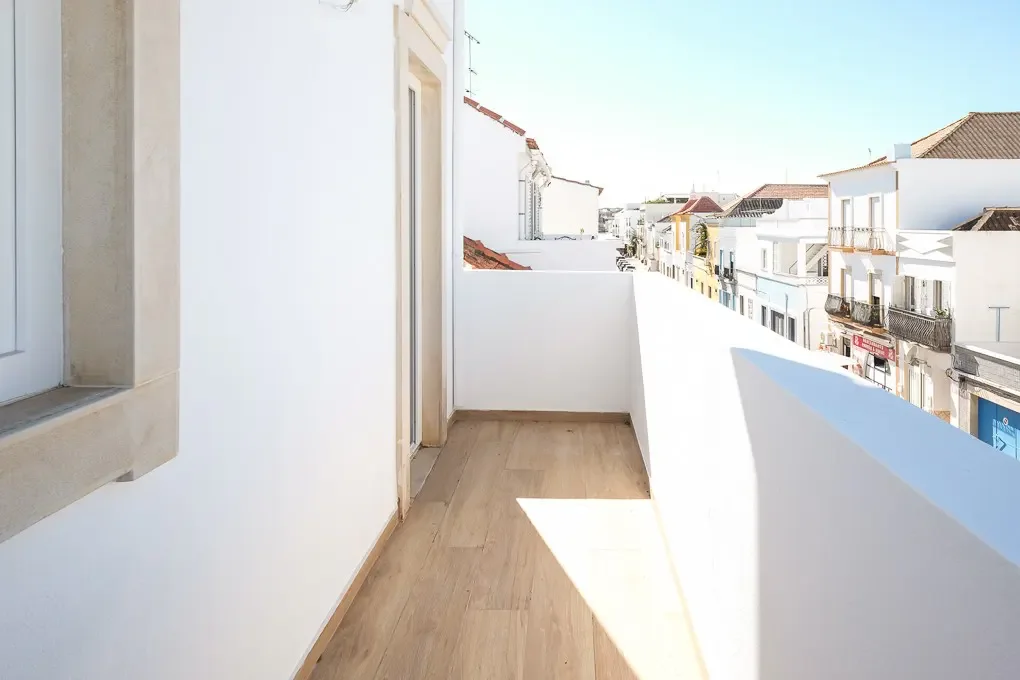
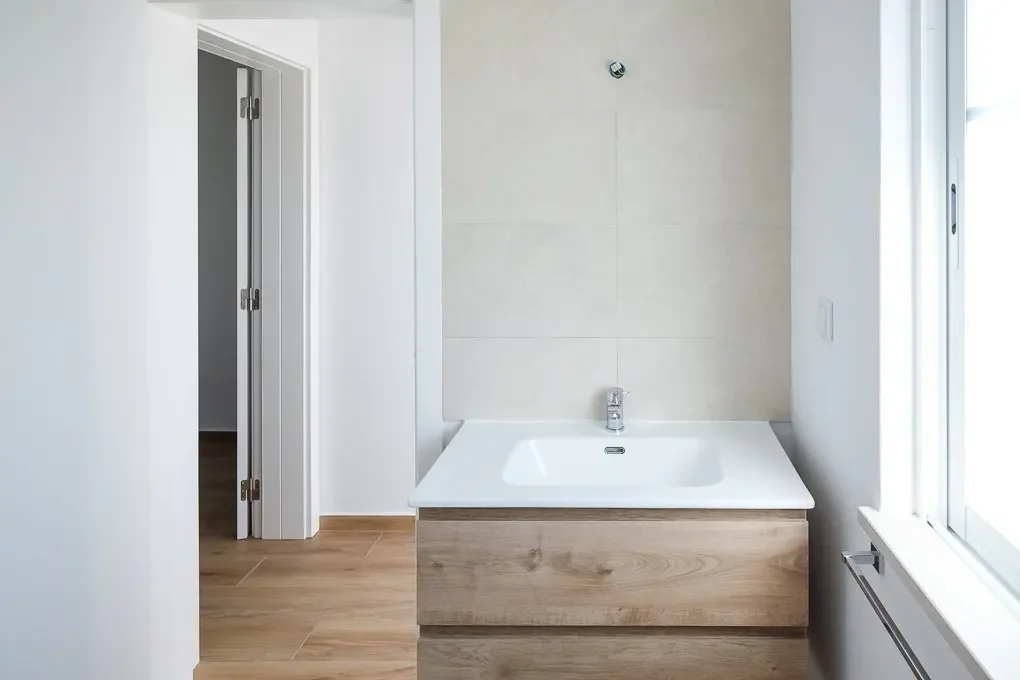
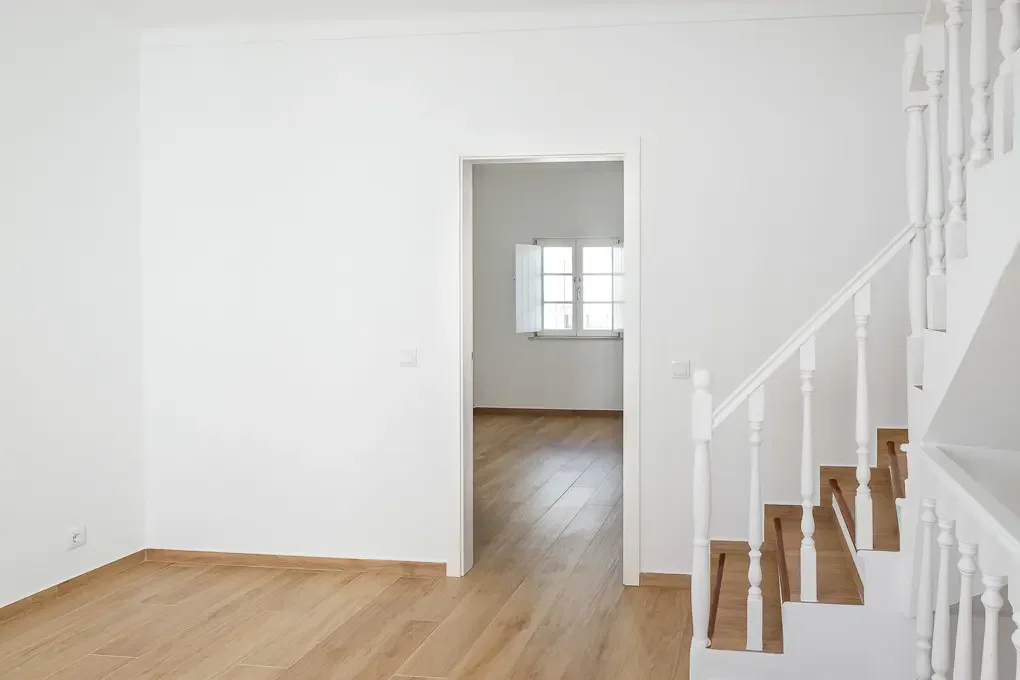
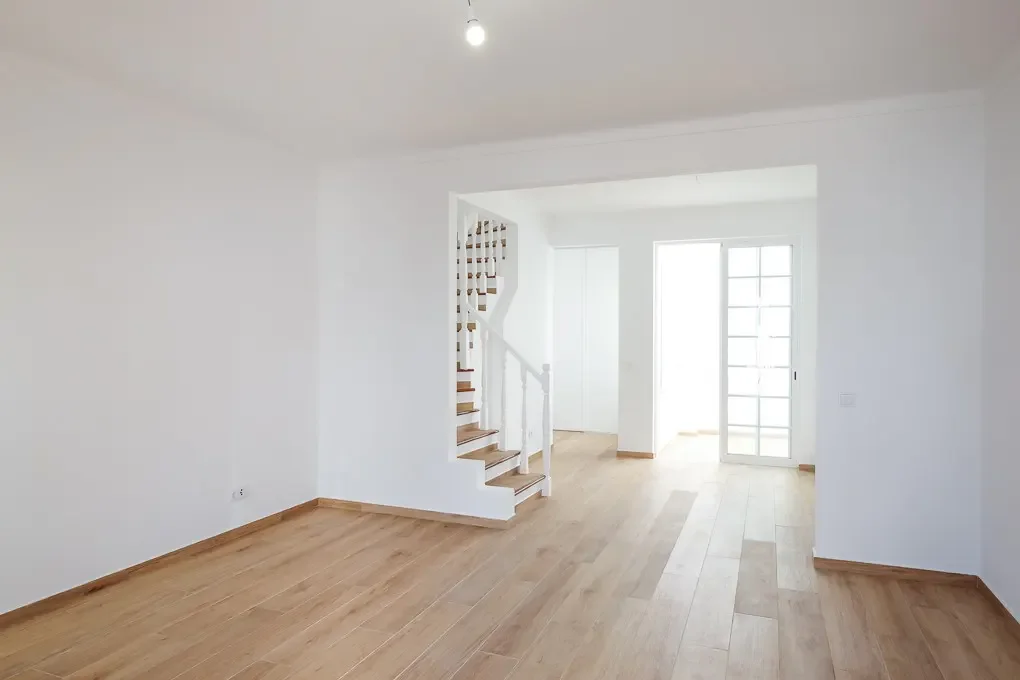
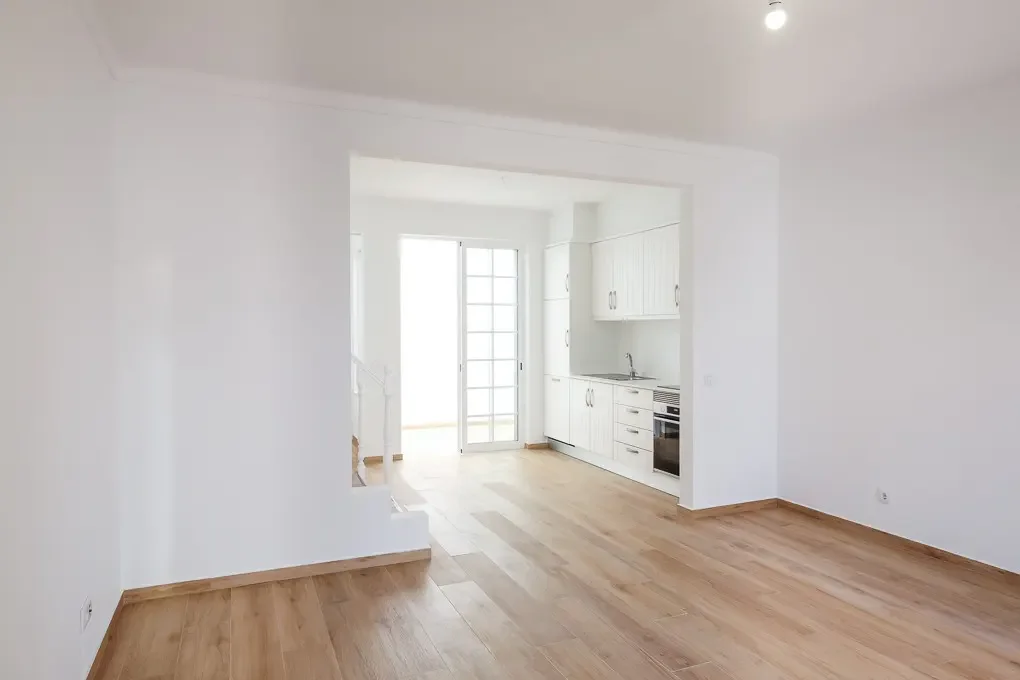
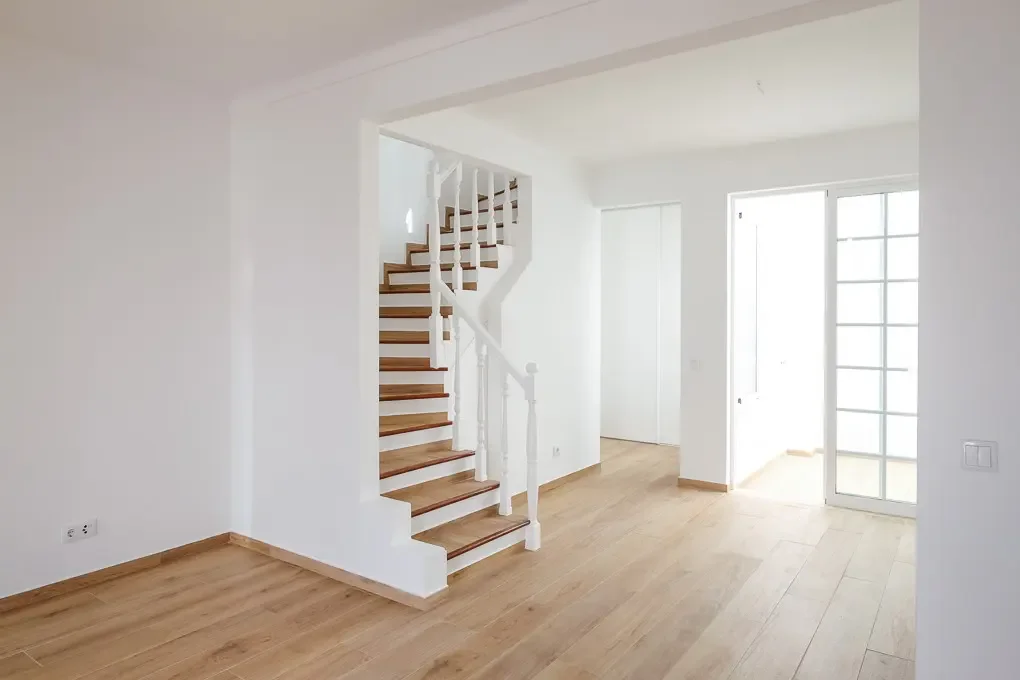
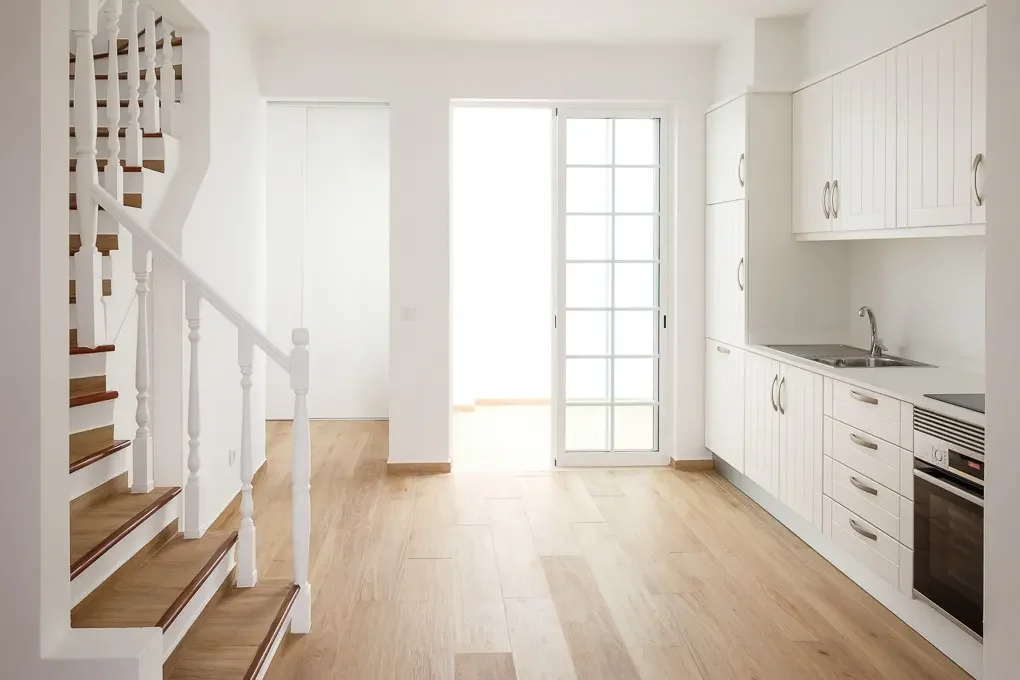
Three floors, including a hallway / home office area and a small second-floor terrace
Outdoor spaces
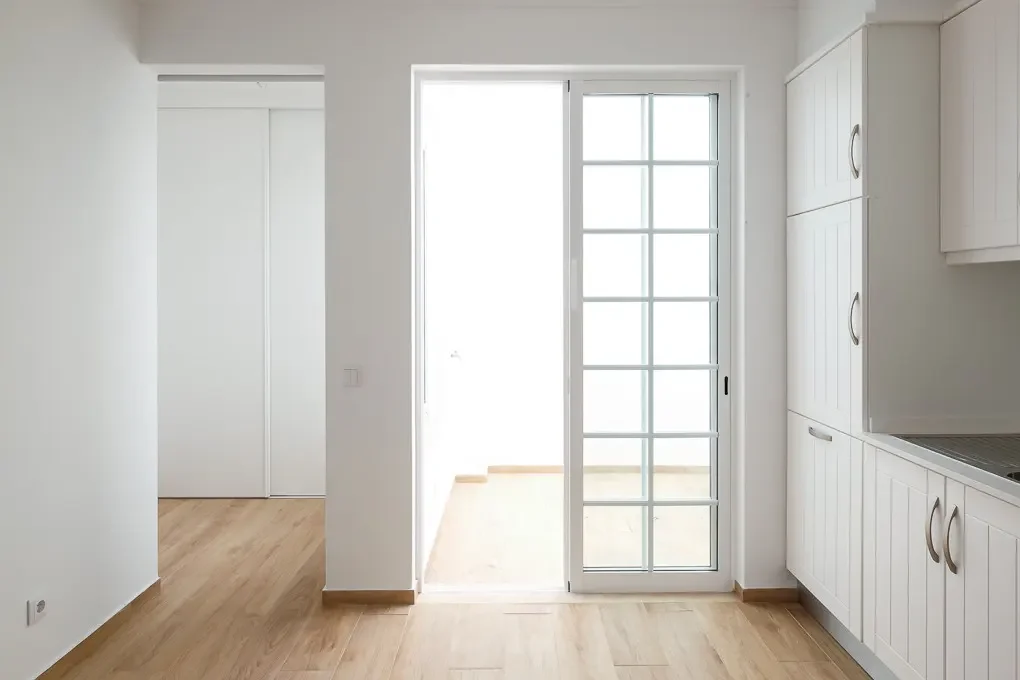
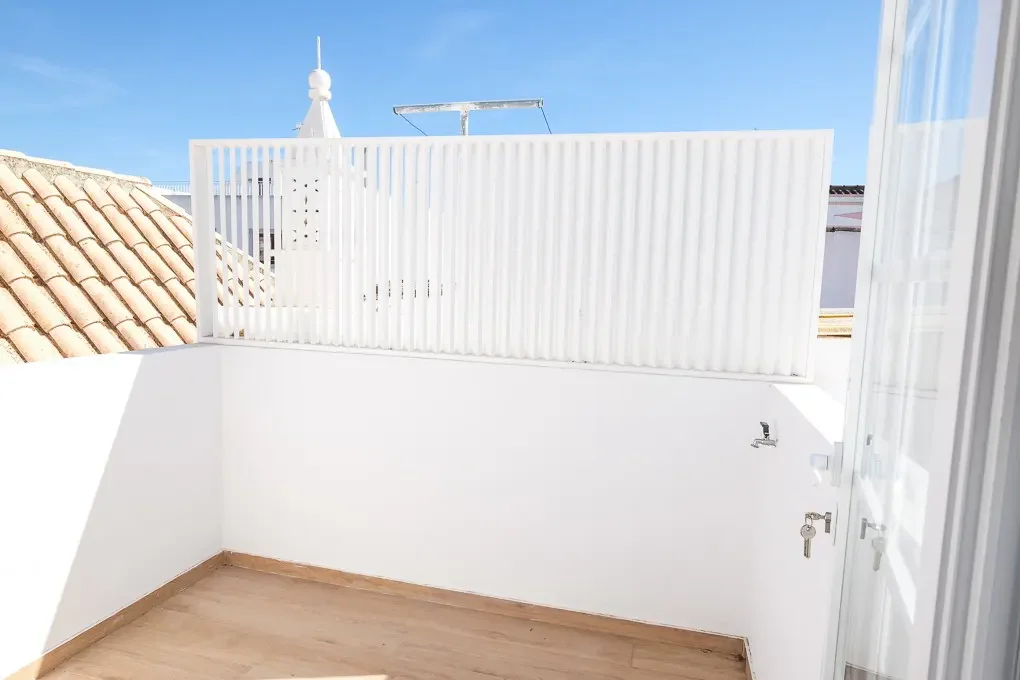
Ground-floor patio and upper terrace
Condition
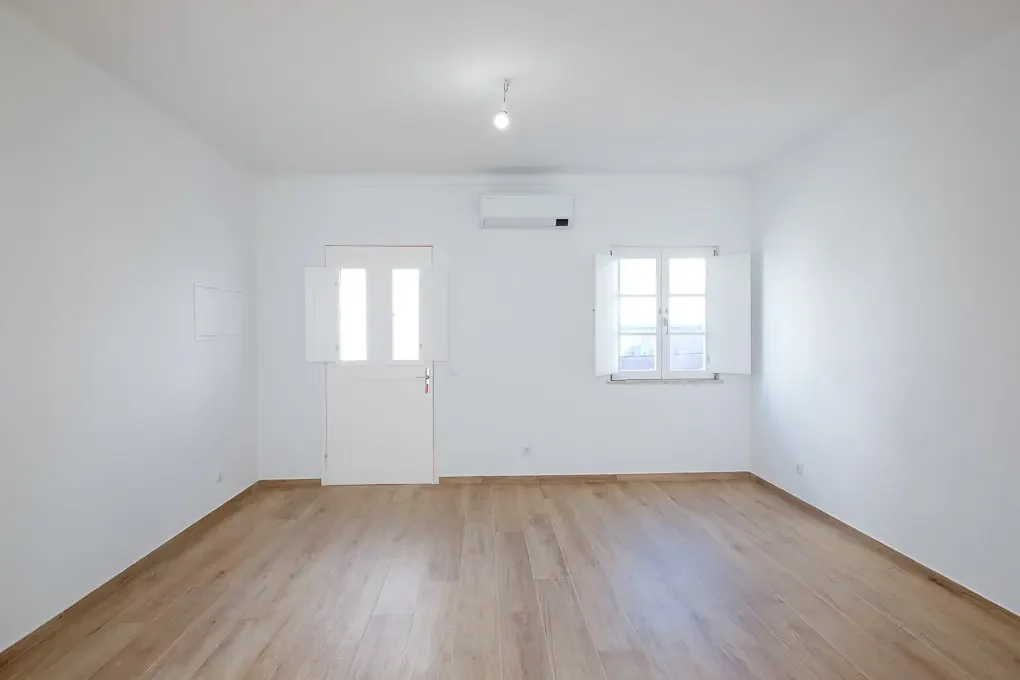
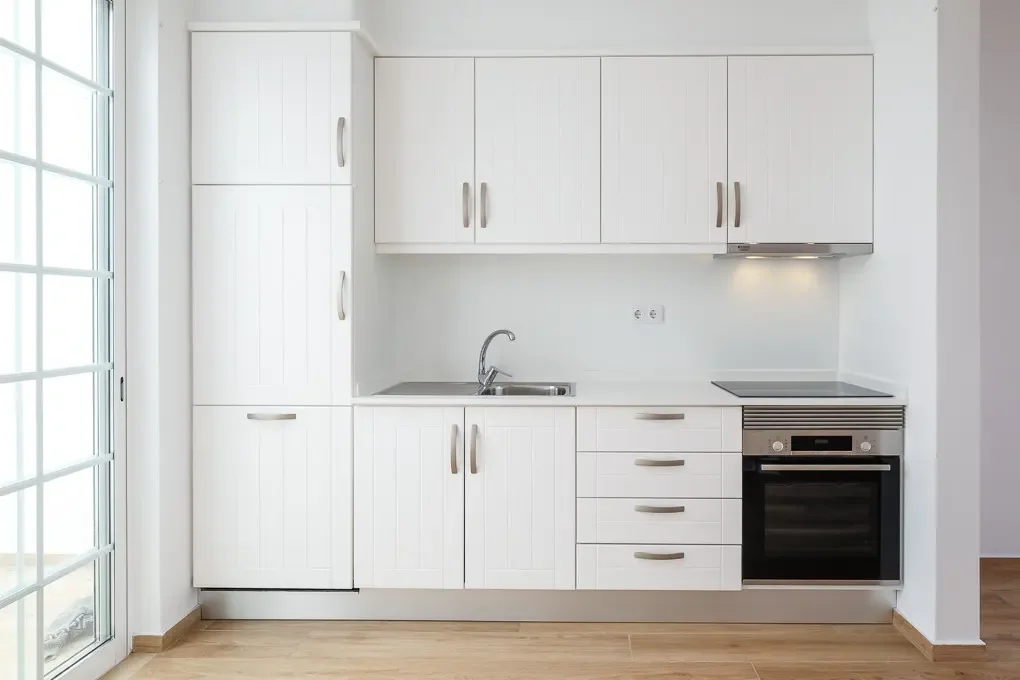
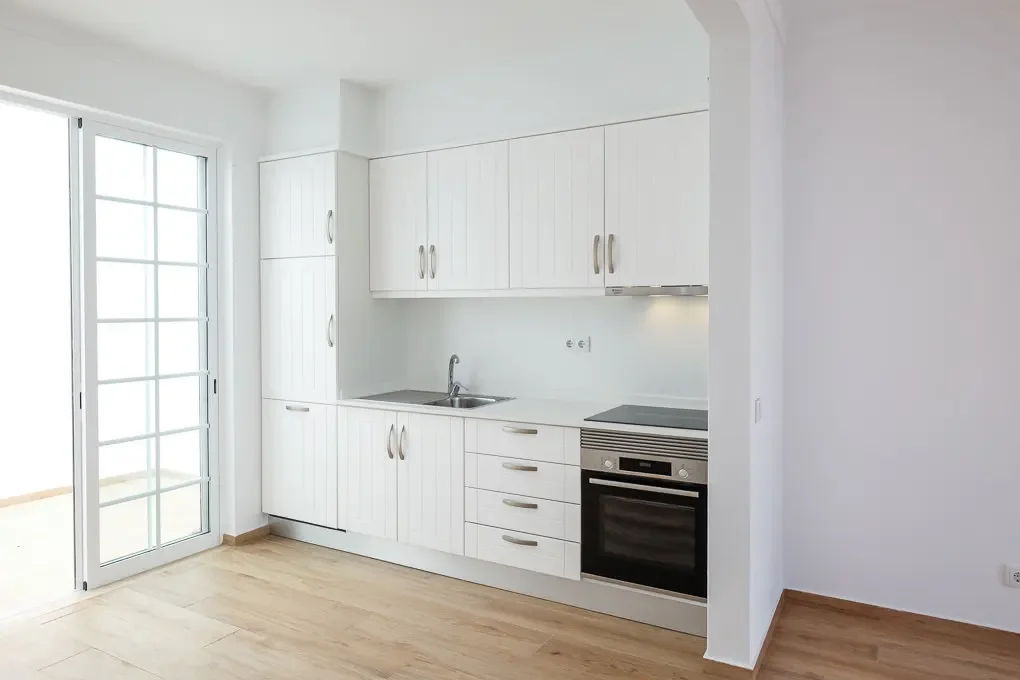
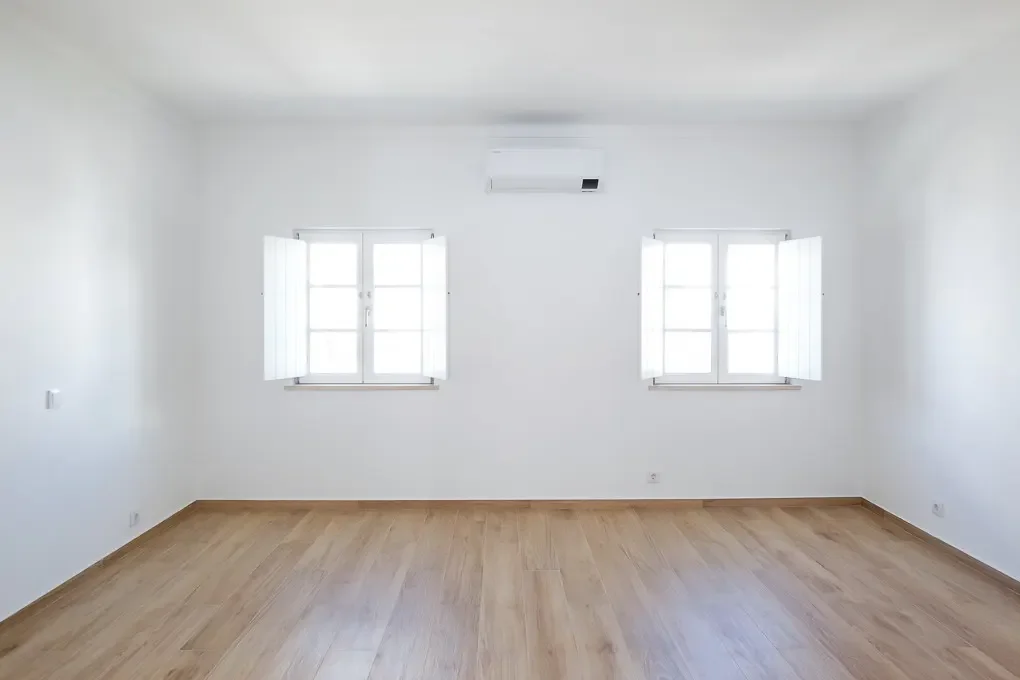
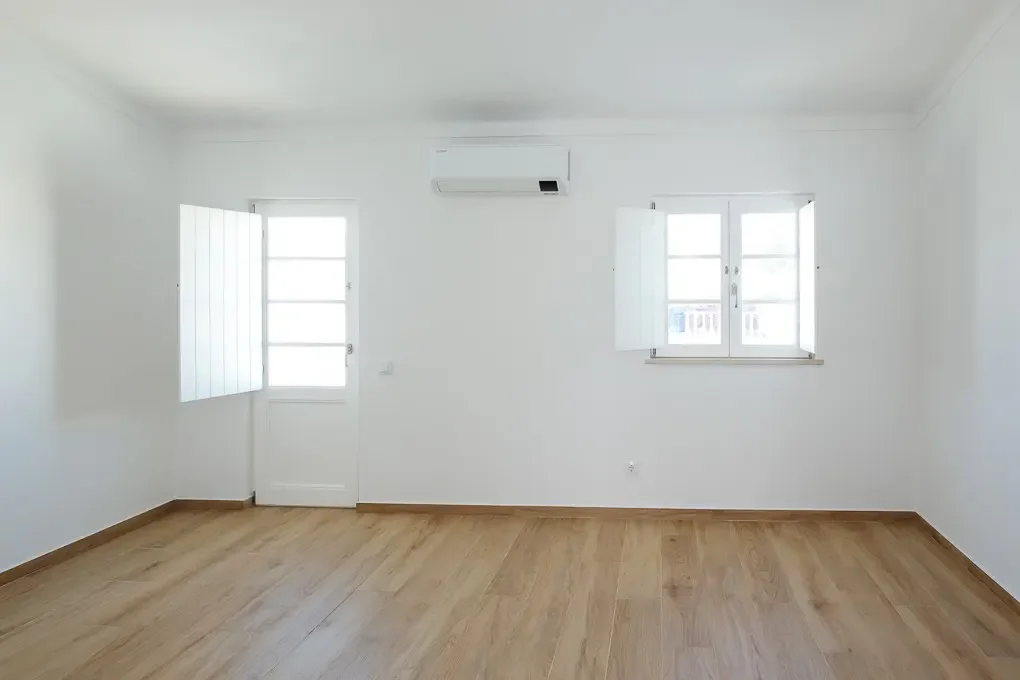
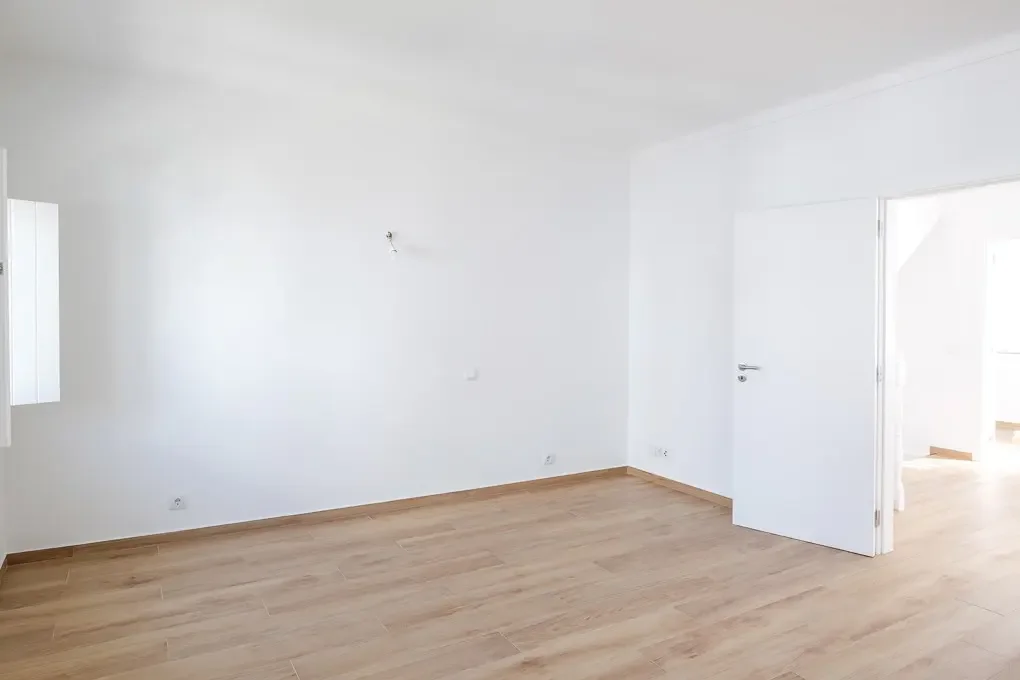
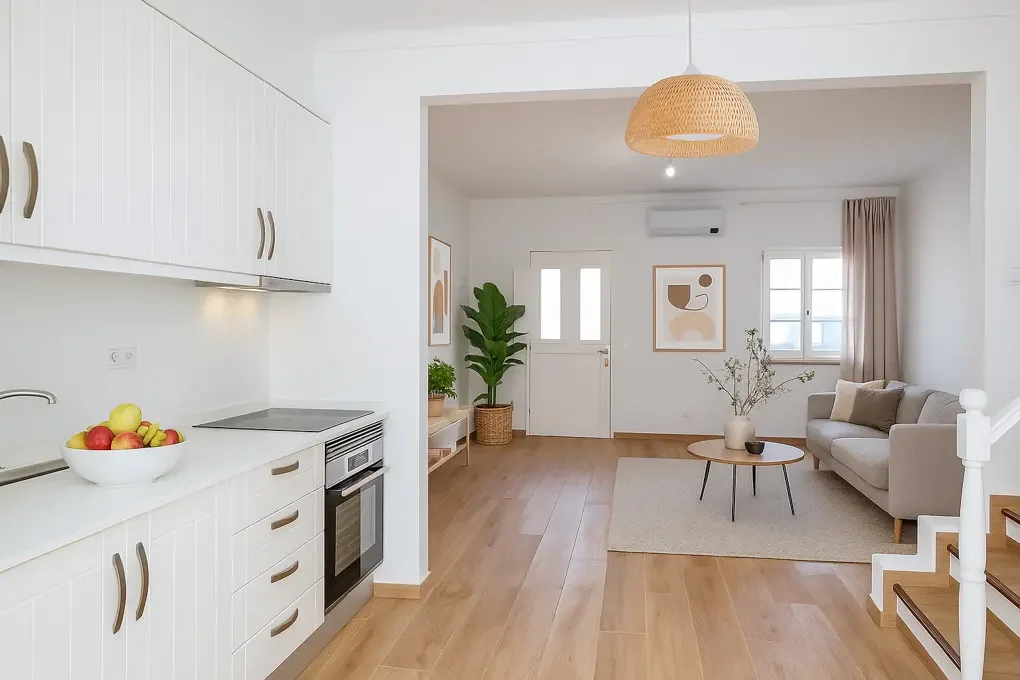
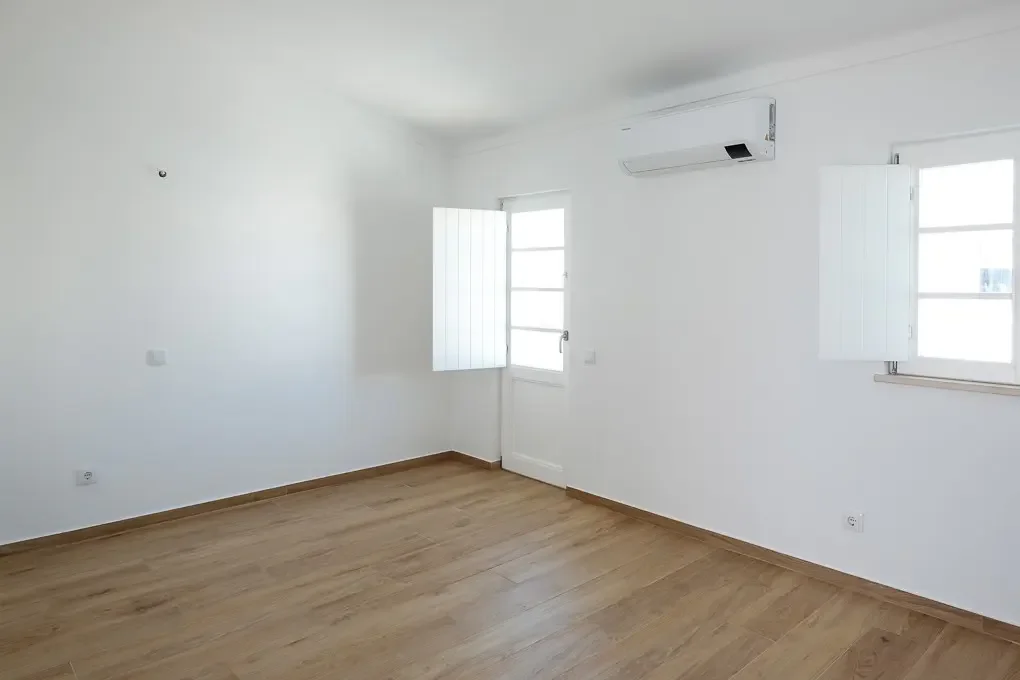
Fully renovated, described as effectively brand new behind a vintage façade
Energy rating
Class C
Character
Historic exterior with modernised interior
Rental angle
Listing suggests potential Alojamento Local suitability
Key due diligence theme
Full renovation within a historic urban area, with likely planning, façade and building-context considerations
Risk Radar
Overview
This property sits in the sweet spot that many buyers want but few listings actually deliver well: historic-town charm on the outside, modern convenience on the inside. The phrase "fully renovated behind a vintage façade" is doing a lot of work here, and that is exactly why buyers should lean heavily on documentation rather than presentation.
The first due diligence priority is the renovation itself. Tavira's historic core sits within an urban rehabilitation framework, and local planning rules give importance to rehabilitation and preservation of existing buildings and urban character. Tavira's planning documents also identify buildings, façades and notable elements to preserve in the historic urban fabric. A buyer should therefore verify that all works, especially any structural changes, terrace works, services replacement, and interventions affecting the façade or roofline, were properly approved and signed off.
The second priority is practical ownership and use. Historic-centre townhouses can look entirely independent while still sharing walls, rainwater management, drainage pathways, or maintenance burdens with neighbouring properties. The third priority is rental feasibility. Portugal's AL regime still requires registration and buyers must check whether the property is in a containment area before assuming short-term rental use is available.
Targeted Questions
Renovation Legality and Planning Approval
A full renovation in a historic centre should be supported by formal municipal approvals.
Buyers need evidence that the works were not just started correctly, but formally concluded.
This helps confirm the renovated property is legally usable as presented.
Structural alterations usually trigger stricter approval and technical control requirements.
"Fully renovated" can mean different things unless the scope is clearly itemised.
Buyers need to understand what was actually renewed and what may still be old.
Documentation supports quality claims and can reduce early ownership risk.
Knowing who carried out the work makes follow-up due diligence easier.
Rebuild-level interventions may carry different planning or warranty implications.
These are critical technical issues in older town-centre buildings.
Heritage Context and Façade Restrictions
Conditions imposed during approval can affect future maintenance and alteration rights.
There is a practical difference between formal protection and contextual planning expectations.
Future replacements may need to follow the same standard.
Buyers should know how much freedom they actually have with appearance changes.
Historic-centre constraints do not always stop at the front façade.
Building Structure, Independence and Shared Responsibilities
Shared walls can affect sound, maintenance and structural obligations.
Townhouses in dense historic streets can still have hidden shared responsibilities.
Shared infrastructure can create future cost disputes.
Water management is a common hidden issue in old urban properties.
Adjoining-building issues are particularly relevant in the Old Town.
A recent report can reveal whether the finish quality matches the presentation.
Layout, Stairs and Internal Practicality
Multi-level historic homes can feel very different in practice than in photographs.
Stair comfort and safety matter for daily life, resale and rental.
Buyers should confirm whether it is a genuine usable workspace or just circulation space.
Compact historic-town layouts can create awkward bedroom arrangements.
Usability can differ materially from the headline room count.
Patio, Terrace and Outdoor Space Rights
The patio is a major value point and should be legally clear.
Small terraces in historic centres are especially valuable, so legal attribution matters.
A "small terrace" can mean anything from genuinely useful to purely decorative.
Poor terrace waterproofing can create expensive internal damage.
Previous leaks are a major warning sign in renovated multi-level homes.
Maintenance liability must be clear if the property is not fully detached.
Heritage-centre rules can limit apparently simple changes.
Outdoor enjoyment can be reduced by direct overlooking.
Energy Performance and Technical Systems
The full certificate gives more detail on likely consumption and recommendations.
A Class C rating in an old-town property may depend on specific upgrade measures.
Year-round comfort in a renovated historic home depends heavily on system quality.
Window specification affects noise, comfort and energy performance.
Running-cost realism matters even for a compact property.
Parking, Access and Historic-Centre Practicalities
Parking is one of the biggest practical issues in Tavira Old Town.
Buyers should understand daily convenience, not just occasional access.
Permit access can materially affect owner usability.
Seasonal pressure can change the property experience dramatically.
Narrow historic streets can make moving and maintenance more complicated.
Restricted vehicle access may affect daily life and servicing.
Noise, Neighbours and Daily Use
Old-town charm often comes with footfall, restaurant noise or service traffic.
The neighbour mix affects atmosphere, stability and noise levels.
Street character can be very time-sensitive in historic centres.
Rental Potential and AL Compliance
Tourist accommodation in Portugal requires AL registration.
Portugal's official guidance requires applicants to check if the property is in a zona de contenção before registering.
Real rental history is more useful than optimistic area-wide assumptions.
Building-level rules may affect use even if municipal registration is possible.
A stylish renovation does not automatically equal compliance for guest use.
Negotiation Intelligence
Buyer Leverage
Medium-High
Key Drivers
Typical Negotiation Range
5-15% below asking
Neutral Phrasing Examples
Country Layer
Portugal (Regulatory Context March 2026)
Portugal's sale process still relies on core property documents that buyers should treat as non-negotiable.
Viewing Strategy
When viewing this property, treat it as two inspections at once.
Next Step
Verify from the listing:
Renovation approvals and use documentation
Confirm that the full renovation was properly authorised, signed off, and reflected in the current use documentation before relying on the “brand new” presentation.
Historic-centre façade and preservation constraints
Check what had to be preserved during the works and whether future exterior changes will be restricted by Tavira’s historic-centre planning context.
Patio and terrace legal status
Verify that both outdoor spaces are for the exclusive use of this townhouse, are reflected in the documentation, and do not carry hidden maintenance or waterproofing issues.
Shared-building responsibilities
Clarify whether there are any shared walls, drainage responsibilities, informal neighbour arrangements or condominium-style obligations despite the townhouse presentation.
Parking, access and AL feasibility
Confirm the real parking situation, vehicle access practicality and whether short-term rental registration is actually feasible in this part of Tavira Old Town.
A prepared buyer should approach the agent calmly and frame questions as due diligence. For example: “To help me assess the property properly and prepare a serious offer, could you share the renovation approvals, updated use documentation, energy certificate, and any documents confirming the legal status of the patio, terrace and shared building elements?”
Because this is a renovated historic-centre property where compliance and execution quality matter as much as aesthetics, run it through the Property Risk Assessment to test planning, access and ownership risks, or use the Rental Yield Calculator to model returns only after the AL position and documentation are verified.
Disclaimer: The Property Drop is buyer-focused intelligence, zero sales agenda. We curate exceptional properties, in southern Europe, from third-party agents and arm you with decision tools. No commission, no transactions, no agent partnerships, no skin in the game beyond helping you choose wisely. Information stays accurate until it doesn't (properties sell, prices shift, markets move). Everything here is shared for informational purposes only and should not be treated as legal, financial, or investment advice. Images belong to original agents. Read our Terms of Service to learn more.
IMPORTANT REMINDER: When contacting property agents featured on The Property Drop, you are entering into direct communication with third parties. It's recommended that you verify all property details independently, conduct thorough due diligence, engage qualified professionals (solicitors, surveyors, financial advisors), understand your rights and obligations under local property laws, and never send money or make commitments without proper legal protection.
