
The Buyer Playbook: 3-Bed Stone Island House Accessible Only by Boat, Arcais, France, €195,000
Buyer Playbook
Pre-Viewing Intelligence Report
This independent buyer guidance report relates to this specific property located in France. It is provided for informational purposes only and does not constitute legal, tax, structural or survey advice. Planning, habitability, water access, drainage, sanitation, flood risk, renovation permissions, tourist rental use, environmental protections, island ownership, canal access and land use matters must always be verified with qualified French professionals such as a notaire, géomètre-expert, architecte, bureau d'études, diagnostiqueur, surveyor, local planning consultant, the mairie d'Arçais, the DDT des Deux-Sèvres and relevant Marais Poitevin authorities. This report is designed to help buyers evaluate the property before arranging a viewing or making an offer. It highlights due diligence areas and targeted questions to ask the estate agent. The analysis is based on the listing details, the buyer notes provided and publicly available regulatory context at the time of writing.
Playbook Contents
Property Snapshot
Location
Arçais, Deux-Sèvres, France
Setting
Private island in the Marais Poitevin, also known as the "Green Venice" of France
Property type
Stone island house
Asking Price
€195,000
Bedrooms
3
Access
Boat-only access
Condition
Renovation project
Key character feature
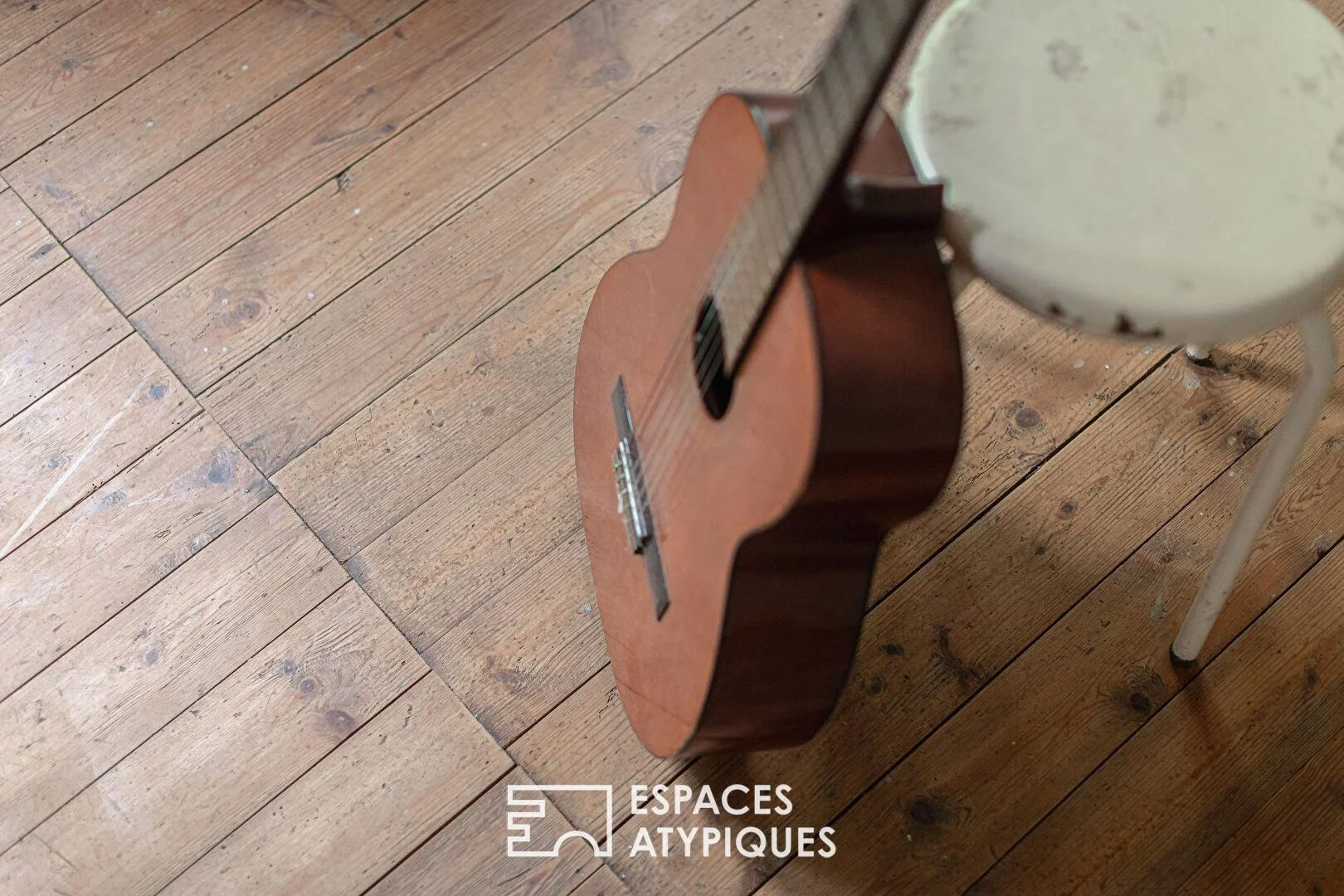
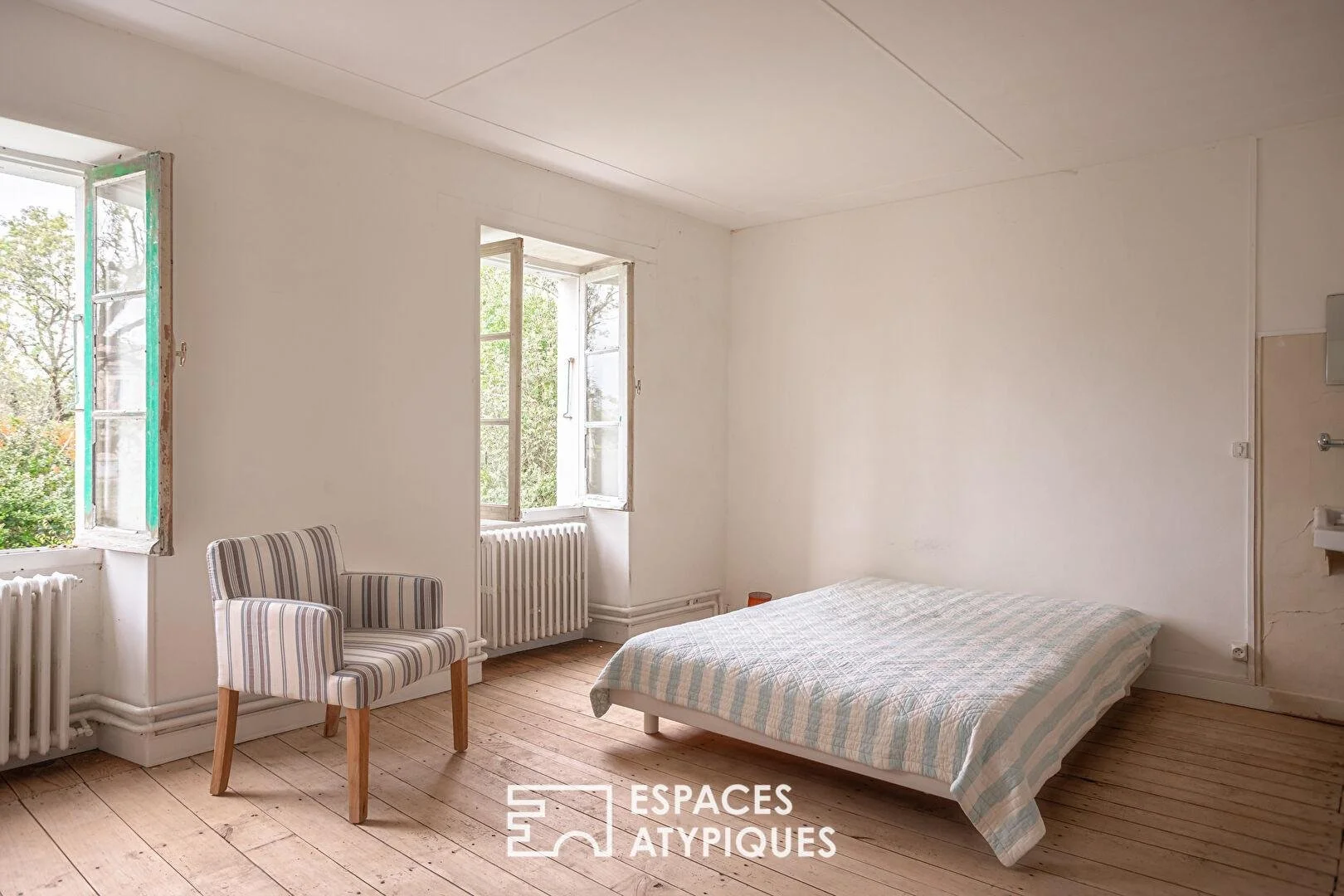
Original antique parquet floors
Kitchen
Awaiting fitting
Energy rating
Class G
Utilities
To be verified
Drainage
To be verified, with SPANC/septic compliance a major concern if not connected to mains drainage
Key value driver
Rare private-island ownership and secluded waterfront setting
Key due diligence theme
Whether the island, access, water rights, flood exposure and renovation scope are legally and practically manageable
Risk Radar
Overview
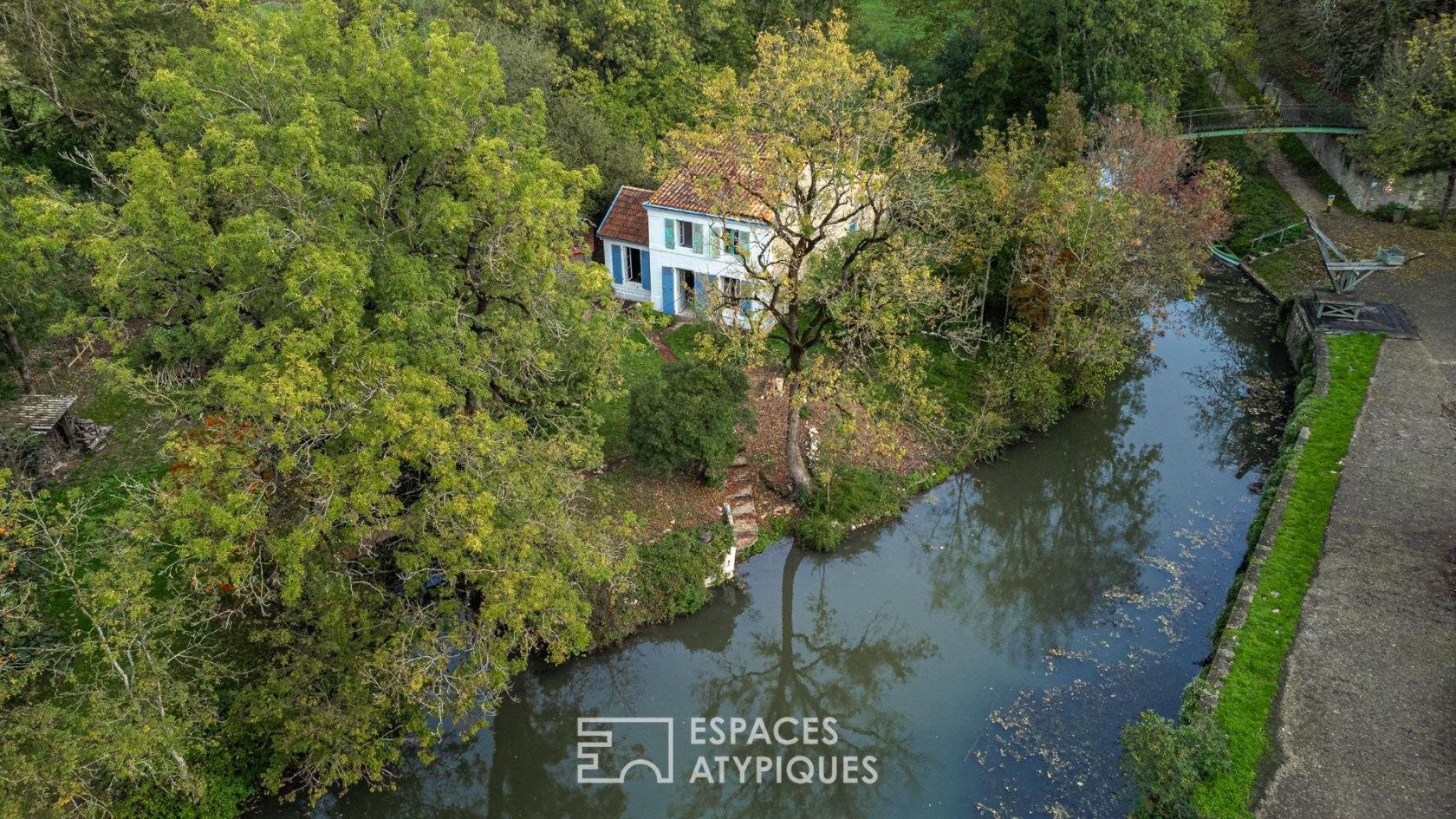
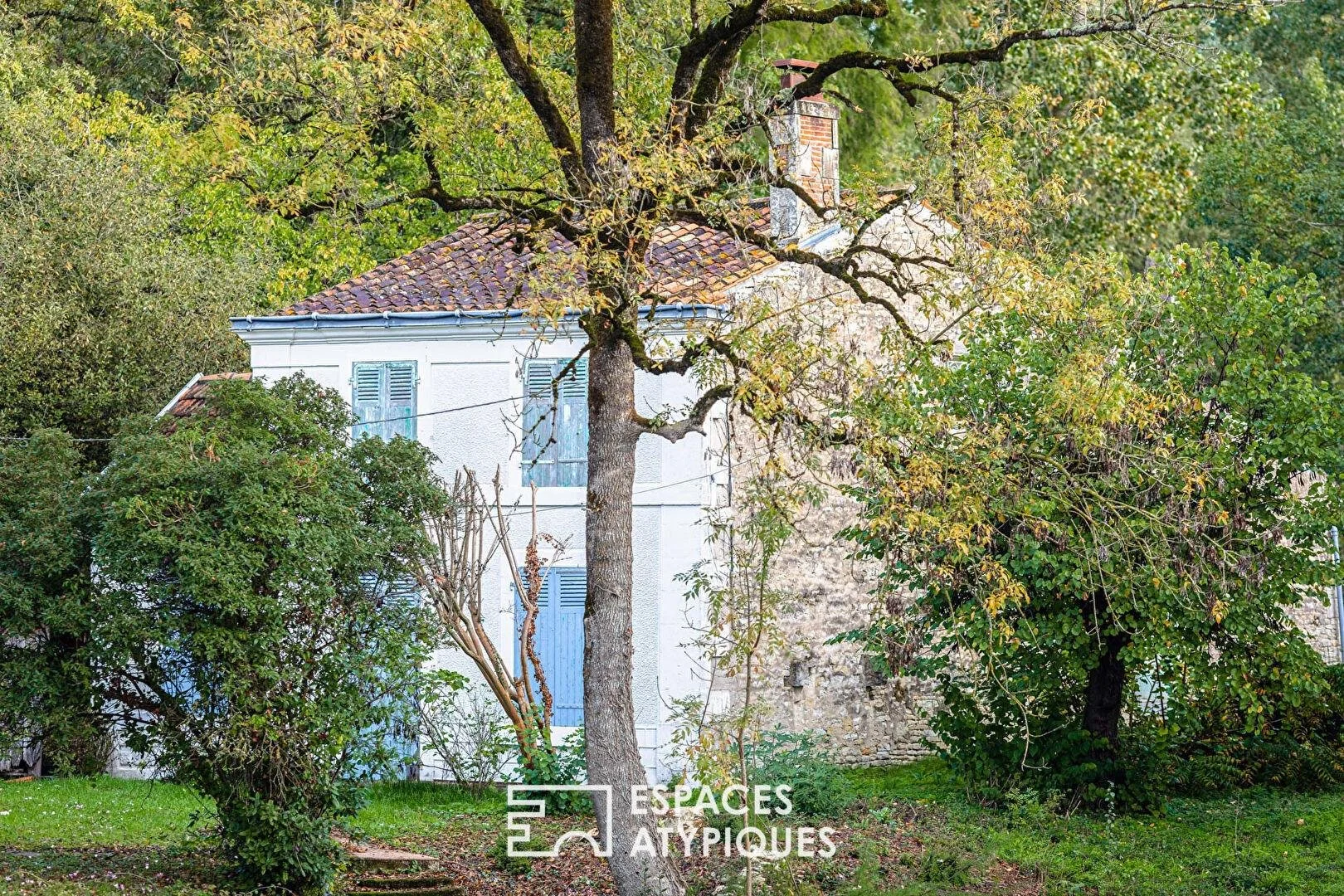
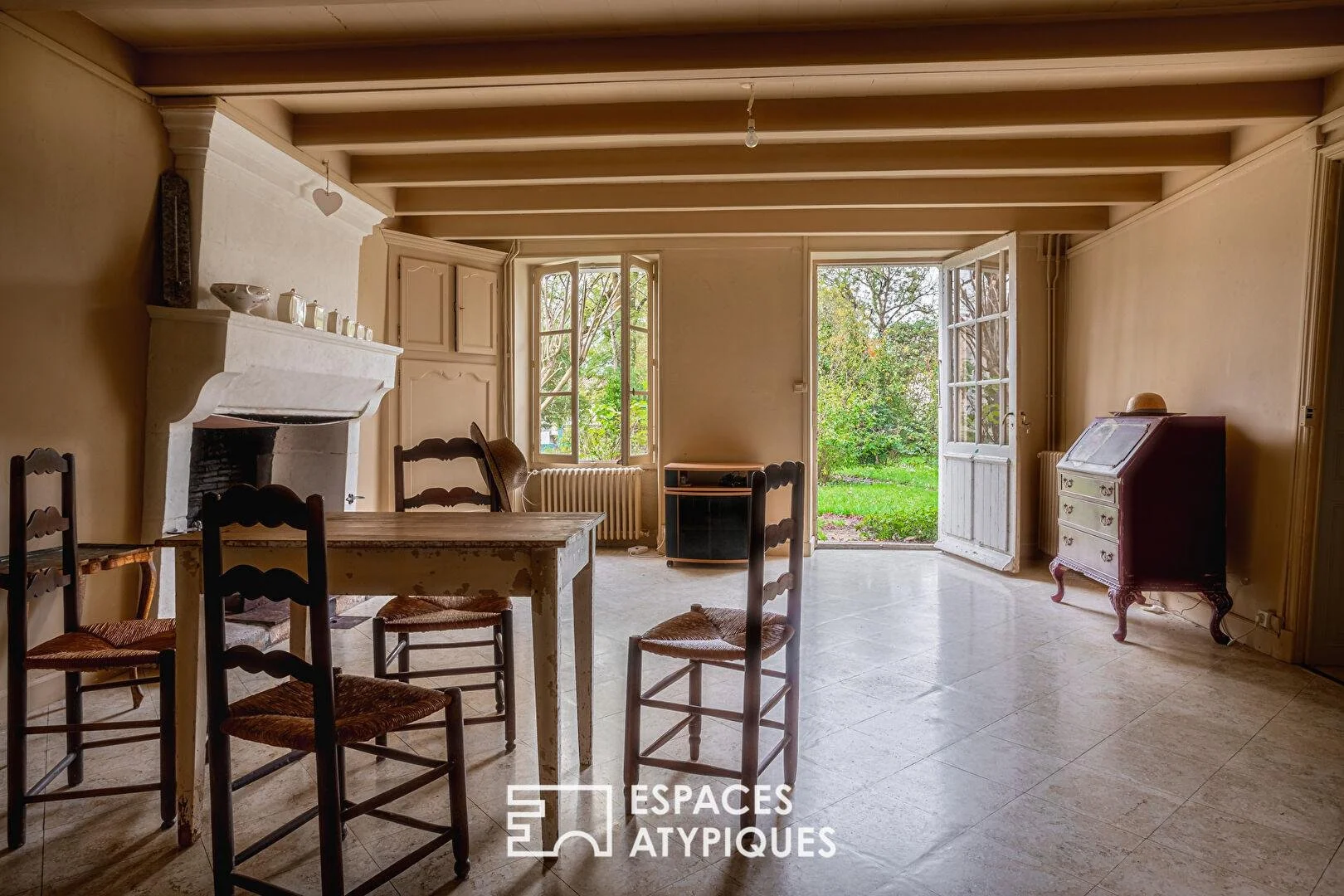
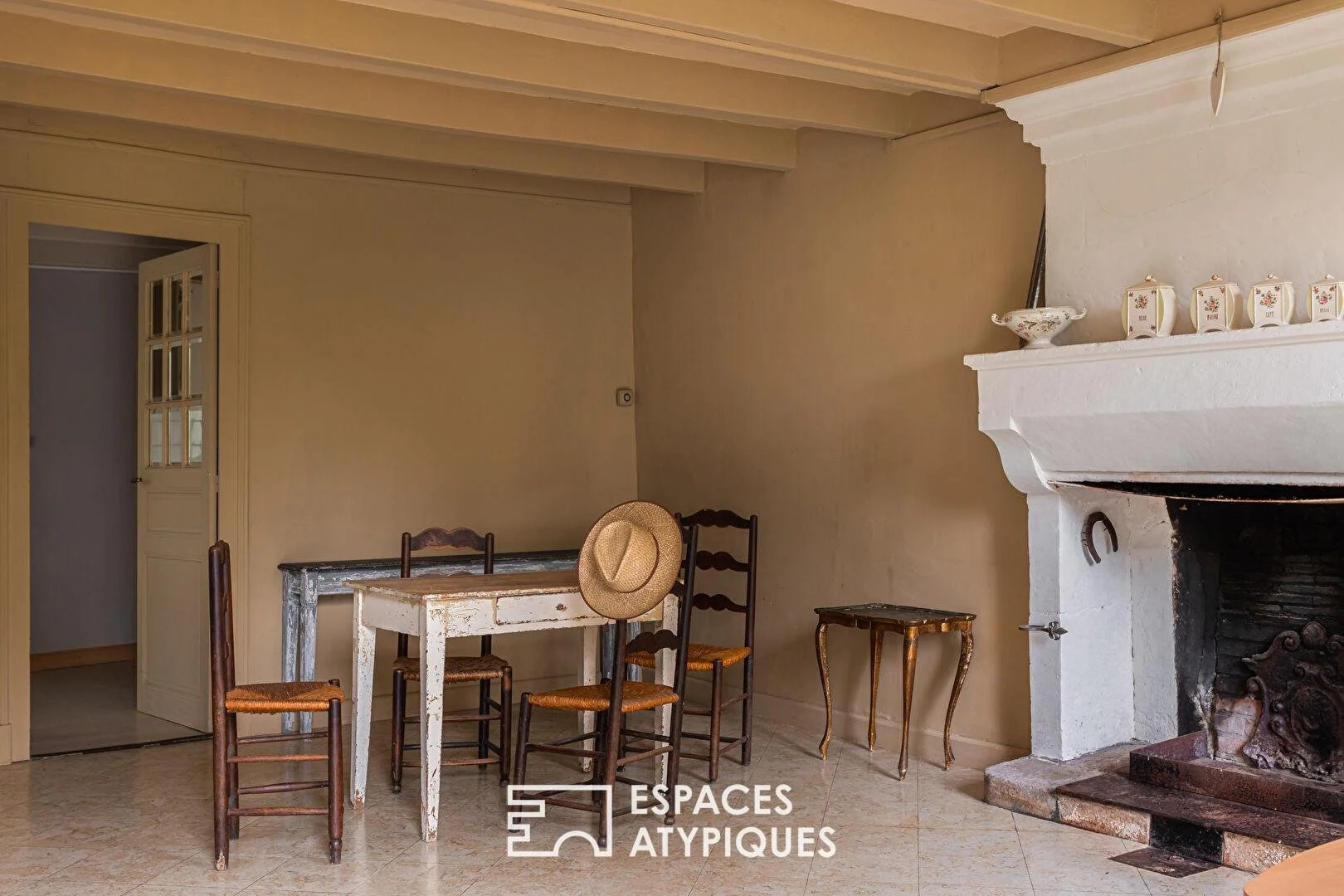
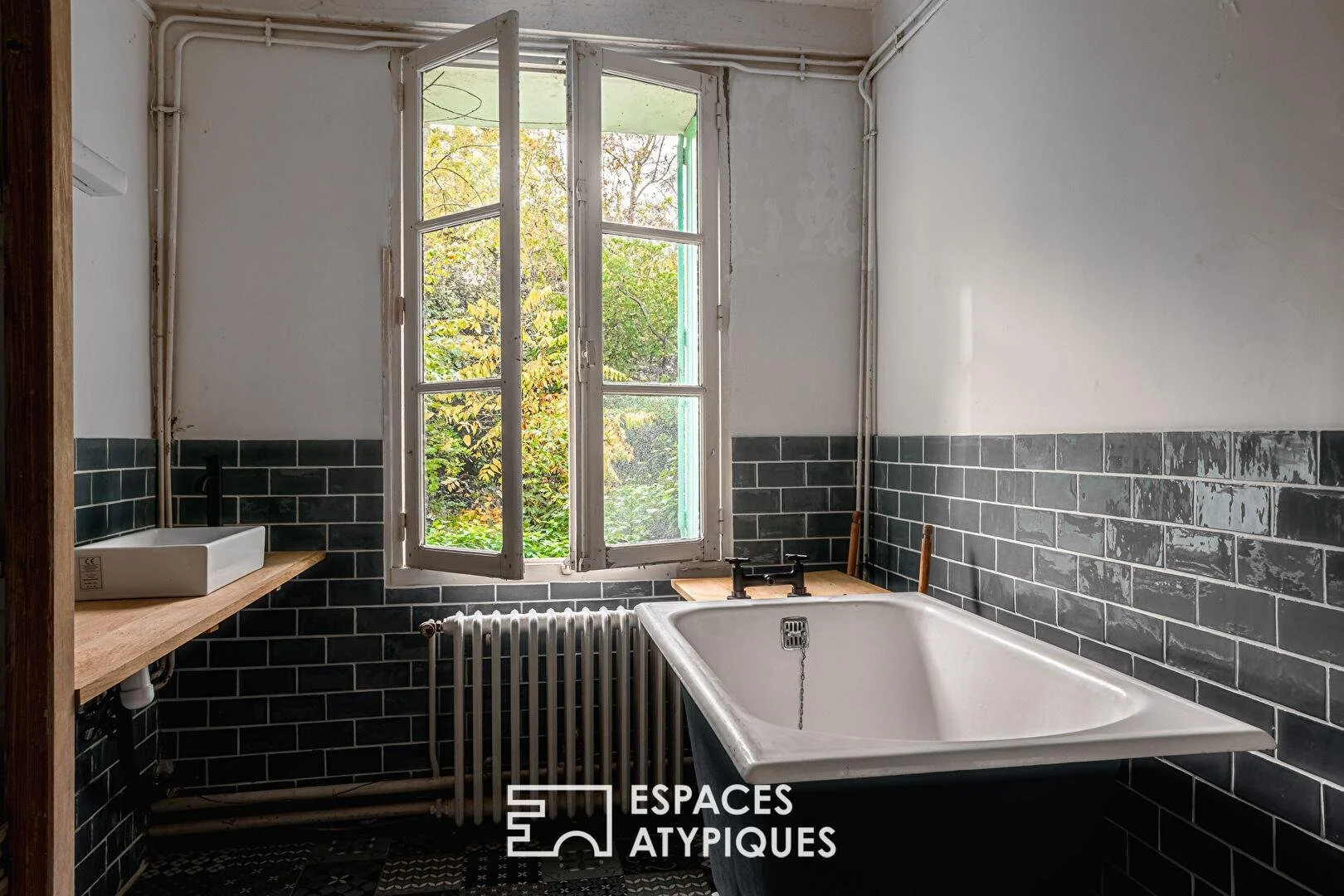
This Arçais property is not a standard French village house. It is a stone house on a private island in the Marais Poitevin, accessible only by boat. That makes it rare, atmospheric and highly memorable, but it also means the buyer must investigate a much wider set of legal, environmental and practical issues than with a normal land-access property.
The appeal is obvious: privacy, water, character, antique parquet floors, a renovation opportunity and the romance of the Green Venice setting. The risk is that every part of the property's value depends on details that need proof. Does the title include the whole island? Is there a legal landing or mooring? Are there servitudes across the island or canal banks? Can materials be transported for renovation? Is there a legal water supply? Is there a compliant sanitation system? Has the island ever flooded? Can emergency services reach it safely?
The Marais Poitevin is an environmentally important wetland. The Marais Poitevin has been recognised as a Ramsar site since 2023, confirming its international wetland importance. The Regional Natural Park also provides guidance on architecture, landscape, planning and renovation within the park area, including advice for renovating, building and maintaining houses in the Marais Poitevin. This does not mean renovation is impossible, but it does mean the buyer should assume permissions, flood context and landscape sensitivity matter.
The Energy Class G rating is unsurprising for a remote renovation project, but it has major consequences. Since 1 January 2025, G-rated homes in mainland France have been considered indecent for new rental leases, with restrictions applying to new leases from that date. If the buyer wants to rent the property long-term or potentially as a tourist rental, the DPE and renovation pathway must be assessed carefully.
Targeted Questions
Island Ownership, Boundaries and Title
The buyer needs to confirm whether the title includes the whole island or only the house and part of the land.
The cadastral plan is essential for understanding boundaries and what is legally included.
The notaire must confirm legal ownership, boundaries, rights and any restrictions attached to the property.
Easements may allow others to cross, maintain waterways, access banks or use parts of the land.
A "private island" may still involve shared maintenance, navigation or access rights.
Boat-only access depends on having a secure and lawful place to land.
Outbuildings, sheds, jetties or pontoons should match planning and cadastral records.
In wetland settings, boundaries can be unclear and may shift in practical use.
A professional boundary survey would reduce uncertainty before purchase.
Island and canal properties can involve practical disputes that are not obvious from the listing.
Boat Access and Mooring Rights
Access should be legally secure, not merely customary.
A mooring is essential for daily use, renovation logistics and emergency access.
Informal mooring arrangements may be vulnerable to challenge or restriction.
Canal depth, width, turning space and current affect boat choice.
If not, the buyer needs to budget for a suitable boat and storage.
Some waterways may restrict engines, speed, noise or navigation type.
Public boat traffic may affect privacy and safety.
A five-minute crossing and a twenty-minute crossing create very different daily realities.
Boat-only access still requires practical car access nearby.
Boat security matters when the property is unoccupied.
Renovation costs can rise sharply if every item must be moved manually or by small craft.
A bridge could transform practicality, but may be impossible due to planning, navigation or environmental controls.
Any access upgrade should be checked with the mairie and relevant waterway/environmental authorities.
Seasonal access disruption would affect year-round occupation.
Low or high water levels may make the island difficult to reach.
Flood Risk, Water Levels and Environmental Context
The Marais Poitevin is a wetland environment, so flood zoning is central to risk and insurability.
The ERP is part of the French sale diagnostics and identifies natural, technological and environmental risks affecting the property.
Past flooding is one of the most important facts for assessing future risk.
A small height difference may materially affect flood exposure.
Historic high-water marks help assess realistic risk.
Staining, tide marks and repaired plaster can reveal past water ingress.
The buyer should check cost, exclusions and whether insurers treat the site as high risk.
Flood resilience works may need planning or environmental approval.
Island ownership may include ongoing maintenance duties.
Erosion could threaten access, gardens, walls and foundations.
Environmental designation may affect renovation, tree works, lighting, drainage and external changes.
Protected species can restrict works, timing and vegetation clearance.
Wetland landscapes often have ecological and landscape controls.
The park offers advice on architecture, landscape and renovation, which may shape what is acceptable locally.
Lighting can affect wildlife and may be controlled in sensitive landscapes.
Renovation Scope and Structure
The buyer needs to understand whether the house has been maintained or left to decline.
Roof failure would be urgent and expensive, especially with boat-only access.
Water ingress can quickly damage parquet floors, timbers and stone walls.
Stone houses can suffer from movement, damp, failed pointing and moisture trapping.
Island and wetland ground conditions can increase movement and settlement risk.
A renovation project on an island should be assessed before any offer becomes firm.
Visible movement may indicate deeper foundation or wall issues.
Timber decay, beetle damage and rot can be costly to repair.
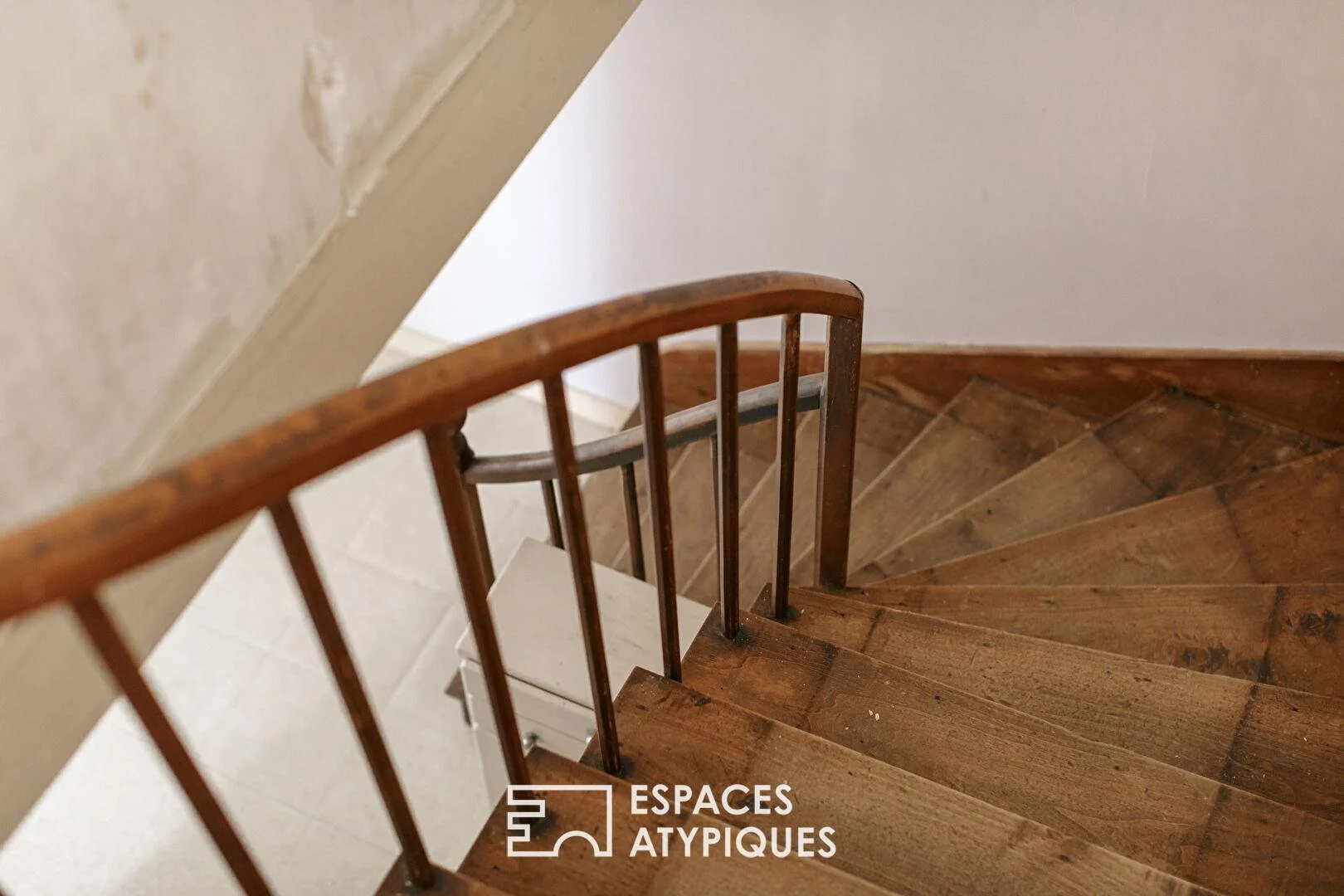
The antique parquet and roof structure should be checked carefully.
They are a major character feature, but restoration may be expensive.
If they are too damp or unstable, replacement may affect charm and budget.
Waterfront stone houses are highly vulnerable to moisture problems.
Past treatment may indicate recurring issues, and inappropriate treatment can damage old stone buildings.
A buyer needs to know whether they can stay there during works or must budget for alternative accommodation.
Basic sanitation is essential for occupation and renovation logistics.
The buyer needs to know whether plumbing, electrics and drainage are already in place.
Electrical, structural, roof or sanitation issues may prevent immediate use.
Existing quotes provide a starting point for realistic budgeting.
The purchase price only makes sense when combined with renovation cost.
Rental standards may require a much higher specification than personal holiday use.
Planning Permissions and Past Works
The buyer should confirm that previous alterations were legally authorised.
Unauthorised structures may create regularisation or demolition risk.
Even modest exterior changes can require prior declaration.
Major renovations can require more formal approval.
The Marais Poitevin landscape context may influence permitted materials and appearance.
Architecte des Bâtiments de France input may be required in certain protected settings.
Unresolved planning matters can transfer risk to the buyer.
Early municipal guidance can prevent expensive assumptions.
Island, flood-zone and environmental constraints may prevent expansion.
Off-grid upgrades may be useful, but planning and visual rules may apply.
Utilities, Water and Sanitation
Electricity access affects renovation cost, comfort and off-grid requirements.
Old electrics may need full replacement before safe use.
If not, water supply becomes a major practical and legal issue.
A well may be useful, but its legal status, water quality and reliability must be verified.
Water quality affects health, treatment needs and habitability.
Water abstraction from canals may be restricted and should not be assumed.
Rainwater storage could support off-grid use, but not replace potable water unless properly treated.
Boat-only island houses are often not connected, making sanitation a major due diligence issue.
In France, a seller must provide a sanitation diagnosis where the dwelling is not connected to the public wastewater collection system.
A non-compliant system can create compulsory works after purchase.
Location affects access for inspection, emptying, replacement and environmental safety.
Wet ground, flood risk and limited access may make compliance difficult or expensive.
Wood, electric or off-grid heating options create very different costs and practicality.
A working stove may be vital for winter use, but it needs certification and safe installation.
Connectivity affects remote work, emergencies and rental viability.
Boat-only access makes emergency communication especially important.
Energy Class G and Rental Consequences
The full diagnostic will show estimated energy costs, recommendations and the basis for the G rating.
The renovation strategy depends on what is driving the poor rating.
High-energy homes sold in France may trigger additional audit requirements depending on the property type and status.
Energy improvement may be necessary for future rental use and resale.
Old stone houses need breathable renovation methods to avoid trapping moisture.
Roof insulation is often one of the most effective upgrades.
Window upgrades may improve performance but require planning sensitivity.
Since 1 January 2025, G-rated homes in France are restricted for new rental leases.
Regulations around energy performance and tourist rentals are tightening, so buyers should not assume a G-rated property can be monetised without upgrades.
Boat-Only Living and Practical Use
Daily practicality matters as much as charm.
Renovation logistics could significantly increase cost.
Some trades may refuse or charge more for difficult access.
Waste removal is a practical issue for both renovation and occupation.
Heating and cooking fuel logistics should be understood before winter use.
Wind, rain, fog and high water may affect safe boat travel.
Lighting, handrails and slip risk matter for guests and owners.
The property may not suit all users despite its appeal.
Ambulance, fire and rescue access should be clarified before occupation.
Emergency planning is more important on a boat-only island.
Fire risk is serious where access is restricted and response times may be longer.
Flood-prone island settings need a clear plan for people, pets and valuables.
Neighbours, Privacy and Local Setting
The buyer should understand whether the property is truly secluded or part of a cluster.
Local use patterns affect noise, support networks and security.
Tourist boat traffic may affect privacy in peak season.
Public use could reduce the sense of private seclusion.
Rural and wetland settings can have practical seasonal impacts.
Remote holiday homes need a realistic security plan.
Boat-only access makes local oversight particularly valuable.
Tourist Rental and Investment Potential
Rental feasibility depends on local rules, energy performance, safety and access.
French communes increasingly require formal tourist rental registration, and a national registration system is becoming mandatory by 20 May 2026.
Unique access can be marketable, but it also increases liability.
Guest logistics strongly affect rental operations and reviews.
The Energy Class G rating may prevent or limit rental use depending on the rental model and future rules.
Income may be highly seasonal.
Comparable evidence is needed before assigning investment value.
A renovation project should be assessed against completed-value evidence.
Specialist skills may be needed to avoid damaging the building.
The buyer should be honest about whether this is a lifestyle purchase, investment or both.
Remote island ownership carries costs beyond the house itself.
Negotiation Intelligence
Buyer Leverage
High
Key Drivers
Typical Negotiation Range
5-15% below asking
Neutral Phrasing Examples
Country Layer
France (Regulatory Context April 2026)
For a French property purchase, the Dossier de Diagnostic Technique is central. The Notaires de France explain that mandatory technical diagnostics for a sale are grouped in the DDT, which is annexed to the sales agreement and sale deed. For this island house, the most important diagnostics are likely to include the DPE, ERP, asbestos where relevant, lead where relevant, electricity and gas if installations are old, and sanitation if the property is not connected to mains drainage.
Viewing Strategy
The viewing should be conducted by boat, exactly as the property would be used. Do not assess this property from photographs or from the nearest public landing alone. Time the boat journey, inspect the mooring, test the landing, check how easy it is to carry bags or tools, and imagine doing the same in rain, darkness or winter.
Next Step
Verify from the listing:
Island ownership and legal access
Request the cadastral plan, title deed and any servitude documents to confirm whether the whole island, landing area, mooring and access rights are legally included in the sale.
Flood risk and wetland restrictions
Ask for the ERP from the diagnostics dossier, check the parcel on Géorisques, and confirm whether the island is affected by flood zoning, environmental protections or Marais Poitevin park-related renovation guidance.
Renovation scope and structural condition
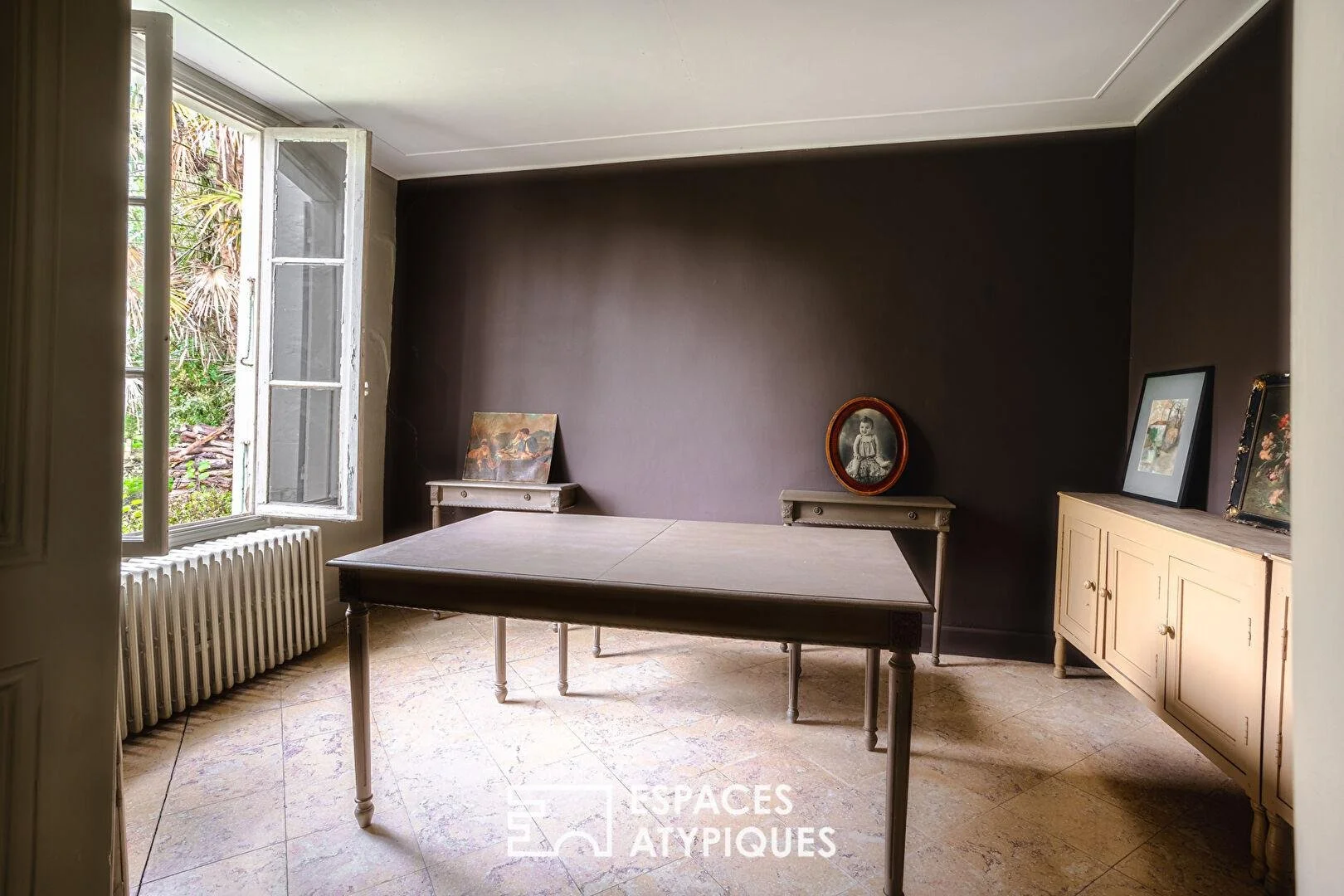
Request details of the roof, stone walls, foundations, parquet floors, damp, electrical system, plumbing, kitchen works and any existing devis so the true cost of making the house habitable can be assessed.
Utilities and sanitation
Confirm whether the house has mains electricity, potable water, compliant sanitation, heating and internet, and request the SPANC report if the property is not connected to mains drainage.
Energy Class G and rental limitations
Request the full DPE and ask what works would be needed to improve the rating, especially if future rental income forms part of the buyer’s plan.
A prepared buyer should approach the agent calmly and frame questions as due diligence. For example: “Because this is a boat-access island renovation in a wetland setting, could you please share the cadastral plan, title documents, ERP, DPE, sanitation report, utility details and any renovation estimates before I assess whether to arrange a viewing by boat?”
Because this is a rare island property where access, flood risk, renovation cost and energy performance materially affect value, run it through the Property Risk Assessment to test the main legal and practical risks, or use the Renovation Budget Planner to model the likely works before contacting the agent.
Disclaimer: The Property Drop is buyer-focused intelligence, zero sales agenda. We curate exceptional properties, in southern Europe, from third-party agents and arm you with decision tools. No commission, no transactions, no agent partnerships, no skin in the game beyond helping you choose wisely. Information stays accurate until it doesn't (properties sell, prices shift, markets move). Everything here is shared for informational purposes only and should not be treated as legal, financial, or investment advice. Images belong to original agents. Read our Terms of Service to learn more.
Buyer Intelligence:
This assessment provides general guidance based on common risk factors and publicly available regulatory information. Risk scores and checklist items are indicative only and must not be considered legal, financial, structural, or surveying advice. Actual property conditions, costs, and regulatory requirements vary significantly by location, property age, and specific circumstances. Regulations are subject to change; always verify current requirements with qualified local professionals before making any purchasing decision.
The Property Drop provides buyer intelligence and educational research analysis only. The Property Drop does not act as an estate agent, intermediary, or advisor in any transaction and does not facilitate introductions, negotiations, or transactions. Always engage qualified independent professionals including local lawyers, surveyors, architects, and tax advisors for comprehensive due diligence specific to your property.
IMPORTANT REMINDER: When contacting property agents featured on The Property Drop, you are entering into direct communication with third parties. It's recommended that you verify all property details independently, conduct thorough due diligence, engage qualified professionals (solicitors, surveyors, financial advisors), understand your rights and obligations under local property laws, and never send money or make commitments without proper legal protection.

The Buyer Playbook: 4-Bed Architectural Villa with Garden and Double Garage, Sangiano, Italy, €490,000
The Buyer Playbook: 7-Bed Castle Wing with Orangerie Studio on the Banks of the Vienne, Bonneuil-Matours, France, €350,000
Questions ready for the agent?
The agent represents the seller.
What you ask shapes the answers you get.