
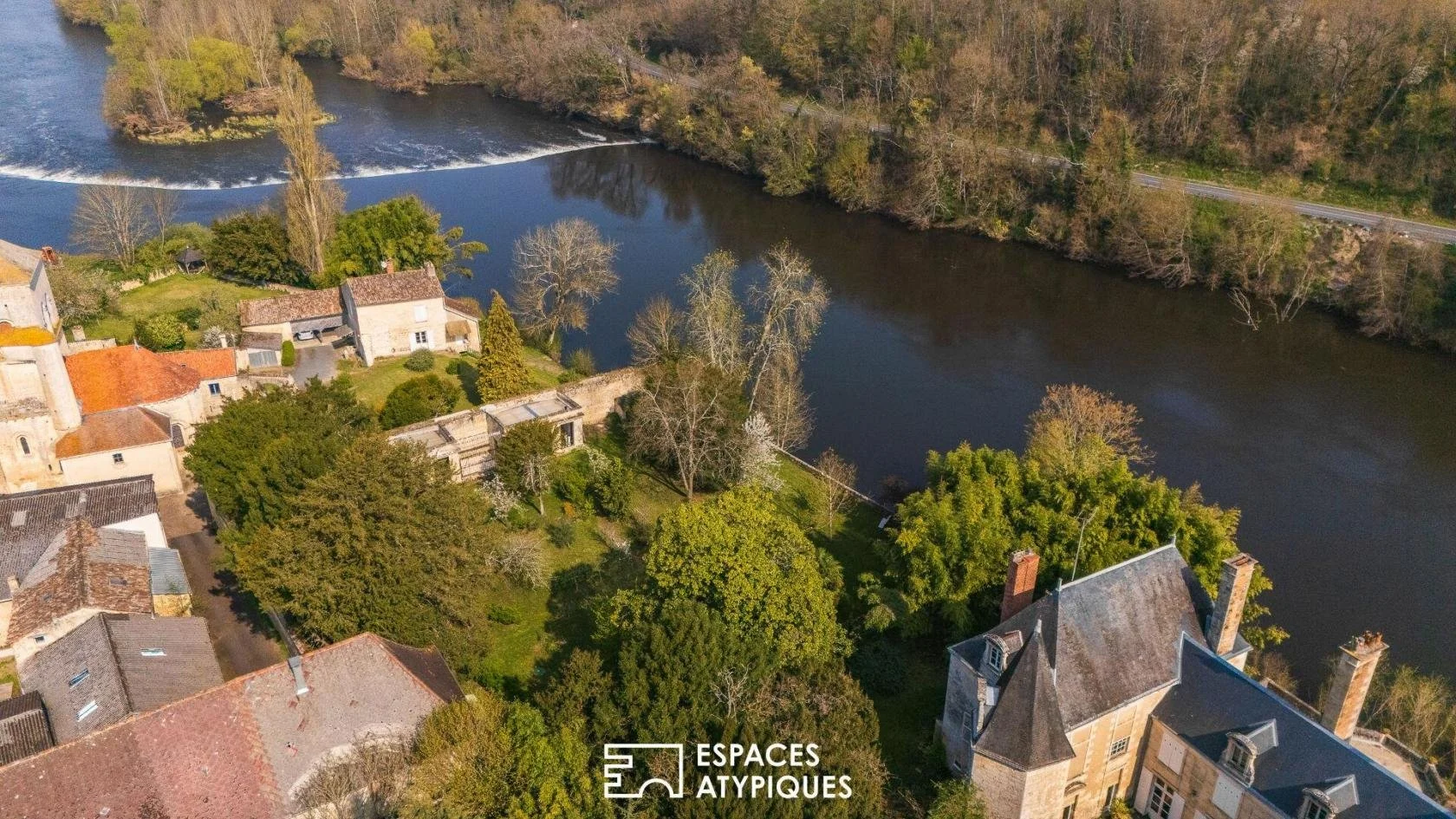
The Buyer Playbook: 7-Bed Castle Wing with Orangerie Studio on the Banks of the Vienne, Bonneuil-Matours, France, €350,000
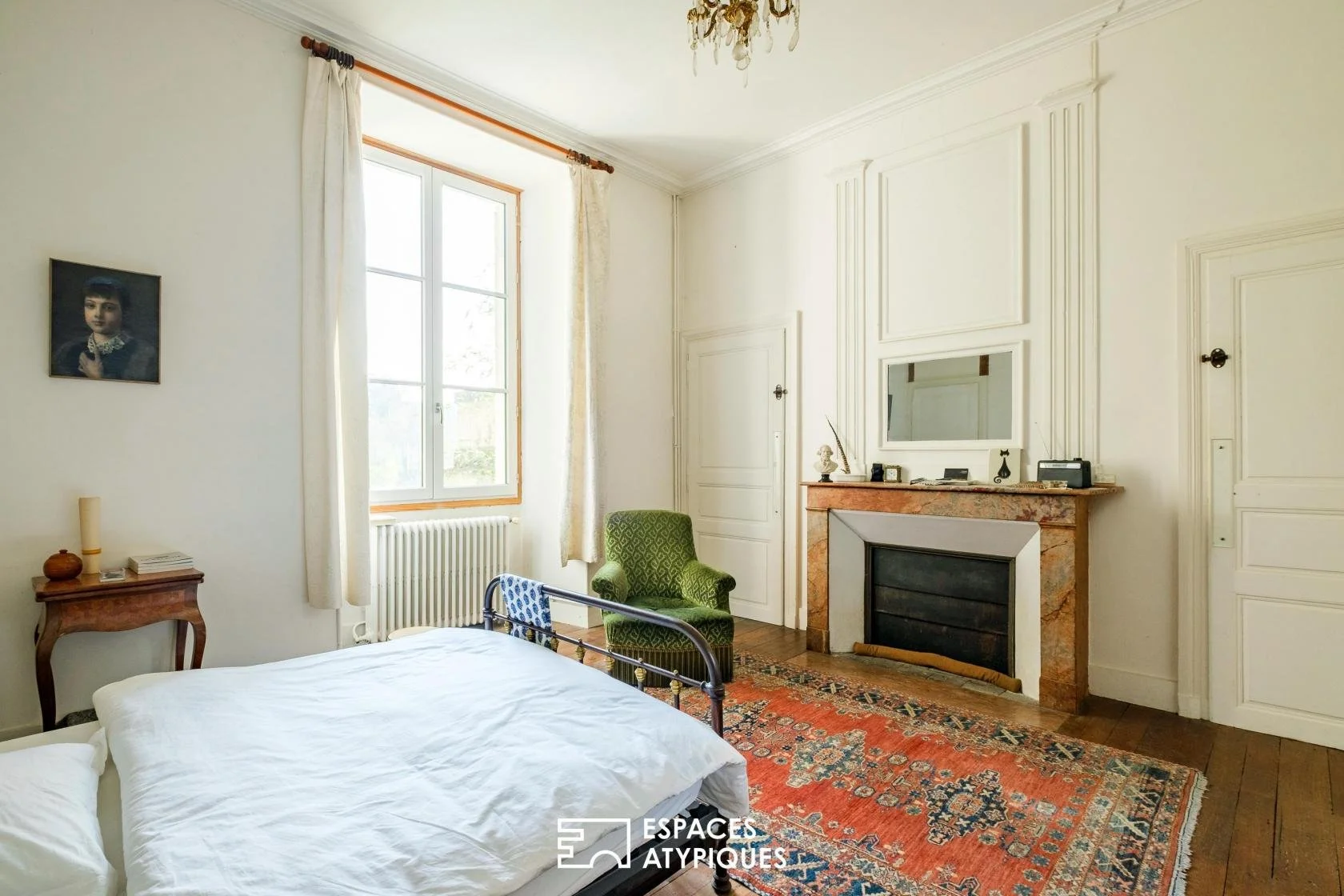
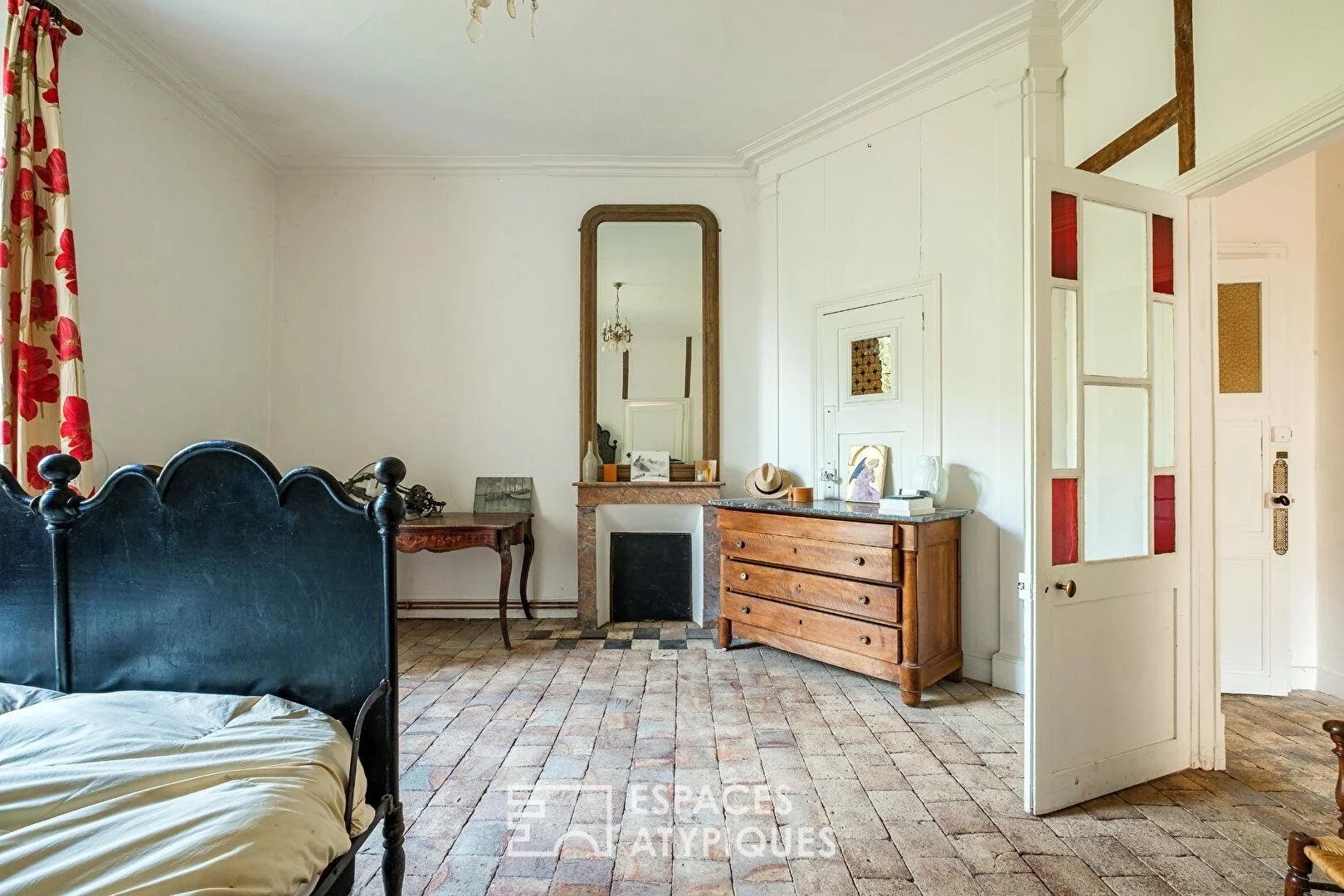
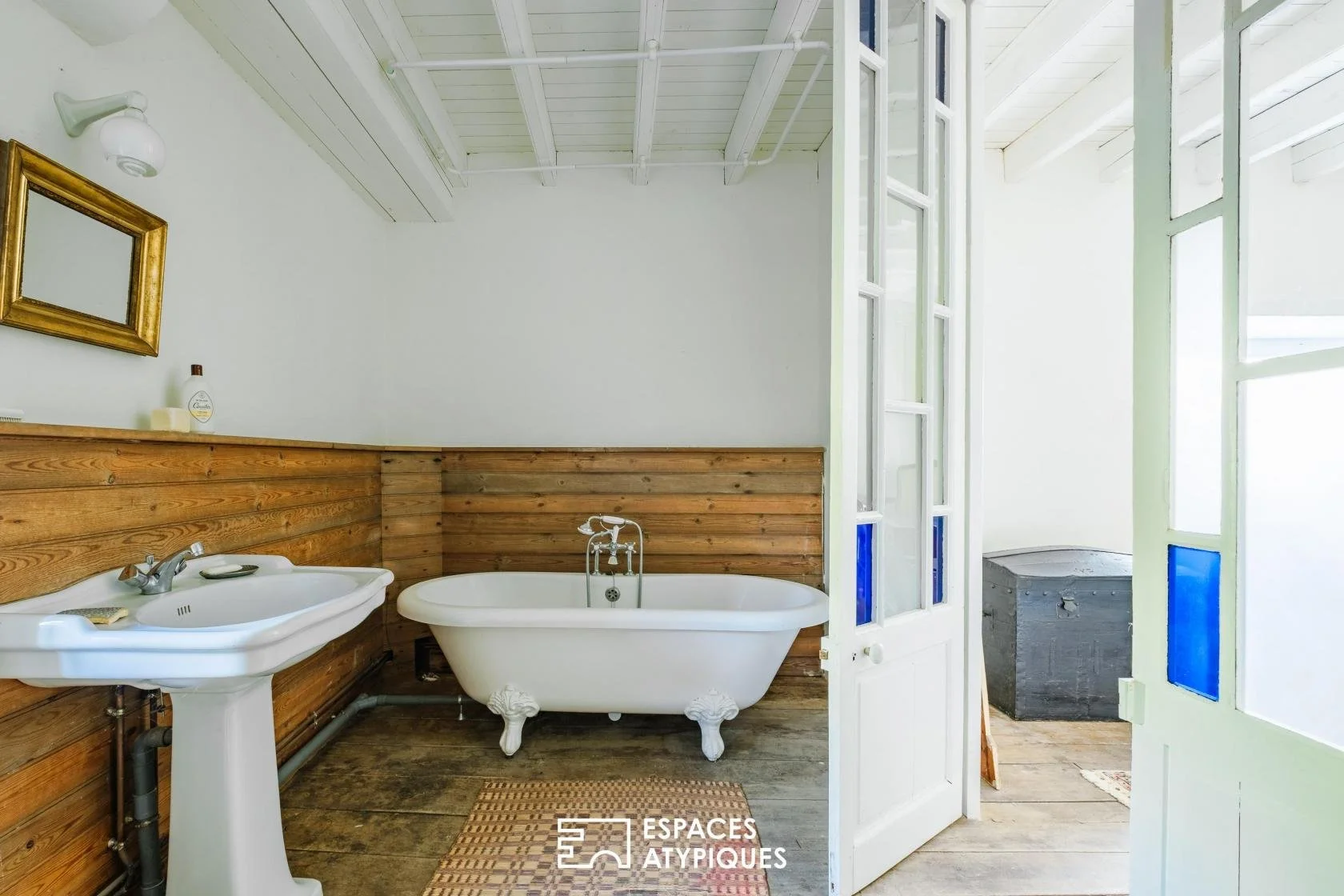
Buyer Playbook
Pre-Viewing Intelligence Report
This independent buyer guidance report relates to this specific property located in France. It is provided for informational purposes only and does not constitute legal, tax, structural or survey advice. Copropriété matters, heritage protection, planning permissions, riverbank rights, flood risk, drainage, rental use, land boundaries and structural condition must always be verified with qualified French professionals such as a notaire, architecte, géomètre, surveyor or licensed property consultant, and with the relevant municipal and regional authorities. This report is designed to help buyers evaluate the property before arranging a viewing or making an offer. It highlights due diligence areas and targeted questions to ask the estate agent. The analysis is based on the listing details, buyer notes and publicly available regulatory context at the time of writing.
Playbook Contents
Property Snapshot
Location
Bonneuil-Matours, Vienne, Nouvelle-Aquitaine, France
Property type
Château wing within a larger historic building
Asking Price
€350,000
Bedrooms
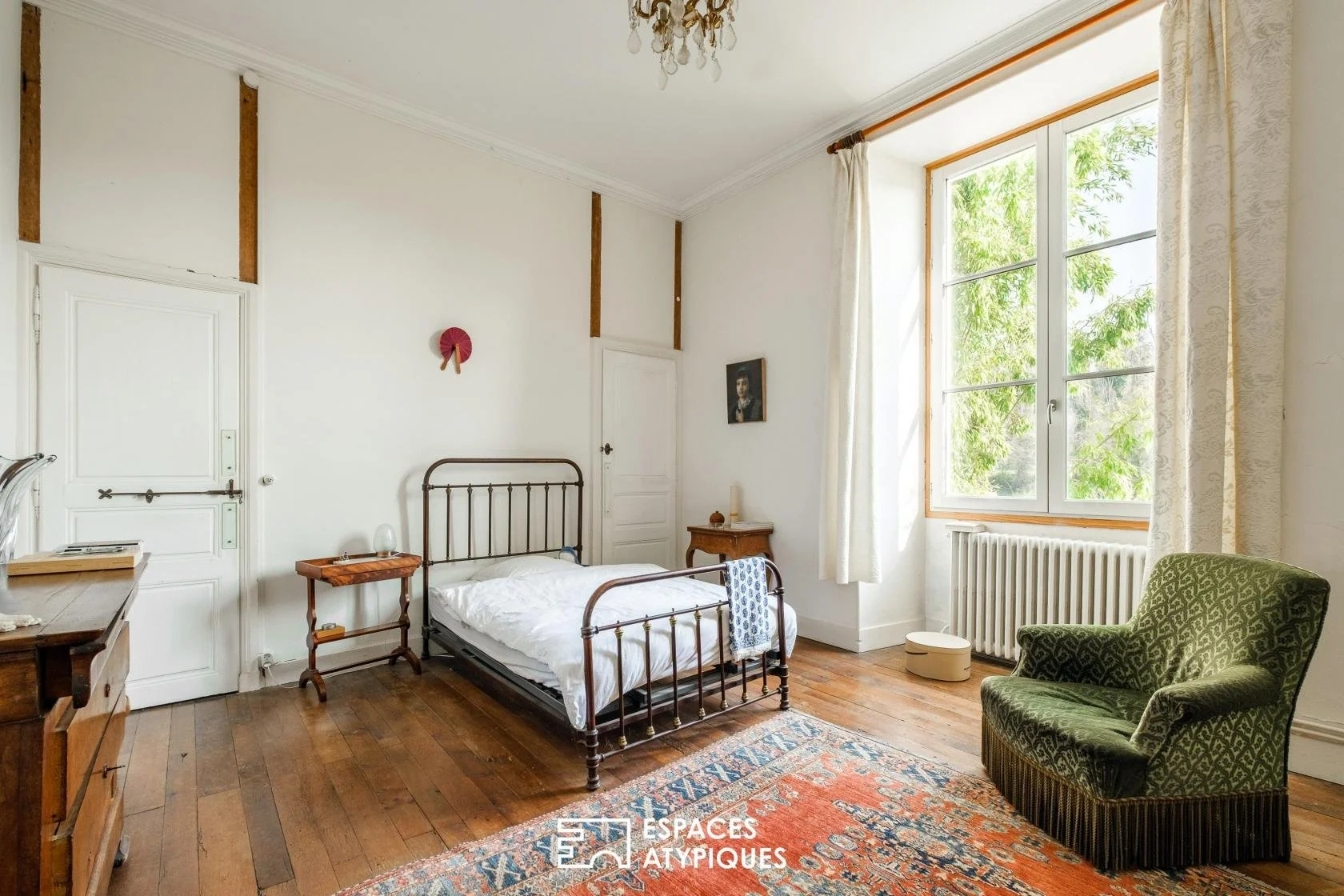
7
Additional structure
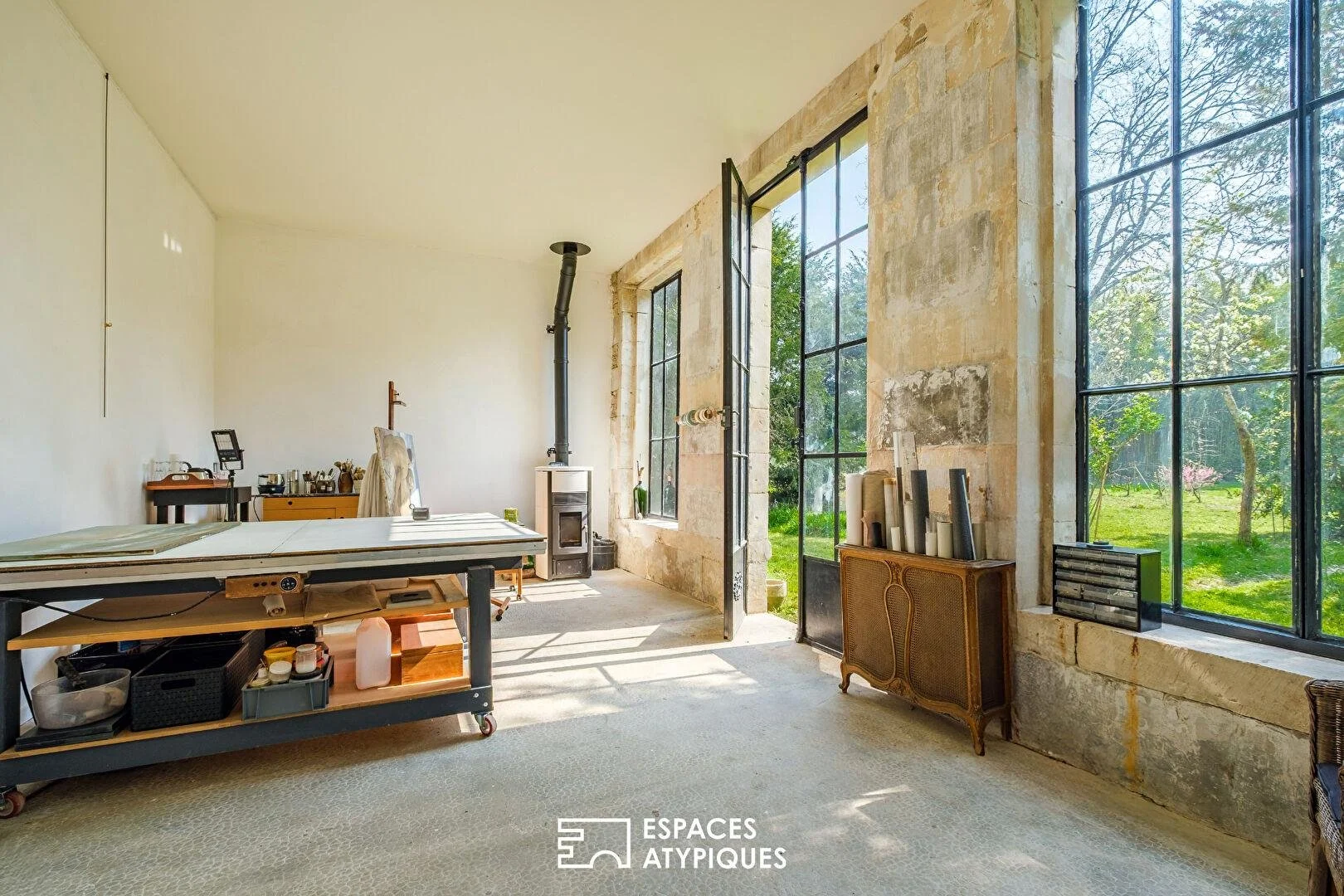
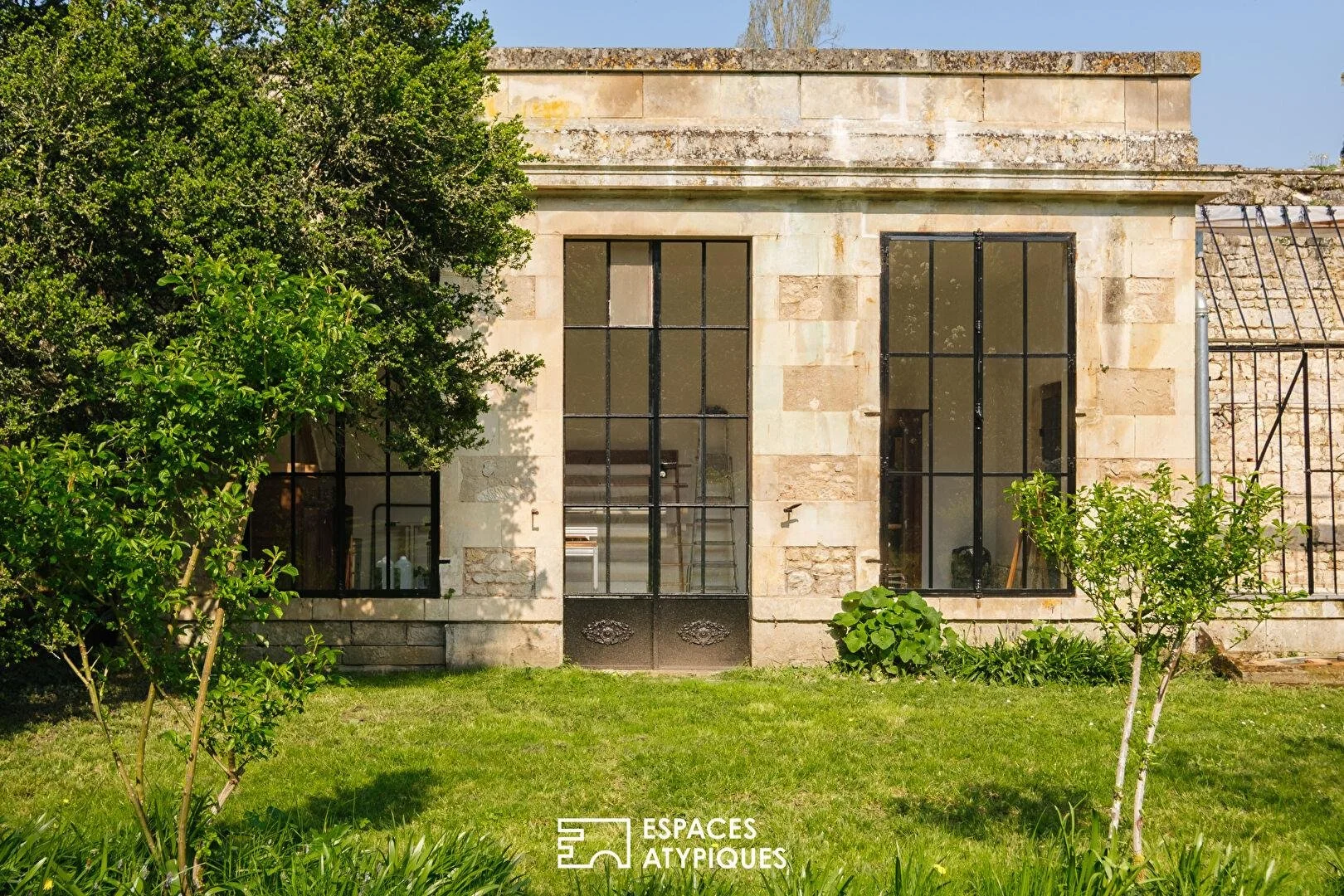
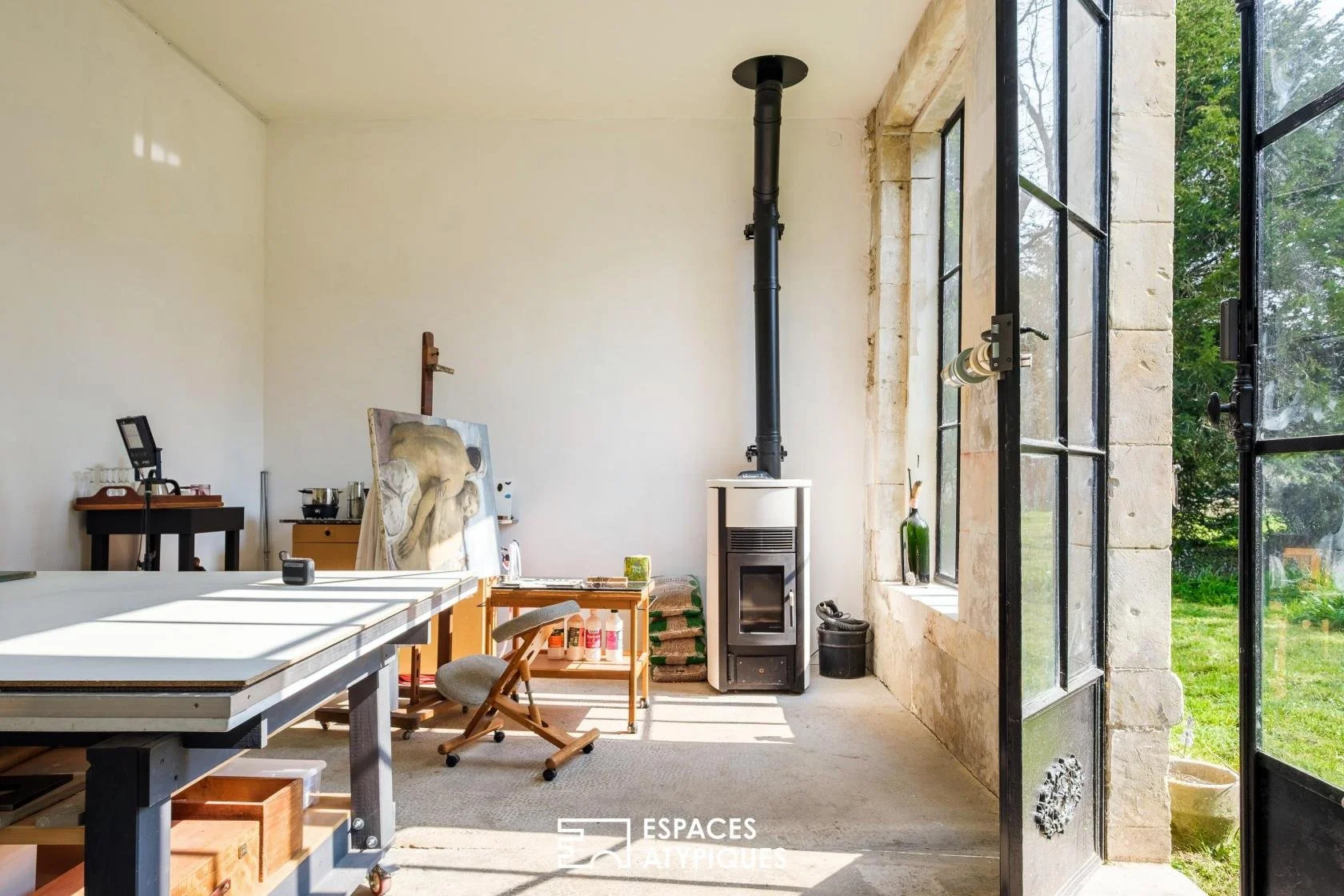
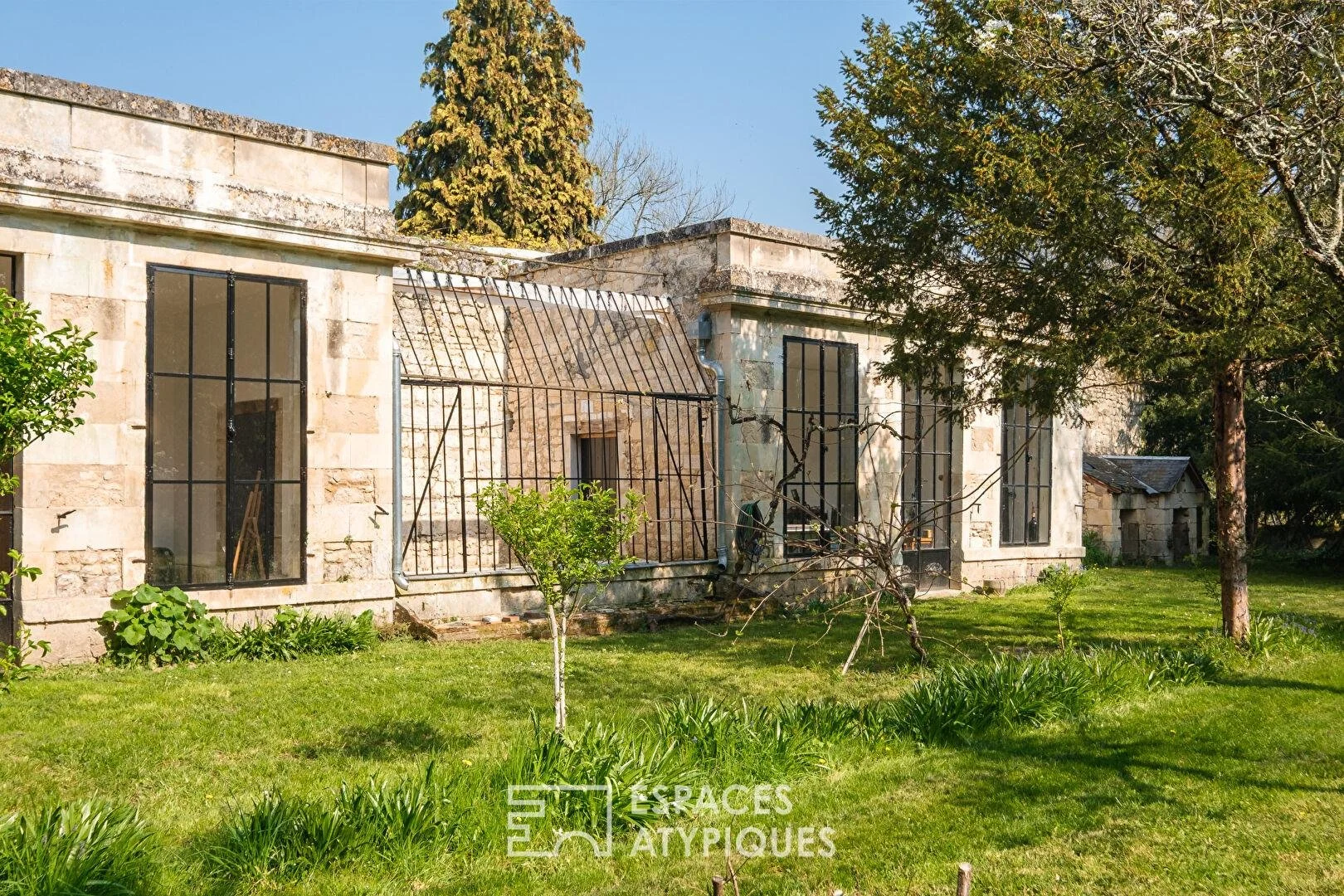
Orangerie studio
Internal area
Approx. 266 m²
Land
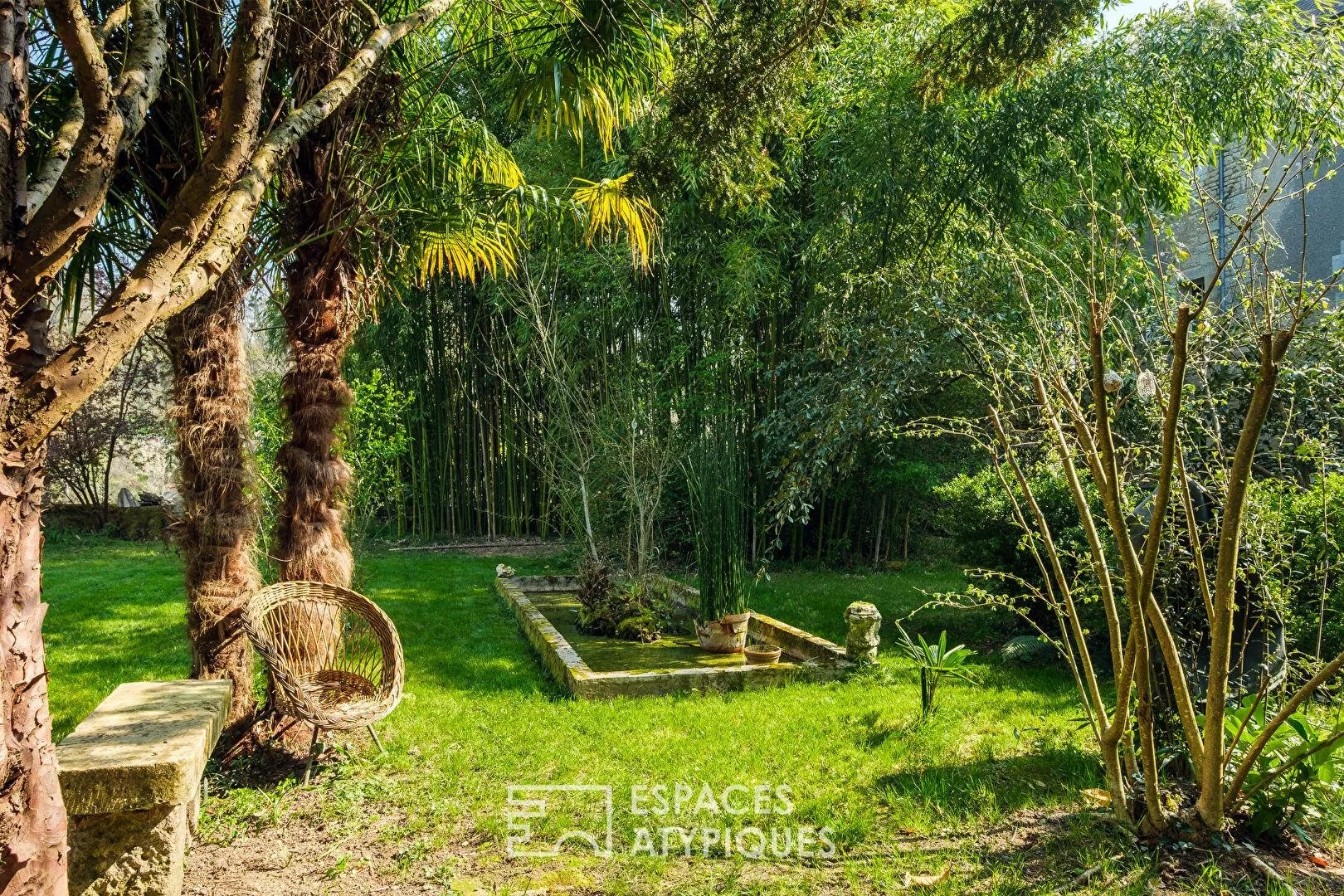
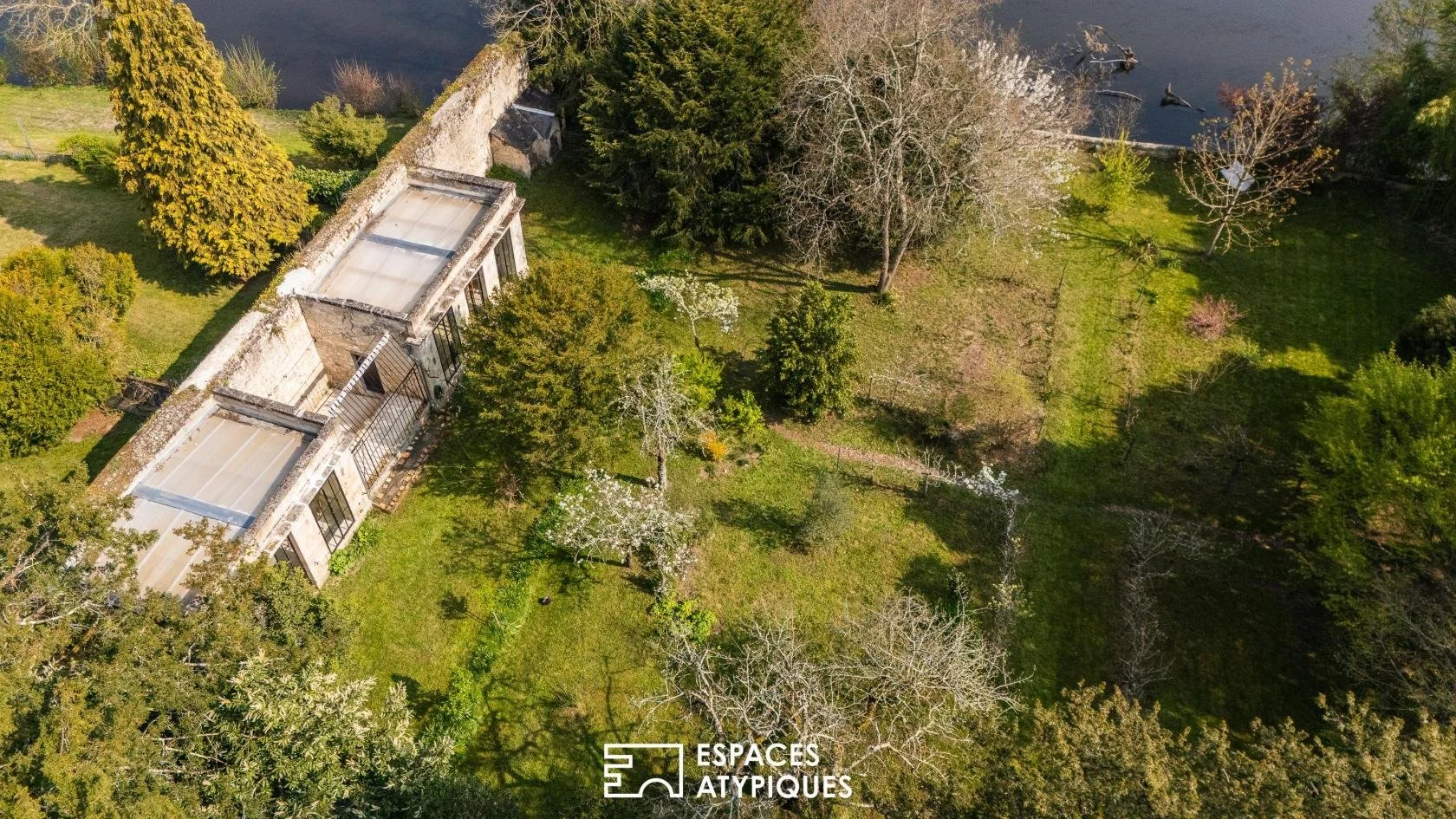
Approx. 2,900 m² wooded grounds
Setting
Directly on the banks of the Vienne river
Architectural features
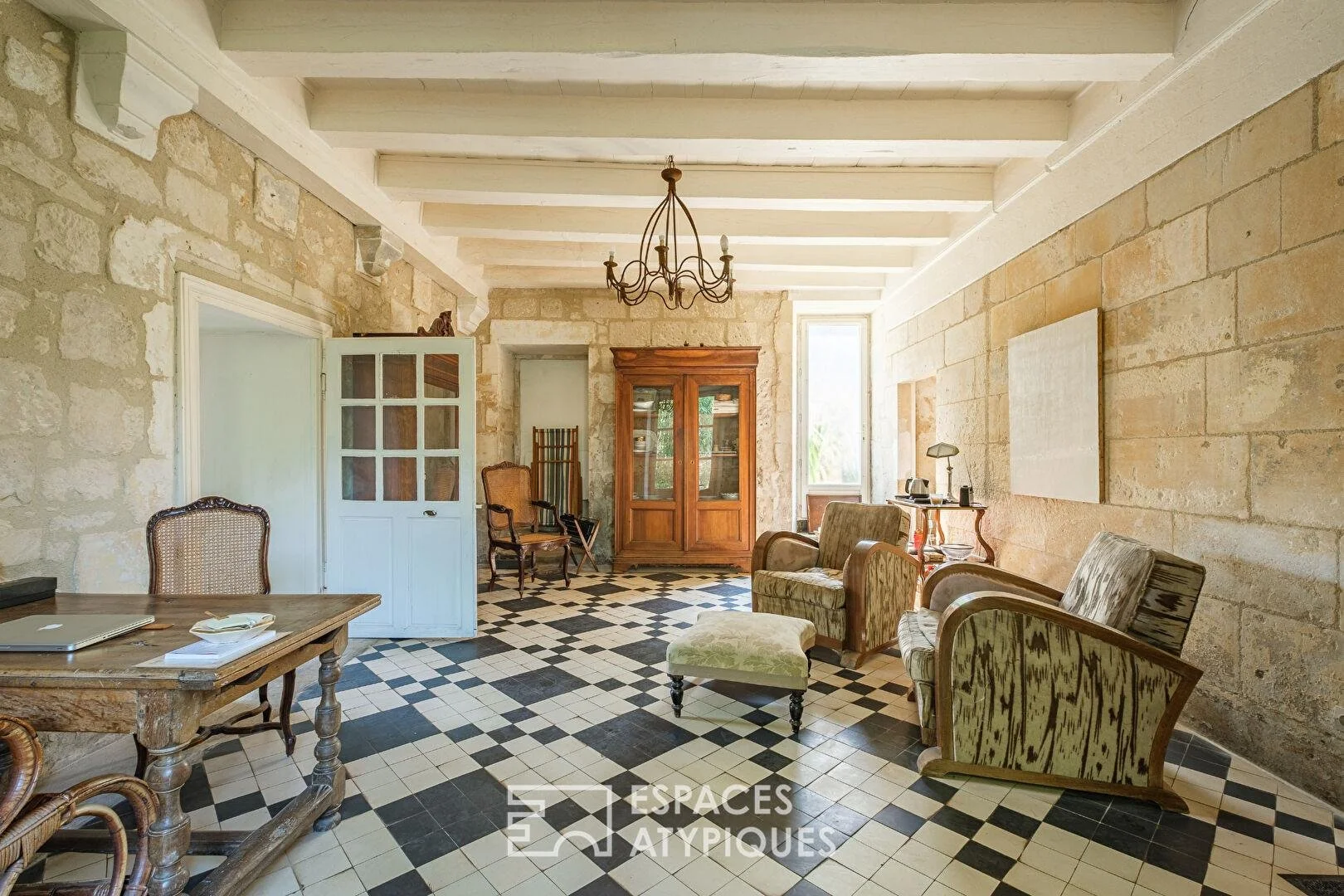
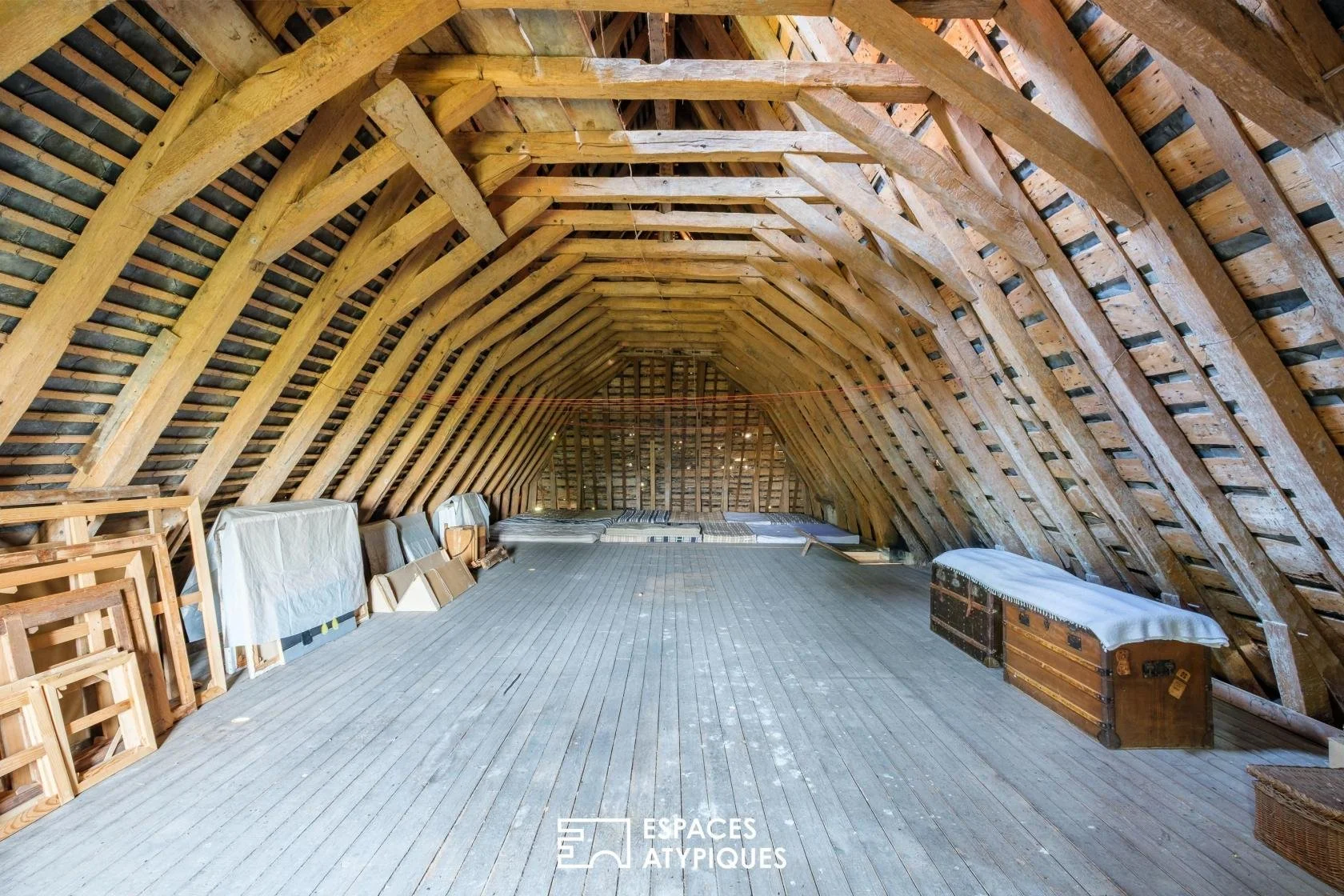
Monumental timber attic framework, château-scale volumes
Energy rating
Class D
Bathrooms
1 bathroom, 3 shower rooms
Ownership model
Likely copropriété (to be confirmed)
Lifestyle angle
Heritage residence with hospitality potential (B&B or gîte)
Core buyer question
Is this a clean, functional château ownership with viable hospitality use, or a complex shared-structure project with regulatory constraints?
Risk Radar
Overview
This property is highly unusual in the market. It offers a wing of a château with substantial internal space, extensive grounds, river frontage and a separate orangerie studio, all at a relatively accessible price point. The appeal is clear: scale, architecture, setting and the possibility of creating a boutique hospitality project.
The complexity lies in the structure behind the listing. The phrase "wing of a château" almost always implies a copropriété arrangement, meaning the buyer owns part of the building while sharing responsibility for structural elements such as the roof, façade, foundations and possibly grounds. This creates both opportunity and risk. The buyer must understand exactly what is owned, what is shared and how decisions and costs are allocated.
Heritage status is the second major layer. Château properties in France may be subject to monument historique protection or fall within protected zones. This can affect everything from window replacement to structural changes, extensions, signage and even colour palettes. If the property is subject to oversight by the Architecte des Bâtiments de France, renovation timelines and costs may increase significantly.
The third major consideration is the river setting. Being directly on the Vienne adds value and charm but introduces flood risk, potential easements, maintenance obligations and restrictions on modifying the riverbank. The buyer must verify whether the land includes the river edge, whether public access rights exist and what flood history applies.
The fourth layer is operational viability as a B&B or gîte. The property has scale and layout potential, but success depends on compliance with French regulations, drainage capacity, bathroom availability, fire safety and whether the copropriété permits commercial use. The orangerie studio may be a key income-generating unit if legally independent and properly serviced.
Targeted Questions
Copropriété and Ownership Structure
A château wing typically implies shared ownership, which affects rights, costs and decision-making.
This document defines what is privately owned and what is shared.
Ongoing costs may be significant in a large historic building.
Coverage may include roof, façade, insurance, grounds and structural elements.
Minutes reveal disputes, planned works and financial issues.
Large buildings often require costly repairs such as roofing or façade restoration.
Cost allocation may be based on tantièmes and can be substantial.
The number of co-owners affects governance and cost distribution.
Owner behaviour influences maintenance decisions and atmosphere.
Professional management can improve organisation and compliance.
Financial instability in the copropriété can delay works.
Legal conflicts can create long-term uncertainty.
Ownership boundaries define control and value.
Shared use can create limitations and obligations.
Its legal status affects value and rental potential.
Heritage Status and Planning
Listing imposes strict controls on alterations.
Even unlisted buildings can fall under heritage control.
ABF approval may be required for renovations.
Changes to façade, windows or roof may be limited.
Structural or layout changes may require approval.
This affects current condition and future maintenance needs.
Unauthorised works can create legal complications.
This insurance covers structural defects for 10 years.
Hospitality use depends on adequate facilities.
Heritage and structural constraints may apply.
Riverbank, Land and Flood Risk
Ownership defines rights and responsibilities.
Public access can affect privacy and use.
Flood zoning affects insurance and resale.
Past events indicate future risk.
This report outlines environmental risks including flooding.
Protection measures reduce risk exposure.
Works near water are often regulated.
Rights of way or utility access may limit use.
The buyer must understand exact boundaries.
Orangerie Studio
Legal status determines whether it can be used or rented.
Independent use depends on water, electricity and heating.
Unregistered structures may have limited legal use.
This may be a key income stream.
Confirms compliance with building regulations.
Determines usability and investment potential.
Building Condition and Systems
Heating a château can be expensive and complex.
Running costs are critical for both living and rental use.
Fireplaces can provide both charm and practical heating.
Glazing affects energy performance and comfort.
Insulation is often limited in historic buildings.
Roof repairs in a château are costly.
Structural timber must be free from rot and pests.
Stone buildings near rivers are prone to damp.
Treatments vary in effectiveness.
Older buildings may require upgrades.
Plumbing upgrades are costly but essential.
Drainage, Access and Practicalities
Drainage affects compliance and cost.
Non-compliant systems must be upgraded.
Hospitality use increases demand.
Access is essential for B&B operations.
Rural access can affect usability year-round.
Guests expect reliable connectivity.
Important for both guests and operations.
Location affects rental appeal.
B&B and Gîte Potential
B&B use has specific regulatory requirements.
This affects income strategy.
Building rules may restrict activity.
Compliance is essential before trading.
Market demand drives profitability.
Seasonal variation affects income.
Revenue projections depend on pricing.
Costs must be deducted from revenue.
Guest comfort directly affects pricing.
Negotiation Intelligence
Buyer Leverage
Medium-High
Key Drivers
Typical Negotiation Range
5-15% below asking
Neutral Phrasing Examples
Country Layer
France (Regulatory Context April 2026)
Key French requirements for buyers:
Viewing Strategy
Approach the viewing as both a lifestyle purchase and a small hospitality business.
Next Step
Verify from the listing:
Copropriété structure and costs
Request the règlement de copropriété, charges, meeting minutes and details of any planned works to understand shared obligations and future costs.
Heritage protection and renovation limits
Confirm whether the château is listed or within a protected zone and what restrictions apply to future works, especially for B&B conversion.
Riverbank ownership and flood risk
Verify whether the riverbank is included, review the ERP report and confirm any flood history or restrictions on modifying the land.
Orangerie legal and rental status
Check whether the orangerie is legally recognised as habitable space and whether it can be rented independently as a gîte.
Drainage and hospitality capacity
Confirm whether the drainage system is compliant and capable of supporting a 7-bedroom B&B or gîte operation.
A prepared buyer should approach the agent calmly and frame questions as due diligence. For example: “To help me assess the property properly and prepare a serious offer, could you share the copropriété documents, diagnostics dossier, cadastral plan and any details on heritage status, flood risk and the legal status of the orangerie?”
Because this is a heritage château wing with shared ownership, river exposure and hospitality potential, run it through the Property Risk Assessment to evaluate structural and legal risks, or use the Renovation Budget Planner to estimate the cost of upgrades and conversion before contacting the agent.
Disclaimer: The Property Drop is buyer-focused intelligence, zero sales agenda. We curate exceptional properties, in southern Europe, from third-party agents and arm you with decision tools. No commission, no transactions, no agent partnerships, no skin in the game beyond helping you choose wisely. Information stays accurate until it doesn't (properties sell, prices shift, markets move). Everything here is shared for informational purposes only and should not be treated as legal, financial, or investment advice. Images belong to original agents. Read our Terms of Service to learn more.
Buyer Intelligence:
This assessment provides general guidance based on common risk factors and publicly available regulatory information. Risk scores and checklist items are indicative only and must not be considered legal, financial, structural, or surveying advice. Actual property conditions, costs, and regulatory requirements vary significantly by location, property age, and specific circumstances. Regulations are subject to change; always verify current requirements with qualified local professionals before making any purchasing decision.
The Property Drop provides buyer intelligence and educational research analysis only. The Property Drop does not act as an estate agent, intermediary, or advisor in any transaction and does not facilitate introductions, negotiations, or transactions. Always engage qualified independent professionals including local lawyers, surveyors, architects, and tax advisors for comprehensive due diligence specific to your property.
IMPORTANT REMINDER: When contacting property agents featured on The Property Drop, you are entering into direct communication with third parties. It's recommended that you verify all property details independently, conduct thorough due diligence, engage qualified professionals (solicitors, surveyors, financial advisors), understand your rights and obligations under local property laws, and never send money or make commitments without proper legal protection.

The Buyer Playbook: 3-Bed Stone Island House Accessible Only by Boat, Arcais, France, €195,000
The Buyer Playbook: 2-Bed Renovated Ground Floor Apartment with Private Patio, Mahón, Menorca, Spain, €300,000
Questions ready for the agent?
The agent represents the seller.
What you ask shapes the answers you get.