
The Buyer Playbook: 3-Bed Village House with Plunge Pool, Verfeil-sur-Seye, France, €208,000
Buyer Playbook
Pre-Viewing Intelligence Report
This Buyer Playbook provides independent buyer guidance based on publicly available information and common due diligence practices for property purchases in France. This is not a substitute for professional surveys, tax advice or legal advice. Always verify legal, planning, drainage, diagnostics and rental matters with a qualified notaire, diagnostiqueur, architect or maître d'œuvre before proceeding.
Playbook Contents
Property Snapshot
Location
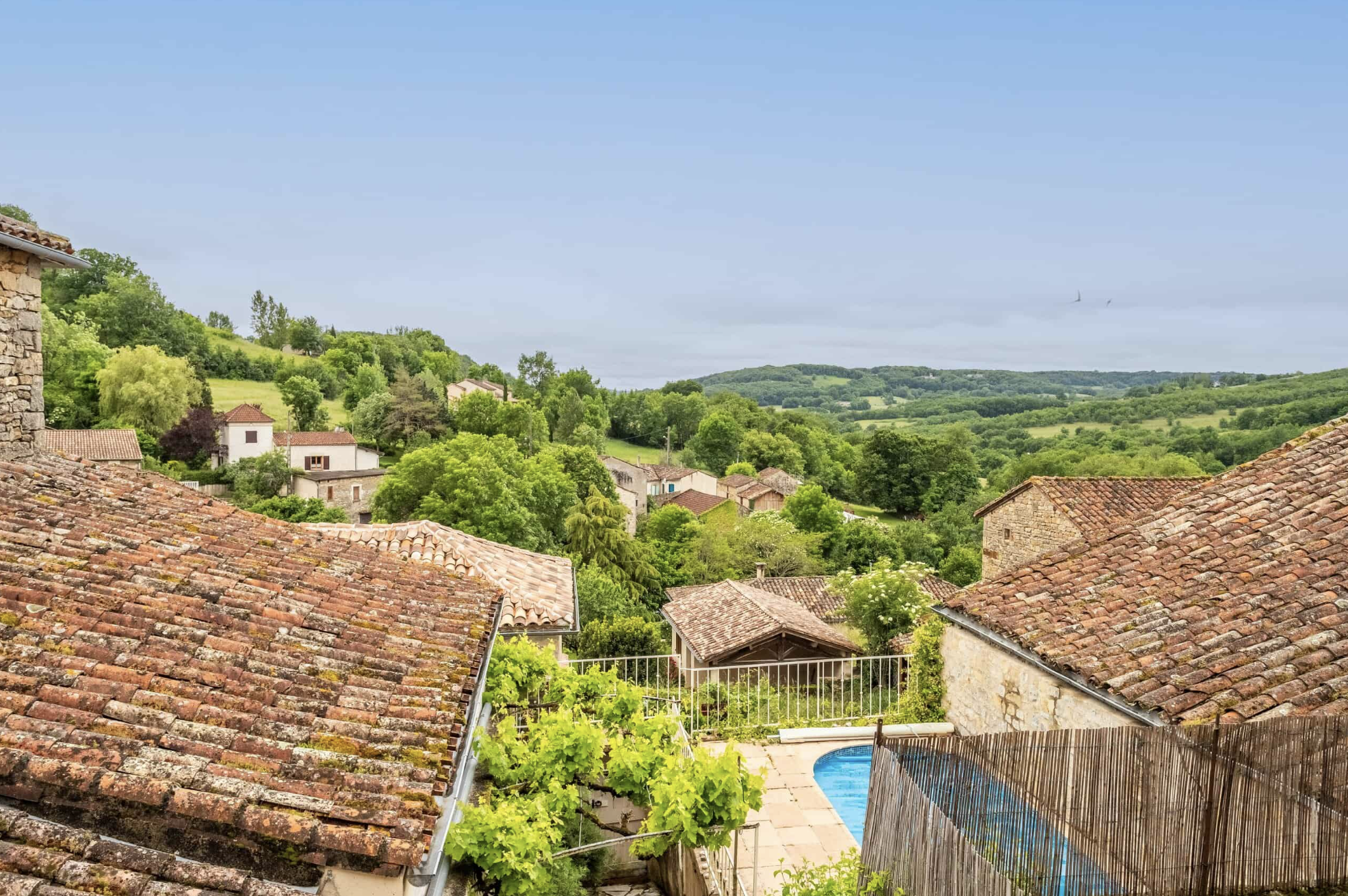
Verfeil-sur-Seye, Tarn-et-Garonne, southwest France
Property type
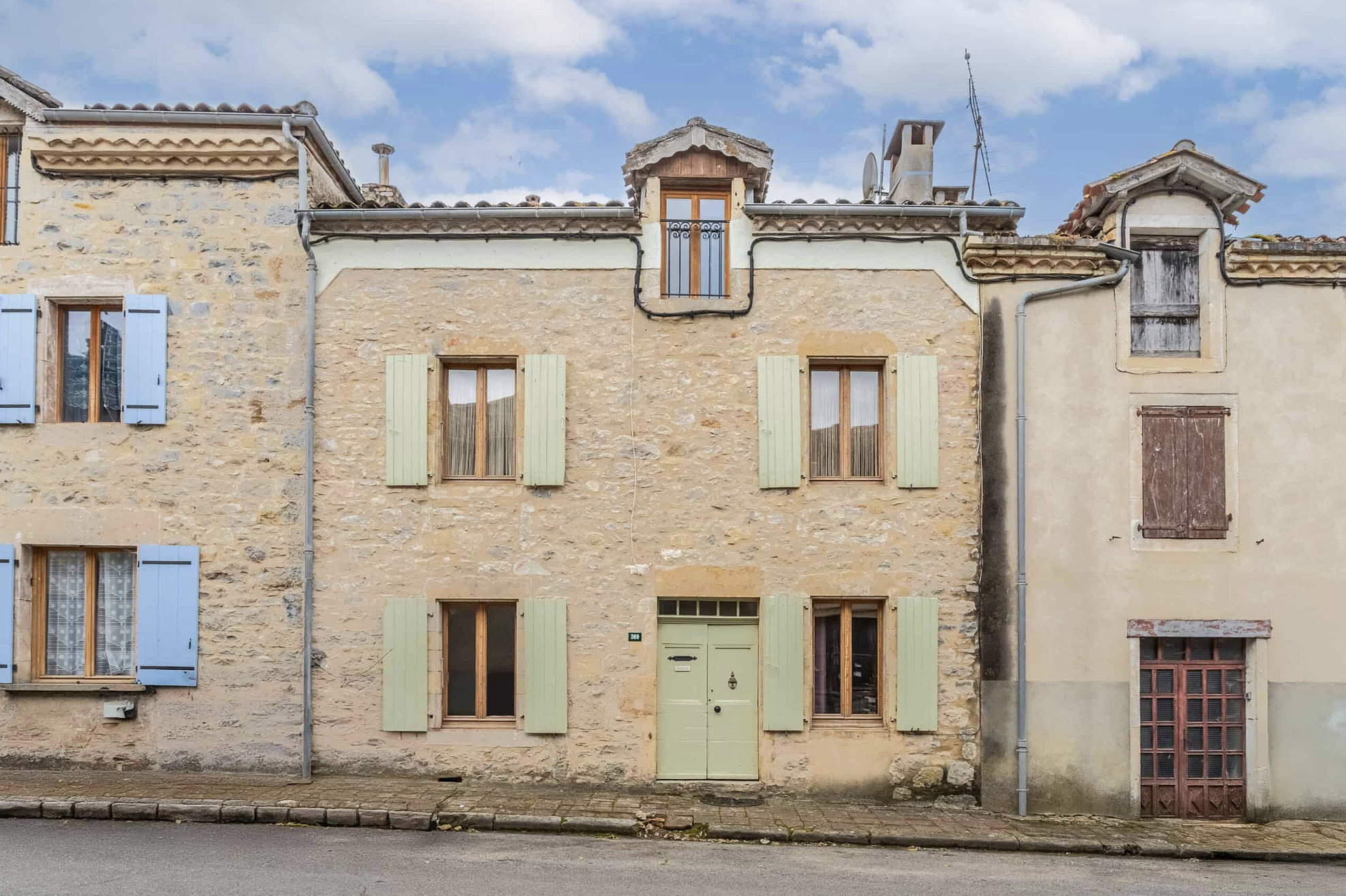
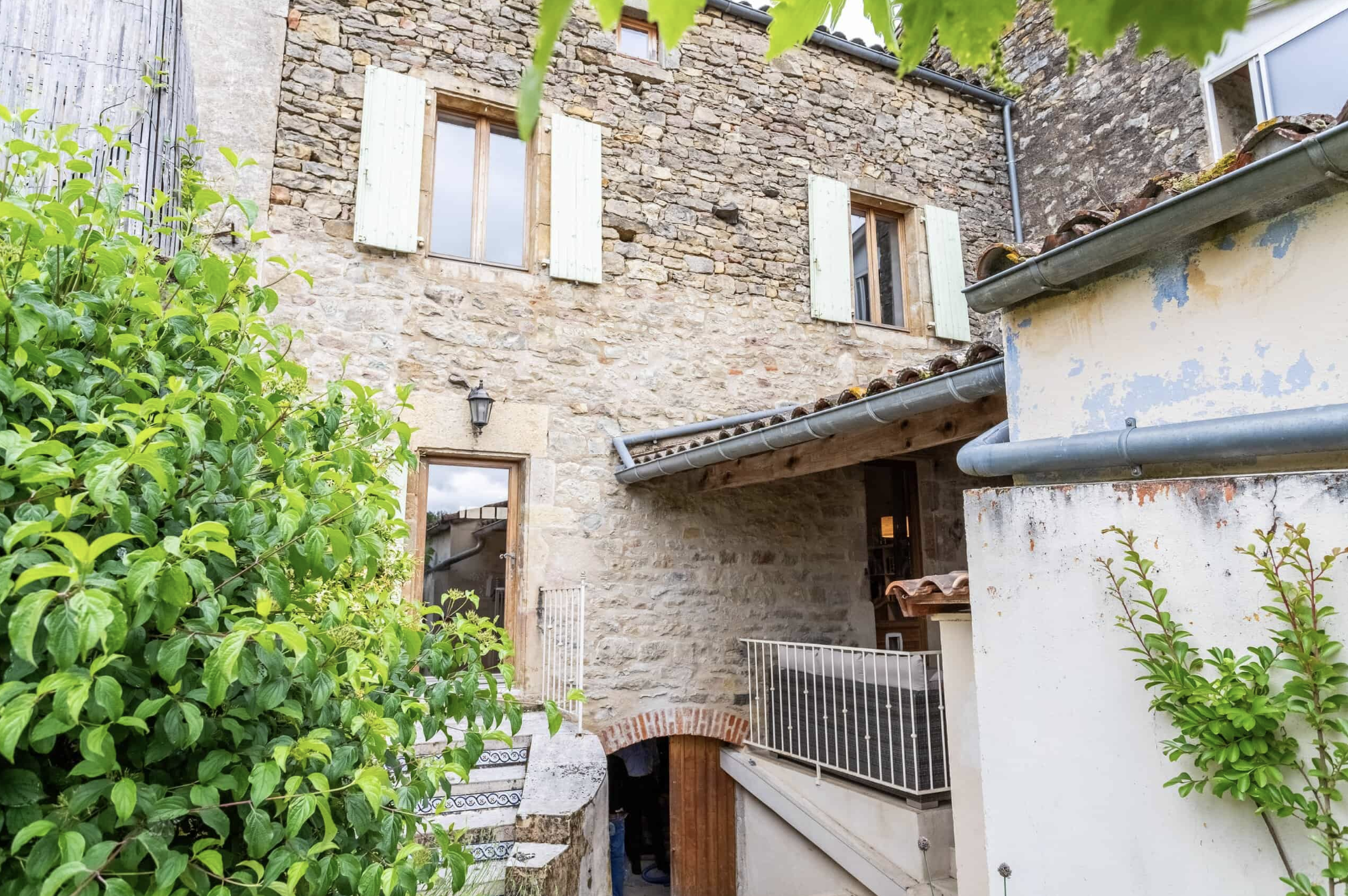
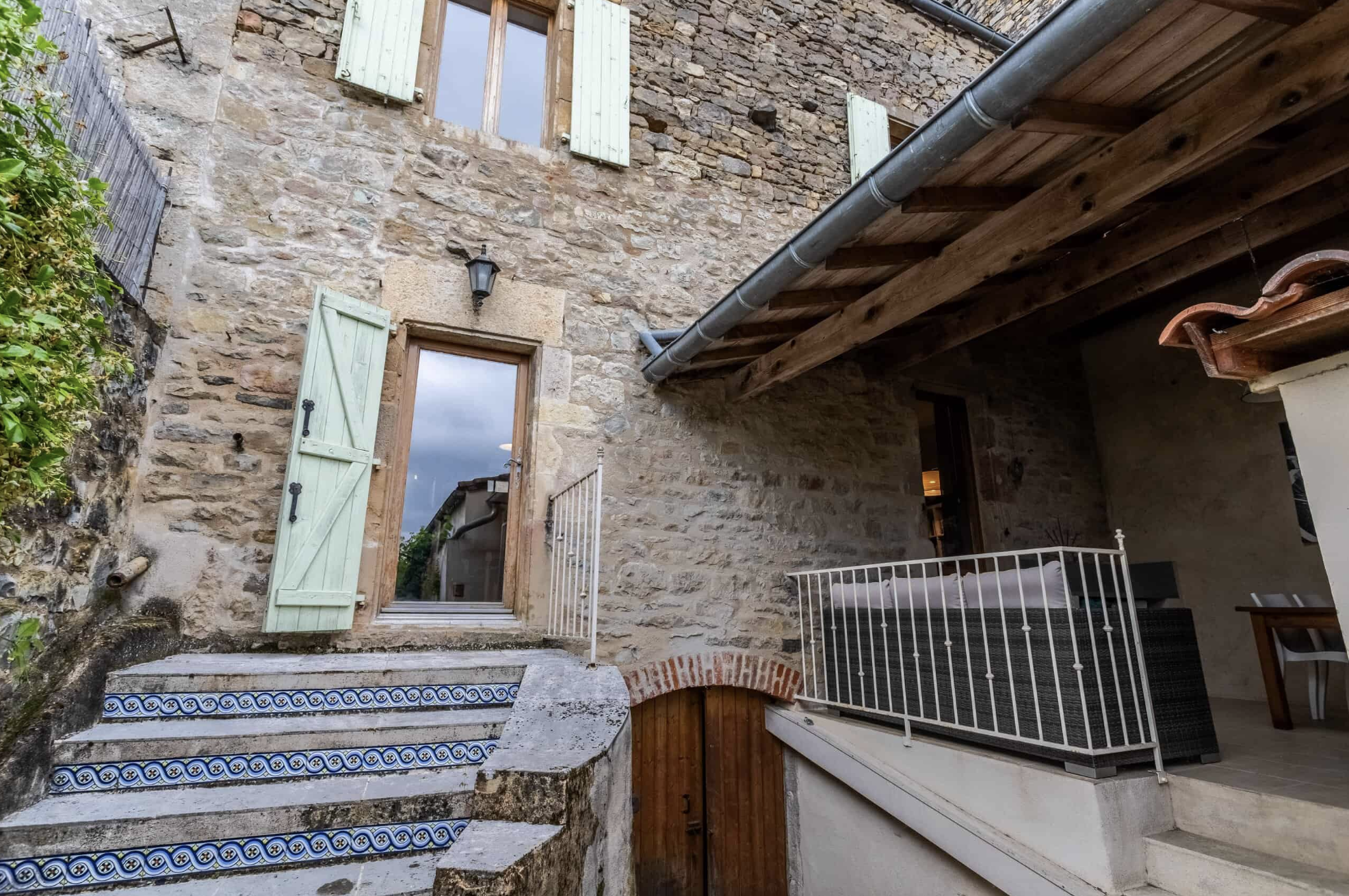
Restored stone village house
Bedrooms / bathrooms
3 bedrooms / 3 bathrooms
Living area stated
112 m²
Total area stated
135 m²
Outdoor features
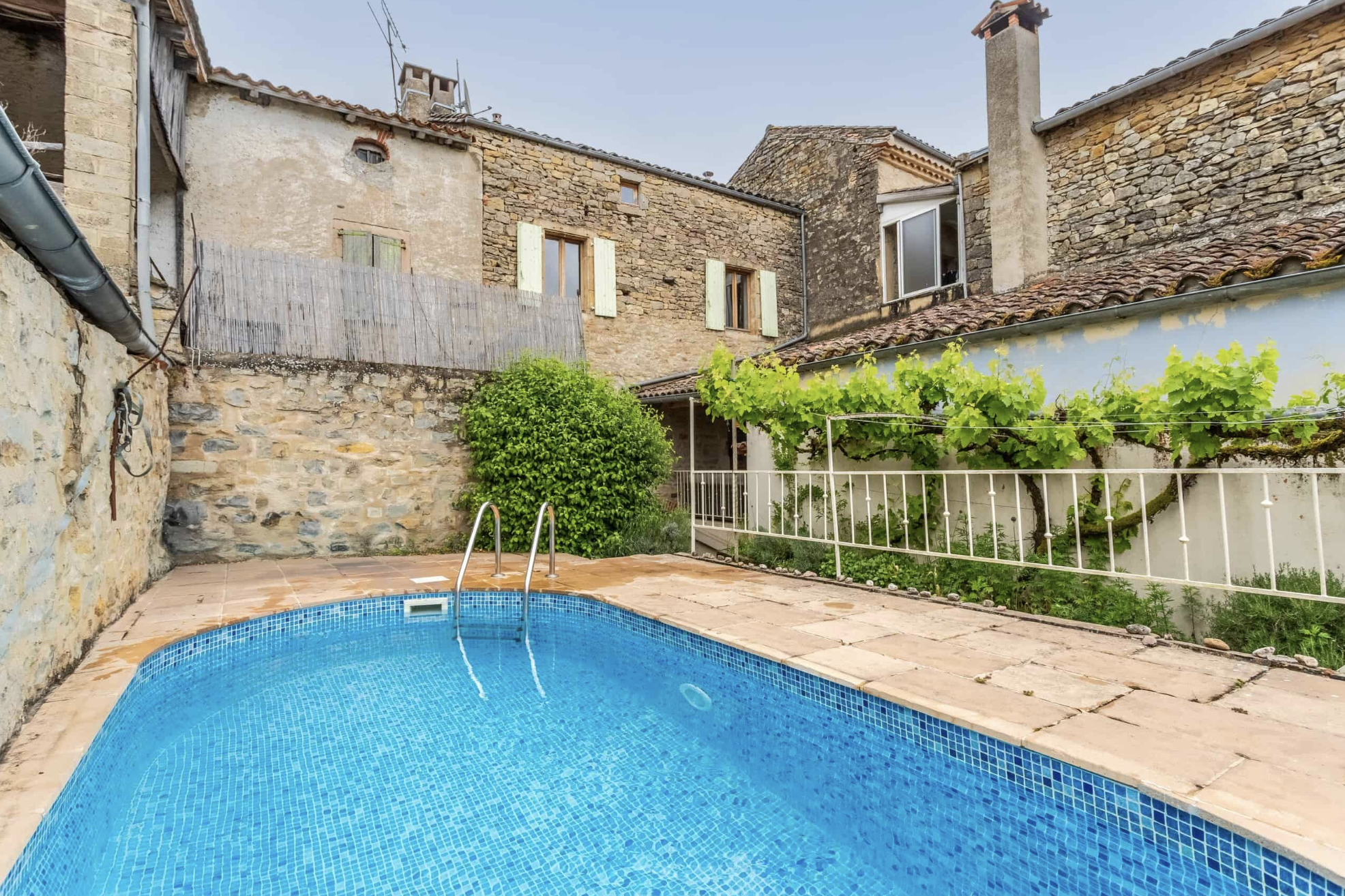
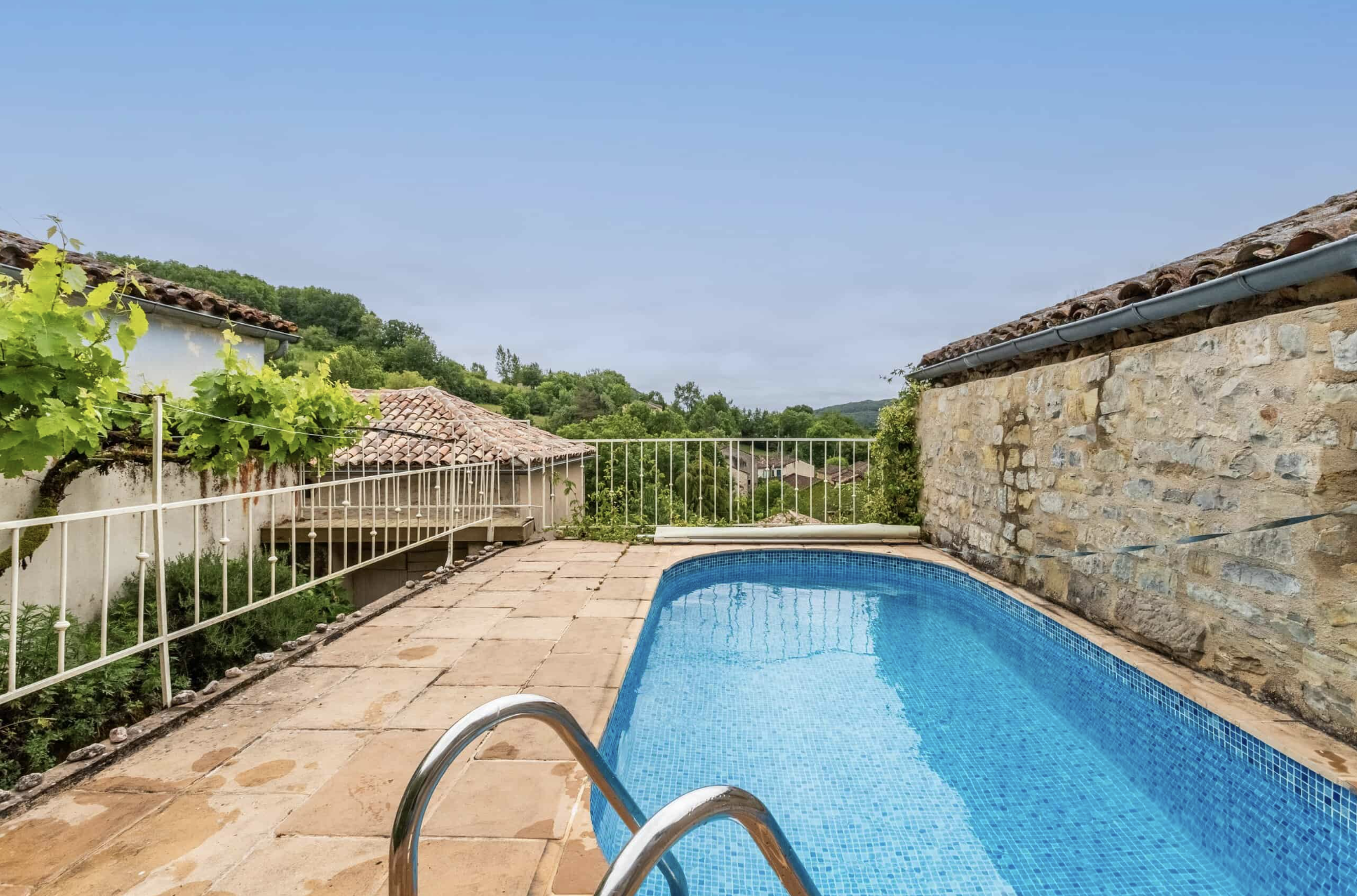
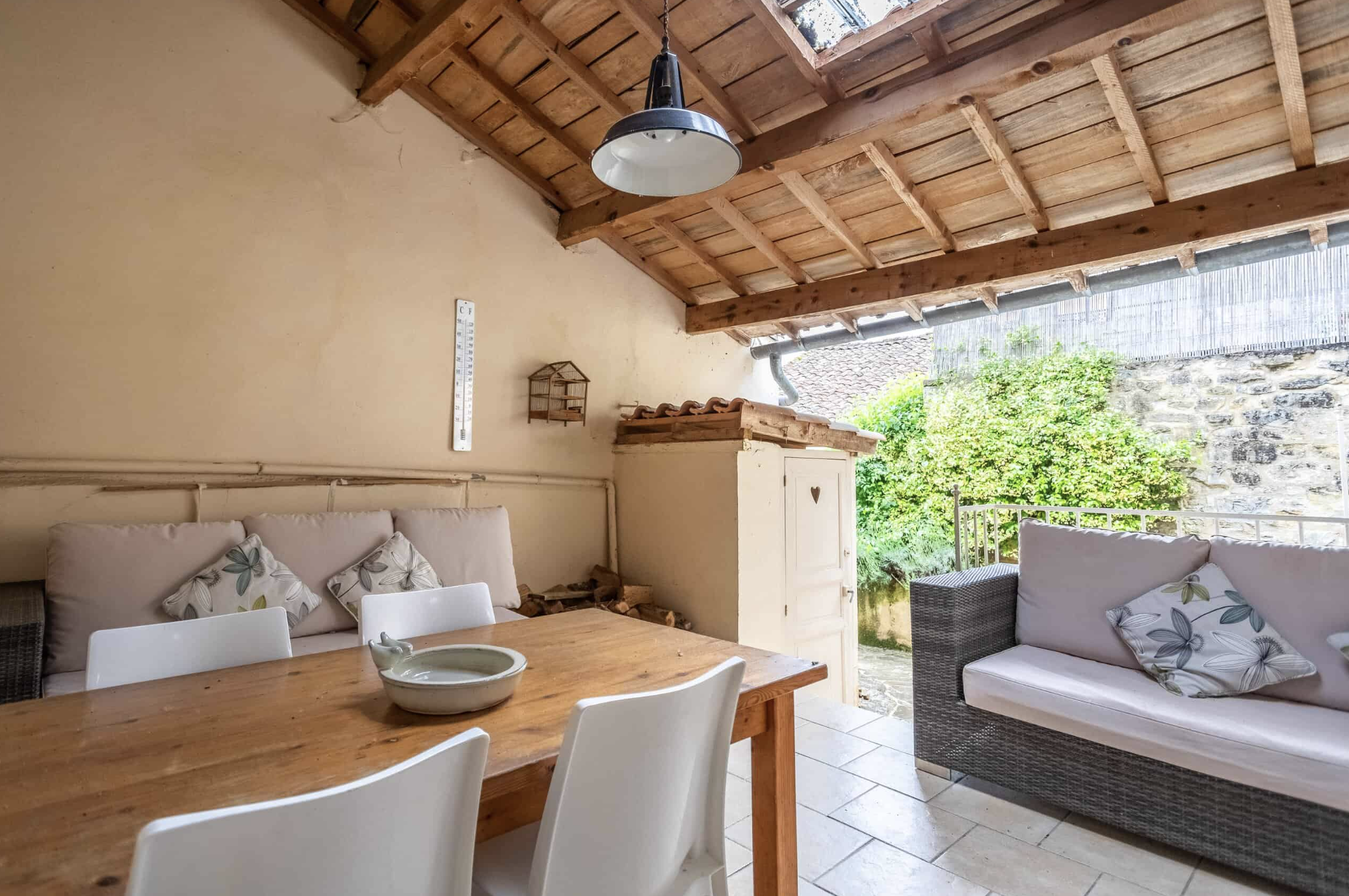
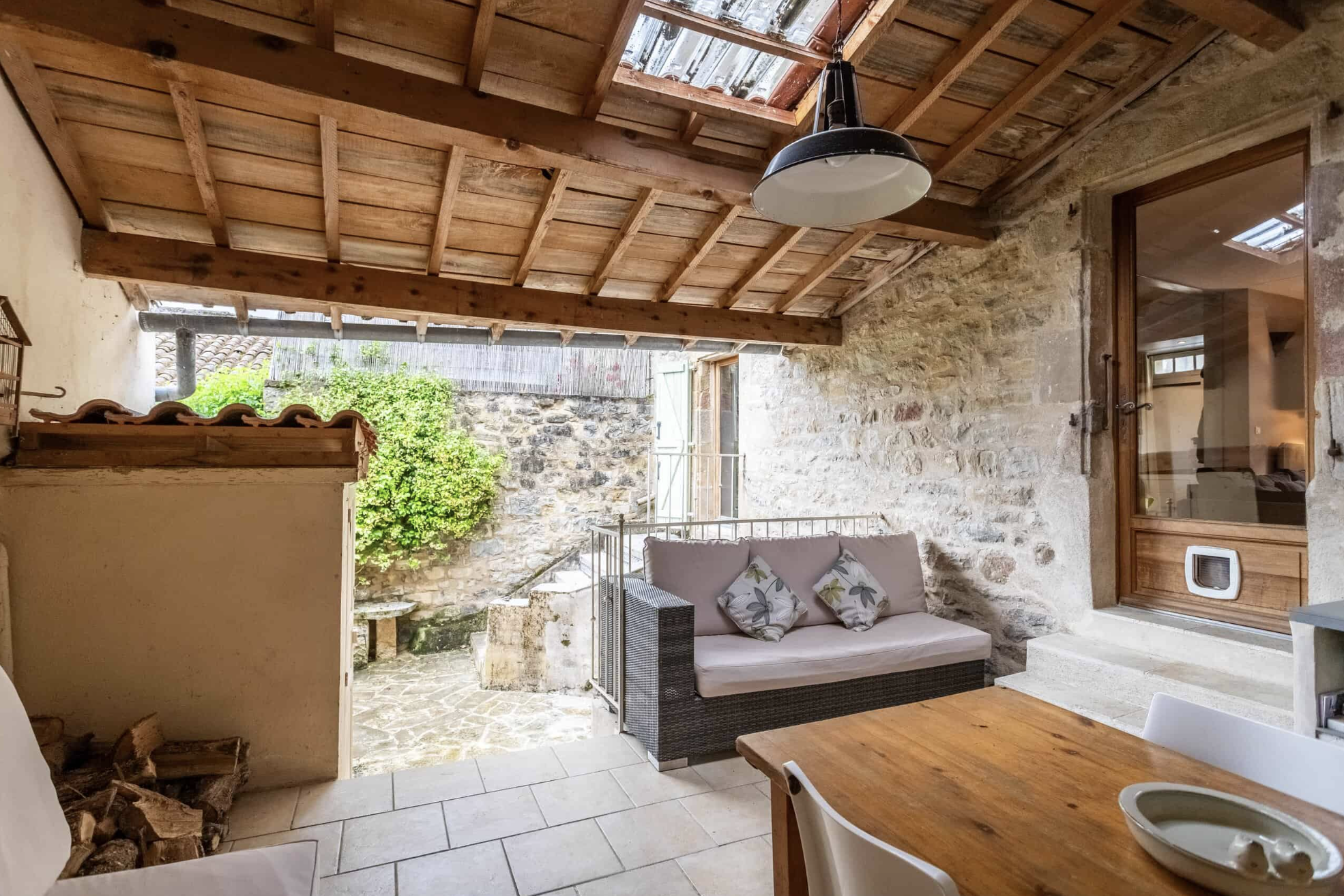
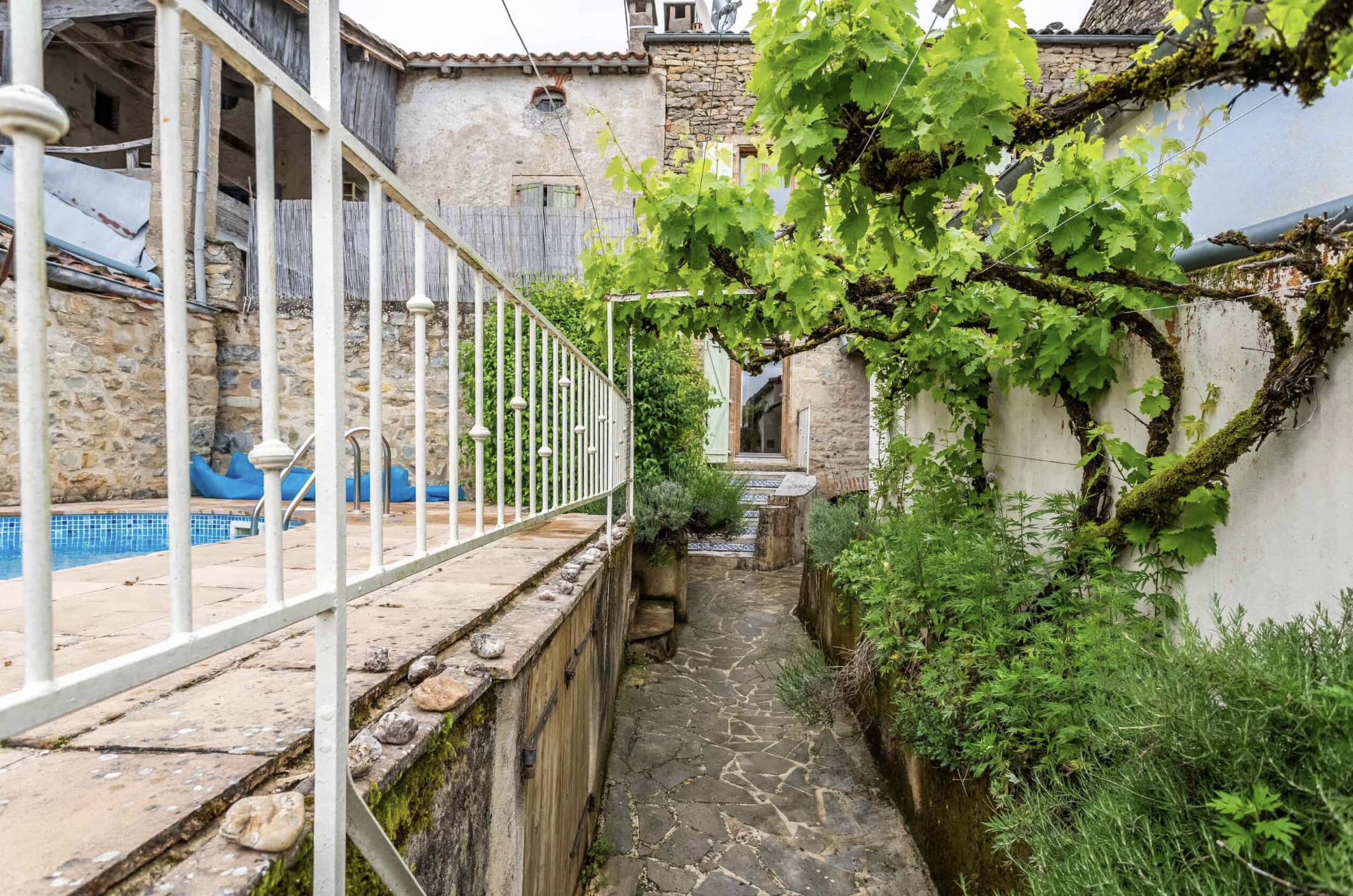
Covered terrace, plunge pool, terraced garden
Other features
Large cellar, attic bedroom, local stone construction
Energy rating
F
Guide price
€208,000, agency fees included
Lifestyle positioning
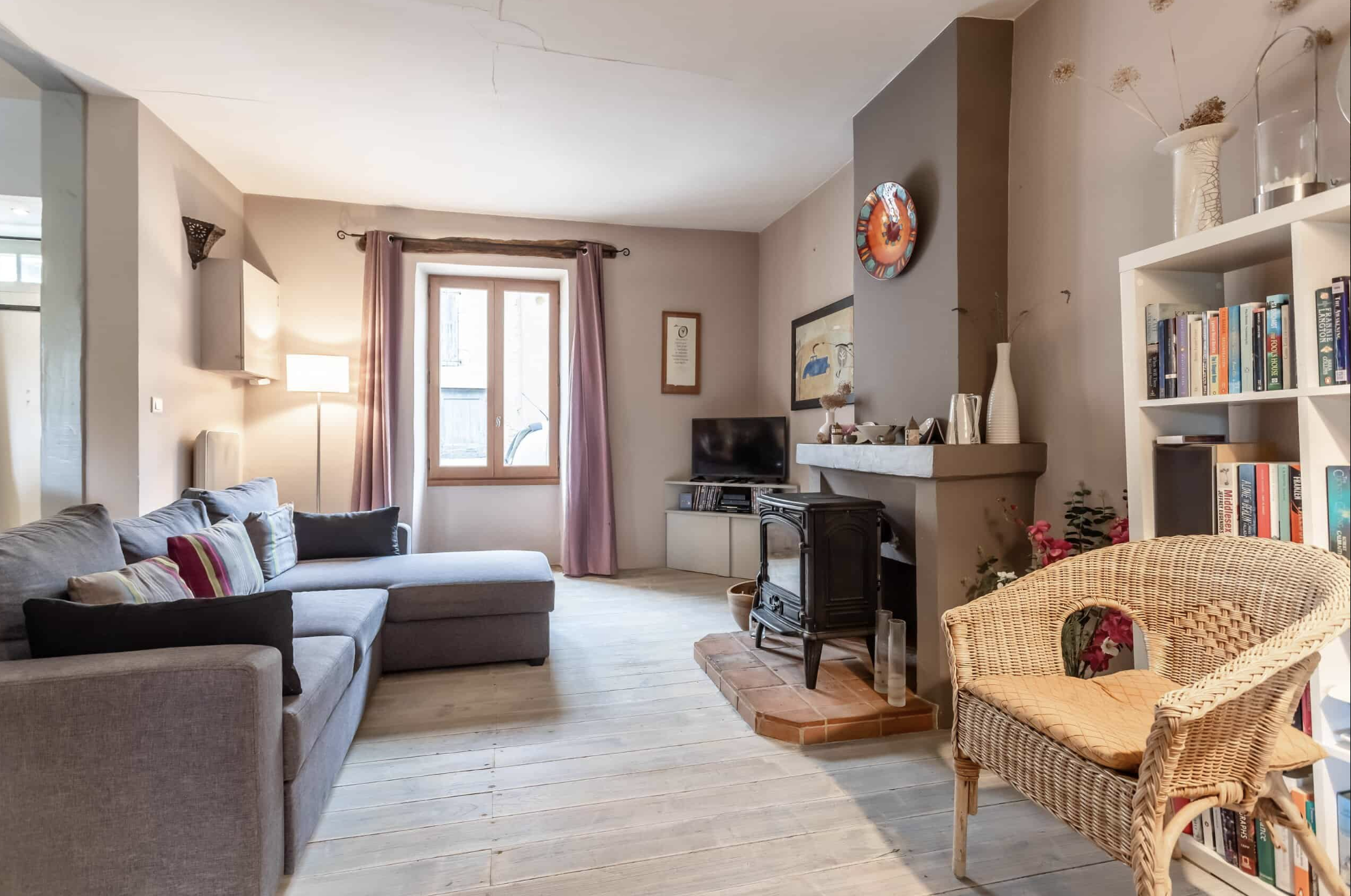
Move-in-ready village retreat / secondary home / lock-up-and-leave house
Risk Radar
Overview
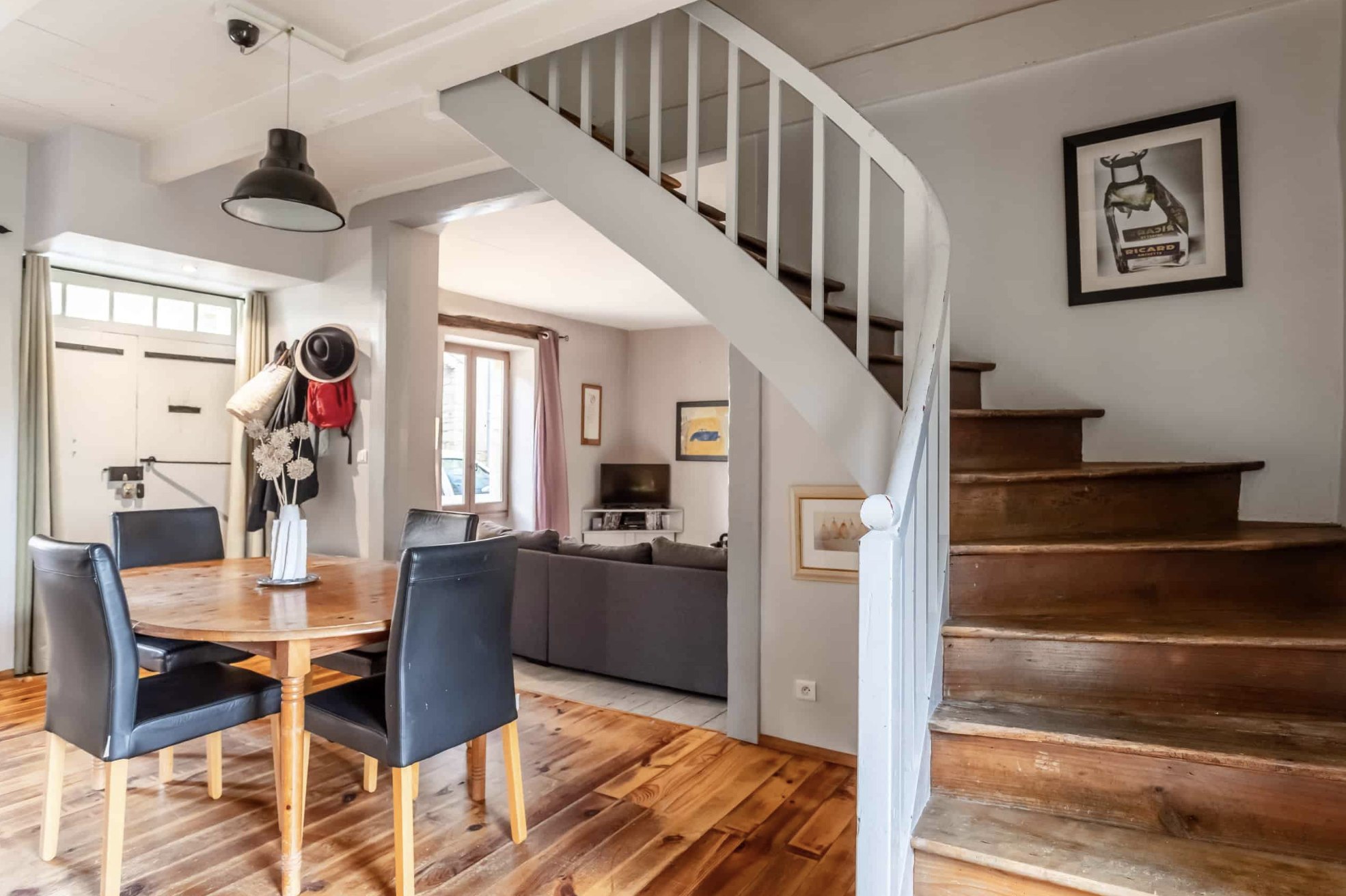
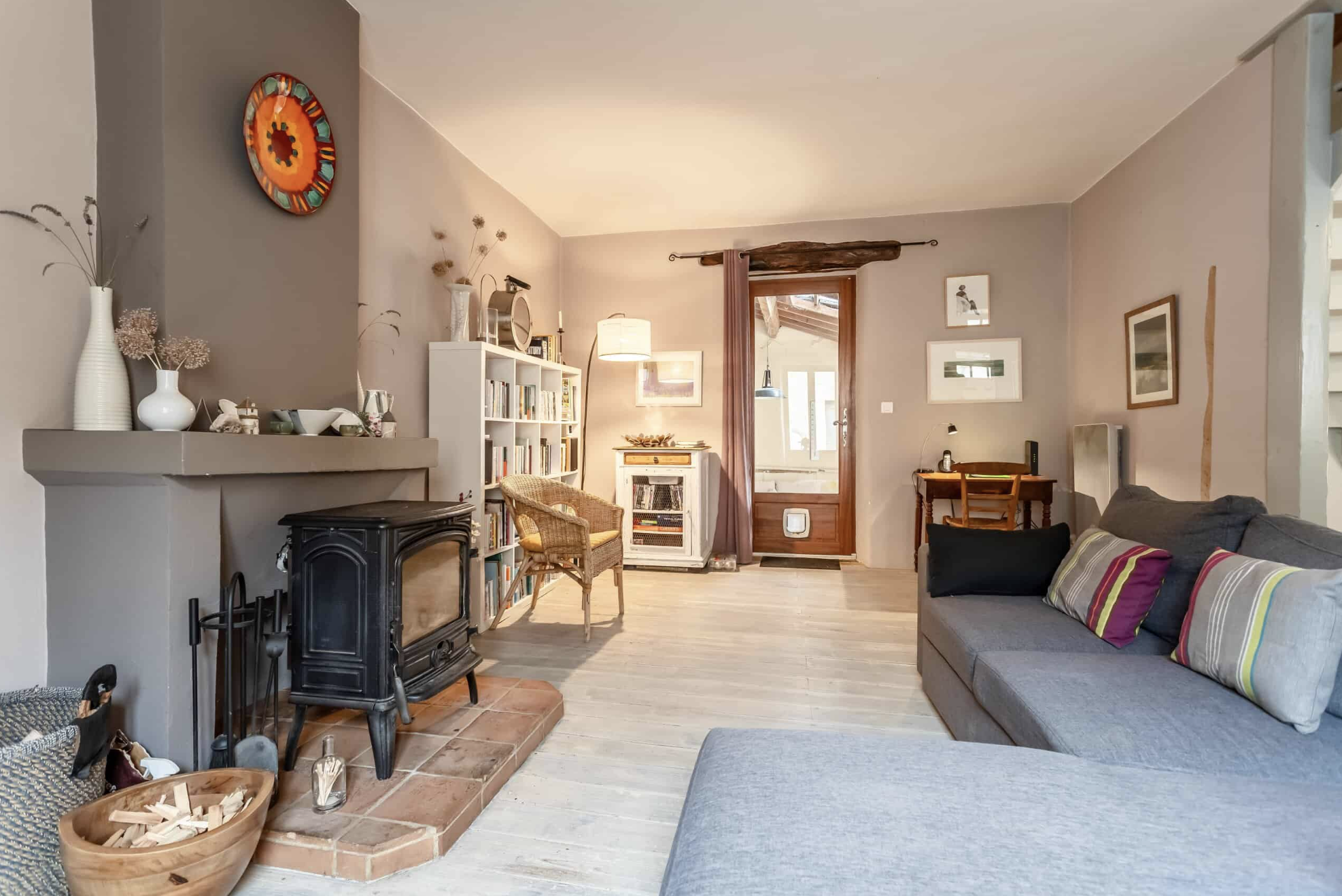
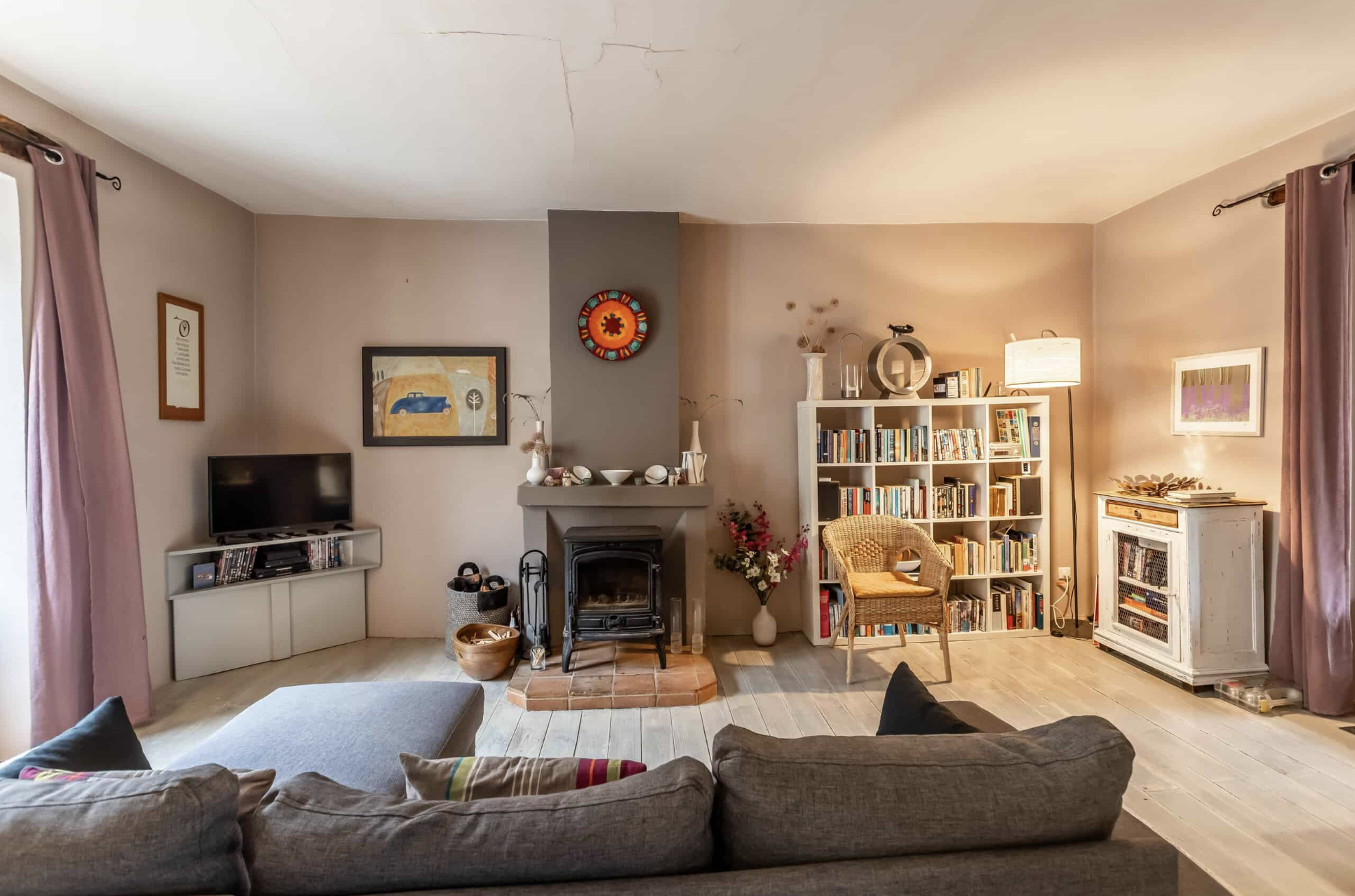
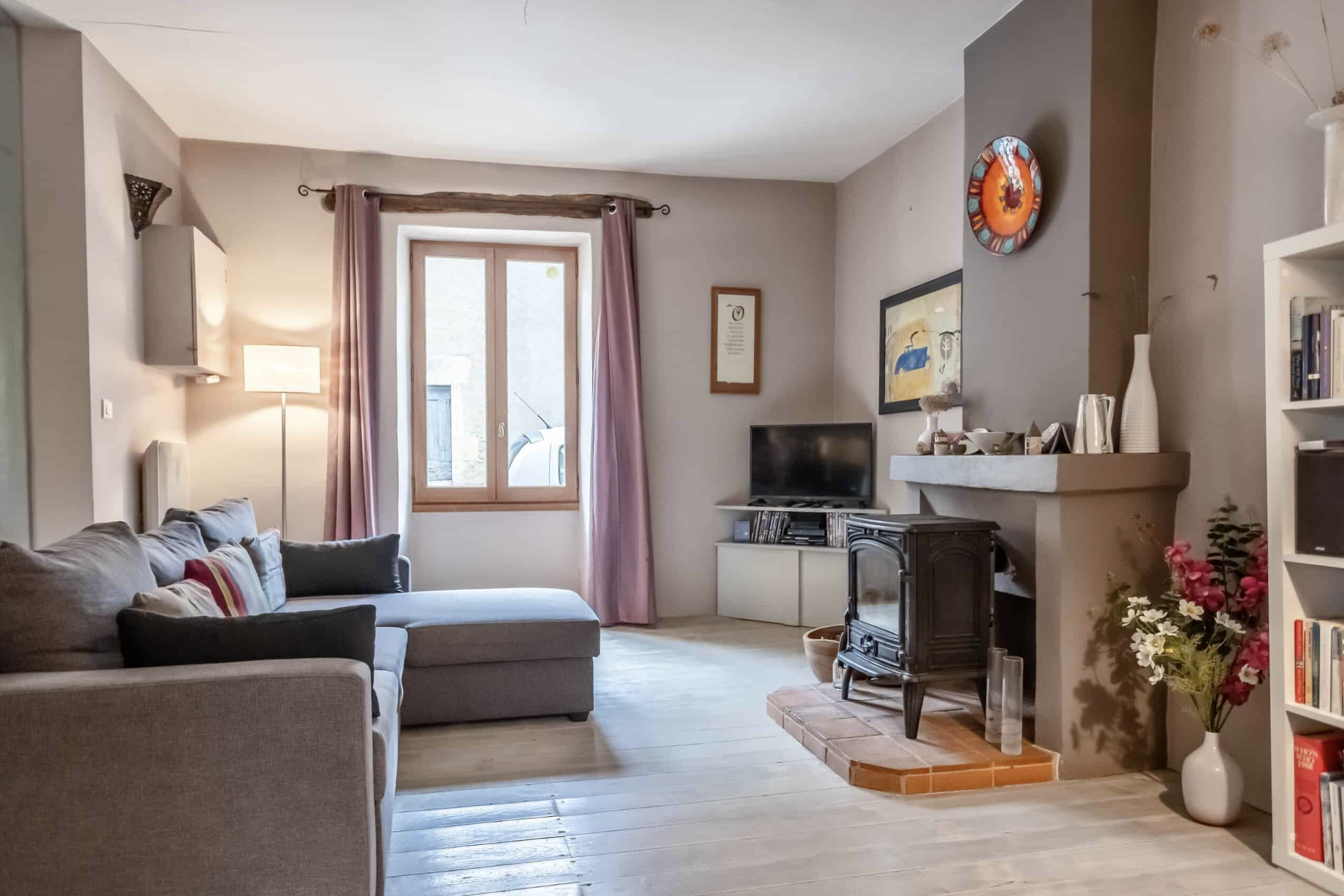
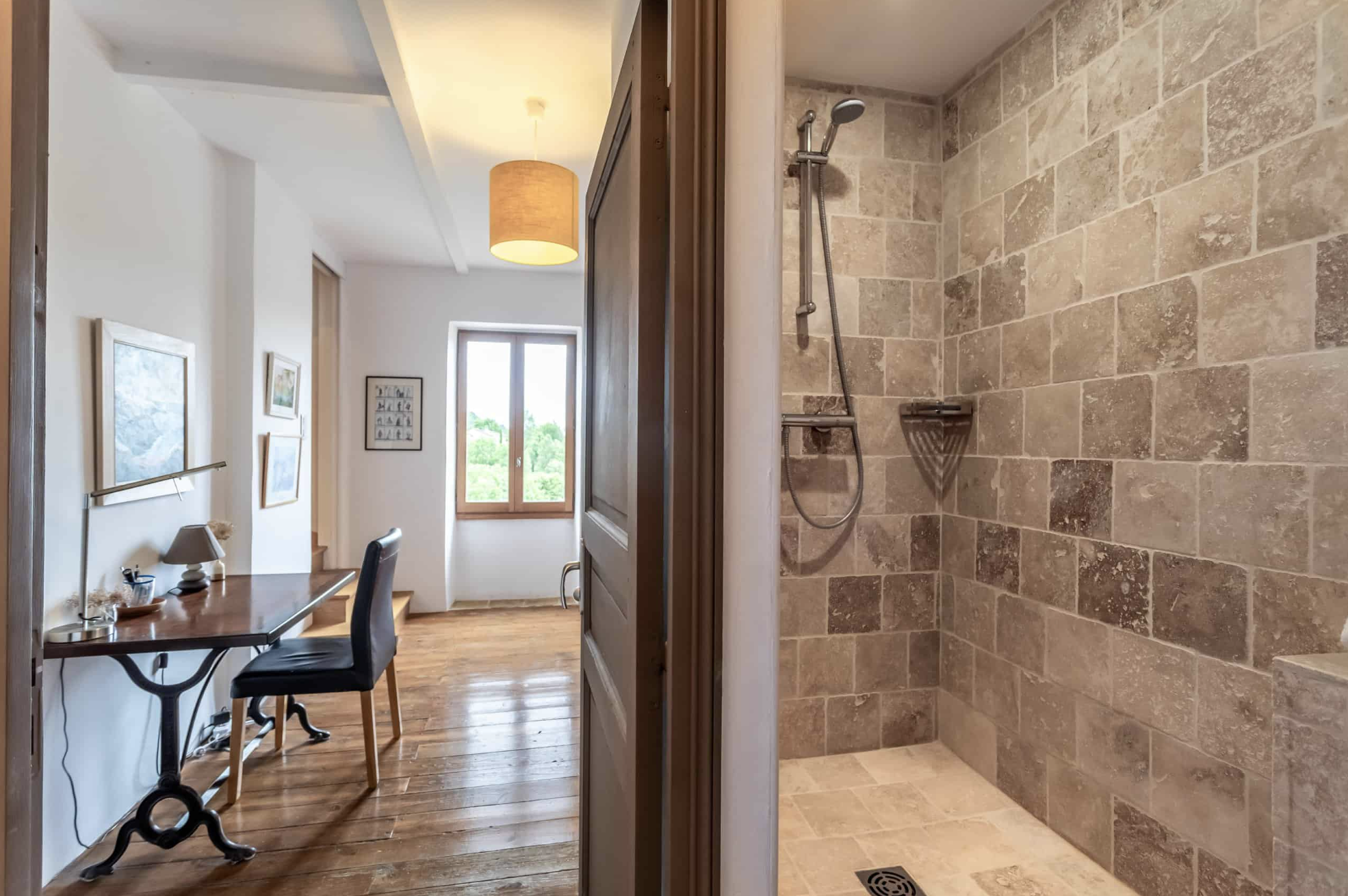
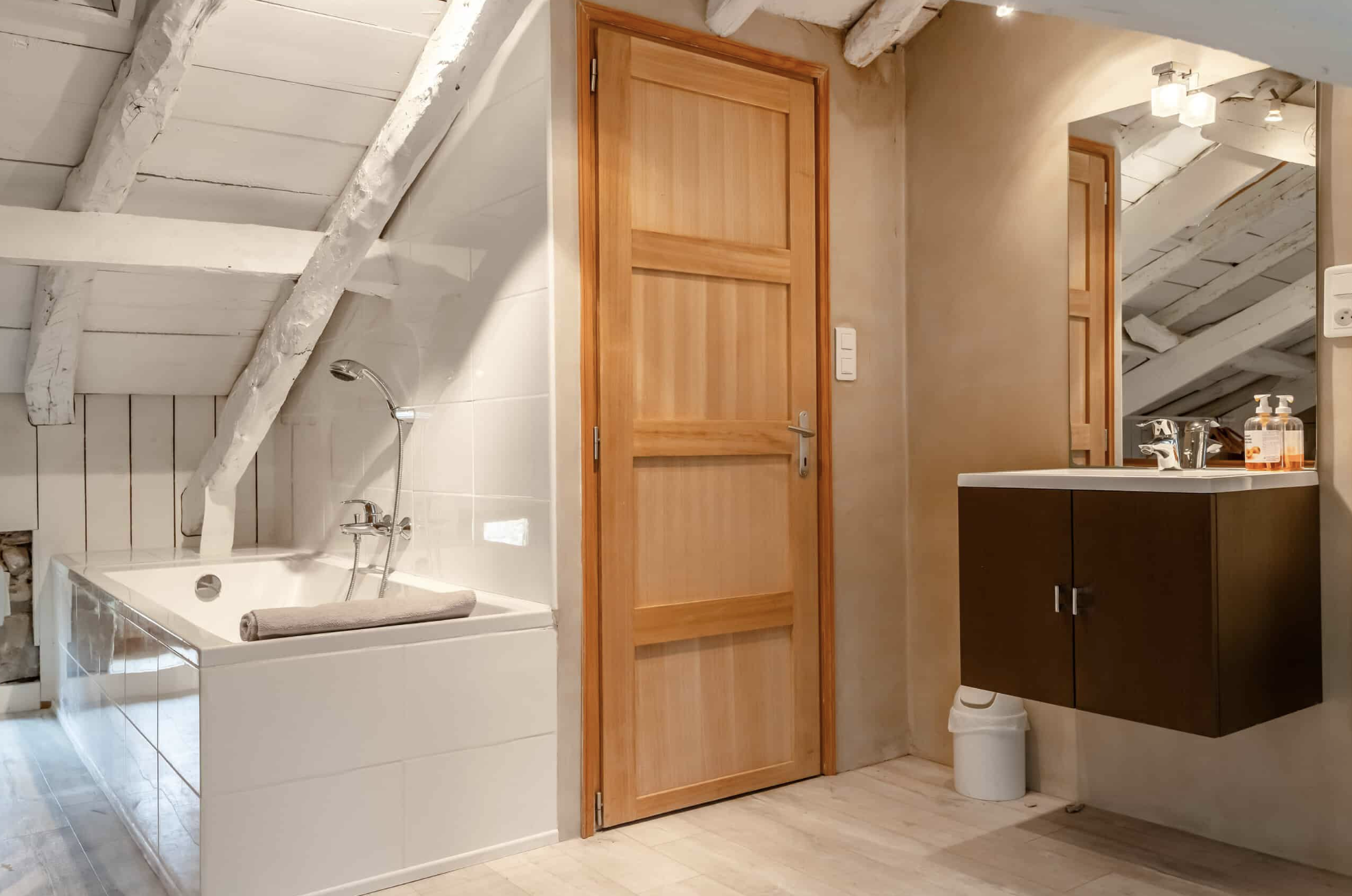
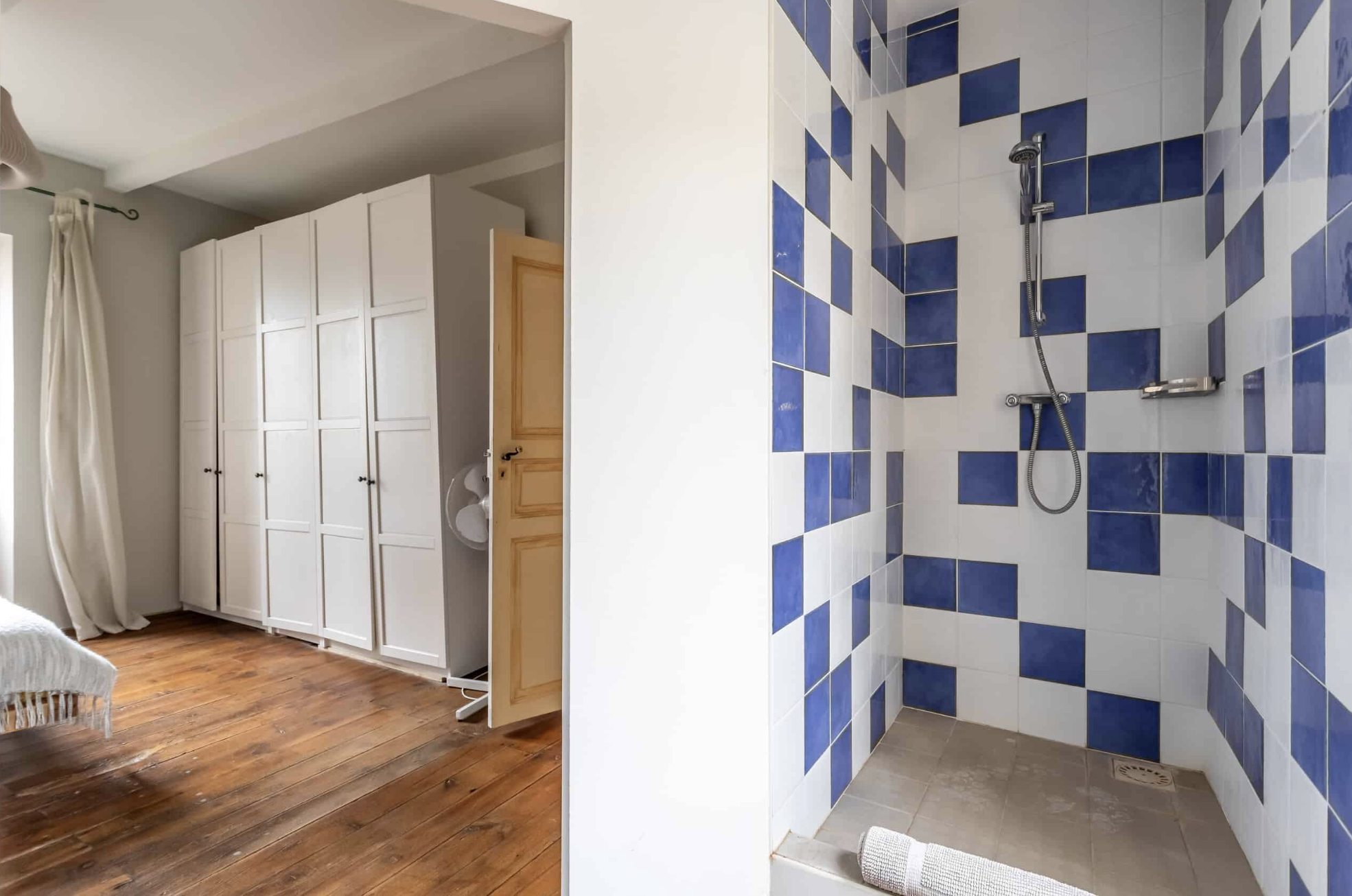
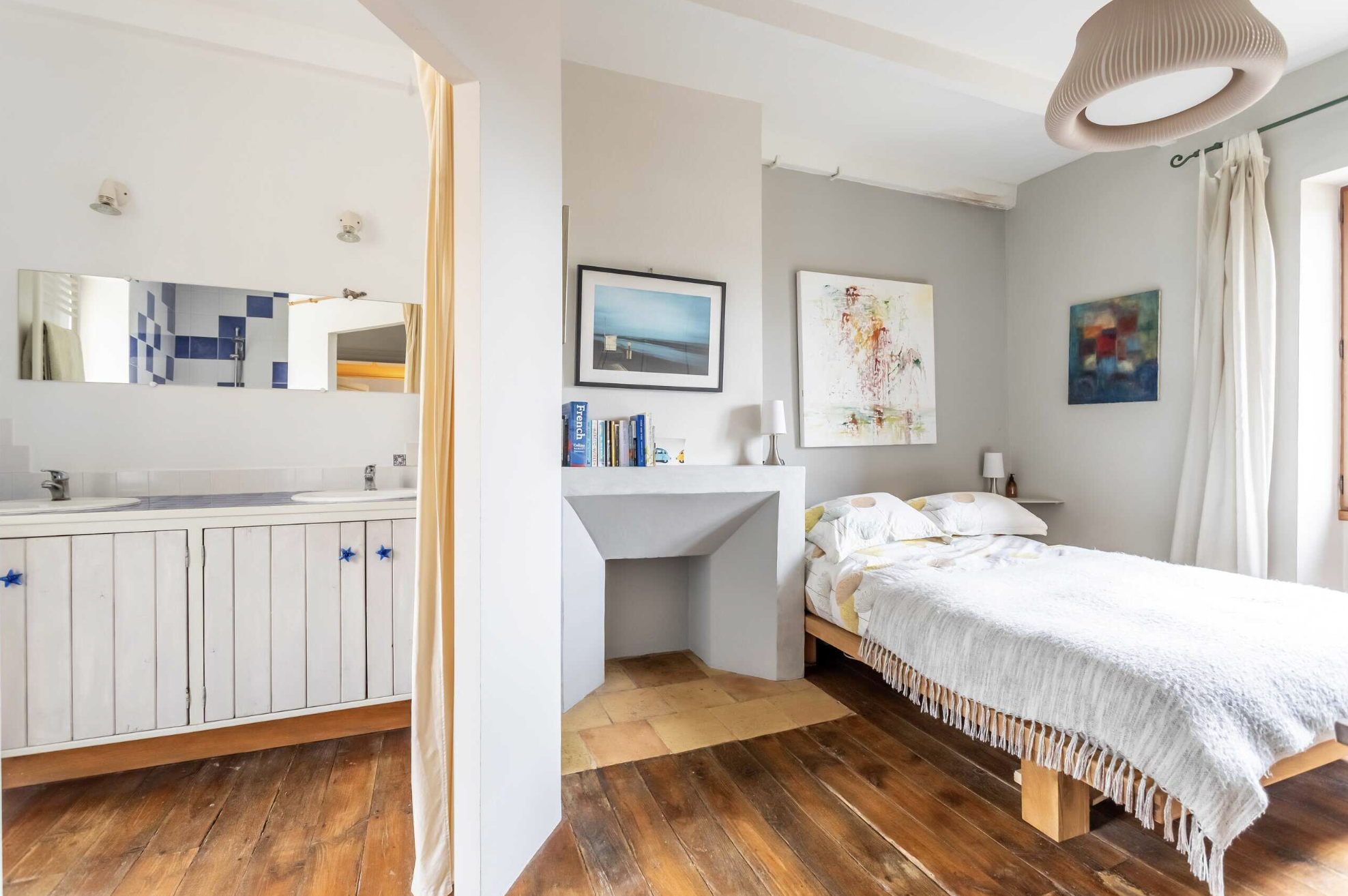
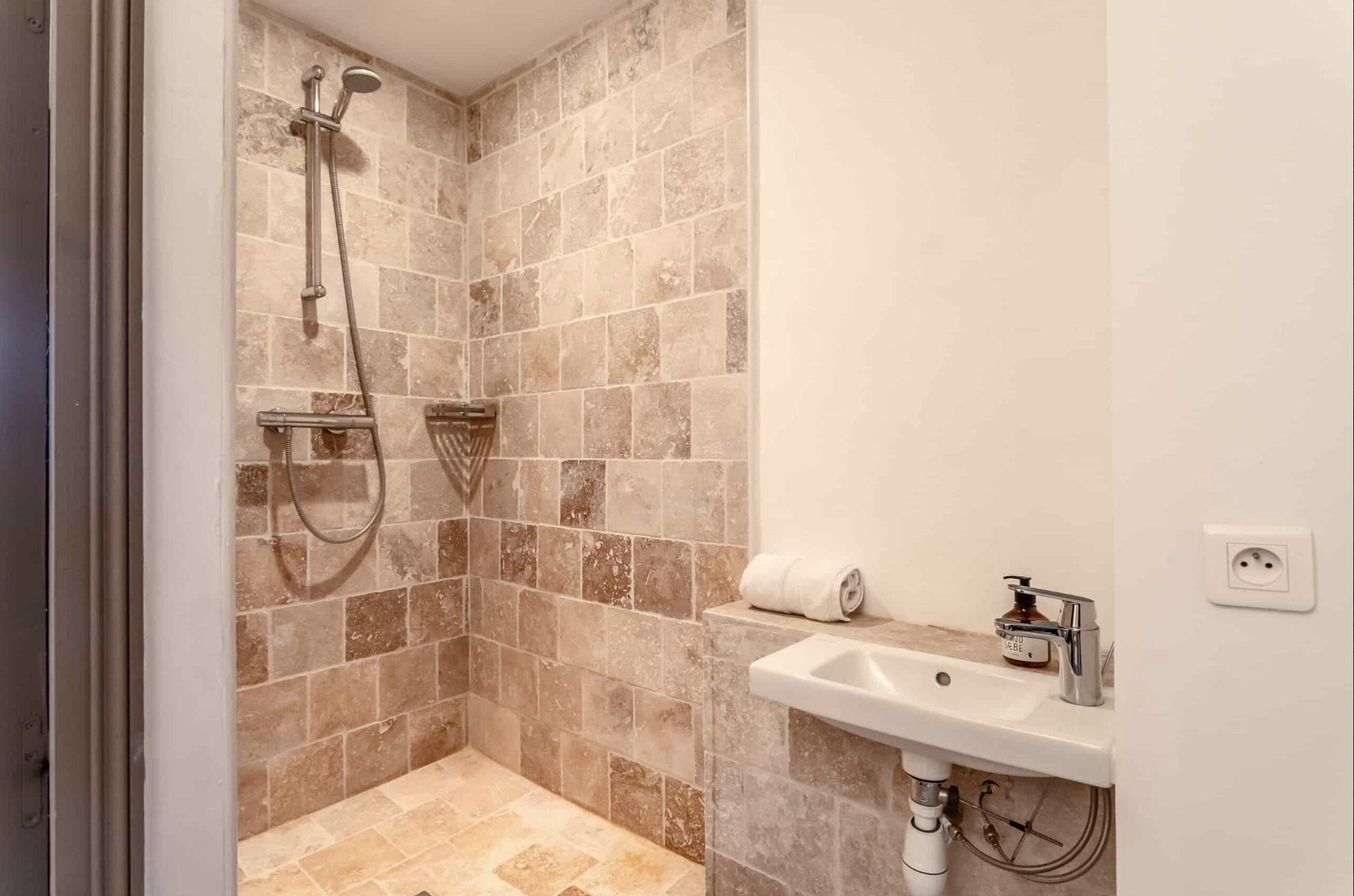
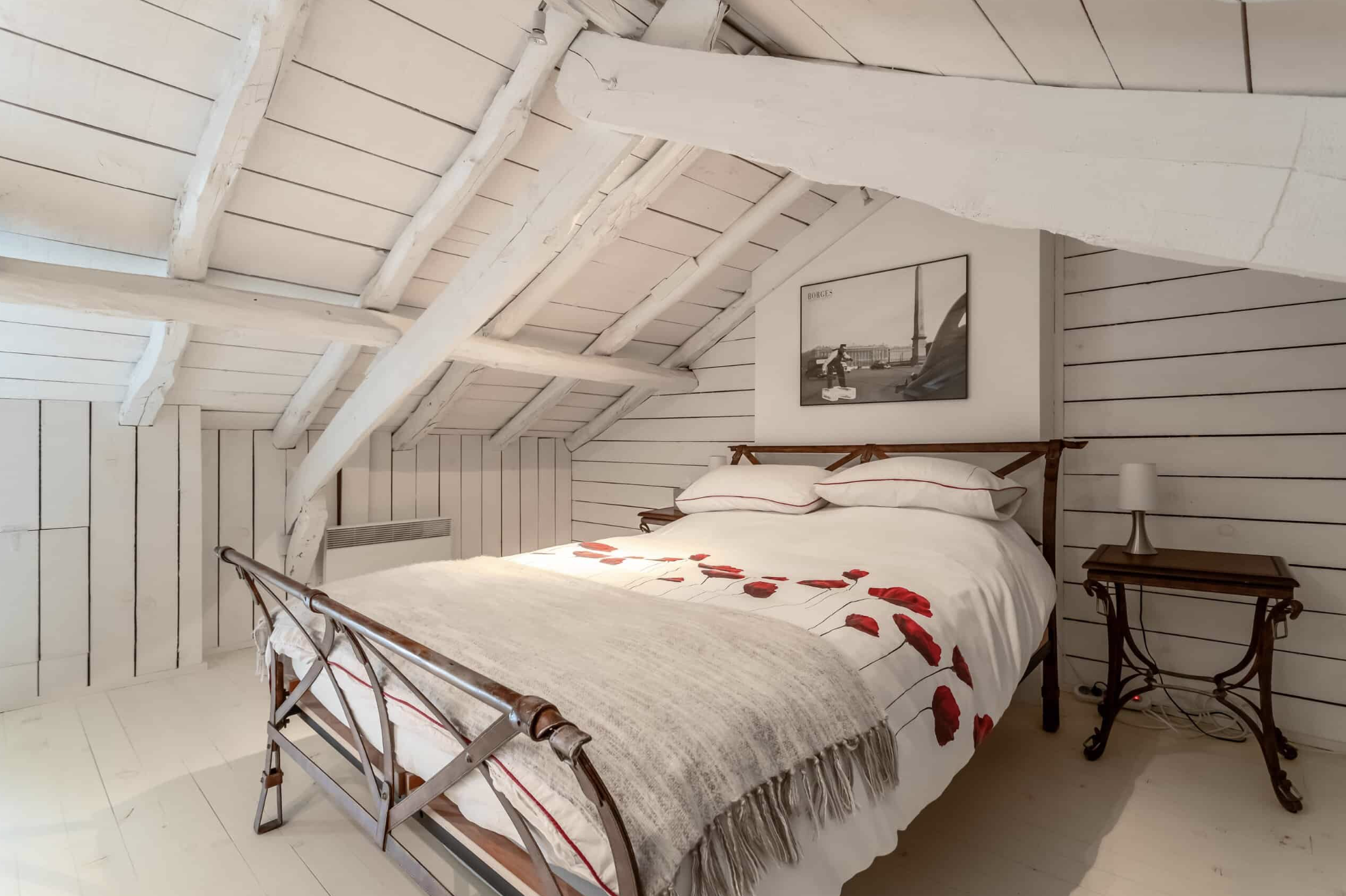
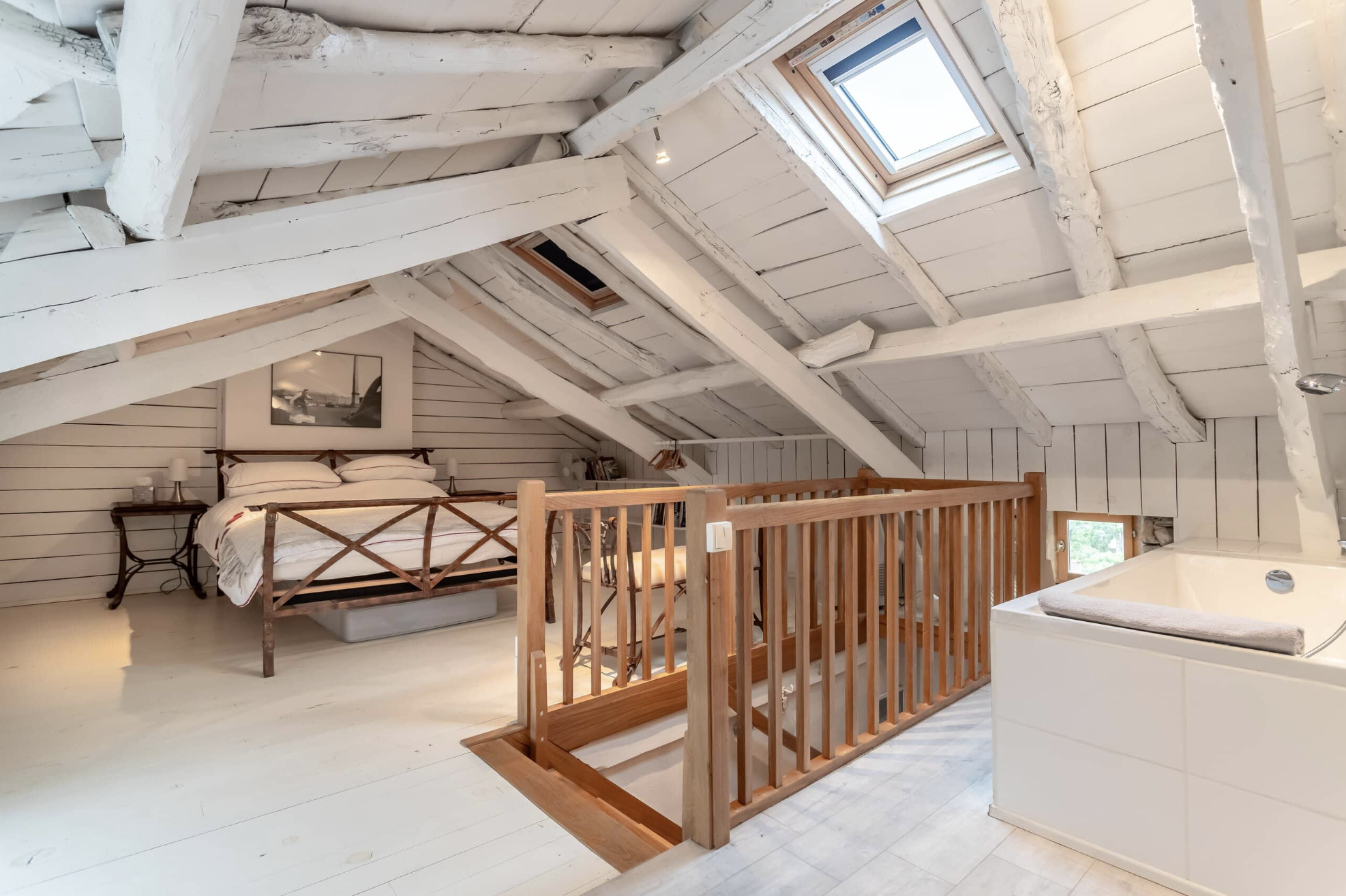
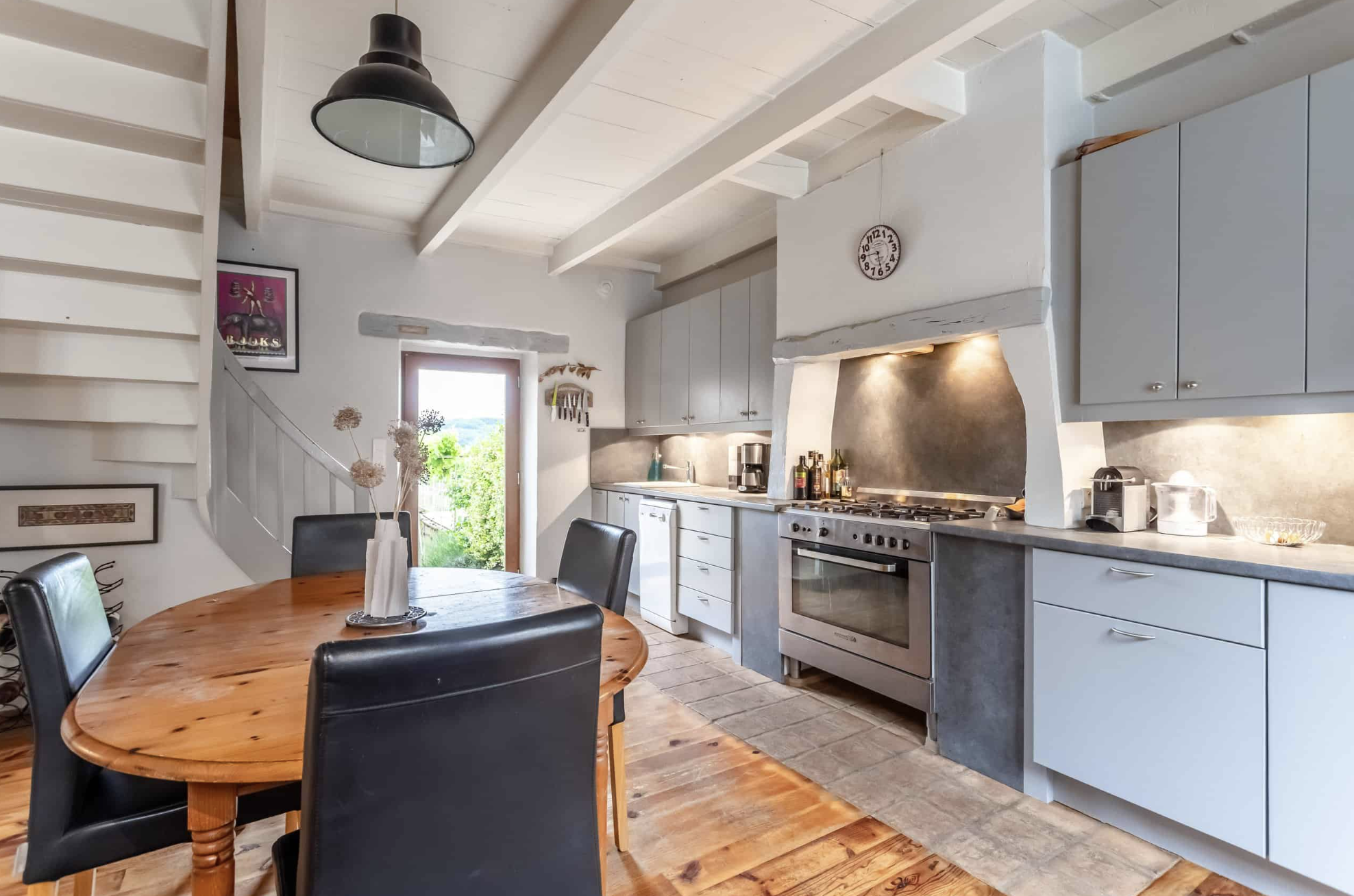
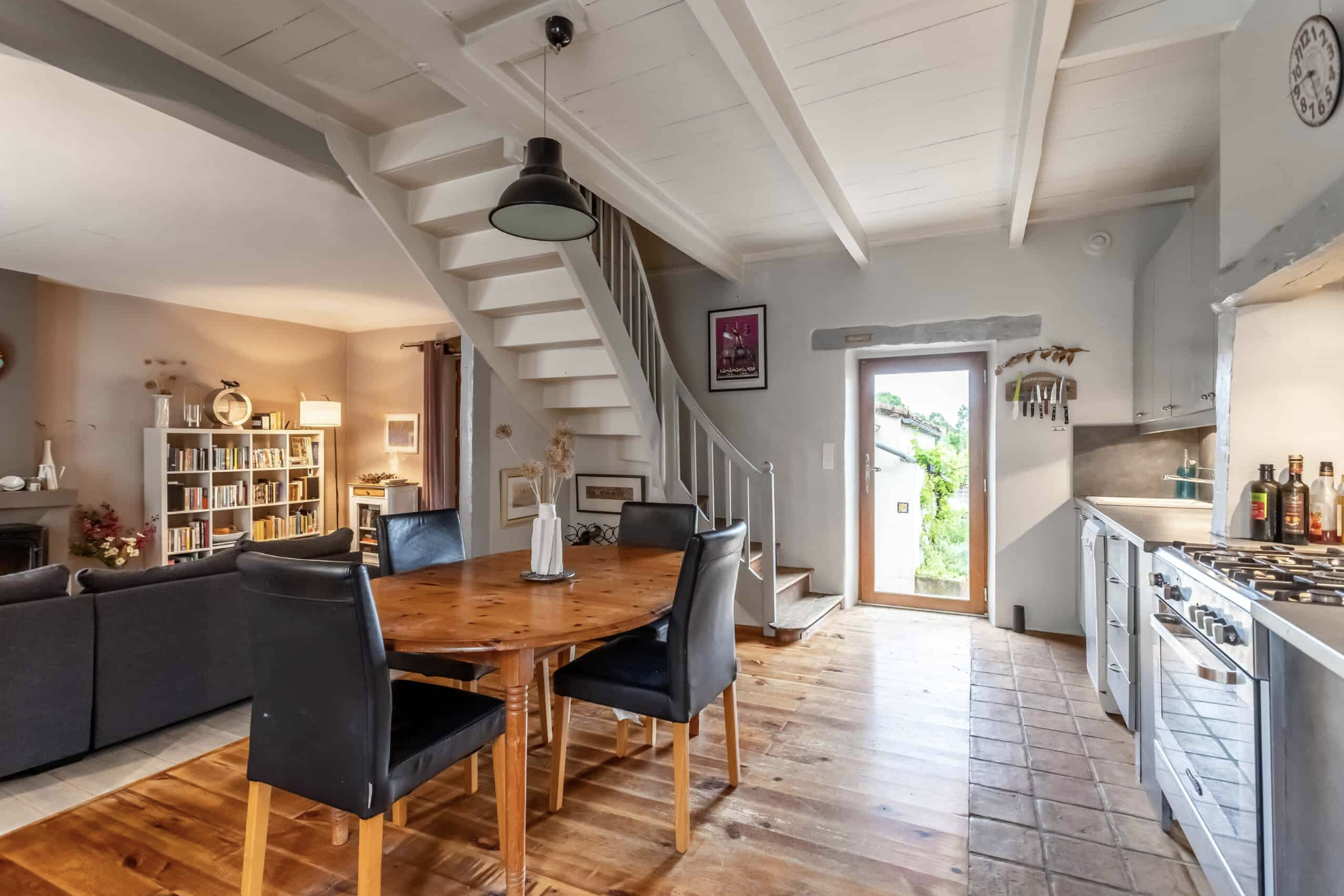
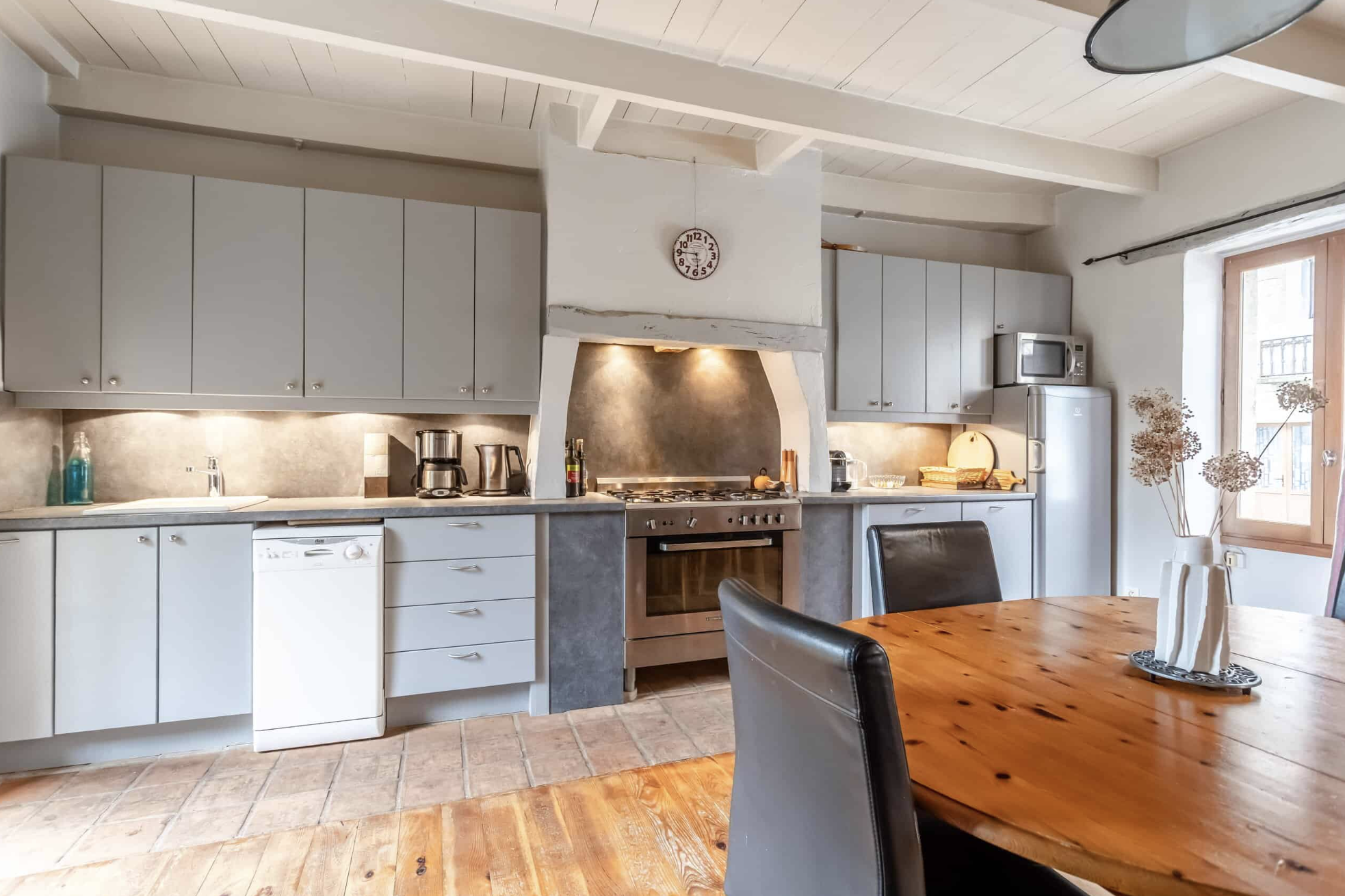
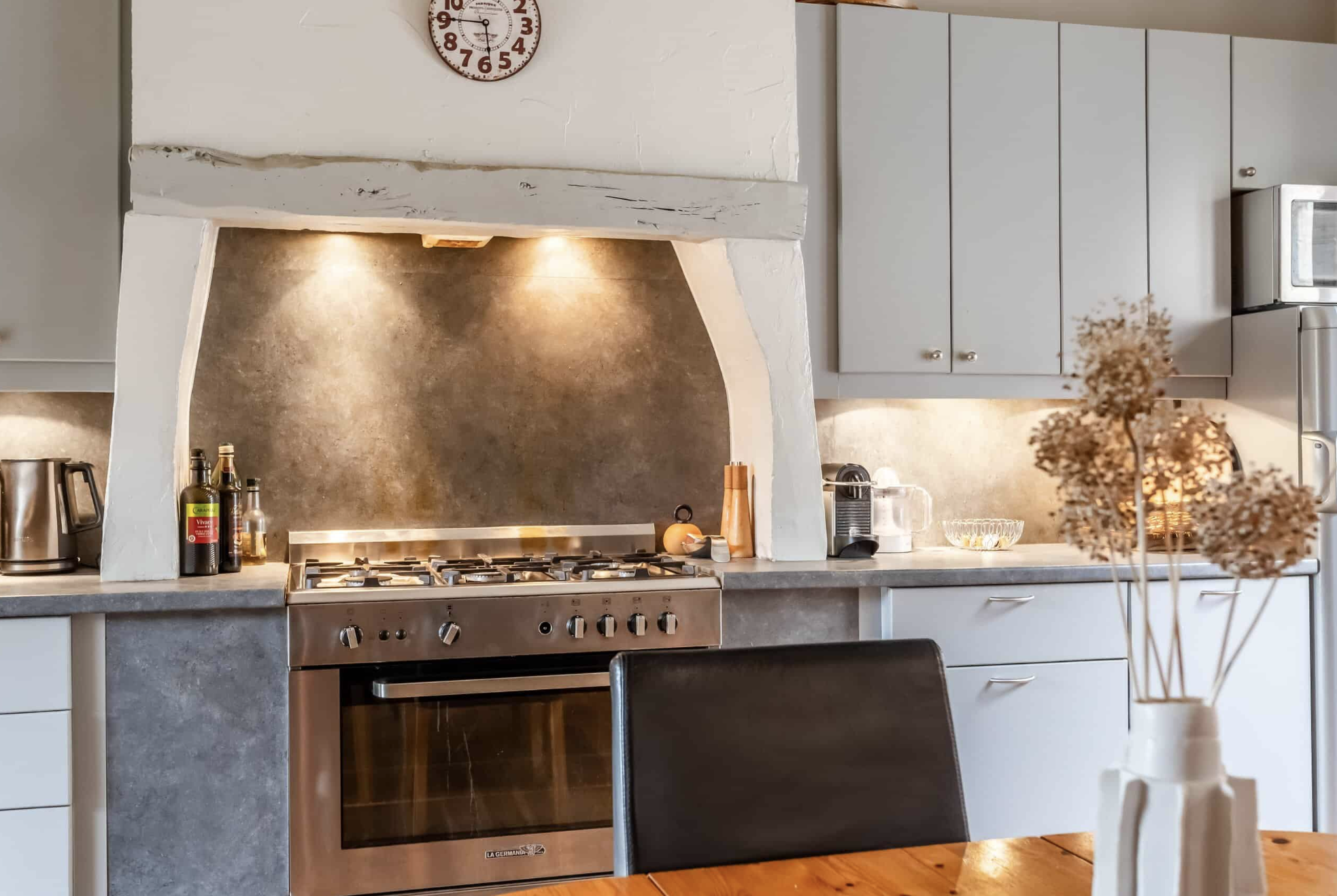
The listing sells this house on finish, ease and charm. It highlights a quality kitchen, open-plan living, a covered entertaining terrace, a plunge pool, a large cellar, and three en-suite bedrooms arranged over the upper floors, including an attic room described with a wink as a bedroom that "earns the word generously".
That all sounds excellent, but village houses reward detail. You need to understand what was actually renovated and when, whether the drainage is on mains or non-collective sanitation, whether there are servitudes or shared-wall responsibilities, and whether the plunge pool and terrace are as straightforward in practice as they look in the photographs. The Energy Class F rating is particularly important because the DPE is mandatory for sales and informs both expected energy costs and recommended works.
Targeted Questions
Restoration Quality and Scope
"Beautifully restored" is attractive marketing, but you need dates to understand what is recent and what may already be ageing.
A move-in-ready house can still conceal older core systems if the visible works were mainly decorative.
Structural interventions carry a different level of risk and may have required formal authorisation.
Invoices and contractor details help verify workmanship and create a paper trail if issues arise later.
On a recently restored property, transferable guarantees materially reduce buyer risk.
Roof condition is one of the most important hidden-cost variables on a stone house.
A house can look completely finished while still relying on older hidden systems.
Works altering appearance, structure or use may have required mairie approval.
Diagnostics Pack and Technical Reports
The seller should be able to provide the diagnostics pack, and it is one of the quickest ways to verify whether the listing's confidence is justified.
The detailed report shows where energy loss occurs and what improvements are recommended.
Pre-1949 buildings in France commonly trigger a CREP lead report requirement in the diagnostics context.
Even attractive restored homes can still contain older materials in roofs, outbuildings, pipework or hidden elements.
In some parts of France termite and other wood-destroying insect checks are especially relevant, and this can become a structural issue rather than a cosmetic one.
These reports can reveal whether the house is as technically reassuring as it appears.
The listing gives both living and total area, and you want to understand the legal and practical difference between those numbers.
In France, the état des risques is part of the seller disclosure framework and is particularly relevant where flood or ground movement may affect insurability.
Energy Class F and Improvement Strategy
The contradiction between finish and rating is one of the biggest issues in the listing.
You need to know whether the issue is fixable with targeted works or tied to deeper fabric problems.
Heating type has a major influence on both comfort and DPE performance.
Real running costs often matter more than the rating letter on its own.
The attic bedroom and F rating together suggest thermal performance there may need scrutiny.
This helps turn the energy issue into a quantified negotiation point rather than a vague concern.
Drainage, Water and Village Infrastructure
This is a crucial practical point in French village and rural property purchases.
A non-compliant system can lead to a substantial upgrade cost after purchase. French rules require specific sanitation controls in property sales.
Village houses can have older, less straightforward drainage arrangements than expected.
Good bathrooms and a plunge pool increase water demand, so you want to know the practical reality.
Village-House Practicalities
Village properties often come with inherited rights and obligations that do not show in glossy photography.
Shared walls in old village settings can become a source of cost or dispute.
Daily life can feel very different depending on whether parking is easy or constantly inconvenient.
Charming village settings can be less charming when access is tight.
Future changes to windows, terrace elements or external appearance may not be as simple as they seem.
Plunge Pool, Terrace and Outdoor Use
Small pools still come with specific maintenance and safety realities.
Exterior works and pools can require mairie authorisation depending on size and context.
Pool mechanics can generate immediate hidden costs if they are near end of life.
Even a plunge pool can become more expensive than expected if it is heated.
Private outdoor space is a major part of the property's appeal and needs to be legally and practically clear.
Quiet village settings can come with tighter tolerance for late-night use than urban buyers expect.
Maintenance logistics matter more on compact village plots.
Attic Bedroom and Internal Layout
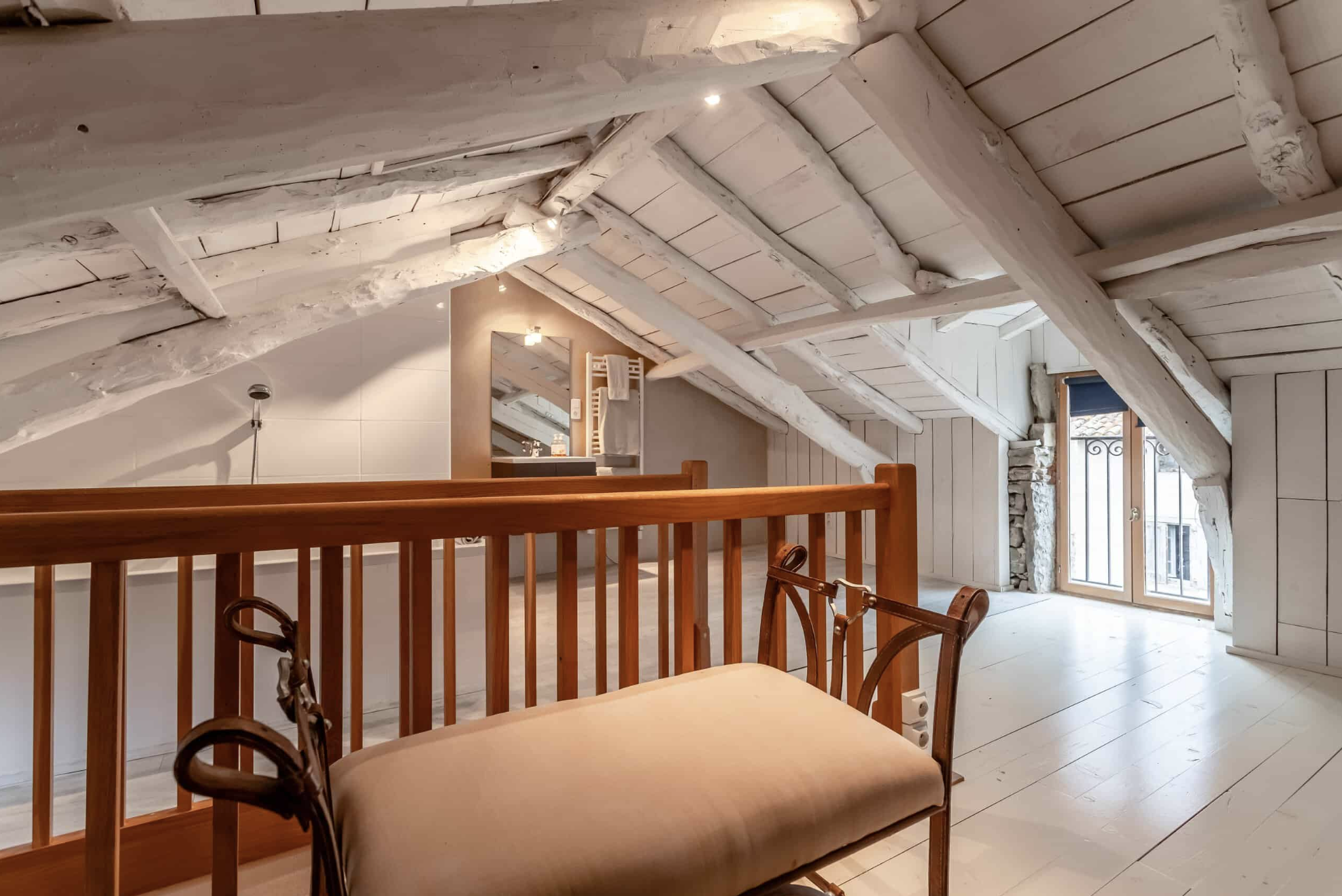
The listing itself hints that this room "earns the word generously", which means ceiling height, natural light and access need checking.
Sloping-roof rooms can look attractive in photographs while offering less usable space than expected.
The distinction affects both guest use and the practical value of the layout.
Good photographs do not always reveal circulation, privacy or practical layout.
Running Costs, Taxes and Transaction Clarity
Annual fixed costs help define the true ownership picture.
A polished village house with a terrace and pool can still carry meaningful recurring costs.
You want to understand the true seller net and your total cost basis.
This helps you understand the full acquisition cost, not just the asking price.
Lifestyle, Connectivity and Year-Round Reality
Some villages feel lively in high season and much quieter outside it.
This determines whether the property suits full-time living as well as holiday use.
Good connectivity is now a basic requirement for many buyers, even for second homes.
Thick stone walls and village topography can affect signal quality.
Flood exposure affects insurance cost and peace of mind.
Village charm can look one way in a daytime viewing and feel different once normal life is happening around you.
Negotiation Intelligence
Buyer Leverage
Medium–High
Key Drivers
Typical Negotiation Range
5-15% below asking
Neutral Phrasing Examples
Country Layer
France (Regulatory Context March 2026)
Key French requirements for buyers:
Viewing Strategy
View this house at least once with your emotions and once with your notebook.
Next Step
Verify from the listing:
“Move-in-ready” versus Energy Class F
The house is presented as requiring nothing on arrival, but the F-rated DPE is the biggest factual tension in the listing. Ask for the full DPE immediately and use it to understand whether the issue is mainly heat source, insulation, windows or a wider performance problem.
Restoration paperwork and guarantees
The restoration is the core selling point, so ask for invoices, dates, contractor details, any mairie permissions, and any transferable guarantees for major work. A polished finish is great, but paperwork is what turns confidence into evidence.
Drainage reality
Do not assume village location means mains drainage. Confirm whether the house is on collective drainage or an individual system, and if it is non-collective, ask for the latest SPANC report before going any further.
Plunge pool and terrace practicality
The plunge pool and covered terrace are part of what makes the property special. Confirm who is responsible for maintenance, whether any permissions were needed, and whether there are any neighbour or village-use constraints that affect enjoyment.
Attic bedroom and true usable space
The listing itself playfully suggests the attic bedroom “earns the word generously”. Clarify the real ceiling heights, floor area and usability so you understand exactly what you are buying.
A prepared buyer should approach the agent calmly and frame questions as due diligence. For example: “To help us assess the house properly and prepare a serious offer, could you share the diagnostics pack, drainage information, key restoration invoices and any guarantees linked to the work?”
Because this is a finished-looking home where the main risks sit in energy performance and hidden technical detail, run it through the Energy Risk Assessor to understand the DPE downside, or use the Property Risk Assessment to pressure-test the broader legal and systems risk before contacting the agent.
Disclaimer: The Property Drop is buyer-focused intelligence, zero sales agenda. We curate exceptional properties, in southern Europe, from third-party agents and arm you with decision tools. No commission, no transactions, no agent partnerships, no skin in the game beyond helping you choose wisely. Information stays accurate until it doesn't (properties sell, prices shift, markets move). Everything here is shared for informational purposes only and should not be treated as legal, financial, or investment advice. Images belong to original agents. Read our Terms of Service to learn more.
IMPORTANT REMINDER: When contacting property agents featured on The Property Drop, you are entering into direct communication with third parties. It's recommended that you verify all property details independently, conduct thorough due diligence, engage qualified professionals (solicitors, surveyors, financial advisors), understand your rights and obligations under local property laws, and never send money or make commitments without proper legal protection.
