
The Buyer Playbook: 8-Bed Château with Walled Garden and Pool, Giat, France, €279,500




Buyer Playbook
Pre-Viewing Intelligence Report
This Buyer Playbook provides independent buyer guidance based on publicly available information and common due diligence practices for property purchases in France. This is not a substitute for professional surveys, tax advice or legal advice. Always verify legal, heritage, planning, diagnostics, drainage and pool matters with a qualified notaire, architect, surveyor or maître d'œuvre before proceeding.
Playbook Contents
Property Snapshot
Location
Giat, Puy-de-Dôme, Auvergne, France
Property type
Village château
Bedrooms / bathrooms
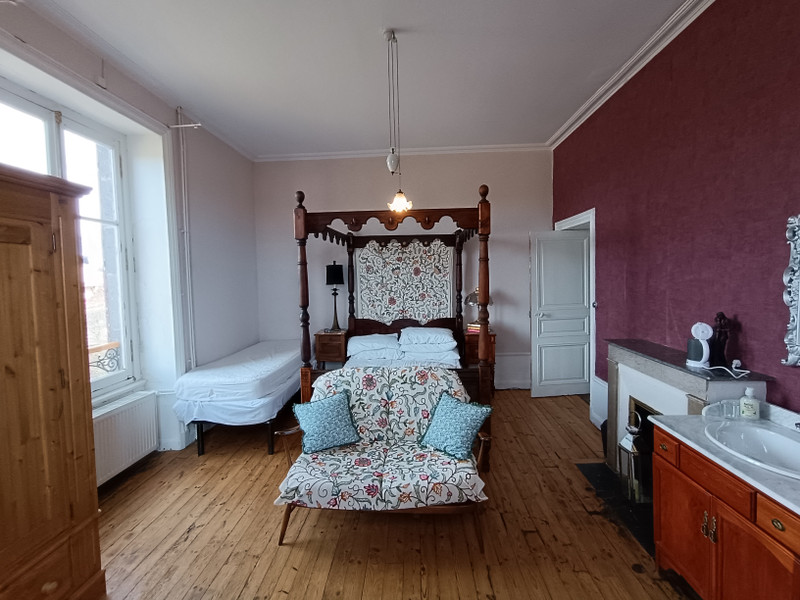
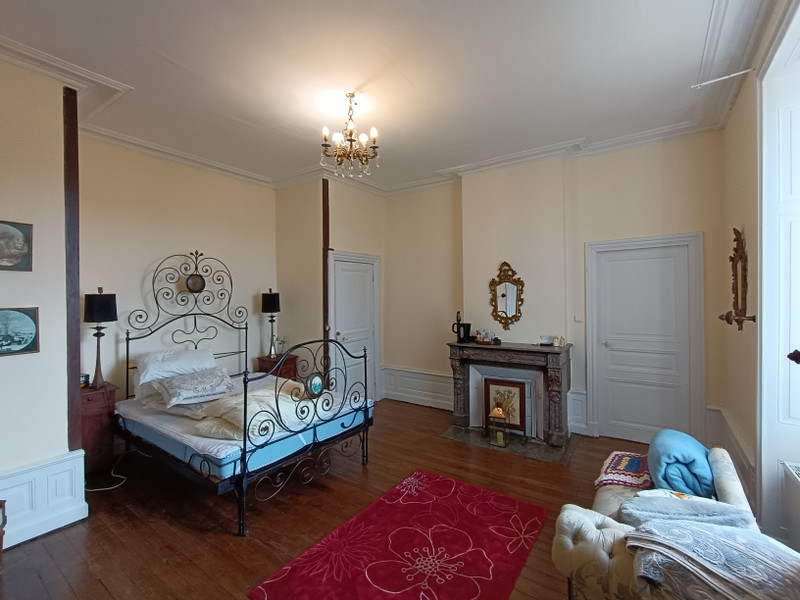
8 bedrooms / 4 bathrooms
Living area stated
335 m²
Plot stated
3,500 m²
Features stated
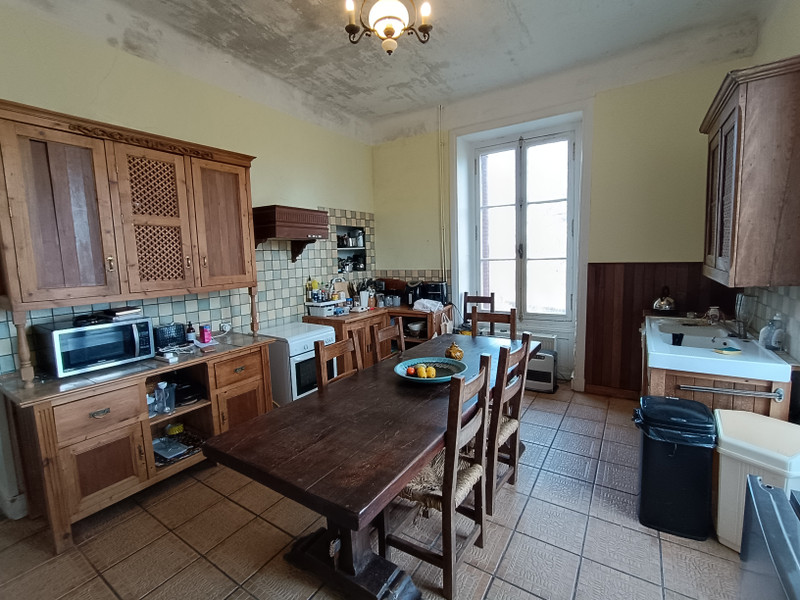
Walled garden, garage, pighouse, swimming pool requiring renovation, oil central heating, woodburners, fibre internet, sold furnished
Energy rating
F
Guide price
€279,500, reduced from €324,900
Positioning
Large family residence, B&B potential, gîte potential, market-town location
Risk Radar
Overview
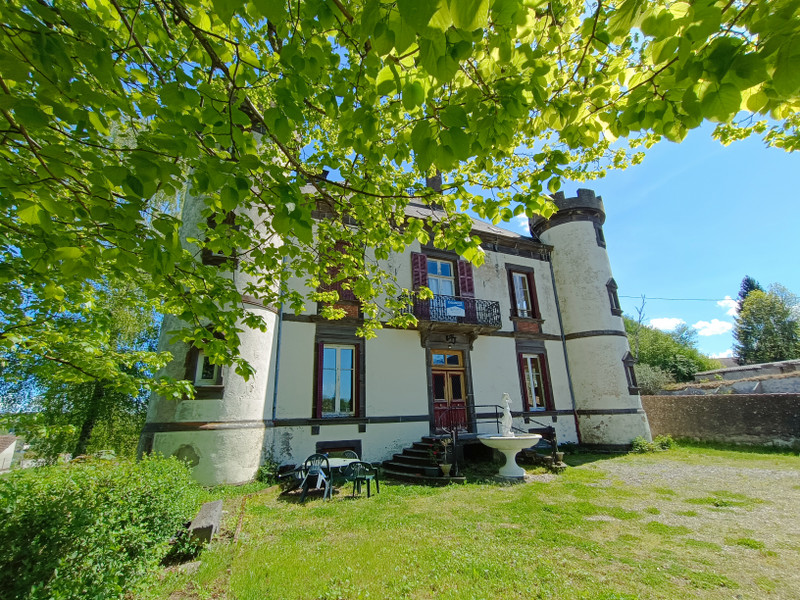
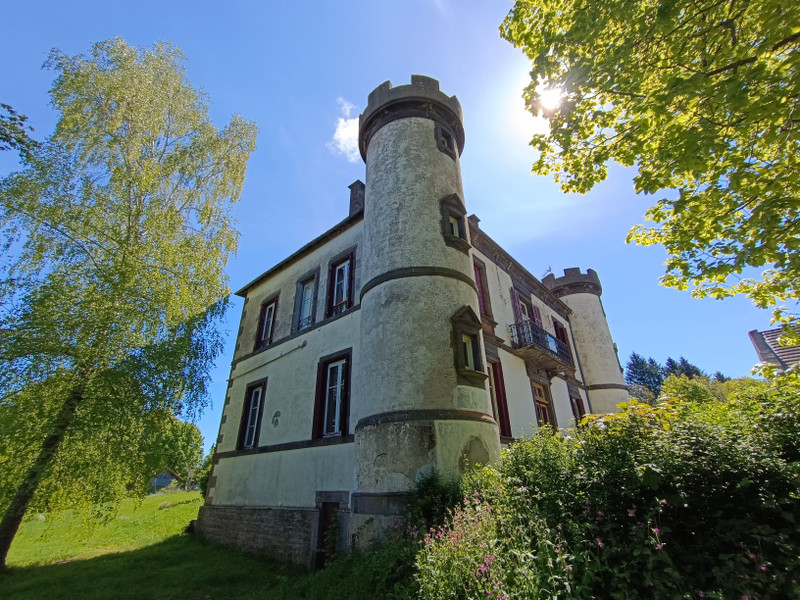
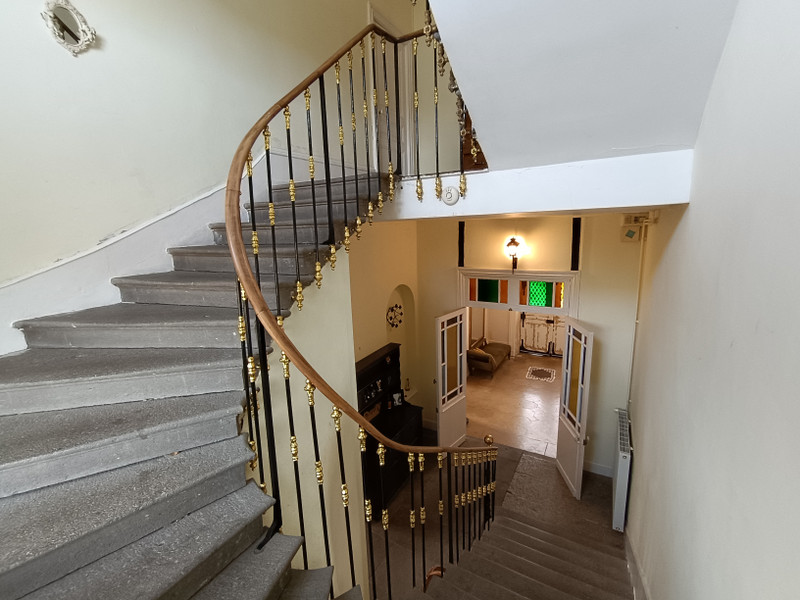
The listing presents a handsome three-storey château in the centre of Giat with a 3,500 m² walled garden, garage, pighouse and swimming pool in need of renovation. It also highlights immediate habitability, a furnished sale, walkable daily amenities, and potential for a large family, a bed-and-breakfast venture or holiday-rental use.
Those are genuine positives. The challenge is that a château is never just a house. In France, if a building is listed or protected, or sits within the protected surroundings of a historic monument, the Architecte des Bâtiments de France can play a decisive role in works approval. In addition, the mandatory diagnostics pack, the DPE, and the drainage position will all have real bearing on cost and future flexibility.
Targeted Questions
Heritage Status and Planning Controls
In France, listed or registered historic buildings are subject to a specific protective legal status that can significantly affect works, restoration methods and approvals.
Even if the château itself is not listed, works in the protected surroundings of a historic monument can still require ABF oversight.
Past ABF involvement is a strong clue as to how tightly future works may be controlled.
Heritage and protected-zone controls can materially slow projects and raise costs.
Boundary clarity is essential for understanding ownership, access, privacy and future works.
Village-centre château properties can carry inherited access rights that are not obvious from photographs.
Structural Condition and Building Fabric
"The bones are solid" is reassuring language, but for a building of this scale you need evidence rather than optimism.
Roof repair on a château-scale property can be one of the largest hidden costs.
Structural movement changes the project from ordinary maintenance to serious capital expenditure.
Older timber can conceal decay, infestation or reinforcement needs.
Timber infestation can be expensive and may affect both structure and interiors.
Damp in historic masonry buildings can be persistent and costly to remedy properly.
Recent work can reduce risk, but only if it is documented and competently done.
Transferable guarantees can materially reduce buyer risk where substantial works were undertaken.
Diagnostics Pack and Technical Documentation
The diagnostics pack is a core part of the French sale process and should reveal technical and legal issues before you commit.
The detailed DPE helps identify where the energy weakness sits and what improvements are recommended.
On a property of this age and scale, asbestos risk needs to be checked rather than assumed away.
Older French buildings may require a CREP lead report depending on period and exposure risk.
Timber-heavy and older properties warrant a clear answer on infestation risk.
These reports often reveal hidden technical work still to be done.
On a complex historic property, practical living space and measured space do not always align neatly.
Energy Class F and Running Costs
On a château-scale building, the rating could be driven by insulation, heating system age, windows, roof losses or all of the above.
The listing mentions oil central heating, which can be expensive to run and upgrade.
Real bills are far more useful than assumptions when budgeting for ownership.
Supplemental heating can materially affect comfort and winter running costs.
A poor rating matters less if the easiest upgrades are already known and costable.
The F rating is one of your main negotiation points and should be quantified.
Pool, Garden and Exterior Works
Pool renovation can range from modest liner work to major structural and filtration replacement.
You need to know whether you are pricing maintenance or a full reinstatement project.
Existing quotes can give you a fast handle on negotiation range.
Pool systems near end of life can create immediate post-purchase expenditure.
Safety compliance matters both for private use and any hospitality use.
Mature gardens are a major asset, but also a recurring cost.
Outbuildings and Conversion Potential
Outbuildings often add upside only if their legal and structural position is clear.
Administrative recognition matters for resale, tax and future conversion.
Conversion potential should be tested with evidence, not just imagination.
Outbuilding conversion costs are driven first by structure, not aesthetics.
Drainage, Water and Connectivity
Château-scale occupancy and garden maintenance create meaningful demand.
Drainage position is one of the most important hidden-cost questions in French property due diligence.
Non-compliant drainage can create a substantial post-purchase bill and is a major negotiation point.
A system suitable for one household may be inadequate for B&B or gîte activity.
The listing mentions fibre, but real-world performance matters for modern living and possible guest expectations.
B&B, Gîte and Village-Centre Practicalities
There is a big difference between hospitality potential and actual trading history.
Historic performance is more valuable than generic lifestyle potential.
Meublé de tourisme rules in France continue to tighten, and registration procedures are becoming more systematic.
A lively market-town setting can be wonderful for lifestyle and challenging for guest tranquility.
Year-round practicality matters whether you plan full-time use or hospitality use.
Future change can affect both liveability and commercial positioning.
Sale Structure, Furnishings and Motivation
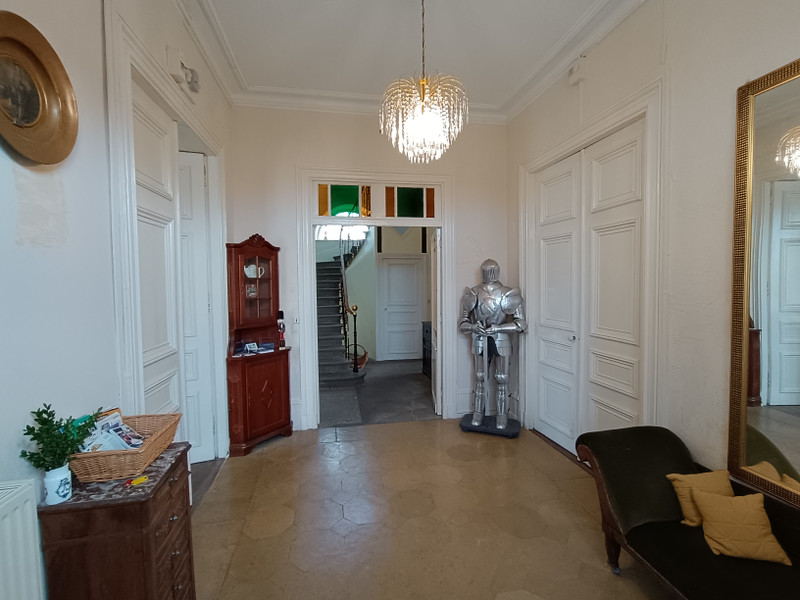
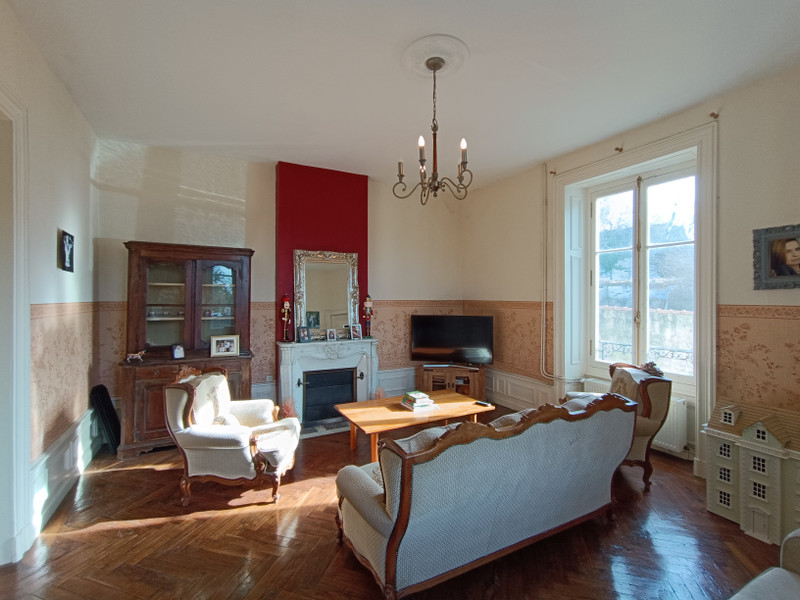
"Sold furnished" can add real value, but only if you know what is actually staying.
A material price drop can indicate urgency, failed deals, technical issues or simply a more realistic repositioning.
On French property, the true entry cost is never just the asking price.
Negotiation Intelligence
Buyer Leverage
Medium–High
Key Drivers
Typical Negotiation Range
5-15% below asking
Neutral Phrasing Examples
Country Layer
France (Regulatory Context March 2026)
In France, buildings can be protected as monuments historiques under two main levels, classé and inscrit, both of which create a specific legal protection regime. Works on protected buildings, and works in the surroundings of a historic monument, can involve the Architecte des Bâtiments de France in the authorisation process.
Viewing Strategy
Do not view this like an ordinary village house. Walk it like an operator and an owner.
Next Step
Verify from the listing:
Heritage status and ABF constraints
A château of this age may be directly protected or fall within a protected perimeter. Confirm this early, because it can materially affect what you can alter, how long approvals take, and what specialist input is required.
Energy Class F and actual upgrade burden
The F rating is one of the clearest factual negotiation points in the listing. Ask for the full DPE immediately and use it to understand whether the weakness is mainly heat source, insulation, windows or broader building fabric.
Pool renovation scope
“Requires renovation” is too vague for a meaningful offer. Find out whether the issue is liner, filtration, structure, safety compliance, or all of the above.
Drainage position for an 8-bedroom property
Whether the château is on mains drainage or a non-collective system makes a major difference. If there is a septic or other individual system, ask for the latest SPANC report straight away.
Furnished sale and actual included value
Sold furnished can be a real financial advantage, especially at this price point, but only if you know what is included and whether the furniture meaningfully supports the B&B or family-house use case.
A prepared buyer should approach the agent calmly and frame questions as due diligence. For example: “To help us assess the château properly and prepare a serious offer, could you share the diagnostics pack, confirm the heritage and ABF position, and clarify the structural and pool-related paperwork?”
Because this is a large historic property where the key risks sit in renovation scope and hidden building cost, run it through the Renovation Budget Planner to map likely works, or use the Property Risk Assessment to pressure-test the broader legal and technical risks before contacting the agent.
Disclaimer: The Property Drop is buyer-focused intelligence, zero sales agenda. We curate exceptional properties, in southern Europe, from third-party agents and arm you with decision tools. No commission, no transactions, no agent partnerships, no skin in the game beyond helping you choose wisely. Information stays accurate until it doesn't (properties sell, prices shift, markets move). Everything here is shared for informational purposes only and should not be treated as legal, financial, or investment advice. Images belong to original agents. Read our Terms of Service to learn more.
IMPORTANT REMINDER: When contacting property agents featured on The Property Drop, you are entering into direct communication with third parties. It's recommended that you verify all property details independently, conduct thorough due diligence, engage qualified professionals (solicitors, surveyors, financial advisors), understand your rights and obligations under local property laws, and never send money or make commitments without proper legal protection.
