
The Buyer Playbook: 4-Bed 18th-Century Noble Palace with Frescoed Vaults and Rooftop Terrace, Galatina, Italy, €620,000
Buyer Playbook
Pre-Viewing Intelligence Report
This independent buyer guidance report relates to this specific property located in Italy. It is provided for informational purposes only and does not constitute legal, tax, structural or survey advice. Heritage protection, Soprintendenza permissions, cadastral status, agibilità, planning, habitability, rental use, structural condition, fresco conservation, terrace rights, garage access and any change-of-use matters must always be verified with qualified Italian professionals such as a notaio, avvocato, geometra, architetto, ingegnere, conservation specialist, surveyor or licensed property consultant, and with the Comune di Galatina and the relevant Soprintendenza. This report is designed to help buyers evaluate the property before arranging a viewing or making an offer. It highlights due diligence issues and targeted questions to ask the estate agent. The analysis is based on the listing details and publicly available regulatory context at the time of writing, including current Italian rules on cultural heritage authorisations, agibilità, APE energy certificates and tourist-rental identification requirements.
Playbook Contents
Property Snapshot
Location
Galatina historic centre, Puglia, Italy
Property type
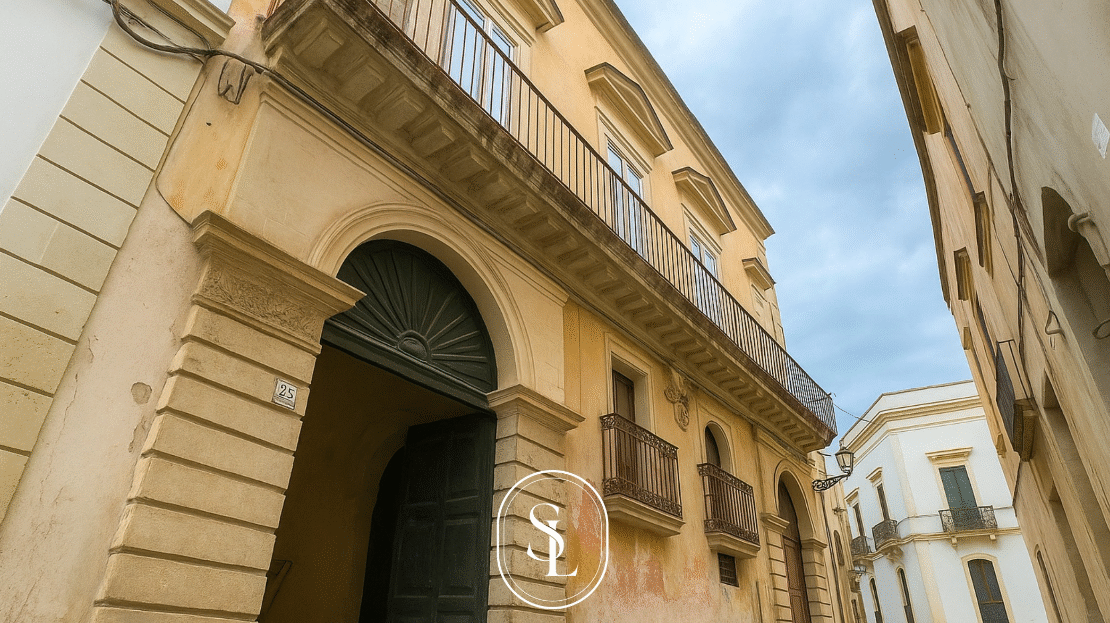
18th-century noble palace
Asking Price
€620,000
Bedrooms
4
Key architectural features
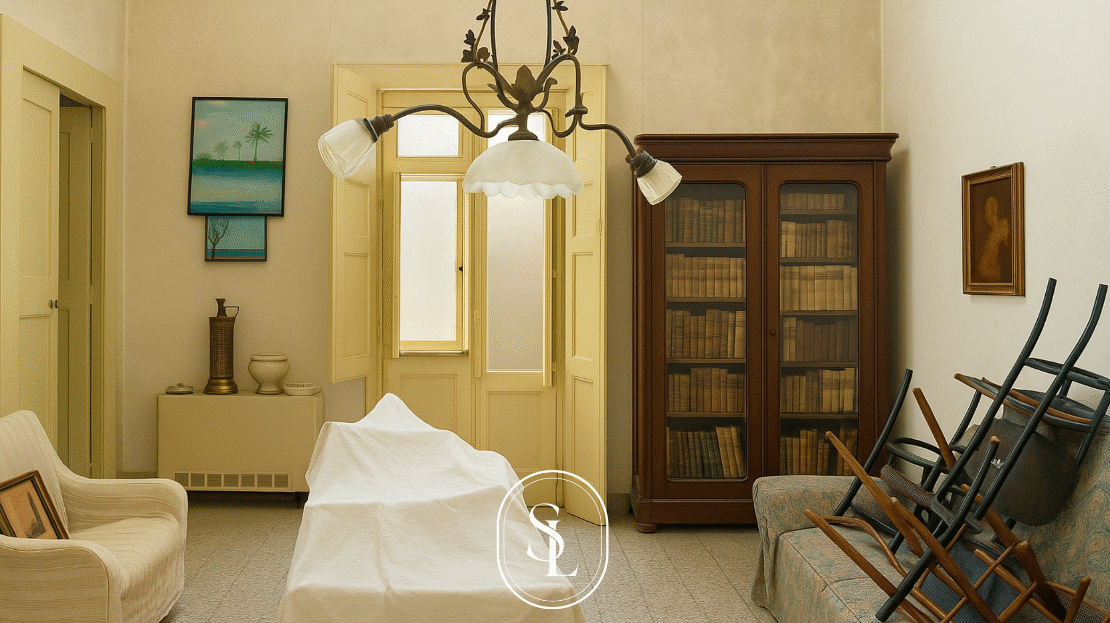
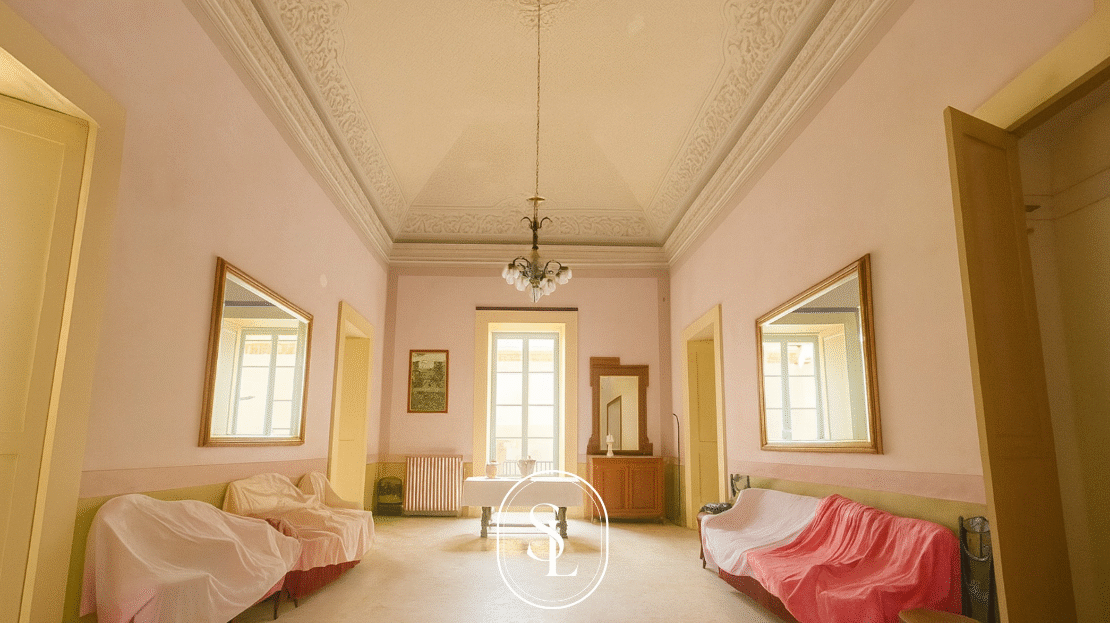
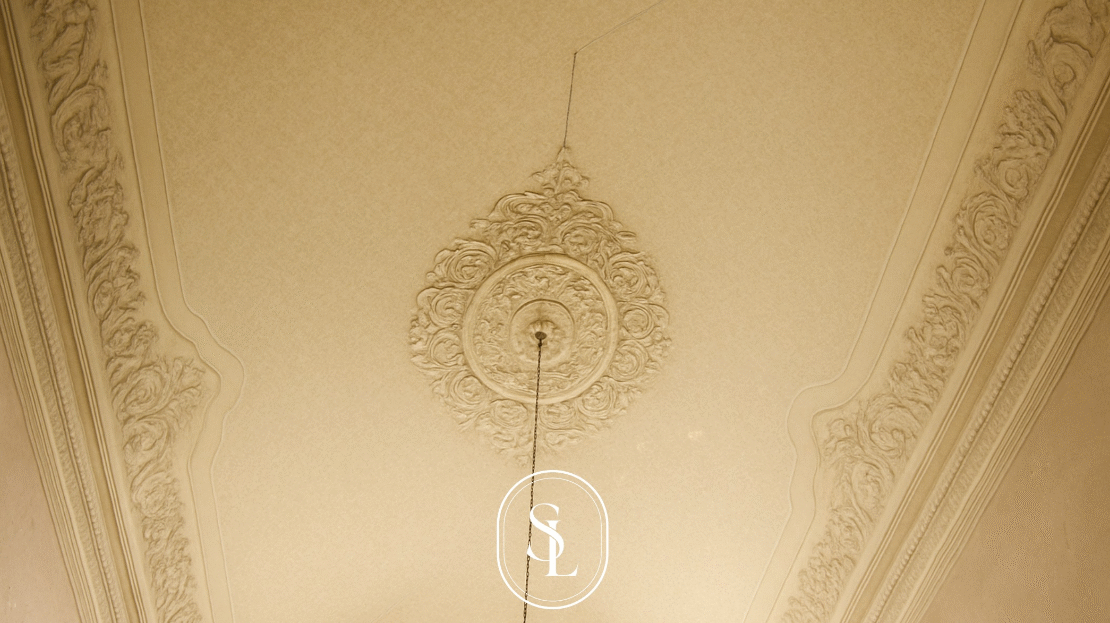
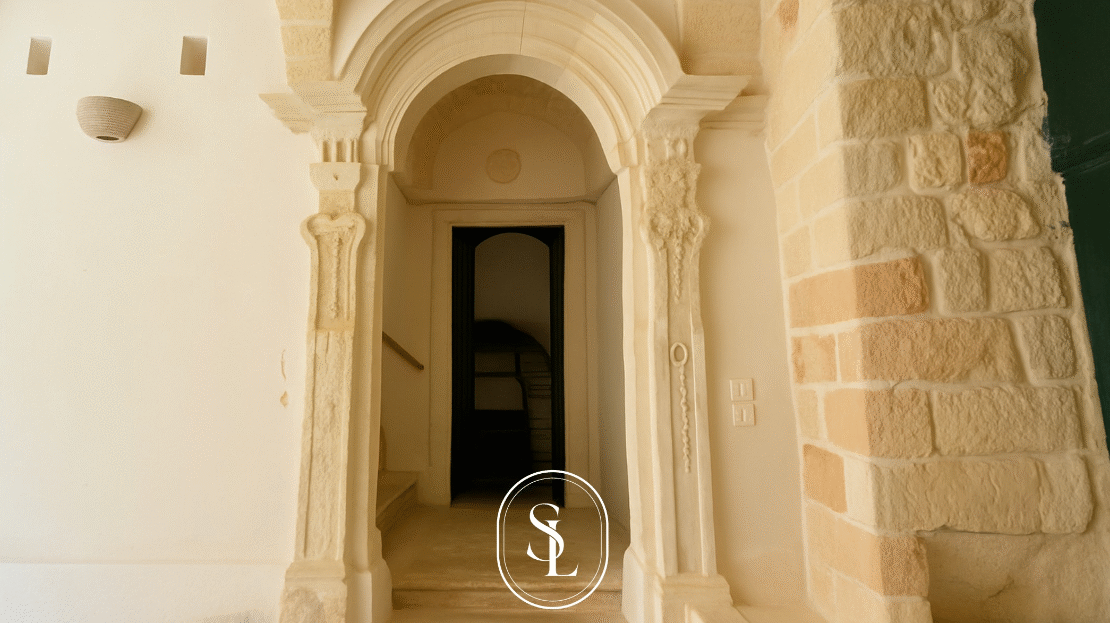
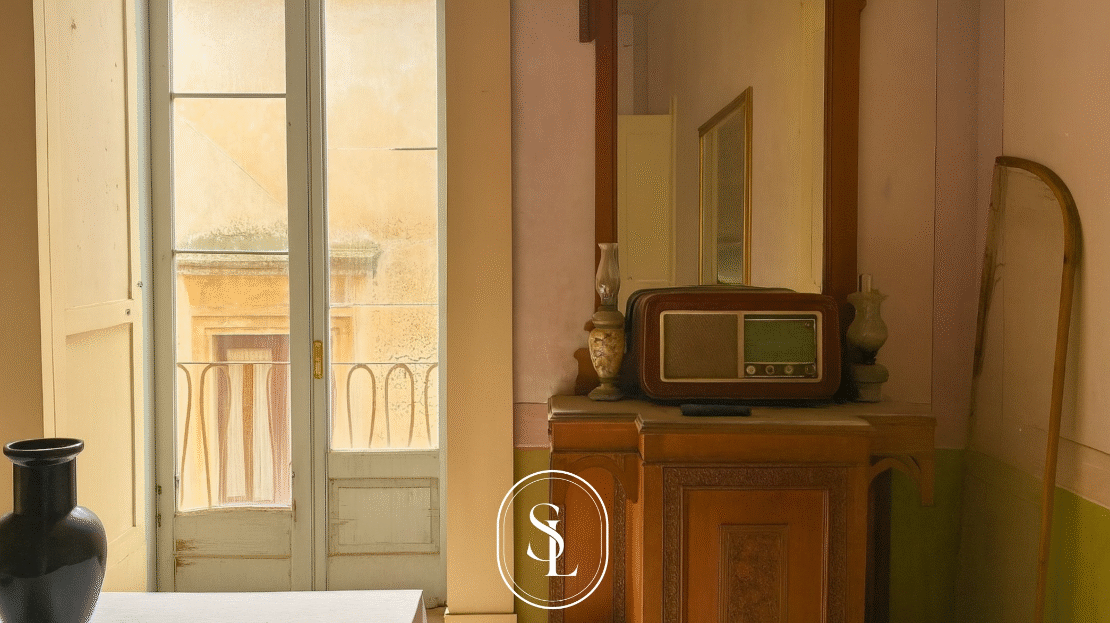
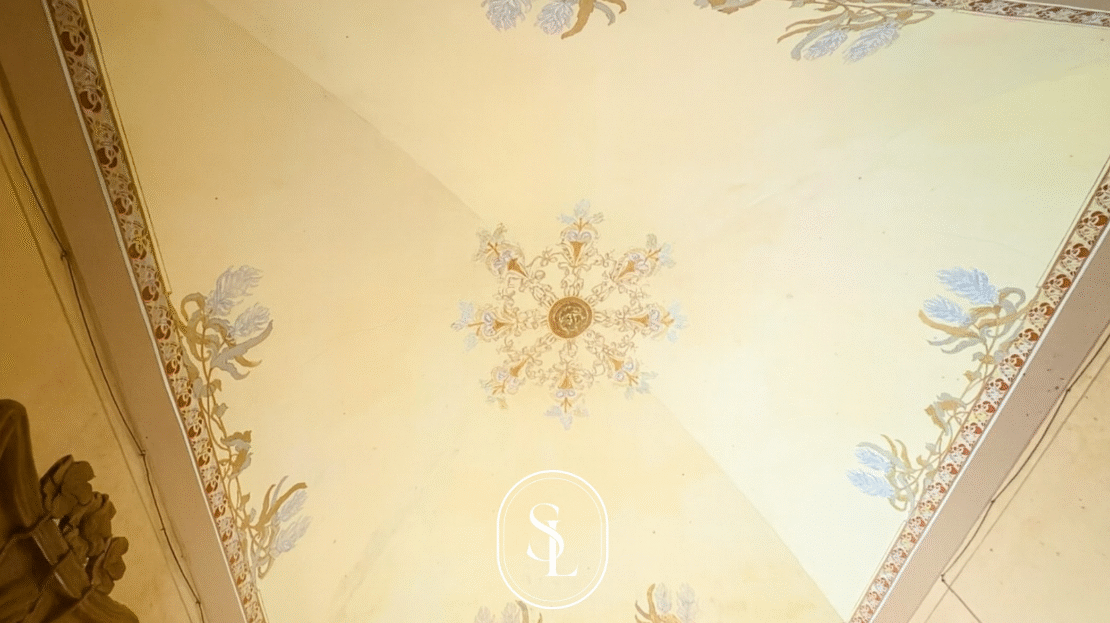
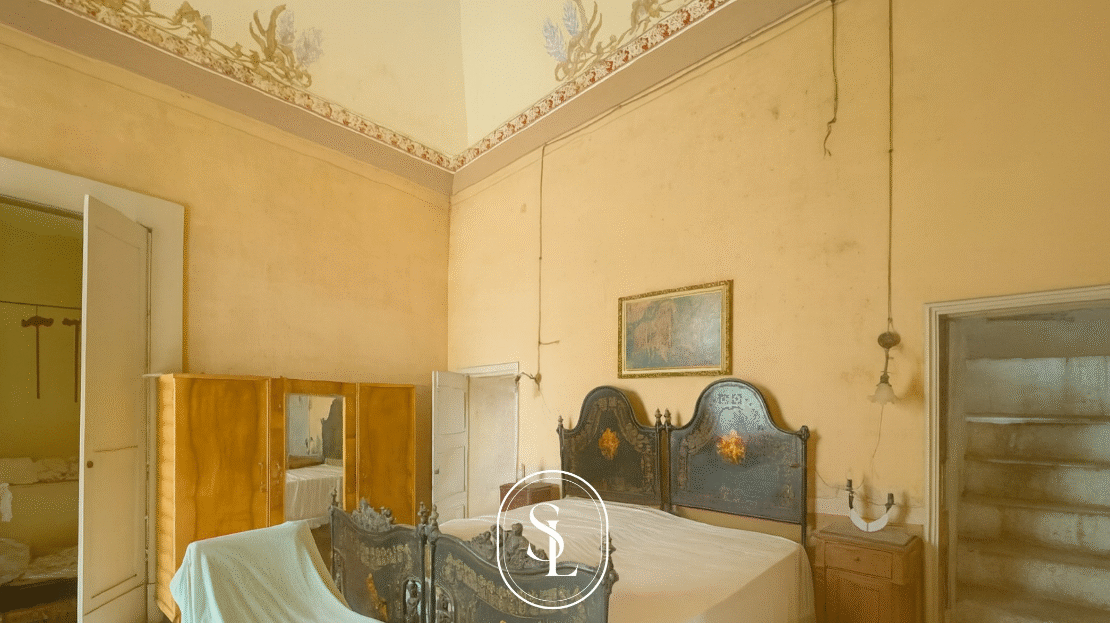
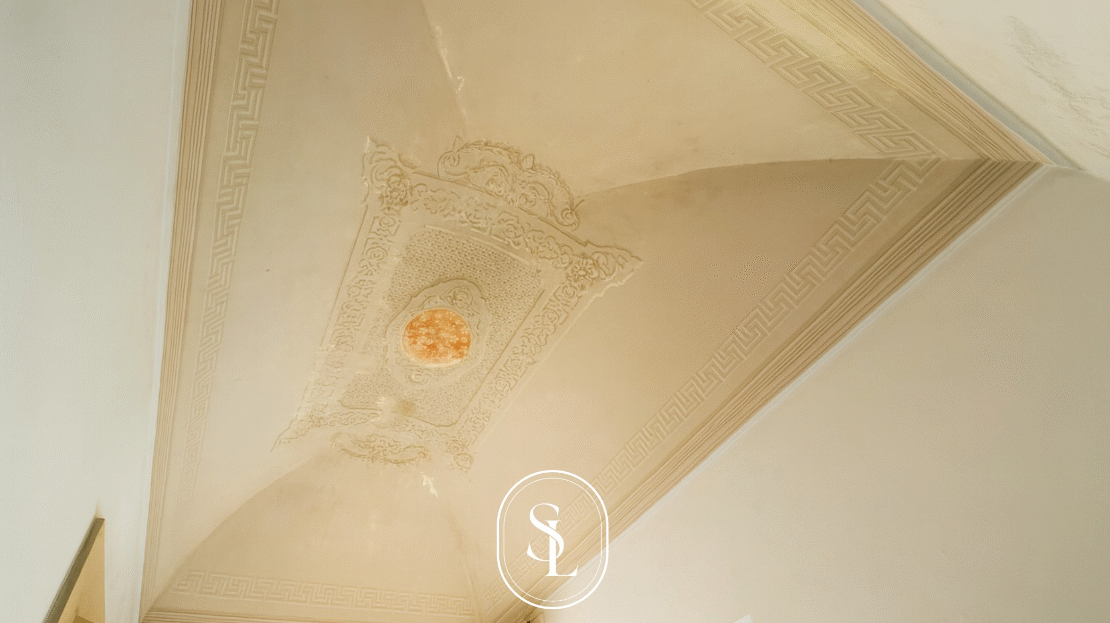
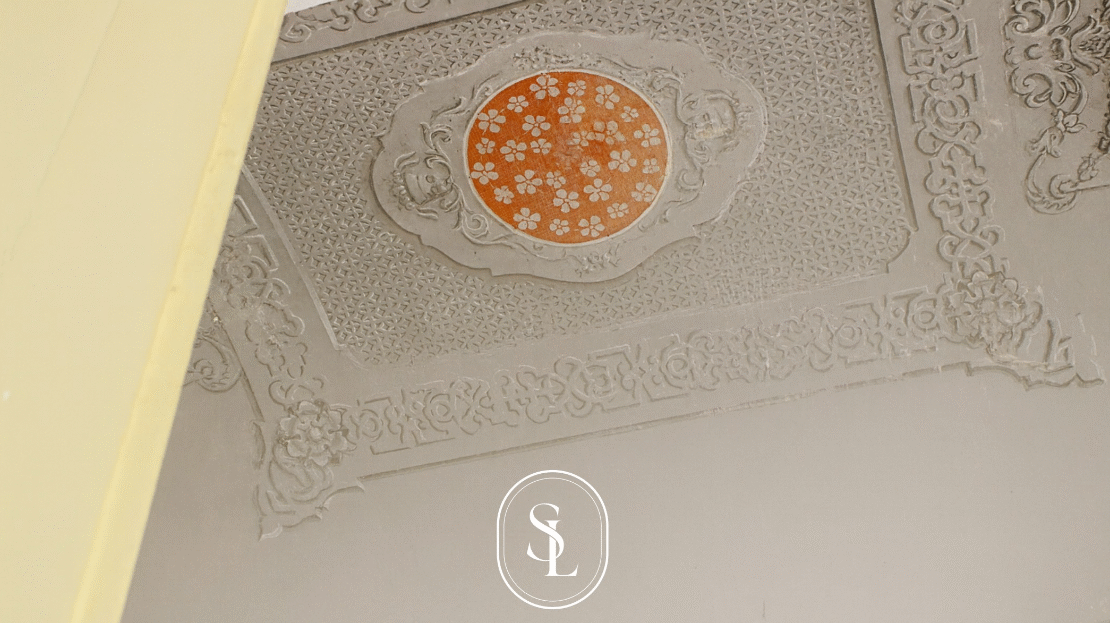
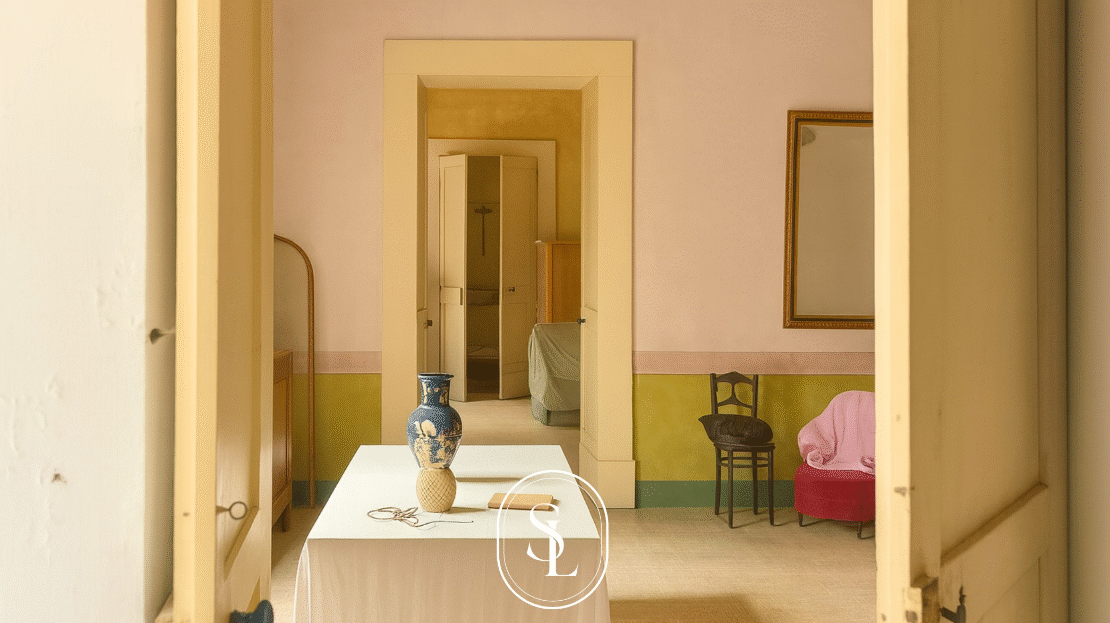
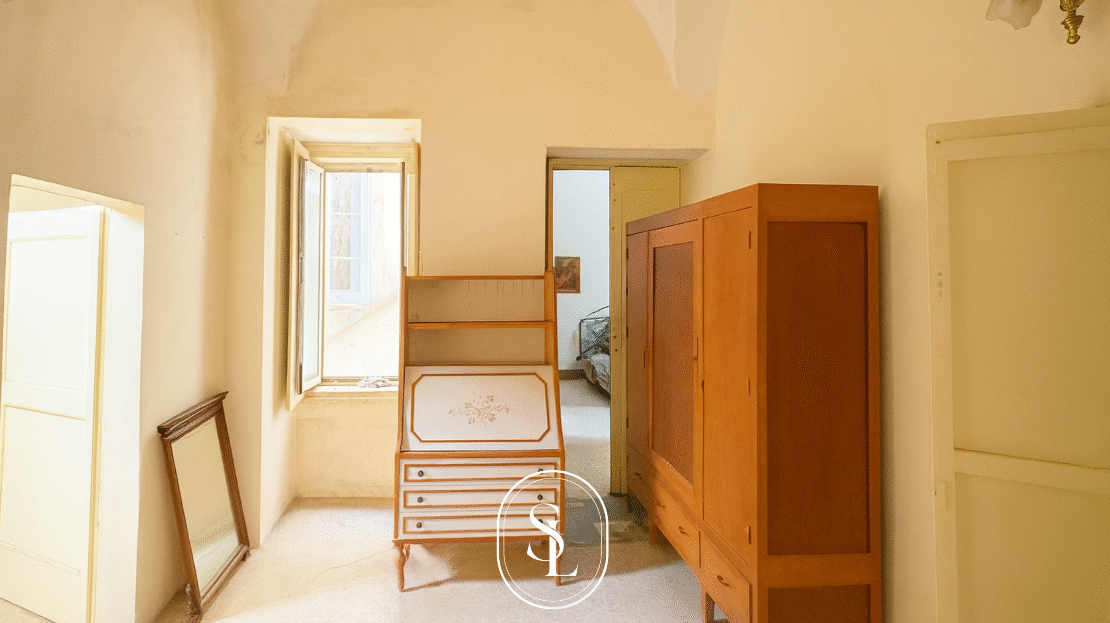
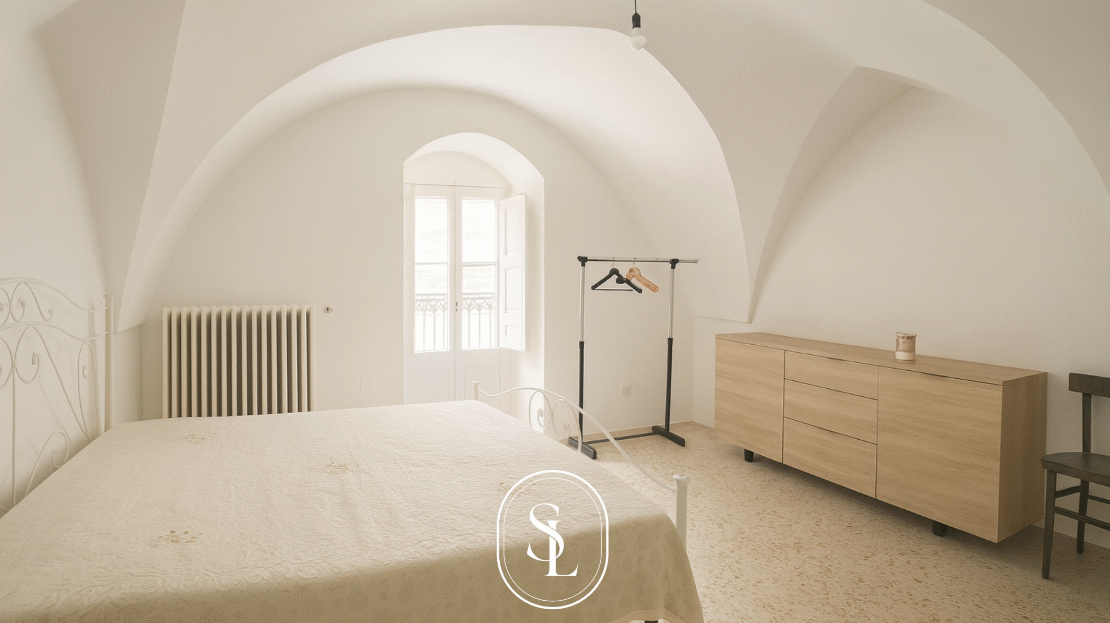
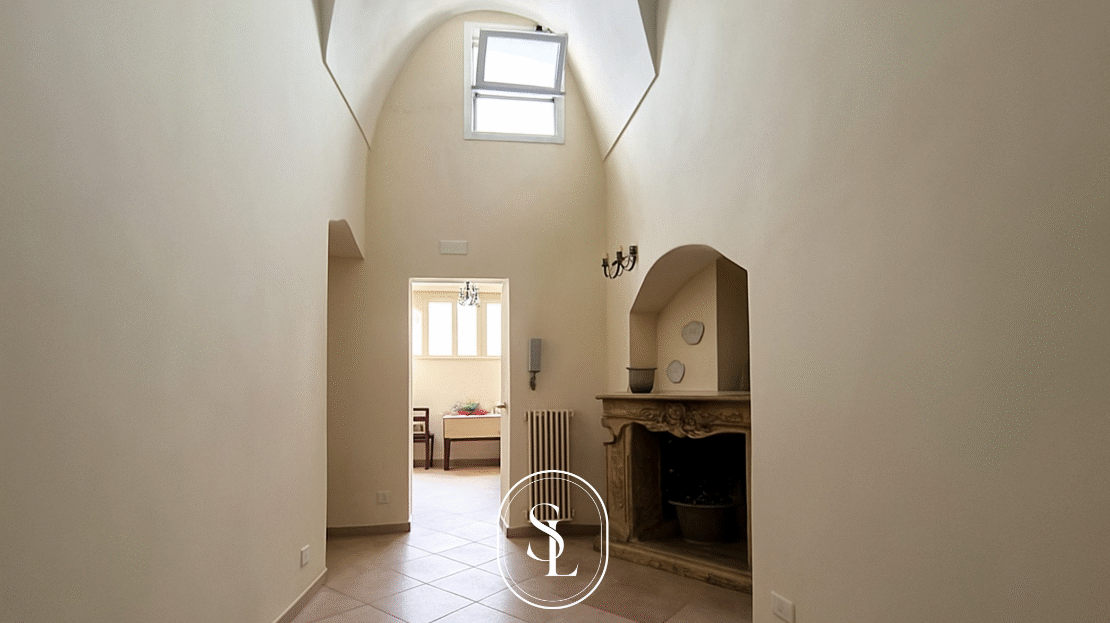
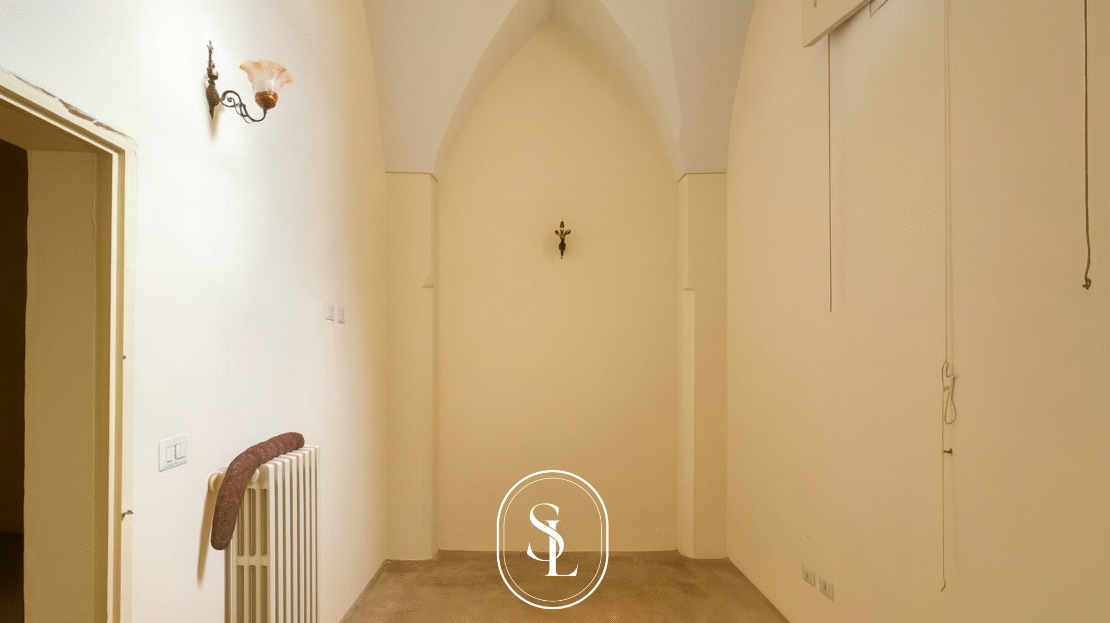
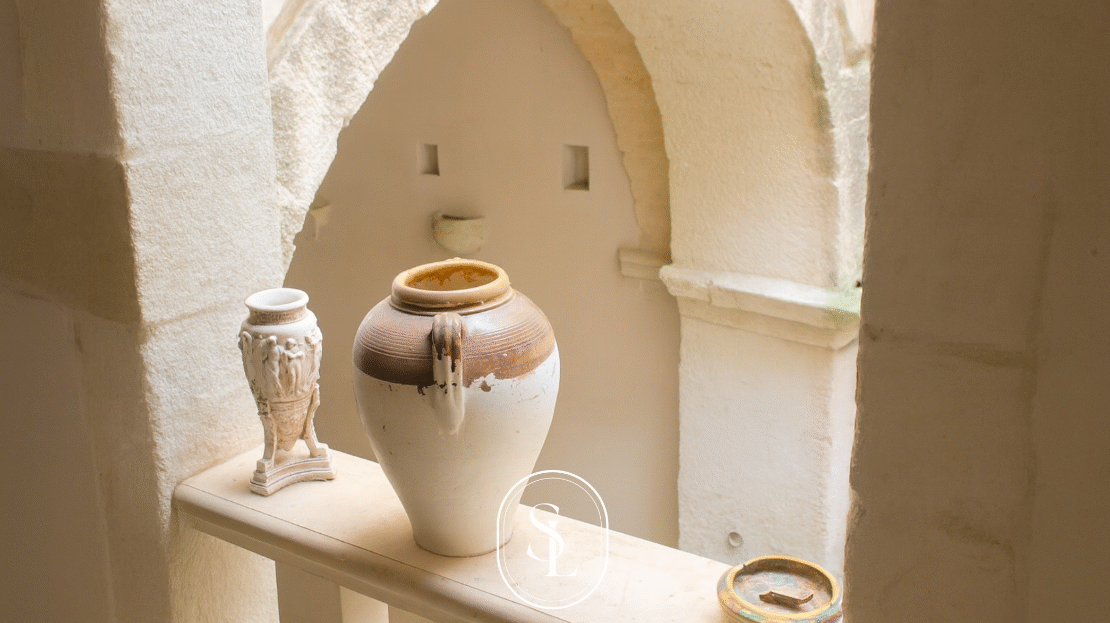
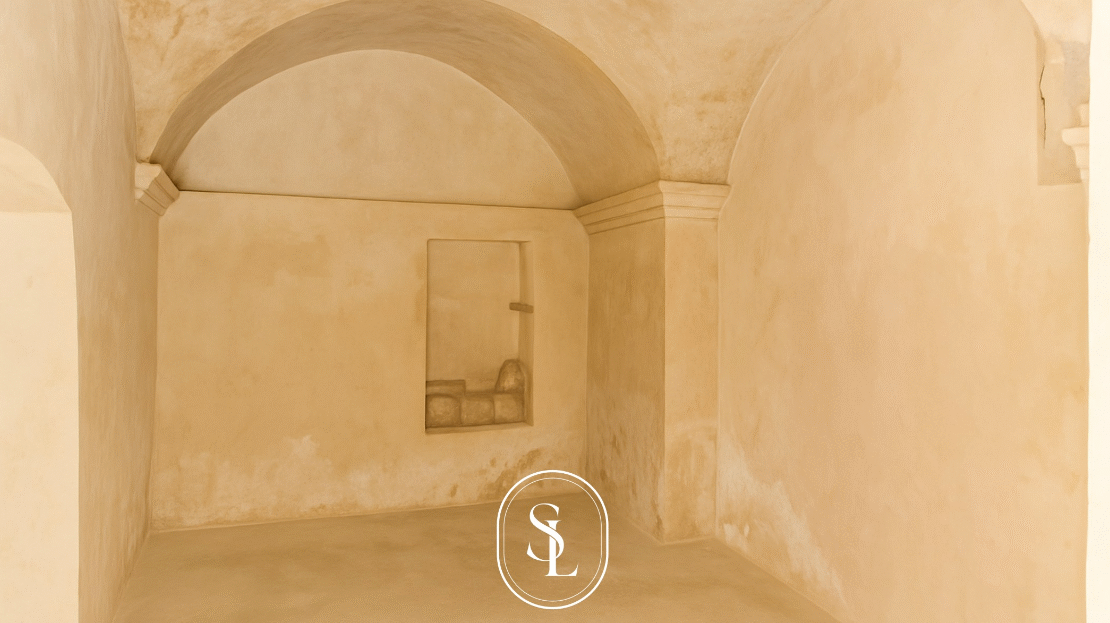
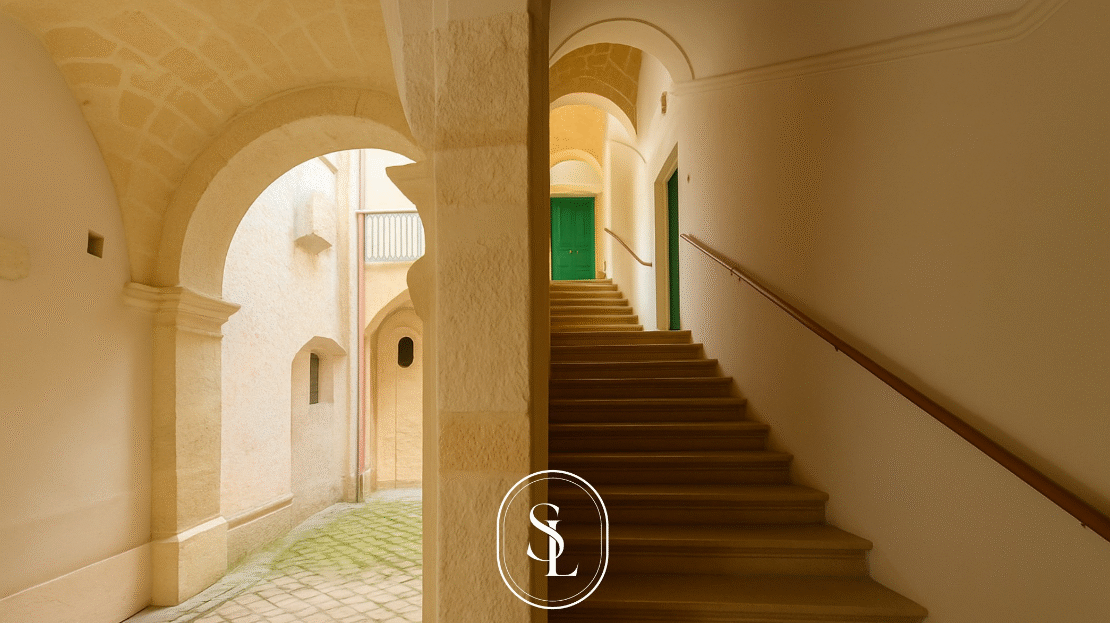
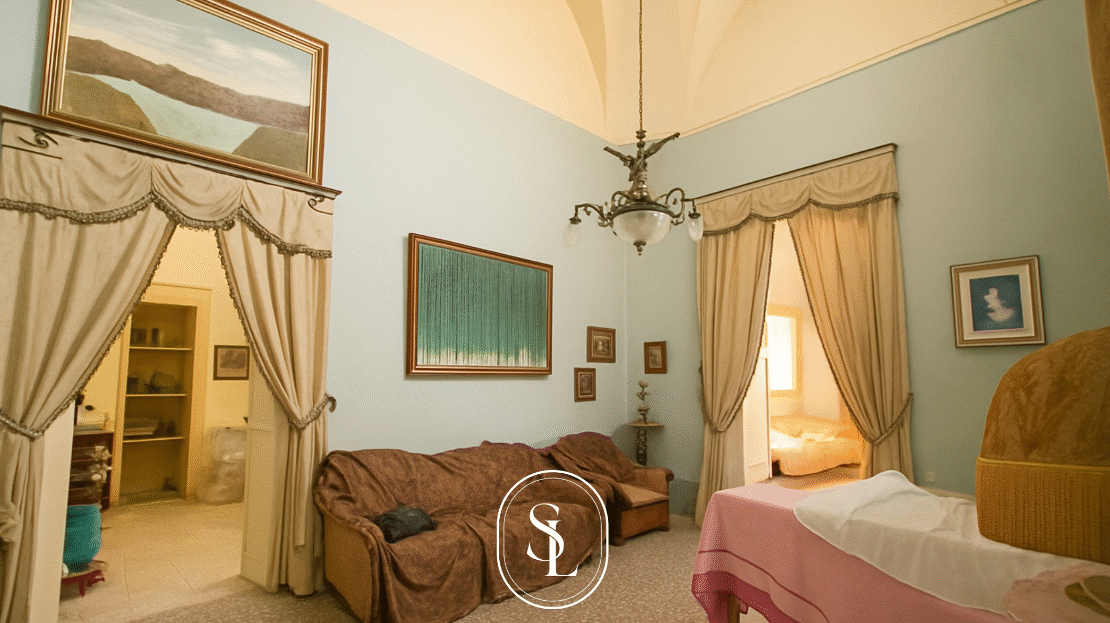
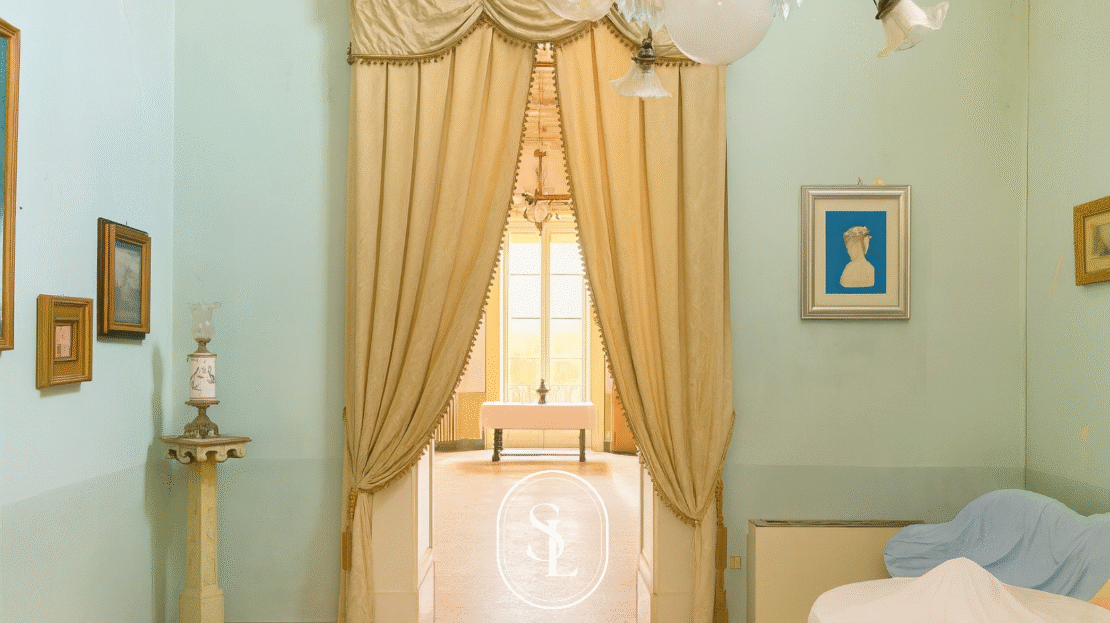
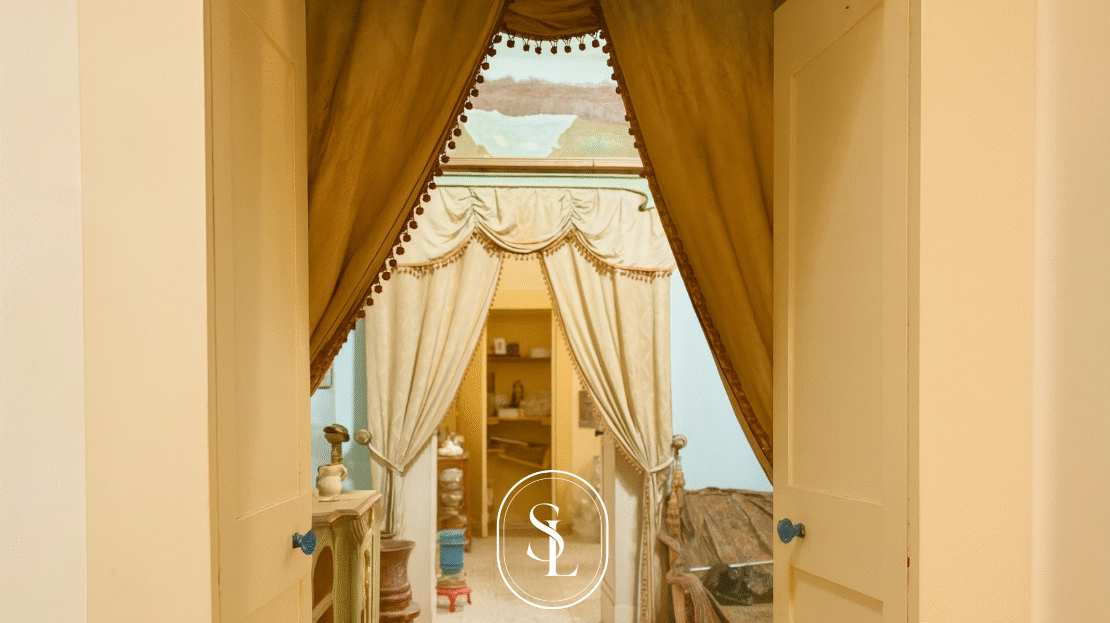
Frescoed vaulted ceilings, trompe-l'œil decoration, dramatic stone staircase and historic internal volumes
Outdoor space
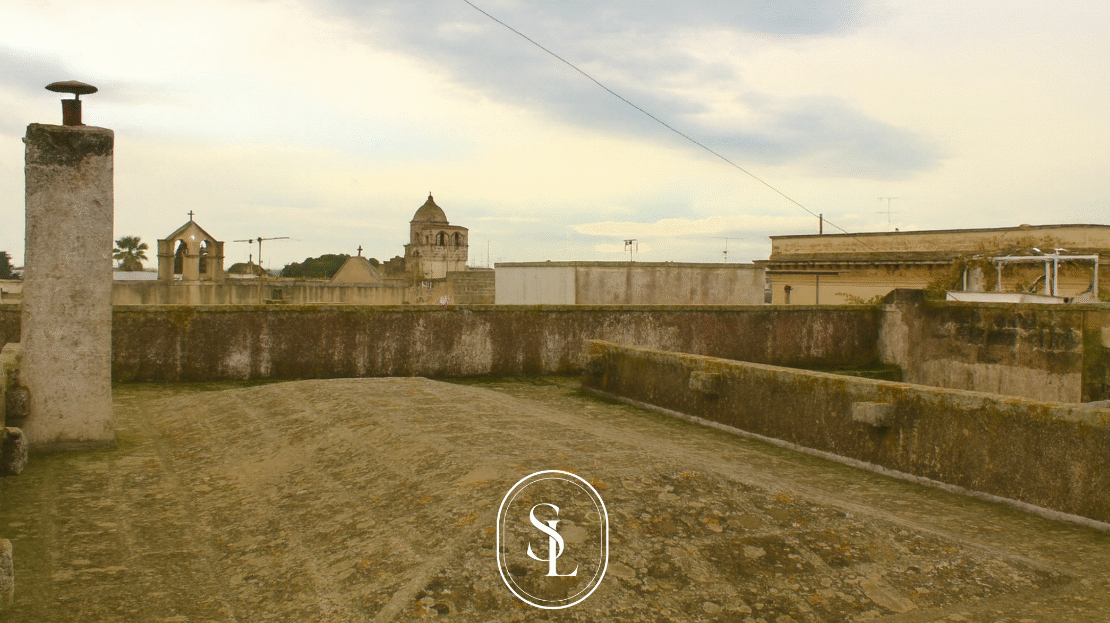
Rooftop terrace and internal carriage courtyard
Ancillary spaces
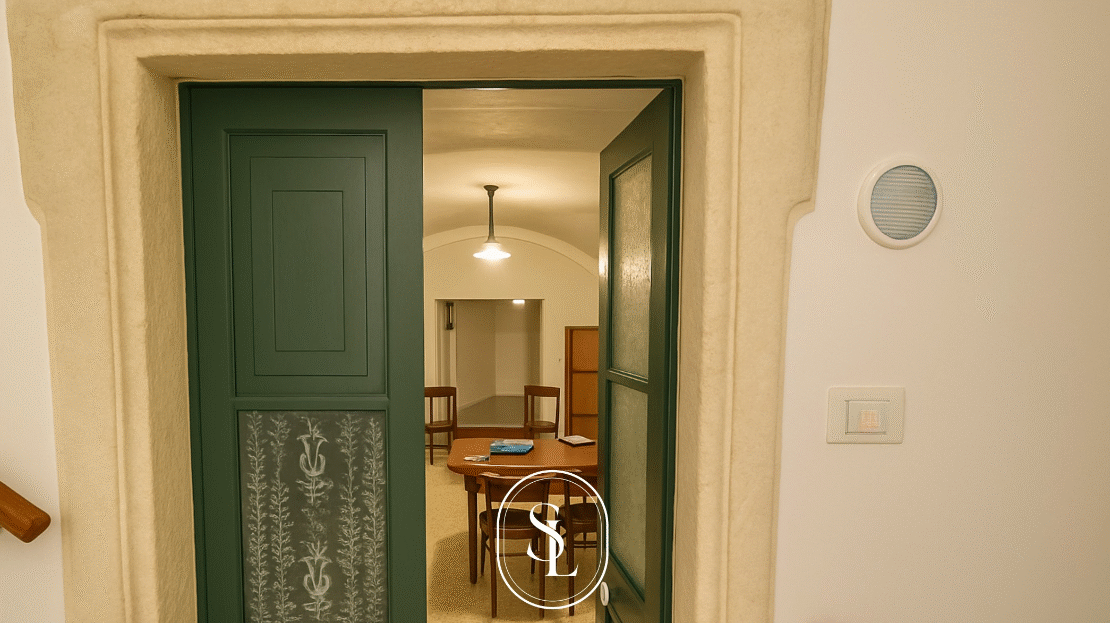
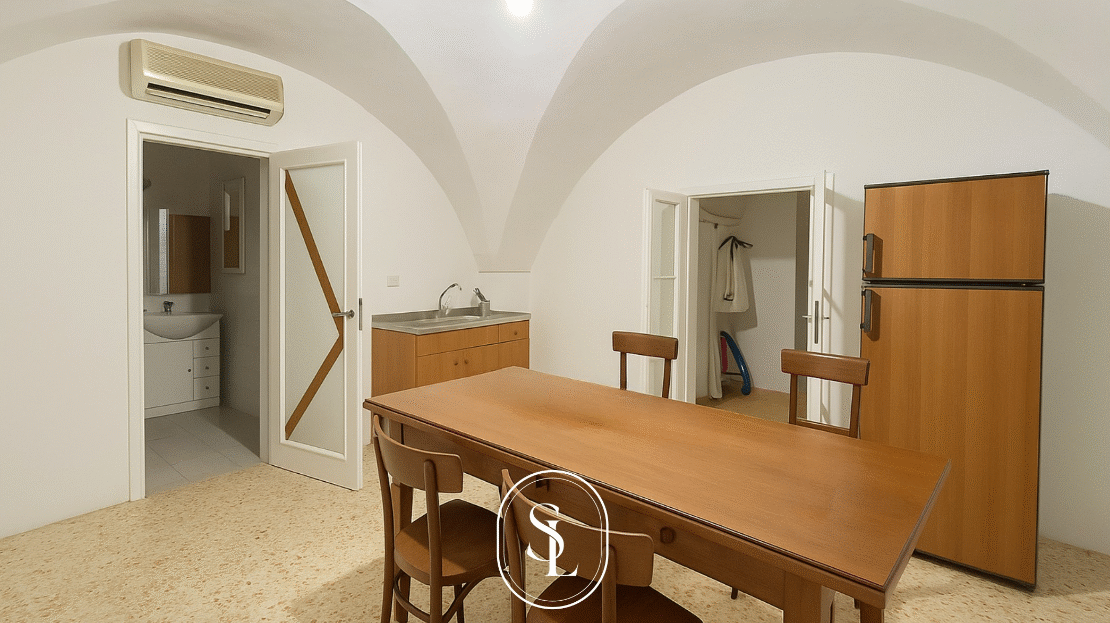
Former stables, service areas and private garage
Energy rating shown
Energy Class N
Condition angle
Historic property with major architectural character and likely restoration or compliance considerations
Potential use
Private residence, cultural residence, boutique hospitality project, high-end rental or mixed private and guest accommodation
Primary due-diligence theme
Whether the palace's heritage, legal, structural and commercial-use position supports the level of ambition implied by the listing
Risk Radar
Overview
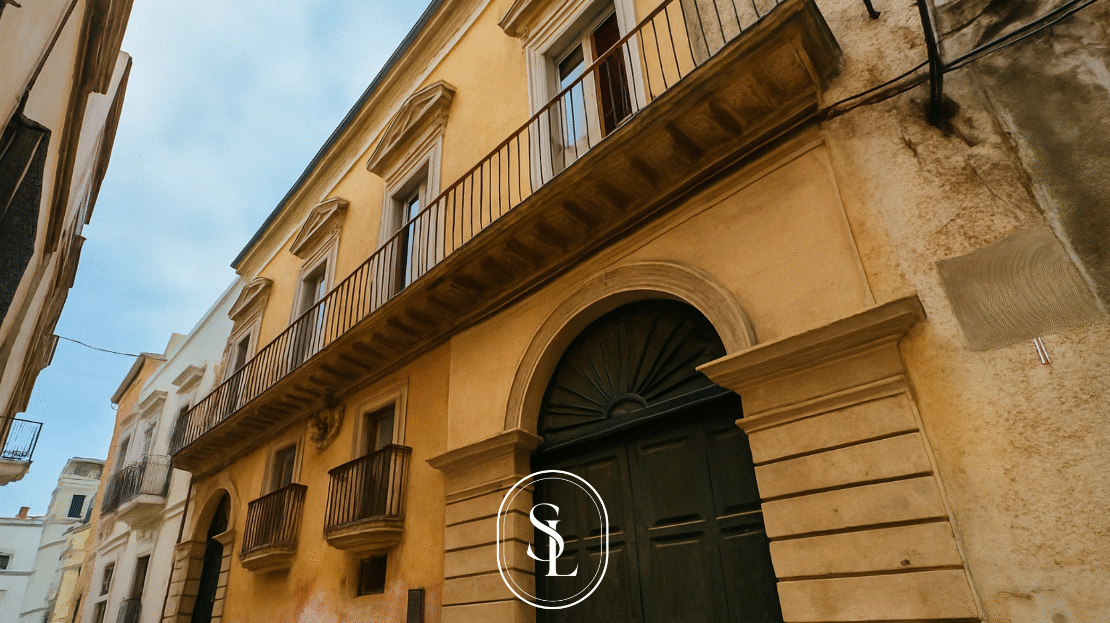
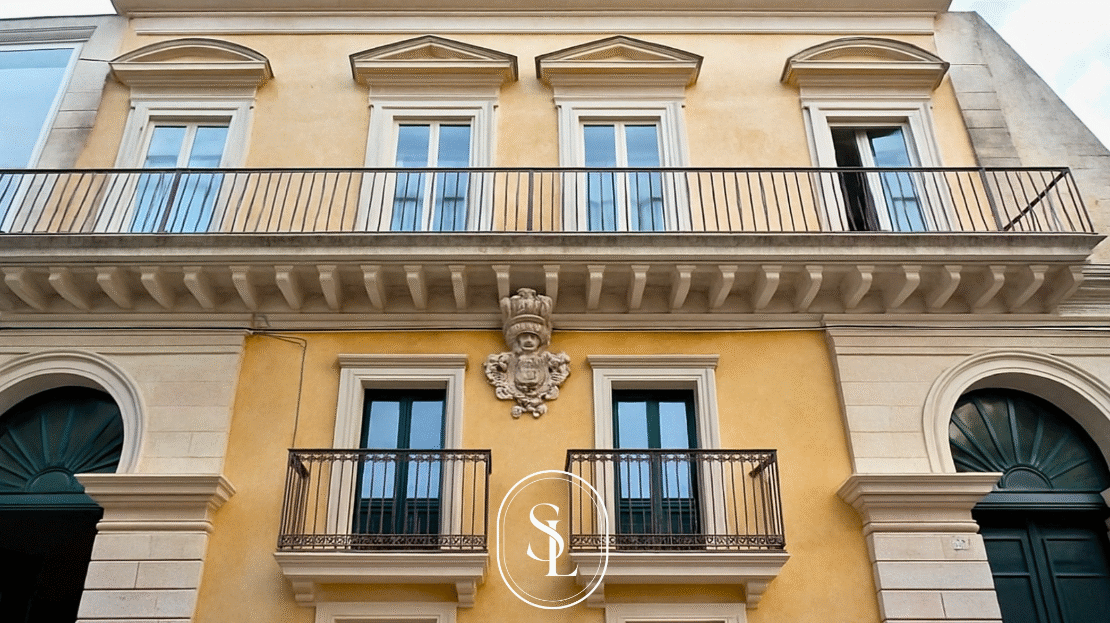
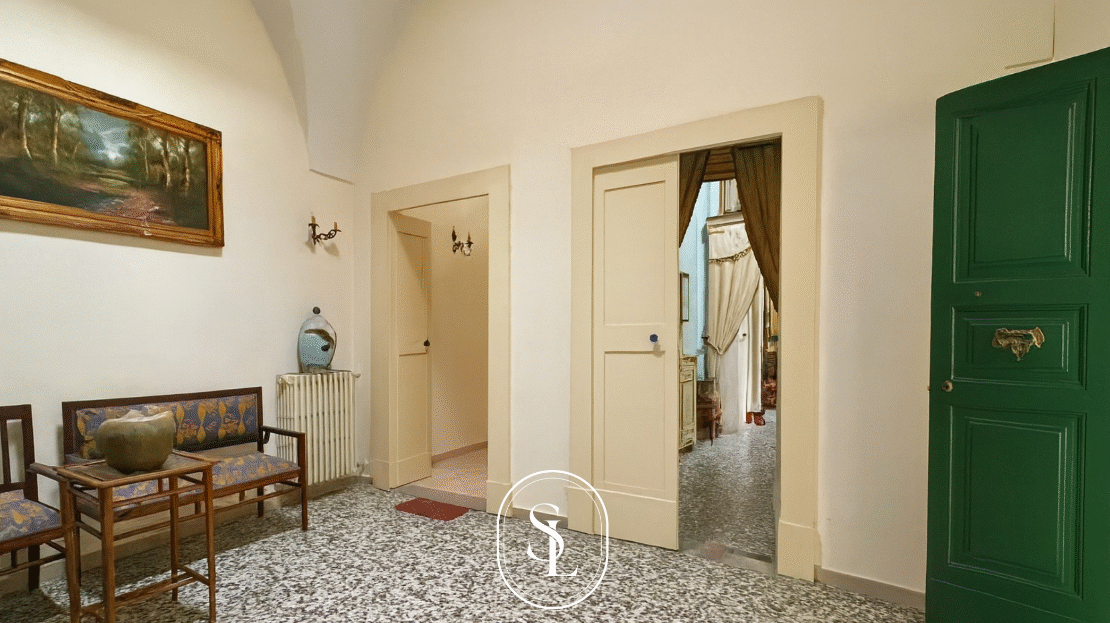
This is not a standard historic-centre townhouse. It is an 18th-century noble palace with frescoed vaults, trompe-l'œil decoration, a stone staircase, carriage courtyard, former stables, garage and rooftop terrace. That gives it extraordinary architectural appeal, but it also means the due diligence needs to be much more rigorous than for a conventional residential purchase.
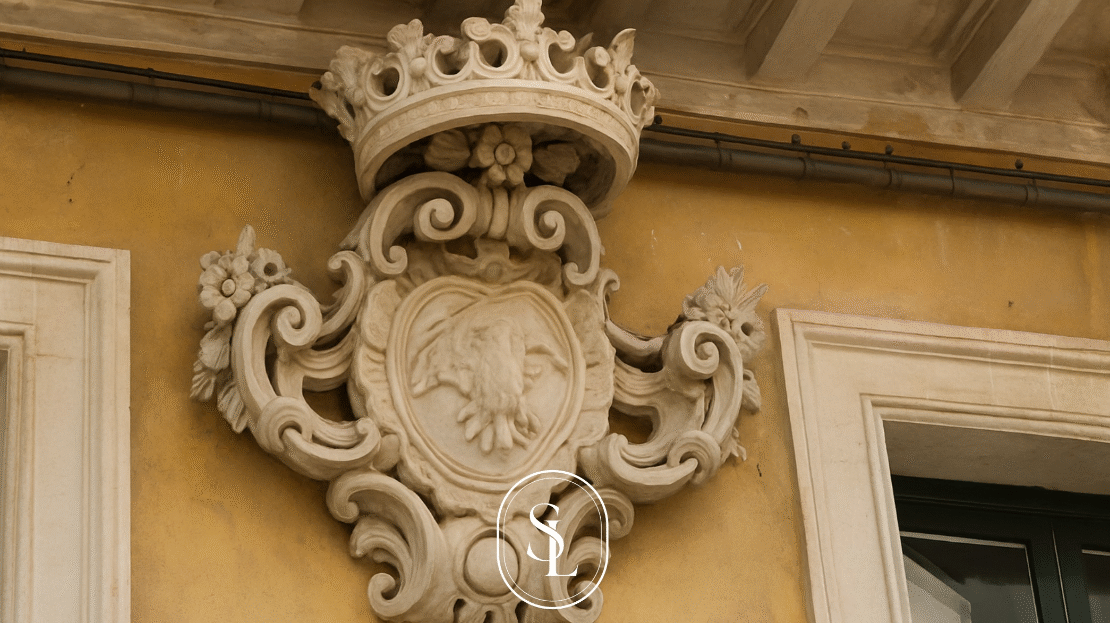
The central question is whether the property is merely historic in character, or formally protected as a cultural asset. If it is vincolato or otherwise subject to heritage controls, future restoration, layout changes, terrace works, façade repairs, fresco conservation and any boutique-hospitality conversion may require prior Soprintendenza approval. Italian heritage rules can affect timelines, costs, materials, contractors and the level of intervention permitted.
The second major issue is how the palace is legally divided and classified. The former stables, carriage courtyard, service quarters, garage and rooftop terrace all add value, but each needs to be checked against the visura catastale, planimetrie catastali, title position and planning record. Buyers should not assume that every visually usable space can automatically be converted into habitable, commercial or guest accommodation.
The third issue is condition. Frescoed ceilings and historic vaults are rare assets, but they need specialist assessment. Damp, roof movement, terrace waterproofing, structural settlement, timber decay and outdated systems can all become expensive in a property of this type. The listing's "Energy Class N" wording also needs immediate clarification, especially if the property is being sold as a potentially usable private residence or tourism asset.
Targeted Questions
Heritage Status and Cultural Protection
A formal heritage constraint can affect almost every future intervention, including restoration, conversion, façade works, fresco repairs and layout changes.
Buyers need the exact legal document, not a general statement that the building is "historic."
Protection can apply to specific elements, and those details shape what a buyer can alter.
This may trigger stricter conservation oversight and affect future use, sale and restoration strategy.
Existing correspondence can reveal permitted works, rejected proposals or conservation concerns.
Protected cultural assets can involve additional sale procedures and timing considerations.
Boutique-hotel or luxury-residence plans may depend on interventions that heritage controls could limit.
Even apparently minor exterior works can become regulated in historic centres.
Renovation Permissions and Future Works
Recent works should have a documented permissions and compliance trail.
Unauthorised works can create legal, cost and resale problems.
Professional drawings and filings help verify what was approved and what was actually done.
Conservation work should be documented and often requires specialist oversight.
Under Italian building rules, agibilità relates to safety, hygiene, health, energy-saving and usability conditions for buildings and relevant works.
Protected cultural property generally requires prior Soprintendenza authorisation for works, and official guidance indicates that authorisation for works on protected cultural property is required before intervention.
Soprintendenza authorisation can materially affect project scheduling, holding costs and investor returns.
A buyer needs to understand whether the building requires light conservation or a major capital programme.
Historic-property incentives may offset some costs, but eligibility must be verified with local professionals.
Frescoes, Vaults and Historic Fabric
These are core value drivers and may require expensive specialist conservation.
A general surveyor is not enough for painted historic surfaces.
These can signal moisture, structural movement or poor prior repairs.
Vaulted structures can perform well for centuries, but movement or water ingress needs expert review.
Water ingress is one of the biggest risks to decorated ceilings.
Ownership may bring maintenance duties as well as visual pleasure.
This affects cost, contractor availability and project complexity.
Cadastral Status and Legal Classification of Spaces
These documents confirm how the property and its spaces are officially recorded.
Mismatches can require regularisation before or after purchase.
The property's category affects tax, valuation and lawful use.
Spaces classified as garage or storage may not automatically be usable as living or guest accommodation.
A private garage in a historic centre is highly valuable, but its legal status and access must be clear.
Separate classification can affect conversion, taxation and future planning.
Buyers should not price them as accommodation unless their legal status supports that.
A rooftop terrace is a major value feature and must be clearly attached to the property.
Courtyards in historic buildings may carry access rights, shared use or maintenance obligations.
Historic palazzi can include old access arrangements that affect privacy and commercial use.
Stables, Garage, Courtyard and Terrace
This is central to the property's development and tourism potential.
Early official feedback is more reliable than agent optimism.
Change of use can trigger planning, technical and compliance requirements.
Courtyard intervention may be tightly controlled in a protected building.
Historic paving may limit drainage, accessibility and event-use changes.
A garage is only genuinely valuable if it is usable by modern vehicles.
Historic-centre parking can be administratively and physically complicated.
Terrace failure can damage rooms below and frescoed historic interiors.
Terrace membranes have a finite life and replacement can be costly.
Rooftop lifestyle upgrades may need heritage approval.
Structure, Roof and Building Systems
Roof condition is critical in a frescoed palace because leaks can damage high-value decorative ceilings.
Structural concerns in a historic palace can become complex and expensive.
Damp is common in historic masonry and can damage plaster, frescoes and finishes.
Historic roofs, floors and doors may contain vulnerable timber.
Boutique or residential use requires safe, adequate electrical capacity.
Historic buildings often have uneven system upgrades.
In a historic centre, mains drainage is likely but should still be confirmed for a property of this size.
Usability of bathrooms, guest areas and terrace features depends on practical service capacity.
Energy, Heating and Cooling
Italy normally uses an APE system for energy performance, and ambiguous labels should be clarified before valuation.
In Italy, an APE is generally required for sale, lease and major renovation contexts, although narrow exemptions can apply in specific cases.
Buyers should not rely on informal explanations for energy-document gaps.
Heating an 18th-century palazzo can be costly without modern zoning.
Cooling matters for private comfort and boutique hospitality potential in Puglia.
Zoning affects running costs, especially if only part of the palace is used regularly.
Functional fireplaces still require flue safety and maintenance checks.
A property of this size and age can carry large operating costs even before restoration work.
Historic Centre Practicalities
Historic-centre access can affect deliveries, building works and hospitality use.
Restoration logistics can be a major hidden cost.
Local rules can slow renovations and increase contractor costs.
Neighbour context affects privacy, noise and commercial-use potential.
Historic-centre charm can come with acoustic trade-offs.
Even a standalone palace can share walls, roofs, entrances or maintenance obligations.
Shared-building obligations can create unexpected costs or restrictions.
Remote work and hospitality operations depend on reliable connectivity.
Tourism, Boutique Hospitality and Commercial Use
Previous lawful use may support future permissions or reveal constraints.
Puglia has used a regional CIS system, and Italy's national CIN framework is now central to tourist-accommodation identification.
Boutique accommodation, affittacamere, B&B and locazione turistica can have different requirements.
Commercial hospitality use may require formal change of use and technical compliance.
These requirements can materially affect cost and layout.
Ground-floor activation could add value, but only if legally and practically viable.
Demand in Salento may be strong, but local rules and permissions still govern use.
Projections should be tested against compliance and capital expenditure.
Comparable operations help test whether the business case is realistic.
Event use can create income, but also raises heritage, noise, safety and licensing questions.
Negotiation Intelligence
Buyer Leverage
High
Key Drivers
Typical Negotiation Range
Subject to documentation and specialist reports
(subject to vincolo status, cadastral plans, agibilità position, APE or exemption evidence, restoration records, structural review, terrace waterproofing history and garage/courtyard legal status)
Neutral Phrasing Examples
Country Layer
Italy (Regulatory Context April 2026)
For Italian historic properties, the first legal distinction is whether the asset is merely old or formally protected as a cultural asset.
Viewing Strategy
View this palace with two mindsets at once: buyer and conservation auditor.
Next Step
Verify from the listing:
Heritage protection status
Ask whether the palace is formally vincolato and request the official vincolo documentation, including which features are protected, because frescoes, vaults, staircase, façade, courtyard and historic volumes may all affect future restoration and conversion plans.
Fresco and structural conservation condition
Commission specialist review of the frescoed vaults, roof, terrace waterproofing, damp risk and historic masonry before relying on the property’s visual appeal or pricing future restoration too lightly.
Legal status of ancillary spaces
Request the visura catastale and planimetrie to confirm how the former stables, service quarters, garage, carriage courtyard and rooftop terrace are classified and whether any of them can legally be converted or used commercially.
Energy Class N and systems position
Clarify whether the property has a current APE or a documented exemption due to heritage status, and ask for details of heating, cooling, electrical and plumbing systems so the real running-cost and upgrade picture is visible.
Boutique tourism feasibility
Before pricing in hospitality upside, verify whether short-term rental, boutique-hotel, cultural or event use would require change of use, Soprintendenza approval, regional identification codes, safety works or additional municipal permissions.
A prepared buyer should approach the agent calmly and frame questions as due diligence. For example: “This is clearly a significant historic property, so before I can assess value properly, could you share the vincolo position, cadastral plans, APE or exemption basis, restoration records, and any guidance already received on future restoration or hospitality use?”
Because this is a heritage-sensitive palace where conservation obligations, legal classification and future use materially affect value, run it through the Property Risk Assessment to test the legal and regulatory risks, or use the Renovation Budget Planner to model the likely cost of specialist restoration, terrace works, systems upgrades and conversion planning.
Disclaimer: The Property Drop is buyer-focused intelligence, zero sales agenda. We curate exceptional properties, in southern Europe, from third-party agents and arm you with decision tools. No commission, no transactions, no agent partnerships, no skin in the game beyond helping you choose wisely. Information stays accurate until it doesn't (properties sell, prices shift, markets move). Everything here is shared for informational purposes only and should not be treated as legal, financial, or investment advice. Images belong to original agents. Read our Terms of Service to learn more.
Buyer Intelligence:
This assessment provides general guidance based on common risk factors and publicly available regulatory information. Risk scores and checklist items are indicative only and must not be considered legal, financial, structural, or surveying advice. Actual property conditions, costs, and regulatory requirements vary significantly by location, property age, and specific circumstances. Regulations are subject to change; always verify current requirements with qualified local professionals before making any purchasing decision.
The Property Drop provides buyer intelligence and educational research analysis only. The Property Drop does not act as an estate agent, intermediary, or advisor in any transaction and does not facilitate introductions, negotiations, or transactions. Always engage qualified independent professionals including local lawyers, surveyors, architects, and tax advisors for comprehensive due diligence specific to your property.
IMPORTANT REMINDER: When contacting property agents featured on The Property Drop, you are entering into direct communication with third parties. It's recommended that you verify all property details independently, conduct thorough due diligence, engage qualified professionals (solicitors, surveyors, financial advisors), understand your rights and obligations under local property laws, and never send money or make commitments without proper legal protection.

The Buyer Playbook: 4-Bed Andalusian Villa with Heated Pool, Tropical Garden, and Sea Views, Salobreña, Spain, €639,000
The Buyer Playbook: 7-Bed Renovated Farmstead with Independent Gîte and Loing Valley Views, Conflans-sur-Loing, France, €645,000
Questions ready for the agent?
The agent represents the seller.
What you ask shapes the answers you get.