
The Buyer Playbook: 7-Bed Renovated Farmstead with Independent Gîte and Loing Valley Views, Conflans-sur-Loing, France, €645,000
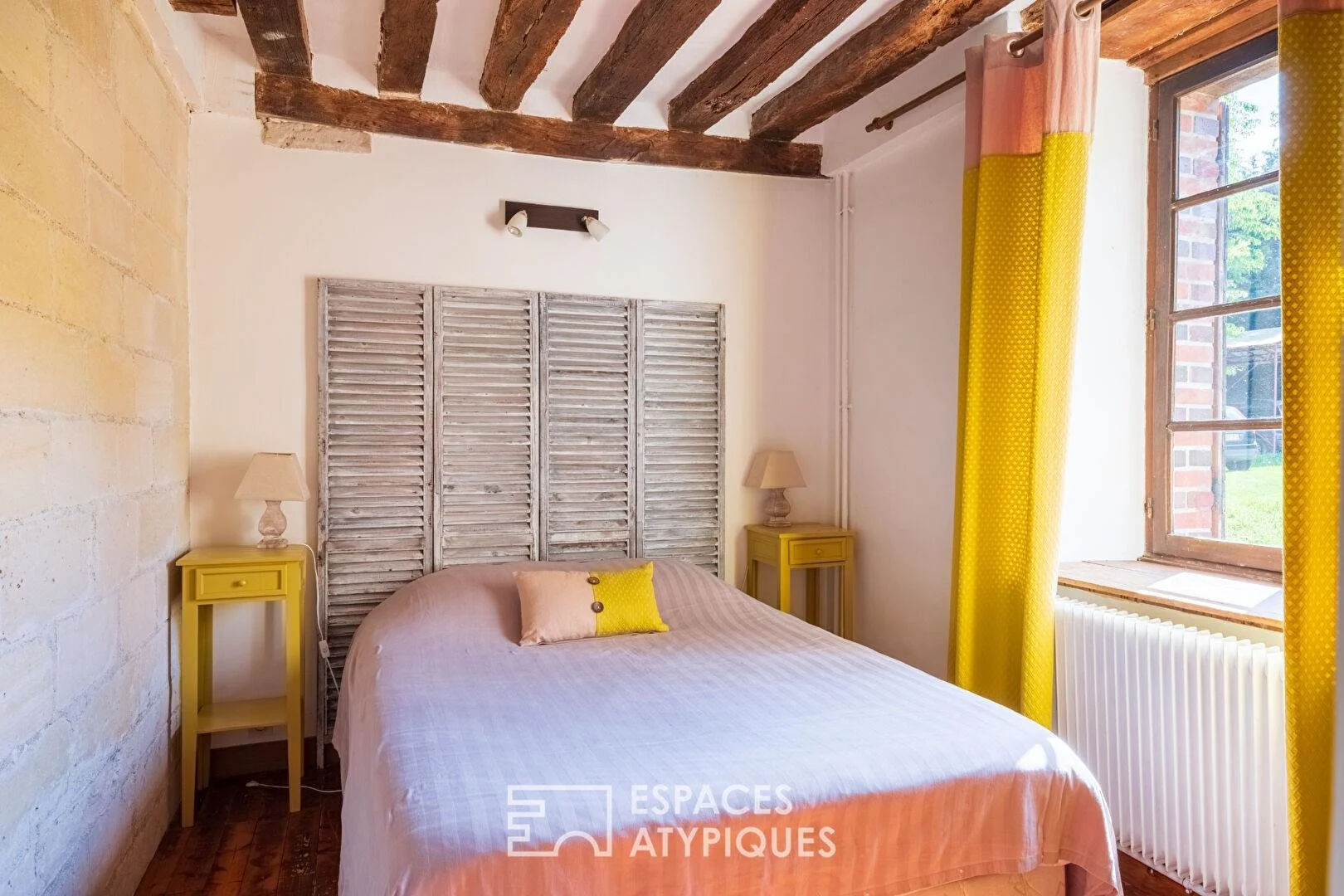
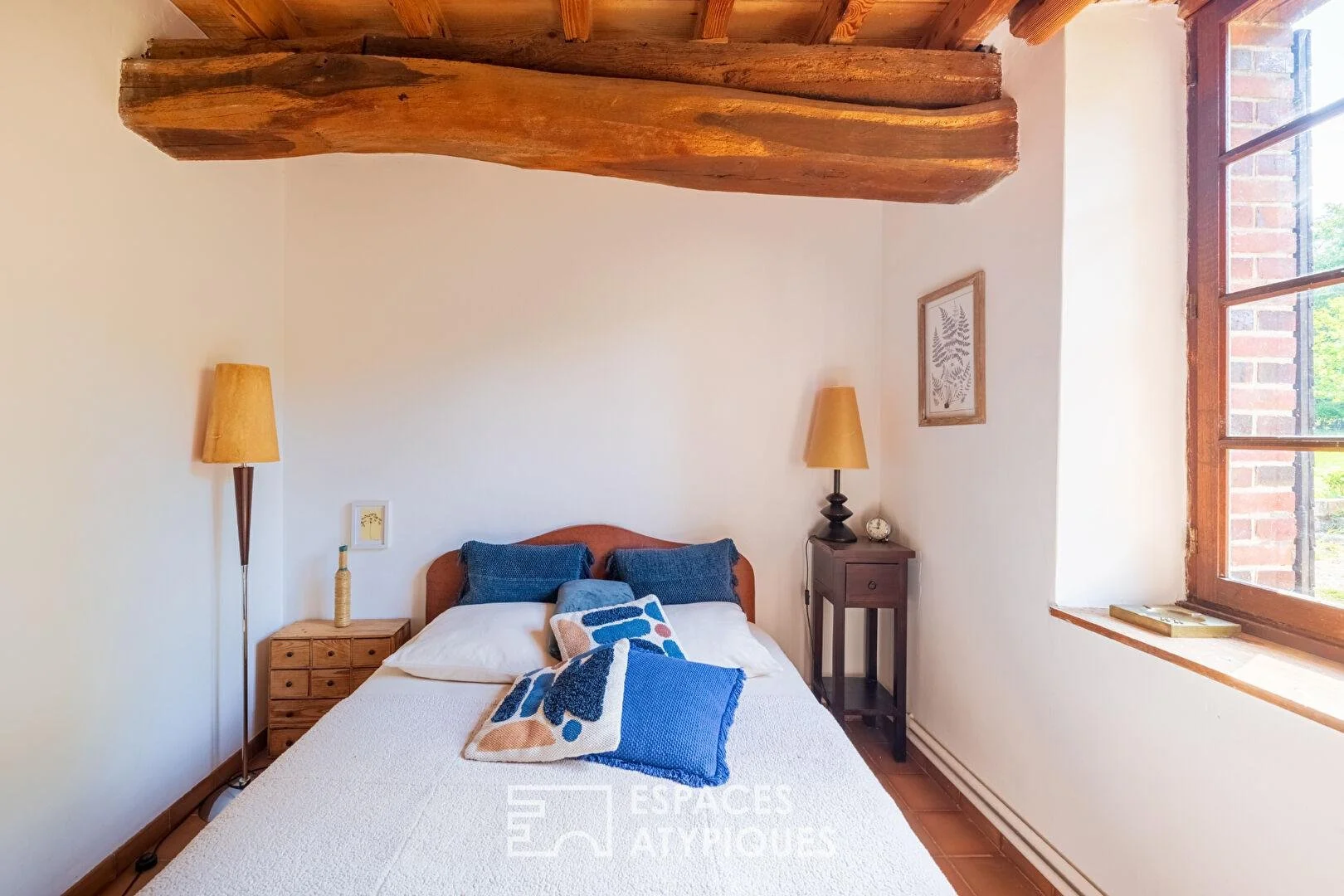
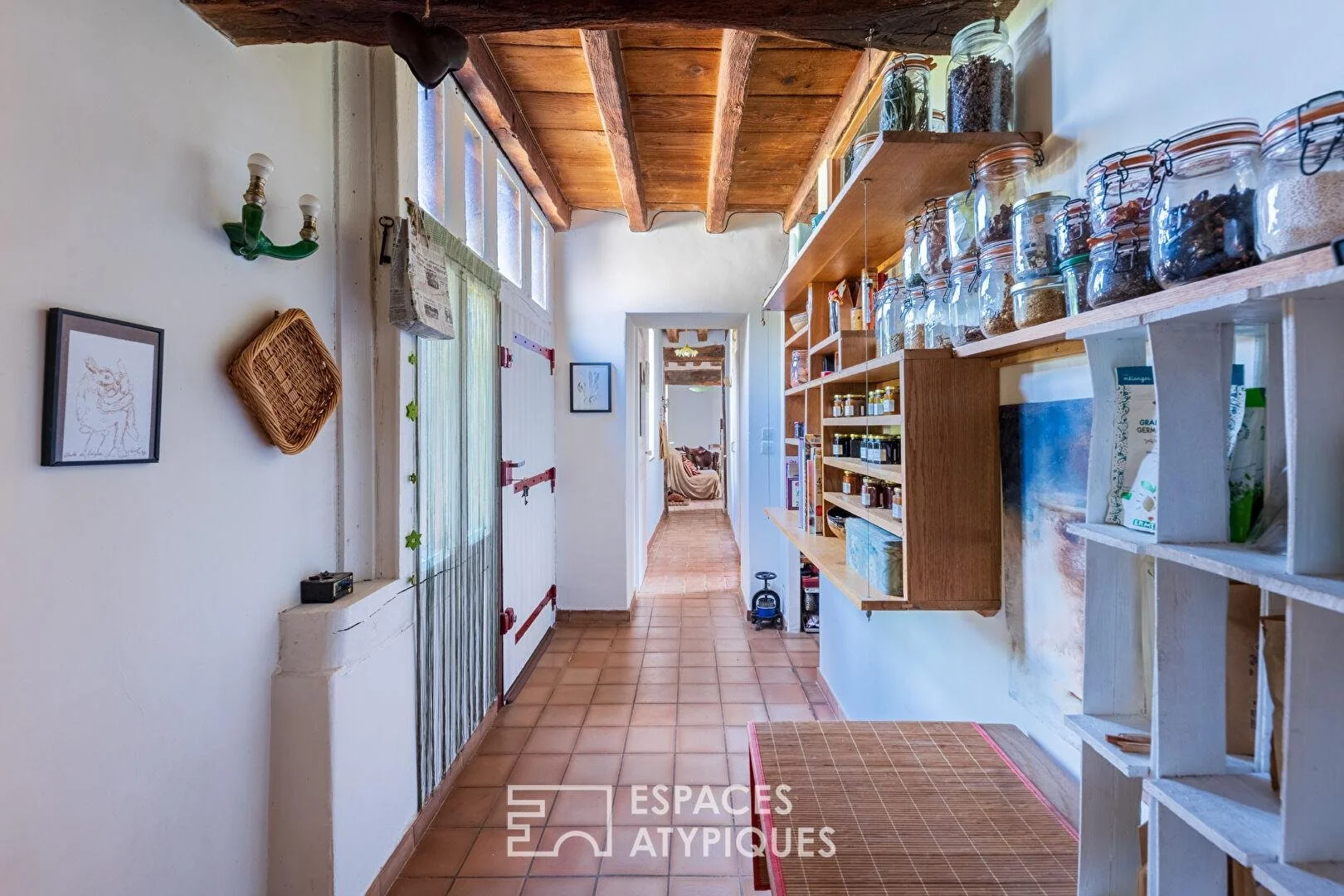
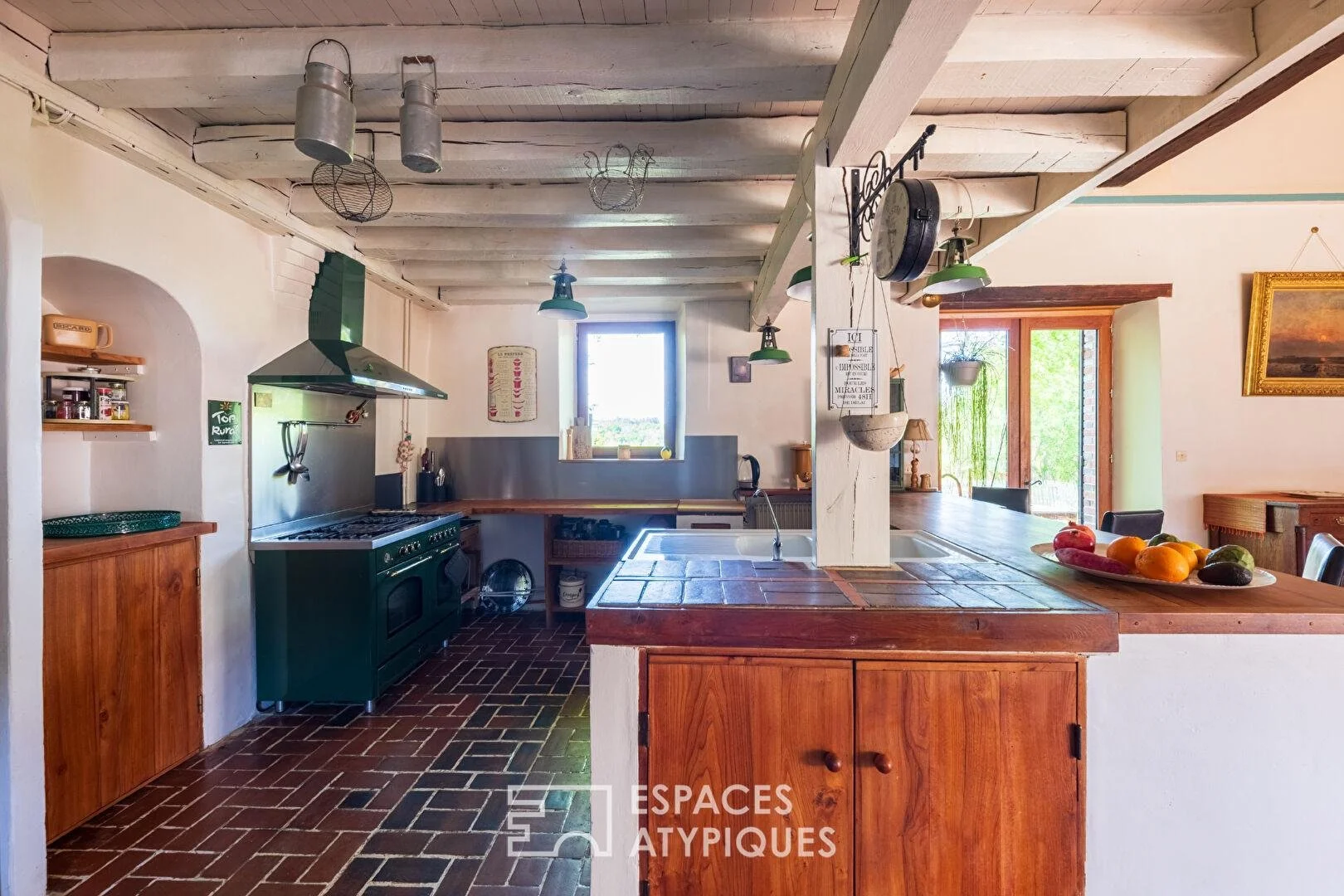
Buyer Playbook
Pre-Viewing Intelligence Report
This independent buyer guidance report relates to this specific property located in France. It is provided for informational purposes only and does not constitute legal, tax, structural or survey advice. Gîte status, planning permissions, renovation compliance, drainage, habitability, land boundaries, rental registration, water, access and land-use matters must always be verified with qualified French professionals such as a notaire, avocat, architecte, diagnostiqueur, engineer, surveyor or licensed property consultant, and with the relevant municipal authorities. This report is designed to help buyers evaluate the property before arranging a viewing or making an offer. It highlights due diligence areas and targeted questions to ask the estate agent. The analysis is based on the listing details and publicly available regulatory context at the time of writing.
Playbook Contents
Property Snapshot
Location
Conflans-sur-Loing, Loiret, Centre-Val de Loire, France.
Property type
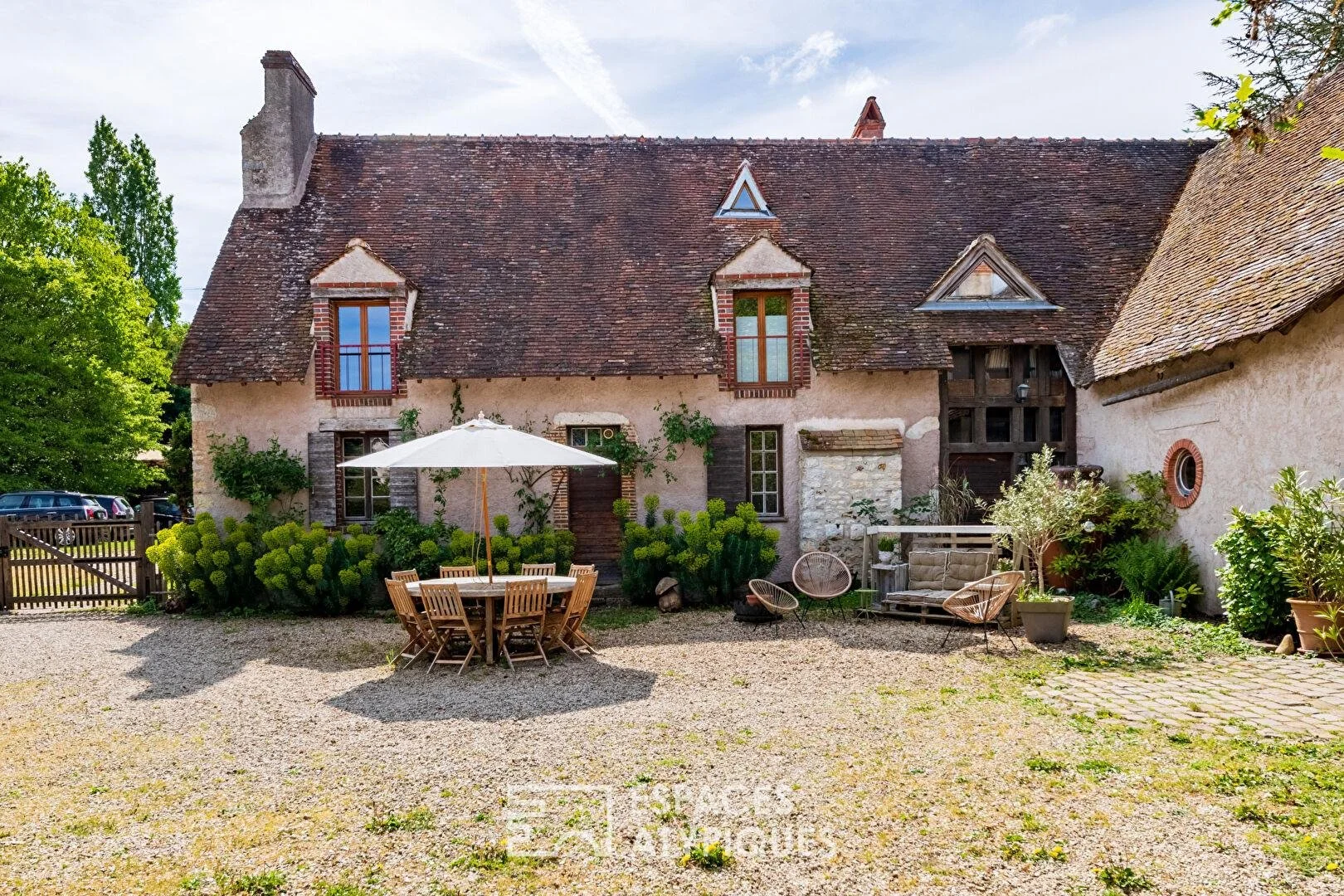
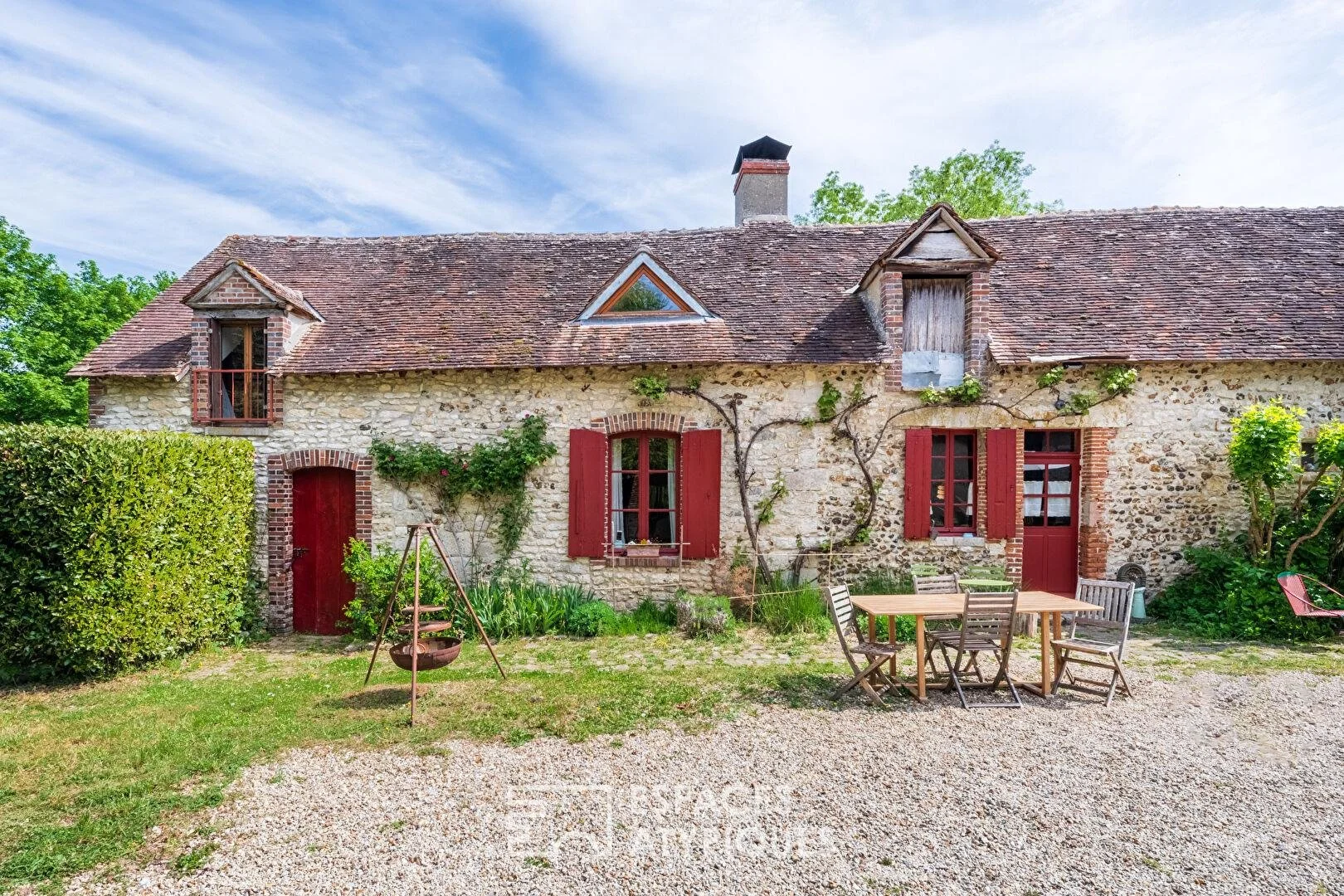
Renovated farmstead with independent gîte.
Asking Price
€645,000.
Bedrooms
7 in total.
Main accommodation
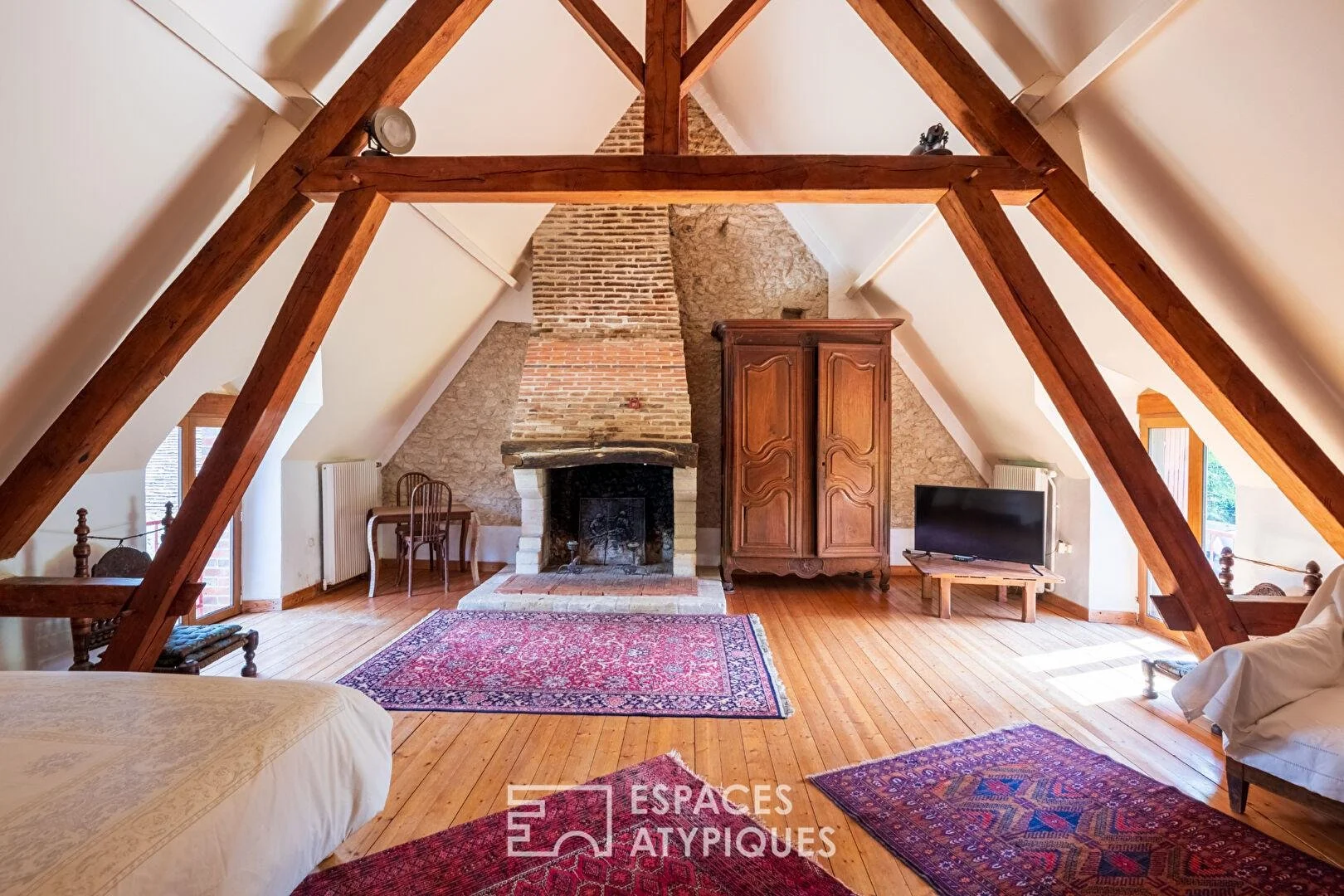
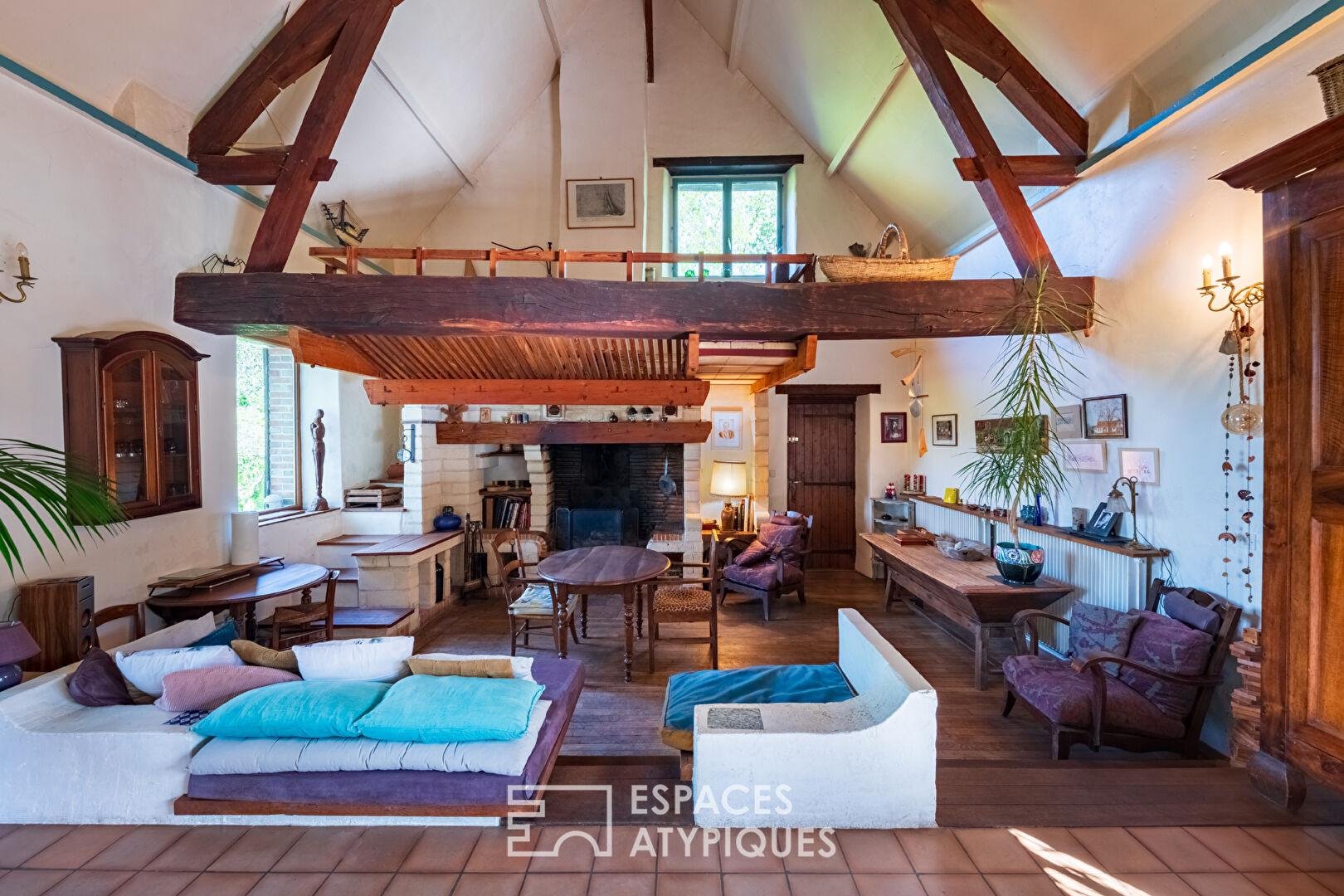
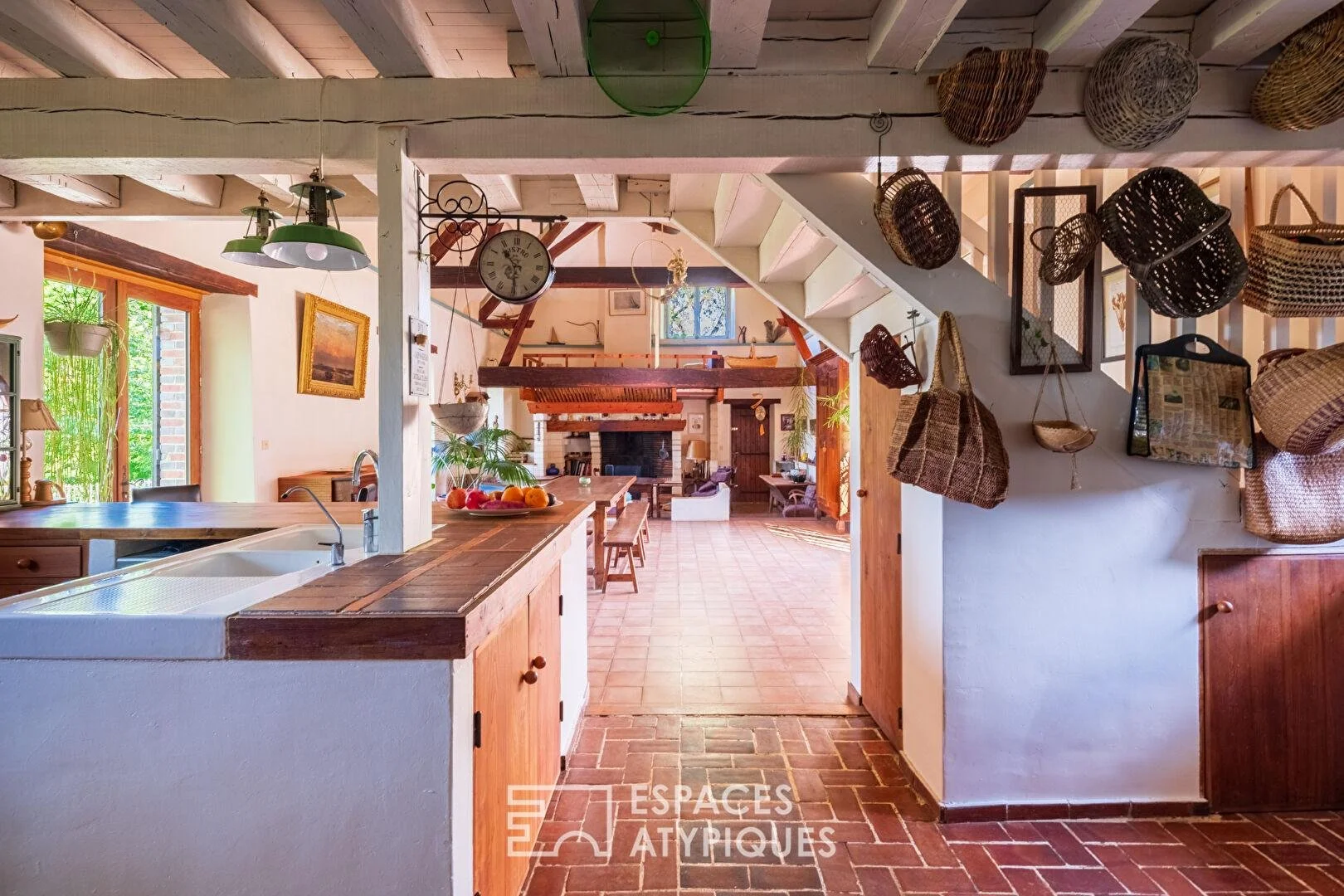
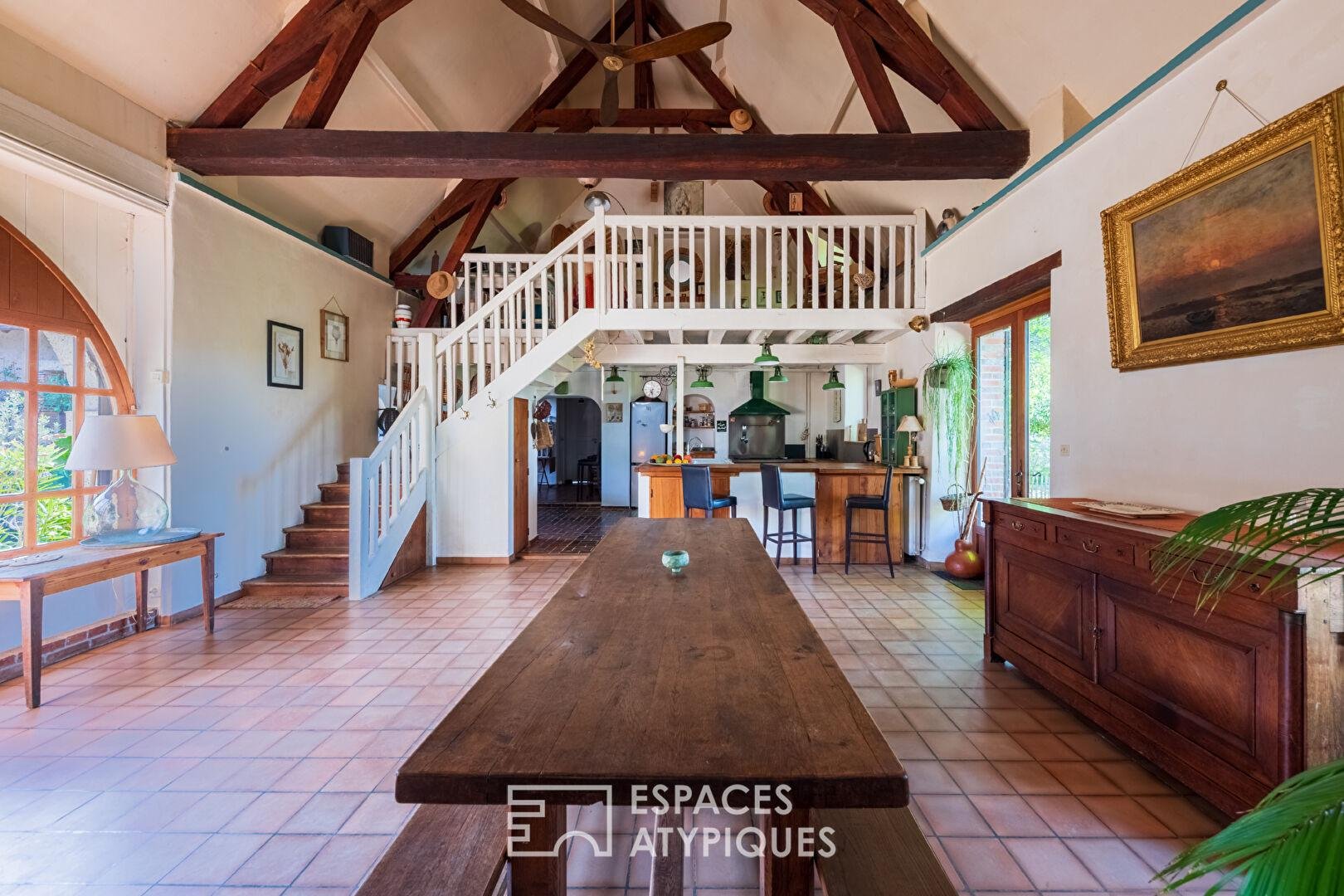
Renovated principal house with cathedral-ceiling living room and full-height glazing.
Secondary accommodation
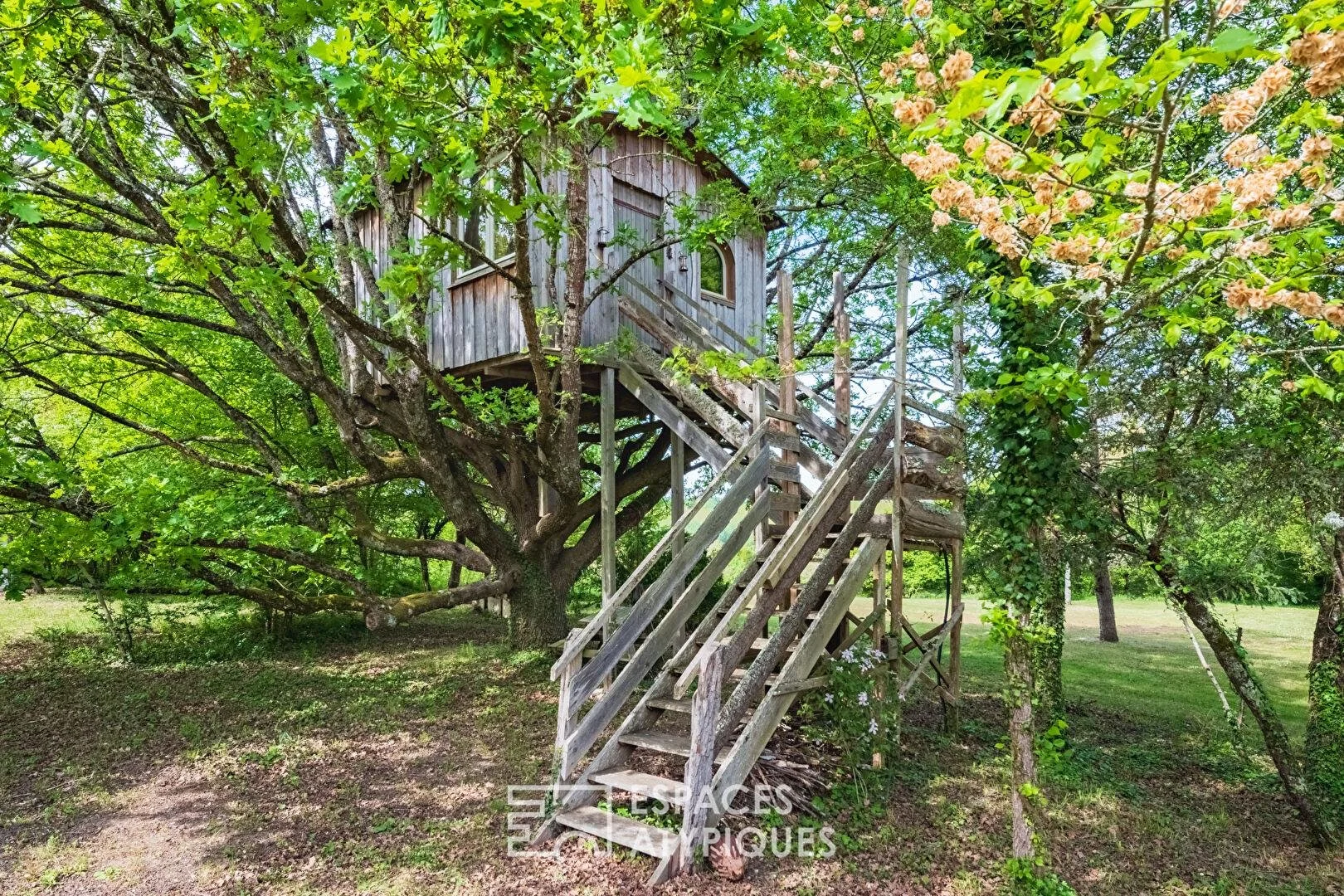
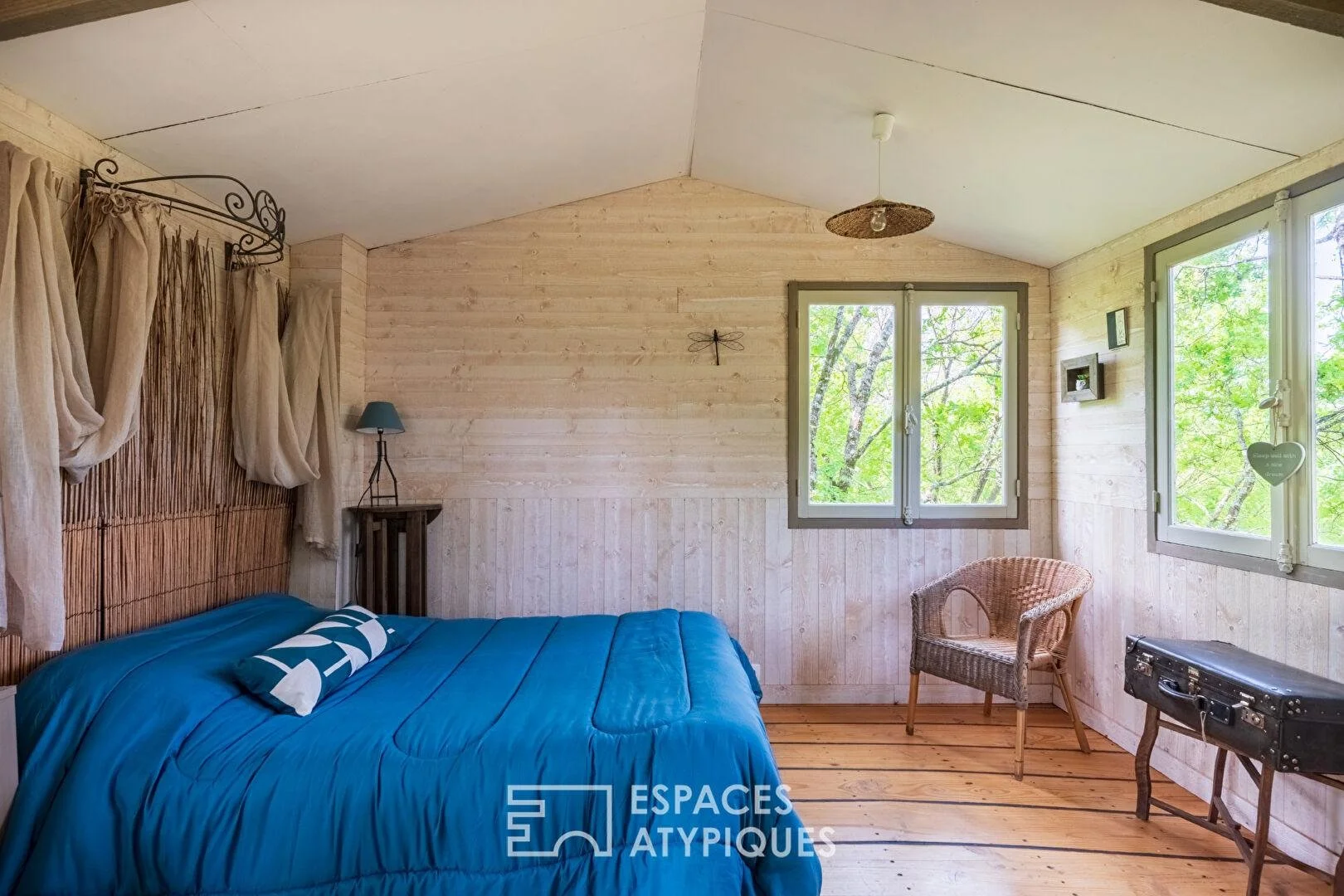
Independent gîte of approx. 85 m².
Total stated internal area
Approx. 408 m².
Land
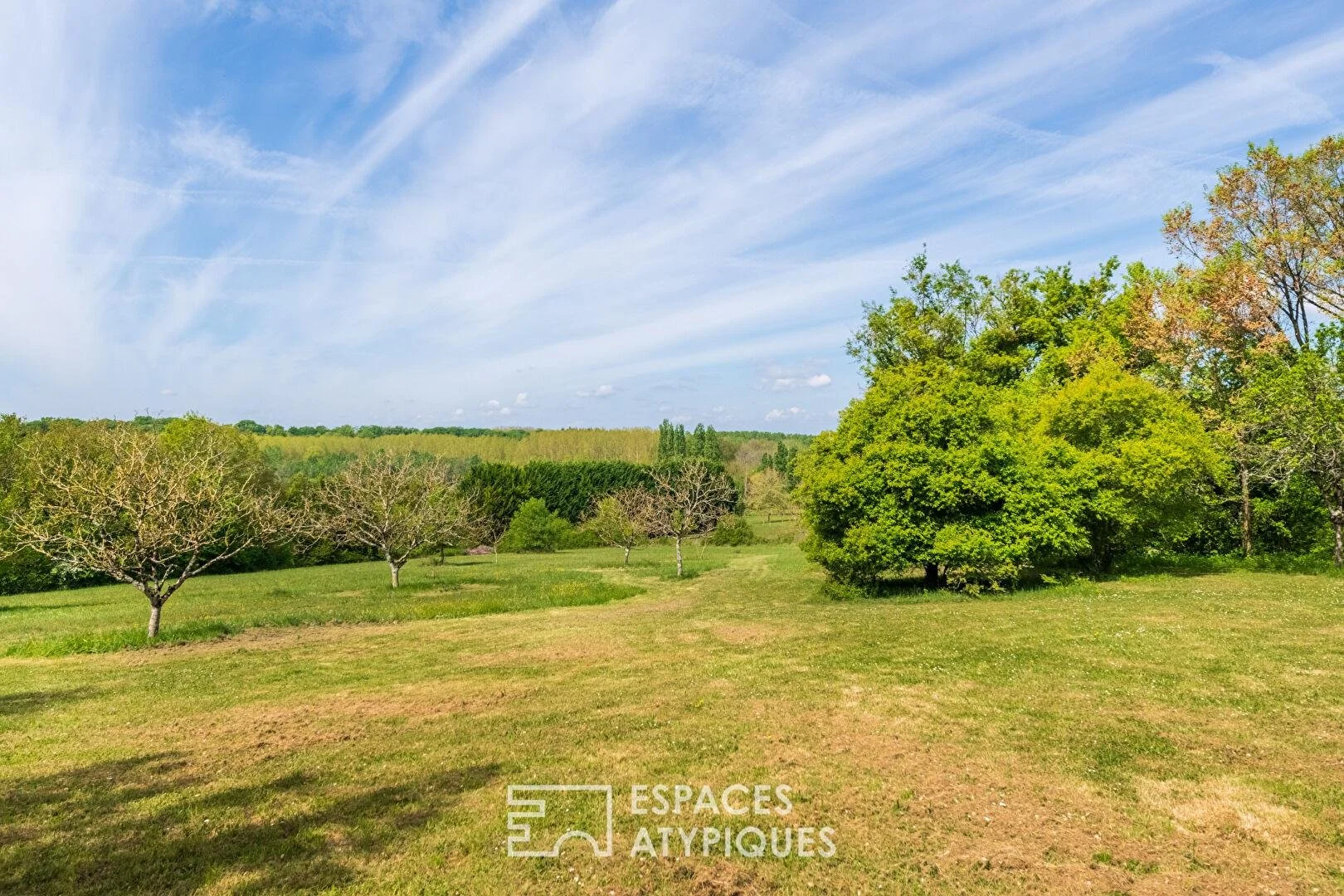
Approx. 2.5 hectares of orchards, gardens and grounds.
Setting
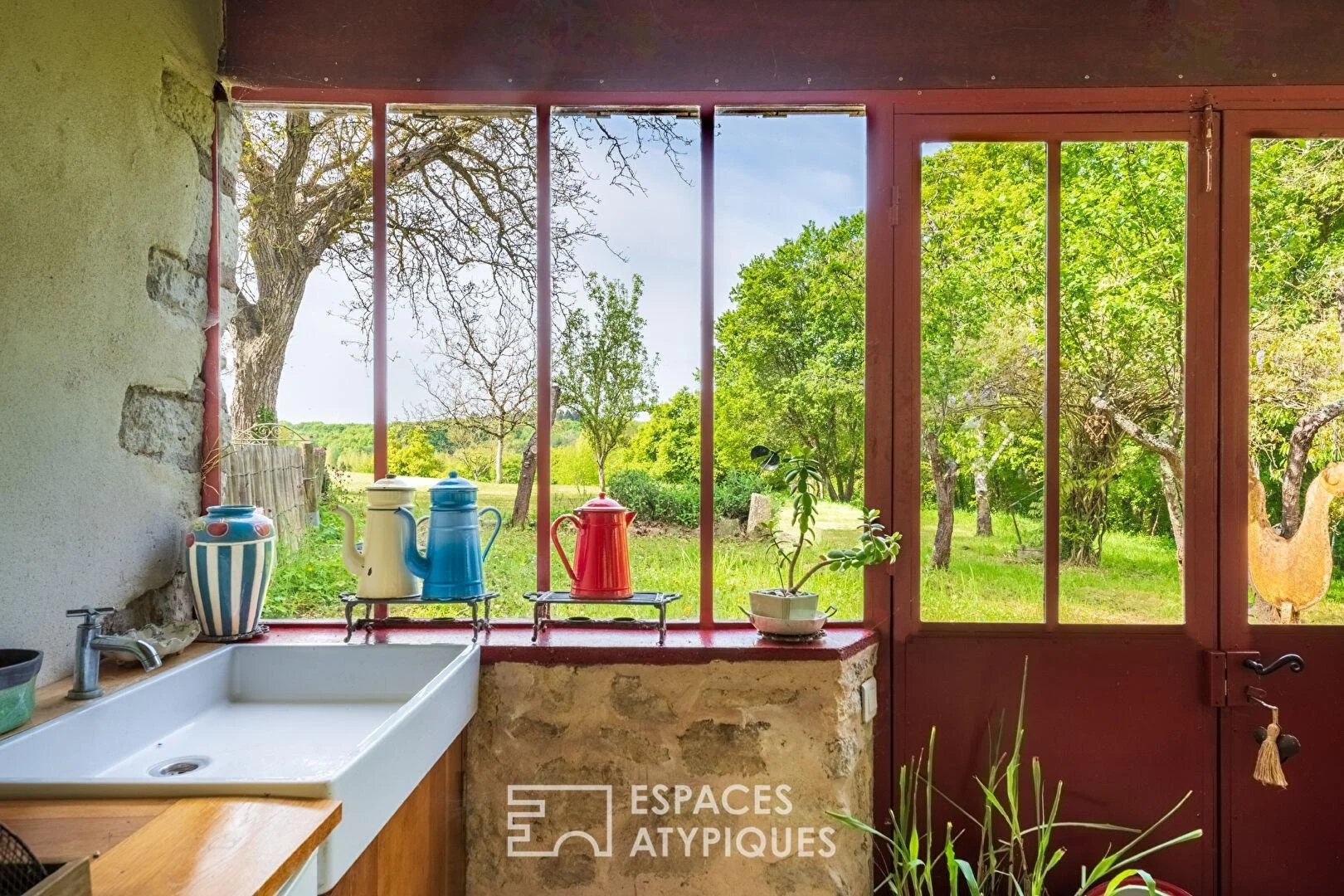
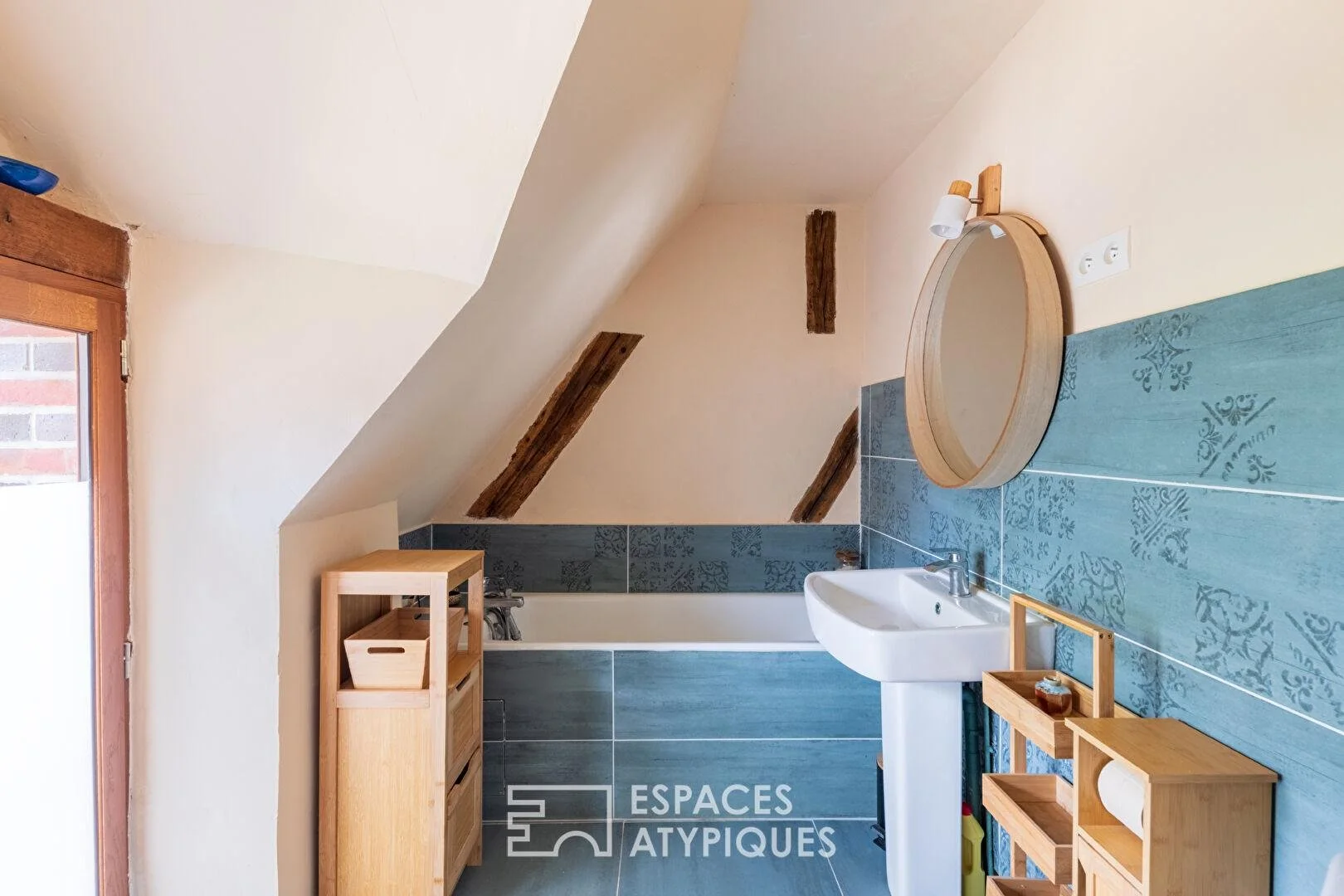
Private rural position with Loing Valley views and no overlooking neighbours.
Energy rating
Class E.
Lifestyle angle
Large country home with multi-generational, guest accommodation and income potential.
Main due diligence themes
gîte legality, renovation permissions, energy performance, drainage capacity, land boundaries, rental rules and long-term maintenance.
Risk Radar
Overview
This is a higher-complexity French rural property because it is not simply a renovated house with land. It combines a substantial main dwelling, a separate 85 m² gîte, 2.5 hectares of orchards and gardens, large architectural interventions such as a cathedral-ceiling living room and full-height glazing, and an Energy Class E rating. That mix creates a very different due diligence profile from a standard country house. The gîte may be a major value-add, but only if its planning, habitability, rental and services position are properly documented.
The headline appeal is privacy, flexibility and potential income. The key risk is assuming those benefits are automatic. A separate gîte must be checked legally, technically and operationally. Large glazed living spaces must be checked for thermal comfort, heat loss, overheating and roof performance. The land needs boundary confirmation, maintenance assessment and any servitudes identified. If the property is not on mains drainage, the septic or non-collective sanitation system must be assessed against the combined occupancy of the main house and the gîte. In France, the technical diagnostic file, known as the DDT, must be annexed to sale documentation, making it a central buyer document rather than a courtesy extra.
Targeted Questions
Gîte Legal Status and Habitation Position
The buyer needs to verify the 408 m² stated area, the 2.5-hectare landholding, the main house, the gîte and any outbuildings against the legal documents.
A gîte may be marketed as independent, but that does not automatically mean it has the correct legal or planning status.
If the gîte was created or substantially altered through renovation, the buyer needs evidence that the works were completed and declared properly.
Conversion from non-residential to residential or tourist use may have required specific permissions.
This helps confirm whether the gîte is lawful accommodation rather than simply usable space.
Current use can reveal whether the gîte has been tested commercially or only described as having potential.
True independence affects rental value, guest experience and resale appeal.
Separate meters make rental operation simpler, fairer and easier to manage.
Utility separation may be possible but costly, slow or technically awkward.
A rentable unit needs to be genuinely self-contained and safe for guests.
The energy profile of the income-producing unit matters separately from the main house.
Insurance for private guest accommodation and commercial rental use may differ materially.
Renovation Permits and Works History
The date matters for warranties, invoices, diagnostic relevance and whether guarantees may still apply.
Major alterations, extensions, façade changes or conversions may require a full planning permit.
Smaller external changes can still need formal prior declaration.
These features are major architectural interventions and should not be assumed to be informal upgrades.
Structural changes need technical verification and proper compliance.
For a property of this scale, professional documentation is a core risk reducer.
French ten-year builder insurance can be highly valuable if structural or waterproofing defects appear later.
Invoices help separate full renovation from presentation-led refurbishment.
Later works may have separate permission and warranty histories.
Subsidy-backed works can provide useful evidence, but may also involve compliance conditions.
Energy Performance, Heating and Glazing
The headline Class E rating is only the starting point. The full report shows estimated costs and recommended improvements.
If the gîte is excluded or assessed differently, the buyer needs separate running-cost clarity.
A large renovated property with cathedral ceilings can be expensive to run even when visually impressive.
Heating type, age and fuel source affect comfort, cost and future replacement risk.
Independent rental accommodation needs reliable and controllable heating.
A fireplace may add atmosphere but should not be treated as a primary heat strategy without evidence.
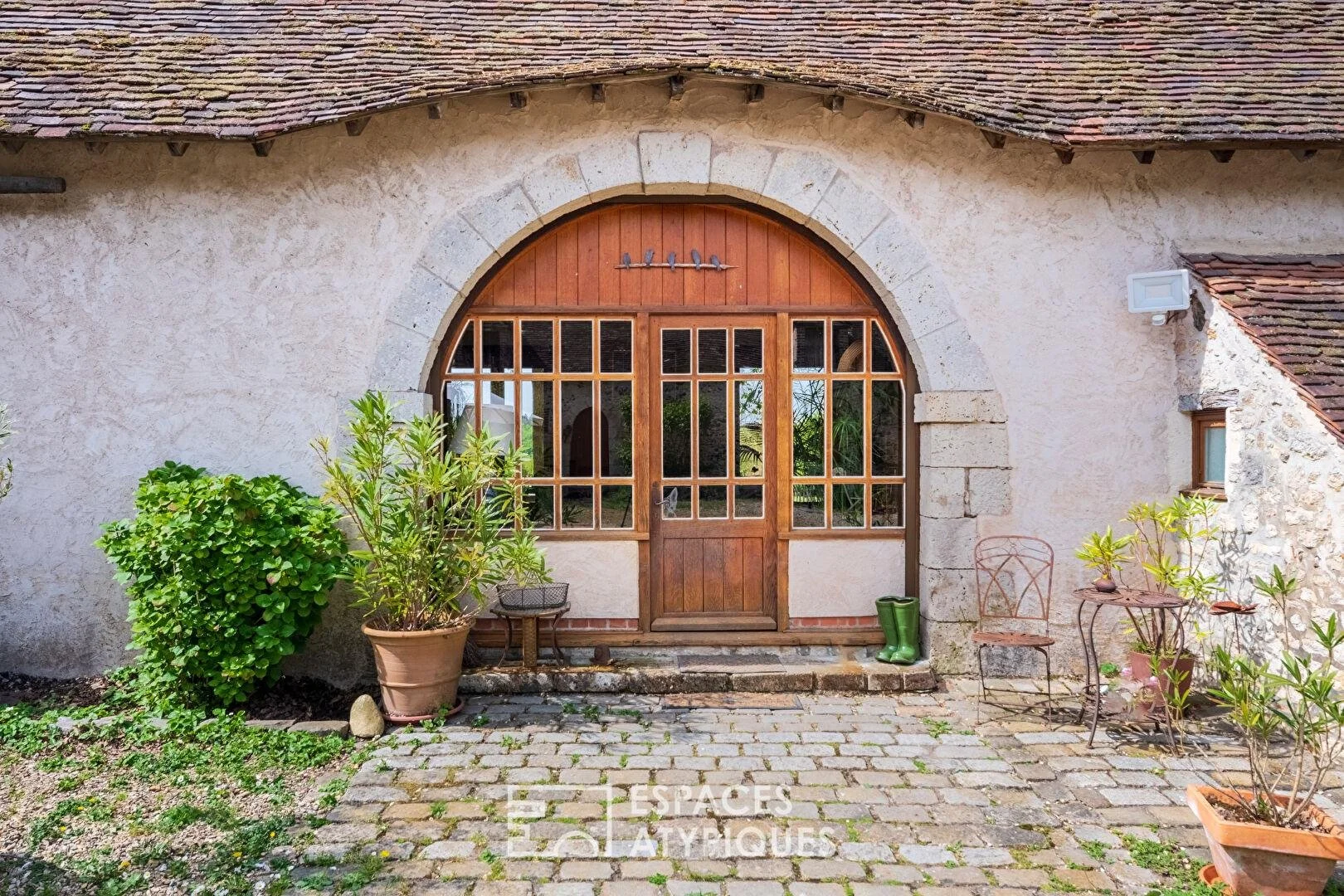
Double or triple glazing, thermal performance, solar gain and shading all affect year-round comfort.
Large-volume spaces can be beautiful but thermally demanding.
Full-height glazing can create overheating risk, especially in exposed south or west-facing spaces.
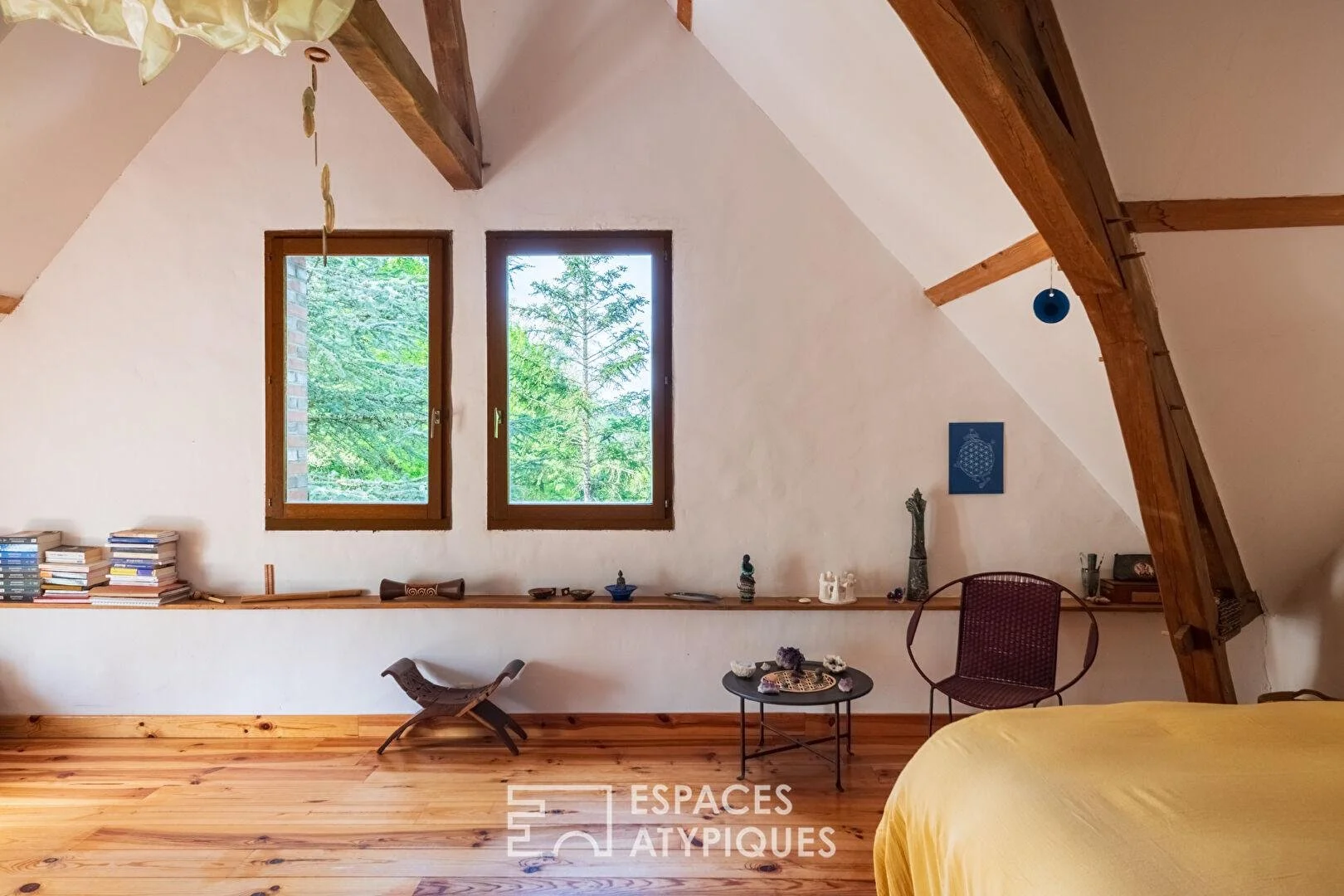
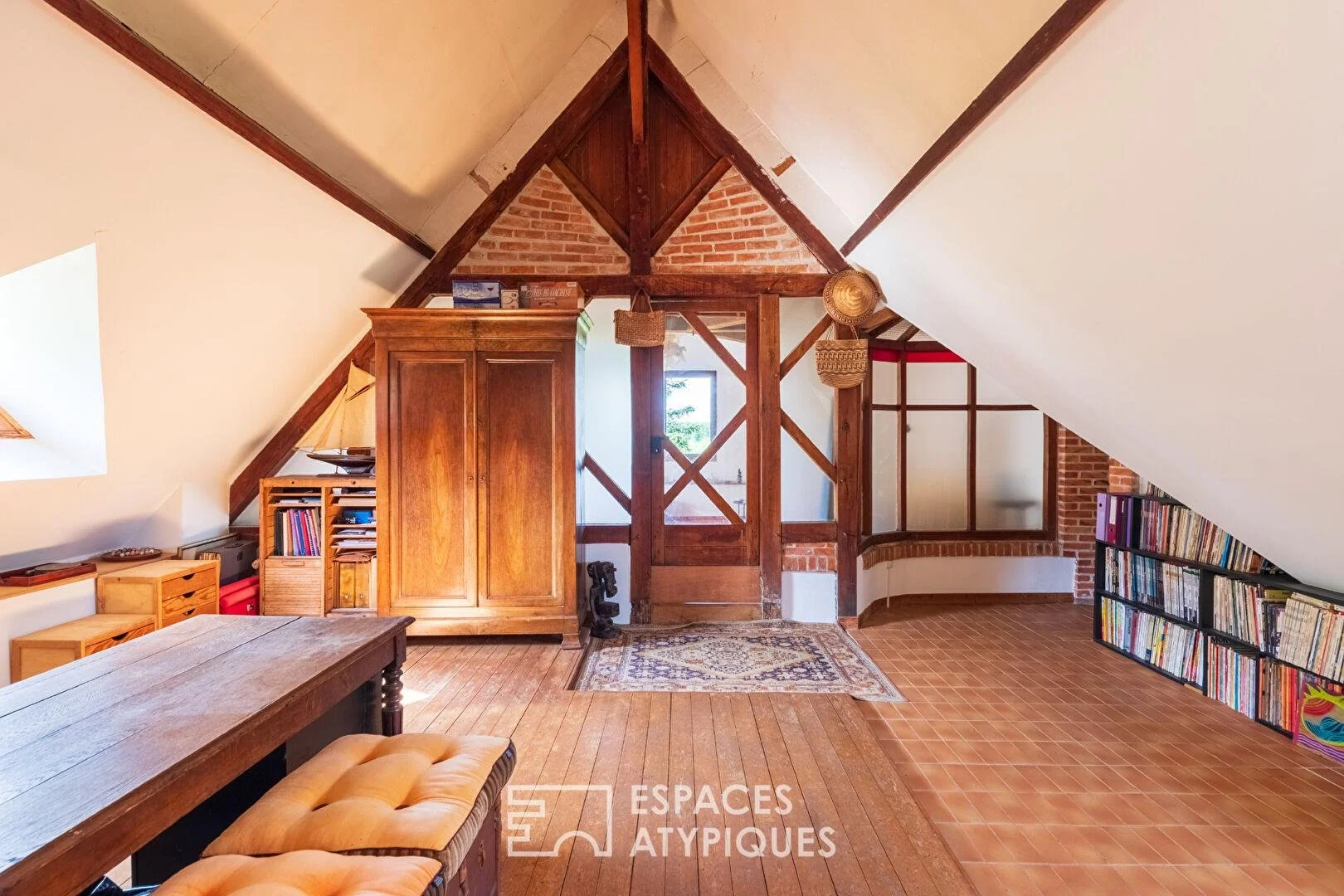
Roof insulation is critical where ceiling volume is large and exposed timbers are visible.
Energy upgrades may be part of the buyer's future cost and rental strategy.
French energy rules have been tightening, and short-term rental rules have also become more closely regulated.
Structure, Roof, Damp and Building Fabric
A roof issue on a large rural property can become a major cost quickly.
Income potential depends on the gîte being physically reliable and insurable.
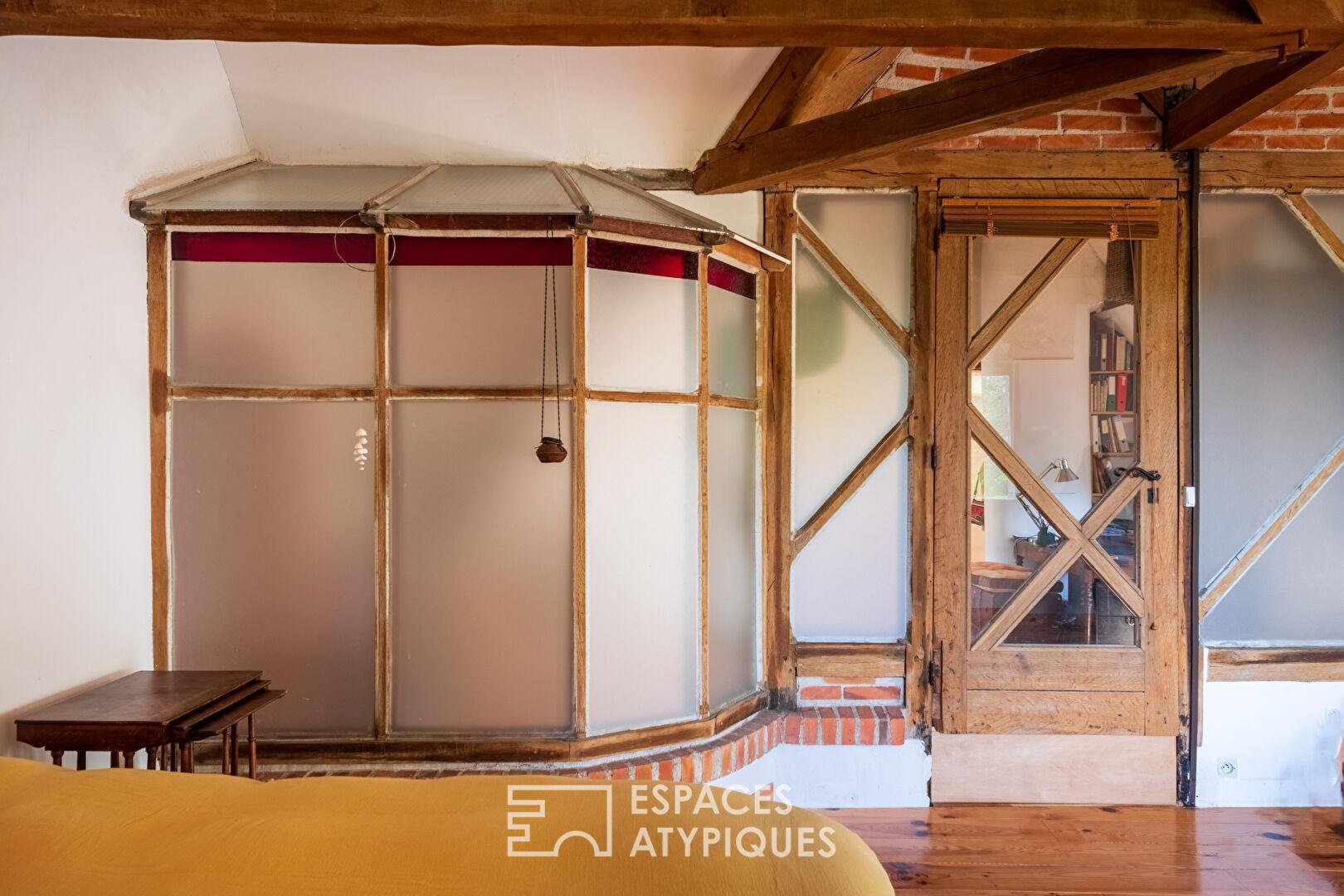
Exposed timbers are attractive but need technical confirmation.
Large glazed openings are common weak points for leaks and thermal bridging.
Rural farmsteads can hide moisture problems behind renovated finishes.
Guest accommodation must be comfortable and healthy, especially in shoulder seasons.
The buyer needs to understand whether moisture was solved or simply covered.
Landed properties often carry maintenance liabilities beyond the main accommodation.
Land, Boundaries, Orchards and Access
The buyer needs to know exactly what land is included and where responsibility begins and ends.
Privacy claims are weaker if others have legal access.
Road ownership affects maintenance, snow, drainage, liability and future disputes.
Private access can be peaceful but expensive.
A rural property must work in bad weather, not just on a sunny viewing day.
Orchards can be an amenity or a maintenance obligation depending on age and condition.
Large grounds require practical water management.
Land classification can affect fencing, planting, building and commercial use.
Outbuildings can add value, but only if their legal status and condition are clear.
"No overlooking neighbours" is valuable only if the setting is likely to remain stable.
Drainage, Water, Services and Practical Operation
For a main house plus gîte, drainage capacity is a major operational issue.
French non-collective sanitation is inspected by SPANC, and the position should be clear before purchase.
A system that is adequate for private family use may not be adequate for rental occupancy.
Drainage upgrades can be expensive and disruptive across landscaped land.
Large land and rental use can increase water demand.
Remote work and guest rental value depend heavily on connectivity.
Rural properties can have uneven coverage across buildings and land.
A rental gîte needs practical guest parking that does not compromise owner privacy.
Rental Potential and Gîte Income
Existing rental history is more valuable than theoretical income potential.
Proper rental evidence helps test yield rather than relying on optimism.
French tourist-rental rules require formalities, and municipalities now have wider tools to regulate furnished tourist accommodation.
Registration requirements can vary, and the buyer should verify the exact local position.
The investment model changes depending on whether there is one rental unit or several.
Legal permission, insurance and tax treatment all need to align.
The target market affects pricing, seasonality and furnishing choices.
Rural gîte income may be concentrated in spring, summer and early autumn rather than year-round.
High heating costs and energy rules can reduce profitability, especially in winter.
A gîte only works as an income asset if it can be managed reliably.
Negotiation Intelligence
Buyer Leverage
Medium-High
Key Drivers
Typical Negotiation Range
5-15% below asking
Neutral Phrasing Examples
Country Layer
France (Regulatory Context April 2026)
In France, the seller's technical diagnostic file, known as the DDT, groups the mandatory diagnostic reports required for a residential sale and must be annexed to the sale documentation. For a large renovated rural property, the DDT is particularly important because it may reveal energy performance, risks, electrical or gas issues, lead or asbestos exposure, and other matters depending on the age and characteristics of the buildings.
Viewing Strategy
Treat the viewing as two inspections: one for the main house and one for the income unit. The gîte should not be viewed as an attractive bonus room. Inspect it as a separate business asset. Check its entrance, privacy from the main house, heating, bathroom ventilation, kitchen facilities, parking, internet, noise separation and guest circulation.
Next Step
Verify from the listing:
Gîte legal status and rental readiness
Confirm whether the 85 m² gîte is legally registered as habitable accommodation, whether it has completion paperwork, and whether it can be rented independently as a meublé de tourisme.
Renovation permits and guarantees
Request planning permissions, completion declarations, architect or contractor documentation, invoices and any transferable garanties décennales covering the renovation, glazing, roof, heating and gîte works.
Energy Class E and large-volume heating costs
Obtain the full DPE and recent utility bills so you can understand the real running cost of the cathedral-ceiling living room, full-height glazing and any separate heating for the gîte.
Drainage capacity for both dwellings
Check whether the property is on mains drainage or non-collective sanitation, and if there is a fosse septique, request the latest SPANC report confirming compliance for the main house and gîte combined.
Land boundaries, access and privacy
Use the cadastral plan to verify the full 2.5-hectare boundary, any servitudes or shared access rights, and whether the valley views and no-overlooking-neighbour position are likely to remain stable.
A prepared buyer should approach the agent calmly and frame questions as due diligence.
Because this is a property where gîte legality, energy performance and operating costs materially affect value, run it through the Property Risk Assessment to test the legal and practical risk profile, or use the Rental Yield Calculator to model potential income once the gîte’s status and running costs have been verified.
Disclaimer: The Property Drop is buyer-focused intelligence, zero sales agenda. We curate exceptional properties, in southern Europe, from third-party agents and arm you with decision tools. No commission, no transactions, no agent partnerships, no skin in the game beyond helping you choose wisely. Information stays accurate until it doesn't (properties sell, prices shift, markets move). Everything here is shared for informational purposes only and should not be treated as legal, financial, or investment advice. Images belong to original agents. Read our Terms of Service to learn more.
Buyer Intelligence:
This assessment provides general guidance based on common risk factors and publicly available regulatory information. Risk scores and checklist items are indicative only and must not be considered legal, financial, structural, or surveying advice. Actual property conditions, costs, and regulatory requirements vary significantly by location, property age, and specific circumstances. Regulations are subject to change; always verify current requirements with qualified local professionals before making any purchasing decision.
The Property Drop provides buyer intelligence and educational research analysis only. The Property Drop does not act as an estate agent, intermediary, or advisor in any transaction and does not facilitate introductions, negotiations, or transactions. Always engage qualified independent professionals including local lawyers, surveyors, architects, and tax advisors for comprehensive due diligence specific to your property.
IMPORTANT REMINDER: When contacting property agents featured on The Property Drop, you are entering into direct communication with third parties. It's recommended that you verify all property details independently, conduct thorough due diligence, engage qualified professionals (solicitors, surveyors, financial advisors), understand your rights and obligations under local property laws, and never send money or make commitments without proper legal protection.

The Buyer Playbook: 4-Bed 18th-Century Noble Palace with Frescoed Vaults and Rooftop Terrace, Galatina, Italy, €620,000
The Buyer Playbook: 2-Bed Medieval Borgo Apartment with Panoramic Countryside Views, Castiglion Fosco, Italy, €179,000
Questions ready for the agent?
The agent represents the seller.
What you ask shapes the answers you get.