
The Buyer Playbook: 4-Bed Rural Complex with Pool and Holiday Rental Potential, Casarabonela, Málaga, Spain, €395,000
Buyer Playbook
Pre-Viewing Intelligence Report
This independent buyer guidance report relates to this specific property located near Casarabonela, Málaga Province, Andalusia, Spain. It is provided for informational purposes only and does not constitute legal, tax, structural or survey advice. Planning status, AFO certification, tourist rental eligibility, habitation licences, water rights, flood risk, energy performance, drainage, land ownership and building compliance must always be verified with qualified Spanish professionals, including an abogado, arquitecto, arquitecto técnico, surveyor, tax adviser and the relevant Ayuntamiento, Land Registry and Junta de Andalucía. This report is designed to help buyers evaluate the property before arranging a viewing or making an offer. It highlights due diligence areas and targeted questions to ask the estate agent. The analysis is based on the listing details, the supplied research and publicly available regulatory context at the time of writing.
Playbook Contents
Property Snapshot
Location
Near Casarabonela, Málaga Province, Andalusia, Spain
Property type
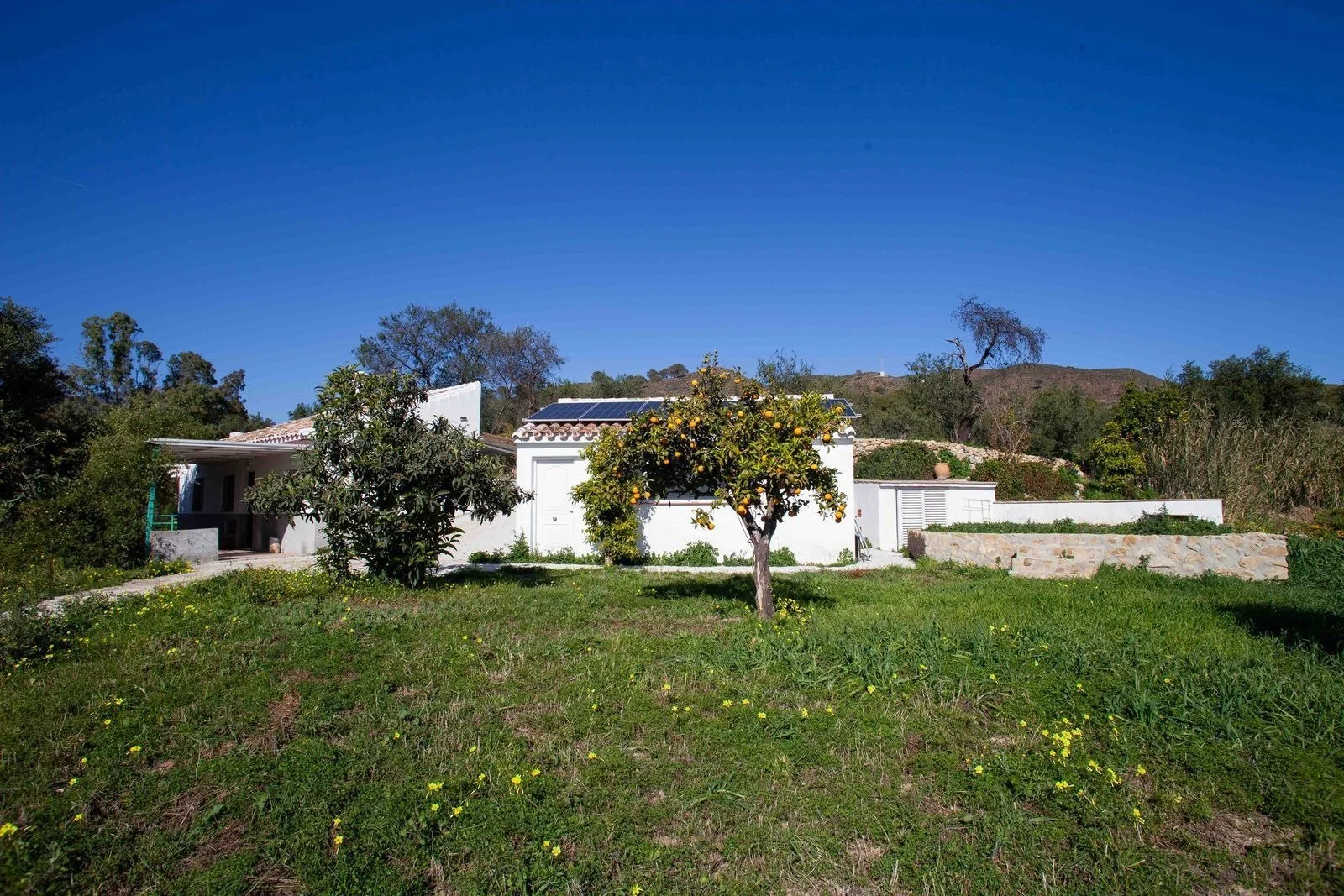
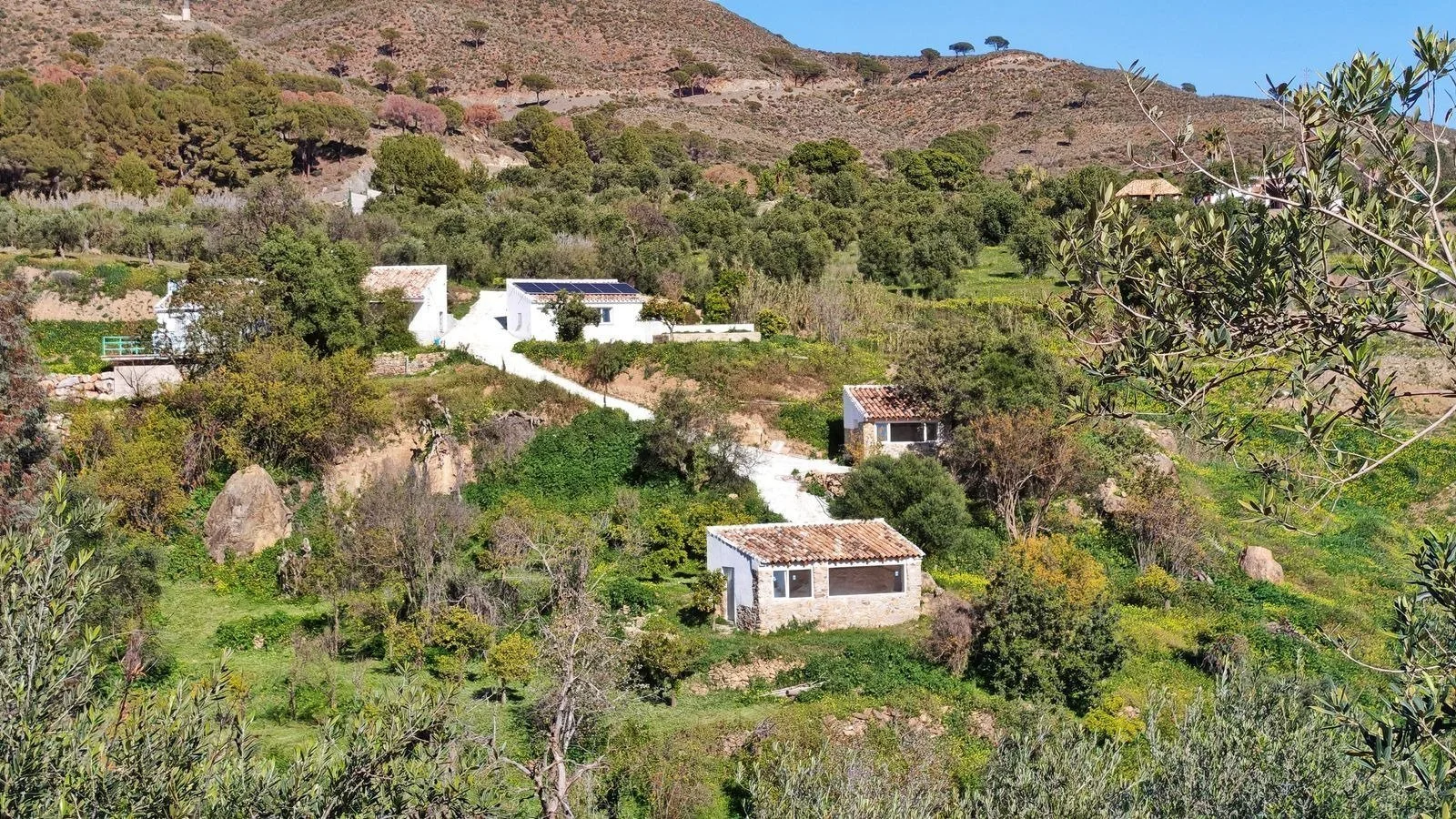
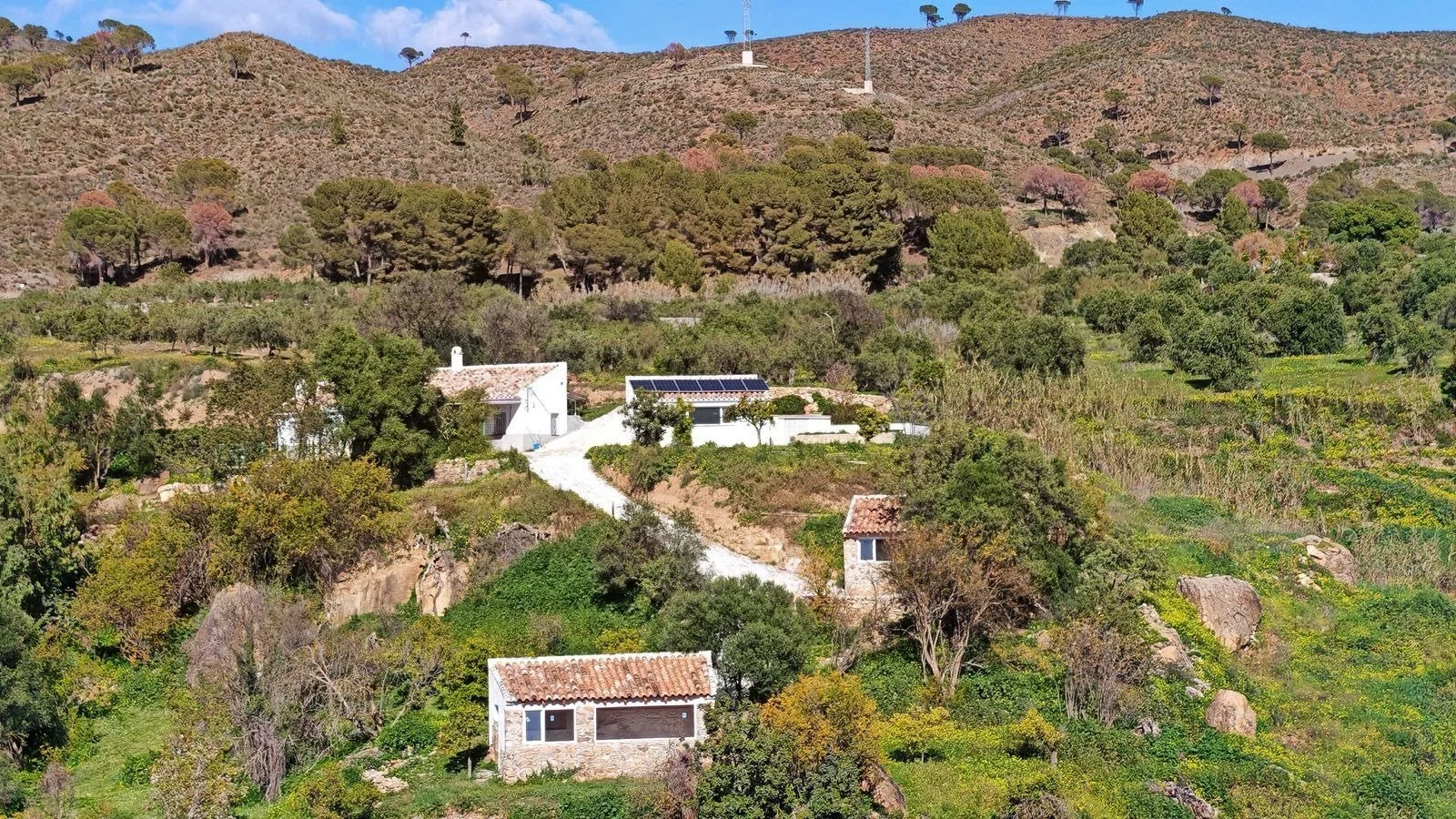
Rural complex comprising four detached buildings
Asking Price
€395,000
Land
Approximately 15,000 m²
Total built area
Approximately 173 m²
Buildings
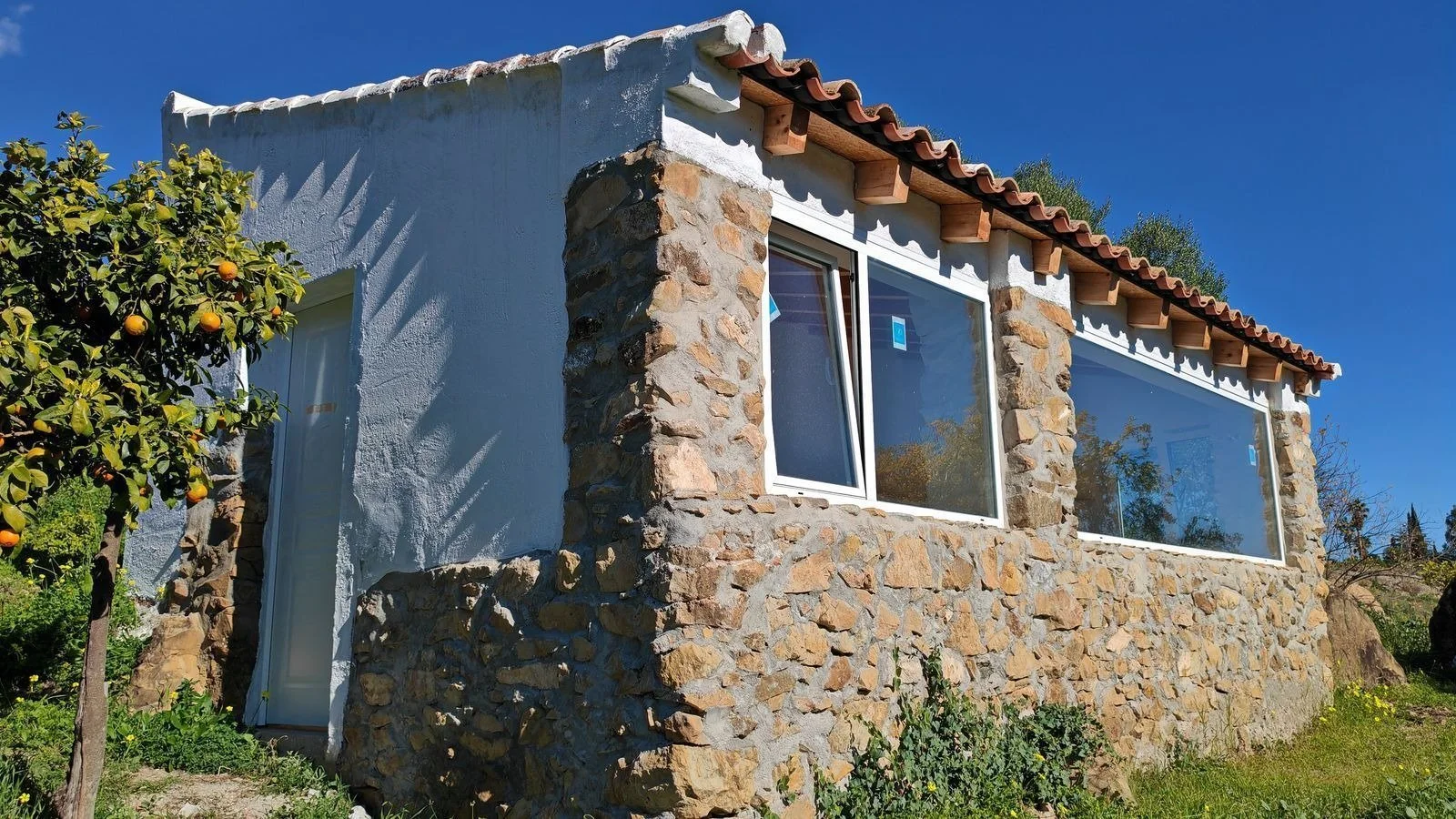
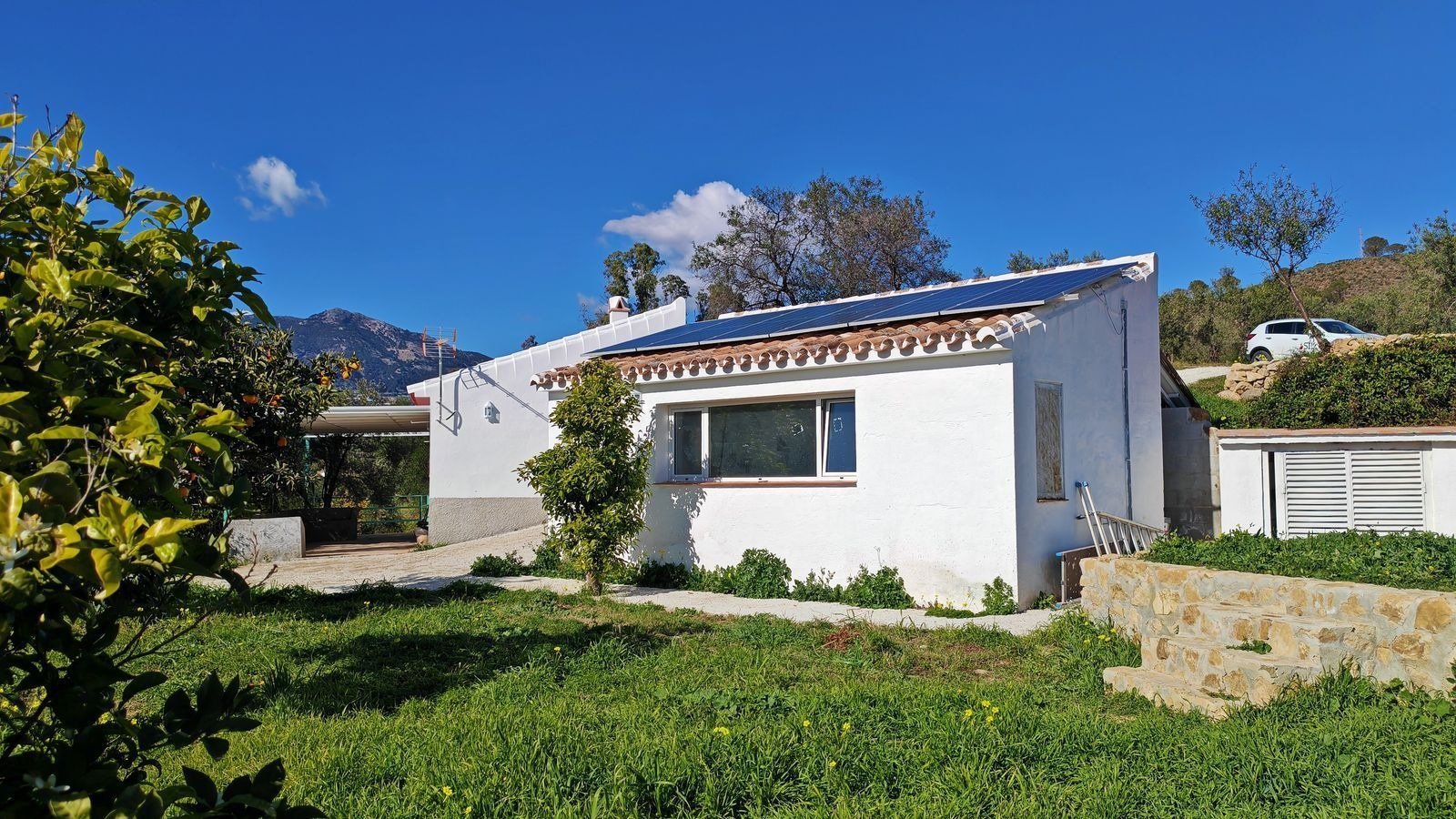
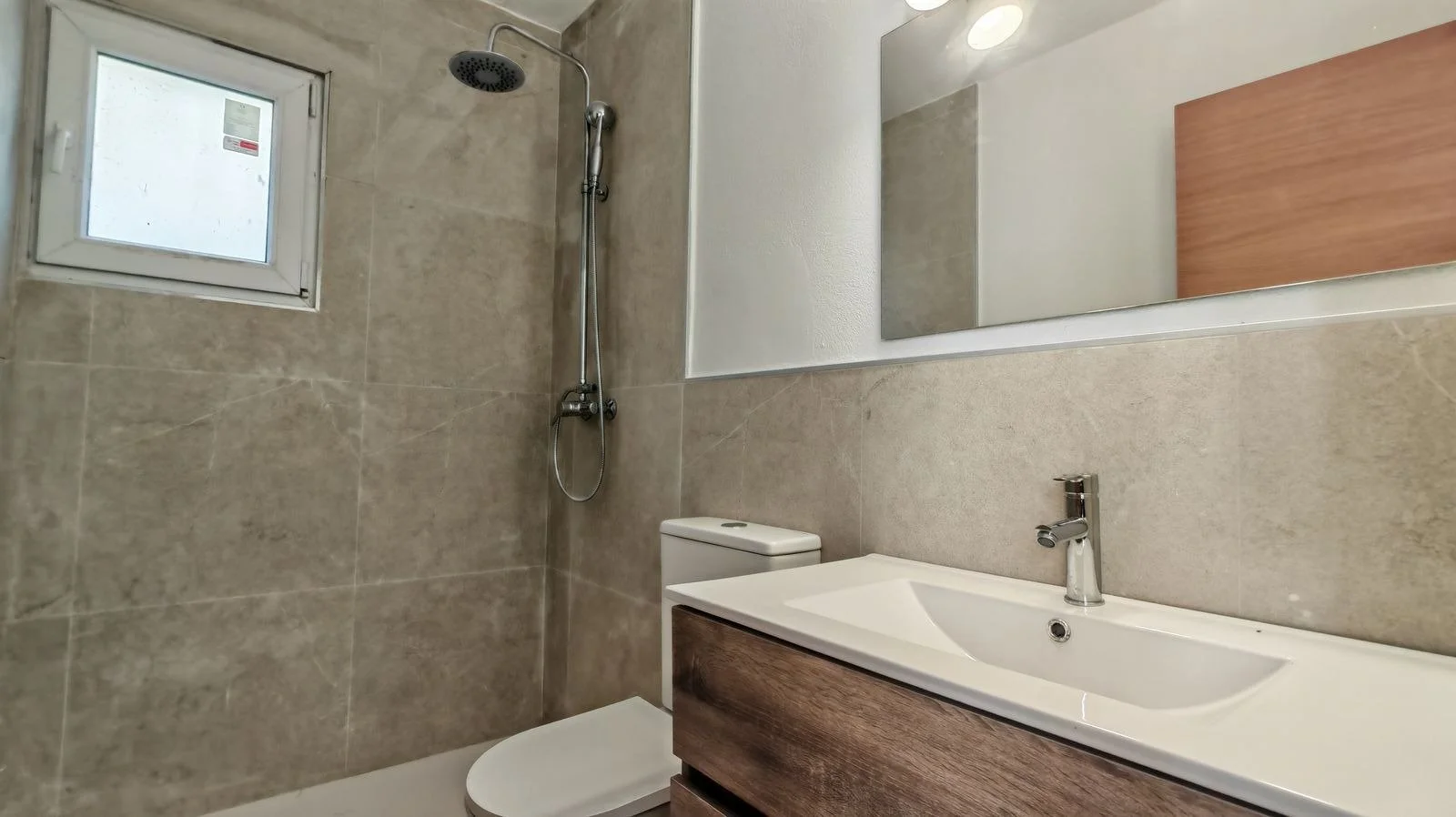
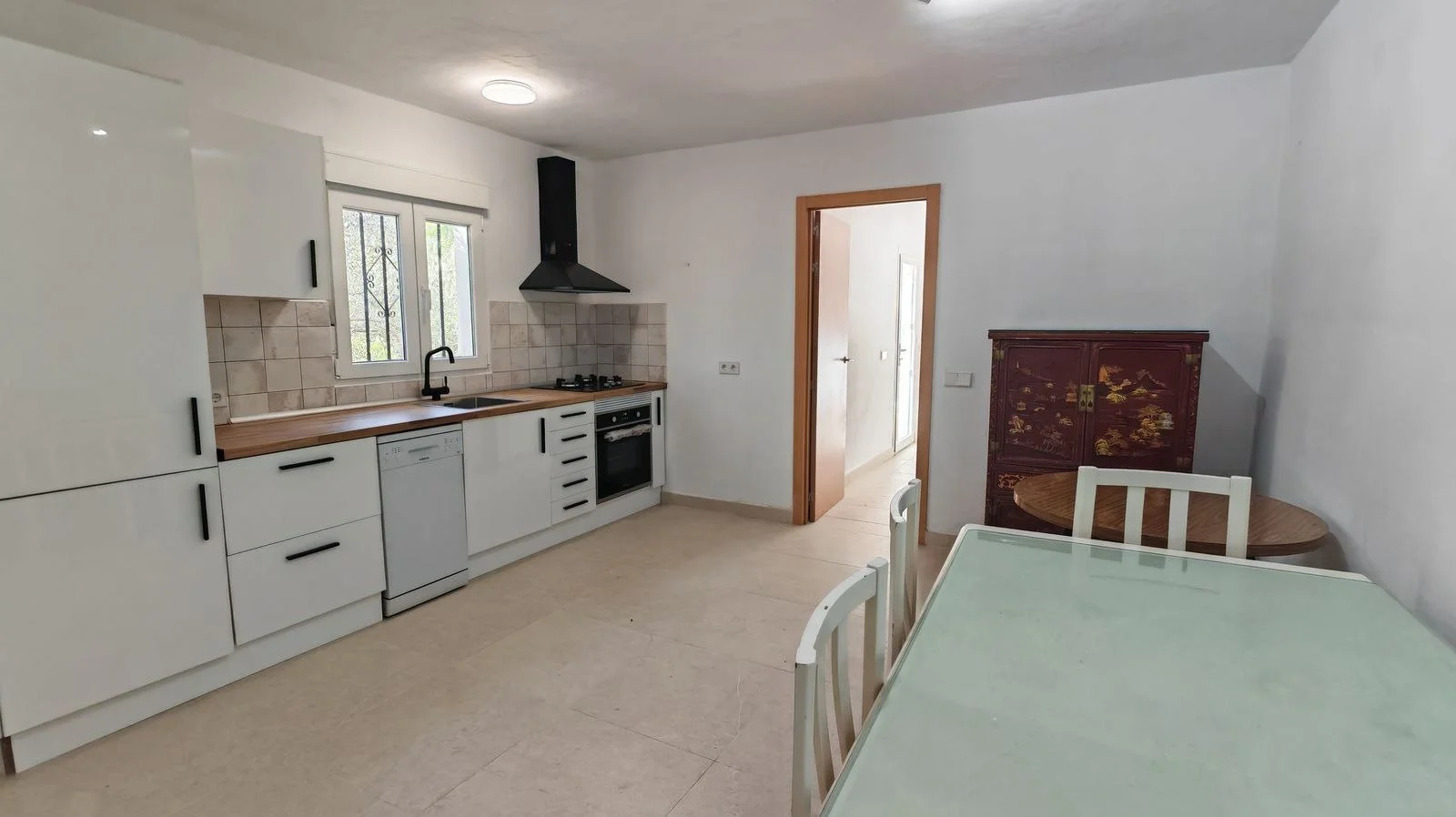
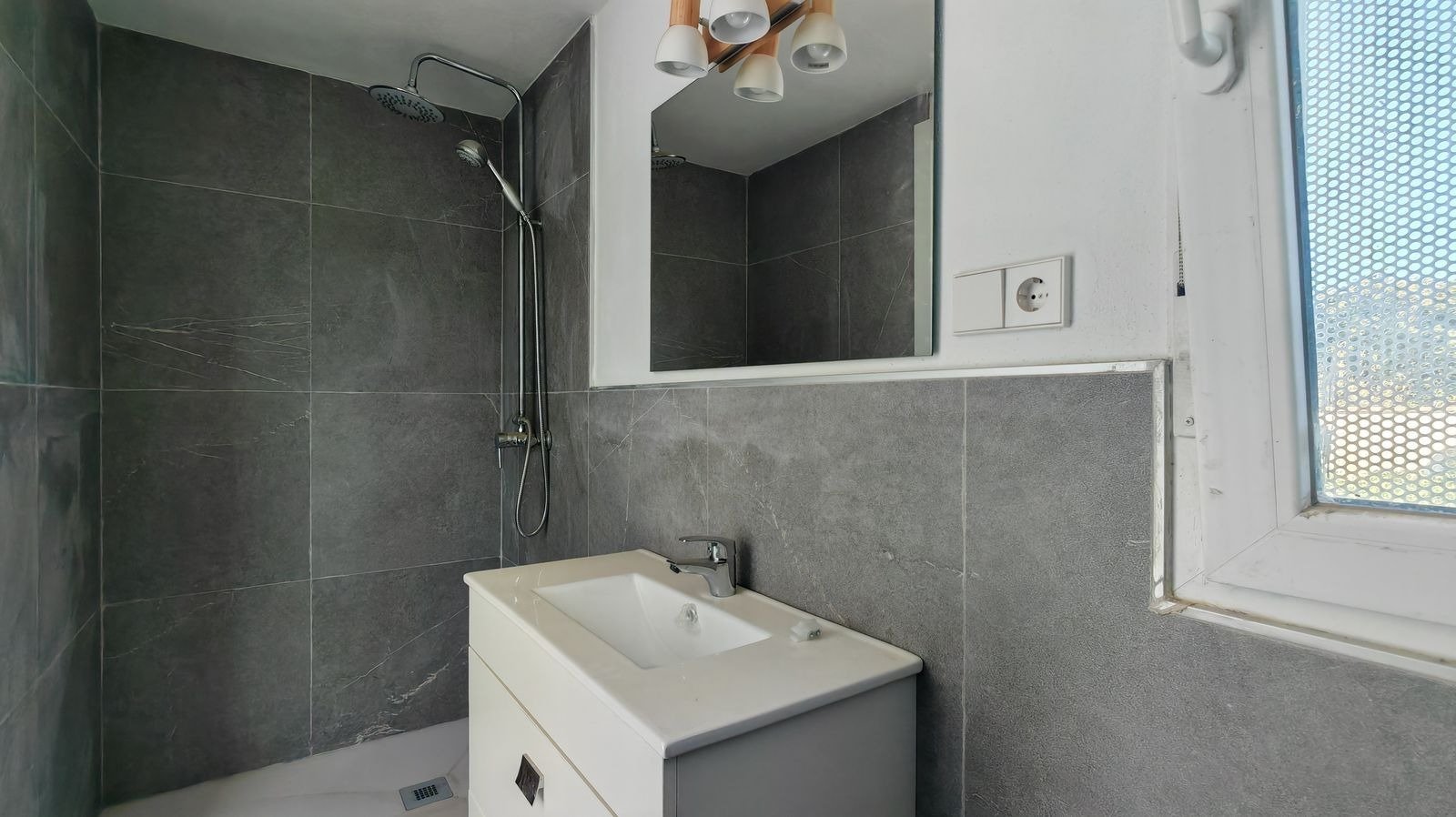
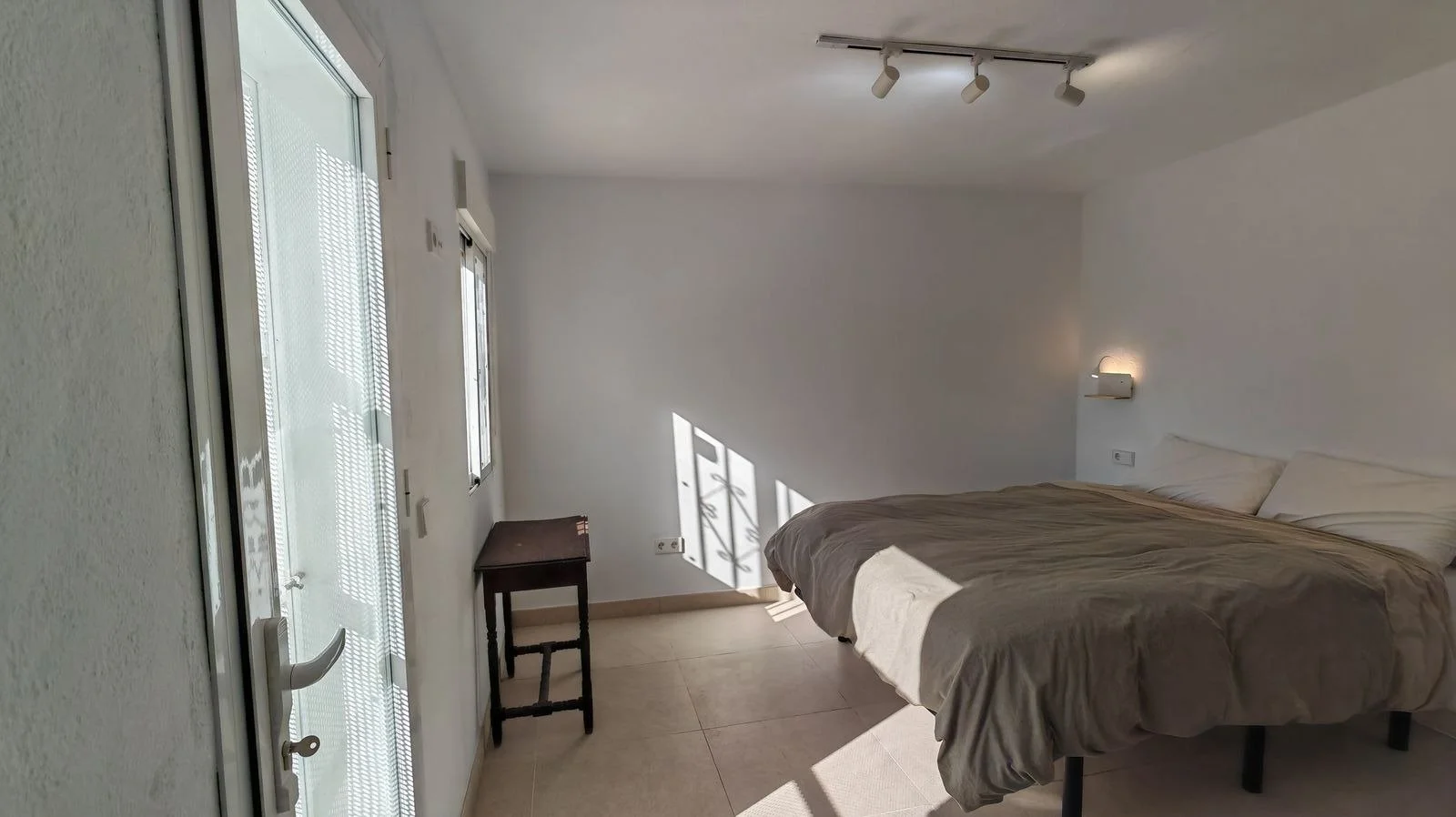
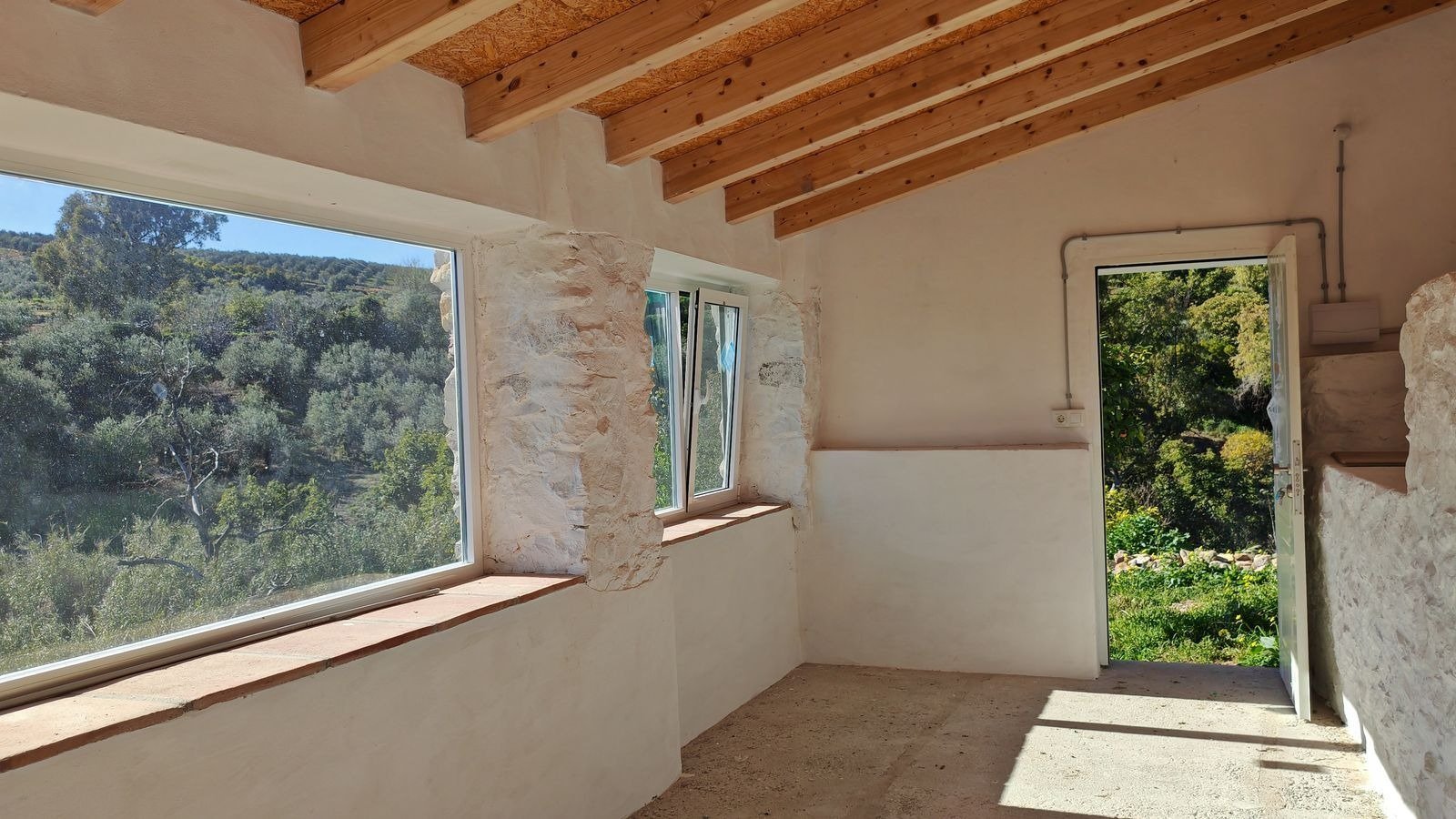
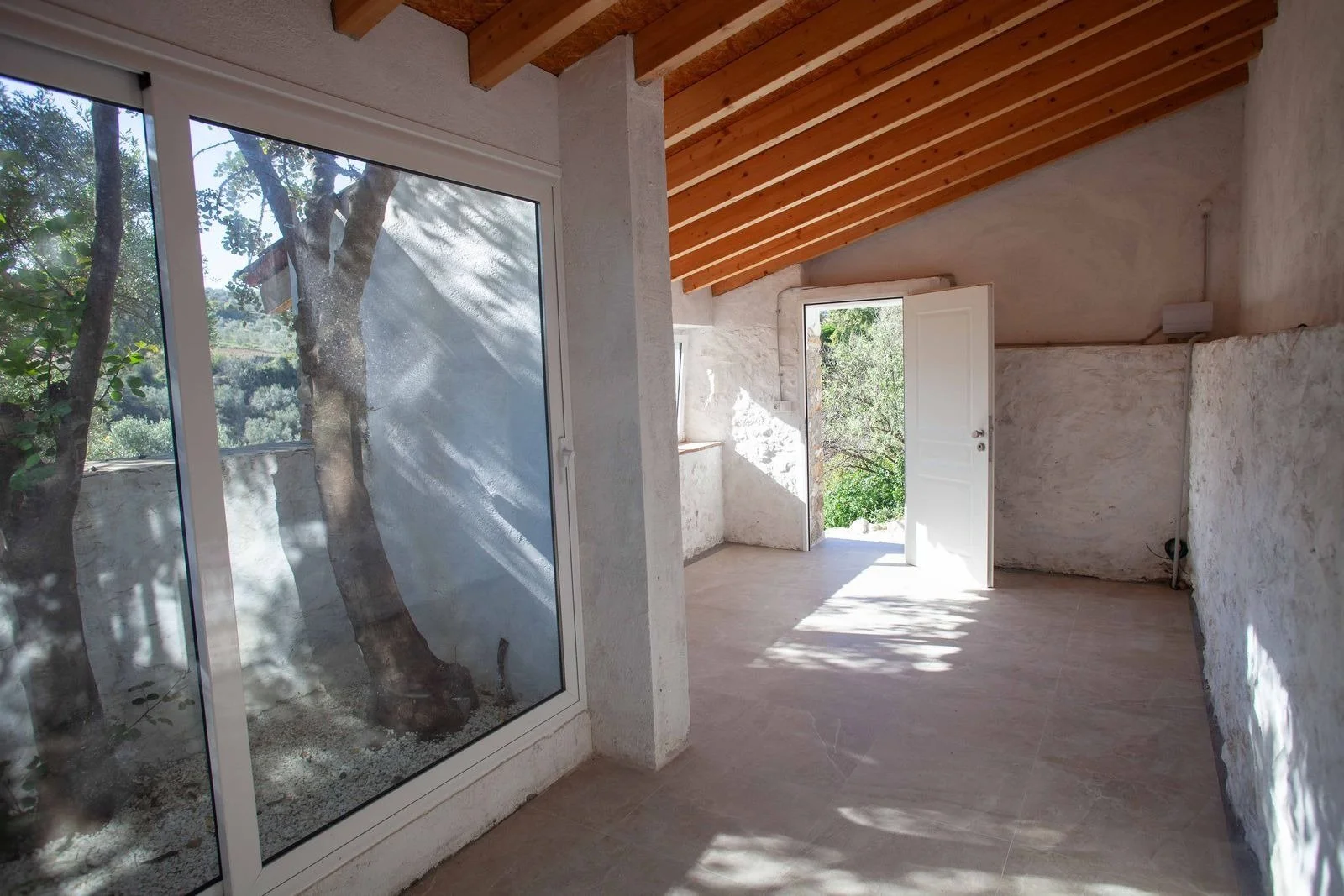
Main house (approximately 91 m²), one completed guest building, two additional buildings requiring kitchen and bathroom fit-out
Swimming pool
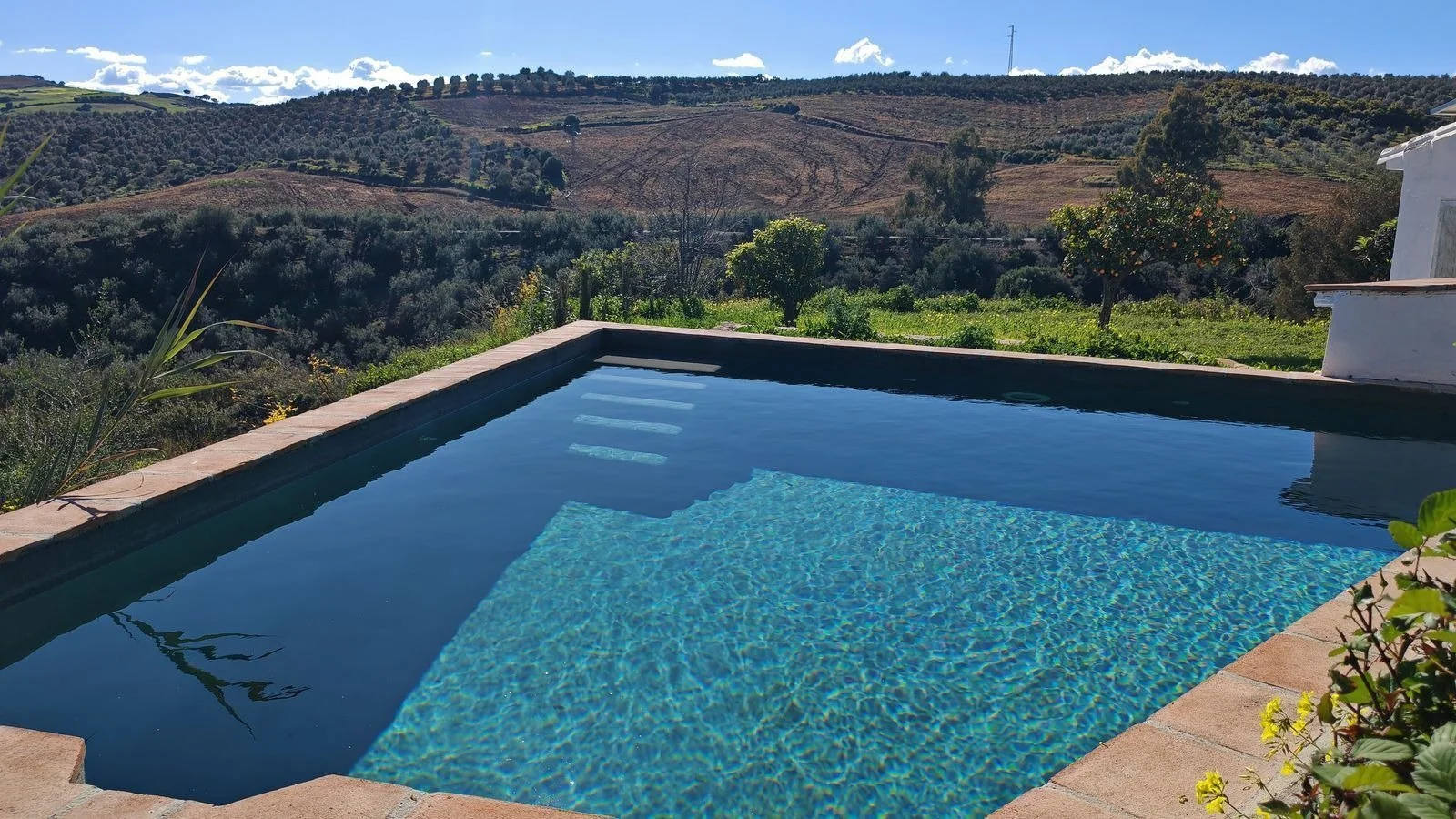
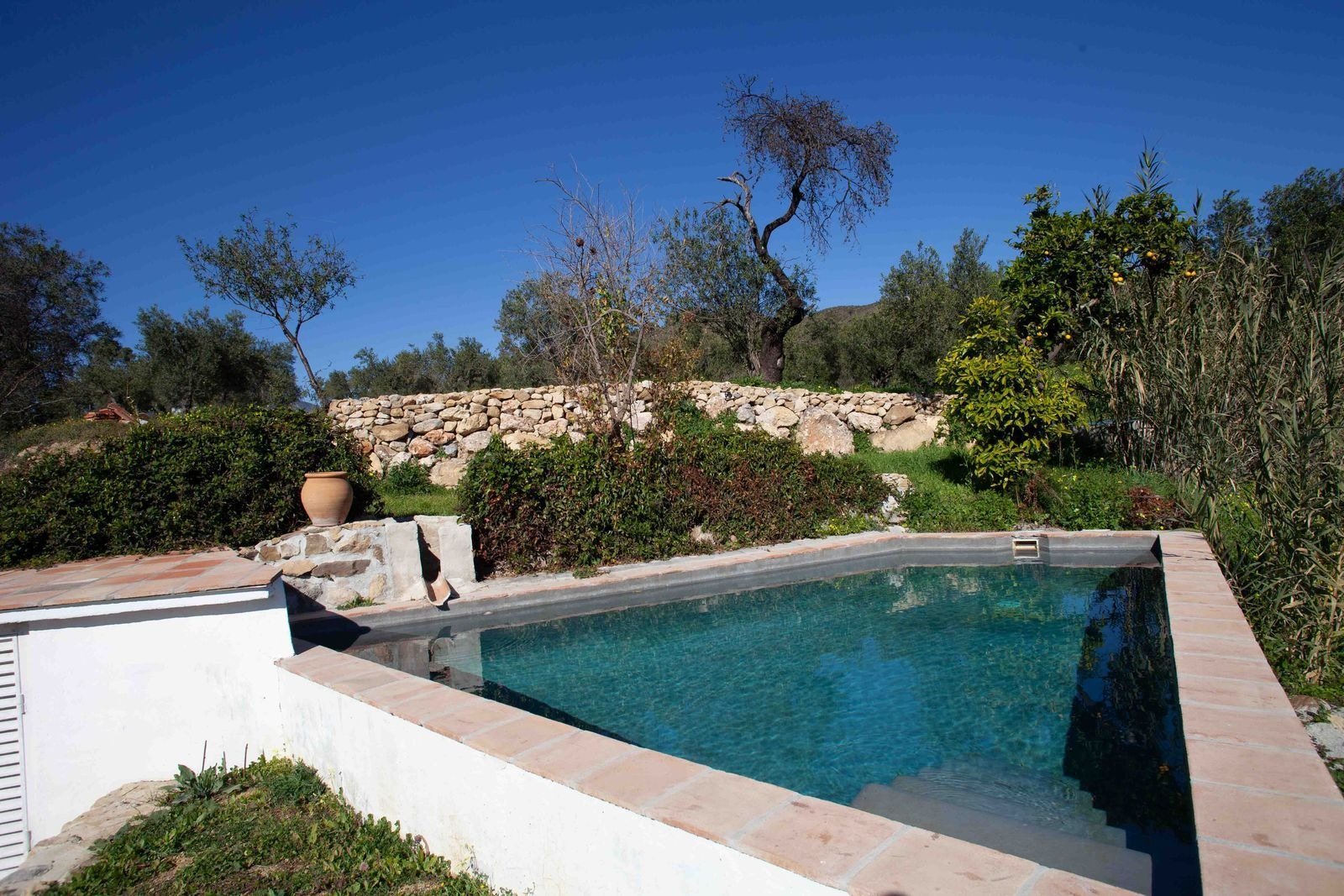
Approximately 25 m²
Power
Off-grid solar photovoltaic system with battery storage
Grid
Mains electricity reportedly available nearby
Water
Municipal supply plus irrigation water rights and underground storage tank
Landscape
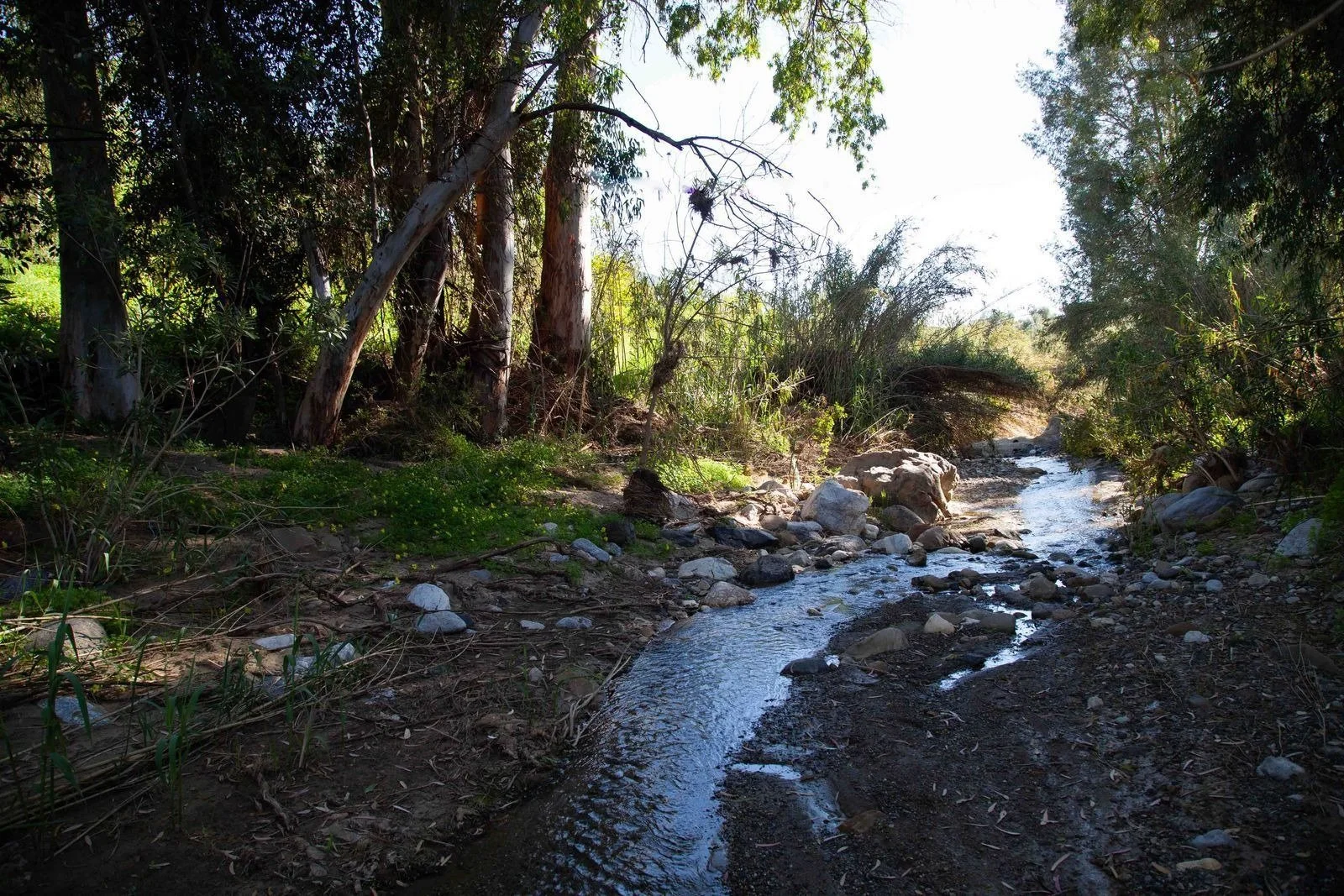
River bordering one side of the property
Energy certificate
No energy certificate supplied (Class N)
Legal feature
Property reportedly benefits from an AFO certificate
Lifestyle angle
Rural tourism project with expansion potential in the Málaga countryside
Primary due diligence themes
AFO status, legality of all four buildings, tourist rental potential, off-grid infrastructure, unfinished accommodation, water rights and flood exposure
Risk Radar
Overview
This property is fundamentally different from a conventional country house because much of its value lies in what it could become rather than what currently exists.
The completed accommodation already offers an attractive rural lifestyle with a pool, substantial land and self-sufficient energy systems. However, the investment proposition depends heavily on the remaining buildings being capable of lawful completion and commercial operation.
The single most important document is the Declaración de Asimilado a Fuera de Ordenación (AFO). Buyers often misunderstand AFO certification as a full planning approval. It is not. An AFO generally recognises certain existing buildings for legal and administrative purposes where planning enforcement is no longer possible, but it does not necessarily authorise future extensions, additional construction or unrestricted commercial use. Exactly what the AFO covers, and equally importantly what it does not cover, should be established before considering the property's income potential.
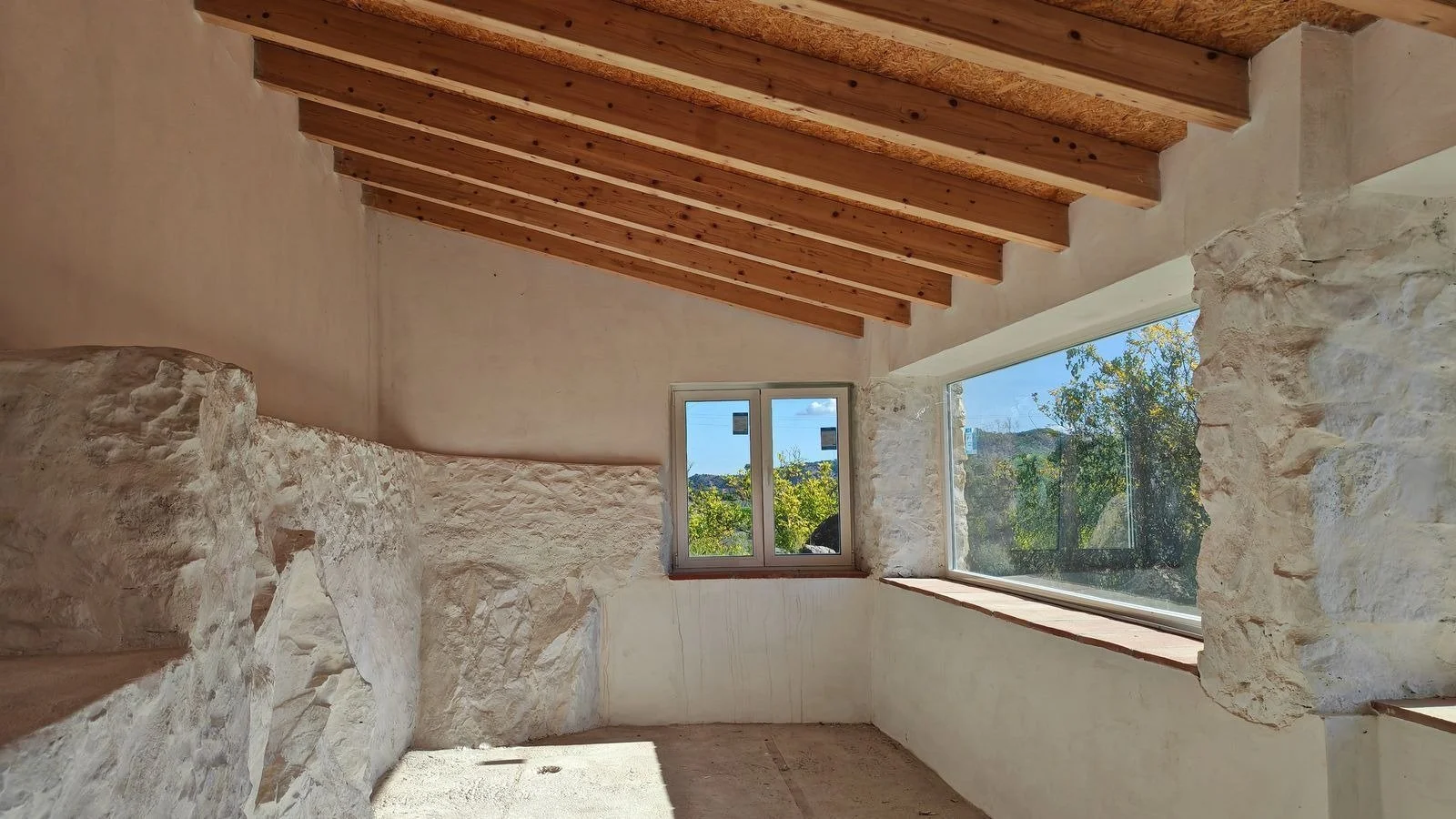
The unfinished buildings also require careful analysis. Structurally complete shells may still require considerable expenditure before becoming habitable. Plumbing, electrical installations, kitchens, bathrooms, insulation, finishes, fire safety, drainage and tourist accommodation compliance all need to be budgeted realistically.
The deliberately off-grid design is another attractive feature, but buyers should verify that the photovoltaic installation, batteries and water infrastructure are adequately sized for four independent accommodation units operating simultaneously during peak holiday periods.
The presence of a river enhances the setting but introduces another layer of due diligence. Flood mapping, public hydraulic domain restrictions, easements and water extraction rights should all be verified before purchase.
Targeted Questions
Legal Status & Planning
The Land Registry should confirm that every advertised structure forms part of the legal title.
Registration affects finance, insurance, taxation and future sales.
Buyers need to understand precisely what has been recognised.
Coverage may not extend equally across every structure.
Pools are frequently constructed under separate permissions.
Their future completion may depend upon their legal status.
AFO properties often remain subject to limitations despite recognition.
Buyers should rely on current municipal confirmation.
This confirms approved layouts and construction history.
Historic rural properties sometimes contain unauthorised works.
Habitation & Tourist Accommodation
Habitation status underpins lawful residential occupation.
Rental-ready marketing should be supported by legal documentation.
Structural completion alone does not establish lawful use.
Future income depends on lawful residential use.
Planning procedures may delay commercial operation.
Individual licensing may materially affect rental income.
Planning recognition and tourism registration are separate legal issues.
Previous operation may provide useful compliance evidence.
Construction & Fit-Out
Age affects guarantees and expected maintenance.
Documentation helps verify build quality.
Rental readiness depends on equipment as well as buildings.
Furnishing represents a significant additional cost.
Water ingress during construction can create hidden defects.
Their absence significantly increases completion costs.
First-fix work represents a major proportion of fit-out costs.
Drainage works are often expensive in rural properties.
Buyers should budget using realistic local pricing.
Delays directly affect rental income projections.
Solar Power & Off-Grid Systems
Generation capacity determines long-term viability.
Storage determines overnight autonomy.
Age affects remaining service life.
Battery replacement is expensive.
Compatibility and reliability differ considerably between manufacturers.
Expansion may require costly upgrades.
Winter generation is often the limiting factor.
Guests expect uninterrupted electricity.
Future buyers may prefer conventional utilities.
Maintenance affects reliability.
Water & River
Buyers should verify permanent legal supply.
Irrigation rights often differ from domestic supply.
Water extraction may require official authorisation.
Storage determines resilience during shortages.
Pump replacement costs should be understood.
Rural water quality should never be assumed.
Ownership beside rivers is often misunderstood.
Flood exposure affects insurance and planning.
Historic events provide valuable practical evidence.
River corridors often have development limitations.
Pool & Grounds
Pool legality should be independently confirmed.
Pool systems require periodic replacement.
Operating costs directly affect profitability.
Heating substantially changes annual costs.
Mature planting requires reliable watering.
Productive trees add practical and commercial value.
Rural boundaries should always be verified.
Rural access rights can reduce privacy.
Access & Practicalities
Responsibility for maintenance affects ownership costs.
Rural tracks may become difficult during winter.
Rental properties require sufficient parking.
Covered parking increases year-round usability.
Reliable internet is essential for guests and remote workers.
Mobile reception is often inconsistent in rural valleys.
Off-grid properties commonly rely on private drainage.
Replacement can be expensive.
Future expansion may exceed current capacity.
Farming can affect noise, dust and seasonal activity.
Future construction may affect privacy.
Rental Investment
Actual performance is more reliable than estimates.
Revenue projections depend on realistic demand.
Net returns are more important than gross income.
Professional management may be essential for overseas owners.
Completion costs should be justified by achievable income.
Negotiation Intelligence
Buyer Leverage
Medium-High
Key Drivers
Typical Negotiation Range
5-15% below asking
Neutral Phrasing Examples
Country Layer
Spain (Regulatory Context July 2026)
Spain's rural planning framework varies significantly between autonomous communities, making municipal verification particularly important.
Viewing Strategy
Begin with the paperwork before the buildings.
Next Step
Verify from the listing:
AFO certificate coverage
Confirm precisely which of the four buildings are covered by the AFO, what legal limitations remain and whether any future alterations or tourist accommodation are restricted.
Rental legality of all four buildings
Establish whether the completed guest accommodation and the two unfinished buildings can all legally obtain habitation documentation and tourist rental registration once completed.
Off-grid infrastructure capacity
Request specifications, warranties and maintenance records for the solar panels, batteries, water storage and backup systems to confirm they are adequate for four occupied buildings.
Fit-out costs for unfinished accommodation
Obtain contractor quotations showing the realistic cost of completing kitchens, bathrooms, utilities, finishes and furnishing before calculating projected returns.
River frontage and water rights
Verify ownership, irrigation rights, flood exposure and any restrictions affecting construction, landscaping or water extraction along the river boundary.
A prepared buyer should approach the agent calmly and frame questions as due diligence. For example: “To help us evaluate the investment properly, could you share the AFO certificate, planning documentation, tourist rental guidance, contractor quotations for the unfinished buildings, and the technical specifications for the solar and water systems?”
Because this property's value depends on planning status, infrastructure capacity and future rental income, run it through the Property Risk Assessment to evaluate legal and operational risks, or use the Renovation Budget Planner to model the total investment required before the remaining buildings become income-producing.
Disclaimer: The Property Drop is buyer-focused intelligence, zero sales agenda. We curate exceptional properties, in southern Europe, from third-party agents and arm you with decision tools. No commission, no transactions, no agent partnerships, no skin in the game beyond helping you choose wisely. Information stays accurate until it doesn't (properties sell, prices shift, markets move). Everything here is shared for informational purposes only and should not be treated as legal, financial, or investment advice. Images belong to original agents. Read our Terms of Service to learn more.
Buyer Intelligence:
This assessment provides general guidance based on common risk factors and publicly available regulatory information. Risk scores and checklist items are indicative only and must not be considered legal, financial, structural, or surveying advice. Actual property conditions, costs, and regulatory requirements vary significantly by location, property age, and specific circumstances. Regulations are subject to change; always verify current requirements with qualified local professionals before making any purchasing decision.
The Property Drop provides buyer intelligence and educational research analysis only. The Property Drop does not act as an estate agent, intermediary, or advisor in any transaction and does not facilitate introductions, negotiations, or transactions. Always engage qualified independent professionals including local lawyers, surveyors, architects, and tax advisors for comprehensive due diligence specific to your property.
IMPORTANT REMINDER: When contacting property agents featured on The Property Drop, you are entering into direct communication with third parties. It's recommended that you verify all property details independently, conduct thorough due diligence, engage qualified professionals (solicitors, surveyors, financial advisors), understand your rights and obligations under local property laws, and never send money or make commitments without proper legal protection.

The Buyer Playbook: 3-Bed Frontline Golf Apartment with Sea Views, Sotogrande, San Roque, Spain, €649,000
The Buyer Playbook: 5-Bed Country House with Pool and 360° Panoramic Views, Morcella, Marsciano, Italy, €450,000
Questions ready for the agent?
The agent represents the seller.
What you ask shapes the answers you get.