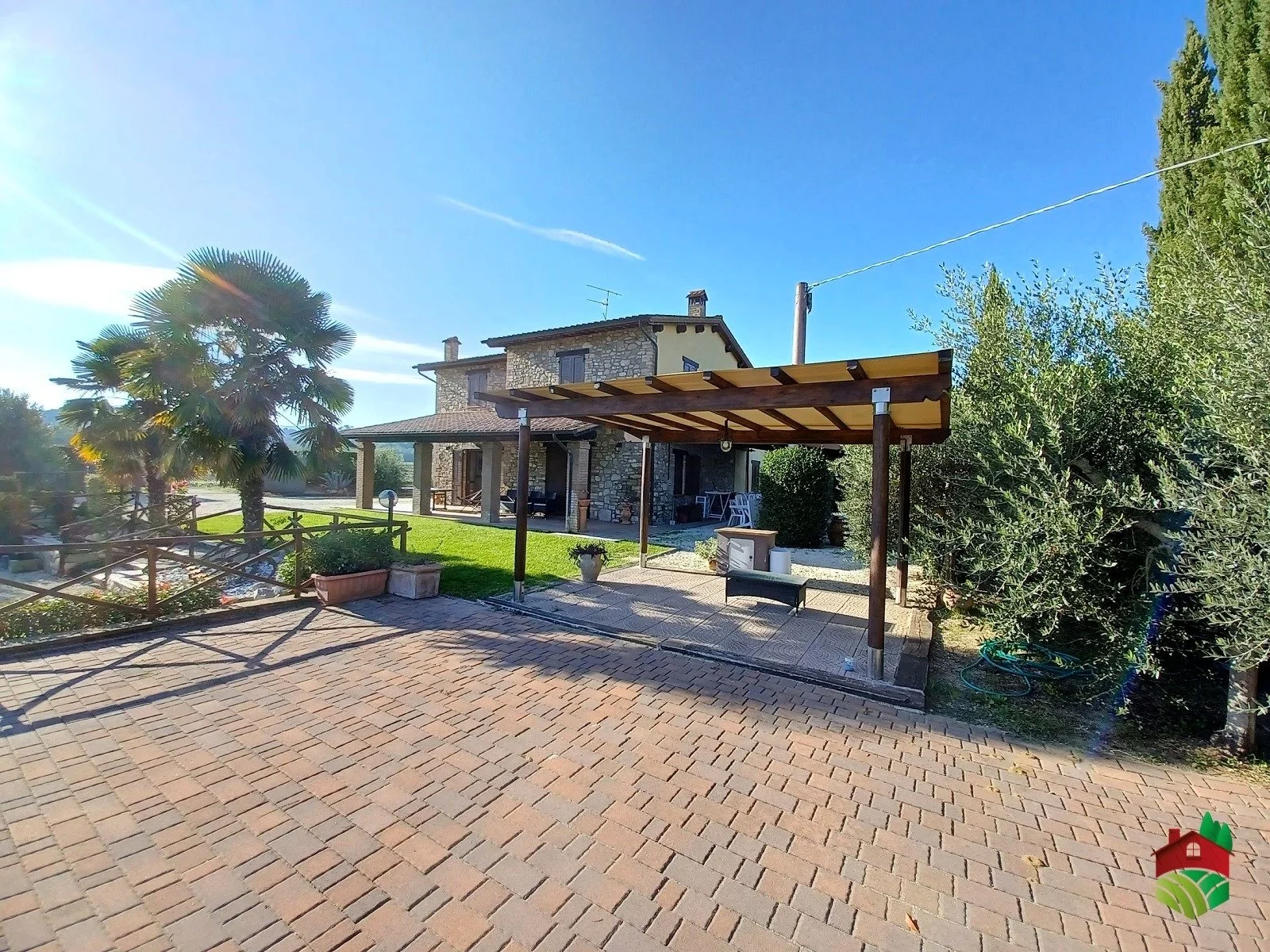
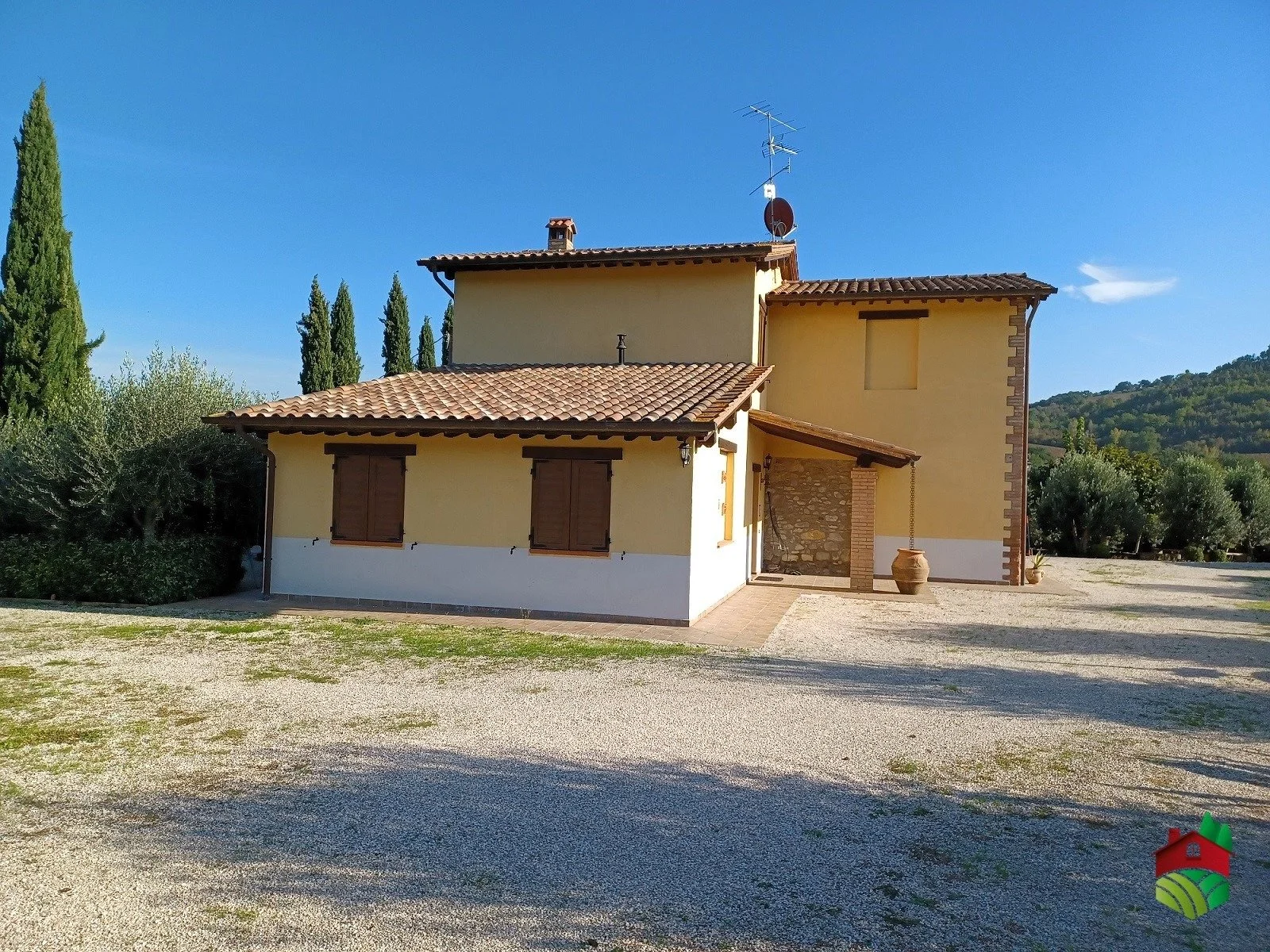
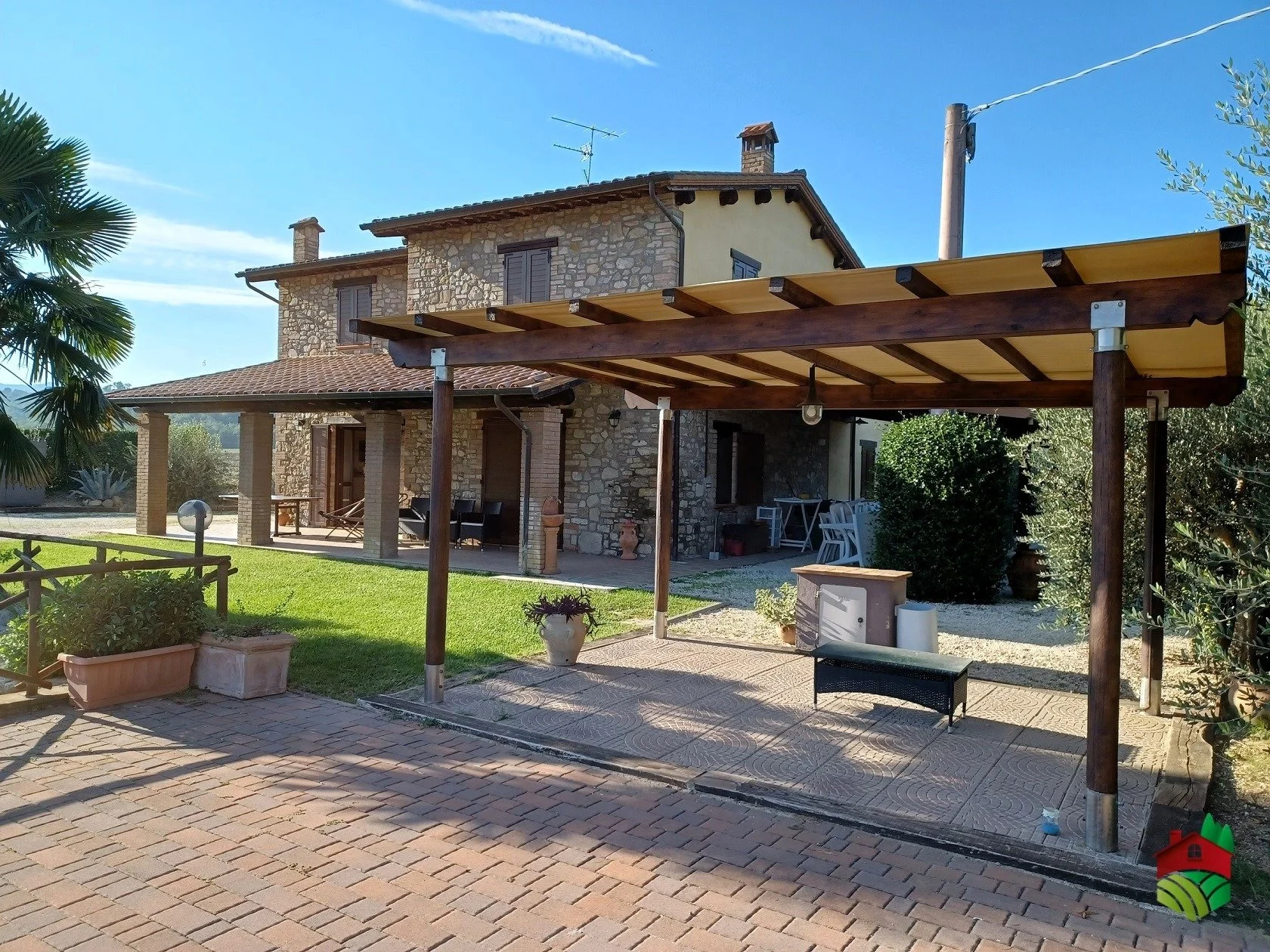
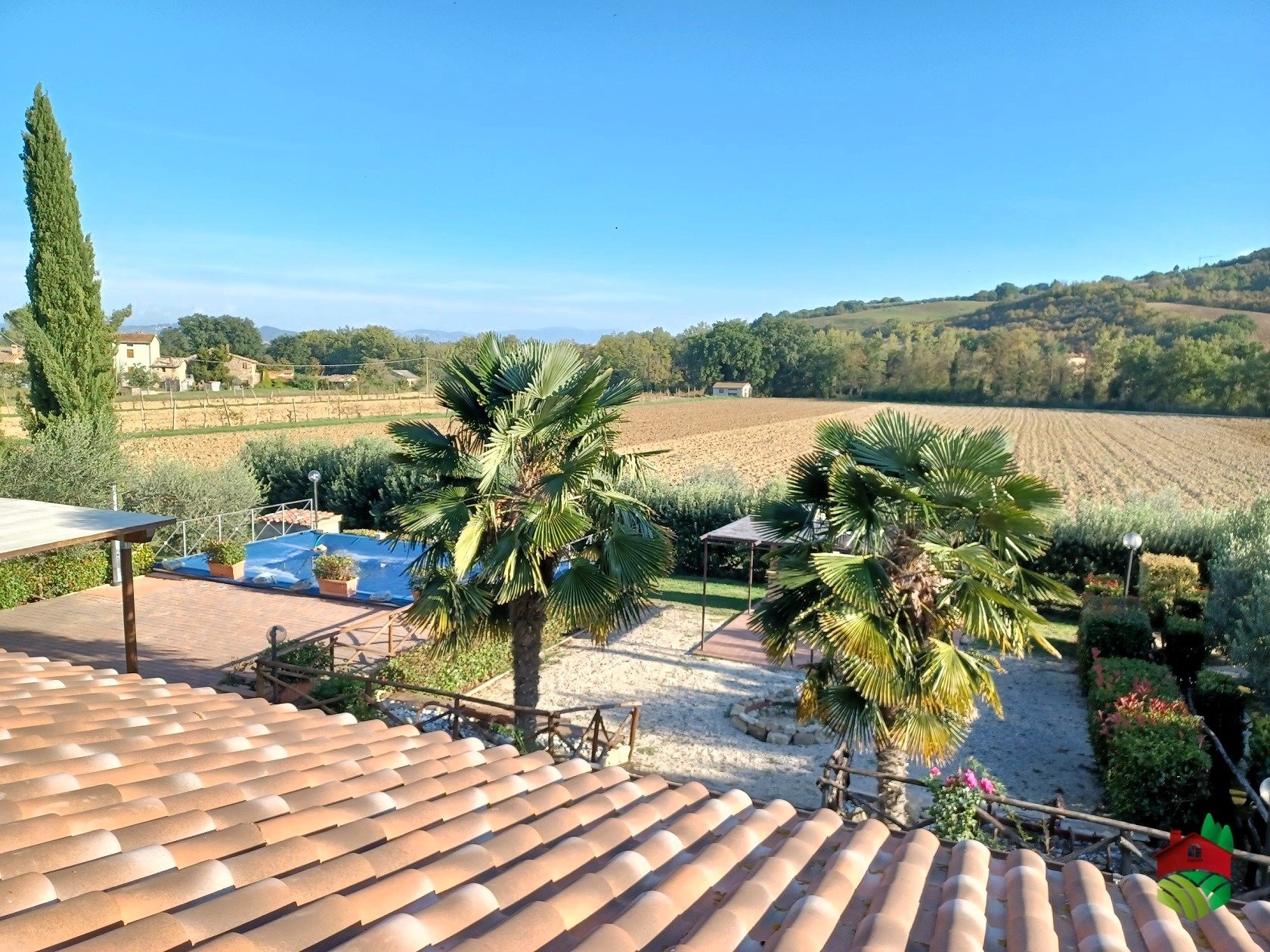
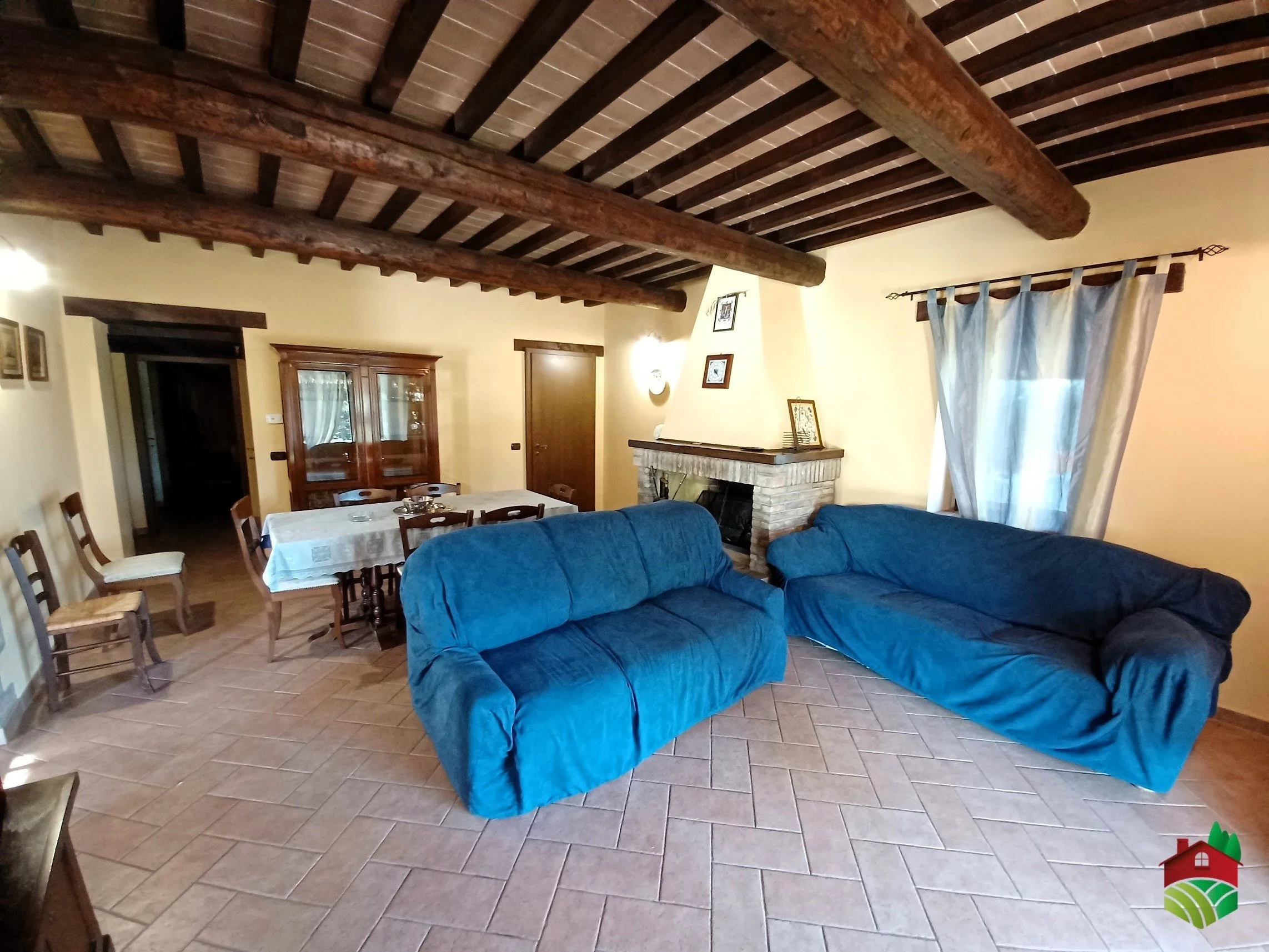
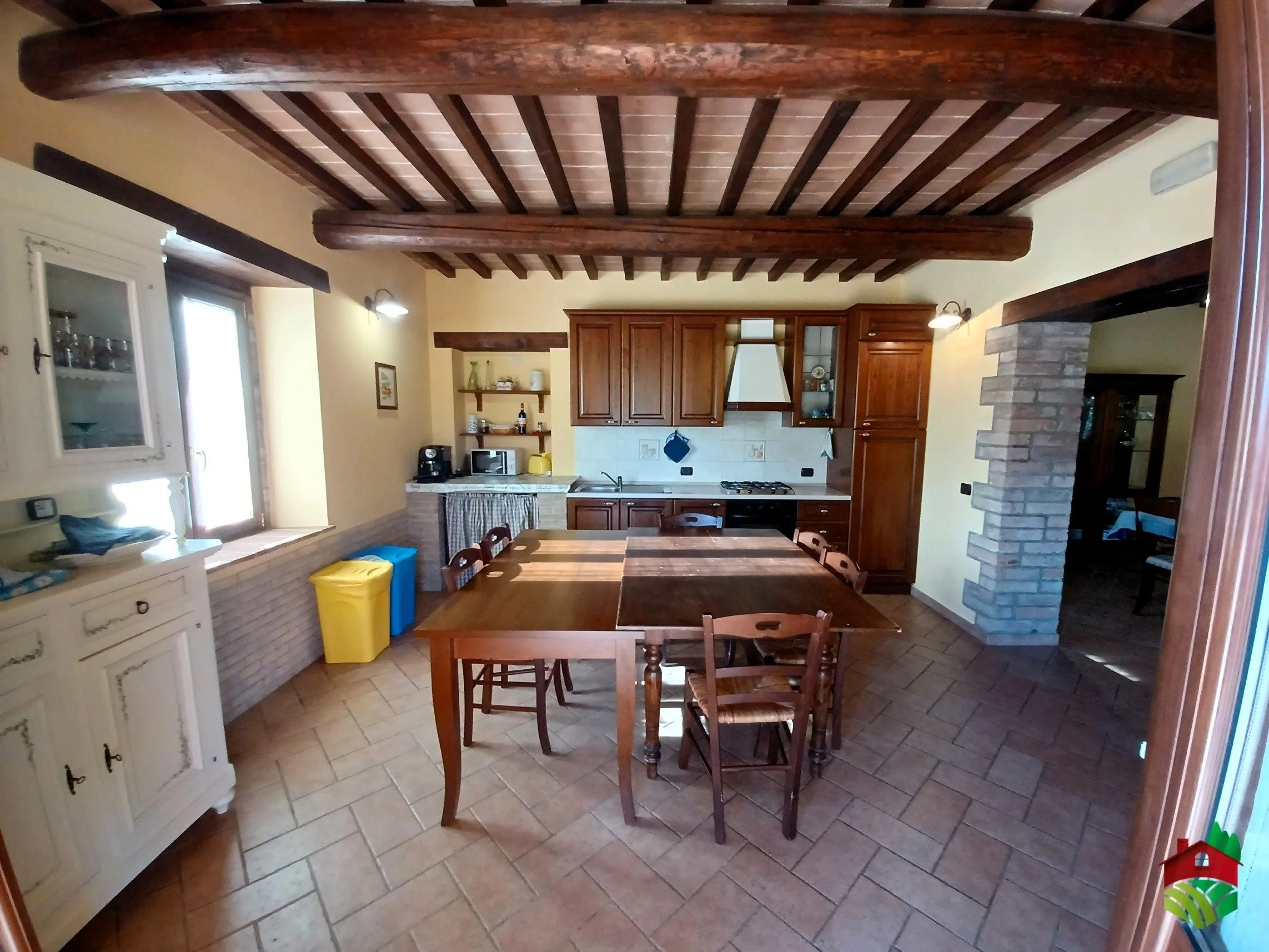
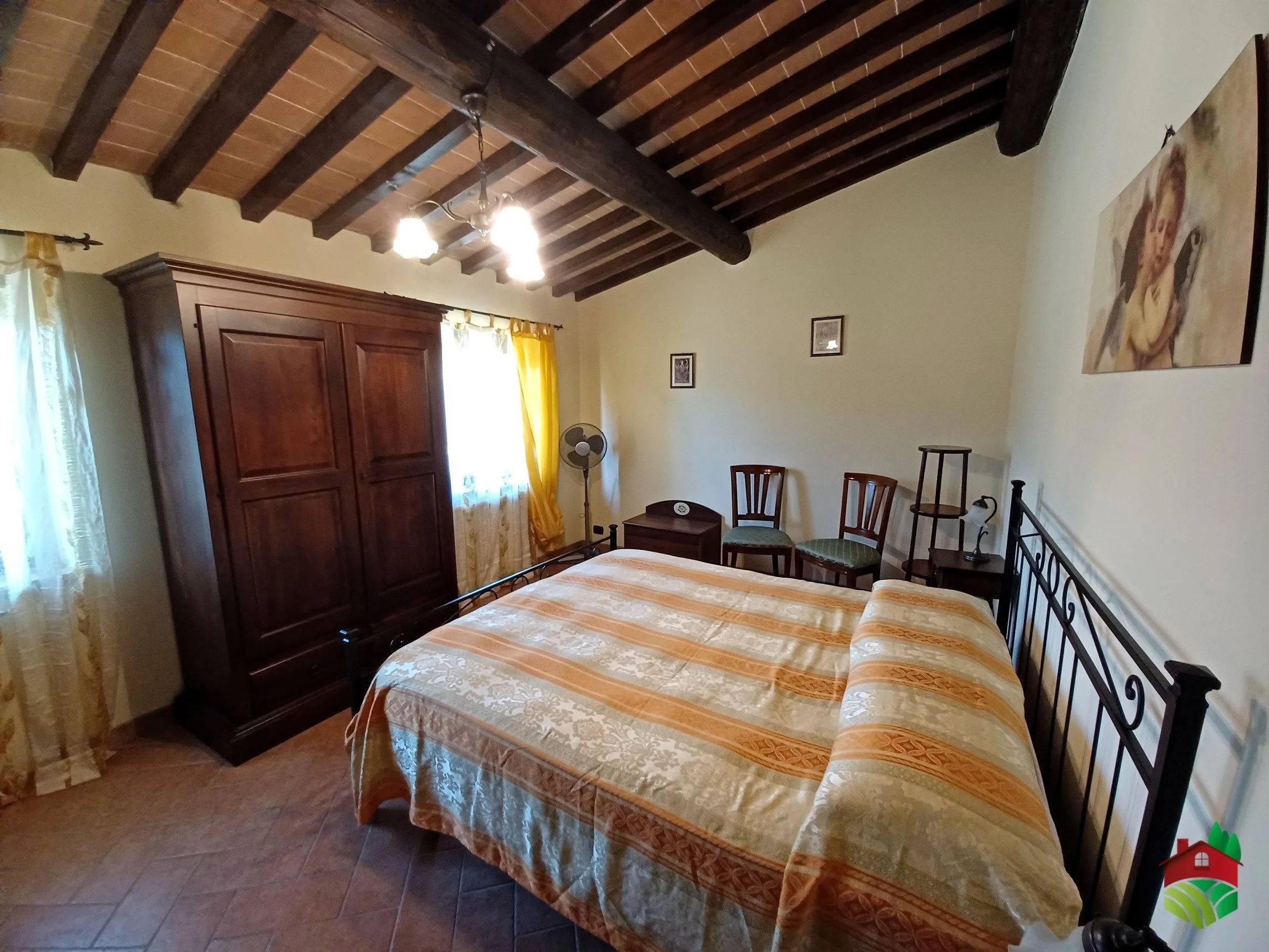
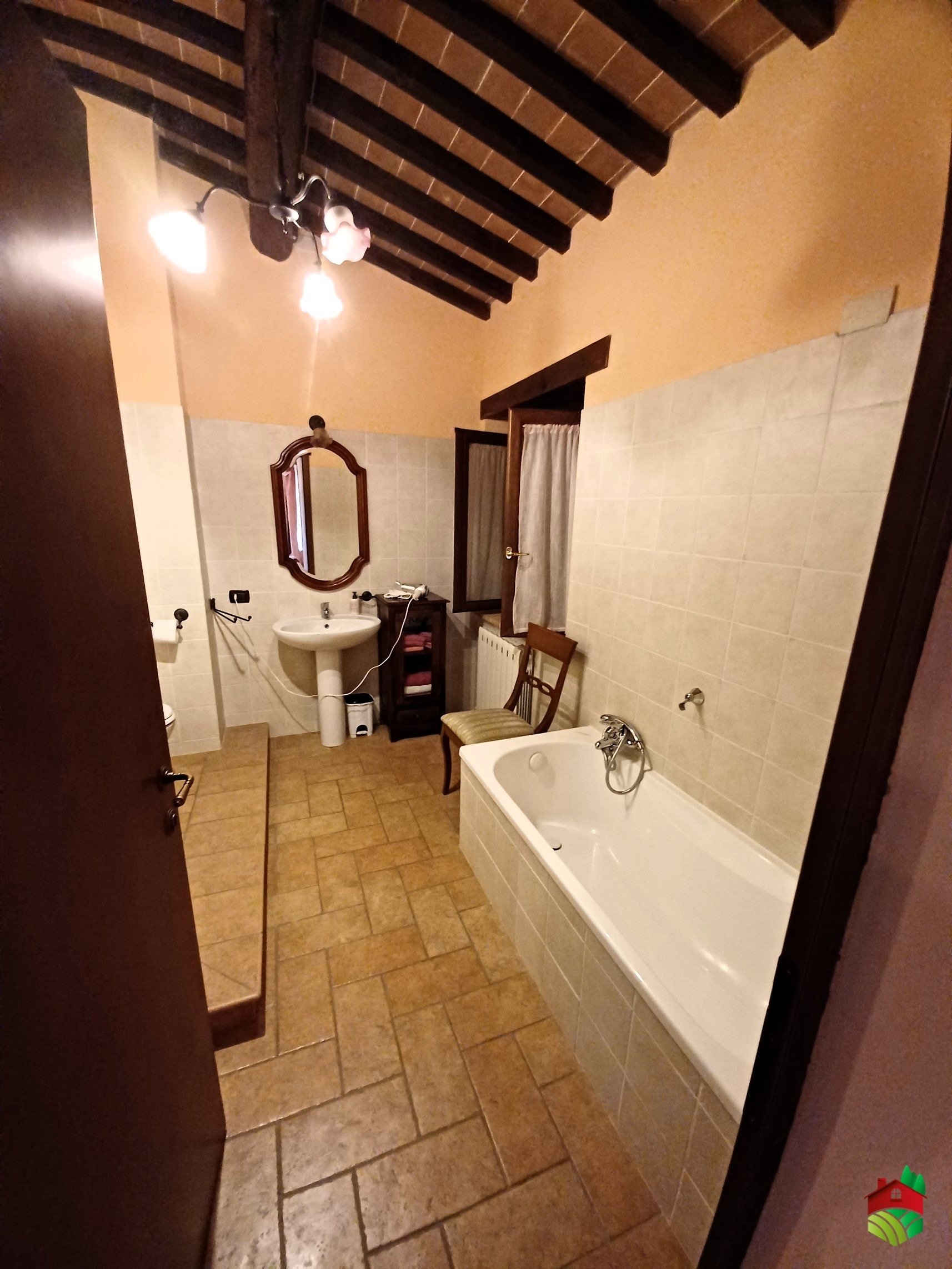
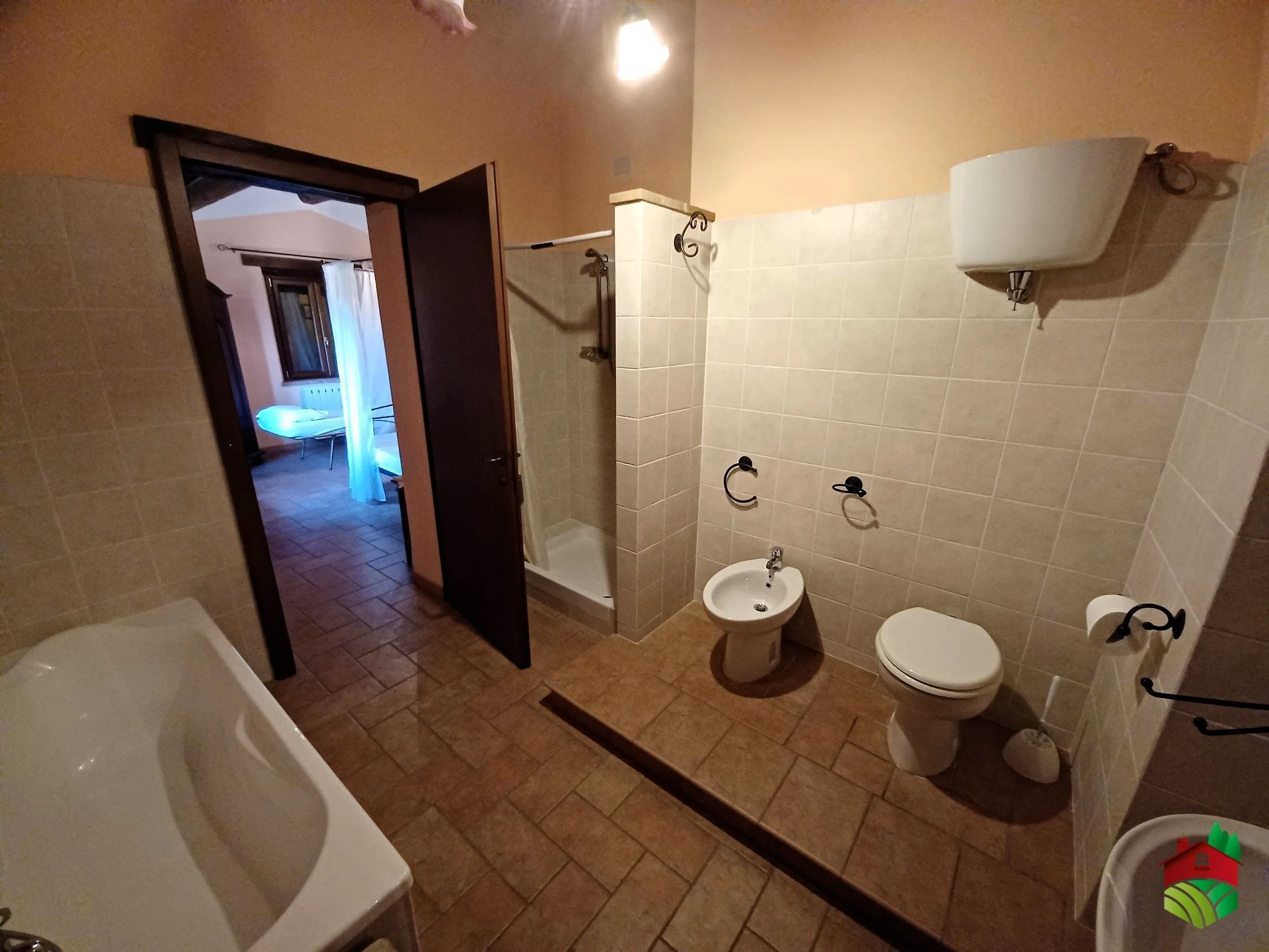
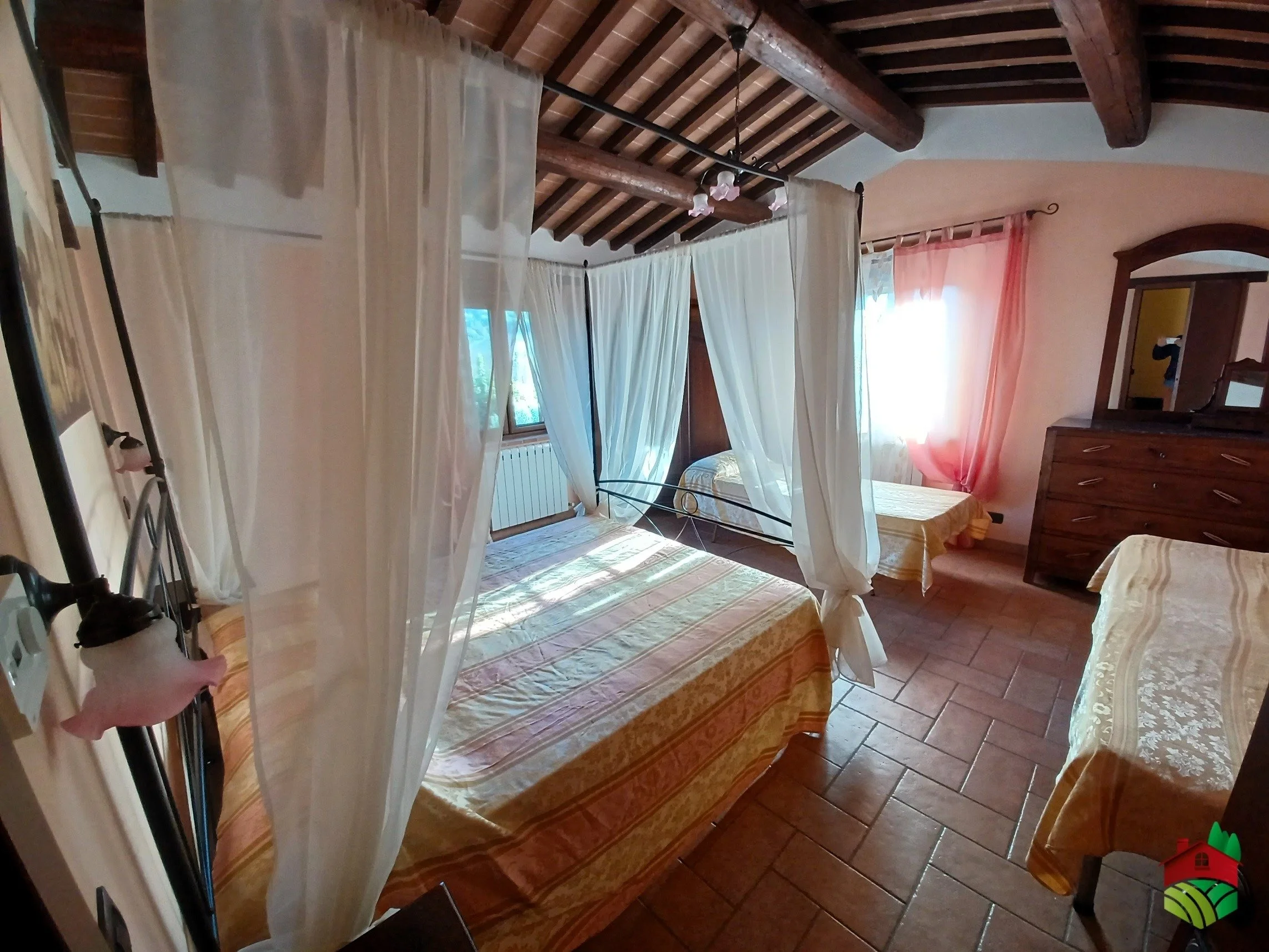
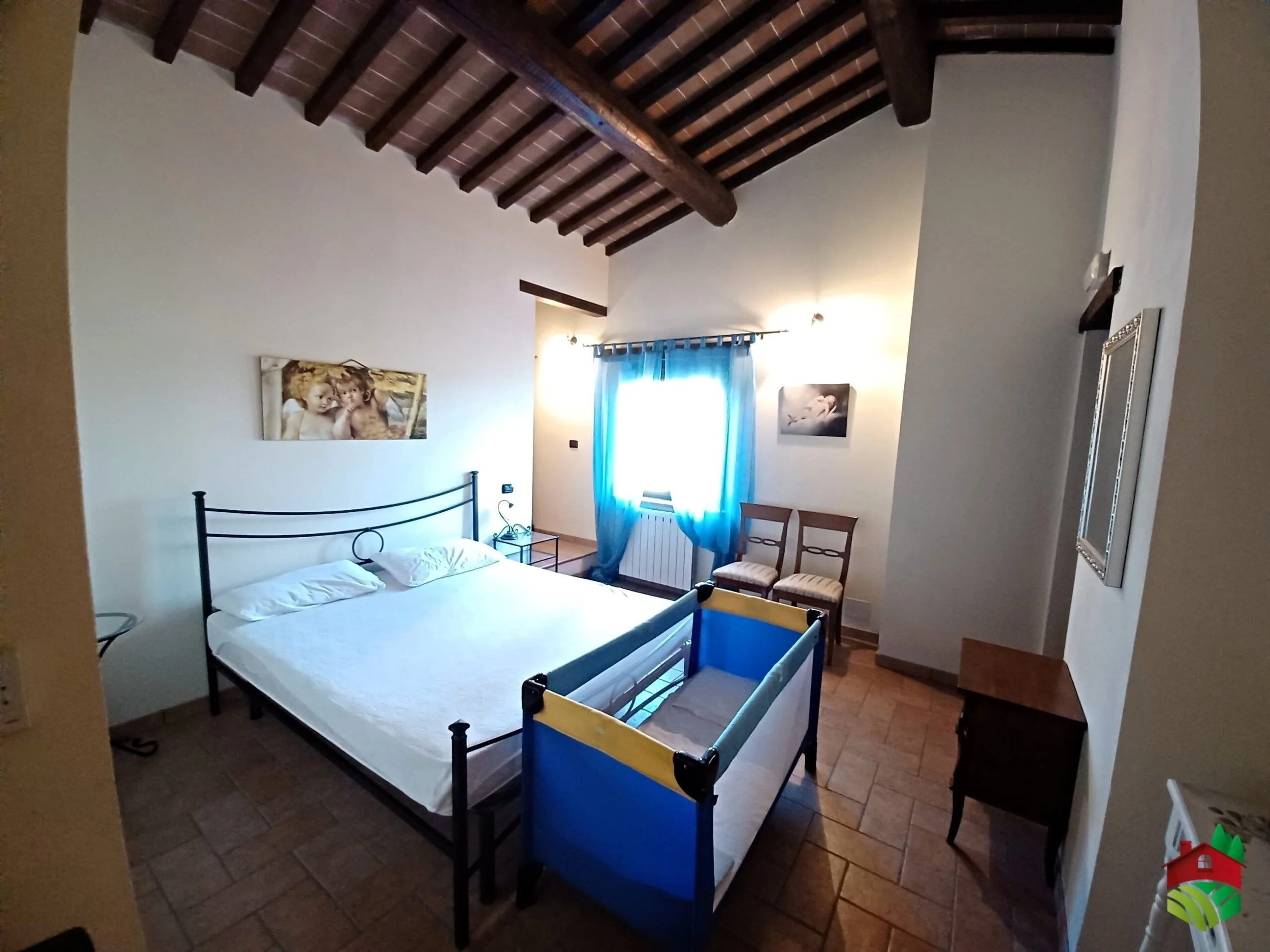
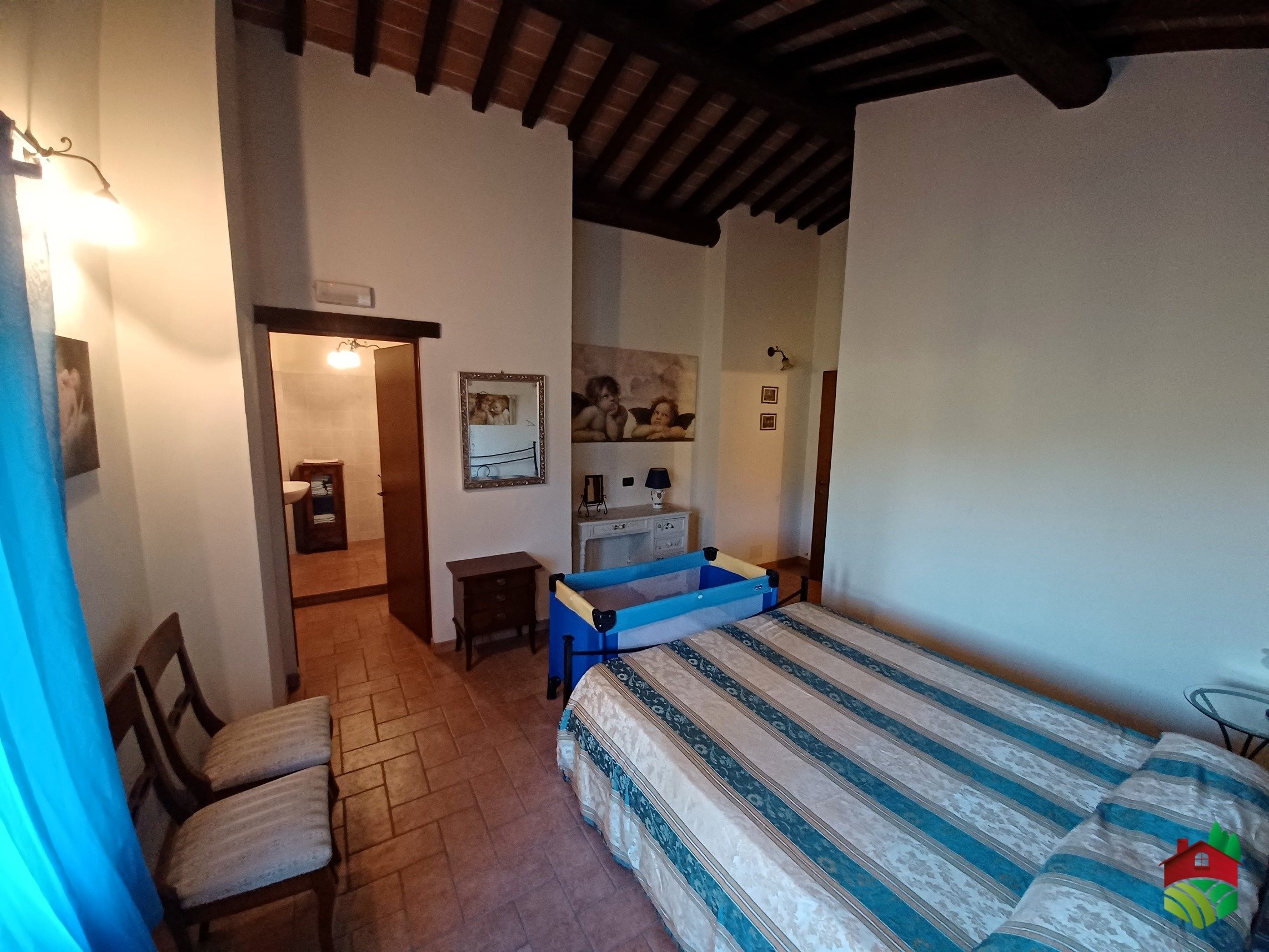
The Buyer Playbook: 5-Bed Country House with Pool and 360° Panoramic Views, Morcella, Marsciano, Italy, €450,000
Italy Pre-Viewing Intelligence

Buyer Playbook

Pre-Viewing Intelligence Report

This independent buyer guidance report relates to this specific property located near Morcella and Marsciano in Umbria, Italy. It is provided for informational purposes only and does not constitute legal, tax, structural or survey advice. Planning compliance, cadastral conformity, habitability, water rights, pool permissions, drainage, land use, rental operation and boundary matters must always be verified with qualified Italian professionals, including a notaio, avvocato, geometra, architect, structural engineer, agronomist and the relevant Comune and regional authorities. This report is designed to help buyers evaluate the property before arranging a viewing or making an offer. It highlights due diligence areas and targeted questions to ask the estate agent. The analysis is based on the listing information, the supplied property research and publicly available regulatory context at the time of writing.

Property Snapshot

Location

Morcella area, near Marsciano, Umbria, Italy

Property type

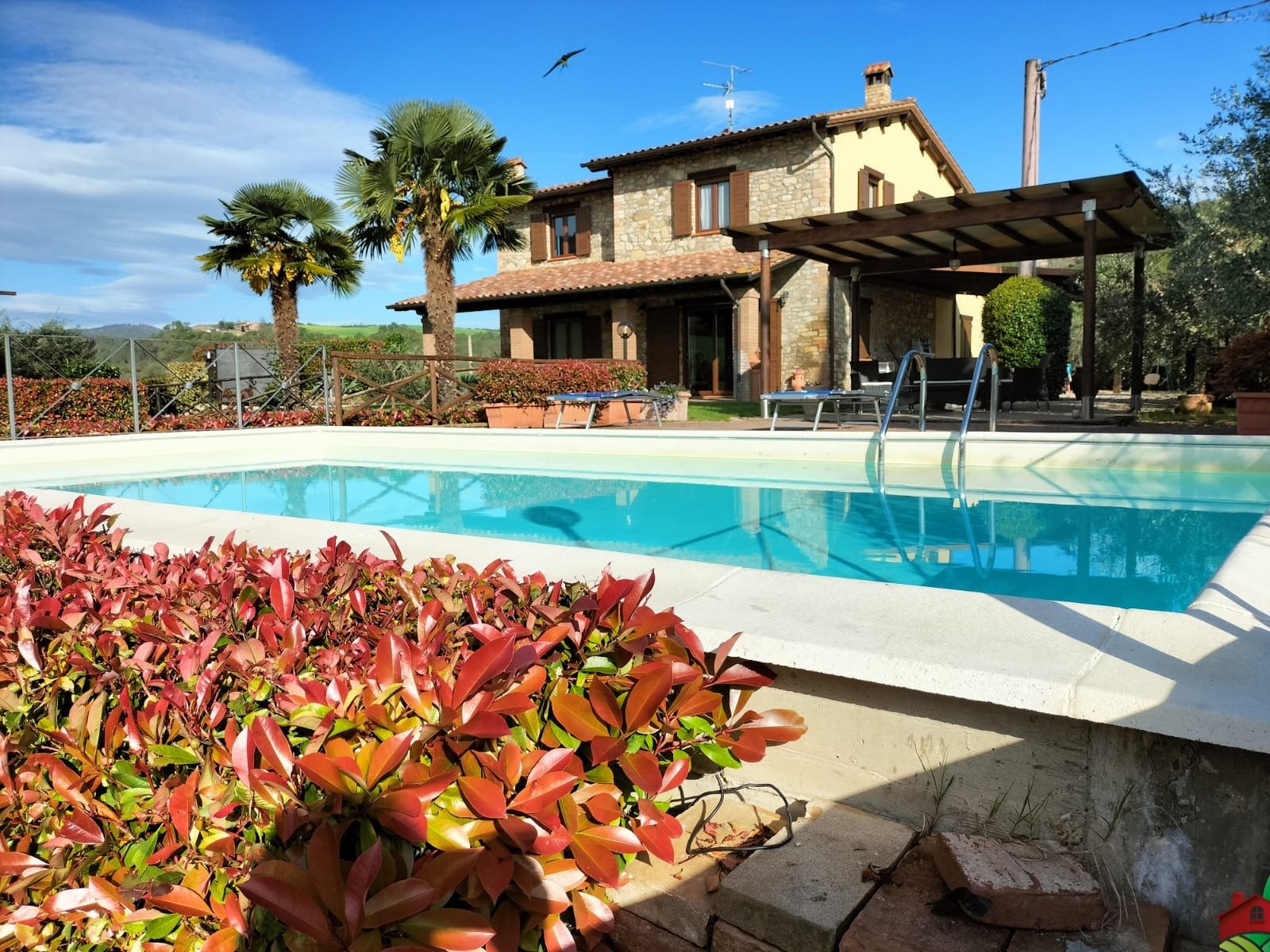
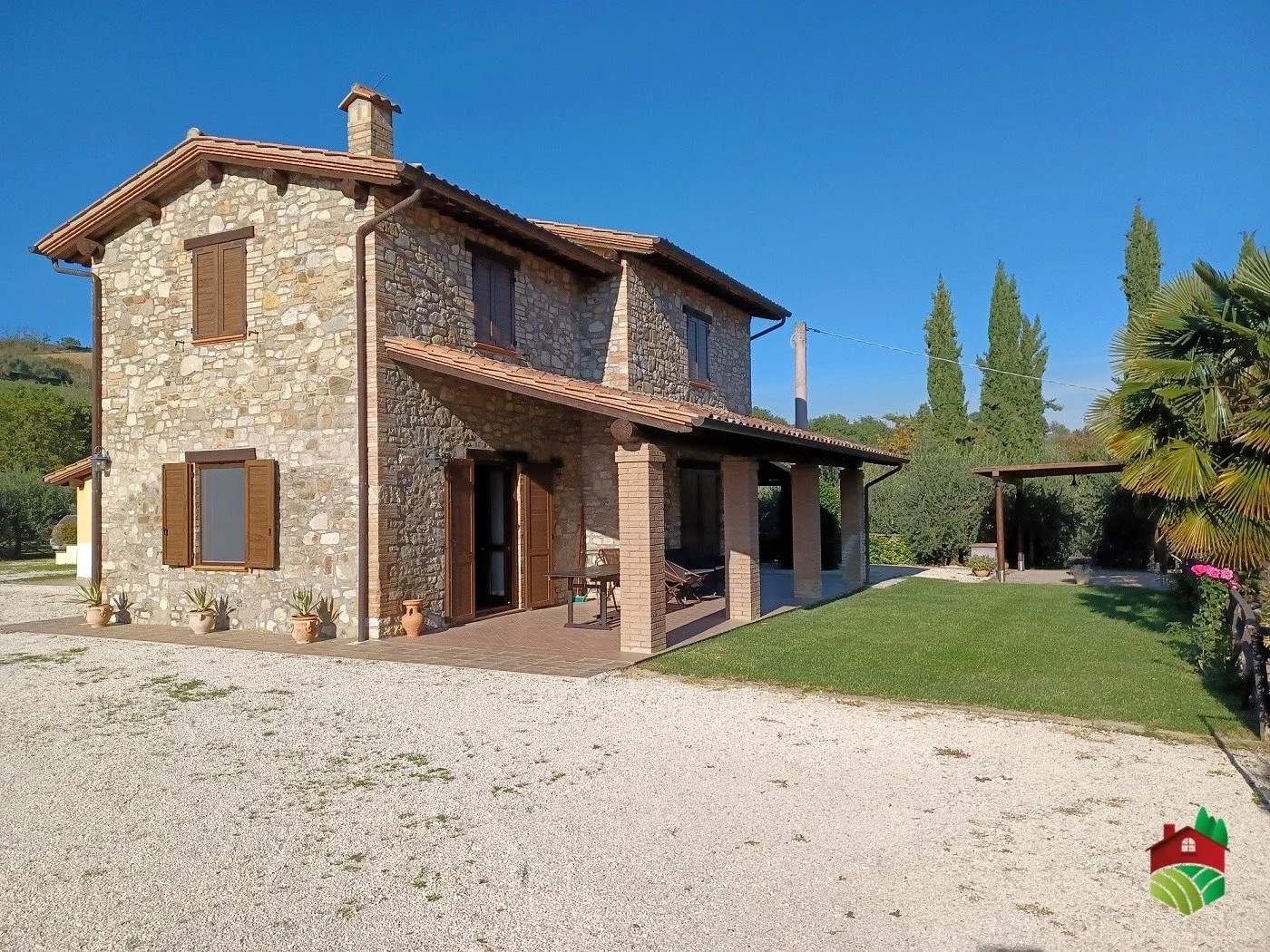
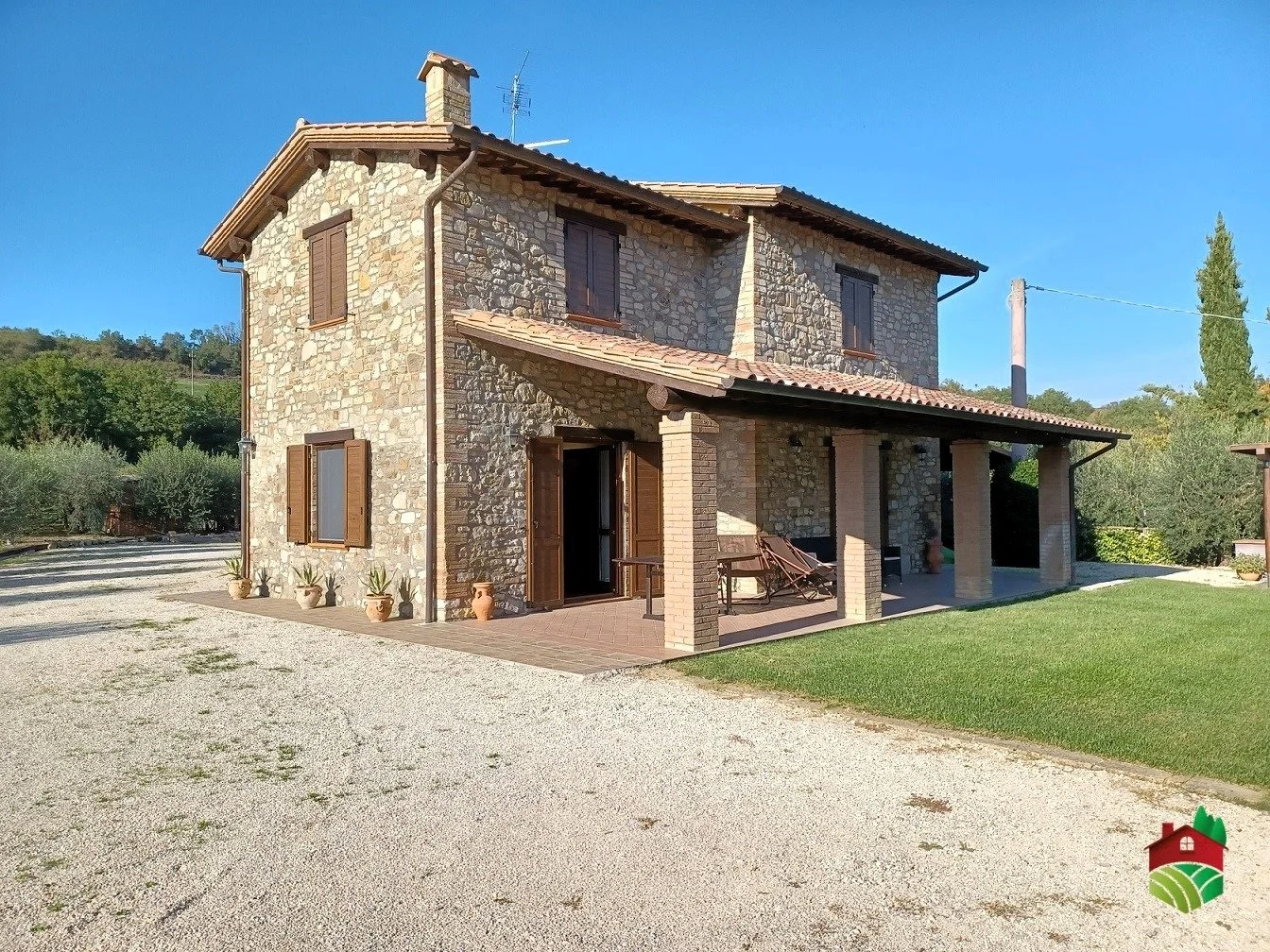
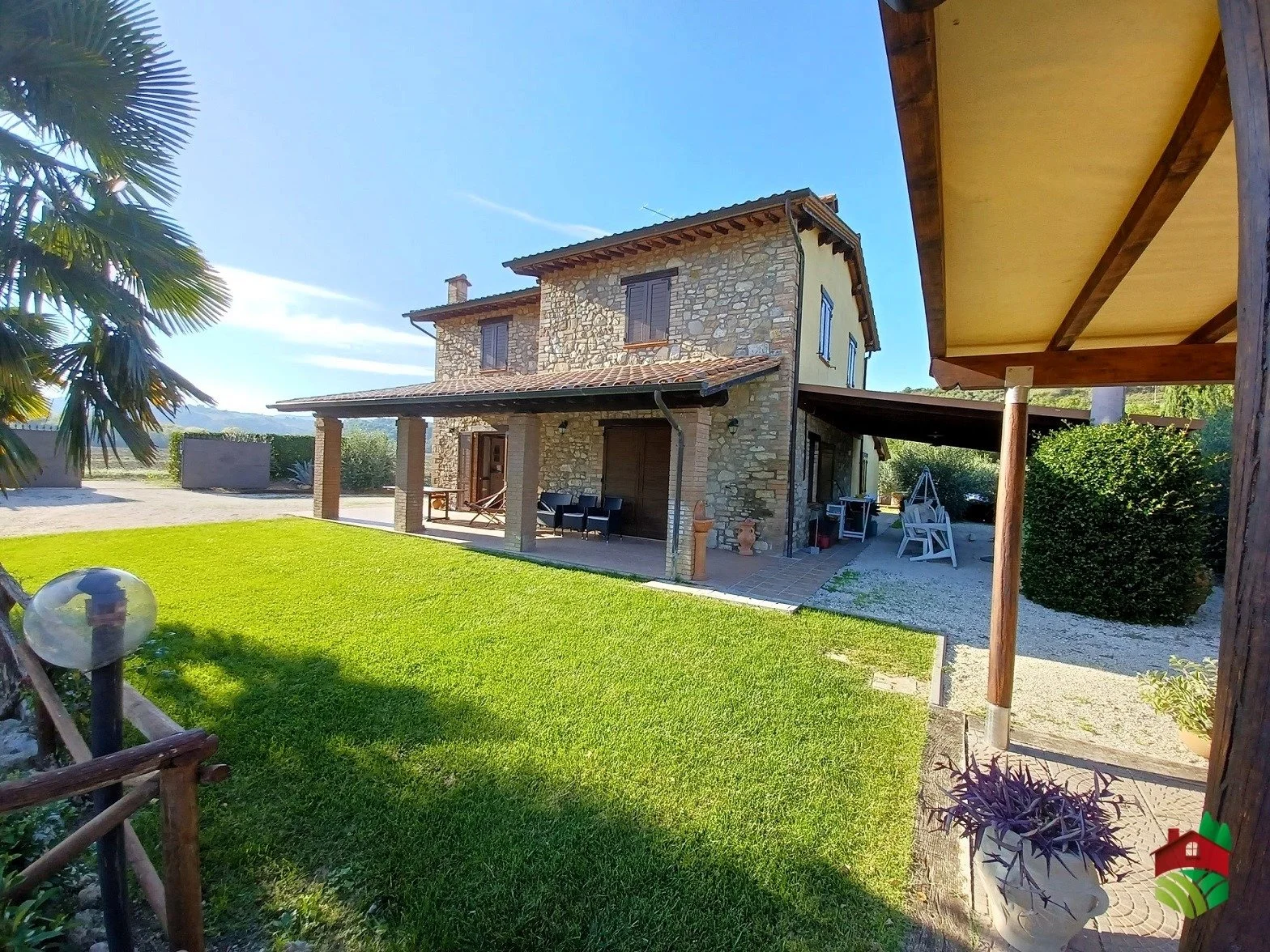
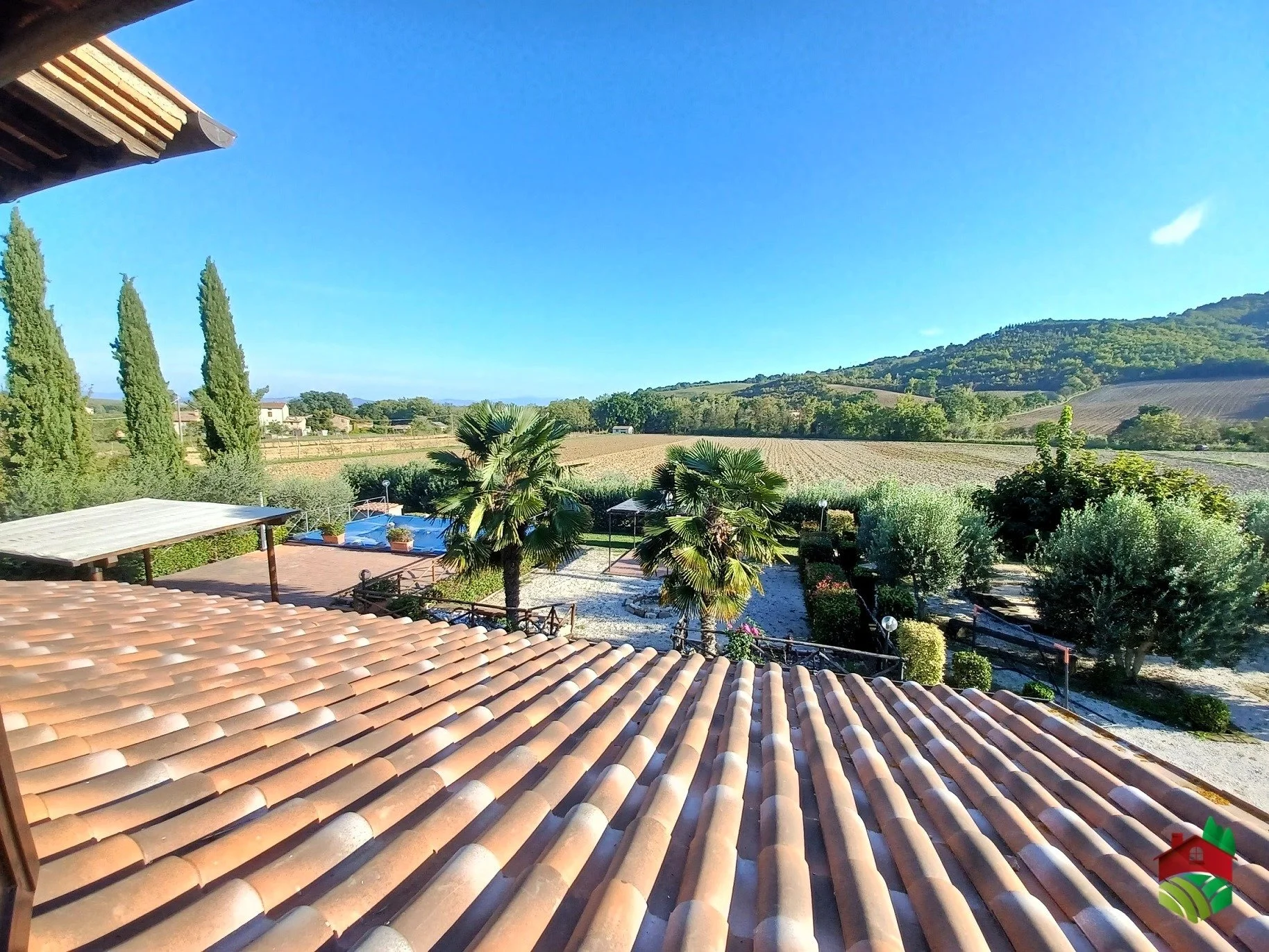
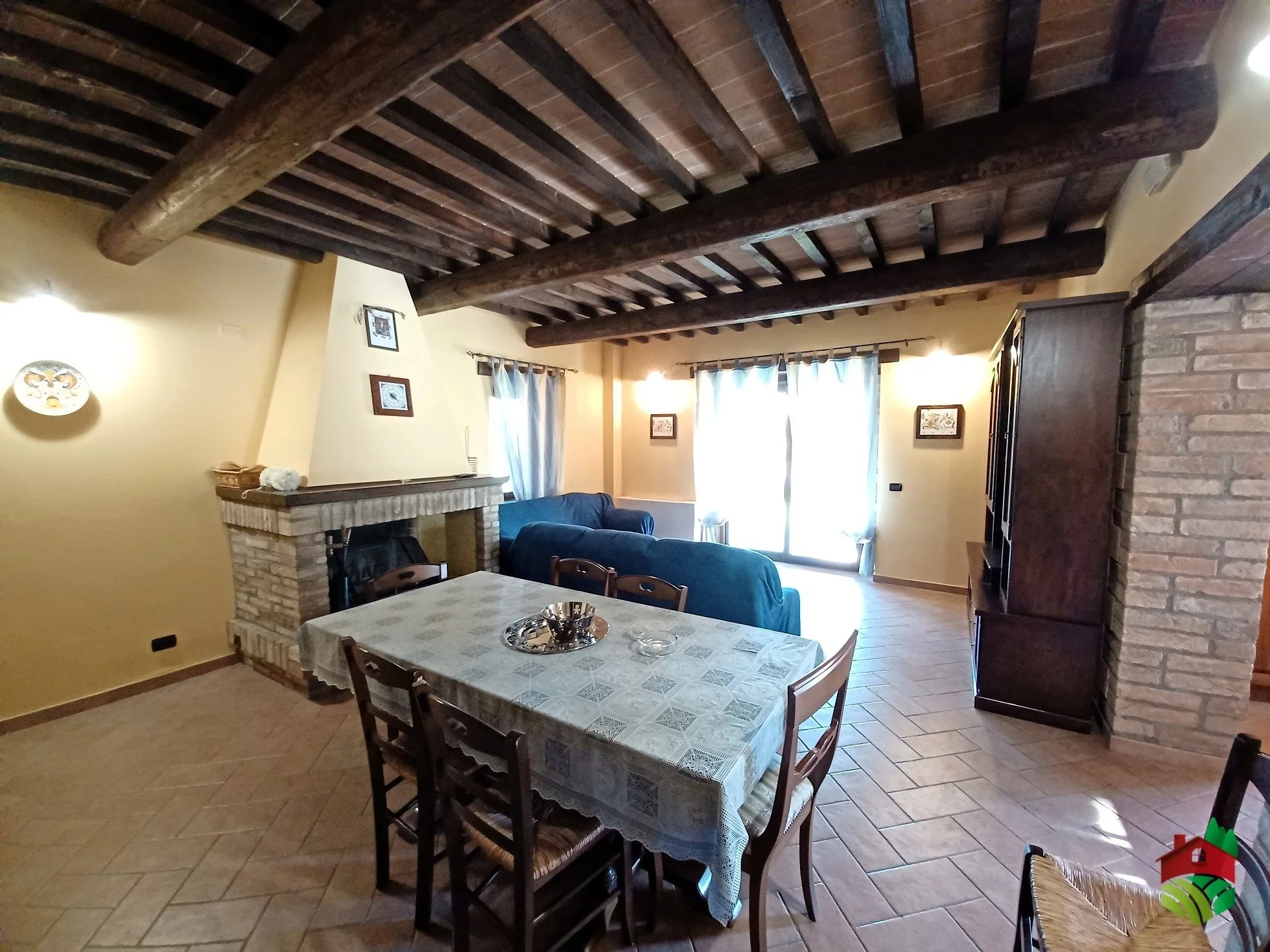
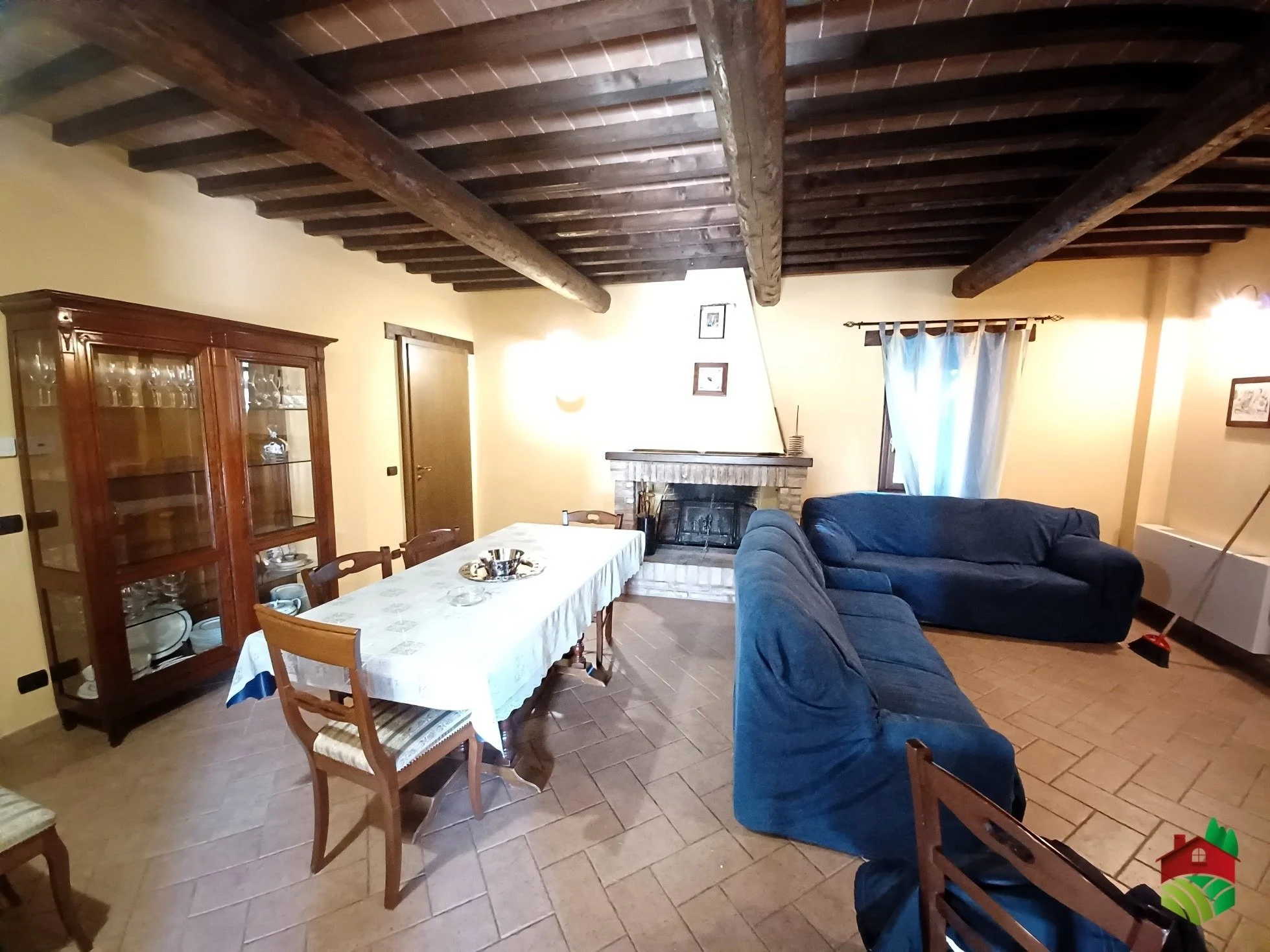
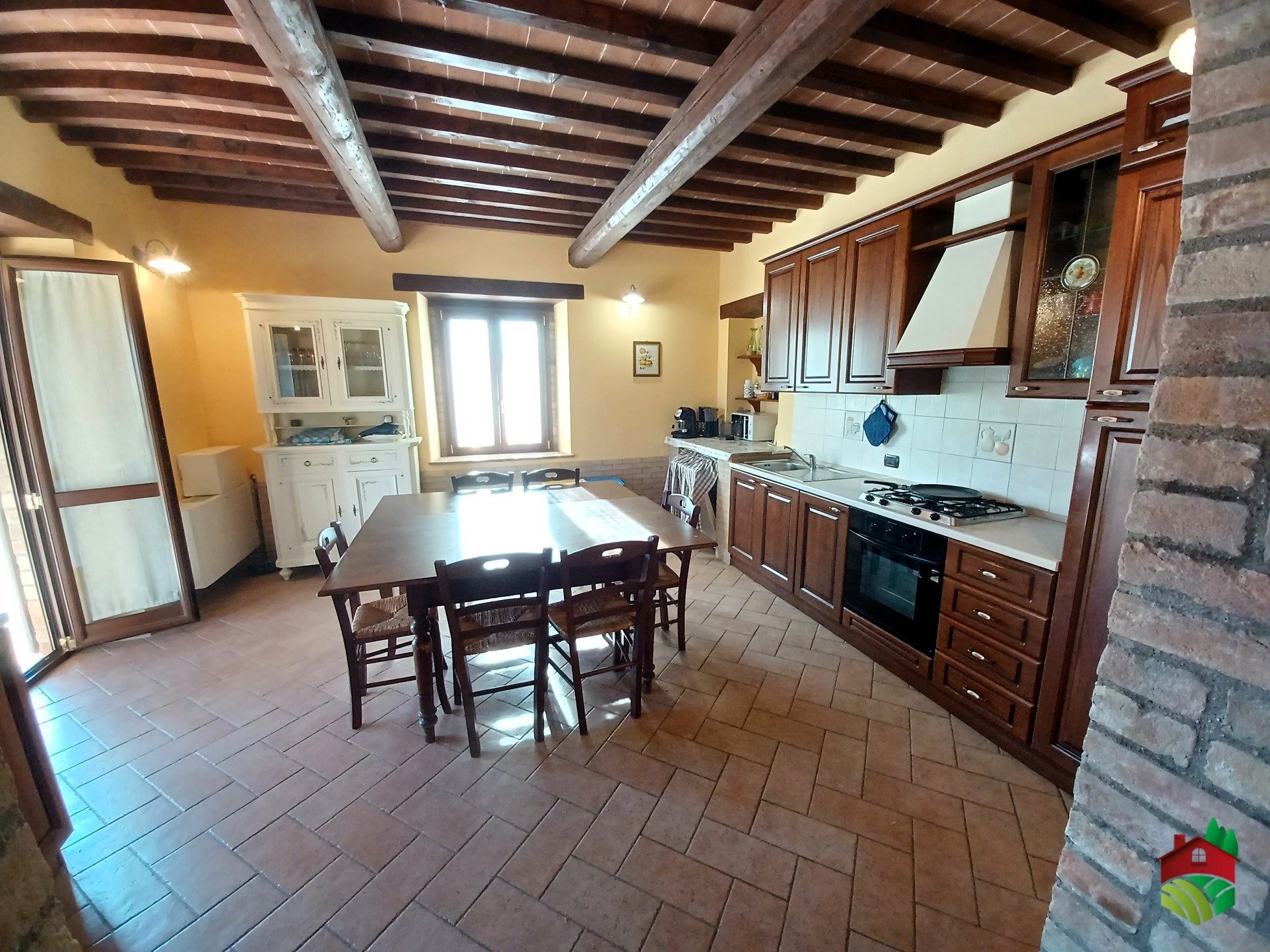
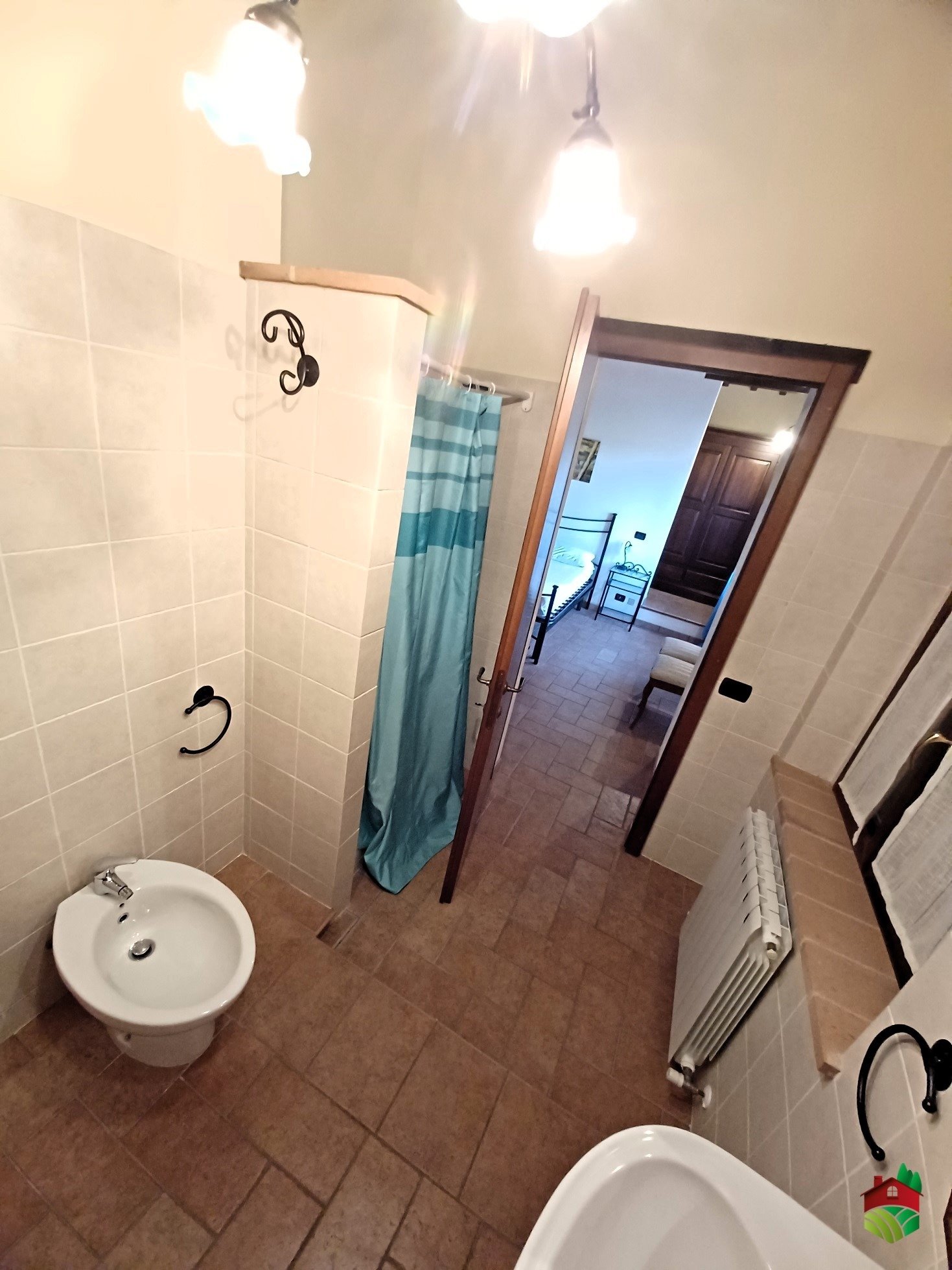
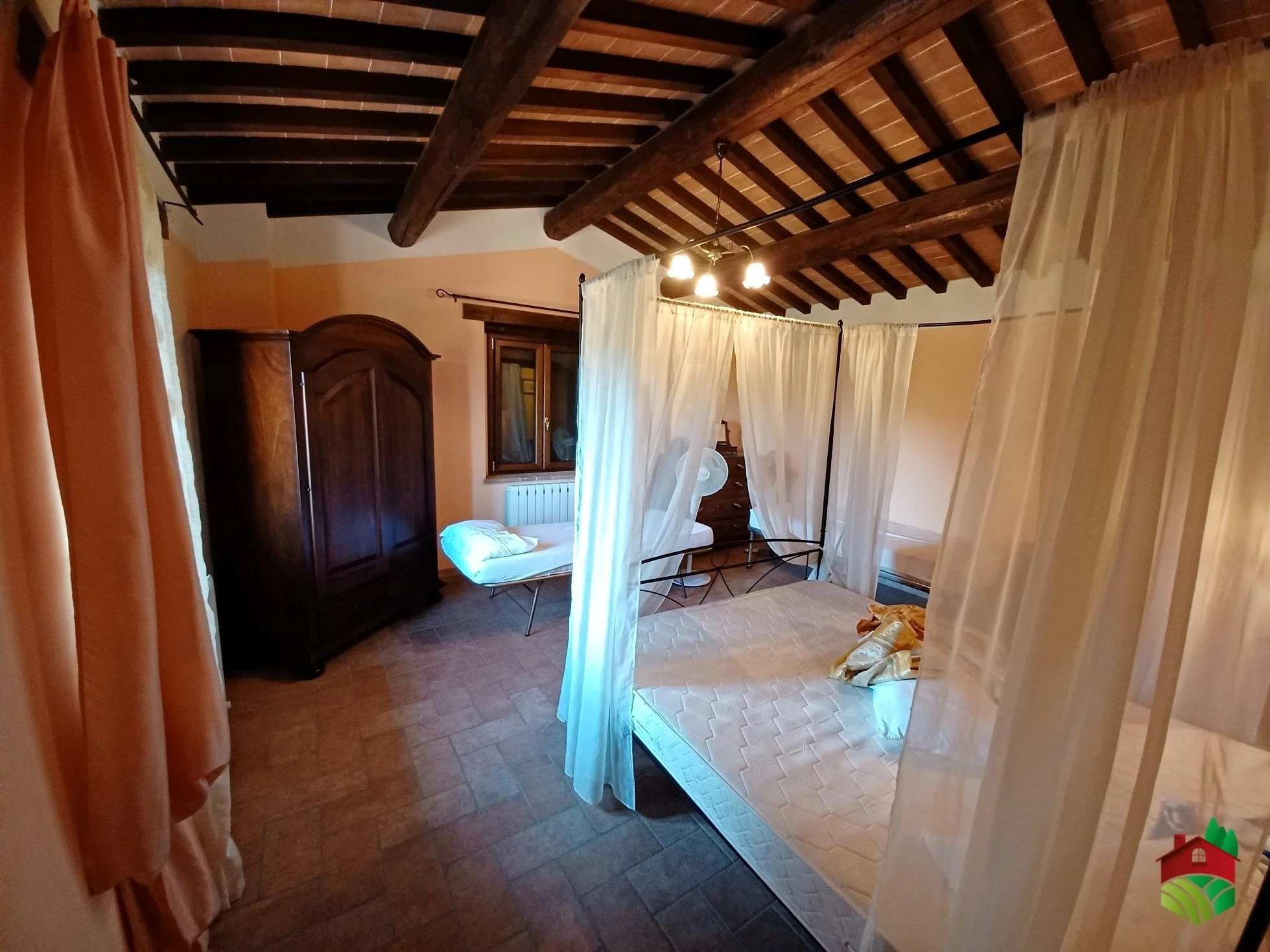
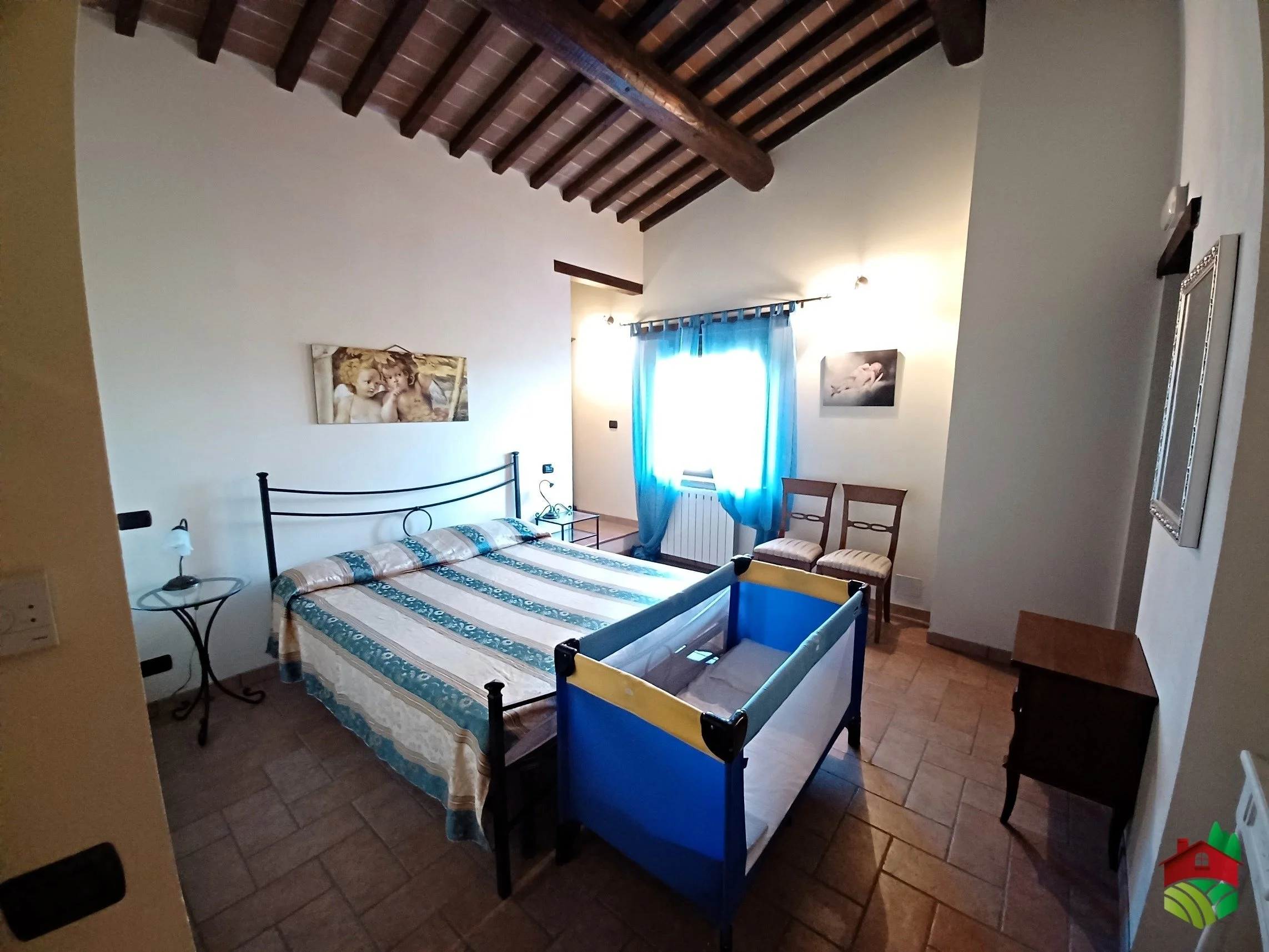
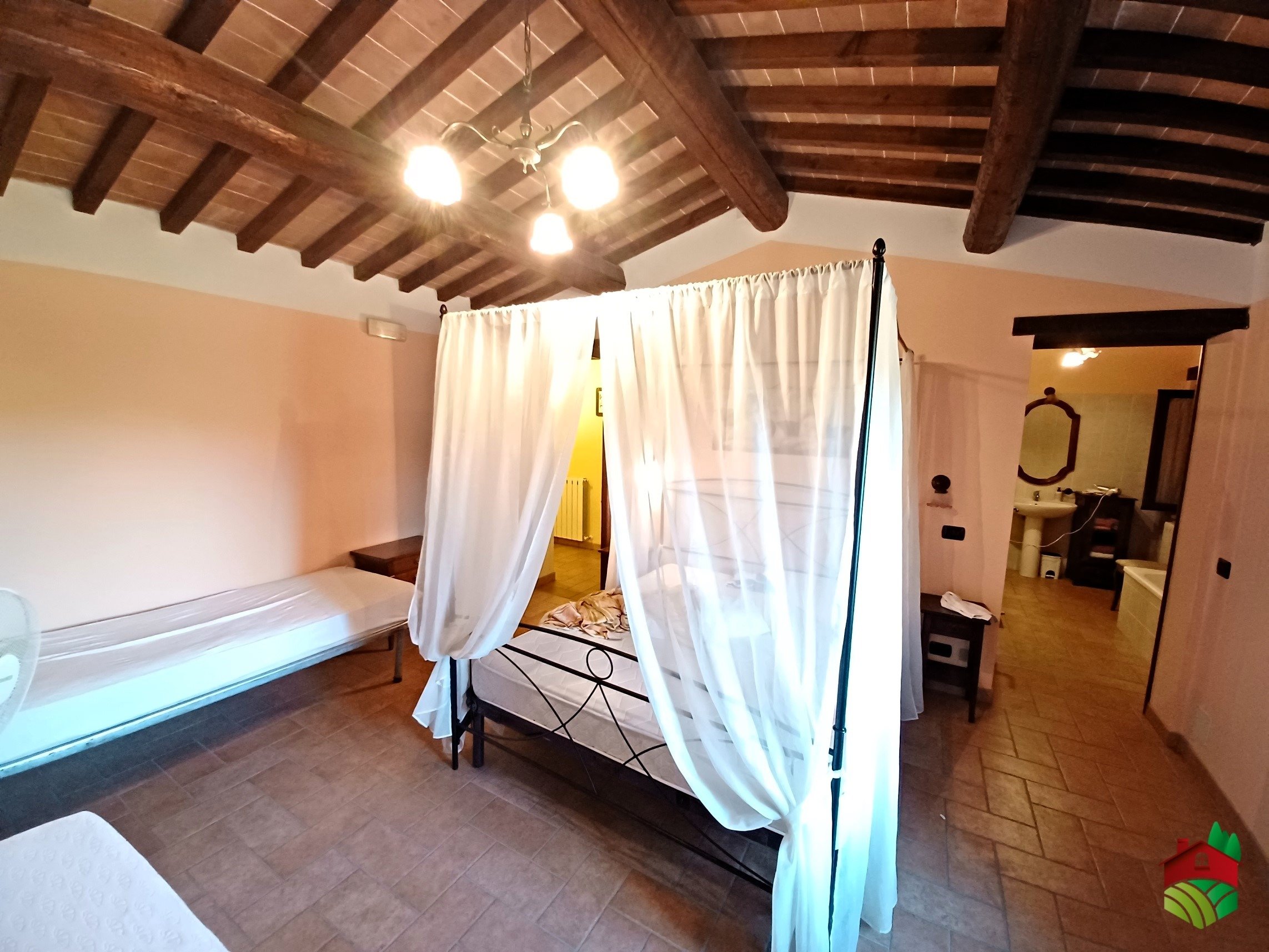
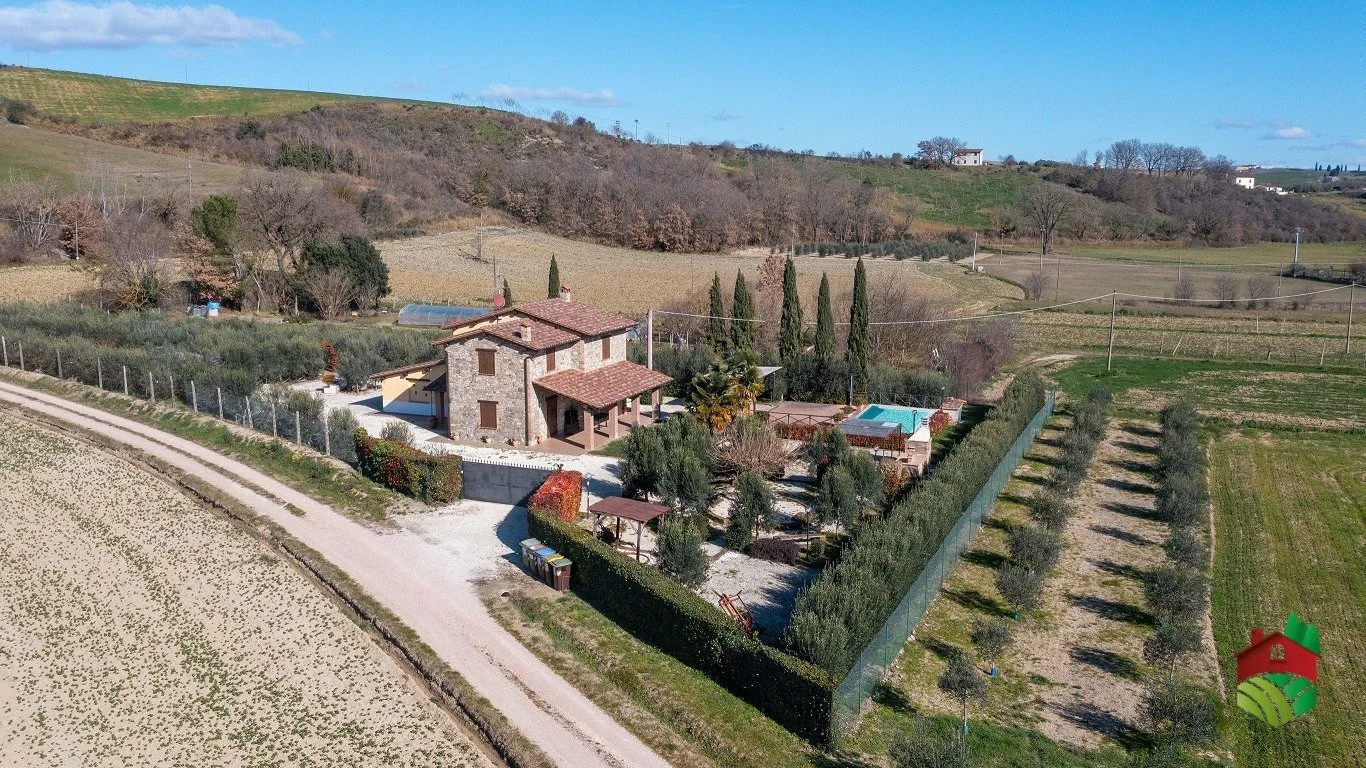
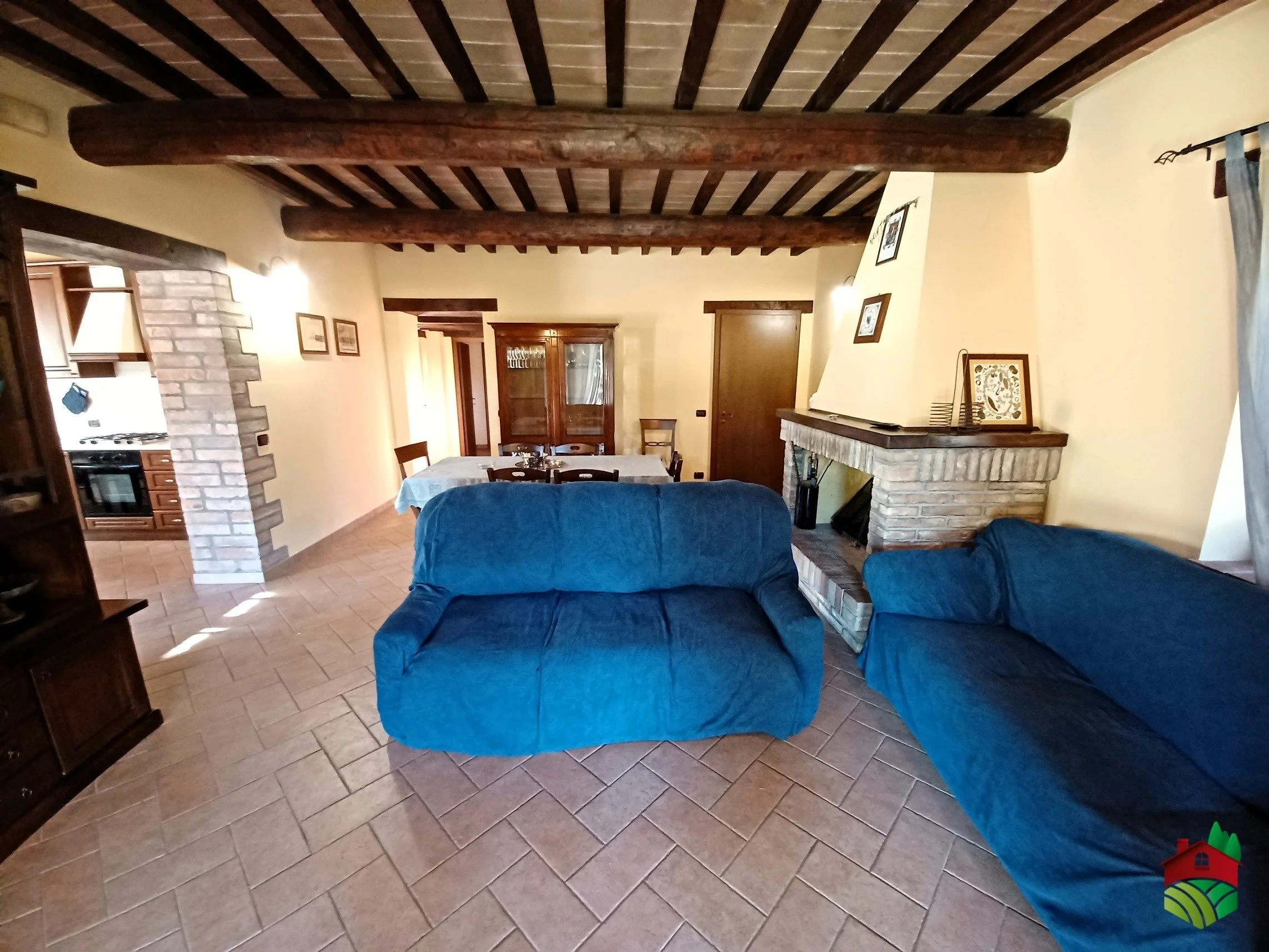
Detached country house designed in a traditional Umbrian farmhouse style

Asking Price

€450,000
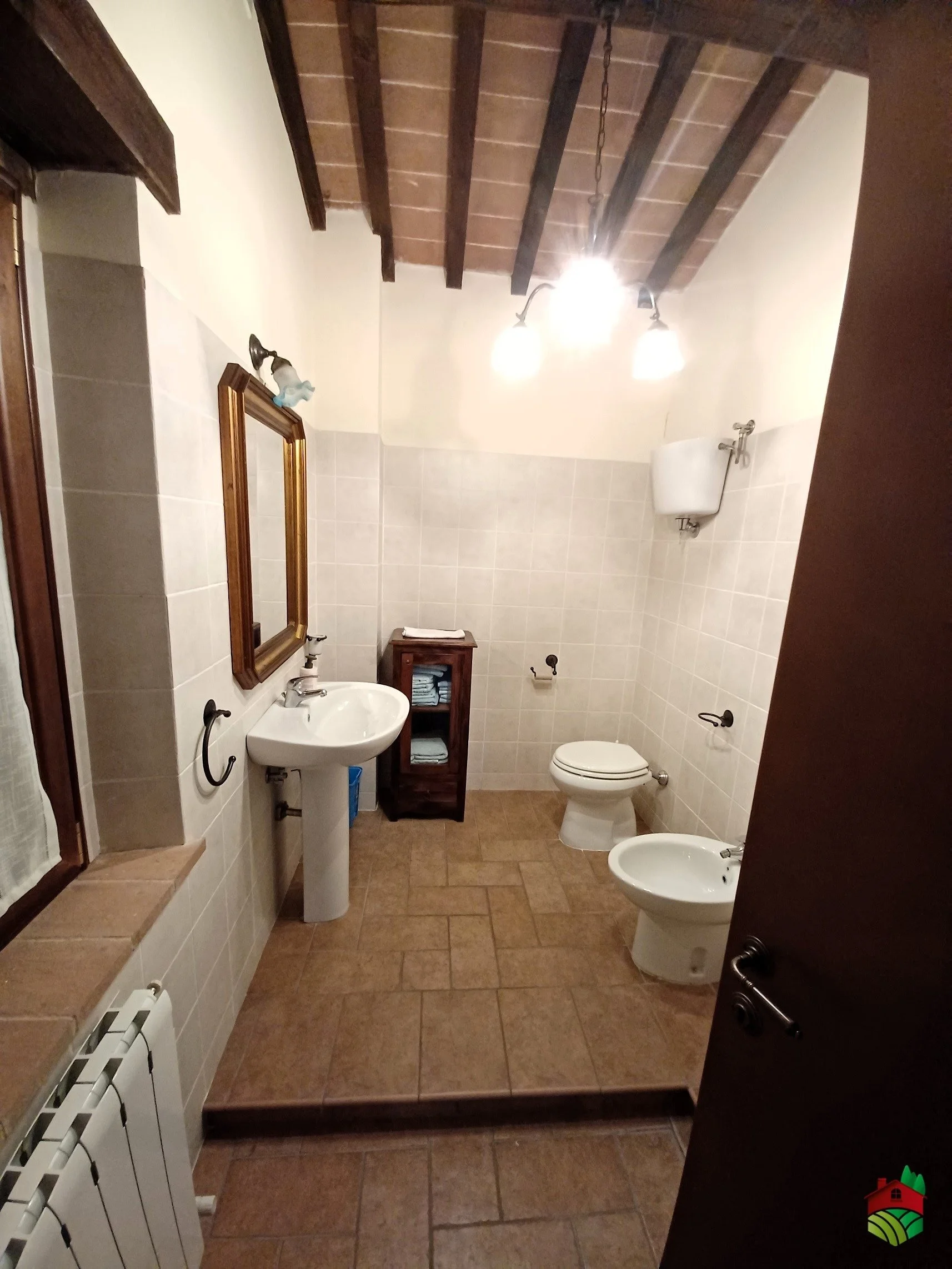
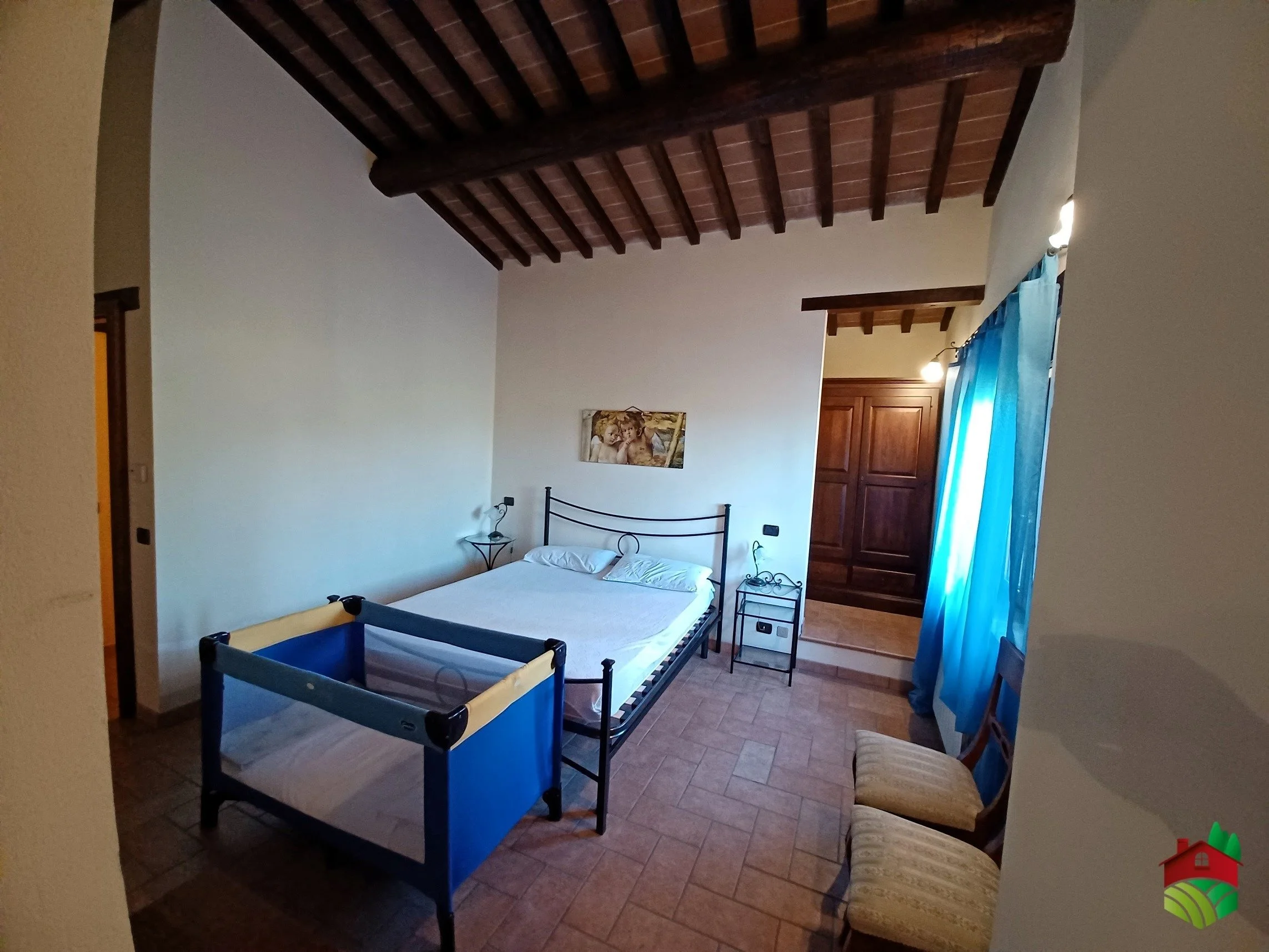
Bedrooms

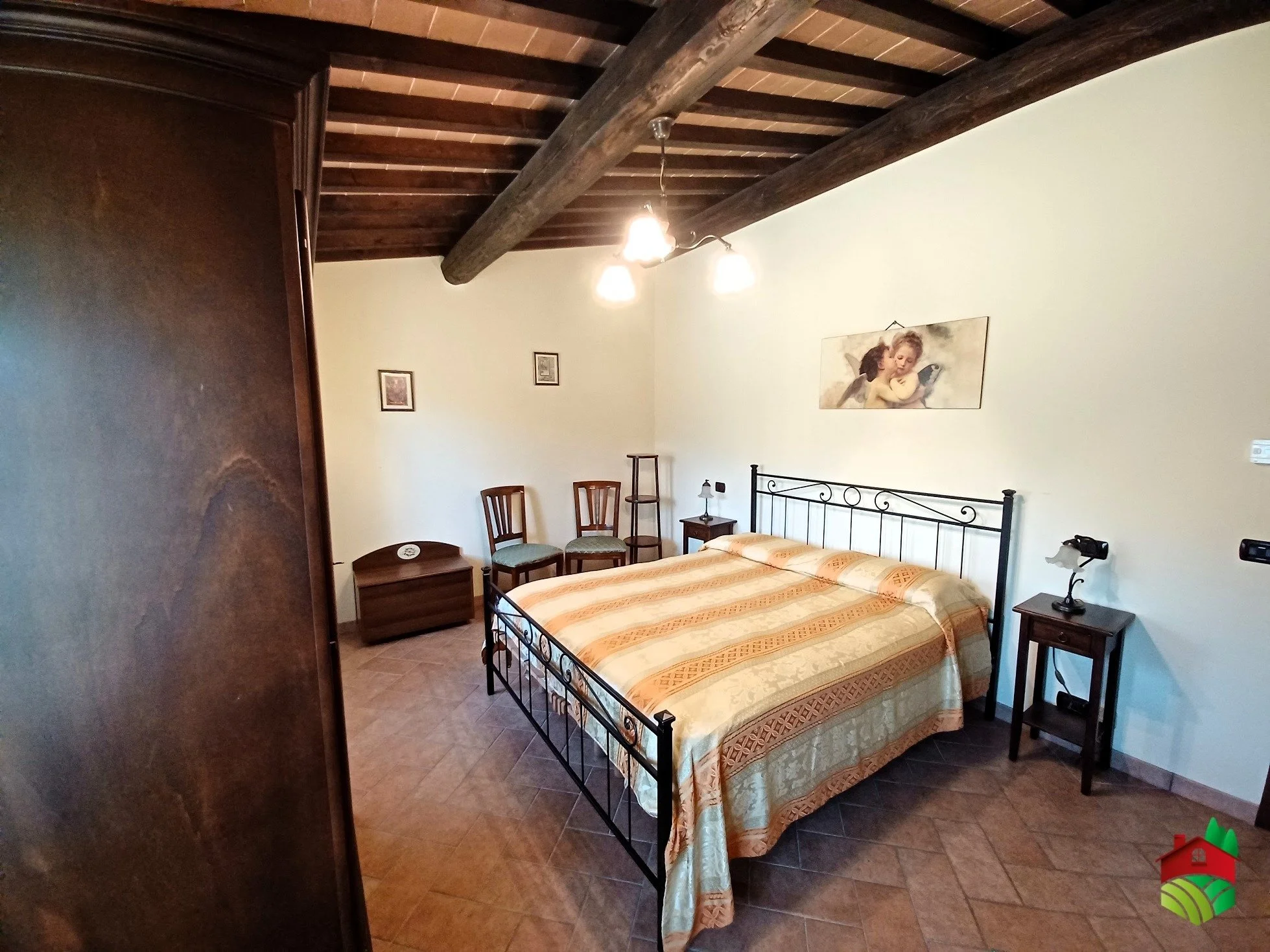
5

Setting

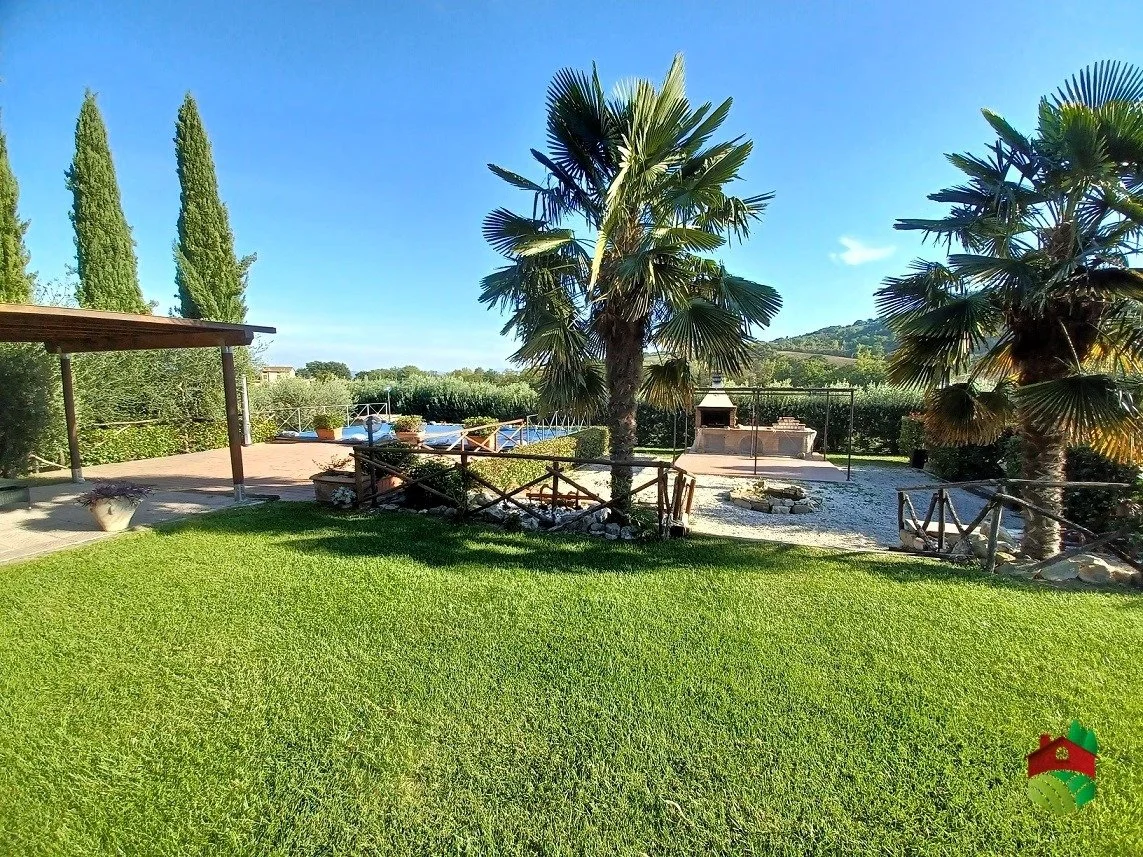
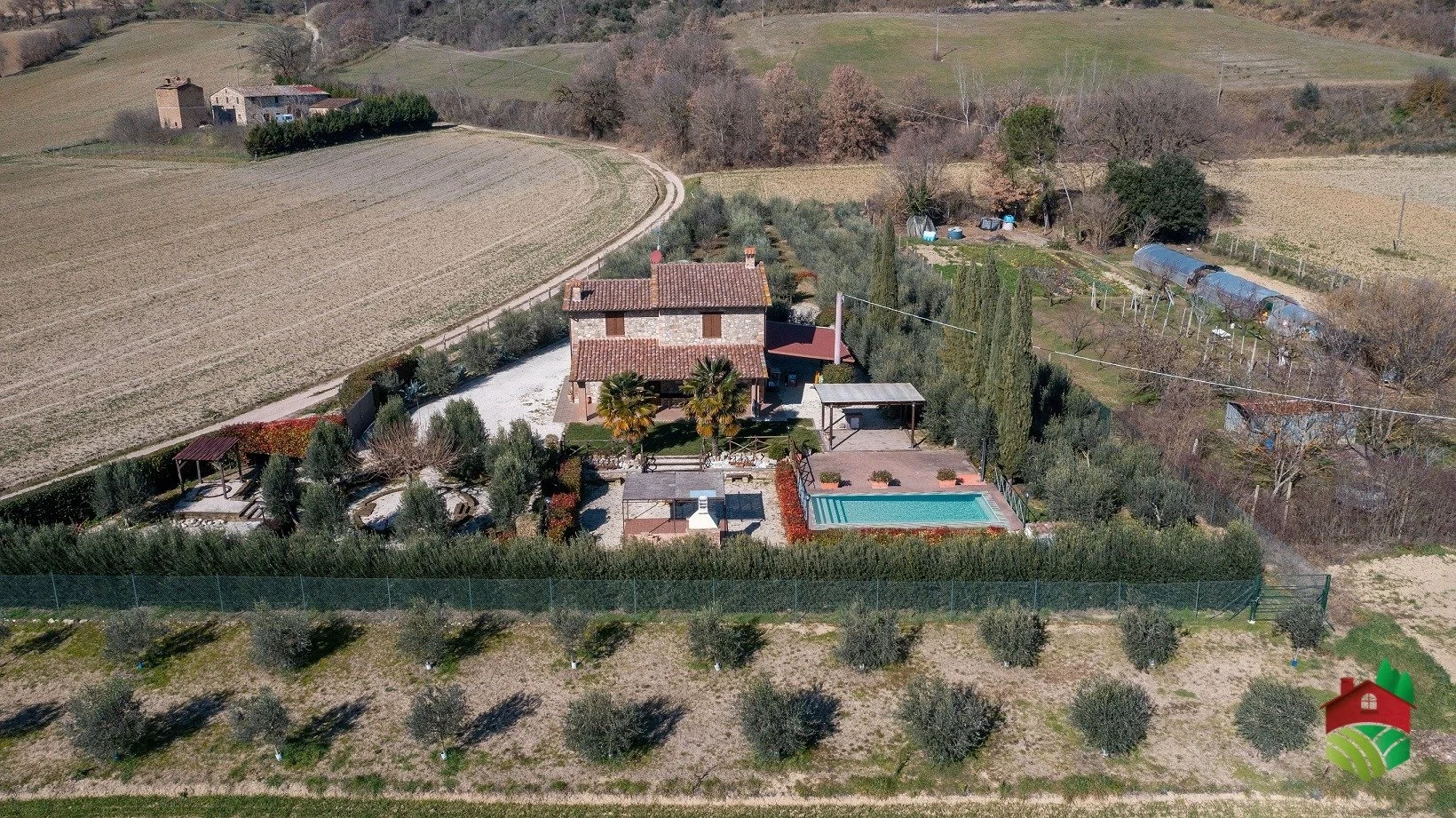
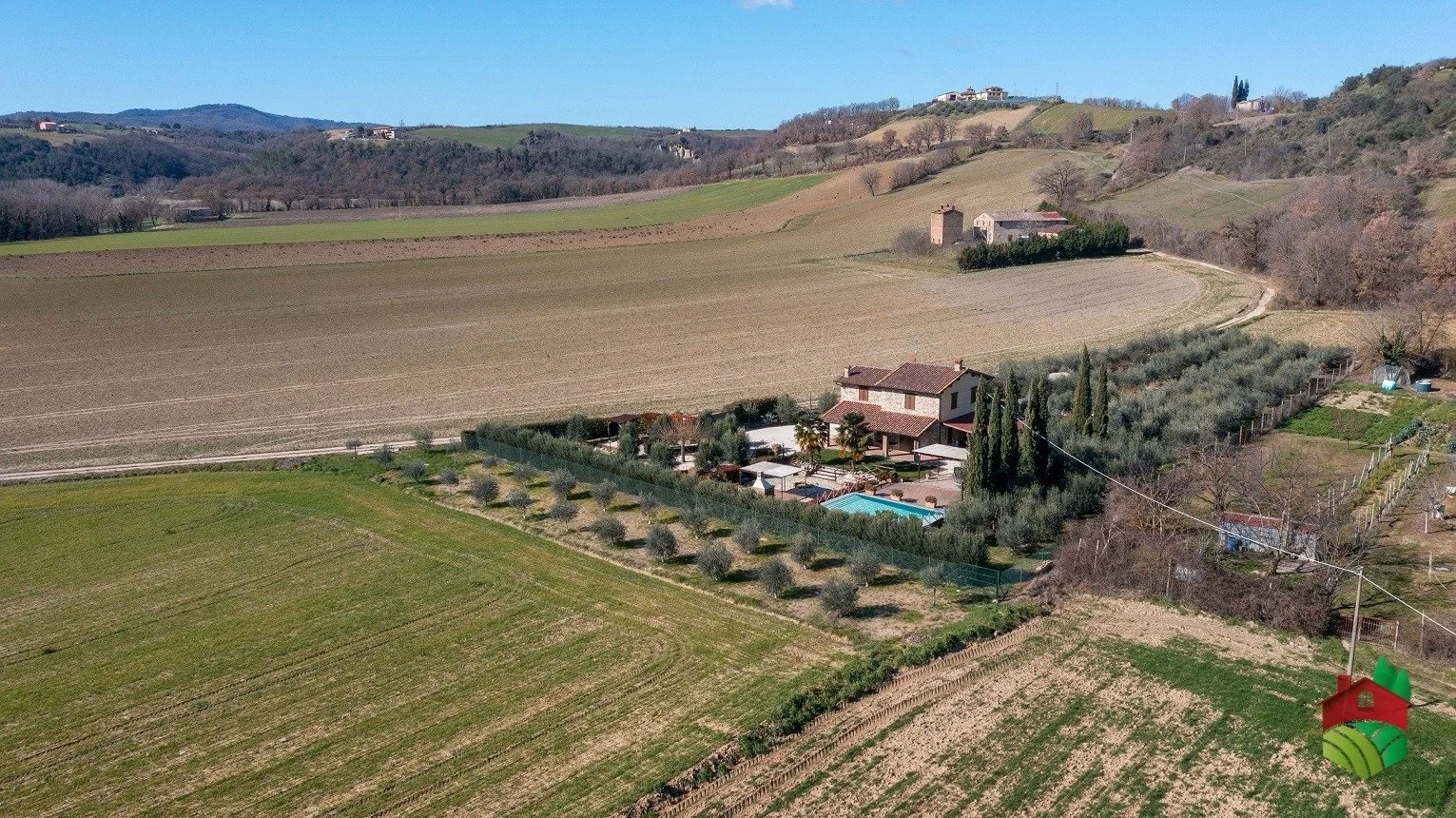
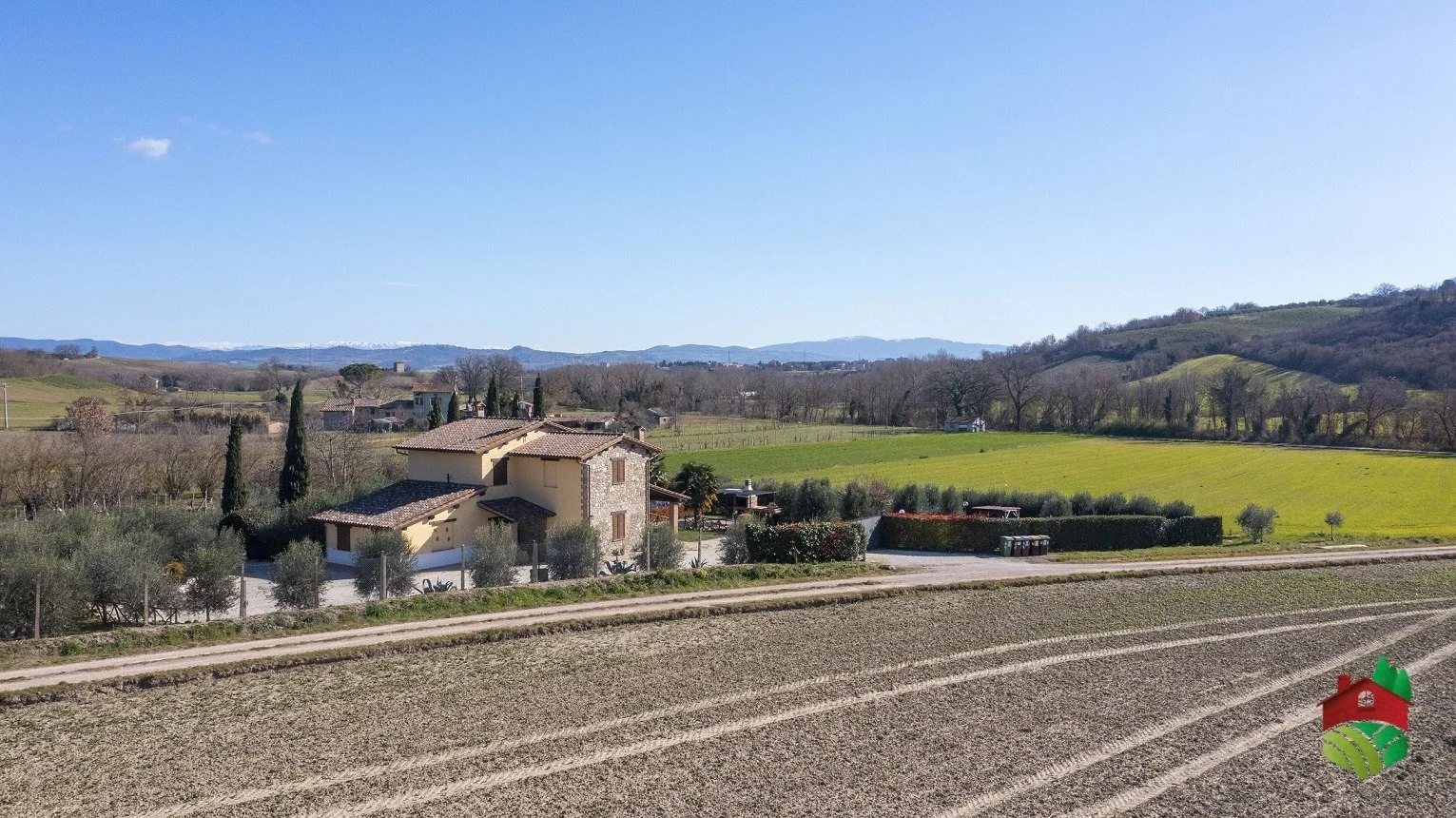
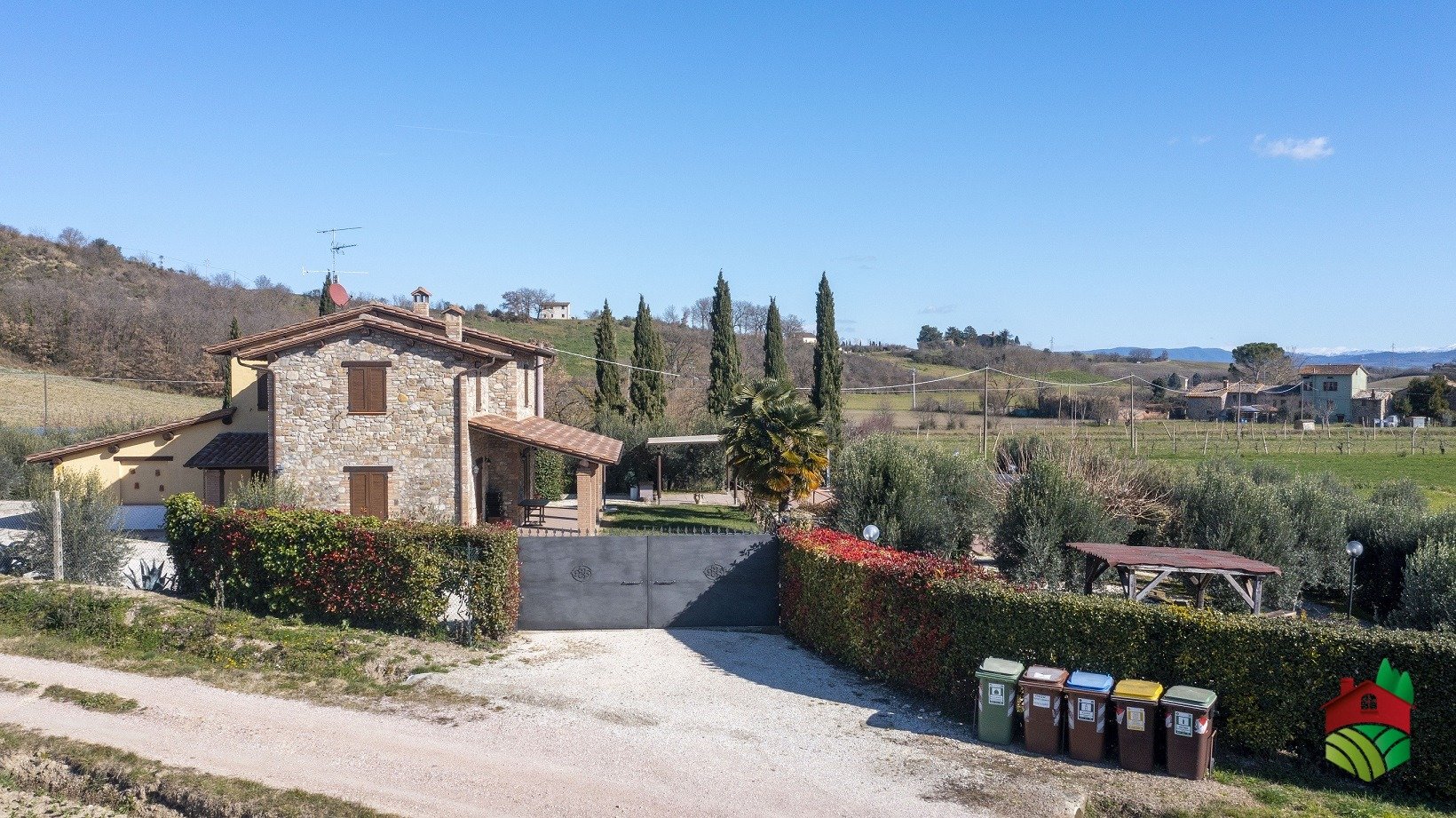
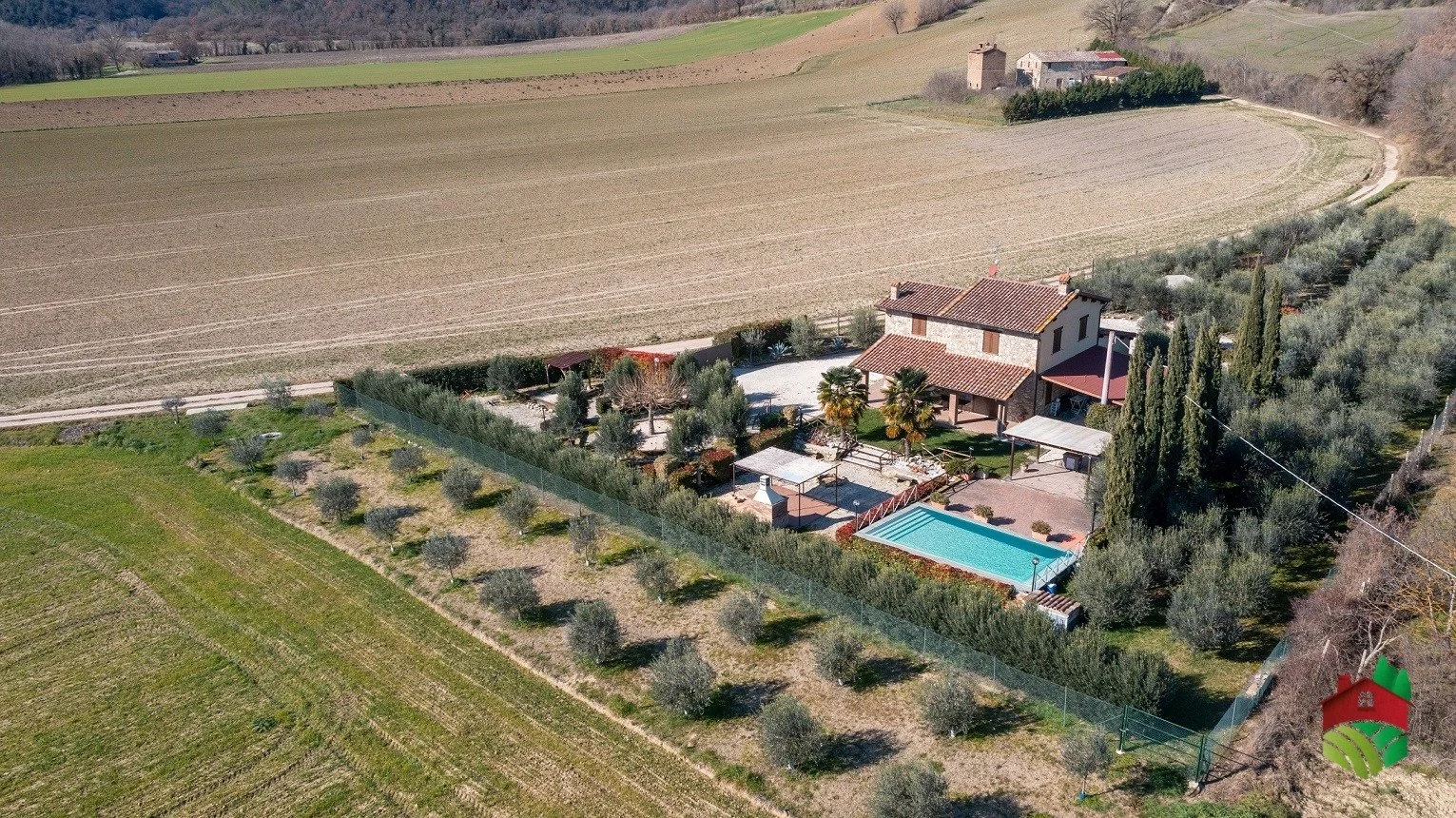
Elevated rural position with advertised 360-degree panoramic views

Construction

Described as recently built, with the exact construction date not stated

Heating

GPL heating

Cooling

Air-conditioning

Windows

Double-glazed windows with external shutters

Energy rating

Class G

Water

Private well

Drainage

Not confirmed

Outdoor space

Land area not stated

Leisure feature

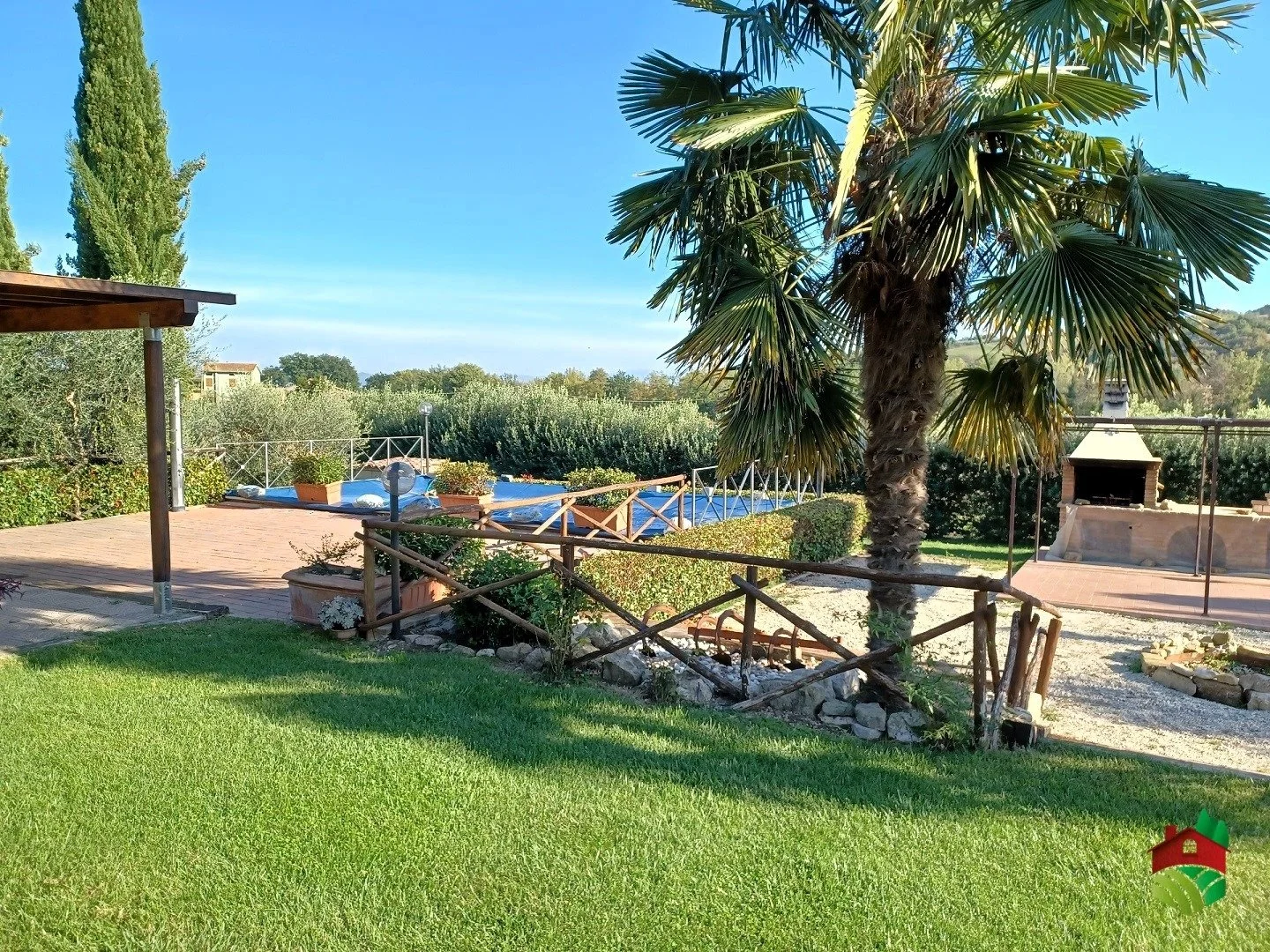
Private swimming pool

Outdoor facilities

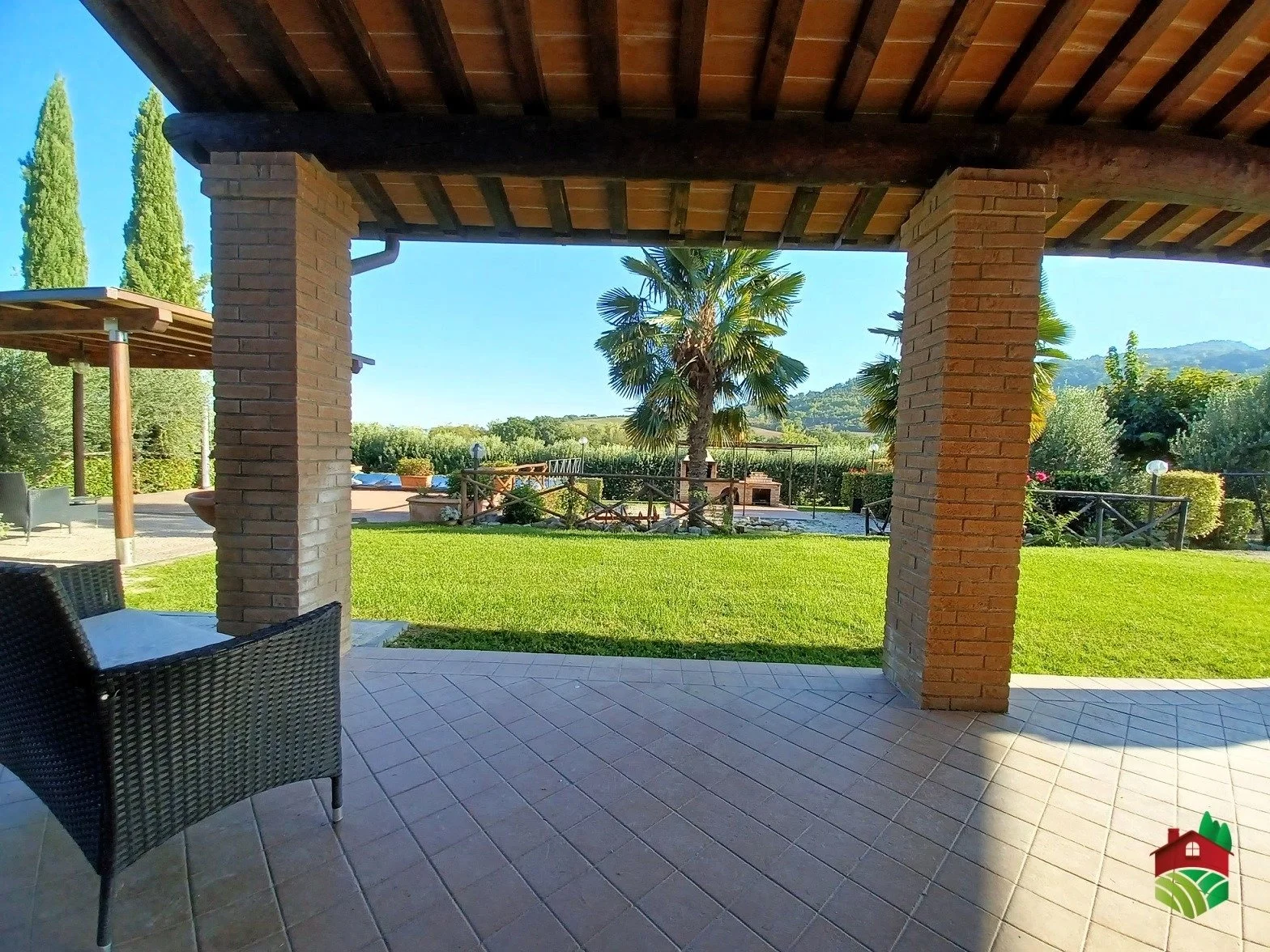
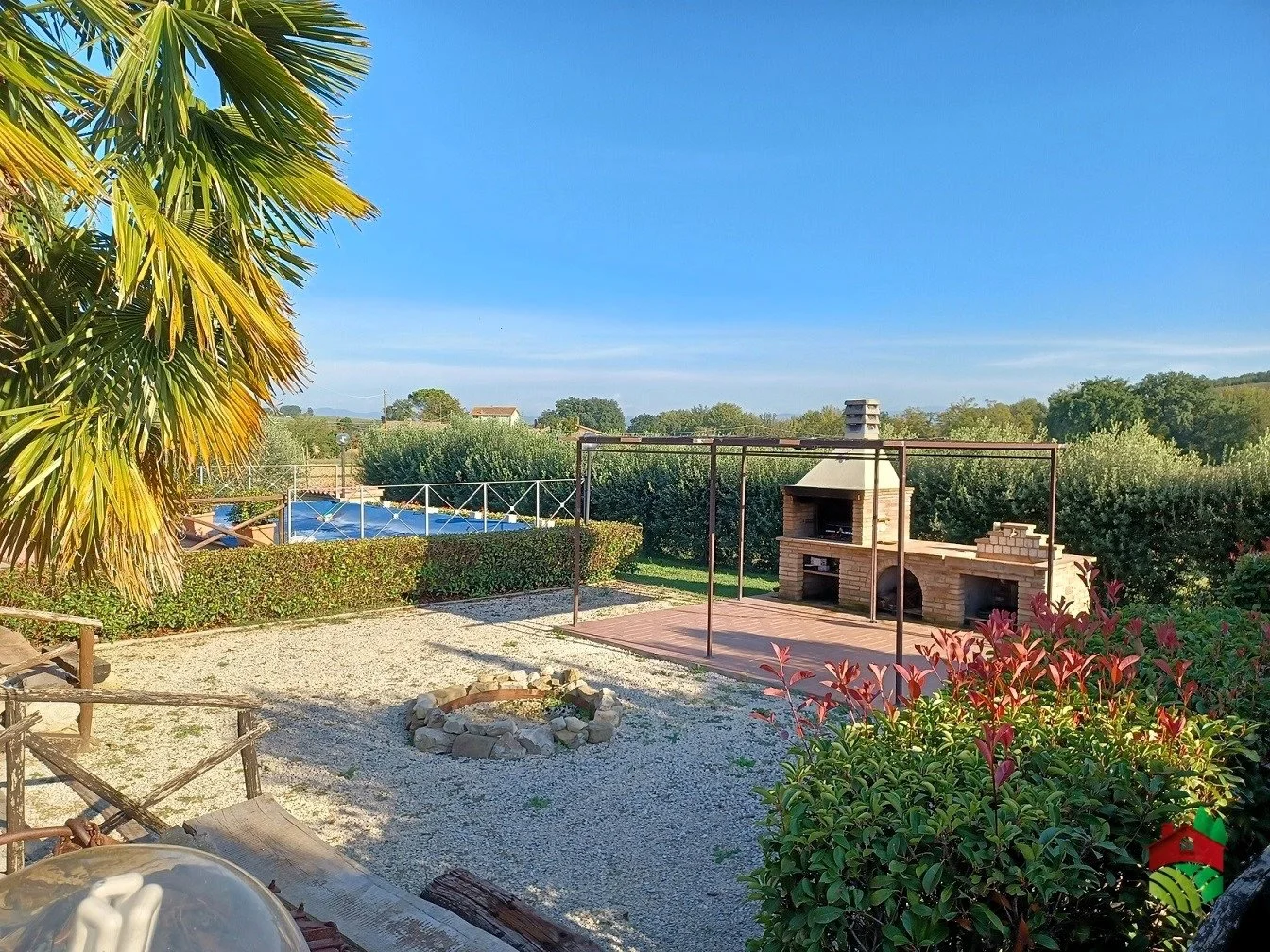
Brick-built barbecue, wood-fired oven and sink

Parking

Private parking

Additional land

Separate plot reportedly available for purchase

Potential uses

Principal residence, second home or countryside holiday rental

Primary due diligence themes

Energy Class G, planning and cadastral conformity, private-well reliability, pool permissions, land boundaries, GPL costs and rental compliance

Risk Radar

Potential risk or due-diligence focus. More investigation needed. Unknown or information not yet confirmed.
Energy Class G and whole-property running costs
High
Planning, cadastral and habitability conformity
High
Private well legality, quality and summer reliability
High
Pool permissions, condition and operating costs
Medium–High
Land boundaries, access and separate plot status
Medium–High

Overview

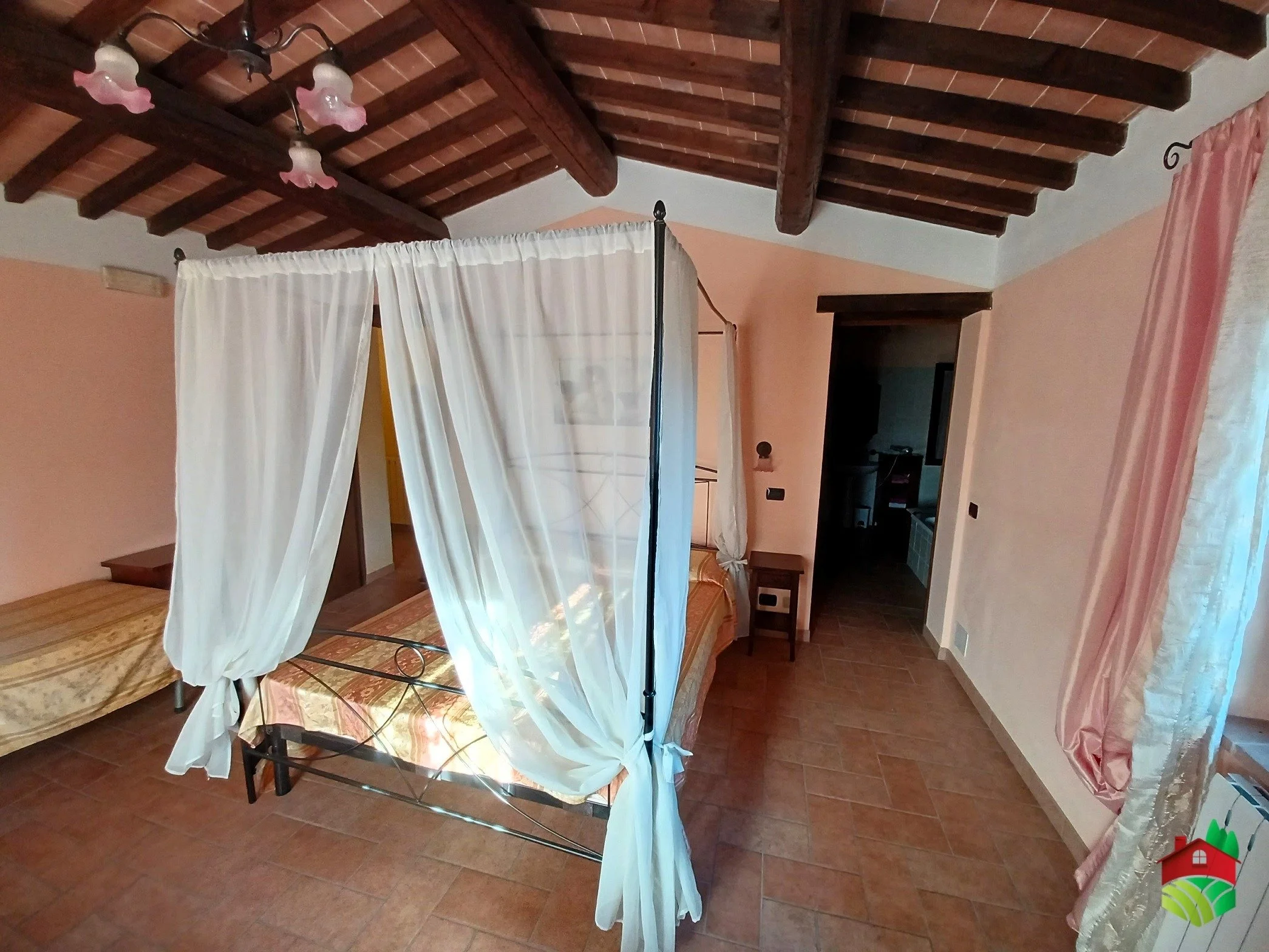
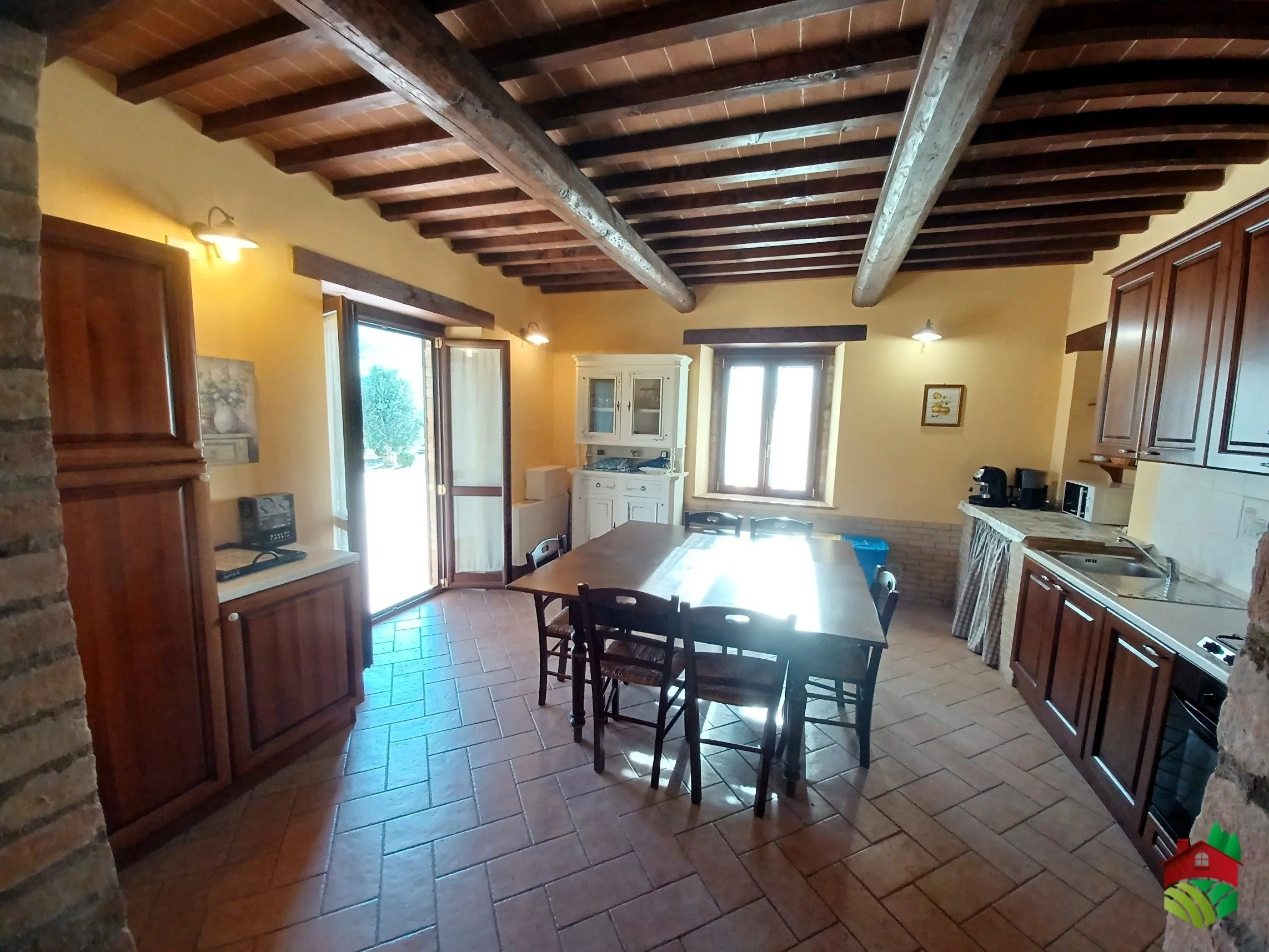
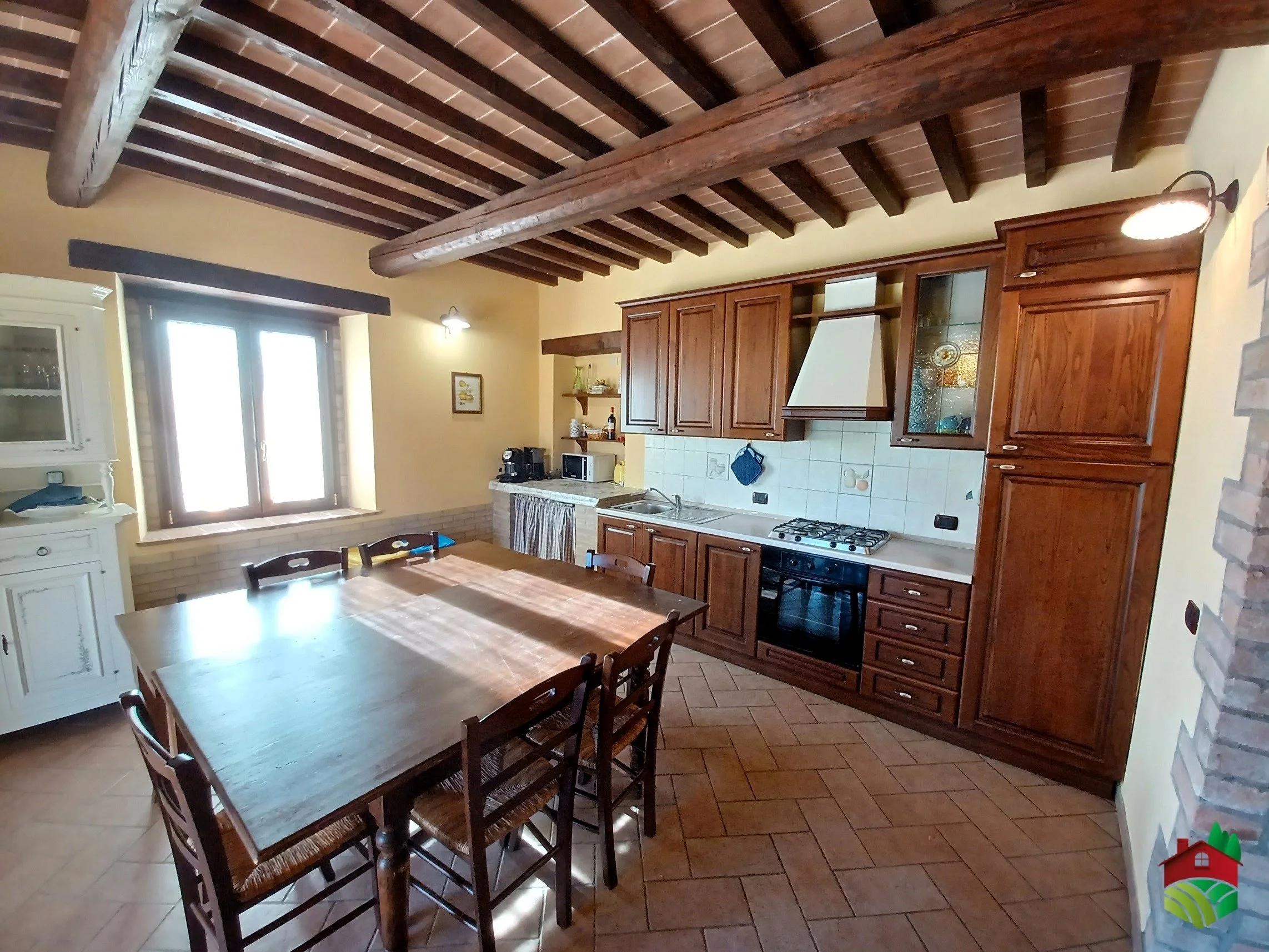
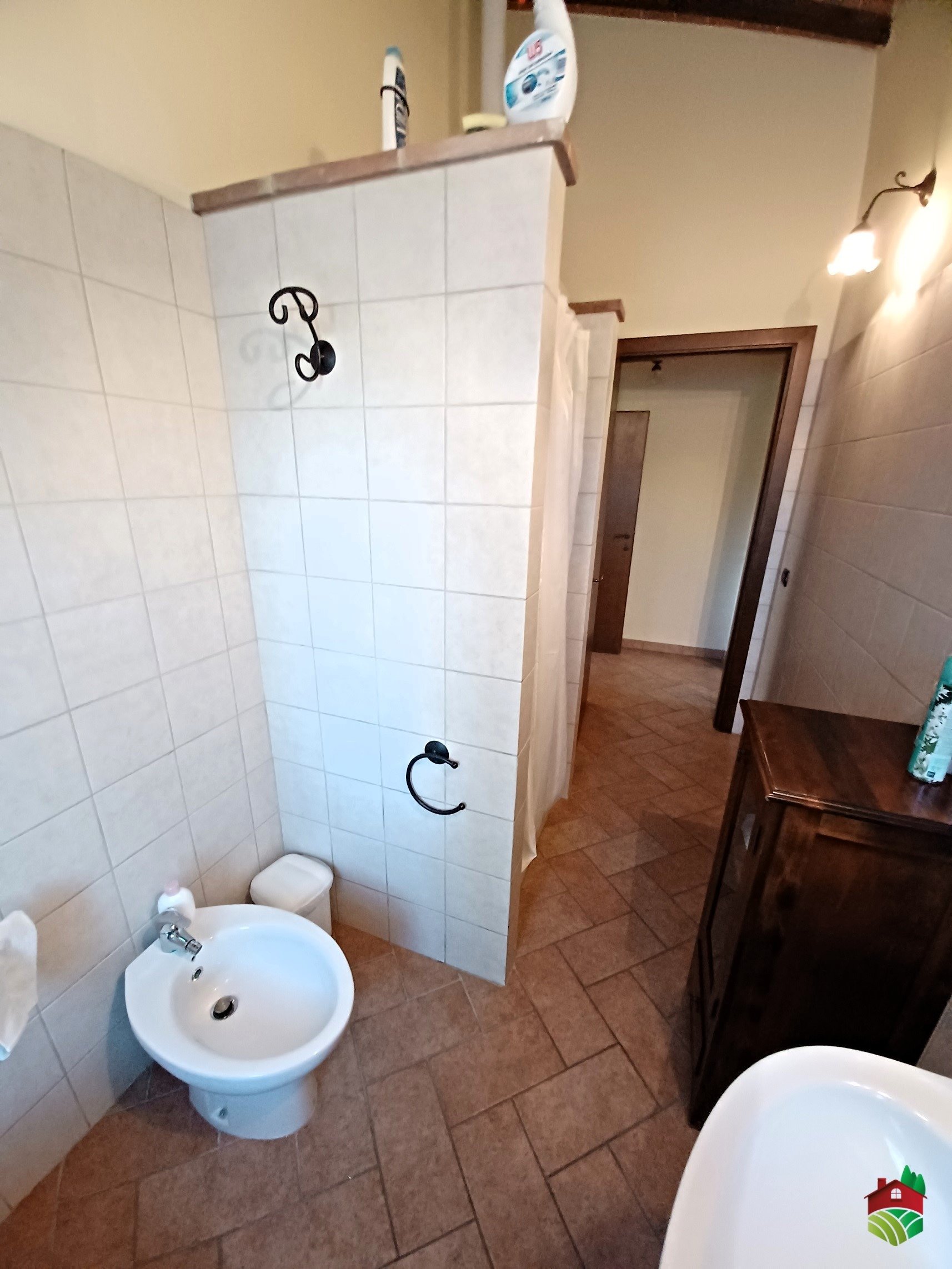
This property combines several qualities that are highly attractive in the Umbrian country-house market: a detached rural setting, five bedrooms, a private pool, traditional farmhouse styling and broad panoramic views. Its apparently recent construction may also reduce some of the risks commonly associated with older stone farmhouses, but that benefit should not be assumed until the construction date, permits, structural documentation and certificato di agibilità have been verified.

The most immediate inconsistency is the Energy Class G rating. A recently built house with double glazing, air-conditioning and modern services would ordinarily prompt questions if it still falls within Italy's lowest energy class. The explanation could involve limited insulation, an inefficient GPL boiler, large heated volumes, an unfavourable surface-to-volume ratio, an outdated APE, thermal bridging or incomplete energy documentation. The buyer should obtain the full Attestato di Prestazione Energetica and compare its assumptions with real GPL and electricity bills.

The private well is another central due diligence issue. Its value depends not simply on the presence of water, but on the legal right to extract it, the approved use, bore depth, pump condition, yield, storage capacity, laboratory quality and performance during prolonged dry periods. The Regione Umbria states that the use of public surface or groundwater generally requires the relevant concession or authorisation procedure, so the well file should be reviewed rather than relying on the listing description alone.

The pool, outdoor cooking area, access road and any other external structures should also be checked against the approved planning drawings and cadastral records. In rural Italy, the physical appearance of a completed property does not establish that every structure has been authorised or registered.

The additional plot should be treated as a separate transaction until its parcel number, area, planning classification, access, utilities and price have been documented. Its presence may improve privacy or future control over the surroundings, but only if it is genuinely adjacent, legally accessible and strategically relevant to the house.

For rental use, the property may have strong appeal as a five-bedroom Umbrian farmhouse with a pool. However, projected income must be tested against heating, cooling, pool care, well maintenance, gardening, cleaning, management, insurance and regulatory obligations. The national Codice Identificativo Nazionale now applies to accommodation used for short or tourist lets, while Umbria also requires operators to follow regional registration and guest-reporting procedures.

Targeted Questions

Legal Status, Planning and Cadastral Conformity

1.What is the property's exact construction date, and what does "recently built" mean in calendar years?

The construction date determines which permits, technical standards, guarantees and energy requirements should have applied.

2.Can you provide the original permesso di costruire and every subsequent approved variation relating to the house?

The buyer must establish that the dwelling was lawfully authorised in its present form.

3.Can you provide the certificato di agibilità or the relevant certified habitability filing for the complete property?

The document helps confirm that the building was declared suitable for lawful occupation following completion.

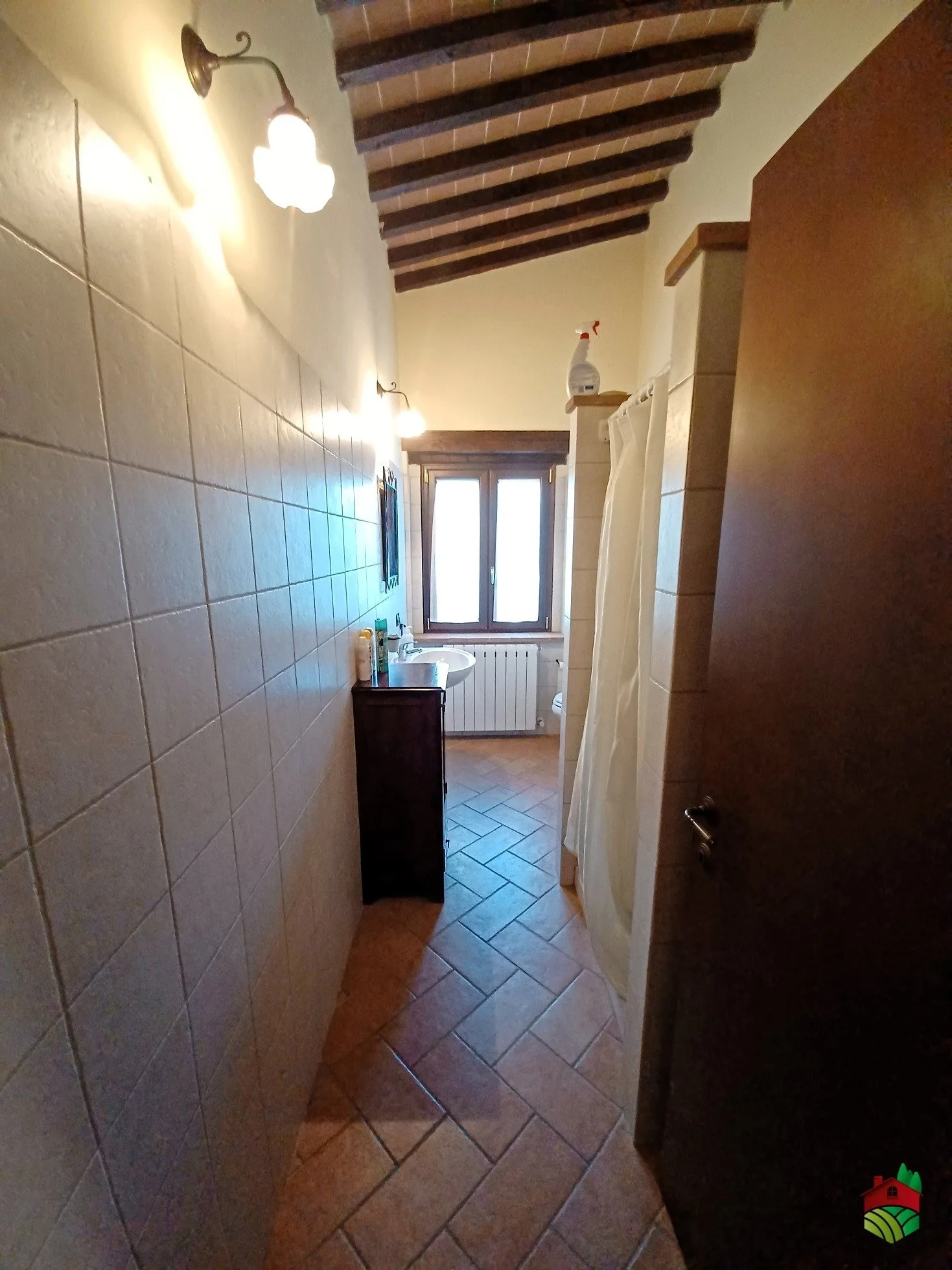
4.Does the agibilità documentation cover all five bedrooms, bathrooms, service areas and any later alterations?

A certificate relating only to the original or partial layout may not cover the house as currently marketed.

5.Can the seller provide the complete urban-planning file held by the Comune di Marsciano, including plans, completion notices and technical reports?

The municipal planning file is the key reference for comparing the authorised property with the building on site.

6.Are there any outstanding abusi edilizi, pending regularisation applications, condono matters or works completed without approval?

Unauthorised works may delay the sale, restrict mortgage finance and create future demolition or regularisation costs.

7.Can you provide an up-to-date visura catastale for the house and every parcel included in the sale?

This identifies the registered ownership, parcel references, categories, areas and taxable values.

8.Can you provide the current planimetria catastale and confirm that it matches the physical layout exactly?

Room arrangement, openings, covered areas and ancillary structures should correspond with the registered plan.

9.Has a geometra completed a formal relazione di conformità urbanistica e catastale for the sale?

A seller's general assurance is less reliable than a documented comparison of planning approvals, cadastral records and the actual building.

10.What is the officially registered residential floor area, and how does it compare with the commercial area used in the listing?

Italian listings may distinguish net, gross and commercial measurements, which can materially affect price comparisons.

11.Is every structure shown in the photographs, including the pool, barbecue, wood oven, sink, terraces and parking areas, included in the approved plans?

Outdoor structures are commonly omitted from basic property descriptions but may still require planning or cadastral documentation.

12.Is the property being sold as a single residential unit, and are there any agricultural, commercial or accessory cadastral classifications within the sale?

Mixed classifications can affect taxes, permissible use, finance and future conversion.

Energy Class G and Building Performance

13.Can you provide the complete and currently valid Attestato di Prestazione Energetica rather than only the Class G summary?

Italian sellers are generally required to make an APE available for a property sale, and the full certificate provides performance data and improvement recommendations.

14.What is the APE's energy-performance index in kWh/m² per year, and when was the certificate issued?

Two Class G properties can have very different consumption levels, while an older certificate may no longer reflect the current systems.

15.Why does a recently built house with double glazing and air-conditioning have an Energy Class G rating?

The rating appears inconsistent with the marketing description and needs a specific technical explanation.

16.Does the APE accurately include the whole house, all five bedrooms, the heating system and every air-conditioned area?

Incorrect floor area or system assumptions can distort the rating.

17.What insulation is present in the roof, external walls, floors and any roof terraces?

Double glazing alone does not compensate for poorly insulated walls, roofs or ground floors.

18.Are there known thermal bridges around balconies, roof junctions, window openings or structural columns?

Thermal bridging can cause heat loss, condensation and discomfort even in a relatively new building.

19.Can the seller provide the last three years of GPL and electricity bills, together with the property's occupancy pattern?

Actual bills are essential for testing the APE against real use.

20.Was the house occupied and heated throughout the winter periods covered by those bills?

Low historic bills may simply reflect seasonal or minimal occupation.

21.What improvements does the APE recommend, and has the seller obtained quotations for them?

Recommendations should be converted into realistic costs before the buyer assumes the rating can be improved economically.

22.Has an energy technician assessed whether insulation, heat pumps, solar panels or boiler replacement could materially improve performance?

The property's rural position and roof orientation may create upgrade opportunities, but grid capacity and planning constraints must be checked.

GPL Heating, Air-Conditioning and Utilities

23.What type, brand, capacity and age is the GPL boiler, and when was it last professionally serviced?

Boiler efficiency and remaining life will strongly influence winter running costs.

24.Is the GPL tank above ground or underground, and is it owned by the property or supplied under a rental contract?

A rented tank may bind the buyer to a supplier or pricing arrangement.

25.What is the tank's capacity, inspection history and remaining certification period?

Older tanks may require testing, replacement or safety work.

26.What was the annual GPL consumption over the last three occupied years?

Litres consumed provide a more useful comparison than the seller's description of heating costs.

27.How is heat distributed through the property: radiators, underfloor heating, fan coils or another system?

Distribution affects comfort, efficiency and the practicality of future heat-pump conversion.

28.Is each floor or zone independently controllable?

Zoning can materially reduce costs in a large five-bedroom house used seasonally.

29.How many air-conditioning units are installed, which rooms do they serve and how old are they?

The listing may imply whole-house cooling when only selected rooms are covered.

30.Have the electrical supply and consumer board been sized for simultaneous air-conditioning, pool equipment, kitchen appliances and possible future heat pumps?

Rural supplies can have limited capacity, making energy upgrades more complicated.

31.Are electrical, plumbing and heating system declarations of conformity available?

A recently constructed property should have clearer installation documentation than an older farmhouse.

Private Well and Water Security

32.Is the private well formally registered, and can the seller provide the permit, concession or authorised-use documentation?

Umbria regulates the extraction and use of groundwater, so lawful status should be confirmed before purchase.

33.What use is legally authorised for the well: domestic consumption, irrigation, pool filling or another purpose?

A well authorised for one use may not automatically support all household, rental and leisure demands.

34.What is the depth, bore diameter, pump age and pump capacity?

These details help a specialist assess reliability and likely replacement costs.

35.When was the well yield last professionally tested, and what flow rate was recorded?

A working tap during a viewing does not establish sustainable supply.

36.How does the well perform during July, August and prolonged drought periods?

Seasonal water shortage could affect guests, irrigation and pool maintenance at the time of highest demand.

37.Is there a storage or pressure tank, and what is its usable capacity?

Storage can protect against short-term pump failure or low flow but may not solve sustained scarcity.

38.Has the water been laboratory-tested for microbiological and chemical potability, and when was the latest test completed?

Clear-looking well water may still contain bacteria, nitrates, minerals or contaminants.

39.Is any filtration, softening, ultraviolet or chlorination equipment installed?

Treatment systems add maintenance costs and may reveal known water-quality issues.

40.Is there a mains-water connection or another lawful backup supply?

A five-bedroom house used for rentals needs a contingency if the well pump fails or the bore runs low.

41.Is the pool filled from the well, and is that use included within the well's authorised extraction rights?

Pool filling can place substantial pressure on a rural water source and may exceed the authorised use.

Structure, Roof and Construction Quality

42.Can the seller provide structural drawings, foundation details and completion or testing certificates from the original construction?

A recently built house should have traceable technical documentation.

43.Has the property experienced any settlement, cracking, water ingress or movement since completion?

Newer rural construction can still be affected by soil conditions, drainage and workmanship defects.

44.Are there any cracks around openings, retaining walls, terraces or the junctions between different building sections?

These locations commonly reveal differential movement or drainage-related pressure.

45.What is the roof construction, covering and insulation specification?

Traditional appearance does not confirm traditional or modern construction quality beneath the finish.

46.Has the roof required repairs since the house was completed, and are warranties or invoices available?

Early roof repairs may indicate installation problems rather than normal ageing.

47.Are any builder, contractor or product guarantees still valid and transferable?

Remaining guarantees may have value if defects emerge after purchase.

48.How is rainwater directed away from the foundations, pool area and access road?

Elevated rural sites can experience erosion, washout and concentrated stormwater flow.

Pool and Outdoor Facilities

49.Was the swimming pool included in the original building permission or authorised under a separate approval?

The pool should appear in the planning and cadastral documentation where required.

50.What are the pool's dimensions, depth, construction type and installation date?

These details influence maintenance, resurfacing and replacement costs.

51.What is the age and condition of the pump, filtration, pipework, liner or internal finish?

A pool can appear attractive while its hidden mechanical systems approach the end of their useful life.

52.Has the pool ever leaked, required structural repair or needed substantial water topping-up?

Leakage can waste well water and indicate shell, pipework or waterproofing problems.

53.Is the pool heated, and what are its verified annual servicing, electricity and chemical costs?

Pool costs must be included in both household and rental projections.

54.What safety measures are installed, such as fencing, an alarm, cover, lighting and secure equipment access?

The appropriate safety arrangements depend on whether the pool remains private or is offered to paying guests.

55.Are the brick barbecue, wood-fired oven and outdoor sink authorised, structurally sound and connected to compliant water and drainage?

Outdoor facilities should not be assigned rental value until their legal and operational status is confirmed.

Land, Boundaries and Additional Plot

56.What is the exact land area included in the €450,000 sale?
The listing does not state the land size, making value and maintenance difficult to assess.

57.Can you provide the cadastral map showing the house, pool, access, parking and all included land parcels?

The buyer should be able to match visible boundaries with the legal title.

58.Have the boundaries been surveyed recently, and are all fences, walls and planted edges positioned correctly?

Informal rural boundaries may not coincide with cadastral parcels.

59.Are there any servitù, rights of way, utility easements, water rights or agricultural access rights affecting the property?

Third-party rights can affect privacy, security and development options.

60.What is the planning and cadastral classification of the land included with the house?

Agricultural and buildable land carry different restrictions, values and tax implications.

61.Are there olive trees, vines, woodland or productive plantings, and are there any agricultural obligations or maintenance requirements?

Productive land may provide value but also creates practical and regulatory responsibilities.

62.What are the parcel number, area, asking price and ownership details of the additional plot offered separately?

The separate land should be assessed as an independent acquisition.

63.Is the additional plot directly adjacent, and would another buyer's ownership affect privacy, access or the panoramic outlook?

The strategic value of the plot may be greater than its agricultural value if it controls the immediate surroundings.

64.Is the additional plot classified as agricolo, edificabile or another planning category?

Marketing references to development potential should be supported by a planning certificate.

65.Does the additional plot have legal vehicle access, water rights, electricity access or development restrictions?

A parcel without access or utilities may have limited practical use.

Access, Drainage and Neighbouring Land

66.Is the access road public, private or shared, and who is responsible for maintenance?

Rural-road repairs can create recurring costs and neighbour disputes.

67.Is the access road paved for its full length, and how does it perform during heavy rain or winter weather?

A panoramic hilltop position may involve steep, washed-out or difficult access.

68.Are there any gates, narrow sections, low branches or turning limitations affecting removal vans, emergency vehicles or contractors?

Practical access can materially affect daily use and renovation costs.

69.How many vehicles can the parking area accommodate, and is any covered parking or garage included?

Five-bedroom rental use may generate multiple guest vehicles.

70.Is the house connected to mains drainage, or does it use a fossa settica or other private treatment system?

A private system must be sized and maintained for the property's actual occupancy.

71.If private drainage is used, what is the system type, capacity, approval status and maintenance history?

A system serving five bedrooms and rental guests may require greater capacity than a lightly occupied second home.

72.What properties or agricultural operations immediately surround the house?

Farm machinery, spraying, livestock, hunting activity or holiday lets can affect the experience of the setting.

73.Are there approved or proposed developments on neighbouring land that could affect privacy or the advertised 360-degree views?

Views are a major part of the property's value but are not automatically legally protected.

Rental and Practical Use

74.Has the property previously operated as a holiday rental, and can the seller provide occupancy, rate and expense records?

Documented performance is more reliable than general estimates for rural Umbrian demand.

75.Does the property already have any regional tourism registration or Codice Identificativo Nazionale?

The national CIN applies to tourist and short-let accommodation and must be displayed and used in advertising where required.

76.What filings would be required with the Comune di Marsciano and Regione Umbria before lawful tourist operation?

National identification requirements operate alongside regional and municipal procedures.

77.Is the property already registered on Umbria's Turismatica system for transmitting guest arrival and departure data?

Umbria provides Turismatica for accommodation operators and tourist lets to submit guest-flow information.

78.Would the intended operation qualify as a simple locazione turistica, or would services offered to guests create a different accommodation classification?

Cleaning during stays, catering, reception or other services may move the activity into a regulated hospitality category.

79.What fire-safety, carbon-monoxide, gas, electrical and pool-safety measures would be required for the intended guest capacity?

GPL, a private pool and five-bedroom occupancy should be reviewed specifically for commercial guest use.

80.What realistic nightly rates and annual occupancy have comparable five-bedroom pool properties achieved near Marsciano?

Broad regional averages may overstate demand for this exact micro-location.

81.What are the likely annual costs for GPL, electricity, pool servicing, gardening, well maintenance, cleaning, management, insurance and tourist taxes?

Gross rental income may appear attractive while net income is weakened by high fixed costs.

82.Is reliable fibre, fixed wireless or ADSL available at the property, and what mobile networks provide usable indoor coverage?

Rural connectivity materially affects remote work, guest satisfaction and property management.

Negotiation Intelligence

Buyer Leverage

Medium-High

Key Drivers

Absence of a confirmed construction date
Missing certificato di agibilità
Lack of a formal urban-planning and cadastral conformity report
Any discrepancy between the physical house and registered plans
Unauthorised or undocumented pool and outdoor structures
Unverified well extraction rights
No current laboratory water test
Weak or untested summer well yield
Rented GPL tank or restrictive supplier contract
Ageing boiler, air-conditioning or pool equipment
Unknown roof or structural guarantees
Unclear land area and boundaries
Shared or privately maintained access
Private drainage requiring repairs or upgrading
Unprotected panoramic views
Lack of evidence supporting rental projections
Additional plot pricing that assumes unverified development potential
Unexplained contrast between the house's relatively recent construction and its Energy Class G rating

Typical Negotiation Range

5-15% below asking

Neutral Phrasing Examples

"To assess the property properly and prepare a serious offer, could you provide the full planning and cadastral file, agibilità, current APE, three years of energy bills, well authorisation and water tests, pool permissions, drainage records and a cadastral map confirming the land and access included?"

Country Layer

Italy (Regulatory Context July 2026)

Key Italian requirements for buyers:

Planning and Cadastral Verification: For an Italian purchase, the cadastral record should not be treated as proof that the property is planning-compliant. The buyer's geometra or architect should compare the physical building, municipal planning approvals, approved variations, completion filings, agibilità documentation, and cadastral plans and parcel records. The house, pool, terraces, outdoor cooking structures, parking areas and other permanent works should all be checked. The notaio verifies the formal legal transfer, title and required declarations, but the buyer should commission an independent technical conformity review before signing a binding preliminary contract or paying a substantial deposit.
Agibilità: For a house described as recently built, the seller should be asked for the certificato di agibilità or the current certified habitability procedure and the supporting technical documents. The review should confirm that the certificate or filing covers the current structure, the approved use is residential, all five bedrooms form part of the authorised layout, structural completion was properly certified, services were declared compliant, and later works have not invalidated the original position. A missing agibilità document does not always mean a property is incapable of sale, but it should prompt detailed legal and technical advice before commitment.
Cadastral Documentation: The buyer should obtain a visura catastale, planimetria catastale, estratto di mappa, parcel list for all included land, ownership history, cadastral categories and rendita, and a comparison between registered and physical layouts. The additional plot should have its own separate cadastral and planning review.
APE and Energy Class G: The Attestato di Prestazione Energetica is the Italian energy-performance certificate used in property sale and letting. Italian rules require an owner to produce the APE for a property being sold where the building is not already validly certified. For this property, the buyer should examine the date and expiry, certifier details, EPgl,nren performance index, heating and cooling assumptions, domestic hot-water system, insulation and glazing recorded, recommended works, estimated savings, and whether later system changes have made the document inaccurate. Class G is not merely a label. The performance index, fuel type, conditioned area and actual bills are needed to estimate the financial effect. A specialist should also investigate why relatively modern construction has achieved the lowest rating. Possible explanations should be evidenced rather than guessed.
Private Well and Groundwater: The Regione Umbria states that the use of public surface or underground water is subject to the relevant concession or authorisation process, with specific application documentation for wells. The buyer should verify the authorised user and transferability, permitted purpose, maximum authorised extraction, bore and pump details, annual reporting obligations where applicable, water-testing history, whether pool filling and irrigation are permitted, whether the well is shared, and whether any charges or compliance notices remain outstanding. Legal status and water quality are separate questions. Even a properly authorised well should be independently tested before use for drinking.
Pool Compliance: The pool should be checked against the property's planning file, cadastral mapping and technical installations. The buyer should establish whether it is legally treated as a private residential pool or whether future guest use would trigger different operational requirements. The specialist review should include planning approval, structural design, electrical bonding and protection, pump-room ventilation, filtration, water treatment, drainage and backwashing, safe access, barriers or covers, and guest-use risk assessment.
Land Classification: For rural land, the buyer should obtain a Certificato di Destinazione Urbanistica where required and have a professional explain agricultural classification, buildability, landscape restrictions, hydrogeological constraints, minimum parcel rules, permitted agricultural structures, existing easements, and view and development exposure. The separate plot should not be described as buildable unless the current planning documentation supports that claim.
Tourist Rental Rules in Umbria: The national Codice Identificativo Nazionale applies to properties used for tourist or short-term accommodation. The CIN must be obtained through the national accommodation database and, where applicable, displayed at the property and included in advertisements. Umbria also regulates tourist accommodation and locazioni turistiche at regional level. The Regione Umbria's guidance confirms the application of CIN display and advertising obligations and identifies regional tourism requirements. The Turismatica platform is used by Umbrian accommodation businesses and tourist lets to transmit guest arrival and departure information. Before relying on rental income, the buyer should confirm with the Comune di Marsciano and Regione Umbria: correct operating classification, initial notification or registration procedure, regional identification requirements, CIN application, guest reporting, police accommodation reporting, tourist-tax registration, statistical returns, safety equipment, insurance, pool obligations, and whether any services would turn the activity into a regulated hospitality business.

Viewing Strategy

During the viewing:

Begin the viewing by comparing the property with the cadastral and approved planning drawings. Walk every internal and external area with the plans in hand. Note altered openings, enclosed terraces, attic rooms, service spaces, pool structures and outdoor installations that do not appear on the documents.
Inspect the house from a distance before focusing on the views. Look along roof ridges, external walls, retaining structures and terrace edges for movement, waviness or cracking. Pay particular attention to where the ground falls away from the house and where stormwater could concentrate.
Inside, look for cracks above doors and windows, separation between walls and ceilings, hollow floor tiles, damp staining, condensation and newly painted localised areas. A relatively new house should not automatically be assumed free from structural or moisture problems.
Ask for the heating to be activated, even during warmer weather if practical. Check boiler start-up, radiator or underfloor response, hot-water pressure and zoning controls. Photograph the boiler plate, GPL tank information and air-conditioning model numbers.
Inspect the GPL tank location, safety distances, pipework and evidence of corrosion. Ask to see the supply contract and recent delivery invoices.
Use the full APE during the visit. Check whether the walls, roof, windows, boiler and air-conditioning described in the certificate match the equipment on site.
Run several taps simultaneously and observe water pressure. Ask for the well pump and treatment equipment to be shown. Note pressure fluctuations, sediment, staining, odour and scale, but do not treat a visual check as a substitute for laboratory testing.
Locate the wellhead, storage tank and pipe route. Check whether the well is accessible for future pump removal and servicing.
Inspect the pool for cracking, missing grout, staining, settlement, leaking pipework and deteriorated equipment. Ask for the pump and filtration system to run. Check the pool level against skimmers and look for unusually frequent topping-up arrangements.
Walk the land boundaries with the cadastral map. Confirm access points, shared tracks, gates, fencing, water routes and the exact relationship between the property and the separately available plot.
Inspect the access road after rainfall if possible. Look for erosion, potholes, steep sections, unstable edges and drainage channels. Test whether a delivery van can reach and turn near the house.
Stand at multiple points around the property to identify neighbouring buildings, agricultural operations, roads, electricity infrastructure and undeveloped land. Ask which parcels are capable of future construction and which belong to the seller.
Finally, assess the property according to the intended use. For a principal home, consider winter comfort, water security and daily access. For a second home, consider maintenance during absences. For a holiday rental, test bedroom privacy, parking, internet coverage, pool safety, outdoor dining, guest circulation and the cost of managing a large rural house remotely.

Next Step

Verify from the listing:

Energy Class G and actual running costs
Request the complete APE, its energy-performance index, three years of GPL and electricity bills, boiler details and costed recommendations explaining why a recently built double-glazed house remains in the lowest energy class.

Planning, cadastral and habitability conformity
Obtain the permesso di costruire, approved variations, agibilità documentation, visura catastale, floor plans and a professional conformity report covering the house, pool and all outdoor structures.

Private well legality and reliability
Confirm the authorised use, registration, extraction rights, bore and pump specifications, laboratory water quality, dry-season yield, storage capacity and availability of a lawful backup supply.

Pool condition and permission status
Verify that the pool was lawfully approved and inspect its shell, filtration, pump, pipework, electrical systems, safety arrangements and annual running costs.

Land, access and separate plot
Request the exact land area, cadastral boundaries, access rights, easements and full documentation for the additional plot before assigning value to privacy, development potential or future use.

A prepared buyer should approach the agent calmly and frame questions as due diligence. For example: “To help me assess the house properly and prepare a serious offer, could you send the full planning and cadastral documentation, agibilità, current APE and energy bills, well authorisation and water tests, pool approvals, and the plans showing the land and access included?”

Because this is a rural Umbrian property where energy performance, private water, land boundaries and pool systems materially affect the true cost, run it through the European Property Energy Risk Assessor to examine the Class G exposure, or use the Property Risk Assessment to organise the unresolved legal, water, pool and land issues before making an offer.

Disclaimer: The Property Drop is buyer-focused intelligence, zero sales agenda. We curate exceptional properties, in southern Europe, from third-party agents and arm you with decision tools. No commission, no transactions, no agent partnerships, no skin in the game beyond helping you choose wisely. Information stays accurate until it doesn't (properties sell, prices shift, markets move). Everything here is shared for informational purposes only and should not be treated as legal, financial, or investment advice. Images belong to original agents. Read our Terms of Service to learn more.

Buyer Intelligence: This assessment provides general guidance based on common risk factors and publicly available regulatory information. Risk scores and checklist items are indicative only and must not be considered legal, financial, structural, or surveying advice. Actual property conditions, costs, and regulatory requirements vary significantly by location, property age, and specific circumstances. Regulations are subject to change; always verify current requirements with qualified local professionals before making any purchasing decision.
The Property Drop provides buyer intelligence and educational research analysis only. The Property Drop does not act as an estate agent, intermediary, or advisor in any transaction and does not facilitate introductions, negotiations, or transactions. Always engage qualified independent professionals including local lawyers, surveyors, architects, and tax advisors for comprehensive due diligence specific to your property.

IMPORTANT REMINDER: When contacting property agents featured on The Property Drop, you are entering into direct communication with third parties. It's recommended that you verify all property details independently, conduct thorough due diligence, engage qualified professionals (solicitors, surveyors, financial advisors), understand your rights and obligations under local property laws, and never send money or make commitments without proper legal protection.

Previous
Previous

The Buyer Playbook: 4-Bed Rural Complex with Pool and Holiday Rental Potential, Casarabonela, Málaga, Spain, €395,000
Next
Next

The Buyer Playbook: 5-Bed Atypical Historic Property with Indoor Pool and Sauna, Andlau, France, €642,000 (Auction)