
The Buyer Playbook: 4-Bed Village House with Independent Apartment and Pool, Gers, France, €499,000




Buyer Playbook
Pre-Viewing Intelligence Report
This independent buyer guidance report relates to this specific property located in France. It is provided for informational purposes only and does not constitute legal, tax, structural or survey advice. Planning status, habitability, cadastral boundaries, drainage, pool compliance, rental registration, land use, and any permissions relating to the guest apartment, workshop, gym, terraces or pool must always be verified with qualified French professionals such as a notaire, diagnostiqueur, architecte, géomètre-expert, surveyor or other appropriate local adviser, and with the relevant mairie or intercommunal authority. This report is designed to help buyers evaluate the property before arranging a viewing or making an offer. It highlights due diligence issues and targeted questions to ask the estate agent. The analysis is based on the listing details and publicly available French regulatory context at the time of writing, including current rules around the DDT/DDPE framework, non-collective drainage checks, tourist-rental declarations and private pool safety requirements.
Playbook Contents
Property Snapshot
Location
Village centre in the Gers, near Fleurance, Gascony, France.
Property type
Village house with independent guest apartment / guest wing.
Asking Price
€499,000 guide price.
Bedrooms
4.
Bathrooms
3.
Habitable area
251 m².
Land
800 m².
Main living space
76 m² open-plan kitchen, dining and living room.
Heating
Underfloor heating plus insert fire, with tag references to electric heating and wood burner.
Energy rating
Class D.
Additional features
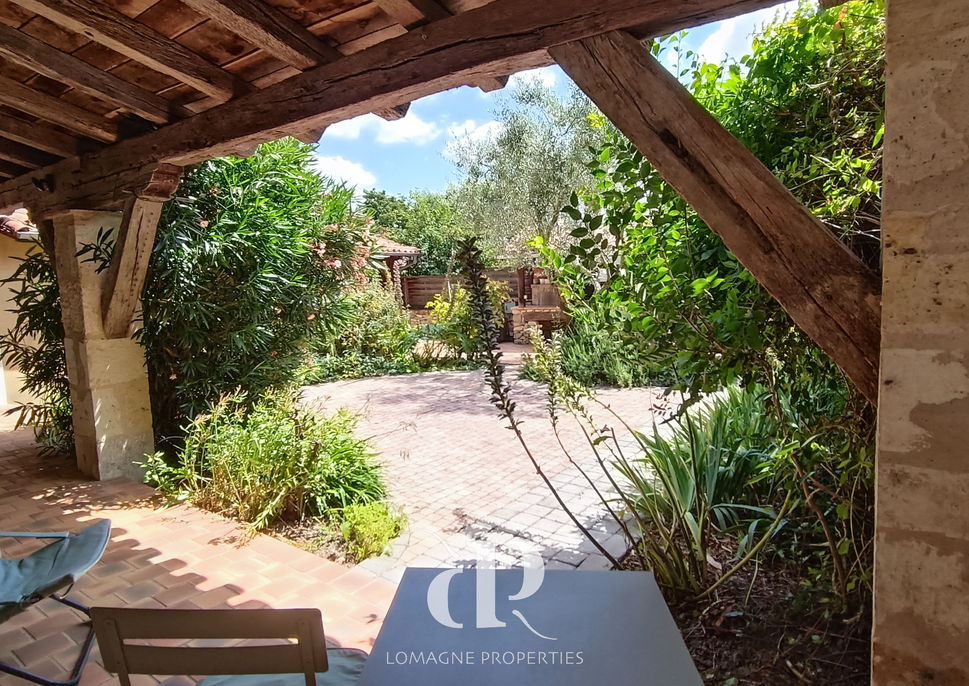
Saltwater pool measuring 10 m x 5 m, solar panels, fibre connection, summer kitchen, 36 m² gym, 30 m² workshop and 50 m² garage.
Layout note
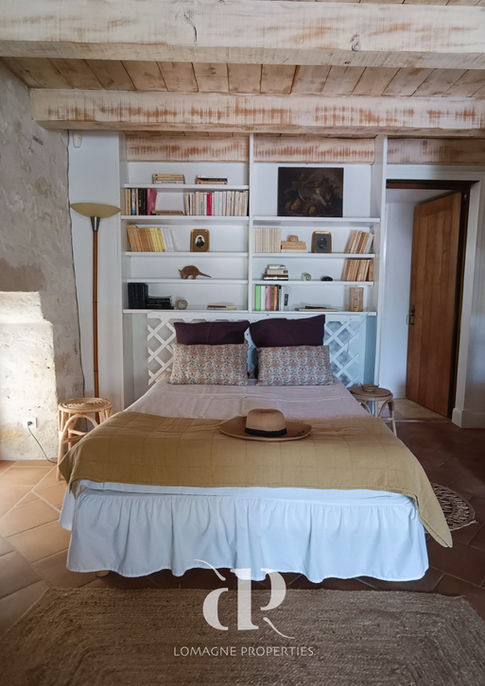
Ground-floor bedroom with en-suite and garden access, further bedrooms on upper floors, plus a self-contained guest apartment with private access.
Lifestyle angle
Rare mix of village-centre convenience and rural leisure features, with stated holiday-let income potential.
Risk Radar
Overview
This is the sort of French village house that looks easy to say yes to. The layout is generous, the entertaining space is strong, the pool and terraces make the exterior genuinely useful rather than decorative, and the separate apartment introduces both flexibility and complexity. That last point matters. A self-contained unit with private access can be a real value enhancer, but only if its legal status, planning history, taxation treatment, utility setup and rental position are properly understood before you fall in love with the arrangement.
The main due diligence themes here are clear. First, the separate apartment needs to be pinned down on paper, not just described attractively in the listing. Second, the pool, terraces, summer kitchen, gym and workshop all need verifying from an urbanisme and insurance perspective, especially if they were created or altered after the original house. Third, this is a substantial period village property, so the roof, damp profile, insulation quality, drainage setup, heating type and overall maintenance history matter more than the styling. Finally, if you are buying partly for guest income, short-term letting or multigenerational use, the financial and regulatory assumptions need testing carefully against local reality rather than brochure optimism.
Targeted Questions
Title, Planning and Legal Configuration
You need the legal description, parcel references, plot size, building footprint and recorded ownership before assessing anything else.
Surface figures in French listings can be presented differently, and overstatement changes value.
A guest unit can look usable in practice but still be weaker in legal and resale terms if not properly regularised.
Changes to use or new works may have needed a déclaration préalable or permit.
In France, completion and conformity of authorised works are typically evidenced through the DAACT process.
Historic refusals can reveal unresolved compliance problems.
Ancillary spaces often drive buyer excitement, but their formal status affects use, insurance and resale.
Village properties often carry old legal arrangements that matter in daily life and later disputes.
The cadastre is useful but not always precise enough to settle physical boundary assumptions.
It is much easier to clarify limits before purchase than after.
Guest Apartment and Rental Position
Independent access does not automatically equal independent legal dwelling status.
The more self-contained the unit is, the more important its formal legal position becomes.
Past use often reveals how the owners themselves understood its legal and practical status.
Rental claims should be supported with evidence, not aspiration.
Furnished tourist accommodation usually requires a mairie declaration, and registration frameworks are tightening.
Two rentable components may be attractive commercially, but the practical and regulatory basis must be clear.
Shared utilities can complicate management, accounting and perceived independence.
Local authority history can tell you more than polished sales language.
Even when a commune allows tourism letting, the specific property context can still create friction.
It helps distinguish real income potential from theoretical potential.
Diagnostics, Compliance and Hidden Costs
In France, the seller must provide the DDT, and for a house of this type it can reveal major red flags before viewing.
The full DPE contains methodology, estimated energy costs and upgrade recommendations.
For buildings with older construction history, asbestos checks can be mandatory in a sale dossier.
Lead risk can appear in older painted surfaces and may affect renovation decisions.
Hidden compliance issues can quickly turn into urgent post-purchase work.
Termite obligations depend on local designation, and older timber structures deserve careful checking.
The headline rating often hides the more useful details.
Insurance history is a shortcut to understanding the property's real weak points.
Building Condition, Roof and Damp
Roof work on a substantial village property can be one of the largest capital costs.
A pretty upper floor means little if the structure above it is compromised.
Stone and older masonry can trap moisture, and cosmetic refreshes may conceal recurring issues.
You want to know whether damp has been solved, managed, or simply covered.
Charming top-floor rooms can become uncomfortable or condensation-prone if poorly detailed.
Cracking patterns help distinguish harmless ageing from movement.
Mixed glazing affects comfort, bills and future upgrade costs.
A D rating can still hide substantial heat-loss variation between rooms.
Heating, Solar and Utilities
Electric and hydronic systems have very different running costs, servicing needs and upgrade options.
You need to understand whether comfort is evenly delivered or concentrated in the showpiece room.
Buyers sometimes underestimate how much the current owners rely on the wood burner to make bills manageable.
"Solar panels" can mean several very different systems and value levels.
Solar value is strongest when documentation is complete and transferable.
Real bills are often more helpful than modelled energy assumptions.
Village-centre convenience is worth verifying in hard infrastructure terms.
In France, a non-collective sanitation report must be provided on sale, and non-compliance can become the buyer's issue after completion.
"Fibre connected" is useful only if the service is genuinely stable for work or streaming.
Practical water performance matters more than brochure wording.
Pool, Garden, Terraces and External Features
A pool of this size often required prior formalities, depending on the exact configuration and local setting.
Pool age and component lifecycle affect immediate and medium-term capital costs.
French law requires an approved safety device for private in-ground uncovered pools.
Heating can materially alter both usability and running costs.
A saltwater pool still requires active maintenance and equipment replacement.
Outdoor amenity value depends on clean legal attachment and control.
An outdoor kitchen is more valuable when it is properly serviced and not just a seasonal improvised setup.
External hard landscaping can fail quietly and expensively.
Buried infrastructure becomes relevant when repairs or redesign are needed.
Garage, Workshop, Gym and Practical Use
Ancillary spaces can be extremely useful but should match the legal paperwork.
Comfort and safety in secondary spaces are often weaker than in the main house.
Conversion potential often affects value, but French urbanisme rules can restrict it.
Village-centre living is much easier when guest and household parking is genuinely workable.
Access convenience matters more in practice than it appears in photos.
Neighbourhood, Noise and Lifestyle Fit
Privacy, overlooking and future neighbour friction depend on immediate context.
A lively village can be charming or noisy depending on your intended use.
The social rhythm of the village affects tranquillity and community feel.
Gers village life may be appealing precisely because it is active, but buyers should assess fit honestly.
Small-village disputes have a habit of lasting.
Negotiation and Transaction Readiness
Failed deals often point to due diligence snags rather than mere timing.
Furnished or partly equipped outbuildings can materially affect value and readiness for use.
Seller motivation shapes what can realistically be negotiated.
Agents often frame upcoming costs as "routine" unless directly asked.
For a cross-border buyer, document-first filtering can save time and money.
Negotiation Intelligence
Buyer Leverage
Medium-High
Key Drivers
Typical Negotiation Range
5-15% below asking
Neutral Phrasing Examples
Country Layer
France (Regulatory Context March 2026)
In France, the seller of a house must provide a dossier de diagnostic technique for the sale, and depending on the property this can include the DPE, electricity, gas, asbestos, lead, termites and sanitation-related documents.
Viewing Strategy
Start outside. Walk the plot edges with the cadastral plan in mind and look at how the house, apartment, garage, workshop, gym, terraces and pool actually relate to one another.
Next Step
Verify from the listing:
Guest apartment legal status
Confirm whether the self-contained apartment is formally recognised as habitable independent accommodation, and ask for any planning approvals, completion documents and tax records that support that status.
Pool compliance and maintenance file
Request the pool authorisation, safety-device details, installation date, maintenance history and any recent repair invoices so you can judge both legality and likely future cost.
Full diagnostics dossier
Obtain the complete DDT, including the full DPE and any drainage, electrical, gas, asbestos, lead or termites reports, so you can assess hidden compliance and renovation risk before travelling.
Heating and solar performance
Clarify the type of underfloor heating, the exact solar installation, and the last three years of utility bills so the property's Energy Class D can be tested against real running costs.
Outbuildings, gym and workshop status
Check that the garage, workshop and gym are correctly recorded, properly serviced and legally usable in the ways implied by the listing, especially if you are valuing future conversion or rental flexibility.
A prepared buyer should approach the agent calmly and frame questions as due diligence. For example: “To help me assess the property properly and prepare a serious offer, could you share the title papers, cadastral plan, full diagnostics file, pool paperwork and anything confirming the legal status of the guest apartment and ancillary spaces?”
Because this is a French village house where legal configuration, systems and income potential all materially affect value, run it through the Property Risk Assessment to pressure-test the red flags, or use the Rental Yield Calculator once the guest apartment’s legal and operational position has been verified.
Disclaimer: The Property Drop is buyer-focused intelligence, zero sales agenda. We curate exceptional properties, in southern Europe, from third-party agents and arm you with decision tools. No commission, no transactions, no agent partnerships, no skin in the game beyond helping you choose wisely. Information stays accurate until it doesn't (properties sell, prices shift, markets move). Everything here is shared for informational purposes only and should not be treated as legal, financial, or investment advice. Images belong to original agents. Read our Terms of Service to learn more.
IMPORTANT REMINDER: When contacting property agents featured on The Property Drop, you are entering into direct communication with third parties. It's recommended that you verify all property details independently, conduct thorough due diligence, engage qualified professionals (solicitors, surveyors, financial advisors), understand your rights and obligations under local property laws, and never send money or make commitments without proper legal protection.
