
The Buyer Playbook: 2-Bed 18th-Century Quinta with 6 Hectares and Pool, Vila Verde de Ficalho, Portugal, €439,000
Buyer Playbook
Pre-Viewing Intelligence Report
This independent buyer guidance report relates to this specific property located in Portugal. It is provided for informational purposes only and does not constitute legal, tax, structural or survey advice. Title, licensing, renovation legality, pool approvals, water abstraction rights, habitability, land-use restrictions, irrigation infrastructure, and any agricultural or rental use must always be verified with qualified Portuguese professionals such as an advogado, arquiteto, engenheiro, técnico habilitado, surveyor or licensed property consultant, and with the relevant Câmara Municipal, Conservatória, Autoridade Tributária and Agência Portuguesa do Ambiente. This report is designed to help buyers evaluate the property before arranging a viewing or making an offer. It highlights due diligence areas and targeted questions to ask the estate agent. The analysis is based on the listing details and publicly available Portuguese regulatory context at the time of writing, including current AL registration rules, property registry documentation, energy-certificate requirements and water-resource licensing issues relevant to rural property.
Playbook Contents
Property Snapshot
Location
Vila Verde de Ficalho, Serpa, Beja, Alentejo, Portugal.
Property type
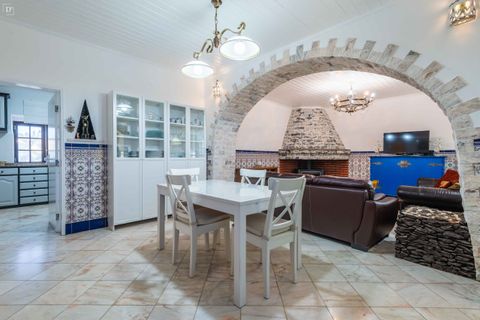
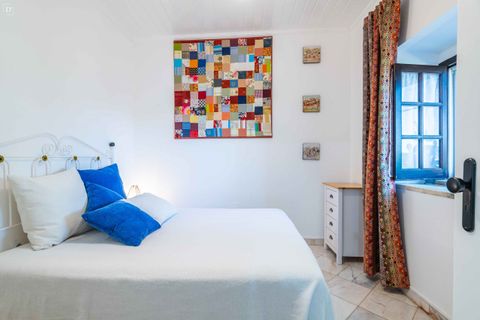
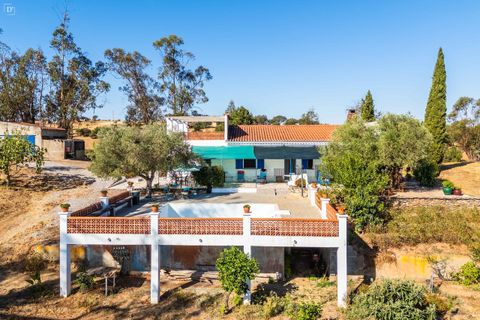
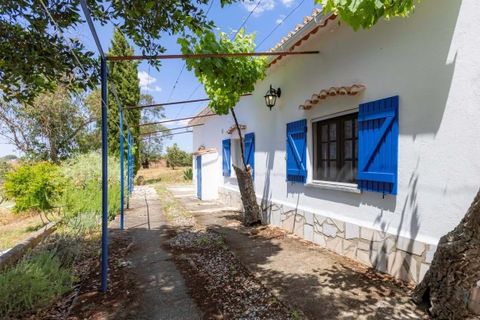
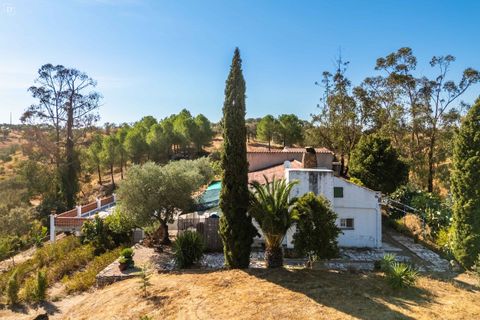
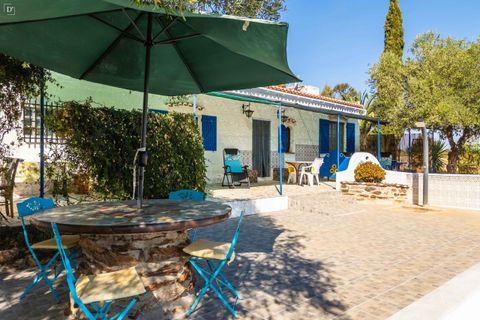
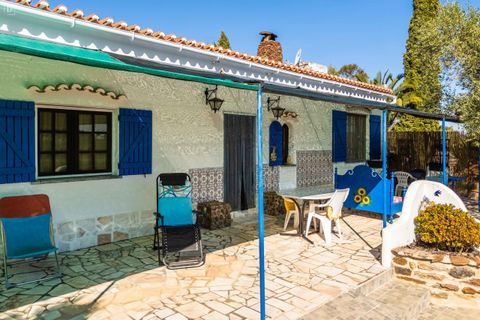
18th-century quinta / country villa.
Asking Price
€439,000
Bedrooms
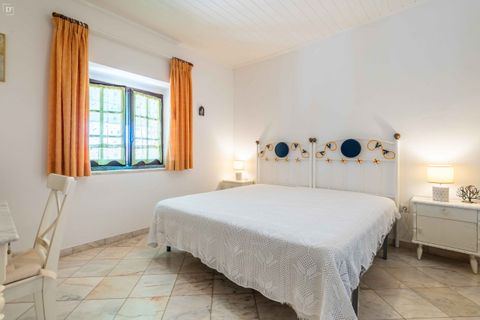
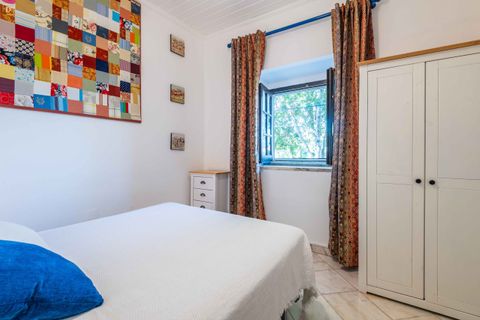
2.
Bathrooms
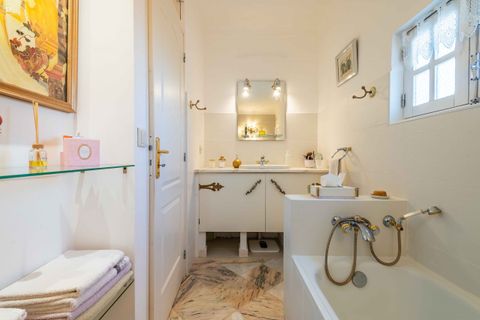
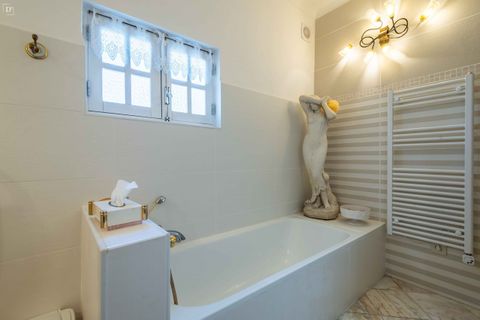
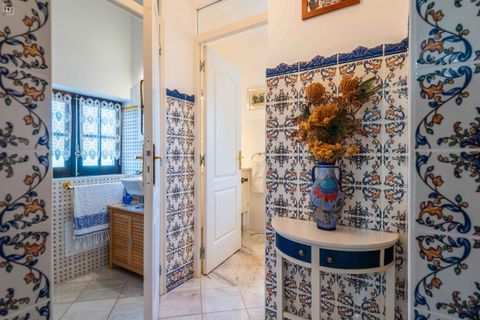
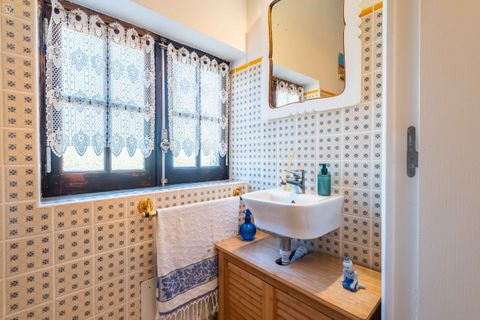
1.
Built area
160 m².
Plot size
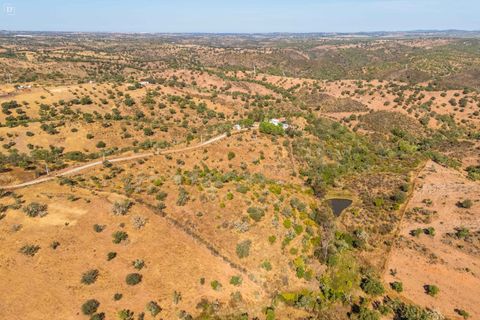
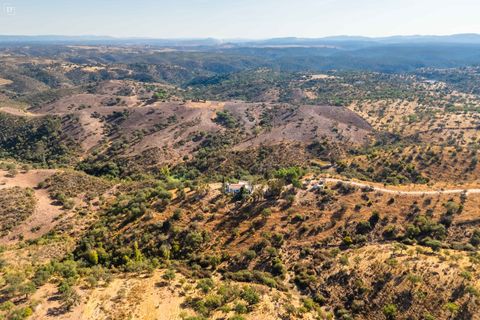
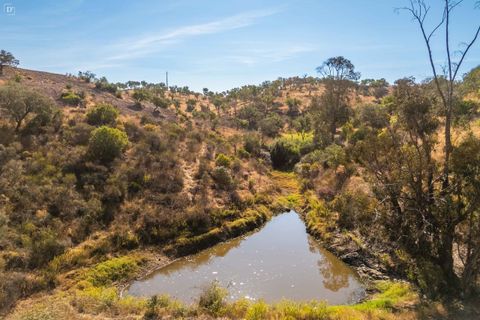
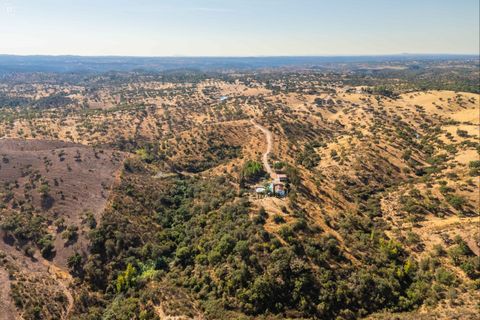
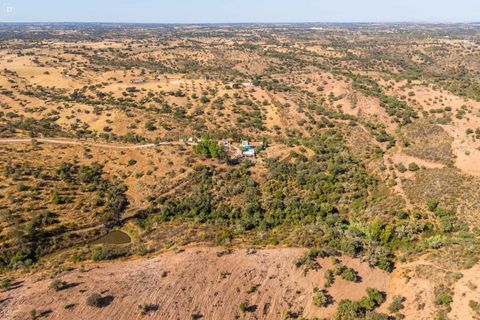
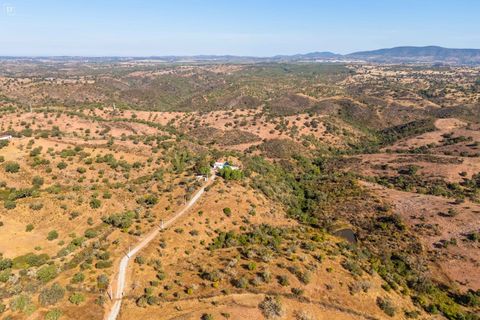
6 hectares.
Energy rating
Class D.
Key features
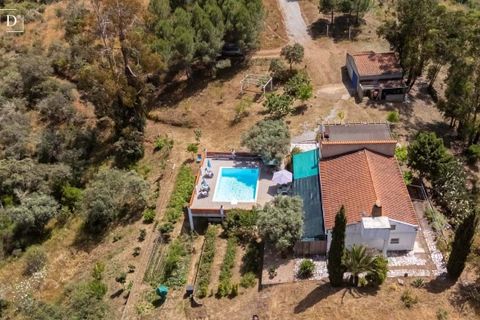
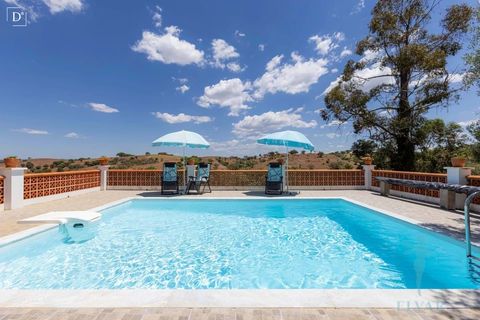
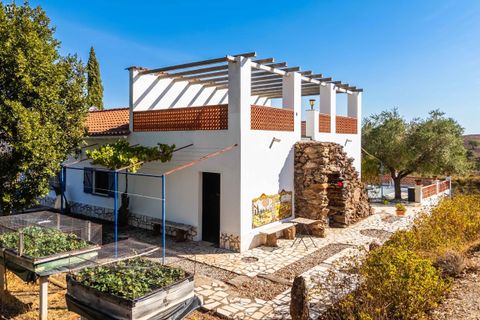
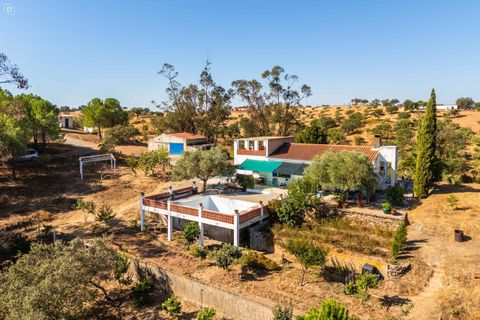
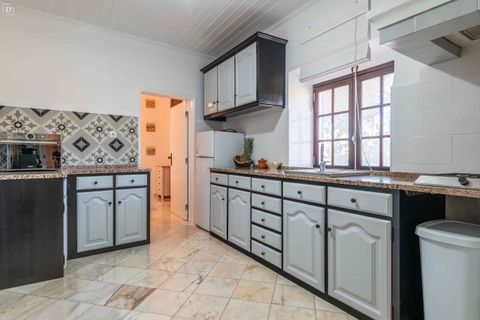
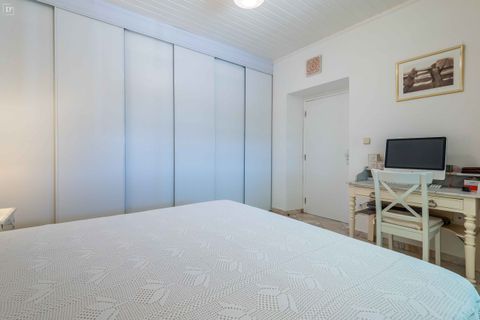
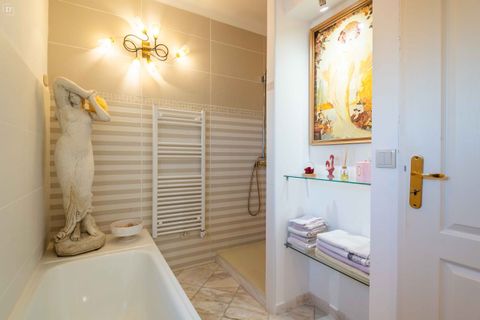
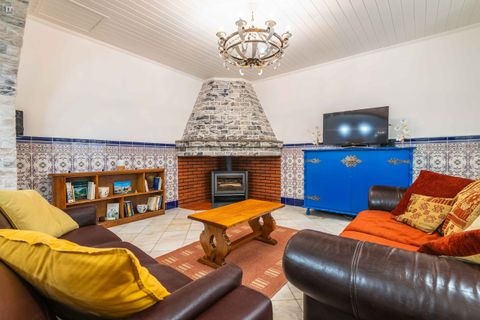
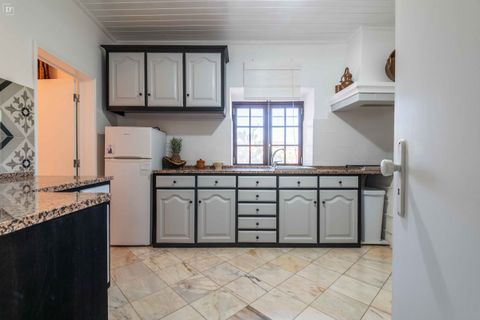
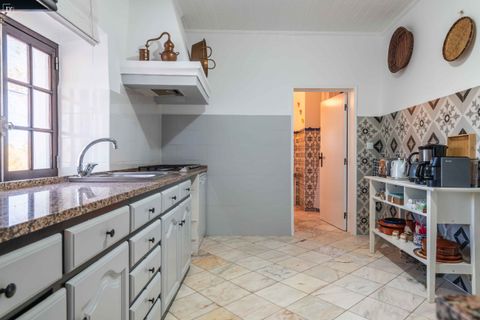
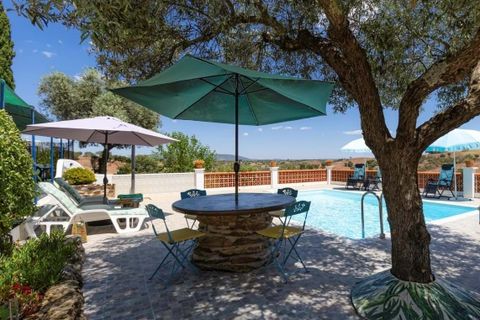
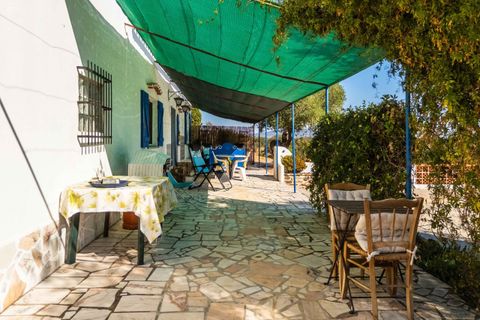
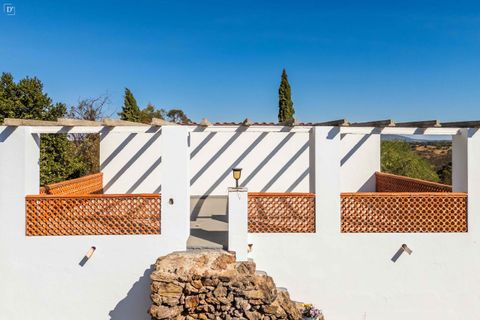
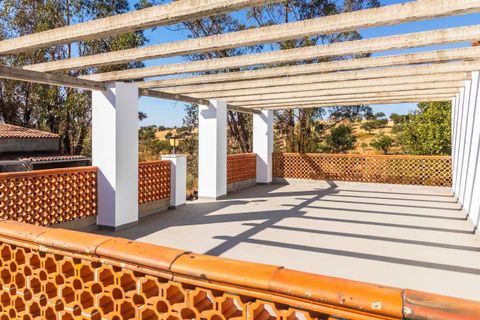
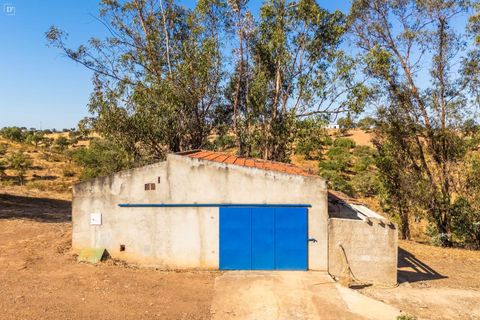
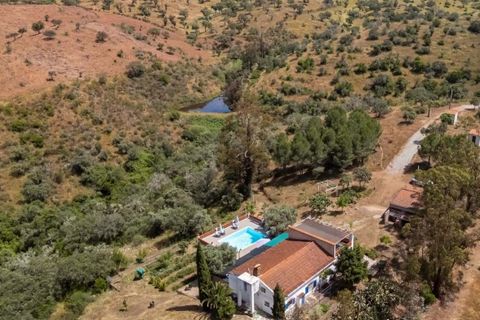
Private swimming pool, roof terrace, workshop, garage, utility room, vegetable garden, fruit trees with automatic irrigation, air conditioning, double glazing and gas water heating.
Lifestyle angle
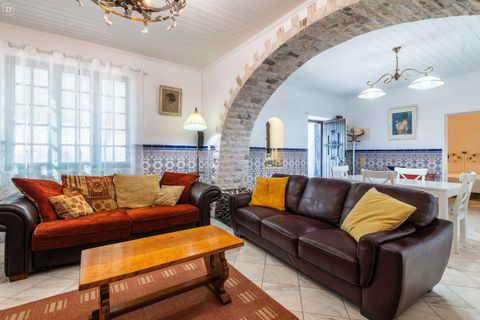
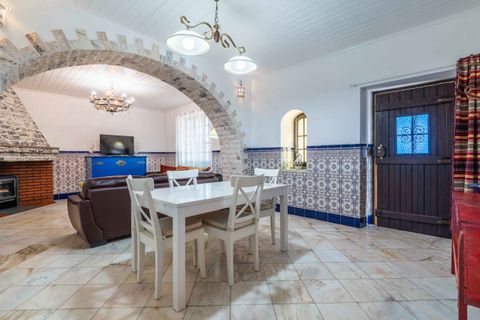
Historic rural home with self-sufficiency potential, border access to Spain and appeal as either a permanent residence or lifestyle retreat.
Connectivity claim in listing
Internet/WiFi is referenced, but the exact service type and speed are not stated.
Risk Radar
Overview
This is the kind of property that can look straightforward emotionally and become much more complex legally once you get past the photos. On paper, it has strong appeal: an 18th-century quinta, six hectares of land, a pool, productive garden features, useful outbuildings and a middling-but-manageable D energy rating rather than the far weaker label often seen on older rural stock. The selling story is attractive because it combines history with comfort. The due diligence challenge is that rural Portuguese properties tend to sit across several overlapping realities at once: house, land, infrastructure, water source, planning status and operational burden.
The biggest practical issue here is not whether the property is charming. It clearly is. The real question is whether the current built form, improvements and land use are all properly documented and sustainable in practice. A thoughtful update to an 18th-century house only creates value if the works were licensed where required, reflected correctly in the property records, and supported by systems that can actually cope with rural life. That means checking not just the house but the entire operating picture: roof, structure, water supply, irrigation network, access road, waste systems, pool compliance, outbuilding status and whether the six hectares are classified in ways that restrict future changes.
This is also a property with two very different value cases. As a lifestyle home, it may work beautifully even if some commercial angles are limited. As a rental or rural-tourism asset, the standard is higher. You would need clarity on AL registration, utility resilience, guest access, seasonality, pool compliance and whether the romantic agricultural narrative is mostly aesthetic or actually functional. Portugal's AL regime remains active under updated legislation, but the existence of a pretty quinta does not automatically mean a clean or profitable tourism setup.
Targeted Questions
Legal Status and Core Documents
You need to confirm ownership, charges, legal description, pending registrations and whether the built and land elements match the marketing.
A mixed classification is common for quintas and affects taxation, land use, financing and future works.
Older rural properties often contain discrepancies between tax record, land registry and reality on the ground.
You need to know exactly what use is legally covered, especially after upgrades and layout changes.
Buyers should not assume that all later improvements are automatically regularised.
The route matters because it tells you whether the works were formally controlled and signed off.
Paper trails help distinguish proper renovation from piecemeal improvement.
Unapproved rural works can be costly to regularise and sometimes impossible to expand upon later.
A beautiful rural house is much less attractive if the title file is messy.
Six hectares is large enough for assumptions about boundaries to become expensive mistakes.
Land, Boundaries and Planning Position
You need to see whether the operational reality of the quinta matches the legal one.
Rural privacy often looks better in listing copy than it does in legal reality.
Portuguese planning constraints can materially limit future building, agricultural infrastructure or land-use changes.
Buyers often mentally expand a quinta's potential before checking what planning actually permits.
Past irregularities can resurface at resale or when new works are proposed.
Ancillary buildings are frequently where rural regularisation problems sit.
Informal local arrangements can continue long after a sale unless clearly terminated.
Six hectares can feel self-evident until a neighbour disputes a fence line or access path.
Water Rights and Irrigation
Water resilience is central to rural value in the Alentejo.
Water abstraction is not something to treat casually. The seller should be able to explain whether the capture and use are properly authorised or registered.
For rural buyers, "there is a borehole" is not the same as "the borehole is properly documented".
Peak charm season is often peak water stress season.
A weak or seasonal supply may be enough for domestic use but not for irrigation and pool topping-up.
Not all rural water that looks usable is suitable for drinking or long-term domestic reliance.
Backup supply can materially reduce rural risk and operating anxiety.
Irrigation can be a major value-add or a hidden maintenance trap.
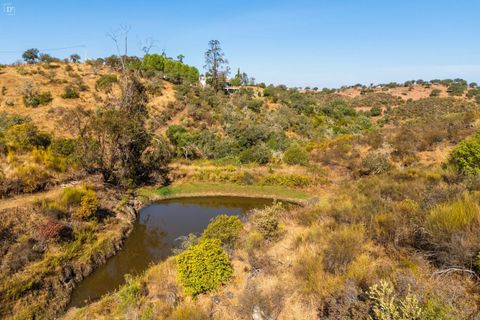
Storage capacity helps you understand how robust the system is during hot months.
Buyers need to know whether the "productive land" angle is substantive or mostly decorative.
Rural irrigation repairs across six hectares can become expensive quickly.
Self-sufficiency narratives sometimes understate the cost of keeping systems working.
House Condition and Building Fabric
Roof works on older rural houses can be one of the largest future capital items.
Older buildings may be solid, but buyers need evidence rather than romance.
Rural historic homes can mask old movement under decorative finishes.
Thick walls do not make a building immune to moisture problems.
Window quality affects comfort, maintenance and whether the D rating is genuinely reassuring.
In Alentejo conditions, comfort depends as much on the building envelope as on air conditioning.
A rural property can be cold and damp in winter even if it looks summer-perfect.
You need to know whether year-round living is genuinely comfortable.
Gas water heating can be practical, but buyers should understand refilling, servicing and replacement needs.
Running costs are a good test of whether the systems are efficient or merely serviceable.
The D label is only the headline. The underlying report explains what is driving it and where money may need to be spent.
Pool, Terrace and Ancillary Structures
Rural pools are a classic area for documentary mismatch.
A pool is not just a lifestyle feature. It is also a system with ongoing cost and repair exposure.
Running costs affect both liveability and rental projections.
Pool repairs can shift quickly from manageable to painful.
A terrace with views can also carry waterproofing and access issues.
Terrace failure can trigger water ingress into the main house.
Utility-connected outbuildings can be useful, but only if they are legally and technically sound.
Buyers often overvalue rural outbuildings without checking planning reality first.
Older rural properties can include awkward legacy elements that are easy to miss in a viewing.
Practicalities, Access and Services
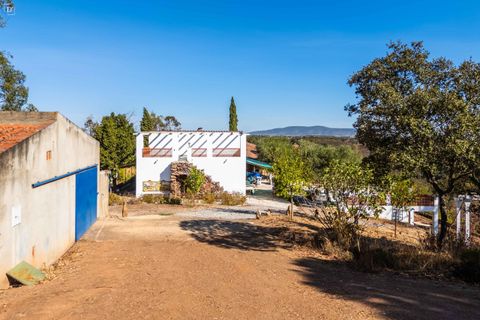
Shared rural access can create cost, maintenance and neighbour issues.
"Easy reach" in a listing can still mean annoying day-to-day access.
A rural house used by family or guests needs practical arrival and circulation space.
Rural internet claims should always be tested, not assumed.
Thick walls and rural topography can affect signal more than expected.
Waste systems are a major rural due diligence item and should never be left vague.
Septic failures are unpleasant, expensive and easy for sellers to under-explain.
Rural beauty often comes with an annual labour bill.
Included equipment can materially affect both value and your ability to manage the land from day one.
Rental Potential and Commercial Use
A proven income history is more valuable than a hopeful narrative.
AL registration in Portugal is based on prior notice with deadline, but buyers still need to confirm that the property documentation actually supports the intended use.
Legal possibility and operational ease are not identical.
Rural yield projections are often more fragile than coastal or city ones.
Buyers should understand whether the land adds commercial potential or simply maintenance.
Seasonality is central to whether the rental case really works.
A resilient investment case should not depend on one narrow use model.
Negotiation Intelligence
Buyer Leverage
Medium–High
Key Drivers
Typical Negotiation Range
5-15% below asking
Neutral Phrasing Examples
Country Layer
Portugal (Regulatory Context March 2026)
In Portugal, the core property documents matter a great deal for rural purchases. The land registry system is the reference point for legal situation, ownership and encumbrances, and the permanent certificate is specifically described by the justice authorities as showing all registrations in force and pending requests. That matters here because a quinta with house, land and outbuildings can look coherent in photos while still containing record mismatches between what exists physically and what exists on paper.
Viewing Strategy
Treat the viewing as three inspections, not one. First inspect the house. Second inspect the systems. Third inspect the land.
Next Step
Verify from the listing:
Registry and licence alignment
Request the caderneta predial, certidão permanente and the current licence position so you can confirm that the 160 m² house, updated layout and all built elements are properly reflected in the legal file.
Water source legality and resilience
Clarify whether the house and irrigation depend on mains water, a well, a borehole or a mixed setup, and ask for any APA-related documentation and real summer performance data before treating the land as genuinely self-sufficient.
Pool and outbuilding compliance
Verify whether the pool, workshop, garage and any technical structures are regularised, shown on the plans and supported by the relevant approvals or declaratory records.
Land-use constraints across the 6 hectares
Ask for a plan showing boundaries, access and all functional areas, then check the local PDM and any RAN or REN constraints before assuming you can extend, convert or intensify use.
Operational reality of rural living
Confirm annual costs for electricity, gas, water systems, land maintenance, pool care and access upkeep so you can judge whether the quinta’s lifestyle appeal is matched by manageable running costs.
A prepared buyer should approach the agent calmly and frame questions as due diligence.
Because this is a rural historic property where legal regularity, water infrastructure and land-use constraints materially affect value, run it through the Property Risk Assessment before contacting the agent, or use the Renovation Budget Planner if any part of the licensing, pool, roof, water or outbuilding file looks incomplete.
Disclaimer: The Property Drop is buyer-focused intelligence, zero sales agenda. We curate exceptional properties, in southern Europe, from third-party agents and arm you with decision tools. No commission, no transactions, no agent partnerships, no skin in the game beyond helping you choose wisely. Information stays accurate until it doesn't (properties sell, prices shift, markets move). Everything here is shared for informational purposes only and should not be treated as legal, financial, or investment advice. Images belong to original agents. Read our Terms of Service to learn more.
IMPORTANT REMINDER: When contacting property agents featured on The Property Drop, you are entering into direct communication with third parties. It's recommended that you verify all property details independently, conduct thorough due diligence, engage qualified professionals (solicitors, surveyors, financial advisors), understand your rights and obligations under local property laws, and never send money or make commitments without proper legal protection.
