
The Buyer Playbook: Townhouse with Rooftop Terrace, Estômbar Village, Portugal €325,000





Buyer Playbook
Pre-Viewing Intelligence Report
This independent buyer guidance report relates to a property located in Portugal. It is provided for informational purposes only and does not constitute legal, tax, structural or survey advice. Registration status, typology, planning permissions, habitability, licensing, water and utility connections, rooftop and courtyard rights, rental permissions and land-use matters must always be verified with qualified Portuguese professionals such as an advogado, arquiteto, engenheiro, surveyor or licensed property consultant, and with the relevant municipal authorities. This report is designed to help buyers evaluate the property before arranging a viewing or making an offer. It highlights due diligence areas and targeted questions to ask the estate agent. The analysis is based on the listing details and publicly available regulatory context at the time of writing.
Playbook Contents
Property Snapshot
Location
Estômbar village, Lagoa, Algarve, Portugal
Property type
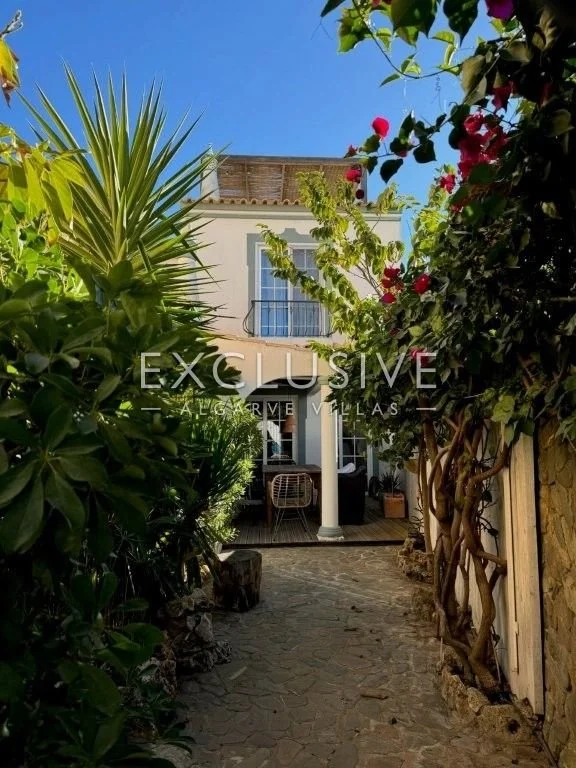
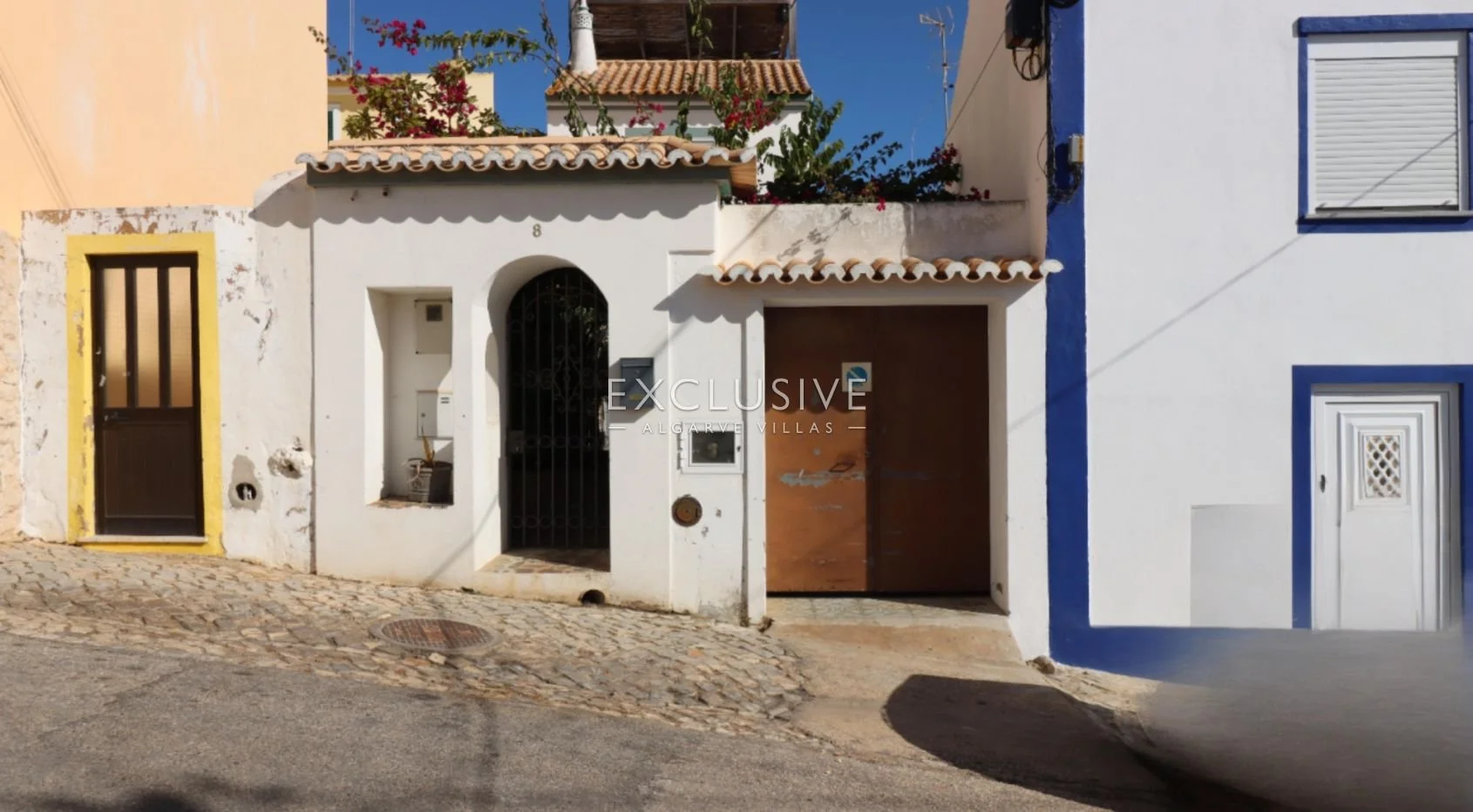
Village townhouse
Price
€325,000
Bedrooms
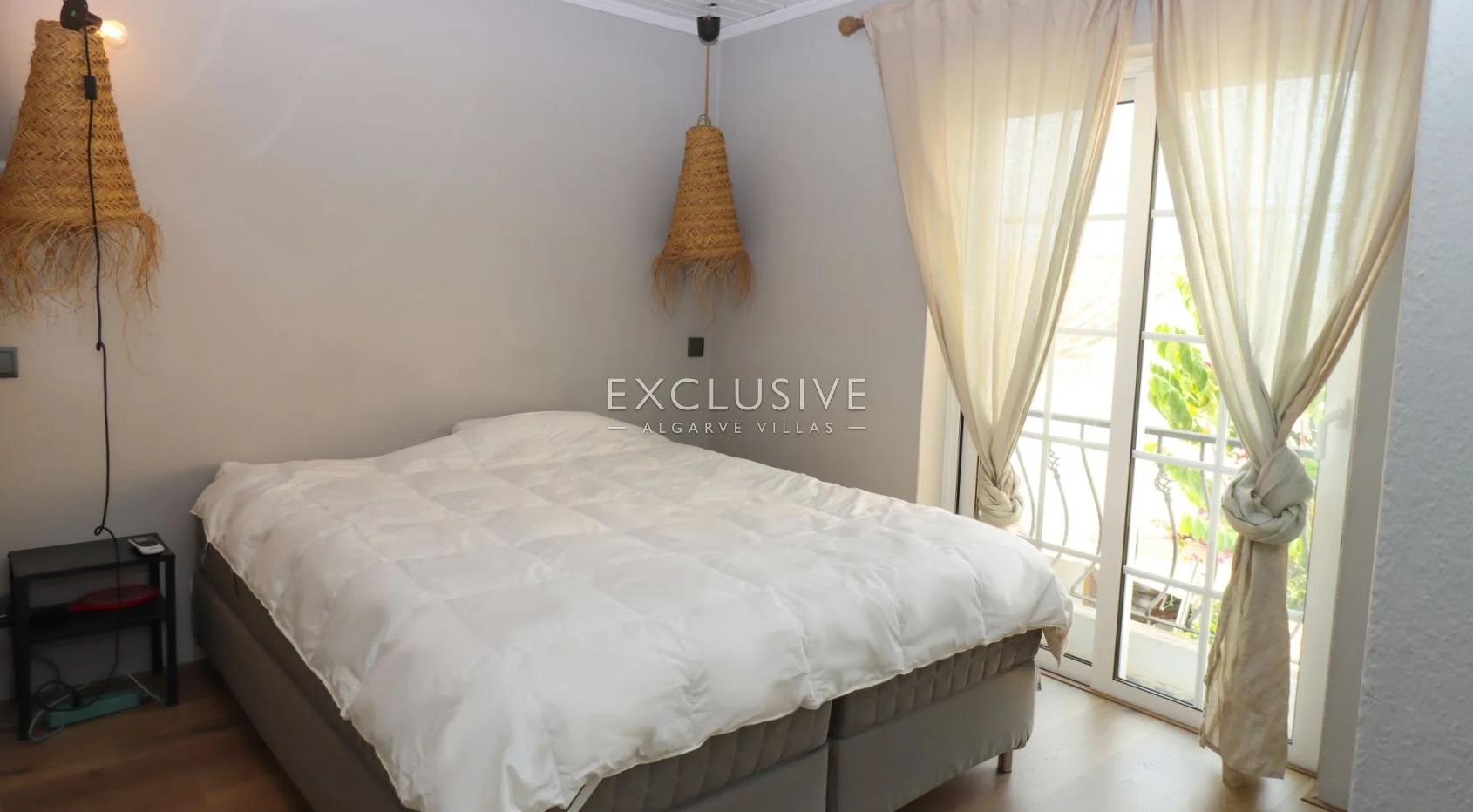
Marketed as 1+1 bedrooms
Bathroom
1
Internal area
79 m² private area
Plot
78 m²
Built
2004
Outdoor features
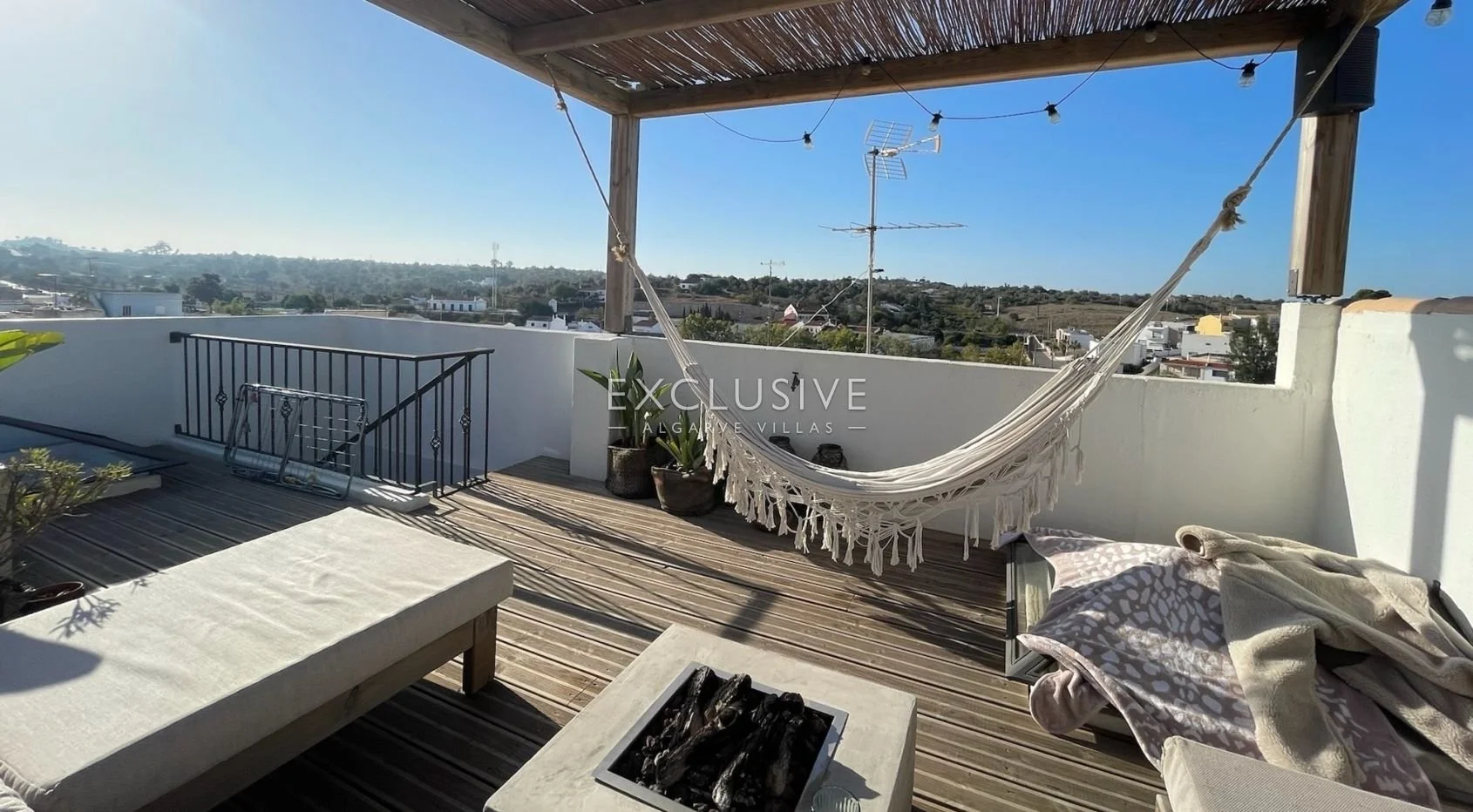
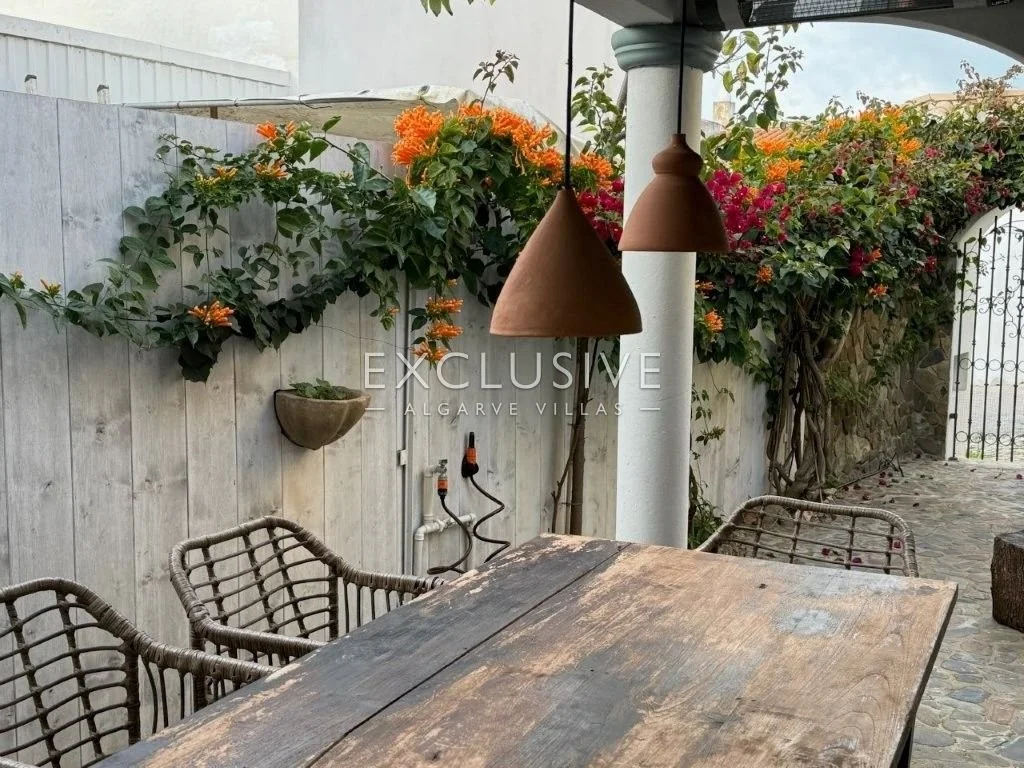
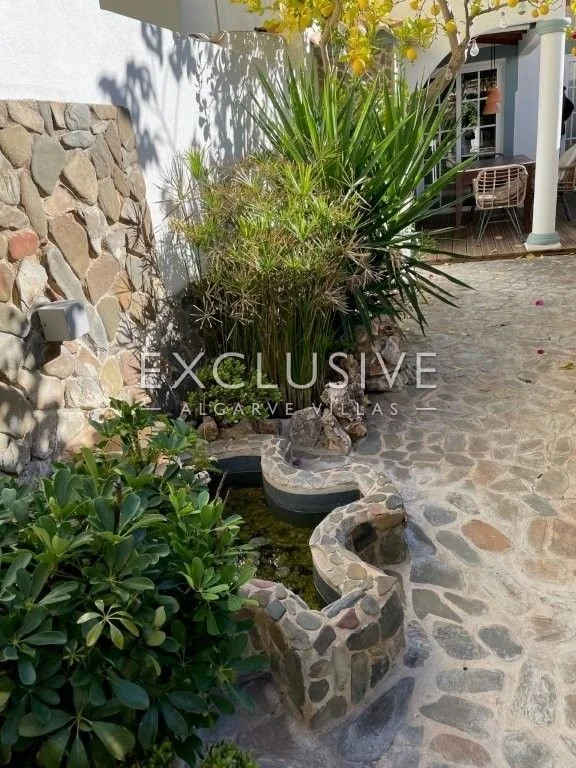
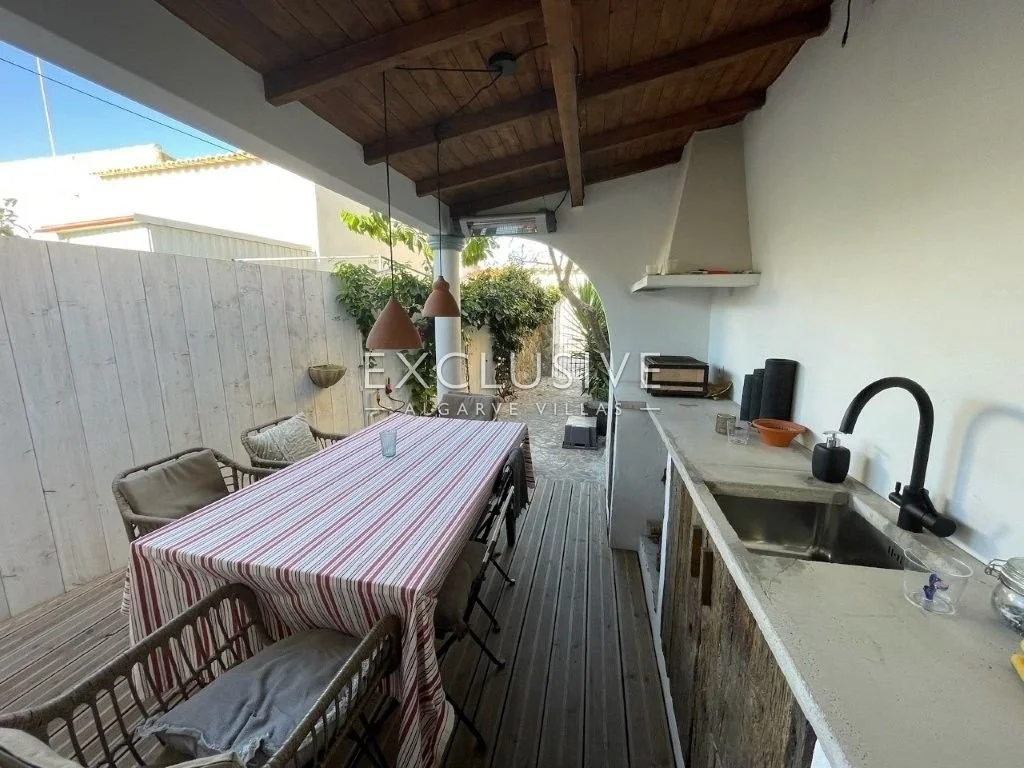
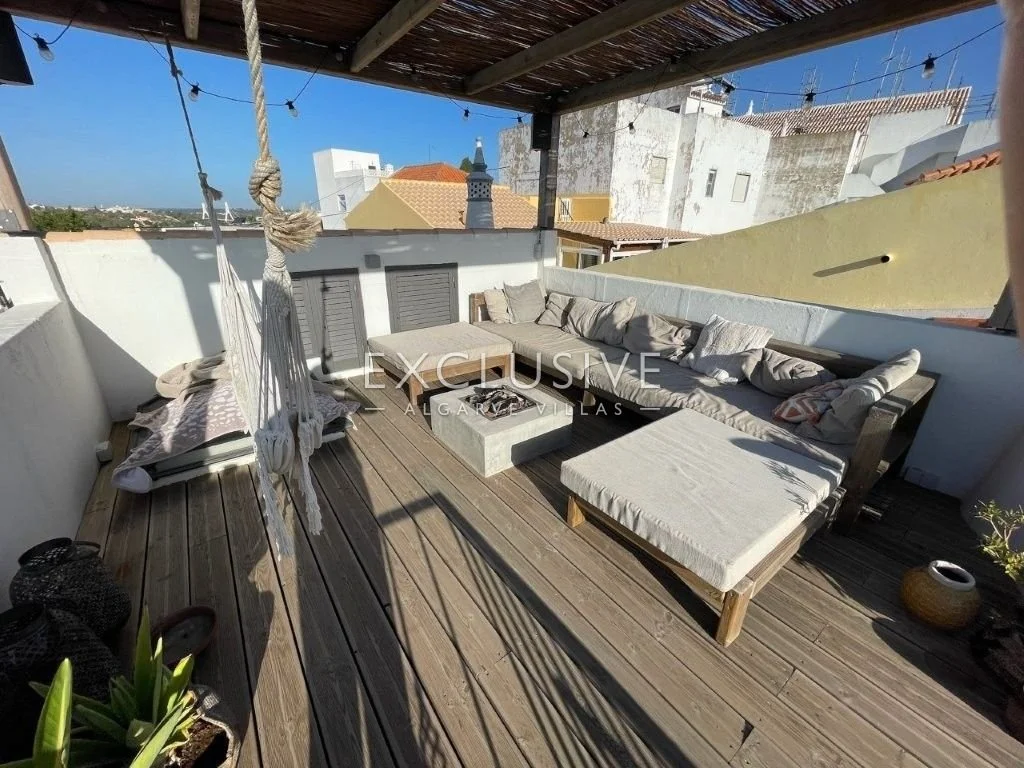
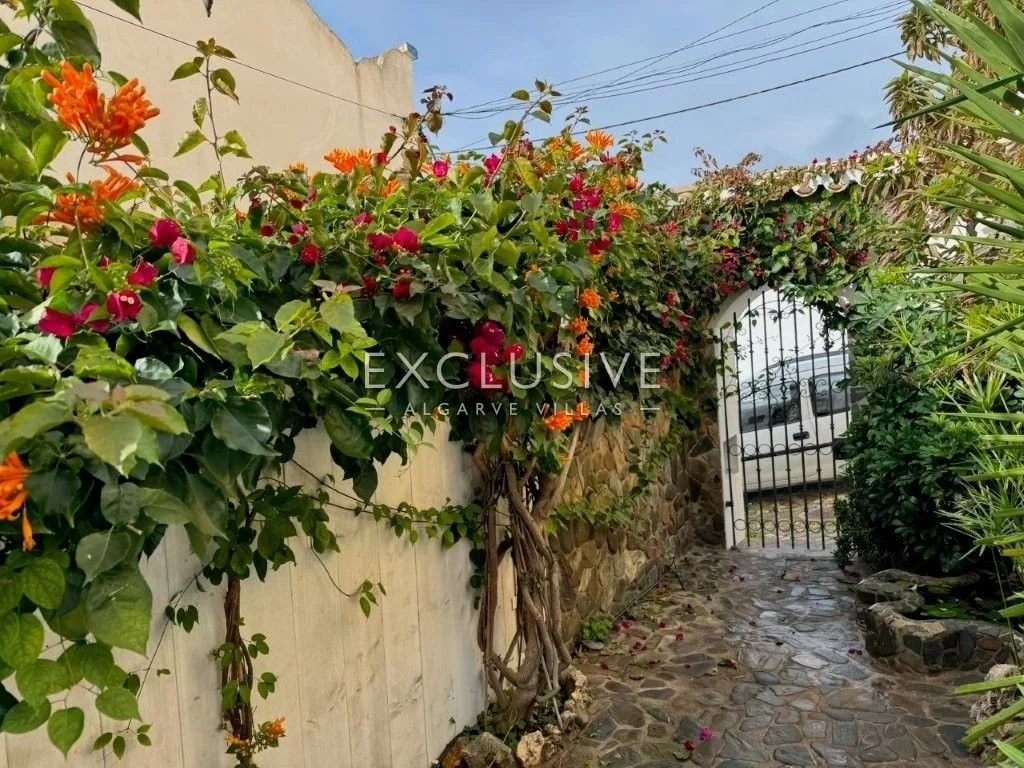
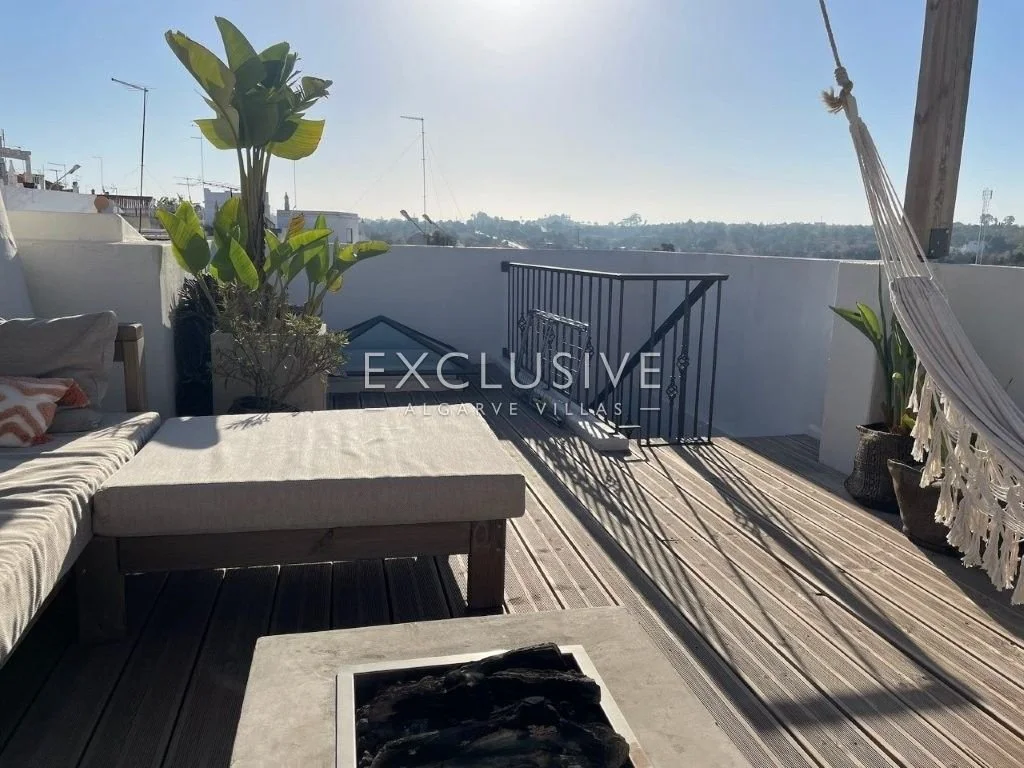
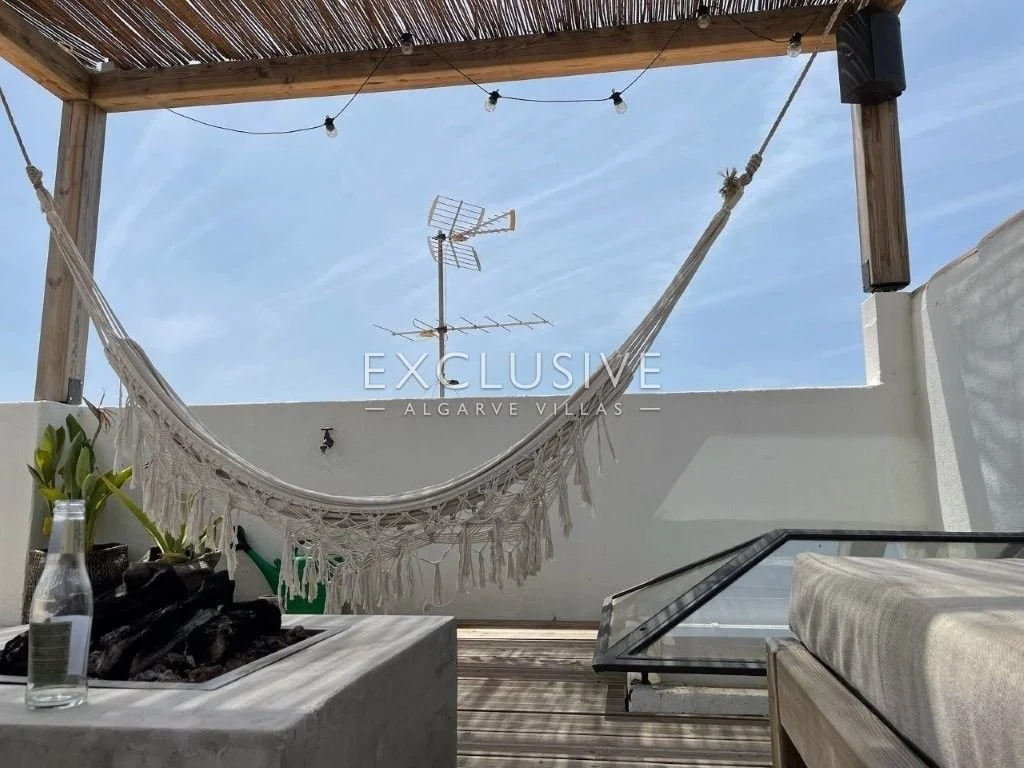
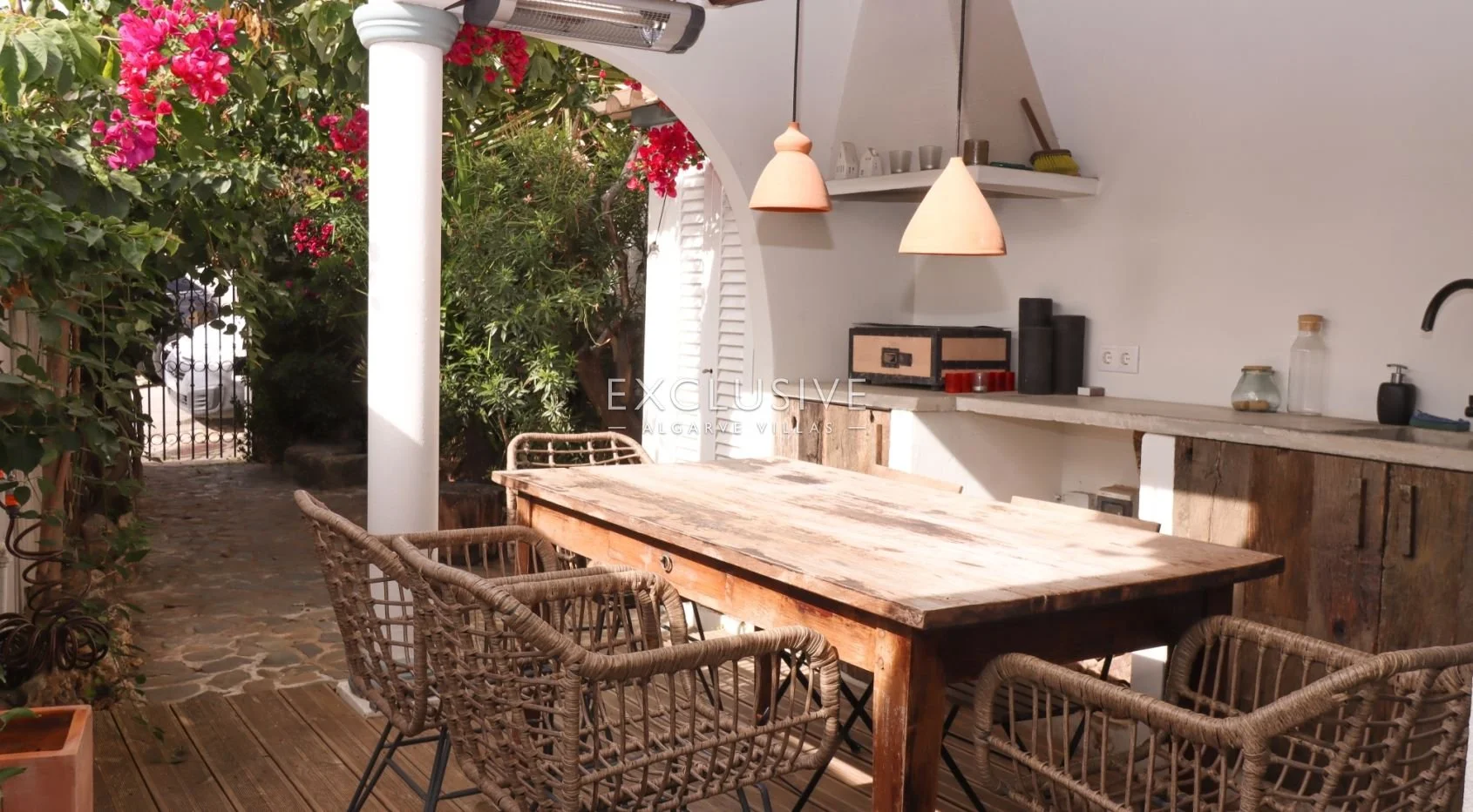
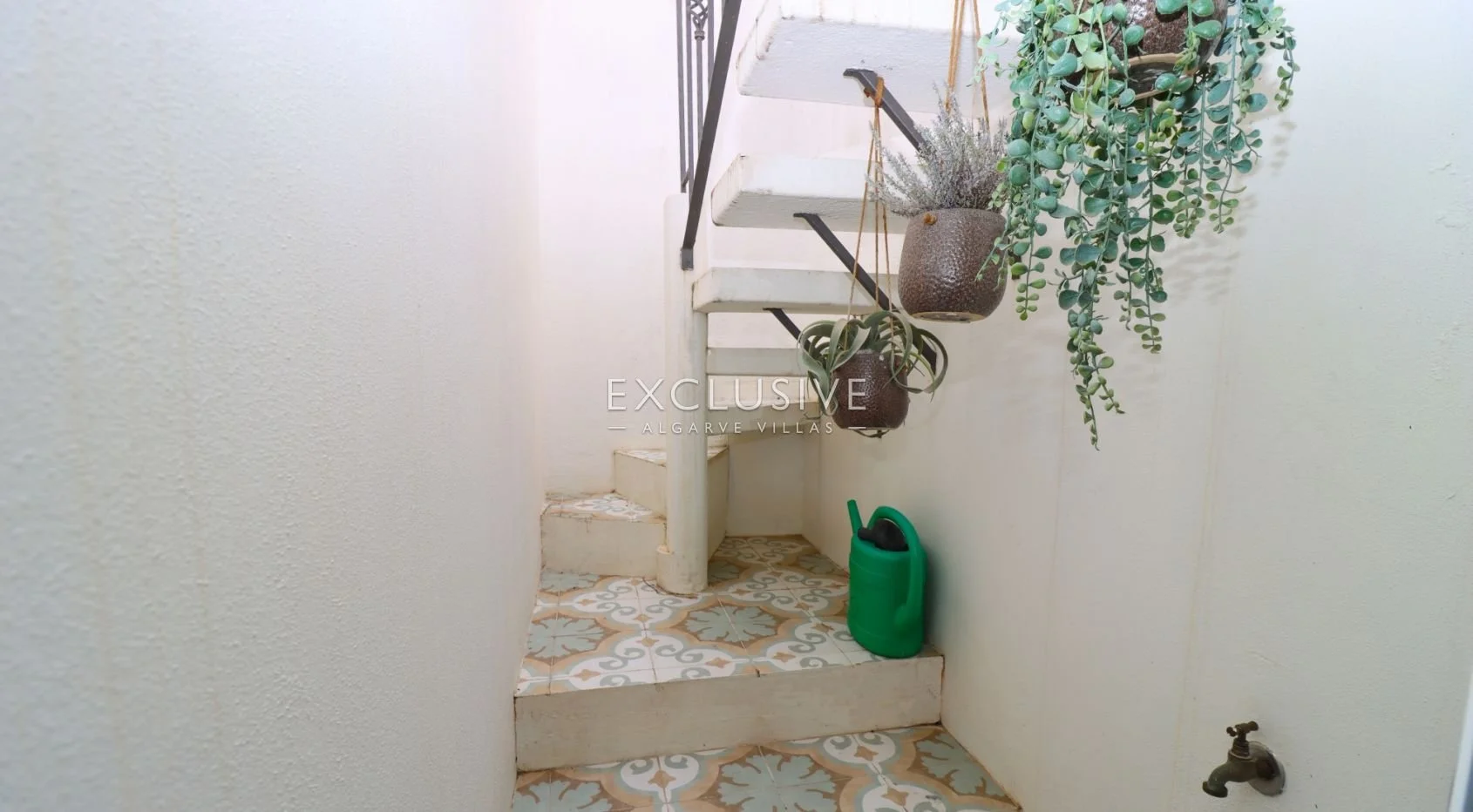
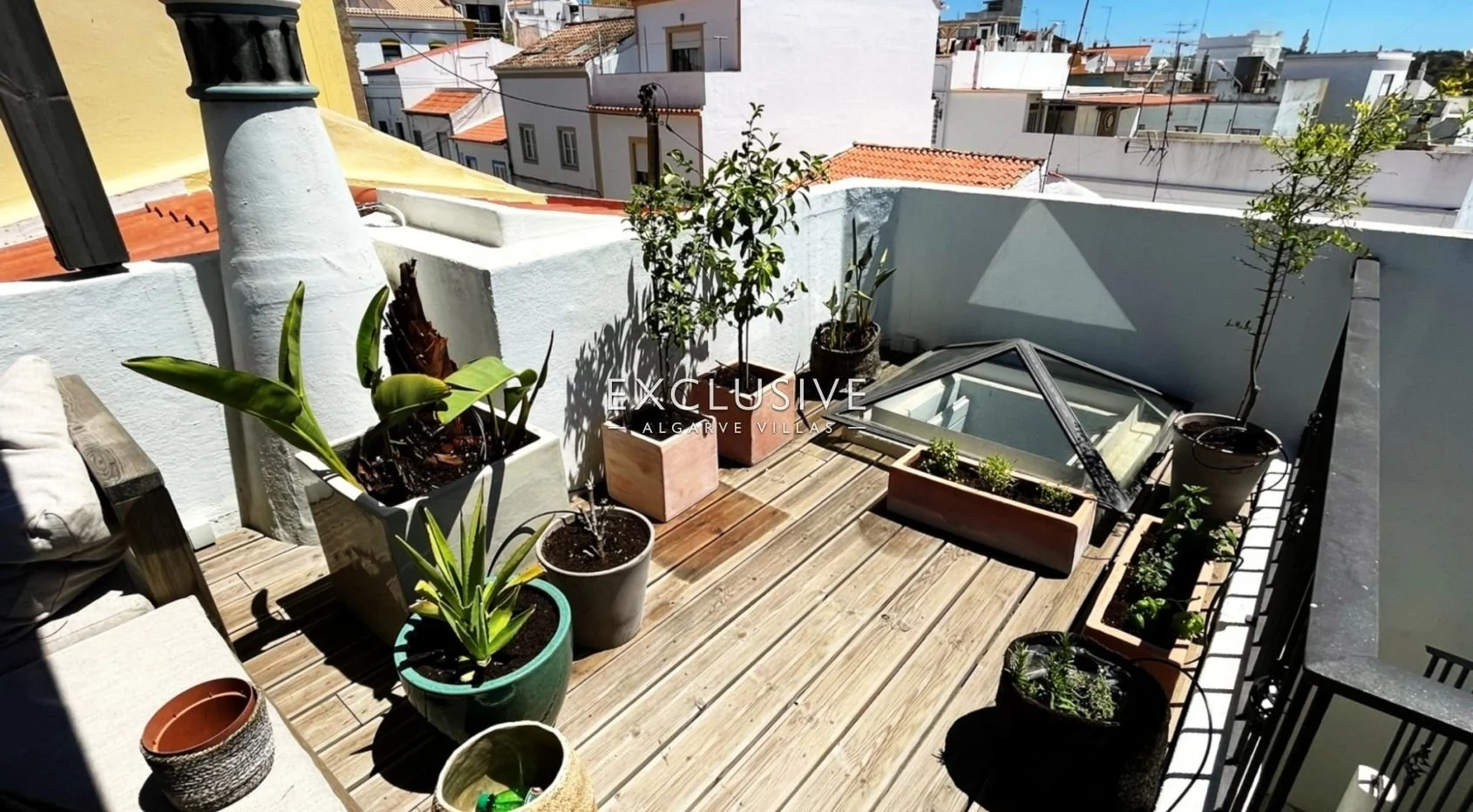
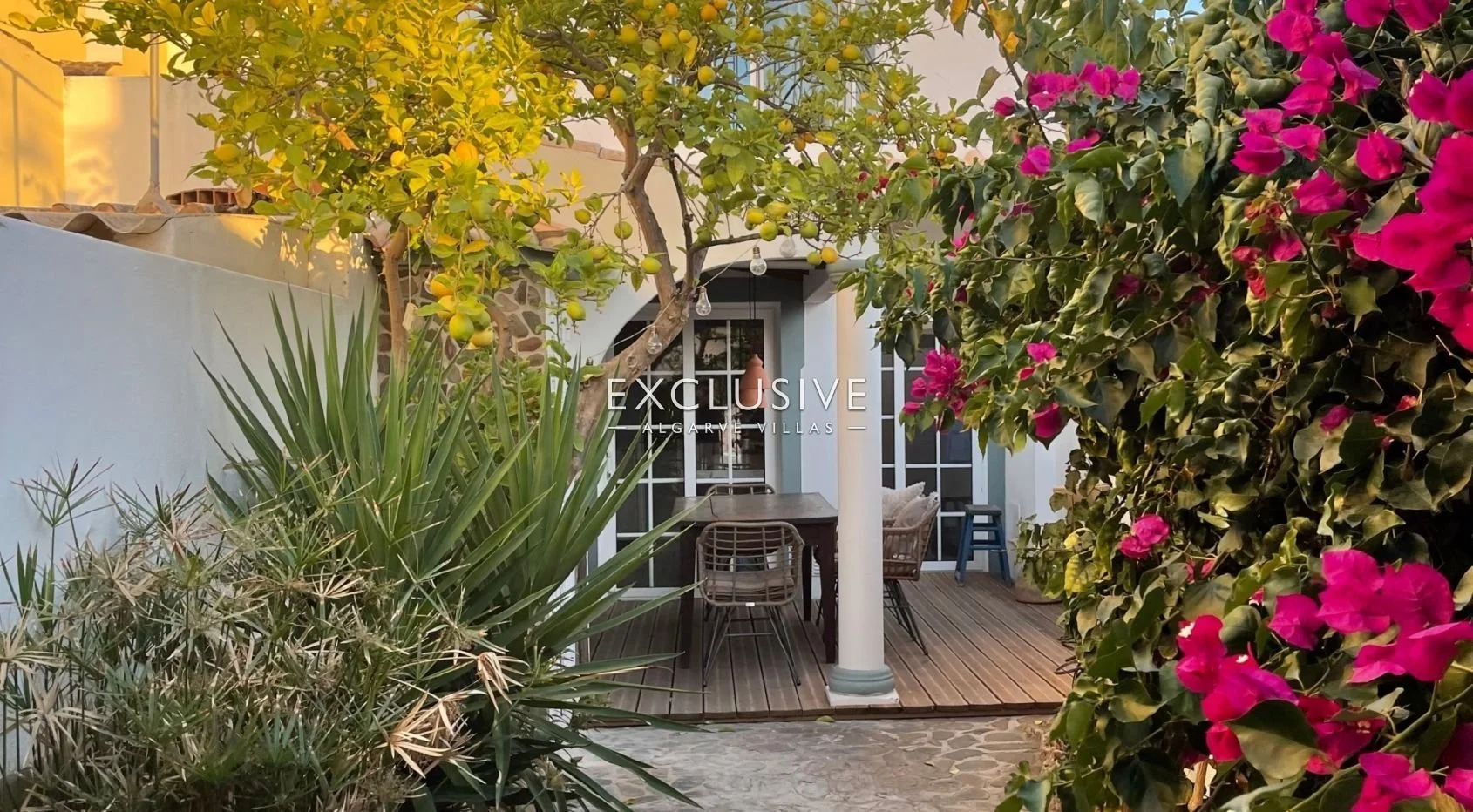
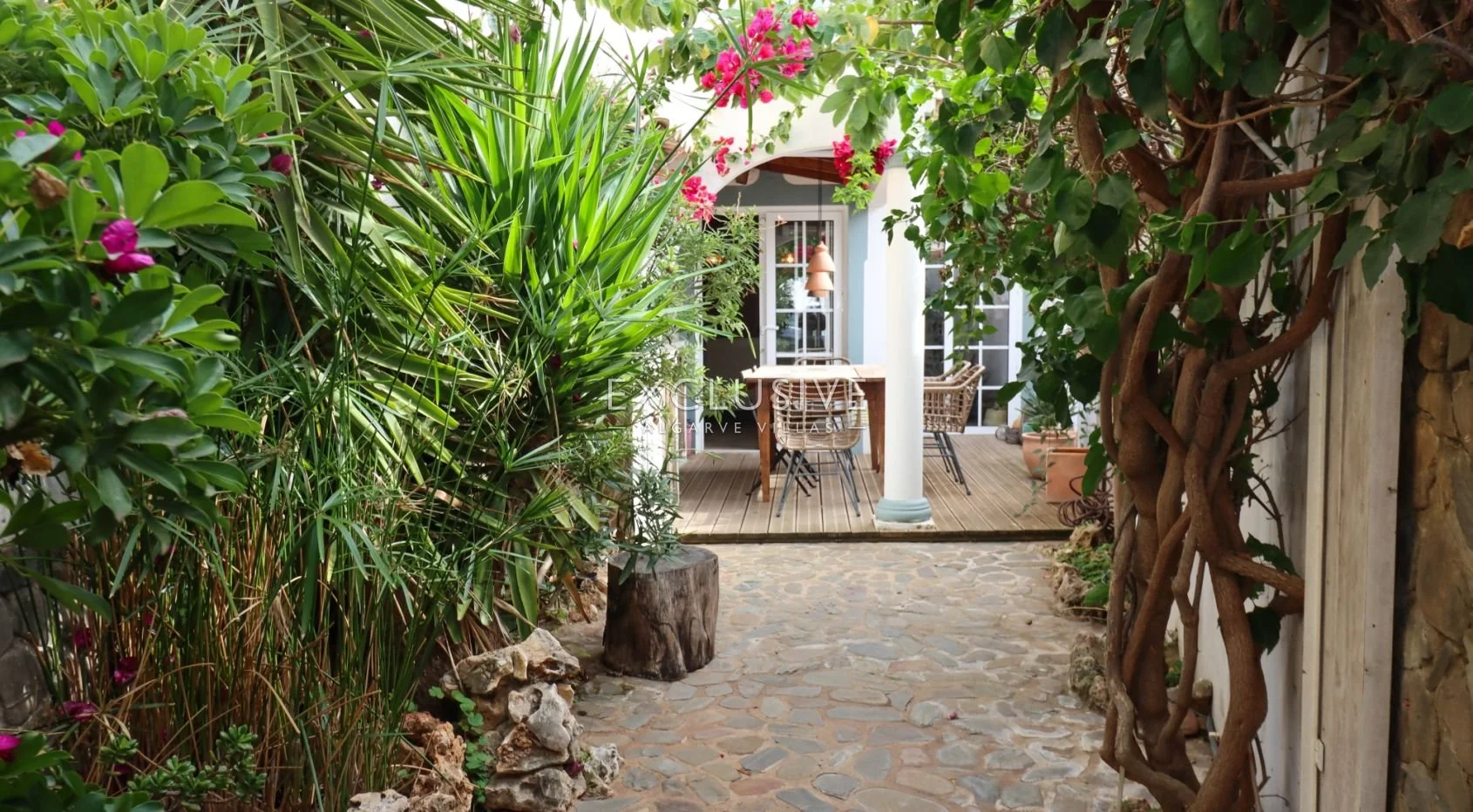
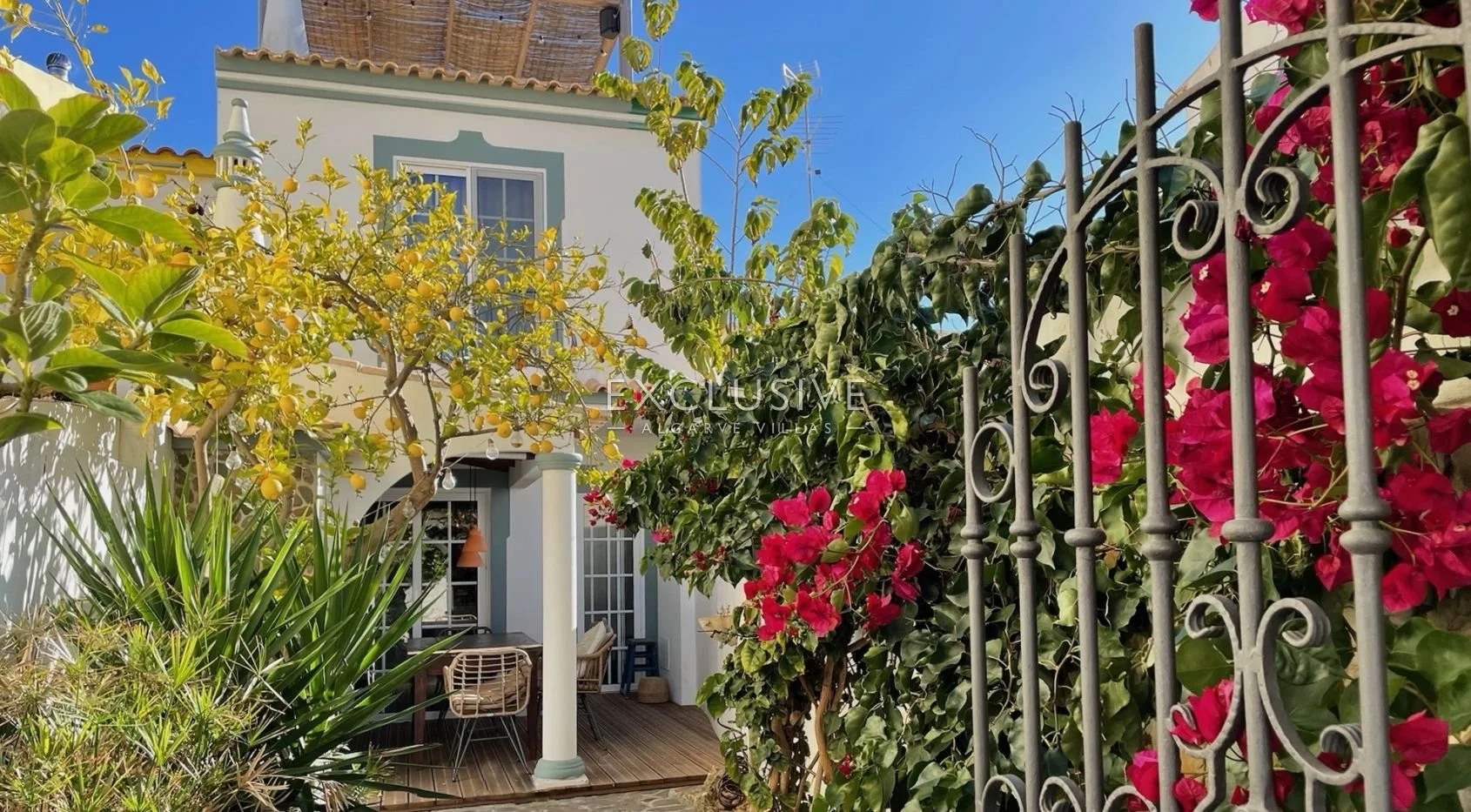
Courtyard garden with outdoor kitchen and dining area, plus rooftop terrace accessed by spiral stair
Layout
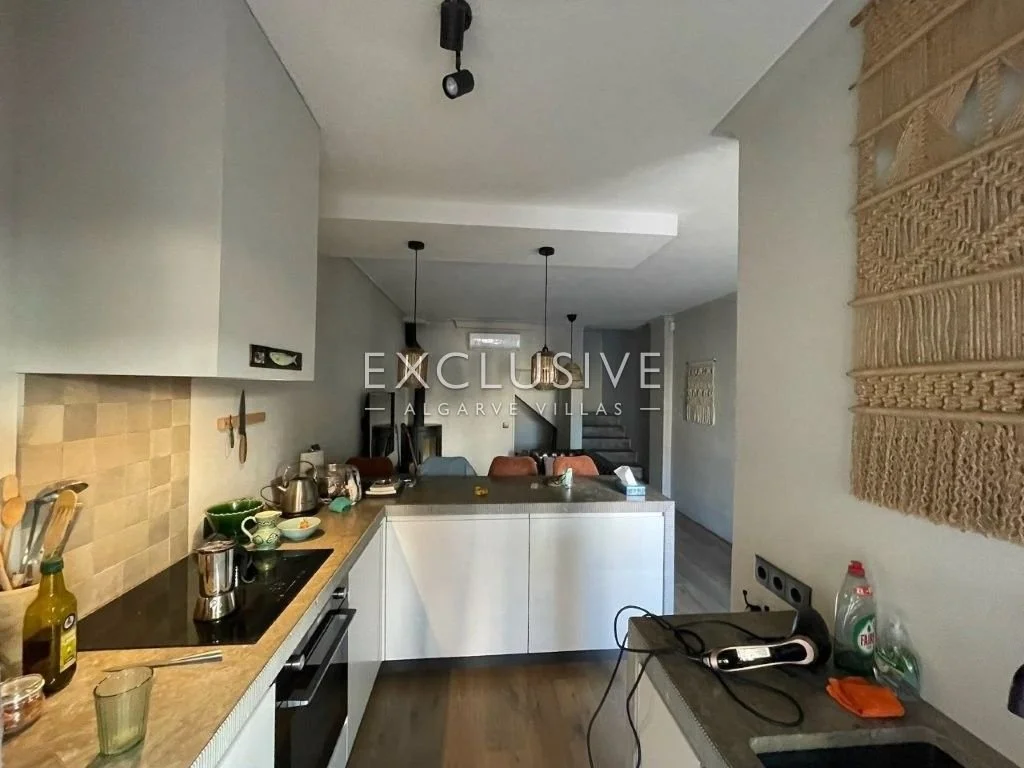
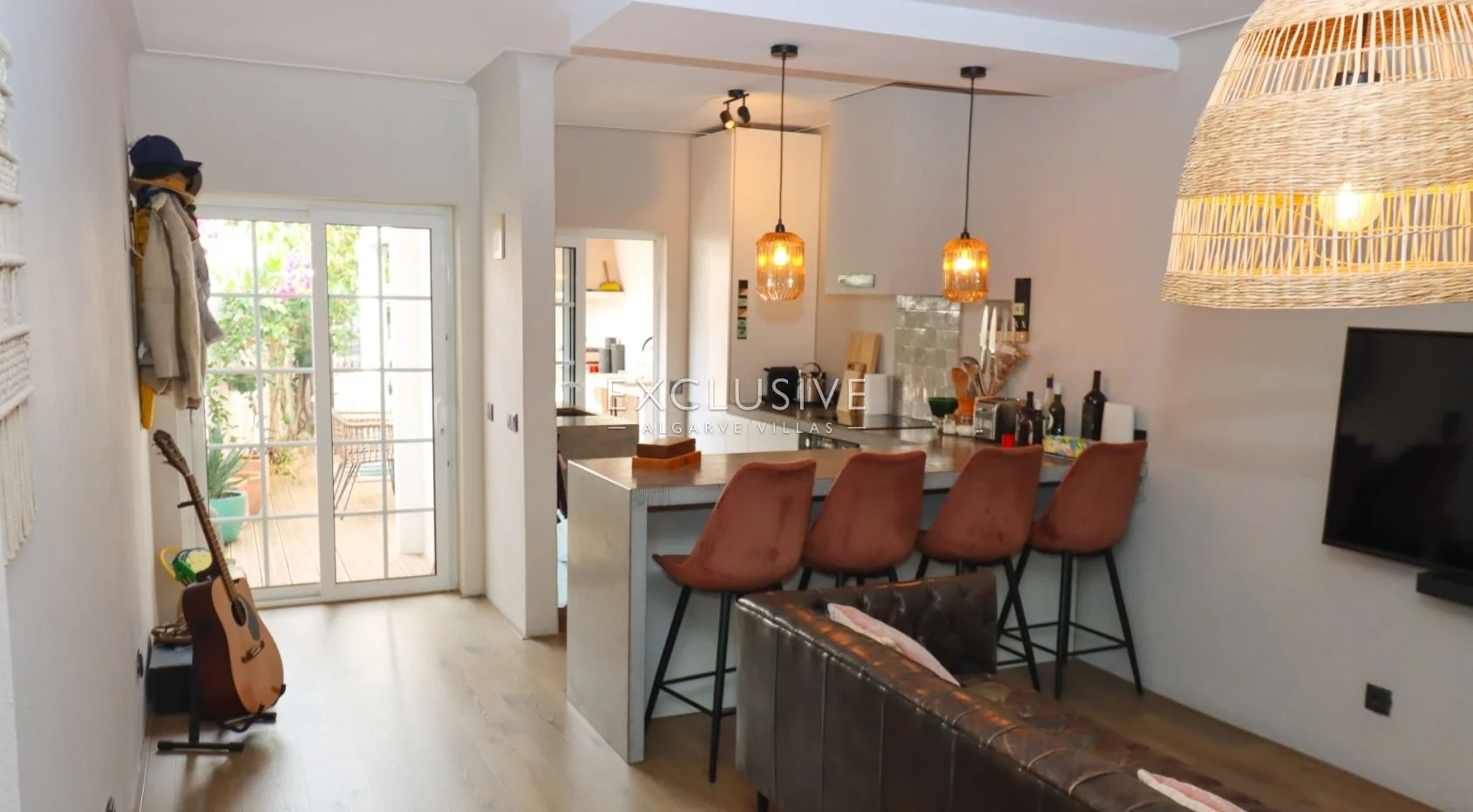
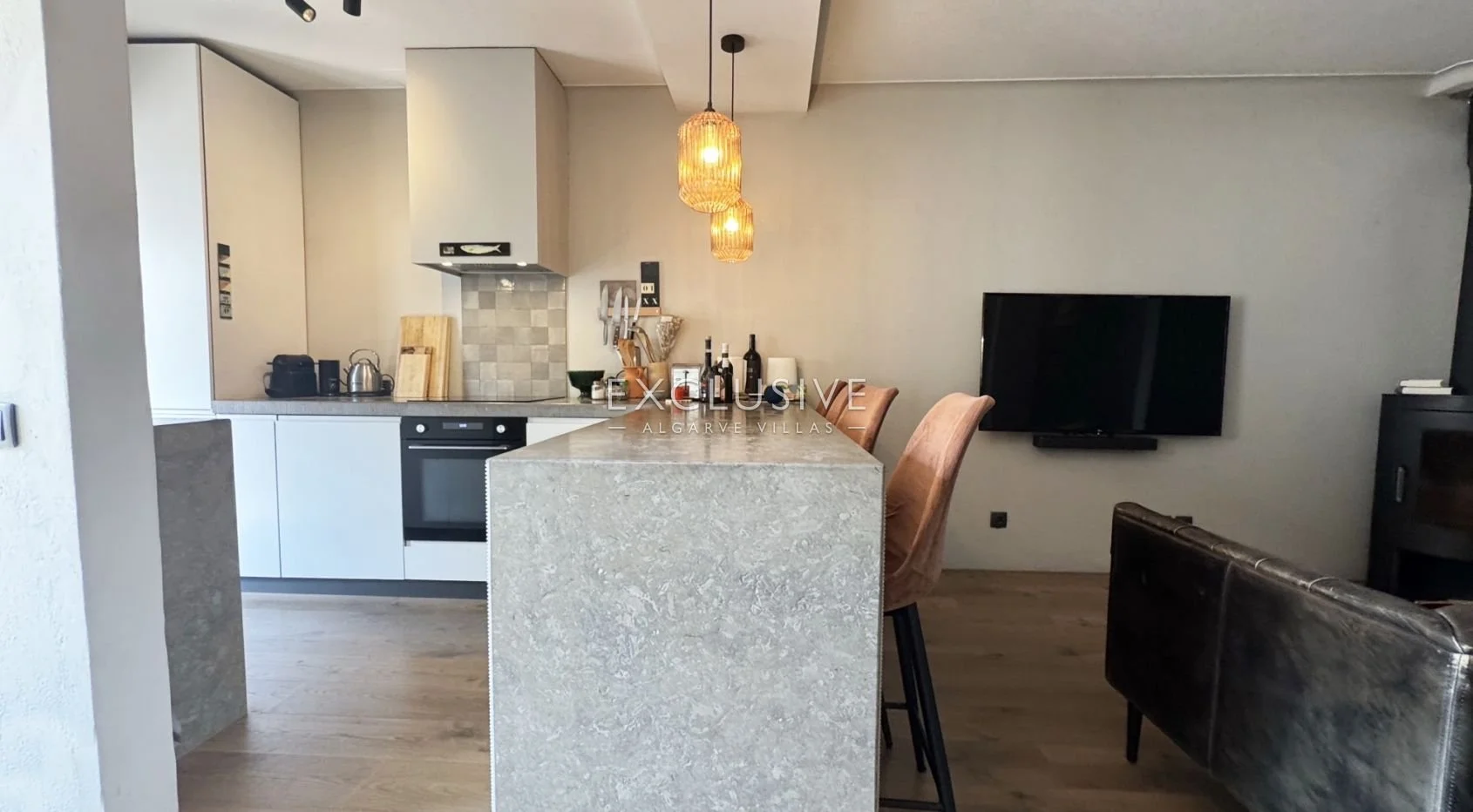
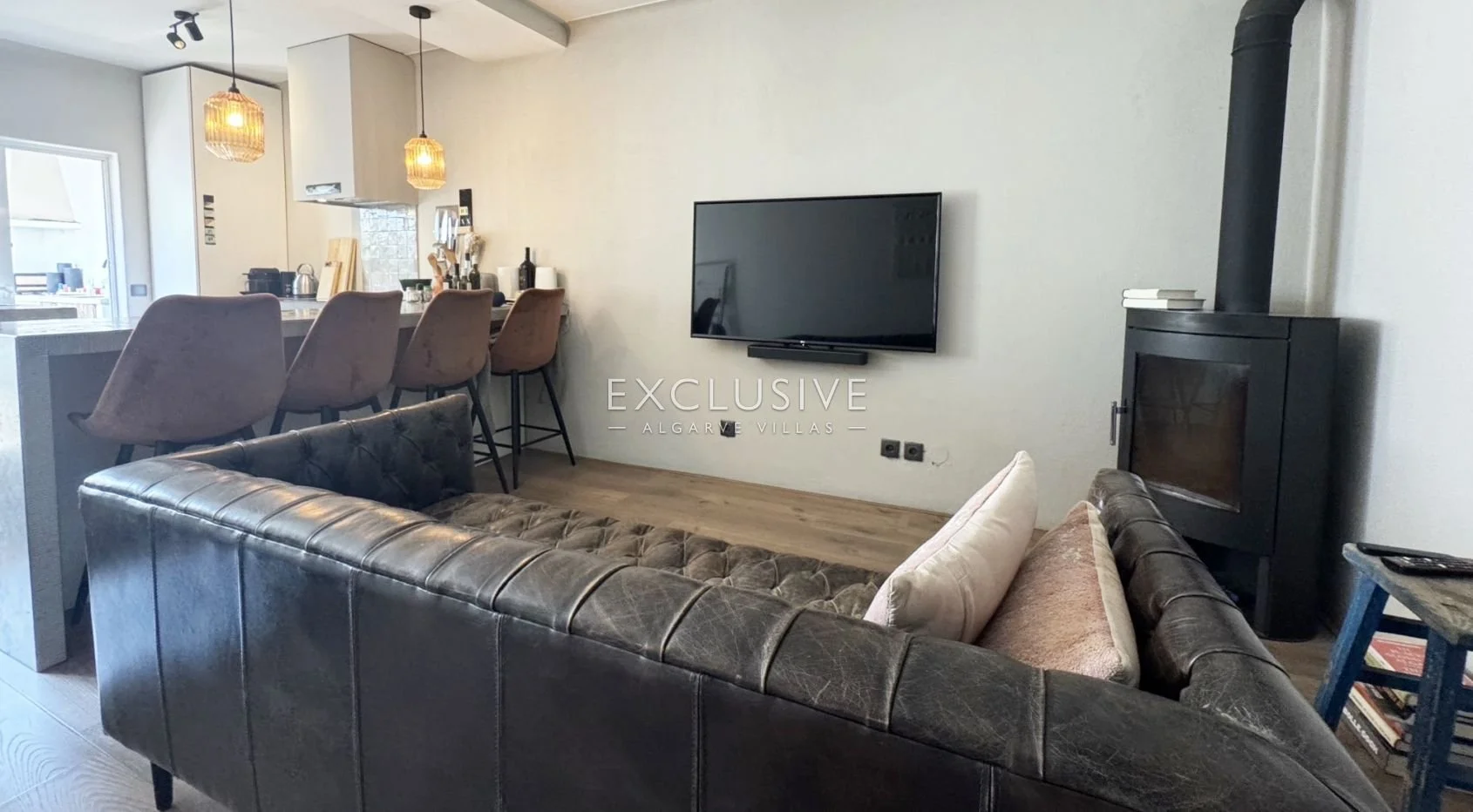
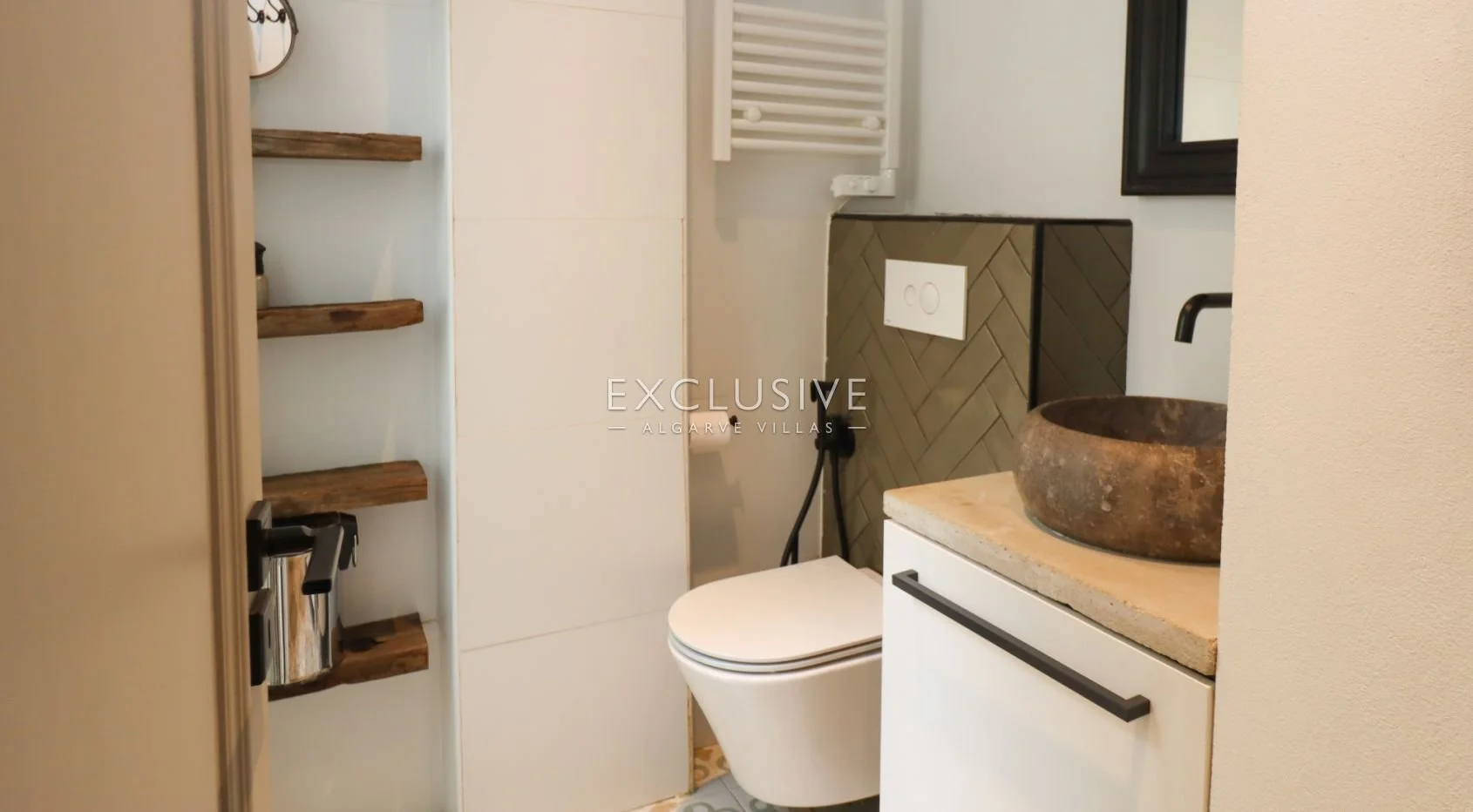
Open-plan kitchen and living area plus cloakroom on the ground floor, two bedrooms and a shower room on the first floor, rooftop terrace above
Energy rating
Class D
Location points from the listing
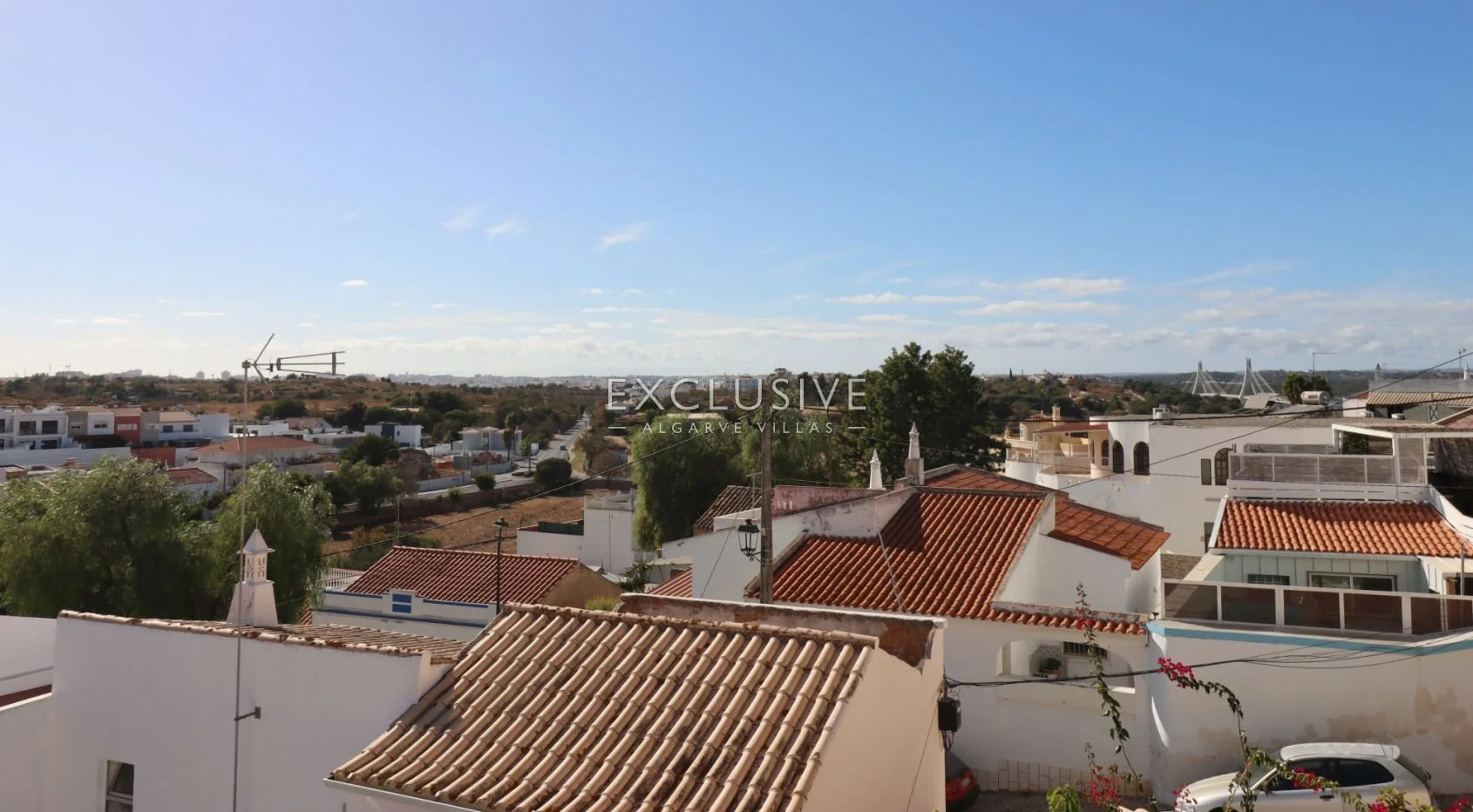
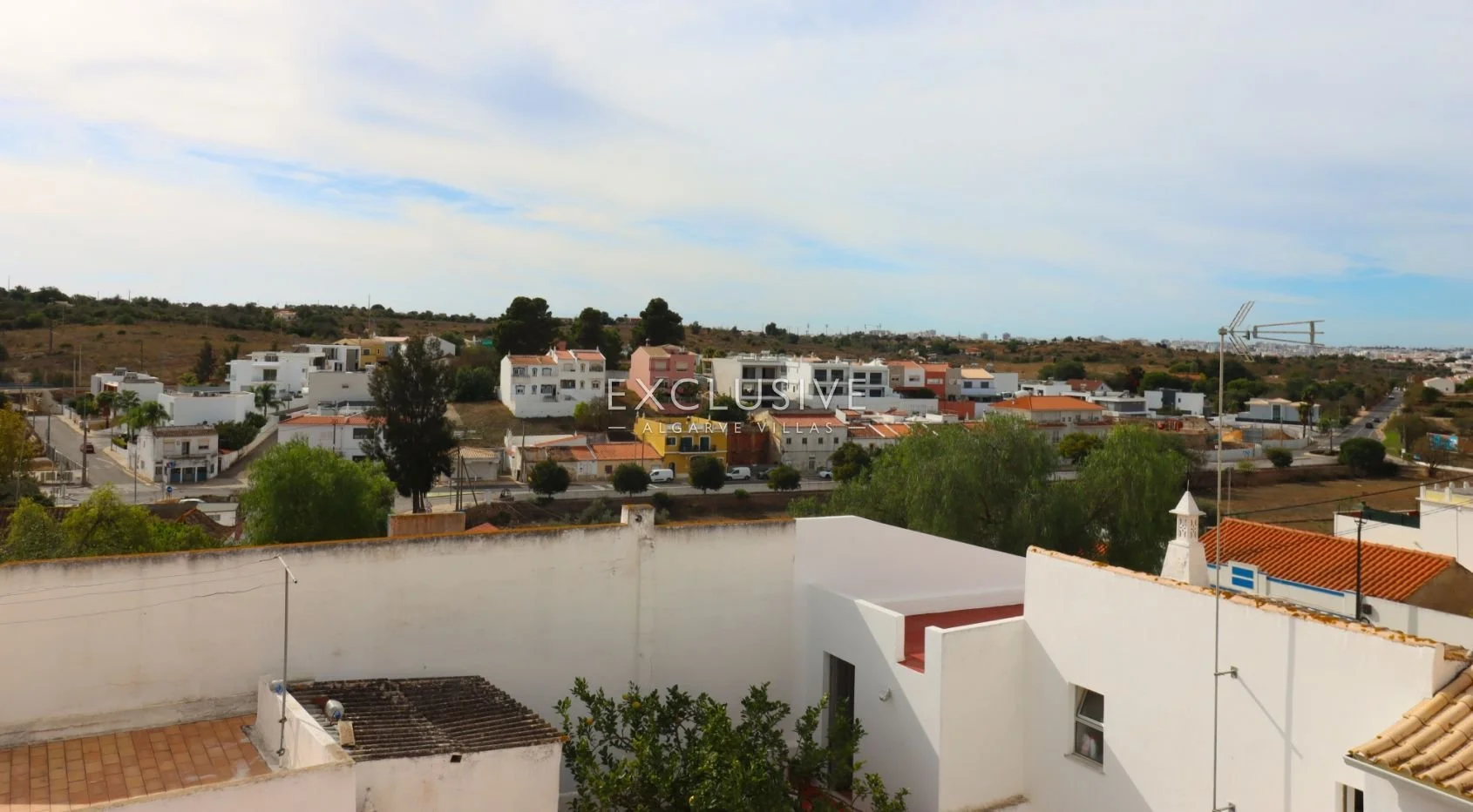
8-minute walk to Estômbar train station, direct trains to Lagos, Silves and Faro, around 10 minutes to Carvoeiro beach, around 15 minutes to Portimão
Condition
Marketed as move-in ready with modern finishes
Critical listing note
The property is specifically described as "currently registered as a T0"
Risk Radar
Overview
This is a clever, attractive townhouse that squeezes a lot of lifestyle value out of a modest footprint. The courtyard with outdoor kitchen and the rooftop terrace are the stars of the show, and the village setting near rail links and beaches gives it obvious appeal as a lock-and-leave home, a holiday base or a possible rental.
However, none of that matters until the T0 registration issue is resolved properly. If the property is legally recorded as a studio but physically laid out and marketed as a 1+1-bedroom townhouse, that discrepancy may affect the licence de utilização, the cadastral record, bank lending, future saleability and short-term rental compliance. The buyer needs to see the caderneta predial, land registry record, and use licence before treating the bedroom count as settled fact.
The second major due diligence theme is the legal status of the outdoor areas. The courtyard, outdoor kitchen and rooftop terrace are not just lifestyle extras. They are value drivers. Buyers should confirm whether they are for exclusive use, whether they appear correctly in the registered plans, and whether the outdoor kitchen and rooftop works were authorised.
The third theme is rental feasibility. Portugal's Alojamento Local regime requires registration and a valid use title, and municipalities can impose restrictions in contention areas. A property with a typology mismatch should be treated as a compliance question first and a rental opportunity second.
Targeted Questions
T0 Registration and Legal Typology
The legal typology is the foundation for lending, resale, licensing and valuation.
A mismatch between tax records and land registry records may require more than one correction.
The caderneta identifies the property, its location, characteristics, owners and taxable value.
Buyers need to confirm the registered legal identity of the property before relying on the listing description.
The use licence is a core legal document in Portuguese property transactions.
If regularisation is underway, that may reduce timing and cost risk.
The seller and buyer may have very different assumptions about who bears the burden.
Not every physical layout can necessarily be reclassified without works or formal approvals.
This directly affects cost, timeline and negotiation leverage.
Past transaction friction often reveals future transaction risk.
Licences, Plans and Documentation
For properties constituted after 7 August 1951, the use licence or a deed referring to it is a key sale document.
Buyers need to know whether the physical configuration matches the registered plan.
The bedroom count may be a practical interpretation rather than a legal one.
Later alterations may require approval and plan updates.
Outdoor additions often get overlooked in legal due diligence.
Buyers should confirm there are no hidden legal or financial burdens.
Layout, Bedroom Status and Habitability
"1+1" can sometimes mean one formal bedroom plus a secondary room that may not qualify as a legal bedroom.
A room marketed as a bedroom may not satisfy legal or practical habitability expectations.
Marketing language does not override registered documentation.
A legal reclassification may depend on room sizes and standards.
Professional opinion can save the buyer from relying on optimistic agent assumptions.
Courtyard, Rooftop Terrace and Outdoor Kitchen
The courtyard is a core value feature and must be legally attributable to the unit.
Rooftop rights are often less straightforward than they appear in marketing photos.
Buyers should check whether these spaces are legally attached and not merely tolerated in practice.
An unapproved external installation can create compliance issues.
The more permanent the installation, the more likely permitting and maintenance questions arise.
Outdoor cooking can trigger neighbour complaints or condominium restrictions.
Poor waterproofing can lead to expensive hidden defects below.
Past water ingress is a major warning sign.
Stair legality and safety are important for both daily use and rental suitability.
Lifestyle use does not guarantee structural adequacy for heavier occupancy.
Building Condition and Systems
"Move-in ready" can mean very different things depending on maintenance history.
Documentary evidence is more reliable than verbal reassurance.
Window quality affects comfort, noise and energy efficiency.
A rooftop terrace can complicate roof maintenance and leak diagnosis.
Damp risks may be linked to outdoor spaces and drainage.
Smaller townhouses can develop humidity issues if ventilation is weak.
Running costs help buyers assess full affordability, especially for a second home or rental.
Condominium and Neighbourhood
The scale and structure of the condomínio affect governance and costs.
Buyers need to understand both fixed costs and what is excluded.
Minutes often reveal disputes, arrears and planned works.
A low headline fee can hide larger future costs.
Rental strategy may depend on building-level rules as well as municipal rules.
Lack of parking can reduce both owner convenience and rental appeal.
Practical parking reality often differs from a quick daytime viewing impression.
Rental Potential and AL Compliance
AL registration is the core legal route for tourist accommodation in Portugal.
A T0 mismatch could complicate how the property has been licensed or marketed.
Portugal's AL registration process requires buyers to check whether the property is in a containment zone, and municipalities can limit new registrations there.
AL registration requires a valid title of use and accurate property information.
Verified performance is far more useful than broad local estimates.
Buyers should separate genuine comparables from marketing optimism.
Energy Performance and Sale Readiness
The full certificate gives a better picture of likely running costs and recommended improvements.
The headline class may not reflect more recent upgrades.
The energy certificate is part of the documentation normally required for a sale through Casa Pronta.
Location and Daily Practicality
An "8-minute walk" may feel different depending on route quality and lighting.
Courtyard and rooftop value depends heavily on real day-to-day atmosphere.
Compact village properties are more exposed to immediate neighbour conditions.
Negotiation Intelligence
Buyer Leverage
Medium-High
Key Drivers
Typical Negotiation Range
5-15% below asking
Neutral Phrasing Examples
Country Layer
Portugal (Regulatory Context March 2026)
Portugal's Alojamento Local framework remains central for any buyer considering tourist rentals. Key Portuguese requirements for buyers:
Viewing Strategy
When viewing this property, start by checking whether the lived reality matches the paperwork problem.
Next Step
Verify from the listing:
T0 registration versus marketed layout
Confirm whether the property is legally registered as a T0 in both the tax and land registry records, and whether the seller will rectify that position before sale.
Terrace, courtyard and outdoor kitchen rights
Check that the rooftop terrace and courtyard are for the exclusive use of this townhouse and that the outdoor kitchen and terrace works were properly authorised.
AL and use-licence compliance
Verify whether the current legal typology and title of use support Alojamento Local registration, especially if the property is outside or inside a municipal contention area.
Condominium restrictions and future costs
Request the condomínio rules, fees and meeting minutes to see whether short-term rentals, rooftop use or planned works could affect ownership.
Waterproofing, drainage and access safety
Check the condition of the rooftop waterproofing, drainage details and the legality and safety of the spiral stair before treating the outdoor spaces as straightforward lifestyle extras.
A prepared buyer should approach the agent calmly and frame questions as due diligence. For example: “To help me assess the property properly and prepare a serious offer, could you share the caderneta predial, use licence, registered plans, condominium documents, and any documents confirming the legal status of the terrace and current T0 registration?”
Because this is a compact townhouse where legal typology and compliance could materially affect value, run it through the Property Risk Assessment to test the registration and usage risks, or use the Rental Yield Calculator to model returns only after the AL and T0 position has been verified.
Disclaimer: The Property Drop is buyer-focused intelligence, zero sales agenda. We curate exceptional properties, in southern Europe, from third-party agents and arm you with decision tools. No commission, no transactions, no agent partnerships, no skin in the game beyond helping you choose wisely. Information stays accurate until it doesn't (properties sell, prices shift, markets move). Everything here is shared for informational purposes only and should not be treated as legal, financial, or investment advice. Images belong to original agents. Read our Terms of Service to learn more.
IMPORTANT REMINDER: When contacting property agents featured on The Property Drop, you are entering into direct communication with third parties. It's recommended that you verify all property details independently, conduct thorough due diligence, engage qualified professionals (solicitors, surveyors, financial advisors), understand your rights and obligations under local property laws, and never send money or make commitments without proper legal protection.
