
The Buyer Playbook: 1-Bed Stone Village House with Terrace and Rooftop Views, Grézels, France, €135,000
Buyer Playbook
Pre-Viewing Intelligence Report
This independent buyer guidance report relates to this specific property located in France. It is provided for informational purposes only and does not constitute legal, tax, structural or survey advice. Title boundaries, terrace ownership, planning compliance, habitability, drainage, parking arrangements, neighbour relations, rental rules, and any heritage or village-setting restrictions must always be verified with qualified French professionals such as a notaire, avocat, architecte, diagnostiqueur, engineer or surveyor, and with the relevant municipal authorities. This report is designed to help buyers evaluate the property before arranging a viewing or making an offer. It highlights due diligence issues and targeted questions to ask the estate agent. The analysis is based on the listing details and publicly available regulatory context at the time of writing.
Playbook Contents
Property Snapshot
Location
Grézels, Lot, Occitanie, France.
Property type
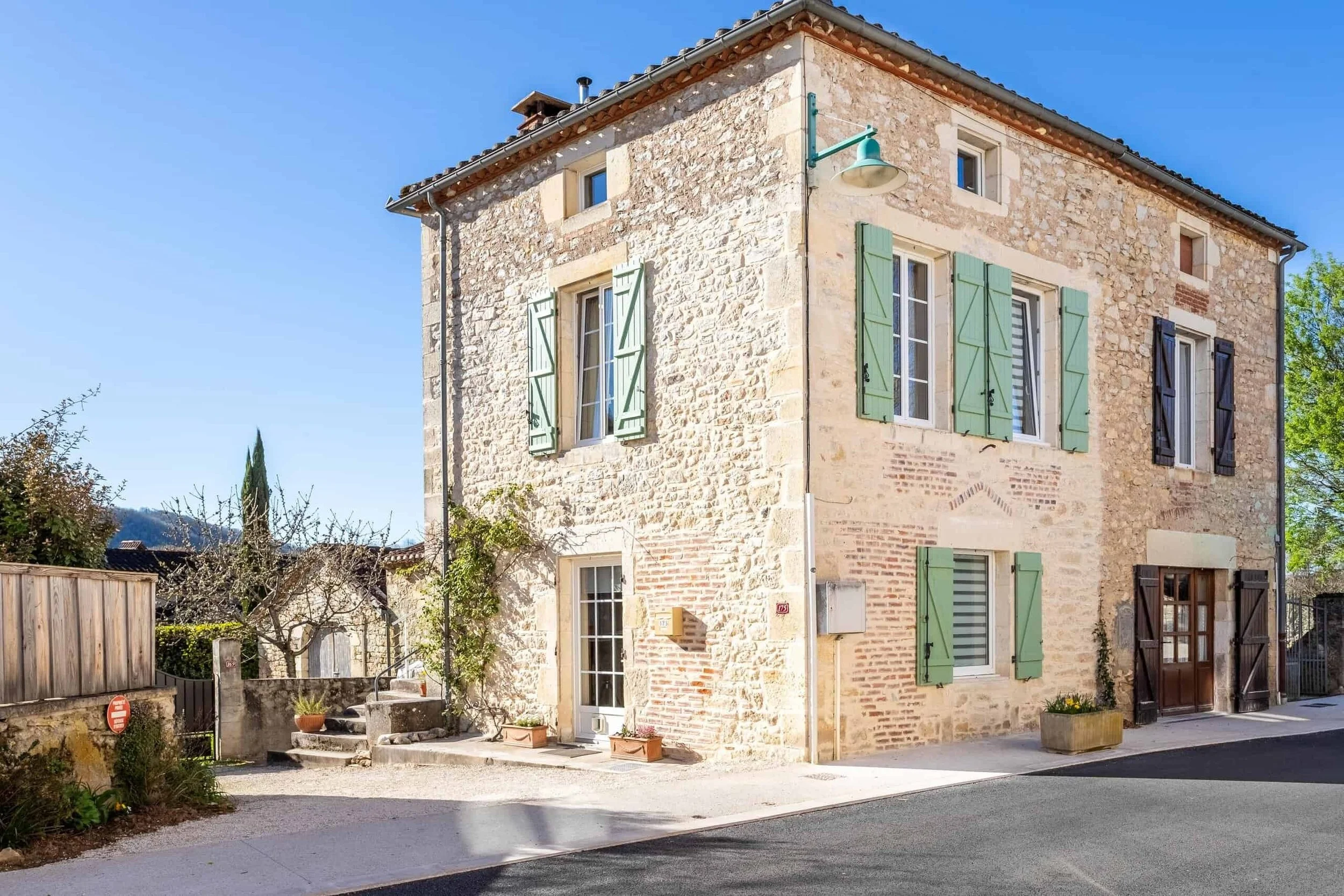
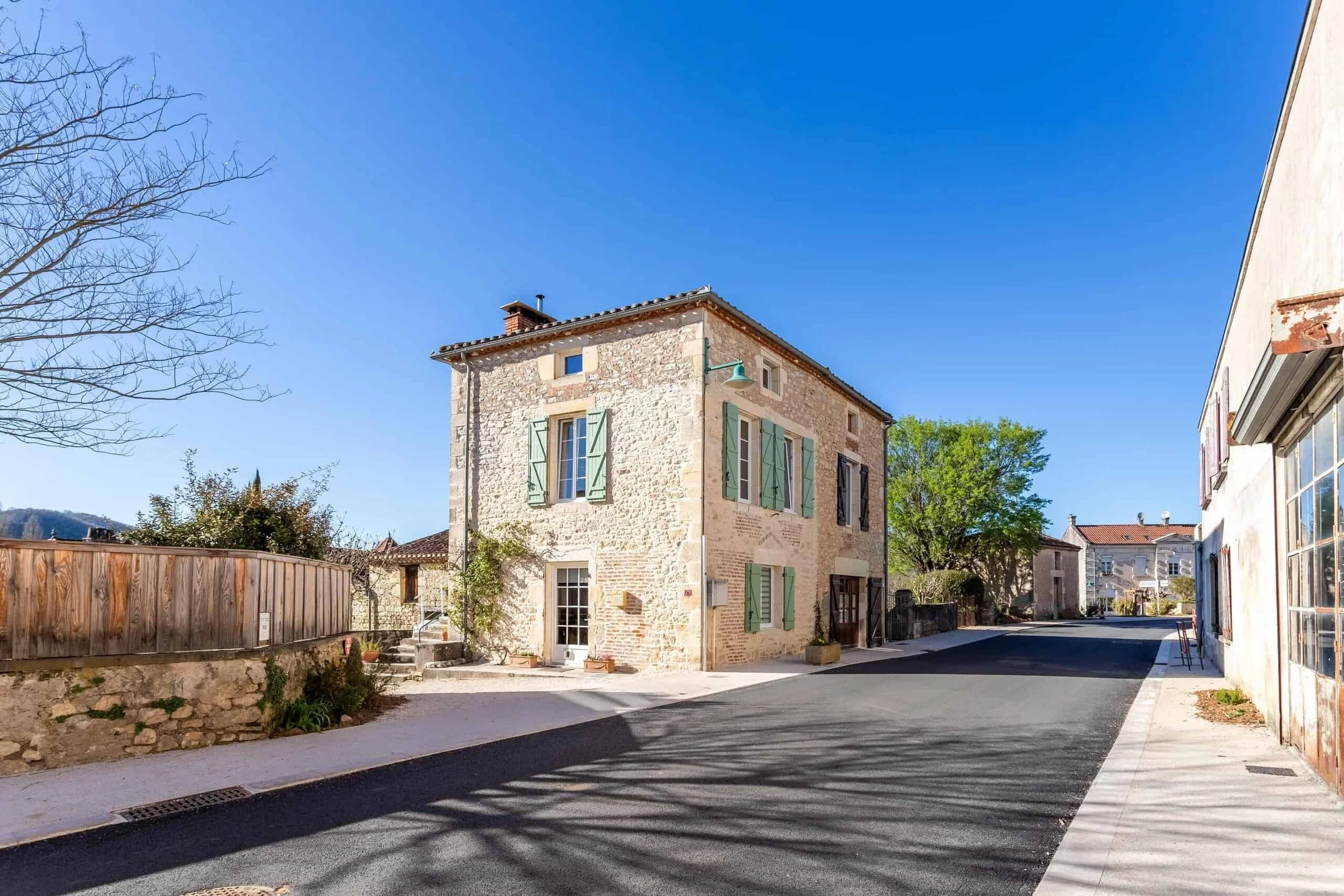
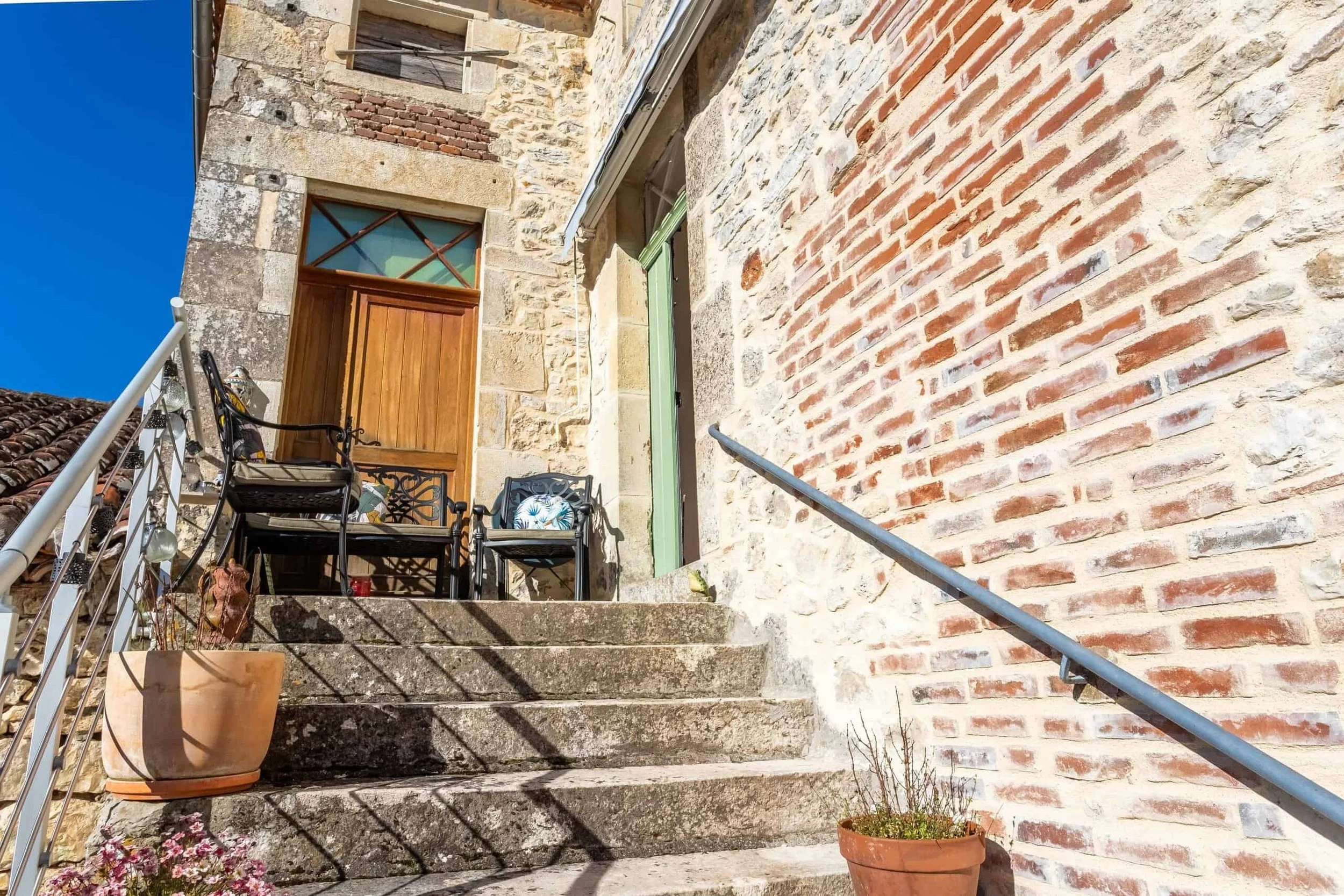
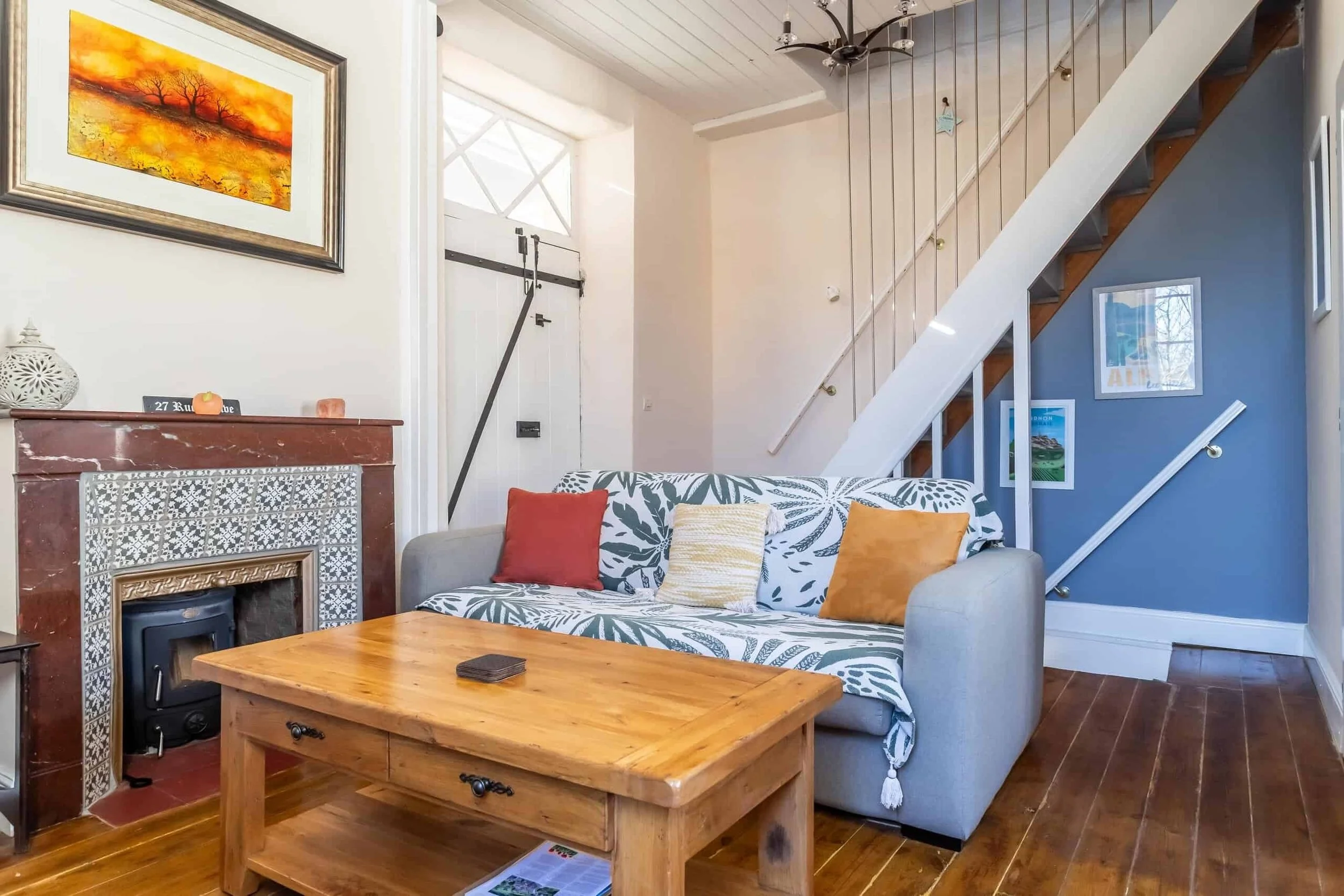
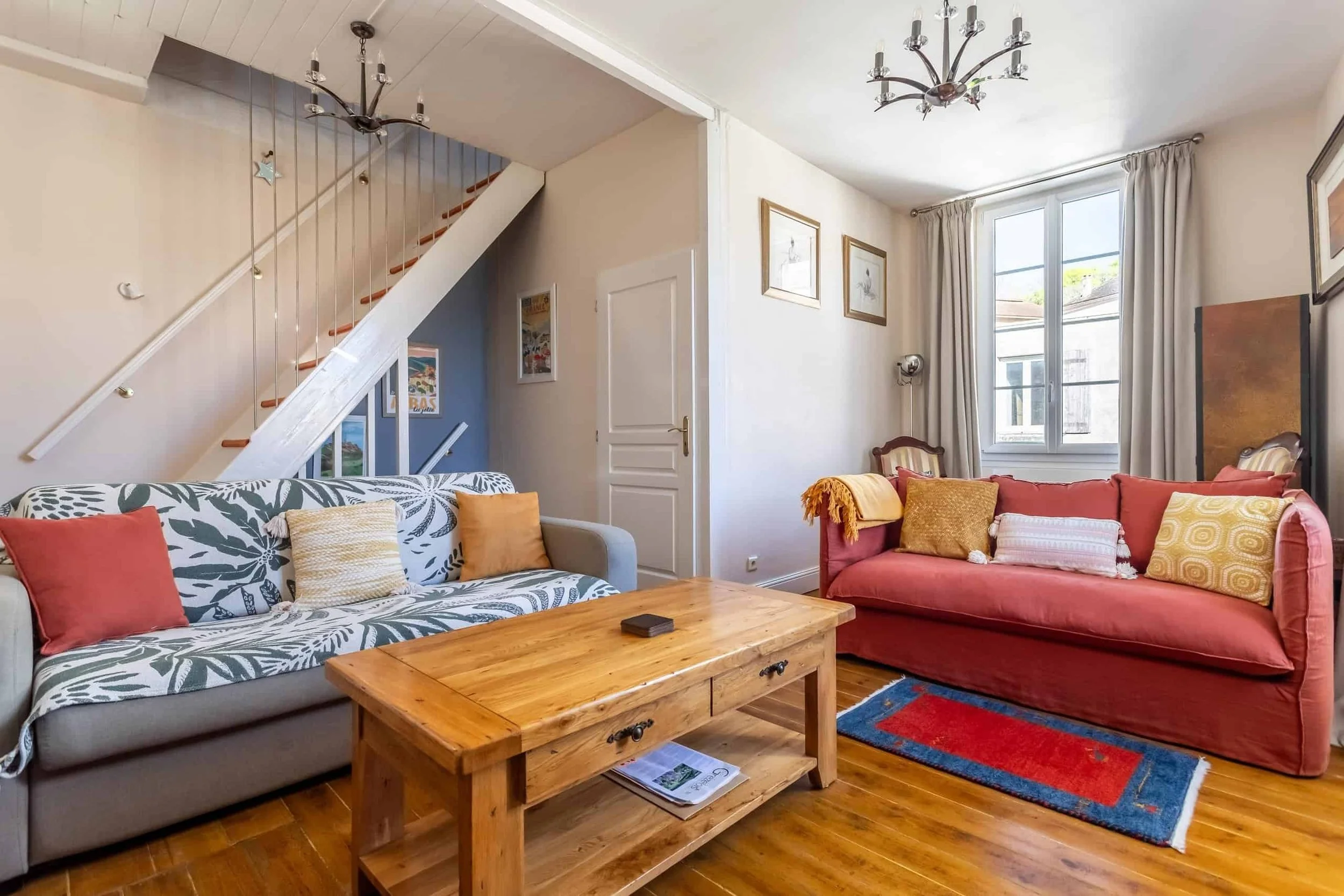
Stone village house in a medieval village setting.
Asking Price
€135,000.
Bedrooms
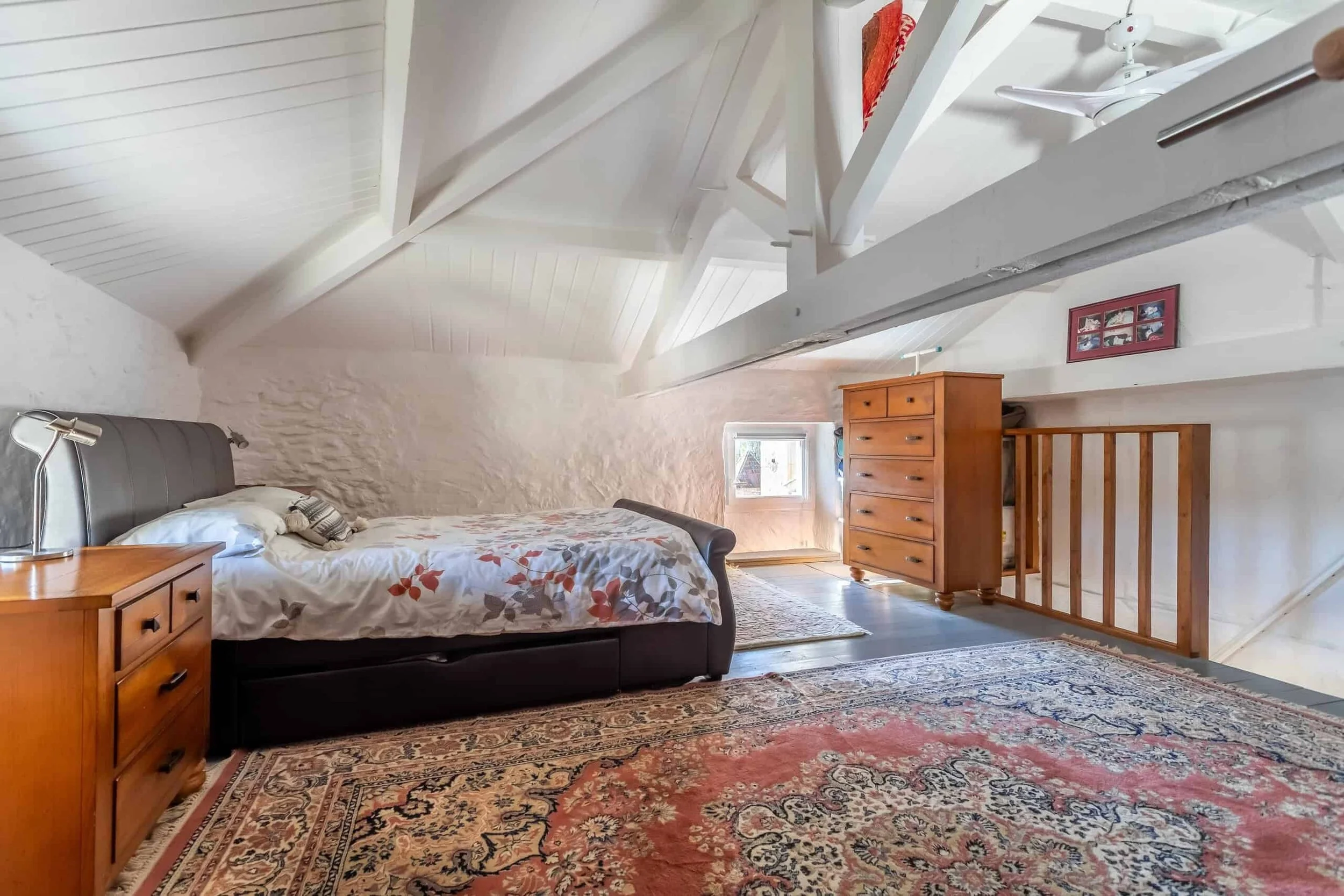
1.
Bathroom
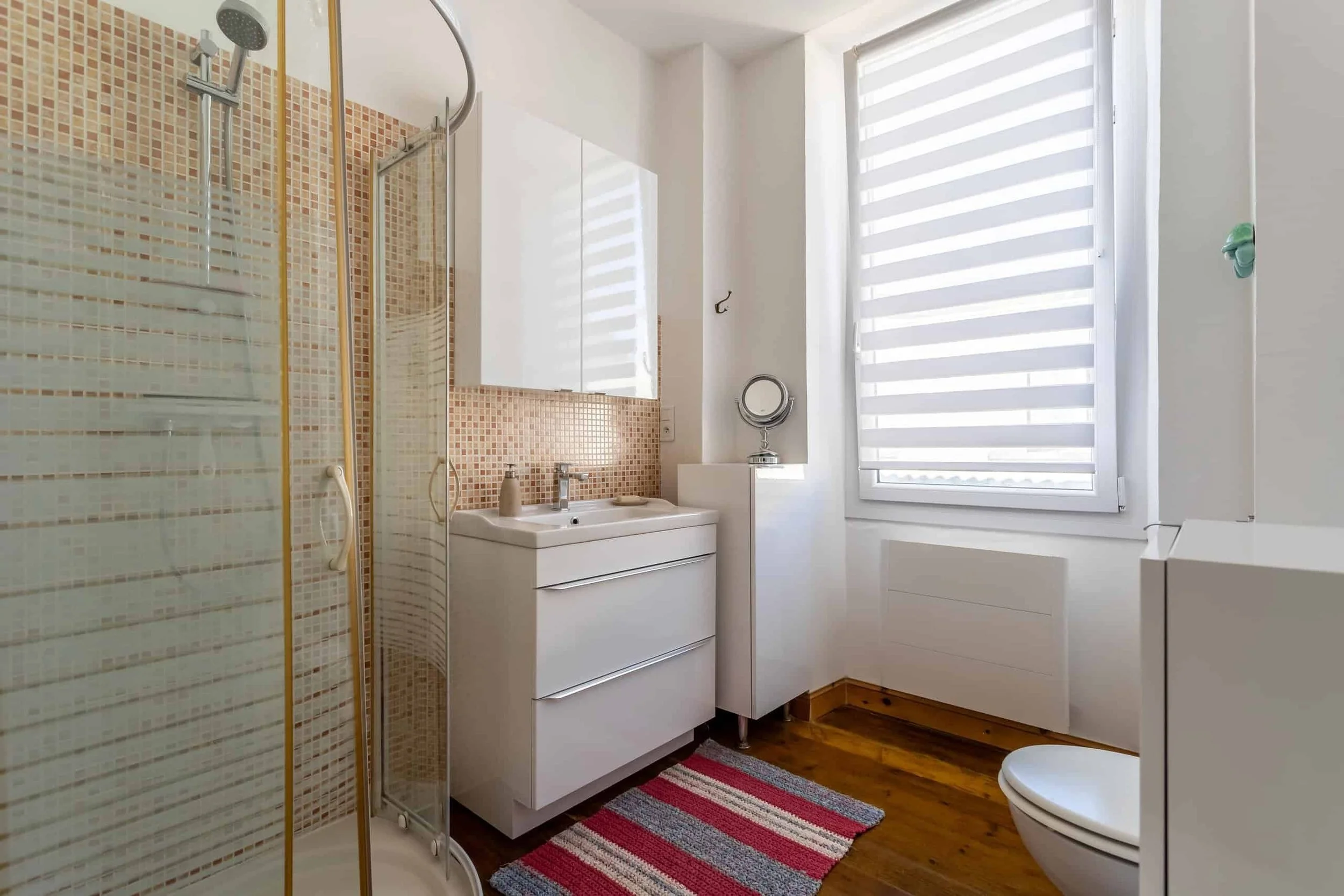
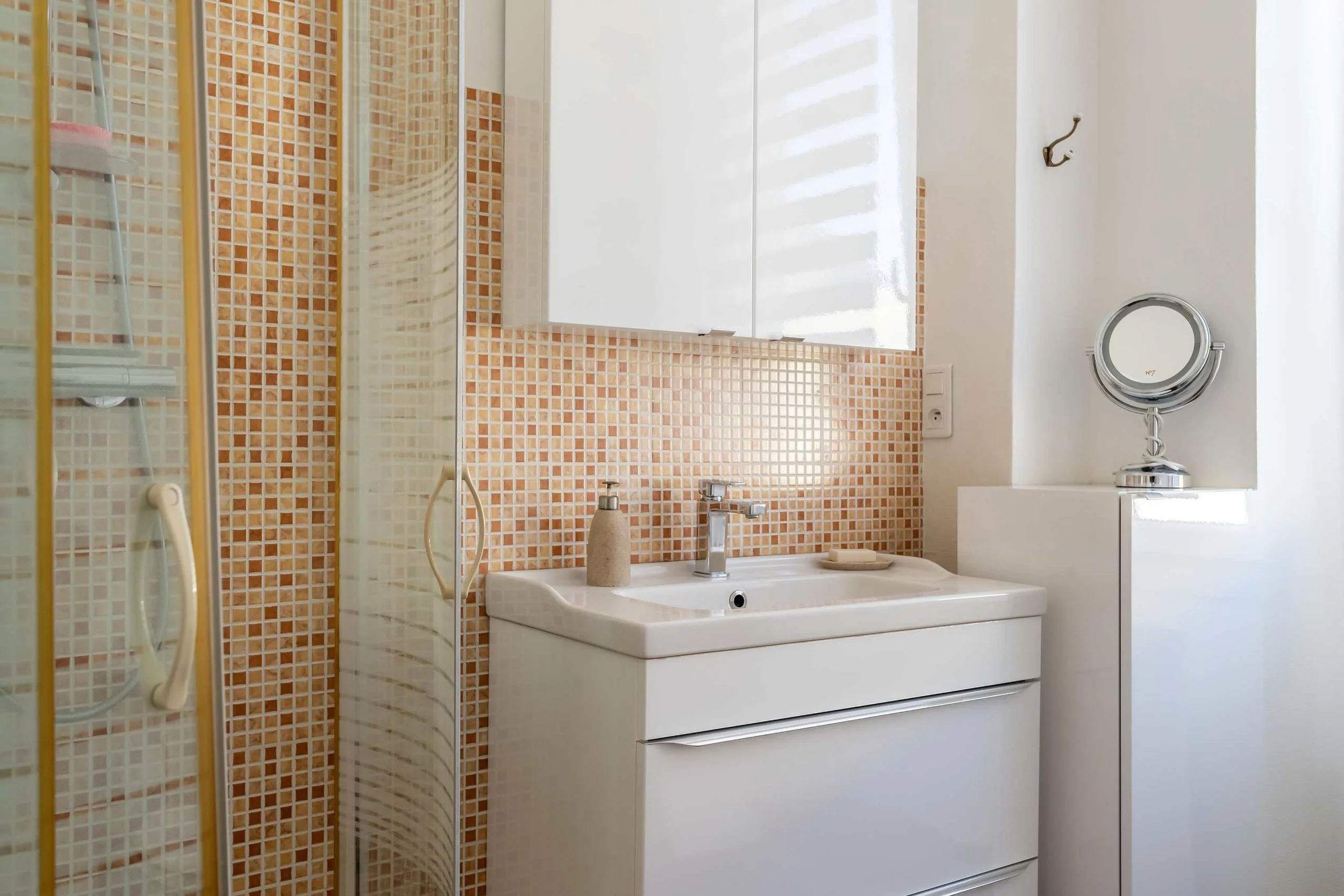
1 shower room.
Outdoor space
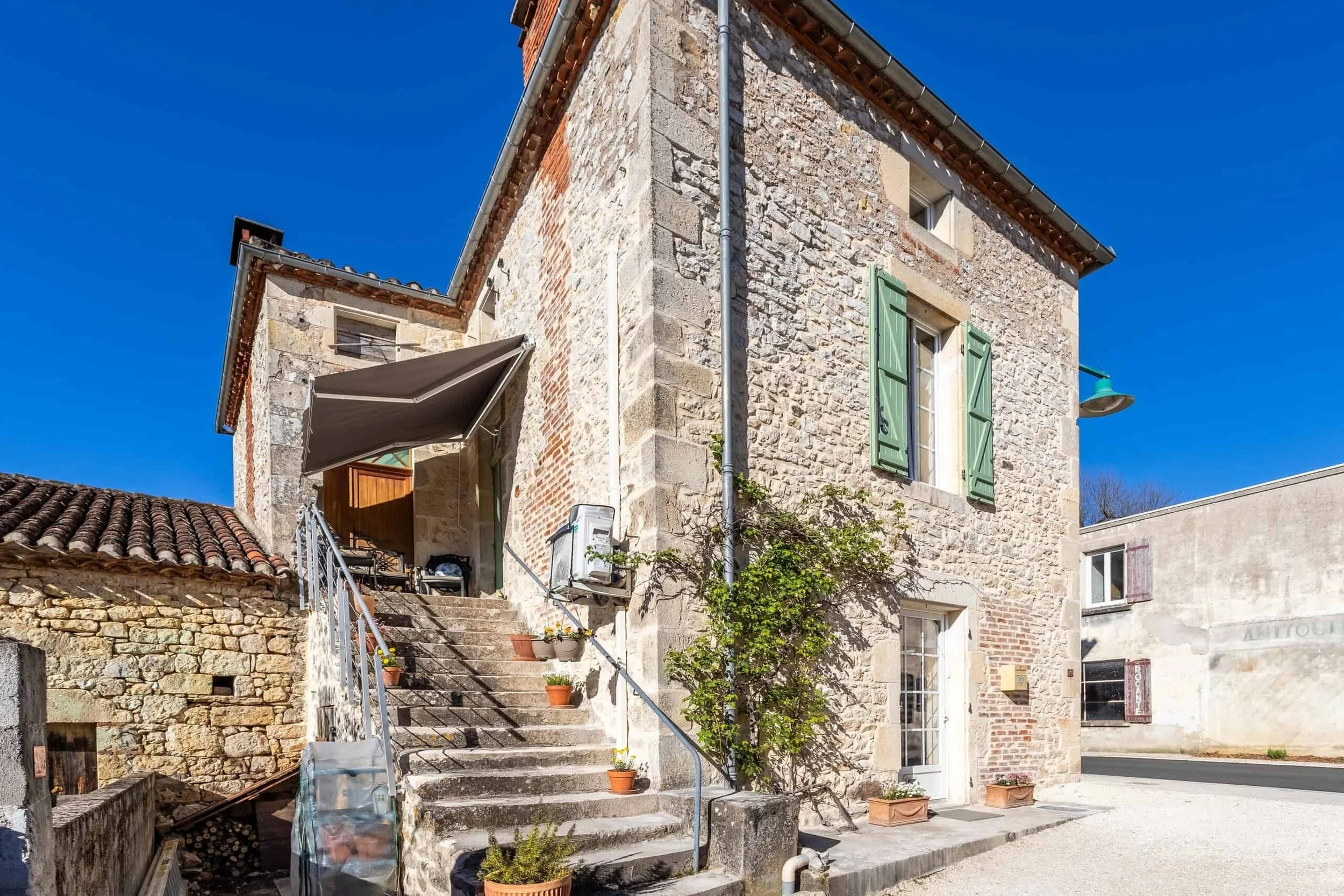
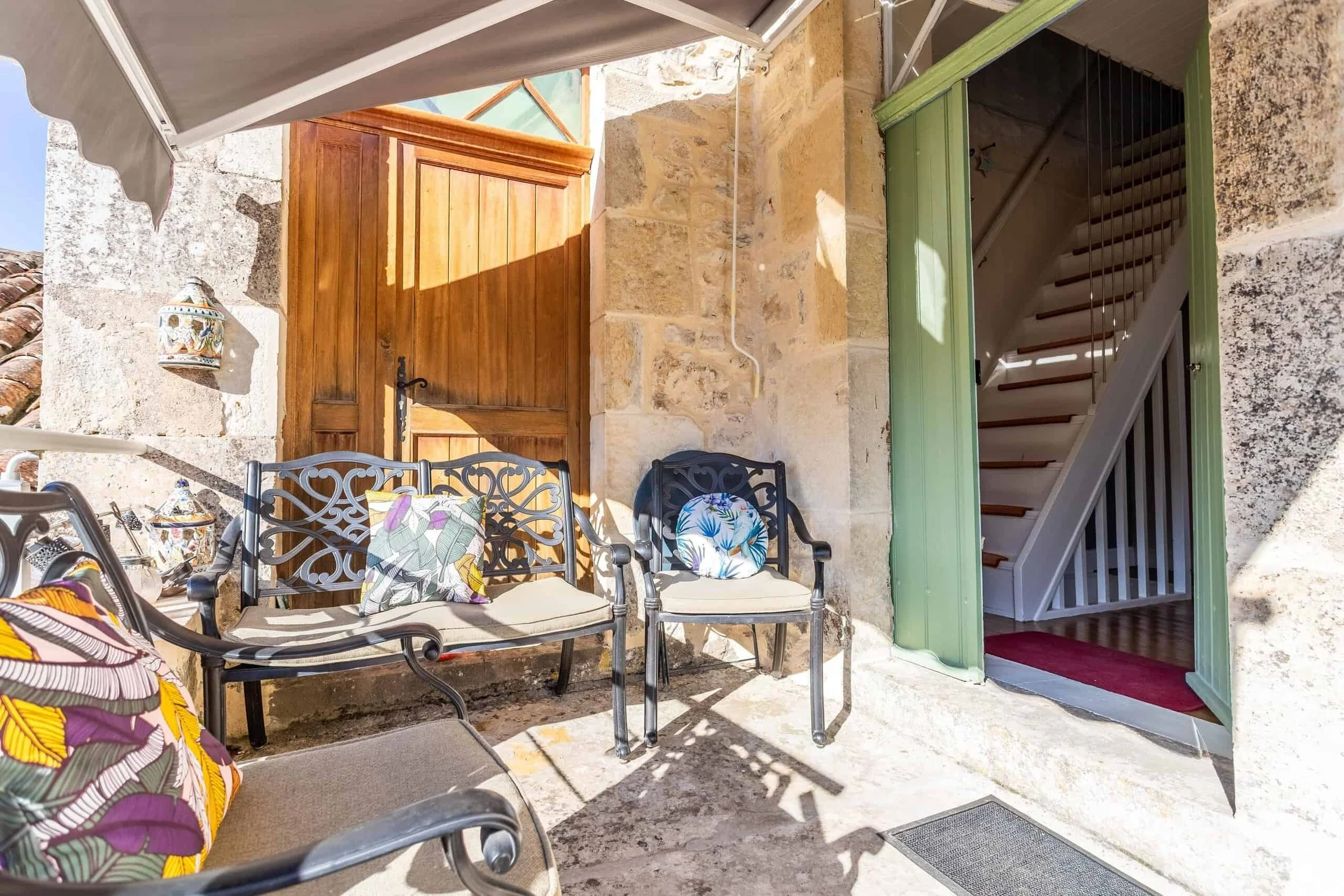
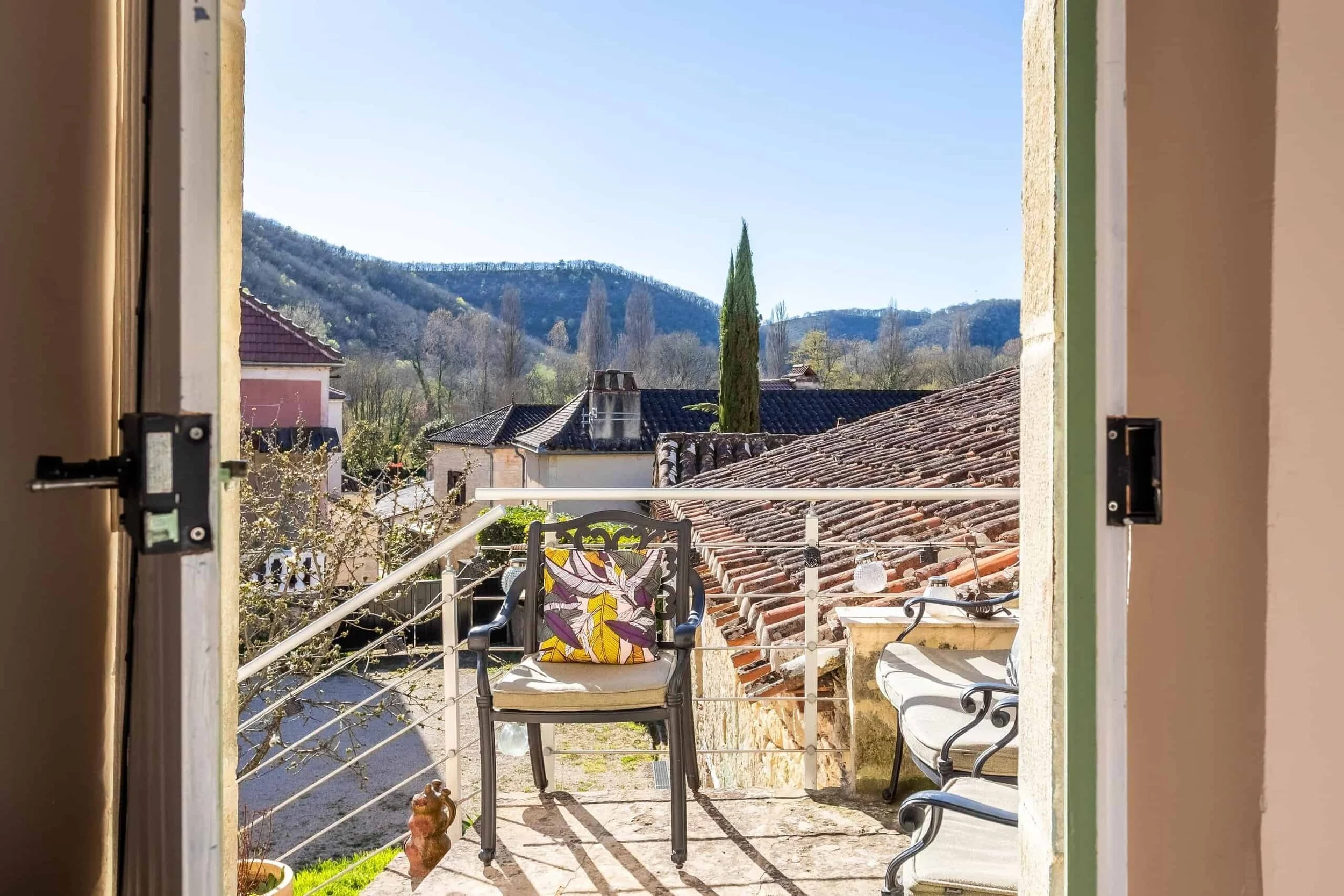
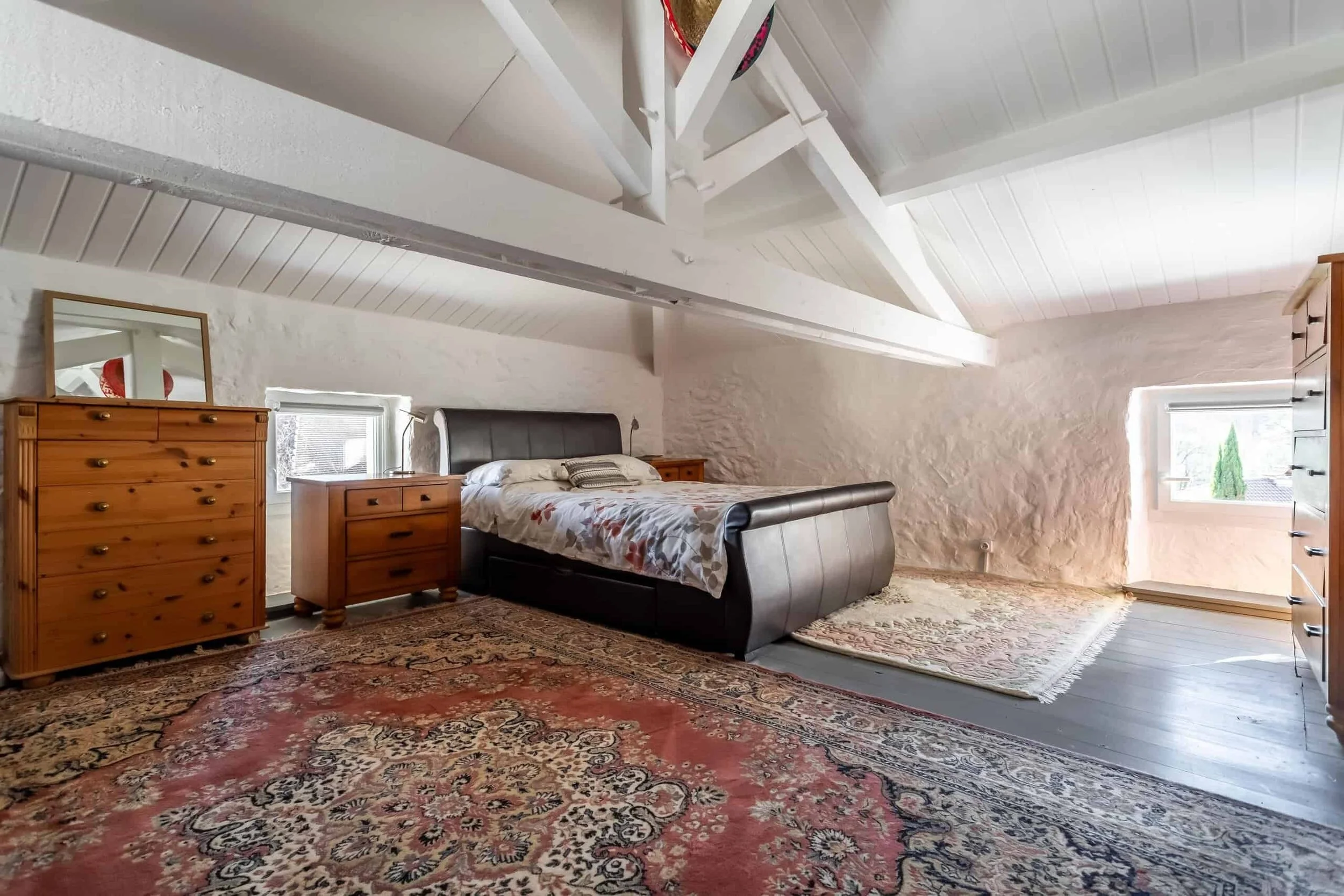
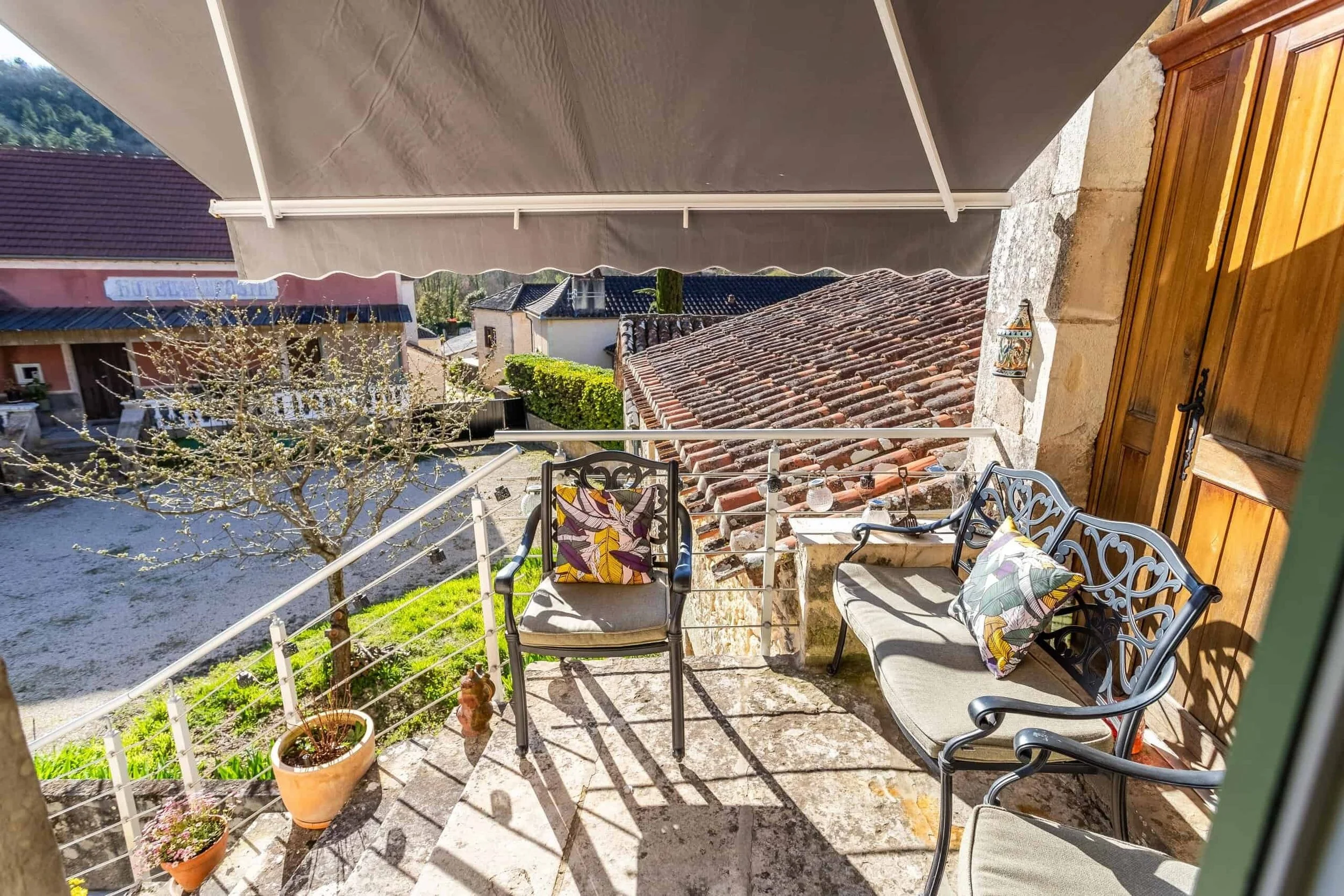
Private terrace with rooftop views across the village and surrounding hills.
Construction/style
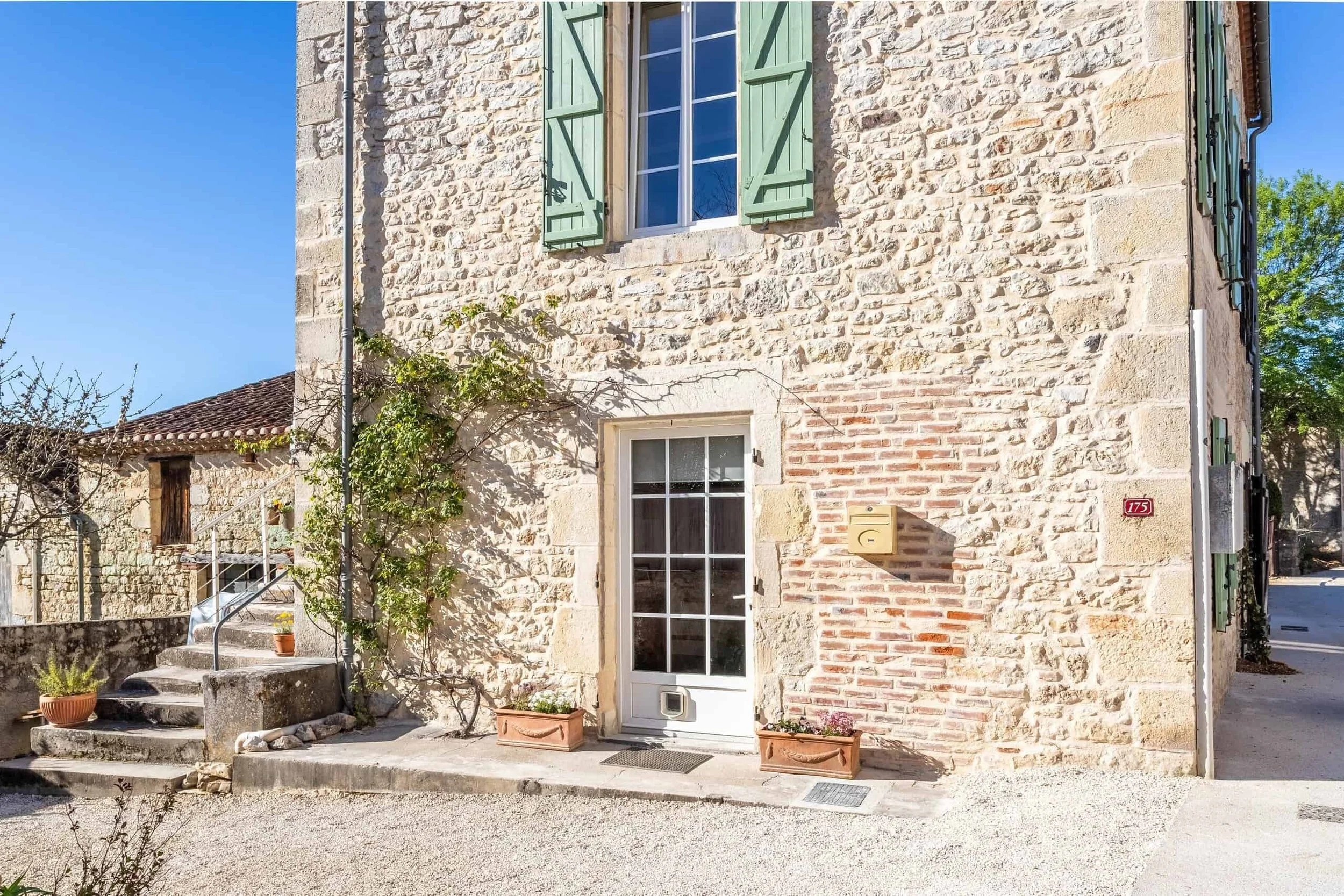
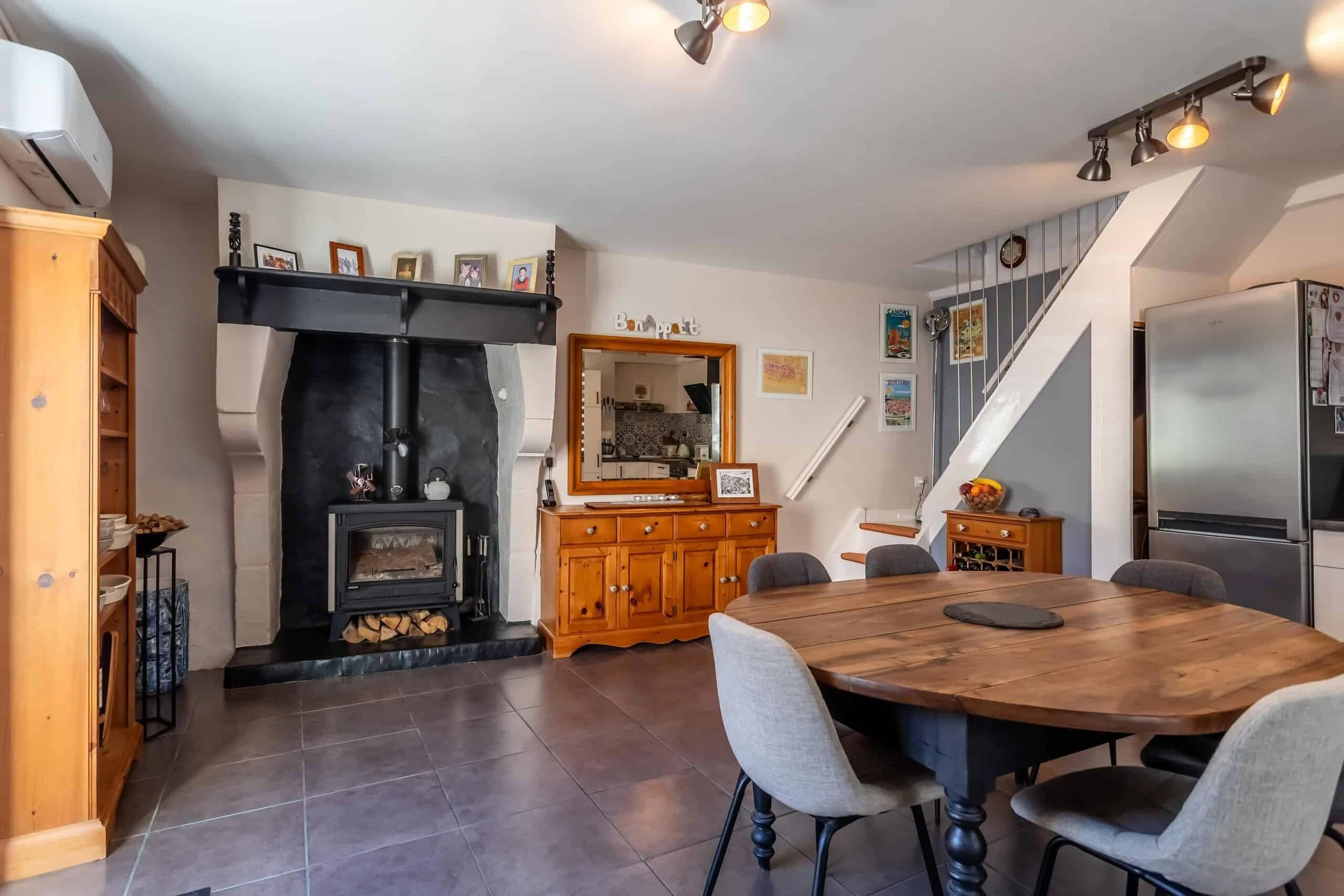
Authentic stone construction with character features.
Heating feature highlighted in the listing
Pompe à chaleur, with heating and cooling.
Additional features
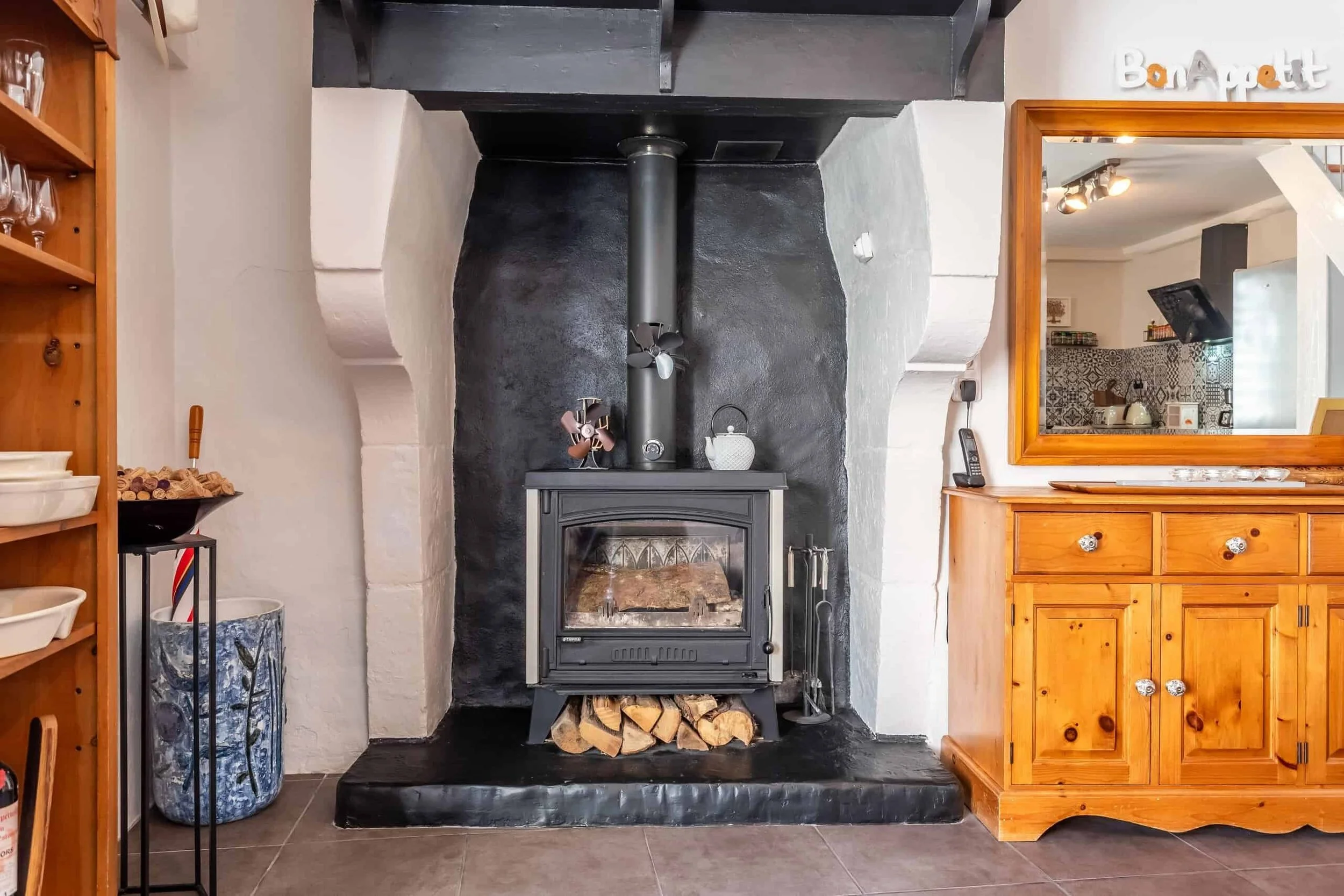
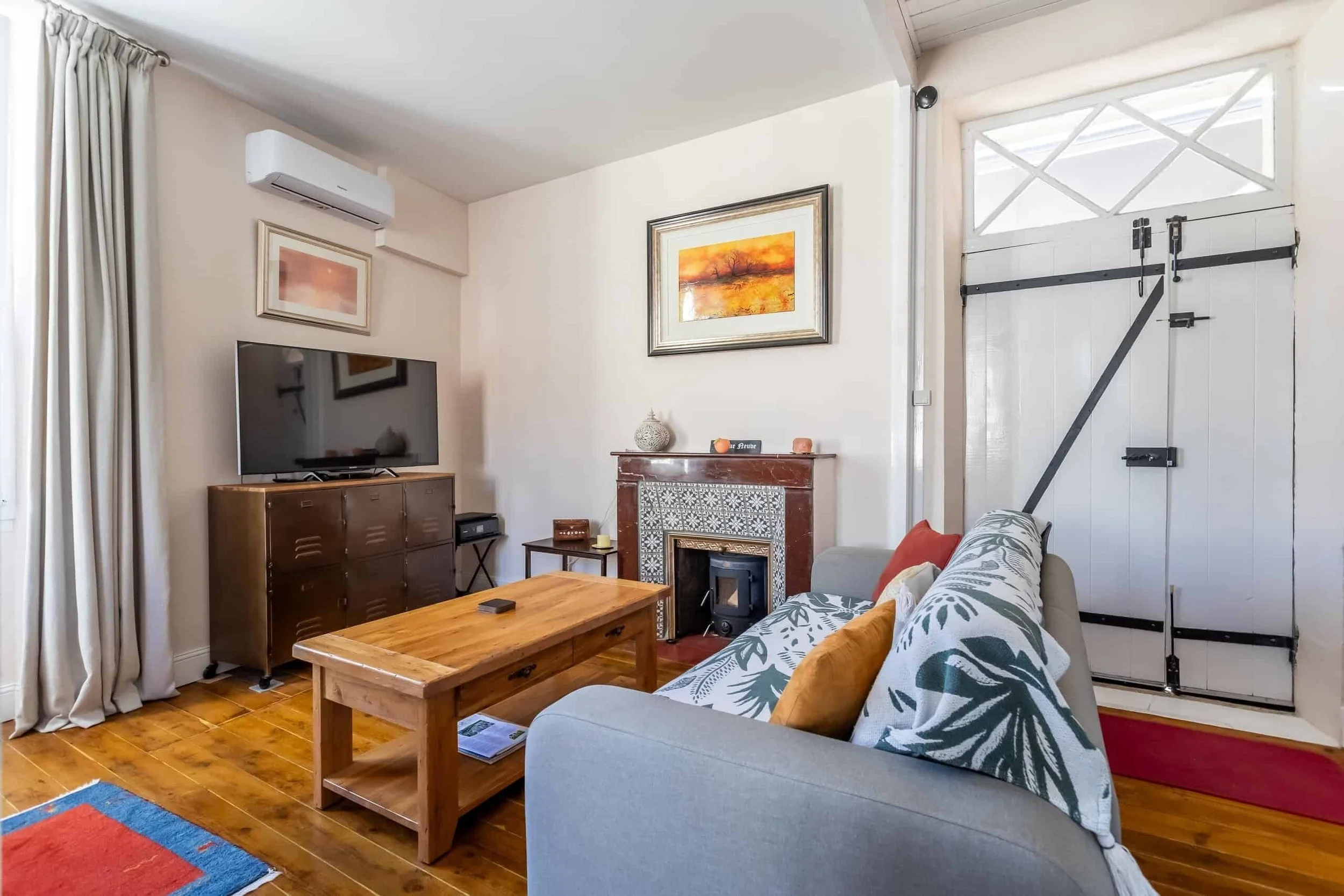
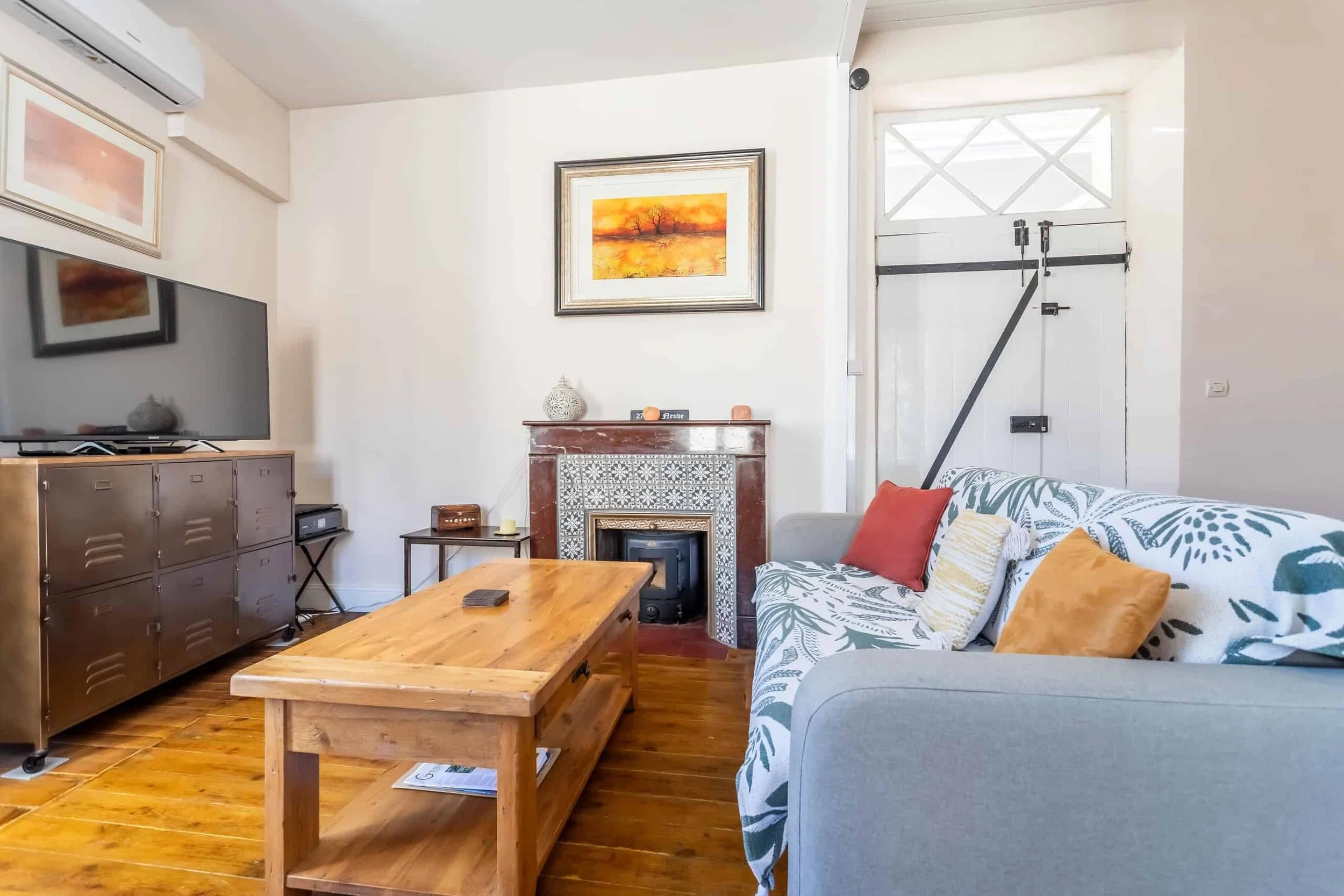
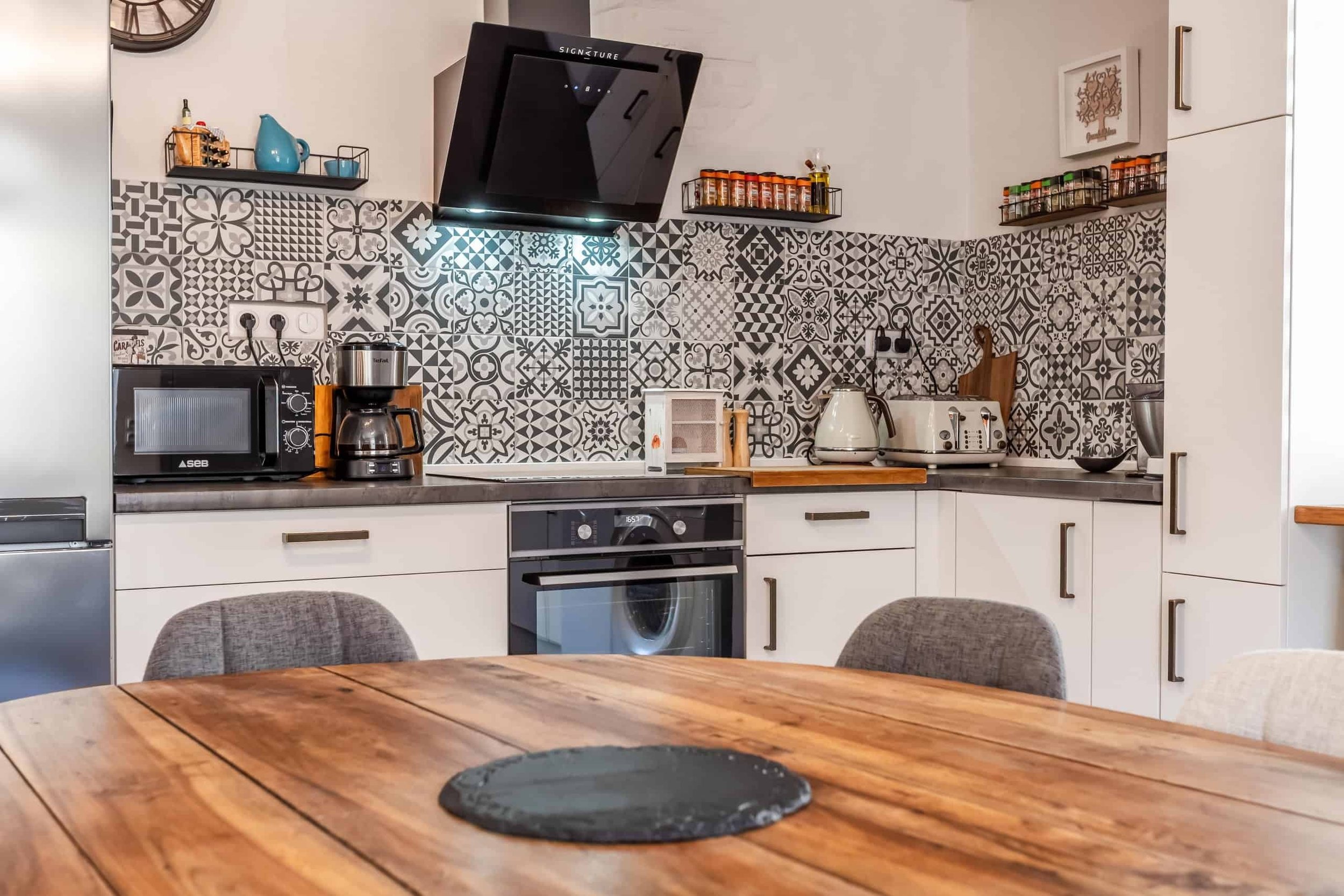
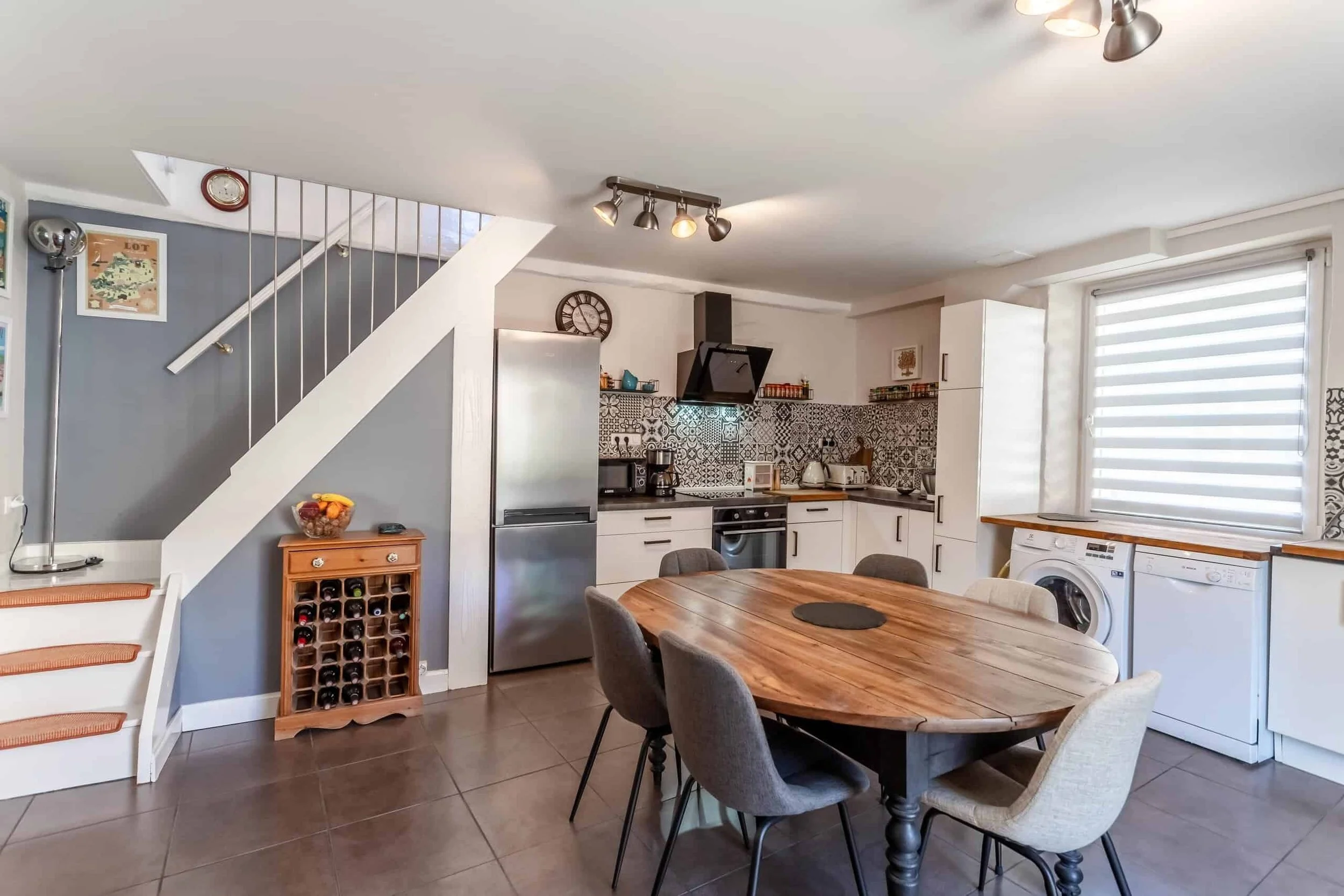
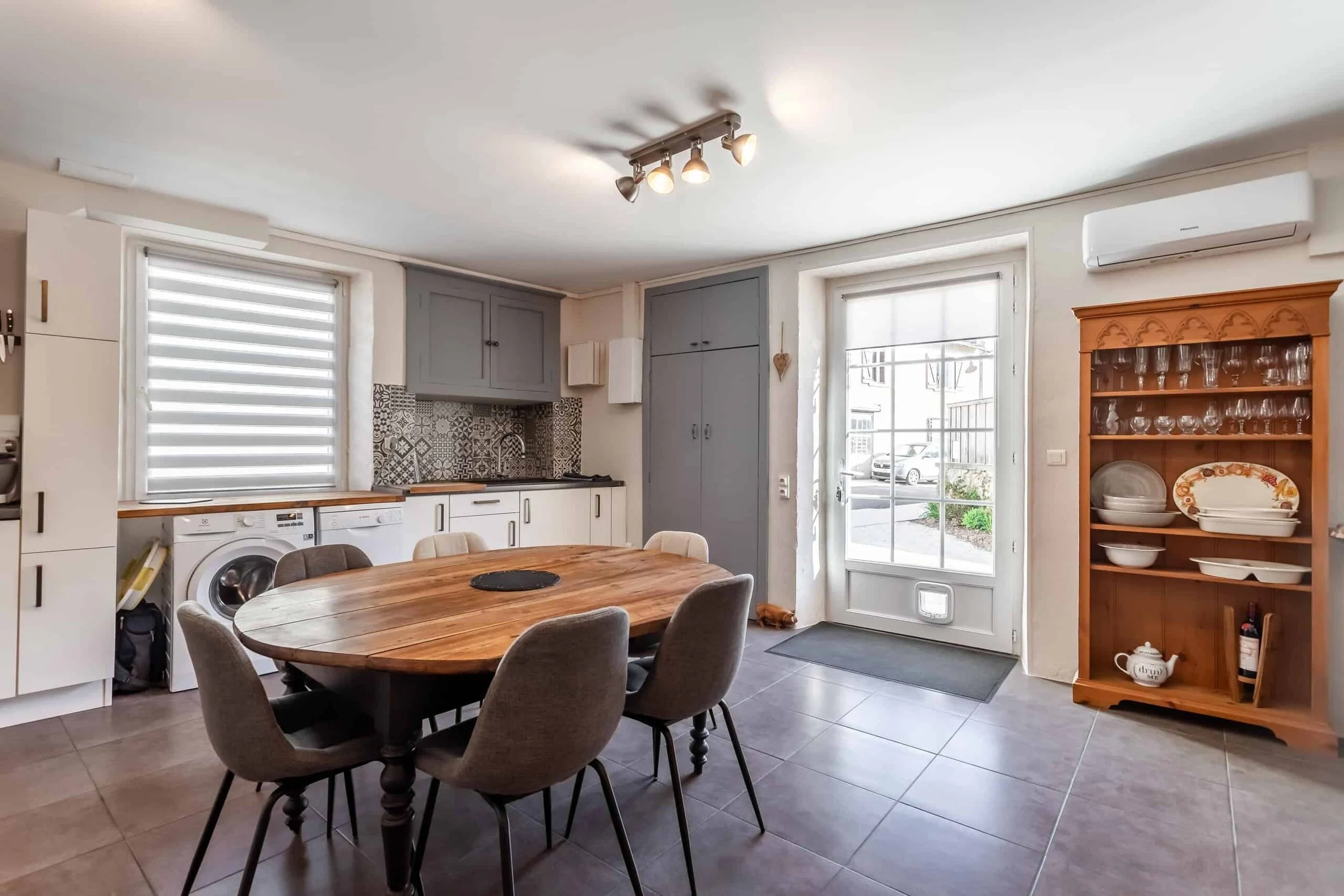
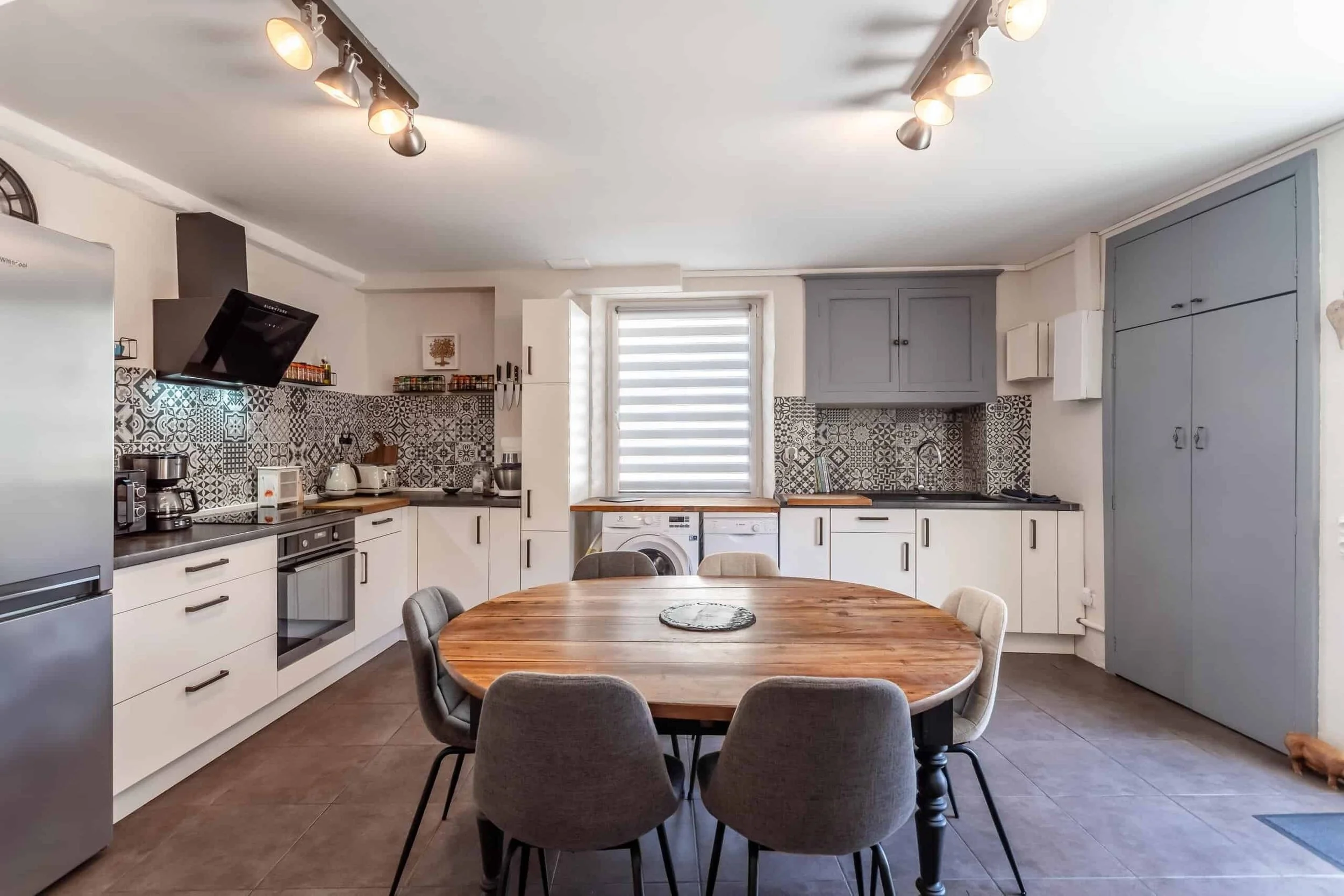
Original fireplace with log-burning stove, fitted kitchen with integrated appliances, wood store, and separate bike store/workshop.
Energy rating
Class C.
Positioning
Marketed as ready to move in, suitable as a lock-up-and-leave holiday home or full-time home.
Regional context from the listing
Short drive to Cahors and within reach of the wider Lot valley.
Risk Radar
Overview
This is an attractively priced stone village house in the Lot, and the appeal is obvious: one bedroom, strong visual charm, a private terrace, rooftop views, and a Class C energy rating in a character setting. The listing also does a good job of presenting it as easy and ready to use, which is exactly why the due diligence needs to stay grounded. At this price point, buyers often underestimate how much value can sit inside the details rather than the headline. Here, the most important questions are not glamorous. They are about whether the terrace is legally and physically as straightforward as it looks, whether the renovation history is properly documented, whether the stone structure has any damp or roof issues being masked by presentation, and whether village access and parking are workable in ordinary life rather than just for a weekend viewing.
The Class C rating is encouraging for an older rural stone house, especially one marketed as a lock-up-and-leave option, but you still need the full DPE to understand what is driving that score. In France, the seller's diagnostic dossier, drainage position and any older electrical installation all matter materially to a buyer, and for a small village house with terrace value, title clarity and maintenance exposure can affect both use and resale more than first-time buyers expect. If the terrace is not clearly attached to the title, if drainage is non-compliant, or if the "immaculate" feel depends on undocumented work, the low entry price can stop looking quite so low.
Targeted Questions
Title, Layout and Legal Status
You need formal proof of what is actually included in the sale, especially the terrace and any stores or workshop spaces.
The listing does not state the living area, which is a basic value benchmark.
A terrace can be presented as private in marketing but still involve shared rights, awkward access or unclear legal attachment.
Older village houses sometimes contain unrecorded alterations that later complicate resale or insurance.
Even modest visible changes in older village settings may require prior paperwork.
Completion records help confirm that renovations were finished and regularised properly.
Shared legal structures can bring costs, rules and approval requirements.
Renovation History and Building Condition
"Thoughtfully presented" is too vague when you are trying to separate decoration from substantial improvement.
Invoices help establish both timing and seriousness of past investment.
Transferable contractor-backed cover can materially reduce risk after purchase.
The age and specification of the system affect maintenance, warranty and real operating cost.
Window quality strongly affects comfort, condensation and the credibility of the Class C rating.
Roof condition is one of the biggest hidden cost drivers in older stone houses.
You want to know whether cracking, movement or roof loading has already been assessed.
Stone houses can perform well, but moisture problems are common and can be cosmetically disguised.
Some treatments solve genuine problems and some simply conceal them.
A direct question sometimes reveals issues not obvious from the listing.
Energy, Heating and Services
The full DPE shows the assumptions, estimated annual consumption and recommended future works.
Real household costs are often more useful than theoretical energy estimates.
Marketing language can sound broader than the actual installation.
Secondary heating can be important in a small rural house, especially in winter.
This directly affects comfort, noise and energy performance.
With stone construction, the detail matters. Roof insulation and wall treatment can have very different outcomes.
In France, an electrical diagnostic must be provided if the installation is over 15 years old.
It affects replacement cost, efficiency and maintenance planning.
Terrace and Outdoor Space
Outdoor value is part of the sales pitch, so you need to quantify it.
Waterproofing and structural exposure vary enormously depending on what sits below it.
Terrace repairs can be unexpectedly expensive, especially where water ingress affects the structure below.
Shared access or rights can materially reduce privacy and value.
Medieval village properties sometimes carry old access rights that are easy to miss.
This is one of the first practical risks to rule out.
Some buyers assume a terrace can be used however they like, which is not always true in older settlements.
The outlook is a major emotional value driver, so changes nearby matter.
Village Practicalities, Access and Storage
Medieval villages can look charming on arrival and exhausting in daily life.
Access practicality affects both full-time use and holiday-rental suitability.
Parking can materially affect convenience, guest use and resale.
You need the realistic answer, not the optimistic one given on a quiet viewing day.
Historic villages often become less practical when they are busiest.
The feel of the street can change significantly depending on neighbour type.
Ancillary spaces add real value only if they are legally included and usable.
Remote work credibility depends on actual service, not commune-level assumptions.
Rural French houses can carry drainage upgrade risk that buyers underestimate.
In France, non-collective drainage compliance is a formal due diligence issue and can trigger post-purchase works.
Rental Potential and Exit Strategy
Past use can reveal demand, practical issues and owner experience.
In France, furnished tourist accommodation usually requires mairie declaration, even in smaller communes.
A rental claim is only useful if it is grounded in nearby evidence.
Rural seasonal demand can be healthy but uneven.
Seasonality affects both income stability and your own usage expectations.
This can quickly reveal whether the terrace, parking or access causes friction.
Your exit market matters just as much as your entry price.
Negotiation Intelligence
Buyer Leverage
Medium-High
Key Drivers
Typical Negotiation Range
5-15% below asking
Neutral Phrasing Examples
Country Layer
France (Regulatory Context April 2026)
In France, the seller must provide a dossier de diagnostic technique, or DDT, and attach it to the sale documentation. The DDT can include a DPE, risk information, lead, asbestos, gas, electricity and termite-related diagnostics depending on the age, location and characteristics of the property. For a stone village house of this type, the diagnostic pack is not a side note. It is a core part of the buyer's risk picture.
Viewing Strategy
Approach this viewing with two separate checklists in mind: one for charm and one for evidence. The charm will be obvious quickly. Spend more time on the parts that do not photograph well.
Next Step
Verify from the listing:
Terrace title and exclusive use
Request the cadastral plan and title documents so you can confirm that the terrace is fully included in the sale, legally attached to the house, and not affected by shared access or maintenance rights.
Renovation paperwork behind the presentation
Ask for invoices, planning paperwork and any transferable warranties covering the heat pump, windows, electrical work, kitchen, bathroom and roof so you can judge substance rather than styling.
Full diagnostic dossier and Class C evidence
Request the DDT, especially the full DPE and electrical information, to understand what supports the Class C rating and whether any hidden upgrade costs remain.
Terrace waterproofing and moisture risk
Confirm whether the terrace has been renewed or repaired recently and whether there has ever been any water ingress or damp affecting rooms below or adjacent to it.
Village practicality and drainage status
Verify parking, unloading access, broadband quality and whether the property is on mains drainage or non-collective sanitation before assuming the house will work smoothly as either a home or holiday base.
A prepared buyer should approach the agent calmly and frame questions as due diligence.
Because this is a property where title clarity, terrace condition and low-key hidden costs matter more than the asking price suggests, run it through the Property Risk Assessment before contacting the agent, or use the Rental Yield Calculator if you are considering it as a holiday let once the legal and practical basics are confirmed.
Disclaimer: The Property Drop is buyer-focused intelligence, zero sales agenda. We curate exceptional properties, in southern Europe, from third-party agents and arm you with decision tools. No commission, no transactions, no agent partnerships, no skin in the game beyond helping you choose wisely. Information stays accurate until it doesn't (properties sell, prices shift, markets move). Everything here is shared for informational purposes only and should not be treated as legal, financial, or investment advice. Images belong to original agents. Read our Terms of Service to learn more.
Buyer Intelligence:
This assessment provides general guidance based on common risk factors and publicly available regulatory information. Risk scores and checklist items are indicative only and must not be considered legal, financial, structural, or surveying advice. Actual property conditions, costs, and regulatory requirements vary significantly by location, property age, and specific circumstances. Regulations are subject to change; always verify current requirements with qualified local professionals before making any purchasing decision.
The Property Drop provides buyer intelligence and educational research analysis only. The Property Drop does not act as an estate agent, intermediary, or advisor in any transaction and does not facilitate introductions, negotiations, or transactions. Always engage qualified independent professionals including local lawyers, surveyors, architects, and tax advisors for comprehensive due diligence specific to your property.
IMPORTANT REMINDER: When contacting property agents featured on The Property Drop, you are entering into direct communication with third parties. It's recommended that you verify all property details independently, conduct thorough due diligence, engage qualified professionals (solicitors, surveyors, financial advisors), understand your rights and obligations under local property laws, and never send money or make commitments without proper legal protection.

The Buyer Playbook: 2-Bed Country Cottage with Garage/Barn and 5 Acres of Riverside Land, Availles-Limouzine, France, €76,750
The Buyer Playbook: 1-Bed Historic Palazzo Flat with Frescoed Ceilings and Mirrored Living Cube, Casale Monferrato, Italy, €195,000
Questions ready for the agent?
The agent represents the seller.
What you ask shapes the answers you get.