
The Buyer Playbook: 2-Bed Country Cottage with Garage/Barn and 5 Acres of Riverside Land, Availles-Limouzine, France, €76,750
Buyer Playbook
Pre-Viewing Intelligence Report
This independent buyer guidance report relates to this specific property located in France. It is provided for informational purposes only and does not constitute legal, tax, structural or survey advice. Title boundaries, cadastral position, riverside rights, flood exposure, barn planning status, habitability, sanitation, diagnostics, woodland use, and any future rental or land-use matters must always be verified with qualified French professionals such as a notaire, géomètre-expert, architecte, surveyor, diagnostiqueur or planning consultant, and with the relevant mairie and public authorities. This report is designed to help buyers evaluate the property before arranging a viewing or making an offer. It highlights due diligence issues and targeted questions to ask the estate agent. The analysis is based on the listing details and publicly available regulatory context at the time of writing, including current French rules on DDT diagnostics, non-collective sanitation, planning permission, meublé de tourisme registration and risk disclosures.
Playbook Contents
Property Snapshot
Location
Availles-Limouzine, Vienne, Nouvelle-Aquitaine, France
Property type
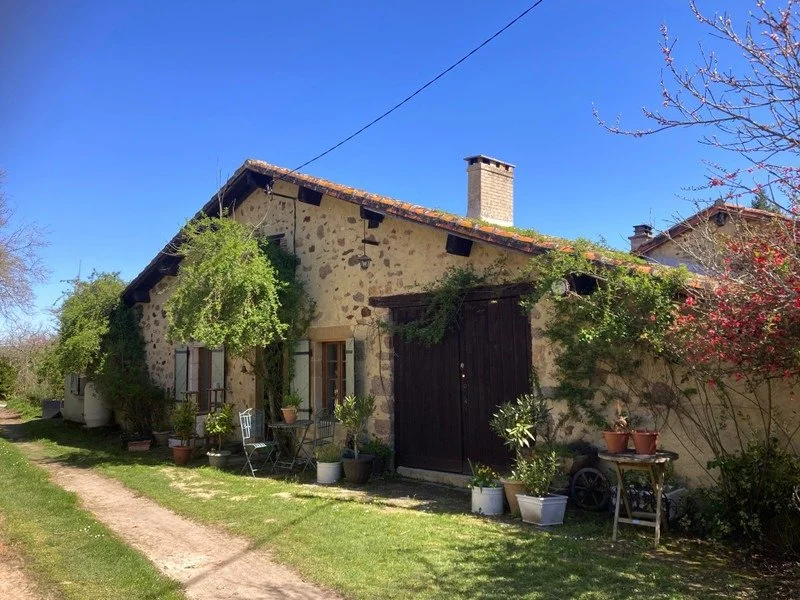
Stone country cottage in a peaceful rural hamlet
Asking Price
€76,750
Bedrooms
2
Internal area
Approx. 85 m² living space
Land
2.02 hectares, including separate riverside woodland, marketed as about 5 acres
Outbuilding
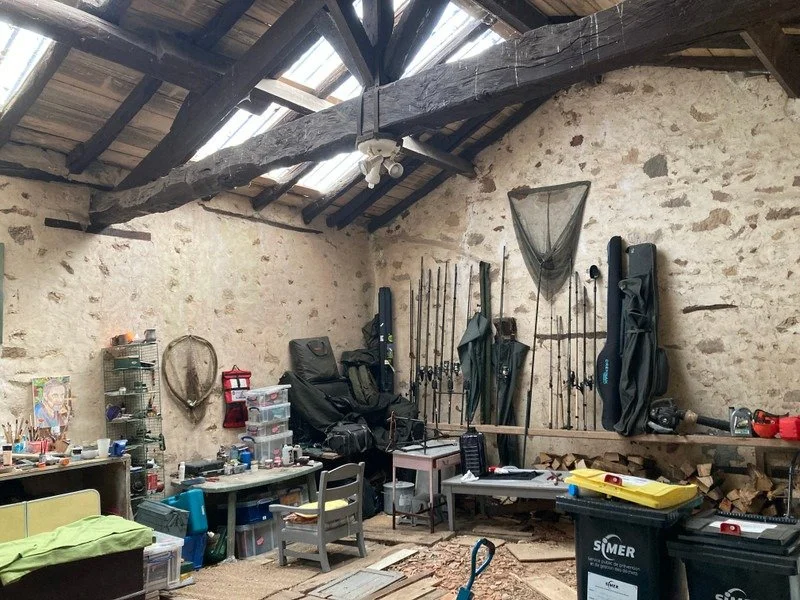
Approx. 54 m² attached garage and barn with workshop space
Character features
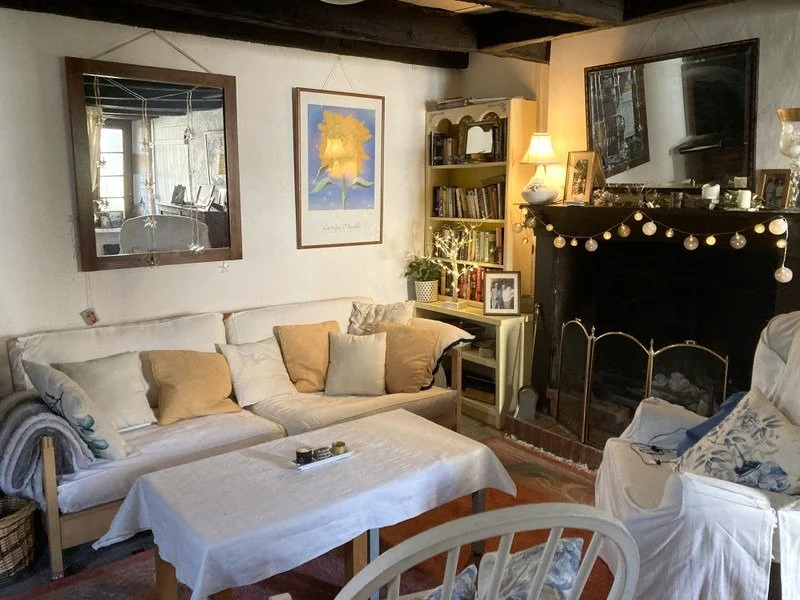
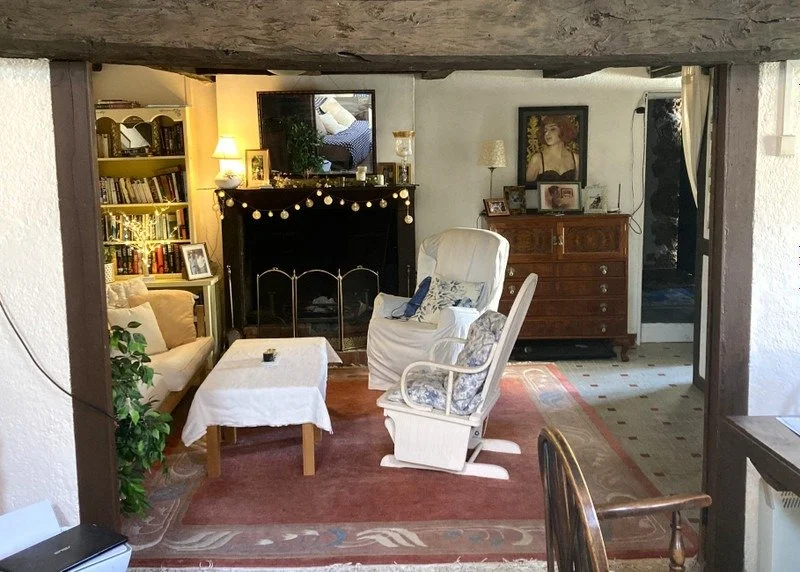
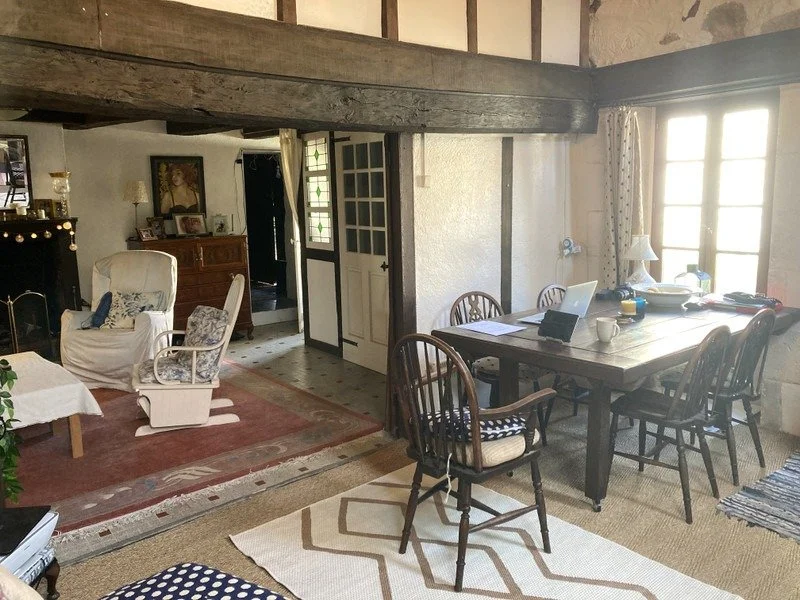
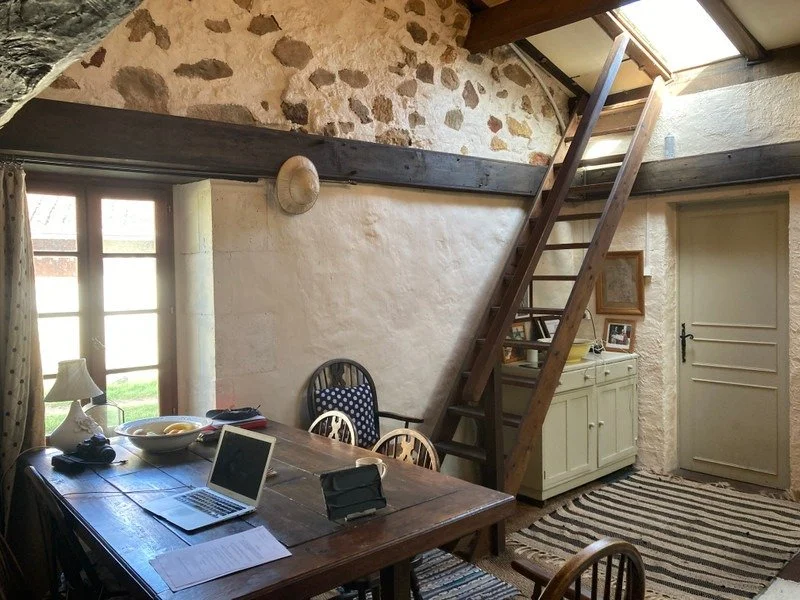
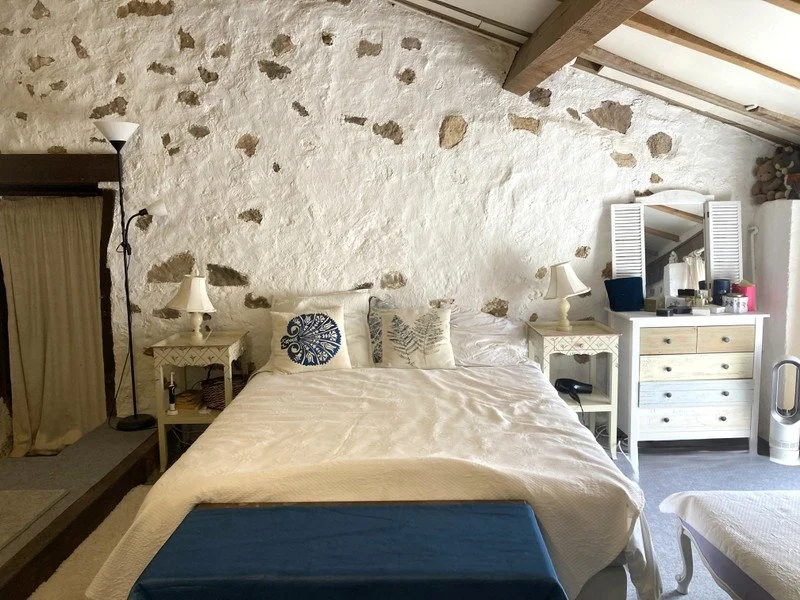
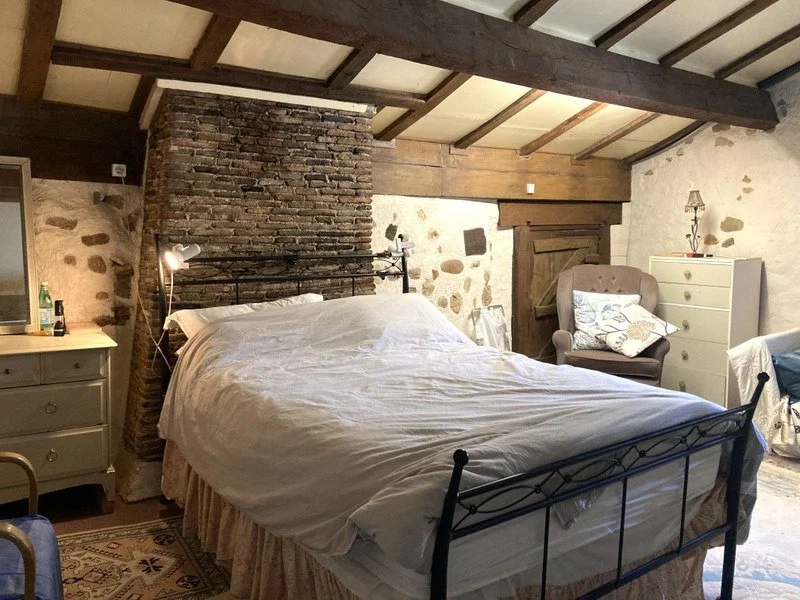
Stone walls, exposed beams, mezzanine bedroom with brick chimney breast
Heating feature mentioned
Woodburner
Internet
Fibre optic high-speed internet stated in the listing
Energy rating
Energy Class D
Lifestyle angle
Rural home, remote-working base, first French purchase, or renovation and gîte project
Risk Radar
Overview
This is the kind of listing that can look almost too generous for the asking price: an 85 m² stone cottage, a 54 m² garage and barn, and just over 2 hectares of land including separate riverside woodland, all for under €80,000. The appeal is obvious. There is land, character, broadband, a rural setting and what sounds like room to grow. The risk is also obvious. At this price point, the value often sits in the details the listing does not explain fully: where the land actually is, what kind of river exposure comes with it, whether the barn can really be converted, how the drainage works, and what condition the buildings are in beyond the camera-friendly parts.
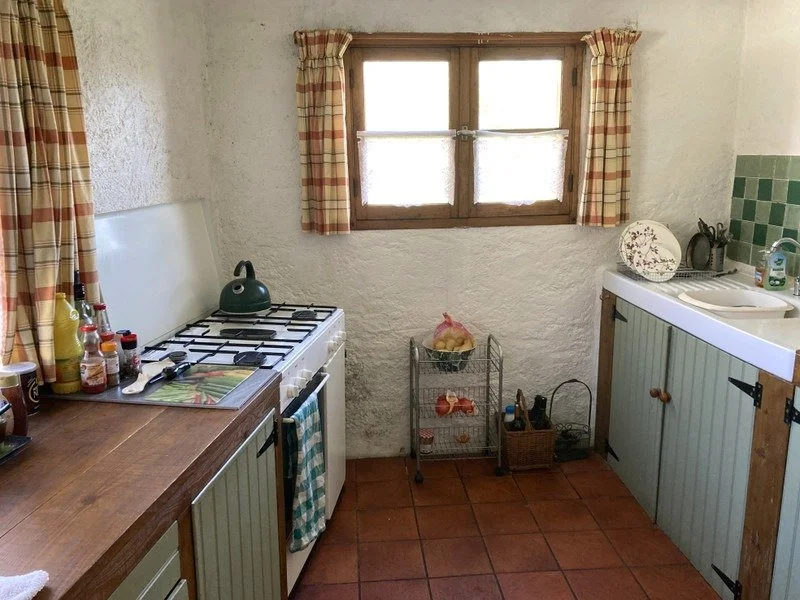
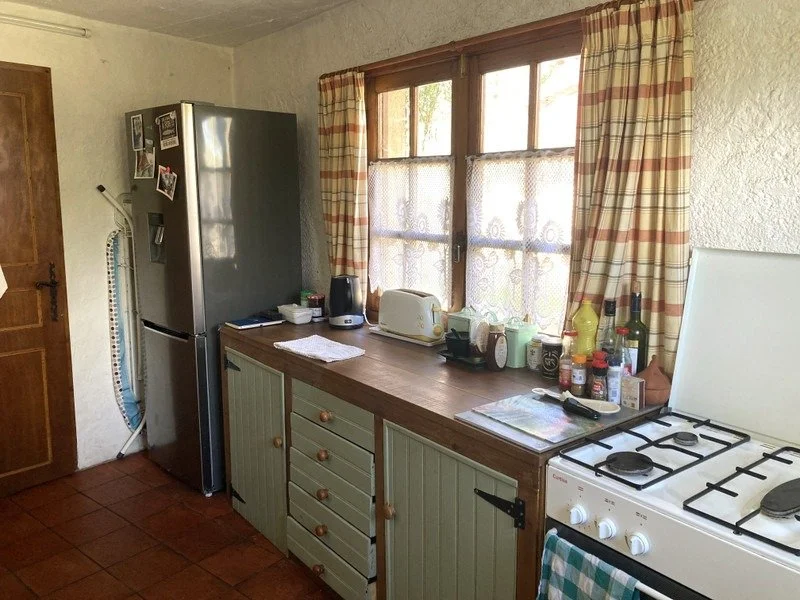
The main diligence themes here are fourfold. First, you need to verify the title and the cadastral position carefully, especially because the plot includes separate riverside woodland rather than one neat block around the house. Second, you need to establish whether the barn is simply useful storage or a genuinely convertible building with planning potential. Third, because this is an older rural property, the diagnostics pack, septic position, roof condition, damp history and renovation record matter more than decorative charm. Fourth, the phrase "separate entrance option" should be tested hard. It may support future guest use, or it may just mean there is a door somewhere that marketing has decided to give an ambitious backstory.
Targeted Questions
Legal Status and Documentation
This confirms whether all the land and structures in the listing are actually included in the legal sale.
Separate parcels can affect access, use, maintenance and future resale.
Parcel-by-parcel detail helps you understand exactly what you are buying.
Rural properties often carry long-standing rights that affect privacy and use.
Outbuildings are a core part of the value story here.
Buyers should know whether the quoted size is reliable and sale-ready.
Prior aborted sales sometimes reveal hidden legal or technical problems.
Riverside woodland may carry use restrictions that are not obvious from the listing.
Diagnostics, Renovation History and Compliance
In France, the DDT is a basic due-diligence starting point, especially for older rural property.
The full report shows estimated energy costs, emissions and recommended improvement works.
"Character" can mean lovingly maintained or simply old.
Invoices help separate proven upgrades from assumptions.
Layout or structural changes may need a compliance trail.
This helps confirm whether any declared works were properly signed off.
Valid guarantees can materially reduce risk on big-ticket elements.
A riverside setting makes past claims and incidents especially relevant.
Barn, Garage and Conversion Potential
Conversion potential depends first on what the building legally is now.
Buyers should not assume a useful outbuilding already has residential recognition.
Conversion cost rises fast if the basic services are missing.
Prior contact with the mairie can save time and reveal constraints.
In France, change of destination and associated works often determine the consent route.
That is the legal hinge between "possible project" and "expensive fantasy."
Protected settings can materially affect windows, openings, roofs and exterior changes.
Conversion only makes sense if the shell is fundamentally sound.
Separate access is often critical for guest accommodation or a gîte.
The project may look appealing until the numbers arrive.
Increased occupancy often means increased sanitation cost.
The income upside depends on lawful and practical separability.
Land, River and Boundaries
Buyers need exact clarity on what "riverside" actually means.
River access and use are often more limited than listing language suggests.
Private woodland can still come with public or third-party access elements.
Woodland ownership does not automatically equal unrestricted control.
Riverside value can come with real physical risk.
This is a standard part of French sale due diligence and especially relevant here because of the riverside element.
Commune-level risk data can materially affect insurance and long-term use. Availles-Limouzine appears within a commune with identified flood-related risk context on Géorisques.
Water use is regulated and should never be assumed from frontage alone.
Actual use on rural land can diverge from legal title.
Riverside and woodland boundaries are often less obvious than garden boundaries.
Property Condition and Systems
A woodburner may be charming, but buyers need to know the practical winter heating arrangement.
This affects safety, insurance and daily usability.
Running costs and comfort depend on the full heating picture, not one focal-point stove.
The DPE estimate is useful, but real bills tell the lived story.
Window condition drives comfort, energy performance and future spend.
A Class D rating is encouraging, but buyers should understand how it was achieved.
Roof replacement can transform a cheap house into an expensive one.
Barn roofs are often where deferred maintenance hides.
Older stone buildings can conceal expensive fabric issues.
Buyers need to distinguish harmless age from active movement.
Head height, safety and habitable status can affect value and use.
Attractive mezzanines can be less functional than they appear.
This phrase should be clarified before any buyer builds a rental strategy around it.
A theoretical entrance is not the same as a viable separate unit.
Sanitation, Utilities and Access
Rural French properties are often on septic systems, and compliance matters.
In a sale, the seller should provide a SPANC report dated less than 3 years if the property is on non-collective sanitation.
A non-compliant system can create immediate post-completion cost.
Expansion potential is closely tied to wastewater capacity.
Rural properties can have surprisingly uneven service quality.
"Fibre optic" is promising, but buyers relying on remote work need real figures.
Access obligations and winter practicality matter in rural hamlets.
Daily practicality matters more than brochure romance.
This affects renovation cost and everyday convenience.
Rural access quality changes how liveable a property really is.
Rental Potential and Local Practicality
Historical use can reveal both demand and operational reality.
In France, tourist-rental declaration rules vary by property and commune procedure, and registration details should be checked locally.
Some communes issue a number through their procedure, while others only require the base declaration mechanism.
Lawful operation still depends on the local planning and neighbour context.
Demand in the Vienne is not uniform, and rural stock can be highly seasonal.
Real data is more useful than hopeful estimates.
Rental viability often depends on whether the calendar works beyond summer.
The house may suit a peaceful escape better than full-time living, or vice versa, depending on nearby services.
Negotiation Intelligence
Buyer Leverage
Medium-High
Key Drivers
Typical Negotiation Range
5-15% below asking
Example line to use with the agent
Country Layer
France (Regulatory Context April 2026)
For a French sale, the seller should provide a Dossier de Diagnostic Technique (DDT) containing the relevant diagnostics for the property, which may include the DPE, electricity, gas, asbestos, lead, termites, the état des risques, and for non-collective sanitation the état de l'installation d'assainissement non collectif where applicable. For an older rural house like this, the DDT is one of the first things to request because it often reveals compliance, safety and cost issues before deeper survey work begins.
Viewing Strategy
Walk the land, not just the house. This is one of those properties where a quick interior viewing tells only half the story.
Next Step
Verify from the listing:
Riverside land boundaries and rights
Request the cadastral plan and title details for all parcels so you can confirm exactly where the 2.02 hectares lie, whether the riverside woodland is fully included in the sale, and whether any servitudes, flood exposure or public access rights affect the river frontage.
Barn legal status and conversion route
Clarify whether the attached garage and barn is simply an outbuilding or a structure with a realistic planning pathway to habitable conversion, including whether any changement de destination, déclaration préalable or permis de construire would likely be required.
Septic compliance and upgrade risk
Obtain the latest SPANC report and confirm whether the current sanitation system is compliant for the existing cottage and whether any future guest use or barn conversion would trigger a costly upgrade.
Condition of cottage and barn roofs
Ask for any inspection records, repair invoices and maintenance history for both roof structures, because a low purchase price can quickly be overtaken by major roof and damp-related works.
Separate entrance and rental practicality
Ask the agent to explain exactly what the “separate entrance option” means in physical and legal terms, and whether the current layout could genuinely support guest accommodation or a future meublé de tourisme strategy.
A prepared buyer should approach the agent calmly and frame questions as due diligence. For example: “To help me assess the property properly and prepare a serious offer, could you share the cadastral plan, the diagnostics dossier, the latest SPANC report, and any information the seller has on the barn’s legal status and conversion feasibility?”
Because this is a low-entry rural property where land complexity, sanitation exposure and outbuilding potential all materially affect value, run it through the Property Risk Assessment to test the legal and environmental risks, or use the Renovation Budget Planner to model the real cost of making the cottage and barn work the way you want.
Disclaimer: The Property Drop is buyer-focused intelligence, zero sales agenda. We curate exceptional properties, in southern Europe, from third-party agents and arm you with decision tools. No commission, no transactions, no agent partnerships, no skin in the game beyond helping you choose wisely. Information stays accurate until it doesn't (properties sell, prices shift, markets move). Everything here is shared for informational purposes only and should not be treated as legal, financial, or investment advice. Images belong to original agents. Read our Terms of Service to learn more.
Buyer Intelligence:
This assessment provides general guidance based on common risk factors and publicly available regulatory information. Risk scores and checklist items are indicative only and must not be considered legal, financial, structural, or surveying advice. Actual property conditions, costs, and regulatory requirements vary significantly by location, property age, and specific circumstances. Regulations are subject to change; always verify current requirements with qualified local professionals before making any purchasing decision.
The Property Drop provides buyer intelligence and educational research analysis only. The Property Drop does not act as an estate agent, intermediary, or advisor in any transaction and does not facilitate introductions, negotiations, or transactions. Always engage qualified independent professionals including local lawyers, surveyors, architects, and tax advisors for comprehensive due diligence specific to your property.
IMPORTANT REMINDER: When contacting property agents featured on The Property Drop, you are entering into direct communication with third parties. It's recommended that you verify all property details independently, conduct thorough due diligence, engage qualified professionals (solicitors, surveyors, financial advisors), understand your rights and obligations under local property laws, and never send money or make commitments without proper legal protection.

The Buyer Playbook: 5-Bed Modernist Villa with 6-Metre Glass Roof and Rooftop Terrace, Montargis, France, €590,000
The Buyer Playbook: 1-Bed Stone Village House with Terrace and Rooftop Views, Grézels, France, €135,000
Questions ready for the agent?
The agent represents the seller.
What you ask shapes the answers you get.