
The Buyer Playbook: 4-Bed 18th-Century Village House with Roof Terrace, Valensole, France, €310,000


Buyer Playbook
Pre-Viewing Intelligence Report
This independent buyer guidance report relates to this specific property located in France. It is provided for informational purposes only and does not constitute legal, tax, structural or survey advice. Heritage protection, planning permissions, habitability, drainage, water use, tourism rental compliance, title position, cellar status, roof terrace rights, and any shared-building or neighbour obligations must always be verified with qualified French professionals such as a notaire, architecte, architecte du patrimoine, diagnostiqueur, géomètre-expert, bureau d'études or building surveyor, and with the relevant mairie or other competent authorities.
Playbook Contents
Property Snapshot
Location
Valensole, Alpes-de-Haute-Provence, Provence, France.
Property type
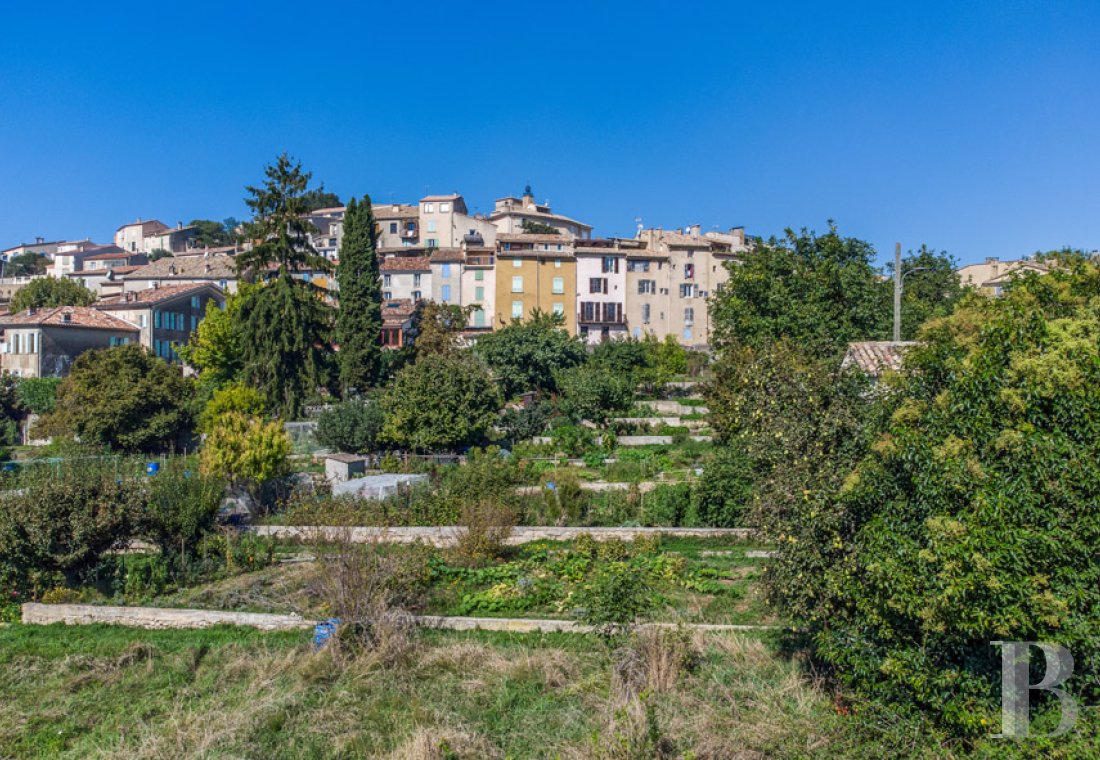
Historic village house spanning six storeys between two streets at different levels.
Asking Price
€310,000.
Internal area
172 m² living space.
Bedrooms
4.
Shower rooms
3.
Estimated build date
1765, described as late 18th century.
Construction
Stone house with gabled tiled roof.
Key historic features
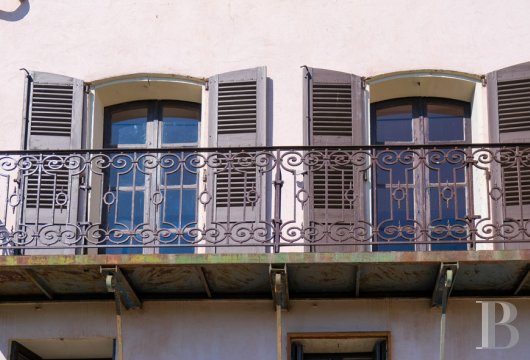
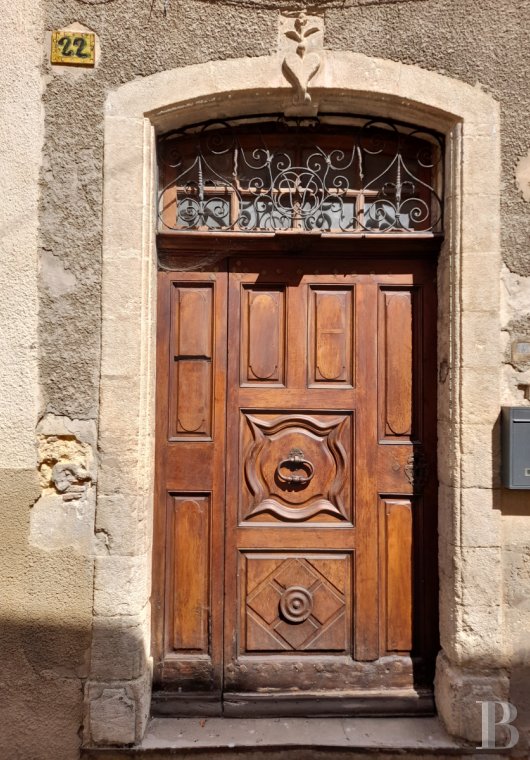
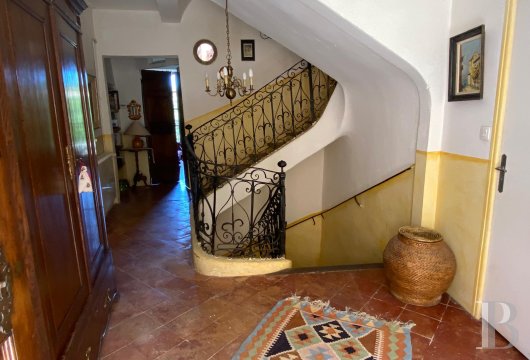
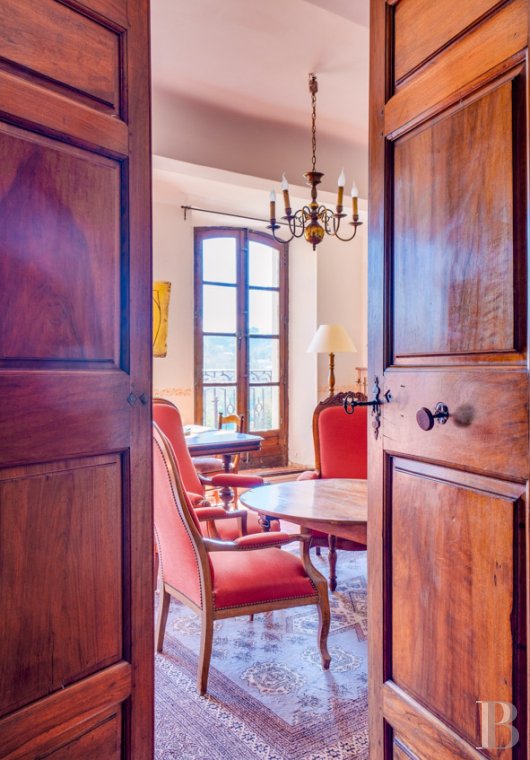
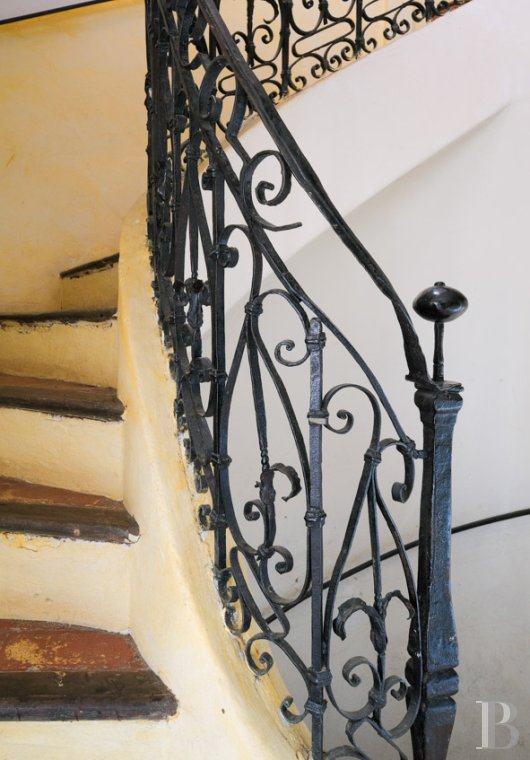
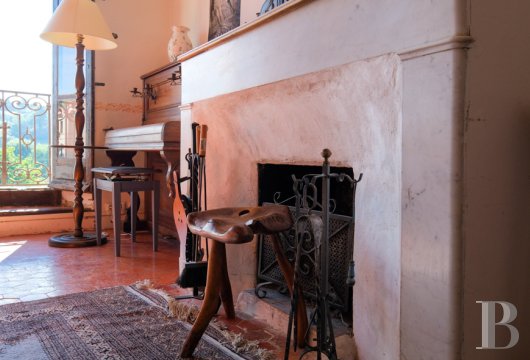
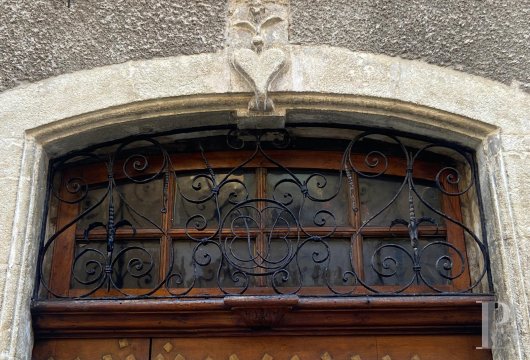
Original lock, ironwork monogram, fleur-de-lys engraving, terracotta stair treads, wrought-iron double staircase, and white marble fireplace.
Layout highlights
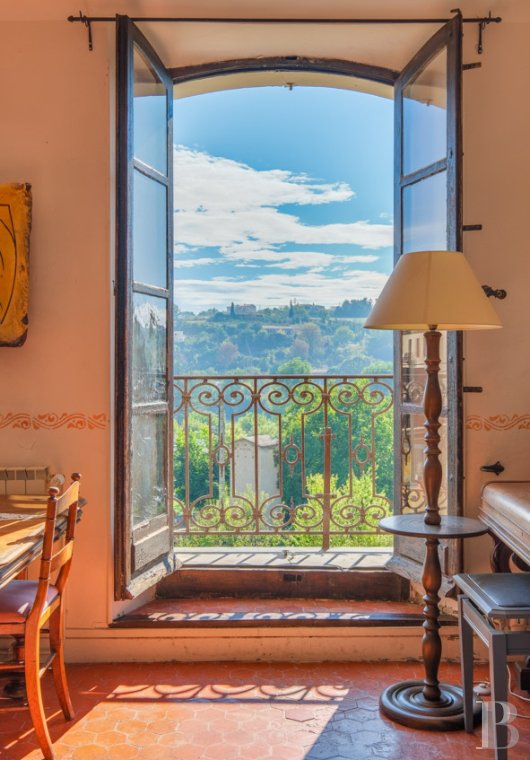
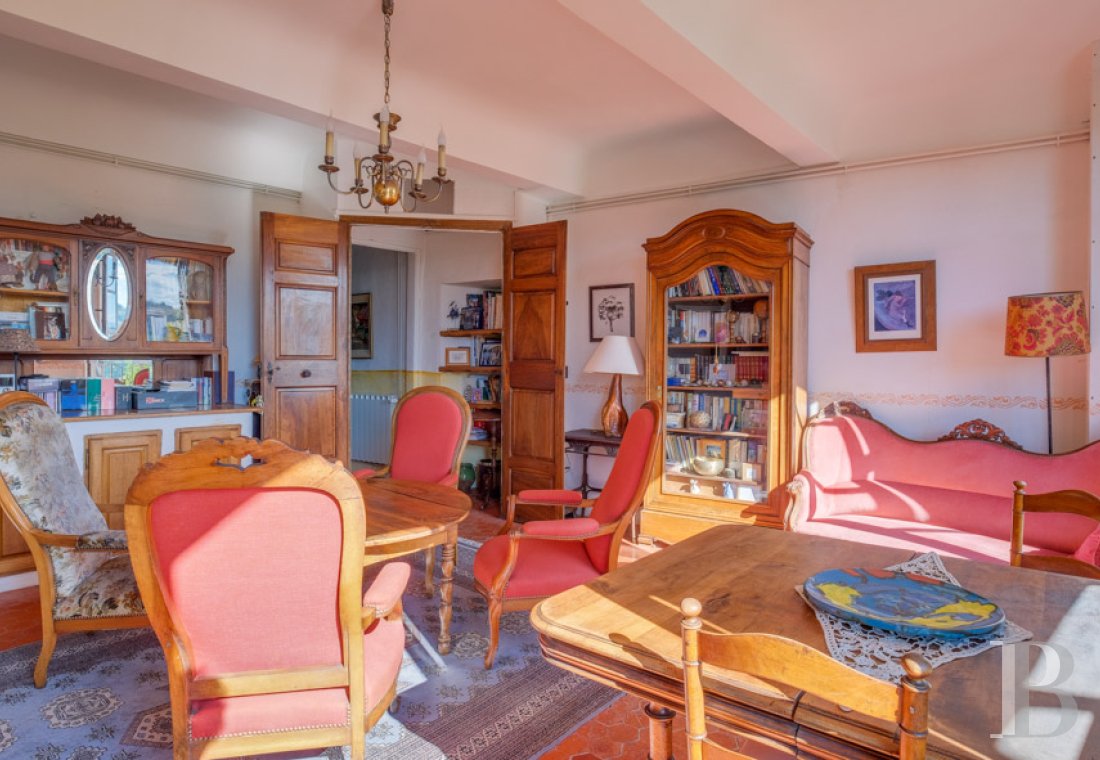
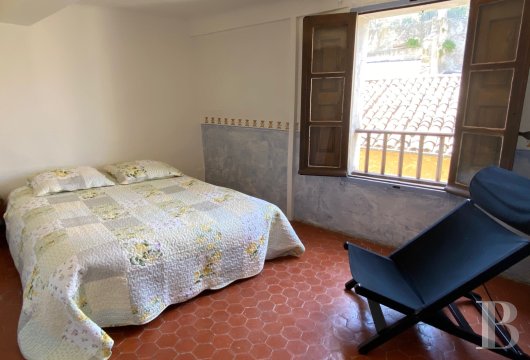
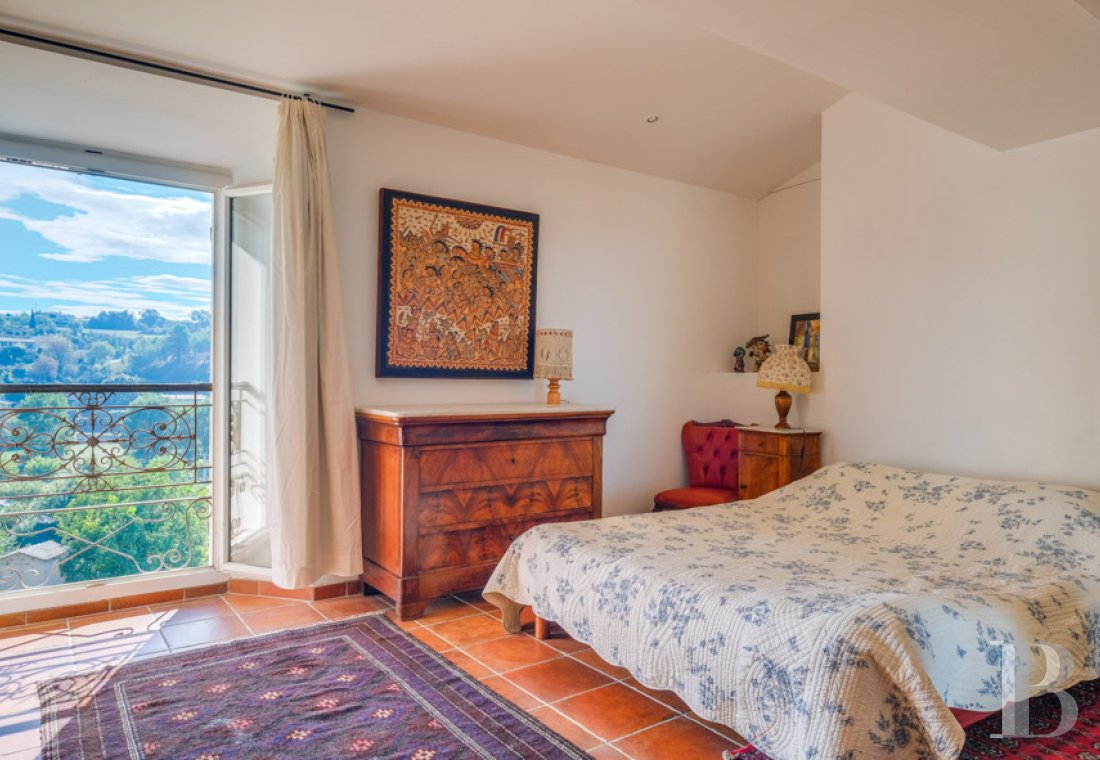
Lounge with east-facing balcony, four bedrooms with shower room access, independent first-floor suite, lower-ground kitchen and dining room, utility room, cellar and double vaulted cellar.
Outdoor space
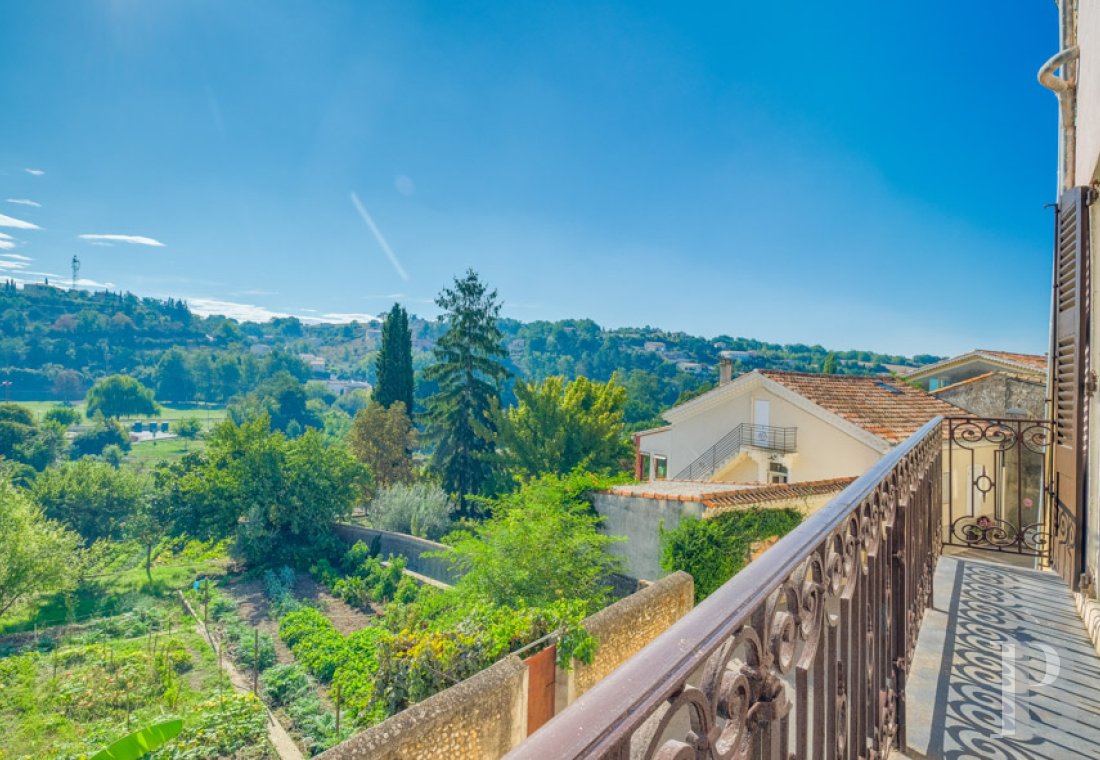
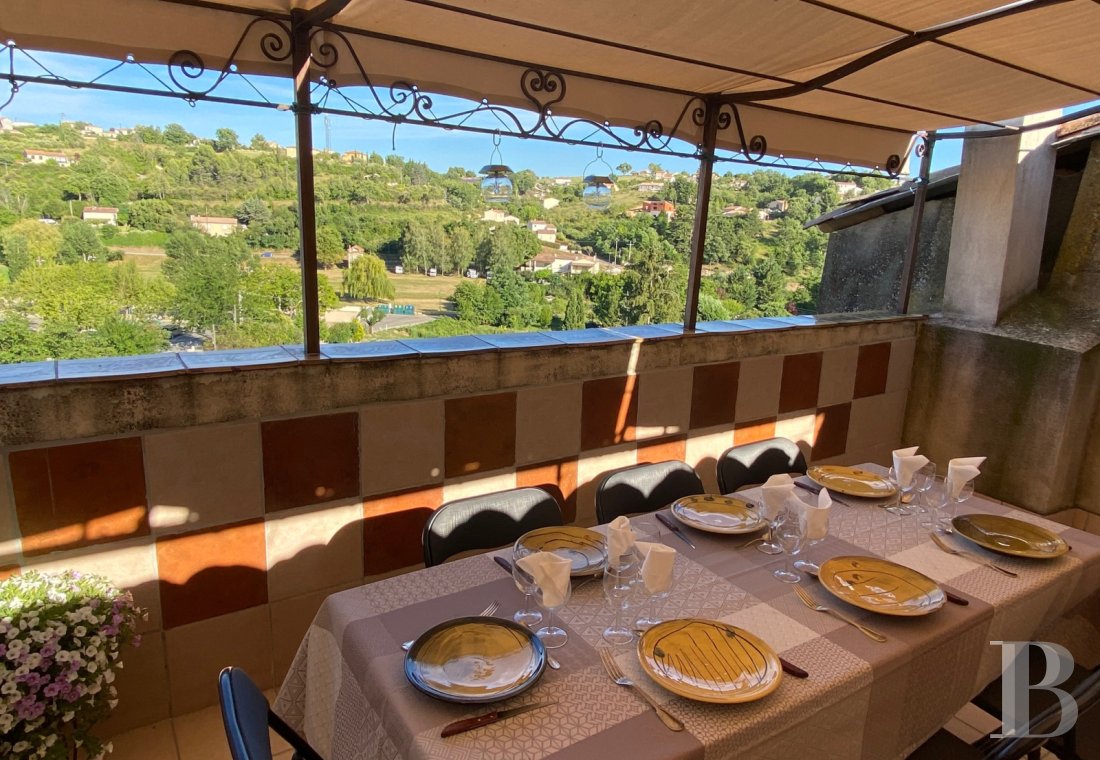
Roof terrace with suspended wrought-iron arbour and Alpine views.
Additional feature
Double cellar with its own street-level door and a well opening.
Energy rating
Class F.
Lifestyle angle
Suitable on paper as a main residence, countryside retreat or holiday-rental-style property, subject to legal and practical verification.
Risk Radar
Overview
This is the sort of property that can seduce a buyer very quickly and punish a rushed one just as fast. The appeal is obvious: Provençal village setting, authentic age, visible historic character, roof terrace, independent-feeling lower access, and a layout that could suit either private use or a hospitality-style setup. What makes it attractive is also what makes it more complex. Six levels, an F-rated energy profile, original materials, a cellar with a well opening, and a roof terrace in an old village house all point to a purchase that needs disciplined verification rather than romantic assumptions.
The main due diligence themes are clear. First, you need to establish whether the building itself, or its setting, triggers heritage controls that would shape future works. In France, works affecting buildings in protected contexts can require heritage review, and even ordinary-looking exterior changes can become slower and more restricted where protected areas or historic-monument settings apply. A déclaration préalable is commonly required for certain external changes or change-of-use situations, with different file requirements in protected sectors.
Second, the energy and systems story matters more than the listing charm. An F-rated property sits in the "passoire énergétique" risk zone. For sales of detached houses or single-owner residential buildings rated F or G, an energy audit must be provided in addition to the DPE. That makes the full diagnostic pack, real heating bills, and upgrade logic central to pricing and negotiation.
Third, the cellar and well are not decorative footnotes. A well used for domestic water use is subject to declaration rules and water-quality considerations, while old vaulted cellars often carry damp, ventilation and habitability limits that can sharply affect conversion plans. If drainage is not on mains, the non-collective sanitation position must also be checked because a seller of property with non-collective sanitation must provide the relevant inspection information.
Fourth, if the buyer is considering short-term rental use, France's rules have become tighter. Recent national changes strengthen local control over meublés de tourisme, and registration obligations are moving toward a national framework by May 2026. At municipality level, the practical position can still vary, so Valensole-specific confirmation is essential rather than guesswork.
Targeted Questions
Heritage and Planning
Heritage status can materially affect what works are allowed, how long approvals take, and what future costs or design limits you face.
ABF oversight can affect windows, roof materials, railings, terrace works, façades, shutters and visible exterior interventions.
You want something firmer than verbal reassurance, especially in an old village core.
The answer helps separate well-maintained heritage character from deferred maintenance with nice photography.
Unauthorised works can create resale, insurance and financing problems.
This is the cleanest way to confirm compliance rather than relying on memory.
In a historic house, recent works can be either the solution or the problem. Paper trail matters.
These are part of the house's value story, but they can also trigger restoration obligations or specialist repair costs.
Building Condition and Structure
A six-storey stone house spanning two street levels deserves evidence, not optimism.
Roof failure in an old masonry house quickly becomes a damp, timber and interior-decay problem.
Roof terraces are attractive but often the single most expensive leak source in old village houses.
You are trying to catch hidden envelope problems before they become your renovation project.
Vertical houses over multiple levels can hide structural movement surprisingly well.
These works may indicate either good stewardship or past structural trouble.
Old stone houses need breathability and proper moisture management, not cosmetic cover-ups.
French sale risk information and claims history can materially change your view of the asset.
For a house of this age, the diagnostic pack is not paperwork theatre. It is where several red flags first show up.
Energy, Heating and Comfort
The full DPE shows consumption estimates, emissions, methodology and recommended works.
For F or G detached houses, the audit is an expected part of the sales process.
Real bills tell you more than brochure language, particularly in a historic stone house.
Vertical old houses often have uneven heating arrangements and expensive comfort gaps.
Working fireplaces can add value, but non-compliant or unused ones can also require expenditure.
Provence is glorious until the top floor turns into a stone oven.
Window condition affects heat loss, comfort, noise, permissions and future capex.
In heritage-sensitive contexts, not every energy upgrade is straightforward.
An F rating means there is usually a real efficiency story underneath the romance.
Old houses with later bathroom additions and multi-level circuits can hide expensive electrical work.
You need to know whether gas-related compliance and replacement costs are in play.
Well, Cellars and Lower-Level Use
The wording is intriguing, but you need to know whether it is usable, decorative, or a liability.
A usable well can be an asset, but only if its declaration, safety and water-quality position are clear.
Domestic-use wells are subject to declaration and, where relevant, water analysis obligations.
No one wants to discover that the charming old well is only suitable for looking atmospheric.
Cellars in old village houses can be excellent storage or endless damp archaeology.
Cellar moisture patterns often reveal broader drainage or envelope issues.
Independent access changes how buyers think about guest use, storage and rental potential.
Physical possibility and legal possibility are rarely the same thing.
Conversion economics collapse quickly if the space cannot lawfully become habitable.
Title, Boundaries and Shared Elements
A "village house" can still carry shared walls, access rights, or roof obligations.
Historic buildings can suddenly become expensive when shared works are due.
Dual street access is attractive, but it can come with neighbour rights and maintenance complexity.
Buyers often assume exclusivity from marketing language that legal documents do not fully support.
Practical control of the terrace matters almost as much as having one.
In old village fabric, paper precision matters because physical lines can be deceptive.
Utilities, Access and Services
If there is non-collective sanitation, inspection and compliance become a real transaction issue.
Repair or replacement costs can be substantial, and the report can affect negotiation.
You need to distinguish clearly between mains water service and any secondary source.
"Remote-work friendly Provence" means very little if the connection behaves like it is still in the 18th century.
Charming village centres can become deeply uncharming on moving day.
Roof terraces and lavender views do not help when your nearest legal parking space is fifteen minutes away.
Village life can be delightful, but it also comes with rhythms that matter for daily use and letting.
Rental Potential and Commercial Use
Historic trading evidence is more useful than generic yield claims.
You are buying income reality, not wishful brochure maths.
Valensole's own administrative process is what will matter on the ground, not national headlines alone.
France is tightening furnished-tourism regulation and compliance is becoming less optional.
The difference between a beautiful summer let and a viable annual model is often the entire investment case.
Negotiation Intelligence
Buyer Leverage
Medium-High
Key Drivers
Typical Negotiation Range
5-15% below asking
Neutral Phrasing Examples
Country Layer
France (Regulatory Context April 2026)
Key French requirements and context for buyers:
Viewing Strategy
Start outside and work top to bottom.
Next Step
Verify from the listing:
Heritage and planning status
Confirm whether the house itself or its setting is protected, whether ABF review applies, and whether any prior works to the façade, terrace, windows or internal layout were properly authorised and completed with the correct paperwork.
Energy file and heating reality
Request the full DPE, the mandatory energy audit linked to the F rating, and recent utility bills so you can understand whether the house is merely atmospheric or also expensive to run and improve.
Roof terrace title and waterproofing
Verify that the terrace is for the exclusive use of this property, that no neighbour rights or access obligations affect it, and that there is documentary evidence on waterproofing condition and any past repairs.
Cellar, well and lower-door legal position
Clarify whether the well is functional and declared, whether the double vaulted cellar has any damp or safety issues, and whether the lower street-level access could lawfully support separate guest, storage or rental use.
Diagnostics, risks and village practicality
Obtain the full DDT dossier, the current state-of-risks report, and clear answers on drainage, parking, access and local tourist-rental declarations before treating the property as either a turnkey home or a straightforward holiday let.
A prepared buyer should approach the agent calmly and frame questions as due diligence. For example: “To help me assess the property properly and prepare a serious offer, could you send the full DDT and DPE, the F-rated energy audit, any planning or heritage paperwork, and the title documents covering the roof terrace, cellar and lower street entrance?”
Because this is a historic Valensole village house where energy performance, heritage constraints and legal use of the terrace and cellar materially affect value, run it through the Property Risk Assessment before contacting the agent, or use the European Property Energy Risk Assessor to model the likely implications of the F rating before you negotiate.
Disclaimer: The Property Drop is buyer-focused intelligence, zero sales agenda. We curate exceptional properties, in southern Europe, from third-party agents and arm you with decision tools. No commission, no transactions, no agent partnerships, no skin in the game beyond helping you choose wisely. Information stays accurate until it doesn't (properties sell, prices shift, markets move). Everything here is shared for informational purposes only and should not be treated as legal, financial, or investment advice. Images belong to original agents. Read our Terms of Service to learn more.
IMPORTANT REMINDER: When contacting property agents featured on The Property Drop, you are entering into direct communication with third parties. It's recommended that you verify all property details independently, conduct thorough due diligence, engage qualified professionals (solicitors, surveyors, financial advisors), understand your rights and obligations under local property laws, and never send money or make commitments without proper legal protection.
