
The Buyer Playbook: 2-Bed Apartment Overlooking Canals with Cinema Room, Livorno, Italy, €550,000
Buyer Playbook
Pre-Viewing Intelligence Report
This independent buyer guidance report relates to this specific property located in Italy. It is provided for informational purposes only and does not constitute legal, tax, structural or survey advice. Planning, cadastral conformity, agibilità, energy certification, condominium liabilities, parking rights, boat mooring rights, flood exposure, and any heritage or land-use constraints must always be verified with qualified Italian professionals such as a notaio, geometra, architetto, ingegnere, surveyor or licensed property consultant, and with the relevant municipal and regional authorities.
Playbook Contents
Property Snapshot
Location
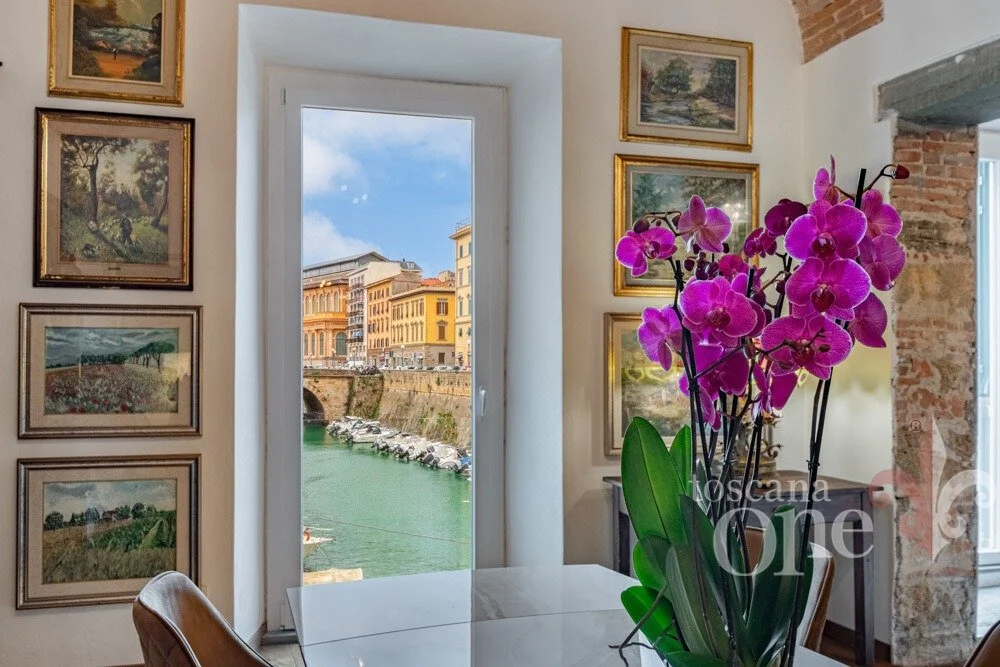
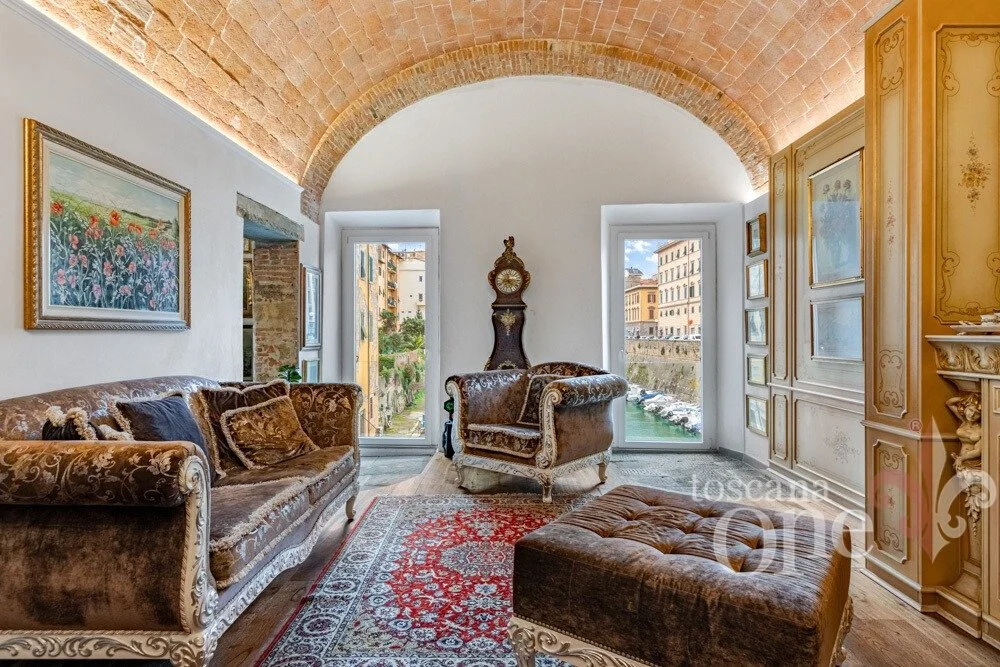
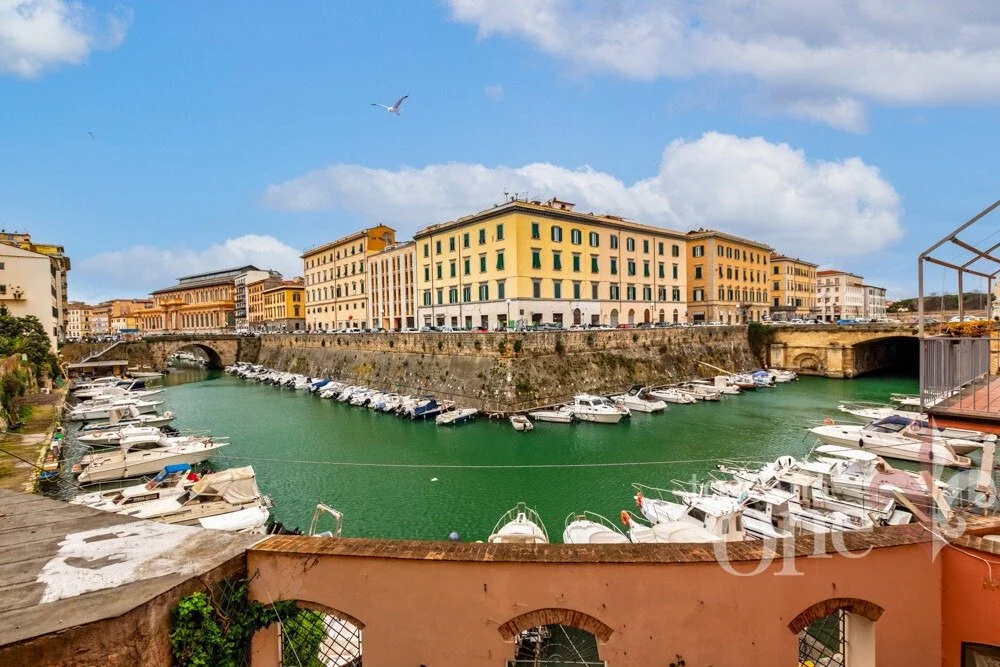
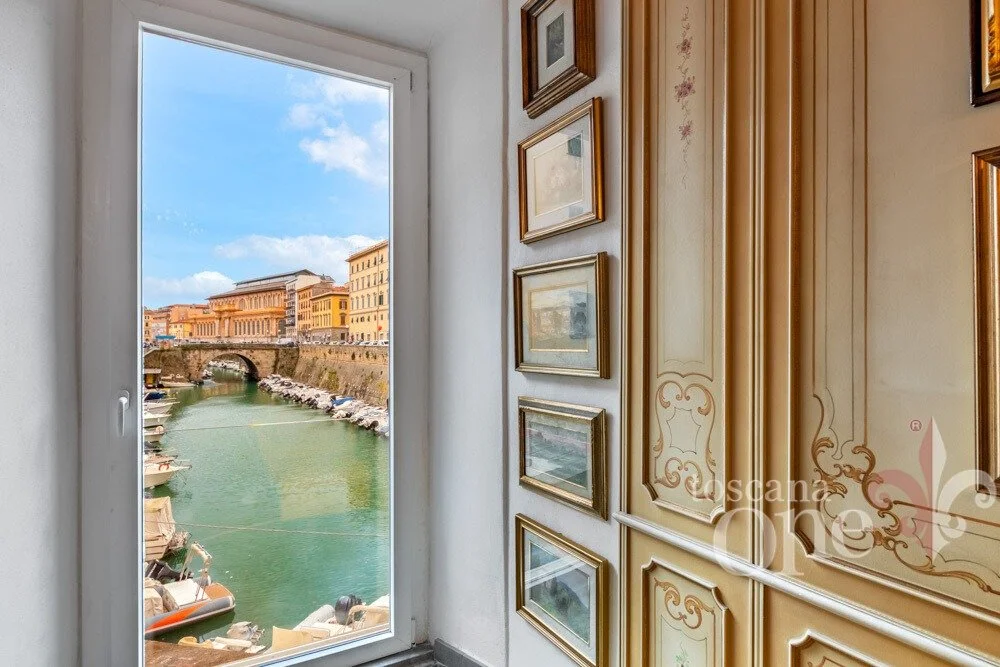
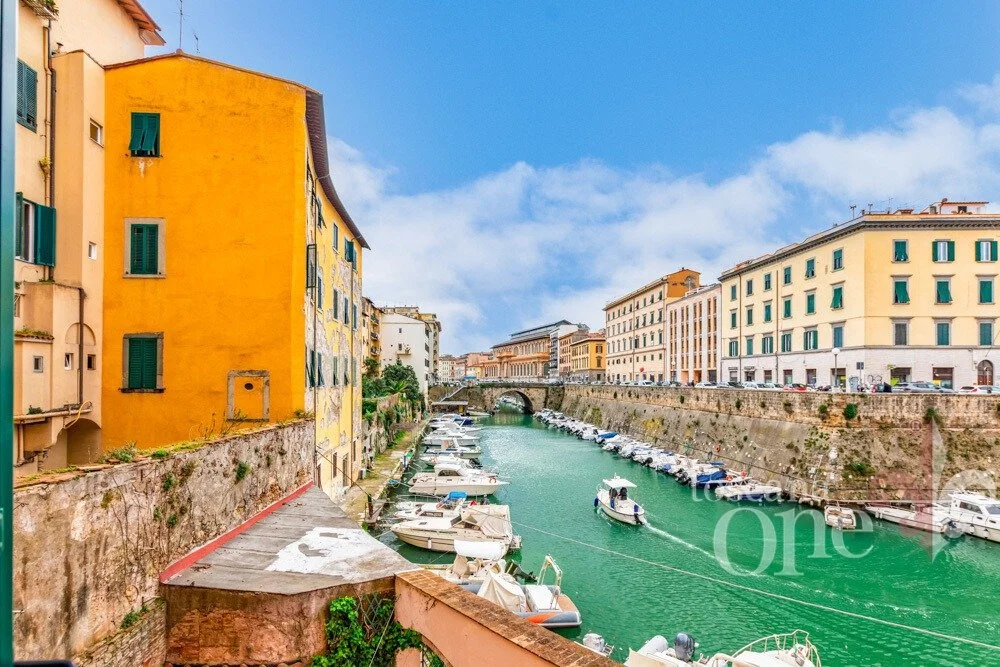
Historic canal district, Livorno, Tuscany, Italy, described by the agent as Venezia Nuova / fossi context.
Property type
Apartment.
Asking Price
€550,000.
Bedrooms
2.
Bathrooms
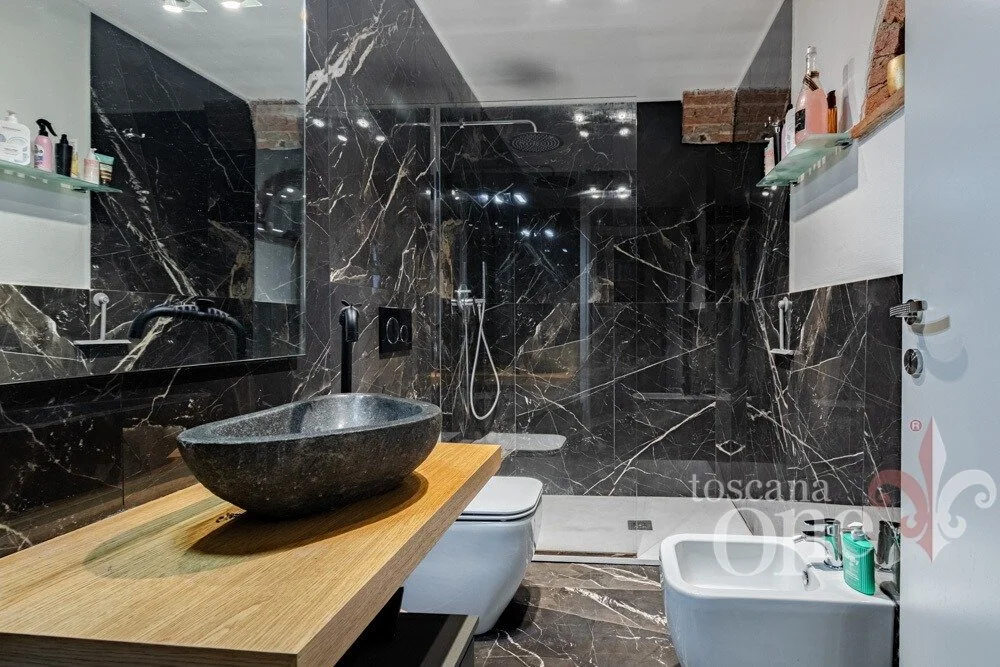
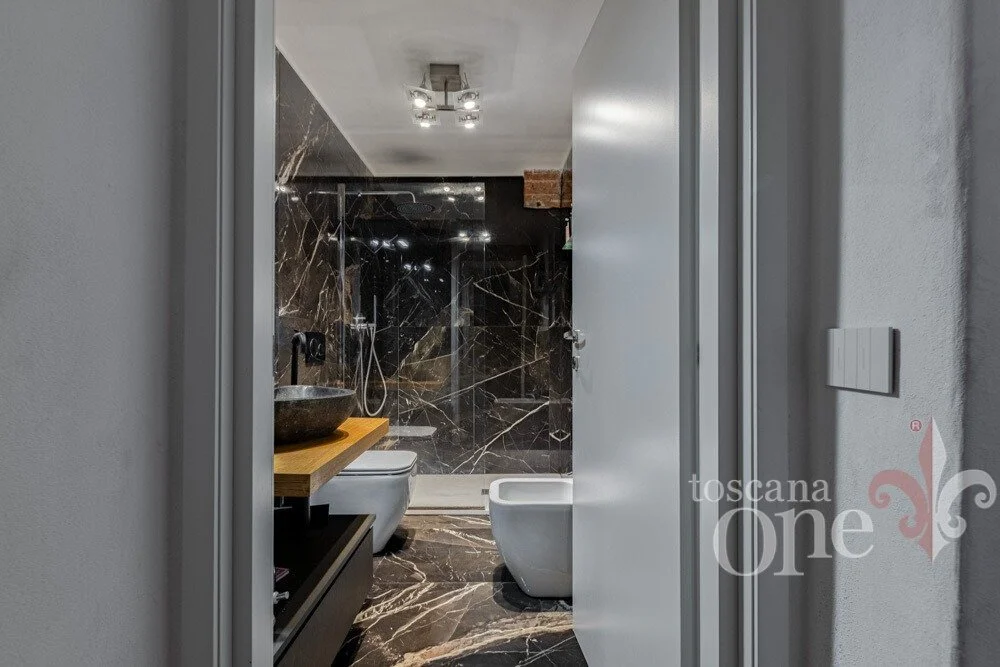
2 or "2+" depending on listing presentation, which should be clarified.
Internal area
Shown as N/A on the Mia & Olé page, but approximately 200 sq m on the agent listing. This discrepancy needs confirmation.
Layout highlights
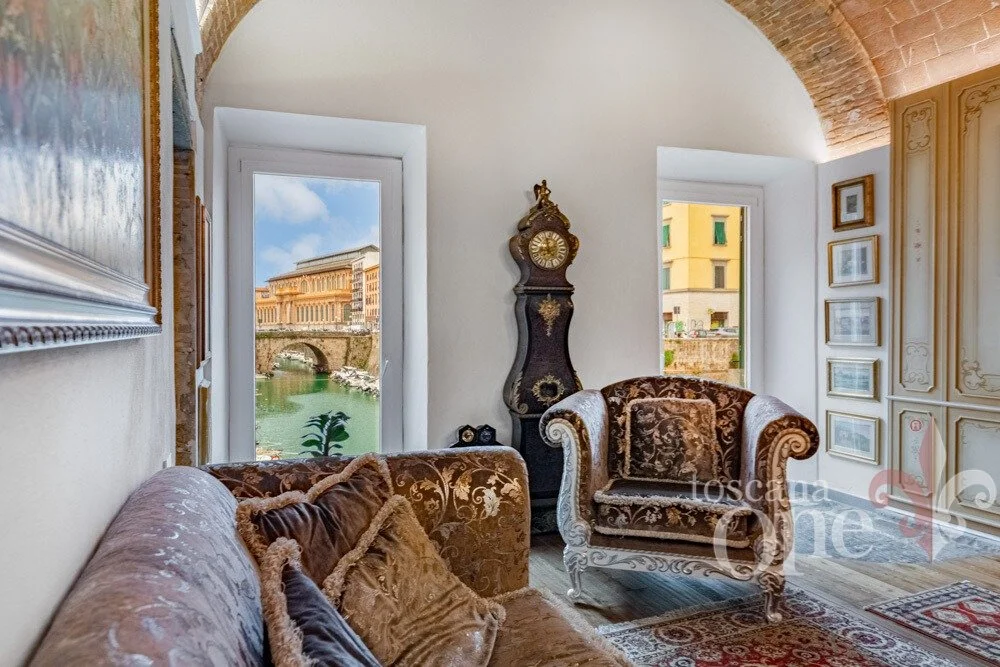
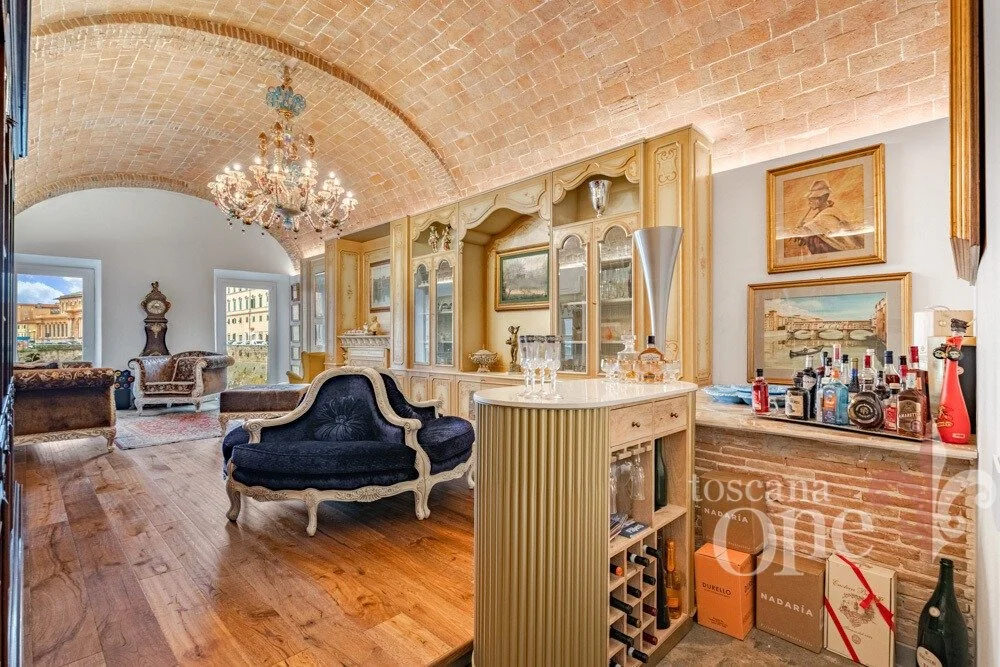
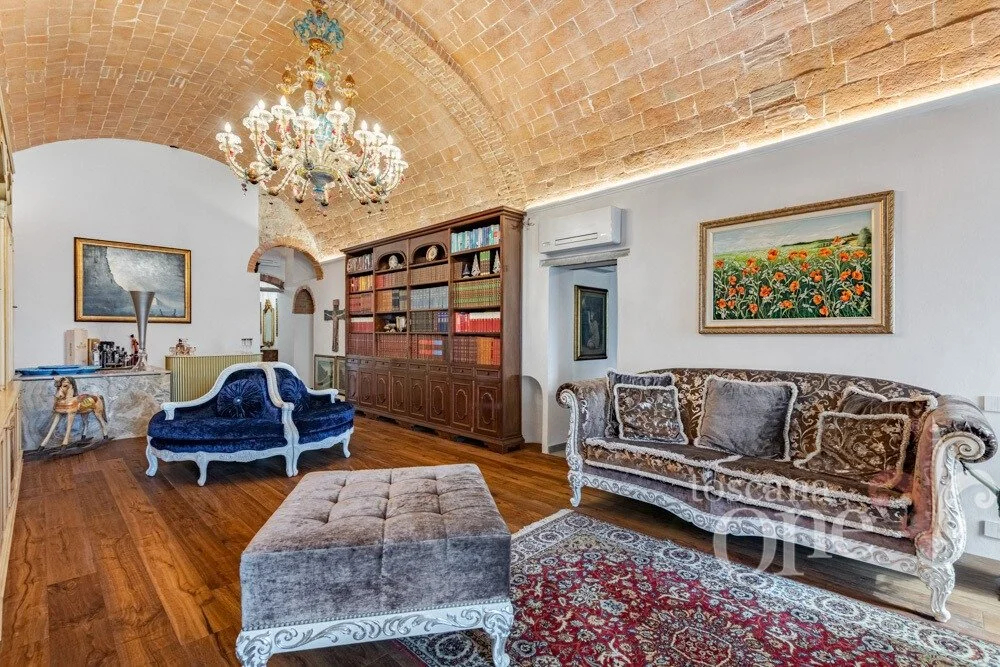
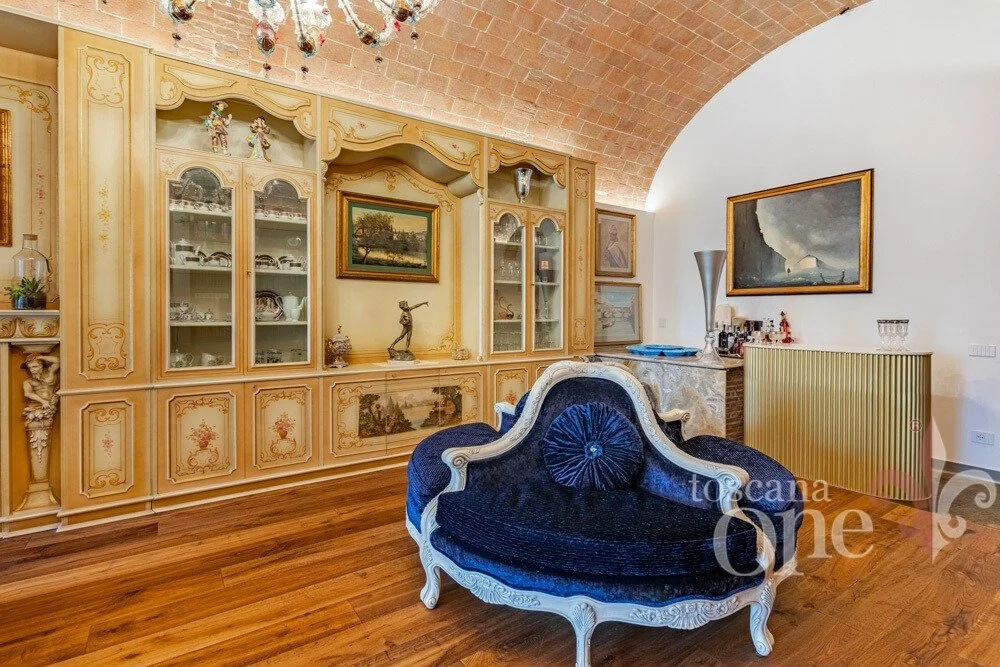
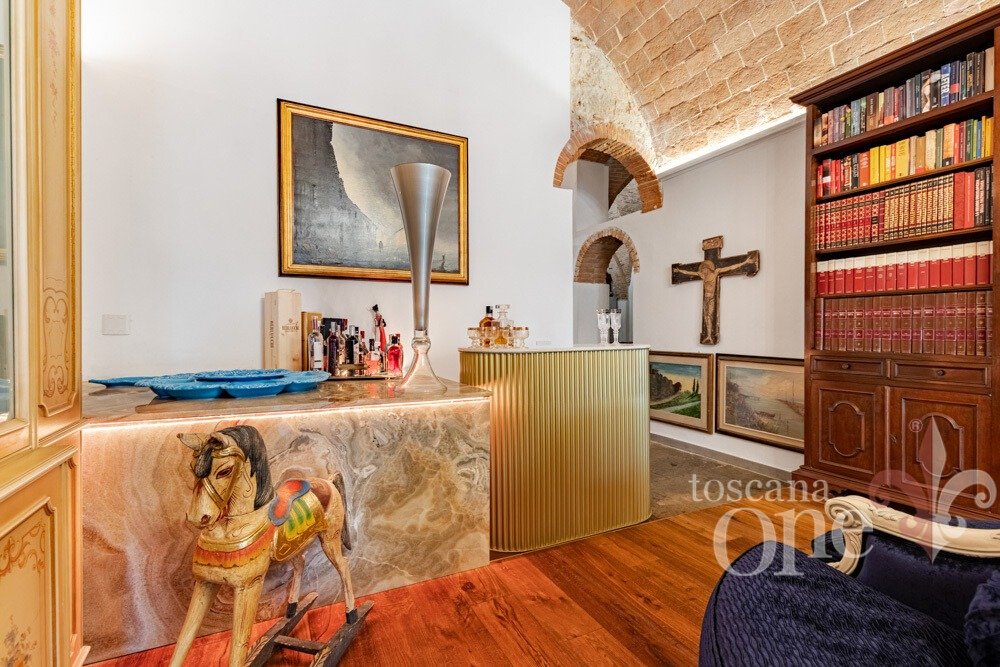
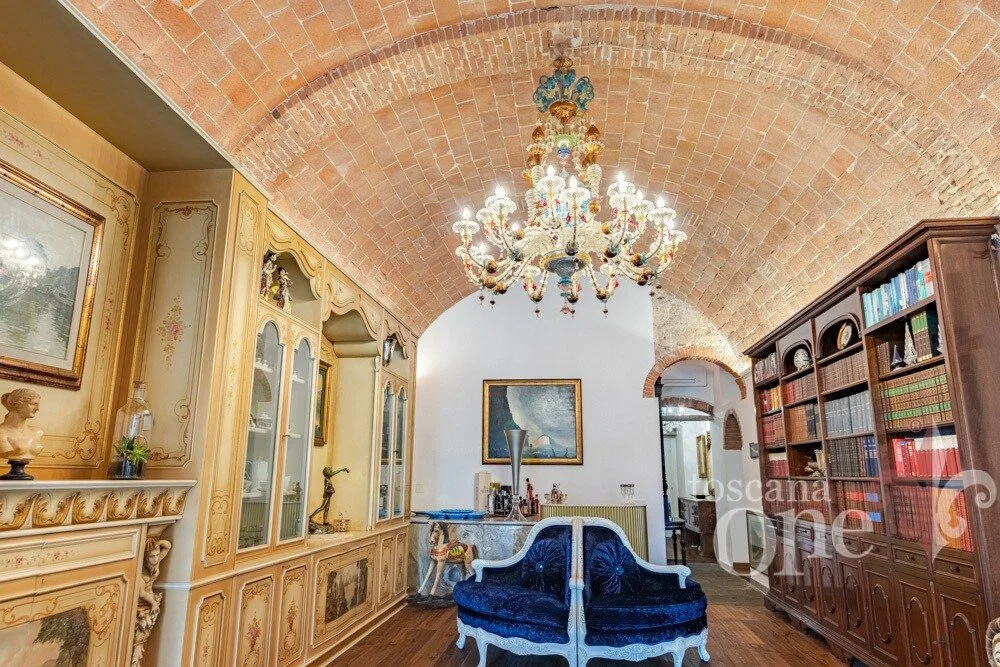
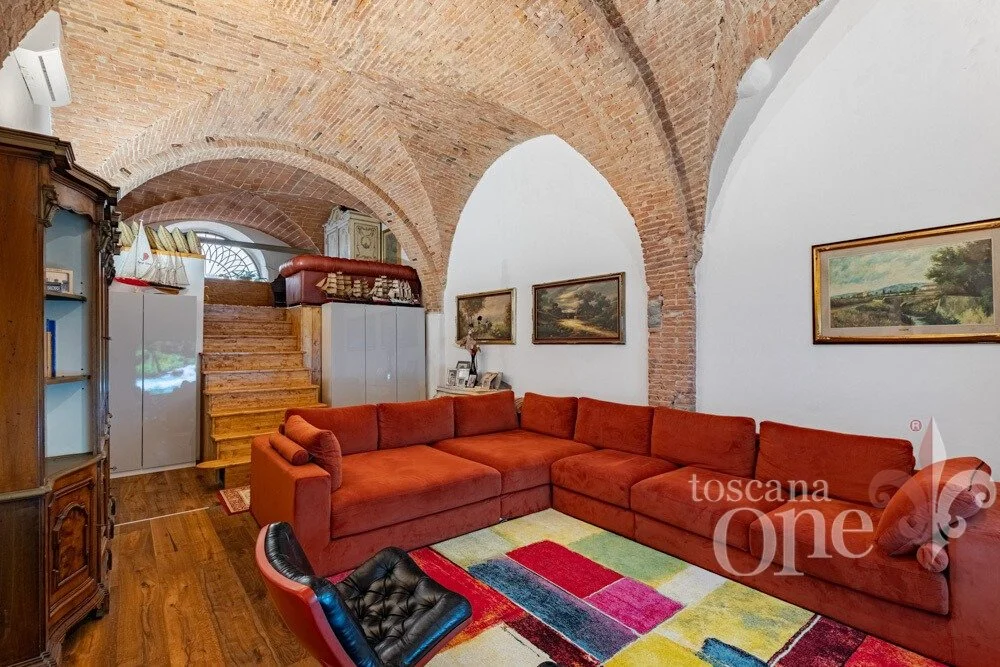
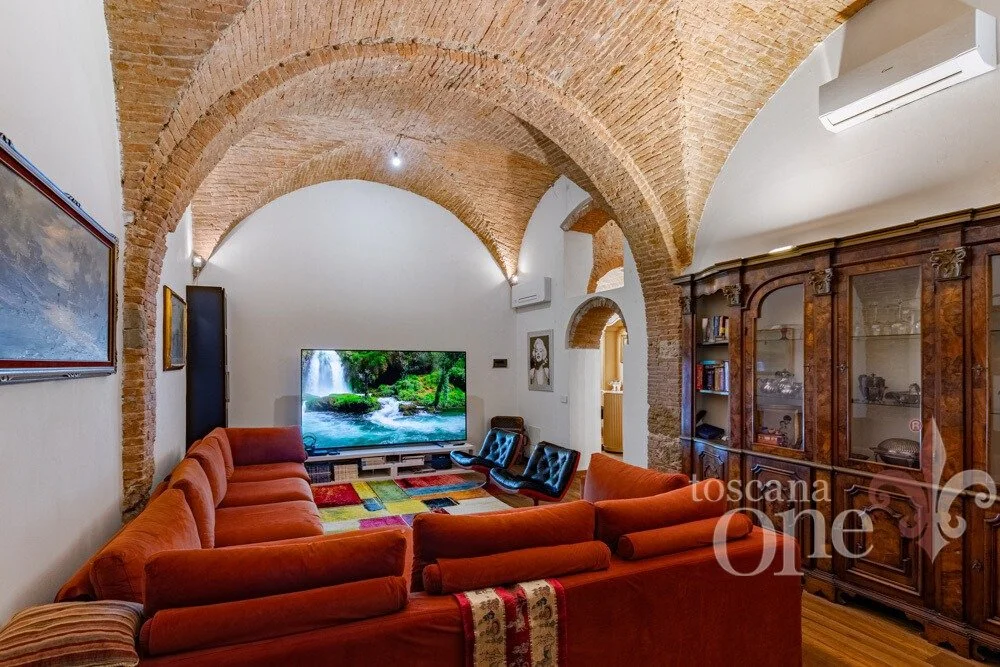
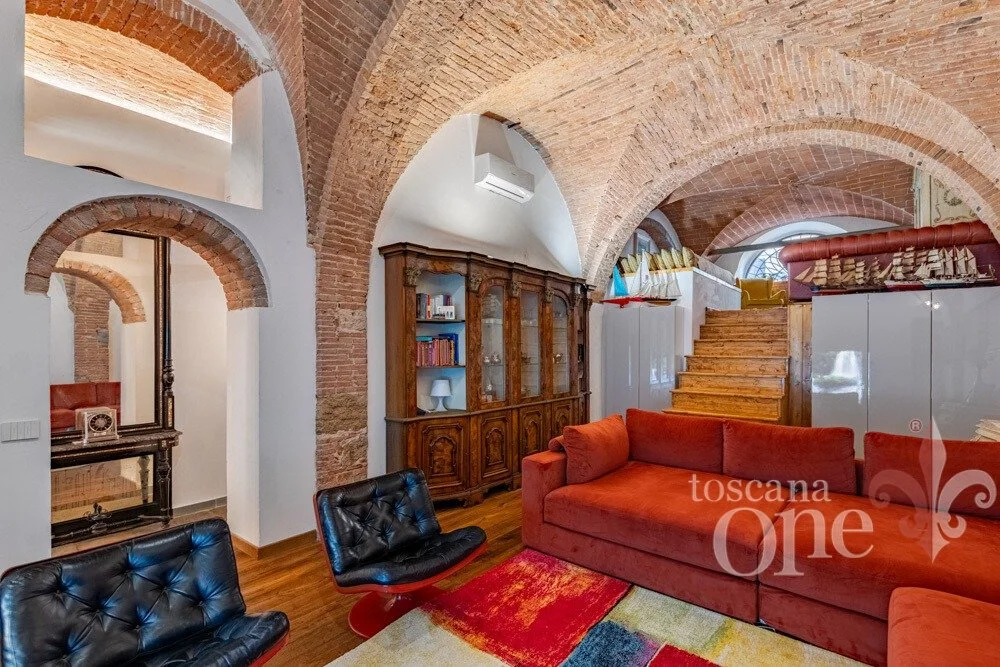
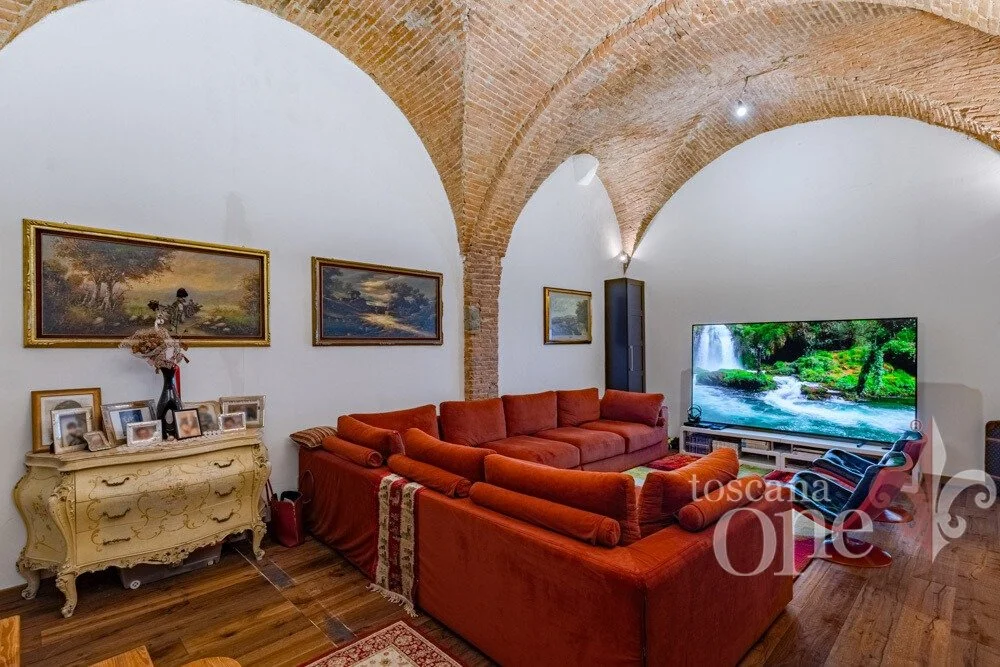
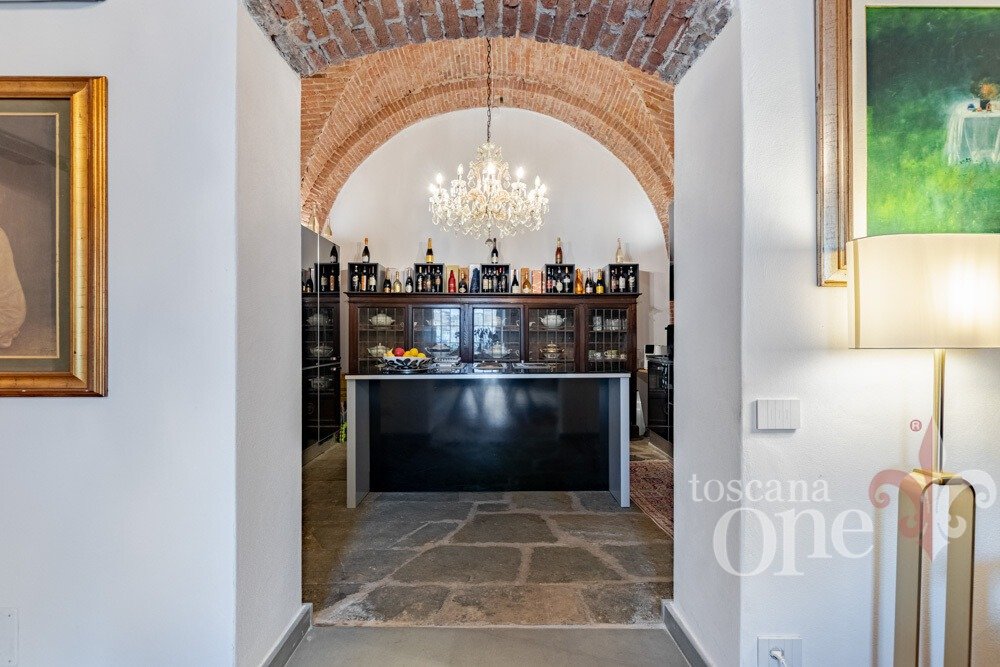
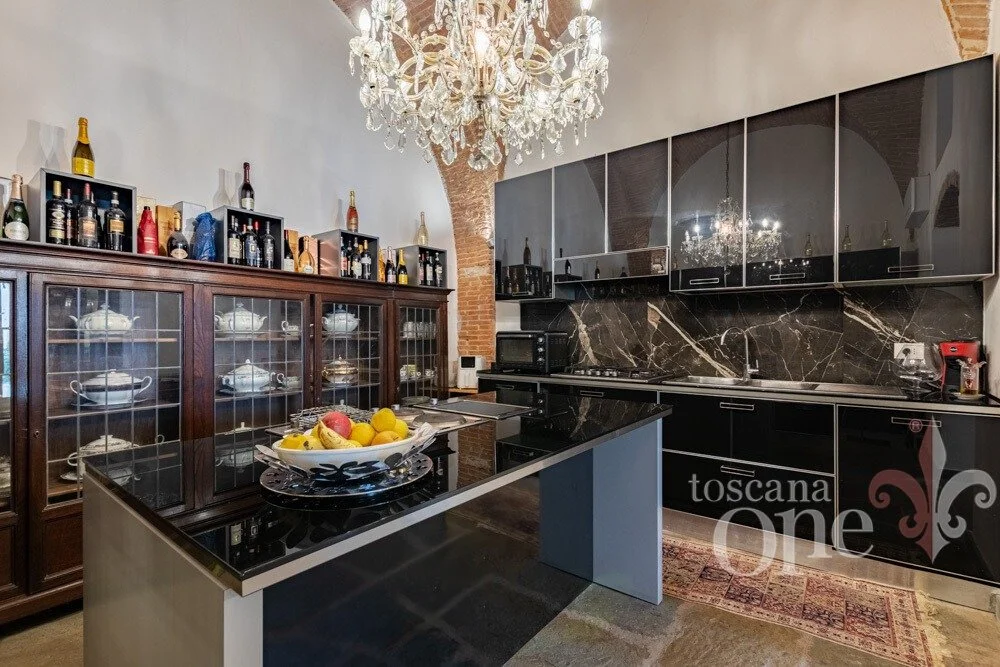
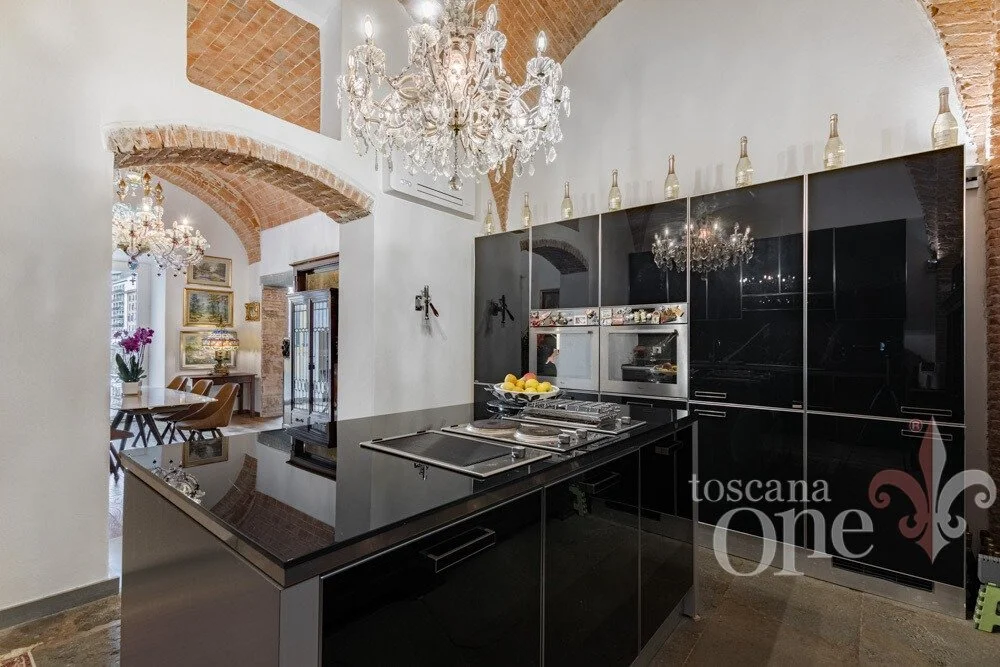
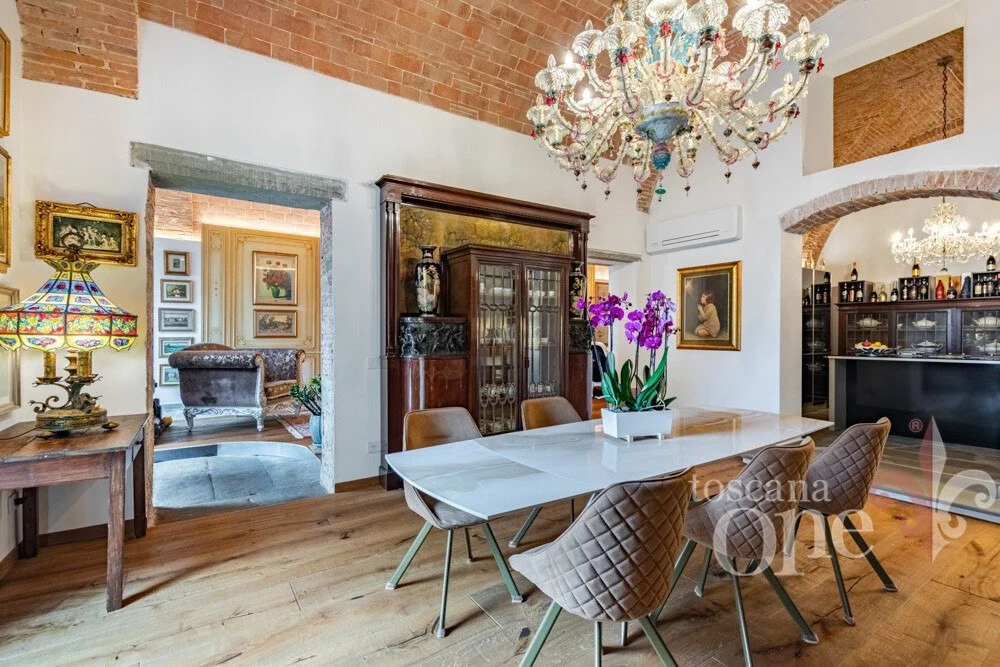
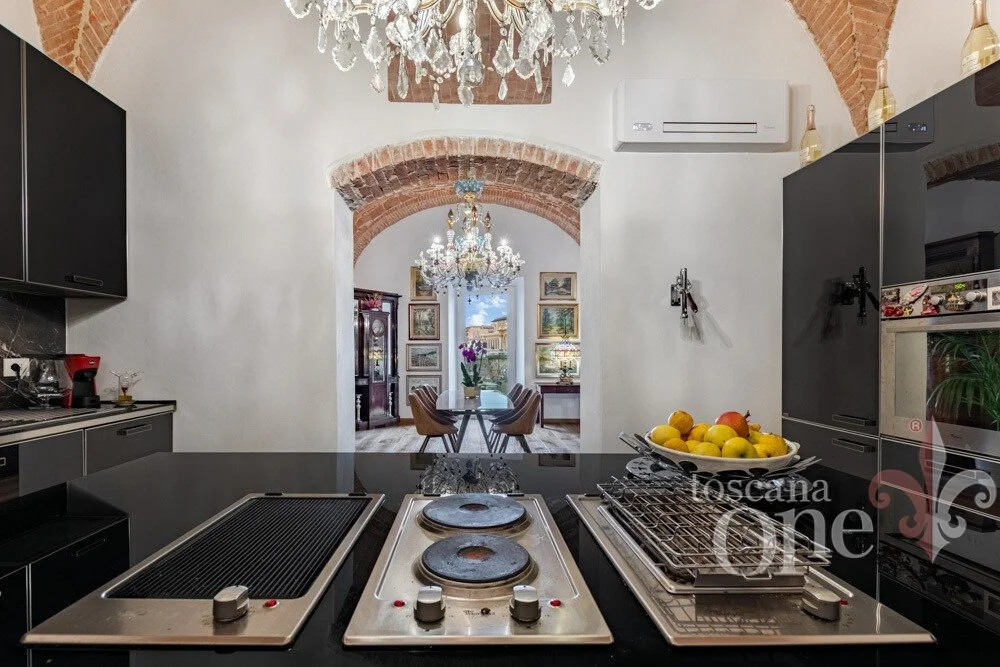
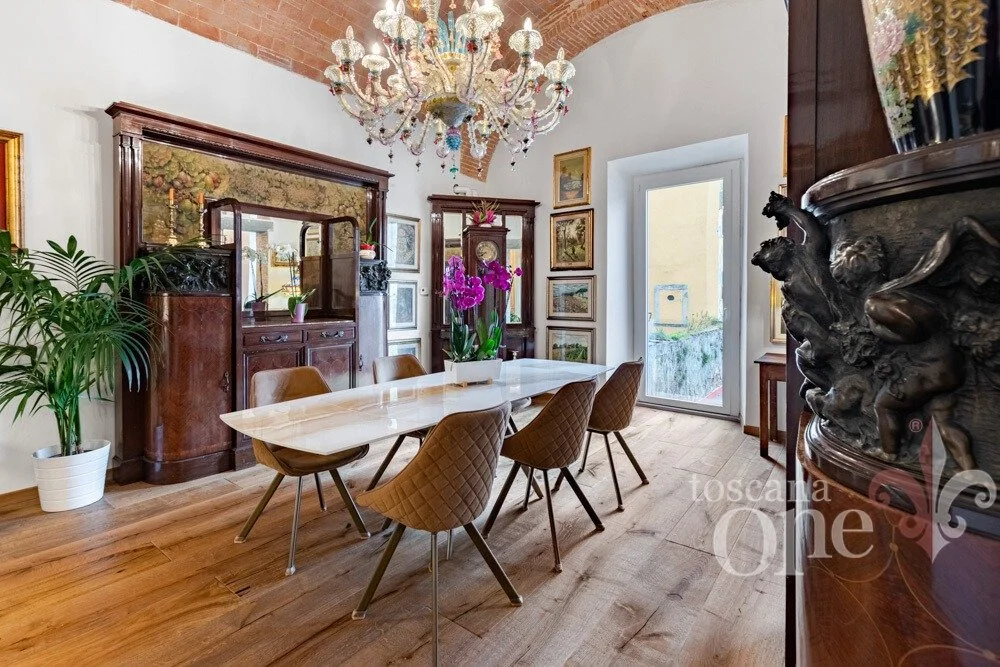
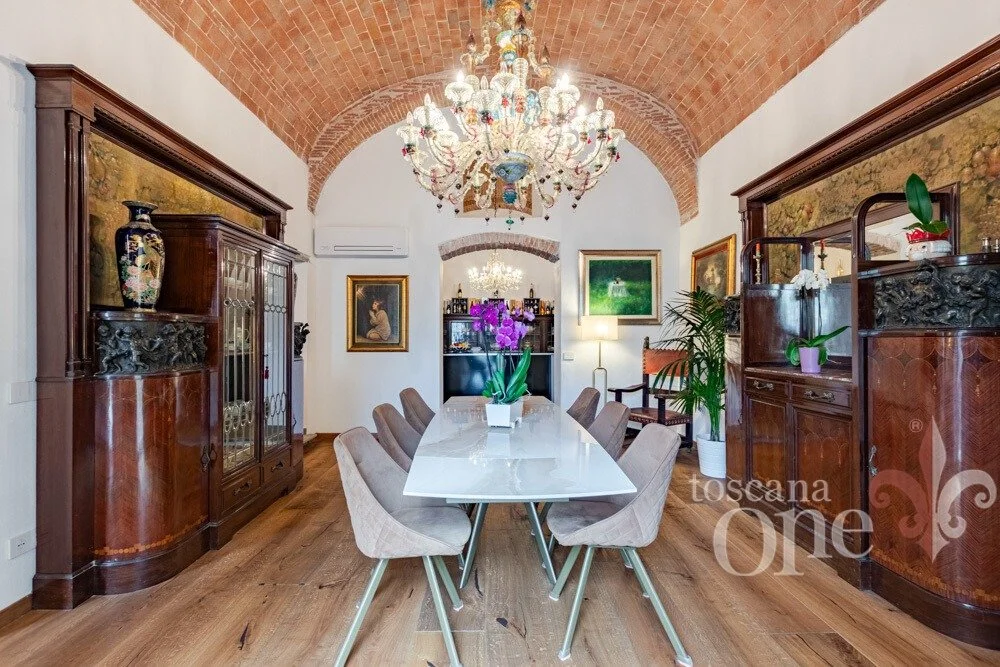
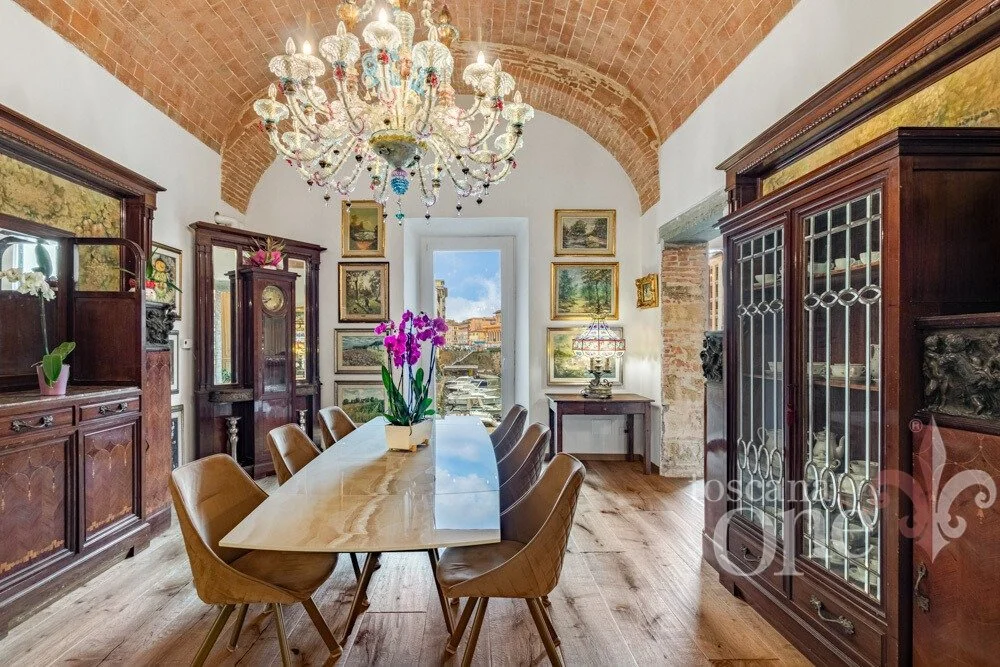
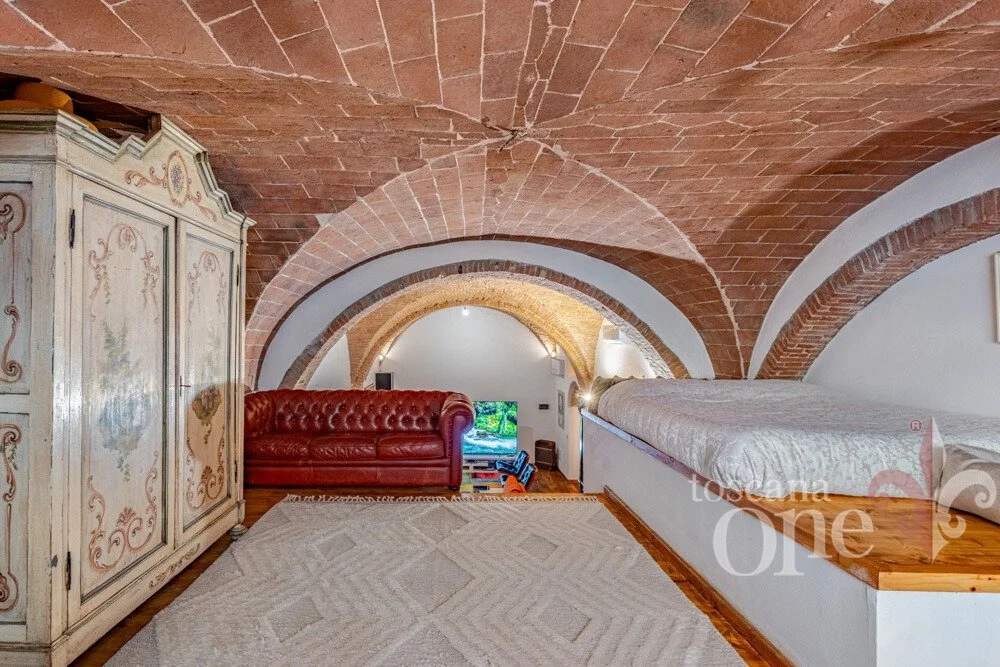
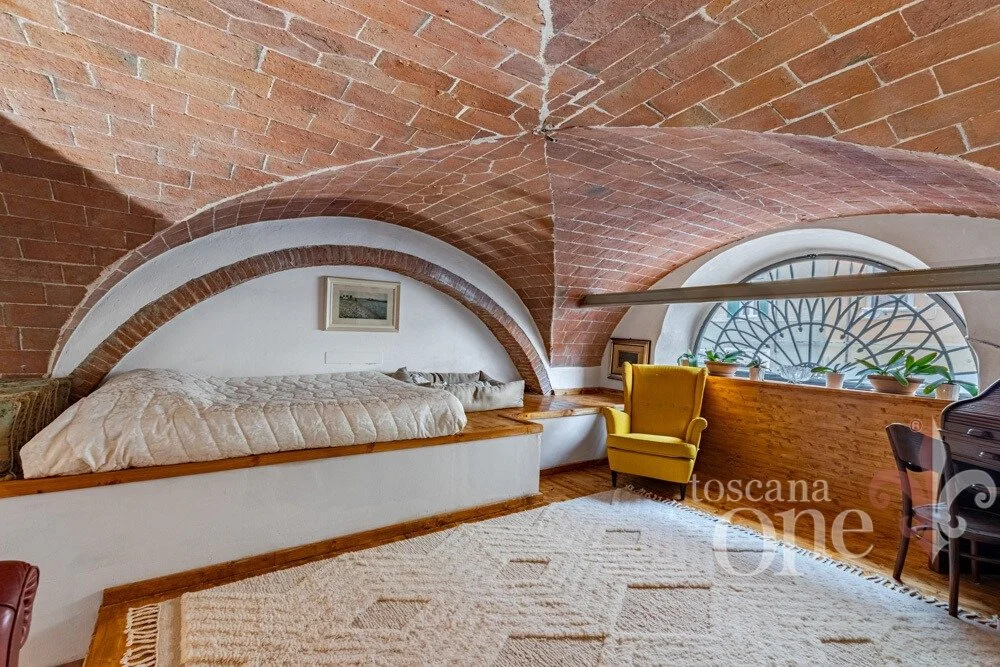
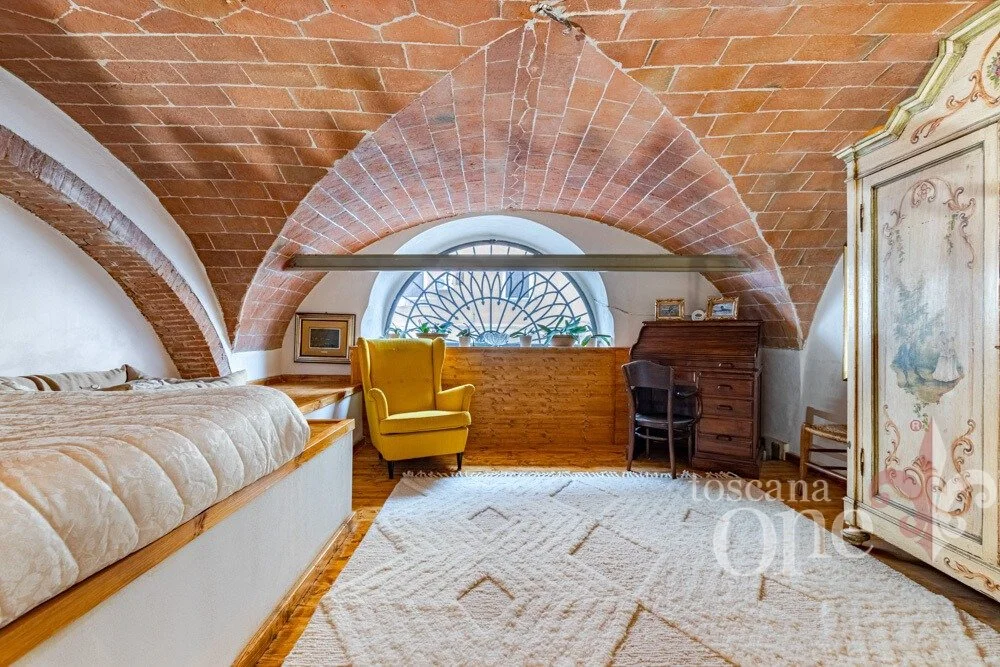
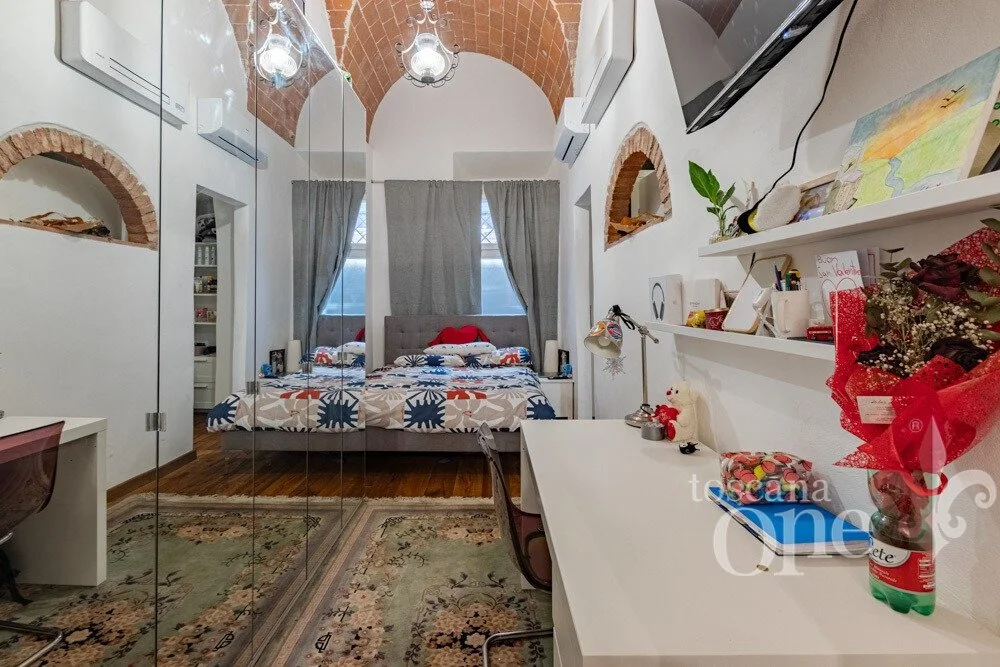
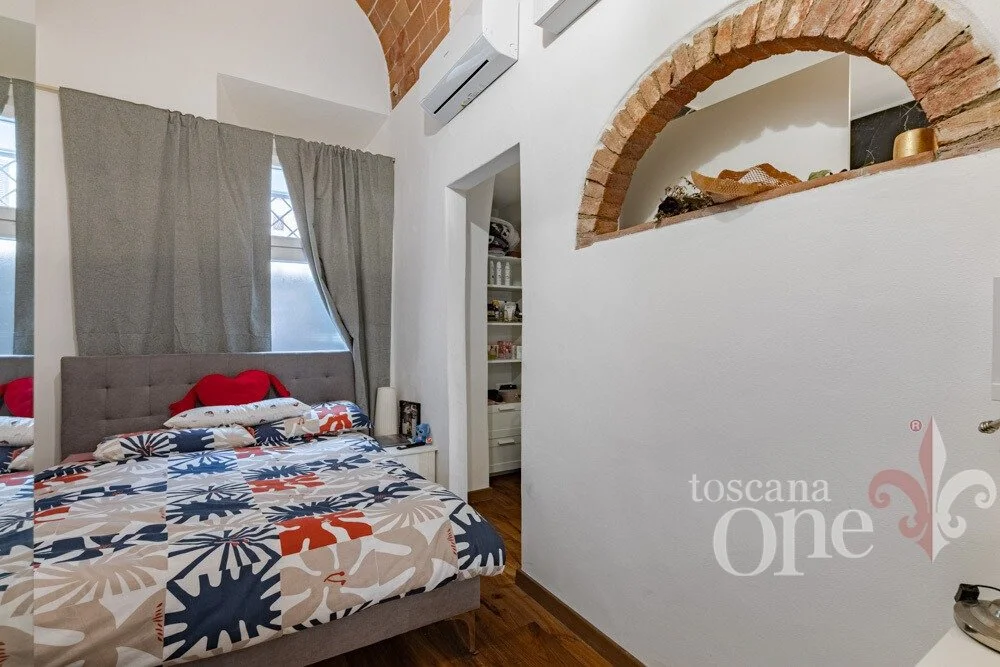
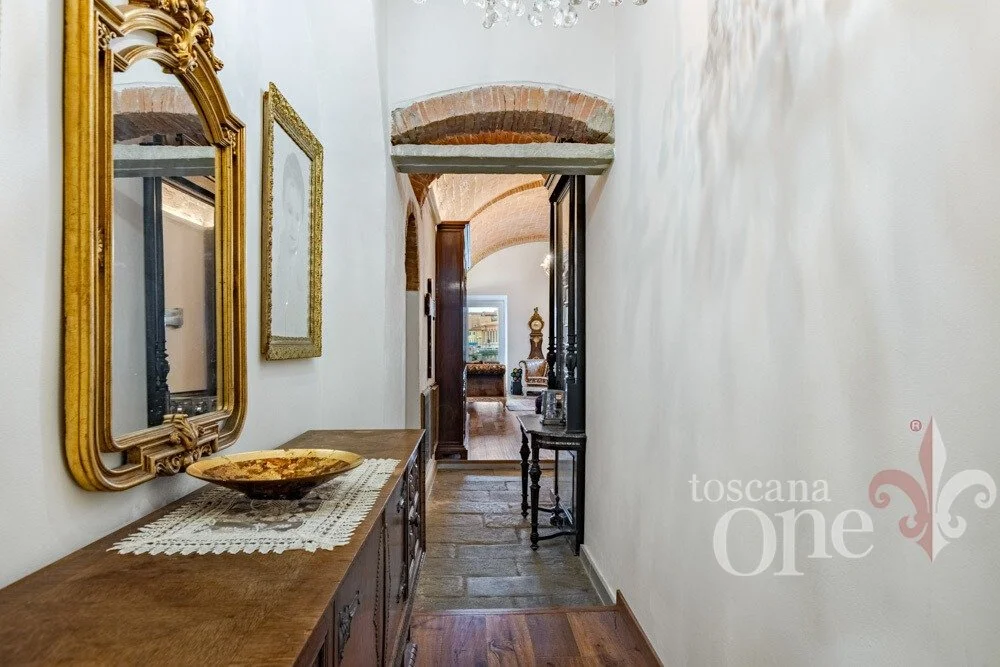
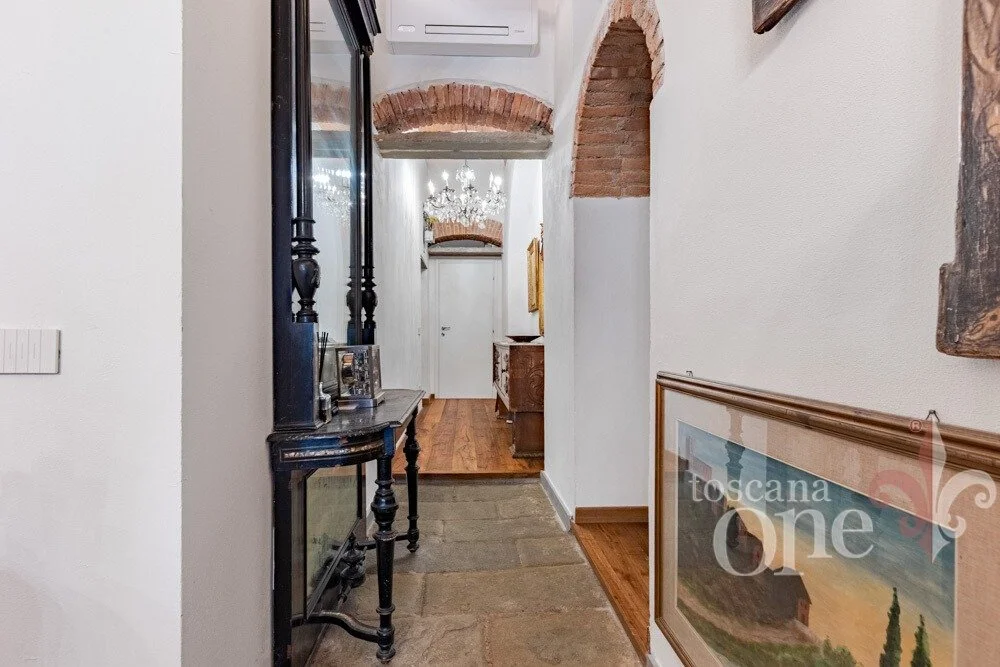
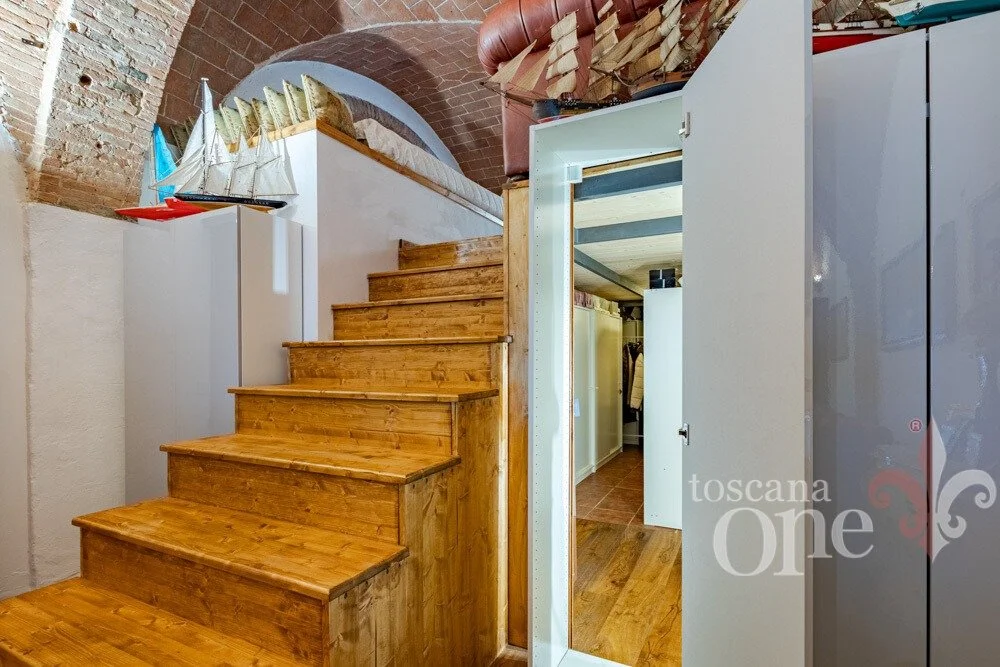
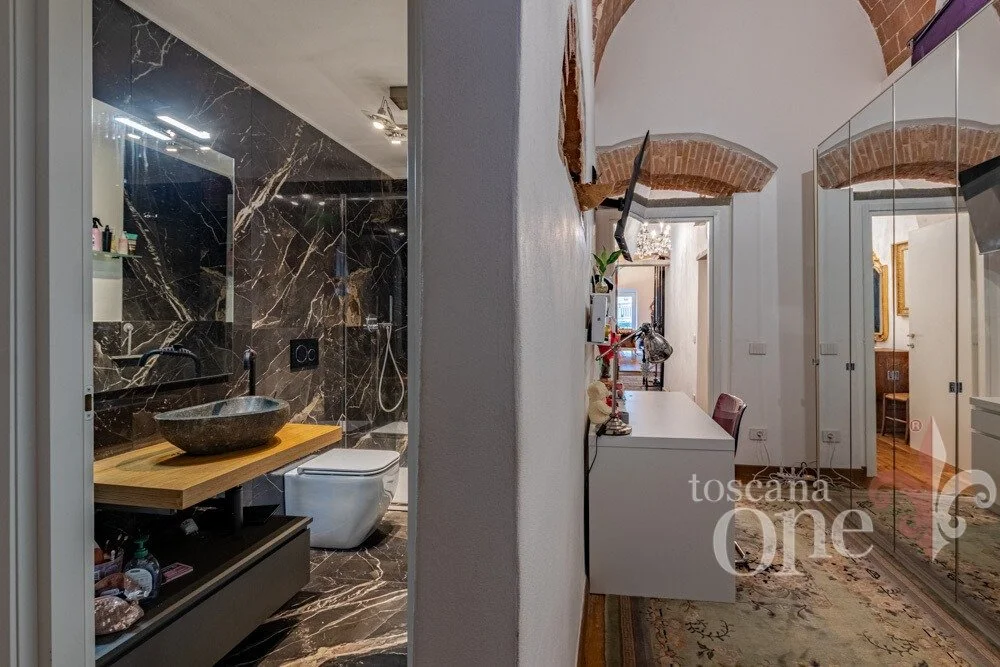
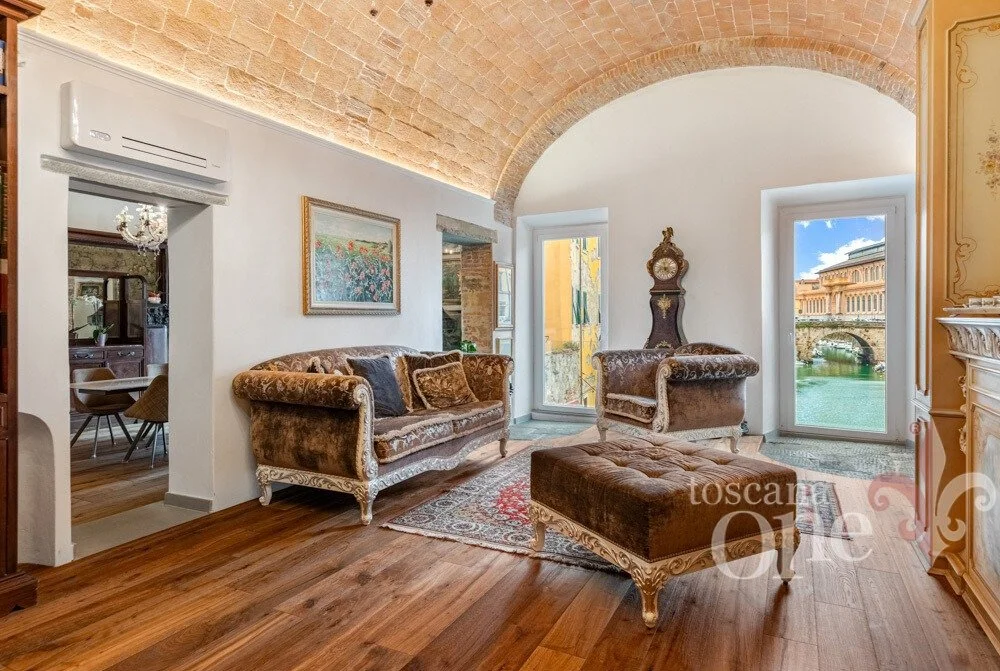
Large double living room, cinema room, generous kitchen, walk-in wardrobe room, laundry room, canal-facing aspect.
Additional feature
One parking space included.
Optional add-on
Boat mooring may be purchased separately.
Condition
Marketed as completely renovated.
Outdoor space
No private outdoor space is mentioned on the agent listing.
Energy information
The portal states "Energy Class N", while the agent page shows "Classe Energetica: VA". Both require documentary clarification through the APE.
Lifestyle angle
Historic canalside city living with lock-up-and-leave appeal and possible rental potential.
Risk Radar
Overview
This is a high-appeal urban lifestyle property rather than a simple standard apartment purchase. Its value proposition rests on four things working together: the Venezia Nuova canalside setting, the claimed full renovation, the unusually generous internal layout with cinema room and ancillary spaces, and the practical extras of parking plus possible boat mooring. That combination can justify a premium, but only if the paperwork is as strong as the presentation.
The main due diligence themes are therefore not cosmetic. They are documentary and structural. First, the renovation must be proven to be lawful, closed out correctly, and reflected in the current cadastral plan. Second, the condominium must be financially healthy, well managed, and not quietly heading toward expensive roof, façade, drainage or common-system works. Third, the canalside location requires more scrutiny than a generic city flat because damp, waterproofing, flood exposure, drainage resilience, and insurance practicalities can materially affect long-term ownership. Fourth, if rental use is part of the buyer's thinking, Tuscany's current tourism rules, municipal reporting obligations, and the CIN framework need to be checked against the exact intended use.
Targeted Questions
Condominium and Building Governance
A stylish apartment in a historic district can sit inside a building with materially higher shared costs than the photos suggest.
Meeting minutes often reveal pending disputes, deferred maintenance, and planned extraordinary works before the price reflects them.
A building can look fine externally while carrying arrears, underfunded reserves, or recurring overspend.
Roof, façade, drainage, stairwell, lift, or structural works can significantly change your total acquisition cost.
In an older canalside setting, common-part problems can feed directly into private-unit moisture and insurance risk.
The ownership mix affects maintenance standards, meeting decisions, and day-to-day building behaviour.
Professional management often improves documentation and budgeting, but you want to verify responsiveness and transparency.
Ongoing litigation can create cost uncertainty and complicate resale or mortgage approval.
High arrears can weaken the building's cash position and delay necessary maintenance.
Those records help you distinguish between a genuinely maintained building and one that is merely presented well.
Title, Cadastral and Renovation Documentation
The current internal layout needs to match the filed plan, especially where cinema room, wardrobe room, mezzanine, and service areas are involved.
Internal reconfiguration without proper updating can create sale delays, financing issues, or post-purchase regularisation costs.
The date helps you assess whether installations, warranties, and certificates are still recent and traceable.
"Completely renovated" is only reassuring if the works were properly declared and regularised.
The paper trail matters as much as the finish quality in Italy.
Transfer may still be possible without it, but agibilità remains a serious due diligence issue and should never be treated casually.
Structural or functional changes carry a different level of compliance risk than simple cosmetic refurbishment.
Modern finishes do not automatically mean modern systems or documentary compliance.
It helps verify scope, seriousness, and whether the renovation was properly executed rather than superficially staged.
Transferable protection adds real value if systems or fitted elements are still under guarantee.
A simple written confirmation can save major renegotiation later.
Energy, Systems and Running Costs
The listing shows conflicting energy information, and the APE is a core sale document in Italy.
Conflicting energy data is a red flag for listing accuracy and should be reconciled before relying on any efficiency narrative.
Large renovated apartments can still be expensive to run if insulation and plant quality are mediocre.
It affects control, cost allocation, maintenance, and future upgrade flexibility.
Internal rooms and entertainment spaces can become uncomfortable and damp-prone without proper ventilation and cooling.
In a lively historic district, glazing quality affects comfort, noise, and energy performance.
"Renovated" can mean visual refresh rather than meaningful performance improvement.
Gas compliance and maintenance history matter for safety and insurability.
Fresh plaster and decoration can mask recurring moisture issues in canal-adjacent buildings.
Canalside Condition, Damp and Flood Exposure
Waterfront romance is pleasant until it becomes an annual repair budget.
You need to know whether moisture risk was properly solved or merely cosmetically covered.
Past events are often a better guide than generic reassurance.
In Livorno, hydraulic-risk context should be checked rather than assumed away, especially near the fossi.
Practical insurability matters as much as theoretical location charm.
Shared infrastructure failures can become private problems very quickly.
Layout, Useability and Cinema Room
Buyers often assume a room can serve as a bedroom or office when the legal classification says otherwise.
Flexibility supports resale value, but only if conversion is truly feasible.
A headline feature is only valuable if the expected equipment actually transfers.
Without proper sound control, a cinema room can become a neighbour-relations problem rather than an asset.
Mezzanines can be especially prone to documentation mismatch.
Height issues can affect lawful usability and resale confidence.
Parking and Boat Mooring
"Included" can mean very different legal things, and value depends on certainty.
Historic-district parking can be far less practical than listing copy implies.
Ancillary assets sometimes carry their own small but persistent cost layer.
The mooring could be a major lifestyle premium, but only if its legal basis is solid.
Optional extras should be priced and documented, not left in the realm of atmosphere.
A mooring only adds value if it is genuinely usable for your intended purpose.
Historic District, Access and Heritage Constraints
If the building or part of it is protected, even modest future works may need heritage approval.
Historic settings often involve approvals that need to be visible in the file.
Access affects daily liveability, furniture logistics, ageing in place, and rental appeal.
Historic centres can be charming until you need to move a sofa or a boiler.
Large homes marketed for lifestyle use increasingly need credible remote-work capability.
Thick walls and internal rooms can create unexpected signal dead zones.
Rental Potential and Exit Strategy
Real operating history is more valuable than generic rental optimism.
The answer affects whether a municipal communication route may suffice or whether SCIA is required.
Existing compliance history can reduce setup friction, although it still needs verification.
The CIN is now a visible compliance requirement for tourist-rental advertising.
Even where public-law compliance exists, private building rules can still create friction.
A resilient fallback exit is important if holiday letting proves less attractive than expected.
Knowing the real buyer pool helps you judge resale liquidity.
Negotiation Intelligence
Buyer Leverage
Medium-High
Key Drivers
Typical Negotiation Range
5-15% below asking
Neutral Phrasing Examples
Country Layer
Italy (Regulatory Context April 2026)
In Italy, the sale file for an apartment should be approached as a documentary package, not just a set of photos and a floor plan.
Viewing Strategy
Treat the viewing as a technical inspection disguised as a lifestyle visit.
Next Step
Verify from the listing:
Renovation legality and layout conformity
Request the full renovation file, cadastral plan, and confirmation that the cinema room, wardrobe room, laundry room and any mezzanine elements all match the registered and lawful layout.
Condominium financial health
Obtain the regolamento di condominio, recent meeting minutes, annual accounts and confirmation of any approved or expected extraordinary works affecting roof, façade, drainage or common systems.
Energy certificate discrepancy
The listing presentation and agent page show conflicting energy information, so ask for the full current APE and real running-cost data before treating the renovation as energy-efficient.
Parking space and mooring rights
Confirm whether the parking space is deeded, separately titled or simply allocated, and clarify the exact legal and financial structure of the optional boat mooring before assigning value to either feature.
Canalside damp and hydraulic exposure
Because the apartment sits in Livorno’s fossi district, verify any history of damp, water ingress, flood-related events, insurance issues and building-level drainage or waterproofing measures.
A prepared buyer should approach the agent calmly and frame questions as due diligence.
Because this is a canalside Livorno apartment where renovation paperwork, building health and environmental exposure all materially affect value, run it through the Property Risk Assessment to pressure-test the legal and building-level risks, or use the European Property Energy Risk Assessor to clarify the APE position before contacting the agent.
Disclaimer: The Property Drop is buyer-focused intelligence, zero sales agenda. We curate exceptional properties, in southern Europe, from third-party agents and arm you with decision tools. No commission, no transactions, no agent partnerships, no skin in the game beyond helping you choose wisely. Information stays accurate until it doesn't (properties sell, prices shift, markets move). Everything here is shared for informational purposes only and should not be treated as legal, financial, or investment advice. Images belong to original agents. Read our Terms of Service to learn more.
Buyer Intelligence:
This assessment provides general guidance based on common risk factors and publicly available regulatory information. Risk scores and checklist items are indicative only and must not be considered legal, financial, structural, or surveying advice. Actual property conditions, costs, and regulatory requirements vary significantly by location, property age, and specific circumstances. Regulations are subject to change; always verify current requirements with qualified local professionals before making any purchasing decision.
The Property Drop provides buyer intelligence and educational research analysis only. The Property Drop does not act as an estate agent, intermediary, or advisor in any transaction and does not facilitate introductions, negotiations, or transactions. Always engage qualified independent professionals including local lawyers, surveyors, architects, and tax advisors for comprehensive due diligence specific to your property.
IMPORTANT REMINDER: When contacting property agents featured on The Property Drop, you are entering into direct communication with third parties. It's recommended that you verify all property details independently, conduct thorough due diligence, engage qualified professionals (solicitors, surveyors, financial advisors), understand your rights and obligations under local property laws, and never send money or make commitments without proper legal protection.

The Buyer Playbook: 1-Bed Historic Palazzo Flat with Frescoed Ceilings and Mirrored Living Cube, Casale Monferrato, Italy, €195,000
The Buyer Playbook: 5-Bed Historic Townhouse with Two Apartments and Panoramic Views, Collamato, Italy, €220,000
Questions ready for the agent?
The agent represents the seller.
What you ask shapes the answers you get.