
The Buyer Playbook: 5-Bed Historic Townhouse with Two Apartments and Panoramic Views, Collamato, Italy, €220,000
Buyer Playbook
Pre-Viewing Intelligence Report
This independent buyer guidance report relates to this specific property located in Italy. It is provided for informational purposes only and does not constitute legal, tax, structural or survey advice. Cadastral status, agibilità, planning history, renovation permits, heritage or landscape constraints, utility separation, tourist-rental compliance, courtyard rights, and any title or land-use matters must always be verified with qualified Italian professionals such as a notaio, avvocato, geometra, architetto, ingegnere, surveyor or licensed property consultant, and with the relevant municipal and regional authorities. This report is designed to help buyers evaluate the property before arranging a viewing or making an offer. It highlights due diligence issues and targeted questions to ask the estate agent. The analysis is based on the listing details and publicly available regulatory context at the time of writing, including the national APE, agibilità and tourist-rental identification framework, plus Marche-specific CIR/CIN procedures.
Playbook Contents
Property Snapshot
Location
Collamato, frazione of Fabriano, Ancona province, Marche, Italy
Property type
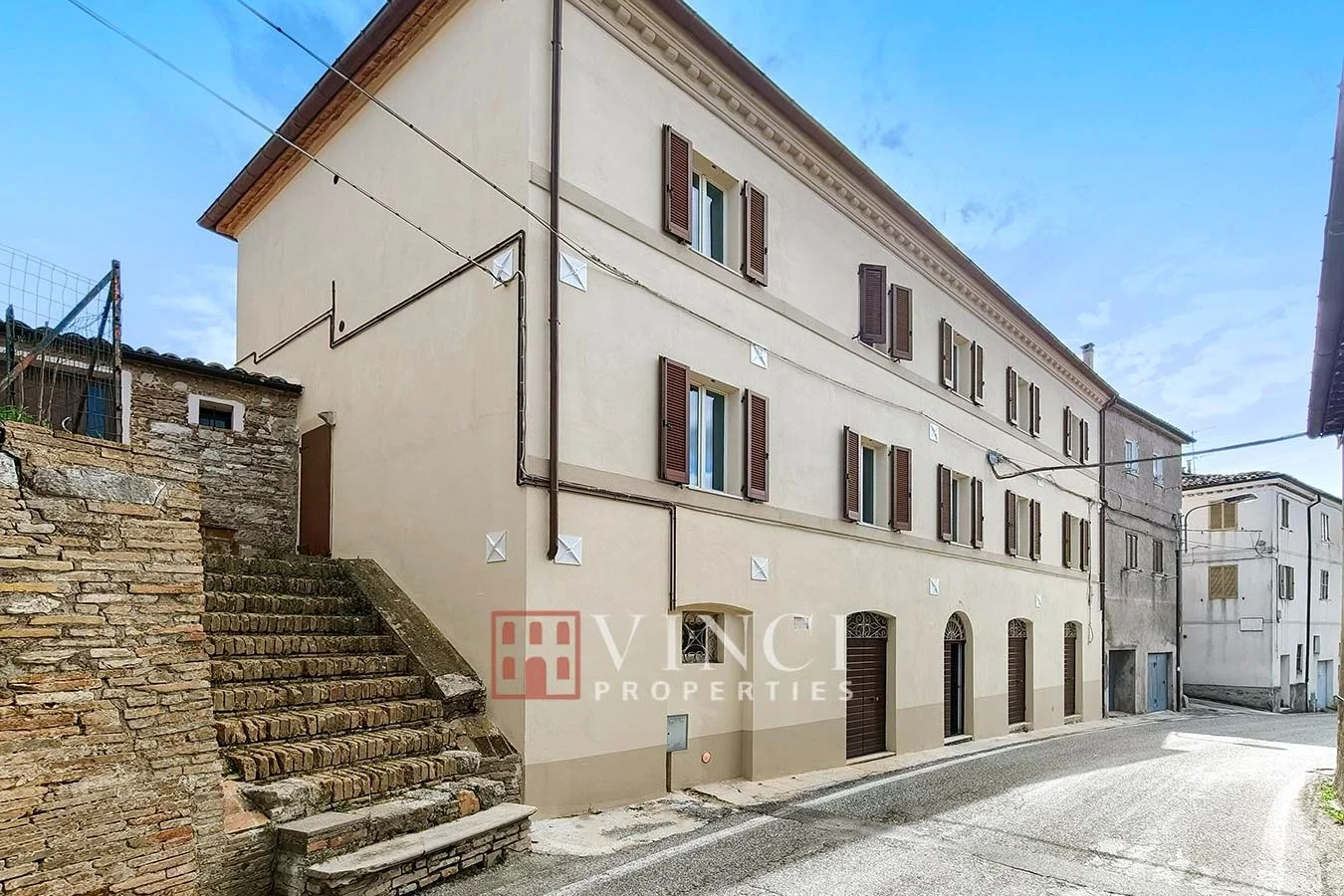
Historic hilltop townhouse in a village setting
Asking Price
€220,000
Bedrooms
5
Layout
Two self-contained apartments with dual-entry configuration
Outdoor space
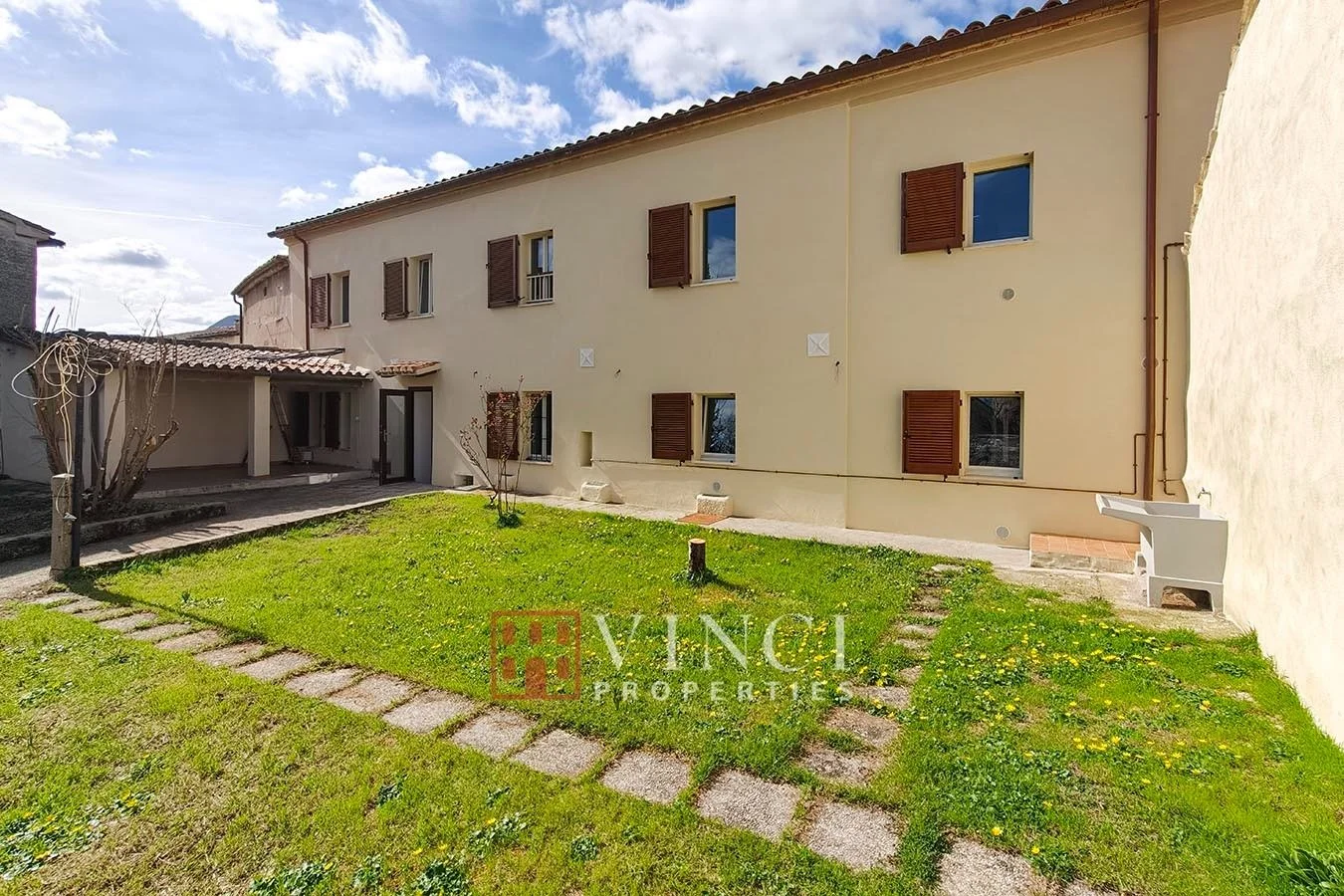
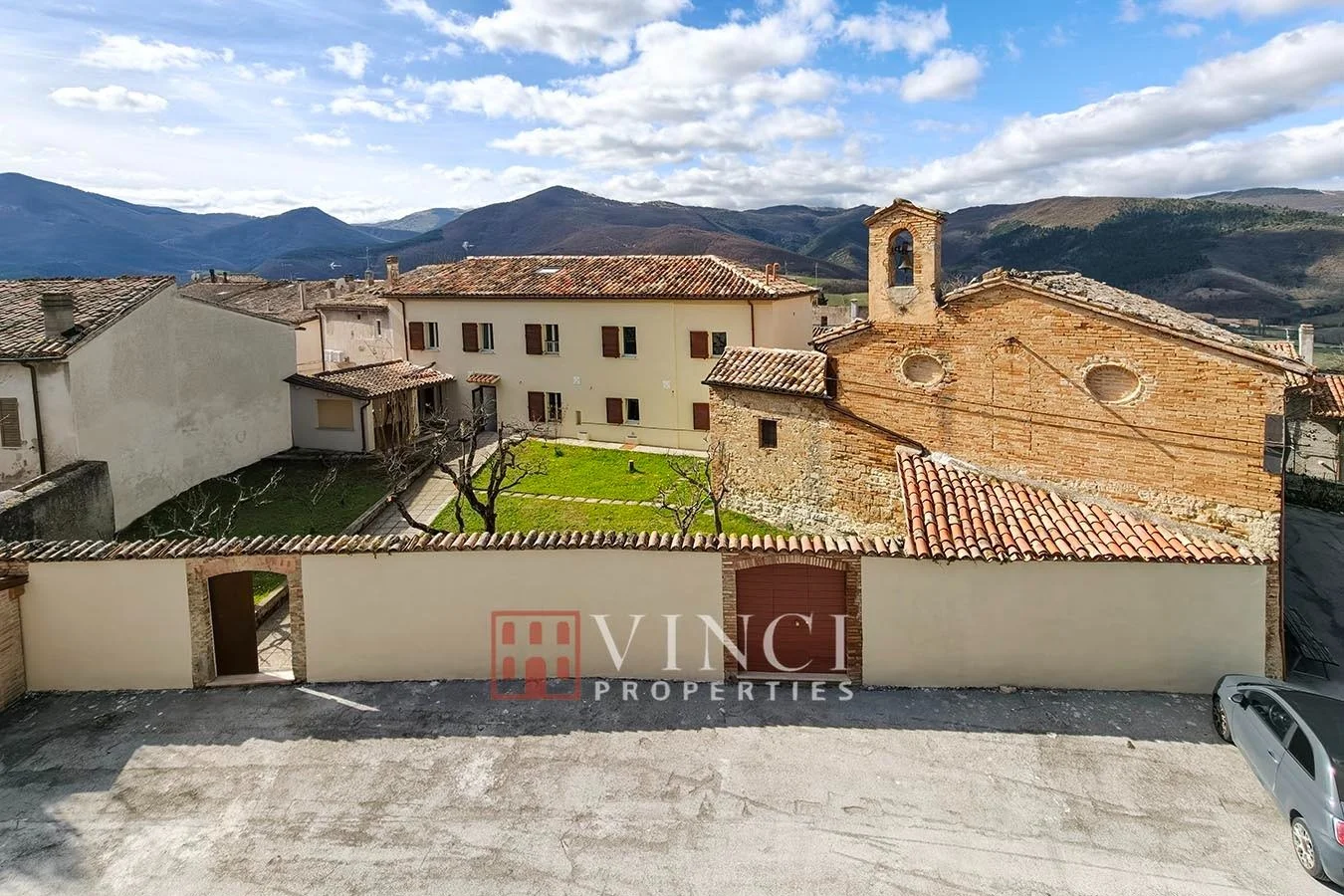
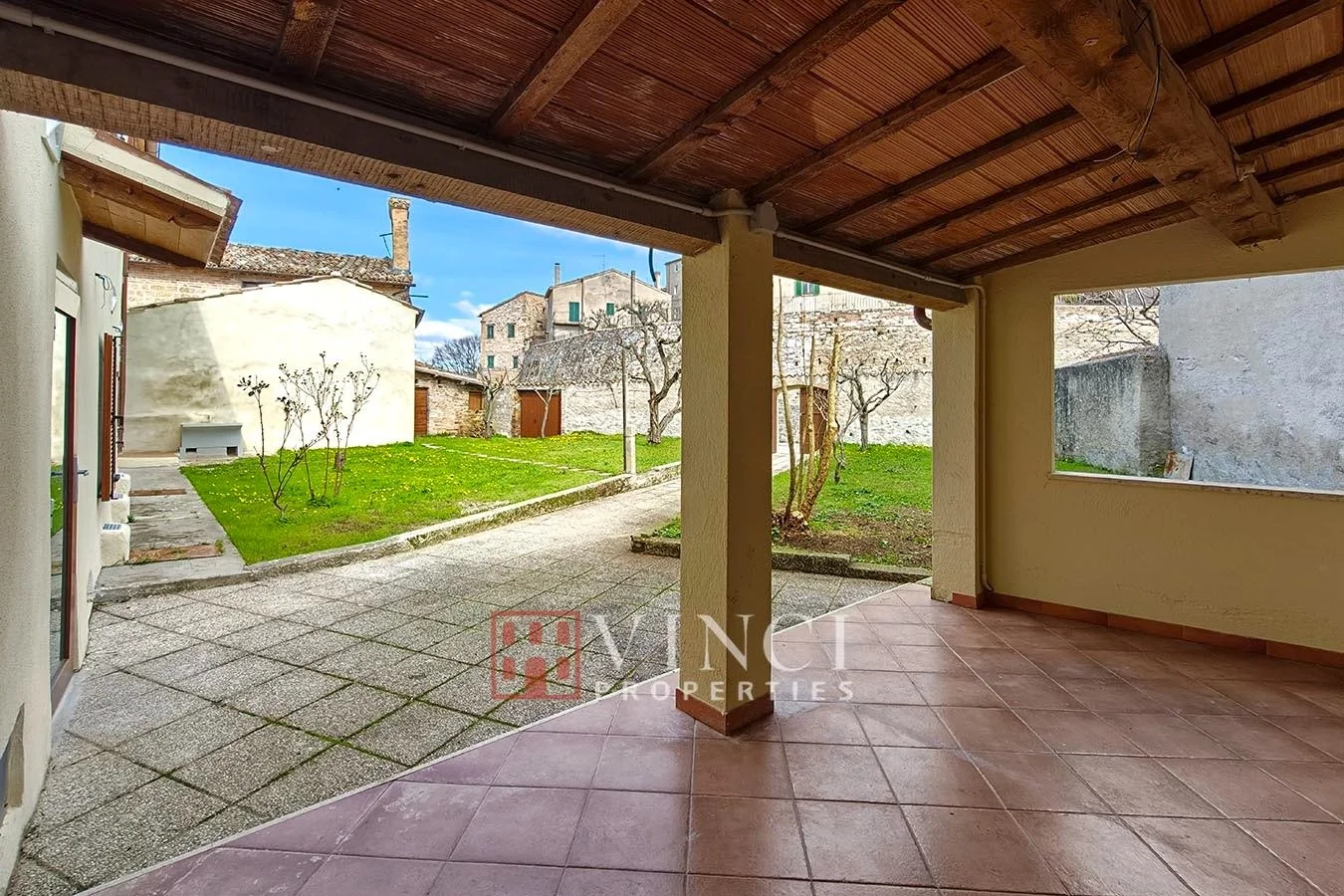
Private exclusive courtyard
Setting
Panoramic hilltop position with valley views in a historic village location
Construction
Historic stone construction
Renovation claim
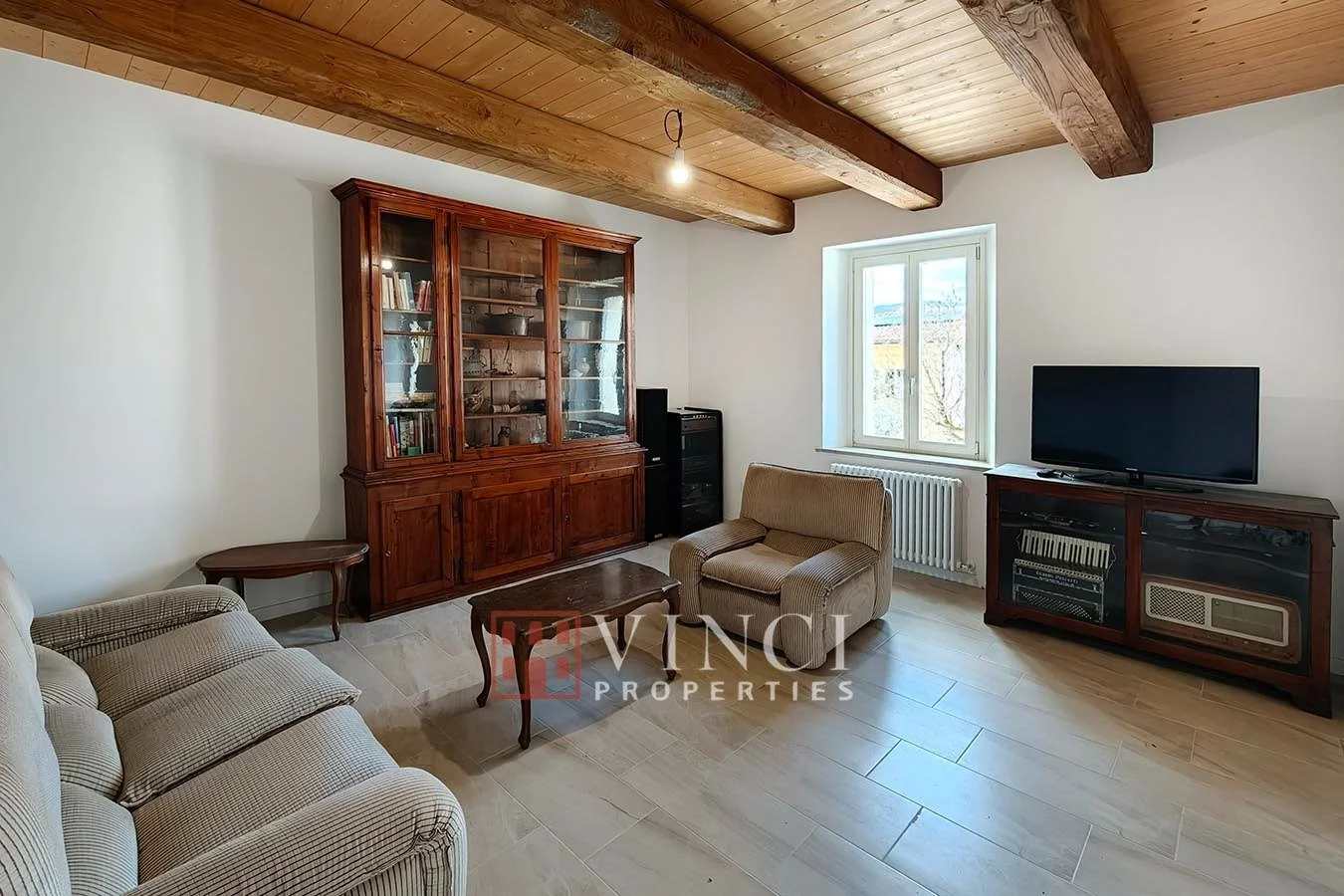
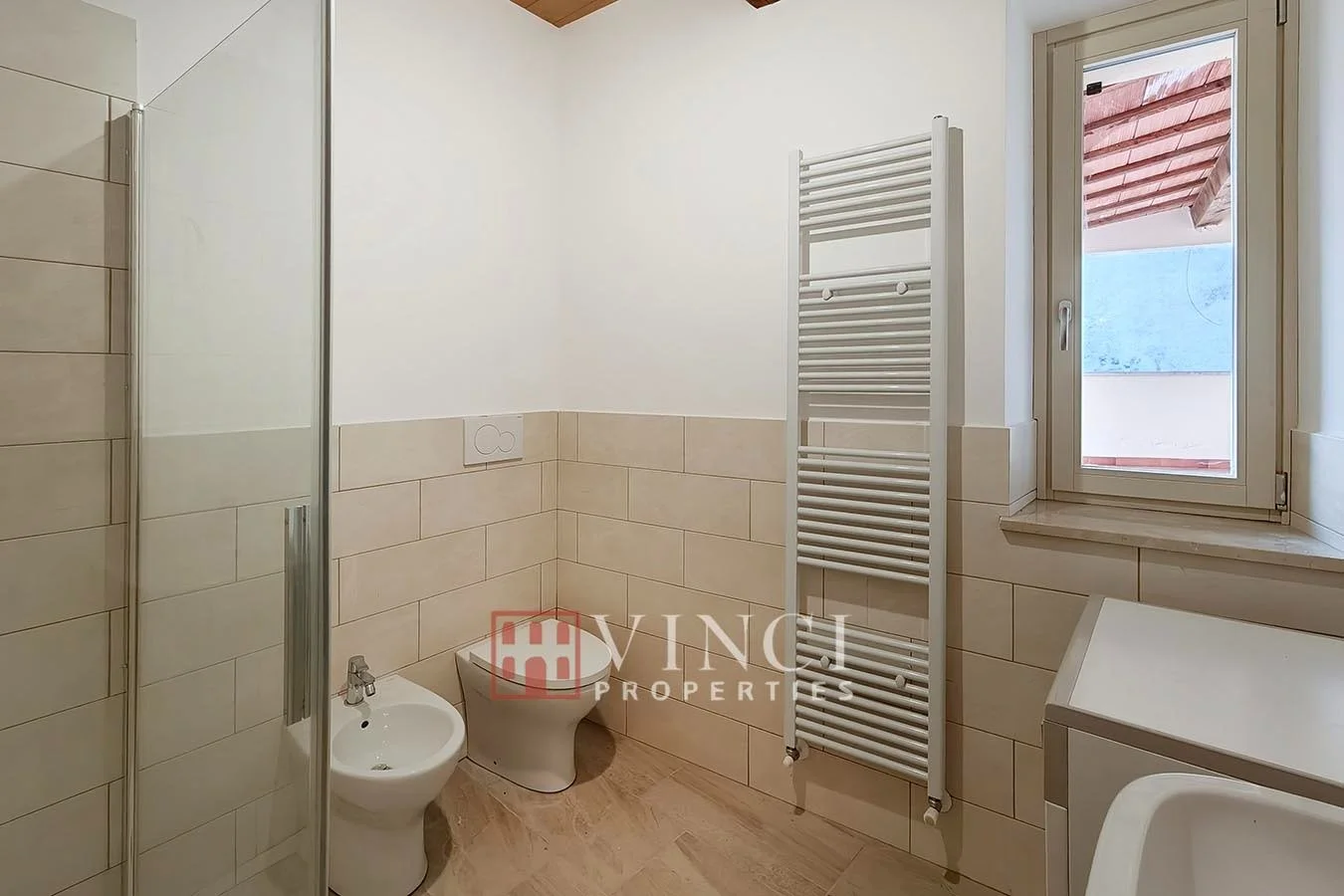
Fully renovated in 2025
Energy label shown in listing
"Energy Class N"
Positioning angle
Flexible use as home, multi-generational base, lock-up-and-leave retreat, or dual-rental asset
Risk Radar
Overview
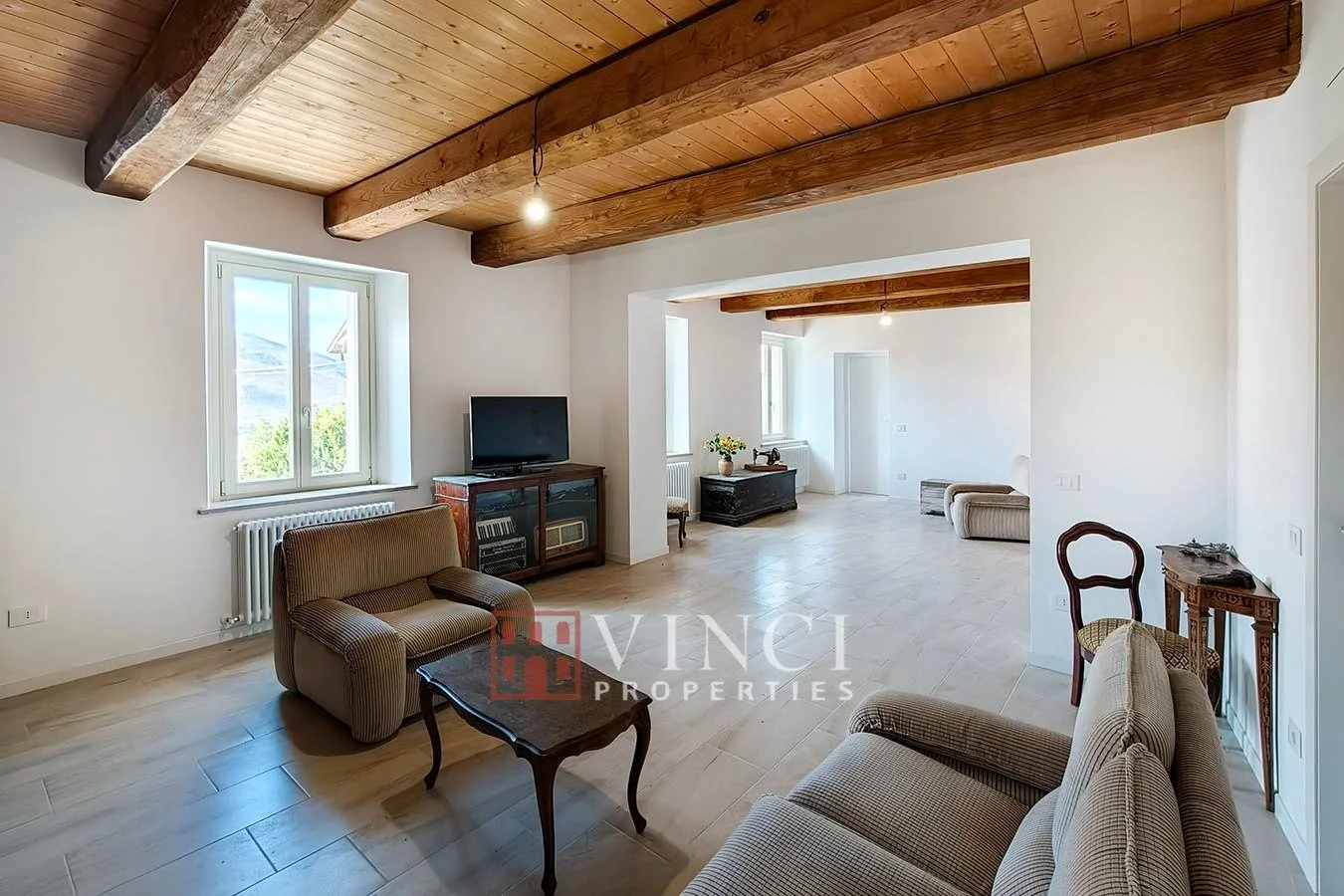
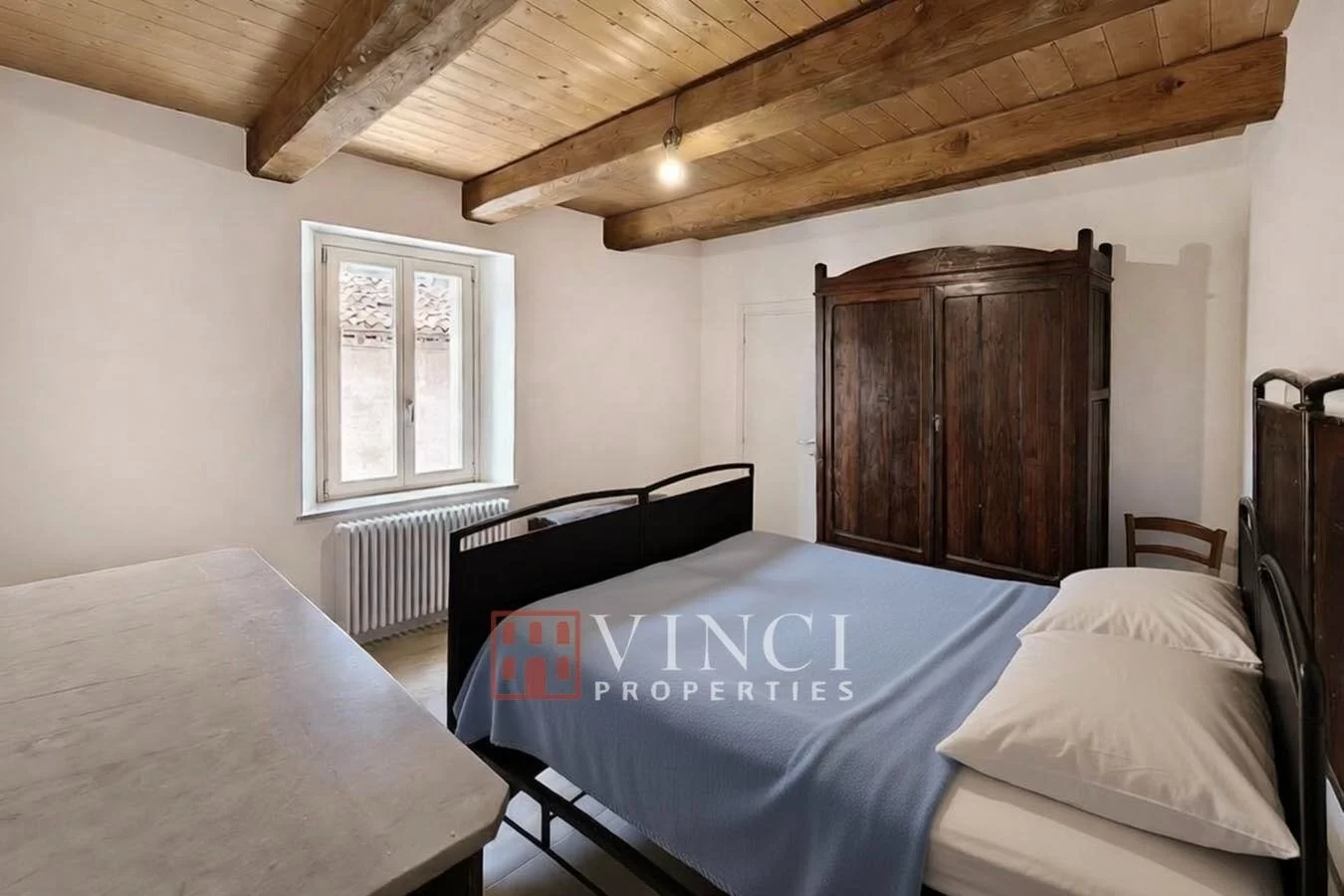
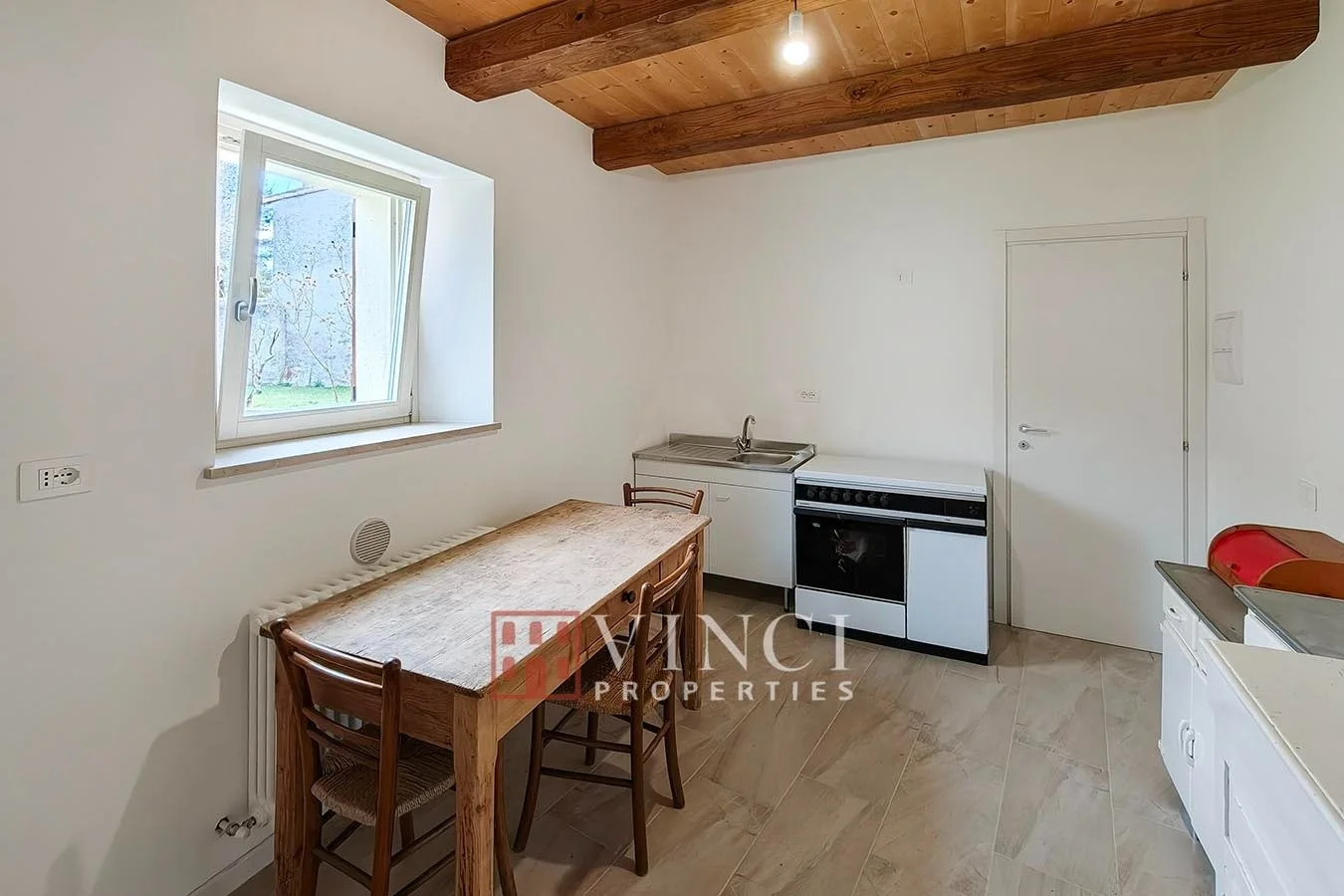
This is an unusually flexible village property for the price point: a historic stone townhouse in Collamato with five bedrooms arranged across two self-contained apartments, a private courtyard, panoramic valley views and a 2025 renovation claim. The headline attraction is not just character. It is optionality. A buyer could use it as a full-time home with guest accommodation, a family base with privacy between floors, or a one-unit-live, one-unit-rent arrangement. That flexibility, however, only has real value if the legal configuration, renovation paperwork and utility setup match the marketing.
The key due diligence themes are therefore straightforward but important. First, are there genuinely two autonomous residential units in the cadastral and planning record, or one dwelling arranged informally as two apartments? Second, was the 2025 renovation properly authorised and closed out, with building records, compliant systems and post-works agibilità where required? Third, why does the listing show "Energy Class N" when Italian sales normally require an APE, and what does the actual energy performance look like in day-to-day use? Fourth, because this sits in a historic hilltop frazione, you need to test access, parking, delivery practicality, moisture behaviour, view durability and any heritage or village-centre constraints that could affect future works or rental operations.
Targeted Questions
Legal Status and Title
This is the fastest way to test whether the marketed two-unit layout matches the official cadastral record and floor plans.
This affects resale, financeability, utility separation, taxation and rental strategy.
Category affects how the units are treated for ownership, tax and lawful use.
A renovated layout that does not match the filed plans can create regularisation costs and delay a sale.
Separate subalterns usually indicate cleaner legal separation and make future management simpler.
Courtyard rights are a material value driver here and should not be assumed from marketing language.
Historic village properties often carry old access arrangements that affect privacy and use.
Title complications can slow or derail transactions, especially in older family properties.
Renovation Permits and 2025 Works
The correct procedure depends on the scope of works and helps reveal whether the project was handled properly.
Professional documentation is often more revealing than estate-agent summaries.
Structural intervention changes both risk and documentation requirements.
Roof condition is a major cost line in historic village property.
"Renovated" can mean anything from complete renewal to surface improvements.
System compliance is essential for safety, insurance and future letting.
A 2025 renovation should still be within the period where documentation and contractor accountability are useful.
Invoices help distinguish substantial works from cosmetic staging.
Retrospective regularisation is not always simple, cheap or even possible.
If the property was materially altered, you want clarity on occupancy status, not assumptions.
Energy, Heating and Running Costs
The listing label is unusual and should be clarified immediately before you rely on any efficiency assumptions.
An old certificate may not reflect the present condition.
Historic hilltop houses can be charming but expensive to heat if systems are weak.
Independence matters for flexible occupation and rental modelling.
Summer comfort and tourist appeal are different if cooling is absent.
Window quality materially affects comfort, condensation risk and noise.
A "renovated" historic building can still perform poorly if insulation was not addressed.
Real bills often tell the truth faster than marketing language.
Building Condition and Fabric
Stone village buildings can hide moisture problems behind fresh plaster and paint.
Some treatments are superficial and some are effective. You need the detail.
Hilltop properties can face movement, drainage and retaining-wall costs.
Fresh finishes can conceal movement history.
Retained character adds value, but removal can sometimes create compliance or resale issues in historic settings.
Older townhouses can have uneven floors that signal either age only or deeper structural concerns.
Roof voids often reveal the real story of a renovation.
Poor drainage is a common trigger for damp in stone buildings.
Two-Apartment Functionality
Self-contained living and lawful use depend on complete facilities, not partial setup.
Privacy and lawful independent use become weaker if access is entangled.
Flexibility includes the ability to simplify, not just split.
Operational independence matters for guests, tenants and troubleshooting.
Future separation can be slower and more expensive than buyers expect.
Historic use patterns can help confirm how the property has really functioned.
Courtyard, Views and External Rights
In compact historic settings, outdoor space is a major value component and should be mapped clearly.
"Private" in marketing language does not always mean exclusive in legal practice.
External moisture failures often show up later inside adjoining walls.
The view is part of the pricing logic and should be tested like any other asset feature.
Buyers often assume they can upgrade outdoor areas in ways that historic settings may restrict.
Village Practicalities and Neighbourhood
Even a townhouse can carry shared responsibilities and costs.
Hidden common costs can materially alter affordability.
Village atmosphere and noise profile shape both lifestyle and rental viability.
Hilltop romance fades quickly if access is awkward every week.
Physical access affects both ownership convenience and maintenance cost.
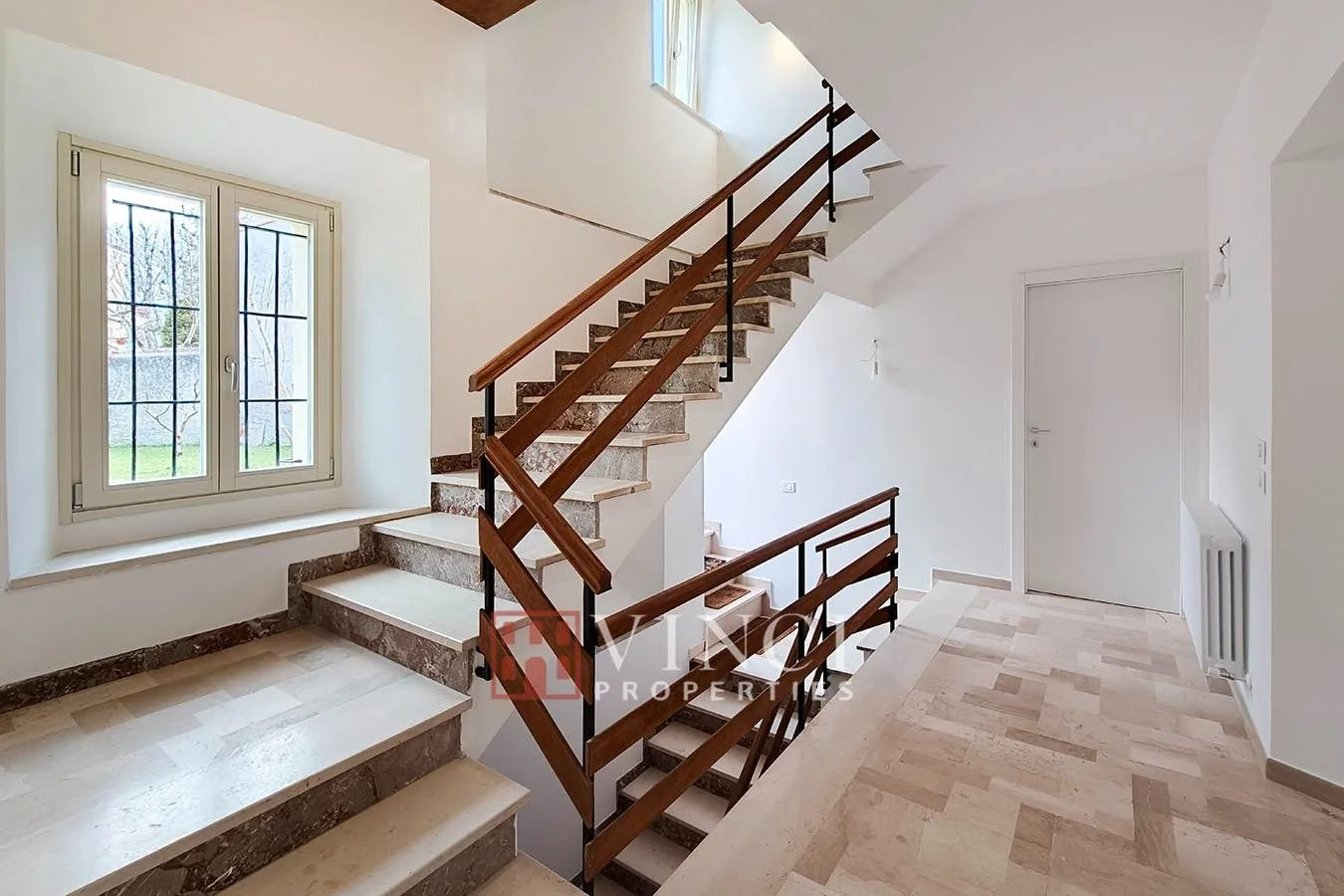
Stair load matters for older owners, guests and luggage-heavy stays.
Remote-work viability is now a real value factor.
Thick stone walls and hilltop locations can weaken practical connectivity.
The balance between authenticity and isolation is personal, but it must be understood.
Rental Potential and Compliance
Actual performance is more valuable than broad rental optimism.
Rental strategy only works if the legal unit structure supports the registrations.
Existing compliance can save time, but inherited registrations should still be checked carefully.
This affects compliance, advertising, operations and income assumptions.
Practical resistance can matter almost as much as legal eligibility.
Marche is attractive, but not every hill village has the same booking depth or season length.
Negotiation Intelligence
Buyer Leverage
Medium-High
Key Drivers
Typical Negotiation Range
5-15% below asking
Example line to use with the agent
Country Layer
Italy (Regulatory Context April 2026)
In Italy, sellers are expected to provide an Attestato di Prestazione Energetica (APE) for property sales, and the national energy-performance framework remains anchored in Legislative Decree 192/2005. For this reason, a listing label such as "Energy Class N" should be treated as a prompt for immediate clarification rather than accepted at face value. Ask for the full current APE, the issue date and whether it was prepared after the 2025 renovation.
Viewing Strategy
Do not view this property as one romantic townhouse. View it as a small operational system with legal, structural and practical layers.
Next Step
Verify from the listing:
Two-apartment legal status
Request the visura catastale, planimetrie and confirmation of whether the property is registered as two autonomous residential units or one dwelling arranged as two apartments, because that distinction materially affects resale, rental use and utility separation.
2025 renovation paperwork
Ask for the full building file for the renovation, including the permit route used, completion records, systems conformity certificates, invoices and any post-works agibilità documentation, so you can judge whether the upgrade was substantial and properly regularised.
Energy documentation
Clarify the meaning of “Energy Class N” immediately and obtain the current APE, because the listing wording is unusual and you should not assume the property’s true efficiency or running costs without the formal certificate.
Courtyard rights and practical access
Confirm that the private exclusive courtyard is correctly shown in the property documentation and check whether there are any shared access rights, drainage liabilities, parking constraints or delivery difficulties tied to the hilltop village setting.
Rental feasibility for one or both units
Verify whether the current legal configuration would support compliant tourist or short-term rental registration for each apartment in Marche, and whether utilities and access are genuinely independent enough to make dual use practical.
A prepared buyer should approach the agent calmly and frame questions as due diligence. For example: “To help me assess the property properly and prepare a serious offer, could you share the cadastral plans, the 2025 renovation documents, the current APE, and confirmation of whether each apartment is independently regularised for occupation and potential rental use?”
Because this is a dual-unit historic village property where legal configuration, renovation quality and income potential all materially affect value, run it through the Property Risk Assessment to stress-test the legal and building-level risks, or use the Rental Yield Calculator once the two-unit status and rental compliance position have been verified.
Disclaimer: The Property Drop is buyer-focused intelligence, zero sales agenda. We curate exceptional properties, in southern Europe, from third-party agents and arm you with decision tools. No commission, no transactions, no agent partnerships, no skin in the game beyond helping you choose wisely. Information stays accurate until it doesn't (properties sell, prices shift, markets move). Everything here is shared for informational purposes only and should not be treated as legal, financial, or investment advice. Images belong to original agents. Read our Terms of Service to learn more.
Buyer Intelligence:
This assessment provides general guidance based on common risk factors and publicly available regulatory information. Risk scores and checklist items are indicative only and must not be considered legal, financial, structural, or surveying advice. Actual property conditions, costs, and regulatory requirements vary significantly by location, property age, and specific circumstances. Regulations are subject to change; always verify current requirements with qualified local professionals before making any purchasing decision.
The Property Drop provides buyer intelligence and educational research analysis only. The Property Drop does not act as an estate agent, intermediary, or advisor in any transaction and does not facilitate introductions, negotiations, or transactions. Always engage qualified independent professionals including local lawyers, surveyors, architects, and tax advisors for comprehensive due diligence specific to your property.
IMPORTANT REMINDER: When contacting property agents featured on The Property Drop, you are entering into direct communication with third parties. It's recommended that you verify all property details independently, conduct thorough due diligence, engage qualified professionals (solicitors, surveyors, financial advisors), understand your rights and obligations under local property laws, and never send money or make commitments without proper legal protection.

The Buyer Playbook: 2-Bed Apartment Overlooking Canals with Cinema Room, Livorno, Italy, €550,000
The Buyer Playbook: 4-Bed Historic Mill on Private Island with Waterfalls, Hondouville, France, €349,000
Questions ready for the agent?
The agent represents the seller.
What you ask shapes the answers you get.