
The Buyer Playbook: 5-Bed Modernist Villa with 6-Metre Glass Roof and Rooftop Terrace, Montargis, France, €590,000

Buyer Playbook
Pre-Viewing Intelligence Report
This independent buyer guidance report relates to this specific property located in France. It is provided for informational purposes only and does not constitute legal, tax, structural or survey advice. Planning permissions, heritage restrictions, rooftop terrace legality, glass-roof compliance, drainage, energy performance, rental rules, flood exposure, and any utility or land-use matters must always be verified with qualified French professionals such as a notaire, architecte, maître d'œuvre, surveyor, diagnostiqueur or other relevant local specialist, and with the mairie and relevant authorities. This report is designed to help buyers evaluate the property before arranging a viewing or making an offer. It highlights due diligence areas and targeted questions to ask the estate agent. The analysis is based on the listing details and publicly available regulatory context at the time of writing. In this case, the core value of the property appears to rest on its 1929 modernist pedigree, its 2020 renovation, the dramatic 6-metre industrial-style glass roof, the terraces and external walkway, and the easy-rail-access positioning within reach of Paris, so the key task is to verify whether the paperwork and performance fully support the visual appeal.
Playbook Contents
Property Snapshot
Location
Montargis, Loiret (45), France, described as around 1.5 hours from Paris.
Property type
Modern villa / architecturally rehabilitated house.
Asking Price
€590,000.
Original construction
1929.
Renovation
Renovated in 2020.
Internal area
350 m².
Bedrooms
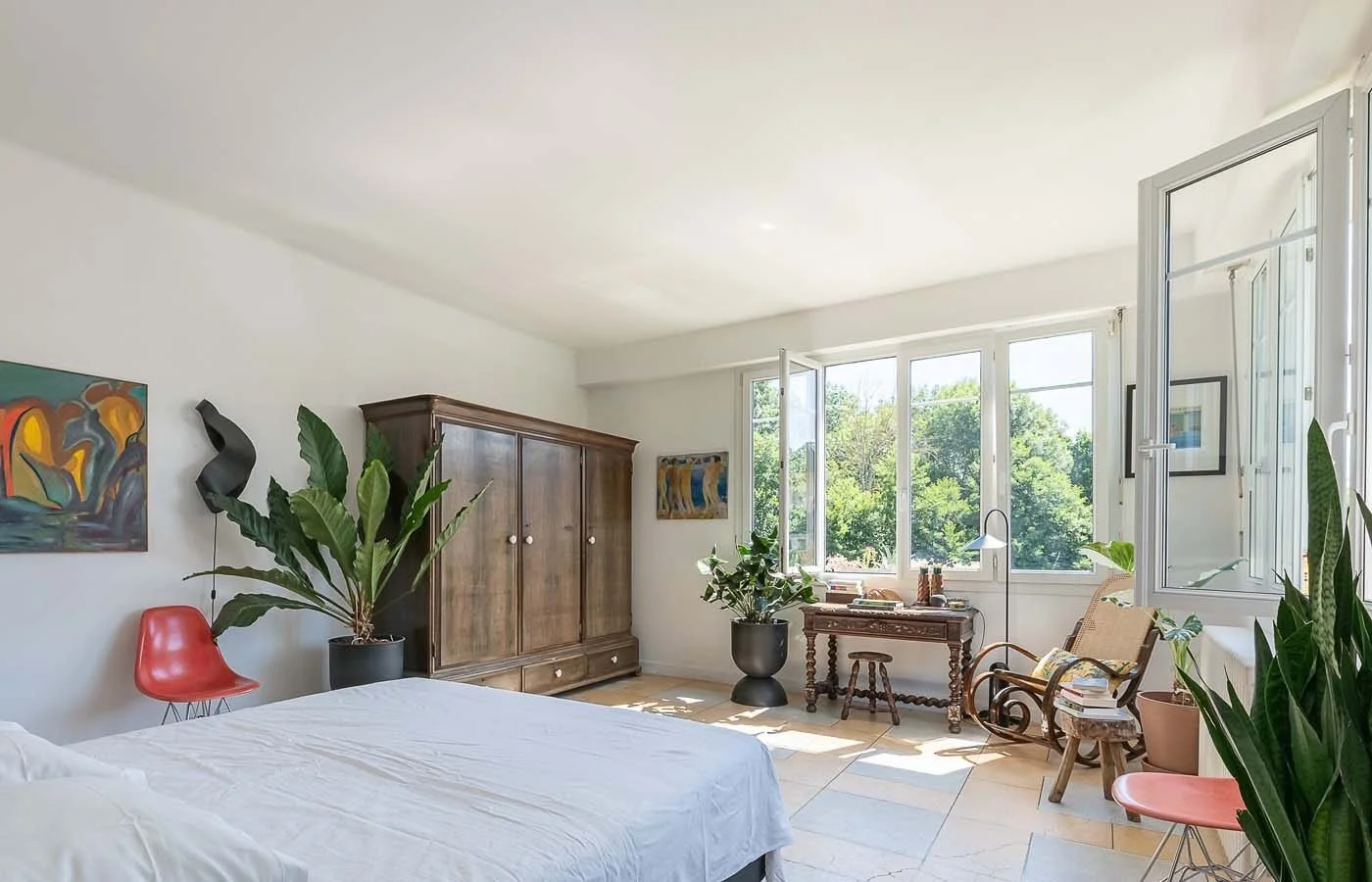
Listed as 5/7 bedrooms, which should be clarified in practice against the current room layout.
Bathrooms
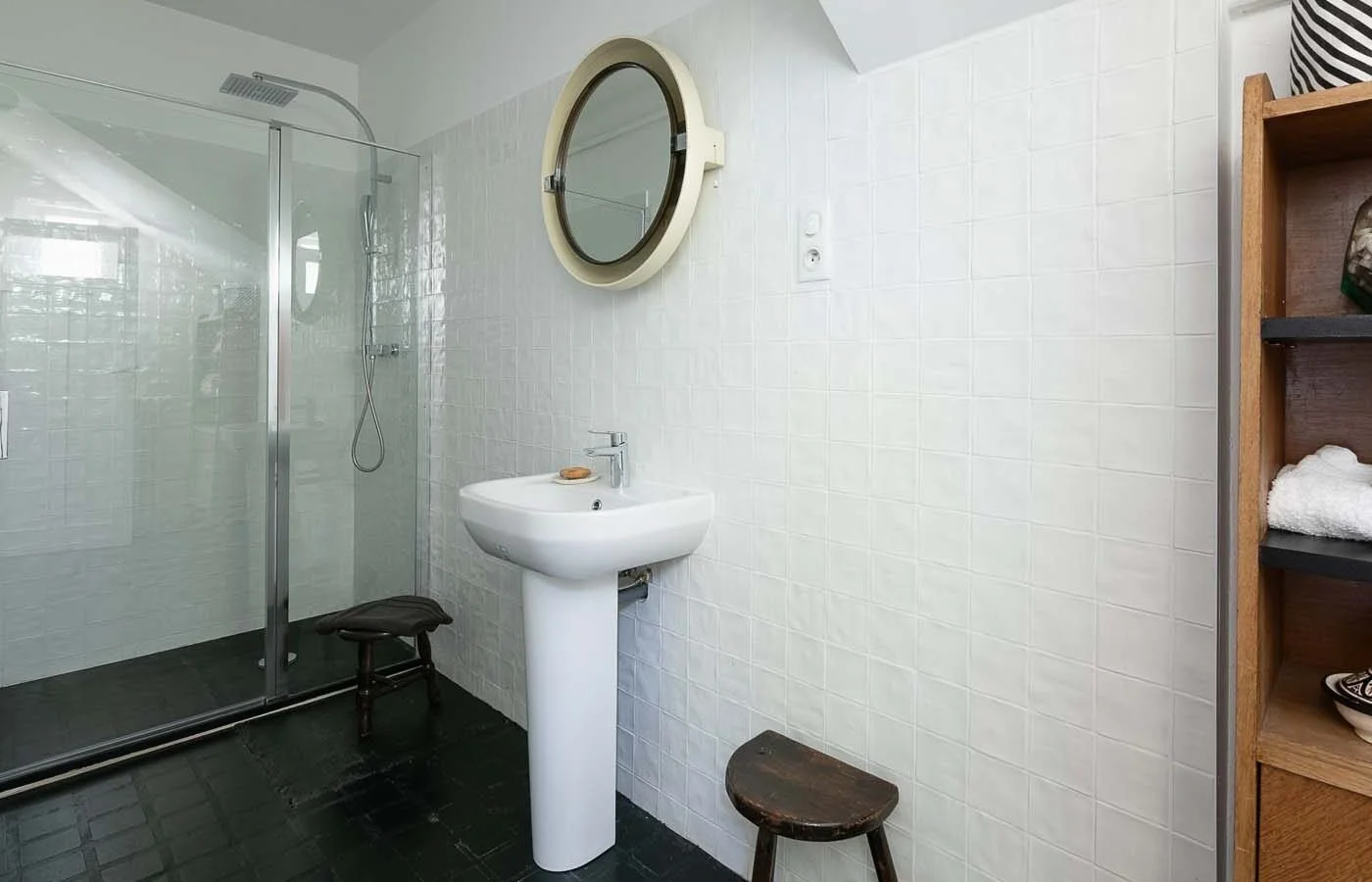
2.
Outdoor features
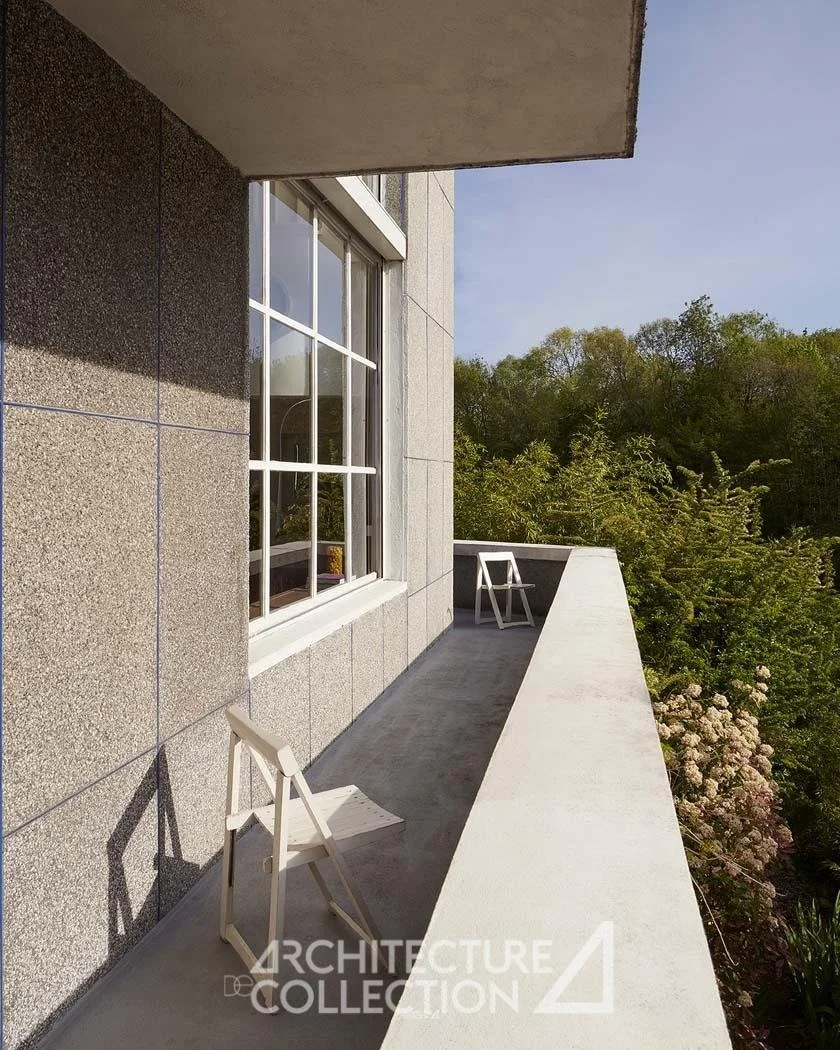
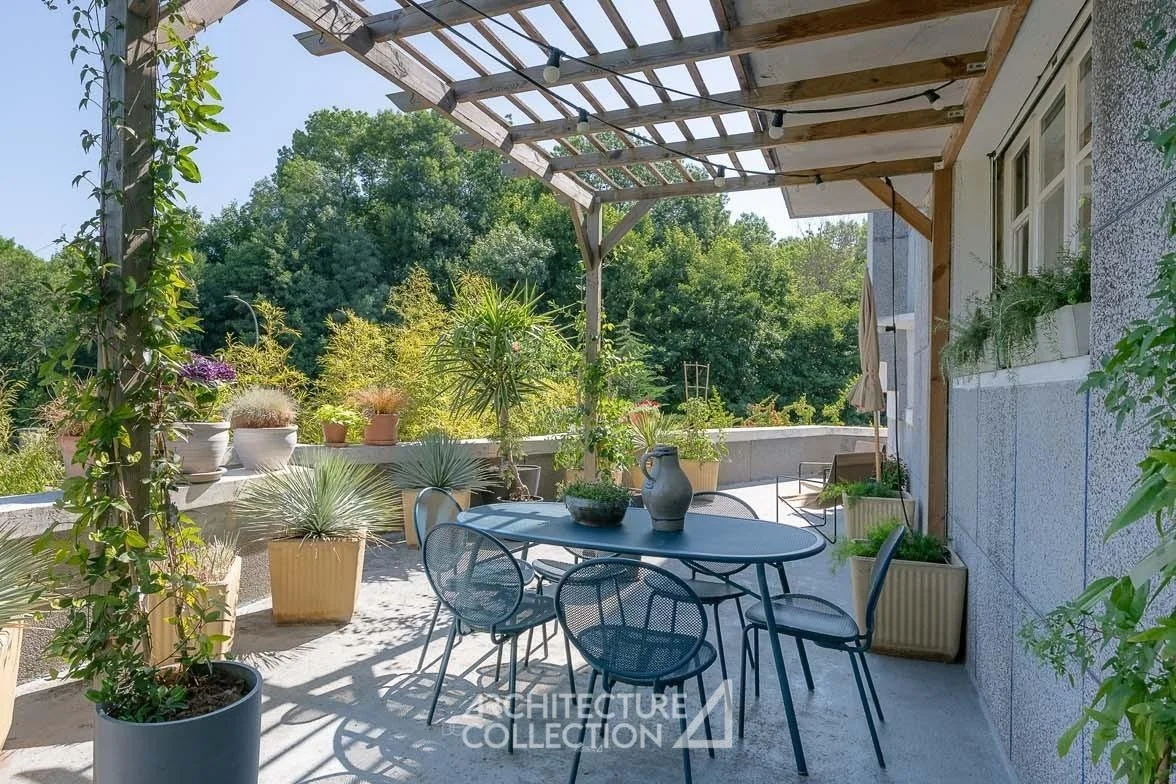
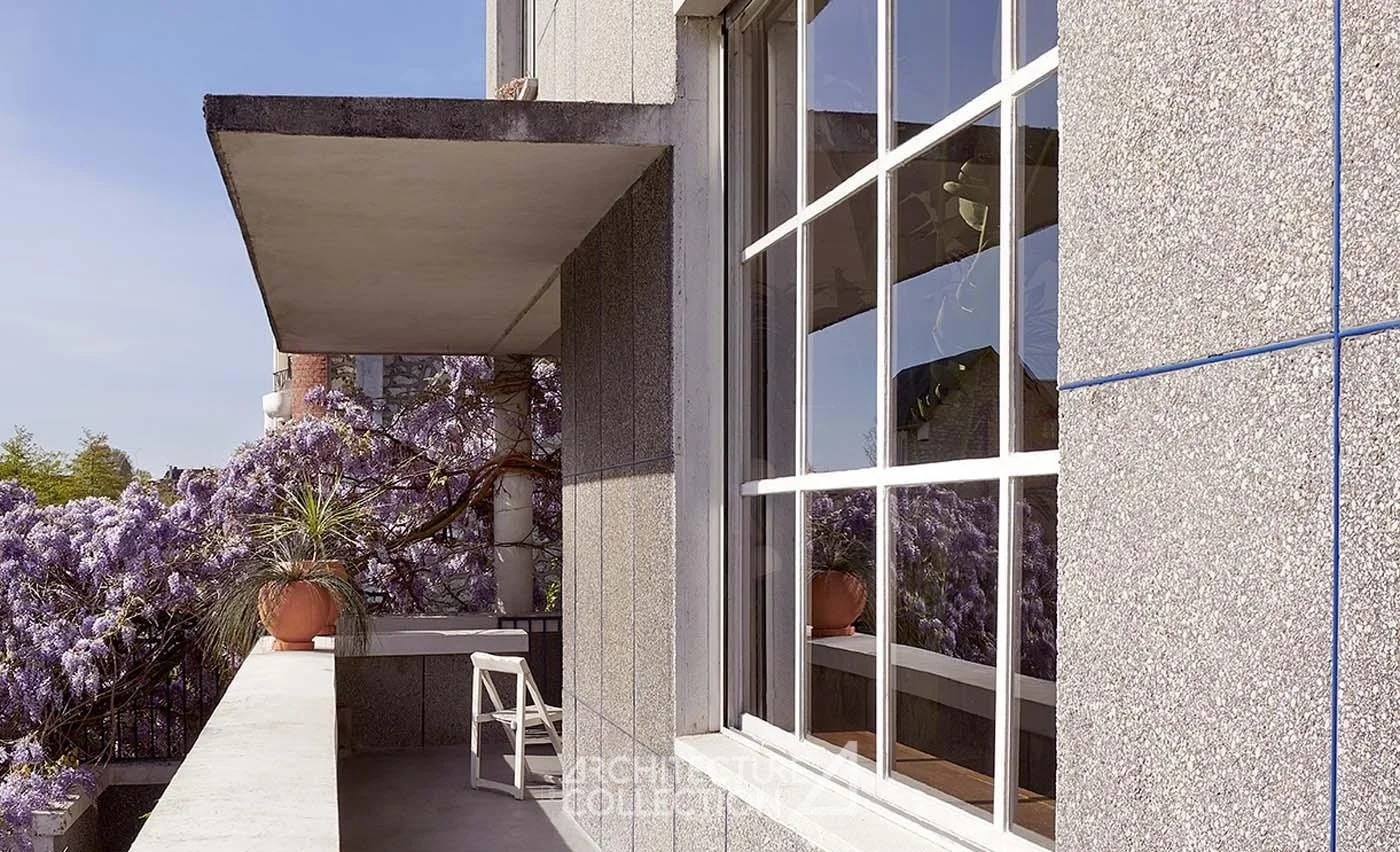
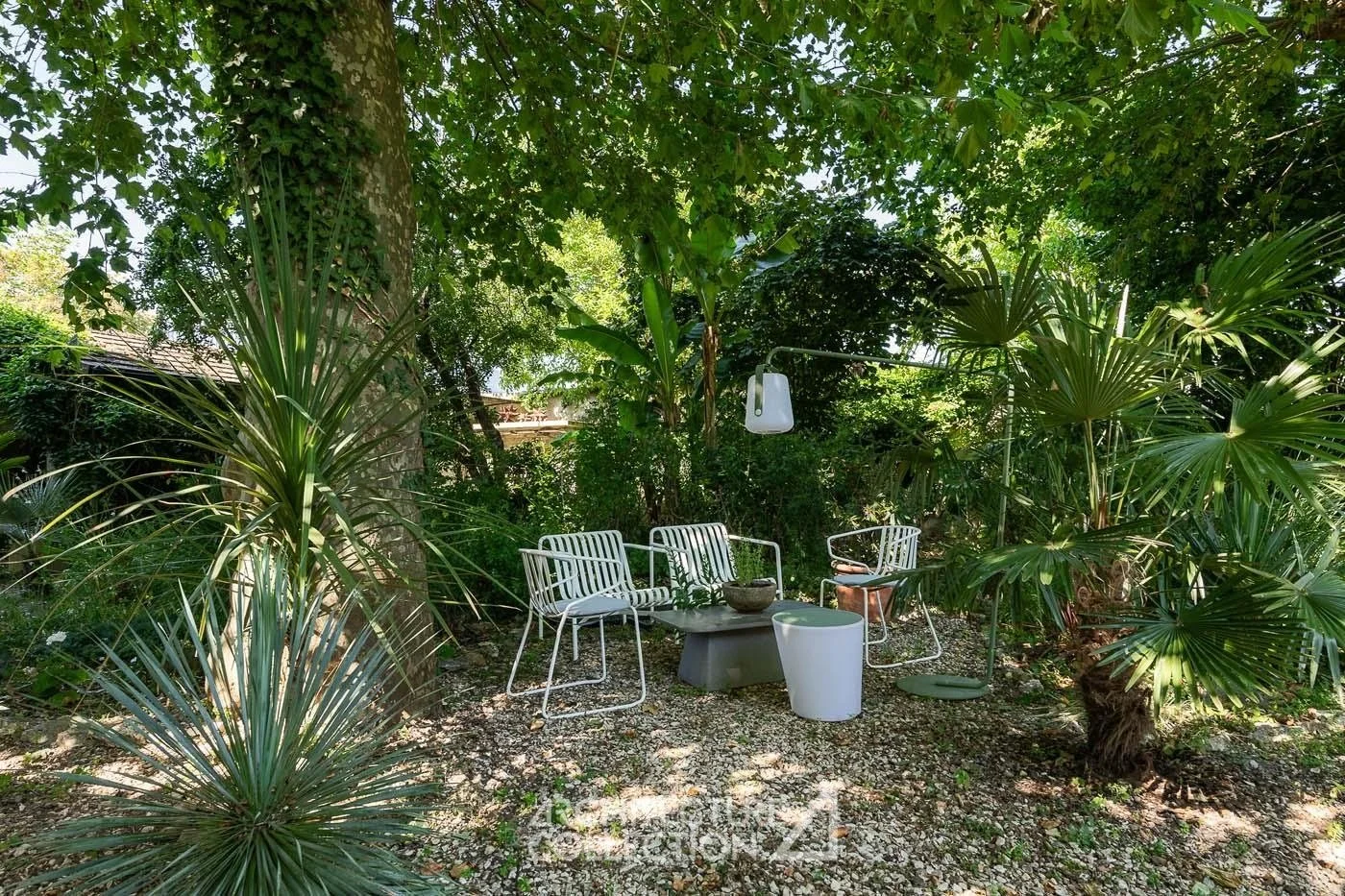
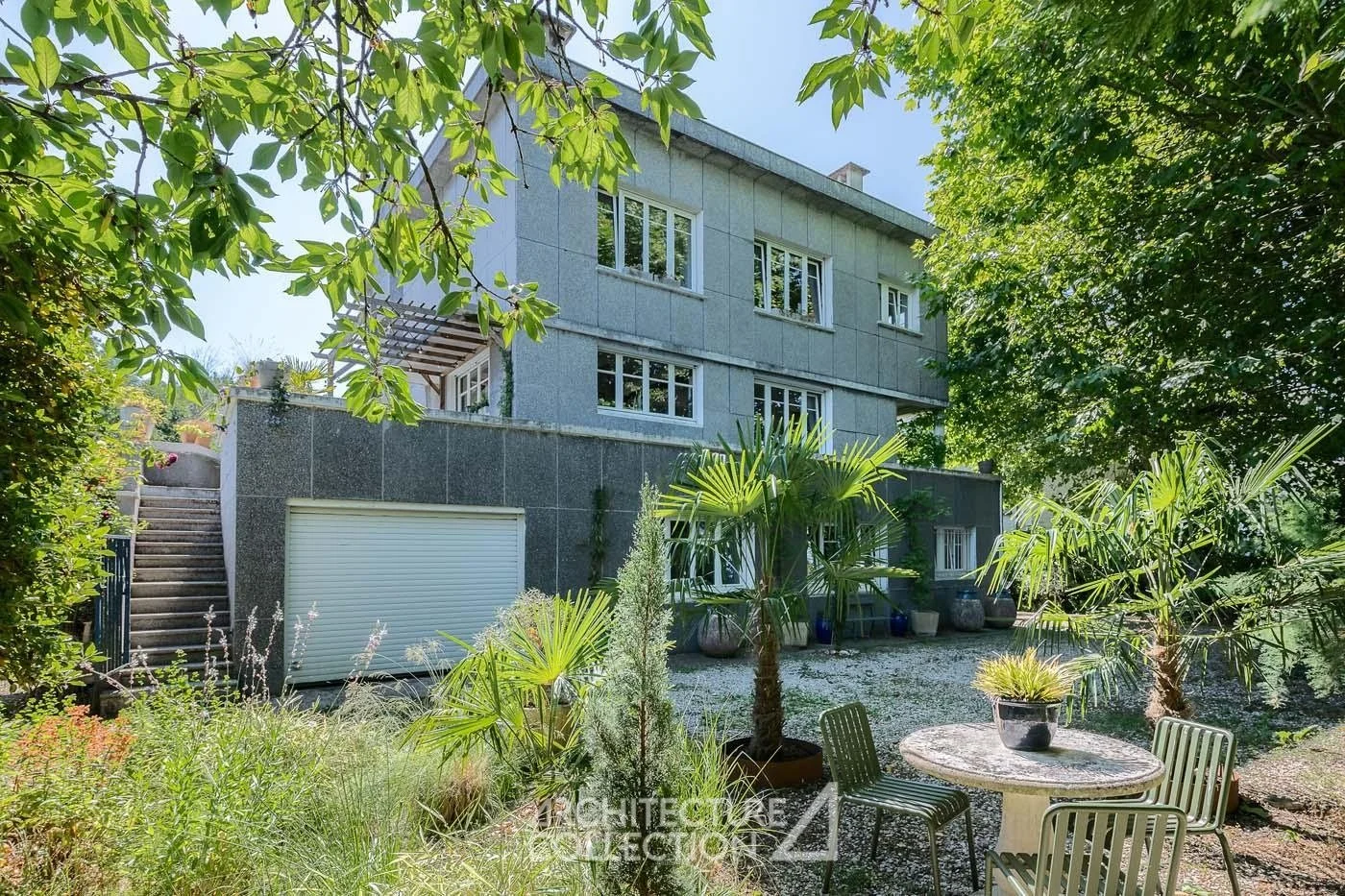
Terrace, external walkway, and landscaped garden of 1,200 m².
Parking / ancillary space
Garage.
Headline interior feature
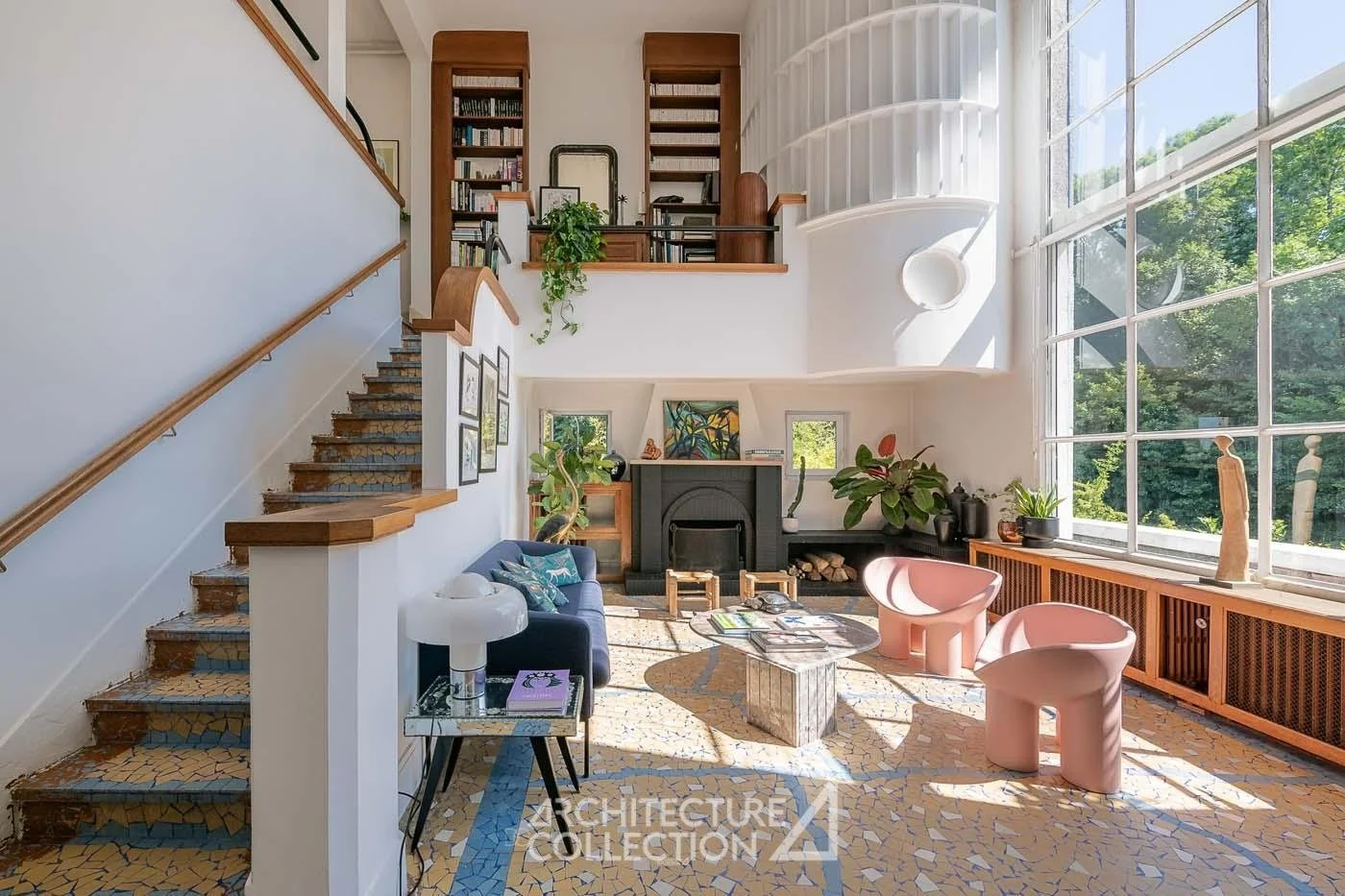
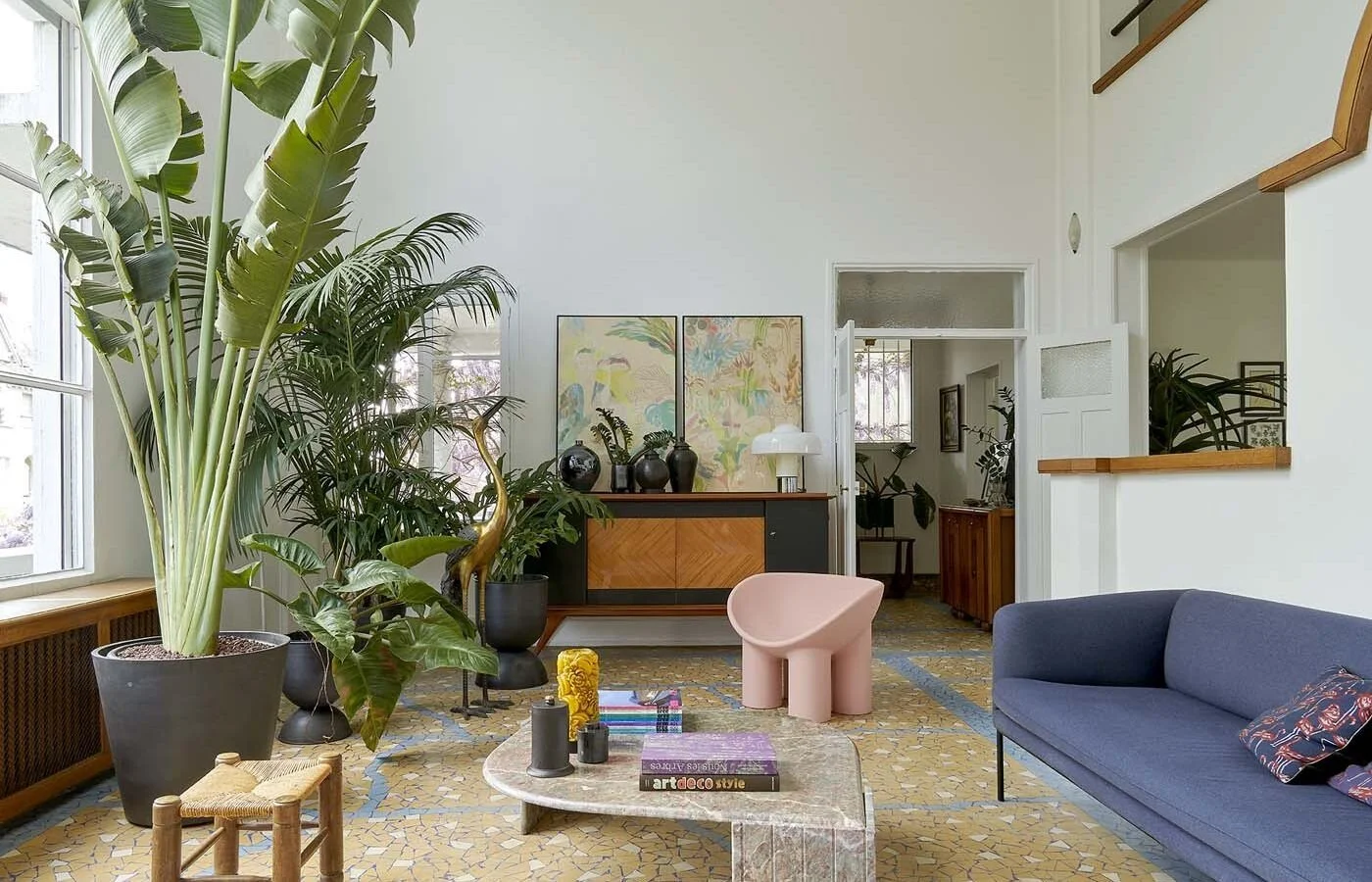
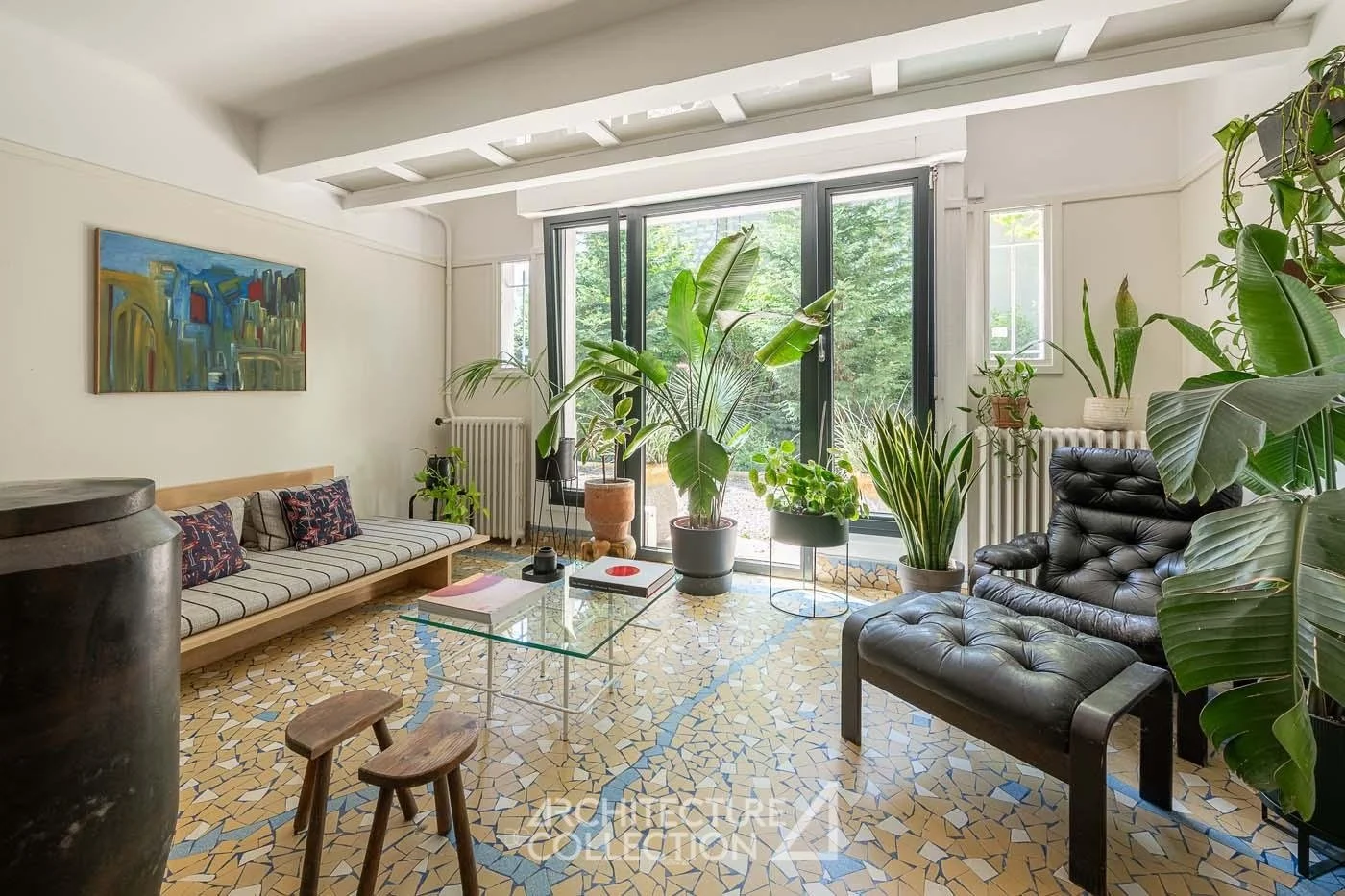
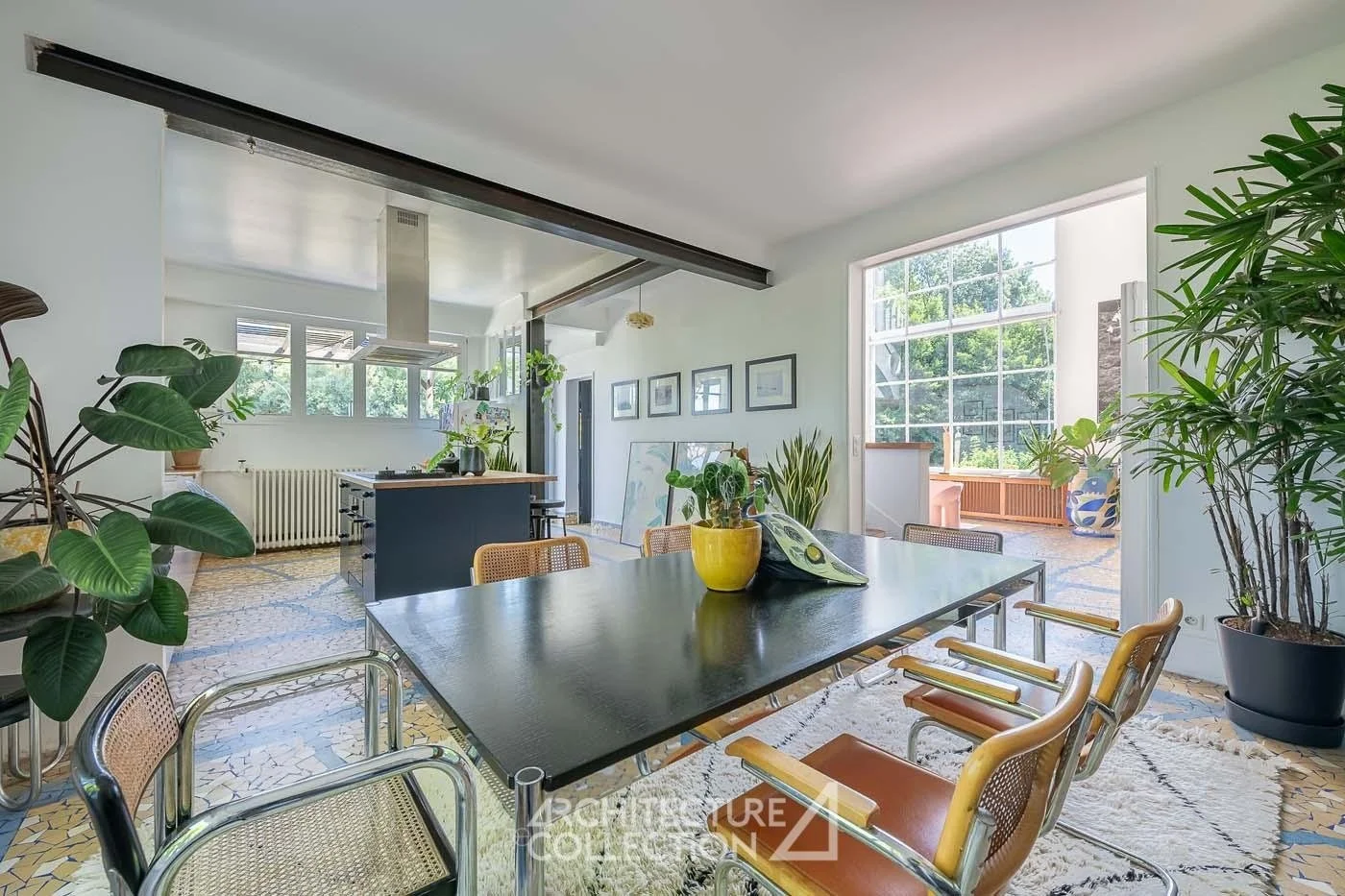
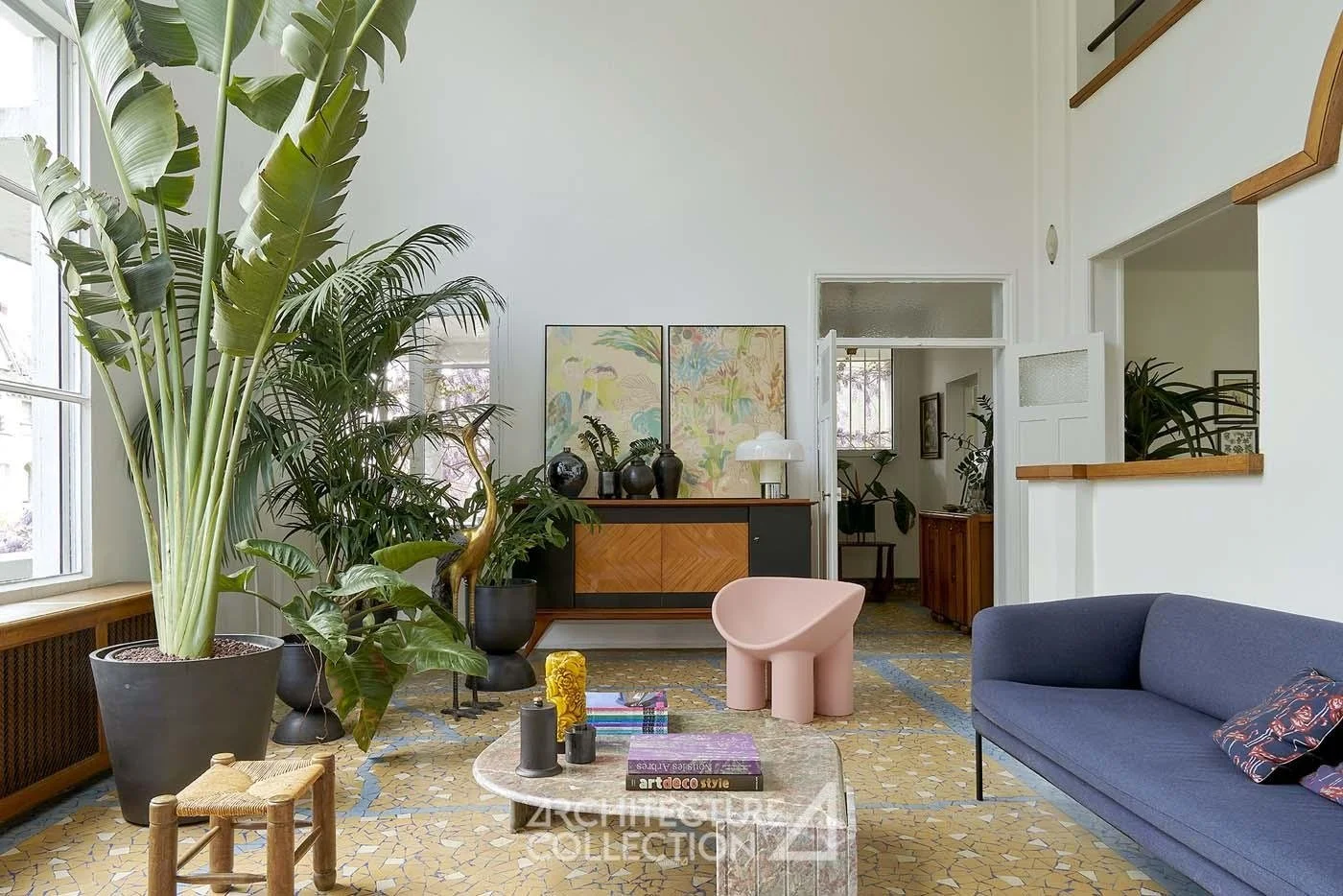
Double-height living room with fireplace and a 6-metre-high industrial-style glass roof.
Layout note
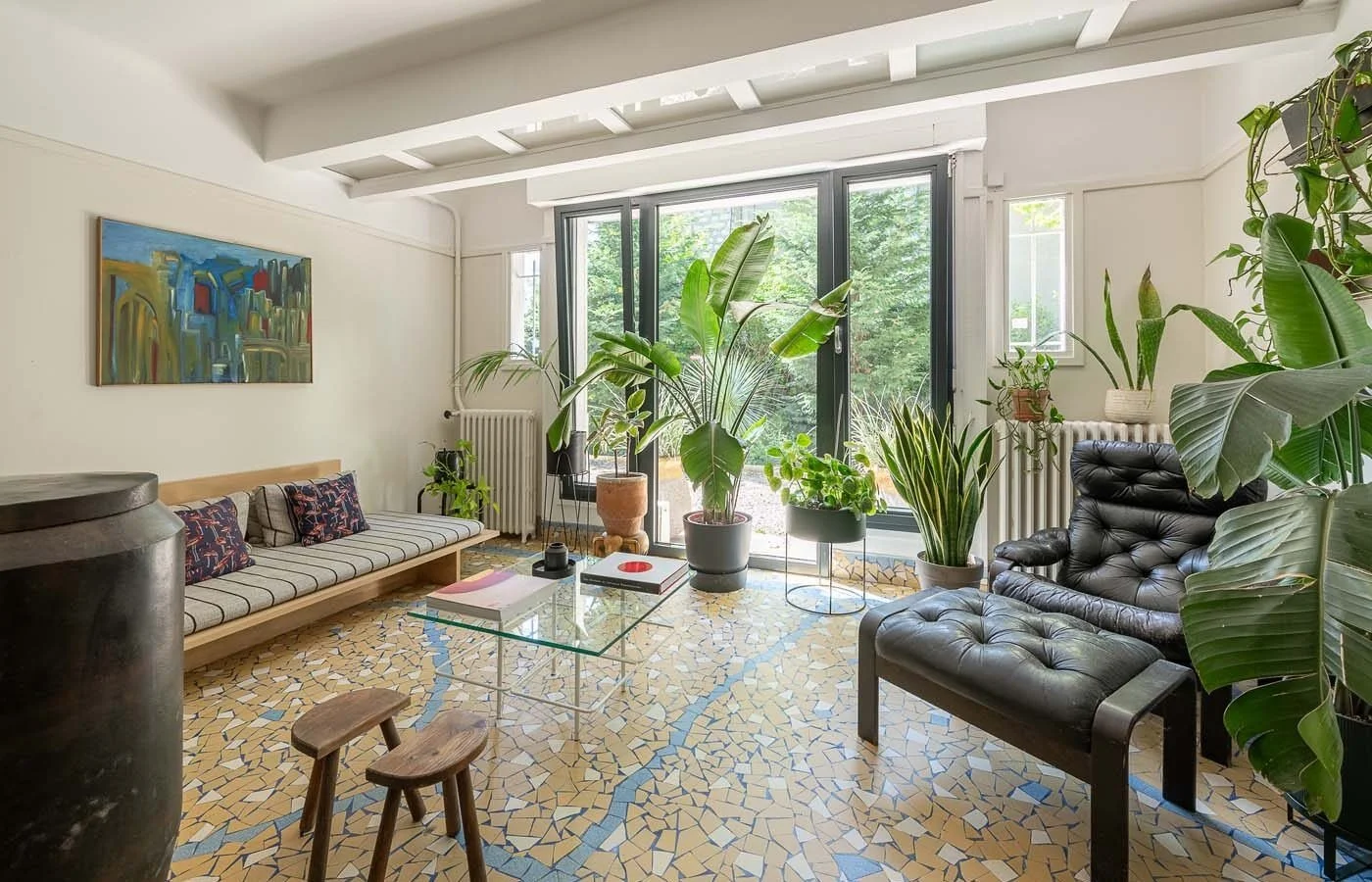
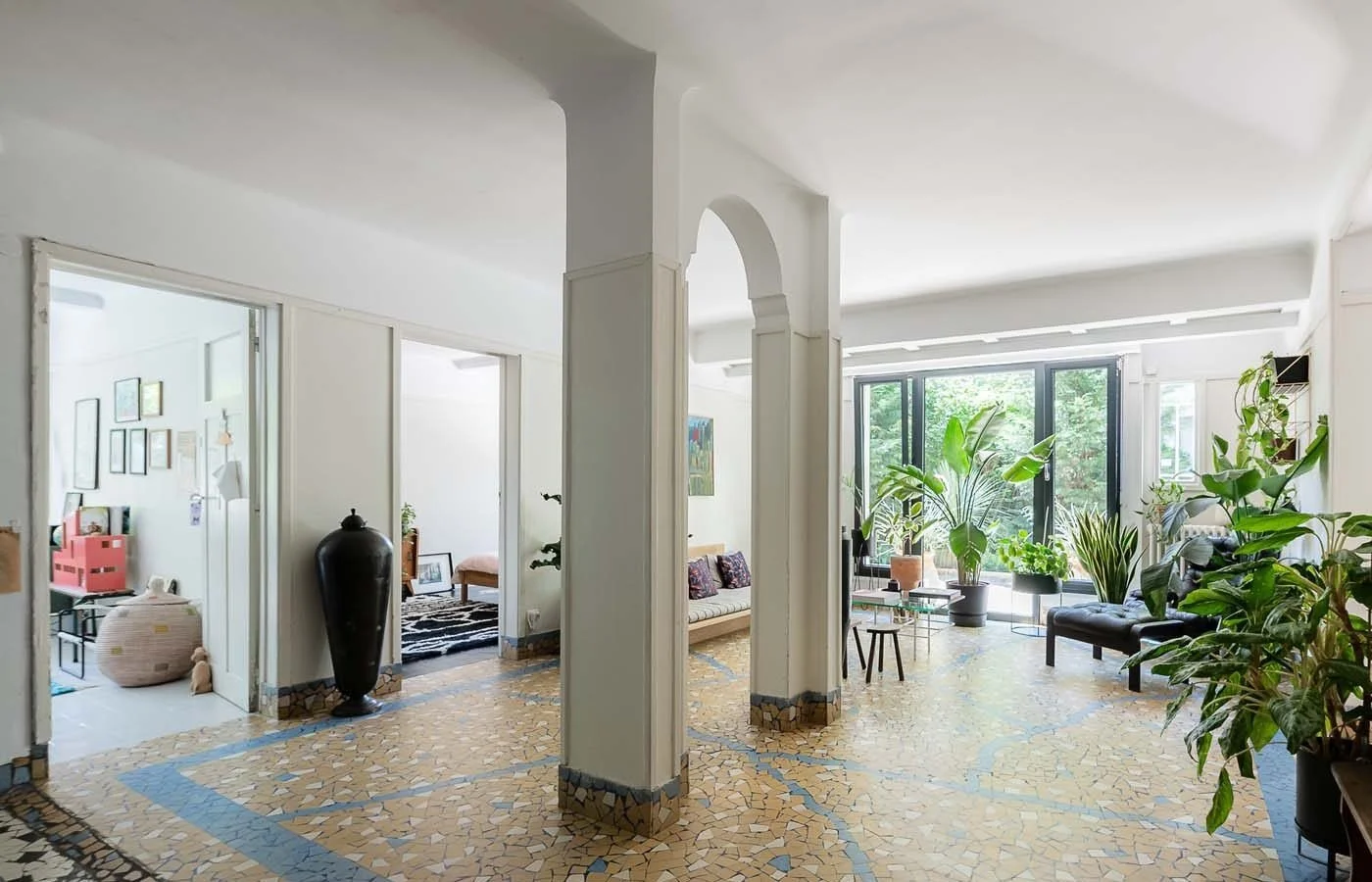
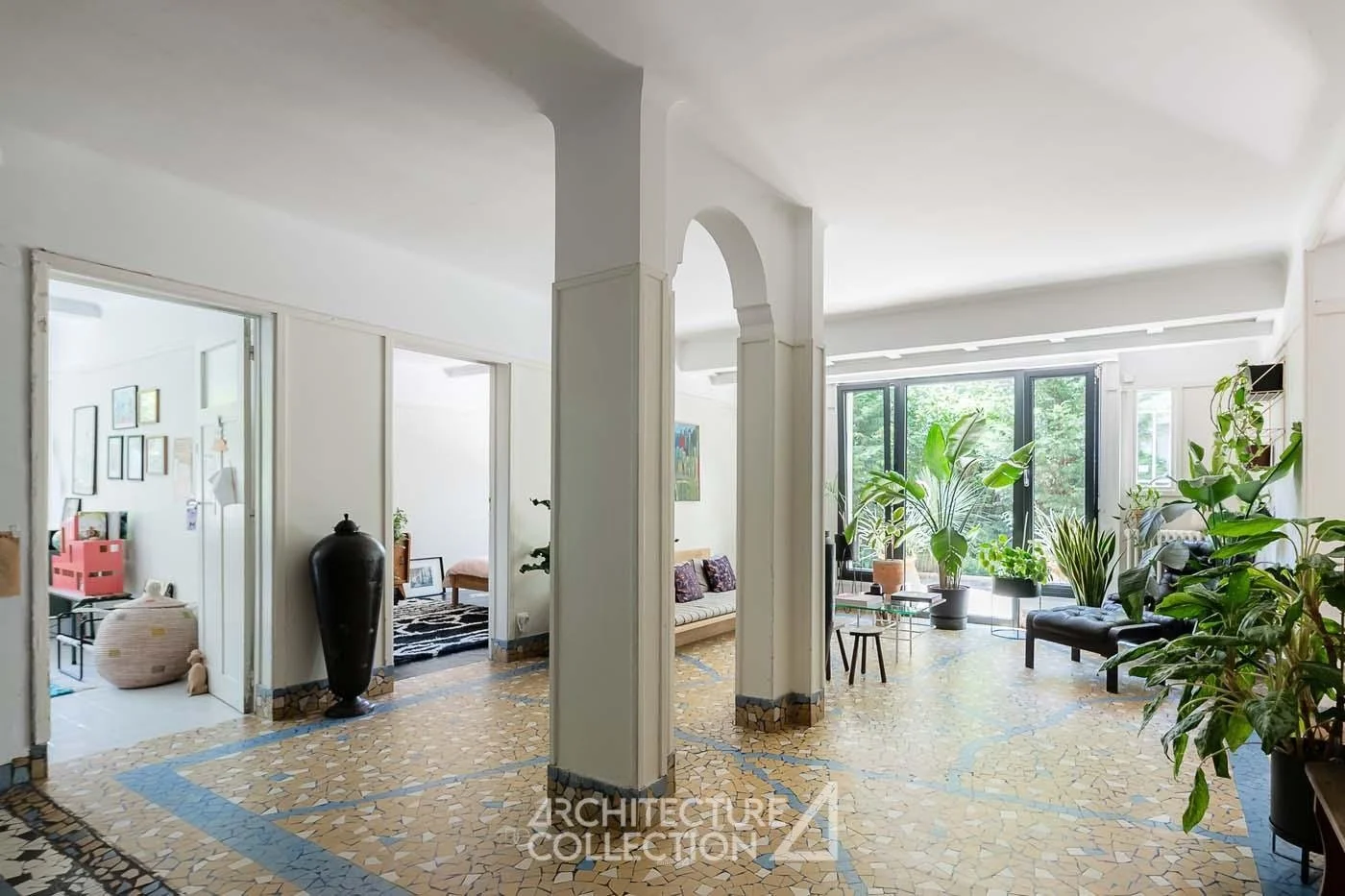
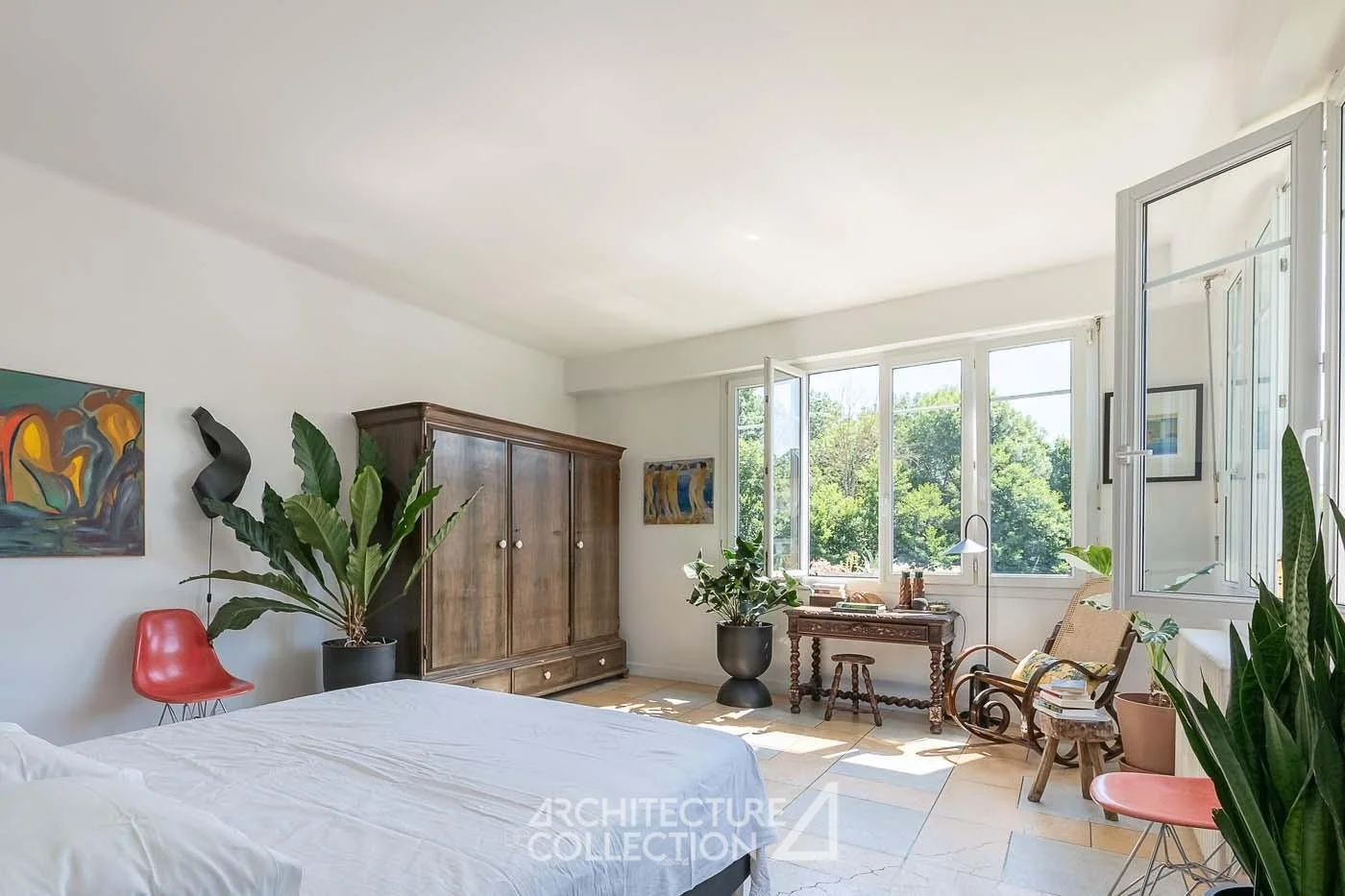
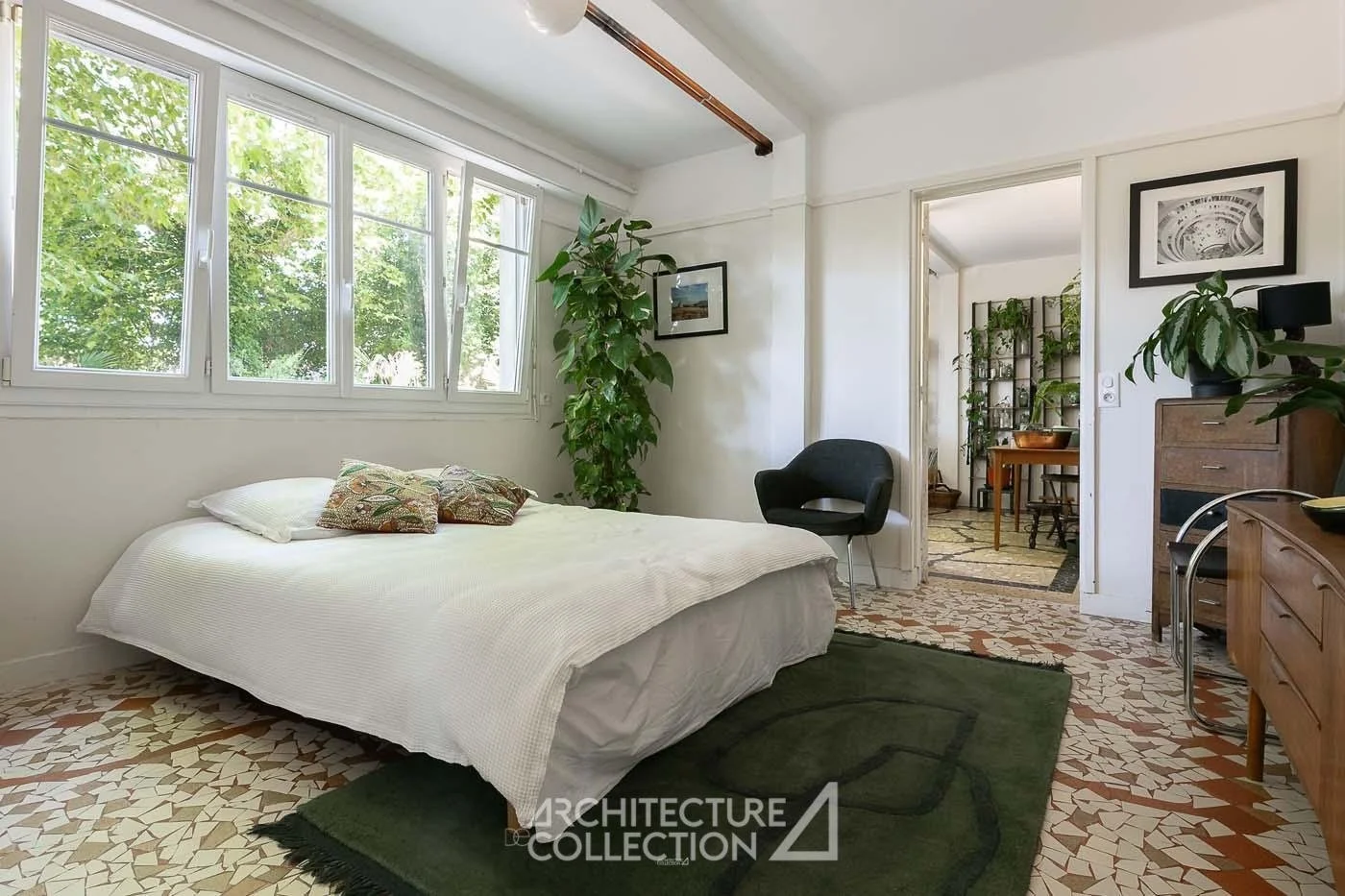
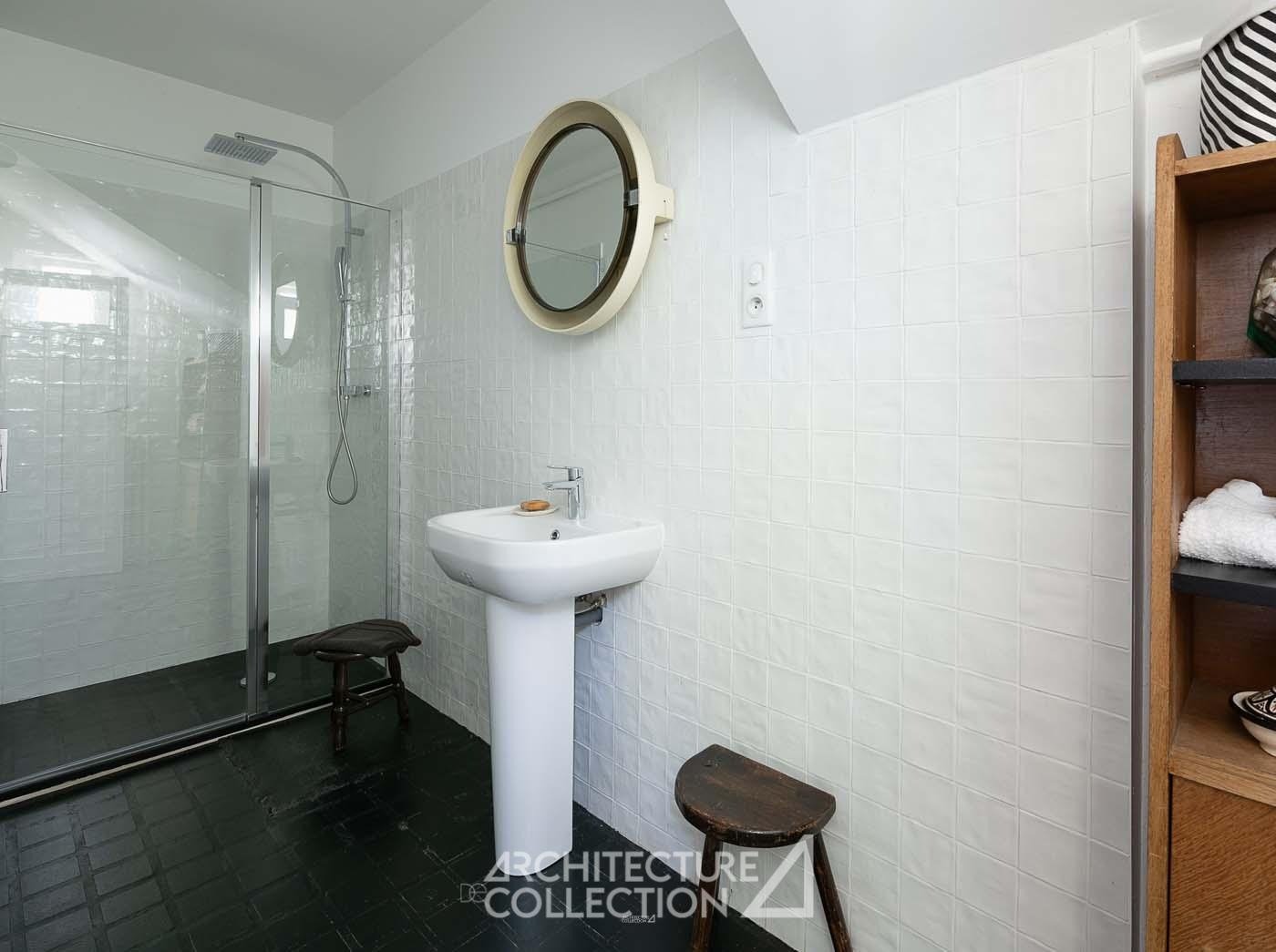
Garden level includes three bedrooms, a shower room, playroom and lounge area, with the upper level focused on the main reception spaces.
Energy rating
User notes state Energy Class F, so the full DPE should be requested and matched against current legal implications.
Lifestyle angle
Architecturally distinctive primary residence, second home, or design-led rental proposition with strong visual identity.
Risk Radar
Overview
This is the sort of property where the emotional hook is obvious and the technical diligence has to be unusually disciplined. The villa appears to offer a rare combination of authentic modernist bones, a substantial 2020 rehabilitation, strong entertaining spaces, a landscaped garden, garage, and a dramatic glass-roofed reception volume that will drive much of the buyer interest. That same feature set is also what creates the main risk profile.
The property's biggest due diligence themes are therefore specific rather than generic. First, the 2020 works need to be documented properly, particularly any structural intervention, any changes to rooflines, glazing systems, terraces, or circulation, and the identity of the architect or contractors responsible. Second, the six-metre glass roof is not just a design flourish. It affects thermal performance, solar gain, condensation risk, maintenance exposure, and potentially insurance and warranty value. Third, the rooftop terrace and external walkway need to be treated as legal and technical assets, not just lifestyle features, which means checking exclusivity, waterproofing history, permitted construction, and any shared or hidden maintenance obligations. Fourth, an F-rated property carries more weight now than it did a few years ago, because the DPE matters not only for running costs but also for rental strategy and future energy-upgrade decisions. Finally, Montargis itself sits in a real flood-risk context, so the property's exact siting, insurability, and any historical water events must be checked with more care than a buyer might initially expect.
Targeted Questions
Renovation Permits and Architect Documentation
"Renovated in 2020" can range from a decorative refresh to a major structural and thermal intervention.
The identity and reputation of the team helps you assess both design quality and documentation reliability.
A visually striking intervention often involves changes that should be reflected in the planning file.
Completion paperwork helps confirm that the works were not simply started, but lawfully closed out.
Structural work carries a different risk profile from cosmetic upgrades.
This helps verify whether the current room count and circulation match the legal and practical reality.
Ten-year construction insurance can materially reduce buyer risk for major interventions.
The most visually important features are also the ones most likely to become expensive if they fail.
An impressive glazed structure is far more reassuring when backed by engineering documentation.
Early defects often surface soon after completion, and the response history matters.
Heritage and Protected-Area Status
A 1929 modernist house may attract design interest, but protection can affect what you are allowed to change.
In protected zones, future works may need ABF input even if the house itself is not formally listed.
If approvals were needed before, they may well be needed again for later alterations.
Buyers often assume they can "tweak" a design-led house more freely than the planning context allows.
That can save time if you intend to adapt the house later.
Glass Roof and Light Management
Performance and future replacement costs depend heavily on specification, not just appearance.
Age affects warranty position, expected lifespan, and how much confidence you can place in the current detailing.
These documents help verify quality and traceability.
A dramatic glazed volume can be magnificent in photographs and expensive in January.
Summer comfort depends on how the house handles solar gain, not simply on having large glazing.
This is the question that separates a design feature from a glass greenhouse.
These are common long-term risk points in large glazed roof structures.
Beautiful high-level glazing can come with awkward and recurring maintenance costs.
A technically demanding feature deserves a service history.
Specialist elements can change both insurance pricing and claims complexity.
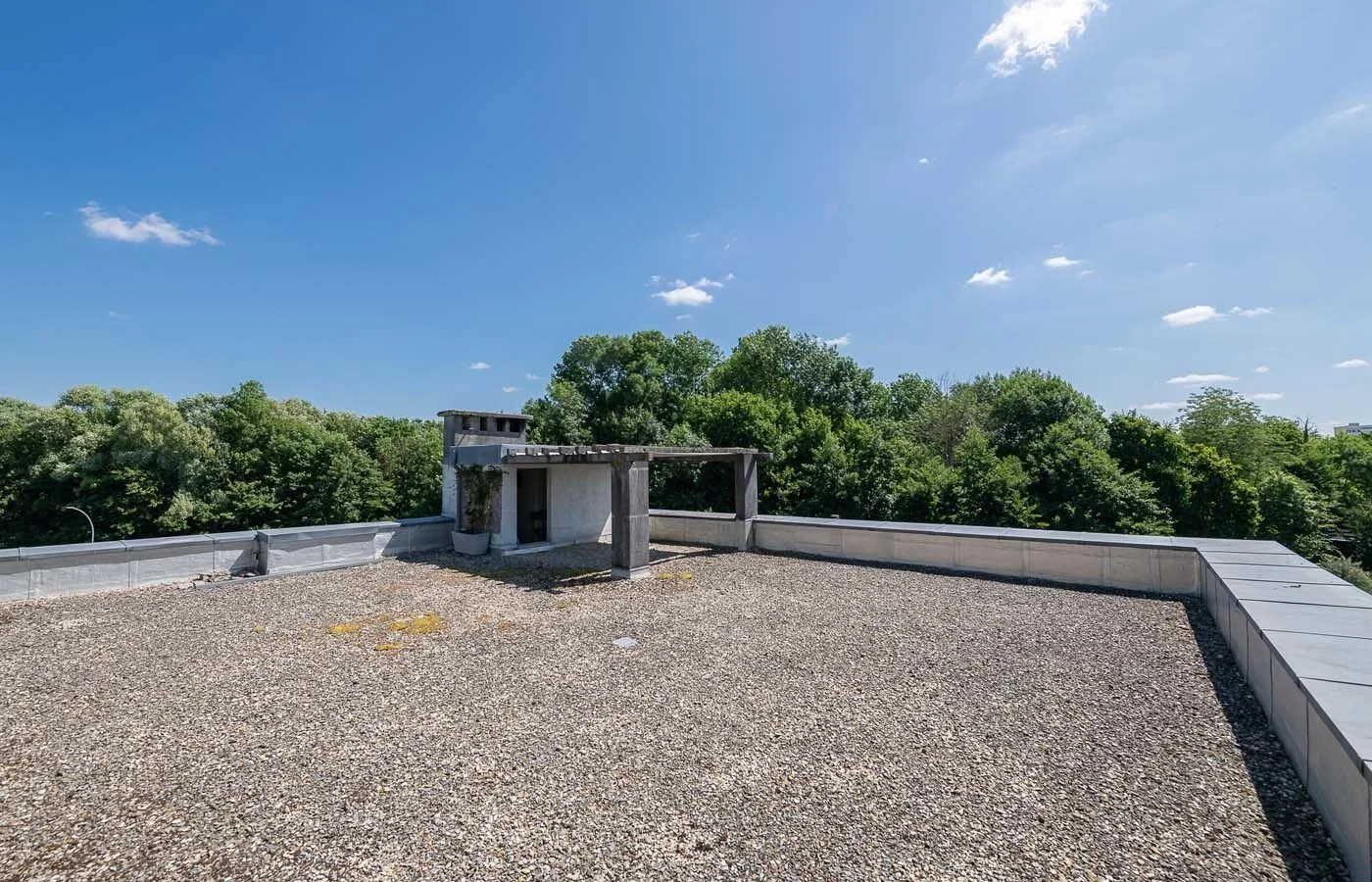
Rooftop Terrace and External Walkway
Exclusive use must be documented, not merely assumed from the marketing language.
Usability depends as much on access and proportion as on the fact that a terrace exists at all.
Roof terraces often trigger planning and waterproofing issues.
Terrace leaks can be slow, hidden, and expensive.
A terrace's real history is often more telling than its current finish.
External circulation elements sometimes create maintenance duties that are easy to miss.
These are exactly the annoyances that can become recurring ownership costs.
Marketing loves "outdoor space", but privacy can materially affect enjoyment and rental appeal.
Buyers may be picturing a use that planning or design constraints do not actually allow.
Property Condition and Systems
An F-rated house may still be very appealing, but the cost logic matters.
Without cooling or effective passive control, the main reception space may underperform in warm weather.
Older heat-distribution systems can undermine the effect of newer plant.
The DPE is important, but real bills are often even more persuasive.
In a largely glazed design-led house, joinery quality matters hugely.
Partial upgrades are common and can create uneven comfort and performance.
An F rating in a renovated house usually raises questions about what was or was not tackled thermally.
Buyers can become so focused on the headline glazed feature that they miss the ordinary roof risks.
Proactive inspection history is a good sign in a nearly century-old property.
A dramatic upper-level roof condition can sometimes distract attention from lower-level moisture issues.
Old houses often receive selective upgrades rather than complete system overhauls.
Fireplaces add atmosphere, but they also carry practical maintenance and compliance questions.
Layout, Useability and Daily Living
Bedroom count inflation is common in character properties with flexible layouts.
A nominal room count is less useful than a realistic assessment of how the house lives.
Distinctive houses can be wonderful but unexpectedly impractical.
Everyday comfort matters just as much as visual drama.
This affects liveability more than buyers often admit during the first viewing.
Site, Access and External Practicalities
Hidden access liabilities can become an annual irritation.
Practical parking is important for family use and group stays.
A "garage" can sometimes mean little more than storage with historical charm.
Design-led gardens can quietly add both cost and workload.
Buyers should confirm that the outdoor setting is as private and controlled as it appears.
Utilities, Drainage and Local Practicalities
For a house of this size, drainage compliance is not something to guess about.
The DDT is central to a French purchase and should be requested early.
Remote work and premium second-home use increasingly depend on good connectivity.
Larger houses with thick walls can produce annoying signal dead zones.
"Easy reach of Paris" can mean very different things in real life.
Neighbourhood change can alter both liveability and resale value.
Flood Risk and Environmental Exposure
Montargis has a real flood-risk context, so the exact history matters.
Adaptation measures can materially reduce future risk and insurance stress.
The ERP is a core document in risk disclosure and should not be left until the last minute.
The real test of risk is often what an insurer is willing to write.
Flood exposure is not only about river events. Site drainage matters too.
Rental Potential and Exit Strategy
Actual operating history is more useful than optimistic yield projections.
French tourist-rental compliance is increasingly procedural and locally controlled.
The registration requirement depends on local implementation, so it must be checked rather than assumed.
Architectural interest does not always translate into reliable occupancy.
A visually distinctive property can still have a surprisingly uneven booking pattern.
F-rated homes face increasing pressure in the standard rental market from 2028.
Distinctive homes can be easier to admire than to resell.
Negotiation Intelligence
Buyer Leverage
Medium-High
Key Drivers
Typical Negotiation Range
5-15% below asking
Neutral Phrasing Examples
Country Layer
France (Regulatory Context April 2026)
Key French requirements for buyers:
Viewing Strategy
Start outside and work from the envelope inward.
Next Step
Verify from the listing:
Glass roof permissions, specification and guarantees
Ask for the planning file, technical specification, installer details and any transferable warranties for the six-metre glass roof, as this feature drives both the appeal and the maintenance risk of the house.
Rooftop terrace legality and waterproofing history
Confirm that the terrace is fully authorised, exclusively attached to the property, and backed by clear records on membrane works, drainage design, repairs and any remaining guarantees.
DPE F rating and full diagnostics file
Request the complete DDT, the full DPE and the energy audit expected for an F-rated house sale so you can understand the real running costs, likely retrofit needs and future rental implications.
Architect-led rehabilitation paperwork
The value of this villa depends heavily on the quality of the 2020 rehabilitation, so ask for the architect’s identity, plans, invoices, permissions and any décennale coverage that still benefits a buyer.
Flood-risk and insurance position in Montargis
Because Montargis sits within an active flood-risk context, verify the current ERP, the property’s exact siting within the risk framework, and any prior claims or insurer exclusions before moving forward.
A prepared buyer should approach the agent calmly and frame questions as due diligence.
Because this is a design-led French villa where renovation quality, energy performance and risk context all materially affect value, run it through the Property Risk Assessment to pressure-test the technical and legal exposure, or use the Renovation Budget Planner to model what an F-rated glass-roofed house might realistically require before contacting the agent.
Disclaimer: The Property Drop is buyer-focused intelligence, zero sales agenda. We curate exceptional properties, in southern Europe, from third-party agents and arm you with decision tools. No commission, no transactions, no agent partnerships, no skin in the game beyond helping you choose wisely. Information stays accurate until it doesn't (properties sell, prices shift, markets move). Everything here is shared for informational purposes only and should not be treated as legal, financial, or investment advice. Images belong to original agents. Read our Terms of Service to learn more.
Buyer Intelligence:
This assessment provides general guidance based on common risk factors and publicly available regulatory information. Risk scores and checklist items are indicative only and must not be considered legal, financial, structural, or surveying advice. Actual property conditions, costs, and regulatory requirements vary significantly by location, property age, and specific circumstances. Regulations are subject to change; always verify current requirements with qualified local professionals before making any purchasing decision.
The Property Drop provides buyer intelligence and educational research analysis only. The Property Drop does not act as an estate agent, intermediary, or advisor in any transaction and does not facilitate introductions, negotiations, or transactions. Always engage qualified independent professionals including local lawyers, surveyors, architects, and tax advisors for comprehensive due diligence specific to your property.
IMPORTANT REMINDER: When contacting property agents featured on The Property Drop, you are entering into direct communication with third parties. It's recommended that you verify all property details independently, conduct thorough due diligence, engage qualified professionals (solicitors, surveyors, financial advisors), understand your rights and obligations under local property laws, and never send money or make commitments without proper legal protection.

The Buyer Playbook: 3-Bed Renovated Country House with Pool and Outdoor Kitchen, Santa Catarina da Fonte do Bispo, Portugal, €569,000
The Buyer Playbook: 2-Bed Country Cottage with Garage/Barn and 5 Acres of Riverside Land, Availles-Limouzine, France, €76,750
Questions ready for the agent?
The agent represents the seller.
What you ask shapes the answers you get.