
The Buyer Playbook: 2-Bed Medieval Borgo Apartment with Panoramic Countryside Views, Castiglion Fosco, Italy, €179,000
Buyer Playbook
Pre-Viewing Intelligence Report
This independent buyer guidance report relates to this specific property located in Italy. It is provided for informational purposes only and does not constitute legal, tax, structural or survey advice. Cadastral conformity, borgo rules, condominium structure, heritage protection, agibilità, shared-area obligations, utility compliance, rental use and any restrictions affecting external changes, common parts or structural works must always be verified with qualified Italian professionals such as a notaio, avvocato, geometra, architetto, ingegnere or licensed surveyor, and with the relevant municipal and heritage authorities. This report is designed to help buyers evaluate the property before arranging a viewing or making an offer. It highlights due diligence areas and targeted questions to ask the estate agent. The analysis is based on the listing details and publicly available regulatory context at the time of writing. For Italy, that especially includes the need to verify whether the borgo or building is subject to a formal vincolo, whether the unit is properly recorded as an autonomous cadastral unit, whether an APE should exist for the sale, and whether any future tourist use would require the current regional and national identifier pathway.
Playbook Contents
Property Snapshot
Location
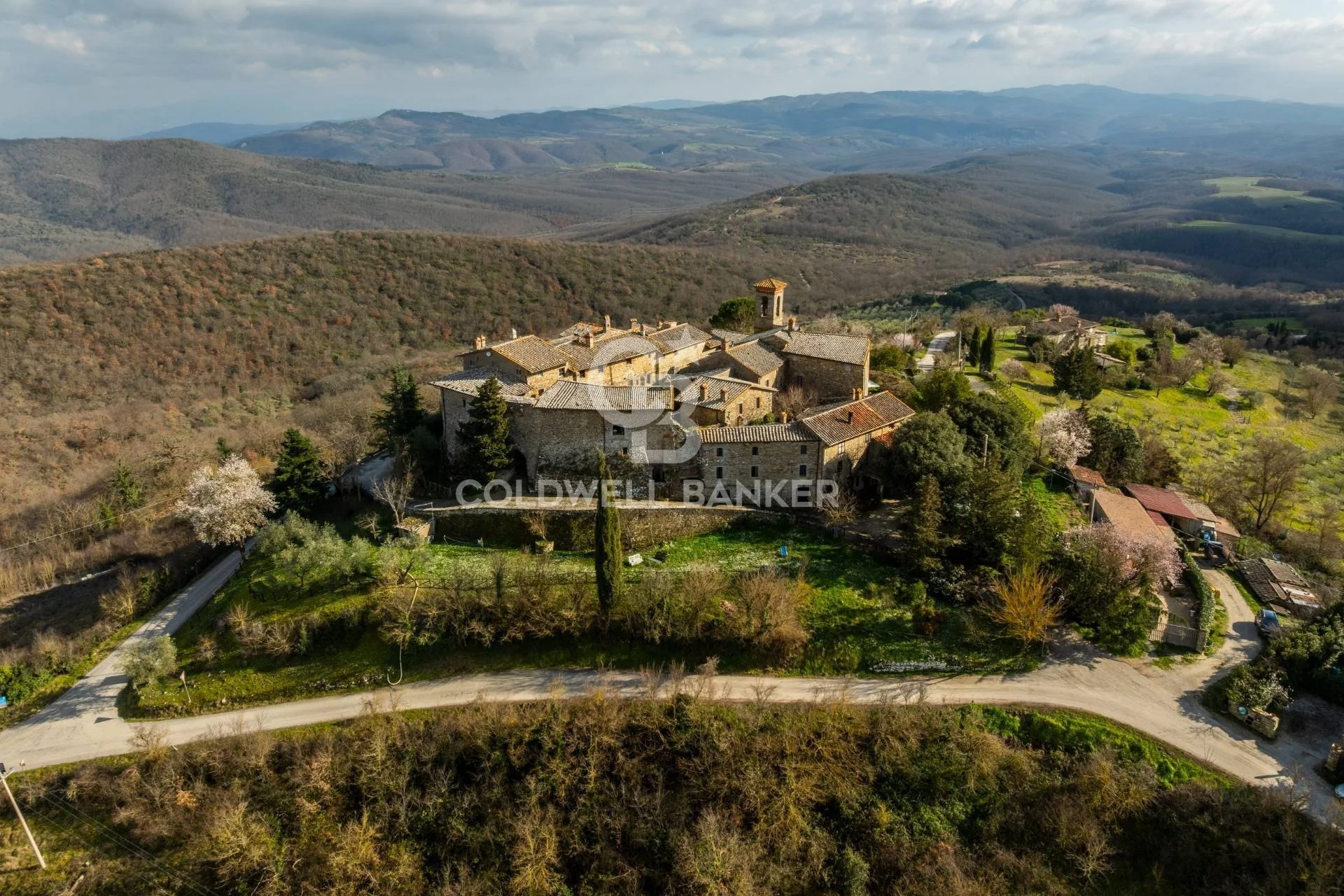
Castiglion Fosco, Piegaro, Umbria, Italy
Property type
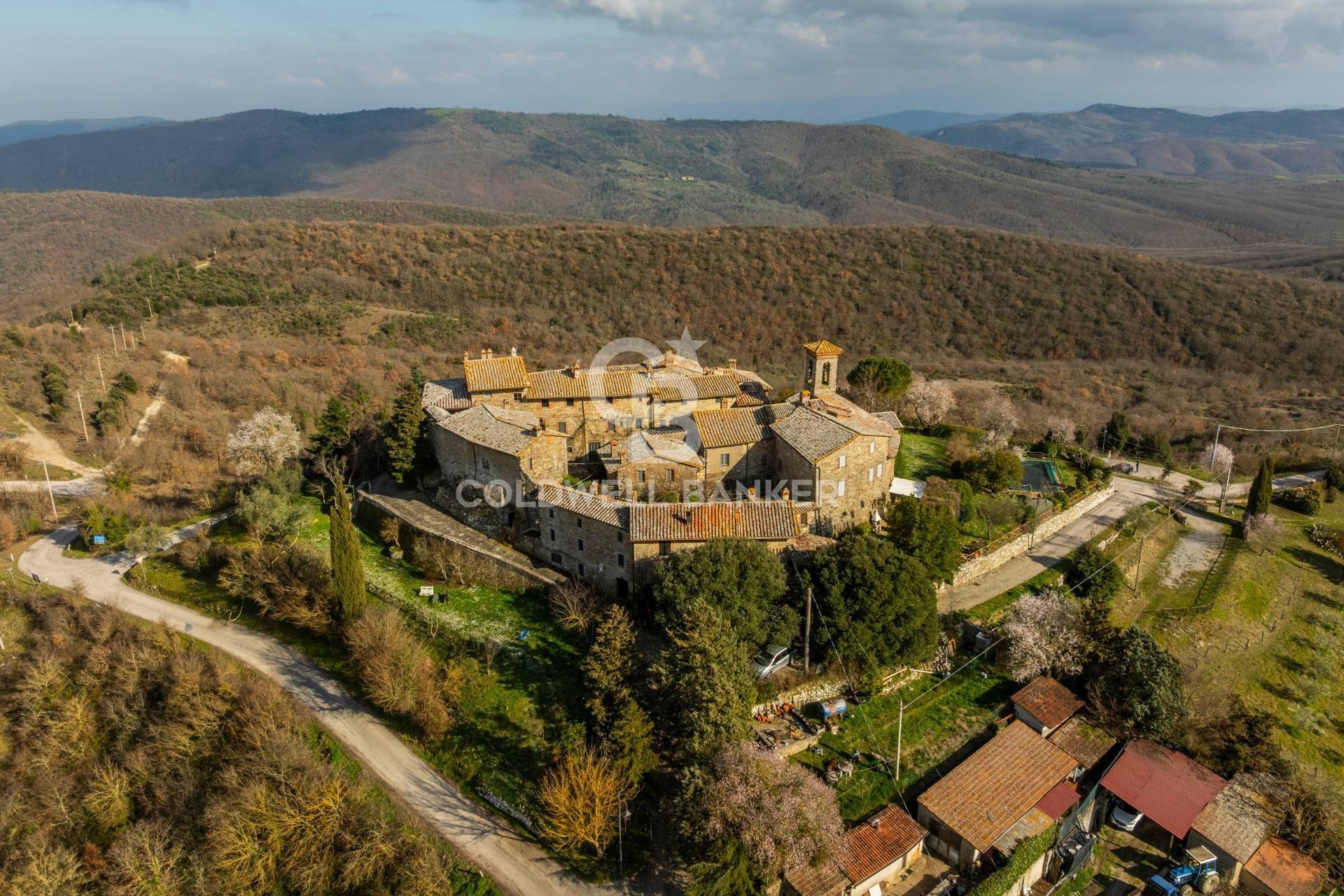
Apartment within a medieval borgo / historic building
Asking Price
€179,000
Bedrooms / bathrooms
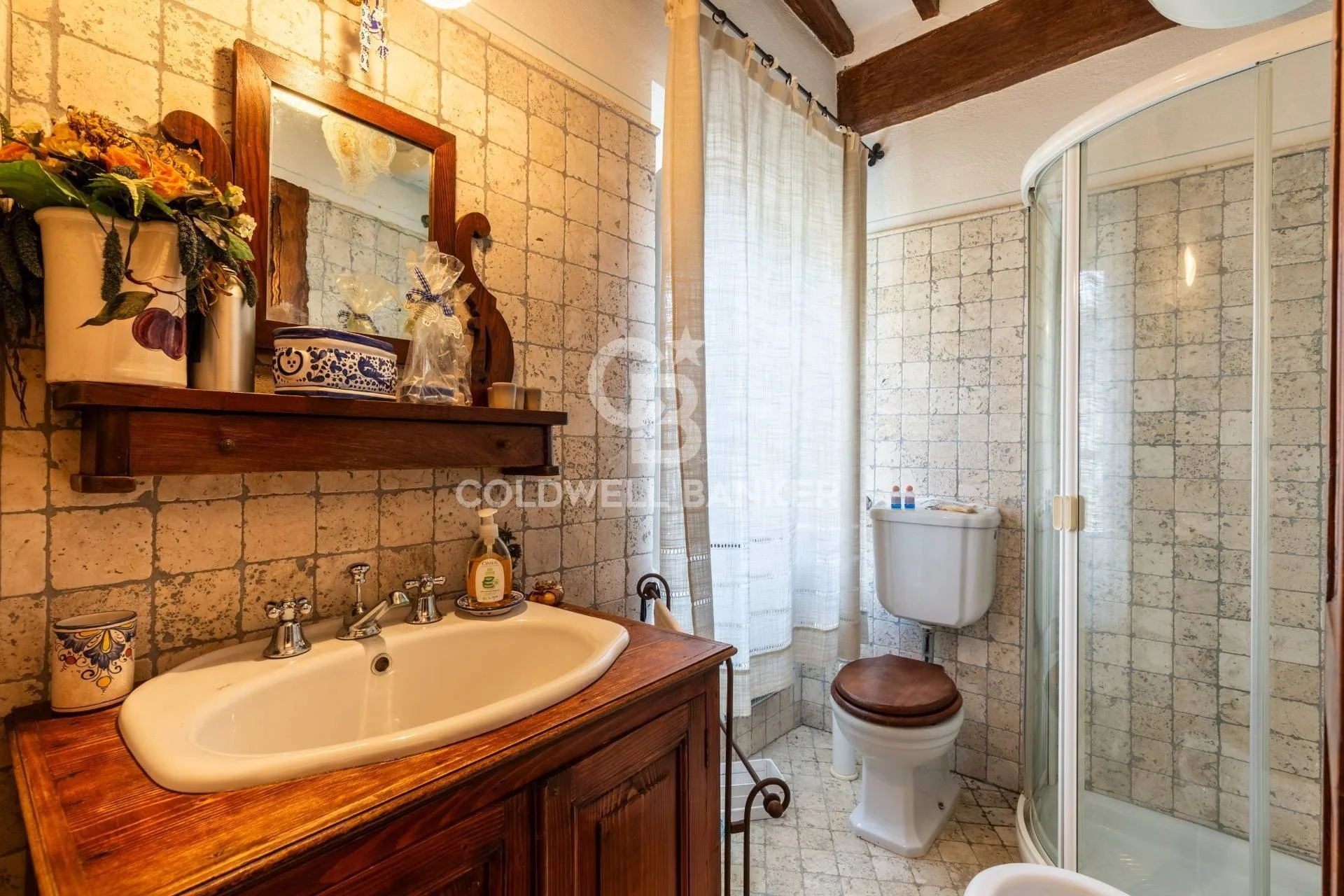
2 bedrooms, 1 bathroom
Internal area
80 m² on the second floor
Historic features
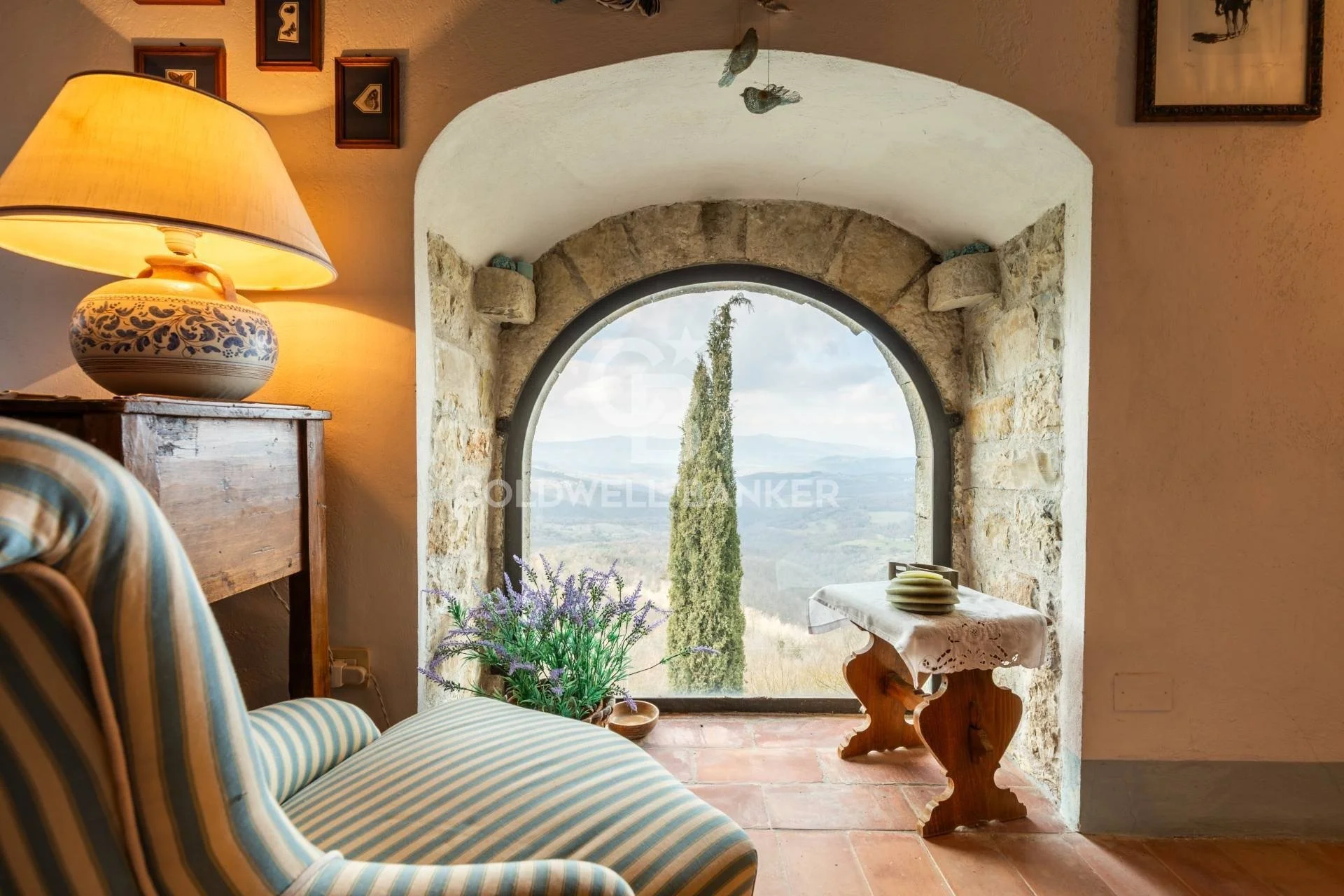
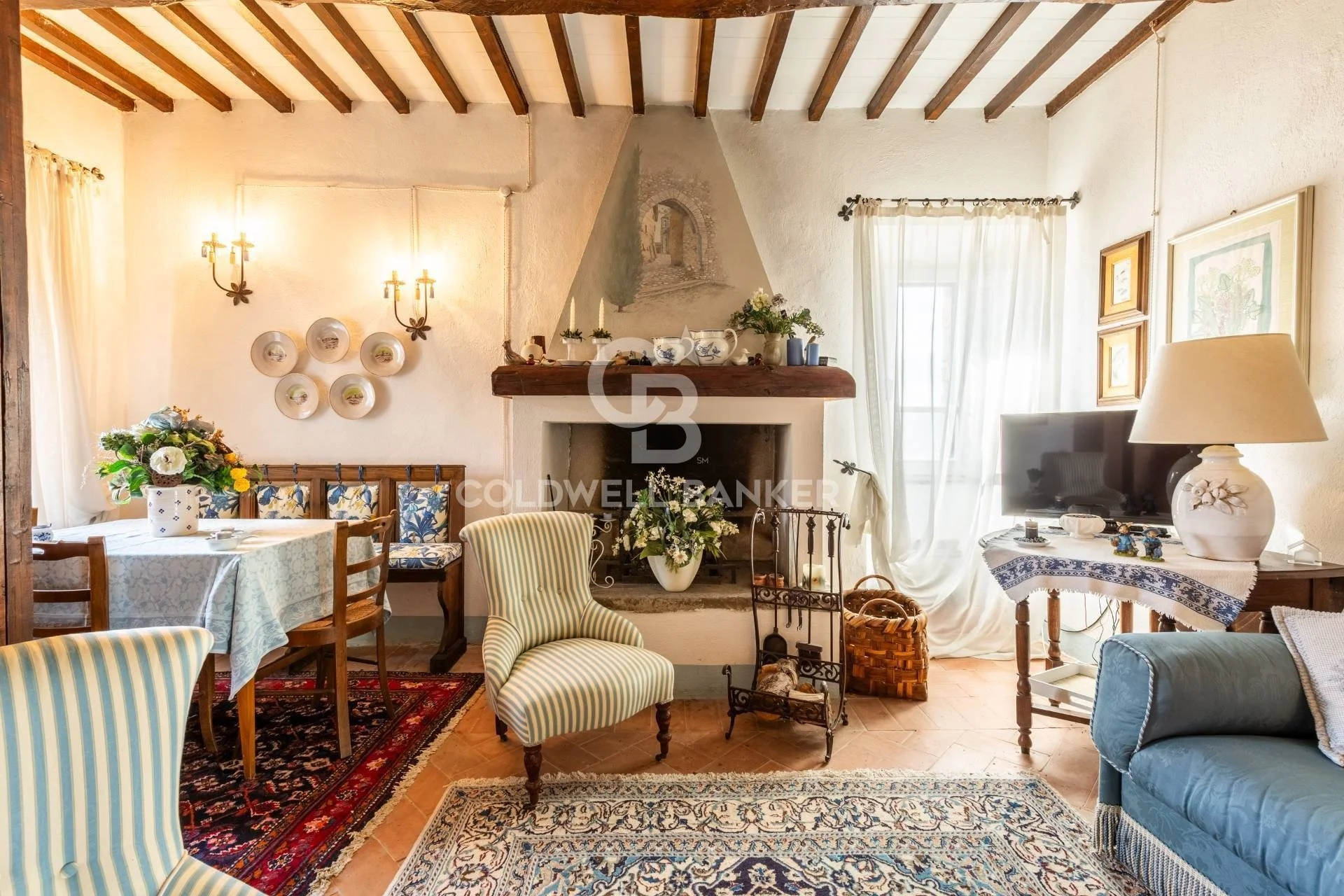
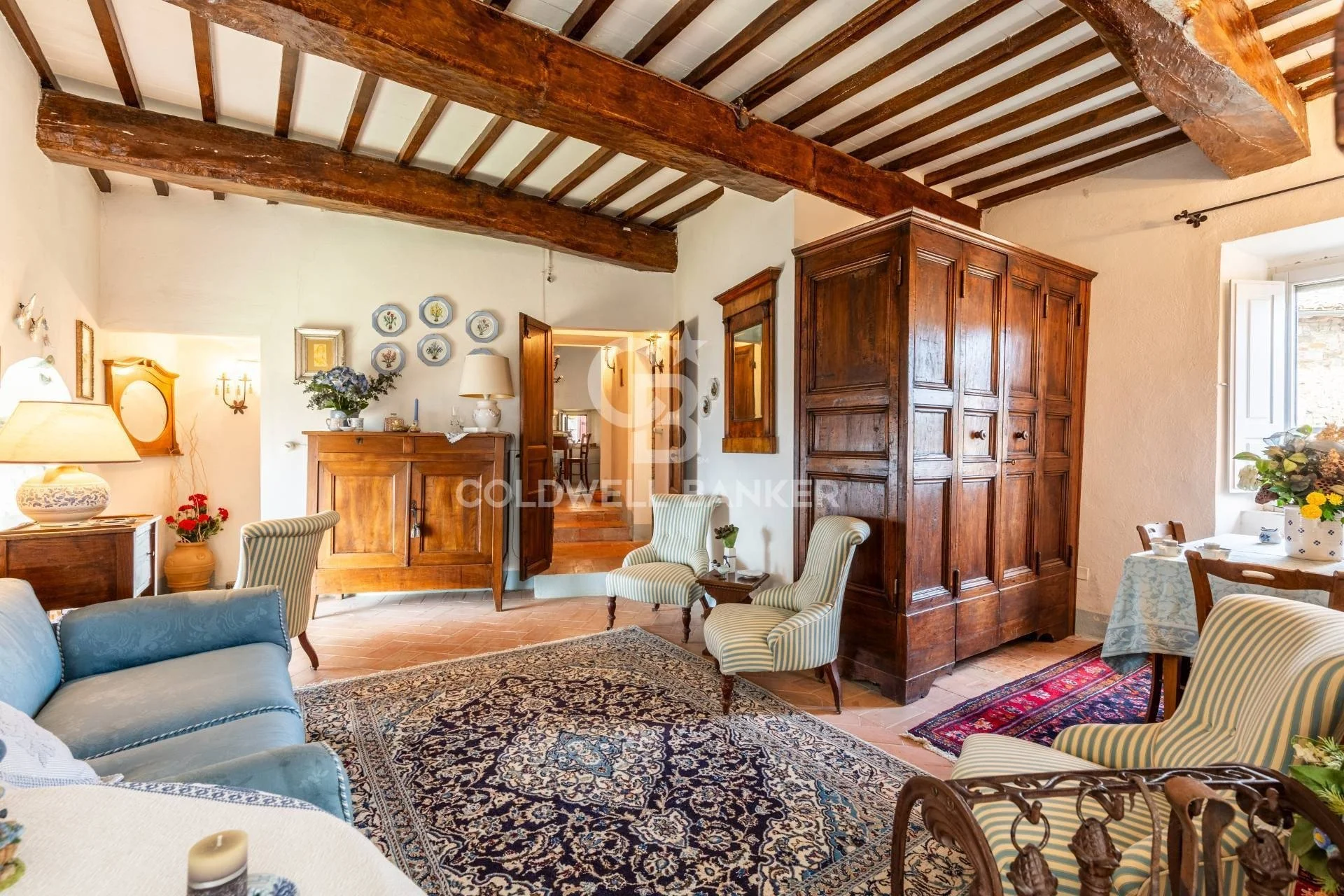
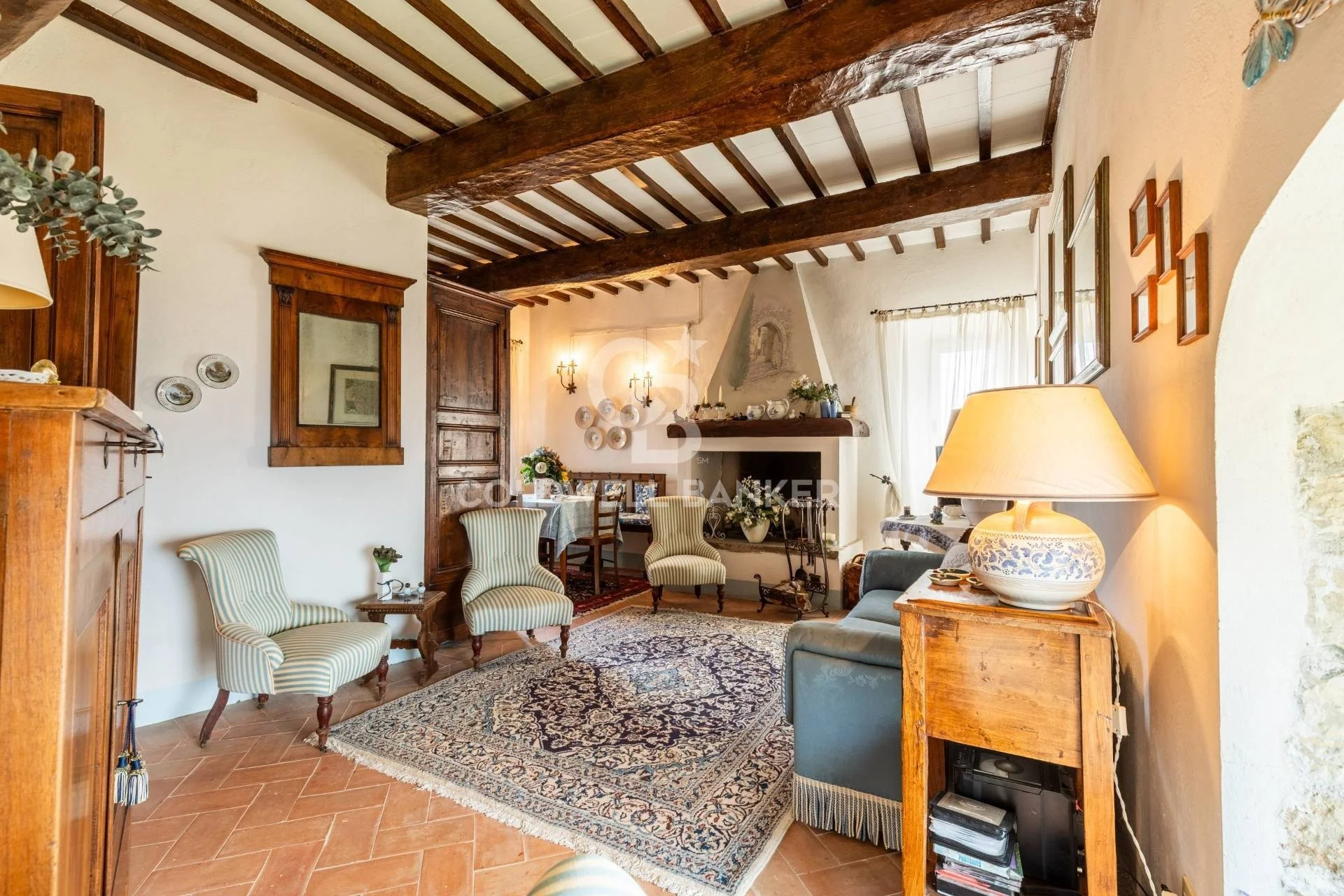
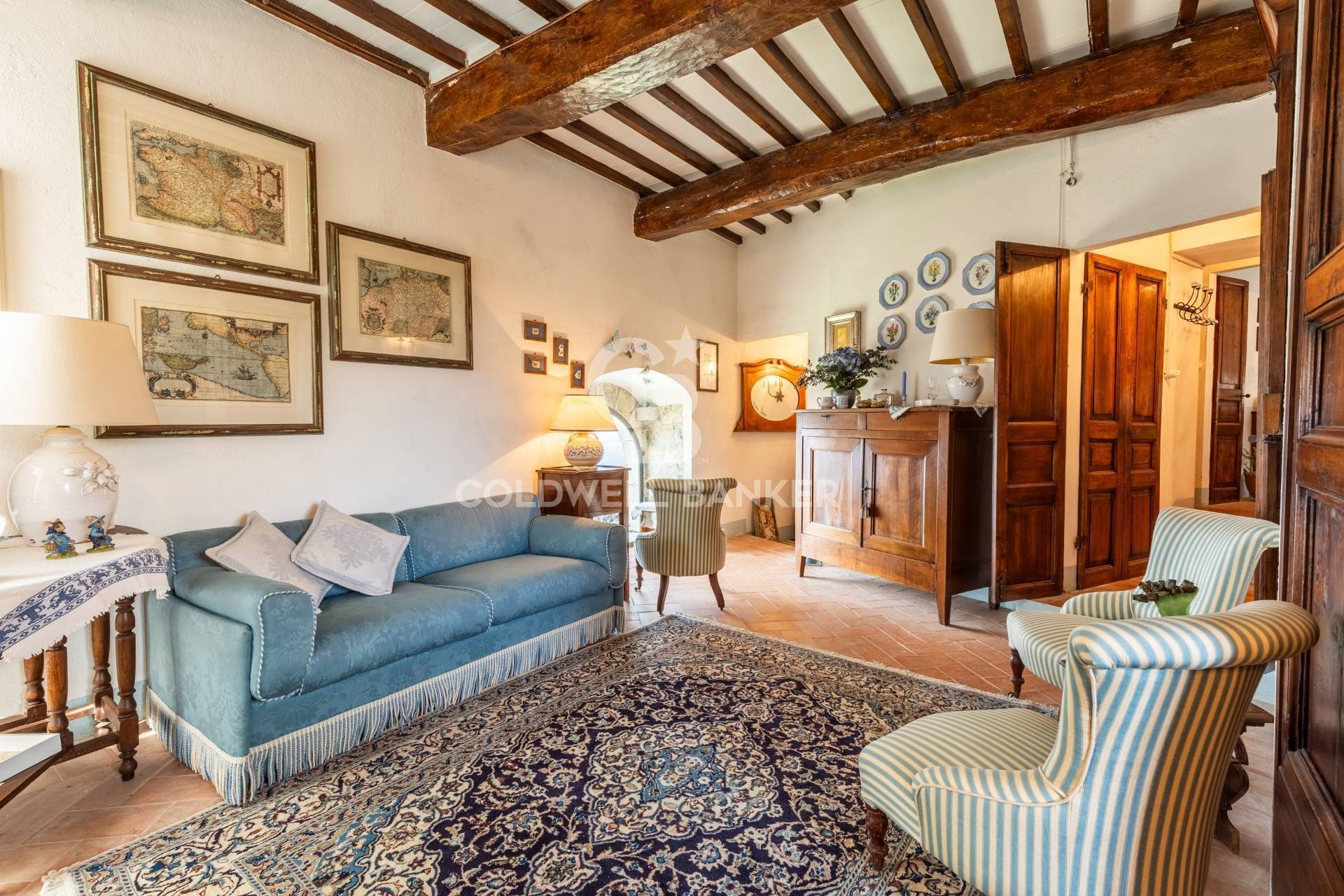
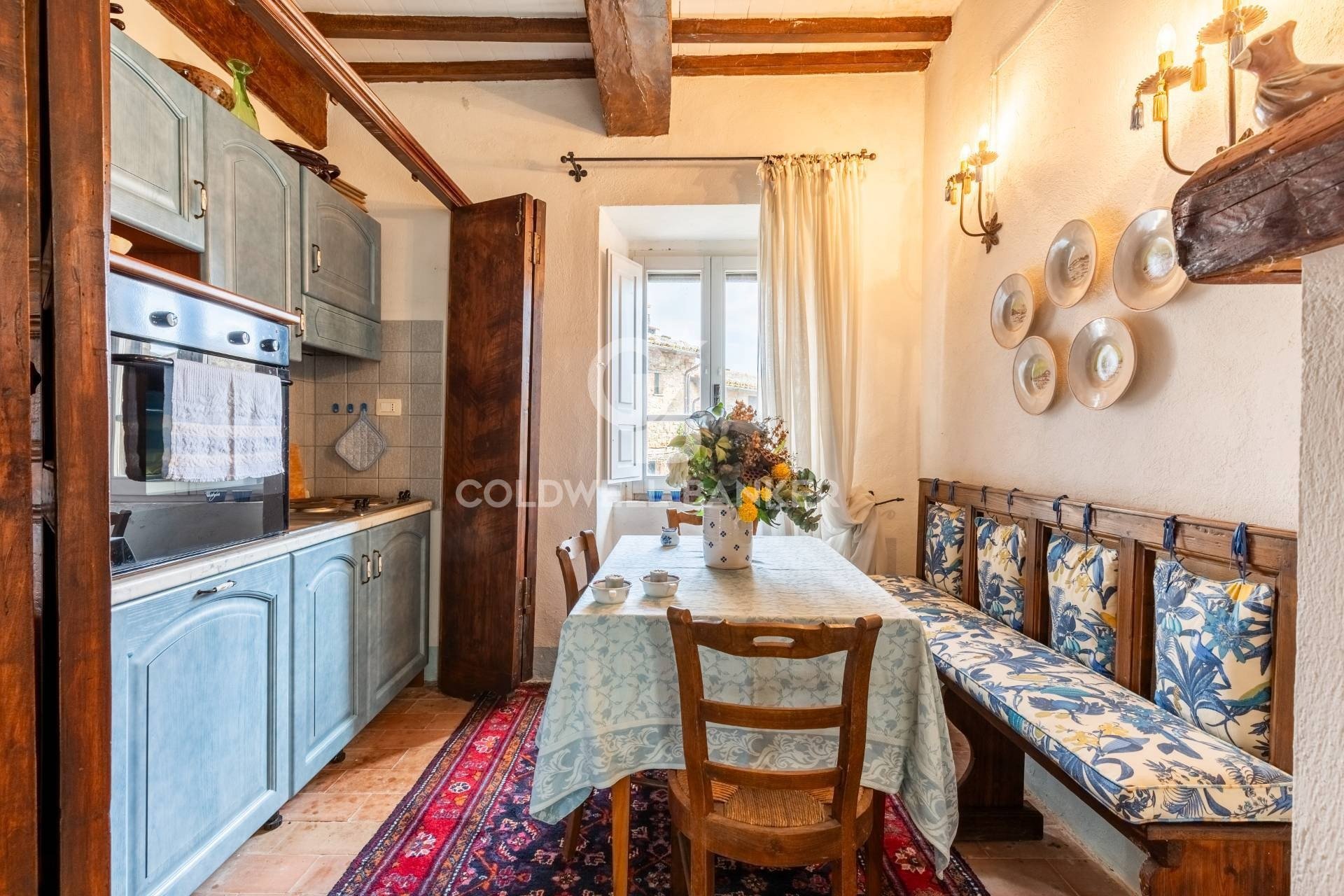
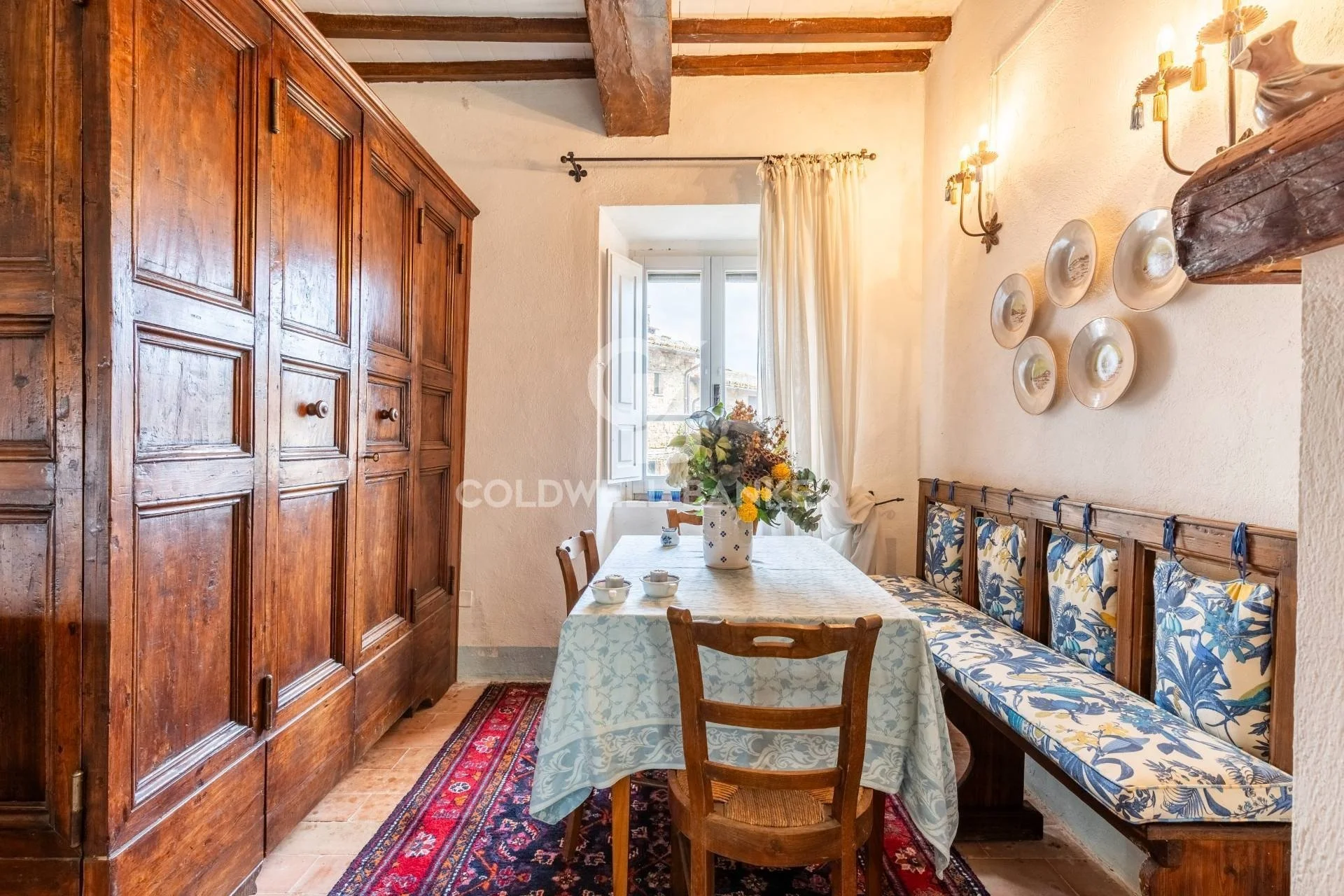
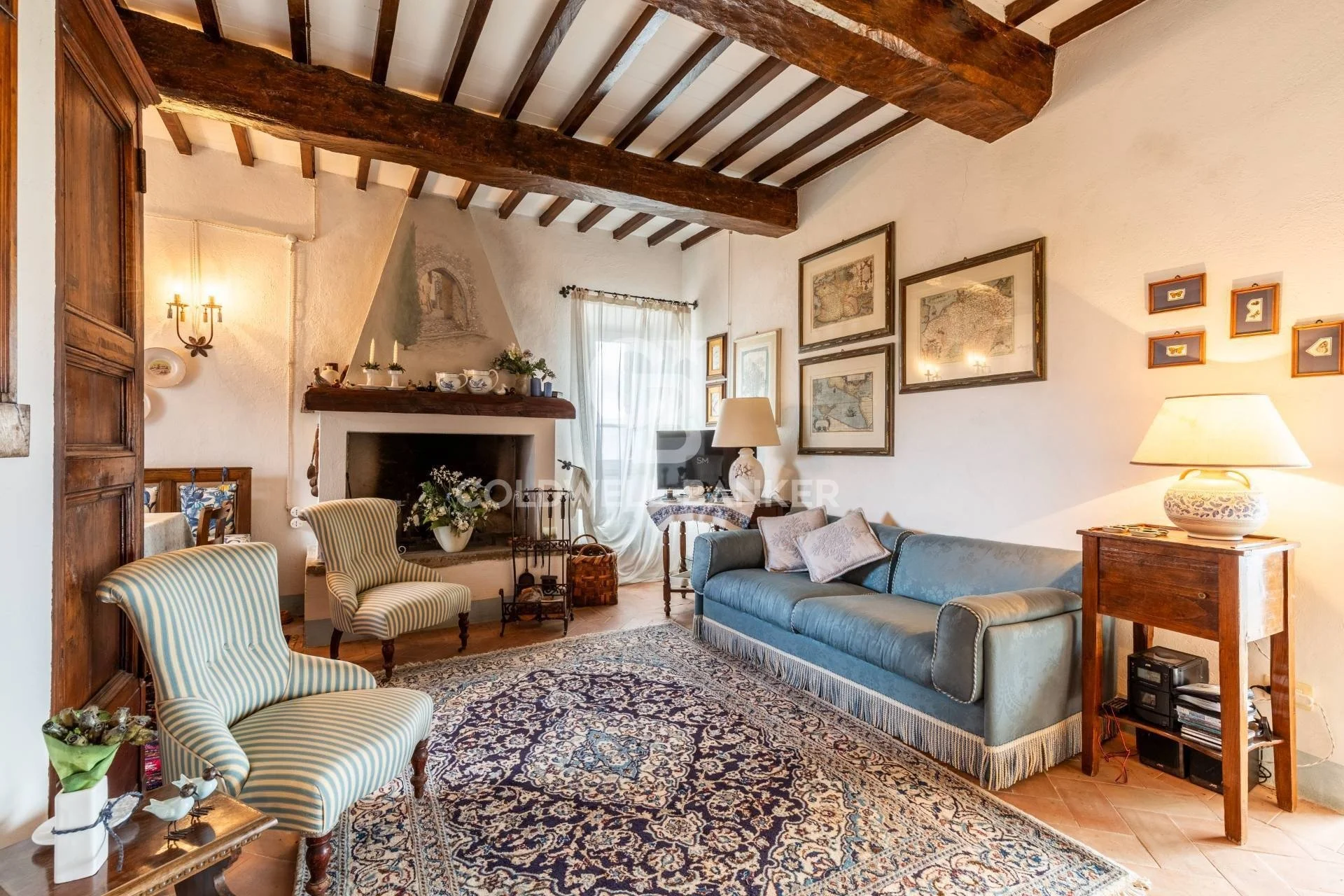
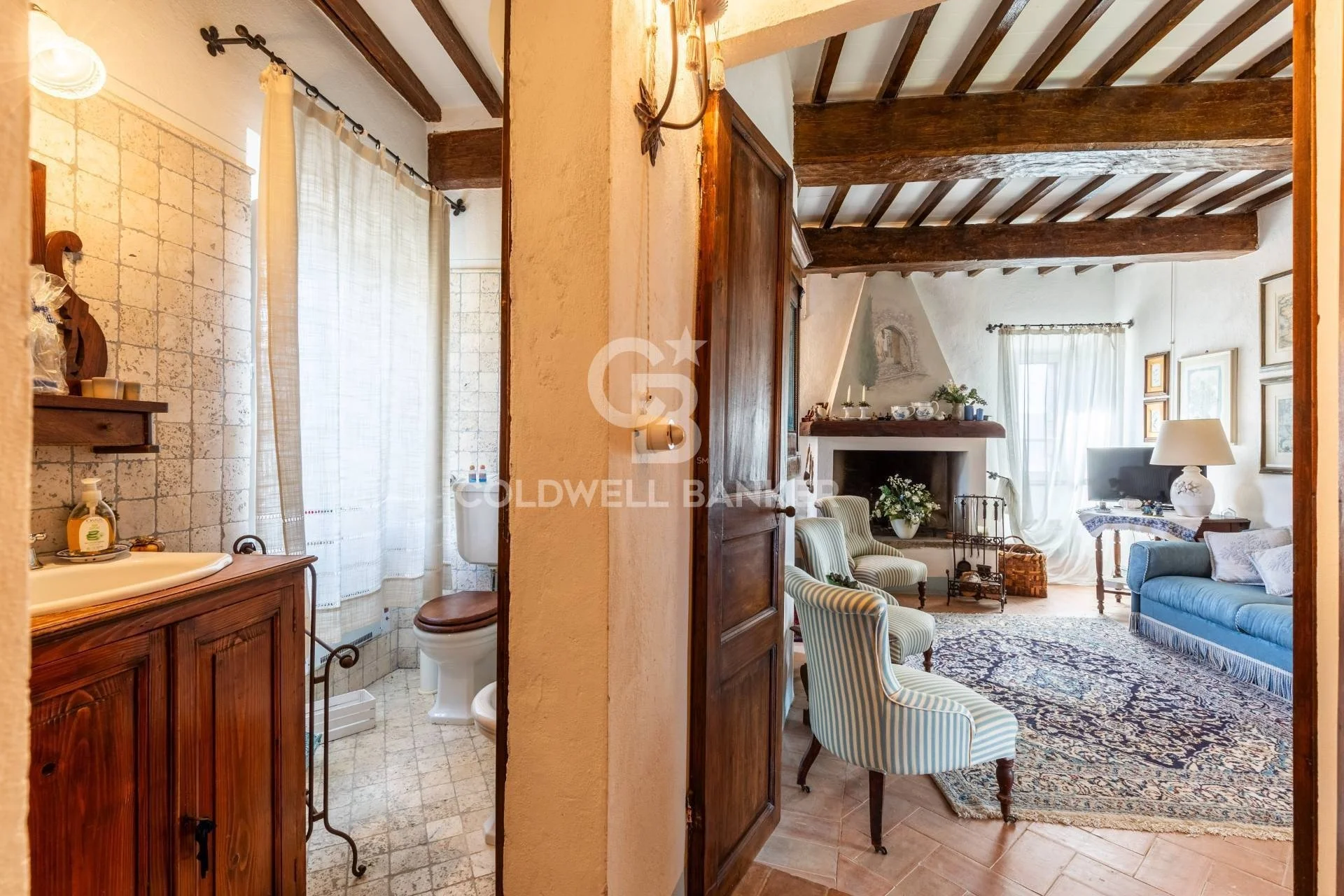
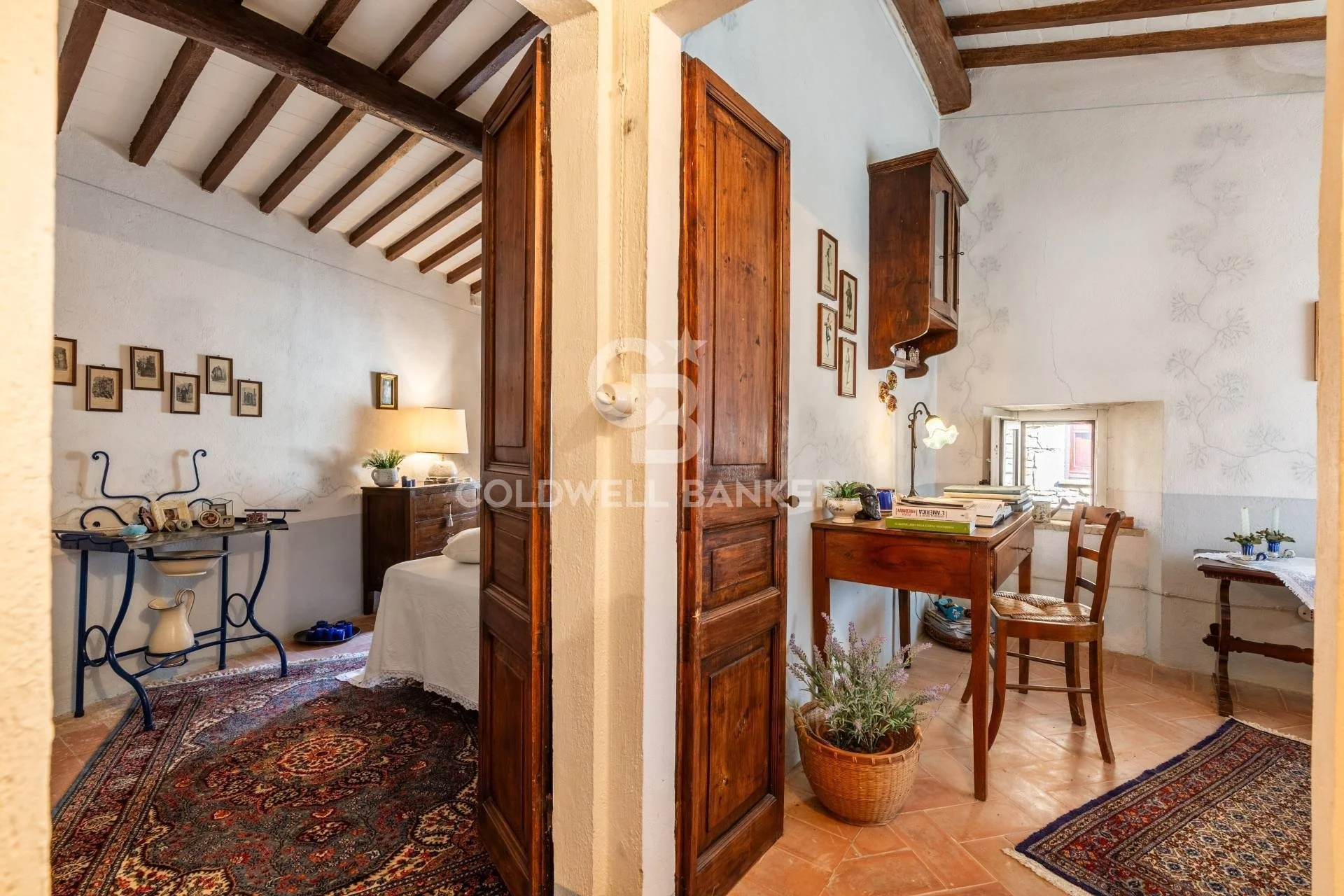
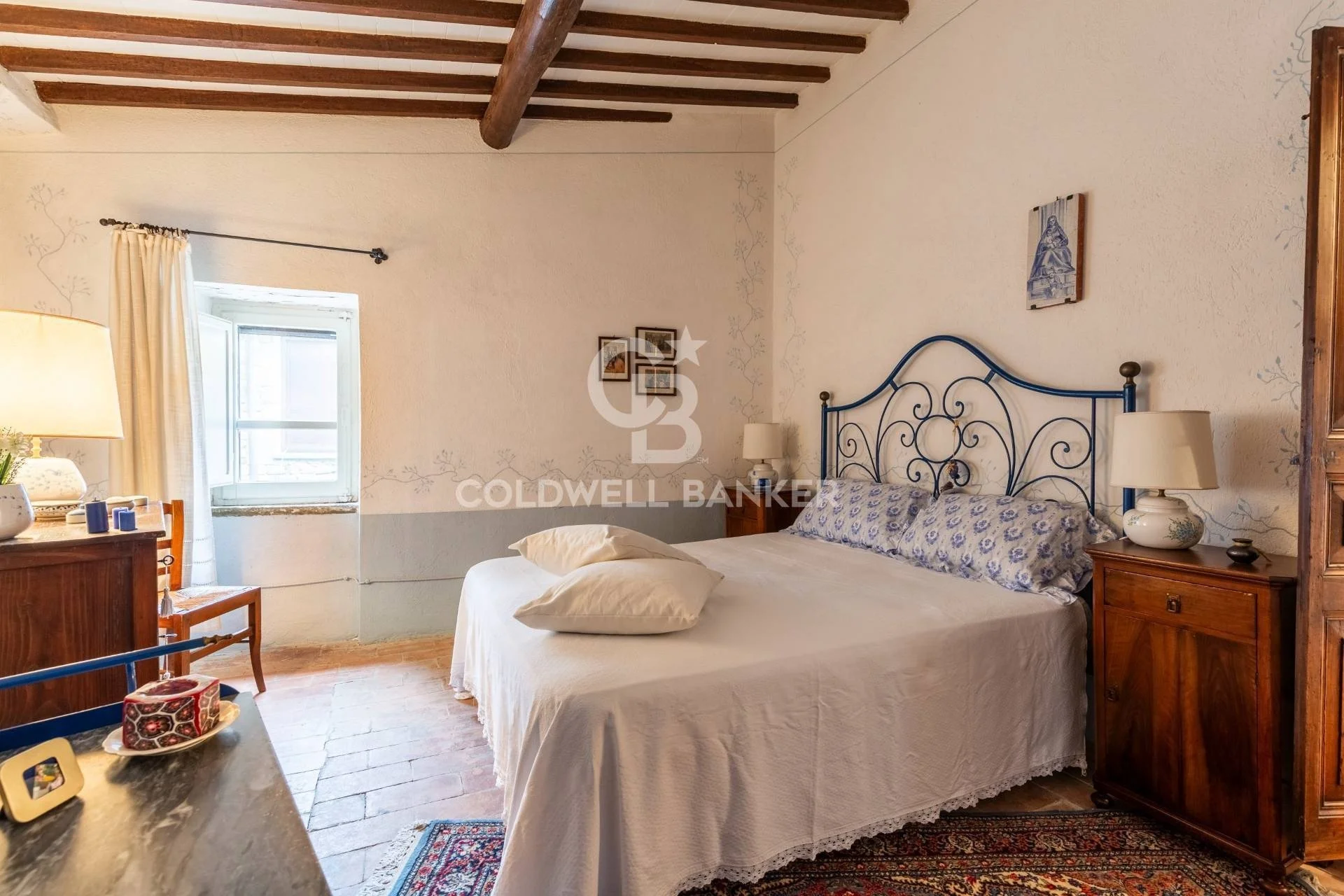
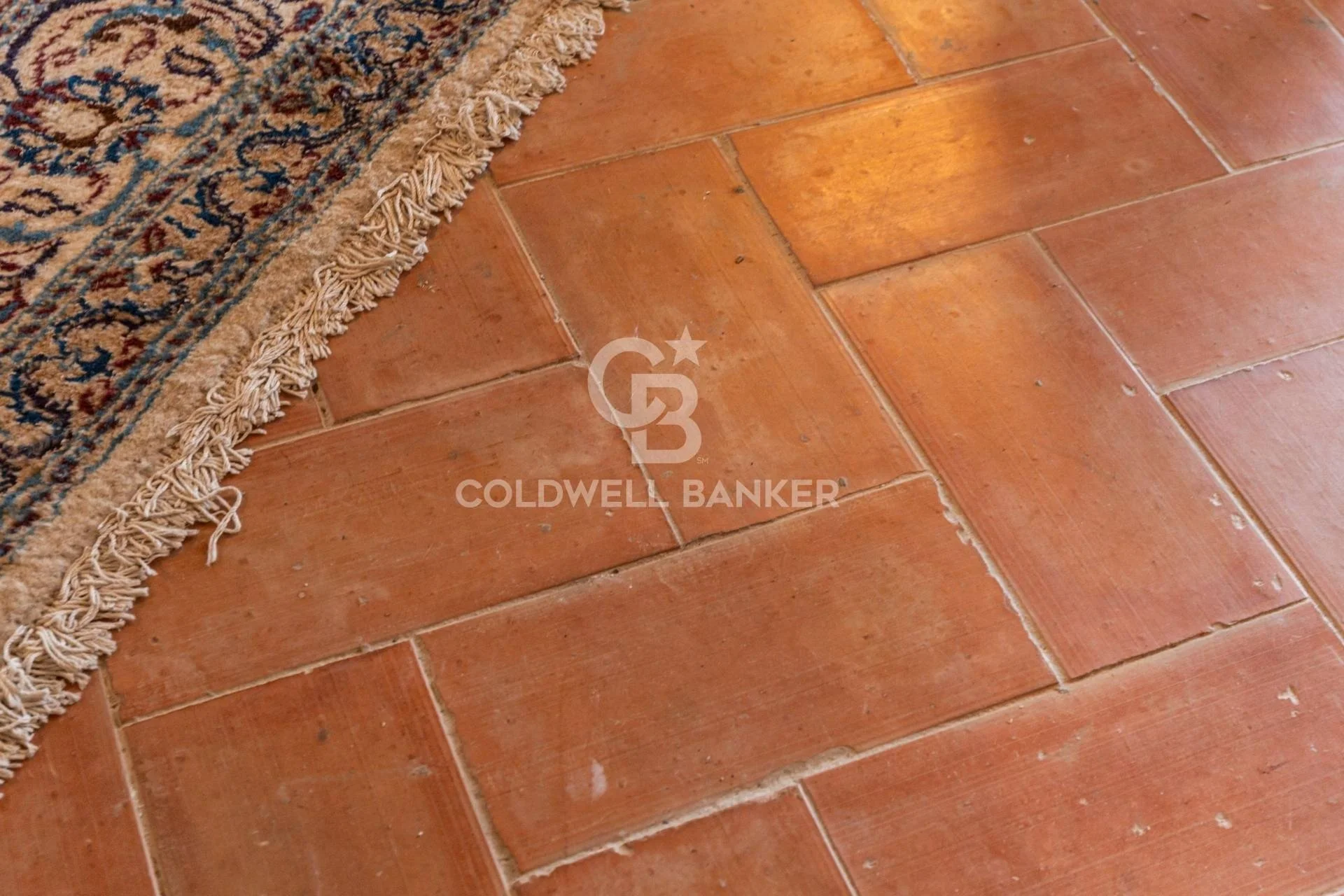
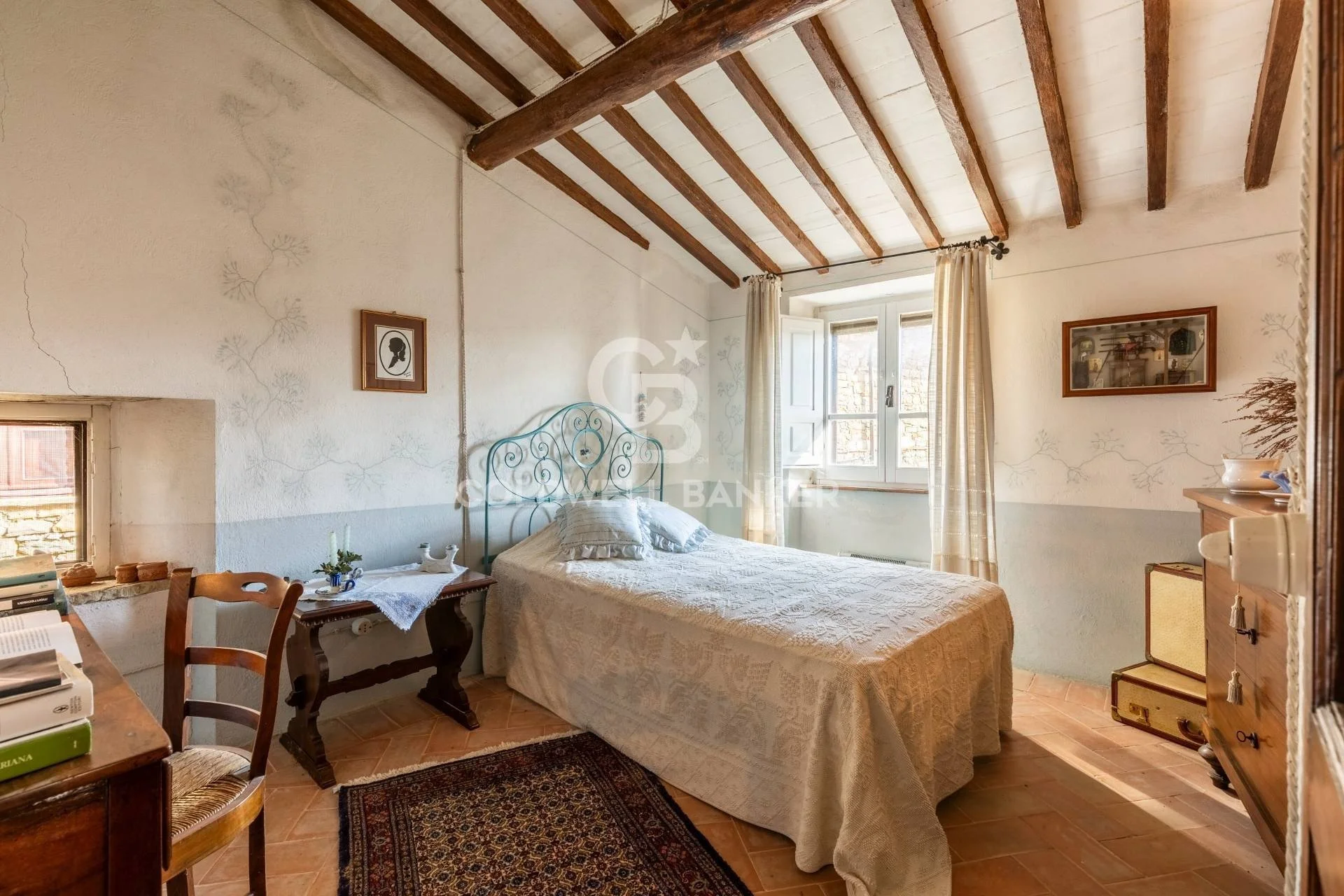
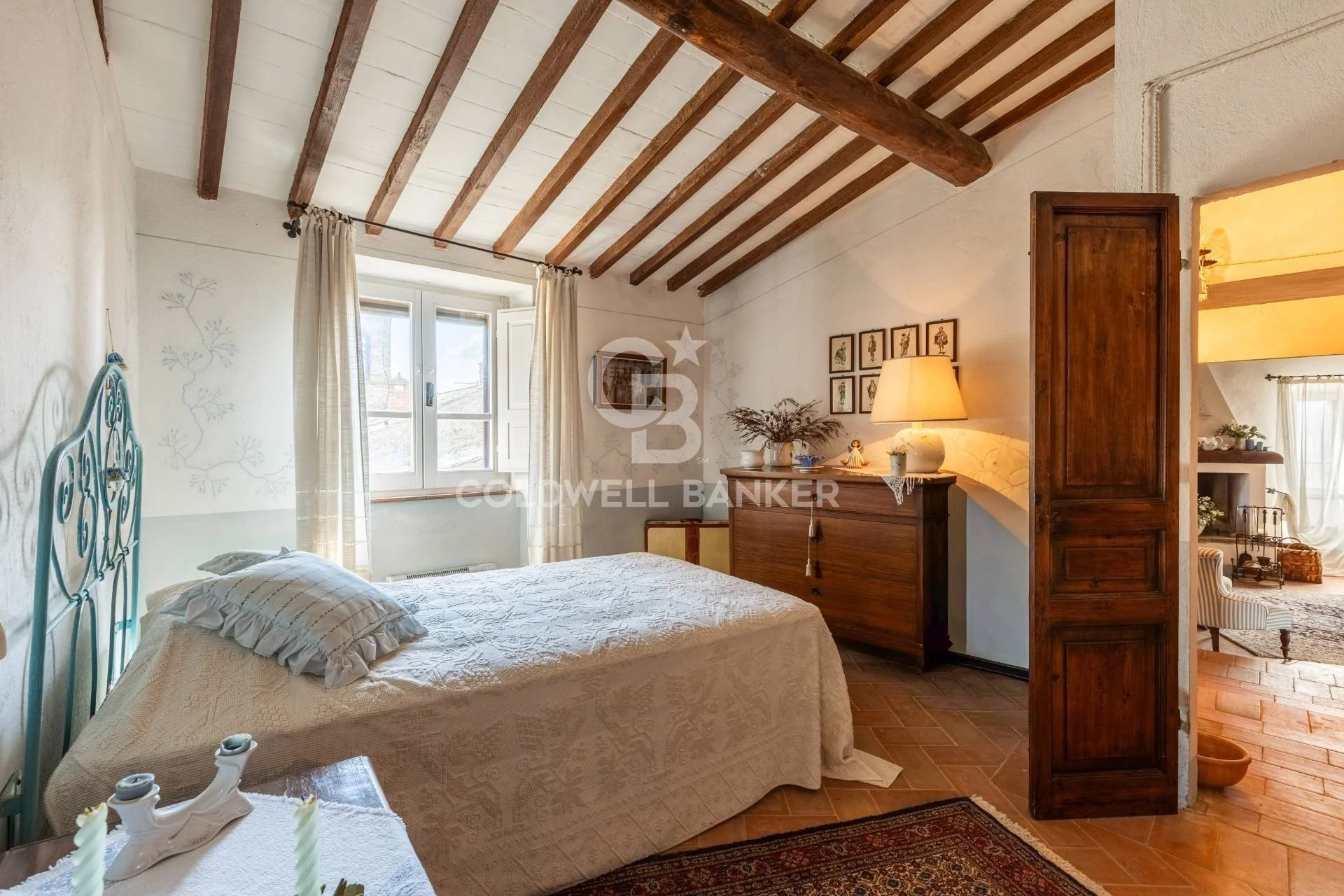
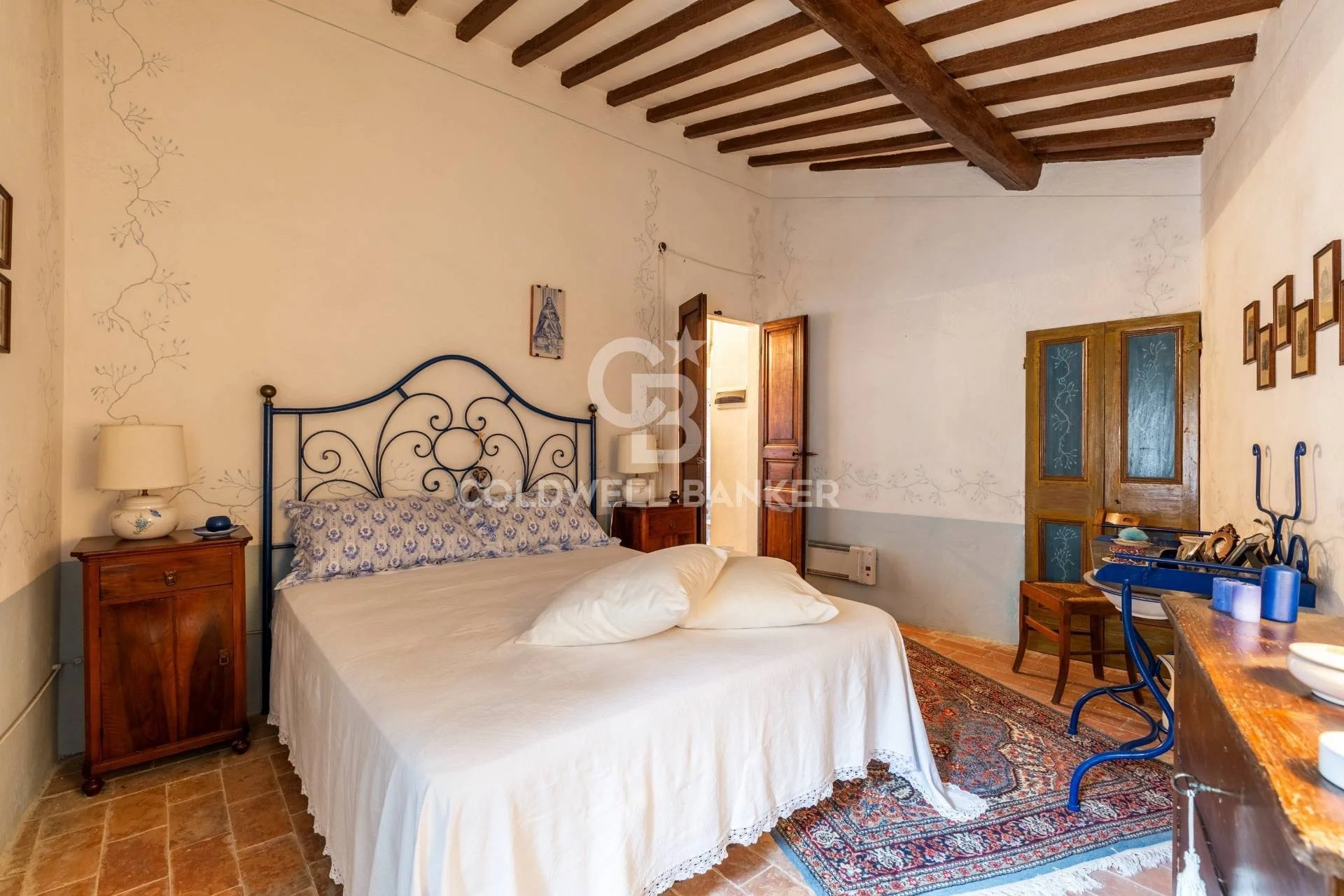
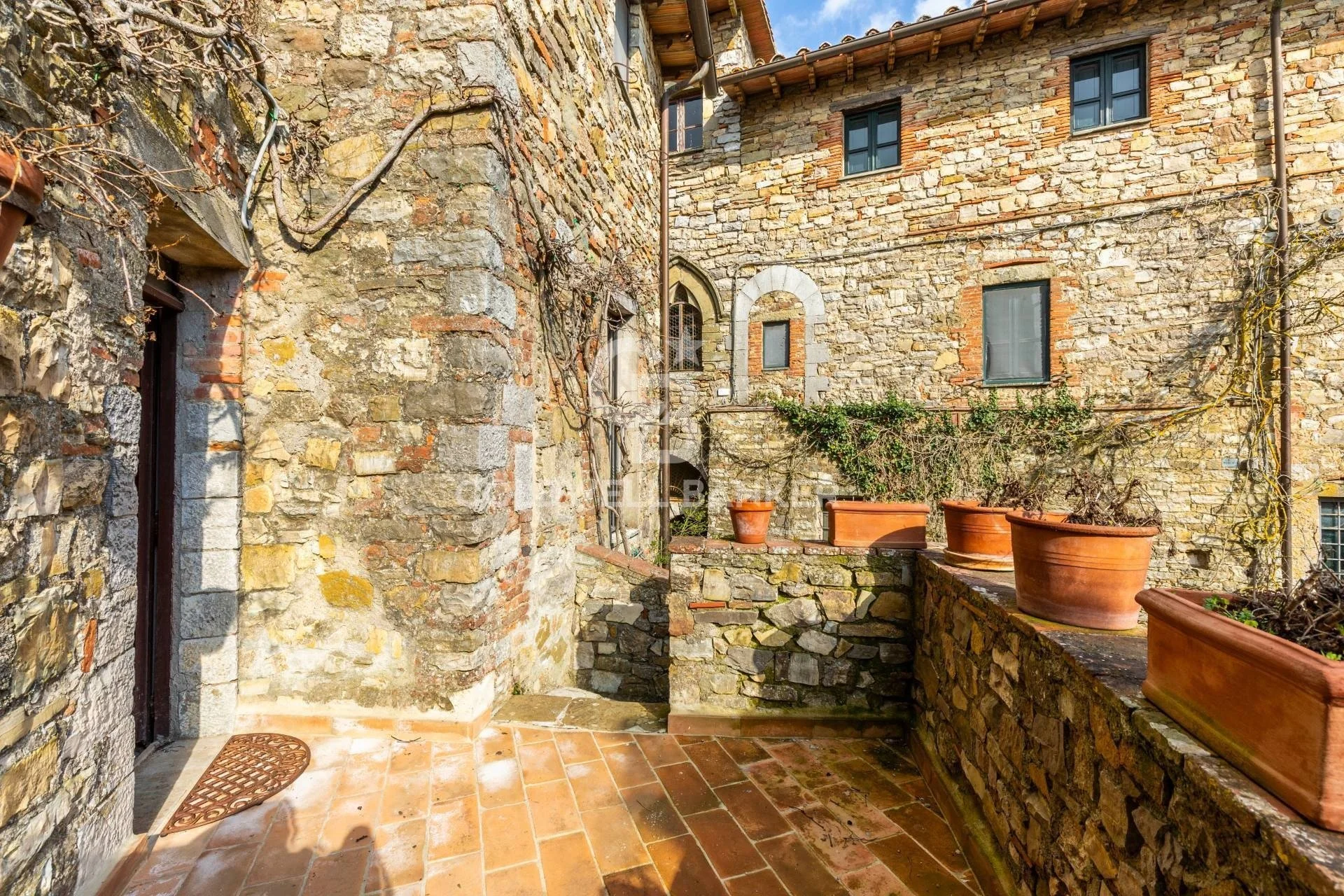
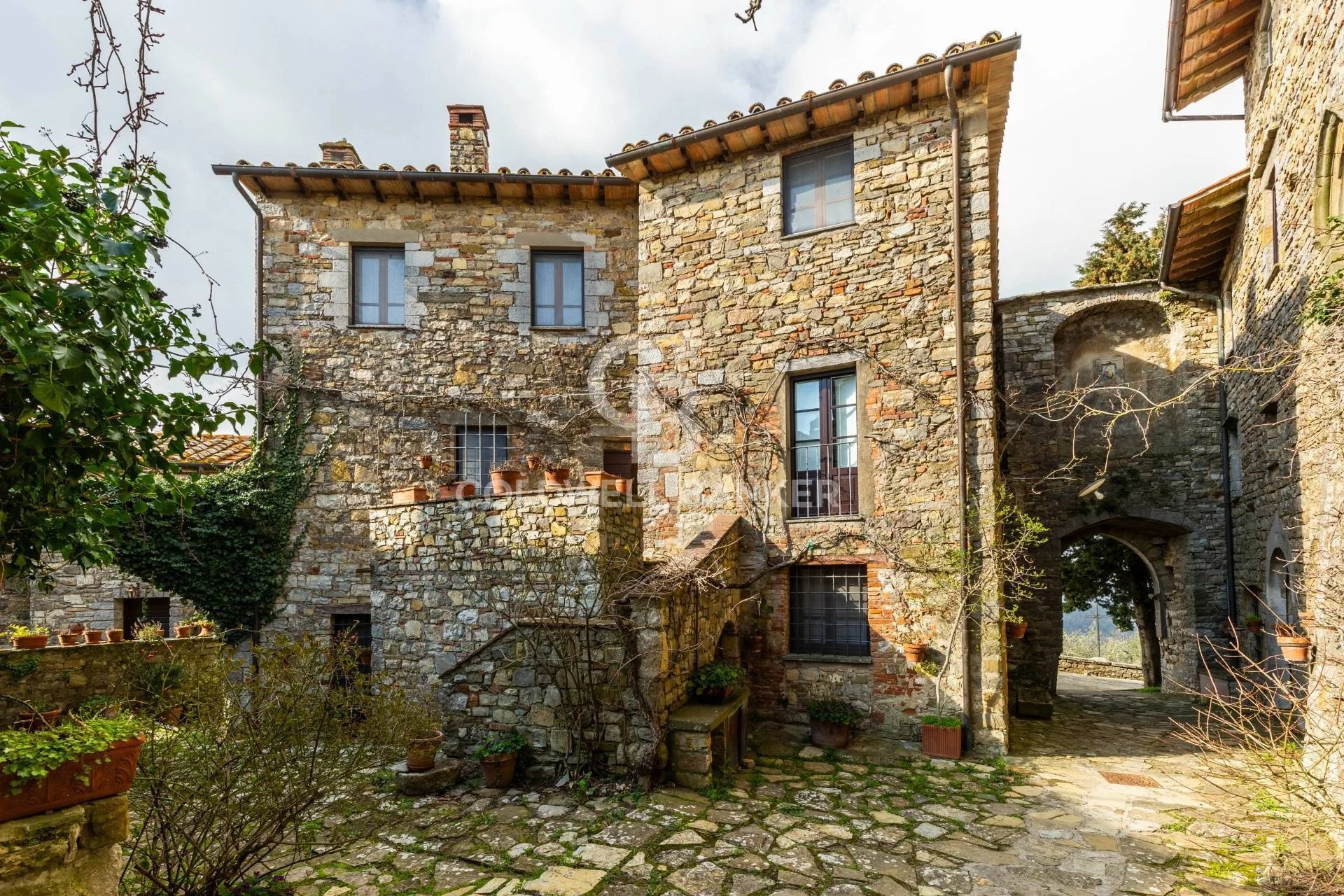
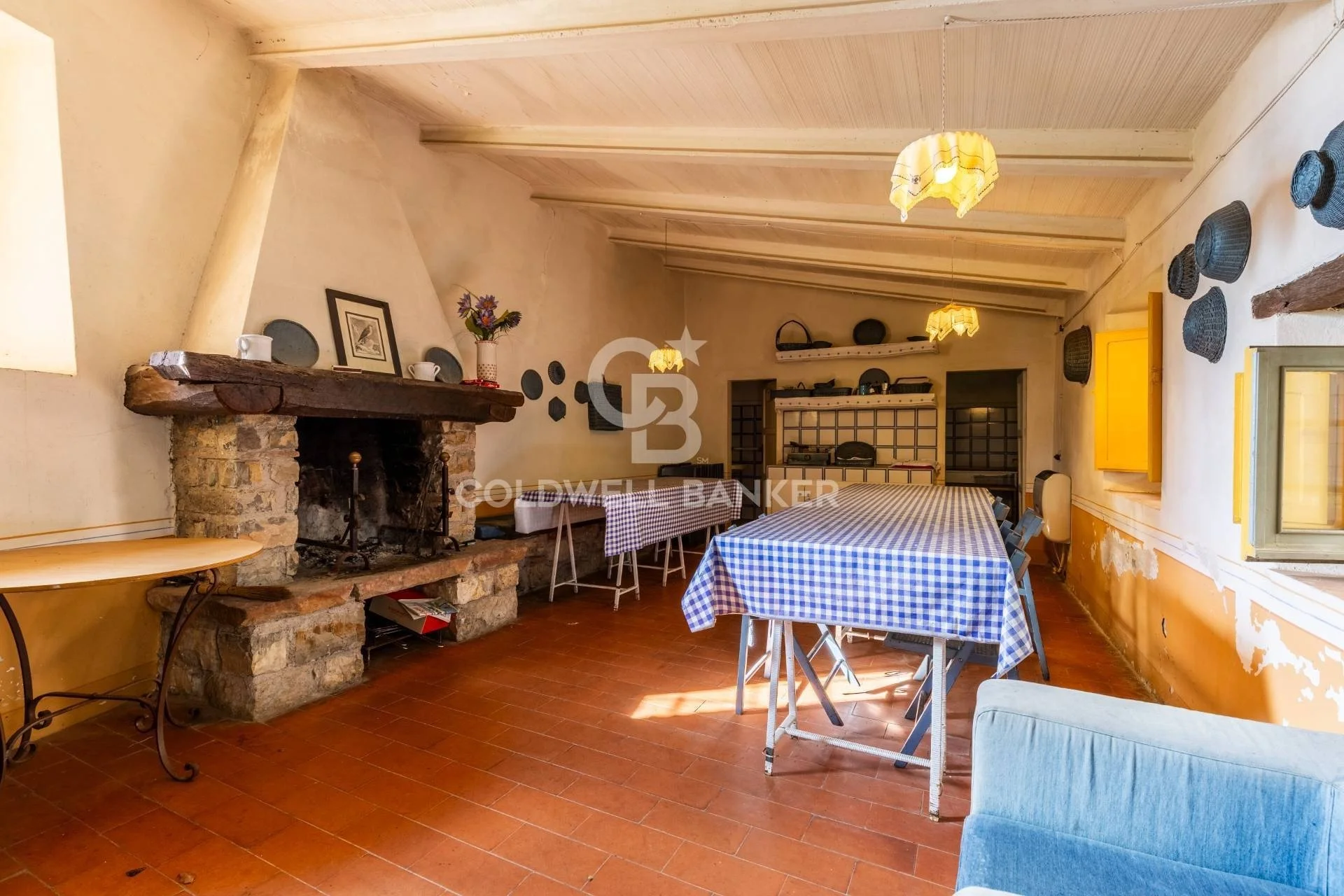
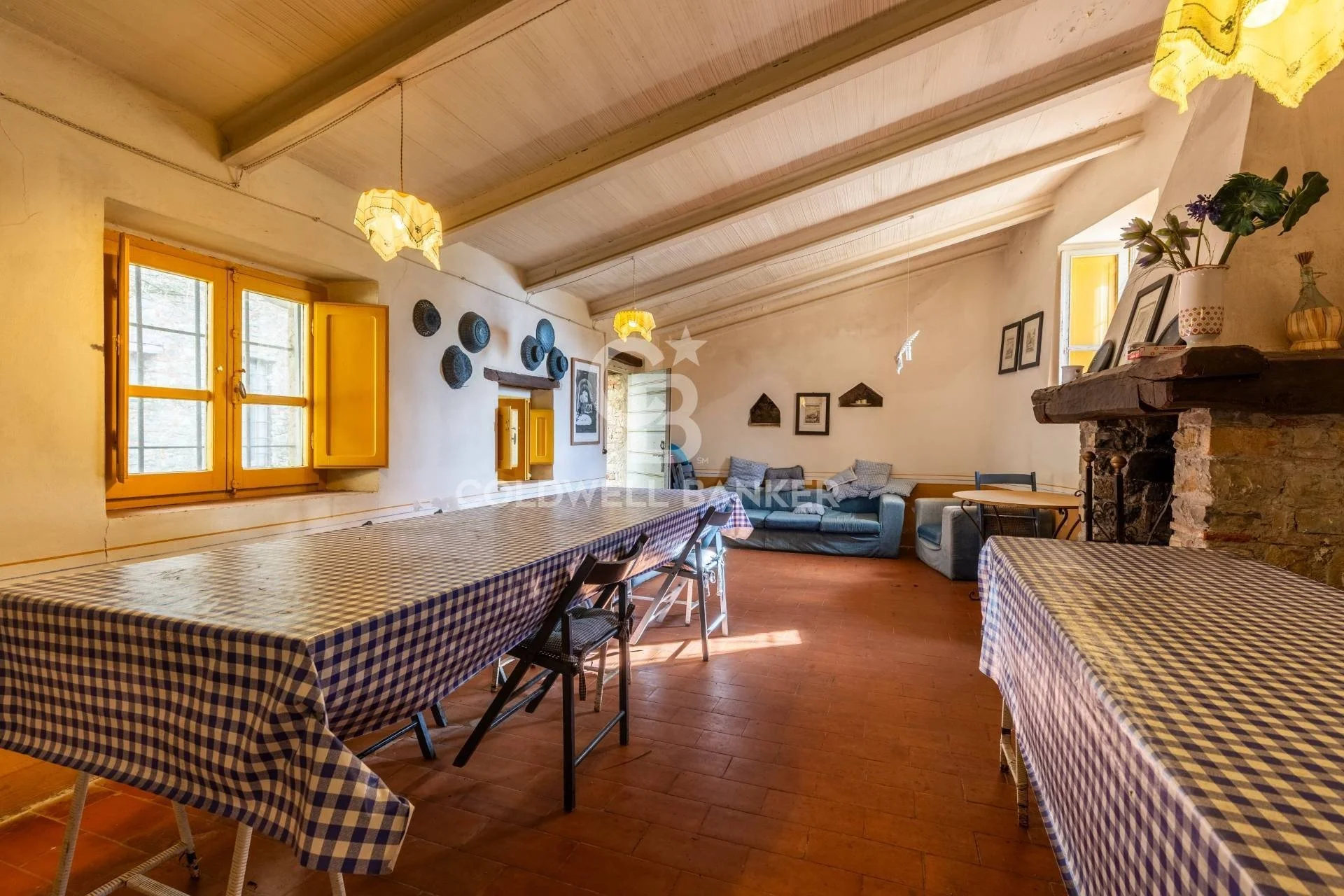
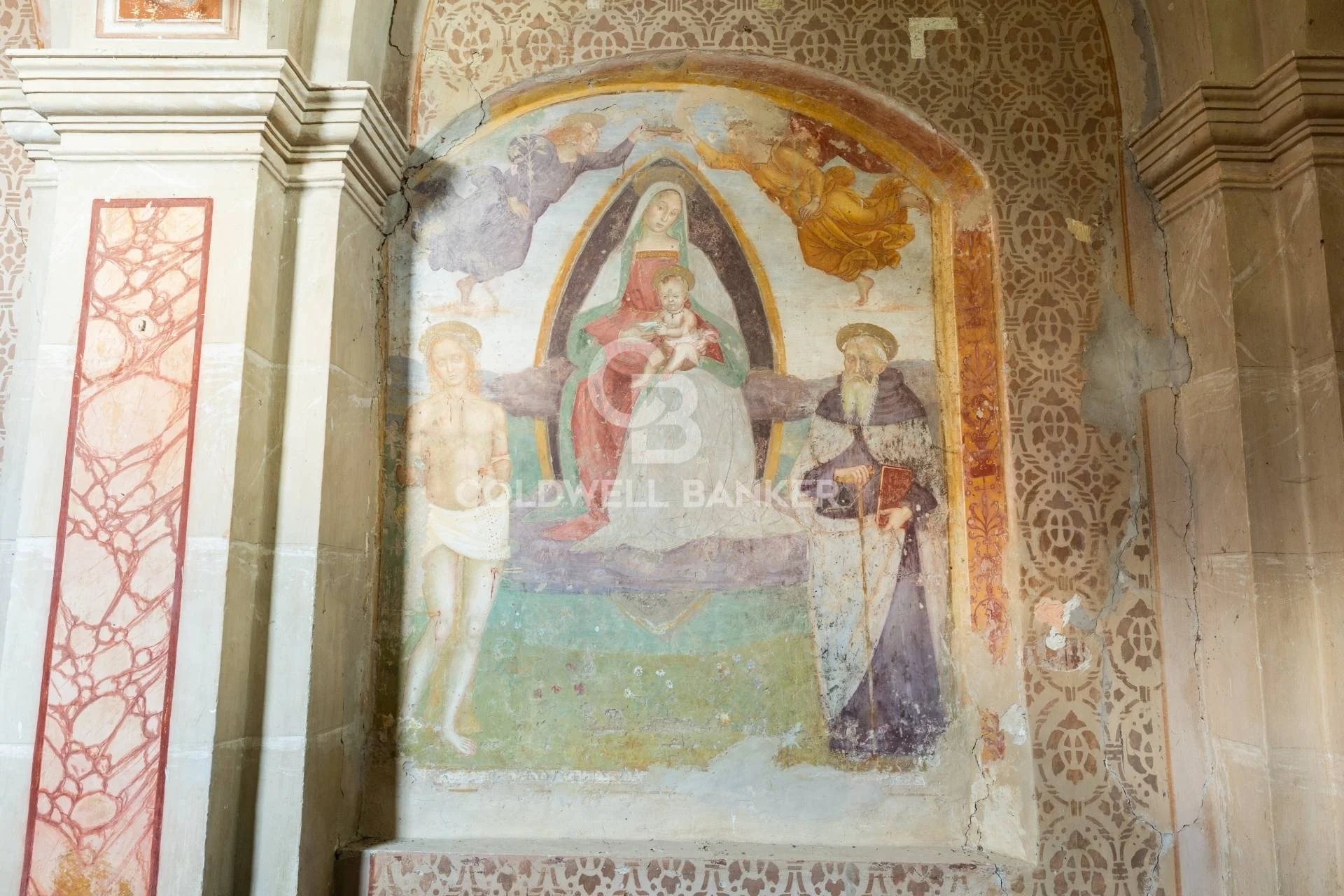
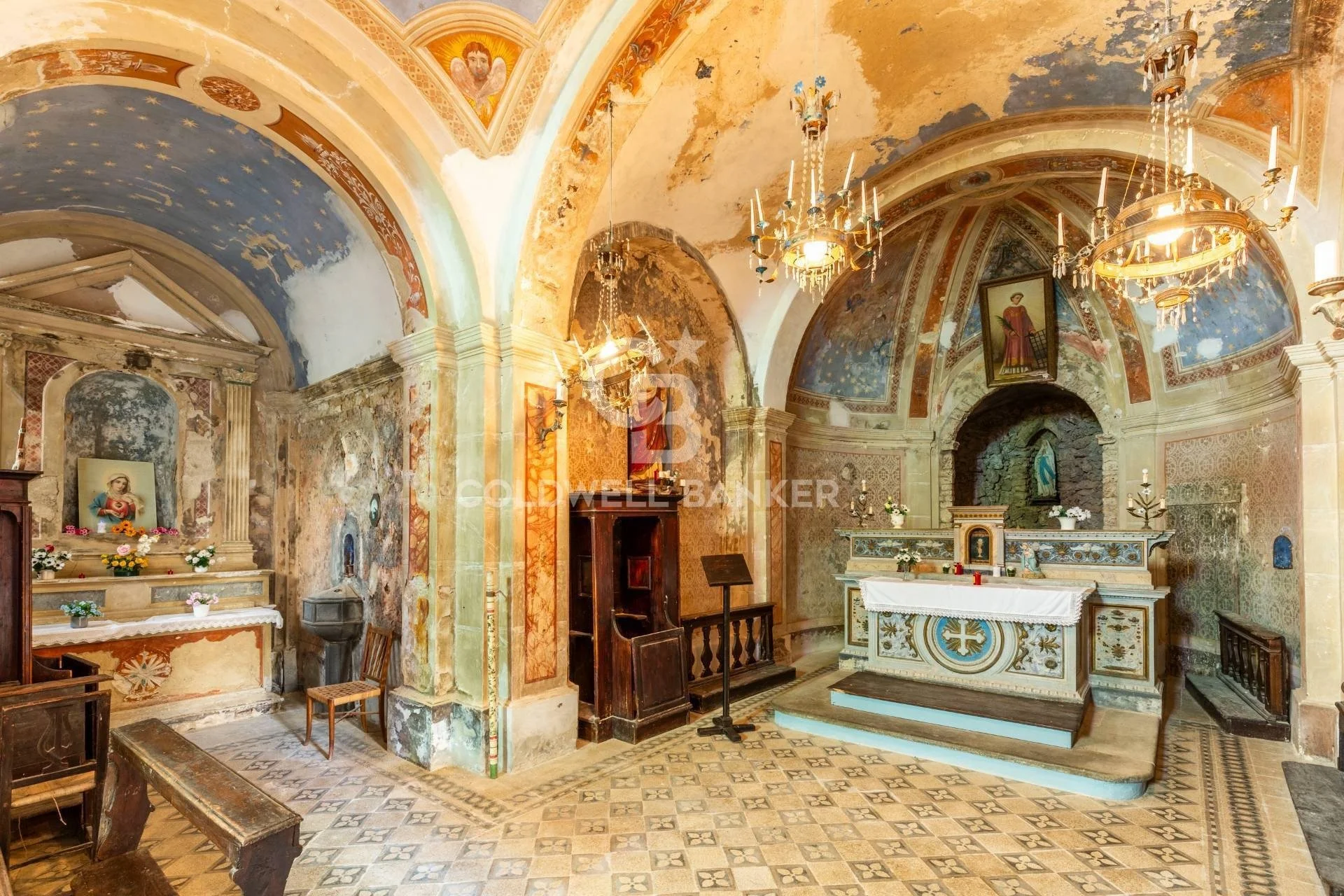
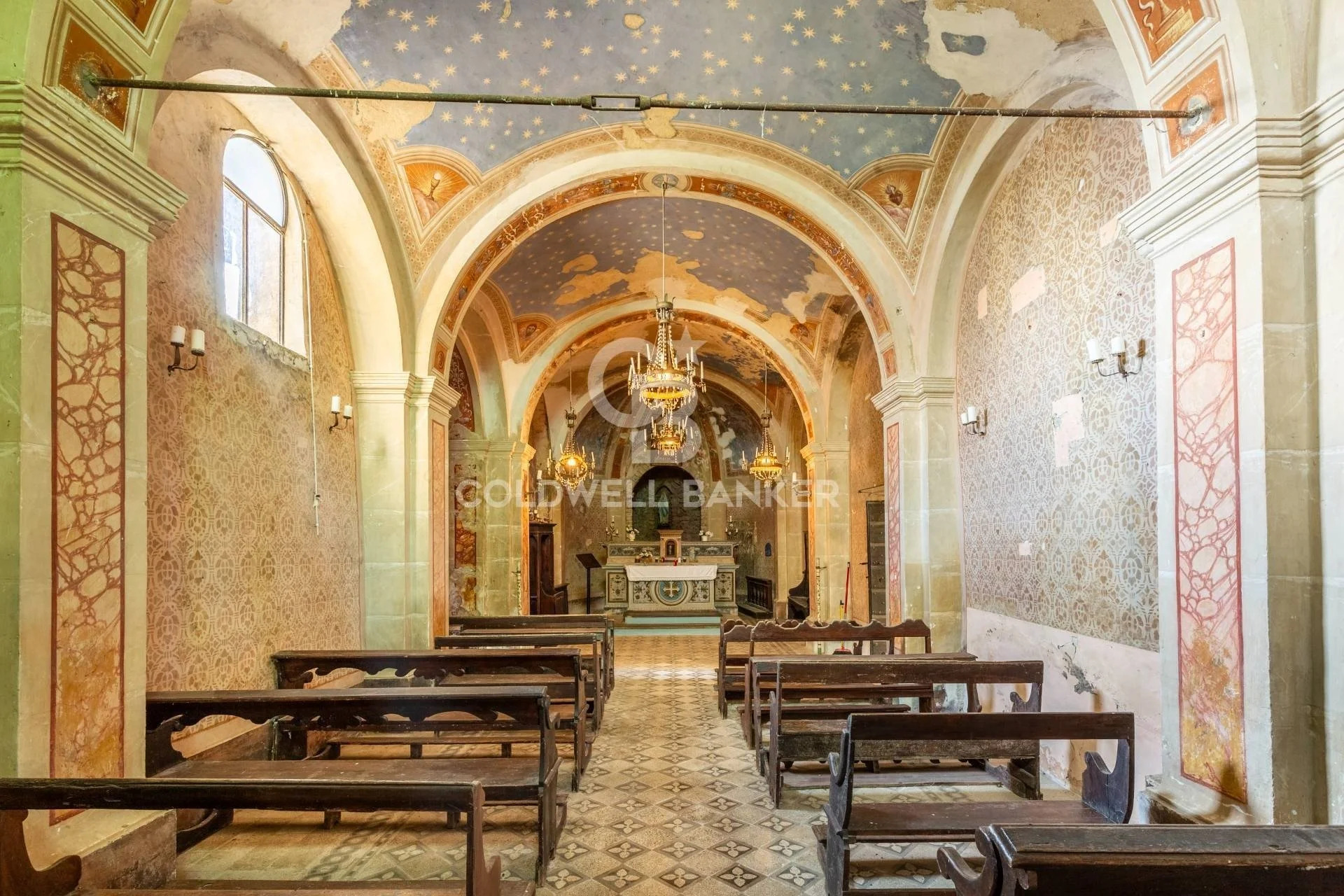
Original medieval stonework, vaulted stone ceilings, exposed stone walls, wooden beams and terracotta floors
View and setting
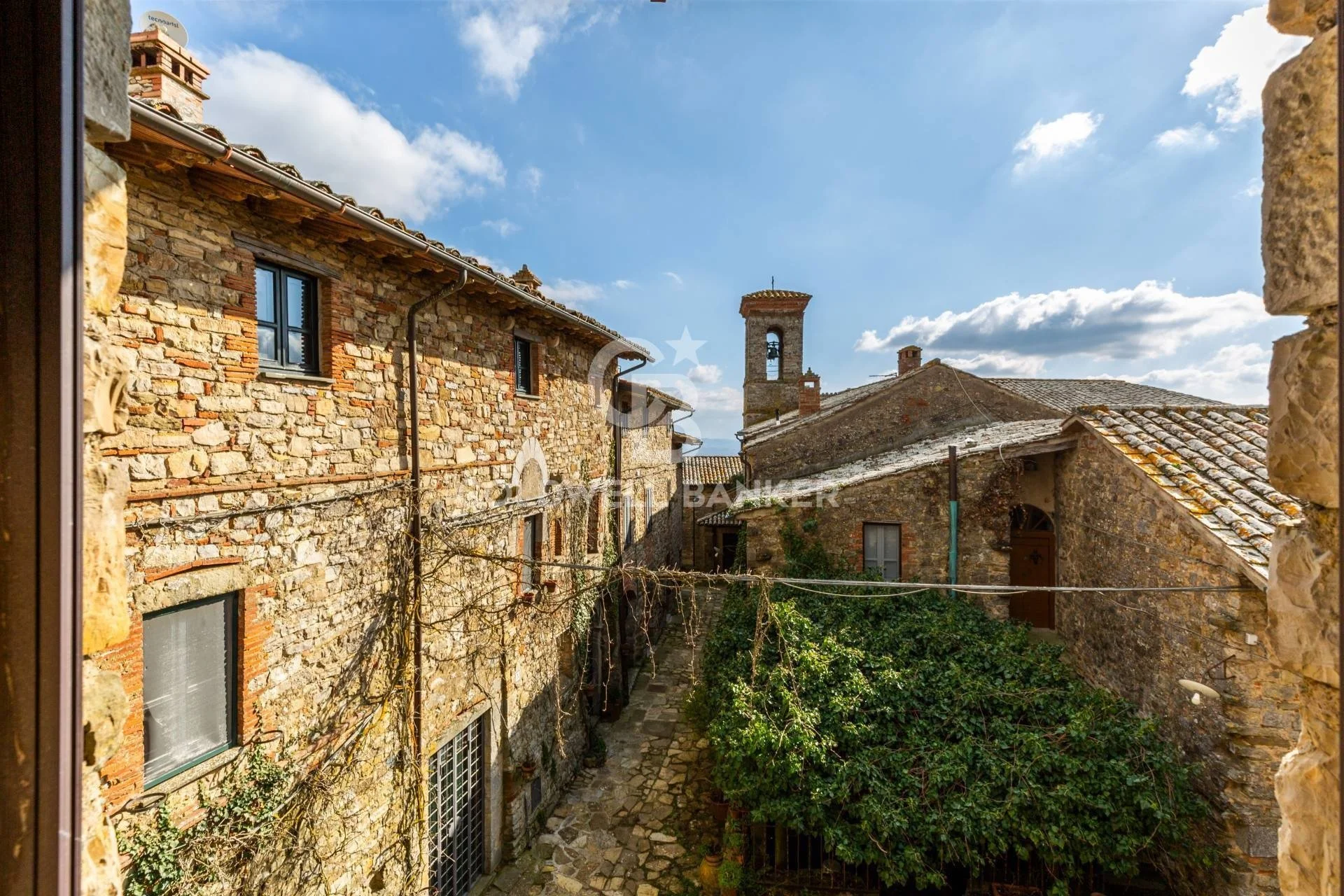
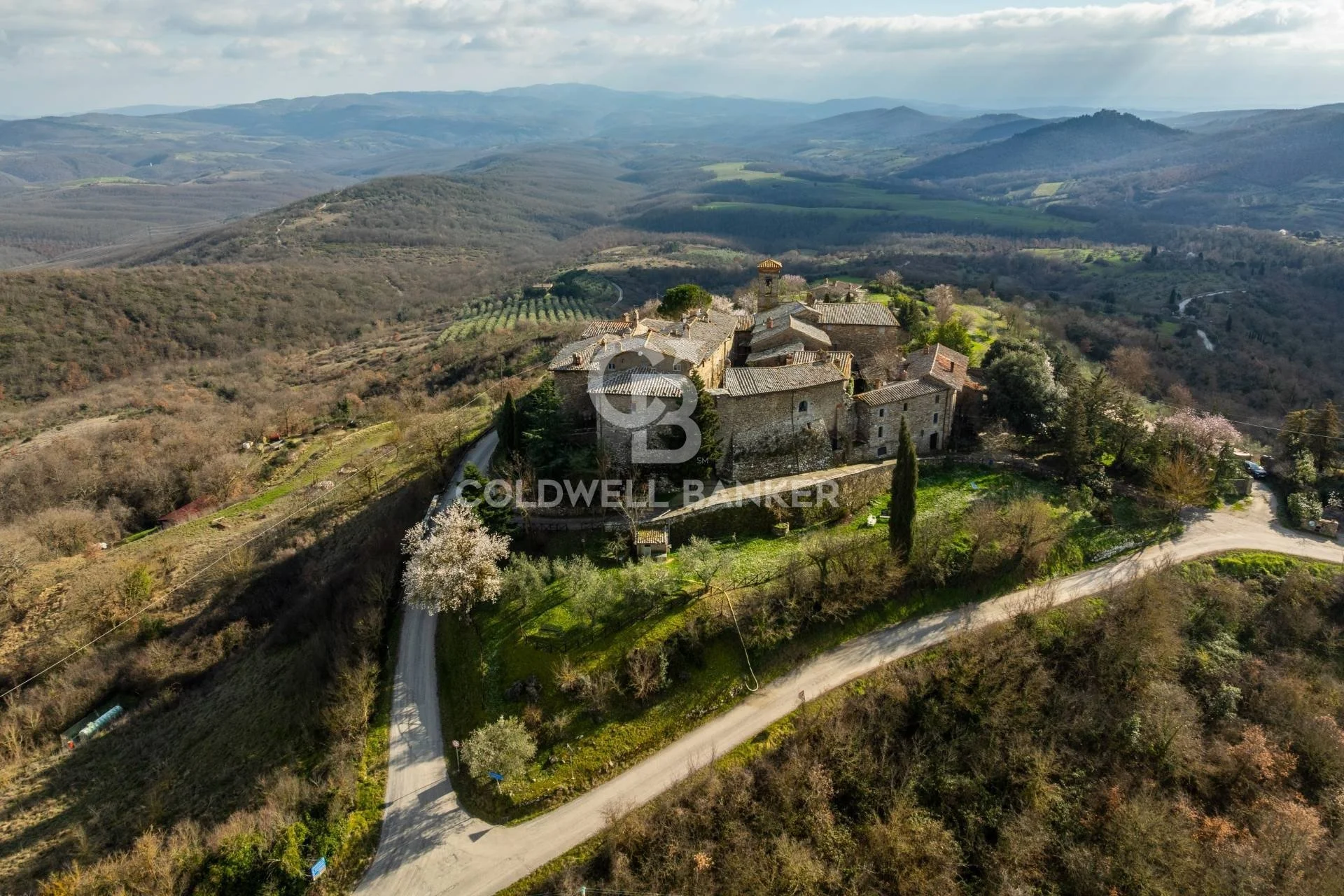
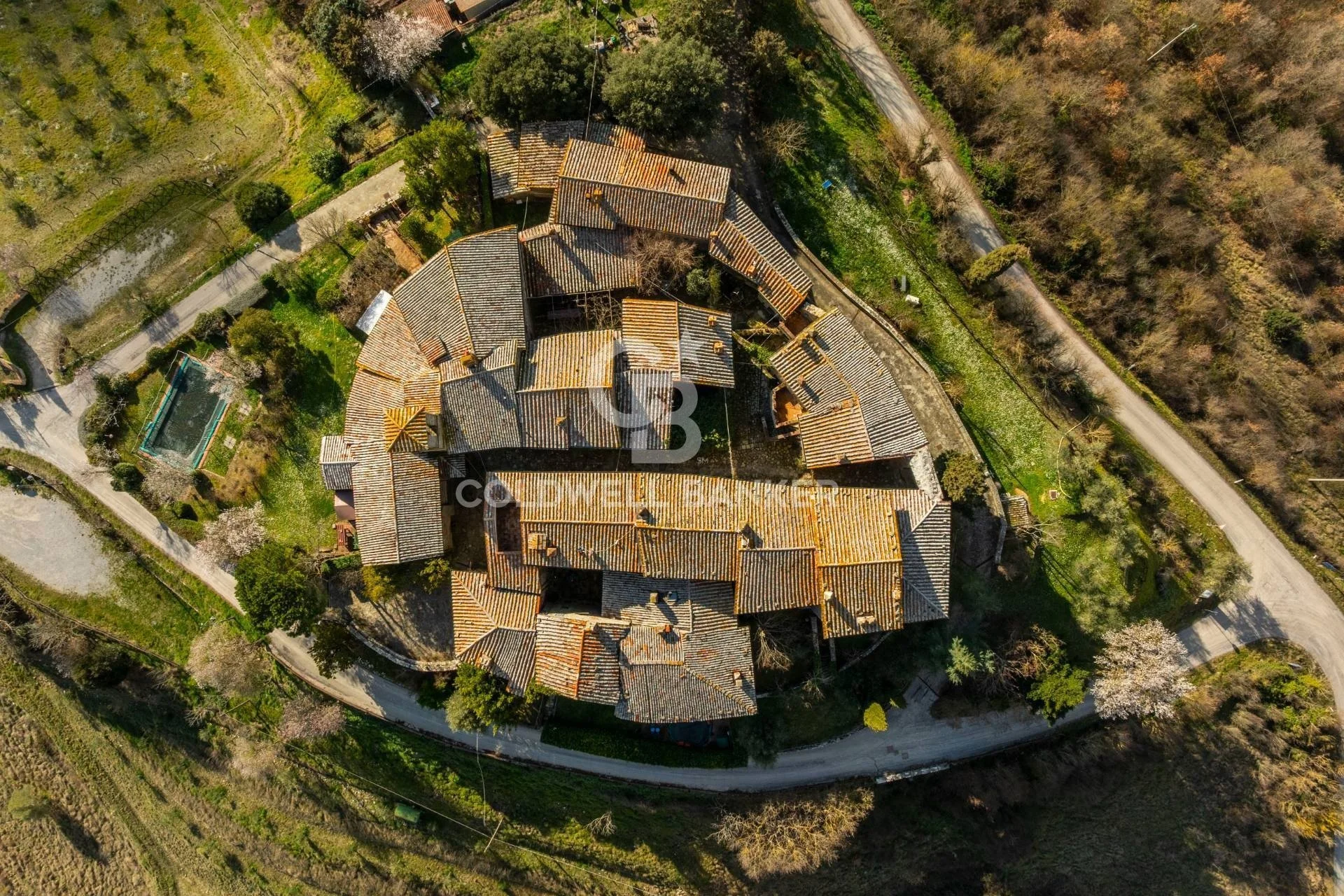
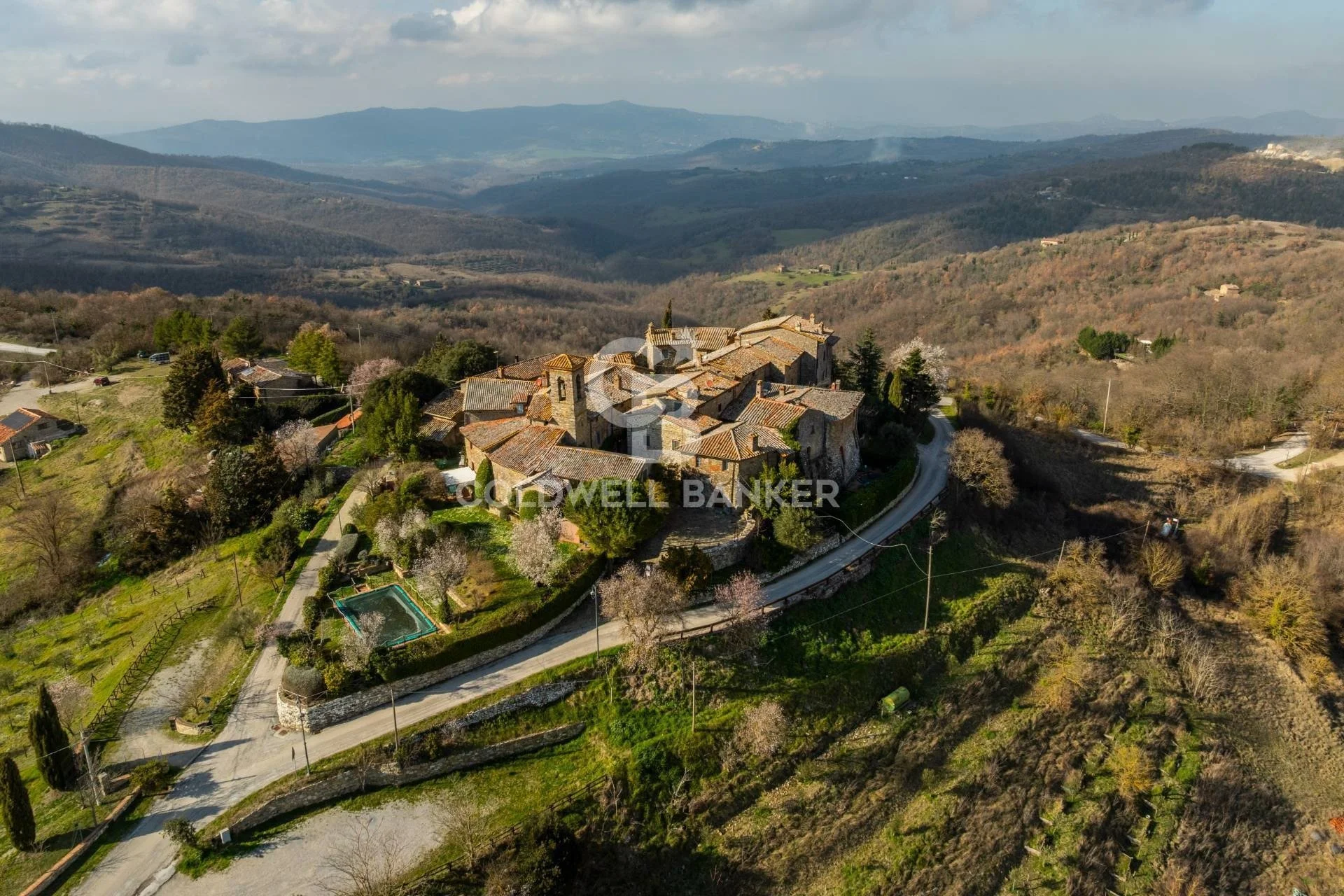
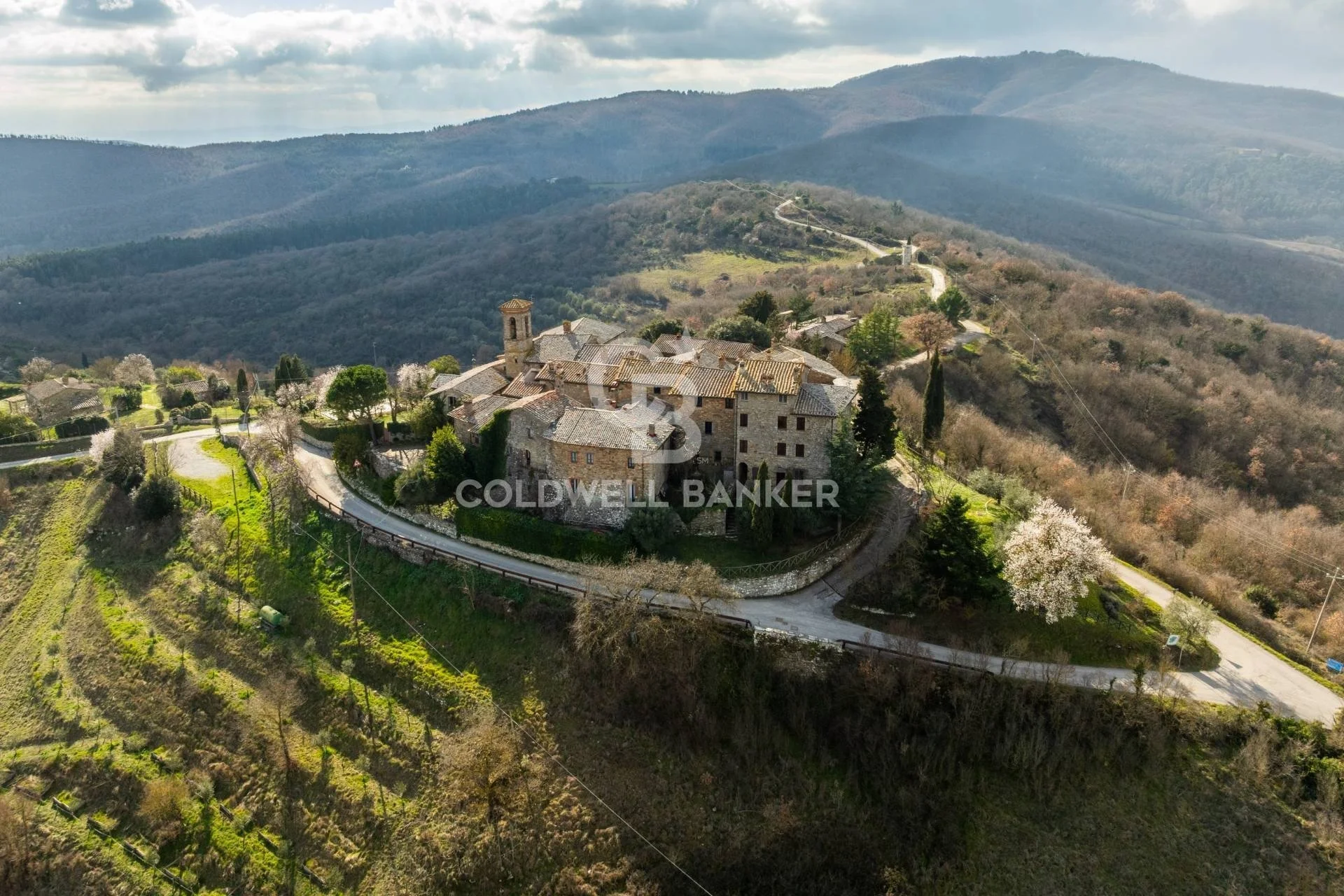
Panoramic countryside views within a hilltop borgo
Shared element noted in listing
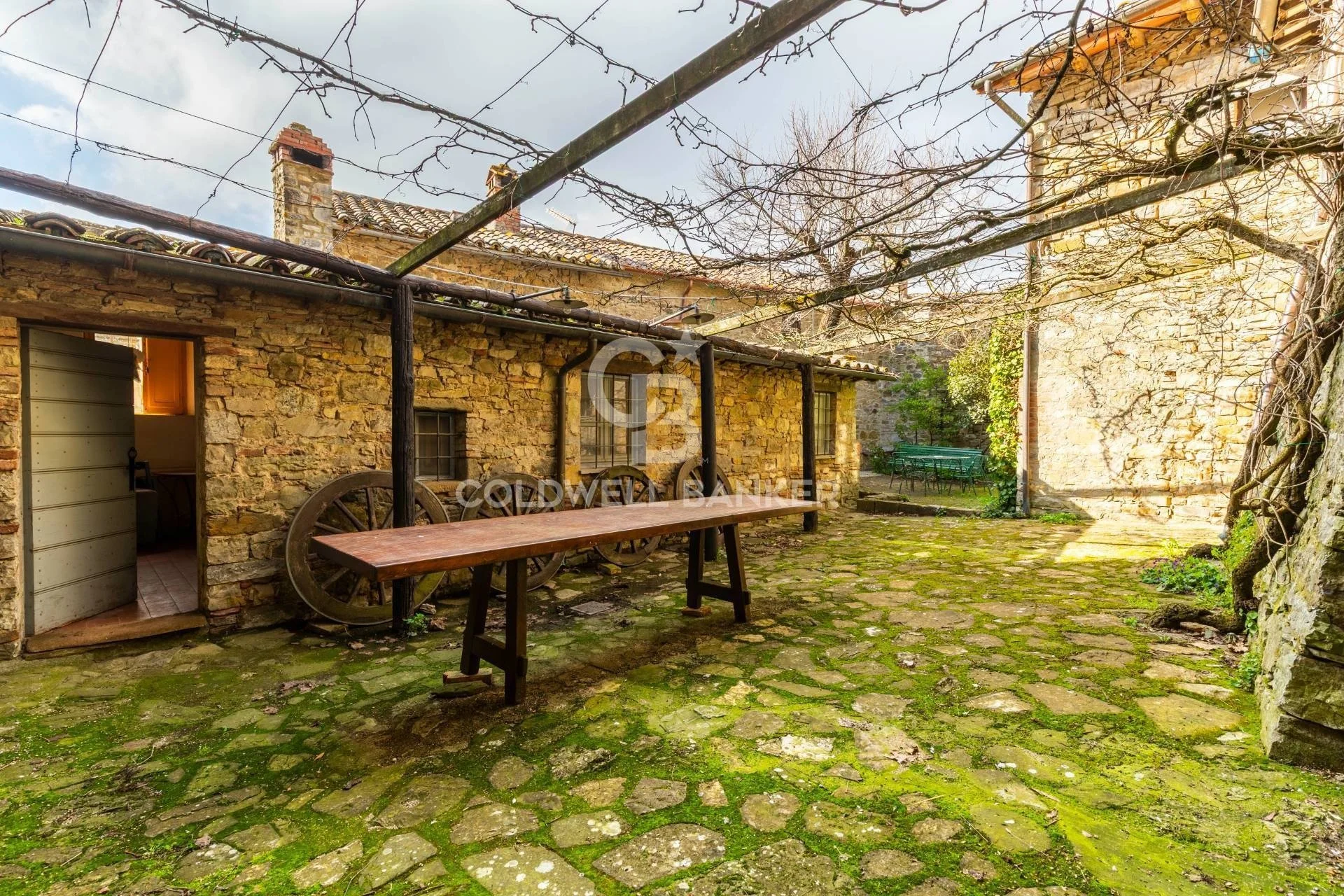
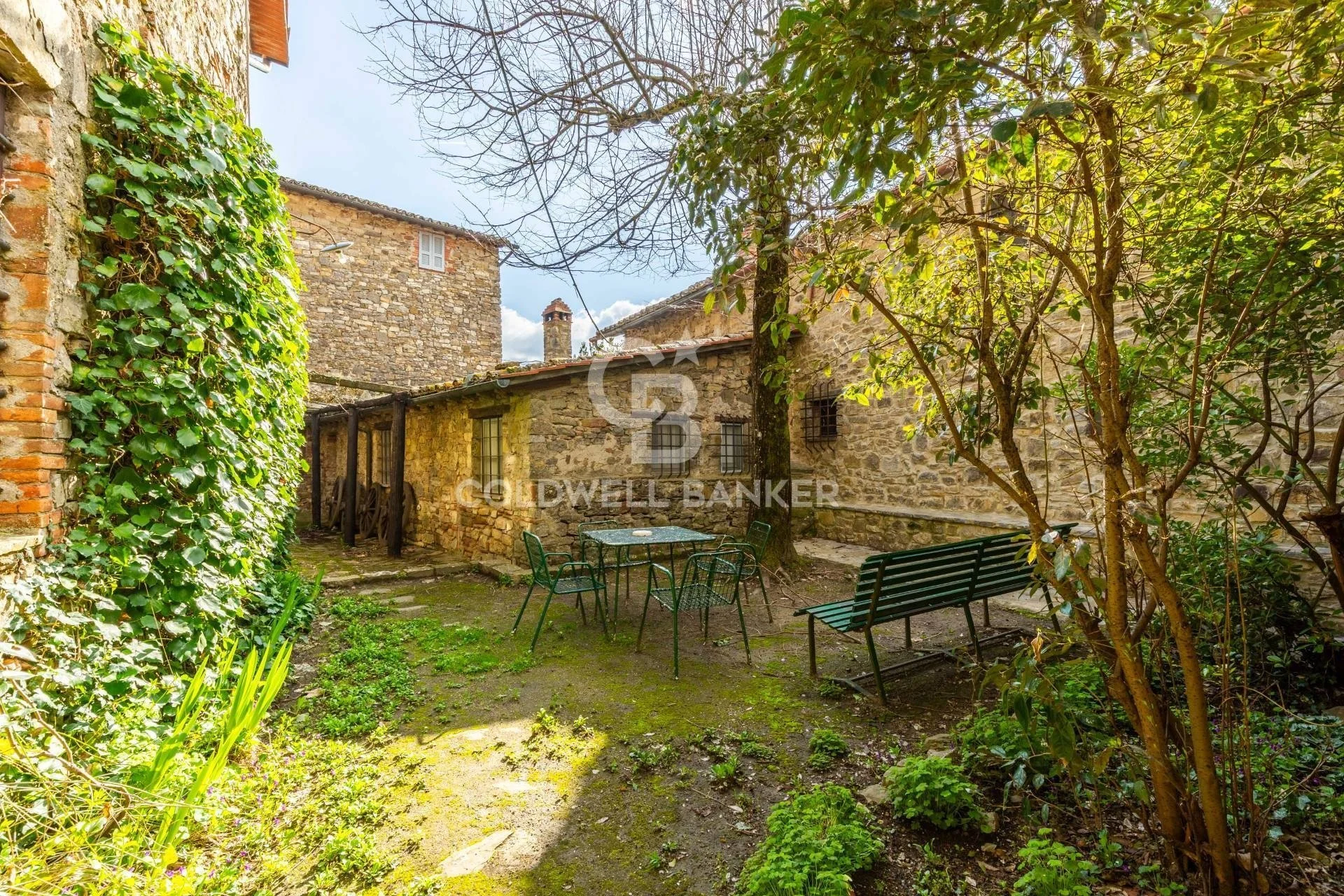
Shared clubhouse with garden, with an ownership share included, available for events
Energy status shown on listing
Energy Class N
Lifestyle angle
Accessible entry point into the Umbrian market for use as a retreat, holiday base or possible rental, subject to checks
Risk Radar
Overview
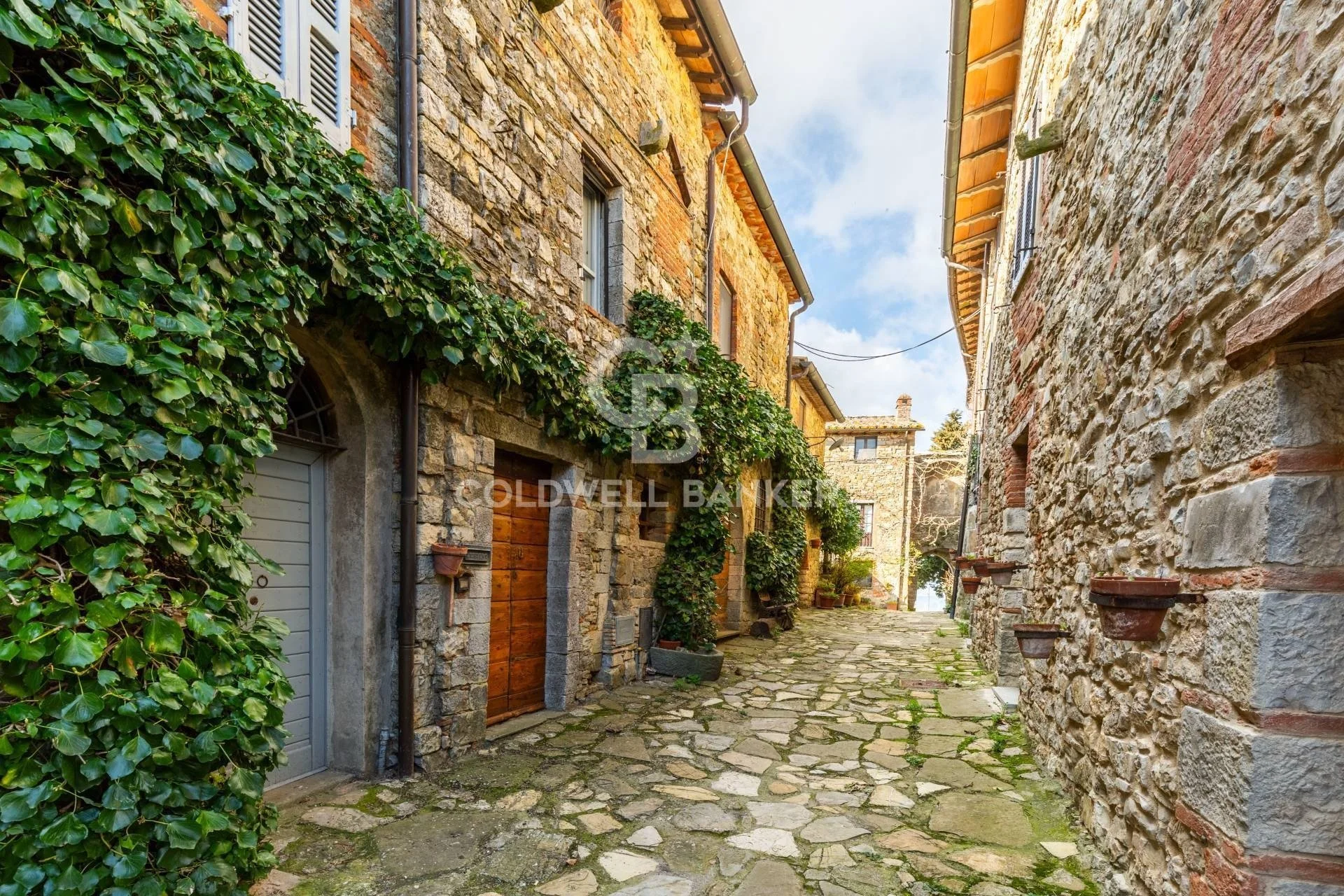
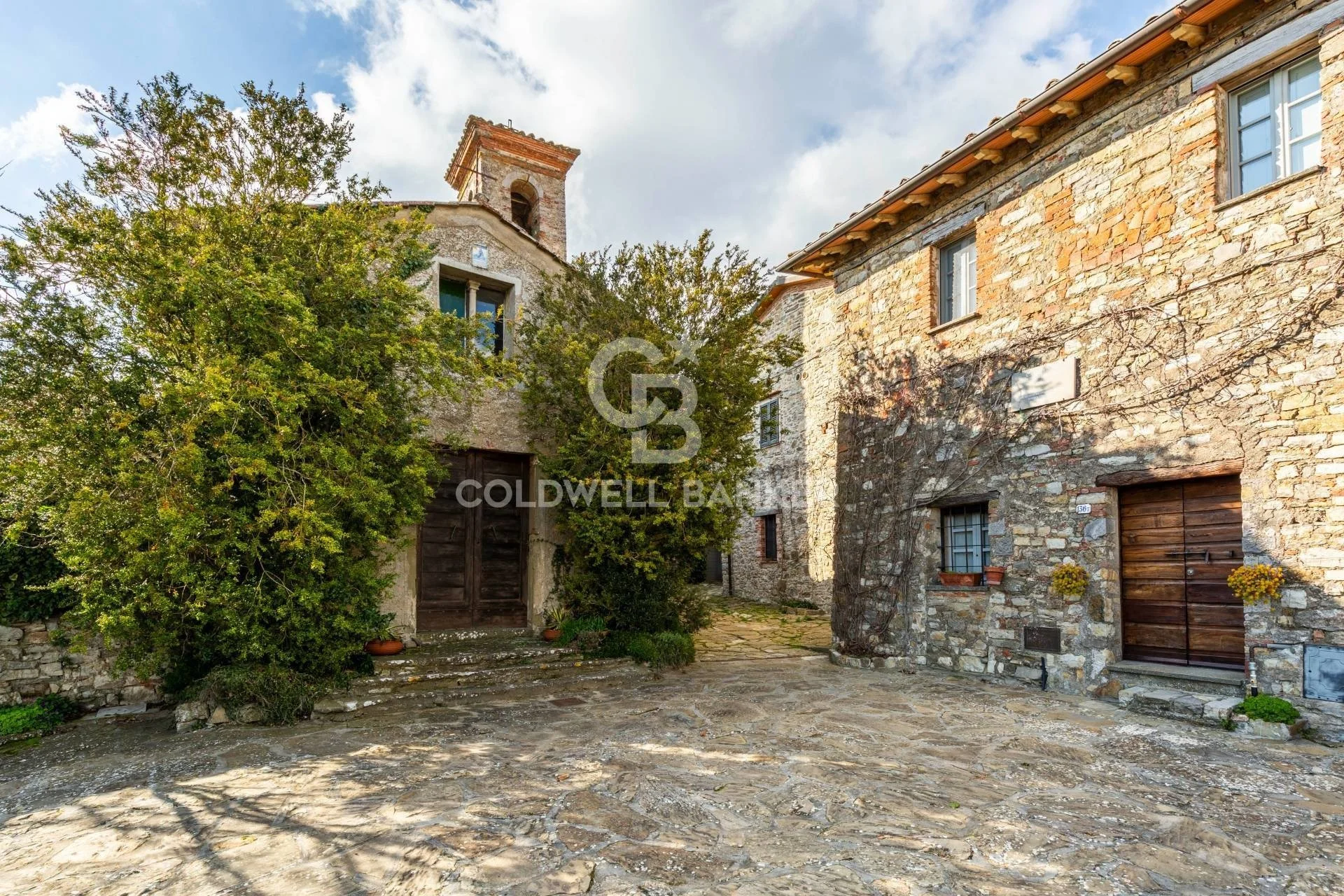
This is an appealing low-entry Umbrian purchase because the architecture is doing the heavy lifting. The apartment offers exactly the kind of character many buyers want: medieval stonework, vaulted ceilings, terracotta floors, a fireplace, open countryside views and a setting inside a restored borgo rather than a generic apartment block. The price point is attractive, but with borgo properties the real due diligence rarely sits in the mood of the interiors. It sits in the legal identity of the unit, the shared structure around it, and the condition and governance of the wider complex.
The first issue is whether this is a straightforward autonomous apartment with ordinary condominium-style shared parts, or whether it sits inside a more layered ownership and management structure tied to the restored borgo. The listing already signals that there is at least one shared element beyond ordinary circulation space, namely a shared clubhouse with garden and an ownership share included. That makes the governance documents, cost-sharing rules, maintenance obligations and voting structure particularly important. Buyers need to know not just the monthly charges, but also how extraordinary works are approved and apportioned.
The second issue is heritage and control over future changes. The Umbria Soprintendenza explains that architectural vincoli are identified by denomination and date of the protection measure, and that any protected asset needs to be checked through the relevant territorial records rather than assumed from appearance alone. National heritage guidance also states that works of any kind on cultural assets are subject to prior authorisation by the Soprintendenza. For a medieval borgo apartment, that matters even for changes that might seem modest to an international buyer, such as windows, external finishes, structural openings or alterations affecting historic fabric.
The third issue is how to interpret the listing's "Energy Class N". The listing itself simultaneously flags "Energy Class N" and, elsewhere on the same page, states that no energy class is on record and that in Italy an APE is legally required for sale. The Notariato also states that for the sale of buildings with installations, the property must be provided with an APE and often that certificate is also attached. So the right approach is not to assume that "N" is meaningful or safe. It is to ask the agent for the actual APE or a clear legal explanation for its absence.
Targeted Questions
Borgo Legal Status and Ownership Structure
This is the starting point for confirming that the apartment is legally what the listing says it is.
Buyers need to know whether they are buying a clean standalone unit or something tied to a more complex ownership arrangement.
A shared ownership component can carry different rights and liabilities from ordinary common parts.
Governance affects fees, decision-making and enforcement of rules.
The headline price can feel accessible until the shared running costs are understood.
The minutes often reveal upcoming costs, disputes or deferred maintenance before the agent does.
Extraordinary works in a medieval setting can materially affect the true purchase cost.
Cost allocation is crucial where shared historic fabric is involved.
Buyers need to know the rules before assuming they can renovate, rent, host events or alter finishes.
Character villages often impose stricter behavioural and visual rules than ordinary apartment blocks.
That history can affect future flexibility and owner expectations.
Heritage Status and Permissions
The Umbria Soprintendenza makes clear that vincoli must be identified specifically by the relevant protection records, not assumed from age alone.
Buyers need the formal status, not just the phrase "medieval borgo".
National heritage guidance states that works on cultural assets require prior authorisation.
Past approvals reveal how tightly the property is controlled in practice.
These are precisely the kinds of works future buyers often want to carry out.
Historic-setting maintenance costs can be higher and more specialised than expected.
Property Condition and Renovation History
A medieval property with no recent systems work carries a different risk profile from one modernised properly.
Documentation helps separate a true renovation from cosmetic staging.
Electrical upgrades in old stone buildings can be costly and intrusive.
Hidden plumbing failures can be particularly disruptive in thick-walled historic buildings.
Water ingress is one of the fastest ways to turn a charming medieval interior into a major expense.
The buyer's risk may depend heavily on the state of the shared roof rather than the apartment itself.
Medieval fabric can be stable for centuries, but only if movement and drainage issues are controlled.
Timber treatment in historic buildings can be specialist and expensive.
Old stone buildings commonly face rising damp, condensation or penetrating damp.
Surface tidying can hide persistent moisture problems.
Energy, Heating and Systems
The listing itself raises doubt here, and the Notariato states that an APE is generally required for sale of buildings with installations.
Buyers need a proper explanation rather than an assumption that historic character equals exemption.
Winter comfort in Umbrian hill settings depends heavily on the actual heating strategy.
Thick walls can help, but upper-level historic units can still become hot in summer.
Real running costs often matter more than theoretical energy discussions in old buildings.
Windows strongly affect comfort, noise and heating bills.
A charming stone envelope can still be thermally weak if no upgrades were made.
Ventilation is a major factor in moisture control in old masonry buildings.
Shared Areas, Access and Practical Practicalities
Buyers need to know whether this means simple passage rights or meaningful amenity value.
A shared amenity can be valuable, but only if use rights are clear.
Hidden shared-space costs can distort the affordability of the property.
In a medieval borgo, parking reality can materially affect daily enjoyment and rental appeal.
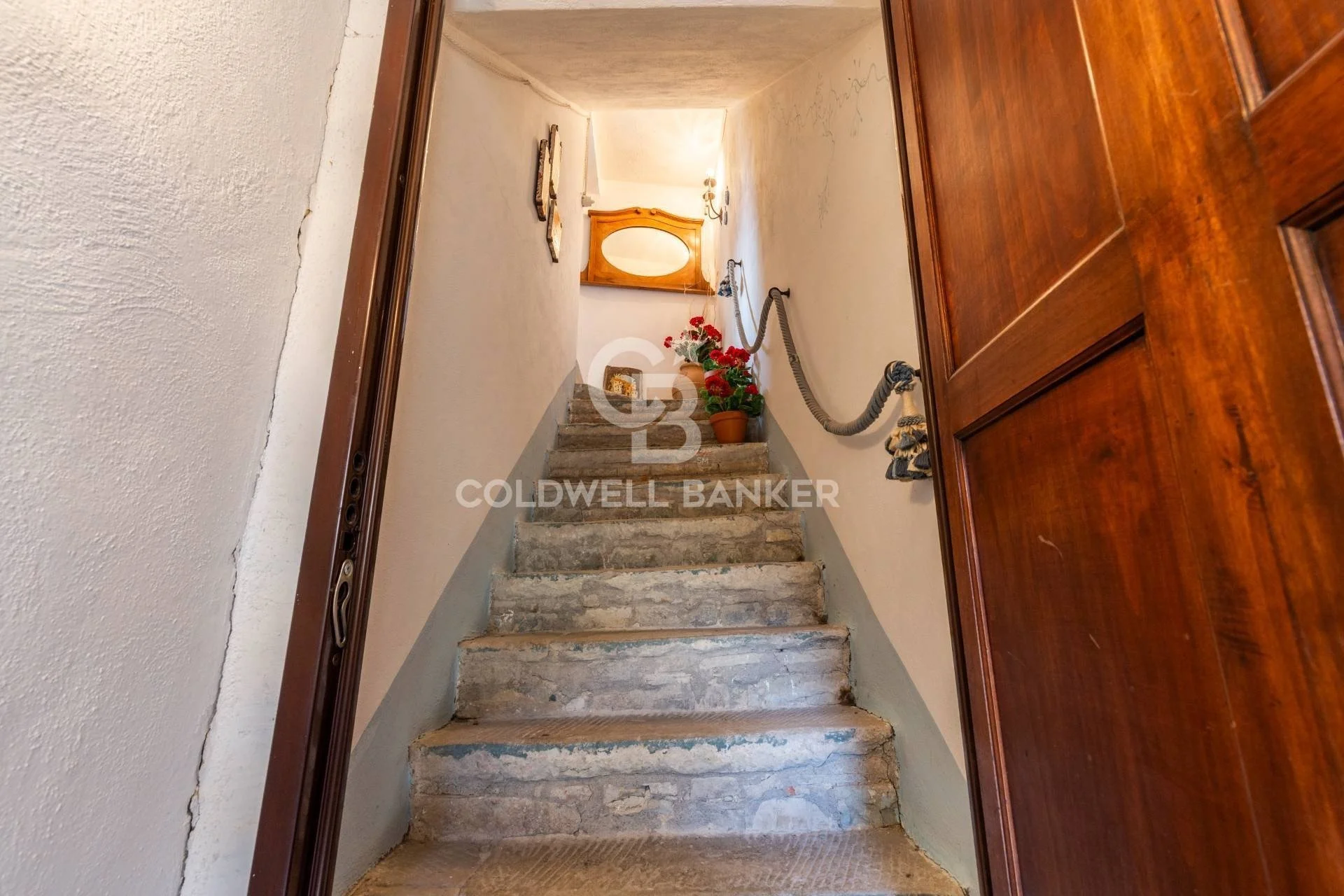
Access in old hill villages is often much harder in practice than it sounds on paper.
Access difficulty affects ageing in place, guest use and moving costs.
Small historic settlements do not always function like ordinary urban apartments.
Shared infrastructure can become a shared problem if governance is weak.
The listing positions the apartment as suitable for remote-working escape, so connectivity needs to be tested in reality.
Signal quality can be materially worse inside historic walls than outside in the village.
The romance of borgo life works best when the day-to-day neighbour reality is understood.
Views are part of the value here and should not be treated as permanent without checking.
Rental Potential
Existing use history is better evidence than general rental optimism.
Buyers should price rental potential from facts, not atmosphere.
Demand in Umbria is highly location-specific.
Umbria assigns a CIR to each individual tourist-rental unit entered in the regional Turismatica database.
In Umbria the CIR is unit-specific for tourist rentals, which matters in a shared borgo context.
Umbria states that the CIR is used to request the corresponding national CIN, and the Ministry's BDSR platform is the route for obtaining it.
Legal possibility and practical tolerance are not the same thing.
Properties that work beautifully for owners can be awkward for guests.
Rental demand around inland Umbria and Lake Trasimeno is not necessarily uniform across the year.
Negotiation Intelligence
Buyer Leverage
Medium-High
Key Drivers
Typical Negotiation Range
5-15% below asking
Neutral Phrasing Examples
Country Layer
Italy (Regulatory Context April 2026)
For a property like this, the Italian heritage layer matters because medieval character and legal protection are not the same thing.
Viewing Strategy
When viewing this property, spend as much time reading the borgo as you do reading the apartment.
Next Step
Verify from the listing:
Borgo ownership and shared-cost structure
Confirm whether the apartment is a clean autonomous unit and obtain the full documentation for the shared clubhouse, garden, common parts, fees and any extraordinary works exposure.
Heritage protection and future works limits
Clarify whether the borgo or building is subject to a formal vincolo and whether future changes to windows, structure, services or external appearance would require Soprintendenza approval.
Energy paperwork and legal sale readiness
Do not rely on the listing’s “Energy Class N” wording alone. Ask for the actual APE or a precise legal explanation for its absence before proceeding.
Condition of the wider medieval fabric
Check the roofs, damp exposure, drainage, shared paths and common maintenance history, as the real risk may sit in the borgo rather than inside the apartment itself.
Tourist-rental feasibility in this exact setting
If rental use matters, verify whether the apartment can obtain or retain the required Umbria CIR and corresponding CIN, and whether borgo rules and access practicalities support guest use.
A prepared buyer should approach the agent calmly and frame questions as due diligence.
Because this is a historic shared-setting purchase where legal structure and building governance materially affect value, run it through the Property Risk Assessment before contacting the agent, and use the Rental Yield Calculator only after the shared-cost structure and rental-registration path have been verified.
Disclaimer: The Property Drop is buyer-focused intelligence, zero sales agenda. We curate exceptional properties, in southern Europe, from third-party agents and arm you with decision tools. No commission, no transactions, no agent partnerships, no skin in the game beyond helping you choose wisely. Information stays accurate until it doesn't (properties sell, prices shift, markets move). Everything here is shared for informational purposes only and should not be treated as legal, financial, or investment advice. Images belong to original agents. Read our Terms of Service to learn more.
Buyer Intelligence:
This assessment provides general guidance based on common risk factors and publicly available regulatory information. Risk scores and checklist items are indicative only and must not be considered legal, financial, structural, or surveying advice. Actual property conditions, costs, and regulatory requirements vary significantly by location, property age, and specific circumstances. Regulations are subject to change; always verify current requirements with qualified local professionals before making any purchasing decision.
The Property Drop provides buyer intelligence and educational research analysis only. The Property Drop does not act as an estate agent, intermediary, or advisor in any transaction and does not facilitate introductions, negotiations, or transactions. Always engage qualified independent professionals including local lawyers, surveyors, architects, and tax advisors for comprehensive due diligence specific to your property.
IMPORTANT REMINDER: When contacting property agents featured on The Property Drop, you are entering into direct communication with third parties. It's recommended that you verify all property details independently, conduct thorough due diligence, engage qualified professionals (solicitors, surveyors, financial advisors), understand your rights and obligations under local property laws, and never send money or make commitments without proper legal protection.

The Buyer Playbook: 7-Bed Renovated Farmstead with Independent Gîte and Loing Valley Views, Conflans-sur-Loing, France, €645,000
The Buyer Playbook: 5-Bed Palatial Village House with Mountain Views and Library, Ítrabo, Spain, €249,500
Questions ready for the agent?
The agent represents the seller.
What you ask shapes the answers you get.