
The Buyer Playbook: 5-Bed Palatial Village House with Mountain Views and Library, Ítrabo, Spain, €249,500
Buyer Playbook
Pre-Viewing Intelligence Report
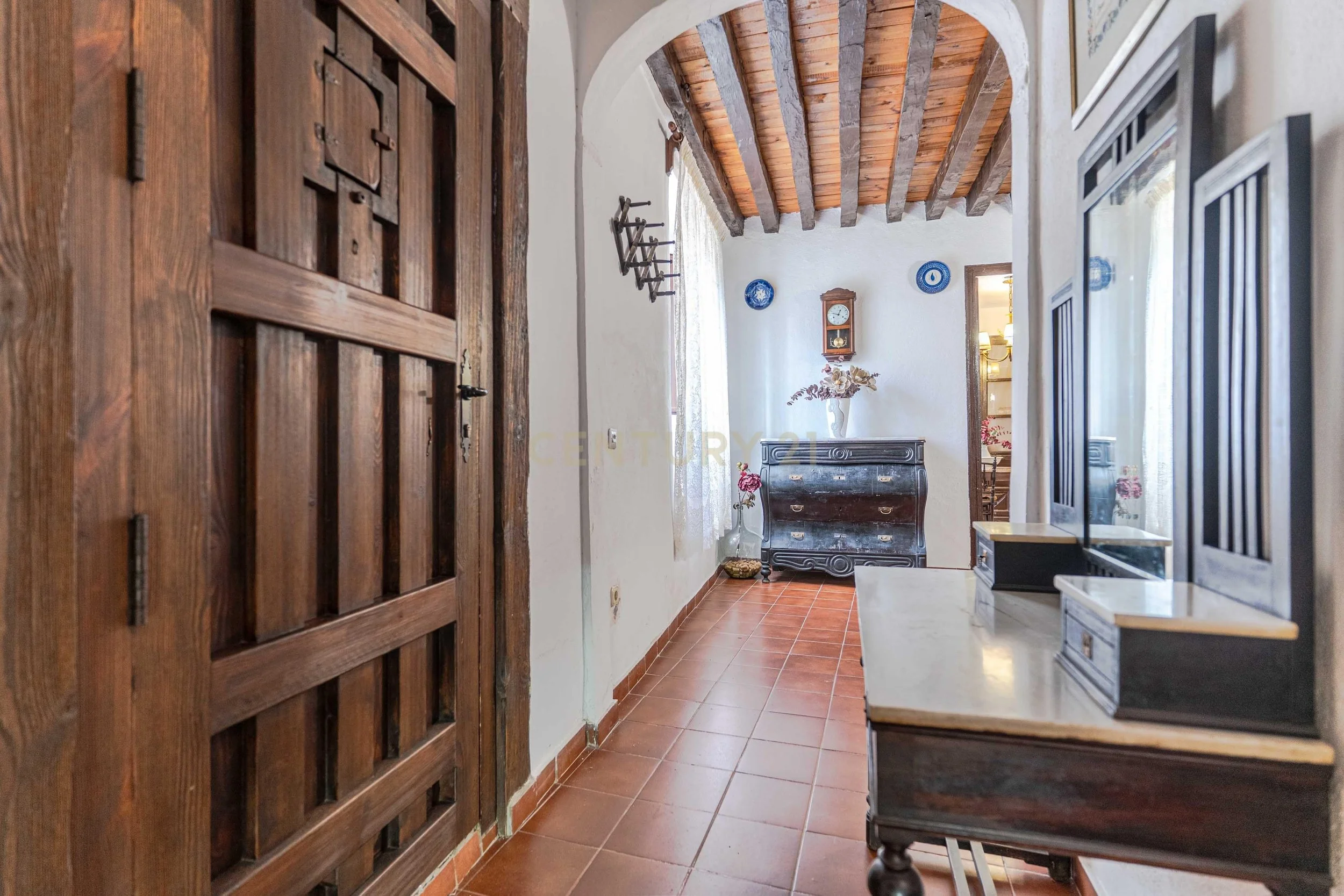
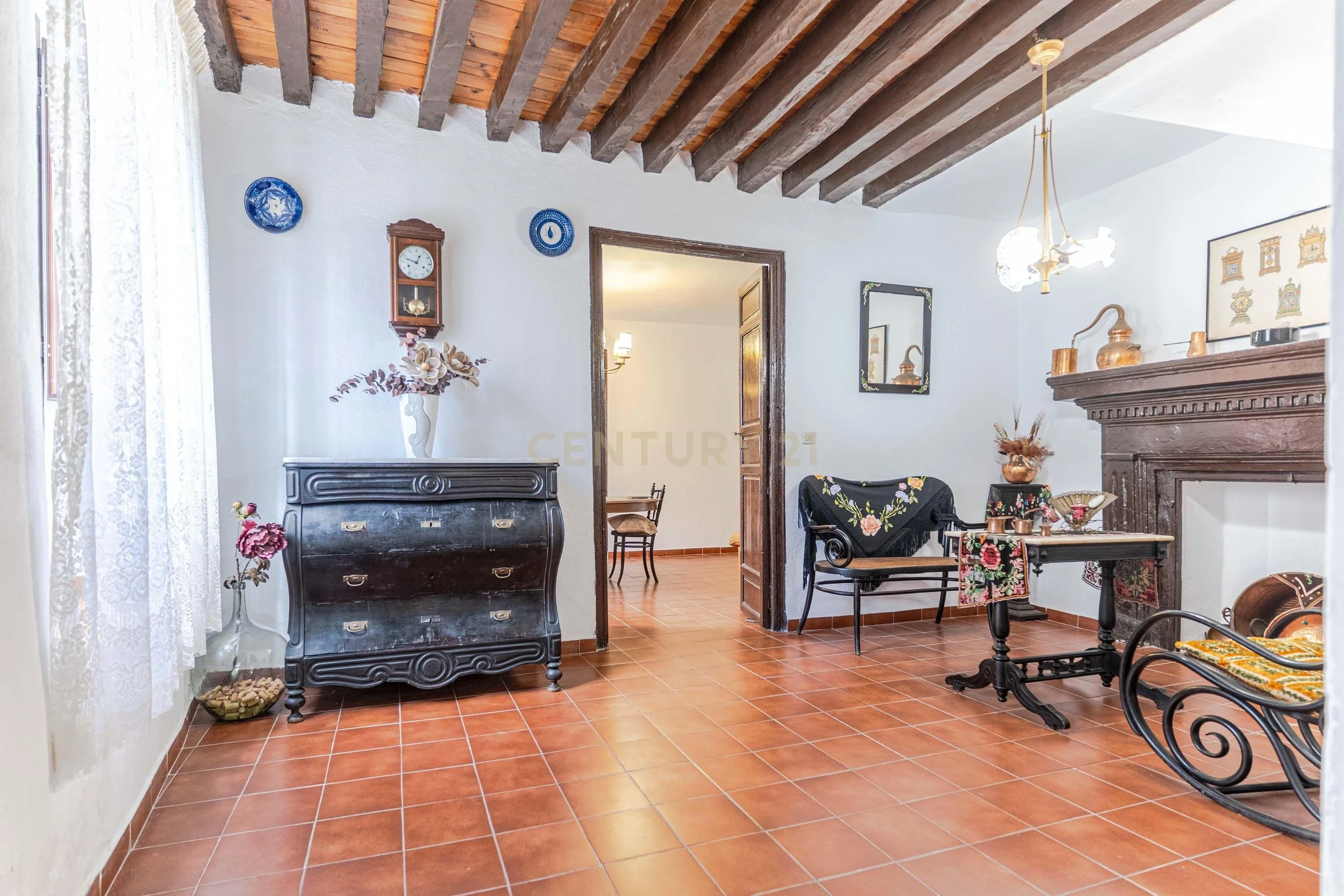
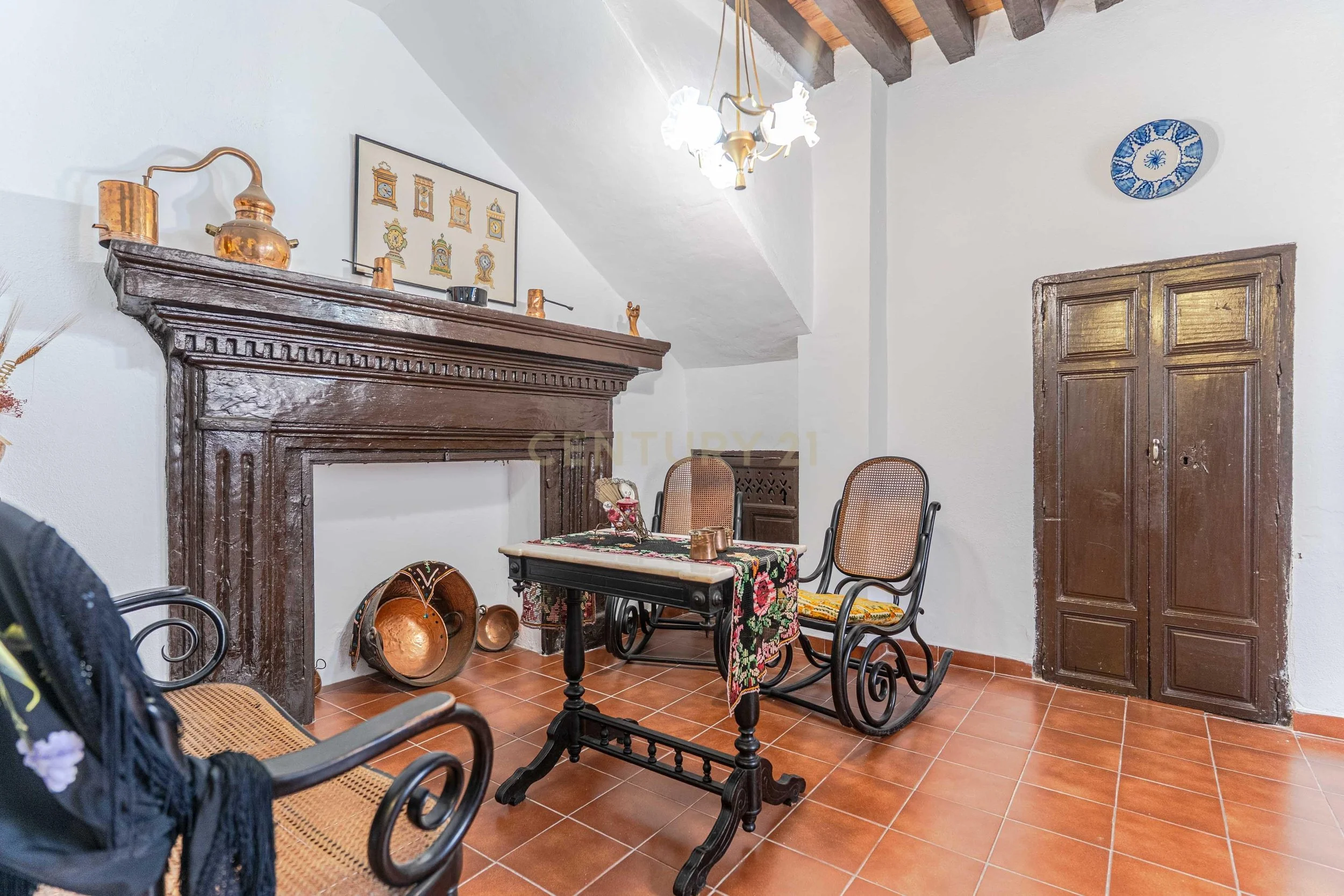
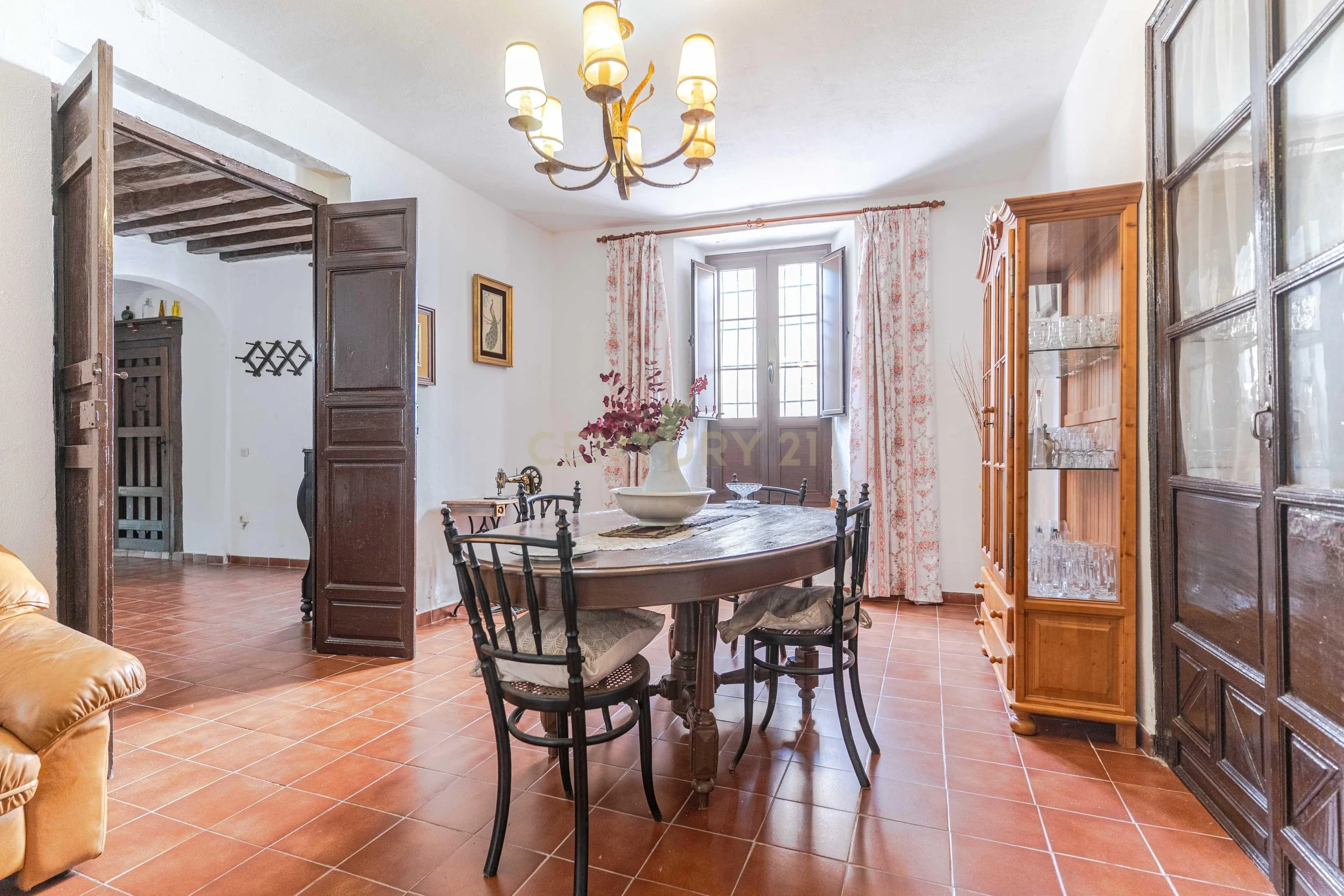
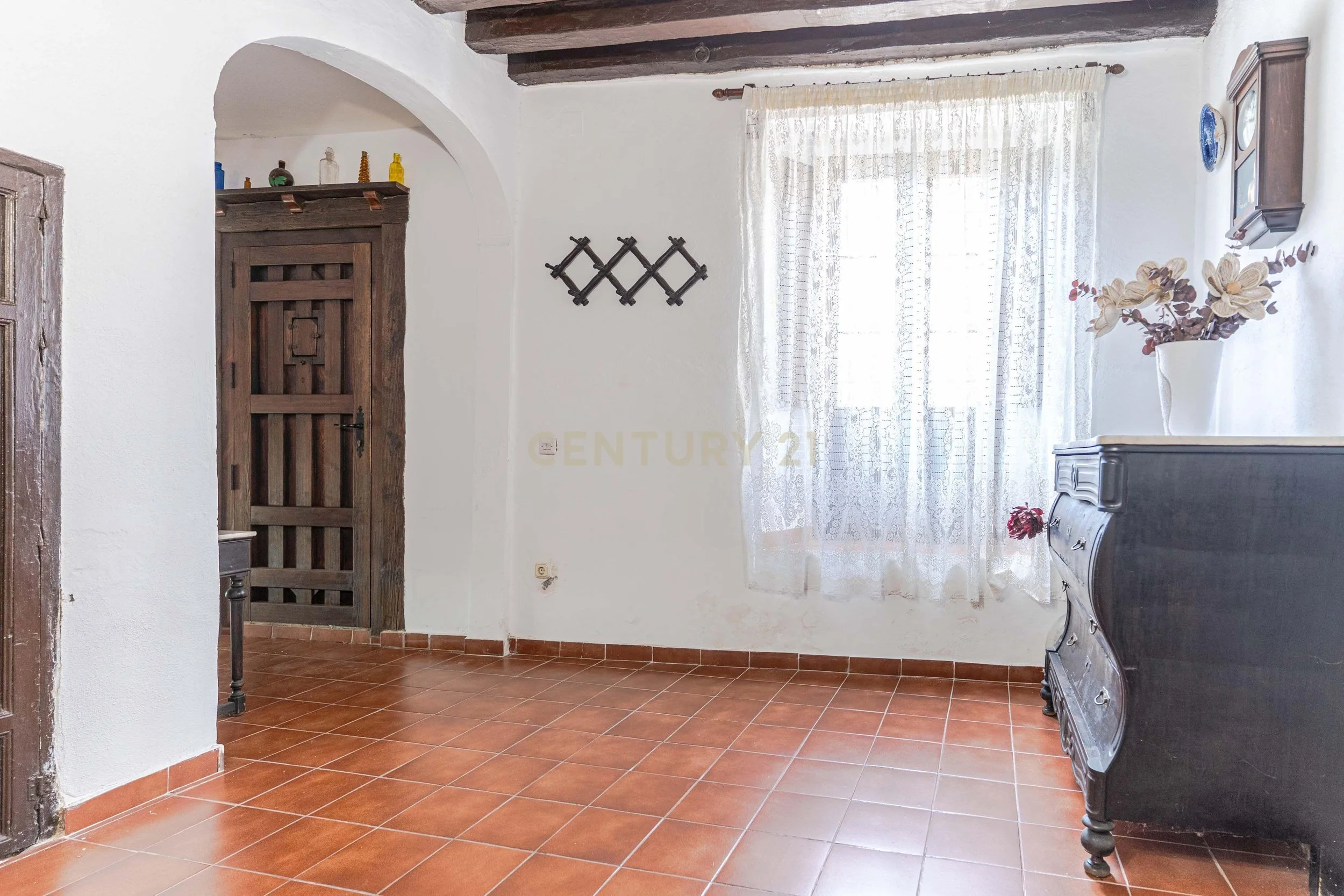
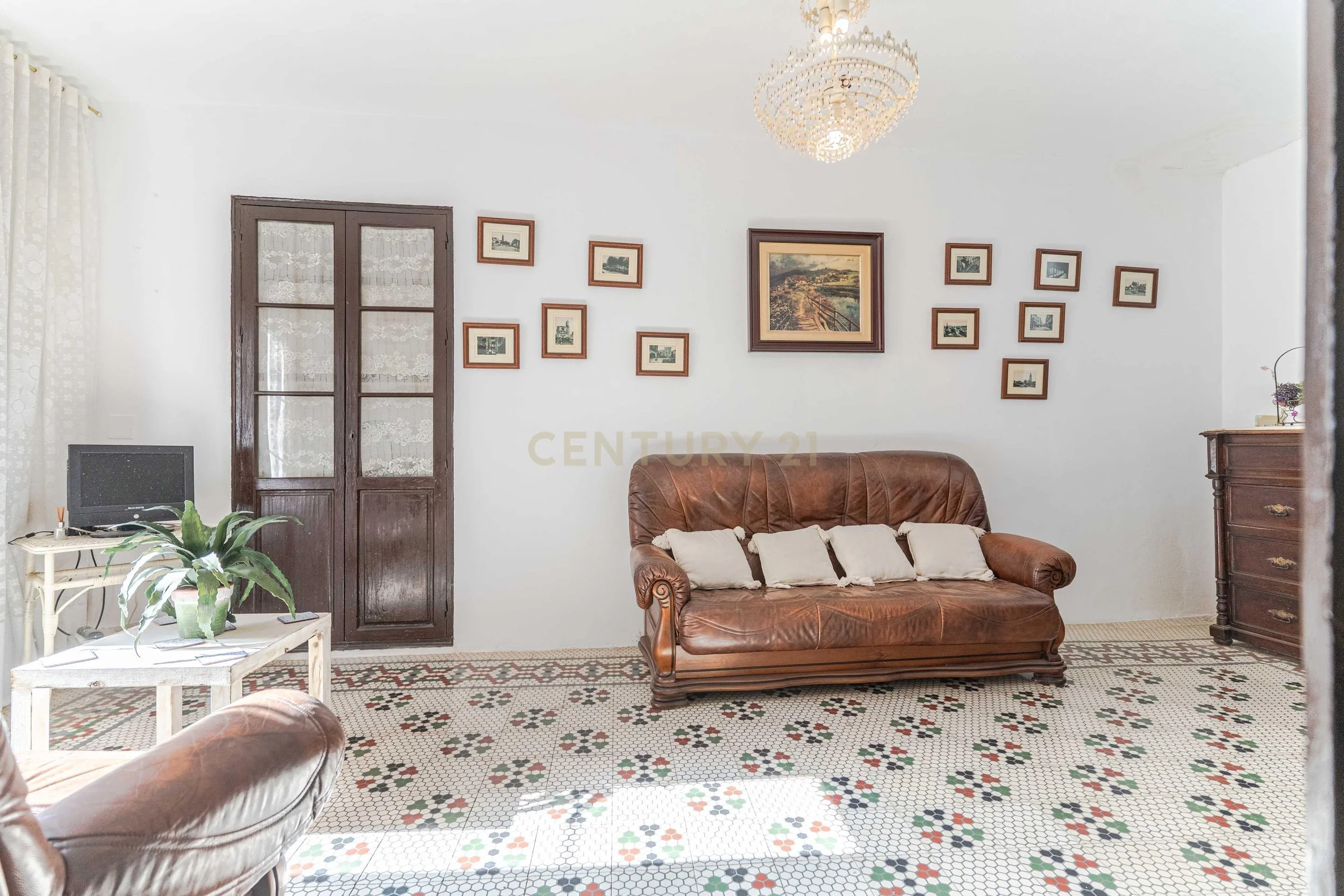
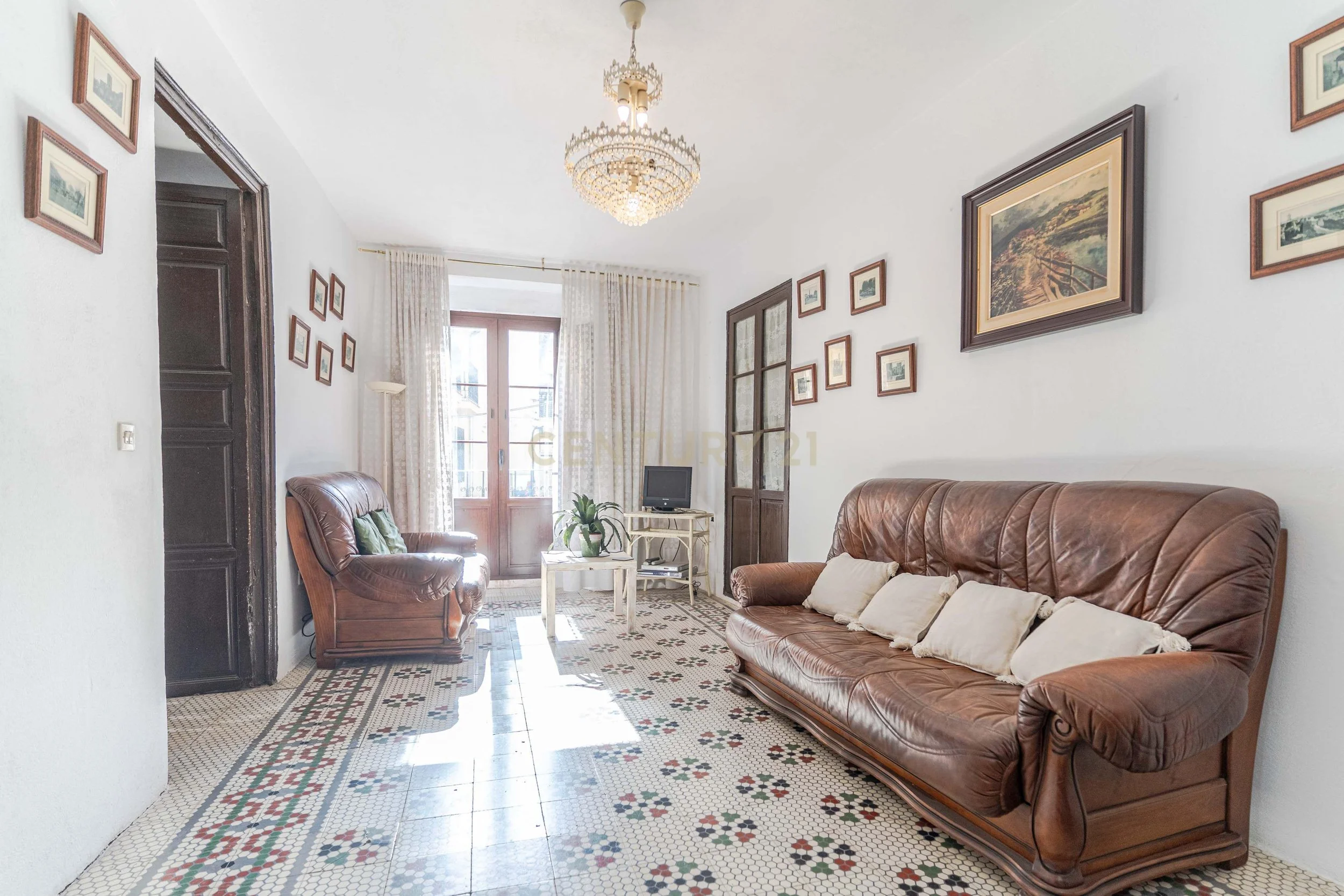
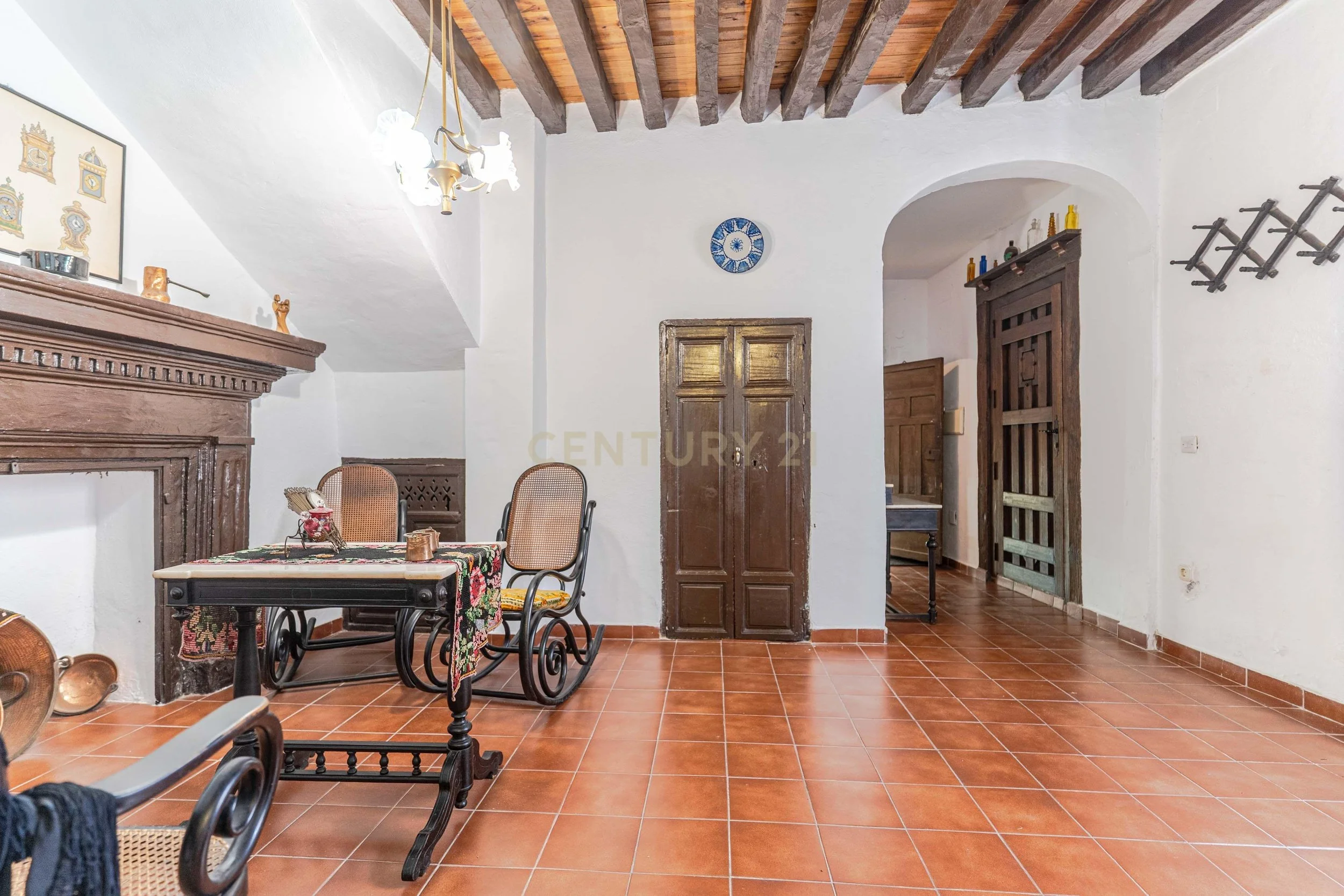
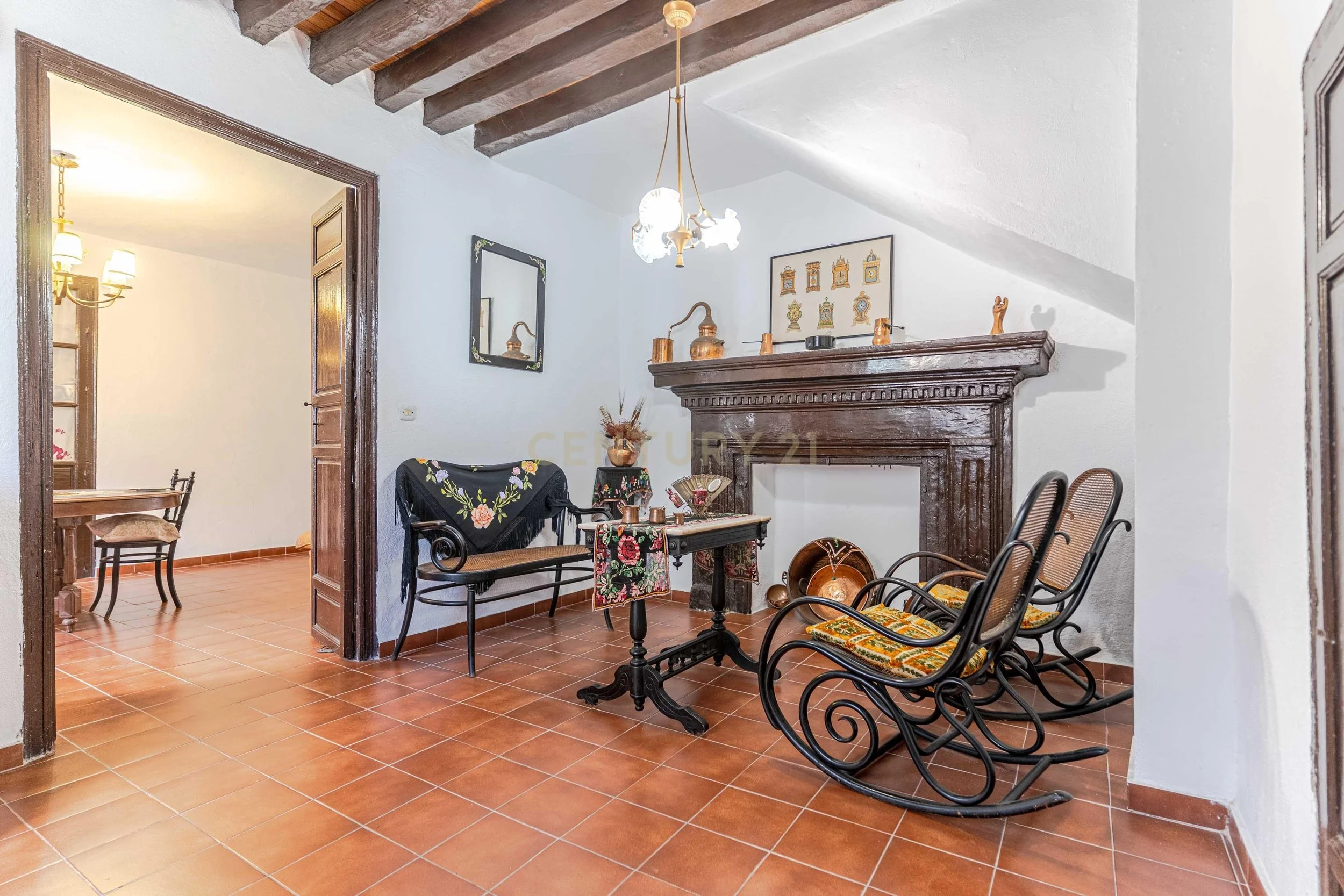
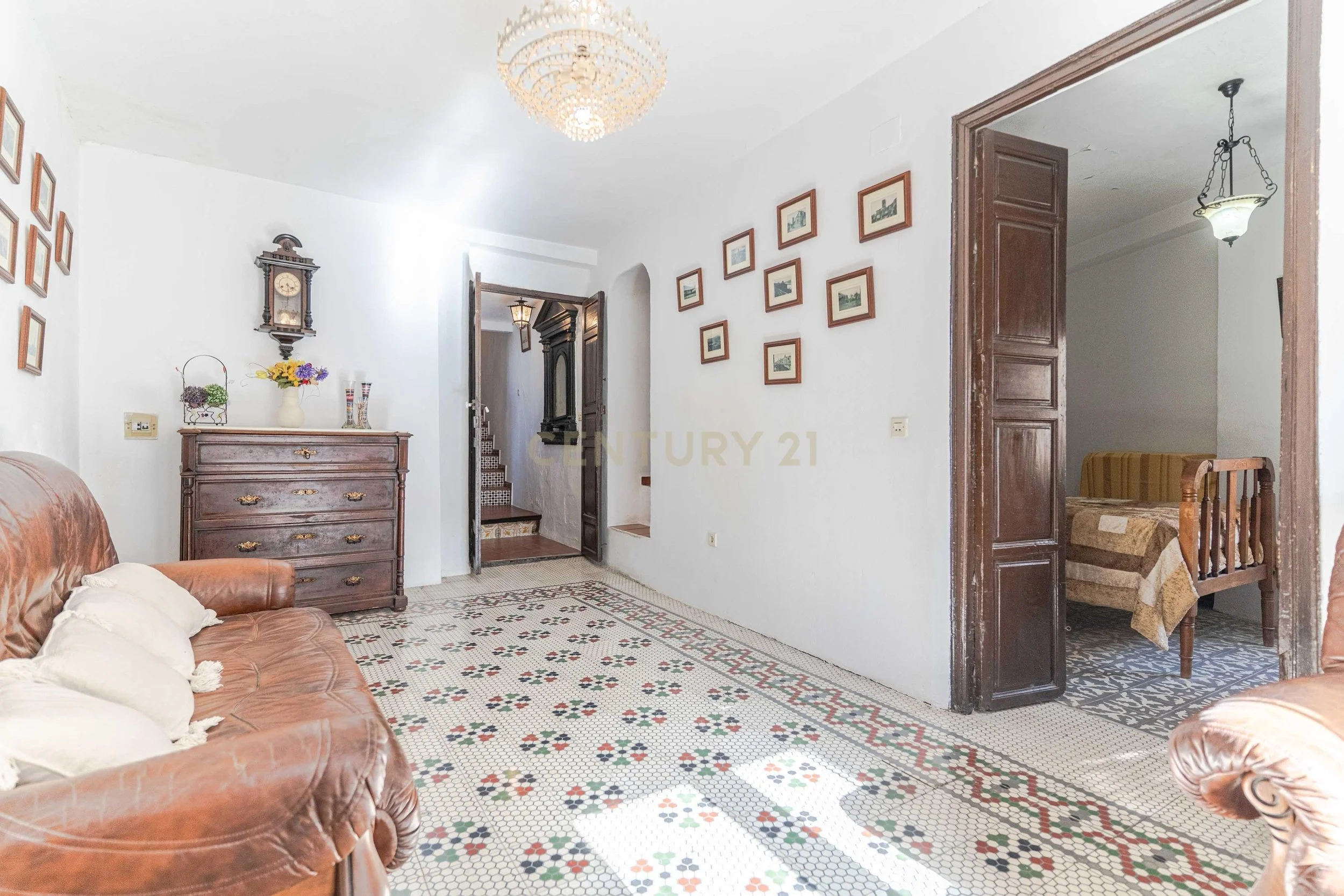
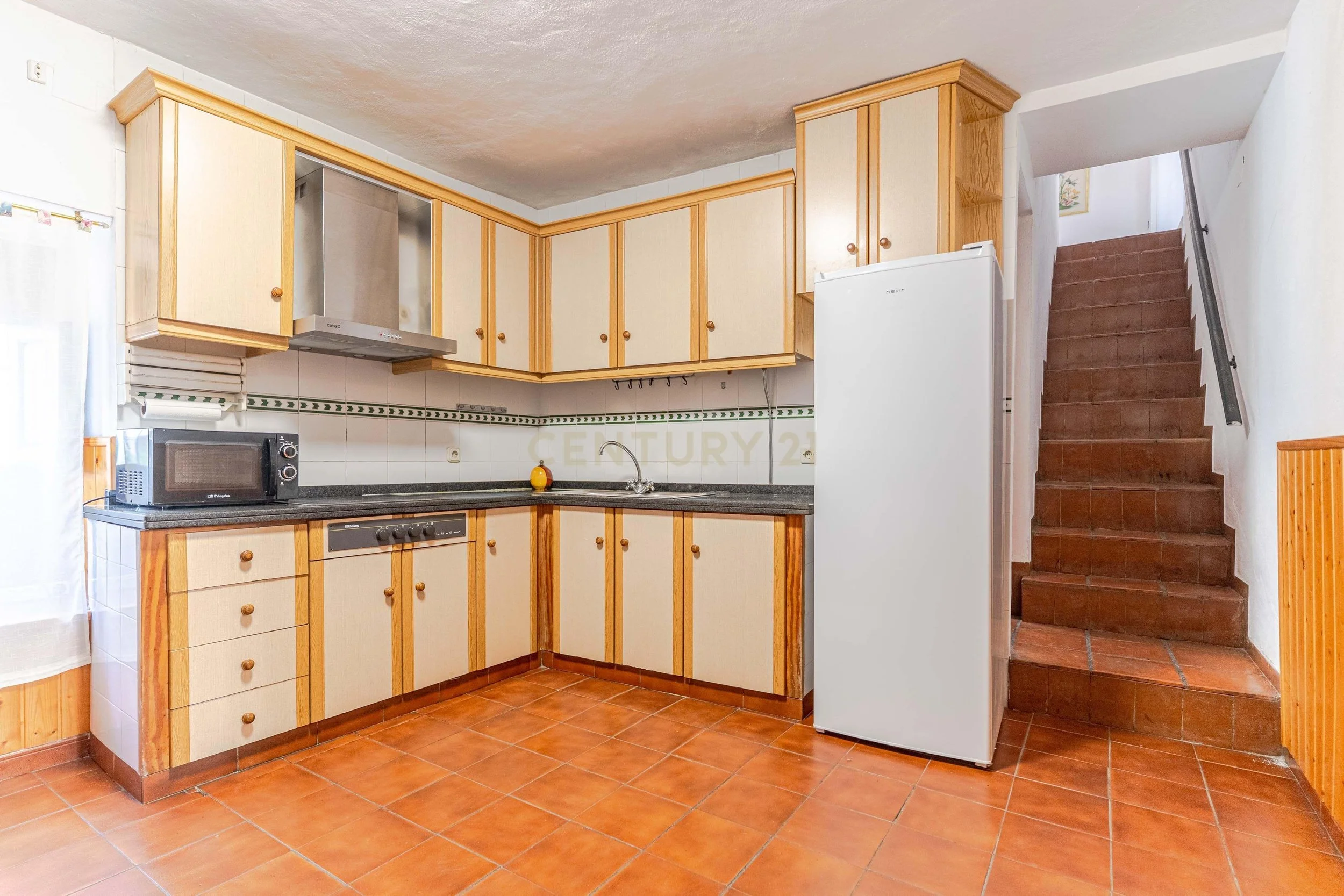
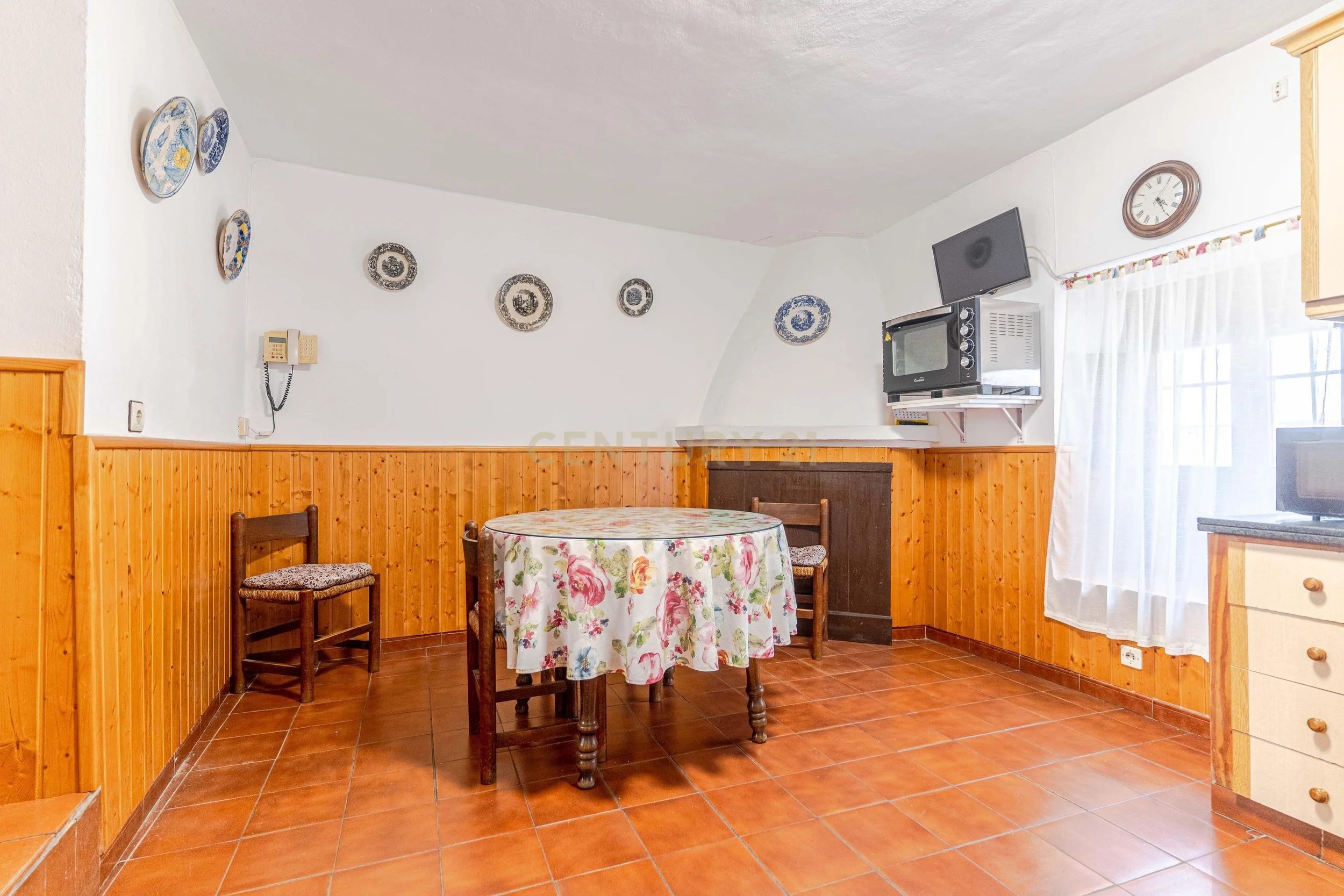
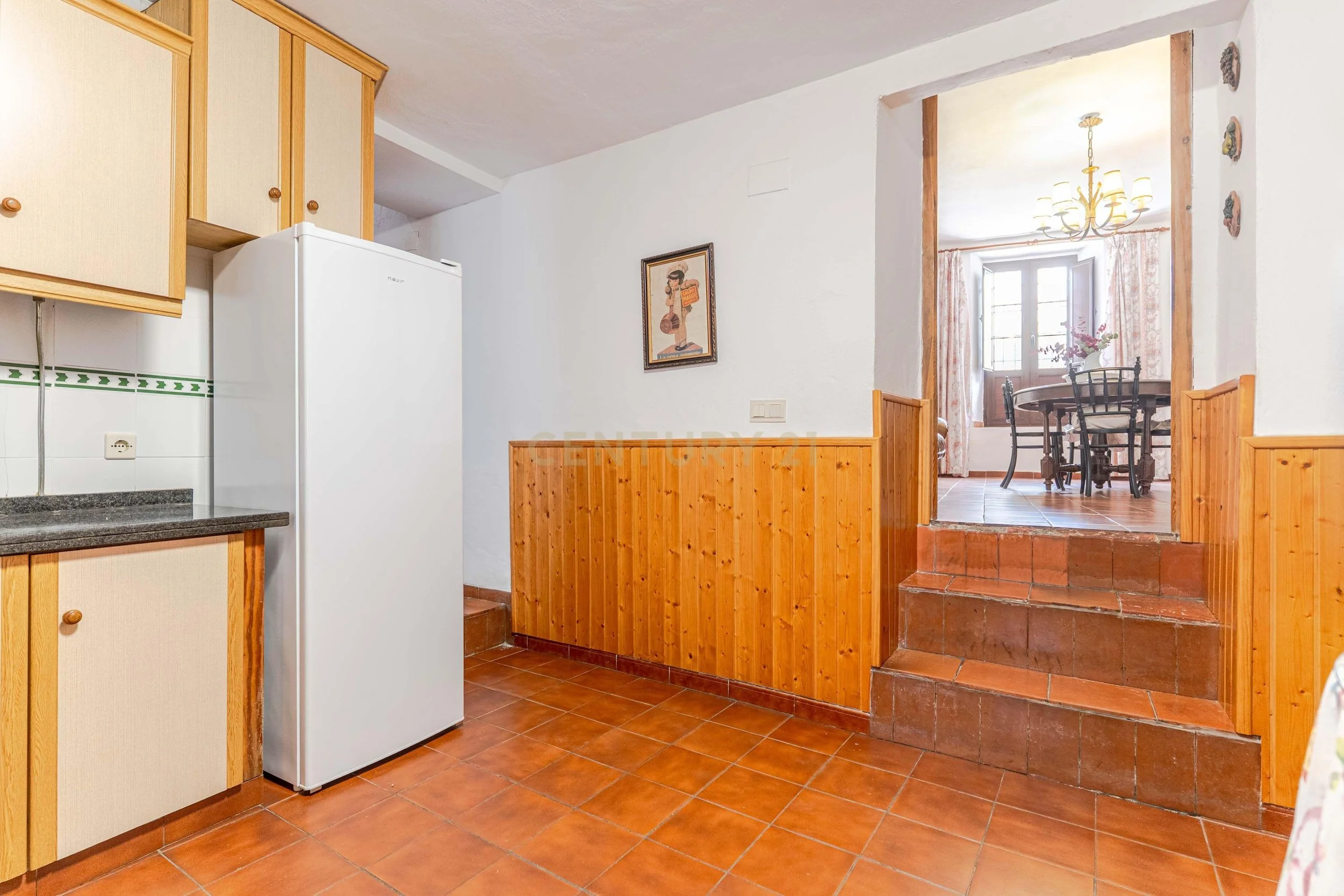
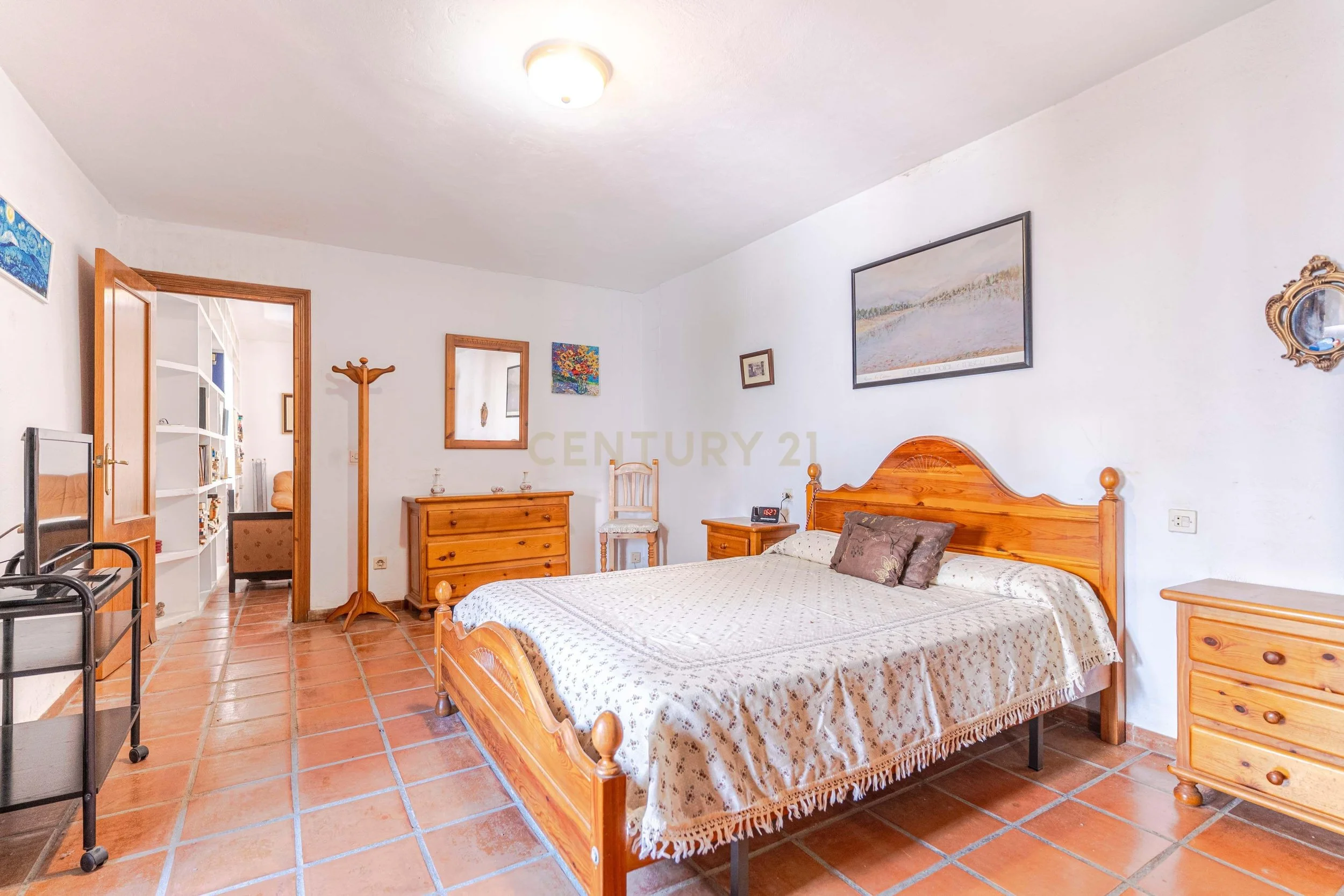
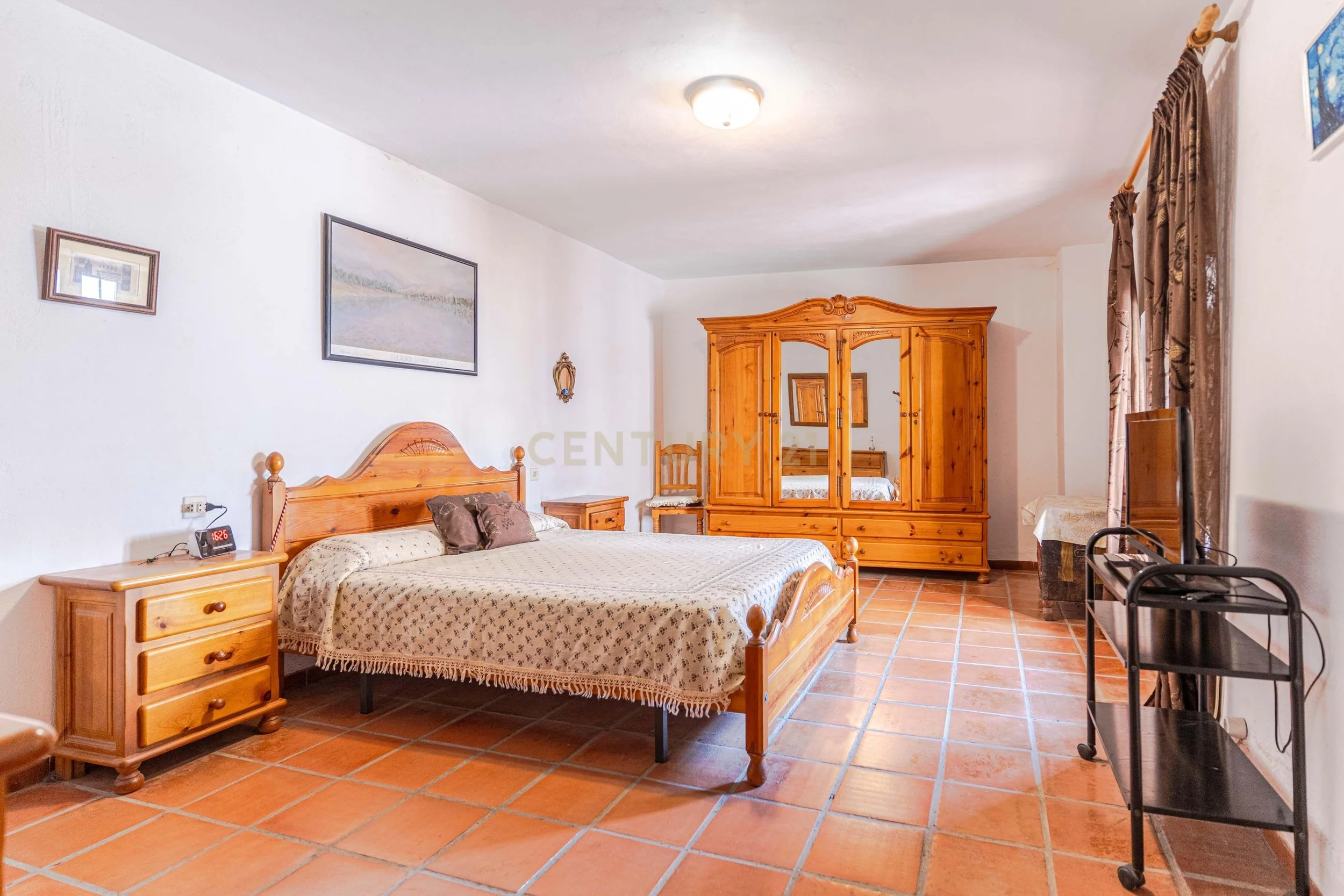
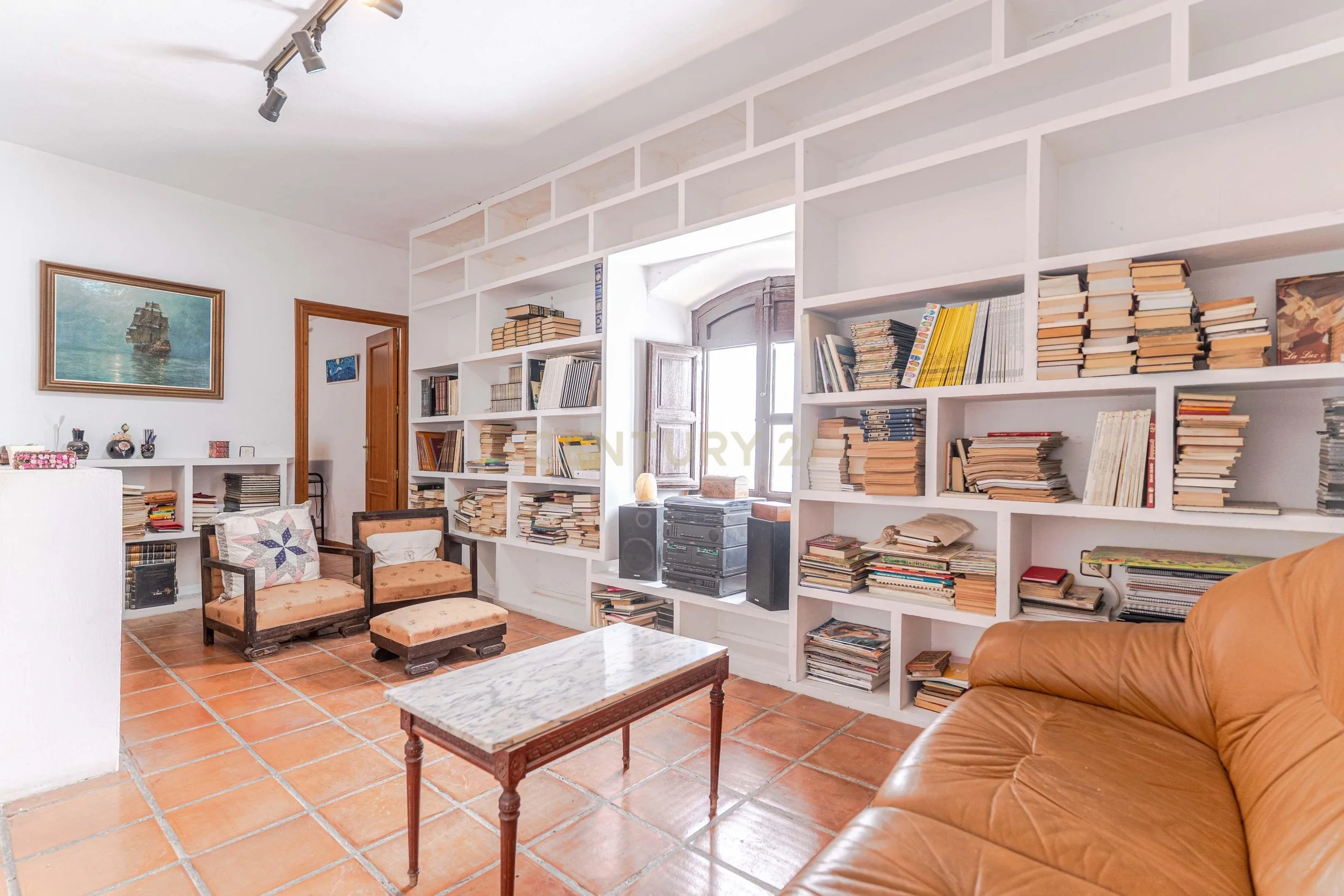
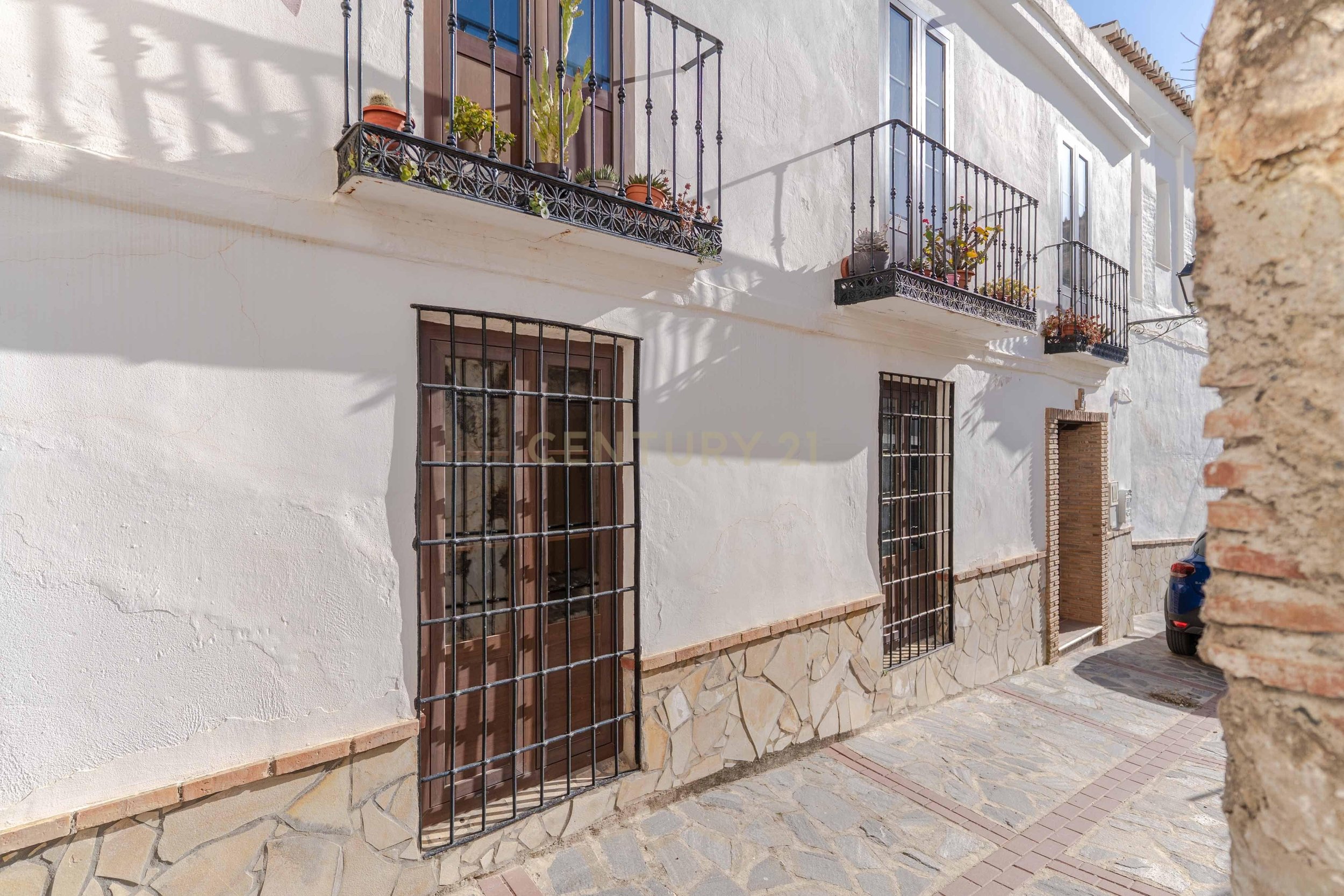
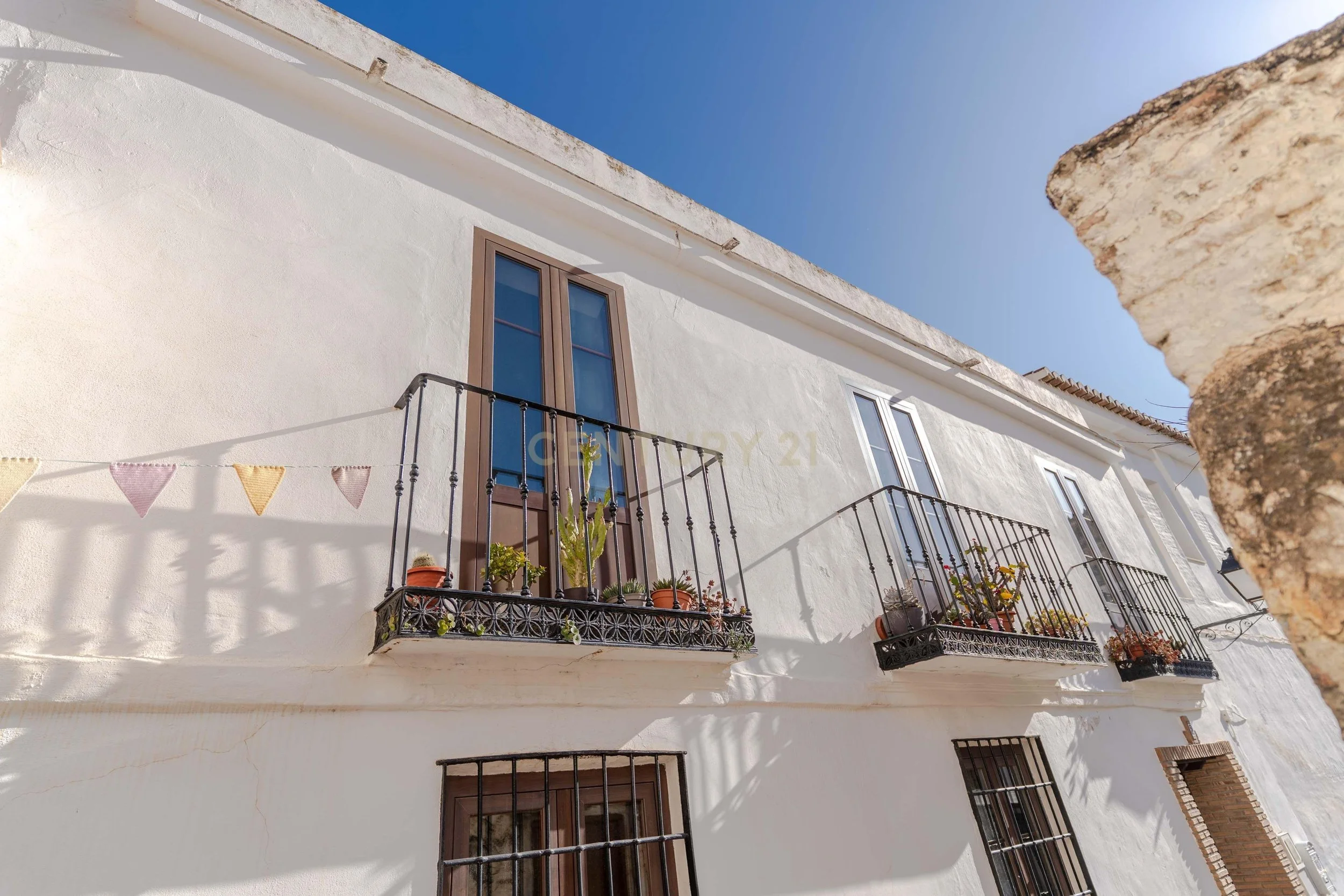
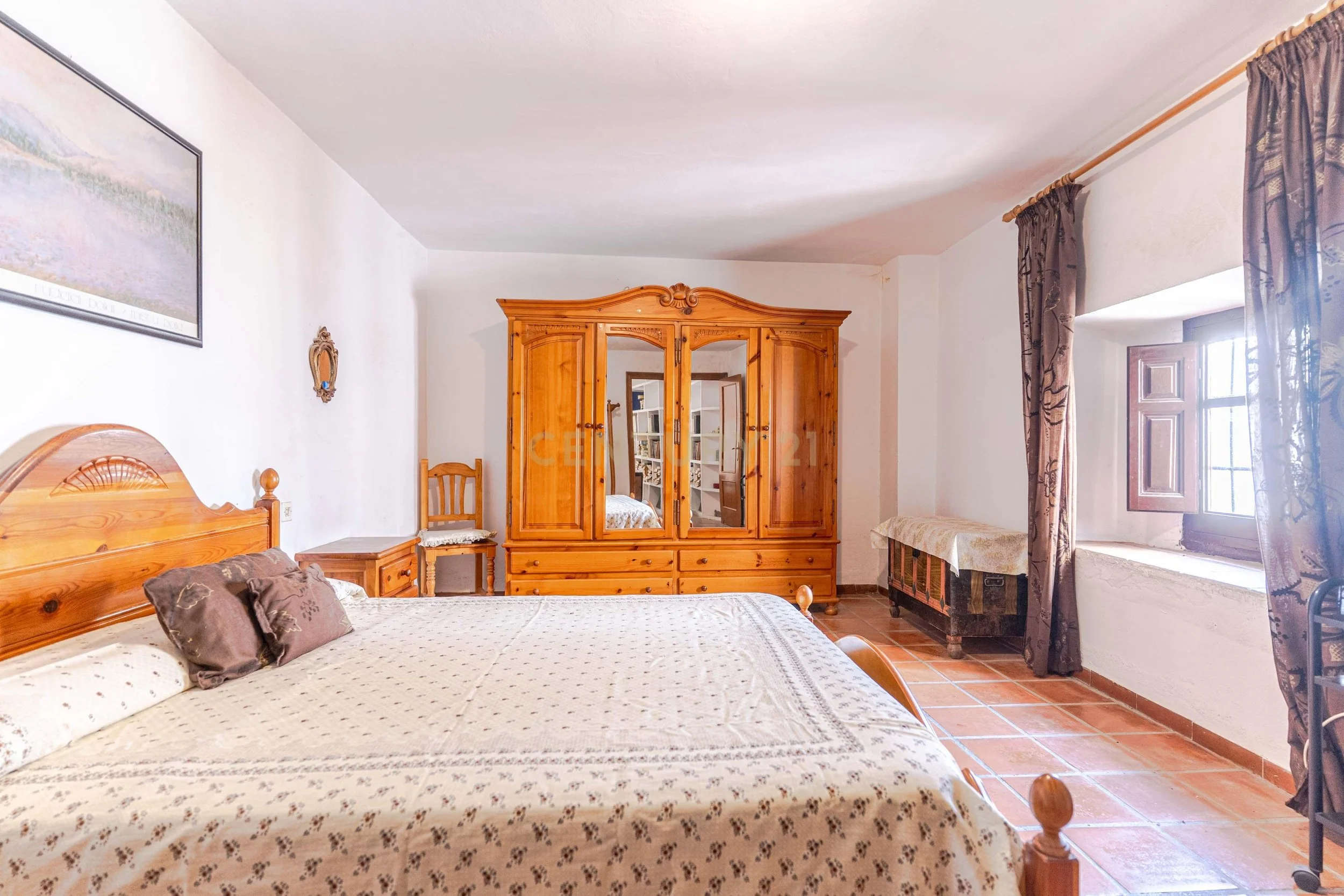
This independent buyer guidance report relates to this specific property located in Spain. It is provided for informational purposes only and does not constitute legal, tax, structural or survey advice. Title status, cadastral accuracy, habitability and occupancy documentation, planning compliance, drainage, tourism use, protected-area constraints, and any rural or municipal restrictions must always be verified with qualified Spanish professionals such as a lawyer, arquitecto, arquitecto técnico, aparejador, surveyor or licensed property consultant, and with the relevant municipal and regional authorities. This report is designed to help buyers evaluate the property before arranging a viewing or making an offer. It highlights due diligence areas and targeted questions to ask the estate agent. The analysis is based on the listing details and publicly available regulatory context at the time of writing. In this case, the property's appeal appears to rest on its unusual scale for the price, its central village position, its 341 m² built area, its library, several lounges and terraces, and its mountain-and-countryside outlook, so the key task is to verify whether the legal paperwork, layout and building condition properly support that generous presentation.
Playbook Contents
Property Snapshot
Location
Ítrabo, Granada, Andalusia, Spain.
Property type
Townhouse / village house, marketed on a portal as a villa.
Asking Price
€249,500.
Built area
341 m².
Plot size
145 m².
Bedrooms
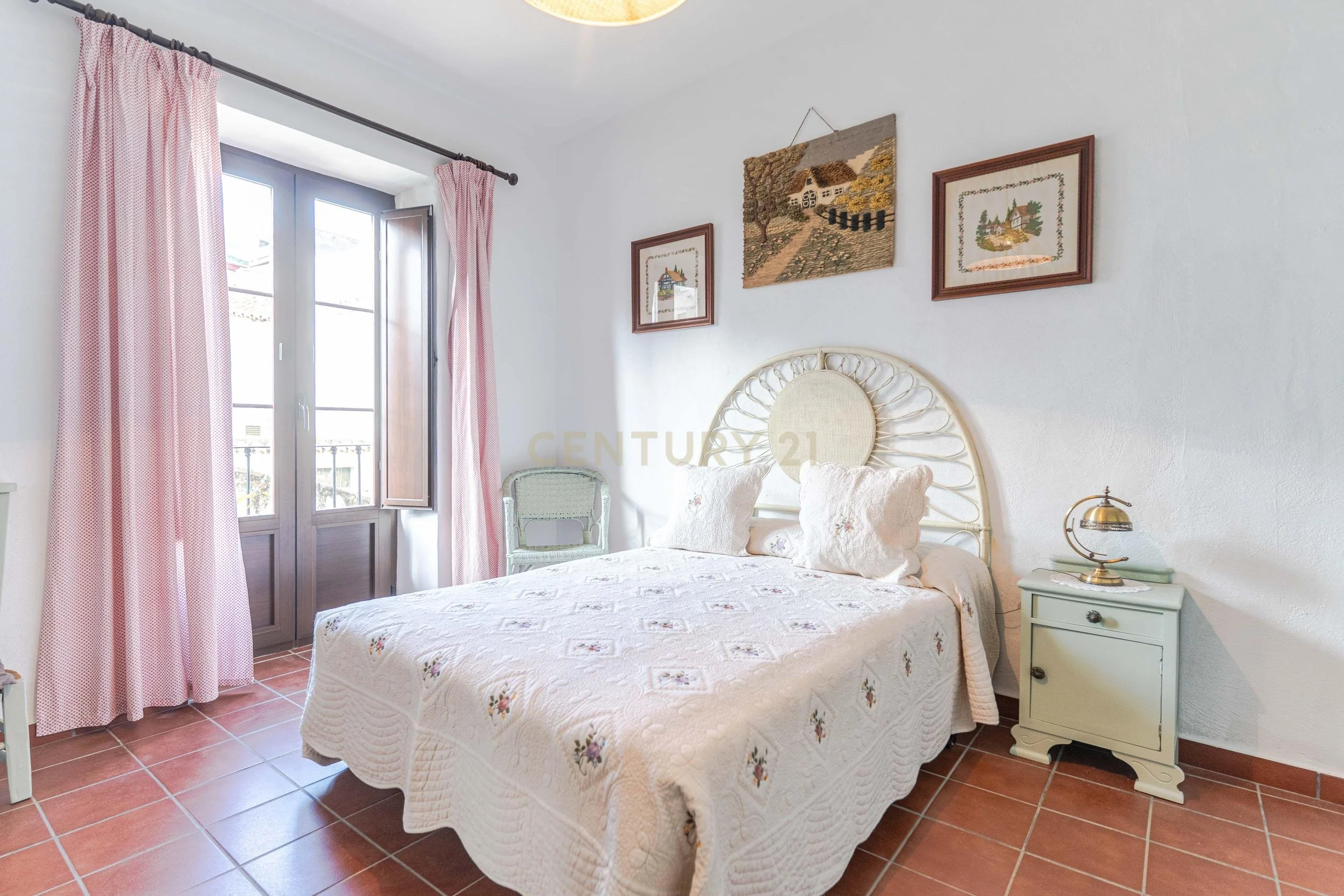
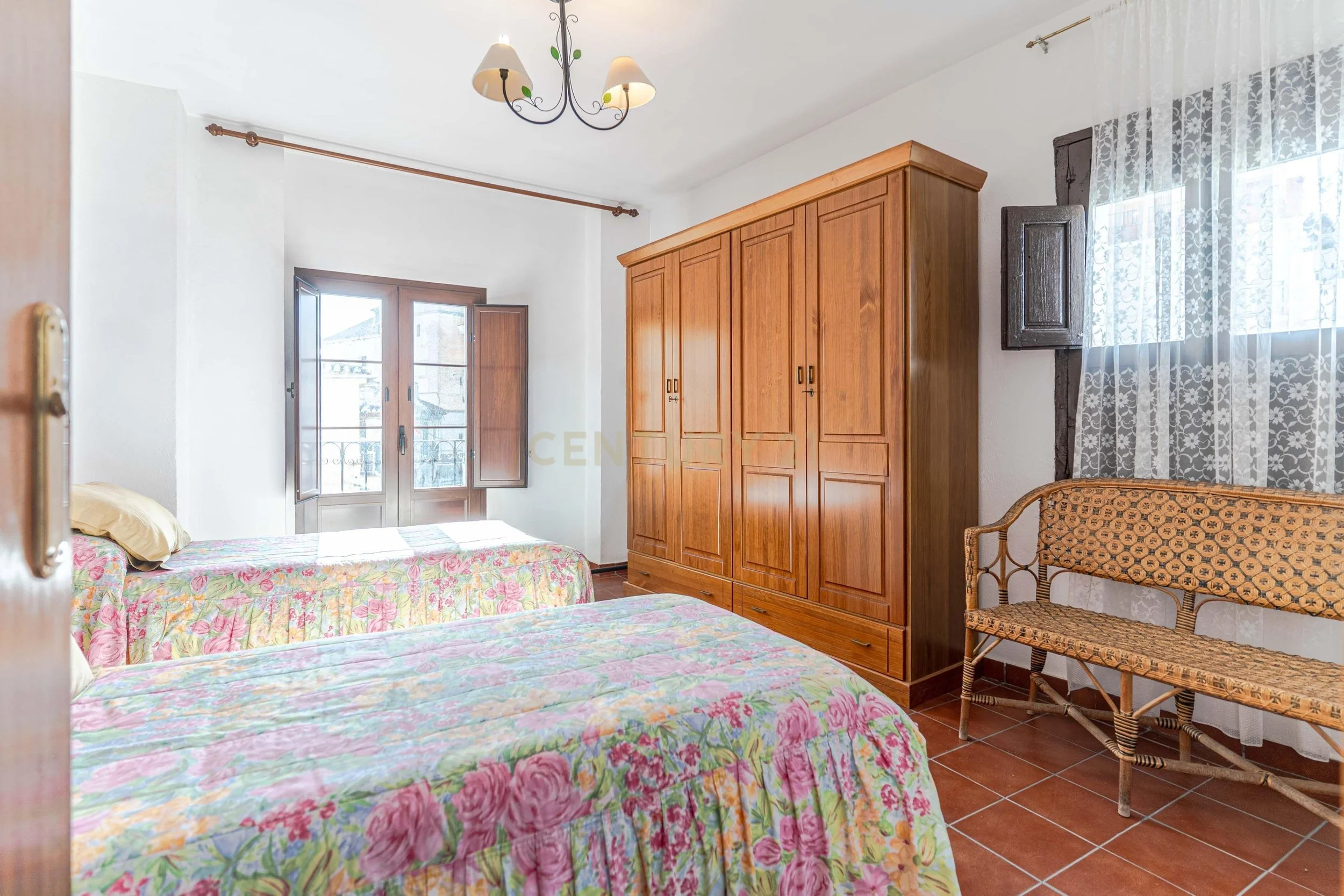
5.
Bathrooms
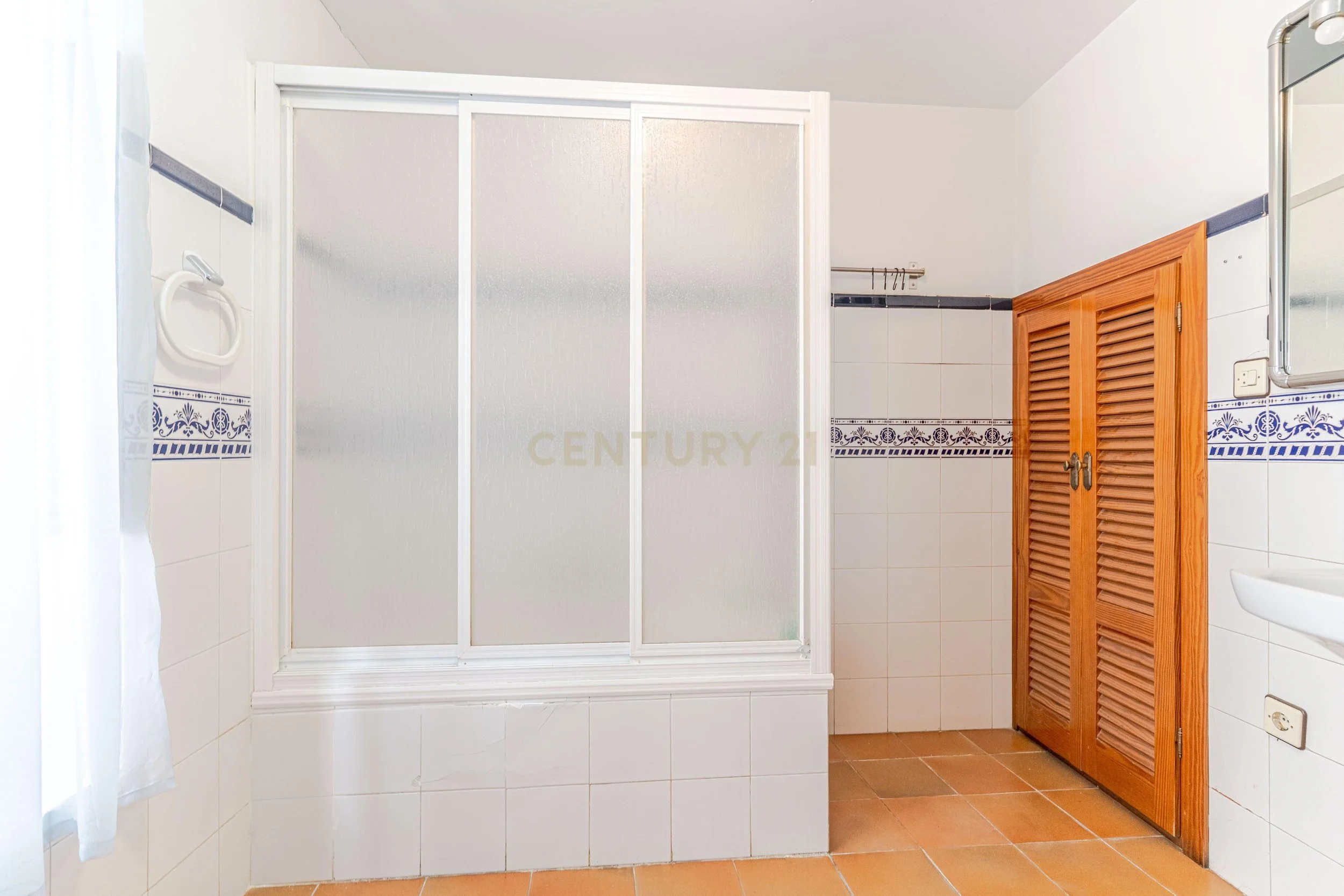
2.
Year built
1943 according to the portal listing.
Energy rating
E for both consumption and emissions.
Layout highlights
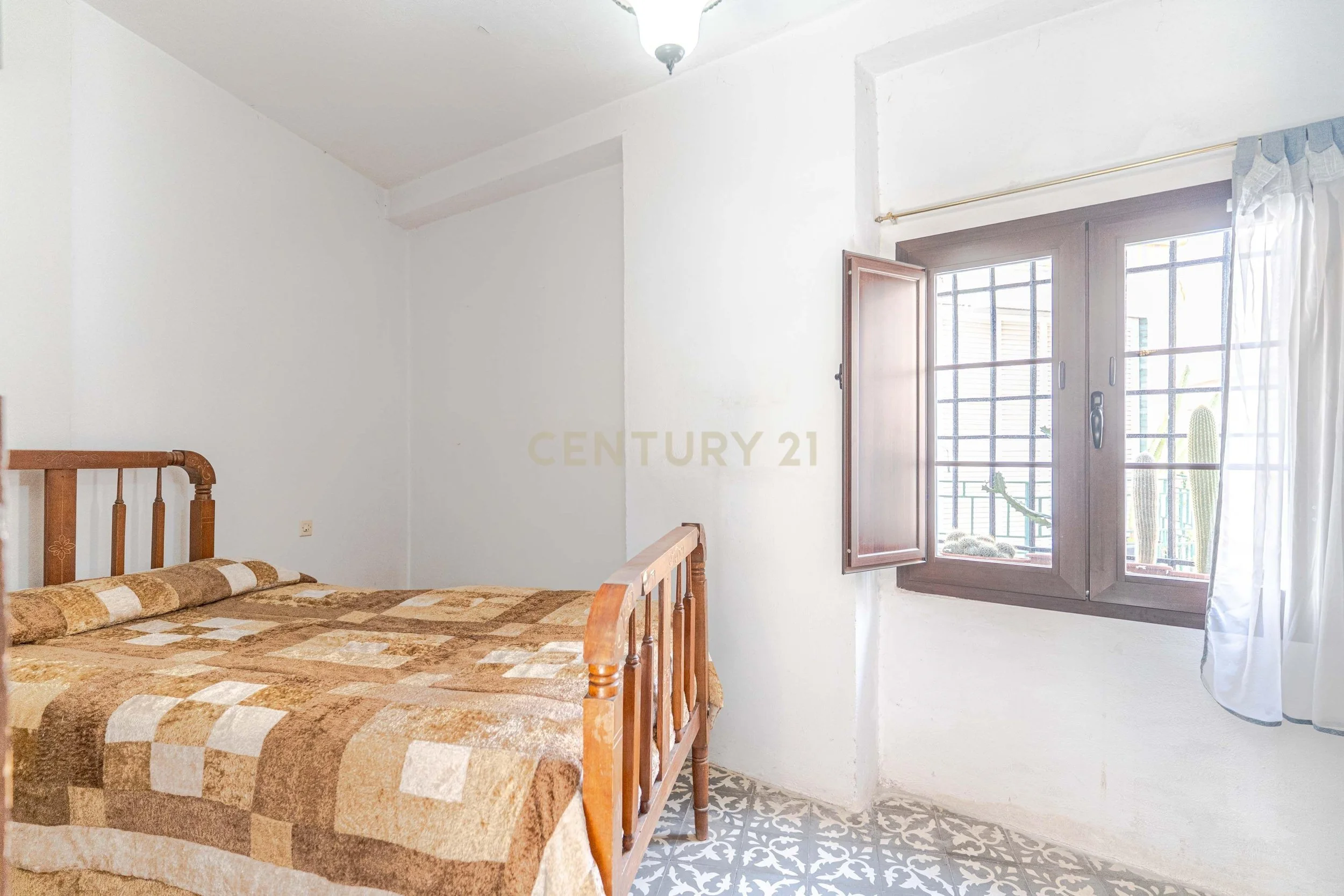
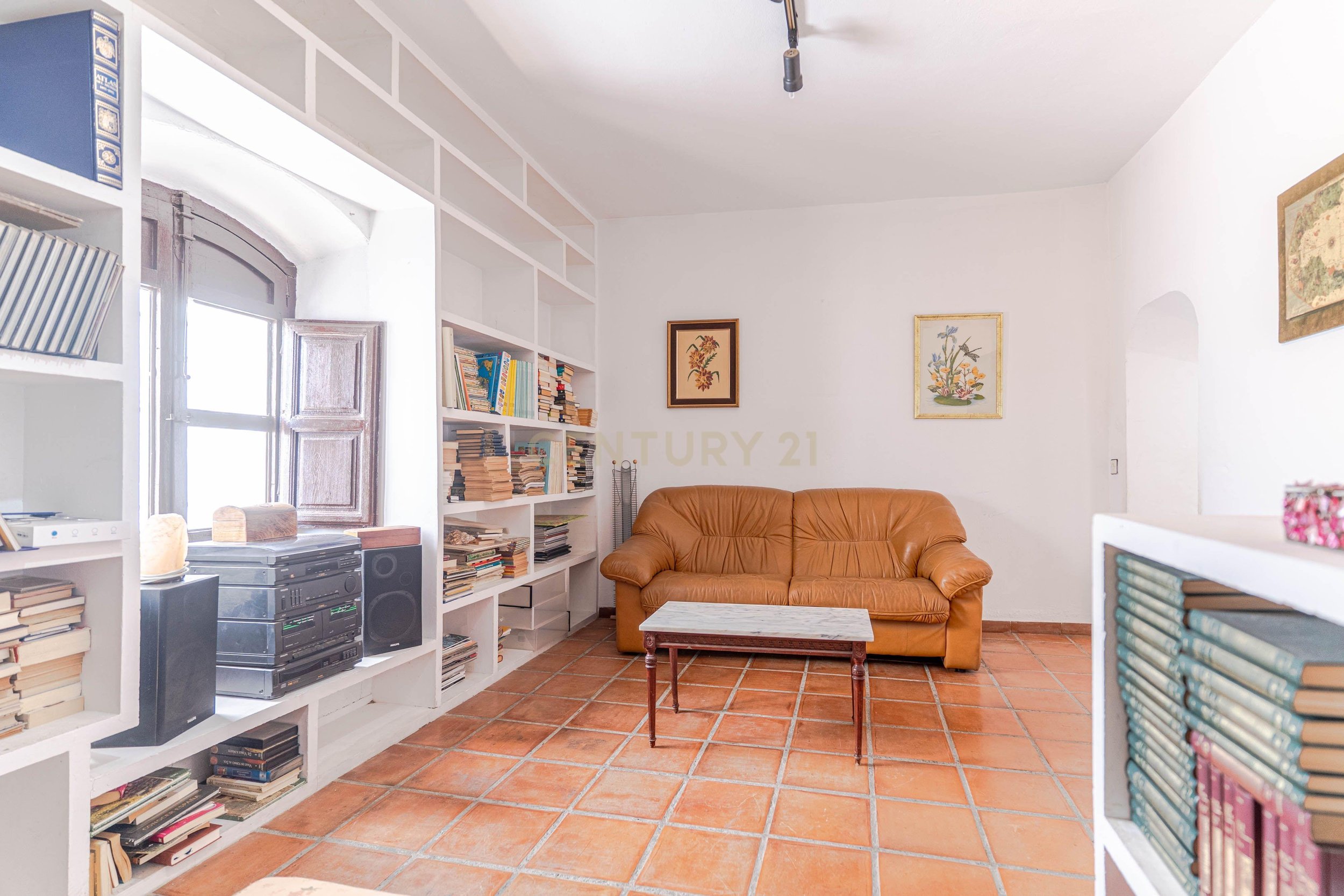
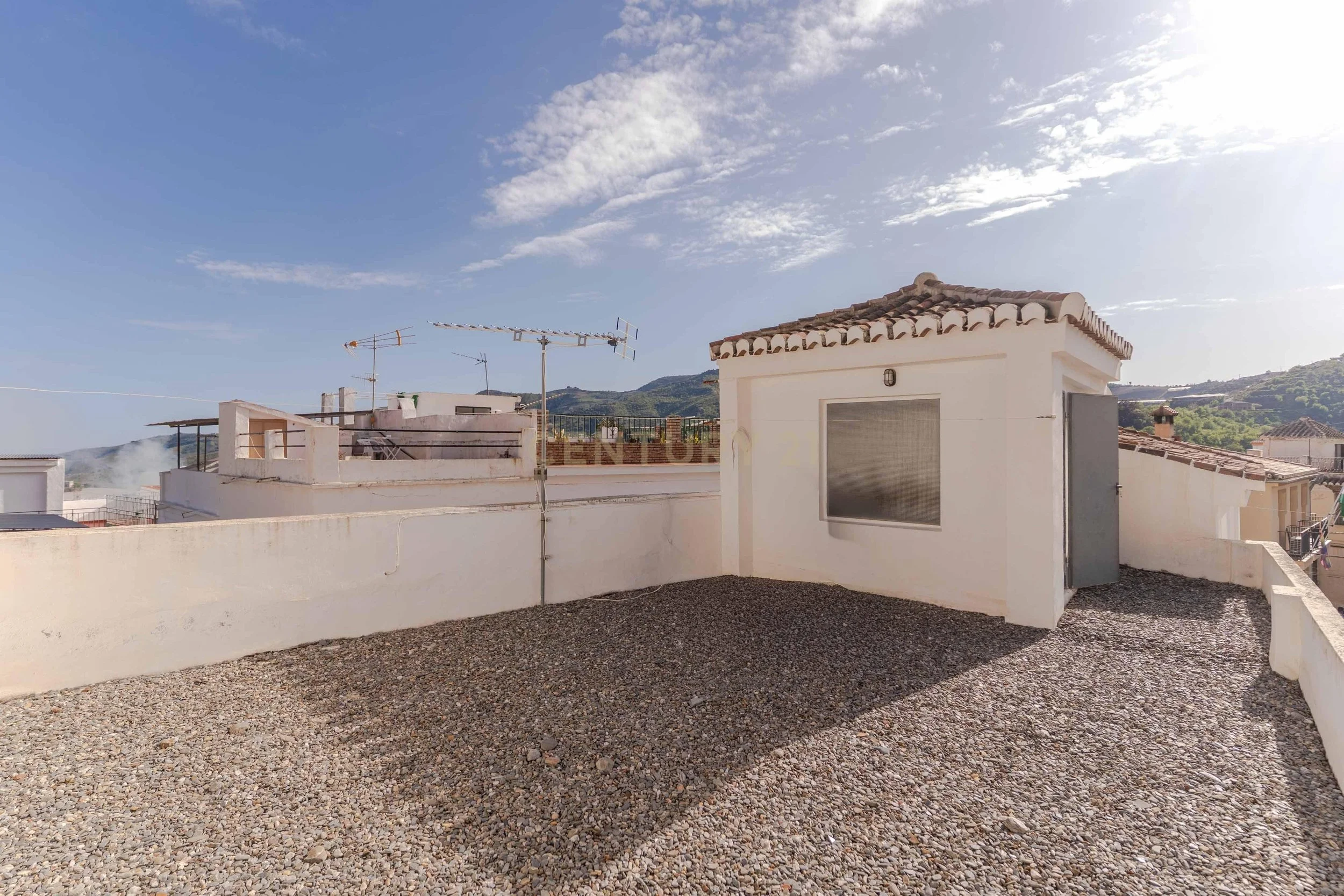
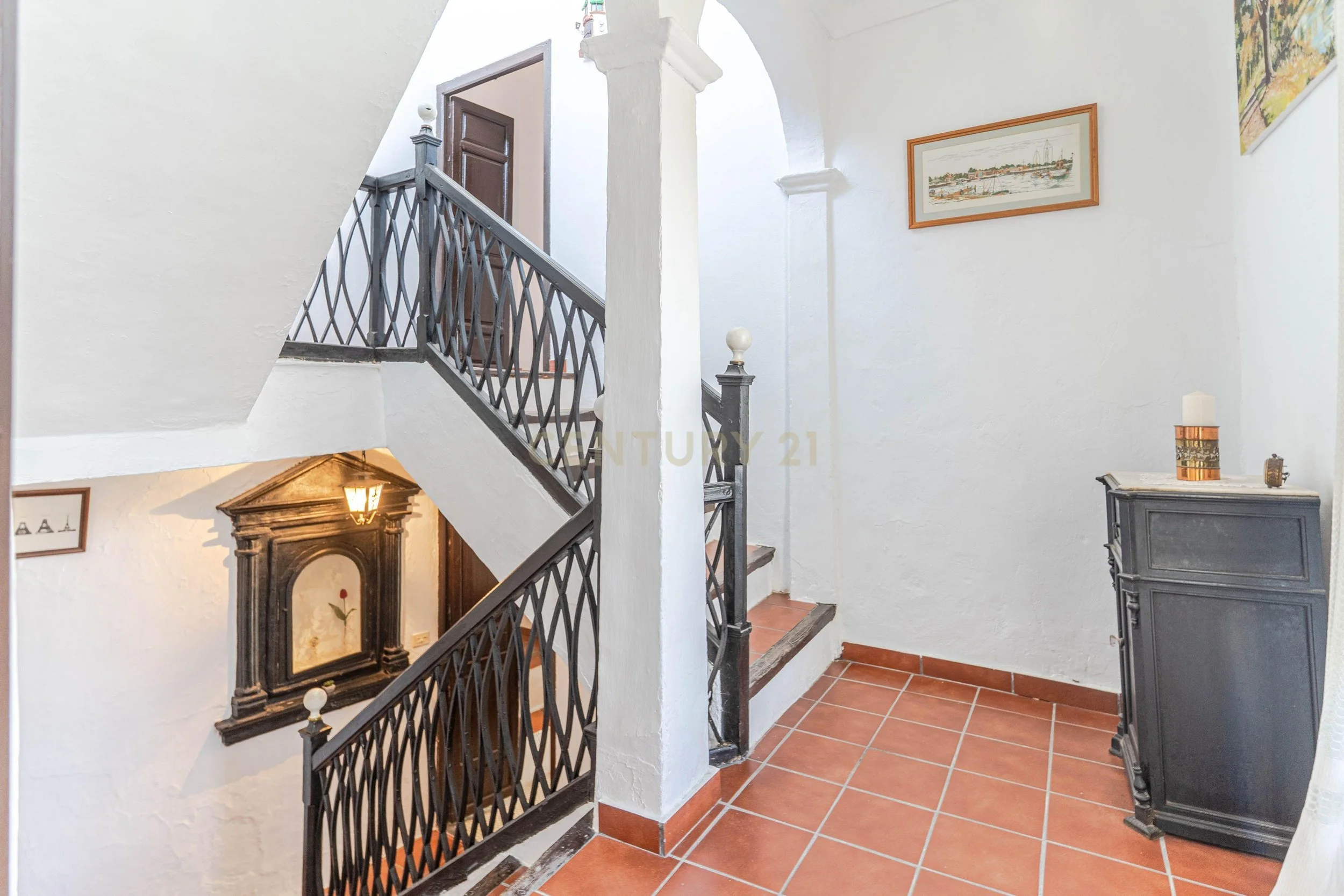
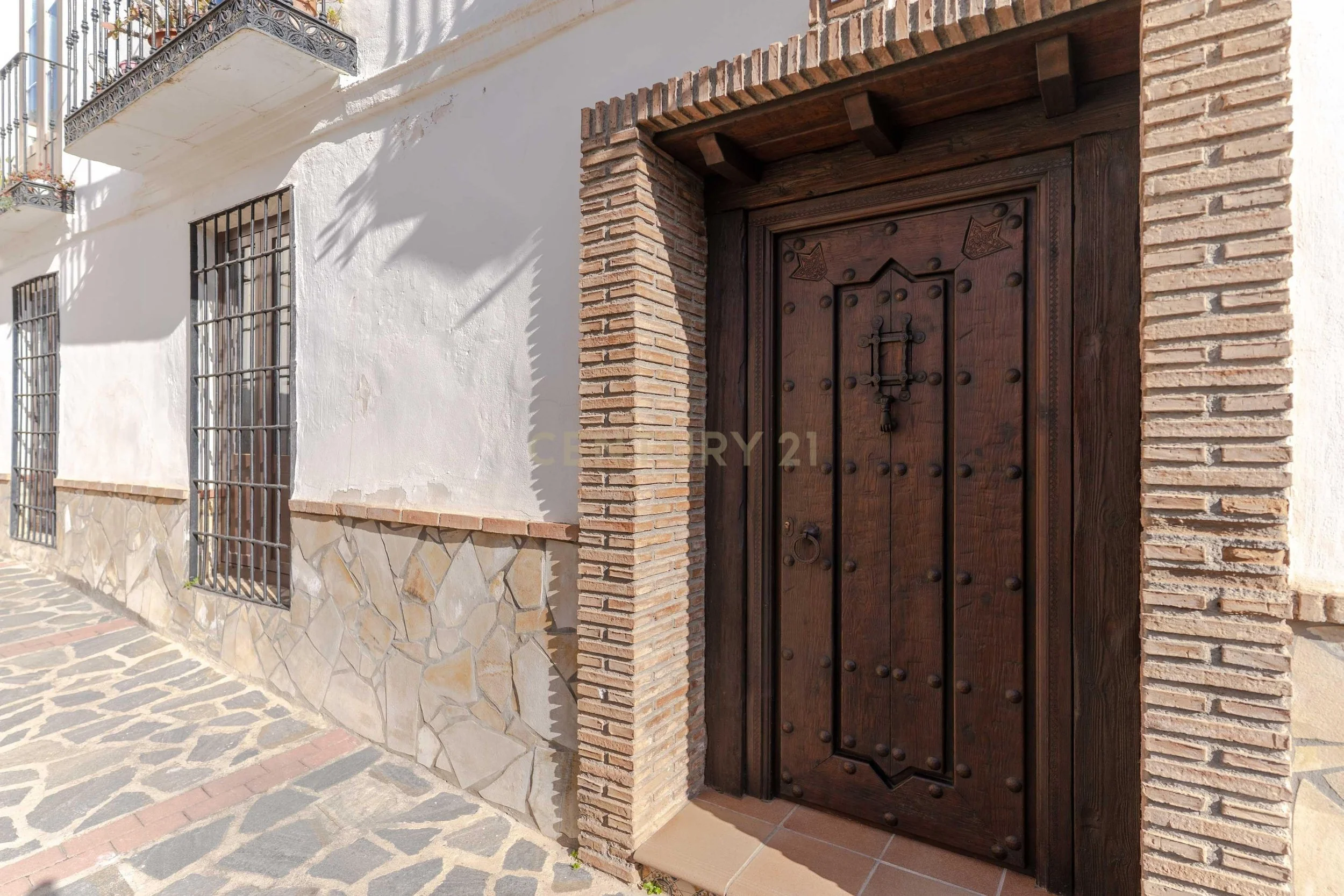
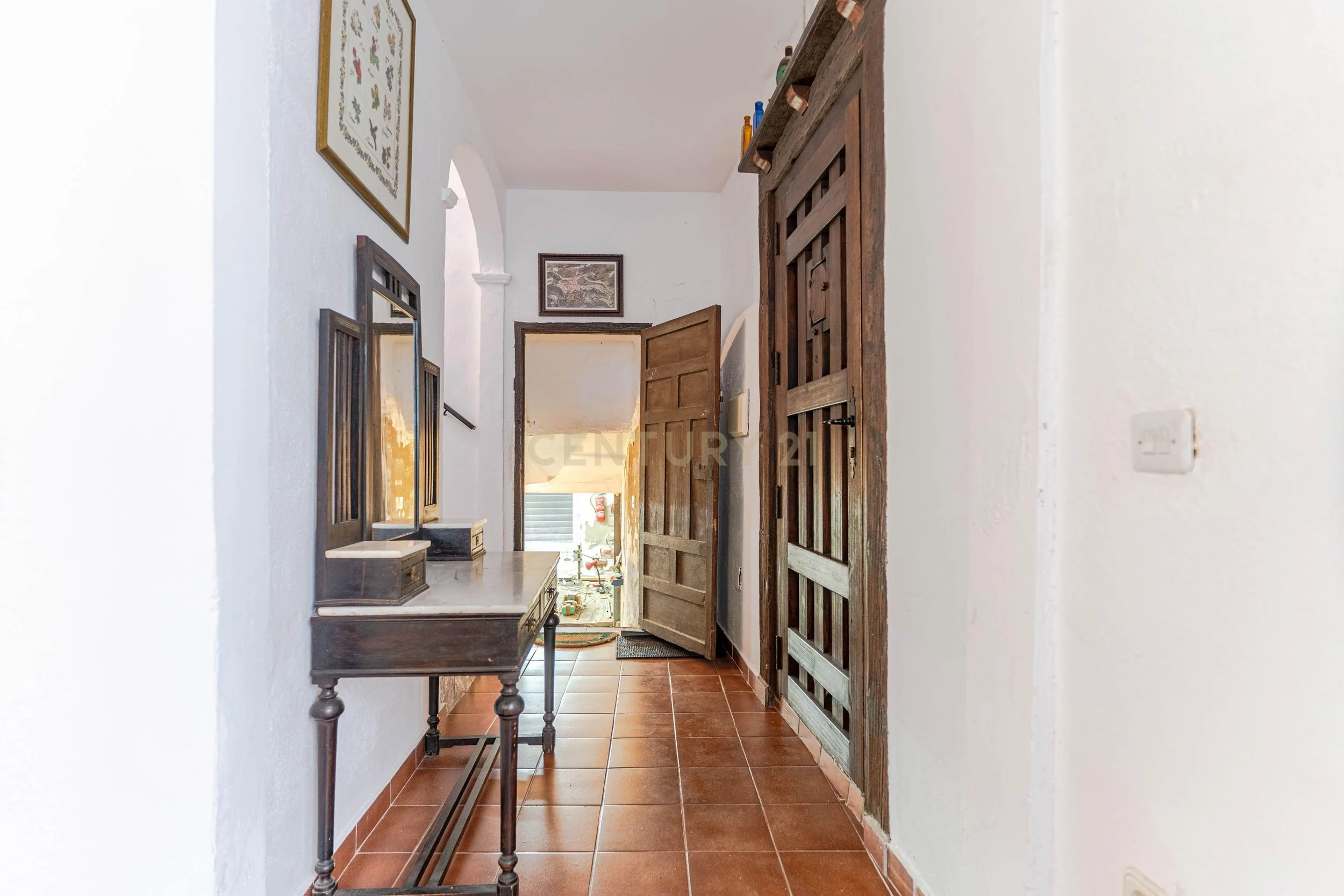
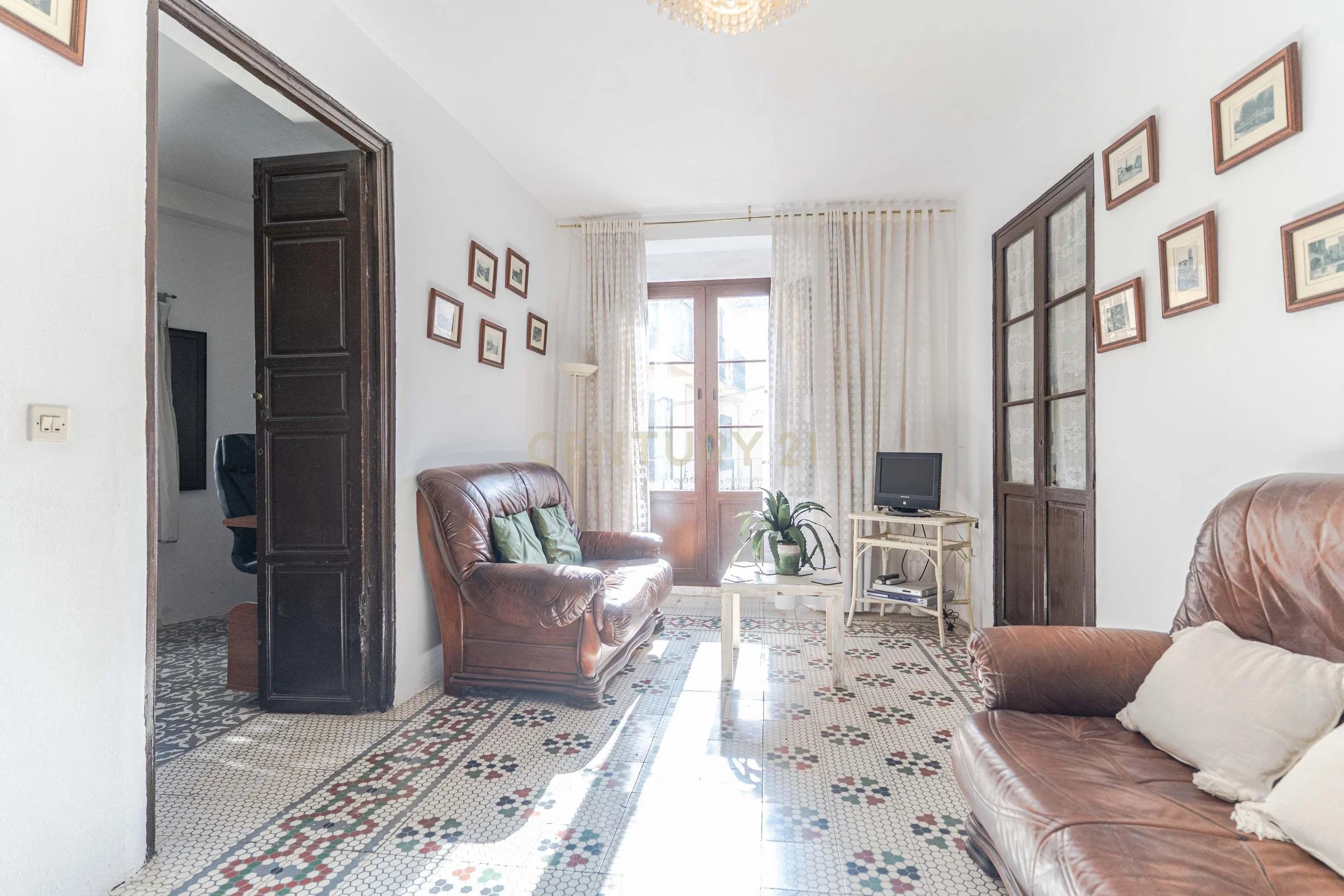
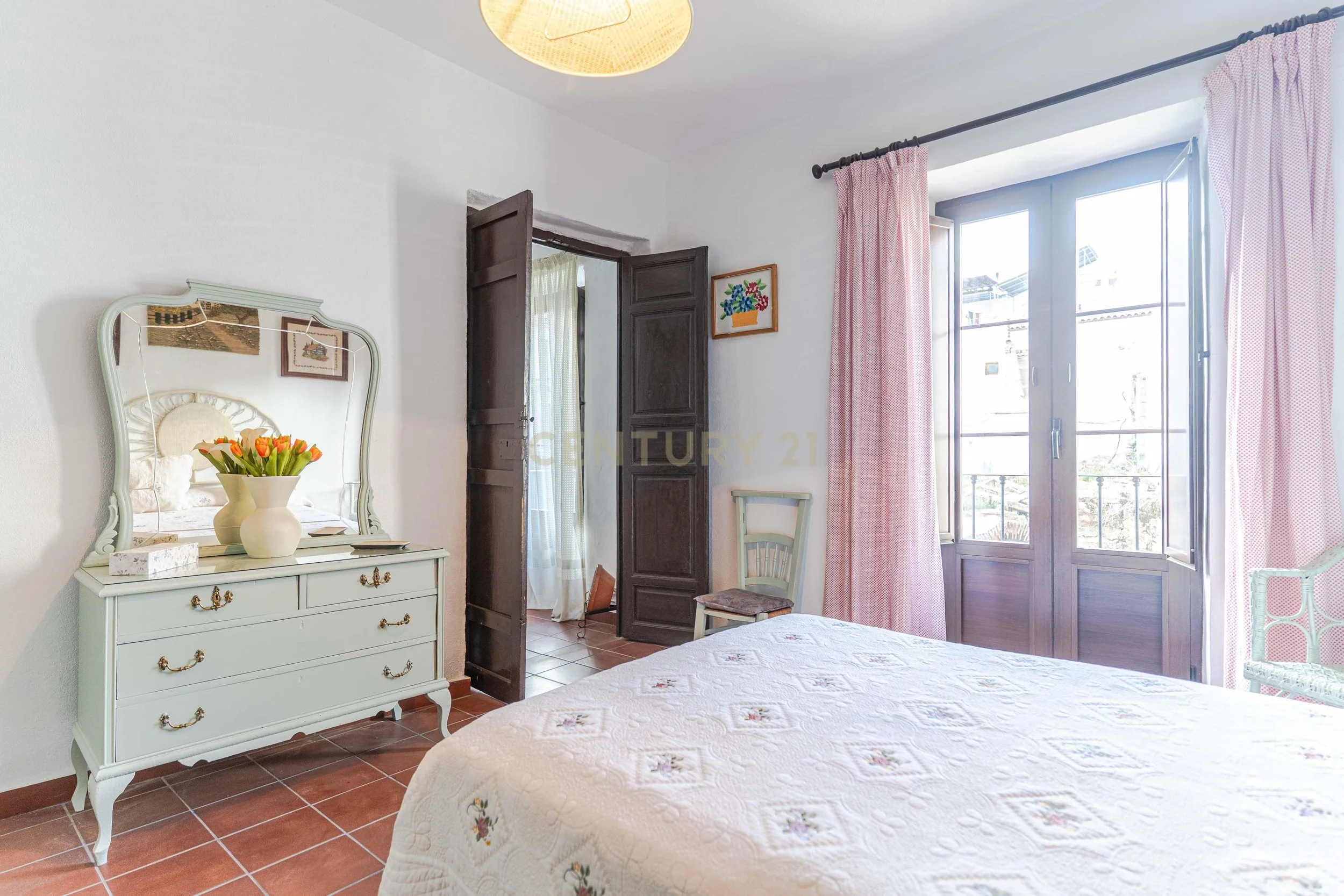
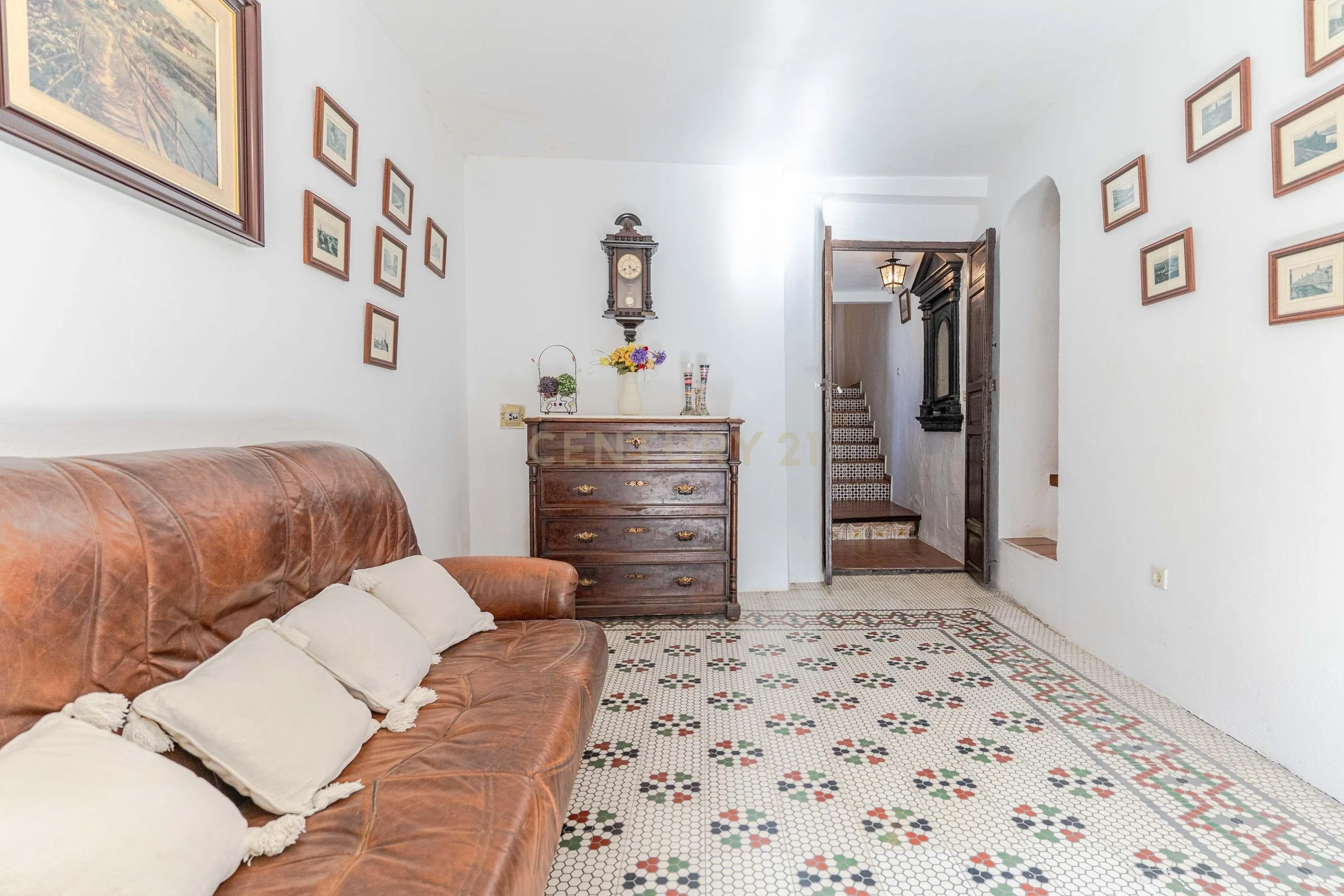
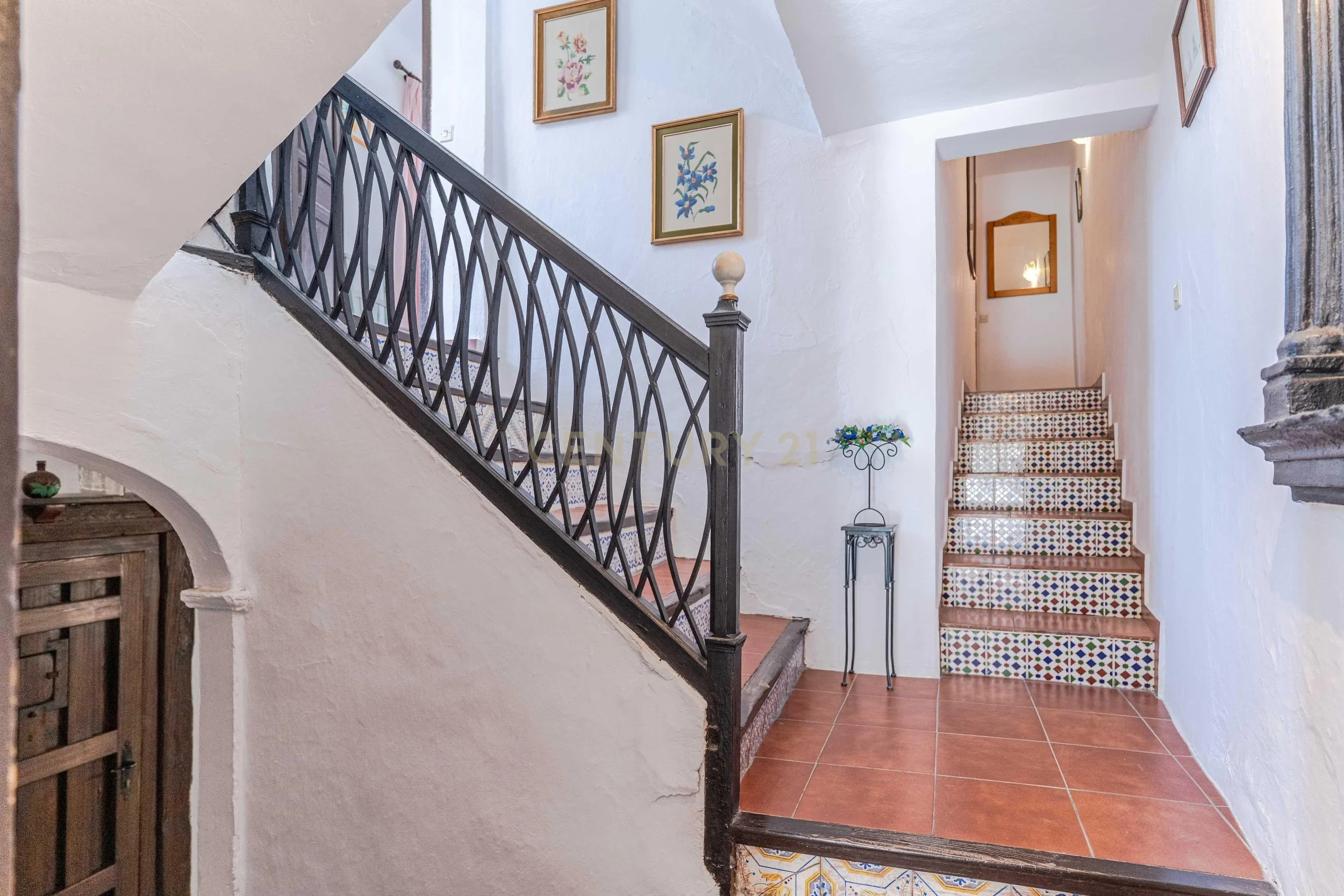
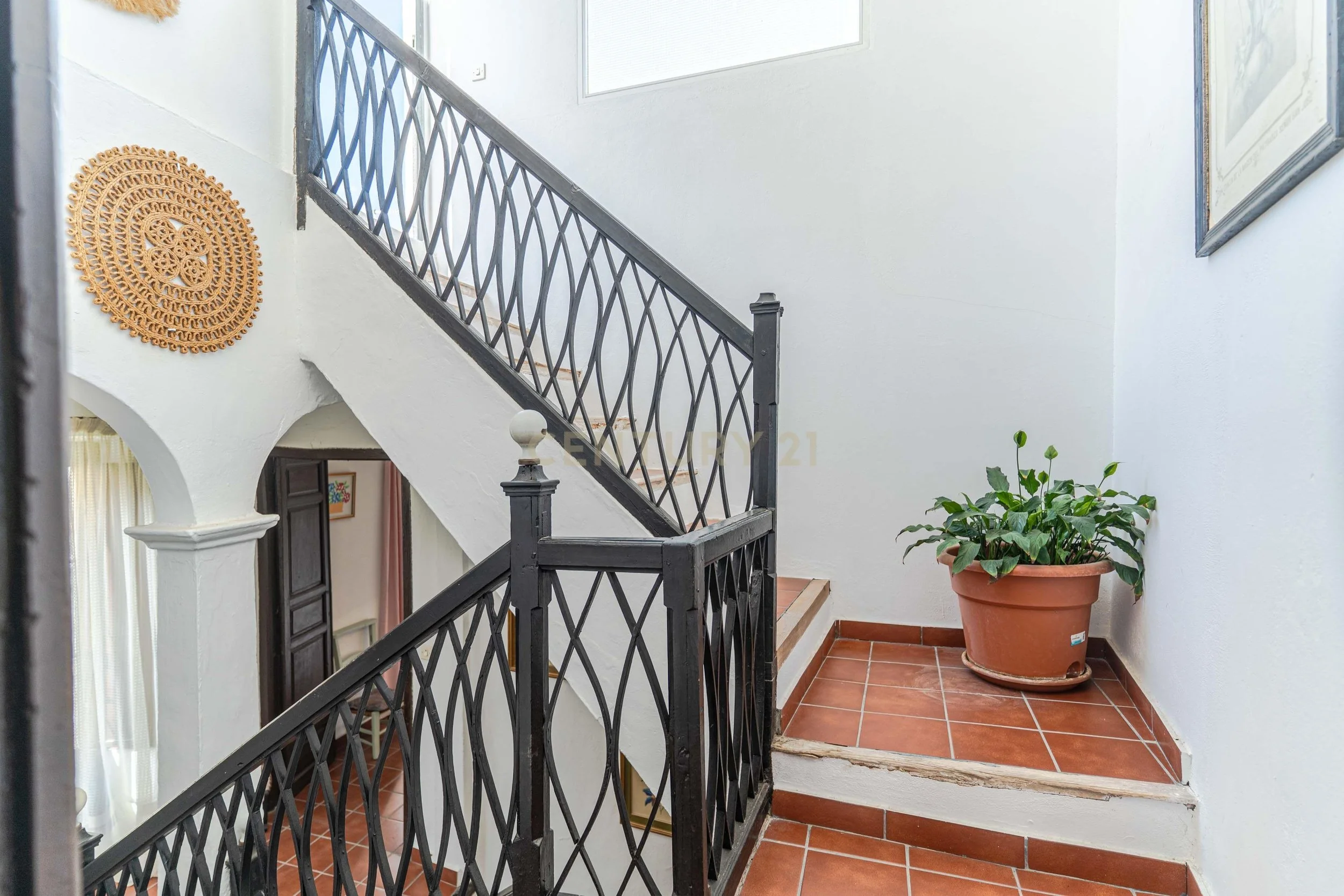
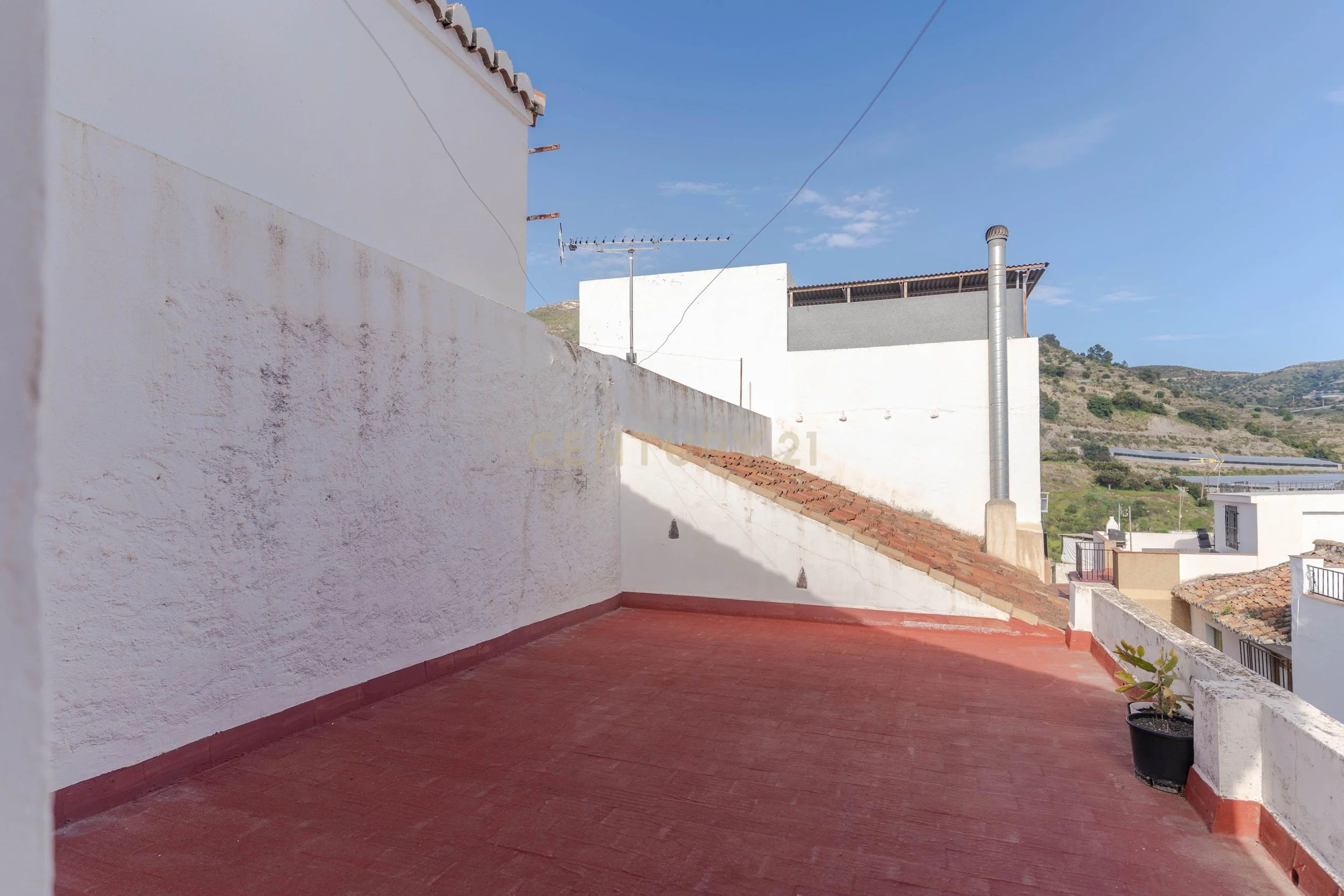
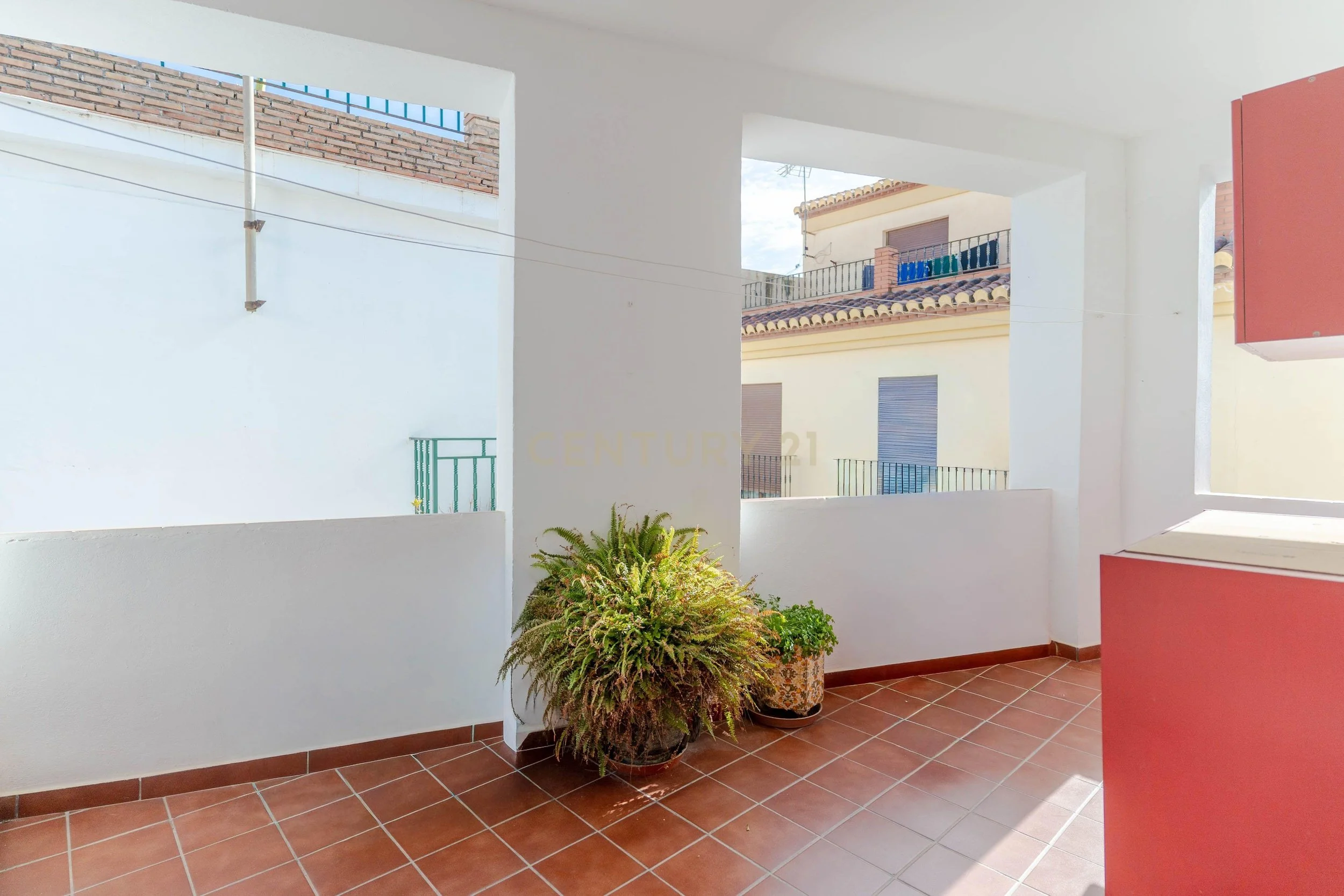
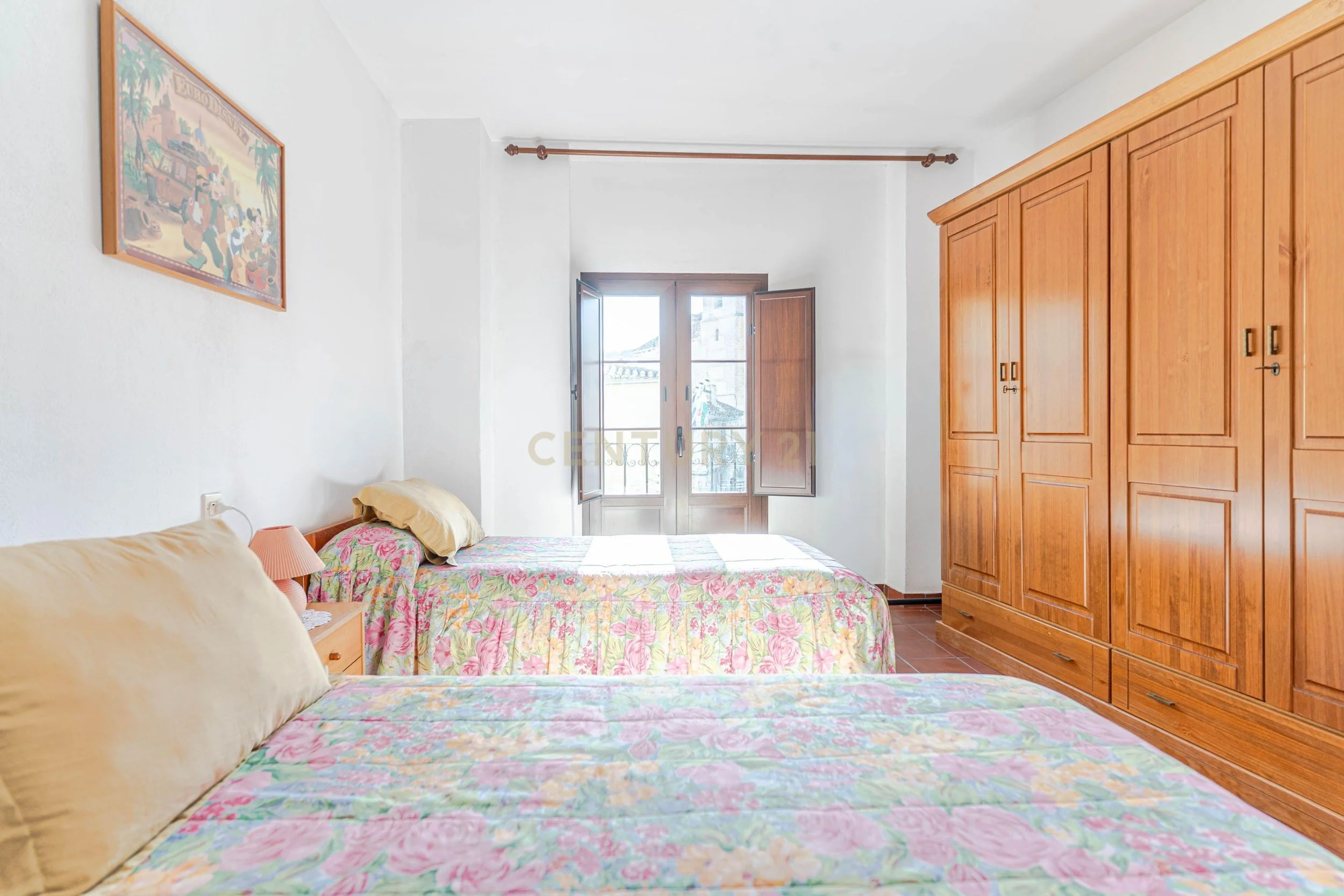
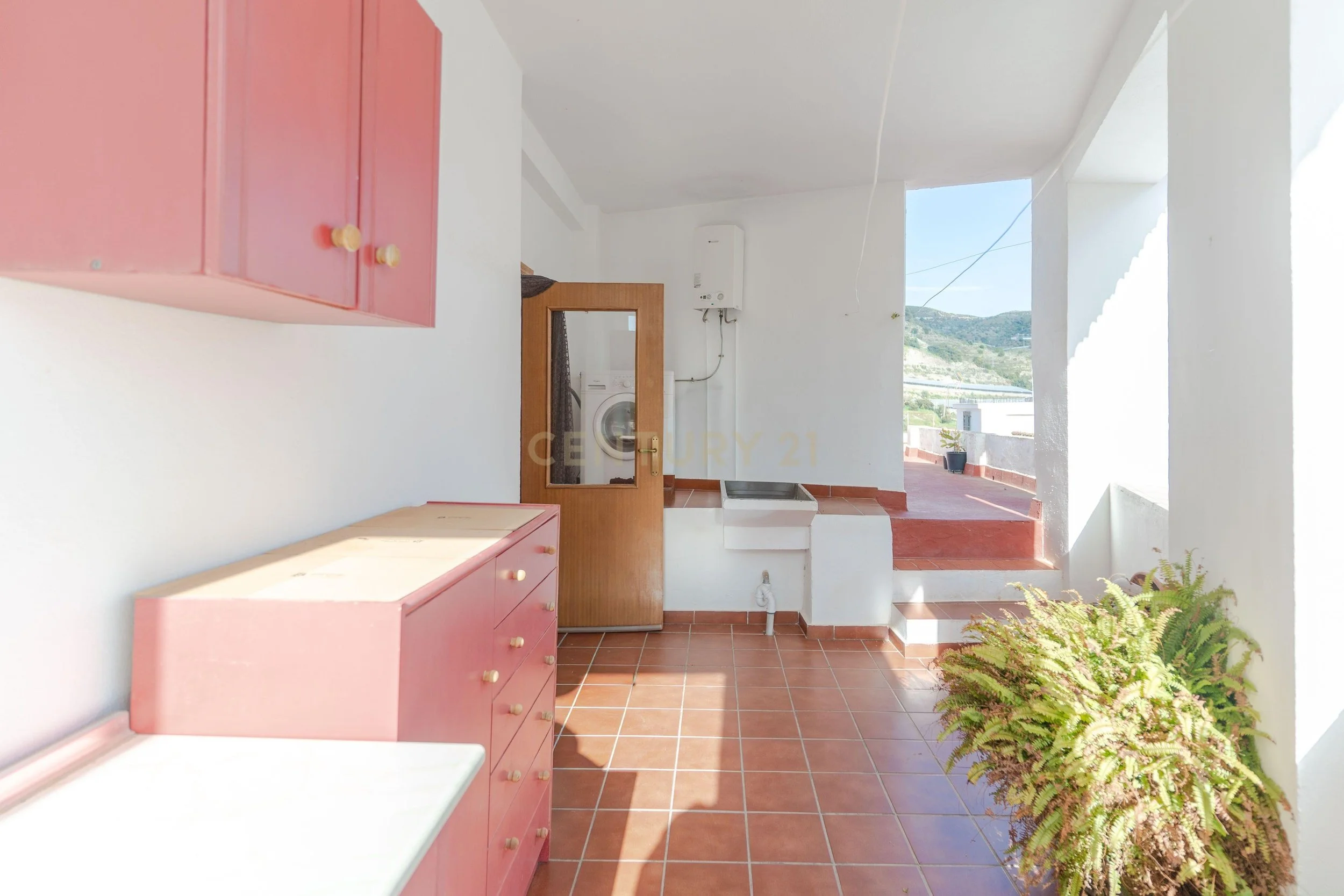
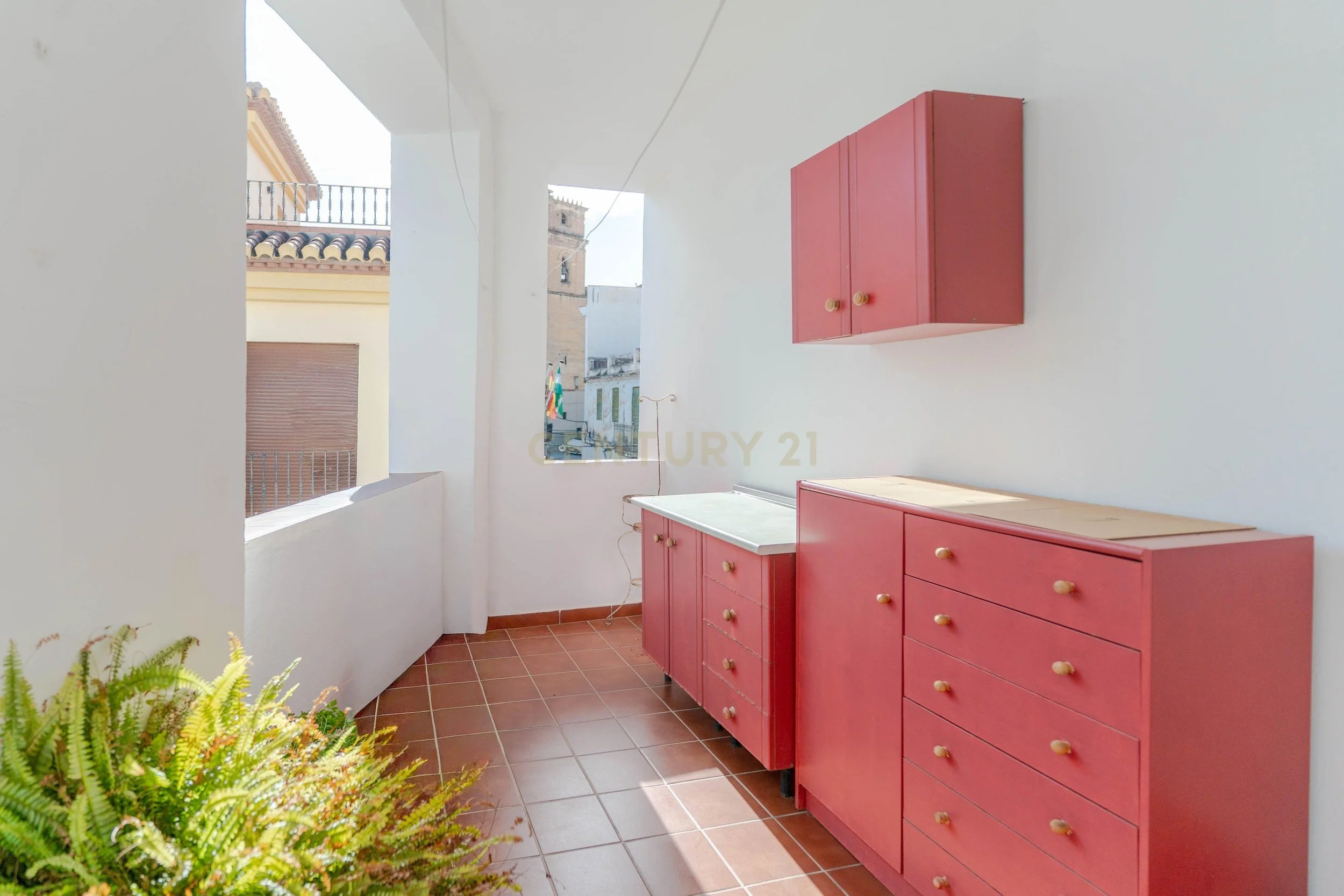
High ceilings, library, several lounges / reception spaces, balconies, terraces, and a shop-like area with its own independent entrance and exit within the same property.
Views
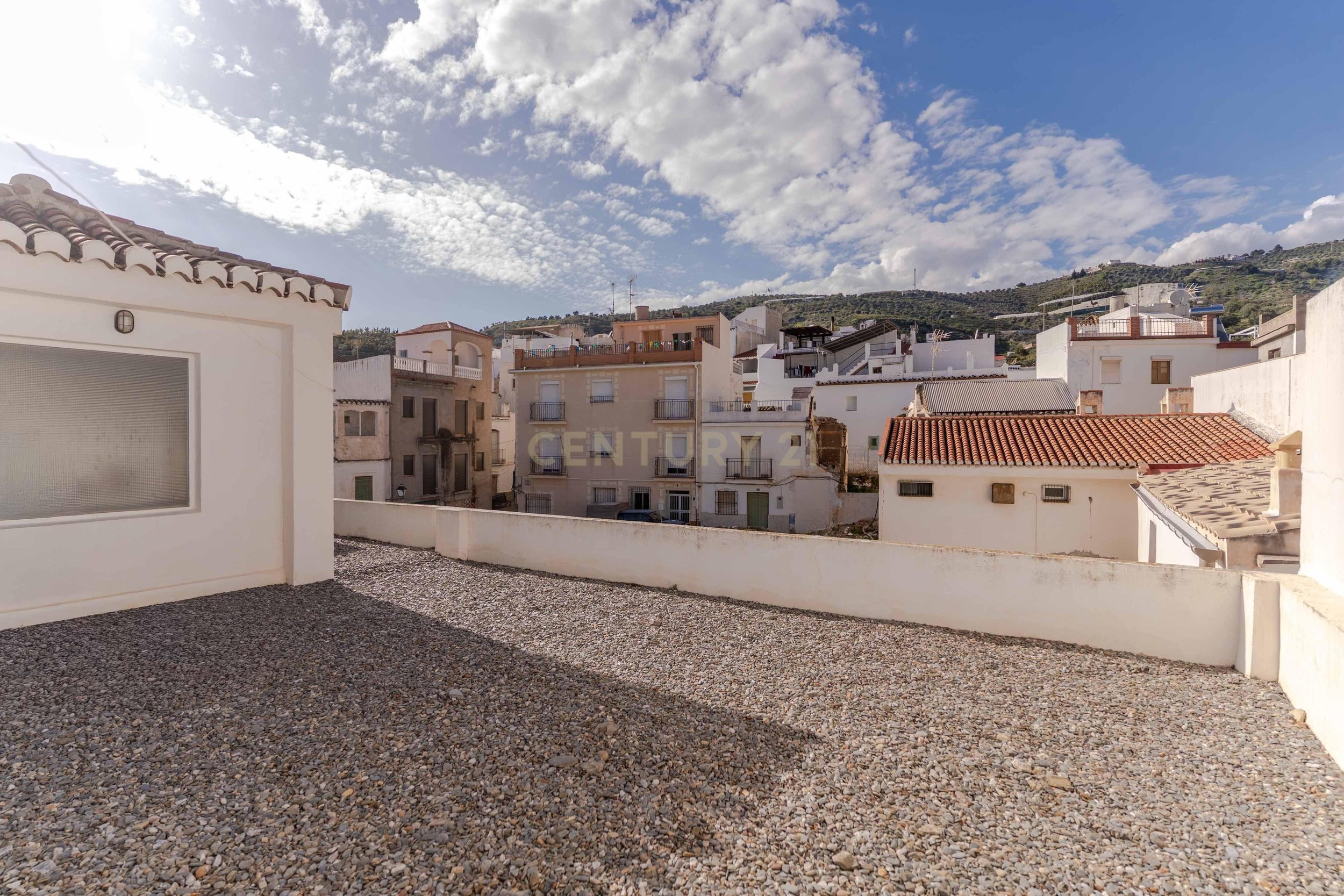
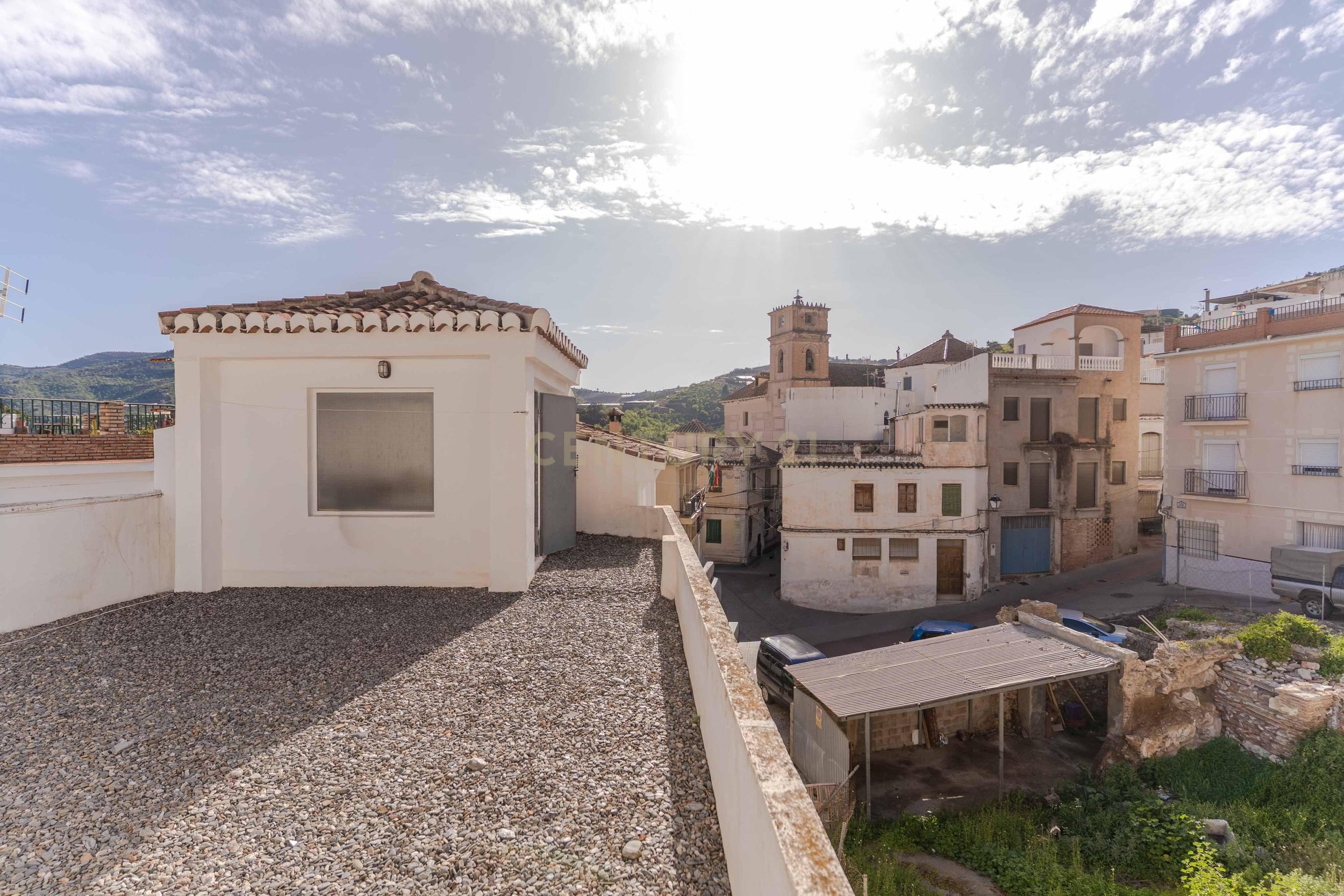
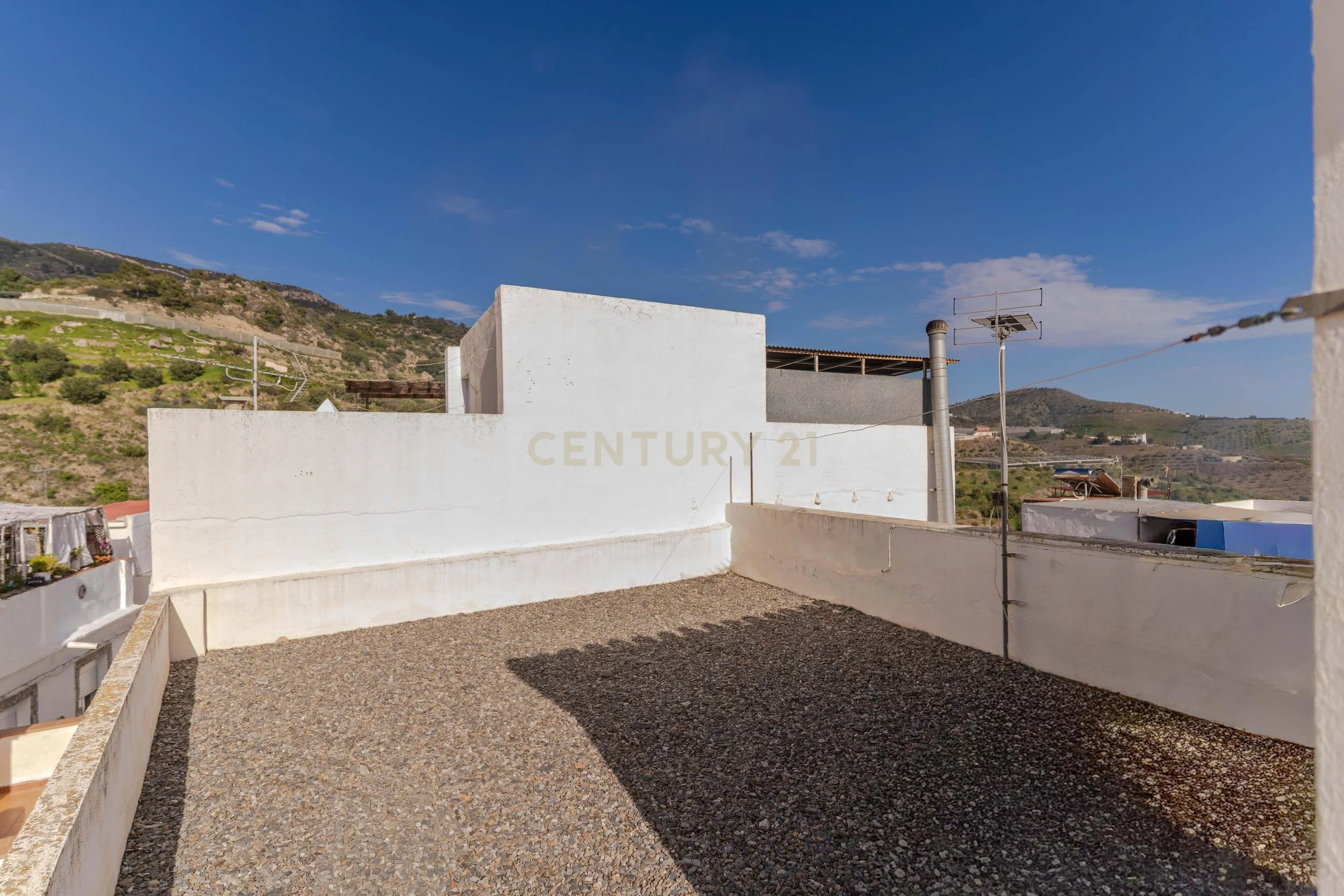
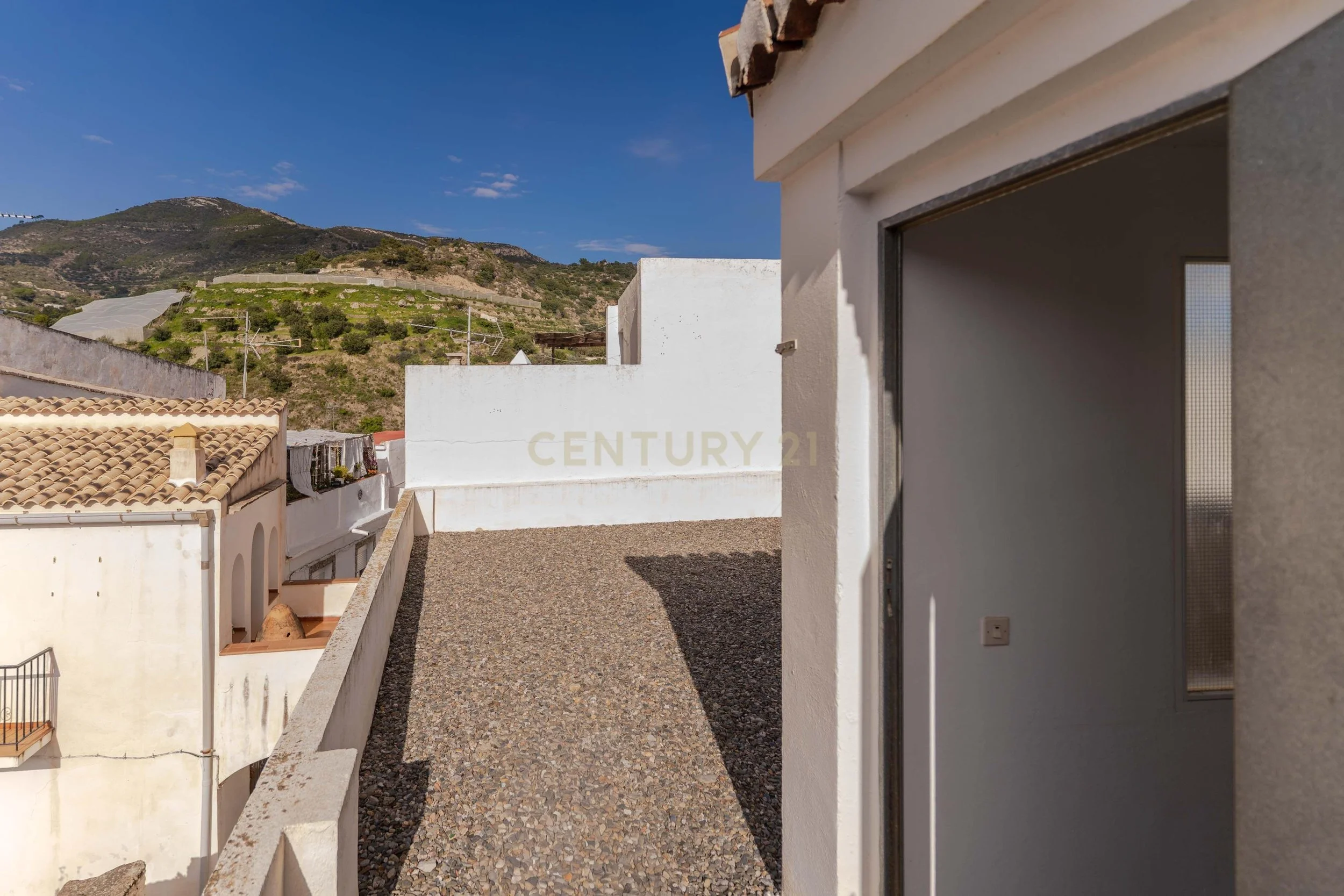
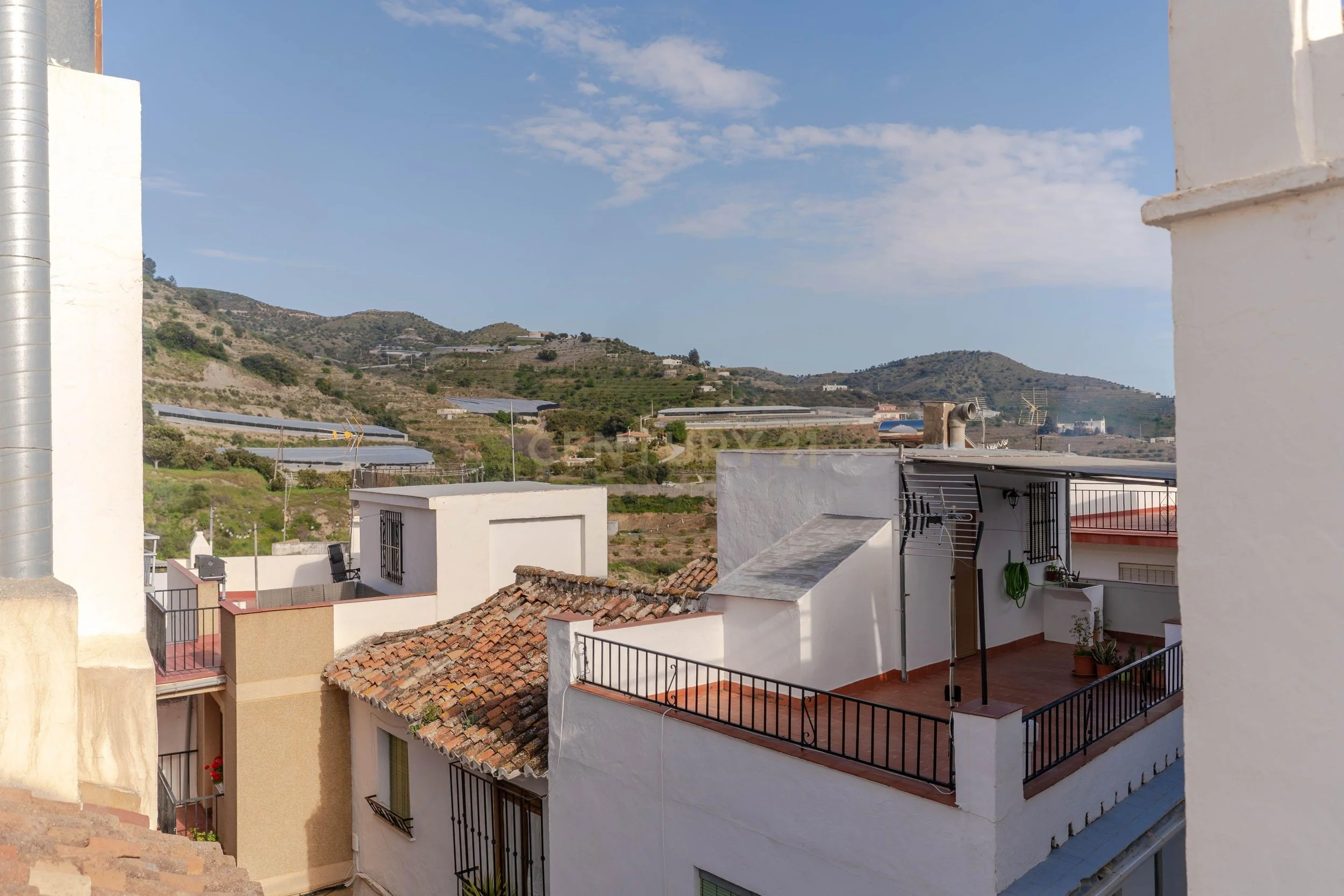
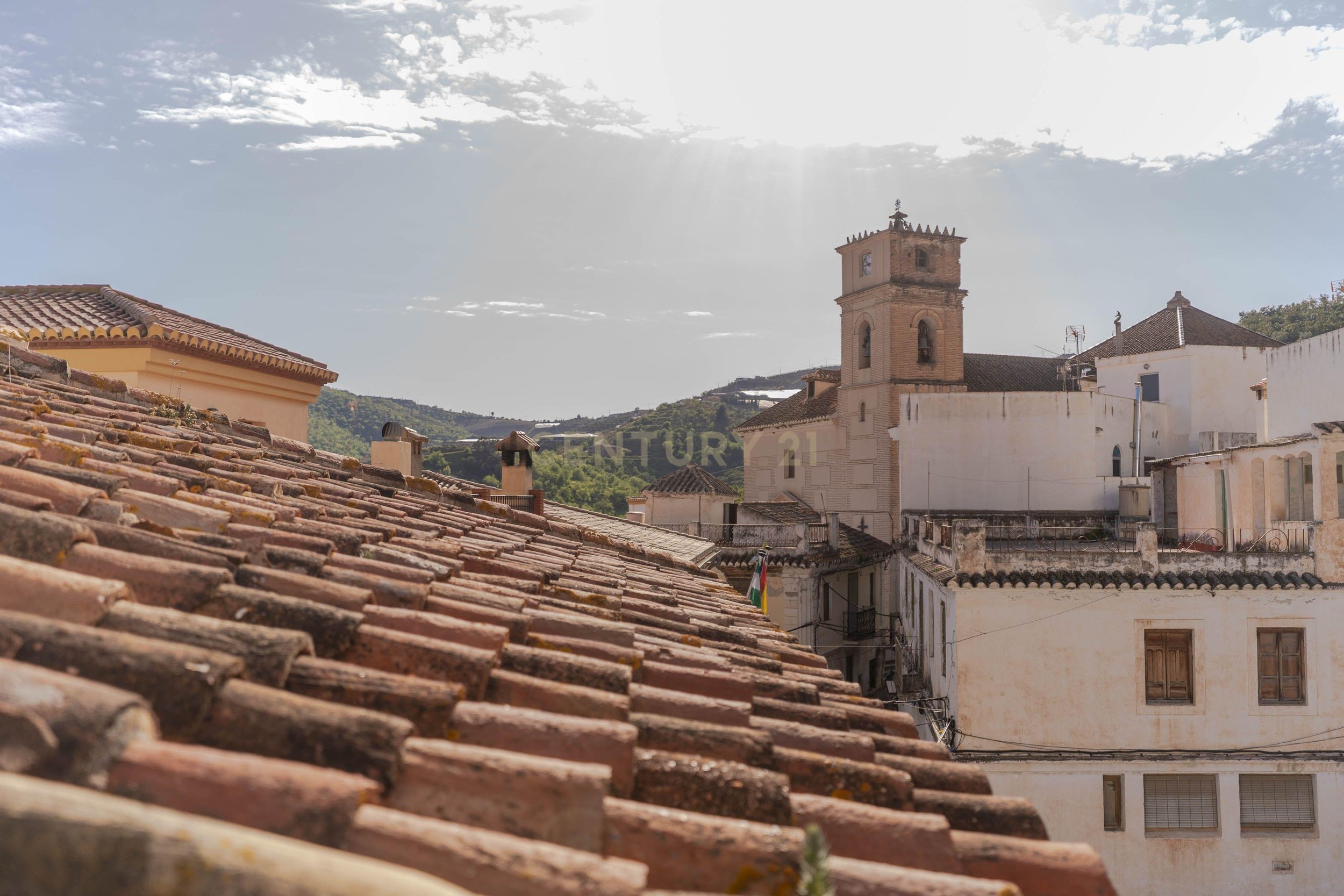
City, mountains and countryside.
Furnishing status
Sold unfurnished.
Lifestyle angle
Large character house in a traditional Andalusian village with home, guest, work-from-home or hybrid-use potential.
Risk Radar
Overview
This looks like one of those properties where the headline value is obvious. It is large, characterful, visually memorable, and priced at a level that will attract buyers who might otherwise only be looking at much smaller houses closer to the coast. The likely appeal is not just the five bedrooms, but the sense of scale created by the multiple reception spaces, high ceilings, library, terraces and views. That can make it feel like a bargain. It can also make buyers forgive questions they should not forgive.
The main due diligence issues here are therefore quite practical. First, the legal identity of the house needs to be pinned down through the nota simple, the cadastral description and the current actual layout, especially because the listing references a library, several lounges and an independent shop-like area. Second, this is an older village property, so roof condition, damp, timber issues, insulation and system upgrades matter more than the phrase "solid architectural bones". Third, if rental use is part of the plan, Andalusian tourist-rental rules and any occupancy-document requirements need to be checked against the exact intended use and the exact configuration of the property. Finally, village practicality matters more than buyers sometimes admit at first glance. Access, unloading, parking, internet, and whether the house works well in summer and winter can make a bigger difference to ownership than the mountain view that sold the dream.
Targeted Questions
Legal Status and Property Identity
The nota simple helps confirm ownership, legal description, charges, liens and the property's current registered status.
A mismatch between listing copy and registry data can signal that the house needs closer legal review.
The cadastral record helps verify built area, layout footprint and cartographic identity.
Registry and cadastral mismatches are common in older Spanish properties and can complicate sale or financing.
Urban classification affects use, regularisation and future works.
Older village houses often evolve over time, and not every change is properly documented.
The independent shop-like area raises the possibility of mixed or split legal identity.
This affects value, tax position, tourist-rental strategy and future conversion options.
Separate-use spaces can be useful, but they can also carry extra paperwork and costs.
Village properties can have old practical arrangements that matter a great deal in daily use.
Habitability, Occupancy and Planning
In Andalusia, buyers should verify the actual municipal occupancy document or equivalent in force, rather than assuming the old cédula terminology applies.
Occupancy documentation is often relevant for utilities, tourist use and sale comfort.
Buyers should not assume every attractive room is formally recognised in the way they expect.
Internal changes, terrace works or shop-to-residential changes may need paperwork.
Age and scope of works help you judge whether the house is genuinely updated or simply well presented.
Documentary evidence helps separate real improvement from optimistic storytelling.
Buyers should confirm the house is not carrying unresolved municipal problems.
A recent professional view can reduce the risk of buying first and discovering anomalies later.
Layout, Useability and Internal Logic
With multiple lounges and a library, layout clarity is essential before you even think about value.
A large quoted size may include ancillary or less useful areas.
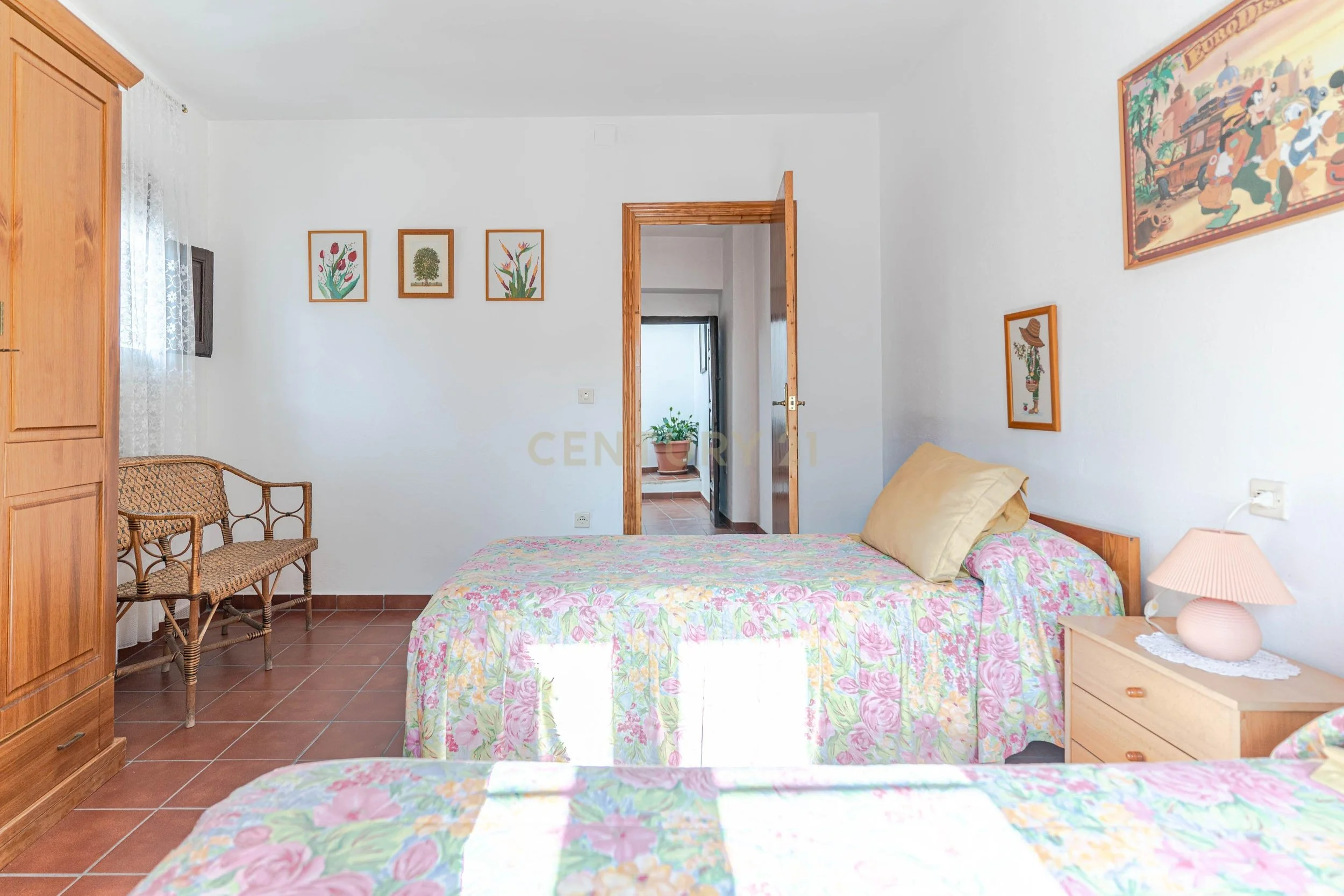
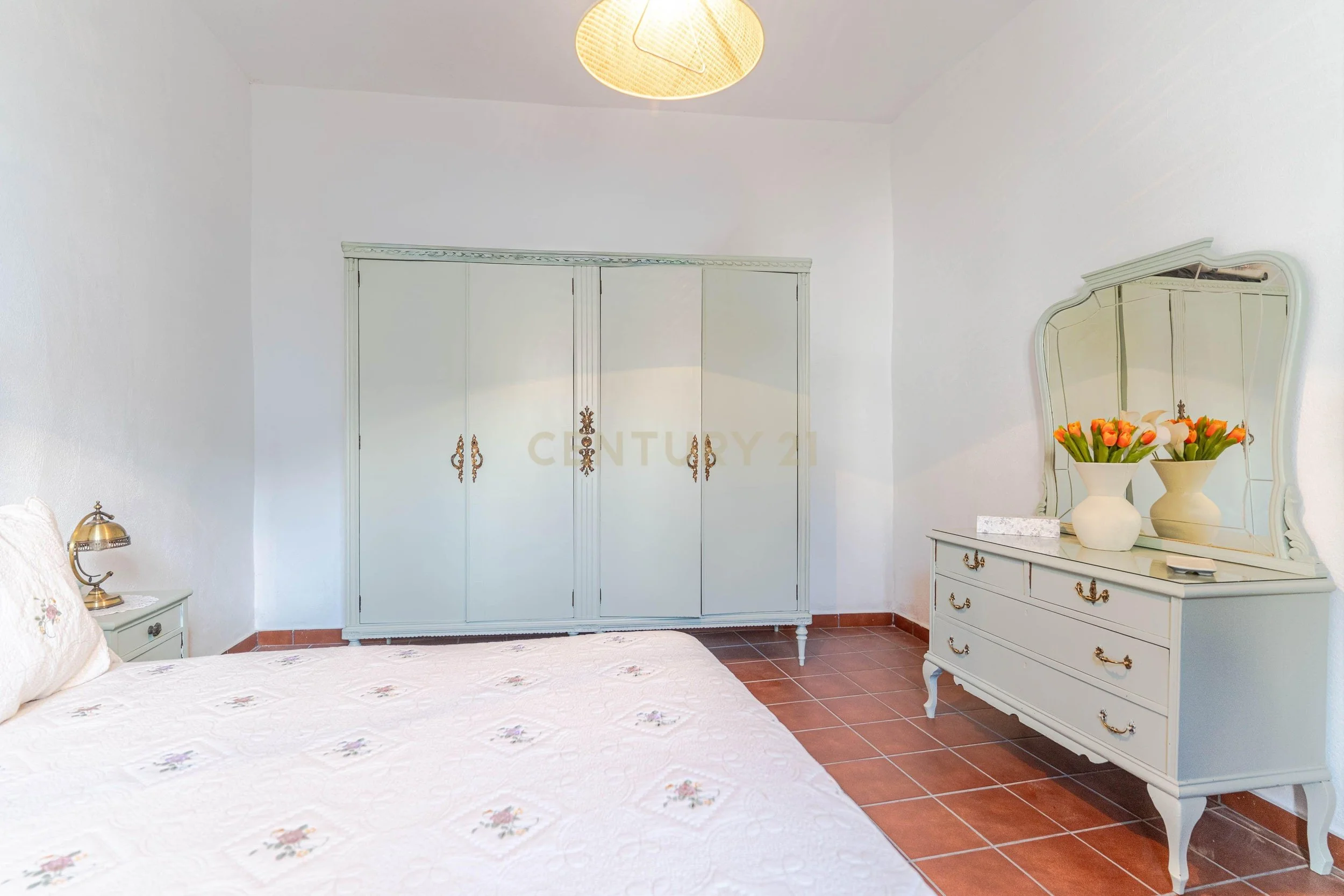
Bedroom counts can be flattering in older properties with loose room definitions.
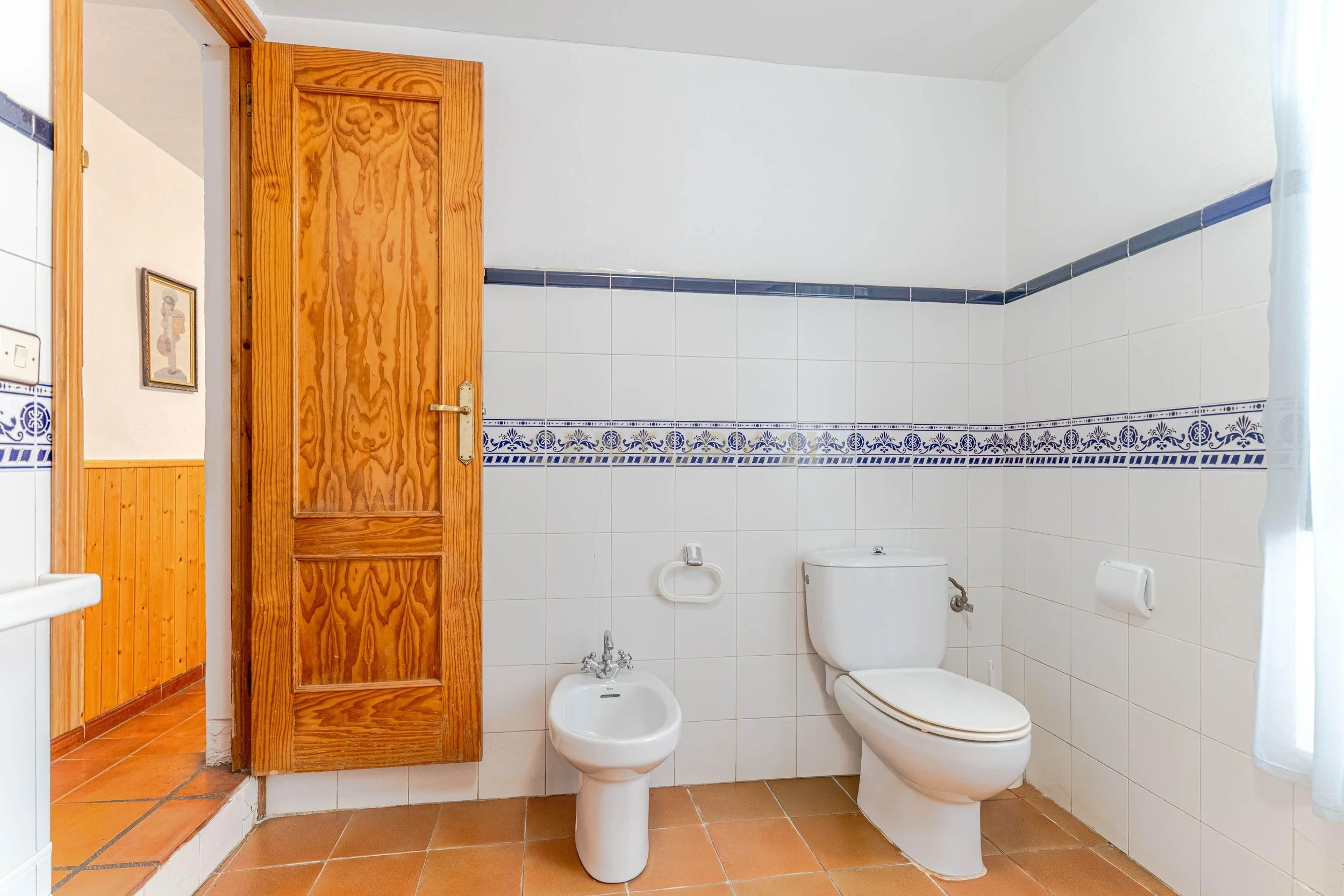
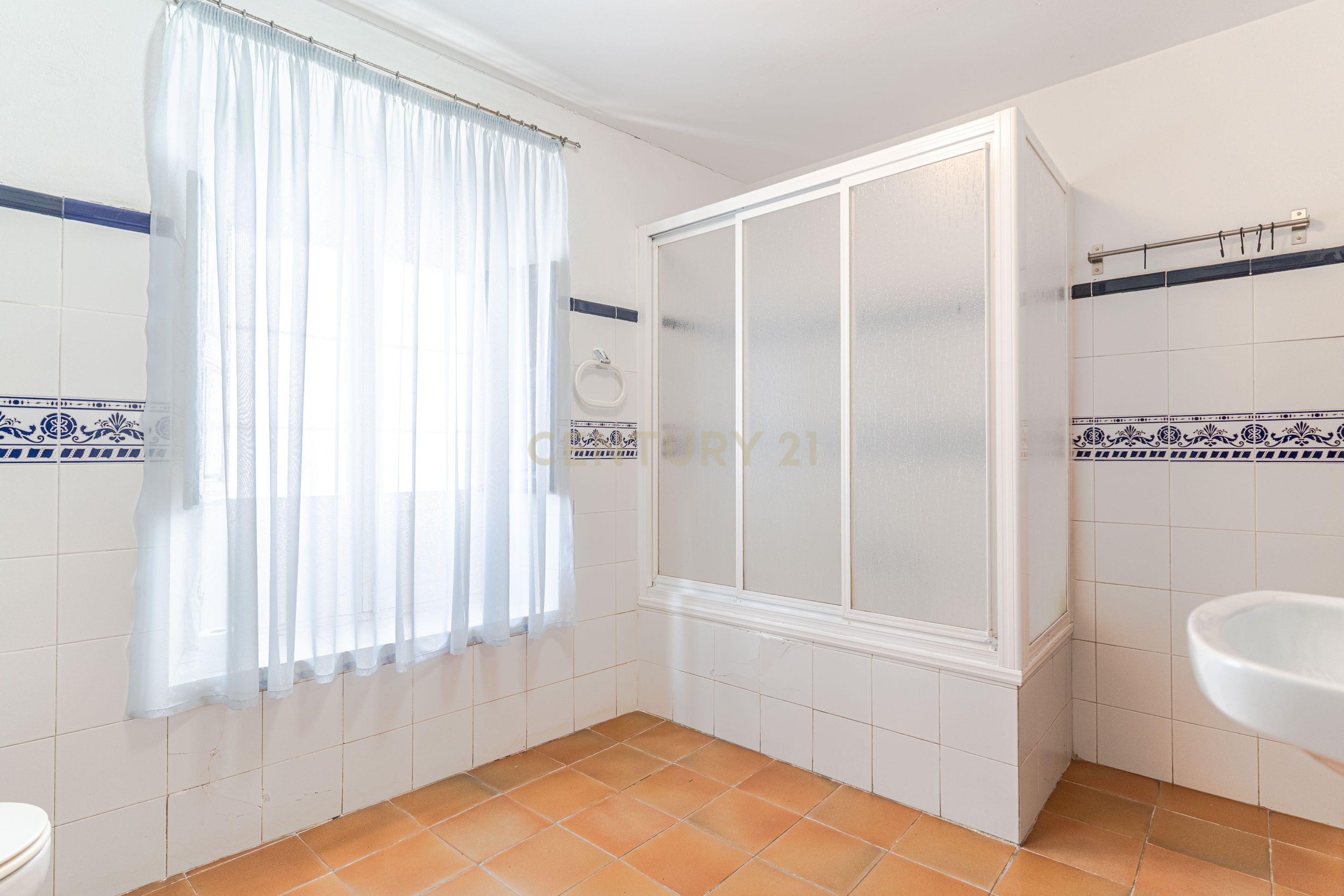
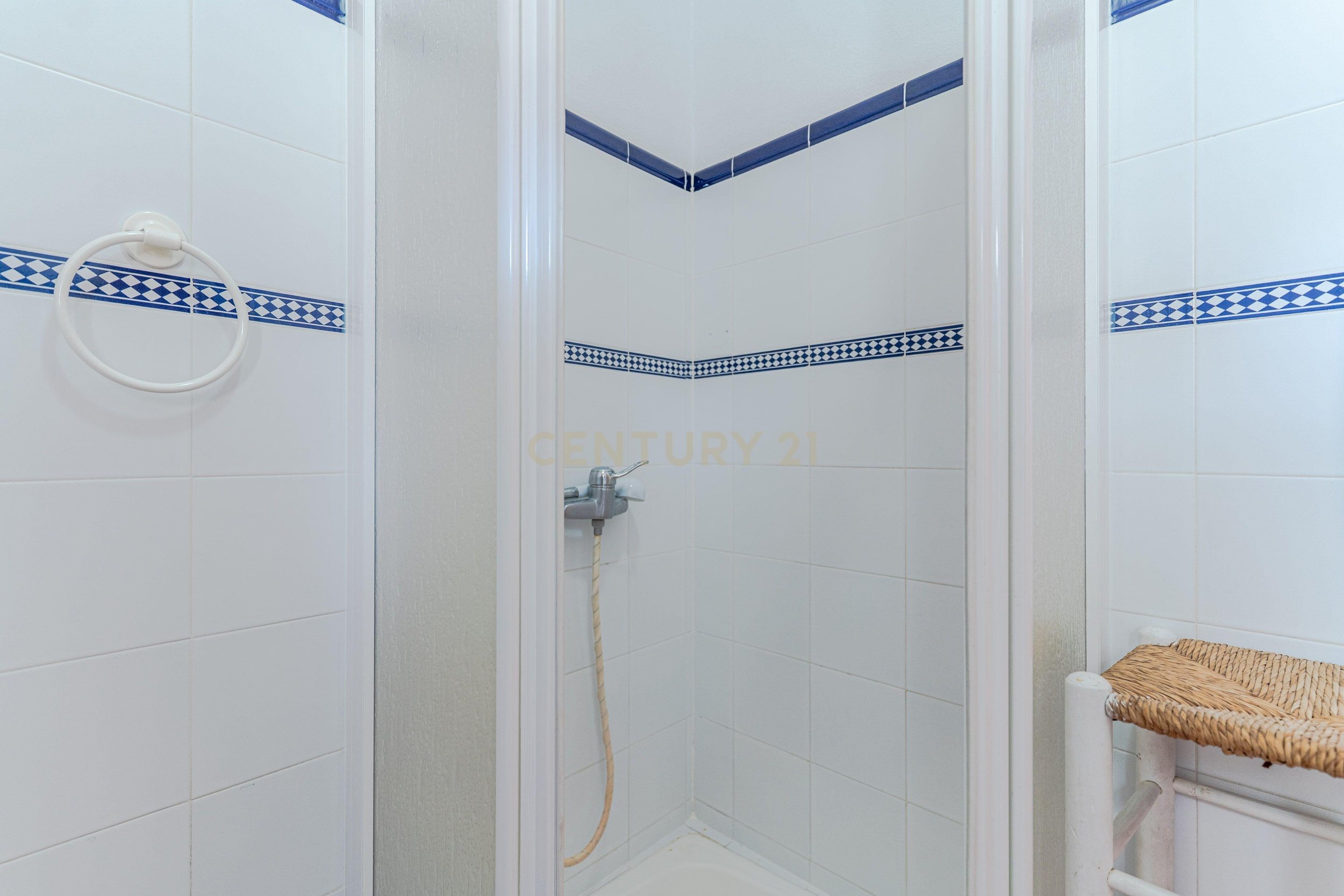
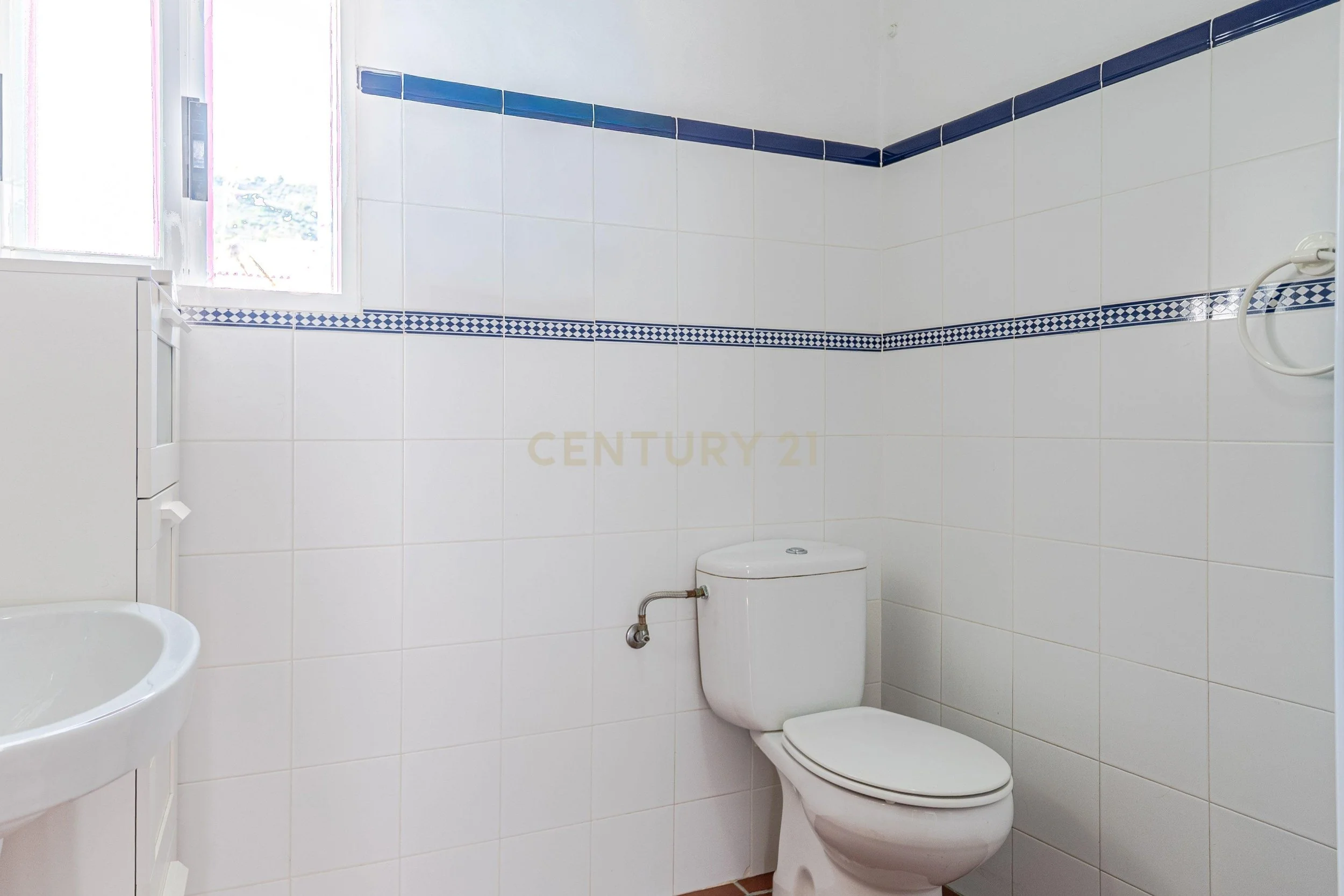
A five-bedroom house with only two bathrooms can live very differently from what buyers imagine.
It is a major selling feature and should be understood properly.
Buyers may want to use it as an office, guest room or studio, which may not be equally straightforward.
Large village houses can have beautiful but darker internal rooms.
Grand scale can hide daily inconvenience.
Separate-access potential is only valuable if it is lawful and practical.
Building Condition and Fabric
Roof condition is one of the biggest cost variables in an older village house.
Structural defects can be slow-moving and expensive.
"Solid bones" should be tested, not admired from a distance.
Timber issues can recur if underlying moisture conditions remain.
Older houses in villages often have long-running moisture patterns.
Some treatments solve causes, while others simply conceal symptoms.
External areas above habitable rooms can create hidden water-ingress risks.
In a village setting, exterior maintenance can be both visible and ongoing.
Comfort and energy performance depend heavily on glazing quality.
An E rating can still hide uneven comfort and notable running costs.
Systems and Running Costs
Buyers need to understand how a large house is actually heated, not just whether it can be heated.
Summer comfort in inland Andalusia can vary significantly room by room.
Fireplace charm is only useful if it is real, safe and practical.
Running costs can materially affect the attractiveness of an otherwise affordable purchase.
Older houses may have partial upgrades rather than full rewiring.
Large character houses can still run on tired systems.
Remote work potential depends on real connectivity, not village optimism.
Older buildings can create signal dead zones.
Access, Parking and Daily Practicalities
In a hillside white village, access can affect daily life more than square metres.
Buyers should distinguish between "nearby parking" and actual owned parking.
Practical parking friction affects both family use and rental potential.
Charming lanes can become annoying very quickly in real life.
Exterior spaces add value only when they are genuinely usable.
Views are part of the value story and should be treated as such.
Village-centre life can be lively in ways some buyers love and others regret.
Drainage, Services and Local Context
Drainage setup affects cost, compliance and future works.
Capacity and compliance matter if guest use is contemplated.
Large older homes can have uneven service performance.
A buyer should understand whether the property supports permanent living or only slower second-home use.
Actual convenience matters more than brochure timing.
Local topography can produce site-specific water issues.
Rental Potential and Exit Strategy
Actual operating history is more valuable than projected yield.
Andalusia requires compliance with tourism rules and urban-planning compatibility for VUT use.
Andalusian guidance refers to the need for a licence of occupation or equivalent document in the process.
Mixed-use or ambiguous-use spaces can complicate straightforward registration.
Where a community exists, tourism use may need checking against its rules and approvals.
Tourism use in Spain has become more sensitive at both regional and building level.
Rural and village demand is not the same as beachfront demand, no matter how attractive the house is.
The right strategy affects furnishing, pricing and compliance.
Seasonality will shape any yield model.
Understanding the real buyer pool helps assess exit liquidity.
Negotiation Intelligence
Buyer Leverage
Medium
Key Drivers
Typical Negotiation Range
5-15% below asking
Neutral Phrasing Example
Country Layer
Spain (Regulatory Context April 2026)
For a Spanish purchase, the first layer is always legal identity.
Viewing Strategy
Start outside and work from the practical to the atmospheric.
Next Step
Verify from the listing:
Registry, catastro and actual layout match
Request the nota simple, cadastral reference and descriptive-graphic certificate, then check that the registered and cadastral description matches the real house, especially the library, terraces and independent-access area.
Status of the shop-like area with separate entrance
Clarify whether this area is legally residential, ancillary or commercial, because its status materially affects value, flexibility, financing and any future rental strategy.
Occupancy documentation and tourist-rental readiness
Ask what current occupancy or equivalent municipal documentation exists for the house and whether it supports the present layout and any intended vivienda de uso turístico registration.
Roof, damp and systems condition
Because this is a large older village house, request records for roof repairs, electrical and plumbing upgrades, and ask directly about damp, leaks, timber treatment and window condition before treating the scale as a bargain.
Parking and everyday village practicality
Verify exactly where owners and guests park, how close vehicles can get to the entrance, and whether the terraces, views and village-centre setting work as well in everyday life as they do in the listing.
A prepared buyer should approach the agent calmly and frame questions as due diligence.
Because this is a large Andalusian village property where legal clarity and building condition matter as much as character, run it through the Property Risk Assessment to pressure-test the title, layout and condition issues, or use the Rental Yield Calculator once the occupancy and tourism-use position has been properly verified.
Disclaimer: The Property Drop is buyer-focused intelligence, zero sales agenda. We curate exceptional properties, in southern Europe, from third-party agents and arm you with decision tools. No commission, no transactions, no agent partnerships, no skin in the game beyond helping you choose wisely. Information stays accurate until it doesn't (properties sell, prices shift, markets move). Everything here is shared for informational purposes only and should not be treated as legal, financial, or investment advice. Images belong to original agents. Read our Terms of Service to learn more.
Buyer Intelligence:
This assessment provides general guidance based on common risk factors and publicly available regulatory information. Risk scores and checklist items are indicative only and must not be considered legal, financial, structural, or surveying advice. Actual property conditions, costs, and regulatory requirements vary significantly by location, property age, and specific circumstances. Regulations are subject to change; always verify current requirements with qualified local professionals before making any purchasing decision.
The Property Drop provides buyer intelligence and educational research analysis only. The Property Drop does not act as an estate agent, intermediary, or advisor in any transaction and does not facilitate introductions, negotiations, or transactions. Always engage qualified independent professionals including local lawyers, surveyors, architects, and tax advisors for comprehensive due diligence specific to your property.
IMPORTANT REMINDER: When contacting property agents featured on The Property Drop, you are entering into direct communication with third parties. It's recommended that you verify all property details independently, conduct thorough due diligence, engage qualified professionals (solicitors, surveyors, financial advisors), understand your rights and obligations under local property laws, and never send money or make commitments without proper legal protection.

The Buyer Playbook: 2-Bed Medieval Borgo Apartment with Panoramic Countryside Views, Castiglion Fosco, Italy, €179,000
The Buyer Playbook: 8-Bed 18th-Century Manor with Gîte, Stables, and 7,300 m² Park, Paucourt, France, €599,000
Questions ready for the agent?
The agent represents the seller.
What you ask shapes the answers you get.