
The Buyer Playbook: 2-Bed Stone Townhouse with Mountain Views in the Valnerina, Macenano, Italy, €58,000
Buyer Playbook
Pre-Viewing Intelligence Report
This independent buyer guidance report relates to this specific property located in Italy. It is provided for informational purposes only and does not constitute legal, tax, structural or survey advice. Cadastral conformity, renovation permits, agibilità, cellar classification, heritage or landscape constraints, drainage, rental registration, and any planning or title matters must always be verified with qualified Italian professionals such as a notaio, geometra, architetto, ingegnere or surveyor, and with the relevant municipal authorities. This report is designed to help buyers evaluate the property before arranging a viewing or making an offer. It highlights due diligence areas and targeted questions to ask the estate agent. The analysis is based on the listing details and publicly available regulatory context at the time of writing.
Playbook Contents
Property Snapshot
Location
Macenano, in the Valnerina area of Umbria, Italy.
Property type
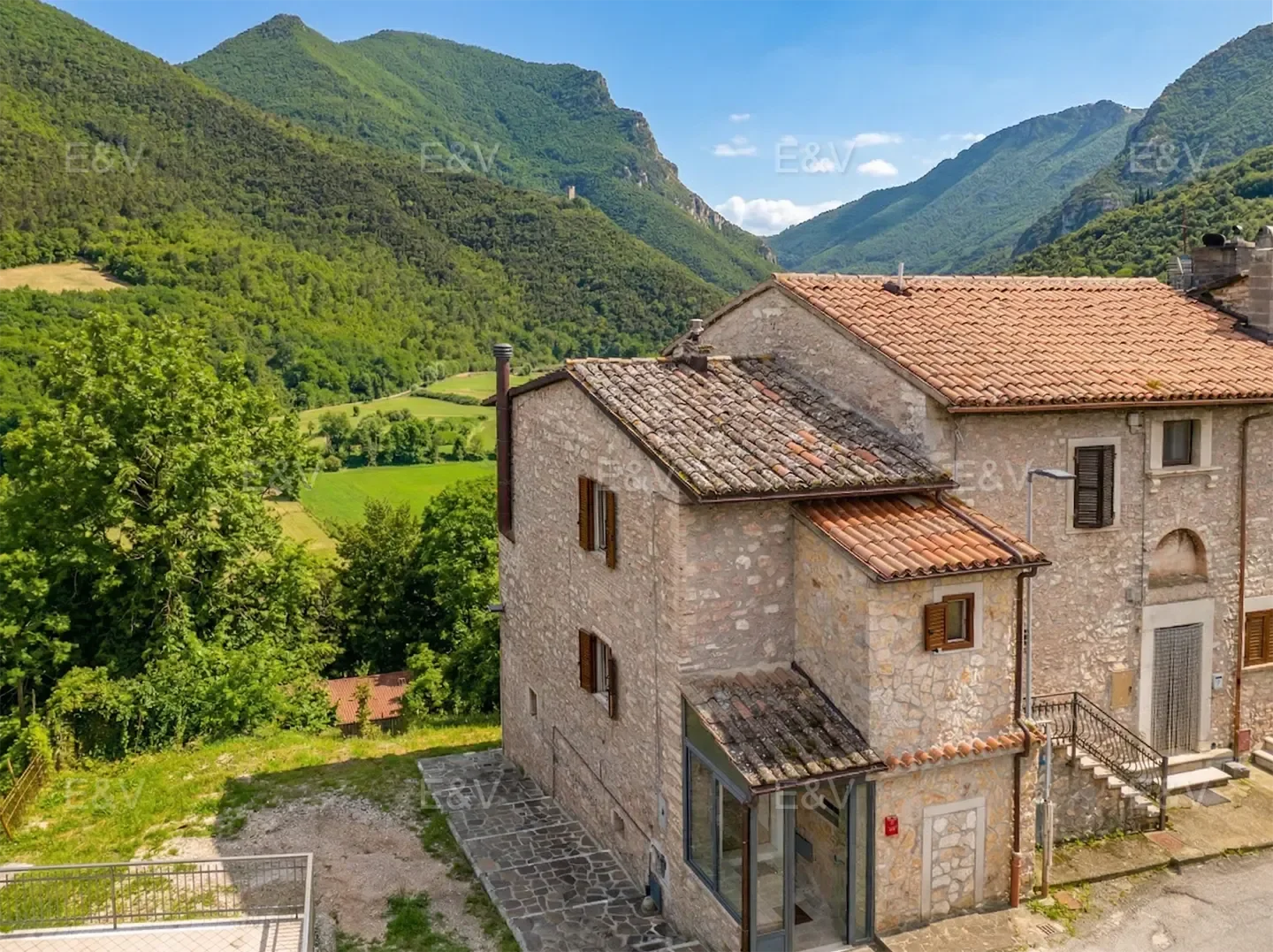
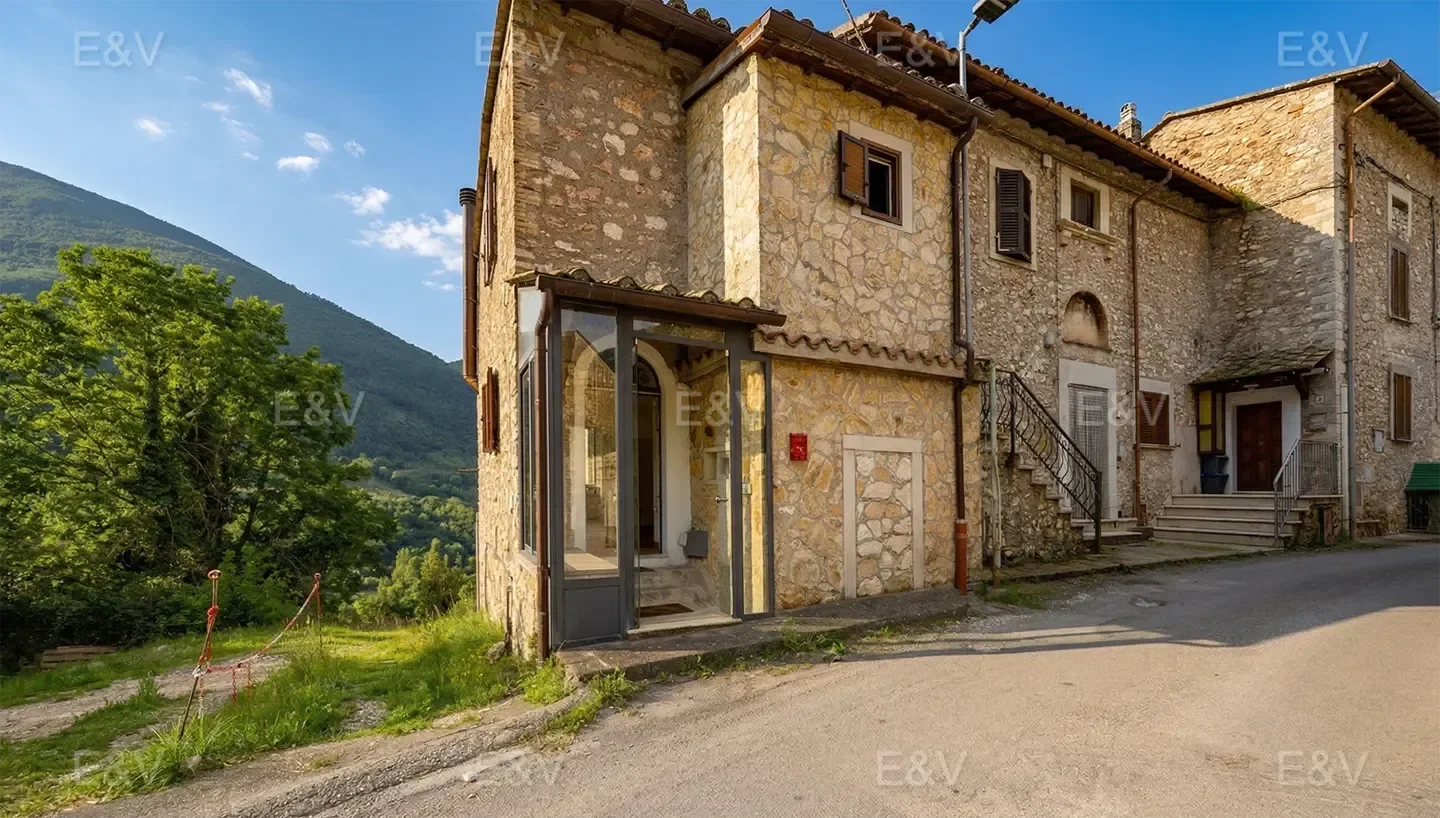
Stone townhouse in a hillside village.
Asking Price
€58,000.
Bedrooms
2.
Energy rating
Class D.
Setting
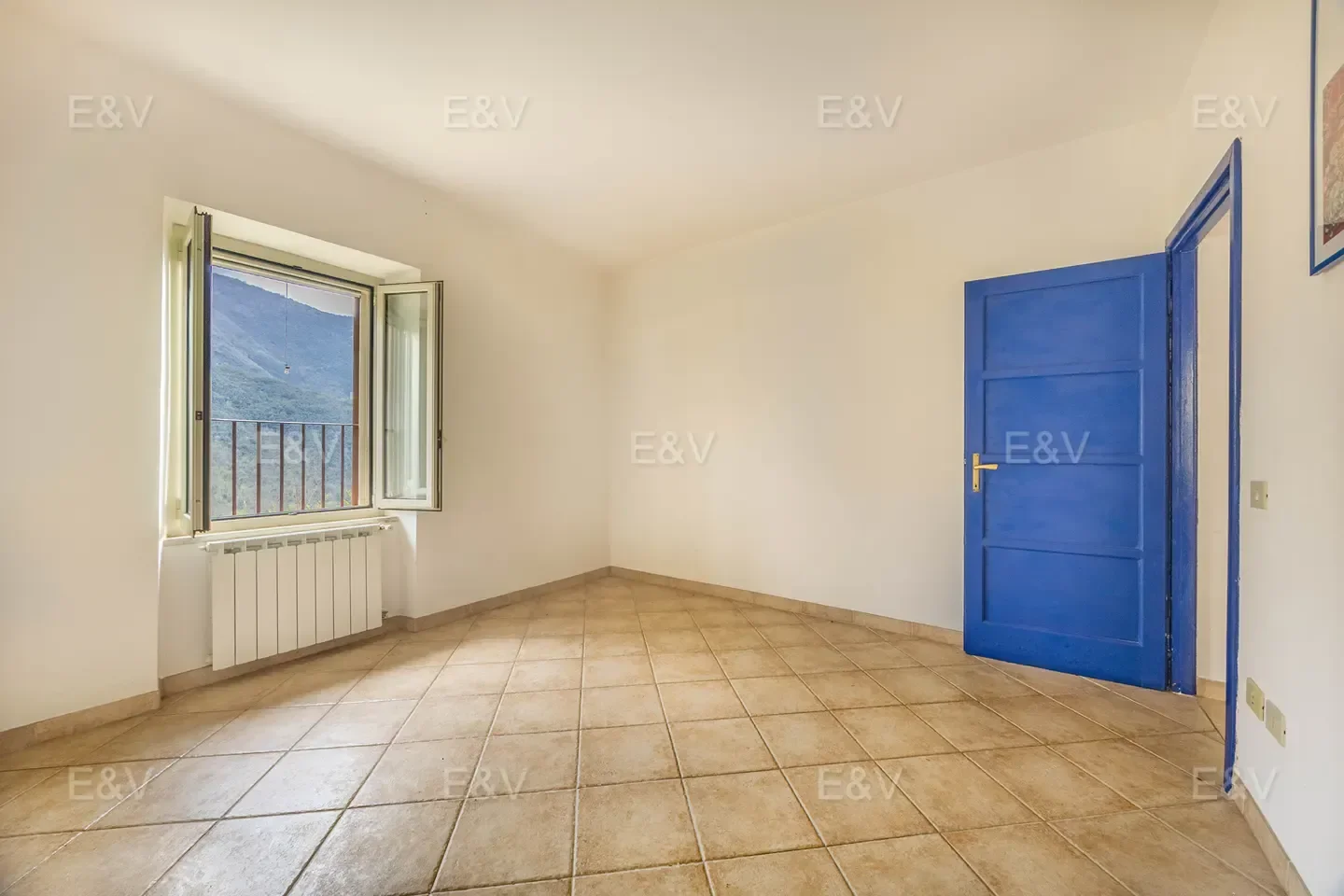
Village position with mountain views.
Features highlighted in the listing
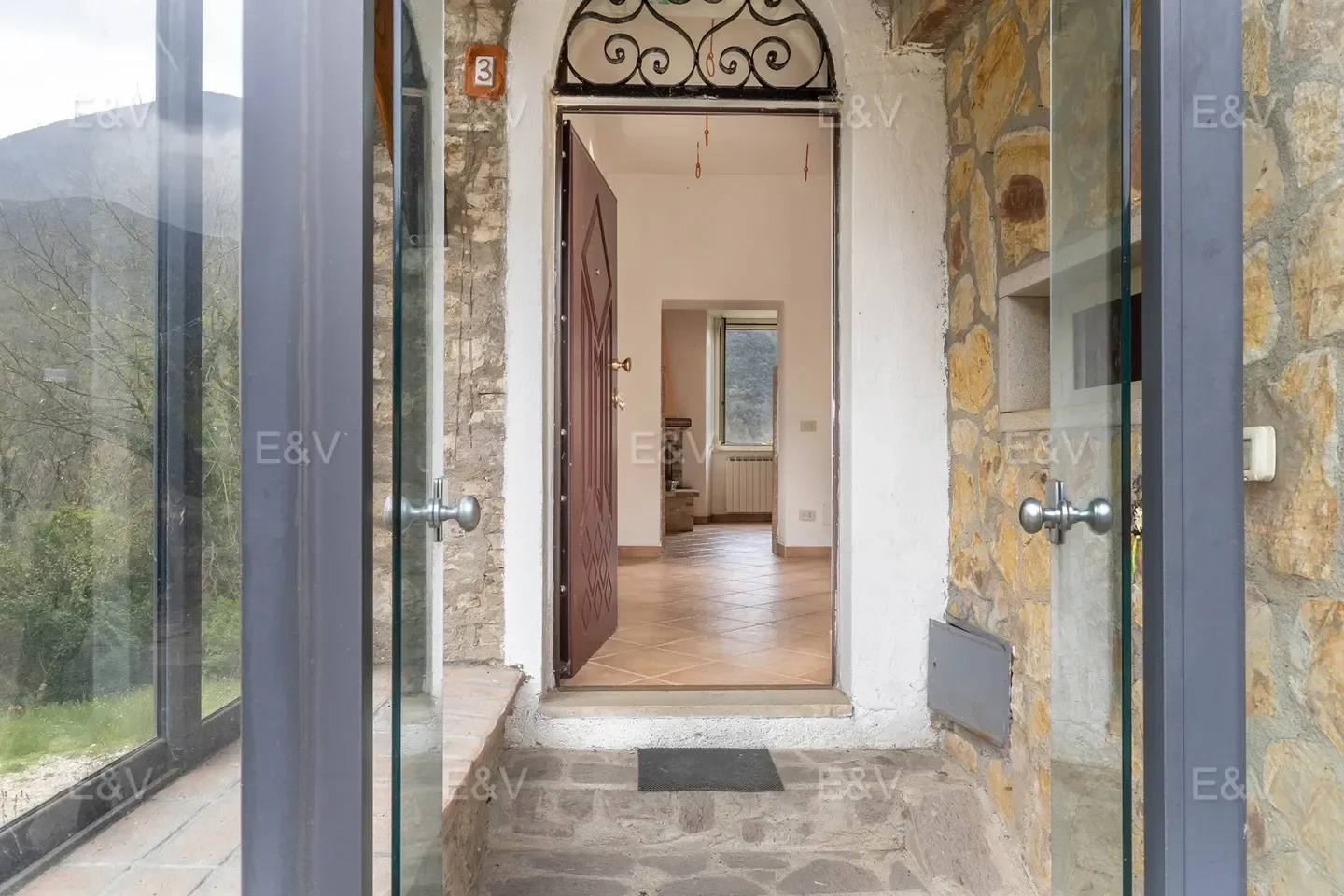
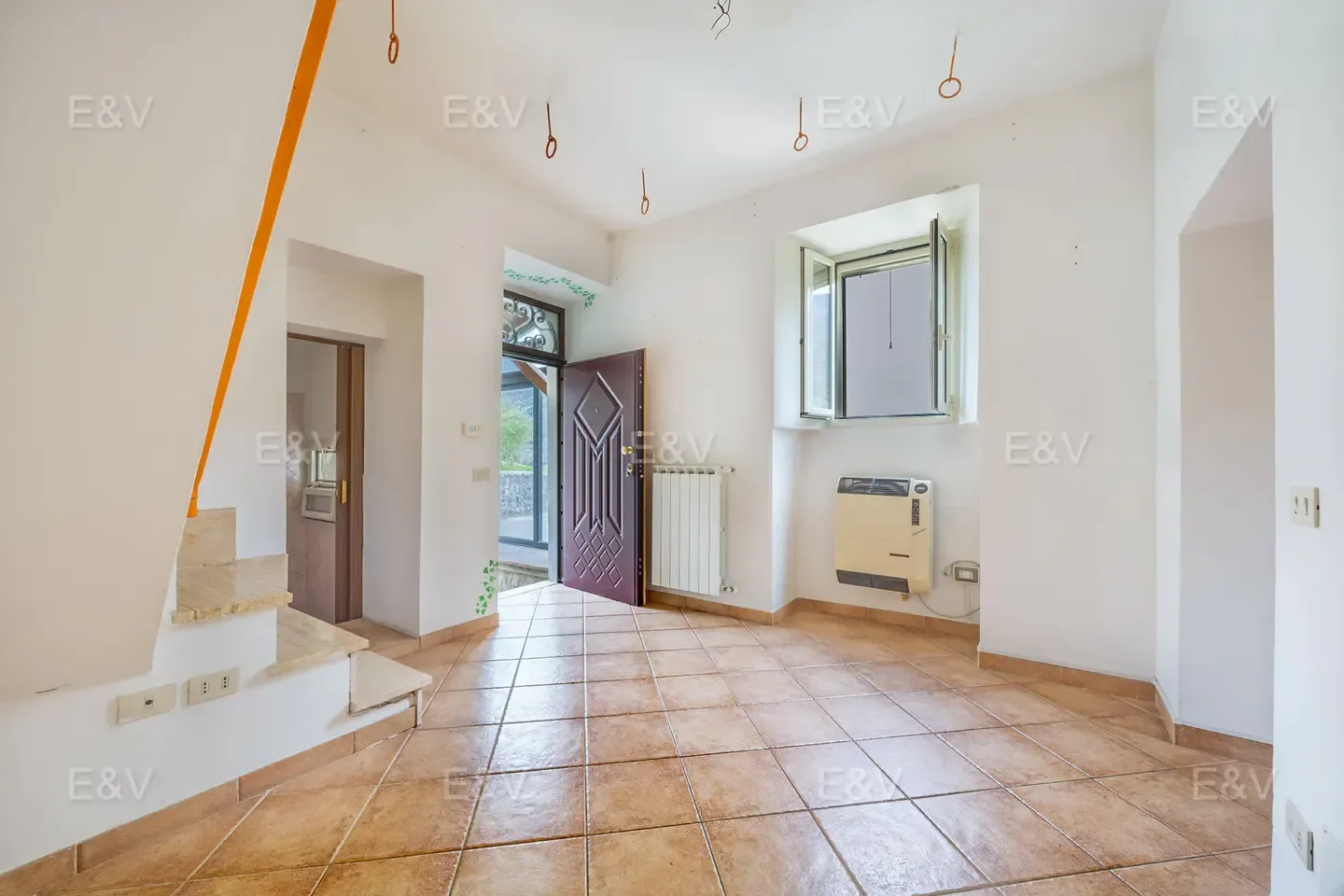
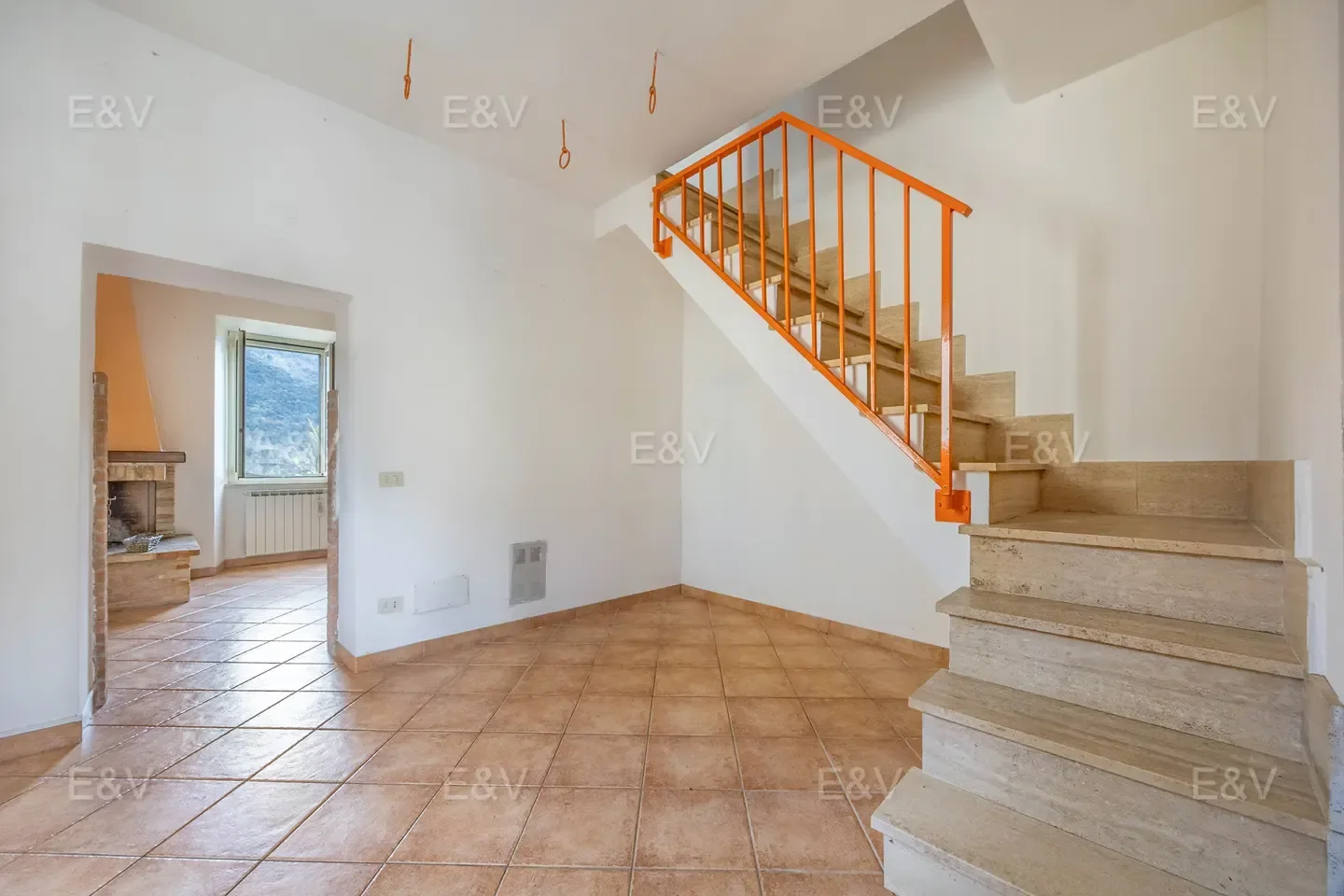
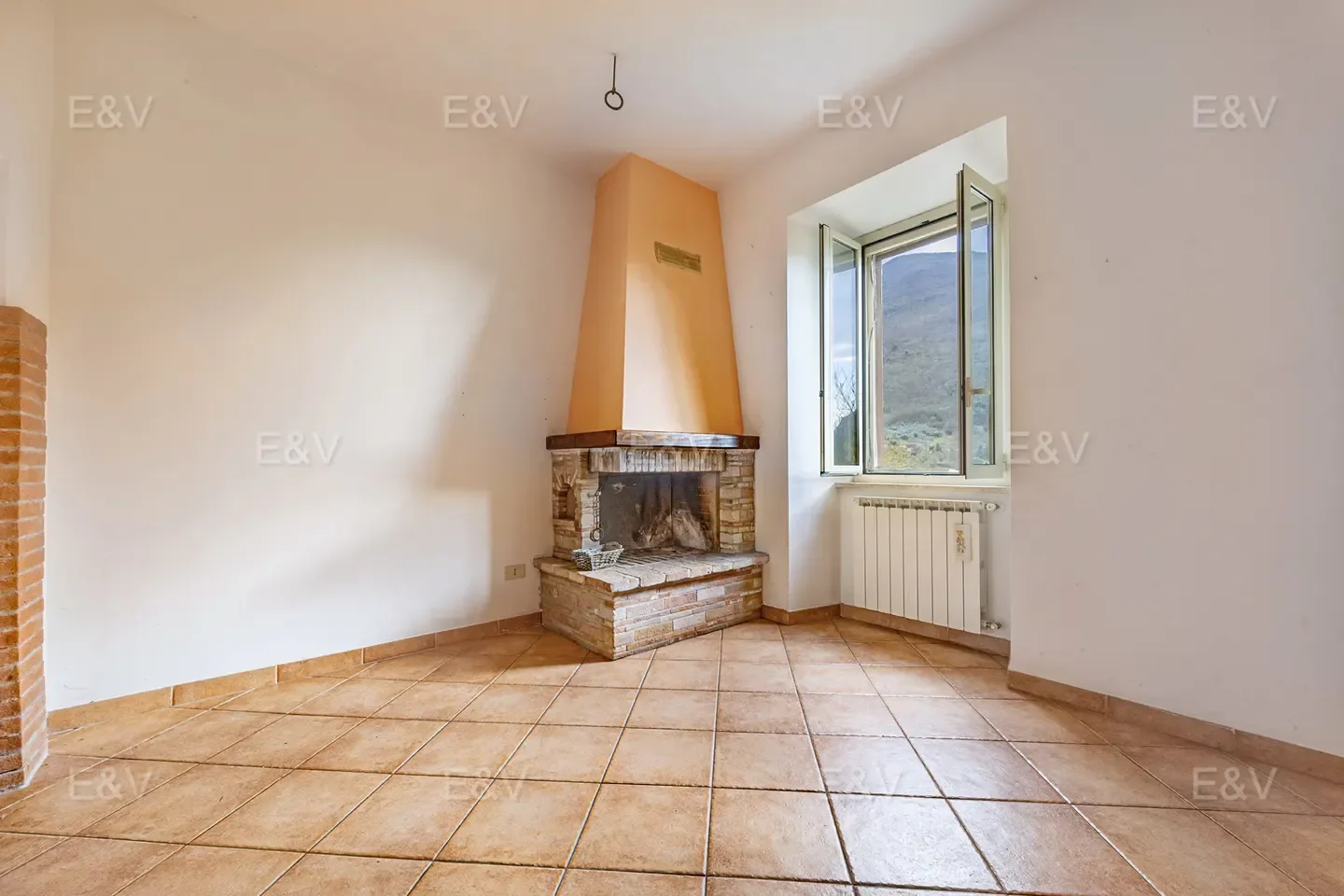
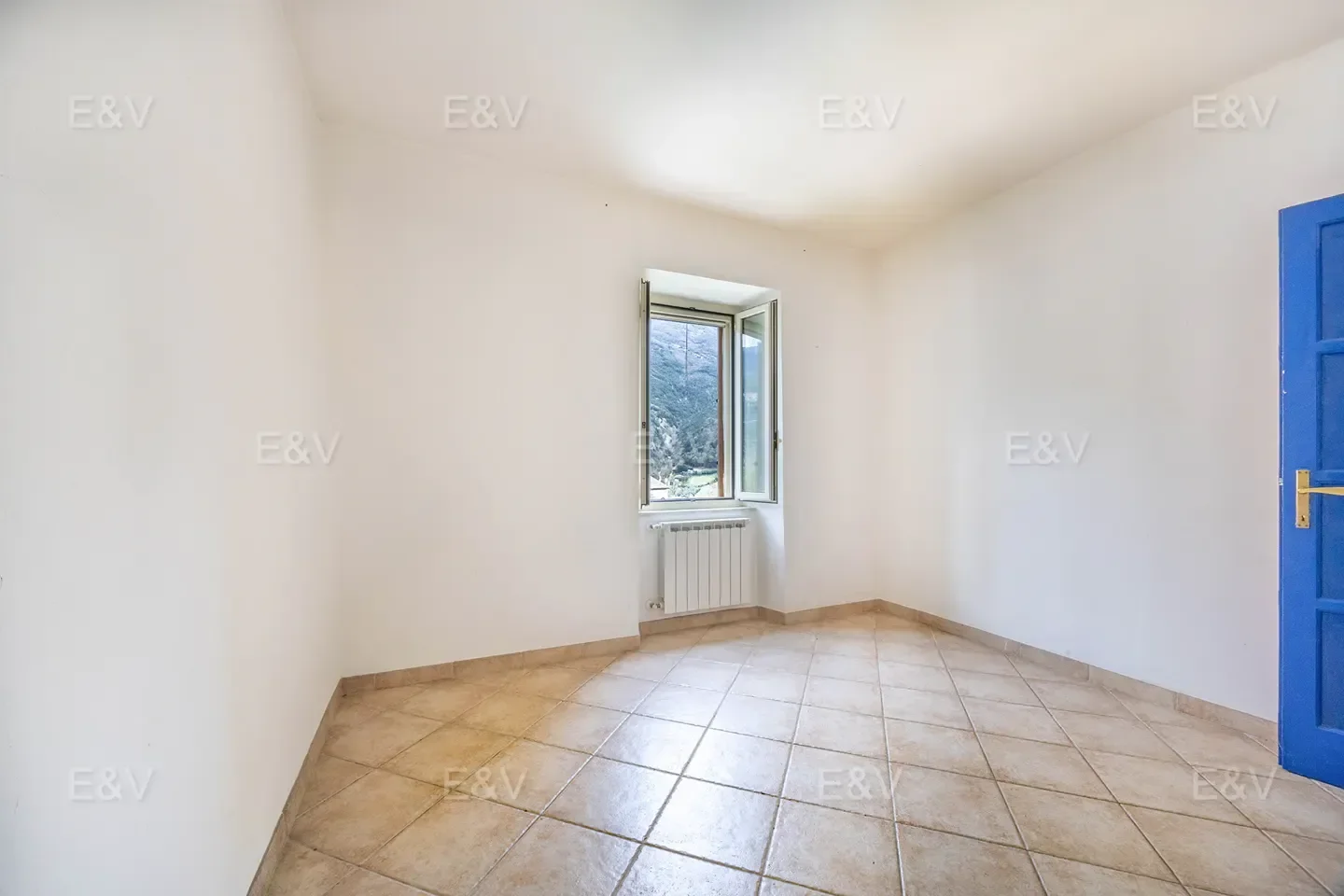
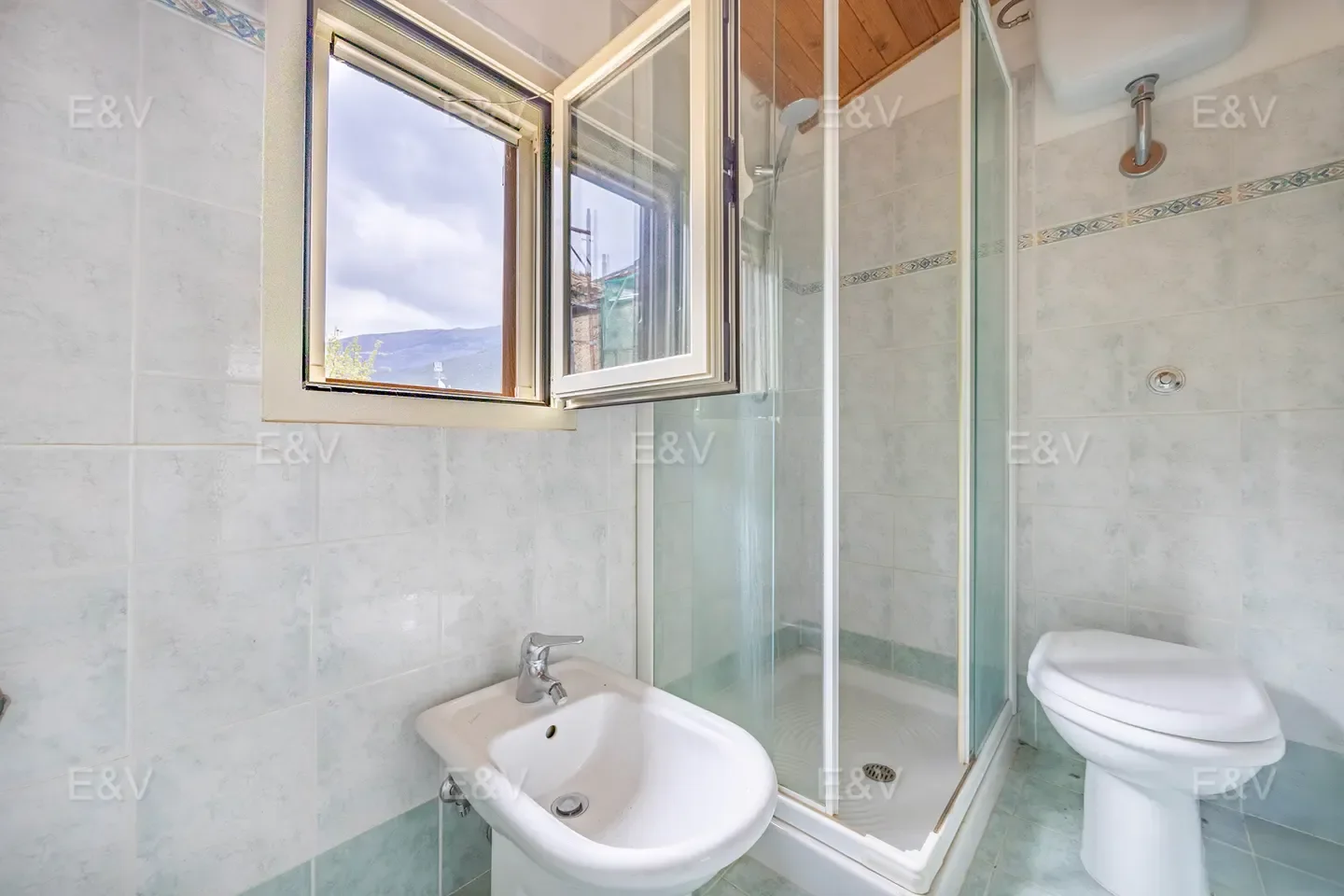
Fireplace, recently renovated interiors, cellar rooms with electricity and water, and a veranda entrance.
Construction note in the listing
Built in 1967.
Lifestyle angle
Low-entry-price village house in a scenic valley with owner-occupier or holiday-home potential.
Key legal and practical themes
Renovation paperwork, cellar classification, services, parking, and rental feasibility.
Risk Radar
Overview
This is the kind of listing that can look straightforward because the entry price is low and the main story is appealing: stone townhouse, mountain views, fireplace, recently renovated, attractive valley setting. In practice, the real due diligence is more technical than the price suggests. In a village house like this, the key questions are whether the renovation was formally regularised, whether the current layout matches the cadastral plan, whether the cellar rooms are legally only cantina or have any broader usable status, and whether the property's condition stands up once you move past the charm of the views and the fireplace.
The Valnerina context also matters. Ferentillo, the municipality that includes Macenano, sits within an area where seismic history and reconstruction context are relevant, and the Region of Umbria publishes detailed seismic microzonation material for the comune. That does not mean this house is problematic, but it does mean that structural history, post-earthquake works, and any engineering documentation deserve more attention than they would for an ordinary lowland apartment. The same goes for future works. If the property is subject to cultural or landscape constraints, Soprintendenza involvement may affect alterations, even where the house itself is modest.
Targeted Questions
Cadastral Position, Permits and Agibilità
You need to confirm the official description, boundaries and recorded layout before relying on the listing.
Cadastral mismatch can complicate sale, mortgageability and later resale.
Their legal classification affects how much value and usable flexibility they truly add.
Timing helps you assess whether paperwork, warranties and systems should still be traceable.
In Italy, the legal route used for works matters, especially if layout or services changed.
A polished renovation is less reassuring without its technical paper trail.
Agibilità remains a major practical and contractual issue in Italian sales, even though lack of agibilità does not automatically invalidate a transfer.
You need to understand whether this is a routine paperwork gap or a sign of deeper non-conformity.
Historic irregularities can resurface during resale or further works.
Invoices help distinguish meaningful renovation from cosmetic refresh.
Transferable protections can materially reduce post-completion risk.
Structural works require a higher level of technical and legal confidence.
Heritage, Vincoli and Future Works
Restrictions can affect windows, roof, façades, external finishes and even small visible changes.
It is better to know early whether future improvements will be slow, restricted or more expensive.
Landscape authorisation is a separate control from ordinary building title and is not generally available in after-the-fact sanatoria outside limited cases.
External works are often where paperwork gaps appear first.
Buyers often assume simple upgrades will be easy in historic village settings when they may not be.
Heritage or planning restrictions may block the very conversion potential that attracts you.
Building Condition and Structure
Roof cost can quickly outweigh the appeal of a low purchase price.
A formal view on structural condition is particularly useful in a seismic area.
This part of Umbria has clear post-sisma relevance, so you need a direct answer rather than assumptions.
Repair history matters as much as the fact of damage itself.
That can be positive, but only if the documentation is complete.
Small village houses can hide structural weakness behind fresh finishes.
Mixed construction can affect both performance and maintenance.
A fireplace may be charming, but it is also a safety and compliance item.
You need to know whether damp was solved properly or merely covered.
Valley locations and cellar spaces can increase moisture risk.
Entrance enclosures can become weak points for leaks, heat loss and paperwork issues.
Windows, Heating and Energy Performance
The full certificate shows the assumptions, the energy indicators and recommended improvements.
Real running costs often tell you more than the rating alone.
A fireplace alone is rarely enough for comfortable year-round living.
You need to understand whether the house is practical in winter, not just atmospheric.
Comfort expectations and energy use depend on the actual equipment.
Glazing quality materially affects comfort and the credibility of the energy class.
In an older village house, a decent APE can come from very different technical routes.
These are important indicators of renovation seriousness and future safety.
Partial upgrades can leave hidden future cost.
Cellar Rooms and Conversion Potential
Classification determines both lawful use and value.
Buyers should not pay habitable-space logic for non-habitable rooms.
Access affects convenience, safety and possible future use.
Physical potential is different from legal potential, and you need both.
Electricity and water supply in a cellar become less attractive if the moisture risk is high.
Existing services may suggest prior intended use, but not necessarily lawful use.
It is better to ask for evidence than rely on casual agent optimism.
Conversion feasibility can be far more limited than it first appears.
Tax and cadastral inconsistencies can signal wider documentary issues.
Utilities, Access and Village Practicality
Utility simplicity matters for both owner use and rental use.
Non-mains drainage adds compliance and maintenance questions.
Rural scenery is lovely, but working internet matters in real life.
Thick stone walls and valley settings can reduce signal.
Parking practicality strongly affects daily convenience and holiday-rental appeal.
Hillside village access can look manageable until you try carrying bags up it.
Shared access can reduce privacy and create future friction.
The feel of the micro-location can be very different depending on occupancy patterns.
Views are a key value driver in a house at this price point.
Rental Potential and Exit Flexibility
Past use can reveal both demand and practical problems.
In Umbria, tourist accommodation and tourist lettings interface with the regional system and the national CIN framework.
Existing registration can save time, while absence of registration tells you the starting point.
Even where rentals are possible, local practicality may still limit performance.
Scenic appeal alone does not create reliable income.
Seasonality affects both gross yield and owner flexibility.
The best purchase is not always the best exit, especially for small village houses with ancillary spaces.
Negotiation Intelligence
Buyer Leverage
Medium-High
Key Drivers
Typical Negotiation Range
Subject to documentary and structural findings
Neutral Phrasing Examples
Country Layer
Italy (Regulatory Context April 2026)
For Italian residential purchases, the cadastral position remains a basic starting point.
Viewing Strategy
Treat this viewing as a paperwork-led inspection rather than a romance-led one. The mountain views, fireplace and stone setting will do their job quickly. Spend more time on what is hardest to verify from the photos.
Next Step
Verify from the listing:
Renovation permits and cadastral conformity
Request the visura catastale, planimetria, renovation filing and technician paperwork so you can confirm that the current layout is lawful and fully reflected in the official records.
Agibilità and real sale readiness
Clarify whether the property has current agibilità covering the present layout and, if not, what would be required to regularise it before relying on the house as a straightforward move-in purchase.
Cellar classification and conversion reality
Confirm exactly how the cellar rooms are recorded and whether they are only cantina or have any broader lawful use, especially before assigning extra value to the electricity and water supply already installed there.
Structural and post-sisma condition
Ask directly about any earthquake damage, structural checks, roof works and engineering input so you can understand whether the recent renovation addressed the building properly or mainly improved presentation.
Energy evidence and winter practicality
Request the full APE, real annual bills and details of the fixed heating system so you can judge whether the Class D rating translates into comfortable year-round use in the Valnerina.
A prepared buyer should approach the agent calmly and frame questions as due diligence.
Because this is a low-entry-price property where paperwork quality and ancillary-space value will heavily affect the real deal, run it through the Property Risk Assessment before contacting the agent, or use the Renovation Budget Planner if the cellar, structure or services look likely to need further work.
Disclaimer: The Property Drop is buyer-focused intelligence, zero sales agenda. We curate exceptional properties, in southern Europe, from third-party agents and arm you with decision tools. No commission, no transactions, no agent partnerships, no skin in the game beyond helping you choose wisely. Information stays accurate until it doesn't (properties sell, prices shift, markets move). Everything here is shared for informational purposes only and should not be treated as legal, financial, or investment advice. Images belong to original agents. Read our Terms of Service to learn more.
Buyer Intelligence:
This assessment provides general guidance based on common risk factors and publicly available regulatory information. Risk scores and checklist items are indicative only and must not be considered legal, financial, structural, or surveying advice. Actual property conditions, costs, and regulatory requirements vary significantly by location, property age, and specific circumstances. Regulations are subject to change; always verify current requirements with qualified local professionals before making any purchasing decision.
The Property Drop provides buyer intelligence and educational research analysis only. The Property Drop does not act as an estate agent, intermediary, or advisor in any transaction and does not facilitate introductions, negotiations, or transactions. Always engage qualified independent professionals including local lawyers, surveyors, architects, and tax advisors for comprehensive due diligence specific to your property.
IMPORTANT REMINDER: When contacting property agents featured on The Property Drop, you are entering into direct communication with third parties. It's recommended that you verify all property details independently, conduct thorough due diligence, engage qualified professionals (solicitors, surveyors, financial advisors), understand your rights and obligations under local property laws, and never send money or make commitments without proper legal protection.

The Buyer Playbook: 8-Bed 18th-Century Manor with Gîte, Stables, and 7,300 m² Park, Paucourt, France, €599,000
The Buyer Playbook: 3-Bed Renovated Country House with Pool and Outdoor Kitchen, Santa Catarina da Fonte do Bispo, Portugal, €569,000
Questions ready for the agent?
The agent represents the seller.
What you ask shapes the answers you get.