
The Buyer Playbook: 8-Bed 18th-Century Manor with Gîte, Stables, and 7,300 m² Park, Paucourt, France, €599,000
Buyer Playbook
Pre-Viewing Intelligence Report
This independent buyer guidance report relates to this specific property located in France. It is provided for informational purposes only and does not constitute legal, tax, structural or survey advice. Title boundaries, gîte status, outbuilding use, equestrian permissions, sanitation, diagnostics, planning history, rental compliance, and any future change-of-use or conversion matters must always be verified with qualified French professionals such as a notaire, géomètre-expert, architecte, surveyor, diagnostiqueur or planning consultant, and with the relevant mairie and competent authorities. This report is designed to help buyers evaluate the property before arranging a viewing or making an offer. It highlights due diligence issues and targeted questions to ask the estate agent. The analysis is based on the listing details and publicly available regulatory context at the time of writing, including current French rules on DDT diagnostics, meublé de tourisme registration, change of destination, sanitation controls and energy-audit triggers for E-rated sales.
Playbook Contents
Property Snapshot
Location
Paucourt, Loiret, Centre-Val de Loire, France
Property type
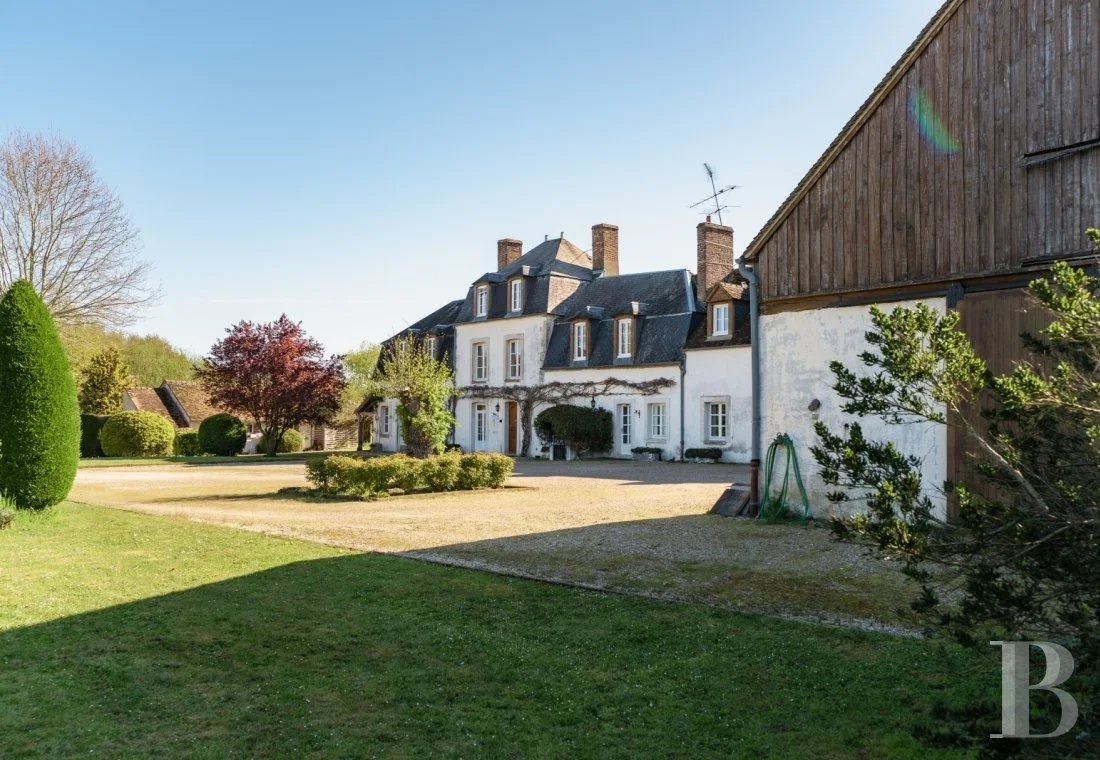
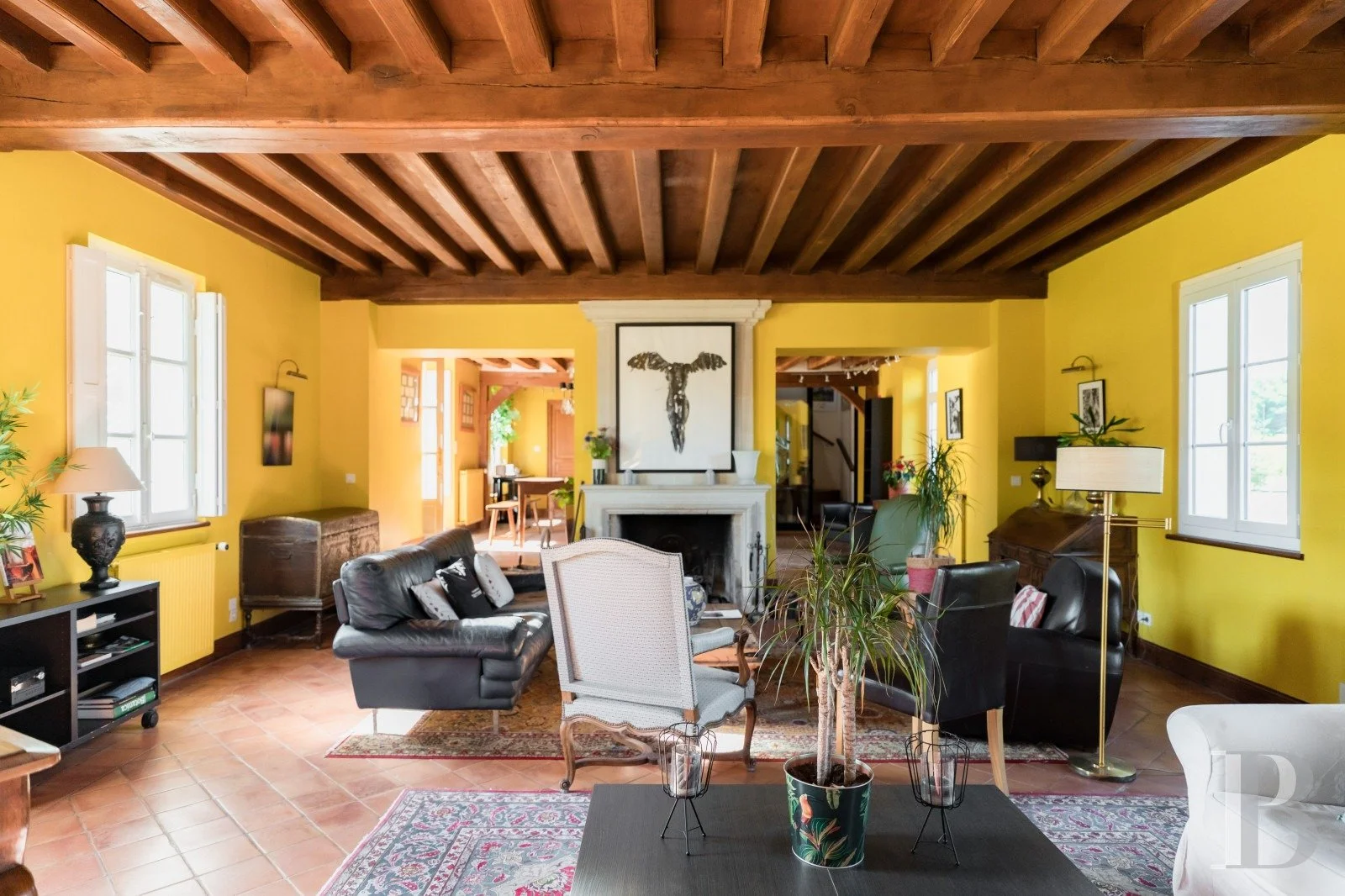
18th-century manor house with ancillary buildings
Asking Price
€599,000
Bedrooms
8 across two separate units
Layout
Main manor house plus separate gîte
Land
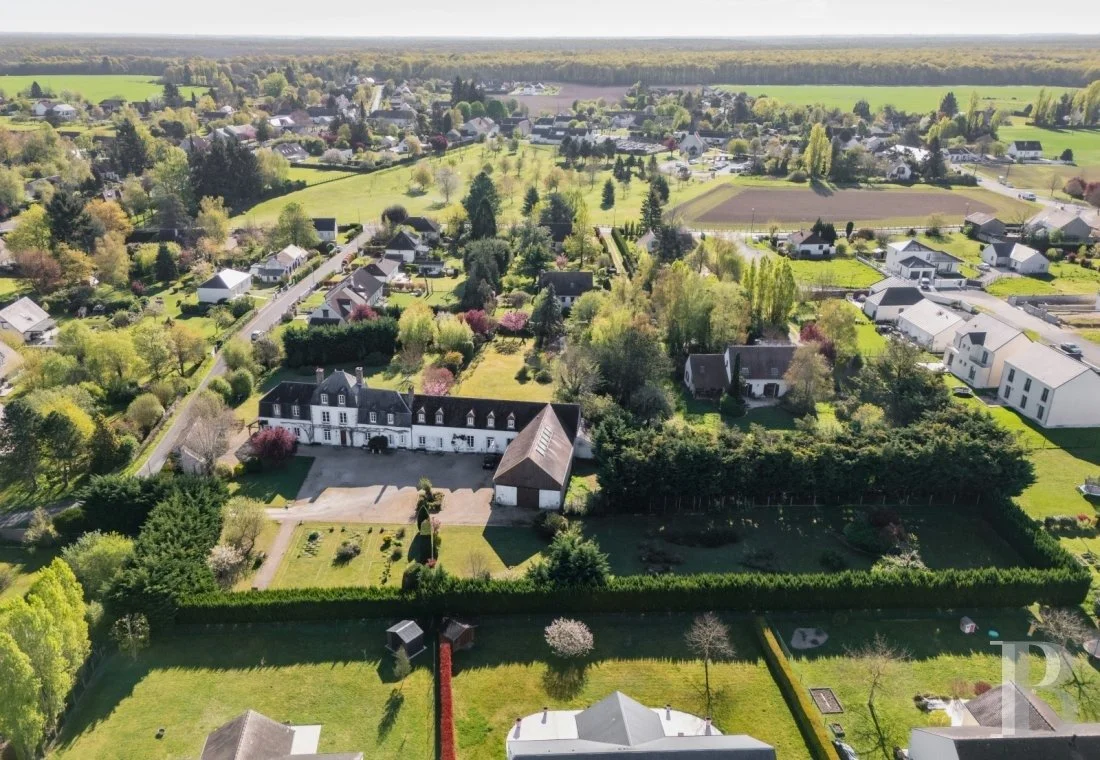
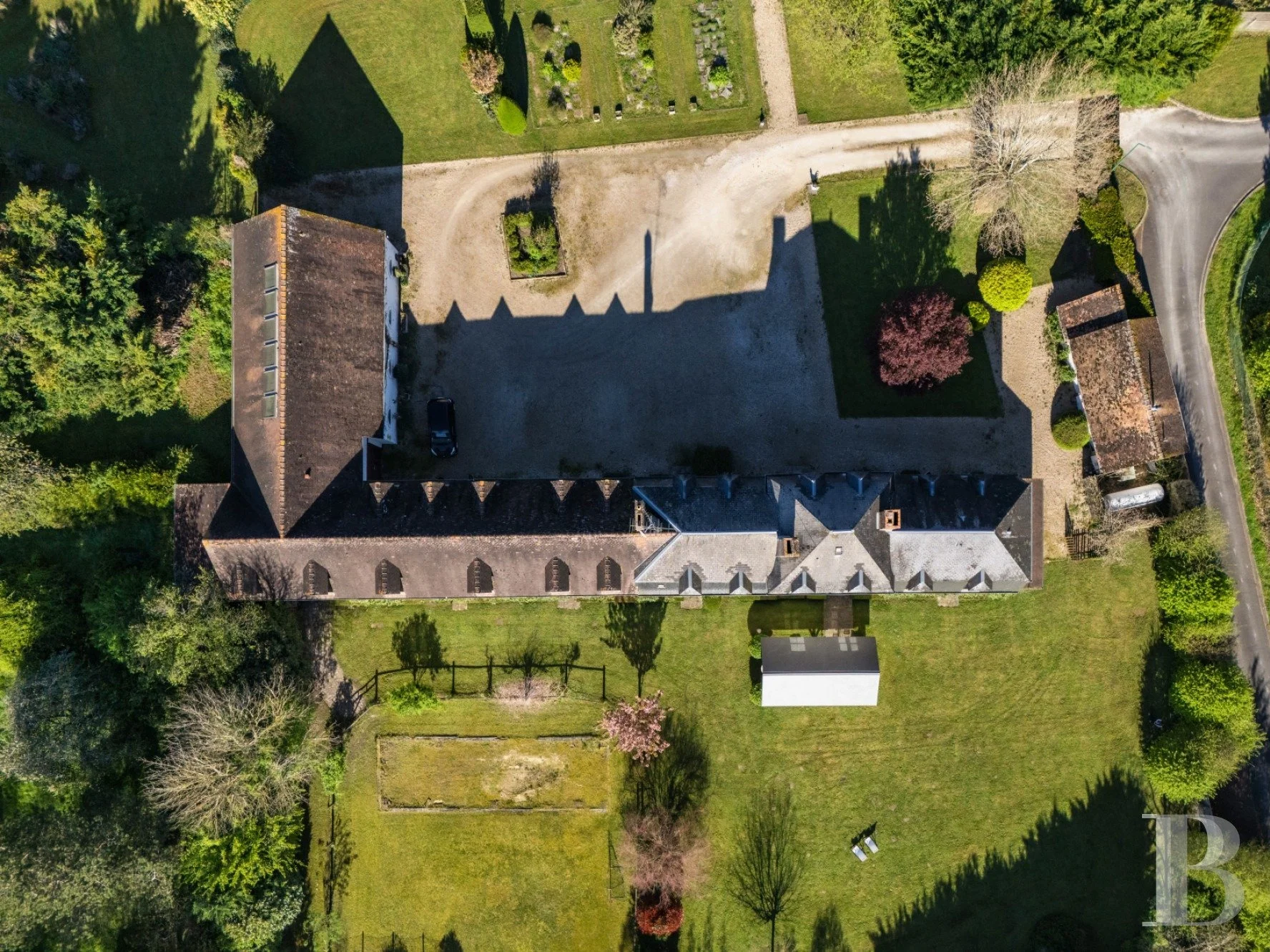
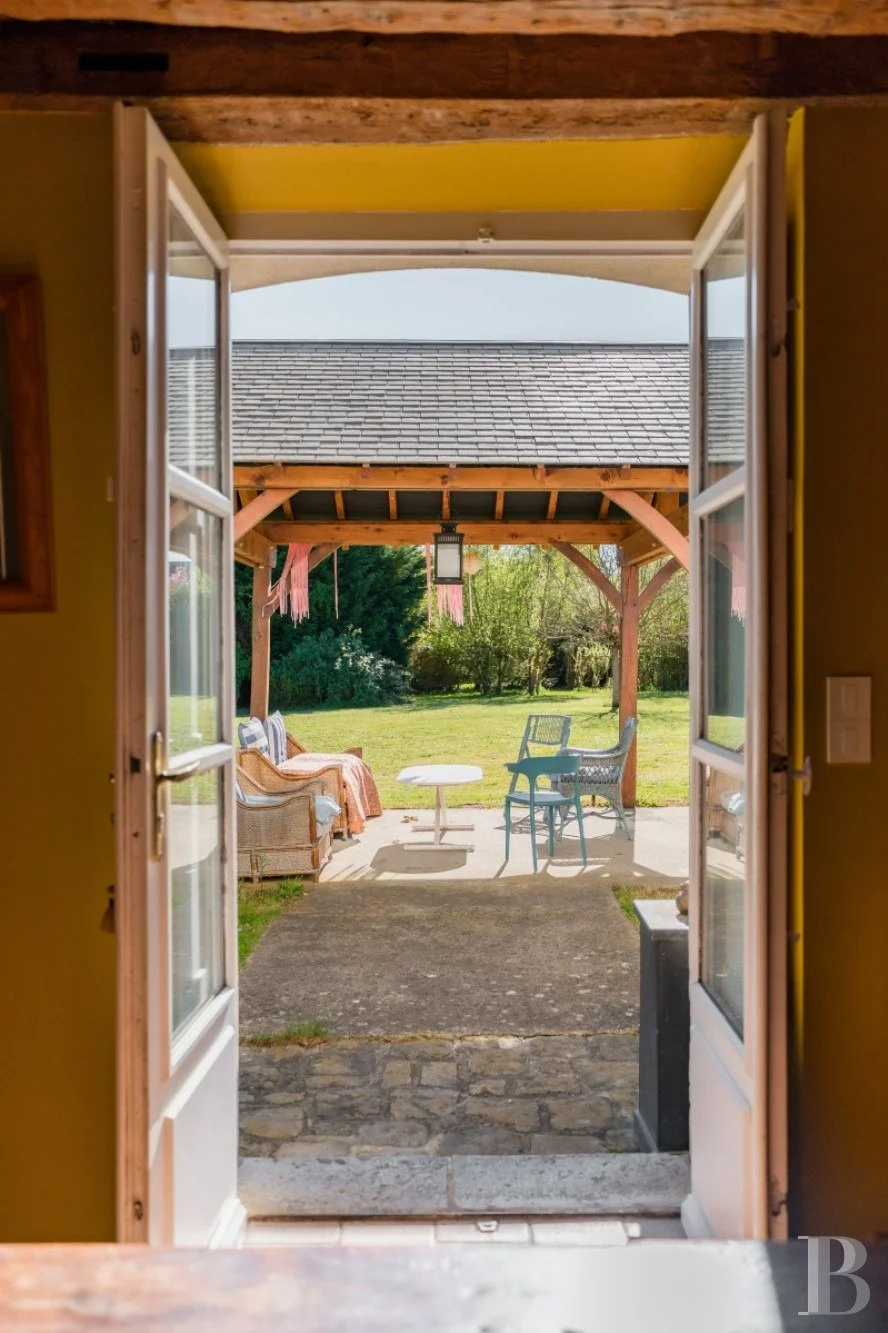
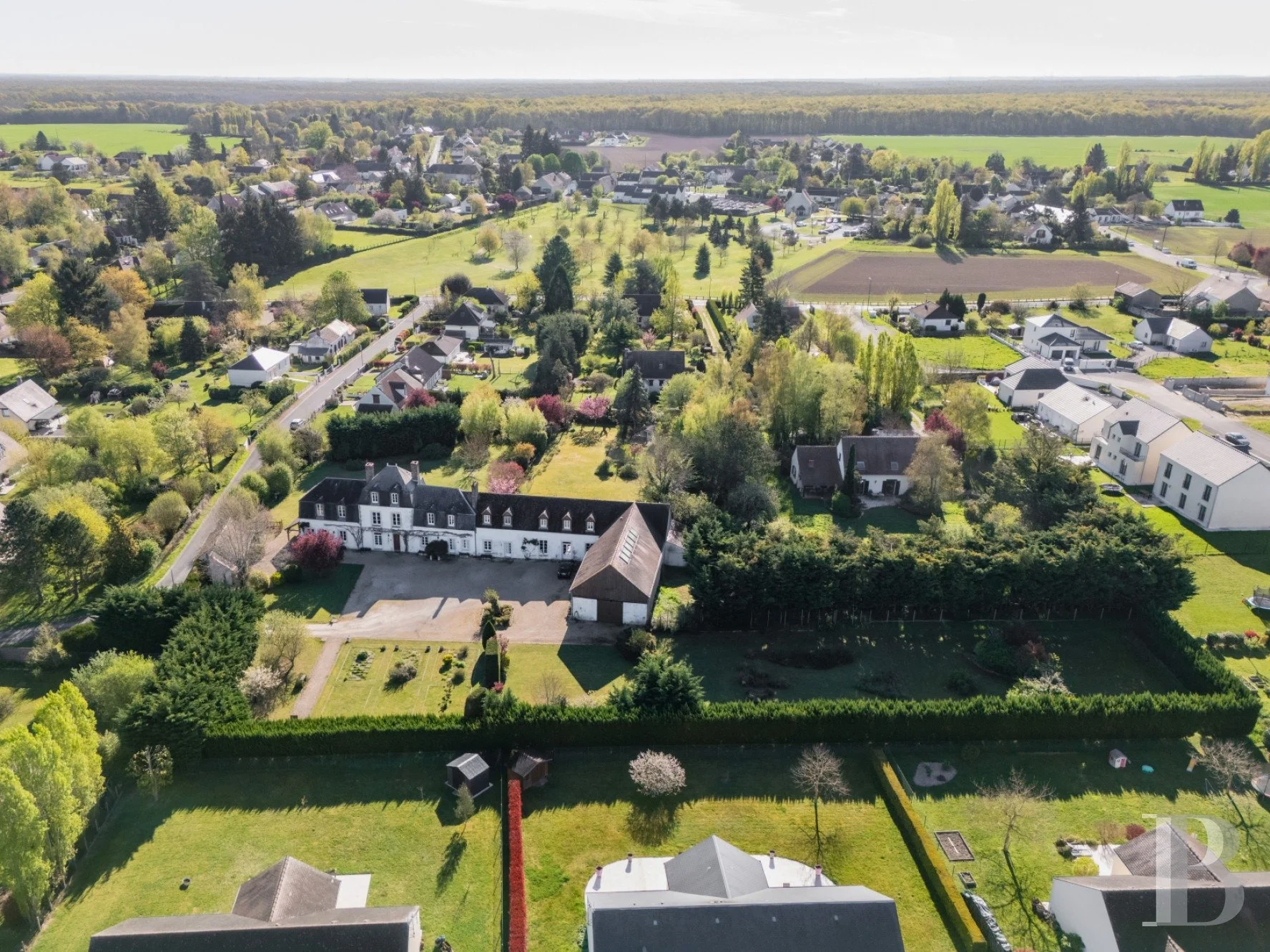
7,300 m² parkland
Equestrian element
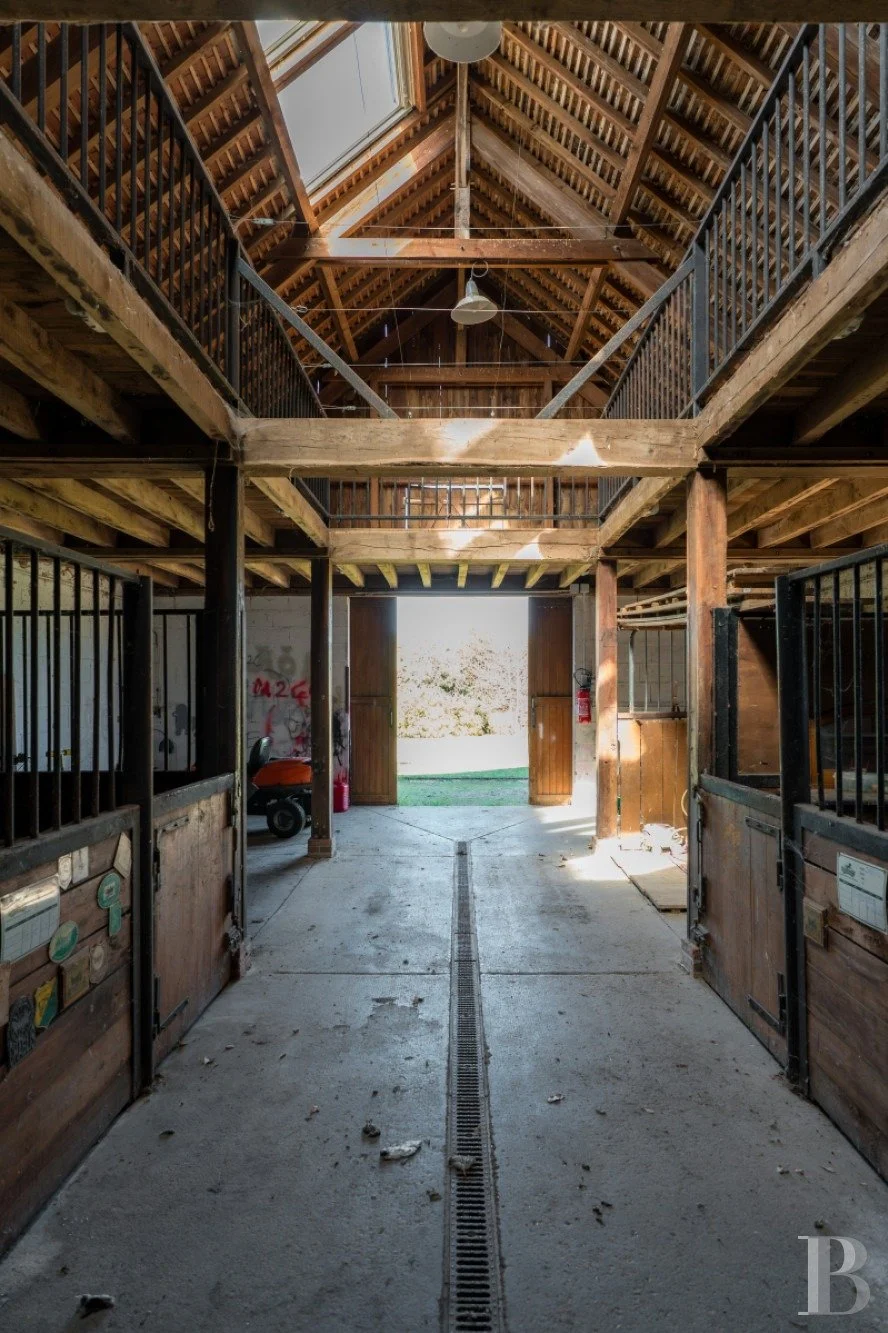
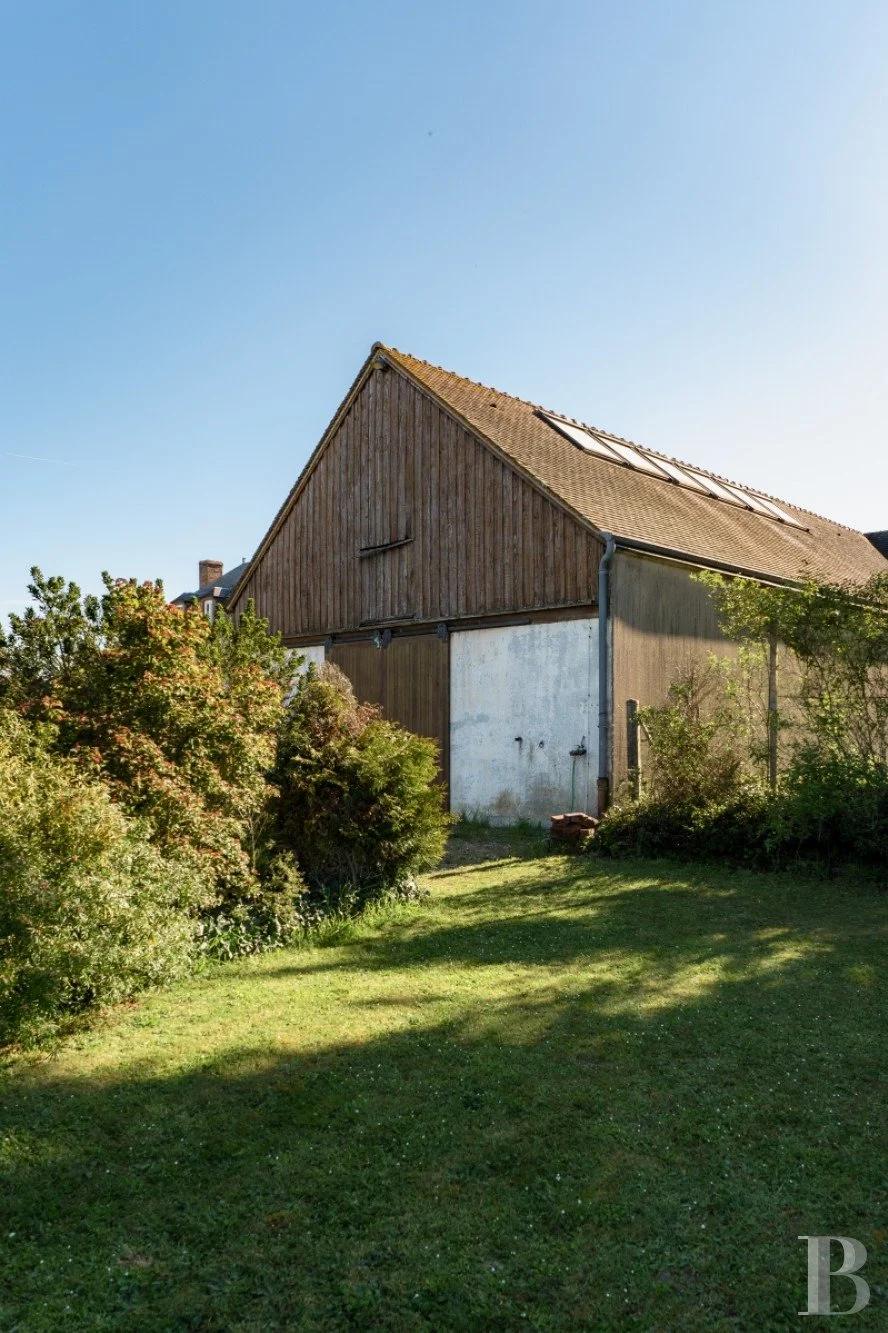
Stables with 5 wooden boxes, grooming station and loft
Additional building
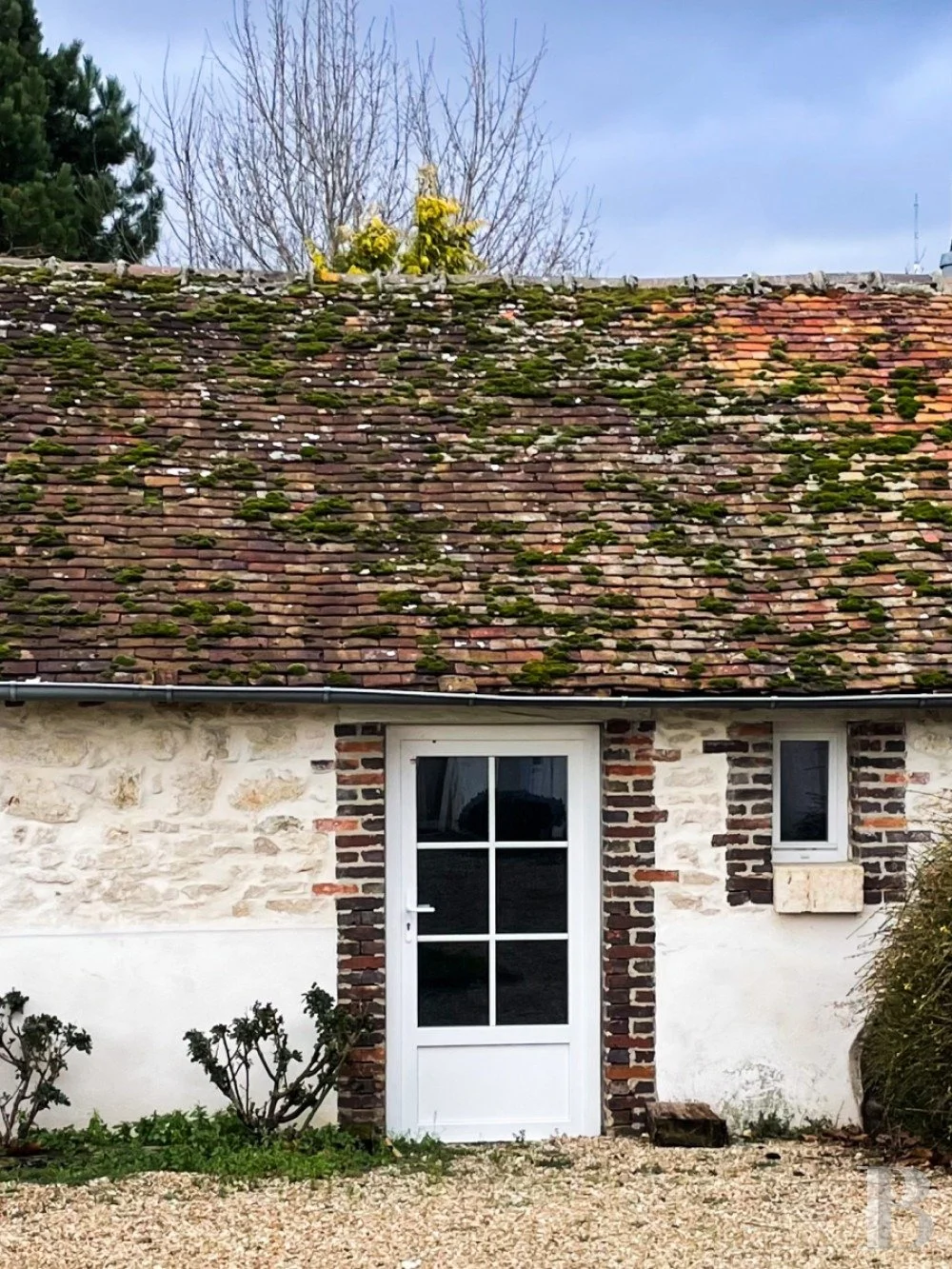
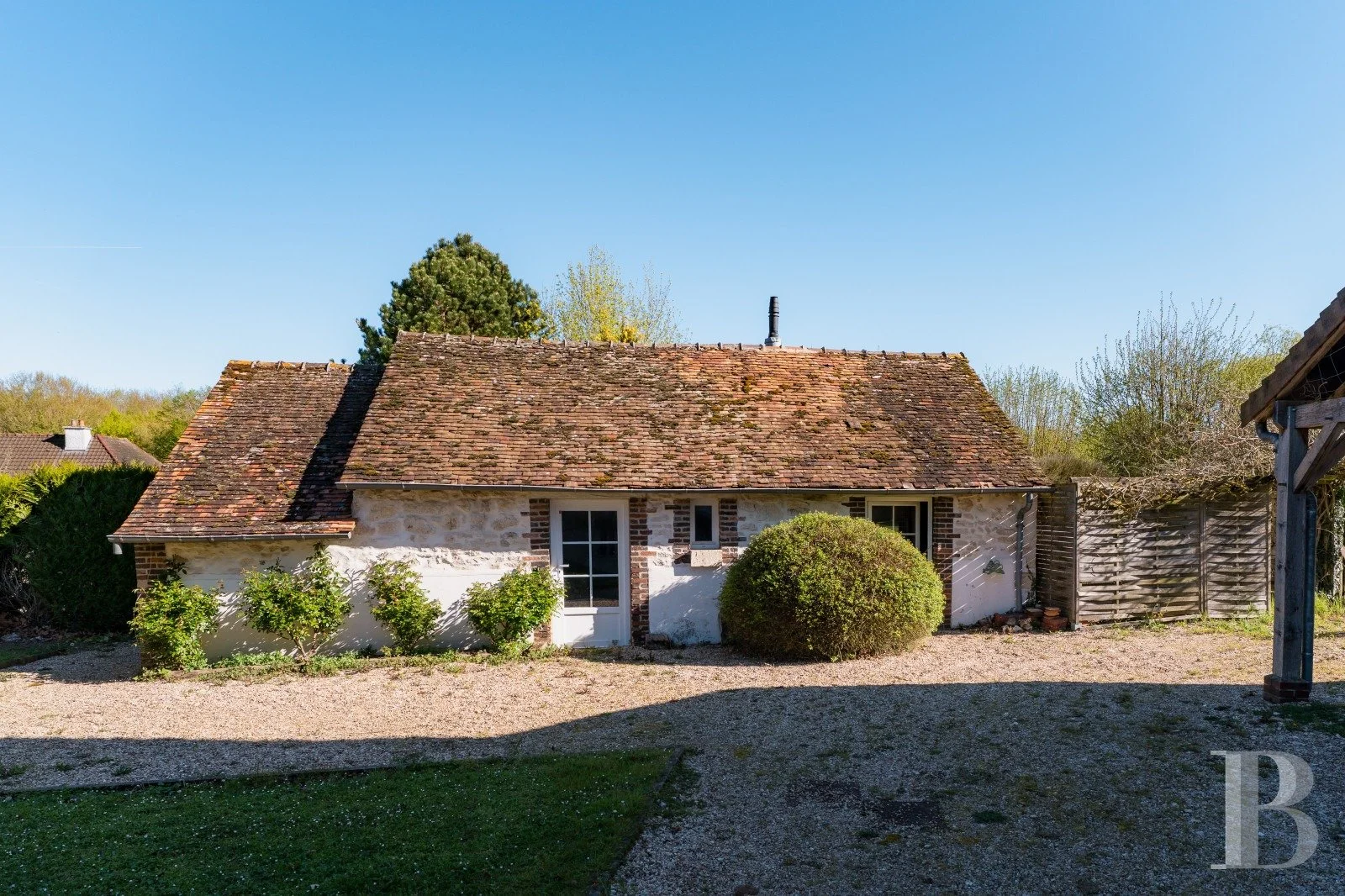
Guardian's house at the entrance, currently used as boiler room and storage
Condition
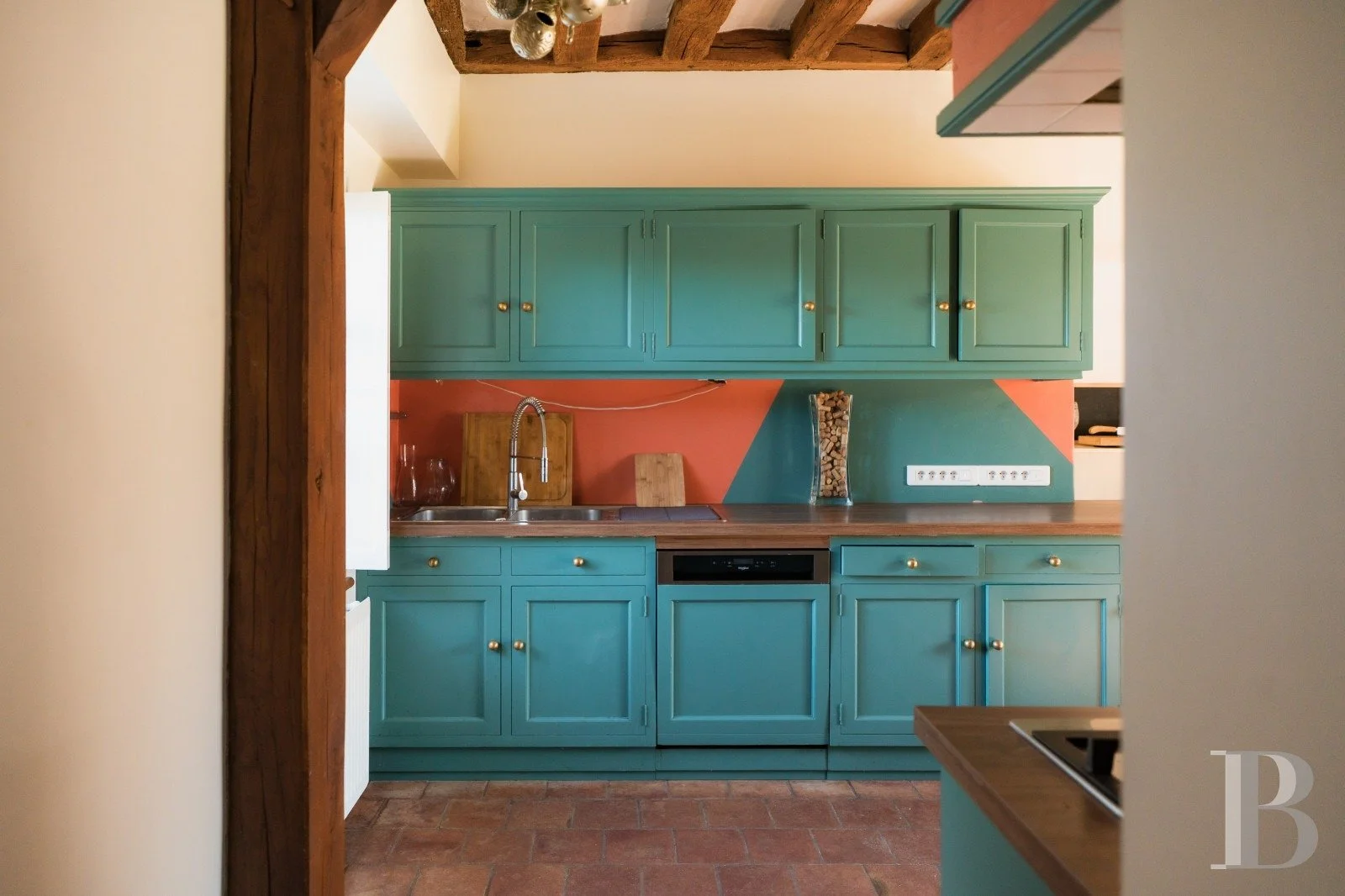
Marketed as in good overall condition, with some finishing works and joinery updates still needed
Energy rating
Energy Class E
Location angle
Edge of the Forêt de Montargis, roughly 100 km south of Paris, with road and rail links to the capital
Risk Radar
Overview
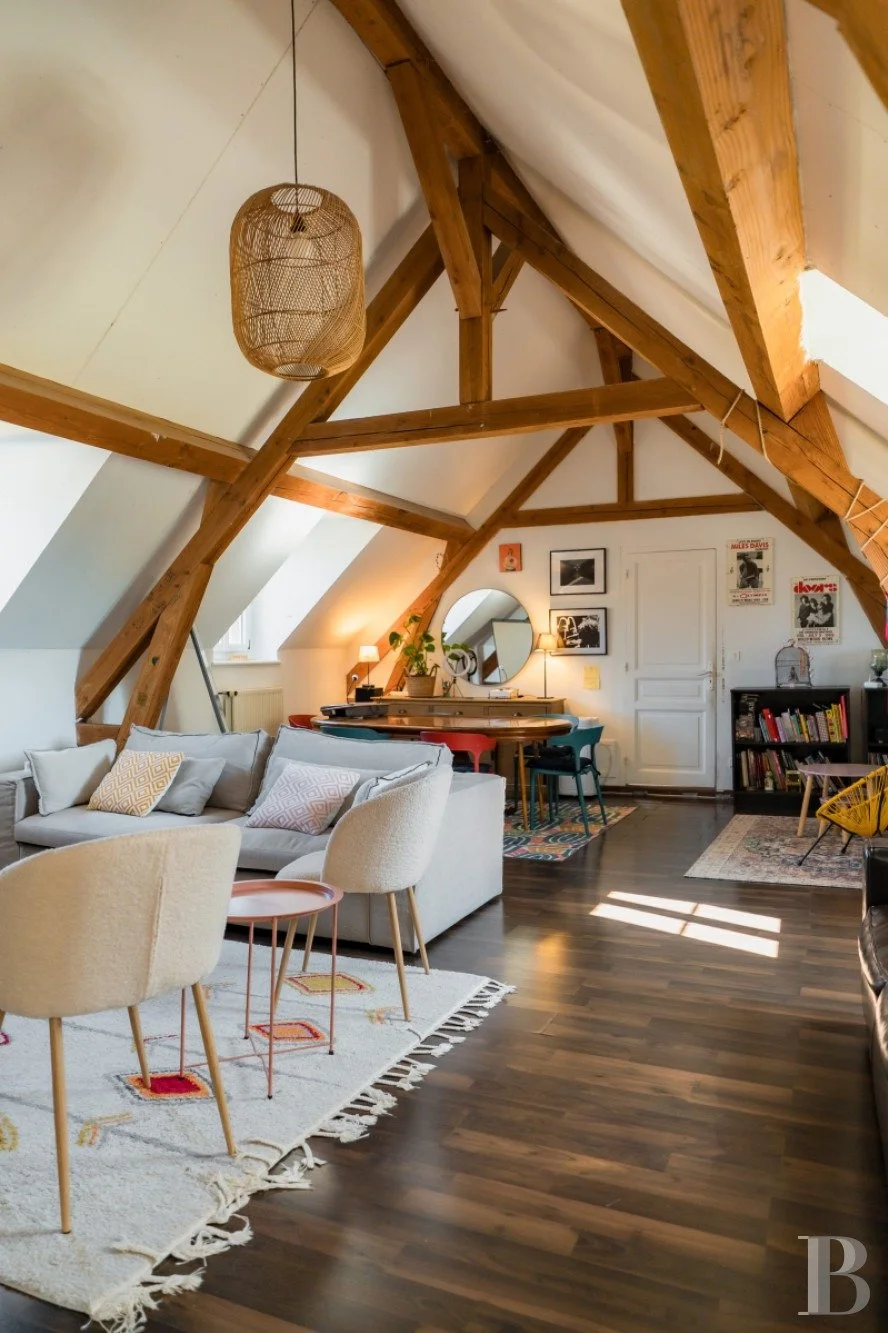
This is a substantial lifestyle estate rather than a simple country house purchase. The value proposition rests on several layers at once: an 18th-century manor, eight bedrooms across two separate units, a gîte with income potential, a 7,300 m² park, five-box stables, and a guardian's house that may or may not support further use. That combination gives the property real versatility, but it also creates more legal, technical and operational questions than the headline price might suggest.
The most important diligence theme is whether the estate's marketed flexibility is fully supported on paper. You need to confirm whether the gîte is a legally independent dwelling, whether utilities can be separated cleanly, whether the stables and guardian's house are just useful ancillary structures or realistic candidates for further conversion, and whether the sanitation, energy and maintenance burden has been understood honestly. The listing presents the remaining work as light finishing and joinery updates, but with a property of this age and spread, the real cost picture can sit in roofs, drainage, heating, windows and compliance rather than decoration.
The location adds a further layer. Proximity to Montargis and rail access to Paris is attractive, but it does not automatically make the property a practical commuter home, nor does it guarantee strong rental demand for a gîte or equestrian use. The estate has enough moving parts that you should assess it as three linked propositions: a main residence, an ancillary rental unit, and an outbuilding/equestrian complex. Each should stand up separately before you price the estate as a whole.
Targeted Questions
Legal Status and Two-Unit Structure
This confirms whether all the estate elements being marketed are clearly included in the legal title.
This affects rental use, resale, tax treatment and utility separation.
Functional independence is important if you plan to rent or host separately.
The legal structure determines what future uses are realistic.
A separate unit should have a clean compliance trail if it was formed through later works.
Utility separation matters for both operating costs and future rental practicality.
Shared services can limit flexibility and add later capital expense.
Past use can reveal whether the current arrangement has actually functioned as marketed.
Buyers should not assign dwelling value to a structure that may not support lawful residential use.
The estate's flexibility is worth less if future use is constrained.
Stables, Outbuildings and Change of Use
Equestrian value should be grounded in documented structures, not just site description.
Conversion and operational options depend on the current destination.
Operational equestrian use or future conversion depends on basic services.
Active use gives a better indication of practicality and maintenance.
Buyers need to distinguish genuine potential from speculative agent language.
In France, changing a building's destination is a planning issue and can be the key barrier to conversion.
Estate buildings near historic environments can face tighter controls on openings, materials and form.
Buyers need to know whether it is realistic ancillary value or just plant room and storage.
Re-creating habitable use can require more than cosmetic work.
Additional structures can add value, but they also add maintenance and compliance exposure.
Condition, Renovation Needs and Fabric
An 18th-century property can look sound while still carrying very old services.
Separate units can have very different conditions and standards.
"Light works" can mean minor decorating or a more meaningful package of repair.
Known costings help a buyer negotiate with more confidence.
Invoice history is often the clearest evidence of what has truly been updated.
Remaining warranty cover can materially reduce risk on a large estate.
Roof replacement on a manor-scale building can be one of the largest future costs.
Even if the main house is sound, the income unit can become a separate capex problem.
Outbuilding roofs often hide deferred maintenance that later becomes unavoidable.
Older estates can conceal timber and structural defects behind otherwise attractive rooms.
Moisture problems are common in older French estates and can be expensive to resolve properly.
Original fireplaces add charm, but unsafe flues add cost.
The listing itself flags joinery, so this needs precise clarification.
Window performance materially affects comfort, energy cost and future upgrade spend.
A Class E manor may still have a significant improvement budget ahead.
Heating, Energy and Running Costs
The full DPE gives estimated energy use, emissions and recommended works.
Multi-building properties can have more than one energy reality.
Since 1 January 2025, an energy audit is required in France for sales of detached houses or single-owner residential buildings rated E, F or G.
Real operating cost matters more than a generic label in a large older house.
Buyers need to understand whether the estate runs on oil, gas, heat pump, wood, electric systems or a mix.
Separate accommodation can have a different energy profile and cost structure.
Plant layout affects maintenance, noise, future conversion potential and resilience.
Cooling may matter less than heating here, but it still affects guest appeal and comfort.
Heating a large manor inefficiently can become expensive quickly.
Sanitation, Utilities and Access
A multi-building estate can face meaningful sanitation upgrade costs if off mains.
In France, a sale involving non-collective sanitation should include the relevant diagnostic report.
Capacity can become a serious issue on multi-unit rural properties.
Expansion potential can be limited by wastewater capacity before anything else.
Large rural houses can expose weaknesses in supply more quickly than small homes.
Remote work and guest use increasingly depend on dependable service.
Thick walls and estate layout can create patchy coverage.
Estate access costs and rights should be understood early.
Practicality matters if the estate is to be used for guests, horses or events.
Land, Park and Forest Context
Estate layouts can appear more unified in photos than they are in title.
Privacy and control of the grounds can be affected by unseen legal rights.
Forest proximity is attractive, but access and use should not be assumed.
Edge-of-forest properties can have specific upkeep and risk considerations.
Five boxes alone do not make a fully functioning equestrian setup.
This affects both privacy and equestrian practicality.
Ground quality matters for horses, buildings and ongoing maintenance.
Rental, Equestrian and Investment Potential
Historical operation is stronger evidence than projected income.
France requires local compliance for meublé de tourisme, and national registration rules have tightened further.
Separate marketed units often require separate practical compliance steps.
Local practice can affect what is straightforward in theory.
Income strategy should be tested against operational capacity, not just room count.
Actual data is far more useful than broad rental optimism.
Stables add value only if there is a realistic local use case.
This helps separate real ancillary income potential from brochure fantasy.
Insurance feedback can reveal practical risks quickly.
Future exit flexibility can matter on a complex property.
Negotiation Intelligence
Buyer Leverage
Medium-High
Key Drivers
Typical Negotiation Range
5-15% below asking
Example line to use with the agent
Country Layer
France (Regulatory Context April 2026)
In France, a residential sale should be accompanied by a Dossier de Diagnostic Technique (DDT), which groups the mandatory diagnostics relevant to the property, such as the DPE, electricity and gas checks where applicable, asbestos and lead depending on age, the état des risques, and the sanitation diagnostic where the property uses non-collective drainage. For an 18th-century estate with multiple buildings, this file is essential and should be reviewed before any serious offer.
Viewing Strategy
View this property as an estate system, not one handsome house.
Next Step
Verify from the listing:
Legal status of the gîte
Request the cadastral plan, title documents and any compliance paperwork so you can confirm whether the gîte is legally recognised as a separate dwelling with its own practical and regulatory identity, rather than simply ancillary accommodation within the manor estate.
Status of the stables and guardian’s house
Clarify how the stable block and guardian’s house are recorded legally, whether they are fully included in the title, and whether either has a realistic planning pathway to residential or commercial conversion if that forms part of your valuation.
Energy and renovation exposure
Obtain the full DPE, the required energy audit for this E-rated sale, and a detailed list of the finishing works and joinery updates still needed, so you can judge whether the estate’s remaining expenditure is cosmetic or more structural and systemic.
Sanitation capacity and compliance
Confirm whether the estate is on mains drainage or non-collective sanitation, and if it is on ANC ask for the latest SPANC report and evidence that the current setup is sized and compliant for the manor and gîte together.
Operational viability for rental or equestrian use
Check whether the gîte has actually been operated as a lawful rental, whether local declaration requirements are straightforward, and whether the stables, grounds and access arrangement are genuinely practical for horses, guests or both.
A prepared buyer should approach the agent calmly and frame questions as due diligence. For example: “To help me assess the estate properly and prepare a serious offer, could you share the cadastral plan, the diagnostics dossier, the energy audit, the sanitation report, and confirmation of the legal status and utility setup for the gîte, stables and guardian’s house?”
Because this is a multi-building historic estate where legal structure, running costs and future capex all materially affect value, run it through the Property Risk Assessment to test the legal and systems exposure, or use the Renovation Budget Planner to model the likely cost of bringing the manor, gîte and ancillary buildings up to your intended standard.
Disclaimer: The Property Drop is buyer-focused intelligence, zero sales agenda. We curate exceptional properties, in southern Europe, from third-party agents and arm you with decision tools. No commission, no transactions, no agent partnerships, no skin in the game beyond helping you choose wisely. Information stays accurate until it doesn't (properties sell, prices shift, markets move). Everything here is shared for informational purposes only and should not be treated as legal, financial, or investment advice. Images belong to original agents. Read our Terms of Service to learn more.
Buyer Intelligence:
This assessment provides general guidance based on common risk factors and publicly available regulatory information. Risk scores and checklist items are indicative only and must not be considered legal, financial, structural, or surveying advice. Actual property conditions, costs, and regulatory requirements vary significantly by location, property age, and specific circumstances. Regulations are subject to change; always verify current requirements with qualified local professionals before making any purchasing decision.
The Property Drop provides buyer intelligence and educational research analysis only. The Property Drop does not act as an estate agent, intermediary, or advisor in any transaction and does not facilitate introductions, negotiations, or transactions. Always engage qualified independent professionals including local lawyers, surveyors, architects, and tax advisors for comprehensive due diligence specific to your property.
IMPORTANT REMINDER: When contacting property agents featured on The Property Drop, you are entering into direct communication with third parties. It's recommended that you verify all property details independently, conduct thorough due diligence, engage qualified professionals (solicitors, surveyors, financial advisors), understand your rights and obligations under local property laws, and never send money or make commitments without proper legal protection.

The Buyer Playbook: 5-Bed Palatial Village House with Mountain Views and Library, Ítrabo, Spain, €249,500
The Buyer Playbook: 2-Bed Stone Townhouse with Mountain Views in the Valnerina, Macenano, Italy, €58,000
Questions ready for the agent?
The agent represents the seller.
What you ask shapes the answers you get.