
The Buyer Playbook: 3-Bed Renovated Country House with Pool and Outdoor Kitchen, Santa Catarina da Fonte do Bispo, Portugal, €569,000
Buyer Playbook
Pre-Viewing Intelligence Report
This independent buyer guidance report relates to this specific property located in Portugal. It is provided for informational purposes only and does not constitute legal, tax, structural or survey advice. Pre-1951 status, licensing history, water rights, well registration, pool and annex legality, septic compliance, AL eligibility, title position, land boundaries, and any planning or habitability issues must always be verified with qualified Portuguese professionals such as an advogado, arquiteto, engenheiro, solicitador, surveyor or licensed property consultant, and with the relevant municipal and environmental authorities. This report is designed to help buyers evaluate the property before arranging a viewing or making an offer. It highlights due diligence areas and targeted questions to ask the estate agent. The analysis is based on the listing details and publicly available regulatory context at the time of writing. For Portugal, that especially includes current rules around Alojamento Local registration, energy certification, water-use licensing and the practical limits of relying on a pre-1951 build date as a substitute for checking later works.
Playbook Contents
Property Snapshot
Location
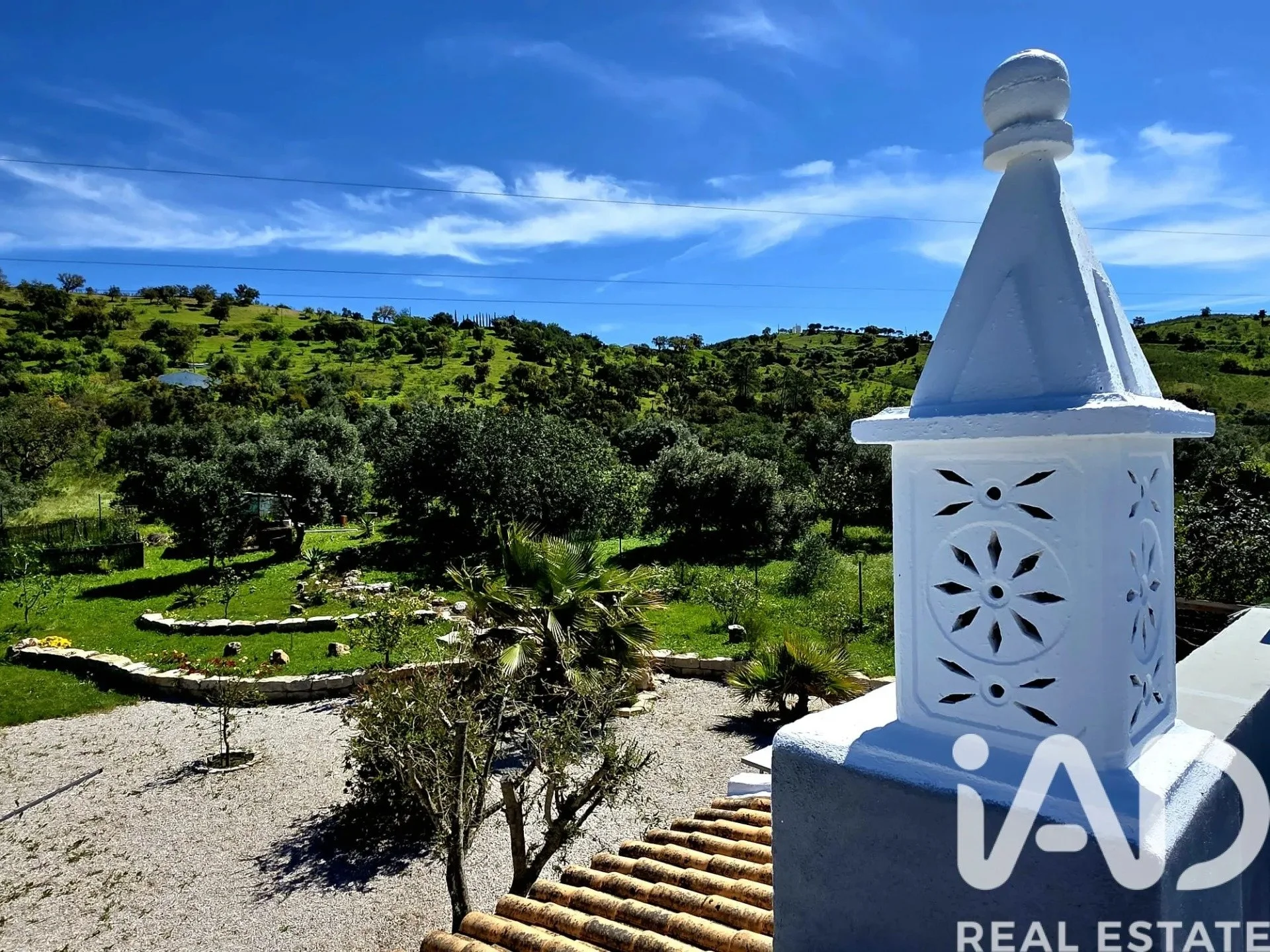
Santa Catarina da Fonte do Bispo, Tavira municipality, eastern Algarve, Portugal.
Property type
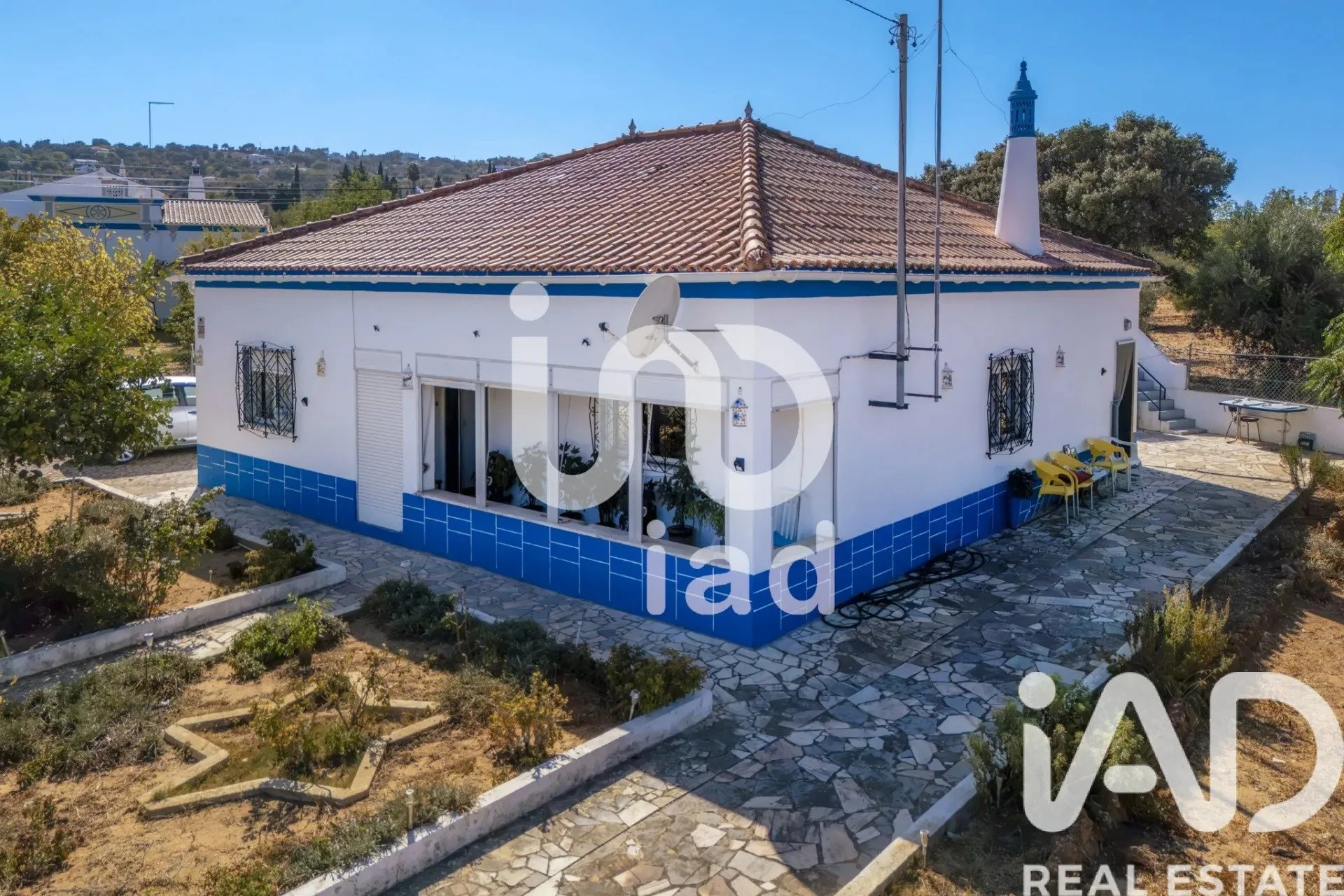
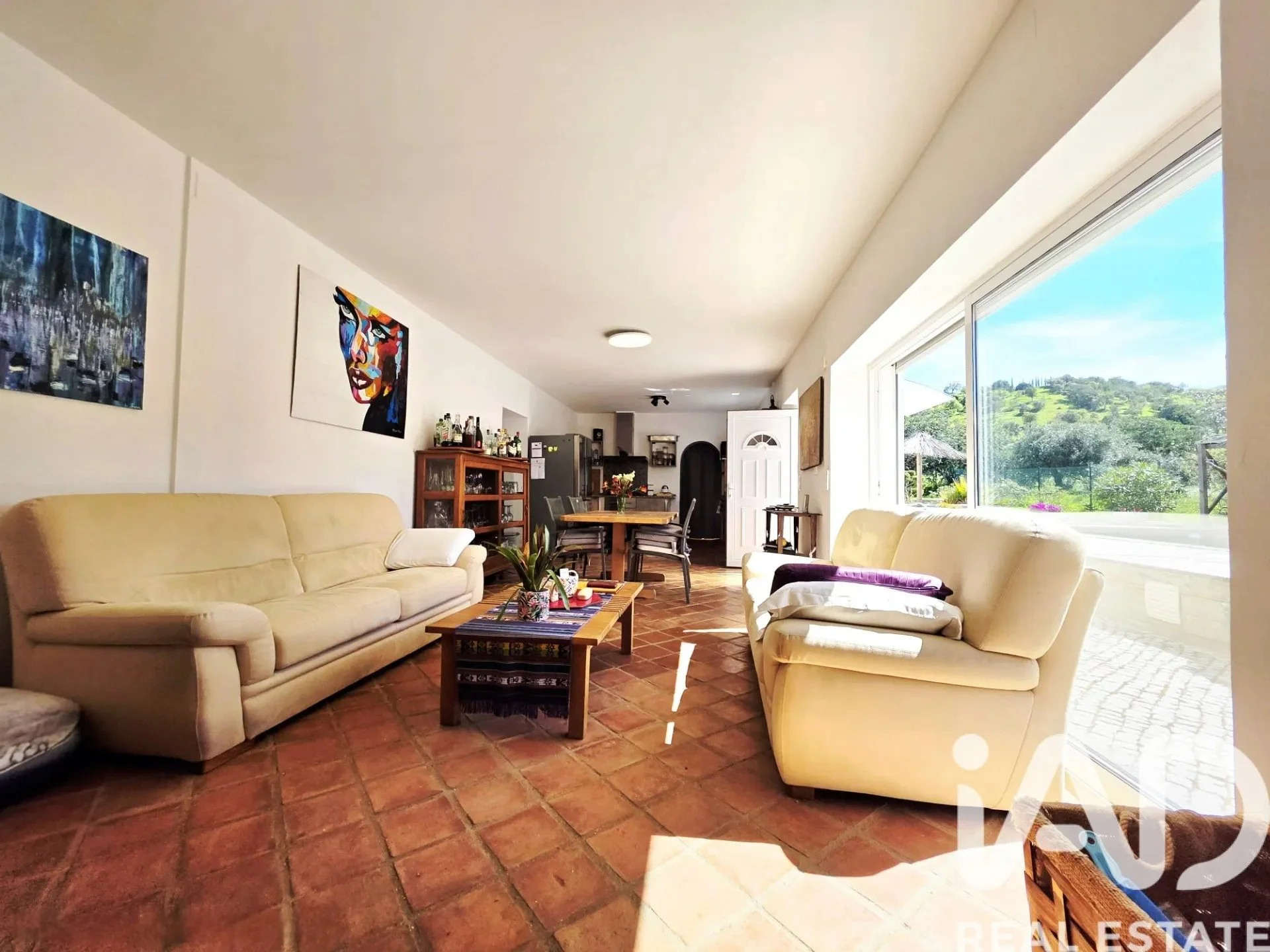
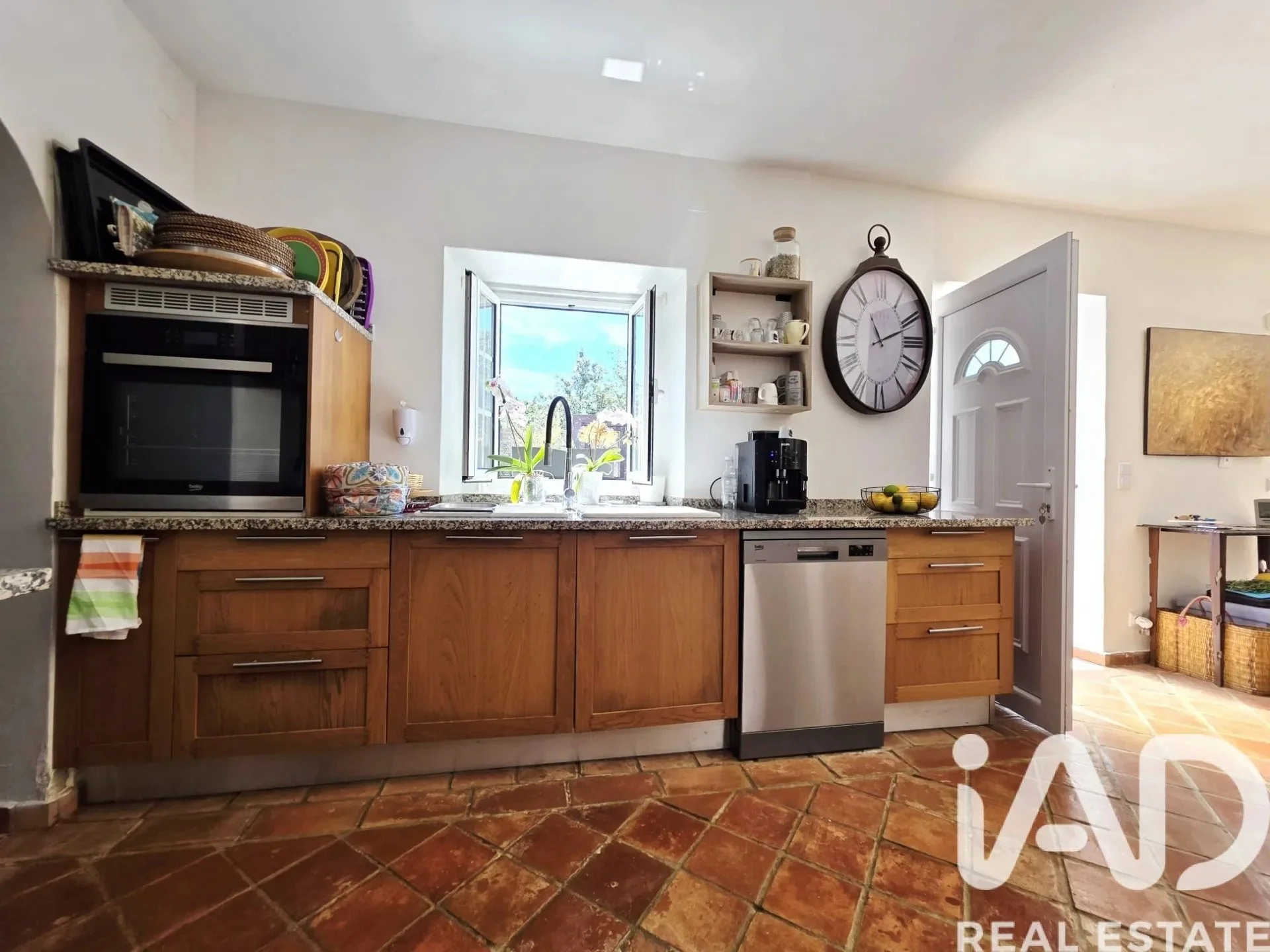
Single-storey renovated country house / farmhouse.
Asking Price
€569,000.
Bedrooms
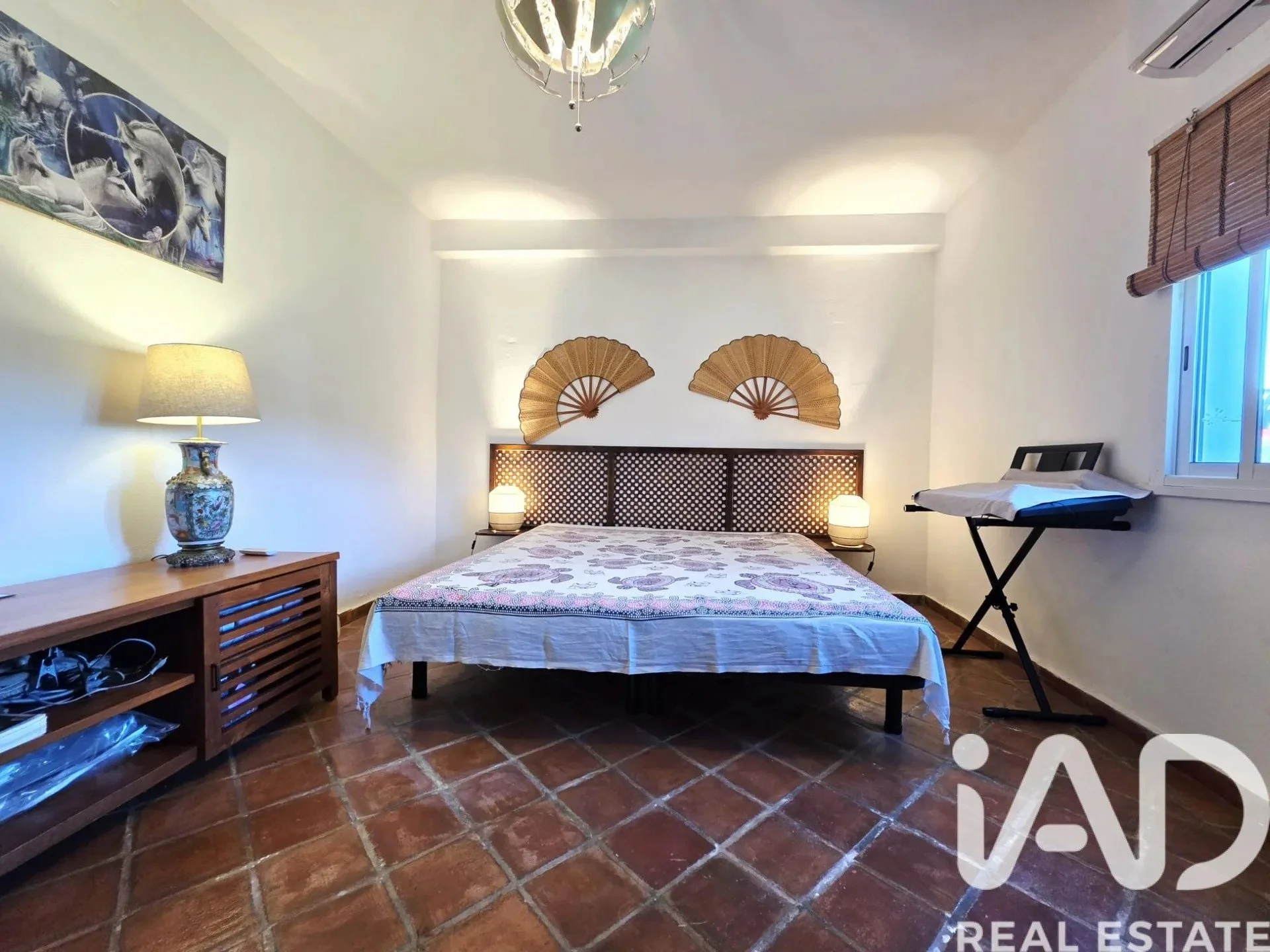
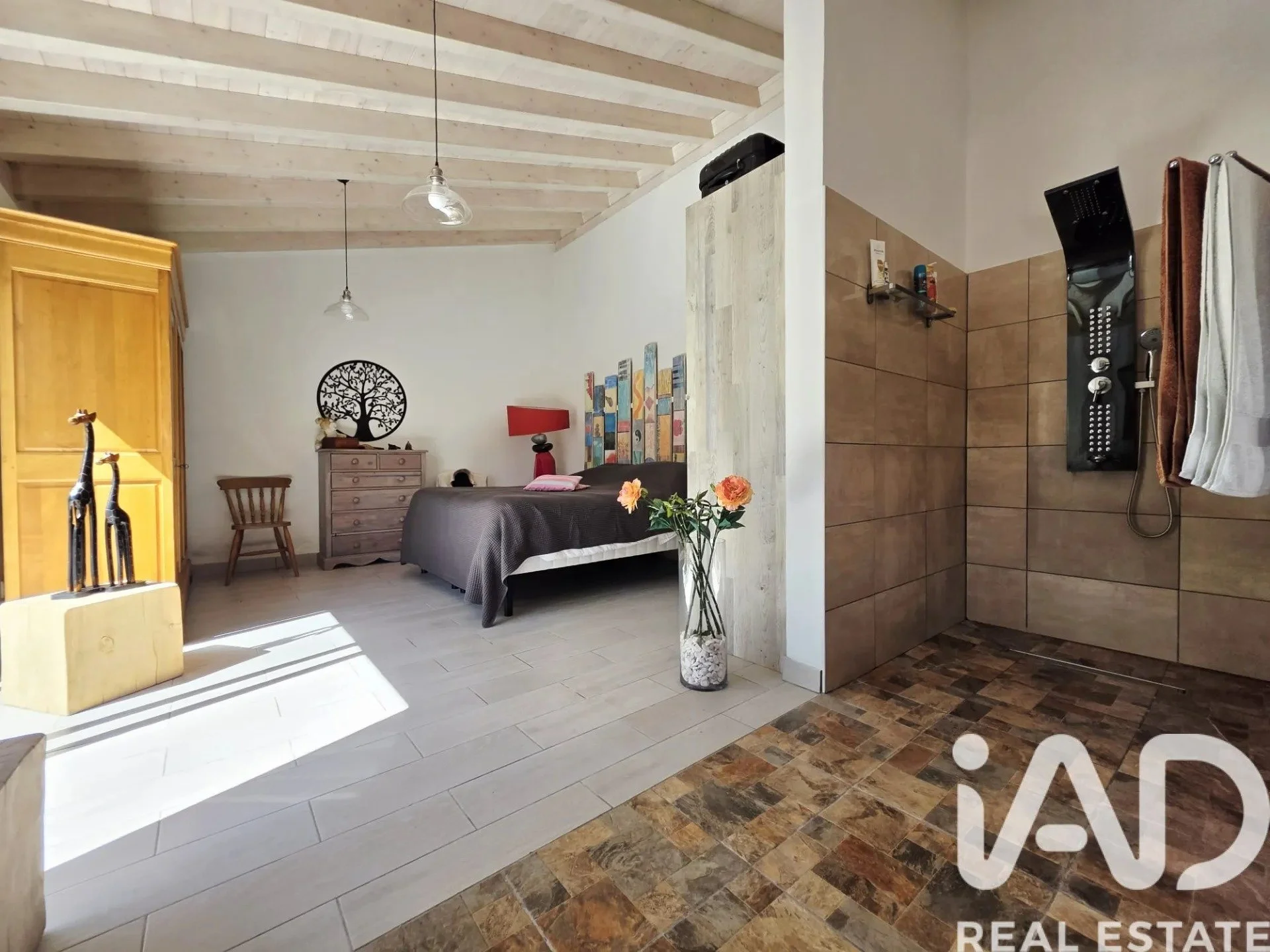
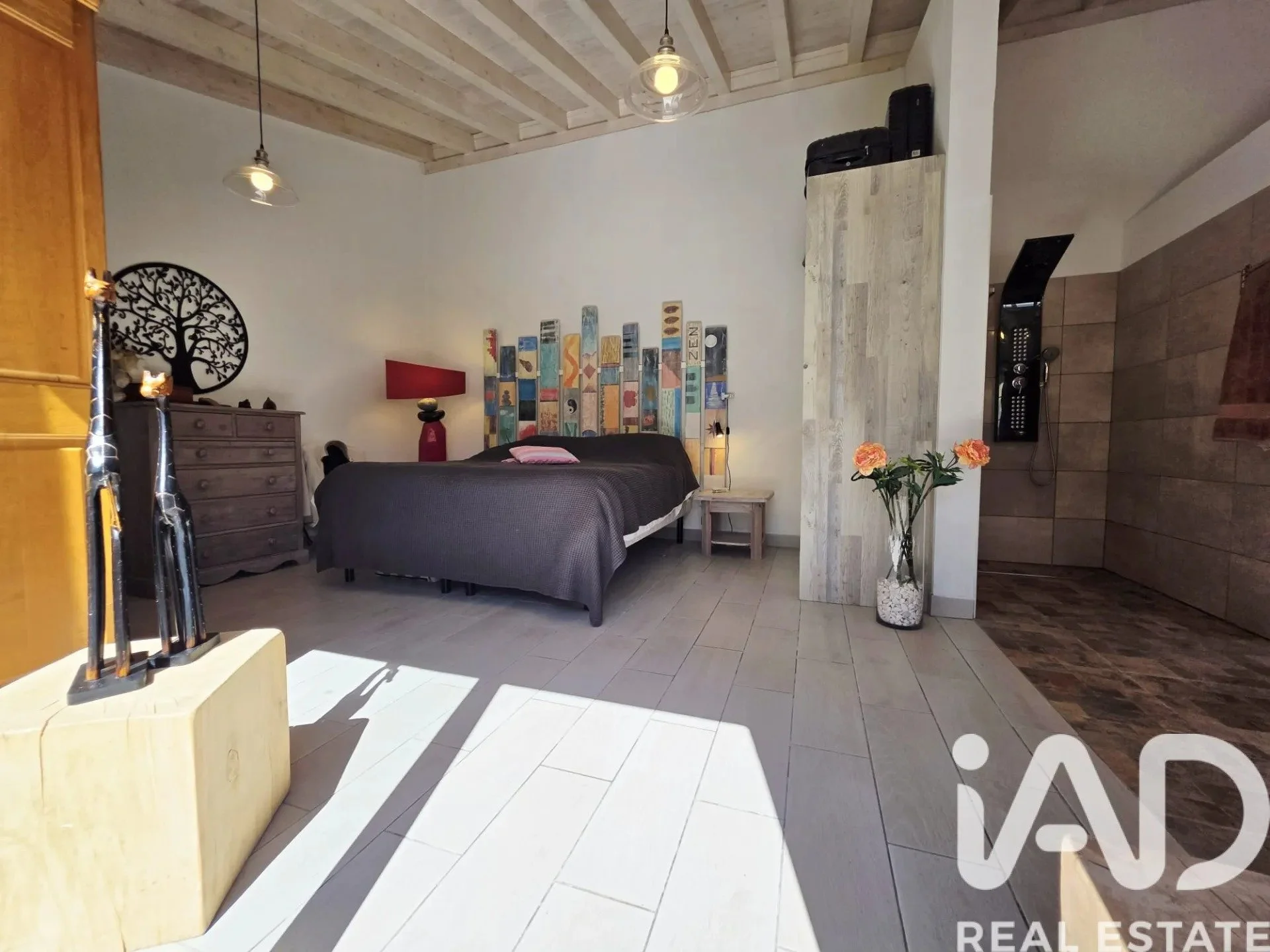
3.
Internal area
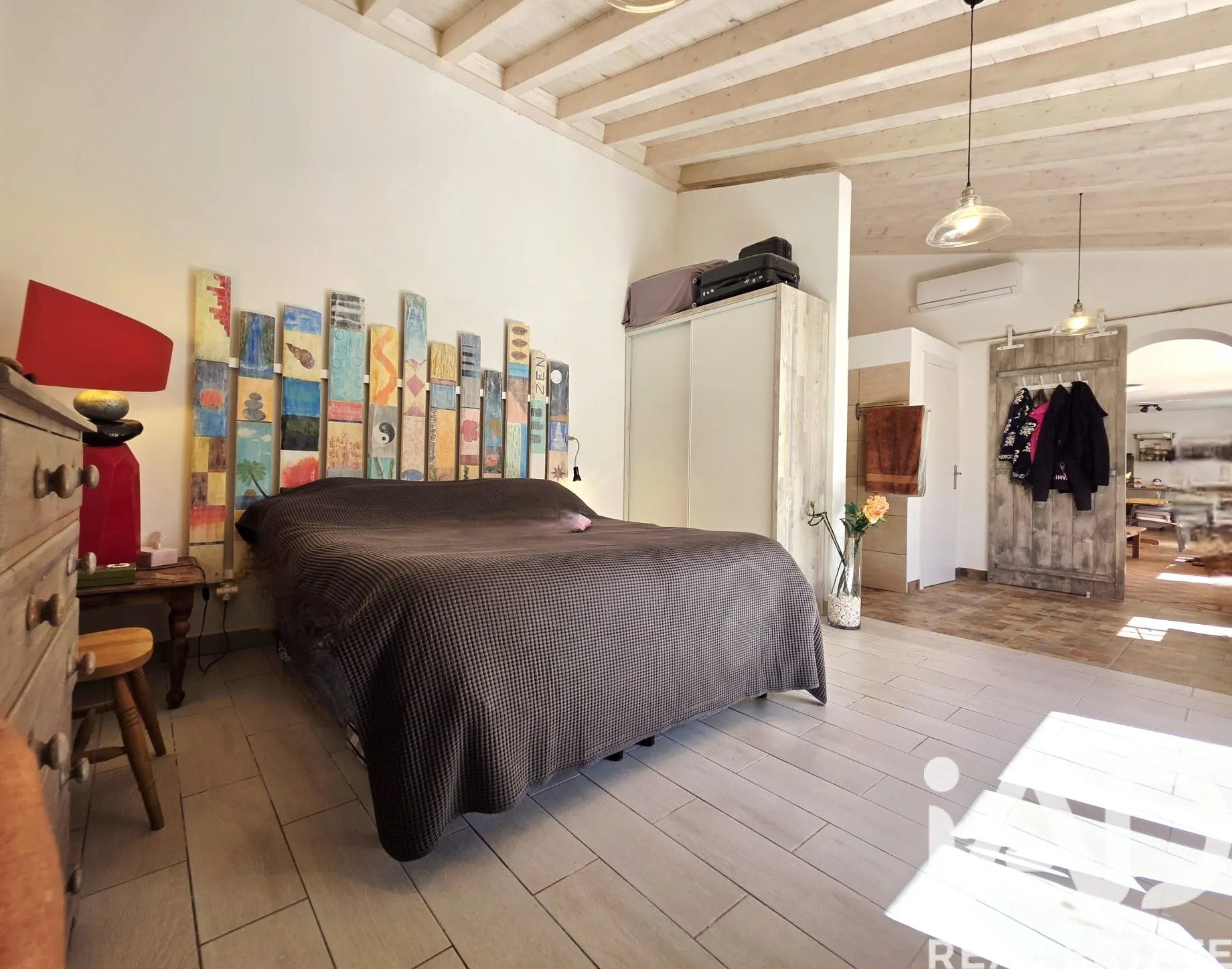
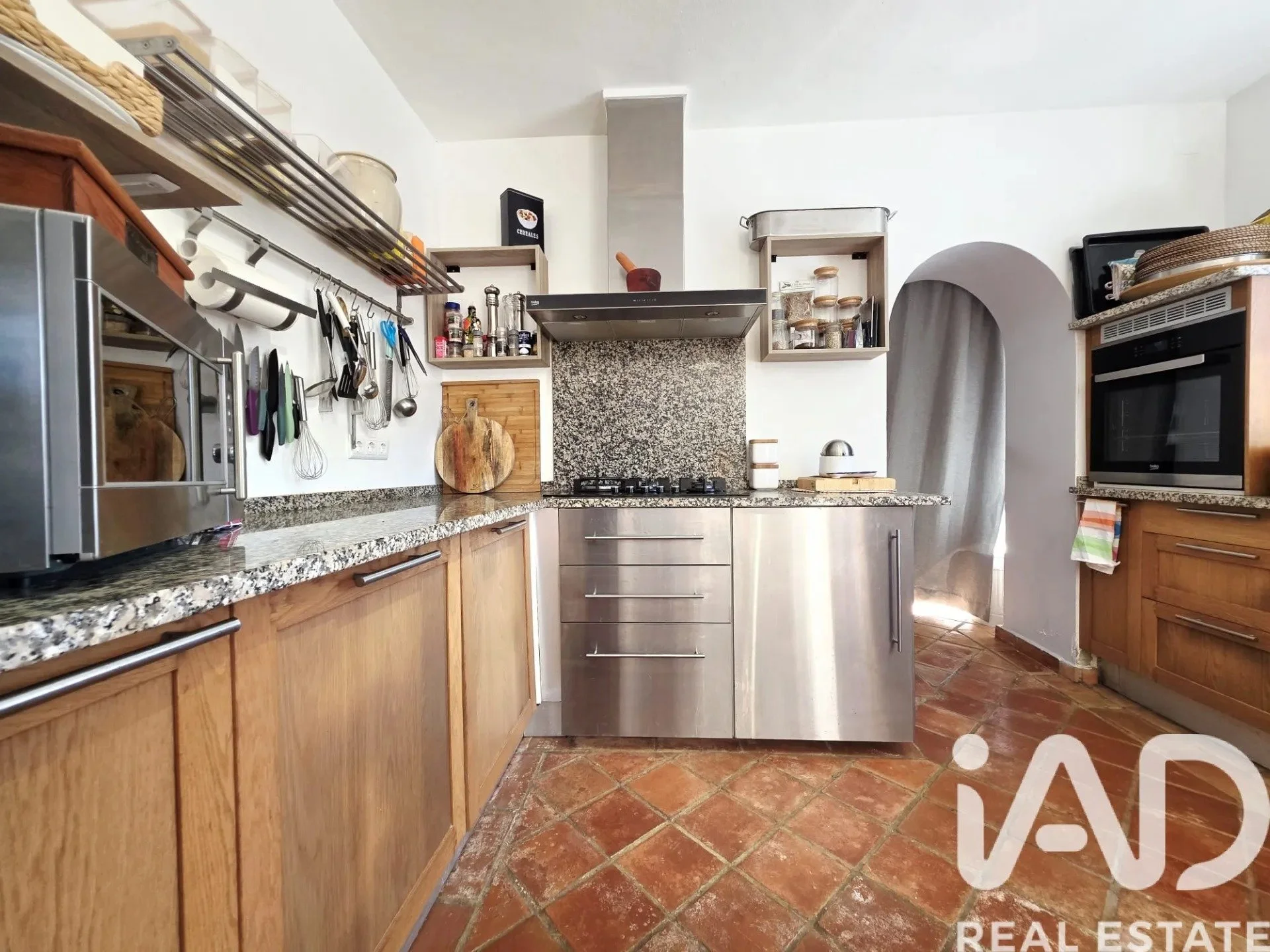
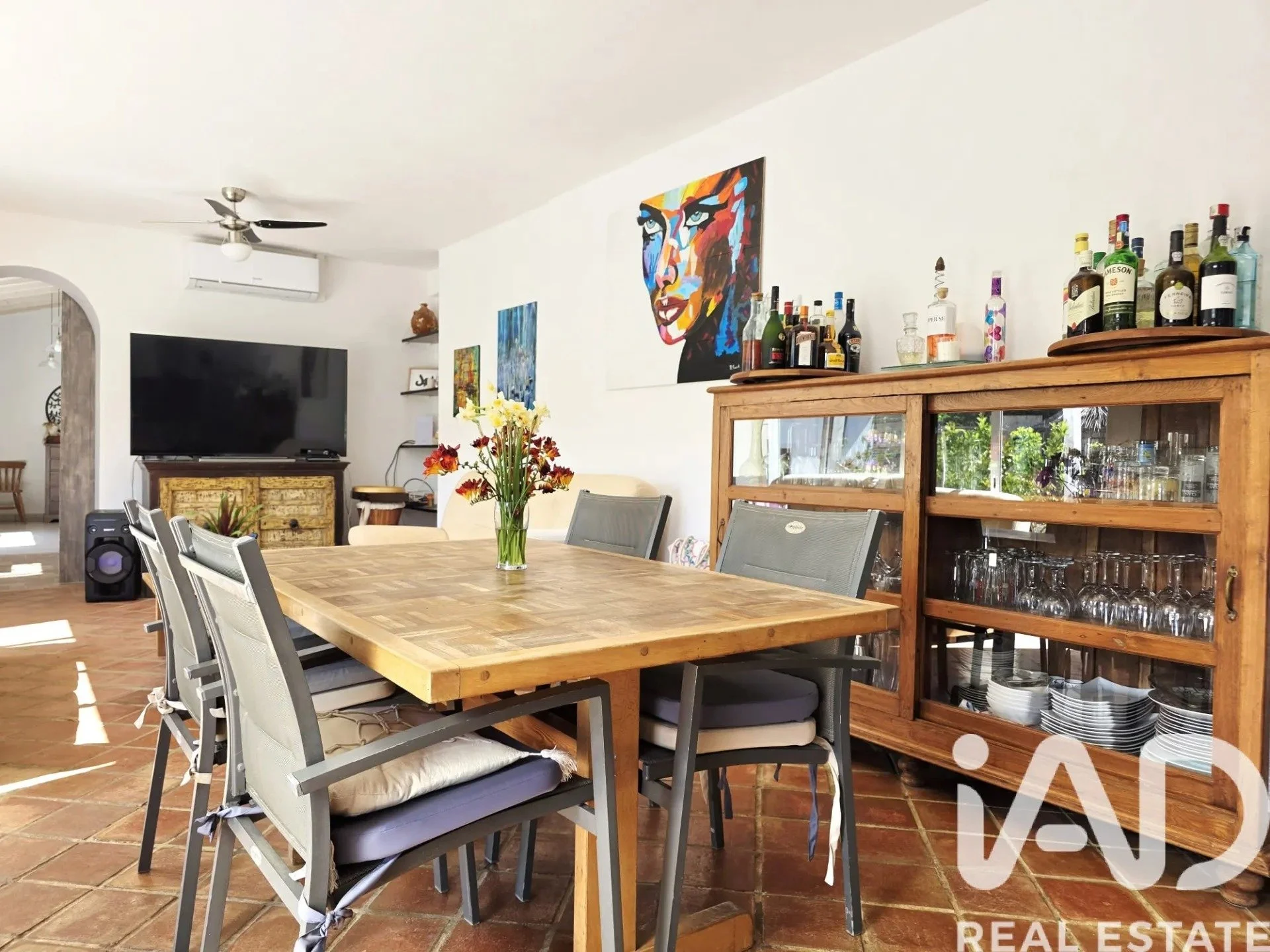
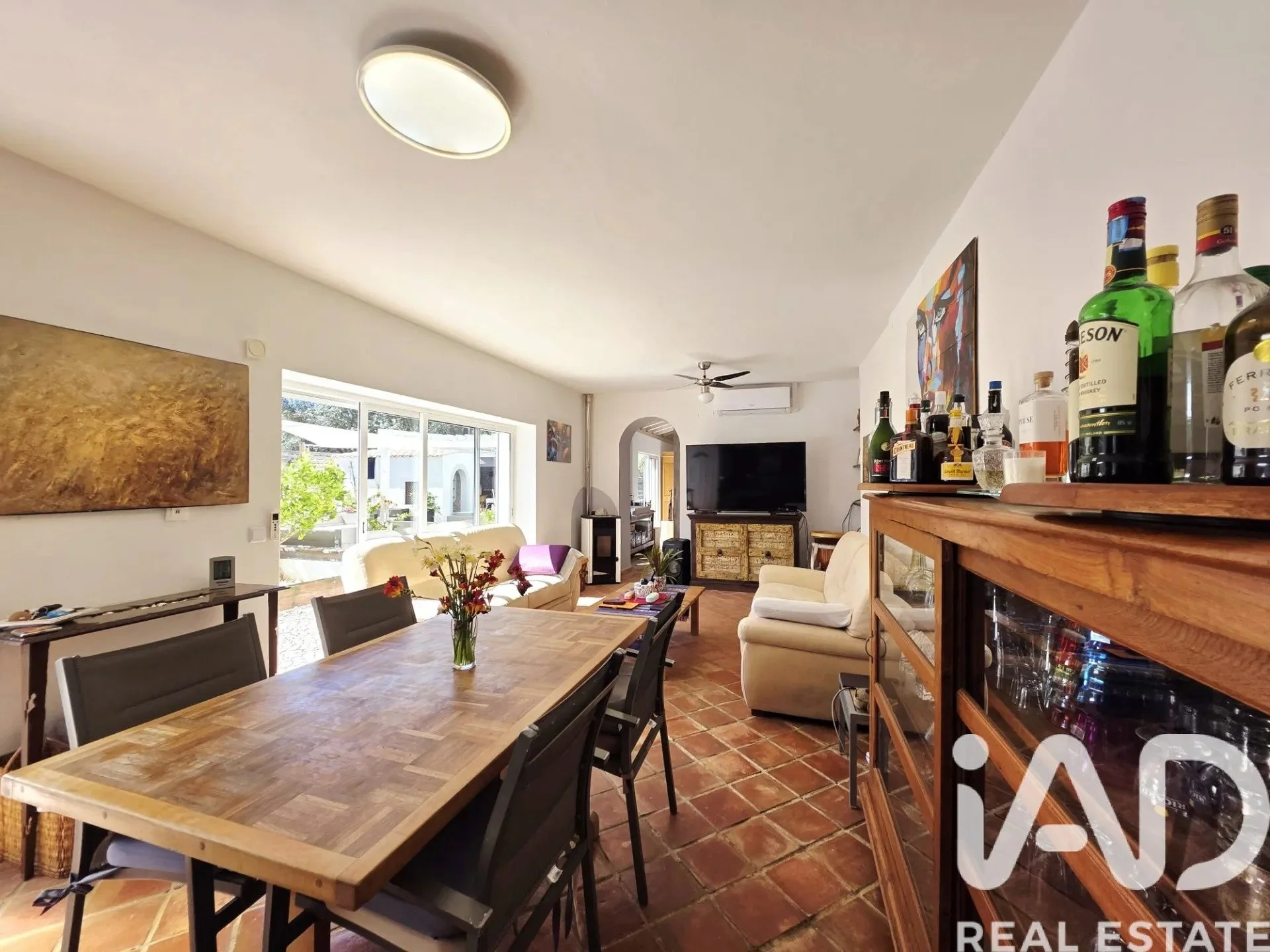
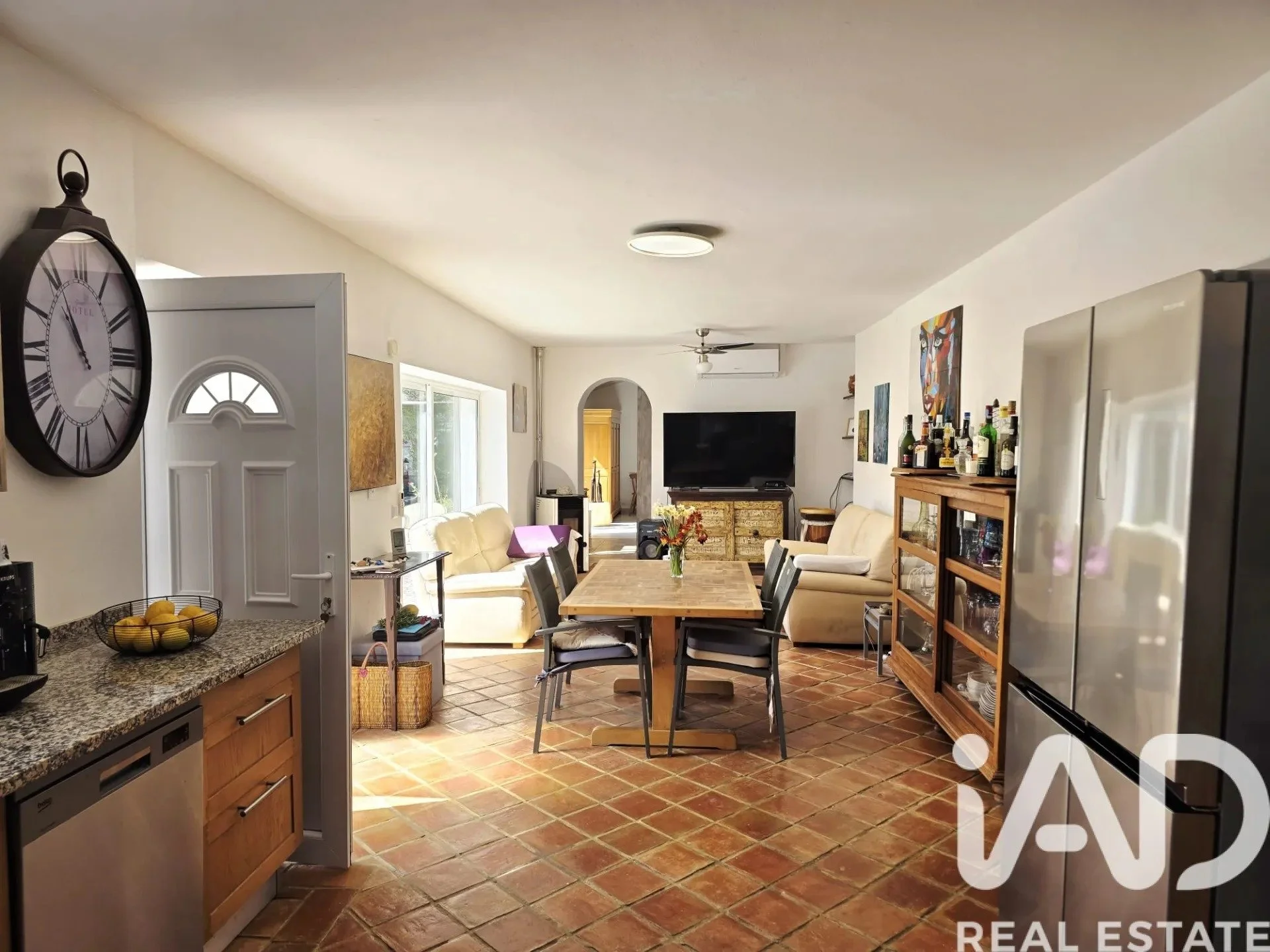
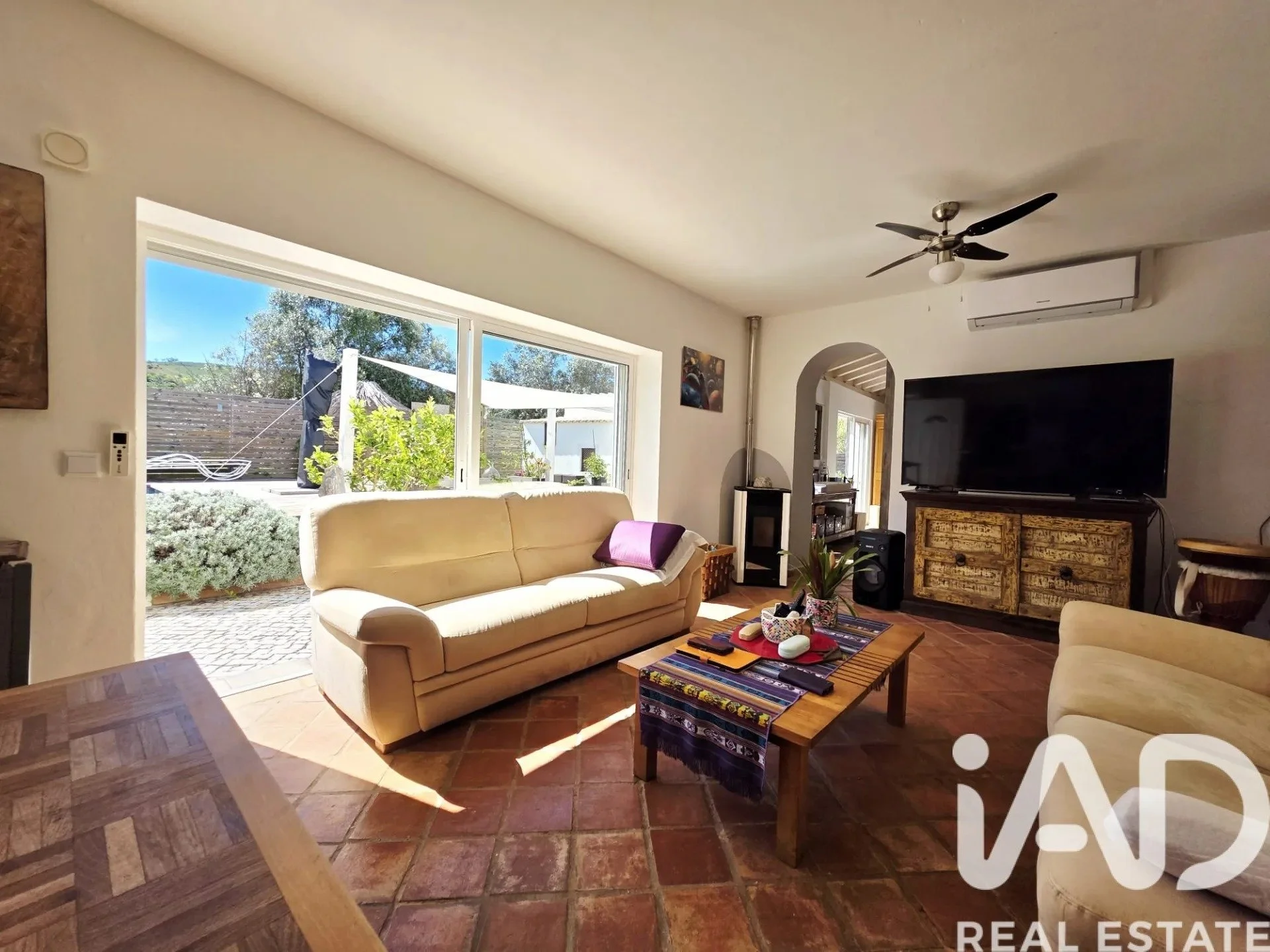
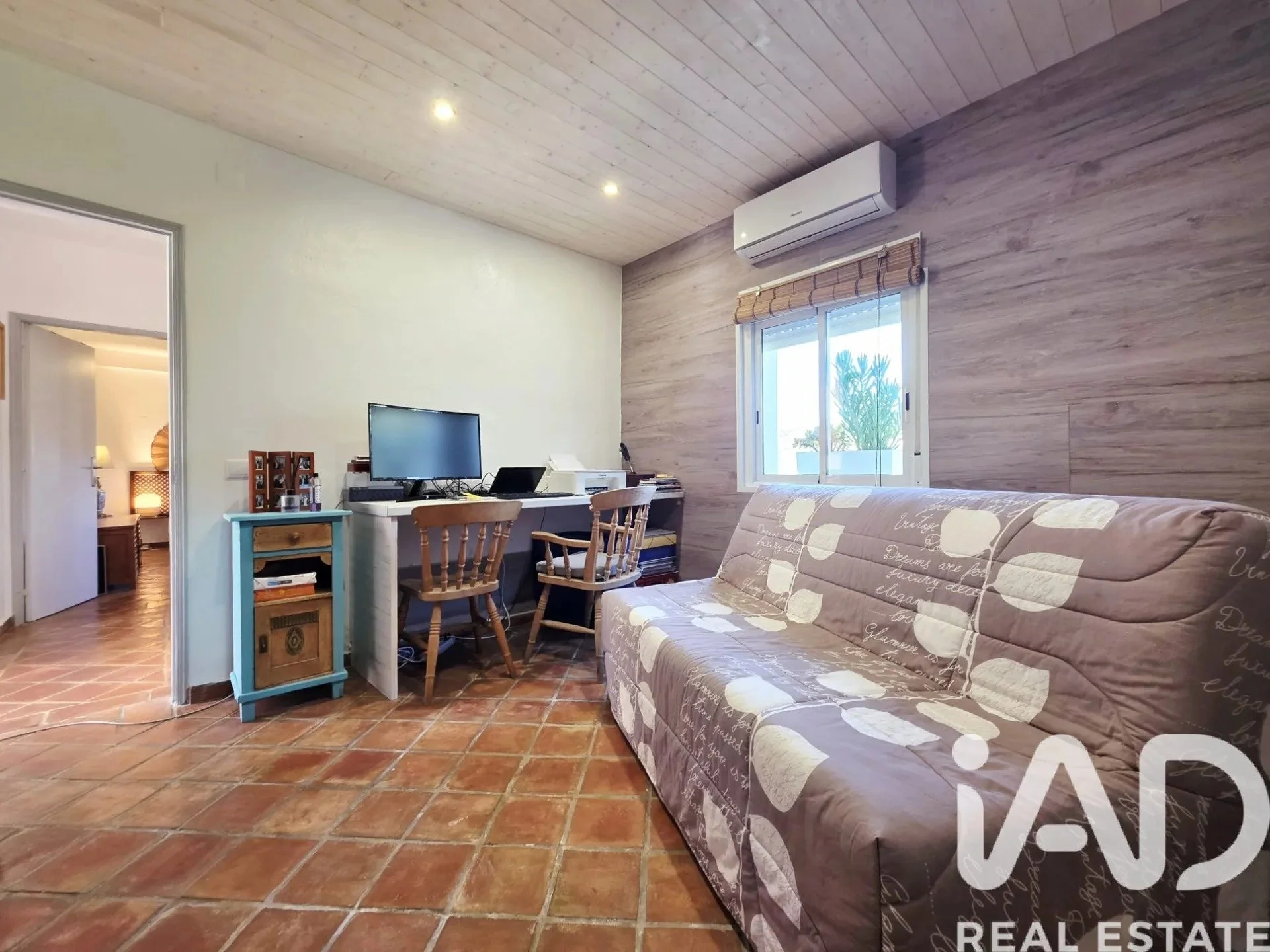
149 m² living space.
Build origin
Marketed as pre-1951 original build.
Energy rating
Class B.
Orientation and glazing
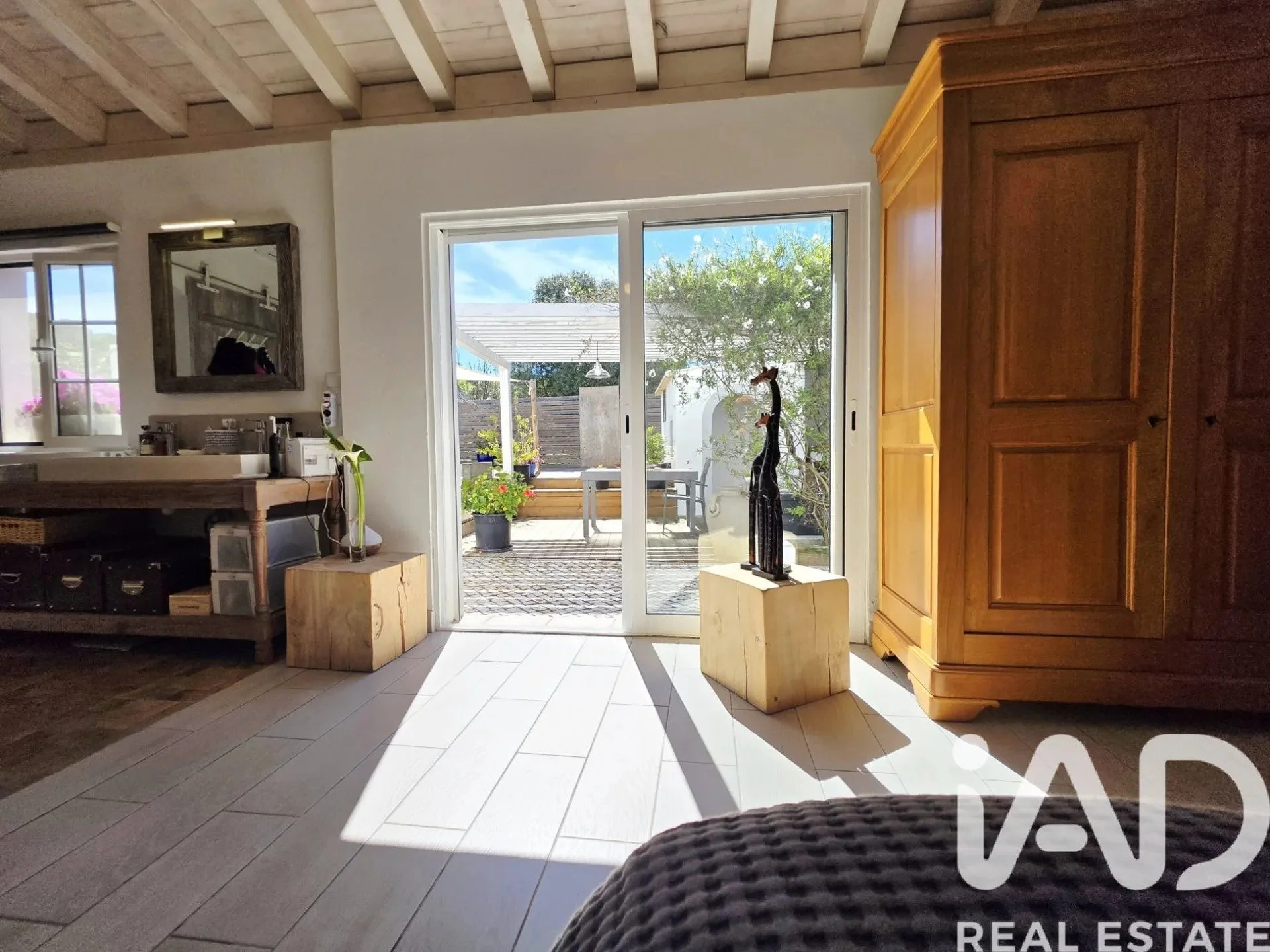
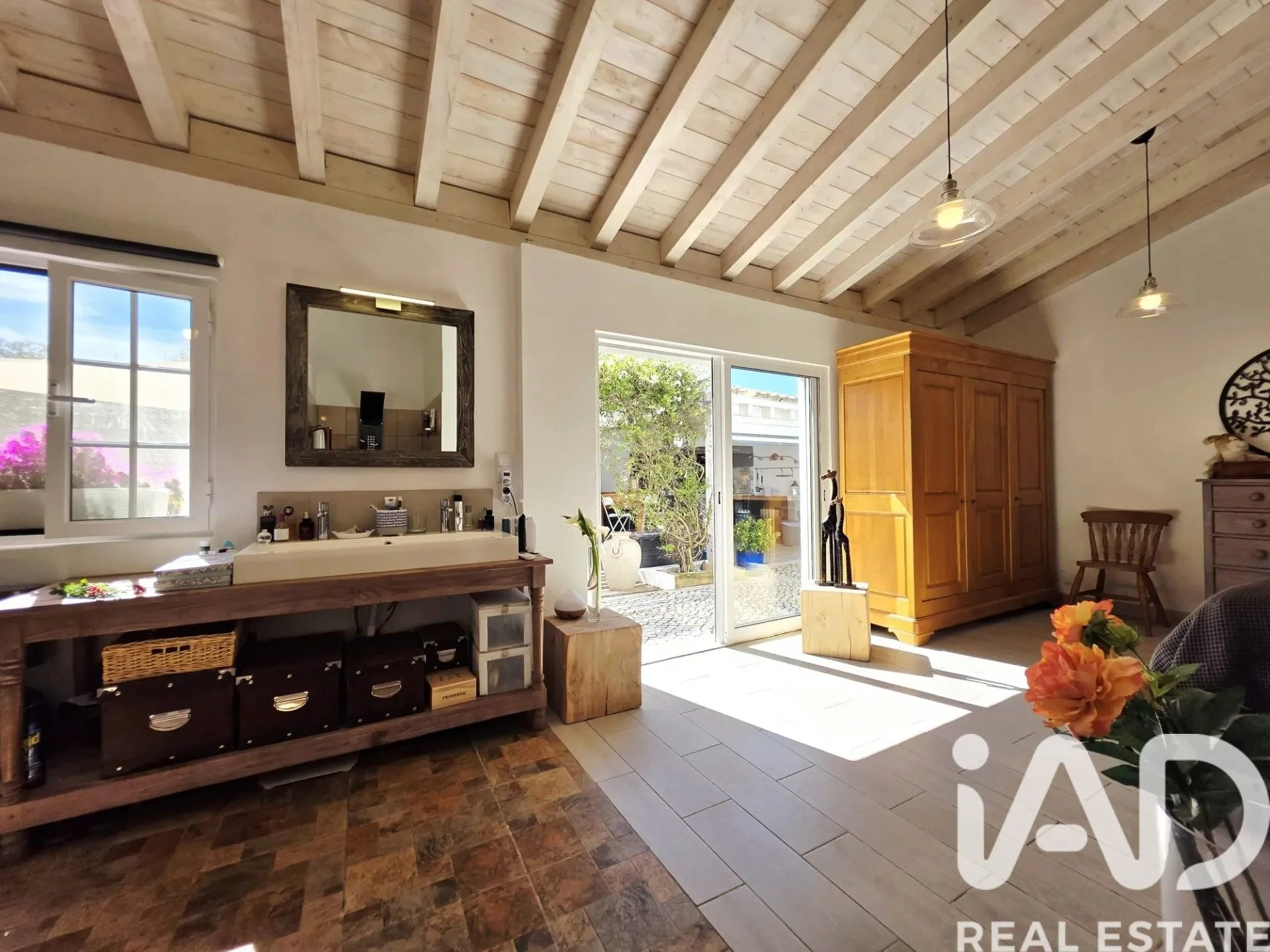
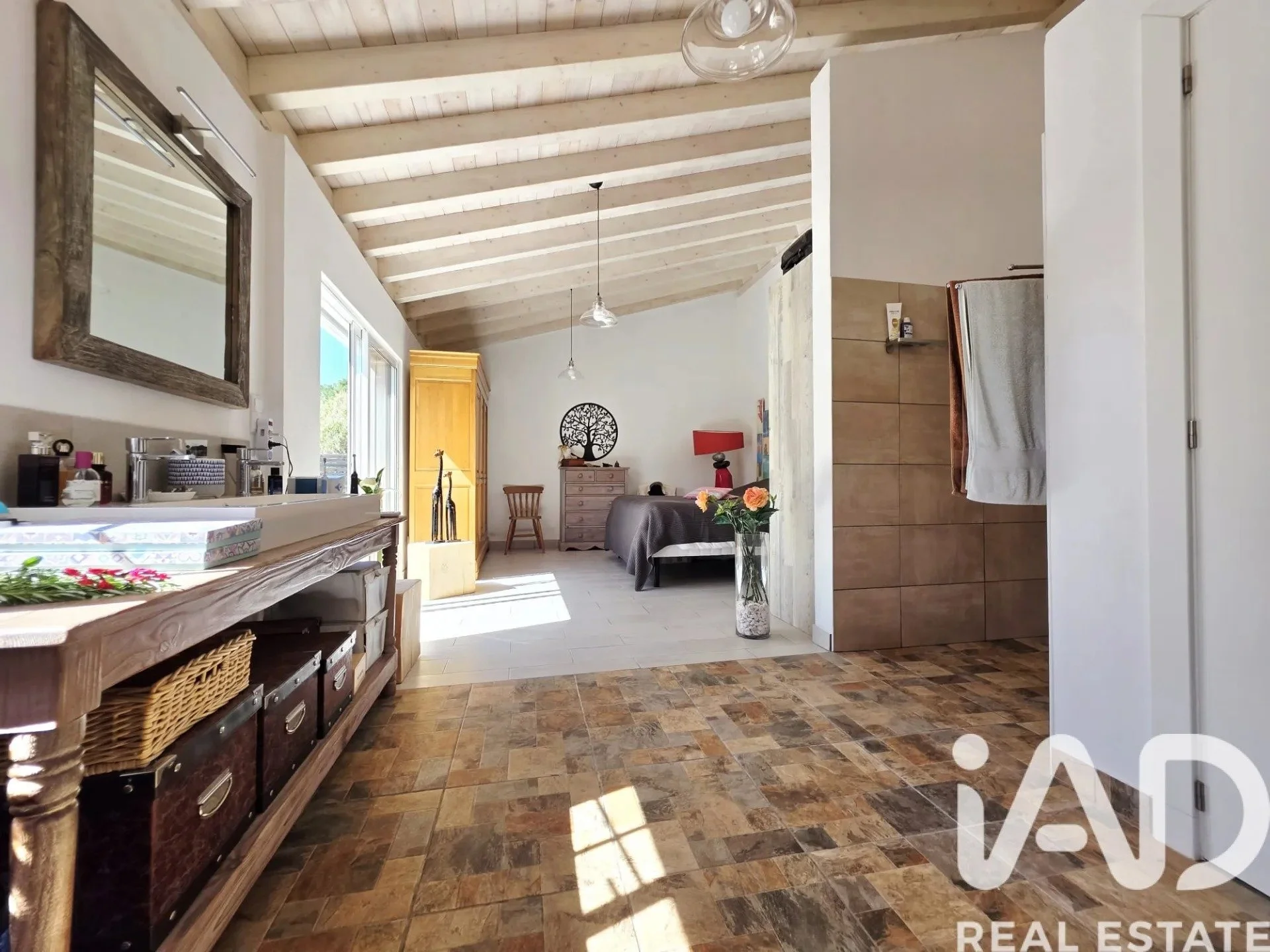
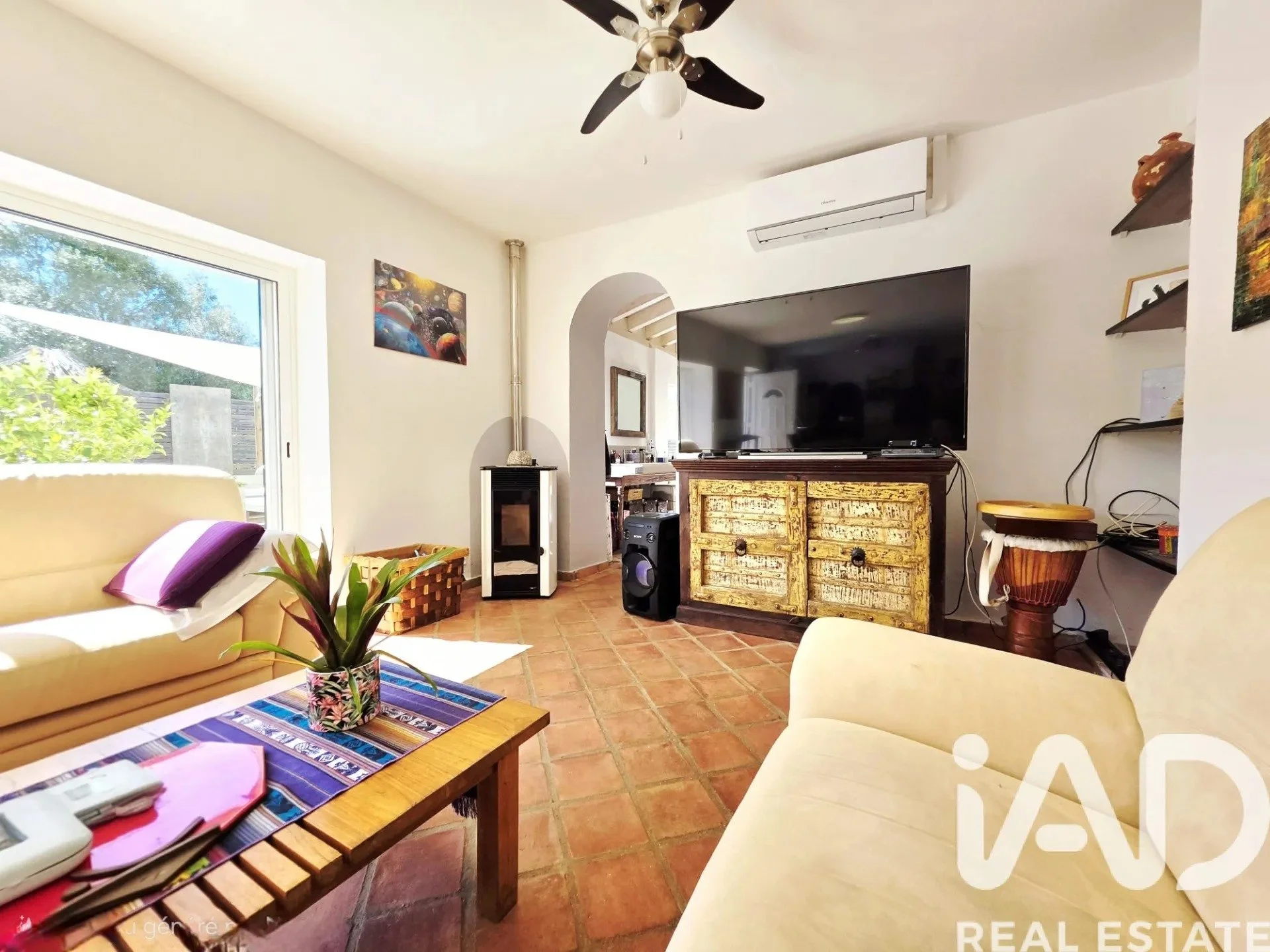
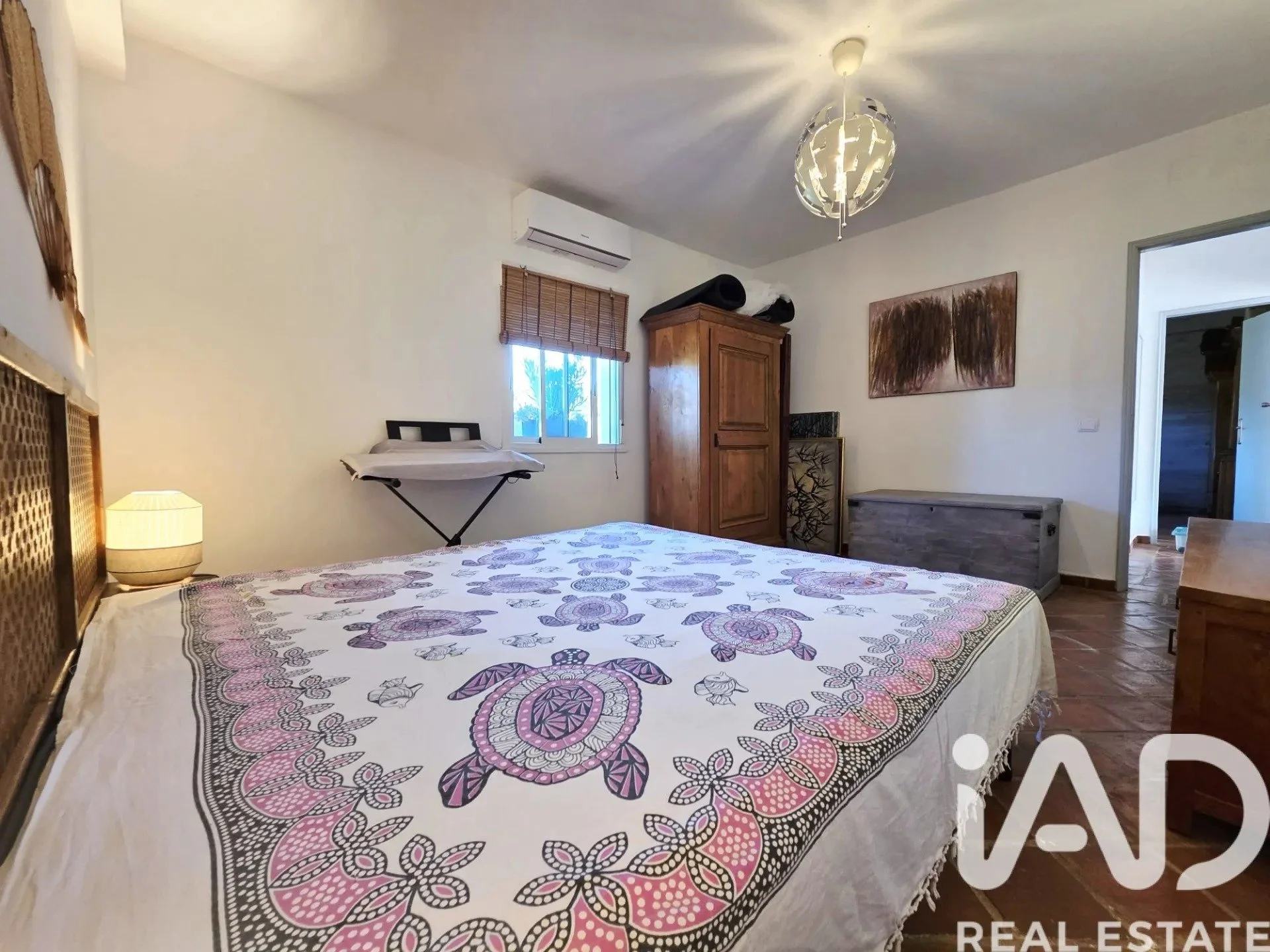
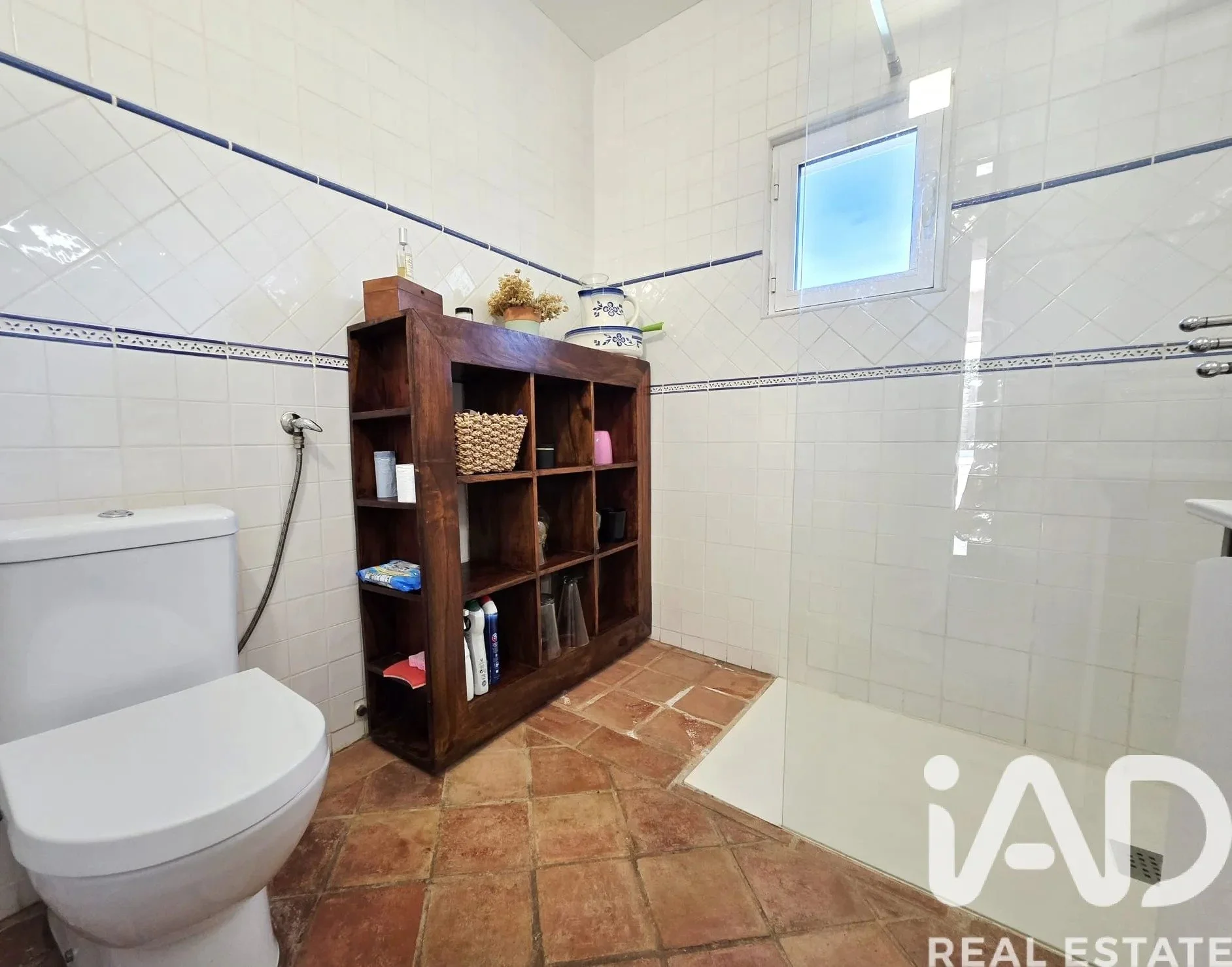
South-facing with double-glazed aluminium bay windows and electric blinds.
Water setup
Mains water plus two private wells feeding an 80 m³ storage tank.
Outdoor features
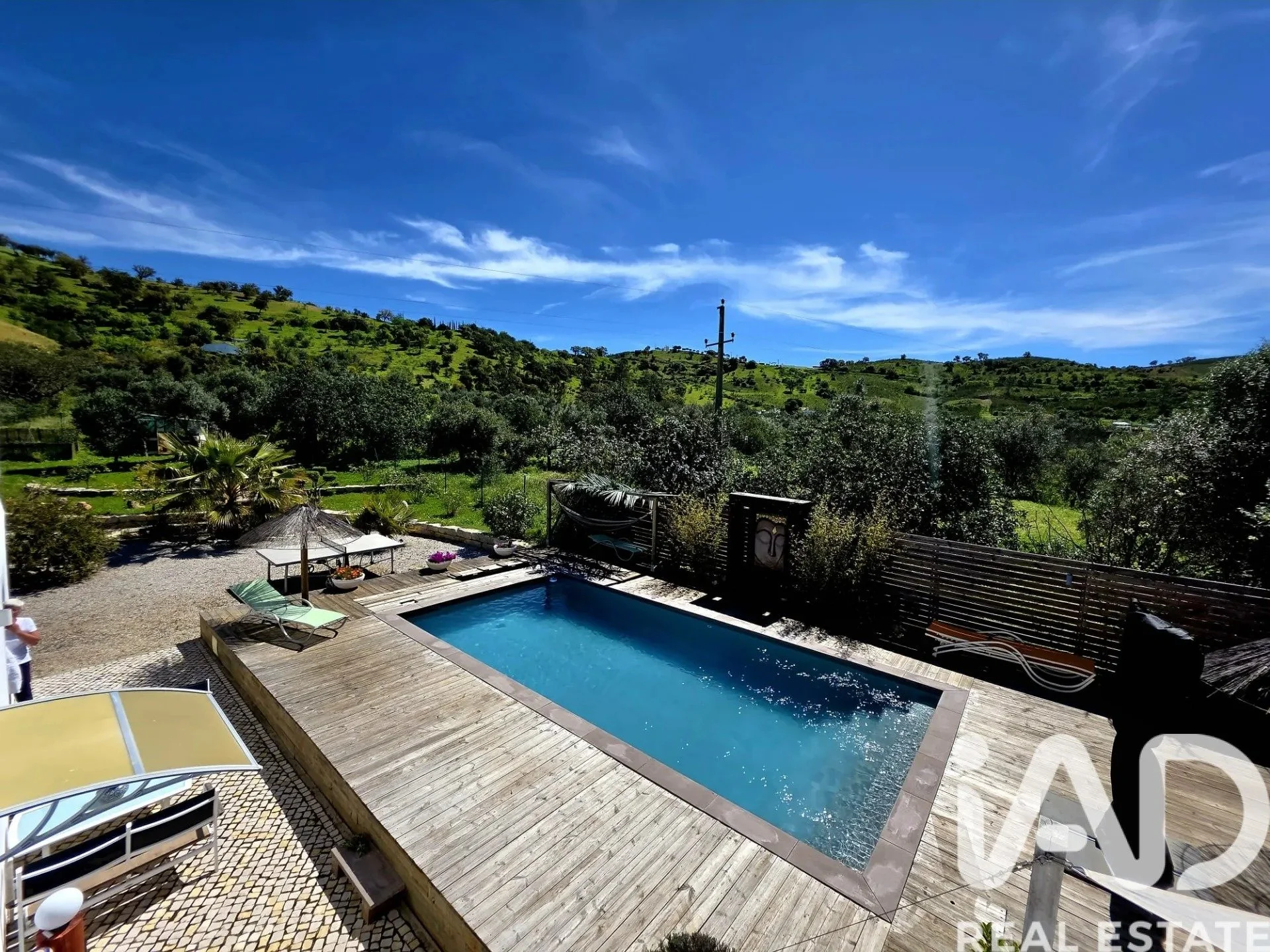
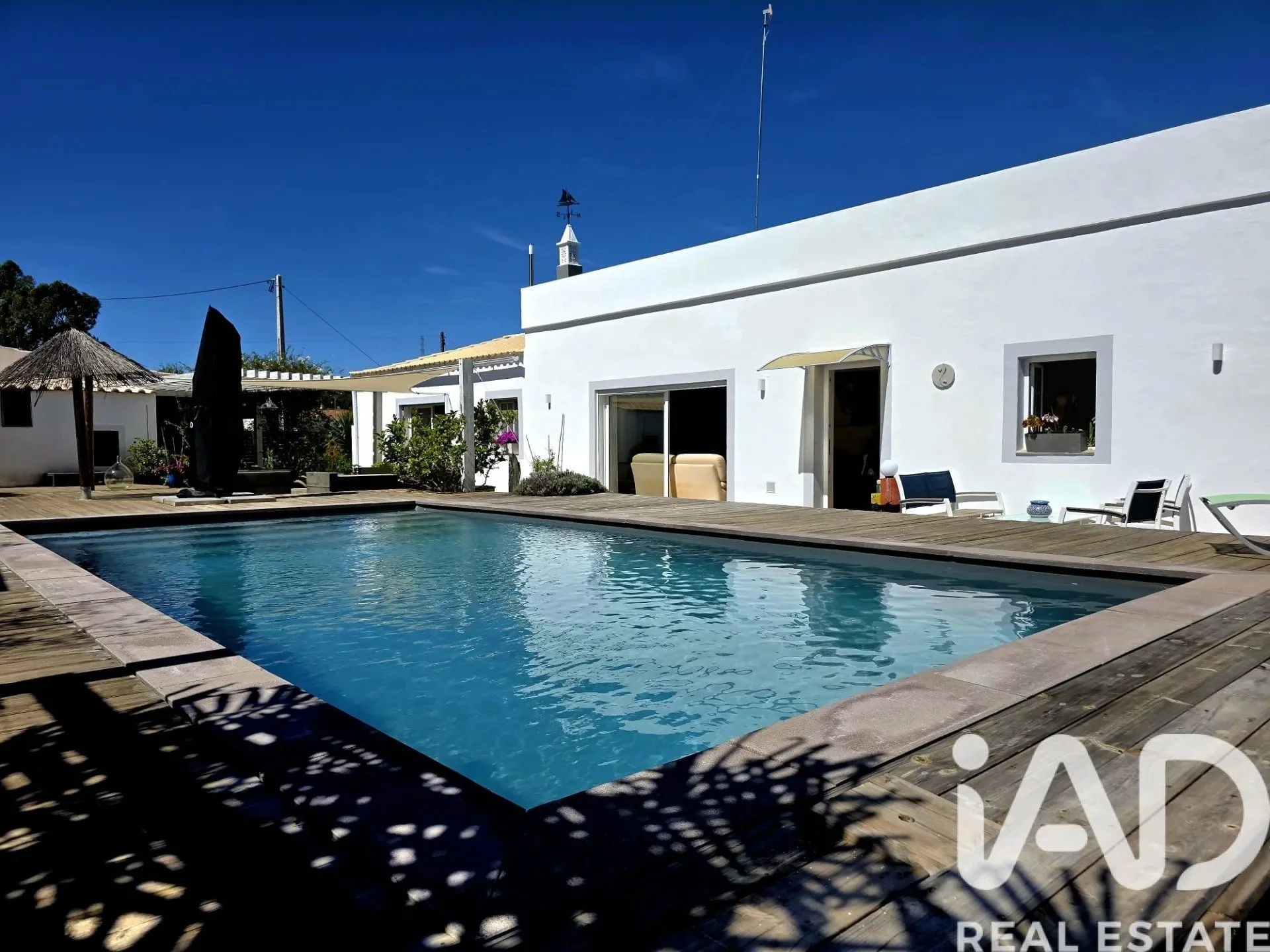
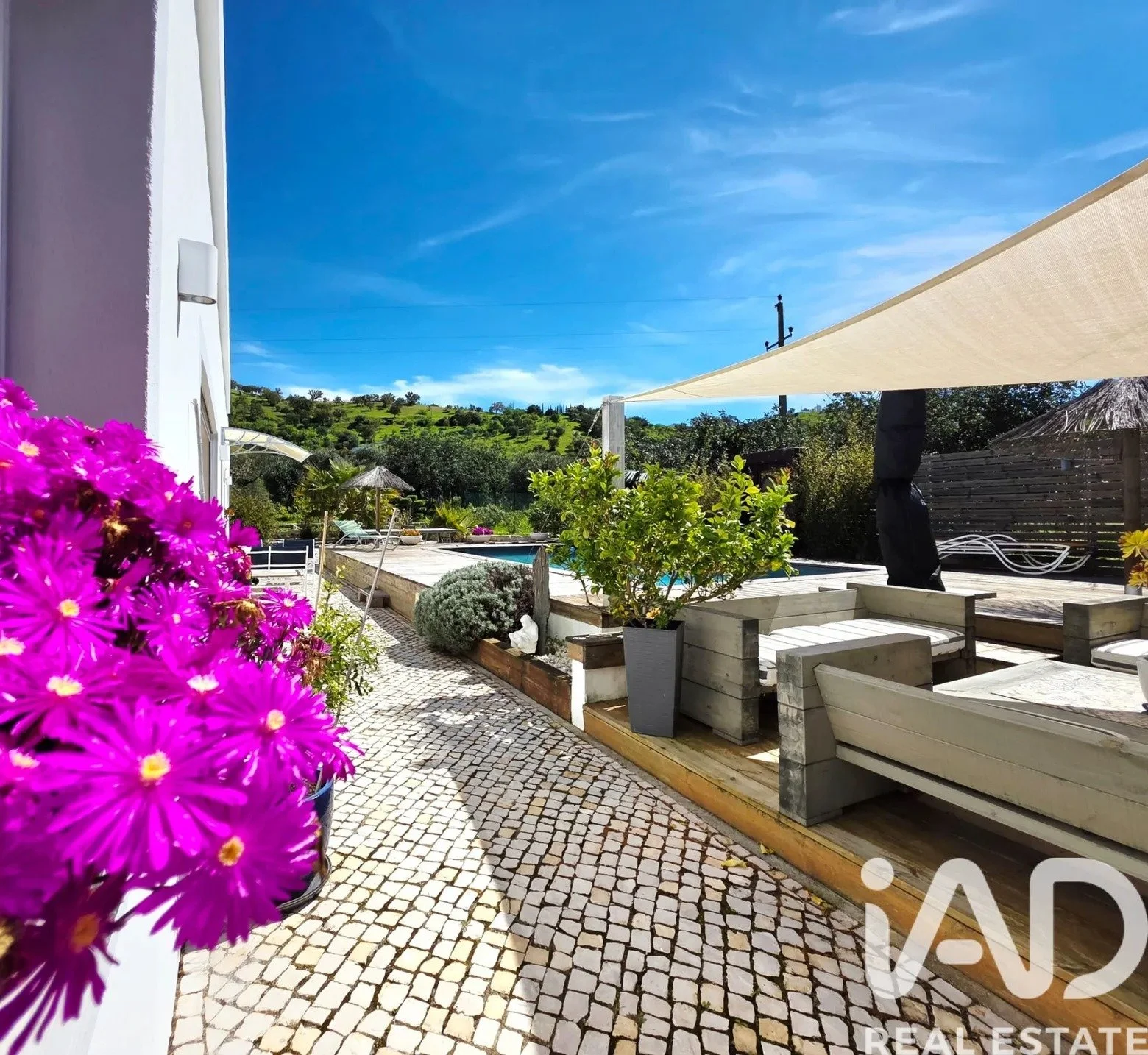
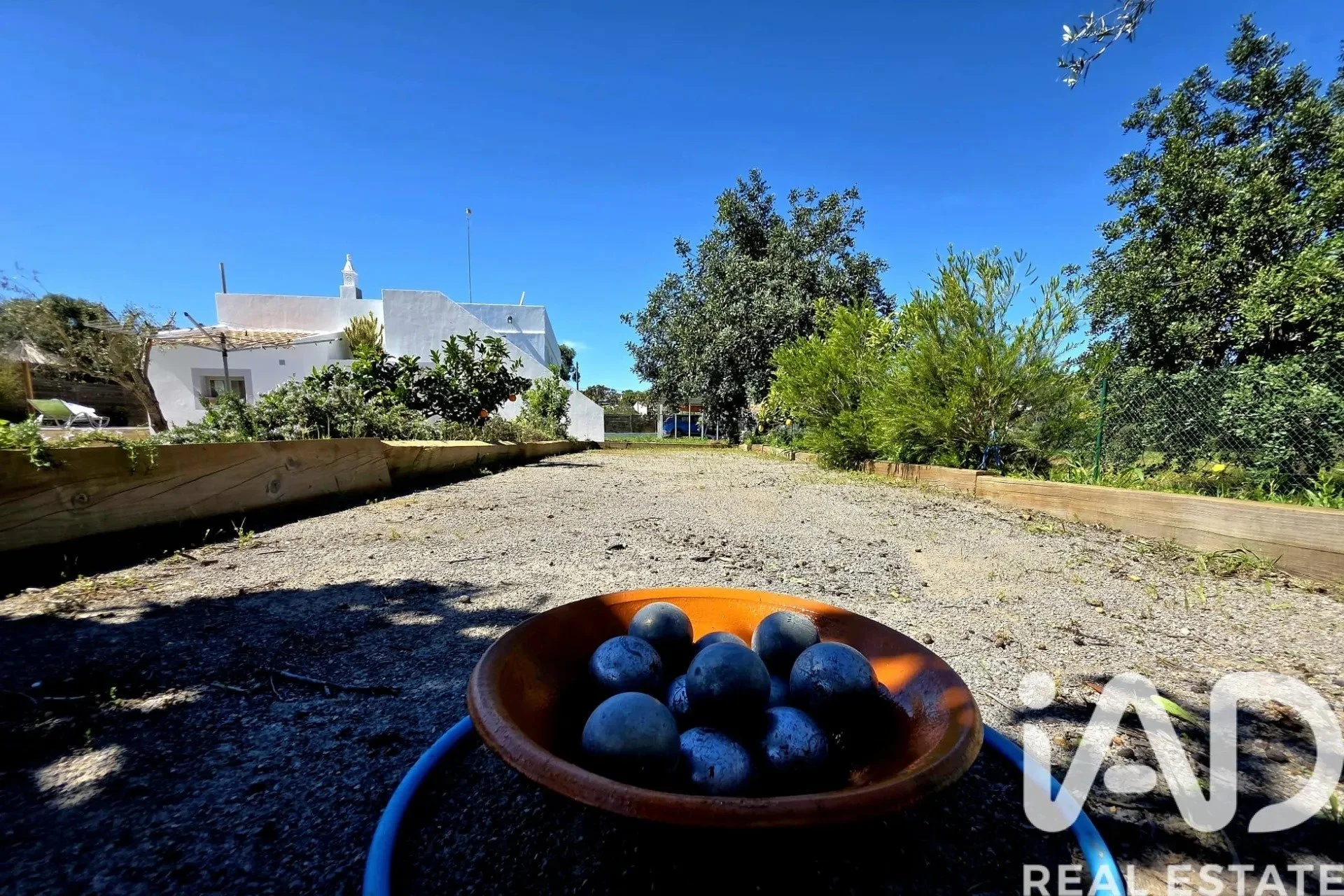
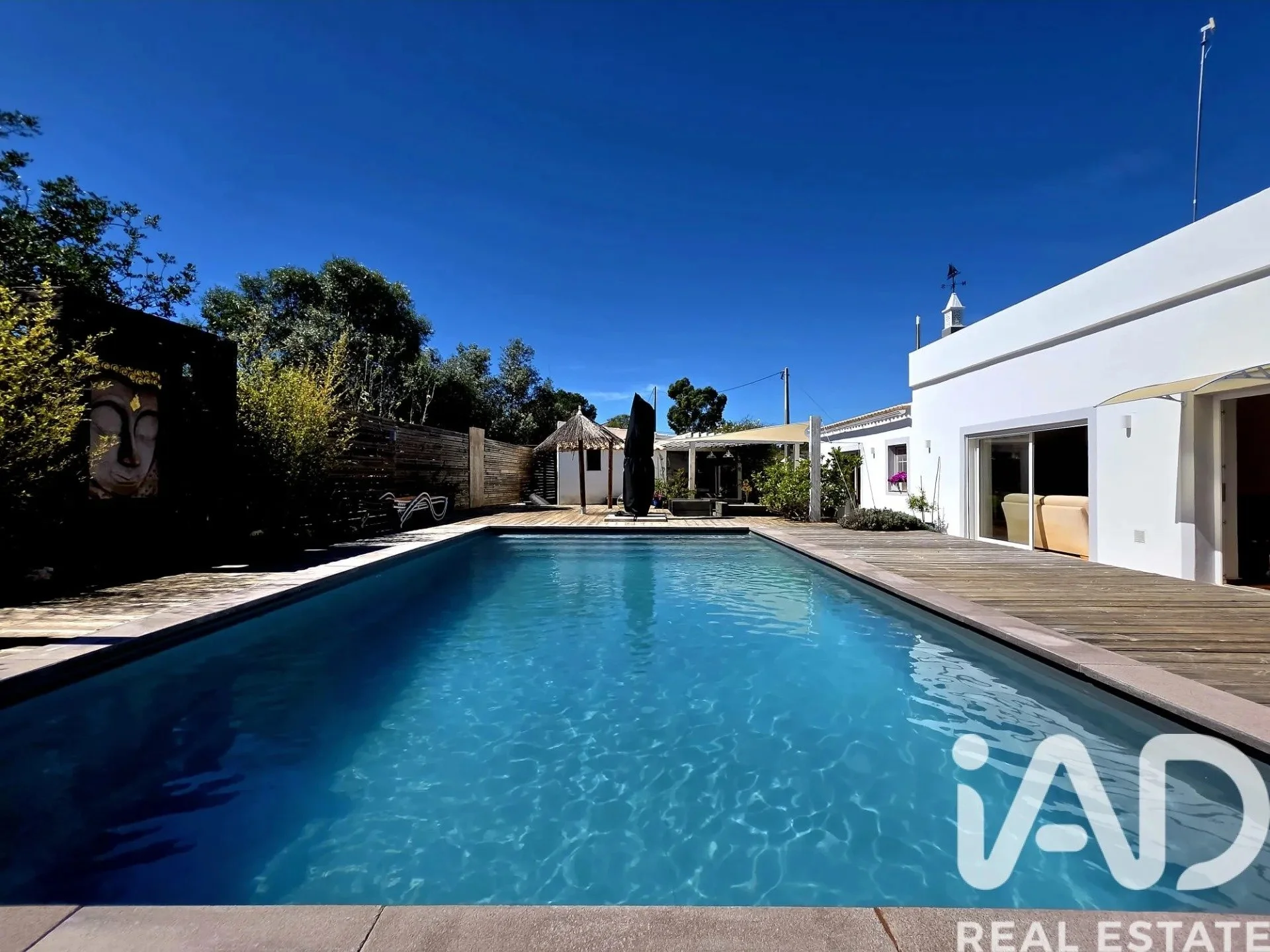
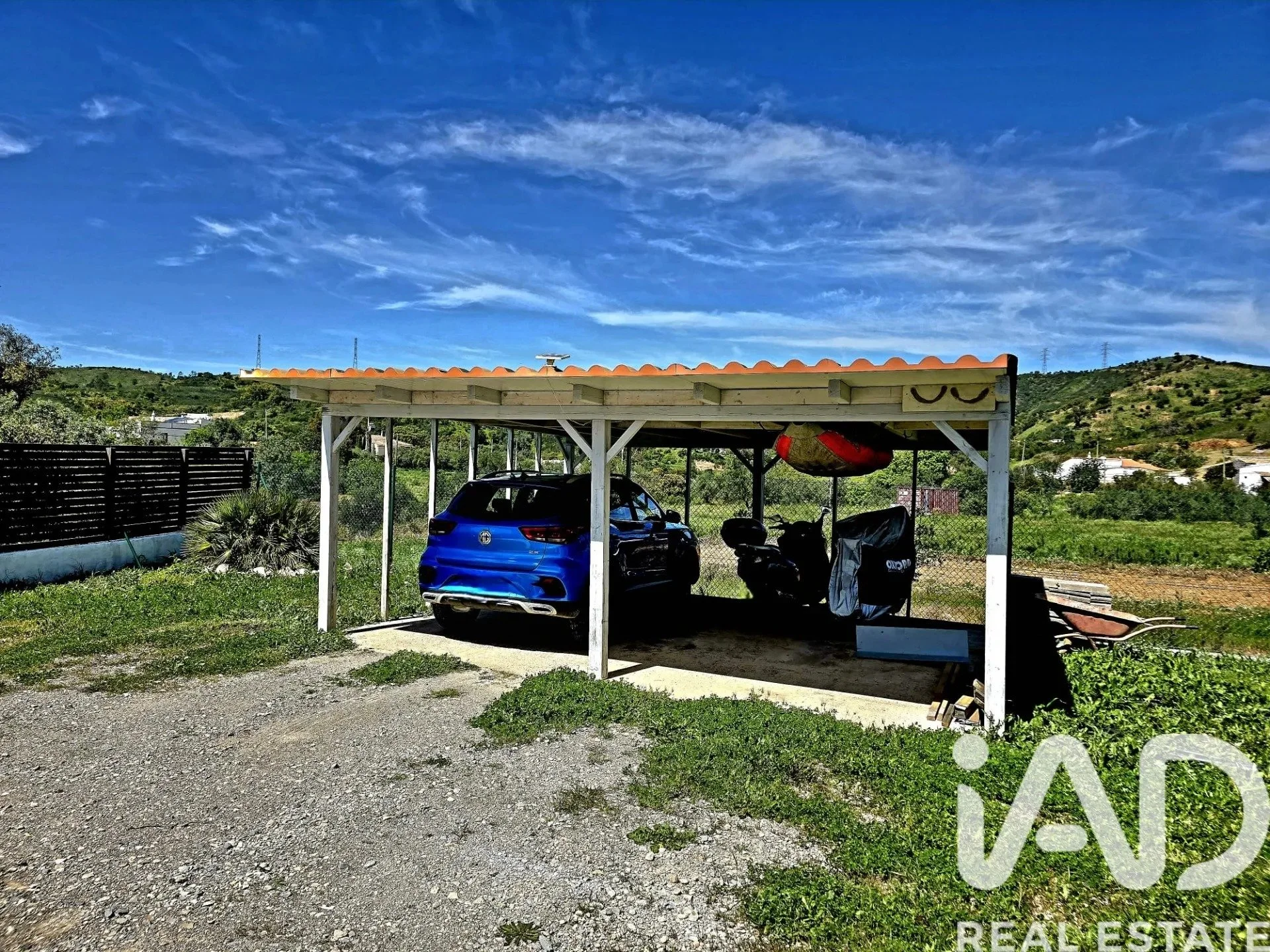
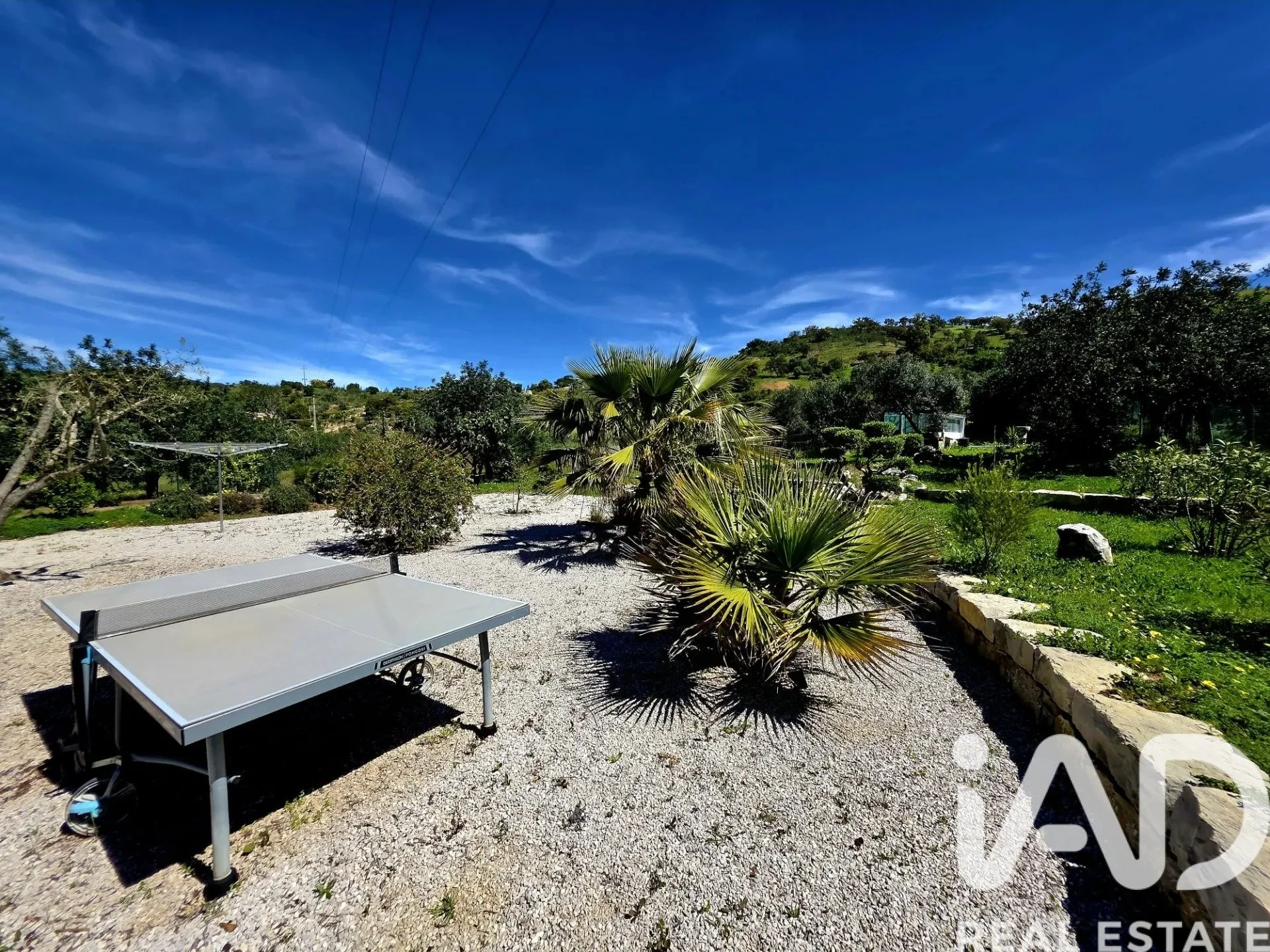
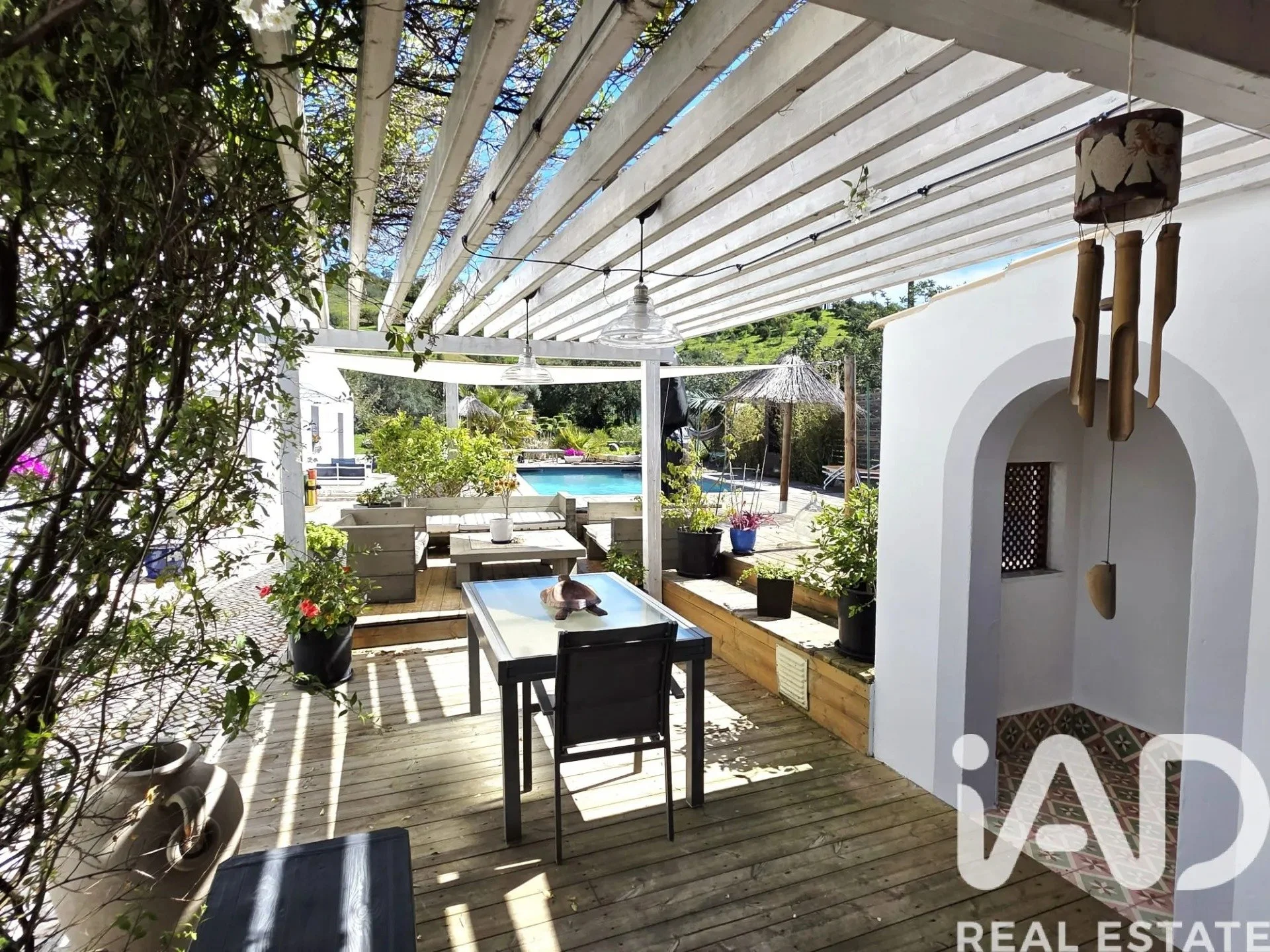
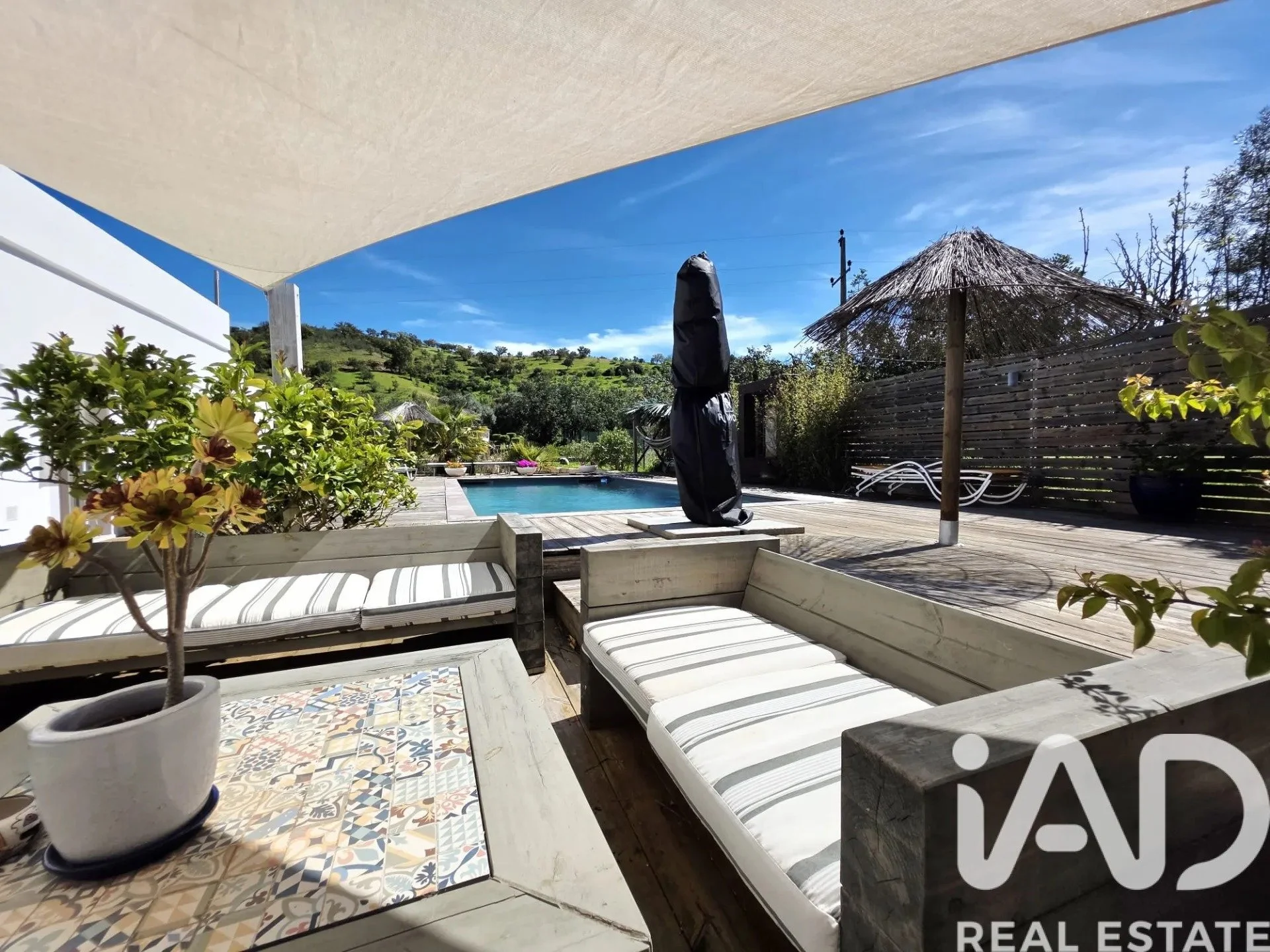
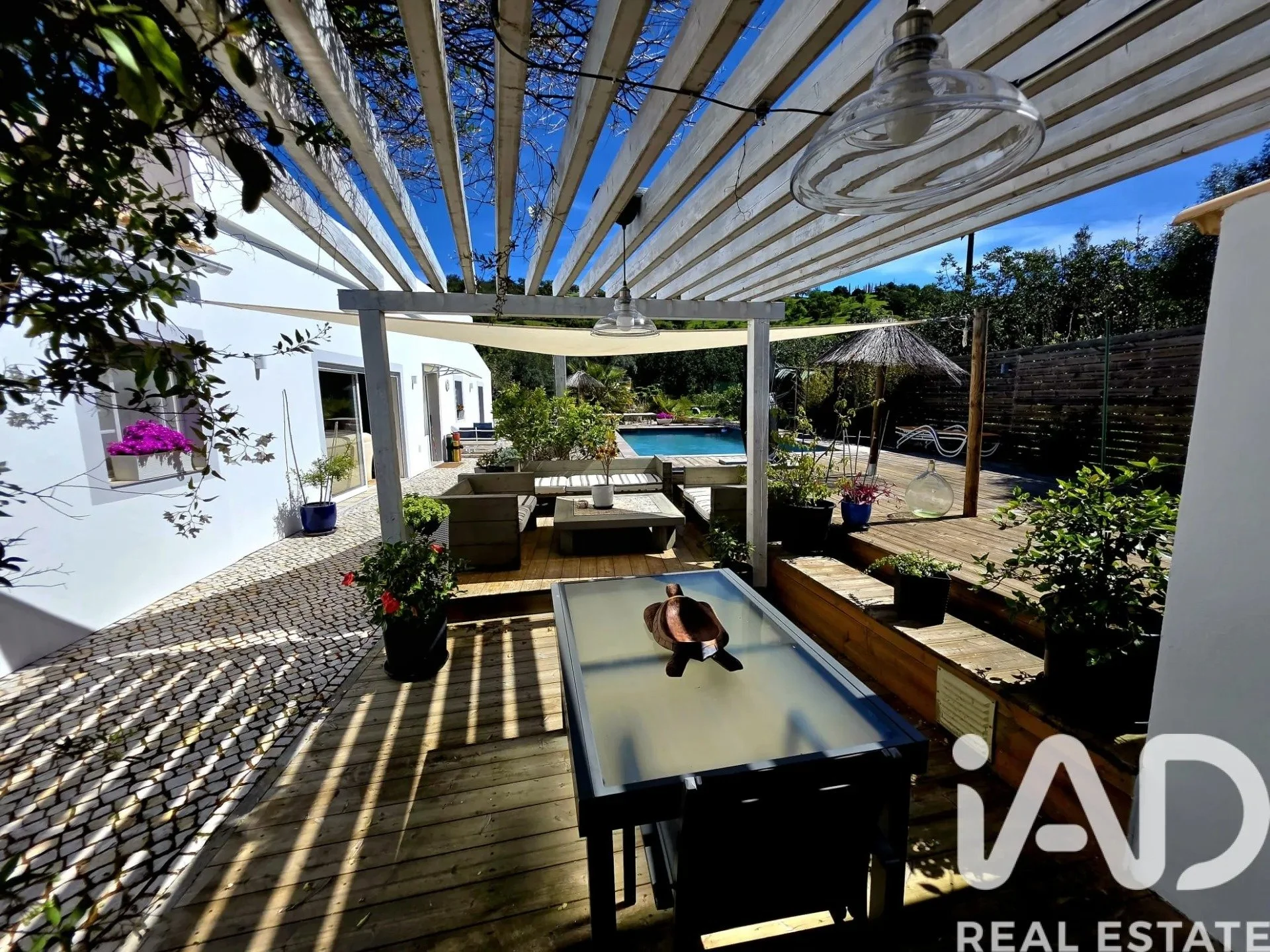
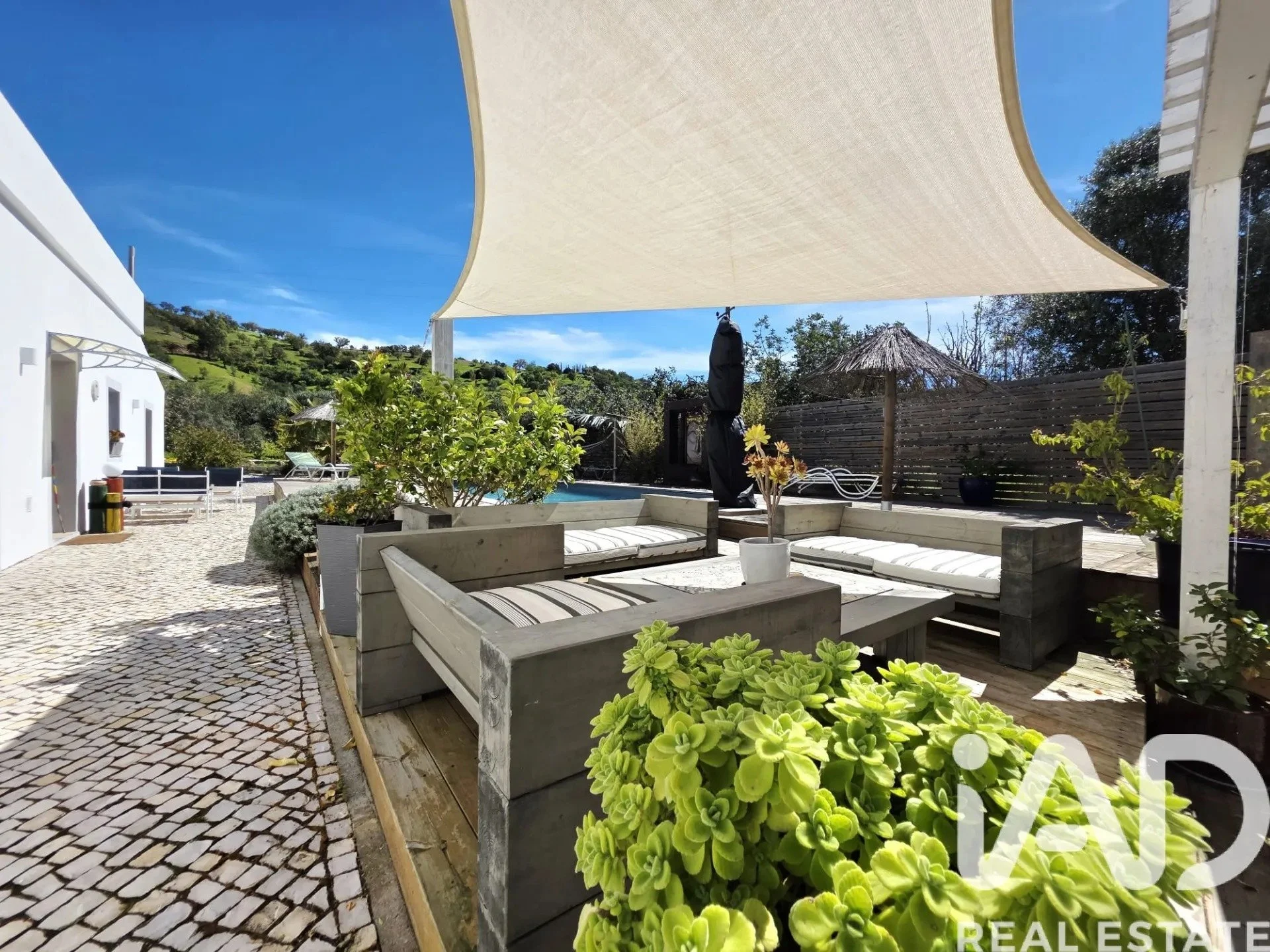
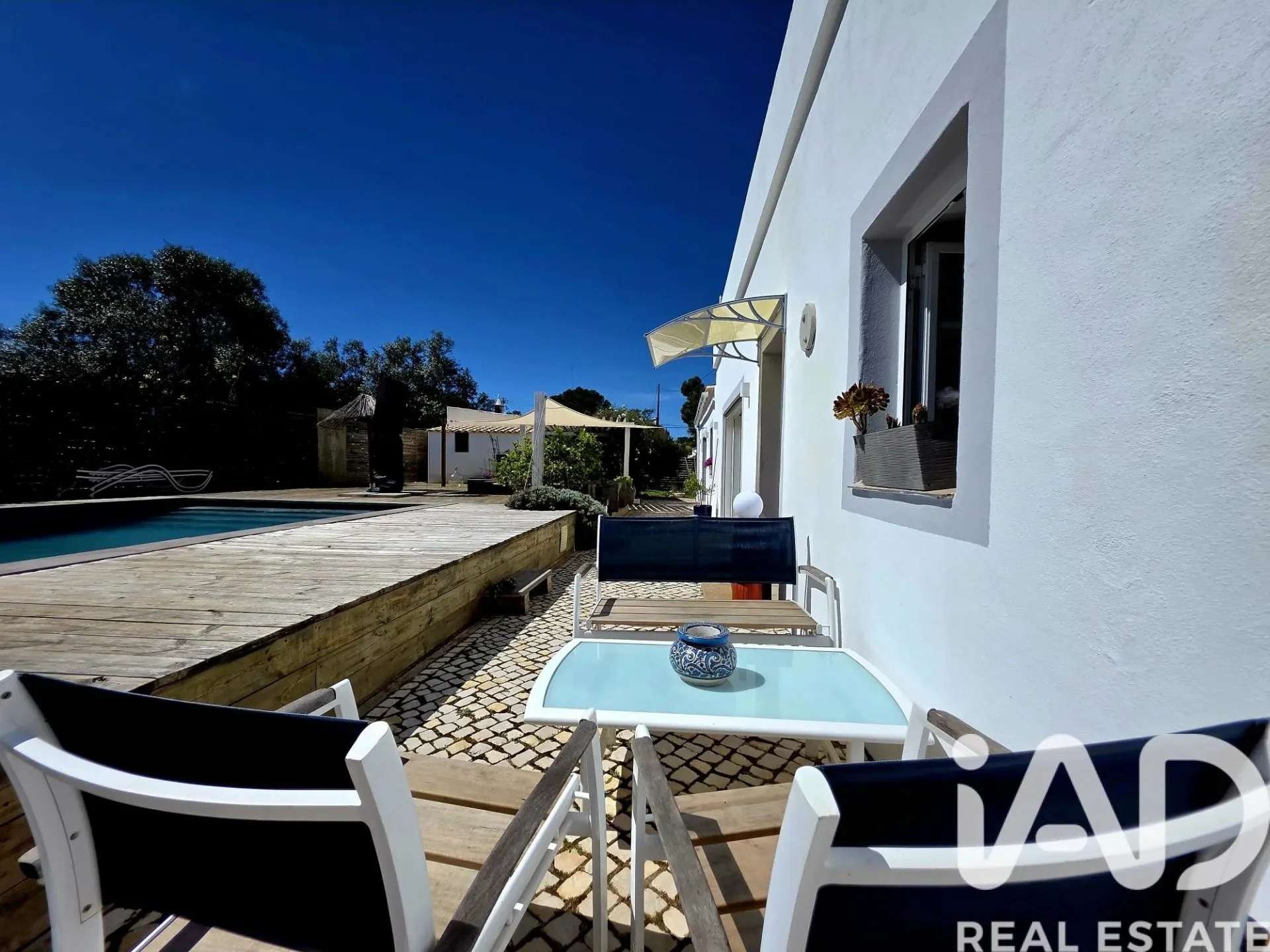
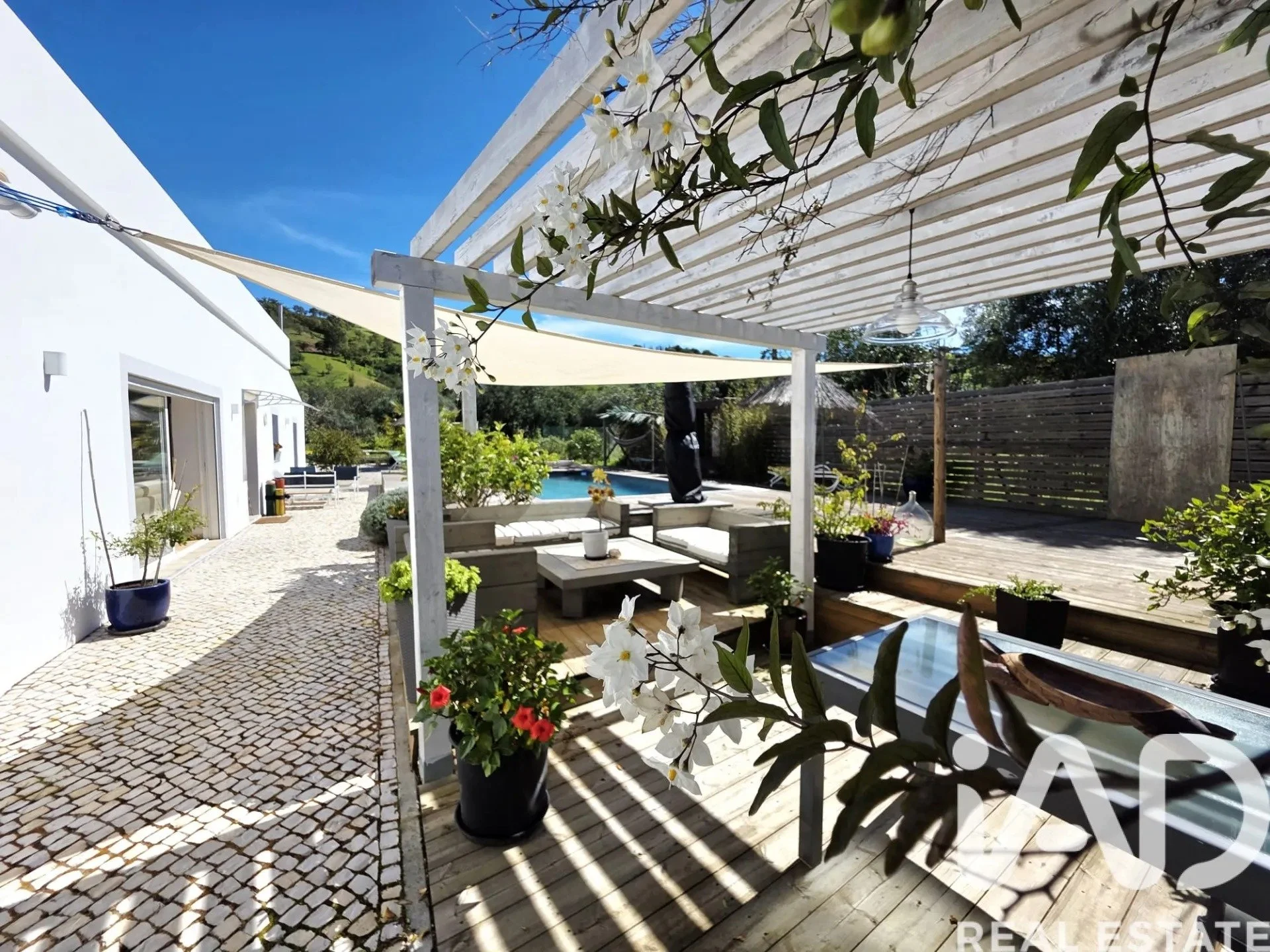
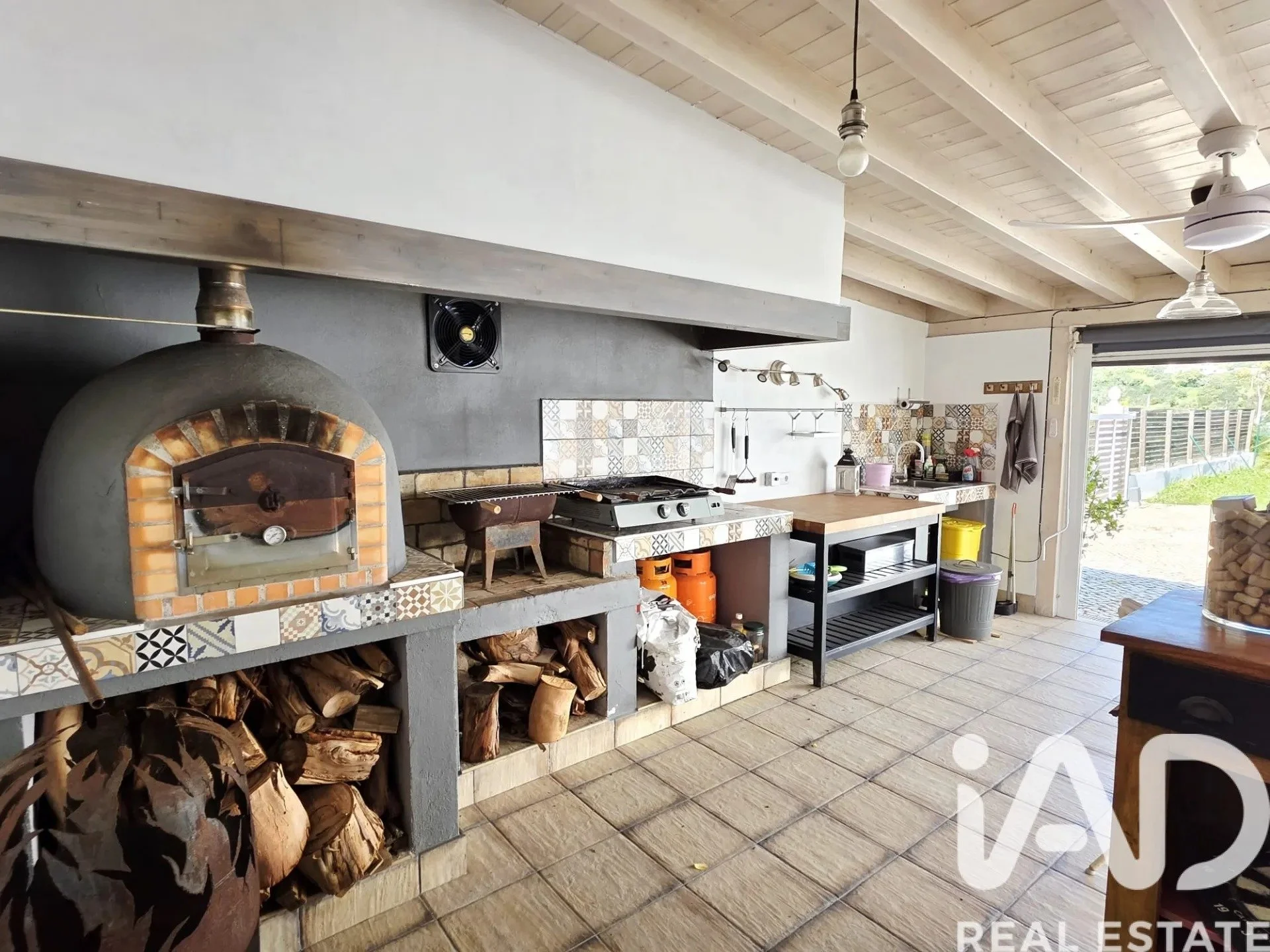
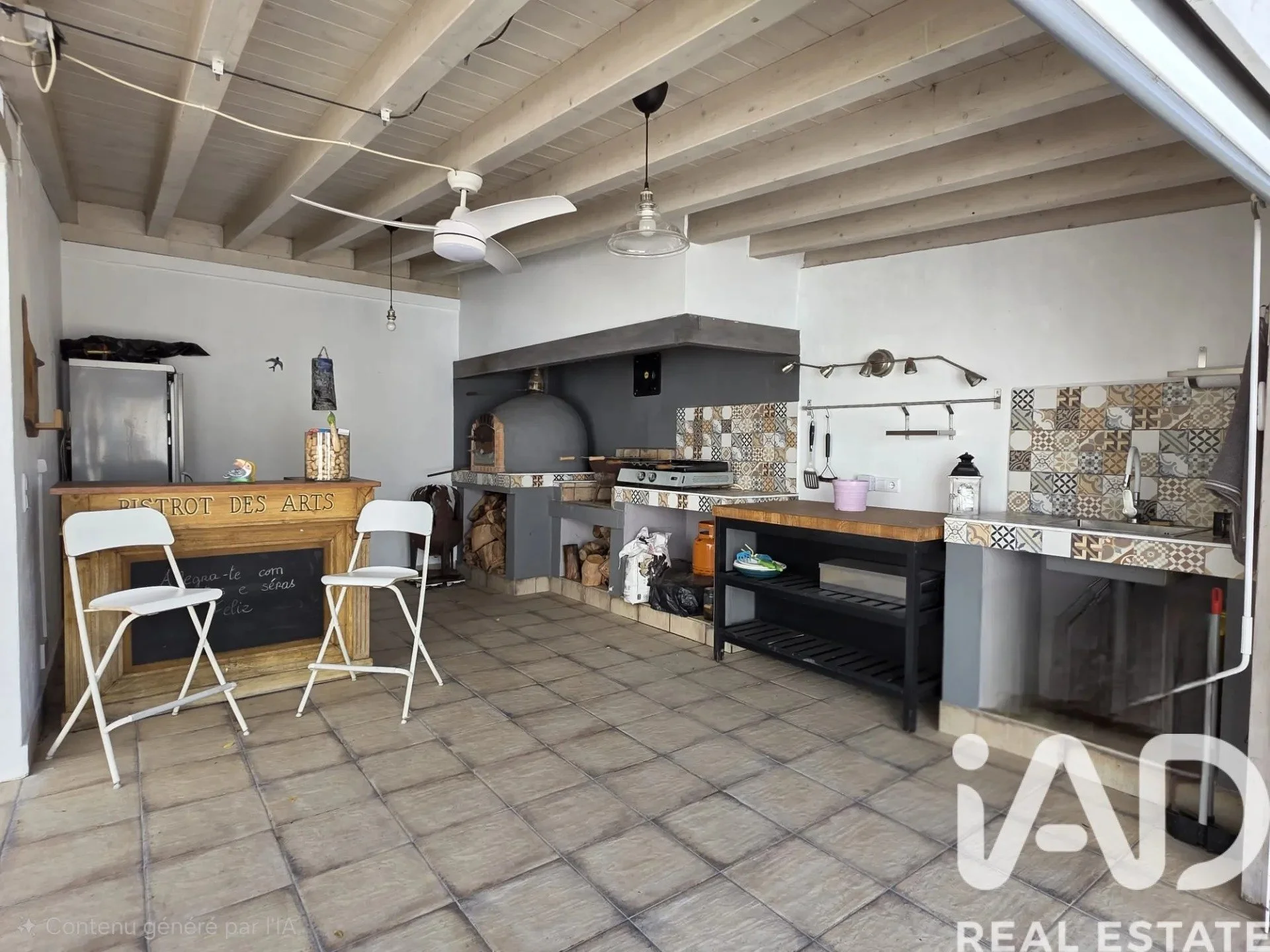
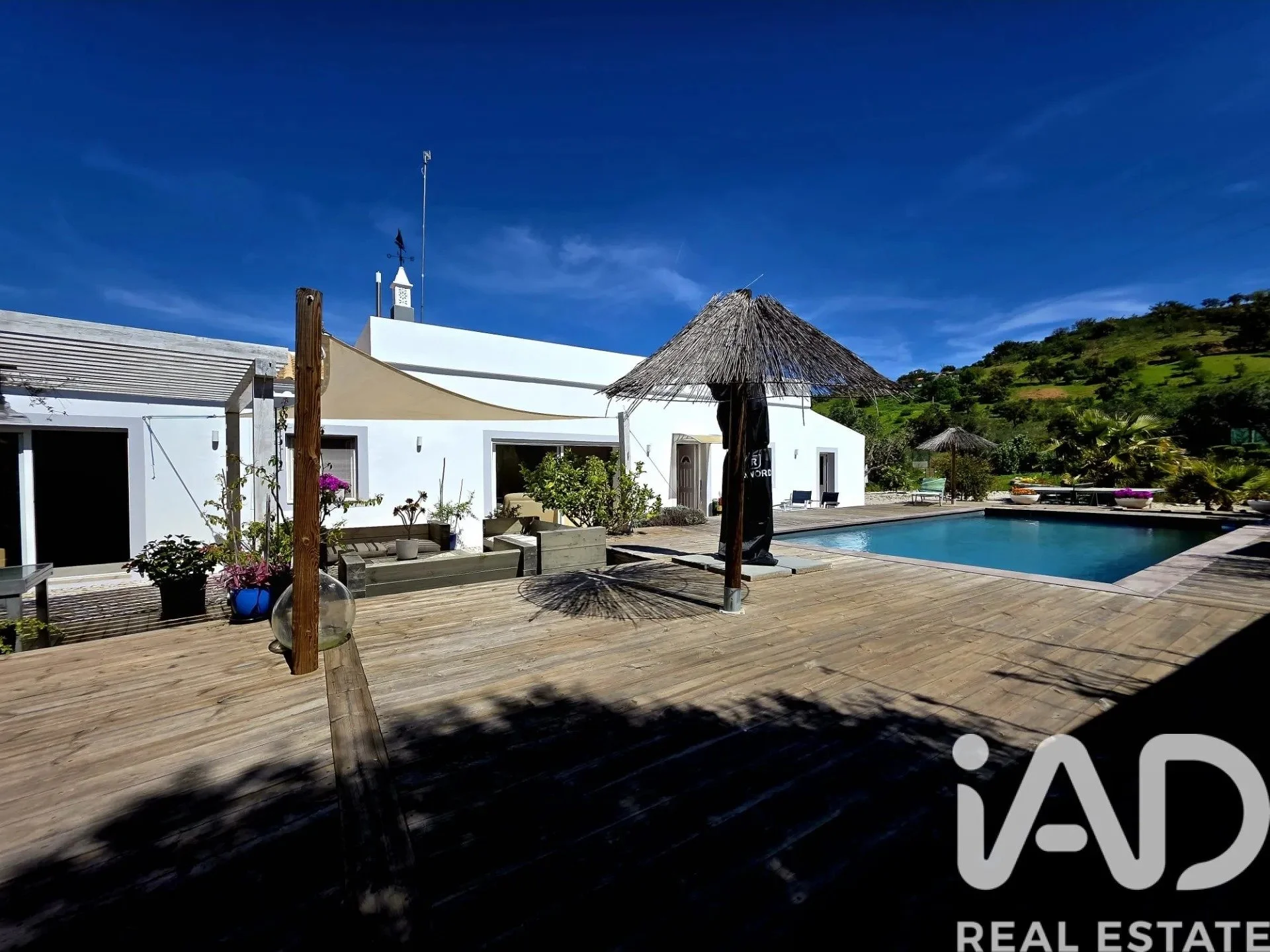
Saltwater pool with wooden deck, covered outdoor kitchen with wood-fired oven, BBQ, plancha and bar area, pergola dining terrace, pétanque court, carport for two cars plus extra parking.
Efficiency feature
200L solar water heater.
Lifestyle angle
Rural retreat with modern comforts, suitable as a home, holiday base or possible rental subject to legal checks.
Risk Radar
Overview
This is the sort of Algarve property that looks easy to buy because the lifestyle proposition is so clear. A renovated single-storey farmhouse, strong energy rating, pool, entertaining kitchen, good outdoor setup and a water story that sounds reassuring rather than fragile. On paper it combines charm, comfort and practicality better than many rural listings. The problem is that rural Portuguese properties often carry their complexity in the paperwork rather than in the photography. Here, the headline issues are the legal meaning of "pre-1951", the status of later works, the documentary position of the wells and tank, and whether the outdoor structures that make the property so attractive are actually reflected in the cadastral and registry records.
The pre-1951 point is particularly important. In Portugal, buildings from before 7 August 1951 are often discussed because that date predates the RGEU framework and can affect how the licence of use position is evidenced. But that does not give a buyer a free pass on later works. The official Casa Pronta guidance makes clear that where a building is before 7 August 1951 but has had later alterations, the deed process still turns on proving licence of use or dispensation accordingly. In practical terms, a buyer should treat "pre-1951" as a starting point for investigation, not a conclusion that everything done later is automatically regular.
The water story is the second major theme. The listing advertises mains water plus two private wells feeding an 80 m³ tank, which could be a real value-add in the eastern Algarve. But from a due diligence perspective, you need to know whether the wells are merely existing features, formally registered captures, or the subject of a current title of use. The APA's resources-hydrics regime makes clear that water use is regulated, that groundwater capture is licensed through the APA framework, and that specific capture activity and use titles matter. Buyers should also distinguish between legal existence, practical yield and potable quality. A lawful well with poor dry-season performance is still a practical weakness.
The rental angle is the third theme. Country houses with pools can perform well in the Algarve, but you should not pay for hypothetical AL upside until the registration path is confirmed. ePortugal states that AL registration is made by prior communication with deadline through the Balcão Único Eletrónico and that the municipality may oppose within the legal period. Tavira's own municipal notice also shows that the AL framework remains active and regulated locally, including proof-of-activity requirements after the 2023 legislative changes. So the right approach is to verify, not assume, that this exact property can be regularised for the intended rental use.
Targeted Questions
Legal Status and Title Position
This is the baseline check for legal identity, debt exposure and whether the marketed house matches the registered asset.
The listing does not state the plot size, yet land layout is central to value and legality.
Mixed or mismatched classification can affect lending, taxation, use and resale.
Rural properties can look straightforward while carrying hidden rights-of-way or title complications.
This is often the quickest way to expose undocumented works.
Pre-1951 Status and Renovation Legality
Buyers need documentary proof, not estate-agent shorthand.
"Pre-1951" is useful only if it can be translated into a clear municipal and deed-ready position.
A pre-1951 house may still require scrutiny for every later enlargement, rebuild or annex.
This establishes accountability and helps assess how recent the systems and finishes really are.
The form of planning control tells you how the renovation was regularised.
Portugal's official Casa Pronta guidance makes clear that the deed still depends on proving licence of use or lawful dispensation, particularly where later changes exist.
Informal internal changes can still matter for legality, valuation and lending.
Ancillary structures are often the weak point in rural compliance files.
Paper trails help separate a proper renovation from a cosmetic refresh.
It reduces the risk of discovering post-offer that parts of the property were not fully regularised.
Water Rights, Wells and Storage
The APA's framework regulates groundwater capture, so buyers need the formal water position, not just the practical one.
The wording of the title matters, including what the water may legally be used for.
Existing physical wells do not automatically answer the legal-use question.
Water resilience in August matters more than water abundance in spring.
Rural water sources can be usable for irrigation but unsuitable for drinking.
A system that sounds abundant can still become constrained under combined demand.
Storage is only an asset if the tank is structurally sound and hygienically maintained.
This affects both daily usability and ongoing maintenance costs.
Practical resilience matters if one source underperforms.
Water independence can be excellent, but pumps, treatment and storage all have lifecycle costs.
Building Condition and Systems
The quality of the upgrade matters more than the headline class on its own.
The full certificate explains the assumptions, recommended improvements and energy profile behind the Class B rating. ADENE states that energy certification applies in sale and rental transactions.
Real bills are often more revealing than brochure efficiency claims.
A strong energy class can still hide comfort gaps if the installed systems are basic.
Eastern Algarve summer comfort should be tested practically, not assumed.
Solar hot water is helpful, but only if the backup setup and maintenance position are clear.
Pre-1951 charm often depends on what was quietly replaced.
Rural houses can photograph beautifully while hiding climate-related maintenance issues.
Not all aluminium glazing performs equally, especially in hot southern climates.
Exterior shading is important to comfort and can be expensive to replace.
Pool, Outdoor Kitchen and External Structures
Pools are one of the most common points where rural legality becomes blurred.
Running costs and renewal timelines affect real ownership cost.
Safety, insurability and rental readiness all depend on the detail here.
External timber near pools can be both a maintenance item and a compliance item.
This is a high-value feature, but also exactly the kind of structure that can become a legal weak spot.
A glamorous entertaining zone can still be impractical or non-compliant in day-to-day use.
If it is missing from the records, the buyer needs to know before making an offer.
Smaller structures still matter for valuation, insurance and municipal scrutiny.
Unlisted extras can be a bonus, but also a compliance risk.
Drainage, Access and Practicalities
Rural drainage is a major practical and regulatory issue.
Poor separation between wastewater and water capture can create both health and compliance problems.
This can affect both legality and future improvement costs.
Rural convenience is shaped by access far more than urban buyers often expect.
Quiet rural living can be undermined by rights that do not show up in the photos.
Remote-work suitability should be measured, not assumed.
Authentic countryside can be peaceful or surprisingly active depending on context.
Lifestyle value depends on realistic rather than brochure travel times.
Rental Potential
Historic performance is better evidence than agent optimism.
Existing registration history can reveal both potential and obstacles.
ePortugal makes clear that AL depends on a formal registration process and municipal opposition remains possible.
Rural liveability and guest use do not always sit comfortably together.
The answer shapes both income expectations and furnishing strategy.
Country demand may be strong, but it is rarely identical to beach-market demand.
Rental readiness is not just legal, it is operational.
This helps separate "possible to rent" from "ready to rent".
Negotiation Intelligence
Buyer Leverage
Medium-High
Key Drivers
Typical Negotiation Range
5-15% below asking
Neutral Phrasing Examples
Country Layer
Portugal (Regulatory Context April 2026)
For this property, the most important Portuguese rules and frameworks buyers need to understand:
Viewing Strategy
Walk this property in the least romantic way possible first, then enjoy it afterwards.
Next Step
Verify from the listing:
Pre-1951 status versus later works
Confirm what exactly proves the original pre-1951 build date and whether the later renovation, pool, outdoor kitchen and other external works are all fully documented for deed and municipal purposes.
Water rights and well legality
Request all available APA and technical paperwork for the two wells, including any title of use, water tests, pump records and evidence of dry-season performance before valuing the self-sufficient water setup too highly.
Pool and outdoor kitchen approvals
Check that the saltwater pool, timber deck, covered outdoor kitchen, pergola and carport are reflected in the approved plans or otherwise lawfully regularised, as these features materially drive the property’s value.
Drainage and rural infrastructure
Verify whether the property is on mains drainage or septic, how that system is configured relative to the wells, and whether the broader utility setup is robust enough for full-time living or guest turnover.
AL and income assumptions
Do not assume short-let potential from the lifestyle alone. Confirm whether this exact farmhouse can be registered and operated as Alojamento Local in practice before pricing in any holiday-rental upside.
A prepared buyer should approach the agent calmly and frame questions as due diligence.
Because this is a rural Algarve property where legal regularity, water resilience and outdoor infrastructure all materially affect value, run it through the Property Risk Assessment before contacting the agent, and use the Total Property Cost Calculator to model the true buying cost once the paperwork and any regularisation risk have been clarified.
Disclaimer: The Property Drop is buyer-focused intelligence, zero sales agenda. We curate exceptional properties, in southern Europe, from third-party agents and arm you with decision tools. No commission, no transactions, no agent partnerships, no skin in the game beyond helping you choose wisely. Information stays accurate until it doesn't (properties sell, prices shift, markets move). Everything here is shared for informational purposes only and should not be treated as legal, financial, or investment advice. Images belong to original agents. Read our Terms of Service to learn more.
Buyer Intelligence:
This assessment provides general guidance based on common risk factors and publicly available regulatory information. Risk scores and checklist items are indicative only and must not be considered legal, financial, structural, or surveying advice. Actual property conditions, costs, and regulatory requirements vary significantly by location, property age, and specific circumstances. Regulations are subject to change; always verify current requirements with qualified local professionals before making any purchasing decision.
The Property Drop provides buyer intelligence and educational research analysis only. The Property Drop does not act as an estate agent, intermediary, or advisor in any transaction and does not facilitate introductions, negotiations, or transactions. Always engage qualified independent professionals including local lawyers, surveyors, architects, and tax advisors for comprehensive due diligence specific to your property.
IMPORTANT REMINDER: When contacting property agents featured on The Property Drop, you are entering into direct communication with third parties. It's recommended that you verify all property details independently, conduct thorough due diligence, engage qualified professionals (solicitors, surveyors, financial advisors), understand your rights and obligations under local property laws, and never send money or make commitments without proper legal protection.

The Buyer Playbook: 2-Bed Stone Townhouse with Mountain Views in the Valnerina, Macenano, Italy, €58,000
The Buyer Playbook: 5-Bed Modernist Villa with 6-Metre Glass Roof and Rooftop Terrace, Montargis, France, €590,000
Questions ready for the agent?
The agent represents the seller.
What you ask shapes the answers you get.