
The Buyer Playbook: 2-Room Ground-Floor Flat with Private Patio, Marseille 6th, France, €350,000
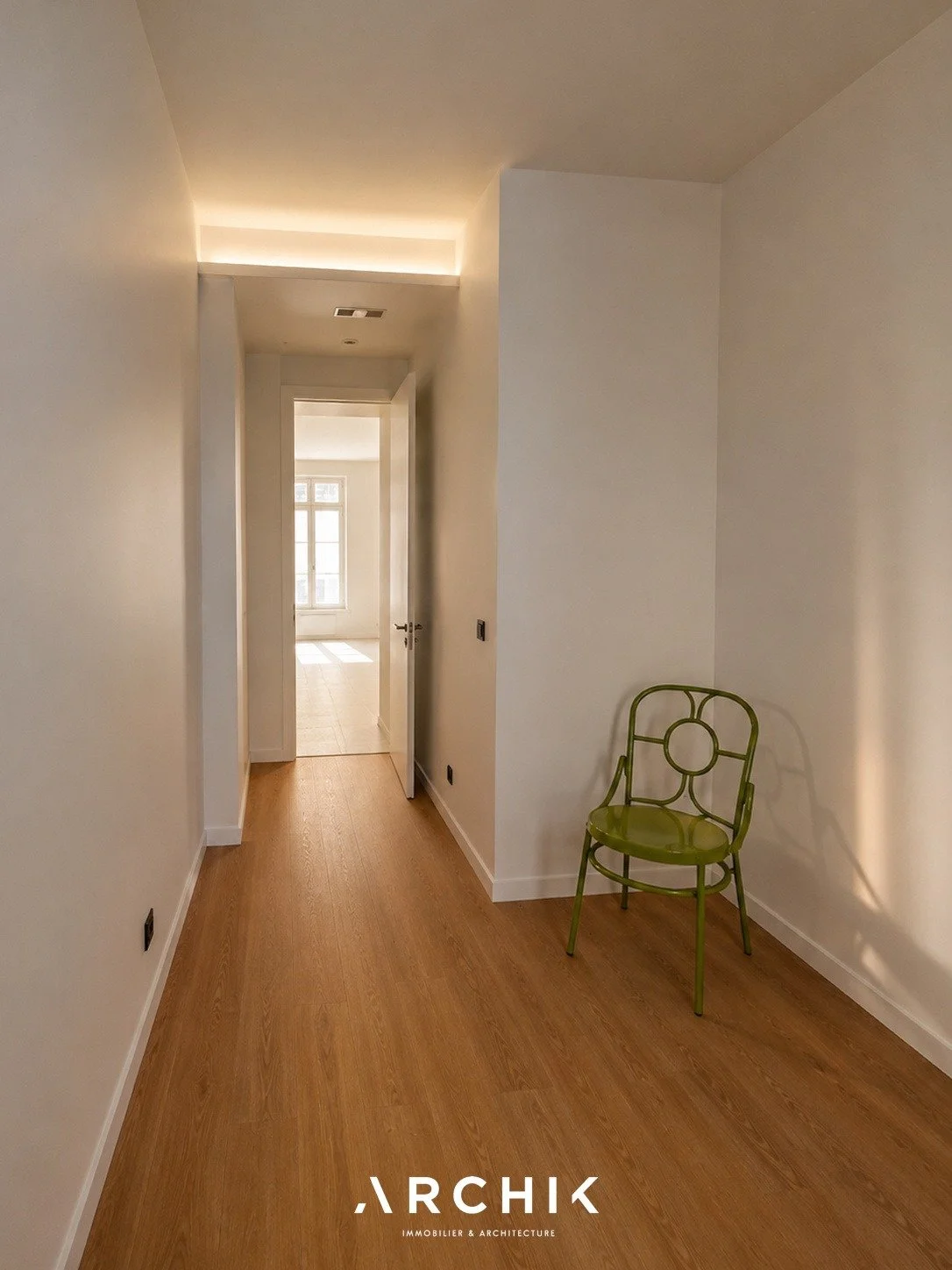
Note: The listing describes 2 rooms but the layout has 3 distinct spaces (30 m² + 11 m² + 12 m²) plus a shower room. No dedicated bedroom is named, so the flexible spaces could be configured as bedrooms. Worth viewing it as a studio/1-bed equivalent depending on how the rooms are used.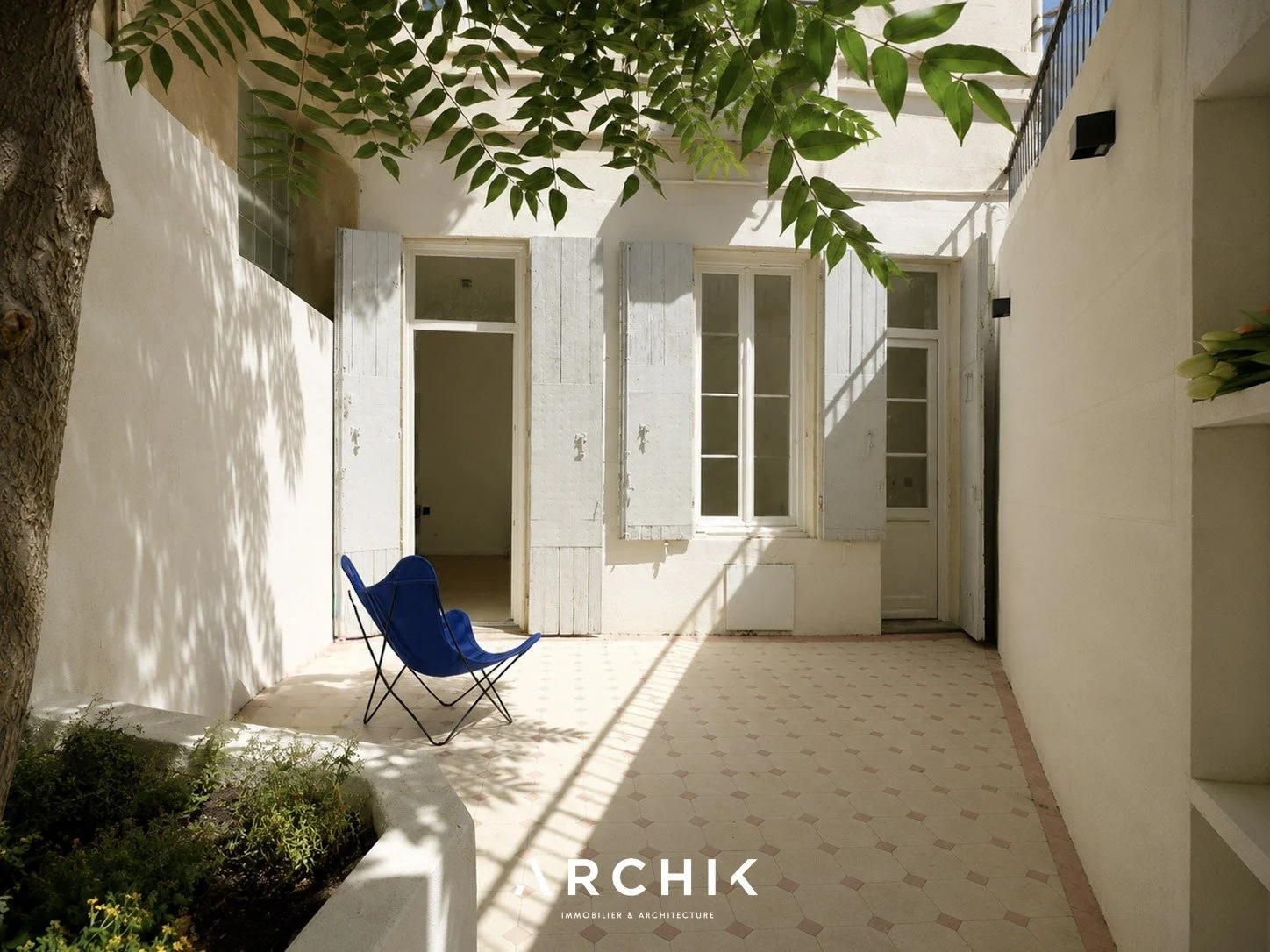
Buyer Playbook
Pre-Viewing Intelligence Report
This independent buyer guidance report relates to this specific property located in Marseille, France. It is provided for informational purposes only and does not constitute legal, tax, structural or survey advice. Copropriété matters, legal room classification, patio ownership and usage rights, habitability, planning permissions, energy performance, rental use, water ingress and building condition must always be verified with qualified French professionals such as a notaire, avocat, architecte, géomètre-expert, diagnostiqueur immobilier or building surveyor, and with the relevant municipal authorities. This report is designed to help buyers evaluate the property before arranging a viewing or making an offer. It highlights due diligence areas and targeted questions to ask the estate agent. The analysis is based on the listing information, the buyer research notes and publicly available regulatory context at the time of writing.
Playbook Contents
Property Snapshot
Location
Préfecture quarter, Marseille 6th arrondissement, Bouches-du-Rhône, France
Property type
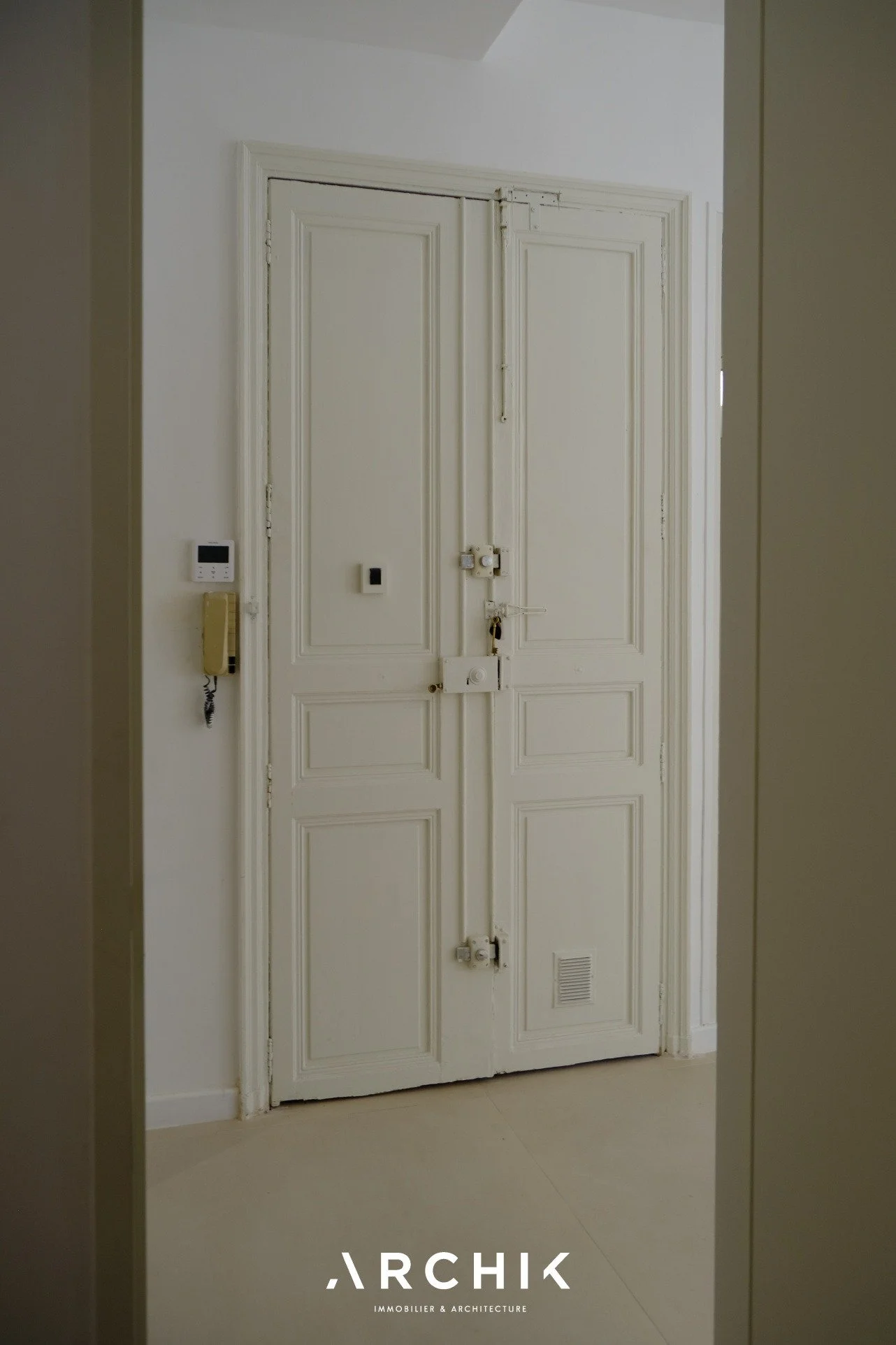
Ground-floor apartment in an early 20th-century copropriété building
Asking Price
€350,000
Advertised configuration
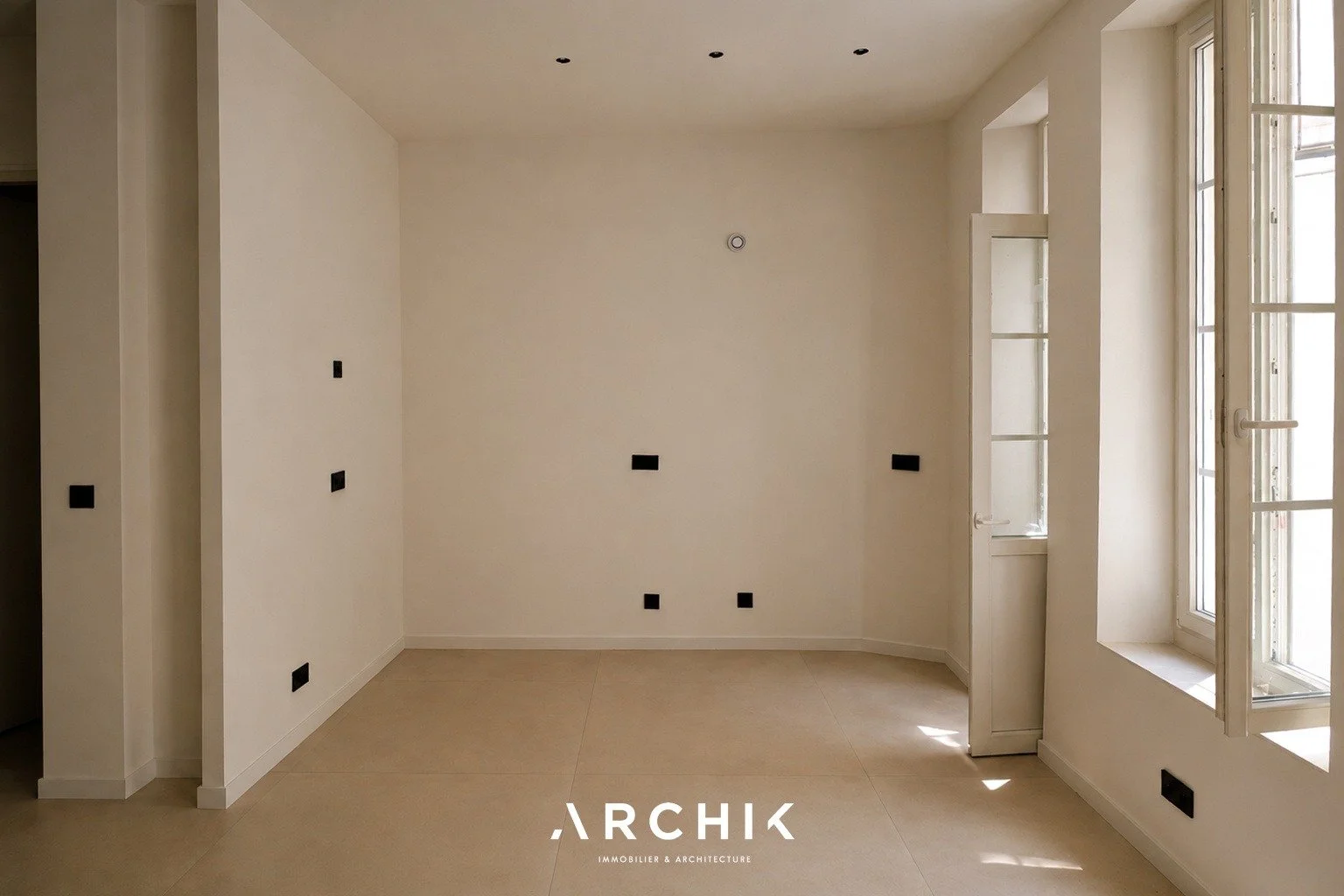
Two-room apartment with three distinct internal spaces
Advertised area
Approximately 59 m² in total
Area breakdown
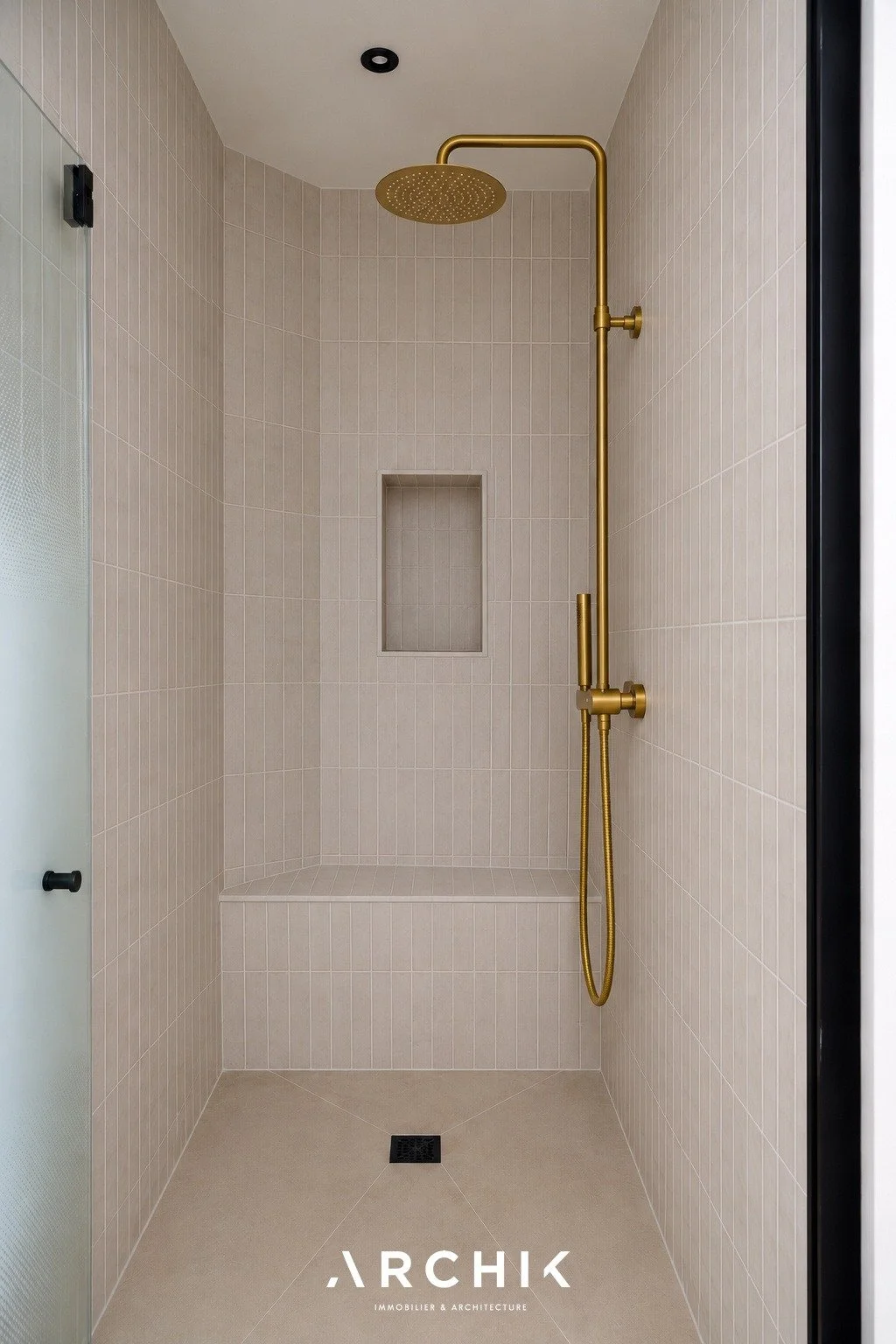
Approximately 30 m², 11 m² and 12 m², plus a shower room
Bedroom position
No clearly identified dedicated bedroom in the listing
Likely practical use
Studio, open-plan one-bedroom or flexible live-work apartment, subject to legal classification
Ceiling height
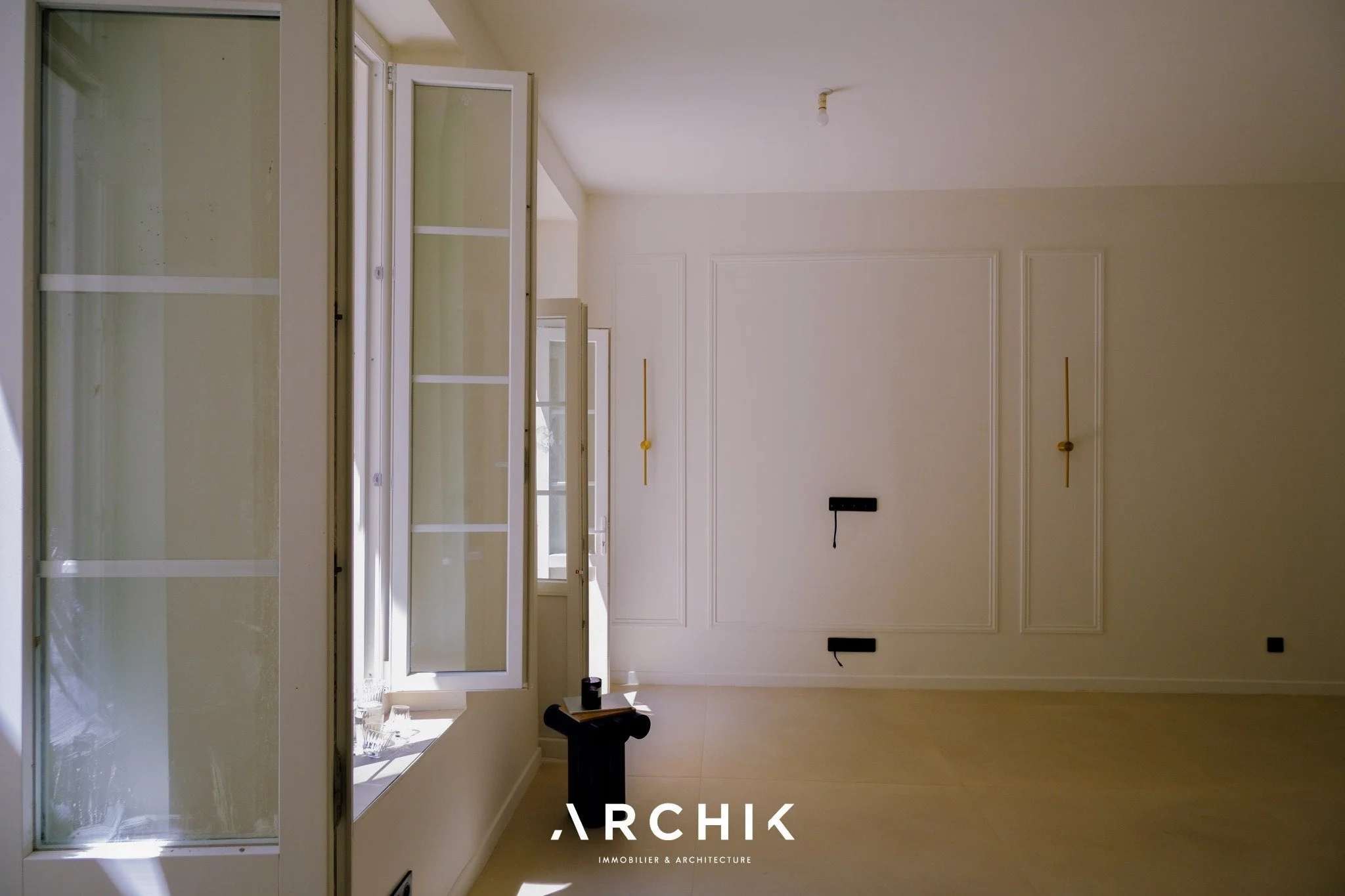
High ceilings
Outdoor space
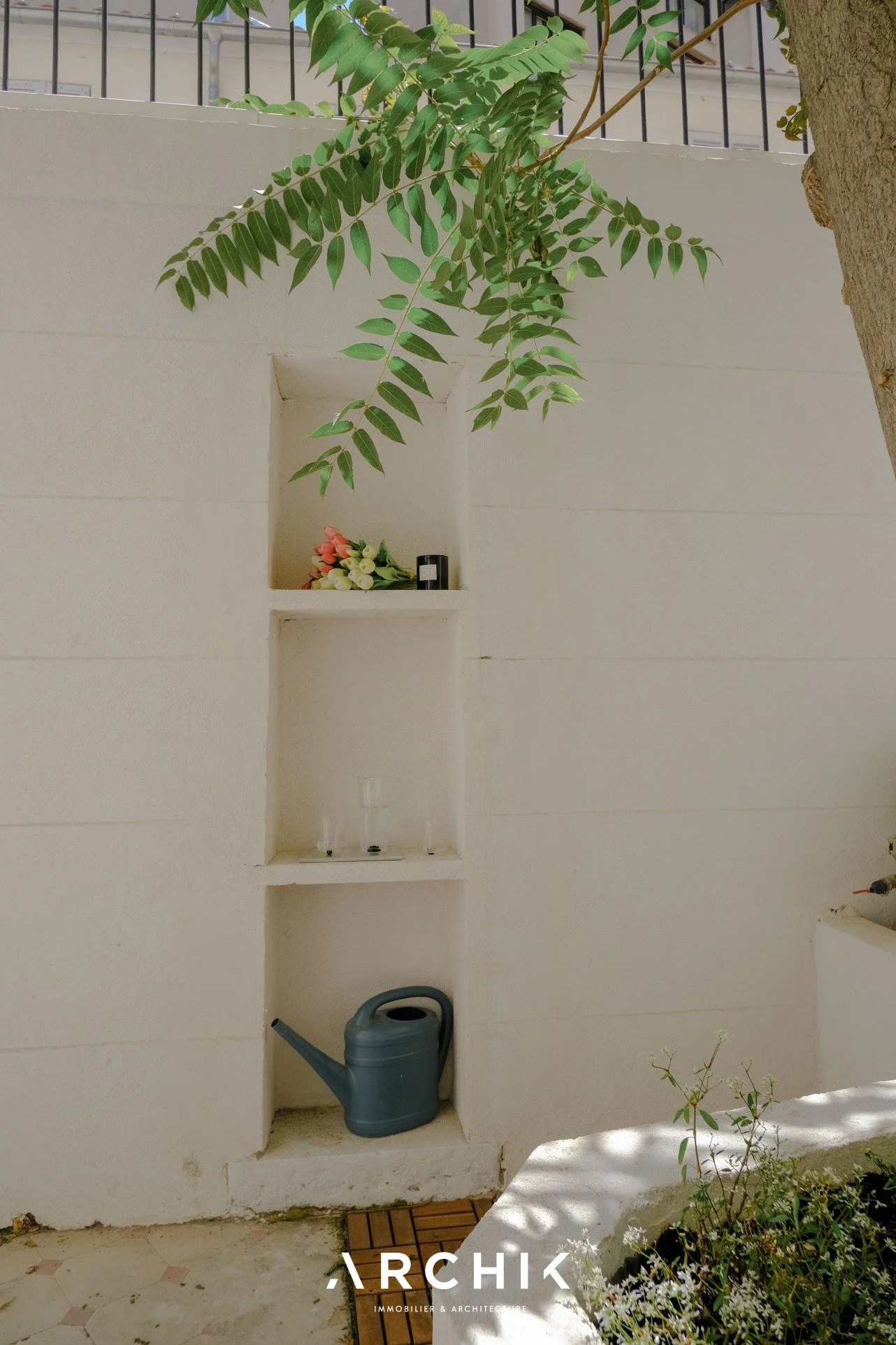
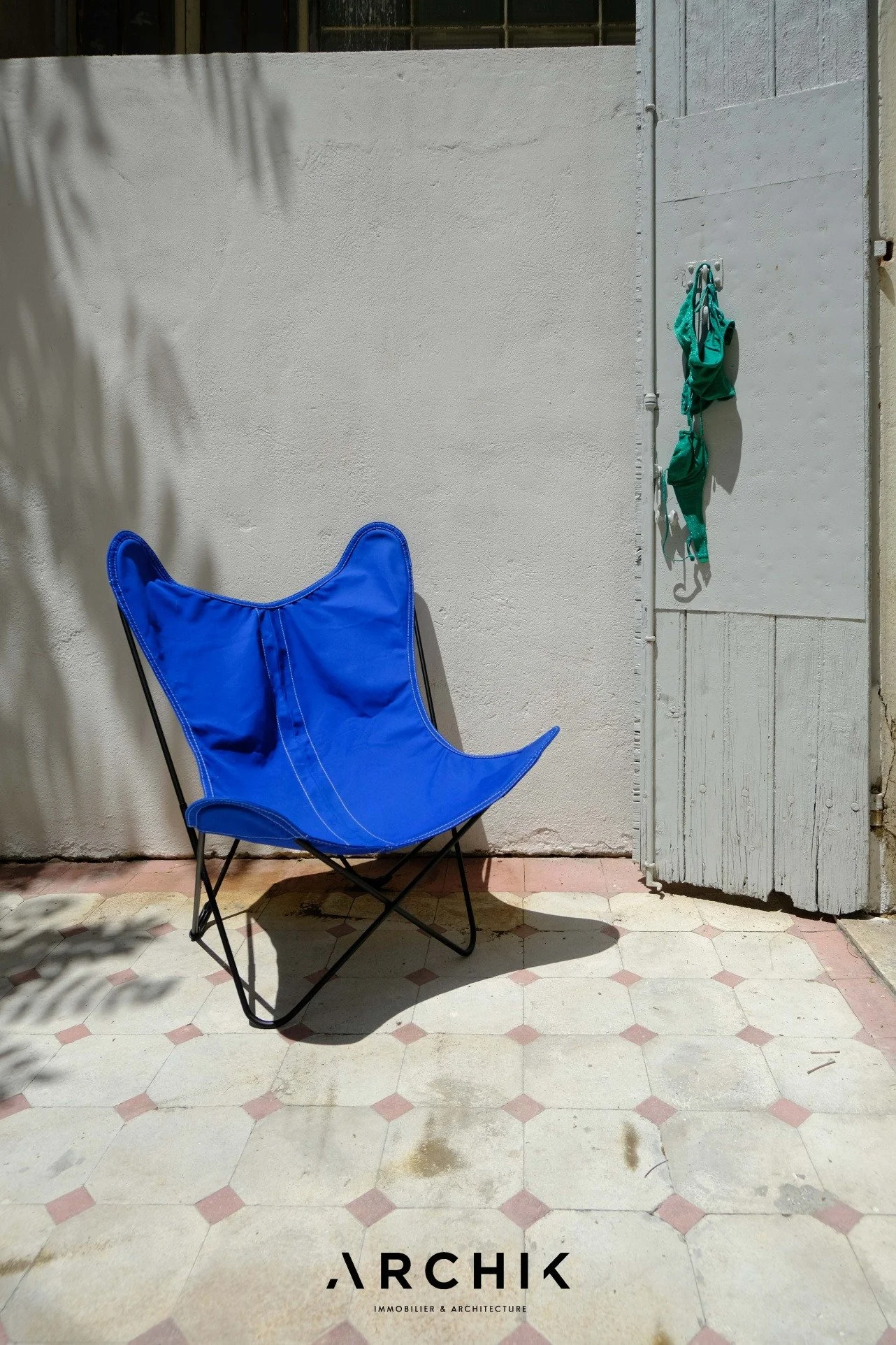
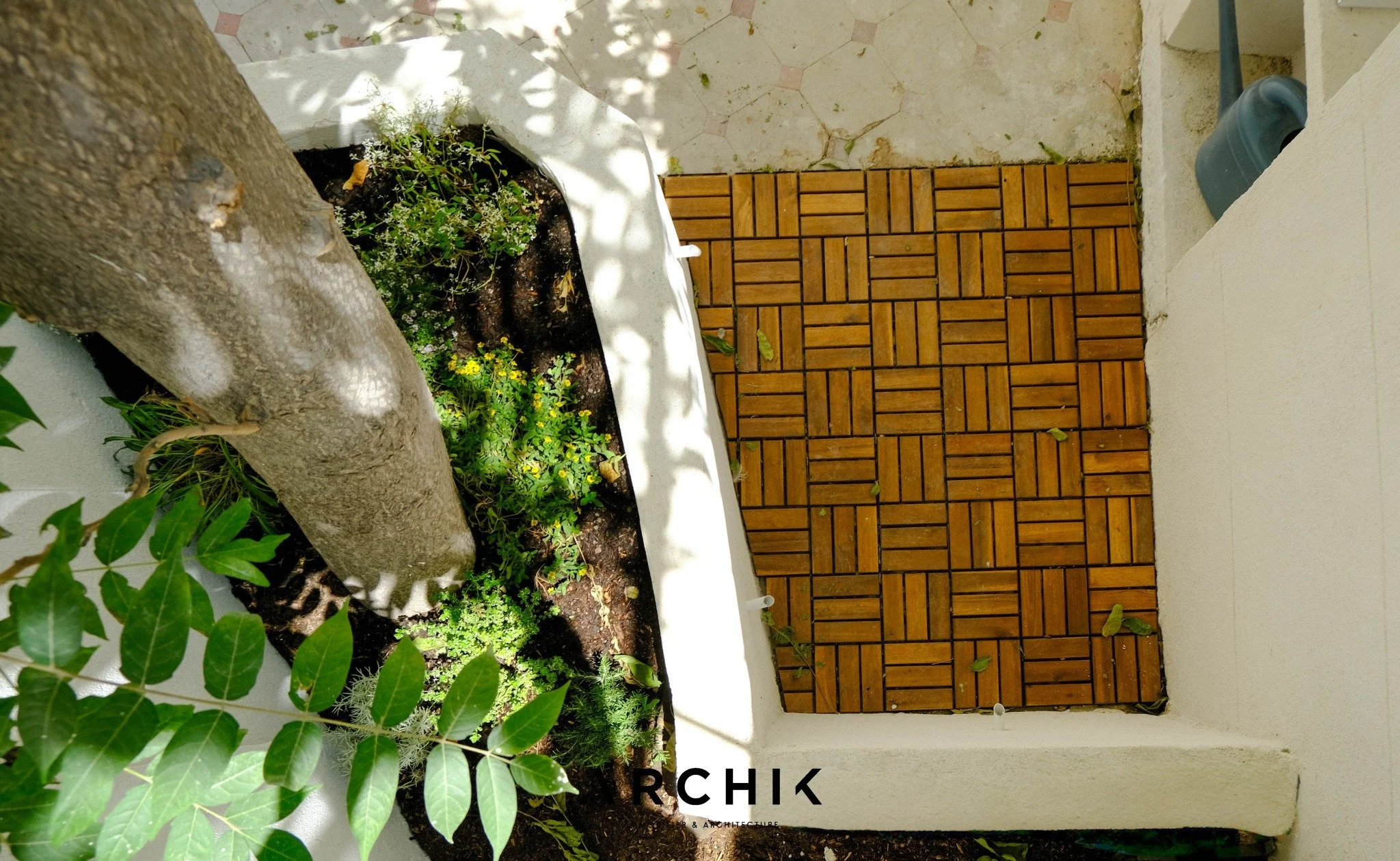
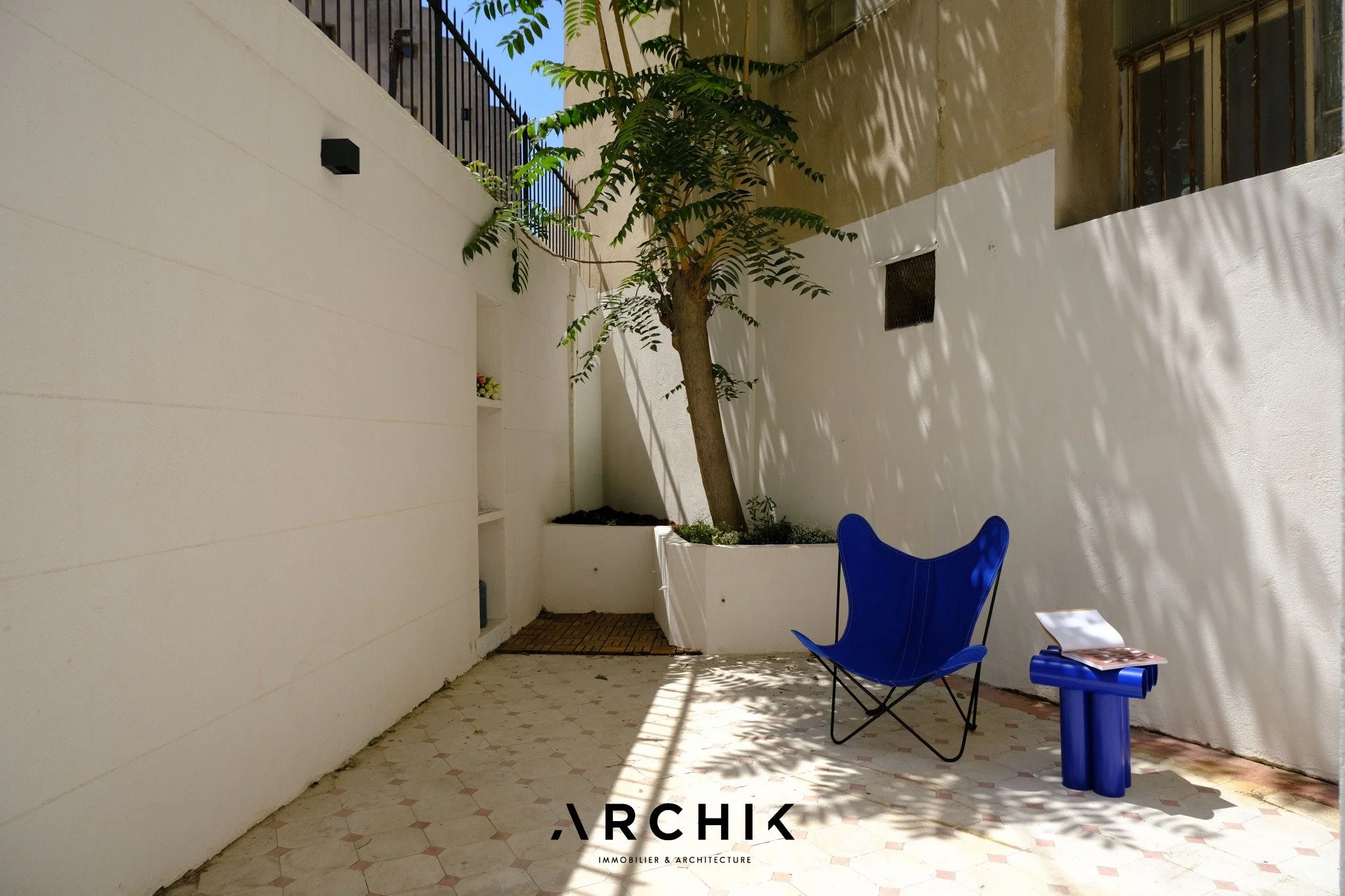
Private patio, with precise title status and usage rights to be confirmed
Floor level
Ground floor
Condition
Marketed as having undergone a contemporary renovation using natural materials
Energy information
Energy class shown as "N" or pending, with no confirmed DPE result supplied
Building context
Central urban building in Marseille's Préfecture district
Lifestyle angle
Central home, pied-à-terre, professional base or long-term rental, subject to layout and regulatory checks
Primary due diligence themes
Legal floor area, official room classification, patio title, copropriété finances, ground-floor damp and security, energy performance and rental permissions
Risk Radar
Overview
This Marseille apartment has several attractive qualities that are difficult to reproduce in a conventional central-city flat: high ceilings, a ground-floor position that may suit buyers seeking easy access, a private outdoor area and a flexible sequence of internal spaces. The Préfecture quarter also offers proximity to shops, restaurants, public transport and central Marseille amenities.
The main issue is that the listing's description does not yet establish exactly what the buyer would legally own. The advertised 59 m² appears to be divided into three spaces measuring approximately 30 m², 11 m² and 12 m², but the property is marketed as a two-room flat and no dedicated bedroom is clearly identified. The title documents, état descriptif de division, Loi Carrez certificate, cadastral information and current floor plan should therefore be compared carefully.
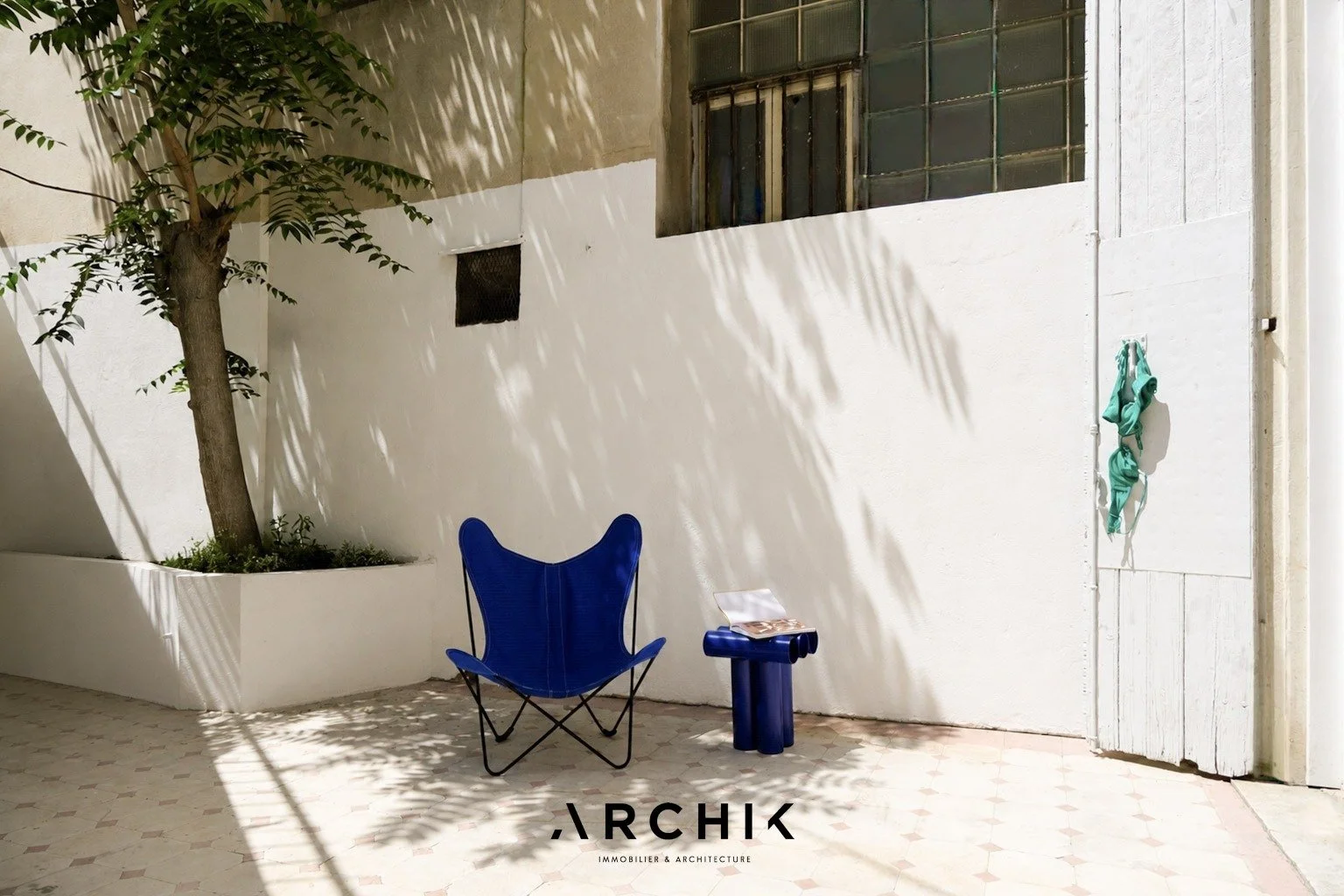
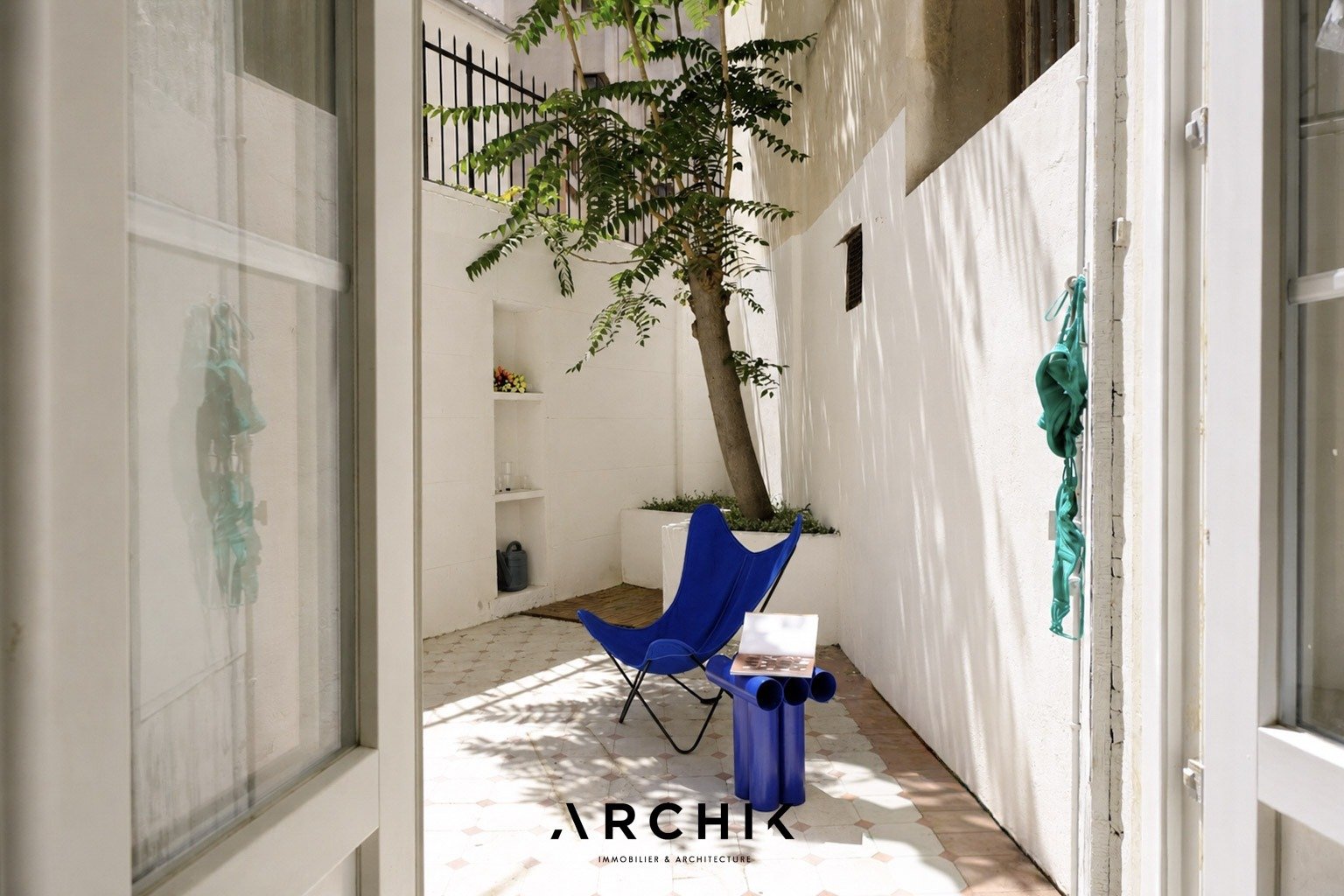
The patio is another major value driver, but "private patio" can describe different legal arrangements in a French copropriété. It may be a fully private lot, a common area allocated for the apartment's exclusive use, or a courtyard over which the apartment has a specific right of enjoyment. These distinctions affect alterations, maintenance obligations, insurance, resale value and the ability to install awnings, lighting, planting or drainage improvements.
The absence of a confirmed DPE is particularly important. The notation "N" may mean that the rating was unavailable, pending or not entered when the listing was prepared. It should not be treated as an energy rating. A valid DPE should identify the apartment's energy and climate classes, estimated annual energy expenditure and recommended improvements. It may also materially affect long-term and tourist rental options.
Because the property is on the ground floor, the viewing should concentrate on damp, ventilation, daylight, drainage, security and privacy. The buyer should also investigate whether the recent renovation concealed underlying issues or altered common elements without copropriété approval.
Finally, this is a copropriété purchase. The condition of the flat itself is only part of the decision. The buyer will acquire a share of the building's liabilities, planned works, insurance exposure, unpaid charges and long-term maintenance requirements. The latest financial records, general meeting minutes and multi-year works planning should be reviewed before any offer becomes unconditional.
Targeted Questions
Legal Classification, Floor Area and Layout
These documents should confirm precisely which internal spaces, ancillary areas and outdoor rights legally belong to the apartment.
The advertised total of approximately 59 m² should be reconciled with the legally certified private area used for a copropriété sale.
Storage areas, enclosed courtyards, rooms with insufficient height and non-habitable spaces may be included in marketing totals without forming part of the legal habitable area.
The figures total only 53 m² before the shower room, so the buyer needs a clear breakdown showing how the advertised total was calculated.
The legal configuration may affect valuation, lending, rental marketing, insurance and future resale.
French room counts normally exclude kitchens, bathrooms and corridors, so the description should be matched to the actual legal and functional layout.
A space may look suitable for sleeping without meeting the practical or legal standards expected of a principal room.
Unrecorded alterations may create discrepancies between the current layout, title documents and copropriété records.
A room may originally have been a storage room, workshop, commercial area, cellar or common area rather than residential accommodation.
A previous non-residential use may require verification of any change-of-use or planning approvals that established lawful residential status.
A professional plan makes it easier to compare the physical layout with the title and advertised measurements.
Patio Ownership and Use
Exclusive use of a common area is legally different from outright ownership and may limit alterations or transfer rights.
Marketing language alone does not prove that the outdoor space is legally attached to the apartment.
Its size contributes materially to usability and value but appears not to be stated clearly in the listing.
Maintenance responsibility may be divided between the owner and the copropriété, especially where the patio forms part of the building envelope.
Poor courtyard drainage can create damp, odour, mosquito and structural problems.
Waterproofing failure could create liability for damage to another lot or to common areas below.
Alterations affecting common parts or the external appearance may have required copropriété approval or municipal permission.
Missing approvals may leave the buyer responsible for regularisation or reinstatement.
The practical value of the patio depends on what the copropriété rules permit.
Privacy, safety and cleaning requirements can differ significantly from the impression created by listing photographs.
Renovation and Interior Condition
The scope and age of the renovation help distinguish cosmetic improvements from substantial building-services upgrades.
Invoices help establish workmanship, product specifications, dates and potential recourse if defects emerge.
Structural alterations may require engineering input, planning formalities and copropriété approval.
The need for permission depends on the work, particularly where façades, openings, change of use or external elements were affected.
Internal work can still affect common property and require a general meeting vote.
Where planning permission or prior declaration was required, completion documentation helps establish that the authorised work was properly closed.
Certain substantial works may carry ten-year insurance protection, but only where properly insured contractors performed qualifying work.
A visually renovated flat may still contain old wiring, insufficient circuits or non-compliant alterations.
Hidden pipework failures can be disruptive and may affect neighbouring lots or common drainage stacks.
Ground-floor flats with internal or courtyard-facing rooms need effective ventilation to control condensation and humidity.
Ground-Floor Damp, Daylight and Security
Ground-floor properties are more exposed to moisture from soil, courtyards, external walls and drainage systems.
The buyer should understand whether moisture has been permanently resolved, temporarily concealed or merely redecorated.
Documentary evidence is more reliable than a verbal statement that no current damp is visible.
The construction around the flat affects moisture risk, thermal performance and future repair costs.
High ceilings can create a sense of volume, but ground-floor rooms facing an enclosed courtyard may still be dark.
Ground-floor access requires a closer assessment of locks, glazing, shutters, alarms and entry controls.
Window specification affects safety, noise, heat loss and insurance requirements.
Previous incidents can reveal vulnerabilities not apparent during a daytime viewing.
A central ground-floor flat may experience noise patterns that are not obvious during a short appointment.
Energy, Heating and Running Costs
"N" is not a standard A-to-G energy rating and should not be interpreted as proof of satisfactory performance.
The DPE affects running costs, renovation requirements, rental feasibility and valuation.
If the layout or area is disputed, the energy assessment may not accurately represent the property being sold.
The answer determines control, maintenance responsibility, energy costs and what may be included in copropriété charges.
Unauthorised external condenser units can create legal, visual and noise disputes.
Actual consumption provides useful context alongside theoretical DPE estimates.
Ground-floor heat loss and cold-wall condensation can materially affect comfort even where finishes appear new.
Copropriété Health and Financial Exposure
Charges should be separated into routine management, water, insurance, cleaning, maintenance, heating and reserve-fund contributions.
The minutes should reveal approved works, postponed repairs, disputes, unpaid charges and repeated building problems.
These documents help assess the copropriété's financial position and the seller's outstanding liabilities.
High arrears can weaken cash flow and increase the burden on paying owners.
This may identify major works and estimated costs over the next ten years.
Early 20th-century buildings often require periodic high-cost work to major shared components.
Works can become a major post-purchase expense even before they have been formally voted.
The apartment's tantièmes determine the buyer's exposure, not simply the total building cost.
A small building may have lower administration but greater cost concentration when major works arise.
Management quality affects record-keeping, maintenance planning, debt recovery and regulatory compliance.
The reserve may help finance future work, although sums paid into the fund generally remain attached to the lot after sale.
Access, Practical Use and Location
Entrance configuration affects security, privacy, accessibility, deliveries and noise.
"Ground floor" does not automatically mean step-free or suitable for reduced-mobility access.
Flexible rooms are less useful if access prevents normal furnishing.
Storage is particularly valuable where an open-plan layout lacks cupboards or a dedicated utility area.
Parking costs and availability can materially affect everyday practicality in Marseille's 6th arrondissement.
Thick walls and enclosed courtyards can reduce signal quality despite good neighbourhood-level coverage.
Rental and Resale Potential
The layout, ground-floor position and patio may attract tenants, but the absence of a conventional bedroom may limit the tenant pool.
Room dimensions, ventilation, natural light and overall decency standards should be checked before relying on rental income.
Copropriété restrictions can prevent or constrain a rental strategy even where municipal permission might otherwise be possible.
An existing registration number alone does not necessarily prove that all change-of-use requirements were satisfied, but the history may reveal prior permissions or enforcement issues.
Marseille applies different tourist-rental requirements depending on whether the accommodation is a principal residence.
Authorisations may be personal, temporary or attached to specific conditions and should never be assumed to pass automatically to a buyer.
Non-principal-residence tourist letting in Marseille is tightly controlled and may require compensation from the first day.
Building disputes can reduce rental feasibility and create resistance to future applications.
The buyer should separate the value of the renovation and patio from discounts normally associated with legal uncertainty, limited light or ground-floor exposure.
Negotiation Intelligence
Buyer Leverage
Medium–High
Key Drivers
Typical Negotiation Range
5-15% below asking
Neutral Phrasing Examples
Country Layer
France (Regulatory Context July 2026)
Key French requirements for buyers:
Viewing Strategy
Arrange the viewing during daylight and, where possible, return at a busier time of day. The experience of a central ground-floor apartment can change considerably between a quiet weekday morning and an evening when nearby shops, restaurants, entrances and pavements are active.
Next Step
Verify from the listing:
Legal area and room classification
Request the Loi Carrez certificate, title deed, état descriptif de division and current floor plan to confirm how the advertised 59 m² and three separate spaces are legally classified.
Patio ownership and maintenance liability
Confirm whether the patio is privately owned or a common area with exclusive-use rights, and establish who pays for drainage, waterproofing, walls and future repairs.
Completed DPE and rental implications
Obtain the valid DPE, estimated annual energy costs and recommended improvements before assessing comfort, renovation costs or either long-term or tourist rental potential.
Copropriété finances and future works
Review the latest three general meeting minutes, annual accounts, charges, arrears, works fund and any PPPT or PPT covering the roof, façade, courtyard, drainage and shared services.
Ground-floor damp, security and noise
Inspect the apartment and patio for moisture, poor ventilation, drainage problems, limited daylight, overlooking, street exposure and weaknesses in doors, windows or shutters.
A prepared buyer should approach the agent calmly and frame questions as due diligence. For example: “To help me assess the property properly and prepare a serious offer, could you share the Loi Carrez certificate and title documents, confirmation of the patio’s legal status, the completed DPE, the renovation approvals and the latest copropriété financial and works records?”
Because this is a ground-floor Marseille apartment where legal layout, patio rights, energy performance and copropriété exposure all materially affect value, run it through the Property Risk Assessment to organise the principal legal and building risks, or use the European Property Energy Risk Assessor once the completed DPE has been supplied.
Disclaimer: The Property Drop is buyer-focused intelligence, zero sales agenda. We curate exceptional properties, in southern Europe, from third-party agents and arm you with decision tools. No commission, no transactions, no agent partnerships, no skin in the game beyond helping you choose wisely. Information stays accurate until it doesn't (properties sell, prices shift, markets move). Everything here is shared for informational purposes only and should not be treated as legal, financial, or investment advice. Images belong to original agents. Read our Terms of Service to learn more.
Buyer Intelligence:
This assessment provides general guidance based on common risk factors and publicly available regulatory information. Risk scores and checklist items are indicative only and must not be considered legal, financial, structural, or surveying advice. Actual property conditions, costs, and regulatory requirements vary significantly by location, property age, and specific circumstances. Regulations are subject to change; always verify current requirements with qualified local professionals before making any purchasing decision.
The Property Drop provides buyer intelligence and educational research analysis only. The Property Drop does not act as an estate agent, intermediary, or advisor in any transaction and does not facilitate introductions, negotiations, or transactions. Always engage qualified independent professionals including local lawyers, surveyors, architects, and tax advisors for comprehensive due diligence specific to your property.
IMPORTANT REMINDER: When contacting property agents featured on The Property Drop, you are entering into direct communication with third parties. It's recommended that you verify all property details independently, conduct thorough due diligence, engage qualified professionals (solicitors, surveyors, financial advisors), understand your rights and obligations under local property laws, and never send money or make commitments without proper legal protection.

The Buyer Playbook: 2-Bed Restored Stone Farmhouse with Valley Views and Pizza Oven, Veroli, Italy, €120,000
The Buyer Playbook: 4-Bed Renovated Townhouse with Pool and Landscaped Garden, Lons-le-Saunier, France, €550,000
Questions ready for the agent?
The agent represents the seller.
What you ask shapes the answers you get.