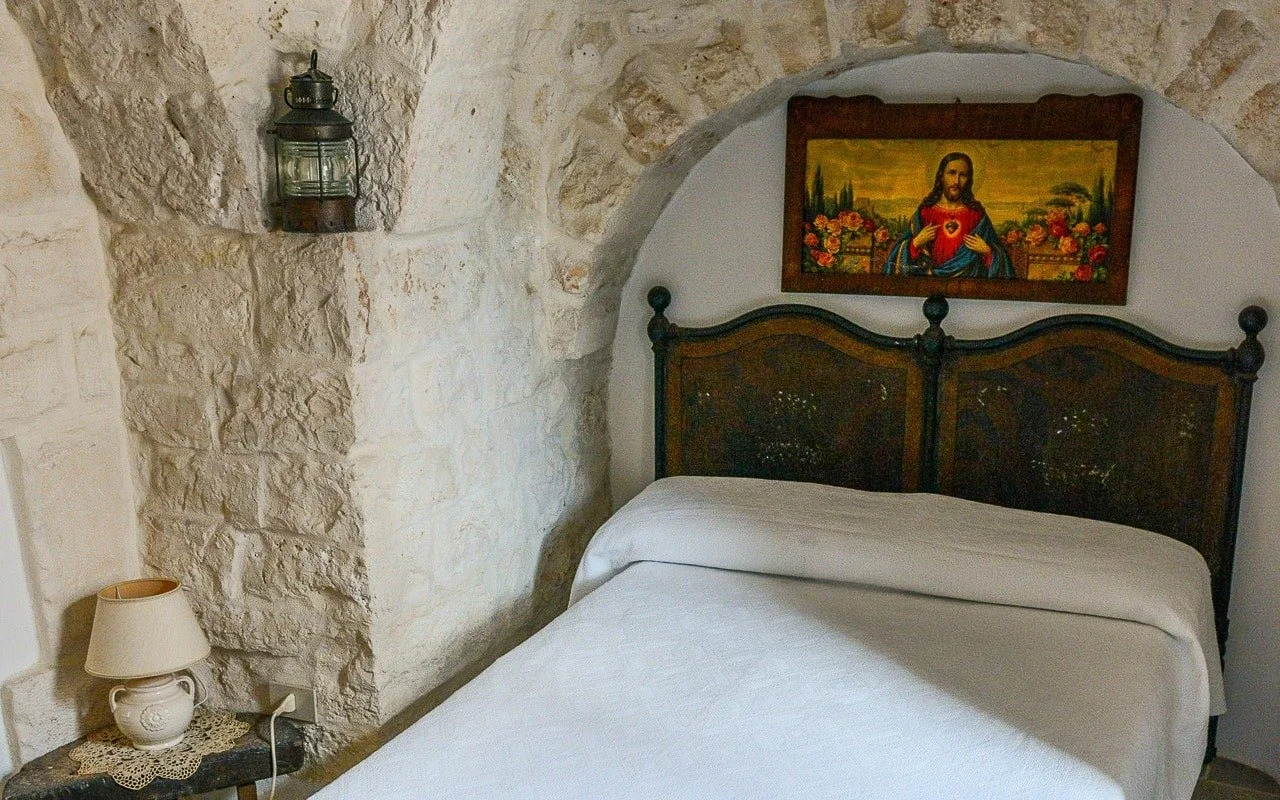
The Buyer Playbook: 3-Bed Historic Trullo Complex with Pool, Martina Franca, Puglia, Italy, €330,000 (Reduced)
Italy Pre-Viewing Intelligence

Buyer Playbook

Pre-Viewing Intelligence Report

This independent buyer guidance report relates to this specific property located near Martina Franca in Puglia, Italy. It is provided for informational purposes only and does not constitute legal, tax, structural or survey advice. Heritage protection, planning conformity, habitability, cadastral registration, water rights, drainage, pool legality, tourist rental activity and land-use matters must always be verified with qualified Italian professionals, including an independent notaio, avvocato, geometra, architect, structural engineer, agronomist and commercialista, together with the Comune di Martina Franca, Regione Puglia and the territorially responsible Soprintendenza.

Property Snapshot

Location

Countryside near Martina Franca, Puglia, Italy

Property type

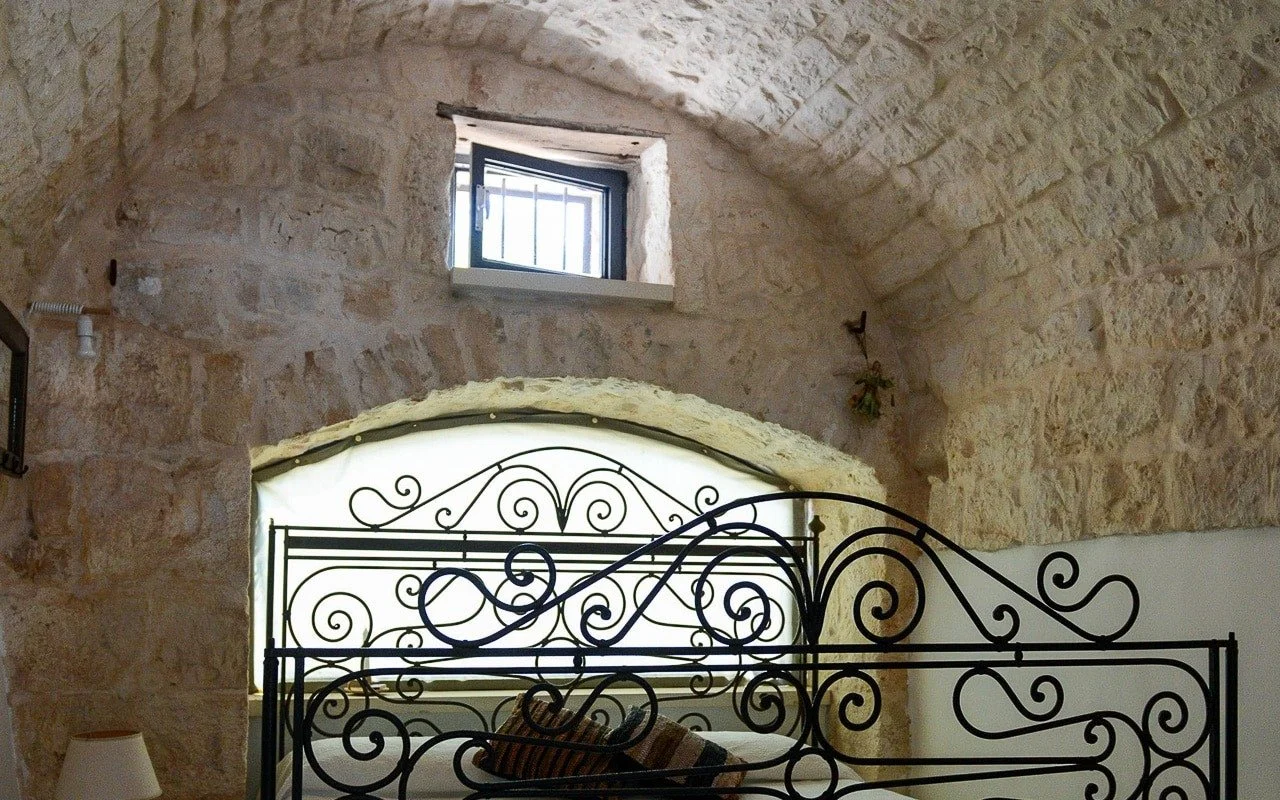
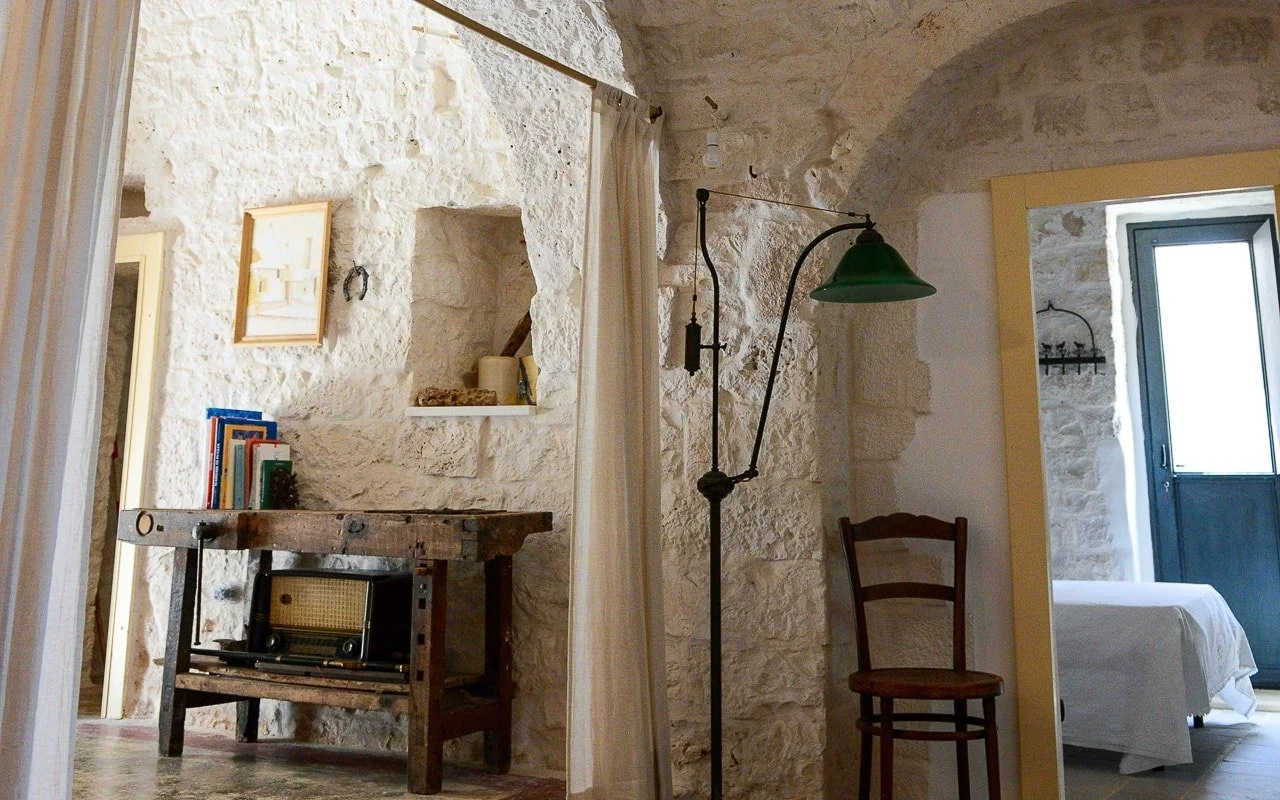
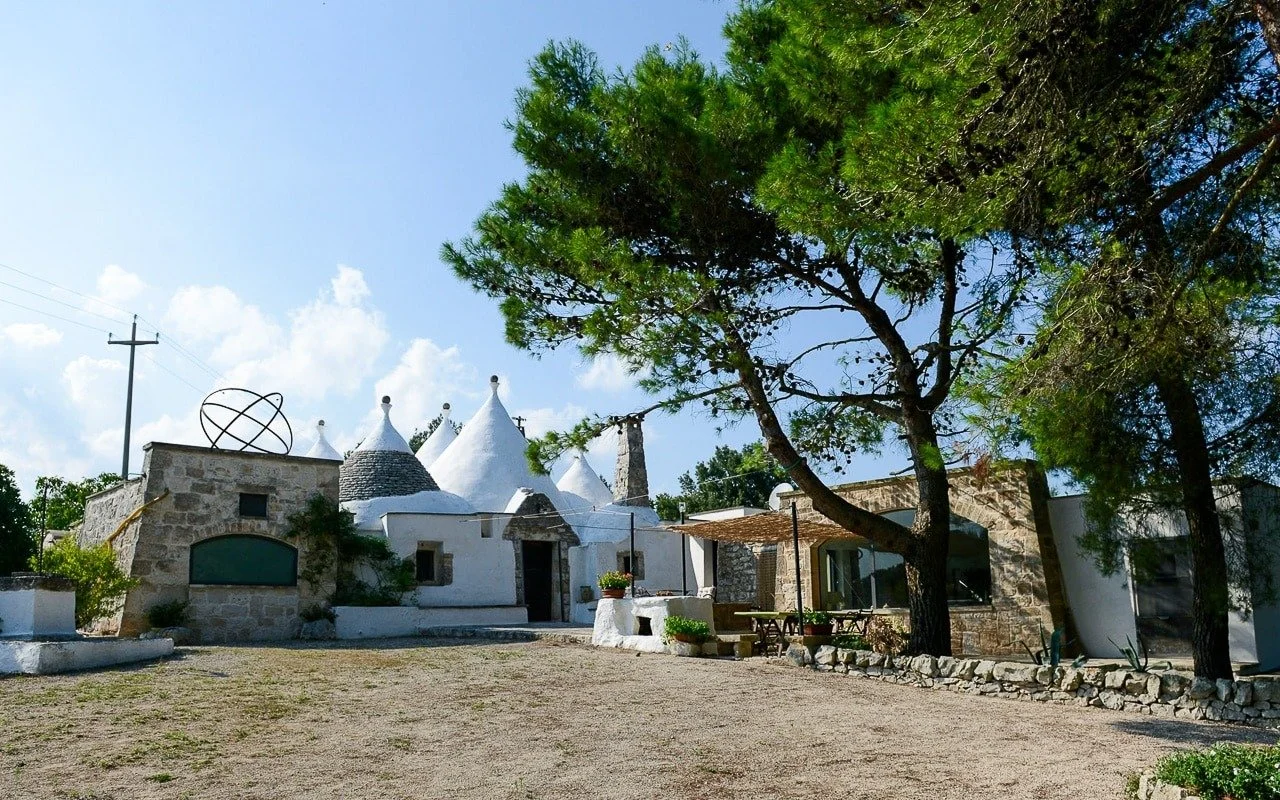
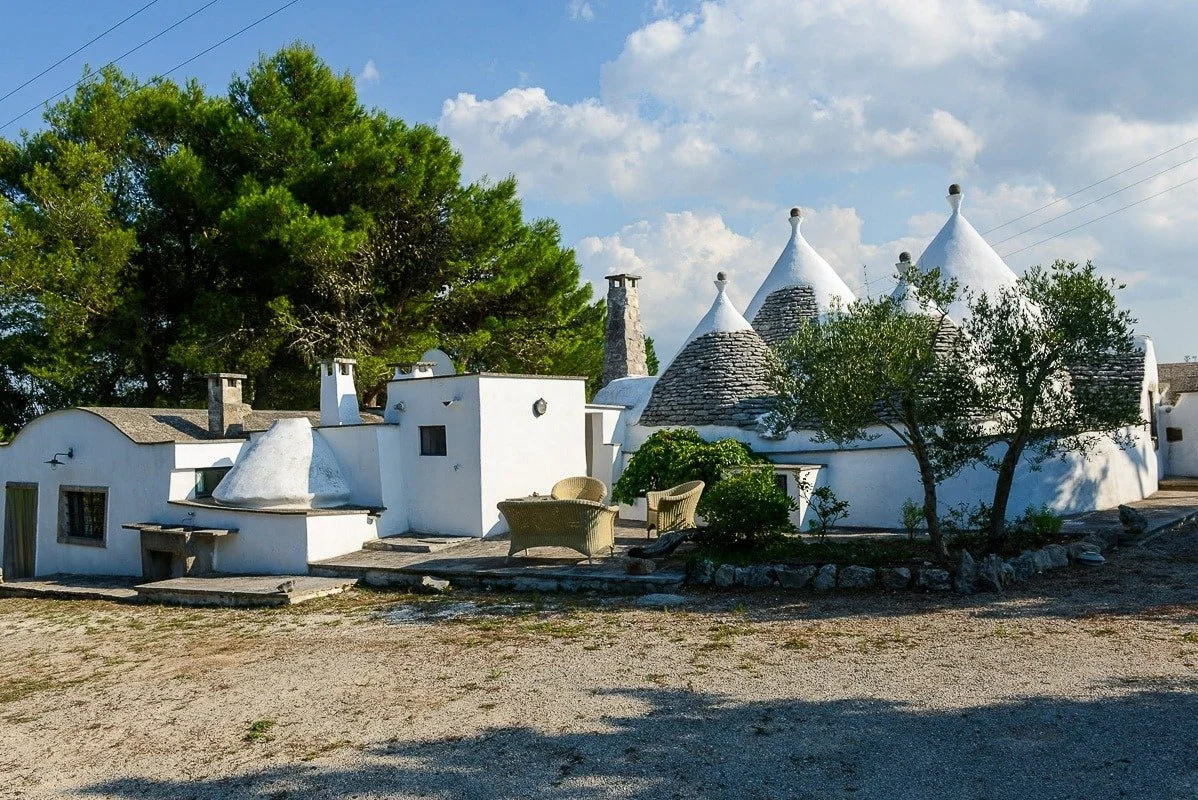
Historic rural trullo and lamia complex

Asking Price

€330,000, reduced

Period

First half of the 19th century

Buildings

Six trulli and three lamie

Bedrooms

3

Living accommodation

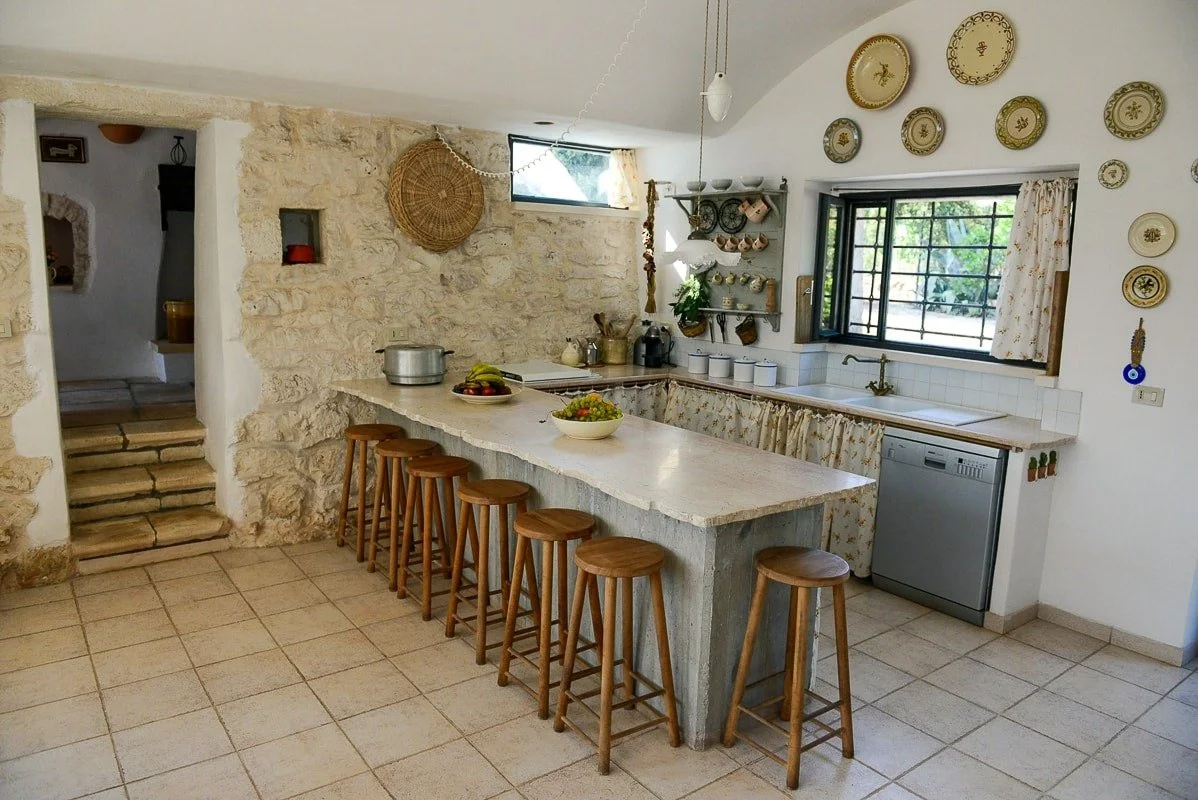
Living room and kitchen with fireplace

Internal area

Not confirmed

Land

Approximately 17,000 m²

Pool

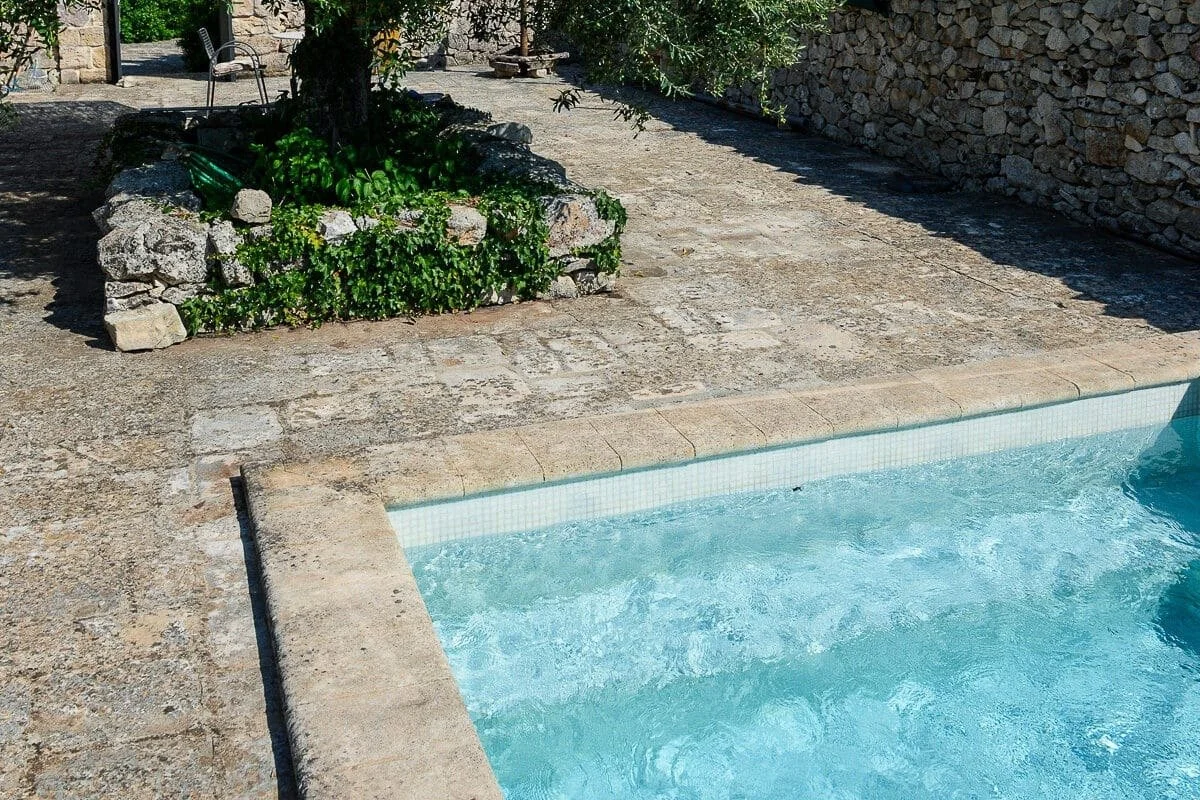
Small private swimming pool

Outdoor features

Patio, private parking, wrought-iron entrance gate and intercom

Utilities

Electricity, water, drainage and heating arrangements not fully confirmed

Energy rating

Listed as Energy Class N, with no energy certificate supplied

Condition

Historic complex requiring specialist technical assessment

Legal status

Cadastral, planning, habitability and heritage position not yet confirmed

Potential uses

Private heritage residence, restoration project, holiday home or tourist rental

Lifestyle angle

Traditional Puglian architecture with substantial land near Martina Franca and the Valle d'Itria

Primary due diligence issue

Confirming that all six trulli, three lamie, the pool and any other structures are lawfully recorded, structurally recoverable and suitable for the buyer's intended use

Risk Radar

Potential risk or due-diligence focus. More investigation needed. Unknown or information not yet confirmed.
Planning and cadastral conformity of all nine historic structures
High
Structural condition of trulli roofs, stone walls and foundations
High
Heritage and landscape restrictions affecting restoration
High
Utility, water, drainage and habitability position
High
Pool legality and tourist-rental feasibility
Medium–High

Overview

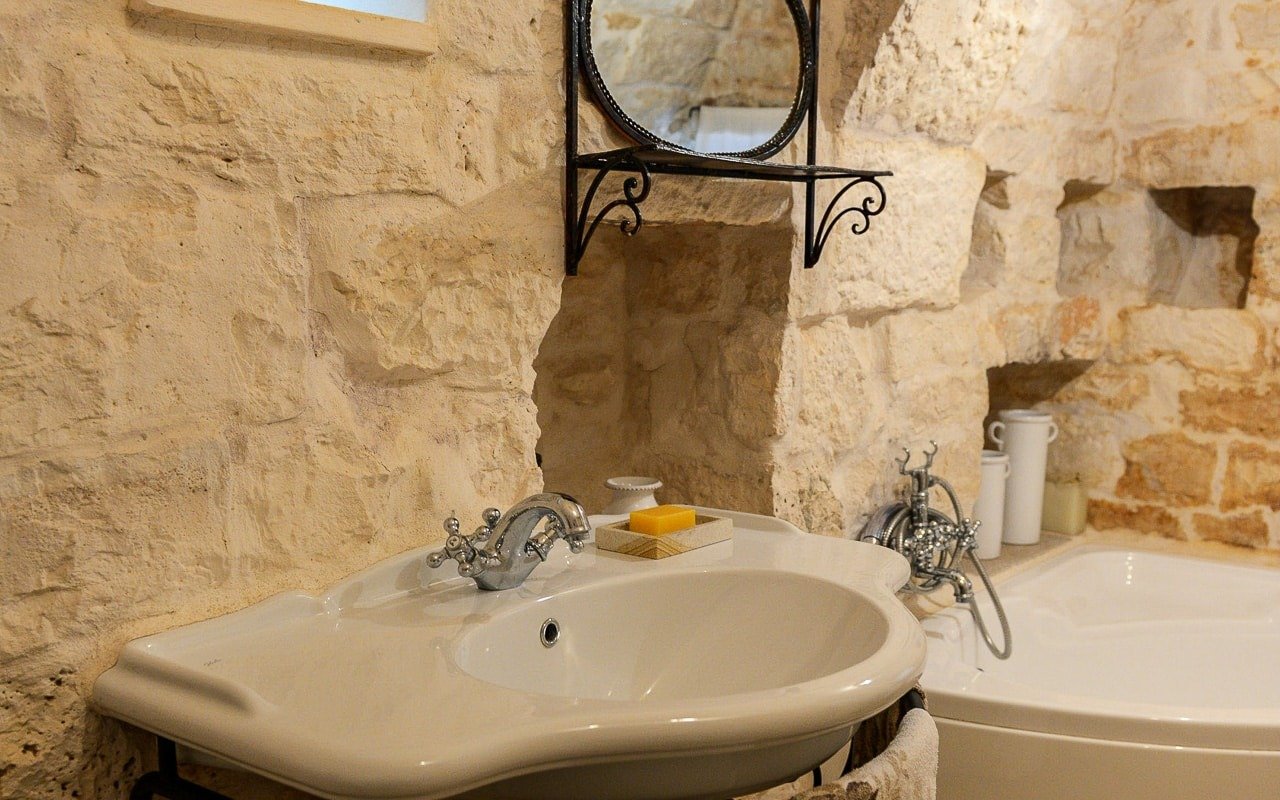
This is a rare architectural property rather than a conventional three-bedroom house. Its value lies in the concentration of six historic trulli and three lamie, the substantial 17,000 m² plot and the possibility of restoring the complex into a distinctive private residence or tourism project.

The same features that make the property attractive also make it legally and technically complex. A buyer should not assume that all nine structures are authorised residential accommodation merely because they exist physically or appear in the sales particulars. Each trullo and lamia should be identified on the cadastral map and matched against the Comune's planning records, approved plans and historic building documentation.

The Italian land registry and planning systems serve different functions. A structure appearing in the Catasto does not automatically prove that it was lawfully built or converted. The buyer's technician should therefore complete both cadastral and urban-planning conformity checks before any binding commitment. Italian sale documentation requires the parties to declare that the actual property corresponds with the cadastral data and plans, making accurate plans particularly important for a complex containing numerous connected historic structures.

The heritage position must also be clarified. The property's age does not automatically mean that it is individually listed, but it may be affected by a direct cultural heritage restriction, a landscape restriction or local planning provisions protecting traditional trulli architecture. Where a building is formally protected as a cultural asset, works generally require prior authorisation from the Soprintendenza, including internal and external interventions.

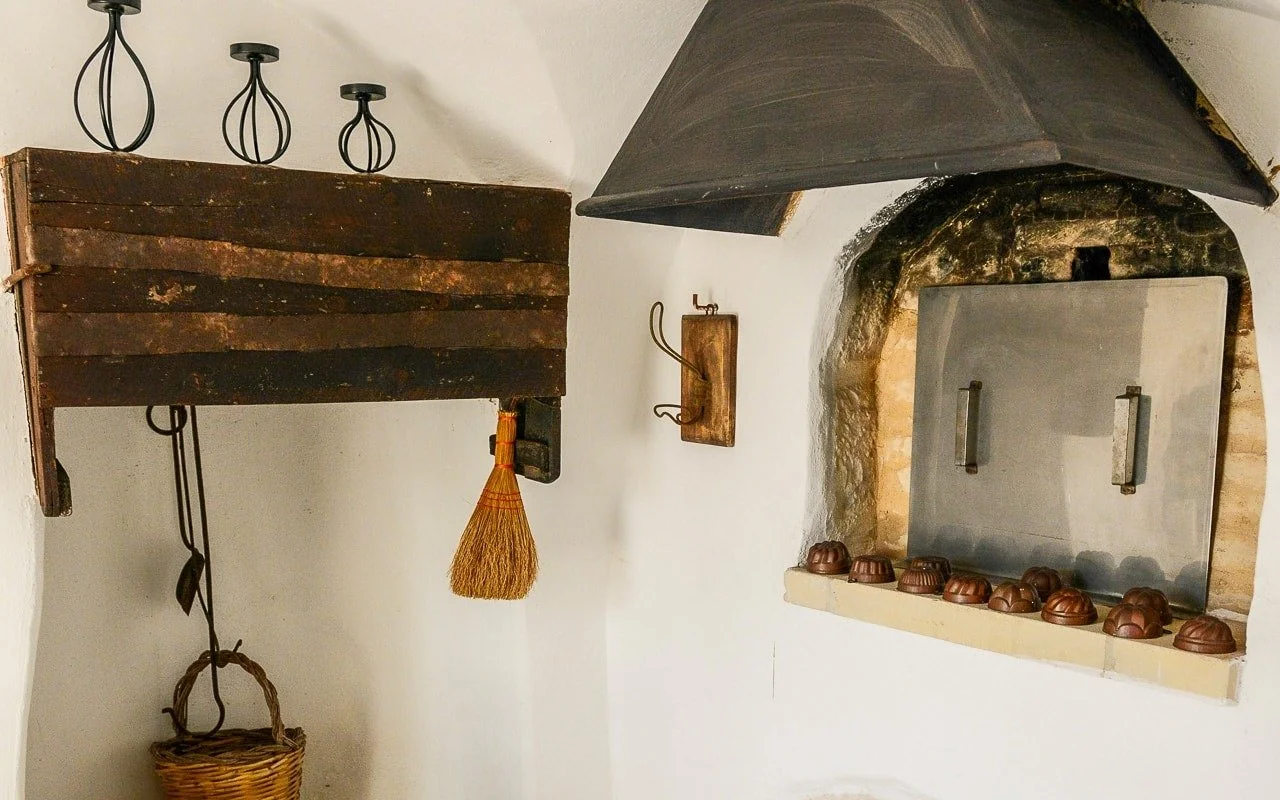
A specialist structural inspection is non-negotiable. Trulli rely on traditional dry-stone or minimally mortared construction, with heavy conical roofs formed from layers of stone and external chianche. Defects can be concealed behind whitewash or recent cosmetic work. Cracking, displacement, water penetration and poorly executed cement repairs can affect the long-term behaviour of the structure.

The lamie should be assessed separately. Their barrel-vaulted or flat masonry roofs may fail differently from the conical trulli roofs and may have different waterproofing, drainage and structural requirements. A buyer should avoid accepting one combined renovation estimate unless each individual structure has been inspected and costed.

The absence of an energy rating also requires explanation. Puglia operates a regional APE register linked with the national energy-performance system. The buyer should confirm whether an exemption genuinely applies or whether an APE has simply not yet been commissioned.

The swimming pool is another major due diligence area. Rural pools, patios, pergolas, plant rooms and paving are not automatically lawful merely because they are visible and in use. The approved plans should show the pool's position and dimensions, and the buyer should confirm whether any landscape approval was required.

The tourism potential could be strong, but a successful rental project depends on more than attractive architecture. The buyer must first determine whether the complex can lawfully accommodate the intended number of guests, whether the buildings have or can obtain agibilità, whether the sanitation and water systems have sufficient capacity, and whether the proposed activity is a simple tourist letting or a regulated accommodation business.

Puglia currently requires regional registration and identification procedures for tourist accommodation, while the national CIN system applies to tourist structures and properties offered for short or tourist rentals. The CIN must be displayed and included in advertising.

Regional requirements were also strengthened in 2025, including CIA or SCIA procedures depending on the operating model and civil liability insurance requirements for tourist rentals. Safety equipment and other compliance measures must be assessed before relying on rental income projections.

The reduced price may represent genuine opportunity, but it could also reflect the cost and uncertainty associated with restoration, legal regularisation or a previous failed sale. The buyer's decision should be based on a documented feasibility study and computo metrico rather than the asking price alone.

Targeted Questions

Cadastral Identity and Legal Composition

1.Can the seller provide the current visura catastale, estratto di mappa and complete cadastral plans for the property?

These documents should identify the land parcels, registered buildings, categories, ownership and recorded floor plans.

2.Are all six trulli and all three lamie individually shown on the cadastral map?

Any structure missing from the records may require investigation, correction or legal regularisation.

3.Do the cadastral plans accurately reflect the present internal connections between the trulli and lamie?

Openings created between historic structures may constitute building works requiring approval.

4.What cadastral category is assigned to each part of the complex?

Some structures may be classified as residential accommodation, agricultural storage, ruins or ancillary buildings.

5.Are any trulli or lamie registered as collabenti, deposits, agricultural buildings or non-habitable spaces?

Such classifications may limit immediate occupation and tourist use.

6.Can the seller provide the complete chain of title and confirm that all 17,000 m² are included in the sale?

The marketed land, access and structures must all be covered by the seller's ownership.

7.Has an independent technician prepared a relazione di conformità urbanistica e catastale?

A formal conformity report can identify discrepancies before the preliminary contract or deed.

8.Are there any unresolved boundary discrepancies between the cadastral map, fencing and physical occupation?

Rural cadastral boundaries can differ from walls, tracks and long-established use.

9.Are there any mortgages, judicial claims, agricultural rights, leases or occupation agreements affecting the land?

Third-party rights may restrict possession or delay completion.

10.Is any part of the property subject to usucapione claims or informal use by neighbouring landowners?

Long-standing occupation or access can create disputes that are difficult to resolve after purchase.

Planning History and Building Legality

11.Can the seller provide the complete planning file from the Comune di Martina Franca?

The file should show historic permits, restoration approvals, regularisation applications and approved plans.

12.Which parts of the complex are considered original 19th-century structures, and which have been added or altered later?

Later bathrooms, kitchens, links, verandas and extensions may require separate authorisation.

13.Have any applications for condono edilizio or sanatoria ever been submitted?

A previous regularisation application may still be unresolved or subject to conditions.

14.Are there any known abusi edilizi affecting the complex?

Unauthorised extensions, openings, room conversions or pools can block future works, financing or resale.

15.Were the current kitchen, bathroom and bedroom layouts formally authorised?

Historic agricultural rooms may have been converted into living accommodation without complete approval.

16.Were the internal doorways connecting the trulli and lamie authorised?

Openings through load-bearing stone walls may have both planning and structural implications.

17.Are the patio, paving, entrance gate, intercom and parking areas shown in the approved plans?

External works may also require planning or landscape approval.

18.Does the complex currently have a certificato di agibilità or earlier habitability certificate?

Agibilità is important evidence that the property satisfies health, safety, hygiene and service requirements for its authorised use.

19.If only part of the complex has agibilità, which rooms and structures are covered?

The marketed bedroom count may include areas that are not formally habitable.

20.What works would be required to obtain or update agibilità for the whole complex?

The process may require structural certification, compliant systems, sanitation approval and updated cadastral plans.

21.Would separate agibilità documentation be required if the trulli are divided into independent guest units?

A multi-unit tourism layout may require a different planning and compliance approach from one private dwelling.

Heritage and Landscape Restrictions

22.Is the property subject to a direct vincolo culturale under the Codice dei beni culturali?

A direct restriction can substantially affect permitted works, materials, sale procedures and approval times.

23.Can the seller provide any decreto di vincolo, declaration of cultural interest or correspondence from the Soprintendenza?

The exact restriction must be reviewed rather than inferred from the age of the property.

24.Is the land or complex subject to a vincolo paesaggistico?

Landscape controls may affect roofs, pools, paving, solar panels, gates, parking and vegetation removal.

25.Which Soprintendenza has jurisdiction over the property?

The buyer's architect needs to identify the correct authority and relevant approval route.

26.Have previous restoration works received Soprintendenza or landscape approval?

Past unauthorised works may complicate future permissions.

27.Are there restrictions on the use of cement, render, paints, waterproofing products or replacement stone?

Traditional trulli often require breathable lime-based materials and specialist repair methods.

28.Would new windows, rooflights, photovoltaic panels or external heat-pump units be permitted?

Modern comfort and energy improvements may be restricted by visual and heritage controls.

29.Would the buyer be permitted to alter internal layouts or increase the number of bathrooms?

Rental plans may depend on interventions that are not automatically acceptable.

30.Has any preliminary restoration proposal been discussed with the Comune or Soprintendenza?

Written pre-application feedback can reduce uncertainty before purchase.

Structural Condition of the Trulli

31.Has a structural engineer experienced in trulli inspected all six conical structures?

General house surveys may not adequately assess traditional corbelled stone construction.

32.Can the seller provide a written report identifying movement, cracking or displacement in each trullo?

Conditions may differ significantly across the six structures.

33.Are any cracks visible around doorways, arches, alcoves or connections between structures?

These are common stress points where alterations or movement may become apparent.

34.Have any trulli been partially dismantled and rebuilt in the past?

The quality and documentation of previous reconstruction are important to long-term stability.

35.Are any walls bulging, leaning or separating from adjoining structures?

Deformation may indicate roof thrust, foundation movement or loss of stone bonding.

36.What is the condition of the internal stone arches and corbelled roof courses?

Internal finishes can conceal structural separation or previous patch repairs.

37.Is there evidence that reinforced concrete, steel or incompatible cement has been inserted into the historic structures?

Unsuitable modern materials can trap moisture or alter how the masonry carries loads.

38.Are the foundations known, and is there any evidence of subsidence or soil movement?

Historic trulli may have shallow foundations that react to drainage changes or ground conditions.

Trulli Roofs and Chianche

39.What is the condition of the chianche on each of the six roofs?

Each cone should be assessed independently for displaced, fractured or poorly laid stones.

40.When were the trulli roofs last professionally repaired or re-laid?

Properly documented specialist work can reduce immediate restoration exposure.

41.Who completed the roof work, and can the seller provide invoices or guarantees?

Genuine trullo specialists are preferable to general contractors using inappropriate methods.

42.Are there active leaks or signs of previous water penetration inside any cone?

Whitewash can disguise staining, salt deposits and recurring moisture.

43.Are the pinnacles and decorative roof stones secure and complete?

Loose or damaged summit elements can allow water ingress and require specialist access.

44.Have the roof slopes been repaired using mortar or waterproof coatings?

Impermeable coatings may temporarily hide leakage while trapping moisture inside the stonework.

Lamie and Flat or Vaulted Roofs

45.What type of roof construction does each of the three lamie have?

Barrel-vaulted, pitched and flat masonry roofs have different repair and waterproofing requirements.

46.Are there cracks through the vaults or along the junctions between the lamie and trulli?

Junctions between different structural forms can be vulnerable to movement and water ingress.

47.How are the lamia roofs drained, and are the rainwater outlets functioning?

Blocked or poorly formed drainage can saturate historic masonry.

48.Have any concrete slabs or modern waterproof membranes been installed above the lamie?

Their condition, weight and breathability must be assessed.

49.Are all three lamie currently classified for residential use?

Some may remain legally classified as storage or agricultural accommodation.

Damp, Drainage and Internal Condition

50.Is there evidence of rising damp, penetrating damp or salt crystallisation in the walls?

Thick limestone walls require appropriate moisture management rather than impermeable finishes.

51.Have any damp-proof injections, tanking systems or cement renders been applied?

Treatments designed for modern houses may worsen moisture retention in historic stone.

52.How is rainwater directed away from the bases of the trulli and lamie?

Poor external drainage can saturate walls and destabilise foundations.

53.Does the surrounding ground level sit above any internal floor levels?

Raised external ground can drive moisture through walls and floors.

54.Are the internal floors ventilated and constructed from breathable materials?

Concrete floors and impermeable finishes can redirect moisture into historic walls.

55.Are there any persistent odours, mould, flaking finishes or recently repainted damp areas?

Cosmetic redecoration may conceal unresolved moisture problems.

Utilities and Building Systems

56.Is the property connected to the public electricity network, and what is the available power capacity?

A multi-unit rental project with electric heating, pool equipment and air conditioning may require an upgrade.

57.Is there a compliant electrical installation declaration or recent inspection report?

Old or undocumented wiring may require complete replacement.

58.What is the current heating system for the trulli and lamie?

The listing does not establish whether the complex has central heating, individual units or only the fireplace.

59.Is the kitchen fireplace operational, and when was the chimney last inspected and cleaned?

A historic flue may require lining, structural repair or improved ventilation.

60.Is there existing air conditioning or provision for discreet external equipment?

Summer rental demand may depend on cooling, but heritage restrictions can affect installation.

61.What hot-water system currently serves the property?

Guest use may require greater storage and recovery capacity than the existing system provides.

62.Are plumbing pipes concealed within the historic stonework, and are there known leaks?

Repairing concealed services can be intrusive and expensive.

63.Can the seller provide conformity declarations for the electrical, plumbing, heating and gas installations?

Missing declarations may require new certification or system replacement.

Energy Certification

64.Why is the property advertised as Energy Class N rather than with a valid APE?

The buyer needs to distinguish a genuine exemption from missing documentation.

65.Has an accredited energy assessor confirmed in writing that the complex is exempt?

Historic character alone does not automatically establish an exemption.

66.Would separate APE certificates be required if the complex were divided into multiple rental units?

The proposed operating layout may create additional certification requirements.

67.Has any energy-upgrade feasibility study been prepared for insulation, heating, cooling or hot water?

Improvements must balance energy performance with moisture movement and heritage controls.

Water, Wells and Sanitation

68.Is the property connected to mains water, supplied by a private well or dependent on delivered water?

Rural water arrangements materially affect reliability, legality and operating costs.

69.Are there any wells, cisterns or underground water-storage tanks on the land?

Their location, capacity, condition and legal status must be verified.

70.Can the seller provide recent laboratory tests for any well water?

Water used for drinking, kitchens or guest accommodation should be assessed for safety and quality.

71.Is the well formally registered, and what abstraction rights apply?

Physical access to groundwater does not automatically establish unrestricted legal use.

72.What type of wastewater system serves the complex?

The buyer needs to identify whether there is mains drainage, an Imhoff tank, septic tank or another private system.

73.Is the wastewater system authorised, inspected and sized for the current accommodation?

An inadequate system may require replacement before tourist use.

74.Would the sanitation system need enlargement for multiple guest units or higher occupancy?

Rental conversion can increase design capacity requirements and costs.

Swimming Pool

75.Can the seller provide the building permit and approved plans for the swimming pool?

The pool must be verified against both planning and landscape records.

76.Is the pool accurately shown in the cadastral or municipal documentation where required?

A missing or incorrectly sized pool may indicate unauthorised works.

77.What are the pool's exact dimensions, depth, construction type and age?

These details affect condition, safety, maintenance and replacement costs.

78.What is the condition of the shell, lining, filtration equipment, pumps and surrounding paving?

A small pool can still require costly structural or mechanical repairs.

79.Is there a permitted pool plant room, water supply and approved drainage method for backwashing?

Ancillary pool infrastructure must also be lawful and functional.

80.Has the pool suffered leakage, settlement or repeated water loss?

Cracks or leaking pipework may not be apparent during a short viewing.

Land, Access and Rural Constraints

81.Can a surveyor confirm the exact boundaries of the 17,000 m² plot?

Rural walls, hedges and access tracks may not follow the legal cadastral boundary.

82.Are there any registered servitù for access, utilities, grazing, water or neighbouring land?

Easements can affect privacy, development and everyday use.

83.Is the access road public, private or shared, and who maintains it?

Poor or disputed access can affect year-round use, deliveries and guest arrivals.

84.Can emergency vehicles, maintenance vans and construction machinery reach the buildings?

Restoration and tourism use require practical access beyond ordinary cars.

85.What agricultural zoning and landscape rules apply to the land?

These may restrict new buildings, parking areas, pergolas, pool alterations or subdivision.

86.What trees and crops are present, and are any protected or subject to removal controls?

Mature olive trees and traditional rural landscapes may carry legal and maintenance obligations.

87.Are there any plans for nearby roads, buildings, wind turbines, utilities or agricultural developments?

Future development could affect tranquillity, views and tourism appeal.

Restoration Budget and Delivery Risk

88.Has the seller commissioned a computo metrico estimating the restoration works?

A detailed measured schedule is more reliable than an informal contractor estimate.

89.Does the estimate separate urgent structural work from optional improvements?

The buyer needs to know the minimum cost of stabilisation and habitability before considering finishes.

90.Are professional fees, permits, structural testing, heritage approvals, VAT and contingencies included?

Headline renovation figures often exclude a substantial portion of the real project cost.

91.Have quotations been obtained from contractors who specialise in trulli and traditional stonework?

The lowest general-building quote may not reflect appropriate heritage techniques.

92.Is there safe temporary access and weather protection for immediate roof repairs?

Urgent stabilisation may be required before a full design and approval process is complete.

Rental and Investment Potential

93.Has the complex previously operated as tourist accommodation?

Previous registrations, accounts and guest records could help demonstrate lawful use and demand.

94.Does the property currently hold a regional CIR or CIS and a national CIN?

Existing codes should be verified against the precise structures and operating entity, not simply accepted from an old listing.

95.What operating model has the agent assumed: simple tourist letting, affittacamere, B&B or case e appartamenti per vacanze?

Each model can carry different planning, service, registration and business obligations.

96.Can all proposed guest bedrooms and units lawfully be used for overnight accommodation?

Rental income must be based only on authorised habitable space.

97.What CIA or SCIA filing, insurance and safety measures would the intended activity require?

Puglia's requirements depend on whether the activity is entrepreneurial and how accommodation is provided.

98.Has the agent supplied evidence for projected nightly rates, occupancy and seasonality?

Comparable restored trulli should match this inland location, condition and accommodation capacity.

99.What annual costs have been allowed for management, cleaning, pool care, gardening, insurance, utilities, tourist tax and maintenance?

Historic properties with extensive land can carry high operating costs even during quieter months.

100.What is the reason for the price reduction, and have any previous buyers withdrawn after surveys or legal checks?

The answer may reveal seller motivation, failed financing, structural findings or unresolved conformity issues.

Negotiation Intelligence

Buyer Leverage

High

Key Drivers

The legal and cadastral status of the nine structures has not been confirmed. The property should not be valued as a fully lawful three-bedroom residence with nine usable historic components until every trullo and lamia has been matched against cadastral and municipal records.
If some structures are classified as storage, agricultural accommodation, ruins or non-habitable units, their value and rental potential should be adjusted accordingly.
Internal openings, bathrooms, kitchen facilities or bedroom conversions completed without approval reduce the justified offer position.
The absence of a valid APE should be treated as an unresolved documentation issue. The seller should either supply the certificate or provide a technically supported explanation of the applicable exemption before the buyer commits.
The condition of the six conical roofs could materially alter the economics of the purchase. A roof-by-roof inspection and specialist quotation may reveal a substantial capital requirement not visible in the listing photographs.
Any incompatible cement render, concrete slabs, impermeable coatings or poorly executed repairs should be costed carefully. Restoration may involve removal and replacement using more appropriate materials rather than simple repair.
The three lamie require their own structural and moisture assessment. A single general estimate does not cover different roof forms, drainage systems and masonry conditions.
The pool is a direct negotiation point if the seller cannot provide its permit, approved dimensions and landscape authorisation. An attractive but unauthorised pool may represent a liability rather than an asset.
Water supply and wastewater capacity could also significantly affect value. A tourist project may require new storage, water treatment or a larger authorised sanitation system.
The reduced price gives the buyer an opportunity to ask directly whether previous negotiations uncovered legal, survey or renovation concerns. Any previous technical reports should be requested.

Typical Negotiation Range

5-15% below asking

Neutral Phrasing Example

"Before I can assess the reduced price properly, could you please provide the complete cadastral and planning file for all six trulli and three lamie, confirmation of any heritage or landscape restrictions, the agibilità and energy position, the pool permit, and any structural reports or renovation estimates already obtained?"

Country Layer

Italy (Regulatory Context July 2026)

Key Italian requirements for buyers:

Italian due diligence should distinguish between conformity with the Comune's planning records and conformity with the Catasto. The Catasto records the property for mapping and taxation purposes. It does not itself legalise unauthorised construction or prove that a structure has planning approval.
For a complex of six trulli and three lamie, the buyer's independent technician should compare: the physical property; the cadastral map; individual cadastral plans; historic planning records; approved restoration plans; and any condono or sanatoria documentation.
The Italian tax authority explains that the deed must contain declarations concerning the correspondence between the actual condition of the property and the cadastral data and plan.
The notary should obtain the relevant title and mortgage searches, but technical conformity should be investigated by the buyer's own geometra or architect before signing a binding preliminary contract.
A 19th-century trullo is not automatically subject to an individual cultural heritage listing. However, it may be protected through: a direct vincolo culturale; landscape controls; local planning provisions; rural landscape rules; or traditional-building conservation requirements.
Where a building is formally protected as a cultural asset, works of any kind generally require prior Soprintendenza authorisation under Article 21 of the Cultural Heritage Code.
The buyer should obtain written confirmation of the restriction rather than rely on the estate agent's description.
Even without a direct heritage listing, external works such as rebuilding chianche roofs, altering pinnacles, adding windows, installing solar panels, creating parking, modifying the pool or installing visible mechanical equipment may require landscape or municipal approval.
The planning file should be requested from the Comune through a formal records-access procedure. Particular attention should be given to: openings between trulli; bathrooms and kitchens; changes from agricultural to residential use; patios and paved areas; the pool and plant room; pergolas; entrance gates; service buildings; and altered windows or doors.
A cadastral update does not cure a planning violation. Where discrepancies exist, a technician must determine whether they can be regularised, restored to the approved state or not lawfully retained.
The buyer should avoid relying on a seller's promise to resolve irregularities after the preliminary contract unless the agreement contains strong professional drafting, deadlines and clear consequences.
The certificato di agibilità, or the relevant certified notification under the current system, relates to conditions of safety, hygiene, health, energy efficiency and compliance of buildings and systems. The buyer should establish: whether agibilità exists; which buildings and rooms it covers; whether it reflects the current layout; and what would be needed to extend it to any proposed guest units.
Puglia maintains a regional system for registering Attestati di Prestazione Energetica. The description 'Energy Class N' should be clarified before purchase. The seller should supply either a valid APE or a written professional explanation confirming the legal basis of any exemption. Energy recommendations must be developed carefully for trulli, as conventional impermeable insulation or internal linings can interfere with moisture movement and reduce the character of the exposed stone.
Puglia operates a regional tourism database for accommodation businesses and tourist rentals. The national CIN identifies tourist accommodation structures and properties offered for short or tourist rental. The CIN must be displayed outside the property and included in advertisements and promotional communications.
Any existing tourism code must be checked against: the exact cadastral unit; the existing operator; the authorised accommodation type; and the property's current legal layout. A tourism code does not regularise an unauthorised building, non-habitable room or planning violation.
Puglia introduced further requirements affecting tourist rentals in 2025. Regional guidance states that tourist rentals already registered in the regional DMS must submit the applicable CIA or SCIA depending on whether the activity is non-entrepreneurial or entrepreneurial, and must hold civil liability insurance. Regional guidance also highlights safety measures such as gas detectors and extinguishers alongside insurance obligations.
Before purchasing for investment, the buyer should confirm the appropriate operating model with the Comune, Regione Puglia and a commercialista. Potential models may include: non-entrepreneurial tourist rental; entrepreneurial tourist rental; bed and breakfast; affittacamere; or case e appartamenti per vacanze.
A tourist operator may need to: register guests with the police reporting system; report tourism statistics to the regional system; collect and remit local tourist tax; display identification codes; and retain legally required records. The buyer should confirm current Comune di Martina Franca procedures and any local tourist-tax obligations before preparing revenue projections.
Rural Puglian properties often rely on combinations of mains supply, wells, cisterns and delivered water. The buyer should verify: whether a well is authorised; the permitted use; abstraction limits; water quality; storage capacity; pump condition; and whether the supply is suitable for paying guests. A lawful agricultural well may not automatically be authorised as the sole potable supply for accommodation.
Where mains drainage is unavailable, the buyer's technician should identify the exact wastewater arrangement and compare it with approved documentation. The system must be assessed for: lawful installation; maintenance history; distance from wells; soil suitability; discharge method; and capacity for the intended number of guests. An existing domestic system may be insufficient for multiple independent holiday units.
The pool should be matched against: the municipal planning file; landscape approvals; cadastral documentation where relevant; approved dimensions; plant-room documentation; and utility records. If the pool differs from its approval, the buyer should obtain specialist advice on whether the discrepancy can be regularised. For tourism use, insurance, water quality, maintenance records, depth marking and safe circulation around the pool should also be reviewed.
The 17,000 m² plot may contain agricultural land subject to land-use and landscape controls. The buyer should verify: parcel classifications; agricultural leases; pre-emption rights where relevant; access servitudes; utility routes; water rights; protected trees; and any rights benefiting neighbouring land. An agronomist may be useful where the land contains significant olive groves, productive trees or regulated agricultural features.
The proposta d'acquisto and contratto preliminare can create binding obligations. The buyer should avoid signing until the document has been reviewed by an independent lawyer or chosen notary. For this property, protective conditions should address: satisfactory planning and cadastral conformity; confirmation of all nine structures; heritage and landscape status; pool legality; title and access; structural survey results; water and sanitation; and the buyer's intended use. The deposit arrangements and consequences of failed due diligence should be clearly drafted before money is transferred.

Viewing Strategy

Approach the viewing as an inspection of nine separate historic structures rather than a single three-bedroom house.

Bring a printed cadastral map and ask the agent to identify every trullo, lamia, pool structure, patio and parcel on site. Number each building in your notes so that later survey findings can be matched accurately.
Inspect the exterior of every conical roof. Look for uneven roof profiles, displaced chianche, missing stones, vegetation, cement patching and cracks around the pinnacles.
Inside each trullo, use a strong torch to examine the cone, arches, alcoves and wall junctions. Look for fine cracks, open joints, salt deposits, flaking whitewash and areas that appear freshly decorated.
Pay particular attention to doorways cut between structures. Check for cracking above the opening, poor lintels, steel supports or irregular masonry.
Inspect the three lamie separately. Look for cracks following the line of the vault, staining near roof edges, failed gutters and evidence of pooling water above.
Walk around the outside after rainfall where possible. Identify where roof water falls and whether it collects against the bases of the stone walls.
Compare internal and external ground levels. Note any rooms sitting below surrounding soil or paving.
Check for impermeable cement render and concrete floors. Ask what materials were used during previous repairs.
Open cupboards, move light furniture where permitted and inspect corners for mould, salts and damp staining.
Test every tap, toilet and drain. Ask where the water comes from and follow the supply to the well, cistern, tank or mains meter.
Locate the wastewater system. Note access for emptying, proximity to the well and whether there is any smell, overflow or unusually green ground.
Ask for the electricity to be switched on. Examine the consumer unit, earthing, socket condition and available power rating.
Test the kitchen fireplace and inspect the chimney route. Look for soot staining, cracking and signs of water penetration around the flue.
Inspect the swimming pool before accepting that it adds value. Check the shell, lining, coping, paving, filters, pump, plant room and evidence of leakage.
Walk the entire land boundary. Compare walls, fencing and tracks with the cadastral map, and identify any tracks used by neighbours.
Check vehicle access in both directions. Consider whether delivery vans, septic vehicles, emergency services and construction machinery could reach the complex.
Test mobile reception and broadband availability at the exact address. Thick stone walls may reduce indoor coverage even where the wider area has service.
Assess privacy from neighbouring trulli, farms and roads. Look for nearby agricultural operations that could create noise, spraying or seasonal traffic.
Stand in each proposed guest bedroom and test whether it offers adequate ventilation, natural light, privacy, bathroom access and a safe route outside. A picturesque structure is not necessarily a practical or legally compliant rental unit.

Next Step

Verify from the listing:

Legal status of all six trulli and three lamie
Request the complete cadastral and municipal planning files and confirm that every structure, internal connection and current residential use is accurately recorded and authorised.

Heritage and landscape restrictions
Establish whether the complex is subject to a direct cultural vincolo, landscape controls or local trullo restoration rules before assuming that roofs, layouts, windows or modern systems can be altered.

Specialist structural and roof condition
Commission an engineer and contractor experienced in trulli to inspect each cone, chianche roof, stone wall, arch and lamia individually, with costs separated by structure.

Pool, water and wastewater legality
Verify the pool permit, well or mains-water position, cisterns and the capacity and authorisation of the sanitation system for both residential and potential guest use.

Tourist-rental feasibility
Confirm which rooms are lawfully habitable, which operating category would apply, and the CIR, CIN, CIA or SCIA, insurance and safety obligations required before relying on rental income.

A prepared buyer should approach the agent calmly and frame questions as due diligence.

Because this is a heritage property where restoration scope and legal conformity will materially determine the true acquisition cost, use the Renovation Budget Planner to model the roof, structure, services and compliance work, or run it through the Property Risk Assessment to test the planning, heritage, pool, utility and rental risks before contacting the agent.

Disclaimer: The Property Drop is buyer-focused intelligence, zero sales agenda. We curate exceptional properties, in southern Europe, from third-party agents and arm you with decision tools. No commission, no transactions, no agent partnerships, no skin in the game beyond helping you choose wisely. Information stays accurate until it doesn't (properties sell, prices shift, markets move). Everything here is shared for informational purposes only and should not be treated as legal, financial, or investment advice. Images belong to original agents. Read our Terms of Service to learn more.

Buyer Intelligence: This assessment provides general guidance based on common risk factors and publicly available regulatory information. Risk scores and checklist items are indicative only and must not be considered legal, financial, structural, or surveying advice. Actual property conditions, costs, and regulatory requirements vary significantly by location, property age, and specific circumstances. Regulations are subject to change; always verify current requirements with qualified local professionals before making any purchasing decision.
The Property Drop provides buyer intelligence and educational research analysis only. The Property Drop does not act as an estate agent, intermediary, or advisor in any transaction and does not facilitate introductions, negotiations, or transactions. Always engage qualified independent professionals including local lawyers, surveyors, architects, and tax advisors for comprehensive due diligence specific to your property.

IMPORTANT REMINDER: When contacting property agents featured on The Property Drop, you are entering into direct communication with third parties. It's recommended that you verify all property details independently, conduct thorough due diligence, engage qualified professionals (solicitors, surveyors, financial advisors), understand your rights and obligations under local property laws, and never send money or make commitments without proper legal protection.

Previous
Previous

The Buyer Playbook: 5-Bed Atypical Historic Property with Indoor Pool and Sauna, Andlau, France, €642,000 (Auction)

Next
Next

The Buyer Playbook: 7-Bed Manor House with Outbuilding and Independent Apartment, Bacqueville-en-Caux, France, €595,000