The Buyer Playbook: 3-Bed New-Build Tuscan Villa over Three Levels, Camaiore, Italy, €550,000
Italy Pre-Viewing Intelligence

Buyer Playbook

Pre-Viewing Intelligence Report

This independent buyer guidance report relates to this specific property located in Italy. It is provided for informational purposes only and does not constitute legal, tax, structural or survey advice. Construction permits, cadastral conformity, habitability, utilities, building guarantees, planning compliance, rental use and land matters must always be verified with qualified Italian professionals such as a notaio, avvocato, geometra, architetto, ingegnere, commercialista or independent surveyor, and with the relevant municipal authorities. This report is designed to help buyers evaluate the property before arranging a viewing or making an offer. It highlights due diligence areas and targeted questions to ask the estate agent. The analysis is based on the listing information, the supplied property research and publicly available regulatory context at the time of writing.

Property Snapshot

Location

Camaiore Paese, Tuscany, Italy

Property type

Newly constructed standalone villa

Asking Price

€550,000

Bedrooms

3

Bathrooms

Listing appears to state 1, requiring confirmation

Internal area

Approx. 238 m²

Configuration

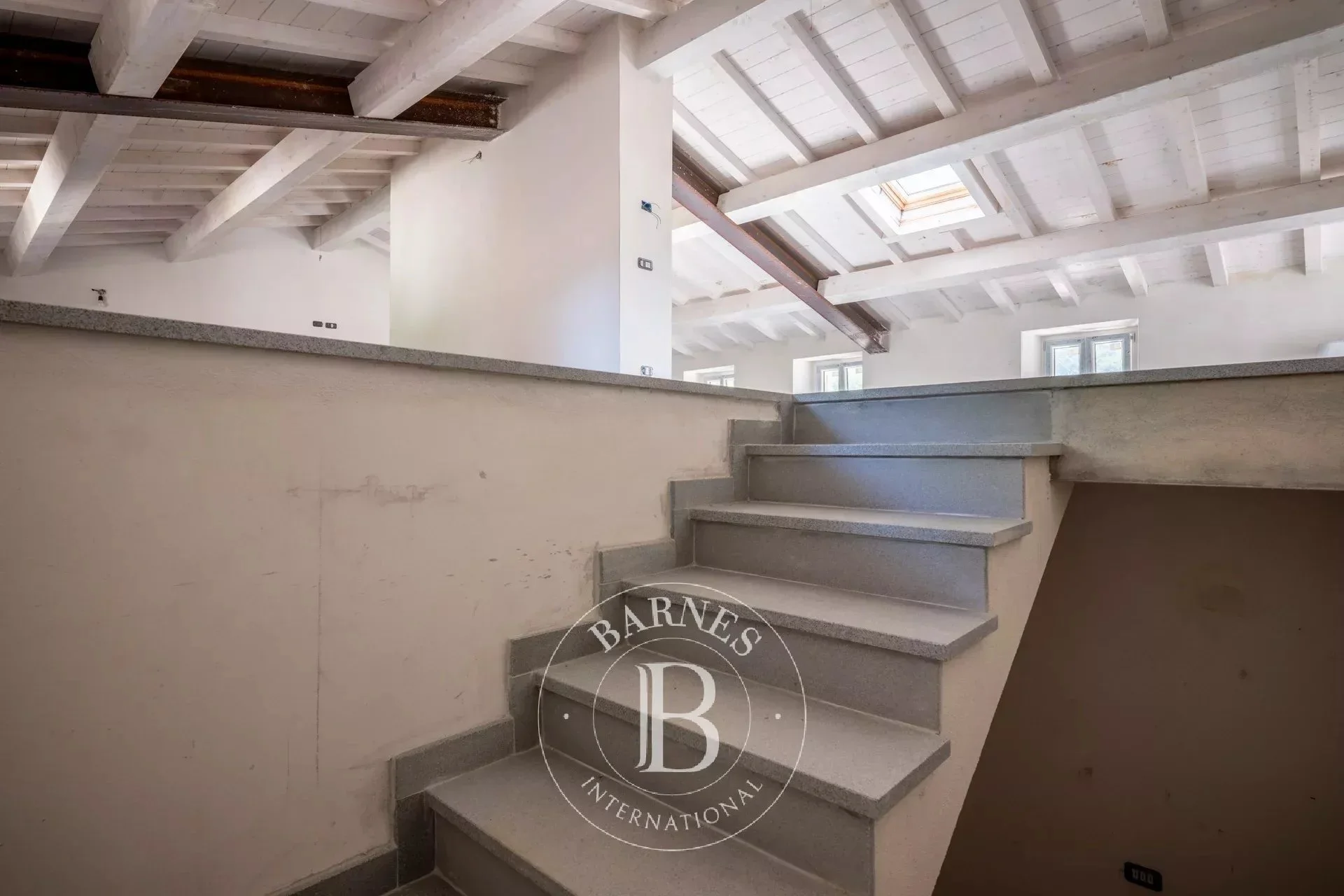
Three levels

Construction status

Marketed as a 2026 new build, potentially sold off-plan or at completion

Energy rating

Listed as Energy Class N, with no APE supplied

Windows

Double and triple glazing stated

Cooling

Air conditioning stated

Internet

High-speed internet stated

Architectural features

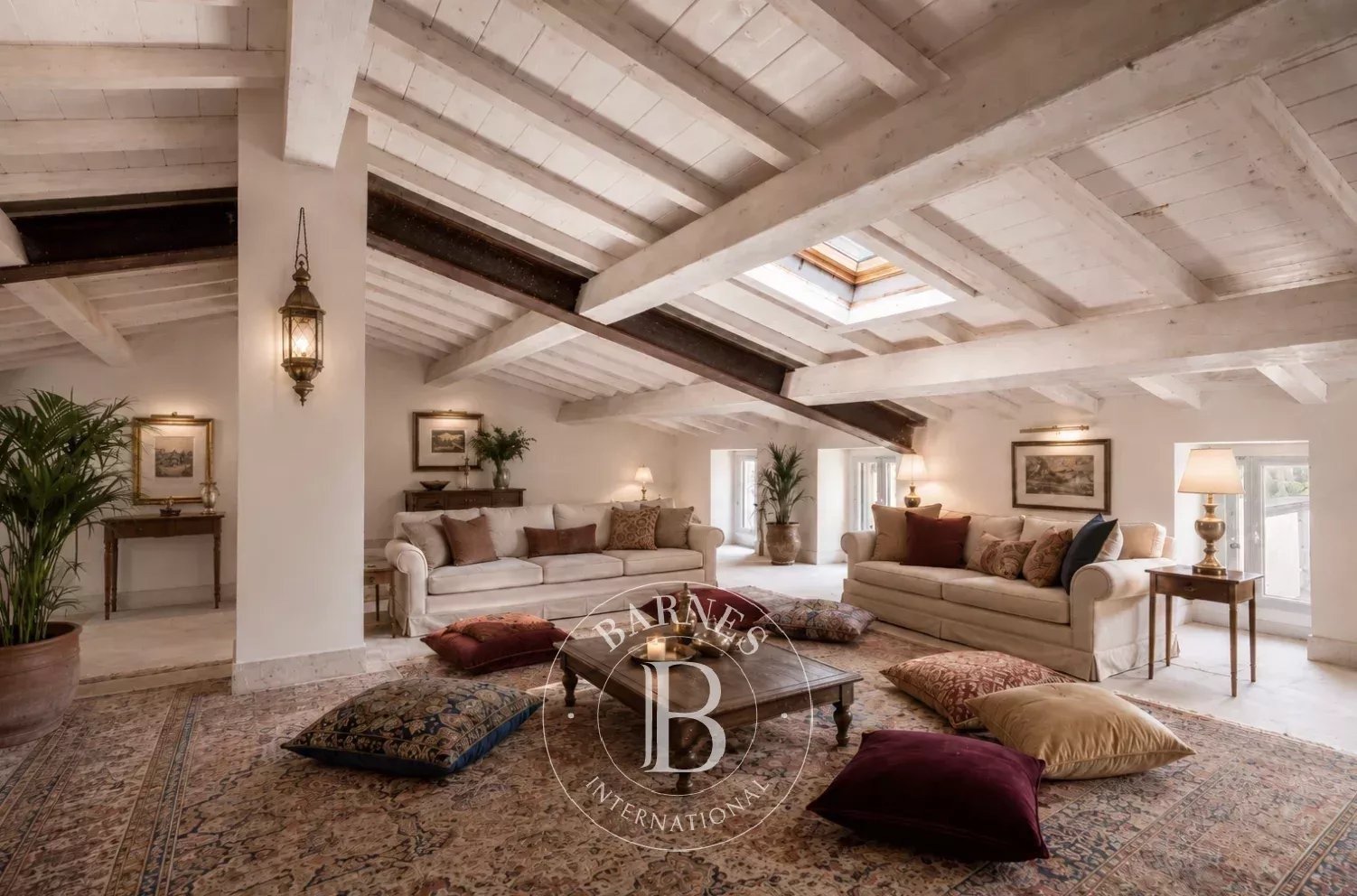
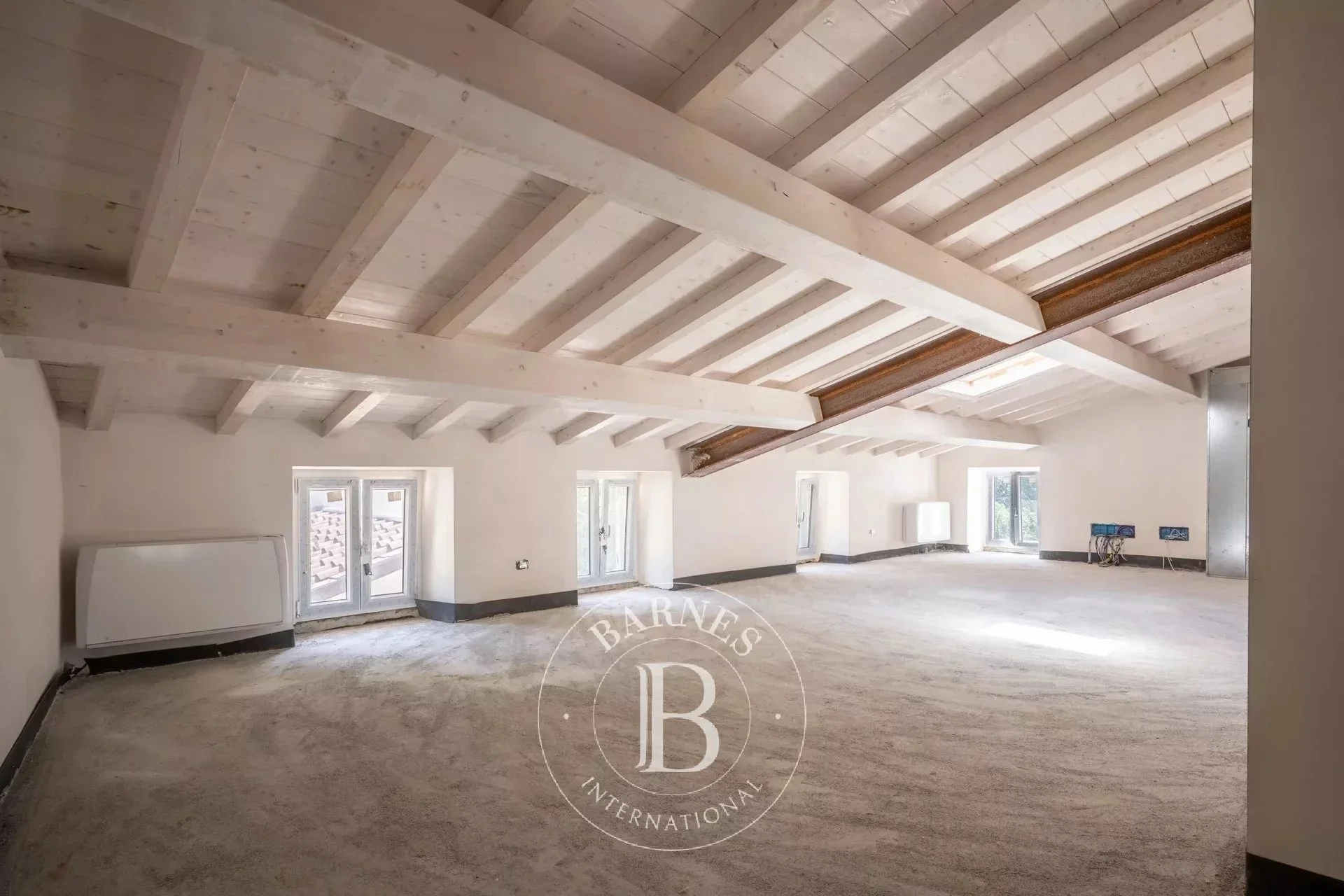
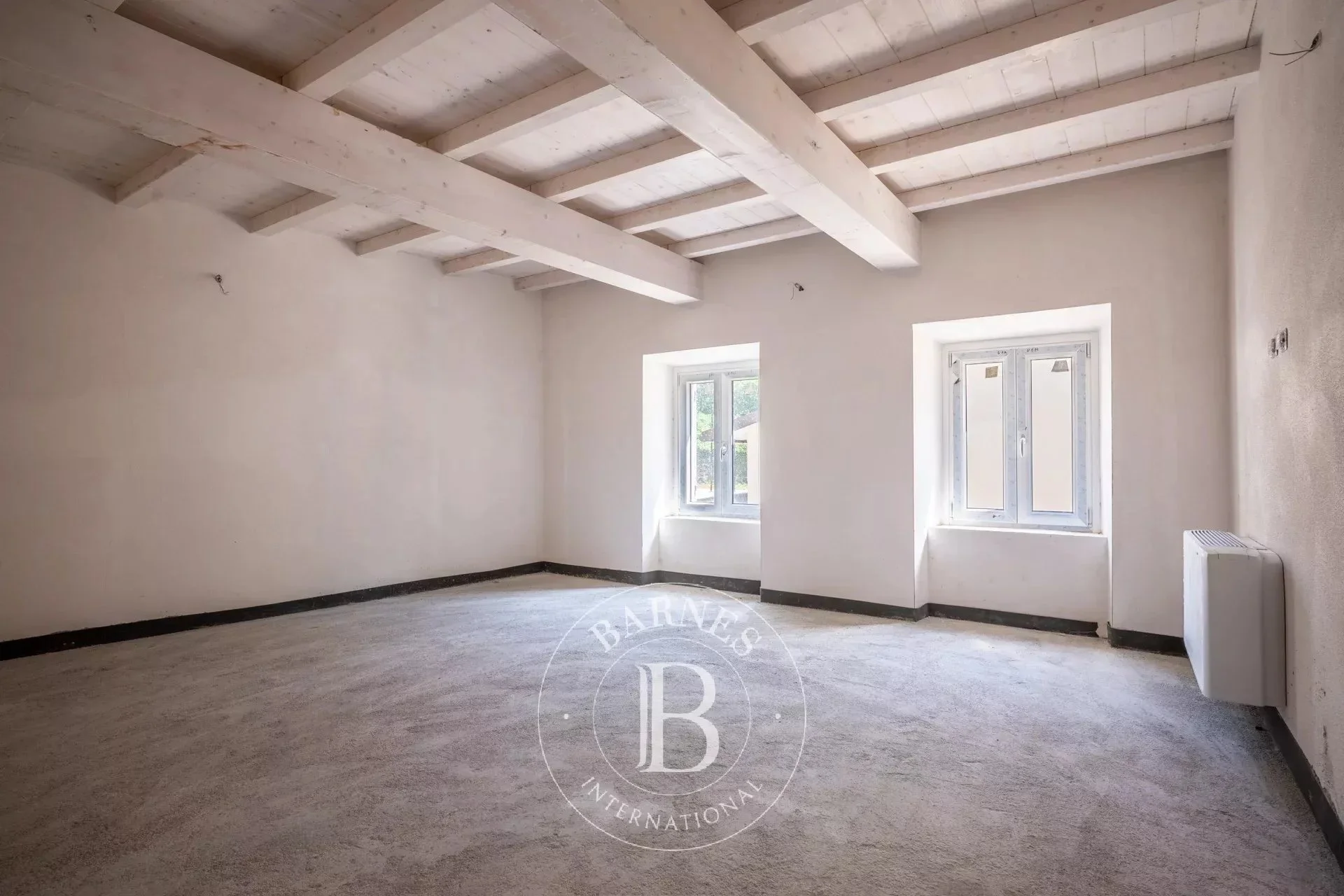
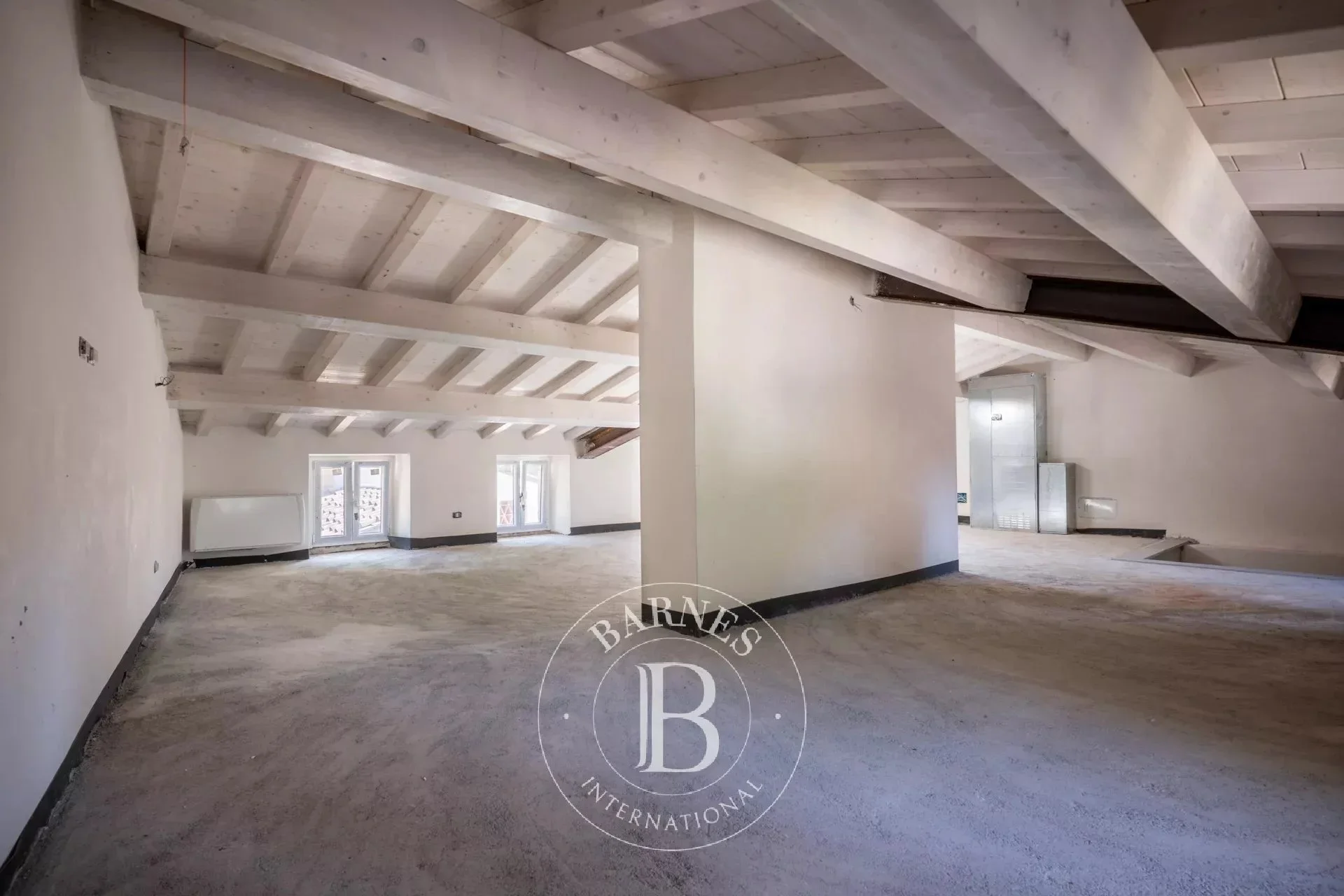
Exposed beams in the living area

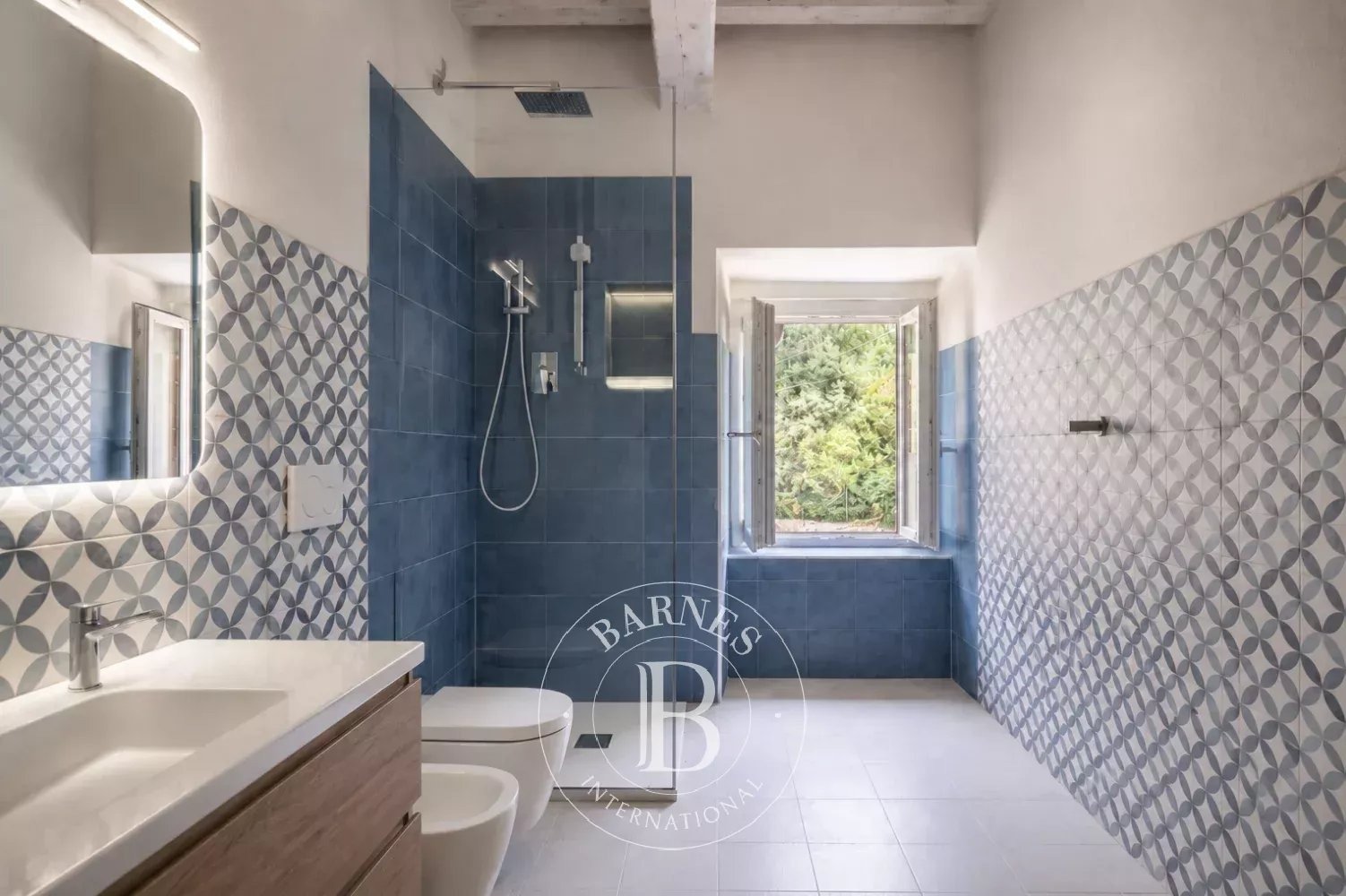
Outdoor space

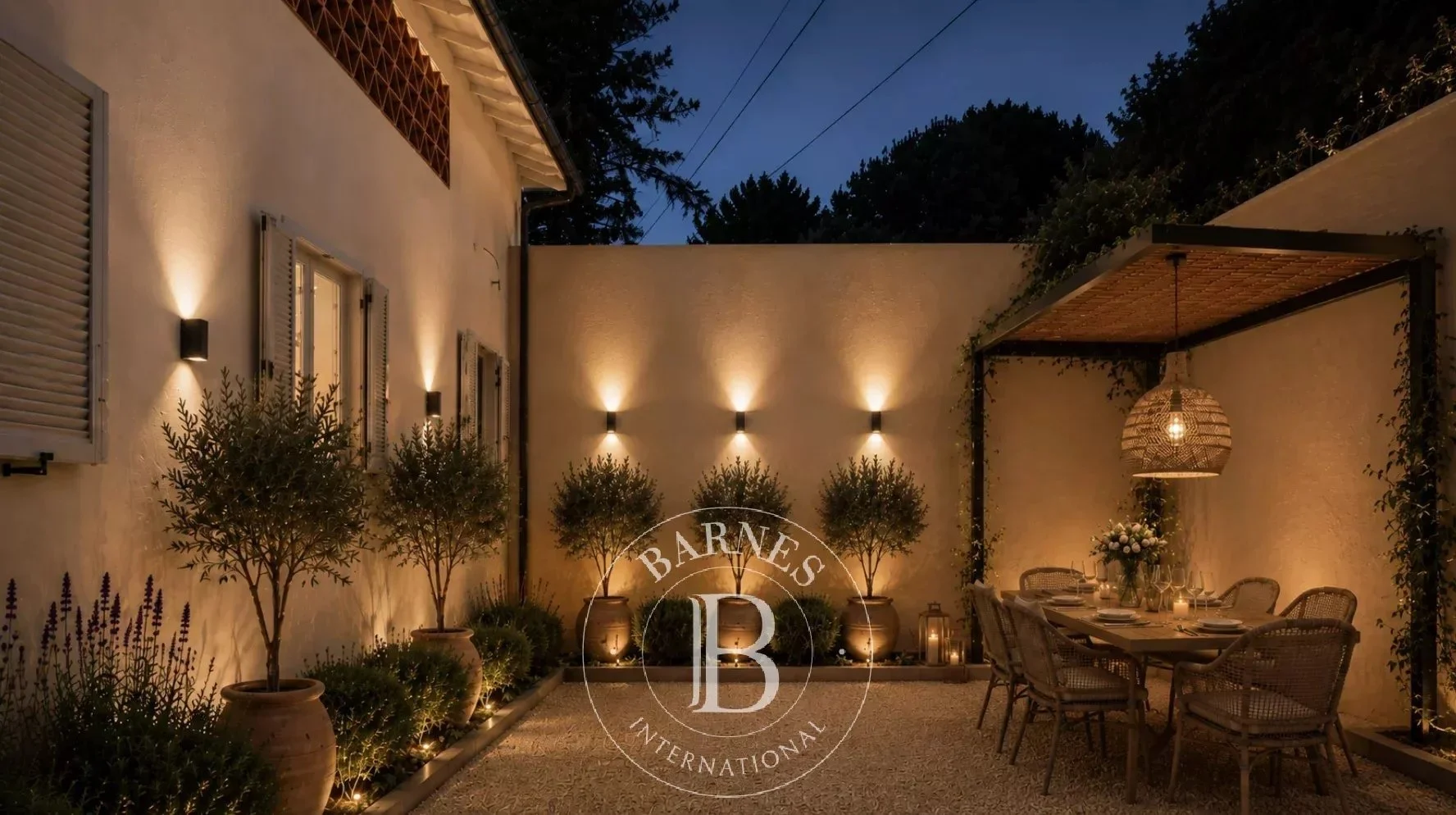
Direct access to outdoor areas, but type, size and title status are not specified

Parking

Not clearly specified

Condition

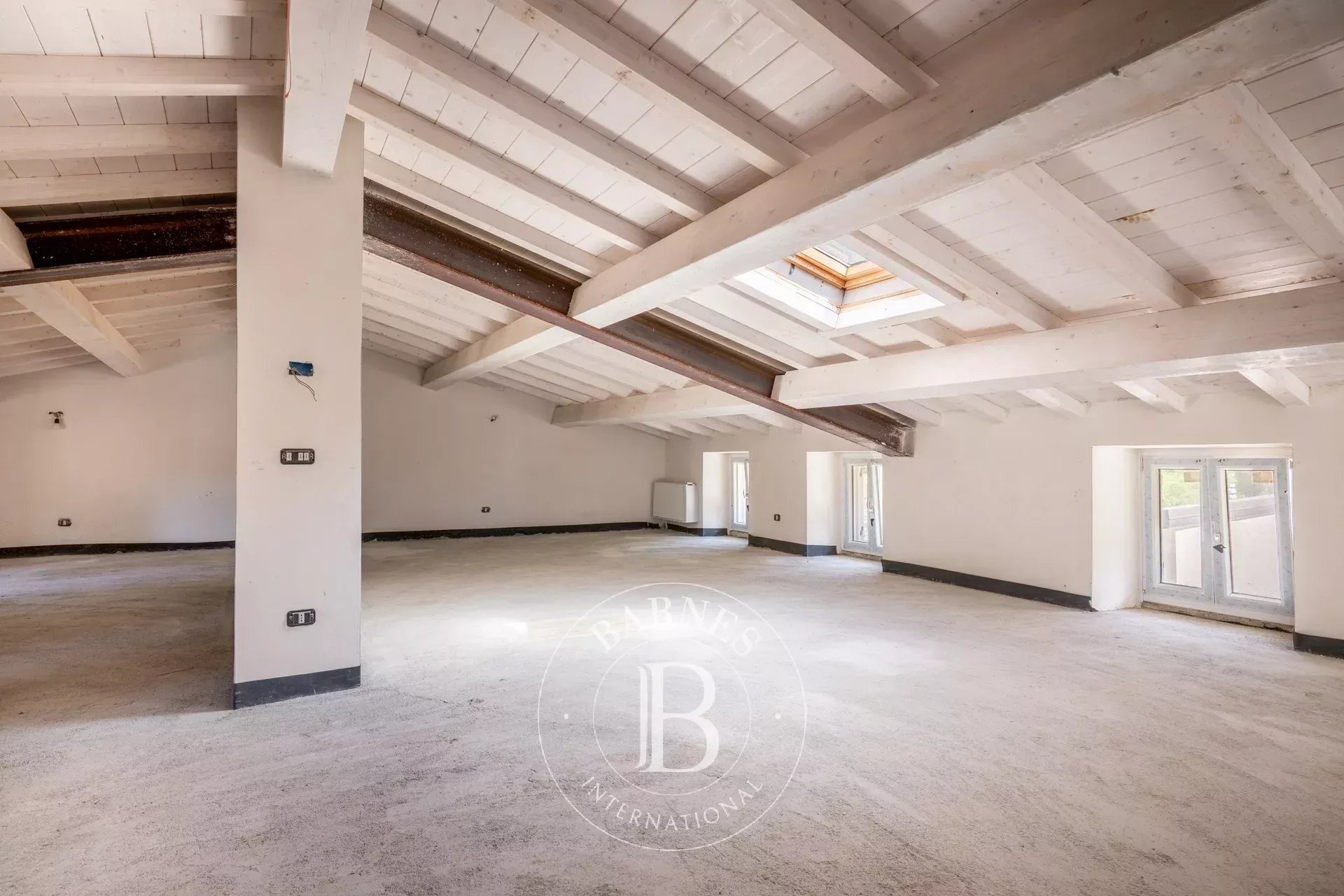
New construction, subject to verification of completion, snagging and final specifications

Lifestyle angle

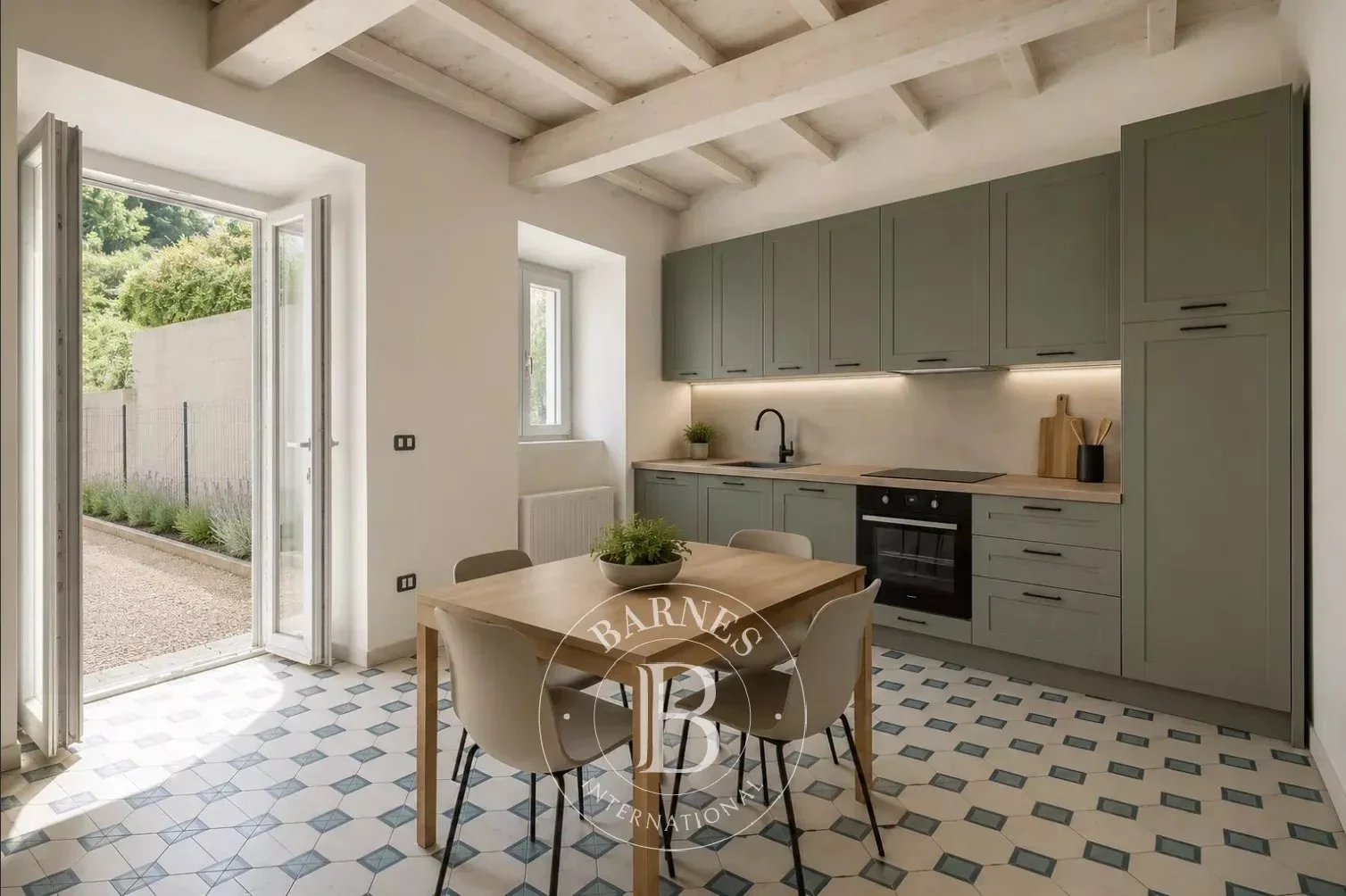
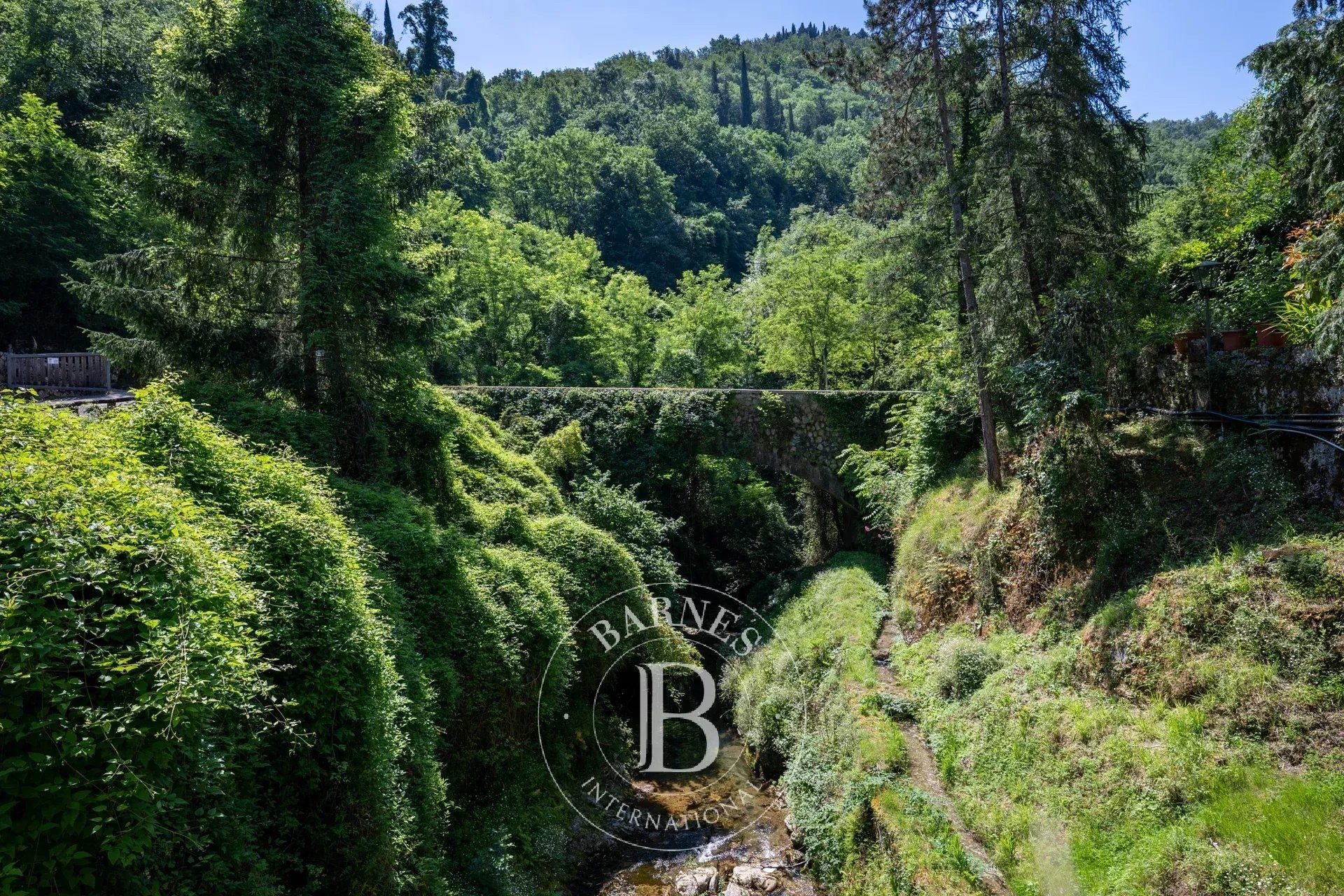
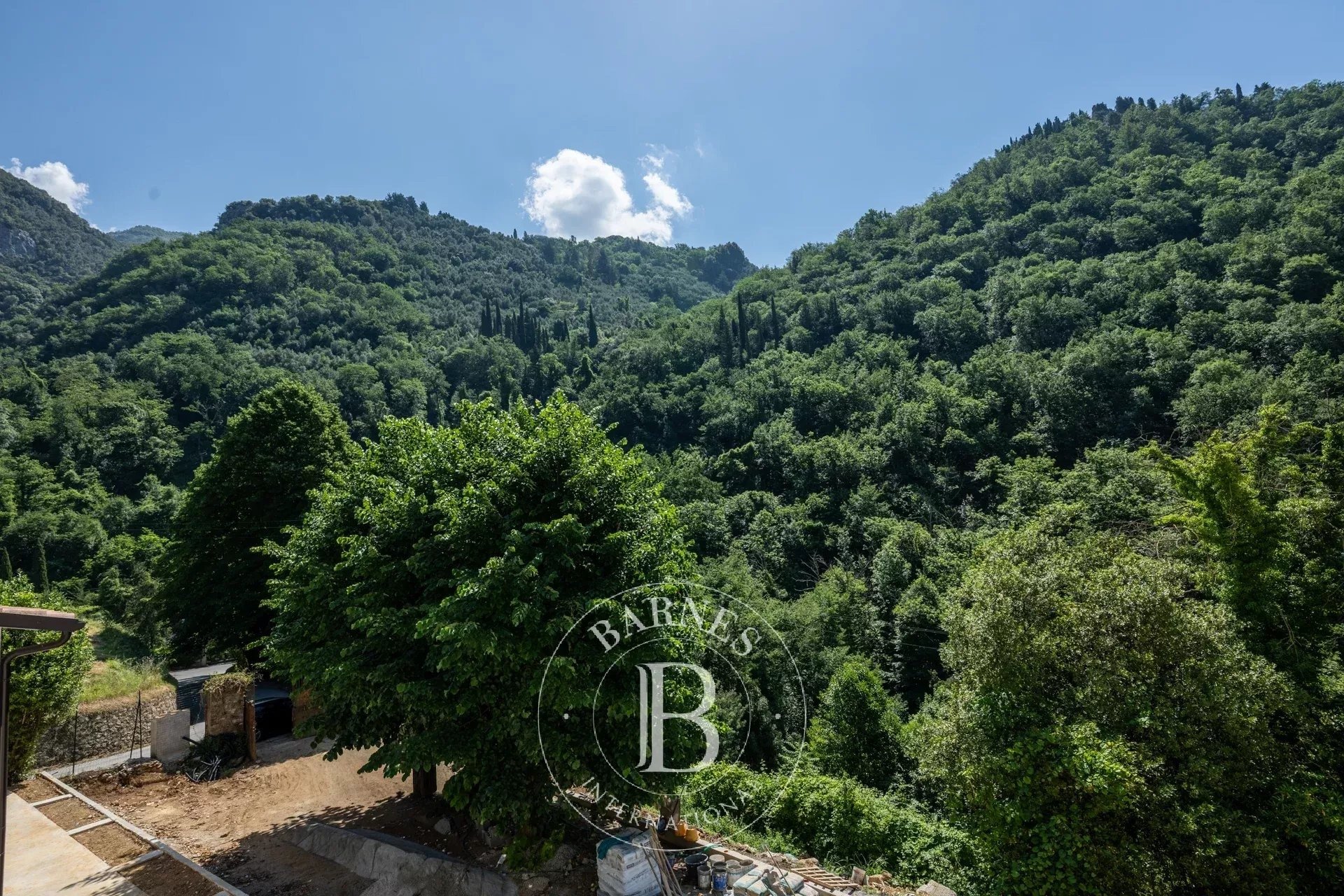
Contemporary Tuscan home in the centre of Camaiore, with access to the Versilian coast, Lucca and the Apuan Alps

Investment angle

Potential owner-occupied, long-term rental or tourist-rental property, subject to regulatory and market checks

Risk Radar

Potential risk or due-diligence focus. More investigation needed. Unknown or information not yet confirmed.
Construction completion, agibilità and permit compliance
High
Missing APE and unverified energy performance
High
Cadastral registration and final floor-plan conformity
High
Final specification, snagging and builder guarantees
High
Outdoor space, parking and access rights
Medium–High

Overview

This 238 m² villa presents an attractive proposition for a buyer seeking a newly constructed home in Camaiore rather than an older Tuscan property requiring immediate renovation. Its three-level layout, contemporary glazing, air conditioning, internet provision and central location may offer a practical combination of modern comfort and access to the coast, surrounding countryside and local services.

The main due diligence issue is that the property appears to sit somewhere between an off-plan sale and a completed new-build transaction. The exact stage must be established immediately. A villa can look substantially finished while still awaiting cadastral registration, utility activation, completion declarations, compliance certificates, landscaping, road works or the formal certified notification of habitability.

The absence of a valid Attestato di Prestazione Energetica is particularly significant. A newly constructed residential building should not simply be accepted as "Energy Class N" without explanation. The buyer should obtain the completed APE, the technical energy report and confirmation of the installed heating, cooling, insulation and renewable-energy systems before relying on the property's modern credentials.

The listing also leaves several fundamental details unclear, including the precise floor plan, the apparently low bathroom count, parking arrangements, outdoor-space dimensions, heating technology, kitchen and bathroom inclusions, and whether exposed beams are structural or decorative. These omissions affect usability, value and comparability with other villas.

For a new build, physical inspection remains essential. The buyer should commission an independent technical inspection and structured snagging survey rather than assuming that new construction is defect-free. Particular attention should be paid to waterproofing, drainage, façade finishes, roof detailing, glazing installation, mechanical systems, floor levels and the interface between the villa and its external areas.

Targeted Questions

Construction Status, Permits and Completion

1.Is the villa legally and physically complete, or is it still being sold off-plan or during the final construction phase?

The transaction structure, payment protections, mortgage availability and buyer exposure differ substantially depending on whether the property is completed.

2.What is the official date on which construction began, and what is the expected or recorded date of completion?

These dates help establish the applicable permits, construction standards, warranty periods and any outstanding developer obligations.

3.Can you provide the complete permesso di costruire and all approved plans, amendments and variations relating to the villa?

The buyer must verify that the building was authorised in its final constructed form rather than merely checking that an original permit existed.

4.Were any varianti in corso d'opera submitted after the original planning approval?

Changes to the layout, openings, volume, roof, terraces or services may require formal approval and must correspond with the completed building.

5.Has the formal fine lavori declaration been submitted to the Comune di Camaiore?

A completed-looking building may still lack the official declaration confirming that authorised works have ended.

6.Has the Segnalazione Certificata di Agibilità been filed and accepted for the villa?

Agibilità addresses conditions including safety, hygiene, health, energy performance and conformity of installed systems. It is a key document for a newly completed home.

7.Can the seller provide the agibilità filing receipt, supporting certificates and the name of the professional who signed the submission?

Buyers should review the underlying certified documentation rather than relying on a verbal assurance that habitability is "being processed".

8.Are any planning conditions, infrastructure obligations or completion works still outstanding with the Comune?

Outstanding conditions may concern drainage, access, landscaping, parking, public-space contributions or other works that could affect occupation.

9.Has the building been inspected by the Comune or another authority, and were any observations or remedial works required?

Any unresolved inspection findings could delay completion, occupation or future resale.

10.Can the seller provide the architect's, engineer's and works director's final declarations confirming conformity with the approved project?

These records help establish professional accountability and verify that the finished villa matches its authorised design.

Developer, Contract and Buyer Protection

11.Who is the legal developer and construction company responsible for the project?

The buyer should investigate the entities standing behind the construction, warranties and any remaining works.

12.How long has the developer been trading, and can it provide examples of other completed residential projects?

Previous projects may reveal the builder's construction quality, after-sales performance and financial reliability.

13.Is the seller the developer, a private owner, a project company or another legal entity?

The seller's identity affects contractual protections, VAT treatment, guarantees and recourse if defects appear.

14.If the villa is being sold before final completion, will the buyer receive a fideiussione guaranteeing advance payments?

Off-plan and construction-stage payments require careful contractual protection against developer default or insolvency.

15.Has the developer arranged the required ten-year post-completion insurance policy, commonly referred to as the polizza decennale postuma?

This policy may provide important protection against serious structural or construction defects after completion.

16.Can the full insurance certificate, policy wording, exclusions and insured amount be reviewed before any deposit is paid?

A reference to "builder insurance" is insufficient unless the buyer confirms what is actually covered and for how long.

17.Are the construction guarantees and insurance rights automatically transferable to the buyer and future owners?

A guarantee has limited value if it is tied only to the original contracting party or requires a separate assignment.

18.What contractual defect-notification and rectification process will apply after completion?

The buyer needs a clear route for reporting and resolving defects rather than relying on informal promises.

19.Will part of the purchase price be retained until snagging defects and incomplete works have been resolved?

Retention can provide practical leverage where final finishes, utilities or external works remain outstanding.

20.Is the seller prepared to include the agreed specifications, completion standard and rectification obligations in the preliminary contract and final deed documentation?

Marketing descriptions and verbal representations may be difficult to enforce unless incorporated into the contractual record.

Cadastral Registration and Legal Conformity

21.Has the villa been registered in the Catasto Fabbricati as an individual residential unit?

A new building may still be undergoing registration, subdivision or assignment of its final cadastral identifiers.

22.Can you provide the current visura catastale showing the foglio, particella, subalterno, category, class and cadastral income?

These data identify the property for taxation and legal checks and should correspond with the home being sold.

23.Can you provide the deposited planimetria catastale for all three levels?

The plan must reflect the completed layout, including bedrooms, bathrooms, stairs, storage areas, terraces and any garage.

24.Does the cadastral plan correspond exactly with the approved planning drawings and physical building?

Cadastral conformity and planning conformity are separate issues, and both must be checked before purchase.

25.When will final cadastral registration be completed if it is not already available?

The buyer should not assume registration will happen automatically before completion of the sale.

26.Will the property have a residential category appropriate for its intended use, such as an A-category dwelling, rather than a provisional or incomplete classification?

The cadastral category may affect financing, taxation, occupation and future resale.

27.Are the outdoor areas, parking spaces and any ancillary rooms included in the same title, or registered under separate subalterni or parcels?

A buyer must know precisely which legal units are included in the €550,000 asking price.

28.Can the seller provide a recent mortgage and title search confirming ownership, easements, charges and restrictions?

New construction can still be affected by development finance, mortgages, access rights or obligations benefiting neighbouring land.

Layout and Accommodation

29.Can you provide a dimensioned floor plan showing the full 238 m² across all three levels?

The stated area should be broken down between habitable rooms, circulation, stairs, storage, technical areas and external surfaces.

30.Is the advertised 238 m² a net internal living area, gross commercial area or another measurement?

Italian listings often use commercial area calculations that may include portions of walls, terraces and ancillary spaces.

31.What is the exact room configuration on each of the three levels?

A large total area does not guarantee an efficient or practical layout.

32.Does the villa genuinely have only one bathroom, as the listing appears to indicate?

One bathroom for a three-bedroom, three-level villa would materially affect everyday use, rental appeal and market value.

33.Are there additional shower rooms, WCs or unfinished bathroom spaces not clearly recorded in the listing?

The listing may be incomplete, or some facilities may still need to be installed or legally classified.

34.Are all three advertised bedrooms legally approved and compliant as habitable bedrooms?

Lower-level or attic rooms may be marketed as bedrooms despite limitations involving height, ventilation, light or planning classification.

35.Are any parts of the lowest level classified as cantina, deposito, garage or technical space rather than residential accommodation?

Ancillary areas cannot automatically be treated, valued or rented as full habitable space.

36.What are the ceiling heights on every level, particularly beneath any sloping roof or exposed-beam areas?

Ceiling height affects habitability, comfort, furniture placement and the legally usable floor area.

37.Are the exposed beams in the living room structural timber elements or decorative finishes?

Structural timber requires appropriate design, treatment, certification and inspection, while decorative beams should not be presented as a structural feature.

Specification and Finishes

38.Can you provide the full capitolato describing the agreed construction materials, equipment and finishes?

The specification sheet is the principal reference for determining what the buyer will actually receive.

39.Which kitchen units, worktops, appliances and fittings are included in the asking price?

A "completed" new build may be sold without a fitted kitchen or with only a basic allowance.

40.Which bathroom sanitaryware, taps, shower systems, screens and furniture are included?

Bathroom completion standards can materially affect immediate move-in costs.

41.What flooring has been installed on each level, and what are the manufacturers and product specifications?

Quality, durability, replacement availability and installation standards vary considerably.

42.Are internal doors, wardrobes, lighting, external shading and window shutters included?

Items that appear in marketing images may be optional, staged or excluded from the contract.

43.Is the property being sold furnished, partly furnished or completely unfurnished?

The buyer needs a clear inventory and should not infer inclusion from photographs or visualisations.

44.Are any buyer customisation options still available for finishes or layout?

If construction is not complete, the buyer may be able to select finishes, but changes must be properly priced and documented.

45.What is the deadline, cost and contractual process for requesting alterations?

Late changes can create delays, disputes and additional costs if not agreed formally.

Heating, Cooling and Energy Performance

46.Why is the property advertised as Energy Class N rather than with a completed APE rating?

A missing energy rating is unusual and material for a newly completed residential building.

47.When will the final Attestato di Prestazione Energetica be issued, and can the buyer review it before signing a binding contract?

The APE should confirm the building's calculated performance and allow comparison with other new homes.

48.What energy class is the designer or developer expecting the villa to achieve?

A new build should have a clearly modelled performance target rather than an unspecified outcome.

49.Can the seller provide the Legge 10 energy report and final as-built energy calculations?

These documents provide more technical detail than the headline APE class and help verify the insulation and systems installed.

50.What is the principal winter heating system: heat pump, boiler, underfloor system, radiators or another technology?

The heating system is not clearly described and will determine comfort, maintenance and operating costs.

51.Is underfloor heating installed throughout all habitable levels, and does each zone have independent controls?

Zoning affects efficiency and practical temperature control across a large three-storey property.

52.What type of air-conditioning system is installed, and which rooms are served?

"Air conditioning" may mean full ducted climate control or only a small number of split units.

53.Does the system provide both heating and cooling, and what are its rated efficiency figures?

Buyers should understand whether separate systems are required for winter and summer use.

54.What insulation materials and thicknesses were used in the roof, walls and ground floor?

Insulation quality affects energy costs, condensation risk, summer overheating and long-term comfort.

55.What are the U-values and acoustic-performance ratings of the double and triple-glazed windows?

The number of glass panes alone does not demonstrate thermal or acoustic performance.

56.Why are some windows double glazed and others triple glazed, and where is each type installed?

The distinction may reflect orientation and performance design, or simply inconsistent specification.

57.Are solar photovoltaic panels, solar thermal systems, batteries or other renewable-energy technologies installed?

New Italian buildings are subject to renewable-energy integration requirements, and the buyer should verify the actual installed capacity and ownership arrangements.

58.What are the projected annual electricity and heating costs based on the final design calculations?

Estimated running costs help test whether the villa's modern specification translates into practical efficiency.

Building Systems and Certification

59.Can the seller provide declarations of conformity for the electrical, plumbing, heating, cooling and gas systems?

Newly installed systems should be supported by contractor certification and technical documentation.

60.What is the electrical supply capacity, and is it sufficient for heat pumps, air conditioning, induction cooking and vehicle charging?

An undersized connection may cause operational problems or require an expensive upgrade.

61.Has electric-vehicle charging infrastructure or cabling been installed?

This is increasingly relevant for a modern home and can be more expensive to retrofit later.

62.Where are the plant room, consumer unit, water shut-off valves and mechanical controls located?

Service access should be safe, practical and clearly documented.

63.Will the buyer receive operating manuals, warranties and maintenance schedules for all installed equipment?

Proper commissioning and documentation are essential for warranty claims and efficient operation.

Water, Drainage and Utilities

64.Is the villa connected to the public mains water, sewerage and electricity networks?

"Connections available" is not the same as fully activated and tested services.

65.Have all utility connections been completed, inspected and paid for by the developer?

Connection charges and infrastructure works should not unexpectedly pass to the buyer.

66.Are individual meters already installed, and can the accounts be transferred immediately after completion?

Delayed metering can prevent occupation or complicate billing.

67.How is surface water from the roof, terraces, driveway and garden managed?

Drainage defects are a common source of damp, settlement and external flooding in new developments.

68.Has the property been tested for water pressure, drainage flow and leaks?

New pipework can still contain installation defects that only become evident after occupation.

69.Is there a rainwater collection, irrigation or water-storage system?

Such systems may reduce garden costs but require maintenance and clear operating instructions.

Outdoor Areas, Boundaries and Parking

70.What outdoor spaces are included with the villa, and what are their precise dimensions?

The listing refers only generally to direct outdoor access without defining the garden, terraces, balconies or courtyard.

71.Are all external areas shown on the title and cadastral documentation as belonging exclusively to the villa?

Physical use does not necessarily prove legal ownership or exclusive rights.

72.Will the garden be fully landscaped, fenced and completed before the sale?

External works can represent a substantial additional cost if excluded from the final contract.

73.Are patios, terraces, retaining walls, paths and boundary treatments included in the agreed completion specification?

Buyers need to distinguish finished external works from optional or illustrative features.

74.Is there any provision or planning approval for a swimming pool?

A pool is not mentioned, and later installation may depend on planning, landscape, access and drainage constraints.

75.How many private parking spaces are included?

Parking is particularly important in a central town setting and materially affects daily practicality.

76.Is there a garage, carport or secure gated parking area?

A large villa without secure parking may compare less favourably with competing properties.

77.Is vehicular access directly from a public road or across private land?

Private access can involve easements, shared maintenance obligations and limitations on vehicle use.

78.Are the access road, gates and driveway fully completed and legally authorised?

Temporary construction access may not be equivalent to the final legal and practical arrangement.

79.Have the boundaries been professionally surveyed and marked on site?

Newly divided plots can be vulnerable to discrepancies between fencing, cadastral mapping and legal title.

Snagging and Construction Quality

80.Will the seller permit an independent building survey and new-build snagging inspection before completion?

New construction can contain workmanship defects even where permits and certificates are in order.

81.Has the villa undergone pressure testing, electrical testing, waterproofing checks and system commissioning?

Completion certificates do not necessarily confirm that every element has been independently performance-tested.

82.Are there written test results for roof waterproofing, balconies, terraces and below-ground areas?

Water ingress is one of the most disruptive and expensive categories of new-build defect.

83.Has the building envelope been checked for thermal bridging, condensation risk or air leakage?

Poorly detailed modern insulation can produce mould or comfort problems despite a strong theoretical energy rating.

84.Are there any visible settlement cracks, uneven floors, misaligned doors or defects already scheduled for repair?

Early movement and finishing defects should be recorded and rectified before the buyer takes possession.

85.Who will manage the snagging list, and by what date must defects be corrected?

A named responsible party and deadline are more useful than a general promise to resolve issues later.

Shared Arrangements, Neighbours and Location

86.Is the villa entirely independent, or does it form part of a condominio or shared development?

A standalone appearance does not exclude shared roads, gates, drainage, gardens or administrative arrangements.

87.Are there any recurring communal charges or shared maintenance obligations?

The buyer should budget for all ongoing costs and understand who controls shared infrastructure.

88.Are there any development rules governing façades, fencing, external alterations, solar panels or rental use?

Private regulations may restrict future changes even where municipal permission could otherwise be available.

89.What are the immediately adjoining properties and their permitted uses?

Residential, commercial, agricultural or development uses may affect privacy, noise and long-term amenity.

90.Are any additional developments planned on neighbouring plots?

Future construction could affect light, outlook, traffic, privacy or the villa's market positioning.

91.What are the typical daytime, evening and weekend noise levels in this part of Camaiore Paese?

A central location can provide convenience but may also involve traffic, deliveries, events or late-opening businesses.

92.Are nearby properties mainly permanent homes, holiday homes or tourist accommodation?

The local occupancy pattern affects neighbourhood atmosphere, rental demand and seasonal noise.

Internet and Remote Working

93.Is the advertised high-speed internet connection already active inside the villa?

Availability in the street does not guarantee a completed connection to the property.

94.Is the service fibre to the premises, fibre to the cabinet or another technology?

Actual performance and reliability vary considerably between connection types.

95.Can the seller provide a recent speed test and identify the available providers?

A measurable result is more useful than a general "high-speed internet" claim.

96.Is mobile reception reliable throughout all three levels and the outdoor areas?

Thick walls, insulation systems and location can affect indoor mobile coverage.

Rental and Investment Potential

97.Has the developer or agent obtained any professional rental appraisal for the completed villa?

Rental claims should be supported by comparable evidence rather than general demand for Tuscany.

98.What long-term monthly rent is realistically achievable for an unfurnished and a furnished three-bedroom villa in Camaiore?

Long-term rental performance may differ significantly from coastal tourist-rental assumptions.

99.What nightly rates and occupancy levels have comparable villas achieved during high, shoulder and low seasons?

Annual revenue projections should account for strong seasonality rather than extrapolating peak summer rates.

100.Would the property be marketed primarily as a Camaiore town villa, a Versilia base or a wider Tuscany destination?

The strongest rental positioning affects pricing, guest expectations and marketing costs.

101.Is tourist rental use permitted under the property's planning status, title conditions and any shared-development rules?

Registration requirements do not override private restrictions or unsuitable legal classification.

102.What local and regional notifications would be required before accepting tourist guests?

Tuscany's tourism framework has changed, and the buyer should confirm the current process directly with the Comune and Regione Toscana.

103.Would the owner need a regional identification code as part of the Tuscany registration process and a national CIN?

Italy's CIN identifies properties used for short or tourist lets and must be displayed and quoted in advertising where applicable.

104.What safety equipment and compliance measures would be required before advertising the villa for short stays?

Tourist-rental operation may trigger safety, identification, reporting and guest-management obligations beyond ordinary residential ownership.

105.What annual operating costs should be assumed for utilities, insurance, cleaning, linen, maintenance, management, local taxes and booking commissions?

Gross rental income can substantially overstate the buyer's actual return.

106.Are there local property managers experienced with villas in Camaiore Paese, and what fees do they charge?

Remote ownership depends heavily on reliable guest support, cleaning, maintenance and regulatory administration.

Negotiation Intelligence

Buyer Leverage

Medium-High

Key Drivers

The gap between the villa's presentation as a completed premium new build and the documentation currently described in the listing.
The stated Energy Class N: until a final APE is produced, the buyer cannot confidently assess running costs, system efficiency or how the property compares with other modern homes.
The uncertain bathroom count, unspecified parking, unclear outdoor-space dimensions and absence of a detailed room schedule, which weaken the buyer's ability to assess value per usable square metre.
The 238 m² figure should be reconciled with net habitable space before comparison with other properties.
Where external works, utility activation, landscaping or final finishes remain incomplete, the buyer should request a fixed completion schedule and itemised contract rather than negotiating only through a headline discount.

Typical Negotiation Range

5-15% below asking

Neutral Phrasing Examples

"Because the villa is being marketed as a completed 2026 new build, I would like to assess it on the basis of the final authorised and delivered specification. Could you please provide the permesso di costruire and variations, agibilità documentation, APE, cadastral plan, capitolato, system certificates, ten-year insurance policy and a schedule of any works or utility connections still outstanding?"

Country Layer

Italy (Regulatory Context July 2026)

Key Italian requirements for buyers:

Planning Permission and Building Conformity: A new villa should be supported by the relevant building authorisation, approved plans and any subsequent variations. The buyer's technician should compare the approved municipal file with the completed building rather than relying solely on the cadastral plan. Italy's building framework distinguishes planning or urban conformity from cadastral conformity. A property can be accurately represented in the Catasto while still containing planning irregularities, or it may be correctly authorised but not yet updated cadastrally. The buyer should commission an independent tecnico to inspect the Comune di Camaiore planning file, confirm the stato legittimo of the villa and compare the authorisations with the structure physically delivered. Recent national guidance has addressed the treatment of certain building discrepancies, but buyers should not assume that any variation is automatically regularised.
Agibilità: For newly constructed residential property, the buyer should verify the certified agibilità process and obtain the supporting documentation. The modern procedure generally operates through a Segnalazione Certificata di Agibilità submitted by a qualified professional, supported by documentation concerning safety, hygiene, energy performance and system conformity. The buyer should request the filed notification, submission receipt and technical attachments. A statement that the villa is "habitable" or "ready to move into" is not a substitute for documentary verification.
Cadastral Documentation: The visura catastale provides identifying and fiscal information recorded in the cadastral database, while the planimetria catastale is the registered technical drawing of the individual property unit. For this villa, the buyer should obtain: the current visura catastale; the planimetria for every level; any elaborato planimetrico covering the wider site or development; the cadastral identifiers for parking, gardens and ancillary areas; confirmation of the final cadastral category and rendita catastale; and a professional comparison between the cadastral plan, approved plans and physical building. The Agenzia delle Entrate provides services for consulting cadastral records and plans, but the notaio and independent technician should interpret the records in the context of the proposed purchase.
New-Build Buyer Protection: Where a property is purchased from a developer before completion or before the legal conditions for a completed sale have been met, the buyer should obtain specialist advice on Italy's protections for purchasers of properties under construction. Depending on the transaction, relevant protections may include: a preliminary contract containing prescribed information; registration or transcription of the preliminary contract; a bank or insurance guarantee covering qualifying advance payments; a ten-year post-completion insurance policy addressing specified serious building defects; and clear contractual specification and completion obligations. The buyer's notaio and avvocato should establish whether the proposed transaction legally qualifies as a property-under-construction sale and whether all mandatory protections apply.
Energy Performance Certificate: The Attestato di Prestazione Energetica provides the building's certified energy classification and other performance information. For a newly completed villa, the absence of an APE should be treated as an unresolved completion issue rather than a minor listing omission. The buyer should not accept "Energy Class N" as the final position. The completed APE should identify the property, installed systems, calculated performance and recommended measures. It should correspond with the final as-built construction rather than an earlier design assumption. New buildings are also subject to national energy-performance and renewable-integration requirements. The buyer's technician should review the APE alongside: the project energy report; insulation specifications; window performance; heating and cooling design; renewable-energy systems; commissioning documents; and expected energy consumption.
System Declarations: Electrical, plumbing, heating, cooling, gas and renewable-energy systems should be supported by appropriate declarations and technical records from qualified installers. The buyer should obtain these before completion together with warranties, manuals, commissioning certificates and maintenance instructions. Missing system records can create difficulties with insurance, future modifications and defect claims.
Cadastral Value, Taxes and Transaction Structure: The tax treatment of a new-build purchase can differ depending on whether the seller is the developer, when the sale occurs and whether VAT applies. The buyer should ask the notaio and commercialista to calculate: VAT or registration-tax treatment; first-home relief eligibility, where relevant; mortgage and cadastral taxes; notarial fees; agency commission and VAT; preliminary-contract registration costs; utility connection charges; and any additional developer or development costs. The seller's legal identity and the property's completion date are therefore financially material, not merely administrative details.
Tourist Rentals in Tuscany: Tuscany introduced a revised tourism framework through Regional Law No. 61/2024. Buyers considering tourist use should verify the current rules with Regione Toscana and the Comune di Camaiore because requirements may differ according to whether activity is occasional, non-business or entrepreneurial. Tuscany maintains specific guidance for short and tourist rentals, including distinctions between non-entrepreneurial and entrepreneurial activity. Regional procedures and communications have changed since November 2024, so older agent advice or online guides may no longer reflect the current position. Italy's national CIN system applies to properties used for short or tourist rentals. The CIN must be displayed externally and included in advertisements where the regime applies. Before relying on rental income, the buyer should confirm: the regional and municipal registration process; CIN eligibility and application requirements; guest identification and police-reporting duties; tourism-statistics reporting; tourist-tax registration and collection; safety-equipment obligations; income-tax and business-classification consequences; whether management activity would be treated as entrepreneurial; any private title or development restrictions.
Rental Evidence: Tuscany publishes tourism data based on official statistical reporting, which may help a buyer understand broad visitor patterns. However, regional tourism volumes should not be treated as proof of the villa's individual earning potential. A defensible investment assessment should use comparable properties in Camaiore and the wider Versilia area, adjusting for: distance from the coast; lack or presence of a pool; parking; outdoor space; bathroom count; air conditioning; guest capacity; seasonality; management costs; regulatory compliance; whether the property is marketed as a town-centre home or coastal villa.

Viewing Strategy

During the viewing:

Begin outside the site rather than inside the villa. Confirm whether the access road, driveway, boundaries, parking spaces, gates, retaining walls, paving and landscaping are genuinely complete. Look for unfinished kerbs, exposed utility ducts, temporary drainage, construction debris or areas that differ from the marketing images.
Walk the full perimeter and compare the visible boundaries with the site plan. Confirm where private land ends, whether any route is shared and how rainwater moves across the plot. Inspect retaining walls, external steps and changes in ground level for cracking, ponding or inadequate drainage.
Study the façade in natural light. Look for uneven render, hairline cracking, staining, poorly sealed penetrations and inconsistent finishes around windows and doors. Check roof edges, gutters, downpipes, terraces and balcony junctions carefully.
Inside, use the approved plans and specification sheet as a working checklist. Confirm the actual room count, bathroom count and classification of each level. Measure rooms if necessary and identify which areas make up the advertised 238 m².
Open and close every window and external door. Check alignment, seals, locking systems and whether the mix of double and triple glazing corresponds with the specification. Stand quietly beside street-facing windows to test noise insulation.
Inspect the exposed beams closely. Ask whether they are structural or decorative, what material they are made from and whether any treatment or fire-performance documentation is available.
Run taps, showers and toilets simultaneously to assess pressure and drainage. Check beneath sanitaryware and around shower trays for leaks or incomplete sealing. Inspect bathrooms for adequate extraction and correct floor falls.
Test the heating, cooling and hot-water systems rather than accepting a visual demonstration of controls. Ask for each zone to be operated and confirm that the plant has been commissioned.
Locate the electrical panel, meters, heat-pump equipment, external condensers, water shut-offs and any photovoltaic inverter or battery. Photograph model and serial numbers for later comparison with warranty documents.
Check floor levels, skirting, tile joints, stair finishes, internal doors and fitted cabinetry for poor workmanship. Use a structured snagging list and photograph every defect.
Pay particular attention to lower-level walls and floors for moisture, cold bridging or incomplete waterproofing. In upper rooms, inspect roof junctions, ceilings and beam connections.
Test the internet using a wired or Wi-Fi speed test and identify whether the connection is already active or merely available in the road.
Visit the surrounding streets at more than one time of day. Assess traffic, parking pressure, deliveries, church bells, schools, businesses, pedestrian activity and evening noise. Walk to the principal shops and services rather than relying only on driving-time descriptions.
Before leaving, reconcile every marketing claim with one of three categories: physically verified, document-supported or still unconfirmed.

Next Step

Verify from the listing:

Construction completion and agibilità
Confirm whether the villa is legally complete and obtain the approved permits, fine lavori documentation, Segnalazione Certificata di Agibilità and all supporting professional certificates before treating it as move-in ready.

Final APE and building performance
Request the completed energy certificate, energy-design report and full details of the heating, cooling, insulation, glazing and renewable-energy systems. Energy Class N should not remain unresolved for a 2026 new build.

Cadastral registration and floor-plan conformity
Obtain the visura catastale, registered plans for all three levels and confirmation that the completed villa, parking and outdoor areas correspond with both cadastral and municipal records.

Specification, guarantees and snagging
Review the capitolato, builder warranties, ten-year insurance policy, system certificates and snagging procedure so the final standard and responsibility for defects are contractually clear.

Actual accommodation and external areas
Clarify the bathroom count, net habitable area, room classification, parking provision and the precise size, ownership and completion standard of the garden, terraces and other outdoor spaces.

A prepared buyer should approach the agent calmly and frame questions as due diligence. For example: “To help me assess the villa properly as a completed new build, could you provide the final permits and agibilità documents, APE, cadastral records, detailed specification, system certificates, builder insurance and a schedule of any works or utility connections still outstanding?”

Because this is a newly constructed villa where completion status, energy performance and construction quality materially affect value, run it through the Property Risk Assessment to organise the legal and documentation checks, or use the European Property Energy Risk Assessor once the APE and system specifications have been supplied.

Disclaimer: The Property Drop is buyer-focused intelligence, zero sales agenda. We curate exceptional properties, in southern Europe, from third-party agents and arm you with decision tools. No commission, no transactions, no agent partnerships, no skin in the game beyond helping you choose wisely. Information stays accurate until it doesn't (properties sell, prices shift, markets move). Everything here is shared for informational purposes only and should not be treated as legal, financial, or investment advice. Images belong to original agents. Read our Terms of Service to learn more.

Buyer Intelligence: This assessment provides general guidance based on common risk factors and publicly available regulatory information. Risk scores and checklist items are indicative only and must not be considered legal, financial, structural, or surveying advice. Actual property conditions, costs, and regulatory requirements vary significantly by location, property age, and specific circumstances. Regulations are subject to change; always verify current requirements with qualified local professionals before making any purchasing decision.
The Property Drop provides buyer intelligence and educational research analysis only. The Property Drop does not act as an estate agent, intermediary, or advisor in any transaction and does not facilitate introductions, negotiations, or transactions. Always engage qualified independent professionals including local lawyers, surveyors, architects, and tax advisors for comprehensive due diligence specific to your property.

IMPORTANT REMINDER: When contacting property agents featured on The Property Drop, you are entering into direct communication with third parties. It's recommended that you verify all property details independently, conduct thorough due diligence, engage qualified professionals (solicitors, surveyors, financial advisors), understand your rights and obligations under local property laws, and never send money or make commitments without proper legal protection.

Previous
Previous

The Buyer Playbook: 4-Bed Character Farmhouse with Rooftop Jacuzzi and Panoramic Views, São Brás de Alportel, Portugal, €595,000

Next
Next

The Buyer Playbook: 3-Bed Renovated 1850 Bourgeois House with Heated Pool, Gray, France, €307,000