
The Buyer Playbook: 4-Bed Historic Mill on Private Island with Waterfalls, Hondouville, France, €349,000
Buyer Playbook
Pre-Viewing Intelligence Report
This independent buyer guidance report relates to this specific property located in France. It is provided for informational purposes only and does not constitute legal, tax, structural or survey advice. Island title boundaries, water rights, flood exposure, heritage controls, planning permissions, drainage compliance, riverbank responsibilities, access rights, and any restrictions affecting future works or holiday rental use must always be verified with qualified French professionals such as a notaire, avocat, architecte, géomètre-expert, diagnostiqueur, engineer or surveyor, and with the relevant municipal and departmental authorities. This report is designed to help buyers evaluate the property before arranging a viewing or making an offer. It highlights due diligence issues and targeted questions to ask the estate agent. The analysis is based on the listing details and publicly available regulatory context at the time of writing.
Playbook Contents
Property Snapshot
Location
Hondouville, Eure, Normandy, France.
Property type
Historic mill house on a private island.
Asking Price
€349,000.
Bedrooms
4.
Period
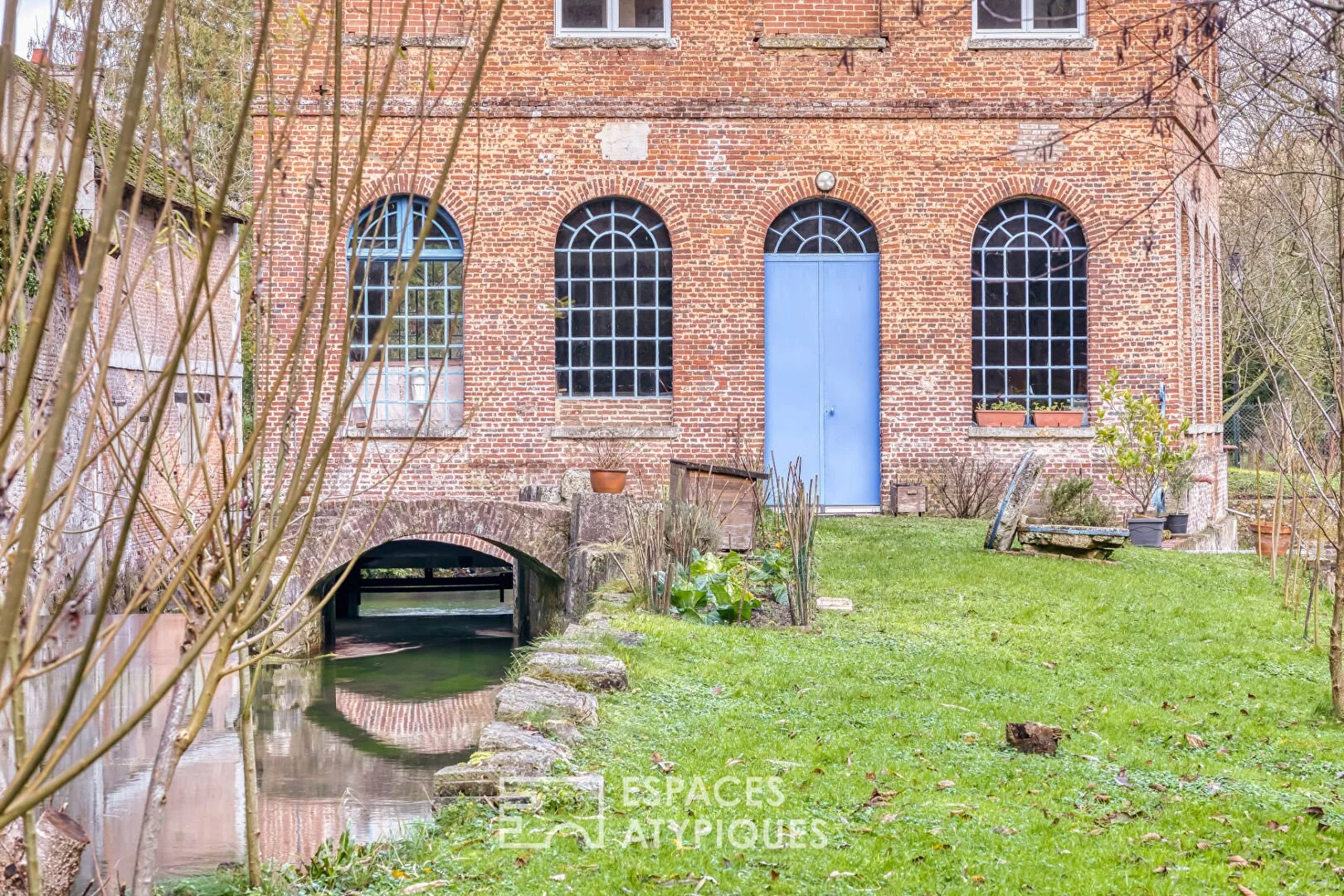
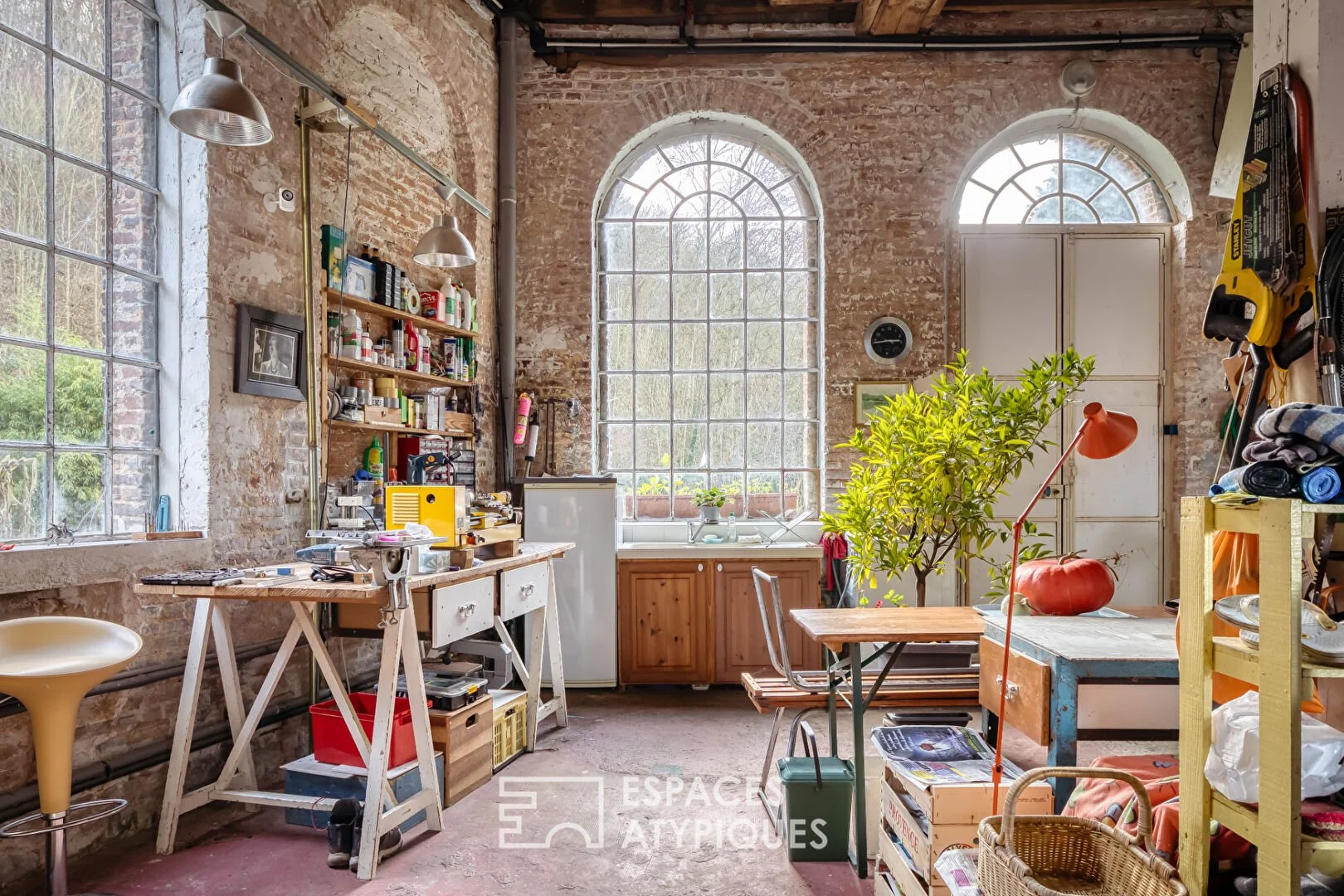
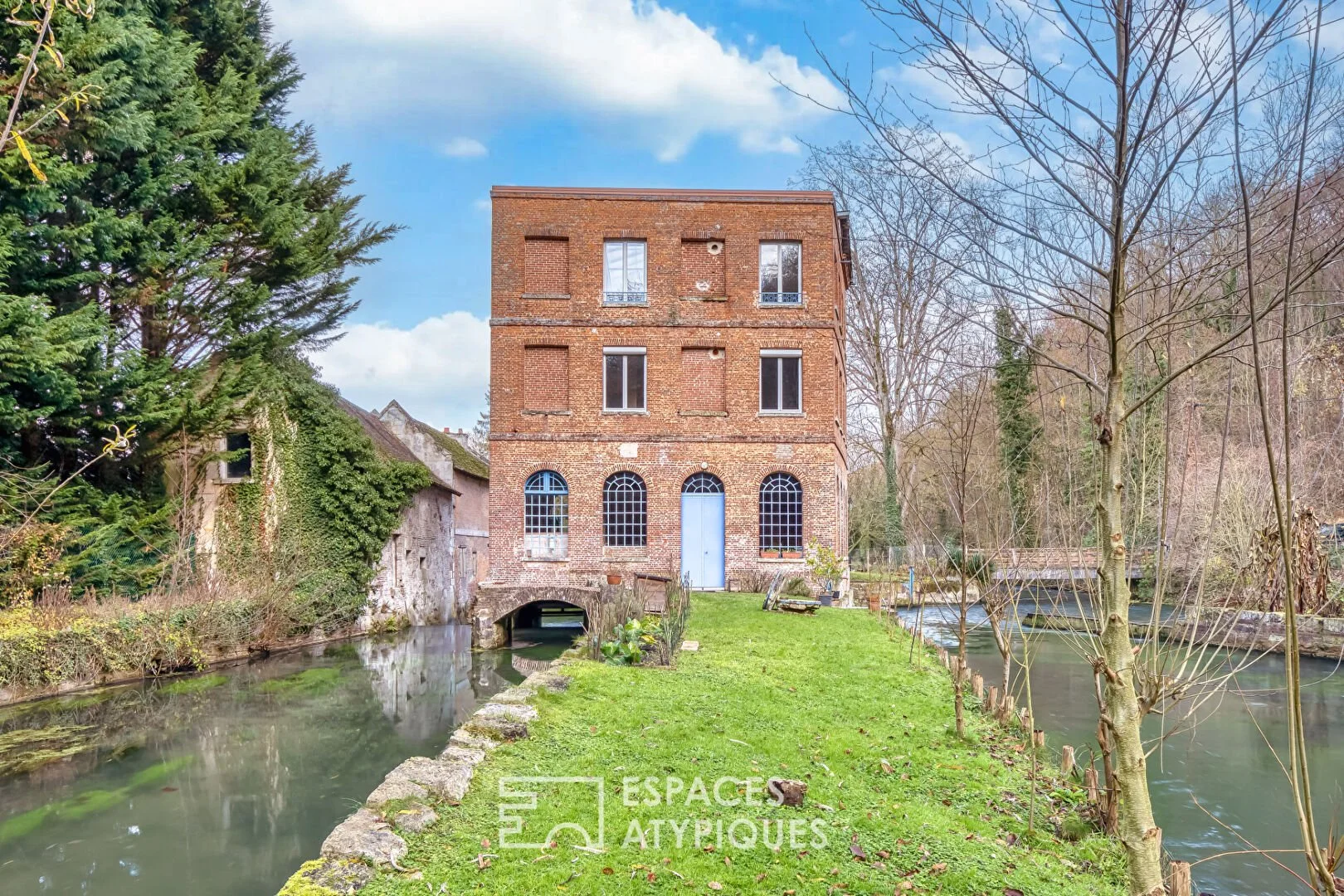
19th-century flour mill with red-brick construction.
Setting
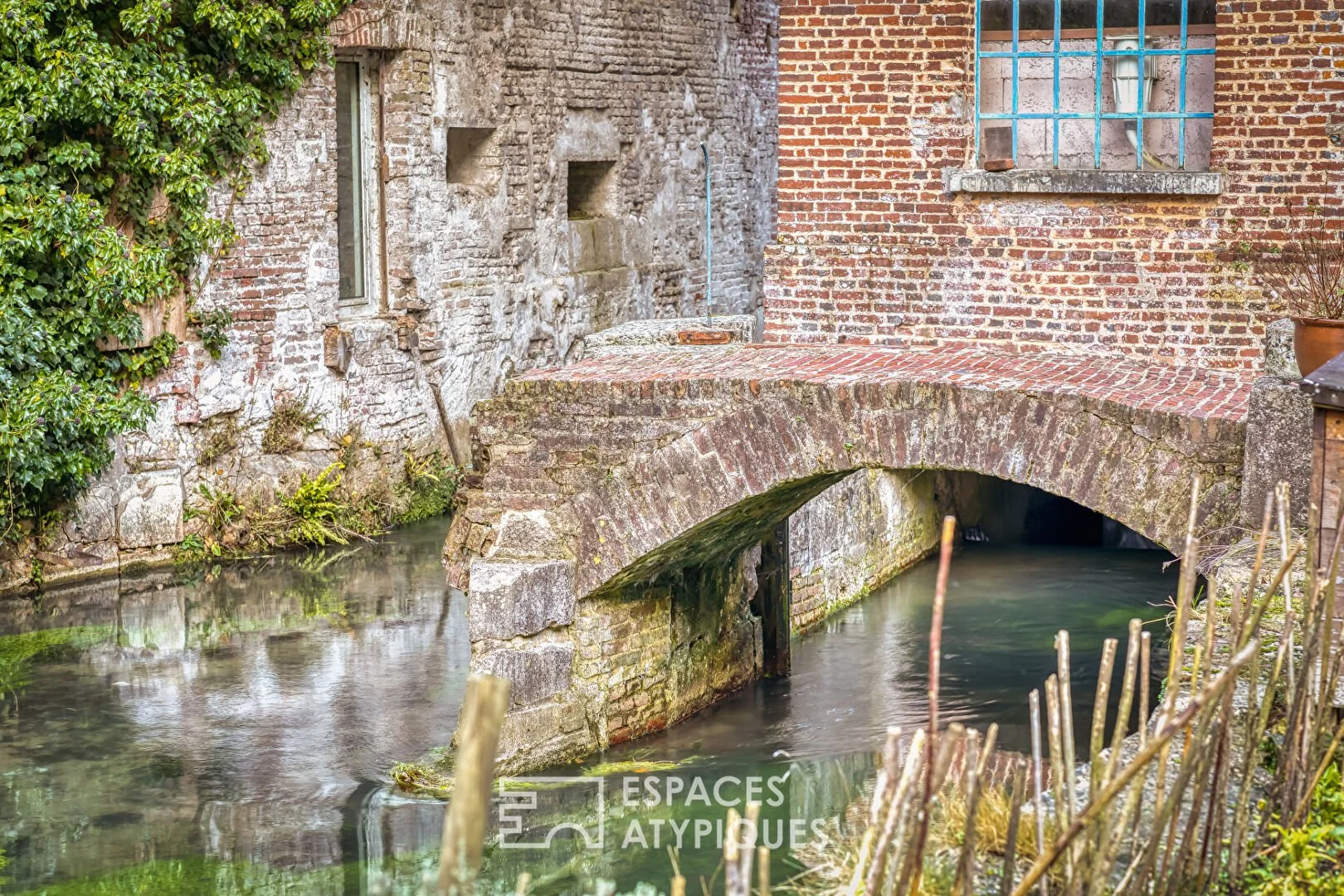
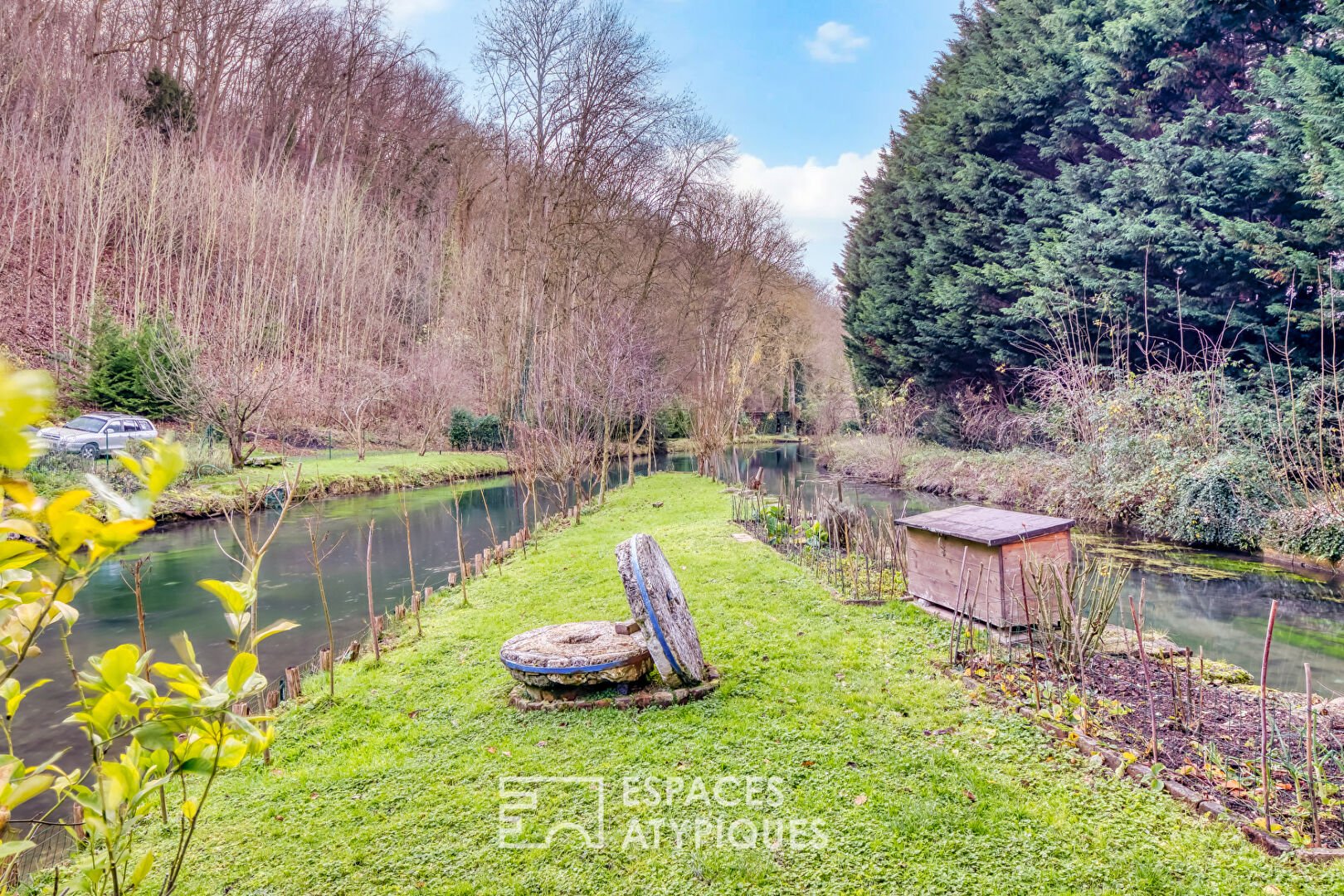
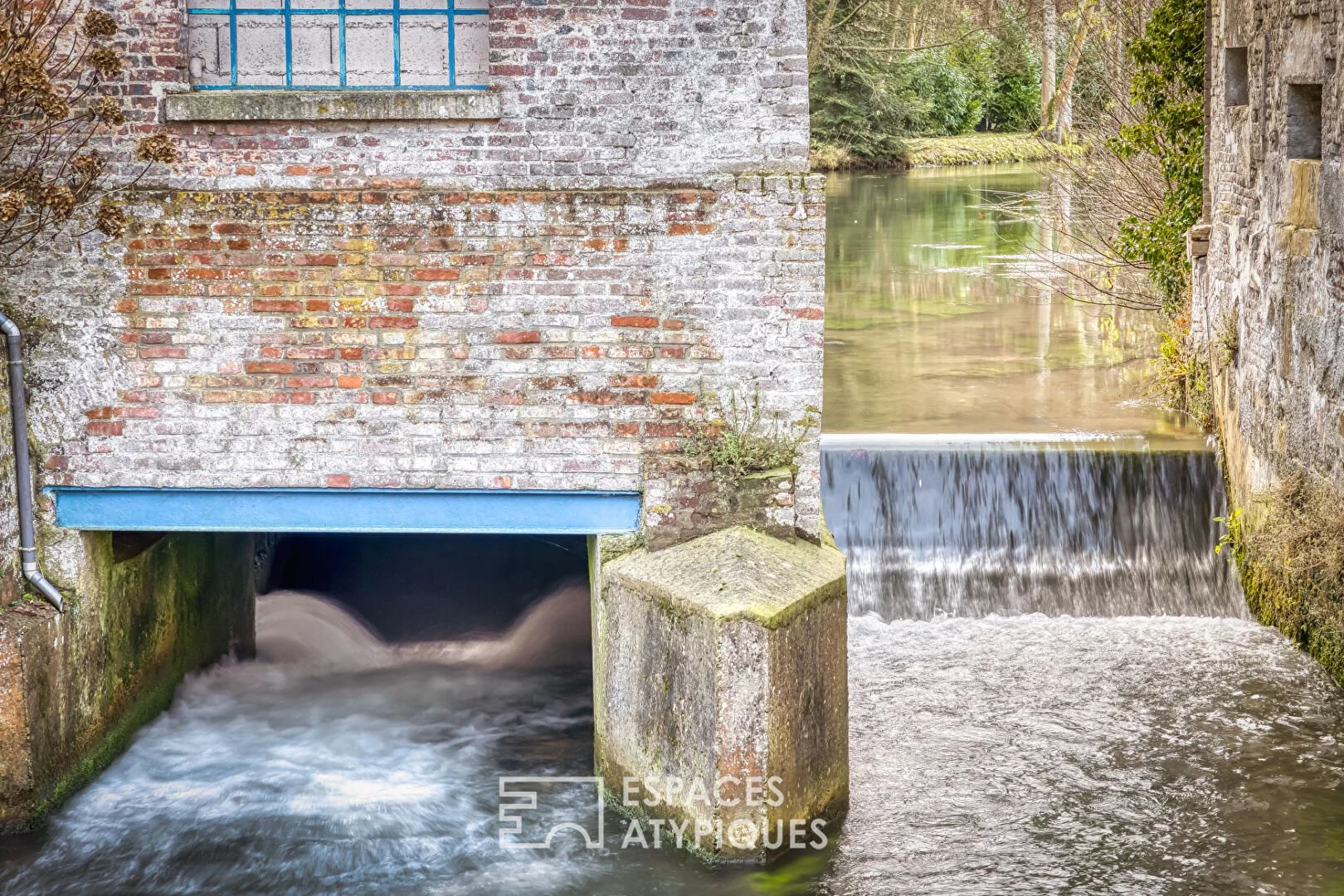
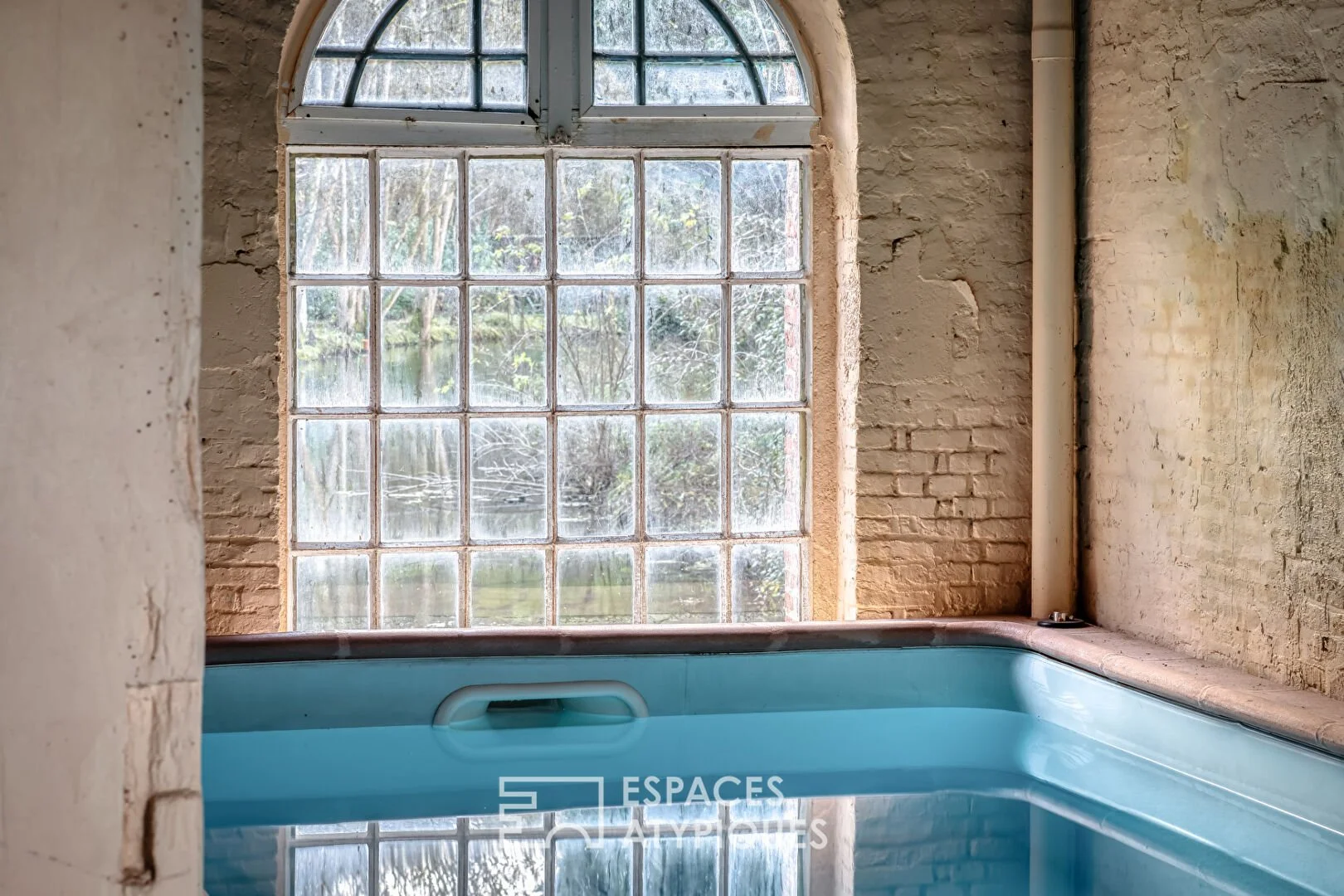
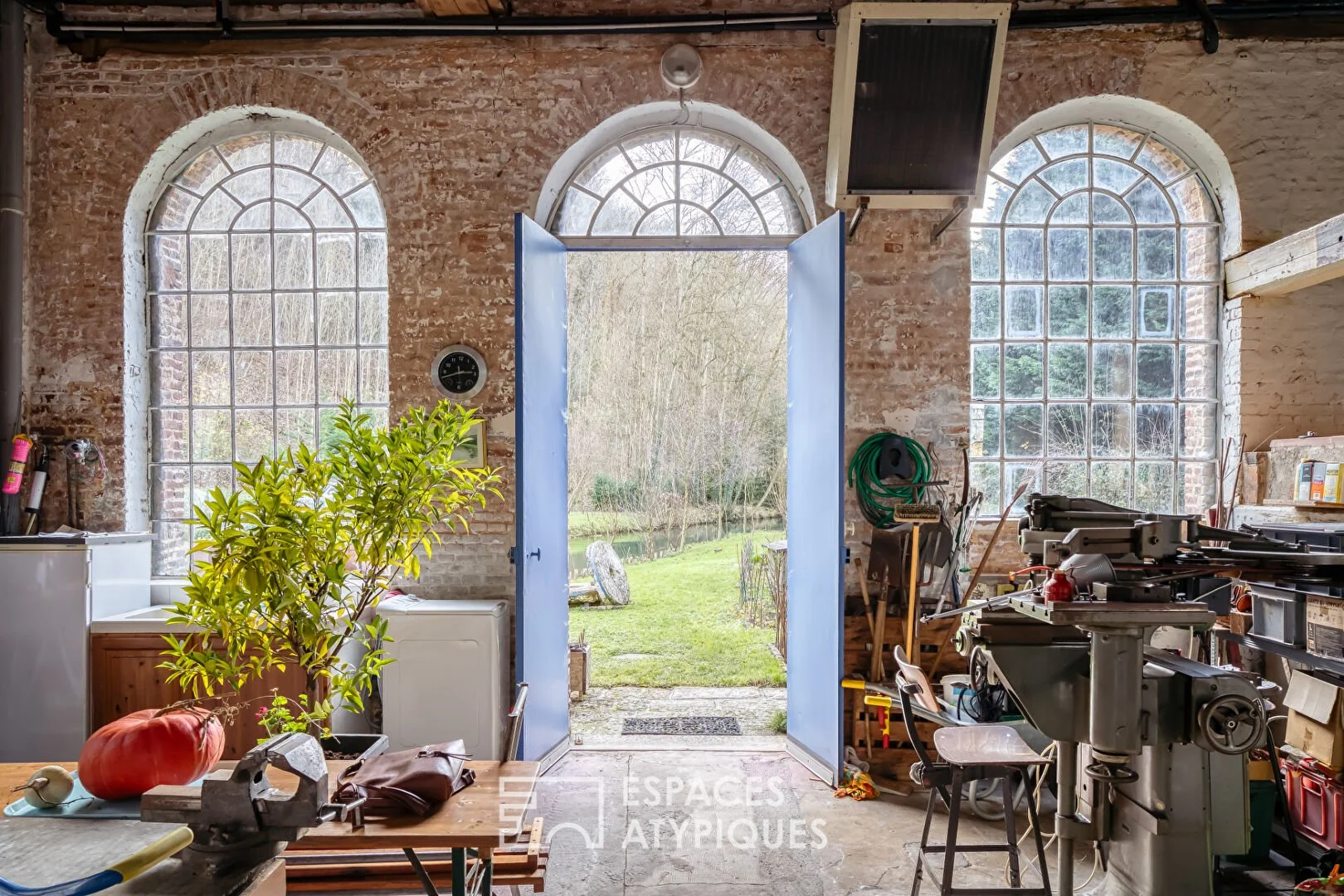
Bordered entirely by water, with two waterfalls and water-edged gardens.
Energy rating
Class C.
Stated upgrades/features
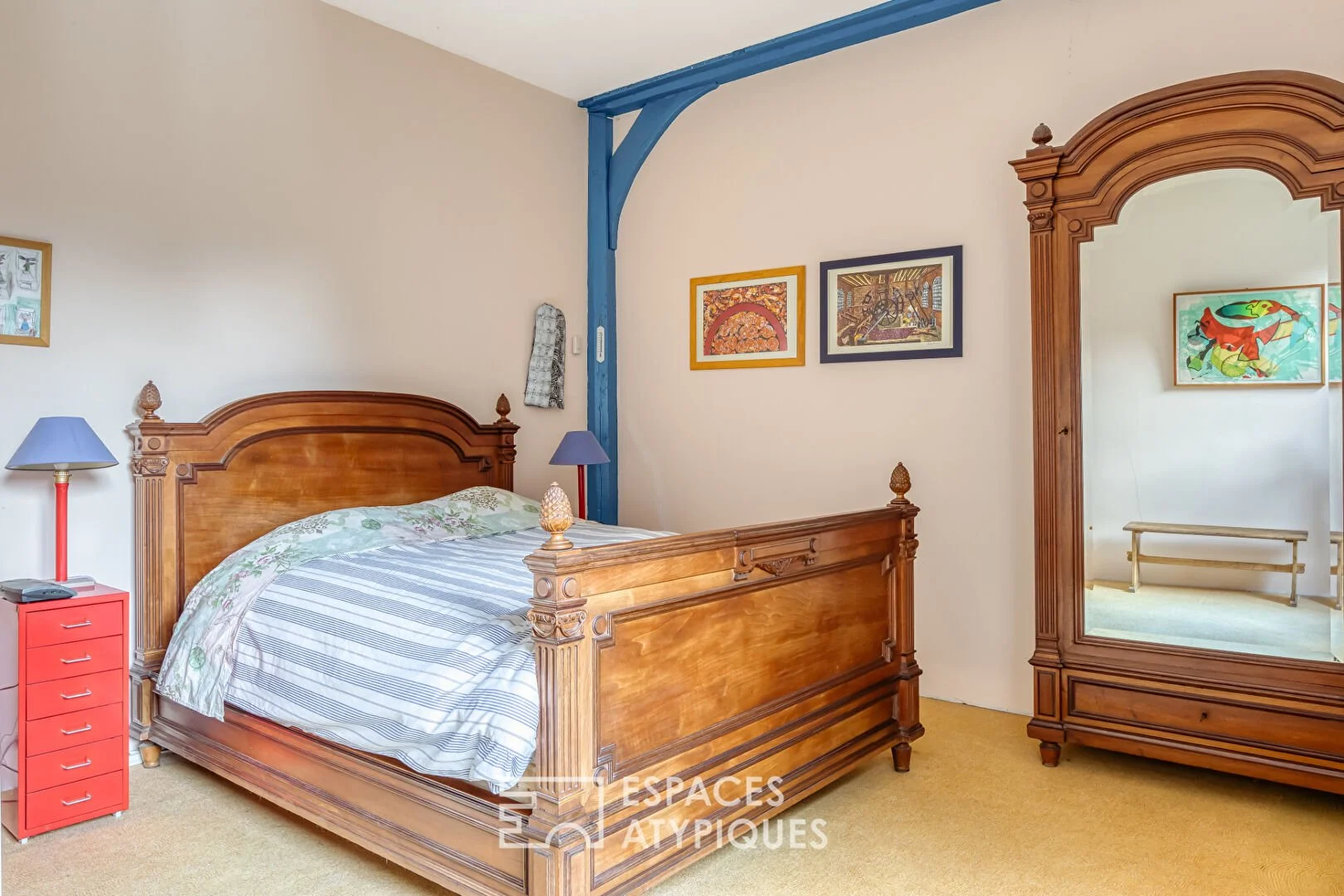
Smart heating controls and preserved historic milling features.
Positioning in the listing
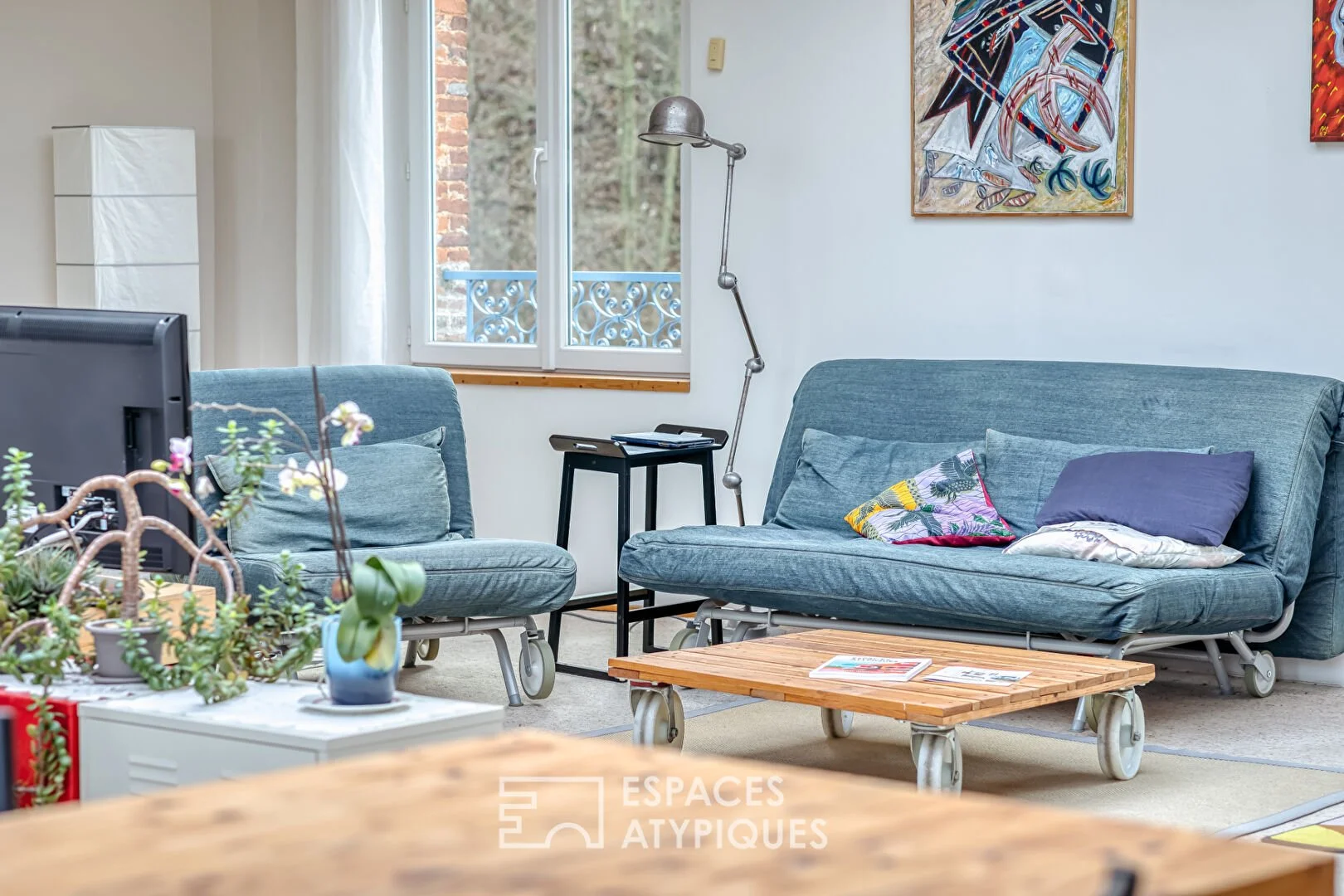
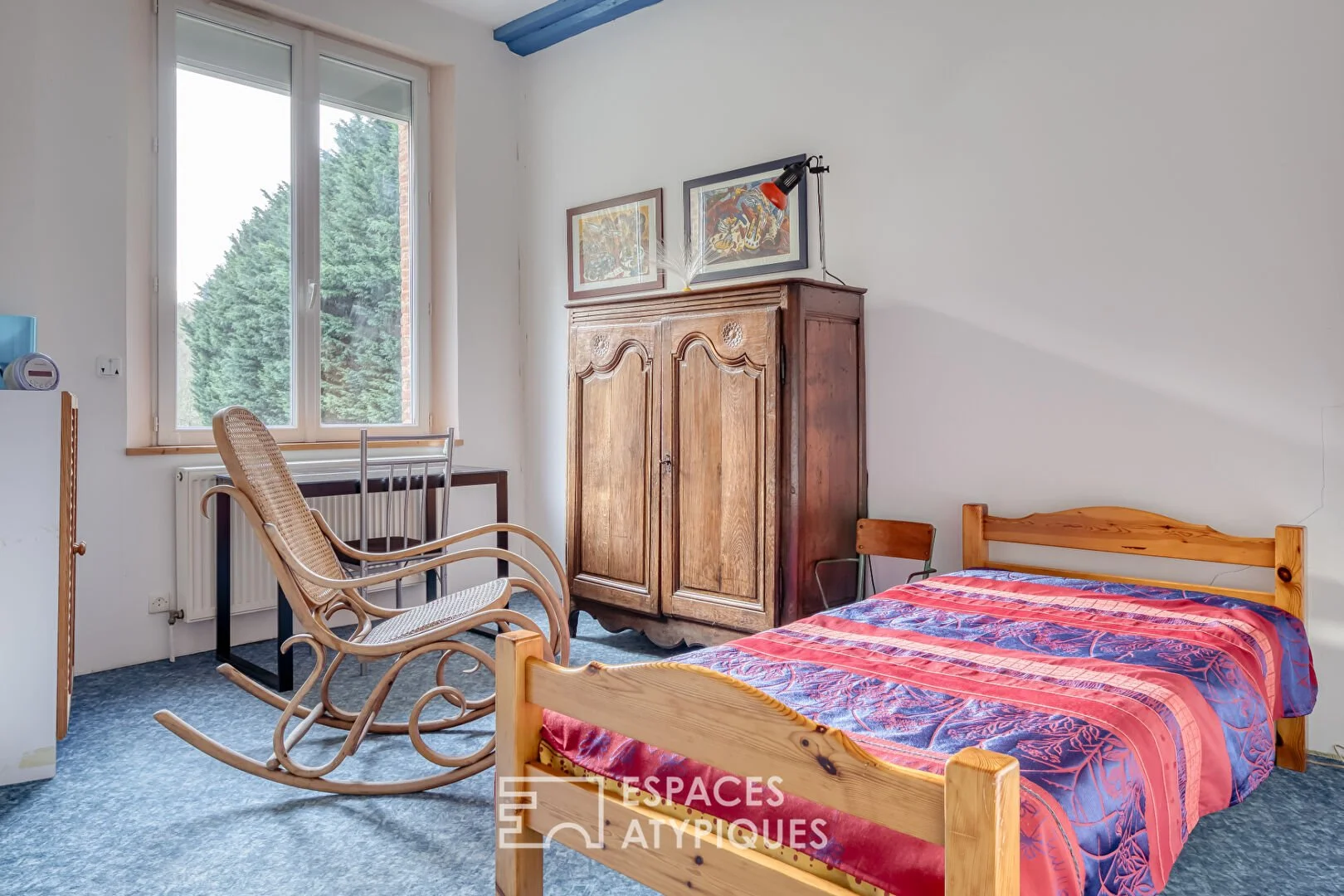
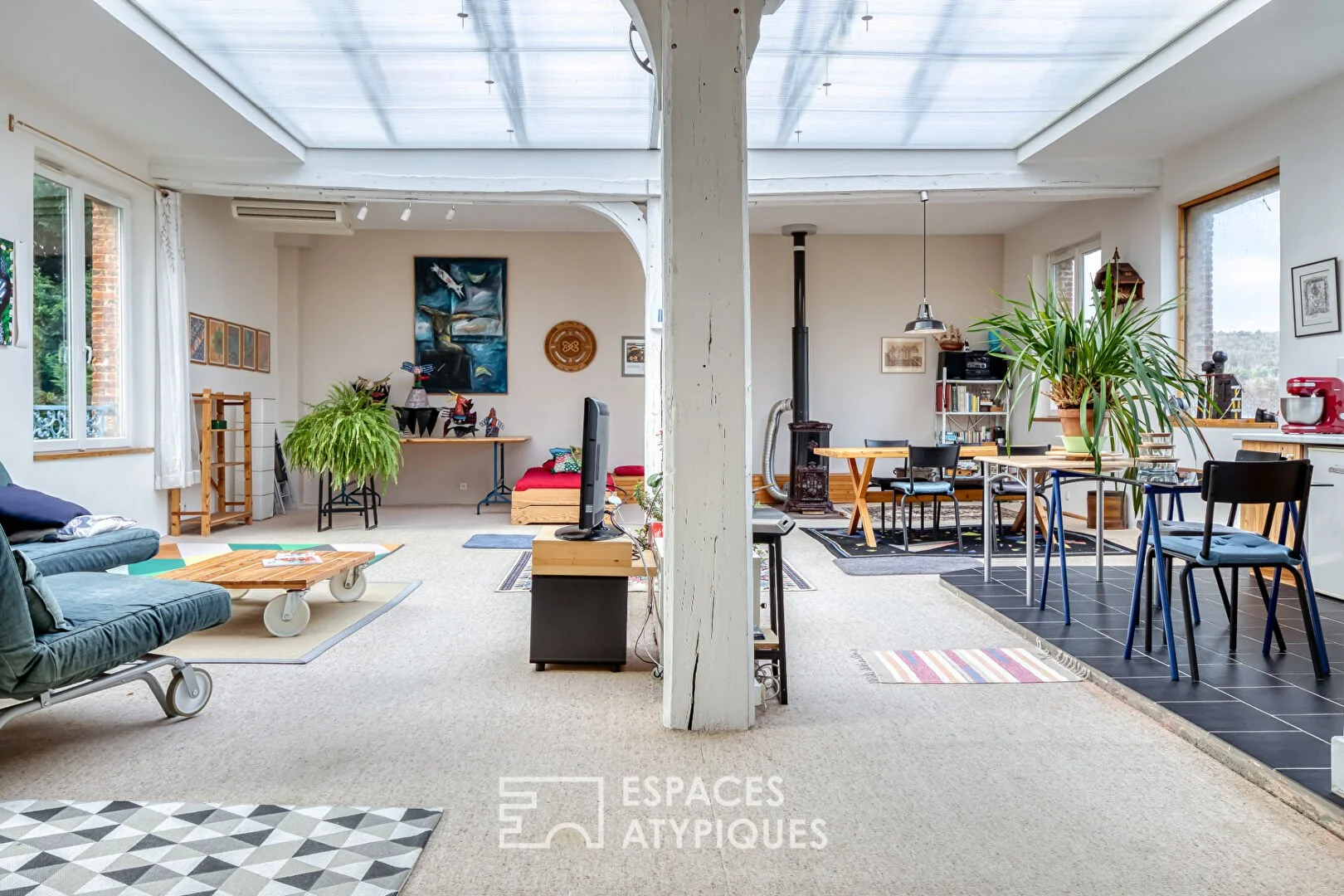
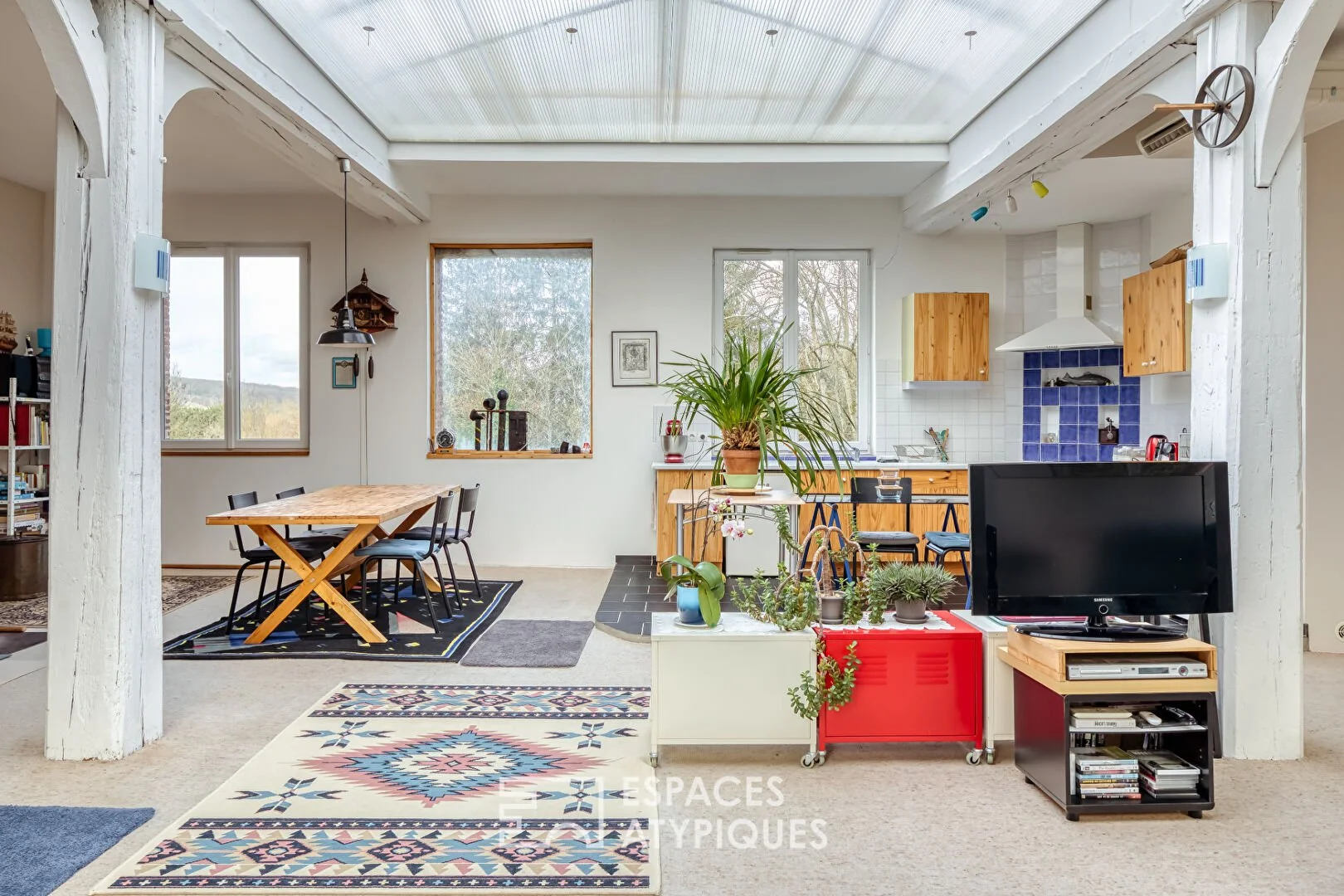
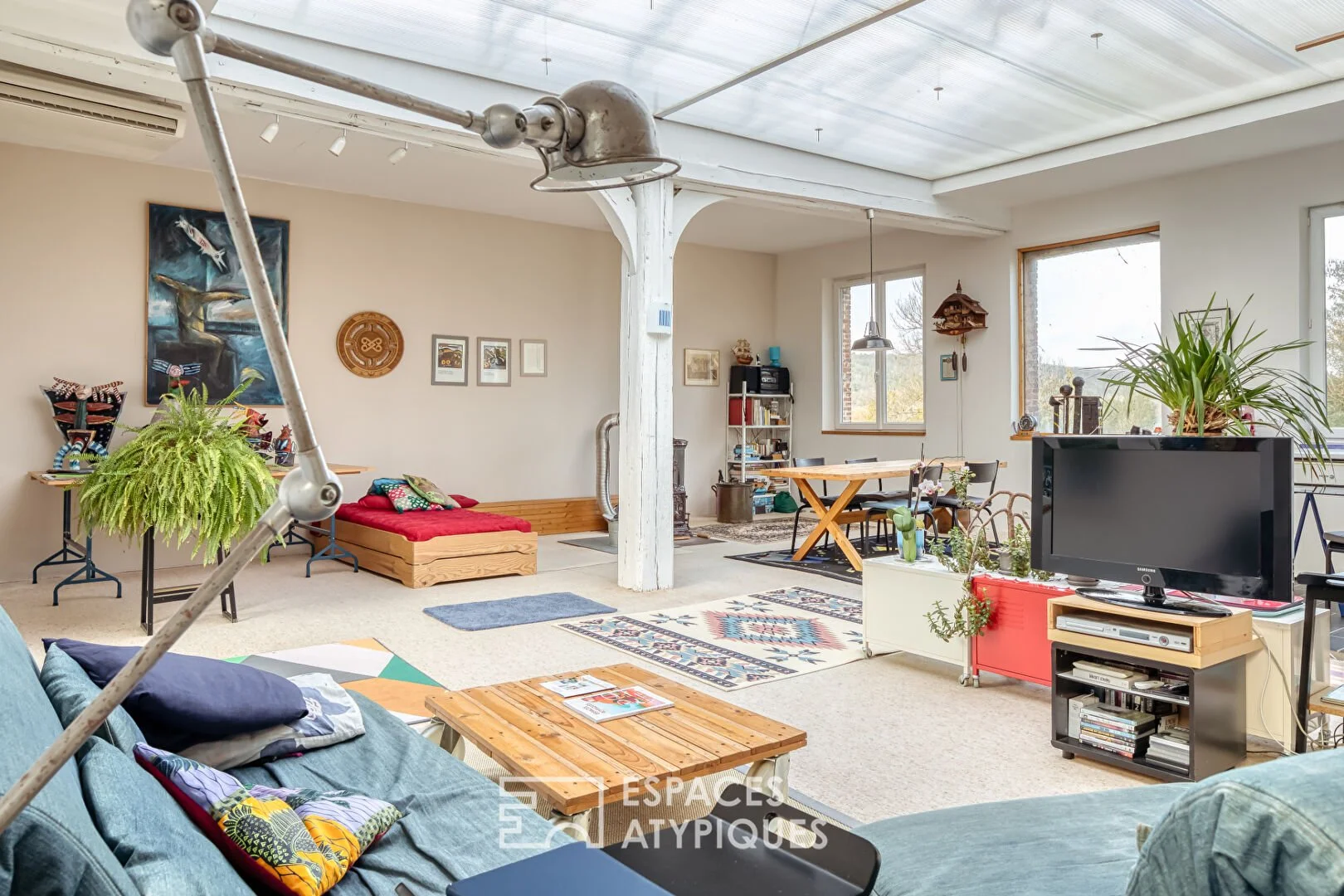
Marketed as a unique character home, creative retreat, countryside escape from Paris, and potential holiday rental with unusual appeal.
Access context in the listing
Roughly 120 km from Paris by road and accessible via the A13 corridor, with Évreux identified as the nearest main services hub.
Risk Radar
Overview
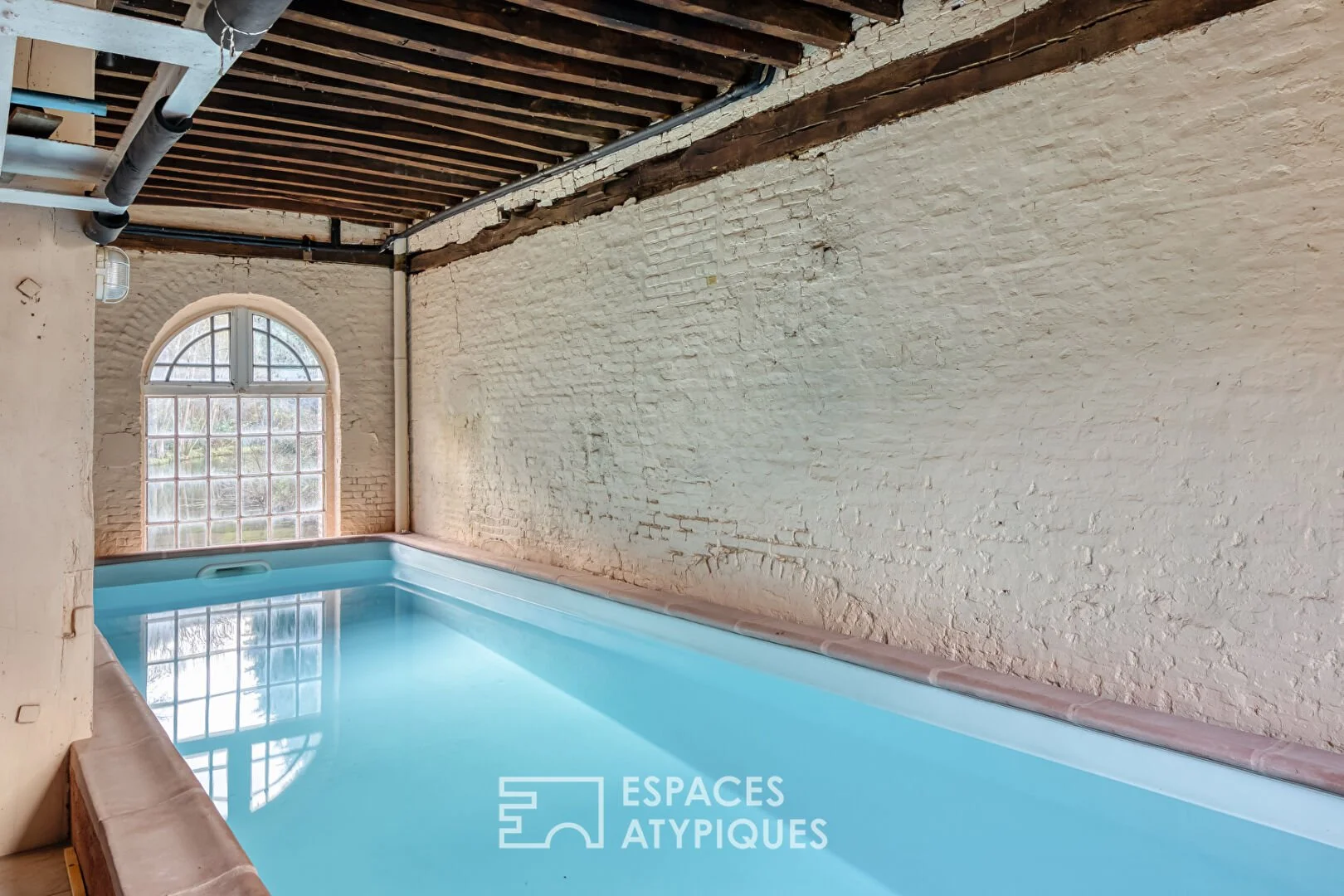
This is not a standard country house with a pretty stream nearby. It is a former 19th-century flour mill sitting on its own island, entirely wrapped by water, with two waterfalls forming part of the property story and, potentially, part of the ownership and maintenance problem. The visual appeal is unusually strong and the Energy Class C rating is notable for a period mill, but the same features that make it memorable also create the main due diligence themes: title clarity, flood exposure, watercourse regulation, structural resilience in a damp environment, access reliability, and the real cost of maintaining a house whose setting is doing half the selling.
Hondouville sits within the area covered by the Iton aval flood prevention plan, and French sellers must provide an État des risques for properties exposed to relevant natural or technological risks. In France, the wider diagnostic dossier and any non-collective drainage position can materially affect both negotiation and post-completion cost. For this property, the right approach is to treat the island status, water boundaries, waterfalls, drainage, bridge or access arrangements, and the true maintenance history as value drivers only after they have first been treated as legal and technical questions.
Targeted Questions
Title, Island Boundaries and Access
The phrase "private island" can be commercially accurate yet still hide partial ownership, split parcels, or excluded banks and structures.
You need to see exactly what land, banks, garden areas, access points and structures are legally attached.
Mixed title arrangements can create awkward dependencies and future disputes.
A beautiful setting loses value fast if other parties have legal rights across it or if you depend on land you do not control.
Practical daily access is one thing. Secure legal access is another.
Access reliability affects insurance, emergency access, renovation logistics and future resale.
These can become major future liabilities if they are old or shared.
Past disputes often reveal weaknesses the marketing copy will not.
Water Rights, Flood Risk and River Management
In France, watercourse use and ownership are tightly regulated and not always aligned with what a buyer assumes from the setting.
Ownership of the land does not automatically mean unrestricted control over water features.
The answer affects regulatory exposure, maintenance cost and future works permissions.
Any formal or informal water use needs to be legally understood before purchase.
"No internal flooding" can still conceal very expensive external flood events.
The seller must disclose risk information, and this property's setting makes that disclosure central rather than routine.
Real-world water behaviour often matters more than brochure wording.
You need to distinguish a naturally romantic setting from an actively managed one.
River-edge maintenance can be ongoing, technical and expensive.
Shared duties can be sensible, but they can also be vague and poorly enforced.
Prior claims can indicate recurring risk and influence your own insurability.
A property can be buyable but awkward or expensive to insure.
Heritage Status, Planning and Works History
Historic character adds value, but heritage controls can materially constrain works.
Even ordinary-looking changes can become slower and more expensive in protected settings.
"Updated" is too vague for a period mill on an island.
Paper trails matter in France, especially where structural or external changes are involved.
These can materially reduce post-purchase risk if substantial work was recent.
Water-adjacent structures are exactly where informal works can create future problems.
Building Condition, Damp and Historic Fabric
On a water-bordered building, any weakness in rainwater management compounds damp risk.
The island setting makes ground and edge conditions unusually important.
Historic mills can move for many reasons, and not all movement is benign.
Near-water living often means persistent moisture management, not just a one-off treatment.
Some treatments can hide rather than solve problems in older masonry.
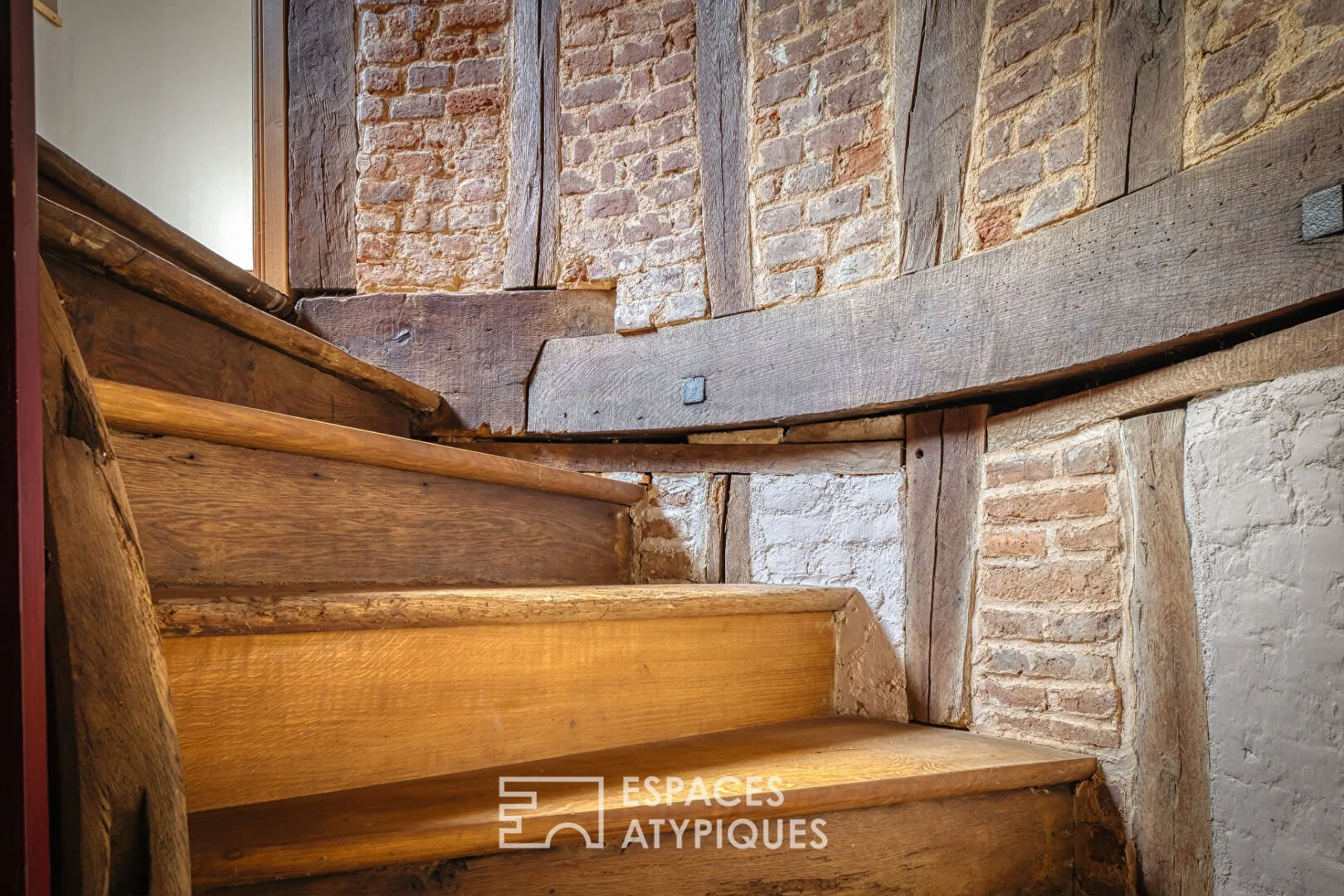
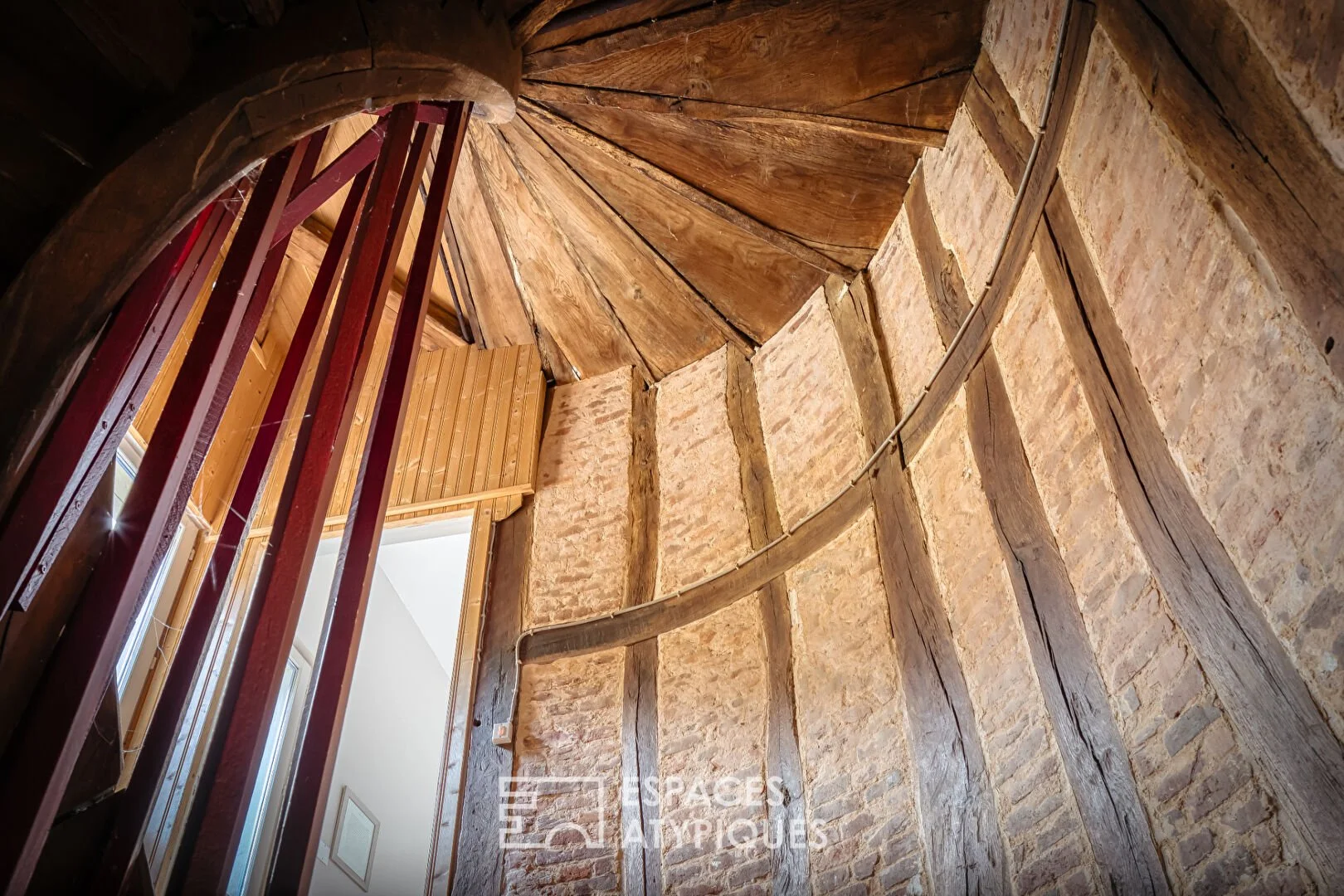
Historic features can be an asset, a hazard, a maintenance burden, or all three.
Functional hydraulic heritage creates another layer of technical due diligence.
Moist environments are harder on joinery, floors and hidden structural timber.
Energy, Heating and Services
A headline rating is useful, but the full report shows how the result was achieved and what may still need attention.
The value of the rating depends on whether the improvements are robust and sympathetic to the building.
Smart controls are helpful only if the core system is efficient, maintainable and correctly sized.
Rural period houses often rely on layered heating rather than one perfect system.
Real bills are often more revealing than theoretical ranges.
Glazing quality affects comfort, noise, condensation and future maintenance.
Older installations require a diagnostic on sale and may reveal upgrade costs.
Drainage, Utilities and Connectivity
On an island or near a watercourse, drainage compliance is a major practical and financial issue.
In France, non-collective sanitation is formally controlled and non-compliance can trigger works after purchase.
Environmental sensitivity can limit what you are allowed to upgrade or discharge.
Remote work value depends on the real connection inside the building.
Utilities can behave differently on a river-edge site than on a standard village plot.
Neighbours, Use and Rental Potential
Shared legal structures can introduce rules, contributions and decision-making friction.
The island may feel private while still being operationally connected to others.
Previous use can reveal both demand and regulatory history.
In France, tourist-rental formalities can include declaration and, in some municipalities, additional registration or use controls.
A unique mill on an island does not price like a generic four-bedroom home.
"Wow factor" is not the same as proven income.
Seasonality is likely to be sharper here than in a city location.
Negotiation Intelligence
Buyer Leverage
Medium-High
Key Drivers
Typical Negotiation Range
5-15% below asking
Neutral Phrasing Examples
Country Layer
France (Regulatory Context April 2026)
In France, the seller of a residential property is expected to provide a dossier de diagnostic technique, and for a house of this age and setting that can include the DPE, the état des risques, and depending on the property and local zone, diagnostics such as electricity, lead, termites and other mandatory reports.
Viewing Strategy
Arrive early enough to assess the approach in daylight and again, if possible, after recent rain.
Next Step
Verify from the listing:
Island title and legal access
Request the cadastral plan, parcel references and title documents so you can confirm that the whole island, the mill, any bridge or access structure, and the water-edged gardens are all included and legally accessible.
Flood exposure and insurance position
Ask for the full diagnostics dossier, especially the ERP, plus any past insurance claims or flood disclosures, so you can assess how the river setting affects real ownership risk rather than just visual appeal.
Water rights and maintenance responsibility
Clarify the legal status of the watercourse, waterfalls, banks and any hydraulic structures, including who is responsible for maintenance, permissions and future works.
Drainage and environmental compliance
Confirm whether the house is on mains drainage or non-collective sanitation, and if there is a fosse or similar system, request the latest SPANC report and any required upgrade works.
Renovation history behind the Class C rating
Request the full DPE, major works invoices, planning paperwork and any décennale-backed renovations so you can understand what was actually improved and what still remains vulnerable in a 19th-century riverside mill.
A prepared buyer should approach the agent calmly and frame questions as due diligence.
Because this is a property where title clarity, water exposure and technical history all materially affect value, run it through the Property Risk Assessment to test the legal and physical risk profile, and use the Total Property Cost Calculator to model acquisition costs before deciding whether the asking price still stacks up.
Disclaimer: The Property Drop is buyer-focused intelligence, zero sales agenda. We curate exceptional properties, in southern Europe, from third-party agents and arm you with decision tools. No commission, no transactions, no agent partnerships, no skin in the game beyond helping you choose wisely. Information stays accurate until it doesn't (properties sell, prices shift, markets move). Everything here is shared for informational purposes only and should not be treated as legal, financial, or investment advice. Images belong to original agents. Read our Terms of Service to learn more.
Buyer Intelligence:
This assessment provides general guidance based on common risk factors and publicly available regulatory information. Risk scores and checklist items are indicative only and must not be considered legal, financial, structural, or surveying advice. Actual property conditions, costs, and regulatory requirements vary significantly by location, property age, and specific circumstances. Regulations are subject to change; always verify current requirements with qualified local professionals before making any purchasing decision.
The Property Drop provides buyer intelligence and educational research analysis only. The Property Drop does not act as an estate agent, intermediary, or advisor in any transaction and does not facilitate introductions, negotiations, or transactions. Always engage qualified independent professionals including local lawyers, surveyors, architects, and tax advisors for comprehensive due diligence specific to your property.
IMPORTANT REMINDER: When contacting property agents featured on The Property Drop, you are entering into direct communication with third parties. It's recommended that you verify all property details independently, conduct thorough due diligence, engage qualified professionals (solicitors, surveyors, financial advisors), understand your rights and obligations under local property laws, and never send money or make commitments without proper legal protection.

The Buyer Playbook: 5-Bed Historic Townhouse with Two Apartments and Panoramic Views, Collamato, Italy, €220,000
The Buyer Playbook: 3-Bed 19th-Century House with Jean Nouvel Top Floor and Lap Pool, Near Ribérac, France, €345,000
Questions ready for the agent?
The agent represents the seller.
What you ask shapes the answers you get.