
The Buyer Playbook: 7-Bed Manor House with Pool and Valley Views, Villetoureix, France, €369,900
Buyer Playbook
Pre-Viewing Intelligence Report
This independent buyer guidance report relates to this specific property located in France. It is provided for informational purposes only and does not constitute legal, tax, structural or survey advice. Planning status, habitability, drainage connection, pool compliance, tourist-rental use, land boundaries, servitudes, and any conversion potential for the workshop or ancillary spaces must always be verified with qualified French professionals such as a notaire, géomètre-expert, diagnostiqueur, architecte, maître d'œuvre, surveyor or licensed property consultant, and with the relevant mairie and utility authorities. This report is designed to help buyers evaluate the property before arranging a viewing or making an offer. It highlights due diligence issues and targeted questions to ask the estate agent. The analysis is based on the listing details you provided and publicly available French regulatory context at the time of writing, especially around DPE validity, diagnostics, pool safety and tourist-accommodation rules.
Playbook Contents
Property Snapshot
Location
Villetoureix, Dordogne, Nouvelle-Aquitaine, France
Property type
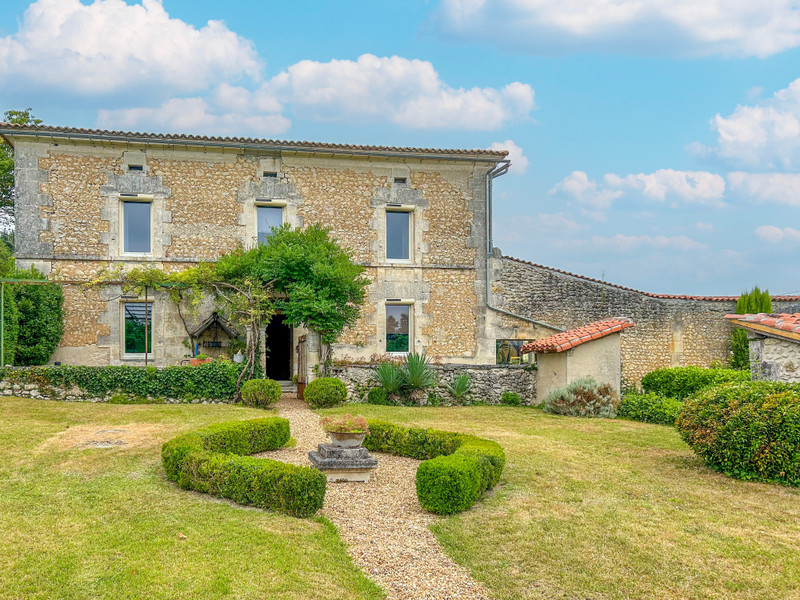
Maison de maître / manor house
Asking Price
€369,900
Bedrooms
7
Bathrooms
3
Living area
252 m²
Plot
Approx. 1.1 hectares
Layout
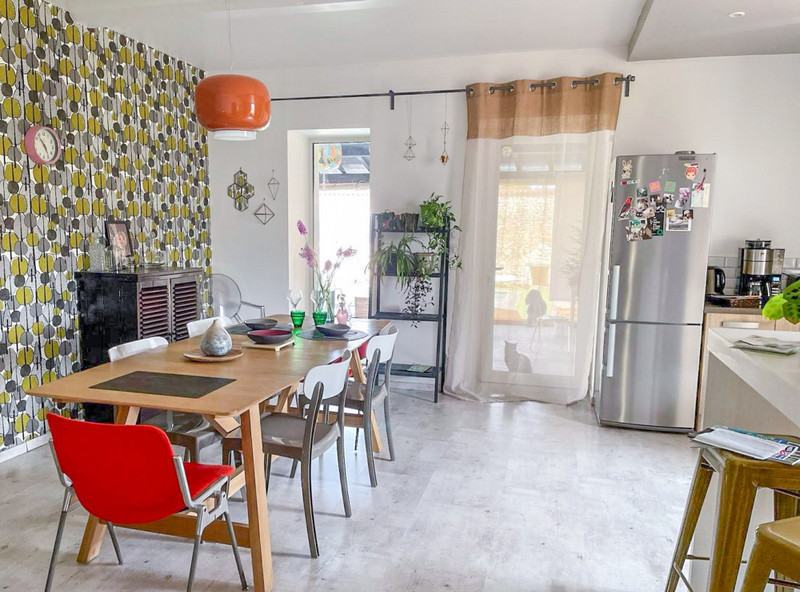
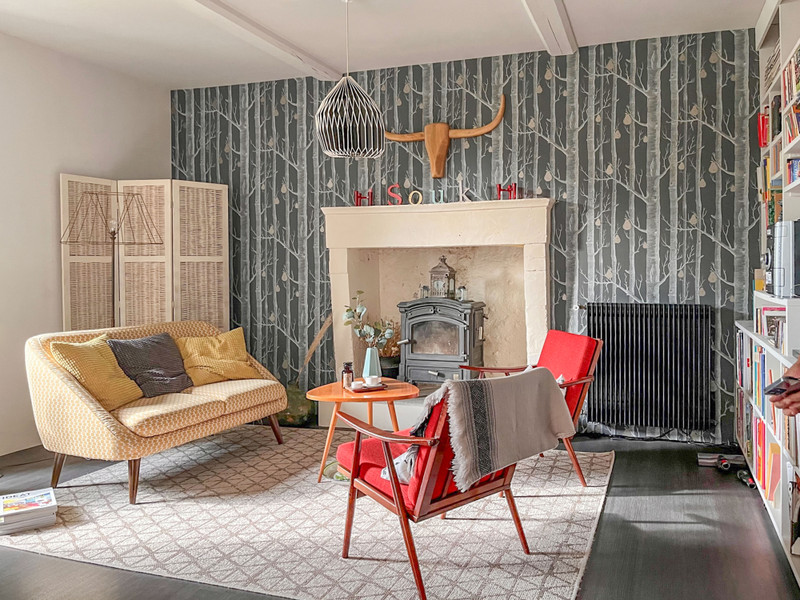
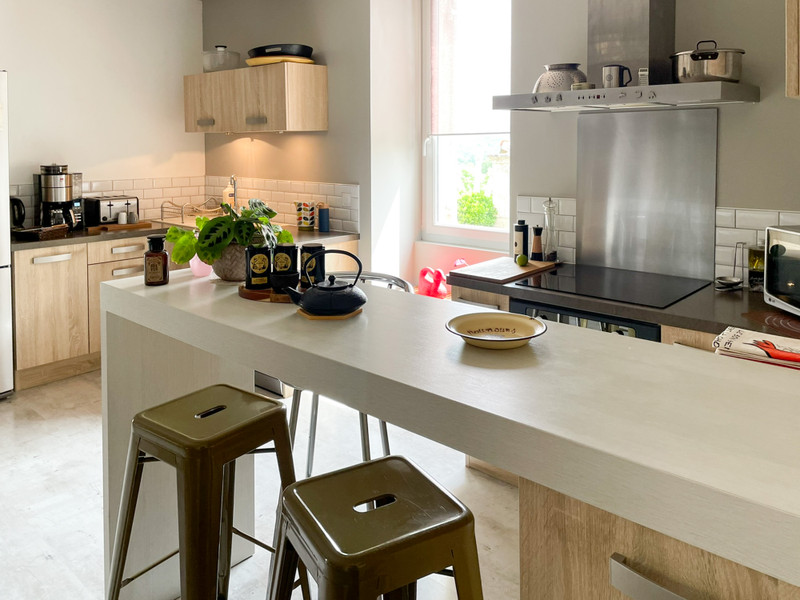
Ground-floor master suite with shower room, large kitchen/dining room, sitting room, six further first-floor bedrooms
Outdoor features
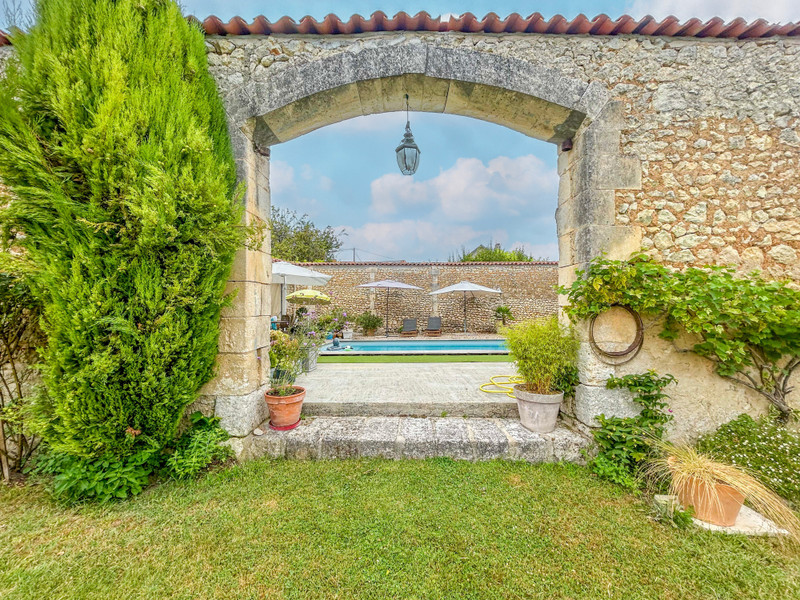
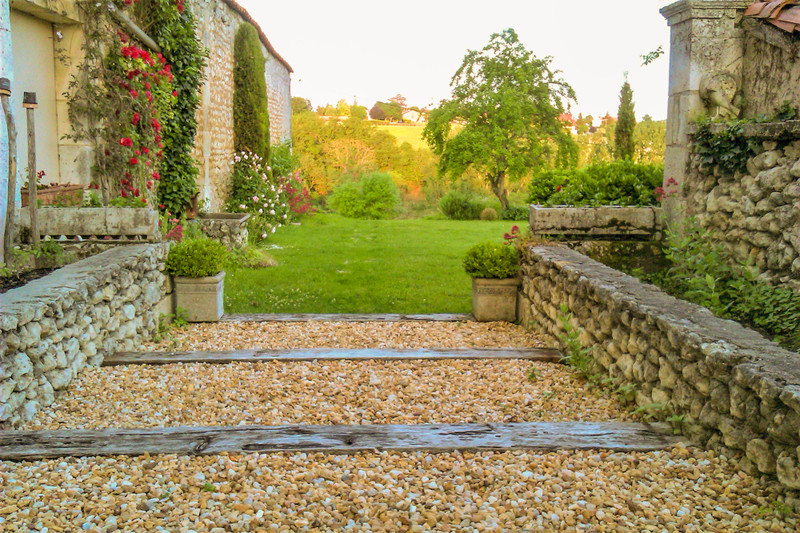
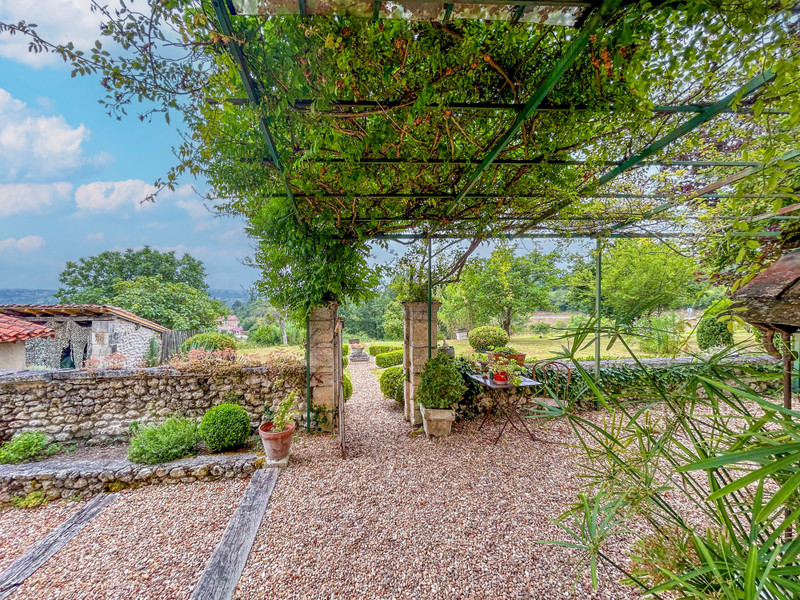
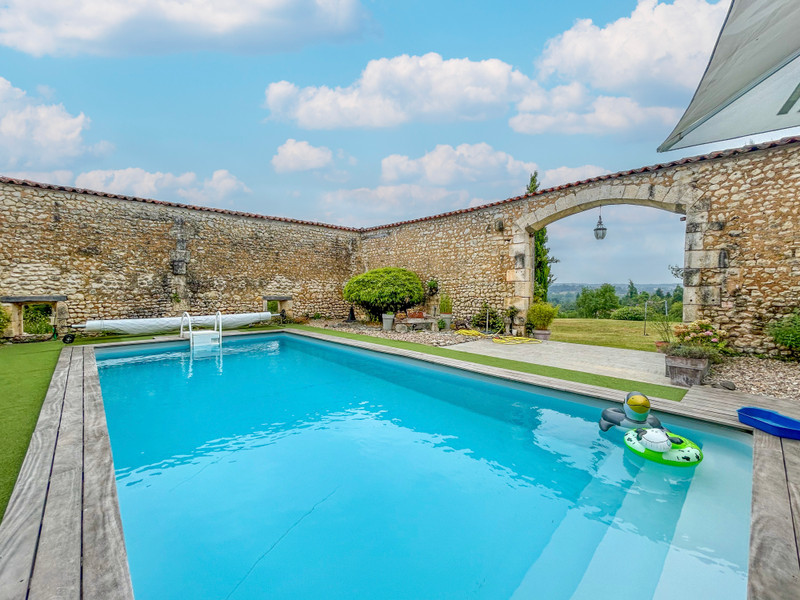
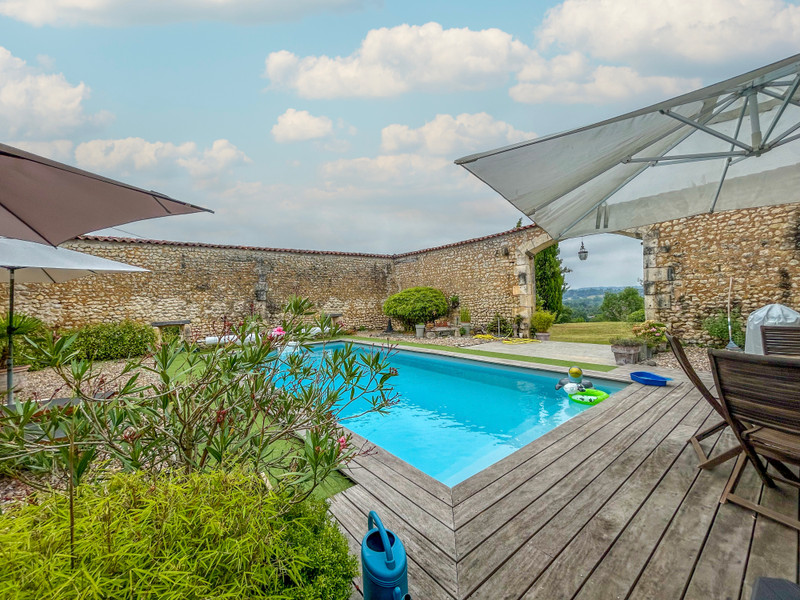
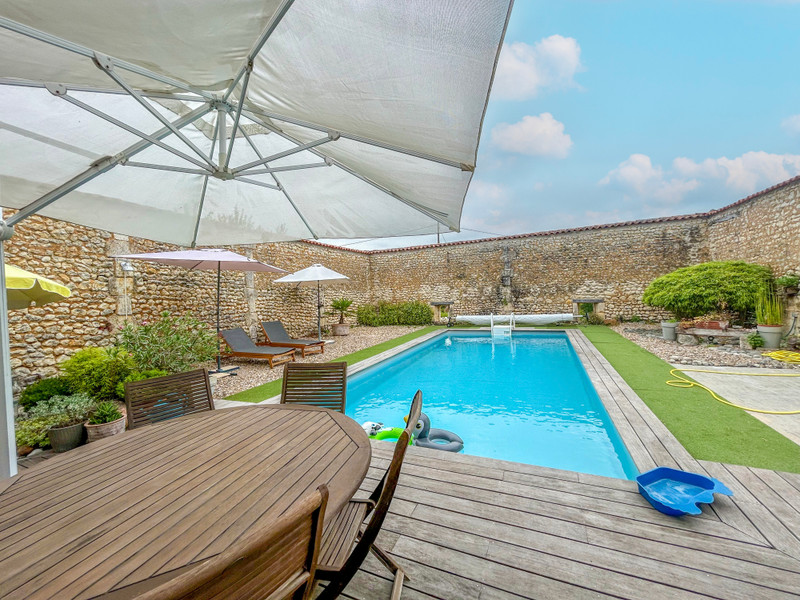
Swimming pool, 66 m² covered terrace with barbecue area, walled garden, valley views
Service spaces
Utility room, storeroom, boiler room, workshop
Systems highlighted in the listing
Heat pump, double glazing, mains drainage
Energy position
Marketed as Energy Class C, with an explicit note about post-July 2021 DPE timing and the January 2026 electricity-coefficient recalculation context
Lifestyle angle
Large family home, shared holiday property, or hospitality-style use with possible bed and breakfast appeal
Key themes for due diligence
Validity of the current DPE position, true heating configuration, condition of a likely older structure, legality and usefulness of ancillary spaces, pool compliance, and whether the property works better as a private home or income-producing asset
Risk Radar
Overview
This is a strong-value period house on paper. Seven bedrooms, a pool, over a hectare of land, a covered terrace, mains drainage, double glazing and a heat pump at this price point in the Dordogne immediately make it more interesting than many similarly romantic rural listings. The ground-floor suite also broadens its appeal, because it could work for multi-generational living, ageing in place, or guest accommodation with less dependence on stairs.
The most important issue is not whether the house is charming. It clearly is. The question is whether the listing's "ready to use" presentation is backed up by documentation that stands up under scrutiny. The Energy Class C rating is a major selling point for an older French manor house, but it needs careful verification. Since France changed the electricity conversion coefficient in DPE calculations from 2.3 to 1.9 from 1 January 2026, some electrically heated homes can now obtain a free updated attestation without a new visit, while existing DPEs from after 1 July 2021 remain valid for 10 years. That means a buyer should not just accept "C" at face value. You need to know whether the property already has a post-2026 DPE, whether it relies materially on electric systems, whether an official attestation has been downloaded from ADEME, and whether the rating reflects the current heat-pump-led setup rather than an outdated configuration.
The second theme is physical performance. Houses of this type can look polished in photographs but still carry hidden liabilities in the roof, structure, damp behaviour, drainage falls, terraces, pool surrounds and service rooms. The listing mentions a boiler room even though a heat pump is highlighted, which raises a practical question: is there an older system still in place, partly redundant equipment, or a mixed heating setup? The workshop and boiler room are useful spaces, but they can also become the part of the house where deferred maintenance, moisture, wiring issues or improvised alterations quietly gather.
The third theme is use case. As a private family house, the property could work very well if the running costs, layout practicality and maintenance burden are reasonable. As a holiday rental or hospitality proposition, it becomes a more regulated and operationally sensitive asset. In France, the legal framework is very different depending on whether you are offering meublé de tourisme or chambres d'hôtes. A chambres d'hôtes model is not simply "seven bedrooms equals seven paying rooms". The official chambres d'hôtes framework is limited to accommodation within the host's home, with a maximum of five guest rooms and fifteen guests at one time, plus specific service expectations such as host reception and breakfast. That matters here because the listing's "bed and breakfast" angle may be commercially appealing but may not map cleanly onto the full seven-bedroom configuration without adjustment.
Targeted Questions
Energy Rating, Heating and Running Costs
The headline rating alone is not enough. The full report shows whether Class C is robust, what assumptions were used, and what upgrades are still recommended.
DPEs issued from 1 January 2026 automatically use the new electricity coefficient, while older valid DPEs may need a free attestation to reflect the updated calculation.
A buyer needs the legally usable paper trail, not just a verbal statement that the rating has improved.
"Heat pump" can describe very different systems with very different comfort levels, running costs and maintenance profiles.
A strong DPE can look less impressive if substantial areas still rely on older direct-electric or secondary systems.
DPE performance and day-to-day running costs can change materially depending on whether hot water is generated efficiently or by older electric equipment.
In a seven-bedroom property, zoning affects comfort, controllability and actual operating cost.
Conventional DPE costs are useful, but actual bills show how the house behaves in real life.
A recently installed, documented system is much lower risk than an undocumented one that merely appears modern.
Summer comfort matters in the Dordogne, especially if the property is intended for hospitality or multi-family use.
Heat pumps perform best in buildings with a decent thermal envelope. The DPE rating needs to be supported by real fabric improvements.
Mixed generations of glazing are common in older houses and can create weak spots in comfort and maintenance.
Occupant experience often reveals performance gaps that paperwork does not.
Legal Documents and Sale Pack
In France the seller must provide the relevant diagnostics within the DDT, and for an older property this can include asbestos, lead, termites if the area is designated, gas and electricity if installations are over 15 years old, and ERP risk information.
Large rural plots can include irregular boundaries, access strips, or overlooked servitudes.
Buyers should know whether all key value-driving features are properly reflected in the property's legal description.
In a rural French setting, mains drainage is a significant value point if true. It should be verified, not assumed.
A seven-bedroom house with inadequate drainage capacity can generate major upgrade costs.
Valley-view rural properties sometimes come with practical burdens that do not appear in marketing copy.
A manor-style house can still occasionally involve shared drives, walls or service arrangements.
You need to know whether the current built form is properly authorised.
This helps confirm that the current layout and later additions were lawfully completed.
Insurance history can reveal serious events the viewing might not show.
Documentation around major building works helps a buyer assess both quality and recourse.
Building Condition, Structure and Moisture
Roof renewal is one of the most expensive foreseeable costs in a house of this age.
An inspection history can help separate cosmetic confidence from actual condition.
These are common failure points and often drive hidden moisture problems.
Structural movement can be manageable, but it needs to be understood early.
Older French houses can manage moisture differently from modern homes, and incorrect repairs can worsen problems.
The treatment history matters almost as much as the current symptom.
These are high-traffic or service-heavy areas where hidden repairs often accumulate.
A seven-bedroom house used by guests or extended family needs safe, robust wiring capacity.
Large houses can suffer from patchwork plumbing that works fine until demand rises.
In France, termite diagnosis is required on sale only in designated risk zones, but timber condition remains important regardless.
Layout, Ancillary Spaces and Practical Use
Buyers need to know what is legally and conventionally counted as habitable space.
A house can have seven bedrooms and still function awkwardly for family life or guest use.
That room's usefulness changes depending on how private it actually feels.
It may indicate retained older systems, redundant equipment, or a useful plant room.
Conversion dreams often disappear when the services are too basic or too improvised.
Practical "extra space" and legally habitable extra space are not the same thing.
Pool, Terrace and Grounds
Pool legality and age affect value, insurance and future resale confidence.
The pool can be either an asset or a recurring cost centre.
French law requires a compliant safety device for private in-ground pools, so this should be checked before viewing-day enthusiasm takes over.
Heated pools can materially change both guest appeal and running costs.
Major pool repairs can be expensive and easy to underestimate.
Covered terraces add lifestyle value, but buyers should confirm their legal status and maintenance burden.
Large covered terraces can become a quiet source of water-ingress and timber-decay costs.
Landed properties are easier and cheaper to run if outdoor water supply is understood.
Plot size is only an advantage if control is clear.
Location, Access and Hospitality Potential
Rural charm matters less when access is awkward for guests, suppliers or winter travel.
Parking capacity matters for large families and hospitality use.
Remote work, streaming and guest satisfaction all depend on real connectivity, not postcode assumptions.
Thick walls and rural settings can produce dead zones.
Trading history can reveal whether the concept works in practice or only in marketing copy.
French chambres d'hôtes rules are specific. They involve hosting within the owner's home and are capped at five rooms and fifteen guests.
France is tightening registration and declaration rules for tourist rentals, and local regulation matters.
Seven-bedroom rural properties can earn well, but seasonality and operating friction are real.
The property may be legally rentable but commercially awkward if the setting does not suit turnover and guest activity.
Negotiation Intelligence
Buyer Leverage
Medium-High
Key Drivers
Typical Negotiation Range
5-15% below asking
Neutral Phrasing Examples
Country Layer
France (Regulatory Context April 2026)
In France, the seller must provide the buyer with the relevant Dossier de Diagnostic Technique. For a house sale this commonly includes the DPE and, depending on the property's age, systems and location, may also include lead, asbestos, termites in designated areas, gas, electricity and ERP risk reporting. For a property of this character, asking for the full diagnostic pack before travelling is entirely reasonable.
Viewing Strategy
Start outside, not inside. Walk the full plot boundary as far as possible before the romance of the entrance hall does its work.
Next Step
Verify from the listing:
Current DPE Class C evidence
Request the full DPE, its issue date, ADEME number, and any January 2026 attestation so you can confirm whether the Class C rating is fully current and properly documented.
Heat pump and actual running-cost reality
Clarify exactly what type of heat pump is installed, whether it heats the whole house, what system provides hot water, and what the last 12 months of energy bills look like in practice.
Pool legality and safety compliance
Ask for the planning paperwork, build history, maintenance file, and confirmation of the legally compliant safety device protecting the pool.
Mains drainage and ancillary-space status
Get written confirmation that the house is on mains drainage, and verify the legal and technical status of the boiler room, workshop and storage areas before treating them as flexible future space.
Hospitality-use realism
If you are considering holiday lets or a bed and breakfast model, ask the mairie-level question early so you understand whether the property suits chambres d’hôtes rules, meublé de tourisme use, or neither without changes.
A prepared buyer should approach the agent calmly and frame questions as due diligence. For example: “To help me assess the property properly and prepare a serious offer, could you share the full DPE and any updated attestation, the diagnostics dossier, proof of mains drainage, pool paperwork, and the file on recent works and heating installation?”
Because this is a large period property where energy claims, structural upkeep and commercial-use assumptions all materially affect value, run it through the Property Risk Assessment before contacting the agent, or use the Rental Yield Calculator once the hospitality and registration position has been properly verified.
Disclaimer: The Property Drop is buyer-focused intelligence, zero sales agenda. We curate exceptional properties, in southern Europe, from third-party agents and arm you with decision tools. No commission, no transactions, no agent partnerships, no skin in the game beyond helping you choose wisely. Information stays accurate until it doesn't (properties sell, prices shift, markets move). Everything here is shared for informational purposes only and should not be treated as legal, financial, or investment advice. Images belong to original agents. Read our Terms of Service to learn more.
IMPORTANT REMINDER: When contacting property agents featured on The Property Drop, you are entering into direct communication with third parties. It's recommended that you verify all property details independently, conduct thorough due diligence, engage qualified professionals (solicitors, surveyors, financial advisors), understand your rights and obligations under local property laws, and never send money or make commitments without proper legal protection.
